JP7674530B2 - Method, system and computer readable medium for establishing message priority in a network slice based on quality of service parameters - Google Patents
Method, system and computer readable medium for establishing message priority in a network slice based on quality of service parameters Download PDFInfo
- Publication number
- JP7674530B2 JP7674530B2 JP2023577461A JP2023577461A JP7674530B2 JP 7674530 B2 JP7674530 B2 JP 7674530B2 JP 2023577461 A JP2023577461 A JP 2023577461A JP 2023577461 A JP2023577461 A JP 2023577461A JP 7674530 B2 JP7674530 B2 JP 7674530B2
- Authority
- JP
- Japan
- Prior art keywords
- network slice
- smp
- entity
- service provider
- network
- Prior art date
- Legal status (The legal status is an assumption and is not a legal conclusion. Google has not performed a legal analysis and makes no representation as to the accuracy of the status listed.)
- Active
Links
- 238000000034 method Methods 0.000 title claims description 28
- 230000006870 function Effects 0.000 claims description 47
- 238000013507 mapping Methods 0.000 claims description 26
- 230000004044 response Effects 0.000 claims description 23
- 238000004891 communication Methods 0.000 claims description 16
- 238000007726 management method Methods 0.000 description 35
- 238000010586 diagram Methods 0.000 description 4
- 230000007246 mechanism Effects 0.000 description 4
- 238000004422 calculation algorithm Methods 0.000 description 3
- 230000008569 process Effects 0.000 description 3
- 230000001960 triggered effect Effects 0.000 description 3
- 238000005259 measurement Methods 0.000 description 2
- 238000013515 script Methods 0.000 description 2
- 230000011664 signaling Effects 0.000 description 2
- 230000003190 augmentative effect Effects 0.000 description 1
- 230000008901 benefit Effects 0.000 description 1
- 230000005540 biological transmission Effects 0.000 description 1
- 238000013523 data management Methods 0.000 description 1
- 238000001514 detection method Methods 0.000 description 1
- 238000005516 engineering process Methods 0.000 description 1
- 230000036541 health Effects 0.000 description 1
- 238000012913 prioritisation Methods 0.000 description 1
- 238000012545 processing Methods 0.000 description 1
- 239000013589 supplement Substances 0.000 description 1
- 238000012546 transfer Methods 0.000 description 1
Images



Classifications
-
- H—ELECTRICITY
- H04—ELECTRIC COMMUNICATION TECHNIQUE
- H04L—TRANSMISSION OF DIGITAL INFORMATION, e.g. TELEGRAPHIC COMMUNICATION
- H04L41/00—Arrangements for maintenance, administration or management of data switching networks, e.g. of packet switching networks
- H04L41/08—Configuration management of networks or network elements
- H04L41/0895—Configuration of virtualised networks or elements, e.g. virtualised network function or OpenFlow elements
-
- H—ELECTRICITY
- H04—ELECTRIC COMMUNICATION TECHNIQUE
- H04W—WIRELESS COMMUNICATION NETWORKS
- H04W28/00—Network traffic management; Network resource management
- H04W28/02—Traffic management, e.g. flow control or congestion control
- H04W28/0268—Traffic management, e.g. flow control or congestion control using specific QoS parameters for wireless networks, e.g. QoS class identifier [QCI] or guaranteed bit rate [GBR]
-
- H—ELECTRICITY
- H04—ELECTRIC COMMUNICATION TECHNIQUE
- H04L—TRANSMISSION OF DIGITAL INFORMATION, e.g. TELEGRAPHIC COMMUNICATION
- H04L41/00—Arrangements for maintenance, administration or management of data switching networks, e.g. of packet switching networks
- H04L41/50—Network service management, e.g. ensuring proper service fulfilment according to agreements
- H04L41/5041—Network service management, e.g. ensuring proper service fulfilment according to agreements characterised by the time relationship between creation and deployment of a service
- H04L41/5054—Automatic deployment of services triggered by the service manager, e.g. service implementation by automatic configuration of network components
-
- H—ELECTRICITY
- H04—ELECTRIC COMMUNICATION TECHNIQUE
- H04L—TRANSMISSION OF DIGITAL INFORMATION, e.g. TELEGRAPHIC COMMUNICATION
- H04L45/00—Routing or path finding of packets in data switching networks
- H04L45/80—Ingress point selection by the source endpoint, e.g. selection of ISP or POP
- H04L45/85—Selection among different networks
-
- H—ELECTRICITY
- H04—ELECTRIC COMMUNICATION TECHNIQUE
- H04L—TRANSMISSION OF DIGITAL INFORMATION, e.g. TELEGRAPHIC COMMUNICATION
- H04L47/00—Traffic control in data switching networks
- H04L47/70—Admission control; Resource allocation
-
- H—ELECTRICITY
- H04—ELECTRIC COMMUNICATION TECHNIQUE
- H04W—WIRELESS COMMUNICATION NETWORKS
- H04W28/00—Network traffic management; Network resource management
- H04W28/16—Central resource management; Negotiation of resources or communication parameters, e.g. negotiating bandwidth or QoS [Quality of Service]
Landscapes
- Engineering & Computer Science (AREA)
- Computer Networks & Wireless Communication (AREA)
- Signal Processing (AREA)
- Quality & Reliability (AREA)
- Mobile Radio Communication Systems (AREA)
- Data Exchanges In Wide-Area Networks (AREA)
Description
優先権の主張
本出願は、2021年6月15日に出願された米国特許出願第17/348,389号の優先権の利益を主張するものであり、その開示は、参照によりその全体が本明細書に組み込まれている。
CLAIM OF PRIORITY This application claims the benefit of priority to U.S. patent application Ser. No. 17/348,389, filed June 15, 2021, the disclosure of which is incorporated herein by reference in its entirety.
技術分野
本明細書において説明される主題は、5Gネットワークにおけるサービス品質(QoS)に関する。より詳細には、本明細書において説明される主題は、QoSパラメータに基づく、ネットワークスライスにおけるメッセージ優先順位を確立するための方法、システムおよびコンピュータ可読媒体に関する。
TECHNICAL FIELD The subject matter described herein relates to quality of service (QoS) in 5G networks. More particularly, the subject matter described herein relates to a method, system, and computer-readable medium for establishing message priority in a network slice based on QoS parameters.
背景
5G遠隔通信ネットワークでは、サービスを提供するネットワークノードはプロデューサネットワーク機能(NF)と呼ばれている。サービスを消費するネットワークノードはコンシューマNFと呼ばれている。ネットワーク機能は、ネットワーク機能がサービスを消費しているのか、あるいはサービスを提供しているのかどうかに応じて、プロデューサNFおよびコンシューマNFの両方であってもよい。
Background In 5G telecommunication networks, a network node that provides a service is called a producer Network Function (NF). A network node that consumes a service is called a consumer NF. A network function may be both a producer NF and a consumer NF, depending on whether the network function is consuming or providing a service.
所与のプロデューサNFは多数のサービスエンドポイントを有することができ、サービスエンドポイントは、インターネットプロトコル(IP)アドレスと、プロデューサNFをホストするネットワークノード上のポート番号の組合せである。プロデューサNFはネットワーク機能リポジトリ機能(NRF)を登録する。NRFは、利用可能なNFインスタンスおよびそれらのサポートされたサービスのNFプロファイルを維持する。コンシューマNFは、NRFを登録したプロデューサNFインスタンスに関する情報を受け取るためにサブスクライブすることができる。 A given producer NF can have multiple service endpoints, where a service endpoint is a combination of an Internet Protocol (IP) address and a port number on the network node hosting the producer NF. Producer NFs register with a Network Function Repository Function (NRF). The NRF maintains an NF profile of available NF instances and their supported services. Consumer NFs can subscribe to receive information about producer NF instances that have registered the NRF.
モノのインターネット(IoT)デバイスなどのユーザ機器(UE)デバイスにサービスを提供するNFの一例は、アクセスおよびモビリティ管理機能(AMF)である。AMFは、登録管理、接続管理、到達可能性管理、モビリティ管理、およびUEデバイスのための他のサービスを提供する。AMFは、無線アクセスネットワークと5Gコアネットワークにおける残りのノードとの間の接触のポイントとして働く。また、AMFは、ネットワークスライスサービスに対するアクセスのポイントとしても働く。 One example of an NF that provides services to user equipment (UE) devices, such as Internet of Things (IoT) devices, is the Access and Mobility Management Function (AMF). The AMF provides registration management, attachment management, reachability management, mobility management, and other services for UE devices. The AMF serves as a point of contact between the radio access network and the rest of the nodes in the 5G core network. The AMF also serves as a point of access for network slice services.
ネットワークスライシングは5Gネットワークで提供されるサービスであり、ネットワーク資源は、UEデバイスが使用するために、部分またはスライスで論理的に割り当てられる。各ネットワークスライスは、特定の能力またはサービスをUEに提供することができる。ネットワークスライスインスタンスは、一組のネットワーク機能およびネットワーク機能のための資源として定義され、資源は、特定の一組のネットワーク要求事項または特性を形成し、かつ、合致するように配置され、かつ、構成される。例えばアクセスネットワークサービスのためのネットワークスライスインスタンスは、UEのためのアクセスネットワークサービスを提供するための仮想化g-Node BおよびAMFの資源であってもよい。コアネットワークサービスのためのネットワークスライスインスタンスは、IoT、デジタル呼出しセッション、などのようなUEのためのコアネットワークサービスを提供するように構成された仮想化NRFおよびネットワーク露出機能(NEF)の資源を含むことができる。 Network slicing is a service provided in 5G networks, where network resources are logically allocated in portions or slices for use by UE devices. Each network slice can provide a specific capability or service to the UE. A network slice instance is defined as a set of network functions and resources for the network functions, where the resources are arranged and configured to form and meet a specific set of network requirements or characteristics. For example, a network slice instance for an access network service may be virtualized g-Node B and AMF resources to provide the access network service for the UE. A network slice instance for a core network service may include virtualized NRF and network exposure function (NEF) resources configured to provide core network services for the UE, such as IoT, digital call sessions, etc.
5G遠隔通信ネットワークでは、異なるトラフィック等級に対するサービス品質を保証するポリシーを実装することが場合によっては望ましい。第3世代パートナーシッププロジェクト(3GPP(登録商標))技術仕様(TS)29.500はSBI-メッセージ優先順位機構を定義しており、5GコンシューマNFは、3GPP-SBI-メッセージ優先順位と呼ばれるパラメータを、メッセージの優先順位を示すために使用されるメッセージにおいて、ハイパーテキスト転送プロトコル(HTTP)ヘッダで設定することができる。3GPP TS29.500の節6.8.1は、サービスベースインタフェース(SBI)メッセージ優先順位を使用して、HTTP/2クライアント、サーバまたはプロキシとして作用する5Gコアネットワーク機能に対する手引きを提供することができることは、過負荷制御に関連する決定を抑制することになることに言及している。優先順位情報は、ルーティングおよびプロキシのためにも使用することができる。また、サーバも、優先順位情報を使用して、より低い優先順位要求に先だって、より高い優先順位要求を処理することもできる。 In 5G telecommunications networks, it may be desirable to implement policies that guarantee quality of service for different traffic classes. The 3rd Generation Partnership Project (3GPP®) Technical Specification (TS) 29.500 defines an SBI-Message Priority mechanism, where a 5G consumer NF can set a parameter called 3GPP-SBI-Message Priority in a Hypertext Transfer Protocol (HTTP) header in messages used to indicate the priority of the message. Clause 6.8.1 of 3GPP TS 29.500 mentions that the Service Based Interface (SBI) message priority can be used to provide guidance to 5G core network functions acting as HTTP/2 clients, servers or proxies to constrain decisions related to overload control. Priority information can also be used for routing and proxying. Servers can also use the priority information to process higher priority requests before lower priority requests.
優先順位機構は、カスタムHTTPヘッダで運ばれ、かつ、クライアントとサーバの間でメッセージ優先順位を運ぶために使用される、上で言及した3GPP-SBI-メッセージ優先順位パラメータである。カスタムHTTPヘッダは、クライアントとサーバの間のエンド-ツー-エンドでメッセージ優先順位を適用する。HTTP/2クライアントおよびサーバには、カスタムHTTPヘッダをサポートして優先順位機構を適用することが要求される。カスタムHTTPヘッダで運ばれる3GPP-SBI-メッセージ優先順位パラメータを使用して、メッセージレベル優先順位またはストリーム優先順位を設定することができる。メッセージレベル優先順位は、クライアントからの要求、またはサーバからの応答の優先順位を示すためにHTTPクライアントまたはサーバによって使用される。ストリームレベル優先順位は、送る容量が限られている場合に、フレームを送信するためのストリームに優先順位を付けるために使用され、また、同時ストリームを管理する際に、資源を割り当てるピアを送信側が好む様子を表すために使用される。ストリーム優先順位を設定することにより、HTTP/2接続の2つのエンドポイント間のメッセージに対する優先順位処理が保証される。 The priority mechanism is the 3GPP-SBI-MessagePriority parameter mentioned above, which is carried in a custom HTTP header and is used to carry message priority between the client and the server. The custom HTTP header applies the message priority end-to-end between the client and the server. HTTP/2 clients and servers are required to support the custom HTTP header and apply the priority mechanism. The 3GPP-SBI-MessagePriority parameter carried in the custom HTTP header can be used to set message level priority or stream priority. Message level priority is used by the HTTP client or server to indicate the priority of a request from the client or a response from the server. Stream level priority is used to prioritize streams for sending frames when there is limited capacity to send, and is used to express the sender's preference for peers to allocate resources when managing simultaneous streams. Setting stream priority ensures priority handling for messages between the two endpoints of an HTTP/2 connection.
3GPP TS29.500で定義されているSBIメッセージ優先順位HTTPヘッダ機構の使用にかかわる1つの問題は、SBIメッセージ優先順位値をネットワークスライスレベルまたは層で決定し、および/または確立するための能力のために利用することができる指針がないことである。どちらかと言えば規格が、5Gネットワーク機能による、それら自身のメッセージ優先順位の誘導および決定を単純に許容している。したがって一貫性がない、および/または利用することができない優先順位割当てを特徴とするメッセージ発信の信号方式のシナリオが、ユーザのためのネットワークにわたって存在し得る。 One issue with the use of the SBI message priority HTTP header mechanism defined in 3GPP TS 29.500 is that there is no guidance available for the ability to determine and/or establish SBI message priority values at a network slice level or layer. Rather, the standard simply allows 5G network functions to derive and determine their own message priorities. Thus, message origination signaling scenarios characterized by inconsistent and/or unavailable priority assignments may exist across the network for users.
したがってこれらの困難性に鑑みて、QoSパラメータに基づいて、ネットワークスライスにおけるメッセージ優先順位を確立するための方法、システムおよびコンピュータ可読媒体が必要である。 In view of these challenges, therefore, there is a need for a method, system, and computer-readable medium for establishing message priority in a network slice based on QoS parameters.
概要
QoSパラメータに基づいて、ネットワークスライスにおけるメッセージ優先順位を確立するための方法は、生成されたネットワークスライスに対応する少なくともQoSプロファイルを含むネットワークスライス生成通知メッセージをネットワークスライス構成サービスプロバイダエンティティがネットワークスライス管理サービスプロバイダエンティティから受け取ることと、ネットワークスライスと関連付けられたサービスベースインタフェース(SBI)メッセージ優先順位(SMP)を誘導するために、QoSプロファイルを利用することと、ネットワークスライス選択要求メッセージをAMFエンティティから受け取ると、それに応答して、SMPを要求元アクセスおよびモビリティ管理機能(AMF)エンティティに提供することとを含み、AMFエンティティは、SMP値をネットワークスライスに向けられたネットワークトラフィックに割り当てる。
Overview A method for establishing message priority in a network slice based on QoS parameters includes receiving, by a network slice configuration service provider entity, a network slice generation notification message from a network slice management service provider entity, the network slice generation notification message including at least a QoS profile corresponding to a generated network slice; utilizing the QoS profile to derive a Service Based Interface (SBI) message priority (SMP) associated with the network slice; and, in response to receiving a network slice selection request message from an AMF entity, providing the SMP to a requesting Access and Mobility Management Function (AMF) entity, where the AMF entity assigns the SMP value to network traffic directed to the network slice.
本明細書において説明される方法の別の態様によれば、ネットワークスライス管理サービスプロバイダエンティティはネットワークスライス管理機能(NSMF)であり、また、ネットワークスライス構成サービスプロバイダエンティティはネットワークスライス選択機能(NSSF)である。 According to another aspect of the method described herein, the network slice management service provider entity is a network slice management function (NSMF) and the network slice configuration service provider entity is a network slice selection function (NSSF).
本明細書において説明される方法の別の態様によれば、QoSプロファイルは、通信サービス管理機能(CSMF)エンティティによってネットワークスライス管理サービスプロバイダエンティティに提供される必要なQoSパラメータから生成される。 According to another aspect of the method described herein, the QoS profile is generated from required QoS parameters provided by a communications services management function (CSMF) entity to a network slice management service provider entity.
本明細書において説明される方法の別の態様によれば、ネットワークスライス構成サービスプロバイダエンティティは、QoSパラメータをSMPレベル値にマップするマッピングテーブルを含む。 According to another aspect of the method described herein, the network slice configuration service provider entity includes a mapping table that maps QoS parameters to SMP level values.
本明細書において説明される方法の別の態様によれば、SMPデータはネットワークスライス選択応答メッセージにおいてAMFに提供される。 According to another aspect of the method described herein, the SMP data is provided to the AMF in a network slice selection response message.
本明細書において説明される方法の別の態様によれば、ネットワークスライス構成サービスプロバイダエンティティは、マッピングテーブルにおけるマッピングされたQoSパラメータと、QoSプロファイルにおけるQoSパラメータとの間の最も近い適合を決定することによってSMPレベル値を誘導する。 According to another aspect of the method described herein, the network slice configuration service provider entity derives the SMP level value by determining a closest match between the mapped QoS parameters in the mapping table and the QoS parameters in the QoS profile.
本明細書において説明される方法の別の態様によれば、SMPレベル値は、ネットワークスライスに向けられたネットワークトラフィックのヘッダのSBIメッセージ優先順位セクションに挿入される。 According to another aspect of the method described herein, the SMP level value is inserted into the SBI message priority section of the header of the network traffic directed to the network slice.
本明細書において説明される主題の別の態様によれば、QoSパラメータに基づいて、ネットワークスライスにおけるメッセージ優先順位を確立するためのシステムは、少なくとも1つのプロセッサおよびメモリを含むネットワークスライス構成サービスプロバイダエンティティを含む。システムは、メモリに記憶された優先順位管理エンジンをさらに含み、優先順位管理エンジンは、少なくとも1つのプロセッサによって実装され、生成されたネットワークスライスに対応する少なくともQoSプロファイルを含むネットワークスライス生成通知メッセージをネットワークスライス管理サービスプロバイダエンティティから受け取り、ネットワークスライスと関連付けられたSMPを誘導するために、QoSプロファイルを利用し、かつ、ネットワークスライス選択要求メッセージをAMFエンティティから受け取ると、それに応答して、SMPを要求元AMFエンティティに提供し、AMFエンティティは、SMPレベル値をネットワークスライスに向けられたネットワークトラフィックに割り当てる。 According to another aspect of the subject matter described herein, a system for establishing message priority in a network slice based on QoS parameters includes a network slice configuration service provider entity including at least one processor and a memory. The system further includes a priority management engine stored in the memory, the priority management engine being implemented by the at least one processor and configured to receive a network slice generation notification message from the network slice management service provider entity including at least a QoS profile corresponding to the generated network slice, utilize the QoS profile to induce an SMP associated with the network slice, and upon receiving a network slice selection request message from the AMF entity, provide the SMP to the requesting AMF entity in response thereto, and the AMF entity assigns an SMP level value to network traffic directed to the network slice.
本明細書において説明されるシステムの別の態様によれば、ネットワークスライス管理サービスプロバイダエンティティはNSMFであり、また、ネットワークスライス構成サービスプロバイダエンティティはNSSFである。 According to another aspect of the system described herein, the network slice management service provider entity is an NSMF and the network slice configuration service provider entity is an NSSF.
本明細書において説明されるシステムの別の態様によれば、QoSプロファイルは、CSMFエンティティによってネットワークスライス管理サービスプロバイダエンティティに提供される必要なQoSパラメータから生成される。 According to another aspect of the system described herein, the QoS profile is generated from required QoS parameters provided by the CSMF entity to the network slice management service provider entity.
本明細書において説明されるシステムの別の態様によれば、ネットワークスライス構成サービスプロバイダエンティティは、QoSパラメータをSMPレベル値にマップするマッピングテーブルを含む。 According to another aspect of the system described herein, the network slice configuration service provider entity includes a mapping table that maps QoS parameters to SMP level values.
本明細書において説明されるシステムの別の態様によれば、SMPデータはネットワークスライス選択応答メッセージにおいてAMFに提供される。 According to another aspect of the system described herein, the SMP data is provided to the AMF in a network slice selection response message.
本明細書において説明されるシステムの別の態様によれば、ネットワークスライス構成サービスプロバイダエンティティは、マッピングテーブルにおけるマッピングされたQoSパラメータと、QoSプロファイルにおけるQoSパラメータとの間の最も近い適合を決定することによってSMPレベル値を誘導する。 According to another aspect of the system described herein, the network slice configuration service provider entity derives the SMP level value by determining the closest match between the mapped QoS parameters in the mapping table and the QoS parameters in the QoS profile.
本明細書において説明されるシステムの別の態様によれば、SMPレベル値は、ネットワークスライスに向けられたネットワークトラフィックのヘッダのSBIメッセージ優先順位セクションに挿入される。 According to another aspect of the system described herein, the SMP level value is inserted into the SBI message priority section of the header of network traffic directed to the network slice.
本明細書において説明される主題の別の態様によれば、コンピュータのプロセッサによって実行されるとコンピュータを制御してステップを実行する実行可能命令を記憶した非一時的コンピュータ可読媒体が提供される。ステップは、生成されたネットワークスライスに対応する少なくともQoSプロファイルを含むネットワークスライス生成通知メッセージをネットワークスライス構成サービスプロバイダエンティティがネットワークスライス管理サービスプロバイダエンティティから受け取ることと、ネットワークスライスと関連付けられたSMPを誘導するために、QoSプロファイルを利用することと、ネットワークスライス選択要求メッセージをAMFエンティティから受け取ると、それに応答して、SMPを要求元AMFエンティティに提供することとを含み、AMFエンティティは、SMPレベル値をネットワークスライスに向けられたネットワークトラフィックに割り当てる。 According to another aspect of the subject matter described herein, a non-transitory computer-readable medium is provided having executable instructions stored thereon that, when executed by a processor of a computer, control the computer to perform steps including: receiving, by a network slice configuration service provider entity, a network slice generation notification message from a network slice management service provider entity, the network slice generation notification message including at least a QoS profile corresponding to the generated network slice; utilizing the QoS profile to induce an SMP associated with the network slice; and, in response to receiving a network slice selection request message from an AMF entity, providing the SMP to the requesting AMF entity, the AMF entity assigning an SMP level value to network traffic directed to the network slice.
本明細書において説明される主題は、ハードウェア、ソフトウェア、ファームウェアまたはそれらの任意の組合せに実装することができる。したがって本明細書において使用されている「機能」、「ノード」または「モジュール」という用語はハードウェアを意味しており、ハードウェアは、説明されている特徴を実装するためのソフトウェアおよび/またはファームウェア構成要素も含むことができる。一例示的実施態様では、本明細書において説明される主題は、コンピュータのプロセッサによって実行されるとコンピュータを制御してステップを実行するコンピュータ実行可能命令を記憶したコンピュータ可読媒体を使用して実装することができる。本明細書において説明される主題を実装するために適した例示的コンピュータ可読媒体には、ディスクメモリデバイス、チップメモリデバイス、プログラマブル論理デバイスおよび特定用途向け集積回路などの非一時的コンピュータ可読媒体がある。さらに、本明細書において説明される主題を実装するコンピュータ可読媒体は、単一のデバイスまたはコンピューティングプラットフォームの上に配置することができ、あるいは複数のデバイスまたはコンピューティングプラットフォームにわたって分散させることができる。 The subject matter described herein may be implemented in hardware, software, firmware, or any combination thereof. Thus, as used herein, the terms "function," "node," or "module" refer to hardware, which may also include software and/or firmware components for implementing the described features. In an exemplary embodiment, the subject matter described herein may be implemented using a computer-readable medium having stored thereon computer-executable instructions that, when executed by a processor of a computer, control a computer to perform steps. Exemplary computer-readable media suitable for implementing the subject matter described herein include non-transitory computer-readable media, such as disk memory devices, chip memory devices, programmable logic devices, and application-specific integrated circuits. Furthermore, computer-readable media implementing the subject matter described herein may be located on a single device or computing platform, or may be distributed across multiple devices or computing platforms.
以下、本明細書において説明される主題について、添付の図面を参照して説明する。 The subject matter described in this specification will now be explained with reference to the accompanying drawings.
詳細な説明
図1は、例示的5Gシステムネットワークアーキテクチャを示すブロック図である。図1では、ネットワークはNRF100およびサービス通信プロキシ(SCP)101を含む。上で説明したように、NRF100は、利用可能なプロデューサNFサービスインスタンスおよびそれらのサポートされたサービスのプロファイルを維持することができ、また、コンシューマNFまたはSCPは、新しい/更新されたプロデューサNFサービスインスタンスをサブスクライブすることができ、あるいは新しい/更新されたプロデューサNFサービスインスタンスの登録の通知を受け取ることができる。SCP101は、プロデューサNFのサービス発見および選択をサポートすることも可能である。さらに、SCP101はコンシューマNFとプロデューサNFの間の接続の負荷分散を実行することができる。
DETAILED DESCRIPTION Figure 1 is a block diagram illustrating an exemplary 5G system network architecture. In Figure 1, the network includes an
NRF100はNFプロファイルのためのリポジトリである。プロデューサNFと通信するためには、コンシューマNFまたはSCPはNRF100からNFプロファイルを取得しなければならない。NFプロファイルはJavaScript(登録商標)オブジェクト表記(JSON)データ構造である。NFプロファイル定義は、完全修飾ドメイン名(FQDN)、インターネットプロトコル(IP)バージョン4(IPv4)アドレスまたはIPバージョン6(IPv6)アドレスのうちの少なくとも1つを含む。
The NRF 100 is a repository for NF profiles. To communicate with a producer NF, a consumer NF or an SCP must obtain an NF profile from the
図1では、ノードのいずれかは(SCP101およびNRF100を除く)、それらがサービスを消費しているか、あるいはサービスを提供しているかどうかに応じてコンシューマNFまたはプロデューサNFのいずれかであってもよい。示されている例では、ノードは、ネットワークにおけるポリシー関連操作を実行するポリシー制御機能(PCF)102、ユーザデータを管理する統合データ管理(UDM)機能104、およびアプリケーションサービスを提供するアプリケーション機能(AF)106を含む。図1に示されているノードは、AMF110とPCF102の間のセッションを管理するセッション管理機能(SMF)108をさらに含む。AMF110は、4Gネットワークにおけるモビリティ管理エンティティ(MME)によって実行されるモビリティおよび登録管理操作と同様のモビリティおよび登録管理操作を実行する。AMF110はネットワークスライスサービスのためのアクセスポイントとしても働く。AMF110は、AMF選択も実行して、登録中にUEによって要求されたネットワークスライスサービスへのアクセスを提供するサービングAMFを選択することも可能である。
In FIG. 1, any of the nodes (except for
認証サーバ機能(AUSF)112は、ネットワークへのアクセスを求めるUE114などのユーザ機器(UE)のための認証サービスを実行する。
The Authentication Server Function (AUSF) 112 performs authentication services for user equipment (UE), such as
ネットワークスライス選択機能(NSSF)116は、特定のネットワーク能力へのアクセスを求めるデバイスのためのネットワークスライスサブネット可用性情報(NSSAI)およびNS選択サービスを提供する。NSSF116は、NRFからAMF負荷情報を取得し、また、NSSAI可用性情報をAMFから取得することができる。NSSF116は、NSSF116によって維持されているAMF選択データベースに、AMF負荷情報およびNSSAI可用性情報を記憶することができる。NSSF116がAMFからNSSAI選択要求を受け取ると、NSSF116は記憶されているAMF負荷情報およびNSSAI可用性情報を利用して、ネットワークスライスサービスへのアクセスを求めるUEによって要求されたネットワークスライスサービスをサポートすることができる各AMFに、AMF関連性スコアおよび重みをコンピュートすることができる。NSSF116は、要求されたサービスおよび対応する重みを提供することができるAMFの優先順位付けされたリストを生成し、かつ、そのリストを要求元AMFに通信することができる。要求元AMFは、次に、AMFの優先順位付けされたリストおよび重みを使用して、要求されたネットワークスライスサービスへのアクセスを提供するためにAMFを選択することができる。
The network slice selection function (NSSF) 116 provides network slice subnet availability information (NSSAI) and NS selection services for devices seeking access to a particular network capability. The
ネットワーク露出機能(NEF)118は、モノのインターネット(IoT)デバイスおよびネットワークに取り付けられた他のUEに関する情報を取得するために求めるアプリケーション機能のためのアプリケーションプログラミングインタフェース(API)を提供する。NEF118は、4Gネットワークにおけるサービス能力露出機能(SCEF)と同様の機能を実行する。
The Network Exposure Function (NEF) 118 provides an application programming interface (API) for application functions that want to obtain information about Internet of Things (IoT) devices and other UEs attached to the network. The
無線アクセスネットワーク(RAN)120は、無線リンクを介してUE114をネットワークに接続する。無線アクセスネットワーク120には、g-Node B(gNB)(図1には示されていない)または他の無線アクセスポイントを使用してアクセスすることができる。ユーザプレーン機能(UPF)122は、ユーザプレーンサービスのための様々なプロキシ機能性をサポートすることができる。このようなプロキシ機能性の一例は、マルチパス伝送制御プロトコル(MPTCP)プロキシ機能性である。UPF122は、UE114が使用してネットワーク性能測定値を取得することができる性能測定機能性をサポートすることも可能である。また、図1にはデータネットワーク(DN)124が示されており、UEは、このデータネットワーク(DN)124を介して、インターネットサービスなどのデータネットワークサービスにアクセスする。
The Radio Access Network (RAN) 120 connects the
サービスエッジ保護プロキシ(SEPP)126は、別のPLMNから入ってくるトラフィックをフィルタリングし、かつ、ホームPLMNから出ていくトラフィックのためのトポロジ隠蔽を実行する。SEPP126は、外部PLMNのためのセキュリティを管理する外部PLMNにおけるSEPPと通信することができる。したがって異なるPLMNにおけるNF同士の間のトラフィックは、1つはホームPLMNのための、また、もう1つは外部PLMNのための最低2つのSEPP機能を横断することができる。
The Service Edge Protection Proxy (SEPP) 126 filters incoming traffic from another PLMN and performs topology hiding for outgoing traffic from the home PLMN. The
上で示したように、ネットワークスライシングは、仮想ネットワーク機能を提供し、かつ、所与の要求事項に合致するよう、仮想ネットワーク機能のための資源を割り当てることを含む。例えばネットワークスライシングは、図1に示されているネットワーク機能のうちの任意のネットワーク機能を仮想化し、かつ、ネットワークスライスインスタンスとして複数の異なるネットワーク機能によって実装されるサービスへのアクセスを提供することを含むことができる。 As indicated above, network slicing involves providing virtual network functions and allocating resources for the virtual network functions to meet given requirements. For example, network slicing may involve virtualizing any of the network functions illustrated in FIG. 1 and providing access to services implemented by multiple different network functions as network slice instances.
最も高いレベルでは、ネットワークスライスは、通信サービスプロバイダによって提供される通信サービスを介してアクセス可能である。通信サービスは、モバイルウェブ走査検索、LTE呼出しを介した音声、およびリッチコミュニケーションサービスなどの消費者通信サービスに対するビジネスを含むことができる。通信サービスは、インターネットアクセスおよびローカルエリアネットワーク(LAN)相互接続などのビジネス-ツー-ビジネスサービスも含むことができる。 At the highest level, network slices are accessible through communication services provided by communication service providers. Communication services can include business to consumer communication services such as mobile web browsing, voice over LTE calling, and rich communication services. Communication services can also include business-to-business services such as Internet access and local area network (LAN) interconnection.
サービスとしてのネットワークスライスは、通信サービスプロバイダによってそれらの顧客に提供され得る。ネットワークスライスサービスは、無線アクセス技術、帯域幅、エンド-ツー-エンドレイテンシ、保証/非保証QoS、セキュリティレベル、等々を含む多数のパラメータを特徴とすることができる。 Network slices as a service can be offered by communication service providers to their customers. Network slice services can be characterized by a number of parameters including radio access technology, bandwidth, end-to-end latency, guaranteed/non-guaranteed QoS, security level, etc.
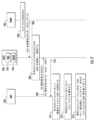
図2は、サービス品質(QoS)パラメータに基づく、ネットワークスライスにおけるメッセージ優先順位を確立するために構成された例示的5G通信ネットワークの信号方式線図を示したものである。いくつかの実施形態では、ネットワークオペレータは、ネットワークスライスサービスタイプのためのネットワークスライスインスタンス(NSI)の割当てをNSI生成要求を介して要求することができる。注目すべきことには、割当て要求はNSI関連要求事項を含む。例えばネットワークオペレータは、ネットワークスライス構成サービスプロバイダエンティティ(例えばNSMF240)と関連付けられたユーザインタフェースを利用して、NSI生成要求においてNSI関連要求事項を提出することができる。いくつかの実施形態では、通信サービス管理機能(CSMF)を利用して、NSI関連要求事項を含むネットワークスライスインスタンス生成要求をNSMFに提出することができる。いくつかの実施形態では、NSI関連要求事項は、レイテンシ/遅延、遅延許容範囲、ジッタ、信頼性および/または等々などのQoSパラメータカテゴリに属する異なる要求パラメータレベルに対応し得る。ネットワークオペレータまたはCSMFによって提供されたNSI関連要求事項を使用して、ネットワークスライスインスタンスを介して通信されたユーザフロー(例えばデジタル呼出しセッション)に、確立されたサービス品質をネットワークスライスインスタンスが提供しなければならない程度を定義することができる。詳細には、NSI関連要求事項および関連するQoSパラメータ値は、最終的には、ネットワークスライスを介して要求元ユーザ機器および/またはネットワーク機能(NF)によって通信されたメッセージトラフィックのSBIメッセージ優先順位(SMP)レベル値を確立し、あるいは定義することになる。 FIG. 2 illustrates a signaling diagram of an exemplary 5G communication network configured to establish message prioritization in a network slice based on quality of service (QoS) parameters. In some embodiments, a network operator may request an allocation of a network slice instance (NSI) for a network slice service type via an NSI creation request. Notably, the allocation request includes NSI-related requirements. For example, the network operator may utilize a user interface associated with a network slice configuration service provider entity (e.g., NSMF 240) to submit the NSI-related requirements in the NSI creation request. In some embodiments, a communication service management function (CSMF) may utilize a CSMF to submit a network slice instance creation request including the NSI-related requirements to the NSMF. In some embodiments, the NSI-related requirements may correspond to different request parameter levels belonging to QoS parameter categories such as latency/delay, delay tolerance, jitter, reliability, and/or the like. The NSI-related requirements provided by the network operator or CSMF can be used to define the extent to which the network slice instance must provide the established quality of service to user flows (e.g., digital call sessions) communicated through the network slice instance. In particular, the NSI-related requirements and associated QoS parameter values ultimately establish or define the SBI message priority (SMP) level values of message traffic communicated by requesting user equipment and/or network functions (NFs) through the network slice.
いくつかの実施形態では、ネットワークオペレータおよび/またはCSMFは、ネットワークスライスがサービスされるべきQoSパラメータカテゴリの各々にNSI関連要求事項レベルを定義することができる。いくつかの実施形態では、QoSパラメータカテゴリは、レイテンシ/遅延、遅延許容範囲、ジッタおよび信頼性を含む。さらに、QoSパラメータカテゴリの各々に、「超低」、「低」、「中間」、「高」および「超高」などのNSI関連要求事項「レベル」を割り当てることができる。本明細書においては5つのNSI関連要求事項レベルが説明されているが、開示されている主題の範囲を逸脱することなく、任意の数のレベルを利用することができる。 In some embodiments, the network operator and/or CSMF may define NSI-related requirement levels for each of the QoS parameter categories over which the network slice is to be served. In some embodiments, the QoS parameter categories include latency/delay, delay tolerance, jitter, and reliability. Additionally, each of the QoS parameter categories may be assigned an NSI-related requirement "level," such as "very low," "low," "medium," "high," and "very high." Although five NSI-related requirement levels are described herein, any number of levels may be utilized without departing from the scope of the disclosed subject matter.
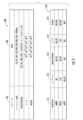
定義されたNSI関連要求事項(および対応するNSI関連要求事項レベル)をネットワークオペレータおよび/またはCSMFから受け取ると、ブロック202でNSMF240がトリガされ、ネットワークスライスインスタンスが生成される。このネットワークスライスインスタンス生成ステージの間、ネットワークオペレータによって確立されたNSI関連要求事項レベルに対応するQoSパラメータ数値を定義するようにNSMF240を構成することができる。いくつかの実施形態では、NSMF240は、QoSパラメータ値テーブル、またはQoSパラメータ数値をNSI関連要求事項レベルにマップするアルゴリズムを使用することができる。ネットワークオペレータおよび/またはCSMFによって提供されたNSI関連要求事項レベルが、ネットワークスライスインスタンスが「高」レベルのレイテンシ/遅延、「低」レベルの遅延許容範囲、「中間」レベルのジッタおよび「中間」レベルの信頼性を要求していることを示している場合、QoSパラメータ値テーブルまたはアルゴリズムを参照して、引き続いて適切なQoSパラメータ数値を割り当てるようにNSMF240を構成することができる。例えばNSMF240は、上記提出されたNSI関連要求事項レベルに基づいて、生成されるべきネットワークスライスインスタンスに、350ミリ秒のレイテンシ/遅延、15%の遅延許容範囲、10-5パケット誤り率(PER)のジッタ、および10-5パケット損失比(PLR)の信頼性を含むQoSパラメータ値を割り当てるべきであることを決定することができる。注目すべきことには、任意の組合せのQoSパラメータ値を確立することができる。例えば図3は、列301が例示的サービス品質(QoS)パラメータであり、また、列302が例示的数値パラメータ値である表300を示したものである。いくつかの実施形態では、ネットワークオペレータおよび/またはCSMFは、QoSパラメータ値をNSMF240に直接提供することができる(NSMFがQoSパラメータ値を決定する場合とは対照的である)。いくつかの実施形態では、これらのQoSパラメータ値をまとめてグループにして、生成されたネットワークスライスインスタンスのためのQoSプロファイルを形成することができる。
Upon receiving the defined NSI-related requirements (and corresponding NSI-related requirement levels) from the network operator and/or CSMF, the
以下の説明は、一般的な呼出しセッション確立に関する単一の使用事例に関しているが、開示されている主題は、多くの独自のアプリケーションおよび使用事例に利用することができる。例えば開示されている、QoSパラメータに基づく、5Gネットワークスライスにおけるメッセージ優先順位を確立するためのシステムおよび方法は、様々な産業(例えばmIOT、URLLC)、様々な消費者、様々な健康管理エンティティ(例えばeMBB、URLLC)、スマート都市アプリケーション(例えばeMBB、mIOT)、拡張現実および仮想現実(AR/VR)アプリケーション(例えばeMBB、URLLC)、輸送アプリケーション(例えばmIOT、URLLC)、公共安全アプリケーション(例えばmIOT、URLLC、eMBB)、等々に適用することができる。いくつかの実施形態では、ネットワークオペレータおよび/またはCSMFは、上記アプリケーションのうちの1つに対応する使用事例識別子またはコードをNSI関連要求事項レベルの代わりにNSMF240に提供することができる。このようなシナリオでは、NSMF240は、「使用事例対QoSマッピング」テーブルまたはデータベースを利用して定義済みNSI関連要求事項レベルを決定することができる。例えば図3の使用事例-QoSマッピングテーブル310は、列311に多くの使用事例を提供している。さらに、列311~315は、それぞれ、レイテンシ、遅延許容範囲、ジッタおよび信頼性などの様々なQoSパラメータを提供している。例えば使用事例識別子「eMBB」がNSMF240に提供されていたと仮定すると、NSMFはNSI関連要求事項レベルをi)レイテンシ=中間、低、ii)遅延許容範囲=中間、低ならびに超低、iii)ジッタ=中間、低、超低、およびiv)信頼性=中間、高、超高として定義するように構成されていたことになる。その場合、NSMF240は、引き続いて、上で説明した方法で使用事例アプリケーションのための(数値)QoSパラメータ値を決定することになる。
While the following description is directed to a single use case of general call session establishment, the disclosed subject matter can be utilized for many unique applications and use cases. For example, the disclosed systems and methods for establishing message priority in 5G network slices based on QoS parameters can be applied to various industries (e.g., mIOT, URLLC), various consumers, various health management entities (e.g., eMBB, URLLC), smart city applications (e.g., eMBB, mIOT), augmented and virtual reality (AR/VR) applications (e.g., eMBB, URLLC), transportation applications (e.g., mIOT, URLLC), public safety applications (e.g., mIOT, URLLC, eMBB), and so on. In some embodiments, the network operator and/or CSMF can provide the
サービスパラメータ値の数値品質を決定すると、QoSパラメータ値に従ってネットワークスライスインスタンスを構築するようにNSMF240を構成することができる(ブロック202を参照)。新しいネットワークスライスインスタンスが生成されると、すべての決定済みQoSパラメータ値を含むQoSプロファイルを生成するようにNSMF240を構成することもできる。生成されたQoSプロファイルも、新たに生成されたネットワークスライスインスタンスのNSI識別子と関連付けられる。注目すべきことには、NSI識別子およびQoSプロファイルは、まとめて局所的にNSMF240に、またはNSMF240がアクセス可能な何らかの他のデータベースに記憶することができる。
Upon determining the numerical quality of the service parameter values, the
いくつかの実施形態では、開示されている主題は、ネットワークスライスサブネットインスタンス(QoSプロファイルにも含めることができる)の生成および/または割当てにも関し得る。例えばNSMF240がネットワークスライスインスタンスに特定の特性(すなわちネットワークスライスインスタンス関連要求事項)を割り当てる要求を受け取ると、NSMF240がトリガされて新しいネットワークスライスインスタンスおよびその関連するネットワークスライスサブネットインスタンスが生成される。より詳細には、ネットワークスライステンプレートからの情報を使用して、NSSI構成要素および生成されるべきネットワークスライスインスタンスのトポロジを決定するようにNSMF240を構成することができる。NSSI構成要素に対しては、NSMF240は、受け取ったネットワークスライス関連要求事項からネットワークスライスサブネット関連要求事項を誘導することができる。輸送ネットワークを再構成する必要がある場合、NSMF240は、ネットワークスライス関連要求事項から輸送ネットワーク関連要求事項を誘導することができる。必要なNSSIに対しては、ネットワークスライスサブネット関連要求事項をネットワークスライスサブネット管理機能(NSSMF)に送り必要なNSSIの割当てを要求するようにNSMF240構成することもできる。NSMF240は、ネットワークスライスインスタンスサブスクリプションデータに含まれているQOS属性をNSSMFに送ることも可能である。 In some embodiments, the disclosed subject matter may also relate to the generation and/or allocation of network slice subnet instances (which may also be included in a QoS profile). For example, when NSMF240 receives a request to assign certain characteristics (i.e., network slice instance related requirements) to a network slice instance, NSMF240 is triggered to generate a new network slice instance and its associated network slice subnet instances. More specifically, NSMF240 may be configured to use information from a network slice template to determine the topology of the NSSI components and the network slice instances to be generated. For NSSI components, NSMF240 may derive network slice subnet related requirements from the received network slice related requirements. If the transport network needs to be reconfigured, NSMF240 may derive transport network related requirements from the network slice related requirements. For the required NSSI, NSMF240 may also be configured to send the network slice subnet related requirements to a network slice subnet management function (NSSMF) to request allocation of the required NSSI. NSMF240 can also send QOS attributes included in the network slice instance subscription data to the NSSMF.
ブロック202で新しいネットワークスライスインスタンスが生成されると、NSI生成通知メッセージ204(例えばnotifyMOICreationメッセージ)を生成し、かつ、NSSF203などのネットワークスライス管理サービスプロバイダエンティティに送るようにNSMF240を構成する(例えばトリガする)ことができる。詳細には、NSI生成通知メッセージ204はNSSF230に向けられ、また、生成されたネットワークスライスインスタンス(例えばNSMFによって局所データベースから取得された)に対応するNSI識別子およびQoSプロファイルを含む。NSI生成通知メッセージ204は、新しいネットワークスライスインスタンスをNSSF230に登録するための要求としても働く。
When a new network slice instance is created in
NSI生成通知メッセージ204を受け取ると、ネットワークスライスインスタンスを登録するようにネットワークスライス管理サービスプロバイダエンティティ、例えばNSSF230を構成することができる。図2に示されているように、NSSF230は、ネットワークスライスのためのサービスベースインタフェース(SBI)メッセージ優先順位(SMP)レベル値を決定する役割を担っている優先順位管理エンジン(PME)245を含むことができる。いくつかの実施形態では、PME245は、メモリに常駐し、かつ、NSSF230のプロセッサ(または基礎をなしているコンピューティングホストデバイス)によって実行されるソフトウェアアルゴリズム、プログラムまたはスクリプトを含むことができる。図2には示されていないが、NSSF230は、例えばプロセッサおよびメモリ構成要素を含むことができる。
Upon receiving the NSI
いくつかの実施形態では、PME245および/またはNSSF230は、通知メッセージ204に含まれるQoSプロファイルを抽出し、かつ、使用して、生成されたネットワークスライスインスタンスのためのSMPレベル値を誘導するように構成することができる(例えばブロック206を参照)。本明細書において使用されているように、SMPレベル値を使用して、登録されたユーザ機器(UE)からネットワークスライスインスタンスを介して横断するすべての通信(例えばメッセージトラフィック)のための優先順位レベルを確立することができる(以下でより詳細に説明される)。いくつかの実施形態では、SMPレベル値を使用して、ネットワークスライスインスタンスを介して通信されるメッセージトラフィックのためのデフォルト優先順位レベルとして働かせることができ、および/またはネットワークスライスインスタンスを介してUEによって通信されるメッセージトラフィックのためのデフォルト優先順位レベルを取り替えることができる。
In some embodiments, the
いくつかの実施形態では、NSSF230におけるPME245は、構文解析して、通知メッセージ204に含まれているQoSプロファイルからQoSパラメータ値を引き出すことができる。QoSパラメータ値が引き出されると、それぞれ複数のQoSパラメータ値組合せにマッピングされる様々なSMPレベル値(例えば32個の異なるSMPレベル値)を含むエントリを含む局所SMPマッピングデータベース250にアクセスするようにPME245および/またはNSSF230を構成することができる。例示的SMPマッピングデータベース250は、SMPマッピングテーブル400として図4に示されている。注目すべきことには、PMEおよび/または局所SMPマッピングデータベース250はSMPマッピングテーブル400を利用して、新しいネットワークスライスインスタンスと関連付けられたSMPレベル値を決定し、および/または誘導することができる。
In some embodiments, the
詳細には、図4は、SMPレベル値列401、遅延/レイテンシ列402、遅延許容範囲列403、ジッタ列404および信頼性列405を含むSMPマッピングテーブル400を示したものである。いくつかの実施形態では、SMPマッピングテーブル400の各エントリは、SMPレベル値(すなわち列401に挙げられている値)と、列402~405に含まれている値の組合せとの間のマッピングを含む。例えば50msの遅延/レイテンシ、2%の遅延許容範囲、10-6のジッタおよび10-4の信頼性を含むQoSパラメータ値の組合せを含むエントリは、SMPマッピングテーブル400における「1」のSMPレベル値にマッピングされている。このようなシナリオでは、PME245および/またはNSSF230は、生成されたネットワークスライスインスタンスのためのNSI識別子と共に、誘導された「1」のSMPレベル値を(個別の「サポートされたNSIリスト」データベースに)記憶するように構成される。上で示したように、SMPマッピングテーブル400は、32個の個別のSMPレベル値(すなわちSMPレベル値「0」から「31」)および対応するデータベースエントリを含むことができる。32個の個別のSMPレベル値が使用されているが、開示されている主題の範囲を逸脱することなく、任意の数のSMPレベル値を利用することができる。上で示したように、ネットワークスライスインスタンスのためのSMPレベル値を決定し、および/または誘導すると、NSSF230は、SMPレベル値および対応するNSI識別子をアクセス可能なデータベース、例えばサポートされたNSIリストデータベースに記憶するように構成される。
4 illustrates an SMP mapping table 400 that includes an SMP
図2に戻ると、いくつかの実施形態では、NSSF230および/またはPME245は、引き続いて、AMF220などのAMFエンティティからネットワークスライス選択要求メッセージ208を受け取ることができる。注目すべきことには、ネットワークスライス選択要求メッセージ208は、要求されたスライスおよびサービスタイプ(SST)を示すデータを含む単一-ネットワークスライス選択補助情報(S-NSSAI)を含むことができる。
Returning to FIG. 2, in some embodiments, the
いくつかの実施形態では、ネットワークスライス選択要求メッセージ208は、AMFが、要求されたネットワークスライス(例えばS-NSSAIによって識別された)によってサポートされたサービスを介してデジタル呼出しセッションの確立を試行しているユーザ機器(UE)から、S-NSSAIを含むセッション要求を受け取ることに応答して、AMF220から送られる。注目すべきことには、AMF220は、要求元ユーザ機器のための初期登録およびプロトコルデータユニット(PDU)セッション確立を実行するように構成される。例えばAMF220は、NRF識別子およびNSI識別子を初期UE登録およびPDU確立(例えば呼出しセッション)手順の一部として回収するために、ネットワークスライス選択要求メッセージ208をNSSF230に送るように構成される。
In some embodiments, the network slice
PME245および/またはNSSF230は、ネットワークスライス選択要求メッセージ208を受け取ると、それに応答してS-NSSAIを引き出し、かつ、利用して、ネットワークスライス選択要求メッセージ208において示されたサービスタイプ要求事項をサポートするために割り当てられるべき適切なネットワークスライスインスタンスを決定する。適切なネットワークスライスインスタンスを識別し、かつ、割り当てると、PME245および/またはNSSF230は、ネットワークスライスインスタンス情報をAMF220に提供するために、ネットワークスライス選択応答メッセージ210を生成し、かつ、送る。いくつかの実施形態では、ネットワークスライス選択応答メッセージ210は、ネットワークスライスインスタンス識別子(NSI-ID)、NRF識別子(NrfId)、および要求元ユーザ機器のためのPDUセッション(例えばデジタル呼出し)を確立するために使用することができるNSI識別子と関連付けられたSMPレベル値を含む。
In response to receiving the network slice
ネットワークスライス選択応答メッセージ210を受け取ると、AMF220は応答メッセージ210を構文解析し、NSI-IDおよび対応するSMPレベル値を引き出す。AMF220は、次に、引き続いてネットワークスライスインスタンスを介してメッセージを処理するために、NSI-IDおよびそのSMPレベル値を局所データベース(例えばサポートされたNSSAIリスト)に記憶する。さらに、AMF220は、登録されたユーザ機器から割り当てられたネットワークスライスインスタンスに向けられている、入ってくるすべてのメッセージトラフィックの検出/識別を開始するように構成されることになる。割り当てられたネットワークスライスインスタンスに向けられているメッセージトラフィック(例えば1つまたは複数のパケット)を識別すると、AMF220は、そのメッセージトラフィックパケットを修正してSMPレベル値(AMFのサポートされたNSSAIリストに記憶され/示されている)を含むことになる。例えばAMF220は、SMPレベル値(割り当てられたネットワークスライスインスタンスに関連付けられたネットワークインスタンス識別子にマッピングされている)を、UEから発信された、入ってくるメッセージトラフィックパケットの各々に割り当てるように構成することができる。より詳細には、AMF220は、記憶されているSMPレベル値を、UEによってネットワークスライスインスタンスに向けられた各識別されたメッセージトラフィックパケットのメッセージヘッダ(例えばHTTPヘッダ)の「SBI-メッセージ優先順位」セクションの中に割り当て、および/または挿入することができる。したがってユーザ機器から発信された、ネットワークスライスインスタンスに向けられているメッセージトラフィックは、挿入されたSMPレベル値によって示されている優先順位レベルに対応する優先順位で通信される。
Upon receiving the network slice
図5は、本明細書において説明されている主題の実施形態による、QoSパラメータに基づいて、ネットワークスライスにおけるメッセージ優先順位を確立するための例示的プロセスまたは方法500を示すフローチャートである。いくつかの実施形態では、図5に示されている方法500は、メモリに記憶されている、プロセッサによって実行されると、ブロック502~506に記載されているステップを実行するアルゴリズム、プログラムまたはスクリプト(例えば図2に示されているPME245)である。
Figure 5 is a flow chart illustrating an example process or
ブロック502で、ネットワークスライス管理サービスプロバイダエンティティが、生成されたネットワークスライスに対応する少なくともサービス品質プロファイルを含むネットワークスライス生成通知メッセージを受け取る。いくつかの実施形態では、NSSFは、NSMFによる新しいネットワークスライスインスタンスの生成に応答して、NSMFからネットワークスライスインスタンス生成通知メッセージ(例えばnotifyMOICreationメッセージ)を受け取る。いくつかの実施形態では、ネットワークスライス生成通知メッセージは、QOSプロファイルおよび新たに生成されたネットワークスライスインスタンスに対応するネットワークスライスインスタンス識別子を含む。
At
ブロック504で、QoSプロファイルを使用して、ネットワークスライスと関連付けられたSMPレベル値が誘導される。いくつかの実施形態では、NSSFは、受け取ったネットワークスライス生成通知メッセージのQoSプロファイルに含まれているサービス品質パラメータを引き出すように構成することができる。詳細には、NSSFおよび/またはPMEは、SMPレベル値をQoSパラメータ値の様々な組合せにマップする複数のエントリを含むSMPマッピングデータベースにアクセスすることができる。例えばSMP管理エンジンは、QoSプロファイルから引き出されたQoSパラメータ値をSMPマッピングデータベースのエントリに含まれているQoS値と相互参照するように構成することができる。詳細には、SMP管理エンジンは、QoSプロファイルパラメータ値と適合(match)するQoS値を含むエントリを見出すように構成される。SMP管理エンジンが厳密な適合を含むエントリを見出すことができない場合、SMP管理エンジンは、QoSプロファイルパラメータ値に最も近い適合を表すエントリを指定するように構成される。いくつかの実施形態では、SMP管理エンジンは、データベースエントリ中のQoSパラメータの大半(例えば4分の3)がQoSプロファイルパラメータ値と適合するとエントリを指定することができる。適合(または最も近い適合)が決定されると、マップされたSMPレベル値が識別され、引き続いてPMEによって、対応するネットワークスライスインスタンス識別子と共にNSSFに記憶される。
At
ブロック506で、ネットワークスライス選択要求メッセージを受け取ると、それに応答して、SMPレベル値が要求元AMFエンティティに提供される。いくつかの実施形態では、NSSFは、要求されたネットワークスライスおよび/またはサービスタイプを識別するS-NSSAIを含むネットワークスライス選択要求メッセージをAMFから受け取る。AMFからの要求メッセージを受け取ると、それに応答して、NSSFは、ネットワークスライスインスタンス識別子、NRF識別子、および適切なネットワークスライス(要求ネットワークスライスサービスタイプに対応する)と関連付けられたSMPレベル値と共にネットワークスライス選択応答メッセージを送るように構成される。
In
ネットワークスライス選択応答メッセージを受け取ると、AMFは、ネットワークスライスインスタンスと関連付けられたSMPレベル値を引き出し、かつ、記憶するように構成される。AMFは、引き続いて、登録されたUEから特定のネットワークスライスに向けられているメッセージトラフィックを識別することができる。このようなシナリオでは、AMFは、要求元ユーザ機器によってネットワークスライスインスタンスに向けられているネットワークトラフィックにSMPレベル値を割り当てるように構成される。例えばAMFは、記憶されているSMPレベル値を、UEによってネットワークスライスインスタンスに向けられている各識別されたメッセージトラフィックパケットのメッセージヘッダ(例えばHTTPヘッダ)の「SBI-メッセージ優先順位」セクションの中に割り当て、および/または挿入することができる。したがってユーザ機器から発信された、ネットワークスライスインスタンスに向けられているメッセージトラフィックは、挿入されたSMPレベル値によって示されている優先順位レベルに対応する優先順位で通信される。 Upon receiving the network slice selection response message, the AMF is configured to derive and store an SMP level value associated with the network slice instance. The AMF can subsequently identify message traffic destined to a particular network slice from the registered UE. In such a scenario, the AMF is configured to assign an SMP level value to the network traffic destined to the network slice instance by the requesting user equipment. For example, the AMF can assign and/or insert the stored SMP level value into the "SBI-Message Priority" section of the message header (e.g., HTTP header) of each identified message traffic packet destined to the network slice instance by the UE. Thus, the message traffic originating from the user equipment and destined to the network slice instance is communicated with a priority corresponding to the priority level indicated by the inserted SMP level value.
以下の参考文献の各々の開示は、本明細書と矛盾しない範囲まで、および本明細書において使用されている方法、技術および/またはシステムのための背景を補足し、説明し、提供する範囲、またはそれらを教示する範囲まで、参照によりその全体が本明細書に組み込まれている。 The disclosure of each of the following references is incorporated herein by reference in its entirety to the extent not inconsistent with this specification and to the extent that it supplements, explains, provides background for, or teaches the methods, techniques, and/or systems used herein.
参考文献
1. 3GPP TS 23.501; 3rd Generation Partnership Project; Technical Specification Group Services and System Aspects; System Architecture for the 5G System; Stage 2 (Release 17), V17.1.0 (2021-03)
2. 3GPP TS 23.502; 3rd Generation Partnership Project; Technical Specification Group Services and System Aspects; Procedures for the 5G System; Stage 2 (Release 17), V17.1.0 (2021-03)
3. 3GPP TS 29.531; 3rd Generation Partnership Project; Technical Specification Group Core Network and Terminals; Network Slice Selection Services; Stage 3 (Release 17), V17.1.0 (2021-03)
4. 3GPP TS 28.801; 3rd Generation Partnership Project; Technical Specification Group Services and System Aspects; Telecommunication management; Study on management and orchestration of network slicing for Next Generation Network; (Release 15), V15.1.0 (2018-01)
5. 3GPP TS 28.531; 3rd Generation Partnership Project; Technical Specification Group Services and System Aspects; Management and Orchestration; Provisioning; (Release 16), V16.9.0 (2021-03)
ここで開示されている主題の様々な詳細は、ここで開示されている主題の範囲を逸脱することなく変更が可能であることは理解されよう。さらに、以上の説明は単に例証を目的としたものにすぎず、制限を目的としたものではない。
References
1. 3GPP TS 23.501; 3rd Generation Partnership Project; Technical Specification Group Services and System Aspects; System Architecture for the 5G System; Stage 2 (Release 17), V17.1.0 (2021-03)
2. 3GPP TS 23.502; 3rd Generation Partnership Project; Technical Specification Group Services and System Aspects; Procedures for the 5G System; Stage 2 (Release 17), V17.1.0 (2021-03)
3. 3GPP TS 29.531; 3rd Generation Partnership Project; Technical Specification Group Core Network and Terminals; Network Slice Selection Services; Stage 3 (Release 17), V17.1.0 (2021-03)
4. 3GPP TS 28.801; 3rd Generation Partnership Project; Technical Specification Group Services and System Aspects; Telecommunication management; Study on management and orchestration of network slicing for Next Generation Network; (Release 15), V15.1.0 (2018-01)
5. 3GPP TS 28.531; 3rd Generation Partnership Project; Technical Specification Group Services and System Aspects; Management and Orchestration; Provisioning; (Release 16), V16.9.0 (2021-03)
It will be understood that various details of the presently disclosed subject matter can be changed without departing from the scope of the presently disclosed subject matter. Further, the foregoing description is merely illustrative and not restrictive.
Claims (20)
生成されたネットワークスライスに対応する少なくともQoSプロファイルを含むネットワークスライス生成通知メッセージをネットワークスライス構成サービスプロバイダエンティティがネットワークスライス管理サービスプロバイダエンティティから受け取ることと、
前記ネットワークスライスと関連付けられたサービスベースインタフェース(SBI)メッセージ優先順位(SMP)レベル値を誘導するために、前記QoSプロファイルを利用することと、
ネットワークスライス選択要求メッセージをアクセスおよびモビリティ管理機能(AMF)エンティティから受け取ると、それに応答して、前記SMPレベル値を要求元の前記AMFエンティティに提供することとを含み、前記AMFエンティティは、前記SMPレベル値を前記ネットワークスライスに向けられたネットワークトラフィックに割り当てる、方法。 1. A method for establishing message priority in a network slice based on a Quality of Service (QoS) parameter, comprising:
receiving, by the network slice configuration service provider entity, a network slice generation notification message including at least a QoS profile corresponding to the generated network slice from the network slice management service provider entity;
utilizing the QoS profile to derive a Service Based Interface (SBI) Message Priority (SMP) level value associated with the network slice;
and in response to receiving a network slice selection request message from an Access and Mobility Management Function (AMF) entity, providing the SMP level value to the requesting AMF entity, wherein the AMF entity assigns the SMP level value to network traffic directed to the network slice.
少なくとも1つのプロセッサおよびメモリを含むネットワークスライス構成サービスプロバイダエンティティと、
前記メモリに記憶された優先順位管理エンジンとを含み、前記優先順位管理エンジンは、前記少なくとも1つのプロセッサによって実現され、生成されたネットワークスライスに対応する少なくともQoSプロファイルを含むネットワークスライス生成通知メッセージをネットワークスライス管理サービスプロバイダエンティティから受け取り、前記ネットワークスライスと関連付けられたサービスベースインタフェース(SBI)メッセージ優先順位(SMP)レベル値を誘導するために、前記QoSプロファイルを利用し、かつ、ネットワークスライス選択要求メッセージをアクセスおよびモビリティ管理機能(AMF)エンティティから受け取ると、それに応答して、前記SMPレベル値を要求元の前記AMFエンティティに提供し、前記AMFエンティティは、前記SMPレベル値を前記ネットワークスライスに向けられたネットワークトラフィックに割り当てる、システム。 1. A system for establishing message priority in a network slice based on a quality of service (QoS) parameter, comprising:
a network slice configuration service provider entity including at least one processor and a memory;
and a priority management engine stored in the memory, the priority management engine being realized by the at least one processor, receiving a network slice generation notification message from a network slice management service provider entity including at least a QoS profile corresponding to a generated network slice, utilizing the QoS profile to derive a Service Based Interface (SBI) Message Priority (SMP) level value associated with the network slice, and in response to receiving a network slice selection request message from an Access and Mobility Management Function ( AMF ) entity, providing the SMP level value to the requesting AMF entity , which assigns the SMP level value to network traffic directed to the network slice.
コンピュータのプロセッサによって実行されると、前記コンピュータを制御して、
生成されたネットワークスライスに対応する少なくともQoSプロファイルを含むネットワークスライス生成通知メッセージをネットワークスライス構成サービスプロバイダエンティティがネットワークスライス管理サービスプロバイダエンティティから受け取ることと、
前記ネットワークスライスと関連付けられたサービスベースインタフェース(SBI)メッセージ優先順位(SMP)レベル値を誘導するために、前記QoSプロファイルを利用することと、
ネットワークスライス選択要求メッセージをアクセスおよびモビリティ管理機能(AMF)エンティティから受け取ると、それに応答して、前記SMPレベル値を要求元の前記AMFエンティティに提供することとを含むステップを実行し、前記AMFエンティティは、前記SMPレベル値を前記ネットワークスライスに向けられたネットワークトラフィックに割り当てる、コンピュータ可読プログラム。 A computer readable program having executable instructions stored thereon, the executable instructions comprising:
When executed by a processor of a computer, the method controls the computer to:
receiving, by the network slice configuration service provider entity, a network slice generation notification message including at least a QoS profile corresponding to the generated network slice from the network slice management service provider entity;
utilizing the QoS profile to derive a Service Based Interface (SBI) Message Priority (SMP) level value associated with the network slice;
and in response to receiving a network slice selection request message from an Access and Mobility Management Function ( AMF ) entity, providing the SMP level value to the requesting AMF entity , wherein the AMF entity assigns the SMP level value to network traffic directed to the network slice.
Applications Claiming Priority (3)
| Application Number | Priority Date | Filing Date | Title |
|---|---|---|---|
| US17/348,389 | 2021-06-15 | ||
| US17/348,389 US11622293B2 (en) | 2021-06-15 | 2021-06-15 | Methods, systems, and computer readable media for establishing message priority in network slices based on quality of service parameters |
| PCT/US2022/031572 WO2022265853A1 (en) | 2021-06-15 | 2022-05-31 | Methods, systems, and computer readable media for establishing message priority in network slices based on quality of service parameters |
Publications (2)
| Publication Number | Publication Date |
|---|---|
| JP2024523328A JP2024523328A (en) | 2024-06-28 |
| JP7674530B2 true JP7674530B2 (en) | 2025-05-09 |
Family
ID=82458597
Family Applications (1)
| Application Number | Title | Priority Date | Filing Date |
|---|---|---|---|
| JP2023577461A Active JP7674530B2 (en) | 2021-06-15 | 2022-05-31 | Method, system and computer readable medium for establishing message priority in a network slice based on quality of service parameters |
Country Status (5)
| Country | Link |
|---|---|
| US (1) | US11622293B2 (en) |
| EP (1) | EP4356588A1 (en) |
| JP (1) | JP7674530B2 (en) |
| CN (1) | CN117546453A (en) |
| WO (1) | WO2022265853A1 (en) |
Cited By (1)
| Publication number | Priority date | Publication date | Assignee | Title |
|---|---|---|---|---|
| US12592892B2 (en) | 2022-10-05 | 2026-03-31 | Oracle International Corporation | Methods, systems, and computer readable media for adjusting and using priorities of service/notification request messages at network functions with multiple slice support |
Families Citing this family (6)
| Publication number | Priority date | Publication date | Assignee | Title |
|---|---|---|---|---|
| AU2022212145B2 (en) * | 2021-01-31 | 2024-08-01 | Telefonaktiebolaget Lm Ericsson (Publ) | Network nodes and methods therein for providing binding indication |
| US11902892B2 (en) * | 2021-12-14 | 2024-02-13 | Verizon Patent And Licensing Inc. | Systems and methods for providing on-demand quality of service with radio access network control |
| US12177720B2 (en) * | 2022-03-02 | 2024-12-24 | Oracle International Corporation | Methods, systems, and computer readable media for notification delivery |
| WO2023191459A1 (en) * | 2022-03-30 | 2023-10-05 | Samsung Electronics Co., Ltd. | Methods and systems for providing enhanced network slice allocation |
| US12677193B2 (en) * | 2023-11-17 | 2026-07-07 | Verizon Patent And Licensing Inc. | Network slicing capacity planning based on throughput variation and latency variation |
| US20250176011A1 (en) * | 2023-11-29 | 2025-05-29 | Verizon Patent And Licensing Inc. | Systems and methods for network resource preemption |
Citations (1)
| Publication number | Priority date | Publication date | Assignee | Title |
|---|---|---|---|---|
| JP2020536434A (en) | 2017-09-30 | 2020-12-10 | 華為技術有限公司Huawei Technologies Co.,Ltd. | Network slice management method and equipment |
Family Cites Families (6)
| Publication number | Priority date | Publication date | Assignee | Title |
|---|---|---|---|---|
| WO2018141945A1 (en) | 2017-02-06 | 2018-08-09 | Nokia Technologies Oy | Control plane message prioritization mechanism |
| US10616802B2 (en) | 2018-09-04 | 2020-04-07 | Oracle International Corporation | Methods, systems and computer readable media for overload and flow control at a service capability exposure function (SCEF) |
| US12231507B2 (en) * | 2019-09-12 | 2025-02-18 | Telefonaktiebolaget Lm Ericsson (Publ) | Method and apparatus for flow control |
| US12363193B2 (en) * | 2020-06-09 | 2025-07-15 | Ofinno, Llc | Multimedia priority service |
| US11706705B2 (en) * | 2020-06-26 | 2023-07-18 | Ofinno, Llc | Multimedia priority service |
| KR102821688B1 (en) * | 2020-07-07 | 2025-06-16 | 에스케이텔레콤 주식회사 | Network node and message sending method between network nodes |
-
2021
- 2021-06-15 US US17/348,389 patent/US11622293B2/en active Active
-
2022
- 2022-05-31 JP JP2023577461A patent/JP7674530B2/en active Active
- 2022-05-31 CN CN202280042130.4A patent/CN117546453A/en active Pending
- 2022-05-31 EP EP22738779.2A patent/EP4356588A1/en active Pending
- 2022-05-31 WO PCT/US2022/031572 patent/WO2022265853A1/en not_active Ceased
Patent Citations (1)
| Publication number | Priority date | Publication date | Assignee | Title |
|---|---|---|---|---|
| JP2020536434A (en) | 2017-09-30 | 2020-12-10 | 華為技術有限公司Huawei Technologies Co.,Ltd. | Network slice management method and equipment |
Cited By (1)
| Publication number | Priority date | Publication date | Assignee | Title |
|---|---|---|---|---|
| US12592892B2 (en) | 2022-10-05 | 2026-03-31 | Oracle International Corporation | Methods, systems, and computer readable media for adjusting and using priorities of service/notification request messages at network functions with multiple slice support |
Also Published As
| Publication number | Publication date |
|---|---|
| JP2024523328A (en) | 2024-06-28 |
| CN117546453A (en) | 2024-02-09 |
| EP4356588A1 (en) | 2024-04-24 |
| US11622293B2 (en) | 2023-04-04 |
| WO2022265853A1 (en) | 2022-12-22 |
| US20220400401A1 (en) | 2022-12-15 |
Similar Documents
| Publication | Publication Date | Title |
|---|---|---|
| JP7667787B2 (en) | Method, system, and computer-readable medium for enabling transport quality of service (QoS) in 5G networks | |
| US11622293B2 (en) | Methods, systems, and computer readable media for establishing message priority in network slices based on quality of service parameters | |
| JP7611251B2 (en) | Method, system, and computer-readable medium for providing network slice management using feedback mechanisms | |
| JP7621456B2 (en) | Method, system, and computer-readable medium for preferred network function (NF) location routing using a service communication proxy (SCP) - Patents.com | |
| JP7555405B2 (en) | Policy-Based Access and Mobility Management Function (AMF) Selection Using Network Slice Selection Assistance Information (NSSAI) Availability Information | |
| US11888946B2 (en) | Methods, systems, and computer readable media for applying or overriding preferred locality criteria in processing network function (NF) discovery requests | |
| JP2024509940A (en) | Methods, systems, and computer-readable media for proxy authorization in a service communication proxy (SCP) | |
| US11716283B2 (en) | Methods, systems, and computer readable media for selecting a software defined wide area network (SD-WAN) link using network slice information | |
| US11871309B2 (en) | Methods, systems, and computer readable media for network function discovery using preferred-locality information | |
| US11910306B2 (en) | Methods, systems, and computer readable media for providing updated network slice information to a network slice selection function (NSSF) | |
| US20240121199A1 (en) | Methods, systems, and computer readable media for adjusting and using priorities of service/notification request messages at network functions with multiple slice support | |
| CN118055518A (en) | Network access to residential gateway | |
| JP7720436B2 (en) | Apparatus, method, and non-transitory computer-readable storage medium for network access - Patents.com |
Legal Events
| Date | Code | Title | Description |
|---|---|---|---|
| A521 | Request for written amendment filed |
Free format text: JAPANESE INTERMEDIATE CODE: A523 Effective date: 20240228 |
|
| A621 | Written request for application examination |
Free format text: JAPANESE INTERMEDIATE CODE: A621 Effective date: 20240228 |
|
| A977 | Report on retrieval |
Free format text: JAPANESE INTERMEDIATE CODE: A971007 Effective date: 20241217 |
|
| A131 | Notification of reasons for refusal |
Free format text: JAPANESE INTERMEDIATE CODE: A131 Effective date: 20241224 |
|
| A521 | Request for written amendment filed |
Free format text: JAPANESE INTERMEDIATE CODE: A523 Effective date: 20250313 |
|
| TRDD | Decision of grant or rejection written | ||
| A01 | Written decision to grant a patent or to grant a registration (utility model) |
Free format text: JAPANESE INTERMEDIATE CODE: A01 Effective date: 20250401 |
|
| A61 | First payment of annual fees (during grant procedure) |
Free format text: JAPANESE INTERMEDIATE CODE: A61 Effective date: 20250424 |
|
| R150 | Certificate of patent or registration of utility model |
Ref document number: 7674530 Country of ref document: JP Free format text: JAPANESE INTERMEDIATE CODE: R150 |