JP7672001B2 - Vital information measuring device, vital information measuring program, vital information measuring method, and vital information measuring system - Google Patents
Vital information measuring device, vital information measuring program, vital information measuring method, and vital information measuring system Download PDFInfo
- Publication number
- JP7672001B2 JP7672001B2 JP2023024412A JP2023024412A JP7672001B2 JP 7672001 B2 JP7672001 B2 JP 7672001B2 JP 2023024412 A JP2023024412 A JP 2023024412A JP 2023024412 A JP2023024412 A JP 2023024412A JP 7672001 B2 JP7672001 B2 JP 7672001B2
- Authority
- JP
- Japan
- Prior art keywords
- body composition
- change
- user
- data
- control unit
- Prior art date
- Legal status (The legal status is an assumption and is not a legal conclusion. Google has not performed a legal analysis and makes no representation as to the accuracy of the status listed.)
- Active
Links
Images






Classifications
-
- A—HUMAN NECESSITIES
- A61—MEDICAL OR VETERINARY SCIENCE; HYGIENE
- A61B—DIAGNOSIS; SURGERY; IDENTIFICATION
- A61B5/00—Measuring for diagnostic purposes; Identification of persons
- A61B5/05—Detecting, measuring or recording for diagnosis by means of electric currents or magnetic fields; Measuring using microwaves or radio waves
- A61B5/053—Measuring electrical impedance or conductance of a portion of the body
- A61B5/0537—Measuring body composition by impedance, e.g. tissue hydration or fat content
-
- A—HUMAN NECESSITIES
- A61—MEDICAL OR VETERINARY SCIENCE; HYGIENE
- A61B—DIAGNOSIS; SURGERY; IDENTIFICATION
- A61B5/00—Measuring for diagnostic purposes; Identification of persons
- A61B5/48—Other medical applications
- A61B5/4869—Determining body composition
- A61B5/4872—Body fat
-
- A—HUMAN NECESSITIES
- A61—MEDICAL OR VETERINARY SCIENCE; HYGIENE
- A61B—DIAGNOSIS; SURGERY; IDENTIFICATION
- A61B5/00—Measuring for diagnostic purposes; Identification of persons
- A61B5/72—Signal processing specially adapted for physiological signals or for diagnostic purposes
- A61B5/7271—Specific aspects of physiological measurement analysis
- A61B5/7275—Determining trends in physiological measurement data; Predicting development of a medical condition based on physiological measurements, e.g. determining a risk factor
-
- G—PHYSICS
- G01—MEASURING; TESTING
- G01G—WEIGHING
- G01G19/00—Weighing apparatus or methods adapted for special purposes not provided for in the preceding groups
- G01G19/22—Weighing apparatus or methods adapted for special purposes not provided for in the preceding groups for apportioning materials by weighing prior to mixing them
- G01G19/34—Weighing apparatus or methods adapted for special purposes not provided for in the preceding groups for apportioning materials by weighing prior to mixing them with electrical control means
-
- G—PHYSICS
- G01—MEASURING; TESTING
- G01G—WEIGHING
- G01G19/00—Weighing apparatus or methods adapted for special purposes not provided for in the preceding groups
- G01G19/44—Weighing apparatus or methods adapted for special purposes not provided for in the preceding groups for weighing persons
-
- G—PHYSICS
- G16—INFORMATION AND COMMUNICATION TECHNOLOGY [ICT] SPECIALLY ADAPTED FOR SPECIFIC APPLICATION FIELDS
- G16H—HEALTHCARE INFORMATICS, i.e. INFORMATION AND COMMUNICATION TECHNOLOGY [ICT] SPECIALLY ADAPTED FOR THE HANDLING OR PROCESSING OF MEDICAL OR HEALTHCARE DATA
- G16H20/00—ICT specially adapted for therapies or health-improving plans, e.g. for handling prescriptions, for steering therapy or for monitoring patient compliance
- G16H20/30—ICT specially adapted for therapies or health-improving plans, e.g. for handling prescriptions, for steering therapy or for monitoring patient compliance relating to physical therapies or activities, e.g. physiotherapy, acupressure or exercising
-
- G—PHYSICS
- G16—INFORMATION AND COMMUNICATION TECHNOLOGY [ICT] SPECIALLY ADAPTED FOR SPECIFIC APPLICATION FIELDS
- G16H—HEALTHCARE INFORMATICS, i.e. INFORMATION AND COMMUNICATION TECHNOLOGY [ICT] SPECIALLY ADAPTED FOR THE HANDLING OR PROCESSING OF MEDICAL OR HEALTHCARE DATA
- G16H20/00—ICT specially adapted for therapies or health-improving plans, e.g. for handling prescriptions, for steering therapy or for monitoring patient compliance
- G16H20/60—ICT specially adapted for therapies or health-improving plans, e.g. for handling prescriptions, for steering therapy or for monitoring patient compliance relating to nutrition control, e.g. diets
-
- G—PHYSICS
- G16—INFORMATION AND COMMUNICATION TECHNOLOGY [ICT] SPECIALLY ADAPTED FOR SPECIFIC APPLICATION FIELDS
- G16H—HEALTHCARE INFORMATICS, i.e. INFORMATION AND COMMUNICATION TECHNOLOGY [ICT] SPECIALLY ADAPTED FOR THE HANDLING OR PROCESSING OF MEDICAL OR HEALTHCARE DATA
- G16H50/00—ICT specially adapted for medical diagnosis, medical simulation or medical data mining; ICT specially adapted for detecting, monitoring or modelling epidemics or pandemics
- G16H50/30—ICT specially adapted for medical diagnosis, medical simulation or medical data mining; ICT specially adapted for detecting, monitoring or modelling epidemics or pandemics for calculating health indices; for individual health risk assessment
-
- A—HUMAN NECESSITIES
- A61—MEDICAL OR VETERINARY SCIENCE; HYGIENE
- A61B—DIAGNOSIS; SURGERY; IDENTIFICATION
- A61B2562/00—Details of sensors; Constructional details of sensor housings or probes; Accessories for sensors
- A61B2562/02—Details of sensors specially adapted for in-vivo measurements
- A61B2562/0209—Special features of electrodes classified in A61B5/24, A61B5/25, A61B5/283, A61B5/291, A61B5/296, A61B5/053
-
- A—HUMAN NECESSITIES
- A61—MEDICAL OR VETERINARY SCIENCE; HYGIENE
- A61B—DIAGNOSIS; SURGERY; IDENTIFICATION
- A61B5/00—Measuring for diagnostic purposes; Identification of persons
- A61B5/103—Measuring devices for testing the shape, pattern, colour, size or movement of the body or parts thereof, for diagnostic purposes
- A61B5/1036—Measuring load distribution, e.g. podologic studies
-
- G—PHYSICS
- G16—INFORMATION AND COMMUNICATION TECHNOLOGY [ICT] SPECIALLY ADAPTED FOR SPECIFIC APPLICATION FIELDS
- G16H—HEALTHCARE INFORMATICS, i.e. INFORMATION AND COMMUNICATION TECHNOLOGY [ICT] SPECIALLY ADAPTED FOR THE HANDLING OR PROCESSING OF MEDICAL OR HEALTHCARE DATA
- G16H40/00—ICT specially adapted for the management or administration of healthcare resources or facilities; ICT specially adapted for the management or operation of medical equipment or devices
- G16H40/60—ICT specially adapted for the management or administration of healthcare resources or facilities; ICT specially adapted for the management or operation of medical equipment or devices for the operation of medical equipment or devices
- G16H40/63—ICT specially adapted for the management or administration of healthcare resources or facilities; ICT specially adapted for the management or operation of medical equipment or devices for the operation of medical equipment or devices for local operation
Landscapes
- Health & Medical Sciences (AREA)
- Life Sciences & Earth Sciences (AREA)
- Engineering & Computer Science (AREA)
- Public Health (AREA)
- Medical Informatics (AREA)
- Physics & Mathematics (AREA)
- General Health & Medical Sciences (AREA)
- Biophysics (AREA)
- Biomedical Technology (AREA)
- Pathology (AREA)
- Animal Behavior & Ethology (AREA)
- Molecular Biology (AREA)
- Surgery (AREA)
- Veterinary Medicine (AREA)
- Heart & Thoracic Surgery (AREA)
- General Physics & Mathematics (AREA)
- Epidemiology (AREA)
- Primary Health Care (AREA)
- Radiology & Medical Imaging (AREA)
- Nuclear Medicine, Radiotherapy & Molecular Imaging (AREA)
- Databases & Information Systems (AREA)
- Data Mining & Analysis (AREA)
- Nutrition Science (AREA)
- Physical Education & Sports Medicine (AREA)
- Artificial Intelligence (AREA)
- Computer Vision & Pattern Recognition (AREA)
- Physiology (AREA)
- Psychiatry (AREA)
- Signal Processing (AREA)
- Measurement And Recording Of Electrical Phenomena And Electrical Characteristics Of The Living Body (AREA)
- Medical Treatment And Welfare Office Work (AREA)
Description
本発明は、生体情報測定装置に関する。 The present invention relates to a biological information measuring device.
体重計が改良されて、体重以外の生体情報をも測定する、体組成計と称される生体情報測定装置が普及している。例えば、下記特許文献1には、生体情報測定装置の使用目的に対応する順序で、測定結果を表示する生体情報測定装置が記載されている。
As weight scales have improved, biometric measurement devices known as body composition scales that measure biometric information other than weight have become widespread. For example, the following
特許文献1に記載の生体情報測定装置では、生体情報測定装置の使用目的に対応した順所で測定結果を表示するだけであり、生体情報測定装置のユーザは、自身の身体(より具体的には、身体の指標である体組成)の変化が使用目的に対して好ましいものなのか、そうではないのかを自己判断するしかなかった。特に、ユーザが専門知識を有しない場合には、体組成の測定結果のどこに注目してよいのかが理解できないため測定結果を漫然と知るだけとなり、自身の身体の変化が使用目的に対して好ましいか否かを判断することが困難であった。
The bioinformation measuring device described in
従って、本発明は、生体情報測定装置により得られるユーザの体組成の変化が、体組成計の使用目的に対して好ましいものか否かを判断することが可能な生体情報測定装置を提供することを目的の一つとする。 Therefore, one of the objectives of the present invention is to provide a biometric information measuring device that can determine whether changes in a user's body composition obtained by the biometric information measuring device are favorable for the intended use of the body composition monitor.
上記問題を解決するために、本発明は、
使用目的に対する表示順序で対応付けられている複数の体組成に関するデータの変化方向についての組合せ関係に応じて、使用目的に対して合致する程度が関連づけられている使用目的合致度関係に基づいて、測定された複数の体組成に関するデータにおいて設定されている使用目的に対して合致する程度を判断する制御部を有する生体情報測定装置である。
In order to solve the above problems, the present invention provides
This is a biological information measuring device having a control unit that determines the degree of match between a plurality of measured body composition data and a set purpose of use, based on a purpose of use match relationship in which the degree of match with the purpose of use is associated depending on a combination relationship regarding the direction of change of a plurality of body composition data that are associated in display order with the purpose of use.
本発明の少なくとも実施の形態によれば、体組成データの変化が体組成計の使用目的に対してどれほど合致しているかを判断することができる。 At least one embodiment of the present invention makes it possible to determine how well changes in body composition data match the intended use of the body composition monitor.
以下、本発明の実施の形態等について図面を参照しながら説明する。なお、説明は以下の順序で行う。
<一実施の形態>
<変形例>
以下に説明する実施の形態等は本発明の好適な具体例であり、本発明の内容がこれらの実施の形態等に限定されるものではない。
Hereinafter, embodiments of the present invention will be described with reference to the drawings. The description will be given in the following order.
<One embodiment>
<Modification>
The embodiments and the like described below are preferred specific examples of the present invention, and the content of the present invention is not limited to these embodiments and the like.
<一実施の形態>
以下、本発明の一実施の形態について図面を参照しつつ詳細に説明する。以下に説明する実施の形態では、本発明を、体組成に関するデータ(以下、体組成データと適宜、称する)を測定する生体情報測定装置(以下、体組成計と適宜、称する。)に適用した例について説明する。体組成の種類としては、体重、脂肪率、内臓脂肪レベル、体水分量、筋肉量、基礎代謝量、骨量、除脂肪量、体細胞量、内臓脂肪面積、BMI、肥満度、細胞内液量、細胞外液量等を挙げることができる。本実施の形態では、体組成の種類として「体重」、「体脂肪率又は体脂肪量」、「体内年齢(基礎代謝、体脂肪及び体重に基づいて得られる何歳くらいの体組成に近いかを示す指標)」、「基礎代謝量」、「内臓脂肪レベル」、「筋肉量」、「推定骨量」、「BMI」を用いて説明する。これらの体組成データは、公知の測定及び演算が行われることにより体組成計により取得される。
<One embodiment>
An embodiment of the present invention will be described in detail below with reference to the drawings. In the embodiment described below, an example in which the present invention is applied to a biological information measuring device (hereinafter, appropriately referred to as a body composition meter) that measures data related to body composition (hereinafter, appropriately referred to as body composition data) will be described. Types of body composition include body weight, fat percentage, visceral fat level, body water content, muscle mass, basal metabolic rate, bone mass, fat-free mass, body cell mass, visceral fat area, BMI, obesity level, intracellular fluid volume, extracellular fluid volume, etc. In this embodiment, types of body composition are described using "body weight", "body fat percentage or body fat mass", "body age (an index indicating how old the body composition is obtained based on basal metabolic rate, body fat, and body weight)", "basal metabolic rate", "visceral fat level", "muscle mass", "estimated bone mass", and "BMI". These body composition data are obtained by the body composition meter by performing known measurements and calculations.
[体組成計について]
(体組成計の外観形状)
図1は、本発明の一実施の形態にかかる体組成計の外観形状を示す図である。図1に示すように、体組成計1は、ユーザが乗るための載せ台10の上面11に、電極、表示部及び操作部を形成する。
[About body composition scales]
(External appearance of the body composition scale)
Fig. 1 is a diagram showing the external appearance of a body composition monitor according to an embodiment of the present invention. As shown in Fig. 1, the
載せ台10の上面11は、ユーザが乗る(立つ)ために略平坦とされている。載せ台10の上面11は、体組成データの測定時にユーザの身体の一部である足裏が接触する載置領域であり、この上面11には、金属板から形成される電流供給用電極15R、電流供給用電極15L、電圧測定用電極16R及び電圧測定用電極16Lが互いに離間して形成されている。なお、各電極は、導電性があれば、金属板でなくとも良い。各電極は特定のものに限定されるものではないが、上述したように各電極を金属板により形成することにより、足を載せる位置をユーザが容易に認識することができる。
The
電流供給用電極15R及び電流供給用電極15Lは、ユーザの接触する身体の部位(例えば爪先側の足裏)からユーザの体内に電流を供給するための電極である。一方、電圧測定用電極16R及び電圧測定用電極16Lは、ユーザの接触する身体の部位間(例えば右側の踵側の足裏と左側の踵側の足裏の身体間)に生じる電圧を検出するための電極である。供給した電流及び検出した電圧の値に基づいて、ユーザの生体インピーダンスを求めることができる。一実施の形態では、電流供給用電極15Rにユーザの右足の爪先側の足裏が接触し、電圧測定用電極16Rにユーザの右足の踵側の足裏が接触する。また、電流供給用電極15Lにユーザの左足の爪先側の足裏が接触し、電圧測定用電極16Lにユーザの左足の踵側の足裏が接触する。
The
載せ台10の上面には、表示部17が設けられている。表示部17としては、LCD(Liquid Crystal Display)や有機EL(Electro Luminescence)ディスプレイ等を適用することができる。図1に示すように、本実施の形態にかかる表示部17は、2個のディスプレイを有している。以下に説明する表示内容は、例えば、表示部17の下側のディスプレイに表示される。なお、表示部17は、1個又は3個以上のディスプレイも良いし、体組成計1とは別体のディスプレイでも良い。表示部17が体組成計1とは別体のディスプレイである場合には、体組成計1から表示部17に対して有線又は無線による通信により体組成の測定結果が送信される。そして、体組成の測定結果が表示部17により受信され表示される。なお、表示部17が、ユーザが所持するスマートフォンやパーソナルコンピュータのディスプレイであっても良い。
A
載せ台10の上面には、各種の入力を受け付ける操作部30が設けられている。例えば、操作部30は、体組成計1の中央付近にある表示部17の下側に設けられている。これにより、ユーザが足を載せ台10に載せたときに、足裏で誤って操作部30を操作し、意図しない操作入力を行ってしまうことを防止できる。また、ユーザの進入方向に沿って操作部30と表示部17とを形成することにより、ユーザは、表示部17の表示を確認しながら操作部30に対する操作入力を行い、ユーザの生年月日等の設定を行うことができる。
An
以上、体組成計1の外観例について説明した。ユーザは、一方の足を上げ、上面11に形成された一対の電極(例えば、電流供給用電極15R及び電圧測定用電極16R)に足を載せる。続いて、ユーザは、他方の足を上げ、上面11に形成された他の一対の電極(例えば、電流供給用電極15L及び電圧測定用電極16L)に足を載せる。そして、ユーザの体組成データの測定が開始される。
An example of the external appearance of the
[操作部について]
本実施の形態の形態にかかる操作部30は、6つのタッチスイッチ(タッチスイッチ30a、タッチスイッチ30b、タッチスイッチ30c、タッチスイッチ30d、タッチスイッチ30e及びタッチスイッチ30f)を有しており、これらのタッチスイッチは、図2に示す態様で配置されている。なお、操作部30が有するタッチスイッチの数や配置位置は適宜、変更できる。なお、操作部30はタッチスイッチに限定されず、メカニカルなスイッチ(例えば、ユーザが押下するプッシュスイッチ)でも良い。
[About the operation panel]
The
ここで、操作部30を構成する各タッチスイッチに割り当てられる機能の一例について説明する。タッチスイッチ30a及びタッチスイッチ30bはそれぞれ、数値を増減するためのアップキー、ダウンキーである。タッチスイッチ30cは、メニューを表示するメニューキーである。タッチスイッチ30dは、選択したものを決定するときに使用する決定キーである。タッチスイッチ30cにタッチした後、タッチスイッチ30a又はタッチスイッチ30bをタッチすることで、(1)呼出測定、(2)ゲスト測定、(3)前回値、(4)結果表示の速度変更、(5)使用目的の設定、(6)測定結果の表示選択、(7)データ登録、(8)データ消去、(9)日時変更、(10)地域変更、のように、メニュー項目が切り替わる。そして、タッチスイッチ30dにタッチすると、ユーザはメニュー項目の中から一つを設定することができる。このとき、データの登録人数が0人である場合、上述したメニュー項目(1)、メニュー項目(3)、メニュー項目(4)、メニュー項目(5)、メニュー項目(6)とメニュー項目(8)は表示されない。また、登録データが17歳以下の場合、メニュー項目(5)は表示されない。
Here, an example of a function assigned to each touch switch constituting the
タッチスイッチ30eは、体重だけを測定したいときに使用する体重キーである。タッチスイッチ30eにタッチした後、体組成計1に乗ると、体重のみの測定が行われる。タッチスイッチ30fは、電源を切るときや、設定や測定を中断するときに使用するOFFキーである。例えば、上述したメニュー項目を選択する段階で、ユーザが選択を中断したいときはタッチスイッチ30fを押せば良い。
「体組成計の内部構成例(電気的構成)」
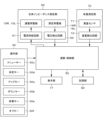
次に、一実施の形態にかかる体組成計1の内部構成例について説明する。図3は、一実施の形態にかかる体組成計1の内部構成例を示すブロック図である。体組成計1は、上述した表示部17及び操作部30の他に、演算・制御部50(以下、制御部50と適宜、略称する)と、生体インピーダンス測定部60と、体重測定部70と、記憶部80とを備える。表示部17及び操作部30の詳細については既に説明してあるため、ここでは説明を省略する。
"Example of the internal configuration of a body composition analyzer (electrical configuration)"
Next, an example of the internal configuration of the body composition monitor 1 according to one embodiment will be described. Fig. 3 is a block diagram showing an example of the internal configuration of the body composition monitor 1 according to one embodiment. In addition to the
制御部50は、プログラムに基づいて、体組成計1の各部を統括的に制御する。制御部50は、使用目的に対する表示順序で対応付けられている複数の体組成に関するデータの変化方向についての組合せ関係に応じて、前記使用目的に対して合致する程度が関連づけられている使用目的合致度関係に基づいて、測定された複数の体組成に関するデータにおいて設定されている使用目的に対して合致する程度を判断する。制御部50には、操作部30に対する操作入力に応じた操作信号が供給される。制御部50は、操作信号に応じた制御を実行する。この他に公知の制御を制御部50は実行する。なお、制御部50によって行われる処理の詳細は後述する。
The
生体インピーダンス測定部60は、電流供給回路61及び電圧検出回路62と、上述した電流供給用電極(15R,15L)及び電圧測定用電極(16R,16L)を有する。電流供給回路61は、ユーザが載せ台10に乗ったときに、載せ台の上面11に形成された電流供給用電極15R及び電流供給用電極15Lを介してユーザの足裏に高周波の微弱な定電流を印加する。電圧検出回路62は、電圧測定用電極16R及び電圧測定用電極16Lを介して電位差を検出し、制御部50に出力する。
The
体重測定部70は、例えば、重量センサ71及び重量検出回路72を有する。重量センサ71は、例えば、起歪体と歪みゲージとからなるロードセルを適用することができる。起歪体の一端部が載せ台10の内部に支持され、起歪体の他端部が載せ台10の背面側にある脚部(不図示)に支持されるように構成される。ユーザが載せ台10の上面11に載ったときの荷重により起歪体が撓むと、歪みゲージが伸縮して歪みゲージの伸縮に応じて抵抗値(出力値)が変化する。この抵抗値の変化を荷重信号出力の変化として体重を測定することができる。重量センサ71から出力された信号は、重量検出回路72によって重量データに変換され、制御部50に出力される。
The
記憶部80は、例えば、ROM(Read Only Memory)と、RAM(Random Access Memory)と、書き換え可能メモリとを有する。ROMは、不揮発性のメモリであり、当該ROMには、制御部50に各種処理を実行させるためのプログラムが記憶されている。また、ROMには、体脂肪率、体内年齢、基礎代謝量、内臓脂肪レベル、筋肉量、推定骨量、BMI及び体重の各々を求めるための演算式が記憶されている。なお、これらのプログラムとしては、ROMとは異なる記憶装置、例えば、ハードディスクやコンパクトディスク等の光記憶媒体に記憶されているプログラムを使用することも可能である。
The
RAMは、制御部50のワークエリアとして機能する。書き換え可能メモリには、身長、年齢及び性別や過去に測定された体組成データといった個人データが、個人を識別する識別情報と関連付けられて記憶されている。
The RAM functions as a work area for the
また、記憶部80には、使用目的に関連付けられた、表示順序データ及びアドバイス情報が記憶されている。表示順序データは、測定された体組成データの表示順序が規定されたデータである。
The
図4は、使用目的に関連付けられた、表示順序データ及びアドバイス情報を示している。図4に示すように、体組成計1の使用目的の一つである「ダイエット」には、体重、体脂肪率、体内年齢、基礎代謝量、内臓脂肪レベル、筋肉量、推定骨量、BMIの順序で測定結果を表示する表示順序データが関連付けられている。体組成計1の使用目的の一つである「鍛えて引き締めたい」には、体重、筋肉量、体脂肪率、基礎代謝量、体内年齢、内臓脂肪レベル、推定骨量、BMIの順序で測定結果を表示する表示順序データが関連付けられている。体組成計1の使用目的の一つである「健康維持」には、体重、体脂肪率、内臓脂肪レベル、体内年齢、筋肉量、推定骨量、BMI、基礎代謝量の順序で測定結果を表示する表示順序データが関連付けられている。体組成計1の使用目的の一つである「太りたい」には、体重、BMI、体脂肪率、筋肉量、推定骨量、基礎代謝量、内臓脂肪レベル、体内年齢の順序で測定結果を表示する表示順序データが関連付けられている。体組成計1の使用目的が「設定しない」には、体重、体脂肪率、内臓脂肪レベル、筋肉量、体内年齢、基礎代謝量、推定骨量、BMIの順序で測定結果を表示する表示順序データが関連付けられている。表示順序データは、各使用目的に対して重要と考えられる体組成の順序となるように規定されている。
4 shows the display sequence data and advice information associated with the intended use. As shown in FIG. 4, one of the intended uses of the
また、各使用目的には、表示順序データに加え、使用目的に対応する内容のアドバイス情報が関連付けられている。図4に示すように、例えば、使用目的の一つである「ダイエット」には、アドバイス情報AD1が関連付けられている。また、使用目的の一つである「鍛えて引き締めたい」には、アドバイス情報AD2が関連付けられている。図示は省略しているが使用目的「健康維持」、「太りたい」、「設定しない」のそれぞれにも所定のアドバイス情報が関連付けられている。 In addition to the display order data, each intended use is associated with advice information whose content corresponds to the intended use. As shown in FIG. 4, for example, advice information AD1 is associated with one intended use, "diet." Also, advice information AD2 is associated with one intended use, "get in shape." Although not shown in the figure, each of the intended uses, "maintain health," "gain weight," and "don't set," is also associated with a specific piece of advice information.
更に、記憶部80には、使用目的合致度関係が記憶されている。使用目的合致度関係は、使用目的に対する表示順序で対応付けられている複数の体組成に関するデータの変化方向についての組合せ関係に応じて、使用目的に対して合致する程度が関連づけられている関係である。換言すると、使用目的に対する重要度の高い体組成に関するデータの順から、体組成に関するデータの変化方向の区分毎に次の順位の体組成に関するデータの変化方向の区分が対応付けなされた関係である。
Furthermore, the
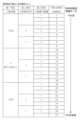
図5は、使用目的「ダイエット」に対応する使用目的合致度関係の一例を示している。なお、図5に示す使用目的合致度関係は、男性がダイエットする場合に用いられる使用目的合致度関係、即ち、男性用の使用目的合致度関係である。 Figure 5 shows an example of a usage purpose match degree relationship corresponding to the usage purpose "diet." Note that the usage purpose match degree relationship shown in Figure 5 is a usage purpose match degree relationship used when a man goes on a diet, i.e., a usage purpose match degree relationship for men.
使用目的が「ダイエット」である場合、「ダイエット」に対する表示順序で対応付けられている「体脂肪率(%)」、「体内年齢」、「基礎代謝量」の変化方向についての組合せ関係に応じて、「ダイエット」に対して合致する程度が関連付けられている。ここで、「体脂肪率(%)」、「体内年齢」、「基礎代謝量」は、使用目的「ダイエット」に対して重要度が高い順の体組成計データである。即ち、本例にかかる使用目的「ダイエット」に対応する使用目的合致度関係は、使用目的「ダイエット」に対する重要度の高い体組成(本例では「体脂肪率(%)」)に関するデータの順から、「体脂肪率(%)」の変化方向の区分毎に次の順位の体組成(本例では「体内年齢」)に関するデータの変化方向の区分が対応付けされ、「体内年齢」の変化方向の区分毎に次の順位の体組成(本例では「基礎代謝量」)に関するデータの変化方向の区分が対応付けされた関係である。 When the purpose of use is "diet", the degree of matching with "diet" is associated according to the combination relationship of the change direction of "body fat percentage (%)", "internal age", and "basal metabolic rate" which are associated in the display order with "diet". Here, "body fat percentage (%)", "internal age", and "basal metabolic rate" are body composition meter data in order of importance with respect to the purpose of use "diet". In other words, the purpose of use matching relationship corresponding to the purpose of use "diet" in this example is a relationship in which, in the order of data related to body composition ("body fat percentage (%)" in this example) with a high importance with respect to the purpose of use "diet", each category of the change direction of the data related to the next body composition ("internal age" in this example) is associated with each category of the change direction of the data related to the next body composition ("basal metabolic rate" in this example) and each category of the change direction of the "internal age" is associated with each category of the change direction of the data related to the next body composition ("basal metabolic rate" in this example).
図5に示すように、変化方向の組合せ関係に応じて、「ダイエット」に対して合致する程度が関連付けられている。本例における合致する程度は、変化方向の組合せ関係に関連付けられた目的合致度評価順位及び当該目的合致度評価順位を点数化した目的合致度評価データである。目的合致度評価データは、体組成変化総合評価として表示される。 As shown in FIG. 5, the degree of matching with "diet" is associated with the combination relationship of the change direction. In this example, the degree of matching is the goal matching evaluation rank associated with the combination relationship of the change direction and the goal matching evaluation data obtained by scoring the goal matching evaluation rank. The goal matching evaluation data is displayed as an overall body composition change evaluation.
使用目的合致度関係には、使用目的に対して合致する程度に応じたアドバイス情報が更に関連付けられている。図6Aは、使用目的が「ダイエット」であり、「体脂肪率(%)」、「体内年齢」、「基礎代謝量」が「ダイエット」に対して良好な変化を示し、目的合致度評価順位が高順位(例えば、目的合致度評価順位が1,2位)の場合のアドバイス情報の例を示している。また、図6Bは、使用目的が「ダイエット」であり、目的合致度評価順位が中程度の順位、具体的には、「体脂肪率(%)」は減っているのもの「基礎代謝量」も低下してしまっている順位(目的合致度評価順位が3,6,9位)の場合のアドバイス情報の例を示している。 The use purpose match relationship is further associated with advice information according to the degree of match with the use purpose. FIG. 6A shows an example of advice information when the use purpose is "dieting", the "body fat percentage (%)", "internal age", and "basal metabolic rate" show favorable changes compared to "dieting", and the purpose match evaluation rank is high (for example, purpose match evaluation rank is 1st or 2nd). FIG. 6B shows an example of advice information when the use purpose is "dieting" and the purpose match evaluation rank is medium, specifically, the "body fat percentage (%)" has decreased but the "basal metabolic rate" has also decreased (purpose match evaluation rank is 3rd, 6th, 9th).
[体組成計の動作例]
(設定モードについて)
次に、体組成計1の動作例について説明する。始めに、図7に示すフローチャートを参照して、体組成計1に対して各種の設定を行う設定モードにおける体組成計1の動作例について説明する。以下に説明する処理は、操作部30に対する入力に応じて制御部50の制御により実行される。設定内容は、記憶部80に記憶される。なお、以下の説明では、設定モードにより設定可能なユーザに関する情報(後述する個人番号、生年月日、性別の情報等)を属性と称する場合がある。
[Example of body composition monitor operation]
(About the setting mode)
Next, an example of the operation of the body composition monitor 1 will be described. First, with reference to the flowchart shown in FIG. 7, an example of the operation of the body composition monitor 1 in a setting mode in which various settings are made to the body composition monitor 1 will be described. The process described below is executed under the control of the
ステップST1では、タッチスイッチ30c(メニューキー)がタッチされることにより、メニュー項目が表示部17に表示される。そして、処理がステップST2に進む。
In step ST1, the
ステップST2では、ユーザによる操作によりメニュー項目が切り替えられる。メニュー項目は、タッチスイッチ30a(アップキー)又はタッチスイッチ30b(ダウンキー)がタッチされることにより切り替えることができ、タッチスイッチ30d(決定キー)がタッチされることにより、メニュー項目が設定される。
In step ST2, the menu items are switched by the user's operation. The menu items can be switched by touching
ステップST2において、メニュー項目(7)(データ登録)が設定されると、処理がステップST3に進む。ステップST3では、表示部17に個人番号の設定画面が表示され、個人番号の設定がなされる。個人番号とは、同じ体組成計1を使用するユーザ(例えば家族など)の間での識別番号であり、例えば、1から5の整数である。この場合、5人までユーザの登録が可能である。タッチスイッチ30a(アップキー)又はタッチスイッチ30b(ダウンキー)に対するタッチで識別番号が選択された後、タッチスイッチ30d(決定キー)がタッチされることにより個人番号が設定される。そして、処理がステップST4に進む。
When menu item (7) (data registration) is set in step ST2, the process proceeds to step ST3. In step ST3, a personal number setting screen is displayed on the
ステップST4では、ユーザの生まれた年が設定される。生まれた年は、例えば西暦により設定することができる。タッチスイッチ30a(アップキー)又はタッチスイッチ30b(ダウンキー)のタッチで年が選択された後、タッチスイッチ30d(決定キー)がタッチされることによりユーザの生まれた年が設定される。そして、処理がステップST5に進む。
In step ST4, the user's year of birth is set. The year of birth can be set, for example, in the Gregorian calendar. After the year is selected by touching
ステップST5では、ユーザの生まれた月が設定される。タッチスイッチ30a(アップキー)又はタッチスイッチ30b(ダウンキー)のタッチで月が選択された後、タッチスイッチ30d(決定キー)がタッチされることによりユーザが生まれた月が設定される。そして、処理がステップST6に進む。
In step ST5, the month of the user's birth is set. After the month is selected by touching
ステップST6では、ユーザの生まれた日が設定される。タッチスイッチ30a(アップキー)又はタッチスイッチ30b(ダウンキー)のタッチで日が選択された後、タッチスイッチ30d(決定キー)がタッチされることによりユーザの生まれた日が設定される。そして、処理がステップST7に進む。
In step ST6, the user's birth date is set. After the day is selected by touching
ステップST7では、ユーザの性別が設定される。タッチスイッチ30a(アップキー)又はタッチスイッチ30b(ダウンキー)のタッチで性別が選択された後、タッチスイッチ30d(決定キー)がタッチされることによりユーザの性別が設定される。そして、処理がステップST8に進む。
In step ST7, the user's gender is set. After the gender is selected by touching
ステップST8では、ユーザの身長が設定される。タッチスイッチ30a(アップキー)又はタッチスイッチ30b(ダウンキー)のタッチで身長(数値)が選択された後、タッチスイッチ30d(決定キー)がタッチされることによりユーザの身長が設定される。そして、処理がステップST9に進む。
In step ST8, the user's height is set. After the height (numerical value) is selected by touching
ステップST9では、体組成計1の使用目的が設定される。使用目的とは、体組成計1を使用するユーザが自分の体をどのように管理したいかという目的であり、本実施の形態では、「ダイエット」、「鍛えて引き締めたい」、「健康維持」及び「太りたい」の4個の使用目的が設定可能とされている。また、使用目的を「設定しない」ことも可能とされている。タッチスイッチ30a(アップキー)又はタッチスイッチ30b(ダウンキー)のタッチで使用目的が選択された後、タッチスイッチ30d(決定キー)がタッチされることにより体組成計1の使用目的が設定される。そして、処理がステップST12に進み、各種の情報を設定する処理が終了する。
In step ST9, the intended use of the body composition monitor 1 is set. The intended use is the purpose for which the user of the body composition monitor 1 wishes to manage their body. In this embodiment, four intended uses can be set: "diet," "get in shape," "maintain health," and "gain weight." It is also possible to "not set" an intended use. After the intended use is selected by touching
以上、説明したステップST3~ステップST9の処理は、例えば、体組成計1を購入した後、初回の使用時に初期登録として行われる。 The above-described processing of steps ST3 to ST9 is performed as initial registration when the body composition monitor 1 is used for the first time after purchase, for example.
ステップST2において、メニュー項目(5)(使用目的の設定)が選択されると、処理がステップST10に進む。ステップST10では、個人番号の設定が行われる。ステップST10における個人番号の設定では、既に属性が登録済の個人番号が選択される。個人番号の選択がなされると、処理がステップST11に進む。 In step ST2, when menu item (5) (setting the purpose of use) is selected, the process proceeds to step ST10. In step ST10, the personal number is set. When setting the personal number in step ST10, a personal number whose attributes have already been registered is selected. Once the personal number is selected, the process proceeds to step ST11.
ステップST11では、ステップST9と同様の操作が行われることにより、体組成計1の使用目的が設定される。そして、処理がステップST12に進み、使用目的の新たな設定若しくは使用目的を変更する処理が終了する。
In step ST11, the same operation as in step ST9 is performed to set the intended use of the
ステップST10及びステップST11の処理を行うことにより、初期登録時に体組成計1の使用目的が設定されていない場合でも、後から使用目的を設定することが可能となる。また、初期登録時に体組成計1の使用目的が設定されている場合でも、生活リズムの変化等に応じてユーザが体組成計1の使用目的を変更することができる。
By performing the processes of steps ST10 and ST11, even if the purpose of use of the
(測定モードについて)
次に、図8に示すフローチャートを参照して、測定モードにおける体組成計1の動作例について説明する。
(About measurement mode)
Next, an example of the operation of the body composition monitor 1 in the measurement mode will be described with reference to the flowchart shown in FIG.
ステップST21では、ユーザが載せ台10の上面11に乗る動作に応じて、体組成計1内で測定モードにかかる処理が開始される。なお、本例では、属性を登録済みのユーザが体組成計1に乗ったものとして説明する。属性の一つである個人番号は、ユーザが体組成計1に乗る際に入力されても良いし、体組成計1により自動で認識されても良い。そして、処理がステップST22に進む。
In step ST21, processing for the measurement mode is started within the
ステップST22では、体組成計1により体重と生体インピーダンスが測定されると共に、これらの情報を使用した演算により各種体組成データの測定が行われる。この段階で測定された体組成データをユーザの現在の測定結果データと適宜、称する。また、当該ユーザのそれ以前に測定され、記憶部80に記憶されている体組成データを過去の測定結果データと適宜、称する。そして、処理がステップST23に進む。
In step ST22, the body weight and bioelectrical impedance are measured by the
ステップST23では、制御部50が、個人番号に対応する使用目的を判断し、判断した使用目的に対応する表示順序データを判断する。以下の説明において、表示順序データを判断する処理を処理Aと適宜、称する。そして、処理がステップST24に進む。
In step ST23, the
ステップST24では、制御部50が記憶部80に記憶されている情報を参照し、個人番号に対応する過去の測定結果データがあるか否かを判断する。個人番号に対応する過去の測定結果データがない場合は、処理がステップST25に進む。
In step ST24, the
ステップST25では、上述した処理Aで判断された表示順序データに基づく表示順序で、ステップST22で測定された体組成の測定結果データが表示部17に表示される。そして、処理がステップST26に進む。
In step ST25, the body composition measurement result data measured in step ST22 is displayed on the
ステップST26では、体組成の測定結果が表示された後、使用目的に関連付けられたアドバイス情報が表示される。そして、処理がステップST32に進み、一連の処理が終了する。 In step ST26, the body composition measurement results are displayed, and then advice information associated with the intended use is displayed. Then, processing proceeds to step ST32, where the series of processing steps ends.
ステップST24の判断処理において、過去の測定結果データが記憶部80に記憶されている場合は、処理がステップST27に進む。ステップST27では、制御部50が、過去の測定された複数の体組成に関する測定結果データの存在状況、具体的には、記憶部80に記憶されている過去の測定結果データの件数を判断する。過去の測定結果データが2~4件である場合には、処理がステップST28に進む。
If, in the determination process of step ST24, past measurement result data is stored in the
ステップST28では、制御部50が、所定期間内に測定された過去の測定結果データをサンプルとした近似線を判断する。例えば、体組成毎に3件の過去の測定結果データが記憶部80に記憶されている例を考える。制御部50は、3件の過去の測定結果データを使用した近似線を体組成毎に判断する。近似線は、横軸を時間軸とし、縦軸を体組成の測定結果データとして3件の過去の測定結果データをプロットし、それに対して最小自乗法等を適用することにより得られる直線である。そして、制御部50は、現在の測定結果データと、現在に対応する近似線上の測定結果データとの差(「現在の測定結果データ」-「現在に対応する近似線上の測定結果データ」)を判断する。そして、処理がステップST29に進む。
In step ST28, the
ステップST29では、制御部50が、ステップST28で求めた差から体組成毎の変化傾向を判断する。制御部50は、例えば、差が一定以内なら「変化なし」と判断し、差が+であり且つ一定以上である場合には「+変化」と判断し、差が-であり且つ一定以上である場合は「-変化」と判断する。制御部50は、使用目的合致度関係に基づいて、体組成毎の変化傾向の組合せ関係に応じた目的合致度評価順位及び目的合致度評価順位を点数化した目的合致度評価データを判断する。例えば、「体脂肪率(%)」の変化傾向が-変化であり、「体内年齢」の変化傾向が-変化であり、「基礎代謝量」の変化傾向が+変化である場合は、目的合致度評価順位は「1位」となり目的合致度評価データは「100点」となる(図5参照)。
In step ST29, the
また、ステップST29にかかる処理では、変化傾向に対する評価(例えば、点数化)が体組成毎に行われる。例えば、「体脂肪率」に関して、ステップST28で求めた差に基づく変化傾向が「-変化」である場合には高得点が割り当てられ、ステップST28で求めた差に基づく変化傾向が「変化なし」である場合には中程度の得点が割り当てられ、ステップST28で求めた差に基づく変化傾向が「+変化」である場合には低得点が割り当てられる。 In addition, in the process of step ST29, an evaluation (e.g., a score) of the change tendency is performed for each body composition. For example, with regard to "body fat percentage," if the change tendency based on the difference found in step ST28 is "negative change," a high score is assigned; if the change tendency based on the difference found in step ST28 is "no change," a medium score is assigned; and if the change tendency based on the difference found in step ST28 is "positive change," a low score is assigned.
また、制御部50は、目的合致度評価順位及び目的合致度評価データに関連付けられているアドバイス情報を判断する。なお、以下の説明では、ステップST29にかかる処理を「処理B」と適宜、称する。ステップST29の処理が終了すると、処理がステップST30に進む。
The
ステップST30では、上述した処理Aで判断された表示順序データに基づいて、体組成毎の現在の測定結果データが表示される。そして、処理がステップST31に進む。 In step ST30, the current measurement result data for each body composition is displayed based on the display order data determined in process A described above. Then, the process proceeds to step ST31.
ステップST31では、制御部50が、処理Bで判断された目的合致度評価データ及びアドバイス情報を表示する。そして処理がステップST32に進み、一連の処理が終了する。
In step ST31, the
ステップST27にかかる判断処理において、過去の測定結果データの件数が5件以上である場合には、処理がステップST33に進む。 If the determination process in step ST27 determines that the number of past measurement result data items is five or more, the process proceeds to step ST33.
ステップST33では、制御部50が、所定期間内に測定された過去の測定結果データをサンプルとして近似線を判断する。例えば、体組成毎に10件の過去の測定結果データが記憶部80に記憶されている例を考える。制御部50は、10件の過去の測定結果データを使用した近似線を体組成毎に判断する。近似線は、横軸を時間軸とし、縦軸を体組成の測定結果データとして10件の過去の測定結果データをプロットし、それに対して最小自乗法等を適用することにより得られる直線である。そして、制御部50は、現在の測定結果データと、現在に対応する近似線上の測定結果データとの差(「現在の測定結果データ」-「現在に対応する近似線上の測定結果データ」)を判断する。そして、処理がステップST29に進む。
In step ST33, the
ステップST29~ステップST31にかかる処理の具体的内容については既に説明しているため、概略的な説明に留める。ステップST29では、制御部50が、ステップST33で求めた差から体組成毎の変化傾向を判断する。また、制御部50は、使用目的合致度関係に基づいて、体組成毎の変化傾向の組合せ関係に応じた目的合致度評価順位及び目的合致度評価順位を点数化した目的合致度評価データを判断する。また、ステップST29にかかる処理では、変化傾向に対する評価(例えば、点数化)が体組成毎に行われる。また、制御部50は、目的合致度評価順位及び目的合致度評価データに関連付けられているアドバイス情報を判断する。そして、処理がステップST30に進む。
The specific contents of the processing in steps ST29 to ST31 have already been described, so only a brief description will be given. In step ST29, the
ステップST30では、上述した処理Aで判断された表示順序データに基づいて、体組成毎の現在の測定結果データが表示される。処理がステップST31に進む。 In step ST30, the current measurement result data for each body composition is displayed based on the display order data determined in process A described above. The process proceeds to step ST31.
ステップST31では、制御部50が、処理Bで判断された目的合致度評価データ及びアドバイス情報を表示する。そして処理がステップST32に進み、一連の処理が終了する。
In step ST31, the
ステップST27にかかる判断処理において、過去の測定結果データが複数件ない場合、換言すれば、過去の測定結果データが1件である場合には、処理がステップST34に進む。なお、ステップST34では、現在の測定結果データと1件の過去の測定結果データとの差が判断される。そして、処理がステップST29に進む。 In the determination process in step ST27, if there are not multiple pieces of past measurement result data, in other words, if there is one piece of past measurement result data, the process proceeds to step ST34. In step ST34, the difference between the current measurement result data and one piece of past measurement result data is determined. Then, the process proceeds to step ST29.
ステップST29では、ステップST34で判断された差に基づいて、制御部50が、体組成毎の変化傾向を判断する。制御部50は、例えば、ステップST34で判断された差が一定以内なら「変化なし」と判断し、差が+であり且つ一定以上である場合には「+変化」と判断し、差が-であり且つ一定以上である場合は「-変化」と判断する。そして、制御部50は、使用目的合致度関係に基づいて、体組成毎の変化傾向の組合せ関係に応じた目的合致度評価順位及び目的合致度評価順位を点数化した目的合致度評価データを判断する。また、ステップST29にかかる処理では、変化傾向に対する評価(例えば、点数化)が体組成毎に行われる。また、制御部50は、目的合致度評価順位及び目的合致度評価データに関連付けられているアドバイス情報を判断する。そして、処理がステップST30に進む。
In step ST29, the
ステップST30では、上述した処理Aで判断された表示順序データに基づいて、体組成毎の現在の測定結果データが表示される。そして、処理がステップST31に進む。 In step ST30, the current measurement result data for each body composition is displayed based on the display order data determined in process A described above. Then, the process proceeds to step ST31.
ステップST31では、制御部50が、処理Bで判断された目的合致度評価データ及びアドバイス情報を表示する。そして処理がステップST32に進み、一連の処理が終了する。
In step ST31, the
図9は、使用目的として「ダイエット」が設定されている場合の、上述したステップST25にかかる処理の具体的な表示例を示している。使用目的として「ダイエット」が設定されているので、「ダイエット」に関連付けられている表示順序データに従って、図9の<1>~<8>で示される順序(体重→体脂肪率→体内年齢→基礎代謝量→内臓脂肪→筋肉量→推定骨量→BMI)で体組成の測定結果データが表示される。 Figure 9 shows a specific display example of the process in step ST25 described above when "diet" is set as the purpose of use. Since "diet" is set as the purpose of use, the body composition measurement result data is displayed in the order shown by <1> to <8> in Figure 9 (body weight → body fat percentage → body age → basal metabolic rate → visceral fat → muscle mass → estimated bone mass → BMI) according to the display order data associated with "diet."
図10は、使用目的として「ダイエット」が設定されている場合の、ステップST26にかかる処理の具体的な表示例を示している。図10に示すように使用目的「ダイエット」に関連付けられているアドバイス情報AD1が表示部17に表示される。なお、ステップST26では過去の測定結果データが無く目的合致度評価データが判断できないことから、ステップST26では、図10に示すように、今回は「体組成変化総合評価」の具体的内容が判断できない旨が表示される、換言すれば、次回から「体組成変化総合評価」が判断される旨のコメントC1が表示される。
Figure 10 shows a specific display example of the processing in step ST26 when "diet" is set as the purpose of use. As shown in Figure 10, advice information AD1 associated with the purpose of use "diet" is displayed on the
図11は、使用目的として「ダイエット」が設定されている場合の、上述したステップST30にかかる処理の具体的な表示例を示している。使用目的として「ダイエット」が設定されているので、「ダイエット」に関連付けられている表示順序データに従って、図11の<1>~<8>で示される順序(体重→体脂肪率→体内年齢→基礎代謝量→内臓脂肪→筋肉量→推定骨量→BMI)で現在の測定結果データが表示される。また、ステップST30では、ステップST29で判断された体組成毎の変化傾向が関連付けられて表示される。即ち、体組成の変化傾向が「変化なし」の場合には体組成の種類を示す表示の横に「→」が表示され、体組成の変化傾向が「+変化」の場合には体組成の種類を示す表示の横に「↑」が表示され、体組成の変化傾向が「-変化」の場合には体組成の種類を示す表示の横に「↓」が表示される。 Figure 11 shows a specific display example of the process in step ST30 described above when "diet" is set as the purpose of use. Since "diet" is set as the purpose of use, the current measurement result data is displayed in the order shown by <1> to <8> in Figure 11 (body weight → body fat percentage → body age → basal metabolic rate → visceral fat → muscle mass → estimated bone mass → BMI) according to the display order data associated with "diet". In addition, in step ST30, the change tendency of each body composition determined in step ST29 is associated and displayed. That is, if the change tendency of body composition is "no change", "→" is displayed next to the display showing the type of body composition, if the change tendency of body composition is "+ change", "↑" is displayed next to the display showing the type of body composition, and if the change tendency of body composition is "- change", "↓" is displayed next to the display showing the type of body composition.
図12は、使用目的として「ダイエット」が設定されている場合の、上述したステップST31にかかる処理の具体的な表示例を示している。図12に示すように、制御部50は、表示部17の上半分にアドバイス情報AD5を表示する。また、制御部50は、アドバイス情報AD5の下に「体組成変化総合評価」という項目を表示し、当該項目の右側に目的合致度評価データである「90点」を表示する。また、制御部50は、「体組成変化総合評価」という項目の下に使用目的「ダイエット」にとって重要度の高い体組成である「体脂肪率」、「体内年齢」及び「基礎代謝」を重要度の高い順に上から表示する。そして、体組成の種類を示す表示の横に、ステップST29で判断された変化傾向に対応する矢印、変化傾向に対して割り当てられた体組成毎の点数に対応する長さのバー及び具体的な点数が表示される。図12に示す例では、例えば「体脂肪率」の右側に変化傾向「-変化」を示す矢印「↓」が表示され、その右側に「**********」というバーが表示され、さらにその右側に「体脂肪率」の変化傾向に割り当てられた点数である「99点」が表示されている。バーは、点数が高いほど右側に長く伸びるように表示される。
Figure 12 shows a specific display example of the process in step ST31 described above when "diet" is set as the purpose of use. As shown in Figure 12, the
以上説明した本実施の形態によれば、体組成計の使用目的にあわせて、自分の身体に起きている変化が良い方向であるのか、又はそうでないのかを判断することができる。判断結果がユーザに対して表示されるので、ユーザは、専門的な知識がない場合でも、日々の生活傾向や努力の方向性に基づく身体の変化が使用目的に合っているのかどうかを知る手がかりになり、測定結果について実質的な意味をもって捉えることが可能となる。そのため、変化の実感を得やすいだけでなく、目的に向かった努力や生活改善が長続きしやすくなるので、モチベーションの維持に効果的でスポーツジムや美容目的の施設等においての指導にも体組成計を有効活用することができる。 According to the present embodiment described above, it is possible to judge whether the changes occurring in one's body are good or bad, depending on the purpose of using the body composition scale. Since the judgment result is displayed to the user, even if the user does not have specialist knowledge, it provides a clue as to whether the changes in the body based on daily lifestyle trends and the direction of efforts are in line with the purpose of use, and it becomes possible to understand the measurement results in a practical sense. Therefore, not only is it easy to get a sense of the changes, but it also makes it easier to sustain efforts and lifestyle improvements toward the goal, which is effective in maintaining motivation, and the body composition scale can also be effectively used for guidance in sports gyms, beauty facilities, etc.
<変形例>
本発明の一実施の形態について説明したが、本発明は上述した実施の形態に限定されるものではなく、本発明の技術思想の範囲内において種々の変更が可能である。以下、変形例について説明する。
<Modification>
Although one embodiment of the present invention has been described, the present invention is not limited to the above-described embodiment, and various modifications are possible within the scope of the technical concept of the present invention.
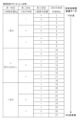
図13は、使用目的合致度関係の他の例を示す図である。図13に示す例は、体組成計1の使用目的が「鍛えて引き締めたい」である場合の使用目的合致度関係の例である。使用目的が「鍛えて引き締めたい」の使用目的合致度関係には、複数の体組成として、重要度の高い順に「筋肉量」、「体脂肪率」、「基礎代謝量」が用いられる。 Figure 13 is a diagram showing another example of the use purpose match degree relationship. The example shown in Figure 13 is an example of the use purpose match degree relationship when the use purpose of the body composition monitor 1 is "to train and get fit." In the use purpose match degree relationship for the use purpose "to train and get fit," "muscle mass," "body fat percentage," and "basal metabolic rate" are used as multiple body compositions in order of importance.
図14は、使用目的が「鍛えて引き締めたい」である使用目的合致度関係に関連付けられているアドバイス情報の例を示している。具体的には、ユーザの体組成があまり変化せず、目的合致度評価データが中程度の点数(例えば、図13に示す使用目的合致度関係の目的合致度評価順位が14位に対応する点数)に関連付けられているアドバイス情報の例である。 Figure 14 shows an example of advice information associated with a usage purpose match relationship in which the usage purpose is "I want to train and tone up." Specifically, this is an example of advice information associated with a user's body composition that has not changed much and the purpose match evaluation data is a medium score (for example, a score corresponding to a purpose match evaluation ranking of 14th in the usage purpose match relationship shown in Figure 13).
図15は、使用目的合致度関係の他の例を示す図である。図15に示す例は、体組成計1の使用目的が「健康維持」である場合の使用目的合致度関係の例である。使用目的が「健康維持」の使用目的合致度関係には、複数の体組成として、重要度の高い順に「体脂肪率」、「内蔵脂肪レベル」、「体内年齢」が用いられる。
Figure 15 is a diagram showing another example of the use purpose match degree relationship. The example shown in Figure 15 is an example of the use purpose match degree relationship when the use purpose of the
図16に示す例は、体組成計1の使用目的が「ダイエット」である場合の使用目的合致度関係の例である。同じ使用目的であっても図5に示す使用目的合致度関係は男性用であるのに対して、図16に示す使用目的合致度関係は女性用である点で相違する。ユーザが女性である場合には、体のむくみがある時期は体脂肪量が減ったとしても体重が増加するため、体重全体に占める体脂肪率が減らない。このようなケースを考慮して、女性の場合は「体脂肪率」ではなく「体脂肪量」を使用した方が適切な評価を行うことができる。そこで、設定モードにおいて設定された個人の属性が「女性」である場合には、同じ使用目的であっても、図16に示す使用目的合致度関係が使用される。このように、同一の使用目的であっても、個人の属性に応じて、使用される使用目的合致度関係が変更されるようにしても良い。
The example shown in FIG. 16 is an example of a use purpose matching degree relationship when the use purpose of the
上述した実施の形態では、過去の所定期間内に測定された測定結果データに基づく近似線を判断し、現在の測定結果データと、現在に対応する近似線上の測定結果データとの差を判断するようにした。上記所定期間をユーザが設定できるようにしても良い。一般に、身体の変化が「ダイエット」にマッチする変化であるか否かを評価するには、ある程度、長期間における過去の測定結果データが必要となる。しかしながら、その期間の間に、ユーザが使用目的に反する行動をとってしまうこともあり得る。例えば、使用目的が「ダイエット」であってもユーザが暴飲暴食をしてしまった期間もあり得る。そのような期間を除いて、即ち、ユーザが真剣にダイエットに取り組んでいた期間の測定結果データを用いることが好ましい。従って、過去の測定結果データの使用範囲(例えば、過去1週間以内や、日付の範囲指定)をユーザが設定できるようにしても良い。 In the above embodiment, an approximation line is determined based on the measurement result data measured within a specified period of time in the past, and the difference between the current measurement result data and the measurement result data on the approximation line corresponding to the present is determined. The specified period may be set by the user. Generally, to evaluate whether a change in the body matches a "diet", past measurement result data over a relatively long period is required. However, during that period, the user may behave in a manner contrary to the purpose of use. For example, even if the purpose of use is "dieting", there may be a period in which the user binge-eats. It is preferable to use measurement result data excluding such periods, that is, during the period in which the user was seriously working on a diet. Therefore, the user may be able to set the range of use of past measurement result data (for example, within the past week or a specified date range).
上述した実施の形態において、過去の測定結果データのばらつきが大きい場合には、「測定結果の規則性が良くないですよ」や「波瀾万丈な生活のようですね。生活リズムを見直しましょう」等のコメントが表示されるようにしても良い。 In the above-described embodiment, if there is a large variance in the past measurement result data, comments such as "The regularity of the measurement results is not good" or "It seems like you have a very eventful life. It might be time to reconsider your daily routine" may be displayed.
上述した実施の形態では、個々の体組成の測定結果データが表示された後に、目的合致度評価データやアドバイス情報が表示されるようにしたが、目的合致度評価データやアドバイス情報が先に表示されても良い。体組成の測定結果データを全て表示するには一定時間要するため、目的合致度評価データやアドバイス情報が先にユーザに表示されるようにしても良い。また、目的合致度評価データやアドバイス情報が先に表示され、所定の操作があった場合のみ個々の体組成の測定結果データが表示されるようにしても良い。また、目的合致度評価データやアドバイス情報と、体組成の測定結果データとのどちらを先に表示させるかをユーザが設定できるようにしても良い。これにより、ユーザは、自分が気になる情報を先に表示させることができる。 In the above-described embodiment, the purpose conformity evaluation data and advice information are displayed after the measurement result data of each body composition is displayed, but the purpose conformity evaluation data and advice information may be displayed first. Since it takes a certain amount of time to display all the measurement result data of the body composition, the purpose conformity evaluation data and advice information may be displayed to the user first. Also, the purpose conformity evaluation data and advice information may be displayed first, and the measurement result data of each body composition may be displayed only if a predetermined operation is performed. Also, the user may be able to set whether the purpose conformity evaluation data and advice information or the measurement result data of the body composition is displayed first. This allows the user to display information that interests him or her first.
記憶部80に過去の測定結果データが記憶されていない場合であっても、現在の測定結果データが、ある属性に関する体組成の測定結果データの平均値と比較されても良い。そして、現在の測定結果データと平均値との差から変化傾向が判断され、変化傾向が点数化され、当該点数が表示されるようにしても良い。
Even if no past measurement result data is stored in the
過去の測定結果データの数に応じて、ステップS31で表示される情報が変更されても良い。例えば、過去の測定結果データが5件以上の場合には、ステップST31で、体組成変化総合評価の信頼性が高い旨が表示されるようにしても良い。反対に、過去の測定結果データが1件の場合には、ステップST31で、体組成変化総合評価の信頼性が低い旨が表示されるようにしても良い。 The information displayed in step S31 may be changed depending on the number of past measurement result data. For example, if there are five or more past measurement result data, step ST31 may display that the reliability of the overall body composition change evaluation is high. Conversely, if there is only one past measurement result data, step ST31 may display that the reliability of the overall body composition change evaluation is low.
使用目的合致度関係に関連付けられる合致する程度は、目的合致度評価順位や目的合致度評価データ以外のものでも良く、合致する程度を示す指標なら何でも良い。また、上述した実施の形態では、使用目的に対して合致(適合)しているかを判定する上で、重要度の高い体組成の順から3個としたが、2個でも良いし、4個以上でも良い。 The degree of matching associated with the use purpose matching relationship may be something other than the purpose matching evaluation ranking or the purpose matching evaluation data, and may be any index indicating the degree of matching. Also, in the above-mentioned embodiment, three body compositions are used in order of importance in determining whether or not the use purpose is matched (conformed), but two or four or more may be used.
上述した実施の形態における体組成計1に左手と右手で握れる構成を追加し、手で握る部分に左手用の電極と右手用の電極を配置し、手と足とを通してインピーダンス測定ができるようにしても良い。 A configuration may be added to the body composition monitor 1 in the above-described embodiment that allows it to be held in the left and right hands, and electrodes for the left and right hands may be placed in the parts that are held by the hands, allowing impedance measurements to be made through the hands and feet.
図3に示した構成と異なる構成が体組成計1に追加されてもよい。例えば、スマートフォン等の携帯機器と近接無線通信を行う通信モジュールや、インターネット等のネットワークと接続するための通信モジュールが体組成計1に追加されてもよい。体組成計1で行われる演算の全部又は一部が、スマートフォンやクラウド上のサーバー装置で行われても良い。また、目的合致度評価データやアドバイス情報が音声で再生されるようにしても良い。
A configuration different from that shown in FIG. 3 may be added to the
1・・・体組成計、17・・・表示部、30・・・操作部、50・・・演算・制御部
1: body composition meter, 17: display unit, 30: operation unit, 50: calculation/control unit
Claims (8)
前記ユーザの前記生体情報測定装置の使用目的と、生体情報のうち少なくとも1つの体組成に関する項目についての、増加、不変、減少いずれかの経時的な変化傾向毎に対応付けられた、前記使用目的に合致しているかを表す合致度と、を記憶する記憶部と、
測定された前記変化傾向が、前記使用目的に合致しているか否かを、前記合致度に基づいて評価する制御部と、を有する生体情報測定装置。 A biological information measuring device that measures biological information of a user,
A storage unit that stores a purpose of use of the biological information measuring device of the user and a degree of agreement that indicates whether the purpose of use is matched with each of the trends of change over time, which may be an increase, no change, or a decrease, for at least one item related to body composition among the biological information;
A control unit that evaluates whether the measured change trend matches the purpose of use based on the degree of match .
ユーザの生体情報を測定するステップと、
前記ユーザの生体情報のうち少なくとも1つの体組成に関する項目についての、増加、不変、減少いずれかの経時的な変化傾向が、前記ユーザの生体情報測定装置の使用目的に合致しているか否かを、前記変化傾向毎に対応付けられた、前記使用目的に合致しているかを表す合致度に基づいて評価するステップと、を実行させる生体情報測定プログラム。 When executed by a computer, the computer
Measuring biometric information of a user;
a step of evaluating whether a time-dependent trend of change, either increase, no change, or decrease, for at least one body composition item among the user's biometric information matches the intended use of the user's biometric measuring device, based on a degree of match that indicates whether the trend of change matches the intended use, which is associated with each of the trends of change .
ユーザの生体情報を測定するステップと、
前記ユーザの生体情報のうち少なくとも1つの体組成に関する項目についての、増加、不変、減少いずれかの経時的な変化傾向が、前記ユーザの生体情報測定装置の使用目的に合致しているか否かを、前記変化傾向毎に対応付けられた、前記使用目的に合致しているかを表す合致度に基づいて評価するステップと、を実行させる生体情報測定方法。 On the computer,
Measuring biometric information of a user;
a step of evaluating whether a time-dependent trend of change, either increase, no change, or decrease, for at least one body composition item among the user's biometric information matches the intended use of the user's biometric information measuring device, based on a degree of match that indicates whether the trend of change matches the intended use, which is associated with each of the trends of change .
前記ユーザの前記生体情報測定システムの使用目的と、生体情報のうち少なくとも1つの体組成に関する項目についての、増加、不変、減少いずれかの経時的な変化傾向毎に対応付けられた、前記使用目的に合致しているかを表す合致度と、を記憶する記憶部と、
測定された前記変化傾向が、前記使用目的に合致しているか否かを、前記合致度に基づいて評価する制御部と、を有する生体情報測定システム。 A biometric information measurement system for measuring biometric information of a user, comprising:
A storage unit that stores a purpose of use of the biological information measurement system of the user and a degree of match that indicates whether the purpose of use is matched with each of a change tendency over time, which is an increase, no change, or a decrease, for at least one item related to body composition among the biological information;
A control unit that evaluates whether the measured change trend matches the intended use based on the degree of match .
Priority Applications (1)
| Application Number | Priority Date | Filing Date | Title |
|---|---|---|---|
| JP2023024412A JP7672001B2 (en) | 2019-03-12 | 2023-02-20 | Vital information measuring device, vital information measuring program, vital information measuring method, and vital information measuring system |
Applications Claiming Priority (2)
| Application Number | Priority Date | Filing Date | Title |
|---|---|---|---|
| JP2019044559A JP7239164B2 (en) | 2019-03-12 | 2019-03-12 | Biological information measuring device |
| JP2023024412A JP7672001B2 (en) | 2019-03-12 | 2023-02-20 | Vital information measuring device, vital information measuring program, vital information measuring method, and vital information measuring system |
Related Parent Applications (1)
| Application Number | Title | Priority Date | Filing Date |
|---|---|---|---|
| JP2019044559A Division JP7239164B2 (en) | 2019-03-12 | 2019-03-12 | Biological information measuring device |
Publications (3)
| Publication Number | Publication Date |
|---|---|
| JP2023058701A JP2023058701A (en) | 2023-04-25 |
| JP2023058701A5 JP2023058701A5 (en) | 2023-10-23 |
| JP7672001B2 true JP7672001B2 (en) | 2025-05-07 |
Family
ID=72427835
Family Applications (2)
| Application Number | Title | Priority Date | Filing Date |
|---|---|---|---|
| JP2019044559A Active JP7239164B2 (en) | 2019-03-12 | 2019-03-12 | Biological information measuring device |
| JP2023024412A Active JP7672001B2 (en) | 2019-03-12 | 2023-02-20 | Vital information measuring device, vital information measuring program, vital information measuring method, and vital information measuring system |
Family Applications Before (1)
| Application Number | Title | Priority Date | Filing Date |
|---|---|---|---|
| JP2019044559A Active JP7239164B2 (en) | 2019-03-12 | 2019-03-12 | Biological information measuring device |
Country Status (5)
| Country | Link |
|---|---|
| US (1) | US12140470B2 (en) |
| EP (1) | EP3940349A4 (en) |
| JP (2) | JP7239164B2 (en) |
| CN (2) | CN119867700A (en) |
| WO (1) | WO2020184293A1 (en) |
Citations (4)
| Publication number | Priority date | Publication date | Assignee | Title |
|---|---|---|---|---|
| JP2004283570A (en) | 2003-03-04 | 2004-10-14 | Tanita Corp | Health management system |
| JP2006048177A (en) | 2004-07-30 | 2006-02-16 | Ajinomoto Co Inc | Eating habit management system |
| US20120215128A1 (en) | 2007-11-30 | 2012-08-23 | John Thomas Barnett | Managing Body Composition |
| JP2012165947A (en) | 2011-02-16 | 2012-09-06 | Omron Healthcare Co Ltd | Weight control device |
Family Cites Families (18)
| Publication number | Priority date | Publication date | Assignee | Title |
|---|---|---|---|---|
| US6038315A (en) * | 1997-03-17 | 2000-03-14 | The Regents Of The University Of California | Method and system for normalizing biometric variations to authenticate users from a public database and that ensures individual biometric data privacy |
| JPH11332845A (en) * | 1998-05-22 | 1999-12-07 | Omron Corp | Apparatus for advising health care guideline and system therefor |
| JP2001104273A (en) * | 1999-10-12 | 2001-04-17 | Tanita Corp | Body fat measurement device with weight scale |
| US6526315B1 (en) * | 2000-03-17 | 2003-02-25 | Tanita Corporation | Portable bioelectrical impedance measuring instrument |
| JP4453330B2 (en) | 2003-10-14 | 2010-04-21 | オムロンヘルスケア株式会社 | Health management guideline advice method, health management guideline advice device, and health management guideline advice system |
| JP2006102308A (en) | 2004-10-07 | 2006-04-20 | Matsushita Electric Ind Co Ltd | Biological information collection device |
| US7602301B1 (en) * | 2006-01-09 | 2009-10-13 | Applied Technology Holdings, Inc. | Apparatus, systems, and methods for gathering and processing biometric and biomechanical data |
| JP2007244728A (en) | 2006-03-17 | 2007-09-27 | Omron Healthcare Co Ltd | Body composition measurement apparatus |
| JP4923648B2 (en) * | 2006-03-17 | 2012-04-25 | オムロンヘルスケア株式会社 | Biological information measuring device |
| JP2007296093A (en) | 2006-04-28 | 2007-11-15 | Omron Healthcare Co Ltd | Body composition display system, body composition meter, communication terminal and server |
| US7844081B2 (en) * | 2006-05-15 | 2010-11-30 | Battelle Memorial Institute | Imaging systems and methods for obtaining and using biometric information |
| JP4935583B2 (en) | 2007-08-28 | 2012-05-23 | オムロンヘルスケア株式会社 | Health care guideline advice device |
| JP5016081B2 (en) * | 2010-03-25 | 2012-09-05 | パナソニック株式会社 | Biological information measuring device |
| JP5531711B2 (en) * | 2010-03-29 | 2014-06-25 | オムロンヘルスケア株式会社 | Health management support device, health management support system, and health management support program |
| US8475367B1 (en) * | 2011-01-09 | 2013-07-02 | Fitbit, Inc. | Biometric monitoring device having a body weight sensor, and methods of operating same |
| JP5949163B2 (en) * | 2012-05-28 | 2016-07-06 | オムロンヘルスケア株式会社 | Personal identification device and body composition meter |
| JP6142266B2 (en) | 2013-09-09 | 2017-06-07 | 株式会社タニタ | Health management system and activity meter |
| US11219396B2 (en) * | 2013-11-23 | 2022-01-11 | MAD Apparel, Inc. | System and method for monitoring biometric signals |
-
2019
- 2019-03-12 JP JP2019044559A patent/JP7239164B2/en active Active
-
2020
- 2020-03-03 WO PCT/JP2020/008907 patent/WO2020184293A1/en not_active Ceased
- 2020-03-03 CN CN202510034369.2A patent/CN119867700A/en active Pending
- 2020-03-03 EP EP20769418.3A patent/EP3940349A4/en active Pending
- 2020-03-03 US US17/436,898 patent/US12140470B2/en active Active
- 2020-03-03 CN CN202080018364.6A patent/CN113557412A/en active Pending
-
2023
- 2023-02-20 JP JP2023024412A patent/JP7672001B2/en active Active
Patent Citations (4)
| Publication number | Priority date | Publication date | Assignee | Title |
|---|---|---|---|---|
| JP2004283570A (en) | 2003-03-04 | 2004-10-14 | Tanita Corp | Health management system |
| JP2006048177A (en) | 2004-07-30 | 2006-02-16 | Ajinomoto Co Inc | Eating habit management system |
| US20120215128A1 (en) | 2007-11-30 | 2012-08-23 | John Thomas Barnett | Managing Body Composition |
| JP2012165947A (en) | 2011-02-16 | 2012-09-06 | Omron Healthcare Co Ltd | Weight control device |
Also Published As
| Publication number | Publication date |
|---|---|
| JP7239164B2 (en) | 2023-03-14 |
| WO2020184293A1 (en) | 2020-09-17 |
| CN119867700A (en) | 2025-04-25 |
| US12140470B2 (en) | 2024-11-12 |
| EP3940349A1 (en) | 2022-01-19 |
| EP3940349A4 (en) | 2022-12-07 |
| US20220136890A1 (en) | 2022-05-05 |
| JP2023058701A (en) | 2023-04-25 |
| JP2020146142A (en) | 2020-09-17 |
| CN113557412A (en) | 2021-10-26 |
Similar Documents
| Publication | Publication Date | Title |
|---|---|---|
| CN102355855B (en) | Biometric information measuring device, biometric information measuring method, and body composition measuring device | |
| CN101404930B (en) | A body composition meter that can monitor changes in body composition | |
| TW471958B (en) | Bio-characteristic value measuring device with graphical display | |
| JP3943863B2 (en) | Biometric device with measurer judgment function | |
| CN102365048B (en) | Body composition meter and measurement result output method | |
| CN102308188A (en) | Body weight management device, body weight management method, and body weight managemtn program | |
| US20140224552A1 (en) | Body weight management device | |
| US8932062B2 (en) | Body weight management device | |
| JP4512379B2 (en) | Health condition determination apparatus and health condition determination program | |
| JP2009005904A (en) | Body composition measuring apparatus and body composition measuring method | |
| JP2007296093A (en) | Body composition display system, body composition meter, communication terminal and server | |
| JP7586453B2 (en) | Wearing garment size acquisition system, wearing garment size acquisition program, and wearing garment selection support method | |
| JP7672001B2 (en) | Vital information measuring device, vital information measuring program, vital information measuring method, and vital information measuring system | |
| CN1306908C (en) | Health management device for pregnant women | |
| US20230132225A1 (en) | Measurement device | |
| JP5202907B2 (en) | Biometric device | |
| JP2003265427A (en) | Health care device | |
| US20240358268A1 (en) | Body assessment system and body assessment program | |
| JP2000316833A (en) | Calculation method of fat burning amount and apparatus therefor | |
| KR20060104792A (en) | Customized body composition analyzer and method | |
| JP2024013449A (en) | Fatigue evaluation device, fatigue evaluation system, fatigue evaluation program, and fatigue evaluation method | |
| JP2020171789A (en) | Metabolism evaluation device, method, and program | |
| JP2002301040A (en) | Visceral fat meter with clock function |
Legal Events
| Date | Code | Title | Description |
|---|---|---|---|
| A621 | Written request for application examination |
Free format text: JAPANESE INTERMEDIATE CODE: A621 Effective date: 20230320 |
|
| A521 | Request for written amendment filed |
Free format text: JAPANESE INTERMEDIATE CODE: A523 Effective date: 20231011 |
|
| A977 | Report on retrieval |
Free format text: JAPANESE INTERMEDIATE CODE: A971007 Effective date: 20240321 |
|
| A131 | Notification of reasons for refusal |
Free format text: JAPANESE INTERMEDIATE CODE: A131 Effective date: 20240326 |
|
| A601 | Written request for extension of time |
Free format text: JAPANESE INTERMEDIATE CODE: A601 Effective date: 20240523 |
|
| A521 | Request for written amendment filed |
Free format text: JAPANESE INTERMEDIATE CODE: A523 Effective date: 20240724 |
|
| A521 | Request for written amendment filed |
Free format text: JAPANESE INTERMEDIATE CODE: A523 Effective date: 20240725 |
|
| A131 | Notification of reasons for refusal |
Free format text: JAPANESE INTERMEDIATE CODE: A131 Effective date: 20241022 |
|
| A601 | Written request for extension of time |
Free format text: JAPANESE INTERMEDIATE CODE: A601 Effective date: 20241220 |
|
| A521 | Request for written amendment filed |
Free format text: JAPANESE INTERMEDIATE CODE: A523 Effective date: 20250221 |
|
| TRDD | Decision of grant or rejection written | ||
| A01 | Written decision to grant a patent or to grant a registration (utility model) |
Free format text: JAPANESE INTERMEDIATE CODE: A01 Effective date: 20250304 |
|
| A61 | First payment of annual fees (during grant procedure) |
Free format text: JAPANESE INTERMEDIATE CODE: A61 Effective date: 20250403 |
|
| R150 | Certificate of patent or registration of utility model |
Ref document number: 7672001 Country of ref document: JP Free format text: JAPANESE INTERMEDIATE CODE: R150 |