JP7621612B2 - Template substrate and method for manufacturing same - Google Patents
Template substrate and method for manufacturing same Download PDFInfo
- Publication number
- JP7621612B2 JP7621612B2 JP2021024641A JP2021024641A JP7621612B2 JP 7621612 B2 JP7621612 B2 JP 7621612B2 JP 2021024641 A JP2021024641 A JP 2021024641A JP 2021024641 A JP2021024641 A JP 2021024641A JP 7621612 B2 JP7621612 B2 JP 7621612B2
- Authority
- JP
- Japan
- Prior art keywords
- inas layer
- inas
- layer
- atoms
- less
- Prior art date
- Legal status (The legal status is an assumption and is not a legal conclusion. Google has not performed a legal analysis and makes no representation as to the accuracy of the status listed.)
- Active
Links
Images


Classifications
-
- Y—GENERAL TAGGING OF NEW TECHNOLOGICAL DEVELOPMENTS; GENERAL TAGGING OF CROSS-SECTIONAL TECHNOLOGIES SPANNING OVER SEVERAL SECTIONS OF THE IPC; TECHNICAL SUBJECTS COVERED BY FORMER USPC CROSS-REFERENCE ART COLLECTIONS [XRACs] AND DIGESTS
- Y02—TECHNOLOGIES OR APPLICATIONS FOR MITIGATION OR ADAPTATION AGAINST CLIMATE CHANGE
- Y02P—CLIMATE CHANGE MITIGATION TECHNOLOGIES IN THE PRODUCTION OR PROCESSING OF GOODS
- Y02P70/00—Climate change mitigation technologies in the production process for final industrial or consumer products
- Y02P70/50—Manufacturing or production processes characterised by the final manufactured product
Landscapes
- Crystals, And After-Treatments Of Crystals (AREA)
Description
本発明は、テンプレート基板及びその製造方法に関する。 The present invention relates to a template substrate and a method for manufacturing the same.
中赤外領域(例えば、波長3μmから5μm)の波長域を有する受発光素子は、センサやガス分析などの用途で、幅広く用いられている。 Light-emitting and receiving elements with wavelengths in the mid-infrared region (e.g., wavelengths from 3 μm to 5 μm) are widely used in applications such as sensors and gas analysis.
このような受発光素子の活性層には、In、As及びSbを含むInAsSb系III-V族半導体が用いられる。InAsSb層などのInAsSb系III-V族半導体層をエピタキシャル成長させる場合、格子整合させるために、InAs基板やGaSb基板が成長用基板として用いられていた。 The active layer of such light-receiving and light-emitting elements uses an InAsSb-based III-V group semiconductor containing In, As, and Sb. When epitaxially growing an InAsSb-based III-V group semiconductor layer such as an InAsSb layer, an InAs substrate or GaSb substrate has been used as the growth substrate to achieve lattice matching.
近年、InAsSb層などのInAsSb系III-V族半導体層と格子整合する安価な基板が求められるようになった。そのため、GaAs基板など異種基板にInAsを結晶成長したものをテンプレート基板として使用することも検討されている。 In recent years, there has been a demand for inexpensive substrates that are lattice-matched to InAsSb-based III-V semiconductor layers, such as InAsSb layers. For this reason, the use of InAs crystals grown on heterogeneous substrates, such as GaAs substrates, as template substrates has also been considered.
特許文献1には、有機金属気相成長法を用いるInAs等のIn系III-V族化合物半導体結晶の作製方法が記載されている。この方法では、In原料(TMI)とV族原料(AsH3)を交互に供給し、成長温度を600~800℃の範囲で、GaAs基板上にInAs結晶を気相成長することが記載されている。また、この方法によって得たInAs結晶は、ホール移動度30000cm2/Vsであり、結晶特性が良いことが記載されている。なお、特許文献1には、従来技術として、InAs化合物半導体やIII族元素がInであるIn系III-V族化合物半導体の結晶は有機金属気相成長法で作製されており、InAsを成長する場合には、400℃以上600℃未満の成長温度に加熱した基板上でIII族原料やV族原料を用いてこれらを熱分解して成長を行っていたことが記載されている。また、In系の原料では成長温度を600℃以上に上げると、基板上に良好な結晶を成長させることができなかったことが記載されている。
特許文献1に記載された発明では、表面平坦性の高いテンプレート基板を得ることができなかった。そのためGaAs基板上にInAs層を有するテンプレート基板であって、表面平坦性が高い基板及びその基板の製造方法の提供が望まれる。
The invention described in
本発明は、かかる実状に鑑みて為されたものであって、その目的は、GaAs基板上にInAs層を有するテンプレート基板であって、表面平坦性が高い基板及びその基板の製造方法を提供することにある。 The present invention was made in consideration of the above-mentioned circumstances, and its purpose is to provide a template substrate having an InAs layer on a GaAs substrate, which has a high surface flatness, and a method for manufacturing the substrate.
上記目的を達成するための本発明に係るテンプレート基板は、
GaAs基板と、
前記GaAs基板上に配置され、100nm以上の厚さを有するInAs層と、を備え、
前記InAs層は、1×10¹⁷atoms/cm3以上の平均濃度でZnを含み、
前記GaAs基板と接する側とは反対側の前記InAs層の表面における、一辺の長さが10μmである正方形領域をAFMにより分析した二乗平均平方根粗さの値が2.0nm以下である。
In order to achieve the above object, the template substrate according to the present invention comprises:
A GaAs substrate;
an InAs layer disposed on the GaAs substrate and having a thickness of 100 nm or more;
the InAs layer contains Zn at an average concentration of 1×10 17 atoms/cm 3 or more;
A square region measuring 10 μm on a side on the surface of the InAs layer opposite to the surface in contact with the GaAs substrate has a root-mean-square roughness of 2.0 nm or less, as determined by AFM analysis.
本発明に係るテンプレート基板では、更に、
前記InAs層の前記表面から深さ20nm以上50nm以下の範囲における、Znの平均濃度は、1×10¹⁷atoms/cm3以上1×1019atoms/cm3以下であってもよい。
The template substrate according to the present invention further comprises:
The InAs layer may have an average Zn concentration in a range from the surface to a depth of 20 nm to 50 nm inclusive, ranging from 1×10 17 atoms/cm 3 to 1×10 19 atoms/cm 3 inclusive.
上記目的を達成するための本発明に係るテンプレート基板の製造方法は、
GaAs基板上にInAs層を形成するInAs層形成工程と、
前記InAs層に含まれるZnの濃度が1×10¹⁷atoms/cm3以上となるようにZnをドープするドーピング工程と、を含み、
前記GaAs基板上に、400℃以上600℃未満の成長温度で、厚さ50nm以上の第一InAs層を成長させる第一成長工程と、
前記第一InAs層上に、600℃以上750℃未満の成長温度で、厚さ50nm以上の第二InAs層を成長させる第二成長工程と、を含み、
前記ドーピング工程は、前記第一成長工程及び前記第二成長工程において、Zn含有ガスを通流させる。
In order to achieve the above object, a method for manufacturing a template substrate according to the present invention includes the steps of:
an InAs layer forming step of forming an InAs layer on a GaAs substrate;
a doping step of doping the InAs layer with Zn so that the concentration of Zn contained in the InAs layer is 1×10 17 atoms/cm 3 or more;
a first growth step of growing a first InAs layer having a thickness of 50 nm or more on the GaAs substrate at a growth temperature of 400° C. or more and less than 600° C.;
a second growth step of growing a second InAs layer having a thickness of 50 nm or more on the first InAs layer at a growth temperature of 600° C. or more and less than 750° C.;
In the doping step, a Zn-containing gas is passed through the first growth step and the second growth step.
本発明に係るテンプレート基板の製造方法では、更に、
前記ドーピング工程は、前記第二InAs層の前記GaAs基板に対向する側とは反対側の表面から深さ20nm以上50nm以下の範囲におけるZnの平均濃度が1×10¹⁷atoms/cm3以上1×1019atoms/cm3以下となるように、前記Zn含有ガスを通流させてもよい。
The method for manufacturing a template substrate according to the present invention further includes:
In the doping step, the Zn-containing gas may be caused to flow so that an average concentration of Zn in a range of 20 nm to 50 nm deep from a surface of the second InAs layer opposite to a side facing the GaAs substrate is 1× 10 atoms/cm or more and 1× 10 atoms/cm or less.
本発明に係るテンプレート基板の製造方法では、更に、
前記ドーピング工程は、
前記第一成長工程において、前記Zn含有ガスの通流量を0.1ccm以上10ccm以下とし、
前記第二成長工程において、前記Zn含有ガスの通流量を0.1ccm以上10ccm以下としてもよい。
The method for manufacturing a template substrate according to the present invention further includes:
The doping step includes:
In the first growth step, the flow rate of the Zn-containing gas is set to 0.1 ccm or more and 10 ccm or less;
In the second growth step, the flow rate of the Zn-containing gas may be set to 0.1 ccm or more and 10 ccm or less.
本発明に係るテンプレート基板の製造方法では、更に、
前記ドーピング工程では、前記第二成長工程で通流させる前記Zn含有ガスの通流量は、前記第一成長工程で通流させる前記Zn含有ガスの通流量よりも少なくしてもよい。
The method for manufacturing a template substrate according to the present invention further includes:
In the doping step, the flow rate of the Zn-containing gas flowed in the second growth step may be smaller than the flow rate of the Zn-containing gas flowed in the first growth step.
GaAs基板上にInAs層を有するテンプレート基板であって、表面平坦性が高い基板及びその基板の製造方法を提供する。 We provide a template substrate having an InAs layer on a GaAs substrate, with high surface flatness, and a method for manufacturing the substrate.
本発明に従う実施形態の説明に先立ち、以下の点について予め説明する。本実施形態におけるInAsとは、III族として主にIn、V族として主にAsからなるIII-V族化合物である。InAsは、本発明の効果を奏する範囲でInやAs以外の不純物元素を含むことは許容される。この場合、III族元素であるGaについての表記がなくとも、Inの一部はGaに置換されていてもよい。また、V族元素であるP又はSbについての表記がなくとも、Asの一部はP又はSbに置換されていてもよい。 Prior to describing the embodiment according to the present invention, the following points will be explained in advance. InAs in this embodiment is a III-V group compound consisting mainly of In as group III and As as group V. InAs is permitted to contain impurity elements other than In and As as long as the effects of the present invention are achieved. In this case, even if there is no mention of Ga, which is a group III element, some of the In may be substituted with Ga. Also, even if there is no mention of P or Sb, which are group V elements, some of the As may be substituted with P or Sb.
Zn等の特定の不純物を意図的には添加しておらず、電気的にp型又はn型として機能しない場合、「i型」又は「アンドープ」と言う。アンドープの層には、製造過程における不可避的な不純物の混入はあってよく、具体的には、キャリア密度が小さい(例えば4×10¹⁶/cm3未満)場合に「アンドープ」である、と本明細書において称する。また、Zn等の不純物濃度の値は、SIMS分析(二次イオン質量分析法、Secondary Ion Mass Spectrometry)によるものとする。本実施形態においては、Zn等の不純物濃度の値などとして、磁場型SIMSを用いて分析した値を採用することができる。 When a specific impurity such as Zn is not intentionally added and does not function electrically as p-type or n-type, it is called "i-type" or "undoped". An undoped layer may contain unavoidable impurities during the manufacturing process, and specifically, when the carrier density is small (for example, less than 4×10 16 /cm 3 ), it is called "undoped" in this specification. In addition, the value of the impurity concentration of Zn, etc. is based on SIMS analysis (Secondary Ion Mass Spectrometry). In this embodiment, the value of the impurity concentration of Zn, etc., can be analyzed using a magnetic field SIMS.
また、エピタキシャル成長により形成される各層の厚み全体は、光干渉式膜厚測定器を用いて測定することができる。SIMS、TEM(透過型電子顕微鏡)、SEM(電子顕微鏡)によりInAs層の厚さを測定しても良い。更に、各層の厚みのそれぞれは、成長装置に付属させた光干渉式膜厚測定器や、成長レートの計算から求めることができ、隣接する各層の組成が十分異なる場合には、TEM、SEMによる成長層の断面観察から算出できる。 In addition, the overall thickness of each layer formed by epitaxial growth can be measured using an optical interference film thickness gauge. The thickness of the InAs layer may be measured using SIMS, TEM (transmission electron microscope), or SEM (electron microscope). Furthermore, the thickness of each layer can be determined using an optical interference film thickness gauge attached to the growth apparatus or by calculating the growth rate, and if the compositions of adjacent layers are sufficiently different, the thickness can be calculated from cross-sectional observation of the grown layers using TEM or SEM.
以下、図面を参照して本発明の実施形態について説明する。なお、同一の構成要素には原則として同一の参照番号を付して、重複する説明を省略する。また、各図において、説明の便宜上、基板及び各層の縦横の比率を実際の比率から誇張して示している。 Below, an embodiment of the present invention will be described with reference to the drawings. In principle, identical components are given the same reference numbers and duplicate explanations will be omitted. Also, in each figure, for the sake of convenience, the aspect ratio of the substrate and each layer is exaggerated from the actual ratio.
(テンプレート基板の構造の説明)
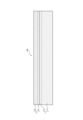
図1には、本実施形態に係るテンプレート基板100を示している。テンプレート基板100は、GaAs基板1と、GaAs基板1上に配置され、100nm以上の厚さ(膜厚)を有するInAs層2と、を備えている。
(Explanation of the structure of the template substrate)
1 shows a
GaAs基板1は、導電型をn型としたものを用いることができる。GaAs基板1における、InAs層2の結晶成長(エピタキシャル成長)を行う表面の面方位は(100)面であるものを用いることができ、オフ角度をつけることもできる。なお、GaAs基板1は、図2に示すように、基板となる第一GaAs層11上に初期層としてアンドープの第二GaAs層12が形成されたものを用いることが好ましい。
The
InAs層2は、III族として主にIn、V族として主にAsからなるIII-V族化合物で形成された層である。InAs層は、1×10¹⁷atoms/cm3以上の平均濃度でZnを含む。ここで、InAs層のZnの平均濃度は、SIMS分析を行う側の表面(本実施形態ではGaAs基板1と接する側と反対の表面と同じ)から深さ20nm未満の範囲を除くInAs層の深さ方向における平均(算術平均)のZn濃度である。以下では、InAs層の深さ方向におけるZnの平均濃度を、単にInAs層のZnの平均濃度と記載する場合がある。すなわち、単にInAs層のZnの平均濃度と記載した場合は、SIMS分析により求めたZnの濃度であって、SIMS分析を行う側の表面から深さ20nm未満の範囲を除いたInAs層の表面からの深さ方向における平均のZn濃度を意味する。なお、表面から深さ20nm未満の範囲の分析値は異常値を取りやすいためInAs層のZnの平均濃度の分析に用いていない。
The
以下では、InAs層2のうち、GaAs基板1と接する側と反対の表面を単に表面と称する場合がある。
In the following, the surface of the
InAs層2の表面における、二乗平均平方根粗さ(RMS)の値は2nm以下である。InAs層2の表面の二乗平均平方根粗さの値が2.0nm以下であることで、その上に平坦な結晶成長をすることのできるテンプレート基板とすることができる。以下では、InAs層2の表面における二乗平均平方根粗さの値をRMS値と称する。InAs層2の表面は、後述するように、InAs層2に不純物(本発明ではZn)を含ませることにより平坦化される。
The root mean square roughness (RMS) value of the surface of the
二乗平均平方根粗さ(RMS)の値は、原子間力顕微鏡(AFM)によって計測した値を用いることができる。本実施形態では、原子間力顕微鏡(株式会社日立ハイテク製AFM5200S)を用い、一辺の長さが10μmである正方形領域(10nm×10nm角の範囲)の表面の凹凸を測定して求めた二乗平均平方根粗さをRMS値として用いる。RMS値の算出は、上記AFM5200Sに付属の解析ソフト(SPIWin)で行う。 The root mean square roughness (RMS) value can be a value measured by an atomic force microscope (AFM). In this embodiment, an atomic force microscope (AFM5200S manufactured by Hitachi High-Tech Corporation) is used to measure the surface irregularities of a square area (range of 10 nm x 10 nm square) with a side length of 10 μm, and the root mean square roughness is used as the RMS value. The RMS value is calculated using the analysis software (SPIWin) that comes with the AFM5200S.
InAs層2のうち、表面から深さ20nm以上50nm以下の範囲における、Znの平均濃度は、1×10¹⁷atoms/cm3以上1×1019atoms/cm3以下であることが好ましく、5×1017atoms/cm3以上4.5×1018atoms/cm3以下であることがより好ましい。
The average Zn concentration in the
(テンプレート基板の製造方法の説明)
図3に示すように、テンプレート基板100の製造方法は、GaAs基板1上にInAs層2を形成するInAs層形成工程と、InAs層2に含まれるZnの濃度が1×10¹⁷atoms/cm3以上となるようにZnをドープするドーピング工程とを含む。
(Description of the manufacturing method of the template substrate)
As shown in FIG. 3 , the method for manufacturing the
上述のごとく、GaAs基板1は、基板となる第一GaAs層11上に初期層としてアンドープの第二GaAs層12が形成されたものを用いることが好ましい。本実施形態では、図3に示すように、GaAs基板1として、第一GaAs層11上に第二GaAs層12を形成する(図3のステップA)。GaAs基板1では、第二GaAs層12の表面(第一GaAs層11に接する側と反対側の面)上にInAs層2が形成される(図3のステップB)。第二GaAs層12を形成することで、第一GaAs層11の表面とMOCVD装置内のクリーニングを行うことができ、InAs層2を良好に形成可能となる。
As described above, it is preferable to use a
図3に示すように、InAs層形成工程は、エピタキシャル成長によりInAs層2を結晶成長させて形成する(図3のステップD)。InAs層2は、100nm以上の厚さに成長される。InAs層2の厚さは100nm以上であることが好ましく、200nm以上600nm以下であることがより好ましい。
As shown in FIG. 3, the InAs layer formation process forms the
InAs層形成工程は、GaAs基板1上に第一InAs層21を成長させる第一成長工程(図3のステップB)と、第一InAs層21上に、第二InAs層22を成長させる第二成長工程(図3のステップC)と、を含む。すなわち、本実施形態においてInAs層2は、第一InAs層21上に第二InAs層22を形成することで得ることができる。
The InAs layer formation process includes a first growth process (step B in FIG. 3) in which a
ドーピング工程は、InAs層形成工程の実行中に実行される(図3のステップB及びC)。ドーピング工程では、InAs層形成工程の実行中、すなわち、InAs層2の成長時にZn含有ガス(Zn不純物ガス)を通流させる。これにより、InAs層2にZnを不純物として添加(ドープ)する。Zn含有ガスとしては、DEZn(ジエチル亜鉛)、DMZn(ジメチル亜鉛)を使用することができる。
The doping process is performed during the InAs layer formation process (steps B and C in FIG. 3). In the doping process, a Zn-containing gas (Zn impurity gas) is passed through during the InAs layer formation process, i.e., when the
InAs層2は、1×10¹⁷atoms/cm3以上の平均濃度でZnを含むようにZnを添加される。InAs層2は、1×1017atoms/cm3以上1×1019atoms/cm3以下の平均濃度でZnを含むようにZnを添加されることが好ましい。InAs層2へのZnのドープにより、InAs層2の表面が平坦化される。InAs層2のRMS値は、2.0nm以下まで平坦化される。InAs層2の表面の平坦化は、InAs層2の成長時にZn含有ガスを通流させることにより進行する。
The
ドーピング工程は、第一成長工程及び第二成長工程において実行される。以下では、第一成長工程及び第二成長工程、並びに、同時に実行されるドーピング工程について詳述する。以下では、InAs層2にZnを添加することを、単にドーピングと称する場合がある。
The doping process is performed in the first growth process and the second growth process. The first growth process, the second growth process, and the doping process that is performed simultaneously will be described in detail below. Hereinafter, the addition of Zn to the
第一成長工程におけるエピタキシャル成長は、400℃以上600℃未満の成長温度で行われる。成長温度は、430℃以上570℃以下とすることがより好ましい。第一InAs層21は、厚さ(膜厚)が50nm以上となるまで成長されることが好ましい。第一InAs層21を50nm以上の厚さに成長させることで、GaAs基板1に接する側とは反対側の表面が十分に平坦化するためである。第一InAs層21は、厚さが80nm以上300nm以下に成長されると更に良い。
The epitaxial growth in the first growth step is performed at a growth temperature of 400°C or more and less than 600°C. It is more preferable that the growth temperature is 430°C or more and 570°C or less. The
第一InAs層21の成長温度は、GaAs基板1の基板温度により制御される。本実施形態では、GaAs基板1の基板温度が第一InAs層21の成長温度である。また、ステージの上にGaAs基板1を載置して第一InAs層21の結晶成長を行うため、当該ステージの温度を基板温度、すなわち成長温度とみなして制御できる。
The growth temperature of the
ドーピングは、第一InAs層21を成長させながら行う(図3のステップB)。第一InAs層21のZnの平均濃度は1×10¹⁷atoms/cm3以上1×1019atoms/cm3以下となるようにドーピングされるとよい。第一InAs層21のZnの平均濃度は、1×1018atoms/cm3以上1×1019atoms/cm3以下がより好ましく、4×1018/cm3以上とすることが更に好ましい。Zn含有ガスの流量は0.1ccm以上10ccm以下(cm3/min)とするとよい。Zn含有ガスは、Zn含有ガス単体又はその他のキャリアガスなどと混合して混合ガスG1として供給することができる。
The doping is performed while the
なお、第一InAs層21のZnの平均濃度とは、GaAs基板1と接する面から表面側に向けて50nm以内の範囲における平均(算術平均)のZn濃度である。
The average Zn concentration in the
第二成長工程におけるエピタキシャル成長は、第一成長工程におけるエピタキシャル成長の成長温度よりも高い温度で行う。第二成長工程におけるエピタキシャル成長は、600℃以上750℃未満の成長温度で行われる。成長温度は、630℃以上670℃以下とすることがより好ましい。なお、成長温度の制御は、第一成長工程と同様に行う。 The epitaxial growth in the second growth step is performed at a temperature higher than the growth temperature of the epitaxial growth in the first growth step. The epitaxial growth in the second growth step is performed at a growth temperature of 600°C or higher and lower than 750°C. It is more preferable that the growth temperature is 630°C or higher and 670°C or lower. The growth temperature is controlled in the same manner as in the first growth step.
第二InAs層22は、厚さ(膜厚)が50nm以上となるまで成長されることが好ましい。第二InAs層22を50nm以上の厚さに成長させることで、第一InAs層21に接する側とは反対側の表面が十分に平坦化するためである(図3のステップD)。第二InAs層22は、厚さが80nm以上300nm以下に成長されると更に良い。以下では、第一InAs層21及び第二InAs層22に関し、GaAs基板1に対向する側と反対側の表面を単に表面と称する。
The
第一InAs層21及び第二InAs層22の合計厚さ、すなわち、InAs層2の厚さは、上述のごとく、100nm以上であることが好ましく、150nm以上600nm以下であることがより好ましい。第一InAs層21及び第二InAs層22の厚さは、成長レートを用いて計算できる。例えば、第一InAs層21のみを成長した場合の成長後の膜厚をSIMS、TEM、SEMなどの方法で求めた場合と、第一InAs層21及び第二InAs層22を成長した後の合計膜厚をSIMS、TEM、SEMなどの方法で求めた場合について、それぞれ求めることで、各層ごとの成長レートを計算できる。
As described above, the total thickness of the
ドーピングは、第二InAs層22を成長させながら行う(図3のステップC)。第二InAs層22のZnの平均濃度は1×10¹⁷atoms/cm3以上1×1019/cm3以下となるようにドーピングされるとよい。第二InAs層22のZnの平均濃度は5×1017atoms/cm3以上4.5×1018atoms/cm3以下であることがより好ましい。Zn含有ガスの流量は、0.1ccm以上10ccm以下とするとよい。Zn含有ガスは、Zn含有ガス単体又はその他のキャリアガスなどと混合して混合ガスG2として供給することができる。混合ガスG2は、混合ガスG1と同じ処方であってもよいし、異なる処方であってもよい。
The doping is performed while the
なお、第二InAs層22のZnの平均濃度とは、表面から深さ20nm以上50nm以下の範囲における平均(算術平均)のZn濃度である。
The average Zn concentration in the
以下では、InAs層2の表面の平坦化の効果と、成長温度及びZn含有ガスの通流量との関係を説明する。
Below, we explain the effect of flattening the surface of the
InAs層2を400℃以上600℃未満の低い基板温度で成長させた場合は、Zn含有ガスの通流量が少なくてもInAs層2へのZnの取り込みが多くなる(添加量が増大する)。Zn含有ガスの通流量が0.1ccm以上10ccm以下の範囲では、Zn含有ガスの通流量が増えるほどInAs層2の表面が平坦化する傾向がある。しかし、Zn含有ガスの通流量が10ccmを超えるとInAs層2の結晶成長速度が遅くなると共に、InAs層2の表面が逆に荒れることになる。
When the
一方、InAs層2を600度以上の高い基板温度で成長した場合は、Zn含有ガスの通流量が0.1ccm以上10ccm以下の範囲では、Zn含有ガスの通流量が増えるにつれてInAs層2へのZnの取り込み量が増える(添加量が増大する)傾向にある。そして、InAs層2の表面の平坦化効果は、Zn含有ガスの通流量が少ない方が大きくなる傾向にある。
On the other hand, when the
そのため、ドーピング工程では、第二成長工程で通流させるZn含有ガスの通流量を、第一成長工程で通流させるZn含有ガスの通流量よりも少なくするとよい。これにより、安定的に表面が平坦なInAs層2を得ることができる。
Therefore, in the doping step, the flow rate of the Zn-containing gas flowed in the second growth step should be less than the flow rate of the Zn-containing gas flowed in the first growth step. This makes it possible to obtain an
以下では、本実施形態に係るテンプレート基板の実施例を説明する。 Below, we will explain an example of a template substrate according to this embodiment.
(実施例1)
実施例1のテンプレート基板は、MOCVD法を用いて、GaAs基板上にInAs層を形成して製造した。InAs層の形成は、第一InAs層の形成後に成長温度を変更して第二InAs層を形成する二段階のステップで行った。InAs層の形成中には、Zn含有ガスを通流させて、InAs層にZnを添加した。
Example 1
The template substrate of Example 1 was manufactured by forming an InAs layer on a GaAs substrate using MOCVD. The InAs layer was formed in two steps, that is, a first InAs layer was formed, and then a second InAs layer was formed by changing the growth temperature. During the formation of the InAs layer, Zn-containing gas was passed through to add Zn to the InAs layer.
なお、実施例1では、アンドープのGaAs基板上に、650℃の成長温度で厚さ80nmのi-GaAs層を形成した後、このi-GaAs層上にInAs層を形成している。以下では、i-GaAs層が形成されたGaAs基板を単にGaAs基板と称する。以下、実施例1のテンプレート基板の製造方法について詳述する。 In Example 1, an 80 nm thick i-GaAs layer is formed on an undoped GaAs substrate at a growth temperature of 650° C., and then an InAs layer is formed on the i-GaAs layer. In the following, the GaAs substrate on which the i-GaAs layer is formed is simply referred to as a GaAs substrate. The method for manufacturing the template substrate in Example 1 is described in detail below.
まず、MOCVD装置内のステージ上にGaAs基板を配置した。次に、ステージの温度を500℃に設定して、第一InAs層をGaAs基板上に成長させながら、MOCVD装置内に、TMI(トリメチルインジウム)ガス、AsH3(アルシン)ガス、DEZnガス及びキャリアガスとしての水素を同時に通流させた。TMIガス、AsH3ガス及びDEZnガスの流量は、それぞれ、100ccm、100ccm及び0.5ccmとした。第一InAs層は、厚さ90nmとなるまで成長させた。 First, a GaAs substrate was placed on a stage in an MOCVD apparatus. Next, the stage temperature was set to 500° C., and while a first InAs layer was grown on the GaAs substrate, TMI (trimethylindium) gas, AsH 3 (arsine) gas, DEZn gas, and hydrogen as a carrier gas were simultaneously passed through the MOCVD apparatus. The flow rates of TMI gas, AsH 3 gas, and DEZn gas were 100 ccm, 100 ccm, and 0.5 ccm, respectively. The first InAs layer was grown to a thickness of 90 nm.
厚さ90nmまで成長した第一InAs層のAFMによるRMS値は6.0nmであった。なお、厚さ90nmまで成長した第一InAs層のRMS値は、InAs層の形成を一旦停止してMOCVD装置から取り出して計測した。 The RMS value of the first InAs layer grown to a thickness of 90 nm was 6.0 nm by AFM. Note that the RMS value of the first InAs layer grown to a thickness of 90 nm was measured after the formation of the InAs layer was temporarily stopped and the layer was removed from the MOCVD apparatus.
その後、ステージ温度を650℃に変更し、第二InAs層を第一InAs層上に成長させながら、MOCVD装置内に、TMIガス、AsH3ガス、DEZnガス及びキャリアガスとしての水素を同時に通流させた。TMIガス、AsH3ガス及びDEZnガスの流量はそれぞれ流量100cc、100cc、0.5ccmとした。すなわち、第二InAs層の成長中に通流させるZn含有ガスの通流量は、第一InAs層の成長中に通流させるZn含有ガスの通流量と同じとした。第二InAs層は、厚さ90nmとなるまで成長させた。第一InAs層と第二InAs層を合わせたInAs層の合計厚さは180nmである。これにより、実施例のテンプレート基板を得た。 Then, the stage temperature was changed to 650°C, and while the second InAs layer was grown on the first InAs layer, TMI gas, AsH3 gas, DEZn gas, and hydrogen as a carrier gas were simultaneously passed through the MOCVD apparatus. The flow rates of TMI gas, AsH3 gas, and DEZn gas were 100 cc, 100 cc, and 0.5 ccm, respectively. That is, the flow rate of the Zn-containing gas passed through during the growth of the second InAs layer was the same as the flow rate of the Zn-containing gas passed through during the growth of the first InAs layer. The second InAs layer was grown to a thickness of 90 nm. The total thickness of the InAs layer, which is the combination of the first InAs layer and the second InAs layer, was 180 nm. In this way, the template substrate of the embodiment was obtained.
テンプレート基板における、第二InAs層の表面(InAs層の表面)のAFMによるRMS値は1.5nmであった。第二InAs層の表面のAFM像を図4の(a1)に示す。以下の説明では、InAs層の表面と記載した場合は、第二InAs層の表面と同義である。 The RMS value of the surface of the second InAs layer (surface of the InAs layer) in the template substrate by AFM was 1.5 nm. The AFM image of the surface of the second InAs layer is shown in FIG. 4 (a1). In the following description, the surface of the InAs layer is synonymous with the surface of the second InAs layer.
(比較例1)
比較例1のテンプレート基板は、DEZnを使用せずにInAs層を形成した以外は実施例1のテンプレート基板と同様にして製造した。比較例1のテンプレート基板におけるInAs層の表面のAFM像を図4の(b1)に示す。InAs層表面のRMS値は2.4nmであった。
(Comparative Example 1)
The template substrate of Comparative Example 1 was manufactured in the same manner as the template substrate of Example 1, except that the InAs layer was formed without using DEZn. An AFM image of the surface of the InAs layer in the template substrate of Comparative Example 1 is shown in (b1) of Fig. 4. The RMS value of the InAs layer surface was 2.4 nm.
(比較例2)
比較例2のテンプレート基板は、DEZnの代わりに(DEZnを使用せずに)H2Se(セレン化水素)ガスを用いてInAs層を形成した以外は実施例1のテンプレート基板と同様にして製造した。比較例1のテンプレート基板におけるInAs層の表面のAFM像を図4の(b2)に示す。InAs層の表面のRMS値は3.2nmであった。
(Comparative Example 2)
The template substrate of Comparative Example 2 was manufactured in the same manner as the template substrate of Example 1, except that the InAs layer was formed using H2Se (hydrogen selenide) gas instead of DEZn (without using DEZn). An AFM image of the surface of the InAs layer in the template substrate of Comparative Example 1 is shown in Fig. 4(b2). The RMS value of the surface of the InAs layer was 3.2 nm.
実施例1、比較例1及び比較例2の結果より、Zn及びそれ以外の不純物を添加しない場合(比較例1)、Znとは別の不純物を添加しない場合(比較例1)のいずれもInAs層の表面の平坦化は十分ではなく、InAs層の表面を平坦化するにはZnを添加することが有効であることが分かった。 The results of Example 1, Comparative Example 1, and Comparative Example 2 show that the surface of the InAs layer is not sufficiently flattened in either the case where Zn and other impurities are not added (Comparative Example 1) or where an impurity other than Zn is not added (Comparative Example 1), and that adding Zn is effective in flattening the surface of the InAs layer.
(実施例2)
実施例2のテンプレート基板は、DEZnガスの通流量を変更してInAs層を形成した以外は実施例1のテンプレート基板と同様にして製造した。実施例2では、第一InAs層と第二InAs層を形成するときのDEZnガスの流量を0.15ccmとした。
Example 2
The template substrate of Example 2 was manufactured in the same manner as the template substrate of Example 1, except that the InAs layer was formed by changing the flow rate of the DEZn gas. In Example 2, the flow rate of the DEZn gas when the first InAs layer and the second InAs layer were formed was set to 0.15 ccm.
第一InAs層は厚さ90nmで、RMS値は9.5nmであった。第二InAs層は厚さ90nmで、RMS値は1.8nmであった。InAs層の合計厚さは180nmであった。 The first InAs layer was 90 nm thick and had an RMS value of 9.5 nm. The second InAs layer was 90 nm thick and had an RMS value of 1.8 nm. The total thickness of the InAs layers was 180 nm.
SIMS分析では、第一InAs層のZnの平均濃度は、8.6×10¹⁸atoms/cm-3であった。また、第二InAs層のZnの平均濃度は、6.2×1017atoms/cm-3であった。また、InAs層のZnの平均濃度は、5.1×1018atoms/cm-3であった。 According to the SIMS analysis, the average Zn concentration in the first InAs layer was 8.6×10 18 atoms/cm −3 , the average Zn concentration in the second InAs layer was 6.2×10 17 atoms/cm −3 , and the average Zn concentration in the InAs layer was 5.1×10 18 atoms/cm −3 .
(実施例3)
実施例3のテンプレート基板は、DEZnガスの通流量を変更してInAs層を形成した以外は実施例1のテンプレート基板と同様にして製造した。実施例3では、第一InAs層と第二InAs層を形成するときのDEZnガスの流量を1.66ccmとした。
Example 3
The template substrate of Example 3 was manufactured in the same manner as the template substrate of Example 1, except that the InAs layer was formed by changing the flow rate of the DEZn gas. In Example 3, the flow rate of the DEZn gas when the first InAs layer and the second InAs layer were formed was set to 1.66 ccm.
第一InAs層は厚さ90nmで、RMS値は3.8nmであった。第二InAs層は厚さ90nmで、RMS値は1.8nmであった。InAs層の合計厚さは180nmであった。 The first InAs layer was 90 nm thick and had an RMS value of 3.8 nm. The second InAs layer was 90 nm thick and had an RMS value of 1.8 nm. The total thickness of the InAs layers was 180 nm.
SIMS分析では、第一InAs層のZnの平均濃度は、4.7×10¹⁸atoms/cm-3であった。また、第二InAs層のZnの平均濃度は、3.4×1018atoms/cm-3であった。また、InAs層のZnの平均濃度は、4.3×1018atoms/cm-3であった。 SIMS analysis revealed that the average Zn concentration in the first InAs layer was 4.7×10 18 atoms/cm −3 , the average Zn concentration in the second InAs layer was 3.4×10 18 atoms/cm −3 , and the average Zn concentration in the InAs layer was 4.3×10 18 atoms/cm −3 .
(実施例4)
実施例4のテンプレート基板は、DEZnガスの通流量を変更してInAs層を形成した以外は実施例1のテンプレート基板と同様にして製造した。実施例4では、第一InAs層と第二InAs層を形成するときのDEZnガスの流量を5ccmとした。
Example 4
The template substrate of Example 4 was manufactured in the same manner as the template substrate of Example 1, except that the InAs layer was formed by changing the flow rate of the DEZn gas. In Example 4, the flow rate of the DEZn gas when the first InAs layer and the second InAs layer were formed was set to 5 ccm.
第一InAs層は厚さ80nmで、RMS値は2.0nmであった。第二InAs層は厚さ80nmで、RMS値は2.0nmであった。InAs層の合計厚さは160nmであった。 The first InAs layer was 80 nm thick and had an RMS value of 2.0 nm. The second InAs layer was 80 nm thick and had an RMS value of 2.0 nm. The total thickness of the InAs layers was 160 nm.
SIMS分析では、第一InAs層のZnの平均濃度は、3.8×10¹⁸atoms/cm-3であった。また、第二InAs層のZnの平均濃度は、4.3×1018atoms/cm-3であった。また、InAs層のZnの平均濃度は、4.1×1018atoms/cm-3であった。 SIMS analysis revealed that the average Zn concentration in the first InAs layer was 3.8×10 18 atoms/cm −3 , the average Zn concentration in the second InAs layer was 4.3×10 18 atoms/cm −3 , and the average Zn concentration in the InAs layer was 4.1×10 18 atoms/cm −3 .
(比較例3)
比較例3のテンプレート基板は、DEZnガスを用いずにInAs層を形成した以外は実施例1のテンプレート基板と同様にして製造した。
(Comparative Example 3)
The template substrate of Comparative Example 3 was produced in the same manner as the template substrate of Example 1, except that the InAs layer was formed without using DEZn gas.
第一InAs層は厚さ100nmで、RMS値は12nmであった。第二InAs層は厚さ100nmで、RMS値は2.5nmであった。InAs層の合計厚さは200nmであった。 The first InAs layer was 100 nm thick and had an RMS value of 12 nm. The second InAs layer was 100 nm thick and had an RMS value of 2.5 nm. The total thickness of the InAs layers was 200 nm.
SIMS分析では、第一InAs層のZnの平均濃度は、4.4×10¹⁵atoms/cm-3であった。また、第二InAs層のZnの平均濃度は、8.2×1015atoms/cm-3であった。また、InAs層のZnの平均濃度は、4.4×1015atoms/cm-3であった。なお、比較例3では、Zn含有ガスとしてのDEZnガスを用いておらずZnをInAs層に意図的には添加していないため、上記のZnの平均濃度は、いわゆるバックグランドとしての値である。比較例1及び2についてZnの平均濃度は計測していないが、比較例1及び2のテンプレート基板におけるInAs層のZnの平均濃度も、比較例3と同様のオーダーであると考えられる。 In the SIMS analysis, the average Zn concentration of the first InAs layer was 4.4×10 15 atoms/cm −3 . The average Zn concentration of the second InAs layer was 8.2×10 15 atoms/cm −3 . The average Zn concentration of the InAs layer was 4.4×10 15 atoms/cm −3 . In addition, in Comparative Example 3, DEZn gas was not used as the Zn-containing gas, and Zn was not intentionally added to the InAs layer, so the above average Zn concentration is a so-called background value. Although the average Zn concentration was not measured for Comparative Examples 1 and 2, the average Zn concentration of the InAs layer in the template substrates of Comparative Examples 1 and 2 is also considered to be on the same order as Comparative Example 3.
実施例1から4及び比較例3について、表1にテンプレート基板の製造条件及び各測定結果を示す。 Table 1 shows the manufacturing conditions and measurement results of the template substrate for Examples 1 to 4 and Comparative Example 3.

以上の結果から、InAs層を成長させながらMOCVD装置内にZn含有ガスを通流させた実施例1から4のテンプレート基板はいずれも、InAs層を成長させながらMOCVD装置内にZn含有ガスを通流させなかった比較例3のテンプレート基板に比べて表面平坦性が高いことが分かった。 These results show that the template substrates of Examples 1 to 4, in which a Zn-containing gas was passed through the MOCVD apparatus while the InAs layer was being grown, all had higher surface flatness than the template substrate of Comparative Example 3, in which a Zn-containing gas was not passed through the MOCVD apparatus while the InAs layer was being grown.
また、実施例1から4における第一InAs層のRMS値と第二InAs層のRMS値との関係を見ると、テンプレート基板が、GaAs基板と、GaAs基板上に配置され、100nm以上の厚さを有するInAs層と、を備え、InAs層全体として、1×10¹⁷atoms/cm3以上の平均濃度でZnを含む場合に、RMS値が2.0nm以下となり、表面平坦性が高いテンプレート基板を提供できることが分かった。 In addition, looking at the relationship between the RMS value of the first InAs layer and the RMS value of the second InAs layer in Examples 1 to 4 , it was found that when the template substrate included a GaAs substrate and an InAs layer disposed on the GaAs substrate and having a thickness of 100 nm or more, and the InAs layer as a whole contained Zn at an average concentration of 1 × 10 atoms/cm or more, the RMS value was 2.0 nm or less, and a template substrate with high surface flatness could be provided.
また、第二InAs層を650度で成長した場合においては、Zn含有ガスの通流量が増えるにつれてInAs層2へのZnの添加量が増大する傾向にあることが分かった。そして、InAs層2の表面の平坦化効果は、Zn含有ガスの通流量が少ない方が大きくなる傾向にあることがわかった。
In addition, when the second InAs layer is grown at 650 degrees, it was found that the amount of Zn added to the
以上のようにして、GaAs基板上にInAs層を有するテンプレート基板であって、表面平坦性が高い基板及びその基板の製造方法を提供することができる。 In this way, it is possible to provide a template substrate having an InAs layer on a GaAs substrate, with high surface flatness, and a method for manufacturing the substrate.
〔別実施形態〕
(1)上記実施形態では、実施例として第二InAs層の成長中に通流させるZn含有ガスの通流量は、第一InAs層の成長中に通流させるZn含有ガスの通流量と同じとした場合を説明した。しかしながら、第二InAs層の成長中に通流させるZn含有ガスの通流量は、第一InAs層の成長中に通流させるZn含有ガスの通流量よりも少なくしてもよい。これにより、InAs層の表面の平滑性をより高めることができる場合がある。
[Another embodiment]
(1) In the above embodiment, the flow rate of the Zn-containing gas flowing during the growth of the second InAs layer is the same as the flow rate of the Zn-containing gas flowing during the growth of the first InAs layer. However, the flow rate of the Zn-containing gas flowing during the growth of the second InAs layer may be less than the flow rate of the Zn-containing gas flowing during the growth of the first InAs layer. This may further improve the smoothness of the surface of the InAs layer.
(2)上記実施形態では、Zn含有ガスとしてDEZnガスを用いた場合の実施例を説明した。しかし、DEZnガス以外のZn含有ガスを用いてもよい。 (2) In the above embodiment, an example in which DEZn gas is used as the Zn-containing gas has been described. However, a Zn-containing gas other than DEZn gas may be used.
なお、上記実施形態(別実施形態を含む、以下同じ)で開示される構成は、矛盾が生じない限り、他の実施形態で開示される構成と組み合わせて適用することが可能であり、また、本明細書において開示された実施形態は例示であって、本発明の実施形態はこれに限定されず、本発明の目的を逸脱しない範囲内で適宜改変することが可能である。 The configurations disclosed in the above embodiment (including other embodiments, the same applies below) can be applied in combination with configurations disclosed in other embodiments, provided no contradictions arise. Furthermore, the embodiments disclosed in this specification are merely examples, and the present invention is not limited to these embodiments. Appropriate modifications can be made without departing from the scope of the present invention.
本発明は、GaAs基板上にInAs層を有するテンプレート基板及びその製造方法に適用できる。 The present invention can be applied to a template substrate having an InAs layer on a GaAs substrate and a method for manufacturing the same.
1 :GaAs基板
2 :InAs層
11 :第一GaAs層
12 :第二GaAs層
21 :第一InAs層
22 :第二InAs層
G1 :混合ガス
G2 :混合ガス
1: GaAs substrate 2: InAs layer 11: First GaAs layer 12: Second GaAs layer 21: First InAs layer 22: Second InAs layer G1: Mixed gas G2: Mixed gas
Claims (6)
前記GaAs基板上に配置され、100nm以上の厚さを有するInAs層と、を備え、
前記InAs層は、1×10¹⁷atoms/cm3以上1×10 19 atoms/cm 3 以下の平均濃度でZnを含み、
前記GaAs基板と接する側とは反対側の前記InAs層の表面における、一辺の長さが10μmである正方形領域をAFMにより分析した二乗平均平方根粗さの値が2.0nm以下であるテンプレート基板。 A GaAs substrate;
an InAs layer disposed on the GaAs substrate and having a thickness of 100 nm or more;
the InAs layer contains Zn at an average concentration of 1×10 17 atoms/cm 3 or more and 1×10 19 atoms/cm 3 or less ;
A template substrate in which a root-mean-square roughness value of a square region measuring 10 μm on a side of the InAs layer on the surface opposite to the side in contact with the GaAs substrate is 2.0 nm or less, as determined by AFM analysis.
前記InAs層に含まれるZnの濃度が1×10¹⁷atoms/cm3以上1×10 19 atoms/cm 3 以下となるようにZnをドープするドーピング工程と、を含み、
前記InAs層形成工程は、
前記GaAs基板上に、400℃以上600℃未満の成長温度で、厚さ50nm以上の第一InAs層を成長させる第一成長工程と、
前記第一InAs層上に、600℃以上750℃未満の成長温度で、厚さ50nm以上の第二InAs層を成長させる第二成長工程と、を含み、
前記ドーピング工程は、前記第一成長工程及び前記第二成長工程において、Zn含有ガスを通流させ、
前記GaAs基板と接する側とは反対側の前記InAs層の表面における、一辺の長さが10μmである正方形領域をAFMにより分析した二乗平均平方根粗さの値を2.0nm以下とするテンプレート基板の製造方法。 an InAs layer forming step of forming an InAs layer on a GaAs substrate;
a doping step of doping the InAs layer with Zn so that the concentration of Zn contained in the InAs layer is 1×10 17 atoms/cm 3 or more and 1×10 19 atoms/cm 3 or less ;
The InAs layer forming step includes:
a first growth step of growing a first InAs layer having a thickness of 50 nm or more on the GaAs substrate at a growth temperature of 400° C. or more and less than 600° C.;
a second growth step of growing a second InAs layer having a thickness of 50 nm or more on the first InAs layer at a growth temperature of 600° C. or more and less than 750° C.;
The doping step includes flowing a Zn-containing gas in the first growth step and the second growth step ,
A method for manufacturing a template substrate , wherein a square region measuring 10 μm on a surface of the InAs layer opposite to the side in contact with the GaAs substrate has a root-mean-square roughness value of 2.0 nm or less, as analyzed by AFM .
前記第一成長工程において、前記Zn含有ガスの通流量を0.1ccm以上10ccm以下とし、
前記第二成長工程において、前記Zn含有ガスの通流量を0.1ccm以上10ccm以下とする請求項3又は4に記載のテンプレート基板の製造方法。 The doping step includes:
In the first growth step, the flow rate of the Zn-containing gas is set to 0.1 ccm or more and 10 ccm or less;
The method for manufacturing a template substrate according to claim 3 or 4, wherein in the second growth step, a flow rate of the Zn-containing gas is set to 0.1 ccm or more and 10 ccm or less.
Priority Applications (1)
| Application Number | Priority Date | Filing Date | Title |
|---|---|---|---|
| JP2021024641A JP7621612B2 (en) | 2021-02-18 | 2021-02-18 | Template substrate and method for manufacturing same |
Applications Claiming Priority (1)
| Application Number | Priority Date | Filing Date | Title |
|---|---|---|---|
| JP2021024641A JP7621612B2 (en) | 2021-02-18 | 2021-02-18 | Template substrate and method for manufacturing same |
Publications (2)
| Publication Number | Publication Date |
|---|---|
| JP2022126520A JP2022126520A (en) | 2022-08-30 |
| JP7621612B2 true JP7621612B2 (en) | 2025-01-27 |
Family
ID=83058873
Family Applications (1)
| Application Number | Title | Priority Date | Filing Date |
|---|---|---|---|
| JP2021024641A Active JP7621612B2 (en) | 2021-02-18 | 2021-02-18 | Template substrate and method for manufacturing same |
Country Status (1)
| Country | Link |
|---|---|
| JP (1) | JP7621612B2 (en) |
Citations (2)
| Publication number | Priority date | Publication date | Assignee | Title |
|---|---|---|---|---|
| JP2014026999A (en) | 2012-07-24 | 2014-02-06 | Sophia School Corp | Semiconductor device, template substrate, and method of manufacturing semiconductor device |
| JP2017143197A (en) | 2016-02-10 | 2017-08-17 | 旭化成エレクトロニクス株式会社 | Compound semiconductor substrate manufacturing method, compound semiconductor substrate, and semiconductor device |
-
2021
- 2021-02-18 JP JP2021024641A patent/JP7621612B2/en active Active
Patent Citations (2)
| Publication number | Priority date | Publication date | Assignee | Title |
|---|---|---|---|---|
| JP2014026999A (en) | 2012-07-24 | 2014-02-06 | Sophia School Corp | Semiconductor device, template substrate, and method of manufacturing semiconductor device |
| JP2017143197A (en) | 2016-02-10 | 2017-08-17 | 旭化成エレクトロニクス株式会社 | Compound semiconductor substrate manufacturing method, compound semiconductor substrate, and semiconductor device |
Also Published As
| Publication number | Publication date |
|---|---|
| JP2022126520A (en) | 2022-08-30 |
Similar Documents
| Publication | Publication Date | Title |
|---|---|---|
| US4928154A (en) | Epitaxial gallium arsenide semiconductor on silicon substrate with gallium phosphide and superlattice intermediate layers | |
| JP5543103B2 (en) | Semiconductor substrate, semiconductor substrate manufacturing method, and electronic device | |
| US9362115B2 (en) | Nitride semiconductor wafer, nitride semiconductor element, and method for manufacturing nitride semiconductor wafer | |
| US10008571B2 (en) | Semiconductor wafer, semiconductor device, and method for manufacturing nitride semiconductor layer | |
| JP2010500741A (en) | Method for fabricating a semiconductor device with controlled interfacial properties and diffusion tail on a group IV substrate | |
| US9391145B2 (en) | Nitride semiconductor element and nitride semiconductor wafer | |
| US9281427B2 (en) | Semiconductor device | |
| WO2009084240A1 (en) | Semiconductor substrate, method for producing semiconductor substrate, and electronic device | |
| CN103503165A (en) | Light receiving element, epitaxial wafer and fabrication method for same | |
| JP2010225870A (en) | Semiconductor element | |
| WO2012137795A1 (en) | Light receiving element and method for manufacturing same | |
| TWI505504B (en) | Method for manufacturing epitaxial crystal substrate | |
| US9536955B2 (en) | Nitride semiconductor substrate | |
| US11888090B2 (en) | Semiconductor light-emitting element and method of producing semiconductor light-emitting element | |
| KR20190044235A (en) | Multi junction solar cell having lattice mismatched buffer structure and Method for manufacturing the same | |
| TW201718930A (en) | Method for producing substrate having reduced linear difference density | |
| JP2022126520A (en) | Template substrate and production method thereof | |
| JP2014216624A (en) | Epitaxial wafer, method for manufacturing the same, semiconductor element, and optical sensor device | |
| US20200144451A1 (en) | Nitride semiconductor crystal and method of fabricating the same | |
| JPH01286487A (en) | Manufacture of semiconductor laser | |
| JP4024965B2 (en) | Epitaxial wafer and light emitting diode | |
| JP7809274B2 (en) | Manufacturing method of semiconductor laminate and semiconductor laminate | |
| JP3109149B2 (en) | Compound semiconductor crystal growth method | |
| US12635290B2 (en) | Light-emitting element and method of manufacturing the same | |
| JP3625677B2 (en) | Epitaxial wafer, light emitting diode, and manufacturing method thereof |
Legal Events
| Date | Code | Title | Description |
|---|---|---|---|
| A621 | Written request for application examination |
Free format text: JAPANESE INTERMEDIATE CODE: A621 Effective date: 20240118 |
|
| A977 | Report on retrieval |
Free format text: JAPANESE INTERMEDIATE CODE: A971007 Effective date: 20240807 |
|
| A131 | Notification of reasons for refusal |
Free format text: JAPANESE INTERMEDIATE CODE: A131 Effective date: 20240820 |
|
| A521 | Request for written amendment filed |
Free format text: JAPANESE INTERMEDIATE CODE: A523 Effective date: 20241002 |
|
| TRDD | Decision of grant or rejection written | ||
| A01 | Written decision to grant a patent or to grant a registration (utility model) |
Free format text: JAPANESE INTERMEDIATE CODE: A01 Effective date: 20241217 |
|
| A61 | First payment of annual fees (during grant procedure) |
Free format text: JAPANESE INTERMEDIATE CODE: A61 Effective date: 20250106 |
|
| R150 | Certificate of patent or registration of utility model |
Ref document number: 7621612 Country of ref document: JP Free format text: JAPANESE INTERMEDIATE CODE: R150 |