JP7617536B2 - Video receiving method and video receiving device - Google Patents
Video receiving method and video receiving device Download PDFInfo
- Publication number
- JP7617536B2 JP7617536B2 JP2023081775A JP2023081775A JP7617536B2 JP 7617536 B2 JP7617536 B2 JP 7617536B2 JP 2023081775 A JP2023081775 A JP 2023081775A JP 2023081775 A JP2023081775 A JP 2023081775A JP 7617536 B2 JP7617536 B2 JP 7617536B2
- Authority
- JP
- Japan
- Prior art keywords
- video
- dynamic range
- video data
- luminance dynamic
- transfer characteristic
- Prior art date
- Legal status (The legal status is an assumption and is not a legal conclusion. Google has not performed a legal analysis and makes no representation as to the accuracy of the status listed.)
- Active
Links
Images





Classifications
-
- H—ELECTRICITY
- H04—ELECTRIC COMMUNICATION TECHNIQUE
- H04N—PICTORIAL COMMUNICATION, e.g. TELEVISION
- H04N21/00—Selective content distribution, e.g. interactive television or video on demand [VOD]
- H04N21/40—Client devices specifically adapted for the reception of or interaction with content, e.g. set-top-box [STB]; Operations thereof
- H04N21/43—Processing of content or additional data, e.g. demultiplexing additional data from a digital video stream; Elementary client operations, e.g. monitoring of home network or synchronising decoder's clock; Client middleware
- H04N21/431—Generation of visual interfaces for content selection or interaction; Content or additional data rendering
- H04N21/4318—Generation of visual interfaces for content selection or interaction; Content or additional data rendering by altering the content in the rendering process, e.g. blanking, blurring or masking an image region
-
- G—PHYSICS
- G09—EDUCATION; CRYPTOGRAPHY; DISPLAY; ADVERTISING; SEALS
- G09G—ARRANGEMENTS OR CIRCUITS FOR CONTROL OF INDICATING DEVICES USING STATIC MEANS TO PRESENT VARIABLE INFORMATION
- G09G5/00—Control arrangements or circuits for visual indicators common to cathode-ray tube indicators and other visual indicators
- G09G5/10—Intensity circuits
-
- H—ELECTRICITY
- H04—ELECTRIC COMMUNICATION TECHNIQUE
- H04N—PICTORIAL COMMUNICATION, e.g. TELEVISION
- H04N19/00—Methods or arrangements for coding, decoding, compressing or decompressing digital video signals
- H04N19/10—Methods or arrangements for coding, decoding, compressing or decompressing digital video signals using adaptive coding
- H04N19/134—Methods or arrangements for coding, decoding, compressing or decompressing digital video signals using adaptive coding characterised by the element, parameter or criterion affecting or controlling the adaptive coding
- H04N19/136—Incoming video signal characteristics or properties
-
- H—ELECTRICITY
- H04—ELECTRIC COMMUNICATION TECHNIQUE
- H04N—PICTORIAL COMMUNICATION, e.g. TELEVISION
- H04N19/00—Methods or arrangements for coding, decoding, compressing or decompressing digital video signals
- H04N19/44—Decoders specially adapted therefor, e.g. video decoders which are asymmetric with respect to the encoder
-
- H—ELECTRICITY
- H04—ELECTRIC COMMUNICATION TECHNIQUE
- H04N—PICTORIAL COMMUNICATION, e.g. TELEVISION
- H04N19/00—Methods or arrangements for coding, decoding, compressing or decompressing digital video signals
- H04N19/46—Embedding additional information in the video signal during the compression process
-
- H—ELECTRICITY
- H04—ELECTRIC COMMUNICATION TECHNIQUE
- H04N—PICTORIAL COMMUNICATION, e.g. TELEVISION
- H04N19/00—Methods or arrangements for coding, decoding, compressing or decompressing digital video signals
- H04N19/85—Methods or arrangements for coding, decoding, compressing or decompressing digital video signals using pre-processing or post-processing specially adapted for video compression
- H04N19/89—Methods or arrangements for coding, decoding, compressing or decompressing digital video signals using pre-processing or post-processing specially adapted for video compression involving methods or arrangements for detection of transmission errors at the decoder
- H04N19/895—Methods or arrangements for coding, decoding, compressing or decompressing digital video signals using pre-processing or post-processing specially adapted for video compression involving methods or arrangements for detection of transmission errors at the decoder in combination with error concealment
-
- H—ELECTRICITY
- H04—ELECTRIC COMMUNICATION TECHNIQUE
- H04N—PICTORIAL COMMUNICATION, e.g. TELEVISION
- H04N19/00—Methods or arrangements for coding, decoding, compressing or decompressing digital video signals
- H04N19/90—Methods or arrangements for coding, decoding, compressing or decompressing digital video signals using coding techniques not provided for in groups H04N19/10-H04N19/85, e.g. fractals
- H04N19/98—Adaptive-dynamic-range coding [ADRC]
-
- H—ELECTRICITY
- H04—ELECTRIC COMMUNICATION TECHNIQUE
- H04N—PICTORIAL COMMUNICATION, e.g. TELEVISION
- H04N21/00—Selective content distribution, e.g. interactive television or video on demand [VOD]
- H04N21/20—Servers specifically adapted for the distribution of content, e.g. VOD servers; Operations thereof
- H04N21/23—Processing of content or additional data; Elementary server operations; Server middleware
- H04N21/236—Assembling of a multiplex stream, e.g. transport stream, by combining a video stream with other content or additional data, e.g. inserting a URL [Uniform Resource Locator] into a video stream, multiplexing software data into a video stream; Remultiplexing of multiplex streams; Insertion of stuffing bits into the multiplex stream, e.g. to obtain a constant bit-rate; Assembling of a packetised elementary stream
- H04N21/23614—Multiplexing of additional data and video streams
-
- H—ELECTRICITY
- H04—ELECTRIC COMMUNICATION TECHNIQUE
- H04N—PICTORIAL COMMUNICATION, e.g. TELEVISION
- H04N21/00—Selective content distribution, e.g. interactive television or video on demand [VOD]
- H04N21/20—Servers specifically adapted for the distribution of content, e.g. VOD servers; Operations thereof
- H04N21/23—Processing of content or additional data; Elementary server operations; Server middleware
- H04N21/236—Assembling of a multiplex stream, e.g. transport stream, by combining a video stream with other content or additional data, e.g. inserting a URL [Uniform Resource Locator] into a video stream, multiplexing software data into a video stream; Remultiplexing of multiplex streams; Insertion of stuffing bits into the multiplex stream, e.g. to obtain a constant bit-rate; Assembling of a packetised elementary stream
- H04N21/2362—Generation or processing of Service Information [SI]
-
- H—ELECTRICITY
- H04—ELECTRIC COMMUNICATION TECHNIQUE
- H04N—PICTORIAL COMMUNICATION, e.g. TELEVISION
- H04N21/00—Selective content distribution, e.g. interactive television or video on demand [VOD]
- H04N21/40—Client devices specifically adapted for the reception of or interaction with content, e.g. set-top-box [STB]; Operations thereof
- H04N21/43—Processing of content or additional data, e.g. demultiplexing additional data from a digital video stream; Elementary client operations, e.g. monitoring of home network or synchronising decoder's clock; Client middleware
- H04N21/431—Generation of visual interfaces for content selection or interaction; Content or additional data rendering
-
- H—ELECTRICITY
- H04—ELECTRIC COMMUNICATION TECHNIQUE
- H04N—PICTORIAL COMMUNICATION, e.g. TELEVISION
- H04N21/00—Selective content distribution, e.g. interactive television or video on demand [VOD]
- H04N21/40—Client devices specifically adapted for the reception of or interaction with content, e.g. set-top-box [STB]; Operations thereof
- H04N21/43—Processing of content or additional data, e.g. demultiplexing additional data from a digital video stream; Elementary client operations, e.g. monitoring of home network or synchronising decoder's clock; Client middleware
- H04N21/434—Disassembling of a multiplex stream, e.g. demultiplexing audio and video streams, extraction of additional data from a video stream; Remultiplexing of multiplex streams; Extraction or processing of SI; Disassembling of packetised elementary stream
-
- H—ELECTRICITY
- H04—ELECTRIC COMMUNICATION TECHNIQUE
- H04N—PICTORIAL COMMUNICATION, e.g. TELEVISION
- H04N21/00—Selective content distribution, e.g. interactive television or video on demand [VOD]
- H04N21/40—Client devices specifically adapted for the reception of or interaction with content, e.g. set-top-box [STB]; Operations thereof
- H04N21/43—Processing of content or additional data, e.g. demultiplexing additional data from a digital video stream; Elementary client operations, e.g. monitoring of home network or synchronising decoder's clock; Client middleware
- H04N21/434—Disassembling of a multiplex stream, e.g. demultiplexing audio and video streams, extraction of additional data from a video stream; Remultiplexing of multiplex streams; Extraction or processing of SI; Disassembling of packetised elementary stream
- H04N21/4345—Extraction or processing of SI, e.g. extracting service information from an MPEG stream
-
- H—ELECTRICITY
- H04—ELECTRIC COMMUNICATION TECHNIQUE
- H04N—PICTORIAL COMMUNICATION, e.g. TELEVISION
- H04N21/00—Selective content distribution, e.g. interactive television or video on demand [VOD]
- H04N21/40—Client devices specifically adapted for the reception of or interaction with content, e.g. set-top-box [STB]; Operations thereof
- H04N21/43—Processing of content or additional data, e.g. demultiplexing additional data from a digital video stream; Elementary client operations, e.g. monitoring of home network or synchronising decoder's clock; Client middleware
- H04N21/434—Disassembling of a multiplex stream, e.g. demultiplexing audio and video streams, extraction of additional data from a video stream; Remultiplexing of multiplex streams; Extraction or processing of SI; Disassembling of packetised elementary stream
- H04N21/4348—Demultiplexing of additional data and video streams
-
- H—ELECTRICITY
- H04—ELECTRIC COMMUNICATION TECHNIQUE
- H04N—PICTORIAL COMMUNICATION, e.g. TELEVISION
- H04N21/00—Selective content distribution, e.g. interactive television or video on demand [VOD]
- H04N21/80—Generation or processing of content or additional data by content creator independently of the distribution process; Content per se
- H04N21/83—Generation or processing of protective or descriptive data associated with content; Content structuring
- H04N21/84—Generation or processing of descriptive data, e.g. content descriptors
-
- H—ELECTRICITY
- H04—ELECTRIC COMMUNICATION TECHNIQUE
- H04N—PICTORIAL COMMUNICATION, e.g. TELEVISION
- H04N21/00—Selective content distribution, e.g. interactive television or video on demand [VOD]
- H04N21/80—Generation or processing of content or additional data by content creator independently of the distribution process; Content per se
- H04N21/83—Generation or processing of protective or descriptive data associated with content; Content structuring
- H04N21/845—Structuring of content, e.g. decomposing content into time segments
Landscapes
- Engineering & Computer Science (AREA)
- Multimedia (AREA)
- Signal Processing (AREA)
- Theoretical Computer Science (AREA)
- Computer Hardware Design (AREA)
- General Physics & Mathematics (AREA)
- Physics & Mathematics (AREA)
- Two-Way Televisions, Distribution Of Moving Picture Or The Like (AREA)
- Compression Or Coding Systems Of Tv Signals (AREA)
- Transforming Electric Information Into Light Information (AREA)
- Picture Signal Circuits (AREA)
- Television Receiver Circuits (AREA)
- Controls And Circuits For Display Device (AREA)
Description
本発明は、映像受信方法、映像送信方法、映像受信装置及び映像送信装置に関する。 The present invention relates to a video receiving method, a video transmitting method, a video receiving device, and a video transmitting device.
従来の映像における暗部階調を維持しつつ、現行のTV信号では表現不能な鏡面反射光などの明るい光を、より現実に近い明るさで表現するために最大輝度値を拡大した輝度範囲に対応させた方式として、HDR(High Dynamic Range)が注目されている。具体的には、これまでのTV信号が対応している輝度範囲の方式は、SDR(Standard Dynamic Range)と呼ばれ、最大輝度値が100nitであったのに対して、HDRでは1000nit以上まで最大輝度値を拡大することが想定されている。 HDR (High Dynamic Range) is attracting attention as a method that supports a brightness range with an expanded maximum brightness value in order to express bright light such as specular reflection, which cannot be expressed with current TV signals, in a more realistic brightness while maintaining the dark gradation of conventional images. Specifically, the brightness range method supported by TV signals up to now is called SDR (Standard Dynamic Range), and the maximum brightness value was 100 nits, whereas HDR is expected to expand the maximum brightness value to 1000 nits or more.
このような、複数の輝度ダイナミックレンジに対応した映像信号の送信又は受信においては、受信装置において、より適切な映像を表示できることが望まれている。 When transmitting or receiving video signals that support multiple brightness dynamic ranges, it is desirable for the receiving device to be able to display more appropriate images.
そこで、本発明は、適切な映像を表示できる映像受信方法、映像送信方法、映像受信装置又は映像送信装置を提供することを目的とする。 The present invention aims to provide a video receiving method, a video transmitting method, a video receiving device, or a video transmitting device that can display appropriate images.
本発明の一態様に係る映像受信方法は、表示部を備える映像受信装置における映像受信方法であって、第1の複数フレームを含む第1映像データと、第2の複数フレームを含む第2映像データと、前記第1の複数フレームと前記第2の複数フレームとのそれぞれの輝度ダイナミックレンジに対応する伝達関数を特定するための伝達特性情報とを含む受信信号を受信し、さらに、前記受信信号に含まれるデスクリプタであって、前記第1の複数フレームに対応する前記伝達特性情報を格納した第1制御情報を前記第1映像データより前に受信し、前記受信信号に含まれるデスクリプタであって、前記第2の複数フレームに対応する前記伝達特性情報を格納した第2制御情報を前記第2映像データより前に受信し、前記第1制御情報または前記第2制御情報に格納された前記伝達特性情報に応じて前記表示部の輝度ダイナミックレンジを制御しながら前記第1映像データまたは前記第2映像データを表示し、前記伝達特性情報は、前記輝度ダイナミックレンジのうちの第1輝度ダイナミックレンジに対応した第1伝達関数、又は、第1輝度ダイナミックレンジより広い第2輝度ダイナミックレンジに対応した第2伝達関数を特定する情報であり、前記第1映像データ或いは前記第2映像データを正しく取得できなかった場合、またはイントラ符号化フレームを正しく復号できなかった場合、前記表示部の輝度ダイナミックレンジを前記第1輝度ダイナミックレンジに設定する。 A video receiving method according to one aspect of the present invention is a video receiving method in a video receiving device having a display unit, the method including: receiving a received signal including first video data including a first plurality of frames, second video data including a second plurality of frames, and transfer characteristic information for specifying a transfer function corresponding to a luminance dynamic range of each of the first plurality of frames and the second plurality of frames ; receiving first control information, which is a descriptor included in the received signal and which stores the transfer characteristic information corresponding to the first plurality of frames, before the first video data ; receiving second control information, which is a descriptor included in the received signal and which stores the transfer characteristic information corresponding to the second plurality of frames, before the second video data; the first control information or the second control information is received before the first video data or the second video data, and the first transfer function corresponds to a first luminance dynamic range of the luminance dynamic range, or a second transfer function corresponds to a second luminance dynamic range wider than the first luminance dynamic range, and when the first video data or the second video data cannot be correctly acquired, or when an intra-coded frame cannot be correctly decoded, the luminance dynamic range of the display unit is set to the first luminance dynamic range .
本発明の一態様に係る映像受信装置は、第1の複数フレームを含む第1映像データと、第2の複数フレームを含む第2映像データと、前記第1の複数フレームと前記第2の複数フレームとのそれぞれの輝度ダイナミックレンジに対応する伝達関数を特定するための伝達特性情報とを含む受信信号を受信し、さらに、前記受信信号に含まれるデスクリプタであって、前記第1の複数フレームに対応する前記伝達特性情報を格納した第1制御情報を前記第1映像データより前に受信し、前記受信信号に含まれるデスクリプタであって、前記第2の複数フレームに対応する前記伝達特性情報を格納した第2制御情報を前記第2映像データより前に受信する受信部と、前記第1制御情報または前記第2制御情報に格納された前記伝達特性情報に応じて輝度ダイナミックレンジを制御しながら前記第1映像データまたは前記第2映像データを表示する表示部とを備え、前記伝達特性情報は、前記輝度ダイナミックレンジのうちの第1輝度ダイナミックレンジに対応した第1伝達関数、又は、第1輝度ダイナミックレンジより広い第2輝度ダイナミックレンジに対応した第2伝達関数を特定する情報であり、前記第1映像データ或いは前記第2映像データを正しく取得できなかった場合、またはイントラ符号化フレームを正しく復号できなかった場合、前記表示部の輝度ダイナミックレンジを前記第1輝度ダイナミックレンジに設定する。 A video receiving device according to one aspect of the present invention includes a receiving unit that receives a received signal including first video data including a first plurality of frames, second video data including a second plurality of frames, and transfer characteristic information for identifying a transfer function corresponding to a luminance dynamic range of each of the first plurality of frames and the second plurality of frames, and further receives first control information, which is a descriptor included in the received signal and which stores the transfer characteristic information corresponding to the first plurality of frames, before the first video data, and receives second control information, which is a descriptor included in the received signal and which stores the transfer characteristic information corresponding to the second plurality of frames, before the second video data. and a display unit that displays the first video data or the second video data while controlling a luminance dynamic range in accordance with the transfer characteristic information stored in the first control information or the second control information, wherein the transfer characteristic information is information that specifies a first transfer function corresponding to a first luminance dynamic range within the luminance dynamic range, or a second transfer function corresponding to a second luminance dynamic range wider than the first luminance dynamic range , and when the first video data or the second video data cannot be correctly acquired, or when an intra-coded frame cannot be correctly decoded, the luminance dynamic range of the display unit is set to the first luminance dynamic range .
なお、これらの全般的または具体的な態様は、システム、方法、集積回路、コンピュータプログラムまたはコンピュータ読み取り可能なCD-ROMなどの記録媒体で実現されてもよく、システム、方法、集積回路、コンピュータプログラム及び記録媒体の任意な組み合わせで実現されてもよい。 These general or specific aspects may be realized as a system, method, integrated circuit, computer program, or computer-readable recording medium such as a CD-ROM, or as any combination of a system, method, integrated circuit, computer program, and recording medium.
本発明は、適切な映像を表示できる映像受信方法、映像送信方法、映像受信装置又は映像送信装置を提供できる。 The present invention provides a video receiving method, a video transmitting method, a video receiving device, or a video transmitting device that can display appropriate images.
(本発明の基礎となった知見)
映像信号のOETF(Optical-Electro Transfer Function:光電伝達関数)又はEOTF(Electro-Optical Transfer Function:電光伝達関数)は、例えば、映像符号化標準のITU-T H.265|ISO/IEC 23008-2 HEVCでは、Sequence Parameter Set(SPS)中のVideo Usability Information(VUI)において、transfer characteristics(伝達特性)というシンタクスにより通知される。このSPSの伝達特性を用いると、フレーム精度で伝達特性(伝達関数)の切り替わりを通知することができる。映像受信装置は伝達特性に基づいて、映像表示部の制御方法を決定する。
(Findings on which the present invention is based)
The OETF (Optical-Electro Transfer Function) or EOTF (Electro-Optical Transfer Function) of the video signal is notified by a syntax called transfer characteristics in the Video Usability Information (VUI) in the Sequence Parameter Set (SPS) in the video coding standard ITU-T H. 265 | ISO / IEC 23008-2 HEVC. By using the transfer characteristics of this SPS, it is possible to notify the switching of the transfer characteristics (transfer function) with frame accuracy. The video receiving device determines the control method of the video display unit based on the transfer characteristics.
テレビ放送など映像信号と音響信号とを多重化して伝送する際に用いられるMPEG-2 TS(トランスポートストリーム)標準では、上記SPSに含まれるパラメータ及びパラメータに関連する情報を、Program-specific information(PSI)のDescriptor(記述子)に記載し、より上位の層で映像受信装置の動作に関係する情報を通知する方法が知られている。伝達特性についても、PSIの記述子を利用することで、映像受信装置はより簡単に映像表示部の制御方法を決定できる。一般的に、PSIは一定周期で多重化ストリームに挿入されるため、映像信号のフレームとは同期していない。なお、MPEG-H MMT標準では、PSIと同様の仕組みがMMT-SIとして規定されている。 In the MPEG-2 TS (Transport Stream) standard, which is used when multiplexing and transmitting video and audio signals such as for television broadcasting, a method is known in which the parameters and parameter-related information contained in the SPS are described in the Program-specific information (PSI) Descriptor, and information related to the operation of the video receiving device is notified at a higher layer. Regarding the transmission characteristics, by using the PSI descriptor, the video receiving device can more easily determine the control method for the video display unit. Generally, PSI is inserted into the multiplexed stream at a fixed cycle, so it is not synchronized with the frames of the video signal. Note that in the MPEG-H MMT standard, a mechanism similar to PSI is specified as MMT-SI.
伝達特性は、ITU-R BT.2020(以下、BT.2020)、ARIB STD-B67(以下、STD-B67)、及びSMPTE ST2084(以下、ST2084)などで規定されている。STD-B67及びST2084は、高ダイナミックレンジ(HDR)と呼ばれる、従来のBT.2020より10倍から100倍の高輝度を含む映像信号を扱うことができる。HDRに対し、従来のBT.2020などは標準ダイナミックレンジ(SDR)と呼ばれる。 Transfer characteristics are specified in ITU-R BT. 2020 (hereinafter referred to as BT. 2020), ARIB STD-B67 (hereinafter referred to as STD-B67), and SMPTE ST2084 (hereinafter referred to as ST2084), among others. STD-B67 and ST2084 can handle video signals containing 10 to 100 times higher brightness than conventional BT. 2020, which is called high dynamic range (HDR). In contrast to HDR, conventional BT. 2020 and the like are called standard dynamic range (SDR).
HDRに対応したテレビ放送では、番組毎又はコマーシャル毎にHDRとSDRとが混在する可能性がある。このため映像受信装置は、HDRかSDRかに応じて表示部の制御を切り替えて動作する必要がある。 In HDR-compatible television broadcasts, HDR and SDR may be mixed for each program or commercial. For this reason, video receiving devices must switch the control of the display depending on whether it is HDR or SDR.
本発明の一態様に係る映像受信方法は、表示部を備える映像受信装置における映像受信方法であって、映像データと、前記映像データの輝度ダイナミックレンジに対応する伝達関数をフレーム精度で特定するための伝達特性情報とを含む受信信号を受信する受信ステップと、前記伝達特性情報に応じてフレーム精度で前記表示部の輝度ダイナミックレンジを制御しながら前記映像データを表示する表示ステップとを含む。 A video receiving method according to one aspect of the present invention is a video receiving method in a video receiving device having a display unit, and includes a receiving step of receiving a received signal including video data and transfer characteristic information for identifying a transfer function corresponding to the luminance dynamic range of the video data with frame accuracy, and a display step of displaying the video data while controlling the luminance dynamic range of the display unit with frame accuracy in accordance with the transfer characteristic information.
これにより、フレーム精度で表示部の輝度ダイナミックレンジを制御できるので、より適切な映像を表示できる。 This allows the brightness dynamic range of the display to be controlled with frame accuracy, resulting in a more appropriate image.
例えば、前記映像受信方法は、さらに、映像信号と音声信号とが多重化された前記受信信号を逆多重化する逆多重化ステップと、逆多重化により得られた前記映像信号を復号することで、前記映像データと前記伝達特性情報とを取得する復号ステップとを含んでもよい。 For example, the video receiving method may further include a demultiplexing step of demultiplexing the received signal in which a video signal and an audio signal are multiplexed, and a decoding step of obtaining the video data and the transfer characteristic information by decoding the video signal obtained by demultiplexing.
例えば、前記伝達特性情報は、前記映像信号に含まれるシーケンス単位の制御情報に含まれてもよい。 For example, the transfer characteristic information may be included in sequence-based control information included in the video signal.
例えば、前記伝達特性情報は、第1輝度ダイナミックレンジに対応した第1伝達関数、又は、第1輝度ダイナミックレンジより広い第2ダイナミックレンジに対応した第2伝達関数をフレーム精度で特定するための情報であり、前記表示ステップでは、前記表示部の輝度ダイナミックレンジを前記第1輝度ダイナミックレンジと前記第2輝度ダイナミックレンジとで切り替えてもよい。 For example, the transfer characteristic information may be information for identifying, with frame accuracy, a first transfer function corresponding to a first luminance dynamic range or a second transfer function corresponding to a second dynamic range that is wider than the first luminance dynamic range, and in the display step, the luminance dynamic range of the display unit may be switched between the first luminance dynamic range and the second luminance dynamic range.
例えば、前記映像受信方法は、さらに、前記受信ステップにおいて、映像データを正しく取得できたかを判定する判定ステップを含み、前記表示ステップでは、前記判定ステップにおいて映像データを正しく取得できなかったと判定された場合、前記表示部の輝度ダイナミックレンジを前記第1輝度ダイナミックレンジに設定してもよい。 For example, the video receiving method may further include a determination step of determining whether the video data was correctly acquired in the receiving step, and in the display step, if it is determined in the determination step that the video data was not correctly acquired, the luminance dynamic range of the display unit may be set to the first luminance dynamic range.
これにより、エラー発生時に過度に明るい映像が表示されることを抑制できる。 This prevents an overly bright image from being displayed when an error occurs.
例えば、前記判定ステップでは、前記判定として、イントラ符号化フレームを正しく復号できたかを判定してもよい。 For example, in the determination step, the determination may be whether the intra-coded frame was correctly decoded.
また、本発明の一態様に係る映像送信方法は、映像データと、前記映像データの輝度ダイナミックレンジに対応する伝達関数をフレーム精度で特定するための伝達特性情報とを含む送信信号を生成する生成ステップと、前記送信信号を送信する送信ステップとを含む。 In addition, a video transmission method according to one aspect of the present invention includes a generation step of generating a transmission signal including video data and transfer characteristic information for identifying a transfer function corresponding to the luminance dynamic range of the video data with frame accuracy, and a transmission step of transmitting the transmission signal.
これにより、当該映像送信方法により生成された信号を受信する映像受信装置は、フレーム精度で表示部の輝度ダイナミックレンジを制御できるので、より適切な映像を表示できる。 As a result, a video receiving device that receives a signal generated by this video transmission method can control the luminance dynamic range of the display with frame accuracy, allowing it to display more appropriate images.
例えば、前記生成ステップは、前記映像データと前記伝達特性情報とを符号化することで映像信号を生成する符号化ステップと、生成された前記映像信号と音声信号とを多重化することで前記送信信号を生成する多重化ステップとを含んでもよい。 For example, the generating step may include an encoding step of generating a video signal by encoding the video data and the transfer characteristic information, and a multiplexing step of generating the transmission signal by multiplexing the generated video signal and an audio signal.
例えば、前記伝達特性情報は、前記映像信号に含まれるシーケンス単位の制御情報に含まれてもよい。 For example, the transfer characteristic information may be included in sequence-based control information included in the video signal.
例えば、前記伝達特性情報は、第1輝度ダイナミックレンジに対応した第1伝達関数、又は、第1輝度ダイナミックレンジより広い第2ダイナミックレンジに対応した第2伝達関数をフレーム精度で特定するための情報であってもよい。 For example, the transfer characteristic information may be information for identifying, with frame accuracy, a first transfer function corresponding to a first luminance dynamic range, or a second transfer function corresponding to a second dynamic range that is wider than the first luminance dynamic range.
また、本発明の一態様に係る映像受信装置は、映像データと、前記映像データの輝度ダイナミックレンジに対応する伝達関数をフレーム精度で特定するための伝達特性情報とを
含む受信信号を受信する受信部と、前記伝達特性情報に応じてフレーム精度で輝度ダイナミックレンジを制御しながら前記映像データを表示する表示部とを備える。
In addition, a video receiving device according to one embodiment of the present invention includes a receiving unit that receives a received signal including video data and transfer characteristic information for identifying a transfer function corresponding to a luminance dynamic range of the video data with frame accuracy, and a display unit that displays the video data while controlling the luminance dynamic range with frame accuracy in accordance with the transfer characteristic information.
これにより、映像受信装置は、フレーム精度で表示部の輝度ダイナミックレンジを制御できるので、より適切な映像を表示できる。 This allows the video receiving device to control the luminance dynamic range of the display with frame accuracy, allowing for more appropriate video display.
また、本発明の一態様に係る映像送信装置は、映像データと、前記映像データの輝度ダイナミックレンジに対応する伝達関数をフレーム精度で特定するための伝達特性情報とを含む送信信号を生成する生成部と、前記送信信号を送信する送信部とを備える。 In addition, a video transmission device according to one aspect of the present invention includes a generation unit that generates a transmission signal including video data and transfer characteristic information for identifying a transfer function corresponding to the luminance dynamic range of the video data with frame accuracy, and a transmission unit that transmits the transmission signal.
これにより、当該映像送信装置により生成された信号を受信する映像受信装置は、フレーム精度で表示部の輝度ダイナミックレンジを制御できるので、より適切な映像を表示できる。 This allows the video receiving device that receives the signal generated by the video transmitting device to control the brightness dynamic range of the display with frame accuracy, allowing more appropriate images to be displayed.
以下、実施の形態について、図面を参照しながら具体的に説明する。 The following describes the embodiment in detail with reference to the drawings.
なお、以下で説明する実施の形態は、いずれも本発明の一具体例を示すものである。以下の実施の形態で示される数値、形状、材料、構成要素、構成要素の配置位置及び接続形態、ステップ、ステップの順序などは、一例であり、本発明を限定する主旨ではない。また、以下の実施の形態における構成要素のうち、最上位概念を示す独立請求項に記載されていない構成要素については、任意の構成要素として説明される。 The embodiments described below each show a specific example of the present invention. The numerical values, shapes, materials, components, component placement and connection forms, steps, and order of steps shown in the following embodiments are merely examples and are not intended to limit the present invention. Furthermore, among the components in the following embodiments, components that are not described in an independent claim that shows the highest concept are described as optional components.
(実施の形態1)
本実施の形態に係る映像受信装置は、フレーム精度で伝達特性を示す伝達特性情報を用いて、フレーム精度で表示部の輝度ダイナミックレンジの制御を行う。これにより、当該映像受信装置は、より適切な映像を表示できる。
(Embodiment 1)
The video receiving device according to the present embodiment controls the luminance dynamic range of the display unit with frame accuracy by using transfer characteristic information that indicates transfer characteristics with frame accuracy, thereby enabling the video receiving device to display more appropriate video.
まず、本実施の形態に係る映像受信装置の構成を説明する。図1は、本実施の形態に係る映像受信装置100のブロック図である。映像受信装置100は、例えば、テレビ等であり、放送波により送信された受信信号111を受信し、受信した受信信号111に基づく映像を表示する。映像受信装置100は、受信部101と、逆多重化部102と、映像復号部103と、表示制御部104と、表示部105とを備える。
First, the configuration of a video receiving device according to this embodiment will be described. FIG. 1 is a block diagram of a
受信部101は、受信信号111を受信する。受信信号111は、映像信号と音声信号とが多重化されたシステムストリームである。
The receiving
逆多重化部102は、受信信号111を逆多重化(システム復号)することで、映像ストリームである映像信号112を生成する。また、逆多重化部102は、受信信号111に含まれるデスクリプタ等から取得した伝達特性を、第1伝達特性情報113として出力する。つまり、第1伝達特性情報113は、多重化レイヤ(Multiplexing Layer)に含まれる。
The
映像復号部103は、映像信号112を復号することで映像データ114を生成する。また、映像復号部103は、SPSから取得した伝達特性を、第2伝達特性情報115として出力する。つまり、第2伝達特性情報115は、映像符号化レイヤ(Video Coding Layer)に含まれる。
The
この第2伝達特性情報115は、映像データ114の輝度ダイナミックレンジに対応するフレーム精度での伝達関数(OETF又はEOTF)を特定するための情報である。例えば、この第2伝達特性情報115は、第1輝度ダイナミックレンジ(SDR)に対応し
た第1伝達関数、又は、第1輝度ダイナミックレンジより広い第2ダイナミックレンジ(HDR)に対応した第2伝達関数をフレーム精度で特定するための情報である。つまり、第2伝達特性情報115は、映像データ114がSDRであるかHDRであるかを示す。また、HDRに複数の形式が存在する場合には、第2伝達特性情報115は、どの形式のHDRであるかを示してもよい。つまり、第2伝達特性情報115は、映像データ114の輝度ダイナミックレンジを示し、例えば、予め定められた複数の輝度ダイナミックレンジのうちのいずれかを示す。
The second transfer
また、SPSとは、映像信号112に含まれる、シーケンス単位(複数フレーム単位)の制御情報である。
In addition, SPS is control information for sequence units (multiple frames) contained in the
表示制御部104は、第1伝達特性情報113及び第2伝達特性情報115に応じて、表示部105を制御する制御情報116を生成する。
The
表示部105は、制御情報116(つまり第1伝達特性情報113及び第2伝達特性情報115)に応じてフレーム精度で輝度ダイナミックレンジを制御しながら映像データ114を表示する。この表示部105は、映像特性変換部106と、表示デバイス107とを備える。
The
映像特性変換部106は、制御情報116に応じて、映像データ114を変換することで入力信号117を生成する。具体的には、映像特性変換部106は、第1伝達特性情報113又は第2伝達特性情報115で示される伝達関数を用いて、映像データ114を入力信号117に変換する。
The image
表示デバイス107は、例えば、液晶パネルであり、制御情報116に応じて、表示する映像の輝度ダイナミックレンジを変更する。例えば、表示デバイス107が液晶パネルの場合には、表示デバイス107は、バックライトの最高輝度を変更する。
The
次に、映像受信装置100の動作を説明する。なお、図1では、第1伝達特性情報113及び第2伝達特性情報115の両方を用いる構成を記載しているが、少なくとも第2伝達特性情報115が用いられればよい。以下、第2伝達特性情報115を用いた制御について詳細に説明する。
Next, the operation of the
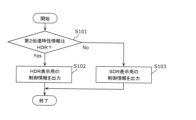
図2は、表示制御部104による表示制御処理のフローチャートである。なお、図2に示す処理は、フレーム単位、又は第2伝達特性情報115が変更される毎に行われる。
Figure 2 is a flowchart of the display control process by the
まず、表示制御部104は、第2伝達特性情報115によりSDR及びHDRのいずれか示されるかを判定する(S101)。
First, the
第2伝達特性情報115によりHDRが示される場合(S101でYes)、表示制御部104は、HDR表示用の制御情報116を出力する(S102)。これにより、表示部105は、HDRに対応する輝度ダイナミックレンジで映像を表示する。
If the second transfer
一方、第2伝達特性情報115によりSDRが示される場合(S101でNo)、表示制御部104は、SDR表示用の制御情報116を出力する(S103)。これにより、表示部105は、SDRに対応する輝度ダイナミックレンジで映像を表示する。
On the other hand, if the second transfer
このように、フレーム精度で通知される第2伝達特性情報115に応じて制御情報116を切り替えることで、伝達特性の切り替わりと表示部105の制御とをフレーム精度で同期できる。
In this way, by switching the
なお、複数のHDR方式(例えば、STD-B67及びST2084)が存在する場合には、HDR表示用の制御情報116に、HDR方式の識別情報が含まれてもよい。これにより、表示部105は、対応する方式の輝度ダイナミックレンジで映像を表示できる。
Note that if multiple HDR formats (e.g., STD-B67 and ST2084) exist, the
図3は、映像受信装置100による映像受信処理のフローチャートである。まず、受信部101は、受信信号111を受信する(S111)。次に、逆多重化部102は、受信信号111を逆多重化することで、映像信号112を生成する(S112)。次に、映像復号部103は、映像信号112を復号することで映像データ114を生成するとともに、第2伝達特性情報115を取得する(S113)。
Figure 3 is a flowchart of the video reception process by the
次に、表示制御部104は、第2伝達特性情報115に応じて表示部105の輝度ダイナミックレンジを制御する。具体的には、表示制御部104は、第2伝達特性情報115に基づき、各フレームがHDRであるかSDRであるかをフレーム精度で判定する(S114)。HDRである場合には(S114でYes)、表示部105はHDRの輝度ダイナミックレンジで映像を表示する(S115)。SDRである場合には(S114でNo)、表示部105はSDRの輝度ダイナミックレンジで映像を表示する(S116)。
Next, the
図4は、SDR番組からHDR番組への切り替え時の様子を示す図である。図5は、HDR番組からSDR番組への切り替え時の様子を示す図である。図4及び図5に示すように、上記処理により、フレーム精度でSDRとHDRとの切り替えを適切に行うことができる。 Figure 4 shows the state when switching from an SDR program to an HDR program. Figure 5 shows the state when switching from an HDR program to an SDR program. As shown in Figures 4 and 5, the above processing makes it possible to appropriately switch between SDR and HDR with frame accuracy.
以下、上述した受信信号111に対応する送信信号212を生成する映像送信装置200について説明する。図6は、本実施の形態に係る映像送信装置200のブロック図である。図6に示す映像送信装置200は、生成部201と、送信部202とを備える。
The following describes a
生成部201は、映像データと、当該映像データの輝度ダイナミックレンジに対応する伝達関数をフレーム精度で特定するための第2伝達特性情報とを含む送信信号212を生成する。生成部201は、映像符号化部203と、多重化部204とを含む。
The generating
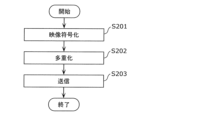
図7は、映像送信装置200による映像送信処理のフローチャートである。まず、映像符号化部203は、映像データと第2伝達特性情報とを符号化することで映像信号211を生成する(S201)。この第2伝達特性情報は、上述した第2伝達特性情報115に対応し、第1輝度ダイナミックレンジ(例えばSDR)に対応した第1伝達関数、又は、第1輝度ダイナミックレンジより広い第2ダイナミックレンジ(例えばHDR)に対応した第2伝達関数をフレーム精度で特定するための情報である。また、第2伝達特性情報は、映像信号211に含まれるSPS内に格納される。
Figure 7 is a flowchart of the video transmission process by the
次に、多重化部204は、符号化された映像信号211と音声信号とを多重化することで送信信号212を生成する(S202)。次に、送信部202は、生成された送信信号212を送信する(S203)。
Next, the
以上により、映像送信装置200は、フレーム精度で伝達関数を特定するための第2伝達特性情報を含む送信信号212を生成する。これにより、送信信号212を受信する映像受信装置は、フレーム精度で表示部の輝度ダイナミックレンジを制御できるので、より適切な映像を表示できる。
As a result, the
(実施の形態2)
TV放送では、地上波又は衛星などの電波状況によってエラーが発生する場合がある。
図8は、電波障害等のより受信エラーが発生した場合の様子を示す図である。図8に示すように、SDRからHDRへの切り替わり時において、映像受信装置がSPS内の第2伝達特性情報115を取得後に、電波障害等により、映像ストリームが欠落し、HDRの最初のフレームが取得できない場合を想定する。この場合、映像復号部103は、エラー隠蔽のために直前のフレームを引き続き表示する。つまり、SDR番組のフレームが繰り返し表示される。
(Embodiment 2)
In TV broadcasting, errors may occur depending on the radio wave conditions of terrestrial waves or satellites.
Fig. 8 is a diagram showing a state in which a reception error occurs due to radio interference or the like. As shown in Fig. 8, when switching from SDR to HDR, it is assumed that after the video receiving device acquires the second transfer
この場合、このフレームが後続のフレームから参照されることで、後続の映像として、過去の番組の映像が混じった異常な映像が表示されてしまう。 In this case, this frame is referenced by subsequent frames, resulting in abnormal images being displayed that contain footage from past programs.
また、切り替え直後においては、表示部の輝度ダイナミックレンジがHDRに設定されるため、SDR番組のフレームがHDRの輝度ダイナミックレンジで表示されてしまう。これにより、本来の意図よりも高輝度の映像が表示されるという問題がある。 In addition, immediately after switching, the brightness dynamic range of the display is set to HDR, so frames of SDR programs are displayed in the HDR brightness dynamic range. This causes the problem of images being displayed at a higher brightness than originally intended.
本実施の形態ではこの問題に対応した映像受信装置について説明する。図9は、本実施の形態に係る映像受信装置100Aのブロック図である。図9に示す映像受信装置100Aは、図1に示す映像受信装置100に対して、さらに、異常検知部108と、表示部105A内のメッセージ重畳部109とを備える。また、表示制御部104Aに機能が追加されている。
In this embodiment, a video receiving device that addresses this problem will be described. Figure 9 is a block diagram of a
異常検知部108は、映像データ114(映像信号112)を正しく取得できたかを判定する。具体的には、異常検知部108は、パケットのシーケンス番号に基づいてパケットロスを検出するとともに、パケットのペイロードを解析してフレームデータの開始位置を取得することで、フレームデータを全て取得したか(正常)、フレームデータの一部のみを取得したか(異常)を判定する。また、異常検知部108は、判定結果を示す異常通知情報118を表示制御部104Aに出力する。つまり、異常が発生したこと、又は、異常が発生したフレームを特定するための情報が表示制御部104Aに通知される。
The
表示制御部104Aは、第1伝達特性情報113及び第2伝達特性情報115に加え、異常通知情報118に応じて、制御情報116及びメッセージ119を生成する。具体的には、表示制御部104Aは、異常がある場合に、異常があることを示すメッセージ119を生成するとともに、SDR表示用の制御情報116を生成する。
The display control unit 104A generates
メッセージ重畳部109は、制御情報116及びメッセージ119に応じて、映像データ(入力信号117)にメッセージ119を重畳することで入力信号120を生成し、生成した入力信号120を表示デバイス107に出力する。これにより、例えば、「エラーが発生しました」などのメッセージが表示デバイス107に表示されることで、機器の故障でないことを視聴者に伝えることができる。
The
図10は、表示制御部104Aのよる表示制御処理のフローチャートである。まず、表示制御部104Aは、第2伝達特性情報115が更新されたかを判定する(S121)。第2伝達特性情報115が更新された場合(S121でYes)、表示制御部104Aは、表示制御の切り替えの判断を開始する。
Figure 10 is a flowchart of the display control process by the display control unit 104A. First, the display control unit 104A determines whether the second transfer
まず、表示制御部104Aは、映像データを正しく取得できたかを判定する。具体的には、表示制御部104Aは、異常通知情報118に基づきイントラ符号化フレームが正常に復号されたかを判定する(S122)。イントラ符号化フレームが正常に復号されていない場合(S122でNo)、表示制御部104Aは、表示制御部104は、SDR表示用の制御情報116を出力する(S123)。これにより、表示部105は、SDRに対応する輝度ダイナミックレンジで映像を表示する。つまり、表示制御部104Aは、映像
データを正しく取得できなかったと判定された場合、表示部105の輝度ダイナミックレンジをSDR(第1輝度ダイナミックレンジ)に設定する。
First, the display control unit 104A judges whether the video data has been correctly acquired. Specifically, the display control unit 104A judges whether the intra-coded frame has been correctly decoded based on the abnormality notification information 118 (S122). If the intra-coded frame has not been correctly decoded (No in S122), the display control unit 104A outputs the
切り替え時においてエラーが発生した場合には、表示されるフレームに切替え前のフレームの画素が含まれる可能性がある。これに対して、本実施の形態では、このような場合に、表示制御をSDR表示用に設定することで、SDR番組のフレームがHDRの高輝度設定で表示されることを抑制できる。 If an error occurs during switching, there is a possibility that the displayed frame may contain pixels from the frame before switching. In response to this, in this embodiment, in such a case, the display control is set for SDR display, thereby preventing frames from an SDR program from being displayed with the high brightness setting of HDR.
また、HEVCのIDR又はCRAなど、飛び込み再生を保証しているイントラ符号化フレームが正常に復号された場合(S122でYes)、実施の形態1と同様に表示制御を切り替える。つまり、表示制御部104Aは、更新後の第2伝達特性情報115によりSDR及びHDRのいずれか示されるかを判定する(S124)。第2伝達特性情報115によりHDRが示される場合(S124でYes)、表示制御部104Aは、HDR表示用の制御情報116を出力する(S125)。一方、第2伝達特性情報115によりSDRが示される場合(S124でNo)、表示制御部104Aは、SDR表示用の制御情報116を出力する(S126)。
In addition, if an intra-coded frame that guarantees jump playback, such as IDR or CRA of HEVC, is decoded normally (Yes in S122), the display control is switched as in the first embodiment. That is, the display control unit 104A determines whether the updated second transfer
このように、本実施の形態に係る映像受信装置100Aは、エラー発生時にSDRの輝度ダイナミックレンジで映像を表示することで、エラー発生時に過度に明るい映像が表示されることを抑制できる。
In this way, the
以上、本発明の実施の形態に係る映像受信装置及び映像送信装置について説明したが、本発明は、この実施の形態に限定されるものではない。 The video receiving device and video transmitting device according to the embodiment of the present invention have been described above, but the present invention is not limited to this embodiment.
また、上記実施の形態に係る映像受信装置及び映像送信装置に含まれる各処理部は典型的には集積回路であるLSIとして実現される。これらは個別に1チップ化されてもよいし、一部又は全てを含むように1チップ化されてもよい。 Furthermore, each processing unit included in the video receiving device and the video transmitting device according to the above-mentioned embodiments is typically realized as an LSI, which is an integrated circuit. These may be individually implemented as single chips, or may be integrated into a single chip that includes some or all of them.
また、集積回路化はLSIに限るものではなく、専用回路又は汎用プロセッサで実現してもよい。LSI製造後にプログラムすることが可能なFPGA(Field Programmable Gate Array)、又はLSI内部の回路セルの接続や設定を再構成可能なリコンフィギュラブル・プロセッサを利用してもよい。 In addition, the integrated circuit is not limited to LSI, but may be realized by a dedicated circuit or a general-purpose processor. It is also possible to use an FPGA (Field Programmable Gate Array) that can be programmed after LSI manufacturing, or a reconfigurable processor that can reconfigure the connections and settings of circuit cells inside the LSI.
また、上記各実施の形態において、各構成要素は、専用のハードウェアで構成されるか、各構成要素に適したソフトウェアプログラムを実行することによって実現されてもよい。各構成要素は、CPUまたはプロセッサなどのプログラム実行部が、ハードディスクまたは半導体メモリなどの記録媒体に記録されたソフトウェアプログラムを読み出して実行することによって実現されてもよい。 In addition, in each of the above embodiments, each component may be configured with dedicated hardware, or may be realized by executing a software program suitable for each component. Each component may be realized by a program execution unit such as a CPU or processor reading and executing a software program recorded on a recording medium such as a hard disk or semiconductor memory.
また、本発明は、映像受信装置又は映像送信装置により実行される映像受信方法又は映像送信方法として実現されてもよい。 The present invention may also be realized as a video receiving method or a video transmitting method executed by a video receiving device or a video transmitting device.
また、ブロック図における機能ブロックの分割は一例であり、複数の機能ブロックを一つの機能ブロックとして実現したり、一つの機能ブロックを複数に分割したり、一部の機能を他の機能ブロックに移してもよい。また、類似する機能を有する複数の機能ブロックの機能を単一のハードウェア又はソフトウェアが並列又は時分割に処理してもよい。 The division of functional blocks in the block diagram is one example, and multiple functional blocks may be realized as one functional block, one functional block may be divided into multiple blocks, or some functions may be transferred to other functional blocks. In addition, the functions of multiple functional blocks having similar functions may be processed in parallel or in a time-sharing manner by a single piece of hardware or software.
また、フローチャートにおける各ステップが実行される順序は、本発明を具体的に説明するために例示するためのものであり、上記以外の順序であってもよい。また、上記ステップの一部が、他のステップと同時(並列)に実行されてもよい。 The order in which the steps in the flowchart are executed is merely an example to specifically explain the present invention, and orders other than those described above may also be used. Some of the steps may also be executed simultaneously (in parallel) with other steps.
以上、一つまたは複数の態様に係る映像受信装置及び映像送信装置について、実施の形態に基づいて説明したが、本発明は、この実施の形態に限定されるものではない。本発明の趣旨を逸脱しない限り、当業者が思いつく各種変形を本実施の形態に施したものや、異なる実施の形態における構成要素を組み合わせて構築される形態も、一つまたは複数の態様の範囲内に含まれてもよい。 The video receiving device and video transmitting device according to one or more aspects have been described above based on the embodiments, but the present invention is not limited to these embodiments. As long as they do not deviate from the spirit of the present invention, various modifications conceived by those skilled in the art to the present embodiments and configurations constructed by combining components of different embodiments may also be included within the scope of one or more aspects.
本発明は、TV等の映像受信装置及び映像送信装置に適用できる。 The present invention can be applied to video receiving devices and video transmitting devices such as TVs.
100、100A 映像受信装置
101 受信部
102 逆多重化部
103 映像復号部
104、104A 表示制御部
105、105A 表示部
106 映像特性変換部
107 表示デバイス
108 異常検知部
109 メッセージ重畳部
111 受信信号
112、211 映像信号
113 第1伝達特性情報
114 映像データ
115 第2伝達特性情報
116 制御情報
117、120 入力信号
118 異常通知情報
119 メッセージ
200 映像送信装置
201 生成部
202 送信部
203 映像符号化部
204 多重化部
212 送信信号
100, 100A
Claims (2)
第1の複数フレームを含む第1映像データと、第2の複数フレームを含む第2映像データと、前記第1の複数フレームと前記第2の複数フレームとのそれぞれの輝度ダイナミックレンジに対応する伝達関数を特定するための伝達特性情報とを含む受信信号を受信し、
さらに、
前記受信信号に含まれるデスクリプタであって、前記第1の複数フレームに対応する前記伝達特性情報を格納した第1制御情報を前記第1映像データより前に受信し、
前記受信信号に含まれるデスクリプタであって、前記第2の複数フレームに対応する前記伝達特性情報を格納した第2制御情報を前記第2映像データより前に受信し、
前記第1制御情報または前記第2制御情報に格納された前記伝達特性情報に応じて前記表示部の輝度ダイナミックレンジを制御しながら前記第1映像データまたは前記第2映像データを表示し、
前記伝達特性情報は、前記輝度ダイナミックレンジのうちの第1輝度ダイナミックレンジに対応した第1伝達関数、又は、第1輝度ダイナミックレンジより広い第2輝度ダイナミックレンジに対応した第2伝達関数を特定する情報であり、
前記第1映像データ或いは前記第2映像データを正しく取得できなかった場合、またはイントラ符号化フレームを正しく復号できなかった場合、前記表示部の輝度ダイナミックレンジを前記第1輝度ダイナミックレンジに設定する、
映像受信方法。 A video receiving method in a video receiving device having a display unit, comprising:
receiving a received signal including first video data including a first plurality of frames, second video data including a second plurality of frames, and transfer characteristic information for identifying a transfer function corresponding to a luminance dynamic range of each of the first plurality of frames and the second plurality of frames;
moreover,
receiving first control information, the first control information being a descriptor included in the received signal and including the transfer characteristic information corresponding to the first plurality of frames, prior to the first video data;
receiving second control information, the second control information being a descriptor included in the received signal and including the transfer characteristic information corresponding to the second plurality of frames, prior to the second video data;
displaying the first video data or the second video data while controlling a luminance dynamic range of the display unit according to the transfer characteristic information stored in the first control information or the second control information;
the transfer characteristic information is information for specifying a first transfer function corresponding to a first luminance dynamic range of the luminance dynamic range, or a second transfer function corresponding to a second luminance dynamic range wider than the first luminance dynamic range ,
when the first video data or the second video data cannot be correctly acquired, or when the intra-coded frame cannot be correctly decoded, setting a luminance dynamic range of the display unit to the first luminance dynamic range.
Video reception method.
前記第1制御情報または前記第2制御情報に格納された前記伝達特性情報に応じて輝度ダイナミックレンジを制御しながら前記第1映像データまたは前記第2映像データを表示する表示部とを備え、
前記伝達特性情報は、前記輝度ダイナミックレンジのうちの第1輝度ダイナミックレンジに対応した第1伝達関数、又は、第1輝度ダイナミックレンジより広い第2輝度ダイナミックレンジに対応した第2伝達関数を特定する情報であり、
前記第1映像データ或いは前記第2映像データを正しく取得できなかった場合、またはイントラ符号化フレームを正しく復号できなかった場合、前記表示部の輝度ダイナミックレンジを前記第1輝度ダイナミックレンジに設定する、
映像受信装置。 a receiving unit that receives a received signal including first video data including a first plurality of frames, second video data including a second plurality of frames, and transfer characteristic information for identifying a transfer function corresponding to a luminance dynamic range of each of the first and second plurality of frames, and further receives first control information, which is a descriptor included in the received signal and which stores the transfer characteristic information corresponding to the first plurality of frames, before the first video data, and receives second control information, which is a descriptor included in the received signal and which stores the transfer characteristic information corresponding to the second plurality of frames, before the second video data;
a display unit that displays the first video data or the second video data while controlling a luminance dynamic range according to the transfer characteristic information stored in the first control information or the second control information,
the transfer characteristic information is information for specifying a first transfer function corresponding to a first luminance dynamic range of the luminance dynamic range, or a second transfer function corresponding to a second luminance dynamic range wider than the first luminance dynamic range ,
when the first video data or the second video data cannot be correctly acquired, or when the intra-coded frame cannot be correctly decoded, setting a luminance dynamic range of the display unit to the first luminance dynamic range.
Video receiving device.
Priority Applications (1)
| Application Number | Priority Date | Filing Date | Title |
|---|---|---|---|
| JP2024223710A JP7909213B2 (en) | 2015-09-11 | 2024-12-19 | Decryption method and decryption device |
Applications Claiming Priority (4)
| Application Number | Priority Date | Filing Date | Title |
|---|---|---|---|
| US201562217431P | 2015-09-11 | 2015-09-11 | |
| US62/217,431 | 2015-09-11 | ||
| JP2016101957A JP6986670B2 (en) | 2015-09-11 | 2016-05-20 | Video receiving method and video receiving device |
| JP2021183428A JP7289075B2 (en) | 2015-09-11 | 2021-11-10 | Video receiving method and video receiving device |
Related Parent Applications (1)
| Application Number | Title | Priority Date | Filing Date |
|---|---|---|---|
| JP2021183428A Division JP7289075B2 (en) | 2015-09-11 | 2021-11-10 | Video receiving method and video receiving device |
Related Child Applications (1)
| Application Number | Title | Priority Date | Filing Date |
|---|---|---|---|
| JP2024223710A Division JP7909213B2 (en) | 2015-09-11 | 2024-12-19 | Decryption method and decryption device |
Publications (2)
| Publication Number | Publication Date |
|---|---|
| JP2023101569A JP2023101569A (en) | 2023-07-21 |
| JP7617536B2 true JP7617536B2 (en) | 2025-01-20 |
Family
ID=58239577
Family Applications (3)
| Application Number | Title | Priority Date | Filing Date |
|---|---|---|---|
| JP2016101957A Active JP6986670B2 (en) | 2015-09-11 | 2016-05-20 | Video receiving method and video receiving device |
| JP2021183428A Active JP7289075B2 (en) | 2015-09-11 | 2021-11-10 | Video receiving method and video receiving device |
| JP2023081775A Active JP7617536B2 (en) | 2015-09-11 | 2023-05-17 | Video receiving method and video receiving device |
Family Applications Before (2)
| Application Number | Title | Priority Date | Filing Date |
|---|---|---|---|
| JP2016101957A Active JP6986670B2 (en) | 2015-09-11 | 2016-05-20 | Video receiving method and video receiving device |
| JP2021183428A Active JP7289075B2 (en) | 2015-09-11 | 2021-11-10 | Video receiving method and video receiving device |
Country Status (4)
| Country | Link |
|---|---|
| US (3) | US11800157B2 (en) |
| JP (3) | JP6986670B2 (en) |
| CN (1) | CN112954324B (en) |
| WO (1) | WO2017043046A1 (en) |
Families Citing this family (4)
| Publication number | Priority date | Publication date | Assignee | Title |
|---|---|---|---|---|
| JP6986670B2 (en) * | 2015-09-11 | 2021-12-22 | パナソニックIpマネジメント株式会社 | Video receiving method and video receiving device |
| JP6535560B2 (en) * | 2015-09-18 | 2019-06-26 | 東芝映像ソリューション株式会社 | Electronic device and display method |
| JP6276815B1 (en) * | 2016-09-02 | 2018-02-07 | シャープ株式会社 | Image processing apparatus, television receiver, image processing system, image processing program, recording medium, and video providing apparatus |
| CN116458119B (en) * | 2020-11-19 | 2024-09-10 | 日本电信电话株式会社 | Estimation device, estimation method, and recording medium |
Citations (2)
| Publication number | Priority date | Publication date | Assignee | Title |
|---|---|---|---|---|
| WO2015034188A1 (en) | 2013-09-06 | 2015-03-12 | 엘지전자 주식회사 | Method and apparatus for transmitting and receiving ultra-high definition broadcasting signal for high dynamic range representation in digital broadcasting system |
| WO2015118909A1 (en) | 2014-02-07 | 2015-08-13 | ソニー株式会社 | Transmission device, transmission method, reception device, reception method, display device, and display method |
Family Cites Families (15)
| Publication number | Priority date | Publication date | Assignee | Title |
|---|---|---|---|---|
| JP4002878B2 (en) | 2003-01-17 | 2007-11-07 | 松下電器産業株式会社 | Image coding method |
| US9451292B2 (en) * | 2011-09-15 | 2016-09-20 | Dolby Laboratories Licensing Corporation | Method and system for backward compatible, extended dynamic range encoding of video |
| EP2769540B1 (en) * | 2011-10-20 | 2018-11-28 | Dolby Laboratories Licensing Corporation | Method and system for video equalization |
| TWI586150B (en) * | 2012-06-29 | 2017-06-01 | 新力股份有限公司 | Image processing device and non-transitory computer readable storage medium |
| US8866975B1 (en) * | 2013-05-02 | 2014-10-21 | Dolby Laboratories Licensing Corporation | Backwards-compatible delivery of digital cinema content with higher dynamic range and related preprocessing and coding methods |
| JP6202330B2 (en) * | 2013-10-15 | 2017-09-27 | ソニー株式会社 | Decoding device and decoding method, and encoding device and encoding method |
| US10205954B2 (en) * | 2013-10-23 | 2019-02-12 | Qualcomm Incorporated | Carriage of video coding standard extension bitstream data using MPEG-2 systems |
| JP6094688B2 (en) | 2013-12-27 | 2017-03-15 | ソニー株式会社 | Image processing apparatus and image processing method |
| EP3099062A4 (en) | 2014-01-24 | 2017-09-20 | Sony Corporation | Transmission device, transmission method, receiving device and receiving method |
| KR101898643B1 (en) * | 2014-02-25 | 2018-09-14 | 애플 인크. | Adaptive transfer function for video encoding and decoding |
| EP2958328A1 (en) | 2014-06-20 | 2015-12-23 | Thomson Licensing | Method and device for signaling in a bitstream a picture/video format of an LDR picture and a picture/video format of a decoded HDR picture obtained from said LDR picture and an illumination picture |
| US20170347113A1 (en) | 2015-01-29 | 2017-11-30 | Koninklijke Philips N.V. | Local dynamic range adjustment color processing |
| US20160309154A1 (en) | 2015-04-17 | 2016-10-20 | Qualcomm Incorporated | Dynamic range adjustment for high dynamic range and wide color gamut video coding |
| JP6986670B2 (en) * | 2015-09-11 | 2021-12-22 | パナソニックIpマネジメント株式会社 | Video receiving method and video receiving device |
| WO2017135673A1 (en) | 2016-02-01 | 2017-08-10 | 엘지전자 주식회사 | Device for transmitting broadcast signal, device for receiving broadcast signal, method for transmitting broadcast signal, and method for receiving broadcast signal |
-
2016
- 2016-05-20 JP JP2016101957A patent/JP6986670B2/en active Active
- 2016-08-30 WO PCT/JP2016/003946 patent/WO2017043046A1/en not_active Ceased
- 2016-08-30 CN CN202110219164.3A patent/CN112954324B/en active Active
-
2021
- 2021-10-01 US US17/491,817 patent/US11800157B2/en active Active
- 2021-11-10 JP JP2021183428A patent/JP7289075B2/en active Active
-
2023
- 2023-05-17 JP JP2023081775A patent/JP7617536B2/en active Active
- 2023-09-15 US US18/368,659 patent/US12184903B2/en active Active
-
2024
- 2024-12-03 US US18/966,635 patent/US20250097484A1/en active Pending
Patent Citations (2)
| Publication number | Priority date | Publication date | Assignee | Title |
|---|---|---|---|---|
| WO2015034188A1 (en) | 2013-09-06 | 2015-03-12 | 엘지전자 주식회사 | Method and apparatus for transmitting and receiving ultra-high definition broadcasting signal for high dynamic range representation in digital broadcasting system |
| WO2015118909A1 (en) | 2014-02-07 | 2015-08-13 | ソニー株式会社 | Transmission device, transmission method, reception device, reception method, display device, and display method |
Also Published As
| Publication number | Publication date |
|---|---|
| US20220060756A1 (en) | 2022-02-24 |
| JP7289075B2 (en) | 2023-06-09 |
| JP6986670B2 (en) | 2021-12-22 |
| JP2023101569A (en) | 2023-07-21 |
| WO2017043046A1 (en) | 2017-03-16 |
| JP2022031704A (en) | 2022-02-22 |
| US20240007683A1 (en) | 2024-01-04 |
| JP2025031796A (en) | 2025-03-07 |
| JP2017055383A (en) | 2017-03-16 |
| CN112954324B (en) | 2024-04-16 |
| CN112954324A (en) | 2021-06-11 |
| US20250097484A1 (en) | 2025-03-20 |
| US12184903B2 (en) | 2024-12-31 |
| US11800157B2 (en) | 2023-10-24 |
Similar Documents
| Publication | Publication Date | Title |
|---|---|---|
| JP7108864B2 (en) | Video transmission method, video reception method, video transmission device and video reception device | |
| JP7289075B2 (en) | Video receiving method and video receiving device | |
| JP7557826B2 (en) | Video transmission method, video reception method, video transmission device, and video reception device | |
| US11972741B2 (en) | Decoding device for decoding a coded video in a system stream with a transfer characteristic if the transfer characteristic is provided in the system stream | |
| JP7685718B2 (en) | Data generation device, data output device, encoding device and decoding device | |
| JP7641526B2 (en) | Video receiving method, video transmitting method, video receiving device, and video transmitting device | |
| US11146830B2 (en) | Video reception method, video transmission method, video reception apparatus, and video transmission apparatus |
Legal Events
| Date | Code | Title | Description |
|---|---|---|---|
| A621 | Written request for application examination |
Free format text: JAPANESE INTERMEDIATE CODE: A621 Effective date: 20230517 |
|
| A977 | Report on retrieval |
Free format text: JAPANESE INTERMEDIATE CODE: A971007 Effective date: 20240426 |
|
| A131 | Notification of reasons for refusal |
Free format text: JAPANESE INTERMEDIATE CODE: A131 Effective date: 20240514 |
|
| A601 | Written request for extension of time |
Free format text: JAPANESE INTERMEDIATE CODE: A601 Effective date: 20240712 |
|
| A521 | Request for written amendment filed |
Free format text: JAPANESE INTERMEDIATE CODE: A523 Effective date: 20240912 |
|
| TRDD | Decision of grant or rejection written | ||
| A01 | Written decision to grant a patent or to grant a registration (utility model) |
Free format text: JAPANESE INTERMEDIATE CODE: A01 Effective date: 20241119 |
|
| A61 | First payment of annual fees (during grant procedure) |
Free format text: JAPANESE INTERMEDIATE CODE: A61 Effective date: 20241219 |
|
| R150 | Certificate of patent or registration of utility model |
Ref document number: 7617536 Country of ref document: JP Free format text: JAPANESE INTERMEDIATE CODE: R150 |