JP7607236B2 - Information processing method and information processing system - Google Patents
Information processing method and information processing system Download PDFInfo
- Publication number
- JP7607236B2 JP7607236B2 JP2022535031A JP2022535031A JP7607236B2 JP 7607236 B2 JP7607236 B2 JP 7607236B2 JP 2022535031 A JP2022535031 A JP 2022535031A JP 2022535031 A JP2022535031 A JP 2022535031A JP 7607236 B2 JP7607236 B2 JP 7607236B2
- Authority
- JP
- Japan
- Prior art keywords
- information
- battery
- cost
- charge
- relationship
- Prior art date
- Legal status (The legal status is an assumption and is not a legal conclusion. Google has not performed a legal analysis and makes no representation as to the accuracy of the status listed.)
- Active
Links
Images


Classifications
-
- B—PERFORMING OPERATIONS; TRANSPORTING
- B60—VEHICLES IN GENERAL
- B60K—ARRANGEMENT OR MOUNTING OF PROPULSION UNITS OR OF TRANSMISSIONS IN VEHICLES; ARRANGEMENT OR MOUNTING OF PLURAL DIVERSE PRIME-MOVERS IN VEHICLES; AUXILIARY DRIVES FOR VEHICLES; INSTRUMENTATION OR DASHBOARDS FOR VEHICLES; ARRANGEMENTS IN CONNECTION WITH COOLING, AIR INTAKE, GAS EXHAUST OR FUEL SUPPLY OF PROPULSION UNITS IN VEHICLES
- B60K6/00—Arrangement or mounting of plural diverse prime-movers for mutual or common propulsion, e.g. hybrid propulsion systems comprising electric motors and internal combustion engines
- B60K6/20—Arrangement or mounting of plural diverse prime-movers for mutual or common propulsion, e.g. hybrid propulsion systems comprising electric motors and internal combustion engines the prime-movers consisting of electric motors and internal combustion engines, e.g. HEVs
- B60K6/22—Arrangement or mounting of plural diverse prime-movers for mutual or common propulsion, e.g. hybrid propulsion systems comprising electric motors and internal combustion engines the prime-movers consisting of electric motors and internal combustion engines, e.g. HEVs characterised by apparatus, components or means specially adapted for HEVs
- B60K6/28—Arrangement or mounting of plural diverse prime-movers for mutual or common propulsion, e.g. hybrid propulsion systems comprising electric motors and internal combustion engines the prime-movers consisting of electric motors and internal combustion engines, e.g. HEVs characterised by apparatus, components or means specially adapted for HEVs characterised by the electric energy storing means, e.g. batteries or capacitors
-
- B—PERFORMING OPERATIONS; TRANSPORTING
- B60—VEHICLES IN GENERAL
- B60L—PROPULSION OF ELECTRICALLY-PROPELLED VEHICLES; SUPPLYING ELECTRIC POWER FOR AUXILIARY EQUIPMENT OF ELECTRICALLY-PROPELLED VEHICLES; ELECTRODYNAMIC BRAKE SYSTEMS FOR VEHICLES IN GENERAL; MAGNETIC SUSPENSION OR LEVITATION FOR VEHICLES; MONITORING OPERATING VARIABLES OF ELECTRICALLY-PROPELLED VEHICLES; ELECTRIC SAFETY DEVICES FOR ELECTRICALLY-PROPELLED VEHICLES
- B60L58/00—Methods or circuit arrangements for monitoring or controlling batteries or fuel cells, specially adapted for electric vehicles
- B60L58/10—Methods or circuit arrangements for monitoring or controlling batteries or fuel cells, specially adapted for electric vehicles for monitoring or controlling batteries
- B60L58/16—Methods or circuit arrangements for monitoring or controlling batteries or fuel cells, specially adapted for electric vehicles for monitoring or controlling batteries responding to battery ageing, e.g. to the number of charging cycles or the state of health [SoH]
-
- G—PHYSICS
- G06—COMPUTING OR CALCULATING; COUNTING
- G06Q—INFORMATION AND COMMUNICATION TECHNOLOGY [ICT] SPECIALLY ADAPTED FOR ADMINISTRATIVE, COMMERCIAL, FINANCIAL, MANAGERIAL OR SUPERVISORY PURPOSES; SYSTEMS OR METHODS SPECIALLY ADAPTED FOR ADMINISTRATIVE, COMMERCIAL, FINANCIAL, MANAGERIAL OR SUPERVISORY PURPOSES, NOT OTHERWISE PROVIDED FOR
- G06Q30/00—Commerce
- G06Q30/02—Marketing; Price estimation or determination; Fundraising
- G06Q30/0278—Product appraisal
-
- G—PHYSICS
- G06—COMPUTING OR CALCULATING; COUNTING
- G06Q—INFORMATION AND COMMUNICATION TECHNOLOGY [ICT] SPECIALLY ADAPTED FOR ADMINISTRATIVE, COMMERCIAL, FINANCIAL, MANAGERIAL OR SUPERVISORY PURPOSES; SYSTEMS OR METHODS SPECIALLY ADAPTED FOR ADMINISTRATIVE, COMMERCIAL, FINANCIAL, MANAGERIAL OR SUPERVISORY PURPOSES, NOT OTHERWISE PROVIDED FOR
- G06Q50/00—Information and communication technology [ICT] specially adapted for implementation of business processes of specific business sectors, e.g. utilities or tourism
- G06Q50/06—Energy or water supply
-
- G—PHYSICS
- G06—COMPUTING OR CALCULATING; COUNTING
- G06Q—INFORMATION AND COMMUNICATION TECHNOLOGY [ICT] SPECIALLY ADAPTED FOR ADMINISTRATIVE, COMMERCIAL, FINANCIAL, MANAGERIAL OR SUPERVISORY PURPOSES; SYSTEMS OR METHODS SPECIALLY ADAPTED FOR ADMINISTRATIVE, COMMERCIAL, FINANCIAL, MANAGERIAL OR SUPERVISORY PURPOSES, NOT OTHERWISE PROVIDED FOR
- G06Q50/00—Information and communication technology [ICT] specially adapted for implementation of business processes of specific business sectors, e.g. utilities or tourism
- G06Q50/10—Services
-
- H—ELECTRICITY
- H01—ELECTRIC ELEMENTS
- H01M—PROCESSES OR MEANS, e.g. BATTERIES, FOR THE DIRECT CONVERSION OF CHEMICAL ENERGY INTO ELECTRICAL ENERGY
- H01M10/00—Secondary cells; Manufacture thereof
- H01M10/42—Methods or arrangements for servicing or maintenance of secondary cells or secondary half-cells
- H01M10/48—Accumulators combined with arrangements for measuring, testing or indicating the condition of cells, e.g. the level or density of the electrolyte
-
- H—ELECTRICITY
- H02—GENERATION; CONVERSION OR DISTRIBUTION OF ELECTRIC POWER
- H02J—ELECTRIC POWER NETWORKS; CIRCUIT ARRANGEMENTS OR SYSTEMS FOR SUPPLYING OR DISTRIBUTING ELECTRIC POWER; SYSTEMS FOR STORING ELECTRIC ENERGY
- H02J13/00—Circuit arrangements for providing remote monitoring or remote control of equipment in a power distribution network
-
- H—ELECTRICITY
- H02—GENERATION; CONVERSION OR DISTRIBUTION OF ELECTRIC POWER
- H02J—ELECTRIC POWER NETWORKS; CIRCUIT ARRANGEMENTS OR SYSTEMS FOR SUPPLYING OR DISTRIBUTING ELECTRIC POWER; SYSTEMS FOR STORING ELECTRIC ENERGY
- H02J3/00—Circuit arrangements for AC mains or AC distribution networks
-
- H—ELECTRICITY
- H02—GENERATION; CONVERSION OR DISTRIBUTION OF ELECTRIC POWER
- H02J—ELECTRIC POWER NETWORKS; CIRCUIT ARRANGEMENTS OR SYSTEMS FOR SUPPLYING OR DISTRIBUTING ELECTRIC POWER; SYSTEMS FOR STORING ELECTRIC ENERGY
- H02J7/00—Circuit arrangements for charging or discharging batteries or for supplying loads from batteries
-
- B—PERFORMING OPERATIONS; TRANSPORTING
- B60—VEHICLES IN GENERAL
- B60L—PROPULSION OF ELECTRICALLY-PROPELLED VEHICLES; SUPPLYING ELECTRIC POWER FOR AUXILIARY EQUIPMENT OF ELECTRICALLY-PROPELLED VEHICLES; ELECTRODYNAMIC BRAKE SYSTEMS FOR VEHICLES IN GENERAL; MAGNETIC SUSPENSION OR LEVITATION FOR VEHICLES; MONITORING OPERATING VARIABLES OF ELECTRICALLY-PROPELLED VEHICLES; ELECTRIC SAFETY DEVICES FOR ELECTRICALLY-PROPELLED VEHICLES
- B60L2240/00—Control parameters of input or output; Target parameters
- B60L2240/70—Interactions with external data bases, e.g. traffic centres
-
- B—PERFORMING OPERATIONS; TRANSPORTING
- B60—VEHICLES IN GENERAL
- B60L—PROPULSION OF ELECTRICALLY-PROPELLED VEHICLES; SUPPLYING ELECTRIC POWER FOR AUXILIARY EQUIPMENT OF ELECTRICALLY-PROPELLED VEHICLES; ELECTRODYNAMIC BRAKE SYSTEMS FOR VEHICLES IN GENERAL; MAGNETIC SUSPENSION OR LEVITATION FOR VEHICLES; MONITORING OPERATING VARIABLES OF ELECTRICALLY-PROPELLED VEHICLES; ELECTRIC SAFETY DEVICES FOR ELECTRICALLY-PROPELLED VEHICLES
- B60L2260/00—Operating Modes
- B60L2260/40—Control modes
- B60L2260/44—Control modes by parameter estimation
-
- B—PERFORMING OPERATIONS; TRANSPORTING
- B60—VEHICLES IN GENERAL
- B60L—PROPULSION OF ELECTRICALLY-PROPELLED VEHICLES; SUPPLYING ELECTRIC POWER FOR AUXILIARY EQUIPMENT OF ELECTRICALLY-PROPELLED VEHICLES; ELECTRODYNAMIC BRAKE SYSTEMS FOR VEHICLES IN GENERAL; MAGNETIC SUSPENSION OR LEVITATION FOR VEHICLES; MONITORING OPERATING VARIABLES OF ELECTRICALLY-PROPELLED VEHICLES; ELECTRIC SAFETY DEVICES FOR ELECTRICALLY-PROPELLED VEHICLES
- B60L2260/00—Operating Modes
- B60L2260/40—Control modes
- B60L2260/50—Control modes by future state prediction
- B60L2260/54—Energy consumption estimation
-
- Y—GENERAL TAGGING OF NEW TECHNOLOGICAL DEVELOPMENTS; GENERAL TAGGING OF CROSS-SECTIONAL TECHNOLOGIES SPANNING OVER SEVERAL SECTIONS OF THE IPC; TECHNICAL SUBJECTS COVERED BY FORMER USPC CROSS-REFERENCE ART COLLECTIONS [XRACs] AND DIGESTS
- Y02—TECHNOLOGIES OR APPLICATIONS FOR MITIGATION OR ADAPTATION AGAINST CLIMATE CHANGE
- Y02E—REDUCTION OF GREENHOUSE GAS [GHG] EMISSIONS, RELATED TO ENERGY GENERATION, TRANSMISSION OR DISTRIBUTION
- Y02E60/00—Enabling technologies; Technologies with a potential or indirect contribution to GHG emissions mitigation
- Y02E60/10—Energy storage using batteries
-
- Y—GENERAL TAGGING OF NEW TECHNOLOGICAL DEVELOPMENTS; GENERAL TAGGING OF CROSS-SECTIONAL TECHNOLOGIES SPANNING OVER SEVERAL SECTIONS OF THE IPC; TECHNICAL SUBJECTS COVERED BY FORMER USPC CROSS-REFERENCE ART COLLECTIONS [XRACs] AND DIGESTS
- Y02—TECHNOLOGIES OR APPLICATIONS FOR MITIGATION OR ADAPTATION AGAINST CLIMATE CHANGE
- Y02T—CLIMATE CHANGE MITIGATION TECHNOLOGIES RELATED TO TRANSPORTATION
- Y02T10/00—Road transport of goods or passengers
- Y02T10/60—Other road transportation technologies with climate change mitigation effect
- Y02T10/70—Energy storage systems for electromobility, e.g. batteries
Landscapes
- Engineering & Computer Science (AREA)
- Business, Economics & Management (AREA)
- Strategic Management (AREA)
- Power Engineering (AREA)
- Economics (AREA)
- Development Economics (AREA)
- Finance (AREA)
- Accounting & Taxation (AREA)
- Theoretical Computer Science (AREA)
- Marketing (AREA)
- Physics & Mathematics (AREA)
- General Business, Economics & Management (AREA)
- General Physics & Mathematics (AREA)
- Transportation (AREA)
- Mechanical Engineering (AREA)
- Tourism & Hospitality (AREA)
- Health & Medical Sciences (AREA)
- Life Sciences & Earth Sciences (AREA)
- Sustainable Development (AREA)
- Sustainable Energy (AREA)
- Game Theory and Decision Science (AREA)
- Entrepreneurship & Innovation (AREA)
- Primary Health Care (AREA)
- Chemical & Material Sciences (AREA)
- General Health & Medical Sciences (AREA)
- Human Resources & Organizations (AREA)
- Manufacturing & Machinery (AREA)
- Water Supply & Treatment (AREA)
- Combustion & Propulsion (AREA)
- Public Health (AREA)
- Chemical Kinetics & Catalysis (AREA)
- Electrochemistry (AREA)
- General Chemical & Material Sciences (AREA)
- Secondary Cells (AREA)
- Charge And Discharge Circuits For Batteries Or The Like (AREA)
- Electric Propulsion And Braking For Vehicles (AREA)
Description
本開示は、情報処理方法及び情報処理システムに関する。 The present disclosure relates to an information processing method and an information processing system.
下記特許文献1には、電池パックが有する複数のセルの再バランスを行うか否かを電池パックの充電回数に基づいて判定する技術が開示されている。The following
特許文献1に開示された技術では、所定の充電回数ごとに再バランスが行われるため、電池のコストの観点では再バランスの時期が適切でないおそれがある。In the technology disclosed in
本開示は、電池の複数のセル間に生じている電圧差を低減させるための作業を行う時期を、電池のコストの観点から適切な時期に決定することが可能な技術を提供することを目的とする。The present disclosure aims to provide a technology that makes it possible to determine the appropriate time to perform work to reduce the voltage difference between multiple cells of a battery, from the perspective of battery cost.
本開示の一態様に係る情報処理方法は、情報処理装置が、電池によって駆動される電気機器が備える前記電池の単位期間あたりの充放電量に対応する情報を示す充放電情報を取得し、前記電池は複数のセルを有し、前記充放電量は前記電池の充電量及び放電量の少なくとも一方を含み、前記単位期間あたりの前記充放電量に対応する情報と前記電池の劣化度との関係を示す第1関係情報を取得し、経過時間又は前記充放電量と前記複数のセル間に生じる電圧差との関係を示す第2関係情報を取得し、前記電池の劣化により発生する第1コストを示す第1コスト情報と、前記電圧差を低減させる作業に要する第2コストを示す第2コスト情報とを取得し、前記充放電情報、前記第1関係情報、前記第2関係情報、前記第1コスト情報、及び前記第2コスト情報に基づいて、充放電計画における前記作業を行う時期であって、前記第1コスト及び前記第2コストの合計が所定の要件を満たす時期である作業時期を決定し、前記作業時期を示す情報を提示装置に提示させる。 In an information processing method according to one aspect of the present disclosure, an information processing device acquires charge/discharge information indicating information corresponding to a charge/discharge amount per unit period of a battery provided in an electrical device driven by a battery, the battery having a plurality of cells, the charge/discharge amount including at least one of a charge amount and a discharge amount of the battery, acquires first relationship information indicating a relationship between the information corresponding to the charge/discharge amount per unit period and a deterioration degree of the battery, acquires second relationship information indicating a relationship between an elapsed time or the charge/discharge amount and a voltage difference occurring between the plurality of cells, acquires first cost information indicating a first cost incurred due to deterioration of the battery and second cost information indicating a second cost required for an operation to reduce the voltage difference, and determines a work time for performing the operation in the charge/discharge plan, the work time being a time when the sum of the first cost and the second cost satisfies a predetermined requirement, based on the charge/discharge information, the first relationship information, the second relationship information, the first cost information, and the second cost information, and causes a presentation device to present information indicating the work time.
(本開示の基礎となった知見)
インターネット等を利用した通信販売によって購入された商品は、宅配業者によって顧客の自宅等に配送される。宅配業者は、複数台のトラックを用いて、担当する配送エリア内で荷物の配送を行う。今後は、バッテリ駆動の走行モータが搭載された電気自動車(EV)の普及が進み、EVのトラックによって荷物の配送を行う宅配業者が増加すると考えられる。
(Findings that formed the basis of this disclosure)
Products purchased through mail order sales using the Internet or the like are delivered to customers' homes or the like by delivery companies. Delivery companies use multiple trucks to deliver packages within their assigned delivery areas. In the future, electric vehicles (EVs) equipped with battery-powered driving motors are expected to become more widespread, and the number of delivery companies using EV trucks to deliver packages is expected to increase.
EVのバッテリは、直列に接続された複数のセル(バッテリセル)を備えたバッテリパックとして構成されることが多い。EVが長年使用されると、複数のセル間に残容量の差が生じ、セル電圧のバランスが崩れた状態(セルインバランス)となる。セルインバランスが生じているバッテリでは、充電完了時に、残容量が100%のセルと100%未満のセルとが混在する。EVの始動によりバッテリの放電が開始されると、後者のセルの残容量が許容下限値に達した時点で放電は停止される。その結果、全体としてのバッテリ容量が実質的に減少する。 EV batteries are often configured as battery packs with multiple cells (battery cells) connected in series. When an EV is used for many years, differences in remaining capacity occur among the multiple cells, resulting in an imbalance in cell voltage (cell imbalance). In a battery with cell imbalance, when charging is complete, some cells have a remaining capacity of 100% and others have a remaining capacity of less than 100%. When the EV starts and the battery begins to discharge, discharging is stopped when the remaining capacity of the latter cell reaches the lower allowable limit. As a result, the overall battery capacity is effectively reduced.
周知のセルバランシング回路をバッテリパックに実装することによって、セルインバランスを解消することは可能である。セルバランシング回路は、残容量の多いセルのみを選択して抵抗素子に回路接続することにより、当該セルを強制的に放電させる。全てのセルのセル電圧が揃った時点で強制放電を停止することにより、セルインバランスを解消することができる。しかし、バッテリパックにセルバランシング回路を実装したのでは、バッテリパックのコスト上昇を招き、ひいてはEVの製造コストが増大する。It is possible to eliminate cell imbalance by implementing a well-known cell balancing circuit in the battery pack. The cell balancing circuit selects only cells with a large remaining capacity and connects them to a resistive element in the circuit, thereby forcibly discharging those cells. The cell imbalance can be eliminated by stopping the forced discharge when the cell voltages of all cells are equal. However, implementing a cell balancing circuit in the battery pack will increase the cost of the battery pack, which in turn will increase the manufacturing cost of EVs.
EVのコスト増大を回避するために、バッテリパックにセルバランシング回路を実装するのではなく、セルインバランスが生じたEVを修理工場等に搬入して、バッテリの電圧調整作業を実施する方法が考えられる。この電圧調整作業は、上記のセルバランシング回路と同様に、残容量の多いセルを強制放電させて全セルのセル電圧を揃えることにより、バッテリのセルインバランスを解消するものである。 In order to avoid increasing the cost of EVs, rather than implementing a cell balancing circuit in the battery pack, a method is considered in which an EV with cell imbalance is brought to a repair shop or the like to have the battery voltage adjusted. This voltage adjustment, like the cell balancing circuit described above, resolves the cell imbalance in the battery by forcibly discharging cells with a large remaining capacity to make the cell voltage of all cells uniform.
しかし、修理工場等における電圧調整作業は有償の作業である。従って、セルインバランスの程度が低い時点で電圧調整作業を実施したのでは、その作業によって回復するバッテリ容量はわずかであるため、費用対効果は低い。また、寿命近くにまで劣化が進行したバッテリに対して電圧調整作業を実施しても、その作業後しばらくしてEVの買い替えが必要になるため、やはり費用対効果は低い。一方、電圧調整作業を一度も実施せず、バッテリのパフォーマンスが低下する度にEVを買い替えたのでは、買い替えサイクルの短縮化によって車両購入費が増大する。従って、EVを買い替えるよりも電圧調整作業を実施した方が長期的なコスト面で有利な場合には、買い替え時期を先延ばしにして電圧調整作業を実施すべきである。このように、EVによる宅配業を運営する上では、バッテリが劣化した車両の買い替えに伴う車両購入費だけでなく、セルインバランスを解消するための電圧調整作業費も含めた、長期(例えば10年)のトータルコスト(TCO:Total Cost of Ownership)が最小となるように、事業計画を策定することが重要である。However, voltage adjustment work at repair shops and the like is a paid task. Therefore, if voltage adjustment work is performed when the degree of cell imbalance is low, the battery capacity recovered by the work is small, so the cost-effectiveness is low. In addition, even if voltage adjustment work is performed on a battery that has deteriorated to the point of reaching the end of its life, the EV will need to be replaced some time after the work, so the cost-effectiveness is also low. On the other hand, if voltage adjustment work is never performed and the EV is replaced every time the battery performance deteriorates, the vehicle purchase cost will increase due to the shortened replacement cycle. Therefore, if it is more cost-effective in the long term to perform voltage adjustment work than to replace the EV, the replacement time should be postponed and the voltage adjustment work should be performed. In this way, when operating a home delivery business using EVs, it is important to formulate a business plan so that the long-term (e.g., 10 years) total cost of ownership (TCO), including not only the vehicle purchase cost associated with replacing a vehicle with a deteriorated battery but also the voltage adjustment work cost to resolve the cell imbalance, is minimized.
上記特許文献1に開示された電池パックの充放電システムは、複数のセルを有する電池パックの充放電を行うための充電ステーションを備える。当該充電ステーションは、プロセッサ回路を備える。当該プロセッサ回路は、所定の再バランス基準と、電池パックメモリに格納されている電池パックの充放電データとに基づいて、複数のセルの再バランスを実行すべき時期を判定する。The battery pack charging/discharging system disclosed in the above-mentioned
しかし、上記特許文献1には、長期のトータルコストを最小化するという観点から電圧調整作業の実施時期を決定することは、何ら開示されていない。However, the above-mentioned
上記の課題を解決するために、本発明者は、長期計画情報、コスト情報、走行距離とバッテリの劣化度との関係情報、及び、走行距離とセルインバランスとの関係情報を用いることにより、長期のトータルコストが最小となるように電圧調整作業の最適な実施時期を決定できるとの知見を得て、本開示を想到するに至った。 In order to solve the above problems, the inventor has discovered that by using long-term planning information, cost information, information on the relationship between mileage and the degree of battery deterioration, and information on the relationship between mileage and cell imbalance, it is possible to determine the optimal timing to perform voltage adjustment work so as to minimize long-term total costs, and has come up with the present disclosure.
次に、本開示の各態様について説明する。Next, each aspect of the present disclosure will be described.
本開示の一態様に係る情報処理方法は、情報処理装置が、電池によって駆動される電気機器が備える前記電池の単位期間あたりの充放電量に対応する情報を示す充放電情報を取得し、前記電池は複数のセルを有し、前記充放電量は前記電池の充電量及び放電量の少なくとも一方を含み、前記単位期間あたりの前記充放電量に対応する情報と前記電池の劣化度との関係を示す第1関係情報を取得し、経過時間又は前記充放電量と前記複数のセル間に生じる電圧差との関係を示す第2関係情報を取得し、前記電池の劣化により発生する第1コストを示す第1コスト情報と、前記電圧差を低減させる作業に要する第2コストを示す第2コスト情報とを取得し、前記充放電情報、前記第1関係情報、前記第2関係情報、前記第1コスト情報、及び前記第2コスト情報に基づいて、充放電計画における前記作業を行う時期であって、前記第1コスト及び前記第2コストの合計が所定の要件を満たす時期である作業時期を決定し、前記作業時期を示す情報を提示装置に提示させる。 In an information processing method according to one aspect of the present disclosure, an information processing device acquires charge/discharge information indicating information corresponding to a charge/discharge amount per unit period of a battery provided in an electrical device driven by a battery, the battery having a plurality of cells, the charge/discharge amount including at least one of a charge amount and a discharge amount of the battery, acquires first relationship information indicating a relationship between the information corresponding to the charge/discharge amount per unit period and a deterioration degree of the battery, acquires second relationship information indicating a relationship between an elapsed time or the charge/discharge amount and a voltage difference occurring between the plurality of cells, acquires first cost information indicating a first cost incurred due to deterioration of the battery and second cost information indicating a second cost required for an operation to reduce the voltage difference, and determines a work time for performing the operation in the charge/discharge plan, the work time being a time when the sum of the first cost and the second cost satisfies a predetermined requirement, based on the charge/discharge information, the first relationship information, the second relationship information, the first cost information, and the second cost information, and causes a presentation device to present information indicating the work time.
本構成によれば、情報処理装置は、充放電情報、第1関係情報、第2関係情報、第1コスト情報、及び第2コスト情報に基づいて、第1コスト及び第2コストの合計が所定の要件を満たすように、電池の複数のセル間に生じている電圧差を低減させるための作業を行う作業時期を決定する。このように、第1コスト及び第2コストのトータルコストに基づいて作業時期を決定することにより、作業時期を電池のコストの観点で適切な時期に決定することができる。例えば、長期のトータルコストが最小となる最適な作業時期を決定することが可能となる。 According to this configuration, the information processing device determines the timing of work to perform work to reduce the voltage difference occurring between multiple cells of the battery based on the charge/discharge information, the first relationship information, the second relationship information, the first cost information, and the second cost information, so that the sum of the first cost and the second cost satisfies a specified requirement. In this way, by determining the timing of work based on the total cost of the first cost and the second cost, the timing of work can be determined to be appropriate in terms of the cost of the battery. For example, it is possible to determine the optimal timing of work that minimizes the long-term total cost.
上記態様において、前記充放電情報は、充放電に関する計画情報又は履歴情報である。In the above aspect, the charging/discharging information is planning information or historical information regarding charging/discharging.
本構成によれば、計画情報を用いることにより、電気機器の使用開始前に作業時期を決定することができる。また、過去の履歴情報を用いることにより、電気機器の使用中に使用状況を考慮して作業時期を決定することができる。 According to this configuration, by using the planning information, the timing of work can be determined before starting to use the electrical equipment. Also, by using past history information, the timing of work can be determined while the electrical equipment is in use, taking into account the usage situation.
上記態様において、前記電気機器は、移動体であり、前記充放電量に対応する情報は、前記移動体の移動距離であり、前記充放電情報は、前記移動体の前記単位期間あたりの移動距離を含む移動情報であり、前記電池は、前記移動体に搭載される移動用の電池であり、前記第1関係情報は、前記移動体の前記単位期間あたりの移動距離と前記電池の劣化度との関係を示し、前記第2関係情報は、前記経過時間又は前記移動体の移動距離と前記複数のセル間に生じる電圧差との関係を示し、前記充放電計画は、前記移動体の移動計画であり、前記作業時期は、前記移動計画において使用する前記作業を行う時期であって、前記第1コスト及び前記第2コストの合計が所定の要件を満たす時期である。In the above aspect, the electrical equipment is a mobile body, the information corresponding to the charge/discharge amount is a travel distance of the mobile body, the charge/discharge information is travel information including a travel distance of the mobile body per unit period, the battery is a mobile battery mounted on the mobile body, the first relationship information indicates a relationship between a travel distance of the mobile body per unit period and a degree of deterioration of the battery, the second relationship information indicates a relationship between the elapsed time or the travel distance of the mobile body and a voltage difference occurring between the multiple cells, the charge/discharge plan is a travel plan for the mobile body, and the work timing is a timing for performing the work used in the travel plan, and is a timing for the sum of the first cost and the second cost to satisfy a specified requirement.
本構成によれば、移動体に搭載される電池を対象として、電池の複数のセル間に生じている電圧差を低減させるための作業を行う最適な作業時期を決定することが可能となる。 With this configuration, it is possible to determine the optimal time to perform work to reduce the voltage difference occurring between multiple cells of a battery installed in a mobile vehicle.
上記態様において、前記情報処理装置がさらに、前記走行計画情報、前記第1関係情報、前記第2関係情報、前記第1コスト情報、及び前記第2コスト情報に基づいて、走行計画において使用する前記移動体又は前記移動体に搭載される前記電池の購入、売却、又は廃棄の時期であって、前記第1コスト及び前記第2コストの合計が前記所定の要件を満たす時期である計画時期を決定し、前記計画時期を示す情報を前記提示装置に提示させる。In the above aspect, the information processing device further determines a planning time for purchasing, selling, or disposing of the moving body or the battery installed in the moving body used in the driving plan based on the driving plan information, the first relationship information, the second relationship information, the first cost information, and the second cost information, and causes the presentation device to present information indicating the planning time.
本構成によれば、情報処理装置は、第1コスト及び第2コストの合計が所定の要件を満たすように、移動体又は電池の購入、売却、又は廃棄に関する計画時期を決定する。このように、第1コスト及び第2コストのトータルコストに基づいて計画時期を決定することにより、計画時期を電池のコストの観点で適切な時期に決定することができる。例えば、長期のトータルコストが最小となる移動体又は電池の最適な計画時期を決定することが可能となる。 According to this configuration, the information processing device determines the planning timing for the purchase, sale, or disposal of a mobile object or battery so that the sum of the first cost and the second cost meets a specified requirement. In this way, by determining the planning timing based on the total cost of the first cost and the second cost, the planning timing can be determined to be an appropriate timing in terms of the cost of the battery. For example, it is possible to determine the optimal planning timing for a mobile object or battery that minimizes the long-term total cost.
上記態様において、前記第1コストは、前記劣化度が閾値以上になった前記電池又は当該電池を搭載する前記移動体の購入、売却、又は廃棄に要するコストを含む。In the above aspect, the first cost includes the cost required to purchase, sell, or dispose of the battery or the mobile body equipped with the battery whose degree of deterioration has reached or exceeded a threshold value.
本構成によれば、劣化度が閾値以上になった電池又は当該電池を搭載する移動体の購入、売却、又は廃棄に要するコストを第1コストに含めることにより、電池又は移動体の寿命を、閾値を用いて制御することができる。そのため、劣化連動コストである第1コストの精度を高めることが可能となる。According to this configuration, the cost required to purchase, sell, or dispose of a battery or a mobile body equipped with the battery whose degradation level is equal to or exceeds a threshold value is included in the first cost, so that the lifespan of the battery or the mobile body can be controlled using the threshold value. This makes it possible to improve the accuracy of the first cost, which is a degradation-linked cost.
上記態様において、前記情報処理装置は、前記実施時期が到来する所定期間前に、前記実施時期を示す情報を前記提示装置に提示させる。In the above aspect, the information processing device causes the presentation device to present information indicating the implementation time a predetermined period before the implementation time arrives.
本構成によれば、作業の実施時期が到来する所定期間前に情報を提示させることにより、作業予約等の手配を滞りなく行うことができる。 According to this configuration, by presenting information a specified period before the time for work to be performed arrives, arrangements such as work reservations can be made smoothly.
上記態様において、前記電気機器は、蓄電装置であり、前記充放電量に対応する情報は、前記蓄電装置の充放電量であり、前記第1関係情報は、前記蓄電装置の前記単位期間あたりの充放電量と前記電池の劣化度との関係を示し、前記第2関係情報は、前記経過時間又は前記蓄電装置の充放電量と前記複数のセル間に生じる電圧差との関係を示し、前記充放電計画は、前記蓄電装置の充放電計画であり、前記作業時期は、前記充放電計画において使用する前記作業を行う時期であって、前記第1コスト及び前記第2コストの合計が所定の要件を満たす時期である。In the above aspect, the electrical equipment is a power storage device, the information corresponding to the charge/discharge amount is the charge/discharge amount of the power storage device, the first relationship information indicates the relationship between the charge/discharge amount per unit period of the power storage device and the degree of deterioration of the battery, the second relationship information indicates the relationship between the elapsed time or the charge/discharge amount of the power storage device and the voltage difference occurring between the multiple cells, the charge/discharge plan is a charge/discharge plan for the power storage device, and the work timing is the time to perform the work used in the charge/discharge plan and is the time when the sum of the first cost and the second cost satisfies a specified requirement.
本構成によれば、蓄電装置に搭載される電池を対象として、電池の複数のセル間に生じている電圧差を低減させるための作業を行う最適な作業時期を決定することが可能となる。 With this configuration, it is possible to determine the optimal time to perform work to reduce the voltage difference occurring between multiple cells of a battery installed in a storage battery device.
本開示一態様に係る情報処理システムは、電池によって駆動される電気機器が備える前記電池の単位期間あたりの充放電量に対応する情報を示す充放電情報を取得する第1取得部と、前記電池は複数のセルを有し、前記充放電量は前記電池の充電量及び放電量の少なくとも一方を含み、前記単位期間あたりの前記充放電量に対応する情報と前記電池の劣化度との関係を示す第1関係情報を取得する第2取得部と、経過時間又は前記充放電量と前記複数のセル間に生じる電圧差との関係を示す第2関係情報を取得する第3取得部と、前記電池の劣化により発生する第1コストを示す第1コスト情報と、前記電圧差を低減させる作業に要する第2コストを示す第2コスト情報とを取得する第4取得部と、前記充放電情報、前記第1関係情報、前記第2関係情報、前記第1コスト情報、及び前記第2コスト情報に基づいて、充放電計画における前記作業を行う時期であって、前記第1コスト及び前記第2コストの合計が所定の要件を満たす時期である作業時期を決定する決定部と、前記作業時期を示す情報を提示する提示部と、を備える。The information processing system according to one aspect of the present disclosure includes a first acquisition unit that acquires charge/discharge information indicating information corresponding to a charge/discharge amount per unit period of a battery provided in an electrical device driven by the battery; a second acquisition unit that acquires first relationship information indicating a relationship between the information corresponding to the charge/discharge amount per unit period and a deterioration degree of the battery, the battery having a plurality of cells, the charge/discharge amount including at least one of a charge amount and a discharge amount of the battery; a third acquisition unit that acquires second relationship information indicating a relationship between an elapsed time or the charge/discharge amount and a voltage difference occurring between the plurality of cells; a fourth acquisition unit that acquires first cost information indicating a first cost incurred due to deterioration of the battery and second cost information indicating a second cost required for an operation to reduce the voltage difference; a determination unit that determines a work timing for performing the operation in the charge/discharge plan based on the charge/discharge information, the first relationship information, the second relationship information, the first cost information, and the second cost information, the time when the operation is to be performed, the time when the sum of the first cost and the second cost satisfies a predetermined requirement; and a presentation unit that presents information indicating the work timing.
本構成によれば、決定部は、充放電情報、第1関係情報、第2関係情報、第1コスト情報、及び第2コスト情報に基づいて、第1コスト及び第2コストの合計が所定の要件を満たすように、電池の複数のセル間に生じている電圧差を低減させるための作業を行う作業時期を決定する。このように、第1コスト及び第2コストのトータルコストに基づいて作業時期を決定することにより、作業時期を電池のコストの観点で適切な時期に決定することができる。例えば、長期のトータルコストが最小となる最適な作業時期を決定することが可能となる。 According to this configuration, the determination unit determines the timing of work to perform work to reduce the voltage difference occurring between multiple cells of the battery based on the charge/discharge information, the first relationship information, the second relationship information, the first cost information, and the second cost information, so that the sum of the first cost and the second cost satisfies a predetermined requirement. In this way, by determining the timing of work based on the total cost of the first cost and the second cost, the timing of work can be determined to be appropriate in terms of the cost of the battery. For example, it is possible to determine the optimal timing of work that minimizes the long-term total cost.
上述した本開示の包括的又は具体的な態様は、システム、装置、方法、集積回路、コンピュータプログラム、又はこれらの任意の組合せとして実現することができる。また、このようなコンピュータプログラムを、CD-ROM等のコンピュータ読取可能な不揮発性の記録媒体として流通させ、あるいは、インターネット等の通信ネットワークを介して流通させることができるのは言うまでもない。The above-described comprehensive or specific aspects of the present disclosure may be realized as a system, an apparatus, a method, an integrated circuit, a computer program, or any combination thereof. It goes without saying that such a computer program may be distributed as a computer-readable non-volatile recording medium such as a CD-ROM, or distributed via a communication network such as the Internet.
以下で説明する実施形態は、いずれも本開示の一具体例を示すものである。以下の実施形態で示される数値、形状、構成要素、ステップ、ステップの順序等は、一例であり、本開示を限定する主旨ではない。また、以下の実施形態における構成要素のうち、最上位概念を示す独立請求項に記載されていない構成要素については、任意の構成要素として説明される。また、全ての実施形態において、各々の内容を組み合わせることもできる。 Each of the embodiments described below shows a specific example of the present disclosure. The numerical values, shapes, components, steps, order of steps, etc. shown in the following embodiments are merely examples and are not intended to limit the present disclosure. Furthermore, among the components in the following embodiments, components that are not described in an independent claim that shows the highest concept are described as optional components. Furthermore, in all of the embodiments, the respective contents can be combined.
以下、本開示の実施形態について、図面を用いて詳細に説明する。なお、異なる図面において同一の符号を付した要素は、同一又は相応する要素を示すものとする。Hereinafter, an embodiment of the present disclosure will be described in detail with reference to the drawings. Note that elements with the same reference numerals in different drawings indicate the same or corresponding elements.
(第1実施形態)
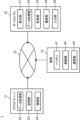
図1は、本開示の第1実施形態に係る情報処理システム1の構成を示すブロック図である。本実施形態の例において、情報処理システム1は、電気自動車(EV)によって荷物を顧客の自宅等に配送する宅配業者の管理システムとして構築されている。この宅配業者は、一例として、各々の配送エリアを担当する複数の事業所と、これら複数の事業所を統括する本社とを有している。本社及び各事業所にはローカルPC12が設置されており、クラウドサーバ11と接続されている。また、各事業所には荷物配送用の複数の車両13が配備されている。クラウドサーバ11、ローカルPC12、及び車両13は、IP網等の任意の通信ネットワーク14を介して相互に通信可能である。なお、本実施形態では、移動体は、車両であるとしたがこれに限定されない。例えば、移動体は、ドローン等の航空機、船舶、又は移動式ロボットであってもよい。
First Embodiment
FIG. 1 is a block diagram showing a configuration of an
クラウドサーバ11は、データ処理部22、記憶部23、及び通信部24を備えている。ローカルPC12は、表示部31、データ処理部32、記憶部33、通信部34、及び入力部35を備えている。表示部31は、液晶ディスプレイ又は有機ELディスプレイ等である。データ処理部22,32は、CPU等のプロセッサである。記憶部23,33は、HDD又はSSD等である。通信部24,34は、IP等の所定の通信規格によってデータ通信を行う通信モジュールである。入力部35は、マウス又はキーボード等である。The
車両13は、EVのトラック等であり、バッテリ41、制御部42、及び通信部43を備えている。バッテリ41は、車両13に搭載された走行モータを駆動するためのリチウムイオンバッテリ等の二次電池である。制御部42は、バッテリ41の動作制御及び状態管理を行うためのBMS(Battery Management System)である。通信部43は、IP等の所定の通信規格によってデータ通信を行う通信モジュールである。The
なお、本実施形態に係る情報処理システム1の適用対象は、宅配事業に限らず、複数台のEVを用いて事業を行う、タクシー事業、レンタカー事業、カーシェアリング事業、又は運転代行事業等の任意の事業である。The application of the
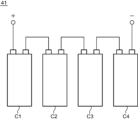
図2は、バッテリ41の構成を簡略化して示す図である。バッテリ41は、直列に接続された複数のセル(バッテリセル)C1~C4を備えている。つまり、バッテリ41は、直列に接続された複数のセルC1~C4を備えたバッテリパックとして構成されている。なお、セルの個数は4個に限らず、任意の複数であれば良い。
Figure 2 is a simplified diagram showing the configuration of
図3は、クラウドサーバ11のデータ処理部22が有する機能を示すブロック図である。図3に示すようにデータ処理部22は、計画情報取得部51、現在情報取得部52、劣化特性取得部53、コスト情報取得部54、電圧差特性取得部55、及び最適値計算部56を有している。これらの機能は、ROM等から読み出したプログラムをCPUが実行することによってソフトウェア的に実現されてよい。
Figure 3 is a block diagram showing the functions of the
図4は、ある事業所の長期事業計画の一例を示す図であり、図5は、その事業所における現在の事業状況の一例を示す図であり、図6は、その事業所における事業コストの一例を示す図である。 Figure 4 shows an example of a long-term business plan for a certain business establishment, Figure 5 shows an example of the current business situation at that business establishment, and Figure 6 shows an example of business costs at that business establishment.
この事業所は、現在(0年後)、4台のEV(車両A~D)を用いて所定の配送エリアを担当している。1日あたりの4台のEVの合計走行距離は、200kmである。この事業所では、荷物量の増加に伴って事業規模の拡大が計画されており、図4に示すように、10年後には1日あたりの合計走行距離を500kmに増加させることが計画されている。この長期事業計画を示す計画情報は、その事業所に設置されているローカルPC12の入力部35から入力される。ローカルPC12への計画情報の入力は、新たな長期事業計画が策定された際、及び、災害等の特殊イベントの発生に起因して既存の長期事業計画が変更された際に実行される。入力された計画情報は、ローカルPC12から通信ネットワーク14を介してクラウドサーバ11に送信され、記憶部23に格納される。図3を参照して、計画情報取得部51は、ローカルPC12から受信した計画情報を取得する。This business establishment is currently (0 years later) in charge of a specific delivery area using four EVs (vehicles A to D). The total distance traveled by the four EVs per day is 200 km. This business establishment plans to expand its business scale in line with the increase in the amount of parcels, and as shown in FIG. 4, it plans to increase the total distance traveled per day to 500 km in 10 years' time. Plan information indicating this long-term business plan is input from the input unit 35 of the
図5に示すように、現在の事業状況には、4台のEVの各々に関する、購入年月日、新車時から現在までの総走行距離、現在のSoH、1日あたりの走行距離の現在の設定値、最大セル電圧、及び最小セル電圧が含まれる。SoHは、バッテリ41の劣化度を示す指標である。最大セル電圧は、セルC1~C4のセル電圧の最大値である。最小セル電圧は、セルC1~C4のセル電圧の最小値である。この現在の事業状況を示す現在情報は、その事業所に設置されているローカルPC12の入力部35から入力される。ローカルPC12への現在情報の入力は、新たな長期事業計画が策定された際、既存の長期事業計画が変更された際、及び、定期的(例えば半年に1度)に実行される。入力された現在情報は、ローカルPC12から通信ネットワーク14を介してクラウドサーバ11に送信され、記憶部23に格納される。新車のEVのみを用いて新規の事業所を立ち上げる場合には、どの車両13もバッテリ41は劣化していないため、クラウドサーバ11への現在情報の送信は省略されても良い。図3を参照して、現在情報取得部52は、ローカルPC12から受信した現在情報を取得する。なお、最大セル電圧及び最小セル電圧に関する情報は、ローカルPC12からではなく車両13から通信ネットワーク14を介してクラウドサーバ11に送信されても良い。
As shown in FIG. 5, the current business status includes the purchase date, total mileage from new to the present, current SoH, current setting value of mileage per day, maximum cell voltage, and minimum cell voltage for each of the four EVs. The SoH is an index indicating the degree of deterioration of the
図6に示すように、事業所における事業コストは、その事業所に配備されている車両13の台数に応じて変動するコスト(台数連動コスト)と、バッテリ41の劣化度に応じて変動するコスト(劣化連動コスト)と、車両台数及びバッテリ劣化度に応じて変動しないコスト(固定コスト)とに分類される。台数連動コストには、ドライバの人件費、並びに、メンテナンス費用及び保険料等の車両維持費が含まれる。また、図6には示さないが、台数連動コストには、車両13の電気代、及び、車両13がリースである場合のリース費用等が含まれる。劣化連動コストには、車両13の車両購入費(第1コスト)、及び、電圧調整作業費(第2コスト)が含まれる。新車購入時に古い車両を売却する場合には、その売却益はマイナス値の車両購入費として計上される。As shown in FIG. 6, the business costs at the business are classified into costs that vary according to the number of
EVが長年使用されると、複数のセルC1~C4間に残容量の差が生じ、セル電圧のバランスが崩れた状態(セルインバランス)となる。セルインバランスが生じているバッテリ41では、充電完了時に、残容量が100%のセルと100%未満のセルとが混在する。EVの始動によりバッテリ41の放電が開始されると、後者のセルの残容量が下限許容値に達した時点で放電は停止される。その結果、バッテリ41全体としてのバッテリ容量が実質的に減少する。本実施形態では、EVのコスト増大を回避するために、バッテリパックに上述のセルバランシング回路を実装するのではなく、セルインバランスが生じたEVを修理工場等に搬入して、バッテリ41の電圧調整作業を実施する方法を採用する。この電圧調整作業は、セルバランシング回路と同様に、残容量の多いセルを強制放電させて全セルのセル電圧を揃えることにより、バッテリ41のセルインバランスを解消するものである。図6に示した電圧調整作業費は、この修理工場等での電圧調整作業に要する費用である。When an EV is used for many years, a difference in remaining capacity occurs among the multiple cells C1 to C4, resulting in a state in which the balance of the cell voltages is lost (cell imbalance). In the
図6には示さないが、劣化連動コストには、寿命となった車両13を廃車する場合の廃車費用が含まれる。固定コストには、家賃、倉庫費、及びドライバ以外の人件費等の運営費が含まれる。事業所のコスト情報には、ドライバ人件費及び車両維持費等の各コスト項目に対応するコスト単価が示されている。
Although not shown in Figure 6, deterioration-linked costs include the cost of scrapping a
事業所のコスト情報は、その事業所に設置されているローカルPC12の入力部35から入力される。ローカルPC12へのコスト情報の入力は、新たな長期事業計画が策定された際、既存の長期事業計画が変更された際、及び、定期的(例えば半年に1度)に実行される。入力されたコスト情報は、ローカルPC12から通信ネットワーク14を介してクラウドサーバ11に送信され、記憶部23に格納される。図3を参照して、コスト情報取得部54は、ローカルPC12から受信したコスト情報を取得する。
Cost information for a business establishment is input from the input unit 35 of a
図7は、車両13の走行距離に対するバッテリ41の劣化度を示す劣化特性の一例を示す図である。グラフの横軸は、1日あたりの走行距離(km/日)を示している。グラフの縦軸は、横軸で示される走行距離が1年間継続された場合の、1年後のSoHの値(%)を示している。横軸が0のときの縦軸の値が、バッテリ41の現在のSoHとなる。例えば、現在のSoHが90%のバッテリ41を、1日あたり50kmの走行距離で使用し続けると、1年後にそのバッテリ41のSoHは80%まで低下するということである。バッテリ41のSoHが所定値(例えば80%)未満まで低下した場合(換言するとバッテリ41の劣化度が閾値以上になった場合)、そのバッテリ41又は当該バッテリ41を搭載する車両13は寿命に至った(つまり残寿命がゼロ)ということになる。7 is a diagram showing an example of a deterioration characteristic showing the deterioration degree of the
なお、図7には、現在のSoHが90,95,100%の3パターンのみの劣化特性を示したが、より細密な刻み幅(例えば1%刻み)で多数の劣化特性が作成されても良い。また、劣化特性は、図7に示したようなグラフの形式ではなく、関数式又はルックアップテーブル等の形式で示されても良い。図3を参照して、劣化特性取得部53は、バッテリの種別毎に予め作成された劣化特性を記憶部23から読み出すことにより、バッテリ41の劣化特性を取得する。なお、劣化特性取得部53は、バッテリ41の製造メーカ又は解析メーカ等から劣化特性の情報を入手することにより、バッテリ41の劣化特性を取得しても良い。バッテリ41の劣化特性が予め作成されておらず、かつ、製造メーカ等からも入手できない場合には、劣化特性取得部53は、多数の車両13から取得した車両情報(バッテリ41の充放電情報を含む)の解析により自ら劣化特性を作成することによって、バッテリ41の劣化特性を取得する。
Although FIG. 7 shows only three patterns of deterioration characteristics with the current SoH of 90, 95, and 100%, many deterioration characteristics may be created with finer intervals (for example, 1% intervals). The deterioration characteristics may be shown in the form of a function formula or a lookup table, instead of the graph format shown in FIG. 7. Referring to FIG. 3, the deterioration
図8は、車両13の総走行距離に対するバッテリ41のセル間電圧差を示す電圧差特性の一例を示す図である。グラフの横軸は、新車時からの車両13の総走行距離(km)を示している。車両13の総走行距離はバッテリ41の総充放電量に相当する。充放電量には充電量及び放電量の少なくとも一方が含まれる。グラフの縦軸は、全セルC1~C4のうち最大セル電圧と最小セル電圧との差であるセル間電圧差を示している。総走行距離に略比例してセル間電圧差が増加していることが分かる。なお、セル間電圧差は、車両13の総走行距離だけでなく、バッテリ41の製造時からの経過時間にも略比例する。従って、グラフの横軸は、総走行距離に代えて経過時間としても良い。
Figure 8 is a diagram showing an example of a voltage difference characteristic showing the cell-to-cell voltage difference of the
なお、電圧差特性は、図8に示したようなグラフの形式ではなく、関数式又はルックアップテーブル等の形式で示されても良い。図3を参照して、電圧差特性取得部55は、バッテリの種別毎に予め作成された電圧差特性を記憶部23から読み出すことにより、バッテリ41の電圧差特性を取得する。なお、電圧差特性取得部55は、バッテリ41の製造メーカ又は解析メーカ等から電圧差特性の情報を入手することにより、バッテリ41の電圧差特性を取得しても良い。バッテリ41の電圧差特性が予め作成されておらず、かつ、製造メーカ等からも入手できない場合には、電圧差特性取得部55は、多数の車両13から取得した車両情報(バッテリ41の充放電情報を含む)の解析により自ら電圧差特性を作成することによって、バッテリ41の電圧差特性を取得する。The voltage difference characteristic may be shown in the form of a function formula or a look-up table, instead of the graph shown in FIG. 8. Referring to FIG. 3, the voltage difference
クラウドサーバ11は、図4~8に示した情報に基づいて、各事業所における長期(例えば10年)のトータルコスト(TCO:Total Cost of Ownership)が最小となるように、各事業所に配備すべき車両13の最適な台数(計画台数)、各車両13の最適な走行距離(計画走行距離)、及び、各車両13の最適な電圧調整作業の実施時期(作業時期)を決定する。また、同時に、車両13又は車両13に搭載されているバッテリ41の購入、売却、又は廃棄の時期(計画時期)が決定されてもよい。
Based on the information shown in Figures 4 to 8, the
図9は、対象事業所の計画台数、計画走行距離、及び作業時期を決定するためにクラウドサーバ11のデータ処理部22が実行する処理の流れを示すフローチャートである。
Figure 9 is a flowchart showing the processing flow performed by the
ある事業所を対象とする計画台数、計画走行距離、及び作業時期の決定要求がクラウドサーバ11に入力されると、まずステップS01において劣化特性取得部53及び電圧差特性取得部55は、図7に示した劣化特性及び図8に示した電圧差特性を取得可能であるか否かをそれぞれ判定する。予め作成された劣化特性及び電圧差特性が記憶部23に格納されている場合、又は、バッテリ41の製造メーカ等から劣化特性及び電圧差特性の情報を入手可能である場合は、劣化特性取得部53及び電圧差特性取得部55は劣化特性及び電圧差特性を取得可能であると判定する。When a request to determine the planned number of vehicles, planned mileage, and work timing for a certain business establishment is input to the
劣化特性及び電圧差特性を取得可能である場合(ステップS01:YES)は、次にステップS02において劣化特性取得部53及び電圧差特性取得部55は、劣化特性及び電圧差特性を記憶部23から読み出すことにより、又は、バッテリ41の製造メーカ等のデータベースにアクセスして劣化特性及び電圧差特性の情報をダウンロードすることにより、バッテリ41の劣化特性及び電圧差特性を取得する。劣化特性取得部53及び電圧差特性取得部55は、取得した劣化特性及び電圧差特性を、データD3,D5として最適値計算部56に入力する。If the deterioration characteristics and voltage difference characteristics can be acquired (step S01: YES), then in step S02, the deterioration
劣化特性又は電圧差特性を取得可能でない場合(ステップS01:NO)は、次にステップS03においてクラウドサーバ11は、通信ネットワーク14を介して多数の車両13から車両情報を取得する。車両情報には、各車両13のバッテリ41の充放電情報が含まれている。また、車両情報には、各車両13の走行距離情報も含まれている。取得された車両情報は記憶部23に蓄積される。If the deterioration characteristics or voltage difference characteristics cannot be acquired (step S01: NO), then in step S03, the
次にステップS04において劣化特性取得部53又は電圧差特性取得部55は、劣化特性又は電圧差特性を作成するのに十分な量の車両情報が記憶部23に蓄積されたか否かを判定する。十分な量の車両情報が蓄積されていない場合(ステップS04:NO)は、十分な量の車両情報が蓄積されるまで、ステップS03,S04の処理が繰り返し実行される。Next, in step S04, the deterioration
十分な量の車両情報が蓄積された場合(ステップS04:YES)は、次にステップS05において劣化特性取得部53又は電圧差特性取得部55は、記憶部23に蓄積されている車両情報に基づいて、バッテリ41の劣化特性又は電圧差特性を作成する。車両情報には、各車両13に関する、バッテリ41の充放電情報(最大セル電圧及び最小セル電圧の情報を含む)と走行距離情報とが含まれている。従って、劣化特性取得部53は、これらの情報を解析することによって、車両13の走行距離とバッテリ41の劣化度(SoH)との関係を示す劣化特性を、バッテリ41の種別毎に作成することが可能である。また、電圧差特性取得部55は、これらの情報を解析することによって、車両13の走行距離とバッテリ41のセル間電圧差との関係を示す電圧差特性を、バッテリ41の種別毎に作成することが可能である。劣化特性取得部53又は電圧差特性取得部55は、作成した劣化特性又は電圧差特性を、データD3,D5として最適値計算部56に入力する。If a sufficient amount of vehicle information has been accumulated (step S04: YES), then in step S05, the deterioration
ステップS02又はステップS05に続いて、ステップS06において計画情報取得部51は、ローカルPC12から受信して記憶部23に格納されている計画情報を記憶部23から読み出すことによって、対象事業所の長期事業計画を示す計画情報を取得する。図4に示したように、計画情報には、その事業所に配備されている複数の車両13による1日あたりの合計走行距離(km/日)が、1年単位で示されている。計画情報取得部51は、取得した計画情報を、データD1として最適値計算部56に入力する。Following step S02 or step S05, in step S06 the planning
次にステップS07において現在情報取得部52は、ローカルPC12から受信して記憶部23に格納されている現在情報を記憶部23から読み出すことによって、対象事業所の現在の事業状況を示す現在情報(図5参照)を取得する。現在情報取得部52は、取得した現在情報を、データD2として最適値計算部56に入力する。Next, in step S07, the current
次にステップS08においてコスト情報取得部54は、ローカルPC12から受信して記憶部23に格納されているコスト情報を記憶部23から読み出すことによって、対象事業所のコスト情報を取得する。図6に示したように、コスト情報には、車両13の台数に応じて変動する台数連動コストの項目及びそれを算出するための単価と、バッテリ41の劣化度に応じて変動する劣化連動コストの項目及びそれを算出するための単価と、固定コストの項目及びそれを算出するための単価とが含まれる。コスト情報取得部54は、取得したコスト情報を、データD4として最適値計算部56に入力する。Next, in step S08, the cost
次にステップS09において最適値計算部56は、データD1で示される計画情報、データD2で示される現在情報、データD3で示される劣化特性、データD4で示されるコスト情報、及びデータD5で示される電圧差特性に基づいて、対象事業所に関する車両13の計画台数、各車両13の計画走行距離、及び各車両13の作業時期を決定する。Next, in step S09, the optimal
説明変数(劣化特性、電圧差特性、計画情報、現在情報、コスト情報)から目的変数(計画台数、計画走行距離、作業時期)を予測するための予測モデルは、人工知能を用いた機械学習によって導出することができる。予測モデルのアルゴリズムとしては、線形計画法による経路最適化、ニューラルネットワーク、又は重回帰分析等を使用することができる。計画情報で規定されている各年の合計走行距離を実現するための車両の台数と各車両の走行距離との組合せ、及び、車両購入及び電圧調整作業の組合せを様々に変化させ、TCOが所定の要件を満たす組合せを探索する。所定の要件としては、例えば、TCOが最小となる一の組合せ、又は、TCOが目標値未満となる一以上の組合せを探索する。最適値計算部56は、決定した計画台数をデータD11として出力し、決定した計画走行距離をデータD12として出力し、決定した作業時期をデータD13として出力する。A prediction model for predicting objective variables (planned number of vehicles, planned mileage, work timing) from explanatory variables (deterioration characteristics, voltage difference characteristics, planning information, current information, cost information) can be derived by machine learning using artificial intelligence. As an algorithm for the prediction model, route optimization by linear programming, neural network, multiple regression analysis, etc. can be used. A combination of the number of vehicles and the mileage of each vehicle to achieve the total mileage for each year specified in the planning information, and a combination of vehicle purchases and voltage adjustment work are variously changed to search for a combination that satisfies the specified requirements for TCO. As the specified requirements, for example, a combination that minimizes TCO, or one or more combinations that make TCO less than the target value are searched for. The optimal
次にステップS10においてクラウドサーバ11は、データD11~D13を、通信ネットワーク14を介して本社又は対象事業所のローカルPC12に送信する。ローカルPC12の表示部31は、受信したデータD11~D13に基づいて、自身の事業所に関する計画台数、計画走行距離、及び作業時期を表示(提示)する。Next, in step S10, the
図10は、車両13の総走行距離に対するバッテリ41の劣化度の一例を示す図である。図10において、バッテリ41の劣化は車両13の総走行距離が増加するにつれて進行している。しかし、上記のように算出された作業時期において電圧調整作業が行われると、バッテリ41の劣化度が回復する。このような電圧調整作業が第1コスト及び第2コストの合計に基づいて決定されることにより、コストを抑制しつつバッテリ41を利用し続けることができる。なお、図10の横軸は、総走行距離に代えて経過時間又は日付であってもよい。
Figure 10 is a diagram showing an example of the degree of deterioration of
図11は、提示された計画台数の一例を簡略化して示す図であり、図12は、提示された計画走行距離及び計画時期の一例を簡略化して示す図である。図11において、特性K1は、単純に合計走行距離の増加に対応させて車両13の台数を増加させた場合のグラフを示している。10年後における車両13の台数は10台となっている。特性K2は、最適値計算部56によって決定された計画台数の推移を示している。車両13の台数は、3年後、6年後、及び8年後に1台ずつ増加し、10年後における車両13の台数は7台となっている。
Figure 11 is a simplified diagram showing an example of the proposed planned number of vehicles, and Figure 12 is a simplified diagram showing an example of the proposed planned mileage and planned period. In Figure 11, characteristic K1 shows a graph in which the number of
図12を参照して、同一の車両13であっても、計画走行距離は1年ごとに大きく増減していることが分かる(例えば車両E)。また、例えば車両Aに関するグラフは6年後に消失している。これは、車両Aを売却(又は廃車)する最適時期が6年後であることを示している。また、車両Eに関するグラフが3年後に出現している。これは、車両Eを購入する最適時期が3年後であることを示している。また、車両Aに関して1年後にポイントP1が設定されており、車両Eに関して8年後にポイントP2が設定されている。ポイントP1,P2は、バッテリ41の電圧調整作業を実施する時期に対応する。つまり、車両Aに対して電圧調整作業を実施する最適時期が1年後であり、車両Eに対して電圧調整作業を実施する最適時期が8年後であることを示している。
Referring to FIG. 12, it can be seen that even for the
データ処理部22は、データD13に基づき、各車両A,Eの電圧調整作業の実施時期が到来する所定期間前(例えば1~数ヶ月前)に、対象車両及び電圧調整作業の実施時期を提示する情報を、表示部21,31に表示させても良い。Based on the data D13, the
なお、バッテリ41を交換可能な車両13である場合には、バッテリ41の交換時期を提示しても良い。例えば、6年後に車両Aのバッテリ41を交換することにより、車両Fのグラフがバッテリ交換後の車両Aによって引き継がれる。In addition, if the
本実施形態によれば、クラウドサーバ11(情報処理装置)のデータ処理部22は、事業所の長期の計画情報(充放電情報又は移動情報)と、バッテリ41の劣化特性(第1関係情報)と、バッテリ41の電圧差特性(第2関係情報)と、車両購入費(第1コスト)の単価(第1コスト情報)及び電圧調整作業費(第2コスト)の単価(第2コスト情報)を含むコスト情報とを取得する。そして、取得したこれらの情報に基づいて、第1コスト及び第2コストの合計が所定の要件を満たすように、バッテリ41の複数のセルC1~C4間に生じている電圧差を低減させるための作業を行う作業時期を決定する。このように、車両購入費及び電圧調整作業費の合計に基づいて作業時期を決定することにより、作業時期をバッテリ41のコストの観点で適切な時期に決定することができる。例えば、長期のトータルコストTCOが最小となる最適な作業時期を決定することが可能となる。According to this embodiment, the
また、本実施形態によれば、クラウドサーバ11のデータ処理部22は、車両購入費及び電圧調整作業費の合計が所定の要件を満たすように、車両13又はバッテリ41の購入、売却、又は廃棄に関する計画時期を決定する。このように、車両購入費及び電圧調整作業費の合計に基づいて計画時期を決定することにより、長期のトータルコストTCOが最小となる車両13又はバッテリ41の最適な計画時期を決定することが可能となる。
Furthermore, according to this embodiment, the
また、本実施形態によれば、劣化度が閾値以上になったバッテリ41又は当該バッテリ41を搭載する車両13の購入、売却、又は廃棄に要するコストを第1コストに含めることにより、バッテリ41又は車両13の寿命を、閾値を用いて制御することができる。そのため、劣化連動コストである第1コストの精度を高めることが可能となる。
In addition, according to this embodiment, the cost required to purchase, sell, or dispose of the
また、本実施形態によれば、バッテリ41の電圧調整作業の実施時期が到来する所定期間前に実施時期等の情報を表示部21,31等に提示させることにより、管理者等によって作業予約等の手配を滞りなく行うことができる。
In addition, according to this embodiment, by having the
(第2実施形態)
上記第1実施形態では、クラウドサーバ11は、電気機器の一例としてのバッテリ駆動のEVを対象として、EVの走行計画情報に基づいてバッテリの電圧調整作業の実施時期を決定したが、この例には限られない。クラウドサーバ11は、複数のセルを有するバッテリによって駆動される任意の電気機器を対象として、当該電気機器の使用計画情報に基づいてバッテリの電圧調整作業の実施時期を決定しても良い。電気機器は、例えば、蓄電装置である。なお、蓄電装置は発電機能を有してもよい。電気機器の使用計画情報は、バッテリの充放電量(充電量及び放電量の少なくとも一方)を示す充放電情報として策定することができる。充放電の計画情報が不明である場合には、計画情報取得部51が、電気機器又はバッテリの過去の使用状況を示す履歴情報に基づいて、その傾向から計画情報を推定しても良い。
Second Embodiment
In the first embodiment, the
図13は、本開示の第2実施形態に係る情報処理システム1の構成を示すブロック図である。図1に示した車両13が電気機器113に置き換わっている。電気機器113は、バッテリ141、制御部142、及び通信部143を有している。バッテリ141、制御部142、及び通信部143は、図1に示したバッテリ41、制御部42、及び通信部43にそれぞれ相当する。
Figure 13 is a block diagram showing the configuration of an
本実施形態において、クラウドサーバ11は、長期(例えば10年)のトータルコストTCOが最小となるように、電気機器113の最適な台数(計画台数)、各電気機器113の最適な充放電量(計画充放電量)、及び、各電気機器113の最適な電圧調整作業の実施時期(作業時期)を決定する。In this embodiment, the
図14は、計画台数、計画充放電量、及び作業時期を決定するためにクラウドサーバ11のデータ処理部22が実行する処理の流れを示すフローチャートである。
Figure 14 is a flowchart showing the processing flow performed by the
計画台数、計画充放電量、及び作業時期の決定要求がクラウドサーバ11に入力されると、まずステップS01において劣化特性取得部53及び電圧差特性取得部55は、劣化特性及び電圧差特性を取得可能であるか否かをそれぞれ判定する。When a request to determine the planned number of units, the planned charge/discharge amount, and the work timing is input to the
劣化特性及び電圧差特性を取得可能である場合(ステップS01:YES)は、次にステップS02において劣化特性取得部53及び電圧差特性取得部55は、バッテリ41の劣化特性及び電圧差特性を取得し、取得した劣化特性及び電圧差特性を、データD3,D5として最適値計算部56に入力する。If the deterioration characteristics and voltage difference characteristics can be acquired (step S01: YES), then in step S02, the deterioration
劣化特性又は電圧差特性を取得可能でない場合(ステップS01:NO)は、次にステップS103においてクラウドサーバ11は、通信ネットワーク14を介して多数の電気機器113からログ情報を取得する。ログ情報には、各電気機器113のバッテリ41の充放電情報が含まれている。取得されたログ情報は記憶部23に蓄積される。If the deterioration characteristics or voltage difference characteristics cannot be acquired (step S01: NO), then in step S103, the
次にステップS04において劣化特性取得部53又は電圧差特性取得部55は、劣化特性又は電圧差特性を作成するのに十分な量のログ情報が記憶部23に蓄積されたか否かを判定する。十分な量のログ情報が蓄積されていない場合(ステップS04:NO)は、十分な量のログ情報が蓄積されるまで、ステップS03,S04の処理が繰り返し実行される。Next, in step S04, the deterioration
十分な量のログ情報が蓄積された場合(ステップS04:YES)は、次にステップS05において劣化特性取得部53又は電圧差特性取得部55は、記憶部23に蓄積されているログ情報に基づいて、バッテリ41の劣化特性又は電圧差特性を作成する。ログ情報には、各電気機器113に関する、バッテリ41の充放電情報(最大セル電圧及び最小セル電圧の情報を含む)が含まれている。従って、劣化特性取得部53は、これらの情報を解析することによって、電気機器113の総使用時間(又はバッテリ41の総充放電量)とバッテリ41の劣化度(SoH)との関係を示す劣化特性を、バッテリ41の種別毎に作成することが可能である。また、電圧差特性取得部55は、これらの情報を解析することによって、電気機器113の総使用時間(又はバッテリ41の総充放電量)とバッテリ41のセル間電圧差との関係を示す電圧差特性を、バッテリ41の種別毎に作成することが可能である。劣化特性取得部53又は電圧差特性取得部55は、作成した劣化特性又は電圧差特性を、データD3,D5として最適値計算部56に入力する。If a sufficient amount of log information has been accumulated (step S04: YES), then in step S05, the deterioration
以降は上記第1実施形態と同様に、データ処理部22は、ステップS06~S10の処理を順に実行することにより、トータルコストTCOが最小となるように電気機器113の最適な台数(計画台数)、各電気機器113の最適な充放電量(計画充放電量)、及び、各電気機器113の最適な電圧調整作業の実施時期(作業時期)を決定し、それらの情報を提示させる。Thereafter, as in the first embodiment described above, the
本実施形態によれば、クラウドサーバ11(情報処理装置)のデータ処理部22は、電気機器113の使用計画情報(バッテリ41の充放電情報)と、バッテリ41の劣化特性(第1関係情報)と、バッテリ41の電圧差特性(第2関係情報)と、電気機器113の購入費(第1コスト)の単価(第1コスト情報)及び電圧調整作業費(第2コスト)の単価(第2コスト情報)を含むコスト情報とを取得する。そして、取得したこれらの情報に基づいて、第1コスト及び第2コストの合計が所定の要件を満たすように、バッテリ41の複数のセルC1~C4間に生じている電圧差を低減させるための作業を行う作業時期を決定する。このように、機器購入費及び電圧調整作業費の合計に基づいて作業時期を決定することにより、作業時期をバッテリ41のコストの観点で適切な時期に決定することができる。例えば、長期のトータルコストTCOが最小となる最適な作業時期を決定することが可能となる。According to this embodiment, the
また、本実施形態によれば、バッテリ41の充放電情報は、バッテリ41の充放電の計画情報又は履歴情報である。計画情報を用いることにより、電気機器の使用開始前に作業時期を決定することができる。また、過去の履歴情報を用いることにより、電気機器の使用中に使用状況を考慮して作業時期を決定することができる。
According to this embodiment, the charging and discharging information of the
本開示に係る技術は、複数のEVを用いた宅配事業等における長期事業計画の策定に特に有用である。 The technology disclosed herein is particularly useful for formulating long-term business plans for home delivery businesses that use multiple EVs.
Claims (8)
電池によって駆動される電気機器が備える前記電池の単位期間あたりの充放電量に対応する情報を示す充放電情報を取得し、
前記電池は複数のセルを有し、
前記充放電量は前記電池の充電量及び放電量の少なくとも一方を含み、
前記単位期間あたりの前記充放電量に対応する情報と前記電池の劣化度との関係を示す第1関係情報を取得し、
経過時間又は前記充放電量と前記複数のセル間に生じる電圧差との関係を示す第2関係情報を取得し、
前記電池の劣化により発生する第1コストを示す第1コスト情報と、前記電圧差を低減させる作業に要する第2コストを示す第2コスト情報とを取得し、
前記充放電情報、前記第1関係情報、前記第2関係情報、前記第1コスト情報、及び前記第2コスト情報に基づいて、充放電計画における前記作業を行う時期であって、前記第1コスト及び前記第2コストの合計が所定の要件を満たす時期である作業時期を決定し、
前記作業時期を示す情報を提示装置に提示させる、
情報処理方法。 An information processing device,
acquiring charge/discharge information indicating information corresponding to a charge/discharge amount per unit period of a battery included in an electrical device driven by the battery;
the battery having a plurality of cells;
the charge/discharge amount includes at least one of a charge amount and a discharge amount of the battery,
acquiring first relationship information indicating a relationship between information corresponding to the charge/discharge amount per unit period and a deterioration level of the battery;
acquiring second relationship information indicating a relationship between an elapsed time or the charge/discharge amount and a voltage difference occurring among the plurality of cells;
acquiring first cost information indicating a first cost incurred due to deterioration of the battery and second cost information indicating a second cost required for an operation to reduce the voltage difference;
determining a work time for performing the work in the charge/discharge plan based on the charge/discharge information, the first relationship information, the second relationship information, the first cost information, and the second cost information, the work time being a time when the sum of the first cost and the second cost satisfies a predetermined requirement;
causing a presentation device to present information indicating the work time;
Information processing methods.
前記充放電量に対応する情報は、前記移動体の移動距離であり、
前記充放電情報は、前記移動体の前記単位期間あたりの移動距離を含む移動情報であり、
前記電池は、前記移動体に搭載される移動用の電池であり、
前記第1関係情報は、前記移動体の前記単位期間あたりの移動距離と前記電池の劣化度との関係を示し、
前記第2関係情報は、前記経過時間又は前記移動体の移動距離と前記複数のセル間に生じる電圧差との関係を示し、
前記充放電計画は、前記移動体の移動計画であり、
前記作業時期は、前記移動計画において使用する前記作業を行う時期であって、前記第1コスト及び前記第2コストの合計が所定の要件を満たす時期である、
請求項1又は2に記載の情報処理方法。 the electrical device is a moving object,
the information corresponding to the charge/discharge amount is a travel distance of the moving object,
the charge/discharge information is movement information including a movement distance of the moving object per unit period,
the battery is a battery for transportation mounted on the moving body,
the first relationship information indicates a relationship between a moving distance of the moving object per unit period and a deterioration level of the battery,
the second relationship information indicates a relationship between the elapsed time or the moving distance of the moving object and a voltage difference occurring among the plurality of cells,
The charge/discharge plan is a movement plan of the moving body,
The work time is a time when the work used in the movement plan is performed, and the sum of the first cost and the second cost satisfies a predetermined requirement.
3. The information processing method according to claim 1 or 2.
前記移動情報、前記第1関係情報、前記第2関係情報、前記第1コスト情報、及び前記第2コスト情報に基づいて、移動計画において使用する前記移動体又は前記移動体に搭載される前記電池の購入、売却、又は廃棄の時期であって、前記第1コスト及び前記第2コストの合計が前記所定の要件を満たす時期である計画時期を決定し、
前記計画時期を示す情報を前記提示装置に提示させる、
請求項3に記載の情報処理方法。 The information processing device further comprises:
determining a planning time for purchasing, selling, or disposing of the moving object or the battery mounted on the moving object used in a moving plan based on the movement information, the first relationship information, the second relationship information, the first cost information, and the second cost information, the planning time being a time when the sum of the first cost and the second cost satisfies the predetermined requirement;
causing the presentation device to present information indicating the planned time period;
The information processing method according to claim 3.
請求項3又は4に記載の情報処理方法。 The first cost includes a cost required for purchasing, selling, or disposing of the battery or the mobile body equipped with the battery, the deterioration level of which is equal to or greater than a threshold value.
5. The information processing method according to claim 3.
請求項1~5のいずれか一つに記載の情報処理方法。 the information processing device causes the presentation device to present information indicating the implementation time a predetermined period before the implementation time arrives;
The information processing method according to any one of claims 1 to 5.
前記充放電量に対応する情報は、前記蓄電装置の充放電量であり、
前記第1関係情報は、前記蓄電装置の前記単位期間あたりの充放電量と前記電池の劣化度との関係を示し、
前記第2関係情報は、前記経過時間又は前記蓄電装置の充放電量と前記複数のセル間に生じる電圧差との関係を示し、
前記充放電計画は、前記蓄電装置の充放電計画であり、
前記作業時期は、前記充放電計画において使用する前記作業を行う時期であって、前記第1コスト及び前記第2コストの合計が所定の要件を満たす時期である、
請求項1に記載の情報処理方法。 the electrical device is a power storage device,
the information corresponding to the charge/discharge amount is a charge/discharge amount of the power storage device,
the first relationship information indicates a relationship between a charge/discharge amount per unit period of the power storage device and a deterioration level of the battery,
the second relationship information indicates a relationship between the elapsed time or a charge/discharge amount of the power storage device and a voltage difference occurring among the plurality of cells,
The charge/discharge plan is a charge/discharge plan for the power storage device,
The work time is a time when the work to be used in the charge/discharge plan is performed, and the sum of the first cost and the second cost satisfies a predetermined requirement.
The information processing method according to claim 1 .
前記電池は複数のセルを有し、
前記充放電量は前記電池の充電量及び放電量の少なくとも一方を含み、
前記単位期間あたりの前記充放電量に対応する情報と前記電池の劣化度との関係を示す第1関係情報を取得する第2取得部と、
経過時間又は前記充放電量と前記複数のセル間に生じる電圧差との関係を示す第2関係情報を取得する第3取得部と、
前記電池の劣化により発生する第1コストを示す第1コスト情報と、前記電圧差を低減させる作業に要する第2コストを示す第2コスト情報とを取得する第4取得部と、
前記充放電情報、前記第1関係情報、前記第2関係情報、前記第1コスト情報、及び前記第2コスト情報に基づいて、充放電計画における前記作業を行う時期であって、前記第1コスト及び前記第2コストの合計が所定の要件を満たす時期である作業時期を決定する決定部と、
前記作業時期を示す情報を提示する提示部と、
を備える、情報処理システム。 a first acquisition unit that acquires charge/discharge information indicating information corresponding to a charge/discharge amount per unit period of a battery included in an electrical device driven by the battery;
the battery having a plurality of cells;
the charge/discharge amount includes at least one of a charge amount and a discharge amount of the battery,
a second acquisition unit that acquires first relationship information indicating a relationship between information corresponding to the charge/discharge amount per unit period and a deterioration level of the battery;
a third acquisition unit that acquires second relationship information indicating a relationship between an elapsed time or the charge/discharge amount and a voltage difference generated among the plurality of cells;
a fourth acquisition unit that acquires first cost information indicating a first cost incurred due to deterioration of the battery and second cost information indicating a second cost required for an operation to reduce the voltage difference;
a determination unit that determines a time to perform the work in the charge/discharge plan based on the charge/discharge information, the first relationship information, the second relationship information, the first cost information, and the second cost information, the time being a time when a sum of the first cost and the second cost satisfies a predetermined requirement;
A presentation unit that presents information indicating the work time;
An information processing system comprising:
Applications Claiming Priority (3)
| Application Number | Priority Date | Filing Date | Title |
|---|---|---|---|
| JP2020119212 | 2020-07-10 | ||
| JP2020119212 | 2020-07-10 | ||
| PCT/JP2021/024333 WO2022009718A1 (en) | 2020-07-10 | 2021-06-28 | Information processing method, and information processing system |
Publications (2)
| Publication Number | Publication Date |
|---|---|
| JPWO2022009718A1 JPWO2022009718A1 (en) | 2022-01-13 |
| JP7607236B2 true JP7607236B2 (en) | 2024-12-27 |
Family
ID=79553026
Family Applications (1)
| Application Number | Title | Priority Date | Filing Date |
|---|---|---|---|
| JP2022535031A Active JP7607236B2 (en) | 2020-07-10 | 2021-06-28 | Information processing method and information processing system |
Country Status (4)
| Country | Link |
|---|---|
| US (1) | US12496931B2 (en) |
| JP (1) | JP7607236B2 (en) |
| CN (1) | CN115803987A (en) |
| WO (1) | WO2022009718A1 (en) |
Families Citing this family (1)
| Publication number | Priority date | Publication date | Assignee | Title |
|---|---|---|---|---|
| JP7631846B2 (en) * | 2021-02-02 | 2025-02-19 | マツダ株式会社 | Method, server, and terminal device for supporting centralized management of batteries installed in multiple vehicles |
Family Cites Families (7)
| Publication number | Priority date | Publication date | Assignee | Title |
|---|---|---|---|---|
| JPH0199441A (en) * | 1987-10-09 | 1989-04-18 | Japan Storage Battery Co Ltd | Charging controller for storage battery |
| JPH0435635U (en) * | 1990-07-18 | 1992-03-25 | ||
| JP5542781B2 (en) * | 2011-11-10 | 2014-07-09 | 株式会社日立製作所 | Storage battery control system and storage battery control method |
| US20160249910A1 (en) | 2015-02-27 | 2016-09-01 | Ethicon Endo-Surgery, Llc | Surgical charging system that charges and/or conditions one or more batteries |
| CN107278142B (en) | 2015-02-27 | 2021-10-15 | 伊西康有限责任公司 | Surgical charging system for charging and/or conditioning one or more batteries |
| CN107776433A (en) * | 2017-12-05 | 2018-03-09 | 暨南大学 | A kind of discharge and recharge optimal control method of electric automobile group |
| KR102650175B1 (en) * | 2019-06-17 | 2024-03-22 | 엘지전자 주식회사 | Method for charging battery included in robot and apparatus thereof |
-
2021
- 2021-06-28 JP JP2022535031A patent/JP7607236B2/en active Active
- 2021-06-28 US US18/003,816 patent/US12496931B2/en active Active
- 2021-06-28 WO PCT/JP2021/024333 patent/WO2022009718A1/en not_active Ceased
- 2021-06-28 CN CN202180048060.9A patent/CN115803987A/en active Pending
Also Published As
| Publication number | Publication date |
|---|---|
| WO2022009718A1 (en) | 2022-01-13 |
| CN115803987A (en) | 2023-03-14 |
| US12496931B2 (en) | 2025-12-16 |
| US20230256863A1 (en) | 2023-08-17 |
| JPWO2022009718A1 (en) | 2022-01-13 |
Similar Documents
| Publication | Publication Date | Title |
|---|---|---|
| US12560656B2 (en) | System and method of monitoring battery | |
| Tadaros et al. | Location of facilities and network design for reverse logistics of lithium-ion batteries in Sweden: M. Tadaros et al. | |
| JP7667347B2 (en) | Battery integrated management platform service system and method | |
| US11535122B2 (en) | Power cell tracking and optimization system | |
| JP7443821B2 (en) | Information calculation system | |
| Cready et al. | Technical and economic feasibility of applying used EV batteries in stationary applications | |
| JP6918032B2 (en) | Power transmission / reception management device and program | |
| JP6297376B2 (en) | Rebuilt parts delivery and core change recovery system for vehicles | |
| JP7607236B2 (en) | Information processing method and information processing system | |
| Li | Distributed Multi-level Inventory Algorithms for Automotive Maintenance Spare Parts Based on Centralized Control Model. | |
| JP2019219783A (en) | Delivery plan generation system and program | |
| CN114424221B (en) | Information processing method, information processing device and information processing program | |
| JP7835148B2 (en) | Leasing method and leasing system, and computer equipment | |
| Beverungen et al. | Will they die another day? A decision support perspective on reusing electric vehicle batteries | |
| JP7526964B2 (en) | Information processing method and information processing system | |
| JP7649092B2 (en) | Information processing device, insurance premium determination method, and system | |
| JP7634196B2 (en) | Information processing method and information processing system | |
| US20240127327A1 (en) | Method of leasing power storage, computer apparatus, and lease system | |
| Yazdekhasti et al. | Two-echelon three-indenture warranty distribution network: a hybrid branch and bound, Monte-Carlo approach | |
| WO2025109894A1 (en) | Battery information management system | |
| JP7733597B2 (en) | Traffic management system and traffic management method | |
| JP7231686B2 (en) | Information processing method and information processing device | |
| JP2022164931A (en) | Information processing method and information processing device | |
| CN115864360A (en) | Power transaction management server and mobile power transaction processing device | |
| Sanchez Rodriguez et al. | Battery Swapping Feasibility in Construction Equipment Machinery: A TCO Analysis |
Legal Events
| Date | Code | Title | Description |
|---|---|---|---|
| A621 | Written request for application examination |
Free format text: JAPANESE INTERMEDIATE CODE: A621 Effective date: 20231117 |
|
| TRDD | Decision of grant or rejection written | ||
| A01 | Written decision to grant a patent or to grant a registration (utility model) |
Free format text: JAPANESE INTERMEDIATE CODE: A01 Effective date: 20241203 |
|
| A61 | First payment of annual fees (during grant procedure) |
Free format text: JAPANESE INTERMEDIATE CODE: A61 Effective date: 20241204 |
|
| R150 | Certificate of patent or registration of utility model |
Ref document number: 7607236 Country of ref document: JP Free format text: JAPANESE INTERMEDIATE CODE: R150 |