JP7569578B1 - Systems and methods for determining pelvic floor dysfunction - Google Patents
Systems and methods for determining pelvic floor dysfunction Download PDFInfo
- Publication number
- JP7569578B1 JP7569578B1 JP2023123746A JP2023123746A JP7569578B1 JP 7569578 B1 JP7569578 B1 JP 7569578B1 JP 2023123746 A JP2023123746 A JP 2023123746A JP 2023123746 A JP2023123746 A JP 2023123746A JP 7569578 B1 JP7569578 B1 JP 7569578B1
- Authority
- JP
- Japan
- Prior art keywords
- patient
- symptoms
- data
- processor
- questions
- Prior art date
- Legal status (The legal status is an assumption and is not a legal conclusion. Google has not performed a legal analysis and makes no representation as to the accuracy of the status listed.)
- Active
Links
Images




Landscapes
- Medical Treatment And Welfare Office Work (AREA)
Abstract

【課題】患者の骨盤底機能不全症状を判定するための装置及び方法を提供する。
【解決手段】装置(100)は、プロセッサ(105)を備える。プロセッサ(105)は、患者データを受信する。患者データは、患者のアンケートデータおよび行動データのうちの少なくとも1つを含む。プロセッサ(105)はまた、機械学習アルゴリズム(115)を使用して、受信した患者データに基づいて患者の1つまたは複数の骨盤底機能不全症状を判定する。
【選択図】図1
An apparatus and method for assessing pelvic floor dysfunction symptoms in a patient is provided.
The device (100) includes a processor (105) for receiving patient data, the patient data including at least one of patient questionnaire data and behavioral data, and for determining one or more pelvic floor dysfunction symptoms for the patient based on the received patient data using a machine learning algorithm (115).
[Selected Figure] Figure 1
Description
本発明は、患者の骨盤底機能不全を判定するための装置および方法に関する。 The present invention relates to an apparatus and method for assessing pelvic floor dysfunction in a patient.
骨盤底と膀胱の機能不全の診断は複雑なプロセスである。骨盤底と膀胱の症状が異なると、さまざまな徴候が重なり合い、さまざまな原因が重なり合う。たとえば、2人の患者が同じ徴候(失禁の発症など)を示している可能性があるが、それらの徴候の根本的な原因は異なる可能性がある(たとえば、1人の患者は、過活動膀胱(OAB)を患っている可能性があり、もう1人の患者は腹圧性尿失禁(SUI)を患っている可能性がある)。 Diagnosing pelvic floor and bladder dysfunction is a complex process. Different pelvic floor and bladder symptoms can have a variety of overlapping symptoms and a variety of overlapping causes. For example, two patients may present with the same symptoms (such as onset of incontinence), but the underlying causes of those symptoms may be different (e.g., one patient may have overactive bladder (OAB) and another may have stress urinary incontinence (SUI)).
OABの治療は、SUI関連の失禁には効果がなく、同様にSUIの治療はOAB関連の失禁には効果がないため、正しい診断が不可欠である。 Correct diagnosis is essential because treatments for OAB are ineffective for SUI-related incontinence and, similarly, treatments for SUI are ineffective for OAB-related incontinence.
骨盤底および膀胱機能不全のある患者を診断するための現在の方法は、適切な結果が得られるまで一連の試行錯誤を伴う治療アプローチを必要とし、時間がかかり複雑である。その結果、治療期間が長くなり、治療費が増加し、治療の安全性と有効性が低下し、患者の不満が生じる。 Current methods for diagnosing patients with pelvic floor and bladder dysfunction are time-consuming and complex, requiring a series of trial-and-error treatment approaches until adequate results are achieved. This results in longer treatment times, increased costs, reduced safety and efficacy of treatment, and patient dissatisfaction.
患者が最初に徴候を示してから正しく診断されるまでには、通常数か月、場合によっては数年かかる。多くの骨盤底および膀胱の症状には、症状の進行を止めるのに役立つ早期介入の治療期間があるため、早期診断はより良い転帰につながる。したがって、効果的かつタイムリーな治療のためには、正しい診断が不可欠である。 It usually takes months, and sometimes years, from when a patient first exhibits symptoms until they are correctly diagnosed. Early diagnosis leads to better outcomes, as many pelvic floor and bladder conditions have a treatment window for early intervention that can help halt the progression of symptoms. Therefore, a correct diagnosis is essential for effective and timely treatment.
しかしながら、骨盤底と膀胱の機能不全の特定と診断には、精度、一貫性、効率の点で困難な問題が伴う。 However, identifying and diagnosing pelvic floor and bladder dysfunction presents challenges in terms of accuracy, consistency, and efficiency.
本発明は、以上のことを念頭に置いてなされたものである。 The present invention was made with the above in mind.
第1の態様によれば、患者の骨盤底機能不全症状を判定するための装置が提供される。この装置はプロセッサを備えていてもよい。プロセッサは、患者データを受信するように構成されていてもよい。患者データは、患者のアンケートデータおよび行動データのうちの少なくとも1つであるか、またはそれらを含んでいてもよい。プロセッサは、機械学習アルゴリズムを使用して、受信した患者データに基づいて患者の1つまたは複数の骨盤底機能不全症状の判定を提供するように構成されていてもよい。 According to a first aspect, there is provided an apparatus for determining a pelvic floor dysfunction symptom of a patient. The apparatus may comprise a processor. The processor may be configured to receive patient data. The patient data may be or include at least one of patient questionnaire data and behavioral data. The processor may be configured to use a machine learning algorithm to provide a determination of one or more pelvic floor dysfunction symptoms of the patient based on the received patient data.
このような症状を特定および判定するための既知のアプローチは、時間がかかり、リソースを大量に消費するため、患者が多数の質問に回答したり、広範なデータ記録演習を受けたり、侵襲的な診断手順を受けたりする必要がある。さらに、患者は多くの場合、広範囲にわたる変動を示しており、把握して分類することが困難であるため、そのような状態を特定および判定するための既知のアプローチは、精度および一貫性が低い。 Known approaches to identifying and adjudicating such conditions are time-consuming and resource-intensive, requiring patients to answer numerous questions, undergo extensive data recording exercises, or undergo invasive diagnostic procedures. Furthermore, known approaches to identifying and adjudicating such conditions have low accuracy and consistency because patients often exhibit a wide range of variability that is difficult to capture and classify.
この装置は、アンケートデータのみを手作業で評価する、遅く、非効率で、多くの場合不正確である従来のアプローチと比較して、患者の1つまたは複数の骨盤底機能不全症状または膀胱症状の効率的、正確かつ信頼性の高い判定の提供を可能にすることができる。この装置は、以前の患者のデータおよび対応する診断を使用して訓練された機械学習アルゴリズムのおかげで、母集団ベースのデータを使用して、アンケートデータ(主観的なものであってもよい)および/または患者の行動データの固有の検証を提供することもできる。これにより、判定の精度と信頼性をさらに向上させることができる。母集団ベースのデータにより、機械学習アルゴリズムを、患者が示す可能性のある変動に敏感にすることができる。 The device can enable the provision of an efficient, accurate and reliable determination of one or more pelvic floor dysfunction symptoms or bladder symptoms of a patient, compared to the slow, inefficient and often inaccurate traditional approach of manually assessing questionnaire data alone. The device can also use population-based data to provide unique validation of the questionnaire data (which may be subjective) and/or patient behavioral data, thanks to a machine learning algorithm trained using previous patient data and corresponding diagnoses. This can further improve the accuracy and reliability of the determination. Population-based data can make the machine learning algorithm sensitive to variability that patients may exhibit.
効率的な決定により、装置は、新しい、異なる、または変化する患者データに基づいて、異なる時点でより容易かつ迅速に繰り返し判定を提供することも可能になる。これにより、医師は現在の症状の判定が正しいかどうか、および/または現在の治療計画が患者の徴候を改善しているかどうかをより迅速に判定できる。これにより、患者が最初に徴候を示してから正しく診断されるまでの時間が短縮され、骨盤底機能不全症状または膀胱症状の進行を阻止し、患者の健康状態を改善するのに役立てることができる。 Efficient determinations also enable the device to more easily and quickly provide repeat determinations at different points in time based on new, different, or changing patient data. This allows a physician to more quickly determine if their current symptom determination is correct and/or if their current treatment plan is improving the patient's symptoms. This can shorten the time between when a patient first exhibits symptoms and being correctly diagnosed, helping to prevent the progression of pelvic floor dysfunction or bladder symptoms and improving the patient's health.
機械学習アルゴリズムは、ニューラルネットワークであってもよいし、ニューラルネットワークを備えていてもよい。ニューラルネットワークは、複数のニューロンを備える入力層を備えていてもよい。各ニューロンは、考えられる異なる質問の回答や行動データの指標に対応していてもよい。 The machine learning algorithm may be or may comprise a neural network. The neural network may have an input layer with a number of neurons. Each neuron may correspond to a different possible answer to a question or an indicator of behavioral data.
これにより、装置は、不完全なデータまたはデータの異なるサブセットに基づいて、1つまたは複数の症状の判定を提供することができてもよい。例えば、装置は、同じ基礎的なアプローチを使用して、アンケートデータ、行動データ、またはその両方に基づいて判定を提供することができてもよい。これにより、そのような症状に対する従来の診断アプローチと比較して、装置の柔軟性と適用性を大幅に向上させることができる。これにより、患者の潜在的に主観的なアンケートデータを患者の行動データを使用して検証できるようになり、判定の精度と効率をさらに向上させることができる。 This may enable the device to provide a diagnosis of one or more conditions based on incomplete data or different subsets of data. For example, the device may be able to provide a diagnosis based on questionnaire data, behavioral data, or both, using the same underlying approach. This may greatly increase the flexibility and applicability of the device compared to traditional diagnostic approaches for such conditions. This may allow the patient's potentially subjective questionnaire data to be validated using the patient's behavioral data, further improving the accuracy and efficiency of the diagnosis.
プロセッサは、1回目に受信したアンケートデータに基づいて、1つまたは複数の症状の初期判定を提供するように構成されていてもよい。プロセッサはまた、1回目より後の2回目に受信した少なくとも行動データに基づいて、1つまたは複数の症状の更新されたまたは検証中の判定を提供するように構成されていてもよい。更新されたまたは検証中の判定は、2回目に受信した行動データとアンケートデータの両方に基づいていてもよい。 The processor may be configured to provide an initial determination of the one or more symptoms based on the survey data received at a first time. The processor may also be configured to provide an updated or verifying determination of the one or more symptoms based on at least the behavioral data received at a second time after the first time. The updated or verifying determination may be based on both the behavioral data and the survey data received at the second time.
患者のアンケートデータおよび/または行動データに基づいて正確な判定を効率的に提供するための装置の柔軟性により、装置は、新しい、異なる、または変化する患者データに基づいて、異なる時点でより容易かつ迅速に繰り返しの判定を提供することが可能になってもよい。これにより、医師は、現在の症状の判定が正しいかどうか、および/または現在の治療計画が患者の徴候を改善しているかどうかを迅速に判定できるようになる。 The flexibility of the device to efficiently provide an accurate assessment based on patient questionnaire and/or behavioral data may enable the device to more easily and quickly provide repeat assessments at different points in time based on new, different, or changing patient data. This may allow a physician to quickly determine whether a current symptom assessment is correct and/or whether a current treatment plan is improving the patient's symptoms.
プロセッサは、受信した患者データに基づいて機械学習アルゴリズムを訓練または更新するようにさらに構成されていてもよい。 The processor may be further configured to train or update the machine learning algorithm based on the received patient data.
受信した患者データに基づいてアルゴリズムを訓練または更新すると、機械学習アルゴリズムの訓練データセットのサイズが時間の経過とともに増加するため、判定の信頼性と精度を向上させることができる。このようにして、機械学習アルゴリズムは、従来の診断アプローチのように固定されたアプローチに依存するのではなく、母集団の結果を考慮に入れるために実質的に継続的に更新されてもよい。 Training or updating the algorithm based on received patient data can improve the reliability and accuracy of the determination as the size of the training dataset for the machine learning algorithm increases over time. In this way, the machine learning algorithm may be effectively continuously updated to take into account the outcomes of a population, rather than relying on a fixed approach as in traditional diagnostic approaches.
この装置は、複数の質問を記憶するように構成されたメモリをさらに備えていてもよい。複数の質問は、複数の異なる症状に関連していてもよい。プロセッサは、ユーザに提示するための1つまたは複数の症状に関する質問を選択するようにさらに構成されていてもよい。プロセッサは、1つまたは複数の先行する質問に応答して受信した患者データに基づいて次の質問を選択するように構成されていてもよい。 The device may further include a memory configured to store a plurality of questions. The plurality of questions may relate to a plurality of different symptoms. The processor may be further configured to select a question related to one or more symptoms for presentation to the user. The processor may be configured to select a next question based on patient data received in response to one or more previous questions.
このような骨盤底機能不全症状または膀胱症状を特定および判定するための既知のアプローチには、長時間にわたる症状特有のアンケートが含まれる。しかしながら、患者は、考えられるいくつかの状態のうち1つまたは複数を呈する可能性があり、質問の1つのサブセットに依存すると、患者の症状を判定する際の感度と特異性が低下する可能性がある。 Known approaches to identifying and assessing such pelvic floor dysfunction or bladder symptoms include lengthy, symptom-specific questionnaires. However, patients may present with one or more of several possible conditions, and reliance on one subset of questions may reduce sensitivity and specificity in assessing a patient's symptoms.
1つまたは複数の先行する質問に応答して受信した患者データに基づいて、複数の異なる症状に関する複数の質問から次の質問を選択することによって、装置は、アンケートデータから最も臨床的に関連性の高いデータをより効率的に抽出することができる。臨床関連データは、患者に提示される質問の数を最小限にしながら、複数の症状に関するアンケートデータを含んでいてもよい。無関係なアンケートデータを削減または削除することもできる。そうすれば患者も医師も負担が軽減され得る。さらに、関連するアンケートデータのみが機械学習アルゴリズムに提供されるため、1つまたは複数の症状の判定の効率と精度がさらに向上する。 By selecting a next question from a plurality of questions related to a plurality of different symptoms based on patient data received in response to one or more previous questions, the device may more efficiently extract the most clinically relevant data from the questionnaire data. The clinically relevant data may include questionnaire data related to a plurality of symptoms while minimizing the number of questions presented to the patient. Irrelevant questionnaire data may also be reduced or eliminated, which may reduce burden on both the patient and the physician. Furthermore, only relevant questionnaire data is provided to the machine learning algorithm, further improving the efficiency and accuracy of the determination of the one or more symptoms.
メモリは、複数の異なる症状のランキングを症状有病率の順に記憶するように構成されていてもよい。プロセッサは、最も一般的な症状に関連する最初の質問を選択するように構成されていてもよい。 The memory may be configured to store a ranking of a plurality of different symptoms in order of symptom prevalence. The processor may be configured to select an initial question associated with the most common symptom.
プロセッサは、1つまたは複数の先行する質問に応答して受信した患者データが、1つまたは複数の先行する質問に関連する症状を示すかどうかを判定するように構成されていてもよい。患者データが、1つまたは複数の先行する質問に関連する症状を示していない場合、プロセッサは、次に最も蔓延しているまたは可能性の高い症状に関連する次の質問を選択するように構成されていてもよい。 The processor may be configured to determine whether the patient data received in response to the one or more preceding questions is indicative of a symptom associated with the one or more preceding questions. If the patient data is not indicative of a symptom associated with the one or more preceding questions, the processor may be configured to select a next question associated with the next most prevalent or likely symptom.
その結果、最も臨床的に関連性の高いデータのみが質問から抽出され、機械学習アルゴリズムに提供されるため、1つまたは複数の症状の判定の効率と精度がさらに向上する。 As a result, only the most clinically relevant data is extracted from the question and fed into the machine learning algorithm, further improving the efficiency and accuracy of determining one or more symptoms.
プロセッサは、分岐ロジックを使用して次の質問を選択するように構成されてもよい。 分岐ロジックは、事前に決定されていても、固定されていてもよい。 The processor may be configured to select the next question using branching logic. The branching logic may be predetermined or fixed.
行動データは、摂取した水分の量、排尿した水分の量、消費したカフェインの量、消費したアルコールの量、失禁の発症の数、夜間頻尿の発症の数、膀胱空隙の数、および切迫性を伴う失禁の発症の数のうちの1つまたは複数を含んでいてもよい。 The behavioral data may include one or more of the following: amount of fluid ingested, amount of fluid voided, amount of caffeine consumed, amount of alcohol consumed, number of incontinence episodes, number of nocturia episodes, number of bladder empties, and number of incontinence episodes with urgency.
行動データは、少なくとも1つの期間にわたって提供されてもよい。各期間は、24時間であってもよい。行動データは、複数の期間にわたって提供された行動データの平均であってもよく、または含んでいてもよい。 The behavioral data may be provided for at least one time period. Each time period may be 24 hours. The behavioral data may be an average of or include behavioral data provided for multiple time periods.
プロセッサは、ユーザ電子デバイス用のデジタルユーザインターフェースを生成するように構成されていてもよい。デジタルユーザインターフェースは、装置への患者データの入力を可能にすることができる。これにより、自分の症状について当惑している患者の不安を軽減または最小限に抑えることができる。これにより、患者の関与も高まり、患者の健康を改善することができる。 The processor may be configured to generate a digital user interface for the user electronic device. The digital user interface may enable input of patient data into the device. This may reduce or minimize anxiety for patients who are confused about their symptoms. This may also increase patient engagement and improve patient health.
プロセッサは、サーババックエンドを介して、またはユーザ電子デバイス上のネイティブアプリケーションにおいて、ユーザ電子デバイス上のウェブアプリケーション上で1つまたは複数の症状の判定を実装するように構成されていてもよい。 The processor may be configured to implement the determination of one or more symptoms on a web application on the user electronic device, via a server backend, or in a native application on the user electronic device.
プロセッサは、プロセッサによる1つまたは複数の症状の判定に基づいて、標的治療プログラムを決定するように構成されていてもよい。これにより、患者に合わせて実質的に個別化された治療を可能とすることができる。プロセッサはさらに、プロセッサによる1つまたは複数の症状の更新された判定に基づいて、更新された標的治療プログラムを決定するように構成されていてもよい。これにより、以前の治療プログラムが患者の症状の改善に望ましい効果をもたらさなかった場合に、治療アプローチを迅速かつ簡単に更新可能とすることができる。 The processor may be configured to determine a targeted treatment program based on the processor's determination of the one or more symptoms, thereby allowing for a substantially personalized treatment for the patient. The processor may be further configured to determine an updated targeted treatment program based on the processor's updated determination of the one or more symptoms, thereby allowing for a quick and easy update of the treatment approach in the event that a previous treatment program did not have the desired effect on improving the patient's symptoms.
第2の態様によれば、患者の骨盤底機能不全症状を判定する方法が提供される。この方法は、患者データを取得または受信することを備えていてもよい。患者データは、患者のアンケートデータおよび行動データのうちの少なくとも1つであるか、または備えていてもよい。この方法はまた、機械学習アルゴリズムを使用して、受信した患者データに基づいて患者の1つまたは複数の骨盤底機能不全症状の判定を提供することを備えていてもよい。 According to a second aspect, there is provided a method of determining pelvic floor dysfunction symptoms in a patient. The method may comprise obtaining or receiving patient data. The patient data may be or comprise at least one of patient questionnaire data and behavioral data. The method may also comprise using a machine learning algorithm to provide a determination of one or more pelvic floor dysfunction symptoms for the patient based on the received patient data.
第2の態様の方法は、第1の態様の装置上で、またはそれを使用して実行されてもよい。 第2の態様の方法は、第1の態様の装置のオプション機能に対応する1つまたは複数のオプション機能を備えていてもよい。 The method of the second aspect may be performed on or using the device of the first aspect. The method of the second aspect may include one or more optional features corresponding to optional features of the device of the first aspect.
第3の態様によれば、プログラムがプロセッサによって実行されると、プロセッサに第2の態様の方法を実行させる命令を含む非一時的なコンピュータプログラムが提供される。 According to a third aspect, there is provided a non-transitory computer program comprising instructions that, when executed by a processor, cause the processor to perform the method of the second aspect.
第4の態様によれば、第3の態様のコンピュータプログラムが記憶されたコンピュータ可読媒体が提供される。 According to a fourth aspect, there is provided a computer-readable medium having stored thereon the computer program of the third aspect.
本発明の別個の態様および実施形態の文脈で説明される特徴は、可能な限り一緒に使用することができ、および/または交換可能にすることができる。同様に、簡潔にするために単一の実施形態に関連して特徴が説明される場合、それらの特徴は、個別に、または任意のサブコンビネーションで提供されてもよい。第1の態様の装置に関連して説明される特徴は、第2の態様の方法、第3の態様のコンピュータプログラム、または第3の態様のコンピュータ可読媒体に関して定義可能な対応する特徴を有することができ、またその逆も同様であり、それらの実施形態は、具体的に想定される。 Features described in the context of separate aspects and embodiments of the invention can be used together and/or interchangeable wherever possible. Similarly, where features are described in the context of a single embodiment for brevity, those features may be provided individually or in any subcombination. Features described in the context of an apparatus of the first aspect can have corresponding features definable in the context of a method of the second aspect, a computer program of the third aspect, or a computer-readable medium of the third aspect, and vice versa, and those embodiments are specifically envisaged.
ここで、添付の図面を参照して、例示としてのみ本発明を説明する。 The invention will now be described, by way of example only, with reference to the accompanying drawings, in which:
様々な図面における同様の参照番号および指定は、同様の要素を示す。 Like reference numbers and designations in the various drawings indicate like elements.
図1は、本発明の一実施形態に係る、患者の骨盤底機能不全症状を判定するための装置100を示す。装置100は、プロセッサ105を備える。プロセッサ105は、患者データ、特に患者の1つまたは複数の潜在的な骨盤底機能不全症状に関するアンケートデータ、および患者の行動データを受信するように構成される。図示の実施形態では、装置100は、プロセッサ105によって患者データが受信されるデータ受信モジュール110を備えるが、これは必須ではない。プロセッサ105はさらに、機械学習(ML)アルゴリズム115を使用して、受信した患者データに基づいて患者の1つまたは複数の骨盤底機能不全症状を判定するように構成されている。図示の実施形態では、MLアルゴリズム115は、ニューラルネットワークであるか、またはニューラルネットワークを含むが、これは必須ではない。
1 illustrates a
プロセッサ105は、ユーザ電子デバイス上でサーババックエンドを介して、またはネイティブアプリケーションにおいて、ユーザ電子デバイス(例えば、パーソナルコンピュータまたはスマートフォン)上のウェブアプリケーション上で、1つまたは複数の骨盤底機能不全症状の判定を実施するように構成されてもよい。装置100は、ユーザ電子デバイス用のデジタルユーザインターフェースを生成するように構成されていてもよい。デジタルユーザインターフェースは、装置100への患者データのユーザ入力(例えば、キーボードまたはタッチスクリーンを介して)を可能であってもよく、および/またはプロセッサ105による1つまたは複数の骨盤底機能不全症状の決定の出力を表示してもよい。
The
図2は、本発明の一実施形態による、患者の骨盤底機能不全症状を判定する方法200を示す。方法200は、上述の装置100を使用して実行されてもよい。
FIG. 2 illustrates a
方法200のステップ202は、患者データ、特に患者の1つまたは複数の潜在的な骨盤底機能不全症状に関するアンケートデータおよび患者の行動データを取得することを備える。方法200のステップ204は、機械学習アルゴリズムを使用して、患者の1つまたは複数の骨盤底機能不全症状を判定することを備える。
Step 202 of
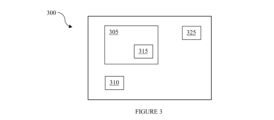
図3は、本発明の別の実施形態に係る、患者の骨盤底機能不全症状を判定するための装置300を示す。装置300は、図1に示される装置100に関して上述したように、プロセッサ305および機械学習アルゴリズム315を備え、同様の参照番号は同様の要素を示す。
Figure 3 illustrates a
図示の実施形態では、装置300は、メモリ325をさらに備える。メモリ325は、複数の異なる骨盤底機能不全症状に関する複数の質問を記憶するように構成される。プロセッサ305は、患者の1つまたは複数の骨盤底機能不全症状に関するアンケートデータを取得するために、ユーザに提示するための1つまたは複数の症状に関する質問をメモリ325から選択するように構成されている(例えば、上述したように、装置300によって生成されるデジタルユーザインターフェースを介して)。
In the illustrated embodiment, the
骨盤底機能不全状態の現在の診断方法は、症状固有のアンケートを利用している。患者は考えられるいくつかの症状のうちの1つまたは複数を抱えていることがあるため、このような症状固有のアンケートの臨床結果は理想的とは言えない可能性がある。アンケートの質問の1つのサブセットに依存すると、検査対象の骨盤底/膀胱機能不全の感度と特異度が最適以下になることがある。さらに、多くの患者は、2つ以上の関連する症状を抱えている。各アンケートは症状ごとに異なるため、複数の症状を呈する患者は、複数のアンケートに回答する必要がある。したがって、複数の症状固有のアンケートを使用した患者の評価は、時間がかかり、不便で、ロジスティック的に困難になることがある。 Current methods for diagnosing pelvic floor dysfunction conditions utilize symptom-specific questionnaires. Because patients may have one or more of several possible symptoms, the clinical outcomes of such symptom-specific questionnaires may be less than ideal. Reliance on one subset of questionnaire questions may result in suboptimal sensitivity and specificity for the pelvic floor/bladder dysfunction being examined. Furthermore, many patients have two or more associated symptoms. Because each questionnaire is symptom-specific, patients with multiple symptoms must complete multiple questionnaires. Thus, evaluation of patients using multiple symptom-specific questionnaires can be time-consuming, inconvenient, and logistically challenging.
メモリ325は、複数の症状のランキングを症状有病率の順に記憶するように構成されている。プロセッサ305は、最も一般的な症状(例えば腹圧性尿失禁、SUI)に関する第1の質問を選択するように構成されている。
The
メモリ325に記憶された複数の質問は、複数の異なる症状に関連する。質問は、特に生活の質、徴候、煩わしさ指数、および生活の質への影響に関連する、臨床的に検証された症状固有の質問を備える。質問は、1つまたは複数の従来の臨床的に検証された症状固有のアンケート、たとえばMESA(加齢性尿失禁の医学的、疫学的および社会的側面に関するアンケート)、POPDI(骨盤臓器脱苦痛の調査票)、PFDI(骨盤底苦痛の調査票)、PGI-I(改善に対する患者全体の印象)、ICIQ-OAB(失禁アンケート過活動膀胱に関する国際協議)、ICIQ-OAB-QOL(失禁アンケート過活動膀胱の生活の質に関する国際協議)、QUID(尿失禁診断のためのアンケート)、SARC-F(筋力、歩行、椅子からの立ち上がり、階段の上り下り、転倒履歴)などから選択される。
The plurality of questions stored in the
しかしながら、患者データを取得するために複数の症状のそれぞれに関するすべての質問をユーザに提示するのではなく、図示の実施形態では、プロセッサ305は、1つまたは複数の先行する質問に応答して受信した患者データに基づいて次の質問を選択するように構成されている。プロセッサ305は、1つまたは複数の先行する質問に応答して受信した患者データが、1つまたは複数の先行する質問に関連する症状を示すかどうかを判定するように構成されている。患者データが1つまたは複数の先行する質問に関連する症状を示していない場合、プロセッサ305は、1つまたは複数の次に最も可能性の高い症状に関する次の質問を選択するように構成される。次に最も可能性の高い症状は、次に最も一般的な症状であってもよく、これにより、潜在的に無関係なデータの取得を避けるために、最も可能性の高い症状が最初に評価されることが可能になるが、これは必須ではない。
However, rather than presenting the user with all questions related to each of the multiple symptoms to obtain patient data, in the illustrated embodiment, the
図4は、プロセッサ305が、1つまたは複数の先行する質問に応答して受信した患者データに基づいて次の質問を選択するようにどのように構成され得るかの一例を説明するフローチャートまたはアルゴリズム400を示す。
FIG. 4 shows a flowchart or
フローチャート400で選択され得る質問と、それらの元となる臨床的に検証されたアンケートを以下に示す。フローチャート400に示される質問に加えて、またはその代わりに、骨盤底機能不全症状および/または膀胱症状に関する同じまたは他の臨床的に検証されたアンケートからの他の質問がメモリ325に記憶されてもよいことを認識されたい。
Below are listed the questions that may be selected in
MESA(示された症状):
1.穏やかに咳をすると尿が出なくなりますか?(SUI)
2.激しく咳き込むと尿が出なくなりますか?(SUI)
3.くしゃみをすると尿が出なくなりますか?(SUI)
4.持ち上げると尿が出なくなりますか?(SUI)
5.曲げると尿が出なくなりますか?(ISD)
6.笑うと尿が出なくなりますか?(MUI)
7.早歩き/ジョギングをすると尿が出なくなりますか?(ISD)
8.便秘のときにいきむと尿が出なくなりますか?(SUI)
9.立位から立ち上がると尿が出なくなりますか?(ISD MUI)
10.一部の人々は、ほとんど警告を受けず、かつ突然、自分ではコントロールできないほど尿が出なくなる、または出なくなりそうになっていることに気づいていますか?どのくらいの頻度でこのようなことが起こりますか?まったくない、めったにない、時々、よくある?(UUI)
11.トイレが見つからなかったり、トイレが空いていて尿意を感じた場合、どれくらいの頻度で尿が出なくなったりおもらしをしたりすることがありますか?まったくない、めったにない、時々、よくある?(UUI)
12.突然膀胱が非常に満杯になったように感じたときに、尿が出なくなりますか?(UUI)
13.手を洗うと尿が出なくなりますか?(UUI)
14.寒いと尿が出なくなりますか?(UUI)
15.冷たい飲み物を飲むと尿が出なくなりますか?(UUI)
MESA (presenting symptoms):
1. Do you stop urinating when you gently cough? (SUI)
2. Do you stop urinating when you cough violently? (SUI)
3. When you sneeze, does it stop you from urinating? (SUI)
4. Does lifting make you stop urinating? (SUI)
5. Does bending it stop you from urinating? (ISD)
6. Do you stop urinating when you laugh? (MUI)
7. Does brisk walking/jogging cause you to urinate? (ISD)
8. When you are constipated, does straining cause you to stop urinating? (SUI)
9. Do you lose urine flow when you stand up from a standing position? (ISD MUI)
10. Have you noticed that some people experience sudden, uncontrollable urination or near-elimination with little or no warning? How often does this happen? Never, rarely, sometimes, or often? (UUI)
11. If you cannot find a toilet or if the toilet is empty and you feel the need to urinate, how often do you have trouble urinating or wet yourself? Never, rarely, sometimes, or often? (UUI)
12. Do you suddenly feel like your bladder is very full and are unable to urinate? (UUI)
13. Do you stop urinating when you wash your hands? (UUI)
14. Do you stop urinating when it's cold? (UUI)
15. Do cold drinks stop you from urinating? (UUI)
POPDI:
1.あなたは普段、下腹部に圧迫感を感じますか?「はい」の場合、どの程度煩わしいですか(0~4)?
2.あなたは普段、骨盤部分に重さやだるさを感じますか?「はい」の場合、どの程度煩わしいですか(0~4)?
3.普段、膣部分に膨らみや脱落物が見えたり、触れたりすることがありますか?「はい」の場合、どの程度煩わしいですか(0~4)?
4.排便をする、または排便を完了するために、通常、膣または直腸の周囲を押す必要がありますか?「はい」の場合、どの程度煩わしいですか(0~4)?
5.あなたは通常、膀胱が完全に空になっていない感覚を経験しますか?「はい」の場合、どの程度煩わしいですか(0~4)?
6.排尿を開始または完了するために、膣領域の膨らみを指で押し上げる必要があることがありますか?「はい」の場合、どの程度煩わしいですか(0~4)?
19.通常、膀胱を空にするのが難しいと感じますか?「はい」の場合、どの程度煩わしいですか(0~4)?
POPDI:
1. Do you usually feel a pressure in your lower abdomen? If yes, how bothersome is it (0-4)?
2. Do you usually feel a heaviness or dullness in your pelvic area? If yes, how bothersome is it (0-4)?
3. Do you regularly see or feel any swelling or debris in your vaginal area? If yes, how bothersome is it (0-4)?
4. Do you usually have to push around your vagina or rectum to have a bowel movement or complete a bowel movement? If yes, how bothersome is it (0-4)?
5. Do you usually experience the sensation that your bladder is not completely empty? If yes, how bothersome is it (0-4)?
6. Do you ever have to push up against the bulge in your vaginal area with your finger to initiate or complete urination? If yes, how bothersome is it (0-4)?
19. Do you usually find it difficult to empty your bladder? If yes, how bothersome is it (0-4)?
PGI-I:
1.治療前はどうかと比較した治療後の現在の状態がどうかを最もよく表している番号/選択肢を確認してください(非常に良くなった、かなり良くなった、少し良くなった、変化なし、少し悪くなった、かなり悪くなった、非常に悪くなった)。
PGI-I:
1. Identify the number/choice that best describes how you are now after treatment compared to how you were before treatment (much better, much better, slightly better, no change, slightly worse, much worse, very worse).
ICIQ-OAB:
1.一日のうちどれくらいの頻度で排尿しますか?1~6、7~8、9~10、11~12、13以上?これはどの程度煩わしいですか?0(まったくない)から10(大いにある)までの番号を鳴らしてください。
2.夜間、平均して何回排尿するために起きなければなりませんか?なし、1、2、3、4、またはそれ以上?これはどの程度煩わしいですか?0(まったくない)から10(大いにある)までの番号を鳴らしてください。
3.排尿するために急いでトイレに行かなければなりませんか?まったくない、たまに、時々、ほとんどの場合、常に?これはどの程度煩わしいですか?0(まったくない) から10(大いにある)までの番号を鳴らしてください。
4.トイレに行く前に尿が漏れてしまいますか?まったくない、たまに、時々、ほとんどの場合、常に?これはどの程度煩わしいですか?0(まったくない)から10(大いにある)までの番号を鳴らしてください。
ICIQ-OAB:
1. How often do you urinate per day? 1-6, 7-8, 9-10, 11-12, 13 or more? How bothersome is this? Please ring a number from 0 (not at all) to 10 (a lot).
2. On average, how many times during the night do you have to get up to urinate? None, 1, 2, 3, 4, or more? How bothersome is this? Please rate a number from 0 (not at all) to 10 (a lot).
3. Do you have to rush to the bathroom to urinate? Never, Occasionally, Sometimes, Most of the time, All of the time? How bothersome is this? Please ring a number from 0 (not at all) to 10 (very much).
4. Do you leak urine before you can get to the toilet? Never, Sometimes, Sometimes, Most of the time, All of the time? How bothersome is this? Please ring a number from 0 (not at all) to 10 (very much).
ICIQ-OAB-QoL(示された症状):
3.慎重に旅行の計画を立てましたか?
4.日中に眠たさを感じたり、眠気を感じたりしますか?(夜間頻尿)
5.公共の場所でトイレへの「避難経路」を計画しますか?(切迫性)
6.苦悩がありますか?
7.イライラしましたか?
8.何か問題があるように感じましたか?
9.夜の睡眠を妨げていますか?(夜間頻尿)
10.身体活動が減っていますか?
11.朝起きたときに休んだ気分になれませんか?(夜間頻尿)
12.家族や友人に不満を感じていますか?
13.不安や心配がありましたか?
14.思った以上に家にいることが多くなっていますか?
15.常にトイレの近くにいるように旅行計画を調整しますか?(切迫性)
16.トイレから離れた活動(散歩、ランニング、ハイキングなど)を避けるようになりましたか?(切迫性)
17.トイレで過ごす時間について不満を感じたりイライラしたりしましたか?(頻度)
18.寝ているときに目が覚めましたか?(夜間頻尿)
19.臭いや衛生面が気になりましたか?
20.他の人と一緒に旅行中にトイレに立ち寄る必要があり、不快になりましたか?(頻度)
21.家族や友人との関係に影響がありましたか?
22.家族や友人とのパーティーや訪問など、社交的な集まりへの参加が減りました?
23.恥ずかしいですか?
24.必要な量の睡眠をとることが妨げられていますか?(夜間頻尿)
25.パートナーや配偶者との間に問題が生じましたか?
26.活動をより慎重に計画するようになりましたか?
27.行ったことのない場所に到着すると、すぐに一番近いトイレを見つけてしまいますか?(切迫性)
28.全体として、あなたの泌尿器徴候はどの程度生活の質を妨げていますか?0(まったくない)から10(大いにある)までの番号を鳴らしてください。
ICIQ-OAB-QoL (symptoms presented):
3. Have you carefully planned your trip?
4. Do you feel sleepy or drowsy during the day? (Nocturia)
5. Do you plan an "escape route" to a restroom in a public place? (urgency)
6. Are you suffering?
7. Were you annoyed?
8. Did you feel like there was a problem?
9. Is it interfering with your sleep at night? (Nocturia)
10. Have you become less physically active?
11. Do you wake up feeling rested in the morning? (Nocturia)
12. Are you frustrated with your family or friends?
13. Did you have any fears or worries?
14. Are you spending more time at home than you'd like?
15. Do you adjust your travel plans to always be near a toilet? (Urgency)
16. Have you started avoiding activities that are far from the toilet (walking, running, hiking, etc.)? (Urgency)
17. Have you ever felt frustrated or annoyed about the time you spent in the bathroom? (Frequency)
18. Did you wake up while sleeping? (Nocturia)
19. Were you concerned about odor or hygiene?
20. When traveling with other people, have you had to stop to use the bathroom and felt uncomfortable? (How often)
21.Have your relationships with family or friends been affected?
22. Have you reduced your participation in social gatherings, such as parties or visits with family or friends?
23. Are you embarrassed?
24. Is your sleep being prevented from increasing as much as you need? (Nocturia)
25. Are you having problems with your partner or spouse?
26. Have you started planning your activities more carefully?
27. When you arrive somewhere new, do you find yourself quickly finding the nearest bathroom? (Urgency)
28. Overall, how much do your urinary symptoms interfere with your quality of life? Please rate from 0 (not at all) to 10 (a lot).
QUID(示された症状):
以下のときに、尿を漏らしたり(たとえ少量であっても)、体を濡らしたり、ナプキンや下着を濡らしたりしませんか...
1.咳やくしゃみをするときは?(SUI)
2.かがんだり、何かを持ち上げたりするときは?(SUI/ISD)
3.早足で歩くとき、ジョギングするとき、または運動するときは?(SUI)
4.トイレに行くために服を脱いでいる間は?(UUI)
5.非常に強い不快な排尿欲求があり、トイレに行く前に尿を漏らしたり(少量でも)おもらししたりすることがありますか?(UUI)
6.突然の強い尿意に襲われ、急いでトイレに行かなければなりませんか?(切迫性)
各質問に0から5のスコアを付ける。0=まったくない、1=めったにない、2=時々、3=頻繁に、4=ほとんどの場合、5=常に。質問1、2、および3のスコアは、ストレススコアとして合計され、質問4、5、および6のスコアは、切迫スコアとして合計される。
QUID (symptoms presented):
Do you leak urine (even a small amount), wet your body, or wet your napkins or underwear when:
1. What should you do when you cough or sneeze? (SUI)
2. When bending over or lifting something? (SUI/ISD)
3. When you walk briskly, jog, or exercise? (SUI)
4. While you are undressing to go to the bathroom? (UUI)
5. Do you have a very strong and unpleasant urge to urinate, causing you to leak urine (even a small amount) before you can get to the toilet? (UUI)
6. Do you have a sudden, strong need to urinate and have to rush to the bathroom? (urgency)
Each question is given a score from 0 to 5: 0=never, 1=seldom, 2=sometimes, 3=frequently, 4=most of the time, and 5=all of the time. The scores for
SARC-F:
1.部屋を横切るのはどのくらい困難ですか?
2.階段を1階分(10段)登るのはどのくらい困難ですか?
3.過去1年間に何回転倒しましたか?
4.10ポンド(4.5kg)の荷物を持ち上げたり運んだりするのはどのくらい困難ですか?
5.椅子からベッドに移るのはどのくらい困難ですか?
各質問に0から2のスコアを付ける。0=なし、1=一部、2=たくさん/補助具を使用するか使用できない。
SARC-F:
1. How difficult is it to cross a room?
2. How difficult is it to climb one flight of stairs (10 steps)?
3. How many times have you fallen in the past year?
4. How difficult is it for you to lift or carry a 10 pound (4.5 kg) load?
5. How difficult is it to transfer from a chair to a bed?
Each question is scored from 0 to 2, with 0 = none, 1 = some, and 2 = a lot/use of aids or no use of aids.
図4Aでは、アルゴリズム400の初期の質問としてQUID1が尋ねられる。QUID1に対する回答が1よりも大きい場合(>1)、アルゴリズム400の次のステップは、図4Eに示されており、図4Aには示されていない次のステップを示すために点線が使用されている。QUID1に対する回答が1以下の場合(≦1)、次の質問はICIQ OAB3である。ICIQ OAB3に対する回答がまったくない、またはたまにである場合、アルゴリズム400の次のステップは、図4Eに示されている。ICIQ OAB3に対する回答が時々、または時々より頻繁である場合(例、ほとんどの場合、常に)、QUID6、4、および5が質問され、3つすべてに回答する必要がある。次に、QUID6、4、および5の合計スコアが計算される。各QUID質問には6つの可能な回答がある。考えられる各回答には、0、1、2、3、4、または5の値が割り当てられる(各質問に対する最も低い値/発病度の回答には0の値が割り当てられ、最も高い値/発病度の回答には5の値が割り当てられる)。合計スコアが3以下である場合、アルゴリズム400の次のステップが図4Eに示されている。合計スコアが3より大きい場合、QUID4のスコアが確認される。QUID4のスコアが1より大きい場合、UUI(切迫性尿失禁)の初期ラベルが患者に適用される。QUID4のスコアが1以下の場合、QUID5のスコアが確認される。QUID5のスコアが1より大きい場合、UUIの初期ラベルが患者に適用される。QUID5のスコアが1以下の場合、OAB(過活動膀胱)の初期ラベルが患者に適用される。OABまたはUUIの初期ラベルが適用される場合、アルゴリズム400の次のステップが図4Bに示されている。
In FIG. 4A, QUID1 is asked as the initial question of
OABまたはUUIの初期ラベルが患者に適用された後、図4Bは、ICIQ OAB3、2、1 が質問され、3つすべてが回答されることを示している。ICIQ OAB3、2、および1は、OABまたはUUIの初期ラベルをさらに調整するために使用されてもよい。ICIQ OAB3、2、および1に対する回答がいずれも閾値を超えない場合、アルゴリズム400の次のステップが図4Cに示されている。ICIQ OAB3、2、および1の1つまたは複数に対する回答が閾値を超えている場合(たとえば、ICIQ OAB3では時々以上、ICIQ OAB2では2よりも大きい(>2)、ICIQ OAB1では7よりも大きい(>7)であるが、代わりに異なる閾値が使用されてもよい)、関連する質問の煩わしさスコアが確認される。煩わしさスコアが閾値を超えていない場合(たとえば、4より大きい(>4)、ただし、別の閾値が使用されてもよい)、アルゴリズムの次のステップが図4Cに示される。1つの煩わしさスコアのみが閾値を超えている場合、患者に適用されるOABまたはUUIの初期ラベルがチェックされ、閾値を超える煩わしさスコアに対応する切迫性、夜間頻尿、または頻度の1つを含むように更新される(たとえば、患者のOABまたはUUIに関連する主な徴候を示すため)。複数の煩わしさスコアが閾値を超えている場合、煩わしさスコアが互いに比較される。煩わしさスコアが等しくない場合、最も高い煩わしさスコアが選択され、OABまたはUUIの初期ラベルが確認され、最も高い煩わしさスコアに対応する切迫性、夜間頻尿、または頻度のいずれかを含むように更新される。煩わしさスコアが等しい場合、切迫性、頻度、夜間頻尿の順に煩わしさスコアが優先して選択される 閾値を超え、最も高い優先順位に対応する煩わしさスコアが選択され、OABまたはUUIの初期ラベルが確認され、選択された煩わしさスコアに対応する切迫性、夜間頻尿、および頻度の1つを含むように更新される。患者に適用された初期ラベルを更新した後のアルゴリズム400の次のステップが図4Fに示されている。
After the initial label of OAB or UUI is applied to the patient, FIG. 4B shows that ICIQ OAB3, 2, 1 are asked and all three are answered. ICIQ OAB3, 2, and 1 may be used to further refine the initial label of OAB or UUI. If none of the answers to ICIQ OAB3, 2, and 1 exceed the threshold, the next step of the
図4Cでは、POPDI3、6、および5が質問され、3つすべてに回答する必要がある。POPDI3、6、および5のいずれも回答が「はい」でない場合、アルゴリズム400の次のステップが図4Dに示されている。POPDI3、6、および5の1つまたは複数が回答「はい」の場合、POPDI3、6、および5の煩わしさスコアが確認される。POPDI3、6、および5の煩わしさスコアのいずれかが閾値を超えている場合(たとえば、2よりも大きい(>2)、ただし、別の閾値が使用されてもよい)、OABまたはUUIの初期ラベルが確認され、POP(骨盤臓器脱)を含むように更新される。POPDI3、6、および5の煩わしさスコアがいずれも閾値を超えていない場合は、POPDI5が回答「はい」でありPOPDI3および6が回答「いいえ」であるかどうかを判定するための確認が実行される。確認が肯定的である場合、それ以上の質問は行われず、オーバーフローVD(排尿機能不全)の更新されたラベルが適用される。確認が否定的である場合、アルゴリズム400の次のステップが図4Dに示されている。
In FIG. 4C,
図4Dでは、患者の年齢が要求される。患者が60歳未満の場合、それ以上の質問は行われない。患者が60歳以上の場合は、SARC-F1が尋ねられる。SARC-F1の回答が1以上の場合、それ以上の質問は行われず、機能UI(尿失禁)の更新されたラベルが適用される。SARC-F1に対する回答が0の場合、次のSARC-Fの質問が行われる。後続のSARC-Fの質問に対する回答が1以上の場合、それ以上の質問は行われない。後続のSARC-F質問の回答が0の場合、次のSARC-F質問が行われ、以降のSARC-F質問の回答が1以上になるか(この場合、それ以上の質問は行われず、機能UIの更新されたラベルが適用される)、またはすべてのSARC-F質問に対する回答が0になるまで(この場合、それ以上の質問は行われず、オーバーフローVDの更新されたラベルが適用される)繰り返される。 In Figure 4D, the patient's age is requested. If the patient is under 60 years old, no further questions are asked. If the patient is over 60 years old, SARC-F1 is asked. If the answer to SARC-F1 is 1 or greater, no further questions are asked and the updated label for Function UI (urinary incontinence) is applied. If the answer to SARC-F1 is 0, the next SARC-F question is asked. If the answer to the subsequent SARC-F question is 1 or greater, no further questions are asked. If the answer to the subsequent SARC-F question is 0, the next SARC-F question is asked and so on until either the subsequent SARC-F question is 1 or greater (in which case no further questions are asked and the updated label for Function UI is applied) or all SARC-F questions are answered to 0 (in which case no further questions are asked and the updated label for Overflow VD is applied).
図4Aから図4Eにつながる3つの分岐のうちの1つをたどると(図4Aを参照)、図4EではQUID6が尋ねられる。QUID6の回答が1より大きい場合(>1)の場合、QUID4と5が尋ねられ、両方が回答される。次に、QUID1、6、4、および5のスコアが取得される。QUID6、4、および5(UUIに関連する)の合計スコアがQUID1(SUIに関連する)のスコアより大きい場合、MUI/UUI(混合、切迫性尿失禁が優勢)の初期ラベルが適用される。MUI/UUIの初期ラベルが適用される場合、アルゴリズム400の次のステップが図4Fに示されている。QUID6、4、および5の合計スコアがQUID1のスコアより小さい場合、MUI/SUI(混合、腹圧性尿失禁が優勢)の初期ラベルが適用される。MUI/SUIの最初のラベルが適用されている場合、それ以上の質問は行われない。
Following one of the three branches leading from FIG. 4A to FIG. 4E (see FIG. 4A), in FIG. 4E,
QUID6の回答が1以下の場合(≦1)、QUID3と2が質問され、両方とも回答する必要がある。QUID3と2の両方の回答が1以下の場合(≦1)、それ以上の質問は行われず、「不明」の初期ラベルが適用される。QUID3と2の一方または両方が1より大きいと回答した場合(>1)、患者の年齢が要求される。患者が60歳以上の場合、それ以上の質問は行われず、SUI ISD(腹圧性尿失禁が優勢で、内因性括約筋欠損の危険因子を伴う)のラベルが適用される。患者が60歳未満の場合、患者は以前にUI(尿失禁)手術を受けたことがあるかどうか尋ねられる。患者が以前にUI手術を受けたことがある場合、それ以上の質問は行われず、SUI ISDの初期ラベルが適用される。患者が以前にUI手術を受けていない場合、それ以上の質問は行われず、SUIの初期ラベルが適用される。
If QUID6 is answered ≤ 1,
図4Aから4Eに示されておりOAB、UUI、またはMUI/UUIを含む初期ラベルを提供する質問分岐のいずれも、図4Fにつながる。図4Fでは、各分岐のICIQ OAB質問に対する全体的なICIQ OABスコアが決定される。ICIQ OABの各質問には5つの考えられる回答がある。考えられる各回答には、0、1、2、3、または4の値が割り当てられ(各質問に対する最も低い値/発病度の回答には0の値が割り当てられ、最も高い値/発病度の回答には4の値が割り当てられる)、4つの質問の考えられる合計スコアは16である。全体的なICIQ OABスコアの決定には、煩わしさスコアは考慮されない。回答された質問の全体的なICIQ OABスコアが3以下の場合(≦3)、それ以上の質問は行われない。全体的なICIQ OABスコアが3を超える場合(>3)、ICIQ OAB QoL質問が行われる。アルゴリズム400では、ICIQ OAB QoL3、6から8、10、12から14、19、21から23、および25が質問され、すべてに回答する必要がある。続いて、ICIQ OAB QoL5、15、16、および27(以下、切迫性QoL質問と呼ぶ)が尋ねられ、すべてに回答する必要がある。切迫性QoL質問に対する回答を総合すると、閾値と比較されるスコアが生成される。各ICIQ OAB QoLには6つの可能な回答がある(まったくない、少しだけある、時々、かなりの場合、ほとんどの場合、すべての場合)。考えられる各回答には、1、2、3、4、5、または6の値が割り当てられる(各質問に対する最も発病度の低い回答には1の値が割り当てられ、最も発病度の高い回答には6の値が割り当てられる)。したがって、切迫性QoL質問を総合した考えられる最大スコアは24である。例えば、閾値は24のうち12のスコアであるが、別の閾値を代わりに使用されてもよい。続いて、ICIQ OAB QoL4、9、11、18、および24(以下、夜間頻尿QoL質問と呼ぶ)が尋ねられ、すべてに回答する必要がある。夜間頻尿QoL質問に対する回答を総合すると、閾値(たとえば、考えられる30のうち15)と比較されるスコアが生成される。続いて、ICIQ OAB QoL17および20(以下、頻度QoL質問と呼ぶ)が尋ねられ、両方に回答する必要がある。頻度QoL質問に対する回答を総合すると、閾値(たとえば、12のうちの6)と比較されるスコアが生成される。その後、尋ねられたICIQ OAB QoL質問の合計スコアが計算され、その時点でアルゴリズム400の分岐が終了し、さらなる質問は行われない。次に、切迫性QoL質問、夜間頻尿QoL質問、および頻度QoL質問のいずれかの合計スコアがそれぞれのしきい値以上であるかどうかを見る確認が実行される。「いいえ」の場合、ICIQ OAB QoL質問に回答する前に提供されたラベルが維持される。「はい」の場合、切迫性QoL質問、夜間頻尿QoL質問、および頻度QoL質問の合計スコアがしきい値以上であるものがいくつあるかを見る確認が実行される。切迫性QoL質問、夜間頻尿QoL質問、および頻度QoL質問のうち1つだけの合計スコアがそれぞれの閾値以上の場合、ラベルは切迫性、夜間頻尿、または頻度のいずれかを含むように更新される。切迫性QoL質問、夜間頻尿QoL質問、および頻度QoL質問の2つ以上の合計スコアがそれぞれの閾値以上の場合、質問の各グループの相対合計スコアが比較される。たとえば、切迫性QoL質問に関する24のうち18(18/24または3/4)は、絶対スコアは夜間頻尿の方が高いにもかかわらず、夜間頻尿QoL質問に関する30のうち20(20/30または2/3)よりも相対的に高くなる。相対合計スコアが等しくない場合、ラベルは、最も高い相対合計スコアを持つ切迫性、頻度、および夜間頻尿のうちの1つだけを含むように更新される。相対合計スコアが切迫性、頻度、および夜間頻尿の2つ以上で等しい場合、スコアは切迫性、頻度、夜間頻尿の順にランク付けされ、ラベルは切迫性、頻度、夜間頻尿の最高ランクの1つを含むように更新される。
Any of the question branches shown in Figures 4A-4E that provide an initial label including OAB, UUI, or MUI/UUI lead to Figure 4F. In Figure 4F, an overall ICIQ OAB score is determined for the ICIQ OAB questions of each branch. There are five possible answers to each ICIQ OAB question. Each possible answer is assigned a value of 0, 1, 2, 3, or 4 (the lowest value/intensity answer to each question is assigned a value of 0 and the highest value/intensity answer is assigned a value of 4), for a total possible score of 16 for the four questions. The bothersomeness score is not taken into account in determining the overall ICIQ OAB score. If the overall ICIQ OAB score of the answered question is less than or equal to 3 (≦3), no further questions are asked. If the overall ICIQ OAB score is greater than 3 (>3), the ICIQ OAB QoL questions are asked. In the
フローチャートまたはアルゴリズム400からわかるように、プロセッサ305は、1つまたは複数の骨盤底機能不全症状または膀胱症状に関連する、臨床的に検証された一連の質問をユーザに提示するように構成されており、これらの質問は、1つまたは複数の先行する質問に対する回答に基づいて最適である。図示の実施形態では、プロセッサ305は、例えば上述のフローチャート400に従って、事前にプログラムされた分岐ロジックを使用してそうするように構成されるが、これは必須ではない。これにより、最も少ない質問数で1つまたは複数の骨盤底機能不全症状または膀胱症状を判定することが可能となり、より少ない質問およびより少ない無関係なデータで判定の感度および特異性を高めることができる。
As can be seen from the flowchart or
プロセッサ305は、機械学習アルゴリズム315を使用して、取得された患者アンケートデータに基づいて、1つまたは複数の症状の判定を提供するように構成される。図示の実施形態では、機械学習アルゴリズム315は、ニューラルネットワークであるか、ニューラルネットワークを備えるが、他の機械学習アルゴリズム構造を代わりに使用してもよい。
The
アルゴリズム400の分岐が終了し、それ以上の質問が行われない場合、選択された分岐で尋ねられた質問に対する回答が機械学習アルゴリズムに入力される。アルゴリズムの一部の分岐がラベル(例えば、オーバーフローVD、機能UIなど)で終わることもわかる。機械学習アルゴリズム315が利用できない場合(例えば、機械学習アルゴリズム315が所期に訓練される前)、ラベルは、アルゴリズム400内の臨床的に検証された質問に対して提供された回答に基づいて、予備診断または初期判定として機能してもよい。ラベルは、症状固有のアンケートに対する以前の患者の回答の臨床評価に基づいてもよい。ラベルの後にさらなる精密検査の推奨が記載されている場合、予備診断または初期判定は、正確な診断のための十分な情報を確認または提供するために必要なアンケートよりも浸蝕的な医療処置を示してもよい(例えば、尿力学検査など)。
When a branch of the
機械学習アルゴリズム315の実施形態を図5により詳細に示す。図示の実施形態では、機械学習アルゴリズム315は、複数の層、ニューロン、および接続を備えるニューラルネットワークである。ニューラルネットワークは、複数のニューロン316aを備える入力層または一次層316を備える。プロセッサ305によって選択され、ユーザに尋ねられる質問に対する考えられるそれぞれの回答は、別個のニューロン316aによって表される。一次層316は、行動データ入力(以下でさらに説明する)を表す追加のニューロン316aをさらに備え、また、生理学的データ入力(例えば、患者の測定された骨盤底強度)を表す追加のニューロン316aを備えていてもよい。一次層316内のニューロンの数は、考えられる質問および/または行動データ入力の数、プロセッサ305による次の質問の選択中の質問の考えられる分岐などに応じて変化してもよい。各ニューロン316aには、0から1(たとえば、小数点以下2桁まで)までの活性化値Aが割り当てられる。ニューロン活性化値は、症状を示す可能性に基づいて事前に決定された質問の回答および/または行動データ入力によって指定される。図5に示される特定のニューロン活性化値は、説明のみを目的としており、上述のアルゴリズム400に示される質問に対する回答を示すものではない。
An embodiment of the
一次層316は、一連の接続317によって二次層または隠れ層318に接続されるが、代わりにニューラルネットワークは複数の二次層または隠れ層318を備えていてもよい。隠れ層の数および各隠れ層内のニューロンの数は、取得されたデータセットの変動性によって決定されてもよく、各隠れ層318は、複数のニューロン318aを備えていてもよい。一次層316のニューロン316aと隠れ層318のニューロン318aとの間の接続317には、症状の判定に対する一次層ニューロン316aの重要性のレベルを示す重みW(正の値または負の値の場合がある)がそれぞれ割り当てられる。図5に示す特定の重みは、説明のみを目的としている。図示の実施形態では、一次層316の各ニューロン316aは、隠れ層318の各ニューロン318aに接続されているが、これは必須ではない。
The
次に、隠れ層318のニューロン318aの活性化値は、一次層316の各ニューロン316aの活性化値の加重和に、隠れ層318のニューロン318aへのそれぞれの接続の重みWを乗算することによって計算される(例えば、W1・A1+W2・A2+W3・A3+・・・WN・AN、ここで、Aは一次層316のN番目のニューロン316aの活性化値を表し、Wは、一次層316のN番目のニューロン316aと隠れ層318の対象ニューロン318との間の接続の重みを表す)
The activation value of the
次に、0と1の間の値を有するニューロン318aの活性化値を生成するために、活性化関数が加重和に適用される。図示の実施形態では、以下に示すように、シグモイド関数(S(x)=1/(1+e^(-X))が活性化関数として使用される。
An activation function is then applied to the weighted sum to generate an activation value for
S(x)・(W1・A1+W2・A2+W3・A3+・・・WN・AN) S(x)・(W1・A1+W2・A2+W3・A3+...WN・AN)
ステップ関数、線形関数、双曲線正接関数、ReLU関数、Leaky ReLU関数、SoftMax関数、Swishセルフゲート関数などの他の活性化関数が代わりに使用されてもよいことを認識されたい。 It should be appreciated that other activation functions such as a step function, a linear function, a hyperbolic tangent function, a ReLU function, a Leaky ReLU function, a SoftMax function, a Swish self-gating function, etc. may be used instead.
ニューラルネットワークの感度を高めるために、以下に示すように、隠れ層318の各ニューロン318aに対する上記の計算にバイアス値Bが追加されてもよい。
To increase the sensitivity of the neural network, a bias value B may be added to the above calculation for each
S(x)・(W1・A1+W2・A2+W3・A3+・・・WN・AN+B) S(x)・(W1・A1+W2・A2+W3・A3+...WN・AN+B)
重みWおよびバイアス値Bは、全体としてニューラルネットワーク315の機能を決定するものである。
The weights W and bias values B determine the function of the
図示の実施形態では、隠れ層318は、やはり上述した一連の重み付け接続を介して出力層320に接続する。出力層320は、複数のニューロン320aを備える。出力層320内の各ニューロン320aは、腹圧性尿失禁、脱出、過活動膀胱等を含むがこれらに限定されない異なる症状の判定または分類を表す。出力層320内のニューロン320aの数は、ニューラルネットワークが判定するために構成または訓練される症状の数に依存してもよい。図示の実施形態では、出力層320は、それぞれが異なる症状-SUI ISD、SUI、MUI/SUI、MUI/UUI、OAB切迫性、UUI切迫性、OAB夜間頻尿、UUI夜間頻尿、OAB頻度、UUI頻度、OAB POP、UUI POP、オーバーフローVD、機能UIを表す14個のニューロン320a(3個だけが示されている)を備える。最も高い活性化レベルを有する出力層320内のニューロン320aは、患者が罹患する可能性が最も高いとニューラルネットワークが判定した骨盤底機能不全症状または膀胱症状に対応する。例えば、図5に示す例では、UUI切迫性に対応するニューロン320aが最も高い活性化値を有し、患者が罹患する可能性が最も高い症状がUUI切迫性であることを示している。
In the illustrated embodiment, the hidden
アンケートデータに加えて、患者データは、行動データを含んでいてもよい。例えば、行動データは、摂取した水分の量(例えば、LまたはmL単位)、排尿した水分の量(例えば、LまたはmL)、消費されたカフェインの量(例えば、mg単位)、消費されたアルコールの量(例えば、単位)、失禁発症の数、夜間頻尿発症の数、膀胱空隙の数、および切迫性に関連する失禁発症の数などの指標を含んでいてもよい。関心のある各行動メトリクスは、考えられる質問の回答に関して上で説明したように、一次層316内の別個のニューロン316aによって表されてもよい。
In addition to the questionnaire data, the patient data may include behavioral data. For example, the behavioral data may include metrics such as the amount of fluid ingested (e.g., in L or mL), the amount of fluid voided (e.g., in L or mL), the amount of caffeine consumed (e.g., in mg), the amount of alcohol consumed (e.g., in units), the number of incontinent episodes, the number of nocturia episodes, the number of bladder empties, and the number of incontinent episodes associated with urgency. Each behavioral metric of interest may be represented by a
ニューラルネットワークの一次層316を上述のように構築することにより、ニューラルネットワーク315は、アンケートデータ、行動データ、またはその両方に基づいて(利用可能な場合は、任意選択で、アンケートデータおよび/または行動データと組み合わせた生理学的データにも基づいて)、1つまたは複数の骨盤底機能不全症状または膀胱症状の判定を提供することができる。これにより、装置300は、不完全な患者データまたは各患者のデータの異なるサブセットであっても、1つまたは複数の症状の判定を提供することができるようになる。さらに、1つまたは複数の先行する質問に応答して受信した患者データに基づいて質問を選択するように構成されているプロセッサ305と併せて、装置300は、各患者に最も関連する情報をニューラルネットワーク315に提供することによって、決定の効率および精度を向上させるように構成され得る(無関係な情報が削減または除去される)。
By constructing the
これにより、装置300が、1回目に(例えば、アンケートデータに基づいて)初期判定を提供し、その後、2回目に(例えば、行動データと、任意選択で追加/繰り返しのアンケートデータに基づいて)更新されたまたは検証中の判定を提供することも可能になり得る。したがって、装置300は、1つまたは複数の骨盤底機能不全症状または膀胱症状を縦方向(例えば、繰り返し)監視および判定するのに特に適している可能性がある。
This may enable
ニューラルネットワーク315は、正確な判定を達成するためにニューラルネットワーク315内の重みおよびバイアス値を調整することによって、判定を提供するように訓練される。図示の実施形態では、ニューラルネットワーク315は、コスト関数の値を減少させるために勾配降下法を使用するバックプロパゲーションを使用して訓練されるが、これは必須ではない。
ネットワークを訓練するために使用される訓練データは、患者アンケートデータ、行動データ、および複数の患者のそれぞれについての対応する判定または診断を備える。これにより、新しい患者に提供される判定の精度を高めるために、(集団レベルでの結果を考慮して)大規模なデータセットでニューラルネットワークを訓練できるようになる。さらに、訓練データは、装置300が判定を提供するために使用される新しい患者ごとに増補されてもよい。新しい患者ごとに受信した患者データと、その患者データに基づく外部判定または診断(例えば、装置300によって判定されない)を使用してニューラルネットワークを訓練することによって、ニューラルネットワークは、時間の経過とともにますます大規模になる訓練データセットに基づいて継続的に更新及び改善されてもよい。このようにして、ニューラルネットワークは、骨盤底機能不全症状または膀胱症状に対する従来の診断アプローチのように固定されたアプローチを維持するのではなく、調整してより正確な判定を提供するように構成されてもよい。
The training data used to train the network comprises patient questionnaire data, behavioral data, and corresponding judgments or diagnoses for each of a plurality of patients. This allows the neural network to be trained on a large data set (taking into account population-level results) to increase the accuracy of the judgments provided to new patients. Furthermore, the training data may be augmented for each new patient for which the
図6は、本発明の別の実施形態に係る、患者の骨盤底機能不全症状または膀胱症状を判定する方法500を示す。方法500は、上述の装置300を使用して実行されてもよく、それに関して説明される。
FIG. 6 illustrates a
方法500のステップ502は、例えばフローチャート400に関して上述した装置300を使用して、患者アンケートデータを取得または受信することを備える。アンケートデータは、個人データおよび/または人口統計上の患者データ、ならびに骨盤底機能不全症状または膀胱症状に関連する患者データを含んでいてもよい。装置300は、上述したように、ユーザ電子装置用のデジタル患者インターフェースを(例えばプロセッサ305を使用して)生成するように構成され、それを介してユーザは装置300に患者データを入力してもよい。図示の実施形態では、装置300はまた、1つまたは複数の骨盤底機能不全症状または膀胱症状の判定を医師に表示してもよいデジタル医師インターフェースを(例えば、プロセッサ305を使用して)生成するように構成されている。
Step 502 of
方法500のステップ504は、受信した患者データに基づいて、1つまたは複数の骨盤底機能不全症状または膀胱症状の初期判定を提供することを備える。初期判定は、機械学習アルゴリズムを使用して、例えば上述のようにプロセッサ305のニューラルネットワーク315を介して提供される。
Step 504 of
ステップ506は、初期治療プログラムを患者に配信することを備える。図示の実施形態では、初期治療プログラムは、ユーザ電子装置上のデジタル患者インターフェースを介して、ビデオおよび/またはオーディオコンテンツの形式で患者に配信される。図示の実施形態では、初期治療プログラムは、初期決定がどの1つまたは複数の症状に関係するかに関係なく、あらゆる患者に共通である。初期治療プログラムは、患者の関与を促進するように設計されており、タスク、課題及びクラスを含んでいてもよい。初期治療プログラムは、第1の期間に配信される。図示の実施形態では、第1の期間は、1週間を備えるが、これは必須ではなく、初期治療プログラムは、これより短いまたは長い期間を備えていてもよい。 Step 506 comprises delivering the initial treatment program to the patient. In the illustrated embodiment, the initial treatment program is delivered to the patient in the form of video and/or audio content via a digital patient interface on the user electronic device. In the illustrated embodiment, the initial treatment program is common to all patients, regardless of which symptom or symptoms the initial decision relates to. The initial treatment program is designed to encourage patient engagement and may include tasks, assignments and classes. The initial treatment program is delivered for a first time period. In the illustrated embodiment, the first time period comprises one week, although this is not required and the initial treatment program may comprise a shorter or longer time period.
初期治療プログラムの少なくとも一部は、デジタル患者インターフェースを介して患者の行動データを入力することを備える(例えば、毎日の水分とトイレの回数の記録を含む膀胱日記の記入)。 At least a portion of the initial treatment program involves inputting patient behavioral data via a digital patient interface (e.g., completing a bladder diary including recording daily fluid intake and toilet visits).
方法500のステップ508は、受信した患者データに基づいて、1つまたは複数の骨盤底機能不全症状または膀胱症状の第1の更新された判定を提供することを備える。第1の更新された判定は、機械学習アルゴリズムを使用して、例えば、上述のようにプロセッサ305のニューラルネットワーク315を介して提供される。図示の実施形態では、第1の更新された判定は、初期治療プログラム中に提供または入力された患者の行動データに基づく。あるいは、第1の更新された判定は、患者の行動データとさらなるアンケートデータの両方に基づいてもよい。さらなるアンケートデータは、例えば、フローチャート400に関して上述したように装置300を使用して取得されてもよい。しかしながら、さらなるアンケートデータは、変わることのない患者データの収集の繰り返しを避けるために、個人データおよび/または人口統計上の患者データに直接関係しないデータを含んでいなくてもよい。
Step 508 of
いずれの場合も、第1の更新された判定は、受信した追加の患者データに応じて、初期判定を検証または確認するか、または異なる判定を提供してもよい。例えば、患者の行動データ(および任意選択でさらなるアンケートデータ)は、初期判定に関して提供されたアンケートデータと一致してもよく、その場合、第1の更新された判定は、初期判定を検証してもよい。あるいは、行動データ(および任意選択でさらなるアンケートデータ)は、初期判定に関して提供されたアンケートデータと少なくとも部分的に一致しなくてもよく、その場合、第1の更新された判定は、患者について1つまたは複数の症状のより関連性の高い異なる判定を提供してもよい。 In either case, the first updated determination may verify or confirm the initial determination or provide a different determination, depending on the additional patient data received. For example, the patient's behavioral data (and optionally further questionnaire data) may be consistent with the questionnaire data provided in connection with the initial determination, in which case the first updated determination may verify the initial determination. Alternatively, the behavioral data (and optionally further questionnaire data) may be at least partially inconsistent with the questionnaire data provided in connection with the initial determination, in which case the first updated determination may provide a different, more relevant determination of one or more symptoms for the patient.
患者のアンケートデータおよび/または行動データを受信するニューラルネットワーク315の柔軟性により、同じアプローチおよび装置300が初期決定の効率的、迅速かつ正確な再評価を提供することが可能にすることができる。より多くの患者データが収集されると、装置300は、1つまたは複数の骨盤底機能不全症状または膀胱症状の更新された判定を提供するために、新しいまたは変化する患者データに迅速に応答することができ、今後の患者のための適切なおよび/または治療プログラムの選択を可能にすることができる。
The flexibility of the
第1の更新された判定は、上述したように、デジタル医師インターフェース上で医師に表示されてもよい。これにより、受信した患者データに基づいて手動で判定を下さなければならない医師の作業負荷が大幅に軽減され、判定の効率、速度、および場合によっては精度が低下してもよい。任意選択で、プロセッサ305は、推奨される精密検査(例えば、SUI ISDの判定のための尿力学検査、OAB/UUI POPの判定のための骨盤検査、オーバーフローVDの判定のための排尿後残存量および尿流量測定、または機能UIを判定するためのフレイル検査などのさらなる検査)および/または第1の更新された判定の1つまたは複数の症状に対応する標的治療プログラムを判定するように構成されてもよく、これもデジタル医師インターフェース上に表示されてもよい。これにより、医師の負担がさらに軽減され得る。生のアンケートデータおよび/または行動データは、必要に応じて、デジタル医師インターフェース上で医師に表示するために利用できてもよい。
The first updated determination may be displayed to the physician on the digital physician interface, as described above. This may significantly reduce the physician's workload of having to manually make a determination based on the received patient data, reducing the efficiency, speed, and possibly accuracy of the determination. Optionally, the
方法500のステップ510は、第1の更新された判定に対応する第1の標的治療プログラムを患者に配信するステップを備える。装置300は、第1の更新された判定に基づいて第1の標的治療プログラムを決定するように構成されている。第1の標的治療プログラムは、上述したように、ユーザ電子装置上のデジタル患者インターフェースを介してビデオおよび/またはオーディオコンテンツの形式で患者に配信される。第1の標的治療プログラムは、第2の期間にわたって配信される。図示の実施形態では、第2の期間は、4週間であるが、これは必須ではなく、第1の標的治療プログラムは、これより短い期間または長い期間を備えていてもよい。第1の標的治療プログラムの第2の期間は、初期治療プログラムの第1の期間よりも長い期間であってもよく、または長い期間を備えていてもよい。
Step 510 of
第1の標的治療プログラムは、第1の更新された判定の1つまたは複数の症状に関連し、適切な治療内容を含む。例えば、1つまたは複数の症状のそれぞれについて、第1の標的治療プログラムを構築できる治療アプローチのプールが存在してもよい。治療アプローチのプールは、複数の治療を備える。治療は、さまざまな順序および/または組み合わせで組み合わされ、各症状に標的治療プログラムを提供してもよい。治療プログラムをさらに調整するために、選択した各治療の量および/または強度を症状に応じて変更してもよい。治療の中には、すべての症状に普遍的なものもあれば、選択された数の症状(例えば、1、2、3つの症状など)のみに特有の治療もあってもよい。その柔軟性により、第1の標的治療プログラムを第1の更新された判定の症状に合わせて簡単かつ容易に調整し、必要に応じて個別の患者治療計画を提供することが可能にすることができる。第1の標的治療プログラムの治療と治療量/強度の組み合わせは、症状ごとに事前に決定されてもよい。 The first targeted treatment program includes appropriate treatment content related to one or more symptoms of the first updated assessment. For example, for each of the one or more symptoms, there may be a pool of treatment approaches from which the first targeted treatment program can be constructed. The pool of treatment approaches comprises a plurality of treatments. The treatments may be combined in various orders and/or combinations to provide a targeted treatment program for each symptom. To further tailor the treatment program, the amount and/or intensity of each selected treatment may be modified depending on the symptom. Some treatments may be universal for all symptoms, while others may be specific to only a selected number of symptoms (e.g., one, two, three symptoms, etc.). This flexibility may make it possible to simply and easily tailor the first targeted treatment program to the symptoms of the first updated assessment and provide an individualized patient treatment plan as needed. The combination of treatments and treatment amounts/intensities of the first targeted treatment program may be pre-determined for each symptom.
4週間続く第1の標的治療プログラムの場合、治療の組み合わせおよび/または1つまたは複数の治療の量または強度は、4週間のうちの各週で異なっていてもよい。これにより、患者は徴候を軽減するのに十分な期間、それぞれの治療の組み合わせに取り組むことが可能になると同時に、特定の症状にますます関連性の高い治療に継続的に進歩することも可能になる。 For a first targeted treatment program lasting four weeks, the combination of treatments and/or the amount or intensity of one or more treatments may vary each week of the four weeks. This allows the patient to work with each combination of treatments long enough to alleviate symptoms while also allowing for continued progression to treatments that are increasingly relevant to the specific condition.
治療は、たとえば、特定の治療アプローチの背景や、膀胱の解剖学的構造および/または膀胱の症状に関する詳細を説明する、患者が自分の状態についてより深く理解し、標的治療プログラムを内容に合わせて配置するのに役立つ情報または教育コンテンツを含んでいてもよい。治療は、第1の更新された判定の1つまたは複数の症状の徴候を緩和すること、および/または患者からさらなるデータ(例えば、行動データおよび/またはアンケートデータ)を収集することを目的とした(患者によって完了される)課題または演習を含んでいてもよい。 The treatment may include informational or educational content to help the patient better understand their condition and contextualize a targeted treatment program, for example, providing background on a particular treatment approach and details regarding bladder anatomy and/or bladder symptoms. The treatment may also include tasks or exercises (completed by the patient) aimed at alleviating one or more symptomatic symptoms of the first updated determination and/or gathering further data from the patient (e.g., behavioral data and/or questionnaire data).
第1の標的治療プログラムの少なくとも一部は、デジタル患者インターフェースを介して患者の行動データを入力することを備える(例えば、毎日の水分とトイレの回数の記録を含む膀胱日記の記入)。 At least a portion of the first targeted treatment program comprises inputting patient behavioral data via a digital patient interface (e.g., completing a bladder diary including recording daily fluid intake and toilet visits).
方法500のステップ512は、受信した患者データに基づいて、1つまたは複数の骨盤底機能不全症状または膀胱症状の第2の更新された判定を提供することを備える。第2の更新された判定は、機械学習アルゴリズム315を使用して、例えば上述のようにプロセッサ305のニューラルネットワークを介して提供される。図示の実施形態では、第2の更新された判定は、第1の標的治療プログラム中に提供または入力された患者の行動データに基づく。あるいは、第2の更新された判定は、患者の行動データとさらなるアンケートデータの両方に基づいてもよい。さらなるアンケートデータは、例えば、フローチャート400に関して上で説明したように装置300を使用して取得されてもよい。さらなるアンケートデータは、第1の標的治療プログラムが自分の症状をどのように改善したかについての患者の印象に関するフィードバックを提供する、PGI-I(患者全体の改善印象)質問への回答も含んでいてもよい。しかしながら、変更されない患者データの繰り返し収集を避けるために、追加のアンケートデータは、個人データおよび/または人口統計上の患者データに直接関係しないデータを含んでいなくてもよい。
Step 512 of
いずれの場合も、第2の更新された判定は、受信した追加の患者データに応じて、初期判定または第1の更新された判定を検証または確認するか、または異なる判定を提供してもよい。例えば、患者の行動データ(および任意選択でさらなるアンケートデータ)は、第1の標的治療プログラムが、第1の更新された判定の1つまたは複数の症状の徴候の改善に効果的であることを示してもよい。したがって、第2の更新された判定は、以前の判定を有効にしてもよい。あるいは、行動データ(および任意でさらなるアンケートデータ)は、第1の標的治療プログラムが、第1の更新された判定の1つまたは複数の症状の徴候の改善に効果がなかったことを示してもよい。したがって、第2の更新された判定は、患者の1つまたは複数の症状についての、異なる、より関連性の高い判定を提供することができる。 In either case, the second updated determination may verify or confirm the initial determination or the first updated determination, or provide a different determination, depending on the additional patient data received. For example, the patient's behavioral data (and optionally further questionnaire data) may indicate that the first targeted treatment program was effective in improving one or more symptoms of the first updated determination. The second updated determination may therefore validate the previous determination. Alternatively, the behavioral data (and optionally further questionnaire data) may indicate that the first targeted treatment program was ineffective in improving one or more symptoms of the first updated determination. The second updated determination may therefore provide a different, more relevant determination of one or more symptoms of the patient.
第2の更新された判定は、上述したように、デジタル医師インターフェース上で医師に表示されてもよい。プロセッサ305はまた、第2の更新された判定の1つまたは複数の症状に対応する推奨精密検査および/または標的治療プログラムを決定するように構成されてもよく、これも上述したようにデジタル医師インターフェース上に表示されてもよい。生のアンケートデータおよび/または行動データは、必要に応じて、デジタル医師インターフェース上で医師に表示するために利用されてもよい。
The second updated determination may be displayed to the physician on the digital physician interface, as described above. The
方法500のステップ514は、第2の更新された判定に対応する第2の標的治療プログラムを患者に配信することを備える。装置300は、第2の更新された判定に基づいて第2の標的治療プログラムを決定するように構成されている。第2の標的治療プログラムは、上述したように、ユーザ電子装置上のデジタル患者インターフェースを介してビデオおよび/またはオーディオコンテンツの形式で患者に配信される。第2の標的治療プログラムは、第3の期間にわたって配信される。図示の実施形態では、第3の期間は、4週間であるが、これは必須ではなく、第2の標的治療プログラムは、より短い期間またはより長い期間を備えていてもよい。第2の標的治療プログラムの第3の期間は、初期治療プログラムの第1の期間または第1の標的治療プログラムの第2の期間よりも長い期間であってもよく、または長い期間を備えていてもよい。
Step 514 of
第2の標的治療プログラムは、第1の標的治療プログラムと実質的に同様または同一の方法で構築されてもよい。例えば、第2の更新された判定が第1の更新された判定と実質的に類似または同一である場合、それは、第1の更新された判定が正しく、第1の標的治療プログラムがその患者にとって適切であったことを示し得る。したがって、徴候を改善するために、第2の標的治療プログラムで同じまたは類似の治療アプローチ(たとえば、ますます関連性の高い治療および/または治療量/強度に進む)を継続することが患者にとって有益であり得る。 The second targeted treatment program may be constructed in a manner substantially similar or identical to the first targeted treatment program. For example, if the second updated assessment is substantially similar or identical to the first updated assessment, it may indicate that the first updated assessment was correct and the first targeted treatment program was appropriate for the patient. Thus, it may be beneficial for the patient to continue the same or similar treatment approach (e.g., progress to increasingly more relevant treatments and/or treatment doses/intensities) with the second targeted treatment program to improve symptoms.
対照的に、第2の更新された判定が第1の更新された判定と異なる場合、それは、第1の更新された判定が正しくなく、第1の標的治療プログラムがその患者にとって適切ではなかったことを示し得る(たとえば、患者の徴候が改善しなかったか、さらには悪化し得る)。したがって、徴候を改善するために、第2の標的治療プログラムにおける第2の更新された判定の症状により適した異なる治療アプローチ(例えば、治療の異なる組み合わせおよび/または治療量/強度)に切り替えることは、患者にとって有益であり得る。 In contrast, if the second updated assessment differs from the first updated assessment, it may indicate that the first updated assessment is incorrect and the first targeted treatment program was not appropriate for the patient (e.g., the patient's symptoms may not have improved or may even have worsened). Therefore, it may be beneficial for the patient to switch to a different treatment approach (e.g., a different combination of treatments and/or treatment dose/intensity) that is more suited to the symptoms of the second updated assessment in the second targeted treatment program in order to improve symptoms.
第2の標的治療プログラムの少なくとも一部は、デジタル患者インターフェースを介して患者の行動データを入力することを備える(例えば、毎日の水分とトイレの回数の記録を含む膀胱日記の記入)。 At least a portion of the second targeted treatment program comprises inputting patient behavioral data via a digital patient interface (e.g., completing a bladder diary including recording daily fluid intake and toilet visits).
方法500のステップ516は、受信した患者データに基づいて、1つまたは複数の骨盤底機能不全症状または膀胱症状の最終判定を提供することを備える。最終判定は、機械学習アルゴリズムを使用して、例えば上述のようにプロセッサ305のニューラルネットワーク315を介して提供される。図示の実施形態では、最終決定は、第2の標的治療プログラム中に提供または入力された患者の行動データに基づく。あるいは、最終決定は、患者の行動データとさらなるアンケートデータの両方に基づいてもよい。さらなるアンケートデータは、例えば、フローチャート400に関して上で説明したように装置300を使用して取得されてもよい。さらなるアンケートデータは、第1の標的治療プログラムが自分の症状をどのように改善したかについての患者の印象に関するフィードバックを提供する、PGI-I(患者全体の改善印象)質問への回答も含んでいてもよい。しかしながら、変更されない患者データの繰り返し収集を避けるために、追加のアンケートデータは、個人データおよび/または人口統計上の患者データに直接関係しないデータを含んでいなくてもよい。
Step 516 of
いずれの場合も、最終判定は、受信した追加の患者データに応じて、以前の判定を検証または確認してもよい。例えば、患者の行動データ(および任意選択でさらなるアンケートデータ)は、以前の判定に関して提供されたアンケートデータおよび行動データと一致してもよいし、第2の標的治療プログラムが第2の更新された判定の1つまたは複数の症状の徴候を改善するのに効果的であったことを示してもよく、この場合、最終判定は、以前の判定を検証してもよい。あるいは、行動データ(および任意でさらなるアンケートデータ)は、以前の判定に関して提供されたアンケートデータおよび行動データと少なくとも部分的に一致しなくてもよく、第2の標的治療プログラムが第2の更新された判定の1つまたは複数の症状の徴候を改善するのに効果的でないことを示してもよい。そうである場合、最終判定は、患者の1つまたは複数の症状について、異なる、より関連性のある判定を提供してもよい。 In either case, the final determination may verify or confirm the previous determination depending on the additional patient data received. For example, the patient's behavioral data (and optionally further questionnaire data) may match the questionnaire data and behavioral data provided in relation to the previous determination and may indicate that the second targeted treatment program was effective in improving the symptoms of one or more symptoms of the second updated determination, in which case the final determination may verify the previous determination. Alternatively, the behavioral data (and optionally further questionnaire data) may not match at least in part with the questionnaire data and behavioral data provided in relation to the previous determination and may indicate that the second targeted treatment program is not effective in improving the symptoms of one or more symptoms of the second updated determination. If so, the final determination may provide a different, more relevant determination for the patient's one or more symptoms.
第2の更新された判定は、上述したように、デジタル医師インターフェース上で医師に表示されてもよい。プロセッサ305はまた、第2の更新された判定の1つまたは複数の症状に対応する推奨精密検査および/または標的治療プログラムを決定するように構成されてもよく、これも上述したようにデジタル医師インターフェース上に表示されてもよい生のアンケートデータおよび/または行動データは、必要に応じて、デジタル医師インターフェース上で医師に表示するために利用されてもよい。
The second updated determination may be displayed to the physician on the digital physician interface, as described above. The
説明された方法500は、装置300が、1つまたは複数の骨盤底機能不全症状または膀胱症状の効率的、合理化された、頻繁な判定を可能にし、それによってそのような症状の診断の速度および精度を向上させる方法を示す。装置300はまた、不必要なデータを削減または除去する効率的なデータ収集を可能にする(例えば、フローチャート400を使用し、デジタル患者インターフェースを介して患者データを入力する)。装置300はまた、最も関連性のある患者データが提供される機械学習アルゴリズム315(例えば、ニューラルネットワーク)を使用して、1つまたは複数の症状を迅速かつ正確に判定することを可能にする。ニューラルネットワークなどの機械学習アルゴリズムを使用すると、患者の行動データと大規模なサンプルセットからの母集団ベースのデータの両方を使用して主観的な患者アンケートデータを検証することもでき、判定の精度がさらに向上する。装置300により、医師は、患者データの変化に迅速に反応して、徴候が改善しているか、安定しているか、悪化しているかを評価することができ(現在の治療プログラムが適切であるかどうかを示す)、それによって、必要に応じて治療を迅速に変更することが可能になり、症状のさらなる進行を阻止できる可能性が高まる。
The described
図7Aおよび7Bは、上述の装置300および/または方法500を使用した、1つまたは複数の骨盤底機能不全症状または膀胱症状の判定の速度および精度の改善を示す。
Figures 7A and 7B show improved speed and accuracy of determining one or more pelvic floor dysfunction symptoms or bladder symptoms using the
図7Aは、骨盤底機能不全症状または膀胱症状の診断および治療のための従来の経路を示す。症状の初期評価と判定は、第1の医師の診察1で行われ、第1の治療プログラムが提供される。第1の治療プログラムが成功しない場合は、同じ症状に対して修正された治療プログラムが提供される。修正された治療プログラムに従っても改善が見られず、初期判定が正確でなかったことを示す場合(これらの症状の診断は複雑であるため、これはよくある)、プロセスは、第2の医師の診察2で再び開始される。各医師の診察における表後判定は、通常、アンケートデータのみに基づいて行われるため、各診断および/または治療決定の間の反復期間または時間Iが、多くの場合、重要になる(通常、数か月以上)。
Figure 7A shows a conventional pathway for diagnosis and treatment of pelvic floor dysfunction or bladder symptoms. An initial evaluation and determination of the condition is made at a
図7Bは、装置300および/または方法500を使用した、骨盤底機能不全症状または膀胱症状の診断および治療の経路を示す。症状の初期評価および判定は、従来の経路と同様に、第1の医師の診察1で行われる。しかしながら、従来の経路とは対照的に、各診断および/または治療の決定は、患者の主観的なアンケートデータだけでなく、母集団ベースのデータ(訓練された機械学習アルゴリズムの使用による)および行動データにも基づいている。これにより、2つの追加データソースで患者アンケートデータを検証することにより、従来の経路と比較して、各診断および/または治療の決定の品質(例えば、精度や効率など)を向上させることができる。また、判定の質が向上すると、不正確な診断(追加データの不足のため)に対して次善のまたは不正確な判定および治療アプローチを継続し、後で判定および治療プロセスを最初からやり直すのではなく、治療プロセス中の様々な時点での判定および/または治療アプローチの迅速な変更が可能になる。
7B illustrates a diagnostic and treatment pathway for pelvic floor dysfunction or bladder
したがって、図7Bの経路は、図7Aに示す従来の経路に比べて次の利点を提供する。
・1つまたは複数の骨盤底機能不全症状または膀胱症状の正確な判定または診断を達成するための全体時間t<<Tの短縮。
・診断および/または治療決定の間の反復回数i<<Iの減少。
・診断および/または治療決定の数n<<Nの減少。
・診断および/または治療決定のより高い決定の質qn>>Qn
Thus, the path of FIG. 7B offers the following advantages over the conventional path shown in FIG.
- A reduction in the overall time, t<<T, to achieve an accurate determination or diagnosis of one or more pelvic floor dysfunction or bladder symptoms.
Decreasing the number of iterations i<<I between diagnostic and/or treatment decisions.
A reduction in the number of diagnostic and/or treatment decisions n<<N.
Higher decision quality of diagnostic and/or treatment decisions qn>>Qn
本開示を読めば、当業者には他の変形および修正が明らかとなるであろう。そのような変形および修正は、骨盤底および膀胱機能不全の識別の技術分野ですでに知られており、本明細書ですでに説明した特徴の代わりに、またはそれに加えて使用できる同等の特徴および他の特徴を含んでいてもよい。 Other variations and modifications will be apparent to those skilled in the art upon reading this disclosure. Such variations and modifications may include equivalent and other features that are already known in the art of identifying pelvic floor and bladder dysfunction and that may be used instead of or in addition to features already described herein.
添付の特許請求の範囲は、特徴の特定の組み合わせを対象としているが、本発明の開示の範囲には、いずれかの請求項で現在請求されているのと同じ発明に関連しているかどうか、本発明と同じ技術的問題の一部またはすべてを軽減するかどうかにかかわらず、本明細書に明示的または黙示的に開示される新規な特徴または特徴の新規な組み合わせ、またはその一般化も含まれることを理解されたい。 Although the appended claims are directed to particular combinations of features, it is to be understood that the scope of the present disclosure also includes any novel feature or novel combination of features, or generalization thereof, explicitly or implicitly disclosed herein, whether or not it relates to the same invention as currently claimed in any claim, and whether or not it alleviates some or all of the same technical problems as the present invention.
別個の実施形態の文脈で説明される特徴は、単一の実施形態で組み合わせて提供されてもよい。逆に、簡潔にするために単一の実施形態に関連して説明される様々な特徴は、個別に、または任意の適切なサブコンビネーションで提供されてもよい。出願人は、本出願またはそこから派生するさらなる出願の審査中に、そのような特徴および/またはそのような特徴の組み合わせに対して新しい請求項が定式化される可能性があることをここに通知する。 Features that are described in the context of separate embodiments may also be provided in combination in a single embodiment. Conversely, various features that are, for brevity, described in the context of a single embodiment may also be provided separately or in any suitable subcombination. Applicant hereby gives notice that new claims may be formulated to such features and/or combinations of such features during prosecution of this application or any further application derived therefrom.
完全を期すために、「備える」という用語は、他の要素やステップを排除するものではなく、「1つの」または「1つの」という用語は複数を排除するものではなく、単一のプロセッサまたは他のユニットは、特許請求の範囲に記載されたいくつかの手段の機能を果たすことができ、特許請求の範囲内のいかなる参照符号も特許請求の範囲を限定するものとして解釈されないものとする。 For the sake of completeness, the term "comprising" does not exclude other elements or steps, the terms "a" or "one" do not exclude a plurality, a single processor or other unit may fulfill the functions of several means recited in the claims, and any reference signs in the claims shall not be construed as limiting the scope of the claims.
Claims (13)
プロセッサであって、
1回目にアンケートデータを受信し、ここで、前記アンケートデータは、複数の異なる骨盤底機能不全症状に関する1以上の質問に対する患者の回答を含み、
2回目に行動データを受信し、ここで、前記2回目とは、前記1回目よりも後であり、前記行動データは、少なくとも1つの期間にわたる下記の1つまたは複数を含み:摂取した水分の量、排尿した水分の量、消費したカフェインの量、消費したアルコールの量、失禁の発症の数、夜間頻尿の発症の数、膀胱排尿の数、および切迫性を伴う失禁の発症の数、
訓練されたニューラルネットワークを使用して、
前記1回目に受け取った前記アンケートデータに基づいて、前記患者の1つまたは複数の骨盤底機能不全症状の初期判定を提供し、
前記2回目に受信した前記行動データに少なくとも基づいて、前記患者の1つまたは複数の骨盤底機能不全症状の更新されたまたは有効化した判定を提供するように構成されたプロセッサを備える装置。 1. An apparatus for assessing pelvic floor dysfunction symptoms in a patient, comprising:
1. A processor comprising:
receiving questionnaire data at a first time, the questionnaire data including the patient's responses to one or more questions relating to a plurality of different pelvic floor dysfunction symptoms;
receiving behavioral data at a second time, said second time being after said first time, said behavioral data including one or more of the following over at least one period of time: amount of fluid ingested, amount of fluid voided, amount of caffeine consumed, amount of alcohol consumed, number of incontinence episodes, number of nocturia episodes, number of bladder voids, and number of incontinence episodes with urgency;
Using a trained neural network,
providing an initial determination of one or more pelvic floor dysfunction symptoms for the patient based on the questionnaire data received at said first time;
A device comprising: a processor configured to provide an updated or validated determination of the patient's one or more pelvic floor dysfunction symptoms based at least on the behavioral data received at the second time.
前記2回目に受信した行動データおよびアンケートデータに基づいて、前記更新されたまたは有効化した判定を提供する、ように構成されている、請求項1~2のいずれかに記載の装置。 The neural network comprises:
The apparatus of claim 1 , configured to provide the updated or validated decision based on the second received behavioral data and survey data.
前記プロセッサは、さらに、
ユーザに提示するための1つまたは複数の症状に関する質問を選択し、次の質問は、1つまたは複数の先行する質問に応答して前記プロセッサによって受信されたアンケートデータに基づいて選択される、ように構成されている、請求項1に記載の装置。 a memory configured to store a plurality of questions related to a plurality of different symptoms;
The processor further comprises:
13. The apparatus of claim 1, configured to select one or more symptom questions for presentation to a user, the next question being selected based on questionnaire data received by the processor in response to one or more previous questions.
前記プロセッサは、最も一般的な症状に関連する最初の質問を選択するように構成されている、請求項5に記載の装置。 the memory is configured to store a ranking of the symptoms in order of symptom prevalence;
The apparatus of claim 5 , wherein the processor is configured to select an initial question related to a most common symptom.
1つまたは複数の先行する質問に応答して受信したアンケートデータが、1つまたは複数の先行する質問に関連する1つまたは複数の症状を示すかどうかを判定し、
前記アンケートデータが、1つまたは複数の先行する質問に関連する症状を示していない場合は、次に可能性の高い症状に関連する次の質問を選択する
ように構成されている、請求項5に記載の装置。 The processor,
determining whether the questionnaire data received in response to the one or more preceding questions is indicative of one or more symptoms associated with the one or more preceding questions;
6. The apparatus of claim 5, configured to select a next question related to a next most likely symptom if the questionnaire data does not indicate a symptom related to one or more previous questions.
1回目にアンケートデータを受信することであって、ここで、前記アンケートデータは、複数の異なる骨盤底機能不全症状に関する1以上の質問に対する患者の回答を含むことと、
2回目に行動データを受信することであって、ここで、前記2回目とは、前記1回目よりも後であり、前記行動データは、少なくとも1つの期間にわたる下記の1つまたは複数を含むことと:摂取した水分の量、排尿した水分の量、消費したカフェインの量、消費したアルコールの量、失禁の発症の数、夜間頻尿の発症の数、膀胱排尿の数、および切迫性を伴う失禁の発症の数、
訓練されたニューラルネットワークを使用して、
前記1回目に受け取った前記アンケートデータに基づいて、前記患者の1つまたは複数の骨盤底機能不全症状の初期判定を提供することと、
前記2回目に受信した前記行動データに少なくとも基づいて、前記患者の1つまたは複数の骨盤底機能不全症状の更新されたまたは有効化した判定を提供することと、
を備える方法。 1. A computer implemented method for assessing pelvic floor dysfunction symptoms in a patient, comprising:
receiving questionnaire data at a first time, the questionnaire data including the patient's responses to one or more questions related to a plurality of different pelvic floor dysfunction symptoms;
receiving behavioral data at a second time, said second time being after said first time, said behavioral data including one or more of the following over at least one period of time: amount of fluid ingested, amount of fluid voided, amount of caffeine consumed, amount of alcohol consumed, number of incontinence episodes, number of nocturia episodes, number of bladder voids, and number of incontinence episodes with urgency;
Using a trained neural network,
providing an initial determination of one or more pelvic floor dysfunction symptoms of the patient based on the questionnaire data received at said first time;
providing an updated or validated determination of one or more pelvic floor dysfunction symptoms for the patient based at least on the behavioral data received at the second time; and
A method for providing the above.
Priority Applications (1)
| Application Number | Priority Date | Filing Date | Title |
|---|---|---|---|
| JP2023123746A JP7569578B1 (en) | 2023-07-28 | 2023-07-28 | Systems and methods for determining pelvic floor dysfunction |
Applications Claiming Priority (1)
| Application Number | Priority Date | Filing Date | Title |
|---|---|---|---|
| JP2023123746A JP7569578B1 (en) | 2023-07-28 | 2023-07-28 | Systems and methods for determining pelvic floor dysfunction |
Publications (2)
| Publication Number | Publication Date |
|---|---|
| JP7569578B1 true JP7569578B1 (en) | 2024-10-18 |
| JP2025019872A JP2025019872A (en) | 2025-02-07 |
Family
ID=93058095
Family Applications (1)
| Application Number | Title | Priority Date | Filing Date |
|---|---|---|---|
| JP2023123746A Active JP7569578B1 (en) | 2023-07-28 | 2023-07-28 | Systems and methods for determining pelvic floor dysfunction |
Country Status (1)
| Country | Link |
|---|---|
| JP (1) | JP7569578B1 (en) |
Citations (7)
| Publication number | Priority date | Publication date | Assignee | Title |
|---|---|---|---|---|
| JP2019079503A (en) | 2017-10-26 | 2019-05-23 | 株式会社メディアコンテンツファクトリー | Interview system and program thereof |
| JP2020155123A (en) | 2019-03-13 | 2020-09-24 | キヤノンメディカルシステムズ株式会社 | Interview device |
| US11114208B1 (en) | 2020-11-09 | 2021-09-07 | AIINPT, Inc | Methods and systems for predicting a diagnosis of musculoskeletal pathologies |
| JP2021190048A (en) | 2020-05-29 | 2021-12-13 | 株式会社シンクアウト | Inspection system and examination system |
| CN114464322A (en) | 2022-01-19 | 2022-05-10 | 四川大学华西第二医院 | Female pelvic floor dysfunction disease risk early warning model and construction method and system thereof |
| US20220181027A1 (en) | 2020-12-09 | 2022-06-09 | Cedars-Sinai Medical Center | Systems and methods for classifying storage lower urinary tract symptoms |
| WO2022147611A1 (en) | 2021-01-05 | 2022-07-14 | Cosm Medical Corp. | Methods and systems for vaginal therapeutic device fitting |
-
2023
- 2023-07-28 JP JP2023123746A patent/JP7569578B1/en active Active
Patent Citations (7)
| Publication number | Priority date | Publication date | Assignee | Title |
|---|---|---|---|---|
| JP2019079503A (en) | 2017-10-26 | 2019-05-23 | 株式会社メディアコンテンツファクトリー | Interview system and program thereof |
| JP2020155123A (en) | 2019-03-13 | 2020-09-24 | キヤノンメディカルシステムズ株式会社 | Interview device |
| JP2021190048A (en) | 2020-05-29 | 2021-12-13 | 株式会社シンクアウト | Inspection system and examination system |
| US11114208B1 (en) | 2020-11-09 | 2021-09-07 | AIINPT, Inc | Methods and systems for predicting a diagnosis of musculoskeletal pathologies |
| US20220181027A1 (en) | 2020-12-09 | 2022-06-09 | Cedars-Sinai Medical Center | Systems and methods for classifying storage lower urinary tract symptoms |
| WO2022147611A1 (en) | 2021-01-05 | 2022-07-14 | Cosm Medical Corp. | Methods and systems for vaginal therapeutic device fitting |
| CN114464322A (en) | 2022-01-19 | 2022-05-10 | 四川大学华西第二医院 | Female pelvic floor dysfunction disease risk early warning model and construction method and system thereof |
Also Published As
| Publication number | Publication date |
|---|---|
| JP2025019872A (en) | 2025-02-07 |
Similar Documents
| Publication | Publication Date | Title |
|---|---|---|
| Robinson et al. | Relationship between patient reports of urinary incontinence symptoms and quality of life measures | |
| van der Vaart et al. | Measuring health‐related quality of life in women with urogenital dysfunction: the urogenital distress inventory and incontinence impact questionnaire revisited | |
| Shumaker et al. | Health-related quality of life measures for women with urinary incontinence: the Incontinence Impact Questionnaire and the Urogenital Distress Inventory | |
| Dakic et al. | Effect of pelvic floor symptoms on women's participation in exercise: a mixed-methods systematic review with meta-analysis | |
| Ellis et al. | Biological sensitivity to context: II. Empirical explorations of an evolutionary–developmental theory | |
| Morrill et al. | Seeking healthcare for pelvic floor disorders: a population-based study | |
| Strickland | Reasons for not seeking care for urinary incontinence in older community-dwelling women: a contemporary review. | |
| Glazener et al. | Conservative treatment for urinary incontinence in Men After Prostate Surgery (MAPS): two parallel randomised controlled trials | |
| Donnelly et al. | Sports medicine and the pelvic floor | |
| JP7567235B2 (en) | Behavior change system, program and behavior change method | |
| US20220215960A1 (en) | Auxiliary method for diagnosis of lower urinary tract symptoms | |
| Howard et al. | Urinary incontinence in women: quality of life and help-seeking | |
| Atnip | Vaginal support pessaries: indications for use and fitting strategies. | |
| Donnelly et al. | Up for the tackle? The pelvic floor and rugby. A review | |
| Wiegersma et al. | Predictors of success for pelvic floor muscle training in pelvic organ prolapse | |
| Gunthorpe et al. | The development and evaluation of an incontinence screening questionnaire for female primary care | |
| Khazew et al. | Illness acceptance and its relationship to health-behaviors among patients with type 2 diabetes: A mediating role of self-hardiness | |
| McGrother et al. | Continence | |
| JP7569578B1 (en) | Systems and methods for determining pelvic floor dysfunction | |
| Alshiek et al. | The effect of aging on pelvic floor pressure measurements in nulliparous women | |
| US20250037857A1 (en) | System and Method for Pelvic Floor Dysfunction Determination | |
| EP4246523A1 (en) | System and method for pelvic floor dysfunction determination | |
| Sharma et al. | An epidemiological profile of women suffering from urinary incontinence residing at one of the cities of western India: A mixed method approach study | |
| Bartlett et al. | Biofeedback therapy for faecal incontinence: a rural and regional perspective | |
| McMillan | Predicting quality of life outcomes as a guide for decision-making: the challenge of hitting a moving target |
Legal Events
| Date | Code | Title | Description |
|---|---|---|---|
| A621 | Written request for application examination |
Free format text: JAPANESE INTERMEDIATE CODE: A621 Effective date: 20231121 |
|
| A871 | Explanation of circumstances concerning accelerated examination |
Free format text: JAPANESE INTERMEDIATE CODE: A871 Effective date: 20231121 |
|
| A131 | Notification of reasons for refusal |
Free format text: JAPANESE INTERMEDIATE CODE: A131 Effective date: 20231219 |
|
| A601 | Written request for extension of time |
Free format text: JAPANESE INTERMEDIATE CODE: A601 Effective date: 20240319 |
|
| A524 | Written submission of copy of amendment under article 19 pct |
Free format text: JAPANESE INTERMEDIATE CODE: A524 Effective date: 20240329 |
|
| A131 | Notification of reasons for refusal |
Free format text: JAPANESE INTERMEDIATE CODE: A131 Effective date: 20240514 |
|
| A521 | Request for written amendment filed |
Free format text: JAPANESE INTERMEDIATE CODE: A523 Effective date: 20240722 |
|
| TRDD | Decision of grant or rejection written | ||
| A01 | Written decision to grant a patent or to grant a registration (utility model) |
Free format text: JAPANESE INTERMEDIATE CODE: A01 Effective date: 20240903 |
|
| A61 | First payment of annual fees (during grant procedure) |
Free format text: JAPANESE INTERMEDIATE CODE: A61 Effective date: 20240930 |
|
| R150 | Certificate of patent or registration of utility model |
Ref document number: 7569578 Country of ref document: JP Free format text: JAPANESE INTERMEDIATE CODE: R150 |