JP7528126B2 - Method and apparatus for facilitating spatial relationship indication for uplink control channel and sounding reference signals - Google Patents
Method and apparatus for facilitating spatial relationship indication for uplink control channel and sounding reference signals Download PDFInfo
- Publication number
- JP7528126B2 JP7528126B2 JP2021573243A JP2021573243A JP7528126B2 JP 7528126 B2 JP7528126 B2 JP 7528126B2 JP 2021573243 A JP2021573243 A JP 2021573243A JP 2021573243 A JP2021573243 A JP 2021573243A JP 7528126 B2 JP7528126 B2 JP 7528126B2
- Authority
- JP
- Japan
- Prior art keywords
- uplink transmission
- downlink
- base station
- coreset
- default
- Prior art date
- Legal status (The legal status is an assumption and is not a legal conclusion. Google has not performed a legal analysis and makes no representation as to the accuracy of the status listed.)
- Active
Links
Images




Classifications
-
- H—ELECTRICITY
- H04—ELECTRIC COMMUNICATION TECHNIQUE
- H04W—WIRELESS COMMUNICATION NETWORKS
- H04W72/00—Local resource management
- H04W72/20—Control channels or signalling for resource management
- H04W72/21—Control channels or signalling for resource management in the uplink direction of a wireless link, i.e. towards the network
-
- H—ELECTRICITY
- H04—ELECTRIC COMMUNICATION TECHNIQUE
- H04B—TRANSMISSION
- H04B7/00—Radio transmission systems, i.e. using radiation field
- H04B7/02—Diversity systems; Multi-antenna system, i.e. transmission or reception using multiple antennas
- H04B7/04—Diversity systems; Multi-antenna system, i.e. transmission or reception using multiple antennas using two or more spaced independent antennas
- H04B7/06—Diversity systems; Multi-antenna system, i.e. transmission or reception using multiple antennas using two or more spaced independent antennas at the transmitting station
- H04B7/0613—Diversity systems; Multi-antenna system, i.e. transmission or reception using multiple antennas using two or more spaced independent antennas at the transmitting station using simultaneous transmission
- H04B7/0615—Diversity systems; Multi-antenna system, i.e. transmission or reception using multiple antennas using two or more spaced independent antennas at the transmitting station using simultaneous transmission of weighted versions of same signal
- H04B7/0617—Diversity systems; Multi-antenna system, i.e. transmission or reception using multiple antennas using two or more spaced independent antennas at the transmitting station using simultaneous transmission of weighted versions of same signal for beam forming
-
- H—ELECTRICITY
- H04—ELECTRIC COMMUNICATION TECHNIQUE
- H04B—TRANSMISSION
- H04B7/00—Radio transmission systems, i.e. using radiation field
- H04B7/02—Diversity systems; Multi-antenna system, i.e. transmission or reception using multiple antennas
- H04B7/04—Diversity systems; Multi-antenna system, i.e. transmission or reception using multiple antennas using two or more spaced independent antennas
- H04B7/06—Diversity systems; Multi-antenna system, i.e. transmission or reception using multiple antennas using two or more spaced independent antennas at the transmitting station
- H04B7/0686—Hybrid systems, i.e. switching and simultaneous transmission
- H04B7/0695—Hybrid systems, i.e. switching and simultaneous transmission using beam selection
-
- H—ELECTRICITY
- H04—ELECTRIC COMMUNICATION TECHNIQUE
- H04B—TRANSMISSION
- H04B7/00—Radio transmission systems, i.e. using radiation field
- H04B7/02—Diversity systems; Multi-antenna system, i.e. transmission or reception using multiple antennas
- H04B7/04—Diversity systems; Multi-antenna system, i.e. transmission or reception using multiple antennas using two or more spaced independent antennas
- H04B7/06—Diversity systems; Multi-antenna system, i.e. transmission or reception using multiple antennas using two or more spaced independent antennas at the transmitting station
- H04B7/0686—Hybrid systems, i.e. switching and simultaneous transmission
- H04B7/0695—Hybrid systems, i.e. switching and simultaneous transmission using beam selection
- H04B7/06952—Selecting one or more beams from a plurality of beams, e.g. beam training, management or sweeping
- H04B7/06966—Selecting one or more beams from a plurality of beams, e.g. beam training, management or sweeping using beam correspondence; using channel reciprocity, e.g. downlink beam training based on uplink sounding reference signal [SRS]
-
- H—ELECTRICITY
- H04—ELECTRIC COMMUNICATION TECHNIQUE
- H04L—TRANSMISSION OF DIGITAL INFORMATION, e.g. TELEGRAPHIC COMMUNICATION
- H04L5/00—Arrangements affording multiple use of the transmission path
- H04L5/003—Arrangements for allocating sub-channels of the transmission path
- H04L5/0048—Allocation of pilot signals, i.e. of signals known to the receiver
-
- H—ELECTRICITY
- H04—ELECTRIC COMMUNICATION TECHNIQUE
- H04W—WIRELESS COMMUNICATION NETWORKS
- H04W72/00—Local resource management
- H04W72/04—Wireless resource allocation
- H04W72/044—Wireless resource allocation based on the type of the allocated resource
- H04W72/0446—Resources in time domain, e.g. slots or frames
-
- H—ELECTRICITY
- H04—ELECTRIC COMMUNICATION TECHNIQUE
- H04W—WIRELESS COMMUNICATION NETWORKS
- H04W72/00—Local resource management
- H04W72/04—Wireless resource allocation
- H04W72/044—Wireless resource allocation based on the type of the allocated resource
- H04W72/046—Wireless resource allocation based on the type of the allocated resource the resource being in the space domain, e.g. beams
-
- H—ELECTRICITY
- H04—ELECTRIC COMMUNICATION TECHNIQUE
- H04W—WIRELESS COMMUNICATION NETWORKS
- H04W72/00—Local resource management
- H04W72/12—Wireless traffic scheduling
- H04W72/1263—Mapping of traffic onto schedule, e.g. scheduled allocation or multiplexing of flows
- H04W72/1273—Mapping of traffic onto schedule, e.g. scheduled allocation or multiplexing of flows of downlink data flows
-
- H—ELECTRICITY
- H04—ELECTRIC COMMUNICATION TECHNIQUE
- H04W—WIRELESS COMMUNICATION NETWORKS
- H04W72/00—Local resource management
- H04W72/20—Control channels or signalling for resource management
- H04W72/23—Control channels or signalling for resource management in the downlink direction of a wireless link, i.e. towards a terminal
-
- H—ELECTRICITY
- H04—ELECTRIC COMMUNICATION TECHNIQUE
- H04W—WIRELESS COMMUNICATION NETWORKS
- H04W72/00—Local resource management
- H04W72/20—Control channels or signalling for resource management
- H04W72/23—Control channels or signalling for resource management in the downlink direction of a wireless link, i.e. towards a terminal
- H04W72/231—Control channels or signalling for resource management in the downlink direction of a wireless link, i.e. towards a terminal the control data signalling from the layers above the physical layer, e.g. RRC or MAC-CE signalling
-
- H—ELECTRICITY
- H04—ELECTRIC COMMUNICATION TECHNIQUE
- H04L—TRANSMISSION OF DIGITAL INFORMATION, e.g. TELEGRAPHIC COMMUNICATION
- H04L27/00—Modulated-carrier systems
- H04L27/26—Systems using multi-frequency codes
- H04L27/2601—Multicarrier modulation systems
- H04L27/2602—Signal structure
-
- H—ELECTRICITY
- H04—ELECTRIC COMMUNICATION TECHNIQUE
- H04L—TRANSMISSION OF DIGITAL INFORMATION, e.g. TELEGRAPHIC COMMUNICATION
- H04L27/00—Modulated-carrier systems
- H04L27/26—Systems using multi-frequency codes
- H04L27/2601—Multicarrier modulation systems
- H04L27/2602—Signal structure
- H04L27/26025—Numerology, i.e. varying one or more of symbol duration, subcarrier spacing, Fourier transform size, sampling rate or down-clocking
-
- H—ELECTRICITY
- H04—ELECTRIC COMMUNICATION TECHNIQUE
- H04L—TRANSMISSION OF DIGITAL INFORMATION, e.g. TELEGRAPHIC COMMUNICATION
- H04L5/00—Arrangements affording multiple use of the transmission path
- H04L5/0001—Arrangements for dividing the transmission path
- H04L5/0014—Three-dimensional division
- H04L5/0023—Time-frequency-space
-
- H—ELECTRICITY
- H04—ELECTRIC COMMUNICATION TECHNIQUE
- H04L—TRANSMISSION OF DIGITAL INFORMATION, e.g. TELEGRAPHIC COMMUNICATION
- H04L5/00—Arrangements affording multiple use of the transmission path
- H04L5/003—Arrangements for allocating sub-channels of the transmission path
- H04L5/0048—Allocation of pilot signals, i.e. of signals known to the receiver
- H04L5/0051—Allocation of pilot signals, i.e. of signals known to the receiver of dedicated pilots, i.e. pilots destined for a single user or terminal
-
- H—ELECTRICITY
- H04—ELECTRIC COMMUNICATION TECHNIQUE
- H04L—TRANSMISSION OF DIGITAL INFORMATION, e.g. TELEGRAPHIC COMMUNICATION
- H04L5/00—Arrangements affording multiple use of the transmission path
- H04L5/003—Arrangements for allocating sub-channels of the transmission path
- H04L5/0053—Allocation of signalling, i.e. of overhead other than pilot signals
-
- H—ELECTRICITY
- H04—ELECTRIC COMMUNICATION TECHNIQUE
- H04W—WIRELESS COMMUNICATION NETWORKS
- H04W16/00—Network planning, e.g. coverage or traffic planning tools; Network deployment, e.g. resource partitioning or cells structures
- H04W16/24—Cell structures
- H04W16/28—Cell structures using beam steering
Landscapes
- Engineering & Computer Science (AREA)
- Signal Processing (AREA)
- Computer Networks & Wireless Communication (AREA)
- Mobile Radio Communication Systems (AREA)
Description
関連出願の相互参照
本出願は、「METHODS AND APPARATUS TO FACILITATE SPATIAL RELATION INDICATION FOR UPLINK CONTROL CHANNEL AND SOUNDING REFERENCE SIGNALS」と題する2019年6月14日に出願された米国特許仮出願第62/861,882号、および「METHODS AND APPARATUS TO FACILITATE SPATIAL RELATION INDICATION FOR UPLINK CONTROL CHANNEL AND SOUNDING REFERENCE SIGNALS」と題する2020年2月4日に出願された米国特許出願第16/781,784号の利益を主張し、その全体が参照により本明細書に明確に組み込まれる。
CROSS-REFERENCE TO RELATED APPLICATIONS This application claims the benefit of U.S. Provisional Patent Application No. 62/861,882, filed June 14, 2019, entitled "METHODS AND APPARATUS TO FACILITATE SPATIAL RELATION INDICATION FOR UPLINK CONTROL CHANNEL AND SOUNDING REFERENCE SIGNALS," and U.S. Patent Application No. 16/781,784, filed February 4, 2020, entitled "METHODS AND APPARATUS TO FACILITATE SPATIAL RELATION INDICATION FOR UPLINK CONTROL CHANNEL AND SOUNDING REFERENCE SIGNALS," each of which is expressly incorporated by reference in its entirety.
本開示は全般に、通信システムに関し、より具体的には、ビームを利用する通信システムに関する。 This disclosure relates generally to communication systems, and more specifically to communication systems that utilize beams.
ワイヤレス通信システムは、電話、ビデオ、データ、メッセージング、およびブロードキャストなどの、様々な電気通信サービスを提供するために広く展開されている。典型的なワイヤレス通信システムは、利用可能なシステムリソースを共有することによって複数のユーザとの通信をサポートすることが可能な多元接続技術を利用することがある。そのような多元接続技術の例には、符号分割多元接続(CDMA)システム、時分割多元接続(TDMA)システム、周波数分割多元接続(FDMA)システム、直交周波数分割多元接続(OFDMA)システム、シングルキャリア周波数分割多元接続(SC-FDMA)システム、および時分割同期符号分割多元接続(TD-SCDMA)システムがある。 Wireless communication systems are widely deployed to provide various telecommunication services, such as telephone, video, data, messaging, and broadcast. A typical wireless communication system may utilize multiple access technologies capable of supporting communication with multiple users by sharing available system resources. Examples of such multiple access technologies include Code Division Multiple Access (CDMA) systems, Time Division Multiple Access (TDMA) systems, Frequency Division Multiple Access (FDMA) systems, Orthogonal Frequency Division Multiple Access (OFDMA) systems, Single Carrier Frequency Division Multiple Access (SC-FDMA) systems, and Time Division Synchronous Code Division Multiple Access (TD-SCDMA) systems.
これらの多元接続技術は、異なるワイヤレスデバイスが都市、国家、地域、さらには地球規模のレベルで通信することを可能にする共通プロトコルを提供するために、様々な電気通信規格において採用されている。例示的な電気通信規格は5G New Radio(NR)である。5G NRは、レイテンシ、信頼性、セキュリティ、スケーラビリティ(たとえば、Internet of Things(IoT)との)と関連付けられる新しい要件、および他の要件を満たすように、第3世代パートナーシッププロジェクト(3GPP)によって公表された継続的なモバイルブロードバンドの進化の一部である。5G NRは、拡張モバイルブロードバンド(eMBB)、大規模機械タイプ通信(mMTC)、および超高信頼低遅延通信(URLLC)と関連付けられるサービスを含む。5G NRのいくつかの態様は、4G Long Term Evolution(LTE)規格に基づくことがある。5G NR技術のさらなる改善の必要がある。これらの改善はまた、他の多元接続技術、およびこれらの技術を採用する電気通信規格に適用可能であり得る。 These multiple access technologies have been adopted in various telecommunications standards to provide common protocols that allow different wireless devices to communicate at city, national, regional, and even global levels. An exemplary telecommunications standard is 5G New Radio (NR). 5G NR is part of the continuing mobile broadband evolution promulgated by the 3rd Generation Partnership Project (3GPP) to meet new requirements associated with latency, reliability, security, scalability (e.g., with the Internet of Things (IoT)), and other requirements. 5G NR includes services associated with enhanced mobile broadband (eMBB), massive machine-type communications (mMTC), and ultra-reliable low-latency communications (URLLC). Some aspects of 5G NR may be based on the 4G Long Term Evolution (LTE) standard. There is a need for further improvements in 5G NR technology. These improvements may also be applicable to other multiple access technologies and telecommunications standards that employ these technologies.
以下は、1つまたは複数の態様の基本的理解をもたらすために、そのような態様の簡略化された概要を提示する。この概要は、すべての可能な態様の包括的な概説ではなく、すべての態様の主要または重要な要素を特定することも、いずれかまたはすべての態様の範囲を定めることも意図していない。その唯一の目的は、後で提示されるより詳細な説明の前置きとして、1つまたは複数の態様のいくつかの概念を簡略化された形で提示することである。 The following presents a simplified summary of one or more aspects in order to provide a basic understanding of such aspects. This summary is not intended to be an exhaustive overview of all possible aspects, nor is it intended to identify key or critical elements of all aspects or to delineate the scope of any or all aspects. Its sole purpose is to present some concepts of one or more aspects in a simplified form as a prelude to the more detailed description that is presented later.
本開示のある態様では、方法、コンピュータ可読媒体、および装置が提供される。ユーザ機器(UE:user equipment)におけるワイヤレス通信のための例示的な装置は、アップリンク送信のために基地局によってアップリンク送信ビームが構成されていないとき、アップリンク送信を送信するためのデフォルトアップリンク送信ビームを規則に基づいて決定する。例示的な装置はまた、デフォルトアップリンク送信ビーム上でアップリンク送信を基地局へ送信する。 In certain aspects of the present disclosure, a method, a computer-readable medium, and an apparatus are provided. An exemplary apparatus for wireless communication in a user equipment (UE) determines, based on a rule, a default uplink transmission beam for transmitting an uplink transmission when no uplink transmission beam is configured by a base station for the uplink transmission. The exemplary apparatus also transmits the uplink transmission to the base station on the default uplink transmission beam.
本開示の別の態様では、方法、コンピュータ可読媒体、および装置が提供される。基地局におけるワイヤレス通信のための例示的な装置は、ダウンリンクビーム上でダウンリンク送信をユーザ機器(UE)へ送信する。例示的な装置はまた、アップリンク送信のために基地局がアップリンク送信ビームを構成していないとき、デフォルトアップリンク送信ビーム上でアップリンク送信をUEから受信する。 In another aspect of the disclosure, a method, a computer-readable medium, and an apparatus are provided. An exemplary apparatus for wireless communication at a base station transmits a downlink transmission to a user equipment (UE) on a downlink beam. The exemplary apparatus also receives an uplink transmission from the UE on a default uplink transmission beam when the base station has not configured an uplink transmission beam for the uplink transmission.
上記の目的および関係する目的の達成のために、1つまたは複数の態様は、以下で十分に説明され、特に特許請求の範囲で指摘される特徴を備える。以下の説明および添付の図面は、1つまたは複数の態様のいくつかの例示的な特徴を詳細に記載する。しかしながら、これらの特徴は、様々な態様の原理が採用されてもよい様々な方法のうちのいくつかを示すものにすぎず、この説明は、そのようなすべての態様およびそれらの均等物を含むものとする。 To the accomplishment of the foregoing and related ends, the one or more aspects comprise the features hereinafter fully described and particularly pointed out in the claims. The following description and the annexed drawings set forth in detail certain illustrative features of the one or more aspects. These features are indicative, however, of but a few of the various ways in which the principles of the various aspects may be employed and the description is intended to include all such aspects and their equivalents.
添付の図面に関して以下に記載される詳細な説明は、様々な構成の説明として意図されており、本明細書で説明される概念が実践され得る唯一の構成を表すことは意図されていない。詳細な説明は、様々な概念の完全な理解を与える目的で、具体的な詳細を含む。しかしながら、これらの概念がこれらの具体的な詳細なしに実践され得ることが当業者には明らかであろう。いくつかの事例では、よく知られている構造およびコンポーネントは、そのような概念を不明瞭にすることを避けるためにブロック図の形で示される。 The detailed description set forth below with respect to the accompanying drawings is intended as a description of various configurations and is not intended to represent the only configurations in which the concepts described herein may be practiced. The detailed description includes specific details for the purpose of providing a thorough understanding of the various concepts. However, it will be apparent to one skilled in the art that these concepts may be practiced without these specific details. In some instances, well-known structures and components are shown in block diagram form to avoid obscuring such concepts.
次に、電気通信システムのいくつかの態様が、様々な装置および方法を参照して提示される。これらの装置および方法は、以下の詳細な説明において説明され、(「要素」と総称される)様々なブロック、コンポーネント、回路、プロセス、アルゴリズムなどによって添付の図面において示される。これらの要素は、電子ハードウェア、コンピュータソフトウェア、またはそれらの任意の組合せを使用して実装され得る。そのような要素がハードウェアとして実装されるか、またはソフトウェアとして実装されるかは、具体的な適用例および全体的なシステムに課される設計制約に依存する。 Next, several aspects of a telecommunications system are presented with reference to various apparatus and methods. These apparatus and methods are described in the detailed description that follows and illustrated in the accompanying drawings by various blocks, components, circuits, processes, algorithms, etc. (collectively referred to as "elements"). These elements may be implemented using electronic hardware, computer software, or any combination thereof. Whether such elements are implemented as hardware or software depends on the particular application and design constraints imposed on the overall system.
例として、要素、または要素の任意の部分、または要素の任意の組合せは、1つまたは複数のプロセッサを含む「処理システム」として実装され得る。プロセッサの例は、マイクロプロセッサ、マイクロコントローラ、グラフィックス処理装置(GPU)、中央処理装置(CPU)、アプリケーションプロセッサ、デジタル信号プロセッサ(DSP)、縮小命令セットコンピューティング(RISC)プロセッサ、システムオンチップ(SoC)、ベースバンドプロセッサ、フィールドプログラマブルゲートアレイ(FPGA)、プログラマブル論理デバイス(PLD)、ステートマシン、ゲート論理、個別ハードウェア回路、および本開示全体にわたって説明される様々な機能を実行するように構成された他の好適なハードウェアを含む。処理システムの中の1つまたは複数のプロセッサがソフトウェアを実行し得る。ソフトウェアは、ソフトウェア、ファームウェア、ミドルウェア、マイクロコード、ハードウェア記述言語などの名称にかかわらず、命令、命令セット、コード、コードセグメント、プログラムコード、プログラム、サブプログラム、ソフトウェアコンポーネント、アプリケーション、ソフトウェアアプリケーション、ソフトウェアパッケージ、ルーチン、サブルーチン、オブジェクト、実行ファイル、実行スレッド、プロシージャ、関数などを意味するように広く解釈されるべきである。 As an example, an element, or any portion of an element, or any combination of elements, may be implemented as a "processing system" including one or more processors. Examples of processors include microprocessors, microcontrollers, graphics processing units (GPUs), central processing units (CPUs), application processors, digital signal processors (DSPs), reduced instruction set computing (RISC) processors, systems on chips (SoCs), baseband processors, field programmable gate arrays (FPGAs), programmable logic devices (PLDs), state machines, gate logic, discrete hardware circuits, and other suitable hardware configured to perform various functions described throughout this disclosure. One or more processors in a processing system may execute software. Software should be construed broadly to mean instructions, instruction sets, code, code segments, program code, programs, subprograms, software components, applications, software applications, software packages, routines, subroutines, objects, executable files, threads of execution, procedures, functions, and the like, regardless of whether referred to as software, firmware, middleware, microcode, hardware description language, or otherwise.
したがって、1つまたは複数の例示的な実施形態では、説明される機能は、ハードウェア、ソフトウェア、またはそれらの任意の組合せで実装され得る。ソフトウェアで実装される場合、機能は、コンピュータ可読媒体上に記憶されるか、またはコンピュータ可読媒体上に1つまたは複数の命令もしくはコードとして符号化され得る。コンピュータ可読媒体はコンピュータ記憶媒体を含む。記憶媒体は、コンピュータによってアクセスされ得る任意の利用可能な媒体であり得る。限定ではなく例として、そのようなコンピュータ可読媒体は、ランダムアクセスメモリ(RAM)、読取り専用メモリ(ROM)、電気的消去可能プログラマブルROM(EEPROM)、光ディスクストレージ、磁気ディスクストレージ、他の磁気ストレージデバイス、上述のタイプのコンピュータ可読媒体の組合せ、または、コンピュータによってアクセス可能な命令もしくはデータ構造の形態のコンピュータ実行可能コードを記憶するために使用可能な任意の他の媒体を備え得る。 Thus, in one or more exemplary embodiments, the functions described may be implemented in hardware, software, or any combination thereof. If implemented in software, the functions may be stored on a computer-readable medium or encoded as one or more instructions or code on a computer-readable medium. Computer-readable media includes computer storage media. A storage medium may be any available medium that can be accessed by a computer. By way of example and not limitation, such computer-readable media may comprise random access memory (RAM), read-only memory (ROM), electrically erasable programmable ROM (EEPROM), optical disk storage, magnetic disk storage, other magnetic storage devices, combinations of the above types of computer-readable media, or any other medium usable to store computer-executable code in the form of instructions or data structures accessible by a computer.
本明細書で使用するコンピュータ可読媒体という用語は、任意のタイプのコンピュータ可読ストレージデバイスおよび/またはストレージディスクを含み、伝搬信号を除外し、かつ送信媒体を除外するように、明確に定義される。本明細書で使用する、「コンピュータ可読媒体」、「機械可読媒体」、「コンピュータ可読メモリ」、および「機械可読メモリ」は、互換的に使用される。 As used herein, the term computer-readable medium is expressly defined to include any type of computer-readable storage device and/or storage disk, to exclude propagating signals, and to exclude transmission media. As used herein, "computer-readable medium," "machine-readable medium," "computer-readable memory," and "machine-readable memory" are used interchangeably.
図1は、ワイヤレス通信システムおよびアクセスネットワーク100の例を示す図である。ワイヤレス通信システム(ワイヤレスワイドエリアネットワーク(WWAN)とも呼ばれる)は、基地局102、UE104、発展型パケットコア(EPC)160、および別のコアネットワーク190(たとえば、5Gコア(5GC))を含む。基地局102は、マクロセル(大電力セルラー基地局)および/またはスモールセル(小電力セルラー基地局)を含み得る。マクロセルは基地局を含む。スモールセルは、フェムトセル、ピコセル、およびマイクロセルを含む。
Figure 1 illustrates an example of a wireless communication system and
4G LTE(Evolved Universal Mobile Telecommunications System (UMTS)地上波無線アクセスネットワーク(E-UTRAN)と総称される)のために構成された基地局102は、第1のバックホールリンク132(たとえば、S1インターフェース)を通じてEPC160とインターフェースし得る。5G NR(次世代RAN(NG-RAN)と総称される)のために構成された基地局102は、第2のバックホールリンク184を通じてコアネットワーク190とインターフェースし得る。他の機能に加えて、基地局102は、以下の機能、すなわち、ユーザデータの転送、無線チャネルの暗号化および解読、完全性保護、ヘッダ圧縮、モビリティ制御機能(たとえば、ハンドオーバ、デュアル接続性)、セル間干渉協調、接続のセットアップおよび解放、負荷分散、非アクセス層(NAS)メッセージのための配信、NASノード選択、同期、無線アクセスネットワーク(RAN)共有、マルチメディアブロードキャストマルチキャストサービス(MBMS)、加入者および機器の追跡、RAN情報管理(RIM)、ページング、測位、ならびに警告メッセージの配送のうちの、1つまたは複数を実行し得る。基地局102は、第3のバックホールリンク134(たとえば、X2インターフェース)を介して互いに直接または間接的に(たとえば、EPC160またはコアネットワーク190を通じて)通信し得る。第3のバックホールリンク134は、有線またはワイヤレスであり得る。
A
基地局102は、UE104とワイヤレスに通信し得る。基地局102の各々は、それぞれの地理的カバレッジエリア110に通信カバレッジを提供し得る。重複する地理的カバレッジエリア110が存在することがある。たとえば、スモールセル102'は、1つまたは複数のマクロ基地局102のカバレッジエリア110と重複するカバレッジエリア110'を有することがある。スモールセルとマクロセルの両方を含むネットワークは、異種ネットワークと呼ばれることがある。異種ネットワークは、限定加入者グループ(CSG)として知られる限定グループにサービスを提供し得るHome Evolved Node B(eNB)(HeNB)を含むこともある。基地局102とUE104との間の通信リンク120は、UE104から基地局102への(逆方向リンクとも呼ばれる)アップリンク(UL)送信、および/または基地局102からUE104への(順方向リンクとも呼ばれる)ダウンリンク(DL)送信を含むことがある。通信リンク120は、空間多重化、ビームフォーミング、および/または送信ダイバーシティを含む、多入力多出力(MIMO)アンテナ技術を使用することがある。通信リンクは、1つまたは複数のキャリアを通じたものであり得る。基地局102/UE104は、各方向における送信のために使用される合計Yx MHz(x個のコンポーネントキャリア)までのキャリアアグリゲーションにおいて割り振られた、キャリア当たりY MHz(たとえば、5、10、15、20、100、400MHzなど)までの帯域幅のスペクトルを使用し得る。キャリアは、互いに隣接してもしなくてもよい。キャリアの割振りは、DLおよびULに関して非対称であってもよい(たとえば、DLに対してULよりも多数または少数のキャリアが割り振られてもよい)。コンポーネントキャリアは、1次コンポーネントキャリアおよび1つまたは複数の2次コンポーネントキャリアを含んでもよい。1次コンポーネントキャリアは1次セル(PCell)と呼ばれることがあり、2次コンポーネントキャリアは2次セル(SCell)と呼ばれることがある。
The
いくつかのUE104は、デバイス間(D2D)通信リンク158を使用して互いに通信し得る。D2D通信リンク158は、DL/UL WWANスペクトルを使用し得る。D2D通信リンク158は、物理サイドリンクブロードキャストチャネル(PSBCH)、物理サイドリンク発見チャネル(PSDCH)、物理サイドリンク共有チャネル(PSSCH)、および物理サイドリンク制御チャネル(PSCCH)などの、1つまたは複数のサイドリンクチャネルを使用し得る。D2D通信は、たとえば、FlashLinQ、WiMedia、Bluetooth、ZigBee、IEEE 802.11規格に基づくWi-Fi、LTE、またはNRなどの、様々なワイヤレスD2D通信システムを通じたものであってもよい。
ワイヤレス通信システムは、5GHz免許不要周波数スペクトルにおいて通信リンク154を介してWi-Fi局(STA)152と通信しているWi-Fiアクセスポイント(AP)150をさらに含み得る。免許不要周波数スペクトルにおいて通信するとき、STA152/AP150は、チャネルが利用可能であるかどうかを決定するために、通信するより前にクリアチャネルアセスメント(CCA)を実行し得る。
The wireless communication system may further include a Wi-Fi access point (AP) 150 in communication with a Wi-Fi station (STA) 152 via a
スモールセル102'は、免許および/または免許不要周波数スペクトルにおいて動作し得る。免許不要周波数スペクトルにおいて動作しているとき、スモールセル102'は、NRを利用し、Wi-Fi AP150によって使用されるのと同じ5GHz免許不要周波数スペクトルを使用し得る。免許不要周波数スペクトルにおいてNRを利用するスモールセル102'は、アクセスネットワークへのカバレッジを増強し、および/またはアクセスネットワークの容量を増大させ得る。
The small cell 102' may operate in a licensed and/or unlicensed frequency spectrum. When operating in an unlicensed frequency spectrum, the small cell 102' may utilize NR and use the same 5 GHz unlicensed frequency spectrum used by the Wi-
基地局102は、スモールセル102'であろうとラージセル(たとえば、マクロ基地局)であろうと、eNB、gNodeB(gNB)、もしくは別のタイプの基地局を含んでもよく、および/またはそのように呼ばれてもよい。gNB180などのいくつかの基地局は、UE104と通信して、従来のサブ6GHzスペクトル、ミリ波(mmW)周波数、および/または準mmW周波数で動作し得る。gNB180がmmW周波数または準mmW周波数で動作するとき、gNB180はmmW基地局と呼ばれることがある。極高周波(EHF)は、電磁スペクトルにおけるRFの一部である。EHFは、30GHzから300GHzの範囲および1ミリメートルから10ミリメートルの間の波長を有する。その帯域における電波は、ミリ波と呼ばれることがある。準mmWは、波長が100ミリメートルの3GHzという周波数まで下方に広がることがある。超高周波(SHF)帯域は、3GHzと30GHzとの間に広がり、センチメートル波とも呼ばれる。mmW/準mmW無線周波数帯域(たとえば、3GHz~300GHz)を使用する通信は、経路損失が極めて大きく距離が短い。mmW基地局180は、極めて大きい経路損失および短い距離を補償するために、UE104と一緒にビームフォーミング182を利用し得る。基地局180およびUE104は各々、ビームフォーミングを促進するために、アンテナ要素、アンテナパネル、および/またはアンテナアレイなどの複数のアンテナを含み得る。
The
基地局180は、1つまたは複数の送信方向182'においてUE104にビームフォーミングされた信号を送信し得る。UE104は、1つまたは複数の受信方向182''において基地局180からビームフォーミングされた信号を受信し得る。UE104はまた、1つまたは複数の送信方向において基地局180にビームフォーミングされた信号を送信し得る。基地局180は、1つまたは複数の受信方向においてUE104からビームフォーミングされた信号を受信し得る。基地局180/UE104は、基地局180/UE104の各々に対する最良の受信方向および送信方向を決定するためにビーム訓練を実行し得る。基地局180に対する送信方向および受信方向は、同じであっても同じでなくてもよい。UE104に対する送信方向および受信方向は、同じであっても同じでなくてもよい。
The base station 180 may transmit a beamformed signal to the
EPC160は、モビリティ管理エンティティ(MME)162、他のMME164、サービングゲートウェイ166、マルチメディアブロードキャストマルチキャストサービス(MBMS)ゲートウェイ168、ブロードキャストマルチキャストサービスセンター(BM-SC)170、およびパケットデータネットワーク(PDN)ゲートウェイ172を含み得る。MME162は、ホーム加入者サーバ(HSS)174と通信していることがある。MME162は、UE104とEPC160との間のシグナリングを処理する制御ノードである。一般に、MME 162は、ベアラおよび接続の管理を行う。すべてのユーザインターネットプロトコル(IP)パケットは、サービングゲートウェイ166を通じて転送され、サービングゲートウェイ166自体は、PDNゲートウェイ172に接続される。PDNゲートウェイ172は、UE IPアドレス割振りならびに他の機能を提供する。PDNゲートウェイ172およびBM-SC170は、IPサービス176に接続される。IPサービス176は、インターネット、イントラネット、IPマルチメディアサブシステム(IMS)、PSストリーミングサービス、および/または他のIPサービスを含み得る。BM-SC 170は、MBMSユーザサービスプロビジョニングおよび配信のための機能を提供することができる。BM-SC170は、コンテンツプロバイダMBMS送信のためのエントリポイントとして働くことがあり、公衆陸上移動網(PLMN)内のMBMSベアラサービスを認可および開始するために使用されることがあり、MBMS送信をスケジューリングするために使用されることがある。MBMSゲートウェイ168は、特定のサービスをブロードキャストするマルチキャストブロードキャスト単一周波数ネットワーク(MBSFN)エリアに属する基地局102にMBMSトラフィックを配信するために使用されることがあり、セッション管理(開始/停止)およびeMBMS関係の課金情報を収集することを担うことがある。
The
コアネットワーク190は、アクセスおよびモビリティ管理機能(AMF)192、他のAMF193、セッション管理機能(SMF)194、ならびにユーザプレーン機能(UPF)195を含み得る。AMF192は、統合データ管理(UDM)196と通信していることがある。AMF192は、UE104とコアネットワーク190との間のシグナリングを処理する制御ノードである。一般に、AMF192は、QoSフローおよびセッション管理を提供する。すべてのユーザインターネットプロトコル(IP)パケットは、UPF195を通して転送される。UPF195は、UE IPアドレス割振りならびに他の機能を提供する。UPF195は、IPサービス197に接続される。IPサービス197は、インターネット、イントラネット、IPマルチメディアサブシステム(IMS)、PSストリーミングサービス、および/または他のIPサービスを含み得る。
The
基地局は、gNB、Node B、eNB、アクセスポイント、トランシーバ基地局、無線基地局、無線トランシーバ、トランシーバ機能、基本サービスセット(BSS)、拡張サービスセット(ESS)、送受信ポイント(TRP)、もしくは何らかの他の適切な用語を含むことがあり、および/またはそれらとして呼ばれることがある。基地局102は、EPC160またはコアネットワーク190へのアクセスポイントをUE104に提供する。UE104の例には、携帯電話、スマートフォン、セッション開始プロトコル(SIP)電話、ラップトップ、携帯情報端末(PDA)、衛星無線、全地球測位システム、マルチメディアデバイス、ビデオデバイス、デジタルオーディオプレーヤ(たとえば、MP3プレーヤ)、カメラ、ゲーム機、タブレット、スマートデバイス、ウェアラブルデバイス、車両、電気メータ、ガスポンプ、大型または小型の調理家電、健康管理デバイス、インプラント、センサ/アクチュエータ、ディスプレイ、または任意の他の同様の機能デバイスがある。UE104のいくつかは、IoTデバイス(たとえば、パーキングメータ、ガスポンプ、トースター、車両、心臓モニタなど)と呼ばれることがある。UE104は、局、移動局、加入者局、モバイルユニット、加入者ユニット、ワイヤレスユニット、リモートユニット、モバイルデバイス、ワイヤレスデバイス、ワイヤレス通信デバイス、リモートデバイス、移動加入者局、アクセス端末、モバイル端末、ワイヤレス端末、リモート端末、ハンドセット、ユーザエージェント、モバイルクライアント、クライアント、または他の何らかの好適な用語で呼ばれることもある。
A base station may include and/or be referred to as a gNB, Node B, eNB, access point, base transceiver station, radio base station, radio transceiver, transceiver function, basic service set (BSS), extended service set (ESS), transmit/receive point (TRP), or some other suitable terminology. The
再び図1を参照すると、いくつかの態様では、UE104は、アップリンク制御チャネルおよび/またはSRSに対するデフォルト空間関係を決定することを介してワイヤレス通信の1つまたは複数の態様を管理するように構成され得る。一例として、図1において、UE104は、アップリンク送信のために基地局によってアップリンク送信ビームが構成されていないとき、アップリンク送信を送信するためのデフォルトアップリンク送信ビームを規則に基づいて決定するように構成されたUE空間関係コンポーネント198を含み得る。UE空間関係コンポーネント198はまた、デフォルトアップリンク送信ビーム上でアップリンク送信を基地局へ送信するように構成され得る。
Referring again to FIG. 1, in some aspects, the
まだ図1を参照すると、いくつかの態様では、基地局180は、アップリンク制御チャネルおよび/またはSRSに対するデフォルト空間関係を監視することを介してワイヤレス通信の1つまたは複数の態様を管理するように構成され得る。一例として、図1において、基地局180は、ダウンリンクビーム上でダウンリンク送信をユーザ機器(UE)へ送信するように構成された基地局送信構成表示(TCI:transmission configuration indication)コンポーネント199を含み得る。例示的な基地局TCIコンポーネント199はまた、アップリンク送信のために基地局がアップリンク送信ビームを構成していないとき、デフォルトアップリンク送信ビーム上でアップリンク送信をUEから受信するように構成され得る。
Still referring to FIG. 1, in some aspects, the base station 180 may be configured to manage one or more aspects of wireless communications via monitoring a default spatial relationship to an uplink control channel and/or SRS. As an example, in FIG. 1, the base station 180 may include a base station transmission configuration indication (TCI)
本明細書で使用する「空間関係」という用語は、UE側の情報を指すために使用されてもよく、「TCI」という用語は、基地局側の情報を指すために使用されてもよい。しかしながら、いくつかの例では、「空間関係」および「TCI」という用語は互換的に使用されてもよい。 As used herein, the term "spatial relationship" may be used to refer to UE-side information and the term "TCI" may be used to refer to base station-side information. However, in some instances, the terms "spatial relationship" and "TCI" may be used interchangeably.
以下の説明はアップリンク通信に注目するが、本明細書で説明される概念は、ダウンリンク通信および/またはサイドリンク通信に適用可能であり得る。さらに、以下の説明は5G/NRに注目することがあるが、本明細書で説明される概念は、アップリンク制御チャネルおよび/またはSRSに対するデフォルト空間関係が通信を改善し得る、LTE、LTE-A、CDMA、GSM、および/または他のワイヤレス技術などの、他の同様の分野に適用可能であり得る。たとえば、本明細書で開示される技法は、シグナリングオーバーヘッドを低減することを容易にし、効率的なビーム管理を容易にする。 Although the following description focuses on uplink communications, the concepts described herein may be applicable to downlink and/or sidelink communications. Additionally, while the following description may focus on 5G/NR, the concepts described herein may be applicable to other similar fields, such as LTE, LTE-A, CDMA, GSM, and/or other wireless technologies, where a default spatial relationship to an uplink control channel and/or SRS may improve communications. For example, the techniques disclosed herein facilitate reducing signaling overhead and facilitate efficient beam management.
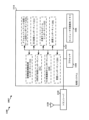
図2Aは、5G/NRフレーム構造内の第1のサブフレームの例を示す図200である。図2Bは、5G/NRサブフレーム内のDLチャネルの例を示す図230である。図2Cは、5G/NRフレーム構造内の第2のサブフレームの例を示す図250である。図2Dは、5G/NRサブフレーム内のULチャネルの例を示す図280である。5G/NRフレーム構造は、サブキャリアの特定のセット(キャリアシステム帯域幅)に対して、サブキャリアのセット内のサブフレームがDLもしくはULのいずれかにとって専用であるFDDであってもよく、またはサブキャリアの特定のセット(キャリアシステム帯域幅)に対して、サブキャリアのセット内のサブフレームがDLとULの両方にとって専用であるTDDであってもよい。図2A、図2Cによって与えられる例では、5G/NRフレーム構造はTDDであると想定され、サブフレーム4はスロットフォーマット28を有して(大抵はDLを有して)構成され、ここでDはDLであり、UはULであり、Xは、DL/ULの間での使用に柔軟であり、サブフレーム3はスロットフォーマット34を伴って(大抵はULを伴って)構成される。サブフレーム3、4は、それぞれ、スロットフォーマット34、28を伴って示されるが、いずれの特定のサブフレームも、様々な利用可能なスロットフォーマット0~61のうちのいずれを伴って構成されてもよい。スロットフォーマット0、1は、それぞれ、すべてDL、ULである。他のスロットフォーマット2~61は、DL、UL、および柔軟なシンボルの混合を含む。UEは、受信されたスロットフォーマットインジケータ(SFI)を通して、スロットフォーマットを伴って(DL制御情報(DCI)を通じて動的に、または無線リソース制御(RRC)シグナリングを通じて半静的に/静的に)構成される。以下の説明はTDDである5G/NRフレーム構造にも当てはまることに留意されたい。
Figure 2A is a diagram 200 illustrating an example of a first subframe in a 5G/NR frame structure. Figure 2B is a diagram 230 illustrating an example of a DL channel in a 5G/NR subframe. Figure 2C is a diagram 250 illustrating an example of a second subframe in a 5G/NR frame structure. Figure 2D is a diagram 280 illustrating an example of a UL channel in a 5G/NR subframe. The 5G/NR frame structure may be FDD, where for a particular set of subcarriers (carrier system bandwidth), subframes within the set of subcarriers are dedicated to either DL or UL, or TDD, where for a particular set of subcarriers (carrier system bandwidth), subframes within the set of subcarriers are dedicated to both DL and UL. In the example given by Figures 2A, 2C, the 5G/NR frame structure is assumed to be TDD,
他のワイヤレス通信技術は、異なるフレーム構造および/または異なるチャネルを有することがある。フレーム(10ms)は、10個の等しいサイズのサブフレーム(1ms)に分割され得る。各サブフレームは、1つまたは複数のタイムスロットを含み得る。サブフレームは、7、4、または2つのシンボルを含み得るミニスロットも含むことがある。各スロットは、スロット構成に応じて7個または14個のシンボルを含むことがある。スロット構成0では、各スロットは14個のシンボルを含むことがあり、スロット構成1では、各スロットは7個のシンボルを含むことがある。DL上のシンボルは、サイクリックプレフィックス(CP)OFDM(CP-OFDM)シンボルであってもよい。UL上のシンボルは、CP-OFDMシンボル(高スループットのシナリオのための)または離散フーリエ変換(DFT)拡散OFDM(DFT-s-OFDM)シンボル(シングルキャリア周波数分割多元接続(SC-FDMA)シンボルとも呼ばれる)(電力が制限されるシナリオのための、単一のストリーム送信に限定される)であってもよい。サブフレーム内のスロットの数は、スロット構成およびヌメロロジーに基づく。スロット構成0では、異なるヌメロロジーμ0~5がそれぞれ、サブフレーム当たり1個、2個、4個、8個、16個、および32個のスロットを許容する。スロット構成1では、異なるヌメロロジー0~2がそれぞれ、サブフレーム当たり2個、4個、および8個のスロットを許容する。したがって、スロット構成0およびヌメロロジーμのために、14個のシンボル/スロットおよび2μ個のスロット/サブフレームがある。サブキャリア間隔およびシンボル長/持続時間は、ヌメロロジーに依存する。サブキャリア間隔は2μ*15kHzに等しくてもよく、μはヌメロロジー0~5である。したがって、ヌメロロジーμ=0は15kHzのサブキャリア間隔を有し、ヌメロロジーμ=5は480kHzのサブキャリア間隔を有する。シンボル長/持続時間は、サブキャリア間隔とは逆の関係にある。図2A-2Dは、スロット当たり14個のシンボルがあるスロット構成0およびサブフレーム当たり4個のスロットがあるヌメロロジーμ=2の例を与える。スロット持続時間は0.25msであり、サブキャリア間隔は60kHzであり、シンボル持続時間は約16.67μsである。
Other wireless communication technologies may have different frame structures and/or different channels. A frame (10 ms) may be divided into 10 equally sized subframes (1 ms). Each subframe may include one or more time slots. A subframe may also include a minislot, which may include 7, 4, or 2 symbols. Each slot may include 7 or 14 symbols depending on the slot configuration. In
リソースグリッドは、フレーム構造を表すために使用され得る。各タイムスロットは、12個の連続するサブキャリアに及ぶリソースブロック(RB)(物理RB(PRB)とも呼ばれる)を含む。リソースグリッドは複数のリソース要素(RE)に分割される。各REによって搬送されるビット数は、変調方式に依存する。 The resource grid can be used to represent the frame structure. Each time slot contains a resource block (RB), also called a physical RB (PRB), that spans 12 consecutive subcarriers. The resource grid is divided into multiple resource elements (RE). The number of bits carried by each RE depends on the modulation scheme.
図2Aに示されるように、REのうちのいくつかは、UEのための基準(パイロット)信号(RS)を搬送する。RSは、UEにおけるチャネル推定のために、復調RS(DM-RS)(100xがポート番号である、ある特定の構成のためにRxとして示されるが、他のDM-RS構成が可能である)と、チャネル状態情報基準信号(CSI-RS)とを含み得る。RSはまた、ビーム測定RS(BRS)、ビーム改善RS(BRRS)、および位相追跡RS(PT-RS)を含み得る。 As shown in Figure 2A, some of the REs carry reference (pilot) signals (RS) for the UE. The RS may include demodulation RS (DM-RS) (denoted as Rx for a particular configuration, where 100x is the port number, but other DM-RS configurations are possible) and channel state information reference signals (CSI-RS) for channel estimation at the UE. The RS may also include beam measurement RS (BRS), beam improvement RS (BRRS), and phase tracking RS (PT-RS).
図2Bは、フレームのサブフレーム内の様々なDLチャネルの例を示す。物理ダウンリンク制御チャネル(PDCCH)は、1つまたは複数の制御チャネル要素(CCE)内でDCIを搬送し、各CCEは9つのREグループ(REG)を含み、各REGはOFDMシンボルに4つの連続するREを含む。1次同期信号(PSS)は、フレームの特定のサブフレームのシンボル2内にあり得る。PSSは、サブフレーム/シンボルタイミングおよび物理レイヤ識別情報を決定するためにUE104によって使用される。2次同期信号(SSS)は、フレームの特定のサブフレームのシンボル4内にあり得る。SSSは、物理レイヤセル識別情報グループ番号および無線フレームタイミングを決定するためにUEによって使用される。物理レイヤ識別情報および物理レイヤセル識別情報グループ番号に基づいて、UEは物理セル識別子(PCI)を決定することができる。PCIに基づいて、UEは上述のDM-RSの位置を決定することができる。マスター情報ブロック(MIB)を搬送する物理ブロードキャストチャネル(PBCH)は、PSSおよびSSSと論理的にグループ化されて、同期信号(SS)/PBCHブロックを形成し得る。MIBは、システム帯域幅の中のRBの数およびシステムフレーム番号(SFN)を提供する。物理ダウンリンク共有チャネル(PDSCH)は、ユーザデータと、システム情報ブロック(SIB)などのPBCHを通して送信されないブロードキャストシステム情報と、ページングメッセージとを搬送する。
FIG. 2B illustrates an example of various DL channels within a subframe of a frame. The physical downlink control channel (PDCCH) carries DCI within one or more control channel elements (CCEs), each CCE including nine RE groups (REGs), each REG including four consecutive REs in an OFDM symbol. A primary synchronization signal (PSS) may be within
図2Cに示されるように、REのうちのいくつかが、基地局におけるチャネル推定のためのDM-RS(1つの特定の構成のためにRとして示されるが、他のDM-RS構成が可能である)を搬送する。UEは、物理アップリンク制御チャネル(PUCCH)のためにDM-RSを、および物理アップリンク共有チャネル(PUSCH)のためにDM-RSを送信し得る。PUSCH DM-RSは、PUSCHの最初の1つまたは2つのシンボルにおいて送信され得る。PUCCH DM-RSは、短いPUCCHが送信されるか、または長いPUCCHが送信されるかに応じて、および使用される特定のPUCCHフォーマットに応じて、異なる構成で送信され得る。UEは、サウンディング基準信号(SRS)を送信し得る。SRSは、サブフレームの最後のシンボルにおいて送信され得る。SRSはコム構造を有することがあり、UEはコムのうちの1つでSRSを送信することがある。SRSは、UL上での周波数依存スケジューリングを可能にするために、チャネル品質推定のために基地局によって使用され得る。 As shown in FIG. 2C, some of the REs carry DM-RS (denoted as R for one particular configuration, but other DM-RS configurations are possible) for channel estimation at the base station. The UE may transmit DM-RS for the physical uplink control channel (PUCCH) and DM-RS for the physical uplink shared channel (PUSCH). The PUSCH DM-RS may be transmitted in the first one or two symbols of the PUSCH. The PUCCH DM-RS may be transmitted in different configurations depending on whether a short or long PUCCH is transmitted and depending on the particular PUCCH format used. The UE may transmit a sounding reference signal (SRS). The SRS may be transmitted in the last symbol of a subframe. The SRS may have a comb structure, and the UE may transmit the SRS in one of the combs. The SRS may be used by the base station for channel quality estimation to enable frequency-dependent scheduling on the UL.
図2Dは、フレームのサブフレーム内の様々なULチャネルの例を示す。PUCCHは、一構成では、図示されるように配置され得る。PUCCHは、スケジューリング要求、チャネル品質インジケータ(CQI)、プリコーディング行列インジケータ(PMI)、ランクインジケータ(RI)、およびHARQ ACK/NACKフィードバックなどのアップリンク制御情報(UCI)を搬送する。PUSCHは、データを搬送し、バッファステータス報告(BSR)、パワーヘッドルーム報告(PHR)、および/またはUCIを搬送するためにさらに使用されることがある。 Figure 2D shows an example of various UL channels within a subframe of a frame. The PUCCH, in one configuration, may be arranged as shown. The PUCCH carries uplink control information (UCI) such as scheduling requests, channel quality indicators (CQI), precoding matrix indicators (PMI), rank indicators (RI), and HARQ ACK/NACK feedback. The PUSCH carries data and may be further used to carry buffer status reports (BSR), power headroom reports (PHR), and/or UCI.
図3は、アクセスネットワークにおいてUE350と通信している基地局310のブロック図である。DLでは、EPC160からのIPパケットがコントローラ/プロセッサ375に提供され得る。コントローラ/プロセッサ375は、レイヤ3機能およびレイヤ2機能を実装する。レイヤ3は無線リソース制御(RRC)レイヤを含み、レイヤ2は、サービスデータ適応プロトコル(SDAP)レイヤ、パケットデータコンバージェンスプロトコル(PDCP)レイヤ、無線リンク制御(RLC)レイヤ、および媒体アクセス制御(MAC)レイヤを含む。コントローラ/プロセッサ375は、システム情報(たとえば、MIB、SIB)のブロードキャスティング、RRC接続制御(たとえば、RRC接続ページング、RRC接続確立、RRC接続修正、およびRRC接続解放)、無線アクセス技術(RAT)間モビリティ、ならびにUE測定報告のための測定構成と関連付けられるRRCレイヤ機能と、ヘッダ圧縮/解凍、セキュリティ(暗号化、解読、完全性保護、完全性検証)、およびハンドオーバサポート機能と関連付けられるPDCPレイヤ機能と、上位レイヤパケットデータユニット(PDU)の転送、ARQを介した誤り訂正、RLCサービスデータユニット(SDU)の連結、セグメンテーション、およびリアセンブリ、RLCデータPDUの再セグメンテーション、ならびにRLCデータPDUの並べ替えと関連付けられるRLCレイヤ機能と、論理チャネルとトランスポートチャネルとの間のマッピング、トランスポートブロック(TB)上へのMAC SDUの多重化、TBからのMAC SDUの逆多重化、スケジューリング情報報告、HARQを通じた誤り訂正、優先度処理、および論理チャネル優先順位付けと関連付けられるMACレイヤ機能とを提供する。
3 is a block diagram of a
送信(TX)プロセッサ316および受信(RX)プロセッサ370は、様々な信号処理機能と関連付けられるレイヤ1の機能を実装する。物理(PHY)レイヤを含むレイヤ1は、トランスポートチャネル上の誤り検出、トランスポートチャネルの前方誤り訂正(FEC)コーディング/復号、インターリービング、レートマッチング、物理チャネル上へのマッピング、物理チャネルの変調/復調、およびMIMOアンテナ処理を含み得る。TXプロセッサ316は、様々な変調方式(たとえば、2位相シフトキーイング(BPSK)、4位相シフトキーイング(QPSK)、M位相シフトキーイング(M-PSK)、M相直交振幅変調(M-QAM))に基づく信号コンスタレーションへのマッピングを扱う。コーディングされ変調されたシンボルは、次いで、並列ストリームに分割されることがある。各ストリームは、次いで、時間領域OFDMシンボルストリームを搬送する物理チャネルを生成するために、OFDMサブキャリアにマッピングされ、時間領域および/または周波数領域において基準信号(たとえば、パイロット)と多重化され、次いで、逆高速フーリエ変換(IFFT)を使用して一緒に合成されることがある。OFDMストリームは、複数の空間ストリームを生成するために空間的にプリコーディングされる。チャネル推定器374からのチャネル推定値は、コーディングおよび変調方式を決定するために、かつ空間処理のために使用され得る。チャネル推定値は、UE350によって送信された基準信号および/またはチャネル状態フィードバックから導出され得る。各空間ストリームは、次いで、別個の送信機318TXを介して異なるアンテナ320に提供され得る。各送信機318TXは、送信のためにそれぞれの空間ストリームを用いてRFキャリアを変調し得る。
The transmit (TX) processor 316 and receive (RX)
UE350において、各受信機354RXは、そのそれぞれのアンテナ352を通じて信号を受信する。各受信機354RXは、RFキャリア上に変調された情報を復元し、その情報を受信(RX)プロセッサ356に提供する。TXプロセッサ368およびRXプロセッサ356は、様々な信号処理機能と関連付けられるレイヤ1機能を実装する。RXプロセッサ356は、UE350に向けられた任意の空間ストリームを復元するために、情報に対して空間処理を実行し得る。複数の空間ストリームは、UE350に向けられている場合、RXプロセッサ356によって単一のOFDMシンボルストリームへと合成され得る。RXプロセッサ356は、次いで、高速フーリエ変換(FFT)を使用して、OFDMシンボルストリームを時間領域から周波数領域に変換する。周波数領域信号は、OFDM信号の各サブキャリアに対して別々のOFDMシンボルストリームを備える。各サブキャリア上のシンボル、および基準信号は、基地局310によって送信された最も可能性の高い信号コンスタレーションポイントを決定することによって、復元および復調される。これらの軟判定は、チャネル推定器358によって算出されたチャネル推定値に基づいてよい。軟判定は、次いで、復号およびデインターリーブされて、物理チャネル上で基地局310によって当初送信されたデータおよび制御信号を復元する。データおよび制御信号は、次いで、レイヤ3機能およびレイヤ2機能を実装するコントローラ/プロセッサ359に提供される。
At the
コントローラ/プロセッサ359は、プログラムコードとデータとを記憶するメモリ360と関連付けられ得る。メモリ360は、コンピュータ可読媒体と呼ばれることがある。ULでは、コントローラ/プロセッサ359は、トランスポートチャネルと論理チャネルとの間の逆多重化、パケットリアセンブリ、解読、ヘッダ解凍、および制御信号処理を行って、EPC160からのIPパケットを復元する。コントローラ/プロセッサ359はまた、HARQ動作をサポートするために、ACKおよび/またはNACKプロトコルを使用する誤り検出を担う。
The controller/
基地局310によるDL送信に関して説明された機能と同様に、コントローラ/プロセッサ359は、システム情報(たとえば、MIB、SIB)収集、RRC接続、および測定報告と関連付けられるRRCレイヤ機能と、ヘッダ圧縮/解凍およびセキュリティ(暗号化、解読、完全性保護、完全性検証)と関連付けられるPDCPレイヤ機能と、上位レイヤPDUの転送、ARQを介した誤り訂正、RLC SDUの連結、セグメンテーション、およびリアセンブリ、RLCデータPDUの再セグメンテーション、ならびにRLCデータPDUの並べ替えと関連付けられるRLCレイヤ機能と、論理チャネルとトランスポートチャネルとの間のマッピング、TB上へのMAC SDUの多重化、TBからのMAC SDUの逆多重化、スケジューリング情報報告、HARQを通じた誤り訂正、優先度処理、および論理チャネル優先順位付けと関連付けられるMACレイヤ機能とを提供する。
Similar to the functionality described with respect to DL transmission by
基地局310によって送信された基準信号またはフィードバックからチャネル推定器358によって導出されるチャネル推定値は、適切なコーディングおよび変調方式を選択して空間処理を容易にするために、TXプロセッサ368によって使用され得る。TXプロセッサ368によって生成された空間ストリームは、別個の送信機354TXを介して異なるアンテナ352に提供され得る。各送信機354TXは、送信のためにそれぞれの空間ストリームでRFキャリアを変調し得る。
Channel estimates derived by the
UL送信は、UE350における受信機機能に関して説明されたものと同様の方式で基地局310において処理される。各受信機318RXは、受信機のそれぞれのアンテナ320を通じて信号を受信する。各受信機318RXは、RFキャリア上に変調された情報を復元し、その情報をRXプロセッサ370に提供する。
The UL transmissions are processed in the
コントローラ/プロセッサ375は、プログラムコードとデータとを記憶するメモリ376と関連付けられ得る。メモリ376は、コンピュータ可読媒体と呼ばれることがある。ULでは、コントローラ/プロセッサ375は、トランスポートチャネルと論理チャネルとの間の逆多重化、パケットリアセンブリ、解読、ヘッダ解凍、制御信号処理を行って、UE350からのIPパケットを復元する。コントローラ/プロセッサ375からのIPパケットは、EPC160に提供され得る。コントローラ/プロセッサ375はまた、HARQ動作をサポートするために、ACKおよび/またはNACKプロトコルを使用する誤り検出を担う。
The controller/
TXプロセッサ368、RXプロセッサ356、およびコントローラ/プロセッサ359のうちの少なくとも1つが、図1のUE空間関係コンポーネント198に関連した態様を実行するように構成され得る。
At least one of the
TXプロセッサ316、RXプロセッサ370、およびコントローラ/プロセッサ375のうちの少なくとも1つが、図1の基地局TCIコンポーネント199に関連した態様を実行するように構成され得る。
At least one of the TX processor 316, the
本明細書で開示される例示的な技法は、アップリンク送信のために基地局によってアップリンク送信ビームが構成されていないとき(たとえば、基地局によってアップリンク送信ビームが明示的に構成されていないとき)、アップリンク送信を送信するためのデフォルトアップリンク送信ビームをUEが決定することを可能にする。たとえば、シグナリングオーバーヘッドを低減するために、空間関係情報はアップリンク送信(たとえば、PUCCHおよび/またはSRS)のための随意のパラメータであってもよく、したがって、たとえば、RRCシグナリングの中で、UEのために基地局によって明示的に構成されないことがある。基地局からの空間関係情報の明示的な構成がない場合、本明細書で開示される技法は、アップリンク送信を送信するためのデフォルトアップリンク送信ビームをUEが暗黙的に決定することを可能にする。たとえば、UEは、アップリンク送信を送信するためのデフォルトアップリンク送信ビームを決定するために1つまたは複数の規則を適用し得る。UEは、次いで、デフォルトアップリンク送信ビーム上でアップリンク送信を送信し得る。デフォルトアップリンク送信ビームに対する構成を用いずにUEがデフォルトアップリンク送信ビームを決定するための方法を提供することは、ワイヤレスリソースのより効率的な使用のために、(たとえば、UEと基地局との間の)シグナリングオーバーヘッドを低減する助けとなり得る。 Example techniques disclosed herein enable a UE to determine a default uplink transmission beam for transmitting an uplink transmission when an uplink transmission beam is not configured by a base station for the uplink transmission (e.g., when an uplink transmission beam is not explicitly configured by the base station). For example, to reduce signaling overhead, the spatial relationship information may be an optional parameter for the uplink transmission (e.g., PUCCH and/or SRS) and thus may not be explicitly configured by the base station for the UE, e.g., in RRC signaling. In the absence of explicit configuration of the spatial relationship information from the base station, the techniques disclosed herein enable the UE to implicitly determine a default uplink transmission beam for transmitting the uplink transmission. For example, the UE may apply one or more rules to determine a default uplink transmission beam for transmitting the uplink transmission. The UE may then transmit the uplink transmission on the default uplink transmission beam. Providing a method for a UE to determine a default uplink transmission beam without a configuration for the default uplink transmission beam can help reduce signaling overhead (e.g., between the UE and the base station) for more efficient use of wireless resources.
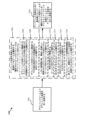
図4は、本明細書で提示するような、基地局402とUE404との間の例示的なワイヤレス通信400を示す。基地局402の1つまたは複数の態様は、図1の基地局102/180および/または図3の基地局310によって実施され得る。UE404の1つまたは複数の態様は、図1のUE104および/または図3のUE350によって実施され得る。
FIG. 4 illustrates an
図4のワイヤレス通信400は1つのUE404と通信している1つの基地局402を含むが、追加または代替の例では、基地局402が、任意の好適な数量のUEおよび/または他の基地局と通信していてもよく、かつ/あるいはUE404が、任意の好適な数量の基地局および/または他のUEと通信していてもよい。したがって、基地局402とUE404との間の送信のうちのいくつかは、アップリンク送信およびダウンリンク送信として説明されるが、他の例では、送信のうちのいずれかが、追加または代替として、サイドリンク送信であってもよい。
Although the
図示の例では、基地局402およびUE404は通信している。たとえば、基地局402は、UE404によって受信されるダウンリンク送信410を送信してもよい。ダウンリンク送信410は、ダウンリンク共有チャネル(たとえば、PDSCH)および/またはダウンリンク制御チャネル(たとえば、PDCCH)であってもよい。図示の例では、基地局402は、ダウンリンク送信(たとえば、ダウンリンク送信410)を送信するために使用されるダウンリンクビーム412上でダウンリンク送信410を送信する。UE404は、基地局402からダウンリンク送信(たとえば、ダウンリンク送信410)を受信するために使用されるビーム414を介してダウンリンク送信410を受信し得る。
In the illustrated example, the
420において、UE404は、アップリンク送信を送信すべきと決定してもよい。たとえば、UE404は、アップリンク制御チャネル(たとえば、PUCCH)、SRS、および/またはスケジューリング要求(SR:scheduling request)を送信すべきと決定してもよい。図4の図示の例では、アップリンク送信のためのアップリンク送信ビームは、基地局402によって構成されていない。たとえば、シグナリングオーバーヘッドを低減するために、空間関係情報はPUCCHおよび/またはSRSのための随意のパラメータであってもよく、したがって、たとえば、RRCの中で(たとえば、「PUCCH-config」および/または「SRS-config」を介して)、UE404のために基地局402によって明示的に構成されないことがある。
At 420, the
したがって、本明細書で開示される技法は、各アップリンク送信に対して明示的な構成を用いずに、アップリンク送信を送信するためのアップリンク送信ビームをUEが決定することを可能にする。たとえば、430において、UE404は、アップリンク送信を送信するためのデフォルトアップリンク送信ビームを決定する。以下で説明されるように、UE404は、基地局402からダウンリンク送信を受信するために使用されるビームに関連する1つまたは複数のパラメータ(たとえば、ダウンリンク送信410を受信するために使用されるビーム414に関連する1つまたは複数のパラメータ)に基づいて、デフォルトアップリンク送信ビームを決定してもよい。
Thus, the techniques disclosed herein enable the UE to determine an uplink transmission beam for transmitting an uplink transmission without explicit configuration for each uplink transmission. For example, at 430, the
440において、基地局402は、アップリンク送信を受信するために監視すべきビームを選択する。以下で説明されるように、基地局402は、ダウンリンク送信をUE404へ送信するために使用されるビームに関連する1つまたは複数のパラメータ(たとえば、ダウンリンク送信410を送信するために使用されるビーム412に関連する1つまたは複数のパラメータ)に基づいて、アップリンク送信を受信するために監視すべきビームを選択してもよい。
At 440, the
(たとえば、430において)デフォルトアップリンク送信ビームを決定した後、UE404は、基地局402によって受信されるアップリンク送信450を送信する。図示の例では、UE404は、アップリンク送信(たとえば、アップリンク送信450)を送信するために使用される決定されたデフォルトアップリンク送信ビーム(たとえば、ビーム452)上でアップリンク送信450を送信する。基地局402は、UE404からアップリンク送信(たとえば、アップリンク送信450)を受信するために使用されるビーム454を介してアップリンク送信450を受信し得る。図示の例では、基地局402は、440においてビーム454を決定してもよい。
After determining (e.g., at 430) the default uplink transmission beam, the
図4の例示的なワイヤレス通信400は、UE404がデフォルトアップリンク送信ビームを430において決定し、かつ実質的に同時に、基地局402が監視すべきビームを440において選択することを示すが、相対的タイミングは例である。たとえば、いくつかの例では、基地局402は、UE404がデフォルトアップリンク送信ビームの決定を(たとえば、430において)実行する前に、監視すべきビームの選択を(たとえば、440において)実行してもよいが、他の例では、基地局402は、UE404がデフォルトアップリンク送信ビームの決定を(たとえば、430において)実行した後、監視すべきビームの選択を(たとえば、440において)実行してもよい。
The
いくつかの例では、UE404は、デフォルトアップリンク送信ビームの1つまたは複数のパラメータが、ダウンリンク送信を受信するために使用されるビームに対応し得る、ビーム対応を使用して動作するように構成され得る。たとえば、UE404がビーム対応を使用して動作しているとき、デフォルトアップリンク送信ビーム452の1つまたは複数のパラメータは、ダウンリンク送信410を受信するために使用されるビーム414に対応し得る。さらなる例として、デフォルトアップリンク送信ビームを送信するための、アンテナアレイの中のアンテナ素子に対して、UE404によって使用される位相オフセットおよび/または利得は、ダウンリンク送信を受信するために使用される位相オフセットおよび/または利得と同じであってもよく、またはそれに基づいてもよい。
In some examples, the
いくつかの例では、ダウンリンク送信410は、ダウンリンク共有チャネル(たとえば、PDSCH)であってもよい。いくつかのそのような例では、UE404は、ダウンリンク共有チャネルに関連する送信構成表示(TCI)状態識別子に対応するビームを選択することによって、デフォルトアップリンク送信ビーム452を430において決定してもよい。たとえば、UE404は、ダウンリンク共有チャネルに関連するアクティブ化されたTCI状態の最小TCI状態識別子に対応するビームを選択してもよい。いくつかの例では、UE404は、ダウンリンク共有チャネルに関連するTCI状態の特定のTCI状態識別子に対応するビームを選択してもよい。
In some examples, the downlink transmission 410 may be a downlink shared channel (e.g., a PDSCH). In some such examples, the
同様に、いくつかの例では、基地局402は、ダウンリンク共有チャネルに関連するTCI状態識別子に基づいて、アップリンク送信450を受信するために監視すべきビーム454を440において選択してもよい。たとえば、基地局402は、ダウンリンク共有チャネルに関連するアクティブ化されたTCI状態の最小TCI状態識別子に対応するビームを選択してもよい。いくつかの例では、基地局402は、ダウンリンク共有チャネルに関連するTCI状態の特定のTCI状態識別子に対応するビームを選択してもよい。
Similarly, in some examples, the
いくつかの例では、UE404は、しきい値期間の後、最後に首尾よく受信されたダウンリンク共有チャネルビームに対応するビームを選択してもよい。同様に、いくつかの例では、基地局402は、しきい値期間の後、最後に首尾よく受信されたダウンリンク共有チャネルビームに対応するビームを選択してもよい。たとえば、ダウンリンク共有チャネル送信がUE404によって首尾よく受信されると、UE404は、ダウンリンク共有チャネル送信が首尾よく受信されたことを示すACK信号を基地局402へ送信してもよい。ダウンリンク共有チャネル送信の送信とACK信号の受信との間に遅延(たとえば、ラウンドトリップ時間+送信/信号の復号、処理などのための追加の時間)があり得るので、UE404は、ダウンリンク共有チャネルを首尾よく受信した後、しきい値期間だけ待ってから、受信されたダウンリンク共有ビームに対応するビームを使用して選択および/または送信してもよい。同様に、基地局402は、しきい値期間だけ待ってから、首尾よく受信されたダウンリンク共有チャネルに対応するビームを選択および/または監視してもよい。選択および/または送信する前のUE待ち時間に関連するしきい値期間は、選択および/または監視する前の基地局待ち時間に関連するしきい値期間と同じかまたは異なってもよい。
In some examples, the
いくつかの例では、ダウンリンク送信410は、ダウンリンク制御チャネル(たとえば、PDCCH)であってもよい。いくつかの例では、UE404は、PDCCHおよび/またはDCIを搬送するために使用されるリソースおよび/またはパラメータのセットを含む特定の制御リソースセット(control resource set:CORESET)に関連するビームを選択することによって、デフォルトアップリンク送信ビーム452を430において決定してもよい。いくつかのそのような例では、特定のCORESETは、UE404によって最後に監視されたスロットの中の、最小CORESET識別子を有するCORESETに対応し得る。いくつかの例では、特定のCORESETは、構成されたCORESETのセットのうちの、最小CORESET識別子を有するCORESETに対応し得る。いくつかの例では、UE404は、RRCシグナリングおよび/または媒体アクセス制御-制御要素(MAC-CE:medium access control-control element)を介して特定のCORESETに対するCORESET識別子を受信し得る。
In some examples, the downlink transmission 410 may be a downlink control channel (e.g., PDCCH). In some examples, the
同様に、いくつかの例では、基地局402は、特定のCORESETに関連するビームに基づいて、アップリンク送信450を受信するために監視すべきビーム454を440において選択してもよい。そのような例では、特定のCORESETは、UE404によって最後に監視されたスロットの中の、最小CORESET識別子を有するCORESETに対応し得る。いくつかの例では、特定のCORESETは、構成されたCORESETのセットのうちの、最小CORESET識別子を有するCORESETに対応し得る。いくつかの例では、基地局402は、RRCシグナリングおよび/またはMAC-CEを介して特定のCORESETに対するCORESET識別子を送信してもよい。
Similarly, in some examples, the
図4の図示の例は、UE404が、ダウンリンク送信410を受信した後、デフォルトアップリンク送信ビーム452を430において決定し得ることを表すが、いくつかの例では、UE404は、ダウンリンク送信410を受信する前に、かつ/またはダウンリンク送信410を受信することなく、デフォルトアップリンク送信ビーム452を決定してもよい。たとえば、いくつかの例では、CORESETが構成されてもよく、UE404は、最小CORESET IDに関連する受信ビームに基づいてデフォルトアップリンク送信ビーム452を430において決定してもよい。したがって、CORESET構成を提供するダウンリンク送信が、ダウンリンク送信410であってもよいこと、および/または基地局402からUE404への任意の他の先行するダウンリンク送信であってもよいことを諒解されたい。したがって、いくつかの例では、UE404が、UE404に対してCORESETが構成されているかどうかを最初に決定してもよく、次いで、それに応じてデフォルトアップリンク送信ビーム452を決定してもよいことが諒解され得る。たとえば、CORESETが構成されていることをUE404が決定する場合、UE404は、特定のCORESETに関連するビームを選択してもよい。いくつかのそのような例では、CORESETが構成されていないことをUE404が決定する場合、UE404は、PDSCHに基づいてビームを選択してもよい。
4 depicts that the
いくつかの例では、UE404は、DCIの中で示されるビームを選択することによって、デフォルトアップリンク送信ビーム452を430において決定してもよい。同様に、基地局402は、DCIの中で示されるビームに基づいて、アップリンク送信450を受信するために監視すべきビーム454を440において選択してもよい。
In some examples, the
いくつかの例では、UE404は、複数の送受信ポイント(TRP)と通信してもよい。いくつかのそのような例では、UE404は、それぞれのダウンリンク送信を受信するために使用される対応するビームに基づいて、TRPの各々に対してデフォルトアップリンク送信ビーム452を430において決定してもよい。同様に、基地局402は、対応するダウンリンクビーム(たとえば、ダウンリンク送信410をUE404へ送信するために使用されるビーム412)に基づいて、TRPの各々に対して監視すべきビームを440において選択してもよい。
In some examples, the
図4の図示の例は、アップリンク送信を送信するためのデフォルトアップリンク送信ビームを決定することを表すが、いくつかの例では、UE404は、アップリンク送信のタイプに基づいてデフォルトアップリンク送信ビームを決定してもよい。たとえば、UE404は、アップリンク制御チャネルを送信するための第1のデフォルトアップリンク送信ビーム、SRSを送信するための第2のデフォルトアップリンク送信ビーム、およびSRを送信するための第3のデフォルトアップリンク送信ビームを決定してもよい。いくつかの例では、第1のデフォルトアップリンク送信ビーム、第2のデフォルトアップリンク送信ビーム、および/または第3のデフォルトアップリンク送信ビームは、同じデフォルトアップリンク送信ビームであってもよい。他の例では、第1のデフォルトアップリンク送信ビーム、第2のデフォルトアップリンク送信ビーム、および第3のデフォルトアップリンク送信ビームのうちの少なくとも1つは、デフォルトアップリンク送信ビームのうちの別のビームとは異なってもよい。
Although the illustrated example of FIG. 4 depicts determining a default uplink transmission beam for transmitting an uplink transmission, in some examples, the
いくつかの例では、UE404は、ビーム対応を使用して動作していないことがある。いくつかのそのような例では、UE404は、デフォルトアップリンク送信ビームを決定するためのデフォルトアップリンク空間関係情報を基地局402から受信し得る。いくつかの例では、UE404は、RRCシグナリング、MAC-CEシグナリング、および/またはDCIシグナリングを介してデフォルトアップリンク空間関係情報を基地局402から受信し得る。UE404は、次いで、後続の複数のアップリンク送信を送信するために、デフォルトアップリンク送信ビームを使用してもよい。このようにして、アップリンク送信のためにアップリンク送信ビームが構成されていないとき、UE404は、それぞれのアップリンク送信の各々に対してシグナリングを受信することなく、1つまたは複数のアップリンク送信のためのデフォルトアップリンク送信ビームを決定できる場合がある。
In some examples, the
図5~図9は、本明細書で開示されるような、ワイヤレス通信の方法のフローチャートである。方法は、UE(たとえば、UE104、UE350、UE404、UE1350、装置1002/1002'、処理システム1114、これはメモリ360を含んでもよく、UE350全体であってもよく、または、TXプロセッサ368、RXプロセッサ356、および/もしくはコントローラ/プロセッサ359などのUE350のコンポーネントであってもよい)によって実行され得る。随意の態様は破線を用いて図示される。図5~図9の例示的なフローチャートは、(たとえば、アップリンク送信のためにアップリンクビームが構成されていないとき)アップリンク送信を送信するための高速かつ効率的なビーム選択をUEが実行することを容易にし、そのことは、UEと基地局との間の低減されたオーバーヘッドシグナリングをもたらし得る。
5-9 are flowcharts of a method of wireless communication as disclosed herein. The method may be performed by a UE (e.g.,
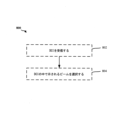
図5は、本明細書で開示される教示に従って説明されるような、ワイヤレス通信の方法のフローチャート500である。502において、UEは、たとえば図4の430に関して説明されたように、アップリンク送信のために基地局によってアップリンク送信ビームが構成されていないとき、アップリンク送信を送信するためのデフォルトアップリンク送信ビームを規則に基づいて決定する。たとえば、デフォルトアップリンク送信ビーム決定コンポーネント1018が、アップリンク送信を送信するためのデフォルトアップリンク送信ビームの決定を容易にし得る。たとえば、シグナリングオーバーヘッドを低減するために、アップリンク送信(たとえば、アップリンク送信ビーム)に対する空間関係情報は随意のパラメータであってもよく、したがって、たとえば、RRCシグナリングの中で、UEのために基地局によって明示的に構成されないことがある。基地局からの空間関係情報の明示的な構成がない場合(たとえば、基地局によってアップリンク送信ビームが構成されていない場合)、UEは、アップリンク送信を送信するためのデフォルトアップリンク送信ビームを暗黙的に決定する。いくつかの例では、UEは、デフォルトアップリンク送信ビームが、ダウンリンク送信を受信するために使用されるビームに対応することを決定してもよく、ここで、デフォルトアップリンク送信ビームのためのパラメータは、そのビームに対応し得る。いくつかの例では、UEは複数のTRPと通信し得る。いくつかのそのような例では、各TRPに対して、UEは、ダウンリンク送信を受信するために使用される対応するビームに基づいてデフォルトアップリンク送信ビームを決定し得る。
FIG. 5 is a
いくつかの例では、503において、UEは、図4の430に関して説明されたように、CORESETが構成されているかどうかを決定し得る。たとえば、デフォルトアップリンク送信ビーム決定コンポーネント1018が、CORESETが構成されているかどうかの決定を容易にし得る。いくつかのそのような例では、UEは、CORESETが構成されているかどうかに基づいてビームを選択し得る。たとえば、UEは、CORESETが構成されているとき、最小CORESET識別子に対応するCORESETを使用してもよく、CORESETが構成されていないとき、PDSCHを使用してもよい。 In some examples, at 503, the UE may determine whether a CORESET is configured, as described with respect to 430 of FIG. 4. For example, the default uplink transmit beam determination component 1018 may facilitate the determination of whether a CORESET is configured. In some such examples, the UE may select a beam based on whether a CORESET is configured. For example, the UE may use a CORESET corresponding to a minimum CORESET identifier when a CORESET is configured and may use a PDSCH when a CORESET is not configured.
いくつかの例では、504において、UEは、異なるアップリンク送信に基づいて、対応するアップリンク送信のためのそれぞれのデフォルトアップリンク送信ビームを決定し得る。たとえば、デフォルトアップリンク送信ビーム決定コンポーネント1018が、アップリンク制御チャネルを送信するための第1のデフォルトアップリンク送信ビーム、SRSを送信するための第2のデフォルトアップリンク送信ビーム、およびSRを送信するための第3のデフォルトアップリンク送信ビームの決定を容易にし得る。いくつかの例では、それぞれのデフォルトアップリンク送信ビームのうちの1つまたは複数は、同じデフォルトアップリンク送信ビームであってもよい。 In some examples, at 504, the UE may determine, based on the different uplink transmissions, respective default uplink transmission beams for the corresponding uplink transmissions. For example, a default uplink transmission beam determination component 1018 may facilitate determining a first default uplink transmission beam for transmitting an uplink control channel, a second default uplink transmission beam for transmitting an SRS, and a third default uplink transmission beam for transmitting an SR. In some examples, one or more of the respective default uplink transmission beams may be the same default uplink transmission beam.
506において、UEは、たとえば図4のアップリンク送信450に関して説明されたように、デフォルトアップリンク送信ビーム上でアップリンク送信を基地局へ送信する。たとえば、送信コンポーネント1006が、デフォルトアップリンク送信ビーム上でアップリンク送信を送信することを容易にし得る。いくつかの例では、アップリンク送信は、アップリンク制御チャネル(たとえば、PUCCH)、SRS、またはSRのうちの少なくとも1つを含む。 At 506, the UE transmits an uplink transmission to the base station on a default uplink transmission beam, e.g., as described with respect to uplink transmission 450 of FIG. 4. For example, the transmission component 1006 may facilitate transmitting the uplink transmission on the default uplink transmission beam. In some examples, the uplink transmission includes at least one of an uplink control channel (e.g., PUCCH), an SRS, or an SR.
図6~図9は、ワイヤレス通信の方法のフローチャートである。図6~図9の例示的な方法は、デフォルトアップリンク送信ビームを決定するために使用され得る。たとえば、図6~図9の例示的な方法は、図5の502を実施することを容易にし得る。 FIGS. 6-9 are flow charts of methods of wireless communication. The example methods of FIGS. 6-9 may be used to determine a default uplink transmit beam. For example, the example methods of FIGS. 6-9 may facilitate implementing 502 of FIG. 5.
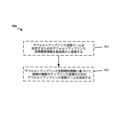
図6は、本明細書で開示される教示に従って説明されるような、ワイヤレス通信の方法のフローチャート600である。図6の例では、UEは、デフォルトアップリンク送信ビームのためのパラメータが、ダウンリンク送信を受信するために使用されるビームに対応するように、ビーム対応を使用して動作している。
FIG. 6 is a
602において、UEは、たとえば図4のダウンリンク送信410に関して説明されたように、基地局からダウンリンク共有チャネルを受信し得る。たとえば、受信コンポーネント1004が、ダウンリンク共有チャネルの受信を容易にし得る。 At 602, the UE may receive a downlink shared channel from the base station, e.g., as described with respect to downlink transmission 410 of FIG. 4. For example, a receiving component 1004 may facilitate receiving the downlink shared channel.
604において、UEは、たとえば図4の430に関して説明されたように、ダウンリンク送信(たとえば、ダウンリンク共有チャネル)を受信するために使用されるビームに基づいてデフォルトアップリンク送信ビームを決定し得る。たとえば、TCI状態識別子コンポーネント1008および/または共有チャネルビームコンポーネント1010が、ダウンリンク送信を受信するために使用されるビームに基づくデフォルトアップリンク送信ビームの決定を容易にし得る。 At 604, the UE may determine a default uplink transmission beam based on a beam used to receive a downlink transmission (e.g., a downlink shared channel), e.g., as described with respect to 430 of FIG. 4. For example, the TCI state identifier component 1008 and/or the shared channel beam component 1010 may facilitate determining a default uplink transmission beam based on a beam used to receive a downlink transmission.
いくつかの例では、606において、UEは、ダウンリンク共有チャネルに関連するアクティブ化されたTCI状態の最小TCI状態識別子に対応するビームを選択し得る。たとえば、TCI状態識別子コンポーネント1008が、ダウンリンク共有チャネルに関連するアクティブ化されたTCI状態の最小TCI状態識別子に対応するビームの選択を容易にし得る。 In some examples, at 606, the UE may select a beam corresponding to a minimum TCI state identifier of an activated TCI state associated with the downlink shared channel. For example, the TCI state identifier component 1008 may facilitate the selection of a beam corresponding to a minimum TCI state identifier of an activated TCI state associated with the downlink shared channel.
いくつかの例では、608において、UEは、ダウンリンク共有チャネルに関連するTCI状態の特定のTCI状態識別子に対応するビームを選択し得る。たとえば、TCI状態識別子コンポーネント1008が、ダウンリンク共有チャネルに関連するTCI状態の特定のTCI状態識別子に対応するビームの選択を容易にし得る。 In some examples, at 608, the UE may select a beam corresponding to a particular TCI state identifier for a TCI state associated with the downlink shared channel. For example, the TCI state identifier component 1008 may facilitate the selection of a beam corresponding to a particular TCI state identifier for a TCI state associated with the downlink shared channel.
いくつかの例では、610において、UEは、しきい値期間の後、最後に首尾よく受信されたダウンリンク共有チャネルビームに対応するビームを選択し得る。たとえば、共有チャネルビームコンポーネント1010が、しきい値期間の後の、最後に首尾よく受信されたダウンリンク共有チャネルビームに対応するビームの選択を容易にし得る。 In some examples, at 610, the UE may select a beam corresponding to the last successfully received downlink shared channel beam after the threshold period. For example, the shared channel beam component 1010 may facilitate the selection of a beam corresponding to the last successfully received downlink shared channel beam after the threshold period.
図7は、本明細書で開示される教示に従って説明されるような、ワイヤレス通信の方法のフローチャート700である。図7の例では、UEは、デフォルトアップリンク送信ビームのためのパラメータが、ダウンリンク送信を受信するために使用されるビームに対応するように、ビーム対応を使用して動作している。
FIG. 7 is a
702において、UEは、図4のダウンリンク送信410に関して説明されたように、RRCまたはMAC-CEのうちの少なくとも1つを介して特定のCORESETに対するCORESET識別子を受信し得る。たとえば、受信コンポーネント1004が、特定のCORESETに対するCORESET識別子の受信を容易にし得る。 At 702, the UE may receive a CORESET identifier for a particular CORESET via at least one of the RRC or MAC-CE, as described with respect to downlink transmission 410 of FIG. 4. For example, a receiving component 1004 may facilitate receiving the CORESET identifier for the particular CORESET.
704において、UEは、たとえば図4の430に関して説明されたように、特定のCORESETに関連するビームを選択し得る。たとえば、CORESET処理コンポーネント1012が、特定のCORESETに関連するビームの選択を容易にし得る。いくつかの例では、特定のCORESETは、UEによって最後に監視されたスロットの中の、最小CORESET識別子を有するCORESETに対応し得る。いくつかの例では、特定のCORESETは、構成されたCORESETのセットのうちの、最小CORESET識別子を有するCORESETに対応し得る。 At 704, the UE may select a beam associated with a particular CORESET, e.g., as described with respect to 430 of FIG. 4. For example, the CORESET processing component 1012 may facilitate the selection of a beam associated with a particular CORESET. In some examples, the particular CORESET may correspond to a CORESET with a minimum CORESET identifier among the slots last monitored by the UE. In some examples, the particular CORESET may correspond to a CORESET with a minimum CORESET identifier among a set of configured CORESETs.
図8は、本明細書で開示される教示に従って説明されるような、ワイヤレス通信の方法のフローチャート800である。図8の例では、UEは、デフォルトアップリンク送信ビームのためのパラメータが、ダウンリンク送信を受信するために使用されるビームに対応するように、ビーム対応を使用して動作している。
FIG. 8 is a
802において、UEは、たとえば図4のダウンリンク送信410に関して説明されたように、基地局からDCIを受信し得る。たとえば、受信コンポーネント1004が、基地局からのDCIの受信を容易にし得る。 At 802, the UE may receive DCI from a base station, e.g., as described with respect to downlink transmission 410 of FIG. 4. For example, a receiving component 1004 may facilitate receiving the DCI from the base station.
804において、UEは、たとえば図4の430に関して説明されたように、DCIの中で示されるビームを選択し得る。たとえば、DCI処理コンポーネント1014が、DCIの中で示されるビームの選択を容易にし得る。いくつかの例では、DCIは、(たとえば、DCIが、PDSCHをスケジュールしており、かつ対応するTCI状態情報を搬送するとき)TCI状態情報を搬送し得る。いくつかのそのような例では、TCI状態情報がUEにとって利用可能であるとき、UEは、そのビーム上でダウンリンク送信を受信するためにどの受信ビームを使用すべきかを決定してもよく、それはTCI状態情報とのQCLであってもよい。たとえば、CORESETにおいて、スケジュールされた共有チャネルのTCI状態情報をDCIが搬送するかどうかを示す、RRCの中の「tci-PresentInDCI」パラメータを有効化または無効化するためのオプションがあってもよい。いくつかの例では、TCI状態は、1つまたは複数のDL基準信号および対応するQCL(擬似コロケーション)タイプに関連し得る。たとえば、QCLタイプDが受信ビームパラメータに関係してもよい。そのような例では、UEは、DCIによって構成されたダウンリンクビームを受信するために使用される受信ビームパラメータに基づいてビームを選択し得る。 At 804, the UE may select a beam indicated in the DCI, for example, as described with respect to 430 of FIG. 4. For example, the DCI processing component 1014 may facilitate the selection of the beam indicated in the DCI. In some examples, the DCI may carry TCI status information (e.g., when the DCI schedules a PDSCH and carries corresponding TCI status information). In some such examples, when the TCI status information is available to the UE, the UE may determine which receive beam to use to receive downlink transmissions on that beam, which may be a QCL with the TCI status information. For example, in the CORESET, there may be an option to enable or disable a "tci-PresentInDCI" parameter in the RRC, which indicates whether the DCI carries TCI status information for scheduled shared channels. In some examples, the TCI status may be associated with one or more DL reference signals and a corresponding QCL (quasi-co-location) type. For example, QCL type D may relate to receive beam parameters. In such an example, the UE may select a beam based on the receive beam parameters used to receive the downlink beam configured by the DCI.
図9は、本明細書で開示される教示に従って説明されるような、ワイヤレス通信の方法のフローチャート900である。902において、UEは、たとえば図4のダウンリンク送信410に関して説明されたように、アップリンク送信のためのアップリンク送信ビームが構成されていないとき、アップリンク送信を送信するためのデフォルトアップリンク送信ビームを決定するためのデフォルトアップリンク空間関係情報を基地局から受信し得る。たとえば、受信コンポーネント1004が、デフォルトアップリンク空間関係情報の受信を容易にし得る。いくつかの例では、UEは、RRCシグナリング、MAC-CEシグナリング、および/またはDCIシグナリングのうちの少なくとも1つを介してデフォルトアップリンク空間関係情報を受信し得る。
FIG. 9 is a
904において、UEは、たとえば図4の430に関して説明されたように、デフォルトアップリンク空間関係情報に基づいて、後続の複数のアップリンク送信のためのデフォルトアップリンク送信ビームを決定し得る。たとえば、空間関係情報処理コンポーネント1016が、デフォルトアップリンク空間関係情報に基づくデフォルトアップリンク送信ビームの決定を容易にし得る。 At 904, the UE may determine a default uplink transmit beam for the subsequent multiple uplink transmissions based on the default uplink spatial relationship information, e.g., as described with respect to 430 of FIG. 4. For example, the spatial relationship information processing component 1016 may facilitate determining the default uplink transmit beam based on the default uplink spatial relationship information.
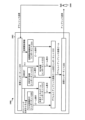
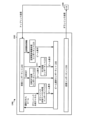
図10は、基地局1050と通信している例示的な装置1002の中の異なる手段/コンポーネントの間のデータフローを示す概念的なデータフロー図1000である。装置1002は、UEまたはUEのコンポーネントであってもよい。装置1002は、受信コンポーネント1004、送信コンポーネント1006、TCI状態識別子コンポーネント1008、共有チャネルビームコンポーネント1010、CORESET処理コンポーネント1012、DCI処理コンポーネント1014、空間関係情報処理コンポーネント1016、およびデフォルトアップリンク送信ビーム決定コンポーネント1018を含む。基地局1050は、図1の基地局102/180、図3の基地局310、図4の基地局402、および/または図13/図14の装置1302/1302'に関して示すような、同じかまたは類似のコンポーネントを含み得る。
10 is a conceptual data flow diagram 1000 illustrating data flow between different means/components in an
受信コンポーネント1004は、たとえば、基地局1050を含む他のデバイスから、様々なタイプの信号/メッセージおよび/または他の情報を受信するように構成され得る。メッセージ/情報は、受信コンポーネント1004を介して受信されてもよく、様々な動作を実行する際のさらなる処理および/または使用のために装置1002の1つまたは複数のコンポーネントに提供されてもよい。たとえば、受信コンポーネント1004は、(たとえば、602、702、802、および/または902に関して説明されたように)たとえば、ダウンリンク共有チャネル、CORESET、DCIシグナリング、デフォルト空間関係情報、MAC-CEシグナリング、および/またはRRCシグナリングを含むダウンリンク送信を受信するように構成され得る。
The receiving component 1004 may be configured to receive various types of signals/messages and/or other information from other devices, including, for example, the
送信コンポーネント1006は、様々なタイプの信号/メッセージおよび/または他の情報を、たとえば、基地局1050を含む他のデバイスへ送信するように構成され得る。たとえば、送信コンポーネント1006は、(たとえば、506に関して説明されたように)デフォルトアップリンク送信ビーム上でアップリンク送信を送信するように構成され得る。
The transmitting component 1006 may be configured to transmit various types of signals/messages and/or other information to other devices, including, for example, the
TCI状態識別子コンポーネント1008は、(たとえば、604、606、および/または608に関して説明されたように)ダウンリンク共有チャネルに関連するアクティブ化されたTCI状態の最小TCI状態識別子に対応するビームを選択し、かつ/またはダウンリンク共有チャネルに関連するTCI状態の特定のTCI状態識別子に対応するビームを選択するように構成され得る。 The TCI state identifier component 1008 may be configured to select a beam corresponding to the smallest TCI state identifier of the activated TCI states associated with the downlink shared channel (e.g., as described with respect to 604, 606, and/or 608) and/or to select a beam corresponding to a particular TCI state identifier of the TCI state associated with the downlink shared channel.
共有チャネルビームコンポーネント1010は、(たとえば、604および/または610に関して説明されたように)しきい値期間の後、最後に首尾よく受信されたダウンリンク共有チャネルビームに対応するビームを選択するように構成され得る。 The shared channel beam component 1010 may be configured to select a beam corresponding to the last successfully received downlink shared channel beam after a threshold period (e.g., as described with respect to 604 and/or 610).
CORESET処理コンポーネント1012は、(たとえば、704に関して説明されたように)特定のCORESETに関連するビームを選択するように構成され得る。いくつかの例では、特定のCORESETは、UEによって最後に監視されたスロットの中の最小CORESET識別子を含む。いくつかの例では、特定のCORESETは、構成されたCORESETのセットのうちの最小CORESET識別子を含む。 The CORESET processing component 1012 may be configured to select a beam associated with a particular CORESET (e.g., as described with respect to 704). In some examples, the particular CORESET includes the smallest CORESET identifier among the slots last monitored by the UE. In some examples, the particular CORESET includes the smallest CORESET identifier among a set of configured CORESETs.
DCI処理コンポーネント1014は、(たとえば、804に関して説明されたように)DCIの中で示されるビームを選択するように構成され得る。 The DCI processing component 1014 may be configured to select a beam indicated in the DCI (e.g., as described with respect to 804).
空間関係情報処理コンポーネント1016は、(たとえば、904に関して説明されたように)デフォルトアップリンク空間関係情報に基づいて、後続の複数のアップリンク送信のためのデフォルトアップリンク送信ビームを決定するように構成され得る。 The spatial relationship information processing component 1016 may be configured to determine a default uplink transmit beam for subsequent multiple uplink transmissions based on the default uplink spatial relationship information (e.g., as described with respect to 904).
デフォルトアップリンク送信ビーム決定コンポーネント1018は、(たとえば、502および/または504に関して説明されたように)アップリンク送信のために基地局によってアップリンク送信ビームが構成されていないとき、アップリンク送信を送信するためのデフォルトアップリンク送信ビームを規則に基づいて決定するように構成され得る。たとえば、デフォルトアップリンク送信ビーム決定コンポーネント1018は、デフォルトアップリンク送信ビームを決定するために、TCI状態識別子コンポーネント1008、共有チャネルビームコンポーネント1010、CORESET処理コンポーネント1012、DCI処理コンポーネント1014、および/または空間関係情報処理コンポーネント1016によって提供されるビーム表示を使用し得る。いくつかの例では、デフォルトアップリンク送信ビーム決定コンポーネント1018は、(たとえば、504に関して説明されたように)対応するアップリンク送信タイプ(たとえば、SRS、アップリンク制御チャネル、および/またはSR)のための、それぞれのデフォルトアップリンク送信ビームを決定し得る。 The default uplink transmission beam determination component 1018 may be configured to rule-based determine a default uplink transmission beam for transmitting an uplink transmission when no uplink transmission beam is configured by the base station for the uplink transmission (e.g., as described with respect to 502 and/or 504). For example, the default uplink transmission beam determination component 1018 may use a beam indication provided by the TCI state identifier component 1008, the shared channel beam component 1010, the CORESET processing component 1012, the DCI processing component 1014, and/or the spatial relationship information processing component 1016 to determine a default uplink transmission beam. In some examples, the default uplink transmission beam determination component 1018 may determine a respective default uplink transmission beam for a corresponding uplink transmission type (e.g., SRS, uplink control channel, and/or SR) (e.g., as described with respect to 504).
装置は、上述の図5~図9のフローチャートにおけるアルゴリズムのブロックの各々を実行する追加のコンポーネントを含み得る。したがって、上述の図5~図9のフローチャートにおける各ブロックはコンポーネントによって実行されてもよく、装置はそれらのコンポーネントのうちの1つまたは複数を含んでもよい。コンポーネントは、述べられたプロセス/アルゴリズムを実行するように特に構成された1つもしくは複数のハードウェアコンポーネントであるか、述べられたプロセス/アルゴリズムを実行するように構成されたプロセッサによって実装されるか、プロセッサによる実装のためにコンピュータ可読媒体内に記憶されるか、またはそれらの何らかの組合せであってもよい。 The apparatus may include additional components that perform each of the blocks of the algorithms in the flowcharts of Figures 5-9 above. Thus, each block in the flowcharts of Figures 5-9 above may be performed by a component, and the apparatus may include one or more of those components. The components may be one or more hardware components specifically configured to perform the described process/algorithm, implemented by a processor configured to perform the described process/algorithm, stored in a computer-readable medium for implementation by a processor, or some combination thereof.
図11は、処理システム1114を利用する装置1002'のハードウェア実装形態の例を示す図1100である。処理システム1114は、バス1124によって概略的に表されるバスアーキテクチャを用いて実装され得る。バス1124は、処理システム1114の具体的な適用例および全体的な設計制約に応じて、任意の数の相互接続バスとブリッジとを含み得る。バス1124は、プロセッサ1104、コンポーネント1004、1006、1008、1010、1012、1014、1016、1018、およびコンピュータ可読媒体/メモリ1106によって表される1つまたは複数のプロセッサおよび/またはハードウェアコンポーネントを含む、様々な回路を一緒につなぐ。バス1124はまた、タイミングソース、周辺装置、電圧調整器、および電力管理回路などの、様々な他の回路をつなぎ得るが、それらは当技術分野においてよく知られており、したがって、これ以上説明されない。
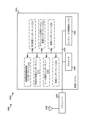
11 is a diagram 1100 illustrating an example of a hardware implementation of an apparatus 1002' utilizing a
処理システム1114は、トランシーバ1110に結合され得る。トランシーバ1110は1つまたは複数のアンテナ1120に結合される。トランシーバ1110は、送信媒体を介して様々な他の装置と通信するための手段を提供する。トランシーバ1110は、1つまたは複数のアンテナ1120から信号を受信し、受信された信号から情報を抽出し、抽出された情報を処理システム1114に、特に受信コンポーネント1004に提供する。加えて、トランシーバ1110は、処理システム1114から、特に送信コンポーネント1006から情報を受信し、受信された情報に基づいて、1つまたは複数のアンテナ1120に印加されるべき信号を生成する。処理システム1114は、コンピュータ可読媒体/メモリ1106に結合されたプロセッサ1104を含む。プロセッサ1104は、コンピュータ可読媒体/メモリ1106に記憶されたソフトウェアの実行を含む一般的な処理を担う。ソフトウェアは、プロセッサ1104によって実行されると、任意の特定の装置に対して上で説明された様々な機能を処理システム1114に実行させる。コンピュータ可読媒体/メモリ1106はまた、ソフトウェアを実行するときにプロセッサ1104によって操作されるデータを記憶するために使用され得る。処理システム1114は、コンポーネント1004、1006、1008、1010、1012、1014、1016、1018のうちの少なくとも1つをさらに含む。それらのコンポーネントは、プロセッサ1104内で動作し、コンピュータ可読媒体/メモリ1106に存在する/記憶されたソフトウェアコンポーネント、プロセッサ1104に結合された1つまたは複数のハードウェアコンポーネント、またはそれらの何らかの組合せであり得る。処理システム1114はUE350のコンポーネントであってもよく、メモリ360、ならびに/またはTXプロセッサ368、RXプロセッサ356、およびコントローラ/プロセッサ359のうちの少なくとも1つを含んでもよい。代替として、処理システム1114はUE全体(たとえば、図3のUE350を参照)であってもよい。
The
一構成では、ワイヤレス通信のための装置1002/1002'は、アップリンク送信のために基地局によってアップリンク送信ビームが構成されていないとき、アップリンク送信を送信するためのデフォルトアップリンク送信ビームを規則に基づいて決定するための手段、およびデフォルトアップリンク送信ビーム上でアップリンク送信を基地局へ送信するための手段を含む。別の態様では、装置1002/1002'は、デフォルトアップリンク送信ビームが、ダウンリンク送信を受信するために使用されるビームに対応すること、およびデフォルトアップリンク送信ビームのためのパラメータが、そのビームに対応し得ることを決定するための手段を含んでもよい。別の態様では、装置1002/1002'は、基地局からダウンリンク共有チャネルを受信するための手段を含んでもよく、デフォルトアップリンク送信ビームを規則に基づいて決定するための手段は、ダウンリンク送信を受信するために使用されるビームに基づいてデフォルトアップリンク送信ビームを決定するように構成され得る。別の態様では、装置1002/1002'は、ダウンリンク共有チャネルに関連するアクティブ化されたTCI状態の最小TCI状態識別子に対応するビームを選択するための手段を含んでもよい。別の態様では、装置1002/1002'は、ダウンリンク共有チャネルに関連するTCI状態のTCI状態識別子に対応するビームを選択するための手段を含んでもよい。別の態様では、装置1002/1002'は、しきい値期間の後、最後に首尾よく受信されたダウンリンク共有チャネルビームに対応するビームを選択するための手段を含んでもよい。別の態様では、装置1002/1002'は、CORESETに関連するビームを選択するための手段を含んでもよい。別の態様では、装置1002/1002'は、RRCシグナリングまたはMAC-CEのうちの少なくとも1つを介してCORESETに対するCORESET識別子を受信するための手段を含んでもよい。別の態様では、装置1002/1002'は、DCIの中で示されるビームを選択するための手段を含んでもよい。別の態様では、装置1002/1002'は、ダウンリンク送信を受信するために使用される対応するビームに基づいて、複数のTRPの各TRPに対してデフォルトアップリンク送信ビームを決定するための手段を含んでもよい。別の態様では、装置1002/1002'は、アップリンク制御チャネルを送信するための第1のデフォルトアップリンク送信ビームを決定するための手段、SRSを送信するための第2のデフォルトアップリンク送信ビームを決定するための手段、および/またはSRを送信するための第3のデフォルトアップリンク送信ビームを決定するための手段を含んでもよい。別の態様では、装置1002/1002'は、デフォルトアップリンク送信ビームを決定するためのデフォルトアップリンク空間関係情報を基地局から受信するための手段、およびデフォルトアップリンク空間関係情報に基づいて、後続の複数のアップリンク送信のためのデフォルトアップリンク送信ビームを決定するための手段を含んでもよい。別の態様では、装置1002/1002'は、RRCシグナリング、MAC-CEシグナリング、およびDCIシグナリングのうちの少なくとも1つを介してデフォルトアップリンク空間関係情報を受信するための手段を含んでもよい。
In one configuration, an
上述の手段は、上述の手段によって列挙された機能を実行するように構成された、装置1002の上述のコンポーネントおよび/または装置1002'の処理システム1114のうちの1つまたは複数であってもよい。上で説明されたように、処理システム1114は、TXプロセッサ368と、RXプロセッサ356と、コントローラ/プロセッサ359とを含み得る。したがって、一構成では、上述の手段は、上述の手段によって列挙される機能を実行するように構成された、TXプロセッサ368、RXプロセッサ356、およびコントローラ/プロセッサ359であってもよい。
The aforementioned means may be one or more of the aforementioned components of the
図12は、ワイヤレス通信の方法のフローチャート1200である。方法は、基地局(たとえば、102/180、基地局310、基地局402、基地局1050、装置1302/1302'、処理システム1414、これはメモリ376を含んでもよく、基地局310全体であってもよく、または、TXプロセッサ316、RXプロセッサ370、および/もしくはコントローラ/プロセッサ375などの基地局310のコンポーネントであってもよい)によって実行され得る。随意の態様は破線を用いて図示される。図12の例示的なフローチャート1200は、(たとえば、アップリンク送信のためにアップリンクビームが構成されていないとき)アップリンク送信を送信するための、UEによる高速かつ効率的なアップリンクビーム選択を基地局が可能にすることを容易にし、そのことは、たとえば、基地局とUEとの間のオーバーヘッドシグナリングを低減することによる、改善されたセルカバレッジをもたらし得る。
12 is a
1202において、基地局は、たとえば図4のダウンリンク送信410に関して説明されたように、ダウンリンクビーム上でダウンリンク送信をUEへ送信する。たとえば、送信コンポーネント1306が、ダウンリンク送信の送信を容易にし得る。いくつかの例では、ダウンリンク送信は、ダウンリンク共有チャネル、CORESET、DCIシグナリング、および/またはデフォルト空間関係情報のうちの1つまたは複数を備え得る。いくつかの例では、ダウンリンク送信は、RRCシグナリングまたはMAC-CEシグナリングを介して送信され得る。 At 1202, the base station transmits a downlink transmission on a downlink beam to the UE, e.g., as described with respect to downlink transmission 410 of FIG. 4. For example, a transmission component 1306 may facilitate transmitting the downlink transmission. In some examples, the downlink transmission may comprise one or more of a downlink shared channel, CORESET, DCI signaling, and/or default spatial relationship information. In some examples, the downlink transmission may be transmitted via RRC signaling or MAC-CE signaling.
1204において、基地局は、たとえば図4の440に関して説明されたように、アップリンク送信を受信するために監視すべきビームを選択し得る。たとえば、ビーム選択コンポーネント1308が、アップリンク送信を受信するために監視すべきビームの選択を容易にし得る。いくつかの例では、選択されたビームのパラメータは、ダウンリンクビームに対応し得る。 At 1204, the base station may select a beam to monitor to receive the uplink transmission, e.g., as described with respect to 440 of FIG. 4. For example, a beam selection component 1308 may facilitate the selection of a beam to monitor to receive the uplink transmission. In some examples, parameters of the selected beam may correspond to a downlink beam.
いくつかの例では、ダウンリンク送信は、ダウンリンク共有チャネルであり得、基地局は、ダウンリンク共有チャネルに関連するパラメータに基づいてビームを選択し得る。たとえば、1206において、基地局は、ダウンリンク共有チャネルに関連するアクティブ化されたTCI状態の最小TCI状態識別子に対応するビームを選択し得る。たとえば、ダウンリンク共有チャネル処理コンポーネント1310が、ダウンリンク共有チャネルに関連するアクティブ化されたTCI状態の最小TCI状態識別子に対応するビームの選択を容易にし得る。 In some examples, the downlink transmission may be a downlink shared channel, and the base station may select a beam based on parameters associated with the downlink shared channel. For example, at 1206, the base station may select a beam corresponding to a minimum TCI state identifier of an activated TCI state associated with the downlink shared channel. For example, the downlink shared channel processing component 1310 may facilitate the selection of a beam corresponding to a minimum TCI state identifier of an activated TCI state associated with the downlink shared channel.
いくつかの例では、1208において、基地局は、ダウンリンク共有チャネルに関連するTCI状態の特定のTCI状態識別子に対応するビームを選択し得る。たとえば、ダウンリンク共有チャネル処理コンポーネント1310が、ダウンリンク共有チャネルに関連するTCI状態の特定のTCI状態識別子に対応するビームの選択を容易にし得る。 In some examples, at 1208, the base station may select a beam corresponding to a particular TCI state identifier of a TCI state associated with the downlink shared channel. For example, the downlink shared channel processing component 1310 may facilitate the selection of a beam corresponding to a particular TCI state identifier of a TCI state associated with the downlink shared channel.
いくつかの例では、1210において、基地局は、しきい値期間の後、最後に首尾よく受信されたダウンリンク共有チャネルビームに対応するビームを選択し得る。たとえば、ダウンリンク共有チャネル処理コンポーネント1310が、しきい値期間の後の、最後に首尾よく受信されたダウンリンク共有チャネルビームに対応するビームの選択を容易にし得る。 In some examples, at 1210, the base station may select a beam corresponding to the last successfully received downlink shared channel beam after a threshold period. For example, the downlink shared channel processing component 1310 may facilitate the selection of a beam corresponding to the last successfully received downlink shared channel beam after a threshold period.
いくつかの例では、ダウンリンク送信は、特定のCORESETに関連するCORESET識別子を含んでもよく、基地局は、特定のCORESETに基づいてビームを選択し得る。たとえば、1212において、基地局は、特定のCORESETに関連するビームに対応するビームを選択し得る。たとえば、CORESET処理コンポーネント1312が、特定のCORESETに関連するビームに対応するビームの選択を容易にし得る。いくつかの例では、特定のCORESETは、UEによって最後に監視されたスロットの中の最小CORESET識別子を含む。いくつかの例では、特定のCORESETは、構成されたCORESETのセットのうちの最小CORESET識別子を含む。いくつかの例では、基地局は、RRCシグナリングまたはMAC-CEシグナリングのうちの少なくとも1つを介してCORESET識別子を送信し得る。 In some examples, the downlink transmission may include a CORESET identifier associated with a particular CORESET, and the base station may select a beam based on the particular CORESET. For example, at 1212, the base station may select a beam corresponding to a beam associated with the particular CORESET. For example, the CORESET processing component 1312 may facilitate the selection of the beam corresponding to the beam associated with the particular CORESET. In some examples, the particular CORESET includes a minimum CORESET identifier among the slots last monitored by the UE. In some examples, the particular CORESET includes a minimum CORESET identifier among a set of configured CORESETs. In some examples, the base station may transmit the CORESET identifier via at least one of RRC signaling or MAC-CE signaling.
いくつかの例では、ダウンリンク送信は、DCIシグナリングを含んでもよく、基地局は、DCIシグナリングに基づいてビームを選択し得る。たとえば、1214において、基地局は、DCIシグナリングの中で示されるビームを選択し得る。たとえば、DCI処理コンポーネント1314が、DCIシグナリングに基づくビームの選択を容易にし得る。 In some examples, the downlink transmission may include DCI signaling, and the base station may select a beam based on the DCI signaling. For example, at 1214, the base station may select a beam indicated in the DCI signaling. For example, the DCI processing component 1314 may facilitate the selection of the beam based on the DCI signaling.
いくつかの例では、1216において、基地局は、対応するアップリンク送信のためのそれぞれのビームを選択し得る。たとえば、ビーム選択コンポーネント1308が、アップリンク制御チャネルを受信するための第1のビーム、SRSを受信するための第2のビーム、およびSRを受信するための第3のビームの選択を容易にし得る。いくつかの例では、ビームのうちの2つ以上が同じビームであってもよい。 In some examples, at 1216, the base station may select respective beams for corresponding uplink transmissions. For example, a beam selection component 1308 may facilitate selection of a first beam for receiving an uplink control channel, a second beam for receiving an SRS, and a third beam for receiving an SR. In some examples, two or more of the beams may be the same beam.
いくつかの例では、ダウンリンク送信は、デフォルトアップリンク空間関係情報を備えてもよく、基地局は、デフォルトアップリンク空間関係情報に基づいて、監視すべきビームを選択し得る。たとえば、1218において、基地局は、デフォルトアップリンク空間関係情報に基づいて、複数のアップリンク送信を受信するためのビームを選択し得る。たとえば、空間関係情報処理コンポーネント1316が、デフォルトアップリンク空間関係情報に基づくビームの選択を容易にし得る。 In some examples, the downlink transmission may comprise default uplink spatial relationship information, and the base station may select a beam to monitor based on the default uplink spatial relationship information. For example, at 1218, the base station may select a beam for receiving the multiple uplink transmissions based on the default uplink spatial relationship information. For example, spatial relationship information processing component 1316 may facilitate the selection of a beam based on the default uplink spatial relationship information.
1220において、基地局は、たとえば図4のアップリンク送信450およびビーム454に関して説明されたように、アップリンク送信のために基地局によってアップリンク送信ビームが構成されていないとき、デフォルトアップリンク送信ビーム上でアップリンク送信をUEから受信する。たとえば、受信コンポーネント1304が、アップリンク送信を受信し得る。上で説明されたように、シグナリングオーバーヘッドを低減するために、アップリンク送信(たとえば、アップリンク送信ビーム)に対する空間関係情報は随意のパラメータであってもよく、したがって、UEのために基地局によって明示的に構成されないことがある。基地局からの空間関係情報の明示的な構成がない場合(たとえば、基地局によってアップリンク送信ビームが構成されていない場合)、UEは、アップリンク送信を送信するためのデフォルトアップリンク送信ビームを暗黙的に決定し得る。
At 1220, the base station receives an uplink transmission from the UE on a default uplink transmission beam when an uplink transmission beam is not configured by the base station for the uplink transmission, e.g., as described with respect to uplink transmission 450 and
図13は、UE1350と通信している例示的な装置1302の中の異なる手段/コンポーネントの間のデータフローを示す概念的なデータフロー図1300である。装置1302は、基地局または基地局のコンポーネントであり得る。装置1302は、受信コンポーネント1304、送信コンポーネント1306、ビーム選択コンポーネント1308、ダウンリンク共有チャネル処理コンポーネント1310、CORESET処理コンポーネント1312、DCI処理コンポーネント1314、および空間関係情報処理コンポーネント1316を含む。UE1350は、図1のUE104、図3のUE350、図4のUE404、および/または図10/図11の装置1002/1002'に関して示すような、同じかまたは類似のコンポーネントを含み得る。
13 is a conceptual data flow diagram 1300 illustrating data flow between different means/components in an
受信コンポーネント1304は、たとえば、UE1350を含む他のデバイスから、様々なタイプの信号/メッセージおよび/または他の情報を受信するように構成され得る。メッセージ/情報は、受信コンポーネント1304を介して受信されてもよく、様々な動作を実行する際のさらなる処理および/または使用のために装置1302の1つまたは複数のコンポーネントに提供されてもよい。たとえば、受信コンポーネント1304は、(たとえば、1220に関して説明されたように)アップリンク送信のために基地局によってアップリンク送信ビームが構成されていないとき、デフォルトアップリンク送信ビーム上で送信されたアップリンク送信を受信するように構成され得る。
The receiving component 1304 may be configured to receive various types of signals/messages and/or other information from other devices, including, for example, the
送信コンポーネント1306は、様々なタイプの信号/メッセージおよび/または他の情報を、たとえば、UE1350を含む他のデバイスへ送信するように構成され得る。たとえば、送信コンポーネント1306は、(たとえば、1202に関して説明されたように)ダウンリンク送信を送信するために使用されるダウンリンクビーム上でダウンリンク送信を送信し、ダウンリンク共有チャネルを送信し、RRCシグナリングまたはMAC-CEシグナリングを介してCORESET識別子を送信し、DCIシグナリングを送信し、かつ/あるいはRRCシグナリング、MAC-CEシグナリング、またはDCIシグナリングを介してデフォルトアップリンク空間関係情報を送信するように構成され得る。
The transmitting component 1306 may be configured to transmit various types of signals/messages and/or other information to other devices, including, for example, the
ビーム選択コンポーネント1308は、(たとえば、1204および/または1216に関して説明されたように)アップリンク送信を受信するために監視すべきビームを選択し、かつ/または対応するアップリンク送信のためのそれぞれのビームを選択するように構成され得る。 The beam selection component 1308 may be configured to select beams to monitor for receiving uplink transmissions (e.g., as described with respect to 1204 and/or 1216) and/or to select respective beams for corresponding uplink transmissions.
ダウンリンク共有チャネル処理コンポーネント1310は、(たとえば、1206、1208、および/または1210に関して説明されたように)ダウンリンク共有チャネルに関連するアクティブ化されたTCI状態の最小TCI状態識別子に対応するビームを選択し、ダウンリンク共有チャネルに関連するTCI状態の特定のTCI状態識別子に対応するビームを選択し、かつ/またはしきい値期間の後、最後に首尾よく受信されたダウンリンク共有チャネルビームに対応するビームを選択するように構成され得る。 The downlink shared channel processing component 1310 may be configured to select a beam corresponding to a minimum TCI state identifier of an activated TCI state associated with the downlink shared channel (e.g., as described with respect to 1206, 1208, and/or 1210), select a beam corresponding to a particular TCI state identifier of a TCI state associated with the downlink shared channel, and/or select a beam corresponding to a last successfully received downlink shared channel beam after a threshold period.
CORESET処理コンポーネント1312は、(たとえば、1212に関して説明されたように)特定のCORESETに関連するビームに対応するビームを選択するように構成され得る。 The CORESET processing component 1312 may be configured to select beams that correspond to beams associated with a particular CORESET (e.g., as described with respect to 1212).
DCI処理コンポーネント1314は、(たとえば、1214に関して説明されたように)DCIシグナリングの中で示されるビームを選択するように構成され得る。 The DCI processing component 1314 may be configured to select a beam indicated in the DCI signaling (e.g., as described with respect to 1214).
空間関係情報処理コンポーネント1316は、(たとえば、1218に関して説明されたように)デフォルトアップリンク空間関係情報に基づいて、複数のアップリンク送信を受信するためのビームを選択するように構成され得る。 The spatial relationship information processing component 1316 may be configured to select a beam for receiving multiple uplink transmissions based on the default uplink spatial relationship information (e.g., as described with respect to 1218).
装置は、上述の図12のフローチャートにおけるアルゴリズムのブロックの各々を実行する追加のコンポーネントを含み得る。したがって、上述の図12のフローチャートにおける各ブロックはコンポーネントによって実行されてもよく、装置はそれらのコンポーネントのうちの1つまたは複数を含んでもよい。コンポーネントは、述べられたプロセス/アルゴリズムを実行するように特に構成された1つもしくは複数のハードウェアコンポーネントであるか、述べられたプロセス/アルゴリズムを実行するように構成されたプロセッサによって実装されるか、プロセッサによる実装のためにコンピュータ可読媒体内に記憶されるか、またはそれらの何らかの組合せであってもよい。 The apparatus may include additional components that perform each of the blocks of the algorithm in the flowchart of FIG. 12 above. Thus, each block in the flowchart of FIG. 12 above may be performed by a component, and the apparatus may include one or more of those components. The components may be one or more hardware components specifically configured to perform the described process/algorithm, implemented by a processor configured to perform the described process/algorithm, stored in a computer-readable medium for implementation by a processor, or some combination thereof.
図14は、処理システム1414を利用する装置1302'のハードウェア実装形態の例を示す図1400である。処理システム1414は、バス1424によって概略的に表されるバスアーキテクチャを用いて実装され得る。バス1424は、処理システム1414の具体的な適用例および全体的な設計制約に応じて、任意の数の相互接続バスとブリッジとを含み得る。バス1424は、プロセッサ1404、コンポーネント1304、1306、1308、1310、1312、1314、1316、およびコンピュータ可読媒体/メモリ1406によって表される1つまたは複数のプロセッサおよび/またはハードウェアコンポーネントを含む、様々な回路を一緒につなぐ。バス1424はまた、タイミングソース、周辺装置、電圧調整器、および電力管理回路などの、様々な他の回路をつなぎ得るが、それらは当技術分野においてよく知られており、したがって、これ以上説明されない。
14 is a diagram 1400 illustrating an example of a hardware implementation of an apparatus 1302' utilizing a
処理システム1414は、トランシーバ1410に結合され得る。トランシーバ1410は、1つまたは複数のアンテナ1420に結合される。トランシーバ1410は、送信媒体を介して様々な他の装置と通信するための手段を提供する。トランシーバ1410は、1つまたは複数のアンテナ1420から信号を受信し、受信された信号から情報を抽出し、抽出された情報を処理システム1414に、特に受信コンポーネント1304に提供する。加えて、トランシーバ1410は、処理システム1414から、特に送信コンポーネント1306から情報を受信し、受信された情報に基づいて、1つまたは複数のアンテナ1420に印加されるべき信号を生成する。処理システム1414は、コンピュータ可読媒体/メモリ1406に結合されたプロセッサ1404を含む。プロセッサ1404は、コンピュータ可読媒体/メモリ1406に記憶されたソフトウェアの実行を含む一般的な処理を担う。ソフトウェアは、プロセッサ1404によって実行されると、任意の特定の装置に対して上で説明された様々な機能を処理システム1414に実行させる。コンピュータ可読媒体/メモリ1406はまた、ソフトウェアを実行するときにプロセッサ1404によって操作されるデータを記憶するために使用され得る。処理システム1414は、コンポーネント1304、1306、1308、1310、1312、1314、1316のうちの少なくとも1つをさらに含む。それらのコンポーネントは、プロセッサ1404内で動作し、コンピュータ可読媒体/メモリ1406に存在する/記憶されたソフトウェアコンポーネント、プロセッサ1404に結合された1つまたは複数のハードウェアコンポーネント、またはそれらの何らかの組合せであり得る。処理システム1414は、基地局310のコンポーネントであってもよく、メモリ376、ならびに/またはTXプロセッサ316、RXプロセッサ370、およびコントローラ/プロセッサ375のうちの少なくとも1つを含み得る。代替として、処理システム1414は、基地局(たとえば、図3の基地局310を参照)全体であってもよい。
The
一構成では、ワイヤレス通信のための装置1302/1302'は、ダウンリンク送信を送信するために使用されるダウンリンクビーム上でダウンリンク送信をUEへ送信するための手段、およびアップリンク送信のために基地局によってアップリンク送信ビームが構成されていないとき、デフォルトアップリンク送信ビーム上でアップリンク送信をUEから受信するための手段を含む。別の態様では、装置1302/1302'は、アップリンク送信を受信するために監視すべきビームを選択するための手段を含んでもよく、ここで、選択されたビームのパラメータは、ダウンリンクビームに対応する。別の態様では、装置1302/1302'は、ダウンリンク共有チャネルに関連するアクティブ化されたTCI状態の最小TCI状態識別子に対応するビームを選択するための手段を含んでもよい。別の態様では、装置1302/1302'は、ダウンリンク共有チャネルに関連するTCI状態のTCI状態識別子に対応するビームを選択するための手段を含んでもよい。別の態様では、装置1302/1302'は、しきい値期間の後、最後に首尾よく受信されたダウンリンク共有チャネルビームに対応するビームを選択するための手段を含んでもよい。別の態様では、装置1302/1302'は、CORESETに関連するビームに基づいて、アップリンク送信を受信するために監視すべきビームを選択するための手段を含んでもよい。別の態様では、装置1302/1302'は、RRCまたはMAC-CEのうちの少なくとも1つを介してCORESETに対するCORESET識別子を送信するための手段を含んでもよい。別の態様では、装置1302/1302'は、DCIの中で示されるビームに基づいて、アップリンク送信を受信するために監視すべきビームを選択するための手段を含んでもよい。別の態様では、装置1302/1302'は、複数のTRPを使用して通信するための手段を含んでもよく、ここで、各TRPに対して、アップリンク送信を受信するために監視すべきビームの選択は、対応するダウンリンクビームに基づく。別の態様では、装置1302/1302'は、アップリンク制御チャネルを受信するための第1のビームを選択するための手段、およびSRSを受信するための第2のビームを選択するための手段を含んでもよい。別の態様では、装置1302/1302'は、デフォルトアップリンク空間関係情報に基づいて、複数のアップリンク送信を受信するために監視すべきビームを選択するための手段を含んでもよい。別の態様では、装置1302/1302'は、RRCシグナリング、MAC-CEシグナリング、およびDCIシグナリングのうちの少なくとも1つを介してデフォルトアップリンク空間関係情報をUEへ送信するための手段を含んでもよい。
In one configuration, an
上述の手段は、上述の手段によって列挙された機能を実行するように構成された、装置1302の上述のコンポーネントおよび/または装置1302'の処理システム1414のうちの1つまたは複数であってもよい。上で説明されたように、処理システム1414は、TXプロセッサ316、RXプロセッサ370、およびコントローラ/プロセッサ375を含み得る。したがって、一構成では、上述の手段は、上述の手段によって列挙される機能を実行するように構成された、TXプロセッサ316、RXプロセッサ370、およびコントローラ/プロセッサ375であってもよい。
The aforementioned means may be one or more of the aforementioned components of the
開示されたプロセス/フローチャートにおけるブロックの特定の順序または階層は、例示的な手法の示すものであることを理解されたい。設計選好に基づいて、プロセス/フローチャートにおけるブロックの特定の順序または階層が、並べ替えられてもよいことを理解されたい。さらに、いくつかのブロックが組み合わせられてもよく、または省略されてもよい。添付の方法クレームは、様々なブロックの要素を例示的な順序で提示したものであり、提示された特定の順序または階層に限定されるものでない。 It should be understood that the particular order or hierarchy of the blocks in the disclosed processes/flowcharts is an illustration of an example approach. Based on design preferences, it should be understood that the particular order or hierarchy of the blocks in the processes/flowcharts may be rearranged. Further, some blocks may be combined or omitted. The accompanying method claims present elements of the various blocks in an example order, and are not limited to the particular order or hierarchy presented.
以下の例は、例示的なものにすぎず、限定なしで、本明細書で説明される他の実施形態または教示の態様と組み合わされてもよい。 The following examples are illustrative only and may be combined without limitation with other embodiments or aspects of the teachings described herein.
例1は、UEにおけるワイヤレス通信の方法であり、この方法は、アップリンク送信のために基地局によってアップリンク送信ビームが構成されていないとき、アップリンク送信を送信するためのデフォルトアップリンク送信ビームを規則に基づいて決定するステップと、デフォルトアップリンク送信ビーム上でアップリンク送信を基地局へ送信するステップとを備える。 Example 1 is a method of wireless communication in a UE, the method comprising: determining, based on a rule, a default uplink transmission beam for transmitting an uplink transmission when no uplink transmission beam is configured by a base station for the uplink transmission; and transmitting the uplink transmission to the base station on the default uplink transmission beam.
例2において、例1の方法はさらに、デフォルトアップリンク送信ビームが、ダウンリンク送信を受信するために使用されるビームに対応することを、UEが決定することを含み、デフォルトアップリンク送信ビームのためのパラメータは、そのビームに対応する。 In Example 2, the method of Example 1 further includes the UE determining that a default uplink transmit beam corresponds to a beam used to receive downlink transmissions, and parameters for the default uplink transmit beam correspond to that beam.
例3において、例1または例2のいずれかの方法はさらに、基地局からダウンリンク共有チャネルを受信するステップを含み、規則に基づくデフォルトアップリンク送信ビームの決定は、ダウンリンク送信を受信するために使用されるビームに基づいてデフォルトアップリンク送信ビームを決定するステップを含む。 In Example 3, the method of either Example 1 or Example 2 further includes receiving a downlink shared channel from the base station, and determining the default uplink transmission beam based on the rule includes determining the default uplink transmission beam based on a beam used to receive the downlink transmission.
例4において、例1~例3のいずれかの方法はさらに、ダウンリンク送信を受信するために使用されるビームに基づくデフォルトアップリンク送信ビームの決定が、ダウンリンク共有チャネルに関連するアクティブ化されたTCI状態の最小TCI状態識別子に対応するビームを選択するステップを含むことを含む。 In Example 4, the method of any of Examples 1 to 3 further includes determining the default uplink transmission beam based on the beam used to receive the downlink transmission includes selecting a beam corresponding to the smallest TCI state identifier of the activated TCI states associated with the downlink shared channel.
例5において、例1~例4のいずれかの方法はさらに、ダウンリンク送信を受信するために使用されるビームに基づくデフォルトアップリンク送信ビームの決定が、ダウンリンク共有チャネルに関連するTCI状態のTCI状態識別子に対応するビームを選択するステップを含むことを含む。 In Example 5, the method of any of Examples 1 to 4 further includes determining the default uplink transmission beam based on the beam used to receive the downlink transmission includes selecting a beam corresponding to a TCI state identifier of a TCI state associated with the downlink shared channel.
例6において、例1~例5のいずれかの方法はさらに、ダウンリンク送信を受信するために使用されるビームに基づくデフォルトアップリンク送信ビームの決定が、しきい値期間の後、最後に首尾よく受信されたダウンリンク共有チャネルビームに対応するビームを選択するステップを含むことを含む。 In Example 6, the method of any of Examples 1 to 5 further includes determining the default uplink transmission beam based on the beam used to receive the downlink transmission includes selecting a beam corresponding to the last successfully received downlink shared channel beam after a threshold period.
例7において、例1~例6のいずれかの方法はさらに、規則に基づくデフォルトアップリンク送信ビームの決定が、最小CORESET識別子を有する制御リソースセット(CORESET)に関連するビームを選択するステップを含むことを含む。 In Example 7, the method of any of Examples 1 to 6 further includes the step of determining the default uplink transmission beam based on the rule comprising selecting a beam associated with a control resource set (CORESET) having a minimum CORESET identifier.
例8において、例1~例7のいずれかの方法はさらに、CORESETが、UEによって最後に監視されたスロットの中の最小CORESET識別子を含むことを含む。 In Example 8, the method of any of Examples 1 to 7 further includes the CORESET including the smallest CORESET identifier among the slots last monitored by the UE.
例9において、例1~例8のいずれかの方法はさらに、CORESETが、構成されたCORESETのセットのうちの最小CORESET識別子を含むことを含む。 In Example 9, the method of any of Examples 1 to 8 further includes the CORESET including a minimum CORESET identifier of the set of configured CORESETs.
例10において、例1~例9のいずれかの方法はさらに、RRCまたはMAC-CEのうちの少なくとも1つを介してCORESETに対するCORESET識別子をUEにおいて受信するステップを含む。 In Example 10, the method of any of Examples 1 to 9 further includes receiving, at the UE, a CORESET identifier for the CORESET via at least one of the RRC or MAC-CE.
例11において、例1~例10のいずれかの方法はさらに、規則に基づくデフォルトアップリンク送信ビームの決定が、DCIの中で示されるビームを選択するステップを含むことを含む。 In Example 11, the method of any of Examples 1 to 10 further includes the step of determining the default uplink transmit beam based on the rule comprising selecting a beam indicated in the DCI.
例12において、例1~例11のいずれかの方法はさらに、UEが複数のTRPと通信することを含み、各TRPに対して、デフォルトアップリンク送信ビームの決定は、ダウンリンク送信を受信するために使用される対応するビームに基づく。 In Example 12, the method of any of Examples 1 to 11 further includes the UE communicating with multiple TRPs, and for each TRP, the determination of the default uplink transmission beam is based on a corresponding beam used to receive downlink transmissions.
例13において、例1~例12のいずれかの方法はさらに、アップリンク送信が、アップリンク制御チャネル、SRS、またはSRのうちの少なくとも1つを備えることを含む。 In Example 13, the method of any of Examples 1 to 12 further includes the uplink transmission comprising at least one of an uplink control channel, an SRS, or an SR.
例14において、例1~例13のいずれかの方法はさらに、アップリンク送信を送信するためのデフォルトアップリンク送信ビームの決定が、アップリンク制御チャネルを送信するための第1のデフォルトアップリンク送信ビームを決定するステップを備えることを含み、例はさらに、SRSを送信するための第2のデフォルトアップリンク送信ビームを決定するステップを備える。 In Example 14, the method of any of Examples 1 to 13 further includes determining a default uplink transmission beam for transmitting an uplink transmission comprising determining a first default uplink transmission beam for transmitting an uplink control channel, and the example further comprises determining a second default uplink transmission beam for transmitting an SRS.
例15において、例1~例14のいずれかの方法はさらに、第1のデフォルトアップリンク送信ビームが第2のデフォルトアップリンク送信ビームと同じであることを含む。 In Example 15, the method of any of Examples 1 to 14 further includes the first default uplink transmit beam being the same as the second default uplink transmit beam.
例16において、例1~例15のいずれかの方法はさらに、デフォルトアップリンク送信ビームを決定するためのデフォルトアップリンク空間関係情報を基地局から受信するステップと、デフォルトアップリンク空間関係情報に基づいて、後続の複数のアップリンク送信のためのデフォルトアップリンク送信ビームを決定するステップとを含む。 In Example 16, the method of any of Examples 1 to 15 further includes receiving default uplink spatial relationship information from a base station for determining a default uplink transmission beam, and determining a default uplink transmission beam for a subsequent plurality of uplink transmissions based on the default uplink spatial relationship information.
例17において、例1~例16のいずれかの方法はさらに、RRCシグナリング、MAC-CEシグナリング、およびDCIシグナリングのうちの少なくとも1つを介してデフォルトアップリンク空間関係情報を受信するステップを含む。 In Example 17, the method of any of Examples 1 to 16 further includes receiving default uplink spatial relationship information via at least one of RRC signaling, MAC-CE signaling, and DCI signaling.
例18は、例1~17のいずれかの方法を実施するか、または装置を実現するための手段を含むシステムまたは装置である。 Example 18 is a system or device including means for implementing the method or device of any of Examples 1 to 17.
例19は、1つまたは複数のプロセッサと、命令を記憶する、1つまたは複数のプロセッサと電子的に通信している1つまたは複数のメモリとを含むデバイスであり、命令は、システムまたは装置に、例1~17のいずれかの方法を実施させるように、1つまたは複数のプロセッサによって実行可能である。 Example 19 is a device that includes one or more processors and one or more memories in electronic communication with the one or more processors that store instructions, the instructions being executable by the one or more processors to cause the system or apparatus to perform any of the methods of Examples 1-17.
例20は、命令を記憶する非一時的コンピュータ可読媒体であり、命令は、1つまたは複数のプロセッサに、例1~17のいずれかの方法を実施させるように、1つまたは複数のプロセッサによって実行可能である。 Example 20 is a non-transitory computer-readable medium storing instructions, the instructions being executable by one or more processors to cause the one or more processors to perform any of the methods of Examples 1-17.
例21は、基地局におけるワイヤレス通信の方法であり、この方法は、ダウンリンクビーム上でダウンリンク送信をUEへ送信するステップと、アップリンク送信のために基地局によってアップリンク送信ビームが構成されていないとき、デフォルトアップリンク送信ビームを使用してアップリンク送信をUEから受信するステップとを備える。 Example 21 is a method of wireless communication in a base station, the method comprising: transmitting a downlink transmission to a UE on a downlink beam; and, when an uplink transmission beam is not configured by the base station for the uplink transmission, receiving an uplink transmission from the UE using a default uplink transmission beam.
例22において、例21の方法はさらに、アップリンク送信を受信するために監視すべきビームを選択するステップを含み、選択されたビームのパラメータは、ダウンリンクビームに対応する。 In Example 22, the method of Example 21 further includes selecting a beam to monitor to receive an uplink transmission, the parameters of the selected beam corresponding to the downlink beam.
例23において、例21または例22のいずれかの方法はさらに、ダウンリンク送信がダウンリンク共有チャネルであることを含み、選択されたビームは、ダウンリンク共有チャネルに関連するアクティブ化されたTCI状態の最小TCI状態識別子に対応する。 In Example 23, the method of either Example 21 or Example 22 further includes the downlink transmission being a downlink shared channel, and the selected beam corresponds to a minimum TCI state identifier of an activated TCI state associated with the downlink shared channel.
例24において、例21~例23のいずれかの方法はさらに、ダウンリンク送信がダウンリンク共有チャネルであることを含み、選択されたビームは、ダウンリンク共有チャネルに関連するTCI状態のTCI状態識別子に対応する。 In Example 24, the method of any of Examples 21 to 23 further includes the downlink transmission being a downlink shared channel, and the selected beam corresponds to a TCI state identifier of a TCI state associated with the downlink shared channel.
例25において、例21~例24のいずれかの方法はさらに、ダウンリンク送信がダウンリンク共有チャネルであることを含み、選択されたビームは、しきい値期間の後、最後に首尾よく受信されたダウンリンク共有チャネルビームに対応する。 In Example 25, the method of any of Examples 21-24 further includes the downlink transmission being a downlink shared channel, and the selected beam corresponds to the last successfully received downlink shared channel beam after a threshold period.
例26において、例21~例25のいずれかの方法はさらに、アップリンク送信を受信するために監視すべきビームの選択が、最小CORESET識別子を有する制御リソースセット(CORESET)に関連するビームに基づくことを含む。 In Example 26, the method of any of Examples 21 to 25 further includes selecting a beam to monitor to receive an uplink transmission based on a beam associated with a control resource set (CORESET) having a smallest CORESET identifier.
例27において、例21~例26のいずれかの方法はさらに、CORESETが、UEによって最後に監視されたスロットの中の最小CORESET識別子を含むことを含む。 In Example 27, the method of any of Examples 21 to 26 further includes the CORESET including the smallest CORESET identifier among the slots last monitored by the UE.
例28において、例21~例27のいずれかの方法はさらに、CORESETが、構成されたCORESETのセットのうちの最小CORESET識別子を含むことを含む。 In Example 28, the method of any of Examples 21 to 27 further includes the CORESET including a minimum CORESET identifier of the set of configured CORESETs.
例29において、例21~例28のいずれかの方法はさらに、RRCまたはMAC-CEのうちの少なくとも1つを介してCORESETに対するCORESET識別子を送信するステップを含む。 In Example 29, the method of any of Examples 21 to 28 further includes transmitting a CORESET identifier for the CORESET via at least one of the RRC or MAC-CE.
例30において、例21~例29のいずれかの方法はさらに、アップリンク送信を受信するために監視すべきビームの選択が、DCIの中で示されるビームに基づくことを含む。 In Example 30, the method of any of Examples 21 to 29 further includes selecting a beam to monitor to receive an uplink transmission based on a beam indicated in the DCI.
例31において、例21~例30のいずれかの方法はさらに、基地局が複数のTRPを使用して通信することを含み、各TRPに対して、アップリンク送信を受信するために監視すべきビームの選択は、対応するダウンリンクビームに基づく。 In Example 31, the method of any of Examples 21 to 30 further includes the base station communicating using multiple TRPs, and for each TRP, the selection of a beam to monitor to receive an uplink transmission is based on a corresponding downlink beam.
例32において、例21~例31のいずれかの方法はさらに、アップリンク送信が、アップリンク制御チャネル、SRS、またはSRのうちの少なくとも1つを備えることを含む。 In Example 32, the method of any of Examples 21 to 31 further includes the uplink transmission comprising at least one of an uplink control channel, an SRS, or an SR.
例33において、例21~例32のいずれかの方法はさらに、アップリンク送信を受信するために監視すべきビームの選択が、アップリンク制御チャネルを受信するための第1のビームを選択するステップを含むことを含み、例はさらに、SRSを受信するための第2のビームを選択するステップを備える。 In Example 33, the method of any of Examples 21-32 further includes selecting a beam to monitor to receive an uplink transmission includes selecting a first beam for receiving an uplink control channel, and the example further includes selecting a second beam for receiving an SRS.
例34において、例21~例33のいずれかの方法はさらに、第1のビームが第2のビームと同じであることを含む。 In Example 34, the method of any of Examples 21 to 33 further includes the first beam being the same as the second beam.
例35において、例21~例34のいずれかの方法はさらに、ダウンリンク送信が、デフォルトアップリンク送信ビームを決定するためのデフォルトアップリンク空間関係情報を含むことを含み、例はさらに、デフォルトアップリンク空間関係情報に基づいて、複数のアップリンク送信を受信するために監視すべきビームを選択するステップを備える。 In Example 35, the method of any of Examples 21 to 34 further includes the downlink transmission including default uplink spatial relationship information for determining a default uplink transmission beam, and the example further includes selecting, based on the default uplink spatial relationship information, a beam to monitor for receiving the multiple uplink transmissions.
例36において、例21~例35のいずれかの方法はさらに、RRCシグナリング、MAC-CEシグナリング、およびDCIシグナリングのうちの少なくとも1つを介してデフォルトアップリンク空間関係情報をUEへ送信するステップを含む。 In Example 36, the method of any of Examples 21 to 35 further includes transmitting the default uplink spatial relationship information to the UE via at least one of RRC signaling, MAC-CE signaling, and DCI signaling.
例37は、例21~36のいずれかの方法を実施するか、または装置を実現するための手段を含むシステムまたは装置である。 Example 37 is a system or device including means for implementing the method or device of any of Examples 21 to 36.
例38は、1つまたは複数のプロセッサと、命令を記憶する、1つまたは複数のプロセッサと電子的に通信している1つまたは複数のメモリとを含むデバイスであり、命令は、システムまたは装置に、例21~36のいずれかの方法を実施させるように、1つまたは複数のプロセッサによって実行可能である。 Example 38 is a device that includes one or more processors and one or more memories in electronic communication with the one or more processors that store instructions, the instructions being executable by the one or more processors to cause the system or apparatus to perform any of the methods of Examples 21-36.
例39は、命令を記憶する非一時的コンピュータ可読媒体であり、命令は、1つまたは複数のプロセッサに、例21~36のいずれかの方法を実施させるように、1つまたは複数のプロセッサによって実行可能である。 Example 39 is a non-transitory computer-readable medium storing instructions, the instructions being executable by one or more processors to cause the one or more processors to perform any of the methods of Examples 21-36.
前述の説明は、本明細書で説明された様々な態様を任意の当業者が実践できるようにするために提供される。これらの態様に対する様々な修正は当業者には容易に明らかであり、本明細書で定義される一般原理は他の態様に適用され得る。したがって、特許請求の範囲は、本明細書に示される態様に限定されるものではなく、クレーム文言に矛盾しない最大の範囲を与えられるべきであり、単数形の要素への言及は、そのように明記されていない限り、「唯一無二の」を意味するものではなく、「1つまたは複数の」を意味するものである。「例示的」という語は、本明細書では「例、事例、または例示として機能すること」を意味するために使用される。「例示的」として本明細書で説明されたいかなる態様も、必ずしも他の態様よりも好ましいかまたは有利であると解釈されるべきではない。別段に明記されていない限り、「いくつかの」という用語は1つまたは複数を指す。「A、B、またはCのうちの少なくとも1つ」、「A、B、またはCのうちの1つまたは複数」、「A、B、およびCのうちの少なくとも1つ」、「A、B、およびCのうちの1つまたは複数」、および「A、B、C、またはそれらの任意の組合せ」などの組合せは、A、B、および/またはCの任意の組合せを含み、複数のA、複数のB、または複数のCを含み得る。具体的には、「A、B、またはCのうちの少なくとも1つ」、「A、B、またはCのうちの1つまたは複数」、「A、B、およびCのうちの少なくとも1つ」、「A、B、およびCのうちの1つまたは複数」、および「A、B、C、またはそれらの任意の組合せ」などの組合せは、Aのみ、Bのみ、Cのみ、AおよびB、AおよびC、BおよびC、またはAおよびBおよびCであってもよく、任意のそのような組合せは、A、B、またはCのうちの1つまたは複数のメンバーを含み得る。当業者に知られているか、または後に知られることになる、本開示全体を通じて説明された様々な態様の要素に対するすべての構造的および機能的均等物が、参照により本明細書に明確に組み込まれ、特許請求の範囲によって包含されることが意図される。その上、本明細書で開示されたものはいずれも、そのような開示が特許請求の範囲において明示的に列挙されているかどうかにかかわらず、公に供されるものではない。「モジュール」、「機構」、「要素」、「デバイス」などの
語は、「手段」という語の代用ではないことがある。したがって、いかなるクレーム要素も、その要素が「のための手段」という句を使用して明確に記載されていない限り、ミーンズプラスファンクションとして解釈されるべきではない。
The foregoing description is provided to enable any person skilled in the art to practice the various aspects described herein. Various modifications to these aspects will be readily apparent to those skilled in the art, and the general principles defined herein may be applied to other aspects. Thus, the claims are not limited to the aspects shown herein but are to be accorded the widest scope consistent with the claim language, and references to elements in the singular do not mean "the only one" unless so expressly stated, but rather "one or more." The word "exemplary" is used herein to mean "serving as an example, instance, or illustration." Any aspect described herein as "exemplary" should not necessarily be construed as preferred or advantageous over other aspects. Unless otherwise expressly stated, the term "some" refers to one or more. Combinations such as "at least one of A, B, or C,""one or more of A, B, or C,""at least one of A, B, and C,""one or more of A, B, and C," and "A, B, C, or any combination thereof" include any combination of A, B, and/or C and may include multiple As, multiple Bs, or multiple Cs. Specifically, combinations such as "at least one of A, B, or C,""one or more of A, B, or C,""at least one of A, B, and C,""one or more of A, B, and C," and "A, B, C, or any combination thereof" may be A only, B only, C only, A and B, A and C, B and C, or A and B and C, and any such combination may include one or more members of A, B, or C. All structural and functional equivalents to the elements of the various aspects described throughout this disclosure that are known or that later become known to those skilled in the art are expressly incorporated herein by reference and are intended to be encompassed by the claims. Moreover, nothing disclosed herein is made public, regardless of whether such disclosure is expressly recited in the claims. Words such as "module,""mechanism,""element,""device," and the like may not be substitutes for the word "means." Thus, no claim element should be construed as a means plus function unless the element is expressly recited using the phrase "means for."
102 基地局
104 UE
110 地理的カバレッジエリア
120 通信リンク
132 第1のバックホールリンク
134 第3のバックホールリンク
150 Wi-Fiアクセスポイント
152 Wi-Fi局
154 通信リンク
158 デバイス間通信リンク
160 EPC
162 MME
164 他のMME
166 サービングゲートウェイ
168 MBMS GW
170 BM-SC
172 PDNゲートウェイ
174 HSS
176 IPサービス
180 gNB、基地局
182 ビームフォーミング
184 第2のバックホールリンク
190 コアネットワーク
192 AMF
193 他のAMF
194 SMF
195 UPF
196 UDM
197 IPサービス
198 UE空間関係コンポーネント
199 基地局送信構成表示コンポーネント
310 基地局
316 TXプロセッサ
318RX 受信機
318TX 送信機
320 アンテナ
350 UE
352 アンテナ
354RX 受信機
354TX 送信機
356 RXプロセッサ
358 チャネル推定器
359 コントローラ/プロセッサ
360 メモリ
368 TXプロセッサ
370 RXプロセッサ
374 チャネル推定器
375 コントローラ/プロセッサ
376 メモリ
400 ワイヤレス通信
402 基地局
404 UE
410 ダウンリンク送信
450 アップリンク送信
1002 装置
1004 受信コンポーネント
1006 送信コンポーネント
1008 TCI状態識別子コンポーネント
1010 共有チャネルビームコンポーネント
1012 CORESET処理コンポーネント
1014 DCI処理コンポーネント
1016 空間関係情報処理コンポーネント
1018 デフォルトアップリンク送信ビーム決定コンポーネント
1050 基地局
1104 プロセッサ
1106 コンピュータ可読媒体/メモリ
1110 トランシーバ
1114 処理システム
1120 アンテナ
1124 バス
1302 装置
1304 受信コンポーネント
1306 送信コンポーネント
1308 ビーム選択コンポーネント
1310 ダウンリンク共有チャネル処理コンポーネント
1312 CORESET処理コンポーネント
1314 DCI処理コンポーネント
1316 空間関係情報処理コンポーネント
1350 UE
1404 プロセッサ
1406 コンピュータ可読媒体/メモリ
1410 トランシーバ
1414 処理システム
1420 アンテナ
1424 バス
102 Base Station
104UE
110 Geographic Coverage Areas
120 Communication Links
132 1st backhaul link
134 3rd Backhaul Link
150 Wi-Fi access points
152 Wi-Fi stations
154 Communication Links
158 Inter-Device Communication Links
160 EPC
162 MME
164 Other MMEs
166 Serving Gateway
168 MBMS GW
170 BM-SC
172 PDN Gateway
174 HSS
176 IP Services
180 gNB, base station
182 Beamforming
184 Second Backhaul Link
190 Core Network
192 AMF
193 Other AMF
194 SMF
195 UPF
196 U.D.M.
197 IP Services
198 UE Spatial Relation Components
199 Base Station Transmission Configuration Display Component
310 Base Station
316 TX Processor
318RX Receiver
318TX Transmitter
320 Antenna
350UE
352 Antenna
354RX Receiver
354TX Transmitter
356 RX processor
358 Channel Estimator
359 Controller/Processor
360 Memory
368 TX Processor
370 RX Processor
374 Channel Estimator
375 Controller/Processor
376 Memory
400 Wireless Communications
402 Base Station
404UE
410 Downlink Transmission
450 uplink transmission
1002 Equipment
1004 Receiving Component
1006 Sending Component
1008 TCI Condition Identifier Components
1010 Shared Channel Beam Components
1012 CORESET Processing Components
1014 DCI Processing Components
1016 Spatial relationship information processing component
1018 Default uplink transmit beam decision component
1050 Base Station
1104 Processor
1106 Computer-readable medium/memory
1110 Transceiver
1114 Processing System
1120 Antenna
1124 Bus
1302 Equipment
1304 Receiving Component
1306 Transmission Component
1308 Beam Selection Component
1310 Downlink Shared Channel Processing Component
1312 CORESET Processing Components
1314 DCI Processing Components
1316 Spatial Relation Information Processing Component
1350 UE
1404 processor
1406 Computer-readable medium/memory
1410 Transceiver
1414 Processing System
1420 Antenna
1424 Bus
Claims (15)
アップリンク送信のために基地局によってアップリンク送信ビームが構成されていないとき、前記アップリンク送信を送信するためのデフォルトアップリンク送信ビームを規則に基づいて決定するステップであって、
前記デフォルトアップリンク送信ビームが、ダウンリンク送信を受信するために使用されるビームに対応し、
前記デフォルトアップリンク送信ビームのためのパラメータが、前記ビームに対応し、
前記規則に基づく前記デフォルトアップリンク送信ビームの前記決定が、最小制御リソースセット(CORESET)識別子を有するCORESETに関連するビームを選択するステップを含み、
前記CORESETが、前記UEによって最後に監視されたスロットの中の前記最小CORESET識別子を含むか、または構成されたCORESETのセットのうちの前記最小CORESET識別子を含む、ステップと、
前記デフォルトアップリンク送信ビーム上で前記アップリンク送信を前記基地局へ送信するステップと
を備える、方法。 1. A method of wireless communication in a user equipment (UE), comprising:
determining, when no uplink transmission beam is configured by a base station for an uplink transmission, a default uplink transmission beam for transmitting the uplink transmission based on a rule,
the default uplink transmission beam corresponds to a beam used to receive downlink transmissions;
parameters for the default uplink transmit beam correspond to the beam;
The determining of the default uplink transmission beam based on the rule includes selecting a beam associated with a minimum control resource set (CORESET) having a CORESET identifier;
The CORESET includes the smallest CORESET identifier among the slots last monitored by the UE or includes the smallest CORESET identifier among a set of configured CORESETs;
transmitting the uplink transmission on the default uplink transmission beam to the base station.
前記SRSを送信するための第2のデフォルトアップリンク送信ビームを決定するステップをさらに備える、請求項2に記載の方法。 wherein the determining of the default uplink transmission beam for transmitting the uplink transmission comprises determining a first default uplink transmission beam for transmitting the uplink control channel, the method comprising:
The method of claim 2 , further comprising determining a second default uplink transmission beam for transmitting the SRS.
前記規則に基づく前記デフォルトアップリンク送信ビームの前記決定が、前記ダウンリンク送信を受信するために使用される前記ビームに基づいて前記デフォルトアップリンク送信ビームを決定するステップを含む、請求項1に記載の方法。 receiving a downlink shared channel from the base station;
2. The method of claim 1 , wherein the determining of the default uplink transmission beam based on the rule comprises determining the default uplink transmission beam based on the beam used to receive the downlink transmission.
メモリと、
前記メモリに結合された少なくとも1つのプロセッサと
を備え、前記少なくとも1つのプロセッサが、
アップリンク送信のためのアップリンク送信ビームが構成されていないとき、前記アップリンク送信を送信するためのデフォルトアップリンク送信ビームを規則に基づいて決定することであって、
前記デフォルトアップリンク送信ビームが、ダウンリンク送信を受信するために使用されるビームに対応し、
前記デフォルトアップリンク送信ビームのためのパラメータが、前記ビームに対応し、
前記規則に基づく前記デフォルトアップリンク送信ビームの前記決定が、最小制御リソースセット(CORESET)識別子を有するCORESETに関連するビームを選択することを含み、
前記CORESETが、前記UEによって最後に監視されたスロットの中の前記最小CORESET識別子を含むか、または構成されたCORESETのセットのうちの前記最小CORESET識別子を含む、決定することと、
前記デフォルトアップリンク送信ビーム上で前記アップリンク送信を基地局へ送信することと
を行うように構成される、装置。 An apparatus for wireless communication in a first user equipment (UE), comprising:
Memory,
and at least one processor coupled to the memory, the at least one processor comprising:
determining, when an uplink transmission beam for an uplink transmission is not configured, a default uplink transmission beam for transmitting the uplink transmission based on a rule,
the default uplink transmission beam corresponds to a beam used to receive downlink transmissions;
parameters for the default uplink transmit beam correspond to the beam;
and determining the default uplink transmission beam based on the rule includes selecting a beam associated with a minimum control resource set (CORESET) having a CORESET identifier;
determining that the CORESET includes the smallest CORESET identifier in a slot last monitored by the UE or includes the smallest CORESET identifier among a set of configured CORESETs;
and transmitting the uplink transmission on the default uplink transmission beam to a base station.
ダウンリンクビーム上でダウンリンク送信をユーザ機器(UE)へ送信するステップと、
アップリンク送信を受信するために監視すべきビームを選択するステップであって、
前記選択されたビームのパラメータが、前記ダウンリンクビームに対応し、
前記アップリンク送信を受信するために監視すべき前記ビームの前記選択が、最小制御リソースセット(CORESET)識別子を有するCORESETに関連するビームに基づき、
前記CORESETが、前記UEによって最後に監視されたスロットの中の前記最小CORESET識別子を含むか、または構成されたCORESETのセットのうちの前記最小CORESET識別子を含む、ステップと、
前記アップリンク送信のために前記基地局がアップリンク送信ビームを構成していないとき、デフォルトアップリンク送信ビーム上で前記アップリンク送信を前記UEから受信するステップと
を備える、方法。 1. A method of wireless communication in a base station, comprising:
transmitting a downlink transmission on a downlink beam to a user equipment (UE);
selecting a beam to monitor for receiving an uplink transmission,
parameters of the selected beam correspond to the downlink beam;
the selection of the beam to monitor to receive the uplink transmission is based on a beam associated with a minimum control resource set (CORESET) having a CORESET identifier;
The CORESET includes the smallest CORESET identifier among the slots last monitored by the UE or includes the smallest CORESET identifier among a set of configured CORESETs;
and receiving the uplink transmission from the UE on a default uplink transmission beam when the base station has not configured an uplink transmission beam for the uplink transmission.
メモリと、
前記メモリに結合された少なくとも1つのプロセッサと
を備え、前記少なくとも1つのプロセッサが、
ダウンリンクビーム上でダウンリンク送信をユーザ機器(UE)へ送信することと、
アップリンク送信を受信するために監視すべきビームを選択することであって、
前記選択されたビームのパラメータが、前記ダウンリンクビームに対応し、
前記ダウンリンク送信が、ダウンリンク共有チャネルであり、
前記アップリンク送信を受信するために監視すべき前記ビームの前記選択が、最小制御リソースセット(CORESET)識別子を有するCORESETに関連するビームに基づき、
前記CORESETが、前記UEによって最後に監視されたスロットの中の前記最小CORESET識別子を含むか、または構成されたCORESETのセットのうちの前記最小CORESET識別子を含む、選択することと、
前記アップリンク送信のために前記基地局がアップリンク送信ビームを構成していないとき、デフォルトアップリンク送信ビーム上で前記アップリンク送信を前記UEから受信することと
を行うように構成される、装置。 An apparatus for wireless communication in a base station, comprising:
Memory,
and at least one processor coupled to the memory, the at least one processor comprising:
transmitting a downlink transmission on the downlink beam to a user equipment (UE);
selecting a beam to monitor for receiving an uplink transmission,
parameters of the selected beam correspond to the downlink beam;
the downlink transmission is a downlink shared channel;
the selection of the beam to monitor to receive the uplink transmission is based on a beam associated with a minimum control resource set (CORESET) having a CORESET identifier;
selecting, where the CORESET includes the smallest CORESET identifier in a slot last monitored by the UE or includes the smallest CORESET identifier among a set of configured CORESETs;
and when the base station has not configured an uplink transmission beam for the uplink transmission, receiving the uplink transmission from the UE on a default uplink transmission beam.
Priority Applications (1)
| Application Number | Priority Date | Filing Date | Title |
|---|---|---|---|
| JP2024117624A JP7780586B2 (en) | 2019-06-14 | 2024-07-23 | Method and apparatus for facilitating spatial relationship indication for uplink control channels and sounding reference signals |
Applications Claiming Priority (5)
| Application Number | Priority Date | Filing Date | Title |
|---|---|---|---|
| US201962861882P | 2019-06-14 | 2019-06-14 | |
| US62/861,882 | 2019-06-14 | ||
| US16/781,784 US10897752B2 (en) | 2019-06-14 | 2020-02-04 | Methods and apparatus to facilitate spatial relation indication for uplink control channel and sounding reference signals |
| US16/781,784 | 2020-02-04 | ||
| PCT/US2020/032746 WO2020251718A1 (en) | 2019-06-14 | 2020-05-13 | Methods and apparatus to facilitate spatial relation indication for uplink control channel and sounding reference signals |
Related Child Applications (1)
| Application Number | Title | Priority Date | Filing Date |
|---|---|---|---|
| JP2024117624A Division JP7780586B2 (en) | 2019-06-14 | 2024-07-23 | Method and apparatus for facilitating spatial relationship indication for uplink control channels and sounding reference signals |
Publications (3)
| Publication Number | Publication Date |
|---|---|
| JP2022536339A JP2022536339A (en) | 2022-08-15 |
| JP2022536339A5 JP2022536339A5 (en) | 2023-04-27 |
| JP7528126B2 true JP7528126B2 (en) | 2024-08-05 |
Family
ID=73745362
Family Applications (2)
| Application Number | Title | Priority Date | Filing Date |
|---|---|---|---|
| JP2021573243A Active JP7528126B2 (en) | 2019-06-14 | 2020-05-13 | Method and apparatus for facilitating spatial relationship indication for uplink control channel and sounding reference signals |
| JP2024117624A Active JP7780586B2 (en) | 2019-06-14 | 2024-07-23 | Method and apparatus for facilitating spatial relationship indication for uplink control channels and sounding reference signals |
Family Applications After (1)
| Application Number | Title | Priority Date | Filing Date |
|---|---|---|---|
| JP2024117624A Active JP7780586B2 (en) | 2019-06-14 | 2024-07-23 | Method and apparatus for facilitating spatial relationship indication for uplink control channels and sounding reference signals |
Country Status (10)
| Country | Link |
|---|---|
| US (2) | US10897752B2 (en) |
| EP (1) | EP3984142A1 (en) |
| JP (2) | JP7528126B2 (en) |
| KR (1) | KR102978600B1 (en) |
| CN (1) | CN113940023B (en) |
| AU (1) | AU2020292176B2 (en) |
| BR (1) | BR112021024388A2 (en) |
| PH (1) | PH12021552858A1 (en) |
| SG (1) | SG11202112615UA (en) |
| WO (1) | WO2020251718A1 (en) |
Families Citing this family (14)
| Publication number | Priority date | Publication date | Assignee | Title |
|---|---|---|---|---|
| WO2019136678A1 (en) * | 2018-01-11 | 2019-07-18 | 富士通株式会社 | Uplink signal transmission method, uplink signal receiving method, device, and system |
| US10897752B2 (en) | 2019-06-14 | 2021-01-19 | Qualcomm Incorporated | Methods and apparatus to facilitate spatial relation indication for uplink control channel and sounding reference signals |
| JP7219432B2 (en) | 2019-07-17 | 2023-02-08 | オフィノ, エルエルシー | Spatial relations in new radio |
| CN114642054B (en) * | 2019-11-01 | 2026-03-31 | 汉尼拔Ip有限责任公司 | Method and apparatus for determining pre-defined spatial relationship information |
| US11943777B2 (en) * | 2019-12-20 | 2024-03-26 | Qualcomm Incorporated | Determining a default uplink (UL) transmission configuration indicator (TCI) state |
| EP4059295B1 (en) * | 2020-02-12 | 2026-07-08 | Apple Inc. | Ul spatial relation switch for pucch, pusch and srs |
| US11824613B2 (en) | 2020-03-26 | 2023-11-21 | Samsung Electronics Co., Ltd. | Method and apparatus for a multi-beam downlink and uplink wireless system |
| WO2021189432A1 (en) * | 2020-03-27 | 2021-09-30 | Lenovo (Beijing) Limited | Method and apparatus for channel access |
| US12167341B2 (en) * | 2020-05-15 | 2024-12-10 | Apple Inc. | Control signaling for robust physical uplink shared channel transmission |
| US11515927B2 (en) * | 2020-10-30 | 2022-11-29 | Qualcomm Incorporated | Beam management with backtracking and dithering |
| WO2022151207A1 (en) * | 2021-01-14 | 2022-07-21 | Apple Inc. | Method for enhanced direct secondary cell activation |
| US11856569B2 (en) * | 2021-01-15 | 2023-12-26 | Qualcomm Incorporated | DCI for common TCI state update |
| US12335757B2 (en) | 2021-03-08 | 2025-06-17 | Qualcomm Incorporated | Techniques for beam selection using channel state information reference signal acquisition resources |
| CN118301766A (en) * | 2021-03-30 | 2024-07-05 | 北京小米移动软件有限公司 | Method, device and communication equipment for determining default beam |
Citations (2)
| Publication number | Priority date | Publication date | Assignee | Title |
|---|---|---|---|---|
| JP2017513254A (en) | 2014-01-21 | 2017-05-25 | アルカテル−ルーセント | Apparatus, method and computer program for base station transceiver and mobile transceiver |
| WO2018165304A1 (en) | 2017-03-10 | 2018-09-13 | Qualcomm Incorporated | Nr uplink transmit beam selection based on pdcch/pdsch receive beams |
Family Cites Families (16)
| Publication number | Priority date | Publication date | Assignee | Title |
|---|---|---|---|---|
| MY191809A (en) * | 2016-05-11 | 2022-07-16 | Idac Holdings Inc | Systems and methods for beamformed uplink transmission |
| WO2018128520A1 (en) | 2017-01-09 | 2018-07-12 | 엘지전자 주식회사 | Csi-rs configuration method and apparatus for beam management in wireless communication system |
| US10560851B2 (en) | 2017-01-13 | 2020-02-11 | Samsung Electronics Co., Ltd. | Method and apparatus for uplink beam management in next generation wireless systems |
| MY203077A (en) * | 2017-05-01 | 2024-06-07 | Ntt Docomo Inc | User terminal and radio communication method |
| US10506587B2 (en) * | 2017-05-26 | 2019-12-10 | Samsung Electronics Co., Ltd. | Method and apparatus for beam indication in next generation wireless systems |
| US11277301B2 (en) * | 2017-09-07 | 2022-03-15 | Comcast Cable Communications, Llc | Unified downlink control information for beam management |
| US10873912B2 (en) * | 2017-09-07 | 2020-12-22 | Ofinno, Llc | Uplink beam management |
| US20190103908A1 (en) * | 2017-10-02 | 2019-04-04 | Mediatek Inc. | Method for Uplink Beam Indication for Wireless Communication System with Beamforming |
| WO2019099659A1 (en) * | 2017-11-15 | 2019-05-23 | Idac Holdings, Inc. | Beam management in a wireless network |
| WO2019096129A1 (en) | 2017-11-17 | 2019-05-23 | 华为技术有限公司 | Beam configuration method and device |
| CN116112050A (en) * | 2017-11-17 | 2023-05-12 | 华为技术有限公司 | A beam configuration method and device |
| US10863494B2 (en) * | 2018-01-22 | 2020-12-08 | Apple Inc. | Control signaling for uplink multiple input multiple output, channel state information reference signal configuration and sounding reference signal configuration |
| WO2020056697A1 (en) | 2018-09-20 | 2020-03-26 | 北京小米移动软件有限公司 | Communication method and apparatus, terminal, base station, and storage medium |
| EP3629492B1 (en) | 2018-09-25 | 2026-01-07 | Ofinno, LLC | Beam configuration for secondary cells |
| US11159956B2 (en) | 2019-03-28 | 2021-10-26 | Ofinno, Llc | Uplink beam management in wireless communication system |
| US10897752B2 (en) | 2019-06-14 | 2021-01-19 | Qualcomm Incorporated | Methods and apparatus to facilitate spatial relation indication for uplink control channel and sounding reference signals |
-
2020
- 2020-02-04 US US16/781,784 patent/US10897752B2/en active Active
- 2020-05-13 WO PCT/US2020/032746 patent/WO2020251718A1/en not_active Ceased
- 2020-05-13 EP EP20729554.4A patent/EP3984142A1/en active Pending
- 2020-05-13 SG SG11202112615UA patent/SG11202112615UA/en unknown
- 2020-05-13 BR BR112021024388A patent/BR112021024388A2/en unknown
- 2020-05-13 PH PH1/2021/552858A patent/PH12021552858A1/en unknown
- 2020-05-13 KR KR1020217040191A patent/KR102978600B1/en active Active
- 2020-05-13 JP JP2021573243A patent/JP7528126B2/en active Active
- 2020-05-13 CN CN202080041811.XA patent/CN113940023B/en active Active
- 2020-05-13 AU AU2020292176A patent/AU2020292176B2/en active Active
- 2020-10-22 US US17/078,040 patent/US12335011B2/en active Active
-
2024
- 2024-07-23 JP JP2024117624A patent/JP7780586B2/en active Active
Patent Citations (2)
| Publication number | Priority date | Publication date | Assignee | Title |
|---|---|---|---|---|
| JP2017513254A (en) | 2014-01-21 | 2017-05-25 | アルカテル−ルーセント | Apparatus, method and computer program for base station transceiver and mobile transceiver |
| WO2018165304A1 (en) | 2017-03-10 | 2018-09-13 | Qualcomm Incorporated | Nr uplink transmit beam selection based on pdcch/pdsch receive beams |
Non-Patent Citations (4)
| Title |
|---|
| Ericsson,Feature lead summary 4 on beam measurement and reporting[online],3GPP TSG RAN WG1 #92 R1-1803481,2018年03月02日,Internet<URL:http://www.3gpp.org/ftp/tsg_ran/WG1_RL1/TSGR1_92/Docs/R1-1803481.zip> |
| MediaTek Inc.,Remaining Issues on Beam Management[online],3GPP TSG RAN WG1 #93 R1-1806788,2018年05月25日,Internet<URL:http://www.3gpp.org/ftp/tsg_ran/WG1_RL1/TSGR1_93/Docs/R1-1806788.zip> |
| MediaTek Inc.,Summary on Beam Failure Recovery[online],3GPP TSG RAN WG1 #94b R1-1811867,2018年10月19日,Internet<URL:http://www.3gpp.org/ftp/tsg_ran/WG1_RL1/TSGR1_94b/Docs/R1-1811867.zip> |
| vivo,Further discussion on Multi-Beam Operation[online],3GPP TSG RAN WG1 #97 R1-1906160,2019年05月17日,Internet<URL:https://www.3gpp.org/ftp/tsg_ran/WG1_RL1/TSGR1_97/Docs/R1-1906160.zip> |
Also Published As
| Publication number | Publication date |
|---|---|
| US10897752B2 (en) | 2021-01-19 |
| US20210045106A1 (en) | 2021-02-11 |
| JP7780586B2 (en) | 2025-12-04 |
| WO2020251718A1 (en) | 2020-12-17 |
| AU2020292176A1 (en) | 2021-12-23 |
| EP3984142A1 (en) | 2022-04-20 |
| BR112021024388A2 (en) | 2022-01-18 |
| KR20220020811A (en) | 2022-02-21 |
| JP2022536339A (en) | 2022-08-15 |
| JP2024161387A (en) | 2024-11-19 |
| WO2020251718A9 (en) | 2021-04-22 |
| SG11202112615UA (en) | 2021-12-30 |
| CN113940023A (en) | 2022-01-14 |
| AU2020292176B2 (en) | 2025-06-05 |
| CN113940023B (en) | 2024-08-27 |
| PH12021552858A1 (en) | 2022-12-19 |
| US20200396731A1 (en) | 2020-12-17 |
| US12335011B2 (en) | 2025-06-17 |
| KR102978600B1 (en) | 2026-06-16 |
Similar Documents
| Publication | Publication Date | Title |
|---|---|---|
| JP7780586B2 (en) | Method and apparatus for facilitating spatial relationship indication for uplink control channels and sounding reference signals | |
| JP7601915B2 (en) | Inter-cell mobility across serving and non-serving cells | |
| JP7574233B2 (en) | UE-ASSISTED FAST TRANSITION BETWEEN RRC STATES - Patent application | |
| US12143976B2 (en) | Signaling-overhead reduction with resource grouping | |
| EP3857755B1 (en) | Early termination of pusch with new uplink grant | |
| JP7389804B2 (en) | Default beam selection based on subset of CORESET | |
| TWI859222B (en) | Reference coordinates for two-step rach resource configuration | |
| KR20220075333A (en) | Default Spatial Relationship for SRS/PUCCH | |
| US12425937B2 (en) | UE requested SMTC window configuration adaptation | |
| CN112970295B (en) | Indication of potential NR UL transmission in NE-DC | |
| CN113196838A (en) | UE assistance information for power saving configuration | |
| KR102795627B1 (en) | Signaling of a subset of CORESETs selected from COT | |
| US11330617B2 (en) | Scheduling threshold report for multi-transmit/receive points | |
| CN115398821A (en) | Beam gain signalling | |
| US12604282B2 (en) | Uplink spatial filter and power control for channel estimation across physical uplink control channels | |
| WO2020226835A9 (en) | Radio link monitoring reference signals for ues that do not support csi-rs based radio link monitoring | |
| US20230300837A1 (en) | Ue behavior in receiving aperiodic reference signals | |
| US20210212059A1 (en) | Gap enhancement for flexible symbols | |
| JP7808121B2 (en) | Dummy indication in DCI using unified TCI indication | |
| WO2021159469A1 (en) | Quantization for port selection codebook with spatial frequency beamforming |
Legal Events
| Date | Code | Title | Description |
|---|---|---|---|
| A521 | Request for written amendment filed |
Free format text: JAPANESE INTERMEDIATE CODE: A523 Effective date: 20230419 |
|
| A621 | Written request for application examination |
Free format text: JAPANESE INTERMEDIATE CODE: A621 Effective date: 20230419 |
|
| TRDD | Decision of grant or rejection written | ||
| A01 | Written decision to grant a patent or to grant a registration (utility model) |
Free format text: JAPANESE INTERMEDIATE CODE: A01 Effective date: 20240624 |
|
| A61 | First payment of annual fees (during grant procedure) |
Free format text: JAPANESE INTERMEDIATE CODE: A61 Effective date: 20240724 |
|
| R150 | Certificate of patent or registration of utility model |
Ref document number: 7528126 Country of ref document: JP Free format text: JAPANESE INTERMEDIATE CODE: R150 |