JP7463527B2 - Reservation-Based High Performance Computing System and Method - Google Patents
Reservation-Based High Performance Computing System and Method Download PDFInfo
- Publication number
- JP7463527B2 JP7463527B2 JP2022544250A JP2022544250A JP7463527B2 JP 7463527 B2 JP7463527 B2 JP 7463527B2 JP 2022544250 A JP2022544250 A JP 2022544250A JP 2022544250 A JP2022544250 A JP 2022544250A JP 7463527 B2 JP7463527 B2 JP 7463527B2
- Authority
- JP
- Japan
- Prior art keywords
- project
- shared
- computing
- computing resource
- computing resources
- Prior art date
- Legal status (The legal status is an assumption and is not a legal conclusion. Google has not performed a legal analysis and makes no representation as to the accuracy of the status listed.)
- Active
Links
Images



Classifications
-
- G—PHYSICS
- G06—COMPUTING OR CALCULATING; COUNTING
- G06F—ELECTRIC DIGITAL DATA PROCESSING
- G06F9/00—Arrangements for program control, e.g. control units
- G06F9/06—Arrangements for program control, e.g. control units using stored programs, i.e. using an internal store of processing equipment to receive or retain programs
- G06F9/46—Multiprogramming arrangements
- G06F9/50—Allocation of resources, e.g. of the central processing unit [CPU]
- G06F9/5005—Allocation of resources, e.g. of the central processing unit [CPU] to service a request
- G06F9/5027—Allocation of resources, e.g. of the central processing unit [CPU] to service a request the resource being a machine, e.g. CPUs, Servers, Terminals
-
- G—PHYSICS
- G06—COMPUTING OR CALCULATING; COUNTING
- G06F—ELECTRIC DIGITAL DATA PROCESSING
- G06F9/00—Arrangements for program control, e.g. control units
- G06F9/06—Arrangements for program control, e.g. control units using stored programs, i.e. using an internal store of processing equipment to receive or retain programs
- G06F9/46—Multiprogramming arrangements
- G06F9/50—Allocation of resources, e.g. of the central processing unit [CPU]
- G06F9/5061—Partitioning or combining of resources
-
- G—PHYSICS
- G06—COMPUTING OR CALCULATING; COUNTING
- G06F—ELECTRIC DIGITAL DATA PROCESSING
- G06F9/00—Arrangements for program control, e.g. control units
- G06F9/06—Arrangements for program control, e.g. control units using stored programs, i.e. using an internal store of processing equipment to receive or retain programs
- G06F9/46—Multiprogramming arrangements
- G06F9/48—Program initiating; Program switching, e.g. by interrupt
- G06F9/4806—Task transfer initiation or dispatching
- G06F9/4843—Task transfer initiation or dispatching by program, e.g. task dispatcher, supervisor, operating system
- G06F9/4881—Scheduling strategies for dispatcher, e.g. round robin, multi-level priority queues
Landscapes
- Engineering & Computer Science (AREA)
- Software Systems (AREA)
- Theoretical Computer Science (AREA)
- Physics & Mathematics (AREA)
- General Engineering & Computer Science (AREA)
- General Physics & Mathematics (AREA)
- Information Retrieval, Db Structures And Fs Structures Therefor (AREA)
- Hardware Redundancy (AREA)
- Stored Programmes (AREA)
Description
本開示は、概して、コンピューティングシステムを対象とする。より具体的には、本開示は、リザベーションに基づいた高性能コンピューティングシステム及び方法を対象とする。 The present disclosure is directed generally to computing systems. More specifically, the present disclosure is directed to reservation-based high performance computing systems and methods.
異なるパーティによって異なる時点で高性能コンピューティングシステム(例えば、高性能サーバ又はグラフィクス処理ユニット)が使用されることがしばしば必要であるか、又は望ましいことがある。例えば、高性能コンピューティングリソースが購入し作動させるにはしばしば高価であるという事実によってコンピューティングリソースの共有が余儀なくされるので、時間にわたってコンピューティングリソースの使用を共有することは、それらの費用を複数のパーティの間で分配するのに役立ち得る。また、高性能コンピューティングリソースの使用を必要とするか又は望んでいる多くのパーティは、常にコンピューティングリソースを使用する必要があるわけではないので、時間にわたってコンピューティングリソースの使用を共有することは、コンピューティングリソースの全体的な使用量を増やすのに役立ち得る。 It may often be necessary or desirable for a high performance computing system (e.g., a high performance server or graphics processing unit) to be used at different times by different parties. For example, sharing of computing resources is necessitated by the fact that high performance computing resources are often expensive to purchase and operate, so sharing the use of computing resources over time may help to distribute those costs among multiple parties. Also, since many parties that need or desire the use of a high performance computing resource do not always need to use the computing resource, sharing the use of a computing resource over time may help to increase the overall usage of the computing resource.
本開示は、リザベーションに基づいた高性能コンピューティングシステム及び方法に係る。 The present disclosure relates to reservation-based high-performance computing systems and methods.
第1実施形態では、方法は、第1プロジェクトに関連したコアコンピューティングリソースへ共有コンピューティングリソースを通信可能に結合することを含む。第1プロジェクトに関連したコアコンピューティングリソースは、第1プロジェクトに関連したデータ処理動作を実行するために共有コンピューティングリソースを使用するよう構成される。方法はまた、(i)共有コンピューティングリソースの電源を切り、(ii)第1プロジェクトに関連したコアコンピューティングリソースから共有コンピューティングリソースを切り離し、(iii)第2プロジェクトに関連したコアコンピューティングリソースへ共有コンピューティングリソースを通信可能に結合し、(iv)共有コンピューティングリソースの電源を入れることによって、共有コンピューティングリソースを第2プロジェクトに再割り当てすることを含む。第2プロジェクトに関連したコアコンピューティングリソースは、第2プロジェクトに関連したデータ処理動作を実行するために共有コンピューティングリソースを使用するよう構成される。共有コンピューティングリソースは、第1プロジェクト及び第2プロジェクトに関係があるデータを記憶する不揮発性メモリを欠いている。共有コンピューティングリソース及び第1プロジェクトに関連したコアコンピューティングリソースは、集合的に、第1コンピューティングクラスタの少なくとも部分を形成する。共有コンピューティングリソース及び第2プロジェクトに関連したコアコンピューティングリソースは、集合的に、第2コンピューティングクラスタの少なくとも部分を形成する。 In a first embodiment, the method includes communicatively coupling a shared computing resource to a core computing resource associated with a first project. The core computing resource associated with the first project is configured to use the shared computing resource to perform data processing operations associated with the first project. The method also includes reallocating the shared computing resource to the second project by (i) powering down the shared computing resource, (ii) decoupling the shared computing resource from the core computing resource associated with the first project, (iii) communicatively coupling the shared computing resource to the core computing resource associated with the second project, and (iv) powering up the shared computing resource. The core computing resource associated with the second project is configured to use the shared computing resource to perform data processing operations associated with the second project. The shared computing resource lacks non-volatile memory that stores data related to the first project and the second project. The shared computing resource and the core computing resource associated with the first project collectively form at least a portion of a first computing cluster. The shared computing resource and the core computing resource associated with the second project collectively form at least a portion of a second computing cluster.
第2実施形態では、システムは、共有コンピューティングリソースを含む。システムはまた、第1プロジェクトに関連したデータ処理動作を実行するために共有コンピューティングリソースを使用するよう構成される、第1プロジェクトに関連したコアコンピューティングリソースを含む。システムは更に、第2プロジェクトに関連したデータ処理動作を実行するために前記共有コンピューティングリソースを使用するよう構成される、第2プロジェクトに関連したコアコンピューティングリソースを含む。共有コンピューティングリソースは、(i)第1プロジェクトに関連したコアコンピューティングリソースへ通信可能に結合され、(ii)電源を切られ、第1プロジェクトに関連したコアコンピューティングリソースから切り離され、(iii)共有コンピューティングリソースを再割り当てするよう、第2プロジェクトに関連したコアコンピューティングリソースへ通信可能に結合されて電源を入れられる、よう構成される。共有コンピューティングリソースは、第1プロジェクト及び第2プロジェクトに関係があるデータを記憶する不揮発性メモリを欠いている。共有コンピューティングリソース及び第1プロジェクトに関連したコアコンピューティングリソースは、集合的に、第1コンピューティングクラスタの少なくとも部分を形成する。共有コンピューティングリソース及び第2プロジェクトに関連したコアコンピューティングリソースは、集合的に、第2コンピューティングクラスタの少なくとも部分を形成する。 In a second embodiment, the system includes a shared computing resource. The system also includes a core computing resource associated with the first project, configured to use the shared computing resource to perform data processing operations associated with the first project. The system further includes a core computing resource associated with the second project, configured to use the shared computing resource to perform data processing operations associated with the second project. The shared computing resource is configured to (i) be communicatively coupled to the core computing resource associated with the first project, (ii) be powered down and disconnected from the core computing resource associated with the first project, and (iii) be powered up and communicatively coupled to the core computing resource associated with the second project to reallocate the shared computing resource. The shared computing resource lacks non-volatile memory that stores data related to the first project and the second project. The shared computing resource and the core computing resource associated with the first project collectively form at least a portion of a first computing cluster. The shared computing resource and the core computing resource associated with the second project collectively form at least a portion of a second computing cluster.
第3実施形態では、システムは、異なるプロジェクトに関連しかつ専用であるコアコンピューティングリソースの複数のセットを含み、コアコンピューティングリソースの各セットは、関連するプロジェクトのためのデータ処理動作を実行するよう構成される。システムはまた、異なるプロジェクトのうちの1つへ選択的に割り当てられ、その割り当てられたプロジェクトのためのデータ処理動作を実行するよう夫々構成される複数の共有コンピューティングリソースを含む。各共有コンピューティングリソースは、(i)プロジェクトのうちの第1プロジェクトに関連したコアコンピューティングリソースのセットへ通信可能に結合され、(ii)電源を切られ、第1プロジェクトに関連したコアコンピューティングリソースのセットから切り離され、(iii)その共有コンピューティングリソースを再割り当てするよう、プロジェクトのうちの第2プロジェクトに関連したコアコンピューティングリソースのセットへ通信可能に結合されて電源を入れられる、よう構成される。各共有コンピューティングリソースは、プロジェクトに関係があるデータを記憶する不揮発性メモリを欠いている。コアコンピューティングリソースの各セット及びコアコンピューティングリソースのそのセットへ通信可能に結合されている共有コンピューティングリソースは、コンピューティングクラスタを形成する。各コンピューティングクラスタは、コアコンピューティングリソースのセットへ通信可能に結合されている共有コンピューティングリソースを変えることによって再設定可能である。 In a third embodiment, the system includes multiple sets of core computing resources associated with and dedicated to different projects, each set of core computing resources configured to perform data processing operations for an associated project. The system also includes multiple shared computing resources selectively assigned to one of the different projects, each configured to perform data processing operations for the assigned project. Each shared computing resource is configured to (i) be communicatively coupled to the set of core computing resources associated with a first one of the projects, (ii) be powered down and disconnected from the set of core computing resources associated with the first project, and (iii) be powered up and communicatively coupled to the set of core computing resources associated with a second one of the projects to reallocate the shared computing resource. Each shared computing resource lacks non-volatile memory that stores data related to the project. Each set of core computing resources and the shared computing resources communicatively coupled to that set of core computing resources form a computing cluster. Each computing cluster is reconfigurable by changing the shared computing resources communicatively coupled to the set of core computing resources.
他の技術的な特徴は、次の図面、明細書、及び特許請求の範囲から当業者には容易に明らかになり得る。 Other technical features will be readily apparent to those skilled in the art from the following drawings, specification, and claims.
本開示のより完全な理解のために、これより、添付の図面と併せて、以下の説明を参照する。 For a more complete understanding of the present disclosure, reference is now made to the following description taken in conjunction with the accompanying drawings.
後述される図1~6、及び本明細書中で本発明の原理を説明するために使用される様々な実施形態は、単成る例示であり、発明の範囲を制限するものとして決して解釈されるべきではない。当業者は、本発明の原理が、あらゆるタイプの適切に配置されたデバイス又はシステムで実装されてもよい、と理解するだろう。 The following Figures 1-6, and the various embodiments used herein to illustrate the principles of the present invention, are merely illustrative and should not be construed as limiting the scope of the invention in any way. Those skilled in the art will appreciate that the principles of the present invention may be implemented in any type of suitably arranged device or system.
上述されたように、異なるパーティによって異なる時点で高性能コンピューティングシステム(例えば、高性能サーバ又はグラフィクス処理ユニット)が使用されることがしばしば必要であるか、又は望ましいことがある。数ある理由の中でも特に、これは、複数のパーティの間で高性能コンピューティングリソースの費用を分散するのを助けるために、又は高性能コンピューティングリソースの全体的な使用量を増やすのを助けるために、行われ得る。しかし、共有された高性能コンピューティングリソース又は他のコンピューティングリソースの使用により生じる1つの問題は、データセキュリティである。つまり、政府及び民間組織は、常に彼らの機密情報を保護しようと努めており、そうすることをしばしば求められるので、コンピューティングリソースが共有される場合に問題が発生する。これは、適切な予防措置がなければ、共有コンピューティングリソースに記憶されている1つのパーティに関連したデータが、共有コンピューティングリソースを用いて他のパーティによってアクセスされる可能性があるからである。これはまた、データを処理するために使用される実際のコンピューティングノードが時間とともに変化する可能性があるクラウドコンピューティング環境でも一般的な問題である。 As mentioned above, it is often necessary or desirable for a high performance computing system (e.g., a high performance server or a graphics processing unit) to be used at different times by different parties. Among other reasons, this may be done to help spread the cost of the high performance computing resource among multiple parties or to help increase the overall usage of the high performance computing resource. However, one issue that arises with the use of shared high performance computing resources or other computing resources is data security. That is, since government and private organizations are always striving to protect their sensitive information and are often required to do so, problems arise when computing resources are shared. This is because, without proper precautions, data associated with one party that is stored on the shared computing resource may be accessed by other parties using the shared computing resource. This is also a common issue in cloud computing environments where the actual computing nodes used to process data may change over time.
いくつかの場合に、1つのパーティによって使用されている共有コンピューティングリソースが他のパーティに移動されて使用され得る前にどのような手順が行われる必要があるかに関して、厳密なガイドラインが用意されている。例えば、政府機関のために働く様々な商業請負業者がコンピューティングリソースを共有することは一般的であり、異なる”need-to-know”(NTK)環境の間での分類されたシステムの移動に関してしばしばセキュリティ規則が適用される。このようなタイプの規則はまた、同じ会社の異なる部署又は他のユニットが異なる政府プロジェクトのためにコンピューティングリソースを共有する場合など、単一の組織に影響を与える場合もある。 In some cases, strict guidelines are in place regarding what procedures must be followed before a shared computing resource being used by one party can be moved to and used by another party. For example, it is common for various commercial contractors working for a government agency to share computing resources, and security rules often apply regarding the movement of classified systems between different "need-to-know" (NTK) environments. These types of rules may also affect a single organization, such as when different divisions or other units of the same company share computing resources for different government projects.
しばしば、これらのセキュリティ規則は、ハードディスクドライブ若しくは他の不揮発性記憶デバイスの「サニタイゼーション」(sanitization)(通常、記憶されたデータを上書きにより一掃することによる)又はコンピューティングノードでのハードドライブ若しくは他の不揮発性記憶デバイスの物理的な交換を求める。サニタイゼーションレコードはまた、記憶デバイスをサニタイズするために行われる特定のステップを識別するために、通常、様々な不揮発性記憶デバイスについて作られる必要がある。更に、コンピューティングリソースを移動する許可を得ることは、しばしば、複数レベルのセキュリティ認証とともに、移動されるコンピューティングリソースを取得及び喪失するコンピューティングシステムのハードウェアインベントリへの変更を必要とする。セキュリティレビュープロセス全体は、ワークロード及び関連するプロジェクト又はデータなどの様々な要因に応じて、延長される場合がある(場合により数週間又は数ヶ月)。よって、多数の手続き要件、長い文書化、及び多段階の承認プロセスは、閉鎖区域の境界を越えた装置の再利用を妨げる可能性がある。そのような再利用は、非常に努力を要し、かつ、変化するニーズへの迅速な対応を妨げる。更に悪いことには、異なる政府期間は、共有コンピューティングリソースに関して言えば、異なる要件をしばしば有している。更には、たとえ異なるプロジェクトを単一ネットワークに統合できたとしても、監査目的で必要とされる膨大な量の生データが共有リソースに関して生成される可能性がある。 Often, these security regulations require the "sanitization" of hard disk drives or other non-volatile storage devices (usually by wiping out the stored data by overwriting) or the physical replacement of hard drives or other non-volatile storage devices at computing nodes. Sanitization records also usually need to be created for various non-volatile storage devices to identify the specific steps taken to sanitize the storage devices. Furthermore, obtaining permission to move computing resources often requires multiple levels of security authorization as well as changes to the hardware inventory of the computing systems that acquire and lose the computing resources to be moved. The entire security review process may be extended (possibly weeks or months) depending on various factors such as the workload and the projects or data involved. Thus, numerous procedural requirements, lengthy documentation, and multi-stage approval processes may prevent reuse of equipment beyond the boundaries of closed areas. Such reuse is very effort-intensive and prevents rapid response to changing needs. To make matters worse, different government agencies often have different requirements when it comes to shared computing resources. Furthermore, even if different projects could be integrated into a single network, a huge amount of raw data may be generated regarding the shared resources that is needed for audit purposes.
コンピューティングリソースを共有するための他のアプローチは、仮想化又は仮想ローカルエリアネットワーク(Virtual Local Area Networks,VLAN)の構築によるコンピューティングリソースの論理的な分離を軸に展開する。しかし、仮想化は、コンピューティングリソースの物理的な分離に関連した保護を欠いている。また、仮想化は、政府規則又は規制がコンピューティングリソースの物理的な分離を求めている場合など、いくつかのアプリケーションでの利用には適切でない場合がある(これは、分類されたデータ又は機密データの処理プロジェクトに関連したコンピューティングリソースでは一般的である。)。 Other approaches to sharing computing resources revolve around logical isolation of computing resources through virtualization or the creation of Virtual Local Area Networks (VLANs). However, virtualization lacks the protections associated with physical isolation of computing resources. Also, virtualization may not be appropriate for use in some applications, such as when government rules or regulations require physical isolation of computing resources (as is common for computing resources associated with classified or confidential data processing projects).
これら及び他の問題の結果として、コンピューティングリソースは、コンピューティングリソースが特定のプロジェクトによって完全に利用されているかどうかにかかわらず、通常は、その特定のプロジェクトの存続期間中にその特定のプロジェクトに割り当てられ得る。また、人々及び組織は、たとえコンピューティングリソースが完全には利用されていないとしても、将来的にコンピューティングリソースが再び必要とされる場合に大幅な遅延が発生する可能性があるため、しばしば、他者による使用のためにそれらのコンピューティングリソースを解放することを躊躇する。 As a result of these and other issues, computing resources may typically be allocated to a particular project for the life of that particular project, regardless of whether the computing resources are fully utilized by that project. Also, people and organizations are often hesitant to release computing resources for use by others, even if they are not fully utilized, because of the potential for significant delays if the computing resources are needed again in the future.
本開示は、リザベーションに基づいた高性能コンピューティングのための様々な技術を提供する。以下で更に詳細に記載されるように、コンピューティングシステムアーキテクチャは、少なくとも1つの情報システムをサポートする1つ以上の共有コンピューティングリソースを含み、これは、容易にサニタイズされ得、かつ、異なるプロジェクトに瞬時に再割り当てされ得る。とりわけ、コンピューティングシステムアーキテクチャは、1つ以上の共有コンピューティングリソースからハードディスクドライブ(Hard Disk Drives,HDD)及び任意の他のユーザ書き換え可能な不揮発性記憶デバイスを削除又は除外する。いくつかの場合に、揮発性ストレージのみが、1つ以上の共有コンピューティングリソースで使用される。コンピューティングシステムアーキテクチャの他のコンポーネントは、オペレーティングシステムファイル及び他のローカルファイルのためといった、データのローカルストレージをエミュレートしながら、1つ以上の共有コンピューティングリソースとの間でデータにアクセスし記憶又は読み出すことができる高速サーバ又は他の処理デバイスを使用する。1つ以上の共有コンピューティングリソースの揮発性ストレージ内のデータは、容易にクリアされ得る。これは、様々な政府セキュリティ規則又は他のデータセキュリティ要件の順守を促進する。 The present disclosure provides various techniques for reservation-based high performance computing. As described in further detail below, a computing system architecture includes one or more shared computing resources supporting at least one information system, which can be easily sanitized and instantly reallocated to different projects. Among other things, the computing system architecture removes or excludes hard disk drives (HDDs) and any other user-rewritable non-volatile storage devices from the one or more shared computing resources. In some cases, only volatile storage is used in the one or more shared computing resources. Other components of the computing system architecture use high-speed servers or other processing devices that can access and store or retrieve data to or from the one or more shared computing resources while emulating local storage of data, such as for operating system files and other local files. Data in the volatile storage of the one or more shared computing resources can be easily cleared. This facilitates compliance with various government security regulations or other data security requirements.
いくつかの実施形態で、このようなコンピューティングシステムアーキテクチャは、複数のコンピューティングクラスタを含み、各コンピューティングクラスタは、一般的に、2つタイプのコンポーネントに分けられる。第1タイプのコンポーネントは、コンピューティングクラスタの「ブラウン」(brawn)を表し、サーバブレード、コンピューティングエンジン、及び異なるコンピューティングクラスタ間で共有可能である他のコンピューティングリソースを含む。ハードドライブ及び他のユーザ書き換え可能な不揮発性記憶デバイスは、共有コンピューティングリソースには含まれない。これらは、異なるプロジェクトの間で共有され得、かつ、必要な場合にデータに関して容易にクリアされ得るコンポーネントである。第2タイプのコンポーネントは、コンピューティングクラスタの「ブレイン」(brain)又はコアを表し、ファイルサーバ、管理サーバ、ディスクレス画像サーバ、又は他のコアコンピューティングリソースを含んでよく、これらの少なくとも一部は、共有コンピューティングリソースの使用と相互作用するか、又は共有コンピューティングリソースの使用をサポートする。これらは、個々のプロジェクトに割り当てられ得、プロジェクト間で共有されないコンポーネントであるから、これらのコンポーネントは、データをより永続的に記憶することができるハードドライブ又は他のユーザ書き換え可能な不揮発性記憶デバイスを含むことができる。コアコンピューティングリソースの少なくとも一部は、共有コンピューティングリソースへの低レイテンシ高バンド幅接続を有することができ、これらの接続は、異なるプロジェクトのコアコンピューティングリソースに共有コンピューティングリソースを割り当てるよう必要に応じて変更され得る。 In some embodiments, such a computing system architecture includes multiple computing clusters, each of which is generally divided into two types of components. The first type of components represents the "brawn" of the computing cluster and includes server blades, computing engines, and other computing resources that are shareable between different computing clusters. Hard drives and other user-rewritable non-volatile storage devices are not included in the shared computing resources. These are components that can be shared between different projects and can be easily cleared of data when necessary. The second type of components represents the "brain" or core of the computing cluster and may include file servers, management servers, diskless image servers, or other core computing resources, at least some of which interact with or support the use of the shared computing resources. Because these are components that can be assigned to individual projects and are not shared between projects, these components may include hard drives or other user-rewritable non-volatile storage devices that can store data more persistently. At least some of the core computing resources can have low latency, high bandwidth connections to the shared computing resources, and these connections can be changed as needed to allocate the shared computing resources to the core computing resources of different projects.
しばしば、共有コンピューティングリソース及びコアコンピューティングリソースは、異なるラックに物理的に置かれ、特定の共有コンピューティングリソースは、コアコンピューティングリソースのラックへの共有コンピューティングリソースのラックの適切な結合によって、特定のプロジェクトに(一時的に)割り当てられ得る。例えば、共有コンピューティングリソースを含むラックが、特定のプロジェクトの情報システムへの割り当てのために、識別される場合に、従うべき標準化されたプロシージャは、そのラックにある共有コンピューティングリソースの電源を切り、共有コンピューティングリソースを調べて共有コンピューティングリソースが実際に電源を切られたことを確かめ(従って、不揮発性メモリしか含まれないので全てのデータが失われる)、共有コンピューティングリソースから前のプロジェクトのコアコンピューティングリソースへのネットワーク接続を切断し、共有コンピューティングリソースから新しいプロジェクトのコアコンピューティングリソースへのネットワーク接続を接続することを含むことができる。いくつかの場合に、新しいプロジェクトにおける少なくとも1つのディスクレス画像サーバは、共有コンピューティングリソースにおけるサーバ又は他のコンピューティングノードのリモートブートをサポートすることができ、新しいプロジェクトにおける管理サーバは、新しいプロジェクトのコアコンピューティングリソースによって使用されるプールに共有コンピューティングリソースを組み入れることができる。このようなプロセスは、他のアプローチと比較してよりずっと速く完了され得る。また、共有コンピューティングリソースが異なるプロジェクトによる使用のために割り当て及び再割り当てされるべき場合を識別するために、予想されるワークロードに基づく(場合により、パフォーマンスメトリクスによってサポートされる)リザベーションシステムが使用されてもよい。 Often, the shared computing resources and the core computing resources are physically located in different racks, and a particular shared computing resource can be (temporarily) assigned to a particular project by appropriate binding of the rack of the shared computing resource to the rack of the core computing resource. For example, when a rack containing a shared computing resource is identified for assignment to an information system of a particular project, a standardized procedure to be followed may include powering down the shared computing resource in that rack, checking the shared computing resource to ensure that it is indeed powered down (thus losing all data since it contains only non-volatile memory), disconnecting the network connection from the shared computing resource to the core computing resource of the previous project, and connecting the network connection from the shared computing resource to the core computing resource of the new project. In some cases, at least one diskless image server in the new project may support remote booting of servers or other computing nodes in the shared computing resource, and a management server in the new project may incorporate the shared computing resource into the pool used by the core computing resources of the new project. Such a process may be completed much faster compared to other approaches. A reservation system based on expected workloads (possibly supported by performance metrics) may also be used to identify when shared computing resources should be allocated and reallocated for use by different projects.
このようにして、共有コンピューティングリソースは、たとえデータの共有を防ぐためにプロジェクトが厳密なセキュリティ規則を有しているとしても、異なるプロジェクトをサポートするよう必要に応じて割り当て及び再割り当てされ得る(従って、NTK環境での使用に適している)。分類された、機密の、又は他のプロジェクトで使用される共有コンピューティングリソースは、例えば数時間内といったように、よりずっと速く移動され得る。とりわけ、これは、新しい若しくは短期のプロジェクトへの、又は重要だが一時的な「急な」ニーズへの共有コンピューティングリソースの即時のかつ容易な割り当て及び再割り当てを可能にする。また、これは、ハードドライブを共有コンピューティングリソースに出し入れする必要なしに達成され得、共有コンピューティングリソースがそれら自体の情報システムを含み得るということで、共有コンピューティングリソースを使用する各プロジェクトのハードウェアインベントリを変更する必要がなくなる。更に、これは、仮想化(通常は、性能低下に付随し、有意な監査要件を有している)の使用を必要とせずに、かつ、基礎をなすシステムデータ処理動作の変更を必要とせずに(ローカルデータ記憶のエミュレーションが提供されるため)、達成され得る。更に、「テナンシー」(tenancy)(共有可能であることを意味する)に利用可能な共有コンピューティングリソースのベースラインは、専用の情報システムの部分として追跡され得、共有コンピューティングリソースが必要に応じて監視、解放、及び再請求されることを可能にする。更に、このアプローチは、例えば、ワークステーションレベルで又はサーバレベルで(又はそれら両方のレベル)といったように、コンピューティングシステム内の様々なレベルで使用され得る。これは、例えば、ディスクレス動作が、分類されたデスクトップ及びコンピューティングサーバのようなコンピューティングノードを含むシステムをサポートするために使用される場合など、様々な状況で有用であり得る。 In this way, shared computing resources can be allocated and reallocated as needed to support different projects, even if the projects have strict security rules to prevent sharing of data (hence suitable for use in NTK environments). Shared computing resources used in classified, confidential, or other projects can be moved much faster, for example within a few hours. Among other things, this allows for immediate and easy allocation and reallocation of shared computing resources to new or short-term projects, or to important but temporary "short-term" needs. This can also be achieved without the need to move hard drives in and out of the shared computing resources, eliminating the need to change the hardware inventory of each project that uses the shared computing resources, since the shared computing resources can contain their own information systems. Moreover, this can be achieved without the need to use virtualization (which typically comes with performance degradation and significant audit requirements) and without the need to change the underlying system data processing operations (because emulation of local data storage is provided). Additionally, a baseline of shared computing resources available for "tenancy" (meaning available for sharing) can be tracked as part of a dedicated information system, allowing the shared computing resources to be monitored, released, and reclaimed as needed. Additionally, this approach can be used at various levels within a computing system, such as at the workstation level or at the server level (or both). This can be useful in various situations, such as when diskless operation is used to support a system that includes computing nodes such as classified desktops and computing servers.
図1は、本開示に係るリザベーションに基づいた高性能コンピューティングシステムで使用される例示的なコンピューティングクラスタ100を表す。図1に示されるように、コンピューティングクラスタ100は、多数のラック102に収容されている様々なコンピューティングリソースを含む。各ラック102は、如何なる適切なサイズ、形状、及び寸法も有することができ、各ラック102は、コンピューティングリソースをいくつでも保持するよう構成され得る。また、各ラック102は、ラック102内のコンピューティングリソースへ電力を分配するために使用され得る少なくとも1つの電力分配ユニットを含んでもよい。各電力分配ユニットは、15kWから24kWの電力といった、如何なる適切な量の電力も供給するよう構成されてよい。いくつかの実施形態で、各ラック102は、複数の余剰の電力分配ユニットを含んでもよい。なお、コンピューティングリソースは、如何なる適切な様態でも収容及び給電されてよいことに留意されたい。
FIG. 1 illustrates an
コンピューティングクラスタ100は、コアコンピューティングリソース104及び共有コンピューティングリソース106に分けられる。コアコンピューティングリソース104は、一般的に、特定のプロジェクトに割り当てられ、プロジェクト間で(少なくとも容易には)共有されないコンピューティングノードを表す。結果として、コアコンピューティングリソース104は、プロジェクト関連データを永続的に記憶するために使用されるハードディスクドライブ又は他のユーザ書き換え可能な不揮発性記憶デバイスを含む。対照的に、共有コンピューティングリソース106は、一般的に、異なる時点で異なるプロジェクトに割り当てられ得るコンピューティングリソースを表す。結果として、共有コンピューティングリソース106には、ハードディスクドライブ及び他のユーザ書き換え可能な不揮発性記憶デバイスがない。いくつかの実施形態で、共有コンピューティングリソース106は、プロジェクト関連データを記憶するために使用される揮発性記憶デバイスしか含まなくてよい。この分割によれば、共有コンピューティングリソース106は、割り当てられたプロジェクトのためのデータ処理計算のかなりの部分又は全部を実行するために使用されてよく、コアコンピューティングリソース104は、共有コンピューティングリソース106の動作を支援するようインテリジェンス及び制御を提供するために、かつ、関連するプロジェクトのためのデータ保持能力を提供するために使用されてよい。
The
コアコンピューティングリソース104及び共有コンピューティングリソース106で使用されるコンピューティングノードの具体的なタイプは、アプリケーションに基づいて多種多様であることができる。以下は、コアコンピューティングリソース104及び共有コンピューティングリソース106で使用され得るコンピューティングノードのタイプの例を表す。しかし、他の又は更なるタイプのコンピューティングノードが、コアコンピューティングリソース104で及び共有コンピューティングリソース106で使用されてもよい。
The specific types of computing nodes used in the
コアコンピューティングリソース104は、1つ以上の管理サーバ108a~108bを含み得る。管理サーバ108a~108bは、コアコンピューティングリソース104及びコンピューティングクラスタ100全体の動作を管理するのを助ける様々な機能を提供するよう構成される。例えば、管理サーバ108a~108bは、エンジニア又は他の者によってサブミットされた処理ジョブを受け取って、処理ジョブをバッチキューイングシステムへ供給することができる処理ジョブスケジューラを実行又は別なふうに提供し得る。バッチキューイングシステムは、実行のために特定のコンピューティングリソース(例えば、共有コンピューティングリソース106)へ処理ジョブを割り当てる。バッチキューイングシステムは、如何なる適切な様態でも、例えば、ユーザによって定義された要件に基づいて、処理ジョブをコンピューティングリソースに割り当ててよい。とりわけ、これは、深夜まで開始せず、人が朝に仕事場に着く前に完了し得る処理ジョブを含む、ジョブの「24時間体制」(around the clock)処理を可能にする。管理サーバ108a~108bはまた、様々なコアコンピューティングリソース104及び共有コンピューティングリソース106のためのメトリクス監視も実行又は別なふうに提供し得る。これは、管理サーバ108a~108b(及び管理サーバ108a~108bと相互作用するエンジニア又は他の者)が時間にわたってコンピューティングリソース104及び106のパフォーマンスを監視することを可能にする。
The
管理サーバ108a~108bは、「ディスクレス」(diskless)コンピューティングノードのためのブートサービスを更に提供し得る。ディスクレスコンピューティングノードは、一般的に、必要とされるブート情報が管理サーバ108a~108bで保持されているコンピューティングデバイスを表す。これは、例えば、ディスクレスコンピューティングノードが、ブート情報のための不揮発性ストレージがない共有コンピューティングリソース106に相当する場合に、起こり得る。各ディスクレスコンピューティングノードのために管理サーバ108a~108bで保持されているブート情報は、システムアドレス、オペレーティングシステムの共有された読み出し専用のコピー、及びディスクレスコンピューティングノードに必要な一意のファイル(例えば、ログ及び設定ファイル)などの情報を含み得る。各ディスクレスコンピューティングノードは、管理サーバ108a~108bと相互作用することによって、自動的にアドレスを要求して、完全動作状態にブートし得る。これは、ディスクレスコンピューティングノードでのローカルハードドライブの必要性を取り除くことができる。
The management servers 108a-108b may further provide boot services for "diskless" computing nodes. A diskless computing node generally represents a computing device for which the required boot information is maintained by the management servers 108a-108b. This may occur, for example, when a diskless computing node represents a shared
この例では、コアコンピューティングリソース104で使用される複数の管理サーバ108a~108bがある。より具体的には、2つの管理サーバ108a~108bがこの例では使用されている。複数の管理サーバ108a~108bの存在は、第1管理サーバ108a~108bが一次モードで作動することを可能にし得る一方で、第2管理サーバ108b~108aは、バックアップ又は二次モードで作動して、第1管理サーバが機能しなくなるか又は何らかの他の不具合を経験する場合に主たる役割を引き継ぐよう準備され得る。当然、単一の管理サーバが使用されてもよく、あるいは、複数の管理サーバは、如何なる他の適切な様態でも作動してよい。
In this example, there are multiple management servers 108a-108b used in the
コアコンピューティングリソース104はまた、1つ以上のスクラッチサーバ110a~110b、112を含んでもよい。各スクラッチサーバ110a~110b、112は、多数の不揮発性記憶デバイス(例えば、ハードディスクドライブ又はソリッドステートドライブ)を含むファイルサーバを表し、各ファイルサーバは、通常は、高い信頼性を有しながら大規模である。スクラッチサーバ110a~110b、112はまた、通常は、高速ネットワーク接続を用いて作動して、スクラッチサーバ110a~110b、112からのデータの高速な出し入れを可能にする。とりわけ、スクラッチサーバ110a~110b、112は、共有コンピューティングリソース106によって実行されるコンピューティング動作により使用され、生成され、収集され、又はそれと別なふうに関連するデータを記憶しかつその読み出しを助けるために使用され得る。具体例として、スクラッチサーバ110a~110b、112は、共有コンピューティングリソース106によって使用されるシミュレーション入力ファイル及び共有コンピューティングリソース106によって生成されたシミュレーション出力ファイルを記憶しかつそれらの読み出しを助けるために使用され得る。
The
この例では、スクラッチサーバ110a~110b、112は、write-heavy(WH)スクラッチサーバ110a~110b及びread-heavy(RH)スクラッチサーバ112を含む。その名の通り、write-heavyスクラッチサーバ110a~110bは、より頻繁に書き込まれるデータを記憶するために使用され、一方、read-heavyスクラッチサーバ112は、より頻繁に読み出されるデータを記憶するために使用される。よって、例えば、read-heavyスクラッチサーバ112は、処理動作を実行するために共有コンピューティングリソース106によって繰り返し読み出されて使用される共通データのような、めったに変化しないデータを記憶し得る。このタイプのデータは、データがアーカイブ内にあり、read-heavyスクラッチサーバ112が機能しなくなる場合に容易に置換され得る場合など、ほとんど又は全くバックアップを必要としない可能性がある。対照的に、write-heavyスクラッチサーバ110a~110bは、処理動作の実行中に共有コンピューティングリソース106によって生成されるデータのような、より頻繁に変化するデータを記憶し得る。スクラッチサーバ間のこのタイプのデータ分離は、write-heavyスクラッチサーバ110a~110bにかかる負荷を軽減するのに役立ち得る。2つのwrite-heavyスクラッチサーバ110a~110b及び1つのread-heavyスクラッチサーバ112が図1には示されているが、これは単なる例示であることに留意されたい。また、write-heavyスクラッチサーバ110a~110b及びread-heavyスクラッチサーバ112でのデータの分離は不要であり、1つ以上のスクラッチサーバが全てのデータのために使用されてもよいことにも留意されたい。更に、複数のスクラッチサーバは、如何なる適切な様態でも、例えば、独立して、又は冗長的な構成で、使用されてもよいことに留意されたい。
In this example, the
コアコンピューティングリソース104は、少なくとも1つのセッションサーバ114を更に含んでもよい。各セッションサーバ114は、エンジニア又は他の者のリモートログインをサポートするコンピューティングノードを表す。各セッションサーバ114はまた、スクラッチサーバ110a~110b、112の少なくとも一部への高速なアクセスも支援することができる。各セッションサーバ114は、作業者が処理ジョブの実行をセットアップ、サブミット、及び監視すること並びに生成されたデータを用いて後処理動作(例えば、データ削減及びレビュー)に従事することを可能にし得る。いくつかの場合に、セッションサーバ114は、複数の同時のユーザをサポートするよう構成されたワークステーション又は他のコンピューティングノードに相当し得る。セッションサーバ114は、大量のメモリを含み、高い処理ワークロードをサポートし、スクラッチサーバ110a~110b、112への極めて高速なアクセスを提供し得る。
The
いくつかのアプリケーションで、コンピューティングクラスタ100は、24時間体制で高い負荷の下で作動することを期待される場合があり、write-heavyスクラッチサーバ110a~110bは、同様にアクティブであり得る。そのようなものとして、write-heavyスクラッチサーバ110a~110bは、他のサーバの従来のアイドル時間を有さない可能性があるので、write-heavyスクラッチサーバ110a~110bは、災害復旧バックアップ用に構成されない可能性がある(サーバ110a~110bの速度が低下したり、サーバ110a~110bの通常のアクティビティによって妨げられたりするため)。そのような状況では、重大なシステム障害の発生時にデータが失われる危険性がある。よって、エンジニア又は他の者は、セッションサーバ114を介してスクラッチサーバ110a~110bで処理中のジョブデータをレビューし、データを後処理し、結果をより永続的な記憶デバイス(ここでは図示せず)にコピーすることができる。
In some applications, the
コアコンピューティングリソース104はまた、少なくとも1つの仮想デスクトップインフラストラクチャ(Virtual Desktop Infrastructure,VDI)サーバ116を含んでもよい。VDIサーバ116は、コンピューティングクラスタ100に関連したユーザのワークステーションで使用されるデスクトップ環境などの、仮想化されたデスクトップ環境をホストすることができる。いくつかの実施形態で、VDIサーバ116は、Windows(登録商標)及びLinux(登録商標)デスクトップ環境などの、様々なタイプの仮想化デスクトップ環境をホストすることができる。仮想化の使用を通じて、従来のセッションサーバで利用されるだろうより大きい大域的メモリ空間及び複数の処理コアへのアクセスなしで、複数のユーザセッションが分離され得る。
The
コアコンピューティングリソース104は、任意に、1つ以上の光ディスクからデータを読み出すよう(また、場合により、1つ以上の光ディスクにデータを書き込むよう)構成されたドライブを表す少なくとも1つの光学ドライブ118を含んでもよい。コアコンピューティングリソース104はまた、任意に、1つ以上の作業コンピューティングノード120を含んでもよい。作業コンピューティングノード120は、共有コンピューティングリソース106で使用される同じタイプのコンピューティングノードに相当し得る。よって、作業コンピューティングノード120には、ハードディスクドライブ及び任意の他のユーザ書き換え可能な不揮発性記憶デバイスがなくてもよい。いくつかの実施形態で、作業コンピューティングノード120は、揮発性記憶デバイスしか含まなくてもよい。作業コンピューティングノード120は、プロジェクトによって必要とされるデータ処理動作を実行するために使用されてよく、作業コンピューティングノード120は、上述されたように、管理サーバ108a~108bを用いてブートされ得る。いくつかの場合に、作業コンピューティングノード120は、1つ以上のプロセッサ及び適切な量の揮発性メモリを夫々含むサーバブレードに相当し得る。各作業コンピューティングノード120は、作業コンピューティングノード120のリモートシステム管理を可能にするインテリジェントプラットフォーム管理インターフェース(Intelligent Platform Management Interface,IPMI)又は他の適切なインターフェースを含むか又はそれをサポートし得る。具体例として、IPMIは、作業コンピューティングノード120のためのオペレーティングシステムの画像をマウントするために使用されてよく、画像は、管理サーバ108a~108bによって供給される。他の場合には、作業コンピューティングノード120は、特殊な画像関連データ処理動作を提供するよう設計されたグラフィクス処理ユニットに相当し得る。
The
コアコンピューティングリソース104での作業コンピューティングノード120の存在は、コアコンピューティングリソース104へ結合されている共有コンピューティングリソース106があるかどうかにかかわらず、何らかのデータ処理機能が提供されることを可能にする。しばしば、作業コンピューティングノード120は、コアコンピューティングリソース104を含むラック102が空いた又は利用可能な空間を有する場合に、コアコンピューティングリソース104で使用され得る。しかし、作業コンピューティングノード120は、例えば、作業コンピューティングノード120の機能が不要である場合、又はコアコンピューティングリソース104を保持しているラックに利用可能な空間がない場合など、コアコンピューティングリソース104から省略される場合があることに留意されたい。
The presence of working
更に、コアコンピューティングリソース104は、1つ以上のネットワーキングスイッチ122a~122bを含んでもよい。ネットワーキングスイッチ122a~122bは、コアコンピューティングリソース104を互いに及び(もしあれば)共有コンピューティングリソース106へ通信可能に結合するために使用され得る。この例では、コアコンピューティングリソース104により使用される2つのネットワーキングスイッチ122a~122bが存在する。第1ネットワーキングスイッチ122aは、多数のEthernet(登録商標)ポートを含んでよく、これらのポートは、Ethernet接続を用いて様々なコンポーネント108a~108b、110a~110b、112、114、116、118、120へ結合され得る。第1ネットワーキングスイッチ122aはまた、いくつかの光ポートを含んでもよく、これらのポートは、少なくとも1つの光ファイバ接続を用いて第2ネットワーキングスイッチ122bへ結合され得る。第2ネットワーキングスイッチ122bは、第1ネットワーキングスイッチ122aへ及び共有コンピューティングリソース106へ光ファイバ接続を用いて結合され得る多数の光ポートを含んでよい。いくつかの場合に、少なくとも、第2ネットワーキングスイッチ122bと共有コンピューティングリソース106との間の接続は、冗長的な光ファイバ接続又は他の冗長接続を用いて形成され得ることに留意されたい。第1ネットワーキングスイッチ122aと様々なコンポーネント108a~108b、110a~110b、112、114、116、118、120との間の接続、及びネットワーキングスイッチ122a~122b間の接続は、冗長接続を用いて形成されてもされなくてもよい。
Further, the
ネットワーキングスイッチ122a~122bの数及びタイプは、スイッチに結合されるノードの数及び使用される接続のタイプなどの多数の要因に基づいて様々であることができることに留意されたい。また、光接続及びEthernet接続の使用は、単なる例示のためであって、如何なる適切な接続も、コアコンピューティングリソース104のノードに伴って行われてもよいことに留意されたい。
It should be noted that the number and type of
共有コンピューティングリソース106を含む各ラック102は、1つ以上のネットワーキングスイッチ124a~124bを含んでよく、ネットワーキングスイッチ124a~124bは、ラック102内の共有コンピューティングリソース106をコアコンピューティングリソース104へ(及び場合により互いに)通信可能に結合するために使用され得る。この例では、共有コンピューティングリソース106の各ラック102で使用される2つのネットワーキングスイッチ124a~124bが存在する。各ネットワーキングスイッチ124a~124bは、多数のEthernetポートを含んでよく、これらのポートは、Ethernet接続を用いてラック102内の共有コンピューティングリソース106へ結合され得る。各ネットワーキングスイッチ124a~124bはまた、いくつかの光ポートを含んでもよく、これらのポートは、光ファイバ接続を用いてコアコンピューティングリソース104へ結合され得る。いくつかの場合に、ネットワーキングスイッチ124a~124bは冗長ペアとして構成され、それにより、ネットワーキングスイッチ124a~124bの1つ又は光ファイバ接続の1つが機能しなくなるか又は何らかの他の不具合を経験する場合に、コアコンピューティングリソース104との接続は失われない。先と同じく、ここでの光接続及びEthernet接続の使用は、単なる例示のためであって、如何なる適切な接続も、共有コンピューティングリソース106のノードに伴って行われてもよいことに留意されたい。
Each
共有コンピューティングリソース106を含む各ラック102はまた、異なるプロジェクトに関連したコアコンピューティングリソース104の異なるセット間で共有可能であるコンピューティングノードも含む。この例では、共有コンピューティングリソース106を含むラック102の全てが、同じタイプのコンピューティングノード、つまり、作業コンピューティングノード126を有する。作業コンピューティングノード126には、ハードディスクドライブ及び任意の他のユーザ書き換え可能な不揮発性記憶デバイスがなくてもよい。いくつかの場合に、作業コンピューティングノード126は、揮発性記憶デバイスしか含まなくてもよい。作業コンピューティングノード126は、プロジェクトによって必要とされるデータ処理動作を実行するために使用されてよく、作業コンピューティングノード126は、上述されたように、管理サーバ108a~108bを用いてブートされ得る。いくつかの場合に、作業コンピューティングノード126は、1つ以上のプロセッサ及び適切な量の揮発性メモリを夫々含むサーバブレードに相当し得る。各作業コンピューティングノード126は、作業コンピューティングノード126のリモートシステム管理を可能にするIPMI又は他の適切なインターフェースを含み得る。他の場合には、作業コンピューティングノード126は、特殊な画像関連データ処理動作を提供するよう設計されたグラフィクス処理ユニットに相当し得る。作業コンピューティングノード126の数は、必要に応じて又は望まれるように様々であることができることに留意されたい。
Each
この例では、様々なケーブル128が、コアコンピューティングリソース104と共有コンピューティングリソース106との間の接続を形成するために使用される。例えば、ケーブル128は、コアコンピューティングリソース104と共有コンピューティングリソース106との間の光ファイバ接続又は他のタイプの高速接続を含んでよい。上述されたように、コアコンピューティングリソース104を含むラック102と共有コンピューティングリソース106を含むラック102との間に冗長なケーブル128はあってもなくてもよい。
In this example,
図1から分かるように、コアコンピューティングリソース104は、共有コンピューティングリソース106へ容易に接続され、また、それから容易に切り離され得る。例えば、共有コンピューティングリソース106を含むラック102が、現在、異なるプロジェクトのためのコアコンピューティングリソースを含むラック(図1に図示せず)へ結合されている、と仮定する。共有コンピューティングリソース106を含むラック102は、電源を切られ得る。そして、共有コンピューティングリソース106がもはや動作電力を受け取っていないことを確かめるために、検査が行われ得る。共有コンピューティングリソース106に如何なるタイプのユーザ書き換え可能な不揮発性ストレージもない場合(例えば、共有コンピューティングリソース106がランダムアクセスメモリのような揮発性メモリしか含まない場合)に、このことは、共有コンピューティングリソース106内の全データを失わせる。共有コンピューティングリソース106を含むラック102は、異なるプロジェクトのためのコアコンピューティングリソースを含むラックから切り離され得る。そして、1つ以上のケーブル128が、共有コンピューティングリソース106を含むラック102を、図1におけるコアコンピューティングリソース104を含むラック102へ接続するために使用され得る。共有コンピューティングリソース106は、電源を入れ直され得る。それから、共有コンピューティングリソース106は、新たに割り当てられたプロジェクトのためのコアコンピューティングリソース104による使用のために利用可能になる。
As can be seen from FIG. 1, the
このアプローチは、プロジェクト間のデータセキュリティを依然として維持しながら、共有コンピューティングリソース106が、先行アプローチと比較して、よりずっと速く割り当て及び再割り当てされることを可能にする。更に、このアプローチは、多数のハードドライブ又は他の不揮発性記憶デバイスを繰り返しサニタイズする必要性を回避する。例えば、ここでの共有コンピューティングリソース106が、単一のハードドライブを夫々備えた128個の作業コンピューティングノード126を含む場合に、共有コンピューティングリソース106を1つのプロジェクトから他へ移すことは、128個のハードドライブのための適切なサニタイゼーションレコードの生成とともに、これらのハードドライブをワイピング又は置換することを必要とする。作業コンピューティングノード126から不揮発性メモリを排除又は省略し、作業コンピューティングノード126を使用するようコアコンピューティングリソース104を構成することによって、このアプローチは、共有コンピューティングリソース106内のハードドライブをワイピング又は置換する必要性を除くことができる。
This approach allows the shared
図1は、リザベーションに基づいた高性能コンピューティングシステムで使用されるコンピューティングクラスタ100の一例を表すが、様々な変更が図1に対して行われてよい。例えば、コアコンピューティングリソース104及び共有コンピューティングリソース106の夫々は、ラック102をいくつでも占有してよい。また、コアコンピューティングリソース104及び共有コンピューティングリソース106を形成する実際のコンピューティングノードは、必要に応じて又は望まれるように様々であってよく、上記のコンピューティングノードのタイプ以外の又はそれらに追加したコンピューティングノードが、ここで使用されてもよい。具体例として、コアコンピューティングリソース104は、内蔵キーボード、ビデオディスプレイ、及びマウスを含む「フリップKVM」モジュールを含んでもよく、KVMモジュールは、ローカルメンテナンスアクティビティをサポートするようコアコンピューティングリソース104内の如何なるノードへも接続され得る。
1 depicts an example of a
図2は、本開示に係る、1つ以上の再設定可能なコンピューティングクラスタを含む例示的なリザベーションに基づいた高性能コンピューティングシステム200を表す。図2に示されるように、コンピューティングシステム200は、多数のラック202に収容されている様々なコンピューティングリソースを含む。先と同じく、各ラック202は、如何なる適切なサイズ、形状、及び寸法も有することができ、各ラック202は、コンピューティングリソースをいくつでも保持するよう構成され得る。また、各ラック202は、ラック202内のコンピューティングリソースへ電力を分配するために使用され得る少なくとも1つの電力分配ユニットを含んでよい。各電力分配ユニットは、如何なる適切な量の電力も供給するよう構成されてよく、各ラック202は、複数の冗長的な電力分配ユニットを含んでよい。しかし、コンピューティングリソースは、如何なる適切な様態でも収容及び給電されてよいことに留意されたい。
2 illustrates an exemplary reservation-based high-
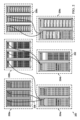
この例では、コアコンピューティングリソースの3つのセット204a~204cと、共有コンピューティングリソースの3つのセット206a~206cが存在する。コアコンピューティングリソースの異なるセット204a~204cは、一般的に、特定のプロジェクトに割り当てられ、プロジェクト間で共有されないコンピューティングノードを表す。よって、例えば、コアコンピューティングリソース204aは、第1プロジェクトと関連付けられ得、コアコンピューティングリソース204bは、第2プロジェクトと関連付けられ得、コアコンピューティングリソース204cは、第3プロジェクトと関連付けられ得る。政府セキュリティ規則又は他の要件に従うために、コアコンピューティングリソース204a~204cの間に接続はなくてもよい。また、コアコンピューティングリソース204a~204cは空隙をあけられてよい。つまり、コアコンピューティングリソース204a~204cは、如何なる安全でないネットワーク(例えば、インターネット)へも接続を有さない。
In this example, there are three sets of
コアコンピューティングリソースの各セット204a~204cは、特定のプロジェクトに割り当てられている如何なる適切なコンピューティングノードも含む。この例では、コアコンピューティングリソースの各セット204a~204cは、一対のラック202に収容されている。コアコンピューティングリソースの各セット204a~204cにおける1つのラック202は、コアコンピューティングリソース104に関して上述されたコンピューティングノードの一部又は全部を含んでよく、コアコンピューティングリソースの各セット204a~204cにおける他のラック202は、特定のプロジェクトに専用の追加のコンピューティングノード(例えば、追加ノード120)を含んでよい。しかし、ラック202内のコンピューティングノードの如何なる適切な配置も使用されてよいことに留意されたい。
Each set of
コアコンピューティングリソースの異なるセット204a~204cは、関連するプロジェクトのニーズに応じて、異なる数及びタイプのコンピューティングノードを有してよい。例えば、コンピューティングリソースの1つのセット204aは、多数のサーバコンピューティングノードを含んでよく、コアコンピューティングリソースの他のセット204bは、より少ないサーバコンピューティングノードと、複数のグラフィクス処理ユニットとを含んでよく、コアコンピューティングリソースの更なる他のセット204cは、多数のグラフィクス処理ユニットを含んでよい。コアコンピューティングリソースの各セット204a~204cは、通常は、1つ以上の管理サーバ、1つ以上のスクラッチサーバ、1つ以上のセッションサーバ、及び場合により上記の他のコンポーネントを含んでよい(なお、これらのコンポーネントのいくつかは、特定の実施では省略されてもよい)。
Different sets of
同様に、共有コンピューティングリソースの各セット206a~206cは、複数のプロジェクトの間で共有され得る如何なる適切なコンピューティングノードも含む。この具体例で、共有コンピューティングリソースの各セット206a~206cは3つのラック202に収容されている。なお、ラック202の数は、必要に応じて又は望まれるように様々であることができる。共有コンピューティングリソースの異なるセット206a~206cは、複数のプロジェクトの間で共有され得る異なるタイプのコンピューティングノードを含んでよい。例えば、共有コンピューティングリソースの1つのセット206aは、多数のサーバコンピューティングノードを含んでよく、共有コンピューティングリソースの他のセット206bは、より少ないサーバコンピューティングノードと、複数のグラフィクス処理ユニットとを含んでよく、共有コンピューティングリソースの更なる他のセット206cは、多数のグラフィクス処理ユニットを含んでよい。
Similarly, each set of shared
様々なケーブル208が、コアコンピューティングリソース204a~204cを所望の共有コンピューティングリソース206a~206cへ結合するために使用される。ケーブル208は、例えば、コンピューティングリソース間の光ファイバ接続又は他の適切な高速データ接続に相当し得る。先と同じく、コアコンピューティングリソース204a~204cを含むラック202と共有コンピューティングリソース206a~206cを含むラック202との間に冗長なケーブル208があってもなくてもよい。
図2から分かるように、異なるプロジェクトは、異なるコンピューティングニーズを有するので、異なる共有コンピューティングリソースへ結合され得る。例えば、ここでのコアコンピューティングリソースのセット204aは、共有コンピューティングリソースのセット206aにおける2つのラック202へ、及び共有コンピューティングリソースのセット206bにおける単一のラック202へ結合されている。これは、多数のサーバコンピューティングノード及び限られた数のグラフィクス処理ユニットを備えたコアコンピューティングリソースのセット204aをもたらす。ここでのコアコンピューティングリソースのセット204bは、共有コンピューティングリソースのセット206bにおける2つのラック202へ結合されている。これは、コアコンピューティングリソースのセット204aと比べてサーバコンピューティングノードは少ないがグラフィクス処理ユニットは多いコアコンピューティングリソースのセット204bをもたらす。ここでのコアコンピューティングリソースのセット204cは、共有コンピューティングリソースのセット206cにおける2つのラック202へ結合されている。これは、コアコンピューティングリソースのセット204a~204bと比較してサーバコンピューティングノードは更に少ないがグラフィクス処理ユニットは更に多いコアコンピューティングリソースのセット204cをもたらす。
As can be seen from FIG. 2, different projects may have different computing needs and therefore may be coupled to different shared computing resources. For example, here the set of
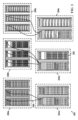
図3は、本開示に係る、図2のリザベーションに基づいた高性能コンピューティングシステム200の再構成の例を表す。この例では、コアコンピューティングリソース204bに関連したプロジェクトが、コアコンピューティングリソース204aによって前に使用されていた共有コンピューティングリソース206bのラック202の使用を必要とする、ことが仮定される。これは、コアコンピューティングリソース204bによる一時的な必要性、又はコアコンピューティングリソース204aの処理タスクの完了などの様々な理由で起こり得る。どのような理由であろうと、コアコンピューティングリソース204aによって前に使用されていた共有コンピューティングリソース206bは、シャットダウンされて、検査され得る。コアコンピューティングリソース204aによって前に使用されていた共有コンピューティングリソース206bは、コアコンピューティングリソース204aから切り離され、コアコンピューティングリソース204bへ接続され得、それらの共有コンピューティングリソース206bは、コアコンピューティングリソース204bによる使用のために電源を入れられ得る。このようにして、共有コンピューティングリソースは、必要に応じて異なるプロジェクトに容易に割り当て及び再割り当てされ得る。
3 illustrates an example of reconfiguration of the high-
図2及び図3で、各コンピューティングクラスタは、コアコンピューティングリソースのセット204a~204cのうちの1つに、コアコンピューティングリソースのそのセット204a~204cへ接続されている共有コンピューティングリソース206a~206cのいずれかをプラスしたものによって、定義される。結果として、各コンピューティングクラスタは再設定可能であり、コンピューティングクラスタにより使用される共有コンピューティングリソースが変化するにつれて時間とともに変化し得る。更に、異なるプロジェクトが必要に応じて特定の共有コンピューティングリソースをリザーブすることが可能であるので、コンピューティングシステム200は「リザベーションに基づく」(reservation-based)ことができ、リザーブされた共有コンピューティングリソースは、そのようなリザベーションに従ってコアコンピューティングリソース204a~204cの間で容易に移動され得る。いくつかの場合に、共有コンピューティングリソースのリザベーションは、時間にわたるコアコンピューティングリソース204a~204cの予想されるワークロードに基づくことができ、コアコンピューティングリソース204a~204cのパフォーマンスメトリクスによってサポートされ得る。
2 and 3, each computing cluster is defined by one of the sets of
図2は、1つ以上の再設定可能なコンピューティングクラスタを含むリザベーションに基づいた高性能コンピューティングシステム200の一例を表し、図3は、図2のリザベーションに基づいた高性能コンピューティングシステム200の一例となる再構成を表すが、様々な変更が図2及び図3に対して行われてよい。例えば、コンピューティングシステム200は、如何なる適切な数及びセットのコアコンピューティングリソースも、及び如何なる適切な数及びセットの共有コンピューティングリソースも含んでよい。また、コンピューティングシステム200は、コアコンピューティングリソースと共有コンピューティングリソースとの間の如何なる適切な接続も含んでよい。
Although FIG. 2 illustrates an example of a reservation-based high-
図4は、本開示に係る、リザベーションに基づいた高性能コンピューティングシステムをサポートする例示的な機能アーキテクチャ400を表す。説明を簡単にするために、図4に示される機能アーキテクチャ400は、図1のコンピューティングクラスタ100の複数のインスタンスを含み得る図2及び図3のコンピューティングシステム200で使用されているものとして説明され得る。しかし、図4に示される機能アーキテクチャ400は、如何なる適切なシステムにおいても、如何なる適切なコンピューティングクラスタによっても、使用されてよい。
FIG. 4 illustrates an exemplary
図4に示されるように、ここでの機能アーキテクチャ400は、1つ以上のプロジェクト空間402a~402c及び1つ以上の共有リソース空間404を含む。各プロジェクト空間402a~402cは、一般的に、特定のプロジェクトに関連した機能を表す。例えば、各プロジェクト空間402a~402cは、特定のプロジェクトのためのコアコンピューティングリソースの関連するセット204a~204cの機能を表し得る。各共有リソース空間404は、一般的に、共有コンピューティングリソースに関連した機能を表す。例えば、共有リソース空間404は、共有コンピューティングリソースの1つ以上のセット206a~206cの機能を表し得る。この例では、共有リソース空間404は、必要に応じて又は望まれるようにプロジェクト空間402a~402cの異なる1つによってリザーブされるか又はそれに割り当てられ得る様々なコンピューティングノード406によって少なくとも部分的に定義される。各プロジェクト空間402a~402cは、(等しかろうと等しくなかろうと)任意の適切な数のコンピューティングノード406をリザーブするか又はそれらを割り当てられてよく、各プロジェクト空間402a~402cによってリザーブされるコンピューティングノード406の数は、時間とともに(場合により大幅に)変化し得ることに留意されたい。
As shown in FIG. 4, the
各プロジェクト空間402a~402cはローカルプロジェクト機能408を含む。ローカルプロジェクト機能408は、一般的に、プロジェクトに関連したエンジニア又は他の者へ提供されるか又はその者によって実行される機能を表す。例えば、ローカルプロジェクト機能408は、プロジェクトに関連したエンジニア又は他の者によって使用されるワークステーション又は他のローカルコンピュータの機能を表し得る。セッションホスト410は、作業者がコアコンピューティングリソースにリモートでログイン及びアクセスすることを可能にする機能を表す。例えば、セッションホスト410は、コアコンピューティングリソースの部分を形成するセッションサーバ114によって提供される機能を表し得る。
Each
高性能コンピューティング(High-Performance Computing,HPC)管理機能412は、特定のプロジェクト又はプロジェクト空間に割り当てられている共有リソース空間404内のいずれかのリザーブされているコンピューティングノード406との相互作用をサポートするために使用される。例えば、HPC管理機能412は、コアコンピューティングリソースの部分を形成する管理サーバ108a~108b及びスクラッチサーバ110a~110b、112によって提供される機能を表し得る。とりわけ、HPC管理機能412は、リザーブされているコンピューティングノード406を、関連するプロジェクト空間402a~402c内のローカルノードとして出現させるエミュレーション又は他の機能をサポートするか、あるいは、関連するプロジェクト空間402a~402cでのリザーブされているコンピューティングノード406の使用を別なふうにサポートすることができる。HPC管理機能412はまた、追加のリザーブされているコンピューティングノード406がプロジェクト空間402a~402cに割り当てられて接続される場合を検出することもでき、プロジェクト空間402a~402cでのそれらの追加のリザーブされているコンピューティングノード406の使用をサポートすることができる。更に、HPC管理機能412は、特定のリザーブされているコンピューティングノード406が再割り当てされ、プロジェクト空間402a~402cから切り離される場合を検出することができ、それらの追加のリザーブされているコンピューティングノード406をプロジェクト空間402a~402cから除くことができる。このようにして、HPC管理機能412は、プロジェクト空間402a~402cの他のコンポーネントに対する変更を必要とせずに、共有コンピューティングリソースの一時的な使用をサポートすることができる。
High-Performance Computing (HPC)
HPC管理機能412はまた、HPCストレージ414へのアクセスを提供してもよく、かつ、1つ以上の専用のコンピューティングノード416の使用をサポートしてもよい。HPCストレージ414は、共有リソース空間404からの情報(又は共有リソース空間404からの情報に基づいたデータ)が記憶され得る1つ以上の記憶デバイスを表す。例えば、上述されたように、エンジニア又は他の者は、セッションサーバ114を介してスクラッチサーバ110a~110bで処理中のジョブデータをレビューし、データを後処理し、結果をより永続的なストレージにコピーすることができる。ここでのHPCストレージ414は、結果又は他のデータが移動され得る少なくとも1つの記憶デバイスを表す。また、上述されたように、いくつかのコアコンピューティングリソースは、例えば、コアコンピューティングリソース104が1つ以上の作業コンピューティングノード120を含む場合など、特定の機能を実行するための専用コンピューティングリソースを含んでもよい。これらのリソースは、専用のコンピューティングノード416に相当し、HPC管理機能412は、これらの専用のコンピューティングノード406へのアクセスを提供することができる。HPC管理機能412はまた、専用のコンピューティングノード406からの情報(又は専用のコンピューティングノード406からの情報に基づいたデータ)をHPCストレージ414に記憶することもできる。
The
図4は、リザベーションに基づいた高性能コンピューティングシステムをサポートする機能アーキテクチャ400の一例を表すが、様々な変更が図4に対して行われてよい。例えば、機能アーキテクチャ400は、如何なる適切な数のプロジェクト空間も、及び如何なる適切な数の共有リソース空間も含んでよい。また、異なるプロジェクト空間は、異なる機能コンポーネント及び機能コンポーネントの配置を有してよく、異なる共有リソース空間は、異なる数及びタイプの共有コンピューティングリソースを有してよい。
Although FIG. 4 illustrates an example of a
図5は、本開示に係る、リザベーションに基づいた高性能コンピューティングシステムにおける例示的なコンピューティングノード500を表す。説明を簡単にするために、図5に示されるコンピューティングノード500は、図1のコンピューティングクラスタ100の複数のインスタンスを含み得る図2及び図3のコンピューティングシステム200で使用されているものとして説明され得る。例えば、コンピューティングノード500の1つ以上のインスタンスは、上記のコアコンピューティングリソース及び共有コンピューティングリソースの夫々を少なくとも部分的に実装するために使用されてよい。しかし、それらのコンポーネントの夫々は、如何なる他の適切な様態でも実装されてよい。また、図5に示されるコンピューティングノード500は、如何なる適切なシステムにおいても、如何なる適切なコンピューティングクラスタによっても、使用されてよい。
5 illustrates an
図5に示されるように、コンピューティングノード500は、少なくとも1つの処理デバイス502、少なくとも1つの記憶デバイス504、少なくとも1つの通信ユニット506、及び少なくとも1つの入出力(I/O)ユニット508を含むコンピューティングデバイス又はシステムを表す。処理デバイス502は、揮発性ストレージ510にロードされるか又は不揮発性ストレージ512から読み出され得る命令を実行してよい。処理デバイス502は、如何なる適切な配置でも、如何なる適切な数及びタイプのプロセッサ又は他の処理デバイスも含んでよい。処理デバイス502のタイプの例として、1つ以上のマイクロプロセッサ、マイクロコントローラ、デジタル信号プロセッサ(Digital Signal Processors,DSP)、特定用途向け集積回路(Application Specific Integrated Circuits,ASIC)、フィールドプログラマブルゲートアレイ(Field Programmable Gate Arrays,FPGA)、又はディスクリート回路がある。
As shown in FIG. 5,
揮発性ストレージ510及び不揮発性ストレージ512は、情報(例えば、データ、プログラムコード、及び/又は一時的又は永続的な他の適切な情報)を記憶すること及びその読み出しを助けることが可能な如何なる構造も表す記憶デバイス504の例である。揮発性ストレージ510は、ランダムアクセスメモリ又は任意の他の適切な揮発性記憶デバイスを表し得る。不揮発性ストレージ512は、ハードドライブ、ソリッドステートドライブ、又は任意の他の適切な不揮発性記憶デバイスのような、データの長期記憶をサポートする1つ以上のコンポーネント又はデバイスを含んでよい。特定のコンポーネント(例えば、共有コンピューティングリソース)には不揮発性ストレージがないので、不揮発性ストレージ512は、任意であるものとしてここでは示されていることに留意されたい。
通信ユニット506は、他のシステム又はデバイスとの通信をサポートする、例えば、通信ユニット506は、有線又は無線ネットワークを介した通信を助けるネットワークインターフェース又は無線トランシーバを含むことができる。通信ユニット506は、1つ以上の電気、光、又は無線通信リンクなどの如何なる適切な物理又は無線通信リンクも通る通信をサポートしてよい。
The
I/Oユニット508は、データの入力及び出力を可能にする。例えば、I/Oユニット508は、キーボード、マウス、キーパッド、タッチスクリーン、又は他の適切な入力デバイスを通じたユーザ入力のための接続を提供し得る。I/Oユニット508はまた、ディスプレイ又は他の適切な出力デバイスへ出力を送ってもよい。しかし、コンピューティングノード500が、リモートでアクセスされ得るサーバ又は他のデバイスに相当する場合など、コンピューティングノード500がローカルI/Oを必要としない場合には、I/Oユニット508は省略されてもよいことに留意されたい。
The I/
図5は、リザベーションに基づいた高性能コンピューティングシステムにおけるコンピューティングノード500の一例を表すが、様々な変更が図5に対して行われてよい。例えば、コンピューティング及び他のデータ処理デバイス及びシステムは、多種多様な構成で提供され、図5は、如何なる特定のコンピューティングデバイス又はシステムにも本開示を制限しない。
Although FIG. 5 depicts an example of a
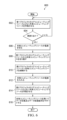
図6は、本開示に係る、リザベーションに基づいた高性能コンピューティングのための例示的な方法600を表す。説明を簡単にするために、図6に示される方法600は、図1のコンピューティングクラスタ100の複数のインスタンスを含み得る図2及び図3のコンピューティングシステム200の使用を伴うものとして説明され得る。しかし、図6に示される方法600は、如何なる適切なシステムによっても、如何なる適切なコンピューティングクラスタによっても、使用されてよい。
FIG. 6 illustrates an
図6に示されるように、ステップ602で、共有コンピューティングリソースは、第1プロジェクトのコアコンピューティングリソースととも作動する。これは、例えば、特定のプロジェクトのために共有コンピューティングリソース106、206a~206cにある1つ以上の作業コンピューティングノード120(例えば、1つ以上のサーバ又はグラフィクス処理ユニット)を作動させることを含んでよい。ここでの共有コンピューティングリソース106、206a~206cは、第1プロジェクトのための如何なる適切なデータ処理動作も実行してよい。ステップ604で、共有コンピューティングリソースが再割り当てされるべきかどうかが判定される。これは、例えば、第1プロジェクトによる共有コンピューティングリソース106、206a~206cのリザベーションが終了しているか、あるいは、他のプロジェクトによる共有コンピューティングリソース106、206a~206cのリザベーションが開始しているかどうかを判定することを含んでよい。そうでない場合には、第1プロジェクトは、共有コンピューティングリソース106、206a~206cを使用し続けることができる。
As shown in FIG. 6, in
共有コンピューティングリソースが再割り当てされている場合には、ステップ606で、共有コンピューティングリソースは電源を切られる。これは、例えば、作業者が、共有コンピューティングリソース106、206a~206cを含むラック102、202の電源を切り、共有コンピューティングリソース106、206a~206cを検査して、それがもはや電力を受け取っていないことを確かめることを含んでよい。共有コンピューティングリソースは、ステップ608で第1プロジェクトのコアコンピューティングリソースから切り離され、ステップ610で第2プロジェクトのコアコンピューティングリソースへ接続される。これは、例えば、作業者が、共有コンピューティングリソース106、206a~206cを第1プロジェクトのコアコンピューティングリソース104、204a~204cから切り離し、共有コンピューティングリソース106、206a~206cを第2プロジェクトのコアコンピューティングリソース104、204a~204cへ接続するために、適切なケーブル128、208を切り替えるか又は移動することを含んでよい。ステップ612で、共有コンピューティングリソースは電源を入れ直される。これは、例えば、作業者が、共有コンピューティングリソース106、206a~206cを含むラック102、202の電源を入れ、共有コンピューティングリソース106、206a~206cを検査して、それが電源を受け取っていることを確かめることを含んでよい。
If the shared computing resource is being reallocated, then in
共有コンピューティングリソースは、ステップ614で第2プロジェクトのコアコンピューティングリソースとともに作動し、ステップ616で、第2プロジェクトのデータ交換及びデータ処理動作が、共有コンピューティングリソースを用いてサポートされる。これは、例えば、第2プロジェクトのための如何なる適切なデータ処理動作も実行するために共有コンピューティングリソース106、206a~206cを作動させることを含んでよい。この時点で、第2プロジェクトは、共有コンピューティングリソース106、206a~206cが再割り当てされ(、方法600が、再び、共有コンピューティングリソース106、206a~206cを再割り当てするために繰り返され得)るまで、共有コンピューティングリソース106、206a~206cを使用し続けることができる。
The shared computing resources are operated with the core computing resources of the second project at
図6は、リザベーションに基づいた高性能コンピューティングのための方法600の一例を表すが、様々な変更が図6に対して行われてよい。例えば、連続したステップとして示されているが、図6の様々なステップは、重なり合っても、同時に行われても、異なる順序で行われても、又は何回行われてもよい。また、共有コンピューティングリソースはいくつでも、いくつのプロジェクトの間でも必要に応じて又は望まれるように割り当て及び再割り当てされてよい。
Although FIG. 6 depicts one example of a
いくつかの実施形態で、本明細書で説明されている様々な機能は、コンピュータ可読プログラムコードから形成され、コンピュータ可読媒体において具現化されるコンピュータプログラムによって、実装又はサポートされる。「コンピュータ可読プログラムコード」という表現は、ソースコード、オブジェクトコード、及び実行可能コードを含む如何なるタイプのコンピュータコードも含む。「コンピュータ可読媒体」という表現は、リードオンリーメモリ(Read Only Memory,ROM)、ランダムアクセスメモリ(Random Access Memory,RAM)、ハードディスクドライブ(Hard Disk Drive,HDD)、コンパクトディスク(Compact Disc,CD)、デジタルビデオディスク(Digital Video Disc,DVD)、又は任意の他のタイプのメモリなどの、コンピュータによってアクセス可能な如何なるタイプの媒体も含む。「非一時的な」コンピュータ可読媒体は、一時的な電気又は他の信号を運ぶ有線、無線、光、又は他の通信リンクを除く。非一時的なコンピュータ可読媒体は、データが永続的に記憶され得る媒体と、書き換え可能な光ディスク又は消去可能な記憶デバイスのような、データが記憶されての地に上書きされ得る媒体とを含む。 In some embodiments, various functions described herein are implemented or supported by a computer program formed from computer-readable program code and embodied in a computer-readable medium. The term "computer-readable program code" includes any type of computer code, including source code, object code, and executable code. The term "computer-readable medium" includes any type of medium accessible by a computer, such as a Read Only Memory (ROM), a Random Access Memory (RAM), a Hard Disk Drive (HDD), a Compact Disc (CD), a Digital Video Disc (DVD), or any other type of memory. "Non-transitory" computer-readable medium excludes wired, wireless, optical, or other communication links that carry transient electrical or other signals. Non-transitory computer-readable media include media in which data may be permanently stored and media in which data may be stored and then overwritten, such as rewritable optical disks or erasable storage devices.
本明細書の全体を通して使用される特定の語及び語句の定義を説明することが有利であり得る。「アプリケーション」及び「プログラム」という用語は、適切なコンピュータコード(ソースコード、オブジェクトコード、又は実行可能コードを含む)での実施のために適応された1つ以上のコンピュータプログラム、ソフトウェアコンポーネント、命令の組み、プロシージャ、関数、オブジェクト、クラス、インスタンス、関連データ、又はその部分を指す。「通信する」(communicate)という用語及びその派生語は、直接通信及び間接通信の両方を包含する。「含む」(include)及び「有する」(comprise)という用語並びにそれらの派生語は、制限なしの包含を意味する。「又は」(or)という用語は、包括的であって、「及び/又は」(and/or)を意味する。「~に関連した」(associated with)という語句及びその派生語句は、含む(include)、~に含まれる(be included within)、~と相互接続する(interconnect with)、含む(contain)、~に含まれる(be contained within)、~へ又は~と接続する(connect to又はwith)、~へ又は~と結合する(couple to又はwith)、~と通信可能である(be communicable with)、~と協働する(cooperate with)、インターリーブする(interleave)、並列する(juxtapose)、~に近接する(be proximate to)、~へ又は~と結びつけられる(be bound to又はwith)、持つ(have)、~の性質を持つ(have a property of)、~と関係を持つ(have a relationship to又はwith)、などを意味し得る。「~のうちの少なくとも1つ」(at least one of)という語句は、アイテムのリストともに使用される場合に、リストアップされているアイテムのうちの1つ以上の異なる組み合わせが使用されてもよく、また、リスト内のただ1つのアイテムしか必要とされなくてもよいことを意味する。例えば、「A、B、及びCのうちの少なくとも1つ」は、次の組み合わせ:A、B、C、AとB、AとC、BとC、AとBとCのいずれかを含む。 It may be advantageous to explain definitions of certain words and phrases used throughout this specification. The terms "application" and "program" refer to one or more computer programs, software components, sets of instructions, procedures, functions, objects, classes, instances, associated data, or portions thereof adapted for implementation in suitable computer code (including source code, object code, or executable code). The term "communicate" and its derivatives encompass both direct and indirect communication. The terms "include" and "comprise" and their derivatives mean inclusion without limitation. The term "or" is inclusive, meaning "and/or." The phrase "associated with" and its derivatives can mean include, be included within, interconnect with, contain, be contained within, connect to or with, couple to or with, be communicable with, cooperate with, interleave, juxtapose, be proximate to, be bound to or with, have, have a property of, have a relationship to or with, etc. The phrase "at least one of," when used in conjunction with a list of items, means that different combinations of one or more of the listed items may be used and only one item in the list may be required. For example, "at least one of A, B, and C" includes any of the following combinations: A, B, C, A and B, A and C, B and C, and A, B, and C.
本願の説明は、いずれかの特定の要素、ステップ、又は機能が、請求項の範囲に含まれなければならない必須又は重要な要素であることを暗示するものとして、読まれるべきではない。特許対象の範囲は、許可された請求項によってのみ定義される。更に、請求項のどれもが、「~する手段」(means for)又は「~するステップ」(step for)という厳密な語が、機能を特定する分詞句とともに、特定の請求項で明示的に使用されない限りは、添付の特許請求の範囲又は請求項のいずれに関しても、米国特許法(35 U.S.C)第122(f)条を行使しない。請求項内の「メカニズム」、「モジュール」、「デバイス」、「ユニット」、「コンポーネント」、「要素」、「メンバー」、「装置」、「マシン」、「システム」、「プロセッサ」、又は「コントローラ」などの(しかし、これらに限られない)用語の使用は、特許請求の範囲自体の特徴によって更に変更又は強調されるように、当業者に知られている構造を指すと理解及び意図され、米国特許法第122(f)条を行使する意図はない。 The description in this application should not be read as implying that any particular element, step, or function is an essential or critical element that must be included in the scope of the claims. The scope of patentable subject matter is defined solely by the allowed claims. Moreover, none of the claims invoke 35 U.S.C. 122(f) with respect to any of the appended claims or claims unless the precise terms "means for" or "step for" are expressly used in a particular claim along with a participial phrase that identifies the function. The use of terms such as (but not limited to) "mechanism," "module," "device," "unit," "component," "element," "member," "apparatus," "machine," "system," "processor," or "controller" in the claims is understood and intended to refer to structures known to those skilled in the art, as further modified or emphasized by the features of the claims themselves, and is not intended to invoke 35 U.S.C. 122(f).
本開示は、特定の実施形態及び一般的に関連する方法について説明しており、一般的に、それらの実施形態及び方法の代替及び置換は、当業者に明らかだろう。従って、例となる実施形態の上記の説明は、本開示を定義又は制約しない。他の変更、置換、及び代替も、続く特許請求の範囲によって定義される本開示精神及び範囲から逸脱せずに、可能である。 This disclosure describes certain embodiments and generally associated methods, and generally, alterations and permutations of those embodiments and methods will be apparent to those of ordinary skill in the art. Thus, the above description of exemplary embodiments does not define or constrain the disclosure. Other modifications, substitutions, and alterations are possible without departing from the spirit and scope of the disclosure, as defined by the following claims.
Claims (20)
第1プロジェクトに関連したコアコンピューティングリソースへ前記共有コンピューティングリソースを通信可能に結合することであり、前記第1プロジェクトに関連したコアコンピューティングリソースは、前記第1プロジェクトに関連したデータ処理動作を実行するために前記共有コンピューティングリソースを使用するよう構成される、ことと、
前記HPC管理機能によって、前記共有コンピューティングリソースをローカルコンピューティングリソースとしてエミュレートすることと、
前記共有コンピューティングリソースの電源を切り、前記第1プロジェクトに関連したコアコンピューティングリソースから前記共有コンピューティングリソースを切り離し、第2プロジェクトに関連したコアコンピューティングリソースへ前記共有コンピューティングリソースを通信可能に結合し、前記共有コンピューティングリソースの電源を入れることによって、前記共有コンピューティングリソースを前記第2プロジェクトに再割り当てすることであり、前記第2プロジェクトに関連したコアコンピューティングリソースは、前記第2プロジェクトに関連したデータ処理動作を実行するために前記共有コンピューティングリソースを使用するよう構成される、ことと、
前記HPC管理機能によって、前記第1プロジェクトが前記共有コンピューティングリソースにアクセスできなくなったことを決定することと
を有し、
前記共有コンピューティングリソースは、前記第1プロジェクト及び前記第2プロジェクトに関係があるデータを記憶する不揮発性メモリを欠いており、
前記共有コンピューティングリソース及び前記第1プロジェクトに関連したコアコンピューティングリソースは、集合的に、第1コンピューティングクラスタの少なくとも部分を形成し、
前記共有コンピューティングリソース及び前記第2プロジェクトに関連したコアコンピューティングリソースは、集合的に、第2コンピューティングクラスタの少なくとも部分を形成する、
方法。 Detecting connectivity of a shared computing resource by a high performance computing (HPC) management function;
communicatively coupling the shared computing resource to a core computing resource associated with a first project, the core computing resource associated with the first project configured to use the shared computing resource to perform data processing operations associated with the first project;
emulating, by the HPC management functionality, the shared computing resources as local computing resources;
reassigning the shared computing resource to the second project by powering down the shared computing resource, decoupling the shared computing resource from a core computing resource associated with the first project, communicatively coupling the shared computing resource to a core computing resource associated with a second project, and powering up the shared computing resource, wherein the core computing resource associated with the second project is configured to use the shared computing resource to perform data processing operations associated with the second project ;
determining, by the HPC management function, that the first project has lost access to the shared computing resource;
having
the shared computing resource lacks non-volatile memory for storing data related to the first project and the second project;
the shared computing resources and the core computing resources associated with the first project collectively form at least a portion of a first computing cluster;
the shared computing resources and the core computing resources associated with the second project collectively form at least a portion of a second computing cluster.
Method.
前記共有コンピューティングリソースの電源を切ることは、前記揮発性メモリをクリアし、前記第1プロジェクトに関連したデータが前記第2プロジェクトに関連したコアコンピューティングリソースによってアクセスされるのを防ぐ、
請求項1に記載の方法。 the shared computing resource having a volatile memory used to store the data related to the first project and the second project;
powering down the shared computing resource clears the volatile memory and prevents data associated with the first project from being accessed by a core computing resource associated with the second project.
The method of claim 1.
前記第2プロジェクトに関連したコアコンピューティングリソースは、ブート情報を前記ディスクレスコンピューティングノードへ供給する少なくとも1つの管理サーバを有する、
請求項1に記載の方法。 the shared computing resource comprises a diskless computing node;
the core computing resources associated with the second project include at least one management server that provides boot information to the diskless computing nodes;
The method of claim 1.
請求項1に記載の方法。 a core computing resource associated with the second project having at least one scratch server configured to at least one of provide information to the shared computing resource and receive processing results from the shared computing resource;
The method of claim 1.
請求項4に記載の方法。 the core computing resources associated with the second project further include at least one session server that enables users to submit and monitor processing jobs executed by the second computing cluster and to access the processing results on the at least one scratch server;
The method according to claim 4.
前記少なくとも1つの管理サーバは、ジョブスケジューラ及びバッチキューイングシステムを有し、
前記ジョブスケジューラは、ユーザによってサブミットされた処理ジョブを受け取り、前記処理ジョブを前記バッチキューイングシステムへ供給し、
前記バッチキューイングシステムは、実行のために前記共有コンピューティングリソースを含む特定のコンピューティングリソースへ前記処理ジョブを割り当てる、
請求項1に記載の方法。 the core computing resources associated with the second project have at least one management server that incorporates the shared computing resources into a pool for use by the core computing resources associated with the second project;
the at least one management server having a job scheduler and a batch queuing system;
The job scheduler receives processing jobs submitted by users and provides the processing jobs to the batch queuing system;
the batch queuing system assigns the processing jobs to particular computing resources, including the shared computing resource, for execution.
The method of claim 1.
請求項1に記載の方法。 the core computing resources associated with the second project include at least one dedicated computing node lacking non-volatile memory for storing data related to the second project;
The method of claim 1.
請求項1に記載の方法。 storing processing results from the shared computing resource in non-volatile storage in a core computing resource associated with the second project.
The method of claim 1.
当該方法は、前記共有コンピューティングリソースの第1セット及び共有コンピューティングリソースの少なくとも1つの更なるセットを、前記第1プロジェクトに関連したコアコンピューティングリソースと、前記第2プロジェクトに関連したコアコンピューティングリソースとへ通信可能に結合することを更に有し、
共有コンピューティングリソースの異なるセットは、異なるタイプのコンピューティングノードを有する、
請求項1に記載の方法。 the shared computing resource comprises one of a plurality of shared computing resources in a first set of shared computing resources;
The method further includes communicatively coupling the first set of shared computing resources and at least one additional set of shared computing resources to a core computing resource associated with the first project and to a core computing resource associated with the second project;
Different sets of shared computing resources have different types of computing nodes;
The method of claim 1.
請求項1に記載の方法。 the shared computing resource comprises at least one of one or more servers and one or more graphics processing units;
The method of claim 1.
第1プロジェクトに関連したコアコンピューティングリソースであり、前記共有コンピューティングリソースへの接続を検出し、前記第1プロジェクトに関連したデータ処理動作を実行するために前記共有コンピューティングリソースをローカルコンピューティングリソースとしてエミュレートするよう構成される第1高性能コンピューティング(HPC)管理機能を有する、前記第1プロジェクトに関連したコアコンピューティングリソースと、
第2プロジェクトに関連したコアコンピューティングリソースであり、前記共有コンピューティングリソースへの接続を検出し、前記第2プロジェクトに関連したデータ処理動作を実行するために前記共有コンピューティングリソースをローカルコンピューティングリソースとしてエミュレートするよう構成される第2HPC管理機能を有する、前記第2プロジェクトに関連したコアコンピューティングリソースと
を有し、
前記共有コンピューティングリソースは、前記第1プロジェクトに関連したコアコンピューティングリソースへ通信可能に結合され、電源を切られ、前記第1プロジェクトに関連したコアコンピューティングリソースから切り離され、そして、前記共有コンピューティングリソースを再割り当てするよう、前記第2プロジェクトに関連したコアコンピューティングリソースへ通信可能に結合されて電源を入れられる、よう構成され、
前記共有コンピューティングリソースが前記第2プロジェクトに関連したコアコンピューティングリソースへ通信可能に結合されているとき、前記第1HPC管理機能は、前記第1プロジェクトが前記共有コンピューティングリソースにアクセスできなくなったことを決定するよう構成され、
前記共有コンピューティングリソースは、前記第1プロジェクト及び前記第2プロジェクトに関係があるデータを記憶する不揮発性メモリを欠いており、
前記共有コンピューティングリソース及び前記第1プロジェクトに関連したコアコンピューティングリソースは、集合的に、第1コンピューティングクラスタの少なくとも部分を形成し、
前記共有コンピューティングリソース及び前記第2プロジェクトに関連したコアコンピューティングリソースは、集合的に、第2コンピューティングクラスタの少なくとも部分を形成する、
システム。 Shared computing resources;
a core computing resource associated with a first project, the core computing resource having a first high performance computing (HPC) management function configured to detect a connection to the shared computing resource and emulate the shared computing resource as a local computing resource for performing data processing operations associated with the first project;
a core computing resource associated with a second project, the core computing resource associated with the second project having a second HPC management function configured to detect a connection to the shared computing resource and emulate the shared computing resource as a local computing resource to perform data processing operations associated with the second project;
the shared computing resource is configured to be communicatively coupled to a core computing resource associated with the first project, powered off, disconnected from the core computing resource associated with the first project, and powered on and communicatively coupled to a core computing resource associated with the second project to reallocate the shared computing resource;
when the shared computing resource is communicatively coupled to a core computing resource associated with the second project, the first HPC management function is configured to determine that the first project has lost access to the shared computing resource;
the shared computing resource lacks non-volatile memory for storing data related to the first project and the second project;
the shared computing resources and the core computing resources associated with the first project collectively form at least a portion of a first computing cluster;
the shared computing resources and the core computing resources associated with the second project collectively form at least a portion of a second computing cluster.
system.
前記共有コンピューティングリソースは、前記共有コンピューティングリソースの電源を切ることが、前記揮発性メモリをクリアし、前記第1プロジェクトに関連したデータが前記第2プロジェクトに関連したコアコンピューティングリソースによってアクセスされるのを防ぐように、構成される、
請求項11に記載のシステム。 the shared computing resource having a volatile memory used to store the data related to the first project and the second project;
the shared computing resource is configured such that powering down the shared computing resource clears the volatile memory and prevents data associated with the first project from being accessed by a core computing resource associated with the second project.
The system of claim 11.
前記第2プロジェクトに関連したコアコンピューティングリソースは、ブート情報を前記ディスクレスコンピューティングノードへ供給する少なくとも1つの管理サーバを有する、
請求項11に記載のシステム。 the shared computing resource comprises a diskless computing node;
the core computing resources associated with the second project include at least one management server that provides boot information to the diskless computing nodes;
The system of claim 11.
請求項11に記載のシステム。 a core computing resource associated with the second project having at least one scratch server configured to at least one of provide information to the shared computing resource and receive processing results from the shared computing resource;
The system of claim 11.
請求項14に記載のシステム。 the core computing resources associated with the second project further comprising at least one session server configured to enable users to submit and monitor processing jobs executed by the second computing cluster and to access the processing results on the at least one scratch server;
The system of claim 14.
前記少なくとも1つの管理サーバは、ジョブスケジューラ及びバッチキューイングシステムを有し、
前記ジョブスケジューラは、ユーザによってサブミットされた処理ジョブを受け取り、前記処理ジョブを前記バッチキューイングシステムへ供給するよう構成され、
前記バッチキューイングシステムは、実行のために前記共有コンピューティングリソースを含む特定のコンピューティングリソースへ前記処理ジョブを割り当てるよう構成される、
請求項11に記載のシステム。 the core computing resources associated with the second project have at least one management server configured to incorporate the shared computing resources into a pool used by the core computing resources associated with the second project;
the at least one management server having a job scheduler and a batch queuing system;
the job scheduler is configured to receive processing jobs submitted by users and to provide the processing jobs to the batch queuing system;
the batch queuing system is configured to assign the processing jobs to particular computing resources, including the shared computing resource, for execution.
The system of claim 11.
請求項11に記載のシステム。 the core computing resources associated with the second project include at least one dedicated computing node lacking non-volatile memory for storing data related to the second project;
The system of claim 11.
請求項11に記載のシステム。 the core computing resource associated with the second project has non-volatile storage configured to store processing results from the shared computing resource;
The system of claim 11.
請求項11に記載のシステム。 the shared computing resource comprises at least one of one or more servers and one or more graphics processing units;
The system of claim 11.
前記異なるプロジェクトのうちの1つへ選択的に割り当てられ、該割り当てられたプロジェクトのためのデータ処理動作を実行するよう夫々構成される複数の共有コンピューティングリソースと
を有し、
コアコンピューティングリソースの各セットは、前記複数の共有コンピューティングリソースのうちの1つ以上の共有コンピューティングリソースの接続を検出し、前記割り当てられたプロジェクトのためのデータ処理動作を実行するために前記1つ以上の共有コンピューティングリソースをローカルコンピューティングリソースとしてエミュレートするよう構成される高性能コンピューティング(HPC)管理機能を有し、
各共有コンピューティングリソースは、前記プロジェクトのうちの第1プロジェクトに関連したコアコンピューティングリソースのセットへ通信可能に結合され、電源を切られ、前記第1プロジェクトに関連したコアコンピューティングリソースのセットから切り離され、そして、当該共有コンピューティングリソースを再割り当てするよう、前記プロジェクトのうちの第2プロジェクトに関連したコアコンピューティングリソースのセットへ通信可能に結合されて電源を入れられる、よう構成され、
各共有コンピューティングリソースは、前記プロジェクトに関係があるデータを記憶する不揮発性メモリを欠いており、
コアコンピューティングリソースの各セット及びコアコンピューティングリソースの当該セットへ通信可能に結合されている前記共有コンピューティングリソースは、コンピューティングクラスタを形成し、各コンピューティングクラスタは、前記コアコンピューティングリソースの当該セットへ通信可能に結合されている前記共有コンピューティングリソースを変えることによって再設定可能である、
システム。 a plurality of sets of core computing resources associated with and dedicated to different projects, each set of core computing resources configured to perform data processing operations for an associated project;
a plurality of shared computing resources selectively assigned to one of the different projects, each of the shared computing resources being configured to perform data processing operations for the assigned project;
each set of core computing resources has a high performance computing (HPC) management function configured to detect connectivity of one or more shared computing resources of the plurality of shared computing resources and emulate the one or more shared computing resources as local computing resources to perform data processing operations for the assigned project;
each shared computing resource is configured to be communicatively coupled to a set of core computing resources associated with a first one of the projects, powered down, decoupled from the set of core computing resources associated with the first project, and powered on and communicatively coupled to a set of core computing resources associated with a second one of the projects to reallocate the shared computing resource;
each shared computing resource lacks non-volatile memory for storing data related to said project;
each set of core computing resources and the shared computing resources communicatively coupled to the set of core computing resources form a computing cluster, each computing cluster being reconfigurable by changing the shared computing resources communicatively coupled to the set of core computing resources;
system.
Applications Claiming Priority (3)
| Application Number | Priority Date | Filing Date | Title |
|---|---|---|---|
| US16/773,262 US11593171B2 (en) | 2020-01-27 | 2020-01-27 | Reservation-based high-performance computing system and method |
| US16/773,262 | 2020-01-27 | ||
| PCT/US2020/023305 WO2021154316A1 (en) | 2020-01-27 | 2020-03-18 | Reservation-based high-performance computing system and method |
Publications (2)
| Publication Number | Publication Date |
|---|---|
| JP2023511153A JP2023511153A (en) | 2023-03-16 |
| JP7463527B2 true JP7463527B2 (en) | 2024-04-08 |
Family
ID=70293066
Family Applications (1)
| Application Number | Title | Priority Date | Filing Date |
|---|---|---|---|
| JP2022544250A Active JP7463527B2 (en) | 2020-01-27 | 2020-03-18 | Reservation-Based High Performance Computing System and Method |
Country Status (4)
| Country | Link |
|---|---|
| US (1) | US11593171B2 (en) |
| EP (1) | EP4097589A1 (en) |
| JP (1) | JP7463527B2 (en) |
| WO (1) | WO2021154316A1 (en) |
Citations (5)
| Publication number | Priority date | Publication date | Assignee | Title |
|---|---|---|---|---|
| JP2006107150A (en) | 2004-10-06 | 2006-04-20 | Hitachi Ltd | Use of storage devices from external terminals in network systems |
| JP2006521609A (en) | 2003-03-13 | 2006-09-21 | インターナショナル・ビジネス・マシーンズ・コーポレーション | Apparatus and method for controlling resource transfer in a logical partition computer system |
| JP2006268711A (en) | 2005-03-25 | 2006-10-05 | Toshiba Corp | Computer network configuration control system and method |
| JP2007533032A (en) | 2004-04-15 | 2007-11-15 | レイセオン カンパニー | System and method for cluster management based on HPC architecture |
| US20190384649A1 (en) | 2018-06-19 | 2019-12-19 | Microsoft Technology Licensing, Llc | Dynamic hybrid computing environment |
Family Cites Families (9)
| Publication number | Priority date | Publication date | Assignee | Title |
|---|---|---|---|---|
| US4947477A (en) | 1988-03-04 | 1990-08-07 | Dallas Semiconductor Corporation | Partitionable embedded program and data memory for a central processing unit |
| US5349643A (en) * | 1993-05-10 | 1994-09-20 | International Business Machines Corporation | System and method for secure initial program load for diskless workstations |
| US6272637B1 (en) | 1997-04-14 | 2001-08-07 | Dallas Semiconductor Corporation | Systems and methods for protecting access to encrypted information |
| US20040088414A1 (en) * | 2002-11-06 | 2004-05-06 | Flynn Thomas J. | Reallocation of computing resources |
| US8010542B2 (en) | 2004-09-10 | 2011-08-30 | B2I Technologies, Inc. | Apparatus and method for building conjoined computer systems |
| US20080189715A1 (en) * | 2006-03-14 | 2008-08-07 | International Business Machines Corporation | Controlling resource transfers in a logically partitioned computer system |
| US7788477B1 (en) | 2007-01-31 | 2010-08-31 | Hewlett-Packard Development Company, L.P. | Methods, apparatus and articles of manufacture to control operating system images for diskless servers |
| US7962737B2 (en) * | 2007-11-21 | 2011-06-14 | Dell Products L.P. | Methods, media and apparatus for booting diskless systems |
| US9069610B2 (en) * | 2010-10-13 | 2015-06-30 | Microsoft Technology Licensing, Llc | Compute cluster with balanced resources |
-
2020
- 2020-01-27 US US16/773,262 patent/US11593171B2/en active Active
- 2020-03-18 WO PCT/US2020/023305 patent/WO2021154316A1/en not_active Ceased
- 2020-03-18 JP JP2022544250A patent/JP7463527B2/en active Active
- 2020-03-18 EP EP20719812.8A patent/EP4097589A1/en active Pending
Patent Citations (5)
| Publication number | Priority date | Publication date | Assignee | Title |
|---|---|---|---|---|
| JP2006521609A (en) | 2003-03-13 | 2006-09-21 | インターナショナル・ビジネス・マシーンズ・コーポレーション | Apparatus and method for controlling resource transfer in a logical partition computer system |
| JP2007533032A (en) | 2004-04-15 | 2007-11-15 | レイセオン カンパニー | System and method for cluster management based on HPC architecture |
| JP2006107150A (en) | 2004-10-06 | 2006-04-20 | Hitachi Ltd | Use of storage devices from external terminals in network systems |
| JP2006268711A (en) | 2005-03-25 | 2006-10-05 | Toshiba Corp | Computer network configuration control system and method |
| US20190384649A1 (en) | 2018-06-19 | 2019-12-19 | Microsoft Technology Licensing, Llc | Dynamic hybrid computing environment |
Also Published As
| Publication number | Publication date |
|---|---|
| JP2023511153A (en) | 2023-03-16 |
| US11593171B2 (en) | 2023-02-28 |
| WO2021154316A1 (en) | 2021-08-05 |
| US20210232432A1 (en) | 2021-07-29 |
| EP4097589A1 (en) | 2022-12-07 |
Similar Documents
| Publication | Publication Date | Title |
|---|---|---|
| US12591385B2 (en) | Envoy for multi-tenant compute infrastructure | |
| JP5615698B2 (en) | Virtual machine migration | |
| US20230185681A1 (en) | High reliability fault tolerant computer architecture | |
| US9760395B2 (en) | Monitoring hypervisor and provisioned instances of hosted virtual machines using monitoring templates | |
| EP2053509B1 (en) | System for and method of migrating one or more virtual machines | |
| JP5478107B2 (en) | Management server device for managing virtual storage device and virtual storage device management method | |
| US8146091B2 (en) | Expansion and contraction of logical partitions on virtualized hardware | |
| US20150186223A1 (en) | Storage management system and storage management method | |
| US20140115579A1 (en) | Datacenter storage system | |
| KR20210022121A (en) | Methods and systems for maintaining storage device failure tolerance in a configurable infrastructure | |
| US20150143168A1 (en) | Restore in cascaded copy environment | |
| US20170235612A1 (en) | Migration of a logical partition or virtual machine with inactive input/output hosting server | |
| RU2665246C1 (en) | Hardware computing system of virtualization and resource management in the cloud computing environment | |
| US7506115B2 (en) | Incremental provisioning of software | |
| Barrett et al. | In press | |
| US11593171B2 (en) | Reservation-based high-performance computing system and method | |
| Meier et al. | IBM systems virtualization: Servers, storage, and software | |
| Server | Microsoft | |
| RU2665224C1 (en) | Method of dynamic control of conflict situations in complex technical systems with environmental cloud computing | |
| Baig | Combining Server And Storage Virtualization: A New Dimension for SMB’s | |
| Krcmar | A. Bögelsack, H. Wittges, H. Krcmar Techniques for SAP hosting under Solaris 10 |
Legal Events
| Date | Code | Title | Description |
|---|---|---|---|
| A621 | Written request for application examination |
Free format text: JAPANESE INTERMEDIATE CODE: A621 Effective date: 20220721 |
|
| A977 | Report on retrieval |
Free format text: JAPANESE INTERMEDIATE CODE: A971007 Effective date: 20230726 |
|
| A131 | Notification of reasons for refusal |
Free format text: JAPANESE INTERMEDIATE CODE: A131 Effective date: 20230905 |
|
| A521 | Request for written amendment filed |
Free format text: JAPANESE INTERMEDIATE CODE: A523 Effective date: 20231128 |
|
| TRDD | Decision of grant or rejection written | ||
| A01 | Written decision to grant a patent or to grant a registration (utility model) |
Free format text: JAPANESE INTERMEDIATE CODE: A01 Effective date: 20240227 |
|
| A61 | First payment of annual fees (during grant procedure) |
Free format text: JAPANESE INTERMEDIATE CODE: A61 Effective date: 20240327 |
|
| R150 | Certificate of patent or registration of utility model |
Ref document number: 7463527 Country of ref document: JP Free format text: JAPANESE INTERMEDIATE CODE: R150 |