JP7166322B2 - Methods, apparatus, electronics, storage media and computer programs for training models - Google Patents
Methods, apparatus, electronics, storage media and computer programs for training models Download PDFInfo
- Publication number
- JP7166322B2 JP7166322B2 JP2020206144A JP2020206144A JP7166322B2 JP 7166322 B2 JP7166322 B2 JP 7166322B2 JP 2020206144 A JP2020206144 A JP 2020206144A JP 2020206144 A JP2020206144 A JP 2020206144A JP 7166322 B2 JP7166322 B2 JP 7166322B2
- Authority
- JP
- Japan
- Prior art keywords
- annotation
- loss function
- function value
- classification
- result
- Prior art date
- Legal status (The legal status is an assumption and is not a legal conclusion. Google has not performed a legal analysis and makes no representation as to the accuracy of the status listed.)
- Active
Links
Images
Classifications
-
- G—PHYSICS
- G06—COMPUTING OR CALCULATING; COUNTING
- G06N—COMPUTING ARRANGEMENTS BASED ON SPECIFIC COMPUTATIONAL MODELS
- G06N5/00—Computing arrangements using knowledge-based models
- G06N5/04—Inference or reasoning models
-
- G—PHYSICS
- G06—COMPUTING OR CALCULATING; COUNTING
- G06F—ELECTRIC DIGITAL DATA PROCESSING
- G06F16/00—Information retrieval; Database structures therefor; File system structures therefor
- G06F16/30—Information retrieval; Database structures therefor; File system structures therefor of unstructured textual data
- G06F16/33—Querying
- G06F16/3331—Query processing
- G06F16/334—Query execution
- G06F16/3344—Query execution using natural language analysis
-
- G—PHYSICS
- G06—COMPUTING OR CALCULATING; COUNTING
- G06N—COMPUTING ARRANGEMENTS BASED ON SPECIFIC COMPUTATIONAL MODELS
- G06N20/00—Machine learning
-
- G—PHYSICS
- G06—COMPUTING OR CALCULATING; COUNTING
- G06F—ELECTRIC DIGITAL DATA PROCESSING
- G06F16/00—Information retrieval; Database structures therefor; File system structures therefor
- G06F16/30—Information retrieval; Database structures therefor; File system structures therefor of unstructured textual data
- G06F16/35—Clustering; Classification
- G06F16/353—Clustering; Classification into predefined classes
-
- G—PHYSICS
- G06—COMPUTING OR CALCULATING; COUNTING
- G06F—ELECTRIC DIGITAL DATA PROCESSING
- G06F16/00—Information retrieval; Database structures therefor; File system structures therefor
- G06F16/30—Information retrieval; Database structures therefor; File system structures therefor of unstructured textual data
- G06F16/35—Clustering; Classification
-
- G—PHYSICS
- G06—COMPUTING OR CALCULATING; COUNTING
- G06F—ELECTRIC DIGITAL DATA PROCESSING
- G06F16/00—Information retrieval; Database structures therefor; File system structures therefor
- G06F16/30—Information retrieval; Database structures therefor; File system structures therefor of unstructured textual data
- G06F16/36—Creation of semantic tools, e.g. ontology or thesauri
- G06F16/367—Ontology
-
- G—PHYSICS
- G06—COMPUTING OR CALCULATING; COUNTING
- G06N—COMPUTING ARRANGEMENTS BASED ON SPECIFIC COMPUTATIONAL MODELS
- G06N3/00—Computing arrangements based on biological models
- G06N3/02—Neural networks
- G06N3/08—Learning methods
-
- G—PHYSICS
- G06—COMPUTING OR CALCULATING; COUNTING
- G06N—COMPUTING ARRANGEMENTS BASED ON SPECIFIC COMPUTATIONAL MODELS
- G06N3/00—Computing arrangements based on biological models
- G06N3/02—Neural networks
- G06N3/08—Learning methods
- G06N3/0895—Weakly supervised learning, e.g. semi-supervised or self-supervised learning
-
- G—PHYSICS
- G06—COMPUTING OR CALCULATING; COUNTING
- G06N—COMPUTING ARRANGEMENTS BASED ON SPECIFIC COMPUTATIONAL MODELS
- G06N3/00—Computing arrangements based on biological models
- G06N3/02—Neural networks
- G06N3/08—Learning methods
- G06N3/09—Supervised learning
-
- G—PHYSICS
- G06—COMPUTING OR CALCULATING; COUNTING
- G06N—COMPUTING ARRANGEMENTS BASED ON SPECIFIC COMPUTATIONAL MODELS
- G06N5/00—Computing arrangements using knowledge-based models
- G06N5/02—Knowledge representation; Symbolic representation
- G06N5/022—Knowledge engineering; Knowledge acquisition
- G06N5/025—Extracting rules from data
-
- G—PHYSICS
- G06—COMPUTING OR CALCULATING; COUNTING
- G06F—ELECTRIC DIGITAL DATA PROCESSING
- G06F40/00—Handling natural language data
- G06F40/30—Semantic analysis
Landscapes
- Engineering & Computer Science (AREA)
- Theoretical Computer Science (AREA)
- Physics & Mathematics (AREA)
- General Engineering & Computer Science (AREA)
- General Physics & Mathematics (AREA)
- Data Mining & Analysis (AREA)
- Software Systems (AREA)
- Artificial Intelligence (AREA)
- Evolutionary Computation (AREA)
- Mathematical Physics (AREA)
- Computing Systems (AREA)
- Computational Linguistics (AREA)
- Life Sciences & Earth Sciences (AREA)
- Databases & Information Systems (AREA)
- Computer Vision & Pattern Recognition (AREA)
- Medical Informatics (AREA)
- Molecular Biology (AREA)
- General Health & Medical Sciences (AREA)
- Biophysics (AREA)
- Biomedical Technology (AREA)
- Health & Medical Sciences (AREA)
- Animal Behavior & Ethology (AREA)
- Information Retrieval, Db Structures And Fs Structures Therefor (AREA)
- Image Analysis (AREA)
Description
本出願は、コンピュータ技術分野に関し、具体的には、知識グラフ分野、自然言語処理、ディープラーニング分野に関し、特に、モデルを訓練するための方法、装置、電子機器、記憶媒体およびコンピュータプログラムに関する。
TECHNICAL FIELD This application relates to the field of computer technology, specifically to the fields of knowledge graphs, natural language processing, and deep learning, and more particularly to methods, devices, electronic devices, storage media and computer programs for training models.
意味マッチング技術は自然言語処理分野において重要な技術発展の方向であり、業務においても幅広く応用されており、応用の礎となっている。意味マッチング技術は、簡単に言うと、2つの文字列を意味理解した後、その意味に基づいて類似度マッチングを行う技術である。意味マッチング技術は自然言語処理分野において常に重要な地位を占めているだけでなく、ランキング、推薦、対話など多くの業務分野で幅広く応用されており、研究や業務に不可欠な一部である。 Semantic matching technology is an important direction of technical development in the field of natural language processing, and it is widely applied in business and forms the foundation of its application. Simply put, the semantic matching technology is a technology for performing similarity matching based on the meaning after understanding the meaning of two character strings. Semantic matching technology not only always occupies an important position in the field of natural language processing, but is also widely applied in many business fields such as ranking, recommendation, and dialogue, and is an indispensable part of research and business.
しかし、意味マッチングモデルの訓練データは意味マッチング技術の科学研究と業務への応用を制限している。意味マッチングモデルの訓練データでは、一部の基準が曖昧なマッチング要求に対してデータ注釈が困難であり、非常に多くの注釈ミスが出現したり、非常に多くのノイズが発生したりすることが多い。意味マッチングモデルの効果を更に推進するためには、ノイズを克服し、効率的かつ正確な意味マッチングモデルを訓練することが不可欠である。
However, the training data of semantic matching models limit the application of semantic matching techniques to scientific research and practice. In training data for semantic matching models, data annotation is difficult for matching requests with some ambiguous criteria, and can result in too many annotation errors or too much noise. many. To further promote the effectiveness of semantic matching models, it is essential to overcome noise and train efficient and accurate semantic matching models.
本出願は、モデルを訓練するための方法、装置を提供する。 The present application provides methods, apparatus for training models.
第1態様によれば、モデルを訓練するための方法であって、テキストデータ、画像データ、音声データもしくは映像データを含むサンプルデータとサンプルデータに対応する注釈分類結果とを含む第1の注釈データセットを取得するステップと、
前記第1の注釈データセットに基づいて予め設定された初期分類モデルを訓練して中間モデルを取得するステップと、
前記中間モデルを用いて前記第1の注釈データセットにおけるサンプルデータを予測して、前記サンプルデータに対応する予測分類結果を取得するステップと、
前記サンプルデータ、対応する注釈分類結果、対応する予測分類結果に基づいて、第2の注釈データセットを生成するステップと、
前記第2の注釈データセットに基づいて前記中間モデルを訓練して分類モデルを取得するステップと、を含む、モデルを訓練するための方法を提供する。
According to a first aspect, a method for training a model, wherein first annotation data includes sample data including text data, image data, audio data or video data and annotation classification results corresponding to the sample data. obtaining a set;
training a preset initial classification model based on the first annotation data set to obtain an intermediate model;
predicting sample data in the first annotation data set using the intermediate model to obtain a predicted classification result corresponding to the sample data;
generating a second annotation data set based on the sample data, corresponding annotation classification results, and corresponding predicted classification results;
and training the intermediate model based on the second annotation data set to obtain a classification model.
第2態様によれば、モデルを訓練するための装置であって、テキストデータ、画像データ、音声データもしくは映像データを含むサンプルデータとサンプルデータに対応する注釈分類結果とを含む第1の注釈データセットを取得するように構成された取得ユニットと、
前記第1の注釈データセットに基づいて予め設定された初期分類モデルを訓練して中間モデルを取得するように構成された第1の訓練ユニットと、
前記中間モデルを用いて前記第1の注釈データセットにおけるサンプルデータを予測して、前記サンプルデータに対応する予測分類結果を取得するように構成された予測ユニットと、
前記サンプルデータ、対応する注釈分類結果、対応する予測分類結果に基づいて、第2の注釈データセットを生成するように構成された生成ユニットと、
前記第2の注釈データセットに基づいて前記中間モデルを訓練して分類モデルを取得するように構成された第2の訓練ユニットと、を含む、モデルを訓練するための装置を提供する。
According to a second aspect, an apparatus for training a model, wherein first annotation data includes sample data including text data, image data, audio data or video data and annotation classification results corresponding to the sample data. an acquisition unit configured to acquire a set;
a first training unit configured to train a preset initial classification model based on the first annotation data set to obtain an intermediate model;
a prediction unit configured to predict sample data in the first annotation data set using the intermediate model to obtain a predicted classification result corresponding to the sample data;
a generation unit configured to generate a second annotation data set based on the sample data, corresponding annotation classification results, and corresponding predicted classification results;
a second training unit configured to train the intermediate model based on the second annotation data set to obtain a classification model.
第3態様によれば、少なくとも1つのプロセッサおよび前記少なくとも1つのプロセッサに通信接続されたメモリを含む、モデルを訓練するための電子機器であって、
前記メモリには前記少なくとも1つのプロセッサによって実行可能な命令が記憶され、
前記命令が前記少なくとも1つのプロセッサによって実行されると前記少なくとも1つのプロセッサが第1態様に記載の方法を実行することを可能にする、電子機器を提供する。
According to a third aspect, an electronic device for training a model comprising at least one processor and a memory communicatively coupled to said at least one processor, comprising:
the memory stores instructions executable by the at least one processor;
An electronic device is provided that enables the at least one processor to perform the method of the first aspect when the instructions are executed by the at least one processor.
第4態様によれば、コンピュータ命令が記憶されている非一時的コンピュータ可読記憶媒体であって、前記コンピュータ命令が第1態様に記載の方法を前記コンピュータに実行させるためのものである記憶媒体を提供する。 According to a fourth aspect, a non-transitory computer-readable storage medium having computer instructions stored thereon, said computer instructions for causing said computer to perform the method of the first aspect. offer.
第5態様によれば、コンピュータプログラムであって、前記コンピュータプログラムがプロセッサによって実行されると、第1態様に記載の方法を実現するコンピュータプログラムを提供する。 According to a fifth aspect there is provided a computer program for implementing the method according to the first aspect when said computer program is executed by a processor.
本出願に係る技術によれば、高ノイズの注釈データを効果的に利用し、実行可能性が高いモデルを訓練し、データの利用率を向上させることができる。 According to the technology of the present application, it is possible to effectively use annotation data with high noise, train a model with high feasibility, and improve data utilization.
ここで説明された内容は、本開示の実施形態の肝心または重要な特徴を識別することが意図されているわけではなく、本開示の範囲を限定するためのものではないことを理解されたい。本開示の他の特徴は、以下の明細書によってより理解しやすくなるであろう。
It should be understood that this description is not intended to identify key or critical features of embodiments of the disclosure, nor is it intended to limit the scope of the disclosure. Other features of the present disclosure will become better understood with the following specification.
図面は本出願をよりよく理解するために使用されるものであり、本出願への限定を構成しない。
以下では図面を参照して本出願に係る例示的な実施形態について説明する。理解を容易にするために、本出願の実施形態の様々な詳細が含まれるが、それらは例示的なものにすぎないとみなされるべきである。したがって、当業者であれば、本出願に係る実施形態は、本出願の範囲および趣旨から逸脱しない前提では、様々な変更および修正を行うことができることを認識できるであろう。同様に、以下の説明では、明確化かつ簡略化のために、公知の機能および構造の説明を省略する。 Exemplary embodiments of the present application are described below with reference to the drawings. Various details of the embodiments of the present application are included for ease of understanding and should be considered as exemplary only. Accordingly, those skilled in the art will appreciate that the embodiments of the present application can undergo various changes and modifications without departing from the scope and spirit of the present application. Similarly, in the following description, descriptions of well-known functions and structures are omitted for clarity and brevity.
なお、本出願の実施形態および実施形態における特徴は、衝突しない前提で互いに組み合わせられてもよいことに留意されたい。以下、添付図面を参照し、実施形態に関連して本出願について詳細に説明する。 It should be noted that embodiments and features in embodiments of the present application may be combined with each other provided they do not conflict. The present application will now be described in detail with respect to embodiments with reference to the accompanying drawings.
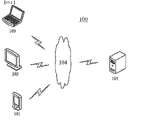
図1は、本出願に係るモデルを訓練するための方法またはモデルを訓練するための装置の一実施形態を適用することができる例示的なシステムアーキテクチャ100を示す。
FIG. 1 shows an
図1に示すように、システムアーキテクチャ100は、端末装置101、102、103、ネットワーク104、およびサーバ105を含むことができる。ネットワーク104は、端末装置101、102、103とサーバ105との間に通信リンクを提供するための媒体である。ネットワーク104は、有線、無線通信リンク、または光ファイバケーブルなどの様々な接続タイプを含むことができる。
As shown in FIG. 1,
ユーザは、メッセージなどを受送信するために、端末装置101、102、103を使用して、ネットワーク104を介してサーバ105と対話することができる。端末装置101、102、103には、ウェブページ閲覧系アプリケーション、音声認識系アプリケーションなど様々な通信クライアントアプリケーションが実装されることが可能である。
Users can use
端末装置101、102、103は、ハードウェアであってもよいし、ソフトウェアであってもよい。端末装置101、102、103がハードウェアである場合、スマートフォン、タブレット、電子ブックリーダー、車載コンピュータ、ラップトップ携帯コンピュータ、デスクトップコンピュータなどを含むが、これらに限定されない様々な電子機器であり得る。端末装置101、102、103がソフトウェアである場合、上述した電子機器にインストールすることができる。これは、(例えば、分散サービスを提供するために使用される)複数のソフトウェアまたはソフトウェアモジュールとして実装されてもよく、単一のソフトウェアまたはソフトウェアモジュールとして実装されてもよい。ここでは具体的な限定はしない。
The
サーバ105は、分類モデルを端末装置101、102、103に提供するバックグラウンドサーバのような様々なサービスを提供するサーバであり得る。バックグラウンドサーバは、訓練サンプルデータを用いて初期分類モデルを訓練し、目標分類モデルを取得して、目標分類モデルを端末装置101、102、103にフィードバックすることができる。
なお、サーバ105は、ハードウェアであってもよいし、ソフトウェアであってもよい。サーバ105がハードウェアである場合、複数のサーバからなる分散サーバクラスタとして実装されてもよく、単一のサーバとして実装されてもよい。サーバ105がソフトウェアである場合、複数のソフトウェアまたはソフトウェアモジュール(例えば、分散サービスを提供するために使用される)として実装されてもよく、単一のソフトウェアまたはソフトウェアモジュールとして実装されてもよい。ここでは具体的な限定はしない。
Note that the
なお、本出願の実施形態によって提供されるモデルを訓練するための方法は、一般にサーバ105によって実行される。したがって、モデルを訓練するための装置は、一般にサーバ105内に配置される。
It should be noted that the methods for training models provided by embodiments of the present application are generally performed by
図1の端末装置、ネットワーク、およびサーバの数は、概略的なものにすぎないことを理解されたい。実施のニーズに応じて、任意の数の端末装置、ネットワーク、およびサーバを有することができる。 It should be understood that the numbers of terminals, networks and servers in FIG. 1 are schematic only. It can have any number of terminals, networks, and servers, depending on the needs of the implementation.
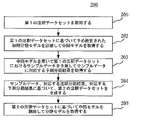
図2は、本出願に係るモデルを訓練するための方法の一実施形態の流れ200を示す。本実施形態に係るモデルを訓練するための方法は、以下のステップ(ステップ201~205)を含む。
FIG. 2 shows a
ステップ201:第1の注釈データセットを取得する。 Step 201: Get a first set of annotation data.
本実施形態では、モデルを訓練するための方法の実行主体(例えば、図1に示すサーバ105)は、まず、第1の注釈データセットを取得することができる。上述した第1の注釈データセットは、サンプルデータと、サンプルデータに対応する注釈分類結果とを含むことができる。上述したサンプルデータは、テキストデータ、画像データ、映像データ、音声データなどを含むことができる。注釈分類結果は、サンプルデータに対して手動で注釈を行ったものであることが可能であり、サンプルデータが属する分類を表すために用いられることができる。例えば、サンプルデータは自動車画像である場合、注釈分類結果は「自動車」であり得る。
In this embodiment, an entity performing a method for training a model (eg,
ステップ202:第1の注釈データセットに基づいて、予め設定された初期分類モデルを訓練し、中間モデルを取得する。 Step 202: Based on the first annotation data set, train a preset initial classification model to obtain an intermediate model.
本実施形態では、実行主体は、第1の注釈データセットを取得した後、第1の注釈データセットを用いて、予め設定された初期分類モデルを訓練し、中間モデルを取得することができる。訓練時に、第1の注釈データセットの一部のデータまたはすべてのデータを用いて、初期分類モデルを訓練することができる。実行主体は、第1の注釈データセットにおけるサンプルデータを初期分類モデルの入力とし、入力されたサンプルデータに対応する注釈分類結果を所望の出力として、中間モデルを取得することができる。上述した初期分類モデルは、ニューラルネットワークなどの任意のディープラーニングモデルを含むことができる。 In this embodiment, after obtaining the first annotation data set, the execution entity can use the first annotation data set to train a preset initial classification model to obtain an intermediate model. During training, some or all of the data in the first annotation dataset can be used to train the initial classification model. The execution entity can obtain an intermediate model by using the sample data in the first annotation data set as an input for the initial classification model and the annotation classification result corresponding to the input sample data as a desired output. The initial classification model described above can include any deep learning model such as a neural network.
ステップ203:中間モデルを用いて第1の注釈データセットにおけるサンプルデータを予測し、サンプルデータに対応する予測分類結果を取得する。 Step 203: Predict sample data in the first annotation data set using the intermediate model, and obtain a predicted classification result corresponding to the sample data.
訓練により中間モデルを取得した後、実行主体は第1の注釈データセットにおけるサンプルデータを上述した中間モデルに入力することにより、第1の注釈データセットにおけるサンプルデータを予測することができる。中間モデルは、サンプルデータが予め設定された各カテゴリに属する確率を判断し、予測分類結果を取得することができる。ここで、予測分類結果には、複数の予測確率値が含まれることが可能であり、サンプルデータが属するカテゴリが含まれることも可能である。例えば、予め設定されたカテゴリはカテゴリ1、2、3、4を含むことができる。中間モデルによる予測分類結果は0.2、0.3、0.1、0.4であってもよいし、カテゴリ4であってもよい。ここでカテゴリ4は予測確率値における最大値に対応するカテゴリである。 After obtaining the intermediate model through training, the subject can predict the sample data in the first annotation data set by inputting the sample data in the first annotation data set into the intermediate model described above. The intermediate model can determine the probability that the sample data belongs to each preset category to obtain a predicted classification result. Here, the predicted classification result can include a plurality of predicted probability values, and can also include the category to which the sample data belongs. For example, preset categories may include categories 1, 2, 3, and 4. The predicted classification result by the intermediate model may be 0.2, 0.3, 0.1, 0.4, or may be category 4. Here, category 4 is the category corresponding to the maximum value in the predicted probability values.
ステップ204:サンプルデータ、対応する注釈分類結果、対応する予測分類結果に基づいて、第2の注釈データセットを生成する。 Step 204: Generate a second annotation data set based on the sample data, the corresponding annotation classification results, and the corresponding predicted classification results.
実行主体は、予測分類結果を取得した後、サンプルデータおよび注釈分類結果を結合して、第2の注釈データセットを生成することができる。第2の注釈データセットは、サンプルデータと、サンプルデータに対応する更新注釈結果とを含むこともできることを理解されたい。ここで、第2の注釈データセットにおけるサンプルデータは第1の注釈データセットにおけるサンプルデータと同様であってもよく、更新注釈結果は注釈分類結果と予測分類結果とを含むことができる。例えば、サンプルデータAは注釈分類結果が1であり、予測分類結果が2である場合、第2の注釈データはサンプルデータAおよび更新注釈結果1、2を含むことができる。 After obtaining the predicted classification results, the performing entity can combine the sample data and the annotation classification results to generate a second annotation data set. It should be appreciated that the second annotation data set may also include sample data and updated annotation results corresponding to the sample data. Here, the sample data in the second annotation data set may be similar to the sample data in the first annotation data set, and the updated annotation results may include annotation classification results and predicted classification results. For example, if sample data A has an annotation classification result of 1 and a predicted classification result of 2, the second annotation data can include sample data A and updated annotation results 1,2.
本出願のいくつかのオプションの実施形態では、予測分類結果には、予め設定されたカテゴリの予測確率値が含まれる。実行主体は図2に示されていないステップ、すなわち注釈分類結果および各予測確率値に基づいてサンプルデータの更新注釈結果を確定するステップと、サンプルデータおよび更新注釈結果に基づいて第2の注釈データセットを生成するステップとにより、第2の注釈データセットを生成することができる。 In some optional embodiments of the present application, the predicted classification results include predicted probability values for preset categories. The execution entity performs steps not shown in FIG. 2, namely determining updated annotation results for the sample data based on the annotation classification results and each predicted probability value, and generating second annotation data based on the sample data and updated annotation results. Generating the set may generate a second annotation data set.
本実施形態では、実行主体は注釈分類結果および各予測確率値に基づいて、サンプルデータの更新注釈結果を確定することができる。上述した更新注釈結果には注釈分類結果に対応するカテゴリが含まれているほか、各予測確率値や予測されたカテゴリも含まれている。そして、実行主体はサンプルデータおよび更新注釈結果に基づいて第2の注釈データセットを生成することができる。具体的には、実行主体は以下の2つの実施形態で更新注釈結果を確定することができる。 In this embodiment, the execution entity can determine the updated annotation result of the sample data based on the annotation classification result and each predicted probability value. The updated annotation results described above include the category corresponding to the annotation classification result, as well as each predicted probability value and predicted category. The execution entity can then generate a second annotation data set based on the sample data and the updated annotation results. Specifically, the performing entity can determine the update annotation result in the following two embodiments.
実施形態1:各予測確率値および注釈分類結果に含まれるカテゴリを予め設定された順に配列し、配列の結果を更新注釈結果とする。 Embodiment 1: The categories included in each predicted probability value and annotation classification result are arranged in a preset order, and the arrangement result is used as an updated annotation result.
本実施形態では、実行主体は各予測確率値および注釈分類結果に含まれるカテゴリを予め設定された順に配列し、配列の結果を更新注釈結果とすることができる。例えば、予め設定されたカテゴリはカテゴリ1、2、3、4を含むことができる。中間モデルにより取得された予測分類結果は0.2、0.3、0.1、0.4であり得る。注釈分類結果に含まれるカテゴリは3である。この場合、更新注釈結果は0.2、0.3、0.1、0.4、3であってもよいし、3、0.2、0.3、0.1、0.4であってもよい。 In this embodiment, the execution entity can arrange categories included in each predicted probability value and annotation classification result in a preset order, and use the arrangement result as an updated annotation result. For example, preset categories may include categories 1, 2, 3, and 4. The predicted classification results obtained by the intermediate model can be 0.2, 0.3, 0.1, 0.4. There are 3 categories included in the annotation classification result. In this case, the update annotation result may be 0.2, 0.3, 0.1, 0.4, 3 or 3, 0.2, 0.3, 0.1, 0.4. may
実施形態2:各予測確率値における最大値に対応するカテゴリを確定し、確定されたカテゴリと注釈分類結果に含まれるカテゴリとを組み合わせて、更新注釈結果を取得する。 Embodiment 2: Determine the category corresponding to the maximum value in each predicted probability value, and combine the determined category with the category included in the annotation classification result to obtain the updated annotation result.
本実施形態では、実行主体はまず、各予測確率値における最大値に対応するカテゴリを確定することができる。例えば、予め設定されたカテゴリはカテゴリ1、2、3、4を含むことができる。中間モデルにより取得された予測分類結果は0.2、0.3、0.1、0.4であり得る。この場合、最大値に対応するカテゴリは4となる。注釈分類結果に含まれるカテゴリは3である場合、更新注釈結果は4、3であり得る。 In this embodiment, the execution entity can first determine the category corresponding to the maximum value in each predicted probability value. For example, preset categories may include categories 1, 2, 3, and 4. The predicted classification results obtained by the intermediate model can be 0.2, 0.3, 0.1, 0.4. In this case, the category corresponding to the maximum value is 4. If the category included in the annotation classification result is 3, the updated annotation result may be 4,3.
ステップ205:第2の注釈データセットに基づいて中間モデルを訓練し、分類モデルを取得する。 Step 205: Train an intermediate model based on the second annotation data set to obtain a classification model.
実行主体は第2の注釈データセットを取得した後、第2の注釈データセットを用いて中間モデルを訓練し、分類モデルを取得することができる。具体的には、注釈分類結果が予測分類結果と同じである場合、実行主体はそのサンプルを正サンプルとすることができる。注釈分類結果が予測分類結果と異なる場合、実行主体はそのサンプルを負サンプルとすることができる。実行主体は、それぞれ正サンプルと負サンプルを用いて中間モデルを訓練し、分類モデルを取得することができる。 After obtaining the second annotation data set, the agent can train the intermediate model using the second annotation data set to obtain the classification model. Specifically, if the annotation classification result is the same as the predicted classification result, the performer can mark the sample as a positive sample. If the annotation classification result differs from the expected classification result, the actor can mark the sample as a negative sample. An agent can train an intermediate model using positive and negative samples respectively to obtain a classification model.
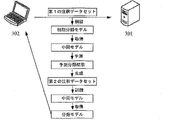
図3は、本出願に係るモデルを訓練するための方法の1つの適用シーンの概略図を示す。図3の適用シーンでは、サーバ301は端末装置302から第1の注釈データセットを取得し、そして第1の注釈データセットを用いて予め設定された初期分類モデルを訓練して中間モデルを取得し、さらに第1の注釈データセットおよび予測分類結果に基づいて第2の注釈データセットを取得することができる。サーバ301は第2の注釈データセットを用いて中間モデルを訓練し続け、分類モデルを取得することができる。次いで、実行主体は、分類モデルを端末装置302にフィードバックすることができる。
FIG. 3 shows a schematic diagram of one application scene of the method for training a model according to the present application. In the application scene of FIG. 3, the
本出願の上述した実施形態によって提供されるモデルを訓練するための方法は、高ノイズの注釈データを効果的に利用し、実行可能性が高いモデルを訓練して得ることができ、データの利用率が向上される。 The method for training a model provided by the above-described embodiments of the present application effectively utilizes the high noise annotation data and can result in training a model with high viability, and the use of the data rate is improved.
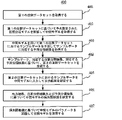
図4は、本出願に係るモデルを訓練するための方法の別の実施形態の流れ400を示す。図4に示すように、本実施形態に係るモデルを訓練するための方法は、以下のステップ(ステップ401~407)を含むことができる。
FIG. 4 shows a
ステップ401:第1の注釈データセットを取得する。 Step 401: Obtain a first annotation data set.
ステップ402:第1の注釈データセットに基づいて、予め設定された初期分類モデルを訓練し、中間モデルを取得する。 Step 402: Based on the first annotation data set, train a preset initial classification model to obtain an intermediate model.
ステップ403:中間モデルを用いて第1の注釈データセットにおけるサンプルデータを予測し、サンプルデータに対応する予測分類結果を取得する。 Step 403: Predict the sample data in the first annotation data set using the intermediate model, and obtain a predicted classification result corresponding to the sample data.
ステップ404:サンプルデータ、対応する注釈分類結果、対応する予測分類結果に基づいて、第2の注釈データセットを生成する。 Step 404: Generate a second annotation data set based on the sample data, the corresponding annotation classification results, and the corresponding predicted classification results.
ステップ401~404の原理は、ステップ201~204の原理と同様であるため、ここではこれ以上説明しない。 The principles of steps 401-404 are similar to those of steps 201-204 and will not be further described here.
ステップ405:第2の注釈データセットにおけるサンプルデータを中間モデルに入力し、出力結果を確定する。 Step 405: Input the sample data in the second annotation data set into the intermediate model and determine the output result.
実行主体は、第2の注釈データセットにおけるサンプルデータを中間モデルに入力し、出力結果を取得することができる。この出力結果には各カテゴリに対応する予測確率が含まれている。 The execution entity can input the sample data in the second annotation data set into the intermediate model and obtain the output result. The output contains predicted probabilities corresponding to each category.
ステップ406:出力結果、注釈分類結果、および予測分類結果に基づいて、中間モデルの損失関数値を確定する。 Step 406: Determine the loss function value of the intermediate model based on the output result, the annotation classification result and the predicted classification result.
本実施形態では、実行主体は出力結果、注釈分類結果、および予測分類結果に基づいて、中間モデルの損失関数値を確定することができる。具体的には、実行主体は出力結果と注釈分類結果および予測分類結果とをそれぞれ比較し、出力結果と注釈分類結果および予測分類結果との差を確定することができる。差の大きい比較結果に基づいて、中間モデルの損失関数値を確定する。 In this embodiment, the actor can determine the loss function value of the intermediate model based on the output results, the annotation classification results, and the predicted classification results. Specifically, the performing entity can compare the output result with the annotation classification result and the predicted classification result, respectively, and determine the difference between the output result and the annotation classification result and the predicted classification result. Determine the loss function value of the intermediate model based on the comparison result with a large difference.
本出願のいくつかのオプションの実施形態では、実行主体は図4に示されていない次のステップ、すなわち出力結果および注釈分類結果に基づいて第1の損失関数値を確定するステップと、出力結果および予測分類結果に基づいて第2の損失関数値を確定するステップと、第1の損失関数値および第2の損失関数値に基づいて中間モデルの損失関数値を確定するステップとにより、中間モデルの損失関数値を確定することができる。 In some optional embodiments of the present application, the performer performs the following steps not shown in FIG. 4: determining a first loss function value based on the output result and the annotation classification result; and determining a second loss function value based on the predicted classification result; and determining a loss function value for the intermediate model based on the first loss function value and the second loss function value. can determine the loss function value of
実行主体は、出力結果および注釈分類結果を予め設定された損失関数に代入して第1の損失関数値を取得することができる。ここで、第1の損失関数値は、1つの値であってもよいし、複数の値であってもよい。第1の損失関数が1つの値である場合、それが最大予測確率値に対応するカテゴリに対応する。第1の損失関数が複数の値である場合、それが各予測確率値に対応するカテゴリに対応する。 The execution entity can substitute the output result and the annotation classification result into a preset loss function to obtain a first loss function value. Here, the first loss function value may be one value or multiple values. If the first loss function is one value, it corresponds to the category corresponding to the maximum expected probability value. If the first loss function is multi-valued, it corresponds to the category corresponding to each predicted probability value.
同様に、実行主体は、出力結果および予測分類結果を予め設定された損失関数に代入して第2の損失関数値を取得することができる。 Similarly, the execution entity can substitute the output result and the predicted classification result into a preset loss function to obtain a second loss function value.
実行主体は、第1の損失関数値および第2の損失関数値を取得した後に、両者を重み付けして1つの値を取得し、その値を中間モデルの損失関数値とすることができる。 After obtaining the first loss function value and the second loss function value, the execution entity can weight both to obtain one value, which is the loss function value of the intermediate model.
本出願のいくつかのオプションの実施形態では、実行主体は、第1の損失関数値に対応する第1の重みおよび第2の損失関数値に対応する第2の重みを確定するステップと、第1の重み、第2の重み、第1の損失関数値、および第2の損失関数値に基づいて中間モデルの損失関数値を確定するステップとにより、中間モデルの損失関数値を確定することができる。 In some optional embodiments of the present application, the actor determines a first weight corresponding to the first loss function value and a second weight corresponding to the second loss function value; determining a loss function value for the intermediate model based on the one weight, the second weight, the first loss function value, and the second loss function value. can.
本実施形態では、まず、第1の損失関数値に対応する第1の重みおよび第2の損失関数値に対応する第2の重みを確定することができる。ここで、第1の重みおよび第2の重みは、手動で入力されてもよく、他のアルゴリズム(例えば、ランダムアルゴリズム、ディープラーニングアルゴリズムなど)によって取得されてもよい。その後、第1の重みに第1の損失関数値を乗算して積を取得し、第2の重みに第2の損失関数値を乗算して別の積を取得し、2つの積を加算して取得された和の値を中間モデルの損失関数値とすることができる。 In this embodiment, first, a first weight corresponding to the first loss function value and a second weight corresponding to the second loss function value may be determined. Here, the first weight and the second weight may be manually input or obtained by other algorithms (eg, random algorithms, deep learning algorithms, etc.). The first weight is then multiplied by the first loss function value to obtain a product, the second weight is multiplied by the second loss function value to obtain another product, and the two products are added together. can be taken as the loss function value of the intermediate model.
本出願のいくつかのオプションの実施形態では、上述した第1の重みおよび第2の重みは、第1の注釈データセットにおけるノイズデータの割合に基づいて第1の重みおよび第2の重みを確定するステップにより、確定されることが可能である。 In some optional embodiments of the present application, the first and second weights described above determine the first and second weights based on the proportion of noise data in the first annotation data set. can be determined by the step of
本実施形態では、第1の注釈データセットにおけるノイズデータの割合を確定することもできる。具体的には、実行主体は第1の注釈データセットを複数回サンプリングすることができる。サンプリングごとに取得されたデータについて、そのデータの注釈が正しいかどうかを確定する。正しい場合、そのデータがノイズデータでなく、正しくない場合、そのデータがノイズデータであると考えられる。サンプリングされたデータを統計することにより、第1の注釈データセットにおけるノイズデータの割合を確定することができる。次いで、実行主体はこの割合に基づいて、第1の重みおよび第2の重みを確定することができる。具体的には、第1の注釈データセットにおけるノイズデータの割合が大きい場合、第1の重みの値を適切に低減し、割合が小さい場合、第1の重みの値を適切に増加することができる。すなわち、第1重みの値は上述した割合に反比例する。 In this embodiment, the percentage of noise data in the first annotation data set can also be determined. Specifically, the actor may sample the first annotation data set multiple times. For data acquired at each sampling, determine if the data annotations are correct. If correct, the data is not noise data; if incorrect, the data is considered noise data. By statistically sampling the data, the percentage of noise data in the first annotation data set can be determined. The actor can then determine the first weight and the second weight based on this ratio. Specifically, when the proportion of noise data in the first annotation data set is large, the value of the first weight may be appropriately reduced, and when the proportion is small, the value of the first weight may be appropriately increased. can. That is, the value of the first weight is inversely proportional to the ratio mentioned above.
ステップ407:損失関数値に基づいて中間モデルのパラメータを調整し、分類モデルを取得する。 Step 407: Adjust the parameters of the intermediate model according to the loss function value to obtain a classification model.
実行主体は、上述した損失関数値に基づいて中間モデルのパラメータを調整し、中間モデルのパラメータの最適化を実現し、分類モデルを取得することができる。 The execution entity can adjust the parameters of the intermediate model according to the loss function value described above, achieve the optimization of the parameters of the intermediate model, and obtain the classification model.
本出願の上述した実施形態によって提供されるモデルを訓練するための方法は、出力結果に基づいて2つの損失関数値を取得し、これら2つの損失関数値に基づいて最終的な損失関数値を計算することができるため、中間モデルの訓練の精度が向上され、取得された分類モデルがより正確になることができる。 A method for training a model provided by the above-described embodiments of the present application obtains two loss function values based on output results, and based on these two loss function values, generates a final loss function value Since it can be computed, the training accuracy of the intermediate model can be improved and the obtained classification model can be more accurate.
さらに図5を参照すると、本出願は、上述した各図に示す方法の実施形態として、様々な電子機器に具体的に適用することができるモデルを訓練するための装置の一実施形態を提供する。この装置の実施形態は、図2に示す方法の実施形態に対応する。 Further referring to FIG. 5, the present application provides an embodiment of a device for training a model that can be specifically applied to various electronic devices as an embodiment of the method shown in the above figures. . This device embodiment corresponds to the method embodiment shown in FIG.
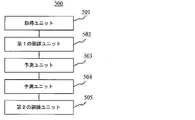
図5に示すように、本実施形態に係るモデルを訓練するための装置500は、取得ユニット501、第1の訓練ユニット502、予測ユニット503、生成ユニット504、および第2の訓練ユニット505を備える。
As shown in FIG. 5, the
取得ユニット501は、第1の注釈データセットを取得するように構成されている。ここで、第1の注釈データセットは、テキストデータ、画像データ、音声データ、または映像データを含むサンプルデータと、サンプルデータに対応する注釈分類結果とを含む。
The obtaining
第1の訓練ユニット502は、第1の注釈データセットに基づいて、予め設定された初期分類モデルを訓練し、中間モデルを取得するように構成されている。
A
予測ユニット503は、中間モデルを用いて第1の注釈データセットにおけるサンプルデータを予測し、サンプルデータに対応する予測分類結果を取得するように構成されている。
The
生成ユニット504は、サンプルデータ、対応する注釈分類結果、対応する予測分類結果に基づいて、第2の注釈データセットを生成するように構成されている。
The
第2の訓練ユニット505は、第2の注釈データセットに基づいて中間モデルを訓練し、分類モデルを取得するように構成されている。
A
本出願のいくつかのオプションの実施形態では、予測分類結果には、予め設定されたカテゴリの予測確率値が含まれている。生成ユニット504は、図5に示されていない確定モジュールおよび生成モジュールをさらに含むことができる。
In some optional embodiments of the present application, the predicted classification results include predicted probability values for preset categories.
確定モジュールは、注釈分類結果および各予測確率値に基づいて、サンプルデータの更新注釈結果を確定するように構成されている。 A determination module is configured to determine updated annotation results for the sample data based on the annotation classification results and each predicted probability value.
生成モジュールは、サンプルデータおよび更新注釈結果に基づいて、第2の注釈データセットを生成するように構成されている。 A generation module is configured to generate a second annotation data set based on the sample data and the updated annotation results.
本出願のいくつかのオプションの実施形態では、確定モジュールはさらに、各予測確率値および注釈分類結果に含まれるカテゴリを予め設定された順に配列し、上述した配列の結果を更新注釈結果とするように構成されている。 In some optional embodiments of the present application, the determination module further arranges the categories included in each predicted probability value and annotation classification result in a preset order, and the result of the above arrangement is the update annotation result. is configured to
本出願のいくつかのオプションの実施形態では、確定モジュールはさらに、各予測確率値における最大値に対応するカテゴリを確定し、確定されたカテゴリと注釈分類結果に含まれるカテゴリとを組み合わせて、更新注釈結果を取得するように構成されている。 In some optional embodiments of the present application, the determination module further determines the category corresponding to the maximum value for each predicted probability value, combines the determined category with the category included in the annotation classification result, and updates Configured to get annotation results.
本出願のいくつかのオプションの実施形態では、第2の訓練ユニットは、図5に示されていない、出力結果確定モジュール、損失関数値確定モジュール、およびモデル訓練モジュールをさらに含むことができる。 In some optional embodiments of the present application, the second training unit may further include an output result determination module, a loss function value determination module, and a model training module, not shown in FIG.
出力結果確定モジュールは、第2の注釈データセットにおけるサンプルデータを中間モデルに入力して、出力結果を確定するように構成されている。 The output result determination module is configured to input the sample data in the second annotation data set into the intermediate model to determine the output result.
損失関数値確定モジュールは、出力結果、注釈分類結果、および予測分類結果に基づいて、中間モデルの損失関数値を確定するように構成されている。 A loss function value determination module is configured to determine a loss function value of the intermediate model based on the output result, the annotation classification result, and the predicted classification result.
モデル訓練モジュールは、損失関数値に基づいて中間モデルのパラメータを調整して、分類モデルを取得するように構成されている。 The model training module is configured to adjust parameters of the intermediate model based on the loss function value to obtain a classification model.
本出願のいくつかのオプションの実施形態では、損失関数値確定モジュールはさらに、出力結果および注釈分類結果に基づいて第1の損失関数値を確定し、出力結果および予測分類結果に基づいて第2の損失関数値を確定し、第1の損失関数値および第2の損失関数値に基づいて中間モデルの損失関数値を確定するように構成されている。 In some optional embodiments of the present application, the loss function value determination module further determines a first loss function value based on the output results and the annotation classification results and a second loss function value based on the output results and the predicted classification results. and determining a loss function value of the intermediate model based on the first loss function value and the second loss function value.
本出願のいくつかのオプションの実施形態では、損失関数値確定モジュールはさらに、第1の損失関数値に対応する第1の重みおよび第2の損失関数値に対応する第2の重みを確定し、第1の重み、第2の重み、第1の損失関数値、および第2の損失関数値に基づいて中間モデルの損失関数値を確定するように構成されている。 In some optional embodiments of the present application, the loss function value determination module further determines a first weight corresponding to the first loss function value and a second weight corresponding to the second loss function value. , the first weight, the second weight, the first loss function value, and the second loss function value.
本出願のいくつかのオプションの実施形態では、損失関数値確定モジュールはさらに、第1の注釈データセットにおけるノイズデータの割合に基づいて、第1の重みおよび第2の重みを確定するように構成されている。 In some optional embodiments of the present application, the loss function value determination module is further configured to determine the first weight and the second weight based on the percentage of noise data in the first annotation data set. It is
モデルを訓練するための装置500に記載されているユニット501~505は、それぞれ、図2を参照して説明された方法の各ステップに対応することを理解されたい。したがって、モデルを訓練するための方法について説明した動作および特徴は、装置500およびその中に含まれているユニットにも同様に適用可能であり、ここではこれ以上説明しない。
It should be understood that the units 501-505 described in the
本出願の実施形態によれば、本出願はまた、電子機器およびコンピュータ可読記憶媒体を提供する。 According to embodiments of the application, the application also provides an electronic device and a computer-readable storage medium.
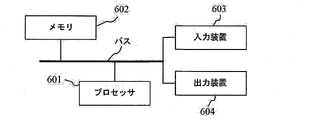
図6は、本出願の一実施形態に係るモデルを訓練するための方法を実行する電子機器のブロック図を示す。電子機器は、ラップトップ、デスクトップコンピュータ、ワークステーション、パーソナルデジタルアシスタント、サーバ、ブレードサーバ、大型コンピュータ、および他の適切なコンピュータのような様々な形態のデジタルコンピュータを表すことが意図されている。電子機器はまた、パーソナルデジタル処理、携帯電話、スマートフォン、ウェアラブルデバイス、および他の同様のコンピューティングデバイスのような様々な形態のモバイルデバイスを表すことができる。本出願に示す構成要素、それらの接続と関係およびそれらの機能は、一例に過ぎず、本出願に係るおよび/または要求される本出願の実施形態を限定することが意図されていない。 FIG. 6 shows a block diagram of an electronic device that performs a method for training a model according to one embodiment of the present application. Electronic equipment is intended to represent various forms of digital computers such as laptops, desktop computers, workstations, personal digital assistants, servers, blade servers, mainframe computers, and other suitable computers. Electronics can also represent various forms of mobile devices such as personal digital assistants, cell phones, smart phones, wearable devices, and other similar computing devices. The components, their connections and relationships, and their functions shown in this application are examples only and are not intended to limit the embodiments of this application according to and/or required.
図6に示すように、電子機器は、1つまたは複数のプロセッサ601と、メモリ602と、高速インターフェースおよび低速インターフェースを含む各構成要素を接続するためのインターフェースとを備える。各構成要素は、異なるバスで互いに接続されており、共通マザーボードに実施されていてもよく、必要に応じて他の方法で実施されていてもよい。プロセッサは、インターフェースに結合された表示装置などの外部入出力装置上にGUIのグラフィック情報を表示するために、メモリに記憶された命令を含む電子機器内で実行される命令を処理することができる。他の実施形態では、複数のプロセッサおよび/または複数のバスは、必要に応じて、複数のメモリと共に使用されることが可能である。同様に、複数の電子機器を接続することができる。各機器は一部の必要な動作(例えば、サーバアレイ、ブレードサーバ群またはマルチプロセッサシステムとして)を行うことができる。図6では、1つのプロセッサ601を例にとる。
As shown in FIG. 6, the electronic device comprises one or
メモリ602は、本出願によって提供される非一時的コンピュータ可読記憶媒体である。前記メモリは、本出願によって提供されるモデルを訓練するための方法を少なくとも1つのプロセッサに実行させるために、少なくとも1つのプロセッサによって実行可能な命令を記憶する。本出願の非一時的コンピュータ可読記憶媒体は、本出願によって提供されるモデルを訓練するための方法をコンピュータに実行させるためのコンピュータ命令を記憶する。
メモリ602は、非一時的コンピュータ可読記憶媒体として、本出願の実施形態におけるモデルを訓練するための方法を実行するプログラム命令/モジュール(例えば、図5に示す取得ユニット501、第1の訓練ユニット502、予測ユニット503、生成ユニット504、および第2の訓練ユニット505)のような非一時的ソフトウェアプログラム、非一時的コンピュータ実行可能プログラム、およびモジュールを記憶するために使用されることが可能である。プロセッサ601は、メモリ602に記憶された非一時的ソフトウェアプログラム、命令、およびモジュールを実行することにより、サーバの様々な機能アプリケーションおよびデータ処理、すなわち、上述した方法の実施形態におけるモデルを訓練するための方法を実行する。
メモリ602は、システム、少なくとも1つの機能を操作することに必要なアプリケーションを記憶することができるプログラム記憶領域と、モデルを訓練するための方法を実行する電子機器の使用に基づいて作成されたデータなどを記憶することができるデータ記憶領域とを含むことができる。さらに、メモリ602は、高速ランダムアクセスメモリを含むことができるほか、少なくとも1つのディスク記憶装置、フラッシュメモリデバイス、または他の非一時的固体記憶装置のような非一時的メモリを含むこともできる。いくつかの実施形態では、メモリ602は、あるいは、プロセッサ601に対して遠隔設置されたリモートメモリを含み、これらのリモートメモリは、モデルを訓練するための方法を実行する電子機器にネットワークを介して接続されることが可能である。上述したネットワークの例は、インターネット、イントラネット、ローカルエリアネットワーク、移動体通信ネットワーク、およびそれらの組み合わせを含むが、これらに限定されない。
モデルを訓練するための方法を実行する電子機器は、入力装置603および出力装置604をさらに含むことができる。プロセッサ601、メモリ602、入力装置603、および出力装置604は、バスを介して接続されることが可能である。図6は、バスを介して接続されている例である。
The electronics implementing the method for training the model can further include an
入力装置603は、入力された数字または文字情報を受信し、モデルを訓練するための方法を実行する電子機器のユーザ設定および機能制御に関するキー信号の入力、例えば、タッチスクリーン、キーパッド、マウス、トラックパッド、タッチパッド、ポインティングレバー、1つまたは複数のマウスボタン、トラックボール、ジョイスティックなどの入力装置を生成することができる。出力装置604は、表示装置、補助照明デバイス(例えば、LED)、および触覚フィードバックデバイス(例えば、振動モータ)などを含むことができる。表示装置は、液晶ディスプレイ(LCD)、発光ダイオード(LED)ディスプレイ、およびプラズマディスプレイを含むことができるが、これらに限定されない。いくつかの実施形態では、表示装置はタッチスクリーンであり得る。
The
本出願に記載されたシステムおよび技術の様々な実施形態は、デジタル電子回路システム、集積回路システム、特定用途向けASIC(特定用途向け集積回路)、コンピュータハードウェア、ファームウェア、ソフトウェアおよび/またはそれらの組み合わせにおいて実施されることができる。これらの様々な実施形態は、専用または汎用プログラマブルプロセッサであってもよい少なくとも1つのプログラマブルプロセッサを含むプログラマブルシステム上で実行および/または解釈することができる1つまたは複数のコンピュータプログラム内において実施され、記憶システム、少なくとも1つの入力装置および少なくとも1つの出力装置からデータおよび命令を受信し、かつデータおよび命令を記憶システム、少なくとも1つの入力装置および少なくとも1つの出力装置に送信することができる実施形態を含むことができる。 Various embodiments of the systems and techniques described in this application may be digital electronic circuit systems, integrated circuit systems, application specific integrated circuits (ASICs), computer hardware, firmware, software and/or combinations thereof. can be implemented in These various embodiments are embodied in one or more computer programs that can be executed and/or interpreted on a programmable system that includes at least one programmable processor, which may be a special purpose or general purpose programmable processor, Embodiments capable of receiving data and instructions from the storage system, at least one input device and at least one output device, and transmitting data and instructions to the storage system, at least one input device and at least one output device can contain.
これらのコンピュータプログラム(プログラム、ソフトウェア、ソフトウェアアプリケーションまたはコードとも呼ばれる)は、プログラマブルプロセッサの機械命令を含み、これらのコンピュータプログラムは、高レベルの手順および/またはオブジェクト指向プログラミング言語および/またはアセンブリ言語/機械語を使用して実施されることができる。本出願で使用されるように、「機械可読媒体」および「コンピュータ可読媒体」という用語は、機械命令および/またはデータをプログラマブルプロセッサに提供するための任意のコンピュータプログラム製品、機器および/またはデバイス(例えば、磁気ディスク、光ディスク、メモリ、プログラマブルロジックデバイス(PLD))を意味し、機械可読信号である機械命令を受信する機械可読媒体を含む。「機械可読信号」という用語は、機械命令および/またはデータをプログラマブルプロセッサに提供するための任意の信号を意味する。 These computer programs (also called programs, software, software applications or code) contain machine instructions for programmable processors, and these computer programs are written in high-level procedural and/or object-oriented programming language and/or assembly language/machine can be implemented using language. As used in this application, the terms "machine-readable medium" and "computer-readable medium" refer to any computer program product, apparatus and/or device for providing machine instructions and/or data to a programmable processor ( For example, magnetic disk, optical disk, memory, programmable logic device (PLD)) and includes a machine-readable medium for receiving machine instructions, which are machine-readable signals. The term "machine-readable signal" means any signal for providing machine instructions and/or data to a programmable processor.
ユーザとの対話を提供するために、本出願に記載されたシステムおよび技術をコンピュータ上で実施することができる。前記コンピュータは、ユーザに情報を表示するための表示装置(例えば、CRT(陰極線管)またはLCD(液晶ディスプレイ)モニタ)と、キーボードおよびポインティングデバイス(例えば、マウスまたはトラックボール)とを有し、ユーザは、キーボードおよびポインティングデバイスを介して入力をコンピュータに提供することができる。他の種類のデバイスはまた、ユーザとの対話を提供するために使用されることができる。例えば、ユーザに提供されるフィードバックは、任意の形態のセンサフィードバック(例えば、視覚フィードバック、聴覚フィードバック、または触覚フィードバック)であってもよい。ユーザからの入力は、音響入力、音声入力、または触覚入力を含む任意の形態で受信されることが可能である。 The systems and techniques described in this application can be implemented on a computer to provide interaction with a user. The computer has a display device (e.g., a CRT (cathode ray tube) or LCD (liquid crystal display) monitor) for displaying information to a user, and a keyboard and pointing device (e.g., a mouse or a trackball). can provide input to a computer through a keyboard and pointing device. Other types of devices can also be used to provide user interaction. For example, the feedback provided to the user may be any form of sensory feedback (eg, visual, auditory, or tactile feedback). Input from the user can be received in any form including acoustic, speech, or tactile input.
本出願に記載されたシステムおよび技術は、バックグラウンド構成要素を含むコンピュータシステム(例えば、データサーバとして)、またはミドルウェア構成要素を含むコンピュータシステム(例えば、アプリケーションサーバ)、またはフロントエンド構成要素を含むコンピューティングシステム(例えば、グラフィカルユーザインターフェースまたはウェブブラウザを有するユーザコンピュータ(ユーザは、前記グラフィカルユーザインターフェースまたは前記ウェブブラウザを介して、本出願に記載されたシステムおよび技術の実施形態と相互作用することができる))、または上記したバックグラウンド構成要素、ミドルウェア構成要素またはフロントエンド構成要素の任意の組み合わせを含むコンピューティングシステムに実装されることができる。システムの構成要素は、任意の形態または媒体のデジタルデータ通信(例えば、通信ネットワーク)によって相互に接続されることができる。通信ネットワークの例としては、ローカルエリアネットワーク(LAN)、ワイドエリアネットワーク(WAN)およびインターネットを含む。 The systems and techniques described in this application may be computer systems that include background components (e.g., as data servers), or computer systems that include middleware components (e.g., application servers), or computer systems that include front-end components. a user computer having a graphical user interface or web browser (a user can interact with embodiments of the systems and techniques described in this application via said graphical user interface or said web browser). )), or in a computing system including any combination of the background, middleware, or front-end components described above. The components of the system can be interconnected by any form or medium of digital data communication (eg, a communication network). Examples of communication networks include local area networks (LAN), wide area networks (WAN) and the Internet.
コンピュータシステムは、クライアントおよびサーバを含むことができる。クライアントおよびサーバは一般的に互いに離れており、通常に通信ネットワークを介して相互作用する。クライアントとサーバの関係は、互いにクライアント-サーバ関係を有するコンピュータプログラムを対応するコンピュータ上で動作することによって生成される。 The computer system can include clients and servers. A client and server are generally remote from each other and typically interact through a communication network. The relationship of client and server is created by executing computer programs on corresponding computers that have a client-server relationship to each other.
本出願の実施形態に係る技術によれば、高ノイズの注釈データを効果的に利用し、実行可能性が高いモデルを訓練して得ることができ、データの利用率が向上される。 According to the technique according to the embodiment of the present application, annotation data with high noise can be effectively used to train and obtain a model with high feasibility, thereby improving data utilization.
上述した様々な形態のプロセスを使用して、ステップを再順序付け、追加、または削除することができることを理解されたい。例えば、本出願に記載されている各ステップは、並列に実行されてもよいし、順次実行されてもよいし、異なる順序で実行されてもよい。本出願に開示される技術が所望する技術効果を実現できるものであればよく、ここでは特に限定しない。 It should be appreciated that steps may be reordered, added, or deleted using the various forms of processes described above. For example, each step described in this application may be performed in parallel, sequentially, or in a different order. There is no particular limitation here as long as the technology disclosed in the present application can achieve the desired technical effects.
上記した具体的な実施形態は、本出願の保護範囲の制限を構成していない。当業者であれば、設計要求および他の要因に応じて様々な修正、組み合わせ、再組合および代替を行うことができると認識できるだろう。本出願の趣旨および原則内で行われる任意の修正、同等の置換および改善などはすべて本出願の保護範囲内に含まれるものとする。 The specific embodiments described above do not constitute a limitation of the protection scope of this application. Those skilled in the art will recognize that various modifications, combinations, recombination and substitutions can be made depending on design requirements and other factors. Any modification, equivalent replacement, improvement, etc. made within the spirit and principle of this application shall all fall within the protection scope of this application.
Claims (19)
テキストデータ、画像データ、音声データもしくは映像データを含むサンプルデータとサンプルデータに対応する注釈分類結果とを含む第1の注釈データセットを取得するステップと、
前記第1の注釈データセットに基づいて予め設定された初期分類モデルを訓練して中間モデルを取得するステップと、
前記中間モデルを用いて前記第1の注釈データセットにおけるサンプルデータを予測して、前記サンプルデータに対応する予測分類結果を取得するステップと、
前記サンプルデータ、対応する注釈分類結果、対応する予測分類結果に基づいて、第2の注釈データセットを生成するステップと、
前記第2の注釈データセットに基づいて前記中間モデルを訓練して分類モデルを取得するステップと、を含む、モデルを訓練するための方法。 A method for training a model, said method being executed by a server, comprising:
obtaining a first annotation data set including sample data including text data, image data, audio data or video data and annotation classification results corresponding to the sample data;
training a preset initial classification model based on the first annotation data set to obtain an intermediate model;
predicting sample data in the first annotation data set using the intermediate model to obtain a predicted classification result corresponding to the sample data;
generating a second annotation data set based on the sample data, corresponding annotation classification results, and corresponding predicted classification results;
training the intermediate model based on the second annotation data set to obtain a classification model.
前記サンプルデータ、対応する注釈分類結果、対応する予測分類結果に基づいて、第2の注釈データセットを生成するステップは、
前記注釈分類結果および各予測確率値に基づいて、前記サンプルデータの更新注釈結果を確定するステップと、
前記サンプルデータおよび前記更新注釈結果に基づいて、第2の注釈データセットを生成するステップと、を含む、請求項1に記載の方法。 The predicted classification result includes a predicted probability value of a preset category,
generating a second annotation data set based on the sample data, the corresponding annotation classification results, and the corresponding predicted classification results;
determining an updated annotation result for the sample data based on the annotation classification result and each predicted probability value;
generating a second annotation data set based on the sample data and the updated annotation results.
各予測確率値および前記注釈分類結果に含まれるカテゴリを予め設定された順に配列するステップと、
配列の結果を前記更新注釈結果とするステップと、を含む、請求項2に記載の方法。 determining an updated annotation result for the sample data based on the annotation classification result and each predicted probability value;
arranging categories included in each predicted probability value and the annotation classification result in a preset order;
3. The method of claim 2, comprising the step of: making an array result the update annotation result.
各予測確率値における最大値に対応するカテゴリを確定するステップと、
確定されたカテゴリと前記注釈分類結果に含まれるカテゴリとを組み合わせて、前記更新注釈結果を取得するステップと、を含む、請求項2に記載の方法。 determining an updated annotation result for the sample data based on the annotation classification result and each predicted probability value;
determining the category corresponding to the maximum value for each predicted probability value;
combining determined categories with categories included in the annotation classification results to obtain the updated annotation results.
前記第2の注釈データセットにおけるサンプルデータを前記中間モデルに入力して、出力結果を確定するステップと、
前記出力結果、前記注釈分類結果および前記予測分類結果に基づいて、前記中間モデルの損失関数値を確定するステップと、
前記損失関数値に基づいて前記中間モデルのパラメータを調整して、前記分類モデルを取得するステップと、を含む、請求項1に記載の方法。 training the intermediate model based on the second annotation data set to obtain a classification model;
inputting sample data in the second annotation data set into the intermediate model to establish an output result;
determining a loss function value of the intermediate model based on the output result, the annotation classification result and the predicted classification result;
adjusting parameters of the intermediate model based on the loss function value to obtain the classification model.
前記出力結果および前記注釈分類結果に基づいて、第1の損失関数値を確定するステップと、
前記出力結果および前記予測分類結果に基づいて、第2の損失関数値を確定するステップと、
前記第1の損失関数値および前記第2の損失関数値に基づいて、前記中間モデルの損失関数値を確定するステップと、を含む、請求項5に記載の方法。 determining a loss function value of the intermediate model based on the output result, the annotation classification result and the predicted classification result;
determining a first loss function value based on the output result and the annotation classification result;
determining a second loss function value based on the output result and the predicted classification result;
and determining a loss function value for the intermediate model based on the first loss function value and the second loss function value.
前記第1の損失関数値に対応する第1の重みおよび前記第2の損失関数値に対応する第2の重みを確定するステップと、
前記第1の重み、前記第2の重み、前記第1の損失関数値および前記第2の損失関数値に基づいて、前記中間モデルの損失関数値を確定するステップと、を含む、請求項6に記載の方法。 determining a loss function value for the intermediate model based on the first loss function value and the second loss function value;
determining a first weight corresponding to the first loss function value and a second weight corresponding to the second loss function value;
determining a loss function value for the intermediate model based on the first weight, the second weight, the first loss function value and the second loss function value. The method described in .
前記第1の注釈データセットにおけるノイズデータの割合に基づいて、前記第1の重みおよび前記第2の重みを確定するステップと、を含む、請求項7に記載の方法。 Determining a first weight corresponding to the first loss function value and a second weight corresponding to the second loss function value comprises:
and determining the first weight and the second weight based on a percentage of noisy data in the first annotation data set.
前記第1の注釈データセットに基づいて予め設定された初期分類モデルを訓練して中間モデルを取得するように構成された第1の訓練ユニットと、
前記中間モデルを用いて前記第1の注釈データセットにおけるサンプルデータを予測して、前記サンプルデータに対応する予測分類結果を取得するように構成された予測ユニットと、
前記サンプルデータ、対応する注釈分類結果、対応する予測分類結果に基づいて、第2の注釈データセットを生成するように構成された生成ユニットと、
前記第2の注釈データセットに基づいて前記中間モデルを訓練して分類モデルを取得するように構成された第2の訓練ユニットと、を含む、モデルを訓練するための装置。 an acquisition unit configured to acquire a first annotation data set including sample data including text data, image data, audio data or video data and annotation classification results corresponding to the sample data;
a first training unit configured to train a preset initial classification model based on the first annotation data set to obtain an intermediate model;
a prediction unit configured to predict sample data in the first annotation data set using the intermediate model to obtain a predicted classification result corresponding to the sample data;
a generation unit configured to generate a second annotation data set based on the sample data, corresponding annotation classification results, and corresponding predicted classification results;
a second training unit configured to train the intermediate model based on the second annotation data set to obtain a classification model.
前記生成ユニットは、
前記注釈分類結果および各予測確率値に基づいて、前記サンプルデータの更新注釈結果を確定するように構成された確定モジュールと、
前記サンプルデータおよび前記更新注釈結果に基づいて、第2の注釈データセットを生成するように構成された生成モジュールと、を含む、請求項9に記載の装置。 The predicted classification result includes a predicted probability value of a preset category,
The generating unit is
a determination module configured to determine an updated annotation result for the sample data based on the annotation classification result and each predicted probability value;
10. The apparatus of claim 9, comprising a generation module configured to generate a second annotation data set based on the sample data and the updated annotation results.
各予測確率値および前記注釈分類結果に含まれるカテゴリを予め設定された順に配列し、
配列の結果を前記更新注釈結果とするように構成されている、請求項10に記載の装置。 The determination module further includes:
arranging categories included in each predicted probability value and the annotation classification result in a preset order;
11. The apparatus of claim 10 , configured to make array results the updated annotation results.
各予測確率値における最大値に対応するカテゴリを確定し、
確定されたカテゴリと前記注釈分類結果に含まれるカテゴリとを組み合わせて、前記更新注釈結果を取得するように構成されている、請求項10に記載の装置。 The determination module further includes:
Determine the category corresponding to the maximum value for each predicted probability value,
11. The apparatus of claim 10, configured to combine determined categories with categories included in the annotation classification results to obtain the updated annotation results.
前記第2の注釈データセットにおけるサンプルデータを前記中間モデルに入力して、出力結果を確定するように構成された出力結果確定モジュールと、
前記出力結果、前記注釈分類結果および前記予測分類結果に基づいて、前記中間モデルの損失関数値を確定するように構成された損失関数値確定モジュールと、
前記損失関数値に基づいて前記中間モデルのパラメータを調整して、前記分類モデルを取得するように構成されたモデル訓練モジュールと、を含む、請求項9に記載の装置。 The second training unit comprises:
an output result determination module configured to input sample data in the second annotation data set into the intermediate model to determine an output result;
a loss function value determination module configured to determine a loss function value of the intermediate model based on the output result, the annotation classification result and the predicted classification result;
and a model training module configured to adjust parameters of the intermediate model based on the loss function value to obtain the classification model.
前記出力結果および前記注釈分類結果に基づいて、第1の損失関数値を確定し、
前記出力結果および前記予測分類結果に基づいて、第2の損失関数値を確定し、
前記第1の損失関数値および前記第2の損失関数値に基づいて、前記中間モデルの損失関数値を確定するように構成されている、請求項13に記載の装置。 The loss function value determination module further comprises:
determining a first loss function value based on the output result and the annotation classification result;
determining a second loss function value based on the output result and the predicted classification result;
14. The apparatus of claim 13, configured to determine a loss function value of the intermediate model based on the first loss function value and the second loss function value.
前記第1の損失関数値に対応する第1の重みおよび前記第2の損失関数値に対応する第2の重みを確定し、
前記第1の重み、前記第2の重み、前記第1の損失関数値および前記第2の損失関数値に基づいて、前記中間モデルの損失関数値を確定するように構成されている、請求項14に記載の装置。 The loss function value determination module further comprises:
determine a first weight corresponding to the first loss function value and a second weight corresponding to the second loss function value;
3. Configured to determine a loss function value of said intermediate model based on said first weight, said second weight, said first loss function value and said second loss function value. 15. The device according to 14.
前記第1の注釈データセットにおけるノイズデータの割合に基づいて、前記第1の重みおよび前記第2の重みを確定するように構成されている、請求項15に記載の装置。 The loss function value determination module further comprises:
16. The apparatus of claim 15, configured to determine the first weight and the second weight based on a percentage of noisy data in the first annotation data set.
前記メモリには前記少なくとも1つのプロセッサによって実行可能な命令が記憶され、
前記命令が前記少なくとも1つのプロセッサによって実行されると前記少なくとも1つのプロセッサが請求項1~8のいずれか一項に記載の方法を実行することを可能にする、電子機器。 An electronic device for training a model comprising at least one processor and a memory communicatively coupled to said at least one processor, comprising:
the memory stores instructions executable by the at least one processor;
An electronic device enabling said at least one processor to perform the method of any one of claims 1 to 8 when said instructions are executed by said at least one processor.
前記コンピュータ命令が請求項1~8のいずれか一項に記載の方法を前記コンピュータに実行させるためのものである記憶媒体。 A non-transitory computer-readable storage medium having computer instructions stored thereon,
A storage medium, wherein said computer instructions are for causing said computer to perform the method of any one of claims 1-8.
前記コンピュータプログラムがプロセッサによって実行されると、請求項1~8のいずれか1項に記載の方法を実現するコンピュータプログラム。 A computer program,
A computer program implementing the method of any one of claims 1 to 8 when said computer program is executed by a processor.
Applications Claiming Priority (2)
| Application Number | Priority Date | Filing Date | Title |
|---|---|---|---|
| CN202010526432.1A CN111428008B (en) | 2020-06-11 | 2020-06-11 | Method, apparatus, device and storage medium for training a model |
| CN202010526432.1 | 2020-06-11 |
Publications (2)
| Publication Number | Publication Date |
|---|---|
| JP2021197137A JP2021197137A (en) | 2021-12-27 |
| JP7166322B2 true JP7166322B2 (en) | 2022-11-07 |
Family
ID=71551413
Family Applications (1)
| Application Number | Title | Priority Date | Filing Date |
|---|---|---|---|
| JP2020206144A Active JP7166322B2 (en) | 2020-06-11 | 2020-12-11 | Methods, apparatus, electronics, storage media and computer programs for training models |
Country Status (5)
| Country | Link |
|---|---|
| US (1) | US12175379B2 (en) |
| EP (1) | EP3923160A1 (en) |
| JP (1) | JP7166322B2 (en) |
| KR (1) | KR102534721B1 (en) |
| CN (1) | CN111428008B (en) |
Families Citing this family (50)
| Publication number | Priority date | Publication date | Assignee | Title |
|---|---|---|---|---|
| CN111881908B (en) * | 2020-07-20 | 2024-04-05 | 北京百度网讯科技有限公司 | Target detection model correction method, detection device, equipment and medium |
| CN112017634B (en) * | 2020-08-06 | 2023-05-26 | Oppo(重庆)智能科技有限公司 | Data processing method, device, equipment and storage medium |
| CN112101552A (en) * | 2020-09-25 | 2020-12-18 | 北京百度网讯科技有限公司 | Method, apparatus, device and storage medium for training a model |
| CN112149807B (en) * | 2020-09-28 | 2024-06-28 | 北京百度网讯科技有限公司 | Method and device for processing user characteristic information |
| CN112149754B (en) * | 2020-09-30 | 2021-06-11 | 罗中岩 | Information classification method, device, equipment and storage medium |
| CN112365001B (en) * | 2020-11-11 | 2023-12-19 | 中国工商银行股份有限公司 | Model generation method, device and server |
| CN112328710B (en) * | 2020-11-26 | 2024-06-11 | 北京百度网讯科技有限公司 | Entity information processing method, device, electronic device and storage medium |
| CN112329427B (en) * | 2020-11-26 | 2023-08-08 | 北京百度网讯科技有限公司 | Method and device for acquiring short message samples |
| CN112560912B (en) * | 2020-12-03 | 2023-09-26 | 北京百度网讯科技有限公司 | Classification model training methods, devices, electronic equipment and storage media |
| CN112926621B (en) * | 2021-01-21 | 2024-05-10 | 百度在线网络技术(北京)有限公司 | Data labeling method, device, electronic equipment and storage medium |
| KR102308751B1 (en) * | 2021-02-19 | 2021-10-05 | 주식회사 에스아이에이 | Method for prediction of precipitation based on deep learning |
| CN113204614B (en) * | 2021-04-29 | 2023-10-17 | 北京百度网讯科技有限公司 | Model training method, method and device for optimizing training data set |
| CN113205189B (en) * | 2021-05-12 | 2024-02-27 | 北京百度网讯科技有限公司 | Methods, prediction methods and devices for training prediction models |
| CN113112311B (en) * | 2021-05-12 | 2023-07-25 | 北京百度网讯科技有限公司 | Method for training causal inference model and information prompting method and device |
| CN113344214B (en) * | 2021-05-31 | 2022-06-14 | 北京百度网讯科技有限公司 | Training method and device of data processing model, electronic equipment and storage medium |
| CN113051374B (en) * | 2021-06-02 | 2021-08-31 | 北京沃丰时代数据科技有限公司 | Text matching optimization method and device |
| CN113380238A (en) * | 2021-06-09 | 2021-09-10 | 阿波罗智联(北京)科技有限公司 | Method for processing audio signal, model training method, apparatus, device and medium |
| CN113342792A (en) * | 2021-06-11 | 2021-09-03 | 北京小米移动软件有限公司 | Data cleaning method and device, storage medium and electronic equipment |
| CN113361621B (en) * | 2021-06-18 | 2023-12-15 | 北京百度网讯科技有限公司 | Methods and apparatus for training models |
| CN113536069B (en) * | 2021-08-04 | 2025-05-30 | 深圳追一科技有限公司 | Method, device, computer equipment and storage medium for identifying mislabeled data |
| CN113590877B (en) * | 2021-08-05 | 2024-06-14 | 杭州海康威视数字技术股份有限公司 | Method and device for obtaining labeled data |
| CN113688036B (en) * | 2021-08-13 | 2024-09-24 | 北京灵汐科技有限公司 | Data processing method, device, equipment and storage medium |
| CN113689111B (en) * | 2021-08-20 | 2022-11-11 | 北京百度网讯科技有限公司 | Fault recognition model training method, fault recognition device and electronic equipment |
| CN113887227B (en) * | 2021-09-15 | 2023-05-02 | 北京三快在线科技有限公司 | Model training and entity identification method and device |
| CN113535930B (en) * | 2021-09-16 | 2022-03-04 | 阿里巴巴达摩院(杭州)科技有限公司 | Model training method, device and storage medium |
| CN114091645A (en) * | 2021-11-05 | 2022-02-25 | 中信百信银行股份有限公司 | Training method and device of machine learning model, electronic equipment and storage medium |
| CN114048759A (en) * | 2021-11-16 | 2022-02-15 | 北京百度网讯科技有限公司 | Model training method, data processing method, device, equipment and medium |
| CN114241243B (en) * | 2021-12-20 | 2023-04-25 | 百度在线网络技术(北京)有限公司 | Training method and device for image classification model, electronic equipment and storage medium |
| CN114299119B (en) * | 2021-12-30 | 2025-04-08 | 上海幻电信息科技有限公司 | Target tracking method and device |
| CN114443896B (en) * | 2022-01-25 | 2023-09-15 | 百度在线网络技术(北京)有限公司 | Data processing method and method for training predictive model |
| CN114443849B (en) * | 2022-02-09 | 2023-10-27 | 北京百度网讯科技有限公司 | Annotated sample selection method, device, electronic equipment and storage medium |
| CN114549935B (en) * | 2022-02-25 | 2024-05-07 | 北京百度网讯科技有限公司 | Information generation method and device |
| CN115129863B (en) * | 2022-04-12 | 2026-02-24 | 腾讯科技(深圳)有限公司 | Intent recognition method, apparatus, device, storage medium, and computer program product |
| CN115130539B (en) * | 2022-04-21 | 2024-11-08 | 腾讯科技(深圳)有限公司 | Classification model training, data classification method, device and computer equipment |
| CN114861779A (en) * | 2022-04-22 | 2022-08-05 | 北京韬钰企业管理咨询有限公司 | Data processing method and device, electronic equipment and storage medium |
| CN114898176B (en) * | 2022-05-07 | 2025-09-23 | 厦门美图之家科技有限公司 | Target detection model training method, system, terminal device and storage medium |
| CN115206536B (en) * | 2022-05-18 | 2026-03-06 | 神州医疗科技股份有限公司 | A knowledge graph-based model training method, apparatus, device, and medium |
| CN115049059B (en) * | 2022-06-06 | 2026-01-13 | 上海商汤智能科技有限公司 | Data processing method, device, equipment and storage medium |
| CN115221274B (en) * | 2022-06-22 | 2026-06-19 | 平安科技(深圳)有限公司 | Text emotion classification method and device, electronic equipment and storage medium |
| CN115240704B (en) * | 2022-07-13 | 2026-03-31 | 北京有竹居网络技术有限公司 | Audio recognition methods, devices, electronic devices and computer program products |
| CN115719433B (en) * | 2022-11-25 | 2026-06-30 | 百度时代网络技术(北京)有限公司 | Training method and device for image classification model and electronic equipment |
| CN116431788B (en) * | 2023-04-14 | 2024-03-29 | 中电科大数据研究院有限公司 | Semantic retrieval method for cross-modal data |
| CN116664971B (en) * | 2023-04-28 | 2026-07-28 | 嬴彻星创智能科技(上海)有限公司 | Model training method, obstacle detection method and related equipment |
| CN116701548B (en) * | 2023-06-19 | 2025-12-30 | 中国建设银行股份有限公司 | Data classification and processing methods, devices, equipment and storage media |
| CN116932724B (en) * | 2023-07-31 | 2025-10-31 | 招商银行股份有限公司 | Heapdump-based problem processing method and device, electronic equipment and storage medium |
| KR102677908B1 (en) * | 2023-08-16 | 2024-06-25 | (주)엘로이랩 | Method for perform removal of mislabeling or re-labeling of data set |
| CN118410341A (en) * | 2024-05-14 | 2024-07-30 | 北京世纪好未来教育科技有限公司 | Training method of error detection model, error detection method, device and equipment |
| CN118709761B (en) * | 2024-06-25 | 2025-02-18 | 国网智能电网研究院有限公司 | A method and system for classifying power label knowledge based on large model |
| CN118981945B (en) * | 2024-07-26 | 2025-05-06 | 广州海洋地质调查局三亚南海地质研究所 | A method and system for evaluating natural gas hydrate resources |
| CN119598138B (en) * | 2024-10-30 | 2026-07-28 | 中国电力科学研究院有限公司 | Method and system for evaluating line loss calculation model of transformer area |
Citations (3)
| Publication number | Priority date | Publication date | Assignee | Title |
|---|---|---|---|---|
| CN110084271A (en) | 2019-03-22 | 2019-08-02 | 同盾控股有限公司 | A kind of other recognition methods of picture category and device |
| CN111125365A (en) | 2019-12-24 | 2020-05-08 | 京东数字科技控股有限公司 | Address data labeling method and device, electronic equipment and storage medium |
| CN111210024A (en) | 2020-01-14 | 2020-05-29 | 深圳供电局有限公司 | Model training method and device, computer equipment and storage medium |
Family Cites Families (8)
| Publication number | Priority date | Publication date | Assignee | Title |
|---|---|---|---|---|
| CN105447031A (en) * | 2014-08-28 | 2016-03-30 | 百度在线网络技术(北京)有限公司 | Training sample labeling method and device |
| US20170132528A1 (en) * | 2015-11-06 | 2017-05-11 | Microsoft Technology Licensing, Llc | Joint model training |
| CN105930934B (en) * | 2016-04-27 | 2018-08-14 | 第四范式(北京)技术有限公司 | Method and device for displaying predictive model and method and device for adjusting predictive model |
| CN108875821A (en) * | 2018-06-08 | 2018-11-23 | Oppo广东移动通信有限公司 | Training method and device of classification model, mobile terminal and readable storage medium |
| CN110427493B (en) * | 2019-07-11 | 2022-04-08 | 新华三大数据技术有限公司 | Electronic medical record processing method, model training method and related device |
| CN110647937A (en) * | 2019-09-23 | 2020-01-03 | 北京百度网讯科技有限公司 | Labeling model training method and device |
| CN110728328B (en) * | 2019-10-22 | 2022-03-01 | 支付宝(杭州)信息技术有限公司 | Training method and device for classification model |
| CN110826344B (en) * | 2019-10-24 | 2022-03-01 | 北京小米智能科技有限公司 | Neural network model compression method, corpus translation method and device |
-
2020
- 2020-06-11 CN CN202010526432.1A patent/CN111428008B/en active Active
- 2020-12-09 EP EP20212925.0A patent/EP3923160A1/en not_active Ceased
- 2020-12-10 KR KR1020200172112A patent/KR102534721B1/en active Active
- 2020-12-11 US US17/119,651 patent/US12175379B2/en active Active
- 2020-12-11 JP JP2020206144A patent/JP7166322B2/en active Active
Patent Citations (3)
| Publication number | Priority date | Publication date | Assignee | Title |
|---|---|---|---|---|
| CN110084271A (en) | 2019-03-22 | 2019-08-02 | 同盾控股有限公司 | A kind of other recognition methods of picture category and device |
| CN111125365A (en) | 2019-12-24 | 2020-05-08 | 京东数字科技控股有限公司 | Address data labeling method and device, electronic equipment and storage medium |
| CN111210024A (en) | 2020-01-14 | 2020-05-29 | 深圳供电局有限公司 | Model training method and device, computer equipment and storage medium |
Also Published As
| Publication number | Publication date |
|---|---|
| JP2021197137A (en) | 2021-12-27 |
| KR102534721B1 (en) | 2023-05-22 |
| KR20210154069A (en) | 2021-12-20 |
| US20210390428A1 (en) | 2021-12-16 |
| CN111428008A (en) | 2020-07-17 |
| US12175379B2 (en) | 2024-12-24 |
| EP3923160A1 (en) | 2021-12-15 |
| CN111428008B (en) | 2020-09-29 |
Similar Documents
| Publication | Publication Date | Title |
|---|---|---|
| US12175379B2 (en) | Method, apparatus, device and storage medium for training model | |
| KR102484617B1 (en) | Method and apparatus for generating model for representing heterogeneous graph node, electronic device, storage medium and program | |
| JP7317791B2 (en) | Entity linking method, device, apparatus and storage medium | |
| KR102781095B1 (en) | Query term recommendation method, target model training method, device, apparatus, and storage medium and computer program | |
| CN111539514B (en) | Method and apparatus for generating structures of neural networks | |
| US11880397B2 (en) | Event argument extraction method, event argument extraction apparatus and electronic device | |
| JP7262571B2 (en) | Knowledge graph vector representation generation method, apparatus and electronic equipment | |
| JP7264866B2 (en) | EVENT RELATION GENERATION METHOD, APPARATUS, ELECTRONIC DEVICE, AND STORAGE MEDIUM | |
| US11735168B2 (en) | Method and apparatus for recognizing voice | |
| KR20210040316A (en) | Method for generating user interactive information processing model and method for processing user interactive information | |
| KR20210037619A (en) | Multimodal content processing method, apparatus, device and storage medium | |
| CN111680517B (en) | Method, apparatus, device and storage medium for training model | |
| CN111582477B (en) | Training method and device for neural network model | |
| CN112036509A (en) | Method and apparatus for training image recognition models | |
| JP7133002B2 (en) | Punctuation prediction method and apparatus | |
| CN111582479B (en) | Distillation method and device for neural network model | |
| CN111539479A (en) | Method and device for generating sample data | |
| CN112417156B (en) | Multi-task learning method, device, equipment and storage medium | |
| CN111563593A (en) | Training method and device for neural network model | |
| CN111241838B (en) | Semantic relationship processing method, device and equipment for text entities | |
| US12242959B2 (en) | Method, apparatus, device and storage medium for embedding user app interest | |
| CN112580723A (en) | Multi-model fusion method and device, electronic equipment and storage medium | |
| CN111522944A (en) | Method, apparatus, device and storage medium for outputting information | |
| EP3901905A1 (en) | Method and apparatus for processing image | |
| CN111611808A (en) | Method and apparatus for generating natural language models |
Legal Events
| Date | Code | Title | Description |
|---|---|---|---|
| A621 | Written request for application examination |
Free format text: JAPANESE INTERMEDIATE CODE: A621 Effective date: 20201223 |
|
| A131 | Notification of reasons for refusal |
Free format text: JAPANESE INTERMEDIATE CODE: A131 Effective date: 20220308 |
|
| A521 | Request for written amendment filed |
Free format text: JAPANESE INTERMEDIATE CODE: A523 Effective date: 20220603 |
|
| TRDD | Decision of grant or rejection written | ||
| A01 | Written decision to grant a patent or to grant a registration (utility model) |
Free format text: JAPANESE INTERMEDIATE CODE: A01 Effective date: 20221011 |
|
| A61 | First payment of annual fees (during grant procedure) |
Free format text: JAPANESE INTERMEDIATE CODE: A61 Effective date: 20221025 |
|
| R150 | Certificate of patent or registration of utility model |
Ref document number: 7166322 Country of ref document: JP Free format text: JAPANESE INTERMEDIATE CODE: R150 |
|
| R250 | Receipt of annual fees |
Free format text: JAPANESE INTERMEDIATE CODE: R250 |