JP7070710B2 - Distributed processing support device, distributed processing support method and program - Google Patents
Distributed processing support device, distributed processing support method and program Download PDFInfo
- Publication number
- JP7070710B2 JP7070710B2 JP2020561200A JP2020561200A JP7070710B2 JP 7070710 B2 JP7070710 B2 JP 7070710B2 JP 2020561200 A JP2020561200 A JP 2020561200A JP 2020561200 A JP2020561200 A JP 2020561200A JP 7070710 B2 JP7070710 B2 JP 7070710B2
- Authority
- JP
- Japan
- Prior art keywords
- application
- arrangement pattern
- logics
- pattern
- source code
- Prior art date
- Legal status (The legal status is an assumption and is not a legal conclusion. Google has not performed a legal analysis and makes no representation as to the accuracy of the status listed.)
- Active
Links
Images




Classifications
-
- G—PHYSICS
- G06—COMPUTING OR CALCULATING; COUNTING
- G06F—ELECTRIC DIGITAL DATA PROCESSING
- G06F9/00—Arrangements for program control, e.g. control units
- G06F9/06—Arrangements for program control, e.g. control units using stored programs, i.e. using an internal store of processing equipment to receive or retain programs
- G06F9/46—Multiprogramming arrangements
- G06F9/50—Allocation of resources, e.g. of the central processing unit [CPU]
- G06F9/5005—Allocation of resources, e.g. of the central processing unit [CPU] to service a request
- G06F9/5027—Allocation of resources, e.g. of the central processing unit [CPU] to service a request the resource being a machine, e.g. CPUs, Servers, Terminals
- G06F9/5038—Allocation of resources, e.g. of the central processing unit [CPU] to service a request the resource being a machine, e.g. CPUs, Servers, Terminals considering the execution order of a plurality of tasks, e.g. taking priority or time dependency constraints into consideration
-
- G—PHYSICS
- G06—COMPUTING OR CALCULATING; COUNTING
- G06F—ELECTRIC DIGITAL DATA PROCESSING
- G06F9/00—Arrangements for program control, e.g. control units
- G06F9/06—Arrangements for program control, e.g. control units using stored programs, i.e. using an internal store of processing equipment to receive or retain programs
- G06F9/46—Multiprogramming arrangements
- G06F9/50—Allocation of resources, e.g. of the central processing unit [CPU]
- G06F9/5061—Partitioning or combining of resources
- G06F9/5077—Logical partitioning of resources; Management or configuration of virtualized resources
-
- G—PHYSICS
- G06—COMPUTING OR CALCULATING; COUNTING
- G06F—ELECTRIC DIGITAL DATA PROCESSING
- G06F8/00—Arrangements for software engineering
- G06F8/30—Creation or generation of source code
- G06F8/35—Creation or generation of source code model driven
-
- G—PHYSICS
- G06—COMPUTING OR CALCULATING; COUNTING
- G06F—ELECTRIC DIGITAL DATA PROCESSING
- G06F8/00—Arrangements for software engineering
- G06F8/60—Software deployment
-
- G—PHYSICS
- G06—COMPUTING OR CALCULATING; COUNTING
- G06F—ELECTRIC DIGITAL DATA PROCESSING
- G06F9/00—Arrangements for program control, e.g. control units
- G06F9/06—Arrangements for program control, e.g. control units using stored programs, i.e. using an internal store of processing equipment to receive or retain programs
- G06F9/46—Multiprogramming arrangements
- G06F9/48—Program initiating; Program switching, e.g. by interrupt
-
- G—PHYSICS
- G06—COMPUTING OR CALCULATING; COUNTING
- G06F—ELECTRIC DIGITAL DATA PROCESSING
- G06F9/00—Arrangements for program control, e.g. control units
- G06F9/06—Arrangements for program control, e.g. control units using stored programs, i.e. using an internal store of processing equipment to receive or retain programs
- G06F9/46—Multiprogramming arrangements
- G06F9/48—Program initiating; Program switching, e.g. by interrupt
- G06F9/4806—Task transfer initiation or dispatching
-
- G—PHYSICS
- G06—COMPUTING OR CALCULATING; COUNTING
- G06F—ELECTRIC DIGITAL DATA PROCESSING
- G06F9/00—Arrangements for program control, e.g. control units
- G06F9/06—Arrangements for program control, e.g. control units using stored programs, i.e. using an internal store of processing equipment to receive or retain programs
- G06F9/46—Multiprogramming arrangements
- G06F9/48—Program initiating; Program switching, e.g. by interrupt
- G06F9/4806—Task transfer initiation or dispatching
- G06F9/4843—Task transfer initiation or dispatching by program, e.g. task dispatcher, supervisor, operating system
-
- G—PHYSICS
- G06—COMPUTING OR CALCULATING; COUNTING
- G06F—ELECTRIC DIGITAL DATA PROCESSING
- G06F9/00—Arrangements for program control, e.g. control units
- G06F9/06—Arrangements for program control, e.g. control units using stored programs, i.e. using an internal store of processing equipment to receive or retain programs
- G06F9/46—Multiprogramming arrangements
- G06F9/48—Program initiating; Program switching, e.g. by interrupt
- G06F9/4806—Task transfer initiation or dispatching
- G06F9/4843—Task transfer initiation or dispatching by program, e.g. task dispatcher, supervisor, operating system
- G06F9/4881—Scheduling strategies for dispatcher, e.g. round robin, multi-level priority queues
-
- G—PHYSICS
- G06—COMPUTING OR CALCULATING; COUNTING
- G06F—ELECTRIC DIGITAL DATA PROCESSING
- G06F9/00—Arrangements for program control, e.g. control units
- G06F9/06—Arrangements for program control, e.g. control units using stored programs, i.e. using an internal store of processing equipment to receive or retain programs
- G06F9/46—Multiprogramming arrangements
- G06F9/50—Allocation of resources, e.g. of the central processing unit [CPU]
-
- G—PHYSICS
- G06—COMPUTING OR CALCULATING; COUNTING
- G06F—ELECTRIC DIGITAL DATA PROCESSING
- G06F9/00—Arrangements for program control, e.g. control units
- G06F9/06—Arrangements for program control, e.g. control units using stored programs, i.e. using an internal store of processing equipment to receive or retain programs
- G06F9/46—Multiprogramming arrangements
- G06F9/50—Allocation of resources, e.g. of the central processing unit [CPU]
- G06F9/5005—Allocation of resources, e.g. of the central processing unit [CPU] to service a request
- G06F9/5027—Allocation of resources, e.g. of the central processing unit [CPU] to service a request the resource being a machine, e.g. CPUs, Servers, Terminals
-
- G—PHYSICS
- G06—COMPUTING OR CALCULATING; COUNTING
- G06F—ELECTRIC DIGITAL DATA PROCESSING
- G06F9/00—Arrangements for program control, e.g. control units
- G06F9/06—Arrangements for program control, e.g. control units using stored programs, i.e. using an internal store of processing equipment to receive or retain programs
- G06F9/46—Multiprogramming arrangements
- G06F9/50—Allocation of resources, e.g. of the central processing unit [CPU]
- G06F9/5005—Allocation of resources, e.g. of the central processing unit [CPU] to service a request
- G06F9/5027—Allocation of resources, e.g. of the central processing unit [CPU] to service a request the resource being a machine, e.g. CPUs, Servers, Terminals
- G06F9/5044—Allocation of resources, e.g. of the central processing unit [CPU] to service a request the resource being a machine, e.g. CPUs, Servers, Terminals considering hardware capabilities
-
- G—PHYSICS
- G06—COMPUTING OR CALCULATING; COUNTING
- G06F—ELECTRIC DIGITAL DATA PROCESSING
- G06F9/00—Arrangements for program control, e.g. control units
- G06F9/06—Arrangements for program control, e.g. control units using stored programs, i.e. using an internal store of processing equipment to receive or retain programs
- G06F9/46—Multiprogramming arrangements
- G06F9/50—Allocation of resources, e.g. of the central processing unit [CPU]
- G06F9/5005—Allocation of resources, e.g. of the central processing unit [CPU] to service a request
- G06F9/5027—Allocation of resources, e.g. of the central processing unit [CPU] to service a request the resource being a machine, e.g. CPUs, Servers, Terminals
- G06F9/505—Allocation of resources, e.g. of the central processing unit [CPU] to service a request the resource being a machine, e.g. CPUs, Servers, Terminals considering the load
-
- G—PHYSICS
- G06—COMPUTING OR CALCULATING; COUNTING
- G06F—ELECTRIC DIGITAL DATA PROCESSING
- G06F9/00—Arrangements for program control, e.g. control units
- G06F9/06—Arrangements for program control, e.g. control units using stored programs, i.e. using an internal store of processing equipment to receive or retain programs
- G06F9/46—Multiprogramming arrangements
- G06F9/50—Allocation of resources, e.g. of the central processing unit [CPU]
- G06F9/5083—Techniques for rebalancing the load in a distributed system
-
- G—PHYSICS
- G08—SIGNALLING
- G08G—TRAFFIC CONTROL SYSTEMS
- G08G1/00—Traffic control systems for road vehicles
- G08G1/01—Detecting movement of traffic to be counted or controlled
- G08G1/0104—Measuring and analyzing of parameters relative to traffic conditions
- G08G1/0125—Traffic data processing
- G08G1/0133—Traffic data processing for classifying traffic situation
-
- G—PHYSICS
- G08—SIGNALLING
- G08G—TRAFFIC CONTROL SYSTEMS
- G08G1/00—Traffic control systems for road vehicles
- G08G1/01—Detecting movement of traffic to be counted or controlled
- G08G1/0104—Measuring and analyzing of parameters relative to traffic conditions
- G08G1/0137—Measuring and analyzing of parameters relative to traffic conditions for specific applications
- G08G1/0141—Measuring and analyzing of parameters relative to traffic conditions for specific applications for traffic information dissemination
-
- G—PHYSICS
- G08—SIGNALLING
- G08G—TRAFFIC CONTROL SYSTEMS
- G08G1/00—Traffic control systems for road vehicles
- G08G1/01—Detecting movement of traffic to be counted or controlled
- G08G1/0104—Measuring and analyzing of parameters relative to traffic conditions
- G08G1/0137—Measuring and analyzing of parameters relative to traffic conditions for specific applications
- G08G1/0145—Measuring and analyzing of parameters relative to traffic conditions for specific applications for active traffic flow control
-
- G—PHYSICS
- G06—COMPUTING OR CALCULATING; COUNTING
- G06F—ELECTRIC DIGITAL DATA PROCESSING
- G06F2209/00—Indexing scheme relating to G06F9/00
- G06F2209/50—Indexing scheme relating to G06F9/50
- G06F2209/501—Performance criteria
-
- G—PHYSICS
- G06—COMPUTING OR CALCULATING; COUNTING
- G06F—ELECTRIC DIGITAL DATA PROCESSING
- G06F2209/00—Indexing scheme relating to G06F9/00
- G06F2209/50—Indexing scheme relating to G06F9/50
- G06F2209/5017—Task decomposition
Landscapes
- Engineering & Computer Science (AREA)
- Software Systems (AREA)
- Theoretical Computer Science (AREA)
- Physics & Mathematics (AREA)
- General Physics & Mathematics (AREA)
- General Engineering & Computer Science (AREA)
- Chemical & Material Sciences (AREA)
- Analytical Chemistry (AREA)
- Debugging And Monitoring (AREA)
- Stored Programmes (AREA)
- Multi Processors (AREA)
- Management, Administration, Business Operations System, And Electronic Commerce (AREA)
- Design And Manufacture Of Integrated Circuits (AREA)
Description
この発明の一態様は、複数の情報処理装置によるアプリケーションの分散処理を支援する分散処理支援装置、分散処理支援方法、およびプログラムに関する。 One aspect of the present invention relates to a distributed processing support device, a distributed processing support method, and a program that support distributed processing of an application by a plurality of information processing devices.
近年、IoT(モノのインターネット(Internet-of-Things))の普及とともに、身近にある様々な機器がインターネットにつながるようになり、それらの機器が取得した情報を収集し、利活用することが容易となってきている。 In recent years, with the spread of IoT (Internet of-Things), various devices around us have become connected to the Internet, and it is easy to collect and utilize the information acquired by those devices. It is becoming.
このような背景のもと、情報収集の効率化や応答時間の高速化を実現するために、関数やクラスなどの複数のアプリケーションロジック(入力データに対して何らかの処理を行い、データを出力するものを指し、以下では単に「ロジック」と言う)を、地理的に分散されたマシンに配置して実行する分散アプリケーションへの期待が高まっている。 Against this background, in order to improve the efficiency of information collection and the speed of response time, multiple application logics such as functions and classes (which perform some processing on input data and output the data). (Hereafter referred to simply as "logic"), there are increasing expectations for decentralized applications that run on geographically distributed machines.
例えば、IoT機器が送信した情報を集約するロジックを中継サーバに配置することで、情報収集に要する通信量を削減することができる。また、アプリケーションの利用者に地理的に近いサーバに、利用者の端末と頻繁に通信するロジックを配置することで、アプリケーションの応答時間を短縮することができる。 For example, by arranging the logic for aggregating the information transmitted by the IoT device in the relay server, the amount of communication required for collecting the information can be reduced. In addition, the response time of the application can be shortened by arranging the logic that frequently communicates with the user's terminal on the server geographically close to the user of the application.
ここで、アプリケーションを複数のマシンで分散的に動作させるためには、アプリケーションを複数のロジックに分割し、各マシンに分散配置する必要がある(例えば、非特許文献1参照)。 Here, in order to operate the application in a distributed manner on a plurality of machines, it is necessary to divide the application into a plurality of logics and distribute the application on each machine (see, for example, Non-Patent Document 1).
ここで、アプリケーションをどのように分割し、どのように分散配置するかによって、アプリケーションの性能は大きく変化する。これは、ロジック間の通信がマシン間の通信で行われるようになることや、ロジックの処理時間がそれを動作させるマシンの性能に強く依存することに起因する。そのため、アプリケーション性能を最大化させるためには、最適なアプリケーション分割および配置を決定する技術が必要となる。 Here, the performance of the application changes greatly depending on how the application is divided and distributed. This is due to the fact that communication between logics is performed by communication between machines, and that the processing time of logic strongly depends on the performance of the machine that operates it. Therefore, in order to maximize application performance, a technique for determining the optimum application division and placement is required.
後者の最適な配置の決定に関しては、アプリケーション性能(マシン間のトラヒック、スループット、処理時間など)の最大化を目的関数とする線形計画問題に変換し、この最適解を計算することで最適な配置を得ることが一般的である。しかし、分割対象のアプリケーションやその動作環境が巨大な場合、配置のパターン数が膨大な数になってしまい、実時間で最適解を計算できなくなるという課題がある。例えば、分割後の処理が100個、配置先候補のマシンが3つの場合、その配置パターン数は5.2×1047通り存在する。To determine the optimal placement of the latter, transform it into a linear programming problem whose objective function is to maximize application performance (traffic between machines, throughput, processing time, etc.), and calculate this optimal solution for optimal placement. Is common to get. However, when the application to be divided and its operating environment are huge, the number of arrangement patterns becomes enormous, and there is a problem that the optimum solution cannot be calculated in real time. For example, when there are 100 post-division processes and three placement destination candidate machines, the number of placement patterns is 5.2 × 10 47 .
このような課題を、焼きなまし法や遺伝的アルゴリズムなどの近似解法を用いることによって解決する技術が知られている(例えば、非特許文献2参照)。近似解法では、探索する配置パターンを限定するため、すべての配置パターンを探索する単純な方法よりも短い時間でアプリケーション配置の解を得ることができる。このような従来のアプリケーション分割および配置では、まず、アプリケーションのソースコード内で定義されている関数を1つのロジックとして分割し、その後、配置先候補のマシンと各関数の配置パターンを計算して、その中で最もアプリケーション性能が高くなる配置パターンの近似解(準最適解)を選出する。 A technique for solving such a problem by using an approximate solution method such as simulated annealing or a genetic algorithm is known (see, for example, Non-Patent Document 2). Since the approximate solution method limits the arrangement patterns to be searched, the solution of the application arrangement can be obtained in a shorter time than the simple method of searching all the arrangement patterns. In such conventional application division and placement, first, the functions defined in the source code of the application are divided as one logic, and then the candidate machine for placement and the placement pattern of each function are calculated. Among them, the approximate solution (semi-optimal solution) of the arrangement pattern with the highest application performance is selected.
より具体的には、従来技術では、まず、入力されたソースコードの中からロジック(例えば、関数やクラスなど)が識別され、このロジックごとにソースコードが分割される。これにより、ロジックと配置先候補マシンの組み合わせパターンが複数生み出される。次いで、これらの各配置パターンにおけるアプリケーション性能が計測される。例えば、各配置パターンについて、分割された各ロジックを各マシンにインストールして複数回動作させ、全体処理が終了するまでに要した平均時間をその関数の処理時間、すなわち当該配置パターンでの性能値とする。このようにして得られた性能値をもとに、線形計画問題(例えば、非特許文献3参照)をはじめとする最適化問題を、焼きなまし法や遺伝的アルゴリズムなどの近似解法によって解くことによって、要求される性能が高くなるロジックの配置を計算する。例えば、各配置パターンでの通信トラヒック、全体の処理時間、マシン間のネットワーク遅延をもとに、「500ミリ秒以内の処理時間になる配置の中で、最もマシン間のトラヒックが小さくなる配置」を最適解として、この近似解を計算する。 More specifically, in the prior art, first, a logic (for example, a function or a class) is identified from the input source code, and the source code is divided for each logic. As a result, a plurality of combination patterns of logic and placement candidate machines are generated. The application performance in each of these placement patterns is then measured. For example, for each placement pattern, each divided logic is installed on each machine and operated multiple times, and the average time required to complete the overall processing is the processing time of the function, that is, the performance value in the placement pattern. And. Based on the performance values obtained in this way, optimization problems such as linear programming problems (see, for example, Non-Patent Document 3) can be solved by approximate solutions such as simulated annealing and genetic algorithms. Calculate the placement of logic that will increase the required performance. For example, based on the communication traffic in each placement pattern, the overall processing time, and the network delay between machines, "the placement with the least traffic between machines among the placements with processing time within 500 milliseconds". Is the optimum solution, and this approximate solution is calculated.
上記のように、従来技術を用いることで、アプリケーション性能が最も高くなる配置パターンの近似解を高速に計算することができる。しかしながら、従来技術では、近似解法を用いているため、解の最適性が保証されていない。 As described above, by using the conventional technique, it is possible to calculate an approximate solution of the arrangement pattern having the highest application performance at high speed. However, in the prior art, since the approximate solution method is used, the optimum of the solution is not guaranteed.
この課題を解決するためには、最適解を取りこぼすことなく、効率的にアプリケーションの配置を計算する方式が必要である。 In order to solve this problem, there is a need for a method to efficiently calculate the placement of applications without missing the optimal solution.
この発明は上記事情に着目してなされたもので、その目的とするところは、アプリケーションの分散処理のための最適な配置を効率的に決定するための技術を提供することにある。 The present invention has been made in view of the above circumstances, and an object of the present invention is to provide a technique for efficiently determining the optimum arrangement for distributed processing of an application.
上記課題を解決するためにこの発明の第1の態様は、複数の情報処理装置によるアプリケーションの分散処理を支援する分散処理支援装置にあって、上記アプリケーションのソースコードを取得するソースコード取得部と、上記ソースコードを複数のロジックに分割するソースコード分割部と、上記アプリケーションにおける上記複数のロジックの処理順序と、上記複数の情報処理装置の動作環境に関する情報とに基づいて、上記複数の情報処理装置のいずれかに上記複数のロジックを分散配置するときの当該複数のロジックの配置パターンの候補を抽出する候補抽出部と、上記抽出された配置パターンの候補の中から最適な配置パターンを決定する最適パターン決定部とを具備するようにした。 In order to solve the above problems, the first aspect of the present invention is a distributed processing support device that supports distributed processing of an application by a plurality of information processing devices, and a source code acquisition unit that acquires the source code of the application. , The plurality of information processing based on the source code division unit that divides the source code into a plurality of logics, the processing order of the plurality of logics in the application, and the information regarding the operating environment of the plurality of information processing devices. When the plurality of logics are distributedly arranged in any of the devices, the candidate extraction unit for extracting the candidates for the arrangement pattern of the plurality of logics and the candidate for the extracted arrangement pattern determine the optimum arrangement pattern. It is provided with an optimum pattern determination unit.
上記第1の態様によれば、複数の情報処理装置によるアプリケーションの分散処理を支援する分散処理支援装置において、アプリケーションのソースコードが複数のロジックへと分割され、分割されたロジックの処理順序と情報処理装置の動作環境に関する情報とに基づいて、情報処理装置に対するロジックの配置パターンの候補が抽出され、その候補の中から最適な配置パターンが決定される。このように、分割されたロジックの配置パターンの候補を抽出してから、最適な配置パターンを決定するようにしているので、すべての組合せに係る配置パターンから最適解を決定する場合に比べて効率的に最適な配置パターンを決定することができる。 According to the first aspect, in a distributed processing support device that supports distributed processing of an application by a plurality of information processing devices, the source code of the application is divided into a plurality of logics, and the processing order and information of the divided logics. Based on the information about the operating environment of the processing device, candidates for the logic arrangement pattern for the information processing device are extracted, and the optimum arrangement pattern is determined from the candidates. In this way, since the candidate for the arrangement pattern of the divided logic is extracted and then the optimum arrangement pattern is determined, the efficiency is compared with the case where the optimum solution is determined from the arrangement patterns related to all combinations. The optimum arrangement pattern can be determined.
すなわちこの発明によれば、アプリケーションの分散処理のための最適な配置を効率的に決定するための技術を提供することができる。 That is, according to the present invention, it is possible to provide a technique for efficiently determining the optimum arrangement for distributed processing of an application.
以下、図面を参照してこの発明に係わる実施形態を説明する。 Hereinafter, embodiments relating to the present invention will be described with reference to the drawings.
[一実施形態]
(構成)
(システムの構成)
図1は、この発明の一実施形態に係る分散処理支援装置を含むシステムの一例を示す概略構成図である。
このシステムは、データの収集元または入力元装置としての端末デバイス群TD1~TDi(以下、まとめて「端末デバイスTD」とも言う)およびセンサ群SS1~SSj(以下、まとめて「センサSS」とも言う)と、これらの装置からネットワークNWを介してデータを取得可能な複数のクラウドサーバCSV1~CSVn(以下、まとめて「クラウドサーバCSV」とも言う)と、端末デバイスTDおよびセンサSSとクラウドサーバCSVとの間に配置された複数のエッジサーバESV1~ESVm(以下、まとめて「エッジサーバESV」とも言う)と、これら種々の装置とネットワークNWを介して通信可能な、一実施形態に係る分散処理支援装置1とを備えている。[One Embodiment]
(Constitution)
(System configuration)
FIG. 1 is a schematic configuration diagram showing an example of a system including a distributed processing support device according to an embodiment of the present invention.
This system includes terminal device groups TD1 to TDi (hereinafter collectively referred to as "terminal device TD") and sensor groups SS1 to SSj (hereinafter collectively referred to as "sensor SS") as a data collection source or input source device. ), A plurality of cloud servers CSV1 to CSVn (hereinafter collectively referred to as "cloud server CSV") capable of acquiring data from these devices via the network NW, a terminal device TD, a sensor SS, and a cloud server CSV. Distributed processing support according to an embodiment capable of communicating with a plurality of edge servers ESV1 to ESVm (hereinafter collectively referred to as "edge server ESV") arranged between these various devices via a network NW. It is equipped with a
ネットワークNWには、例えばインターネット等の公衆網と、この公衆網にアクセスするためのアクセス網とが含まれる。アクセス網には、エッジサーバESV間を接続するエッジネットワークENWも含まれる。エッジネットワークENWは、例えばLAN(Local Area Network)または無線LANにより構成される。ただし、エッジサーバESVは、エッジネットワークENWを介さずに直接インターネットに接続されてもよい。 The network NW includes, for example, a public network such as the Internet and an access network for accessing this public network. The access network also includes an edge network ENW that connects the edge server ESVs. The edge network ENW is composed of, for example, a LAN (Local Area Network) or a wireless LAN. However, the edge server ESV may be directly connected to the Internet without going through the edge network ENW.
端末デバイスTDは、通信機能を有し、1または複数のエッジサーバESVを介してクラウド上のアプリケーションを利用可能な情報処理装置で、例えば、スマートフォンやパーソナルコンピュータである。センサSSには、自動車、その他のIoT機器が含まれる。センサSSにより計測または検出されたセンシングデータは、LANや無線LAN、Bluetooth(登録商標)等の省電力無線データ通信規格を採用した無線インタフェースを介して、あるいは端末デバイスTDを経由して、あらかじめ送信先として設定されたエッジサーバESVへ送信される。図示した端末デバイスTDおよびセンサSSは一例にすぎず、固定式装置であっても移動式装置であってもよく、任意の個数の多種多様な装置を含み得る。なお、端末デバイスTDおよびセンサSSは、必ずしもエッジサーバESVまたはエッジネットワークENWを経由する必要はなく、ネットワークNWを介して直接クラウドサーバCSVにアクセスすることもできる。 The terminal device TD is an information processing device having a communication function and capable of using an application on the cloud via one or a plurality of edge server ESVs, for example, a smartphone or a personal computer. Sensor SS includes automobiles and other IoT devices. Sensing data measured or detected by the sensor SS is transmitted in advance via a wireless interface that employs power-saving wireless data communication standards such as LAN, wireless LAN, and Bluetooth (registered trademark), or via the terminal device TD. It is transmitted to the edge server ESV set as the destination. The illustrated terminal device TD and sensor SS are merely examples and may be fixed or mobile devices and may include any number of a wide variety of devices. The terminal device TD and the sensor SS do not necessarily have to go through the edge server ESV or the edge network ENW, and can directly access the cloud server CSV via the network NW.
エッジサーバESVは、大規模データセンタ上に展開されたクラウド環境に対し、ユーザのより近くに配置された小規模データセンタを構成し、例えば、サーバコンピュータやパーソナルコンピュータなど種々の情報処理装置を含む。 The edge server ESV constitutes a small-scale data center located closer to the user in a cloud environment deployed on a large-scale data center, and includes various information processing devices such as a server computer and a personal computer. ..
クラウドサーバCSVは、クラウドコンピュータ等の情報処理装置からなり、エッジサーバESVから送信されるセンシングデータをネットワークNWを介して受信し、蓄積する。 The cloud server CSV is composed of an information processing device such as a cloud computer, and receives and stores sensing data transmitted from the edge server ESV via the network NW.
クラウドサーバCSVはまた、クラウド環境で利用可能なアプリケーションを提供する。クラウドサーバCSVが提供するアプリケーションには、分散アプリケーションが含まれる。分散アプリケーションは、当該クラウドサーバCSVに加えて、任意の数のエッジサーバESVおよび端末デバイスTDによる分散処理が可能である。 The cloud server CSV also provides applications that can be used in a cloud environment. The application provided by the cloud server CSV includes a decentralized application. The distributed application can perform distributed processing by an arbitrary number of edge server ESVs and terminal device TDs in addition to the cloud server CSV.
分散処理支援装置1は、そのような分散アプリケーションの配置先を決定することによりアプリケーションの分散処理を支援するもので、システム管理者等が操作可能なサーバコンピュータやパーソナルコンピュータである。
The distributed
図2は、図1に示した一実施形態に係る分散処理支援装置1の機能構成を示す。
分散処理支援装置1は、通信インタフェースユニット10と、処理ユニット20と、記憶ユニット30とを備えている。FIG. 2 shows the functional configuration of the distributed
The distributed
通信インタフェースユニット10は、例えば有線または無線インタフェースを有しており、ネットワークNWを介して、クラウドサーバCSV、エッジサーバESV、または端末デバイスTDとの間で情報の送受信を可能にする。
The
記憶ユニット30は、記憶媒体として例えばHDD(Hard Disk Drive)またはSSD(Solid State Drive)等の随時書込および読み出しが可能な不揮発性メモリを用いたものであり、この実施形態を実現するために必要な記憶領域として、プログラム記憶部の他に、アプリケーション情報記憶部31と、分割ルール記憶部32と、動作環境情報記憶部33とを備えている。
The
アプリケーション情報記憶部31は、分散処理の対象となるアプリケーションに関する情報を記憶するために使用される。アプリケーションに関する情報としては、例えば、アプリケーションのソースコード中に含まれる関数の処理順序や、当該アプリケーションの入出力に関する情報が含まれる。
The application
分割ルール記憶部32は、アプリケーションの分割に係るルールを記憶するために使用される。アプリケーションの分割に係るルールは、例えば、アプリケーションの開発者が定義した関数等の情報に基づく、分割可能なロジックを識別するために使用されるルールである。アプリケーションの分割に係るルールは、あらかじめシステム管理者等によって分割ルール記憶部32に格納されてもよいし、ネットワークNWを介して分割対象のアプリケーション情報とともに取得されてもよい。
The division
動作環境情報記憶部33は、分散処理に関与し得る情報処理装置(以下、「マシン」とも言う)の動作環境に関する情報を記憶するために使用される。動作環境情報記憶部33は、例えば、あらかじめシステム管理者等により入力された、複数のマシンの各々についての計算能力、記憶領域、現在位置などに関する情報を格納する。これらの情報は、ネットワークNWを介して取得された最新の情報により更新されるようにしてもよい。
The operating environment
ただし、上記記憶部31~33は、必ずしも分散処理支援装置1に内蔵されたものでなくてもよく、例えば、USBメモリなどの外付け記憶媒体や、クラウドに配置されたデータベースサーバ等の記憶装置に設けられたものであってもよい。分散処理支援装置1は、例えば通信ネットワークNWを介して上記クラウドのデータベースサーバにアクセスすることにより、必要なデータを取得し使用することができる。
However, the
処理ユニット20は、図示しないCPU(Central Processing Unit)やMPU(Micro Processing Unit)等のハードウェアプロセッサと、DRAM(Dynamic Random Access Memory)やSRAM(Static Random Access Memory)等のメモリとを有し、この実施形態を実施するために必要な処理機能として、ソースコード取得部21と、ソースコード分割部22と、配置パターン候補抽出部23と、最適パターン決定部24とを備えている。これらの処理機能は、いずれも上記記憶ユニット30に格納されたプログラムを上記プロセッサに実行させることにより実現される。処理ユニット20は、また、ASIC(Application Specific Integrated Circuit)やFPGA(field-programmable gate array)などの集積回路を含む、他の多様な形式で実現されてもよい。
The
ソースコード取得部21は、通信インタフェースユニット10を介して、分散処理の対象とすべきアプリケーションのソースコードを取得する処理を行う。ソースコード取得部21は、例えば、クラウド上に配置されたアプリケーションを管理する管理サーバ(図示せず)から、ネットワークNWを介してソースコードを受信するように構成されてもよいし、図示しない入力デバイスを介してシステム管理者等により入力されたソースコードを取得するように構成されてもよい。ソースコード取得部21はまた、取得したソースコードをもとに、対象アプリケーションに関する情報を抽出して、アプリケーション情報記憶部31に格納する処理を行う。
The source
ソースコード分割部22は、分割ルール記憶部32に格納された分割ルールをもとに、ソースコード取得部21により取得されたソースコードの中から分割可能なロジック(関数やクラスなど)を識別し、識別されたロジックごとにソースコードを分割する処理を行う。
The source
配置パターン候補抽出部23は、ソースコード分割部22により分割されたロジックと配置先マシンの配置パターンのうち、最適解である可能性がある配置パターンの候補を抽出する処理を行う。
The arrangement pattern
最適パターン決定部24は、配置パターン候補抽出部23により抽出された配置パターンの候補のうち最適な配置パターンを決定するもので、アプリ性能計測部241と、最適パターン選出部242とを備えている。
The optimum
アプリ性能計測部241は、配置パターン候補抽出部23により抽出された配置パターンの候補の各々について、アプリケーション(アプリ)の性能を計測または算出する処理を行う。
The application
最適パターン選出部242は、上記計測または算出されたアプリケーション性能に基づいて、最適な性能が得られる配置パターンを最適な配置パターンとして選出する処理を行う。
The optimum
(動作)
次に、以上のように構成された分散処理支援装置1による情報処理動作を説明する。図3はその処理手順と処理内容を示すフローチャートである。(motion)
Next, the information processing operation by the distributed
(1)開始トリガの受信
分散処理支援装置1は、ステップS1により、アプリケーションの分散配置を決定する処理を開始するためのトリガの有無を監視している。この状態で、例えばアプリケーション開発者またはシステム管理者等が管理用端末(図示せず)を通じて分散配置決定の開始要求を入力し、この開始要求をトリガとして受け取ると、分散処理支援装置1は以下の処理を実行する。(1) Reception of Start Trigger The distributed
(2)ソースコードの取得
分散処理支援装置1は、ステップS2において、処理ユニット20の制御の下、ソースコード取得部21により、例えばネットワークNWを介してアプリケーション管理サーバ(図示せず)から、分散処理の対象であるアプリケーションのソースコードを取得する。ソースコード取得部21は、取得したソースコードをソースコード分割部22に渡すとともに、当該ソースコードまたは当該アプリケーションに関する情報をアプリケーション情報記憶部31に記憶させることができる。アプリケーションに関する情報には、アプリケーションのソースコードに含まれる関数の処理順序や、アプリケーションへの入力データおよび入力元マシン、アプリケーションからの出力データおよび出力先マシンに関する情報が含まれる。なお、アプリケーションのソースコードを、アプリケーション開発者またはシステム管理者が使用する管理用端末から取得するようにしてもよい。(2) Acquisition of source code In step S2, the distributed
(3)ソースコードの分割
次いで分散処理支援装置1は、ステップS3において、処理ユニット20の制御の下、ソースコード分割部22により、分割ルール記憶部32にあらかじめ記憶された分割ルールをもとに、取得されたソースコード中の分割可能なロジック(例えば、関数、クラスなど)を識別し、ソースコードを複数のロジックに分割する。(3) Source code division Next, in step S3, the distributed
(4)配置パターンの候補の抽出
次いで分散処理支援装置1は、ステップS4において、処理ユニット20の制御の下、配置パターン候補抽出部23により、最適である可能性のある配置パターンを配置パターンの候補として抽出する処理を行う。以下、この処理について詳細に説明する。(4) Extraction of Arrangement Pattern Candidates Next, in step S4, the distributed
(4-1)抽出処理の概要
対象アプリケーションにおけるロジックの処理順序やデータの入出力先マシンの情報が定まっており、かつアプリケーションの処理時間短縮やマシン間の通信量の削減を目的とする場合、明らかに最適ではない配置パターンが存在する。(4-1) Outline of extraction processing When the processing order of logic in the target application and the information of the data input / output destination machine are fixed, and the purpose is to shorten the processing time of the application and reduce the communication volume between machines. There are clearly suboptimal placement patterns.
一実施形態に係る分散処理支援装置1は、配置パターンの候補の抽出にあたり、アプリケーション中のロジックの処理順序ならびに分割対象のアプリケーションへデータを入力する入力元マシンおよび当該アプリケーションからのデータの出力先マシンの情報に基づいて、明らかに最適ではない配置パターンをあらかじめ除外し、重要なパターンのみから最適な解を算出する。このような抽出処理により、最適解をとりこぼすことなく、配置パターンの候補の数を削減することができる。
The distributed
(4-2)有向グラフに基づく非最適な配置パターンの除外
図4は、一実施形態に係る分散処理支援装置1による処理フローのイメージを示す略図である。ここでは、ロジック(関数)の処理順およびデータの入力用のマシンと出力用のマシンとが決まっており、かつマシンZ、マシンY、マシンXの順に計算能力が高い(すなわち、マシンX,Y,Zの中では、マシンZが最も計算能力が高く、マシンXが最も計算能力が低い)という前提で説明する。(4-2) Exclusion of non-optimal arrangement pattern based on a directed graph FIG. 4 is a schematic diagram showing an image of a processing flow by the distributed
図4において、アプリケーションPのソースコードSCpが、関数main、関数A、関数B、関数Cに分割される。これらの関数の処理順序は、main,A,B,Cの順である。また、関数mainはデータを入力する関数であり、データの入力元マシンはマシンX(例えば、スマートフォンTD)、データの出力先マシンはマシンZ(例えば、クラウドサーバCSV)である。マシンYは、入出力用のマシンXおよびマシンZ以外の配置先候補マシンであり、たとえばエッジサーバESVである。 In FIG. 4, the source code SCp of the application P is divided into a function main, a function A, a function B, and a function C. The processing order of these functions is the order of main, A, B, C. Further, the function main is a function for inputting data, the data input source machine is a machine X (for example, a smartphone TD), and the data output destination machine is a machine Z (for example, a cloud server CSV). The machine Y is a candidate machine for placement other than the machine X and the machine Z for input / output, and is, for example, an edge server ESV.
分割された関数がマシンに配置される配置パターンには、多数のパターンP1~Pnが考えられ、これらの配置パターンの中から最適解(図4に示した例ではパターンP59)が選択されることになる。 A large number of patterns P1 to Pn can be considered as the arrangement pattern in which the divided function is arranged in the machine, and the optimum solution (pattern P59 in the example shown in FIG. 4) is selected from these arrangement patterns. become.
しかし、上記前提において、アプリケーション全体の処理時間を向上させたい場合には、図4に示した配置パターンのうち配置パターンP3は最適な配置パターンではないことがわかる。これは、配置パターンP1またはP2に比べて、関数Aの次に処理されるべき関数Bが、計算能力の高いマシンZから計算能力の低いマシンXへオフロードされているような配置パターンとなっており、配置パターンP3の処理時間が、配置パターンP1またはP2よりも長くなることが明確なためである。パターンP4やパターンPnについても、上述と同様の理由により、最適ではない配置パターンとして除外(枝刈り)することができる。 However, under the above premise, if it is desired to improve the processing time of the entire application, it can be seen that the arrangement pattern P3 among the arrangement patterns shown in FIG. 4 is not the optimum arrangement pattern. This is an arrangement pattern in which the function B to be processed next to the function A is offloaded from the machine Z having a high computing power to the machine X having a low computing power, as compared with the arrangement pattern P1 or P2. This is because it is clear that the processing time of the arrangement pattern P3 is longer than that of the arrangement pattern P1 or P2. The pattern P4 and the pattern Pn can also be excluded (pruned) as a non-optimal arrangement pattern for the same reason as described above.
この最適ではない配置パターン(以下、「非最適な配置パターン」と言う)を一般化すると、以下のように表現することができる。 If this non-optimal placement pattern (hereinafter referred to as "non-optimal placement pattern") is generalized, it can be expressed as follows.
<非最適な配置パターン>
ある配置パターンにおいて、関数の処理順にマシン間を有向辺で結んだグラフ(以下、「処理フローグラフ」と言う)が、以下のグラフG1またはG2のいずれとも合致しない場合、その配置パターンは最適な配置ではない。
(G1)データを入力する関数が配置されているマシン(データ入力元マシン)と、データを出力する関数が配置されているマシン(データ出力先マシン)とが異なる場合:データ入力元マシンを始点、データ出力先マシンを終点として、配置先候補マシンを計算能力が低い順に1回以下通る最短有向道群
(G2)データ入力元マシンとデータ出力先マシンが同じ場合:配置先候補マシンを計算能力が低い順に1回以下通る最短有向閉路群<Non-optimal placement pattern>
In a certain arrangement pattern, if the graph connecting the machines in the processing order of the function with directed edges (hereinafter referred to as "processing flow graph") does not match any of the following graphs G1 or G2, the arrangement pattern is optimal. It is not an arrangement.
(G1) When the machine in which the function for inputting data is arranged (data input source machine) and the machine in which the function for outputting data is arranged (data output destination machine) are different: The starting point is the data input source machine. , The shortest directed road group that passes through the placement destination candidate machine once or less in ascending order of calculation capacity with the data output destination machine as the end point (G2) When the data input source machine and the data output destination machine are the same: Calculate the placement destination candidate machine Shortest directed closed road group that passes once or less in ascending order of ability
図5は、非最適な配置パターンであるか否かの判断例を示す略図であり、図4の例における配置先候補マシンの最短有向道群(有向道1および2(いずれも上記G1に該当))ならびに配置パターンP3の処理フローグラフを示している。図5から、配置パターンP3の処理フローグラフは、最短有向道1とも最短有向道2とも合致しないため(また上記G2にも該当しないため)、非最適な配置パターンと判定される。
FIG. 5 is a schematic diagram showing an example of determining whether or not the arrangement pattern is non-optimal, and the shortest directed road group (directed
(4-3)非最適な配置パターンであることの証明
ここで、ロジックの処理順序、ならびにデータ入力元マシンおよびデータ出力先マシンが決まっており、かつアプリケーションの処理時間短縮や通信量削減を目的とする環境において、上記グラフG1またはG2のいずれとも合致しない配置パターンが最適ではないことの証明について以下で説明する。(4-3) Proof that it is a non-optimal arrangement pattern Here, the logic processing order, the data input source machine and the data output destination machine are determined, and the purpose is to shorten the processing time of the application and reduce the communication volume. The proof that the arrangement pattern that does not match any of the graphs G1 and G2 is not optimal will be described below.
[仮定]
データ入力元マシンを始点、データ出力先マシンを終点として、配置先候補マシンを計算能力が低い順に1回以下通る最短有向道群または最短有向閉路群のいずれとも合致しない処理フローグラフを持つ配置パターンAが最適解であると仮定する。図6は、このような配置パターンAの一例を示す。[Assumption]
It has a processing flow graph that does not match either the shortest directed road group or the shortest directed cycle group that passes through the placement destination candidate machine once or less in ascending order of computing power, with the data input source machine as the start point and the data output destination machine as the end point. It is assumed that the arrangement pattern A is the optimum solution. FIG. 6 shows an example of such an arrangement pattern A.
[証明]
図6に示した配置パターンAにおいて、実際にロジックが配置されているマシンの集合をMとする。配置パターンAの処理フローグラフは、最短有向道・閉路群のいずれにも合致しないため、集合Mに含まれるマシンを節点とする最短有向道・閉路群とは逆向きの有向辺eを1つ以上持つ。この有向辺eに沿ってデータを送信するロジックをla、データを受信するロジックをlbとする。また、laが配置されているマシン(すなわちeの始点に当たるマシン)をma、lbが配置されているマシン(すなわちeの終点に当たるマシン)をmbとする。[Proof]
In the arrangement pattern A shown in FIG. 6, let M be a set of machines in which logic is actually arranged. Since the processing flow graph of the arrangement pattern A does not match any of the shortest directed road / cycle group, the directed side e opposite to the shortest directed road / cycle group whose node is the machine included in the set M. Have one or more. Let la be the logic for transmitting data along the directed side e, and let l b be the logic for receiving data. Further, the machine in which la is arranged (that is, the machine corresponding to the start point of e) is defined as ma, and the machine in which l b is arranged (that is, the machine corresponding to the end point of e) is defined as mb .
ここで配置パターンAにおける逆向きの有向辺eがなくなるように、ロジックlbをマシンmbからmaへ移動させた配置パターンをA’とする。図7は、そのような配置パターンA’の一例を示す。Here, let A'be the arrangement pattern in which the logic lb is moved from the machine mb to ma so that the opposite directed side e in the arrangement pattern A disappears. FIG. 7 shows an example of such an arrangement pattern A'.
最短有向道・閉路群では、各マシンが処理順に有向辺で結ばれており、maの計算能力はmbより高い。そのため、配置パターンA’は、配置パターンAと比較して、ロジックlbの処理時間が短く、かつ有向辺eに沿って流れていたデータ量分の通信量が少ない。つまり、配置パターンA’は、配置パターンAより処理時間が短く、通信量も少ない配置パターンとなるため、配置パターンAが最適解であるという仮定に矛盾する。In the shortest directed road / cycle group, each machine is connected by a directed side in the order of processing, and the calculation capacity of ma is higher than that of mb. Therefore, in the arrangement pattern A', the processing time of the logic lb is shorter than that in the arrangement pattern A, and the communication amount corresponding to the amount of data flowing along the directed side e is small. That is, the arrangement pattern A'has a shorter processing time and a smaller amount of communication than the arrangement pattern A, which contradicts the assumption that the arrangement pattern A is the optimum solution.
以上より、データ入力元マシンを始点、データ出力先マシンを終点として、配置先候補マシンを計算能力が低い順に1回以下通る最短有向道群または最短有向閉路群のいずれとも合致しない処理フローグラフを持つ配置パターンは、最適な配置パターンではない(非最適な配置パターンである)と言える。 From the above, a processing flow that does not match either the shortest directed path group or the shortest directed cycle group that passes through the placement destination candidate machine once or less in ascending order of computing power, with the data input source machine as the start point and the data output destination machine as the end point. It can be said that the arrangement pattern having a graph is not the optimum arrangement pattern (it is a non-optimum arrangement pattern).
(4-4)アルゴリズム例
図8は、一実施形態に係る分散処理支援装置1で用いられる、最適解の可能性がある配置パターンを抽出するためのアルゴリズムの一例として、アルゴリズム1を示す。
図9は、図8に示したアルゴリズム1内で使用される記号の説明を示す。(4-4) Algorithm Example FIG. 8 shows
FIG. 9 shows a description of the symbols used in
図8に示したアルゴリズム1の5,7行目の“ comb (A, i) ”は、集合Aからi個選び出した時の組み合わせの計算を示している。すなわち、図8のアルゴリズムでは、以下の手順で配置パターンの抽出を行っている。
The “comb (A, i)” on the 5th and 7th lines of the
(i)入力元マシン・出力先マシン以外の配置先候補マシン数を確認する(2行目)。 (I) Check the number of candidate machines for placement other than the input source machine and output destination machine (second line).
(ii)配置先候補マシンの中から、LIO (データの入出力処理が含まれるロジック群)以外のロジックを配置するマシンをi台選出する(4行目)。この各組み合わせに入出力マシンを加えたものを MCi とする(5,6行目)。例えば、配置先候補マシンX,Y,Zの3台の中から入出力マシンであるX,Zを除いて0台を選ぶ場合、MC0={(X,Z)}となり、1台選ぶ場合、MC1={(X,Y,Z)}となる。(Ii) From the placement destination candidate machines, select i machines to place logic other than LIO (logic group including data input / output processing) (4th line). The sum of each combination and the input / output machine is called MC i (
(iii)手順(ii)と同様に、データフローグラフ(関数の処理順に関数間を有向辺で結んだグラフ)の辺から、i+1個の辺を選出する(7行目)。この辺は、抽出される配置パターンの処理フローグラフの辺になる。図10は、データフローグラフの一例を示す図である。図10に示すデータフローグラフから2個の辺を選出する場合、EC2={(e1,e2),(e2,e3),(e1,e3)}となる。(Iii) Similar to the procedure (ii), i + 1 edges are selected from the edges of the data flow graph (graph in which the functions are connected by directed edges in the processing order of the functions) (7th line). This side becomes the side of the processing flow graph of the extracted arrangement pattern. FIG. 10 is a diagram showing an example of a data flow graph. When two edges are selected from the data flow graph shown in FIG. 10, EC 2 = {(e 1 , e 2 ), (e 2 , e 3 ), (e 1 , e 3 )}.
(iv)データフローグラフの節点にあたる各ロジックを、手順(iii)で選出したデータフローグラフの辺の始点側のロジック群と終点側のロジック群に分ける(8行目)。図11は、e2,e3が選出された場合のデータフローグラフの一例を示す。図11では、各ロジック(関数)群を、e2の始点側のグループ1と終点側(e3の始点側)のグループ2、e3の終点側のグループ3に分けている。この処理を、手順(iii)で計算した辺の組み合わせごとに行う。(Iv) Each logic corresponding to a node of the data flow graph is divided into a logic group on the start point side and a logic group on the end point side of the side of the data flow graph selected in the procedure (iii) (8th line). FIG. 11 shows an example of a data flow graph when e 2 and e 3 are elected. In FIG. 11, each logic (function) group is divided into
(v)LIO に含まれるロジックは、それぞれ入力元マシン、出力先マシンにしか配置できないという前提のもと、手順(ii)で得られたマシンの組み合わせと、手順(iv)で得られたロジックのグループの組み合わせの直積を計算することにより、配置パターンを計算する。例えば、マシンの組み合わせが(X,Z),(X,Y,Z)の2通りで、ロジックのグループの組み合わせが、以下の6通りである場合:
(g1):(main),(A,B,C)
(g2):(main,A),(B,C)
(g3):(main,A,B),(C)
(g4):(main),(A),(B,C)
(g5):(main,A),(B),(C)
(g6):(main),(A,B),(C)
配置パターンとして以下の6通りが得られる。
(p1):(X,Z),((main),(A,B,C))
・・・mainをマシンXに、A,B,CをマシンZに配置
(p2):(X,Z),((main,A),(B,C))
・・・main,AをマシンXに、B,CをマシンZに配置
(p3):(X,Z),((main,A,B),(C))
・・・main,A,BをマシンXに、CをマシンZに配置
(p4):(X,Y,Z),((main),(A),(B,C))
mainをマシンXに、AをマシンYに、B,CをマシンZに配置
(p5):(X,Y,Z),((main,A),(B),(C))
main,AをマシンXに、BをマシンYに、CをマシンZに配置
(p6):(X,Y,Z),((main),(A,B),(C))
mainをマシンXに、A,BをマシンYに、CをマシンZに配置(V) The logic included in the LIO can be placed only in the input source machine and the output destination machine, respectively, and the combination of the machines obtained in the procedure (ii) and the logic obtained in the procedure (iv) are obtained. The placement pattern is calculated by calculating the direct product of the combinations of logic groups. For example, when there are two combinations of machines (X, Z) and (X, Y, Z) and there are six combinations of logic groups:
(G1): (main), (A, B, C)
(G2): (main, A), (B, C)
(G3): (main, A, B), (C)
(G4): (main), (A), (B, C)
(G5): (main, A), (B), (C)
(G6): (main), (A, B), (C)
The following 6 patterns can be obtained as the arrangement pattern.
(P1): (X, Z), ((main), (A, B, C))
... Main is placed on machine X and A, B, C are placed on machine Z (p2): (X, Z), ((main, A), (B, C))
... Main, A is arranged in machine X, B, C is arranged in machine Z (p3): (X, Z), ((main, A, B), (C))
... Main, A, B are placed in machine X and C is placed in machine Z (p4): (X, Y, Z), ((main), (A), (B, C))
Place main in machine X, A in machine Y, B, C in machine Z (p5): (X, Y, Z), ((main, A), (B), (C))
Main, A is placed in machine X, B is placed in machine Y, and C is placed in machine Z (p6): (X, Y, Z), ((main), (A, B), (C))
Place main on machine X, A and B on machine Y, and C on machine Z
(5)最適配置パターンの決定
以上のように配置パターンの候補が抽出されたら、続いて分散処理支援装置1は、図3のステップS5において、処理ユニット20の制御の下、最適パターン決定部24のアプリ性能計測部241により、抽出された配置パターンの候補の各々について分散アプリケーションを動作させたときのアプリケーション性能を計測または算出する。一実施形態では、アプリ性能計測部241は、アプリケーション性能として、当該アプリケーションの全処理が終了するまでに要する時間、マシン(情報処理装置)間のトラヒック量、およびマシン間のネットワーク遅延のうちの少なくとも1つを計測または算出する。
(5) Determination of Optimal Arrangement Pattern After the candidates for the arrangement pattern are extracted as described above, the distributed
次いで、分散処理支援装置1は、ステップS6において、最適パターン決定部24の最適パターン選出部242により、計測または算出されたアプリケーション性能に基づいて、最適な性能が得られる配置パターンを最適な配置パターンとして決定する。例えば、最適パターン選出部242は、アプリ性能計測部241によって算出された、全処理が終了するまでに要する時間に基づき、その時間が最も短い配置パターンを最適な配置パターンとして選出するように構成される。あるいは、最適パターン選出部242は、マシン間のトラヒック量が最も少ない配置パターン、またはマシン間のネットワーク遅延が最も少ない配置パターンを、最適パターンとして選出するように構成される。このように、最適パターン決定部24の構成をシステム管理者等が任意に設定することにより、分散処理システムの目的に応じた最適な配置パターンを決定することが可能である。
Next, in step S6, the distributed
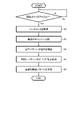
図12は、アプリケーションの性能を向上させる配置パターンが決定されるまでの各機能部の処理フローの一例を示す。 FIG. 12 shows an example of the processing flow of each functional unit until the arrangement pattern for improving the performance of the application is determined.
一実施形態に係る分散処理支援装置1は、まずステップS101において、ソースコード分割部22の制御の下、入力されたアプリケーションPのソースコードの中からロジック(例えば、関数やクラスなど)を識別し、このロジックごとにソースコードを分割する。
First, in step S101, the distributed
次いで、分散処理支援装置1は、ステップS102において、配置パターン候補抽出部23の制御の下、分割された各ロジックとアプリケーションの動作環境の情報(配置先候補マシンとその計算能力)をもとに、最適解である可能性がある配置パターンのみを候補として抽出する。ここでは、例えば、図8に示したアルゴリズム1を用いて最適解である可能性がある配置パターンを抽出することにより、非最適な配置パターンを枝刈りすることができる。
Next, in step S102, the distributed
次いで、分散処理支援装置1は、ステップS103において、アプリ性能計測部241の制御の下、抽出された配置パターンの各々において分散アプリケーションを実行した場合のアプリケーション性能値を計測する。
Next, in step S103, the distributed
次いで、分散処理支援装置1は、ステップS104において、最適パターン選出部242の制御の下、計測されたアプリケーション性能値に基づき、抽出された配置パターンのみを全探索することによって、要求される性能が最も高くなるロジックの配置パターンを選出することができる。
Next, in step S104, the distributed
図12に示した例では、図4に示した最適パターンP59のように、マシンXに対してmain関数および関数A、マシンYに対して関数B、マシンZに対して関数Cが配置される配置パターンが、最適解として決定される。 In the example shown in FIG. 12, the main function and the function A are arranged for the machine X, the function B is arranged for the machine Y, and the function C is arranged for the machine Z, as in the optimum pattern P59 shown in FIG. The placement pattern is determined as the optimal solution.
(有効性の検証)
以上で説明した技術の有効性を確認するために、以下の環境を想定したシミュレーション実験を行った。
・配置先候補マシンは5台で、入力元マシンは最も計算能力が低いマシン、出力先マシンは最も計算能力が高いマシンとする。
・分割・配置対象のアプリケーションは、2~10個の関数を持つアプリケーションで、各関数は順番に呼び出されるものとする。入力処理が含まれる関数はデータフローグラフの根に当たる関数で、出力処理が含まれる関数はデータフローグラフの葉に当たる関数である。
・各関数の処理時間は、計算能力が高いマシンに配置されるほど短くなるようにランダムに設定する。関数間の通信量はランダムに設定し、マシン間の通信遅延は、通信量が多いほど大きくなるように設定する。(Verification of effectiveness)
In order to confirm the effectiveness of the technique described above, a simulation experiment assuming the following environment was conducted.
-There are five candidate machines for placement, the input source machine is the machine with the lowest computing power, and the output destination machine is the machine with the highest computing power.
-The application to be divided / arranged is an application having 2 to 10 functions, and each function is called in order. A function that includes input processing is a function that corresponds to the root of a data flow graph, and a function that includes output processing is a function that corresponds to the leaves of a data flow graph.
-The processing time of each function is randomly set so that it becomes shorter as it is placed on a machine with higher computing power. The amount of communication between functions is set randomly, and the communication delay between machines is set so that it increases as the amount of communication increases.
以上の環境において、乱数を毎回変えながら100回の試行を行い、以下の指標の平均値を計算した。
(指標1)配置パターン数:各関数と配置先候補マシンとの組み合わせ数
(指標2)精度:配置パターンの中に最適解が含まれる割合。含まれる場合を1、含まれない場合を0とする。In the above environment, 100 trials were performed while changing the random number each time, and the average value of the following indicators was calculated.
(Index 1) Number of placement patterns: Number of combinations of each function and candidate machines for placement (Index 2) Accuracy: Ratio of optimal solutions included in the placement pattern. If it is included, it is set to 1, and if it is not included, it is set to 0.
また、比較手法として、すべての配置パターンを探索する単純方式(naive)と、焼きなまし法(SA)(Verbelen, Tim, et al., “Graph partitioning algorithms for optimizing software deployment in mobile cloud computing,” Future Generation Computer Systems, vol.29, No.2, pp.451-459, 2013. 参照)を適用した。焼きなまし法は、ランダムに選んだ初期解から、その性能が良くなる解が得られる方向に探索を行い、一定回数探索したときに得られる解を近似解として出力する方式である。本実験では、焼きなまし法における探索回数を、発明技術で得られる配置パターン数と同じ値に設定して評価を行った。 In addition, as a comparison method, a simple method (naive) for searching all arrangement patterns and a simulated annealing method (SA) (Verbelen, Tim, et al., “Graph partitioning algorithms for optimizing software deployment in mobile cloud computing,” Future Generation Computer Systems, vol.29, No.2, pp.451-459, 2013.) was applied. Simulated annealing is a method in which a randomly selected initial solution is searched in the direction in which a solution with better performance is obtained, and the solution obtained after a certain number of searches is output as an approximate solution. In this experiment, the number of searches in simulated annealing was set to the same value as the number of arrangement patterns obtained by the invention technique, and evaluation was performed.
図13は、単純方式(naive)と、一実施形態に係る分散処理支援装置1による提案方式(proposed)とを用いたときの、指標1の比較結果を示す図である。横軸は関数の数、縦軸は最適探索の対象となる配置パターンの数を示す。図13に示したように、全配置パターンを探索する単純方式(naive)と比較して、提案方式(proposed)では大幅に配置パターン数を削減できることがわかる。特に、配置パターン数が多い関数10個の場合においては、単純方式(naive)によるすべての配置パターン数が390,625通りであるのに対し、提案方式(proposed)を用いて抽出された配置パターン数は495通りとなり、配置パターン数を99%以上削減することができた。
FIG. 13 is a diagram showing a comparison result of the
図14は、焼きなまし法(SA)と、一実施形態に係る分散処理支援装置1による提案方式(proposed)とを用いたときの、指標2の比較結果を示す図である。横軸は関数の数、縦軸は最適探索の精度を示す。図14に示したように、焼きなまし法(SA)では、関数の数が2個のときには高い精度(1.0)が得られたが、関数の数が3個になると精度が0.2まで落ち込み、関数の数が4個以上になると精度が著しく低下した。このように、焼きなまし法(SA)では、関数の数が多くなるほど、最適解の取得が困難になっていることがわかる。一方、提案方式(proposed)の場合、関数の数が増加した場合でも、精度は1を維持しており、上記(4-3)で証明したとおり、すべての試行において最適解を取得することができた。
FIG. 14 is a diagram showing a comparison result of the
なお、データフローグラフ内に閉路が存在する場合にも、上記実施形態を適用することができる。例えば、データフローグラフを複数の有向道に分割し、そのそれぞれに対して上記実施形態を適用することにより、配置パターン数を削減することができる。 The above embodiment can be applied even when a closed circuit exists in the data flow graph. For example, by dividing the data flow graph into a plurality of directed roads and applying the above embodiment to each of them, the number of arrangement patterns can be reduced.
図15は、そのような、閉路が存在するデータフローグラフへの上記実施形態の適用手順の一例を示す。この例では、Aを始点、Fを終点とするデータフローグラフFG1内に、Bで分岐しEで合流する閉路が存在する。はじめに、データフローグラフFG1を分割し、FG2に示されるように、2つの有向道(有向道1’および2’)を得る。そして、まず有向道1’に対して上記実施形態を適用する。 FIG. 15 shows an example of a procedure for applying the above embodiment to such a data flow graph in which a closed circuit exists. In this example, there is a cycle in the data flow graph FG1 whose starting point is A and whose ending point is F, which branches at B and joins at E. First, the data flow graph FG1 is divided to obtain two directed roads ( directed roads 1'and 2 ') as shown in FG2. Then, first, the above embodiment is applied to the directed road 1'.
実施形態を適用した結果、FG3に示されるように、有向道1’の最適な配置パターンP1’が決まったとする。この例では、A,BがマシンXに配置され、C,D,EがマシンYに配置され、FがマシンZに配置される。有向道1’の最適な配置パターンP1’が決まれば、有向道2’のデータ入力元マシン(Bを処理するマシン)およびデータ出力先マシン(Eを処理するマシン)も同時に決まることになる。そこで、これらの入力元マシンおよび出力先マシンを前提として、次に有向道2’に対して実施形態を適用することができる。図15の例では、有向道2’について、BがマシンXに配置され、EがマシンYに配置される。有向道2’に含まれるG,H,Iは、まだ配置が決定されていないので破線で図示されている。 As a result of applying the embodiment, it is assumed that the optimum arrangement pattern P1'of the directed road 1'is determined as shown in FG3. In this example, A and B are arranged on the machine X, C, D and E are arranged on the machine Y, and F is arranged on the machine Z. If the optimum arrangement pattern P1'of the directed road 1'is determined, the data input source machine (machine that processes B) and the data output destination machine (machine that processes E) of the directed road 2'are also determined at the same time. Become. Therefore, on the premise of these input source machines and output destination machines, the embodiment can be applied to the directed road 2'next. In the example of FIG. 15, for the directed road 2', B is arranged on the machine X and E is arranged on the machine Y. The G, H, and I included in the directed road 2'are shown by broken lines because their arrangement has not yet been determined.
このように、データフローグラフ内に閉路が存在する場合においても、上記実施形態を容易に適用することができる。 As described above, the above embodiment can be easily applied even when a closed circuit exists in the data flow graph.
(効果)
以上詳述したように、この発明の一実施形態では、アプリケーションのソースコードが取得され、該ソースコードが複数のロジックへと分割され、アプリケーションにおけるこれら複数のロジックの処理順序と複数の情報処理装置の動作環境に関する情報とに基づいて、情報処理装置のいずれかに複数のロジックを分散配置するときの配置パターンの候補が抽出される。そして、この抽出された候補の中から、分散アプリケーションの各ロジックを配置するための最適な配置パターンが決定される。(effect)
As described in detail above, in one embodiment of the present invention, the source code of the application is acquired, the source code is divided into a plurality of logics, the processing order of the plurality of logics in the application, and the plurality of information processing devices. Based on the information about the operating environment of the information processing apparatus, candidates for an arrangement pattern when a plurality of logics are distributed and arranged in any of the information processing devices are extracted. Then, from the extracted candidates, the optimum placement pattern for arranging each logic of the distributed application is determined.
分散アプリケーションの性能を向上させるために必要な、アプリケーションの各ロジックの配置問題を最適化問題として解く場合、通常、解の最適性と探索する配置パターン数の間にはトレードオフが存在する。従来の近似解法を用いて最適な配置パターンを計算しようとする場合には、高速計算が可能となるが、解の最適性が保証されず、最適な配置パターンを取得することが困難であった。 When solving the placement problem of each logic of an application as an optimization problem, which is necessary to improve the performance of a decentralized application, there is usually a trade-off between the optimality of the solution and the number of placement patterns to be searched. When trying to calculate the optimum placement pattern using the conventional approximate solution method, high-speed calculation is possible, but the optimality of the solution is not guaranteed and it is difficult to obtain the optimum placement pattern. ..
この課題に対し、一実施形態では、アプリケーション内のロジックの処理順序、配置先候補マシンの計算能力、およびアプリケーションの配置問題における目的関数の関係性に着目することにより、最適解を残しつつ、探索する配置パターン数を大幅に削減することに成功した。すなわち、最適である可能性のある配置パターンのみを抽出し(逆に言えば、可能性のない配置パターンを除外(枝刈り)し)、探索する配置パターン数を大幅に削減するようにしているので、最適解を取りこぼすことなく、最適なアプリケーションの分散配置を効率的にかつ高速に計算することができる。 To solve this problem, in one embodiment, the search is performed while leaving the optimum solution by paying attention to the processing order of the logic in the application, the computing power of the candidate machine for placement, and the relationship of the objective function in the placement problem of the application. We succeeded in significantly reducing the number of placement patterns to be performed. In other words, only the placement patterns that may be optimal are extracted (conversely, the placement patterns that are not possible are excluded (pruning)), and the number of placement patterns to be searched is significantly reduced. Therefore, it is possible to efficiently and quickly calculate the optimal distributed arrangement of applications without missing the optimal solution.
また、上記のように、データフローグラフ内に閉路が存在する場合においても、実施形態を適用でき、最適解を取りこぼすことなく配置パターン数を削減することができる。 Further, as described above, even when a cycle exists in the data flow graph, the embodiment can be applied, and the number of arrangement patterns can be reduced without missing the optimum solution.
[他の実施形態]
なお、この発明は上記実施形態に限定されるものではない。
例えば、上記実施形態では、分散アプリケーションの配置先としてマシンX,マシンY,マシンZを挙げて説明した。特に上記実施形態では、マシンXがスマートフォンなどの端末デバイスTDであり、マシンYがエッジサーバESVであり、マシンZがクラウドサーバCSVである例を挙げて説明したが、これに限定されるものではない。例えば、分散アプリケーションの配置先のマシンX,マシンY,マシンZすべてを、クラウドサーバCSV、エッジサーバESV、またはスマートフォンとすることも可能であり、さらに分散アプリケーションの配置先のマシンX,マシンY,マシンZをクラウドサーバCSV、エッジサーバESV、およびスマートフォンのうちの2つにすることも可能である。[Other embodiments]
The present invention is not limited to the above embodiment.
For example, in the above embodiment, the machine X, the machine Y, and the machine Z have been described as the placement destinations of the distributed application. In particular, in the above embodiment, the machine X is a terminal device TD such as a smartphone, the machine Y is an edge server ESV, and the machine Z is a cloud server CSV. not. For example, all of the machines X, machine Y, and machine Z to which the distributed application is placed can be the cloud server CSV, the edge server ESV, or the smartphone, and the machines X, the machine Y, and the machine Z to which the distributed application is placed can be used. It is also possible to make the machine Z two of a cloud server CSV, an edge server ESV, and a smartphone.
配置先マシンの数は、2個または3個に限定されるものではなく、望まれるアプリケーション性能に応じて任意の数を設定することができる。 The number of deployment destination machines is not limited to two or three, and any number can be set according to the desired application performance.
同様に、ソースコードの分割ルールについても、アプリケーションの開発者が定義した関数単位での分割に限定されるものではなく、任意の基準を設定して、より大きな単位またはより小さな単位に分割されるようにしてもよい。 Similarly, the source code division rules are not limited to the division by the function unit defined by the application developer, but can be divided into larger units or smaller units by setting arbitrary criteria. You may do so.
あるいは、分散処理支援装置1が備える各部21~24を、クラウドコンピュータ、エッジルータ等に分散配置し、これらの装置が互いに連携することにより上記処理を行うようにしてもよい。
Alternatively, each
その他、最適解である可能性がある配置パターンの候補を抽出するためのアルゴリズムの詳細等についても、この発明の要旨を逸脱しない範囲で種々変形して実施可能である。 In addition, the details of the algorithm for extracting the candidate of the arrangement pattern which may be the optimum solution can be variously modified and implemented without departing from the gist of the present invention.
例えば、上記実施形態の第1の態様として、複数の情報処理装置によるアプリケーションの分散処理を支援する分散処理支援装置(1)が、上記アプリケーションのソースコードを取得するソースコード取得部(21)と、上記ソースコードを複数のロジックに分割するソースコード分割部(22)と、上記アプリケーションにおける上記複数のロジックの処理順序と、上記複数の情報処理装置の動作環境に関する情報とに基づいて、上記複数の情報処理装置のいずれかに上記複数のロジックを分散配置するときの当該複数のロジックの配置パターンの候補を抽出する候補抽出部(23)と、上記抽出された配置パターンの候補の中から最適な配置パターンを決定する最適パターン決定部(24)とを具備するようにし得る。 For example, as the first aspect of the above embodiment, the distributed processing support device (1) that supports the distributed processing of the application by a plurality of information processing devices has a source code acquisition unit (21) that acquires the source code of the application. Based on the source code dividing unit (22) that divides the source code into a plurality of logics, the processing order of the plurality of logics in the application, and the information regarding the operating environment of the plurality of information processing devices, the plurality. Optimal from the candidate extraction unit (23) for extracting candidates for the arrangement pattern of the plurality of logics when the plurality of logics are distributed and arranged in any of the information processing devices of the above, and the candidates for the extracted arrangement patterns. It may be provided with an optimum pattern determination unit (24) for determining an arrangement pattern.
第2の態様として、上記第1の態様において、上記候補抽出部(23)が、上記複数の情報処理装置をノードとし、上記アプリケーションにおける上記複数のロジックの処理順序を特定する有向辺を経路とした有向グラフを用いて、非最短経路の配置パターンを除外することによって、上記配置パターンの候補を抽出するようにし得る。 As a second aspect, in the first aspect, the candidate extraction unit (23) uses the plurality of information processing devices as nodes and routes along a directed side that specifies the processing order of the plurality of logics in the application. By excluding the arrangement pattern of the non-shortest path by using the directed graph, the candidate of the arrangement pattern can be extracted.
第3の態様として、上記第1の態様において、上記候補抽出部(23)が、上記複数の情報処理装置を計算能力が低いものから高いものへと順に並べたものをノードとし、上記アプリケーションにおける上記複数のロジックの処理順序を特定する有向辺を経路とした有向グラフを用いて、最短経路の配置パターンを上記配置パターンの候補として抽出するようにし得る。 As a third aspect, in the first aspect, the candidate extraction unit (23) arranges the plurality of information processing devices in order from the one having the lowest computing power to the one having the highest computing power as a node, and in the application. It is possible to extract the arrangement pattern of the shortest path as a candidate of the arrangement pattern by using the directed graph with the directed side that specifies the processing order of the plurality of logics as the path.
第4の態様として、上記第1の態様において、上記最適パターン決定部(24)が、上記抽出された配置パターンの候補の各々について上記アプリケーションを動作させたときの全処理に係るアプリケーション性能を計測する性能計測部(241)と、上記アプリケーションの性能の計測結果に基づいて上記配置パターンの候補の中から最良の性能をもたらす配置パターンを選出する最適パターン選出部(242)とを備えるようにし得る。 As a fourth aspect, in the first aspect, the optimum pattern determination unit (24) measures the application performance related to all the processing when the application is operated for each of the extracted arrangement pattern candidates. It may be provided with a performance measuring unit (241) and an optimum pattern selection unit (242) that selects an arrangement pattern that brings out the best performance from the arrangement pattern candidates based on the performance measurement result of the application. ..
第5の態様として、上記第4の態様において、さらに上記性能計測部(241)が、上記アプリケーション性能として、全処理が終了するまでに要する時間、上記情報処理装置間のトラヒック量、および上記情報処理装置間のネットワーク遅延のうちの少なくとも1つを計測するようにし得る。 As a fifth aspect, in the fourth aspect, the time required for the performance measurement unit (241) to complete all the processing, the traffic amount between the information processing devices, and the information as the application performance. At least one of the network delays between the processing devices may be measured.
上記実施形態によれば、複数の情報処理装置によるアプリケーションの分散処理を支援する分散処理支援装置において、アプリケーションのソースコードが複数のロジックへと分割され、分割されたロジックの処理順序と情報処理装置の動作環境に関する情報とに基づいて、情報処理装置に対するロジックの配置パターンの候補が抽出され、その候補の中から最適な配置パターンが決定される。このように、分割されたロジックの配置パターンの候補を抽出してから、最適な配置パターンを決定するようにしているので、すべての組合せに係る配置パターンから最適解を決定する場合に比べて効率的に最適な配置パターンを決定することができる。 According to the above embodiment, in the distributed processing support device that supports the distributed processing of the application by a plurality of information processing devices, the source code of the application is divided into a plurality of logics, and the processing order of the divided logics and the information processing device. Based on the information about the operating environment of the information processing apparatus, candidates for the logic arrangement pattern for the information processing apparatus are extracted, and the optimum arrangement pattern is determined from the candidates. In this way, since the candidate for the arrangement pattern of the divided logic is extracted and then the optimum arrangement pattern is determined, the efficiency is compared with the case where the optimum solution is determined from the arrangement patterns related to all combinations. The optimum arrangement pattern can be determined.
また上記実施形態によれば、分割されたロジックの配置先である情報処理装置をノードとし、ロジックの処理順序を有向辺で示した有向グラフを用いて、非最短経路を除外することによって配置パターンの候補が抽出される。このように、最適解である可能性のない非最短経路を除外(枝刈り)することにより、最適解である可能性のある配置パターンを候補として維持しつつ、探索対象の数を削減して、効率的な最適探索を実行することができる。 Further, according to the above embodiment, the information processing device to which the divided logic is arranged is set as a node, and the arrangement pattern is excluded by excluding the non-shortest path by using the directed graph showing the processing order of the logic by the directed side. Candidates are extracted. In this way, by excluding (pruning) non-shortest paths that may not be the optimal solution, the number of search targets is reduced while maintaining the placement pattern that may be the optimal solution as a candidate. , Efficient best-first search can be performed.
また上記実施形態によれば、情報処理装置を計算能力の低いものから高いものへと順に並べたものをノードとし、ロジックの処理順序を有向辺で示した有向グラフを用いて、最短経路をとる配置パターンが配置パターンの候補として抽出される。このように、有向グラフのノードとして、情報処理装置を計算能力が高くなる順に並べたノードを用いて最短経路を候補として抽出しているので、ロジックの処理が進むにつれて計算能力の高い情報処理装置から計算能力の低い情報処理装置へとオフロードされるような非最適解を除外することができ、効率的な最適探索を実行することができる。 Further, according to the above embodiment, the information processing apparatus is arranged in order from the one with the lowest computing power to the one with the highest computing power as a node, and the shortest path is taken by using a directed graph showing the processing order of the logic by the directed side. The placement pattern is extracted as a candidate for the placement pattern. In this way, as the nodes of the directed graph, the shortest route is extracted as a candidate by using the nodes in which the information processing devices are arranged in descending order of computing power. It is possible to exclude non-optimal solutions that are offloaded to an information processing device with low computing power, and it is possible to perform an efficient optimal search.
また上記実施形態によれば、抽出された配置パターンの候補の各々についてアプリケーションを動作させたときのアプリケーション性能が計測され、その計測結果に基づいて最適な配置パターンが選出される。このように、抽出された配置パターンの候補の中から、アプリケーションの性能に基づいて最適な配置パターンが選出されるので、信頼性の高い最適解の探索を行うことができる。 Further, according to the above embodiment, the application performance when the application is operated is measured for each of the extracted arrangement pattern candidates, and the optimum arrangement pattern is selected based on the measurement result. In this way, the optimum placement pattern is selected from the extracted placement pattern candidates based on the performance of the application, so that it is possible to search for a highly reliable optimum solution.
また上記実施形態によれば、アプリケーション性能として、全処理に要する時間、情報処理装置間のトラヒック量、およびネットワーク遅延のうちの少なくとも1つが計測される。このように、抽出された配置パターンの候補の中から、アプリケーション全体としての処理時間、トラヒック量、またはネットワーク遅延に基づいて最適な配置パターンが決定されるので、分散処理の目的に応じた最適な性能をもたらす、信頼性の高い最適解の探索を行うことができる。 Further, according to the above embodiment, at least one of the time required for the entire processing, the traffic amount between the information processing devices, and the network delay is measured as the application performance. In this way, the optimum placement pattern is determined from the extracted placement pattern candidates based on the processing time, traffic amount, or network delay of the entire application. Therefore, the optimum placement pattern is determined according to the purpose of the distributed processing. It is possible to search for a reliable optimum solution that brings about performance.
以上で特定の実施形態について説明したが、これらの実施形態は、例示の目的で提示したにすぎず、発明の範囲を限定することを意図したものではない。実際、本明細書に記載された新規な実施形態は、他の様々な形態で具体化され得る。さらに、発明の範囲から逸脱することなく、本明細書に記載された実施形態の形態に対し、様々な省略、置換および変更を加えることもできる。添付の請求項およびそれらと等価のものは、本発明の主旨および範囲内に含まれるそのような形態および変形形態に及ぶことが意図されている。 Although specific embodiments have been described above, these embodiments are presented for purposes of illustration only and are not intended to limit the scope of the invention. In fact, the novel embodiments described herein can be embodied in various other forms. Further, various omissions, substitutions and modifications can be made to the embodiments described herein without departing from the scope of the invention. The appended claims and their equivalents are intended to extend to such forms and variations within the spirit and scope of the invention.
1…分散処理支援装置
10…通信インタフェースユニット
20…処理ユニット
30…記憶ユニット
21…ソースコード取得部
22…ソースコード分割部
23…配置パターン候補抽出部
24…最適パターン決定部
241…アプリ性能計測部
242…最適パターン選出部
31…アプリケーション情報記憶部
32…分割ルール記憶部
33…動作環境情報記憶部1 ... Distributed
Claims (7)
前記アプリケーションのソースコードを取得するソースコード取得部と、
前記ソースコードを複数のロジックに分割するソースコード分割部と、
前記アプリケーションにおける前記複数のロジックの処理順序と、前記複数の情報処理装置の動作環境に関する情報とに基づいて、前記複数の情報処理装置のいずれかに前記複数のロジックを分散配置するときの当該複数のロジックの配置パターンの候補を抽出する、候補抽出部と、
前記抽出された配置パターンの候補の中から最適な配置パターンを決定する、最適パターン決定部とを具備し、
前記候補抽出部は、前記複数の情報処理装置をノードとし、前記アプリケーションにおける前記複数のロジックの処理順序を特定する有向辺を経路とした有向グラフを用いて、非最短経路の配置パターンを除外することによって、前記配置パターンの候補を抽出する、分散処理支援装置。 It is a distributed processing support device that supports distributed processing of applications by multiple information processing devices.
The source code acquisition unit that acquires the source code of the application, and
A source code division unit that divides the source code into a plurality of logics,
When the plurality of logics are distributed and arranged in any one of the plurality of information processing devices based on the processing order of the plurality of logics in the application and the information regarding the operating environment of the plurality of information processing devices. Candidate extraction unit that extracts candidates for the placement pattern of the logic of
It is provided with an optimum pattern determination unit that determines the optimum arrangement pattern from the extracted arrangement pattern candidates.
The candidate extraction unit excludes the arrangement pattern of the non-shortest path by using the directed graph with the plurality of information processing devices as nodes and the directed side for specifying the processing order of the plurality of logics in the application. A distributed processing support device that extracts candidates for the arrangement pattern .
前記アプリケーションのソースコードを取得するソースコード取得部と、
前記ソースコードを複数のロジックに分割するソースコード分割部と、
前記アプリケーションにおける前記複数のロジックの処理順序と、前記複数の情報処理装置の動作環境に関する情報とに基づいて、前記複数の情報処理装置のいずれかに前記複数のロジックを分散配置するときの当該複数のロジックの配置パターンの候補を抽出する、候補抽出部と、
前記抽出された配置パターンの候補の中から最適な配置パターンを決定する、最適パターン決定部とを具備し、
前記候補抽出部は、前記複数の情報処理装置を計算能力が低いものから高いものへと順に並べたものをノードとし、前記アプリケーションにおける前記複数のロジックの処理順序を特定する有向辺を経路とした有向グラフを用いて、最短経路の配置パターンを前記配置パターンの候補として抽出する、分散処理支援装置。 It is a distributed processing support device that supports distributed processing of applications by multiple information processing devices.
The source code acquisition unit that acquires the source code of the application, and
A source code division unit that divides the source code into a plurality of logics,
When the plurality of logics are distributed and arranged in any one of the plurality of information processing devices based on the processing order of the plurality of logics in the application and the information regarding the operating environment of the plurality of information processing devices. Candidate extraction unit that extracts candidates for the placement pattern of the logic of
It is provided with an optimum pattern determination unit that determines the optimum arrangement pattern from the extracted arrangement pattern candidates.
The candidate extraction unit has a node in which the plurality of information processing devices are arranged in order from the one having the lowest computing power to the one having the highest computing power, and the directed side for specifying the processing order of the plurality of logics in the application as a path. A distributed processing support device that extracts an arrangement pattern of the shortest path as a candidate for the arrangement pattern using the directed graph .
前記抽出された配置パターンの候補の各々について前記アプリケーションを動作させたときの全処理に係るアプリケーション性能を計測する、性能計測部と、
前記アプリケーションの性能の計測結果に基づいて前記配置パターンの候補の中から最良の性能をもたらす配置パターンを選出する、最適パターン選出部とを備える、請求項1または2に記載の分散処理支援装置。 The optimum pattern determination unit is
A performance measurement unit that measures the application performance related to all the processing when the application is operated for each of the extracted arrangement pattern candidates.
The distributed processing support device according to claim 1 or 2 , further comprising an optimum pattern selection unit that selects an arrangement pattern that brings out the best performance from the arrangement pattern candidates based on the measurement result of the performance of the application.
前記アプリケーション性能として、全処理が終了するまでに要する時間、前記情報処理装置間のトラヒック量、および前記情報処理装置間のネットワーク遅延のうちの少なくとも1つを計測する、請求項3に記載の分散処理支援装置。 The performance measurement unit
The distribution according to claim 3 , wherein as the application performance, at least one of the time required to complete all the processing, the traffic amount between the information processing devices, and the network delay between the information processing devices is measured. Processing support device.
前記アプリケーションのソースコードを取得する過程と、
前記ソースコードを複数のロジックに分割する過程と、
前記アプリケーションにおける前記複数のロジックの処理順序と、前記複数の情報処理装置の動作環境に関する情報とに基づいて、前記複数の情報処理装置のいずれかに前記複数のロジックを分散配置するときの当該複数のロジックの配置パターンの候補を抽出する過程と、
前記抽出された配置パターンの候補の中から最適な配置パターンを決定する過程とを具し、
前記抽出する過程は、前記複数の情報処理装置をノードとし、前記アプリケーションにおける前記複数のロジックの処理順序を特定する有向辺を経路とした有向グラフを用いて、非最短経路の配置パターンを除外することによって、前記配置パターンの候補を抽出する、分散処理支援方法。 It is a distributed processing support method executed by a distributed processing support device that supports distributed processing of applications by multiple information processing devices.
The process of acquiring the source code of the application and
The process of dividing the source code into multiple logics
When the plurality of logics are distributed and arranged in any one of the plurality of information processing devices based on the processing order of the plurality of logics in the application and the information regarding the operating environment of the plurality of information processing devices. The process of extracting candidate placement patterns for the logic of
The process of determining the optimum placement pattern from the extracted placement pattern candidates is included .
In the extraction process, the arrangement pattern of the non-shortest path is excluded by using the directed graph with the plurality of information processing devices as nodes and the directed side as the path for specifying the processing order of the plurality of logics in the application. A distributed processing support method for extracting candidates for the arrangement pattern .
前記アプリケーションのソースコードを取得する過程と、 The process of acquiring the source code of the application and
前記ソースコードを複数のロジックに分割する過程と、 The process of dividing the source code into multiple logics
前記アプリケーションにおける前記複数のロジックの処理順序と、前記複数の情報処理装置の動作環境に関する情報とに基づいて、前記複数の情報処理装置のいずれかに前記複数のロジックを分散配置するときの当該複数のロジックの配置パターンの候補を抽出する過程と、 When the plurality of logics are distributed and arranged in any one of the plurality of information processing devices based on the processing order of the plurality of logics in the application and the information regarding the operating environment of the plurality of information processing devices. The process of extracting candidate placement patterns for the logic of
前記抽出された配置パターンの候補の中から最適な配置パターンを決定する過程とを具し、 The process of determining the optimum placement pattern from the extracted placement pattern candidates is included.
前記抽出する過程は、前記複数の情報処理装置を計算能力が低いものから高いものへと順に並べたものをノードとし、前記アプリケーションにおける前記複数のロジックの処理順序を特定する有向辺を経路とした有向グラフを用いて、最短経路の配置パターンを前記配置パターンの候補として抽出する、分散処理支援方法。 In the extraction process, the node is a node in which the plurality of information processing devices are arranged in order from the one with the lowest computing power to the one with the highest computing power, and the directed side for specifying the processing order of the plurality of logics in the application is the path. A distributed processing support method for extracting an arrangement pattern of the shortest path as a candidate for the arrangement pattern using the directed graph.
A program for causing a processor to execute processing by each part of the apparatus according to any one of claims 1 to 4 .
Applications Claiming Priority (3)
| Application Number | Priority Date | Filing Date | Title |
|---|---|---|---|
| JP2018240059 | 2018-12-21 | ||
| JP2018240059 | 2018-12-21 | ||
| PCT/JP2019/043067 WO2020129432A1 (en) | 2018-12-21 | 2019-11-01 | Distributed processing assistance apparatus, distributed processing assistance method, and program |
Publications (2)
| Publication Number | Publication Date |
|---|---|
| JPWO2020129432A1 JPWO2020129432A1 (en) | 2021-09-09 |
| JP7070710B2 true JP7070710B2 (en) | 2022-05-18 |
Family
ID=71101193
Family Applications (1)
| Application Number | Title | Priority Date | Filing Date |
|---|---|---|---|
| JP2020561200A Active JP7070710B2 (en) | 2018-12-21 | 2019-11-01 | Distributed processing support device, distributed processing support method and program |
Country Status (5)
| Country | Link |
|---|---|
| US (1) | US12131196B2 (en) |
| EP (1) | EP3901762B1 (en) |
| JP (1) | JP7070710B2 (en) |
| CN (1) | CN113227965B (en) |
| WO (1) | WO2020129432A1 (en) |
Families Citing this family (2)
| Publication number | Priority date | Publication date | Assignee | Title |
|---|---|---|---|---|
| JPWO2022138232A1 (en) * | 2020-12-23 | 2022-06-30 | ||
| CN119167983B (en) * | 2024-09-24 | 2025-04-08 | 哈尔滨工业大学 | Outlet selection and partition deployment strategy generation method oriented to multi-outlet neural network high-efficiency reasoning |
Citations (2)
| Publication number | Priority date | Publication date | Assignee | Title |
|---|---|---|---|---|
| JP2005173788A (en) | 2003-12-09 | 2005-06-30 | Ibm Japan Ltd | Autonomic computing system, execution environment control method, and program |
| JP2017143365A (en) | 2016-02-09 | 2017-08-17 | 日本電信電話株式会社 | Application deployment system and method |
Family Cites Families (9)
| Publication number | Priority date | Publication date | Assignee | Title |
|---|---|---|---|---|
| JPH0675786A (en) * | 1992-08-26 | 1994-03-18 | Hitachi Ltd | Task scheduling method |
| CN102947790B (en) * | 2010-06-22 | 2017-10-17 | 慧与发展有限责任合伙企业 | Method and system for determining deployment of an application |
| US9323619B2 (en) * | 2013-03-15 | 2016-04-26 | International Business Machines Corporation | Deploying parallel data integration applications to distributed computing environments |
| US9477511B2 (en) * | 2013-08-14 | 2016-10-25 | International Business Machines Corporation | Task-based modeling for parallel data integration |
| WO2016092677A1 (en) * | 2014-12-11 | 2016-06-16 | 株式会社日立製作所 | Module division assistance device, module division assistance method, and module division assistance program |
| US9542219B1 (en) * | 2015-12-17 | 2017-01-10 | International Business Machines Corporation | Automatic analysis based scheduling of jobs to appropriate cloud resources |
| US10565016B2 (en) * | 2016-09-20 | 2020-02-18 | International Business Machines Corporation | Time frame bounded execution of computational algorithms |
| US10567248B2 (en) * | 2016-11-29 | 2020-02-18 | Intel Corporation | Distributed assignment of video analytics tasks in cloud computing environments to reduce bandwidth utilization |
| US11461669B2 (en) * | 2018-10-19 | 2022-10-04 | CA Software Österreich GmbH | Runtime prediction for a job of a workflow |
-
2019
- 2019-11-01 CN CN201980085250.0A patent/CN113227965B/en active Active
- 2019-11-01 EP EP19899991.4A patent/EP3901762B1/en active Active
- 2019-11-01 US US17/414,834 patent/US12131196B2/en active Active
- 2019-11-01 WO PCT/JP2019/043067 patent/WO2020129432A1/en not_active Ceased
- 2019-11-01 JP JP2020561200A patent/JP7070710B2/en active Active
Patent Citations (2)
| Publication number | Priority date | Publication date | Assignee | Title |
|---|---|---|---|---|
| JP2005173788A (en) | 2003-12-09 | 2005-06-30 | Ibm Japan Ltd | Autonomic computing system, execution environment control method, and program |
| JP2017143365A (en) | 2016-02-09 | 2017-08-17 | 日本電信電話株式会社 | Application deployment system and method |
Also Published As
| Publication number | Publication date |
|---|---|
| CN113227965B (en) | 2024-04-02 |
| US12131196B2 (en) | 2024-10-29 |
| EP3901762B1 (en) | 2023-08-09 |
| WO2020129432A1 (en) | 2020-06-25 |
| US20220068126A1 (en) | 2022-03-03 |
| EP3901762A4 (en) | 2022-09-07 |
| EP3901762A1 (en) | 2021-10-27 |
| CN113227965A (en) | 2021-08-06 |
| JPWO2020129432A1 (en) | 2021-09-09 |
Similar Documents
| Publication | Publication Date | Title |
|---|---|---|
| Kerschke et al. | Leveraging TSP solver complementarity through machine learning | |
| Cavalcante et al. | LASSO vector autoregression structures for very short‐term wind power forecasting | |
| Zhao et al. | Efficient shortest paths on massive social graphs | |
| Arfat et al. | Parallel shortest path graph computations of United States road network data on apache spark | |
| Chintalapudi et al. | A survey on community detection algorithms in large scale real world networks | |
| JP7070710B2 (en) | Distributed processing support device, distributed processing support method and program | |
| US9501509B2 (en) | Throwaway spatial index structure for dynamic point data | |
| US9934325B2 (en) | Method and apparatus for distributing graph data in distributed computing environment | |
| CN111527734B (en) | Node traffic ratio prediction method and device | |
| Srour et al. | A Water Flow‐Like Algorithm for the Travelling Salesman Problem | |
| Chen et al. | Design and implementation of an intelligent system for tourist routes recommendation based on Hadoop | |
| KR20140088069A (en) | Optimising data transmission in a hypercube network | |
| Nirmal et al. | Issues of K means clustering while migrating to map reduce paradigm with big data: A survey | |
| Zhou et al. | Complementing travel itinerary recommendation using location-based social networks | |
| Ostrowski | An approximation of betweenness centrality for social networks | |
| Priya et al. | Distributed processing of location based spatial query through vantage point transformation | |
| Zhao et al. | Fast and scalable analysis of massive social graphs | |
| Tang et al. | Supporting continuous skyline queries in dynamically weighted road networks | |
| Kuikka | A General method for detecting community structures in complex networks | |
| Selvaraj et al. | Global Manager-A Service Broker In An Integrated Cloud Computing, Edge Computing & IoT Environment | |
| Sohail et al. | AI Enabled Smart IoT Data Platform | |
| Katiyar et al. | Efficient and effective route planning in road networks with probabilistic data using skyline paths | |
| Ji et al. | Scalable multi‐dimensional RNN query processing | |
| Silambarasan et al. | Artificial bee colony with map reducing technique for solving resource problems in clouds | |
| Presskila et al. | Data Mining Techniques for Producing Clustering in Big Data with MapReduce |
Legal Events
| Date | Code | Title | Description |
|---|---|---|---|
| A621 | Written request for application examination |
Free format text: JAPANESE INTERMEDIATE CODE: A621 Effective date: 20201208 |
|
| A131 | Notification of reasons for refusal |
Free format text: JAPANESE INTERMEDIATE CODE: A131 Effective date: 20220104 |
|
| RD04 | Notification of resignation of power of attorney |
Free format text: JAPANESE INTERMEDIATE CODE: A7424 Effective date: 20220121 |
|
| A521 | Request for written amendment filed |
Free format text: JAPANESE INTERMEDIATE CODE: A523 Effective date: 20220221 |
|
| TRDD | Decision of grant or rejection written | ||
| A01 | Written decision to grant a patent or to grant a registration (utility model) |
Free format text: JAPANESE INTERMEDIATE CODE: A01 Effective date: 20220405 |
|
| A61 | First payment of annual fees (during grant procedure) |
Free format text: JAPANESE INTERMEDIATE CODE: A61 Effective date: 20220418 |
|
| R150 | Certificate of patent or registration of utility model |
Ref document number: 7070710 Country of ref document: JP Free format text: JAPANESE INTERMEDIATE CODE: R150 |
|
| S533 | Written request for registration of change of name |
Free format text: JAPANESE INTERMEDIATE CODE: R313533 |
|
| R350 | Written notification of registration of transfer |
Free format text: JAPANESE INTERMEDIATE CODE: R350 |