JP6991886B2 - Phase inversion emulsification process for latex particle size control - Google Patents
Phase inversion emulsification process for latex particle size control Download PDFInfo
- Publication number
- JP6991886B2 JP6991886B2 JP2018029657A JP2018029657A JP6991886B2 JP 6991886 B2 JP6991886 B2 JP 6991886B2 JP 2018029657 A JP2018029657 A JP 2018029657A JP 2018029657 A JP2018029657 A JP 2018029657A JP 6991886 B2 JP6991886 B2 JP 6991886B2
- Authority
- JP
- Japan
- Prior art keywords
- resin
- latex
- temperature
- particles
- toner
- Prior art date
- Legal status (The legal status is an assumption and is not a legal conclusion. Google has not performed a legal analysis and makes no representation as to the accuracy of the status listed.)
- Active
Links
Images
Classifications
-
- B—PERFORMING OPERATIONS; TRANSPORTING
- B01—PHYSICAL OR CHEMICAL PROCESSES OR APPARATUS IN GENERAL
- B01J—CHEMICAL OR PHYSICAL PROCESSES, e.g. CATALYSIS OR COLLOID CHEMISTRY; THEIR RELEVANT APPARATUS
- B01J13/00—Colloid chemistry, e.g. the production of colloidal materials or their solutions, not otherwise provided for; Making microcapsules or microballoons
- B01J13/02—Making microcapsules or microballoons
-
- C—CHEMISTRY; METALLURGY
- C08—ORGANIC MACROMOLECULAR COMPOUNDS; THEIR PREPARATION OR CHEMICAL WORKING-UP; COMPOSITIONS BASED THEREON
- C08G—MACROMOLECULAR COMPOUNDS OBTAINED OTHERWISE THAN BY REACTIONS ONLY INVOLVING UNSATURATED CARBON-TO-CARBON BONDS
- C08G63/00—Macromolecular compounds obtained by reactions forming a carboxylic ester link in the main chain of the macromolecule
- C08G63/88—Post-polymerisation treatment
- C08G63/89—Recovery of the polymer
-
- C—CHEMISTRY; METALLURGY
- C08—ORGANIC MACROMOLECULAR COMPOUNDS; THEIR PREPARATION OR CHEMICAL WORKING-UP; COMPOSITIONS BASED THEREON
- C08J—WORKING-UP; GENERAL PROCESSES OF COMPOUNDING; AFTER-TREATMENT NOT COVERED BY SUBCLASSES C08B, C08C, C08F, C08G or C08H
- C08J3/00—Processes of treating or compounding macromolecular substances
- C08J3/02—Making solutions, dispersions, lattices or gels by other methods than by solution, emulsion or suspension polymerisation techniques
- C08J3/03—Making solutions, dispersions, lattices or gels by other methods than by solution, emulsion or suspension polymerisation techniques in aqueous media
-
- C—CHEMISTRY; METALLURGY
- C08—ORGANIC MACROMOLECULAR COMPOUNDS; THEIR PREPARATION OR CHEMICAL WORKING-UP; COMPOSITIONS BASED THEREON
- C08J—WORKING-UP; GENERAL PROCESSES OF COMPOUNDING; AFTER-TREATMENT NOT COVERED BY SUBCLASSES C08B, C08C, C08F, C08G or C08H
- C08J3/00—Processes of treating or compounding macromolecular substances
- C08J3/02—Making solutions, dispersions, lattices or gels by other methods than by solution, emulsion or suspension polymerisation techniques
- C08J3/09—Making solutions, dispersions, lattices or gels by other methods than by solution, emulsion or suspension polymerisation techniques in organic liquids
- C08J3/11—Making solutions, dispersions, lattices or gels by other methods than by solution, emulsion or suspension polymerisation techniques in organic liquids from solid polymers
-
- C—CHEMISTRY; METALLURGY
- C08—ORGANIC MACROMOLECULAR COMPOUNDS; THEIR PREPARATION OR CHEMICAL WORKING-UP; COMPOSITIONS BASED THEREON
- C08J—WORKING-UP; GENERAL PROCESSES OF COMPOUNDING; AFTER-TREATMENT NOT COVERED BY SUBCLASSES C08B, C08C, C08F, C08G or C08H
- C08J3/00—Processes of treating or compounding macromolecular substances
- C08J3/12—Powdering or granulating
- C08J3/14—Powdering or granulating by precipitation from solutions
-
- C—CHEMISTRY; METALLURGY
- C09—DYES; PAINTS; POLISHES; NATURAL RESINS; ADHESIVES; COMPOSITIONS NOT OTHERWISE PROVIDED FOR; APPLICATIONS OF MATERIALS NOT OTHERWISE PROVIDED FOR
- C09B—ORGANIC DYES OR CLOSELY-RELATED COMPOUNDS FOR PRODUCING DYES, e.g. PIGMENTS; MORDANTS; LAKES
- C09B67/00—Influencing the physical, e.g. the dyeing or printing properties of dyestuffs without chemical reactions, e.g. by treating with solvents grinding or grinding assistants, coating of pigments or dyes; Process features in the making of dyestuff preparations; Dyestuff preparations of a special physical nature, e.g. tablets, films
- C09B67/0071—Process features in the making of dyestuff preparations; Dehydrating agents; Dispersing agents; Dustfree compositions
- C09B67/0084—Dispersions of dyes
- C09B67/0085—Non common dispersing agents
- C09B67/009—Non common dispersing agents polymeric dispersing agent
-
- C—CHEMISTRY; METALLURGY
- C09—DYES; PAINTS; POLISHES; NATURAL RESINS; ADHESIVES; COMPOSITIONS NOT OTHERWISE PROVIDED FOR; APPLICATIONS OF MATERIALS NOT OTHERWISE PROVIDED FOR
- C09B—ORGANIC DYES OR CLOSELY-RELATED COMPOUNDS FOR PRODUCING DYES, e.g. PIGMENTS; MORDANTS; LAKES
- C09B67/00—Influencing the physical, e.g. the dyeing or printing properties of dyestuffs without chemical reactions, e.g. by treating with solvents grinding or grinding assistants, coating of pigments or dyes; Process features in the making of dyestuff preparations; Dyestuff preparations of a special physical nature, e.g. tablets, films
- C09B67/0097—Dye preparations of special physical nature; Tablets, films, extrusion, microcapsules, sheets, pads, bags with dyes
-
- G—PHYSICS
- G03—PHOTOGRAPHY; CINEMATOGRAPHY; ANALOGOUS TECHNIQUES USING WAVES OTHER THAN OPTICAL WAVES; ELECTROGRAPHY; HOLOGRAPHY
- G03G—ELECTROGRAPHY; ELECTROPHOTOGRAPHY; MAGNETOGRAPHY
- G03G9/00—Developers
- G03G9/08—Developers with toner particles
- G03G9/0802—Preparation methods
- G03G9/0804—Preparation methods whereby the components are brought together in a liquid dispersing medium
-
- G—PHYSICS
- G03—PHOTOGRAPHY; CINEMATOGRAPHY; ANALOGOUS TECHNIQUES USING WAVES OTHER THAN OPTICAL WAVES; ELECTROGRAPHY; HOLOGRAPHY
- G03G—ELECTROGRAPHY; ELECTROPHOTOGRAPHY; MAGNETOGRAPHY
- G03G9/00—Developers
- G03G9/08—Developers with toner particles
- G03G9/0819—Developers with toner particles characterised by the dimensions of the particles
-
- G—PHYSICS
- G03—PHOTOGRAPHY; CINEMATOGRAPHY; ANALOGOUS TECHNIQUES USING WAVES OTHER THAN OPTICAL WAVES; ELECTROGRAPHY; HOLOGRAPHY
- G03G—ELECTROGRAPHY; ELECTROPHOTOGRAPHY; MAGNETOGRAPHY
- G03G9/00—Developers
- G03G9/08—Developers with toner particles
- G03G9/087—Binders for toner particles
- G03G9/08742—Binders for toner particles comprising macromolecular compounds obtained otherwise than by reactions only involving carbon-to-carbon unsaturated bonds
- G03G9/08755—Polyesters
-
- G—PHYSICS
- G03—PHOTOGRAPHY; CINEMATOGRAPHY; ANALOGOUS TECHNIQUES USING WAVES OTHER THAN OPTICAL WAVES; ELECTROGRAPHY; HOLOGRAPHY
- G03G—ELECTROGRAPHY; ELECTROPHOTOGRAPHY; MAGNETOGRAPHY
- G03G9/00—Developers
- G03G9/08—Developers with toner particles
- G03G9/087—Binders for toner particles
- G03G9/08775—Natural macromolecular compounds or derivatives thereof
- G03G9/08782—Waxes
-
- G—PHYSICS
- G03—PHOTOGRAPHY; CINEMATOGRAPHY; ANALOGOUS TECHNIQUES USING WAVES OTHER THAN OPTICAL WAVES; ELECTROGRAPHY; HOLOGRAPHY
- G03G—ELECTROGRAPHY; ELECTROPHOTOGRAPHY; MAGNETOGRAPHY
- G03G9/00—Developers
- G03G9/08—Developers with toner particles
- G03G9/087—Binders for toner particles
- G03G9/08784—Macromolecular material not specially provided for in a single one of groups G03G9/08702 - G03G9/08775
- G03G9/08795—Macromolecular material not specially provided for in a single one of groups G03G9/08702 - G03G9/08775 characterised by their chemical properties, e.g. acidity, molecular weight, sensitivity to reactants
-
- G—PHYSICS
- G03—PHOTOGRAPHY; CINEMATOGRAPHY; ANALOGOUS TECHNIQUES USING WAVES OTHER THAN OPTICAL WAVES; ELECTROGRAPHY; HOLOGRAPHY
- G03G—ELECTROGRAPHY; ELECTROPHOTOGRAPHY; MAGNETOGRAPHY
- G03G9/00—Developers
- G03G9/08—Developers with toner particles
- G03G9/09—Colouring agents for toner particles
-
- C—CHEMISTRY; METALLURGY
- C08—ORGANIC MACROMOLECULAR COMPOUNDS; THEIR PREPARATION OR CHEMICAL WORKING-UP; COMPOSITIONS BASED THEREON
- C08J—WORKING-UP; GENERAL PROCESSES OF COMPOUNDING; AFTER-TREATMENT NOT COVERED BY SUBCLASSES C08B, C08C, C08F, C08G or C08H
- C08J2367/00—Characterised by the use of polyesters obtained by reactions forming a carboxylic ester link in the main chain; Derivatives of such polymers
-
- C—CHEMISTRY; METALLURGY
- C08—ORGANIC MACROMOLECULAR COMPOUNDS; THEIR PREPARATION OR CHEMICAL WORKING-UP; COMPOSITIONS BASED THEREON
- C08J—WORKING-UP; GENERAL PROCESSES OF COMPOUNDING; AFTER-TREATMENT NOT COVERED BY SUBCLASSES C08B, C08C, C08F, C08G or C08H
- C08J2367/00—Characterised by the use of polyesters obtained by reactions forming a carboxylic ester link in the main chain; Derivatives of such polymers
- C08J2367/02—Polyesters derived from dicarboxylic acids and dihydroxy compounds
- C08J2367/03—Polyesters derived from dicarboxylic acids and dihydroxy compounds the dicarboxylic acids and dihydroxy compounds having the hydroxy and the carboxyl groups directly linked to aromatic rings
Landscapes
- Chemical & Material Sciences (AREA)
- Physics & Mathematics (AREA)
- Chemical Kinetics & Catalysis (AREA)
- Organic Chemistry (AREA)
- General Physics & Mathematics (AREA)
- Spectroscopy & Molecular Physics (AREA)
- Dispersion Chemistry (AREA)
- Health & Medical Sciences (AREA)
- Medicinal Chemistry (AREA)
- Polymers & Plastics (AREA)
- Developing Agents For Electrophotography (AREA)
- Processes Of Treating Macromolecular Substances (AREA)
Description
本明細書では、ラテックスの粒径を制御するための転相乳化プロセスが開示されている。より詳細には、a)樹脂と、有機溶媒と、任意選択の中和剤と、水の第1の部分とを反応器内で組み合わせるステップであって、反応器は、ジャケットと、真空と、蒸留導管によって反応器に接続された凝縮器と、凝縮導管によって凝縮器に接続されたレシーバとを具備し、油中水型分散液混合物を形成する、ステップと、b)反応器に水の第2の部分を添加して、油中水型分散液混合物を、ラテックス粒子のラテックスエマルジョンを備える水中油型分散液に転化するステップと、c)蒸留物を形成し、ジャケット温度の調整、真空レベルの調整、またはそれらの組み合わせのうちの少なくとも1つによって蒸留物温度を制御するステップであって、蒸留物温度を制御するステップが、ラテックス粒子の粒径変化または粒径分布シフトを制御する、ステップと、d)揮発性有機化合物を反応器内の液相から蒸気相に引き出し、蒸留導管を通して凝縮器に移すステップと、e)凝縮器中の蒸留物蒸気を液相に冷却するステップと、f)液体凝縮物をレシーバに収集するステップとを備える転相乳化プロセスが開示されている。 The present specification discloses a phase inversion emulsification process for controlling the particle size of latex. More specifically, a) a step of combining a resin, an organic solvent, an optional neutralizer, and a first portion of water in a reactor, wherein the reactor is a jacket, a vacuum, and the like. A condenser connected to the reactor by a distillation conduit and a receiver connected to the condenser by a distillation conduit are provided to form a water-in-oil dispersion mixture, step and b) water in the reactor. Steps to add part 2 to convert the water-in-oil dispersion mixture into an oil-in-water dispersion with a latex emulsion of latex particles, and c) form a distillate, adjust the jacket temperature, vacuum level. The step of controlling the distillate temperature by adjusting or at least one of a combination thereof, wherein the step of controlling the distillate temperature controls the particle size change or the particle size distribution shift of the latex particles. And d) the step of drawing the volatile organic compound from the liquid phase in the reactor to the liquid phase and transferring it to the condenser through the distillation conduit, and e) the step of cooling the distilled vapor in the condenser to the liquid phase, f. ) A phase inversion emulsification process comprising collecting a liquid condensate into a receiver is disclosed.
転相乳化(PIE)プロセスは公知である。例えば、米国特許出願公開第2015/0168858号(参照によりその全体が本明細書に組み込まれる)を参照されたい。米国特許出願公開第2015/0168858号には、その要約に、トナー組成物での使用に適したラテックスエマルジョンの製造プロセスが記載されており、このプロセスは、転相乳化中の転相点(PIP)を予測するためにブリンクマンのモデルを適用し、このモデルを用いて溶媒の再利用配合のための転相を完了するのに必要な水の量を計算することを含む。 The phase inversion emulsification (PIE) process is known. See, for example, U.S. Patent Application Publication No. 2015/01/68858, which is incorporated herein by reference in its entirety. U.S. Patent Application Publication No. 2015/0168858 describes, in its abstract, a process for producing a latex emulsion suitable for use in toner compositions, which is the phase inversion point (PIP) during phase inversion emulsification. ) Is applied to predict Brinkman's model, which involves calculating the amount of water required to complete the phase inversion for solvent reuse formulation.
米国特許第9,366,980号(参照によりその全体が本明細書に組み込まれる)には、その要約に、転相乳化による着色ポリエステルラテックスの製造プロセスが記載されている。 U.S. Pat. No. 9,366,980, which is incorporated herein by reference in its entirety, describes, in its abstract, the process for producing colored polyester latex by phase inversion emulsification.
米国特許第8,916,320号(参照によりその全体が本明細書に組み込まれる)には、その要約に、少なくとも1種の非晶質樹脂を少なくとも2種の有機溶媒と接触させて樹脂混合物を形成するステップと、樹脂混合物に中和剤と脱イオン水とを添加し、形成されたラテックスから溶媒を除去し、水から溶媒を分離するステップとを含む、ラテックスエマルジョンの製造プロセスが記載されている。さらに、このプロセスは、ラテックスを製造するための樹脂Tg上で実施することにより、ラテックス粒径を100nm未満にし、ラテックスから製造されるトナーは改良された帯電性能を示す。米国特許第9,348,248号(参照によりその全体が本明細書に組み込まれる)も参照されたい。 U.S. Pat. No. 8,916,320, which is incorporated herein by reference in its entirety, concludes with a resin mixture in which at least one amorphous resin is contacted with at least two organic solvents. A process for producing a latex emulsion is described, which comprises the steps of adding a neutralizing agent and deionized water to the resin mixture, removing the solvent from the formed latex, and separating the solvent from the water. ing. Further, this process is carried out on a resin Tg for producing latex to reduce the latex particle size to less than 100 nm, and the toner produced from latex exhibits improved charging performance. See also U.S. Pat. No. 9,348,248, which is incorporated herein by reference in its entirety.
米国特許第7,713,674号(参照によりその全体が本明細書に組み入れられる)には、その要約に、樹脂を形成するために第1の温度で反応容器内のエマルジョン中でモノマーを重合させるステップと、樹脂の軟化点より高いが顕著な解重合反応が起こるのに必要な温度よりは低い第2の温度に反応容器を冷却するステップと、界面活性剤の非存在下で水性ラテックスエマルジョンを形成するのに十分な時間にわたって混合しながら、転相をもたらすのに十分な量で、冷却した反応容器に水を添加するステップとを備えるエマルジョンの重合プロセスが記載されている。 US Pat. No. 7,713,674 (which is incorporated herein by reference in its entirety), in summary, polymerizes the monomer in an emulsion in a reaction vessel at a first temperature to form a resin. A water-based latex emulsion in the absence of a surfactant, a step of cooling the reaction vessel to a second temperature above the softening point of the resin but below the temperature required for a significant depolymerization reaction to occur. Described is an emulsion polymerization process comprising the step of adding water to a cooled reaction vessel in an amount sufficient to result in phase inversion while mixing over a time sufficient to form the emulsion.
米国特許第9,410,037号(参照によりその全体が本明細書に組み入れられる)には、その要約に、転相乳化(PIE)によって、トナーで使用するのに適した結晶性ラテックスの製造プロセスが記載されており、有機溶媒、中和剤および水などの液体試薬は前のPIEから再利用される。 US Pat. No. 9,410,037, which is incorporated herein by reference in its entirety, concludes with the production of crystalline latex suitable for use in toner by phase inversion emulsification (PIE). The process is described and liquid reagents such as organic solvents, neutralizers and water are reused from the previous PIE.
米国特許第9,354,531号(参照によりその全体が本明細書に組み入れられる)には、その要約に、高温で発生する蒸留を用いて、高められた効率でマゼンタトナーを製造するのに使用できるコンディショニングされた表面を有する樹脂粒子を製造する、ラテックスエマルジョンの製造プロセスが記載されている。 US Pat. No. 9,354,531 (which is incorporated herein by reference in its entirety), in its summary, uses distillation that occurs at high temperatures to produce magenta toner with increased efficiency. A process for making a latex emulsion is described, which produces resin particles with a usable conditioned surface.
樹脂のラテックスエマルジョンは、樹脂を水と、塩基と、有機溶媒(例えば、メチルエチルケトン(MEK)、イソプロピルアルコール(IPA)またはその両方)との混合物に溶解して、油中水型(W/O)分散液(すなわち、連続油中に分散された水滴)を形成する、PIEプロセスを用いて生成されてもよい。続いて、水を添加して、分散液を水中油型(O/W)分散液に転化する。実施形態では、前のPIEからの液体を後続のPIEで再利用することができる。 A latex emulsion of a resin is a water-in-oil (W / O) solution in which the resin is dissolved in a mixture of water, a base and an organic solvent (eg, methyl ethyl ketone (MEK), isopropyl alcohol (IPA) or both). It may be produced using a PIE process that forms a dispersion (ie, water droplets dispersed in a continuous oil). Subsequently, water is added to convert the dispersion into an oil-in-water (O / W) dispersion. In embodiments, the liquid from the previous PIE can be reused in subsequent PIEs.
上述したように、樹脂から樹脂ラテックスを製造する転相乳化(PIE)プロセスは、樹脂を溶解させるためにメチルエチルケトン(MEK)およびイソプロピルアルコール(IPA)などの溶媒を使用する。転化後、エマルジョン凝集(EA)プロセスとトナー最終製品の両方において、原料としての使用に対する環境規制を満たすために、ラテックスから揮発性有機化合物(VOC)を除去する必要がある。溶媒除去の現在の方法は、ラテックスの真空蒸留である。 As mentioned above, the phase inversion emulsification (PIE) process of producing a resin latex from a resin uses solvents such as methyl ethyl ketone (MEK) and isopropyl alcohol (IPA) to dissolve the resin. After conversion, volatile organic compounds (VOCs) need to be removed from the latex to meet environmental regulations for use as raw materials in both emulsion aggregation (EA) processes and toner final products. The current method of solvent removal is vacuum distillation of latex.
ラテックスがEAプロセスにおいて有用な原料であるためには、粒径分布は特定の範囲内にある必要がある。PIEの配合は、樹脂特性のロット間の変動のため、実験室で常に予備試験し修正して、ラテックス粒径を所望の仕様に調整する。これが現在のラテックス製造における粒径制御の唯一の方法である。しかしながら、この配合調整は、転相後の粒径を保証するのみである。溶媒ストリッピングによる粒径変動も観察することができる。特に、VOCがエマルジョンから除去されるにつれて、粒径が縮小し、変動と、仕様外の粒子を生産する危険性につながることが多い。現在、収縮の程度を予測する方法は、蒸留前にラテックスサンプルを採取し、それを50℃の水と混合することである。より高温の水にラテックスを添加することによって、粒子は蒸留中に見られる収縮挙動と同様の挙動を示すが、蒸留後の最終粒径を必ずしも反映しない。次に、この比較を用いて、所望の最終結果が得られるようにPIEの配合を修正する。しかし、これは直接的な比較ではなく、蒸留時に見られる収縮は常に一貫しているとは限らないため、この方法は信頼できない。 In order for latex to be a useful raw material in the EA process, the particle size distribution needs to be within a certain range. Due to lot-to-lot variations in resin properties, PIE formulations are constantly pre-tested and modified in the laboratory to adjust the latex particle size to the desired specifications. This is the only method of particle size control in current latex production. However, this compounding adjustment only guarantees the particle size after phase inversion. Particle size fluctuations due to solvent stripping can also be observed. In particular, as VOCs are removed from the emulsion, the particle size shrinks, often leading to variability and the risk of producing out-of-specification particles. Currently, the method of predicting the degree of shrinkage is to take a latex sample before distillation and mix it with water at 50 ° C. By adding latex to hotter water, the particles behave similarly to the shrinkage behavior seen during distillation, but do not necessarily reflect the final particle size after distillation. This comparison is then used to modify the PIE formulation to give the desired final result. However, this method is unreliable because this is not a direct comparison and the shrinkage seen during distillation is not always consistent.
上述のように、蒸留されたラテックス粒子の収縮の程度を予測する現在の方法は、ラテックスサンプルを50℃の水に添加し、次に粒径分布を測定することである。50℃の水は、ラテックス粒子からの溶媒の蒸発を促進し、ラテックス蒸留における収縮プロセスをシミュレートする。この方法は、ストリッピング後の粒径変化の推定を可能にする。しかしながら、これは蒸留されたラテックスのサイズ制御のための方法を提供するものではない。さらに、シミュレートされた粒子は、蒸留後の実際の最終粒子を必ずしも反映しない。 As mentioned above, the current method of predicting the degree of shrinkage of distilled latex particles is to add a latex sample to water at 50 ° C. and then measure the particle size distribution. Water at 50 ° C. promotes evaporation of the solvent from the latex particles, simulating the shrinkage process in latex distillation. This method makes it possible to estimate the change in particle size after stripping. However, this does not provide a method for controlling the size of distilled latex. Moreover, the simulated particles do not necessarily reflect the actual final particles after distillation.
現在入手可能なラテックスプロセスは、その意図された目的に適している。しかしながら、改善されたラテックスプロセスの必要性が残っている。さらに、トナーEAプロセスの実施形態においては、より高品質のラテックスを生成することができるように、ラテックス粒径シフトを制御する信頼できる方法に対する必要性が残っている。 Currently available latex processes are suitable for their intended purpose. However, there remains a need for an improved latex process. Moreover, in embodiments of the toner EA process, there remains a need for a reliable method of controlling the latex particle size shift so that higher quality latex can be produced.
前述の米国特許および特許公報のそれぞれの適切な構成要素およびプロセス態様が本開示の実施形態のために選択されてもよい。さらに、本出願の全体にわたって、様々な刊行物、特許および公開された特許出願が特定の引用によって参照される。本願で参照する刊行物、特許および公開された特許出願の開示は、本発明が関係する技術水準をより完全に説明するために、参照として本開示に組み入れられる。 Appropriate components and process embodiments of each of the aforementioned US patents and patent gazettes may be selected for embodiments of the present disclosure. In addition, various publications, patents and published patent applications are referenced by specific citations throughout this application. The disclosures of publications, patents and published patent applications referred to herein are incorporated herein by reference to more fully illustrate the state of the art to which the invention pertains.
a)樹脂と、有機溶媒と、任意選択の中和剤と、水の第1の部分とを反応器内で組み合わせるステップであって、反応器は、ジャケットと、真空と、蒸留導管によって反応器に接続された凝縮器と、凝縮導管によって凝縮器に接続されたレシーバとを具備し、油中水型分散液混合物を形成する、ステップと、b)反応器に水の第2の部分を添加して、油中水型分散液混合物を、ラテックス粒子のラテックスエマルジョンを備える水中油型分散液に転化するステップと、c)蒸留物を形成し、ジャケット温度の調整、真空レベルの調整、またはそれらの組み合わせのうちの少なくとも1つによって蒸留物温度を制御するステップであって、蒸留物温度を制御するステップが、溶媒除去中のラテックス粒子の粒径分布変化を制御する、ステップであって、蒸留物温度が約30~80℃である、ステップと、d)溶媒除去を行うステップであって、揮発性有機化合物を反応器内の液相から蒸気相に引き出し、蒸留導管を通して凝縮器に移す、ステップと、e)凝縮器中の蒸留物蒸気を液相に冷却するステップと、f)液体凝縮物をレシーバに収集するステップとを備える転相乳化プロセスが記載されている。 a) A step of combining a resin, an organic solvent, an optional neutralizer, and a first portion of water in the reactor, the reactor being the reactor by jacket, vacuum, and distillation conduit. Equipped with a condenser connected to the condenser and a receiver connected to the condenser by a condensing conduit to form a water-in-oil dispersion mixture, step and b) add a second portion of water to the reactor. The step of converting the water-in-oil dispersion mixture into an oil-in-water dispersion with a latex emulsion of latex particles, and c) forming a distillate, adjusting the jacket temperature, adjusting the vacuum level, or them. The step of controlling the distillate temperature by at least one of the combinations of the above, and the step of controlling the distillate temperature is the step of controlling the change in the particle size distribution of the latex particles during solvent removal, and the distillation. A step in which the temperature of the object is about 30 to 80 ° C., and d) a step of removing the solvent, in which the volatile organic compound is drawn from the liquid phase in the reactor to the steam phase and transferred to the condenser through the distillation conduit. A phase inversion emulsification process comprising steps, e) cooling the distilled vapor in the condenser to a liquid phase, and f) collecting the liquid condensate into a receiver is described.
a)第1の樹脂と、有機溶媒と、任意選択の中和剤と、水の第1の部分とを反応器内で組み合わせるステップであって、反応器は、ジャケットと、真空と、蒸留導管によって反応器に接続された凝縮器と、凝縮導管によって凝縮器に接続されたレシーバとを具備し、油中水型分散液混合物を形成する、ステップと、b)反応器に水の第2の部分を添加して、油中水型分散液混合物を、ラテックス粒子のラテックスエマルジョンを備える水中油型分散液に転化するステップと、c)蒸留物を形成し、ジャケット温度の調整、真空レベルの調整、またはそれらの組み合わせのうちの少なくとも1つによって蒸留物温度を制御するステップであって、蒸留物温度を制御するステップが、溶媒除去中のラテックス粒子の粒径分布変化を制御する、ステップであって、蒸留物温度が約30~80℃である、ステップと、d)揮発性有機化合物を反応器内の液相から蒸気相に引き出し、蒸留導管を通して凝縮器に移す、ステップと、e)凝縮器内の蒸留物蒸気を液相に冷却するステップと、f)液体凝縮物をレシーバに収集するステップと、g)任意選択的に、ステップb)で得られたラテックスエマルジョンに第2の樹脂を添加するステップと、h)任意選択的に、ステップb)で得られたラテックスエマルジョンに結晶性樹脂を添加するステップと、i)任意選択的に、ステップb)で得られたラテックスエマルジョンにワックス、着色剤、またはそれらの組み合わせを添加するステップと、j)任意選択的に、ステップb)で得られた後期エマルジョンに凝集剤を添加するステップと、k)ラテックスエマルジョン中の粒子を凝集させるステップと、l)エマルジョン中の粒子成長を凍結して親粒子を形成するステップと、m)任意選択的に、シェル樹脂を添加してコア-シェル粒子を形成するステップと、o)任意選択的に、親粒子またはコア-シェル粒子を合一してトナー粒子を形成するステップと、p)任意選択的に、l)の親粒子、m)のコア-シェル粒子またはo)のトナー粒子を収集するステップとを備えるトナープロセスが記載されている。 a) A step of combining a first resin, an organic solvent, an optional neutralizer, and a first portion of water in a reactor, wherein the reactor is a jacket, a vacuum, and a distillation conduit. It comprises a condenser connected to the reactor by a condensing conduit and a receiver connected to the condenser by a condensing conduit to form a water-in-oil dispersion mixture, step and b) a second of water in the reactor. Steps to add a portion to convert the water-in-oil dispersion mixture into an oil-in-water dispersion with a latex emulsion of latex particles, and c) form a distillate, adjust jacket temperature, adjust vacuum level. , Or a combination thereof, in which the distillate temperature is controlled by at least one of them, and the step in which the distillate temperature is controlled is a step in which the change in the particle size distribution of the latex particles during solvent removal is controlled. The step, d) the volatile organic compound is drawn from the liquid phase in the reactor to the steam phase and transferred to the condenser through the distillation conduit, where the distillate temperature is about 30-80 ° C., e) condensation. The step of cooling the distillate vapor in the vessel to the liquid phase, f) the step of collecting the liquid condensate in the receiver, and g) optionally, the second resin is added to the latex emulsion obtained in step b). The step of adding, h) optionally, the step of adding the crystalline resin to the latex emulsion obtained in step b), and i) optionally, waxing the latex emulsion obtained in step b). A step of adding a colorant or a combination thereof, a step of j) optionally adding a flocculant to the late emulsion obtained in step b), and a step of k) agglomerating the particles in the latex emulsion. , L) Freezing the particle growth in the emulsion to form parent particles, m) Optionally, adding a shell resin to form core-shell particles, o) optionally. The step of combining the parent particles or the core-shell particles to form the toner particles, and the step of p) optionally, l) the parent particles, m) the core-shell particles or o) of the toner particles. A toner process with and is described.
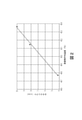
樹脂ラテックスから揮発性有機化合物(VOC)を除去することに関連する、ラテックス粒子の収縮挙動を制御する方法が記載されている。反応器の真空レベルおよびジャケット温度を調節することによって、凝縮器に入る前の蒸留物温度を制御することができる。理論に拘泥するつもりはないが、ラテックス粒径シフトの程度と蒸留物温度との間には強い相関がある、すなわち、VOC除去前後の粒径変化は蒸留物の温度に比例することが判明した。したがって、蒸留物温度を制御することにより、粒径分布シフトが制御される。蒸留物温度の選択を通して粒径の収縮度を調整することにより、樹脂ラテックスの最終粒径分布を、ストリッピング中に制御および最適化することができる。 Methods for controlling the shrinkage behavior of latex particles associated with the removal of volatile organic compounds (VOCs) from resin latex have been described. By adjusting the vacuum level and jacket temperature of the reactor, the temperature of the distillate before entering the condenser can be controlled. Although I am not going to stick to the theory, it was found that there is a strong correlation between the degree of latex particle size shift and the temperature of the distillate, that is, the change in particle size before and after VOC removal is proportional to the temperature of the distillate. .. Therefore, by controlling the distillate temperature, the particle size distribution shift is controlled. By adjusting the degree of particle size shrinkage through the choice of distillate temperature, the final particle size distribution of the resin latex can be controlled and optimized during stripping.
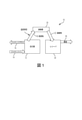
図1を参照すると、ラテックスを製造するPIEプロセスのためのシステム10を含む、転相乳化(PIE)プロセスのフロー図が示されている。システム/プロセス10の構成要素は、ジャケットイン14およびジャケットアウト16を有する反応器12を含む。蒸留物アーム18には温度測定装置(図示せず)が取り付けられ、凝縮器20に接続されている。凝縮物アーム22は凝縮物をレシーバ24に供給する。真空装置26は、レシーバ24に設けられている。所望の樹脂が反応器12で溶解され、ラテックスに転化された後、メチルエチルケトン(MEK)およびイソプロピルアルコール(IPA)などの溶媒を除去する必要がある。まず、ジャケット14を加熱し、次いで、レシーバ24を介してシステム10全体に真空26を引く。VOCは、反応器12内の液相から蒸気相に引き出され、凝縮器20に移動する。凝縮器に入る直前の蒸留物温度は例えば蒸留物アーム18で測定される。蒸留物蒸気は、次いで凝縮器20で冷却され、液相に戻り、レシーバ24に回収される。実施形態では、蒸留物温度、ジャケット14の温度設定点および真空26のレベル設定点を制御するために使用できる、2つのパラメータがある。これらの変数を操作することによって、蒸留物の温度を制御することができる。
Referring to FIG. 1, a flow diagram of a phase inversion emulsification (PIE) process is shown, including
実施形態において、本明細書の転相乳化プロセスは、a)樹脂と、有機溶媒と、任意選択の中和剤と、水の第1の部分とを反応器内で組み合わせるステップであって、反応器は、ジャケットと、真空と、蒸留導管によって反応器に接続された凝縮器と、凝縮導管によって凝縮器に接続されたレシーバとを具備し、油中水型分散液混合物を形成する、ステップと、b)反応器に水の第2の部分を添加して、油中水型分散液混合物を、ラテックス粒子のラテックスエマルジョンを備える水中油型分散液に転化するステップと、c)蒸留物を形成し、ジャケット温度の調整、真空レベルの調整、またはそれらの組み合わせのうちの少なくとも1つによって蒸留物温度を制御するステップであって、蒸留物温度を制御するステップは、ラテックス粒子の粒径分布シフトまたは粒径変化を制御する、ステップと、d)揮発性有機化合物を反応器内の液相から蒸気相に引き出し、蒸留導管を通して凝縮器に移すステップと、e)凝縮器中の蒸留物蒸気を液相に冷却するステップと、f)液体凝縮物をレシーバに収集するステップとを備える。実施形態において、本開示は、本明細書に記載のプロセスで調製されたラテックスエマルジョンを含む。したがって、蒸留物温度を制御するステップは、ラテックス粒子の粒径変化を制御する。 In embodiments, the phase inversion emulsification process herein is a step of combining a) a resin, an organic solvent, an optional neutralizer, and a first portion of water in a reactor, the reaction. The vessel comprises a jacket, a vacuum, a condenser connected to the reactor by a distillation conduit, and a receiver connected to the condenser by a condensation conduit to form a water-in-oil dispersion mixture, with steps. , B) Add a second portion of water to the reactor to convert the water-in-oil dispersion mixture into an oil-in-water dispersion with a latex emulsion of latex particles, and c) form a distillate. The step of controlling the distillate temperature by adjusting the jacket temperature, adjusting the vacuum level, or at least one of the combinations thereof, and controlling the distillate temperature, is to shift the particle size distribution of the latex particles. Alternatively, the step of controlling the change in particle size, d) the step of drawing the volatile organic compound from the liquid phase in the reactor to the steam phase and transferring it to the condenser through the distillation conduit, and e) the distilled vapor in the condenser. It includes a step of cooling to a liquid phase and a step of f) collecting a liquid condensate on a receiver. In embodiments, the disclosure includes latex emulsions prepared by the processes described herein. Therefore, the step of controlling the distillate temperature controls the change in the particle size of the latex particles.
ラテックスエマルジョン中のラテックス粒子の粒径分布は、溶媒除去プロセス中に変化する。実施形態では、蒸留物の温度、システムに適用される真空、またはそれらの組み合わせを制御することによって、変化の大きさを制御することができる。実施形態では、プロセスは、蒸留導管内の蒸留物温度を測定し、ジャケット温度、真空レベル、またはそれらの組み合わせのうちの少なくとも1つを調整して、蒸留物温度を制御することにより、蒸留物温度の選択によって、ラテックス粒子の粒径変化または粒径シフトを制御するステップをさらに備える。 The particle size distribution of the latex particles in the latex emulsion changes during the solvent removal process. In embodiments, the magnitude of change can be controlled by controlling the temperature of the distillate, the vacuum applied to the system, or a combination thereof. In embodiments, the process measures the distillation temperature in the distillation conduit and adjusts at least one of the jacket temperature, vacuum level, or a combination thereof to control the distillation temperature. It further comprises a step of controlling the particle size change or particle size shift of the latex particles depending on the temperature selection.
したがって、ラテックス粒子は、溶媒除去前の第1の粒径または粒径分布と、溶媒除去後の第2の粒径または粒径分布とを有し、第1の粒径または粒径分布と第2の粒径または粒径分布とは異なり、粒径変化は蒸留物温度の選択によって制御される。実施形態では、粒径または粒径分布の差異は、蒸留物温度の選択によって低減されるか、または本質的に排除される。 Therefore, the latex particles have a first particle size or particle size distribution before solvent removal and a second particle size or particle size distribution after solvent removal, and have a first particle size or particle size distribution and a first particle size distribution. Unlike the particle size or particle size distribution of 2, the change in particle size is controlled by the choice of distillate temperature. In embodiments, differences in particle size or particle size distribution are reduced or essentially eliminated by choice of distillate temperature.
「平均」粒子径または滴径は、典型的にはD50またはd50として表されるか、または粒径分布の50パーセンタイルにおける体積中央粒径値として定義され、ここで分布の粒子の50%がd50粒径値よりも大きく、分布の粒子の他方の50%はd50値よりも小さい。平均粒径は、動的光散乱など、光散乱技術を用いて粒径を推測する方法で測定することができる。粒径は、透過電子顕微鏡法または動的光散乱測定によって生じた粒子画像から得られる不連続層の個々の滴の長さを指す。 The "average" particle size or drop size is typically expressed as D50 or d50, or is defined as the volume median particle size value at the 50th percentile of the particle size distribution, where 50% of the particles in the distribution are. Greater than d 50 particle size, the other 50% of the distributed particles are less than d 50 . The average particle size can be measured by a method of estimating the particle size using a light scattering technique such as dynamic light scattering. Particle size refers to the length of individual droplets of a discontinuous layer obtained from a particle image produced by transmission electron microscopy or dynamic light scattering measurements.
実施形態において、ラテックス粒子は、約3~約500ナノメートル(nm)、または約10~約500nm、または約10~約300nm、または約10~約50nm、または約5~約100nm、または約2~約20nm、または約25nmの平均粒径(例えば、粒子直径または最長寸法)を有する。実施形態では、ラテックスエマルジョン中のラテックス粒子の粒径分布は、Microtrac Nanotrac(商標)252分析器で測定して約40~約500nmまたは約50~約500nmであり、D50平均粒径は約200nmである。 In embodiments, the latex particles are about 3 to about 500 nanometers (nm), or about 10 to about 500 nm, or about 10 to about 300 nm, or about 10 to about 50 nm, or about 5 to about 100 nm, or about 2. It has an average particle size of ~ 20 nm, or about 25 nm (eg, particle diameter or longest dimension). In embodiments, the particle size distribution of the latex particles in the latex emulsion is about 40-about 500 nm or about 50-about 500 nm as measured by a Microtrac Nanotrac ™ 252 analyzer, with a D50 average particle size of about 200 nm. be.
実施形態では、真空レベル、ジャケット温度、またはそれらの組み合わせを変更して、蒸留物温度が約30~約80℃、または約40~約60℃の範囲に制御されるように溶媒除去中の蒸留物温度を制御し、温度は、転相乳化プロセスで使用される1種または複数の溶媒と組み合わせた樹脂の種類に基づいて選択される。粒径分布は、粒径の3つのx軸値であるD10、D50およびD95を用いて記述され、D50は集団の半分がこの値を下回る直径であり、D95は集団の95%がこの値を下回る直径であり、D10は集団の10%がこの値を下回る直径であり、実施形態において、蒸留物温度は、D50が約50~500nm、または約150~約300nm、D10が約3~約300nm、または約50~約175nm、D95が約150~約750nm、または約200~約500nmであるラテックスの粒径分布を提供するように選択される。溶媒除去中に選択される蒸留物温度は、このように溶媒除去中の粒径分布の変化を制御し、D50およびそれに関連するD10およびD95の変化として示すことができる。 In embodiments, distillation during solvent removal is carried out by varying the vacuum level, jacket temperature, or a combination thereof so that the distillate temperature is controlled in the range of about 30 to about 80 ° C, or about 40 to about 60 ° C. The temperature of the object is controlled and the temperature is selected based on the type of resin combined with one or more solvents used in the phase inversion emulsification process. The particle size distribution is described using the three x-axis values of particle size, D10, D50 and D95, where D50 is the diameter where half of the population is below this value and D95 is where 95% of the population has this value. The diameter is below, D10 is a diameter where 10% of the population is below this value, and in embodiments, the distillation temperature is about 50-500 nm for D50, or about 150-about 300 nm, and about 3-about 300 nm for D10. , Or about 50 to about 175 nm, D95 is selected to provide a particle size distribution of about 150 to about 750 nm, or about 200 to about 500 nm. The distillation temperature selected during solvent removal thus controls changes in particle size distribution during solvent removal and can be shown as changes in D50 and associated D10 and D95.
特定の実施形態では、ラテックスエマルジョン中のラテックス粒子は、Microtrac Nanotrac(商標)252分析器で測定して、約50nm~約500nmの粒径分布を有し、D50平均粒径は約200nmである。 In certain embodiments, the latex particles in the latex emulsion have a particle size distribution of about 50 nm to about 500 nm as measured by a Microtrac Nanotrac ™ 252 analyzer, with a D50 average particle size of about 200 nm.
実施形態では、D50の粒径変化、すなわち溶媒除去前後のD50の粒径が低減または排除される。実施形態では、溶媒除去前後のD50の粒径変化は、約50nm未満、約20nm未満、または約10nm未満である。 In the embodiment, the change in the particle size of D50, that is, the particle size of D50 before and after removal of the solvent is reduced or eliminated. In embodiments, the change in particle size of D50 before and after removal of the solvent is less than about 50 nm, less than about 20 nm, or less than about 10 nm.
樹脂
本開示のラテックスエマルジョンの形成には、任意の適切な樹脂または所望の樹脂を利用することができる。樹脂は、非晶質樹脂、結晶性樹脂、およびそれらの組み合わせで構成される群から選択されてもよい。
Resins Any suitable or desired resin can be used to form the latex emulsions of the present disclosure. The resin may be selected from the group composed of amorphous resins, crystalline resins, and combinations thereof.
実施形態では、樹脂は、例えば、米国特許第6,593,049号および第6,756,176号(各々の開示は参照によりその全体が本明細書に組み込まれる)に記載されている樹脂を含むポリエステル樹脂であってもよい。適切な樹脂にはまた、米国特許第6,830,860号(この開示は参照によりその全体が本明細書に組み込まれる)に記載されているような非晶質ポリエステル樹脂と結晶性ポリエステル樹脂の混合物が含まれていてもよい。適切な樹脂には、高分子量の非晶質ポリエステルと低分子量の非晶質ポリエステルの混合物が含まれてもよい。 In embodiments, the resin is, for example, the resin described in US Pat. Nos. 6,593,049 and 6,756,176 (each disclosure is incorporated herein by reference in its entirety). It may be a polyester resin containing. Suitable resins also include amorphous polyester resins and crystalline polyester resins as described in US Pat. No. 6,830,860, which is incorporated herein by reference in its entirety. It may contain a mixture. Suitable resins may include mixtures of high molecular weight amorphous polyesters and low molecular weight amorphous polyesters.
実施形態において、樹脂はポリエステルである。特定の実施形態では、樹脂は非晶質ポリエステル、結晶性ポリエステルまたはそれらの混合物である。 In embodiments, the resin is polyester. In certain embodiments, the resin is an amorphous polyester, a crystalline polyester or a mixture thereof.
実施形態において、樹脂は、ジオールを任意選択の触媒の存在下で二酸と反応させることによって形成される、ポリエステル樹脂であってもよい。 In embodiments, the resin may be a polyester resin formed by reacting the diol with a diacid in the presence of an optional catalyst.
ジオールは、任意の適切なまたは所望の量で供給されてもよい。実施形態において、ジオールは、約40~約60モル%、または約42~約55モル%、または約45~約53モル%の量で選択されてもよく、任意選択的に、樹脂の約0~約10モル%、または約1~約4モル%の量で第2のジオールが選択されてもよい。二酸は、任意の適切なまたは所望の量、実施形態においては約40~約60モル%、約42~約52モル%、または約45~約50モル%の量で選択されてもよく、また任意選択的に、樹脂の約0~約10モル%の量で第2のジオールが選択されてもよい。 The diol may be supplied in any suitable or desired amount. In embodiments, the diol may be selected in an amount of about 40 to about 60 mol%, or about 42 to about 55 mol%, or about 45 to about 53 mol%, and optionally about 0 of the resin. The second diol may be selected in an amount of ~ about 10 mol%, or about 1 ~ about 4 mol%. The diacid may be selected in any suitable or desired amount, in embodiments from about 40 to about 60 mol%, from about 42 to about 52 mol%, or in an amount of about 45 to about 50 mol%. Further, optionally, the second diol may be selected in an amount of about 0 to about 10 mol% of the resin.
結晶性ポリエステルを形成するために、任意の触媒と、1,2-エタンジオール、1,3-プロパンジオール、1,4-ブタンジオール、1,5-ペンタンジオール、2,2-ジメチルプロパン-1,3-ジオール、1,6-ヘキサンジオール、1,7-ヘプタンジオール、1,8-オクタンジオール、1,9-ノナンジオール、1,10-デカンジオール、1,12-ドデカンジオール、およびそれらの混合物および組み合わせ(それらの構造異性体を含む)など、約2~約36個の炭素原子を有する脂肪族ジオールを含む、結晶性樹脂を形成するのに適したさらなる有機ジオールの存在下で、1種以上のポリオール分岐モノマーを二酸と反応させることができる。脂肪族ジオールは、樹脂の約25~約60モル%、または約25~約55モル%、または約25~約53モル%など、任意の適切なまたは所望の量で存在してもよい。実施形態において、第3のジオールは、樹脂の約0~約25モル%、または約1~約10モル%の量で上記ジオールから選択することができる。 To form crystalline polyester, with any catalyst, 1,2-ethanediol, 1,3-propanediol, 1,4-butanediol, 1,5-pentanediol, 2,2-dimethylpropane-1 , 3-diol, 1,6-hexanediol, 1,7-heptanediol, 1,8-octanediol, 1,9-nonanediol, 1,10-decanediol, 1,12-dodecanediol, and theirs. 1 in the presence of additional organic diols suitable for forming crystalline resins, including aliphatic diols having about 2 to about 36 carbon atoms, such as mixtures and combinations (including their structural isomers). More than one species of polyol branched monomer can be reacted with diacid. The aliphatic diol may be present in any suitable or desired amount, such as about 25 to about 60 mol%, or about 25 to about 55 mol%, or about 25 to about 53 mol% of the resin. In embodiments, the third diol can be selected from the above diols in an amount of about 0 to about 25 mol%, or about 1 to about 10 mol% of the resin.
結晶性樹脂の調製のために選択することができる二酸ビニルまたはビニルジエステルを含む有機二酸またはジエステルの例は、シュウ酸、コハク酸、グルタル酸、アジピン酸、スベリン酸、アゼライン酸、セバシン酸、フマル酸、フマル酸ジメチル、イタコン酸ジメチル、シス-1,4-ジアセトキシ-2-ブテン、フマル酸ジエチル、マレイン酸ジエチル、フタル酸、イソフタル酸、テレフタル酸、ナフタレン-2,6-ジカルボン酸、ナフタレン-2,7-ジカルボン酸、シクロヘキサンジカルボン酸、マロン酸、メサコン酸、ジエステルまたはその無水物、およびそれらの混合物および組み合わせを含む。有機二酸は、任意の適切なまたは所望の量、実施形態においては約25~約60モル%、または約25~約52モル%、または約25~約50モル%で存在することができる。実施形態において、第2の二酸は、上記の二酸から選択することができ、樹脂の約0~約25モル%の量で存在することができる。 Examples of organic diacids or diesters, including vinyl diacids or vinyldiesters that can be selected for the preparation of crystalline resins, are oxalic acid, succinic acid, glutaric acid, adipic acid, suberic acid, azelaic acid, sevacinic acid. , Fumaric acid, dimethyl fumarate, dimethyl itacone, cis-1,4-diacetoxy-2-butene, diethyl fumarate, diethyl maleate, phthalic acid, isophthalic acid, terephthalic acid, naphthalene-2,6-dicarboxylic acid, Includes naphthalene-2,7-dicarboxylic acid, cyclohexanedicarboxylic acid, malonic acid, mesaconic acid, diesters or anhydrides thereof, and mixtures and combinations thereof. The organic diacid can be present in any suitable or desired amount, in embodiments from about 25 to about 60 mol%, or from about 25 to about 52 mol%, or from about 25 to about 50 mol%. In embodiments, the second diacid can be selected from the above diacids and can be present in an amount of about 0 to about 25 mol% of the resin.
結晶性ポリエステルを形成するために、任意選択の触媒およびさらなる有機二酸またはジエステルの存在下で、1種以上のポリ酸分岐モノマーをジオールと反応させることができる。成分は、任意の適切なまたは所望の比率で選択することができる。実施形態において、分枝モノマーは、約0.1~約15モル%、または約1~約10モル%、または約2~約5モル%の量で供給されてもよく、実施形態においては、樹脂の約0~約10モル%、または約0.1~約10モル%の、実施形態における任意の適切なまたは所望の量で、第2の分枝モノマー樹脂を選択することができる。 To form a crystalline polyester, one or more polyacid branched monomers can be reacted with the diol in the presence of an optional catalyst and additional organic diacids or diesters. The ingredients can be selected in any suitable or desired ratio. In embodiments, the branched monomers may be supplied in an amount of about 0.1 to about 15 mol%, or about 1 to about 10 mol%, or about 2 to about 5 mol%, in embodiments. The second branched monomeric resin can be selected in any suitable or desired amount in the embodiment, from about 0 to about 10 mol%, or about 0.1 to about 10 mol% of the resin.
結晶性樹脂の例には、ポリエステル、ポリアミド、ポリイミド、ポリオレフィン、ポリエチレン、ポリブチレン、ポリイソブチレート、エチレン-プロピレンコポリマー、エチレン-酢酸ビニルコポリマー、ポリプロピレン、これらの混合物などが含まれる。特定の結晶性樹脂は、ポリ(エチレン-アジペート)、ポリ(プロピレン‐アジペート)、ポリ(ブチレン-アジペート)、ポリ(ペンチレン-アジペート)、ポリ(ヘキシレン-アジペート)、ポリ(オクチレン-アジペート)、ポリ(エチレン-コハク酸)、ポリ(プロピレン-コハク酸)、ポリ(ブチレン-コハク酸)、ポリ(ペンチレン-コハク酸)、ポリ(ヘキシレン-コハク酸)、ポリ(オクチレン-コハク酸)、ポリ(エチレン-セバケート)、ポリ(プロピレン-セバケート)、ポリ(ブチレン-セバケート)、ポリ(ペンチレン-セバケート)、ポリ(ヘキシレン-セバケート)、ポリ(オクチレン-セバケート)、ポリ(デシレン-セバケート)、ポリ(デシレン-デカノエート)、ポリ(エチレン-デカノエート)、ポリ(エチレン-ドデカノエート)、ポリ(ノニレン‐セバケート)、ポリ(ノニレン‐-デカノエート)、コポリ(エチレン-フマレート)-コポリ(エチレン-セバケート)、コポリ(エチレン--フマレート)-コポリ(エチレン-デカノエート)、コポリ(エチレン-フマレート)-コポリ(エチレン-ドデカノエート)、コポリ(2,2-ジメチルプロパン-1,3-ジオール-デカノエート)-コポリ(ノニレン-デカノエート)、ポリ(オクチレンアジペート)などのポリエステル系であってもよい。ポリアミドの例には、ポリ(エチレン‐アジパミド)、ポリ(プロピレン‐アジパミド)、ポリ(ブチレンアジパミド)、ポリ(ペンチレン-アジパミド)、ポリ(ヘキシレン‐アジパミド)、ポリ(オクチレン-アジパミド)、ポリ(エチレン‐コハク酸イミド)およびポリ(プロピレン-セバカミド)が含まれる。ポリイミドの例には、ポリ(エチレン-アジピミド)、ポリ(プロピレン-アジピミド)、ポリ(ブチレン-アジピミド)、ポリ(ペンチレン‐アジピミド)、ポリ(ヘキシレン-アジピミド)、ポリ(オクチレン-アジピミド)、ポリ(エチレン‐コハク酸イミド)、ポリ(プロピレン‐コハク酸イミド)およびポリ(ブチレン-コハク酸イミド)が含まれる。 Examples of crystalline resins include polyester, polyamide, polyimide, polyolefin, polyethylene, polybutylene, polyisobutyrate, ethylene-propylene copolymer, ethylene-vinyl acetate copolymer, polypropylene, mixtures thereof and the like. Specific crystalline resins include poly (ethylene-adipate), poly (propylene-adipate), poly (butylene-adipate), poly (pentylene-adipate), poly (hexylene-adipate), poly (octylene-adipate), poly. (Ethylene-Ethylene), Poly (propylene-Succinic acid), Poly (Butylene-Succinic acid), Poly (Pentylene-Succinic acid), Poly (Hexylene-Succinic acid), Poly (Octylene-Succinic acid), Poly (Ethylene) -Sevacate), Poly (propylene-sevacate), Poly (butylene-sevacate), Poly (pentylene-sevacate), Poly (hexylene-sevacate), Poly (octylene-sevacate), Poly (decylene-sevacate), Poly (decylene-decilen- Decanoate), Poly (Ethylene-Decanoate), Poly (Ethylene-Dodecanoate), Poly (Nonylene-Sevacate), Poly (Nonylene-Decanoate), Copoly (Ethylene-Fumarate) -Copoly (Ethylene-Sevacate), Copoly (Ethylene-Ethylene- -Fumarate) -Copoli (ethylene-decanoate), Copoli (ethylene-fumarate) -Copoli (ethylene-dodecanoate), Copoli (2,2-dimethylpropane-1,3-diol-decanoate) -Copoli (nonylene-decanoate), It may be a polyester type such as poly (octylene adipate). Examples of polyamides are poly (ethylene-adipamide), poly (propylene-adipamide), poly (butylene adipamide), poly (pentylene-adipamide), poly (hexylene-adipamide), poly (octylene-adipamide), poly. (Ethylene-succinimide) and poly (propylene-sebacamide) are included. Examples of polyimides include poly (ethylene-adipimide), poly (propylene-adipimide), poly (butylene-adipimide), poly (pentylene-adipimide), poly (hexylene-adipimide), poly (octylene-adipimide), poly (poly). Ethylene-succinimide), poly (propylene-succinimide) and poly (butylene-succinimide) are included.
結晶性樹脂は、任意の適切なまたは所望の量で存在してもよく、存在しなくても、すなわち0%で存在してもよい。 The crystalline resin may be present in any suitable or desired amount, may not be present, i.e. may be present at 0%.
結晶性樹脂は、任意の適切なまたは所望の量で存在してもよい。実施形態において、結晶性樹脂は、トナー成分の約1~約50重量%、またはトナー成分の約5~約35重量%の量で存在してもよい。結晶性樹脂は、例えば、約30℃~約120℃、または約50℃~約90℃などの様々な融点を有していてもよい。結晶性樹脂は、ゲル浸透クロマトグラフィー(GPC)で測定して例えば約1,000~約50,000、または約2,000~約25,000の数平均分子量(Mn)と、GPCで測定して例えば約2,000~約100,000、または約3,000~約80,000の重量平均分子量(Mw)とを有していてもよい。結晶性樹脂の分子量分布(Mw/Mn)は、例えば約2~約6、約3~約4であってもよい。 The crystalline resin may be present in any suitable or desired amount. In embodiments, the crystalline resin may be present in an amount of about 1 to about 50% by weight of the toner component, or about 5 to about 35% by weight of the toner component. The crystalline resin may have various melting points, for example, from about 30 ° C to about 120 ° C, or from about 50 ° C to about 90 ° C. The crystalline resin is measured by gel permeation chromatography (GPC) and measured by GPC, for example, with a number average molecular weight (Mn) of about 1,000 to about 50,000 or about 2,000 to about 25,000. For example, it may have a weight average molecular weight (Mw) of about 2,000 to about 100,000, or about 3,000 to about 80,000. The molecular weight distribution (Mw / Mn) of the crystalline resin may be, for example, about 2 to about 6 and about 3 to about 4.
本明細書の非晶質樹脂の形成における使用に適した二酸またはジエステルの例には、テレフタル酸、フタル酸、イソフタル酸、フマル酸、トリメリット酸、フマル酸ジメチル、イタコン酸ジメチル、シス-1,4-ジアセトキシ-2-ブテン、フマル酸ジエチル、マレイン酸ジエチル、マレイン酸、コハク酸、イタコン酸、コハク酸、コハク酸無水物、ドデシルコハク酸、ドデシルコハク酸無水物、グルタル酸、グルタル酸無水物、アジピン酸、ピメリン酸、スベリン酸、アゼライン酸、ドデカンジアジド、ジメチルテレフタレート、ジエチルテレフタレート、ジメチルイソフタレート、ジエチルイソフタレート、ジメチルフタレート、フタル酸無水物、ジエチルフタレート、コハク酸ジメチル、フマル酸ジメチル、マレイン酸ジメチル、グルタル酸ジメチル、アジピン酸ジメチル、ドデシルコハク酸ジメチル、およびこれらの混合物および組み合わせなどのジカルボン酸またはジエステルを含む非晶質ポリエステル樹脂の調製に使用される二酸ビニルまたはビニルジエステルが含まれる。 Examples of diacids or diesters suitable for use in the formation of amorphous resins herein include terephthalic acid, phthalic acid, isophthalic acid, fumaric acid, trimellitic acid, dimethyl fumarate, dimethyl itacone, cis-. 1,4-Diacetoxy-2-butene, diethyl fumarate, diethyl maleate, maleic acid, succinic acid, itaconic acid, succinic acid, succinic acid anhydride, dodecylsuccinic acid, dodecylsuccinic acid anhydride, glutaric acid, glutaric acid Anhydrous, adipic acid, pimelli acid, suberic acid, azelaic acid, dodecandiazide, dimethyl terephthalate, diethyl terephthalate, dimethyl isophthalate, diethyl isophthalate, dimethyl phthalate, phthalic acid anhydride, diethyl phthalate, dimethyl succinate, dimethyl fumarate, Contains vinyl diacids or vinyl diesters used in the preparation of amorphous polyester resins containing dicarboxylic acids or diesters such as dimethyl maleate, dimethyl glutarate, dimethyl adipate, dimethyl dodecylsuccinate, and mixtures and combinations thereof. Is done.
有機二酸またはジエステルは、樹脂の約35~約60モル%、または樹脂の約42~約52モル%、または樹脂の約45~約50モル%など、任意の適切なまたは所望の量で存在してもよい。 The organic diacid or diester is present in any suitable or desired amount, such as about 35 to about 60 mol% of the resin, or about 42 to about 52 mol% of the resin, or about 45 to about 50 mol% of the resin. You may.
非晶質ポリエステルの調製に使用できるジオールの例には、1,2-プロパンジオール、1,3-プロパンジオール、1,2-ブタンジオール、1,3-ブタンジオール、1,4-ブタンジオール、ペンタンジオール、ヘキサンジオール、2,2‐ジメチルプロパンジオール、2,2,3‐トリメチルヘキサンジオール、ヘプタンジオール、ドデカンジオール、ビス(ヒドロキシエチル)-ビスフェノールA、ビス(2-ヒドロキシプロピル)-ビスフェノールA、1,4-シクロヘキサンジメタノール、1,3-シクロヘキサンジメタノール、キシレンジメタノール、シクロヘキサンジオール、ジエチレングリコール、ビス(2-ヒドロキシエチル)オキシド、ジプロピレングリコール、ジブチレン、およびこれらの混合物および組み合わせが含まれる。 Examples of diols that can be used to prepare amorphous polyesters include 1,2-propanediol, 1,3-propanediol, 1,2-butanediol, 1,3-butanediol, 1,4-butanediol, Pentandiol, hexanediol, 2,2-dimethylpropanediol, 2,2,3-trimethylhexanediol, heptanediol, dodecanediol, bis (hydroxyethyl) -bisphenol A, bis (2-hydroxypropyl) -bisphenol A, Includes 1,4-cyclohexanedimethanol, 1,3-cyclohexanedimethanol, xylenedimethanol, cyclohexanediol, diethylene glycol, bis (2-hydroxyethyl) oxide, dipropylene glycol, dibutylene, and mixtures and combinations thereof.
有機ジオールは、樹脂の約35~約60モル%、または樹脂の約42~約55モル%、または樹脂の約45~約53モル%など、任意の適切なまたは所望の量で存在することができる。 The organic diol may be present in any suitable or desired amount, such as about 35 to about 60 mol% of the resin, or about 42 to about 55 mol% of the resin, or about 45 to about 53 mol% of the resin. can.
実施形態では、重縮合触媒をポリエステルの形成に使用することができる。結晶性ポリエステルまたは非晶質ポリエステルのいずれかに利用できる重縮合触媒には、チタン酸テトラアルキル、ジブチルスズオキシドなどのジアルキルスズオキシド、ジブチルスズジラウレートなどのテトラアルキルスズ、ブチルスズオキシド水酸化物などのジアルキルスズオキシド水酸化物、アルミニウムアルコキシド、アルキル亜鉛、ジアルキル亜鉛、酸化亜鉛、酸化第一スズ、およびそれらの混合物および組み合わせが挙げられる。このような触媒は、ポリエステル樹脂を発生させるために使用する出発二酸またはジエステルに基づいて約0.01モル%~約5モル%など、任意の適切なまたは所望の量で利用され得る。 In embodiments, polycondensation catalysts can be used to form the polyester. Polycondensation catalysts that can be used in either crystalline or amorphous polyesters include dialkyltin oxides such as tetraalkyl titanate and dibutyltin oxide, tetraalkyltins such as dibutyltin dilaurate, and dialkyltins such as butyltin oxide hydroxides. Included are oxide hydroxides, aluminum alkoxides, alkyl zinc, dialkyl zinc, zinc oxide, stannous oxide, and mixtures and combinations thereof. Such catalysts can be utilized in any suitable or desired amount, such as from about 0.01 mol% to about 5 mol%, based on the starting diacid or diester used to generate the polyester resin.
トナーを製造するために使用することができる他の適切な樹脂には、スチレン、アクリル酸、例えばアクリル酸アルキル、例えばアクリル酸メチル、アクリル酸エチル、アクリル酸ブチル、アクリル酸イソブチル、アクリル酸ドデシル、アクリル酸n-オクチル、アクリル酸n-ブチル、アクリル酸2クロロエチルなど;β-カルボキシエチルアクリレート(β-CEA)、アクリル酸フェニル、メタクリレート、ブタジエン、イソプレン、アクリル酸、アクリロニトリル、スチレンアクリレート、スチレンブタジエン、スチレンメタクリレートなど、例えばメチルα-クロロアクリレート、メタクリル酸メチル、メタクリル酸エチル、メタクリル酸ブチル、ブタジエン、イソプレン、メタアクリロニトリル、アクリロニトリル、ビニルエーテル、例えばビニルメチルエーテル、ビニルイソブチルエーテル、ビニルエチルエーテルなど;ビニルエステル、例えば酢酸ビニル、プロピオン酸ビニル、安息香酸ビニル、酪酸ビニルなど;ビニルケトン、例えばビニルメチルケトン、ビニルヘキシルケトン、メチルイソプロペニルケトンなど;ビニリデンハライド、例えば塩化ビニリデン、フッ化ビニリデンなど;N-ビニルインドール、N-ビニルピロリドン、メタクリレート、アクリル酸、メタクリル酸、アクリルアミド、メタクリルアミド、ビニルピリジン、ビニルピロリドン、ビニル-M-メチルピリジニウムクロライド、ビニルナフタレン、p-クロロスチレン、塩化ビニル、臭化ビニル、フッ化ビニル、エチレン、プロピレン、ブチレン、イソブチレンおよびこれらの混合物が挙げられる。モノマーの混合物は、ブロックコポリマー、交互コポリマー、グラフトコポリマーなどのコポリマーを製造するために使用することができる。 Other suitable resins that can be used to make toner include styrene, acrylic acid, eg alkyl acrylate, eg methyl acrylate, ethyl acrylate, butyl acrylate, isobutyl acrylate, dodecyl acrylate, N-octyl acrylate, n-butyl acrylate, dichloroethyl acrylate, etc .; β-carboxyethyl acrylate (β-CEA), phenyl acrylate, methacrylate, butadiene, isoprene, acrylic acid, acrylonitrile, styrene acrylate, styrene butadiene, For example, methyl α-chloroacrylate, methyl methacrylate, ethyl methacrylate, butyl methacrylate, butadiene, isoprene, metaacrylonitrile, acrylonitrile, vinyl ether, such as vinyl methyl ether, vinyl isobutyl ether, vinyl ethyl ether, etc .; vinyl ester, etc. , For example vinyl acetate, vinyl propionate, vinyl benzoate, vinyl butyrate, etc .; vinyl ketones, such as vinyl methyl ketone, vinyl hexyl ketone, methyl isopropenyl ketone, etc .; vinylidene halides, such as vinylidene chloride, vinylidene fluoride, etc .; N-vinyl indol. , N-vinylpyrrolidone, methacrylate, acrylic acid, methacrylic acid, acrylamide, methacrylamide, vinylpyridine, vinylpyrrolidone, vinyl-M-methylpyridinium chloride, vinylnaphthalene, p-chlorostyrene, vinyl chloride, vinyl bromide, fluoride Examples include vinyl, ethylene, propylene, butylene, isobutylene and mixtures thereof. Mixtures of monomers can be used to make copolymers such as block copolymers, alternating copolymers, graft copolymers and the like.
実施形態において、ラテックスに利用される非晶質樹脂または非晶質樹脂の組み合わせは、約30℃~約80℃、または約35℃~約70℃のガラス転移温度(Tg)を有してもよい。実施形態では、ラテックスに利用される複合樹脂は、約130℃で約10~約1,000,000Pa*S、または約130℃で約50~約100,000Pa*Sの溶融粘度を有してもよい。 In embodiments, the amorphous resin or combination of amorphous resins utilized in the latex may have a glass transition temperature (Tg) of about 30 ° C to about 80 ° C, or about 35 ° C to about 70 ° C. good. In embodiments, the composite resin used for the latex has a melt viscosity of about 10 to about 1,000,000 Pa * S at about 130 ° C. or about 50 to about 100,000 Pa * S at about 130 ° C. May be good.
1種または2種以上の樹脂を用いてもよい。2種以上の樹脂が使用される実施形態では、樹脂は任意の適切な比率(例えば重量比)、例えば約1%(第1の樹脂)/99%(第2の樹脂)~約99%(第1の樹脂)/1%(第2の樹脂)、実施形態においては、約10%(第1の樹脂)/90%(第2の樹脂)~約90%(第1の樹脂)/10%(第2の樹脂)であってもよい。 One kind or two or more kinds of resins may be used. In embodiments where two or more resins are used, the resins are in any suitable ratio (eg, weight ratio), eg, about 1% (first resin) / 99% (second resin) to about 99% (2nd resin). 1st resin) / 1% (second resin), in the embodiment, about 10% (first resin) / 90% (second resin) to about 90% (first resin) / 10 % (Second resin) may be used.
樹脂粒子は、任意の適切なまたは所望のサイズであってもよい。実施形態では、樹脂粒径は、反応器のジャケット温度の調節、反応器の真空レベルの調整、またはこれらの組み合わせによって蒸留物温度を調節するステップを備える本明細書のラテックス粒径の制御プロセスによって、選択または制御される。 The resin particles may be of any suitable or desired size. In embodiments, the resin particle size is according to the latex particle size control process herein comprising the steps of adjusting the jacket temperature of the reactor, adjusting the vacuum level of the reactor, or adjusting the distillate temperature by a combination thereof. , Selected or controlled.
樹脂は、任意の適切な方法または所望の方法によって調製することができる。例えば、モノマーをプレポリマーに凝縮させるために、場合によっては不活性雰囲気中で加熱したオプションの触媒の存在下で、1種以上のモノマーを1種以上の酸またはジエステル成分と組み合わせることができる。この混合物に、1種以上の二酸またはジエステル、オプションとして追加の触媒、オプションとしてラジカル抑制剤を、場合によっては不活性雰囲気下で、加熱しながら添加して所望の最終樹脂(ポリエステル)を形成することができる。 The resin can be prepared by any suitable method or any desired method. For example, one or more monomers can be combined with one or more acid or diester components to condense the monomers into a prepolymer, optionally in the presence of an optional catalyst heated in an inert atmosphere. One or more diacids or diesters, optionally an additional catalyst, and optionally a radical inhibitor, are added to the mixture with heating under an inert atmosphere to form the desired final resin (polyester). can do.
加熱は、約140℃~約250℃、または約160℃~約230℃、または約180℃~約220℃など、任意の適切なまたは所望の温度まですることができる。 Heating can be to any suitable or desired temperature, such as about 140 ° C to about 250 ° C, or about 160 ° C to about 230 ° C, or about 180 ° C to about 220 ° C.
例えば窒素パージ下など、任意の適切な不活性雰囲気条件を選択することができる。 Any suitable inert atmosphere conditions can be selected, for example under nitrogen purging.
所望であれば、ラジカル抑制剤を使用することができる。ヒドロキノン、トルヒドロキノン、2,5-DI-tert-ブチルヒドロキノン、およびこれらの混合物および組み合わせなど、任意の適切なまたは所望のラジカル阻害剤を選択することができる。ラジカル抑制剤は、反応器チャージ総量の約0.01~約1.0、約0.02~約0.5、または約0.05~約0.2重量%など、任意の適切なまたは所望の量で存在することができる。 If desired, radical inhibitors can be used. Any suitable or desired radical inhibitor can be selected, such as hydroquinone, torhydroquinone, 2,5-DI-tert-butylhydroquinone, and mixtures and combinations thereof. The radical inhibitor may be any suitable or desired, such as about 0.01 to about 1.0, about 0.02 to about 0.5, or about 0.05 to about 0.2% by weight of the total reactor charge. Can be present in the amount of.
実施形態において、樹脂は、弱塩基または中和剤と予めブレンドすることができる。実施形態において、塩基は固体であることができるため、溶液を使用する必要性が排除され、溶液をポンピングすることに伴うリスクおよび困難を回避する。 In embodiments, the resin can be pre-blended with a weak base or neutralizer. In embodiments, the base can be solid, eliminating the need to use the solution and avoiding the risks and difficulties associated with pumping the solution.
実施形態において、樹脂と中和剤は、同時供給プロセスによって同時に供給することができ、これにより中和剤および樹脂の押出機への供給速度を正確に制御することができ、次いで中和剤および樹脂は溶融混合した後に乳化することができる。 In embodiments, the resin and neutralizer can be supplied simultaneously by a simultaneous supply process, which allows precise control of the rate of supply of the neutralizer and resin to the extruder, followed by the neutralizer and neutralizer. The resin can be melt-mixed and then emulsified.
実施形態において、中和剤は、樹脂中の酸基を中和するために使用することができる。任意の適切なまたは所望の中和剤を選択することができる。実施形態において、中和剤は、水酸化アンモニウム、水酸化カリウム、水酸化ナトリウム、炭酸ナトリウム、重炭酸ナトリウム、水酸化リチウム、炭酸カリウム、およびこれらの混合物および組み合わせで構成される群から選択することができる。 In embodiments, the neutralizer can be used to neutralize the acid groups in the resin. Any suitable or desired neutralizer can be selected. In embodiments, the neutralizing agent is selected from the group consisting of ammonium hydroxide, potassium hydroxide, sodium hydroxide, sodium carbonate, sodium bicarbonate, lithium hydroxide, potassium carbonate, and mixtures and combinations thereof. Can be done.
中和剤は、樹脂の重量に基づいて約0.001重量%~約50重量%、または約0.01重量%~約25重量%、または約0.1重量%~約5重量%の量で、水酸化ナトリウムフレークなどの固体として使用することができる。 The neutralizer is in an amount of about 0.001% by weight to about 50% by weight, or about 0.01% by weight to about 25% by weight, or about 0.1% by weight to about 5% by weight, based on the weight of the resin. It can be used as a solid such as sodium hydroxide flakes.
特定の実施形態では、中和剤は、水酸化アンモニウムフレーク、水酸化カリウムフレーク、水酸化ナトリウムフレーク、炭酸ナトリウムフレーク、重炭酸ナトリウムフレーク、水酸化リチウムフレーク、炭酸カリウムフレーク、有機アミン、およびそれらの混合物および組み合わせで構成される群から選択される固体中和剤である。 In certain embodiments, the neutralizing agent is ammonium hydroxide flakes, potassium hydroxide flakes, sodium hydroxide flakes, sodium carbonate flakes, sodium bicarbonate flakes, lithium hydroxide flakes, potassium carbonate flakes, organic amines, and theirs. A solid neutralizer selected from the group consisting of mixtures and combinations.
実施形態において、中和剤は、水酸化ナトリウムフレークであり得る。実施形態では、水酸化ナトリウムフレークを使用する場合に適切な樹脂の中和が起こり、低粗度で高品質のラテックスをもたらすことを確実にするために、使用する界面活性剤はアルキルジフェニルオキシドジスルホネートの水溶液であってもよい。あるいは、ドデシルベンゼンスルホン酸ナトリウムの固体界面活性剤を使用し、界面活性剤溶液を使用する必要をなくして押出機供給ホッパーに樹脂と同時供給することによって、単純で効率的なプロセスを提供することができる。 In embodiments, the neutralizing agent can be sodium hydroxide flakes. In embodiments, the surfactant used is alkyldiphenyloxide di to ensure that proper resin neutralization occurs when using sodium hydroxide flakes, resulting in low roughness and high quality latex. It may be an aqueous solution of sulfonate. Alternatively, a solid surfactant of sodium dodecylbenzene sulfonate may be used to provide a simple and efficient process by co-feeding the extruder feed hopper with the resin without the need to use a surfactant solution. Can be done.
本プロセスに従って形成されたエマルジョンはまた、少量の水、実施形態では脱イオン水を任意の適切なまたは所望の量、例えば樹脂の約20重量%~約300重量%、または約30重量%~約150重量%で、樹脂を溶融または軟化させる温度、例えば約40℃~約140℃、または約60℃~約100℃の温度で含むことができる。 Emulsions formed according to this process also contain a small amount of water, in embodiments any suitable or desired amount, eg, about 20% to about 300% by weight, or about 30% by weight to about 30% by weight of the resin. At 150% by weight, the resin can be contained at a temperature at which the resin is melted or softened, for example, at a temperature of about 40 ° C to about 140 ° C, or about 60 ° C to about 100 ° C.
さらに、樹脂としては、トナー用などのラテックスを調製するのに適した任意の他のモノマーを利用することができる。上述したように、実施形態では、トナーは乳化凝集によって生成することができる。ラテックスエマルジョンを形成するのに有用な適切なモノマー、したがってラテックスエマルジョン中に得られるラテックス粒子には、限定されるものではないが、スチレン、アクリレート、メタクリレート、ブタジエン、イソプレン、アクリル酸、メタクリル酸、アクリロニトリル、これらの組み合わせなどが挙げられる。 Further, as the resin, any other monomer suitable for preparing a latex such as for toner can be used. As mentioned above, in embodiments, the toner can be produced by emulsification aggregation. Suitable monomers useful for forming latex emulsions, and thus the latex particles obtained in latex emulsions, are, but are not limited to, styrene, acrylates, methacrylates, butadienes, isoprenes, acrylic acids, methacrylic acids, acrylonitrile. , These combinations and the like.
実施形態において、ラテックスポリマーは、少なくとも1種のポリマーを含んでいてもよい。例示的なポリマーとしては、スチレンアクリレート、スチレンブタジエン、スチレンメタクリレート、より具体的には、ポリ(スチレン-アルキルアクリレート)、ポリ(スチレン-1,3-ジエン)、ポリ(スチレン-アルキルメタクリレート)、ポリ(スチレン-アルキルアクリレート-アクリル酸)、ポリ(スチレン-1,3-ジエン-アクリル酸)、ポリ(スチレン-アルキルメタクリレート-アクリル酸)、ポリ(メタクリル酸アルキル-アルキルアクリレート)、ポリ(メタクリル酸アルキル-アクリル酸アリール)、ポリ(メタクリル酸アリール-アルキルアクリレート)、ポリ(メタクリル酸アルキル‐アクリル酸)、ポリ(スチレン-アルキルアクリレート-アクリロニトリル-アクリル酸)、ポリ(スチレン-1,3-ジエン-アクリロニトリル-アクリル酸)、ポリ(アルキルアクリレート-アクリロニトリル-アクリル酸)、ポリ(スチレン-ブタジエン)、ポリ(メチルスチレン-ブタジエン)、ポリ(メチルメタクリレート-ブタジエン)、ポリ(エチルメタクリレート-ブタジエン)、ポリ(プロピルメタクリレート-ブタジエン)、ポリ(ブチルメタクリレート-ブタジエン)、ポリ(メチルアクリレート-ブタジエン)、ポリ(エチルアクリレート-ブタジエン)、ポリ(プロピルアクリレート-ブタジエン)、ポリ(ブチルアクリレート-ブタジエン)、ポリ(スチレン-イソプレン)、ポリ(メチルスチレン-イソプレン)、ポリ(メタクリル酸メチル-イソプレン)、ポリ(メタクリル酸エチル-イソプレン)、ポリ(メタクリル酸プロピル-イソプレン)、ポリ(メタクリル酸ブチル-イソプレン)、ポリ(メチルアクリレート-イソプレン)、ポリ(エチルアクリレート-イソプレン)、ポリ(プロピルアクリレート-イソプレン)、ポリ(ブチルアクリレート-イソプレン)、ポリ(スチレン-プロピルアクリレート)、ポリ(スチレン-ブチルアクリレート)、ポリ(スチレン-ブタジエン-アクリル酸)、ポリ(スチレン-ブタジエン-メタクリル酸)、ポリ(スチレン-ブタジエン-アクリロニトリル-アクリル酸)、ポリ(スチレン-ブチルアクリレート-アクリル酸)、ポリ(スチレン-ブチルアクリレート-メタクリル酸)、ポリ(スチレン-ブチルアクリレート-アクリロニトリル)、ポリ(スチレン‐ブチルアクリレート-アクリロニトリル‐アクリル酸)、ポリ(スチレン-ブタジエン)、ポリ(スチレン-イソプレン)、ポリ(スチレン-ブチルメタクリレート)、ポリ(スチレン-ブチルアクリレート-アクリル酸)、ポリ(スチレン-ブチルメタクリレート-アクリル酸)、ポリ(ブチルメタクリレート-ブチルアクリレート)、ポリ(ブチルメタクリレート-アクリル酸)、ポリ(アクリロニトリル-ブチルアクリレート-アクリル酸)、およびそれらの組み合わせが挙げられる。ポリマーは、ブロックコポリマー、ランダムコポリマー、または交互コポリマーであってもよい。 In embodiments, the latex polymer may contain at least one polymer. Exemplary polymers include styrene acrylate, styrene butadiene, styrene methacrylate, more specifically poly (styrene-alkyl acrylate), poly (styrene-1,3-diene), poly (styrene-alkyl methacrylate), poly. (Stylus-alkyl acrylate-acrylic acid), poly (styrene-1,3-diene-acrylic acid), poly (styrene-alkyl methacrylate-acrylic acid), poly (alkyl methacrylate-alkyl acrylate), poly (alkyl methacrylate) -Aryl (aryl acrylate), poly (aryl methacrylate-alkyl acrylate), poly (alkyl methacrylate-acrylic acid), poly (styrene-alkyl acrylate-acrylonitrile-acrylic acid), poly (styrene-1,3-diene-acrylonitrile) -Acrylic acid), poly (alkyl acrylate-acrylonitrile-acrylic acid), poly (styrene-butadiene), poly (methylstyrene-butadiene), poly (methylmethacrylate-butadiene), poly (ethylmethacrylate-butadiene), poly (propyl) Methacrylate-butadiene), poly (butyl methacrylate-butadiene), poly (methyl acrylate-butadiene), poly (ethyl acrylate-butadiene), poly (propyl acrylate-butadiene), poly (butyl acrylate-butadiene), poly (styrene-isoprene) ), Poly (Methylstyrene-Isoprene), Poly (Methylmethacrylate-Isoprene), Poly (Ethylmethacrylate-Isoprene), Poly (propylmethacrylate-Isoprene), Poly (Butylmethacrylate-Isoprene), Poly (Methylacrylate) -Isoprene), Poly (ethyl acrylate-Isoprene), Poly (propyl acrylate-Isoprene), Poly (butyl acrylate-Isoprene), Poly (styrene-propyl acrylate), Poly (styrene-butyl acrylate), Poly (styrene-butadiene- Acrylic acid), poly (styrene-butadiene-methacrylic acid), poly (styrene-butadiene-acrylonitrile-acrylic acid), poly (styrene-butyl acrylate-acrylic acid), poly (styrene-butyl acrylate-methacrylic acid), poly (poly (styrene-butyl acrylate-methacrylic acid)) Styline-butyl acrylate-acrylonitrile), poly (styrene-butyl acrylate-acrylonitrile-acrylic acid) ), Poly (styrene-butadiene), Poly (styrene-isoprene), Poly (styrene-butylmethacrylate), Poly (styrene-butylacrylate-acrylic acid), Poly (styrene-butylmethacrylate-acrylic acid), Poly (butylmethacrylate) -Butyl acrylate), poly (butyl methacrylate-acrylic acid), poly (acrylonitrile-butyl acrylate-acrylic acid), and combinations thereof. The polymer may be a block copolymer, a random copolymer, or an alternating copolymer.
実施形態において、樹脂は、スチレン、アクリレート、メタクリレート、ブタジエン、イソプレン、アクリル酸、メタクリル酸、アクリロニトリル、およびこれらの組み合わせで構成される群から選択される。 In embodiments, the resin is selected from the group composed of styrene, acrylates, methacrylates, butadienes, isoprenes, acrylic acids, methacrylic acids, acrylonitrile, and combinations thereof.
特定の実施形態では、樹脂は、ポリ(スチレン-ブタジエン)、ポリ(メチルメタクリレート-ブタジエン)、ポリ(エチルメタクリレート-ブタジエン)、ポリ(プロピルメタクリレート-ブタジエン)、ポリ(ブチルメタクリレート-ブタジエン)、ポリ(メチルアクリレート-ブタジエン)、ポリ(エチルアクリレート-ブタジエン)、ポリ(プロピルアクリレート-ブタジエン)、ポリ(ブチルアクリレート-ブタジエン)、ポリ(スチレン-イソプレン)、ポリ(メチルスチレン-イソプレン)、ポリ(メチルメタクリレート-イソプレン)、ポリ(エチルメタクリレート-イソプレン)、ポリ(プロピルメタクリレート-イソプレン)、ポリ(ブチルメタクリレート-イソプレン)、ポリ(メチルアクリレート-イソプレン)、ポリ(エチルアクリレート-イソプレン)、ポリ(プロピルアクリレート-イソプレン)、ポリ(ブチルアクリレート-イソプレン)、ポリ(スチレン-ブチルアクリレート)、ポリ(スチレン-ブタジエン)、ポリ(スチレン-イソプレン)、ポリ(スチレン-ブチルメタクリレート)、ポリ(スチレン-ブチルアクリレート-アクリル酸)、ポリ(スチレン-ブタジエン-アクリル酸)、ポリ(スチレン-イソプレン-アクリル酸)、ポリ(スチレン-ブチルメタクリレート-アクリル酸)、ポリ(ブチルメタクリレート‐ブチルアクリレート)、ポリ(ブチルメタクリレート‐アクリル酸)、ポリ(スチレン-ブチルアクリレート-アクリロニトリル-アクリル酸)、ポリ(アクリロニトリル-ブチルアクリレート-アクリル酸)、およびこれらの組み合わせと;非晶質ポリエステル、結晶性ポリエステル、またはこれらの混合物と;任意選択の触媒と結晶性樹脂を形成するのに適したさらなる有機ジオールとの存在下で、1種以上のポリオール分枝モノマーを二酸またはジエステルと反応させることによって形成される結晶性ポリエステルであって、さらなる有機ジオールが、1,2-エタンジオール、1,3-プロパンジオール、1,4-ブタンジオール、1,5-ペンタンジオール、2,2-ジメチルプロパン-1,3-ジオール、1,6-ヘキサンジオール、1,7-ヘプタンジオール、1,8-オクタンジオール、1,9-ノナンジオール、1,10-デカンジオール、1,12-ドデカンジオール、およびこれらの混合物および組み合わせ(これらの構造異性体を含む)で構成される群から選択される、結晶性ポリエステルであって、二酸またはジエステルが、シュウ酸、コハク酸、グルタル酸、アジピン酸、スベリン酸、アゼライン酸、セバシン酸、フマル酸、フマル酸ジメチル、イタコン酸ジメチル、シス-1,4-ジアセトキシ-2-ブテン、フマル酸ジエチル、マレイン酸ジエチル、フタル酸、イソフタル酸、テレフタル酸、ナフタレン-2,6-ジカルボン酸、ナフタレン-2,7-ジカルボン酸、シクロヘキサンジカルボン酸、マロン酸、メサコン酸、これらのジエステルまたは無水物、およびこれらの混合物および組み合わせで構成される群から選択される、結晶性ポリエステルと;任意の触媒と非晶質樹脂を形成するのに適したさらなる有機ジオールとの存在下で、1種以上のポリオール分枝モノマーを二酸またはジエステルと反応させることによって形成される非晶質ポリエステルであって、二酸またはジエステルが、テレフタル酸、フタル酸、イソフタル酸、フマル酸、トリメリト酸、フマル酸ジメチル、イタコン酸ジメチル、シス-1,4-ジアセトキシ-2-ブテン、フマル酸ジエチル、マレイン酸ジエチル、マレイン酸、コハク酸、イタコン酸、コハク酸、コハク酸無水物、ドデシルコハク酸、ドデシルコハク酸無水物、グルタル酸、グルタル酸無水物、アジピン酸、ピメリン酸、スベリン酸、アゼライン酸、ドデカンジアジド、ジメチルテレフタレート、ジエチルテレフタレート、ジメチルイソフタレート、ジエチルイソフタレート、ジメチルフタレート、フタル酸無水物、ジエチルフタレート、コハク酸ジメチル、フマル酸ジメチル、マレイン酸ジメチル、グルタル酸ジメチル、アジピン酸ジメチル、ドデシルコハク酸ジメチル、およびこれらの混合物および組み合わせで構成される群から選択される、非晶質ポリエステルであって、さらなる有機ジオールが、1,2-プロパンジオール、1,3-プロパンジオール、1,2-ブタンジオール、1,3-ブタンジオール、1,4-ブタンジオール、ペンタンジオール、ヘキサンジオール、2,2‐ジメチルプロパンジオール、2,2,3‐トリメチルヘキサンジオール、ヘプタンジオール、ドデカンジオール、ビス(ヒドロキシエチル)-ビスフェノールA、ビス(2-ヒドロキシプロピル)-ビスフェノールA、1,4-シクロヘキサンジメタノール、1,3-シクロヘキサンジメタノール、キシレンジメタノール、シクロヘキサンジオール、ジエチレングリコール、ビス(2-ヒドロキシエチル)オキシド、ジプロピレングリコール、ジブチレン、およびこれらの混合物および組み合わせで構成される群から選択される、非晶質ポリエステルとでこうせいされる群から選択される。 In certain embodiments, the resin is poly (styrene-butadiene), poly (methylmethacrylate-butadiene), poly (ethylmethacrylate-butadiene), poly (propylmethacrylate-butadiene), poly (butylmethacrylate-butadiene), poly (. Methyl acrylate-butadiene), poly (ethyl acrylate-butadiene), poly (propyl acrylate-butadiene), poly (butyl acrylate-butadiene), poly (styrene-isoprene), poly (methyl styrene-isoprene), poly (methyl methacrylate- Isoprene), Poly (ethylmethacrylate-isoprene), Poly (propylmethacrylate-isoprene), Poly (butylmethacrylate-isoprene), Poly (methylacrylate-isoprene), Poly (ethylacrylate-isoprene), Poly (propylacrylate-isoprene) , Poly (butyl acrylate-isoprene), poly (styrene-butyl acrylate), poly (styrene-butadiene), poly (styrene-isoprene), poly (styrene-butyl methacrylate), poly (styrene-butyl acrylate-acrylic acid), Poly (styrene-butadiene-acrylic acid), poly (styrene-isoprene-acrylic acid), poly (styrene-butyl methacrylate-acrylic acid), poly (butyl methacrylate-butyl acrylate), poly (butyl methacrylate-acrylic acid), poly (Stylo-butyl acrylate-acrylonitrile-acrylic acid), poly (acrylonitrile-butyl acrylate-acrylic acid), and combinations thereof; amorphous polyesters, crystalline polyesters, or mixtures thereof; optional catalysts and crystals. A crystalline polyester formed by reacting one or more polyol branched monomers with a diacid or diester in the presence of an additional organic diol suitable for forming a sex resin, wherein the additional organic diol is. , 1,2-ethanediol, 1,3-propanediol, 1,4-butanediol, 1,5-pentanediol, 2,2-dimethylpropane-1,3-diol, 1,6-hexanediol, 1, , 7-Heptanediol, 1,8-octanediol, 1,9-nonanediol, 1,10-decanediol, 1,12-dodecanediol, and mixtures and combinations thereof (these structural isomers). A crystalline polyester selected from the group consisting of (including), wherein the diacid or diester is oxalic acid, succinic acid, glutaric acid, adipic acid, suberic acid, azelaic acid, sebacic acid, fumaric acid, fumal. Dimethyl acid, dimethyl itaconate, cis-1,4-diacetoxy-2-butene, diethyl fumarate, diethyl maleate, phthalic acid, isophthalic acid, terephthalic acid, naphthalene-2,6-dicarboxylic acid, naphthalene-2,7 -With crystalline polyesters selected from the group consisting of dicarboxylic acids, cyclohexanedicarboxylic acids, malonic acids, mesaconic acids, diesters or anhydrides thereof, and mixtures and combinations thereof; any catalyst and amorphous resin. An amorphous polyester formed by reacting one or more polyol branched monomers with a diacid or diester in the presence of additional organic diols suitable for forming the diacid or diester. , Telephthalic acid, phthalic acid, isophthalic acid, fumaric acid, trimeric acid, dimethyl fumarate, dimethyl itacone, cis-1,4-diacetoxy-2-butene, diethyl fumarate, diethyl maleate, maleic acid, succinic acid, Itaconic acid, succinic acid, succinic acid anhydride, dodecylsuccinic acid, dodecylsuccinic acid anhydride, glutaric acid, glutaric acid anhydride, adipic acid, pimelic acid, suberic acid, azelaic acid, dodecanediazide, dimethylterephthalate, diethylterephthalate, dimethyl In isophthalate, diethylisophthalate, dimethylphthalate, phthalic acid anhydride, diethylphthalate, dimethyl succinate, dimethyl fumarate, dimethyl maleate, dimethyl glutarate, dimethyl adipic acid, dimethyl dodecylsuccinate, and mixtures and combinations thereof. Amorphous polyesters selected from the constituent group, further organic diols are 1,2-propanediol, 1,3-propanediol, 1,2-butanediol, 1,3-butanediol, 1,4-butanediol, pentanediol, hexanediol, 2,2-dimethylpropanediol, 2,2,3-trimethylhexanediol, heptanediol, dodecanediol, bis (hydroxyethyl) -bisphenol A, bis (2- Hydroxypropyl) -bisphenol A, 1,4-cyclohexanedimethanol, 1,3-cyclohexanedimethanol, xile From the group composed of amorphous polyesters, selected from the group consisting of methanol, cyclohexanediol, diethylene glycol, bis (2-hydroxyethyl) oxide, dipropylene glycol, dibutylene, and mixtures and combinations thereof. Be selected.
実施形態において、ラテックスは、界面活性剤または補助界面活性剤を含有する水性相中で調製されてもよい。ラテックス分散液を形成するためにポリマーと共に利用され得る界面活性剤は、固体の約0.01~約15重量%、実施形態では約0.1~約10重量%の量の、イオン性または非イオン性界面活性剤、またはそれらの組み合わせであり得る。 In embodiments, the latex may be prepared in an aqueous phase containing a surfactant or an auxiliary surfactant. Surfactants that can be used with the polymer to form the latex dispersion are ionic or non-ionic in an amount of about 0.01 to about 15% by weight of the solid, and in embodiments about 0.1 to about 10% by weight. It can be an ionic surfactant, or a combination thereof.
利用され得るアニオン性界面活性剤には、硫酸塩、スルホン酸塩、ドデシル硫酸ナトリウム(SDS)、ドデシルベンゼンスルホン酸ナトリウム、ドデシルナフタレン硫酸ナトリウム、ジアルキルベンゼンアルキル硫酸塩およびスルホン酸塩、Aldrichから入手可能なアビエチン酸などの酸、第一工業製薬(株)から入手されるNEOGEN R(商標)、NEOGEN SC(商標)、これらの組み合わせなどが挙げられる。 Available anionic surfactants are available from Sulfate, Sulfate, Sodium Dodecyl Sulfate (SDS), Sodium Dodecylbenzene Sulfate, Sodium Dodecylnaphthalene Sulfate, Dialkylbenzenealkyl Sulfate and Sulfate, Aldrich. Examples thereof include acids such as avietic acid, NEOGEN R (trademark) and NEOGEN SC (trademark) obtained from Daiichi Kogyo Seiyaku Co., Ltd., and combinations thereof.
カチオン性界面活性剤の例には、限定されるものではないが、アンモニウム、例えば、塩化アルキルベンジルジメチルアンモニウム、塩化ジアルキルベンゼンアルキルアンモニウム、塩化ラウリルトリメチルアンモニウム、塩化アルキルベンジルメチルアンモニウム、臭化アルキルベンジルジメチルアンモニウム、塩化ベンザルコニウム、C12、C15、C17臭化トリメチルアンモニウム、それらの組み合わせなどが挙げられる。他のカチオン性界面活性剤としては、臭化セチルピリジニウム、四級化ポリオキシエチルアルキルアミンのハロゲン化物塩、ドデシルベンジルトリエチルアンモニウムクロリド、Alkaril Chemical Companyから入手可能なMIRAPOL(登録商標)およびALKAQUAT(登録商標)、Kao Chemicalsから入手可能なSANISOL(塩化ベンザルコニウム)、これらの組み合わせなどが挙げられる。実施形態において、適切なカチオン性界面活性剤には、Kao Corp.から入手可能なSANISOL(登録商標)B-50が含まれ、これは主としてベンジルジメチルアルコニウムクロリドである。 Examples of cationic surfactants include, but are not limited to, ammonium chlorides such as alkylbenzyldimethylammonium chloride, dialkylbenzenealkylammonium chloride, lauryltrimethylammonium chloride, alkylbenzylmethylammonium chloride, alkylbenzyldimethylammonium bromide. Ammonium, benzalkonium chloride, C12, C15, C17 trimethylammonium bromide, combinations thereof and the like can be mentioned. Other cationic surfactants include cetylpyridinium bromide, halide salts of quaternized polyoxyethylalkylamines, dodecylbenzyltriethylammonium chloride, MIRAPOL® and ALKAQUAT® available from Alkaril Chemical Company. Trademarks), SANISOL (benzalkonium chloride) available from Kao Chemicals, combinations thereof and the like. In embodiments, suitable cationic surfactants include Kao Corp. Includes SANISOL® B-50 available from, which is primarily benzyldimethylalconium chloride.
非イオン性界面活性剤の例には、限定されるものではないが、アルコール、酸およびエーテル、例えばポリビニルアルコール、ポリアクリル酸、メタロース、メチルセルロース、エチルセルロース、プロピルセルロース、ヒドロキシエチルセルロース、カルボキシメチルセルロース、ポリオキシエチレンセチルエーテル、ポリオキシエチレンラウリルエーテル、ポリオキシエチレンオクチルエーテル、ポリオキシエチレンオクチルフェニルエーテル、ポリオキシエチレンオレイルエーテル、ポリオキシエチレンソルビタンモノラウレート、ポリオキシエチレンステアリルエーテル、ポリオキシエチレンノニルフェニルエーテル、ジアルキルフェノキシポリ(エチレンオキシ)エタノール、これらの組み合わせなどが含まれる。実施形態では、IGEPAL CA-210(商標)、IGEPAL CA-520(商標)、IGEPAL CA-720(商標)、IGEPAL CO-890(商標)、IGEPAL CO-720 (商標)、IGEPAL CO-290(商標)、IGEPAL CA-210(商標)、ANTAROX 890(商標)およびANTAROX 897(商標)など、Rhone-Poulencから市販されている界面活性剤を利用することができる。 Examples of nonionic surfactants are, but are not limited to, alcohols, acids and ethers such as polyvinyl alcohol, polyacrylic acid, metalulose, methyl cellulose, ethyl cellulose, propyl cellulose, hydroxyethyl cellulose, carboxymethyl cellulose, polyoxy. Ethylenecetyl ether, polyoxyethylene lauryl ether, polyoxyethylene octyl ether, polyoxyethylene octylphenyl ether, polyoxyethylene oleyl ether, polyoxyethylene sorbitan monolaurate, polyoxyethylene stearyl ether, polyoxyethylene nonylphenyl ether, Dialkylphenoxypoly (ethyleneoxy) ethanol, combinations thereof, etc. are included. In embodiments, IGEPAL CA-210 ™, IGEPAL CA-520 ™, IGEPAL CA-720 ™, IGEPAL CO-890 ™, IGEPAL CO-720 ™, IGEPAL CO-290 ™. ), IGEPAL CA-210 ™, ANTAROX 890 ™ and ANTAROX 897 ™, etc., surfactants commercially available from Rhone-Poulenc can be utilized.
特定の界面活性剤またはその組み合わせの選択、ならびにそれぞれの使用量は、当業者の知識の範囲内である。 The choice of a particular surfactant or combination thereof, as well as the amount of each used, is within the knowledge of one of ordinary skill in the art.
実施形態では、ラテックスポリマーの形成のために開始剤を添加することができる。適切な開始剤の例には、過硫酸アンモニウム、過硫酸ナトリウムおよび過硫酸カリウムなどの水溶性開始剤、2-メチル2-2’-アゾビスプロパンニトリルであるVAZO64(商標)、2-2’-アゾビスイソブチルアミド二水和物であるVAZO88(商標)などのVAZO過酸化物を含む有機過酸化物およびアゾ化合物を含む有機水溶性開始剤、およびそれらの組み合わせが含まれる。利用可能な他の水溶性開始剤には、アゾアミジン化合物、例えば2,2’-アゾビス(2-メチル-N-フェニルプロピオンアミジン)二塩酸塩、2,2’-アゾビス[N-(4-クロロフェニル)-2-メチルプロピオンアミジン]二塩酸塩、2,2’-アゾビス[N-(4-ヒドロキシフェニル)-2-メチル-プロピオンアミジン]二塩酸塩、2,2’-アゾビス[N-(4-アミノ-フェニル)-2-メチルプロピオンアミジン]テトラヒドロクロライド、2,2’-アゾビス[2-メチル-N(フェニルメチル)プロピオンアミジン]二塩酸塩、2,2’-アゾビス[2-メチル-N-2-プロペニルプロピオンアミジン]二塩酸塩、2,2’-アゾビス[N-(2-ヒドロキシエチル)-2-メチルプロピオンアミジン]二塩酸塩、2,2’-アゾビス[2(5-メチル-2-イミダゾリン-2-イル)プロパン]二塩酸塩、2,2’-アゾビス[2-(2-イミダゾリン-2-イル)プロパン]二塩酸塩、2,2’-アゾビス[2-(4,5,6,7-テトラヒドロ-1H-1,3-ジアゼピン-2-イル)プロパン]二塩酸塩、2,2’-アゾビス[2-(3,4,5,6-テトラヒドロピリミジン-2-イル)プロパン]二塩酸塩、2,2’-アゾビス[2-(5-ヒドロキシ-3,4,5,6-テトラヒドロピリミジン-2-イル)プロパン]二塩酸塩、2,2’-アゾビス{2-[1-(2-ヒドロキシエチル)-2-イミダゾリン-2-イル]プロパン)二塩酸塩、それらの組み合わせなどが含まれる。 In embodiments, initiators can be added for the formation of latex polymers. Examples of suitable initiators are water-soluble initiators such as ammonium persulfate, sodium persulfate and potassium persulfate, VAZO64 ™, 2-methyl 2-2'-azobispropanenitrile, 2-2'-. Included are organic peroxides, including VAZO peroxides such as VAZO88 ™, which is an azobisisobutyramide dihydrate, and organic water-soluble initiators, including azo compounds, and combinations thereof. Other water-soluble initiators available include azoamidine compounds such as 2,2'-azobis (2-methyl-N-phenylpropionamidine) dihydrochloride, 2,2'-azobis [N- (4-chlorophenyl). ) -2-Methylpropion amidine] dihydrochloride, 2,2'-azobis [N- (4-hydroxyphenyl) -2-methyl-propion amidine] dihydrochloride, 2,2'-azobis [N- (4) -Amino-phenyl) -2-methylpropionamidine] tetrahydrochloride, 2,2'-azobis [2-methyl-N (phenylmethyl) propionamidine] dihydrochloride, 2,2'-azobis [2-methyl-N -2-Propenylpropionamidine] dihydrochloride, 2,2'-azobis [N- (2-hydroxyethyl) -2-methylpropionamidine] dihydrochloride, 2,2'-azobis [2 (5-methyl-) 2-Imidazoline-2-yl) propane] dihydrochloride, 2,2'-azobis [2- (2-imidazolin-2-yl) propane] dihydrochloride, 2,2'-azobis [2- (4,4) 5,6,7-Tetrahydro-1H-1,3-diazepine-2-yl) Propane] dihydrochloride, 2,2'-azobis [2- (3,4,5,6-tetrahydropyrimidine-2-yl) ) Propane] dihydrochloride, 2,2'-azobis [2- (5-hydroxy-3,4,5,6-tetrahydropyrimidine-2-yl) propane] dihydrochloride, 2,2'-azobis {2 -[1- (2-Hydroxyethyl) -2-imidazolin-2-yl] propane) dihydrochloride, combinations thereof and the like are included.
開始剤は、モノマーの約0.1~約8重量%、実施形態ではモノマーの約0.2~約5重量%など、適切な量で添加することができる。 The initiator can be added in an appropriate amount, such as about 0.1 to about 8% by weight of the monomer, or about 0.2 to about 5% by weight of the monomer in embodiments.
実施形態では、ラテックスポリマーの形成に連鎖移動剤を利用することもできる。適切な連鎖移動剤としては、ドデカンチオール、オクタンチオール、四臭化炭素、これらの組み合わせなどがモノマーの約0.1~約10重量%、実施形態においては約0.2~約5重量%の量で含まれ、本開示による乳化重合を行う場合にラテックスポリマーの分子量特性を制御する。 In embodiments, chain transfer agents can also be utilized to form the latex polymer. Suitable chain transfer agents include dodecanethiol, octanethiol, carbon tetrabromide, combinations thereof and the like in an amount of about 0.1 to about 10% by weight of the monomer, and in embodiments about 0.2 to about 5% by weight. It is contained in an amount and controls the molecular weight property of the latex polymer when the emulsion polymerization according to the present disclosure is carried out.
溶媒
樹脂を溶解するために任意の適切なまたは所望の有機溶媒、例えばアルコール、エステル、エーテル、ケトン、アミンおよびそれらの組み合わせなどを、例えば樹脂の約30重量%~約400重量%、樹脂の約40重量%~約250重量%、樹脂の約50重量%~約100重量%の量で使用することができる。
Solvents Any suitable or desired organic solvent for dissolving the resin, such as alcohols, esters, ethers, ketones, amines and combinations thereof, such as about 30% by weight to about 400% by weight of the resin, about 400% by weight of the resin. It can be used in an amount of 40% by weight to about 250% by weight and about 50% by weight to about 100% by weight of the resin.
実施形態において、適切な有機溶媒は、実施形態では転相剤と呼ぶこともあるが、例えばメタノール、エタノール、プロパノール、IPA、ブタノール、酢酸エチル、MEKおよびこれらの組み合わせを含む。実施形態において、有機溶媒は、水と混和しなくてもよく、約30℃~約120℃の沸点を有していてもよい。実施形態において、少なくとも2種の溶媒が使用される場合、溶媒の比は、任意の適切なまたは所望の比、例えば、約1:2~約1:15、約1:2.5~約1:12.5、約1:3~約1:10、約1:3.5~約1:7.5とすることができる。したがって、第1の溶媒がIPAであり、第2の溶媒がMEKである場合、IPA対MEKの比は、例えば約1:4とすることができる。 In embodiments, suitable organic solvents, sometimes referred to as phase inversion agents in embodiments, include, for example, methanol, ethanol, propanol, IPA, butanol, ethyl acetate, MEK and combinations thereof. In embodiments, the organic solvent may be immiscible with water and may have a boiling point of about 30 ° C to about 120 ° C. In embodiments, when at least two solvents are used, the solvent ratios are any suitable or desired ratio, eg, about 1: 2 to about 1:15, about 1: 2.5 to about 1. It can be 12.5, about 1: 3 to about 1:10, about 1: 3.5 to about 1: 7.5. Therefore, when the first solvent is IPA and the second solvent is MEK, the ratio of IPA to MEK can be, for example, about 1: 4.
実施形態において、有機溶媒は、メタノール、エタノール、イソプロパノール、ブタノール、エチレングリコール、グリセロール、ソルビトール、アセトン、2-ブタノン、2-ペンタノン、3-ペンタノン、エチルイソプロピルケトン、メチルイソブチルケトン、ジイソブチルケトン、メチルエチルケトン、ジメチルホルムアミド、ジメチルアセトアミド、N-メチルピロリドン、1,2-ジメチル-2-イミダゾリジノン、アセトニトリル、プロピオニトリル、ブチロニトリル、イソブチロニトリル、バレロニトリル、ベンゾニトリル、ジtertブチルエーテル、ジメトキシエタン、2-メトキシエチルエーテル、1,4‐ジオキサン、テトラヒドロヒラン、モルホリン、メチルスルホニルメタン、スルホラン、ジメチルスルホキシド、ヘキサメチルホスホルアミド、ベンゼン、エステル、アミン、およびこれらの組み合わせで構成される群から選択される。 In embodiments, the organic solvent is methanol, ethanol, isopropanol, butanol, ethylene glycol, glycerol, sorbitol, acetone, 2-butanone, 2-pentanone, 3-pentanone, ethylisopropyl ketone, methylisobutylketone, diisobutylketone, methylethylketone, Dimethylformamide, dimethylacetamide, N-methylpyrrolidone, 1,2-dimethyl-2-imidazolidinone, acetonitrile, propionitrile, butyronitrile, isobutyronitrile, valeronitrile, benzonitrile, ditertbutyl ether, dimethoxyethane, 2 -Selected from the group consisting of methoxyethyl ether, 1,4-dioxane, tetrahydrohirane, morpholine, methylsulfonylmethane, sulfolane, dimethylsulfoxide, hexamethylphosphoramide, benzene, esters, amines, and combinations thereof. ..
実施形態において、有機溶媒は、少なくとも2種の有機溶媒の組み合わせを含む。 In embodiments, the organic solvent comprises a combination of at least two organic solvents.
中和剤
上述したように、本明細書のプロセスでは中和剤を用いてもよい。実施形態では、樹脂は、任意選択的に、弱塩基または中和剤と混合されてもよい。実施形態において、中和剤は、樹脂中の酸基を中和するために使用されてもよいため、本明細書の中和剤は「塩基性中和剤」と呼ぶこともできる。任意の適切な塩基性中和試薬を本開示に従って使用してもよい。実施形態において、適切な塩基性中和剤には、無機塩基性剤および有機塩基性剤の両方が含まれ得る。適切な塩基性剤には、水酸化アンモニウム、水酸化カリウム、水酸化ナトリウム、炭酸ナトリウム、重炭酸ナトリウム、水酸化リチウム、炭酸カリウム、これらの組み合わせなどが含まれ得る。適切な塩基性剤には、単環式化合物および多環式化合物、例えばアジリジン、アゼチジン、ピペラジン、ピペリジン、ピリジン、ビピリジン、ターピリジン、ジヒドロピリジン、モルホリン、N-アルキルモルホリン、1,4-ジアザビシクロ[2.2.2]オクタン、1,8-ジアザビシクロウンデカン、1,8-ジアザビシクロウンデセン、ジメチレートペンチルアミン、トリメチレートペンチルアミン、ピリミジン、ピロール、ピロリジン、ピロリジノン、インドール、インドリン、インダノン、ベンズイミダゾン、イミダゾール、ベンズイミダゾール、イミダゾロン、イミダゾリン、オキサゾール、イソキサゾール、オキサゾリン、オキサジアゾール、チアジアゾール、カルバゾール、キノリン、イソキノリン、ナフチリジン、トリアジン、トリアゾール、テトラゾール、ピラゾール、ピラゾリン、およびこれらの組み合わせも含まれ得る。実施形態において、単環式化合物および多環式化合物は、環上の任意の炭素位置で置換されていても置換されていなくてもよい。
Neutralizer As mentioned above, a neutralizer may be used in the process herein. In embodiments, the resin may optionally be mixed with a weak base or neutralizer. In embodiments, the neutralizer may be used to neutralize the acid groups in the resin, so the neutralizer herein may also be referred to as a "basic neutralizer". Any suitable basic neutralizing reagent may be used in accordance with the present disclosure. In embodiments, suitable basic neutralizers may include both inorganic and organic basic agents. Suitable basic agents may include ammonium hydroxide, potassium hydroxide, sodium hydroxide, sodium carbonate, sodium bicarbonate, lithium hydroxide, potassium carbonate, combinations thereof and the like. Suitable basic agents include monocyclic and polycyclic compounds such as aziridine, azetidine, piperazin, piperidine, pyridine, bipyridine, terpyridine, dihydropyridine, morpholine, N-alkylmorpholin, 1,4-diazabicyclo [2. 2.2] Octane, 1,8-diazabicycloundecane, 1,8-diazabicycloundecene, dimethylatepentylamine, trimethylatepentylamine, pyrimidine, pyrrol, pyrrolidine, pyrrolidinone, indol, indolin, indanone, Includes benzimidazole, imidazole, benzimidazole, imidazolone, imidazoline, oxazole, isoxazole, oxazoline, oxadiazol, thiazazole, carbazole, quinoline, isoquinolin, naphthylidine, triazine, triazole, tetrazole, pyrazole, pyrazoline, and combinations thereof. obtain. In embodiments, monocyclic and polycyclic compounds may or may not be substituted at any carbon position on the ring.
実施形態において、本開示に従って形成されるエマルジョンは、実施形態において、少量の水、実施形態では脱イオン水(DIW)を、樹脂を溶融または軟化させる約25℃~約120℃、約35℃~約80℃の温度で含む。塩基性剤は、樹脂の約0.001重量%~50重量%、樹脂の約0.01重量%~約25重量%、樹脂の約0.1重量%~5重量%の量で利用されてもよい。実施形態において、中和剤は水溶液の形態で添加されてもよい。実施形態において、中和剤は固体の形態で添加されてもよい。実施形態において、対象のプロセスに複数の形態の塩基が使用される。したがって、プロセスは、第1の塩基を含むことができ、異なるまたは連続する段階で、第2の塩基が使用される。第1および第2の塩基は同じであっても異なっていてもよい。 In embodiments, the emulsions formed according to the present disclosure melt or soften the resin with a small amount of water in embodiments, deionized water (DIW) in embodiments, from about 25 ° C to about 120 ° C, from about 35 ° C. Included at a temperature of about 80 ° C. The basic agent is used in an amount of about 0.001% by weight to 50% by weight of the resin, about 0.01% by weight to about 25% by weight of the resin, and about 0.1% by weight to 5% by weight of the resin. May be good. In embodiments, the neutralizer may be added in the form of an aqueous solution. In embodiments, the neutralizer may be added in solid form. In embodiments, multiple forms of bases are used in the process of interest. Therefore, the process can include a first base, and the second base is used in different or successive steps. The first and second bases may be the same or different.
酸基を有する樹脂と組み合わせて上記の塩基性中和剤を使用すると、約25%~約300%、約50%~約200%の中和率を達成することができる。実施形態において、中和率は、塩基性中和剤を用いてもたらされる塩基性基対樹脂中に存在する酸基のモル比を100%で乗じたものとして計算することができる。 When the above basic neutralizer is used in combination with a resin having an acid group, a neutralization rate of about 25% to about 300% and about 50% to about 200% can be achieved. In embodiments, the neutralization rate can be calculated as a 100% multiplication of the molar ratio of acid groups present in the basic group-to-resin resulting from the use of the basic neutralizer.
上記のように、酸性基を有する樹脂に塩基性中和剤を添加してもよい。このように、塩基性中和剤の添加は、酸基を有する樹脂を含むエマルジョンのpHを約5~約12、または約6~約11に上昇させることができる。酸基の中和は、実施形態においてエマルジョンの形成を促進することができる。 As described above, a basic neutralizing agent may be added to the resin having an acidic group. As described above, the addition of the basic neutralizing agent can raise the pH of the emulsion containing the resin having an acid group to about 5 to about 12, or about 6 to about 11. Neutralization of acid groups can promote the formation of emulsions in embodiments.
界面活性剤
実施形態において本開示のプロセスは、例えば試薬の組み合わせの前または間に、高温、エマルジョン、分散液などの樹脂に、界面活性剤を添加するステップを任意選択的に含んでいてもよい。界面活性剤は、樹脂を高温で混合する前に添加してもよい。
Surfactants In embodiments, the processes of the present disclosure may optionally include the step of adding the surfactant to a resin such as a high temperature, emulsion, dispersion, etc., before or between, for example, a combination of reagents. .. The surfactant may be added before the resin is mixed at high temperature.
利用する場合、樹脂エマルジョンは、1種、2種またはそれ以上の界面活性剤を含んでもよい。界面活性剤は、イオン性界面活性剤および非イオン性界面活性剤から選択することができる。アニオン性界面活性剤およびカチオン性界面活性剤は、用語「イオン性界面活性剤」に包含される。実施形態において、界面活性剤は、固形物として、または濃度が約5重量%~約100重量%(純粋な界面活性剤)、実施形態においては約10重量%~約95重量%の溶液として添加することができる。実施形態において、界面活性剤は、樹脂の約0.01重量%~約20重量%、約0.1重量%~約16重量%、樹脂の約1重量%~約14重量%の量で存在するように利用してもよい。 When utilized, the resin emulsion may contain one, two or more surfactants. The surfactant can be selected from an ionic surfactant and a nonionic surfactant. Anionic surfactants and cationic surfactants are included in the term "ionic surfactants". In embodiments, the surfactant is added as a solid or as a solution having a concentration of about 5% to about 100% by weight (pure surfactant) and in embodiments from about 10% to about 95% by weight. can do. In embodiments, the surfactant is present in an amount of about 0.01% to about 20% by weight, about 0.1% by weight to about 16% by weight, and about 1% to about 14% by weight of the resin. You may use it as you like.
処理
本プロセスは、任意の既知の手段によって、任意選択的に室温以上の高温で、少なくとも1種の樹脂と、少なくとも1種の有機溶媒と、任意選択の界面活性剤と、任意選択の中和剤とを含有する混合物を形成してラテックスエマルジョンを形成するステップを備える。実施形態において、樹脂は、組み合わせまたは混合の前に予めブレンドされてもよい。実施形態において、高温は、樹脂のTgに近いかまたはそれより高い温度であってもよい。実施形態において、樹脂は、低分子量および高分子量の非晶質樹脂の混合物であってもよい。
Treatment The process is optionally neutralized with at least one resin, at least one organic solvent, an optional surfactant and an optional neutralization at a high temperature above room temperature by any known means. It comprises the step of forming a mixture containing the agent to form a latex emulsion. In embodiments, the resins may be pre-blended prior to combination or mixing. In embodiments, the high temperature may be close to or higher than the Tg of the resin. In embodiments, the resin may be a mixture of low molecular weight and high molecular weight amorphous resins.
したがって、本開示のプロセスは、少なくとも1種の樹脂を有機溶媒と接触させて樹脂混合物を形成するステップと、樹脂混合物を高温に加熱するステップと、混合物を撹拌するステップと、任意選択で中和剤を添加して樹脂の酸基を中和するステップと、転相が発生するまで混合物に水を2回に分けて添加して転相ラテックスエマルジョンを形成するステップと、ラテックスを蒸留して蒸留物中の水溶媒混合物を除去し、例えば、多分散性が低く、細粒分、粗粒分などの割合が低いラテックスを生成するステップとを含み、また、ラテックス粒径を制御するために蒸留物温度を調節するステップをさらに含み、蒸留物温度を調節するステップは、実施形態においては、反応器のジャケット温度の調節、反応器の真空レベルの調整、これらの組み合わせ、または任意の他の適切なまたは所望の方法によることができる。 Therefore, the process of the present disclosure optionally neutralizes the step of contacting at least one resin with an organic solvent to form a resin mixture, the step of heating the resin mixture to a high temperature, and the step of stirring the mixture. A step of adding an agent to neutralize the acid group of the resin, a step of adding water to the mixture in two portions until phase inversion occurs to form a phase inversion latex emulsion, and a step of distilling and distilling the latex. It comprises removing the aqueous solvent mixture in the material and producing, for example, a latex having low polydispersity and a low proportion of fines, coarses, etc., and also distilling to control the latex particle size. The step of adjusting the temperature of the distillate further comprises the step of adjusting the temperature of the substance, and in the embodiment, the step of adjusting the jacket temperature of the reactor, the adjustment of the vacuum level of the reactor, a combination thereof, or any other suitable step. Or can be by any desired method.
転相プロセスでは、例えば非晶質樹脂および/または少なくとも1種の非晶質ポリエステル樹脂と結晶性ポリエステル樹脂とを組み合わせた樹脂を、低沸点の有機溶媒に溶解することができ、この溶媒は水、例えばMEKおよび上記の任意の他の溶媒などに、溶媒中の樹脂の約1重量%~約75重量%、溶媒中の樹脂の約5重量%~約60重量%の濃度で、混和することができるかまたは部分的に混和することができる。次いで、樹脂混合物を約25℃~約90℃、約30℃~約85℃の温度に加熱する。加熱は一定温度で保持する必要はなく、変化させることができる。例えば、加熱は、所望の温度に達するまで、ゆっくりとまたは徐々に強めてもよい。 In the phase inversion process, for example, an amorphous resin and / or a resin obtained by combining at least one amorphous polyester resin and a crystalline polyester resin can be dissolved in an organic solvent having a low boiling point, and the solvent is water. , For example, to be mixed with MEK and any of the above-mentioned other solvents at a concentration of about 1% by weight to about 75% by weight of the resin in the solvent and about 5% by weight to about 60% by weight of the resin in the solvent. Can be or can be partially mixed. The resin mixture is then heated to a temperature of about 25 ° C to about 90 ° C and about 30 ° C to about 85 ° C. The heating does not have to be maintained at a constant temperature and can be varied. For example, heating may be increased slowly or gradually until the desired temperature is reached.
実施形態では、ラテックスは、分散および溶媒ストリッピングの工程を必要とする2つ以上の溶媒PIEプロセスを用いて得ることができる。このプロセスにおいて、樹脂を、例えばMEKおよびIPAなど、1種以上の有機溶媒の組み合わせに溶解して、均一な有機相を生成してもよい。 In embodiments, latex can be obtained using two or more solvent PIE processes that require dispersion and solvent stripping steps. In this process, the resin may be dissolved in a combination of one or more organic solvents, such as MEK and IPA, to produce a uniform organic phase.
ある量の塩基性溶液(水酸化アンモニウムなど)を有機相に添加して、樹脂の酸末端基を中和してもよい。 A certain amount of a basic solution (such as ammonium hydroxide) may be added to the organic phase to neutralize the acid end groups of the resin.
水を2回に分けて添加すると、転相によって水中の樹脂粒子が均一な分散液が形成される。 When water is added in two portions, the phase inversion forms a uniform dispersion of resin particles in the water.
この状態で有機溶剤は樹脂粒子と水相の両方にとどまる。例えば、真空蒸留によって有機溶媒を除去することができる。 In this state, the organic solvent remains in both the resin particles and the aqueous phase. For example, the organic solvent can be removed by vacuum distillation.
実施形態では、2種以上の溶媒(例えば、MEKおよびIPA)に対する樹脂の比は、約10:8~約10:12、約10:8.5~約10:11.5、または約10:9~約10:11であってもよい。2種の溶媒が使用され、低分子量(LMW)の樹脂が含まれる場合、LMW樹脂対第1および第2の溶媒の比は、約10:6:1.5~約10:10:2.5とすることができる。高分子量(HMW)の樹脂が2種の溶媒と共に含まれる場合、HMW樹脂対第1および第2の溶媒の比は、約10:8:2~約10:11:3とすることができるが、上記の範囲外の量を用いることができる。 In embodiments, the ratio of resin to more than one solvent (eg, MEK and IPA) is from about 10: 8 to about 10:12, from about 10: 8.5 to about 10: 11.5, or about 10 :. It may be 9 to about 10:11. When two solvents are used and a low molecular weight (LMW) resin is included, the ratio of LMW resin to the first and second solvents is from about 10: 6: 1.5 to about 10:10: 2. It can be 5. When a high molecular weight (HMW) resin is included with the two solvents, the ratio of HMW resin to the first and second solvents can be from about 10: 8: 2 to about 10: 11: 3. , Amounts outside the above range can be used.
実施形態において、中和剤は、上記の剤を含む。実施形態では、界面活性剤を樹脂に添加してもしなくてもよく、界面活性剤は、利用する場合には、低粗度のラテックスをもたらす上記の界面活性剤のいずれであってもよく、ここで粗粒子は100nmを超えるサイズである。 In embodiments, the neutralizing agent comprises the above agent. In embodiments, the surfactant may or may not be added to the resin, and the surfactant may be any of the above-mentioned surfactants that, when used, yield a low-roughness latex. Here, the coarse particles have a size exceeding 100 nm.
実施形態において、任意選択の界面活性剤を、混合前、混合中または混合後に樹脂組成物の1つ以上の成分に添加してもよい。実施形態において、界面活性剤は、中和剤の添加前、添加中または添加後に添加してもよい。実施形態において、界面活性剤は、中和剤の添加前に添加してもよい。実施形態では、界面活性剤をプレブレンド混合物に添加してもよい。 In embodiments, optional surfactants may be added to one or more components of the resin composition before, during or after mixing. In embodiments, the surfactant may be added before, during or after the addition of the neutralizing agent. In embodiments, the surfactant may be added prior to the addition of the neutralizer. In embodiments, surfactants may be added to the preblend mixture.
任意の適切なまたは所望の混合温度を選択することができる。実施形態において、混合温度は、約35℃~約100℃、約40℃~約90℃、または約50℃~約70℃であってもよい。 Any suitable or desired mixing temperature can be selected. In embodiments, the mixing temperature may be from about 35 ° C to about 100 ° C, from about 40 ° C to about 90 ° C, or from about 50 ° C to about 70 ° C.
樹脂と、任意選択の中和剤と任意選択の界面活性剤とを組み合わせた後、混合物を水の第1の部分と接触させてW/Oエマルジョンを形成することができる。水を添加して、約5%~約60%、約10%~約50%の固形分を有するラテックスを形成することができる。より高い水温は溶解を促進するが、ラテックスは室温(RT)の低い温度で形成され得る。実施形態において、水温は、約40℃~約110℃、または約50℃~約90℃であってもよい。 After combining the resin with an optional neutralizer and optional surfactant, the mixture can be contacted with a first portion of water to form a W / O emulsion. Water can be added to form a latex with a solid content of about 5% to about 60% and about 10% to about 50%. Higher water temperatures promote dissolution, but latex can be formed at lower temperatures of room temperature (RT). In embodiments, the water temperature may be from about 40 ° C to about 110 ° C, or from about 50 ° C to about 90 ° C.
水の第1の部分を含む水の量は、W/Oエマルジョンを形成するのに適した量である。転相は、有機相対水性相の約1:1w/wまたはv/v比で発生し得る。したがって、水の第1の部分は、一般に、最終エマルジョンの総体積または重量の約50%未満を構成する。水の第1の部分は、有機相の体積または重量の約95%未満、有機相の体積または重量の約90%未満、約85%未満、約80%未満であり得る。適切なW/Oエマルジョンが形成される限り、より少ない量の水を第1の部分に使用することができる。 The amount of water containing the first portion of water is an amount suitable for forming a W / O emulsion. Phase inversion can occur at a ratio of about 1: 1 w / w or v / v to the organic relative aqueous phase. Therefore, the first portion of water generally constitutes less than about 50% of the total volume or weight of the final emulsion. The first portion of water can be less than about 95% by volume or weight of the organic phase, less than about 90%, less than about 85%, less than about 80% of the volume or weight of the organic phase. A smaller amount of water can be used for the first portion as long as a suitable W / O emulsion is formed.
転相は、任意選択の水性アルカリ性溶液または塩基性剤と、任意選択の界面活性剤と、水の第2の部分とを添加すると発生し、樹脂組成物の溶融成分を有する滴を含む分散相と、界面活性剤および/または水の組成物を含む連続相とを含む、転相エマルジョンが作り出される。 The phase inversion occurs when an optional aqueous alkaline solution or basic agent, an optional surfactant, and a second portion of water are added, and is a dispersed phase containing droplets having a molten component of the resin composition. And / or a continuous phase containing a detergent and / or water composition, a phase inversion emulsion is produced.
組み合わせるステップは、実施形態においては、当業者の知識の範囲内の任意の手段を用いて利用することができる。例えば、アンカーブレードインペラー、押出機、すなわち二軸スクリュー押出機、混練機、例えばHaakeミキサー、バッチ式反応器、または粘性材料を緊密に混合することができる任意の他の装置を用いてガラスケトル中で混合を行って、均質またはほぼ均質な混合物を作り出してもよい。 The steps to be combined can be utilized in embodiments using any means within the knowledge of one of ordinary skill in the art. For example, in a glass kettle using an anchor blade impeller, an extruder, ie a twin-screw extruder, a kneader, such as a Hake mixer, a batch reactor, or any other device capable of tightly mixing viscous materials. May be mixed in to produce a homogeneous or near homogeneous mixture.
撹拌するステップは、必須ではないが、ラテックスの形成を促進するために利用してもよい。任意の適切な撹拌装置を利用してもよい。実施形態では、撹拌は、約10回転/分(rpm)~約5,000rpm、約20rpm~約2,000rpm、約50rpm~約1,000rpmの速度であってもよい。撹拌は一定速度である必要はなく、変化させることができる。例えば、混合物の加熱がより均一になるにつれて、撹拌速度を上昇させてもよい。実施形態では、ホモジナイザ(すなわち、高剪断装置)を用いて転相エマルジョンを形成することができるが、実施形態において、本開示のプロセスはホモジナイザを使用せずに行うことができる。ロータステータホモジナイザ、ピストンシートホモジナイザ、または他の適切な装置など、任意の適切なまたは望ましいホモジナイザを選択することができる。ロータステータホモジナイザを利用する場合、実施形態ではロータステータホモジナイザを約3,000rpm~約10,000rpmの速度で動作させてもよい。 The stirring step is not required, but may be utilized to promote the formation of latex. Any suitable agitator may be utilized. In embodiments, the agitation may be at speeds of about 10 rpm to about 5,000 rpm, about 20 rpm to about 2,000 rpm, and about 50 rpm to about 1,000 rpm. The agitation does not have to be a constant rate and can be varied. For example, the stirring rate may be increased as the heating of the mixture becomes more uniform. In embodiments, homogenizers (ie, high shear devices) can be used to form phase inversion emulsions, but in embodiments, the processes of the present disclosure can be performed without the use of homogenizers. Any suitable or desirable homogenizer can be selected, such as a rotor stator homogenizer, a piston seat homogenizer, or other suitable device. When a rotor stator homogenizer is used, in the embodiment, the rotor stator homogenizer may be operated at a speed of about 3,000 rpm to about 10,000 rpm.
転相ポイントは、エマルジョンの成分、加熱温度、撹拌速度等によって異なるが、得られる樹脂が、エマルジョンの約5重量%~約70重量%、約20重量%~約65重量%、エマルジョンの約30重量%~約60重量%の量で存在するように、任意選択の塩基性中和剤と、任意選択の界面活性剤と、水とを添加する場合に発生し得る。 The phase inversion point varies depending on the composition of the emulsion, the heating temperature, the stirring speed, etc., but the obtained resin is about 5% by weight to about 70% by weight of the emulsion, about 20% by weight to about 65% by weight, and about 30% of the emulsion. It can occur when an optional basic neutralizer, an optional surfactant and water are added so as to be present in an amount of% to about 60% by weight.
転相の後、必須ではないが、追加の任意選択の界面活性剤、水、および任意選択のアルカリ性水溶液を添加して、転相エマルジョンを希釈することができる。転相の後、転相エマルジョンを室温、例えば約20℃~約25℃に冷却することができる。 After phase inversion, additional optional surfactant, water, and optional alkaline aqueous solution can be added to dilute the phase inversion emulsion, although not required. After phase inversion, the phase inversion emulsion can be cooled to room temperature, eg, about 20 ° C to about 25 ° C.
実施形態では、有機溶媒を撹拌しながら蒸留を行って、100ナノメートル(nm)未満、約95nm未満、または約90nm未満の平均直径サイズを有する樹脂エマルジョン粒子を提供することができる。実施形態では、蒸留は、蒸留物を形成し、ジャケット温度の調整、真空レベルの調整、またはそれらの組み合わせのうちの少なくとも1つによって蒸留物温度を制御するステップであって、d)揮発性有機化合物を反応器内の液相から蒸気相に引き出し、蒸留導管を通して凝縮器に移す、ステップと、e)凝縮器内の蒸留物蒸気を液相に冷却するステップと、f)液体凝縮物をレシーバに収集するステップとを備える。 In embodiments, distillation can be performed with stirring of the organic solvent to provide resin emulsion particles having an average diameter size of less than 100 nanometers (nm), less than about 95 nm, or less than about 90 nm. In embodiments, distillation is the step of forming the distillate and controlling the distillate temperature by adjusting the jacket temperature, adjusting the vacuum level, or at least one of a combination thereof, d) volatile organic. The compound is drawn from the liquid phase in the reactor to the vapor phase and transferred to the condenser through the distillation conduit, e) the step of cooling the distilled vapor in the condenser to the liquid phase, and f) the liquid condensate is received. Provide with steps to collect.
樹脂エマルジョンの所望の特性(すなわち、粒径および低い残留溶媒レベル)は、溶媒と、中和剤濃度と、プロセスパラメータ(すなわち反応器温度、真空および処理時間)を調整することによって達成することができる。 The desired properties of the resin emulsion (ie, particle size and low residual solvent level) can be achieved by adjusting the solvent, neutralizer concentration and process parameters (ie, reactor temperature, vacuum and treatment time). can.
さらに、樹脂エマルジョンの所望の特性(すなわち、粒径および低い残留溶媒レベル)は、実施形態では、ジャケット温度の調整、真空レベルの調整、またはそれらの組み合わせのうちの少なくとも1つによって蒸留物温度を制御することにより達成することができる。 In addition, the desired properties of the resin emulsion (ie, particle size and low residual solvent level) are, in embodiments, the distillate temperature by at least one of jacket temperature adjustment, vacuum level adjustment, or a combination thereof. It can be achieved by controlling.
実施形態において、本明細書の樹脂を処理するための蒸留物温度範囲は、1種または複数の溶媒の沸点、特定の樹脂または樹脂系の熱感受性、またはそれらの組み合わせを含むがこれらに限定されないパラメータに基づいて選択することができる。実施形態では、溶媒除去のための温度範囲は、樹脂特性および溶媒特性のために選択される任意の適切なまたは所望の範囲とすることができる。実施形態では、蒸留物の温度範囲は、約30~約80℃、または約30~約50℃である。特定の実施形態において、蒸留物の温度範囲は、約44~約46℃、または約44~約45℃、または約44.8℃である。特定の一実施形態では、蒸留物温度は44.8℃である。 In embodiments, the distilled temperature range for treating the resins herein includes, but is not limited to, the boiling points of one or more solvents, the thermal sensitivity of a particular resin or resin system, or a combination thereof. It can be selected based on the parameters. In embodiments, the temperature range for solvent removal can be any suitable or desired range selected for resin and solvent properties. In embodiments, the temperature range of the distillate is from about 30 to about 80 ° C, or from about 30 to about 50 ° C. In certain embodiments, the temperature range of the distillate is from about 44 to about 46 ° C, or from about 44 to about 45 ° C, or about 44.8 ° C. In one particular embodiment, the distillation temperature is 44.8 ° C.
実施形態では、本開示のラテックスの粗内容物、すなわち粒子の最も一般的または所望の集団よりも大きい粒子は、約0.01重量%~約5重量%、約0.1重量%重量から約3重量%であり得る。本開示のラテックスの固形分は、約10重量%~約60重量%、約20重量%~約50重量%であってもよい。 In embodiments, the crude content of the latex of the present disclosure, i.e., particles larger than the most common or desired population of particles, is from about 0.01% by weight to about 5% by weight, from about 0.1% by weight to about. It can be 3% by weight. The solid content of the latex of the present disclosure may be about 10% by weight to about 60% by weight and about 20% by weight to about 50% by weight.
トナー
樹脂混合物を水と接触させてエマルジョンを形成し、上記のように混合物から溶媒を除去した後、得られたラテックスを利用して、当業者の知識の範囲内の任意の方法によってトナーを形成することができる。トナー粒子生成に関連する実施形態は、エマルジョンの凝集プロセスに関して以下で説明されるが、米国特許第5,290,654号および第5,302,486号(各々の開示内容は参照によりその全体が本明細書に組み込まれる)で開示されている懸濁プロセスおよびカプセル化プロセスなどの化学プロセスを含む、トナー粒子を調製する任意の適切な方法を使用してもよい。
The toner-resin mixture is brought into contact with water to form an emulsion, the solvent is removed from the mixture as described above, and then the resulting latex is used to form the toner by any method within the knowledge of one of ordinary skill in the art. can do. Embodiments related to toner particle formation are described below with respect to the process of agglomeration of emulsions, but US Pat. Nos. 5,290,654 and 5,302,486 (each disclosure is in its entirety by reference). Any suitable method for preparing toner particles may be used, including chemical processes such as suspension and encapsulation processes disclosed in (incorporated herein).
実施形態では、トナー組成物およびトナー粒子は、より小さいサイズの樹脂粒子を適切なトナー粒径に凝集させ、次いで合一させて最終的なトナー粒子形状および形態を達成する、凝集および合一プロセスによって調製することができる。 In embodiments, the toner composition and toner particles are aggregated and coalesced processes in which smaller sized resin particles are aggregated to a suitable toner particle size and then coalesced to achieve the final toner particle shape and morphology. Can be prepared by.
ラテックスエマルジョンを、任意選択的に分散液中にある任意選択の着色剤および他の添加剤と接触させて、適切なプロセス、実施形態ではエマルジョン凝集および合一プロセスによって、超低溶融トナーを形成することができる。 The latex emulsion is optionally contacted with an optional colorant and other additives in the dispersion to form an ultra-low melt toner by a suitable process, in embodiments an emulsion aggregation and coalescence process. be able to.
実施形態では、任意選択の着色剤、ワックスおよび他の添加剤を含むトナー組成物の任意選択の追加成分は、本開示のラテックスエマルジョンを形成するために樹脂を溶融混合する前、その間または後に添加してもよい。追加の成分は、ラテックスエマルジョンの形成前、形成中または形成後に添加することができる。実施形態において、着色剤は、界面活性剤の添加前に添加してもよい。 In embodiments, optional additional components of the toner composition, including optional colorants, waxes and other additives, are added before, during or after melting and mixing the resins to form the latex emulsions of the present disclosure. You may. Additional ingredients can be added before, during or after the formation of the latex emulsion. In embodiments, the colorant may be added prior to the addition of the surfactant.
実施形態において、トナー組成物は、エマルジョンの凝集プロセス、例えば、任意選択の着色剤、任意選択のワックスおよび任意の他の所望のまたは必要とされる添加剤、および上記の樹脂を含むエマルジョン、任意選択的に上記のような界面活性剤の混合物を凝集し、次に凝集混合物を合一することによって調製してもよい。混合物は、着色剤と、任意選択のワックスまたは他の物質(これらも界面活性剤を含む分散液中に任意選択的に存在してもよい)を、エマルジョンに添加することによって調製してもよく、エマルジョンは、樹脂を含有する2種以上のエマルジョンの混合物であってもよい。得られる混合物のpHは、例えば酢酸、硝酸などの酸によって調整することができる。混合物のpHは、約2~約5に調整することができる。さらに、実施形態では、混合物を均質化してもよい。混合物を均質化する場合、任意の適切なまたは所望のパラメータを用いて混合することによって均質化してもよい。特定の実施形態では、混合は約600~約6,000rpmで達成することができる。均質化は、例えば、IKA ULTRA TURRAX T50プローブホモジナイザを含む任意の適切な手段によって達成され得る。 In embodiments, the toner composition comprises an emulsion aggregation process, eg, an optional colorant, an optional wax and any other desired or required additive, and an emulsion comprising the above resins, any. It may be prepared by selectively agglomerating a mixture of surfactants as described above and then coalescing the agglomerated mixture. The mixture may be prepared by adding a colorant and an optional wax or other substance, which may also be optionally present in the dispersion containing the surfactant, to the emulsion. , The emulsion may be a mixture of two or more emulsions containing a resin. The pH of the resulting mixture can be adjusted with an acid such as acetic acid, nitric acid. The pH of the mixture can be adjusted from about 2 to about 5. Further, in embodiments, the mixture may be homogenized. If the mixture is homogenized, it may be homogenized by mixing with any suitable or desired parameter. In certain embodiments, mixing can be achieved at about 600 to about 6,000 rpm. Homogenization can be achieved by any suitable means, including, for example, the IKA ULTRA TURRAX T50 probe homogenizer.
上記混合物の調製後、凝集剤を混合物に添加してもよい。任意の適切な凝集剤を利用してトナーを形成することができる。適切な凝集剤としては、例えば、二価カチオンまたは多価カチオン材料の水溶液が挙げられる。凝集剤は、例えば、無機カチオン凝集剤、例えばポリ塩化アルミニウム(PAC)または対応する臭化物、フッ化物またはヨウ化物などのポリアルミニウムハロゲン化合物、ポリアルミニウムスルホシリケート(PASS)などのポリアルミニウムシリケート、および水溶性金属塩、例えば塩化アルミニウム、亜硝酸アルミニウム、硫酸アルミニウム、硫酸アルミニウムカリウム、酢酸カルシウム、塩化カルシウム、亜硝酸カルシウム、酸化カルシウム、硫酸カルシウム、酢酸マグネシウム、硝酸マグネシウム、硫酸マグネシウム、酢酸亜鉛、硝酸亜鉛、硫酸亜鉛、塩化亜鉛、臭化亜鉛、臭化マグネシウム、塩化銅、硫酸銅、およびそれらの組み合わせであってもよい。実施形態において、凝集剤は、樹脂のTgよりも低い温度で混合物に添加されてもよい。 After preparing the above mixture, a flocculant may be added to the mixture. Any suitable flocculant can be utilized to form the toner. Suitable flocculants include, for example, an aqueous solution of a divalent cation or a polyvalent cation material. The flocculants are, for example, inorganic cation flocculants such as polyaluminum chloride (PAC) or corresponding bromides, polyaluminum halogen compounds such as fluoride or iodide, polyaluminum silicates such as polyaluminum sulfosilicate (PASS), and water-soluble. Metal salts such as aluminum chloride, aluminum sulphate, aluminum sulphate, potassium aluminum sulphate, calcium acetate, calcium chloride, calcium nitrite, calcium oxide, calcium sulfate, magnesium acetate, magnesium nitrate, magnesium sulfate, zinc acetate, zinc nitrate, It may be zinc sulfate, zinc chloride, zinc bromide, magnesium bromide, copper chloride, copper sulfate, or a combination thereof. In embodiments, the flocculant may be added to the mixture at a temperature lower than the Tg of the resin.
有機カチオン性凝集剤の適切な例には、例えばジアルキルベンゼンアルキルアンモニウムクロライド、ラウリルトリメチルアンモニウムクロライド、アルキルベンジルメチルアンモニウムクロライド、アルキルベンジルジメチルアンモニウムブロマイド、ベンザルコニウムクロライド、セチルピリジニウムブロマイド、C12C15C17-トリメチルアンモニウムブロマイド、四級化ポリオキシエチルアルキルアミンのハロゲン塩、ドデシルベンジルトリエチルアンモニウムクロライド、これらの組み合わせなどが挙げられる。 Suitable examples of organic cationic flocculants include, for example, dialkylbenzenealkylammonium chloride, lauryltrimethylammonium chloride, alkylbenzylmethylammonium chloride, alkylbenzyldimethylammonium bromide, benzalconium chloride, cetylpyridinium bromide, C 12 C 15 C. Examples thereof include 17 -trimethylammonium bromide, a halogen salt of quaternized polyoxyethylalkylamine, dodecylbenzyltriethylammonium chloride, and a combination thereof.
他の適切な凝集剤には、限定されるものではないが、チタン酸テトラアルキル、酸化ジアルキルスズ、水酸化テトラアルキルスズ、水酸化ジアルキルスズ、アルミニウムアルコキシド、アルキル亜鉛ジアルキル亜鉛、酸化亜鉛、酸化第一スズ、酸化ジブチルスズ、水酸化ジブチルスズ、テトラアルキルスズ、それらの組み合わせなども含まれる。凝集剤がポリイオン凝集剤である場合、その剤は任意の所望の数のポリイオン原子を有することができる。例えば、適切なポリアルミニウム化合物は、化合物中に存在する約2~約13個、約3~約8個のアルミニウムイオンを有する。 Other suitable flocculants are, but are not limited to, tetraalkyl titanate, dialkyltin oxide, tetraalkyltin hydroxide, dialkyltin hydroxide, aluminum alkoxide, alkylzinc dialkylzinc, zinc oxide, oxidative zinc oxide. It also includes tin, dibutyl tin oxide, dibutyl tin hydroxide, tetraalkyl tin, and combinations thereof. When the flocculant is a polyion flocculant, the agent can have any desired number of polyion atoms. For example, a suitable polyaluminum compound has about 2 to about 13 and about 3 to about 8 aluminum ions present in the compound.
凝集剤は、例えば、混合物中の樹脂の約0.1重量%~約10重量%、約0.2重量%~約8重量%、約0.3重量%~約5重量%の量で、トナーを形成するために利用される混合物に添加されてもよい。 The aggregating agent is, for example, in an amount of about 0.1% by weight to about 10% by weight, about 0.2% by weight to about 8% by weight, and about 0.3% by weight to about 5% by weight of the resin in the mixture. It may be added to the mixture used to form the toner.
予め決定された所望の粒径が得られるまで、粒子を凝集させることができる。粒径は、成長プロセス中に、例えば平均粒径についてはコールターカウンタを用いて、モニターすることができる。凝集は、高温を維持するか、または例えば約40℃~約100℃にゆっくりと温度を上昇させることによって進行し、撹拌を維持しながら混合物をその温度で約0.5時間~約6時間、約1時間~約5時間保持することによって、凝集粒子を得ることができる。所望のサイズに達すると、任意選択のシェル樹脂を添加することができる。 The particles can be agglomerated until a predetermined desired particle size is obtained. The particle size can be monitored during the growth process, for example using a Coulter counter for the average particle size. Aggregation proceeds by maintaining a high temperature or, for example, slowly raising the temperature to about 40 ° C. to about 100 ° C., and the mixture is kept at that temperature for about 0.5 to about 6 hours while maintaining agitation. Aggregated particles can be obtained by holding for about 1 hour to about 5 hours. Once the desired size is reached, an optional shell resin can be added.
トナー粒子の所望の最終サイズが達成されたら、混合物のpHを塩基で約3~約10、または約5~約9の値に調節することができる。pHの調節は、トナー粒子の成長を凍結させる、すなわち停止させるために利用することができる。トナーの成長を停止させるために利用される塩基は、例えばアルカリ金属水酸化物、例えば水酸化ナトリウム、水酸化カリウム、水酸化アンモニウム、それらの組み合わせなど、任意の適切な塩基を含むことができる。実施形態では、エチレンジアミン四酢酸(EDTA)などのキレーターを添加して、pHを上記の所望の値に調整するのを助けることができる。 Once the desired final size of the toner particles is achieved, the pH of the mixture can be adjusted to a value of about 3 to about 10 or about 5 to about 9 with a base. The pH adjustment can be used to freeze, or stop, the growth of toner particles. The base utilized to stop the growth of the toner can include any suitable base such as alkali metal hydroxides such as sodium hydroxide, potassium hydroxide, ammonium hydroxide and combinations thereof. In embodiments, a chelator such as ethylenediaminetetraacetic acid (EDTA) can be added to help adjust the pH to the desired value described above.
シェル樹脂
いくつかの実施形態では、凝集の後、ただし合一の前に、凝集粒子に樹脂コーティングを施して粒子上にシェルを形成することができる。したがって、実施形態において、コアは、上述のように、非晶質樹脂および/または結晶性樹脂を含むことができる。上記の任意の樹脂をシェルとして利用することができる。
Shell Resin In some embodiments, the aggregated particles can be resin coated to form a shell on the particles after aggregation, but prior to coalescence. Thus, in embodiments, the core can include amorphous and / or crystalline resins, as described above. Any of the above resins can be used as a shell.
複数の樹脂を任意の適切な量で利用することができる。したがって、第1の樹脂は、シェル樹脂全体の約20重量%~約100重量%、シェル樹脂全体の約30重量%~約90重量%の量で存在してもよい。実施形態において、シェルを形成するために利用される第2の樹脂は、シェル樹脂中に、シェル樹脂全体の約0重量%~約80重量%、シェル樹脂の約10重量%~約70重量%の量で存在してもよい。 Multiple resins can be used in any suitable amount. Therefore, the first resin may be present in an amount of about 20% by weight to about 100% by weight of the entire shell resin and about 30% by weight to about 90% by weight of the entire shell resin. In the embodiment, the second resin used for forming the shell is about 0% by weight to about 80% by weight of the entire shell resin and about 10% by weight to about 70% by weight of the shell resin in the shell resin. May be present in an amount of.
シェル樹脂は、当業者の知識の範囲内の任意の方法によって凝集粒子に適用することができる。実施形態において、シェルを形成するために利用される樹脂は、上記の任意の界面活性剤を含むエマルジョン中にあってもよい。樹脂を有するエマルジョン、任意選択的に上記のNaOHで中和された溶媒系樹脂ラテックスは、シェルが凝集粒子上に形成されるように、上記の凝集粒子と組み合わせることができる。 The shell resin can be applied to the agglomerated particles by any method within the knowledge of those skilled in the art. In embodiments, the resin utilized to form the shell may be in an emulsion containing any of the above surfactants. Emulsions with resins, optionally the above-mentioned NaOH-neutralized solvent-based resin latex, can be combined with the above-mentioned aggregated particles so that the shell is formed on the above-mentioned aggregated particles.
いくつかの実施形態では、凝集粒子上のシェルの形成は、約30℃~約80℃、または約35℃~約70℃の温度に加熱しながら行うことができる。実施形態では、シェルの形成は、約5分~約10時間、または約10分~約5時間の期間にわたって行うことができる。 In some embodiments, the formation of the shell on the agglomerated particles can be carried out while heating to a temperature of about 30 ° C to about 80 ° C, or about 35 ° C to about 70 ° C. In embodiments, shell formation can be carried out over a period of about 5 minutes to about 10 hours, or about 10 minutes to about 5 hours.
実施形態において、シェルは、ラテックス粒子の約10重量%~約40重量%、またはラテックス粒子の約20重量%~約35重量%の量で存在してもよい。 In embodiments, the shell may be present in an amount of about 10% to about 40% by weight of the latex particles, or about 20% to about 35% by weight of the latex particles.
実施形態において、トナー粒子の最終サイズは、約8マイクロメートル(μm)未満、約7μm未満、または約6μm未満のサイズであってもよい。 In embodiments, the final size of the toner particles may be less than about 8 micrometers (μm), less than about 7 μm, or less than about 6 μm.
合一
所望の粒径への凝集および任意のオプションのシェルの適用に続いて、粒子を所望の最終形状に合一させることができ、合一は例えば、混合物を約45℃~約100℃、または約55℃~約99℃の温度に加熱することによって達成され、この温度は、トナー粒子を形成するために利用する樹脂のTg以上であってもよい。合一は、約0.01~約9時間、約0.1~約4時間の期間にわたって行われてもよい。
Following aggregation to the desired particle size and application of any optional shell, the particles can be coalesced into the desired final shape, for example the mixture from about 45 ° C to about 100 ° C. Alternatively, it is achieved by heating to a temperature of about 55 ° C to about 99 ° C, which may be greater than or equal to Tg of the resin used to form the toner particles. The union may be carried out over a period of about 0.01 to about 9 hours and about 0.1 to about 4 hours.
凝集および/または合一の後、混合物は室温、例えば所望の約20℃まで冷却することができる。適切な冷却方法には、反応器の周囲のジャケットに冷水を導入することが含まれ得る。冷却後、トナー粒子を任意選択的に水で洗浄し、次いで乾燥させることができる。乾燥は、例えば凍結乾燥を含む、任意の適切な乾燥方法によって達成することができる。 After agglomeration and / or coalescence, the mixture can be cooled to room temperature, eg, about 20 ° C. desired. Suitable cooling methods may include introducing cold water into the jacket around the reactor. After cooling, the toner particles can optionally be washed with water and then dried. Drying can be achieved by any suitable drying method, including, for example, freeze-drying.
添加剤
実施形態では、トナー粒子は、所望または必要に応じて、他の任意選択の添加剤を含有してもよい。例えば、トナーは正または負の電荷制御剤を、例えばトナーの約0.1~約10重量%、トナーの約1~約3重量%の量で含むことができる。適切な電荷制御剤の例としては、アルキルピリジニウムハライドを含む第4級アンモニウム化合物、重硫酸塩、米国特許第4,298,672号(この開示は参照によりその全体が本明細書に組み込まれる)に開示されているものを含むアルキルピリジニウム化合物、米国特許第4,338,390号(この開示は参照によりその全体が本明細書に組み込まれる)に開示されているものを含む有機硫酸塩およびスルホン酸塩組成物、セチルピリジニウムテトラフルオロボラート、ジステアリルジメチルアンモニウムメチルスルフェート、BONTRON E84(商標)またはE88(商標)(オリエント化学工業(株))などのアルミニウム塩、それらの組み合わせなどが含まれる。
Additives In embodiments, the toner particles may contain other optional additives, if desired or as needed. For example, the toner can contain a positive or negative charge control agent in an amount of, for example, about 0.1 to about 10% by weight of the toner and about 1 to about 3% by weight of the toner. Examples of suitable charge control agents are quaternary ammonium compounds containing alkylpyridinium halides, bisulfates, US Pat. No. 4,298,672 (this disclosure is incorporated herein by reference in its entirety). Alkylpyridinium compounds, including those disclosed in, organic sulfates and sulfates, including those disclosed in US Pat. No. 4,338,390, which is incorporated herein by reference in its entirety. Includes acid salt compositions, cetylpyridinium tetrafluoroborate, distearyldimethylammonium methylsulfate, aluminum salts such as BONTRON E84 ™ or E88 ™ (Orient Chemical Industry Co., Ltd.), combinations thereof and the like. ..
また、流動助剤を含む形成後のトナー粒子の外部添加剤粒子とブレンドすることもでき、これらの添加剤はトナー粒子の表面上に存在してもよい。添加剤の例には、酸化チタン、酸化ケイ素、酸化アルミニウム、酸化セリウム、酸化スズ、これらの混合物などの金属酸化物、AEROSIL(登録商標)などのコロイドシリカおよび非晶質シリカ、ステアリン酸亜鉛およびステアリン酸カルシウムを含む脂肪酸の金属塩および金属塩、またはUNILIN(登録商標)700などの長鎖アルコール、ならびにこれらの混合物が含まれる。 It can also be blended with external additive particles of the formed toner particles containing a flow aid, and these additives may be present on the surface of the toner particles. Examples of additives include titanium oxide, silicon oxide, aluminum oxide, cerium oxide, tin oxide, metal oxides such as mixtures thereof, colloidal silica and amorphous silica such as AEROSIL®, zinc stearate and Includes metal and metal salts of fatty acids, including calcium stearate, or long chain alcohols such as UNILIN® 700, and mixtures thereof.
概して、トナーの流れ、摩擦強化、混合制御、改善された現像および転写安定性、より高いトナーブロッキング温度のために、トナー表面にシリカを適用してもよい。改善された相対湿度(RH)安定性、摩擦制御、改良された現像および転写安定性のために、TiO2を適用してもよい。潤滑特性、現像剤の導電性、摩擦強化を提供し、またトナーとキャリア粒子との間の接触数を増加させることによって高いトナー帯電および帯電安定性を可能にするために、ステアリン酸亜鉛、ステアリン酸カルシウムおよび/またはステアリン酸マグネシウムを外添剤として使用してもよい。実施形態では、Ferro Corp.から入手されるZinc Stearate Lとして知られている市販の亜鉛ステアレートを使用することができる。外面添加剤は、コーティングの有無にかかわらず使用することができる。 In general, silica may be applied to the toner surface for toner flow, friction enhancement, mixing control, improved development and transfer stability, and higher toner blocking temperature. TIO 2 may be applied for improved relative humidity (RH) stability, friction control, improved development and transfer stability. Zinc stearate, steer to provide lubrication properties, developer conductivity, friction enhancement, and to enable high toner charging and charge stability by increasing the number of contacts between the toner and carrier particles. Calcium phosphate and / or magnesium stearate may be used as an external preparation. In the embodiment, Ferro Corp. A commercially available zinc stearate known as Zinc Stearate L obtained from can be used. External additives can be used with or without coating.
外添剤の各々は、トナーの約0.1重量%~約5重量%、またはトナーの約0.25重量%~約3重量%の量で存在することができるが、添加剤の量はこれらの範囲外であってもよい。実施形態において、トナーは、例えば、約0.1重量%~約5重量%のチタニア、約0.1重量%~約8重量%のシリカ、または約0.1重量%~約4重量%のステアリン酸亜鉛を含んでもよい。 Each of the external additives can be present in an amount of about 0.1% by weight to about 5% by weight of the toner, or about 0.25% by weight to about 3% by weight of the toner, but the amount of the additive is It may be outside these ranges. In embodiments, the toner is, for example, from about 0.1% to about 5% by weight titania, from about 0.1% to about 8% by weight silica, or from about 0.1% to about 4% by weight. It may contain zinc stearate.
実施形態において、本開示のシェルを有する乾式トナー粒子は、外面添加剤を除いて以下の特徴を有する。(1)体積平均直径(「体積平均粒子直径」とも呼ばれる)は約3~約25μm、約4~約15μm、約5~約12μmであり、(2)数平均幾何学的サイズ分布(GSDn)および/または体積平均幾何学的サイズ分布(GSDv)は約1.05~約1.55、約1.1~約1.4であり、(3)円形度は(例えば、A Sysmex FPIA 2100分析装置で測定して)約0.93~約1、実施形態においては約0.95~約0.99である。トナー粒子の特性は、任意の適切な技術、およびBeckman Coulter MULTISIZER 3などのような装置によって測定することができる。 In an embodiment, the dry toner particles having the shell of the present disclosure have the following characteristics except for the outer surface additive. (1) The volume average diameter (also called "volume average particle diameter") is about 3 to about 25 μm, about 4 to about 15 μm, about 5 to about 12 μm, and (2) the number average geometric size distribution (GSDn). And / or the volume average geometric size distribution (GSDv) is about 1.05 to about 1.55, about 1.1 to about 1.4, and (3) the circularity is (eg, A Sysmex FPIA 2100 analysis). (Measured by the device) is about 0.93 to about 1, and in the embodiment it is about 0.95 to about 0.99. The properties of the toner particles can be measured by any suitable technique and equipment such as the Beckman Coulter MULTISIZER 3.
実施形態において、本明細書のトナープロセスは、a)第1の樹脂と、有機溶媒と、任意選択の中和剤と、水の第1の部分とを反応器内で組み合わせるステップであって、反応器は、ジャケットと、真空と、蒸留導管によって反応器に接続された凝縮器と、凝縮導管によって凝縮器に接続されたレシーバとを具備し、油中水型分散液混合物を形成する、ステップと、b)反応器に水の第2の部分を添加して、油中水型分散液混合物を、ラテックス粒子のラテックスエマルジョンを備える水中油型分散液に転化するステップと、c)蒸留物を形成し、ジャケット温度の調整、真空レベルの調整、またはそれらの組み合わせのうちの少なくとも1つによって蒸留物温度を制御するステップと、d)揮発性有機化合物を反応器内の液相から蒸気相に引き出し、蒸留導管を通して凝縮器に移す、ステップと、e)凝縮器内の蒸留物蒸気を液相に冷却するステップと、f)液体凝縮物をレシーバに収集するステップと、g)任意選択的に、ステップb)で得られたラテックスエマルジョンに第2の樹脂を添加するステップと、h)任意選択的に、ステップb)で得られたラテックスエマルジョンに結晶性樹脂を添加するステップと、i)任意選択的に、ステップb)で得られたラテックスエマルジョンにワックス、着色剤、またはそれらの組み合わせを添加するステップと、j)任意選択的に、ステップb)で得られた後期エマルジョンに凝集剤を添加するステップと、k)ラテックスエマルジョン中の粒子を凝集させるステップと、l)エマルジョン中の粒子成長を凍結して親粒子を形成するステップと、m)任意選択的に、シェル樹脂を添加してコア-シェル粒子を形成するステップと、o)任意選択的に、親粒子またはコア-シェル粒子を合一してトナー粒子を形成するステップと、p)任意選択的に、l)の親粒子、m)のコア-シェル粒子またはo)のトナー粒子を収集するステップとを備える。 In embodiments, the toner process herein is a) a step of combining a first resin, an organic solvent, an optional neutralizer, and a first portion of water in a reactor. The reactor comprises a jacket, a vacuum, a condenser connected to the reactor by a distillation conduit, and a receiver connected to the condenser by a condensation conduit to form a water-in-oil dispersion mixture, step. And b) a step of adding a second portion of water to the reactor to convert the water-in-oil dispersion mixture into an oil-in-water dispersion comprising a latex emulsion of latex particles, and c) the distillate. The steps of forming and controlling the distillate temperature by adjusting the jacket temperature, adjusting the vacuum level, or at least one of them, and d) the volatile organic compound from the liquid phase in the reactor to the vapor phase. Withdraw and transfer to the condenser through the distillation conduit, e) cooling the distillate vapor in the condenser to the liquid phase, f) collecting the liquid condensate to the receiver, and g) optionally. , Step b) a step of adding a second resin to the latex emulsion obtained, h) optionally, a step of adding a crystalline resin to the latex emulsion obtained in step b), i) optional. Optionally, add a wax, a colorant, or a combination thereof to the latex emulsion obtained in step b), and j) optionally add a flocculant to the late emulsion obtained in step b). A step of aggregating the particles in the latex emulsion, l) a step of freezing the particle growth in the emulsion to form parent particles, and m) optionally adding a shell resin to the core. -A step of forming a shell particle, o) optionally, a step of combining the parent particle or a core-shell particle to form a toner particle, and p) optionally, l) a parent particle, m. A step of collecting core-shell particles of) or toner particles of o).
実施形態において、本開示は本明細書に記載のプロセスで調製されたトナーを含む。 In embodiments, the disclosure includes toners prepared by the process described herein.
実施形態において、トナー粒子は、所望または必要に応じて任意選択の添加剤をさらに含有してもよい。例えばトナーは、例えばトナーの約0.1~約10重量%、または約1~約3重量%の量で、正または負の電荷制御剤を含んでもよい。適切な電荷制御剤の例には、アルキルピリジニウムハライドを含む第4級アンモニウム化合物、重硫酸塩、米国特許第4,298,672号(参照によりその全体が本明細書に組み込まれる)に開示されているものを含むアルキルピリジニウム化合物、米国特許第4,338,390号(参照によりその全体が本明細書に組み込まれる)に開示されているものを含む有機硫酸塩およびスルホン酸塩組成物、セチルピリジニウムテトラフルオロボラート、ジステアリルジメチルアンモニウムメチルスルフェート、CONTRON E84(商標)またはE88(商標)(Orient Chemical Industries、Ltd.)などのアルミニウム塩、およびこれらの混合物および組み合わせが含まれる。 In embodiments, the toner particles may further contain an optional additive, if desired or as needed. For example, the toner may contain a positive or negative charge control agent in an amount of, for example, about 0.1 to about 10% by weight, or about 1 to about 3% by weight of the toner. Examples of suitable charge controllers are quaternary ammonium compounds containing alkylpyridinium halides, bisulfates, US Pat. No. 4,298,672, which is incorporated herein by reference in its entirety. Alkylpyridinium compounds, including those disclosed in US Pat. No. 4,338,390, which is incorporated herein by reference in its entirety, an organic sulfate and sulfonate composition, cetyl. Includes pyridinium tetrafluoroborate, distearyldimethylammonium methylsulfate, aluminum salts such as CONTRON E84 ™ or E88 ™ (Orient Chemical Industries, Ltd.), and mixtures and combinations thereof.
また、流動助剤を含むトナー粒子の外部添加剤粒子とブレンドすることもでき、これらの添加剤はトナー粒子の表面上に存在してもよい。これらの添加剤の例には、酸化チタン、酸化ケイ素、酸化アルミニウム、酸化セリウム、酸化スズ、これらの混合物などの金属酸化物、AEROSIL(登録商標)などのコロイドシリカおよび非晶質シリカ、ステアリン酸亜鉛、ステアリン酸カルシウムを含む脂肪酸の金属塩および金属塩、またはUNILIN(登録商標)700などの長鎖アルコール、これらの混合物および組み合わせが含まれる。 It can also be blended with the external additive particles of the toner particles containing the flow aid, and these additives may be present on the surface of the toner particles. Examples of these additives include titanium oxide, silicon oxide, aluminum oxide, cerium oxide, tin oxide, metal oxides such as mixtures thereof, colloidal silica such as AEROSIL® and amorphous silica, stearic acid. Includes metal salts and metal salts of fatty acids, including zinc, calcium stearate, or long chain alcohols such as UNILIN® 700, mixtures and combinations thereof.
トナーの流れ、摩擦強化、混合制御、改善された現像および転写安定性、より高いトナーブロッキング温度のために、トナー表面にシリカを適用してもよい。改善された相対湿度(RH)安定性、摩擦制御、改良された現像および転写安定性のためにTiO2を適用してもよい。潤滑特性、現像剤の導電性、摩擦強化を提供し、トナーとキャリア粒子との間の接触数を増加させることによって高いトナー帯電および帯電安定性を可能にするために、ステアリン酸亜鉛、ステアリン酸カルシウムおよび/またはステアリン酸マグネシウムを外添剤として任意選択的に使用してもよい。実施形態では、Ferro Corp.から入手可能なZinc Stearate Lとして知られている市販の亜鉛ステアレートを使用することができる。外面添加剤は、コーティングの有無にかかわらず使用することができる。 Silica may be applied to the toner surface for toner flow, friction enhancement, mixing control, improved development and transfer stability, and higher toner blocking temperature. TIO 2 may be applied for improved relative humidity (RH) stability, friction control, improved development and transfer stability. Zinc stearate, calcium stearate to provide lubrication properties, developer conductivity, friction enhancement, and enable high toner charging and charge stability by increasing the number of contacts between the toner and carrier particles. And / or magnesium stearate may be optionally used as an external additive. In the embodiment, Ferro Corp. A commercially available zinc stearate known as Zinc Stearate L available from can be used. External additives can be used with or without coating.
これらの外部添加剤の各々は、トナーの約0.1重量%~約5重量%、またはトナーの約0.2重量%~約3重量%など、任意の適切なまたは所望の量で存在してもよい。 Each of these external additives is present in any suitable or desired amount, such as about 0.1% to about 5% by weight of toner, or about 0.2% to about 3% by weight of toner. You may.
樹脂を含有するラテックスエマルジョンは、当業者の知識の範囲内の任意の方法によってトナーの形成に利用することができる。ラテックスエマルジョンは、任意選択的に着色剤分散液の形態の着色剤、および他の添加剤と接触させて適切なプロセス、実施形態ではエマルジョン凝集および合一プロセスによって、トナーを形成することができる。実施形態において、本明細書のトナープロセスは、本明細書のラテックスエマルジョンを用いてエマルジョン凝集超低溶融プロセスに適した粒径を生成する。 Latex emulsions containing the resin can be utilized in the formation of toner by any method within the knowledge of those skilled in the art. The latex emulsion can optionally be contacted with a colorant in the form of a colorant dispersion and other additives to form a toner by a suitable process, in embodiments an emulsion aggregation and coalescence process. In embodiments, the toner process herein uses the latex emulsions herein to produce particle sizes suitable for emulsion agglomeration ultra-low melting processes.
着色剤
1種以上の着色剤を添加することができ、染料、顔料、染料の混合物、顔料の混合物、染料と顔料の混合物など、様々な既知の適切な着色剤をトナーに含めることができる。実施形態において、着色剤は、存在する場合、例えばトナーの0~約35重量%、トナーの約1~約25重量%、トナーの約3~約5重量%の量でトナーに含まれてもよいが、着色剤の量はこれらの範囲外、例えばトナーの約7重量%、約7.5重量%、約8重量%であってもよい。
Colorants One or more colorants can be added and various known suitable colorants such as dyes, pigments, dye mixtures, pigment mixtures, dye-pigment mixtures, etc. can be included in the toner. In embodiments, the colorant, if present, may be included in the toner, for example, in an amount of 0 to about 35% by weight of the toner, about 1 to about 25% by weight of the toner, and about 3 to about 5% by weight of the toner. However, the amount of colorant may be outside these ranges, for example, about 7% by weight, about 7.5% by weight, or about 8% by weight of the toner.
適切な着色剤の例としては、REGAL 330(登録商標)(Cabot)、Carbon Black 5250および5750(Columbian Chemicals)、Sunsperse Carbon Black LHD 9303(Sun Chemicals)のようなカーボンブラック、マグネタイト、例えば MAPICO BLACKS(商標)のマグネタイトおよび表面処理されたマグネタイト、PfizerのマグネタイトであるCB-4799(商標)、CB5300(商標)、CB5600(商標)、MCX6369(商標)、BayerのマグネタイトであるBAYFERROX 8600(商標)、8610(商標)、Northern PigmentsのマグネタイトであるNP-604(商標)、NP-608(商標)、MagnoxのマグネタイトであるTMB-100(商標)、またはTMB-104(商標)などが挙げられる。有色顔料としては、シアン、マゼンタ、イエロー、レッド、グリーン、ブラウン、ブルーまたはそれらの混合物を選択することができる。一般に、シアン、マゼンタまたはイエローの顔料または染料、またはそれらの混合物が使用される。1種または複数の顔料は、一般に水性顔料分散液として使用される。 Examples of suitable colorants include REGAL 330® (Cabot), Carbon Black 5250 and 5750 (Columbian Chemicals), Sunspectase Carbon Black LHD 9303 (Sun Chemicals), carbon black, magnetics, eg MA. CB-4799 ™, CB5300 ™, CB5600 ™, MCX6369 ™, Bayer Magnetite BAYFERROX 8600 ™, 8610 (Trademark), NP-604 ™, NP-608 ™, which is a magnetite of Northern Pigments, TMB-100 ™, TMB-104 ™, which is a magnetite of Magnox, and the like. As the colored pigment, cyan, magenta, yellow, red, green, brown, blue or a mixture thereof can be selected. Generally, cyan, magenta or yellow pigments or dyes, or mixtures thereof, are used. One or more pigments are generally used as aqueous pigment dispersions.
実施形態において、着色剤は、トナーに所望の色を与えるのに十分な量の顔料、染料、それらの組み合わせ、カーボンブラック、マグネタイト、ブラック、シアン、マゼンタ、イエロー、レッド、グリーン、ブルー、ブラウン、それらの組み合わせを含み得る。本開示に基づいて他の有用な着色剤が容易に明らかになるであろうことは理解されるべきである。 In embodiments, the colorants are pigments, dyes, combinations thereof, carbon black, magnetite, black, cyan, magenta, yellow, red, green, blue, brown, in sufficient amounts to give the toner the desired color. It may include combinations thereof. It should be understood that other useful colorants will be readily apparent based on this disclosure.
ワックス
必要に応じて、トナー粒子を形成する際にワックスを樹脂および任意の着色剤と組み合わせてもよい。ワックスはワックス分散液で提供されてもよく、ワックス分散液には、単一のタイプのワックスまたは2種以上の異なるワックスの混合物が含まれてもよい。単一のワックスは、例えばトナー粒子の形状、トナー粒子表面上のワックスの有無および量、帯電特性および/または定着特性、光沢、ストリッピング、オフセット特性などの特定のトナー特性を改善するために、トナー配合物に添加してもよい。あるいは、ワックスの組み合わせを添加して、トナー組成物に複数の特性を付与することができる。
Wax If desired, the wax may be combined with a resin and any colorant in forming the toner particles. The wax may be provided as a wax dispersion, which may contain a single type of wax or a mixture of two or more different waxes. A single wax can be used to improve certain toner properties, such as the shape of the toner particles, the presence or absence and amount of wax on the surface of the toner particles, charging and / or fixing properties, gloss, stripping, offset properties, etc. It may be added to the toner formulation. Alternatively, a combination of waxes can be added to impart a plurality of properties to the toner composition.
ワックスは、含まれる場合、例えば、トナー粒子の約1重量%~約25重量%、トナー粒子の約5重量%~約20重量%の量で存在してもよいが、ワックスの量はこれらの範囲外であってもよい。 When included, the wax may be present, for example, in an amount of about 1% by weight to about 25% by weight of the toner particles and about 5% by weight to about 20% by weight of the toner particles, but the amount of wax is these. It may be out of range.
ワックス分散液が使用される場合、ワックス分散液は、エマルジョン凝集トナー組成物において従来使用されている様々なワックスのいずれかを含むことができる。選択され得るワックスとしては、例えば、約500~約20,000、約1,000~約10,000の平均分子量を有するワックスが挙げられる。選択され得るワックスとしては、例えば、線状ポリエチレンワックスおよび分岐ポリエチレンワックスを含むポリエチレンなどのポリオレフィン、線状ポリプロピレンワックスおよび分枝ポリプロピレンワックスを含むポリプロピレン、ポリエチレン/アミド、ポリエチレンテトラフルオロエチレン、ポリエチレンテトラフルオロエチレン/アミド、植物源または動物源から得られるものなどの自然発生のワックス、およびポリブテンワックスが挙げられる。実施形態では、前述のワックスの混合物および組み合わせも使用することができる。実施形態において、ワックスは、結晶性または非結晶性であってもよい。 When a wax dispersion is used, the wax dispersion can contain any of the various waxes conventionally used in emulsion agglomerating toner compositions. Waxes that can be selected include, for example, waxes having an average molecular weight of about 500 to about 20,000 and about 1,000 to about 10,000. The waxes that can be selected include, for example, polyolefins such as polyethylene containing linear polyethylene wax and branched polyethylene wax, polypropylene including linear polypropylene wax and branched polypropylene wax, polyethylene / amide, polyethylene tetrafluoroethylene, polyethylene tetrafluoroethylene. / Amids, naturally occurring waxes such as those obtained from plant or animal sources, and polybutene waxes. In embodiments, mixtures and combinations of waxes described above can also be used. In embodiments, the wax may be crystalline or amorphous.
実施形態では、ワックスは、水中における固体ワックスの1種以上の水性エマルジョンまたは分散液の形態でトナーに組み込まれてもよく、固体ワックス粒径は、約100ナノメートル(nm)~約500nmの範囲内であってもよい。 In embodiments, the wax may be incorporated into the toner in the form of one or more aqueous emulsions or dispersions of solid wax in water, with solid wax particle sizes ranging from about 100 nanometers (nm) to about 500 nm. It may be inside.
場合によっては、トナープロセスは、凝集したトナー粒子を合一させるステップをさらに備える。 In some cases, the toner process further comprises a step of coalescing the agglomerated toner particles.
実施形態では、トナープロセスは、凝集トナー粒子がコアを形成するステップをさらに含み、凝集中に追加のエマルジョンを添加してコア上にシェルを形成するステップをさらに備える。特定の実施形態において、シェルを形成する追加のエマルジョンは、コアを形成するエマルジョンと同じ材料である。他の実施形態では、シェルを形成する追加のエマルジョンは、トナーコアを形成する材料とは異なることができる。実施形態において、プロセスは、凝集トナー粒子上に第2の樹脂を添加して、凝集トナー粒子上にシェルを形成することにより、コア-シェルトナーを形成するステップと、トナー粒子に合一剤を添加し、続いて合一剤を備えたコア-シェルトナーを第2の樹脂のガラス転移温度より高い温度で加熱するステップとを備える。 In embodiments, the toner process further comprises the step of forming the core of the agglomerated toner particles, further comprising the step of adding an additional emulsion during the agglomeration to form a shell on the core. In certain embodiments, the additional emulsion forming the shell is the same material as the emulsion forming the core. In other embodiments, the additional emulsion forming the shell can be different from the material forming the toner core. In embodiments, the process involves adding a second resin onto the agglomerated toner particles to form a shell on the agglomerated toner particles, thereby forming a core-shell toner and adding a coalescing agent to the toner particles. It comprises a step of adding and subsequently heating the core-shell toner with the combiner at a temperature higher than the glass transition temperature of the second resin.
他の実施形態では、本明細書のトナーは、樹脂エマルジョンを界面活性剤、その上に配置された反応性成分を有する着色剤、任意選択のワックス、および任意選択の凝固剤で均質化して、室温でプレ凝集粒子を含む均質なトナースラリーを形成するステップと、凝集トナー粒子を形成するためにスラリーを加熱するステップと、任意選択的に、トナースラリーを所望の凝集粒径で一旦凍結させるステップと、凝集粒子をトナー粒子に合一させるために、スラリー中の凝集粒子をさらに加熱するステップとを備えるプロセスによって形成することができる。 In another embodiment, the toner herein homogenizes the resin emulsion with a surfactant, a colorant having reactive components placed on it, an optional wax, and an optional coagulant. A step of forming a homogeneous toner slurry containing pre-aggregated particles at room temperature, a step of heating the slurry to form aggregated toner particles, and optionally a step of temporarily freezing the toner slurry with a desired aggregated particle size. And can be formed by a process comprising further heating the agglomerated particles in the slurry in order to coalesce the agglomerated particles with the toner particles.
凝集トナー粒子を形成するために加熱するステップは、任意の適切なまたは所望の時間で任意の適切なまたは所望の温度にすることができる。実施形態では、凝集トナー粒子を形成するために加熱するステップは、ラテックスのTgよりも低い温度、実施形態においては約30℃~約70℃、または約40℃~約65℃の温度まで、時間は約0.2時間~約6時間、または約0.3時間~約5時間であってもよく、実施形態では、体積平均直径で約3ミクロン~約15ミクロン、または実施形態においては体積平均直径で約4ミクロン~約8ミクロンのトナー凝集体物が得られる。 The step of heating to form the agglomerated toner particles can be at any suitable or desired temperature at any suitable or desired time. In embodiments, the heating step to form aggregated toner particles takes time to a temperature below the Tg of the latex, in embodiments from about 30 ° C to about 70 ° C, or from about 40 ° C to about 65 ° C. May be about 0.2 hours to about 6 hours, or about 0.3 hours to about 5 hours, in embodiments about 3 microns to about 15 microns in volume average diameter, or volume average in embodiments. Toner aggregates with a diameter of about 4 microns to about 8 microns can be obtained.
所望の凝集粒子径が達成された後にトナースラリーを凍結させて粒子成長を停止させるステップは、任意の適切なまたは所望の方法によることができる。実施形態では、混合物は、冷却工程または凍結工程で冷却される。いくつかの実施形態では、約1分~約1時間、または約1分~約8時間、または約2分~約30分の間にわたって約7~約12のpHを有する緩衝液を用いて、粒子の凝集物を凍結させることなどによって、混合物のpHを調整する。実施形態では、合一トナースラリーを冷却するステップは、例えば氷、ドライアイスなどの冷却媒体を添加して、約20℃~約40℃、または22℃~約30℃の温度への急速冷却を起こすことによる焼き入れを含む。 The step of freezing the toner slurry to stop particle growth after the desired aggregate particle size has been achieved can be by any suitable or desired method. In embodiments, the mixture is cooled in a cooling or freezing step. In some embodiments, a buffer solution having a pH of about 7 to about 12 over a period of about 1 minute to about 1 hour, or about 1 minute to about 8 hours, or about 2 minutes to about 30 minutes is used. The pH of the mixture is adjusted, such as by freezing agglomerates of particles. In the embodiment, the step of cooling the combined toner slurry is to add a cooling medium such as ice, dry ice, etc. to rapidly cool to a temperature of about 20 ° C to about 40 ° C, or 22 ° C to about 30 ° C. Includes quenching by waking up.
凝集粒子をトナー粒子に合一させるステップは、任意の適切なまたは所望の方法によることができる。実施形態では、合一は、スラリー中の凝集粒子をさらに加熱して、凝集粒子をトナー粒子に合一させるステップを備える。実施形態では、凝集懸濁液をラテックスのTg以上の温度に加熱してもよい。粒子がコア-シェル形態を有する場合、シェルラテックスをコアラテックスと融合させるため、加熱は、コアを形成するために使用する第1のラテックスのTgと、シェルを形成するために使用する第2のラテックスのTgとを超えてもよい。実施形態においては、凝集懸濁液は、約1時間~約6時間、または約2時間~約4時間の間、約80℃~約120℃、または約85℃~約98℃の温度に加熱してもよい。 The step of coalescing the agglomerated particles into the toner particles can be by any suitable or desired method. In an embodiment, coalescence comprises the step of further heating the aggregated particles in the slurry to coalesce the aggregated particles into the toner particles. In embodiments, the aggregated suspension may be heated to a temperature above Tg of latex. When the particles have a core-shell morphology, heating is used to form the core with the Tg of the first latex used to form the core and the second used to form the shell, in order to fuse the shell latex with the core latex. It may exceed Tg of latex. In embodiments, the aggregated suspension is heated to a temperature of about 80 ° C. to about 120 ° C., or about 85 ° C. to about 98 ° C. for about 1 hour to about 6 hours, or about 2 hours to about 4 hours. You may.
次いで、トナースラリーを洗浄することができる。実施形態において、洗浄は約7~約12、または約9~約11のpHで実施してもよく、洗浄は約30℃~約70℃、または約40℃~約67℃の温度で実施してもよい。洗浄は、脱イオン水中にトナー粒子を含むフィルターケーキを濾過するステップと、再スラリー化するステップとを含み得る。フィルターケーキは、脱イオン水で1回以上洗浄するか、または約4のpHで単一の脱イオン水での洗浄によって洗浄してもよく、スラリーのpHは酸で調整し、任意選択で後に1回以上の脱イオン水洗浄を行ってもよい。 The toner slurry can then be washed. In embodiments, the wash may be performed at a pH of about 7 to about 12, or about 9 to about 11, and the wash may be performed at a temperature of about 30 ° C to about 70 ° C, or about 40 ° C to about 67 ° C. You may. Washing may include filtering the filter cake containing toner particles in deionized water and reslurrying. The filter cake may be washed at least once with deionized water or by washing with a single deionized water at a pH of about 4, the pH of the slurry may be adjusted with acid and later optionally. One or more deionized water washings may be performed.
実施形態において、乾燥は、約35℃~約85℃、または約45℃~約60℃の温度で実施することができる。乾燥は、粒子の水分レベルが、設定目標である約1重量%未満、実施形態においては約0.7重量%未満になるまで継続してもよい。 In embodiments, drying can be carried out at a temperature of about 35 ° C to about 85 ° C, or about 45 ° C to about 60 ° C. Drying may continue until the moisture level of the particles is less than the set target of less than about 1% by weight, and in embodiments less than about 0.7% by weight.
いくつかの実施形態では、エマルジョン凝集プロセスの速度を制御するためにpH調整剤を添加することができる。本開示のプロセスにおいて利用されるpH調整剤は、生成される生成物に悪影響を及ぼさない任意の酸または塩基とすることができる。適切な塩基は、金属水酸化物、例えば水酸化ナトリウム、水酸化カリウム、水酸化アンモニウム、および任意選択的にその組み合わせを含むことができる。適切な酸は、硝酸、硫酸、塩酸、クエン酸、酢酸、および任意選択的にその組み合わせを含む。 In some embodiments, a pH regulator can be added to control the rate of the emulsion aggregation process. The pH regulator utilized in the process of the present disclosure can be any acid or base that does not adversely affect the product produced. Suitable bases can include metal hydroxides such as sodium hydroxide, potassium hydroxide, ammonium hydroxide, and optionally a combination thereof. Suitable acids include nitric acid, sulfuric acid, hydrochloric acid, citric acid, acetic acid, and optionally a combination thereof.
着色剤、ワックス、着色剤ワックス分散液、または着色ワックス分散液は、エマルジョン凝集合成におけるラテックスポリマーの形成中に添加されてもよい。適切なワックスは、例えば、水の水性相、イオン性界面活性剤、非イオン性界面活性剤、またはそれらの組み合わせに懸濁された、体積平均直径が約50~約1000nm、実施形態では約100~約500nmのサイズ範囲のサブミクロンワックス粒子を含む。適切な界面活性剤には、上記のものが含まれる。イオン性界面活性剤または非イオン性界面活性剤は、ワックスの約0.1~約20重量%、実施形態では約0.5~約15重量%の量で存在してもよい。 The colorant, wax, colorant wax dispersion, or color wax dispersion may be added during the formation of the latex polymer in emulsion agglomeration synthesis. Suitable waxes are suspended in, for example, an aqueous phase of water, an ionic surfactant, a nonionic surfactant, or a combination thereof, having a volume average diameter of about 50 to about 1000 nm, and in embodiments about 100. Includes submicron wax particles in the size range of ~ about 500 nm. Suitable surfactants include those mentioned above. The ionic or nonionic surfactant may be present in an amount of about 0.1 to about 20% by weight of the wax, or about 0.5 to about 15% by weight in embodiments.
本開示の実施形態によるワックスまたは着色剤ワックス分散液は、例えば、天然植物性ワックス、天然動物性ワックス、鉱物ワックス、および/または合成ワックスを含み得る。天然植物性ワックスとしては、例えば、カルナウバワックス、キャンデリラワックス、和ろう、ベイベリーワックスが挙げられる。天然動物性ワックスの例としては、例えば、ミツロウ、プニクワックス、ラノリン、ラックワックス、セラックワックス、および鯨ろうが挙げられる。鉱物ワックスとしては、例えば、パラフィンワックス、微結晶性ワックス、モンタンワックス、オゾケライトワックス、セレシンワックス、ペトロラタムワックス、石油ワックスが挙げられる。本開示の合成ワックスとしては、例えば、フィッシャー‐トロプシュワックス、アクリレートワックス、脂肪酸アミドワックス、シリコーンワックス、ポリテトラフルオロエチレンワックス、ポリエチレンワックス、ポリプロピレンワックス、およびこれらの組み合わせが挙げられる。 The wax or colorant wax dispersion according to the embodiments of the present disclosure may include, for example, natural vegetable waxes, natural animal waxes, mineral waxes, and / or synthetic waxes. Examples of the natural vegetable wax include carnauba wax, candelilla wax, Japanese wax, and bayberry wax. Examples of natural animal waxes include beeswax, punique wax, lanolin, lac wax, shellac wax, and whale wax. Examples of the mineral wax include paraffin wax, microcrystalline wax, montan wax, ozokelite wax, selecin wax, petroleum wax, and petroleum wax. Examples of the synthetic wax of the present disclosure include Fisher-Tropsch wax, acrylate wax, fatty acid amide wax, silicone wax, polytetrafluoroethylene wax, polyethylene wax, polypropylene wax, and combinations thereof.
ポリプロピレンおよびポリエチレンワックスの例には、Allied ChemicalおよびBaker Petroliteから市販されているもの、Michelman Inc.およびDaniels Products Companyから入手可能なワックスエマルジョン、Eastman Chemical Products、Inc.から市販されているEPOLENE(登録商標)N-15、三洋化成工業(株)から入手可能な低重量平均分子量ポリプロピレンであるVISCOL(登録商標)550-P、および同様の材料が含まれる。実施形態においては、市販のポリエチレンワックスは、約100~約5000、実施形態では約250~約2500の分子量(Mw)を有し、一方で市販のポリプロピレンワックスは約200~約10,000、実施形態では約400~約5000の分子量を有する。 Examples of polypropylene and polyethylene waxes are those commercially available from Allied Chemical and Baker Petrolite, Michelman Inc. And wax emulsions available from Daniels Products Company, Eastman Chemical Products, Inc. Includes EPOLENE® N-15 commercially available from, VISCOL® 550-P, a low weight average molecular weight polypropylene available from Sanyo Chemical Industries, Ltd., and similar materials. In the embodiment, the commercially available polyethylene wax has a molecular weight (Mw) of about 100 to about 5000, and in the embodiment about 250 to about 2500, while the commercially available polypropylene wax has a molecular weight of about 200 to about 10,000. In morphology, it has a molecular weight of about 400 to about 5000.
実施形態では、ワックスは官能化されていてもよい。ワックスを官能化するために添加される基の例には、アミン、アミド、イミド、エステル、第4級アミン、および/またはカルボン酸が含まれる。実施形態では、官能化ワックスは、アクリルポリマーエマルジョン、例えば、全てJohnson Diversey Incから入手可能なJONCRYL(登録商標)74,89,130,537、および538、またはAllied Chemical、Baker Petrolite CorporationおよびJohnson Diversey、Inc.から市販されている塩素化ポリプロピレンおよびポリエチレンであってもよい。 In embodiments, the wax may be functionalized. Examples of groups added to functionalize the wax include amines, amides, imides, esters, quaternary amines, and / or carboxylic acids. In embodiments, the functionalized wax is an acrylic polymer emulsion, eg, JONCRYL® 74, 89, 130, 537, and 538, all available from Johnson Diversey Inc, or Allied Chemical, Baker Petrolite Corporation and Johnson Diversey. Inc. It may be chlorinated polypropylene and polyethylene commercially available from.
着色剤は、顔料、染料、それらの分散液、またはそれらの組み合わせであってもよい。着色ワックス分散液は、任意の適切なまたは所望の顔料着色剤を含有することができる。特定の実施形態では、着色剤は顔料である。特定の実施形態では、着色剤はマゼンタ顔料、シアン顔料、イエロー顔料、黒色顔料、およびこれらの混合物および組み合わせで構成される群から選択される顔料である。着色されたワックス分散液を相乗剤および分散剤によって安定化してもよい。 The colorant may be a pigment, a dye, a dispersion thereof, or a combination thereof. The colored wax dispersion can contain any suitable or desired pigment colorant. In certain embodiments, the colorant is a pigment. In certain embodiments, the colorant is a pigment selected from the group consisting of magenta pigments, cyan pigments, yellow pigments, black pigments, and mixtures and combinations thereof. The colored wax dispersion may be stabilized with synergists and dispersants.
適切な顔料の例には、PALIOGEN(登録商標)Violet 5100(BASF)、PALIOGEN(登録商標)Violet 5890(BASF)、HELIOGEN(登録商標)Green L8730(BASF)、LITHOL(登録商標)Scarlet D3700(BASF)、SUNFAST(登録商標)Blue 15:4(Sun Chemical)、Hostaperm(登録商標)Blue B2G-D(Clariant)、Hostaperm(登録商標)Blue B4G(Clariant)、SPECTRA(登録商標)PAC C Blue 15:4(Sun Chemical)、Permanent Red P-F7RK、Hostaperm(登録商標)Violet BL(Clariant)、LITHOL(登録商標)Scarlet 4440(BASF)、Bon Red C(Dominion Color Company)、ORACET(登録商標)Pink RF(BASF)、PALIOGEN(登録商標)Red 3871 K(BASF)、SUNFAST(登録商標)Blue 15:3(Sun Chemical)、PALIOGEN(登録商標)Red 3340(BASF)、SUNFAST(登録商標)Carbazole Violet 23(Sun Chemical)、 LITHOL(登録商標)Fast Scarlet L4300(BASF)、SUNBRITE(登録商標)Yellow 17(Sun Chemical)、HELIOGEN(登録商標)Blue L6900、L7020(BASF)、SUNBRITE(登録商標)Yellow 74(Sun Chemical)、SPECTRA(登録商標)PAC C Orange 16(Sun Chemical)、HELIOGEN(登録商標)Blue K6902、K6910(BASF)、SUNFAST(登録商標)Magenta 122(Sun Chemical)、HELIOGEN(登録商標)Blue D6840、D7080(BASF)、Sudan Blue OS(BASF)、NEOPEN(登録商標)Blue FF4012(BASF)、PV Fast Blue B2GO1(Clariant)、IRGALITE(登録商標)Blue GLO(BASF)、PALIOGEN(登録商標)Blue 6470(BASF)、 Sudan Orange G (Aldrich)、 Sudan Orange 220(BASF)、PALIOGEN(登録商標)Orange 3040(BASF)、PALIOGEN(登録商標)Yellow 152,1560(BASF)、LITHOL(登録商標)Fast Yellow 0991 K(BASF)、PALIOTOL(登録商標)Yellow 1840(BASF)、NOVOPERM(登録商標)Yellow FGL(Clariant)、Ink Jet Yellow 4G VP2532(Clariant)、Toner Yellow HG(Clariant)、Lumogen(登録商標)Yellow D0790(BASF)、 Suco-Yellow L1250(BASF)、 Suco-Yellow D1355(BASF)、 Suco Fast Yellow D1355、D1351(BASF)、HOSTAPERM(登録商標)Pink E 02(Clariant)、Hansa Brilliant Yellow 5GX03(Clariant)、Permanent Yellow GRL 02(Clariant)、Permanent Rubine L6B 05(Clariant)、FANAL(登録商標)Pink D4830(BASF)、CINQUASIA(登録商標)Magenta(DU PONT)、 PALIOGEN(登録商標)Black L0084(BASF)、Pigment Black K801(BASF)、およびREGAL 330(商標)(Cabot)、Nipex 150(Evonik)Carbon Black 5250、Carbon Black 5750(Columbia Chemical)などのカーボンブラック、ならびにそれらの混合物が挙げられる。 Examples of suitable pigments are PALIOGEN® Violet 5100 (BASF), PALIOGEN® Violet 5890 (BASF), HELIOGEN® Green L8730 (BASF), LITHOL® Scarlet D3700 (BASF). ), SUNFAST® Blue 15: 4 (Sun Chemical), Hostaparm® Blue B2G-D (Clariant), Hostaparm® Blue B4G (Clariant), SPECTRA® PAC C 4 (Sun Chemical), Permanent Red P-F7RK, Hostaparm (registered trademark) Violet BL (Clariant), LITHOL (registered trademark) Scarlet 4440 (BASF), Bon Red C (Dominion Color Company), OR (BASF), PALIOGEN® Red 3871 K (BASF), SUNFAST® Blue 15: 3 (Sun Chemical), PALIOGEN® Red 3340 (BASF), SUNFAST® Carbazole Violet 23 Sun Chemical, LITHOL (registered trademark) Fast Small L4300 (BASF), SUNBRITE (registered trademark) Yellow 17 (Sun Chemical), HELIOGEN (registered trademark) Blue L6900, L7020 (BASF), SUNBRITE (registered trademark) Chemical), SPECTRA® PAC C Orange 16 (Sun Chemical), HELIOGEN® Blue K6902, K6910 (BASF), SUNFAST® Magenta 122 (Sun Chemical), HELIOGEN® 68 D7080 (BASF), Sudan Blue OS (BASF), NEOPEN® Blue FF4012 (BASF), PV Fast Blue B2GO1 (Clariant), IRGALITE® Blue GLO (BASF), PALIOGEN® Blue 6470 (BASF), Sudan Orange G (Aldrich), Sudan Orange 220 (BASF), PALIOGEN (BASF) registered ), PALIOGEN (registered trademark) Yellow 152, 1560 (BASF), LITHOL (registered trademark) Fast Yellow 0991 K (BASF), PALIOTOL (registered trademark) Yellow 1840 (BASF), NOVOPERM (registered trademark) Yellow FGL (Clariant), Ink Jet Yellow 4G VP2532 (Clariant), Toner Yellow HG (Clariant), Lumogen® Yellow D0790 (BASF), Suco-Yellow L1250 (BASF), Suco-Yellow D1355 (BASF) BASF), HOSTAPERM® Pink E 02 (Clariant), Hansa Brilliant Yellow 5GX03 (Clariant), Permanent Yellow GRL 02 (Clariant), Permanent Rubinn CINQUASIA® Magenta (DU PONT), PALIOGEN® Black L0084 (BASF), Pigment Black K801 (BASF), and REGAL 330 ™ (Cabot), Nipponk 150 (Evonik) Carbon Black Included are carbon blacks such as 5750 (Columbia Chemical), as well as mixtures thereof.
ワックス、着色剤ワックス分散液、または着色ワックス分散液は、任意の適切なまたは所望のワックスを含有することができる。ワックスは、所望の最終製品に従って選択される。 The wax, colorant wax dispersion, or color wax dispersion can contain any suitable or desired wax. The wax is selected according to the desired final product.
実施形態では、ワックスは、ポリオレフィン、カルナウバワックス、ライスワックス、キャンデリラワックス、ウルシろう、ホホバオイル、ミツロウ、モンタンワックス、オゾケライト、セレシン、パラフィンワックス、微結晶性ワックス、フィッシャー‐トロプシュワックス、ステアリン酸ステアリル、ベヘン酸ベヘニル、ステアリン酸ブチル、オレイン酸プロピル、モノステアリン酸グリセリド、ジステアリン酸グリセリド、ベヘン酸ペンタエリスリトール、モノステアリン酸ジエチレングリコール、ジステアリン酸ジプロピレングリコール、ジステアリン酸ジグリセリル、テトラステアリン酸トリグリセリル、モノステアリン酸ソルビタン、ポリエチレンワックス、エステルワックス、アミドワックス、脂肪酸、脂肪アルコール、脂肪酸アミド、およびそれらの組み合わせで構成される群から選択される。 In embodiments, the waxes are polyolefin, carnauba wax, rice wax, candelilla wax, urci wax, jojoba oil, beeswax, montan wax, ozokelite, selecin, paraffin wax, microcrystalline wax, Fisher-tropsh wax, stearic acid. Stearyl, behenyl behenyl, butyl stearate, propyl oleate, monostearate glyceride, distearate glyceride, pentaerythritol behenate, diethylene glycol monostearate, dipropylene glycol distearate, diglyceryl distearate, triglyceryl tetrastearate, It is selected from the group consisting of sorbitan monostearate, polyethylene wax, ester wax, amide wax, fatty acids, fatty alcohols, fatty acid amides, and combinations thereof.
トナーに使用される場合、着色剤およびワックスは、任意の適切なまたは所望の量でトナーに含まれてもよく、実施形態においては、着色剤は、トナーの約0.1~約35重量%、またはトナーの約1~約25重量%、またはトナーの約2~約15重量%の量で、トナーに含まれてもよい。 When used in toner, the colorant and wax may be included in the toner in any suitable or desired amount, and in embodiments, the colorant is from about 0.1 to about 35% by weight of the toner. , Or about 1 to about 25% by weight of the toner, or about 2 to about 15% by weight of the toner, may be contained in the toner.
現像剤組成物は、本明細書に開示されたプロセスで得られたトナーを、鋼、フェライトなどのコーティングされたキャリアを含む既知のキャリア粒子と混合することによって調製することができる。このようなキャリアには、米国特許第4,937,166号および第4,935,326号に開示されているものが含まれ、これらの各々の開示はその全体が参照により本明細書に組み込まれる。キャリアは、トナーの約2重量%~トナーの約8重量%、実施形態においてはトナーの約4重量%~約6重量%存在してもよい。キャリア粒子は、その中に導電性カーボンブラックのような導電性成分を分散させた、ポリメチルメタクリレート(PMMA)などのポリマーコーティングを有するコアを含むこともできる。キャリアコーティングは、メチルシルセスキオキサンなどのシリコーン樹脂、ポリフッ化ビニリデンなどのフルオロポリマー、ポリビニリデンフルオライドおよびアクリルなどトリボ電気シリーズに近接していない樹脂の混合物、アクリルなどの熱硬化性樹脂、および他の既知の成分を含む。 The developer composition can be prepared by mixing the toner obtained in the process disclosed herein with known carrier particles containing coated carriers such as steel, ferrite and the like. Such carriers include those disclosed in US Pat. Nos. 4,937,166 and 4,935,326, each of which is incorporated herein by reference in its entirety. Is done. The carrier may be present in an amount of about 2% by weight to about 8% by weight of the toner, and in the embodiment, from about 4% by weight to about 6% by weight of the toner. The carrier particles can also include a core having a polymer coating such as polymethylmethacrylate (PMMA) in which a conductive component such as conductive carbon black is dispersed. Carrier coatings include silicone resins such as methylsilsesquioxane, fluoropolymers such as polyvinylidene fluoride, mixtures of resins that are not close to the TrivoElectric series such as polyvinylidene fluoride and acrylics, thermosetting resins such as acrylics, and Contains other known ingredients.
実施例
以下の実施例は、本開示の様々な種をさらに定義するために提出されている。これらの実施例は、例示に過ぎず、本開示の範囲を限定するものではない。また、部およびパーセンテージは、他に指示がない限り重量基準である。
Examples The following examples have been submitted to further define the various species of the present disclosure. These examples are merely examples and do not limit the scope of the present disclosure. Also, parts and percentages are weight-based unless otherwise specified.
3つの実験を行って、D50の粒径分布と蒸留物温度との相関関係を確立した。各実験では、PIEプロセスを用いて、非晶質樹脂であるポリ(コ‐プロポキシル化ビスフェノールコ‐エトキシル化ビスフェノールコ‐テレフタレート)から樹脂ラテックスを作成した。各実験では、わずかに異なる配合(IPA中で約10%の濃度変化)および原料(異なる樹脂ロット)を有するPIEプロセスを用いて、ポリ(コ‐プロポキシル化ビスフェノールコ‐エトキシル化ビスフェノールコ‐テレフタレート)樹脂から樹脂ラテックスを生成した。異なる配合物および樹脂ロットを使用して、この相関を検証した。粒径分布は、Nanotrac(商標)252(Microtrac、Montgomeryville、PA、USA)の粒径分析器を使用して、真空蒸留の前後に測定した。次に、得られたD50の変化を、図2に示すQuantum Excelを使用して蒸留物の平均温度と比較した。p値が0.05未満であるため、データセットが非線形であるという帰無仮説は棄却される。 Three experiments were performed to establish a correlation between the particle size distribution of D50 and the temperature of the distillate. In each experiment, a resin latex was made from the amorphous resin poly (co-propoxylated bisphenol co-ethoxylated bisphenol co-terephthalate) using the PIE process. In each experiment, poly (co-propoxylated bisphenol co-ethoxylated bisphenol co-terephthalate) was used using a PIE process with slightly different formulations (about 10% change in concentration in IPA) and raw materials (different resin lots). ) A resin latex was produced from the resin. This correlation was verified using different formulations and resin lots. Particle size distributions were measured before and after vacuum distillation using a particle size analyzer from Nanotrac ™ 252 (Microtrac, Montgomeryville, PA, USA). The resulting change in D50 was then compared to the average temperature of the distillate using the Quantum Excel shown in FIG. Since the p-value is less than 0.05, the null hypothesis that the dataset is non-linear is rejected.
実施例1
ポリ(コ‐プロポキシル化ビスフェノールコ-エトキシル化ビスフェノールコ-テレフタレート)非晶質樹脂12kg、メチルエチルケトン7.2kg、イソプロピルアルコール2.2kg、水酸化アンモニア350gおよび水7.5kgを、ジャケットと、真空と、蒸留導管によって反応器に接続された凝縮器と、凝縮導管によって凝縮器に接続されたレシーバとを具備する20ガロンの反応器に入れ、75RPMの速度で混合して、油中水型分散液混合物を形成した。水16.5kgを油中水型分散液混合物に1時間かけて添加し、100RPMで混合し、一方でジャケットは42℃に設定して、油中水型分散液混合物を、ラテックス粒子のラテックスエマルジョンを含む水中油型分散液に変換した。試料を採取して、揮発性有機化合物を除去する前のラテックス粒径分布を測定した。ジャケット温度を約56℃に調整し、15~25inHg(水銀柱インチ)の真空レベル範囲でシステムに真空を適用することによって、蒸留物を形成した。揮発性有機化合物を反応器内の液相から蒸気相に引き出し、蒸留導管を通して凝縮器に移し、蒸気の温度を測定し記録した。凝縮器中の蒸留物蒸気を約10℃に冷却して液相にし、液体凝縮物をレシーバに収集した。揮発性物質を除去した後、水を添加することによって固形分を調整した。次いで最終サンプルを採取して、粒径分布を測定した。
Example 1
Poly (co-propoxylated bisphenol co-ethoxylated bisphenol co-terephthalate)
実施例2
ポリ(コ‐プロポキシル化ビスフェノールコ-エトキシル化ビスフェノールコ-テレフタレート)非晶質樹脂12kg、メチルエチルケトン7.2kg、イソプロピルアルコール1.8kg、水酸化アンモニア350gおよび水7.5kgを、ジャケットと、真空と、蒸留導管によって反応器に接続された凝縮器と、凝縮導管によって凝縮器に接続されたレシーバとを具備する20ガロンの反応器に入れ、75RPMの速度で混合して、油中水型分散液混合物を形成した。水16.5kgを油中水型分散液混合物に1時間かけて添加し、100RPMで混合し、一方でジャケットは42℃に設定して、油中水型分散液混合物を、ラテックス粒子のラテックスエマルジョンを含む水中油型分散液に変換した。試料を採取して、揮発性有機化合物を除去する前のラテックス粒径分布を測定した。ジャケット温度を約56℃に調整し、真空レベル範囲15~25inHgでシステムに真空を適用することによって蒸留物を形成した。揮発性有機化合物を反応器内の液相から蒸気相に引き出し、蒸留導管を通して凝縮器に移し、蒸気の温度を測定し記録した。凝縮器中の蒸留物蒸気を約10℃に冷却して液相にし、液体凝縮物をレシーバに収集した。揮発性物質を除去した後、水を添加することによって固形分を調整した。次いで最終サンプルを採取して、粒径分布を測定した。
Example 2
Poly (co-propoxylated bisphenol co-ethoxylated bisphenol co-terephthalate)
実施例3
実施例3では、異なるポリ(コ-プロポキシル化ビスフェノールコ-エトキシル化ビスフェノールコ-テレフタレート)非晶質樹脂のロットを使用することを除いて、実施例1を繰り返した。
Example 3
In Example 3, Example 1 was repeated, except that different lots of poly (co-propoxylated bisphenol co-ethoxylated bisphenol co-terephthalate) amorphous resins were used.
実施例1~実施例3の3つのラテックス真空蒸留実験のデータを表1に列挙する。表1は、D50が蒸留平均温度の関数としてシフトすることを示している。蒸留物温度を真空蒸留中に毎秒記録し、次に比較のために平均した。粒径分布は、Microtrac Nanotrac(商標)252を使用して蒸留前後に測定し、D50シフトを計算した。Quantum XL(図2)から生じたプロットは、サイズシフトの程度と蒸留物温度との間に強い相関がある、すなわち、粒径変化が蒸留物の温度に比例することを示している。粒径の縮小度を調整することにより、樹脂ラテックスの最終粒径分布をストリッピング中に最適化することができる。表2は、実施例1~実施例3の溶媒除去の前後の粒径(ナノメートル)を示す。 The data of the three latex vacuum distillation experiments of Examples 1 to 3 are listed in Table 1. Table 1 shows that D50 shifts as a function of the average distillation temperature. Distillate temperatures were recorded every second during vacuum distillation and then averaged for comparison. The particle size distribution was measured before and after distillation using Microtrac Nanotrac ™ 252 to calculate the D50 shift. The plot resulting from Quantum XL (FIG. 2) shows that there is a strong correlation between the degree of size shift and the temperature of the distillate, i.e., the change in particle size is proportional to the temperature of the distillate. By adjusting the degree of particle size reduction, the final particle size distribution of the resin latex can be optimized during stripping. Table 2 shows the particle sizes (nanometers) before and after the solvent removal of Examples 1 to 3.


したがって、溶媒ストリッピング中に粒径を制御する方法が提供される。本発明の方法は、配合調整によるサイズ制御以外に、必要または所望に応じて、溶媒ストリッピングプロセス中に粒径分布を調整することを可能にする。したがって、配合調整後に粒径を制御するための第2の調整ノブが提供される。この方法は、ポリエステルラテックス製造のための任意の溶媒ストリッピングプロセスに適用することができる。 Therefore, a method of controlling the particle size during solvent stripping is provided. The method of the present invention makes it possible to adjust the particle size distribution during the solvent stripping process as needed or desired, in addition to size control by compounding adjustment. Therefore, a second adjusting knob for controlling the particle size after blending adjustment is provided. This method can be applied to any solvent stripping process for polyester latex production.
上記に開示されたおよび他の特徴および機能の様々なもの、またはそれらの代替物は、多くの他の異なるシステムまたは用途に望ましく組み合わせることができることが理解されよう。また、現在予見または予期しない種々の代替、改変、変形または改良が、当業者によって後に行われ得ることも、以下の特許請求の範囲に包含されることが意図されている。特許請求の範囲に具体的に列挙されていない限り、特許請求の範囲のステップまたは構成要素は、特定の順序、数、位置、大きさ、形状、角度、色または材料に関して、明細書またはその他の特許請求の範囲から含意またはインポートされるべきではない。 It will be appreciated that various of the above and other features and functions, or alternatives thereof, can be desirablely combined with many other different systems or applications. It is also intended that the following claims also include the possibility that various currently foreseen or unexpected alternatives, modifications, modifications or improvements may be made later by one of ordinary skill in the art. Unless specifically listed in the claims, the steps or components of the claims are specification or other with respect to a particular order, number, position, size, shape, angle, color or material. It should not be implied or imported from the claims.
Claims (18)
a)樹脂と、有機溶媒と、任意選択の中和剤と、水の第1の部分とを反応器内で組み合わせるステップであって、
前記反応器は、ジャケットと、真空と、蒸留導管によって前記反応器に接続された凝縮器と、凝縮導管によって前記凝縮器に接続されたレシーバとを具備し、油中水型分散液混合物を形成する、ステップと、
b)前記反応器に水の第2の部分を添加して、前記油中水型分散液混合物を、ラテックス粒子のラテックスエマルジョンを備える水中油型分散液に転化するステップと、
c)蒸留物を形成し、ジャケット温度の調整、真空レベルの調整、またはそれらの組み合わせのうちの少なくとも1つによって蒸留物温度を制御するステップであって、
前記蒸留物温度を制御するステップが、溶媒除去中の前記ラテックス粒子の粒径分布変化を制御する、ステップであって、
前記蒸留物温度が30~80℃である、ステップと、
d)溶媒除去を行うステップであって、揮発性有機化合物を前記反応器内の液相から蒸気相に引き出し、前記蒸留導管を通して前記凝縮器に移す、ステップと、
e)前記凝縮器中の蒸留物蒸気を液相に冷却するステップと、
f)液体凝縮物を前記レシーバに収集するステップと、
を備え、
更に、事前に、前記粒径分布変化と前記蒸留物温度との間の相関関係を測定するステップを備え、
前記ステップc)は、前記相関関係に基づき、前記蒸留物温度を制御することを含む、
転相乳化プロセス。 A phase inversion emulsification process for controlling latex particle size,
a) A step of combining a resin, an organic solvent, an optional neutralizer, and a first portion of water in a reactor.
The reactor comprises a jacket, a vacuum, a condenser connected to the reactor by a distillation conduit, and a receiver connected to the condenser by a condensation conduit to form a water-in-oil dispersion mixture. To do, step and
b) A step of adding a second portion of water to the reactor to convert the water-in-oil dispersion mixture into an oil-in-water dispersion comprising a latex emulsion of latex particles.
c) The step of forming the distillate and controlling the distillate temperature by adjusting the jacket temperature, adjusting the vacuum level, or at least one of a combination thereof.
The step of controlling the distillate temperature is a step of controlling the change in the particle size distribution of the latex particles during solvent removal.
The step, wherein the distillation temperature is 30-80 ° C.
d) In the step of removing the solvent, the volatile organic compound is drawn from the liquid phase in the reactor to the vapor phase and transferred to the condenser through the distillation conduit.
e) A step of cooling the distilled vapor in the condenser into a liquid phase,
f) The step of collecting the liquid condensate in the receiver ,
Equipped with
Further, a step of measuring the correlation between the change in particle size distribution and the temperature of the distillate is provided in advance.
The step c) includes controlling the distillate temperature based on the correlation.
Phase inversion emulsification process.
前記蒸留物温度が40~60℃である、ステップ
をさらに備える、請求項1に記載のプロセス。 A step of measuring the distillation temperature in the distillation conduit and adjusting at least one of the jacket temperature, the vacuum level, or a combination thereof to control the distillation temperature.
The process of claim 1, further comprising a step, wherein the distillation temperature is 40-60 ° C.
前記反応器は、ジャケットと、真空と、蒸留導管によって前記反応器に接続された凝縮器と、凝縮導管によって前記凝縮器に接続されたレシーバとを具備し、油中水型分散液混合物を形成する、ステップと、
b)前記反応器に水の第2の部分を添加して、前記油中水型分散液混合物を、ラテックス粒子のラテックスエマルジョンを備える水中油型分散液に転化するステップと、
c)蒸留物を形成し、ジャケット温度の調整、真空レベルの調整、またはそれらの組み合わせのうちの少なくとも1つによって蒸留物温度を制御するステップであって、
前記蒸留物温度を制御するステップが、溶媒除去中の前記ラテックス粒子の粒径分布変化を制御する、ステップであって、
前記蒸留物温度が30~80℃である、ステップと、
d)揮発性有機化合物を前記反応器内の液相から蒸気相に引き出し、前記蒸留導管を通して前記凝縮器に移す、ステップと、
e)前記凝縮器内の蒸留物蒸気を液相に冷却するステップと、
f)液体凝縮物を前記レシーバに収集するステップと、
g)任意選択的に、ステップb)で得られた前記ラテックスエマルジョンに第2の樹脂を添加するステップと、
h)任意選択的に、前記ステップb)で得られた前記ラテックスエマルジョンに結晶性樹脂を添加するステップと、
i)任意選択的に、前記ステップb)で得られた前記ラテックスエマルジョンにワックス、着色剤、またはそれらの組み合わせを添加するステップと、
j)任意選択的に、前記ステップb)で得られた前記ラテックスエマルジョンに凝集剤を添加するステップと、
k)前記ラテックスエマルジョン中の粒子を凝集させるステップと、
l)前記エマルジョン中の粒子成長を凍結して親粒子を形成するステップと、
m)任意選択的に、シェル樹脂を添加してコア-シェル粒子を形成するステップと、
o)任意選択的に、前記親粒子または前記コア-シェル粒子を合一してトナー粒子を形成するステップと、
p)任意選択的に、ステップl)の前記親粒子、ステップm)の前記コア-シェル粒子、またはステップo)の前記トナー粒子を収集するステップと
を備え、
更に、事前に、前記粒径分布変化と前記蒸留物温度との間の相関関係を測定するステップを備え、
前記ステップc)は、前記相関関係に基づき、前記蒸留物温度を制御することを含む、
トナープロセス。 a) A step of combining a first resin, an organic solvent, an optional neutralizer, and a first portion of water in a reactor.
The reactor comprises a jacket, a vacuum, a condenser connected to the reactor by a distillation conduit, and a receiver connected to the condenser by a condensation conduit to form a water-in-oil dispersion mixture. To do, step and
b) A step of adding a second portion of water to the reactor to convert the water-in-oil dispersion mixture into an oil-in-water dispersion comprising a latex emulsion of latex particles.
c) The step of forming the distillate and controlling the distillate temperature by adjusting the jacket temperature, adjusting the vacuum level, or at least one of a combination thereof.
The step of controlling the distillate temperature is a step of controlling the change in the particle size distribution of the latex particles during solvent removal.
The step, wherein the distillation temperature is 30-80 ° C.
d) The step of drawing the volatile organic compound from the liquid phase in the reactor to the vapor phase and transferring it to the condenser through the distillation conduit.
e) A step of cooling the distilled vapor in the condenser into a liquid phase,
f) The step of collecting the liquid condensate in the receiver,
g) Optionally, the step of adding the second resin to the latex emulsion obtained in step b), and
h) Optionally, the step of adding the crystalline resin to the latex emulsion obtained in the step b), and
i) Optionally, the step of adding a wax, a colorant, or a combination thereof to the latex emulsion obtained in step b).
j) Optionally, a step of adding a flocculant to the latex emulsion obtained in step b), and
k) The step of aggregating the particles in the latex emulsion,
l) In the step of freezing the particle growth in the emulsion to form parent particles,
m) Optionally, a step of adding shell resin to form core-shell particles,
o) Optionally, a step of combining the parent particles or the core-shell particles to form toner particles.
p) Optionally comprising the step of collecting the parent particles of step l), the core-shell particles of step m), or the toner particles of step o).
Further, a step of measuring the correlation between the change in particle size distribution and the temperature of the distillate is provided in advance.
The step c) includes controlling the distillate temperature based on the correlation .
Toner process.
前記蒸留物温度が40~60℃である、ステップ
をさらに備える、請求項9に記載のトナープロセス。 A step of measuring the distillation temperature in the distillation conduit and adjusting at least one of the jacket temperature, the vacuum level, or a combination thereof to control the distillation temperature.
The toner process of claim 9, further comprising a step, wherein the distillate temperature is 40-60 ° C.
、ステアリン酸ステアリル、ベヘン酸ベヘニル、ステアリン酸ブチル、オレイン酸プロピル、モノステアリン酸グリセリド、ジステアリン酸グリセリド、ベヘン酸ペンタエリスリトール、モノステアリン酸ジエチレングリコール、ジステアリン酸ジプロピレングリコール、ジステアリン酸ジグリセリル、テトラステアリン酸トリグリセリル、モノステアリン酸ソルビタン、ポリエチレンワックス、エステルワックス、アミドワックス、脂肪酸、脂肪アルコール、脂肪酸アミド、およびそれらの組み合わせで構成される群から選択される、請求項9に記載のトナープロセス。 The waxes include polyolefin, carnauba wax, rice wax, candelilla wax, ursi wax, jojoba oil, honeybee, montan wax, ozokelite, selecin, paraffin wax, microcrystalline wax, fisher-tropsh wax, stearyl stearate, behen. Behenyl acid, butyl stearate, propyl oleate, monostearate glyceride, distearate glyceride, pentaerythritol behenate, diethylene glycol monostearate, dipropylene glycol distearate, diglyceryl distearate, triglyceryl tetrastearate, monostearic acid The toner process according to claim 9, wherein the toner process is selected from the group composed of sorbitan, polyethylene wax, ester wax, amide wax, fatty acid, fatty alcohol, fatty acid amide, and a combination thereof.
Applications Claiming Priority (2)
| Application Number | Priority Date | Filing Date | Title |
|---|---|---|---|
| US15/466,351 | 2017-03-22 | ||
| US15/466,351 US9964880B1 (en) | 2017-03-22 | 2017-03-22 | Phase inversion emulsification process for controlling latex particle size |
Publications (3)
| Publication Number | Publication Date |
|---|---|
| JP2018159057A JP2018159057A (en) | 2018-10-11 |
| JP2018159057A5 JP2018159057A5 (en) | 2021-03-25 |
| JP6991886B2 true JP6991886B2 (en) | 2022-01-13 |
Family
ID=62045226
Family Applications (1)
| Application Number | Title | Priority Date | Filing Date |
|---|---|---|---|
| JP2018029657A Active JP6991886B2 (en) | 2017-03-22 | 2018-02-22 | Phase inversion emulsification process for latex particle size control |
Country Status (3)
| Country | Link |
|---|---|
| US (1) | US9964880B1 (en) |
| JP (1) | JP6991886B2 (en) |
| KR (1) | KR102308003B1 (en) |
Families Citing this family (6)
| Publication number | Priority date | Publication date | Assignee | Title |
|---|---|---|---|---|
| CN109107499B (en) * | 2018-07-30 | 2021-02-02 | 浙江工业大学 | A kind of preparation method of polymer microcapsule for hydrophobic dye sustained-release |
| CN111591056B (en) * | 2019-09-10 | 2021-12-31 | 深圳市麦棋科技有限公司 | Transfer printing film for water transfer printing technology and preparation method and application thereof |
| JP7767725B2 (en) * | 2021-03-26 | 2025-11-12 | 富士フイルムビジネスイノベーション株式会社 | Method for producing resin particle dispersion, method for producing toner for developing electrostatic images, and toner for developing electrostatic images |
| WO2023212652A1 (en) * | 2022-04-27 | 2023-11-02 | Impact Nano Llc | High purity ligand-al-hydride compositions |
| WO2026073782A1 (en) | 2024-10-01 | 2026-04-09 | Canon Production Printing Holding B.V. | Preparation of a latex using a ternary solvent mixture system |
| WO2026087353A1 (en) | 2024-10-22 | 2026-04-30 | Canon Production Printing Holding B.V. | Use of non-volatile and low water sensitive counterions in latices |
Citations (6)
| Publication number | Priority date | Publication date | Assignee | Title |
|---|---|---|---|---|
| JP2010121059A (en) | 2008-11-20 | 2010-06-03 | Fuji Xerox Co Ltd | System and method for producing aqueous dispersion of resin, and electrostatic charge image developing toner |
| JP2011236425A (en) | 2010-05-12 | 2011-11-24 | Xerox Corp | Process for producing polyester latex via single-solvent-based emulsification |
| JP2015113466A (en) | 2013-12-12 | 2015-06-22 | ゼロックス コーポレイションXerox Corporation | Preparation of resin emulsion |
| JP2016094595A (en) | 2014-11-13 | 2016-05-26 | ゼロックス コーポレイションXerox Corporation | Method for producing color toner |
| JP2016108549A (en) | 2014-12-05 | 2016-06-20 | ゼロックス コーポレイションXerox Corporation | Crystalline latex production |
| JP2016117886A (en) | 2014-12-18 | 2016-06-30 | ゼロックス コーポレイションXerox Corporation | Single solvent formulation for preparation of crystalline polyester latex via phase inversion emulsification |
Family Cites Families (17)
| Publication number | Priority date | Publication date | Assignee | Title |
|---|---|---|---|---|
| US4298672A (en) | 1978-06-01 | 1981-11-03 | Xerox Corporation | Toners containing alkyl pyridinium compounds and their hydrates |
| US4338390A (en) | 1980-12-04 | 1982-07-06 | Xerox Corporation | Quarternary ammonium sulfate or sulfonate charge control agents for electrophotographic developers compatible with viton fuser |
| US4935326A (en) | 1985-10-30 | 1990-06-19 | Xerox Corporation | Electrophotographic carrier particles coated with polymer mixture |
| US4937166A (en) | 1985-10-30 | 1990-06-26 | Xerox Corporation | Polymer coated carrier particles for electrophotographic developers |
| JPH04361270A (en) * | 1991-06-10 | 1992-12-14 | Fuji Photo Film Co Ltd | Electrophotographic planographic printing plate |
| US5302486A (en) | 1992-04-17 | 1994-04-12 | Xerox Corporation | Encapsulated toner process utilizing phase separation |
| US5290654A (en) | 1992-07-29 | 1994-03-01 | Xerox Corporation | Microsuspension processes for toner compositions |
| KR100377640B1 (en) * | 1997-07-19 | 2003-10-04 | 주식회사 엘지화학 | Method for preparing toner by emulsion coacervation and coagulation |
| US6593049B1 (en) | 2001-03-26 | 2003-07-15 | Xerox Corporation | Toner and developer compositions |
| US6756176B2 (en) | 2002-09-27 | 2004-06-29 | Xerox Corporation | Toner processes |
| US6830860B2 (en) | 2003-01-22 | 2004-12-14 | Xerox Corporation | Toner compositions and processes thereof |
| US7713674B2 (en) | 2005-09-09 | 2010-05-11 | Xerox Corporation | Emulsion polymerization process |
| KR101825917B1 (en) * | 2011-08-04 | 2018-03-22 | 롯데정밀화학 주식회사 | Method for preparing toner |
| US8916320B2 (en) | 2013-01-15 | 2014-12-23 | Xerox Corporation | Preparing amorphous polyester resin emulsions |
| US20150141572A1 (en) * | 2013-11-20 | 2015-05-21 | Xerox Corporation | Latex formation process comprising aprotic solvent |
| US20150168858A1 (en) | 2013-12-16 | 2015-06-18 | Xerox Corporation | Preparing Resin Emulsions |
| US9354531B2 (en) | 2014-07-01 | 2016-05-31 | Xerox Corporation | Magenta toner |
-
2017
- 2017-03-22 US US15/466,351 patent/US9964880B1/en active Active
-
2018
- 2018-02-22 JP JP2018029657A patent/JP6991886B2/en active Active
- 2018-02-26 KR KR1020180022608A patent/KR102308003B1/en active Active
Patent Citations (6)
| Publication number | Priority date | Publication date | Assignee | Title |
|---|---|---|---|---|
| JP2010121059A (en) | 2008-11-20 | 2010-06-03 | Fuji Xerox Co Ltd | System and method for producing aqueous dispersion of resin, and electrostatic charge image developing toner |
| JP2011236425A (en) | 2010-05-12 | 2011-11-24 | Xerox Corp | Process for producing polyester latex via single-solvent-based emulsification |
| JP2015113466A (en) | 2013-12-12 | 2015-06-22 | ゼロックス コーポレイションXerox Corporation | Preparation of resin emulsion |
| JP2016094595A (en) | 2014-11-13 | 2016-05-26 | ゼロックス コーポレイションXerox Corporation | Method for producing color toner |
| JP2016108549A (en) | 2014-12-05 | 2016-06-20 | ゼロックス コーポレイションXerox Corporation | Crystalline latex production |
| JP2016117886A (en) | 2014-12-18 | 2016-06-30 | ゼロックス コーポレイションXerox Corporation | Single solvent formulation for preparation of crystalline polyester latex via phase inversion emulsification |
Also Published As
| Publication number | Publication date |
|---|---|
| KR102308003B1 (en) | 2021-10-05 |
| JP2018159057A (en) | 2018-10-11 |
| KR20180107713A (en) | 2018-10-02 |
| US9964880B1 (en) | 2018-05-08 |
Similar Documents
| Publication | Publication Date | Title |
|---|---|---|
| KR102308003B1 (en) | A phase inversion emulsification process for controlling latex particle size | |
| EP3330802B1 (en) | Metallic toner comprising metal integrated particles | |
| EP2261747B1 (en) | Efficient solvent-based phase inversion emulsification process with silicone-free defoamer | |
| US9329508B2 (en) | Emulsion aggregation process | |
| BRPI0902792B1 (en) | toner compositions | |
| BRPI1002315A2 (en) | toner process including rheology modification | |
| JP2021135502A (en) | Titania Free Toner Additive Formulation with Crosslinked Organic Polymer Additives | |
| US9410037B2 (en) | Crystalline latex production | |
| JP6787684B2 (en) | Hybrid latex via phase inversion emulsification | |
| US10018930B2 (en) | Toner comprising colorant wax dispersion | |
| US9104123B2 (en) | Toner wash comprising ionic liquid | |
| US9283534B2 (en) | Steam injection nozzle for emulsification/distillation | |
| US9267032B1 (en) | Crystalline polyester latex production by solvent reuse phase inversion emulsification | |
| DE102016221244A1 (en) | STYRENE / ACRYLATE AND POLYESTER RESIN PARTICLES | |
| US20150168858A1 (en) | Preparing Resin Emulsions | |
| JP6556039B2 (en) | Single solvent formulation for the preparation of crystalline polyester latex by phase inversion emulsification | |
| JP2015041105A (en) | Toner process comprising reduced coalescence temperature | |
| US20140356776A1 (en) | Core/shell charge control latex for ea particles | |
| JP2015101723A (en) | Latex formation process comprising aprotic solvent | |
| DE102015222997A1 (en) | Styrene / acrylate-polyester hybrid Toner | |
| JP2020066736A (en) | Solvent-free phase inversion emulsification process for producing amorphous polyester resin emulsions |
Legal Events
| Date | Code | Title | Description |
|---|---|---|---|
| RD02 | Notification of acceptance of power of attorney |
Free format text: JAPANESE INTERMEDIATE CODE: A7422 Effective date: 20180228 |
|
| RD04 | Notification of resignation of power of attorney |
Free format text: JAPANESE INTERMEDIATE CODE: A7424 Effective date: 20180522 |
|
| A521 | Request for written amendment filed |
Free format text: JAPANESE INTERMEDIATE CODE: A523 Effective date: 20210208 |
|
| A621 | Written request for application examination |
Free format text: JAPANESE INTERMEDIATE CODE: A621 Effective date: 20210208 |
|
| A871 | Explanation of circumstances concerning accelerated examination |
Free format text: JAPANESE INTERMEDIATE CODE: A871 Effective date: 20210208 |
|
| RD03 | Notification of appointment of power of attorney |
Free format text: JAPANESE INTERMEDIATE CODE: A7423 Effective date: 20210329 |
|
| A975 | Report on accelerated examination |
Free format text: JAPANESE INTERMEDIATE CODE: A971005 Effective date: 20210331 |
|
| RD04 | Notification of resignation of power of attorney |
Free format text: JAPANESE INTERMEDIATE CODE: A7424 Effective date: 20210415 |
|
| A131 | Notification of reasons for refusal |
Free format text: JAPANESE INTERMEDIATE CODE: A131 Effective date: 20210513 |
|
| A521 | Request for written amendment filed |
Free format text: JAPANESE INTERMEDIATE CODE: A523 Effective date: 20210812 |
|
| TRDD | Decision of grant or rejection written | ||
| A01 | Written decision to grant a patent or to grant a registration (utility model) |
Free format text: JAPANESE INTERMEDIATE CODE: A01 Effective date: 20211108 |
|
| A61 | First payment of annual fees (during grant procedure) |
Free format text: JAPANESE INTERMEDIATE CODE: A61 Effective date: 20211208 |
|
| R150 | Certificate of patent or registration of utility model |
Ref document number: 6991886 Country of ref document: JP Free format text: JAPANESE INTERMEDIATE CODE: R150 |
|
| R250 | Receipt of annual fees |
Free format text: JAPANESE INTERMEDIATE CODE: R250 |