JP6935552B2 - Transmission method, reception method, transmitter and receiver - Google Patents
Transmission method, reception method, transmitter and receiver Download PDFInfo
- Publication number
- JP6935552B2 JP6935552B2 JP2020122241A JP2020122241A JP6935552B2 JP 6935552 B2 JP6935552 B2 JP 6935552B2 JP 2020122241 A JP2020122241 A JP 2020122241A JP 2020122241 A JP2020122241 A JP 2020122241A JP 6935552 B2 JP6935552 B2 JP 6935552B2
- Authority
- JP
- Japan
- Prior art keywords
- stream
- time
- content
- descriptor
- receiving
- Prior art date
- Legal status (The legal status is an assumption and is not a legal conclusion. Google has not performed a legal analysis and makes no representation as to the accuracy of the status listed.)
- Active
Links
Images






Classifications
-
- H—ELECTRICITY
- H04—ELECTRIC COMMUNICATION TECHNIQUE
- H04N—PICTORIAL COMMUNICATION, e.g. TELEVISION
- H04N21/00—Selective content distribution, e.g. interactive television or video on demand [VOD]
- H04N21/20—Servers specifically adapted for the distribution of content, e.g. VOD servers; Operations thereof
- H04N21/25—Management operations performed by the server for facilitating the content distribution or administrating data related to end-users or client devices, e.g. end-user or client device authentication, learning user preferences for recommending movies
- H04N21/262—Content or additional data distribution scheduling, e.g. sending additional data at off-peak times, updating software modules, calculating the carousel transmission frequency, delaying a video stream transmission, generating play-lists
- H04N21/26283—Content or additional data distribution scheduling, e.g. sending additional data at off-peak times, updating software modules, calculating the carousel transmission frequency, delaying a video stream transmission, generating play-lists for associating distribution time parameters to content, e.g. to generate electronic programme guide data
-
- H—ELECTRICITY
- H04—ELECTRIC COMMUNICATION TECHNIQUE
- H04N—PICTORIAL COMMUNICATION, e.g. TELEVISION
- H04N21/00—Selective content distribution, e.g. interactive television or video on demand [VOD]
- H04N21/20—Servers specifically adapted for the distribution of content, e.g. VOD servers; Operations thereof
- H04N21/23—Processing of content or additional data; Elementary server operations; Server middleware
- H04N21/234—Processing of video elementary streams, e.g. splicing of video streams or manipulating encoded video stream scene graphs
- H04N21/23424—Processing of video elementary streams, e.g. splicing of video streams or manipulating encoded video stream scene graphs involving splicing one content stream with another content stream, e.g. for inserting or substituting an advertisement
-
- H—ELECTRICITY
- H04—ELECTRIC COMMUNICATION TECHNIQUE
- H04N—PICTORIAL COMMUNICATION, e.g. TELEVISION
- H04N21/00—Selective content distribution, e.g. interactive television or video on demand [VOD]
- H04N21/20—Servers specifically adapted for the distribution of content, e.g. VOD servers; Operations thereof
- H04N21/23—Processing of content or additional data; Elementary server operations; Server middleware
- H04N21/235—Processing of additional data, e.g. scrambling of additional data or processing content descriptors
- H04N21/2353—Processing of additional data, e.g. scrambling of additional data or processing content descriptors specifically adapted to content descriptors, e.g. coding, compressing or processing of metadata
-
- H—ELECTRICITY
- H04—ELECTRIC COMMUNICATION TECHNIQUE
- H04N—PICTORIAL COMMUNICATION, e.g. TELEVISION
- H04N21/00—Selective content distribution, e.g. interactive television or video on demand [VOD]
- H04N21/20—Servers specifically adapted for the distribution of content, e.g. VOD servers; Operations thereof
- H04N21/23—Processing of content or additional data; Elementary server operations; Server middleware
- H04N21/236—Assembling of a multiplex stream, e.g. transport stream, by combining a video stream with other content or additional data, e.g. inserting a URL [Uniform Resource Locator] into a video stream, multiplexing software data into a video stream; Remultiplexing of multiplex streams; Insertion of stuffing bits into the multiplex stream, e.g. to obtain a constant bit-rate; Assembling of a packetised elementary stream
- H04N21/23614—Multiplexing of additional data and video streams
-
- H—ELECTRICITY
- H04—ELECTRIC COMMUNICATION TECHNIQUE
- H04N—PICTORIAL COMMUNICATION, e.g. TELEVISION
- H04N21/00—Selective content distribution, e.g. interactive television or video on demand [VOD]
- H04N21/20—Servers specifically adapted for the distribution of content, e.g. VOD servers; Operations thereof
- H04N21/23—Processing of content or additional data; Elementary server operations; Server middleware
- H04N21/236—Assembling of a multiplex stream, e.g. transport stream, by combining a video stream with other content or additional data, e.g. inserting a URL [Uniform Resource Locator] into a video stream, multiplexing software data into a video stream; Remultiplexing of multiplex streams; Insertion of stuffing bits into the multiplex stream, e.g. to obtain a constant bit-rate; Assembling of a packetised elementary stream
- H04N21/2365—Multiplexing of several video streams
-
- H—ELECTRICITY
- H04—ELECTRIC COMMUNICATION TECHNIQUE
- H04N—PICTORIAL COMMUNICATION, e.g. TELEVISION
- H04N21/00—Selective content distribution, e.g. interactive television or video on demand [VOD]
- H04N21/20—Servers specifically adapted for the distribution of content, e.g. VOD servers; Operations thereof
- H04N21/23—Processing of content or additional data; Elementary server operations; Server middleware
- H04N21/242—Synchronisation processes, e.g. processing of PCR [Programme Clock References]
-
- H—ELECTRICITY
- H04—ELECTRIC COMMUNICATION TECHNIQUE
- H04N—PICTORIAL COMMUNICATION, e.g. TELEVISION
- H04N21/00—Selective content distribution, e.g. interactive television or video on demand [VOD]
- H04N21/40—Client devices specifically adapted for the reception of or interaction with content, e.g. set-top-box [STB]; Operations thereof
- H04N21/43—Processing of content or additional data, e.g. demultiplexing additional data from a digital video stream; Elementary client operations, e.g. monitoring of home network or synchronising decoder's clock; Client middleware
- H04N21/4302—Content synchronisation processes, e.g. decoder synchronisation
- H04N21/4307—Synchronising the rendering of multiple content streams or additional data on devices, e.g. synchronisation of audio on a mobile phone with the video output on the TV screen
- H04N21/43072—Synchronising the rendering of multiple content streams or additional data on devices, e.g. synchronisation of audio on a mobile phone with the video output on the TV screen of multiple content streams on the same device
-
- H—ELECTRICITY
- H04—ELECTRIC COMMUNICATION TECHNIQUE
- H04N—PICTORIAL COMMUNICATION, e.g. TELEVISION
- H04N21/00—Selective content distribution, e.g. interactive television or video on demand [VOD]
- H04N21/80—Generation or processing of content or additional data by content creator independently of the distribution process; Content per se
- H04N21/83—Generation or processing of protective or descriptive data associated with content; Content structuring
- H04N21/84—Generation or processing of descriptive data, e.g. content descriptors
-
- H—ELECTRICITY
- H04—ELECTRIC COMMUNICATION TECHNIQUE
- H04N—PICTORIAL COMMUNICATION, e.g. TELEVISION
- H04N21/00—Selective content distribution, e.g. interactive television or video on demand [VOD]
- H04N21/80—Generation or processing of content or additional data by content creator independently of the distribution process; Content per se
- H04N21/85—Assembly of content; Generation of multimedia applications
- H04N21/854—Content authoring
- H04N21/8547—Content authoring involving timestamps for synchronizing content
-
- H—ELECTRICITY
- H04—ELECTRIC COMMUNICATION TECHNIQUE
- H04N—PICTORIAL COMMUNICATION, e.g. TELEVISION
- H04N21/00—Selective content distribution, e.g. interactive television or video on demand [VOD]
- H04N21/80—Generation or processing of content or additional data by content creator independently of the distribution process; Content per se
- H04N21/85—Assembly of content; Generation of multimedia applications
- H04N21/858—Linking data to content, e.g. by linking an URL to a video object, by creating a hotspot
- H04N21/8586—Linking data to content, e.g. by linking an URL to a video object, by creating a hotspot by using a URL
Landscapes
- Engineering & Computer Science (AREA)
- Multimedia (AREA)
- Signal Processing (AREA)
- Databases & Information Systems (AREA)
- Library & Information Science (AREA)
- Business, Economics & Management (AREA)
- Marketing (AREA)
- Computer Security & Cryptography (AREA)
- Two-Way Televisions, Distribution Of Moving Picture Or The Like (AREA)
- Synchronisation In Digital Transmission Systems (AREA)
Description
本発明は、データの送信方法および受信方法などに関する。 The present invention relates to a method of transmitting data, a method of receiving data, and the like.
現在、互いに独立に送信されるストリームにおけるアクセスユニット間のPTS(Presentation Time Stamp)の関係を示すための補助データのデータ構造に関する規格化が進行中である(例えば、非特許文献1参照)。互いに独立に送信されるストリームは、例えば、MPEG−2 TS(Moving Picture Experts Group−2 Transport Stream)において送信されるストリーム、および、MPEG−DASH(Dynamic Adaptive Streaming over HTTP)またはMMT(MPEG Media Transport)などの多重化フォーマットにより送信されるストリームなどである。なお、このようなアクセスユニット間のPTSを対応付けることを、以下、タイムライン拡張と呼ぶ。 Currently, standardization of the data structure of auxiliary data for showing the PTS (Presentation Timestamp) relationship between access units in streams transmitted independently of each other is in progress (see, for example, Non-Patent Document 1). Streams transmitted independently of each other include, for example, a stream transmitted in MPEG-2 TS (Moving Picture Experts Group-2 Transport Stream), and MPEG-DASH (Dynamic Adaptive Streaming Stream Streaming Over HTTP) or MMT. Such as a stream transmitted by a multiplexing format such as. It should be noted that associating such PTSs between access units is hereinafter referred to as timeline extension.
しかしながら、上記非特許文献1の送信方法および受信方法におけるタイムライン拡張では、処理量が多く、効率的でないという問題がある。
However, the timeline extension in the transmission method and the reception method of Non-Patent
そこで、本発明は、タイムライン拡張を効率的に行うことができる送信方法および受信方法などを提供する。 Therefore, the present invention provides a transmission method, a reception method, and the like that can efficiently extend the timeline.
本発明の一態様に係る送信方法は、画像または音声のコンテンツに関する第1のストリームを送信する送信方法であって、前記第1のストリームの送受信に用いられる第1の基準クロックと、前記第1のストリームに関するコンテンツと同期して再生される他のコンテンツに関する第2のストリームの送受信に用いられる第2の基準クロックとのオフセットである対応関係が更新されたか否かを示すタイミング更新識別情報と、前記第1の基準クロックにおける時刻とを含む前記第1のストリームを送信する。 The transmission method according to one aspect of the present invention is a transmission method for transmitting a first stream related to image or audio content, the first reference clock used for transmitting and receiving the first stream, and the first. Timing update identification information indicating whether or not the correspondence, which is an offset from the second reference clock used for transmitting and receiving the second stream for other contents played in synchronization with the content related to the stream, has been updated. The first stream including the time in the first reference clock is transmitted.
なお、これらの包括的または具体的な態様は、システム、方法、集積回路、コンピュータプログラムまたはコンピュータ読み取り可能なCD−ROMなどの記録媒体で実現されてもよく、システム、方法、集積回路、コンピュータプログラムおよび記録媒体の任意な組み合わせで実現されてもよい。 It should be noted that these comprehensive or specific embodiments may be realized in a recording medium such as a system, method, integrated circuit, computer program or computer-readable CD-ROM, and the system, method, integrated circuit, computer program. And may be realized by any combination of recording media.
本発明の送信方法および受信方法は、タイムライン拡張を効率的に行うことができる送信方法および受信方法などを提供する。 The transmission method and the reception method of the present invention provide a transmission method and a reception method capable of efficiently expanding the timeline.
(本発明の基礎となった知見)
本発明者は、「背景技術」の欄において記載した、非特許文献1の送信方法および受信方法に関し、以下の問題が生じることを見出した。
(Findings underlying the present invention)
The present inventor has found that the following problems arise with respect to the transmission method and the reception method of Non-Patent
従来のタイムライン拡張においては、補助データ用のストリームが定義されている。ここで、互いに独立に送信されるストリームを、それぞれ、参照元と参照先とする。なお、これらのストリームのそれぞれは、画像または音声を示す互いに異なるコンテンツを含む。また、参照元は、補助データ用のストリームとされる。この補助データ用のストリームに含まれるいずれかのPESパケットは、TEMI(Timeline and External Media Information)アクセスユニットを格納している。また、そのPESパケットのヘッダには、参照元のタイムラインにおける時刻T_orgが示される。さらに、TEMIアクセスユニットには、参照先のタイムラインにおいて、時刻T_orgに対応する時刻となる、時刻T_refが格納される。なお、タイムラインは、ストリームの送受信に用いられる基準クロックである。つまり、共通の時間軸において、参照元における時刻T_orgと参照先における時刻T_refとは互いに等しい時刻となる。 In the conventional timeline extension, a stream for auxiliary data is defined. Here, the streams transmitted independently of each other are referred to as a reference source and a reference destination, respectively. It should be noted that each of these streams contains different content indicating images or sounds. The reference source is a stream for auxiliary data. One of the PES packets included in the stream for this auxiliary data stores a TEMI (Timeline and International Media Information) access unit. Further, in the header of the PES packet, the time T_org in the reference source timeline is indicated. Further, the TEMI access unit stores the time T_ref, which is the time corresponding to the time T_org in the referenced timeline. The timeline is a reference clock used for transmitting and receiving a stream. That is, on a common time axis, the time T_org at the reference source and the time T_ref at the reference destination are equal to each other.
TEMIアクセスユニットは、参照元のストリームと共に送信される。受信装置は、TEMIアクセスユニットを解析することにより、参照元のコンテンツと参照先のコンテンツとを同期させて再生することができる。 The TEMI access unit is transmitted with the referencing stream. By analyzing the TEMI access unit, the receiving device can synchronize the content of the reference source and the content of the reference destination and reproduce the content.
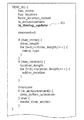
図1Aは、従来の問題を説明するためのTEMIアクセスユニットのシンタックスを示す図である。 FIG. 1A is a diagram showing the syntax of a TEMI access unit for explaining a conventional problem.
図1Aに示すように、TEMIアクセスユニット(TEMI_AU)は、addon_locationと、timescaleとを含む。 As shown in FIG. 1A, the TEMI access unit (TEMI_AU) includes addon_location and timescale.
addon_locationは、参照先のロケーション情報(例えばURL: Uniform Resource Locatorなど)を示す。 addon_location indicates the location information of the reference destination (for example, URL: Uniform Resource Location, etc.).
timescaleは、time_before_activationまたはmedia_time_anchorを含む。 timescale includes time_before_activation or media_time_ancho.
time_before_activationは、addon_locationが有効(つまり、参照先を取得することが可能であること)となるまでの時間を示す。 time_before_activation indicates the time until addon_location becomes effective (that is, it is possible to obtain a reference destination).
media_time_anchorは、参照先のタイムラインにおける時刻T_refを示す。 media_time_ancho indicates the time T_ref in the referenced timeline.
また、参照元のタイムラインにおける時刻T_orgは、TEMIアクセスユニットを格納するPESパケットのヘッダのPTSフィールドにおいて示される。 Further, the time T_org in the reference source timeline is indicated in the PTS field of the header of the PES packet storing the TEMI access unit.
図1Bは、受信装置がTEMIアクセスユニットを用いて参照元と参照先のそれぞれのタイムラインを同期するための処理を示すフローチャートである。 FIG. 1B is a flowchart showing a process for the receiving device to synchronize the timelines of the reference source and the reference destination by using the TEMI access unit.
まず、受信装置は、参照元のストリームに含まれるデータを受信する(ステップS1001)。次に、受信装置は、その受信されたデータがTEMIアクセスユニットか否か、つまり、TEMIアクセスユニットを受信したか否かを判定する(ステップS1002)。ここで、受信していないと判定すると(ステップS1002の「いいえ」)、受信装置は、ステップS1001からの処理を繰り返し実行する。一方、受信したと判定すると(ステップS1002の「はい」)、受信装置は、TEMIアクセスユニットを格納するPESパケットのPTSと、TEMIアクセスユニット内のmedia_time_anchorとを取得する。つまり、受信装置は、時刻T_orgと時刻T_refとを取得する(ステップS1003)。次に、受信装置は、その時刻T_orgと時刻T_refとに基づいて、参照元と参照先のタイムラインを同期する(ステップS1004)。なお、参照元と参照先のタイムラインを同期するとは、それらのタイムラインの対応関係、つまり時刻オフセット(つまりオフセット値)を特定することである。 First, the receiving device receives the data included in the referencing stream (step S1001). Next, the receiving device determines whether or not the received data is the TEMI access unit, that is, whether or not the TEMI access unit has been received (step S1002). Here, if it is determined that the signal has not been received (“No” in step S1002), the receiving device repeatedly executes the process from step S1001. On the other hand, if it is determined that the signal has been received (“Yes” in step S1002), the receiving device acquires the PTS of the PES packet storing the TEMI access unit and the media_time_anchoor in the TEMI access unit. That is, the receiving device acquires the time T_org and the time T_ref (step S1003). Next, the receiving device synchronizes the timelines of the reference source and the reference destination based on the time T_org and the time T_ref (step S1004). Synchronizing the timelines of the reference source and the reference destination means specifying the correspondence between the timelines, that is, the time offset (that is, the offset value).
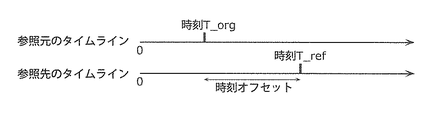
図1Cは、参照元のタイムラインと参照先のタイムラインにおける、時刻T_orgと時刻T_refとの関係を示す図である。 FIG. 1C is a diagram showing the relationship between the time T_org and the time T_ref in the reference source timeline and the reference destination timeline.
受信装置は、時刻T_orgと時刻T_refの差分を時刻オフセット(offset)として特定する。この時刻オフセットは、offset=T_ref−T_org×(timescale2/timescale1)によって示される。なお、timescale1は、参照元のタイムラインのタイムスケールであり、timescale2は、参照先のタイムラインのタイムスケールである。なお、タイムスケールは、時刻が表現される頻度であって、具体的には、単位時間(例えば1秒間)あたりに表現される時刻の回数である。受信装置は、このような時刻オフセットを特定すると、参照元のタイムラインにおける任意の時刻Tに対応する、参照先のタイムラインにおける時刻を、T+offsetによって算出することができる。
The receiving device specifies the difference between the time T_org and the time T_ref as a time offset (offset). This time offset is indicated by offset = T_ref-T_org × (timescale2 / timescale1). Note that
しかしながら、このようなタイムライン拡張においては、TEMIアクセスユニットを受信する度に、時刻T_orgと時刻T_refを解析する必要があり、同期再生時の時刻情報の管理に係る処理量が多く、効率的でないという問題がある。 However, in such a timeline extension, it is necessary to analyze the time T_org and the time T_ref every time the TEMI access unit is received, and the amount of processing related to the management of the time information at the time of synchronous playback is large, which is not efficient. There is a problem.
このような問題を解決するために、本発明の一態様に係る送信方法は、画像または音声のコンテンツに関する第1のストリームを送信する送信方法であって、前記第1のストリームの送受信に用いられる第1の基準クロックと、前記第1のストリームに関するコンテンツと同期して再生される他のコンテンツに関する第2のストリームの送受信に用いられる第2の基準クロックとの間の、対応関係が更新されたか否かを示すタイミング更新識別情報と、前記第1の基準クロックにおける第1の時刻と、更新後の前記対応関係に基づいて前記第1の時刻に対応付けられた前記第2の基準クロックにおける時刻である第2の時刻とを含む前記第1のストリームを送信する。 In order to solve such a problem, the transmission method according to one aspect of the present invention is a transmission method for transmitting a first stream related to image or audio content, and is used for transmitting and receiving the first stream. Has the correspondence between the first reference clock and the second reference clock used to send and receive the second stream for other content played in synchronization with the content related to the first stream been updated? The time in the second reference clock associated with the timing update identification information indicating whether or not the first time is associated with the first time in the first reference clock and the correspondence relationship after the update. The first stream including the second time is transmitted.
これにより、タイミング更新識別情報が受信装置に送信される。したがって、受信装置は、第1の基準クロックと前記第2の基準クロックとの間の対応関係が更新されたか否かを、第1の時刻と第2の時刻とを用いた解析によって判定することなく、そのタイミング更新識別情報のみに基づいて簡単にその判定を行うことができる。その結果、受信装置は、更新されたと判定したときにのみ、第1の時刻と第2の時刻を用いて、更新後の対応関係を特定すればいいため、受信装置の処理量を抑えることができる。したがって、タイムライン拡張を効率的に行うことができる。 As a result, the timing update identification information is transmitted to the receiving device. Therefore, the receiving device determines whether or not the correspondence between the first reference clock and the second reference clock has been updated by analysis using the first time and the second time. However, the determination can be easily made based only on the timing update identification information. As a result, only when it is determined that the receiving device has been updated, the first time and the second time need to be used to specify the correspondence relationship after the update, so that the processing amount of the receiving device can be suppressed. can. Therefore, the timeline can be expanded efficiently.
例えば、前記送信方法は、さらに、前記対応関係が更新されたか否かを判定し、判定の結果を示す前記タイミング更新識別情報を生成してもよい。 For example, the transmission method may further determine whether or not the correspondence has been updated and generate the timing update identification information indicating the result of the determination.
また、前記対応関係が更新されたか否かの判定では、前記第1の基準クロックによって示される時刻の変化に不連続な変化があったか否かを判定し、不連続な変化があったと判定したときには、前記対応関係が更新されたと判定してもよい。 Further, in the determination of whether or not the correspondence has been updated, it is determined whether or not there is a discontinuous change in the time change indicated by the first reference clock, and when it is determined that there is a discontinuous change. , It may be determined that the correspondence has been updated.
また、前記第1の基準クロックは、MPEG2−TS(Moving Picture Experts Group−2 Transport Stream)におけるPCR(Program Clock Reference)であってもよい。 Further, the first reference clock may be PCR (Program Clock Reference) in MPEG2-TS (Moving Picture Experts Group-2 Transport Stream).
また、前記送信方法は、前記対応関係が更新されたと判定したときには、前記第1の基準クロックと前記第2の基準クロックとの間の、更新後の前記対応関係に応じたオフセット値を算出し、前記第1の時刻と、算出された前記オフセット値とに基づいて特定される前記第2の時刻を、前記第1のストリームに含めてもよい。 Further, when it is determined that the correspondence relationship has been updated, the transmission method calculates an offset value between the first reference clock and the second reference clock according to the updated correspondence relationship. , The second time specified based on the first time and the calculated offset value may be included in the first stream.
また、前記第1のストリームにおけるTEMI(Timeline and External Media Information)アクセスユニットに、前記タイミング更新識別情報および前記第2の時刻を格納してもよい。 Further, the timing update identification information and the second time may be stored in the TEMI (Timeline and International Media Information) access unit in the first stream.
また、前記TEMIアクセスユニットを格納するPES(Packetized Elementary Stream)パケットのヘッダに、前記第1の時刻を格納してもよい。 Further, the first time may be stored in the header of the PES (Packetized Elementary Stream) packet that stores the TEMI access unit.
また、前記TEMIアクセスユニットは、タイムラインデスクリプタと、ロケーションデスクリプタとを有し、前記タイムラインデスクリプタに、前記タイミング更新識別情報および前記第2の時刻を格納し、前記送信方法は、さらに、前記ロケーションデスクリプタに、前記第2のストリームに関するコンテンツの場所を示すロケーション情報を格納してもよい。 Further, the TEMI access unit has a timeline descriptor and a location descriptor, and stores the timing update identification information and the second time in the timeline descriptor, and the transmission method further comprises the location. The descriptor may store location information indicating the location of the content for the second stream.
また、前記送信方法は、さらに、前記第2のストリームに関するコンテンツの再生を中止して、第3のストリームに関するコンテンツの再生を開始させるためのスプライシング識別情報と、前記第3のストリームに関するコンテンツの場所を示すロケーション情報とを含む他のロケーションデスクリプタを、前記ロケーションデスクリプタが送信された後に送信し、前記第3のストリームに関するコンテンツの再生区間の終了時までに、前記ロケーションデスクリプタを再び送信してもよい。 Further, the transmission method further includes splicing identification information for stopping the reproduction of the content related to the second stream and starting the reproduction of the content related to the third stream, and the location of the content related to the third stream. Other location descriptors, including location information indicating, may be transmitted after the location descriptor has been transmitted, and the location descriptor may be transmitted again by the end of the playback section of the content relating to the third stream. ..
これにより、他のロケーションデスクリプタが受信装置に送信される。したがって、受信装置は、他のロケーションデスクリプタに格納されているスプライシング識別情報に基づいて、第2のストリームに関するコンテンツの再生を中止して、第3のストリームに関するコンテンツを再生することができる。さらに、その第3のストリームに関するコンテンツの再生区間(つまりスプライス区間)の終了までに、第2のストリームに関するコンテンツの場所を示すロケーション情報が格納されたロケーションデスクリプタが受信装置に再送される。したがって、受信装置は、その再生区間から第1のストリームの受信を開始した場合であっても、その再生区間の終了時には、次に再生すべきコンテンツを容易に特定して再生することができる。つまり、受信装置は、その再生区間前から第1のストリームの受信を開始していた場合と同様に、第3のストリームに関するコンテンツの前に再生されていた、元の第2のストリームに関するコンテンツの再生を再開することができる。 This causes other location descriptors to be sent to the receiver. Therefore, the receiving device can stop playing the content related to the second stream and play the content related to the third stream based on the splicing identification information stored in the other location descriptor. Further, by the end of the reproduction section (that is, the splice section) of the content related to the third stream, the location descriptor storing the location information indicating the location of the content related to the second stream is retransmitted to the receiving device. Therefore, even when the receiving device starts receiving the first stream from the reproduction section, the receiving device can easily identify and reproduce the content to be reproduced next at the end of the reproduction section. That is, the receiving device starts receiving the content related to the original second stream, which has been reproduced before the content related to the third stream, as in the case where the receiving device has started receiving the first stream before the reproduction section. Playback can be resumed.
また、本発明の一態様に係る受信方法は、画像または音声のコンテンツに関する第1のストリームを受信する受信方法であって、前記第1のストリームの送受信に用いられる第1の基準クロックと、前記第1のストリームに関するコンテンツと同期して再生される他のコンテンツに関する第2のストリームの送受信に用いられる第2の基準クロックとの間の、対応関係が更新されたか否かを示すタイミング更新識別情報と、前記第1の基準クロックにおける第1の時刻と、更新後の前記対応関係に基づいて前記第1の時刻に対応付けられた前記第2の基準クロックにおける時刻である第2の時刻とを含む前記第1のストリームを受信する。 Further, the receiving method according to one aspect of the present invention is a receiving method for receiving a first stream related to image or audio content, the first reference clock used for transmitting and receiving the first stream, and the above. Timing update identification information indicating whether or not the correspondence between the content related to the first stream and the second reference clock used for transmitting and receiving the second stream related to other content played in synchronization has been updated. And the first time in the first reference clock and the second time, which is the time in the second reference clock associated with the first time based on the updated correspondence. Receives the first stream including.
これにより、タイミング更新識別情報が受信装置に受信される。したがって、受信装置は、第1の基準クロックと第2の基準クロックとの間の対応関係が更新されたか否かを、わざわざ第1の時刻と第2の時刻とを用いた解析によって判定することなく、そのタイミング更新識別情報のみに基づいて簡単にその判定を行うことができる。その結果、受信装置は、更新されたと判定したときにのみ、第1の時刻と第2の時刻を用いて、更新後の対応関係を特定すればいいため、処理量を抑えることができる。したがって、タイムライン拡張を効率的に行うことができる。 As a result, the timing update identification information is received by the receiving device. Therefore, the receiving device purposely determines whether or not the correspondence between the first reference clock and the second reference clock has been updated by analysis using the first time and the second time. However, the determination can be easily made based only on the timing update identification information. As a result, the receiving device only needs to specify the correspondence after the update by using the first time and the second time only when it is determined that the update has been performed, so that the processing amount can be suppressed. Therefore, the timeline can be expanded efficiently.
なお、これらの包括的または具体的な態様は、システム、方法、集積回路、コンピュータプログラムまたはコンピュータ読み取り可能なCD−ROMなどの記録媒体で実現されてもよく、システム、方法、集積回路、コンピュータプログラムまたは記録媒体の任意な組み合わせで実現されてもよい。 It should be noted that these comprehensive or specific embodiments may be realized in a recording medium such as a system, method, integrated circuit, computer program or computer-readable CD-ROM, and the system, method, integrated circuit, computer program. Alternatively, it may be realized by any combination of recording media.
以下、実施の形態について、図面を参照しながら具体的に説明する。 Hereinafter, embodiments will be specifically described with reference to the drawings.
なお、以下で説明する実施の形態は、いずれも包括的または具体的な例を示すものである。以下の実施の形態で示される数値、形状、材料、構成要素、構成要素の配置位置及び接続形態、ステップ、ステップの順序などは、一例であり、本発明を限定する主旨ではない。また、以下の実施の形態における構成要素のうち、最上位概念を示す独立請求項に記載されていない構成要素については、任意の構成要素として説明される。 It should be noted that all of the embodiments described below show comprehensive or specific examples. Numerical values, shapes, materials, components, arrangement positions and connection forms of components, steps, order of steps, etc. shown in the following embodiments are examples, and are not intended to limit the present invention. Further, among the components in the following embodiments, the components not described in the independent claims indicating the highest level concept are described as arbitrary components.
(実施の形態)
図2は、本実施の形態におけるTEMIアクセスユニットのシンタックスの一例を示す図である。
(Embodiment)
FIG. 2 is a diagram showing an example of the syntax of the TEMI access unit according to the present embodiment.
このTEMIアクセスユニットは、上述のaddon_locationと、timescaleと、media_time_anchorとを含むととともに、さらに、タイミング更新識別情報id1であるis_timing_updateを含んでいる。 This TEMI access unit includes the above-mentioned addon_location, timescale, media_time_anchoor, and further includes is_timing_update which is timing update identification information id1.
このis_timing_update(id1)は、参照元のタイムラインと参照先のタイムラインとの対応関係(時刻オフセットなど)が更新されたことを示す。つまり、is_timing_updateは、その対応関係が更新された後の、時刻T_orgと、時刻T_refとがPESパケットに格納されていることを示す。なお、参照元のタイムラインと参照先のタイムラインとを、以下、両タイムラインという。また、media_time_anchorが時刻T_refを示し、このTEMIアクセスユニットを含むPESパケットのヘッダに、時刻T_orgがPTSとして示されている。 This is_timing_update (id1) indicates that the correspondence between the reference source timeline and the reference destination timeline (time offset, etc.) has been updated. That is, is_timing_update indicates that the time T_org and the time T_ref are stored in the PES packet after the correspondence is updated. The reference source timeline and the reference destination timeline are hereinafter referred to as both timelines. Further, media_time_anchoor indicates the time T_ref, and the time T_org is indicated as PTS in the header of the PES packet including this TEMI access unit.
is_timing_updateは例えば1ビットのフラグである。したがって、is_timing_update=1の場合、そのis_timing_updateは、両タイムラインの対応関係が更新されたことを示す。また、is_timing_update=0の場合、そのis_timing_updateは、両タイムラインの対応関係は更新されていないことを示す。 is_timing_update is, for example, a 1-bit flag. Therefore, when is_timing_update = 1, the is_timing_update indicates that the correspondence between the two timelines has been updated. Further, when is_timing_update = 0, the is_timing_update indicates that the correspondence between the two timelines has not been updated.
両タイムラインの対応関係が更新されるのは、addon_locationが有効な期間である。したがって、is_timing_updateの値が1にセットされる場合には、is_announcementの値は0となり、media_time_anchorのフィールドが存在する。 The correspondence between the two timelines is updated during the period when addon_location is valid. Therefore, when the value of is_timing_update is set to 1, the value of is_announcement becomes 0, and the field of media_time_ancho exists.
送信装置は、両タイムラインの対応関係が更新された直後に送信されるTEMIアクセスユニットにおいてのみ、is_timing_updateを1にセットしてもよい。または、送信装置は、更新後に送信される複数のTEMIアクセスユニットにおいて、is_timing_updateを1にセットしてもよい。または、送信装置は、更新を事前に通知するために、更新前の複数のTEMIアクセスユニット、及び、更新直後のTEMIアクセスユニットにおいて、is_timing_updateを1にセットしてもよい。この場合、受信装置は、is_timing_updateの値が1から0に変化したことを判定することにより、両タイムラインの対応関係が更新されたと判定してもよい。 The transmitting device may set is_timing_update to 1 only in the TEMI access unit that is transmitted immediately after the correspondence between the two timelines is updated. Alternatively, the transmitting device may set is_timing_update to 1 in the plurality of TEMI access units transmitted after the update. Alternatively, the transmitting device may set is_timing_update to 1 in the plurality of TEMI access units before the update and the TEMI access unit immediately after the update in order to notify the update in advance. In this case, the receiving device may determine that the correspondence between the two timelines has been updated by determining that the value of is_timing_update has changed from 1 to 0.
送信装置は、参照先のタイムラインのタイムスケールを、TEMIアクセスユニットの“timescale”に設定してもよい。これにより、送信装置は、media_time_anchorの値を、タイムスケールの変換を行うことなしに、参照先のタイムラインにおける時刻情報として用いることができる。 The transmitting device may set the time scale of the referenced timeline to "timescale" of the TEMI access unit. As a result, the transmitting device can use the value of media_time_anchore as time information in the referenced timeline without performing time scale conversion.
例えば、参照元がMPEG2−TSにより送信され、参照先がMPEG−DASHにより送信される場合、TEMIアクセスユニットはTSに多重化される。また、参照元がMPEG2−TSにより送信され、参照先がMMTのストリームとして送信されてもよく、参照元と参照先が共にMPEG2−TSによって送信されてもよく、他の組合せで送信されてもよい。 For example, when the reference source is transmitted by MPEG2-TS and the reference destination is transmitted by MPEG-DASH, the TEMI access unit is multiplexed into TS. Further, the reference source may be transmitted by MPEG2-TS and the reference destination may be transmitted as a stream of MMT, the reference source and the reference destination may both be transmitted by MPEG2-TS, or may be transmitted in other combinations. good.
また、送信装置は、TEMIアクセスユニットを参照元のストリームに多重化せずに、別のストリームとして送信してもよい。 Further, the transmitting device may transmit the TEMI access unit as a separate stream without multiplexing the reference source stream.
送信装置は、参照元のタイムラインと参照先のタイムラインとの対応関係を例えば以下のようなケース(ケース1および2)において更新する。
The transmitting device updates the correspondence between the reference source timeline and the reference destination timeline in the following cases (
つまり、送信装置は、参照元の基準クロックに不連続が発生した場合に更新する(ケース1)。例えば、送信装置は、MPEG2−TSにおけるPCR(Program Clock Reference)に不連続が発生した場合に更新する。 That is, the transmitting device updates when a discontinuity occurs in the reference clock of the reference source (Case 1). For example, the transmitter updates when a discontinuity occurs in PCR (Program Lock Reference) in MPEG2-TS.
または、送信装置は、参照先の基準クロックに不連続が発生した場合に更新する(ケース2)。例えば、送信装置は、参照先のMPEG−DASHにおいて、一部のMP4 Fragmentがスキップされる場合に更新する。または、送信装置は、参照先のMPEG2−TSにおけるPCRに不連続が発生した場合に更新する。または、送信装置は、参照先のMMTにおいて基準クロックとされるNTP(Network Time Protocol)の値に不連続が発生する場合に更新する。 Alternatively, the transmitting device updates when a discontinuity occurs in the reference clock of the reference destination (Case 2). For example, the transmitting device updates the referenced MPEG-DASH when some MP4 Fragments are skipped. Alternatively, the transmitter updates the PCR in the referenced MPEG2-TS when a discontinuity occurs. Alternatively, the transmitting device updates the value of the NTP (Network Time Protocol) used as the reference clock in the referenced MMT when a discontinuity occurs.
なお、ケース2では、参照先の基準クロックに不連続が発生したこと、および、基準クロックの変位量は、参照元のストリームを送信する送信装置に対して通知される。
In
次に、media_time_anchorの設定方法について説明する。 Next, a method of setting media_time_ancho will be described.
例えば、MPEG−DASHのように、セグメント化されたコンテンツの途中のセグメントからデータが受信されることがある。このとき、各セグメント、あるいは、MPEG−DASHのピリオドなどにおける、表示(再生)順で先頭のアクセスユニットのPTSが、コンテンツの先頭をゼロとするタイムライン(ゼロタイムライン)に従う場合には、当該タイムラインを使用することができる。一方、受信が開始されるセグメントなどの先頭アクセスユニットのPTSをゼロとするタイムライン(セグメントタイムラインと呼ぶ)に従う場合には、media_time_anchorもセグメントタイムラインに従って設定される。 For example, data may be received from a segment in the middle of segmented content, such as MPEG-DASH. At this time, if the PTS of the access unit at the beginning of each segment or the period of MPEG-DASH in the display (playback) order follows the timeline (zero timeline) in which the beginning of the content is zero, the relevant case is concerned. You can use the timeline. On the other hand, when following a timeline (referred to as a segment timeline) in which the PTS of the leading access unit such as the segment in which reception is started is set to zero, media_time_anchoor is also set according to the segment timeline.
このとき、セグメントタイムラインの基準となるセグメントを特定するためのインデックス番号などを、TEMIアクセスユニット、あるいは、TEMIアクセスユニットのストリームのPID(パケット識別子)を格納するPMT(Program Map Table)におけるデスクリプタなどに格納してもよい。なお、セグメントタイムラインを用いる場合には、セグメントタイムラインの時刻がゼロとなる時刻に一致する、参照元のタイムラインにおける時刻を予め取得しておく必要がある。 At this time, the index number for specifying the segment that serves as the reference of the segment timeline can be obtained from the TEMI access unit or the descriptor in the PMT (Program Map Table) that stores the PID (packet identifier) of the stream of the TEMI access unit. May be stored in. When using the segment timeline, it is necessary to acquire in advance the time on the reference source timeline that matches the time when the time on the segment timeline becomes zero.
MPEG2−TS、MMT、あるいは、RTP(Real−time Transport Protocol)など、基準クロックが規定されるフォーマットの場合には、使用される基準クロックに従ってmedia_time_anchorの値が設定される。MPEG2−TSではPCRによって基準クロックが規定され、MMTおよびRTPではNTP(Network Time Protocol))によって基準クロックが規定される。 In the case of a format in which a reference clock is specified, such as MPEG2-TS, MMT, or RTP (Real-time Transport Protocol), the value of media_time_ancho is set according to the reference clock used. In MPEG2-TS, the reference clock is defined by PCR, and in MMT and RTP, the reference clock is defined by NTP (Network Time Protocol).
図3は、本実施の形態における上述の送信装置の構成を示すブロック図である。 FIG. 3 is a block diagram showing the configuration of the above-described transmission device according to the present embodiment.
本実施の形態における上述の送信装置100は、参照元TM決定部101、不連続判定部102、識別情報設定部103、不連続設定部104、および通常設定部106を備える。
The
参照元TM決定部101は、参照元の時刻T_orgを決定する。不連続判定部102は、参照元のタイムラインに不連続が発生したか否かを判定する。識別情報設定部103は、上述のタイミング更新識別情報id1であるis_timing_updateを設定する。不連続設定部104は、両タイムラインの対応関係が更新された場合に、その更新後の対応関係に応じた、参照先のタイムラインの時刻T_refをTEMIアクセスユニットに設定する。通常設定部106は、両タイムラインの対応関係が更新されていない場合に、これまで使われていた対応関係に応じた、参照先のタイムラインの時刻T_refをTEMIアクセスユニットに設定する。
The reference source
図4は、本実施の形態における送信装置100の処理動作の例を示すフローチャートである。
FIG. 4 is a flowchart showing an example of the processing operation of the
なお、図4では、参照元のストリームがMPEG2−TSによって送信される場合を例にあげて説明する。 In FIG. 4, a case where the reference source stream is transmitted by MPEG2-TS will be described as an example.
まず、送信装置100の参照元TM決定部101は、参照元のタイムラインの時刻T_orgを決定して、TEMIアクセスユニットを格納するPESパケットのヘッダに格納する(ステップS101)。
First, the reference source
次に、不連続判定部102は、直前のTEMIアクセスユニットが送信されたとき以降に、基準クロックであるPCRに不連続が発生したかどうかを判定する(ステップS102)。PCRに不連続が発生したと判定された場合には(ステップS102の「はい」)、識別情報設定部103は、TEMIアクセスユニットにおけるis_timing_updateのフラグを1にセットする(ステップS103)。そして、不連続設定部104は、基準クロックの切り替わり後における時刻オフセットを算出し、その時刻オフセットに基づいて、参照先のタイムラインの時刻T_ref(media_time_anchor)を設定する(ステップS104)。
Next, the
一方、PCRに不連続が発生していないと判定された場合には(ステップS102の「いいえ」)、識別情報設定部103は、TEMIアクセスユニットにおけるis_timing_updateのフラグを0にセットする(ステップS105)。そして、通常設定部106は、これまで使われていた時刻オフセットに基づいて、参照先のタイムラインの時刻T_ref(media_time_anchor)を設定する(ステップS106)。
On the other hand, when it is determined that no discontinuity has occurred in PCR (“No” in step S102), the identification
不連続判定部102は、PCRを生成する手段から、そのPCRを直接取得してもよいし、PCRを格納するTSパケットを解析してもよい。後者の場合には、TSパケットのヘッダにおいてPCRの不連続が発生したかどうかを示すフィールド(discontinuity_indicator)が1にセットされていれば、不連続判定部102は不連続が発生したと判定する。あるいは、discontinuity_indicatorが不連続の発生に先立って連続的に1に設定される場合には、その値が1である最終のTSパケットにおいて更新後のPCRの値が格納される。したがって、不連続判定部102は、その最後のTSパケットを受けた場合に不連続が発生したと判定してもよい。
The
送信装置100は、参照元のストリームに多重化されるオーディオまたはビデオのアクセスユニット(以下、AVアクセスユニットという)毎にTEMIアクセスユニットを送信してもよいし、送信間隔が所定値以下となるように周期的にTEMIアクセスユニットを送信してもよい。
The
AVアクセスユニット毎にTEMIアクセスユニットを送信する際には、送信装置100は、TEMIアクセスユニットを格納するPESパケットのヘッダのPTSが、AVアクセスユニットのPTSと等しくなるように、そのPESパケットのヘッダのPTSを設定してもよい。
When transmitting the TEMI access unit for each AV access unit, the
このとき、送信装置100は、TEMIアクセスユニットを、そのTEMIアクセスユニットに対応するAVアクセスユニットよりも時間的に前に送信してもよい。これにより、受信装置は、AVアクセスユニットの取得に先立って、そのAVアクセスユニットのPTSに対応する参照先のタイムラインの時刻を取得することができる。
At this time, the
また、送信装置100は、周期的にTEMIアクセスユニットを送信する際にも、TEMIアクセスユニットを格納するPESパケットのPTSが、AVアクセスユニットのPTSと等しくなるように、そのPESパケットのPTSを設定してもよい。さらに、送信装置100は、参照元と参照先のタイムラインの対応関係が更新された場合には、次のTEMIアクセスユニットの送信のタイミングまで待たずに、更新直後のAVアクセスユニットのPTSに対応するTEMIアクセスユニットを送信してもよい。
Further, the
参照元のストリームを送信する送信装置100は、図示しない手段によって、参照先のストリームを送信する送信装置から、参照先のタイムラインの情報を取得してもよい。例えば、参照元のコンテンツが本編とCM(コマーシャル)を含み、参照先のコンテンツが、参照元の本編と同期再生される本編のみを含む場合には、参照元のコンテンツのCMが再生される区間では、参照先のコンテンツの再生を停止しておくことが望まれる。このような場合には、送信装置100は、参照元のタイムラインのみを進めて、参照先のタイムラインを停止させてもよい。
The
つまり、送信装置100は、CMの再生区間においては、時刻T_orgを更新するが、CMの生成区間に入る直前の時刻T_refの値を、それ以降の時刻T_refに設定し続ける。CMの再生区間の終了後は、送信装置100は、通常通り、時刻T_orgと時刻T_refを共に更新する。このとき、送信装置100は、参照元のストリームにおけるAVアクセスユニット毎に、それらのPTSに対応付けられたTEMIアクセスユニットを送信するのが望ましい。さらに、送信装置100は、参照先、あるいは、参照先のタイムラインが停止していることを示す識別情報を、TEMIアクセスユニットに格納してもよい。あるいは、送信装置100は、参照先のタイムラインを停止させずに、CMの再生区間において、参照先のコンテンツに無再生区間を挿入してもよい。例えば、送信装置100は、MP4における“empty edit”の機能などを用いて無再生区間を生成することができる。本方法は、CMに限らず、参照元と参照先において、同期再生の対象とならない区間が存在する場合に適用できる。
That is, the
このように、本実施の形態における送信方法は、画像または音声のコンテンツに関する第1のストリームを送信する送信方法であって、例えば上述の図2に示すis_timing_updateなどのタイミング更新識別情報id1と、第1の時刻(上述の時刻T_orgに相当)と、第2の時刻(上述の時刻T_refに相当)とを含む第1のストリームを送信する。タイミング更新識別情報id1は、第1のストリームの送受信に用いられる第1の基準クロックと、その第1のストリームに関するコンテンツと同期して再生される他のコンテンツに関する第2のストリームの送受信に用いられる第2の基準クロックとの間の、対応関係が更新されたか否かを示す。また、第1の時刻は、第1の基準クロックにおける時刻であり、第2の時刻は、更新後の対応関係に基づいて第1の時刻に対応付けられた第2の基準クロックにおける時刻である。 As described above, the transmission method in the present embodiment is a transmission method for transmitting the first stream related to the image or audio content, and is, for example, the timing update identification information id1 such as is_timing_update shown in FIG. 2 described above, and the first A first stream containing a time of 1 (corresponding to the time T_org described above) and a second time (corresponding to the time T_ref described above) is transmitted. The timing update identification information id1 is used for transmitting and receiving the first reference clock used for transmitting and receiving the first stream and the second stream for other contents played in synchronization with the content related to the first stream. Indicates whether or not the correspondence with the second reference clock has been updated. The first time is the time in the first reference clock, and the second time is the time in the second reference clock associated with the first time based on the updated correspondence. ..
これにより、タイミング更新識別情報id1が受信装置に送信される。したがって、受信装置は、第1の基準クロックと第2の基準クロックとの間の対応関係が更新されたか否かを、第1の時刻と第2の時刻とを用いた解析によって判定することなく、そのタイミング更新識別情報id1のみに基づいて簡単にその判定を行うことができる。その結果、受信装置は、更新されたと判定したときにのみ、第1の時刻と第2の時刻を用いて、更新後の対応関係を特定すればいいため、受信装置の処理量を抑えることができる。したがって、タイムライン拡張を効率的に行うことができる。 As a result, the timing update identification information id1 is transmitted to the receiving device. Therefore, the receiving device does not determine whether or not the correspondence between the first reference clock and the second reference clock has been updated by analysis using the first time and the second time. , The determination can be easily made based only on the timing update identification information id1. As a result, only when it is determined that the receiving device has been updated, the first time and the second time need to be used to specify the correspondence relationship after the update, so that the processing amount of the receiving device can be suppressed. can. Therefore, the timeline can be expanded efficiently.
また、本実施の形態における送信方法は、さらに、上述の対応関係が更新されたか否かを判定し、判定の結果を示すタイミング更新識別情報id1を生成する。また、上述の対応関係が更新されたか否かの判定では、図4のステップS102に示すように、第1の基準クロックによって示される時刻の変化に不連続な変化があったか否かを判定し、不連続な変化があったと判定したときには、対応関係が更新されたと判定する。また、第1の基準クロックは、例えば、MPEG2−TSにおけるPCRである。また、本実施の形態における送信方法は、対応関係が更新されたと判定したときには、図4のステップS104に示すように、第1の基準クロックと第2の基準クロックとの間の、更新後の対応関係に応じたオフセット値(つまり、時刻オフセット)を算出する。さらに、第1の時刻と、算出された前記オフセット値とに基づいて特定される第2の時刻を、第1のストリームに含める。具体的には、第1のストリームにおけるTEMIアクセスユニットに、タイミング更新識別情報id1および第2の時刻を格納し、TEMIアクセスユニットを格納するPESパケットのヘッダに、第1の時刻を格納する。 Further, the transmission method in the present embodiment further determines whether or not the above-mentioned correspondence has been updated, and generates timing update identification information id1 indicating the result of the determination. Further, in the determination of whether or not the above-mentioned correspondence has been updated, as shown in step S102 of FIG. 4, it is determined whether or not there is a discontinuous change in the time change indicated by the first reference clock. When it is determined that there is a discontinuous change, it is determined that the correspondence has been updated. The first reference clock is, for example, PCR in MPEG2-TS. Further, in the transmission method in the present embodiment, when it is determined that the correspondence relationship has been updated, as shown in step S104 of FIG. 4, after the update, between the first reference clock and the second reference clock. The offset value (that is, the time offset) according to the correspondence is calculated. Further, the first stream includes the first time and the second time specified based on the calculated offset value. Specifically, the timing update identification information id1 and the second time are stored in the TEMI access unit in the first stream, and the first time is stored in the header of the PES packet that stores the TEMI access unit.
図5は、本実施の形態における上述の受信装置の構成を示すブロック図である。 FIG. 5 is a block diagram showing the configuration of the above-mentioned receiving device according to the present embodiment.
受信装置200は、TEMI_AU取得部201、初期状態判定部202、更新判定部203、および時刻同期部204を備える。
The receiving
TEMI_AU取得部201は、TEMIアクセスユニットを取得する。初期状態判定部202は、コンテンツの復号を開始する前に、両タイムラインの同期が完了しているか否かを判定する。更新判定部203は、両タイムラインの対応関係が更新されたか否かを判定する。時刻同期部204は、両タイムラインに対して後述する時刻同期処理を行う。
The
図6は、本実施の形態における受信装置200の処理動作の例を示すフローチャートである。
FIG. 6 is a flowchart showing an example of the processing operation of the receiving
まず、受信装置200のTEMI_AU取得部201は、TEMIアクセスユニットを取得する(ステップS201)。次に、初期状態判定部202は、コンテンツの復号を開始するに先立って、参照元のタイムラインと参照先のタイムラインの同期が完了しているかどうかを判定する(ステップS202)。なお、コンテンツの復号を開始するときには、参照元と参照先のタイムラインの同期が必須である。
First, the
ステップS202において、同期が完了していると判定されたときには(ステップS202の「はい」)、更新判定部203は、TEMIアクセスユニットにおいて、参照元と参照先のタイムラインの対応関係が更新されたことを示すタイミング更新識別情報id1(is_timing_update=1)がセットされているか否かを判定する(ステップS203)。
When it is determined in step S202 that synchronization has been completed (“Yes” in step S202), the
ステップS202において、同期が完了していないと判定されたとき(ステップS202の「いいえ」)、または、ステップS203において、セットされていると判定されたときには(ステップS203の「はい」)、時刻同期部204は、参照元と参照先のタイムラインに対して時刻同期処理を行う。
When it is determined in step S202 that the synchronization has not been completed (“No” in step S202), or when it is determined in step S203 that the synchronization has been set (“Yes” in step S203), the
時刻同期処理とは、参照元のタイムラインと参照先のタイムラインとの間の時刻を対応付けることである。例えば、参照元のタイムラインにおける時刻T_orgと、参照先のタイムラインにおける時刻T_refとが対応する場合、時刻同期部204は、以下の(式1)によって、参照元のタイムラインにおける任意の時刻t1を、参照先のタイムラインにおける時刻t2に対応付ける。
The time synchronization process is to associate the time between the reference source timeline and the reference destination timeline. For example, when the time T_org in the reference source timeline and the time T_ref in the reference destination timeline correspond to each other, the
t2=t1×(timescale2/timescale1)+(T_ref−(T_org×timescale2/timescale1))・・・(式1)
受信装置200は、上記(式1)に基づいて、参照元のストリームにおけるアクセスユニットと、参照先のストリームにおけるアクセスユニットとを同期させて再生する。
t2 = t1 × (timescale2 / timescale1) + (T_ref- (T_org × timescale2 / timescale1)) ... (Equation 1)
Based on the above (Equation 1), the receiving
受信装置200は、タイムラインの対応関係が更新された場合だけでなく、更新されていない場合にも、ステップS204における時刻同期処理を行ってもよい。例えば、周期的に時刻同期処理を行ってもよい。
The receiving
また、TEMIアクセスユニットにタイミング更新識別情報id1が格納されない場合には、受信装置200は、基準クロックが更新されたかどうかを別の方法により判定し、更新されたと判定した場合には、上述の時刻同期処理を行ってもよい。
Further, when the timing update identification information id1 is not stored in the TEMI access unit, the receiving
例えば、参照元のストリームがMPEG2−TSによって送信されていれば、受信装置200は、PCRを格納するTSパケットのdiscontinuity_indicatorの値に基づいて、基準クロックの更新(不連続)を判定する。そして、受信装置200は、不連続が発生したと判定した場合には、上述の時刻同期処理を行う。あるいは、受信装置200は、基準クロックの更新などを判定せずに、周期的にTEMIアクセスユニットを取得して上述の時刻同期処理を行ってもよい。
For example, if the referencing stream is transmitted by MPEG2-TS, the receiving
このように、本実施の形態における受信方法は、画像または音声のコンテンツに関する第1のストリームを受信する受信方法であって、例えば上述の図2に示すis_timing_updateなどのタイミング更新識別情報id1と、第1の時刻(上述の時刻T_orgに相当)と、第2の時刻(上述の時刻T_refに相当)とを含む第1のストリームを受信する。タイミング更新識別情報id1は、第1のストリームの送受信に用いられる第1の基準クロックと、その第1のストリームに関するコンテンツと同期して再生される他のコンテンツに関する第2のストリームの送受信に用いられる第2の基準クロックとの間の、対応関係が更新されたか否かを示す。また、第1の時刻は、第1の基準クロックにおける時刻であり、第2の時刻は、更新後の対応関係に基づいて第1の時刻に対応付けられた第2の基準クロックにおける時刻である。 As described above, the receiving method in the present embodiment is the receiving method for receiving the first stream related to the image or audio content, and is the timing update identification information id1 such as is_timing_update shown in FIG. 2 described above, and the first A first stream containing a time of 1 (corresponding to the time T_org described above) and a second time (corresponding to the time T_ref described above) is received. The timing update identification information id1 is used for transmitting and receiving the first reference clock used for transmitting and receiving the first stream and the second stream for other contents played in synchronization with the content related to the first stream. Indicates whether or not the correspondence with the second reference clock has been updated. The first time is the time in the first reference clock, and the second time is the time in the second reference clock associated with the first time based on the updated correspondence. ..
これにより、タイミング更新識別情報id1が受信装置200に受信される。したがって、受信装置200は、第1の基準クロックと第2の基準クロックとの間の対応関係が更新されたか否かを、わざわざ第1の時刻と第2の時刻とを用いた解析によって判定することなく、そのタイミング更新識別情報id1のみに基づいて簡単にその判定を行うことができる。その結果、受信装置は、更新されたと判定したときにのみ、第1の時刻と第2の時刻を用いて、更新後の対応関係を特定すればいいため、処理量を抑えることができる。したがって、タイムライン拡張を効率的に行うことができる。
As a result, the timing update identification information id1 is received by the receiving
つまり、本実施の形態における受信方法は、図6のステップS203に示すように、第1のストリームに含まれるタイミング更新識別情報id1に基づいて、上述の対応関係が更新されたか否かを判定する。そして、更新されたと判定されたときには、図6のステップS204に示すように、時刻同期処理を行う。つまり、第1のストリームに含まれる第1の時刻と第2の時刻とに基づいて、更新された対応関係を特定する。そして、更新された対応関係に基づいて、第1のストリームに関するコンテンツと、第2のストリームに関するコンテンツとを同期させて再生する。また、更新された対応関係の特定では、例えば、第1および第2の基準クロックのタイムスケールをそれぞれTs1,Ts2とし、第1および第2の時刻をそれぞれT_org,T_refとし、第1の基準クロックにおける任意の時刻をtとして表す。この場合、t×(Ts2/Ts1)+(T_ref−(T_org×Ts2/Ts1))によって算出される第2の基準クロックにおける時刻に、第1の基準クロックにおける時刻tを対応付けることによって、更新された対応関係を特定する。なお、Ts1,Ts2は、上記(式1)におけるtimescale1,timescale2に相当する。 That is, as shown in step S203 of FIG. 6, the receiving method in the present embodiment determines whether or not the above-mentioned correspondence has been updated based on the timing update identification information id1 included in the first stream. .. Then, when it is determined that the update has been performed, the time synchronization process is performed as shown in step S204 of FIG. That is, the updated correspondence is specified based on the first time and the second time included in the first stream. Then, based on the updated correspondence, the content related to the first stream and the content related to the second stream are synchronized and reproduced. Further, in the identification of the updated correspondence, for example, the time scales of the first and second reference clocks are set to Ts1 and Ts2, respectively, the first and second times are set to T_org and T_ref, respectively, and the first reference clock is set. Arbitrary time in is represented as t. In this case, it is updated by associating the time in the second reference clock calculated by t × (Ts2 / Ts1) + (T_ref− (T_org × Ts2 / Ts1)) with the time t in the first reference clock. Identify the correspondence. In addition, Ts1 and Ts2 correspond to timescale1 and timescale2 in the above (formula 1).
(変形例1)
以下、本実施の形態における変形例について説明する。
(Modification example 1)
Hereinafter, a modification of the present embodiment will be described.
送信装置100は、TEMIアクセスユニットのaddon_locationに、コンテンツの管理情報を取得するためのアクセス情報(URLなど)を記述してもよい。管理情報は、例えば、MPEG−DASHにおけるMPD(Media Presentation Description)、またはMMTにおけるパッケージの構成情報(パッケージを構成するアセットや、アセットを取得するためのURLなど)などである。
The
例えば、参照先のストリームがMPEG−DASHにしたがって送信される場合には、受信装置200は、まず、TEMIアクセスユニットのaddon_locationから、MPEG−DASHのMPDにアクセスするためのURLを取得する。そして、受信装置200は、そのURLにアクセスしてMPDを取得した上で、MPEG−DASHのコンテンツの取得を開始する。
For example, when the referenced stream is transmitted according to MPEG-DASH, the receiving
また、参照先のストリームがRTPにしたがって送信される際には、ビデオまたはオーディオの1つの符号化データが1つのRTPストリームによって送信されるのが一般的である。従って、送信装置100は、ビデオまたはオーディオなど複数のRTPストリームをまとめたコンテンツの管理情報にアクセスするためのURLを記述してもよい。
Further, when the referenced stream is transmitted according to RTP, it is common that one coded data of video or audio is transmitted by one RTP stream. Therefore, the
あるいは、参照元のストリームがMPEG2−TSにしたがって送信される場合には、送信装置100は、TEMIアクセスユニットのストリームのPIDが示されるPMTのデスクリプタなどを利用して、参照先のコンテンツの管理情報を格納してもよい。このとき、送信装置100は、has_locationのフラグを0にセットして、addon_locationを格納せずに、PMTを参照して参照先のコンテンツの管理情報を格納してもよい。
Alternatively, when the reference source stream is transmitted according to MPEG2-TS, the
送信装置100は、PMTの第2ループにおいて、TEMIアクセスユニットに関連するデスクリプタとして管理情報を格納してもよい。あるいは、送信装置100は、PMTの第1ループのデスクリプタにおいて、参照先のコンテンツの有無を示す情報を格納し、参照先のコンテンツが存在する場合には、第2ループにおいて、参照先のコンテンツの管理情報を格納してもよい。
The
また、参照元のコンテンツと参照先のコンテンツに依存関係がある場合には、送信装置100は、依存関係を示す情報を、TEMIアクセスユニットの情報が示されるPMTに格納してもよい。参照元のコンテンツがMPEG2−TSにしたがって送信される場合、参照元のコンテンツとTEMIアクセスユニットのPIDなどが、同一PMTによって示される。例えば、参照先のコンテンツが参照元のコンテンツの拡張データを含む場合、拡張データを復号することで、時間(フレームレートなど)、空間(解像度など)、およびビット深度などを拡張することができる。具体的には、フレームレートを60fpsから120fpsに増加したり、解像度を1920x1080pixelから3840x2160pixelに上げることができる。このような場合には、参照先のコンテンツが拡張データであり、送信装置100は、どのようなタイプの拡張ができるかを示す情報をPMTに格納してもよい。また、送信装置100は、参照元のコンテンツと参照先のコンテンツにおける、互いの表示位置を示す情報などをPMTに格納してもよい。
Further, when there is a dependency between the content of the reference source and the content of the reference destination, the
あるいは、参照元のコンテンツにおける特定のデータと、参照先のコンテンツとが依存関係を持つ場合には、送信装置100は、どのデータが依存関係を持つかを示す情報をPMTに格納してもよい。例えば、参照元のコンテンツがオーディオとビデオを含み、参照先のコンテンツは参照元のコンテンツのビデオに対応する字幕データを含む。このとき、送信装置100は、参照元のコンテンツのビデオと参照先のコンテンツとが関連することを示してもよい。つまり、送信装置100は、ビデオを格納するTSパケットのPIDと、TEMIアクセスユニットを格納するTSパケットのPIDとを関連付ける。あるいは、送信装置100は、参照先のコンテンツの管理情報において、対応するデータとして、関連するビデオを格納するTSパケットのPIDを示してもよい。
Alternatively, when the specific data in the reference source content and the reference destination content have a dependency relationship, the
上記に示すような情報は、addon_locationに従って取得される参照先のコンテンツの管理情報に格納されてもよい。 The information shown above may be stored in the management information of the referenced content acquired according to addon_location.
受信装置200は、上記に示す情報に基づいて、コンテンツの管理情報、あるいは、参照元と参照先のコンテンツの依存関係などを取得して、それらのコンテンツを再生する。
Based on the information shown above, the receiving
(変形例2)
図7A〜図7Cは、本変形例に係るTEMIアクセスユニットのシンタックスを示す図である。
(Modification 2)
7A to 7C are diagrams showing the syntax of the TEMI access unit according to this modification.
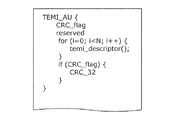
TEMIアクセスユニットは、図7Aに示すように、デスクリプタ(temi_descriptor)を含む。このデスクリプタ(temi_descriptor)は、図7Bに示すタイムラインデスクリプタ(temi_timeline_descriptor)と、図7Cに示すロケーションデスクリプタ(temi_location_descriptor)とを含む。 The TEMI access unit includes a descriptor (temi_descriptor), as shown in FIG. 7A. This descriptor includes the timeline descriptor shown in FIG. 7B (temi_timeline_descriptor) and the location descriptor shown in FIG. 7C (temi_location_descriptor).
図7Bに示すタイムラインデスクリプタは、両タイムラインの対応関係を示すためのデスクリプタであり、参照先のタイムラインに関する情報を含む。上述のタイミング更新識別情報id1であるis_timing_updateは、このタイムラインデスクリプタに格納される。 The timeline descriptor shown in FIG. 7B is a descriptor for showing the correspondence between the two timelines, and includes information on the referenced timeline. The above-mentioned timing update identification information id1 is_timing_update is stored in this timeline descriptor.
図7Cに示すロケーションデスクリプタは、参照先のコンテンツのロケーションに関する情報を示すためのデスクリプタである。 The location descriptor shown in FIG. 7C is a descriptor for indicating information regarding the location of the referenced content.
つまり、TEMIアクセスユニットには、参照元のMPEG2−TSにより送信されるコンテンツと参照先のコンテンツとのタイムラインの対応関係、および、参照先のコンテンツのロケーション情報が、それぞれ異なるデスクリプタの形式として記述されている。 That is, in the TEMI access unit, the correspondence between the timeline correspondence between the content transmitted by the reference source MPEG2-TS and the reference destination content and the location information of the reference destination content are described as different descriptor formats. Has been done.
以下に、ロケーションデスクリプタにおける特徴的な要素について説明する。force_reloadは、参照先のコンテンツの実体データ、またはコンテンツの管理情報を再度取得する必要があるかどうかを示すフラグである。その管理情報は、参照先とされるMPEG−DASHのMPDのような、コンテンツの管理情報である。 The characteristic elements of the location descriptor will be described below. force_read is a flag indicating whether or not it is necessary to acquire the actual data of the referenced content or the management information of the content again. The management information is content management information such as the MPD of MPEG-DASH that is referred to.
is_announcementは、参照先のコンテンツが取得可能であるかどうかを示すフラグである。このフラグが1にセットされると、timescaleが示されるとともに、time_before_activationにおいて、参照先のコンテンツが取得可能となるまでの時間が示される。 is_announcement is a flag indicating whether or not the referenced content can be acquired. When this flag is set to 1, timescale is indicated and, in time_before_activation, the time until the referenced content can be acquired is indicated.
addon_locationは、参照先のコンテンツの場所を示すロケーション情報(例えばURL)である。 addon_location is location information (for example, URL) indicating the location of the referenced content.
splicing_flagは、コンテンツのつなぎ合わせを指示するためのスプライシング識別情報であって、参照先のコンテンツの再生および停止を示すフラグである。つまり、このフラグが1にセットされると、このフラグがセットされていないデスクリプタにおいて示される参照先のコンテンツの再生が中断され、このフラグがセットされているデスクリプタにおいて示される参照先のコンテンツが再生される。例えば、ロケーションデスクリプタAでは、splicing_flag=0がセットされ、かつ、参照先のコンテンツAが示されている。また、ロケーションデスクリプタBでは、splicing_flag=1がセットされ、かつ、参照先のコンテンツBが示されている。ここで、受信装置200は、参照先のコンテンツAを再生している状態で、ロケーションデスクリプタBを受信すると、参照先のコンテンツAの再生を中断して、参照先のコンテンツBを再生する。受信装置200は、参照先のコンテンツBの再生が終了した後には、参照先のコンテンツAの再生を再開する。
The splicing_flag is splicing identification information for instructing the stitching of contents, and is a flag indicating playback and stop of the referenced contents. That is, when this flag is set to 1, the playback of the referenced content indicated in the descriptor in which this flag is not set is interrupted, and the referenced content indicated in the descriptor in which this flag is set is played. Will be done. For example, in the location descriptor A, splicing_flag = 0 is set and the referenced content A is indicated. Further, in the location descriptor B, splicing_flag = 1 is set, and the reference content B is shown. Here, when the receiving
media_timestampまたはnptなどは、上述のmedia_time_anchorに相当し、参照先のタイムラインにおける時刻T_refを示す。 media_timestamp, npt, etc. correspond to the above-mentioned media_time_anchor, and indicate the time T_ref in the referenced timeline.
次に、上述のTEMIアクセスユニットを含むストリーム(以下、TEMIストリームという)におけるランダムアクセスについて説明する。 Next, random access in the stream including the above-mentioned TEMI access unit (hereinafter, referred to as TEMI stream) will be described.
図8Aは、受信装置200により行われるランダムアクセスを説明するための図である。受信装置200は、ロケーションデスクリプタを取得して解析し、参照先のコンテンツを取得して再生する。具体的には、受信装置200は、図8Aに示すように、時刻T0においてロケーションデスクリプタAを取得して、そのロケーションデスクリプタAに示されるコンテンツAの再生を開始する。続いて、受信装置200は、時刻T1においてロケーションデスクリプタBを取得する。ロケーションデスクリプタBには、splicing_flagが1にセットされている。したがって、受信装置200は、コンテンツAの再生を中断して、ロケーションデスクリプタBに示されるコンテンツBの再生を開始する。コンテンツBの再生区間であるスプライス区間は、時刻T2で終了する。したがって、受信装置200は、時刻T2の後、コンテンツAの再生を再開する。
FIG. 8A is a diagram for explaining the random access performed by the receiving
なお、ロケーションデスクリプタAは時刻T0から周期的に送信され、ロケーションデスクリプタBは時刻T1から周期的に送信されている。また、スプライス区間は、splicing_flagが1にセットされているロケーションデスクリプタによって示されるコンテンツが再生される区間である。 The location descriptor A is periodically transmitted from time T0, and the location descriptor B is periodically transmitted from time T1. Further, the splice section is a section in which the content indicated by the location descriptor in which splicing_flag is set to 1 is reproduced.
ここで、受信装置200は、ランダムアクセスを行う。例えば、受信装置200は、ロケーションデスクリプタBが送信されている時刻Tから受信を開始する。このとき、受信装置200は、ロケーションデスクリプタBを受信する。その結果、受信装置200は、コンテンツBから再生を開始する。しかしながら、この場合には、受信装置200は、ロケーションデスクリプタAを受信していないため、コンテンツBの再生終了後に再生を再開すべきコンテンツを特定することができない。
Here, the receiving
そこで、本変形例では、送信装置100は、スプライス区間の直後に再生されるコンテンツを示すロケーションデスクリプタを、スプライス区間の終了時刻、あるいは、終了時刻以前に送信する。これにより、受信装置200は、splicing_flagが1にセットされたロケーションデスクリプタの直前に送出されたロケーションデスクリプタを取得できていない場合であっても、スプライス区間の終了後に、再生を再開すべき元のコンテンツを特定して再生することができる。
Therefore, in this modification, the
図8Aに示す例では、送信装置100は、時刻T2においてロケーションデスクリプタAを再送する。送信装置100は、スプライス区間の終了時刻よりも前にロケーションデスクリプタAを送信する場合には、is_announcementのフラグを1にセットして、コンテンツAが時刻T2から取得可能であることをそのロケーションデスクリプタAに示してもよい。is_announcementは、本来、コンテンツが取得可能となる時刻を示すフラグであるが、スプライス区間の後に再生を再開する参照先のコンテンツの再生開始時刻を示してもよい。再生が開始されるアクセスユニットは、参照先のコンテンツ内のアクセスユニット毎のDTS(Decoding Time Stamp)あるいはPTSに基づいて決定される。
In the example shown in FIG. 8A, the
ここで、参照元と参照先のタイムラインが異なる場合は、受信装置200は、temi_timeline_descriptorから取得したタイムラインの同期情報(例えば、timescaleおよびmedia_timestampなど)に基づいて、両タイムラインの時刻同期処理を行う。また、送信装置100は、再送されるロケーションデスクリプタにおいて、force_reloadのフラグを0にセットしておいてもよい。これにより、既にロケーションデスクリプタAを取得済みの受信装置200は、再送されたロケーションデスクリプタAを受信した場合には、参照先のコンテンツを再度取得する必要がないと判断することができる。
Here, when the reference source and the reference destination timelines are different, the receiving
なお、送信装置100は、スプライス区間の直後に再生されるコンテンツであることを示す情報、あるいは、ロケーションデスクリプタの内容が既に送信済みの内容であることを示す情報を、再送されるロケーションデスクリプタ内に格納してもよい。また、送信装置100は、TEMIストリームの属性を示すデスクリプタなどに、より有意義な情報を示してもよい。この有意義な情報は、任意のTEMIアクセスユニットから受信が開始された場合であっても、受信が開始されたTEMIアクセスユニットにより示される参照先のコンテンツと、時間的に後続となる参照先のコンテンツとが、ロケーションデスクリプタが再送さることによって一意に決定できることを示す情報である。
The
図8Aに示す例は、ロケーションデスクリプタの取得直後から参照先のコンテンツの再生が開始できる理想的な例である。しかし、実際には、ロケーションデスクリプタの取得後にコンテンツを取得して再生を開始するまでには、通信ネットワークの帯域や輻輳状況などに依存してタイムラグが発生する。 The example shown in FIG. 8A is an ideal example in which the playback of the referenced content can be started immediately after the acquisition of the location descriptor. However, in reality, a time lag occurs depending on the bandwidth of the communication network, the congestion status, and the like before the content is acquired and the playback is started after the location descriptor is acquired.
図8Bは、タイムラグを考慮した場合の送信装置100および受信装置200の処理動作を説明するための図である。
FIG. 8B is a diagram for explaining the processing operation of the transmitting
例えば、受信装置200は、時刻T0においてロケーションデスクリプタAを取得した場合に、コンテンツAの再生を時刻S0から開始する。また、送信装置100は、ロケーションデスクリプタが取得されてから参照先のコンテンツの再生が開始されるまでにかかるタイムラグを考慮して、ロケーションデスクリプタを送信してもよい。つまり、送信装置100は、参照先のコンテンツにおける先頭アクセスユニットのDTSあるいはPTSに相当する時刻に先立って、temi_location_descriptorの送信を開始する。例えば、参照先のコンテンツの先頭アクセスユニットのDTSが、参照元のMPEG2−TSにおけるPCRの値に換算した場合に、1000000であり、タイムラグが600000であったとする。この場合、送信装置100は、PCRの値が400000に相当する時刻、あるいは、それ以前に、temi_location_descriptorを送信する。これにより、受信装置200において時刻1000000から参照先のコンテンツを再生することが保証できる。
For example, when the receiving
次に、上述のTEMIアクセスユニットを含むTEMIストリームにおけるランダムアクセスポイントについて説明する。 Next, a random access point in the TEMI stream including the above-mentioned TEMI access unit will be described.
受信装置200では、参照先のコンテンツに関する情報を取得することが可能である必要があり、具体的には、放送における選局、または、通信における受信開始動作の直後にその必要がある。例えば、放送の場合には、受信装置200は、受信される番組のPMTにより示されるTEMIストリームのPIDを取得してから、TEMIストリームの受信を開始する。したがって、送信装置100は、TEMIアクセスユニットにおけるタイムラインデスクリプタおよびロケーションデスクリプタを、放送におけるMPEG2−TSのPMTなどと同様に、周期的に送信することが望ましい。
The receiving
ロケーションデスクリプタは、その内容が更新された場合にのみ、受信装置200に送信されればよい。これは、TEMIアクセスユニットを受信する度に、同じ内容のロケーションデスクリプタを解析することは、受信装置200における処理負荷の増大に繋がるためである。
The location descriptor only needs to be transmitted to the receiving
タイムラインデスクリプタは、受信装置200において参照元のコンテンツと参照先のコンテンツのタイムラインが同期される頻度に依存して送信されればよく、基本的にはPCRの不連続が発生した場合にのみ送信されればよい。
The timeline descriptor may be transmitted depending on the frequency with which the timelines of the reference source content and the reference destination content are synchronized in the receiving
そこで、送信装置100は、ロケーションデスクリプタの内容が更新されたことを受信装置200にシグナリングしてもよい。例えば、送信装置100は、ロケーションデスクリプタにバージョン番号を示すカウンタを設けることによってシグナリングする。あるいは、送信装置100は、TSパケットのヘッダにおけるrandom_access_indicatorをセットするなどによってシグナリングする。また、送信装置100は、TEMIアクセスユニットにおけるCRC_flag直後のreserved領域などに新規のフラグを設けてもよい。ここで、random_access_indicatorを用いる場合には、送信装置100は、random_access_indicatorを1にセットする。具体的には、送信装置100は、更新後のロケーションデスクリプタを含むTEMIアクセスユニットの先頭データを含むTSパケットのヘッダにおいてセットする。例えば、splicing_flagの値、force_reloadの値、あるいは、新規location_idの設定によって示される参照先のコンテンツなどが、ロケーションデスクリプタの内容として変更される。
Therefore, the transmitting
このとき、受信装置200は、放送における選局直後に受信したTEMIアクセスユニットの内容に基づいて参照先のコンテンツを取得し、参照元のコンテンツと参照先のコンテンツのタイムラインの対応付けを行い、参照先のコンテンツを再生開始する。再生開始後は、受信装置200は、random_access_indicatorの値などに基づいてロケーションデスクリプタの内容が更新されたかどうかを判定し、内容が更新された場合には更新後の内容に基づいて参照先のコンテンツの切替えなどを行う。一方で、受信装置200は、TSパケットのヘッダのdiscontinuity_indicatorの値を監視して、PCRの不連続が発生したかどうかを判定する。受信装置200は、PCRの不連続が発生した場合には、TEMIアクセスユニット内のタイムラインデスクリプタを参照して、両タイムラインの対応付け(つまり同期)をやり直す。つまり、先頭のロケーションデスクリプタ、あるいは、内容が更新されてから最初に送信されるロケーションデスクリプタを含むTEMIアクセスユニットをランダムアクセスポイントとしてもよい。
At this time, the receiving
また、TEMIアクセスユニットに、タイムラインデスクリプタとロケーションデスクリプタのいずれか一方のみが含まれ、受信装置200において取得したいデスクリプタが含まれないことがある。この場合は、受信装置200は、取得対象となるデスクリプタが含まれるTEMIアクセスユニットを受信することができるまで、TEMIアクセスユニットの取得を継続する。
Further, the TEMI access unit may include only one of the timeline descriptor and the location descriptor, and may not include the descriptor desired to be acquired by the receiving
なお、ランダムアクセスポイントは以下のように定義してもよい。 The random access point may be defined as follows.
図8Aの例を用いて説明したように、スプライス区間におけるTEMIアクセスユニットから受信が開始されると、スプライス区間の直後に再生されるコンテンツを取得できない場合がある。つまり、任意のTEMIアクセスユニット(AU(i))から受信が開始された場合であって、AU(i)により示される参照先のコンテンツの直後に再生されるコンテンツを取得するための情報が、AU(i)よりも送信順が前のTEMIアクセスユニットにおいてのみ示される場合には、AU(i)はランダムアクセスポイントとはならない。したがって、AU(i)により示される参照先コンテンツの直後に再生するコンテンツを取得するための情報が、AU(i)よりも送信順が後のTEMIアクセスユニットに格納されるとき、そのAU(i)をランダムアクセスポイントとしてもよい。 As described with reference to the example of FIG. 8A, when reception is started from the TEMI access unit in the splice section, it may not be possible to acquire the content to be played immediately after the splice section. That is, when reception is started from an arbitrary TEMI access unit (AU (i)), the information for acquiring the content to be played immediately after the referenced content indicated by the AU (i) is AU (i) is not a random access point if the transmission order is shown only in the TEMI access unit that precedes AU (i). Therefore, when the information for acquiring the content to be played immediately after the referenced content indicated by the AU (i) is stored in the TEMI access unit whose transmission order is later than that of the AU (i), the AU (i) ) May be a random access point.
図9は、本変形例に係る受信装置200の処理動作の例を示すフローチャートである。
FIG. 9 is a flowchart showing an example of the processing operation of the receiving
まず、受信装置200は、選局直後に受信したTEMIアクセスユニットのタイムラインデスクリプタとロケーションデスクリプタとを解析する。これにより、受信装置200は、参照先のコンテンツを特定するとともに、参照先のコンテンツと参照元のコンテンツのタイムラインの対応付けに必要な情報を取得する(ステップS301)。次に、受信装置200は、参照先のコンテンツを受信して、参照先のコンテンツと参照元のコンテンツとの同期再生を開始する(ステップS302)。
First, the receiving
次に、受信装置200は、ロケーションデスクリプタの内容が更新されたか否かを判定する(ステップS303)。ここで、更新されたと判定すると(ステップS303の「はい」)、受信装置200は、更新された内容に応じて、参照先のコンテンツを切り替えたり、参照先のコンテンツのURLの変更を行う。これにより、受信装置200は、更新後の参照先のコンテンツを取得する(ステップS304)。
Next, the receiving
次に、受信装置200は、PCRの不連続が発生したか否かを判定する(ステップS305)。ここで、発生したと判定すると(ステップS305の「はい」)、受信装置200は、タイムラインデスクリプタを参照して、参照元のコンテンツと参照先のコンテンツのタイムラインを再び同期する(ステップS306)。
Next, the receiving
なお、受信装置200は、ステップS303,S304を実行しなくてもよく、または、ステップS305,S306を実行しなくてもよい。つまり、受信装置200は、ステップS303,S304を含む処理と、ステップS305,S306を含む処理とのうち、何れか一方の処理のみを実行してもよい。
The receiving
このように、本実施の形態における送信方法では、TEMIアクセスユニットは、タイムラインデスクリプタと、ロケーションデスクリプタとを有する。そして、タイムラインデスクリプタに、タイミング更新識別情報id1および第2の時刻を格納し、ロケーションデスクリプタに、第2のストリームに関するコンテンツの場所を示すロケーション情報(例えばURL)を格納する。そして、本実施の形態における送信方法は、さらに、第2のストリームに関するコンテンツの再生を中止して、第3のストリームに関するコンテンツの再生を開始させるためのスプライシング識別情報(例えばsplicing_flag)と、第3のストリームに関するコンテンツの場所を示すロケーション情報(例えばURL)とを含む他のロケーションデスクリプタを、上記ロケーションデスクリプタが送信された後に送信する。そして、第3のストリームに関するコンテンツの再生区間の終了時までに、上記ロケーションデスクリプタを再び送信する。例えば、上述のロケーションデスクリプタ、他のロケーションデスクリプタ、第2のストリームに関するコンテンツ、および第3のストリーム関するコンテンツは、それぞれ図8Aおよび図8Bに示す、ロケーションデスクリプタA、ロケーションデスクリプタB、コンテンツAおよびコンテンツBである。 As described above, in the transmission method in the present embodiment, the TEMI access unit has a timeline descriptor and a location descriptor. Then, the timing update identification information id1 and the second time are stored in the timeline descriptor, and the location information (for example, URL) indicating the location of the content related to the second stream is stored in the location descriptor. Then, the transmission method in the present embodiment further includes splicing identification information (for example, splicing_flag) for stopping the reproduction of the content related to the second stream and starting the reproduction of the content related to the third stream, and the third. Other location descriptors, including location information (eg, URL) indicating the location of the content about the stream of, are transmitted after the location descriptor has been transmitted. Then, the location descriptor is transmitted again by the end of the reproduction section of the content related to the third stream. For example, the location descriptor, other location descriptors, content relating to the second stream, and content relating to the third stream described above are the location descriptor A, the location descriptor B, the content A, and the content B shown in FIGS. 8A and 8B, respectively. Is.
一方、本実施の形態における受信方法は、さらに、コンテンツのつなぎ合せを指示するスプライシング識別情報(例えばsplicing_flag)と、第3のストリームに関するコンテンツの場所を示すロケーション情報とを含む第1のデスクリプタを受信したときには、第2のストリームに関するコンテンツの再生を中止して、第3のストリームに関するコンテンツの再生を開始する。さらに、第3のストリームに関するコンテンツの再生区間の終了時までに、第2のストリームに関するコンテンツの場所を示すロケーション情報を含む第2のデスクリプタを受信したときには、その再生区間の終了後に、第2のストリームに関するコンテンツの再生を再開する。例えば、上述の第1のデスクリプタ、第2のデスクリプタ、第2のストリームに関するコンテンツ、および第3のストリーム関するコンテンツは、それぞれ図8Aおよび図8Bに示す、ロケーションデスクリプタB、ロケーションデスクリプタA、コンテンツAおよびコンテンツBである。 On the other hand, the receiving method in the present embodiment further receives a first descriptor including splicing identification information (for example, splicing_flag) indicating the content splicing and location information indicating the location of the content regarding the third stream. When this happens, the playback of the content related to the second stream is stopped, and the playback of the content related to the third stream is started. Further, when a second descriptor including location information indicating the location of the content related to the second stream is received by the end of the playback section of the content related to the third stream, the second descriptor is received after the end of the playback section. Resume playback of content related to the stream. For example, the content related to the first descriptor, the second descriptor, the second stream, and the content related to the third stream described above are the location descriptor B, the location descriptor A, the content A, and the contents related to the third stream, respectively, shown in FIGS. 8A and 8B. Content B.
これにより、上述の他のロケーションデスクリプタが上述の第1のデスクリプタとして受信装置に送信される。したがって、受信装置200は、他のロケーションデスクリプタに格納されているスプライシング識別情報に基づいて、第2のストリームに関するコンテンツの再生を中止して、第3のストリームに関するコンテンツを再生することができる。さらに、その第3のストリームに関するコンテンツの再生区間の終了までに、第2のストリームに関するコンテンツの場所を示すロケーション情報が格納されたロケーションデスクリプタが上述の第2のデスクリプタとして受信装置200に再送される。したがって、受信装置200は、その再生区間から第1のストリームの受信を開始した場合であっても、その再生区間の終了時には、次に再生すべきコンテンツを容易に特定して再生することができる。つまり、受信装置200は、その再生区間前から、参照元のストリームである第1のストリームの受信を開始していた場合と同様に、第3のストリームに関するコンテンツの前に再生されていた、元の第2のストリームに関するコンテンツの再生を再開することができる。
As a result, the other location descriptor described above is transmitted to the receiving device as the first descriptor described above. Therefore, the receiving
(変形例3)
ここで、スプライス区間における再生方法について説明する。
(Modification example 3)
Here, the reproduction method in the splice section will be described.
タイムライン拡張においては、受信装置は、1を示すsplicing_flagがセットされたtemi_location_descriptorを受信すると、それまで再生していたコンテンツの再生を中断する。そして、受信装置は、splicing_flagが1にセットされた参照先のコンテンツの再生を行う。しかしながら、参照先のコンテンツがMPEG−DASH、MMT、あるいは、MPEG2−TSなどによって送信される場合には、参照先のコンテンツにおけるアクセスユニットのDTSまたはPTSは、MPEG−DASHまたはMMTなどのストリームにおいて示されている。したがって、受信装置は、特にsplicing_flagがセットされた場合の動作を一意に決定することができない場合がある。 In the timeline extension, when the receiving device receives the temi_location_descriptor in which the splicing_flag indicating 1 is set, the reproduction of the content that has been reproduced up to that point is interrupted. Then, the receiving device reproduces the content of the reference destination in which splicing_flag is set to 1. However, when the referenced content is transmitted by MPEG-DASH, MMT, MPEG2-TS, etc., the DTS or PTS of the access unit in the referenced content is indicated in a stream such as MPEG-DASH or MMT. Has been done. Therefore, the receiving device may not be able to uniquely determine the operation, especially when splicing_flag is set.
そこで、本変形例では、以下に示す送信方法および受信方法によって、スプライス区間において参照先のコンテンツを再生する動作を一意に決定することができる。ここで、MP4のようにアクセスユニットのDTSまたはPTSの絶対値が示されないフォーマットを相対時刻形式のフォーマットという。また、MPEG−DASHまたはMMTのようにアクセスユニットのDTSまたはPTSの絶対値が示されるフォーマットを、絶対時刻形式のフォーマットという。 Therefore, in this modification, the operation of reproducing the referenced content in the splice section can be uniquely determined by the transmission method and the reception method shown below. Here, a format such as MP4 in which the absolute value of the DTS or PTS of the access unit is not shown is called a relative time format. A format in which the absolute value of the DTS or PTS of the access unit is shown, such as MPEG-DASH or MMT, is called an absolute time format.
相対時刻形式のフォーマットでは、参照先のコンテンツを示すtemi_location_descriptorを含むTEMIアクセスユニットを格納するPESパケットのヘッダに示されるDTSあるいはPTSが、参照先のコンテンツの先頭アクセスユニットの時刻情報として扱われる。この場合、受信装置200は、temi_location_descriptorを受信すると、対応するTEMIアクセスユニットを格納するPESパケットのヘッダ(DTSまたはPTS)に基づいて時刻情報を決定する。したがって、例えば、送信装置100は、PCRの値が90000となる時刻から、参照先のコンテンツの再生を開始させるときに、TEMIアクセスユニットを周期的に送信する場合には、PESパケットに含まれるヘッダのPTSの値を90000に設定する。
In the relative time format, the DTS or PTS shown in the header of the PES packet containing the TEMI access unit including the temi_location_descriptor indicating the referenced content is treated as the time information of the first access unit of the referenced content. In this case, when the receiving
一方、絶対時刻形式のフォーマットでは、アクセスユニットの時刻情報は、各フォーマットにおける基準クロックに基づいた値として、フォーマット内のヘッダに示される。基準クロックは、MPEG−DASHまたはMMTではNTPの値であり、MPEG2−TSであればPCRの値となる。受信装置200は、アクセスユニットの時刻情報に従って、参照先のコンテンツを再生する。なお、図8Bに示す例を用いて説明したように、temi_location_descriptorを受信してから参照先のコンテンツを再生できるまでにタイムラグが存在する。この場合には、タイムラグに応じてDTSあるいはPTSを遅らせてもよい。また、相対時刻形式のフォーマットにおいてはタイムラインが存在しないため、temi_timeline_descriptorは不要である。
On the other hand, in the absolute time format, the time information of the access unit is shown in the header in the format as a value based on the reference clock in each format. The reference clock is an NTP value in MPEG-DASH or MMT, and a PCR value in MPEG2-TS. The receiving
また、1を示すsplicing_flagがセットされた場合には、上記で説明した方法によってDTSまたはPTSを決定しなくてもよい。つまり、そのsplicing_flagがセットされたtemi_location_descriptorの受信時刻よりも後で、参照先のコンテンツが再生可能となった時点で再生を開始してもよい。このように、1を示すsplicing_flagがセットされたtemi_location_descriptorの受信時刻に基づいて参照先のコンテンツを再生するかどうかを示すフラグ情報を、デスクリプタ内に格納してもよい。 Further, when splicing_flag indicating 1 is set, it is not necessary to determine DTS or PTS by the method described above. That is, the reproduction may be started when the referenced content becomes playable after the reception time of the temi_location_descriptor in which the splicing_flag is set. In this way, flag information indicating whether to reproduce the referenced content based on the reception time of temi_location_descriptor in which the splicing_flag indicating 1 may be set may be stored in the descriptor.
また、図7Cに示すシンタックスにおけるnb_addonsのフィールドの値を2以上に設定することで、参照先のコンテンツを複数指定することが可能である。このように指定される複数の参照先コンテンツを再生する方法には、(1)複数の参照先コンテンツを同時に再生する方法と、(2)複数の参照先コンテンツを格納順に1つずつ再生する方法とがある。したがって、(1)および(2)のどちらの方法で再生されるかを示す識別情報を、デスクリプタ内に格納してもよい。また、複数の参照先のコンテンツをグループ化して、グループ毎に(1)および(2)のどちらの方法で再生されるかを示す識別情報を、デスクリプタ内に格納してもよい。 Further, by setting the value of the field of nb_addons in the syntax shown in FIG. 7C to 2 or more, it is possible to specify a plurality of referenced contents. The methods for playing back the plurality of referenced contents specified in this way are (1) a method of playing back the plurality of referenced contents at the same time and (2) a method of playing back the plurality of referenced contents one by one in the storage order. There is. Therefore, the identification information indicating which method (1) or (2) is to be reproduced may be stored in the descriptor. Further, the contents of a plurality of reference destinations may be grouped, and the identification information indicating which method (1) or (2) to be reproduced may be stored in the descriptor for each group.
(変形例4)
ここで、TEMIストリームの属性情報について説明する。
(Modification example 4)
Here, the attribute information of the TEMI stream will be described.
参照元のコンテンツと参照先のコンテンツの再生制御に関する以下のような情報を、TEMIストリームの属性情報として示してもよい。 The following information regarding the playback control of the reference source content and the reference destination content may be shown as the attribute information of the TEMI stream.
参照先のコンテンツを通信ネットワーク経由で取得する際には、ネットワークの帯域または輻輳に依存して、受信を開始してから再生を開始できるまでの遅延が生じる。このため、参照元のコンテンツと参照先のコンテンツを同期再生するには、参照先のコンテンツが揃うまで参照元のコンテンツのデータをバッファリングして参照元のコンテンツの再生を遅延させる必要がある。 When the referenced content is acquired via the communication network, there is a delay from the start of reception to the start of playback depending on the bandwidth or congestion of the network. Therefore, in order to synchronize the reference source content and the reference destination content, it is necessary to buffer the data of the reference source content and delay the reproduction of the reference source content until the reference destination content is prepared.
あるいは、受信装置200は、参照先のコンテンツにおける取得データの範囲を指定できる場合には、参照先のコンテンツのバッファリングに必要な時間を考慮して、参照先のコンテンツのうち、後のPTSを有するアクセスユニットから順に各アクセスユニットを取得する。例えば、受信装置200は、参照元のコンテンツにおいて再生開始するアクセスユニットのPTSよりも例えば10秒後のPTSを持つ、参照先のコンテンツにおけるアクセスユニットから、各アクセスユニットを順に取得する。これにより、受信装置200は、10秒後からは参照元と参照先の両コンテンツを同期再生することができる。
Alternatively, when the receiving
あるいは、(1)マルチビュー再生される場合、または(2)参照元のコンテンツが、スケーラブル符号化における基本レイヤとされ、参照先のコンテンツが拡張レイヤとされている場合などは、厳密な同期再生が要求される。しかし、これららのケースを除いては、参照元と参照先のコンテンツを同期せずにそれぞれ独立に再生することも可能である。そこで、それぞれの状況にあわせた再生モードをTEMIストリームの属性情報として示すことにより、受信装置200はその再生モードにしたがって参照元のコンテンツと参照先のコンテンツを適切に再生することができる。
Alternatively, when (1) multi-view playback is performed, or (2) the reference source content is used as the basic layer in scalable encoding and the referenced content is used as the extended layer, strict synchronous playback is performed. Is required. However, except for these cases, it is possible to play the contents of the reference source and the reference destination independently without synchronizing them. Therefore, by showing the reproduction mode according to each situation as the attribute information of the TEMI stream, the receiving
また、TEMIストリームにおいて、temi_timeline_descriptorが含まれるかどうかを属性情報によって示してもよい。例えば、temi_location_descriptorが存在して、temi_timeline_descriptorが存在しない場合がある。このような場合に、参照先のコンテンツは存在するが、参照先のコンテンツと参照元のコンテンツとは同期再生する必要がないことをその属性情報によって示すことができる。あるいは、上述の場合には、参照先のコンテンツと参照元のコンテンツのタイムラインが同一であることを属性情報によって示してもよい。また、これらの情報をそれぞれ独立した識別情報により示してもよい。 Further, it may be indicated by attribute information whether or not temi_timeline_descriptor is included in the TEMI stream. For example, temi_location_descriptor may exist and temi_timeline_descriptor may not exist. In such a case, it can be indicated by the attribute information that the referenced content exists, but the referenced content and the referenced content do not need to be played back synchronously. Alternatively, in the above case, it may be indicated by the attribute information that the timeline of the referenced content and the referenced content is the same. Further, each of these pieces of information may be indicated by independent identification information.
temi_timeline_descriptorが存在する場合には、タイムラインのタイプを示す属性情報を示してもよい。タイムラインのタイプには、例えば、NTP(Network Time Protocol)、IETFのRFC5484において規定されるタイムコード、あるいは、メディア固有のタイムスタンプなどの3タイプがある。NTP、タイムコード、あるいは、メディア固有のタイムスタンプは、それぞれtemi_location_descriptorのhas_ntp、has_timecodeおよび、has_timestampの各フィールドにより示される。 If temi_timeline_descriptor is present, attribute information indicating the type of the timeline may be indicated. There are three types of timelines, for example, NTP (Network Time Protocol), time code defined in RFC 5484 of IETF, and media-specific time stamp. The NTP, timecode, or media-specific time stamp is indicated by the has_ntp, has_timecode, and has_timestamp fields of temi_location_descriptor, respectively.
さらに、上記の属性情報を格納するデスクリプタを規定して、PMTにおいてエレメンタリストリーム毎の属性を示す2ndループなどにそのデスクリプタを格納してもよい。 Further, a descriptor for storing the above attribute information may be specified, and the descriptor may be stored in a 2nd loop or the like indicating the attribute for each elementary stream in the PMT.
(変形例5)
TEMIアクセスユニットにおけるデスクリプタの格納順序は予め規定されていてもよい。例えば、参照先のコンテンツのタイムラインが変化しなければ、temi_timeline_descriptorのサイズは固定されている。したがって、temi_timeline_descriptor、temi_location_descriptorの順に各デスクリプタをTEMIアクセスユニットに格納する。これにより、TEMIアクセスユニットにおけるtemi_location_descriptorの開始位置は固定となる。したがって、temi_timeline_descriptorのtemi_descr_tagとtemi_descr_lengthを解析してtemi_location_descriptorの開始位置を決定する処理を省くことができ、受信装置200の処理を低減することができる。
(Modification 5)
The storage order of descriptors in the TEMI access unit may be predetermined. For example, if the timeline of the referenced content does not change, the size of temi_timeline_descriptor is fixed. Therefore, each descriptor is stored in the TEMI access unit in the order of temi_timeline_descriptor and temi_location_descriptor. As a result, the start position of temi_location_descriptor in the TEMI access unit is fixed. Therefore, it is possible to omit the process of analyzing the temi_deccr_tag and the temi_deccr_length of the temi_timeline_descriptor to determine the start position of the temi_location_descriptor, and it is possible to reduce the process of the receiving
また、temi_location_descriptorにおいてタイムラインの情報を示すフィールドの開始位置も固定となる。したがって、アクセスユニットの先頭から固定のバイトオフセットを加算した位置のデータを取得することで、デスクリプタを解析せずにタイムラインの情報を取得することができる。なお、temi_timeline_descriptorが常に存在することが保証されない場合には、受信装置200は、アクセスユニットにおける先頭デスクリプタのtemi_descr_tagの値を解析し、temi_location_descriptorが存在するかどうかを判定する。なお、TEMIアクセスユニットに格納される各デスクリプタ、及び、それらの格納順が固定であることを示すフラグを、TEMIストリームの属性情報としてデスクリプタなどに含めてもよい。
In addition, the start position of the field indicating the timeline information in temi_location_descriptor is also fixed. Therefore, by acquiring the data at the position where the fixed byte offset is added from the beginning of the access unit, the timeline information can be acquired without analyzing the descriptor. If it is not guaranteed that temi_timeline_descriptor always exists, the receiving
参照先のコンテンツのロケーション情報として、通信ネットワーク経由でそのコンテンツを取得する際に用いられるURLなどに加えて、放送におけるトランスポートストリームのPIDを指定してもよい。あるいは、参照先のコンテンツを参照元のコンテンツと別の放送チャネルで送信する際には、トランスポートストリームの識別番号などを更に指定してもよい。 As the location information of the referenced content, the PID of the transport stream in broadcasting may be specified in addition to the URL used when acquiring the content via the communication network. Alternatively, when the referenced content is transmitted on a broadcasting channel different from the reference source content, the identification number of the transport stream or the like may be further specified.
以上、本発明の一態様に係る送信方法および受信方法について、実施の形態およびその変形例を用いて説明したが、本発明はこれらに限定されるものではない。 Although the transmission method and the reception method according to one aspect of the present invention have been described above with reference to the embodiments and variations thereof, the present invention is not limited thereto.
図10Aは、本発明の一態様に係る送信方法を示すフローチャートである。 FIG. 10A is a flowchart showing a transmission method according to one aspect of the present invention.
この送信方法は、画像または音声のコンテンツに関する第1のストリームを送信する送信方法であって、ステップS11を含む。このステップS11では、タイミング更新識別情報と、第1の時刻と、第2の時刻とを含む第1のストリームを送信する。タイミング更新識別情報は、第1のストリームの送受信に用いられる第1の基準クロックと、その第1のストリームに関するコンテンツと同期して再生される他のコンテンツに関する第2のストリームの送受信に用いられる第2の基準クロックとの間の、対応関係が更新されたか否かを示す。第1の時刻は、第1の基準クロックにおける時刻である。第2の時刻は、更新後の対応関係に基づいて第1の時刻に対応付けられた第2の基準クロックにおける時刻である。 This transmission method is a transmission method for transmitting a first stream related to image or audio content, and includes step S11. In this step S11, a first stream including the timing update identification information, the first time, and the second time is transmitted. The timing update identification information is used for transmitting and receiving the first reference clock used for transmitting and receiving the first stream and the second stream for other contents played in synchronization with the content related to the first stream. Indicates whether or not the correspondence with the reference clock of 2 has been updated. The first time is the time in the first reference clock. The second time is the time in the second reference clock associated with the first time based on the updated correspondence.
このような送信方法であっても、上記実施の形態の送信方法と同様の効果を奏することができる。 Even with such a transmission method, the same effect as the transmission method of the above-described embodiment can be obtained.
図10Bは、本発明の一態様に係る送信装置のブロック図である。 FIG. 10B is a block diagram of a transmission device according to an aspect of the present invention.
この送信装置10は、画像または音声のコンテンツに関する第1のストリームを送信する送信装置であって、送信部11を備える。この送信部11は、上述のタイミング更新識別情報と、第1の時刻と、第2の時刻とを含む第1のストリームを送信する。このような送信装置10であっても、上記実施の形態の送信装置100と同様の効果を奏することができる。
The
また、本発明は、上述の第1のストリームを生成するデータ生成方法またはデータ生成装置であってもよい。つまり、本発明のデータ生成方法またはデータ生成装置は、画像または音声のコンテンツに関する第1のストリームを生成する方法または装置であって、タイミング更新識別情報と、第1の時刻と、第2の時刻とを含む第1のストリームを生成する。また、本発明のデータ生成方法には、上記実施の形態およびその変形例に含まれる、送信以外の何れの処理動作が含まれていてもよく、本発明のデータ生成装置には、上記実施の形態およびその変形例に含まれる、送信を行う構成要素以外の何れの構成要素が含まれていてもよい。 Further, the present invention may be a data generation method or a data generation device that generates the above-mentioned first stream. That is, the data generation method or data generation device of the present invention is a method or device for generating a first stream related to image or audio content, and is a timing update identification information, a first time, and a second time. Generate a first stream containing and. Further, the data generation method of the present invention may include any processing operation other than transmission included in the above-described embodiment and its modification, and the data-generating apparatus of the present invention includes the above-described embodiment. Any component other than the component for transmitting, which is included in the form and its modification, may be included.
図11Aは、本発明の一態様に係る受信方法を示すフローチャートである。 FIG. 11A is a flowchart showing a receiving method according to one aspect of the present invention.
この受信方法は、画像または音声のコンテンツに関する第1のストリームを受信する受信方法であって、ステップS21を含む。このステップS21では、タイミング更新識別情報と、第1の時刻と、第2の時刻とを含む第1のストリームを受信する。タイミング更新識別情報は、第1のストリームの送受信に用いられる第1の基準クロックと、その第1のストリームに関するコンテンツと同期して再生される他のコンテンツに関する第2のストリームの送受信に用いられる第2の基準クロックとの間の、対応関係が更新されたか否かを示す。第1の時刻は、第1の基準クロックにおける時刻である。第2の時刻は、更新後の対応関係に基づいて第1の時刻に対応付けられた第2の基準クロックにおける時刻である。 This receiving method is a receiving method for receiving a first stream related to image or audio content, and includes step S21. In step S21, the timing update identification information, the first time, and the first stream including the second time are received. The timing update identification information is used for transmitting and receiving the first reference clock used for transmitting and receiving the first stream and the second stream for other contents played in synchronization with the content related to the first stream. Indicates whether or not the correspondence with the reference clock of 2 has been updated. The first time is the time in the first reference clock. The second time is the time in the second reference clock associated with the first time based on the updated correspondence.
このような受信方法であっても、上記実施の形態の受信方法と同様の効果を奏することができる。 Even with such a receiving method, the same effect as the receiving method of the above-described embodiment can be obtained.
図11Bは、本発明の一態様に係る受信装置のブロック図である。 FIG. 11B is a block diagram of the receiving device according to one aspect of the present invention.
この受信装置20は、画像または音声のコンテンツに関する第1のストリームを受信する受信装置であって、受信部21を備える。この受信部21は、上述のタイミング更新識別情報と、第1の時刻と、第2の時刻とを含む第1のストリームを受信する。このような受信装置20であっても、上記実施の形態の受信装置200と同様の効果を奏することができる。
The receiving
なお、上記実施の形態およびその変形例において、各構成要素は、専用のハードウェアで構成されるか、各構成要素に適したソフトウェアプログラムを実行することによって実現されてもよい。各構成要素は、CPUまたはプロセッサなどのプログラム実行部が、ハードディスクまたは半導体メモリなどの記録媒体に記録されたソフトウェアプログラムを読み出して実行することによって実現されてもよい。ここで、上記各実施の形態の送信装置または受信装置などを実現するソフトウェアは、次のようなプログラムである。すなわち、このプログラムは、コンピュータに、図10Aまたは図11Aに示すフローチャートに含まれるステップを実行させる。 In the above-described embodiment and its modifications, each component may be configured by dedicated hardware or may be realized by executing a software program suitable for each component. Each component may be realized by a program execution unit such as a CPU or a processor reading and executing a software program recorded on a recording medium such as a hard disk or a semiconductor memory. Here, the software that realizes the transmitting device or the receiving device of each of the above embodiments is the following program. That is, the program causes the computer to perform the steps contained in the flowchart shown in FIG. 10A or FIG. 11A.
また、以下のような場合も本発明に含まれる。 The following cases are also included in the present invention.
(1)上記の各装置は、具体的には、マイクロプロセッサ、ROM、RAM、ハードディスクユニット、ディスプレイユニット、キーボード、マウスなどから構成されるコンピュータシステムである。前記RAMまたはハードディスクユニットには、コンピュータプログラムが記憶されている。前記マイクロプロセッサが、前記コンピュータプログラムにしたがって動作することにより、各装置は、その機能を達成する。ここでコンピュータプログラムは、所定の機能を達成するために、コンピュータに対する指令を示す命令コードが複数個組み合わされて構成されたものである。 (1) Each of the above devices is specifically a computer system composed of a microprocessor, ROM, RAM, a hard disk unit, a display unit, a keyboard, a mouse, and the like. A computer program is stored in the RAM or the hard disk unit. When the microprocessor operates according to the computer program, each device achieves its function. Here, the computer program is configured by combining a plurality of instruction codes indicating instructions to the computer in order to achieve a predetermined function.
(2)上記の各装置を構成する構成要素の一部または全部は、1個のシステムLSI(Large Scale Integration:大規模集積回路)から構成されているとしてもよい。システムLSIは、複数の構成部を1個のチップ上に集積して製造された超多機能LSIであり、具体的には、マイクロプロセッサ、ROM、RAMなどを含んで構成されるコンピュータシステムである。前記RAMには、コンピュータプログラムが記憶されている。前記マイクロプロセッサが、前記コンピュータプログラムにしたがって動作することにより、システムLSIは、その機能を達成する。 (2) A part or all of the constituent elements constituting each of the above-mentioned devices may be composed of one system LSI (Large Scale Integration: large-scale integrated circuit). A system LSI is an ultra-multifunctional LSI manufactured by integrating a plurality of components on a single chip, and specifically, is a computer system including a microprocessor, a ROM, a RAM, and the like. .. A computer program is stored in the RAM. When the microprocessor operates according to the computer program, the system LSI achieves its function.
(3)上記の各装置を構成する構成要素の一部または全部は、各装置に脱着可能なICカードまたは単体のモジュールから構成されているとしてもよい。前記ICカードまたは前記モジュールは、マイクロプロセッサ、ROM、RAMなどから構成されるコンピュータシステムである。前記ICカードまたは前記モジュールは、上記の超多機能LSIを含むとしてもよい。マイクロプロセッサが、コンピュータプログラムにしたがって動作することにより、前記ICカードまたは前記モジュールは、その機能を達成する。このICカードまたはこのモジュールは、耐タンパ性を有するとしてもよい。 (3) A part or all of the components constituting each of the above devices may be composed of an IC card or a single module that can be attached to and detached from each device. The IC card or the module is a computer system composed of a microprocessor, ROM, RAM and the like. The IC card or the module may include the above-mentioned super multifunctional LSI. When the microprocessor operates according to a computer program, the IC card or the module achieves its function. This IC card or this module may have tamper resistance.
(4)本発明は、上記に示す方法であるとしてもよい。また、これらの方法をコンピュータにより実現するコンピュータプログラムであるとしてもよいし、前記コンピュータプログラムからなるデジタル信号であるとしてもよい。 (4) The present invention may be the method shown above. Further, it may be a computer program that realizes these methods by a computer, or it may be a digital signal composed of the computer program.
また、本発明は、前記コンピュータプログラムまたは前記デジタル信号をコンピュータ読み取り可能な記録媒体、例えば、フレキシブルディスク、ハードディスク、CD−ROM、MO、DVD、DVD−ROM、DVD−RAM、BD(Blu−ray(登録商標) Disc)、半導体メモリなどに記録したものとしてもよい。また、これらの記録媒体に記録されている前記デジタル信号であるとしてもよい。 The present invention also relates to a computer-readable recording medium such as the computer program or the digital signal, such as a flexible disk, a hard disk, a CD-ROM, an MO, a DVD, a DVD-ROM, a DVD-RAM, or a BD (Blu-ray). It may be recorded on a registered trademark) Disc), a semiconductor memory, or the like. Further, it may be the digital signal recorded on these recording media.
また、本発明は、前記コンピュータプログラムまたは前記デジタル信号を、電気通信回線、無線または有線通信回線、インターネットを代表とするネットワーク、データ放送等を経由して伝送するものとしてもよい。 Further, the present invention may transmit the computer program or the digital signal via a telecommunication line, a wireless or wired communication line, a network typified by the Internet, data broadcasting, or the like.
また、本発明は、マイクロプロセッサとメモリを備えたコンピュータシステムであって、前記メモリは、上記コンピュータプログラムを記憶しており、前記マイクロプロセッサは、前記コンピュータプログラムにしたがって動作するとしてもよい。 Further, the present invention is a computer system including a microprocessor and a memory, in which the memory stores the computer program, and the microprocessor may operate according to the computer program.
また、前記プログラムまたは前記デジタル信号を前記記録媒体に記録して移送することにより、または前記プログラムまたは前記デジタル信号を、前記ネットワーク等を経由して移送することにより、独立した他のコンピュータシステムにより実施するとしてもよい。 Also, by recording the program or the digital signal on the recording medium and transferring it, or by transferring the program or the digital signal via the network or the like, it is carried out by another independent computer system. You may do so.
(5)上記実施の形態及び上記変形例をそれぞれ組み合わせるとしてもよい。 (5) The above-described embodiment and the above-described modification may be combined.
以上、一つまたは複数の態様に係る送信方法および受信方法について、実施の形態およびその変形例に基づいて説明したが、本発明は、この実施の形態に限定されるものではない。本発明の趣旨を逸脱しない限り、当業者が思いつく各種変形を本実施の形態に施したものや、異なる実施の形態における構成要素を組み合わせて構築される形態も、一つまたは複数の態様の範囲内に含まれてもよい。 Although the transmission method and the reception method according to one or more aspects have been described above based on the embodiment and its variations, the present invention is not limited to this embodiment. As long as the gist of the present invention is not deviated, various modifications that can be conceived by those skilled in the art are applied to the present embodiment, and a form constructed by combining components in different embodiments is also within the scope of one or more embodiments. May be included within.
本発明にかかる送信方法および受信方法は、タイムライン拡張を効率的に行うことができるという効果を奏し、例えば、ビデオデータおよびオーディオデータなどのメディアトランスポートを行う装置または機器に適用することができる。 The transmission method and the reception method according to the present invention have the effect of being able to efficiently extend the timeline, and can be applied to, for example, a device or device that performs media transport such as video data and audio data. ..
10,100 送信装置
11 送信部
20,200 受信装置
21 受信部
10,100
Claims (14)
前記第1のストリームの送受信に用いられる第1の基準クロックと、前記第1のストリームに関するコンテンツと同期して再生される他のコンテンツに関する第2のストリームの送受信に用いられる第2の基準クロックとのオフセットである対応関係が更新されたか否かを示すタイミング更新識別情報と、
前記第1の基準クロックにおける時刻と、
を含む前記第1のストリームを送信する
送信方法。 A transmission method for transmitting a first stream of image or audio content.
A first reference clock used for transmitting and receiving the first stream, and a second reference clock used for transmitting and receiving a second stream related to other contents played in synchronization with the content related to the first stream. Timing update identification information indicating whether or not the correspondence, which is the offset of, has been updated,
The time in the first reference clock and
A transmission method for transmitting the first stream including.
前記対応関係が更新されたか否かを判定し、
判定の結果を示す前記タイミング更新識別情報を生成する
請求項1に記載の送信方法。 The transmission method further
Determine if the correspondence has been updated and
The transmission method according to claim 1, wherein the timing update identification information indicating the result of the determination is generated.
前記第1の基準クロックによって示される時刻の変化に不連続な変化があったか否かを判定し、不連続な変化があったと判定したときには、前記対応関係が更新されたと判定する
請求項2に記載の送信方法。 In the determination of whether or not the correspondence has been updated,
The second aspect of claim 2, wherein it is determined whether or not there is a discontinuous change in the time change indicated by the first reference clock, and when it is determined that there is a discontinuous change, it is determined that the correspondence relationship has been updated. How to send.
請求項3に記載の送信方法。 The transmission method according to claim 3, wherein the first reference clock is PCR (Program Clock Reference) in MPEG2-TS (Moving Picture Experts Group-2 Transport Stream).
請求項1〜4の何れか1項に記載の送信方法。 The transmission method according to any one of claims 1 to 4, wherein the timing update identification information is stored in the TEMI (Timeline and International Media Information) access unit in the first stream.
請求項5に記載の送信方法。 The transmission method according to claim 5, wherein the time in the first reference clock is stored in the header of the PES (Packetized Elementary Stream) packet that stores the TEMI access unit.
前記タイムラインデスクリプタに、前記タイミング更新識別情報を格納し、
前記送信方法は、さらに、
前記ロケーションデスクリプタに、前記第2のストリームに関するコンテンツの場所を示すロケーション情報を格納する
請求項5または6に記載の送信方法。 The TEMI access unit has a timeline descriptor and a location descriptor.
The timing update identification information is stored in the timeline descriptor.
The transmission method further
The transmission method according to claim 5 or 6, wherein the location descriptor stores location information indicating the location of the content related to the second stream.
前記第2のストリームに関するコンテンツの再生を中止して、第3のストリームに関するコンテンツの再生を開始させるためのスプライシング識別情報と、前記第3のストリームに関するコンテンツの場所を示すロケーション情報とを含む他のロケーションデスクリプタを、前記ロケーションデスクリプタが送信された後に送信し、
前記第3のストリームに関するコンテンツの再生区間の終了時までに、前記ロケーションデスクリプタを再び送信する
請求項7に記載の送信方法。 The transmission method further
Other splicing identification information for stopping the playback of the content related to the second stream and starting the playback of the content related to the third stream, and location information indicating the location of the content related to the third stream. The location descriptor is transmitted after the location descriptor has been transmitted.
The transmission method according to claim 7, wherein the location descriptor is transmitted again by the end of the reproduction section of the content related to the third stream.
前記第1のストリームの送受信に用いられる第1の基準クロックと、前記第1のストリームに関するコンテンツと同期して再生される他のコンテンツに関する第2のストリームの送受信に用いられる第2の基準クロックとのオフセットである対応関係が更新されたか否かを示すタイミング更新識別情報と、
前記第1の基準クロックにおける第1の時刻と、
を含む前記第1のストリームを受信する
受信方法。 A receiving method for receiving a first stream of image or audio content.
A first reference clock used for transmitting and receiving the first stream, and a second reference clock used for transmitting and receiving a second stream related to other contents played in synchronization with the content related to the first stream. Timing update identification information indicating whether or not the correspondence, which is the offset of, has been updated,
The first time in the first reference clock and
A receiving method for receiving the first stream including.
前記第1のストリームに含まれる前記タイミング更新識別情報に基づいて、前記対応関係が更新されたか否かを判定し、
更新されたと判定されたときには、前記第1のストリームに含まれる前記第1の時刻と第2の時刻とに基づいて、更新された前記対応関係を特定し、
更新された前記対応関係に基づいて、前記第1のストリームに関するコンテンツと、前記第2のストリームに関するコンテンツとを同期させて再生する
請求項9に記載の受信方法。 The receiving method further
Based on the timing update identification information included in the first stream, it is determined whether or not the correspondence has been updated.
When it is determined that the update has been performed, the updated correspondence is specified based on the first time and the second time included in the first stream.
The receiving method according to claim 9, wherein the content related to the first stream and the content related to the second stream are synchronized and reproduced based on the updated correspondence.
前記第1および第2の基準クロックのタイムスケールをそれぞれTs1,Ts2とし、前記第1および第2の時刻をそれぞれT_org,T_refとし、前記第1の基準クロックにおける任意の時刻をtとして表す場合、
t×(Ts2/Ts1)+(T_ref−(T_org×Ts2/Ts1))によって算出される前記第2の基準クロックにおける時刻に、前記第1の基準クロックにおける時刻tを対応付けることによって、更新された前記対応関係を特定する
請求項10に記載の受信方法。 In the updated identification of the correspondence,
When the time scales of the first and second reference clocks are Ts1 and Ts2, respectively, the first and second times are T_org and T_ref, respectively, and any time in the first reference clock is represented as t.
It was updated by associating the time in the second reference clock with the time in the second reference clock calculated by t × (Ts2 / Ts1) + (T_ref− (T_org × Ts2 / Ts1)). The receiving method according to claim 10, wherein the correspondence relationship is specified.
コンテンツのつなぎ合せを指示するスプライシング識別情報と、第3のストリームに関するコンテンツの場所を示すロケーション情報とを含む第1のデスクリプタを受信したときには、前記第2のストリームに関するコンテンツの再生を中止して、前記第3のストリームに関するコンテンツの再生を開始し、
前記第3のストリームに関するコンテンツの再生区間の終了時までに、前記第2のストリームに関するコンテンツの場所を示すロケーション情報を含む第2のデスクリプタを受信したときには、前記再生区間の終了後に、前記第2のストリームに関するコンテンツの再生を再開する
請求項9〜11の何れか1項に記載の受信方法。 The receiving method further
When the first descriptor including the splicing identification information indicating the content splicing and the location information indicating the location of the content related to the third stream is received, the playback of the content related to the second stream is stopped. Start playing the content related to the third stream,
When a second descriptor including location information indicating the location of the content related to the second stream is received by the end of the playback section of the content related to the third stream, the second descriptor is received after the end of the playback section. The receiving method according to any one of claims 9 to 11, wherein the reproduction of the content related to the stream of the above is resumed.
前記第1のストリームの送受信に用いられる第1の基準クロックと、前記第1のストリームに関するコンテンツと同期して再生される他のコンテンツに関する第2のストリームの送受信に用いられる第2の基準クロックとのオフセットである対応関係が更新されたか否かを示すタイミング更新識別情報と、
前記第1の基準クロックにおける第1の時刻と、
を含む前記第1のストリームを送信する送信部を備える
送信装置。 A transmitter that transmits a first stream of image or audio content.
A first reference clock used for transmitting and receiving the first stream, and a second reference clock used for transmitting and receiving a second stream related to other contents played in synchronization with the content related to the first stream. Timing update identification information indicating whether or not the correspondence, which is the offset of, has been updated,
The first time in the first reference clock and
A transmission device including a transmission unit that transmits the first stream including the above.
前記第1のストリームの送受信に用いられる第1の基準クロックと、前記第1のストリームに関するコンテンツと同期して再生される他のコンテンツに関する第2のストリームの送受信に用いられる第2の基準クロックとのオフセットである対応関係が更新されたか否かを示すタイミング更新識別情報と、
前記第1の基準クロックにおける第1の時刻と、
を含む前記第1のストリームを受信する受信部を備える
受信装置。 A receiver that receives a first stream of image or audio content.
A first reference clock used for transmitting and receiving the first stream, and a second reference clock used for transmitting and receiving a second stream related to other contents played in synchronization with the content related to the first stream. Timing update identification information indicating whether or not the correspondence, which is the offset of, has been updated,
The first time in the first reference clock and
A receiving device including a receiving unit for receiving the first stream including the above.
Priority Applications (1)
| Application Number | Priority Date | Filing Date | Title |
|---|---|---|---|
| JP2021136752A JP7275212B2 (en) | 2013-10-11 | 2021-08-25 | Transmission method, reception method, transmission device and reception device |
Applications Claiming Priority (3)
| Application Number | Priority Date | Filing Date | Title |
|---|---|---|---|
| US201361889728P | 2013-10-11 | 2013-10-11 | |
| US61/889,728 | 2013-10-11 | ||
| JP2019072292A JP6737922B2 (en) | 2013-10-11 | 2019-04-04 | Transmission method, reception method, transmission device, and reception device |
Related Parent Applications (1)
| Application Number | Title | Priority Date | Filing Date |
|---|---|---|---|
| JP2019072292A Division JP6737922B2 (en) | 2013-10-11 | 2019-04-04 | Transmission method, reception method, transmission device, and reception device |
Related Child Applications (1)
| Application Number | Title | Priority Date | Filing Date |
|---|---|---|---|
| JP2021136752A Division JP7275212B2 (en) | 2013-10-11 | 2021-08-25 | Transmission method, reception method, transmission device and reception device |
Publications (2)
| Publication Number | Publication Date |
|---|---|
| JP2020188482A JP2020188482A (en) | 2020-11-19 |
| JP6935552B2 true JP6935552B2 (en) | 2021-09-15 |
Family
ID=53001382
Family Applications (3)
| Application Number | Title | Priority Date | Filing Date |
|---|---|---|---|
| JP2014191896A Active JP6510205B2 (en) | 2013-10-11 | 2014-09-19 | Transmission method, reception method, transmission apparatus and reception apparatus |
| JP2019072292A Active JP6737922B2 (en) | 2013-10-11 | 2019-04-04 | Transmission method, reception method, transmission device, and reception device |
| JP2020122241A Active JP6935552B2 (en) | 2013-10-11 | 2020-07-16 | Transmission method, reception method, transmitter and receiver |
Family Applications Before (2)
| Application Number | Title | Priority Date | Filing Date |
|---|---|---|---|
| JP2014191896A Active JP6510205B2 (en) | 2013-10-11 | 2014-09-19 | Transmission method, reception method, transmission apparatus and reception apparatus |
| JP2019072292A Active JP6737922B2 (en) | 2013-10-11 | 2019-04-04 | Transmission method, reception method, transmission device, and reception device |
Country Status (4)
| Country | Link |
|---|---|
| US (3) | US10368115B2 (en) |
| EP (1) | EP3057261B1 (en) |
| JP (3) | JP6510205B2 (en) |
| CN (1) | CN105359449B (en) |
Families Citing this family (9)
| Publication number | Priority date | Publication date | Assignee | Title |
|---|---|---|---|---|
| CN104184645B (en) * | 2013-05-27 | 2018-05-04 | 华为技术有限公司 | A kind of method, equipment and system for generating operation requests |
| JP6616064B2 (en) | 2013-07-25 | 2019-12-04 | パナソニック インテレクチュアル プロパティ コーポレーション オブ アメリカ | Transmission method and reception method |
| JP6506009B2 (en) * | 2013-11-22 | 2019-04-24 | パナソニック インテレクチュアル プロパティ コーポレーション オブ アメリカPanasonic Intellectual Property Corporation of America | Transmission method, reception method, transmission apparatus, and reception apparatus |
| EP3131253A4 (en) * | 2014-04-09 | 2017-11-15 | LG Electronics Inc. | Method and apparatus for transmitting/receiving broadcast signal |
| US9635407B2 (en) * | 2014-10-16 | 2017-04-25 | Samsung Electronics Co., Ltd. | Method and apparatus for bottleneck coordination to achieve QoE multiplexing gains |
| US10085051B2 (en) * | 2015-02-13 | 2018-09-25 | Samsung Electronics Co., Ltd. | Method and apparatus for converting MMTP stream to MPEG-2TS |
| CN113038188B (en) * | 2015-03-31 | 2023-06-06 | 松下电器(美国)知识产权公司 | Sending method, receiving method, sending device and receiving device |
| US11272241B2 (en) | 2015-08-06 | 2022-03-08 | Maxell, Ltd. | Broadcast receiving apparatus, output video information generating method, broadcast receiving method, and video recording method |
| US10943271B2 (en) * | 2018-07-17 | 2021-03-09 | Xandr Inc. | Method and apparatus for managing allocations of media content in electronic segments |
Family Cites Families (19)
| Publication number | Priority date | Publication date | Assignee | Title |
|---|---|---|---|---|
| JP3462087B2 (en) * | 1998-06-17 | 2003-11-05 | 日本放送協会 | Digital broadcast transmission device and digital broadcast data structure |
| AU2002227260A1 (en) * | 2000-11-06 | 2002-05-15 | Excite@Home | Integrated in-stream video ad serving |
| US7237250B2 (en) * | 2000-11-28 | 2007-06-26 | Navic Systems, Inc. | Promotion server using video on demand channel |
| US7584491B2 (en) * | 2001-04-25 | 2009-09-01 | Sony Corporation | System and method for managing interactive programming and advertisements in interactive broadcast systems |
| EP1499135A3 (en) * | 2003-07-18 | 2006-04-12 | Canon Kabushiki Kaisha | Digital data multiplexing and demultiplexing |
| JP2007081780A (en) * | 2005-09-14 | 2007-03-29 | Seiko Epson Corp | REPRODUCTION CONTROL DEVICE, DISPLAY DEVICE, AND REPRODUCTION SYSTEM |
| CN101379823B (en) * | 2006-02-07 | 2010-12-22 | 东京电力株式会社 | Content delivery system |
| JP2007306363A (en) * | 2006-05-12 | 2007-11-22 | Pioneer Electronic Corp | Digital broadcast receiver |
| US20080165774A1 (en) * | 2007-01-04 | 2008-07-10 | Chien-Chung Huang | Inter-network packet modifier and related method thereof |
| US8321593B2 (en) * | 2007-01-08 | 2012-11-27 | Apple Inc. | Time synchronization of media playback in multiple processes |
| JP2009246712A (en) * | 2008-03-31 | 2009-10-22 | Panasonic Corp | Digital broadcast receiver |
| JP5489675B2 (en) * | 2009-11-27 | 2014-05-14 | 三菱電機株式会社 | Video information playback method and system, and video information content |
| GB2481573A (en) * | 2010-06-15 | 2012-01-04 | Nds Ltd | Splicng of encoded media content |
| JP5399984B2 (en) | 2010-06-23 | 2014-01-29 | 日本放送協会 | Transmission device, server device, and reception device |
| KR101476934B1 (en) * | 2010-07-19 | 2014-12-30 | 엘지전자 주식회사 | Method for transceiving media files and device for transmitting/receiving using same |
| KR101831775B1 (en) * | 2010-12-07 | 2018-02-26 | 삼성전자주식회사 | Transmitter and receiver for transmitting and receiving multimedia content, and reproducing method thereof |
| KR20120084252A (en) * | 2011-01-19 | 2012-07-27 | 삼성전자주식회사 | Receiver for receiving a plurality of transport stream, transmitter for transmitting each of transport stream, and reproducing method thereof |
| KR101946861B1 (en) * | 2011-09-21 | 2019-02-13 | 삼성전자주식회사 | Method and apparatus for synchronizing media data of multimedia broadcast service |
| KR101987756B1 (en) * | 2012-07-24 | 2019-06-11 | 삼성전자주식회사 | Media reproducing method and apparatus thereof |
-
2014
- 2014-09-19 JP JP2014191896A patent/JP6510205B2/en active Active
- 2014-10-06 EP EP14853090.0A patent/EP3057261B1/en active Active
- 2014-10-06 CN CN201480037289.2A patent/CN105359449B/en active Active
-
2016
- 2016-01-26 US US15/007,042 patent/US10368115B2/en active Active
-
2019
- 2019-04-04 JP JP2019072292A patent/JP6737922B2/en active Active
- 2019-06-04 US US16/430,740 patent/US10945015B2/en active Active
-
2020
- 2020-07-16 JP JP2020122241A patent/JP6935552B2/en active Active
-
2021
- 2021-02-04 US US17/167,174 patent/US11849166B2/en active Active
Also Published As
| Publication number | Publication date |
|---|---|
| JP2020188482A (en) | 2020-11-19 |
| US20210160560A1 (en) | 2021-05-27 |
| US10368115B2 (en) | 2019-07-30 |
| JP6510205B2 (en) | 2019-05-08 |
| CN105359449B (en) | 2019-06-28 |
| JP2015076881A (en) | 2015-04-20 |
| EP3057261B1 (en) | 2019-03-13 |
| EP3057261A4 (en) | 2016-09-28 |
| US11849166B2 (en) | 2023-12-19 |
| EP3057261A1 (en) | 2016-08-17 |
| US20190289355A1 (en) | 2019-09-19 |
| US10945015B2 (en) | 2021-03-09 |
| CN105359449A (en) | 2016-02-24 |
| JP6737922B2 (en) | 2020-08-12 |
| US20160142757A1 (en) | 2016-05-19 |
| JP2019169948A (en) | 2019-10-03 |
Similar Documents
| Publication | Publication Date | Title |
|---|---|---|
| JP6737922B2 (en) | Transmission method, reception method, transmission device, and reception device | |
| JP7036962B2 (en) | Playback method and playback device | |
| JP6625684B2 (en) | Transmission method, reception method, transmission device, and reception device | |
| JP2021122144A (en) | Playback device and content transmission device | |
| JP2015050769A (en) | Transmission method and reception method | |
| JP7453266B2 (en) | transmitting device | |
| JPWO2010001609A1 (en) | Encoded stream reproduction apparatus and encoded stream reproduction method | |
| US20250211814A1 (en) | Transmitting method, receiving method, transmitting device, and receiving device | |
| WO2018066385A1 (en) | Information processing device, information processing method, and program |
Legal Events
| Date | Code | Title | Description |
|---|---|---|---|
| A621 | Written request for application examination |
Free format text: JAPANESE INTERMEDIATE CODE: A621 Effective date: 20200716 |
|
| A977 | Report on retrieval |
Free format text: JAPANESE INTERMEDIATE CODE: A971007 Effective date: 20210716 |
|
| TRDD | Decision of grant or rejection written | ||
| A01 | Written decision to grant a patent or to grant a registration (utility model) |
Free format text: JAPANESE INTERMEDIATE CODE: A01 Effective date: 20210727 |
|
| A61 | First payment of annual fees (during grant procedure) |
Free format text: JAPANESE INTERMEDIATE CODE: A61 Effective date: 20210825 |
|
| R150 | Certificate of patent or registration of utility model |
Ref document number: 6935552 Country of ref document: JP Free format text: JAPANESE INTERMEDIATE CODE: R150 |