JP6830552B2 - Anti-replay attack authentication protocol - Google Patents
Anti-replay attack authentication protocol Download PDFInfo
- Publication number
- JP6830552B2 JP6830552B2 JP2019559277A JP2019559277A JP6830552B2 JP 6830552 B2 JP6830552 B2 JP 6830552B2 JP 2019559277 A JP2019559277 A JP 2019559277A JP 2019559277 A JP2019559277 A JP 2019559277A JP 6830552 B2 JP6830552 B2 JP 6830552B2
- Authority
- JP
- Japan
- Prior art keywords
- transaction
- hash
- blockchain
- client
- blockchain node
- Prior art date
- Legal status (The legal status is an assumption and is not a legal conclusion. Google has not performed a legal analysis and makes no representation as to the accuracy of the status listed.)
- Active
Links
Images

Classifications
-
- H—ELECTRICITY
- H04—ELECTRIC COMMUNICATION TECHNIQUE
- H04L—TRANSMISSION OF DIGITAL INFORMATION, e.g. TELEGRAPHIC COMMUNICATION
- H04L9/00—Cryptographic mechanisms or cryptographic arrangements for secret or secure communications; Network security protocols
- H04L9/32—Cryptographic mechanisms or cryptographic arrangements for secret or secure communications; Network security protocols including means for verifying the identity or authority of a user of the system or for message authentication, e.g. authorization, entity authentication, data integrity or data verification, non-repudiation, key authentication or verification of credentials
- H04L9/3236—Cryptographic mechanisms or cryptographic arrangements for secret or secure communications; Network security protocols including means for verifying the identity or authority of a user of the system or for message authentication, e.g. authorization, entity authentication, data integrity or data verification, non-repudiation, key authentication or verification of credentials using cryptographic hash functions
- H04L9/3239—Cryptographic mechanisms or cryptographic arrangements for secret or secure communications; Network security protocols including means for verifying the identity or authority of a user of the system or for message authentication, e.g. authorization, entity authentication, data integrity or data verification, non-repudiation, key authentication or verification of credentials using cryptographic hash functions involving non-keyed hash functions, e.g. modification detection codes [MDCs], MD5, SHA or RIPEMD
-
- G—PHYSICS
- G06—COMPUTING OR CALCULATING; COUNTING
- G06F—ELECTRIC DIGITAL DATA PROCESSING
- G06F16/00—Information retrieval; Database structures therefor; File system structures therefor
- G06F16/20—Information retrieval; Database structures therefor; File system structures therefor of structured data, e.g. relational data
- G06F16/23—Updating
- G06F16/2379—Updates performed during online database operations; commit processing
-
- G—PHYSICS
- G06—COMPUTING OR CALCULATING; COUNTING
- G06F—ELECTRIC DIGITAL DATA PROCESSING
- G06F16/00—Information retrieval; Database structures therefor; File system structures therefor
- G06F16/20—Information retrieval; Database structures therefor; File system structures therefor of structured data, e.g. relational data
- G06F16/24—Querying
- G06F16/245—Query processing
- G06F16/2455—Query execution
- G06F16/24552—Database cache management
-
- H—ELECTRICITY
- H04—ELECTRIC COMMUNICATION TECHNIQUE
- H04L—TRANSMISSION OF DIGITAL INFORMATION, e.g. TELEGRAPHIC COMMUNICATION
- H04L63/00—Network architectures or network communication protocols for network security
- H04L63/14—Network architectures or network communication protocols for network security for detecting or protecting against malicious traffic
- H04L63/1441—Countermeasures against malicious traffic
- H04L63/1466—Active attacks involving interception, injection, modification, spoofing of data unit addresses, e.g. hijacking, packet injection or TCP sequence number attacks
-
- H—ELECTRICITY
- H04—ELECTRIC COMMUNICATION TECHNIQUE
- H04L—TRANSMISSION OF DIGITAL INFORMATION, e.g. TELEGRAPHIC COMMUNICATION
- H04L9/00—Cryptographic mechanisms or cryptographic arrangements for secret or secure communications; Network security protocols
- H04L9/06—Cryptographic mechanisms or cryptographic arrangements for secret or secure communications; Network security protocols the encryption apparatus using shift registers or memories for block-wise or stream coding, e.g. DES systems or RC4; Hash functions; Pseudorandom sequence generators
- H04L9/0618—Block ciphers, i.e. encrypting groups of characters of a plain text message using fixed encryption transformation
- H04L9/0637—Modes of operation, e.g. cipher block chaining [CBC], electronic codebook [ECB] or Galois/counter mode [GCM]
-
- H—ELECTRICITY
- H04—ELECTRIC COMMUNICATION TECHNIQUE
- H04L—TRANSMISSION OF DIGITAL INFORMATION, e.g. TELEGRAPHIC COMMUNICATION
- H04L9/00—Cryptographic mechanisms or cryptographic arrangements for secret or secure communications; Network security protocols
- H04L9/32—Cryptographic mechanisms or cryptographic arrangements for secret or secure communications; Network security protocols including means for verifying the identity or authority of a user of the system or for message authentication, e.g. authorization, entity authentication, data integrity or data verification, non-repudiation, key authentication or verification of credentials
- H04L9/3247—Cryptographic mechanisms or cryptographic arrangements for secret or secure communications; Network security protocols including means for verifying the identity or authority of a user of the system or for message authentication, e.g. authorization, entity authentication, data integrity or data verification, non-repudiation, key authentication or verification of credentials involving digital signatures
-
- H—ELECTRICITY
- H04—ELECTRIC COMMUNICATION TECHNIQUE
- H04L—TRANSMISSION OF DIGITAL INFORMATION, e.g. TELEGRAPHIC COMMUNICATION
- H04L9/00—Cryptographic mechanisms or cryptographic arrangements for secret or secure communications; Network security protocols
- H04L9/50—Cryptographic mechanisms or cryptographic arrangements for secret or secure communications; Network security protocols using hash chains, e.g. blockchains or hash trees
-
- H—ELECTRICITY
- H04—ELECTRIC COMMUNICATION TECHNIQUE
- H04L—TRANSMISSION OF DIGITAL INFORMATION, e.g. TELEGRAPHIC COMMUNICATION
- H04L2209/00—Additional information or applications relating to cryptographic mechanisms or cryptographic arrangements for secret or secure communication H04L9/00
- H04L2209/56—Financial cryptography, e.g. electronic payment or e-cash
Landscapes
- Engineering & Computer Science (AREA)
- Computer Security & Cryptography (AREA)
- Computer Networks & Wireless Communication (AREA)
- Signal Processing (AREA)
- Theoretical Computer Science (AREA)
- Databases & Information Systems (AREA)
- General Engineering & Computer Science (AREA)
- General Physics & Mathematics (AREA)
- Data Mining & Analysis (AREA)
- Physics & Mathematics (AREA)
- Computational Linguistics (AREA)
- Computing Systems (AREA)
- Computer Hardware Design (AREA)
- Financial Or Insurance-Related Operations Such As Payment And Settlement (AREA)
- Storage Device Security (AREA)
- Lock And Its Accessories (AREA)
Description
コンセンサスネットワークおよび/またはブロックチェーンネットワークと呼ばれることもある分散型台帳システム(DLS)は、参加するエンティティが安全かつ不変にデータを記憶することを可能にする。DLSは、任意の特定の使用事例に言及することのないブロックチェーンネットワークと一般的に呼ばれる。例示的なタイプのブロックチェーンネットワークは、パブリックブロックチェーンネットワーク、プライベートブロックチェーンネットワーク、およびコンソーシアムブロックチェーンネットワークを含み得る。コンソーシアムブロックチェーンネットワークは、コンセンサスプロセスを制御するエンティティの選択グループのために提供され、アクセス制御層を含む。 A distributed ledger system (DLS), sometimes referred to as a consensus network and / or a blockchain network, allows participating entities to store data securely and immutably. DLS is commonly referred to as a blockchain network that does not mention any particular use case. Illustrative types of blockchain networks can include public blockchain networks, private blockchain networks, and consortium blockchain networks. The consortium blockchain network is provided for a selection group of entities that control the consensus process and includes an access control layer.
ネットワークを用いるアプリケーションでは、2つのコンピューティングデバイス間のネットワーク接続にわたって送信されたデータは、リプレー攻撃などといった様々なネットワーク攻撃を受けやすい可能性がある。リプレー攻撃は、攻撃者が、2つのコンピューティングデバイス間で送られた1つまたは複数のメッセージを傍受し、後日にメッセージを(おそらく、いくつかの変更を行って)再送信し、元のメッセージによって促されたものと同じ挙動の実行を促すことを含む。たとえば、攻撃者は、支払い要求を傍受し、要求中の宛先アカウントを攻撃者自身のアカウントで置き換える場合がある。攻撃者は、次いで、変更した支払い要求を送信して、資金を攻撃者自身のアカウントに転送させることを試みる場合がある。 In network-based applications, data transmitted over the network connection between two computing devices can be vulnerable to various network attacks, such as replay attacks. A replay attack involves an attacker intercepting one or more messages sent between two computing devices and resending the message at a later date (perhaps with some changes) to the original message. Includes encouraging the execution of the same behavior as prompted by. For example, an attacker may intercept a payment request and replace the requesting destination account with the attacker's own account. The attacker may then send a modified payment request to attempt to transfer the funds to the attacker's own account.
中央サーバと相互作用する複数のクライアントを含む集中型システムでは、アンチリプレー攻撃プロトコルは、たとえば、ただ1回だけ使用できる、各メッセージ中の識別子(たとえば、ナンス)を含むことによって、実施することができる。中央サーバは、どのナンスが使用されたかについて管理して、別のメッセージに既に含まれているナンスすなわち無効ナンスを含むメッセージを拒否することができる。攻撃者は、したがって、同じナンスを有するメッセージを単にリプレーすることはできない。というのは、中央サーバがメッセージを拒否することになるためである。中央サーバのない非集中型のアプリケーションでは、使用されたナンスのリストを維持するのは困難な可能性がある。というのは、メッセージが受け取られると、異なるネットワークデバイスがナンスのリストを更新するのに時間がかかり、同じナンスを有するメッセージを使用するリプレー攻撃が受け入れられ得る時間の窓が残る可能性があるためである。したがって、ブロックチェーンネットワークの安全性を高めるための方法が必要である。 In a centralized system with multiple clients interacting with a central server, anti-replay attack protocols can be implemented, for example, by including an identifier (eg, nonce) in each message that can be used only once. it can. The central server can manage which nonces were used and reject messages that contain nonces or invalid nonces that are already contained in another message. The attacker therefore cannot simply replay messages with the same nonce. This is because the central server will reject the message. In a decentralized application without a central server, it can be difficult to maintain a list of used nonces. This is because once a message is received, it can take a long time for different network devices to update the list of nonces, leaving a window of time for a replay attack using messages with the same nonce to be accepted. Is. Therefore, there is a need for a way to increase the security of the blockchain network.
本明細書の実施形態は、ブロックチェーンネットワーク上のデータ安全性を高めるためのコンピュータ実施される方法を含む。より具体的には、本明細書の実施形態は、ブロックチェーンネットワークに接続されるクライアントのため、アンチリプレー攻撃認証プロトコルを実施することを対象とする。 Embodiments herein include computer-implemented methods for increasing data security on blockchain networks. More specifically, embodiments herein are intended to implement an anti-replay attack authentication protocol for clients connected to a blockchain network.
本明細書は、1つまたは複数のプロセッサに結合され、命令を記憶した1つまたは複数の非一時的コンピュータ可読記憶媒体も提供し、命令は、1つまたは複数のプロセッサによって実行されると、1つまたは複数のプロセッサに、本明細書に提供される方法の実施形態に従う動作を実施させる。 The present specification also provides one or more non-temporary computer-readable storage media coupled to one or more processors and storing instructions, and when the instructions are executed by one or more processors, Have one or more processors perform operations according to embodiments of the methods provided herein.
本明細書は、本明細書に提供される方法を実施するためのシステムをさらに提供する。システムは、1つまたは複数のプロセッサ、および1つまたは複数のプロセッサに結合され、命令を記憶したコンピュータ可読記憶媒体を含み、命令は、1つまたは複数のプロセッサによって実行されると、1つまたは複数のプロセッサに本明細書に提供される方法の実施形態に従う動作を実施させる。 The present specification further provides a system for implementing the methods provided herein. The system includes one or more processors, and a computer-readable storage medium that is coupled to one or more processors and stores the instructions, and when the instructions are executed by one or more processors, one or more. Have a plurality of processors perform operations according to embodiments of the methods provided herein.
本明細書による方法は、本明細書に記載される態様および特徴の任意の組合せを含み得ることが了解される。すなわち、本明細書による方法は、本明細書に具体的に記載される態様および特徴の組合せに限定されず、提供される態様および特徴の任意の組合せをやはり含む。 It is understood that the methods according herein may include any combination of aspects and features described herein. That is, the methods according herein are not limited to combinations of aspects and features specifically described herein, but also include any combination of aspects and features provided.
本明細書の1つまたは複数の実施形態の詳細は、添付する図面および以下の記載に記述される。本明細書の他の特徴および利点は、記載および図面、ならびに請求項から明らかとなろう。 Details of one or more embodiments herein are described in the accompanying drawings and in the description below. Other features and advantages of this specification will become apparent from the description and drawings, as well as the claims.
様々な図における同様の参照符号は同様の要素を示す。 Similar reference numerals in the various figures indicate similar elements.
本明細書の実施形態は、ブロックチェーンネットワーク上のデータ安全性を高めるためのコンピュータ実装方法を含む。より具体的には、本明細書の実施形態は、ブロックチェーンネットワークに接続される各クライアントのため、アンチリプレー安全方式を実施することを対象とする。いくつかの実施形態では、行為は、クライアントからトランザクション要求を受け取るステップと、トランザクションハッシュがキャッシュリソースにもブロックチェーンにも以前に記憶されていないことを決定するステップと、キャッシュリソースにトランザクションハッシュを記憶するステップと、トランザクション要求を実行するステップとを含む。 Embodiments of this specification include computer implementation methods for enhancing data security on a blockchain network. More specifically, embodiments herein are intended to implement an anti-replay safety scheme for each client connected to a blockchain network. In some embodiments, the action stores the transaction hash in the cache resource, the step of receiving the transaction request from the client, the step of determining that the transaction hash is not previously stored in the cache resource or the blockchain, and the step of storing the transaction hash in the cache resource. Includes a step to execute and a step to execute a transaction request.
本明細書の実施形態についてのさらなる状況を提供するため、上で導入されたように、(たとえば、ピアツーピアノードからなる)コンセンサスネットワークおよびブロックチェーンネットワークと呼ばれることもある分散型台帳システム(DLS)は、参加するエンティティが安全かつ不変にトランザクションを実行しデータを記憶することを可能にする。ブロックチェーンという用語は一般的に特定のネットワークおよび/または使用事例と関連するが、本明細書ではブロックチェーンは、任意の特定の使用事例に言及することのないDLSのことを指すために使用される。 To provide further context for embodiments herein, a distributed ledger system (DLS), as introduced above, is sometimes referred to as a consensus network (eg, consisting of peer-to-peer nodes) and a blockchain network. Allows participating entities to safely and immutably execute transactions and store data. Although the term blockchain is generally associated with a particular network and / or use case, blockchain is used herein to refer to a DLS that does not refer to any particular use case. To.
ブロックチェーンは、トランザクションが不変である方法でトランザクションを記憶するデータ構造である。したがって、ブロックチェーン上に記録されるトランザクションは、信頼でき信用できる。ブロックチェーンは、1つまたは複数のブロックを含む。チェーン中の各ブロックは、前のブロックの暗号学的ハッシュを含むことによって、チェーンの中のその直前の前のブロックにリンクされる。各ブロックは、タイムスタンプ、それ自体の暗号学的ハッシュ、および1つまたは複数のトランザクションをやはり含む。ブロックチェーンネットワークのノードによって既に検証されているトランザクションは、ハッシュされて、マークル木へと符号化される。マークル木は、木の葉ノードにおけるデータがハッシュされ、木の各枝におけるすべてのハッシュが枝のルートで連結されるデータ構造である。このプロセスは、木全体のルートまで木を進み、ルートは、木のすべてのデータを表すハッシュを記憶する。木に記憶されるトランザクションのものである主張するハッシュは、それが木の構造と一致するか決定することによって迅速に検証することができる。 A blockchain is a data structure that stores transactions in a way that they are immutable. Therefore, the transactions recorded on the blockchain are reliable and credible. A blockchain contains one or more blocks. Each block in the chain is linked to the immediately preceding block in the chain by including the cryptographic hash of the previous block. Each block also contains a time stamp, its own cryptographic hash, and one or more transactions. Transactions that have already been validated by the nodes of the blockchain network are hashed and encoded into a Merkle tree. A Merkle tree is a data structure in which data at a leaf node is hashed and all hashes at each branch of the tree are concatenated at the root of the branch. This process travels through the tree to the root of the entire tree, which stores a hash that represents all the data in the tree. The claimed hash, which belongs to a transaction stored in the tree, can be quickly verified by determining if it matches the structure of the tree.
ブロックチェーンが、トランザクションを記憶するための、非集中的な、または少なくとも部分的に非集中的なデータ構造である一方、ブロックチェーンネットワークは、トランザクションをブロードキャストすること、検証すること、および有効にすることなどによって1つまたは複数のブロックチェーンを管理、更新、および維持するコンピューティングノードのネットワークである。上で導入したように、ブロックチェーンネットワークは、パブリックブロックチェーンネットワーク、プライベートブロックチェーンネットワーク、またはコンソーシアムブロックチェーンネットワークとして提供することができる。本明細書の実施形態は、コンソーシアムブロックチェーンネットワークを参照して、本明細書でさらに詳細に記載される。しかし、本明細書の実施形態は、任意の適切なタイプのブロックチェーンネットワークで具体化できることが意図される。 Blockchain networks broadcast, validate, and enable transactions, while blockchain is a decentralized, or at least partially decentralized, data structure for storing transactions. A network of computing nodes that manage, update, and maintain one or more blockchains, and so on. As introduced above, the blockchain network can be provided as a public blockchain network, a private blockchain network, or a consortium blockchain network. Embodiments herein are described in more detail herein with reference to the Consortium Blockchain Network. However, it is intended that the embodiments herein can be embodied in any suitable type of blockchain network.
一般的に、コンソーシアムブロックチェーンネットワークは、参加するエンティティ間の私的なものである。コンソーシアムブロックチェーンネットワークでは、コンセンサスプロセスは、コンセンサスノードと呼びことができる許可されたノードの組によって制御され、1つまたは複数のコンセンサスノードは、それぞれのエンティティ(たとえば、金融機関、保険会社)によって運営される。たとえば、10個のエンティティ(たとえば、金融機関、保険会社)のコンソーシアムは、コンソーシアムブロックチェーンネットワークを運営することができ、その各々が、コンソーシアムブロックチェーンネットワーク中で少なくとも1つのノードを運営する。 In general, a consortium blockchain network is private between participating entities. In a consortium blockchain network, the consensus process is controlled by a set of authorized nodes, which can be called consensus nodes, and one or more consortium nodes are operated by their respective entities (eg, financial institutions, insurance companies). Will be done. For example, a consortium of 10 entities (eg, a financial institution, an insurance company) can operate a consortium blockchain network, each operating at least one node in the consortium blockchain network.
いくつかの例では、コンソーシアムブロックチェーンネットワーク内で、すべてのノードにわたって複製されるブロックチェーンとして、グローバルブロックチェーンが提供される。すなわち、すべてのコンセンサスノードは、グローバルブロックチェーンに関して完全状態一致となっている。コンセンサス(たとえば、ブロックチェーンに対するブロックの追加の合意)に到達するために、コンソーシアムブロックチェーンネットワーク内でコンセンサスプロトコルが実施される。たとえば、コンソーシアムブロックチェーンネットワークは、下でさらに詳細に記載される、実用的ビザンチンフォールトトレランス(PBFT)コンセンサスを実施することができる。 In some examples, the global blockchain is provided as a blockchain that is replicated across all nodes within the consortium blockchain network. That is, all consensus nodes are in perfect state match with respect to the global blockchain. A consortium protocol is implemented within the consortium blockchain network to reach consensus (eg, an additional agreement on the block for the blockchain). For example, a consortium blockchain network can implement a practical Byzantine Fault Tolerance (PBFT) consensus, described in more detail below.
本明細書の実施形態は、上の状況の観点から、本明細書でさらに詳細に記載される。より具体的には、上で導入したように、本明細書の実施形態は、ブロックチェーンネットワークに接続されるクライアントのため、アンチリプレー攻撃認証プロトコルを実施することを対象とする。 Embodiments of the present specification are described in more detail herein in view of the above circumstances. More specifically, as introduced above, embodiments of this specification are intended to implement an anti-replay attack authentication protocol for clients connected to a blockchain network.
いくつかの実施形態では、開示されるアンチリプレー攻撃認証プロトコルは、各提案されたトランザクションに、固有のトランザクションハッシュをタグ付けし、攻撃者が盗まれたクライアント情報をリプレーすることを防止する。 In some embodiments, the disclosed anti-replay attack authentication protocol tags each proposed transaction with a unique transaction hash to prevent an attacker from replaying stolen client information.
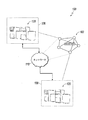
図1は、本明細書の実施形態を実行するために使用できる環境100の例を描く図である。いくつかの例では、例示的な環境100は、エンティティがコンソーシアムブロックチェーンネットワーク102に参加することを可能にする。例示的な環境100は、コンピューティングデバイス106、108、およびネットワーク110を含む。いくつかの例では、ネットワーク110は、ローカルエリアネットワーク(LAN)、ワイドエリアネットワーク(WAN)、インターネット、またはそれらの組合せを含み、ウェブサイト、ユーザデバイス(たとえば、コンピューティングデバイス)、およびバックエンドシステムを接続する。いくつかの例では、ネットワーク110は、有線および/またはワイヤレス通信リンクを介してアクセスすることができる。
FIG. 1 is a diagram illustrating an example of an
描かれた例では、コンピューティングシステム106、108は、各々が、コンソーシアムブロックチェーンネットワーク102中のノードとしての参加を可能にする任意の適切なコンピューティングシステムを含むことができる。例示的なコンピューティングデバイスは、限定しないが、サーバ、デスクトップコンピュータ、ラップトップコンピュータ、タブレットコンピューティングデバイス、およびスマートフォンを含む。いくつかの例では、コンピューティングシステム106、108は、コンソーシアムブロックチェーンネットワーク102と相互作用するために、1つまたは複数のコンピュータ実施されるサービスをホストする。たとえば、1つまたは複数の他のエンティティ(たとえば、他のユーザ)との第1のエンティティのトランザクションを管理するために第1のエンティティが使用するトランザクション管理システムなどといった、第1のエンティティ(たとえば、ユーザA)のコンピュータ実施されるサービスをコンピューティングシステム106がホストすることができる。コンピューティングシステム108は、1つまたは複数の他のエンティティ(たとえば、他のユーザ)との第2のエンティティのトランザクションを管理するために第2のエンティティが使用するトランザクション管理システムなどといった、第2のエンティティ(たとえば、ユーザB)のコンピュータ実施されるサービスをホストすることができる。図1の例では、コンソーシアムブロックチェーンネットワーク102は、ノードのピアツーピアネットワークとして表され、コンピューティングシステム106、108は、それぞれ、コンソーシアムブロックチェーンネットワーク102に参加する第1のエンティティのノードおよび第2のエンティティのノードをそれぞれ提供する。
In the illustrated example, the
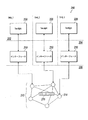
図2は、本明細書の実施形態による例示的な概念的アーキテクチャ200を描く。例示的な概念的アーキテクチャ200は、エンティティ層202、ホストされるサービス層204、およびブロックチェーンネットワーク層206を含む。描かれた例では、エンティティ層202は、3つの参加者、すなわち参加者A、参加者B、および参加者Cを含み、各々の参加者は、それぞれのトランザクション管理システム208を有する。
FIG. 2 depicts an exemplary
描かれた例では、ホストされるサービス層204は、各トランザクション管理システム208のためのインターフェース210を含む。いくつかの例では、それぞれのトランザクション管理システム208は、プロトコル(たとえば、ハイパーテキスト転送プロトコルセキュア(HTTPS))を使用してネットワーク(たとえば、図1のネットワーク110)にわたってそれぞれのインターフェース210で通信する。いくつかの例では、各インターフェース210は、それぞれのトランザクション管理システム208とブロックチェーンネットワーク層206の間の通信接続を提供する。より具体的には、インターフェース210は、ブロックチェーンネットワーク層206のブロックチェーンネットワーク212と通信する。いくつかの例では、インターフェース210とブロックチェーンネットワーク層206の間の通信は、遠隔手続呼び出し(RPC)を使用して行われる。いくつかの例では、インターフェース210は、それぞれのトランザクション管理システム208のためにブロックチェーンネットワークノードを「ホスト」する。たとえば、インターフェース210は、ブロックチェーンネットワーク212にアクセスするためのアプリケーションプログラミングインターフェース(API)を提供する。
In the example depicted, the hosted
本明細書に記載されるように、ブロックチェーンネットワーク212は、ブロックチェーン216に情報を変わらずに記録する複数のノード214を含む、ピアツーピアネットワークとして設けられる。単一のブロックチェーン216が概略的に描かれるが、ブロックチェーン216の複数のコピーが設けられ、ブロックチェーンネットワーク212にわたって維持される。たとえば、各ノード214がブロックチェーンのコピーを記憶する。いくつかの実施形態では、ブロックチェーン215は、コンソーシアムブロックチェーンネットワークに参加している2つ以上のエンティティ間で実施されるトランザクションに関する情報を記憶する。
As described herein, the
ブロックチェーン(たとえば、図2のブロックチェーン216)は、ブロックの鎖からできており、各ブロックがデータを記憶する。例示のデータは、2つ以上の参加者間のトランザクションを表すトランザクションデータを含む。本明細書では、トランザクションが非限定の例として使用されるが、ブロックチェーン中に任意の適切なデータ(たとえば、文書、画像、動画、音声)を記憶できることが意図される。例示的なトランザクションは、限定しないが、何かの値(たとえば、資産、製品、サービス、通貨)の交換を含むことができる。トランザクションデータは、ブロックチェーン内に変わらずに記憶される。すなわち、トランザクションデータは、変えることができない。
A blockchain (for example,
ブロック中に記憶する前に、トランザクションデータはハッシュされる。ハッシュすることとは、(文字列データとして提供される)トランザクションデータを固定長ハッシュ値に変換する(文字列データとしても提供される)プロセスである。トランザクションデータを得るためにハッシュ値をアンハッシュするのは不可能である。トランザクションデータ中のわずかな変化でさえ、完全に異なるハッシュ値をもたらすことがハッシュすることによって確保される。さらに、上述したように、ハッシュ値は、固定長のものである。すなわち、トランザクションデータのサイズがどうであれ、ハッシュ値の長さは固定される。ハッシュすることは、ハッシュ値を生成するために、トランザクションデータをハッシュ関数を通して処理することを含む。例示的なハッシュ関数は、限定しないが、256ビットハッシュ値を出力する、セキュアハッシュアルゴリズム(SHA)-256を含む。 Transaction data is hashed before being stored in the block. Hashing is the process of converting transaction data (provided as string data) into a fixed-length hash value (also provided as string data). It is not possible to unhash the hash value to get the transaction data. Hashing ensures that even the slightest changes in transactional data result in completely different hash values. Furthermore, as mentioned above, the hash value is of fixed length. That is, the length of the hash value is fixed regardless of the size of the transaction data. Hashing involves processing transactional data through a hash function to generate a hash value. An exemplary hash function includes, but is not limited to, the Secure Hash Algorithm (SHA) -256, which outputs a 256-bit hash value.
複数のトランザクションのトランザクションデータがハッシュされ、ブロック中に記憶される。たとえば、2つのトランザクションのハッシュ値が提供され、それら自体がハッシュされて、別のハッシュを提供する。このプロセスが、ブロック中に記憶されるべきすべてのトランザクションについて、単一のハッシュ値が提供されるまで繰り返される。このハッシュ値は、マークルルートハッシュと呼ばれ、ブロックのヘッダに記憶される。トランザクションの何らかの変更は、そのハッシュ値の変更をもたらし、最終的に、マークルルートハッシュの変更をもたらすことになる。 Transaction data of multiple transactions is hashed and stored in the block. For example, the hash values for two transactions are provided, which themselves are hashed to provide another hash. This process is repeated for every transaction that should be stored in the block until a single hash value is provided. This hash value is called the Merkle root hash and is stored in the block header. Any change in the transaction will result in a change in its hash value and ultimately a change in the Merkle root hash.
コンセンサスプロトコルを通してブロックチェーンにブロックが追加される。ブロックチェーンネットワーク内の複数のノードがコンセンサスプロトコルに参加し、ブロックをブロックチェーンに追加させる仕事を実施する。そのようなノードはコンセンサスノードと呼ばれる。上で導入されたPBFTは、コンセンサスプロトコルの、非限定の例として使用される。コンセンサスノードは、コンセンサスプロトコルを実行して、トランザクションをブロックチェーンに追加し、ブロックチェーンネットワークの全体の状態を更新する。 Blocks are added to the blockchain through the consensus protocol. Multiple nodes in the blockchain network participate in the consensus protocol and perform the task of adding blocks to the blockchain. Such a node is called a consensus node. The PBFT introduced above is used as a non-limiting example of the consensus protocol. The consensus node executes the consensus protocol to add transactions to the blockchain and update the overall state of the blockchain network.
さらに具体的には、コンセンサスノードがブロックヘッダを生成し、ブロック中のトランザクションのすべてをハッシュし、ハッシュ値を対に組み合わせて、ブロック中のすべてのトランザクションについて単一のハッシュ値が提供されるまでさらなるハッシュ値を生成する(マークルルートハッシュ)。このハッシュがブロックヘッダに追加される。コンセンサスノードは、ブロックチェーン中の、最も最近のブロック(すなわち、ブロックチェーンに加えられた最後のブロック)のハッシュ値をやはり決定する。コンセンサスノードは、ブロックヘッダに、ナンス値およびタイムスタンプをやはり追加する。 More specifically, until the consensus node generates a block header, hashes all the transactions in the block, combines the hash values in pairs, and provides a single hash value for all the transactions in the block. Generate additional hash values (Merkle root hash). This hash is added to the block header. The consensus node also determines the hash value of the most recent block in the blockchain (ie, the last block added to the blockchain). The consensus node also adds a nonce value and a time stamp to the block header.
一般的に、PBFTは、ビザンチンフォールト(たとえば、誤動作しているノード、悪意のあるノード)に耐性がある実用的ビザンチンステートマシンの複製を提供する。これは、フォールトは発生すると仮定すること(たとえば、独立したノード故障、および/またはコンセンサスノードによって送信される操作されたメッセージの存在を仮定すること)によって、PBFTで達成される。PBFTでは、コンセンサスノードは、プライマリコンセンサスノードおよびバックアップコンセンサスノードを含むシーケンスで提供される。プライマリコンセンサスノードは、周期的に変更され、ブロックチェーンネットワークの世界状態についての合意に達しているブロックチェーンネットワーク内のすべてのコンセンサスノードによって、トランザクションがブロックチェーンに追加される。このプロセスでは、メッセージがコンセンサスノード間で送信され、各コンセンサスノードは、メッセージが指定されたピアノードから受信されたことを証明し、メッセージが送信の間に変更されてないことを検証する。 In general, PBFTs provide a copy of a working Byzantine state machine that is resistant to Byzantine faults (eg, malfunctioning nodes, malicious nodes). This is achieved in PBFT by assuming that faults occur (eg, independent node failures and / or the presence of manipulated messages sent by consensus nodes). In PBFT, consensus nodes are provided in a sequence that includes a primary consensus node and a backup consensus node. The primary consensus node changes periodically, and transactions are added to the blockchain by all consensus nodes in the blockchain network that have reached an agreement on the global state of the blockchain network. In this process, the message is sent between the consensus nodes, and each consensus node proves that the message was received from the specified peer node and verifies that the message has not changed during the transmission.
PBFTでは、コンセンサスプロトコルは、複数のフェーズで提供され、すべてのコンセンサスノードが同じ状態で始まる。最初に、クライアントがプライマリコンセンサスノードに要求を送り、サービス動作を起動する(たとえば、ブロックチェーンネットワーク内でトランザクションを実行する)。要求を受け取ったことに応答して、プライマリコンセンサスノードは、要求をバックアップコンセンサスノードにマルチキャストする。バックアップコンセンサスノードは、要求を実行し、各々がクライアントに返答を送る。クライアントは、閾値の数の返答を受け取るまで待機する。いくつかの実施形態では、クライアントは、f+1個の返答を受け取るのを待ち、ここでfは、ブロックチェーンネットワーク内で耐性を有することができる障害のあるコンセンサスノードの最大数である。最終的な結果は、ブロックチェーンに追加されようとする記録の指令について、十分な数のコンセンサスノードが合意に至り、記録が受け入れられる、または拒否されることとなる。 In PBFT, the consensus protocol is provided in multiple phases, with all consensus nodes starting in the same state. First, the client sends a request to the primary consensus node to initiate a service operation (for example, execute a transaction within the blockchain network). In response to receiving the request, the primary consensus node multicasts the request to the backup consensus node. The backup consensus node executes the request and each sends a response to the client. The client waits for a threshold number of responses. In some embodiments, the client waits for f + 1 responses, where f is the maximum number of faulty consensus nodes that can be tolerated within the blockchain network. The end result is that a sufficient number of consensus nodes will reach an agreement on the directive of the record to be added to the blockchain and the record will be accepted or rejected.
いくつかのブロックチェーンネットワークでは、トランザクションのプライバシーを維持するために、暗号が実施される。たとえば、ブロックチェーンネットワーク中の他のノードがトランザクションの詳細を識別することができないように、2つのノードがトランザクションをプライベートに保ちたい場合、ノードは、トランザクションデータを暗号化することができる。例示的な暗号法は、限定しないが、対称暗号化および非対称暗号化を含む。対称暗号化は、暗号化(平文から暗号文を生成すること)および復号化(暗号文から平文を生成すること)の両方のために単一の鍵を使用する暗号化プロセスのことを指す。対称暗号化では、複数のノードに対し同じ鍵が利用可能であり、そのため各ノードがトランザクションデータを暗号化/復号化することができる。 In some blockchain networks, cryptography is enforced to maintain transaction privacy. For example, if two nodes want to keep a transaction private so that no other node in the blockchain network can identify the transaction details, the node can encrypt the transaction data. Illustrative cryptography includes, but is not limited to, symmetric and asymmetric cryptography. Symmetrical encryption refers to an encryption process that uses a single key for both encryption (generating plaintext from plaintext) and decryption (generating plaintext from ciphertext). With symmetric encryption, the same key is available to multiple nodes, allowing each node to encrypt / decrypt transaction data.
非対称暗号化は、各々がプライベート鍵および公開鍵を含むキーの対を使用し、プライベート鍵は、それぞれのノードに対してのみ知られており、公開鍵は、ブロックチェーンネットワーク中の任意のまたはすべての他のノードに知られている。ノードは、データを暗号化するため別のノードの公開鍵を使用することができ、暗号化したデータは、他のノードのプライベート鍵を使用して復号化することができる。たとえば、図2を再び参照して、参加者Aは、参加者Bの公開鍵を使用してデータを暗号化し、暗号化したデータを参加者Bに送ることができる。参加者Bは、参加者Bのプライベート鍵を使用して、暗号化したデータ(暗号文)を復号し、元のデータ(平文)を抽出することができる。あるノードの公開鍵で暗号化したメッセージは、そのノードのプライベート鍵を使用してのみ復号化することができる。 Asymmetric cryptography uses a key pair, each containing a private key and a public key, the private key is known only to each node, and the public key is any or all in the blockchain network. Known to other nodes. A node can use the public key of another node to encrypt the data, and the encrypted data can be decrypted using the private key of the other node. For example, referring again to Figure 2, Participant A can use Participant B's public key to encrypt the data and send the encrypted data to Participant B. Participant B can use Participant B's private key to decrypt the encrypted data (ciphertext) and extract the original data (plaintext). Messages encrypted with the public key of a node can only be decrypted using the private key of that node.
非対称暗号化は、デジタル署名を提供するために使用され、デジタル署名は、トランザクション中の参加者が、トランザクション中の他の参加者ならびにトランザクションの有効性を確認することを可能にする。たとえば、あるノードがメッセージにデジタルで署名をすることができ、参加者Aのデジタル署名に基づいて、そのメッセージがそのノードによって送られたことを別のノードが確認することができる。デジタル署名は、メッセージが移送中に改ざんされていないことを確かめるために使用することもできる。たとえば、図2を再び参照して、参加者Aは、参加者Bにメッセージを送ることになっている。参加者Aは、メッセージのハッシュを生成し、次いで参加者Aのプライベート鍵を使用して、ハッシュを暗号化し、暗号化したハッシュとしてデジタル署名を提供する。参加者Aは、メッセージにデジタル署名を添付し、デジタル署名を付けたメッセージを参加者Bに送る。参加者Bは、参加者Aの公開鍵を使用してデジタル署名を復号化してハッシュを抽出する。参加者Bはメッセージをハッシュして、ハッシュを比較する。ハッシュが同じ場合、参加者Bは、メッセージが本当に参加者Aからであって、改ざんされなかったことを確認することができる。 Asymmetric encryption is used to provide a digital signature, which allows a participant in a transaction to verify the validity of the other participants in the transaction as well as the transaction. For example, one node can digitally sign a message, and based on Participant A's digital signature, another node can verify that the message was sent by that node. Digital signatures can also be used to ensure that the message has not been tampered with in transit. For example, referring again to Figure 2, Participant A is supposed to send a message to Participant B. Participant A generates a hash of the message, then uses Participant A's private key to encrypt the hash and provide the digital signature as the encrypted hash. Participant A attaches a digital signature to the message and sends the digitally signed message to Participant B. Participant B uses Participant A's public key to decrypt the digital signature and extract the hash. Participant B hashes the messages and compares the hashes. If the hashes are the same, Participant B can confirm that the message was really from Participant A and was not tampered with.
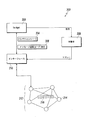
図3は、リプレー攻撃下の分散コンピューティングシステム300の例を描く。分散コンピューティングシステム300は、コンピュータネットワークを使用して互いに通信可能に結合されたクライアントとサーバを含む。分散コンピューティングシステム300は、図2に記載されたものと同様のアーキテクチャを有し、トランザクション管理システム208がクライアントであり、インターフェース210とノード214が一緒になってサーバであってよい。一例では、トランザクション管理システム208は、ユーザデバイス上で動作するデジタル財布アプリケーションであってよい。デジタル財布アプリケーションは、ユーザアカウントの金融トランザクションを管理することができ、ノード214と通信して、ブロックチェーン216上に新しいトランザクションを登録する。例示的な金融トランザクションには、デジタル通貨を送受信すること、スマート契約を実行すること、新しいユーザアカウントを開くことなどが含まれる。
Figure 3 depicts an example of a distributed
いくつかの実施形態では、トランザクション管理システム208(クライアント)とインターフェース210(サーバ)との間の通信チャネルは、1つまたは複数の認証プロトコルを使用して、データの完全性およびデータの安全性を確かめる。たとえば、トランザクション管理システム208は、各トランザクションメッセージ304にメッセージ認証コード(MAC)306をタグ付けすることができる。トランザクションメッセージ304は、送り手のブロックチェーンアドレス、受け手のブロックチェーンアドレス、トランザクションの時間、デジタル通貨の量などといった、トランザクション管理システム208とノード214の間のトランザクションの内容を指定する。下でさらに詳細に議論されるように、MAC306は、トランザクションを認証してリプレー攻撃と戦うため、トランザクションメッセージ304用に一意に生成される。いくつかの例では、トランザクション管理システム208は、トランザクションメッセージ304をハッシュすることによって、MAC306を生成することができる。いくつかの例では、MAC306は、トランザクションメッセージおよびトランザクションメッセージに関係するパスワードをハッシュすることによって生成することができる。
In some embodiments, the communication channel between transaction management system 208 (client) and interface 210 (server) uses one or more authentication protocols to ensure data integrity and data security. confirm. For example,
いくつかの実施形態では、攻撃者308が、分散コンピューティングシステム300上でリプレー攻撃を試みる可能性がある。たとえば、攻撃者308は、最初に、トランザクション管理システム208からインターフェース210に送られたデータを傍受し、次いで、傍受したデータを使用してインターフェース210との認証を試みる可能性がある。攻撃者308は、傍受したデータを異なる方法で使用する可能性がある。たとえば、攻撃者308は、インターフェース210またはトランザクション管理システム208との新しい通信セッションで傍受したデータを逐語的に再送信する可能性がある。攻撃者308は、やはり傍受したデータを使用して、MAC306を復号化するのを試みる可能性がある。そのようなリプレー攻撃と戦うために、インターフェース210および/またはトランザクション管理システム208は、上で議論したMAC306を使用して受信したメッセージに認証プロトコルを実施することができる。
In some embodiments, the
認証プロトコルの有効性は、MAC306を生成するため使用された技法に依存し得る。たとえば、MAC306がトランザクション管理システム208のパスワードの正確なコピーである場合、攻撃者308は、サーバにMAC306をリプレーして、トランザクション管理システム208のアカウントにアクセスできるようになる可能性がある。
The effectiveness of the authentication protocol may depend on the technique used to generate the MAC306. For example, if the
別の例では、MAC306は、トランザクション管理システム208のアカウントパスワードpと、インターフェース210により発行される課題cの組合せを使用して生成される。たとえば、トランザクション管理システム208がインターフェース210と通信セッションを開始すると、インターフェース210は、トランザクション管理システム208にランダムに生成した課題cを送ることになる。トランザクション管理システム208は、課題cをアカウントパスワードpに連結し、ハッシュ関数を使用して、ハッシュ出力h(c||p)を生成することができる。例示的なハッシュ関数は、SHA-256、MD-5などを含む。トランザクション管理システム208は、次いで、課題cおよびハッシュ出力h(c||p)を、認証のためにインターフェース210に送る。結果として、攻撃者308は、cおよびh(c||p)を見るが、サーバ(インターフェース210)が異なる課題を発行するため、攻撃者308は、異なる通信セッションでh(c||p)を再使用することが不可能になる。
In another example, MAC306 is generated using a combination of account password p for
攻撃者308は、それにもかかわらず、ハッシュ出力h(c||p)をリバースしてパスワードpを取得するのを試みる可能性がある。たとえば、攻撃者308は、レインボーテーブルを使用してハッシュ出力をリバースすることができる。レインボーテーブルは、特定のハッシュ関数について、異なるハッシュ出力をハッシュ入力にマッピングする予め計算した表である。これを行うため、攻撃者308は、正当なサーバを装って、トランザクション管理システム208に偽の課題c'を送る可能性がある。攻撃者308は、使用される特定のハッシュ関数について、c'で以前に計算したレインボーテーブルを有することができる。攻撃者308が、無防備なトランザクション管理システム208からh(c'||p)を受信する場合、攻撃者308は、場合によってハッシュ関数をリバースしてパスワードpを得ることができる。結果として、この認証プロトコルは以前のものよりも安全であるが、攻撃者308がフィッシングの課題c'を能動的に送出できる場合、安全上の欠陥にさらされる。
別の例では、MAC306は、サーバが発行した課題c、クライアントのパスワードp、およびナンスnの組合せを使用して生成される。ナンスnは、サーバおよびクライアントによって選ばれる任意の数である。この認証プロトコルの下で、トランザクション管理システム208は、ハッシュ出力h(n||c||p)を計算し、このハッシュ出力を課題Cおよびナンスnとともにインターフェース210に送る。この認証プロトコルは、攻撃者308が、新しい通信セッション中で傍受したデータを単にリプレーするのを防止することができ、フィッシングc'でハッシュ値をリバースするのを実行不可能にもする。というのは、異なるトランザクションではナンスnが異なるためである。
In another example, MAC306 is generated using a combination of server-issued issue c, client password p, and nonce n. Nance n is any number chosen by the server and client. Under this authentication protocol,
上の例では、トランザクション管理システム208とインターフェース210の間のトランザクションは、単調増加する数によってインデックス付けされる。インデックスは、安全目的のナンスとして使用することができる。たとえば、トランザクション管理システム208は、トランザクションインデックスをローカルで管理すること、またはトランザクションインデックスを得るためノード214にピングを打つことができる。しかし、単一のアカウントについて複数のトランザクション管理システムが存在する場合、現在のトランザクション数を登録するためのクライアント間の調整は複雑となる可能性がある。さらに、トランザクションは、並列に行われる代わりに直列に行われなければならない。というのは、各トランザクションは、以前のトランザクションからのカウンタに依拠するためである。1つのトランザクションが不適切なナンスを使用した場合、数が違うために、すべての後続の待ち状態のトランザクションは、再スタートするように強いられることになる。いくつかの場合には、トランザクション管理システム208は、並列なトランザクションを可能にするための複数のスロットを管理する。たとえば、各スロットがそれ自体のインデックス数を維持することができる。しかし、多数のスロットを有するのは、計算費用を増加させる。
In the above example, the transactions between
別の例では、トランザクションは、タイムスタンプを使用することによって、リプレー攻撃からさらに保護される。クライアントは、サーバにピングを打って、各トランザクションについてのタイムスタンプを受け取らなければならず、トランザクションは、指定された時間窓内に終了する必要がある。結果として、攻撃者がクライアントから送られた情報を首尾よく傍受した場合でさえ、攻撃者は、時間窓が閉じたときには情報を使用することが可能でないことになる。しかし、最新のブロックのタイムスタンプを得ることは、計算費用を追加する可能性があり、サーバとクライアントが同期していないとき、正当な要求を拒否する可能性がある。 In another example, transactions are further protected from replay attacks by using timestamps. The client must ping the server and receive a time stamp for each transaction, and the transaction must end within the specified time window. As a result, even if the attacker successfully intercepts the information sent by the client, the attacker will not be able to use the information when the time window is closed. However, getting the latest block timestamp can add computational costs and can deny legitimate requests when the server and client are out of sync.
図4は、本明細書の実施形態に従って実行できる認証プロトコルを実施するためのプロセス400の例のスイムレーン図を描く。認証プロトコルは、ネットワーク中のリプレー攻撃と戦うことができ、図3に記載されたようなナンスの組を維持する義務からクライアントを解放することができる。いくつかの実施形態では、プロセス400は、1つまたは複数のコンピューティングデバイスを使用して実行される、1つまたは複数のコンピュータ実行可能プログラムを使用して実施することができる。認証プロトコルは、クライアント401とサーバ403の間で実行される。いくつかの例では、クライアント401は、ユーザが動作可能なコンピューティングデバイスであってよい。サーバは、ブロックチェーンネットワークの1つまたは複数のコンセンサスノードであってよい。
FIG. 4 depicts a swimlane diagram of an example of
最初のステップとして、クライアント401は、トランザクションメッセージmをローカルで生成すること(404)によって、トランザクションを開始する(402)。たとえば、トランザクションは、クライアント401によって制御されるアカウントからブロックチェーンネットワーク中の別のアカウントに、指定された量のデジタル通貨を転送することを表すことができる。クライアント401は、ブロックチェーンネットワークのプロトコルによって指定されたデータ形式を使用してトランザクションメッセージmを生成する。たとえば、トランザクションメッセージmは、送り手のブロックチェーンアドレス、受け手のブロックチェーンアドレス、交換されるデジタル通貨の量、マイニング報酬、タイムスタンプなどを含むことができる。そのため、トランザクションメッセージmは、開始したトランザクションと一意に関連する。
As a first step,
クライアント401は、次いで、トランザクションメッセージmのトランザクションハッシュh(m)を計算する(406)。トランザクションハッシュh(m)を計算する際に使用されるハッシュ関数は、ブロックを生成するためブロックチェーンネットワークによって使用されるハッシュ関数と同じであってよい。
クライアント401は、次いで、ブロックチェーン上でトランザクションを実施して記録するためのトランザクション要求を生成することができる(408)。トランザクション要求は、トランザクションメッセージmおよびトランザクションハッシュ値h(m)を含むことができる。いくつかの場合に、クライアント401は、そのプライベート鍵でトランザクション要求にデジタル署名をすることができる。デジタル署名は、トランザクション要求が変更された場合、無効になる。
クライアント401は、次に、サーバ403と通信セッションを確立して(410)、サーバにトランザクション要求を送る(412)。
トランザクション要求を受け取ったら、サーバ403は、トランザクションハッシュh(m)を使用してブロックチェーン上の過去のトランザクションを検索する。ブロックチェーン上のあらゆるトランザクションは固有のハッシュ値によってインデックス付けされ、トランザクションハッシュh(m)とブロックチェーン上のトランザクションハッシュの間の一致は、トランザクション情報が複製され、リプレー攻撃からのものである可能性があることを示すことになる。いくつかの実施形態では、各ブロックチェーンがいくつかのブロックを含むことができ、各ブロックは、いくつかのトランザクションをさらに含むことができる。サーバ403がブロックチェーンのコピーを記憶するために、サーバ403が特定のトランザクションハッシュを検索するのは、計算コストが高い場合がある。より効率的な検索戦略を実施するため、サーバ403が既存のトランザクションハッシュにインデックスを付け、それらをキャッシュリソース中に記憶することができる。キャッシュリソースは、通常のメモリまたはデータベースよりも速いアクセス速度を有することができる。いくつかの場合に、キャッシュリソースは、トランザクションハッシュを記憶するための専用とすることができる。 Upon receiving the transaction request, the server 403 uses the transaction hash h (m) to retrieve past transactions on the blockchain. Every transaction on the blockchain is indexed by a unique hash value, and the match between the transaction hash h (m) and the transaction hash on the blockchain may be from a replay attack where the transaction information is duplicated. Will show that there is. In some embodiments, each blockchain can contain several blocks, and each block can further contain some transactions. It can be computationally expensive for a server 403 to look up a particular transaction hash because it remembers a copy of the blockchain. To implement a more efficient search strategy, server 403 can index existing transaction hashes and store them in cache resources. Cache resources can have faster access speeds than regular memory or databases. In some cases, cache resources can be dedicated to storing transaction hashes.
いくつかの場合に、トランザクションハッシュは、トランザクションがブロックチェーン上に記録された後で、キャッシュリソースから除去することができる。そのような場合に、サーバ403は、トランザクションハッシュh(m)が以前に受け取られたかを決定するため、キャッシュリソースおよびブロックチェーンを検索することができる。 In some cases, the transaction hash can be removed from the cache resource after the transaction has been recorded on the blockchain. In such a case, the server 403 can search the cache resource and blockchain to determine if the transaction hash h (m) was previously received.
いくつかの場合に、受け取ったトランザクションハッシュは、トランザクションがブロックチェーン上で記録されているかにかかわらず、キャッシュハッシュ中に維持することができる。そのような場合に、サーバ403は、最初に、ブルームフィルタなどの効率的なデータ構造に基づいて、キャッシュリソースを検索することができる。 In some cases, the transaction hash received can be maintained in the cache hash regardless of whether the transaction was recorded on the blockchain. In such cases, the server 403 can first retrieve cache resources based on an efficient data structure such as a Bloom filter.
ブルームフィルタは、ある要素がある組のメンバーであるかを決定するため使用される確率的データ構造である。ブルームフィルタに対するクエリーは、フォールスポジティブを戻す場合があるが、決してフォールスネガティブを戻さない。言い換えると、クエリーは、「おそらく組の中」または「確実に組の中にない」のいずれかを戻す。結果として、ブルームフィルタに対するクエリーが、あるトランザクションハッシュが存在しないことを示す場合、トランザクションハッシュがブロックチェーン上に存在しないことが確かである。一方、ブルームフィルタに対するクエリーが、あるトランザクションハッシュが存在することを示す場合、トランザクションハッシュが実際に存在するかを確かめるために、全ブロックチェーン上でさらなる検索を行うことができる。 A Bloom filter is a stochastic data structure used to determine if an element is a member of a set. Queries to Bloom filters may return false positives, but never false negatives. In other words, the query returns either "probably not in the pair" or "certainly not in the pair". As a result, if a query to the Bloom filter indicates that a transaction hash does not exist, then it is certain that the transaction hash does not exist on the blockchain. On the other hand, if the query to the Bloom filter indicates that a transaction hash exists, then further searches can be done on the entire blockchain to see if the transaction hash actually exists.
トランザクション情報を受け取ったら、サーバ403は、ブルームフィルタに関連するキャッシュリソース中でトランザクションハッシュh(m)を検索する(414)。キャッシュリソースは、以前に受け取ったトランザクションハッシュを記憶することができる。検索がネガティブを戻し、トランザクションハッシュがブロックチェーン上に存在しないことを示す場合、関連するトランザクションは、正当なトランザクションであって、サーバ403は、そのトランザクションで進める(416)。トランザクションハッシュは、次いで、ブルームフィルタに関連するキャッシュリソースに記憶される(418)。 Upon receiving the transaction information, server 403 looks up the transaction hash h (m) in the cache resource associated with the Bloom filter (414). The cache resource can store previously received transaction hashes. If the search returns negative, indicating that the transaction hash does not exist on the blockchain, then the associated transaction is a legitimate transaction and server 403 proceeds with that transaction (416). The transaction hash is then stored in the cache resource associated with the Bloom filter (418).
検索がポジティブを戻す場合、トランザクションハッシュh(m)がブロックチェーン上に存在する可能性も存在しない可能性もある。ブロックチェーン上のh(m)の存在をさらに決定するため、サーバ403は、トランザクションハッシュh(m)の第2の検索を実施する(420)。このとき、サーバ403は、サーバ403に関連する全ブロックチェーンでトランザクションハッシュh(m)を検索することになる。検索がネガティブを戻し、トランザクションが正当であることを示す場合、サーバ403は、そのトランザクションで再び進め(416)、ブロックチェーンネットワーク上でトランザクションをブロードキャストする。トランザクションが、たとえば、プルーフオブワークプロセスを通して有効化され、クライアント401が十分な残高を有することが確かな場合、トランザクションはブロックチェーン上に記録されることになる。
If the search returns positive, the transaction hash h (m) may or may not be on the blockchain. To further determine the existence of h (m) on the blockchain, server 403 performs a second lookup on the transaction hash h (m) (420). At this time, the server 403 searches the transaction hash h (m) in all the blockchains related to the server 403. If the search returns a negative, indicating that the transaction is legitimate, server 403 proceeds again with that transaction (416) and broadcasts the transaction over the blockchain network. If the transaction is activated, for example, through a proof of work process and it is certain that the
第2の検索がポジティブを戻す場合、トランザクションハッシュh(m)は既にブロックチェーン中に存在する。これは、クライアント401が以前に使用された情報をサーバに送ることを試みている-リプレー攻撃の可能性を示す。結果として、クライアント401は、失敗メッセージを受け取り、トランザクションを中断することができる(422)。
If the second search returns positive, the transaction hash h (m) is already in the blockchain. This indicates that
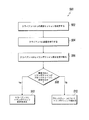
図5は、本明細書の実施形態による、アンチリプレー攻撃認証プロトコルを実施するためのプロセス500の例のフローチャートを描く。プロセス500は、たとえば、図4のインターフェース210およびノード214を備えるサーバ403といった、サーバの観点から記載される。サーバ403は、図2に記載されたような、ブロックチェーンネットワーク212のサーバであってよい。
FIG. 5 illustrates a flow chart of an
最初のステップとして、サーバ403は、たとえば、図4のクライアント401といった、クライアントからの通信セッションを確立する(502)。通信セッションは、クライアント401とサーバ403の間の双方向のデータ交換を可能にする。たとえば、トランザクション要求は、クライアント401によって制御されるデジタル資産の転送を含むことができ、クライアント401は、たとえば、ブロックチェーン216といったブロックチェーン上にトランザクションを記録するようにサーバ403に要求することができる。サーバ403とクライアント401は、認証目的で、ある種の秘密情報を共有する。たとえば、サーバ403は、クライアント401のパスワードのコピーを記憶することができる。
As a first step, server 403 establishes a communication session from a client, for
通信セッションを確立したことに応答して、サーバ403は、クライアント401に課題を発行する(504)。課題は、通信セッションのため特に生成されたランダムまたは擬似ランダムな値である。異なる通信セッションは、異なる課題を使用することになる。 In response to establishing a communication session, server 403 issues an issue to client 401 (504). The challenge is a random or pseudo-random value specifically generated for the communication session. Different communication sessions will use different challenges.
課題を発行したことに応答して、サーバ403は、クライアント401からトランザクション要求を受け取る(506)。たとえば、トランザクション要求は、発行された課題から計算されるハッシュ値、クライアントに関連するパスワード、およびサーバ403によって維持されるブロックチェーン中に記憶するため要求されたトランザクションのハッシュを含むことができる。要求されたトランザクションのハッシュを計算するためクライアント401に使用されるハッシュ関数は、ブロックチェーン216上でトランザクションをハッシュしてインデックス付けするためブロックチェーンネットワーク212によって使用される同じハッシュ関数である。トランザクション要求は、トランザクションメッセージハッシュを含む(508)。
In response to issuing an issue, server 403 receives a transaction request from client 401 (506). For example, a transaction request can include a hash value calculated from an issue issued, a password associated with the client, and a hash of the transaction requested to be stored in the blockchain maintained by server 403. The hash function used by
サーバ403は、ここで、要求されたトランザクションがブロックチェーン216に含まれるかを決定する(508)。たとえば、サーバ403は、ブロックチェーンに以前に記憶したすべてのトランザクションのハッシュ値を記憶するキャッシュリソースに照会することができる。クエリー性能を改善するため、サーバ403は、ブルームフィルタを使用して、ブロックチェーン216が要求されたトランザクションのハッシュを既に含むかを決定することができる。
Server 403 now determines if the requested transaction is part of blockchain 216 (508). For example, server 403 can query a cache resource that stores hash values for all transactions previously stored on the blockchain. To improve query performance, server 403 can use Bloom filters to determine if
要求されたトランザクションのハッシュがブロックチェーン216に含まれないとサーバ403が決定した場合、サーバ403は、そのトランザクションで進める(512)。たとえば、サーバ403は、クライアント301からのパスワードを検証するために進むことができる。検証が成功である場合、サーバ403は、有効化するためにブロックチェーンネットワーク212に現在のトランザクションをブロードキャストすることができる。
If server 403 determines that the hash of the requested transaction is not included in
一方、要求されたトランザクションのハッシュがブロックチェーン216に既に含まれるとサーバ403が決定した場合、サーバ403は、クライアント301にトランザクション拒否を送ることになる(510)。複製トランザクションの存在は、クライアント301は悪意があり、サーバアクセスを得るために、盗まれた情報をリプレーしていることを示す可能性がある。
On the other hand, if the server 403 determines that the hash of the requested transaction is already included in the
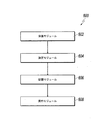
図6は、本明細書の実施形態による装置600のモジュールの例を描く図である。装置600がブロックチェーンノードの例示的な実施形態であってよい。装置600は、上で記載した実施形態に対応することができ、装置600は、以下、すなわち、クライアントからのトランザクション要求を受け取るための受信モジュール602であって、トランザクション要求が、ブロックチェーン上に記録されるように要求されたトランザクションと、トランザクションをハッシュすることに基づいて計算されたハッシュとを含む、受信モジュール602と、トランザクションハッシュがキャッシュリソースまたはブロックチェーンの中に以前記憶されていないかを決定するための決定モジュール604と、トランザクションハッシュをキャッシュリソースに記憶するための記憶モジュール606と、トランザクション要求を実行するための実行モジュール608とを含む。
FIG. 6 is a diagram illustrating an example of a module of the
本明細書に記載される技法は、1つまたは複数の技術的な効果をもたらす。いくつかの実施形態では、本技法によって、繰り返される要求がブロックチェーンネットワークによって処理されてコンセンサスプロセスに提出される前に、同じトランザクション要求を複数回提出する試み(すなわち、リプレー攻撃)をブロックチェーンネットワークが検出することが可能になる。このことによって、ブロックチェーンネットワークがこれらの無効なトランザクションを処理するのを回避して、より高いトランザクションスループットをもたらすことが可能になる。いくつかの実施形態では、本技法は、複数のクライアント間で協調しなければならないナンスまたは他の値の使用をせず、それによって、より簡単なクライアント実施形態および意図しない複製要求の可能性の低下がもたらされる。 The techniques described herein have one or more technical effects. In some embodiments, the technique attempts to submit the same transaction request multiple times (ie, a replay attack) before the recurring request is processed by the blockchain network and submitted to the consensus process. Can be detected. This makes it possible to prevent the blockchain network from handling these invalid transactions and result in higher transaction throughput. In some embodiments, the technique does not use nonces or other values that must be coordinated among multiple clients, thereby making it easier for client embodiments and possible unintended replication requests. It brings about a decline.
本主題の記載される実施形態は、1つまたは複数の特徴を、単独でまたは組み合わせて含むことができる。たとえば、第1の実施形態では、ブロックチェーンネットワークの安全性を高めるための方法は、クライアントからトランザクション要求を受け取るステップであって、トランザクション要求が、ブロックチェーン上に記録されるように要求されるトランザクションと、トランザクションをハッシュすることに基づいて計算されたトランザクションハッシュとを含む、ステップと、トランザクションハッシュがキャッシュリソースにもブロックチェーンにも以前に記憶されていないことを決定するステップと、キャッシュリソースにトランザクションハッシュを記憶するステップと、トランザクション要求を実行するステップとを含む。 The described embodiments of the subject can include one or more features, alone or in combination. For example, in the first embodiment, a method for increasing the security of a blockchain network is a step of receiving a transaction request from a client, in which the transaction request is required to be recorded on the blockchain. And a step that includes a transaction hash calculated based on hashing the transaction, and a step that determines that the transaction hash is not previously stored in the cache resource or blockchain, and the transaction in the cache resource. It includes a step of storing the hash and a step of executing the transaction request.
上記および他の記載された実施形態は、各々が任意選択で以下の特徴のうちの1つまたは複数を含むことができる。 The above and other described embodiments may each optionally include one or more of the following features:
以降の特徴のいずれかと組合せ可能な第1の特徴としては、トランザクション要求が、トランザクションに基づいて生成されたデジタル署名を含むことが規定される。 The first feature that can be combined with any of the following features is that the transaction request includes a digital signature generated based on the transaction.
以前または以降の特徴のいずれかと組合せ可能な第2の特徴としては、トランザクションハッシュがキャッシュリソースにもブロックチェーンにも以前に記憶されていないと決定するステップが、トランザクションハッシュを使用してキャッシュリソースに照会するステップおよびトランザクションハッシュの同一のコピーがキャッシュリソース中に記憶されていないと決定するステップを含むことが規定される。 The second feature, which can be combined with either the previous or later features, is that the step of determining that the transaction hash is not previously stored in the cache resource or blockchain is to the cache resource using the transaction hash. It is specified to include a step to query and a step to determine that the same copy of the transaction hash is not stored in the cache resource.
以前または以降の特徴のいずれかと組合せ可能な第3の特徴としては、キャッシュリソースは、トランザクション要求を受け取る前にブロックチェーンノードによって受け取られたトランザクションハッシュを記憶するブルームフィルタであることが規定される。 A third feature that can be combined with either the previous or subsequent features is that the cache resource is defined as a Bloom filter that stores the transaction hash received by the blockchain node before receiving the transaction request.
以前または以降の特徴のいずれかと組合せ可能な第4の特徴としては、トランザクションが第1のトランザクションであり、トランザクションハッシュが第1のトランザクションハッシュであり、ブロックチェーンは、第2のトランザクションおよび第2のトランザクションハッシュを含む第2のトランザクション要求をさらに受け取り、第2のトランザクションハッシュがキャッシュリソースおよびブロックチェーンに以前に記憶されていることを決定し、クライアントにトランザクション拒否を送ることが規定される。 A fourth feature that can be combined with either the previous or subsequent features is that the transaction is the first transaction, the transaction hash is the first transaction hash, and the blockchain is the second transaction and the second. It is specified that a second transaction request containing a transaction hash is further received, the second transaction hash is determined to be previously stored in the cache resource and blockchain, and a transaction deny is sent to the client.
以前または以降の特徴のいずれかと組合せ可能な第5の特徴としては、トランザクションが第1のトランザクションであり、トランザクションハッシュが第1のトランザクションハッシュであり、ブロックチェーンノードは、第2のトランザクションおよび第2のトランザクションハッシュを含む第2のトランザクション要求をさらに受け取り、第2のトランザクションハッシュがブロックチェーンに以前に記憶されていることを決定し、クライアントにトランザクション拒否を送ることが規定される。 A fifth feature that can be combined with either the previous or subsequent features is that the transaction is the first transaction, the transaction hash is the first transaction hash, and the blockchain node is the second transaction and the second. It is stipulated that it further receives a second transaction request containing the transaction hash of, determines that the second transaction hash is previously stored in the blockchain, and sends a transaction deny to the client.
以前または以降の特徴のいずれかと組合せ可能な第6の特徴としては、トランザクションが、ブロックチェーンアドレス、トランザクション量、およびトランザクションの時間のうちの1つまたは複数に関連する情報を含むことが規定される。 A sixth feature that can be combined with any of the previous or subsequent features is that the transaction contains information related to one or more of the blockchain address, transaction volume, and transaction time. ..
本主題の実施形態および本明細書に記載された行為および動作は、本明細書で開示された構成およびそれらの構成上の等価物を含む、デジタル電子回路、有形に具体化されたコンピュータソフトウェアまたはファームウェア、コンピュータハードウェア、またはそれらの1つまたは複数の組合せで実施することができる。本明細書に記載される主題の実施形態は、データ処理装置が実行するため、またはデータ処理装置の動作を制御するため、コンピュータプログラム担体上に符号化された、たとえば、コンピュータプログラム命令の1つまたは複数のモジュールといった、1つまたは複数のコンピュータプログラムとして実施することができる。たとえば、コンピュータプログラム担体は、その上に命令を符号化または記憶した1つまたは複数のコンピュータ可読記憶媒体を含むことができる。担体は、磁気、光磁気、もしくは光ディスク、固体ドライブ、ランダムアクセスメモリ(RAM)、読取り専用メモリ(ROM)、または他のタイプの媒体などの、有形の非一時的コンピュータ可読媒体であってよい。代替または追加として、担体は、データ処理装置が実行するため、好適な受信器装置に送信する情報を符号化するために生成される、たとえば、機械生成した電気、光、または電磁信号といった人工的に生成した伝播信号であってよい。コンピュータ記憶媒体は、機械可読記憶デバイス、機械可読記憶基板、ランダムもしくはシリアルアクセスメモリデバイス、もしくはそれらの1つもしくは複数の組合せであってよく、または部分であってよい。コンピュータ記憶媒体は、伝播信号でない。 The embodiments of this subject and the acts and actions described herein are digital electronic circuits, tangibly embodied computer software, or tangibly embodied computer software, including the configurations disclosed herein and their structural equivalents. It can be implemented with firmware, computer hardware, or one or more combinations thereof. An embodiment of the subject matter described herein is one of, for example, a computer program instruction encoded on a computer program carrier for the data processing apparatus to perform or to control the operation of the data processing apparatus. Or it can be implemented as one or more computer programs, such as multiple modules. For example, a computer program carrier may include one or more computer-readable storage media on which instructions are encoded or stored. The carrier may be magnetic, magneto-optical, or tangible, non-temporary computer-readable media such as optical disks, solid-state drives, random access memory (RAM), read-only memory (ROM), or other types of media. As an alternative or addition, the carrier is generated to encode the information transmitted to a suitable receiver device for the data processing device to perform, eg, an artificial, mechanically generated electrical, optical, or electromagnetic signal. It may be a propagation signal generated in. The computer storage medium may be a machine-readable storage device, a machine-readable storage board, a random or serial access memory device, or a combination thereof, or a portion thereof. The computer storage medium is not a propagating signal.
プログラム、ソフトウェア、ソフトウェアアプリケーション、アプリ、モジュール、ソフトウェアモジュール、エンジン、スクリプト、またはコードと呼ばれ、または記載されることもあるコンピュータプログラムは、コンパイル型もしくはインタープリタ型言語、または宣言型もしくは手続型言語を含む任意の形のプログラミング言語で書くことができ、スタンドアロンプログラム、または、1つまたは複数の場所においてデータ通信ネットワークによって相互接続される1つまたは複数のコンピュータを含むことができるコンピューティング環境で実行するのに好適な、モジュール、構成要素、エンジン、サブルーチン、もしくは他のユニットを含む任意の形で展開することができる。 Computer programs, sometimes referred to as or described as programs, software, software applications, apps, modules, software modules, engines, scripts, or code, are in a compiled or interpreted language, or a declarative or procedural language. Can be written in any form of programming language, including running in a standalone program or in a computing environment that can include one or more computers interconnected by a data communication network in one or more locations. It can be deployed in any form that includes modules, components, engines, subroutines, or other units suitable for.
コンピュータプログラムは、ファイルシステム中のファイルに対応することができるが、必ずしも対応する必要はない。コンピュータプログラムは、マークアップ言語文書、対象のプログラム専用の単一のファイル、またはたとえば、1つもしくは複数のモジュール、サブプログラム、もしくはコードの部分を記憶するファイルといった複数の協調したファイルに記憶される、たとえば、1つもしくは複数のスクリプトといった他のプログラムまたはデータを保持するファイルの一部に記憶することができる。 Computer programs can, but do not necessarily, support files in the file system. Computer programs are stored in multiple collaborative files, such as markup language documents, a single file dedicated to the program of interest, or, for example, a file that stores one or more modules, subprograms, or parts of code. , For example, it can be stored in a part of a file that holds other programs or data, such as one or more scripts.
コンピュータプログラムの実行のためのプロセッサは、例として、汎用マイクロプロセッサと専用マイクロプロセッサの両方、および任意の種類のデジタルコンピュータの任意の1つまたは複数のプロセッサを含む。一般的に、プロセッサは、プロセッサに結合された非一時的コンピュータ可読媒体から、実行のためのコンピュータプログラムの命令ならびにデータを受け取る。 Processors for executing computer programs include, for example, both general purpose and dedicated microprocessors, and any one or more processors of any type of digital computer. Generally, a processor receives instructions and data of a computer program for execution from a non-temporary computer-readable medium coupled to the processor.
「データ処理装置」という用語は、例として、プログラム可能プロセッサ、コンピュータ、または複数のプロセッサもしくはコンピュータを含む、データを処理するためのすべての種類の装置、デバイス、および機械を包含する。データ処理装置は、たとえば、FPGA(フィールドプログラム可能ゲートアレイ)、ASIC(特定用途向け集積回路)、またはGPU(グラフィックス処理ユニット)といった専用論理回路を含むことができる。装置は、ハードウェアに加えて、たとえば、プロセッサファームウェア、プロトコルスタック、データベース管理システム、オペレーティングシステム、またはそれらのうちの1つまたは複数の組合せを構成するコードといった、コンピュータプログラムのための実行環境を作るコードをやはり含むことができる。 The term "data processor" includes all types of devices, devices, and machines for processing data, including, for example, programmable processors, computers, or multiple processors or computers. The data processing device can include dedicated logic circuits such as FPGAs (Field Programmable Gate Arrays), ASICs (Application Specific Integrated Circuits), or GPUs (Graphics Processing Units). In addition to hardware, the device creates an execution environment for computer programs, such as processor firmware, protocol stacks, database management systems, operating systems, or code that makes up one or more combinations of them. The code can also be included.
本明細書で記載されるプロセスおよび論理フローは、1つまたは複数のコンピュータプログラムを実行する1つまたは複数のコンピュータまたはプロセッサが実施して、入力データに作用して出力を生成することによって動作を実施することができる。プロセスおよび論理フローは、たとえば、FPGA、ASIC、もしくはGPUといった専用論理回路によって、または専用論理回路と1つまたは複数のプログラムしたコンピュータの組合せによって実施することもできる。 The processes and logical flows described herein operate by acting on input data to produce output, performed by one or more computers or processors running one or more computer programs. Can be carried out. Processes and logic flows can also be performed, for example, by dedicated logic circuits such as FPGAs, ASICs, or GPUs, or by a combination of dedicated logic circuits and one or more programmed computers.
コンピュータプログラムの実行に好適なコンピュータは、汎用マイクロプロセッサもしくは専用マイクロプロセッサもしくはそれらの両方、または任意の種類の中央処理装置に基づくことができる。一般的に、中央処理装置は、読取り専用メモリまたはランダムアクセスメモリまたはそれらの両方から命令およびデータを受け取る。コンピュータの要素は、命令を実行するための中央処理装置、および命令およびデータを記憶するための1つまたは複数のメモリデバイスを含み得る。中央処理装置およびメモリは、専用論理回路によって補助すること、または専用論理回路中に組み込むことができる。 A computer suitable for executing a computer program can be based on a general purpose microprocessor, a dedicated microprocessor, or both, or any kind of central processing unit. In general, central processing units receive instructions and data from read-only memory, random access memory, or both. A computer element may include a central processing unit for executing instructions and one or more memory devices for storing instructions and data. The central processing unit and memory can be assisted by dedicated logic circuits or incorporated into dedicated logic circuits.
一般的に、コンピュータは、また、1つもしくは複数の記憶デバイスを含むこと、または1つもしくは複数の記憶デバイスからデータを受け取るため、もしくは1つもしくは複数の記憶デバイスにデータを転送するために動作可能に結合することとなる。記憶デバイスは、たとえば、磁気、光磁気、もしくは光ディスク、固体ドライブ、または任意の他のタイプの非一時的コンピュータ可読記憶媒体であってよい。しかし、コンピュータがそのようなデバイスを持つ必要はない。したがって、コンピュータは、ローカルおよび/またはリモートである、1つまたは複数のメモリなどの1つまたは複数の記憶デバイスに結合することができる。たとえば、コンピュータは、コンピュータと一体となった構成要素である1つもしくは複数のローカルメモリを含むことができ、またはコンピュータは、クラウドネットワークにある1つもしくは複数のリモートメモリに結合することができる。さらに、コンピュータは、ほんのいくつか例を挙げれば、たとえば、モバイル電話、携帯情報端末(PDA)、モバイルオーディオもしくはビデオプレイヤー、ゲームコンソール、全地球測位システム(GPS)受信器、またはたとえば、ユニバーサルシリアルバス(USB)フラッシュドライブといった携帯型記憶デバイスといった別のデバイスに埋め込むことができる。 In general, a computer also operates to include one or more storage devices, or to receive data from one or more storage devices, or to transfer data to one or more storage devices. It will be possible to combine. The storage device may be, for example, magnetic, magneto-optical, or optical disc, solid-state drive, or any other type of non-temporary computer-readable storage medium. However, the computer does not have to have such a device. Thus, a computer can be combined with one or more storage devices, such as one or more memories, which are local and / or remote. For example, a computer can contain one or more local memories that are an integral part of the computer, or a computer can be combined with one or more remote memories in a cloud network. In addition, computers can be, for example, mobile phones, personal digital assistants (PDAs), mobile audio or video players, game consoles, Global Positioning System (GPS) receivers, or, for example, universal serial buses, to name just a few. It can be embedded in another device such as a portable storage device such as a (USB) flash drive.
構成要素は、直接的または1つもしくは複数の中間の構成要素を介してのいずれかで、互いに電気的または光学的に接続するなど、可換であることによって互いに「結合」することができる。構成要素は、構成要素のうちの1つが他のものに組み込まれる場合、互いに「結合」することがやはりできる。たとえば、プロセッサへと組み込まれた記憶構成要素(たとえば、L2キャッシュ構成要素)は、プロセッサに「結合」される。 The components can be "bonded" to each other by being commutative, such as being electrically or optically connected to each other, either directly or through one or more intermediate components. Components can also "join" each other if one of the components is incorporated into the other. For example, storage components built into a processor (eg, L2 cache components) are "joined" to the processor.
ユーザとの相互作用を実現するため、本明細書に記載される主題の実施形態は、ユーザに情報を表示するための、たとえば、LCD(液晶ディスプレイ)モニターといったディスプレイデバイス、および、たとえば、キーボードおよびたとえば、マウス、トラックボール、またはタッチパッドといったポインティングデバイスといった、ユーザがコンピュータに入力を提供することができる入力デバイスを有するコンピュータ上に実装すること、またはコンピュータと通信するように構成することができる。同様に、他の種類のデバイスを使用してユーザとの相互作用を実現することができる。たとえば、ユーザへ提供されるフィードバックは、たとえば視覚フィードバック、音声フィードバック、または触覚フィードバックといった任意の形の感覚フィードバックであってよく、ユーザからの入力は、音響、音声、または触覚入力を含む任意の形で受け取ることができる。加えて、コンピュータは、ユーザに使用されるデバイスとの間で文書を送受信することによって、たとえば、ウェブブラウザから受け取った要求に応答してユーザのデバイス上のウェブブラウザにウェブページを送ることによって、またはたとえば、スマートフォンもしくは電子タブレットといったユーザデバイス上で動作するアプリと相互作用することによって、ユーザと相互作用することができる。また、コンピュータは、たとえば、メッセージングアプリケーションが動作しているスマートフォンといった、個人用デバイスにテキストメッセージまたは他の形のメッセージを送ること、および返事としてユーザから応答メッセージを受け取ることによって、ユーザと相互作用することができる。 To achieve user interaction, embodiments of the subject matter described herein include display devices for displaying information to the user, such as an LCD (liquid crystal display) monitor, and, for example, a keyboard and. It can be implemented on or configured to communicate with a computer that has an input device that allows the user to provide input to the computer, for example, a pointing device such as a mouse, trackball, or touchpad. Similarly, other types of devices can be used to achieve user interaction. For example, the feedback provided to the user may be any form of sensory feedback, for example visual feedback, audio feedback, or tactile feedback, and the user input may be any form including acoustic, audio, or tactile input. You can receive it at. In addition, the computer sends and receives documents to and from the device used by the user, for example, by sending a web page to the web browser on the user's device in response to a request received from the web browser. Alternatively, it can interact with the user, for example, by interacting with an app running on a user device such as a smartphone or electronic tablet. The computer also interacts with the user by sending a text message or other form of message to a personal device, such as a smartphone running a messaging application, and receiving a response message from the user in response. be able to.
本明細書は、システム、装置、およびコンピュータプログラム構成要素に関して、「構成される(configured to)」という用語を使用する。特定の動作または行為を実施するように構成される1つまたは複数コンピュータのシステムとは、そのシステムが、動作中にシステムに動作または行為を実施させるソフトウェア、ファームウェア、ハードウェア、またはそれらの組合せを、システム自体にインストールしていることを意味する。特定の動作または行為を実施するように構成される1つまたは複数コンピュータプログラムとは、データ処理装置が実行すると、装置に動作または行為を実施させる命令を1つまたは複数のプログラムが含むことを意味する。特定の動作または行為を実施するように構成される専用論理回路とは、動作または行為を実施する電子論理を回路が有することを意味する。 The present specification uses the term "configured to" with respect to system, equipment, and computer program components. A system of one or more computers that is configured to perform a particular action or action is software, firmware, hardware, or a combination thereof that causes the system to perform the action or action during operation. , Means that it is installed on the system itself. One or more computer programs configured to perform a particular action or action means that when executed by a data processing device, the program contains instructions that cause the device to perform the action or action. To do. A dedicated logic circuit configured to perform a particular action or action means that the circuit has electronic logic to perform the action or action.
本明細書が多くの具体的な実施形態の詳細を含んでいる一方で、これらは、請求項自体によって規定される、特許請求されているものの範囲についての制限と考えるべきでなく、むしろ、特定の実施形態に固有であってよい特徴の記載と考えるべきである。別個の実施形態の文脈で本明細書で記載されるある種の特徴は、単一の実施形態で組み合わせて具体化することもできる。逆に、単一の実施形態の文脈で記載される様々な特徴は、複数の実施形態で別個に、または任意の好適な下位の組合せで具体化することもできる。さらに、特徴は、上で、ある種の組合せで機能すると記載される場合があり、最初にそのように特許請求されさえするが、特許請求される組合せからの1つまたは複数の特徴は、いくつかの場合に、組合せから切り取られる可能性があり、特許請求は、下位の組合せまたは下位の組合せの変形形態を対象とする場合がある。 While this specification contains details of many specific embodiments, these should not be considered as restrictions on the scope of what is claimed, as defined by the claims themselves, but rather specific. It should be considered as a description of features that may be unique to the embodiment of. Certain features described herein in the context of separate embodiments can also be combined and embodied in a single embodiment. Conversely, the various features described in the context of a single embodiment can also be embodied separately in multiple embodiments or in any suitable sub-combination. In addition, features may be described above as functioning in certain combinations, and even such claims are first made, but how many features are one or more from the claimed combination? In such a case, it may be cut out from the combination, and the claims may cover a lower combination or a variant of the lower combination.
同様に、動作は、特定の順番で、図に描かれ、請求項に言及される一方、これを、所望の結果に到達するために、そのような動作が示される特定の順番でもしくは連続的な順番で実施されること、またはすべての図示された動作が実施されることを必要とすると理解するべきではない。ある種の状況では、マルチタスクおよび並列処理が有利となる場合がある。さらに、上に記載された実施形態における様々なシステムモジュールおよび構成要素の区切りは、すべての実施形態でそのような区切りを必要とすると理解するべきでなく、記載されたプログラム構成要素およびシステムは、単一のソフトウェア製品に全体的に一緒に組み込むことができ、または複数のソフトウェア製品にパッケージすることができると理解するべきである。 Similarly, the actions are depicted in the figure and referred to the claims in a particular order, while in order to reach the desired result, such actions are shown in a particular order or in sequence. It should not be understood that it is required that they be performed in the correct order, or that all the illustrated actions be performed. In certain situations, multitasking and parallelism may be advantageous. Moreover, it should not be understood that the various system module and component delimiters in the embodiments described above require such delimiters in all embodiments, and the program components and systems described. It should be understood that they can be integrated together as a whole into a single software product or packaged into multiple software products.
本主題の特定の実施形態が記載されてきた。他の実施形態は、以下の請求項の範囲内である。たとえば、請求項中で言及される行為を、異なる順番で実施して、依然として望ましい結果を達成することができる。一例として、添付図面に描かれたプロセスは、望ましい結果を達成するために、必ずしも示される特定の順番または連続的な順番を必要としない。いくつかの場合に、マルチタスクおよび並列処理が有利となる場合がある。 Specific embodiments of this subject have been described. Other embodiments are within the scope of the following claims. For example, the acts referred to in the claims can be performed in a different order to still achieve the desired result. As an example, the process depicted in the accompanying drawings does not necessarily require the specific order or sequential order shown to achieve the desired result. In some cases, multitasking and parallelism can be advantageous.
100 環境
102 コンソーシアムブロックチェーンネットワーク
106 コンピューティングデバイス
108 コンピューティングデバイス
110 ネットワーク
200 概念的アーキテクチャ
202 エンティティ層
204 ホストされるサービス層
206 ブロックチェーンネットワーク層
208 トランザクション管理システム、クライアント
210 インターフェース、サーバ
212 ブロックチェーンネットワーク
214 ノード
215 ブロックチェーン
216 ブロックチェーン
300 分散コンピューティングシステム
304 トランザクションメッセージ
306 メッセージ認証コード(MAC)
308 攻撃者
400 プロセス
401 クライアント
403 サーバ
500 プロセス
600 装置
602 受信モジュール
604 決定モジュール
606 記憶モジュール
608 実行モジュール
100 environment
102 Consortium Blockchain Network
106 Computing device
108 Computing device
110 network
200 conceptual architecture
202 entity layer
204 Hosted service layer
206 Blockchain network layer
208 Transaction management system, client
210 interface, server
212 blockchain network
214 nodes
215 blockchain
216 blockchain
300 distributed computing system
304 transaction message
306 Message Authentication Code (MAC)
308 Attacker
400 processes
401 client
403 server
500 processes
600 equipment
602 Receive module
604 Decision module
606 storage module
608 Execution module
Claims (20)
ブロックチェーンノードとクライアント間の通信セッション中に前記クライアントからトランザクション要求を前記ブロックチェーンノードが受け取るステップであって、前記トランザクション要求が、ブロックチェーン上に記録されるように要求されるトランザクション、および、前記ブロックチェーンノード用に生成された疑似ランダム値と、前記クライアントに固有であり前記通信セッション中に前記クライアントによって入力されたパスワードと、を用いて前記トランザクションをハッシュすることに基づいて計算されたトランザクションハッシュを含む、受け取るステップと、
前記トランザクションハッシュがキャッシュリソースにも前記ブロックチェーンにも以前に記憶されていないことを前記ブロックチェーンノードが決定するステップと、
前記キャッシュリソースに前記トランザクションハッシュを記憶するステップと、
前記トランザクション要求を実行するステップと
を含む、コンピュータ実装方法。 It is a computer implementation method to increase the security of the blockchain network.
A step of the client the block chain node receives a transaction request from during a communication session between the blocks chain nodes and clients, said transaction a transaction request is required to be recorded on the block chain, and the A transaction hash calculated based on hashing the transaction with a pseudo-random value generated for the blockchain node and a password unique to the client and entered by the client during the communication session. Including, receiving steps, and
A step in which the blockchain node determines that the transaction hash has not previously been stored in either the cache resource or the blockchain.
A step of storing the transaction hash in the cache resource,
A computer implementation method comprising the step of executing the transaction request.
前記トランザクションハッシュを使用して前記キャッシュリソースに照会するステップと、
前記トランザクションハッシュの同一のコピーが前記キャッシュリソース中に記憶されていないと決定するステップと
を含む、請求項1に記載のコンピュータ実装方法。 The step of determining that the transaction hash is not previously stored on either the cache resource or the blockchain is
A step of querying the cache resource using the transaction hash, and
The computer implementation method of claim 1 , comprising the step of determining that the same copy of the transaction hash is not stored in the cache resource.
前記ブロックチェーンノードが、第2のトランザクションおよび第2のトランザクションハッシュを含む第2のトランザクション要求を受け取るステップと、
前記第2のトランザクションハッシュが前記キャッシュリソースおよび前記ブロックチェーンのうち少なくとも1つに以前に記憶されていることを前記ブロックチェーンノードが決定するステップであって、前記キャッシュリソースおよび前記ブロックチェーンのうち少なくとも1つに前記第2のトランザクションハッシュが以前に記憶されていることは、攻撃者が前記トランザクション要求を傍受したネットワーク攻撃を示す、決定するステップと、
前記第2のトランザクション要求に応答して前記ネットワーク攻撃に対抗するために前記クライアントにトランザクション拒否を前記ブロックチェーンノードが送るステップと
をさらに含む、請求項4に記載のコンピュータ実装方法。 The transaction is the first transaction, the transaction hash is the first transaction hash, and the method is:
A step in which the blockchain node receives a second transaction and a second transaction request containing a second transaction hash,
A step in which the blockchain node determines that the second transaction hash is previously stored in at least one of the cache resource and the blockchain, at least of the cache resource and the blockchain. For one thing, the previously stored second transaction hash indicates a network attack in which an attacker intercepts the transaction request, and a determination step .
The computer implementation method according to claim 4, further comprising a step of the blockchain node sending a transaction denial to the client in response to the second transaction request to counter the network attack .
前記ブロックチェーンノードが、第2のトランザクションおよび第2のトランザクションハッシュを含む第2のトランザクション要求を受け取るステップと、
前記第2のトランザクションハッシュが前記ブロックチェーンに以前に記憶されていることを前記ブロックチェーンノードが決定するステップであって、前記ブロックチェーンに前記第2のトランザクションハッシュが以前に記憶されていることは、攻撃者が前記トランザクション要求を傍受したネットワーク攻撃を示す、決定するステップと、
前記第2のトランザクション要求に応答して前記ネットワーク攻撃に対抗するために前記クライアントにトランザクション拒否を前記ブロックチェーンノードが送るステップと
をさらに含む、請求項1に記載のコンピュータ実装方法。 The transaction is the first transaction, the transaction hash is the first transaction hash, and the method is:
A step of said block chain node, a second transaction request including the second transaction and the second transaction hash takes accept,
It is a step in which the blockchain node determines that the second transaction hash is previously stored in the blockchain, and that the second transaction hash is previously stored in the blockchain. , Indicates a network attack in which an attacker intercepted the transaction request, and a decision step ,
The transaction denied to the client in order to counter the network attack in response to a second transaction request further including the step of sending said block chain node, the computer implemented method of claim 1.
ブロックチェーンノードとクライアント間の通信セッション中に前記クライアントからトランザクション要求を前記ブロックチェーンノードが受け取ることであって、前記トランザクション要求が、ブロックチェーン上に記録されるように要求されるトランザクション、および、前記ブロックチェーンノード用に生成された疑似ランダム値と、前記クライアントに固有であり前記通信セッション中に前記クライアントによって入力されたパスワードと、を用いて前記トランザクションをハッシュすることによって計算されたトランザクションハッシュを含む、受け取ることと、A transaction in which the blockchain node receives a transaction request from the client during a communication session between the blockchain node and the client, and the transaction request is required to be recorded on the blockchain, and the transaction. Includes a transaction hash calculated by hashing the transaction with a pseudo-random value generated for the blockchain node and a password unique to the client and entered by the client during the communication session. , Receiving and
前記トランザクションハッシュがキャッシュリソースにも前記ブロックチェーンにも以前に記憶されていないことを前記ブロックチェーンノードが決定することと、The blockchain node determines that the transaction hash has not previously been stored in either the cache resource or the blockchain.
前記キャッシュリソースに前記トランザクションハッシュを記憶することと、To store the transaction hash in the cache resource,
前記トランザクション要求を実行することと、Executing the transaction request and
を含む、非一時的コンピュータ可読記憶媒体。Non-temporary computer-readable storage media, including.
前記トランザクションハッシュを使用して前記キャッシュリソースに照会することと、Using the transaction hash to query the cache resource,
前記トランザクションハッシュの同一のコピーが前記キャッシュリソース中に記憶されていないと決定することと、Determining that the same copy of the transaction hash is not stored in the cache resource
を含む、請求項8に記載の非一時的コンピュータ可読記憶媒体。The non-temporary computer-readable storage medium of claim 8, including.
前記ブロックチェーンノードが、第2のトランザクションおよび第2のトランザクションハッシュを含む第2のトランザクション要求を受け取ることと、When the blockchain node receives a second transaction and a second transaction request containing a second transaction hash,
前記第2のトランザクションハッシュが前記キャッシュリソースおよび前記ブロックチェーンに以前に記憶されていることを前記ブロックチェーンノードが決定することと、The blockchain node determines that the second transaction hash is previously stored in the cache resource and the blockchain.
前記クライアントにトランザクション拒否を前記ブロックチェーンノードが送ることと、When the blockchain node sends a transaction refusal to the client,
をさらに含む、請求項11に記載の非一時的コンピュータ可読記憶媒体。The non-temporary computer-readable storage medium according to claim 11, further comprising.
前記ブロックチェーンノードが、第2のトランザクションおよび第2のトランザクションハッシュを含む第2のトランザクション要求を受け取ることと、When the blockchain node receives a second transaction and a second transaction request containing a second transaction hash,
前記第2のトランザクションハッシュが前記ブロックチェーンに以前に記憶されていることを前記ブロックチェーンノードが決定することと、The blockchain node determines that the second transaction hash is previously stored in the blockchain.
前記クライアントにトランザクション拒否を前記ブロックチェーンノードが送ることと、When the blockchain node sends a transaction refusal to the client,
をさらに含む、請求項8に記載の非一時的コンピュータ可読記憶媒体。The non-temporary computer-readable storage medium of claim 8, further comprising.
1つまたは複数のコンピュータと、With one or more computers
前記1つまたは複数のコンピュータと相互運用可能に接続され、前記1つまたは複数のコンピュータによって実行されると、1つまたは複数の動作を実行する1つまたは複数の命令を格納する、有形の非一時的な機械可読媒体を有する1つまたは複数のコンピュータメモリデバイスと、を含み、前記1つまたは複数の動作は、A tangible non-tangible that is interoperably connected to the one or more computers and stores one or more instructions that, when executed by the one or more computers, perform one or more operations. The one or more operations include one or more computer memory devices having a temporary machine-readable medium.
ブロックチェーンノードとクライアント間の通信セッション中に前記クライアントからトランザクション要求を前記ブロックチェーンノードが受け取ることであって、前記トランザクション要求が、ブロックチェーン上に記録されるように要求されるトランザクション、および、前記ブロックチェーンノード用に生成された疑似ランダム値と、前記クライアントに固有であり前記通信セッション中に前記クライアントによって入力されたパスワードと、を用いて前記トランザクションをハッシュすることによって計算されたトランザクションハッシュを含む、受け取ることと、A transaction in which the blockchain node receives a transaction request from the client during a communication session between the blockchain node and the client, and the transaction request is required to be recorded on the blockchain, and the transaction. Includes a transaction hash calculated by hashing the transaction with a pseudo-random value generated for the blockchain node and a password unique to the client and entered by the client during the communication session. , Receiving and
前記トランザクションハッシュがキャッシュリソースにも前記ブロックチェーンにも以前に記憶されていないことを前記ブロックチェーンノードが決定することと、The blockchain node determines that the transaction hash has not previously been stored in either the cache resource or the blockchain.
前記キャッシュリソースに前記トランザクションハッシュを記憶することと、To store the transaction hash in the cache resource,
前記トランザクション要求を実行することと、Executing the transaction request and
を含む、システム。Including the system.
前記トランザクションハッシュを使用して前記キャッシュリソースに照会することと、Using the transaction hash to query the cache resource,
前記トランザクションハッシュの同一のコピーが前記キャッシュリソース中に記憶されていないと決定することと、Determining that the same copy of the transaction hash is not stored in the cache resource
を含む、請求項15に記載のシステム。The system according to claim 15, including.
前記ブロックチェーンノードが、第2のトランザクションおよび第2のトランザクションハッシュを含む第2のトランザクション要求を受け取ることと、When the blockchain node receives a second transaction and a second transaction request containing a second transaction hash,
前記第2のトランザクションハッシュが前記キャッシュリソースおよび前記ブロックチェーンに以前に記憶されていることを前記ブロックチェーンノードが決定することと、The blockchain node determines that the second transaction hash is previously stored in the cache resource and the blockchain.
前記クライアントにトランザクション拒否を前記ブロックチェーンノードが送ることと、When the blockchain node sends a transaction refusal to the client,
をさらに含む、請求項18に記載のシステム。The system according to claim 18, further comprising.
前記ブロックチェーンノードが、第2のトランザクションおよび第2のトランザクションハッシュを含む第2のトランザクション要求を受け取ることと、When the blockchain node receives a second transaction and a second transaction request containing a second transaction hash,
前記第2のトランザクションハッシュが前記ブロックチェーンに以前に記憶されていることを前記ブロックチェーンノードが決定することと、The blockchain node determines that the second transaction hash is previously stored in the blockchain.
前記クライアントにトランザクション拒否を前記ブロックチェーンノードが送ることと、When the blockchain node sends a transaction refusal to the client,
をさらに含む、請求項15に記載のシステム。The system according to claim 15, further comprising.
Applications Claiming Priority (1)
| Application Number | Priority Date | Filing Date | Title |
|---|---|---|---|
| PCT/CN2019/084510 WO2019137563A2 (en) | 2019-04-26 | 2019-04-26 | Anti-replay attack authentication protocol |
Publications (3)
| Publication Number | Publication Date |
|---|---|
| JP2020524320A JP2020524320A (en) | 2020-08-13 |
| JP2020524320A5 JP2020524320A5 (en) | 2020-11-12 |
| JP6830552B2 true JP6830552B2 (en) | 2021-02-17 |
Family
ID=67218450
Family Applications (1)
| Application Number | Title | Priority Date | Filing Date |
|---|---|---|---|
| JP2019559277A Active JP6830552B2 (en) | 2019-04-26 | 2019-04-26 | Anti-replay attack authentication protocol |
Country Status (9)
| Country | Link |
|---|---|
| US (1) | US10785035B1 (en) |
| EP (1) | EP3639232B1 (en) |
| JP (1) | JP6830552B2 (en) |
| KR (1) | KR102193552B1 (en) |
| CN (1) | CN111066046B (en) |
| AU (1) | AU2019207310A1 (en) |
| CA (1) | CA3060101C (en) |
| SG (1) | SG11201909630TA (en) |
| WO (1) | WO2019137563A2 (en) |
Families Citing this family (34)
| Publication number | Priority date | Publication date | Assignee | Title |
|---|---|---|---|---|
| US11184437B2 (en) | 2018-05-24 | 2021-11-23 | Dapper Labs Inc. | Decentralized computation system architecture based on node specialization |
| US11139956B2 (en) | 2018-05-24 | 2021-10-05 | Dapper Labs Inc. | Decentralized computation system architecture based on node specialization |
| WO2021039453A1 (en) * | 2019-08-29 | 2021-03-04 | パナソニック インテレクチュアル プロパティ コーポレーション オブ アメリカ | Control method, server, and program |
| GB2586865A (en) * | 2019-09-06 | 2021-03-10 | Nchain Holdings Ltd | Methods and Devices for Tracking and Measuring Proof-of-Work Contributions in a Mining Pool |
| GB201913144D0 (en) * | 2019-09-12 | 2019-10-30 | Nchain Holdings Ltd | Sharing data via transactions of a blockchain |
| US11269863B2 (en) * | 2020-01-23 | 2022-03-08 | International Business Machines Corporation | Index structure for blockchain ledger |
| CN111598558B (en) * | 2020-05-13 | 2023-08-22 | 中国联合网络通信集团有限公司 | Billing method, billing node server and payer node server |
| GB2595489A (en) * | 2020-05-28 | 2021-12-01 | Nchain Holdings Ltd | Probabilistic membership test for blockchain transaction outputs |
| CN111818029B (en) * | 2020-06-28 | 2022-06-03 | 广西民族大学 | Domain name request processing method and device |
| CN113438219B (en) | 2020-07-08 | 2023-06-02 | 支付宝(杭州)信息技术有限公司 | A method and device for replay transaction identification based on blockchain all-in-one machine |
| CN111541784B (en) | 2020-07-08 | 2021-07-20 | 支付宝(杭州)信息技术有限公司 | A transaction processing method and device based on a blockchain integrated machine |
| CN112492002B (en) | 2020-07-08 | 2023-01-20 | 支付宝(杭州)信息技术有限公司 | Transaction forwarding method and device based on block chain all-in-one machine |
| CN111539829B (en) | 2020-07-08 | 2020-12-29 | 支付宝(杭州)信息技术有限公司 | A method and device for identifying transactions to be filtered based on a blockchain integrated machine |
| CN111541789A (en) | 2020-07-08 | 2020-08-14 | 支付宝(杭州)信息技术有限公司 | Data synchronization method and device based on block chain all-in-one machine |
| CN111866106A (en) * | 2020-07-09 | 2020-10-30 | 中汇信息技术(上海)有限公司 | Consensus method, consensus device, electronic equipment and readable storage medium |
| EP3970009B1 (en) * | 2020-08-03 | 2023-11-22 | Alipay (Hangzhou) Information Technology Co., Ltd. | Blockchain transaction processing systems and methods |
| CN112181700A (en) * | 2020-09-22 | 2021-01-05 | 中国建设银行股份有限公司 | Fault transaction isolation method and device |
| CN112541825B (en) * | 2020-12-09 | 2024-07-16 | 网易(杭州)网络有限公司 | Transaction processing method and device based on blockchain and electronic equipment |
| CN112819628B (en) * | 2021-02-01 | 2024-02-02 | 网易(杭州)网络有限公司 | Transaction replay prevention detection method, device and system, electronic equipment and storage medium |
| CN112819637A (en) * | 2021-03-29 | 2021-05-18 | 中国建设银行股份有限公司 | Transaction weight control method and device, electronic equipment and storage medium |
| WO2022236406A1 (en) * | 2021-05-14 | 2022-11-17 | Dapper Labs, Inc. | Decentralized computation system based on node specialization |
| CN115460598B (en) * | 2021-06-07 | 2024-08-27 | 中移物联网有限公司 | Authentication method, generation method, equipment end and server end of offline password |
| CN115619395B (en) * | 2021-07-15 | 2025-11-18 | 腾讯科技(深圳)有限公司 | Blockchain-based data processing methods and related equipment |
| CN113807963B (en) * | 2021-09-16 | 2024-05-03 | 南京金宁汇科技有限公司 | Replay attack prevention method for alliance chain transaction under account system |
| CA3233314A1 (en) * | 2021-09-30 | 2023-04-06 | Ureeqa Inc. | Groups a and b: system and method for decentralized timestamping of a submission of content onto a blockchain group c: method for timestamping verification of a submission of content onto a blockchain |
| CN114064470B (en) * | 2021-11-05 | 2024-11-15 | 国家计算机网络与信息安全管理中心 | Alliance chain replay attack testing method, device, electronic device and storage medium |
| US20230162178A1 (en) * | 2021-11-24 | 2023-05-25 | Circle Internet Financial, Inc. | Blockchain transaction rebroadcast |
| US12517908B2 (en) * | 2021-12-31 | 2026-01-06 | Verizon Patent And Licensing Inc. | Systems and methods for scalable off-chain storage of blockchain-secured data |
| CN119301899A (en) | 2022-02-21 | 2025-01-10 | 区块链许可股份公司 | Computer-implemented methods and systems for providing access to multiple functions and applications associated with a blockchain |
| JP7713412B2 (en) * | 2022-03-07 | 2025-07-25 | 株式会社日立ソリューションズ | Content Protection System |
| CN116094786B (en) * | 2022-12-29 | 2025-08-12 | 天翼物联科技有限公司 | Data processing method, system, device and storage medium based on double-factor protection |
| KR102926014B1 (en) * | 2023-02-20 | 2026-02-11 | 한국전자통신연구원 | System and method for distribution storage of blockchain transaction data based on erasure code |
| KR102909579B1 (en) * | 2023-02-23 | 2026-01-12 | 아타드 주식회사 | Method and system of user authentication using merkle tree-based otp |
| CN117670330B (en) * | 2024-02-01 | 2024-05-24 | 中国信息通信研究院 | Blockchain-based transaction processing method and device, electronic device, and storage medium |
Family Cites Families (33)
| Publication number | Priority date | Publication date | Assignee | Title |
|---|---|---|---|---|
| CN101901316B (en) * | 2010-07-15 | 2012-05-09 | 哈尔滨工程大学 | Data integrity protection method based on Bloom filter |
| US20170228731A1 (en) * | 2016-02-09 | 2017-08-10 | Fmr Llc | Computationally Efficient Transfer Processing and Auditing Apparatuses, Methods and Systems |
| CN108027867A (en) * | 2015-07-14 | 2018-05-11 | Fmr有限责任公司 | Calculate efficient transfer accounts processing, audit and searcher, method and system |
| US10303887B2 (en) * | 2015-09-14 | 2019-05-28 | T0.Com, Inc. | Data verification methods and systems using a hash tree, such as a time-centric merkle hash tree |
| CN106295401A (en) * | 2016-08-13 | 2017-01-04 | 深圳市樊溪电子有限公司 | A kind of read-only secure file storage system and method for block chain |
| CN106330452B (en) * | 2016-08-13 | 2020-02-18 | 广东中云智安科技有限公司 | A secure network attachment and method for blockchain |
| WO2018057719A1 (en) * | 2016-09-21 | 2018-03-29 | R-Stor Inc. | Systems and methods for using a distributed ledger for data handling |
| US10516538B2 (en) * | 2016-11-01 | 2019-12-24 | Netcomm Inc. | System and method for digitally signing documents using biometric data in a blockchain or PKI |
| US10664485B2 (en) * | 2016-12-23 | 2020-05-26 | Cloudminds (Shenzhen) Robotics Systems Co., Ltd. | Block chain mining method, device, and node apparatus |
| KR101835519B1 (en) | 2016-12-29 | 2018-04-19 | 주식회사 코인플러그 | Method for providing united point service in use of merkle tree structure on the basis of unspent transaction output protocol and server using the same |
| US10432585B2 (en) * | 2017-02-25 | 2019-10-01 | Xage Security, Inc. | Autonomous decentralization of centralized stateful security services with systematic tamper resistance |
| CN108881120B (en) | 2017-05-12 | 2020-12-04 | 创新先进技术有限公司 | A blockchain-based data processing method and device |
| EP4297339B1 (en) * | 2017-06-14 | 2025-06-25 | nChain Licensing AG | Systems and methods for avoiding or reducing cryptographically stranded resources on a blockchain network |
| US11165862B2 (en) | 2017-10-24 | 2021-11-02 | 0Chain, LLC | Systems and methods of blockchain platform for distributed applications |
| US10833861B2 (en) * | 2017-11-28 | 2020-11-10 | International Business Machines Corporation | Protection of confidentiality, privacy and ownership assurance in a blockchain based decentralized identity management system |
| US20190228386A1 (en) * | 2018-01-19 | 2019-07-25 | Xapo Holdings Limited | Recording evidence of address/account allocations in a distributed ledger |
| US10439812B2 (en) * | 2018-02-02 | 2019-10-08 | SquareLink, Inc. | Technologies for private key recovery in distributed ledger systems |
| US11005807B2 (en) * | 2018-03-06 | 2021-05-11 | Afilias Limited | Determining traceability of network traffic over a communications network |
| US20190279240A1 (en) * | 2018-03-12 | 2019-09-12 | Joseph DiTomaso | Web content generation and storage via blockchain |
| US10536434B2 (en) * | 2018-04-02 | 2020-01-14 | Fortifid, Inc. | Generating and linking private transaction identifiers to distributed data repositories |
| US11005664B2 (en) * | 2018-04-16 | 2021-05-11 | R3 Ltd. | Blockchain post-quantum signature scheme |
| CN108711052B (en) * | 2018-05-18 | 2021-04-30 | 电子科技大学 | Information verification system based on block chain |
| US11269839B2 (en) * | 2018-06-05 | 2022-03-08 | Oracle International Corporation | Authenticated key-value stores supporting partial state |
| US11924323B2 (en) * | 2018-07-02 | 2024-03-05 | International Business Machines Corporation | On-chain governance of blockchain |
| CN109064171A (en) * | 2018-07-26 | 2018-12-21 | 杭州秘猿科技有限公司 | A kind of method, apparatus and electronic system of block chain parallel transaction |
| US10938566B2 (en) * | 2018-08-08 | 2021-03-02 | Keir Finlow-Bates | Blockchain based identity and access management |
| CN109389502B (en) | 2018-10-08 | 2019-12-06 | 莆田市烛火信息技术有限公司 | consensus method of block chains depending on related chain computing power |
| US10756896B2 (en) * | 2018-10-12 | 2020-08-25 | Jeff Pickhardt | Trustless account recovery |
| PL3549303T3 (en) * | 2018-11-27 | 2021-11-22 | Advanced New Technologies Co., Ltd. | System and method for information protection |
| EP3571808A4 (en) * | 2018-12-28 | 2020-03-04 | Alibaba Group Holding Limited | IMPROVING BLOCK CHAIN TRANSACTION SPEEDS USING GLOBAL ACCELERATION NDS |
| US10735464B2 (en) * | 2018-12-29 | 2020-08-04 | Alibaba Group Holding Limited | System and method for detecting replay attack |
| JP6882474B2 (en) * | 2018-12-29 | 2021-06-02 | アドバンスド ニュー テクノロジーズ カンパニー リミテッド | Systems and methods for detecting replay attacks |
| CA3061265C (en) * | 2019-04-03 | 2022-03-08 | Alibaba Group Holding Limited | Processing and storing blockchain data under a trusted execution environment |
-
2019
- 2019-04-26 JP JP2019559277A patent/JP6830552B2/en active Active
- 2019-04-26 EP EP19739184.0A patent/EP3639232B1/en active Active
- 2019-04-26 AU AU2019207310A patent/AU2019207310A1/en not_active Abandoned
- 2019-04-26 SG SG11201909630T patent/SG11201909630TA/en unknown
- 2019-04-26 CN CN201980003784.4A patent/CN111066046B/en active Active
- 2019-04-26 WO PCT/CN2019/084510 patent/WO2019137563A2/en not_active Ceased
- 2019-04-26 KR KR1020197032314A patent/KR102193552B1/en active Active
- 2019-04-26 CA CA3060101A patent/CA3060101C/en active Active
- 2019-10-30 US US16/668,812 patent/US10785035B1/en active Active
Also Published As
| Publication number | Publication date |
|---|---|
| JP2020524320A (en) | 2020-08-13 |
| KR20200126322A (en) | 2020-11-06 |
| EP3639232A4 (en) | 2020-05-20 |
| KR102193552B1 (en) | 2020-12-23 |
| WO2019137563A2 (en) | 2019-07-18 |
| CA3060101C (en) | 2021-06-08 |
| SG11201909630TA (en) | 2019-11-28 |
| CN111066046B (en) | 2023-11-21 |
| AU2019207310A1 (en) | 2020-11-12 |
| CN111066046A (en) | 2020-04-24 |
| EP3639232A2 (en) | 2020-04-22 |
| EP3639232B1 (en) | 2021-07-07 |
| WO2019137563A3 (en) | 2020-03-12 |
| CA3060101A1 (en) | 2019-07-18 |
| US10785035B1 (en) | 2020-09-22 |
Similar Documents
| Publication | Publication Date | Title |
|---|---|---|
| KR102193552B1 (en) | Replay attack prevention authentication protocol | |
| EP3673617B1 (en) | Retrieving public data for blockchain networks using trusted execution environments | |
| US11088850B2 (en) | Retrieving public data for blockchain networks using highly available trusted execution environments | |
| AU2019204708A1 (en) | Retrieving public data for blockchain networks using highly available trusted execution environments | |
| CN110998581B (en) | Program execution and data authentication scheme using multi-key pair signatures | |
| EP3659319B1 (en) | Improved anti-replay device based on memory space interchange | |
| HK40027501B (en) | Improving integrity of communications between blockchain networks and external data sources | |
| HK40028139B (en) | Improving integrity of communications between blockchain networks and external data sources |
Legal Events
| Date | Code | Title | Description |
|---|---|---|---|
| A621 | Written request for application examination |
Free format text: JAPANESE INTERMEDIATE CODE: A621 Effective date: 20191218 |
|
| A521 | Request for written amendment filed |
Free format text: JAPANESE INTERMEDIATE CODE: A523 Effective date: 20201002 |
|
| A871 | Explanation of circumstances concerning accelerated examination |
Free format text: JAPANESE INTERMEDIATE CODE: A871 Effective date: 20201002 |
|
| A521 | Request for written amendment filed |
Free format text: JAPANESE INTERMEDIATE CODE: A523 Effective date: 20201030 |
|
| A975 | Report on accelerated examination |
Free format text: JAPANESE INTERMEDIATE CODE: A971005 Effective date: 20201218 |
|
| TRDD | Decision of grant or rejection written | ||
| A01 | Written decision to grant a patent or to grant a registration (utility model) |
Free format text: JAPANESE INTERMEDIATE CODE: A01 Effective date: 20210104 |
|
| A61 | First payment of annual fees (during grant procedure) |
Free format text: JAPANESE INTERMEDIATE CODE: A61 Effective date: 20210126 |
|
| R150 | Certificate of patent or registration of utility model |
Ref document number: 6830552 Country of ref document: JP Free format text: JAPANESE INTERMEDIATE CODE: R150 |
|
| R250 | Receipt of annual fees |
Free format text: JAPANESE INTERMEDIATE CODE: R250 |
|
| R250 | Receipt of annual fees |
Free format text: JAPANESE INTERMEDIATE CODE: R250 |
|
| S111 | Request for change of ownership or part of ownership |
Free format text: JAPANESE INTERMEDIATE CODE: R313113 |
|
| R350 | Written notification of registration of transfer |
Free format text: JAPANESE INTERMEDIATE CODE: R350 |
|
| R250 | Receipt of annual fees |
Free format text: JAPANESE INTERMEDIATE CODE: R250 |