JP6171104B2 - Providing access to cloud-based content management systems on mobile devices - Google Patents
Providing access to cloud-based content management systems on mobile devices Download PDFInfo
- Publication number
- JP6171104B2 JP6171104B2 JP2016546913A JP2016546913A JP6171104B2 JP 6171104 B2 JP6171104 B2 JP 6171104B2 JP 2016546913 A JP2016546913 A JP 2016546913A JP 2016546913 A JP2016546913 A JP 2016546913A JP 6171104 B2 JP6171104 B2 JP 6171104B2
- Authority
- JP
- Japan
- Prior art keywords
- content
- user
- management system
- content item
- content management
- Prior art date
- Legal status (The legal status is an assumption and is not a legal conclusion. Google has not performed a legal analysis and makes no representation as to the accuracy of the status listed.)
- Active
Links
Images


Classifications
-
- G—PHYSICS
- G06—COMPUTING OR CALCULATING; COUNTING
- G06F—ELECTRIC DIGITAL DATA PROCESSING
- G06F3/00—Input arrangements for transferring data to be processed into a form capable of being handled by the computer; Output arrangements for transferring data from processing unit to output unit, e.g. interface arrangements
- G06F3/01—Input arrangements or combined input and output arrangements for interaction between user and computer
- G06F3/048—Interaction techniques based on graphical user interfaces [GUI]
- G06F3/0484—Interaction techniques based on graphical user interfaces [GUI] for the control of specific functions or operations, e.g. selecting or manipulating an object, an image or a displayed text element, setting a parameter value or selecting a range
-
- G—PHYSICS
- G06—COMPUTING OR CALCULATING; COUNTING
- G06F—ELECTRIC DIGITAL DATA PROCESSING
- G06F16/00—Information retrieval; Database structures therefor; File system structures therefor
- G06F16/20—Information retrieval; Database structures therefor; File system structures therefor of structured data, e.g. relational data
- G06F16/27—Replication, distribution or synchronisation of data between databases or within a distributed database system; Distributed database system architectures therefor
-
- H—ELECTRICITY
- H04—ELECTRIC COMMUNICATION TECHNIQUE
- H04L—TRANSMISSION OF DIGITAL INFORMATION, e.g. TELEGRAPHIC COMMUNICATION
- H04L41/00—Arrangements for maintenance, administration or management of data switching networks, e.g. of packet switching networks
- H04L41/22—Arrangements for maintenance, administration or management of data switching networks, e.g. of packet switching networks comprising specially adapted graphical user interfaces [GUI]
Landscapes
- Engineering & Computer Science (AREA)
- Theoretical Computer Science (AREA)
- General Engineering & Computer Science (AREA)
- Databases & Information Systems (AREA)
- Physics & Mathematics (AREA)
- General Physics & Mathematics (AREA)
- Human Computer Interaction (AREA)
- Computing Systems (AREA)
- Data Mining & Analysis (AREA)
- Computer Networks & Wireless Communication (AREA)
- Signal Processing (AREA)
- Information Transfer Between Computers (AREA)
Description
種々の実施の形態は主に、ユーザデバイス上で、クラウドベースのコンテンツマネージメントシステムへのアクセスを提供するシステムおよび方法に関する。 Various embodiments relate primarily to systems and methods for providing access to a cloud-based content management system on a user device.
写真アプリケーション、ビデオアプリケーション及び他のコンテンツ共有アプリケーションがますます一般的になる一方で、それらの種類のアプリケーションによって現在提供されるサービスや機能は固有の制限を有する。これらの制限を認識して、複数のオンラインのコンテンツマネージメントシステム(CMSs)は、クラウドストレージのための便利なポータルと、彼らのコンテンツとの対話機能とをユーザに提供する。このようなシステムでは、サポートするユーザデバイスで動作するアプリケーション内でする場合と同様に、ユーザは、例えば写真やビデオなどのコンテンツをアップロードし、様々な操作を行い得る。これらの操作のいくつかは、極めて複雑であり得、更に大量のコンテンツを伴い得る。このような操作は、例えば、ユーザアカウントへ写真又はビデオをアップロードすること、他のユーザから写真又はビデオの共有を受けて、自身のユーザアカウントにそれらをコピーすること、コンテンツマネージメントシステムの他のユーザとそれらを共有すること、そのようなコンテンツのアルバムやコレクションを生成し共有すること、コンテンツアイテムまたはコンテンツの任意のユーザ定義収集と相互に作用すること、および種々の態様で共有と相互に作用することを含み得る。 While photo applications, video applications, and other content sharing applications are becoming increasingly common, the services and functions currently provided by these types of applications have inherent limitations. Recognizing these limitations, multiple online content management systems (CMSs) provide users with a convenient portal for cloud storage and the ability to interact with their content. In such a system, the user can upload content such as photos and videos and perform various operations as in an application running on a supported user device. Some of these operations can be quite complex and can involve a large amount of content. Such operations include, for example, uploading photos or videos to a user account, receiving photo or video sharing from other users, copying them to their user account, and other users of the content management system. Sharing them with, generating and sharing albums and collections of such content, interacting with any user-defined collection of content items or content, and interacting with sharing in various ways Can include.
従来から、ユーザデバイスにローカルアプリケーションを実装するための種々のオプションがある。例えば、ローカルアプリケーションは、全てのコンテンツがユーザデバイスで保持され管理されるという点で完全にローカルな形で実装されてもよい。したがって、コンテンツを共有するために、ローカルアプリケーションは電子的通信に依存してコンテンツを他のユーザのデバイスと直接やりとりしてもよい。しかしながら、このタイプの実装では、ユーザが自身のアカウントに保持可能なコンテンツの量は自身のユーザデバイスの容量に制限される。さらには、交換または共有されたコンテンツアイテムの状態を関連する全てのユーザデバイスに亘って複製するためには、複雑なメッセージおよびデータマネージメント技術が要求される可能性がある。 Traditionally, there are various options for implementing local applications on user devices. For example, a local application may be implemented in a completely local manner in that all content is maintained and managed at the user device. Thus, in order to share content, local applications may rely on electronic communication to interact directly with other user devices. However, in this type of implementation, the amount of content that a user can hold in their account is limited to the capacity of their user device. Furthermore, complex message and data management techniques may be required to replicate the state of exchanged or shared content items across all relevant user devices.
あるいはまた、ローカルアプリケーションは、ユーザのコンテンツを管理し保持するサーバで実行されるアプリケーションとインターフェースしてもよい。この実装では、サーバはシステム上の任意のユーザアカウントと関連付けられたコンテンツを制御、保持、および/または管理してもよい。サーバは、ユーザ同士またはユーザと第三者との間の任意の変更、共有、メッセージなどを記録してもよい。このサーバ管理オプションは、コンテンツマネージメントシステムのユーザ間の共有および他の相互作用を管理するための最良の機会だけでなく、大量のユーザデータを保持するための最良の機会(データはユーザのローカルデバイスに保持される必要はないから)をも提供する。 Alternatively, the local application may interface with an application that runs on a server that manages and maintains the user's content. In this implementation, the server may control, maintain, and / or manage content associated with any user account on the system. The server may record any changes, sharing, messages, etc. between users or between users and third parties. This server management option provides not only the best opportunity to manage sharing and other interactions between users of the content management system, but also the best opportunity to hold large amounts of user data (data is stored on the user's local device). Because it doesn't have to be retained).
サーバ駆動モデルのひとつの難点は、ユーザのコンテンツとのローカル相互作用が、ユーザデバイスとサーバとの間の接続性が十分に高い時に制限されることである。ユーザデバイスがコンテンツマネージメントシステムサーバにデータネットワークを介して弱々しく又は断続的に接続される(例えば、携帯電話ネットワークに接続されたスマートフォン)場合、生成されたコンテンツと、コンテンツマネージメントシステムサーバにユーザのデータを蓄積、承認、組織化、またはそうでなければ管理するように要求するユーザデバイス上でローカルになされたアクションとは、適切なネットワーク接続性が回復するまで処理され得ない。したがって、例えば、ユーザが自身のスマートフォンからローカルアプリケーションを使用して写真のコレクションのアップロードを試みる一方、その写真は実際は何時間もの間サーバにアップロードされないことが起こりうる。したがって、例えば共有やレビューや編集などのコンテンツマネージメント機能はすぐには利用可能にならない可能性がある。 One difficulty with the server-driven model is that local interaction with the user's content is limited when the connectivity between the user device and the server is sufficiently high. If the user device is weakly or intermittently connected to the content management system server via the data network (eg, a smartphone connected to a mobile phone network), the generated content and the content management system server Actions taken locally on the user device that request to store, approve, organize, or otherwise manage data cannot be processed until proper network connectivity is restored. Thus, for example, while a user attempts to upload a collection of photos from his smartphone using a local application, the photos may not actually be uploaded to the server for hours. Therefore, content management functions such as sharing, reviewing, and editing may not be immediately available.
(i)コンテンツの生成、(ii)コンテンツアイテム又はメッセージの、ユーザアカウントや他のユーザのアクセス可能なデータ構造への追加、(iii)共有コンテンツをコンテンツマネージメントシステム上の個人的なアカウントにダウンロードすること、及び(iv)アプリケーションとの自身の相互作用に対する他の応答、をより容易にするために、コンテンツマネージメントシステムサーバとの接続性に依らずにローカルコンテンツマネージメントシステムアプリケーションのシームレスな応答をユーザが体験できるようにすることは非常に望ましい。同時に、サーバとの接続性が十分であることが保証されないのであれば、ユーザインターフェースとローカルアプリケーションとの間のユーザデバイスにおける接続性が恒久的である一方でローカルアプリケーションと遠隔サーバとの間の接続が多くの場合に断続的でありうるので、これは常に可能というわけではない。 (I) generating content; (ii) adding content items or messages to user accounts and other user accessible data structures; (iii) downloading shared content to a personal account on the content management system. In order to make it easier and (iv) other responses to their interaction with the application, the user can seamlessly respond to the local content management system application regardless of connectivity to the content management system server. It is highly desirable to be able to experience it. At the same time, if connectivity to the server is not guaranteed to be sufficient, connectivity between the local application and the remote server while the connectivity at the user device between the user interface and the local application is permanent This is not always possible, since it can be intermittent in many cases.
ユーザデバイス上で、クラウドベースのコンテンツマネージメントシステムへのアクセスを提供するシステムおよび方法が、当該分野で必要とされている。 There is a need in the art for systems and methods that provide access to cloud-based content management systems on user devices.
ユーザデバイス上で、クラウドベースのコンテンツマネージメントシステムへのアクセスを提供するシステムおよび方法が開示される。 Disclosed are systems and methods for providing access to a cloud-based content management system on a user device.
種々の例示的な実施の形態では、コンテンツが既にコンテンツマネージメントシステムのサーバにアップロードされていたかのように、ユーザデバイス上でユーザによって自身のユーザアカウントにローカルに追加されたコンテンツが表示されてもよく、かつコンテンツとの全ての相互作用が容易になされてもよい。したがって、ユーザデバイス上で動作するサーバ実行コンテンツマネージメントシステムアプリケーションは、サーバの応答や確認を待つことなしに完全なローカルアプリケーションとして実行されているかのように見えてもよい。 In various exemplary embodiments, content that has been added locally to the user account by the user on the user device may be displayed as if the content had already been uploaded to the server of the content management system, In addition, all interaction with the content may be facilitated. Thus, a server-executed content management system application running on a user device may appear to be running as a complete local application without waiting for a server response or confirmation.
さらに、共有仮想空間をサポートするコンテンツマネージメントシステムアプリケーションでは、ユーザが自身のユーザデバイスからなした共有仮想空間に対する変更を、変更の後に即座にローカルで表示し、これはサーバの状態をユーザデバイスの状態と一致させるためにサーバに情報を送信することを待たなくてもよい。従って、多数の共有仮想空間はローカルに生成されてもよく、そして、様々なコンテンツアイテムがあらゆる情報がコンテンツマネージメントシステムサーバに届く前に共有仮想空間に追加されてもよい。ユーザにとっては、それは完了したタスクのように見える。従って、そのような例示的な実施の形態では、ユーザによって共有仮想空間に追加された任意の画像は、あたかも(i)コンテンツマネージメントシステム上に共有仮想空間が既に生成されており、(ii)少なくともひとつの画像が既に共有仮想空間にコピーされているかのように、表示され、そのような画像に追加されたまたは関連付けられた任意のメッセージやポストもまた同様に表示され、さらにはそれらとの全ての相互作用は同様に促進される。類似の機能は、既存の共有仮想空間にコンテンツを追加することを促進してもよい。 In addition, content management system applications that support a shared virtual space display changes to the shared virtual space that the user has made from their user devices locally immediately after the change, which indicates the server status to the user device status. There is no need to wait for information to be sent to the server to match. Accordingly, multiple shared virtual spaces may be created locally and various content items may be added to the shared virtual space before any information reaches the content management system server. To the user, it looks like a completed task. Thus, in such exemplary embodiments, any image added by the user to the shared virtual space is as if (i) a shared virtual space has already been generated on the content management system, and (ii) at least Any message or post that appears and appears as if an image has already been copied to the shared virtual space is displayed as well, and all of them Interaction is promoted as well. Similar functionality may facilitate adding content to an existing shared virtual space.
ある実施の形態では、ユーザデバイスはユーザインターフェースモジュールと処理モジュールとを備えてもよい。処理モジュールは全てのネットワーク通信を取り扱ってもよい。処理モジュールは、ユーザインターフェースモジュールと直接接続を介して通信可能に接続されてもよく、コンテンツマネージメントシステムと無線接続を介して通信可能に接続されてもよい。処理モジュールは、ユーザインターフェースモジュールにおいて生成されたコンテンツアイテムやコンテンツデータ構造を登録可能なリスナモジュールを備えてもよい。 In some embodiments, the user device may comprise a user interface module and a processing module. The processing module may handle all network communications. The processing module may be communicably connected to the user interface module via a direct connection or may be communicably connected to the content management system via a wireless connection. The processing module may include a listener module that can register content items and content data structures generated in the user interface module.
ユーザインターフェースモジュールは、コンテンツアイテムのユーザアカウントへの追加および/またはコンテンツアイテムや他のデータとの相互作用に対するユーザ要求を受け付けてもよい。要求された追加や相互作用は、処理モジュールのローカルデータストアに、ローカル識別子によって参照される各コンテンツアイテムやデータ構造と共に格納されてもよい。ローカル識別子は、(i)ユーザインターフェースモジュールおよび(ii)そのコンテンツアイテムやコンテンツデータ構造をリスナモジュールで登録したプロセッサモジュールに渡されてもよい。 The user interface module may accept user requests for adding content items to a user account and / or interacting with content items and other data. The requested additions and interactions may be stored in the processing module's local data store along with each content item or data structure referenced by the local identifier. The local identifier may be passed to (i) a user interface module and (ii) a processor module that has registered its content item or content data structure with a listener module.
ユーザがコンテンツを追加するためのまたはコンテンツやコンテンツデータ構造と相互作用するためのローカル要求を行う場合、あたかもその要求が既にコンテンツマネージメントシステム上で実行されたかのように、そのような要求の結果をユーザ要求を受け付けた実質的に直後にローカルで表現してもよい。並行して、処理モジュールはコンテンツマネージメントシステムサーバへのアップロードの要求をキューに入れてもよく、アップロードされるとすぐにサーバはその要求に関連付けられたコンテンツや相互作用にグローバル識別子を割り当ててもよい。 When a user makes a local request to add content or interact with content or content data structures, the result of such a request is displayed to the user as if the request had already been executed on the content management system. It may be expressed locally immediately after receiving the request. In parallel, the processing module may queue a request for upload to the content management system server, and as soon as it is uploaded, the server may assign a global identifier to the content or interaction associated with the request. .
ユーザデバイスでグローバル識別子を受け付けると、処理モジュールはグローバル識別子をユーザインターフェースモジュールおよび/またはリスナモジュール内で登録された任意のコンテンツアイテムやコンテンツデータ構造に渡してもよい。以前に割り当てられたローカル識別子はグローバル識別子で置き換えられてもよい。このプロセスはユーザから見るとシームレスに生じてもよい。その結果、ユーザは、特定のコンテンツアイテムまたはデータ構造がローカル識別子またはグローバル識別子に関連付けられているか否かに気付かなくてもよい。 Upon accepting the global identifier at the user device, the processing module may pass the global identifier to any content item or content data structure registered in the user interface module and / or listener module. Previously assigned local identifiers may be replaced with global identifiers. This process may occur seamlessly from the user's perspective. As a result, the user may not be aware whether a particular content item or data structure is associated with a local or global identifier.
したがって、ある実施の形態では、ユーザデバイス上のコンテンツマネージメントシステムアプリケーションはユーザインターフェースモジュールと処理およびネットワーク通信モジュールとを備えてもよい。ユーザインターフェースモジュールは処理およびネットワーク通信モジュールと通信可能に接続されてもよく、処理およびネットワーク通信モジュールはコンテンツマネージメントシステムのサーバとデータネットワークを介して断続的に接続されてもよい。ユーザ要求アクションは、ユーザデバイスとサーバとの間のネットワーク接続の状態によらずに、ユーザインターフェースモジュール内で実質的に即座に実行されてもよい。並列要求は、ネットワーク接続が許すときに、処理およびネットワーク通信モジュールによってコンテンツマネージメントシステムへデータネットワークを介して送信されてもよい。 Thus, in certain embodiments, a content management system application on a user device may comprise a user interface module and a processing and network communication module. The user interface module may be communicatively connected to the processing and network communication module, and the processing and network communication module may be intermittently connected to the server of the content management system via the data network. The user request action may be performed substantially immediately within the user interface module, regardless of the state of the network connection between the user device and the server. The parallel request may be sent over the data network by the processing and network communication module to the content management system when the network connection allows.
したがって、全てのユーザ要求アクションの結果は、あたかもそれらが既にコンテンツマネージメントシステムで実施されたかのようにユーザインターフェースモジュール内に提示されてもよい。これにより、ユーザは、あたかも全てのユーザ要求アクションがその要求と実質的に同時に起こったかのように(そのときユーザデバイスに知られている)全てのコンテンツと相互作用できる。 Thus, the results of all user request actions may be presented in the user interface module as if they were already implemented in the content management system. This allows the user to interact with all content (which is then known to the user device) as if all user requested actions occurred substantially simultaneously with the request.
ネットワーク接続が許すとき、処理およびネットワーク通信モジュールは、ユーザ要求アクションが実施されたという確認をコンテンツマネージメントシステムから受け付けてもよい。受け付けられた確認に基づいて、ユーザインターフェースモジュールのユーザ要求アクションの状態をコンテンツマネージメントシステムのユーザ要求アクションの状態に合わせてもよい。 When the network connection allows, the processing and network communication module may accept confirmation from the content management system that the user requested action has been performed. Based on the accepted confirmation, the state of the user requested action of the user interface module may be matched to the state of the user requested action of the content management system.
本発明の上述および他の側面並びに利点は、添付の図面も併用しつつ以下の詳細な説明を考慮することでより明らかとなるであろう。添付の図面では、全体を通して、同様の参照符号は同様の部材を示す。
ユーザデバイス上で、クラウドベースのコンテンツマネージメントシステムへのアクセスを提供するシステムおよび方法が開示される。種々の例示的な実施の形態では、コンテンツが既にコンテンツマネージメントシステムのサーバにアップロードされていたかのように、ユーザデバイス上でユーザによって自身のユーザアカウントにローカルに追加されたコンテンツが表示されてもよく、かつコンテンツとの全ての相互作用が容易になされてもよい。 Disclosed are systems and methods for providing access to a cloud-based content management system on a user device. In various exemplary embodiments, content that has been added locally to the user account by the user on the user device may be displayed as if the content had already been uploaded to the server of the content management system, In addition, all interaction with the content may be facilitated.
この機能は、既存のコンテンツマネージメントシステム又はサービスに組み込まれてもよく、または別々のアプリケーションとして提供されてもよく、または強化されたコンテンツマネージメントサービスを提供する別々のアプリケーションにおける多くの特徴のうちのひとつとして提供されてもよい。例示的なコンテンツマネージメントアプリケーションは例えばスマートフォンなどのユーザデバイスで実行されてもよく、コンテンツマネージメントシステムに登録されたユーザのアカウントにアクセスしてもよい。このようなアプリケーションは、例えば共有仮想空間機能などの複雑な多者相互作用をサポートしてもよい。ユーザデバイスでローカルに実行されるコンテンツマネージメントアプリケーションは最終的にはそのようなひとつ以上のサーバによりサポートされてもよいが、あたかもそのアプリケーションがユーザデバイスでローカルで実行されているかのように共有仮想空間機能が見えるようにコンテンツマネージメントアプリケーションを使用することで、拡張機能が利用可能となってもよい。これは、ユーザデバイスがサーバと弱く接続されているか断続的に接続されているか切断されているか否かによる。ユーザが、接続が制限されている場合でもそのユーザのデバイスが十分に対話的であるように感じることを可能とすることにより、ユーザに提供されるユーザ体験と機能の充実性とを大きく向上できる。 This feature may be incorporated into an existing content management system or service, or may be provided as a separate application, or one of many features in separate applications that provide enhanced content management services. May be provided as An exemplary content management application may be executed on a user device, such as a smartphone, for example, and may access a user account registered with the content management system. Such an application may support complex multi-party interactions such as shared virtual space functionality, for example. A content management application that runs locally on a user device may eventually be supported by one or more such servers, but in a shared virtual space as if the application were running locally on the user device. The extended function may be made available by using a content management application so that the function can be seen. This depends on whether the user device is weakly connected to the server, intermittently connected or disconnected. Allowing a user to feel that the user's device is fully interactive even when the connection is restricted can greatly improve the user experience and richness of functionality provided to the user .
なお、以下、「デバイス(device)」及び「コンテンツマネージメントシステム(content management system)」との語は、この中で、広範なストレージプロバイダ及びデータマネージメントサービスプロバイダと、電子デバイスとユーザデバイスとを広く指すものとして用いられる。また、「コンテンツアイテム(content item)」との語は、この中で、広範なデジタルデータ、ドキュメント、テキストコンテンツアイテム、音声コンテンツアイテム、ビデオコンテンツアイテム、コンテンツアイテムの一部、及び/又は他の種類のデータを広く指すものである。コンテンツアイテムはまた、ファイル、フォルダ、又は、コンテンツアイテムのコレクション、プレイリスト、アルバムのような異なる振る舞いで一緒にコンテンツアイテムをグループ化する他の機構を含み得る。ここで、「ユーザ(user)」の語もまた、この中で広く用いられ、シングルユーザ、複数のユーザ、認証されたアカウント、代わりに自動的に動作する又は人間の命令により動作するアプリケーション又はプログラム、任意の他のユーザタイプ、又はこれらの任意の組み合わせに相当し得る。ここで、「ジェスチャ(gesture)」及び「複数のジェスチャ(gestures)」との語はまた、この中で広く用いられ、1以上の運動、動き、ホバリング、推論、サイン、又は1つ以上のセンサとの任意の他の物理的な相互作用、又は、発話によるコマンドや網膜の追跡に基づく目の動きの解釈などの、これらの任意の組み合わせに相当し得る。「連続するリアルタイム画像(continuous real-time image)」はまた、この中で広く用いられ、1つ以上の撮影コンポーネントを介して撮影されたライブ画像、撮影された連続画像、記録された画像、又は撮影コンポーネントを介して撮影され得る任意の他の種類の画像、又はこれらの任意の組み合わせに相当し得る。 Hereinafter, the terms “device” and “content management system” broadly refer to a wide range of storage providers and data management service providers, and electronic devices and user devices. Used as a thing. Also, the term “content item” refers to a wide variety of digital data, documents, text content items, audio content items, video content items, parts of content items, and / or other types. It refers to data widely. Content items may also include files, folders, or other mechanisms that group content items together in different behaviors such as collections of content items, playlists, albums. Here, the term “user” is also widely used herein and is a single user, multiple users, an authenticated account, an application or program that operates automatically or alternatively by human command. , Any other user type, or any combination thereof. Here, the terms “gesture” and “multiple gestures” are also used broadly in this context, one or more movements, movements, hovering, inferences, signs, or one or more sensors. Or any other combination of these, such as interpretation of eye movement based on utterance commands or retina tracking. “Continuous real-time image” is also widely used in this context, and is a live image taken via one or more imaging components, a continuous image taken, a recorded image, or It can correspond to any other type of image that can be taken via the taking component, or any combination thereof.
本発明は、様々なコンポーネント及びコンポーネントの配置、様々な技術、方法、又はステップの手順と配置を具体化し得る。参照される図面は、実施の形態を説明することのみを目的としており、本発明を限定するものとして解釈されるものではない。それぞれが互いに独立して又は他の特徴との組み合わせにおいて用いることができる、様々な発明の特徴が以下に記載される。 The invention may embody procedures and arrangements of various components and component arrangements, various techniques, methods, or steps. The drawings referred to are only for the purpose of illustrating embodiments and are not to be construed as limiting the invention. Various inventive features are described below, each of which can be used independently of each other or in combination with other features.
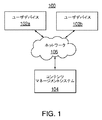
図1は、様々な実施の形態に従う例示的なシステムを示す。システム100は、ネットワーク106を跨いでコンテンツマネージメントシステム104と通信するユーザデバイス102aと102bとを含む。2つのユーザデバイスのみがシステム100内に示されているが、任意の数のユーザデバイスがコンテンツマネージメントシステム104及び/又はネットワーク106と作用し、上述の説明は単なる例示であることを、当業者は認識する。
FIG. 1 illustrates an exemplary system in accordance with various embodiments.
ネットワーク106は、伝送制御プロトコル及びインターネットプロトコル(「TCP/IP」)、ハイパーテキスト・トランスファー・プロトコル(「HTTP」)及び/又はワイヤレス・アプリケーション・プロトコル(「WAP」)を含み、但しこれらに限定されない、任意の数のプロトコルを含み得る。例えば、ユーザデバイス102aとユーザデバイス102b(まとめると102)とは、TCP/IPを用いてコンテンツマネージメントシステム104と通信し、そして、上位レベルでは、コンテンツマネージメントシステム104におけるウェブサーバとHTTPを用いて通信するために、ブラウザを用い得る。
The
様々なユーザデバイス102は、デスクトップコンピュータ、モバイルコンピュータ、モバイル通信デバイス(例えば携帯電話機、スマートフォン、タブレット)、テレビ、セットトップボックス、及び/又は、任意の他のネットワーク利用可能デバイス、を含む、但しこれに限定されない、コンテンツマネージメントシステム104と通信する。様々なタイプのユーザデバイスは、スマートフォン、携帯電話機、タブレットコンピュータ、パーソナルデジタルアシスタント(PDAs)、ラップトップコンピュータ、デジタル音楽プレイヤ、及び/又は、タッチ感応式表示インターフェースを含むことができる、任意の他の種類のユーザデバイスを含む、但しこれに限定されない、ものであり得る。様々なタッチ感応式表示インターフェースは、液晶ディスプレイ(LCD)、モノクロディスプレイ、カラーグラフィックスアダプタ(CGA)ディスプレイ、エンハンストグラフィックスアダプタ(EGA)ディスプレイ、可変グラフィックスアレイ(VGA)ディスプレイ、任意の他のディスプレイ、を含む、又はこれらの任意の組み合わせを含む、但しこれに限定されない、ものであり得る。ある実施形態では、タッチ感応式ディスプレイインターフェースは、ジェスチャを受け付けて検出するために、1つ以上のプロセッサに接続されたマルチタッチパネルを含み得る。マルチタッチパネルは、例えば、1つ以上の行トレースを有し、及び/又はライントレースを駆動する、及び1つ以上の列トレースを有し、及び/又はラインを検知する、容量性の検知媒体であり得る。マルチタッチパネルは、この中でタッチ感応式ディスプレイインターフェースの1つの例として記載されるが、当業者は任意のタッチ感応式ディスプレイインターフェースが使用されることを認識する。更に、様々な種類のユーザデバイスは、ある実施形態では、1つ以上の撮影コンポーネントを含み得る。例えば、ユーザデバイス102は、前向きカメラ及び/又は後向きカメラを含み得る。
Various user devices 102 include, but are not limited to, desktop computers, mobile computers, mobile communication devices (eg, mobile phones, smartphones, tablets), televisions, set-top boxes, and / or any other network-enabled device. Communicate with the
コンテンツマネージメントシステム100は、ユーザが認証されたアカウントを使ってコンテンツを蓄積できるようにし、また、検索、修正、ブラウズ、同期及び/又は他のアカウントにコンテンツを共有するようなマネージメントタスクを実行する。ある実施形態では、ユーザデバイス102上の対応するユーザインターフェース(例えばスタンドアロンアプリケーション、クライアントアプリケーション等)は、ユーザがコンテンツマネージメントシステム104のモジュールによって提供される機能を実行することができるように、コンテンツマネージメントインターフェースモジュールを用いて実装され得る。システム100の更なる詳細な記載は、図6を参照して以下に示される。
The
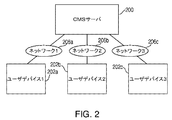
図2は、それぞれがネットワーク(例えば携帯電話ネットワーク)を跨いでコンテンツマネージメントシステムサーバに接続される、3つのユーザデバイス(例えばスマートフォン)の3のユーザの、簡略化された例示的なネットワークを模式的に示す。図2を参照すると、コンテンツマネージメントシステム(「CMS」)サーバ200およびユーザデバイス202a、202b、202cが示される。ユーザデバイス202aはネットワーク1 206aを介してCMSサーバ200と接続され、ユーザデバイス202bはネットワーク2 206bを介してCMSサーバ200と接続され、ユーザデバイス202cはネットワーク3 206cを介してCMSサーバ200と接続される。ユーザデバイス202a−cはCMSサーバ200と異なるネットワーク接続を介して接続され、かつ、物理的に異なる場所に位置する可能性があるので、ネットワーク接続を介した相互作用は異なるネットワーク遅延を伴う可能性があり、かつユーザデバイス202a−cのうちのひとつ以上は1日のうちの様々な時点でネットワーク接続の喪失を経験するかもしれない。
FIG. 2 schematically illustrates a simplified exemplary network of three users of three user devices (eg, smartphones) each connected to a content management system server across a network (eg, a mobile phone network). Shown in Referring to FIG. 2, a content management system (“CMS”)
コンテンツマネージメントアプリケーションはユーザデバイス202a−cのそれぞれにおいてローカルで実装されるものの、ユーザ間の競合は発生しうる。例えば、3人のユーザのそれぞれが3人のユーザ全てで共有される仮想空間を生成することを要求する場合、ユーザデバイス202aから発せられた要求が、ユーザデバイス202bからの要求のほうが先に発せられたにもかかわらず、CMSサーバ200に先に届く場合が生じうる。したがって、サーバは、共有仮想空間を生成する最初の要求がユーザデバイス202bから発せられたにもかかわらず、ユーザデバイス202aを共有仮想空間を始めたものとみなす場合がある。そのような競合条件により、CMSサーバ200および/またはユーザデバイス202a−cにコンテンツアイテムや共有仮想空間の重複した複製物が生成されるなどの望まない結果が生じる可能性がある。
Although the content management application is implemented locally on each of the
図2の模式的なネットワークは、ユーザデバイス202a−cでローカルに実行されるコンテンツマネージメントアプリケーションが完全な相互作用性を提供するべきものである場合に、そのアプリケーションが、CMSサーバ200との接続を必要な帯域をサポートするのに十分な高いサービス品質で維持することをどのように必要とするかを示す。ネットワーク接続の問題により、関連コンテンツの少なくともいくつかがCMSサーバ200で受け付けられる前に、(i)オブジェクトが生成されること(例えば、ユーザが写真のアップロードを試行する)や(ii)複数参加者、複数コンテンツアイテムのデータ構造やデータ構成が生成されること(例えばユーザが共有仮想空間を生成する)や(iii)ユーザがコンテンツアイテムやデータ構造と相互作用すること、などの多くのインスタンスが生じうる。このようなインスタンスには、本発明の例示的な実施の形態に従う様々なシステム及び方法が有効である。
The schematic network of FIG. 2 shows that a content management application running locally on
コンテンツおよびそのコンテンツとの相互作用の複雑なローカル生成の例:「ルーム」
本発明のある側面を十分に説明するため、共有仮想空間機能についてのローカルな相互作用が参照される。そのような機能は、本願と共通の譲渡の下「共有仮想空間を提供するシステム及び方法」と題して出願された、米国仮特許出願第61/945,814号に詳細に記載される。その出願の開示内容はここに参照により本願に組み入れられる。
Example of complex local generation of content and its interaction: “Room”
To fully describe certain aspects of the present invention, reference is made to local interactions for shared virtual space functions. Such functionality is described in detail in US Provisional Patent Application No. 61 / 945,814, filed under “Systems and Methods for Providing a Shared Virtual Space” under common assignment with the present application. The disclosure of that application is hereby incorporated herein by reference.
ルームアプリケーションは複数参加者共有仮想空間を記述し、「ルームズ(rooms)」または単数の「ルーム(room)」として知られる場合がある。ルームは、コンテンツマネージメントシステムのユーザの集合によってアクセス可能な仮想空間として定義されてもよい。そこでは、ユーザはコンテンツアイテムや該アイテムに関するメッセージを相互に共有してもよい。コンテンツマネージメントシステムは、ユーザのルームおよび全てのコンテンツアイテム、メッセージ、並びにそれらに関連する相互作用を管理してもよい。ルームの複数参加者は、ルームの生成者と、最初のコンテンツを生成者と共有した全ての他の者と、および/または続いて招待された他の者と、を含んでもよい。これらの参加者はルームの「メンバ」と称される場合がある。 A room application describes a multi-participant shared virtual space and may be known as “rooms” or a single “room”. A room may be defined as a virtual space accessible by a set of users of the content management system. There, users may share content items and messages about the items with each other. The content management system may manage the user's room and all content items, messages, and their associated interactions. Multiple participants in a room may include the creator of the room, all others who shared the original content with the creator, and / or others who were subsequently invited. These participants may be referred to as “members” of the room.
ある実施の形態では、ルームは、コンテンツマネージメントシステムのユーザがコンテンツアイテムやコンテンツアイテムについてのメッセージを他のユーザと共有したときにいつでも、自動的に生成されてもよい。一例では、ひとつ以上のコンテンツアイテムをユーザの連絡先のひとつ以上と共有するための共有要求が受け付けられてもよい。その共有要求の受け付けに応じて、ひとつ以上の共有コンテンツアイテムの複製やそれへのリンクを含むルームが自動的に生成されてもよい。ルームは、システムサーバの割り当てられたメモリ位置(例えば、図1のデータストア118)に関連付けられてもよい。ルームは、ユーザおよび他のメンバの両方からアクセスされてもよく、各メンバはさらなるコンテンツ(例えばコンテンツアイテムおよびメッセージ)をルームに追加してもよい。任意のコンテンツがルームに追加されたときはいつでも、全てのメンバ参加者に通知してもよい。ある実施の形態では、他の非メンバに通知してもよく、コンテンツマネージメントシステムのユーザとして登録されていない者に対してさえも通知してもよい。通知は、インバンド(すなわち、コンテンツマネージメントシステム内の通信を介して又はそのようなシステムによって提供されるアプリケーションを介して)、アウトバンド(例えば電子メールやSMSやソーシャルメディアの通知やポストを介して)、又はこれらの通信経路の任意の組み合わせであってもよい。
In some embodiments, a room may be automatically generated whenever a user of a content management system shares a content item or message about a content item with other users. In one example, a sharing request for sharing one or more content items with one or more of the user's contacts may be accepted. In response to accepting the sharing request, a room including a copy of one or more shared content items and a link thereto may be automatically generated. The room may be associated with an allocated memory location of the system server (eg,
ルームアプリケーションで使用されたように、ルームは「メンバ」を有すると言える。実施の形態によっては、メンバは、ルーム機能を提供するコンテンツマネージメントシステムの排他的な登録ユーザであってもよい。他の例示的な実施の形態では、コンテンツマネージメントシステムの未登録ユーザは全体的にまたは部分的にルームのメンバとして指定されてもよい。これらの実施の形態では、所与の者は、その者のコンテンツマネージメントシステムの登録ユーザとしての地位に依らずに、ルームのメンバであってもよい。 As used in the room application, a room can be said to have “members”. In some embodiments, the member may be an exclusive registered user of the content management system that provides the room function. In other exemplary embodiments, unregistered users of the content management system may be designated in whole or in part as rooms members. In these embodiments, a given person may be a member of a room regardless of his or her status as a registered user of the content management system.
ある実施の形態では、ルームのメンバに、ルームの任意のコンテンツをコンテンツマネージメントシステム上の自身の個人アカウントに複製すること、および/または電子メールやSMSを介して他の者にそのようなコンテンツの複製を自由に送るかソーシャルメディアアプリケーションにポストを自由に送ること、を許可してもよい。ルームはルームコンテンツを保持しルームコンテンツとの相互作用を促進するよう設計された恒久的または準恒久的なデータ構造であるため、ルームに招待された参加者のそれぞれはいつでもルームにアクセスでき、便利である。ある実施の形態では、ルームに追加されたコンテンツアイテムは別々の「ルーム(rooms)」データベースにコピーされ、ロックされてもよい。すなわち、コンテンツアイテムの元の所有者が後に元のコンテンツアイテムを自身のユーザアカウントのなかで変更した場合であっても、そのような変更はルームの外のコンテンツアイテムには適用されなくてもよい。ルームに追加された任意のコンテンツは、例えば無期限であってもよい所定の期間、ルームにセーブされてもよい。 In one embodiment, members of the room may be allowed to copy any content in the room to their personal account on the content management system and / or to others of such content via email or SMS. You may allow free copies to be sent or free posting to social media applications. A room is a permanent or quasi-permanent data structure designed to hold room content and facilitate interaction with room content, so each participant invited to the room can access the room at any time and is convenient It is. In one embodiment, content items added to a room may be copied and locked into a separate “rooms” database. That is, even if the original owner of the content item later changes the original content item in his user account, such a change may not apply to the content item outside the room. . Any content added to the room may be saved in the room for a predetermined period of time, which may be indefinite, for example.
ある実施の形態では、ユーザによって共有仮想空間に対して要求されたローカル変更(例えば、コンテンツやポストの追加、新たな者の追加など)は、その変更が要求されるとすぐにローカルで表示されてもよい。変更をローカルで表示する前にその変更がサーバに送信されることを待つことは不要であってもよい。したがって、多くのルームがローカルで生成されてもよく、種々のコンテンツアイテムがルームに追加されてもよく、種々の者がルームにメンバとして追加されてもよく、これらは、この情報がコンテンツマネージメントシステムのサーバに届く前に生じてもよい。ユーザにとっては、それはあたかも相互作用が生じるとすぐに要求が完了したかのように見えてもよい。この機能は、本発明のシステムおよび方法によって可能となってもよい。したがって、「ルーム」機能は本発明の種々の態様を説明するための明らかな例としての役割を果たしてもよい。そのようなルームの複雑さは本発明の種々の実施の形態によって解決される課題を際立たせるからである。 In some embodiments, local changes requested by the user to the shared virtual space (eg, adding content or posts, adding new people, etc.) are displayed locally as soon as the change is requested. May be. It may not be necessary to wait for the change to be sent to the server before displaying the change locally. Thus, many rooms may be created locally, various content items may be added to the room, and various persons may be added as members to the room, which is the content management system. It may occur before reaching the server. To the user, it may appear as if the request has been completed as soon as the interaction occurs. This functionality may be enabled by the system and method of the present invention. Thus, the “room” function may serve as an obvious example to illustrate various aspects of the present invention. This is because the complexity of the room highlights the problems solved by the various embodiments of the present invention.
上述の通り、種々の例示的な実施の形態では、ユーザコンテンツおよびそれとの相互作用は、最終的には、コンテンツマネージメントシステムのサーバによって管理されてもよい。しかしながら、ユーザは、データ通信ネットワークを介してサーバと通信するユーザデバイス上で実行されるコンテンツマネージメントアプリケーションによって提供されるユーザインターフェースを介して、コンテンツマネージメントシステムとやりとりしてもよい。そのような実施の形態では、(i)コンテンツアイテムやコンテンツデータ構造(例えば、写真、ビデオ、「ルーム」など)の生成、(ii)コンテンツアイテムやメッセージのユーザアカウントまたは既存のルームへの追加、(iii)ルームからコンテンツマネージメントシステム内の個人的アカウントへのコンテンツのダウンロード、および(iv)ユーザ自身のアプリケーションとの相互作用に対する他の応答、に関して、ユーザデバイスのユーザがユーザインターフェースのシームレスな応答を体験できることは非常に望ましい。これらの目的は、ユーザインターフェースとコンテンツマネージメントアプリケーションとの間のユーザデバイス上の接続性は恒久的である一方、コンテンツマネージメントアプリケーションとリモートサーバとの間の接続はしばしば断続的であり得るため、容易に達成できるとは限らない。 As described above, in various exemplary embodiments, user content and interactions therewith may ultimately be managed by a server of the content management system. However, the user may interact with the content management system via a user interface provided by a content management application executed on a user device that communicates with the server via a data communication network. In such embodiments, (i) generation of content items and content data structures (eg, photos, videos, “rooms”, etc.), (ii) addition of content items and messages to user accounts or existing rooms, The user of the user device provides a seamless user interface response for (iii) downloading content from a room to a personal account within the content management system and (iv) other responses to interaction with the user's own application. It is highly desirable to be able to experience it. These objectives are facilitated because the connectivity on the user device between the user interface and the content management application is permanent, while the connection between the content management application and the remote server can often be intermittent. It is not always possible to achieve it.
ある実施の形態では、コンテンツは一意のインデックス番号又はコンテンツに割り当てられ又は関連付けられた識別子を参照して管理されてもよい。標準的なコンテンツマネージメントシステムでは、各ユーザには一意の識別子が割り当てられ、そのユーザの全てのコンテンツ及び相互作用は、コンテンツマネージメントシステムが適切にコンテンツアイテムを自身のアカウントに蓄積すると共に、サポートされた様々な相互作用を該アカウントで実装できるようにするために、一意の識別子を利用してもよい。 In some embodiments, the content may be managed with reference to a unique index number or an identifier assigned or associated with the content. In a standard content management system, each user is assigned a unique identifier, and all content and interactions for that user are supported as the content management system properly stores the content items in their account. A unique identifier may be utilized to allow various interactions to be implemented in the account.
ユーザがあるコンテンツの共有を開始することによりルームを生成するか、コンテンツをルームに追加するか、によらずに、サーバにとっては動作は基本的に同じに見えてもよい。しかしながら、前者の場合、共有が行われたときにルームIDは存在せず、一方で後者の場合、ルームIDは既に存在する。ユーザが最初にルームを生成する場合、ルームIDに対する要求はコンテンツマネージメントアプリケーションからコンテンツマネージメントシステムのサーバに送信されてもよい。サーバからルームIDを受け取るまでコンテンツマネージメントアプリケーションが待たなければならない場合、ルームIDが受信されるまで該アプリケーションはルームを生成したりルーム内でコンテンツを示したりすることができない。この処理は、クライアントアプリケーションとサーバとの間の接続性が断続的である場合に待ち状態を引き起こす可能性がある。ユーザデバイスと遠隔サーバとの間の弱いまたは断続的なデータ接続が完全ローカル機能の見かけを損ねないようにするために、サーバがアクションに応答していない場合やサーバが要求を満たしていない場合やサーバが要求を処理していない場合であっても、ユーザによって要求されたアクションはユーザインターフェースに反映されてもよい。 Regardless of whether a user creates a room by initiating sharing of content or adds content to a room, the operation may look essentially the same for the server. However, in the former case, the room ID does not exist when sharing is performed, while in the latter case, the room ID already exists. When the user first creates a room, a request for a room ID may be sent from the content management application to the server of the content management system. If the content management application has to wait until a room ID is received from the server, the application cannot create a room or show content in the room until the room ID is received. This process can cause a wait state when connectivity between the client application and the server is intermittent. To prevent a weak or intermittent data connection between the user device and the remote server from compromising the appearance of full local functionality, the server may not be responding to actions or the server may not meet the requirements. Even if the server is not processing the request, the action requested by the user may be reflected in the user interface.
例えば、簡単なケースを例にとると、ユーザデバイスがコンテンツマネージメントシステムのサーバと弱いまたは断続的な接続を有しているかまたはそのサーバと接続されていない状況でも、ユーザはルームを生成すると決めてもよい。ユーザはルームで共有する多くのコンテンツアイテムを選択し、ルームに追加する多くの者を選択してもよい。共有に際して、コンテンツマネージメントアプリケーションはユーザデバイス上にルームを生成してもよい。その時点で、コンテンツマネージメントアプリケーションはユーザインターフェースに新たなルームを知らせてもよく、サーバに新たなルームを知らせるよう少なくとも試みてもよい。サーバがそのときアクセス可能でなければ、サーバに新たなルームを知らせるメッセージは、適切なネットワーク接続が利用可能となったときにサーバに送られるべきものとしてキューに入れられてもよい。いずれにせよ、ユーザがルームにコメントを追加した場合、それは、そのメッセージがサーバにまだ送信されていないかサーバで処理されていない場合でも、ローカルユーザインターフェースのルームに表示されてもよい。すなわち、ユーザがルームにコメントしても実際かなりの時間そのコメントが見えないとそのユーザは当惑しうるので、「ギャップを埋める」ために何かがローカルでなされなければならない。したがって、接続が依然として貧弱または存在しない場合でも、本発明の例示的な実施の形態では、ユーザはそれにもかかわらずスムーズでほぼシームレスなローカル体験を経験できる。そのような実施の形態では、コンテンツマネージメントアプリケーションは、後にサーバに「ルームを生成してルームIDを割り当てよ」というメッセージを送信するまで待つ間に、ユーザデバイス上で活動をシミュレートしてもよい。 For example, in the simple case, the user decides to create a room even if the user device has a weak or intermittent connection to the server of the content management system or is not connected to that server. Also good. The user may select many content items to share in the room and select many to add to the room. Upon sharing, the content management application may create a room on the user device. At that point, the content management application may inform the user interface of the new room and may at least attempt to inform the server of the new room. If the server is not accessible at that time, a message informing the server of the new room may be queued as to be sent to the server when an appropriate network connection is available. In any case, if a user adds a comment to a room, it may be displayed in the room in the local user interface even if the message has not yet been sent to the server or processed by the server. That is, even if a user comments in the room, the user may be perplexed if the comment is not seen for a significant amount of time, so something has to be done locally to “fill the gap”. Thus, even if the connection is still poor or nonexistent, in an exemplary embodiment of the invention, the user can nevertheless experience a smooth and nearly seamless local experience. In such an embodiment, the content management application may simulate activity on the user device while waiting until it later sends a message to the server “Create room and assign room ID”. .
活動をシミュレートするために、コンテンツマネージメントアプリケーションはローカルIDおよび新たなポストテーブル(例えば、どのポストがルームにあり、どのルームがあるかなどを管理するテーブル)を生成してもよい。コンテンツマネージメントアプリケーションは、あたかも新たなルームがグローバルに存在し、コンテンツがルームに本当にポストされたかのように、ローカルでこれらの結果を生成してもよい。サーバが応答したときに各ユーザデバイス上でのシームレスな相互作用を維持するために、グローバルルームIDをローカルルームIDと関連付け、ローカルルームIDをグローバルルームIDで置き換えてもよい。アクションが2度実行されることを防ぐために、またはアクションが全く実行されないことを防ぐために、ローカルルームIDがキューに入れられたインストラクションに含まれる場合、インストラクションがキューに入っているがまだ実行されていない間に、またはインストラクションが実行された後に、IDの交換が生じてもよい。インストラクションが実行されている間に交換が生じると、不確実性が生じうる。 To simulate the activity, the content management application may generate a local ID and a new post table (eg, a table that manages which posts are in rooms, which rooms are, etc.). The content management application may generate these results locally as if a new room existed globally and the content was really posted to the room. In order to maintain a seamless interaction on each user device when the server responds, the global room ID may be associated with the local room ID and the local room ID may be replaced with the global room ID. To prevent an action from being executed twice, or to prevent an action from being executed at all, if the local room ID is included in a queued instruction, the instruction is queued but not yet executed. An ID exchange may occur during the absence or after the instruction is executed. Uncertainty can occur if exchanges occur while instructions are being executed.
例えば、ユーザはスマートフォンで写真を撮り、またそのユーザはそのスマートフォンでルームアプリケーションを実行していて新たなルームにおいてひとつ以上の他のユーザと写真を共有しようとするかもしれない。スマートフォンがコンテンツマネージメントシステムのサーバと接続されていない(例えば、ネットワークの問題のために)場合、写真およびルーム生成要求は、ローカルで実施される一方でサーバへのアップロードのためにキューに入れられたままとなってもよい。したがって、これらの写真および新たなルームにはローカルIDのみが関連付けられてもよい。ルームや各写真に対するグローバルIDを要求するタスクおよび写真をルームに追加するタスクは、ローカルで実行される一方でキューに入れられてもよい。これらのインストラクションのうちのいくつかが実行されている途中にサーバとの接続が回復した場合、タスクに抜けが無いように、かつタスクが2度実行されないように(すなわち、ローカルIDを参照して1回目の実行が行われ、かつグローバルIDを参照して2回目の実行が行われる)、ローカルIDとグローバルIDとの置き換えを管理する必要があるであろう。 For example, a user may take a photo with a smartphone and the user may be running a room application on the smartphone and trying to share a photo with one or more other users in a new room. If the smartphone is not connected to the content management system server (eg due to network issues), photo and room generation requests are queued for upload to the server while being performed locally It may be left as it is. Accordingly, only local IDs may be associated with these photos and new rooms. The task of requesting a global ID for a room and each photo and the task of adding a photo to a room may be queued while being performed locally. If connection to the server is restored while some of these instructions are being executed, the task will not be missed and the task will not be executed twice (ie refer to the local ID) The first execution is performed and the second execution is performed with reference to the global ID), and it may be necessary to manage the replacement of the local ID with the global ID.
従来の(サーバベースの)アプローチ
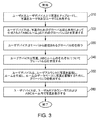
遅い、断続的な、存在しない、またはそうでなければ貧弱なネットワーク接続が大きな待ち状態をどのように導入するかを示すため、図3は、ユーザデバイスで実行される従来のコンテンツマネージメントシステムアプリケーションの例示的な処理の流れを示す。図3に示される例示的な従来のアプリケーションでは、ユーザによって生成されたコンテンツアイテムやデータ構造や動作を、コンテンツマネージメントシステムがその生成を認めてオブジェクトや構造や動作にグローバルIDを割り当てるまでの間管理する方法やシステムは存在しない。
Traditional (server-based) approach To illustrate how slow, intermittent, non-existent or otherwise poor network connections introduce large wait states, FIG. 2 illustrates an exemplary process flow of a conventional content management system application. The exemplary conventional application shown in FIG. 3 manages content items, data structures, and operations generated by the user until the content management system approves the generation and assigns a global ID to the object, structure, or operation. There is no way or system to do this.
図3を参照すると、処理の流れは開始で始まり、ステップ310に進む。そこではユーザAが写真をアップロードし、その写真をユーザデバイスを介してユーザB、ユーザCのそれぞれと共有する。説明のために、図3に示されるアプリケーションは、ルームアプリケーションで説明された新規な「ルーム」機能を組み入れるがまるで従来のサーバベースのシステムに実装されたかのように描かれるコンテンツマネージメントアプリケーションである。そのようなアプリケーションでは、ユーザは写真やビデオなどのコンテンツアイテムをひとつ以上の他のユーザとコンテンツマネージメントシステムのサーバで共有することによって共有仮想空間を生成可能である。コンテンツマネージメントシステムのサーバは、コンテンツアイテムの受領と、ルームの生成と、関与するユーザデバイスとの後の通信と、を管理する。最初の共有がなされると、コンテンツマネージメントシステムによって管理される共有仮想空間が存在してもよい。したがって、ステップ310では、以下の2つの論理オブジェクトが生成されてもよい。(1)ユーザAのユーザデバイスからコンテンツマネージメントシステムにおけるその者のアカウントへアップロードされたコンテンツアイテム、および(2)ユーザBおよびユーザCと共有されることが指定されたコンテンツアイテムがサーバで受け付けられた後にコンテンツマネージメントシステムによって定義されてもよい共有仮想空間。したがって、グローバルIDを割り当てる必要がある2つのオブジェクトが存在する。加えて、コンテンツマネージメントシステムはコンテンツアイテムを共有仮想空間と関連付ける必要がある。この関連付けは、共有仮想空間と関連付けられた記録に反映されてもよい。
Referring to FIG. 3, the process flow begins at start and proceeds to step 310. There, the user A uploads a photo and shares the photo with each of the user B and the user C via the user device. For purposes of explanation, the application shown in FIG. 3 is a content management application that is depicted as if implemented in a conventional server-based system that incorporates the new “room” functionality described in the room application. In such an application, a user can create a shared virtual space by sharing content items such as photos and videos with one or more other users on a server of the content management system. The server of the content management system manages the receipt of content items, creation of rooms, and subsequent communication with participating user devices. When the first sharing is performed, there may be a shared virtual space managed by the content management system. Accordingly, in
処理の流れはステップ310からステップ320へと進み、そこではユーザデバイスは310で説明されたユーザアクションを処理する。したがって、ユーザデバイスはコンテンツアイテムおよび共有仮想空間に対するグローバルIDを要求する。ここで、図3の説明的な処理ではグローバルIDのみが存在することは理解されるべきである。コンテンツアイテムがユーザBおよびCと共有されると、共有仮想空間がユーザAによって生成されてもよい。それは「ABCルーム」と称される。ルームや共有仮想空間をそのルームのメンバにしたがって指定するのが簡単で便利だからである。上述の通り、これらのオブジェクトの両方に対するグローバルIDが必要とされるだけでなく、コンテンツアイテムとABCルームとをそれらのグローバルIDによって関連付けるためのインストラクションを送信する必要がある。
The process flow proceeds from
処理の流れは320からステップ330へ進む。本発明との違いがここに存在する。すなわち、ユーザデバイスは、それがそれらのオブジェクトを存在するものとして扱うことができる前に、および/またはそれがそれらのオブジェクトをユーザデバイス上のコンテンツマネージメントアプリケーション内で表示する前に、コンテンツマネージメントシステムのサーバからグローバルIDが送られてくるのを待たなければならない。ネットワーク遅延や接続に何ら問題がなければ、ユーザはステップ330による遅れやアーチファクトを感じることはない。しかしながら、何らかの理由でネットワークの遅延がある場合、またはネットワークの輻輳がある場合、または例えば、ユーザがスマートフォンを用いセルラネットワークを介してコンテンツマネージメントシステムにアクセスしておりそのユーザがシグナルがほぼ無いかぎりぎり在るか存在しないようなエリアを進んでいる場合、ユーザデバイスがネットワークから切断されている長い期間が存在しうる。そのような場合、ステップ330は非常に苛立たしいものとなりうる。写真がコンテンツマネージメントアプリケーションで表示されるまで、コンテンツアイテムを共有可能となるまで、ルームが存在するようになるまで、およびコンテンツアイテムがルームで表示されるまで、ユーザは数秒、数分、数時間またはそれ以上も待つことを要求されるかもしれない。
The flow of processing proceeds from 320 to
処理の流れはステップ330からステップ340へと進み、そこではユーザデバイスは(i)コンテンツアイテムおよび(ii)ABCルームのそれぞれに対するグローバルIDを受け付ける。次に、処理の流れはステップ350へと進み、そこではユーザデバイスはここでグローバルIDを使用して、(a)写真をユーザのアカウントに格納し、(b)ABCルームを生成し、かつ(c)写真をルームのデータベースに格納することでその写真がABCルームに関連付けられて表示されるようにしてもよい。処理の流れはステップ350からステップ360へと進み、そこではユーザデバイスはユーザAのアカウントにおいて写真を表示し、ユーザのコンテンツマネージメントシステムアプリケーション内でABCルームを表示し、かつABCルーム内で写真を表示する。処理の流れはそこから出て終わる。
The process flow proceeds from
上述のように、ユーザデバイスがコンテンツマネージメントシステムにぎりぎり接続されているか弱く接続されているか接続されていないときにいつでも、ユーザは図3に示される処理の流れの大きな欠点を感じてしまうことになろう。この状況を改善し、付随する待ち状態や競合状態や他の欠陥を防ぐために、種々の例示的な実施の形態において図4に示される例示的な処理の流れが実装されてもよい。 As described above, whenever the user device is barely connected or weakly connected to the content management system, the user will feel the major drawback of the process flow shown in FIG. Let's go. In order to improve this situation and prevent the associated wait states, race conditions and other defects, the exemplary process flow shown in FIG. 4 in various exemplary embodiments may be implemented.
ユーザデバイスのユーザインターフェースモジュールおよび処理モジュールへの分割;各モジュールの機能
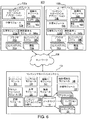
本発明の例示的な実施の形態では、ユーザデバイスは2つのモジュールに分割されてもよい。これは図4に模式的に示される。それを参照すると、ユーザデバイス410はユーザインターフェース(「UI」)モジュール415とプロセッサモジュール420とを有する。UIモジュール415は、プロセッサモジュール420との恒久的な(配線による等)接続430を有する。プロセッサモジュール420はネットワーク通信を扱ってもよい。プロセッサモジュール420はコンテンツマネージメントシステム(「CMS」)サーバ460とのデータネットワーク440を介した断続的接続450を有する。
Division of User Device into User Interface Module and Processing Module; Function of Each Module In an exemplary embodiment of the invention, the user device may be divided into two modules. This is schematically shown in FIG. Referring to it, the
プロセッサモジュール420は、例えばアンドロイド(登録商標)およびiOSタイプのデバイスを含む、種々のコンピュータプラットフォームで使用可能なソフトウエア共有ライブラリを含んでもよい。上述の通り、プロセッサモジュール420はCMSサーバ460との接続を維持し、したがってサーバとユーザデバイス410上で実行されるコンテンツマネージメントアプリケーションとの間で情報を交換する。プロセッサモジュール420はUIモジュール415に、ユーザのアカウントのビューを、グローバルデータおよびローカルデータの両方を考慮に入れた形で、提供する。したがって、例えば、ルームアプリケーションでは、プロセッサモジュール420はユーザのルームおよび各ルームのコンテンツに関するデータを提供してもよい。そのデータは、(i)サーバと同期したデータと(ii)ローカルで生成されたがサーバとまだ同期していないデータとを組み合わせる。
The
本発明の例示的な実施の形態では、プロセッサモジュール420は「キャッシュ」と称されるデータベースを備えてもよい。キャッシュは基本的にサーバ状態のローカルキャッシュである。この「キャッシュ」データベースは、ユーザの写真の全て、ユーザのルームの全て、およびそれらのルームのコンテンツの全てを保持してもよい。そのデータベースは例えば「デルタ」スレッドによって最新の状態に維持されてもよい。デルタスレッドは、ユーザデバイスがCMSサーバ460との十分な接続を有するときに実行され、サーバに例えば「私はA点までにおいてこの全データを有する」と知らせるような、連続的に実行されるプロセスであってもよい。CMSサーバ460は次いで、キャッシュは最新の状態であると応答するか、またはキャッシュに追加される必要がある新たな情報を提供してもよい。ユーザデバイス410が新たなデータを生成していない場合、デルタスレッドは実行され、CMSサーバ460から変更を受け付け、その変更をキャッシュに適用する。したがって、ユーザが実際コンテンツや相互作用を追加しないような場合、比較的シンプルである。UIモジュール415は基本的に、プロセッサモジュール420に、例えば所与のルームやルームの集合のコンテンツを要求する。プロセッサモジュール420は次いでキャッシュを参照し、現在のデータを返す。このデルタスレッドが変更すると、プロセッサモジュール420は、UIモジュールが特定のルームまたはルームの集合に対する興味を表明した場合、UIモジュール415にこれらの変更をプッシュしてもよい。後により十分に説明される通り、UIモジュール415はルームについてリスナを登録することにより、興味を表明してもよい。このようにすることで、個々全てのキャッシュに対する更新をプロセッサモジュール420からUIモジュール415にプッシュする必要がなくなり、したがって処理量を低減し電力消費を最小化できる。
In an exemplary embodiment of the invention,
ある特定の例では、ユーザはいくつかのルームのメンバであってもよい。しかしながら、その者が実際よく見たり相互作用したりするのはそれらのルームのうちの小さな部分集合のみであってもよい。それらのルームに対して興味が表明される。しかしながら、その者が6ヶ月間訪れたことのないルームについては、キャッシュの変更をプッシュする必要はなく、またそのようなルームのコンテンツに対する変更についてそのユーザにアラートを出す必要もない。 In one particular example, the user may be a member of several rooms. However, it may only be a small subset of those rooms that the person actually sees and interacts with. Interest is expressed in those rooms. However, for a room that the person has not visited for six months, there is no need to push cache changes and no alert to the user about changes to the content of such rooms.
リスナ機能
本発明の例示的な実施の形態では、上述の通り、UIモジュール415はコンテンツアイテムや他のユーザやルームに対する興味を、例えばそのコンテンツに対する「リスナ」を登録することによって表明してもよい。例えば、ルームリスナやポストリスナや「ルームメンバ」リスナまでもが存在してもよい。したがって、デルタスレッドが実行されると、それはサーバ状態の変更をピックアップし、登録リスナのいずれかがその変更に興味があるか否かを判定してもよい。もしある場合、例えば「ここに新たなルームがある、ここに更新されたルームがある、ここに新たなポストがある、ここにこのポストに入る写真がある」と述べつつ、これらのリスナにメソッドを呼び出してもよい。
Listener Function In an exemplary embodiment of the invention, as described above,
それは、ユーザが実際何も変更していないようなシンプルな場合のことである。より複雑なケースは、ユーザがUIモジュール415を介してローカルコンテンツを生成しているような場合である。そのような場合、ローカルデータベースに既に格納されたがまだCMSサーバ460に送信されていないデータや状態があってもよい。このデータは、持続的に保持可能なように、プロセッサモジュール420のユーザデバイス「キャッシュ」にも格納されてもよい。したがって、ユーザがポストを生成し、次いで例えばその者のスマートフォンがクラッシュした場合、アプリケーションはそのポストをセーブしてもよい。その結果、ユーザがそのフォンを再スタートしたとき、そのポストは、失われること無く、コンテンツマネージメントシステムサーバに送信可能となる。
That is a simple case where the user has not actually changed anything. A more complicated case is when the user is generating local content via the
本発明の例示的な実施の形態では、コンテンツマネージメントアプリケーションとのユーザの相互作用は種々の動作を生成してもよい。そのような動作は動作キューに送信されてもよい。例えば、ユーザがルームに対してとったアクションは動作キューにおいて表現されてもよい。これらのアクションは、例えば、新たなルームの生成、新たなポストの生成、ルームへのメンバの追加、ポストからの写真の保存、またはユーザがルームについての通知の受信を止めるようルームを「既読」とマークすること、を含んでもよい。これら全ての事象はルームまたはルームのリストのユーザビューに影響を与えうる。したがって、それら全ては、ユーザに適切なUIビューを描いてみせるために、既存の状態の上に適用されてもよい。したがって、ユーザが見たいものは、(i)データベース内にあり、サーバとマッチされた既存の状態、プラス(ii)UIが表すべきものを得るために、その状態の上となるようキューに入れられたローカル動作の全てのリプレイ、である。したがって、例えば、(サーバ観点で)2つのルームがあり、かつ(ユーザデバイス観点のみで)ユーザが2つの新たなルームを追加した場合、それらの2つの新たなルームがまだサーバに送信されていない場合であっても、UIモジュール415は、ユーザがアプリケーションを使用するとき、4つ全てのルームをユーザに描いてみせてもよい。
In an exemplary embodiment of the invention, user interaction with a content management application may generate various actions. Such an operation may be sent to an operation queue. For example, actions taken by a user on a room may be expressed in an action queue. These actions can, for example, create a new room, create a new post, add a member to the room, save a photo from the post, or “read a room so that the user stops receiving notifications about the room. May be included. All these events can affect the user view of a room or list of rooms. Thus, all of them may be applied over the existing state in order to show the user the appropriate UI view. So what the user wants to see is (i) in the database and queued to be above that state to get the existing state matched with the server, plus (ii) what the UI should represent. All replays of the local actions performed. Thus, for example, if there are two rooms (from the server perspective) and the user adds two new rooms (from the user device perspective only), those two new rooms have not yet been sent to the server Even so, the
例として、次にシンプルなケースが提供される。ユーザはキャッシュに既にひとつ以上のルームを有し、動作キューにおいていくつかの新たなルームを要求してもよい。例えば、前にキューに入った動作が依然として実行されているか、ユーザデバイスが適切な接続を有さないために、これらの新たなルームはCMSサーバ460にまだ送信されていなくてもよい。UIモジュール415は次いでリスナを登録してもよい。本発明の例示的な実施の形態では、UIモジュール415は次いでサーバが既に知っているルームに関する情報をキャッシュからフェッチしてもよい。プロセッサモジュール420は次いで動作をそれらが生成された順序で実施し、2つの新たなルームを追加するようユーザのルームリストを更新してもよい。その2つの新たなルームはこの時点ではローカルにのみ知られている。動作が既存のルームを変更する場合、プロセッサモジュール420はキャッシュからフェッチされたルームのコピーを変更してもよい。これは例えばポストの数をインクリメントしたり、新たなメッセージを追加したり、新たなコンテンツアイテムを追加したりすることによる。動作が新たなルームに対応する場合、プロセッサモジュール420はキャッシュに既に保持されているルームのリストに追加してもよい。したがって、キャッシュデータをとり、それを動作キューデータと組み合わせた後、プロセッサモジュール420はリスナに送信可能な情報集合を有してもよい。例えば、プロセッサモジュール420はUIにおいてユーザに示される必要があるルームのビューを所有してもよい。
As an example, the following simple case is provided. The user may already have one or more rooms in the cache and request several new rooms in the action queue. For example, these new rooms may not yet be sent to the
したがって、動作ビューはユーザデバイスにローカルであってもよいことは理解されるであろう。加えて、ある動作はそれらがサーバに送信される前に遅れる可能性があることを注意しておく。例えば、ユーザが10個の写真を共有し、10個全ての写真がまだカメラアップロードされていない(すなわち、ユーザのコンテンツマネージメントシステムに追加されていない)場合、写真を共有する動作は進める前に、10個の写真がアップロードされてしまうまで待ってもよい。その共有動作が往生する間にデバイス上で他の動作が実行されてもよいが、そのルームに対する他の動作は実行されてはならない。したがって、その意味で、係属中のアップロードはそのルームにおける全てのことについてのブロッカとして作用してもよい。したがって、動作キューは単なる先入れ先出しよりも少し複雑であることは注意されるべきである。 Thus, it will be appreciated that the operational view may be local to the user device. In addition, note that certain actions may be delayed before they are sent to the server. For example, if a user shares 10 photos and all 10 photos have not yet been uploaded to the camera (ie, have not been added to the user's content management system), the photo sharing operation can proceed before proceeding. You may wait until 10 photos have been uploaded. Other operations may be performed on the device while the shared operation is in progress, but other operations on the room must not be performed. Thus, in that sense, a pending upload may act as a blocker for everything in the room. Therefore, it should be noted that the motion queue is a little more complicated than just a first-in first-out.
本発明の例示的な実施の形態では、ユーザがコンテンツを追加した場合、またはユーザがUIモジュール415を介して何らかのアクション、例えばルームへのポストの追加、を起こした場合、プロセッサモジュール420は、それがその動作をローカルで処理するときにCMSサーバ460に並列コマンドを送信してもよい。次に、CMSサーバ460は、サーバデータベースを更新し、コンテンツマネージメントアプリケーションが実行されている全てのユーザのデバイスをピンすることによって、そのコマンドを処理してもよい。その結果、そのようなデバイスのそれぞれはデルタスレッドを実行し、その状態をキャッシュデータベースに適用するのは上述の通りである。(例えば特定のユーザデバイスとのネットワーク接続の欠如のために)デルタスレッドが動作しない場合、それは例えば続けてリトライしてもよい。ユーザデバイスがコンテンツマネージメントアプリケーションを実行している限り、デルタスレッドはサーバとの通信を試行できる。さらに、接続が失われると、デルタスレッドは接続が回復するまで待つことができる。
In an exemplary embodiment of the invention, if the user adds content, or if the user takes some action via the
図2に示される模式的ネットワークを再度参照すると、ユーザデバイス202a−cが既存のルームを変更するか、または同じ人々との同じルームの生成を試行している場合、それらのいくつかまたは全てが接続を失うことの結果として、および上述の通り全てのユーザアクションがローカルで処理されるために、ユーザデバイス202a−cのそれぞれは皆が共通して知っていることプラスその者のみが知っていることのみを認知する可能性がある。したがって、図2のユーザのうちの2または3のユーザはそれぞれ、同じルームを生成し、それに異なる一連の写真を入れるかもしれない。全てのユーザデバイスが接続状態に戻ると、サーバデータベースに書き込まれた順番で全てが収束し、したがって、コンテンツマネージメントシステムサーバが新たなルームを登録し、ユーザのデルタスレッドのそれぞれがコンテンツマネージメントシステムサーバと同期すると、ローカルビューは変更されてもよい。したがって、ローカルの活動は、他の活動(ローカルデバイスは、他の活動がローカルで実施されたときに他の活動について知らなかった)がローカルの活動を上書きする程度で変更されうる。
Referring back to the schematic network shown in FIG. 2, if
本発明の例示的な実施の形態では、この処理は以下の態様で動作してもよい。ルーム内の全てのポストは、全てのルームと共に、自身に関連付けられた「ソートキー」を有してもよい。サーバ上のソートキーは例えばそのアイテムがサーバデータベースに書き込まれた時刻を記録するタイムスタンプから生成されてもよい。ソートキーはストリングのようなものであり、例えば「aaa」や「aab」などのような、デバイスがどのようにソートするかを知っているものである。そのような例示的な実施の形態では、ユーザがローカルで生成するいかなるものも、サーバ上のいかなるものよりも大きくなることが保証されているソートキーを有するであろう。したがって、ユーザがローカルで生成する全てのものは、基本的にサーバ上のあらゆるものの最新の端部にソートされてもよい。しかしながら、それがサーバに書き込まれるにつれて、それはそれがサーバに行き着いたときに基づく新たなソートキーを受け付けてもよい。それにより、全ての者(すなわち、全てのメンバ)は最終的にルームの矛盾の無いビューを得ることができる。 In an exemplary embodiment of the invention, this process may operate in the following manner. Every post in a room, along with every room, may have a “sort key” associated with it. The sort key on the server may be generated, for example, from a time stamp that records the time when the item was written to the server database. The sort key is like a string and knows how the device sorts, such as “aaa” or “aab”. In such an exemplary embodiment, anything that the user generates locally will have a sort key that is guaranteed to be larger than anything on the server. Thus, everything that the user generates locally may be sorted to the latest edge of basically anything on the server. However, as it is written to the server, it may accept a new sort key based on when it arrives at the server. Thereby, everyone (ie all members) can finally get a consistent view of the room.
したがって、ユーザがポストを追加すると、そのポストを追加するためのサーバに対するコマンドはそのポストの新たなサーバ表現を返す。それはユーザのローカルキャッシュに書き込まれるものであって、同時に動作は消去される。したがって、その場合、ルームのユーザローカルビューは、例えばその者が写真を撮ってそれをオフラインで見ていた場合、おそらくは変わりうる。 Thus, when a user adds a post, the command for the server to add the post returns a new server representation of the post. It is written to the user's local cache and the operation is erased at the same time. Thus, in that case, the user local view of the room could possibly change, for example if the person took a picture and viewed it offline.
したがって、例えば、複数の参加者がルームに関与することに起因して、かつ上述の通りそれらの参加者のそれぞれがコンテンツマネージメントシステムサーバに断続的にアクセスすることに起因して、図2に示される通り、所与のルーム、例えば「AMNルーム」、のあるメンバはポストAを見てポストBを追加してもよく、したがってその者はその者のデバイス上のAMNルームにポストAおよびポストBを見る。加えて、AMNルームの他のメンバはオフラインであり、ルームにポストAを有し、次いでポストCを追加してもよい。したがって、そのメンバはその者のデバイス上でポストAを見て、その後同じルームでポストCを見てもよい。両方のユーザは最終的には、例えばどちらのユーザが最初に接続を回復するかに依って、AMNルーム内のポストA、B、CまたはA、C、Bのいずれかに行き着くであろう。 Thus, for example, due to the involvement of multiple participants in the room and each of those participants intermittently accessing the content management system server as described above, as shown in FIG. As noted, a member of a given room, eg, “AMN room”, may see post A and add post B, so that person adds post A and post B to the AMN room on his device. I see. In addition, other members of the AMN room may be offline, have post A in the room, and then add post C. Thus, the member may see post A on his device and then post C in the same room. Both users will eventually end up in either post A, B, C or A, C, B in the AMN room, for example depending on which user first recovers the connection.
本発明の例示的な実施の形態では、各ユーザデバイスが接続を再度得て動作をサーバに書き込むにつれて、矛盾の無い(グローバルな)ソートキーが得られ、したがって例えばAMNルームの両方のメンバは同じものを見ることとなろう。最終的には、そのような衝突を解決するためにある規則が選択されなければならない。そのような規則は例えばコンテンツマネージメントシステムに最初にセーブされたものが勝つというようなものであってもよい。したがって、所与のユーザについて、そのユーザがオンラインに復帰したときにそのユーザのポストの上にポストが挿入される可能性がある。 In an exemplary embodiment of the invention, as each user device regains a connection and writes the action to the server, a consistent (global) sort key is obtained, so for example both members of the AMN room are the same You will see. Ultimately, certain rules must be selected to resolve such conflicts. Such a rule may be, for example, that the first saved to the content management system wins. Thus, for a given user, a post may be inserted above the user's post when the user comes back online.
2人のユーザがそれぞれ相手とルームを生成する場合や、例えば相手および同じ追加的参加者とルームを生成する場合であってその2人のユーザが両方ともオフラインである場合は、他の興味のあるケースである。ある実施の形態では、ルームアプリケーションで説明したように、ルームは、ルームのメンバである人々の一意の集合によってサーバ上で定義される。したがって、それらのポストの両方はコンテンツマネージメントシステムによって同じルームに表示されるであろう。なぜならば、アリスがボブとコンテンツを共有し、ボブがアリスとコンテンツを共有する場合、それはサーバ上のアリス−ボブルームであって、どちらのコマンドがサーバに最初に届いたかに依らないからである。それらの者が両方ともオフラインのときにそれを行ったとしても、それらの者が両方ともオンラインに復帰したときにはそれらの者はポストについて同じグローバルID、およびルームについて同じグローバルIDに行き着くであろう。なぜならば、サーバはそれらを単にマッチングするのであって、ルーム生成がそれらの者のそれぞれにおいてオフラインで生じたとしてもそれらは2つの別個のルームには行き着かないからである。唯一の難事は、最初にオンラインに復帰した者がどちらであっても、その者のポストがルームで最初にリストされることである。これは、ルームにおいてポストが時系列でリストされることを前提とする。 If two users each create a room with the other person, or if they create a room with the other person and the same additional participant, both of whom are offline, There is a case. In one embodiment, as described in the room application, a room is defined on the server by a unique set of people who are members of the room. Thus, both of those posts will be displayed in the same room by the content management system. This is because when Alice shares content with Bob and Bob shares content with Alice, it is Alice-Bobroom on the server and does not depend on which command first arrives at the server. Even if they do both when they are offline, they will end up with the same global ID for the post and the same global ID for the room when they both come back online. Because the server simply matches them, they will not end up in two separate rooms even if room creation occurs offline in each of them. The only challenge is that whoever comes back online first has their post listed first in the room. This assumes that posts are listed in chronological order in the room.
しかしながら、関連の例では、ユーザAがユーザB、CおよびDとルームを生成し、ユーザBがユーザA、C、EおよびFとルームを生成し、ユーザAおよびBの両方がそのときオフラインである場合、おのおのは最初、それらの者がルームに追加したポストが何であれそのようなポストを伴う生成されたルームを見る。したがって、ユーザAは、自己のユーザデバイス上で、自己が最初にルームに追加した写真が何であれその写真と自己がその後追加したポストとを伴うABCDルームを見る。同様に、ユーザBは、自己のユーザデバイス上で、自己が最初にルームに追加した写真が何であれその写真と自己がその後追加したポストとを伴うABEFルームを見る。しかしながら、それぞれがオンラインに復帰したとき、ABCDルームおよびABCEFルームの両方が存在するであろう。前者はユーザAからのコンテンツを伴い、後者はユーザBからのコンテンツを伴う。ユーザA、Bのそれぞれはコンテンツを互いと共有することを意図していたのではあるが、2つのルームがマージされない場合、コンテンツは同じルームに存在できない。ルームアプリケーションで述べたように、ユーザの一意の集合のそれぞれは自身のルームであり、ルーム内にはポストがある。各ポストの中には例えば写真やメッセージなどのアイテムがある。 However, in a related example, user A creates a room with users B, C, and D, user B creates a room with users A, C, E, and F, and both users A and B are then offline. If so, each will first see the generated room with such posts whatever they have added to the room. Thus, user A sees an ABCD room on his user device with whatever photo he originally added to the room and the post he added later. Similarly, User B sees an ABEF room on his user device with whatever photo he originally added to the room and the post he added later. However, both ABCD and ABCEF rooms will exist when each comes back online. The former is accompanied by content from user A, and the latter is accompanied by content from user B. Each of users A and B was intended to share content with each other, but if the two rooms are not merged, the content cannot be in the same room. As mentioned in the room application, each unique set of users is its own room, and there are posts in the room. There are items such as photos and messages in each post.
プロセッサモジュール420はリスナが実装しなければならないインターフェースを定義するが、実際の実装はUIモジュール415において行われることを注意しておく。したがって、ある例示的な実施の形態では、プロセッサモジュール420はいわば、UIモジュール415に「あなたはこれらのメソッドを有するオブジェクトを生成する必要がある」と言うものであり、次いでUIモジュール415は各プラットフォームの各リスナについて実装を生成する。したがって、リスナが生成され、次いでUIモジュール415によって必要とされなくなるとリスナは死ぬ。追加的に、ある例示的な実施の形態では、UIモジュール415は、ユーザが実際に所与のルームを見るまでは、そのルーム内のポストに対する興味を表明しなくてもよい。しかしながら、そのような例示的な実施の形態では、ルームのリストについて、UIモジュール415はアプリケーションが実行されている期間中はずっとそれを維持してもよい。この場合、ユーザがそのパネルをスライドオープンしたときにすぐにルームのリストをユーザに示すことができる。ある実施の形態ではこれは単にルームのリストであってもよく、他の実施の形態ではそれはルームのリストおよびルームに追加された新たなポストに関する通知の両方であってもよい。
Note that the
UIモジュール415が何についてのリスナを登録するかを決定する基準は変わってもよく、いくつかのファクタに依存してもよいことは理解される。目標は、ユーザがUIモジュール415に表示させたいと思う蓋然性の高い任意のタイプのコンテンツについてのリスナを登録することである。それは例えば最近見られたルームおよびコンテンツであってもよく、この場合の「最近」は種々の尺度を使用して定義されてもよく、または参加の頻度や相互作用の頻度が高いルームおよびコンテンツであってもよい。
It will be appreciated that the criteria for determining what the
ローカルIDのグローバルIDでの置換
本発明の例示的な実施の形態では、全てのコンテンツには2つの識別子が割り当てられてもよい。例えば、ルームアプリケーションでは、ルームおよびポストの両方は2つのIDを有するか、2つまでのIDを有してもよい。同じことは、写真やビデオなどの標準的なアプリケーションにおける任意のタイプのコンテンツやコンテンツアイテムにも言える。したがって、サーバに書き込まれた任意のポストやサーバに書き込まれた任意のルームはグローバルIDを有してもよい。グローバルIDは例えばエッジストア(Edge-stored)128ビット数や他の数や十分に大きなストリングであってもよい。一般に、グローバルIDは、全てのコンテンツをコンテンツマネージメントシステム全体に亘って一意に特定するのに十分なほど大きい必要がある。しかしながら、上記説明から明らかなように、全てのオフライン動作をサポートするために、例えばローカルで生成されたがまだサーバに送信されていないポストおよびルームを参照するローカルIDもまた必要である。したがって、本発明の例示的な実施の形態では、UIモジュール415が例えば写真やポストやルームなどのコンテンツアイテムを生成すると、UIモジュール415はプロセッサモジュール420からローカルIDを受け付ける。UIモジュール415は必要がある限りそのローカルIDを使用し続けてもよい。上述の通り、動作がサーバに行き着くと、プロセッサモジュール420はキュー内のローカルIDを参照する全ての動作を、新たに受け付けたグローバルIDで更新してもよい。
Replacing a local ID with a global ID In an exemplary embodiment of the invention, all content may be assigned two identifiers. For example, in a room application, both a room and a post may have two IDs or up to two IDs. The same is true for any type of content or content item in standard applications such as photography and video. Thus, any post written to the server or any room written to the server may have a global ID. The global ID may be, for example, an edge-stored 128-bit number, another number, or a sufficiently large string. In general, the global ID needs to be large enough to uniquely identify all content throughout the content management system. However, as is apparent from the above description, in order to support all off-line operations, a local ID is also needed, for example referring to posts and rooms that have been generated locally but have not yet been sent to the server. Thus, in an exemplary embodiment of the invention,
それにもかかわらず、ルックアップテーブルやトランスレーションテーブルなどは維持されてもよい。これは、例えば、UIモジュール415がローカルID Xを伴うルームを生成し、プロセッサモジュール420に種々のポストをルームXに追加するよう言い続けている場合であって、プロセッサモジュール420の内部ではルームXは既に新たなグローバルIDを伴うルームYにアップグレードされている場合、プロセッサモジュール420は、ルームX(これはUIモジュール415が古いローカルIDを使用することでルームXを知ることによる)へのポストを求めるUIモジュール415からのこれらの入来要求を、ルームYへのものすなわちプロセッサモジュール420内でローカルで(かつコンテンツマネージメントシステムサーバでグローバルに)使用されているグローバルIDへのものであると翻訳できる必要があるためである。したがって、本発明の例示的な実施の形態では、ローカルIDとグローバルIDとを関連付けるトランスレーションテーブルは、UIモジュール415から来てローカルIDを参照する動作が無くなるのに十分な期間、維持されてもよい。しかしながら、そのような期間の後はそれは破棄されてもよい。これは例えば、後述のようにユーザデバイス上のアプリケーションがリスタートされたときであってもよい。
Nevertheless, lookup tables, translation tables, etc. may be maintained. This is the case, for example, when the
ローカルIDの追加的な使用法:ポスト有効性;ローカルIDの持続性
この時点までの説明において、十分なローカル機能や、新たにオフラインで生成されたコンテンツおよびそのようなコンテンツを整理するためのデータ構造(例えば、ルーム、アルバム、コレクション等)との基本的に即時の相互作用を促進するために、ユーザデバイス上で内部的にローカルIDを使用してもよい。しかしながら、ローカルIDは他の用途を有してもよい。したがって、本発明の例示的な実施の形態では、ローカルIDを使用することで、例えばルームやポストなどのコンテンツを生成するときにアイテムの有効性を保証してもよい。
Additional usage of local ID: post validity; persistence of local ID
In the description up to this point, there is essentially immediate functionality with sufficient local functionality, newly generated content and data structures for organizing such content (eg rooms, albums, collections, etc.) A local ID may be used internally on the user device to facilitate interaction. However, the local ID may have other uses. Thus, in an exemplary embodiment of the invention, the local ID may be used to ensure the validity of an item when generating content such as a room or post.
潜在的な課題として、プロセッサモジュール420がコンテンツマネージメントシステムサーバに例えば新たなルーム、例えばルームABC、を生成するよう告げることがある。しかしながら、サーバからプロセッサモジュール420への応答は、ルームが実際生成されたことを教えるものであるが、ユーザデバイスのクラッシュやネットワーク接続の喪失などのためにその応答が失われることがある。そのような場合、プロセッサモジュール420は、CMSサーバ460によって生成が成功したと告げられるまで、この動作をリトライし続けるであろう。サーバにとっては、そのような要求のリトライは複数の要求のように見える。しかしながら、例えばルームやポストなどのコンテンツを生成するためのこれらの動作のそれぞれが、ユーザデバイスのプロセッサモジュールによって割り当てられたグローバルに一意なローカルIDでタグ付けされている場合、サーバはこれら2回目や3回目の要求を無視し、それが既に生成した同じグローバルIDを単に返すことができる。それは同じローカルIDを伴う要求を探し、それを重複として破棄してもよい。そうすることで、ユーザデバイスが何かを生成する要求をサーバに2回以上送信した場合でも、重複は生成されないであろう。したがって、種々の例示的な実施の形態では、ローカルIDはUI観点への翻訳からと、アイテムの有効性を保証するためと、の両方において有用である。
A potential problem is that the
したがって、そのような例示的な実施の形態では、プロセッサモジュール420はローカルIDを含む要求をCMSサーバ460に送信してもよい。そのような要求は、例えば、「ユーザAによるユーザMおよびNとのルームの生成、ローカルID AFF2 B994 D223 1178 ユーザAのデバイス XYZ」というフォームを有してもよい。次いで、コンテンツマネージメントシステムサーバはこれらのローカルIDをトラックすることによって、例えば同じコンテンツアイテムやルームに対する後の重複要求を拒否したり単に無視したりしてもよい。
Accordingly, in such an exemplary embodiment,
したがって、最初にルームが生成されたときに、それに割り当てられたローカルIDが存在する。ルームを生成するためのその最初の要求がコンテンツマネージメントシステムサーバに到着するとすぐに、PMは動作キューを見てそのルームに関する全ての係属中の動作を、受け付けられたグローバルルームIDを使用するよう更新する。しかしながら、ある実施の形態では、ポストIDについて、個々全てのポストは、それが既存のルームに対して生成されたものであっても、ローカルポストIDを有することは注意されるべきである。ポストIDはその特定のポストの内部でのみ使用され、したがって置換されることはない。なぜならば、それらは動作がサーバで成功するとすぐに動作と共に消えるからである。 Therefore, when a room is first created, there is a local ID assigned to it. As soon as that first request to create a room arrives at the content management system server, the PM looks at the action queue and updates all pending actions for that room to use the accepted global room ID. To do. However, it should be noted that in certain embodiments, for post IDs, every single post has a local post ID, even if it was created for an existing room. The post ID is used only within that particular post and is therefore not replaced. Because they disappear with the action as soon as the action is successful on the server.
しかしながら、ローカルルームIDはルームが生成されるとすぐに破棄されてもよい。ある実施の形態では、UIモジュール415はそれがリスタートするまでローカルIDを維持してもよい。しかしながら、UIモジュール415において次回アプリケーションがリスタートすると、ユーザデバイスはそのローカルルームIDについて全く知らないであろう。したがって、(PMがコンテンツマネージメントシステムサーバからグローバルIDを受け付けると、)UIモジュール415とプロセッサモジュール420との不和に対処するためにトランスレーションテーブルが存在する。例示的な実施の形態では、UIモジュール415がコンテンツやポストやルームをそのIDで参照可能とすることが望ましく、その場合プロセッサモジュール420は必要に応じてそれらを単に翻訳すればよくなる。上述の通り、アプリケーションがリスタートすると、トランスレーションテーブルを保存する必要はなくなるかもしれない。
However, the local room ID may be discarded as soon as the room is created. In some embodiments, the
ローカルIDの他の興味のある側面すなわちプッシュ通知に関する側面があることは注意されるべきである。プッシュ通知はiPhone(登録商標)で一般に使用されているものであり、サーバはユーザにメッセージを送り、該メッセージは小さなポップアップメッセージや通知として現われる。それはユーザにアプリケーションを立ち上げさせることもある。これは例えば、ユーザがCNNやザウェザーチャネル(登録商標)などから電子メールやアラートを受け、ポップアップや通知をタップして関連するウェブサイトに行くようなことである。本発明のコンテキストでは、そのようなプッシュ通知は基本的にCMSサーバ460とUIモジュール415との間の接続として使用されてもよい。その接続はユーザデバイスのプロセッサモジュール420によって仲介されない。以下は例示的シナリオである。ユーザが自己のiPhone(登録商標)で実行されるコンテンツマネージメントアプリケーションでルームを生成した場合、UIモジュールはそのルームのローカルIDをメモリに格納する。サーバがそのルームのグローバルIDを生成した後、iPhone(登録商標)のプロセッサモジュールがまだコンテンツマネージメントシステムサーバからメッセージの返信を受けていない場合、かつ次の数分の間にだれかがそのルームに応答した場合、コンテンツマネージメントシステムサーバはその応答を見ると、元のユーザのiPhone(登録商標)にプッシュ通知を送信してもよく、そのプッシュ通知はそのルームのグローバルIDまたはその抽象化物またはそのコンテンツへのリンクを有してもよい。これらの通知がどれくらい大きくなれるかについては非常に厳しい制限があるので、一般にローカルIDをも含めるのに十分な余地はない。
It should be noted that there are other interesting aspects of local IDs, namely those related to push notifications. Push notifications are commonly used in iPhone®, where the server sends a message to the user, which appears as a small pop-up message or notification. It may cause the user to launch an application. For example, a user receives an e-mail or an alert from CNN or Weather Channel (registered trademark), and taps a pop-up or notification to go to a related website. In the context of the present invention, such push notification may basically be used as a connection between
したがって、コンテンツマネージメントシステムサーバは遠隔IDを送信してもよい。なぜならば、それは、他のルームのメンバからのポストが既にサーバに到達している限り、皆にとって便利だからである。したがって、これは、遠隔IDがプロセッサモジュールを通過すること無く急いでUIモジュールに戻ることができる方法である。 Therefore, the content management system server may transmit a remote ID. Because it is convenient for everyone as long as posts from other room members have already reached the server. Thus, this is a way that the remote ID can quickly return to the UI module without passing through the processor module.
図5:ルームアプリケーション内の例示的な処理の流れ
図5を参照すると、本発明の例示的な実施の形態に係る例示的な処理の流れが示される。処理の流れは開始で始まり、ステップ510に進む。そこでは、ユーザAは写真をアップロードし、ユーザデバイス上でそれをユーザMおよびユーザNと共有する。または例えばユーザAは既存の写真をユーザMおよびNと共有する。この機能は図3の310と類似しており、複数のオブジェクトを生成する。複数のオブジェクトはコンテンツマネージメントシステムによって特定される必要があり、その結果それらのオブジェクトは実装または実行可能となる。例えば、ユーザAが写真をアップロードするとき、その者は識別子が割り当てられなければならない新たなコンテンツアイテムを生成する。ユーザがさらにそれを2人の他のユーザ、例えばユーザMおよびユーザN、と共有するとき、上述およびルームアプリケーションで説明した通りルームが生成される。ルームにはIDが割り当てられる必要があり、そして実装される。「実装」により、ルームがコンテンツマネージメントシステム上のユーザのアカウント内に現われることが分かる。あるいはまた、ユーザが既存の写真をユーザMおよびNと共有するのみである場合、写真は既にID、表面上はグローバルID、を有しており、新たなそれを生成する理由はないから、このユーザアクションで生成されるのはルームのみである。
FIG. 5: Exemplary Process Flow in a Room Application Referring to FIG. 5, an exemplary process flow according to an exemplary embodiment of the present invention is shown. The process flow begins at start and proceeds to step 510. There, user A uploads a photo and shares it with user M and user N on the user device. Or, for example, user A shares existing photos with users M and N. This function is similar to 310 in FIG. 3 and generates multiple objects. Multiple objects need to be identified by the content management system so that they can be implemented or executed. For example, when user A uploads a photo, that person creates a new content item that must be assigned an identifier. When the user further shares it with two other users, eg user M and user N, a room is created as described above and in the room application. The room needs to be assigned an ID and is implemented. “Implementation” shows that the room appears in the user's account on the content management system. Alternatively, if the user only shares an existing photo with users M and N, the photo already has an ID, on the surface a global ID, and there is no reason to generate it, so this Only rooms are generated by user actions.
しかしながら、この処理は実際は多くのステップを含む。ルームが生成されねばならず、それにID(すなわち、「ルームID」)が割り当てられる。加えて、例えばルームアプリケーションで説明した通り、(i)最初にコンテンツアイテムをルームのメンバと共有することにより、または(ii)後にコンテンツアイテムを既存のルーム内で共有することにより、ルームに置かれた任意のコンテンツアイテムについて、そのコンテンツアイテムのコピーを生成し、別個のデータベースに格納しなければならない。同時に、共有元のアカウントに原本を格納しなければならない。それが変更されないようにするためである。これはルームのいくつかの例示的な実施の形態のプロトコルであり、ルームアプリケーションでより十分に説明される。写真やコンテンツアイテムの別個のコピーを生成することに加えて、それはレコード内でルームと関連付けられてもよい。該レコードは、ルーム内の全てのアイテムおよびメンバに関する情報と、それらのコンテンツアイテムに関するルーム内でのメンバによる相互作用と、を保持する。例えば、ある例示的な実施の形態では、ルームのメンバは、(i)コンテンツアイテムに関するメッセージをポストし、(ii)自身のアカウントにコンテンツアイテムをコピーし、かつ(iii)望まれる場合に他のタスクを実行してもよい。それらのそれぞれについて、関与するオブジェクトの識別子と関与するルームの識別子とを参照するインストラクションがユーザデバイス上で発行されるであろう。 However, this process actually involves many steps. A room must be created and assigned an ID (ie, “room ID”). In addition, as described in the room application, for example, (i) by first sharing the content item with a room member, or (ii) by subsequently sharing the content item within an existing room. For any given content item, a copy of that content item must be generated and stored in a separate database. At the same time, the original must be stored in the sharing source account. This is to prevent it from being changed. This is the protocol of some exemplary embodiments of the room and is more fully described in the room application. In addition to generating a separate copy of the photo or content item, it may be associated with the room in the record. The record holds information about all items and members in the room and the interactions by members in the room regarding those content items. For example, in an exemplary embodiment, a room member may (i) post a message about a content item, (ii) copy the content item to his account, and (iii) other if desired A task may be executed. For each of them, instructions will be issued on the user device that reference the identifier of the participating object and the identifier of the participating room.
処理の流れはステップ510から分岐し、ステップ520および525に並行して進む。この分岐は、ネットワークへの接続が遮断されている又は断続的である場合であっても、ユーザデバイス上のシームレスな相互作用を容易にする、本発明の例示的な実施の形態に係る新規な機能を説明するものである。520を参照すると、ユーザデバイスのプロセッサモジュールは写真のグローバルIDを要求し、ステップ510での共有により生成された「AMNルーム」のグローバルIDを要求する。これは図3の320と十分に類似する。しかしながら、並行して、および遅延や待ち期間無く(すなわち同時に)、525において、プロセッサモジュールはローカルIDを写真およびAMNルームに割り当てる。これにより、ルームと同様、写真は、コンテンツマネージメントシステムサーバによって正式に認識されてなかったとしても、ユーザデバイスにおいて「存在(exist)」することができる。さらに、この並列処理は510におけるユーザアクションが発生すると直ぐに始まってもよい。これにより、遅延を回避し、シームレスなローカル相互作用を生成し、それをユーザに感じさせることができる。
The process flow branches from
処理の流れはステップ520および525からステップ530へと進み、そこではプロセッサは525で生成された各ローカルIDをルックアップテーブルやトランスレーションテーブルなどに格納する。それらのテーブルは、接続が回復するとコンテンツマネージメントシステムサーバから受け付けることが想定されている対応するグローバルIDのそれぞれのためのスペースを有する。例えばトランスレーションテーブル、データベースレコード、又は、何らかの他の便利で論理的な関連であって、高速かつ容易にグローバルID‐いったんコンテンツマネージメントシステムのサーバから受信すると‐とステップ525において生成されたローカルIDとをマッチするための後続処理を可能にする論理的な関連、などの任意のデータ構造が、ルックアップテーブルの代わりに使用されてもよい。
The process flow proceeds from
処理の流れはステップ530から再び分岐し、一方の経路はグローバルIDを扱い、他方の経路はローカルIDを扱う。したがって、ステップ540において、UIモジュールは写真およびAMNルームのそれぞれについてリスナを登録する。この点で、ステップ540は図3のステップ330と類似する。しかしながら、並行して545では、プロセッサモジュールは(i)写真をユーザのアカウントに追加し、(ii)AMNルームを生成し、かつ(iii)写真をAMNルームに格納する。これらは全てローカルIDを使用する。ここで説明される写真のアカウントへの追加は、写真が生成されるとすぐに、それが操作される前にサーバがグローバルIDを返送するのを待つこと無く、ユーザのアカウント内で写真を表示することを暗示する。
The process flow branches again from
同様に、ルームアプリケーションで示されたように、AMNルームがコンテンツマネージメントシステムサーバの観点からはまだ「存在」しないにもかかわらず、AMNルームはユーザのコンテンツマネージメントシステムアプリケーション内で表示されてもよい。ここで、留意すべき重要なことは、ユーザAによって生成されたAMNルームはユーザAのユーザデバイス上で表示されることであり、これは同様なAMNルームがユーザMまたはユーザNによって既に、例えば自身の写真をユーザAおよびNまたはユーザAおよびMと共有することによって生成されている場合であってもそうである。また事情次第では、コンテンツマネージメントシステムサーバの観点から他の「AMNルーム」が既に存在することである。言い換えると、並列AMNルームがユーザAの、ユーザMのおよびユーザNのユーザデバイスのそれぞれにおいて現われうる。しかしながら、それらのうちのひとつのみがコンテンツマネージメントシステムサーバによって認識されているか認識され、最終的にはグローバルIDが割り当てられるであろう。 Similarly, as shown in the room application, the AMN room may be displayed in the user's content management system application, even though the AMN room is not yet “present” from the perspective of the content management system server. Here, it is important to note that the AMN room generated by user A is displayed on the user device of user A, which means that a similar AMN room has already been created by user M or user N, for example, Even if it is generated by sharing their own photos with users A and N or users A and M. Also, depending on the circumstances, another “AMN room” already exists from the viewpoint of the content management system server. In other words, parallel AMN rooms may appear in each of user A's, user M's and user N's user devices. However, only one of them will be recognized or recognized by the content management system server and will eventually be assigned a global ID.
処理の流れはステップ540からステップ550へと進み、そこではユーザデバイスのプロセッサモジュールのデルタスレッドは写真およびAMNルームのそれぞれについてグローバルIDを受け付け、ルックアップテーブルにおいてそれらを対応するローカルIDに関連付ける。例えば、ルックアップテーブルの各ローカルIDに対して、対応するグローバルIDが関連付けられる。これは、例えば、ユーザデバイスがグローバルIDを要求するときにローカルIDやそれへの参照を含めることで達成可能である。その結果、グローバルIDがサーバから返ってきたときには、それがどのローカルIDと対応するかが知られていることとなる。また、これにより、ユーザデバイスがステップ520の同じリクエストを繰り返し再送信し、かつサーバからの応答を受信しなかった場合に、複数のグローバルIDが誤って割り当てられることを防ぐことができる。これは、例えば、ネットワーク遅延が発生したりユーザデバイスのクラッシュが発生し、そのクラッシュの後にキャッシュ等からユーザデバイスによって要求が再送された場合に生じうる。あるいはまた、例えば、(ステップ520において)サーバに送信されたグローバルIDの要求は、サーバが重複した要求を除去できるように、動作又はインストラクション番号又は他の一意の識別子を含んでもよい。
The process flow proceeds from
同様に、図5の右側において、処理の流れはステップ545からステップ555へと進み、そこではユーザデバイスは、写真IDやルームIDや他のものであれ適切なローカルIDを使用して、写真やルームを含む動作キュー内の全ての動作を参照する。これは、ユーザAが、その者が望む限り、写真および新たに生成されたルームの両方を操作し、動かし、かつそれらと相互作用し続けることができることを意味する。写真が関与する全ての相互作用、例えば写真にメッセージを添えたり「いいね(like)」インジケータをアクチベートしたりすることや、他の任意の相互作用、例えば写真をルームのメンバでない他の者と共有すること、は、ユーザデバイスによって、写真のローカルIDを使用して参照される。同様に、ユーザが今度は追加的な写真を、それらが既に自己のアカウントにアップロードされたか否かにかかわらず、ルームAMNに追加すると決定した場合、それらの写真がまだローカルIDを有していない場合は、それらの写真の全てにローカルIDが与えられ、それらの写真は、ステップ525で割り当てられたルームのローカルルームIDを使用してルームAMNと関連付けられるであろう。したがって、ユーザデバイスが接続されていない期間の長さに依存して、どれだけ多くのオブジェクトが生成され、それらのオブジェクトとの相互作用を要求するどれだけ多くのインストラクションがキューに入り、それら全ては唯一の利用可能なID、すなわちステップ525で割り当てられたローカルID、を使用してなされるかを、容易に想像することができる。
Similarly, on the right side of FIG. 5, the process flow proceeds from
処理の流れはステップ550および555からステップ560で再度統合され、そこではプロセッサモジュールは今やステップ550でグローバルIDを受け取っているので、キュー内の動作の各ローカルIDを対応するグローバルIDで置き換え、これらのアイテムのそれぞれがUIにおいて登録リスナを有している限り、グローバルIDをUIにプッシュする。しかしながら、上述の通り、プロセッサモジュールにて登録リスナのないグローバルIDが受け付けられた場合、(それが特定するアイテムはユーザに表示されることを想定されていないので)そのグローバルIDをUIモジュールにプッシュする必要はなく、したがって、種々の例示的な実施の形態では、それはUIにプッシュされないであろう。したがって、ユーザAのアカウントに現われるコンテンツアイテムや、ルームにコピーされルームと関連付けられたコンテンツアイテムや、上記の任意のものは全て、以前はユーザデバイスにおいてローカルIDのみで参照可能であった。そのようなコンテンツアイテムを参照するために使用されている全てのローカルIDは、今やそのローカルIDが新たに取得されたグローバルIDで置き換えられるよう処理され、その結果、ユーザデバイスのローカル状態はサーバの状態と同期されうる。
The process flow is re-integrated from
処理の流れはステップ560からステップ570へと進む。ここでは、処理は、ユーザがさらなる写真を自己のアカウントに追加したか、または他の共有を要求したか(すなわち、追加されたコンテンツアイテムや追加されたルームやルームへのコンテンツの追加やキューへのインストラクションの追加があるか)を尋ねてもよい。YESの場合、処理の流れはステップ510に戻り、そこでは、写真の場合、写真がまだユーザのアカウントの一部でないならその写真がアップロードされ、共有の場合、他のユーザとの共有は銘記され、それらの共有の結果として生成される必要があるルームが生成される。570においてノーである場合、処理の流れは終了する。
The process flow proceeds from
なお、図5の処理の流れは、単なる説明であって、コンテンツマネージメントシステムでID番号が割り当てられ得る、任意のコンテンツアイテム、データ構造、メッセージ又はそれとの相互作用に等価に適用されることを注意しておく。 Note that the processing flow of FIG. 5 is merely an explanation, and applies equally to any content item, data structure, message, or interaction with it that can be assigned an ID number in the content management system. Keep it.
図6は、様々な実施の形態に従う例示的なシステムを示す。ある実施の形態では、図6のシステム600は、システム100の要素をより細かいレベル(例えばモジュール、アプリケーション等)で表わすことを除き、図1のシステム100と実質的に類似し得る。
FIG. 6 illustrates an exemplary system in accordance with various embodiments. In some embodiments, the
ある実施の形態では、ユーザデバイス102は、ユーザデバイス102上のコンテンツアイテムシステム108a及び108b(まとめると108)内にローカルに蓄積されたコンテンツアイテム110a及び110b(まとめると110)、及び/又はコンテンツマネージメントシステム104(例えばデータストア118)上に離れて蓄積されている等のコンテンツアイテムを、生成し、アクセスし、修正し、及び管理するために使用され得る。例えば、ユーザデバイス102aは、コンテンツマネージメントシステム104のデータストア118に離れて蓄積されているコンテンツアイテム110bにアクセスし得、ユーザデバイス102a上のコンテンツアイテムシステム108a内にコンテンツアイテム110bをローカルに蓄積する場合もしない場合もある。引き続きこの例では、ユーザデバイス102aは、コンテンツアイテム110bを、一時的に、ユーザデバイス102a上のキャッシュ内にローカルに蓄積し、コンテンツアイテム110bの版(revisions)を生成し、コンテンツアイテム110bの版は通信されてコンテンツマネージメントシステム104のデータストア118に蓄積され得る。オプションとして、コンテンツアイテム110aのローカルコピーはユーザデバイス102aに蓄積され得る。ある実施の形態では、データストア118は、コンテンツアイテムの1つ以上のコレクション132を含み得る。例えば、コレクション132は、類似する属性(例えばメタデータ)を有する、及び/又は類似のコンテンツを含む1つ以上のコンテンツアイテムを含み得る。
In some embodiments, the user device 102 may have
ある実施形態では、ユーザデバイス102は、デジタル画像及び/又はビデオを撮影し記録するためのカメラ138(例えば138a及び138b)を含み得る。ユーザデバイス102は、画像などのコンテンツアイテムをカメラ138を使用して取得、記録および/または格納してもよい。例えば、カメラ138は画像を撮影及び記録し、画像をメタデータと共に蓄積し得る。メタデータは、以下の生成時のタイムスタンプ、ユーザの位置情報、方向、回転、タイトル及び/又は任意の他の属性又は撮影された画像に関連するデータを含みうるが、これらに限らない。メタデータの値は、属性112として、名前と値の組、タグ値の組、及び/又は任意の他のこれらの方法または組み合わせを蓄積して、メタデータとコンテンツアイテムとを関連付けてメタデータのタイプを容易に特定する。ある実施形態では、属性112は、これに限らないが、Exchangeable Image File Format(「Exif」)、JPEG File Interchange Format (Jfif)、及び/又は他の標準を含む、特定の標準によって定義されたタグと値の組であり得る。 In certain embodiments, the user device 102 may include a camera 138 (eg, 138a and 138b) for capturing and recording digital images and / or videos. User device 102 may obtain, record, and / or store content items, such as images, using camera 138. For example, the camera 138 can capture and record images and store the images with metadata. The metadata may include, but is not limited to, data related to the following creation time stamp, user location information, orientation, rotation, title and / or any other attribute or captured image. The metadata value is stored as an attribute 112 as a name-value pair, a tag value pair, and / or any other method or combination to associate the metadata with the content item and Easily identify the type. In some embodiments, the attribute 112 is a tag defined by a particular standard, including, but not limited to, an Exchangeable Image File Format (“Exif”), a JPEG File Interchange Format (Jfif), and / or other standards. And a pair of values.
ある実施の形態では、ユーザデバイス102は、時刻標準化モジュール146を含み得、コンテンツマネージメントシステム104は、時刻標準化モジュール148を含み得る。時刻標準化モジュール146(例えば146aと146b)は、コンテンツアイテムと共に蓄積される日時を標準化するために用いられ得る。時刻標準化モジュール146、対応する時刻標準化モジュール148及び/又は任意のこれらの組み合わせは、蓄積されるコンテンツアイテムの日時を標準化するために用いられる。標準化された日時は、コンテンツアイテムを、ソート、グループ化、比較の実行、基本的な数式の実行、及び/又はクラスタ形成するために用いられる。
In certain embodiments, user device 102 may include a time standardization module 146 and
ある実施の形態では、ユーザデバイス102は、組織化モジュール136を含み得、コンテンツマネージメントシステム104は組織化モジュール140を含み得る。組織化モジュール136(例えば136aと136b)は、コンテンツアイテムをコンテンツアイテムのクラスタやコレクションに組織化するため、コンテンツアイテムを組織化して、ユーザインターフェースの表示のためのコンテンツアイテムのサンプリングを提供するため、及び/又は表示のための組織化されたコンテンツアイテムを検索するために使用され得る。組織化モジュール136は、任意のクラスタリングアルゴリズムを用い得る。組織化モジュール136は、ユーザデバイス102のユーザインターフェースの表示のためのコンテンツアイテムやコンテンツマネージメントシステム104のコンテンツアイテムを組織化するために、クラスタのための類似するコンテンツアイテムを特定するために用いられ得る。様々な類似性の規則に従う各コンテンツアイテム間の類似性の情報を具体化する1つ以上の数値的表現を生成するために、類似性の規則が定義され得る。組織化モジュール136は、コンテンツアイテムをクラスタ化するために、コンテンツアイテム間の類似性の参照として数値的表現を用い得る。
In certain embodiments, user device 102 may include an organization module 136 and
ある実施形態では、コンテンツアイテムはクラスタに組織化されて、検索要求に応じた類似のコンテンツの検索を援助し得る。例えば、組織化モジュール136aは、2つの画像が類似することを特定し得、これらの画像を共に1つのクラスタにグループ化し得る。組織化モジュール136aは、独立して、及び/又は対応する組織化モジュール(例えば140及び/又は136b)と共同してクラスタを決定するために、コンテンツアイテムを処理し得る。ある実施の形態では、組織化モジュール136aは、対応する組織化モジュール(例えば140及び/又は136b)と特定したクラスタのみを表示のために提供し得る。この例を続けると、クラスタを決定するためのコンテンツアイテムの処理は、新たなコンテンツアイテム及び/又は新たな類似性の規則を受け取る際に実行され得る繰り返し処理であり得る。 In some embodiments, content items may be organized into clusters to assist in searching for similar content in response to search requests. For example, the organization module 136a may identify that two images are similar and group them together into a cluster. The organization module 136a may process content items to determine clusters independently and / or in conjunction with a corresponding organization module (eg, 140 and / or 136b). In certain embodiments, the organizing module 136a may provide only the clusters identified with the corresponding organizing module (eg, 140 and / or 136b) for display. Continuing with this example, the processing of content items to determine a cluster may be an iterative process that may be performed upon receiving a new content item and / or a new similarity rule.
ある実施の形態では、ユーザデバイス102aは分類モジュール150aを含んでもよく、ユーザデバイス102bは分類モジュール150b(分類モジュールを150と総称する)を含んでもよく、それらの分類モジュールを独立して使用するか、コンテンツマネージメントシステム104に含まれる分類モジュール152と組み合わせて使用するか、および/またはそれらの任意の組み合わせを行うことで、コンテンツアイテムを分類し、コンテンツアイテムを修正し、および/または画像を分類してもよい。例えば、分類モジュール150及び/又は152は、画像が文章を含むかを判定し、含む場合に蓄積される文章の種類を判定するために用いられ得る。コンテンツアイテムの修正は、コンテンツアイテムの表示を改善(画像内の文章の表示を修正)するために、コンテンツアイテムを訂正し、更なる変換を実行し、及び/又はコンテンツアイテムをクロップし得る。
In some embodiments, the
ある実施の形態では、ユーザデバイス102aは、検索モジュール142aを含み得、一方、ユーザデバイス102bは、合わせて検索モジュール142として参照され得る、検索モジュール142bを含み得る。コンテンツマネージメントシステム104は、対応する検索モジュール144を提供し得る。検索モジュール142及び144は、ユーザデバイス102及び/又はコンテンツマネージメントシステム104の両方に置かれたコンテンツアイテムの検索をサポート可能であり得る。1つ以上のコンテンツアイテムを要求する検索リクエストは、検索モジュール142及び/又は144によって受け取られ得る。ある実施形態では、検索は、マネージメントサービスの提供の際にコンテンツアイテムに割り当てられるメタデータ及び/又は属性を検索することによって処理され得る。例えば、コンテンツアイテムと共に蓄積されたクラスタマーカは日付によってコンテンツアイテムを発見するために用いられ得る。この特定のシナリオでは、クラスタマーカは、クラスタマーカと共に蓄積されたコンテンツアイテムの大まかな時刻、平均時間を示し得、このマーカは、特定のクラスタマーカを有するコンテンツのクラスタを検索し、検索結果を返すスピードを増加させるために用いられ得る。
In certain embodiments, the
コンテンツマネージメントシステム104によって管理されるコンテンツアイテム110は、それぞれのユーザデバイス102のコンテンツアイテムシステム108にローカルに蓄積され得、及び/又はコンテンツマネージメントシステム104のデータストア118に離れて蓄積(例えばデータストア118内のコンテンツアイテム134)され得る。コンテンツマネージメントシステム104は、管理するコンテンツアイテムの同期処理を提供し得る。属性112a及び112b(合わせると112)または他のメタデータも、コンテンツアイテム110と共に蓄積され得る。例えば、特定の属性は、コンテンツマネージメントシステム104によって管理及び/又は同期処理されるユーザデバイス102にローカルに蓄積されたコンテンツアイテムを追跡するために、コンテンツアイテムと共に蓄積され得る。ある実施形態では、属性112は、拡張された属性、リソースフォーク、又は、コンテンツアイテムシステム108等のコンテンツアイテムシステムによって解釈されないコンテンツアイテムと共にメタデータを蓄積可能な任意の他の実装を用いて実装され得る。特に、属性112a及び112bは、コンテンツアイテムのためのコンテンツの識別子であり得る。例えば、コンテンツの識別子は、コンテンツアイテムを識別する、ユニーク又はほぼユニークな識別子(例えば番号や文字列)であり得る。コンテンツアイテムと共にコンテンツ識別子を蓄積することにより、コンテンツアイテムを追跡し得る。例えば、ユーザがコンテンツアイテムシステム108階層の中でコンテンツアイテムを他の場所に動かした場合および/またはユーザがコンテンツアイテムを変更した場合、コンテンツアイテムはユーザデバイス102のコンテンツアイテムシステム108の中で依然として特定可能である。コンテンツ識別子で特定されたコンテンツアイテムに対する任意の変更又は修正は、コンテンツマネージメントシステム104によって提供される同期及び/又はバージョン管理サービスのためにアップロード又は提供され得る。
Content items 110 managed by the
スタンドアローンのコンテンツマネージメントアプリケーション114aと114b(合わせると114)、クライアントアプリケーション、及び/又はサードパーティアプリケーションは、ユーザデバイス102a及び102b上でそれぞれ実行されて、ユーザがコンテンツマネージメントシステム104と相互作用するユーザインターフェースを提供する。コンテンツマネージメントアプリケーション114は、コンテンツマネージメントインターフェースモジュール154と共に提供される、ユーザデバイス102のための機能とアクセス可能なモジュールを外部に提供し得る。ウェブブラウザ116aと116b(合わせると116)は、コンテンツマネージメントインターフェースモジュール154と共に外部に提供され、コンテンツマネージメント104の機能を提供し得るクライアントアプリケーションのウェブページフロントエンドを表示するために用いられる。
Stand-alone content management applications 114a and 114b (collectively 114), client applications, and / or third-party applications are executed on
コンテンツマネージメントシステム104は、ユーザが認証されたアカウントを使ってコンテンツを蓄積できるようにし、また、検索、修正、ブラウズ、同期及び/又は他のアカウントにコンテンツを共有するようなマネージメントタスクを実行する。コンテンツマネージメントシステム104の様々な実施形態は、コンテンツマネージメントインターフェースモジュール154、アカウントマネージメントモジュール120、同期モジュール122、コレクションモジュール124、共有モジュール126、ファイルシステム抽象化128、データストア118、及び組織化モジュール140を含む要素を有し得るが、これらに限らない。コンテンツマネージメントインターフェースモジュール154は、コンテンツマネージメントシステム104のサーバサイド又はバックエンドの機能/性能を外部に提供し得る。例えば、ユーザデバイス102の対応するユーザインターフェース(例えばスタンドアローンのアプリケーション、クライアントアプリケーション等)は、コンテンツマネージメントインターフェースモジュール154を用いて実行され、ユーザがコンテンツマネージメントシステム104によって提供される機能を実行できるようにし得る。
The
ユーザデバイス102に表示されるユーザインターフェースは、アカウントマネージメントモジュール120を用いて、ユーザがアカウントを生成し、及び/又はユーザがアカウントを使用することを認証するために用いられ得る。アカウントマネージメントモジュール120は、ユーザ及び/又はユーザデバイス102によるアカウントの使用を、ユーザ名/パスワード、デバイス識別子、及び/又は任意の他の認証方法を用いて認証する機能を提供し得る。アカウント情報130は、データストア118内でアカウントのために管理され得る。アカウント情報は、個人情報(例えば、電子メールアドレス又はユーザ名)、アカウント管理情報(例えば、「無料」や「有料」等のアカウントの種類)、使用情報(コンテンツアイテムの編集履歴)、許可された最大のストレージ空間、使用済みストレージ空間、コンテンツの蓄積場所、セキュリティ設定、個人の構成設定、コンテンツの共有データ等を含み得るが、これらに限らない。コンテンツマネージメントシステム104のストレージ空間の量は、予約され、分配され、確保され、蓄積され、及び/又は認証されたアカウントによりアクセスされ得る。アカウントは、データストア118内のそのアカウント用のコンテンツアイテム134及び/又はコンテンツアイテム110にアクセスするために、及び/又は、コンテンツアイテム134及び/又はコンテンツアイテム110を、他のアカウントから共有されたアカウントからアクセス可能にするために用いられ得る。ある実施の形態では、アカウントマネージメントモジュール120はコンテンツマネージメントシステム104の任意の数の他のモジュールと相互作用してもよい。
The user interface displayed on the user device 102 can be used to create an account and / or authenticate the user using the account using the account management module 120. The account management module 120 may provide the ability to authenticate use of an account by a user and / or user device 102 using a username / password, device identifier, and / or any other authentication method. Account information 130 may be managed for accounts within
ある実施の形態では、コンテンツマネージメントシステム104のアカウントは、アカウントによって認証された1つ以上のユーザデバイス102から書類、テキストアイテム、音声アイテム、ビデオアイテム等のコンテンツを蓄積するために用いられ得る。コンテンツはまた、異なる振る舞いである、又はコンテンツアイテムを互いにグループ化する他のメカニズムを用いた、様々な種類のコレクションを含み得る。例えば、アカウントは、任意のユーザからアクセス可能にした公開コレクションを含み得る。ある実施形態では、公開コレクションはウェブでアクセス可能なアドレスに割り当てられ得る。このウェブでアクセス可能なアドレスへのリンクは、公開されたフォルダのコンテンツにアクセスするために用いられ得る。他の例では、アカウントは、写真及び/又はビデオを蓄積し得る写真コレクションを含み得、写真及び/又はビデオの目的に合わせた特定の属性及び行為を提供し得る。アカウントはまた、音声アイテムを再生し、他の音声に関連する行為を実行する機能を提供する、音声コレクションを含み得る。アカウントはさらに、特定の目的のコレクションを含み得る。アカウントはまた、複数のユーザアカウントとリンクし、これらのアカウントから利用可能な共有コレクション又はグループコレクションを含み得る。ある実施形態では、共有コレクションへのアクセスは、共有コレクションにアクセスすることが可能な異なるユーザに対して異なり得る。
In some embodiments, an account of the
コンテンツアイテム110及び/又はコンテンツアイテム134は、データストア118に蓄積され得る。ある実施形態では、データストア118は、ストレージデバイス、複数のストレージデバイス、又はサーバであり得る。或いは、データストア118は、1つ以上の通信ネットワークを介してアクセス可能なクラウドストレージプロバイダ又はネットワークストレージであり得る。コンテンツマネージメントシステム104は、コンテンツアイテムのシステム抽象化128(例えば、コンテンツアイテムのシステムデータベース抽象化レイヤ)を用いて、複雑さや詳細をユーザデバイス102から見えないようにして、コンテンツマネージメントシステム104によって蓄積されたコンテンツアイテムがどこにあるのかをユーザデバイス102が正確に知る必要がないようにし得る。実施形態は、ユーザデバイス102に現れるように、コンテンツアイテムを同一のコレクションに階層的に蓄積し得る。或いは、コンテンツマネージメントシステム104は、様々な順番、配置、及び/又は階層でコンテンツアイテムを蓄積し得る。コンテンツマネージメントシステム140は、コンテンツアイテムを、ネットワークアクセス可能ストレージ(SAN)デバイス、redundant array of inexpensive disks(RAID)等に蓄積し得る。コンテンツマネージメントシステム104は、コンテンツアイテムを、FAT、FAT32、NTFS、EXT2、EXT3、EXT4、ReiserFS、 BTRFS等の1つ以上のパーティションタイプを用いて蓄積し得る。
Content item 110 and / or content item 134 may be stored in
データストア118はまた、コンテンツアイテム、コンテンツアイテムの種類、及び様々なアカウント、フォルダ、コレクション、又はグループとのコンテンツアイテムの関係を表すメタデータを蓄積し得る。このコンテンツアイテムのためのメタデータは、コンテンツアイテムの一部として、及び/又は別々に蓄積され得る。メタデータは、オブジェクト指向データベース、リレーショナルデータベース、コンテンツアイテムシステム、又は任意の他のデータのコレクションに蓄積され得る。ある実施形態では、データストア118に蓄積された各コンテンツアイテムは、システム全体にわたってユニークな識別子が割り当てられ得る。
ある実施形態では、データストア118は、コンテンツアイテムの複製やコンテンツアイテムのチャンクを特定することにより、要求されるストレージ空間の量を低下させ得る。複数のコピーを蓄積する代わりに、データストア118は、コンテンツアイテム134の1つのコピーを蓄積し、1つのコピーと複製をつなぐためのポインタや他の機構を使用し得る。同様に、データストア118は、より効率的にコンテンツアイテム134を蓄積すると共に、コンテンツアイテムの変化、コンテンツアイテムの異なるバージョン(バージョンツリーの分岐を含む)、及び変更履歴を追跡するコンテンツアイテムバージョン管理を用いることによって、アンドゥ(Undo)操作の機能を提供し得る。変更履歴は、元のコンテンツアイテムのバージョンにいつ適用したか、変更されたコンテンツアイテムのバージョンをいつ生成したかの変更の組を含み得る。
In some embodiments, the
コンテンツマネージメントシステム104は、1つ以上のユーザデバイス102からのコンテンツの自動同期処理をサポートするように構成され得る。同期処理は、プラットフォーム非依存であり得る。すなわち、コンテンツは、種類、機能、オペレーティングシステム等の異なる、複数のユーザデバイス102にわたって同期処理され得る。例えば、ユーザデバイス102aは、コンテンツマネージメントシステム104の同期モジュール122を介して、ユーザデバイス102のコンテンツアイテムシステム108内のコンテンツを、ユーザアカウントに関連付けられたコンテンツと同期するクライアントソフトウェアを含み得る。ある場合では、クライアントソフトウェアは、新規の、削除された、修正された、コピーされた又は移動されたコンテンツアイテムやフォルダ等のような、指定されたコレクション及びそのサブコレクション内のコンテンツに対する任意の変更と同期し得る。既存のコンテンツマネージメントシステムと結合するクライアントソフトウェアのある例では、ユーザはローカルフォルダのコンテンツを直接操作し得る一方で、バックグラウンドプロセスが変更のためにローカルコンテンツを監視し、コンテンツマネージメントシステム104に変更を同期する。ある実施形態では、バックグラウンドプロセスは、コンテンツマネージメントシステム104において更新されたコンテンツを特定し、ローカルコレクションに変更を同期する。クライアントソフトウェアは、同期処理の動作の通知を提供し得、コンテンツマネージメントシステムのアプリケーション内でコンテンツ状態の表示を直接提供し得る。ある実施形態では、ユーザデバイス102は利用可能なネットワーク接続を有し得ない。このシナリオでは、クライアントソフトウェアは、コンテンツアイテムの変更に対してリンクされたコレクションを監視し、ネットワーク接続が可能になった際のコンテンツマネージメントシステム104への後の同期のために、これらの変更をキューに入れ得る。同様に、ユーザは、コンテンツマネージメントシステム104との同期を手動で停止又は一時停止し得る。
ユーザはまた、コンテンツマネージメントインターフェースモジュール154によって生成及び提供されたウェブインターフェースを介してコンテンツを視認し又は操作し得る。例えば、ユーザはコンテンツマネージメントシステム104によって提供されたウェブアドレスへウェブブラウザ内で移動し得る。コンテンツアイテムの新たなバージョンをアップロードするなどの、ウェブインターフェースを介してなされたデータストア118のコンテンツへの変更や更新は、ユーザアカウントに関連付けられた他のユーザデバイス102へ逆に伝達され得る。例えば、複数のユーザデバイス102のそれぞれはそのクライアントソフトウェアを用いて、1つのアカウントと関連付けられており、アカウント内のコンテンツアイテムはユーザデバイス102のそれぞれとの間で同期し得る。
A user may also view or manipulate content via a web interface generated and provided by the content management interface module 154. For example, the user may navigate within the web browser to the web address provided by the
コンテンツマネージメントシステム104は、コンテンツ及び/又はコンテンツのコレクションの公開又は非公開による共有を管理するための共有モジュール126を含み得る。共有モジュール126は、独立して、又はユーザデバイス102aにある対応する共有モジュール152a及びユーザデバイス102bにある対応する共有モジュール152b(合わせると共有モジュール152)と連携して、共有を管理し得る。公開によるコンテンツの共有は、コンテンツアイテム及び/又はコレクションを、コンテンツマネージメントシステム104を用いたネットワーク通信において任意のデバイスからアクセス可能にすることを含み得る。非公開によるコンテンツの共有は、データストア118内のコンテンツアイテム及び/又はコレクションを、2つ以上のユーザアカウントと結びつけて、各ユーザアカウントがコンテンツへアクセス可能にすることを含み得る。この共有は、プラットフォーム非依存で実行され得る。すなわち、コンテンツは、種類、機能、オペレーティングシステム等の異なる、複数のユーザデバイス102にわたって共有され得る。例えば、1つ以上の共有リンクが、共有されたコンテンツアイテムにアクセスするためにユーザ又はユーザのコンタクトに提供され得る。コンテンツはまた、異なるユーザアカウントの種類にわたって共有され得る。特に、共有モジュール126がコレクションモジュール124と共に用いられることにより、仮想的なコレクションを他のユーザ又はユーザアカウントと共有することができ得る。仮想コレクションは、ユーザデバイス102のコンテンツアイテムシステム108内の様々な場所に蓄積され得る、及び/又はコンテンツマネージメントシステム104に離れて蓄積され得るコンテンツ識別子のコレクションであり得る。
The
ある実施形態では、コンテンツマネージメントシステムを用いた、アカウントのための仮想コレクションは、コンテンツアイテムのための1つ以上の識別子のコレクションに対応し得る(例えば、ストレージのコンテンツアイテムを特定する)。仮想コレクションは、コレクションモジュール124を用いて、コンテンツマネージメントシステムによって蓄積され及び/又は管理された既存のコンテンツアイテムから選択され、データストレージにある既存のコンテンツアイテムと仮想コレクションを関連付ける(例えば、蓄積場所、コンテンツ識別子、又は蓄積されたコンテンツアイテムのアドレスを関連付ける)ことにより生成され得る。既存のコンテンツアイテムと仮想コレクションを関連付けることにより、コンテンツアイテムは、コンテンツアイテムをコレクション内に置くために、データストレージ内の他の場所にコンテンツアイテムを蓄積する(例えばコンテンツアイテムをディレクトリにコピー及びペーストする)必要がない仮想コレクションの一部として指定され得る。 In certain embodiments, a virtual collection for an account using a content management system may correspond to a collection of one or more identifiers for a content item (eg, identifying a content item in storage). The virtual collection is selected from existing content items stored and / or managed by the content management system using the collection module 124 and associates the existing content item in the data storage with the virtual collection (eg, storage location, By associating a content identifier or the address of a stored content item). By associating a virtual collection with an existing content item, the content item accumulates the content item elsewhere in the data storage to place the content item in the collection (eg, copy and paste the content item into a directory) It can be specified as part of a virtual collection that does not need to be.
ある実施形態では、コンテンツマネージメントシステム104は、各エントリや行がデータストア118の各コンテンツアイテムの場所を特定する、コンテンツアイテムのためのコンテンツディレクトリ又はデータベーステーブル/エントリを管理するように構成され得る。ある実施形態では、ユニーク又はほぼユニークな識別子がデータストア118に蓄積される各コンテンツアイテムのために蓄積され得る。
In certain embodiments,
ある実施形態では、メタデータが各コンテンツアイテムのために蓄積され得る。例えば、メタデータは、コンテンツアイテムを特定するために用いられるコンテンツのパスを含み得る。コンテンツのパスは、コンテンツアイテムの名前と、コンテンツアイテムに関連付けられたコンテンツアイテムの階層(例えば、ユーザデバイス102内のローカルな蓄積に対するパス)とを含み得る。コンテンツマネージメントシステム104は、コンテンツのパスを使用して、従来的な階層的なビューを用いたユーザインターフェースに、適切なコンテンツアイテムの階層でコンテンツアイテムを表示し得る。データストア118内のコンテンツアイテムの場所を特定するコンテンツのポインタもまた、コンテンツ識別子と共に蓄積され得る。例えば、コンテンツのポインタは、メモリ内のコンテンツアイテムの正確な蓄積アドレスを含み得る。ある実施形態では、コンテンツのポインタは、そのそれぞれがコンテンツアイテムの一部を含む複数の場所を指し示し得る。
In certain embodiments, metadata may be stored for each content item. For example, the metadata may include a content path used to identify the content item. The content path may include the name of the content item and a hierarchy of content items associated with the content item (eg, a path for local storage within the user device 102). The
コンテンツのパス及びコンテンツのポインタに加えて、コンテンツアイテムのエントリ/コンテンツアイテムデータベースのデータベーステーブルの行は、コンテンツアイテムへアクセス可能なユーザアカウントを特定するユーザアカウント識別子を含み得る。ある実施形態では、複数のユーザアカウント識別子は、コンテンツアイテムが複数のユーザアカウントにわたって共有されたことを特定する1つのコンテンツエントリと関連付けられ得る。 In addition to the content path and content pointer, the content item entry / content item database database table row may include a user account identifier that identifies a user account that has access to the content item. In some embodiments, multiple user account identifiers may be associated with a single content entry that identifies that a content item has been shared across multiple user accounts.
非公開によりコンテンツアイテムを共有するため、共有モジュール126は、コンテンツアイテムと関連付けられたコンテンツエントリ又はデータベーステーブルの行にユーザアカウント識別子を追加するように構成され得、これにより、コンテンツアイテムへの追加されたユーザアカウントのアクセスを登録する。共有モジュール126はまた、コンテンツアイテムへのユーザアカウントのアクセスを制限するため、コンテンツエントリ又はデータベーステーブルの行からユーザアカウント識別子を削除するように構成され得る。共有モジュール126はまた、仮想コレクションのためのデータベーステーブルへのユーザアカウントの追加又は削除に用いられ得る。 To share a content item privately, the sharing module 126 may be configured to add a user account identifier to a content entry or database table row associated with the content item, thereby adding to the content item. Register access for the selected user account. The sharing module 126 may also be configured to remove user account identifiers from content entries or database table rows to restrict user account access to content items. The sharing module 126 can also be used to add or delete user accounts from the database table for the virtual collection.
公開によりコンテンツを共有する場合、共有モジュール126は、任意のブラウザが何らかの認証を要することなく、コンテンツマネージメントシステム104へのアクセスを可能にする、uniform resource locator(「URL」)等のカスタムネットワークアドレスを生成するように構成され得る。これを実現するため、共有モジュール126は生成されたURLにコンテンツ識別データを含めるよう構成されてもよい。このコンテンツ識別データは、要求されたコンテンツアイテムを適切に特定して返信するために後に用いられてもよい。例えば、共有モジュール126は、生成されたURLにユーザアカウント識別子とコンテンツのパスを含むように構成され得る。URLの選択のうえで、URLに含まれるコンテンツ識別子のデータは、コンテンツ識別子のデータを受信して適切なコンテンツエントリを特定し、このコンテンツエントリに関連付けられたコンテンツアイテムを返信し得る、コンテンツマネージメントシステム104に送信され得る。
When sharing content by publishing, the sharing module 126 provides a custom network address, such as a uniform resource locator (“URL”), that allows any browser to access the
公開により仮想コレクションを共有するため、共有モジュール126は、任意のブラウザが何らかの認証を要することなく、コンテンツマネージメントシステム100へのアクセスを可能にする、uniform resource locator(「URL」)等のカスタムネットワークアドレスを生成するように構成され得る。これを実現するため、共有モジュール126は生成されたURLにコレクション識別データを含めるよう構成されてもよい。このコレクション識別データは、要求されたコンテンツアイテムを適切に特定して返信するために後に用いられてもよい。例えば、共有モジュール126は、生成されたURLにユーザアカウント識別子とコレクション識別子を含むように構成され得る。URLの選択の際、URLに含まれるコンテンツ識別データはコンテンツマネージメントシステム104に送信されてもよく、このコンテンツマネージメントシステム104は受信されたコンテンツ識別データを使用して適切なコンテンツエントリ又はデータベースの行を特定し、このコンテンツエントリ又はデータベースの行に関連付けられたコンテンツアイテムを返信してもよい。
In order to share a virtual collection by publishing, the sharing module 126 allows a custom network address, such as a uniform resource locator (“URL”), that allows any browser to access the
URLの生成に加えて、共有モジュール126はまた、コンテンツアイテムへのURLが生成されたことを記録するように構成され得る。ある実施形態では、コンテンツアイテムに関連付けられたコンテンツエントリは、コンテンツアイテムへのURLが生成されたかを示すURLフラグを含み得る。例えば、URLフラグは、最初に0又は「偽」が設定される二値であり得、コンテンツアイテムへのURLが生成されていないことを示し得る。共有モジュール126は、コンテンツアイテムへのURLが生成された後にフラグの値を1又は「真」に変更するように構成され得る。 In addition to generating the URL, the sharing module 126 may also be configured to record that a URL to the content item has been generated. In some embodiments, the content entry associated with the content item may include a URL flag indicating whether a URL to the content item has been generated. For example, the URL flag may be a binary value initially set to 0 or “false” and may indicate that no URL to the content item has been generated. The sharing module 126 may be configured to change the value of the flag to 1 or “true” after the URL to the content item is generated.
ある実施形態では、共有モジュール126はまた、生成されたURLを非活性化するように構成され得る。例えば、各コンテンツエントリもまた、生成されたURLからの要求に応じてコンテンツが返信されるべきかを示すURL活性フラグを含み得る。例えば、共有モジュール126は、URL活性フラグが1又は「真」に設定されている場合に生成されたリンクによって要求されたコンテンツアイテムのみを返信するように構成され得る。URL活性フラグの値又は二値の変更は、URLが生成されたコンテンツアイテム又はコレクションへのアクセスを容易に制限し得る。これにより、ユーザは、コンテンツアイテムを移動したり生成されたURLを削除したりする必要なく、共有コンテンツへのアクセスを制限することができる。同様に、共有モジュール126は、URL活性フラグの値を1又は「真」に再び変更することによりURLを再活性化し得る。従って、ユーザは、新たなURLを生成する必要ななくコンテンツアイテムへのアクセスを容易に回復させる。 In certain embodiments, the sharing module 126 may also be configured to deactivate the generated URL. For example, each content entry may also include a URL activity flag that indicates whether the content should be returned in response to a request from the generated URL. For example, the sharing module 126 may be configured to return only the content items requested by the generated link when the URL activity flag is set to 1 or “true”. Changing the value or binary value of the URL activity flag can easily limit access to the content item or collection from which the URL was generated. Thereby, the user can restrict access to the shared content without having to move the content item or delete the generated URL. Similarly, the sharing module 126 may reactivate the URL by changing the value of the URL activation flag to 1 or “true” again. Thus, the user can easily recover access to the content item without having to generate a new URL.
例示的なシステム
本発明の例示的な実施形態では、C、C++、Java(登録商標)、JavaScript(登録商標)、Python、Ruby、CoffeeScript、assembly language等の任意の適切なプログラミング言語を用いて特定の実施形態のルーチンを実装し得る。手続型又はオブジェクト指向等の異なるプログラミング技術が用いられ得る。ルーチンは、1つの処理デバイス又は複数のプロセッサ上で実行し得る。ステップ、操作、コンピュータ処理は特定の順番で表され得るが、この順番は異なる特定の実施形態において変更され得る。ある特定の実施形態では、本明細書において連続的に示された複数のステップは、同時に実行され得る。
Exemplary System In exemplary embodiments of the present invention, specified using any suitable programming language such as C, C ++, Java®, JavaScript®, Python, Ruby, CoffeeScript, assembly language, etc. The routines of the embodiments may be implemented. Different programming techniques such as procedural or object oriented can be used. The routine may execute on a single processing device or multiple processors. Although steps, operations, and computer processing may be represented in a particular order, this order may be changed in different particular embodiments. In certain embodiments, multiple steps shown sequentially herein can be performed simultaneously.
特定の実施形態は、命令実行システム、装置、システム又はデバイスと共に使用するためのコンピュータ可読ストレージデバイス又は非一時的なコンピュータ可読媒体に実装され得る。特定の実施形態は、ソフトウェア又はハードウェア又は両方の組み合わせの制御ロジックの形式で実装され得る。この制御ロジックは、1つ以上のプロセッサで実行されたときに、特定の実施形態に記載されたものを実行するために動作可能であり得る。 Certain embodiments may be implemented on a computer readable storage device or non-transitory computer readable medium for use with an instruction execution system, apparatus, system or device. Particular embodiments may be implemented in the form of control logic in software or hardware or a combination of both. This control logic may be operable to execute what is described in certain embodiments when executed on one or more processors.
特定の実施の形態は、プログラムされた汎用デジタルコンピュータを用いて、特定用途向け集積回路、プログラマブルロジックデバイス、FPGA(field programmable gate arrays)、光、化学、バイオ、量子又はナノ加工のシステム、コンポーネント及び機構を用いて、実装され得る。一般に、特定の実施形態の機能は、この分野で知られるあらゆる手段により実現され得る。分散化、ネットワーク化されたシステム、コンポーネント、及び/又は回路が用いられ得る。データの通信又は伝送は有線、無線又は任意の他の手段によりなされ得る。 Certain embodiments use a programmed general purpose digital computer to provide application specific integrated circuits, programmable logic devices, field programmable gate arrays (FPGAs), optical, chemical, bio, quantum or nanofabricated systems, components and It can be implemented using a mechanism. In general, the functions of a particular embodiment may be achieved by any means known in the art. Distributed, networked systems, components, and / or circuits can be used. Communication or transmission of data can be done by wire, wireless or any other means.
用例/図に図示された要素の1つ以上は、より分割された又は統合された方法で、又は、削除され又はある場合に動作しないものとして、特定のアプリケーションに従って有用なものとして扱われて、実装され得る。ストレージデバイス等の機械可読媒体に蓄積され得るプログラムやコードを実装して、上述した任意の方法をコンピュータに実行させることは、思想及びスコープの範囲内であり得る。 One or more of the elements illustrated in the examples / drawings are treated as useful according to a particular application, in a more divided or integrated manner, or as deleted or not working in some cases, Can be implemented. It is within the scope of the idea and scope to implement a program or code that can be stored in a machine-readable medium such as a storage device and cause the computer to execute any of the methods described above.
この中の記載及び以下の請求項のあらゆる箇所で用いられるように、「a」、「an」及び「the」はコンテキストが明示的に述べない限り複数の参照を含む。また、この中の記載及び以下の請求項のあらゆる箇所で用いられるように、「in」の意味はコンテキストが明示的に述べない限り「in」及び「on」を含む。 As used herein and elsewhere in the following claims, “a”, “an”, and “the” include multiple references unless the context clearly indicates otherwise. Also, as used throughout this description and the following claims, the meaning of “in” includes “in” and “on” unless the context explicitly states otherwise.
種々の動作モードにおける十分な数の相互作用フィーチャを可能とするユーザインターフェースをユーザに提供する方法が説明されたが、そのようなものに対して本発明の範囲および思想から逸脱すること無く多くの変更をなすことができることは理解されるべきである。この分野における当業者から見てクレームされた主題から実質的でない変更、知られていないもの又は後に考案されたものは、請求項のスコープと均等であると想定される。従って、この分野の当業者に現在明らかな代用物又は後に知られたものは、定義された要素のスコープ内であると定義され得る。本発明の記載された実施形態は、限定では無く説明の目的のために示されたものである。 While a method has been described that provides a user with a user interface that allows a sufficient number of interaction features in various modes of operation, many such have been described without departing from the scope and spirit of the invention. It should be understood that changes can be made. Insubstantial modifications, unknowns or later devised from the claimed subject matter to those skilled in the art are assumed to be equivalent to the scope of the claims. Thus, substitutes presently known to those skilled in the art or later known may be defined to be within the scope of the defined elements. The described embodiments of the invention have been presented for purposes of illustration and not limitation.
Claims (16)
前記クライアントデバイスにおいて、前記コンテンツアイテムとのユーザ相互作用を検出することと、
前記コンテンツアイテムとの前記ユーザ相互作用の検出に応じて、前記ローカル識別子を前記ユーザ相互作用に関連付けることと、
共有コンテンツマネージメントシステムへのアップロードのために、前記ユーザ相互作用をキューに入れることであって、前記共有コンテンツマネージメントシステムは複数のクライアントデバイスに前記コンテンツアイテムのアクセスを提供することと、
ユーザインターフェースにおいて、前記ユーザ相互作用の前記共有コンテンツマネージメントシステムへのアップロードが完了する前に、前記コンテンツアイテムとの前記ユーザ相互作用のローカル表現を提示することと、
前記コンテンツアイテムに対するシステムワイドの識別子の割り当てを、前記共有コンテンツマネージメントシステムから受け付けることであって、前記システムワイドの識別子は共有仮想空間と関連付けられており、かつ、前記コンテンツアイテムを前記共有コンテンツマネージメントシステム全体に亘って特定することと、
前記クライアントデバイスにおいて、前記システムワイドの識別子の受け付けに応じて、前記ローカル識別子を前記システムワイドの識別子で置き換えることと、を含む方法。 Assigning a local identifier to the content item at the client device;
Detecting user interaction with the content item at the client device;
Associating the local identifier with the user interaction in response to detecting the user interaction with the content item;
Queuing the user interaction for upload to a shared content management system, the shared content management system providing access to the content item to a plurality of client devices ;
Presenting a local representation of the user interaction with the content item in a user interface before uploading the user interaction to the shared content management system is complete;
Accepting a system-wide identifier assignment to the content item from the shared content management system , wherein the system-wide identifier is associated with a shared virtual space, and the content item is assigned to the shared content management system. Identifying throughout, and
Replacing the local identifier with the system-wide identifier in response to accepting the system-wide identifier at the client device.
前記共有コンテンツマネージメントシステムの対応するデータと同期されたグローバルデータと、
ローカルで生成されたが前記共有コンテンツマネージメントシステムの対応するデータとはまだ同期されていないローカルデータと、を含む請求項1から9のいずれか1項に記載の方法。 The content item is
Global data synchronized with corresponding data of the shared content management system;
10. A method according to any one of claims 1 to 9, comprising local data generated locally but not yet synchronized with corresponding data of the shared content management system.
前記クライアントデバイスにおいて、前記コンテンツアイテムとのユーザ相互作用を検出する手段と、
前記コンテンツアイテムとの前記ユーザ相互作用の検出に応じて、前記ローカル識別子を前記ユーザ相互作用に関連付ける手段と、
共有コンテンツマネージメントシステムへのアップロードのために、前記ユーザ相互作用をキューに入れる手段であって、前記共有コンテンツマネージメントシステムは複数のクライアントデバイスに前記コンテンツアイテムのアクセスを提供する手段と、
ユーザインターフェースにおいて、前記ユーザ相互作用の前記共有コンテンツマネージメントシステムへのアップロードが完了する前に、前記コンテンツアイテムとの前記ユーザ相互作用のローカル表現を提示する手段と、
前記コンテンツアイテムに対するシステムワイドの識別子の割り当てを、前記共有コンテンツマネージメントシステムから受け付ける手段であって、前記システムワイドの識別子は共有仮想空間と関連付けられており、かつ、前記コンテンツアイテムを前記共有コンテンツマネージメントシステム全体に亘って特定する手段と、
前記クライアントデバイスにおいて、前記システムワイドの識別子の受け付けに応じて、前記ローカル識別子を前記システムワイドの識別子で置き換える手段と、を備えるシステム。 Means at the client device to assign a local identifier to the content item;
Means for detecting user interaction with the content item at the client device;
Means for associating the local identifier with the user interaction in response to detecting the user interaction with the content item;
Means for queuing the user interaction for upload to a shared content management system, the shared content management system providing access to the content item to a plurality of client devices ;
Means for presenting in the user interface a local representation of the user interaction with the content item before the upload of the user interaction to the shared content management system is complete;
Means for accepting assignment of a system-wide identifier for the content item from the shared content management system , wherein the system-wide identifier is associated with a shared virtual space, and the content item is assigned to the shared content management system A means of identifying throughout ,
Means for replacing at the client device the local identifier with the system-wide identifier upon receipt of the system-wide identifier.
ローカル識別子をコンテンツアイテムに割り当てる機能と、The ability to assign local identifiers to content items;
前記コンテンツアイテムとのユーザ相互作用を検出する機能と、 The ability to detect user interaction with the content item;
前記コンテンツアイテムとの前記ユーザ相互作用の検出に応じて、前記ローカル識別子を前記ユーザ相互作用に関連付ける機能と、 Associating the local identifier with the user interaction in response to detecting the user interaction with the content item;
共有コンテンツマネージメントシステムへのアップロードのために、前記ユーザ相互作用をキューに入れる機能であって、前記共有コンテンツマネージメントシステムは複数のクライアントデバイスに前記コンテンツアイテムのアクセスを提供する機能と、 A function of queuing the user interaction for upload to a shared content management system, the shared content management system providing access to the content item to a plurality of client devices;
ユーザインターフェースにおいて、前記ユーザ相互作用の前記共有コンテンツマネージメントシステムへのアップロードが完了する前に、前記コンテンツアイテムとの前記ユーザ相互作用のローカル表現を提示する機能と、 In a user interface, presenting a local representation of the user interaction with the content item before uploading the user interaction to the shared content management system is complete;
前記コンテンツアイテムに対するシステムワイドの識別子の割り当てを、前記共有コンテンツマネージメントシステムから受け付ける機能であって、前記システムワイドの識別子は共有仮想空間と関連付けられており、かつ、前記コンテンツアイテムを前記共有コンテンツマネージメントシステム全体に亘って特定する機能と、 A function for accepting assignment of a system-wide identifier to the content item from the shared content management system, wherein the system-wide identifier is associated with a shared virtual space, and the content item is assigned to the shared content management system. Functions that are identified throughout,
前記システムワイドの識別子の受け付けに応じて、前記ローカル識別子を前記システムワイドの識別子で置き換える機能と、を実現させるためのコンピュータプログラム。A computer program for realizing a function of replacing the local identifier with the system-wide identifier in response to reception of the system-wide identifier.
Applications Claiming Priority (9)
| Application Number | Priority Date | Filing Date | Title |
|---|---|---|---|
| US201361920730P | 2013-12-24 | 2013-12-24 | |
| US61/920,730 | 2013-12-24 | ||
| US201461945814P | 2014-02-27 | 2014-02-27 | |
| US201461945817P | 2014-02-27 | 2014-02-27 | |
| US61/945,817 | 2014-02-27 | ||
| US61/945,814 | 2014-02-27 | ||
| US14/247,607 | 2014-04-08 | ||
| US14/247,607 US10067652B2 (en) | 2013-12-24 | 2014-04-08 | Providing access to a cloud based content management system on a mobile device |
| PCT/US2014/072115 WO2015100307A1 (en) | 2013-12-24 | 2014-12-23 | Providing access to a cloud based content management system on a mobile device |
Publications (2)
| Publication Number | Publication Date |
|---|---|
| JP2016533609A JP2016533609A (en) | 2016-10-27 |
| JP6171104B2 true JP6171104B2 (en) | 2017-07-26 |
Family
ID=53400027
Family Applications (1)
| Application Number | Title | Priority Date | Filing Date |
|---|---|---|---|
| JP2016546913A Active JP6171104B2 (en) | 2013-12-24 | 2014-12-23 | Providing access to cloud-based content management systems on mobile devices |
Country Status (5)
| Country | Link |
|---|---|
| US (1) | US10067652B2 (en) |
| EP (1) | EP3087487A1 (en) |
| JP (1) | JP6171104B2 (en) |
| AU (1) | AU2014369911B2 (en) |
| WO (1) | WO2015100307A1 (en) |
Families Citing this family (32)
| Publication number | Priority date | Publication date | Assignee | Title |
|---|---|---|---|---|
| US8909748B1 (en) * | 2006-06-22 | 2014-12-09 | Emc Corporation | Configurable views of context-relevant content |
| US8898264B1 (en) | 2006-06-22 | 2014-11-25 | Emc Corporation | Linking business objects and documents |
| US9544373B2 (en) | 2013-12-24 | 2017-01-10 | Dropbox, Inc. | Systems and methods for maintaining local virtual states pending server-side storage across multiple devices and users and intermittent network connections |
| DE102014218215A1 (en) * | 2014-09-11 | 2016-03-17 | Siemens Aktiengesellschaft | Intermittent connectivity support system, a corresponding local device, and a corresponding cloud computing platform |
| US11916916B2 (en) | 2015-06-04 | 2024-02-27 | Wymsical, Inc. | System and method for authenticating, storing, retrieving, and verifying documents |
| US10341353B1 (en) * | 2015-06-04 | 2019-07-02 | Wymsical, Inc. | System and method for issuing, authenticating, storing, retrieving, and verifying documents |
| US10135892B2 (en) * | 2015-07-28 | 2018-11-20 | Google Llc | Independent control of interactive streaming media |
| US10178171B2 (en) | 2016-04-21 | 2019-01-08 | Samsung Electronics Company, Ltd. | Content management system for distribution of content |
| US10732954B2 (en) | 2016-12-30 | 2020-08-04 | Dropbox, Inc. | User engagement aware auto-updater |
| US10733054B2 (en) * | 2016-12-30 | 2020-08-04 | Dropbox, Inc. | User engagement aware auto-restart |
| US11256788B2 (en) | 2017-02-13 | 2022-02-22 | Tunego, Inc. | Tokenized media content management |
| US12008086B2 (en) | 2017-02-13 | 2024-06-11 | Tunego, Inc. | Media composition using non-fungible token (NFT) configurable pieces |
| US11983253B2 (en) | 2017-02-13 | 2024-05-14 | Tunego, Inc. | Non-fungible token (NFT) content identifier with split tracking |
| US11604858B2 (en) | 2017-02-13 | 2023-03-14 | Tunego, Inc. | Media content management |
| US11687628B2 (en) | 2017-02-13 | 2023-06-27 | Tunego, Inc. | Non-fungible token (NFT) authenticity protocol with fraud deterrent |
| US11250111B2 (en) | 2017-02-13 | 2022-02-15 | Tunego, Inc. | Tokenized media content management |
| US9836619B1 (en) * | 2017-02-13 | 2017-12-05 | Tunego, Inc. | Digital vault for music owners |
| US10860694B2 (en) | 2017-02-13 | 2020-12-08 | Tunego, Inc. | Systems and methods for content metadata management |
| JP6506463B1 (en) * | 2017-12-04 | 2019-04-24 | チューンゴー インコーポレイテッド | Music owner's digital vault |
| US10970139B2 (en) * | 2018-03-28 | 2021-04-06 | Google Llc | Controlling the triggering of function calls from content items |
| US10795662B2 (en) * | 2019-02-11 | 2020-10-06 | Salesforce.Com, Inc. | Scalable artifact distribution |
| US12417490B2 (en) | 2019-05-20 | 2025-09-16 | Webcat, LLC | Generating online auction listings |
| US11568479B2 (en) * | 2019-05-20 | 2023-01-31 | Webcat, LLC | Generating online auction listings |
| US11392637B2 (en) | 2019-07-10 | 2022-07-19 | Tunego, Inc. | Systems and methods for content metadata management |
| WO2021080966A1 (en) * | 2019-10-21 | 2021-04-29 | The Nielsen Company (Us), Llc | Consent management system with client operations |
| US20210232805A1 (en) * | 2020-01-24 | 2021-07-29 | Jostens, Inc. | System for managing exploration and consumption of digital content in connection with a physical article |
| CN111273934B (en) * | 2020-02-21 | 2023-08-01 | 北京百度网讯科技有限公司 | Method and device for page update |
| US11394766B2 (en) * | 2020-04-15 | 2022-07-19 | Wells Fargo Bank, N.A. | Systems and methods for establishing, using, and recovering universal digital identifiers |
| US12099886B2 (en) | 2021-09-30 | 2024-09-24 | Dropbox, Inc. | Techniques for performing clipboard-to-file paste operations |
| US11886319B2 (en) | 2022-01-11 | 2024-01-30 | International Business Machines Corporation | Methods and systems for managing as-a-service systems in the event of connectivity issues |
| JP7297275B1 (en) * | 2022-12-06 | 2023-06-26 | 株式会社and DC3 | Content processing method and program |
| WO2025121629A1 (en) * | 2023-12-04 | 2025-06-12 | 삼성전자주식회사 | Electronic apparatus for providing application synchronization service |
Family Cites Families (78)
| Publication number | Priority date | Publication date | Assignee | Title |
|---|---|---|---|---|
| US5581765A (en) | 1994-08-30 | 1996-12-03 | International Business Machines Corporation | System for combining a global object identifier with a local object address in a single object pointer |
| US6343313B1 (en) | 1996-03-26 | 2002-01-29 | Pixion, Inc. | Computer conferencing system with real-time multipoint, multi-speed, multi-stream scalability |
| EP0863468A1 (en) | 1997-03-07 | 1998-09-09 | Matsushita Electric Industrial Co., Ltd. | Simplified filing system |
| JPH11259484A (en) | 1997-03-07 | 1999-09-24 | Matsushita Electric Ind Co Ltd | Simple filing system |
| US7756892B2 (en) | 2000-05-02 | 2010-07-13 | Digimarc Corporation | Using embedded data with file sharing |
| US6601087B1 (en) | 1998-11-18 | 2003-07-29 | Webex Communications, Inc. | Instant document sharing |
| US8255791B2 (en) | 2000-11-29 | 2012-08-28 | Dov Koren | Collaborative, flexible, interactive real-time displays |
| US7043525B2 (en) | 2000-12-18 | 2006-05-09 | Bang Networks, Inc. | Techniques for updating live objects at clients using a dynamic routing network |
| US7076736B2 (en) | 2001-07-31 | 2006-07-11 | Thebrain Technologies Corp. | Method and apparatus for sharing many thought databases among many clients |
| US7149813B2 (en) * | 2001-08-14 | 2006-12-12 | Microsoft Corporation | Method and system for synchronizing mobile devices |
| US7346616B2 (en) | 2002-03-20 | 2008-03-18 | Extended System, Inc. | Synchronizing data shared between two devices independent of any other devices that may also share the data |
| US9171049B2 (en) * | 2002-06-13 | 2015-10-27 | Salesforce.Com, Inc. | Offline simulation of online session between client and server |
| US7437405B1 (en) * | 2002-10-01 | 2008-10-14 | Danger, Inc. | System and method for managing data objects in a wireless device |
| EP1422901A1 (en) | 2002-11-22 | 2004-05-26 | Sun Microsystems, Inc. | Client driven synchronization of file and folder content in web publishing |
| US7467400B1 (en) | 2003-02-14 | 2008-12-16 | S2 Security Corporation | Integrated security system having network enabled access control and interface devices |
| US20040230894A1 (en) * | 2003-05-16 | 2004-11-18 | Dethe Elza | Method and system for enabling collaborative authoring of hierarchical documents with versioning |
| US7685134B2 (en) | 2003-12-31 | 2010-03-23 | Nokia Corporation | Media file sharing, correlation of metadata related to shared media files and assembling shared media file collections |
| US7546286B2 (en) * | 2004-02-19 | 2009-06-09 | Microsoft Corporation | Offline multi-table data editing and storage |
| JP5162240B2 (en) | 2004-08-17 | 2013-03-13 | ショー パーシング リミティド ライアビリティ カンパニー | A technique for distributing individual contents via a real-time distribution network |
| US7702730B2 (en) | 2004-09-03 | 2010-04-20 | Open Text Corporation | Systems and methods for collaboration |
| US20100325153A1 (en) | 2009-06-17 | 2010-12-23 | Microsoft Corporation | Synchronized distributed media assets |
| WO2006053019A2 (en) * | 2004-11-08 | 2006-05-18 | Sharpcast, Inc. | Method and apparatus for a file sharing and synchronization system |
| KR100714683B1 (en) | 2004-12-24 | 2007-05-04 | 삼성전자주식회사 | Method and system for sharing and trading digital content globally |
| US7778963B2 (en) * | 2005-04-26 | 2010-08-17 | Microsoft Corporation | Constraint-based conflict handling for synchronization |
| US7774412B1 (en) | 2005-05-06 | 2010-08-10 | Adobe Systems Inc. | Methods and apparatus facilitating distribution of content |
| JP4729987B2 (en) | 2005-06-02 | 2011-07-20 | 富士ゼロックス株式会社 | Data management system and data server |
| US20070016632A1 (en) | 2005-07-14 | 2007-01-18 | Yahoo! Inc. | System and method for synchronizing between a user device and a server in a communication network |
| US7933956B2 (en) | 2006-01-24 | 2011-04-26 | Simulat, Inc. | System and method to create a collaborative web-based multimedia layered platform |
| US8225310B1 (en) | 2006-03-30 | 2012-07-17 | Emc Corporation | Automatic detection and redistribution of content management code |
| GB2450048B (en) | 2006-04-03 | 2010-12-29 | Beinsync Ltd | Peer to peer syncronization system and method |
| US9549025B2 (en) * | 2006-05-09 | 2017-01-17 | International Business Machines Corporation | Protocol optimization for client and server synchronization |
| US8370423B2 (en) | 2006-06-16 | 2013-02-05 | Microsoft Corporation | Data synchronization and sharing relationships |
| US20090030952A1 (en) | 2006-07-12 | 2009-01-29 | Donahue Michael J | Global asset management |
| US7698660B2 (en) | 2006-11-13 | 2010-04-13 | Microsoft Corporation | Shared space for communicating information |
| US8108414B2 (en) | 2006-11-29 | 2012-01-31 | David Stackpole | Dynamic location-based social networking |
| US20080229215A1 (en) | 2007-03-14 | 2008-09-18 | Samuel Pierce Baron | Interaction In A Virtual Social Environment |
| US8611542B1 (en) | 2007-04-26 | 2013-12-17 | Netapp, Inc. | Peer to peer key synchronization |
| WO2008134880A1 (en) | 2007-05-04 | 2008-11-13 | Chalk Media Service Corp. | Method and system for pushing content to mobile devices |
| US7778973B2 (en) | 2007-05-18 | 2010-08-17 | Tat Kuen Choi | System, method, and program for sharing photos via the internet |
| US9367295B2 (en) | 2007-10-04 | 2016-06-14 | Zos Communications, Llc | Methods for virally distributing location-based applications |
| US20090158186A1 (en) | 2007-12-17 | 2009-06-18 | Bonev Robert | Drag and drop glads |
| US8019863B2 (en) * | 2008-03-28 | 2011-09-13 | Ianywhere Solutions, Inc. | Synchronizing events between mobile devices and servers |
| US8185601B2 (en) | 2008-05-11 | 2012-05-22 | Nokia Corporation | Sharing information between devices |
| US9727628B2 (en) | 2008-08-11 | 2017-08-08 | Innography, Inc. | System and method of applying globally unique identifiers to relate distributed data sources |
| US20100162126A1 (en) | 2008-12-23 | 2010-06-24 | Palm, Inc. | Predictive cache techniques |
| JP5061166B2 (en) * | 2009-09-04 | 2012-10-31 | Kii株式会社 | Data synchronization system and data synchronization method |
| EP2513782A1 (en) * | 2009-12-14 | 2012-10-24 | Ab Initio Technology LLC | Specifying user interface elements |
| US20110153696A1 (en) | 2009-12-18 | 2011-06-23 | Anurekh Saxena | Data Storage Aggregation on a Mobile Device |
| US8527549B2 (en) | 2010-02-22 | 2013-09-03 | Sookasa Inc. | Cloud based operating and virtual file system |
| US8949346B2 (en) * | 2010-02-25 | 2015-02-03 | Cisco Technology, Inc. | System and method for providing a two-tiered virtual communications architecture in a network environment |
| US20110219307A1 (en) | 2010-03-02 | 2011-09-08 | Nokia Corporation | Method and apparatus for providing media mixing based on user interactions |
| US8244848B1 (en) | 2010-04-19 | 2012-08-14 | Facebook, Inc. | Integrated social network environment |
| US20110264686A1 (en) * | 2010-04-23 | 2011-10-27 | Cavagnari Mario R | Contextual Collaboration Embedded Inside Applications |
| US9076349B2 (en) | 2010-04-26 | 2015-07-07 | Raghav Gupta | Geosocial network system and method for aggregating group members |
| US20120042282A1 (en) | 2010-08-12 | 2012-02-16 | Microsoft Corporation | Presenting Suggested Items for Use in Navigating within a Virtual Space |
| US9043706B2 (en) | 2010-08-31 | 2015-05-26 | Anders Nancke-Krogh | System and method for using state replication between application instances to provide a collaborative desktop environment |
| US8818769B2 (en) | 2010-10-28 | 2014-08-26 | Parametric Technology Corporation | Methods and systems for managing synchronization of a plurality of information items of a computer-aided design data model |
| US20120117271A1 (en) | 2010-11-05 | 2012-05-10 | Sony Corporation | Synchronization of Data in a Distributed Computing Environment |
| GB201019588D0 (en) | 2010-11-19 | 2010-12-29 | Marsden David V | Social network device |
| KR101857563B1 (en) | 2011-05-11 | 2018-05-15 | 삼성전자 주식회사 | Method and apparatus for data sharing of between different network electronic devices |
| US9032062B2 (en) | 2011-05-20 | 2015-05-12 | Citrix Systems, Inc. | Shell integration on a mobile device for an application executing remotely on a server |
| US9130763B2 (en) | 2011-06-20 | 2015-09-08 | Microsoft Technology Licensing, Llc | Automatic sharing of event content by linking devices |
| EP2729877A4 (en) | 2011-07-08 | 2015-06-17 | Box Inc | Desktop application for access and interaction with workspaces in a cloud-based content management system and synchronization mechanisms thereof |
| KR101552194B1 (en) * | 2011-07-20 | 2015-09-11 | 네이버 주식회사 | System and method for managing and sharing image with album unit |
| US8533231B2 (en) | 2011-08-12 | 2013-09-10 | Nexenta Systems, Inc. | Cloud storage system with distributed metadata |
| US8554729B2 (en) * | 2011-08-31 | 2013-10-08 | Google Inc. | System and method for synchronization of actions in the background of an application |
| US8732255B2 (en) | 2011-09-09 | 2014-05-20 | Facebook, Inc. | Dynamically created shared spaces |
| US9606629B2 (en) | 2011-09-09 | 2017-03-28 | Cloudon Ltd. | Systems and methods for gesture interaction with cloud-based applications |
| US10210586B2 (en) | 2011-09-09 | 2019-02-19 | Facebook, Inc. | Composited posting interface for social networking system |
| US9098720B2 (en) | 2011-11-21 | 2015-08-04 | Facebook, Inc. | Location aware shared spaces |
| US9773051B2 (en) * | 2011-11-29 | 2017-09-26 | Box, Inc. | Mobile platform file and folder selection functionalities for offline access and synchronization |
| US9304857B2 (en) | 2011-12-12 | 2016-04-05 | Cleversafe, Inc. | Retrieving data from a distributed storage network |
| US8854397B2 (en) | 2011-12-13 | 2014-10-07 | Facebook, Inc. | Photo selection for mobile devices |
| US9477936B2 (en) | 2012-02-09 | 2016-10-25 | Rockwell Automation Technologies, Inc. | Cloud-based operator interface for industrial automation |
| US20130332526A1 (en) | 2012-06-10 | 2013-12-12 | Apple Inc. | Creating and sharing image streams |
| US10025459B2 (en) * | 2013-03-14 | 2018-07-17 | Airwatch Llc | Gesture-based workflow progression |
| US9658737B2 (en) | 2013-08-16 | 2017-05-23 | Disney Enterprises, Inc. | Cross platform sharing of user-generated content |
| US9544373B2 (en) | 2013-12-24 | 2017-01-10 | Dropbox, Inc. | Systems and methods for maintaining local virtual states pending server-side storage across multiple devices and users and intermittent network connections |
-
2014
- 2014-04-08 US US14/247,607 patent/US10067652B2/en active Active
- 2014-12-23 WO PCT/US2014/072115 patent/WO2015100307A1/en not_active Ceased
- 2014-12-23 EP EP14825578.9A patent/EP3087487A1/en not_active Withdrawn
- 2014-12-23 JP JP2016546913A patent/JP6171104B2/en active Active
- 2014-12-23 AU AU2014369911A patent/AU2014369911B2/en active Active
Also Published As
| Publication number | Publication date |
|---|---|
| AU2014369911B2 (en) | 2017-08-17 |
| US20150177938A1 (en) | 2015-06-25 |
| WO2015100307A1 (en) | 2015-07-02 |
| EP3087487A1 (en) | 2016-11-02 |
| US10067652B2 (en) | 2018-09-04 |
| AU2014369911A1 (en) | 2016-02-11 |
| JP2016533609A (en) | 2016-10-27 |
Similar Documents
| Publication | Publication Date | Title |
|---|---|---|
| AU2014369911B2 (en) | Providing access to a cloud based content management system on a mobile device | |
| JP6243038B2 (en) | System and method for maintaining local virtual state during intermittent network connection with server-side storage across multiple devices and multiple users | |
| JP6311030B2 (en) | System and method for generating a shared virtual space | |
| EP3111653B1 (en) | Systems and methods for providing a user with a set of interactivity features on a user device | |
| US10282056B2 (en) | Sharing content items from a collection | |
| JP6303023B2 (en) | Temporary eventing system and method | |
| US10162517B2 (en) | Cross-application content item management | |
| US20150242443A1 (en) | Systems and methods for selecting content items to store and present locally on a user device | |
| US20150326620A1 (en) | Media presentation in a virtual shared space | |
| US10990749B2 (en) | Messaging application with presentation service |
Legal Events
| Date | Code | Title | Description |
|---|---|---|---|
| A521 | Request for written amendment filed |
Free format text: JAPANESE INTERMEDIATE CODE: A523 Effective date: 20160331 |
|
| A621 | Written request for application examination |
Free format text: JAPANESE INTERMEDIATE CODE: A621 Effective date: 20160331 |
|
| A131 | Notification of reasons for refusal |
Free format text: JAPANESE INTERMEDIATE CODE: A131 Effective date: 20170116 |
|
| A521 | Request for written amendment filed |
Free format text: JAPANESE INTERMEDIATE CODE: A523 Effective date: 20170414 |
|
| TRDD | Decision of grant or rejection written | ||
| A01 | Written decision to grant a patent or to grant a registration (utility model) |
Free format text: JAPANESE INTERMEDIATE CODE: A01 Effective date: 20170605 |
|
| A61 | First payment of annual fees (during grant procedure) |
Free format text: JAPANESE INTERMEDIATE CODE: A61 Effective date: 20170703 |
|
| R150 | Certificate of patent or registration of utility model |
Ref document number: 6171104 Country of ref document: JP Free format text: JAPANESE INTERMEDIATE CODE: R150 |
|
| R250 | Receipt of annual fees |
Free format text: JAPANESE INTERMEDIATE CODE: R250 |
|
| R250 | Receipt of annual fees |
Free format text: JAPANESE INTERMEDIATE CODE: R250 |
|
| R250 | Receipt of annual fees |
Free format text: JAPANESE INTERMEDIATE CODE: R250 |
|
| R250 | Receipt of annual fees |
Free format text: JAPANESE INTERMEDIATE CODE: R250 |
|
| R250 | Receipt of annual fees |
Free format text: JAPANESE INTERMEDIATE CODE: R250 |
|
| R250 | Receipt of annual fees |
Free format text: JAPANESE INTERMEDIATE CODE: R250 |