JP5832905B2 - Managing multiple services - Google Patents
Managing multiple services Download PDFInfo
- Publication number
- JP5832905B2 JP5832905B2 JP2011550215A JP2011550215A JP5832905B2 JP 5832905 B2 JP5832905 B2 JP 5832905B2 JP 2011550215 A JP2011550215 A JP 2011550215A JP 2011550215 A JP2011550215 A JP 2011550215A JP 5832905 B2 JP5832905 B2 JP 5832905B2
- Authority
- JP
- Japan
- Prior art keywords
- multimedia service
- alternative
- user
- service
- advertisement
- Prior art date
- Legal status (The legal status is an assumption and is not a legal conclusion. Google has not performed a legal analysis and makes no representation as to the accuracy of the status listed.)
- Expired - Fee Related
Links
Images
Classifications
-
- H—ELECTRICITY
- H04—ELECTRIC COMMUNICATION TECHNIQUE
- H04N—PICTORIAL COMMUNICATION, e.g. TELEVISION
- H04N21/00—Selective content distribution, e.g. interactive television or video on demand [VOD]
- H04N21/40—Client devices specifically adapted for the reception of or interaction with content, e.g. set-top-box [STB]; Operations thereof
- H04N21/41—Structure of client; Structure of client peripherals
- H04N21/414—Specialised client platforms, e.g. receiver in car or embedded in a mobile appliance
- H04N21/41407—Specialised client platforms, e.g. receiver in car or embedded in a mobile appliance embedded in a portable device, e.g. video client on a mobile phone, PDA, laptop
-
- H—ELECTRICITY
- H04—ELECTRIC COMMUNICATION TECHNIQUE
- H04L—TRANSMISSION OF DIGITAL INFORMATION, e.g. TELEGRAPHIC COMMUNICATION
- H04L65/00—Network arrangements, protocols or services for supporting real-time applications in data packet communication
- H04L65/1066—Session management
- H04L65/1083—In-session procedures
-
- H—ELECTRICITY
- H04—ELECTRIC COMMUNICATION TECHNIQUE
- H04L—TRANSMISSION OF DIGITAL INFORMATION, e.g. TELEGRAPHIC COMMUNICATION
- H04L65/00—Network arrangements, protocols or services for supporting real-time applications in data packet communication
- H04L65/60—Network streaming of media packets
- H04L65/61—Network streaming of media packets for supporting one-way streaming services, e.g. Internet radio
- H04L65/612—Network streaming of media packets for supporting one-way streaming services, e.g. Internet radio for unicast
-
- H—ELECTRICITY
- H04—ELECTRIC COMMUNICATION TECHNIQUE
- H04L—TRANSMISSION OF DIGITAL INFORMATION, e.g. TELEGRAPHIC COMMUNICATION
- H04L65/00—Network arrangements, protocols or services for supporting real-time applications in data packet communication
- H04L65/60—Network streaming of media packets
- H04L65/61—Network streaming of media packets for supporting one-way streaming services, e.g. Internet radio
- H04L65/613—Network streaming of media packets for supporting one-way streaming services, e.g. Internet radio for the control of the source by the destination
-
- H—ELECTRICITY
- H04—ELECTRIC COMMUNICATION TECHNIQUE
- H04L—TRANSMISSION OF DIGITAL INFORMATION, e.g. TELEGRAPHIC COMMUNICATION
- H04L65/00—Network arrangements, protocols or services for supporting real-time applications in data packet communication
- H04L65/60—Network streaming of media packets
- H04L65/75—Media network packet handling
- H04L65/762—Media network packet handling at the source
-
- H—ELECTRICITY
- H04—ELECTRIC COMMUNICATION TECHNIQUE
- H04L—TRANSMISSION OF DIGITAL INFORMATION, e.g. TELEGRAPHIC COMMUNICATION
- H04L65/00—Network arrangements, protocols or services for supporting real-time applications in data packet communication
- H04L65/80—Responding to QoS
-
- H—ELECTRICITY
- H04—ELECTRIC COMMUNICATION TECHNIQUE
- H04N—PICTORIAL COMMUNICATION, e.g. TELEVISION
- H04N21/00—Selective content distribution, e.g. interactive television or video on demand [VOD]
- H04N21/40—Client devices specifically adapted for the reception of or interaction with content, e.g. set-top-box [STB]; Operations thereof
- H04N21/43—Processing of content or additional data, e.g. demultiplexing additional data from a digital video stream; Elementary client operations, e.g. monitoring of home network or synchronising decoder's clock; Client middleware
-
- H—ELECTRICITY
- H04—ELECTRIC COMMUNICATION TECHNIQUE
- H04N—PICTORIAL COMMUNICATION, e.g. TELEVISION
- H04N21/00—Selective content distribution, e.g. interactive television or video on demand [VOD]
- H04N21/40—Client devices specifically adapted for the reception of or interaction with content, e.g. set-top-box [STB]; Operations thereof
- H04N21/43—Processing of content or additional data, e.g. demultiplexing additional data from a digital video stream; Elementary client operations, e.g. monitoring of home network or synchronising decoder's clock; Client middleware
- H04N21/443—OS processes, e.g. booting an STB, implementing a Java virtual machine in an STB or power management in an STB
-
- H—ELECTRICITY
- H04—ELECTRIC COMMUNICATION TECHNIQUE
- H04N—PICTORIAL COMMUNICATION, e.g. TELEVISION
- H04N21/00—Selective content distribution, e.g. interactive television or video on demand [VOD]
- H04N21/40—Client devices specifically adapted for the reception of or interaction with content, e.g. set-top-box [STB]; Operations thereof
- H04N21/45—Management operations performed by the client for facilitating the reception of or the interaction with the content or administrating data related to the end-user or to the client device itself, e.g. learning user preferences for recommending movies, resolving scheduling conflicts
- H04N21/4508—Management of client data or end-user data
-
- H—ELECTRICITY
- H04—ELECTRIC COMMUNICATION TECHNIQUE
- H04N—PICTORIAL COMMUNICATION, e.g. TELEVISION
- H04N21/00—Selective content distribution, e.g. interactive television or video on demand [VOD]
- H04N21/40—Client devices specifically adapted for the reception of or interaction with content, e.g. set-top-box [STB]; Operations thereof
- H04N21/45—Management operations performed by the client for facilitating the reception of or the interaction with the content or administrating data related to the end-user or to the client device itself, e.g. learning user preferences for recommending movies, resolving scheduling conflicts
- H04N21/466—Learning process for intelligent management, e.g. learning user preferences for recommending movies
- H04N21/4662—Learning process for intelligent management, e.g. learning user preferences for recommending movies characterized by learning algorithms
- H04N21/4663—Learning process for intelligent management, e.g. learning user preferences for recommending movies characterized by learning algorithms involving probabilistic networks, e.g. Bayesian networks
-
- H—ELECTRICITY
- H04—ELECTRIC COMMUNICATION TECHNIQUE
- H04N—PICTORIAL COMMUNICATION, e.g. TELEVISION
- H04N21/00—Selective content distribution, e.g. interactive television or video on demand [VOD]
- H04N21/40—Client devices specifically adapted for the reception of or interaction with content, e.g. set-top-box [STB]; Operations thereof
- H04N21/47—End-user applications
- H04N21/478—Supplemental services, e.g. displaying phone caller identification, shopping application
-
- H—ELECTRICITY
- H04—ELECTRIC COMMUNICATION TECHNIQUE
- H04N—PICTORIAL COMMUNICATION, e.g. TELEVISION
- H04N21/00—Selective content distribution, e.g. interactive television or video on demand [VOD]
- H04N21/80—Generation or processing of content or additional data by content creator independently of the distribution process; Content per se
- H04N21/81—Monomedia components thereof
- H04N21/812—Monomedia components thereof involving advertisement data
-
- H—ELECTRICITY
- H04—ELECTRIC COMMUNICATION TECHNIQUE
- H04W—WIRELESS COMMUNICATION NETWORKS
- H04W76/00—Connection management
- H04W76/20—Manipulation of established connections
Landscapes
- Engineering & Computer Science (AREA)
- Multimedia (AREA)
- Signal Processing (AREA)
- Computer Networks & Wireless Communication (AREA)
- Databases & Information Systems (AREA)
- Business, Economics & Management (AREA)
- General Engineering & Computer Science (AREA)
- General Business, Economics & Management (AREA)
- Marketing (AREA)
- Software Systems (AREA)
- Physics & Mathematics (AREA)
- Probability & Statistics with Applications (AREA)
- Mobile Radio Communication Systems (AREA)
- Telephone Function (AREA)
- Telephonic Communication Services (AREA)
Description
ワイヤレス通信システムは、音声、データ等のような、さまざまなタイプの通信コンテンツを提供するために広く配備されている。一般的なワイヤレス通信システムは、利用可能なシステムリソース(例えば、帯域幅、送信電力等)を共有することによって、複数のユーザとの通信をサポートすることができる多元接続システムであってもよい。このような多元接続システムの例は、コード分割多元接続(CDMA)システム、時分割多元接続(TDMA)システム、周波数分割多元接続(FDMA)システム、直交周波数分割多元接続(OFDMA)システム、および、これらに類する物を含む。 Wireless communication systems are widely deployed to provide various types of communication content such as voice, data, and so on. A typical wireless communication system may be a multiple access system that can support communication with multiple users by sharing available system resources (eg, bandwidth, transmit power, etc.). Examples of such multiple access systems include code division multiple access (CDMA) systems, time division multiple access (TDMA) systems, frequency division multiple access (FDMA) systems, orthogonal frequency division multiple access (OFDMA) systems, and these Includes similar items.
一般的に、ワイヤレス多元接続通信システムは、複数の移動体デバイスに対する通信を同時にサポートできる。それぞれの移動体デバイスは、フォワードおよびリバースリンク上の送信を介して、1つ以上の基地局と通信できる。フォワードリンク(すなわち、ダウンリンク)は、基地局から移動体デバイスに対する通信リンクを指し、リバースリンク(すなわち、アップリンク)は、移動体デバイスから基地局に対する通信リンクを指す。さらに、移動体デバイスと基地局との間の通信は、単数入力単数出力(SISO)システム、複数入力単数出力(MISO)システム、複数入力複数出力(MIMO)システム、等を介して確立されてもよい。 In general, wireless multiple-access communication systems can simultaneously support communication for multiple mobile devices. Each mobile device can communicate with one or more base stations via transmissions on forward and reverse links. The forward link (ie, downlink) refers to the communication link from the base station to the mobile device, and the reverse link (ie, uplink) refers to the communication link from the mobile device to the base station. Further, communication between a mobile device and a base station may be established via a single input single output (SISO) system, a multiple input single output (MISO) system, a multiple input multiple output (MIMO) system, etc. Good.
以下では、1つ以上の観点の基本的な理解をもたらすために、このような観点の簡潔な概要を提示する。この概要は、すべての企図されている観点の幅広い全体像ではなく、観点のうちのキーとなる、または、重要なエレメントを識別することや、あるいは、何らかの、または、あらゆる観点の範囲を描写することのいずれをも意図していない。その唯一の目的は、後で提示することになる、より詳細な説明に対する前置きとして、簡潔な形態で1つ以上の観点のいくつかの概念を提示することである。 The following presents a concise overview of such aspects in order to provide a basic understanding of one or more aspects. This summary is not a broad overview of all contemplated aspects, but identifies key or important elements of an aspect or describes the scope of any or all aspects None of that is intended. Its sole purpose is to present some concepts of one or more aspects in a simplified form as a prelude to the more detailed description that is presented later.
ワイヤレス通信デバイス上で動作可能なマルチメディアサービス管理の方法が使用されてもよい。方法は、第1のマルチメディアサービスに対応しているブレーク機会を識別することと、識別されたブレーク機会に基づいて、少なくとも1つの代替のマルチメディアサービスをイネーブルすることとを含んでいてもよい。 A method of multimedia service management operable on a wireless communication device may be used. The method may include identifying a break opportunity corresponding to the first multimedia service and enabling at least one alternative multimedia service based on the identified break opportunity. .
マルチメディア管理のために構成されている少なくとも1つのプロセッサがあってもよい。プロセッサは、第1のマルチメディアサービスに対応しているブレーク機会を識別するモジュールを含んでいてもよい。さらに、プロセッサはまた、識別されたブレーク機会に基づいて、少なくとも1つの代替のマルチメディアサービスをイネーブルするモジュールも含んでいてもよい。 There may be at least one processor configured for multimedia management. The processor may include a module that identifies a break opportunity corresponding to the first multimedia service. Further, the processor may also include a module that enables at least one alternative multimedia service based on the identified break opportunity.
コンピュータ読取可能媒体を備えるコンピュータプログラム製品が使用されてもよい。媒体は、コンピュータに、第1のマルチメディアサービスに対応しているブレーク機会を識別させるためのコードセットを含んでいてもよい。さらに、コンピュータに、識別されたブレーク機会に基づいて、少なくとも1つの代替のマルチメディアサービスをイネーブルさせるコードセットも含まれていてもよい。 A computer program product comprising a computer readable medium may be used. The medium may include a code set for causing a computer to identify a break opportunity corresponding to the first multimedia service. Additionally, a code set may be included that enables the computer to enable at least one alternative multimedia service based on the identified break opportunity.
第1のマルチメディアサービスに対応しているブレーク機会を識別する手段を含む装置が使用されてもよい。さらに、装置は、識別されたブレーク機会に基づいて、少なくとも1つの代替のマルチメディアサービスをイネーブルする手段を含んでいてもよい。 An apparatus may be used that includes means for identifying a break opportunity corresponding to the first multimedia service. Further, the apparatus may include means for enabling at least one alternative multimedia service based on the identified break opportunity.
別の装置が使用されてもよく、この装置は、第1のマルチメディアサービスに対応しているブレーク機会を識別するクラシファイアを含んでいてもよい。さらに、装置は、識別されたブレーク機会に基づいて、少なくとも1つの代替のマルチメディアサービスをイネーブルするトリガを含んでいてもよい。 Another device may be used, and the device may include a classifier that identifies break opportunities corresponding to the first multimedia service. In addition, the apparatus may include a trigger that enables at least one alternative multimedia service based on the identified break opportunity.
前述の、および、関連する目的を達成するために、1つ以上の観点は、以下で完全に記述し、特許請求の範囲中で特に示す特徴を含む。以下の説明、および、添付の図面は、1つ以上の観点の特定の例示的な特徴を詳細に述べる。これらの特徴は、さまざまな観点の原則が用いられてもよい、さまざまな方法のうちのいくつかを示しており、この記述は、あらゆるこのような観点と、それらの均等物を含むことが意図されている。 To the accomplishment of the foregoing and related ends, one or more aspects include the features fully described below and specifically set forth in the claims. The following description and the annexed drawings set forth in detail certain illustrative features of the one or more aspects. These features illustrate some of the various ways in which the principles of various aspects may be used, and this description is intended to include all such aspects and their equivalents. Has been.
ここで、同じ参照番号が全体にわたって同じ構成要素を指すのに使用されている、図面に対する参照とともに、さまざまな実施形態をここで説明する。以下の説明では、説明の目的で、1つ以上の観点の完全な理解をもたらすために、数々の特定の詳細を述べる。しかしながら、これらの特定の詳細なしで、このような観点を実施してもよいことが明らかであってもよい。他の例では、1つ以上の実施形態の説明を容易にするために、よく知られた構造とデバイスを、ブロック図の形態で示した。 Various embodiments are now described with reference to the drawings, wherein like reference numerals are used to refer to like elements throughout. In the following description, for the purposes of explanation, numerous specific details are set forth in order to provide a thorough understanding of one or more aspects. However, it may be apparent that such aspects may be practiced without these specific details. In other instances, well-known structures and devices are shown in block diagram form in order to facilitate describing one or more embodiments.
この出願において使用するように、用語“コンポーネント”と、“モジュール”と、“システム”と、これらに類する物とは、コンピュータ関連のエンティティ、すなわち、これらに限定されないが、ハードウェアや、ファームウェアや、ハードウェアとソフトウェアの組み合わせや、ソフトウェアや、または、実行中のソフトウェアのいずれかを指すことが意図されている。例えば、コンポーネントは、これらに制限されないが、プロセッサ上で実行されているプロセス、プロセッサ、オブジェクト、実行ファイル(executable)、実行スレッド、プログラム、および/または、コンピュータであってもよい。説明のために、コンピューティングデバイス上で実行されているアプリケーションと、コンピューティングデバイスとの両方が、コンポーネントであってもよい。1つ以上のコンポーネントは、プロセスおよび/または実行スレッド内に駐在することができ、コンポーネントは、1つのコンピュータ上に配置されていてもよく、および/または、2つ以上のコンピュータの間で分散されていてもよい。さらに、これらのコンポーネントは、そこに記憶されたさまざまなデータ構造を持っているさまざまなコンピュータ読取可能媒体から実行されることができる。コンポーネントは、ローカルおよび/またはリモートのプロセスを介して通信してもよく、例えば、ローカルシステム、分散システムにおいて、別のコンポーネントと対話している1つのコンポーネントからのデータのような、1つ以上のデータパケットを持っている信号にしたがって、および/または、インターネットのようなネットワークを介して他のシステムと信号によって、通信してもよい。 As used in this application, the terms “component”, “module”, “system”, and the like are computer-related entities, ie, but not limited to, hardware, firmware, It is intended to refer to any combination of hardware and software, software, or running software. For example, a component may be, but is not limited to being, a process running on a processor, a processor, an object, an executable, an execution thread, a program, and / or a computer. For illustration purposes, both an application running on a computing device and the computing device may be a component. One or more components can reside in a process and / or thread of execution, and the components can be located on one computer and / or distributed between two or more computers. It may be. In addition, these components can execute from various computer readable media having various data structures stored thereon. A component may communicate via local and / or remote processes, such as one or more data, such as data from one component interacting with another component in a local system, distributed system. Communication may be in accordance with signals having data packets and / or by signals with other systems over a network such as the Internet.
さらに、ワイヤード端末またはワイヤレス端末であってもよい端末に関連して、ここで、さまざまな観点を記述する。端末は、システムや、デバイスや、加入者ユニットや、加入者局や、移動局や、移動体や、移動体デバイスや、リモート局や、リモート端末や、アクセス端末や、ユーザ端末や、端末や、通信デバイスや、ユーザエージェントや、ユーザデバイスや、または、ユーザ装置(UE)と呼ばれてもよい。ワイヤレス端末は、セルラ電話機や、衛星電話機や、コードレス電話機や、セッション開始プロトコル(SIP)電話機や、ワイヤレスローカルループ(WLL)局や、パーソナルデジタルアシスタント(PDA)や、ワイヤレス接続能力を有するハンドヘルドデバイスや、コンピューティングデバイスや、または、ワイヤレスモデムに接続された、他の処理デバイスであってもよい。さらに、基地局に関連して、ここで、さまざまな観点を記述する。基地局は、ワイヤレス端末と通信するために利用されることができ、アクセスポイント、ノードB、または、他の何らかの用語として呼ばれてもよい。 Furthermore, various aspects are described herein in connection with a terminal, which can be a wired terminal or a wireless terminal. Terminals are systems, devices, subscriber units, subscriber stations, mobile stations, mobiles, mobile devices, remote stations, remote terminals, access terminals, user terminals, terminals, , Communication device, user agent, user device, or user equipment (UE). Wireless terminals include cellular phones, satellite phones, cordless phones, session initiation protocol (SIP) phones, wireless local loop (WLL) stations, personal digital assistants (PDAs), handheld devices with wireless connectivity capabilities, It may be a computing device or other processing device connected to a wireless modem. Furthermore, various aspects are described herein in connection with a base station. A base station can be utilized for communicating with wireless terminals and may also be referred to as an access point, a Node B, or some other terminology.
さらに、用語“または(or)”は、排他的な“または”というよりはむしろ、包括的な“または”を意味することが意図されている。すなわち、そうではないとして指定されていない限り、または、コンテキストから明らかでない限り、フレーズ“XがAまたはBを用いる”は、自然な包括的順列の何らかの物を意図することが意図されている。すなわち、フレーズ“XがAまたはBを用いる”は、以下の例の何らかのものに適合する:XがAを用いる;XがBを用いる;または、XがAおよびBを用いる。さらに、この出願および添付の特許請求の範囲において使用される、冠詞“a”および“an”は、そうではないとして指定されていない限り、あるいは、単数形を指していることがコンテキストから明らかでない限り、“1つ以上の”を意図するとして、一般的に解釈すべきである。 Further, the term “or” is intended to mean an inclusive “or” rather than an exclusive “or”. That is, unless specified otherwise, or unless otherwise apparent from the context, the phrase “X uses A or B” is intended to mean something in a natural generic permutation. That is, the phrase “X uses A or B” fits in any of the following examples: X uses A; X uses B; or X uses A and B. Further, as used in this application and the appended claims, the articles “a” and “an” are not clear from the context unless otherwise specified or referring to the singular. As long as it is intended, “one or more” should be construed generally.
さらに、ここで説明するさまざまな観点または特徴は、標準のプログラミング、および/または、エンジニアリング技術を使用して、方法、装置、または製品として実現されてもよい。ここで使用する、用語“製品”は、任意のコンピュータ読取可能デバイスや、キャリアや、または、媒体からアクセス可能なコンピュータプログラムを包含することを意図している。例えば、コンピュータ読取可能媒体は、これらに制限されないが、磁気記憶デバイス(例えば、ハードディスク、フロッピー(登録商標)ディスク、磁気ストライプ等)と、光学ディスク(例えば、コンパクトディスク(CD)、デジタル汎用ディスク(DVD)等)と、スマートカードと、フラッシュメモリデバイス(例えば、EPROM、カード、スティック、キードライブ等)とを含んでもよい。さらに、ここで記述するさまざまな記憶媒体は、情報を記憶するための1つ以上のデバイス、および/または、他の機械読取可能媒体を表すことができる。用語“機械読取可能媒体”は、これに制限されないが、命令および/またはデータを記憶し、包含し、および/または、伝送できる、ワイヤレスチャネルおよび他のさまざまな媒体を含んでもよい。 Moreover, various aspects or features described herein may be implemented as a method, apparatus, or product using standard programming and / or engineering techniques. As used herein, the term “product” is intended to encompass any computer-readable device, carrier, or computer program accessible from a medium. For example, computer-readable media include, but are not limited to, magnetic storage devices (eg, hard disks, floppy disks, magnetic stripes, etc.) and optical disks (eg, compact disks (CD), digital general purpose disks ( DVD), etc.), smart cards, and flash memory devices (eg, EPROM, cards, sticks, key drives, etc.). Moreover, various storage media described herein can represent one or more devices for storing information, and / or other machine-readable media. The term “machine-readable medium” may include, but is not limited to, wireless channels and various other media that can store, contain, and / or transmit instructions and / or data.
ここで開示する技術は、CDMA、TDMA、FDMA、OFDMA、SC−FDMA、および、他のシステムのような、さまざまなワイヤレス通信システムに対して使用されることができる。用語“システム”および“ネットワーク”は、ここで、相互交換可能に使用することが多い。CDMAシステムは、ユニバーサル地上無線アクセス(UTRA)、cdma2000等のような無線技術を実現してもよい。UTRAは、広帯域−CDMA(W−CDMA)、および、CDMAの他の変種を含んでもよい。さらに、cdma2000は、IS−2000、IS−95、および、IS−856標準規格をカバーする。TDMAシステムは、移動体通信のためのグローバルシステム(GSM(登録商標))のような無線技術を実現してもよい。OFDMAシステムは、進化UTRA(E−UTRA)、ウルトラ移動体ブロードバンド(UMB)、IEEE802.11(WiFi)、IEEE802.16(WiMAX)、IEEE820.20、フラッシュOFDM等のような無線技術を実現してもよい。UTRAと、E−UTRAは、ユニバーサル移動体電気通信システム(UMTS)の一部である。3GPP長期進化(LTE)は、E−UTRAを使用するUMTSのリリースであり、これは、ダウンリンク上でOFDMAを使用し、アップリンク上でSC−FDMAを使用する。UTRA、E−UTRA、UMTS、LTE、および、GSMは、“第3世代パートナーシッププロジェクト”(3GPP)と称される組織からの文書に記述されている。さらに、cdma2000、および、UMBは、“第3世代パートナーシッププロジェクト2”(3GPP2)と称される組織からの文書に記述されている。さらに、このようなワイヤレス通信システムは、対になっていない無許可のスペクトル、802.xxワイヤレスLAN、ブルートゥース(登録商標)、および、他の何らかの短距離または長距離ワイヤレス通信技術を使用することの多い、ピアツーピア(例えば、モバイル対モバイル)アドホックネットワークシステムを追加的に含んでもよい。 The techniques disclosed herein may be used for various wireless communication systems such as CDMA, TDMA, FDMA, OFDMA, SC-FDMA, and other systems. The terms “system” and “network” are often used interchangeably herein. A CDMA system may implement a radio technology such as Universal Terrestrial Radio Access (UTRA), cdma2000, and so on. UTRA may include Wideband-CDMA (W-CDMA) and other variants of CDMA. In addition, cdma2000 covers IS-2000, IS-95, and IS-856 standards. A TDMA system may implement a radio technology such as a global system (GSM®) for mobile communications. The OFDMA system realizes wireless technologies such as Evolved UTRA (E-UTRA), Ultra Mobile Broadband (UMB), IEEE 802.11 (WiFi), IEEE 802.16 (WiMAX), IEEE 802.20, Flash OFDM, etc. Also good. UTRA and E-UTRA are part of Universal Mobile Telecommunications System (UMTS). 3GPP Long Term Evolution (LTE) is a release of UMTS that uses E-UTRA, which uses OFDMA on the downlink and SC-FDMA on the uplink. UTRA, E-UTRA, UMTS, LTE, and GSM are described in documents from an organization named “3rd Generation Partnership Project” (3GPP). In addition, cdma2000 and UMB are described in documents from an organization named “3rd Generation Partnership Project 2” (3GPP2). Further, such wireless communication systems include unpaired unlicensed spectrum, 802. It may additionally include a peer-to-peer (eg, mobile-to-mobile) ad hoc network system, often using xx wireless LAN, Bluetooth, and some other short-range or long-range wireless communication technology.
数多くのデバイス、コンポーネント、モジュール、および、これらに類する物を含んでもよいシステムに関して、さまざまな観点または特徴が提示されることになる。さまざまなシステムは、追加的なデバイス、コンポーネント、モジュール等を含んでもよく、および/または、図面に関して説明する、すべてのデバイス、コンポーネント、モジュール等を含んでいなくてもよいことが理解され、認識されるだろう。これらのアプローチの組み合わせがまた使用されてもよい。 Various aspects or features will be presented with respect to systems that may include numerous devices, components, modules, and the like. It is understood and appreciated that the various systems may include additional devices, components, modules, etc. and / or may not include all devices, components, modules, etc. described with respect to the drawings. Will be done. A combination of these approaches may also be used.
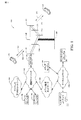
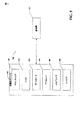
ここで、図1を参照して、ここで提示するさまざまな実施形態にしたがった、ワイヤレス通信システム100を図示する。いくつかの観点では、通信ネットワーク102は、ワイヤレス通信をイネーブルするように動作可能なワイヤレスアクセスネットワーク104と、ワイヤレスデバイス122および128を含む、複数のワイヤレスデバイスに複数のコンテンツ134を配信するように動作可能なメディア配信ネットワーク106とを備える。システム100は、複数のアンテナグループを含むことができる基地局108を具備する。例えば、1つのアンテナグループは、アンテナ110および112を含むことができ、別のグループは、アンテナ114および116を含むことができ、追加のグループは、アンテナ118および120を含むことができる。各アンテナグループに対して、2本のアンテナを図示しているが、各グループに対して、より多くのアンテナ、または、より少ないアンテナを利用することができる。当業者によって理解されることになるように、基地局108は、送信機チェーンおよび受信機チェーンを、追加的に含むことができ、これらのそれぞれは、代わりに、信号送受信に関係する複数のコンポーネント(例えば、プロセッサ、変調器、マルチプレクサ、復調器、デマルチプレクサ、アンテナ、等)を含むことができる。
Referring now to FIG. 1, a wireless communication system 100 is illustrated in accordance with various embodiments presented herein. In some aspects, the
基地局108は、移動体デバイス122および移動体デバイス128のような1つ以上の移動体デバイスと通信できるが、移動体デバイス122および128に類似した、実質上、何らかの数の移動体デバイスと通信できることを理解すべきである。移動体デバイス122および128は、例えば、セルラ電話機、スマートフォン、ラップトップ、ハンドヘルド通信デバイス、ハンドヘルドコンピューティングデバイス、衛星無線、グローバルポジショニングシステム、PDA、および/または、ワイヤレス通信システム100を通して通信するための、他の任意の適切なデバイスであってもよい。図示したように、移動体デバイス122は、アンテナ118および120と通信しており、ここで、アンテナ118および120は、フォワードリンク124を通して移動体デバイス122に対して情報を送信し、リバースリンク126を通して移動体デバイス122から情報を受信する。さらに、移動体デバイス128は、アンテナ110および112と通信しており、ここで、アンテナ110および112は、フォワードリンク130を通して移動体デバイス128に対して情報を送信し、リバースリンク132を通して移動体デバイス128から情報を受信する。周波数分割二重化(FDD)システムでは、例えば、フォワードリンク124は、リバースリンク126によって使用されるものとは異なる周波数帯域を利用でき、フォワードリンク130は、リバースリンク132によって用いられるのとは異なる周波数帯域を用いることができる。さらに、時分割二重化(TDD)システムでは、フォワードリンク124およびリバースリンク126は、共通の周波数帯域を利用でき、フォワードリンク130およびリバースリンク132は、共通の周波数帯域を利用できる。
Base station 108 can communicate with one or more mobile devices such as
1組のアンテナ、および/または、それらが通信するように指定されているエリアを、基地局108のセクタとして呼ぶことができる。例えば、複数のアンテナは、基地局108によってカバーされるエリアのセクタ中で、移動体デバイスと通信するように設計されている。フォワードリンク124および130を通しての通信において、基地局108の送信アンテナは、ビーム形成を利用して、移動体デバイス122および128に対するフォワードリンク124および130の信号対雑音比を改善することができる。また、基地局108が、ビーム形成を利用して、関係するカバレッジにわたってランダムに散在している移動体デバイス122および128に対して送信する限り、隣接セル中の移動体デバイスは、すべてのその移動体デバイスに対して、単一のアンテナを通して送信する基地局から受けるものに比して、より少ない干渉しか受けない。
A set of antennas and / or the area in which they are designated to communicate can be referred to as a sector of base station 108. For example, the multiple antennas are designed to communicate with mobile devices in a sector of the area covered by base station 108. In communication over the
さらに、通信ネットワーク102は、ネットワーク102中のユーザに対して配信するための複数のコンテンツ134のすべてまたは何らかの部分を提供するように動作可能な、1つ以上のコンテンツプロバイダ136、138を含む。例えば、コンテンツプロバイダ136、138によって供給される、複数のコンテンツ134は、ビデオ、オーディオ、マルチメディアコンテンツ、リアルタイムコンテンツ、“クリップ”としても呼ばれる非リアルタイムコンテンツ、スクリプト、プログラム、データ、または、他の何らかのタイプの適切なコンテンツを含んでもよい。複数のコンテンツ24は、プログラミングに対する予約、アドホックおよび/またはオンデマンドのプログラミング、他のコンテンツ内のブレークの間に、ならびに/あるいは、他のコンテンツと同時に提示される、広告または他の何らかの形態のコンテンツのうちの1つ、あるいは、何らかの組み合わせを含んでいてもよい。いくつかの観点では、コンテンツプロバイダ136、138は、任意の適切なタイプのワイヤードおよび/またはワイヤレス通信インターフェースを含んでもよい通信リンク140を介して、メディア配信システム106と通信する。
In addition, the
いくつかの観点では、メディア配信ネットワーク106は、1つ以上のメディアサービス144を含み、1つ以上のデータネットワーク146を通して、マルチメディアコンテンツフロー142を作成し、転送するように動作する転送システムを備えていてもよい。例えば、このようなトランスポートシステムは、マルチキャストメカニズム148を含んでもよい。マルチキャスティングのいくつかの観点では、それぞれのフロー142は、所定の地理的エリア中で利用可能な1組のフローである“マルチプレックス(multiplex)”の内の論理ストリームである。例えば、マルチキャストメカニズム148は、カリフォルニア州サンディエゴのQualcomm,Inc.から利用可能なMediaFLO(登録商標)システムを含む、フォワードリンク専用(FLO)ネットワークのようなマルチキャストシステムのすべて、または、何らかの部分を含んでもよい。さらに、メディアサービス144は、複数のコンテンツ134のうちの1つまたは何らかの組み合わせを含み、特定の小売業者に対してカスタマイズされたメディアサービスは、“チャネル”として呼ばれてもよい。それゆえ、フローは、適切な周波数に同調している任意のデバイスにとって利用可能であるので、それぞれのフロー142は、同一のサービス144を、複数のエンドポイントに対して、同時に配信でき、これによってスケーラビリティの問題を回避している。したがって、メディア配信ネットワーク106は、1対多の方式で、メディアコンテンツを転送するように動作可能であってもよい。MediaFLOは、ブロードキャストネットワークの1つの例であり、ブロードキャストネットワークの他の例は、DVB−H(デジタルビデオブロードキャスティング−ハンドヘルド)システムと、T−DMB(地上デジタルマルチメディアブロードキャスト)システムとを含んでもよく;追加的に、マルチキャストネットワークは、ここで開示する観点にしたがって使用できる。
In some aspects, the media distribution network 106 includes one or
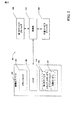
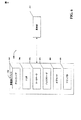
ここで、図2を参照して、通例、移動体デバイス202上で、異なるサービスを管理するための例示的なシステム200を開示する。パーソナル電子的デバイス(例えば、移動体デバイス202)のより多くの複雑さに伴って、また、異なるサービス(例えば、テレビジョンを視聴すること、インターネットブラウザを動作すること、テキストメッセージングをイネーブルすること、音声および/またはビデオ通信をイネーブルすること等)を提供するための能力に伴って、デバイス上でサービスを管理するためのより多くの要望があってもよい。例えば、テレビジョン(TV)を視聴するために、移動体デバイス202を使用することができる。コマーシャルブレークの間に、ユーザは、移動体デバイス202のテキストメッセージ機能を、使用することを望むかもしれず、したがって、(例えば、第1のサービス−テレビジョン−から、代替のサービス−テキストメッセージング−への)サービスの切り替えがあってもよい。ユーザの観点からと、サービスプロバイダの観点からとを含む、サービスの切り替えに関する複数の問題が起こるかもしれない。
Referring now to FIG. 2, an
サービスプロバイダの観点からは、異なるサービスに関与しているユーザにおける、いくつかの困難性がある。第1に、通常は多額の資金を支払う広告主が、彼らの広告機会(例えば、ユーザにインプレッションを残すために、ユーザに対して広告を開示するチャンス)を奪われてしまうかもしれない。例えば、機会において、広告主のコマーシャルが実行され、ユーザが別のサービスに切り替える場合、ユーザが機会に関係するサービスにもはや関与しないかもしれないので、広告機会は失われるかもしれない。さらに、ユーザは別のサービスに関与しているので、ユーザが第1のサービスへと戻るという保証は何もなく、したがって、より多くの機会(例えば、将来の機会)が失われるかもしれない。 From the service provider's perspective, there are several difficulties for users involved in different services. First, advertisers who typically pay large amounts of money may be deprived of their advertising opportunities (eg, the opportunity to disclose advertisements to users in order to leave impressions to users). For example, if an advertiser's commercial is executed at an opportunity and the user switches to another service, the advertisement opportunity may be lost because the user may no longer be involved in the service related to the opportunity. Further, since the user is involved in another service, there is no guarantee that the user will return to the first service, and therefore more opportunities (eg, future opportunities) may be lost.
同様に、ユーザは、第1のサービス(例えば、テレビジョンプログラム)に戻ることを望んでいるかもしれないが、補足的なサービス(例えば、友人との会話)に関与したせいで忘れてしまうかもしれない。したがって、第1のマルチメディアサービスに対応している機会(例えば、コマーシャルブレークのような、ブレーク機会)を識別するクラシファイア204を使用してもよい。さらに、識別された機会に基づいて、少なくとも1つの代替のマルチメディアサービスをイネーブルする(例えば、ユーザによって関与されることになるサービスをイネーブルする)トリガ206の使用があってもよい。第1のサービスに戻らせるための戻り通知が、ユーザに対して生成されるように、および/または、代替サービスを有していても機会が利用されるように(例えば、代替のサービスがビデオ機能を占有しているときに、広告をオーディオに修正する)、イネーブルすることが資格を与えられてもよい。第1のサービスが第1のサービスプロバイダ208から提供される一方で、代替のサービスが代替のサービスプロバイダ210から提供される。しかしながら、複数のサービスが単一のサービスプロバイダから提供されることも可能である。さらに、基地局212を使用して、移動体デバイス202および、サービスプロバイダ208、210との通信を容易にしてもよい。
Similarly, a user may wish to return to a first service (eg, a television program) but may forget because of being involved in a supplementary service (eg, a conversation with a friend). unknown. Accordingly, a
パーソナル電子的デバイス(例えば、移動体デバイス202)を有するユーザを開示した一方で、他のデバイス(例えば、デスクトップコンピュータ)にしたがって、ここで開示した観点を使用できることを理解すべきである。さらに、複数のデバイスを互いに協調させて使用してもよい。例えば、テレビジョンセット上でテレビジョンショーとともに、機会が識別される場合、移動体デバイス202は、イネーブルされたテキストメッセージアプリケーションを有していてもよい。さらに、テレビジョンセットは、自動的に修正され(例えば、移動体デバイス202上でアプリケーションが可聴になるように、ミュートにされ)てもよい。クラシファイア204、および/または、トリガ206が、移動体デバイス202以外のユニット(例えば、移動体デバイス202および/または基地局204と通信する独立したデバイス)上に少なくとも部分的に駐在していてもよいことも理解すべきである。クライアントサービスアプリケーション214を使用して、移動体デバイス202が、異なるネットワークサイドサービス(例えば、例えば、第1のサービスプロバイダ208、代替のサービスプロバイダ210等)を使用して、異なるクライアントサービスアプリケーション(例えば、第1のサービスプロバイダ208、代替サービスプロバイダ210等)を実行するのを容易にしてもよい。
While a user having a personal electronic device (eg, mobile device 202) has been disclosed, it should be understood that the aspects disclosed herein can be used in accordance with other devices (eg, a desktop computer). Furthermore, a plurality of devices may be used in cooperation with each other. For example, if an opportunity is identified along with a television show on a television set, the
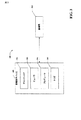
図3を参照して、使用する代替サービスを決定するための、および/または、代替サービスが使用されるべきであるか否かを決定するための、例示的なシステム300を開示する。移動体デバイス202は、基地局212と通信して、情報を通信できる。クラシファイア204を使用して、(例えば、別のサービスの代わりに代替のサービスを使用して、)代替のサービスを使用するための機会を決定してもよい。
With reference to FIG. 3, an
比較的多数の代替のサービスが利用可能であってもよい可能性がある。例として、第1のサービスはTVであってもよい一方で、潜在的な代替のサービスは、インターネットブラウザ、テキストメッセージアプリケーションの使用や、音声メールを聞くことや、音声会話への参加等であってもよい。代替サービスとして、すべてのものより少ないサービスが使用されがちであることから、適切な場合にイネーブルするための少なくとも1つの代替のマルチメディアサービスを決定し、そしてまた、適切な場合にイネーブルしないためのサービスを決定する、ビューワ302を使用できる。 A relatively large number of alternative services may be available. As an example, the first service may be a TV, while a potential alternative service is the use of an Internet browser, text message application, listening to voice mail, participating in a voice conversation, etc. May be. Since less than all services tend to be used as alternative services, determine at least one alternative multimedia service to enable when appropriate, and also not to enable when appropriate A viewer 302 can be used to determine the service.
1つの実施形態にしたがうと、ビューワ302は、使用されることになるサービスを、人工知能技術の使用を通してのように自動的に決定できる。1つの例において、音声メールがあり、ショーがコマーシャルブレーク中であるとき、ユーザが、履歴的にボイスメールチェックサービスを使用できる−履歴によって、音声メールサービスが自動的にイネーブルされる。さらに、コンテキスト上の情報を使用して、イネーブルするためのサービスを決定することができる。ユーザが、テキストメッセージを送ることを通して、競争者に対して投票することを視聴者に促すTVプログラムを視聴している場合、TVプログラムに関係する機会の間に、テキストメッセージングサービスが自動的にイネーブルされてもよい。自動的なイネーブルは、(例えば、プロデューサ304によって提供されるインターフェースの使用を通して、)ユーザによってオーバーライドすることができ、および/または、ディセーブルすることができる。 According to one embodiment, the viewer 302 can automatically determine the service to be used, such as through the use of artificial intelligence technology. In one example, when there is voicemail and the show is in a commercial break, the user can historically use the voicemail check service—history automatically enables voicemail service. Further, contextual information can be used to determine services to enable. If a user is watching a TV program that prompts viewers to vote against competitors by sending a text message, the text messaging service is automatically enabled during the opportunity related to the TV program. May be. Automatic enablement can be overridden and / or disabled by the user (eg, through the use of an interface provided by producer 304).
人工知能技術を使用して、主題の明細書中で開示される決定および推論を実行してもよいことを理解すべきである。これらの技術は、データから学習し、次に、複数の記憶ユニット全体にわたって情報を動的に記憶することに関連して、推論を導くための、および/または、決定を行うための、さまざまな技法(例えば、隠れマルコフモデル(HMM)、関連プロトタイプ的依拠モデル、ベイジアンネットワークのような、例えば、ベイジアンモデルスコアもしくは近似を使用した構造サーチによって作成される、より一般的な確率的グラフィカルモデル、サポートベクトルマシン(SVM)のような、線形クラシファイア、“ニューラルネットワーク”技法として呼ばれる方法のような非線形クラシファイア、ファジー論理技法、および、データ融合を実行する、他のアプローチ)のうちの1つを用いる。これらの技術はまた、定理証明、または、よりヒューリスティックなルールベースのエキスパートシステムのような、論理的関係の捕捉のための方法を含むことができる。これらの技術は、いくつかのケースにおいて、異種の者(第三者)によって、指定される、外部的にプラグ可能なモジュールとして表現されることができる。 It should be understood that artificial intelligence techniques may be used to perform the decisions and inferences disclosed in the subject specification. These techniques can be used to derive inferences and / or to make decisions in connection with learning from data and then dynamically storing information across multiple storage units. Techniques (eg, Hidden Markov Models (HMMs), related prototypical reliance models, more general probabilistic graphical models, eg, created by structural search using Bayesian model scores or approximations, such as Bayesian networks, support One of linear classifiers, such as vector machines (SVM), non-linear classifiers, such as methods referred to as “neural network” techniques, fuzzy logic techniques, and other approaches that perform data fusion. These techniques can also include methods for capturing logical relationships, such as theorem proofs or more heuristic rule-based expert systems. These techniques can in some cases be expressed as externally pluggable modules specified by disparate parties (third parties).
代替のサービスを自動的に提供することとは対照的に、ユーザは、どの代替サービスをイネーブルするかについての指示を提供することに関与することができる。少なくとも2つのイネーブルされた代替のマルチメディアサービス(例えば、少なくとも2つのサービスが選択のために提供される)のうちの少なくとも1つの選択をイネーブルするインターフェースを発生させるプロデューサ304を使用してもよい。ユーザが選択を行うことができ、トリガ206が選択をイネーブルでき、および/または、トリガ206はビューワ302によって決定された代替のサービスを自動的にイネーブルできる。代替のサービスをマニュアルで(例えば、音声コマンドを通してのような、インターフェースなしで)ユーザが選択することのような、または、第三者によって代替のサービスが決定されること(例えば、ユーザ同意を取得した後に自動的にテキストメッセージサービスをイネーブルするTVプログラム)のような、代替の実施形態を実現できる。
In contrast to automatically providing alternative services, the user can be involved in providing instructions on which alternative services to enable.
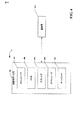
ここで図4を参照して、代替のサービスに関連して、情報を修正する例示的なシステム400を開示する。移動体デバイス202(例えば、移動体TV)は、基地局212と通信して、情報転送を容易にできる。ユーザは、移動体デバイス202上で、スケジュールされたコマーシャルブレークを有するTVサービスのようなサービスを実行できる。機会(例えば、ユーザに対して広告コンテンツを開示する機会、代替のサービスを使用する機会等)が、発生してもよく、クラシファイア204が、機会(例えば、サービスプロバイダから、ディスプレイの光学スキャニングから送られた信号からの識別等)を識別できる。機会の間にどの代替サービスを使用するかについての決定を行うことができ、トリガ206が決定された代替のサービスをイネーブルできる。
With reference now to FIG. 4, an
ユーザは代替のサービスに関与することができるので、第1のサービスの一部としての広告を開示する機会は失われてしまうかもしれない。ユーザが依然として所望のコンテンツにさらされるように、広告を修正するために移動体デバイス202を動作させてもよい。少なくとも1つの代替のマルチメディアサービスを評価する(例えば、代替のサービスの使用が、どのように機会および/または広告に影響を及ぼすかに関して評価する)アプレイザ402を移動体デバイス202によって使用できる。さらに、アプレイザ402は、第1のサービス、広告、コンテキスト情報、および、これらに類する物を評価でき、この評価の結果を、移動体デバイスによってサービス管理において使用できる。
Since the user can be involved in alternative services, the opportunity to disclose advertisements as part of the first service may be lost. The
少なくとも1つの代替のマルチメディアサービスに対する関与の態様を決定するカリキュレータ404を使用できる。例えば、代替サービスが、テキストメッセージサービスであるとして決定された場合、次に、代替サービスがキーボードおよびスクリーンの使用を通して関与されているという決定を行うことができる。広告がインプレッションを残すように、どのように第1のサービスを修正すべきかについての決定が(例えば、アプレイザ402によって)行われる。機会がインプレッションを残すように(例えば、コンテンツが、依然としてユーザによって享受されるように)、第1のマルチメディアサービスの修正を確立するチェンジャー406を用いてもよい。
A
代替サービスが、テキストメッセージサービスであるときの例を継続して、ユーザは、TVプログラムを視聴するために、移動体デバイスに関与することができる。コマーシャルブレーク(例えば、機会)が発生するとき、ユーザはテキストメッセージサービスに切替できる。アプレイザ402は、テキストメッセージサービスを評価でき、予想通りに実行された場合、スクリーンがテキストメッセージアプリケーションで占有されているか、または、占有されることになるので、カリキュレータ404は、評価の結果に基づいて、広告の視覚的側面は享受されないとして決定できる。テキストメッセージサービスのせいで視覚的側面が享受されないので、オーディオが再生されるように、チェンジャー406によって広告を修正してもよい。オリジナル広告のオーディオが再生されるように、(例えば、ラジオブロードキャストに対して設計されている)特別に設計されているオーディオ専用広告が再生されるように、修正を機能させてもよい。
Continuing the example when the alternative service is a text message service, the user can engage with the mobile device to watch the TV program. When a commercial break (eg, opportunity) occurs, the user can switch to a text message service. The
図5を参照して、移動体デバイス202上で通例、動作している、異なるマルチメディアサービス(例えば、TV、ストリームされたビデオ、ストリームされた音楽等)を通してナビゲートするための例示的なシステム500を開示する。移動体デバイス202は、基地局204と通信して、異なるサービスへの関与を容易にすることができる。クラシファイア204は、第1のマルチメディアサービスに関する機会を識別でき、トリガ206は、少なくとも識別された機会の間に動作させるために、代替サービスをイネーブルできる。
With reference to FIG. 5, an exemplary system for navigating through different multimedia services (eg, TV, streamed video, streamed music, etc.) typically operating on a
機会が終了するとき(例えば、コマーシャルブレーク期間が終了するとき)、第1のサービスを再開させることに関する、複数の当事者からの要望があるかもしれない。サービスプロバイダは、他の機会の間に、ユーザによって視聴されることをプロバイダが望む広告を持っていてもよく、ユーザは、機会が終了した後で、第1のサービスを継続することを望んでいてもよい。(例えば、ユーザが代替のマルチメディアサービスに関与している間に、第1のマルチメディアサービスの観察を通して、)機会の終了を識別するターミネータ502を使用してもよい。
When the opportunity ends (eg, when the commercial break period ends), there may be a desire from multiple parties to resume the first service. The service provider may have advertisements that the provider wishes to be viewed by the user during other occasions, and the user wishes to continue the first service after the opportunity is over. May be. A
デベロッパ504は、少なくとも1つの代替のマルチメディアサービスと、第1のマルチメディアサービスとに関して、どのように進めるかを決定できる。例えば、識別された終了の際に、第1のマルチメディアサービスを再開させるという決定が自動的に行われてもよい。異なる実施形態として、第1のサービスに戻るべきかどうか、または、ユーザからの代替の命令が提供されるまで、代替サービスを継続させるべきかどうか、ユーザが尋ねられるべきであるという決定が行われてもよい。さらに、機会の終了においてのような、代替サービスがオーバーライドされるべきであるときを第1のサービスが決定するように、第1のサービスが支配的であってもよい。
第1のマルチメディアサービスが再開すべきことが決定される際に、少なくとも1つのイネーブルされた代替のマルチメディアサービスをディセーブルするイモビライザ506を使用してもよい。ディセーブルが上手く達成されたかどうかを決定するためのチェックが実行されてもよく、肯定の決定の際に、第1のマルチメディアサービスに戻らせるためのリバイザ508を使用してもよい。ディセーブルが上手く達成されていない場合、引き続いての試みが行われる。
An
ここで、図6を参照して、マルチメディアサービスの管理に関する、ユーザからの情報を募るための例示的なシステム600を開示する。移動体デバイス202は、基地局212を通して中継されるサービスを持っていてもよい。サービスは、別のサービスが使用されることになるための機会を持っていてもよく、クラシファイア204が機会を識別してもよい。代替のサービスが、機会の間の使用に対して指定されてもよく、トリガ206が指定された代替のサービスをイネーブルしてもよい(例えば、代替のサービスが使用されることができるようにしてもよい)。ターミネータ502は、第1のマルチメディアサービスの、および/または、代替のマルチメディアサービスの動作を監視して、監視に基づいて、機会の終了を識別できる。
Now referring to FIG. 6, an
図3のプロデューサ304は、インターフェース(例えば、ビデオタッチパッド、音声インターフェース等)を発生させることができ、ディスクローザ602は、ユーザに対して、少なくとも2つの選択肢(例えば、第1のサービスに戻る、動作を終了させる、リマインダタイマーを設定する、等)を含むインターフェースを提示できる。ユーザは、インターフェースの使用を通して、1つ以上の選択肢(例えば、すべてを選択するもの、すべてを選択する訳ではないが、1つより多くを選択するもの)から選ぶことができる。1つの実施形態にしたがうと、発生させる前に、インターフェース(例えば、色彩スキーム、ボタンのサイズ、利用可能な選択肢、および、これらに類する物)を、ユーザによってカスタマイズする。
The
オブテイナ604は、インターフェースの使用を監視してもよく、どのように進めるかについての命令を受け取ってもよい。1つの実施形態にしたがうと、ユーザは、インターフェースを通して提示された選択肢を選び、ここで、選択肢は命令に対応している。アテンプタ606は、命令を評価して、どのように進めるかを決定してもよく、適応可能な場合、命令にしたがってもよい。1つの実現にしたがうと、インターフェースが、ユーザに対して、命令を話すことを促してもよい(例えば、インターフェースはオーディオ提案である)。話された命令を評価して、何が意図されているかを決定してもよい。意図されているものが決定された場合、命令にしたがってもよく;意図されているものが決定できない場合、新しい入力に対する要求が要求されてもよい。したがって、ユーザはブロードキャスタからのブレーク状態信号の終了にどのように応答するか(例えば、プログラムに戻る、使用者に通知および待機する、マイタスクが完了されるまで待機する)を選択できる。別の実現では、ブロードキャストされているプログラムに対する参照によって、または、ルールのグローバルな組(例えば、1つ以上のルール)を通して、サービスプロバイダがプリファレンスを選択する。例えば、ダンスコンテストの間に、ブロードキャスタは、ユーザが競争者についてチャットできるように、ユーザを彼らのテキストメッセージングアプリケーションに仕向けてもよい。したがって、ユーザは、依然として広告を供給されている間に、移動体TVアプリケーションを終了させることなく、軽いタスクを実行することを許容されてもよい。また、記録されたもの、すなわち、クリップ機能(例えば、デジタルビデオレコーディング)に対して、観点を使用してもよく、ここで、コマーシャル高速早送りはディセーブルされているが、コマーシャルブレークの間にブレーク状態は提供される。
The retainer 604 may monitor the use of the interface and may receive instructions on how to proceed. According to one embodiment, the user selects a choice presented through the interface, where the choice corresponds to a command. The
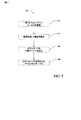
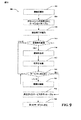
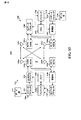
図7を参照して、通例、移動体デバイス上でマルチメディアサービスを管理する例示的な技法700を開示する。アクション702において、使用されることになる代替のサービスに対する機会の発見を試みるために、第1のマルチメディアサービスを監視してもよい。イベント704において、例えば、第1のマルチメディアサービスのプロバイダから送られた信号を取得することを通して、第1のマルチメディアサービスの識別があってもよい。コンテキスト上の情報を収集して、解析してもよく、解析の結果に基づいて、アクト706を通して、イネーブルするための少なくとも1つの代替のマルチメディアサービスの決定があってもよい。決定に基づいて、イベント708において、識別された機会に基づいて、少なくとも1つの代替のマルチメディアサービスをイネーブルがあってもよい。
With reference to FIG. 7, an exemplary technique 700 for managing multimedia services typically on a mobile device is disclosed. In
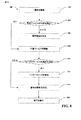
図8を参照して、通例、移動体デバイス上でサービス管理を処理することに関する例示的な技法800を開示する。アクション802において、第1のサービスの代わりに、代替のサービスを使用する機会の識別があってもよい。チェック804を実行して、機会の間に別のサービスを使用すべきあるか否かを決定してもよい。チェック804は、利用可能な別のサービスがあるか否か、別のサービスを使用すべきであるか否か、および、これらに類する物を決定するように機能できる。例えば、チェック804は、移動体デバイスをホスティングする機能を測定してもよく、サービスをデバイス上で実行できるか否かを決定してもよい。別のサービスを使用すべきでないとして決定された場合、イベント806において標準的な機会が開示される(例えば、通常のTVコマーシャルが実行される)。
With reference to FIG. 8, an
チェック804が、利用可能なサービスがあるとして決定する場合、アクション808を通して、サービスの評価が発生してもよい。ユーザが代替のサービスを選択すべきか否かを決定するために、チェック810が発生してもよい。ユーザが代替のサービスを選択すべきである場合、選択を容易にするために、アクト812を通して、インターフェースが発生されてもよい。しかしながら、ユーザが代替のサービスを選択すべきでない場合、自動的な選択が発生してもよい。どのように選択が発生するかにかかわらず、イベント814を通して、ユーザがどのように代替のサービスに関与するかについての決定が行われてもよい。予測的な解析を通して、履歴の解析、通例ではどのように関与が発生するかについてのサービスプロバイダからの要求、等を通して、このことが行われてもよい。アクト816において、決定された方法の結果に基づいて、オリジナル情報(例えば、広告)の修正が発生してもよい。
If the
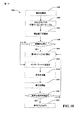
図9を参照して、マルチメディアサービスに関連して、情報を処理するための例示的な技法900を開示する。アクション902において、代替のサービスを使用するための機会を識別できる。代替のサービスが機会の間に使用されることができるように、イベント904において、代替のサービスはイネーブルされてもよい。イベント906において、いつ機会が終了するかについての識別があってもよいように、機会が監視されてもよい。
With reference to FIG. 9, an
チェック908を生成させて、機会が終了していることの通知(例えば、ユーザに、第1のサービスに戻ることを提案する通知)が、自動的に発生されるべきか否かを決定してもよい。通知が発生されることになる場合、イベント910を通して、通知の生成を発生させてもよい。通知は、情報を与えるもの、または、対話的なものであってもよく、通知が対話的なものである場合、どのように進めるか(例えば、第1のサービスに戻る、リマインダを設定する、等)についての応答が受け取られてもよい。
Generate a check 908 to determine whether a notification that the opportunity is over (eg, a notification that suggests that the user return to the first service) should be generated automatically. Also good. If a notification is to be generated, generation of a notification may occur through
通知があったとしても、または、なかったとしても、第1のサービスへの戻りがあるか否かを決定するために、チェック914を実行できる。第1のサービスへの戻りがない場合、アクト916において発生する、(例えば、連続的な、定期的な、等の)観察があってもよく、チェック914に戻って、戻りがあるべきか否かを再び決定してもよい。サービスへの戻りがないとして決定される際に、他の結果が起こってもよいことを理解すべきである。例えば、第1のサービスへの戻りがない場合、他の結果が発生してもよいことを理解すべきである。例えば、第1のマルチメディアサービスに対する戻りがないことになる場合、第1のマルチメディアサービスへの非関与があってもよく、代替のマルチメディアサービスが、新たな第1のマルチメディアサービスになってもよい。第1のサービスに対する戻りがあるとして決定される場合、イベント918において、決定されたサービス(例えば、代替のサービス)がディセーブルされてもよく、第1のサービスに対する戻り920があってもよい。
A check 914 can be performed to determine whether there is a return to the first service, whether there is a notification or not. If there is no return to the first service, there may be observations (eg, continuous, periodic, etc.) that occur at
図10を参照して、マルチメディアサービスの管理に関して、ユーザを関与させるための例示的な技法1000を開示する。アクト1002において機会が識別され、機会に基づいて、アクション1004において、代替のサービスがイネーブルされる。アクション1006において、機会の終了を識別するために、機会に関係する第1のサービスの監視を発生させてもよい。例えば、機会が、設定された時間長に対して続くことが予期されるように、時間量が保持されるように、終了の識別が、タイミングメカニズムを通して実行されてもよい。
With reference to FIG. 10, an example technique 1000 for involving a user with respect to managing multimedia services is disclosed. An opportunity is identified at act 1002 and, based on the opportunity, an alternative service is enabled at
第1のサービスに対する自動的な戻りがあるか否かを決定するために、チェック1008が発生してもよく;肯定的な決定が行われた場合、イベント1010において、第1のサービスに対する戻りがあってもよい。しかしながら、自動的な戻りがないとされる場合、アクション1012において、機会終了をどのように処理するかについてのインターフェースをユーザに提示してもよい。提示されたインターフェースを通して、アクト1014において、第1のサービスに対する潜在的な戻りに関し、どのように進めるかについての命令が受け取られる。
A
イベント1016を通して、命令から何が意図されているかを決定しようとする試みにおいて、受け取られた命令が評価されてもよい。イベント1016を通して、命令が評価されてもよく、チェック1018を実行して、命令が使用可能であるか否か(例えば、命令が行われることを求めることが、行われてもよいか)を決定してもよい。命令が使用できない場合、イベント1010に対する自動的な戻りがあってもよく;命令が使用できる場合、アクト1020において、(例えば、第1のサービスに戻ることを含んでいてもよい)命令がしたがわれる。
Through
図7−10を参照して、さまざまなマルチメディアサービスのユーザに関連する技法を図示した。説明を簡潔にする目的で、技法を一連の動作として示し、記述したが、技法は、アクトの順序によって制限されておらず、1つ以上の実施形態にしたがうと、異なる順序で発生してもよく、および/または、ここで示し、記述したもの以外のアクトと同時に発生してもよい、アクトもあることを理解し、認識すべきである。例えば、当業者は、代わりに、技法が状態ダイアグラムにおけるもののような、一連の相互に関連した状態またはイベントとして表現されてもよいことを理解し、認識することになるだろう。さらに、1つ以上の実施形態にしたがうと、すべての図示したアクトが実現されることが要求されるわけではない。 With reference to FIGS. 7-10, techniques associated with users of various multimedia services are illustrated. For the sake of brevity, the techniques have been shown and described as a series of actions, but the techniques are not limited by the order of acts and may occur in different orders according to one or more embodiments. It is to be understood and appreciated that there are actions that may occur well and / or concurrently with acts other than those shown and described herein. For example, those skilled in the art will understand and appreciate that techniques may instead be represented as a series of interrelated states or events, such as in a state diagram. Moreover, not all illustrated acts may be required to be implemented in accordance with one or more embodiments.
ここで記述した1つ以上の観点にしたがうと、人工知能技術を用いることを通して、推論および決定が行われてもよいことが、認識されることになるだろう。ここで使用するように、用語“推論する”または“推論”は、イベントおよび/またはデータを介してキャプチャされた1組の観察から、システム、環境、および/または、ユーザの状態について、推理、または、推論するプロセスを一般的に指す。推論は、特定のコンテキストまたはアクションを識別するのに用いてもよく、例えば、状態についての確率分布を発生させてもよい。推論は、確率論的であってもよく、すなわち、データおよびイベントの考察に基づいた、関心の状態についての確率分布の計算であってもよい。推論は、1組のイベントおよび/またはデータから、より高次レベルのイベントを構成するために用いられる技術を指すこともできる。このような推論は、1組の観察されたイベントおよび/または記憶されたイベントデータから、それらの複数のイベントが、近い時間的近似において関連しているか否かと、複数のイベントおよび複数のデータが、1つのイベントおよびデータソース、または、いくつかのイベントおよびデータソースから由来しているか否かについての、新たなイベントまたはアクションの構成をもたらす。 It will be appreciated that in accordance with one or more aspects described herein, inferences and decisions may be made through the use of artificial intelligence techniques. As used herein, the term “infer” or “inference” refers to a reasoning about a system, environment, and / or user state from a set of observations captured via events and / or data. Or it generally refers to the process of reasoning. Inference may be employed to identify a specific context or action, for example, generating a probability distribution over states. Inference may be probabilistic, i.e., a calculation of a probability distribution for a state of interest based on data and event considerations. Inference can also refer to techniques employed for composing higher-level events from a set of events and / or data. Such inference is based on a set of observed events and / or stored event data, whether the events are related in a close temporal approximation, and the events and data It provides a new event or action configuration for whether it comes from one event and data source or from several events and data sources.
ある例にしたがうと、上に提示した1つ以上の方法は、人工知能技術を使用することを含むことができる。さらなる例示として、推論は、意図されているアプリケーション、所望の節電、等に基づいた、ウェークアップ期間パラメータとして、物理フレームの数を選択することに関連して、行われてもよい。前述の例は、例示的な性質のものであり、ここで記述するさまざまな実施形態および/または方法に関連して、行われてもよい推論の数や、または、このような推論が行われる方法を制限することを意図していない。 According to certain examples, one or more of the methods presented above can include using artificial intelligence techniques. As a further illustration, inferences may be made in connection with selecting the number of physical frames as a wake-up period parameter based on the intended application, desired power savings, etc. The foregoing examples are exemplary in nature and the number of inferences that may be made or the inferences are made in connection with the various embodiments and / or methods described herein. It is not intended to limit the method.
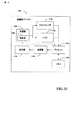
図11は、移動体デバイス1100上で、マルチメディアサービスを用いることを容易にする(例えば、図2の移動体デバイス202、または、図1の移動体デバイス122もしくは128と相互交換可能である)移動体デバイス1100の例示である。移動体デバイス1100は、例として、(示していない)受信アンテナから信号を受信する受信機1102を具備し、受信した信号にその上での典型的動作(例えば、フィルタ、増幅、ダウンコンバート、等)を実行し、調整された信号をデジタル化して、サンプルを取得する。受信機1102は、例えば、MMSE受信機であってもよく、受信したシンボルを復調でき、チャネル推定のために、これらをプロセッサ1106に提供できる復調器1104を備えてもよい。プロセッサ1106は、受信機1102によって受信された情報を解析するのに、および/または、送信機1116による送信のための情報を発生させるのに、専用のプロセッサであってもよく、移動体デバイス1100の1つ以上のコンポーネントを制御するプロセッサであってもよく、受信機1102によって受信された情報を解析することと、送信機1116による送信のための情報を発生させることとの両方を行い、移動体デバイス1100の1つ以上のコンポーネントを制御するプロセッサであってもよい。
FIG. 11 facilitates using multimedia services on the mobile device 1100 (eg, interchangeable with the
移動体デバイス1100は、プロセッサ1106に動作可能に結合されており、送信されることになるデータ、受信されたデータ、利用可能なチャネルに関連する情報、解析された信号、および/または、干渉強度に関係するデータ、割り当てられたチャネル、電力、レート、または、これらに類する物に関連する情報、ならびに、チャネルを推定し、チャネルを介して通信するための、他の適切な情報を記憶できる、メモリ1108を追加的に具備していてもよい。メモリ1108は、(例えば、性能ベース、容量ベース、等で)チャネルを推定すること、および/または、利用することに関係する、プロトコル、および/または、アルゴリズムを追加的に記憶できる。
The
ここで記述するデータ記憶(例えば、メモリ1108)は、揮発性の、または、不揮発性のメモリのいずれかであってもよく、揮発性の、および、不揮発性のメモリの両方を含んでいてもよいことを認識すべきである。例示としてであって、制限としてではなく、不揮発性メモリは、読出専用メモリ(ROM)、プログラム可能ROM(PROM)、電気的プログラム可能ROM(EPROM)、電気的消去可能プログラム可能ROM(EEPROM)、または、フラッシュメモリを含んでもよい。揮発性メモリは、外部キャッシュメモリとして動作する、ランダムアクセスメモリ(RAM)を含んでもよい。例示としてであって、制限としてではなく、RAMは、同期RAM(SRAM)、動的RAM(DRAM)、同期DRAM(SDRAM)、二重データレートSDRAM(DDR SDRAM)、拡張SDRAM(ESDRAM)、同期リンクDRAM(SLDRAM)、および、ダイレクトラムバスRAM(DRRAM)のような数多くの形態で利用可能である。主題となるシステムおよび方法のメモリ1108は、制限されることなく、これらの、および、他の何らかの適切なタイプのメモリを含むことを意図している。
Data storage described herein (eg, memory 1108) may be either volatile or non-volatile memory, and may include both volatile and non-volatile memory. It should be recognized that it is good. By way of example and not limitation, non-volatile memory includes read only memory (ROM), programmable ROM (PROM), electrically programmable ROM (EPROM), electrically erasable programmable ROM (EEPROM), Alternatively, a flash memory may be included. Volatile memory can include random access memory (RAM), which acts as external cache memory. By way of example and not limitation, RAM may be synchronous RAM (SRAM), dynamic RAM (DRAM), synchronous DRAM (SDRAM), dual data rate SDRAM (DDR SDRAM), extended SDRAM (ESDRAM), synchronous It is available in many forms such as link DRAM (SLDRAM) and direct Rambus RAM (DRRAM). The subject system and
クラシファイア1110および/またはトリガ1112を使用して、複数のサービスに関する動作、特に、移動体デバイス1100上での動作を容易にしてもよい。第1のマルチメディアサービスの機会を識別するクラシファイア1110を使用してもよい。さらに、識別された機会に基づいて、少なくとも1つの代替マルチメディアサービスをイネーブルするトリガ1112を使用してもよい。移動体デバイス1100は、例として、基地局、別の移動体デバイス等に対して、信号(例えば、ベースCQIおよび、較差CQI)を送信する送信機1106、および、変調器1114をさらに依然として具備していてもよい。プロセッサ1106とは別個のものとして示したが、クラシファイア1110および/またはトリガ1112は、プロセッサ1106、または、(示していない)多数のプロセッサの一部であってもよい。
Classifier 1110 and / or
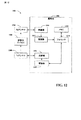
図12は、複数のマルチメディアサービスの管理のために移動体デバイスを用いることを容易にするシステム1200の例示である。システム1200は、複数の受信アンテナ1206を通して1つ以上の移動体デバイス1204から信号を受信する受信機1210と、複数の送信アンテナ1208を通して1つ以上の移動体デバイス1204に対して送信する送信機1222とを備える基地局1202(例えば、アクセスポイント、・・・)を具備する。受信機1210は、受信アンテナ1206からの情報を受信でき、受信された情報を復調する復調器1212に動作可能に関係付けられている。復調されたシンボルは、上で図11に関して記述したプロセッサに類似していてもよい、プロセッサ1214によって解析され、プロセッサ1214は、メモリ1216に結合されており、メモリ1216は、信号(例えば、パイロット)強度および/または干渉強度を推定することに関連する情報、移動体デバイス1204(もしくは(示していない)異種の基地局)に対して送信されることになる、または、移動体デバイス1204(もしくは(示していない)異種の基地局)から受信されることになるデータ、ならびに/あるいは、ここで記述するさまざまなアクションおよび機能を実行することに関連する、他の何らかの適切な情報を記憶する。さらに、プロセッサ1214は、フォワードリンクチャネルを通しての送信を有効化して、FLABメッセージまたはARBメッセージを搬送してもよい。送信されることになる情報は、変調器1218に提供されてもよい。変調器1218は、アンテナ1208を通して、移動体デバイス1204への送信機1220による送信に対する情報を多重化できる。
FIG. 12 is an illustration of a
図13は、例示的なワイヤレス通信システム1300を示す。簡潔さのために、システム1300は、1つの基地局1310と、1つの移動体デバイス1350とを図示する。しかしながら、システム1300は、1つより多い基地局、および/または、1つより多い移動体デバイスを具備していてもよいことを認識すべきであり、ここで、追加的な基地局、および/または、移動体デバイスは、以下で記述する例示的な基地局1310と、移動体デバイス1350とに、実質的に類似したものであってもよく、あるいは、以下で記述する例示的な基地局1310と、移動体デバイス1350とは異なるものであってもよい。さらに、基地局1310および/または移動体デバイス1350は、それらの間でのワイヤレス通信を容易にするための、ここで記述した、システム(図1−6、11−12)および/または方法(図7−10)を用いることができることを認識すべきである。
FIG. 13 shows an exemplary
基地局1310において、多数のデータストリームに対するトラフィックデータが、データソース1312から送信(TX)データプロセッサ1314に対して提供される。例にしたがうと、それぞれのデータストリームを、それぞれのアンテナを通して送信できる。TXデータプロセッサ1314は、そのデータストリームに対して選択された特定のコーディングスキームに基づいて、トラフィックデータストリームをフォーマットし、コード化し、および、インターリーブして、コード化されたデータを提供する。
At
それぞれのデータストリームに対するコード化されたデータは、直交周波数分割多重化(OFDM)技術を使用して、パイロットデータとともに、多重化できる。追加的に、または、代替的に、パイロットシンボルは、周波数分割多重化(FDM)、時分割多重化(TDM)、コード分割多重化(CDM)であってもよい。パイロットデータは、典型的に、周知の方法で処理される周知のデータパターンであり、移動体デバイス1350において、チャネル応答を推定するのに使用されてもよい。各データストリームに対する多重化パイロットとコード化データは、変調シンボルを提供するために、そのデータストリームに対して選択された、特定の変調スキーム(例えば、位相シフトキーイング(BPSK)、直角位相シフトキーイング(QPSK)、M−位相シフトキーイング(M−PSK)、M直角増幅変調(M−QAM)、等)に基づいて変調されてもよい(例えば、シンボルマップされてもよい)。各データストリームに対するデータレート、コーディング、および、変調は、プロセッサ1330によって実行または提供される命令によって決定されてもよい。
The coded data for each data stream can be multiplexed with pilot data using orthogonal frequency division multiplexing (OFDM) techniques. Additionally or alternatively, the pilot symbols may be frequency division multiplexed (FDM), time division multiplexed (TDM), code division multiplexed (CDM). The pilot data is typically a known data pattern that is processed in a known manner and may be used at
データストリームに対する変調シンボルが、TX MIMOプロセッサ1320に対して提供されてもよく、これは、(例えば、OFDMに対して)変調シンボルをさらに処理してもよい。TX MIMOプロセッサ1320は、NT個の変調シンボルストリームを、NT個の送信機(TMTR)1322aから1322tに対して提供する。さまざまな実施形態において、TX MIMOプロセッサ1320は、データストリームのシンボルに対して、および、そこからシンボルが送信されているアンテナに対して、ビーム形成重みを適用する。
Modulation symbols for the data stream may be provided to
それぞれの送信機1322は、それぞれのシンボルストリームを受信および処理して、1つ以上のアナログ信号を提供し、アナログ信号をさらに調整(例えば、増幅、フィルタ、アップコンバート)して、MIMOチャネルを通して送信するために適切な変調信号を提供する。さらに、NT個の送信機(TMTR)1322aから1322tからのNT個の変調信号は、それぞれ、NT本のアンテナ1324aから1324tから送信される。 Each transmitter 1322 receives and processes a respective symbol stream to provide one or more analog signals, which are further conditioned (eg, amplified, filtered, upconverted) and transmitted over a MIMO channel. To provide a suitable modulation signal. Further, N T modulated signals from 1322t from the N T transmitters (TMTR) 1322a, respectively, are transmitted from 1324t from N T antennas 1324a.
移動体デバイス1350において、送信された変調信号は、NR本のアンテナ1352aから1352rによって受信され、各アンテナ1352からの受信信号は、それぞれの受信機(RCVR)1354aから1354rに対して提供される。それぞれの受信機1354は、それぞれの信号を調整(例えば、フィルタ、増幅、ダウンコンバート)し、調整された信号をデジタル化して、サンプルを提供し、サンプルをさらに処理して、対応する“受信”シンボルストリームを提供する。
In the
RXデータプロセッサ1360は、特定の受信機処理技術に基づいて、NR個の受信機1354からの、NR個の受信シンボルストリームを受信および処理して、NTの“検出”シンボルストリームを提供する。RXデータプロセッサ1360は、各デコードされたシンボルストリームを復調し、デインターリーブし、デコードして、データストリームに対するトラフィックデータを回復してもよい。RXデータプロセッサ1360による処理は、基地局1310における、TX MIMOプロセッサ1320およびTX データプロセッサ1314によって実行される処理に相補的なものである。
プロセッサ1370は、上で説明したように、どのプレコーディングマトリックスを利用するかを定期的に決定できる。さらに、プロセッサ1370は、マトリックスインデックス部分と、ランク価値部分とを含む、リバースリンクメッセージを形成できる。
The
リバースリンクメッセージは、通信リンクおよび/または受信データストリームに関する、さまざまなタイプの情報を含んでもよい。リバースリンクメッセージは、TXデータプロセッサ1338によって処理されてもよく、TXデータプロセッサ1338はまた、データソース1336からの、数多くのデータストリームに対するトラフィックデータもまた受信し、これは、変調器1380によって変調され、送信機1354aから1354rによって調整され、基地局1310に送り返される。
The reverse link message may include various types of information regarding the communication link and / or the received data stream. The reverse link message may be processed by
基地局1310において、移動体デバイス1350からの変調された信号がアンテナ1324によって受信され、受信機1322によって調整され、復調器1340によって復調され、RXデータプロセッサ1342によって処理されて、移動体デバイス1350によって送信されたリバースリンクメッセージを抽出する。さらに、プロセッサ1330は、抽出されたメッセージを処理して、ビーム形成重みを決定するために、どのプレコーディングマトリックスを使用するかを決定してもよい。
At
プロセッサ1330および1370は、基地局1310および移動体デバイス1350のそれぞれにおいて、動作を指示(例えば、制御、調整、管理、等)できる。それぞれのプロセッサ1330および1370は、プログラムコードとデータを記憶する、メモリ1332および1372に関係していてもよい。プロセッサ1330および1370はまた、計算を実行して、アップリンクおよびダウンリンクそれぞれに対する、周波数およびインパルス応答推定を導出してもよい。
ここで記述している実施形態は、ハードウェア、ソフトウェア、ファームウェア、ミドルウェア、マイクロコード、または、これらの何らかの組み合わせにおいて実現してもよいことを理解すべきである。ハードウェア実現に対しては、処理ユニットを、1つ以上の特定用途向け集積回路(ASIC)、デジタル信号プロセッサ(DSP)、デジタル信号処理デバイス(DSPD)、プログラム可能論理デバイス(PLD)、フィールドプログラム可能ゲートアレイ(FPGA)、プロセッサ、制御装置、マイクロ制御装置、マイクロプロセッサ、ここで記述した機能を実行するように設計されている、他の電子的ユニット、または、これらの組み合わせ内で実現されてもよい。 It should be understood that the embodiments described herein may be implemented in hardware, software, firmware, middleware, microcode, or some combination thereof. For hardware implementation, the processing unit can be one or more application specific integrated circuits (ASICs), digital signal processors (DSP), digital signal processing devices (DSPD), programmable logic devices (PLD), field programs. Realized within a possible gate array (FPGA), processor, controller, microcontroller, microprocessor, other electronic unit designed to perform the functions described herein, or combinations thereof Also good.
実施形態が、ソフトウェア、ファームウェア、ミドルウェア、マイクロコード、プログラムコード、または、コードセグメントにおいて実現されるとき、これらは、記憶コンポーネントのような、機械読取可能媒体中に記憶されてもよい。コードセグメントは、手続、関数、サブプログラム、プログラム、ルーチン、サブルーチン、モジュール、ソフトウェアパッケージ、クラス、または、命令、データ構造、もしくは、プログラムセグメントの何らかの組み合わせを表してもよい。コードセグメントは、情報、データ、引数、パラメータ、または、メモリコンテンツを送ることおよび/または受け取ることによって、別のコードセグメント、または、ハードウェア回路に結合されてもよい。情報、引数、パラメータ、データ等は、メモリ共有、メッセージ送信、トークンパッシング、ネットワーク送信等を含む任意の適切な手段を使用して、送出されてもよく、送られてもよく、送信されてもよい。 When embodiments are implemented in software, firmware, middleware, microcode, program code, or code segments, these may be stored in a machine-readable medium, such as a storage component. A code segment may represent a procedure, function, subprogram, program, routine, subroutine, module, software package, class, or some combination of instructions, data structures, or program segments. A code segment may be coupled to another code segment or a hardware circuit by sending and / or receiving information, data, arguments, parameters, or memory contents. Information, arguments, parameters, data, etc. may be sent, sent or sent using any suitable means including memory sharing, message transmission, token passing, network transmission, etc. Good.
ソフトウェア実現に対しては、ここで説明した技術を、ここで説明した機能を実行するモジュール(例えば、手続、関数等)で実現してもよい。ソフトウェアコードは、メモリユニット中に記憶されてもよく、プロセッサによって実行されてもよい。メモリユニットは、プロセッサ内で実現されてもよく、または、プロセッサ外部で実現されてもよい。外部のケースでは、メモリユニットは、技術的に知られているさまざまな手段を通してプロセッサに通信可能に結合されることができる。 For software implementation, the technology described herein may be implemented by modules (for example, procedures, functions, etc.) that execute the functions described herein. The software code may be stored in a memory unit and executed by a processor. The memory unit may be implemented within the processor or may be implemented outside the processor. In the external case, the memory unit can be communicatively coupled to the processor through various means known in the art.
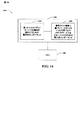
図14を参照して、突発するトラフィックを、不活性とともにインターミックスさせるアプリケーションを、減少電力モードで動作させることによって、不活性の期間の間の電力消費の減少を有効化させるシステム1400を図示する。例えば、システム1400は、少なくとも部分的に、移動体デバイス内に駐在していてもよい。機能的ブロックを含むとしてシステム1400を表現したが、これは、プロセッサ、ソフトウェア、または、これらの組み合わせ(例えば、ファームウェア)によって実現される機能を表す機能的ブロックであってもよいことを認識すべきである。システム1400は、組み合わせで動作できる、電子的コンポーネントの論理グルーピング1402を含む。例として、論理グルーピング1402は、第1のマルチメディアサービス1404の機会を識別するための電子的コンポーネントとともに、識別された機会1406に基づいて、少なくとも1つの代替のマルチメディアサービスをイネーブルするための電子的コンポーネントも含んでもよい。論理グルーピング1402はまた、イネーブルするための少なくとも1つの代替のマルチメディアサービスを決定する電子的コンポーネントと、少なくとも1つの代替のマルチメディアサービスを評価する電子的コンポーネントと、少なくとも1つの代替のマルチメディアサービスに対する関与の態様を決定する電子的コンポーネントと、少なくとも2つのイネーブルされた代替のマルチメディアサービスのうちの少なくとも1つの選択をイネーブルするインターフェースを発生させる電子的コンポーネントと、機会の終了を識別する電子的コンポーネントと、少なくとも1つの代替のマルチメディアサービスと、第1のマルチメディアサービスとに関して、どのように進めるかを決定する電子的コンポーネントと、少なくとも1つのイネーブルされた代替のマルチメディアサービスをディセーブルする電子的コンポーネントと、第1のマルチメディアサービスに戻る電子的コンポーネントと、どのように進めるかについての命令を受け取る電子的コンポーネントと、命令にしたがう電子的コンポーネントと、および/または、受け取られることになる命令を生成させる、少なくとも2つの選択肢、ユーザによる選択の関与の態様を含む、ユーザに対するインターフェースを提示する電子的コンポーネントと、を含んでもよく、したがって、表してもよい。さらに、システム1400は、電子的コンポーネント1404および1406に関係する機能を実行するための命令を保持するメモリ1408を含んでもよい。メモリ1408に対して外部的であるとして示したが、1つ以上の電子的コンポーネント1404および1406は、メモリ1408内に駐在していてもよいことを理解すべきである。
With reference to FIG. 14, illustrated is a
ここで開示している実施形態に関して説明した、さまざまな例示的論理ブロック、モジュール、および、回路は、汎用プロセッサ、デジタル信号プロセッサ(DSP)、特定用途向け集積回路(ASIC)、フィールドプログラム可能ゲートアレイ(FPGA)、または、他のプログラム可能な論理デバイス、ディスクリートゲートまたはトランジスタ論理、ディスクリートハードウェア部品、または、ここで開示した機能を実行するように設計された、これらの任意の組み合わせで、実現または実施されてもよい。汎用プロセッサは、マイクロプロセッサであってもよいが、代わりに任意の従来のプロセッサ、制御装置、マイクロ制御装置、または状態機械であってもよい。プロセッサは、例えば、DSPおよびマイクロプロセッサ、複数のマイクロプロセッサ、DSPコアに関連した1以上のマイクロプロセッサ、または他の任意の前述の構成のような、計算デバイスの組み合わせとして実施されてもよい。 The various exemplary logic blocks, modules, and circuits described with respect to the embodiments disclosed herein are general purpose processors, digital signal processors (DSPs), application specific integrated circuits (ASICs), field programmable gate arrays. (FPGA) or other programmable logic device, discrete gate or transistor logic, discrete hardware components, or any combination thereof designed to perform the functions disclosed herein, or May be implemented. A general purpose processor may be a microprocessor, but may alternatively be any conventional processor, controller, microcontroller, or state machine. The processor may be implemented as a combination of computing devices such as, for example, a DSP and a microprocessor, a plurality of microprocessors, one or more microprocessors associated with a DSP core, or any other previously described configuration.
さらに、ここで開示した実施形態に関して説明した方法またはアルゴリズムのステップは、ハードウェア中で直接、プロセッサにより実行されるソフトウェアモジュール中、または、2つの組み合わせ中に、実現されてもよい。ソフトウェアモジュールは、RAMメモリ、フラッシュメモリ、ROMメモリ、EPROMメモリ、EEPROMメモリ、レジスタ、ハードディスク、リムーバブルディスク、CD−ROM、または当業者に知られている、他の任意の形式の記憶メディア中に存在してもよい。例示的な記憶媒体はプロセッサに結合され、そのようなプロセッサは記憶媒体から情報を読み出し、記憶媒体に情報を書き込む。代わりに、記憶媒体はプロセッサに統合されていてもよい。さらに、いくつかの観点では、プロセッサおよび記憶媒体はASIC中に存在していてもよい。さらに、ASICはユーザ端末中に存在していてもよい。代わりに、プロセッサおよび記憶媒体はユーザ端末中にディスクリート部品として存在していてもよい。さらに、いくつかの観点では、方法またはアルゴリズムのステップおよび/またはアクションは、コンピュータプログラム製品中に組み込むことができる、機械読取可能媒体および/またはコンピュータ読取可能媒体上のコードおよび/または命令の1つ、または、任意の組み合わせ、あるいは、1組のコードとして存在してもよい。 Further, the method or algorithm steps described with respect to the embodiments disclosed herein may be implemented directly in hardware, in a software module executed by a processor, or in a combination of the two. Software modules reside in RAM memory, flash memory, ROM memory, EPROM memory, EEPROM memory, registers, hard disk, removable disk, CD-ROM, or any other form of storage medium known to those skilled in the art May be. An exemplary storage medium is coupled to the processor such the processor reads information from, and writes information to, the storage medium. In the alternative, the storage medium may be integral to the processor. Further, in some aspects, the processor and the storage medium may reside in an ASIC. Furthermore, the ASIC may be present in the user terminal. In the alternative, the processor and the storage medium may reside as discrete components in a user terminal. Further, in some aspects, method and algorithm steps and / or actions are one of code and / or instructions on a machine-readable medium and / or computer-readable medium that can be incorporated into a computer program product. , Or any combination or a set of codes.
1つ以上の観点では、説明した機能を、ハードウェア、ソフトウェア、ファームウェア、または、これらの組み合わせによって実現してもよい。ソフトウェアにおいて実現される場合、関数を、コンピュータ読取可能媒体中の1つ以上の命令またはコードとして記憶または送信させてもよい。コンピュータ読取可能媒体は、コンピュータ記憶媒体と、ある場所から別の場所へとコンピュータプログラムの転送を容易にする任意の媒体を含む通信媒体との両方を含む。記憶媒体は、コンピュータによってアクセスされることができる任意の利用可能な媒体を指す。例として、これらに制限される訳ではないが、このようなコンピュータ読取可能媒体は、RAM、ROM、EEPROM、CD−ROM、および他の光学ディスクストレージ、磁気ディスクストレージまたは磁気ストレージ装置、あるいは、所望のプログラムコードを命令またはデータ構造の形態で搬送または記憶するのに使用されることができ、かつ、コンピュータによってアクセスされることができる、他の任意の媒体を含むことができる。また、接続は、コンピュータ読取可能媒体と呼んでもよい。例えば、ソフトウェアがウェブサイト、サーバ、または、他のリモード源から、同軸ケーブル、ファイバー光学ケーブル、燃料対、デジタル加入ライン(DSL)、または、赤外線、無線、および、マイクロウェーブのようなワイヤレス技術を使用して、送信される場合、同軸ケーブル、ファイバー光学ケーブル、燃料対、デジタル加入ライン(DSL)、または、赤外線、無線、および、マイクロウェーブのようなワイヤレス技術は、媒体の定義中に含められる。ディスク(diskとdisc)は、ここで使用するように、コンパクトディスク(CD)、レーザーディスク(登録商標)、光学ディスク、デジタル汎用ディスク(DVD)、フロッピー(登録商標)ディスク、ブルーレイ(登録商標)ディスクを含み、ここで、ディスク(disk)は、通常は、磁気的にデータを再生し、ディスク(disc)は、レーザーで光学的にデータを再生する。 In one or more aspects, the functions described may be implemented by hardware, software, firmware, or a combination thereof. If implemented in software, the functions may be stored on or transmitted over as one or more instructions or code in a computer-readable medium. Computer-readable media includes both computer storage media and communication media including any medium that facilitates transfer of a computer program from one place to another. A storage medium refers to any available medium that can be accessed by a computer. By way of example, and not limitation, such computer readable media can be RAM, ROM, EEPROM, CD-ROM, and other optical disk storage, magnetic disk storage or storage devices, or as desired. Any other medium that can be used to carry or store the program code in the form of instructions or data structures and that can be accessed by a computer can be included. The connection may also be referred to as a computer readable medium. For example, software from websites, servers, or other remote sources, coaxial cables, fiber optic cables, fuel pairs, digital subscription lines (DSL), or wireless technologies such as infrared, wireless, and microwave When used and transmitted, coaxial cables, fiber optic cables, fuel pairs, digital subscription lines (DSL), or wireless technologies such as infrared, radio, and microwave are included in the definition of the media. . Discs (disk and disc), as used herein, are compact discs (CD), laser discs (registered trademark), optical discs, digital general purpose discs (DVD), floppy (registered trademark) discs, Blu-ray (registered trademark) A disk includes a disk, which normally reproduces data magnetically, and a disk reproduces data optically with a laser.
上記の説明は、1つ以上の実施形態の例を含む。当然ながら、前述の実施形態を説明する目的で、あらゆる考慮可能なコンポーネントまたは技法の組み合わせを記述することは可能ではないが、当業者は、さまざまな実施形態の多くのさらなる組み合わせや置換が可能であることを理解するだろう。したがって、記述した実施形態は、添付の特許請求の範囲の精神と範囲内に収まるものとして、このような変更、修正、および変種のすべてを包含することを意図している。さらに、用語“含む(including)”が、詳細な説明または特許請求の範囲のいずれかにおいて、使用される範囲では、このような用語は、“備える(comprising)”が特許請求の範囲中の過渡的な用語として用いられるときに解釈されるような用語“備える(comprising)”と同様な方法で包括的であることを意図している。 What has been described above includes examples of one or more embodiments. Of course, for the purpose of illustrating the above-described embodiments, it is not possible to describe any conceivable component or combination of techniques, but those skilled in the art are capable of many additional combinations and substitutions of various embodiments. You will understand that there is. Accordingly, the described embodiments are intended to embrace all such alterations, modifications and variations that fall within the spirit and scope of the appended claims. Further, to the extent that the term "including" is used in either the detailed description or the claims, such terms are "comprising" as transient in the claims. It is intended to be inclusive in a manner similar to the term “comprising” as interpreted when used as a general term.
これまでの開示は、例示的な観点および/または実施形態を記述したが、ここで、さまざまな変更および修正が、添付の特許請求の範囲により規定される記述した観点および/または実施形態の範囲から逸脱することなく、行われてもよいことに留意すべきである。さらに、記述した観点および/または実施形態を、単数形で記述または特許請求したかもしれないが、単数への限定が明示的に述べられていない限り、複数が意図されている。さらに、観点および/または実施形態のすべて、あるいは、一部を、他の任意の観点および/または実施形態のすべて、あるいは、一部とともに利用してもよい。
以下に、本願出願の当初の特許請求の範囲に記載された発明を付記する。
[1]ワイヤレス通信デバイス上で動作可能なマルチメディアサービス管理の方法において、
第1のマルチメディアサービスに対応しているブレーク機会を識別することと、
前記識別されたブレーク機会に基づいて、少なくとも1つの代替のマルチメディアサービスをイネーブルすることと
を含む方法。
[2]イネーブルするための少なくとも1つの代替のマルチメディアサービスを決定することをさらに含む、上記[1]の方法。
[3]前記ブレーク機会は、広告を開示するためのブレーク機会である、上記[1]の方法。
[4]前記少なくとも1つの代替のマルチメディアサービスを評価することと、
前記少なくとも1つの代替のマルチメディアサービスに対する関与の態様を決定することと、
前記ブレーク機会がインプレッションを残すように、前記第1のマルチメディアサービスの修正を確立することと
をさらに含む、上記[3]の方法。
[5]少なくとも2つのイネーブルされた代替のマルチメディアサービスのうちの少なくとも1つの選択をイネーブルするインターフェースを発生させることをさらに含む、上記[1]の方法。
[6]前記ブレーク機会の終了を識別することと、
前記少なくとも1つの代替のマルチメディアサービスと、前記第1のマルチメディアサービスとに関して、どのように進めるかを決定することと
をさらに含む、上記[1]の方法。
[7]前記終了が識別される際に、前記第1のマルチメディアサービスが再開されるべきという決定が自動的に行われる、上記[6]の方法。
[8]前記少なくとも1つのイネーブルされた代替のマルチメディアサービスをディセーブルすることと、
前記第1のマルチメディアサービスに戻ることと
をさらに含む、上記[7]の方法。
[9]前記少なくとも1つの代替のマルチメディアサービスと、前記第1のマルチメディアサービスとに関して、どのように進めるかを決定することは、
どのように進めるかについての命令を受け取ることと、
前記命令にしたがうことと
をさらに含む、上記[6]の方法。
[10]少なくとも2つの選択を含むインターフェースをユーザに提示することをさらに含み、前記ユーザによる選択についての関与は、受け取られることになる命令を生成させる、上記[9]の方法。
[11]マルチメディアサービス管理のために構成されている少なくとも1つのプロセッサにおいて、
第1のマルチメディアサービスに対応しているブレーク機会を識別するモジュールと、
前記識別されたブレーク機会に基づいて、少なくとも1つの代替のマルチメディアサービスをイネーブルするモジュールと
を具備するプロセッサ。
[12]イネーブルするための少なくとも1つの代替のマルチメディアサービスを決定するモジュールをさらに具備する、上記[11]のプロセッサ。
[13]前記ブレーク機会は、広告を開示するためのブレーク機会である、上記[11]のプロセッサ。
[14]前記少なくとも1つの代替のマルチメディアサービスを評価するモジュールと、
前記少なくとも1つの代替のマルチメディアサービスに対する関与の態様を決定するモジュールと、
前記ブレーク機会がインプレッションを残すように、前記第1のマルチメディアサービスの修正を確立するモジュールと
をさらに具備する、上記[13]のプロセッサ。
[15]少なくとも2つのイネーブルされた代替のマルチメディアサービスのうちの少なくとも1つの選択をイネーブルするインターフェースを発生させるモジュールをさらに具備する、上記[11]のプロセッサ。
[16]前記ブレーク機会の終了を識別するモジュールと、
前記少なくとも1つの代替のマルチメディアサービスと、前記第1のマルチメディアサービスとに関して、どのように進めるかを決定するモジュールと
をさらに具備する、上記[11]のプロセッサ。
[17]前記終了が識別される際に、前記第1のマルチメディアサービスが再開されるべきという決定が自動的に行われる、上記[16]のプロセッサ。
[18]前記少なくとも1つのイネーブルされた代替のマルチメディアサービスをディセーブルするモジュールと、
前記第1のマルチメディアサービスに戻るモジュールと
をさらに具備する、上記[17]のプロセッサ。
[19]前記少なくとも1つの代替のマルチメディアサービスと、前記第1のマルチメディアサービスとに関して、どのように進めるかを決定することは、
どのように進めるかについての命令を受け取るモジュールと、
前記命令にしたがうモジュールと
をさらに備える、上記[16]のプロセッサ。
[20]少なくとも2つの選択を含むインターフェースをユーザに提示するモジュールをさらに具備し、前記ユーザによる選択についての関与は、受け取られることになる命令を生成させる、上記[19]のプロセッサ。
[21]コンピュータ読取可能媒体を備えるコンピュータプログラム製品において、
前記コンピュータ読取可能媒体は、
コンピュータに、第1のマルチメディアサービスに対応しているブレーク機会を識別させるためのコードセットと、
前記コンピュータに、前記識別されたブレーク機会に基づいて、少なくとも1つの代替のマルチメディアサービスをイネーブルさせるためのコードセットと
を有するコンピュータプログラム製品。
[22]前記コンピュータに、イネーブルするための少なくとも1つの代替のマルチメディアサービスを決定させるためのコードセットをさらに含む、上記[21]のコンピュータ読取可能媒体。
[23]前記ブレーク機会は、広告を開示するためのブレーク機会である、上記[21]のコンピュータ読取可能媒体。
[24]前記コンピュータに、前記少なくとも1つの代替のマルチメディアサービスを評価させるためのコードセットと、
前記コンピュータに、前記少なくとも1つの代替のマルチメディアサービスに対する関与の態様を決定させるためのコードセットと、
前記コンピュータに、前記ブレーク機会がインプレッションを残すように、前記第1のマルチメディアサービスの修正を確立させるためのコードセットと
をさらに含む、上記[23]のコンピュータ読取可能媒体。
[25]前記コンピュータに、少なくとも2つのイネーブルされた代替のマルチメディアサービスのうちの少なくとも1つの選択をイネーブルするインターフェースを発生させるためのコードセットをさらに含む、上記[21]のコンピュータ読取可能媒体。
[26]前記コンピュータに、前記ブレーク機会の終了を識別させるためのコードセットと、
前記コンピュータに、前記少なくとも1つの代替のマルチメディアサービスと、前記第1のマルチメディアサービスとに関して、どのように進めるかを決定させるためのコードセットと
をさらに含む、上記[21]のコンピュータ読取可能媒体。
[27]前記終了が識別される際に、前記第1のマルチメディアサービスが再開されるべきという決定が自動的に行われる、上記[26]のコンピュータ読取可能媒体。
[28]前記コンピュータに、前記少なくとも1つのイネーブルされた代替のマルチメディアサービスをディセーブルさせるためのコードセットと、
前記コンピュータに、前記第1のマルチメディアサービスに戻らせるためのコードセットと
をさらに含む、上記[27]のコンピュータ読取可能媒体。
[29]前記少なくとも1つの代替のマルチメディアサービスと、前記第1のマルチメディアサービスとに関して、どのように進めるかを決定することは、
前記コンピュータに、どのように進めるかについての命令を集めさせるためのコードセットと、
前記コンピュータに、命令にしたがわせるためのコードセットと
をさらに含む、上記[26]のコンピュータ読取可能媒体。
[30]少なくとも2つの選択を含むインターフェースをユーザに提示することをさらに含み、前記ユーザによる選択についての関与は、受け取られることになる命令を生成させる、上記[29]のコンピュータ読取可能媒体。
[31]装置において、
第1のマルチメディアサービスに対応しているブレーク機会を識別する手段と、
前記識別されたブレーク機会に基づいて、少なくとも1つの代替のマルチメディアサービスをイネーブルする手段と
を具備する装置。
[32]イネーブルするための少なくとも1つの代替のマルチメディアサービスを決定する手段をさらに具備する、上記[31]の装置。
[33]前記ブレーク機会は、広告を開示するためのブレーク機会である、上記[31]の装置。
[34]前記少なくとも1つの代替のマルチメディアサービスを評価する手段と、
前記少なくとも1つの代替のマルチメディアサービスに対する関与の態様を決定する手段と、
前記ブレーク機会がインプレッションを残すように、前記第1のマルチメディアサービスの修正を確立する手段と
をさらに具備する、上記[33]の装置。
[35]少なくとも2つのイネーブルされた代替のマルチメディアサービスのうちの少なくとも1つの選択をイネーブルするインターフェースを発生させる手段をさらに具備する、上記[31]の装置。
[36]前記ブレーク機会の終了を識別する手段と、
前記少なくとも1つの代替のマルチメディアサービスと、前記第1のマルチメディアサービスとに関して、どのように進めるかを決定する手段と
をさらに具備する、上記[31]の装置。
[37]前記終了が識別される際に、前記第1のマルチメディアサービスが再開されるべきという決定が自動的に行われる、上記[36]の装置。
[38]前記少なくとも1つのイネーブルされた代替のマルチメディアサービスをディセーブルする手段と、
前記第1のマルチメディアサービスに戻る手段と
をさらに具備する、上記[37]の装置。
[39]前記少なくとも1つの代替のマルチメディアサービスと、前記第1のマルチメディアサービスとに関して、どのように進めるかを決定する手段は、
どのように進めるかについての命令を受け取る手段と、
前記命令にしたがう手段と
をさらに具備する、上記[36]の装置。
[40]少なくとも2つの選択を含むインターフェースをユーザに提示する手段をさらに具備し、前記ユーザによる選択についての関与は、受け取られることになる命令を生成させる、上記[39]の装置。
[41]装置において、
第1のマルチメディアサービスに対応しているブレーク機会を識別するクラシファイアと、
前記識別されたブレーク機会に基づいて、少なくとも1つの代替のマルチメディアサービスをイネーブルするトリガと
を具備する装置。
[42]イネーブルするための少なくとも1つの代替のマルチメディアサービスを決定するビューワをさらに含む、上記[41]の装置。
[43]前記ブレーク機会は、広告を開示するためのブレーク機会である、上記[41]の装置。
[44]前記少なくとも1つの代替のマルチメディアサービスを評価するアプレイザと、
前記少なくとも1つの代替のマルチメディアサービスに対する関与の態様を決定するカリキュレータと、
前記ブレーク機会がインプレッションを残すように、前記第1のマルチメディアサービスの修正を確立するチェンジャーと
をさらに具備する、上記[43]の装置。
[45]少なくとも2つのイネーブルされた代替のマルチメディアサービスのうちの少なくとも1つの選択をイネーブルするインターフェースを発生させるプロデューサをさらに具備する、上記[41]の装置。
[46]前記ブレーク機会の終了を識別するターミネータと、
前記少なくとも1つの代替のマルチメディアサービスと、前記第1のマルチメディアサービスとに関して、どのように進めるかを決定するデベロッパと
をさらに含む、上記[41]の装置。
[47]前記終了が識別される際に、前記第1のマルチメディアサービスが再開されるべきという決定が自動的に行われる、上記[46]の装置。
[48]前記少なくとも1つのイネーブルされた代替のマルチメディアサービスをディセーブルするイモビライザと、
前記第1のマルチメディアサービスに戻るリバイザと
をさらに具備する、上記[47]の装置。
[49]前記少なくとも1つの代替のマルチメディアサービスと、前記第1のマルチメディアサービスとに関して、どのように進めるかを決定することは、
どのように進めるかについての命令を受け取るオブテイナと、
前記命令にしたがうアテンプタと
をさらに具備する、上記[46]の装置。
[50]少なくとも2つの選択を含むインターフェースをユーザに提示するディスクローザをさらに具備し、前記ユーザによる選択についての関与は、受け取られることになる命令を生成させる、上記[49]の装置。
Although the foregoing disclosure has described exemplary aspects and / or embodiments, various changes and modifications may now be made to the scope of the described aspects and / or embodiments as defined by the appended claims. It should be noted that this may be done without departing from. Furthermore, although the described aspects and / or embodiments may be described or claimed in the singular, the plural is contemplated unless limitation to the singular is explicitly stated. Further, all or some of the aspects and / or embodiments may be utilized with all or some of any other aspects and / or embodiments.
Hereinafter, the invention described in the scope of claims of the present application will be appended.
[1] In a method for managing multimedia services operable on a wireless communication device,
Identifying a break opportunity corresponding to the first multimedia service;
Enabling at least one alternative multimedia service based on the identified break opportunity;
Including methods.
[2] The method of [1] above, further comprising determining at least one alternative multimedia service to enable.
[3] The method according to [1], wherein the break opportunity is a break opportunity for disclosing an advertisement.
[4] evaluating the at least one alternative multimedia service;
Determining an aspect of engagement for the at least one alternative multimedia service;
Establishing a modification of the first multimedia service such that the break opportunity leaves an impression;
The method of [3], further comprising:
[5] The method of [1] above, further comprising generating an interface that enables selection of at least one of the at least two enabled alternative multimedia services.
[6] identifying the end of the break opportunity;
Determining how to proceed with respect to the at least one alternative multimedia service and the first multimedia service;
The method of [1] above, further comprising:
[7] The method of [6] above, wherein when the end is identified, a determination is made that the first multimedia service should be resumed automatically.
[8] disabling the at least one enabled alternative multimedia service;
Returning to the first multimedia service;
The method according to [7], further comprising:
[9] Determining how to proceed with respect to the at least one alternative multimedia service and the first multimedia service;
Receiving instructions on how to proceed,
Following the instructions
The method of [6] above, further comprising:
[10] The method of [9] above, further comprising presenting to the user an interface that includes at least two selections, wherein the participation in the selection by the user generates instructions to be received.
[11] In at least one processor configured for multimedia service management;
A module for identifying a break opportunity corresponding to the first multimedia service;
A module that enables at least one alternative multimedia service based on the identified break opportunity;
A processor comprising:
[12] The processor of [11], further comprising a module that determines at least one alternative multimedia service to enable.
[13] The processor according to [11], wherein the break opportunity is a break opportunity for disclosing an advertisement.
[14] a module for evaluating the at least one alternative multimedia service;
A module for determining an aspect of engagement for the at least one alternative multimedia service;
A module for establishing a modification of the first multimedia service such that the break opportunity leaves an impression;
The processor according to [13], further comprising:
[15] The processor of [11], further comprising a module that generates an interface that enables selection of at least one of the at least two enabled alternative multimedia services.
[16] a module for identifying the end of the break opportunity;
A module for determining how to proceed with respect to the at least one alternative multimedia service and the first multimedia service;
The processor according to [11], further comprising:
[17] The processor of [16] above, wherein when the termination is identified, a determination is made that the first multimedia service should be resumed automatically.
[18] a module for disabling the at least one enabled alternative multimedia service;
A module for returning to the first multimedia service;
The processor according to [17], further comprising:
[19] Determining how to proceed with respect to the at least one alternative multimedia service and the first multimedia service comprises:
A module that receives instructions on how to proceed,
A module according to the instructions
The processor of [16], further comprising:
[20] The processor of [19] above, further comprising a module that presents to the user an interface including at least two selections, wherein the participation by the user generates instructions to be received.
[21] In a computer program product comprising a computer-readable medium,
The computer readable medium is
A code set for causing a computer to identify a break opportunity corresponding to the first multimedia service;
A code set for causing the computer to enable at least one alternative multimedia service based on the identified break opportunity;
A computer program product having:
[22] The computer-readable medium of [21], further comprising a code set for causing the computer to determine at least one alternative multimedia service to enable.
[23] The computer-readable medium according to [21], wherein the break opportunity is a break opportunity for disclosing an advertisement.
[24] a code set for causing the computer to evaluate the at least one alternative multimedia service;
A code set for causing the computer to determine an aspect of engagement with the at least one alternative multimedia service;
A code set for causing the computer to establish a modification of the first multimedia service such that the break opportunity leaves an impression;
The computer-readable medium according to [23], further including:
[25] The computer-readable medium of [21], further comprising a code set for causing the computer to generate an interface that enables selection of at least one of at least two enabled alternative multimedia services.
[26] a code set for causing the computer to identify the end of the break opportunity;
A code set for causing the computer to determine how to proceed with respect to the at least one alternative multimedia service and the first multimedia service;
The computer-readable medium according to [21], further including:
[27] The computer-readable medium of [26] above, wherein when the end is identified, a determination is made that the first multimedia service should be resumed automatically.
[28] a code set for causing the computer to disable the at least one enabled alternative multimedia service;
A code set for causing the computer to return to the first multimedia service;
The computer-readable medium according to [27], further including:
[29] Determining how to proceed with respect to the at least one alternative multimedia service and the first multimedia service;
A set of codes for causing the computer to collect instructions on how to proceed;
A code set for causing the computer to comply with the instructions;
The computer-readable medium according to [26], further including:
[30] The computer-readable medium of [29], further comprising presenting to the user an interface that includes at least two selections, wherein participation in the selection by the user generates instructions to be received.
[31] In the apparatus,
Means for identifying a break opportunity corresponding to the first multimedia service;
Means for enabling at least one alternative multimedia service based on the identified break opportunity;
A device comprising:
[32] The apparatus of [31], further comprising means for determining at least one alternative multimedia service to enable.
[33] The apparatus according to [31], wherein the break opportunity is a break opportunity for disclosing an advertisement.
[34] means for evaluating the at least one alternative multimedia service;
Means for determining an aspect of engagement for the at least one alternative multimedia service;
Means for establishing a modification of the first multimedia service such that the break opportunity leaves an impression;
[33] The apparatus of [33].
[35] The apparatus of [31], further comprising means for generating an interface that enables selection of at least one of the at least two enabled alternative multimedia services.
[36] means for identifying the end of the break opportunity;
Means for determining how to proceed with respect to the at least one alternative multimedia service and the first multimedia service;
The apparatus of [31], further comprising:
[37] The apparatus of [36] above, wherein when the end is identified, a determination is made that the first multimedia service should be resumed automatically.
[38] means for disabling the at least one enabled alternative multimedia service;
Means for returning to the first multimedia service;
The device of [37], further comprising:
[39] The means for determining how to proceed with respect to the at least one alternative multimedia service and the first multimedia service comprises:
A means of receiving instructions on how to proceed;
Means according to the instructions;
The apparatus of [36], further comprising:
[40] The apparatus of [39] above, further comprising means for presenting an interface comprising at least two selections to the user, wherein the participation in the selection by the user generates an instruction to be received.
[41] In the apparatus,
A classifier identifying a break opportunity corresponding to the first multimedia service;
A trigger to enable at least one alternative multimedia service based on the identified break opportunity;
A device comprising:
[42] The apparatus of [41], further comprising a viewer that determines at least one alternative multimedia service to enable.
[43] The apparatus according to [41], wherein the break opportunity is a break opportunity for disclosing an advertisement.
[44] an appraiser evaluating the at least one alternative multimedia service;
A calculator for determining an aspect of engagement with the at least one alternative multimedia service;
A changer establishing a modification of the first multimedia service such that the break opportunity leaves an impression;
The apparatus of [43], further comprising:
[45] The apparatus of [41], further comprising a producer that generates an interface that enables selection of at least one of the at least two enabled alternative multimedia services.
[46] A terminator for identifying the end of the break opportunity;
A developer determining how to proceed with respect to the at least one alternative multimedia service and the first multimedia service;
The device of [41], further comprising:
[47] The apparatus of [46], wherein when the end is identified, a determination is made that the first multimedia service should be resumed.
[48] an immobilizer for disabling the at least one enabled alternative multimedia service;
A return to the first multimedia service;
The apparatus of [47], further comprising:
[49] Determining how to proceed with respect to the at least one alternative multimedia service and the first multimedia service;
An retainer who receives instructions on how to proceed,
An attempter according to the instructions and
The apparatus of [46], further comprising:
[50] The apparatus of [49] above, further comprising a disposer presenting to the user an interface comprising at least two selections, wherein the involvement in the selection by the user generates instructions to be received.
Claims (15)
第1のマルチメディアサービスの使用の間に、代替のマルチメディアサービスを提示するための機会を識別することと、ここにおいて、前記第1のマルチメディアサービスはメディア配信ネットワークを介して1対多の方式で送信され、前記第1のマルチメディアサービスは前記識別された機会の間に提示するための広告を含んでおり、前記広告はビデオの側面とオーディオの側面を備えている、
前記識別された機会に基づいて、前記ユーザによって関与されることになる少なくとも1つの代替のマルチメディアサービスをイネーブルすることと、
前記イネーブルにされた代替のマルチメディアサービスとのユーザの関与の予測的な解析および履歴の解析のうちの1つを通して、ビデオの側面およびーディオの側面に関連してユーザが前記イネーブルにされた代替のマルチメディアサービスに関与する態様を決定することと、
少なくとも前記識別された機会の間に、前記ユーザが前記代替のマルチメディアサービスに関与している間に、前記広告のビデオの側面およびオーディオの側面のうちの1つが、依然として再生できるように、前記決定された態様にしたがって、前記第1のマルチメディアサービスに対応している前記広告を修正することと、
前記代替のマルチメディアサービスと同時に前記修正された広告を提示することと、
を含む方法。 In a method of multimedia service management operable on a wireless communication device,
Identifying an opportunity to present an alternative multimedia service during use of the first multimedia service, wherein the first multimedia service is one-to-many via a media distribution network Transmitted in a manner wherein the first multimedia service includes an advertisement for presentation during the identified opportunity, the advertisement comprising a video aspect and an audio aspect .
And that based on the previous SL identified opportunities to enable multimedia services of at least one alternative would be involved by the user,
Through one of a predictive analysis and a history analysis of the user's involvement with the enabled alternative multimedia service, the user's enabled alternative in relation to video aspects and audio aspects Determining the aspects involved in the multimedia services of
So that at least one of the video and audio aspects of the advertisement can still be played while the user is involved in the alternative multimedia service at least during the identified opportunity. Modifying the advertisement corresponding to the first multimedia service in accordance with a determined aspect;
Presenting the modified advertisement simultaneously with the alternative multimedia service;
Including methods.
前記少なくとも1つの代替のマルチメディアサービスと、前記第1のマルチメディアサービスとに関して、どのように進めるかを決定することと
をさらに含む、請求項1記載の方法。 Identifying the end of the opportunity;
The method of claim 1, further comprising: determining how to proceed with respect to the at least one alternative multimedia service and the first multimedia service.
前記第1のマルチメディアサービスに戻ることと
をさらに含む、請求項4記載の方法。 Disabling the at least one enabled alternative multimedia service;
5. The method of claim 4, further comprising returning to the first multimedia service.
どのように進めるかについての命令を受け取ることと、
前記命令にしたがうことと
をさらに含む、請求項3記載の方法。 Determining how to proceed with respect to the at least one alternative multimedia service and the first multimedia service;
Receiving instructions on how to proceed,
4. The method of claim 3, further comprising following the instructions.
第1のマルチメディアサービスの使用の間に、代替のマルチメディアサービスを提示するための機会を識別することと、ここにおいて、前記第1のマルチメディアサービスはメディア配信ネットワークを介して1対多の方式で送信され、前記第1のマルチメディアサービスは前記識別された機会の間に提示するための広告を含んでおり、前記広告はビデオの側面とオーディオの側面を備えている、
前記識別された機会に基づいて、前記ユーザによって関与されることになる少なくとも1つの代替のマルチメディアサービスをイネーブルすることと、
前記イネーブルにされた代替のマルチメディアサービスとのユーザの関与の予測的な解析および履歴の解析のうちの1つを通して、ビデオの側面およびーディオの側面に関連してユーザが前記イネーブルにされた代替のマルチメディアサービスに関与する態様を決定することと、
少なくとも前記識別された機会の間に、前記ユーザが前記代替のマルチメディアサービスに関与している間に、前記広告のビデオの側面およびオーディオの側面のうちの1つが、依然として再生できるように、前記決定された態様にしたがって、前記第1のマルチメディアサービスに対応している前記広告を修正することと、
前記代替のマルチメディアサービスと同時に前記修正された広告を提示することと、
を含む動作を実行するためのソフトウェア命令を用いて構成されるプロセッサを具備する、移動体デバイス。 In a mobile device configured for multimedia service management,
Identifying an opportunity to present an alternative multimedia service during use of the first multimedia service, wherein the first multimedia service is one-to-many via a media distribution network Transmitted in a manner wherein the first multimedia service includes an advertisement for presentation during the identified opportunity, the advertisement comprising a video aspect and an audio aspect .
And that based on the previous SL identified opportunities to enable multimedia services of at least one alternative would be involved by the user,
Through one of a predictive analysis and a history analysis of the user's involvement with the enabled alternative multimedia service, the user's enabled alternative in relation to video aspects and audio aspects Determining the aspects involved in the multimedia services of
So that at least one of the video and audio aspects of the advertisement can still be played while the user is involved in the alternative multimedia service at least during the identified opportunity. Modifying the advertisement corresponding to the first multimedia service in accordance with a determined aspect;
Presenting the modified advertisement simultaneously with the alternative multimedia service;
A mobile device comprising a processor configured with software instructions for performing operations comprising:
第1のマルチメディアサービスの使用の間に、代替のマルチメディアサービスを提示するための機会を識別することと、ここにおいて、前記第1のマルチメディアサービスはメディア配信ネットワークを介して1対多の方式で送信され、前記第1のマルチメディアサービスは前記識別された機会の間に提示するための広告を含んでおり、前記広告はビデオの側面とオーディオの側面を備えている、
前記識別された機会に基づいて、前記ユーザによって関与されることになる前記代替のマルチメディアサービスをイネーブルすることと、
前記イネーブルにされた代替のマルチメディアサービスとのユーザの関与の予測的な解析および履歴の解析のうちの1つを通して、ビデオの側面およびーディオの側面に関連してユーザが前記イネーブルにされた代替のマルチメディアサービスに関与する態様を決定することと、
少なくとも前記識別された機会の間に、前記ユーザが前記代替のマルチメディアサービスに関与している間に、前記広告のビデオの側面およびオーディオの側面のうちの1つが、依然として再生できるように、前記決定された態様にしたがって、前記第1のマルチメディアサービスに対応している前記広告を修正することと
前記代替のマルチメディアサービスと同時に前記修正された広告を提示することと、
を含む動作をプロセッサに実行させるように構成されたプロセッサ実行可能なソフトウェア命令を記憶しているコンピュータ読取可能な記憶媒体。 In a computer readable storage medium,
Identifying an opportunity to present an alternative multimedia service during use of the first multimedia service, wherein the first multimedia service is one-to-many via a media distribution network Transmitted in a manner wherein the first multimedia service includes an advertisement for presentation during the identified opportunity, the advertisement comprising a video aspect and an audio aspect .
And that based on the previous SL identified opportunities to enable multimedia services of the alternative that will be involved by the user,
Through one of a predictive analysis and a history analysis of the user's involvement with the enabled alternative multimedia service, the user's enabled alternative in relation to video aspects and audio aspects Determining the aspects involved in the multimedia services of
So that at least one of the video and audio aspects of the advertisement can still be played while the user is involved in the alternative multimedia service at least during the identified opportunity. Modifying the advertisement corresponding to the first multimedia service in accordance with the determined aspect; presenting the modified advertisement simultaneously with the alternative multimedia service;
A computer-readable storage medium storing processor-executable software instructions configured to cause a processor to perform operations including:
第1のマルチメディアサービスの使用の間に、代替のマルチメディアサービスを提示するための機会を識別する手段と、ここにおいて、前記第1のマルチメディアサービスはメディア配信ネットワークを介して1対多の方式で送信され、前記第1のマルチメディアサービスは前記識別された機会の間に提示するための広告を含んでおり、前記広告はビデオの側面とオーディオの側面を備えている、
前記識別された機会に基づいて、前記ユーザによって関与されることになる少なくとも1つの代替のマルチメディアサービスをイネーブルする手段と、
前記イネーブルにされた代替のマルチメディアサービスとのユーザの関与の予測的な解析および履歴の解析のうちの1つを通して、ビデオの側面およびーディオの側面に関連してユーザが前記イネーブルにされた代替のマルチメディアサービスに関与する態様を決定する手段と、
少なくとも前記識別された機会の間に、前記ユーザが前記代替のマルチメディアサービスに関与している間に、前記広告のビデオの側面およびオーディオの側面のうちの1つが、依然として再生できるように、前記決定された態様にしたがって、前記第1のマルチメディアサービスに対応している前記広告を修正する手段と
前記代替のマルチメディアサービスと同時に前記修正された広告を提示する手段と、
を具備する装置。 In the device
Means for identifying an opportunity to present an alternative multimedia service during use of the first multimedia service, wherein the first multimedia service is one-to-many via a media distribution network Transmitted in a manner wherein the first multimedia service includes an advertisement for presentation during the identified opportunity, the advertisement comprising a video aspect and an audio aspect .
Based on the prior SL identified opportunities, means for enabling at least one alternative multimedia services that will be involved by the user,
Through one of a predictive analysis and a history analysis of the user's involvement with the enabled alternative multimedia service, the user's enabled alternative in relation to video aspects and audio aspects Means for determining aspects involved in multimedia services of:
So that at least one of the video and audio aspects of the advertisement can still be played while the user is involved in the alternative multimedia service at least during the identified opportunity. Means for modifying the advertisement corresponding to the first multimedia service according to a determined aspect; means for presenting the modified advertisement simultaneously with the alternative multimedia service;
A device comprising:
前記少なくとも1つの代替のマルチメディアサービスと、前記第1のマルチメディアサービスとに関して、どのように進めるかを決定する手段と
をさらに具備する、請求項10記載の装置。 Means for identifying the end of the break opportunity;
11. The apparatus of claim 10, further comprising means for determining how to proceed with respect to the at least one alternative multimedia service and the first multimedia service.
前記第1のマルチメディアサービスに戻る手段と
をさらに具備する、請求項13記載の装置。 Means for disabling the at least one enabled alternative multimedia service;
14. The apparatus of claim 13, further comprising means for returning to the first multimedia service.
第1のマルチメディアサービスの使用の間に、代替のマルチメディアサービスを提示するための機会を識別するクラシファイアと、ここにおいて、前記第1のマルチメディアサービスはメディア配信ネットワークを介して1対多の方式で送信され、前記第1のマルチメディアサービスは前記識別された機会の間に提示するための広告を含んでおり、前記広告はビデオの側面とオーディオの側面を備えている、
前記識別された機会に基づいて、前記ユーザによって関与されることになる少なくとも1つの代替のマルチメディアサービスをイネーブルするトリガと、ここにおいて、前記トリガはまた前記イネーブルにされた代替のマルチメディアサービスと同時に前記広告を提示する、
前記イネーブルにされた代替のマルチメディアサービスを評価し、少なくとも前記識別された機会の間に、前記ユーザが前記イネーブルにされた代替のマルチメディアサービスに関与している間に、前記広告のビデオの側面およびオーディオの側面のうちの1つが、依然として再生できるように、前記決定された態様にしたがって、前記第1のマルチメディアサービスに対応している前記広告の修正を決定するアプレイザと、
前記イネーブルにされた代替のマルチメディアサービスとのユーザの関与の予測的な解析および履歴の解析のうちの1つを通して、ビデオの側面およびーディオの側面に関連してユーザが前記イネーブルにされた代替のマルチメディアサービスに関与する態様を決定するカリキュレータと、
前記決定された修正にしたがって前記広告を修正するチェンジャーと、
を具備する装置。 In the device
A classifier that identifies an opportunity to present an alternative multimedia service during use of the first multimedia service, wherein the first multimedia service is one-to-many via a media distribution network; Transmitted in a manner wherein the first multimedia service includes an advertisement for presentation during the identified opportunity, the advertisement comprising a video aspect and an audio aspect .
Based on the prior SL identified opportunities, the trigger for enabling at least one alternative multimedia services will be involved by the user, wherein the multimedia service of the trigger was also to the enable alternate At the same time present the advertisement,
Evaluating the enabled alternative multimedia service and at least during the identified opportunity, while the user is engaged in the enabled alternative multimedia service, and appraisal one of the side surfaces and audio, still to be played, in accordance with the determined mode, for determining said advertisement fixes that corresponds to the first multimedia service,
Through one of a predictive analysis and a history analysis of the user's involvement with the enabled alternative multimedia service, the user's enabled alternative in relation to video aspects and audio aspects A calculator to determine the aspects involved in the multimedia services of
A changer for modifying the advertisement in accordance with the determined modification;
A device comprising:
Applications Claiming Priority (5)
| Application Number | Priority Date | Filing Date | Title |
|---|---|---|---|
| US15213909P | 2009-02-12 | 2009-02-12 | |
| US61/152,139 | 2009-02-12 | ||
| US12/469,526 | 2009-05-20 | ||
| US12/469,526 US8600291B2 (en) | 2009-02-12 | 2009-05-20 | Multiple service management |
| PCT/US2010/023828 WO2010093749A1 (en) | 2009-02-12 | 2010-02-11 | Multiple service management |
Related Child Applications (1)
| Application Number | Title | Priority Date | Filing Date |
|---|---|---|---|
| JP2014081376A Division JP5784785B2 (en) | 2009-02-12 | 2014-04-10 | Managing multiple services |
Publications (2)
| Publication Number | Publication Date |
|---|---|
| JP2012517777A JP2012517777A (en) | 2012-08-02 |
| JP5832905B2 true JP5832905B2 (en) | 2015-12-16 |
Family
ID=42540815
Family Applications (2)
| Application Number | Title | Priority Date | Filing Date |
|---|---|---|---|
| JP2011550215A Expired - Fee Related JP5832905B2 (en) | 2009-02-12 | 2010-02-11 | Managing multiple services |
| JP2014081376A Expired - Fee Related JP5784785B2 (en) | 2009-02-12 | 2014-04-10 | Managing multiple services |
Family Applications After (1)
| Application Number | Title | Priority Date | Filing Date |
|---|---|---|---|
| JP2014081376A Expired - Fee Related JP5784785B2 (en) | 2009-02-12 | 2014-04-10 | Managing multiple services |
Country Status (6)
| Country | Link |
|---|---|
| US (1) | US8600291B2 (en) |
| EP (1) | EP2396948A1 (en) |
| JP (2) | JP5832905B2 (en) |
| KR (1) | KR101331359B1 (en) |
| CN (1) | CN102362475B (en) |
| WO (1) | WO2010093749A1 (en) |
Families Citing this family (3)
| Publication number | Priority date | Publication date | Assignee | Title |
|---|---|---|---|---|
| US7490775B2 (en) * | 2004-12-30 | 2009-02-17 | Aol Llc, A Deleware Limited Liability Company | Intelligent identification of multimedia content for synchronization |
| US7937422B1 (en) | 2005-11-03 | 2011-05-03 | Aol Inc. | Digital asset hosting and distribution |
| WO2015096160A1 (en) * | 2013-12-27 | 2015-07-02 | 华为技术有限公司 | Method and device for keeping service continuity |
Family Cites Families (19)
| Publication number | Priority date | Publication date | Assignee | Title |
|---|---|---|---|---|
| US6742183B1 (en) * | 1998-05-15 | 2004-05-25 | United Video Properties, Inc. | Systems and methods for advertising television networks, channels, and programs |
| DE19925387A1 (en) | 1999-06-02 | 2000-12-14 | Clemente Spehr | Method and device for suppressing unwanted program parts for consumer electronics devices |
| US7779436B1 (en) * | 1999-11-24 | 2010-08-17 | Jlb Ventures Llc | Method for using banner advertisements during commercial breaks |
| JP2001298512A (en) | 2000-04-12 | 2001-10-26 | Yasuhiro Kawanabe | Information providing device |
| AU2001266303A1 (en) | 2000-06-26 | 2002-01-08 | Nds Limited | Time shifted interactive television |
| US7181159B2 (en) * | 2002-03-07 | 2007-02-20 | Breen Julian H | Method and apparatus for monitoring audio listening |
| US6983481B2 (en) * | 2002-07-25 | 2006-01-03 | International Business Machines Corporation | Apparatus and method for blocking television commercials with a content interrogation program |
| AU2004211721B2 (en) * | 2003-02-11 | 2009-08-20 | Nds Limited | Apparatus and methods for handling interactive applications in broadcast networks |
| US7298962B2 (en) * | 2003-05-12 | 2007-11-20 | Macrovision Corporation | Method and apparatus for reducing and restoring the effectiveness of a commercial skip system |
| JP2006033691A (en) | 2004-07-21 | 2006-02-02 | Nec Corp | Mobile terminal with television broadcast receiving function |
| US7623823B2 (en) * | 2004-08-31 | 2009-11-24 | Integrated Media Measurement, Inc. | Detecting and measuring exposure to media content items |
| US20080201361A1 (en) * | 2007-02-16 | 2008-08-21 | Alexander Castro | Targeted insertion of an audio - video advertising into a multimedia object |
| US8069414B2 (en) * | 2007-07-18 | 2011-11-29 | Google Inc. | Embedded video player |
| US20090204488A1 (en) * | 2008-02-13 | 2009-08-13 | Malka Leviev-Cohen | Delivering entertainment-enhanced content-related advertisement over multimedia networks |
| US8358909B2 (en) * | 2008-02-26 | 2013-01-22 | Microsoft Corporation | Coordinated output of messages and content |
| US20090249418A1 (en) * | 2008-03-28 | 2009-10-01 | Channer Medianet, S.L. | Repository for information about streaming video/audio channels |
| JP2009253937A (en) | 2008-04-11 | 2009-10-29 | Okusoo:Kk | Cellular phone storing advertisement |
| WO2010017656A1 (en) * | 2008-08-12 | 2010-02-18 | Telefonaktiebolaget L M Ericsson (Publ) | Fast content switching in a communication system |
| US20110251890A1 (en) * | 2010-04-12 | 2011-10-13 | Wencheng Xu | System for commercial information transmission and its applied method therein |
-
2009
- 2009-05-20 US US12/469,526 patent/US8600291B2/en active Active
-
2010
- 2010-02-11 CN CN201080013142.1A patent/CN102362475B/en not_active Expired - Fee Related
- 2010-02-11 JP JP2011550215A patent/JP5832905B2/en not_active Expired - Fee Related
- 2010-02-11 KR KR1020117020554A patent/KR101331359B1/en not_active Expired - Fee Related
- 2010-02-11 EP EP10704691A patent/EP2396948A1/en not_active Withdrawn
- 2010-02-11 WO PCT/US2010/023828 patent/WO2010093749A1/en not_active Ceased
-
2014
- 2014-04-10 JP JP2014081376A patent/JP5784785B2/en not_active Expired - Fee Related
Also Published As
| Publication number | Publication date |
|---|---|
| KR20110113653A (en) | 2011-10-17 |
| JP5784785B2 (en) | 2015-09-24 |
| JP2014161072A (en) | 2014-09-04 |
| CN102362475B (en) | 2016-04-06 |
| US20100203822A1 (en) | 2010-08-12 |
| CN102362475A (en) | 2012-02-22 |
| EP2396948A1 (en) | 2011-12-21 |
| WO2010093749A1 (en) | 2010-08-19 |
| US8600291B2 (en) | 2013-12-03 |
| KR101331359B1 (en) | 2013-11-19 |
| JP2012517777A (en) | 2012-08-02 |
Similar Documents
| Publication | Publication Date | Title |
|---|---|---|
| US8661075B2 (en) | Method and apparatus for serving episodic secondary content | |
| CN104012125B (en) | Methods and apparatus for detecting demand for multimedia broadcast multicast service and for establishing demand-based multimedia broadcast multicast service | |
| US20210368224A1 (en) | System and method for delivering media based on viewer behavior | |
| US9559867B2 (en) | Contact group dynamics in networked communication devices | |
| JP5770201B2 (en) | Virtual home channel for mobile broadcast networks | |
| US8326270B2 (en) | Optimizing operation of a radio program | |
| TW201547246A (en) | Adaptive bit rate streaming image white point coverage system and method | |
| KR100808437B1 (en) | Method and system for providing information concerning broadcast contents for a user | |
| US20210012383A1 (en) | Method and apparatus for providing network information | |
| WO2009091727A1 (en) | Data repurposing | |
| JP5784785B2 (en) | Managing multiple services | |
| US8432941B2 (en) | Method and apparatus for selective caching of burst stream transmission | |
| US10798625B2 (en) | Digital media delivery | |
| US8977767B2 (en) | Methods and apparatuses for affecting programming of content for transmission over a multicast network | |
| US8369771B2 (en) | Method and apparatus for synchronizing digital multimedia broadcasting between terminals | |
| KR100808821B1 (en) | Method for providing information concerning broadcast contents for a user | |
| Zeadally et al. | Mobile TV |
Legal Events
| Date | Code | Title | Description |
|---|---|---|---|
| A977 | Report on retrieval |
Free format text: JAPANESE INTERMEDIATE CODE: A971007 Effective date: 20130124 |
|
| A131 | Notification of reasons for refusal |
Free format text: JAPANESE INTERMEDIATE CODE: A131 Effective date: 20130129 |
|
| A601 | Written request for extension of time |
Free format text: JAPANESE INTERMEDIATE CODE: A601 Effective date: 20130425 |
|
| A602 | Written permission of extension of time |
Free format text: JAPANESE INTERMEDIATE CODE: A602 Effective date: 20130507 |
|
| A601 | Written request for extension of time |
Free format text: JAPANESE INTERMEDIATE CODE: A601 Effective date: 20130603 |
|
| A602 | Written permission of extension of time |
Free format text: JAPANESE INTERMEDIATE CODE: A602 Effective date: 20130610 |
|
| A521 | Request for written amendment filed |
Free format text: JAPANESE INTERMEDIATE CODE: A523 Effective date: 20130711 |
|
| A02 | Decision of refusal |
Free format text: JAPANESE INTERMEDIATE CODE: A02 Effective date: 20131210 |
|
| A521 | Request for written amendment filed |
Free format text: JAPANESE INTERMEDIATE CODE: A523 Effective date: 20140410 |
|
| A911 | Transfer to examiner for re-examination before appeal (zenchi) |
Free format text: JAPANESE INTERMEDIATE CODE: A911 Effective date: 20140418 |
|
| A912 | Re-examination (zenchi) completed and case transferred to appeal board |
Free format text: JAPANESE INTERMEDIATE CODE: A912 Effective date: 20140620 |
|
| A521 | Request for written amendment filed |
Free format text: JAPANESE INTERMEDIATE CODE: A523 Effective date: 20150511 |
|
| A61 | First payment of annual fees (during grant procedure) |
Free format text: JAPANESE INTERMEDIATE CODE: A61 Effective date: 20151028 |
|
| R150 | Certificate of patent or registration of utility model |
Ref document number: 5832905 Country of ref document: JP Free format text: JAPANESE INTERMEDIATE CODE: R150 |
|
| LAPS | Cancellation because of no payment of annual fees |