JP5259588B2 - Clock compensation technology for audio decoding - Google Patents
Clock compensation technology for audio decoding Download PDFInfo
- Publication number
- JP5259588B2 JP5259588B2 JP2009518647A JP2009518647A JP5259588B2 JP 5259588 B2 JP5259588 B2 JP 5259588B2 JP 2009518647 A JP2009518647 A JP 2009518647A JP 2009518647 A JP2009518647 A JP 2009518647A JP 5259588 B2 JP5259588 B2 JP 5259588B2
- Authority
- JP
- Japan
- Prior art keywords
- audio
- clock
- decoded
- samples
- decoder
- Prior art date
- Legal status (The legal status is an assumption and is not a legal conclusion. Google has not performed a legal analysis and makes no representation as to the accuracy of the status listed.)
- Expired - Fee Related
Links
- 238000005516 engineering process Methods 0.000 title description 8
- 238000000034 method Methods 0.000 claims abstract description 65
- 101000885321 Homo sapiens Serine/threonine-protein kinase DCLK1 Proteins 0.000 description 17
- 102100039758 Serine/threonine-protein kinase DCLK1 Human genes 0.000 description 17
- 239000000872 buffer Substances 0.000 description 14
- 238000003780 insertion Methods 0.000 description 7
- 230000037431 insertion Effects 0.000 description 7
- 230000001360 synchronised effect Effects 0.000 description 7
- 238000012217 deletion Methods 0.000 description 6
- 230000037430 deletion Effects 0.000 description 6
- 238000010586 diagram Methods 0.000 description 6
- 238000012937 correction Methods 0.000 description 5
- 230000008901 benefit Effects 0.000 description 4
- 230000005540 biological transmission Effects 0.000 description 4
- 230000006854 communication Effects 0.000 description 4
- 238000004891 communication Methods 0.000 description 4
- 230000000694 effects Effects 0.000 description 4
- 230000007246 mechanism Effects 0.000 description 4
- 230000006835 compression Effects 0.000 description 3
- 238000007906 compression Methods 0.000 description 3
- 238000001914 filtration Methods 0.000 description 3
- 238000012545 processing Methods 0.000 description 3
- 238000012935 Averaging Methods 0.000 description 2
- 230000006978 adaptation Effects 0.000 description 2
- 238000003491 array Methods 0.000 description 2
- 230000008859 change Effects 0.000 description 2
- 230000007423 decrease Effects 0.000 description 2
- 206010036618 Premenstrual syndrome Diseases 0.000 description 1
- 230000002411 adverse Effects 0.000 description 1
- 230000003321 amplification Effects 0.000 description 1
- 230000007175 bidirectional communication Effects 0.000 description 1
- 230000002457 bidirectional effect Effects 0.000 description 1
- 238000004364 calculation method Methods 0.000 description 1
- 238000006243 chemical reaction Methods 0.000 description 1
- 239000013078 crystal Substances 0.000 description 1
- 238000013500 data storage Methods 0.000 description 1
- 230000003111 delayed effect Effects 0.000 description 1
- 230000010354 integration Effects 0.000 description 1
- 238000003199 nucleic acid amplification method Methods 0.000 description 1
- 230000003287 optical effect Effects 0.000 description 1
- 230000008520 organization Effects 0.000 description 1
- 230000000737 periodic effect Effects 0.000 description 1
- 229920003208 poly(ethylene sulfide) Polymers 0.000 description 1
- 229920006393 polyether sulfone Polymers 0.000 description 1
- 238000003752 polymerase chain reaction Methods 0.000 description 1
- 238000002360 preparation method Methods 0.000 description 1
- 230000008569 process Effects 0.000 description 1
- 230000004044 response Effects 0.000 description 1
- 239000012146 running buffer Substances 0.000 description 1
- 230000005236 sound signal Effects 0.000 description 1
Images

Classifications
-
- H—ELECTRICITY
- H04—ELECTRIC COMMUNICATION TECHNIQUE
- H04N—PICTORIAL COMMUNICATION, e.g. TELEVISION
- H04N21/00—Selective content distribution, e.g. interactive television or video on demand [VOD]
- H04N21/40—Client devices specifically adapted for the reception of or interaction with content, e.g. set-top-box [STB]; Operations thereof
- H04N21/43—Processing of content or additional data, e.g. demultiplexing additional data from a digital video stream; Elementary client operations, e.g. monitoring of home network or synchronising decoder's clock; Client middleware
- H04N21/439—Processing of audio elementary streams
-
- G—PHYSICS
- G10—MUSICAL INSTRUMENTS; ACOUSTICS
- G10L—SPEECH ANALYSIS TECHNIQUES OR SPEECH SYNTHESIS; SPEECH RECOGNITION; SPEECH OR VOICE PROCESSING TECHNIQUES; SPEECH OR AUDIO CODING OR DECODING
- G10L21/00—Speech or voice signal processing techniques to produce another audible or non-audible signal, e.g. visual or tactile, in order to modify its quality or its intelligibility
- G10L21/003—Changing voice quality, e.g. pitch or formants
- G10L21/007—Changing voice quality, e.g. pitch or formants characterised by the process used
- G10L21/01—Correction of time axis
-
- G—PHYSICS
- G10—MUSICAL INSTRUMENTS; ACOUSTICS
- G10L—SPEECH ANALYSIS TECHNIQUES OR SPEECH SYNTHESIS; SPEECH RECOGNITION; SPEECH OR VOICE PROCESSING TECHNIQUES; SPEECH OR AUDIO CODING OR DECODING
- G10L21/00—Speech or voice signal processing techniques to produce another audible or non-audible signal, e.g. visual or tactile, in order to modify its quality or its intelligibility
- G10L21/04—Time compression or expansion
- G10L21/055—Time compression or expansion for synchronising with other signals, e.g. video signals
-
- H—ELECTRICITY
- H04—ELECTRIC COMMUNICATION TECHNIQUE
- H04J—MULTIPLEX COMMUNICATION
- H04J3/00—Time-division multiplex systems
- H04J3/02—Details
- H04J3/06—Synchronising arrangements
- H04J3/062—Synchronisation of signals having the same nominal but fluctuating bit rates, e.g. using buffers
- H04J3/0632—Synchronisation of packets and cells, e.g. transmission of voice via a packet network, circuit emulation service [CES]
-
- H—ELECTRICITY
- H04—ELECTRIC COMMUNICATION TECHNIQUE
- H04N—PICTORIAL COMMUNICATION, e.g. TELEVISION
- H04N21/00—Selective content distribution, e.g. interactive television or video on demand [VOD]
- H04N21/20—Servers specifically adapted for the distribution of content, e.g. VOD servers; Operations thereof
- H04N21/23—Processing of content or additional data; Elementary server operations; Server middleware
- H04N21/236—Assembling of a multiplex stream, e.g. transport stream, by combining a video stream with other content or additional data, e.g. inserting a URL [Uniform Resource Locator] into a video stream, multiplexing software data into a video stream; Remultiplexing of multiplex streams; Insertion of stuffing bits into the multiplex stream, e.g. to obtain a constant bit-rate; Assembling of a packetised elementary stream
- H04N21/2368—Multiplexing of audio and video streams
-
- H—ELECTRICITY
- H04—ELECTRIC COMMUNICATION TECHNIQUE
- H04N—PICTORIAL COMMUNICATION, e.g. TELEVISION
- H04N21/00—Selective content distribution, e.g. interactive television or video on demand [VOD]
- H04N21/40—Client devices specifically adapted for the reception of or interaction with content, e.g. set-top-box [STB]; Operations thereof
- H04N21/43—Processing of content or additional data, e.g. demultiplexing additional data from a digital video stream; Elementary client operations, e.g. monitoring of home network or synchronising decoder's clock; Client middleware
- H04N21/4302—Content synchronisation processes, e.g. decoder synchronisation
- H04N21/4305—Synchronising client clock from received content stream, e.g. locking decoder clock with encoder clock, extraction of the PCR packets
-
- H—ELECTRICITY
- H04—ELECTRIC COMMUNICATION TECHNIQUE
- H04N—PICTORIAL COMMUNICATION, e.g. TELEVISION
- H04N21/00—Selective content distribution, e.g. interactive television or video on demand [VOD]
- H04N21/40—Client devices specifically adapted for the reception of or interaction with content, e.g. set-top-box [STB]; Operations thereof
- H04N21/43—Processing of content or additional data, e.g. demultiplexing additional data from a digital video stream; Elementary client operations, e.g. monitoring of home network or synchronising decoder's clock; Client middleware
- H04N21/4302—Content synchronisation processes, e.g. decoder synchronisation
- H04N21/4307—Synchronising the rendering of multiple content streams or additional data on devices, e.g. synchronisation of audio on a mobile phone with the video output on the TV screen
- H04N21/43072—Synchronising the rendering of multiple content streams or additional data on devices, e.g. synchronisation of audio on a mobile phone with the video output on the TV screen of multiple content streams on the same device
-
- H—ELECTRICITY
- H04—ELECTRIC COMMUNICATION TECHNIQUE
- H04N—PICTORIAL COMMUNICATION, e.g. TELEVISION
- H04N21/00—Selective content distribution, e.g. interactive television or video on demand [VOD]
- H04N21/40—Client devices specifically adapted for the reception of or interaction with content, e.g. set-top-box [STB]; Operations thereof
- H04N21/43—Processing of content or additional data, e.g. demultiplexing additional data from a digital video stream; Elementary client operations, e.g. monitoring of home network or synchronising decoder's clock; Client middleware
- H04N21/434—Disassembling of a multiplex stream, e.g. demultiplexing audio and video streams, extraction of additional data from a video stream; Remultiplexing of multiplex streams; Extraction or processing of SI; Disassembling of packetised elementary stream
- H04N21/4341—Demultiplexing of audio and video streams
-
- H—ELECTRICITY
- H04—ELECTRIC COMMUNICATION TECHNIQUE
- H04N—PICTORIAL COMMUNICATION, e.g. TELEVISION
- H04N21/00—Selective content distribution, e.g. interactive television or video on demand [VOD]
- H04N21/40—Client devices specifically adapted for the reception of or interaction with content, e.g. set-top-box [STB]; Operations thereof
- H04N21/43—Processing of content or additional data, e.g. demultiplexing additional data from a digital video stream; Elementary client operations, e.g. monitoring of home network or synchronising decoder's clock; Client middleware
- H04N21/439—Processing of audio elementary streams
- H04N21/4396—Processing of audio elementary streams by muting the audio signal
-
- H—ELECTRICITY
- H04—ELECTRIC COMMUNICATION TECHNIQUE
- H04N—PICTORIAL COMMUNICATION, e.g. TELEVISION
- H04N21/00—Selective content distribution, e.g. interactive television or video on demand [VOD]
- H04N21/40—Client devices specifically adapted for the reception of or interaction with content, e.g. set-top-box [STB]; Operations thereof
- H04N21/43—Processing of content or additional data, e.g. demultiplexing additional data from a digital video stream; Elementary client operations, e.g. monitoring of home network or synchronising decoder's clock; Client middleware
- H04N21/439—Processing of audio elementary streams
- H04N21/4398—Processing of audio elementary streams involving reformatting operations of audio signals
Landscapes
- Engineering & Computer Science (AREA)
- Multimedia (AREA)
- Signal Processing (AREA)
- Quality & Reliability (AREA)
- Audiology, Speech & Language Pathology (AREA)
- Health & Medical Sciences (AREA)
- Computational Linguistics (AREA)
- Human Computer Interaction (AREA)
- Physics & Mathematics (AREA)
- Acoustics & Sound (AREA)
- Computer Hardware Design (AREA)
- Computer Networks & Wireless Communication (AREA)
- Synchronisation In Digital Transmission Systems (AREA)
- Error Detection And Correction (AREA)
Abstract
Description
この開示は、オーディオ復号技術に関し、特にオーディオ復号器からのクロック信号を含んでいるオーディオ情報のためのオーディオ復号技術に関する。 This disclosure relates to audio decoding techniques, and in particular to audio decoding techniques for audio information that includes a clock signal from an audio decoder.
本出願は、内容が参照することによりここに組み込まれている、2006年7月6日に出願されたアメリカ仮出願60/819,313の利益を要求する。
This application claims the benefit of US
オーディオ符号化は、衛星放送、ディジタル放送、インターネット・ストリーミング(ウェブ放送)、ディジタル音楽プレーヤー、無線モバイル(携帯)機器、および様々なモバイルマルチメディア・アプリケーションのような多くのアプリケーションおよび環境の中で使用される。MPEG2およびMPEG−4を含むmotion pictures expert group(MPEG)による標準、国際電気通信連合(ITU)による標準、ウィンドウズ(登録商標)・メディア・オーディオ(WMA)の標準およびドルビー・ラボラトリーズ社による標準のような多くのオーディオ符号化標準がある。MP3標準、およびアップル・コンピュータ社により販売された“iPod”装置の中で使用される高品質音声圧縮法(AAC)標準のようなMP3標準の後継を含めて、多くのオーディオ符号化標準も存在する。オーディオ符号化標準は、一般的に圧縮を使う高品質のオーディオ符号化により、低いビットレートを達成しようと努める。あるオーディオ符号化が“ロスレス”、つまり符号化はオーディオ信号を劣化させないことを意味する。その一方で、他のオーディオ符号化は、追加的な圧縮を達成するためにいくぶんかの損失を取り入れてもよい。 Audio coding is used in many applications and environments such as satellite broadcasting, digital broadcasting, Internet streaming (web broadcasting), digital music players, wireless mobile (portable) devices, and various mobile multimedia applications Is done. Standards by motion pictures expert group (MPEG), including MPEG2 and MPEG-4, standards by International Telecommunications Union (ITU), standards of Windows Media Audio (WMA), and standards by Dolby Laboratories There are many audio encoding standards. There are also many audio coding standards, including the MP3 standard and successors to the MP3 standard, such as the High Quality Audio Compression Method (AAC) standard used in “iPod” devices sold by Apple Computer. To do. Audio coding standards strive to achieve low bit rates with high quality audio coding, typically using compression. Some audio coding is “lossless”, meaning that the coding does not degrade the audio signal. On the other hand, other audio encodings may introduce some loss to achieve additional compression.
多くのアプリケーションでは、オーディオ符号化は、テレビ電話(video telephony:VT)またはストリーミングビデオのようなアプリケーションのためのマルチメディアコンテントを提供するために、ビデオ符号化と共に使用される。オーディオ符号化は、ビデオゲームまたはそのようなもののマルチメディア・アプリケーションを支援する携帯機器の中でまた一般に使用される。実際、モバイル(携帯)機器は、ユーザにオーディオ出力を提供し、したがって、オーディオ符号化技術を利用する多種多様の機能性および内容を次第に組み込んでいる。オーディオ情報およびビデオ情報は、フレームまたはパケットへ分けられてもよい。それらは、オーディオデータおよびビデオデータのブロックを含む。 In many applications, audio coding is used in conjunction with video coding to provide multimedia content for applications such as video telephony (VT) or streaming video. Audio coding is also commonly used in portable devices that support multimedia applications for video games or the like. In fact, mobile devices provide audio output to users and thus increasingly incorporate a wide variety of functionality and content that utilizes audio encoding technology. Audio information and video information may be divided into frames or packets. They include blocks of audio data and video data.
オーディオ出力のストリームは、オーディオのフレームまたはパケットのシーケンスとして送信され、次に、ユーザに音声出力を提供するために復号されることができる。 The stream of audio output can be transmitted as a sequence of audio frames or packets and then decoded to provide the audio output to the user.
オーディオ符号化は、オーディオ放送またはマルチメディア放送の中でも使用される。マルチメディア放送は、例えば、地上モバイルマルチメディア・マルチキャスト(TM3)システム(terrestrial mobile multimedia multicast systems)におけるリアルタイムビデオサービスを配信するためにEnhanced H.264のビデオ符号化を使用してもよい。そのようなTM3システムは、技術標準規格TIA−1099(「FLO(Forward Link Only)仕様書」)として刊行されるFLOエアインターフェース仕様書(Air Interface Specification)である、“Forward Link Only Air Interface Specification for Terrestrial Mobile Multimedia Multicast”を使用してもよい。マルチメディア放送の他の種類の標準規格および技術もまた、出現したり発展したりする可能性のある将来の標準および技術を含んで存在する。 Audio coding is also used in audio broadcasts or multimedia broadcasts. Multimedia broadcast is an enhanced H.264 standard for delivering real-time video services in, for example, terrestrial mobile multimedia multicast systems. H.264 video encoding may be used. Such a TM3 system is the “Forward Link Only Air Interface Specification for FLO Air Interface Specification” published as Technical Standard TIA-1099 (“FLO (Forward Link Only) Specification”). “Terrestrial Mobile Multimedia Multicast” may be used. Other types of standards and technologies for multimedia broadcasting also exist, including future standards and technologies that may emerge and evolve.
多くのオーディオ・ストリームは、符号器からのクロック信号を運ぶ。この場合、符号器は、オーディオ出力のタイミングが正確であることを保証するために復号器によって使用することができるオーディオ・ストリームのクロック信号を提供する。クロック信号は例えば、復号器が符号器と同じレートで計測されるように復号器のローカルクロックを調整するように使用されてもよい。それによって、オーディオ出力のタイミングにおける問題または誤差を回避する。クロック信号を運ぶオーディオ・ストリームは、例えば、ISO/IEC 138181−1で定義された、MPEG2システムトランスポートストリーム(MPEG−2 Systems Transport Stream)を使用するオーディオパケット・ストリームを含んでいる。クロック信号を運ぶオーディオ・ストリームの他の多くの例もまた、出現したり発展したりする可能性のある将来の技術を含んで存在する。 Many audio streams carry a clock signal from an encoder. In this case, the encoder provides an audio stream clock signal that can be used by the decoder to ensure that the timing of the audio output is accurate. The clock signal may be used, for example, to adjust the decoder's local clock so that the decoder is measured at the same rate as the encoder. Thereby avoiding problems or errors in the timing of the audio output. The audio stream carrying the clock signal includes, for example, an audio packet stream that uses an MPEG-2 Systems Transport Stream defined by ISO / IEC 138181-1. Many other examples of audio streams that carry clock signals also exist, including future technologies that may emerge and evolve.
一般に、この開示は適切に計測される必要のあるオーディオ情報を復号するためのオーディオ復号技術について記述する。符号化装置は、符号化されたオーディオ情報の中に第1タイミング情報を生成し含んでいてもよい。第1タイミング情報は、オーディオ情報を符号化するために使用される符号化装置の符号器クロックに関連している。復号装置は、復号器クロックに基づいたオーディオ情報のために第2タイミング情報を生成する。第1および第2タイミング情報間の違いは、符号器クロックに関する復号器クロックにおける誤差を推定するために使用されることができる。 In general, this disclosure describes audio decoding techniques for decoding audio information that needs to be properly measured. The encoding device may generate and include first timing information in the encoded audio information. The first timing information is related to the encoder clock of the encoder used to encode the audio information. The decoding device generates second timing information for audio information based on the decoder clock. The difference between the first and second timing information can be used to estimate an error in the decoder clock with respect to the encoder clock.
この開示に従って、復号されたオーディオ出力でのオーディオサンプルの数は、復号器クロックでの推定誤差を補償するために調整することができる。すなわち、符号器クロックに復号器クロックを同期させるために復号器クロックを調整するのではなく、この開示は復号されたオーディオ出力の時間が適切に測られることを保証するために、復号されたオーディオ出力からのオーディオサンプルを追加するかまたは除去することを目的とする。このように、この開示の技術は、復号装置で調整可能または制御可能なクロックの必要性をなくすことができる。それはコストを減少することができる。加えて、この開示は、調整可能または制御可能なクロックを含んでいないレガシー装置(legacy device)に、適切に計測される必要のあるオーディオ情報を復号して出力することを許可することができる。オーディオサンプルの挿入か削除によって、調整可能なクロッキング効果(clocking effect)は、調整可能なクロックの使用がなくても達成することができる。オーディオサンプルの追加または削除を改善することができる様々な付加的技術はまた、記述される。例えば、復号されたオーディオ出力において実質的に無音の期間を推定し、そのような実質的に無音の期間の間でサンプルを優先的に挿入または削除する技術のようなものである。 In accordance with this disclosure, the number of audio samples at the decoded audio output can be adjusted to compensate for the estimation error at the decoder clock. That is, rather than adjusting the decoder clock in order to synchronize the decoder clock to the encoder clock, this disclosure provides for the decoded audio output to ensure that the time of the decoded audio output is properly measured. The purpose is to add or remove audio samples from the output. Thus, the techniques of this disclosure can eliminate the need for a clock that can be adjusted or controlled by a decoding device. It can reduce the cost. In addition, this disclosure may allow legacy devices that do not include an adjustable or controllable clock to decode and output audio information that needs to be properly measured. By inserting or deleting audio samples, an adjustable clocking effect can be achieved without the use of an adjustable clock. Various additional techniques that can improve the addition or deletion of audio samples are also described. For example, a technique that estimates a substantially silent period in the decoded audio output and preferentially inserts or deletes samples during such a substantially silent period.
1つの態様において、この開示は、符号器クロックに関連した第1タイミング情報を含むオーディオ情報を受信し、復号器クロックに基づいた前記オーディオ情報のために第2タイミング情報を生成し、前記第1タイミング情報および前記第2タイミング情報間の差に基づいて、前記符号器クロックに対する前記復号器クロックでの誤差を推定し、オーディオサンプルを生成するために前記オーディオ情報を復号し、および、前記復号器クロックにおける推定誤差を補償するために、復号されたオーディオ出力での前記オーディオサンプルの数を調整することを具備することを特徴とする方法を提供する。 In one aspect, this disclosure receives audio information including first timing information associated with an encoder clock, generates second timing information for the audio information based on a decoder clock, and Estimating an error in the decoder clock relative to the encoder clock based on a difference between timing information and the second timing information, decoding the audio information to generate audio samples, and the decoder A method is provided comprising adjusting the number of audio samples in the decoded audio output to compensate for estimation errors in the clock.
別の態様において、この開示は、符号器クロックに関連した第1タイミング情報を含むオーディオ情報を受信するレシーバと、前記オーディオ情報のために第2タイミング情報を生成する復号器クロックと、前記第1タイミング情報および前記第2タイミング情報間の差に基づいて、前記符号器クロックに対する前記復号器クロックでの誤差を推定するタイミング調整部と、および、オーディオサンプルを生成するために前記オーディオ情報を復号する復号部とを具備し、前記復号部は前記復号器クロックにおける推定誤差を補償するために、復号されたオーディオ出力の前記オーディオサンプルの数を調整することを特徴とする装置を提供する。 In another aspect, this disclosure provides a receiver that receives audio information including first timing information associated with an encoder clock, a decoder clock that generates second timing information for the audio information, and the first A timing adjuster for estimating an error in the decoder clock relative to the encoder clock based on a difference between timing information and the second timing information; and decoding the audio information to generate an audio sample And a decoding unit, wherein the decoding unit adjusts the number of audio samples of the decoded audio output to compensate for an estimation error in the decoder clock.
別の態様において、この開示は、符号器クロックに関連した第1タイミング情報を含むオーディオ情報を受信する手段と、復号器クロックに基づいた前記オーディオ情報のために第2タイミング情報を生成する手段と、前記第1タイミング情報および前記第2タイミング情報間の差に基づいて、前記符号器クロックに対する前記復号器クロックでの誤差を推定する手段と、オーディオサンプルを生成するために前記オーディオ情報を復号する手段と、および、前記復号器クロックにおける推定誤差を補償するために、復号されたオーディオ出力の前記オーディオサンプルの数を調整する手段と、を具備することを特徴とする装置を提供する。 In another aspect, this disclosure includes means for receiving audio information including first timing information associated with an encoder clock; and means for generating second timing information for the audio information based on a decoder clock. Means for estimating an error in the decoder clock relative to the encoder clock based on the difference between the first timing information and the second timing information; and decoding the audio information to generate audio samples Means for adjusting the number of audio samples of the decoded audio output to compensate for estimation errors in the decoder clock.
この開示に記述された技術は、ハードウェア、ソフトウェア、ファームウェアあるいはそれの任意の組み合わせ中で実装されてもよい。もしソフトウェア中で実装されれば、ソフトウェアは、ディジタル信号処理器(DSP)あるいは他のタイプの処理器中で実行されてもよい。この技術を実行するソフトウェアは、機械読み取り可能な媒体に最初に格納され、プロセッサにおいてロード(load)および実行されてもよい。 The techniques described in this disclosure may be implemented in hardware, software, firmware, or any combination thereof. If implemented in software, the software may be executed in a digital signal processor (DSP) or other type of processor. Software that implements this technique may be initially stored on a machine-readable medium and loaded and executed on a processor.
従って、この開示はまた、装置での実行上、該装置に、符号器クロックに関連した第1タイミング情報を含むオーディオ情報を受信させ、復号器クロックに基づいた前記オーディオ情報のために第2タイミング情報を生成させ、前記第1タイミング情報および前記第2タイミング情報間の差に基づいて、前記符号器クロックに対する前記復号器クロックでの誤差を推定させ、オーディオサンプルを生成するために前記オーディオ情報を復号させ、前記復号器クロックにおける推定誤差を補償するために、復号されたオーディオ出力の前記オーディオサンプルの数を調整させる複数の命令を具備することを特徴とするコンピュータ読み取り可能な媒体を意図する。 Accordingly, this disclosure also causes an apparatus to receive audio information including first timing information associated with an encoder clock and to execute a second timing for the audio information based on a decoder clock. Generating information, estimating an error in the decoder clock relative to the encoder clock based on the difference between the first timing information and the second timing information, and generating the audio information to generate audio samples A computer readable medium comprising a plurality of instructions that cause the number of audio samples of the decoded audio output to be adjusted in order to decode and compensate for estimation errors in the decoder clock.
この開示に記述された技術の様々な態様および実施例の追加的な詳細は、添付の図面および記述の中で下に明らかにされる。ここに記述された技術の他の特徴、目的および利点は、記述と図面、および請求項から明白になるだろう。 Additional details of various aspects and embodiments of the techniques described in this disclosure are set forth below in the accompanying drawings and description. Other features, objects, and advantages of the techniques described herein will be apparent from the description and drawings, and from the claims.
この開示は適切に計測される必要のあるオーディオ情報を復号のためにオーディオ復号技術について記述する。符号化装置は、符号化されたオーディオ情報の中に第1タイミング情報を挿入してもよい。第1タイミング情報は、例えば、符号化装置によりオーディオ・パケットの符号化されたストリームに追加された、タイムスタンプを具備してもよい。 This disclosure describes audio decoding techniques for decoding audio information that needs to be properly measured. The encoding device may insert the first timing information in the encoded audio information. The first timing information may comprise, for example, a time stamp added to the encoded stream of audio packets by the encoding device.
連続したタイムスタンプのそれぞれに、符号化装置によって、符号器クロックが定義する加算時間(increments of time)、たとえば100ミリ秒が適用される。 For each successive timestamp, the encoder applies an increment of time defined by the encoder clock, for example 100 milliseconds.
復号装置がオーディオ情報を受信する場合、復号クロックに基づいたオーディオ情報のために第2タイミング情報を生成する。特に、復号装置は、オーディオ情報が復号装置によって受信されるとき、自身のクロックに基づいたそれ自身のタイムスタンプを生成してもよい。第1および第2タイミング情報間の違いは、符号器クロックに対する復号器クロックにおける誤差を推定するために使用されることができる。特に、符号器により適用されるタイムスタンプおよび復号器により独立して適用されるタイムスタンプの、2つの隣接するタイムスタンプ間の時間の違いは、符号器クロックに対する復号器クロックでの誤差を定義することができる。フィルタリングおよび平均化の技術は、それぞれのクロック中の任意のジッタ(jitter)をなくすために使用されてもよい。 When the decoding device receives the audio information, the second timing information is generated for the audio information based on the decoding clock. In particular, the decoding device may generate its own time stamp based on its own clock when audio information is received by the decoding device. The difference between the first and second timing information can be used to estimate the error in the decoder clock relative to the encoder clock. In particular, the time difference between two adjacent time stamps, the time stamp applied by the encoder and the time stamp applied independently by the decoder, defines the error in the decoder clock relative to the encoder clock. be able to. Filtering and averaging techniques may be used to eliminate any jitter in each clock.
この開示に従って、復号されたオーディオ出力でのオーディオサンプルの数は、復号器クロックでの推定誤差を補償するために調整することができる。すなわち、符号器クロックに復号器クロックを同期させるために復号器クロックを調整するのではなく、オーディオサンプルは、復号されたオーディオ出力の時間が適切に計られることを保証するために、復号されたオーディオ出力から追加されるかまたは除去される。このように、この開示の技術は、復号装置での調整可能または制御可能なクロックの必要性をなくすことができ、それによりコストを減少することができる。加えて、この開示の技術は、調整可能または制御可能なクロックを含んでいないレガシーデバイスが、適切に計測される必要のあるオーディオ情報を復号して出力することを許可することができる。オーディオサンプルの挿入または削除によって、調整可能なクロッキング効果(clocking effect)は、調整可能なクロックの使用がなくても達成することができる。オーディオサンプルの追加または削除を改善することができる付加的技術も記述される。それは、復号されたオーディオ出力において実質的に無音の期間を推定し、そのような実質的に無音の期間中にサンプルを優先的に挿入または削除をするような技術である。 In accordance with this disclosure, the number of audio samples at the decoded audio output can be adjusted to compensate for the estimation error at the decoder clock. That is, rather than adjusting the decoder clock to synchronize the decoder clock to the encoder clock, the audio samples were decoded to ensure that the decoded audio output was timed properly. Added or removed from the audio output. As such, the techniques of this disclosure can eliminate the need for adjustable or controllable clocks in the decoding device, thereby reducing costs. In addition, the techniques of this disclosure may allow legacy devices that do not include an adjustable or controllable clock to decode and output audio information that needs to be properly measured. By inserting or deleting audio samples, an adjustable clocking effect can be achieved without the use of an adjustable clock. Additional techniques that can improve the addition or deletion of audio samples are also described. It is a technique that estimates substantially silent periods in the decoded audio output and preferentially inserts or deletes samples during such substantially silent periods.
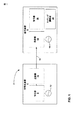
図1は、ここに記述された技術を使用してもよいシステム2を示すブロック図である。図1に示されるように、システム2は、送信チャネル15を経由して復号装置6へのオーディオ情報を符号化し送信する符号化装置4を含んでいる。符号化装置4および復号装置6は、オーディオ情報の一方向の通信またはオーディオおよびビデオ情報の両方を含むマルチメディア情報を支援してもよい。あるいは、符号化装置4および復号装置6は、オーディオまたはマルチメディア情報の双方向通信を支援するために相互のコンポーネント(component)を含んでいてもよい。送信チャネル15は、有線または無線通信メディア、あるいは有線または無線メディアの任意の組み合わせかもしれない。
FIG. 1 is a block diagram illustrating a system 2 that may use the techniques described herein. As shown in FIG. 1, the system 2 includes an encoding device 4 that encodes and transmits audio information to the decoding device 6 via a
例えば、符号化装置4は、無線加入者装置へのオーディオ情報あるいはマルチメディア情報の1つ以上のチャネルを放送するために使用される放送網装置の一部を形成してもよい。この場合、符号化装置2は、いくつかの復号装置(つまり放送サービスの多くの加入者)にオーディオ情報またはマルチメディア情報のいくつかのチャネルを送信してもよい。しかしながら、簡単のため図1に1つの復号装置6が示される。符号化装置4および復号装置6は、1台以上のプロセッサ、ディジタル信号プロセッサ、特定用途向けIC(ASICs)、フィールドプログラム可能なゲート・アレイ(FPGAs)、個別論理、ソフトウェア、ハードウェア、ファームウェアあるいはそれらの任意の組み合わせとして実装されてもよい。 For example, the encoding device 4 may form part of a broadcast network device used to broadcast one or more channels of audio information or multimedia information to wireless subscriber devices. In this case, the encoding device 2 may transmit several channels of audio information or multimedia information to several decoding devices (ie many subscribers of the broadcast service). However, for simplicity, one decoding device 6 is shown in FIG. The encoding device 4 and the decoding device 6 may include one or more processors, digital signal processors, application specific ICs (ASICs), field programmable gate arrays (FPGAs), individual logic, software, hardware, firmware or the like It may be implemented as any combination of.
符号化装置4の例は、符号化されたオーディオ情報を放送するために使われる無線基地局またはどんなインフラストラクチャー・ノードを含んでいてもよい。一方で、復号装置6は、符号化されたオーディオ情報を受信するユーザ装置を具備してもよい。例として、復号装置6は、ディジタル・テレビ、無線通信装置、ポータブル・ディジタル補助装置(PDA)、ラップトップ・コンピューターまたはデスクトップ・コンピュータ、「iPod」(登録商標)の下で売られたもののようなディジタルの音楽およびビデオ装置、ビデオゲーム装置または、携帯、衛星または地上波に基づいた無線電話機のような無線電話の一部として実装されてもよい。他の例では、符号化装置4およびビデオ復号装置6の両方はユーザ装置を具備してもよい。ユーザ装置は、無線電話、データプロトコル、またはそのようなものを経由してそのような装置間のオーディオ情報を通信する。 The example of the encoding device 4 may include a radio base station or any infrastructure node used to broadcast the encoded audio information. On the other hand, the decoding device 6 may include a user device that receives encoded audio information. By way of example, the decoding device 6 may be a digital television, a wireless communication device, a portable digital auxiliary device (PDA), a laptop computer or desktop computer, such as those sold under “iPod” ®. It may be implemented as part of a digital music and video device, a video game device or a wireless telephone such as a mobile, satellite or terrestrial based wireless telephone. In another example, both the encoding device 4 and the video decoding device 6 may comprise user devices. User equipment communicates audio information between such devices via a wireless telephone, a data protocol, or the like.
ここに記述されたコンポーネント(component)は、ここに記述された技術の実装に適用可能な代表的なものである。だけれども、もし望むのであれば、符号化装置4および復号装置6は他の多くのコンポーネント(component)を含んでいてもよい。さらに、この開示の技術は、システム2のそのようなシステムや、放送装置の中で使用するために必ずしも制限されない。その技術は、オーディオ情報が計測される、あらゆるオーディオ符号化環境にアプリケーションを見いだしてもよい。 The component described here is a typical one applicable to the implementation of the technology described here. However, if desired, the encoding device 4 and the decoding device 6 may include many other components. Further, the techniques of this disclosure are not necessarily limited for use in such systems of system 2 or broadcast devices. The technology may find applications in any audio coding environment where audio information is measured.
符号化装置4は、オーディオ情報を符号化する符号器8、および通信チャネル15上の復号装置6へ復号されたオーディオ情報を送信する発信機10を含む。符号化装置4はさらに符号器クロック12を含む。符号化装置4は符号化されたオーディオ情報の中に第1タイミング情報を挿入してもよい。例えば、第1タイミング情報は、符号化装置4によりオーディオ・パケットの符号化されたストリームに追加された、タイムスタンプを具備してもよい。連続したタイムスタンプのそれぞれに、符号化装置によって、符号器クロックが定義する加算時間(increments)、たとえば100ミリ秒が適用される。
The encoding device 4 includes an encoder 8 that encodes audio information and a
復号装置6は、符号化されたオーディオ情報を得る受信機14、およびユーザへの提示のためのオーディオ情報を復号する復号器16を含んでいる。復号装置6はさらに復号器クロック18およびタイミング調整部20を含んでいる。
The decoding device 6 includes a
復号装置6がオーディオ情報を得る場合、それは復号器クロック18に基づいたオーディオ情報のために第2タイミング情報を生成する。特に、復号装置6は、オーディオ情報が受信されるとき、復号器クロック18に基づいたそれ自身のタイムスタンプを生成してもよい。タイミング調整装置20は、第1および第2タイミング情報間の違いを計算し、符号器クロック12に対する復号器クロック18における誤差を推定するためにこれらの計算結果を使用する。特に、タイミング調整装置20は、符号器4により適用されるタイムスタンプおよび復号器6により独立して適用されるタイムスタンプの、2つの隣接するタイムスタンプ間の時間の違いは、符号器クロック12に対する復号器クロック18での誤差を定義するために計算する。様々なフィルタリングおよび平均化の技術は、それぞれのクロック中の任意のジッタ(jitter)をなくすために使用されてもよい。
When the decoding device 6 obtains audio information, it generates second timing information for the audio information based on the
この開示に従って、復号装置6の復号器16は、復号器クロックにおける推定誤差を補償するために復号されたオーディオ出力でのオーディオサンプルの数を調整する。言いかえれば、符号器クロック12に復号器クロック18を同期させるために復号器クロック16を調整するのではなく、符号器16は、復号されたオーディオ出力の時間が適切に計られることを保証するために、復号されたオーディオ出力から追加されるかまたは除去される。このように、この開示の技術は、調整可能かあるいは制御可能な復号器クロック18の必要性をなくすことができ、それによりコストを減少することができる。加えて、この開示の技術は、調整可能または制御可能なクロックを含んでいないレガシー装置が適切に計測される必要のあるオーディオ情報を復号して出力することを許可することができる。オーディオサンプルの挿入または削除によって、復号装置6は、調整可能なクロックを使用することなく、オーディオ出力の適切なタイミングを達成する。
In accordance with this disclosure, the decoder 16 of the decoding device 6 adjusts the number of audio samples in the decoded audio output to compensate for estimation errors in the decoder clock. In other words, rather than adjusting the decoder clock 16 to synchronize the
より詳しく以下に記述されるように、付加的技術も復号器16によるオーディオサンプルの追加または削除を改善するために使用することができる。例えば、復号器16は、復号されたオーディオ出力において実質的に無音の期間を推定し、そのような実質的に無音の期間の間でサンプルを優先的にオーディオサンプルの挿入または削除してもよい。追加された利点として、その技術は、復号装置6の様々なコンポーネント(component)によるオーディオ処理のために生じるあらゆる固有の遅れを補償してもよい。 As described in more detail below, additional techniques can also be used to improve the addition or deletion of audio samples by the decoder 16. For example, the decoder 16 may estimate substantially silent periods in the decoded audio output and preferentially insert or delete audio samples during such substantially silent periods. . As an added advantage, the technique may compensate for any inherent delay that occurs due to audio processing by the various components of the decoding device 6.
ここに記述された技術は、クロック信号を運ぶあらゆるオーディオ・ストリームに適合するかもしれない。一例は、例えば、ISO/IEC138181−1で定義された、MPEG2システムトランスポートストリームを用いるオーディオパケット・ストリームである。クロック信号を運ぶオーディオ・ストリームの他の多くの例もまた、さらに出現したり発展したりする可能性のある将来の技術を含めて存在してもよい。ここに記述された技術は、MPEG2システムトランスポートストリームまたは他のオーディオ・ストリームに含まれるクロック信号を運ぶあらゆるオーディオ・ストリームに適用してもよい。 The techniques described herein may be compatible with any audio stream that carries a clock signal. An example is an audio packet stream that uses an MPEG2 system transport stream, as defined by, for example, ISO / IEC13881-1. Many other examples of audio streams carrying clock signals may also exist, including future technologies that may emerge and evolve further. The techniques described herein may be applied to any audio stream that carries a clock signal contained in an MPEG2 system transport stream or other audio stream.
ISDBT−T(Integrated Services Digital Broadcasting−Terrestrial:総合ディジタル放送サービス−地上)、SDMB(Satellite Digital Multimedia Broadcasting:衛星ディジタルマルチメディア放送)およびTDMB(Terrestrial Digital Multimedia Broadcasting:地上波ディジタルマルチメディア放送)はすべて、MPEG2システム多重化を使用する。MPEG2システム多重化の1つの例は、ISO/IEC 13818−1に記述される。それもまた、2000年10月の“Generic coding of moving pictures and associated audio information: Systems”とタイトルをつけられたITU−T推薦のH.222.0の中で引用される。ISOは国際標準化機構を表わす。また、IECは国際電気標準会議を表わす。MPEG2では、オーディオおよびビデオ符号器によって伝達された基本のストリームは、プログラムトランスポートストリーム(TS)を形成するために、プログラム情報(PMT)でパケット化および多重化される。 ISDBT-T (Integrated Services Digital Broadcasting-Terrestrial), SDMB (Satellite Digital Multimedia Broadcasting) and TDMB (Terrestrial Digital Multimedia Broadcasting) are all MPEG2 system multiplexing is used. One example of MPEG2 system multiplexing is described in ISO / IEC 13818-1. It is also the H.264 recommendation of ITU-T titled “Generic coding of moving pictures and associated audio information: Systems” in October 2000. Cited in 222.0. ISO stands for International Organization for Standardization. IEC stands for International Electrotechnical Commission. In MPEG2, the basic stream conveyed by the audio and video encoder is packetized and multiplexed with program information (PMT) to form a program transport stream (TS).
多重プログラムトランスポートストリームは、システムTSを形成するためにプログラムテーブル(PAT)で多重化される。そのような多重化は、符号化装置4の符号器8または送信機10の一部として含まれていてもよい。
Multiple program transport streams are multiplexed with a program table (PAT) to form a system TS. Such multiplexing may be included as part of the encoder 8 or
例として、MPEG−2 TSは、TSパケットに4バイトのヘッダーおよび184バイトのペイロードがそれぞれある、188バイトのTSパケットを具備してもよい。TSパケット・ペイロードは、パケット化基本ストリーム(Packetized Elementary Streams:PES)を含んでいてもよく、それは典型的にオーディオ・ビデオおよびプログラム情報(PMT)を具備する。いくつかのTSパケットは、サイズがパケットヘッダ中のフラグによって決定される任意的な(optional)適応フィールドを含んでいてもよい。適応フィールドはタイミング情報、パッド・バイトおよび他のデータを含んでいてもよい。 As an example, an MPEG-2 TS may comprise a 188-byte TS packet with each TS packet having a 4-byte header and a 184-byte payload. The TS packet payload may include packetized elementary streams (PES), which typically comprise audio video and program information (PMT). Some TS packets may include an optional adaptation field whose size is determined by a flag in the packet header. The adaptation field may contain timing information, pad bytes, and other data.
TSパケットヘッダはバイトの同期で始まり、パケット識別子(Packet Identifier:PID)を含んでいる。PIDは、多重の特有のPESを識別する。0のPID値はPATのために確保される。PATは、TS中のすべてのプログラム用のPMTをPID値に関連させるテーブルである。PMTは、プログラム用の構成要素である基本ストリーム(elementary streams)の詳細を含んでいる。 The TS packet header starts with byte synchronization and includes a packet identifier (PID). The PID identifies multiple unique PESs. A PID value of 0 is reserved for PAT. The PAT is a table that associates PMTs for all programs in the TS with PID values. The PMT includes details of elementary streams that are components for the program.
図1を再び参照して、MPEG−2 TSまたは他のトランスポートストリームは、多重化されたチャンネルを含んでいて、復号装置6の受信機14は、興味のあるチャンネルの受信および識別を促進するためにデマルチプレクサ(示されない)を含んでもよい。
Referring back to FIG. 1, an MPEG-2 TS or other transport stream includes multiplexed channels, and the
この場合、デマルチプレクサにプログラムが選択された(プログラムpとする)ことが通知されるとき、プログラムp用のPMTのPIDを決定するためにPATを使用することができる。その後、デマルチプレクサは、基本のオーディオおよびビデオストリームのPIDを決定するためにプログラムp用のPMTを使用する。デマルチプレクサは、TSの中の全てのパケットを読み、捜している(つまり、プログラムpに関連したもの)PIDがあるものだけを受け入れる。 In this case, when the demultiplexer is notified that the program has been selected (referred to as program p), the PAT can be used to determine the PID of the PMT for program p. The demultiplexer then uses the PMT for program p to determine the PID of the basic audio and video stream. The demultiplexer reads all packets in the TS and accepts only those that have a PID that they are looking for (ie, related to program p).
クロック参照およびタイムスタンプの使用はMPEG−2トランスポートストリームにおいて一般的であるが、多くの他のシステムまたはプロトコルの中で使用されてもよい。一般に、トランスポートストリームに含まれていたプログラムは、異なる位置(location)から始まり、かつ非同期である。したがって、MPEG−2は、復号器クロックがプログラム単位を基準に符号器クロックに同期することを可能にするためのメカニズムを提供する。この同期メカニズムは、プログラム・クロックレファレンス(Program Clock Reference:PCR)と呼ばれる。PCRは、符号器クロック12のような、符号化装置の27MHzシステム時間クロック(System Time Clock:STC)からサンプリングされる48ビットカウンタでもよい。トランスポートストリーム・マルチプレクサ(それは符号器8あるいは送信機10に含まれていてもよい)は、周期的に拡張TSパケットヘッダにPCR値(つまりSTCサンプル)を挿入することができる。MPEG−2トランスポートストリームについては、PCRは少なくとも100ミリセカンドごとに送信されるべきである。符号器STCの望まれる精度は27MHz±810Hzである。それはおよそ30ppmの精度に相当する。
The use of clock references and time stamps is common in MPEG-2 transport streams, but may be used in many other systems or protocols. In general, a program included in a transport stream starts at a different location and is asynchronous. Thus, MPEG-2 provides a mechanism for allowing the decoder clock to be synchronized to the encoder clock on a program unit basis. This synchronization mechanism is called a program clock reference (PCR). The PCR may be a 48-bit counter that is sampled from the 27 MHz system time clock (STC) of the encoder, such as
プログラムにおける基本ストリームの同期は、PESヘッダーに含まれていたプレゼンテーション・タイムスタンプ(Presentation Time Stamp:PTS)およびデコーダタイムスタンプ(Decoder Time Stamp:DTS)タイムスタンプ・フィールドによって可能になる。これらのタイムスタンプは、33ビットの分解能を持っていてもよいし、符号化装置4(90kHzまで分割された後)のSTCに由来してもよい。これらのタイムスタンプは、いつペイロードを復号するか決めるために復号装置6によって使用される。 The synchronization of the basic stream in the program is made possible by the presentation time stamp (PTS) and decoder time stamp (DTS) time stamp fields included in the PES header. These time stamps may have a resolution of 33 bits or may be derived from the STC of the encoding device 4 (after being divided to 90 kHz). These time stamps are used by the decoding device 6 to determine when to decode the payload.
PTSは、復号されたビデオフレームを表示するかまたは復号されたオーディオフレームを実行する時間を示す。ある場合には、オーディオ出力は、入力ビットストリームに従って連続的に実行する。また、ビデオはオーディオへのビデオPTSを経由して同期される。これは単に双方向に符号化されたフレーム(bidirectional coded frames)(Bフレーム)に適用可能かもしれないが、DTSはビデオフレームを復号する時間を示す。DTSがPTSと同じである場合、DTSの送信が回避されてもよい。 The PTS indicates the time to display the decoded video frame or execute the decoded audio frame. In some cases, audio output is performed continuously according to the input bitstream. Video is also synchronized via video PTS to audio. While this may only be applicable to bidirectional coded frames (B frames), DTS indicates the time to decode a video frame. If the DTS is the same as the PTS, transmission of the DTS may be avoided.
典型的なクロック同期メカニズムは、復号装置の中で電圧制御発振機(VCO)を使用してもよい。電圧制御された水晶発振器(VCXO)は、例えば、入って来るクロックレファレンス(例えばPCR)とローカルクロック間の差によって周波数を調整してもよい。低域通過フィルタは、送信ジッタ(jitter)を排除するために使用されてもよい。減衰が大きいループはジッタをよく排除するが、より応答時間が遅くなる。ループの固定時間は、新しいチャネルの最初のPCRが受け取られる場合、またはPCRの不連続な指標がセットされる場合は常に、PCRにローカルクロックをセットすることにより減少する。しかしながら、ここに説明されているように、調節可能なクロックを使うというよりはむしろ、符号器クロック12および復号器クロック18間のどのような差でも補償するために、復号された出力から選択的にサンプルが追加されるかまたは欠落されるかもしれない。そのような技術は、復号器クロックのソース(source)を調整することが許されない構成に非常に役立つ。
A typical clock synchronization mechanism may use a voltage controlled oscillator (VCO) in the decoder. A voltage controlled crystal oscillator (VCXO) may adjust the frequency by, for example, the difference between an incoming clock reference (eg, PCR) and a local clock. A low pass filter may be used to eliminate transmission jitter. A loop with large attenuation eliminates jitter well but has a slower response time. The loop's fixed time is reduced by setting a local clock in the PCR whenever the first PCR of a new channel is received or whenever a discontinuous indicator of PCR is set. However, as described herein, rather than using an adjustable clock, it is selective from the decoded output to compensate for any difference between
もし特に、復号装置が復号器クロックの元を調節することができない場合、従来の閉ループメカニズムを使用して、符号器クロックに復号器クロックを同期させることは、従来的に難しいかもしれないし、またはできないかもしれない。そのような場合、この開示の技術は非常に有用かもしれない。この開示に従って、PCR間の違い、つまり、27MHzのトランスポートストリームインターフェース(Transport Stream Interface:TSIF)クロックおよびオーディオ復号器クロック間の違いに基づいたオーディオサンプルの選択的な挿入および削除によってクロックドリフト(または、符号器クロックに対する復号器クロックにおける他の誤差)は対処されうる。挿入および除去アルゴリズムは、あらゆる知覚可能なオーディオ効果を最小化するために特に設計することができる。 It may traditionally be difficult to synchronize the decoder clock to the encoder clock using a conventional closed loop mechanism, especially if the decoder cannot adjust the source of the decoder clock, or It may not be possible. In such cases, the techniques of this disclosure may be very useful. In accordance with this disclosure, clock drift (or by selective insertion and removal of audio samples based on differences between PCRs, ie, differences between a 27 MHz Transport Stream Interface (TSIF) clock and an audio decoder clock (or , Other errors in the decoder clock relative to the encoder clock) can be addressed. Insertion and removal algorithms can be specifically designed to minimize any perceptible audio effect.
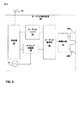
図2は代表的なオーディオ復号装置30のブロック図である。これは図1の復号装置6と一致してもよい。オーディオ復号装置30は、受信機22、アンテナ34、復号器クロック32、オーディオバッファ24、タイミング調整部28、オーディオ復号部26、駆動回路36および1つ以上のスピーカ(38Aと38B)を含んでいる。追加のコンポーネントも含まれていてもよい。
FIG. 2 is a block diagram of a typical audio decoding device 30. This may coincide with the decoding device 6 of FIG. The audio decoding device 30 includes a
受信機22は、無線プロトコルを経由してオーディオ情報を受信する。アンテナ34は、受信機22を経由して無線情報の受信を促進するだろう。受信したオーディオ情報は、符号器クロックに関連した第1タイミング情報を含んでいる。例えば、第1タイミング情報は、符号化装置(図1の中の符号化装置4のクロック12を符号化するような)の符号化クロックを使用する符号化装置によって、周期的に追加されたタイムスタンプを具備してもよい。
The
受信したオーディオ情報は、オーディオバッファ24に格納される。更に、オーディオ情報(符号器クロックに関連した第1タイミング情報を含んでいる)を得る際、復号器クロック32は、オーディオ情報のための第2タイミング情報を生成する。この第2タイミング情報は、さらにタイムスタンプを具備してもよい。しかし、復号器クロック32は第1タイミング情報が追加された符号器クロックと比べて異なってもよい限りでは、タイムスタンプは第1タイミング情報に関連したものと異なってもよい。第1および第2タイミング情報はタイミング調整部28に提供される。
The received audio information is stored in the
タイミング調整部28は、第1タイミング情報および第2タイミング情報間の差に基づいて第1タイミング情報を追加した符号器クロックに対する復号器クロック32での誤差を推定する。その後、オーディオ復号部26は、オーディオサンプルを生成するためにオーディオ情報を復号する。符号器クロックに対する復号器クロック32における推定誤差を特に補償するため、オーディオ復号部26が復号されたオーディオ出力でのオーディオサンプルの数を調整することができるように、タイミング調整部28は、オーディオ復号部26にその誤差推定を提供することができる。
The
オーディオ復号部26は、オーディオバッファ24に格納されたオーディオ情報を復号する。この復号は、ディジタルオーディオサンプルのストリームをもたらす。ディジタルオーディオサンプルは、駆動回路36に届けられてもよい。それはユーザにオーディオ出力を届けるために1つ以上のスピーカ(38Aと38B)を駆動させるために使用される。駆動回路36は、ディジタルオーディオサンプルをアナログ信号に変換するディジタル−アナログ変換器(DAC)を含んでいてもよい。駆動回路36は、さらに可聴音を生成するためのスピーカ(38Aと38B)を駆動させるために、アナログ信号を十分増幅するための増幅要素を含んでいてもよい。
The
この開示の教示に従って、オーディオ復号部26は、符号器クロックに対する復号器クロック32の推定誤差を特に補償するために復号されたオーディオ出力でのオーディオサンプルの数を調整する。タイミング調整部28は、第1タイミング情報および第2タイミング情報間の差に基づいた復号器クロック32における誤差(時々“ドリフト(drift)”と呼ばれる)を推定する。タイミング調整部28は、この推定誤差を示す信号をオーディオ復号部26に供給する。その後、オーディオ復号装置は、復号器クロック32における誤差またはドリフトを補償するために、復号された出力から選択的にサンプルを挿入するかまたは除去する。挿入または除去されたサンプルに関連した時間は、復号器クロック32における誤差またはドリフトを補償するために十分である。
In accordance with the teachings of this disclosure, the
例えば、オーディオ復号部26は、復号された出力に追加的なオーディオサンプルを挿入し、符号器クロックより遅い復号器クロックを補償することによって、オーディオサンプルの数を調整してもよい。挿入されたオーディオサンプルは、無音のオーディオサンプルを具備してもよい。サンプルは前後のサンプルと同様であるサンプルであり、挿入されたオーディオサンプルは1つ以上の前後のサンプルの間、または他のタイプのサンプルの間に挿入される。
For example, the
ある場合では、ドリフト閾値に到達する場合はいつでも、オーディオ復号部26がオーディオサンプルを挿入してもよい。この場合、タイミング調整部28は累積誤差が符号器クロックに関連する復号器クロック32に到達されたと決定する場合、オーディオ復号部26は新しいサンプルを挿入するべきである。しかしながら、他の場合では、より理にかなった計算された方法でサンプルを挿入するほうが望ましいかもしれない。例として、オーディオ復号部26は、復号されたオーディオ出力において実質的に無音の期間を推定し、そのような実質的に無音の期間の間で優先的にサンプルを挿入してもよい。この場合、タイミング調整部28は累積誤差が符号器クロックに関連する復号器クロック32に到達されたと決定する場合、オーディオ復号部26は復号された出力において推定された実質的に無音の期間に無音のオーディオサンプルを特に挿入してもよい。これらの追加的なステップは、オーディオ出力でのどんな知覚できるアーティファクト(artifacts)も発生の可能性を減らすかもしれない。例えば、復号部26は、実質的に無音の出力に一致する値を持つ期間に位置するディジタルサンプルに関連した値を検査することにより、実質的に無音の期間を推定することができる。
In some cases, the
オーディオ復号部26は、さらに、復号された出力からオーディオサンプルの1つ以上を除去し、符号器クロックより速い復号器クロック32を補償することでオーディオサンプルの数を調整してもよい。この場合、タイミング調整部28は累積誤差が符号器クロックに関連する復号器クロック32に到達されたと決定する場合、オーディオ復号部26は、この誤差を補償するためにサンプルを除去するべきである。サンプル挿入技術のように、サンプル削除もより理にかなった計算されたやり方で行われてもよい。例として、オーディオ復号部26は、復号されたオーディオ出力において実質的に無音の期間を推定し、そのような実質的に無音の期間の間で優先的にサンプルを削除してもよい。この場合、タイミング調整部28が、累積誤差が符号器クロックに対する復号器クロック32に到達したと決定する際に、オーディオ復号部26は、復号された出力でのこれら推定された実質的に無音の期間から実質的に無音のオーディオサンプルを消去することができる。
もしクロックドリフト補償がない場合、オーディオバッファ24はオーバーフロー(over flow)またはアンダーラン(under run)であるかもしれない。例えば、復号器クロック32が符号器クロックより遅い場合、オーディオバッファ24はオーバーフローしうる。同様に、復号器クロック32が符号器クロックより速い場合、オーディオバッファ24はアンダーランになる。補償技術の1つの目標は、オーディオ・ビットストリームに対して、小さな、一般的に目立たない補正を施すことにより、オーバーフローおよびアンダーランを回避することである。
If there is no clock drift compensation, the
MPEG−2 TSの例を再び参照すると、タイミング調整部28によっておこなわれるクロックドリフト補償アルゴリズムは、(1)TSIFに対するPCRのドリフトの推定、および(2)TSIFに対するDCLK(復号器クロック32)のドリフトを発生させるかもしれない。タイミング調整装置ユニット28は、DCLKに対するPCRのドリフトの推定を与えるために、(1)から(2)を引くことができる。その後、DCLKに対するPCRのドリフトの推定は、サンプルを挿入するか欠落することをオーディオ復号部26にいつ命じるかを決定するために使用される。
Referring back to the MPEG-2 TS example, the clock drift compensation algorithm performed by the
受信機22が新しいPCRを受け取る場合はいつでも、TSIFタイムスタンプ(TTS)を備えたPCRサンプルを付けるかおよびタイミング調整部28に通知する。PCR通知のイベントを受け取る際、タイミング調整部28は最新のPCR情報を読み込んで処理をおこなう。タイミング調整部28によって読み込まれたPCR情報は、(1)48ビットサンプルの下位の32ビットによって定義されたPCR値、(2)32ビットでTTSが定義され、32TTSビット中に含まれる24ビットをTSIFタイムスタンプとして包含する、および、(3)PCR不連続後(チャネル切り替え後のような)の最初のPCRアップデート上で真にセットされるかもしれないブール値として定義された初期値、を具備してもよい。
Whenever the
PCRにタイムスタンプする行為は、タイムスタンプ・ジッタ(time stamp jitter)を減少するために受信機22によっておこなわれてもよい。更に、フィルタリングもおこなわれてもよい。MPEG−2システム仕様書によって決定されるように、タイミング調整部28はPCRの更新を少なくとも100ミリ秒ごとに受け取るべきである。タイミング調整装置ユニット28は、以下に示すように、PCRとTSIF間のドリフト(D1)を推定するために受信機22によって提供される生のPCR/TTSデータを使用してもよい。
D1(PCRi−PCRi−1)/(TTSi−TTSi−1)、i>1
D1=1、i=1
この場合、PCRiはPCRが不連続に続くi番目のPCR更新である。また、TTSiは、PCRiと関連したTSIFタイムスタンプである。D1は、PCRおよびTTSのジッタを削除するためにフィルタされる。D1=1のとき、PCRおよびTSIFは同期している。D1が1以上である場合、PCRはTSIFより進んでいる。D1が1未満である場合、PCRはTSIFより遅れている。隣接したPCR更新がお互いに一致していない場合、PCRは不連続である。PCRが連続的な場合、隣接したPCR値間の違いは、PCRタイムスタンプ(ドリフトとジッタを考慮に入れて)間の違いとほぼ等しい。PCRが不連続の場合、PCR値は、タイムスタンプクロックによって予測されたPCR値の前後に大きくジャンプする。PCR不連続は、TSパケット中のフラグを使用して識別することができる。不連続フラグを含んでいるTSパケットがちょうど欠落された場合、受信機22は、不連続があるかすべてのPCR更新をチェックしてもよい。PCR不連続を検知する際、受信機22はタイミング調整部28および復号部26に通知してもよい。
The act of time stamping the PCR may be performed by the
D1 (PCR i -PCR i-1 ) / (TTS i -TTS i-1), i> 1
D1 = 1, i = 1
In this case, PCR i is the i-th PCR update in which PCR continues discontinuously. TTS i is a TSIF time stamp associated with PCR i . D1 is filtered to remove PCR and TTS jitter. When D1 = 1, PCR and TSIF are synchronized. If D1 is 1 or greater, PCR is ahead of TSIF. If D1 is less than 1, PCR is behind TSIF. If adjacent PCR updates do not match each other, the PCR is discontinuous. When PCR is continuous, the difference between adjacent PCR values is approximately equal to the difference between PCR timestamps (taking into account drift and jitter). When the PCR is discontinuous, the PCR value jumps greatly before and after the PCR value predicted by the time stamp clock. PCR discontinuities can be identified using flags in TS packets. If a TS packet containing a discontinuity flag is just missing, the
オーディオ復号部26は、タイミング調整部28に直接的に利用可能ではないクロック・ソースを使用して実行するディジタル信号プロセッサ(DSP)を具備してもよい。タイミング調整部28は、例えば、異なる多目的のマイクロプロセッサによって実行されたソフトウェア・モジュールを具備してもよい。オーディオ復号部26は、タイミング調整部28(典型的に250ミリ秒ごとに1度)によって指定された時間間隔で、終了したサンプルの数および周期的に消費されたバイト数を報告してもよい。オーディオ復号部26から更新を受け取る際、タイミング調整部28は、終了したサンプルカウンタを27MHzのクロックカウントに変換し、TSIFタイムスタンプを適用する。終了したサンプルから27MHzのクロックカウントへの変換は次のとおりである。
DCLKj=(Nj*27E6)/SF
そこでは、DCLKjは、オーディオ復号部26からj番目のフィードバック間隔における27MHzのインクリメント(increment)数である。また、Njは、オーディオ復号部26のj番目のフィードバック間隔の中で終了したサンプルの数である。SFはオーディオサンプル周波数で単位はHzである。
The
DCLK j = (N j * 27E6) / SF
There, DCLK j is a 27 MHz increment number in the j-th feedback interval from the
タイミング調整部28は、DCLKとTSIFの間のドリフト(D2)を推定するために、以下のようにタイムスタンプされた復号器クロックデータを使用することができる。
The
D2=(DCLKj−DCLKj−1)/(TTSj−TTSj−1)、j>1
D2=1、j=1
この場合、添字jは、PCR不連続の後のオーディオ復号部26からj番めのフィードバックを示す。PCR不連続が検知される場合は常に、D1およびD2の推定の両方とも再開されてもよいことに留意する。D1と同様に、D2は、DLCKおよびTTS中のジッタを削除するためにフィルタされることができるが、必ずしもD1と同じ時定数を使用する必要はない。D2=1のとき、DCLKおよびTSIFは同期される。D2が1以上である場合、DCLKはTSIFより進んでいる。D2が1未満である場合、DCLKはTSIFより遅れている。
D2 = (DCLK j −DCLK j−1 ) / (TTS j −TTS j−1 ), j> 1
D2 = 1, j = 1
In this case, the subscript j indicates the j-th feedback from the
ドリフト推定値D1とD2はPCRおよび復号器クロック間のドリフトの推定(D3)をあたえるために以下のように組み合わせることができる。
D3=D1−D2
したがって、D1(PCR/TSIFドリフト)からD2(DCLK/TSIFドリフト)を引くことは、共通のタイムスタンプ(TSIF)を効果的に除去する。以下ではなぜ減算が有益であるかを説明する。もしD1およびD2が、1よりも大きく、かつほぼ等しい場合、PCRとDCLKは両方ともTSIFよりも進んでいて、DCLKに対するPCRのドリフトは小さい。もしD1およびD2が、1よりも小さくかつほぼ等しい場合、PCRとDCLKは両方ともTSIFよりも遅れていて、DCLKに対するPCRのドリフトもまた小さい。D1が1よりも大きく、D2が1未満である場合、PCRはTSIFより進んでおり、DCLKはTSIFより遅れており、DCLKに対するPCRのドリフトは潜在的に大きい。
The drift estimates D1 and D2 can be combined as follows to provide an estimate (D3) of the drift between the PCR and the decoder clock.
D3 = D1-D2
Therefore, subtracting D2 (DCLK / TSIF drift) from D1 (PCR / TSIF drift) effectively removes the common time stamp (TSIF). The following explains why subtraction is useful. If D1 and D2 are greater than 1 and approximately equal, both PCR and DCLK are ahead of TSIF and PCR drift relative to DCLK is small. If D1 and D2 are less than 1 and approximately equal, both PCR and DCLK are behind TSIF, and the PCR drift relative to DCLK is also small. If D1 is greater than 1 and D2 is less than 1, PCR is ahead of TSIF, DCLK is behind TSIF, and the PCR drift relative to DCLK is potentially large.
上に述べたように、ここに記述された技術はサンプルの挿入/除去の閾値を使用してもよい。例として、タイミング調整部28は、PCMサンプルを挿入するかまたは欠落するようにオーディオ復号部26に指示するために、復号器クロックドリフトに関連のあるPCRドリフトの推定を使用してもよい。オーディオサンプル周波数がSF Hzである場合、クロック・エラーが1/SF秒を超える場合は常に、1つのサンプル訂正は起こるかもしれない。もちろん、優先的なサンプル挿入および削除は、実質的に無音の期間の推定のような、音声出力のプロパティの推定に基づいて、実際にいつサンプルが挿入されるかまたは削除されるかのタイミングを遅らせてもよいし、加速してもよい。
As noted above, the techniques described herein may use sample insertion / removal thresholds. As an example,
D3が1以上である場合、t秒ごとに1つのサンプルは挿入されてもよい。
t=1/(SF(D3−1))
D3が1未満である場合、1つのサンプルはt秒ごとに削除されてもよい。
t=1/(SF(1−D3)
補正間隔は、サンプル周波数の増加するほど減少し、符号器クロックと復号器クロックとの誤差が増加するほど減少する。最悪の場合(つまり、修正間の最小の時間間隔)は1.68秒(595ミリセカンドごとに1つのサンプル)かもしれない。サンプル周波数がその最大(例えば48kHz)にある場合、これが生じ得る。符号器クロック誤差はその最大(例えば±30ppm)にあり、復号器クロック誤差は、符号器クロックに対して逆向きに最大(例えば±5ppm)にある。
If D3 is 1 or more, one sample may be inserted every t seconds.
t = 1 / (SF (D3-1))
If D3 is less than 1, one sample may be deleted every t seconds.
t = 1 / (SF (1-D3)
The correction interval decreases as the sample frequency increases, and decreases as the error between the encoder clock and the decoder clock increases. The worst case (ie, the minimum time interval between corrections) may be 1.68 seconds (one sample every 595 milliseconds). This can occur if the sample frequency is at its maximum (eg 48 kHz). The encoder clock error is at its maximum (eg, ± 30 ppm) and the decoder clock error is at the maximum (eg, ± 5 ppm) in the opposite direction with respect to the encoder clock.
タイミング調整部28がサンプルを除去することをオーディオ復号部26に命じる場合、オーディオ復号部26はビットストリーム(あたかも、それが誤差を検知したかのように)中のサンプルを飛ばす。タイミング調整部28がサンプルを挿入することをオーディオ復号部26に命じる場合、オーディオ復号部26はビットストリームに無音のサンプル、あるいは恐らく以前のサンプルと同一のサンプル、あるいは、2つの連続したサンプル間で補間されたサンプルを挿入してもよい。サンプルの除去に続いて、オーディオ復号部26は、オーバーバッファ(over buffer)を回避するのを手助けするために、のちにオーディオバッファ24により多くのデータを要求する。サンプルの挿入に続いて、オーディオ復号部26は、実行下のバッファーを回避するのを手助けするために、オーディオバッファ24により多くのデータをすぐに要求する。
When the
サンプルの欠落または挿入による聞き手への影響はオーディオの種類に依存する。より頻繁な単一のサンプル調整は、典型的にはそれほど頻繁でない多数のサンプル調整よりインパクトのより少ない数量を持っている。スピーチおよびほとんどの種類の音楽については、最悪の場合のサンプル補正は聞き手によって気づかれないだろう。 The effect on the listener due to missing or inserted samples depends on the type of audio. A more frequent single sample preparation typically has a lower impact quantity than a less frequent multiple sample adjustment. For speech and most types of music, the worst-case sample correction will not be noticed by the listener.
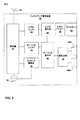
図3はマルチメディア復号装置50を示すブロックダイヤグラムである。この場合、デバイス50はオーディオ情報および映像情報の両方を復号する。デバイス50によって復号するオーディオは、デバイス30(図2)に本質的に似ている。受信機42は、無線プロトコルを経てマルチメディア情報を受け取る。マルチメディア情報は、オーディオ情報および映像情報の両方を含んでいる。アンテナ44は、受信機42を経て無線情報の受信を促進するだろう。
FIG. 3 is a block diagram showing the
オーディオ情報に関して、図3のデバイス50はデバイス30(図2)と似た方法で動作する。この意味で、デバイス30(図3)によるオーディオ処理に関して上記の記述は、デバイス50によっておこなわれたオーディオ処理に適用する。この記述は、図3について論じる際に繰り返されないだろう。簡潔には、受信機42は上述の受信機22のように動作してもよい。復号器クロック52、タイミング調整部48およびオーディオバッファ46は、上述の復号器クロック32、タイミング調整部28およびオーディオバッファ26のように動作してもよい。オーディオ復号部62、駆動回路64およびスピーカ(65Aと65B)は、上述のオーディオ復号部26、駆動回路36およびスピーカ(38Aと38B)のように作動してもよい。
For audio information,
この開示に従って、ビデオ復号は復号されたオーディオ出力に同期される。それは、オーディオサンプルの調整された数を含んでいる。ビデオ同期は演奏されたサンプルおよび消費されたビットストリームのバイトの両方に基づいてもよい。オーディオサンプルの欠落およびオーディオサンプルの挿入はオーディオ/ビデオ同期上に悪影響を与えない。 In accordance with this disclosure, video decoding is synchronized to the decoded audio output. It contains an adjusted number of audio samples. Video synchronization may be based on both played samples and consumed bitstream bytes. Missing audio samples and inserting audio samples do not adversely affect audio / video synchronization.
オーディオ/ビデオ同期を管理するために、オーディオ復号部62は、演奏されたサンプルの数および消費したバイト数をビデオ復号器に報告してもよい。この報告は、タイミング調整部48によって指定された時間間隔で周期的に生じてもよい。その後、ビデオ復号部56は、オーディオ復号によって定義された方法でビデオ復号をおこなうことができる。これは、ビデオバッファ54が上回るまたは下回ることを保証する付加利益を達成するかもれしれない。
In order to manage audio / video synchronization, the audio decoder 62 may report the number of samples played and the number of bytes consumed to the video decoder. This report may occur periodically at time intervals specified by the
ビデオバッファはコード化されたビデオ情報を格納する。ビデオ復号部56は、ビデオバッファ54が提供している映像情報を要求し、必要に応じ、またビデオシーケンスのフレームを復号する。再び、これがオーディオサンプルと同期して生じる。それは、オーディオサンプルが符号器クロックに対する復号器クロック52における任意の誤差を補償するために調整される限りにおいて、ビデオが本質的に時間が正しく測られることを許容することである。その後、復号されたオーディオフレームは、ビデオドライバ58に提供される。それは、ユーザにビデオシーケンスを提示するためにディスプレイ60を駆動する。
The video buffer stores encoded video information. The video decoding unit 56 requests video information provided by the video buffer 54 and decodes a frame of the video sequence as necessary. Again, this happens in sync with the audio sample. That is, as long as the audio samples are adjusted to compensate for any errors in the
ビデオシーケンスは、スピーカ(65Aと65B)の対応する音声出力と同期される。 The video sequence is synchronized with the corresponding audio output of the speakers (65A and 65B).
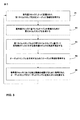
図4は、オーディオ符号化装置のクロックに対するオーディオ復号装置のクロックにおける誤差を補償するために、オーディオサンプルが調整される技術を示すフローチャートである。図4は、図2に示されたオーディオ復号装置30の観点から記述されるだろう。図4に示されるように、オーディオ復号装置30の受信機22は、符号器クロックに関連した第1タイミング情報を含むオーディオ情報を受信する(71)。オーディオ復号装置30は、復号器クロック32に基づいたオーディオ情報のために第2タイミング情報を生成する(72)。
FIG. 4 is a flowchart illustrating a technique in which audio samples are adjusted to compensate for errors in the audio decoder clock relative to the audio encoder clock. FIG. 4 will be described from the perspective of the audio decoding device 30 shown in FIG. As shown in FIG. 4, the
タイミング調整装置ユニット28は、第1タイミング情報および第2タイミング情報間の差に基づいて、符号器クロックに対する復号器クロック32での誤差を推定する(73)。オーディオ復号部26は、オーディオサンプルを生成するためにオーディオ情報を復号する(74)。その際に、オーディオ復号部26は、復号器クロックにおける推定誤差を補償するために、復号されたオーディオ出力でのオーディオサンプルの数を調整する(75)。この調整は、サンプルを挿入するか削除することを含んでいてもよく、必要があれば、オーディオ情報を符号化するための符号器によって使用される、符号器クロックに対する復号器クロックの推定誤差を補償するためでもよい。連続的にクロックドリフトに合わせて調整するために、1つのサンプルは、連続的な加算時間(increments of time)において典型的に挿入されるか削除される。
The
図5は、オーディオ符号化装置のクロックに対するオーディオ復号装置のクロックにおける誤差を補償するために、オーディオサンプルが調整される技術を示す別のフローチャートである。図5は、図2に示されたオーディオ復号装置30の観点から記述されるだろう。図5に示されるように、オーディオ復号装置30の受信機22は、符号器クロックによって定義された第1タイムスタンプを含むオーディオ情報を受信する(81)。オーディオ復号装置30は、復号器クロック32に基づいたオーディオ情報のために第2タイムスタンプを生成する(82)。
FIG. 5 is another flowchart illustrating a technique in which audio samples are adjusted to compensate for errors in the audio decoder clock relative to the audio encoder clock. FIG. 5 will be described from the perspective of the audio decoding device 30 shown in FIG. As shown in FIG. 5, the
タイミング調整部28は、第1タイムスタンプおよび第2タイムスタンプに基づいて、符号器クロックに対する復号器クロック32での誤差を推定する(83)。オーディオ復号部26は、オーディオサンプルを生成するためにオーディオ情報を復号する(84)。その際に、オーディオ復号部26は、復号器クロックにおける推定誤差を補償するために、復号されたオーディオ出力でのオーディオサンプルを挿入または削除する(85)。
The
これは、(図5中のループによって示されたように)連続的にクロックドリフトに合わせて調整するために、1つのサンプルは、連続的な加算時間(increment of time)において挿入されるか削除される。挿入または削除されたサンプルはそれぞれ、離散時間のインクリメント(increment)上に生じるドリフトを補償する。時間加算(time increments)は、典型的に比較的安定している。もし例えば、符号器クロック、復号器クロックあるいはその両方の温度変化が原因でクロックドリフトが変わるようなことがなければ、サンプルは安定した周期的な方法で挿入されるかまたは削除される。クロックドリフトが変わる場合、サンプルの挿入または削除に関連した時間加算(time increments)は同様に変わってもよい。 This is because one sample is inserted or deleted in successive increments of time (as indicated by the loop in FIG. 5) to continuously adjust for clock drift. Is done. Each inserted or deleted sample compensates for the drift that occurs on discrete time increments. Time increments are typically relatively stable. If, for example, the clock drift does not change due to temperature changes in the encoder clock, the decoder clock, or both, samples are inserted or deleted in a stable periodic manner. If the clock drift changes, the time increments associated with sample insertion or deletion may change as well.
多くの技術および実施例は記述された。記述された技術は、ハードウェア、ソフトウェア、ファームウェアあるいはそれの任意の組み合わせの中で実装されてもよい。もしソフトウェア中で実装されれば、ここに記述された技術は、上述した1つ以上の技術をおこなうための装置における実行の命令を含む、コンピュータ読取り可能な媒体で具体化されてもよい。例えば、命令、実行は、符号器クロックに関連した第1タイミング情報を含むオーディオ情報を受信させ、復号器クロックに基づいたオーディオ情報のために第2タイミング情報を生成させ、第1タイミング情報および第2タイミング情報間の差に基づいて、符号器クロックに対する復号器クロックでの誤差を推定させ、オーディオサンプルを生成するためにオーディオ情報を復号させ、復号器クロックにおける推定誤差を補償するために、復号されたオーディオ出力におけるオーディオサンプルの数を調整させることを装置に実行させてもよい。 A number of techniques and examples have been described. The described techniques may be implemented in hardware, software, firmware, or any combination thereof. If implemented in software, the techniques described herein may be embodied in a computer-readable medium that includes instructions for execution on an apparatus for performing one or more of the techniques described above. For example, the instruction, execution causes audio information including first timing information related to the encoder clock to be received, causes second timing information to be generated for audio information based on the decoder clock, and includes the first timing information and the first timing information. Based on the difference between the two timing information, the error in the decoder clock relative to the encoder clock is estimated, the audio information is decoded to generate audio samples, and the decoding is performed to compensate for the estimated error in the decoder clock. The apparatus may be caused to adjust the number of audio samples in the rendered audio output.
コンピュータ読取り可能な媒体は、同期型DRAM(SDRAM)のようなランダム・アクセス・メモリー(RAM)、読み出し専用メモリ(ROM)、不揮発性のランダム・アクセス・メモリー(NVRAM)、電気的消去可能ROM(EEPROM)、FLASHメモリ、磁気媒体、または光学データ記憶装置媒体などのようなものを具備してもよい。その命令は、1つ以上のディジタル信号プロセサ(DSP)、多目的マイクロプロセッサ、1つ以上の特定用途向けIC(ASIC)、1つ以上のフィールド・プログラマブル論理アレイ(FPGA)、あるいは他の等価な集積または個別論理回路のような、1台以上のプロセッサあるいは他のマシンによって実行されてもよい。いくつかの実施形態では、ここに記述された機能性は、オーディオまたはマルチメディア情報の符号化および復号を含むか、または結合したマルチメディア・エンコーダ・デコーダ(CODEC)に組み入れられた、専用ソフトウェア・モジュールまたは専用ハードウェア装置内に提供されてもよい。
以下に補正前の出願当初の特許請求の範囲の請求項を付記する。
(1)
符号器クロックに関連した第1タイミング情報を含むオーディオ情報を受信し、
復号器クロックに基づいた前記オーディオ情報のために第2タイミング情報を生成し、
前記第1タイミング情報および前記第2タイミング情報間の差に基づいて、前記符号器クロックに対する前記復号器クロックでの誤差を推定し、
オーディオサンプルを生成するために前記オーディオ情報を復号し、
前記復号器クロックにおける推定誤差を補償するために、復号されたオーディオ出力での前記オーディオサンプルの数を調整することを具備することを特徴とする方法。
(2)
オーディオサンプルの前記数を調整することは、前記復号された出力に追加的なオーディオサンプルを挿入し、前記符号器クロックより遅い前記復号器クロックを補償することを具備することを特徴とする(1に記載の方法。
(3)
前記追加的なオーディオサンプルを挿入することは、無音のオーディオサンプルを挿入することを具備することを特徴とする(2)に記載の方法。
(4)
前記追加的なオーディオサンプルを挿入することは、前記復号されたオーディオ出力における実質的に無音の期間を推定し、前記実質的に無音の期間に前記無音のオーディオサンプルを挿入することを具備することを特徴とする(3)に記載の方法。
(5)
前記追加的なオーディオサンプルを挿入することは、補間されたオーディオサンプルを挿入することを具備することを特徴とする(2)に記載の方法。
(6)
オーディオサンプルの前記数を調整することは、前記復号された出力から前記オーディオサンプルの1つ以上を除去して、前記符号器クロックより速い前記復号器クロックを補償することを具備することを特徴とする(1)に記載の方法。
(7)
前記オーディオサンプルの1つ以上を除去することは、実質的に無音のオーディオサンプルを除去することを具備することを特徴とする(6)に記載の方法。
(8)
前記オーディオサンプルの1つ以上を除去することは、前記復号された出力での実質的に無音の期間を推定し、前記実質的に無音の期間から前記無音のオーディオサンプルを除去することを具備することを特徴とする(7)に記載の方法。
(9)
前記オーディオ情報は、オーディオ・パケット内の符号化されたオーディオ情報を具備することを特徴とする(1)に記載の方法。
(10)
前記オーディオ・パケットは、motion pictures expert group 2(MPEG−2)トランスポートストリーム(TS)プロトコルに適合することを特徴とする(9)に記載の方法。
(11)
オーディオサンプルの前記調整された数を含む前記復号されたオーディオ出力にビデオ復号を同期することをさらに具備することを特徴とする(1)に記載の方法。
(12)
符号器クロックに関連した第1タイミング情報を含むオーディオ情報を受信するレシーバと、
前記オーディオ情報のために第2タイミング情報を生成する復号器クロックと、
前記第1タイミング情報および前記第2タイミング情報間の差に基づいて、前記符号器クロックに対する前記復号器クロックでの誤差を推定するタイミング調整部と、
オーディオサンプルを生成するために前記オーディオ情報を復号する復号部と、を具備し、
前記復号部は前記復号器クロックにおける推定誤差を補償するために、復号されたオーディオ出力での前記オーディオサンプルの数を調整することを特徴とする装置。
(13)
前記復号部は、前記復号された出力に追加的なオーディオサンプルを挿入し、前記符号器クロックより遅い前記復号器クロックを補償することを特徴とする(12)に記載の装置。
(14)
前記復号部は、前記復号された出力に無音のオーディオサンプルを挿入することを特徴とする(13)に記載の装置。
(15)
前記復号部は、前記復号されたオーディオ出力における実質的に無音の期間を推定し、前記実質的に無音の期間に前記無音のオーディオサンプルを挿入することを特徴とする(14)に記載の装置。
(16)
前記復号部は、前記復号された出力へ補間されたオーディオサンプルを挿入することを特徴とする(13)に記載の装置。
(17)
前記復号部は、前記復号された出力から前記オーディオサンプルの1つ以上を除去して、前記符号器クロックより速い前記復号器クロックを補償することを特徴する(12)に記載の装置。
(18)
前記復号部は、前記復号された出力から本質的に無音のオーディオサンプルを除去することを特徴とする(17)に記載の装置。
(19)
前記復号部は、前記復号された出力での実質的に無音の期間を推定し、前記実質的に無音の期間から前記無音のオーディオサンプルを除去することを特徴とする(18)に記載の装置。
(20)
前記オーディオ情報は、オーディオ・パケット内の符号化されたオーディオ情報を具備することを特徴とする(12)に記載の装置。
(21)
前記オーディオ・パケットは、motion pictures expert group 2(MPEG−2)トランスポートストリーム(TS)プロトコルに適合することを特徴とする(20)に記載の装置。
(22)
オーディオサンプルの前記調整された数を含む前記復号されたオーディオ出力にビデオ復号を同期するビデオ復号部をさらに具備することを特徴とする(12)に記載の装置。
(23)
装置での実行上、該装置に、
符号器クロックに関連した第1タイミング情報を含むオーディオ情報を受信させ、
復号器クロックに基づいて前記オーディオ情報のために第2タイミング情報を生成させ、
前記第1タイミング情報および前記第2タイミング情報間の差に基づいて、前記符号器クロックに対する前記復号器クロックでの誤差を推定させ、
オーディオサンプルを生成するために前記オーディオ情報を復号させ、
前記復号器クロックにおける推定誤差を補償するために、復号されたオーディオ出力での前記オーディオサンプルの数を調整させる複数の命令を具備することを特徴とするコンピュータ読み取り可能な媒体。
(24)
前記命令は、前記装置に、追加的なオーディオサンプルを前記復号された出力に挿入させ、符号器クロックより遅い前記復号器クロックを補償させることを特徴とする(23)に記載のコンピュータ読取り可能な媒体。
(25)
前記命令は、前記装置に前記復号された出力に無音のオーディオサンプルを挿入させることを特徴とする(24)に記載のコンピュータ読取り可能な媒体。
(26)
前記命令は、前記装置に前記復号されたオーディオ出力における実質的に無音の期間を推定させ、前記実質的に無音の期間に前記無音のオーディオサンプルを挿入させることを特徴とする(25)に記載のコンピュータ読取り可能な媒体。
(27)
前記命令は、前記装置に前記復号された出力へ補間されたオーディオサンプルを挿入させることを特徴とする(23)に記載のコンピュータ読取り可能な媒体。
(28)
前記命令は、前記装置に前記復号された出力から前記オーディオサンプルの1つ以上を除去させ、前記符号器クロックより速い前記復号器クロックを補償させることを特徴とする(23)に記載のコンピュータ読み取り可能な媒体。
(29)
前記命令は、前記装置に前記復号された出力から本質的に無音のオーディオサンプルを除去させることを特徴とする(28)に記載のコンピュータ読取り可能な媒体。
(30)
前記命令は、前記装置に前記復号された出力での実質的に無音の期間を推定させ、前記実質的に無音の期間から前記無音のオーディオサンプルを除去させることを特徴とする(29)に記載のコンピュータ読み取り可能な媒体。
(31)
前記オーディオ情報は、オーディオ・パケット内の符号化されたオーディオ情報を含むことを特徴とする(23)に記載のコンピュータ読取り可能な媒体。
(32)
前記オーディオ・パケットは、motion pictures expert group 2(MPEG−2)トランスポートストリーム(TS)プロトコルに適合することを特徴とする(31)に記載のコンピュータ読み取り可能な媒体。
(33)
前記命令は、前記装置にオーディオサンプルの前記調整された数を含む前記復号されたオーディオ出力にビデオ復号を同期させることを特徴とする(23)に記載のコンピュータ読み取り可能な媒体。
(34)
符号器クロックに関連した第1タイミング情報を含むオーディオ情報を受信する手段と、
復号器クロックに基づいた前記オーディオ情報のために第2タイミング情報を生成する手段と、
前記第1タイミング情報および前記第2タイミング情報間の差に基づいて、前記符号器クロックに対する前記復号器クロックでの誤差を推定する手段と、
オーディオサンプルを生成するために前記オーディオ情報を復号する手段と、
前記復号器クロックにおける推定誤差を補償するために、復号されたオーディオ出力での前記オーディオサンプルの数を調整する手段と、を具備することを特徴とする装置。
(35)
オーディオサンプルの前記数を調整する手段は、前記復号された出力に追加的なオーディオサンプルを挿入し、前記符号器クロックより遅い前記復号器クロックを補償することを特徴とする(34)に記載の装置。
(36)
オーディオサンプルの前記数を調整する手段は、前記復号されたオーディオ出力に無音のオーディオサンプルを挿入することを特徴とする(35)に記載の装置。
(37)
オーディオサンプルの前記数を調整する手段は、前記復号されたオーディオ出力における実質的に無音の期間を推定し、前記実質的に無音の期間に前記無音のオーディオサンプルを挿入することを特徴とする(36)に記載の装置。
(38)
オーディオサンプルの前記数を調整する手段は、前記復号されたオーディオ出力へ補間されたオーディオサンプルを挿入することを特徴とする(35)に記載の装置。
(39)
オーディオサンプルの前記数を調整する手段は、前記復号された出力から前記オーディオサンプルの1つ以上を除去して、前記符号器クロックより前記速い復号器クロックを補償することを特徴する(34)に記載の装置。
(40)
オーディオサンプルの前記数を調整する手段は、前記復号されたオーディオ出力から実質的に無音のオーディオサンプルを除去することを特徴とする(39)に記載の装置。
(41)
オーディオサンプルの前記数を調整する手段は、前記復号された出力での実質的に無音の期間を推定し、前記実質的に無音の期間から前記無音のオーディオサンプルを除去することを特徴とする(40)に記載の装置。
(42)
前記オーディオ情報は、オーディオ・パケットの中に符号化されたオーディオ情報を含むことを特徴とする(34)に記載の装置。
(43)
前記オーディオ・パケットは、motion pictures expert group 2(MPEG−2)トランスポートストリーム(TS)プロトコルに適合することを特徴とする(42)に記載の装置。
(44)
オーディオサンプルの前記調整された数を含む前記復号されたオーディオ出力にビデオ復号を同期する手段をさらに含むことを特徴とする(34)に記載の装置。
Computer readable media include random access memory (RAM) such as synchronous DRAM (SDRAM), read only memory (ROM), non-volatile random access memory (NVRAM), electrically erasable ROM ( Such as EEPROM), FLASH memory, magnetic media, or optical data storage media. The instructions may include one or more digital signal processors (DSPs), multipurpose microprocessors, one or more application specific ICs (ASICs), one or more field programmable logic arrays (FPGAs), or other equivalent integration. Or it may be executed by one or more processors or other machines, such as individual logic circuits. In some embodiments, the functionality described herein includes dedicated software software that includes or is combined with a combined multimedia encoder / decoder (CODEC) that includes encoding and decoding of audio or multimedia information. It may be provided in a module or dedicated hardware device.
The claims of the scope of the original claims before the amendment are appended below.
(1)
Receiving audio information including first timing information associated with an encoder clock;
Generating second timing information for the audio information based on a decoder clock;
Estimating an error in the decoder clock relative to the encoder clock based on a difference between the first timing information and the second timing information;
Decoding the audio information to generate audio samples;
Adjusting the number of audio samples in the decoded audio output to compensate for estimation errors in the decoder clock.
(2)
Adjusting the number of audio samples comprises inserting additional audio samples into the decoded output to compensate for the decoder clock slower than the encoder clock (1 The method described in 1.
(3)
The method of (2), wherein inserting the additional audio sample comprises inserting a silent audio sample.
(4)
Inserting the additional audio sample comprises estimating a substantially silent period in the decoded audio output and inserting the silent audio sample in the substantially silent period. (3) characterized by these.
(5)
The method of (2), wherein inserting the additional audio sample comprises inserting an interpolated audio sample.
(6)
Adjusting the number of audio samples comprises removing one or more of the audio samples from the decoded output to compensate for the decoder clock faster than the encoder clock. The method according to (1).
(7)
The method of (6), wherein removing one or more of the audio samples comprises removing substantially silent audio samples.
(8)
Removing one or more of the audio samples comprises estimating a substantially silence period in the decoded output and removing the silence audio sample from the substantially silence period. (7) The method described in (7) above.
(9)
The method according to (1), wherein the audio information comprises encoded audio information in an audio packet.
(10)
The method of (9), wherein the audio packet conforms to a motion pictures expert group 2 (MPEG-2) transport stream (TS) protocol.
(11)
The method of (1), further comprising synchronizing video decoding to the decoded audio output including the adjusted number of audio samples.
(12)
A receiver for receiving audio information including first timing information associated with an encoder clock;
A decoder clock for generating second timing information for the audio information;
A timing adjustment unit that estimates an error in the decoder clock with respect to the encoder clock based on a difference between the first timing information and the second timing information;
A decoding unit that decodes the audio information to generate audio samples;
The apparatus, wherein the decoding unit adjusts the number of audio samples in a decoded audio output to compensate for an estimation error in the decoder clock.
(13)
The apparatus according to (12), wherein the decoding unit inserts an additional audio sample into the decoded output to compensate for the decoder clock slower than the encoder clock.
(14)
The apparatus according to (13), wherein the decoding unit inserts a silent audio sample into the decoded output.
(15)
The apparatus according to (14), wherein the decoding unit estimates a substantially silent period in the decoded audio output, and inserts the silent audio sample in the substantially silent period. .
(16)
The apparatus according to (13), wherein the decoding unit inserts an interpolated audio sample into the decoded output.
(17)
The apparatus of
(18)
The apparatus according to (17), wherein the decoding unit removes essentially silent audio samples from the decoded output.
(19)
The apparatus according to (18), wherein the decoding unit estimates a substantially silent period in the decoded output, and removes the silent audio sample from the substantially silent period. .
(20)
The apparatus according to (12), wherein the audio information comprises encoded audio information in an audio packet.
(21)
The apparatus of (20), wherein the audio packet conforms to a motion pictures expert group 2 (MPEG-2) transport stream (TS) protocol.
(22)
The apparatus of (12), further comprising a video decoding unit that synchronizes video decoding to the decoded audio output including the adjusted number of audio samples.
(23)
For execution on the device, the device
Receiving audio information including first timing information associated with an encoder clock;
Generating second timing information for the audio information based on a decoder clock;
Based on the difference between the first timing information and the second timing information, estimating an error in the decoder clock relative to the encoder clock;
Decoding the audio information to generate audio samples;
A computer readable medium comprising a plurality of instructions for adjusting the number of audio samples in a decoded audio output to compensate for estimation errors in the decoder clock.
(24)
The computer readable data of claim 23, wherein the instructions cause the apparatus to insert additional audio samples into the decoded output to compensate for the decoder clock slower than an encoder clock. Medium.
(25)
The computer-readable medium of (24), wherein the instructions cause the device to insert silence audio samples into the decoded output.
(26)
The instructions (25) characterized in that the instructions cause the apparatus to estimate a substantially silent period in the decoded audio output and to insert the silent audio sample during the substantially silent period. Computer readable media.
(27)
The computer-readable medium of (23), wherein the instructions cause the apparatus to insert interpolated audio samples into the decoded output.
(28)
The computer-readable medium of claim 23, wherein the instructions cause the apparatus to remove one or more of the audio samples from the decoded output and compensate for the decoder clock faster than the encoder clock. Possible medium.
(29)
The computer-readable medium of (28), wherein the instructions cause the device to remove essentially silent audio samples from the decoded output.
(30)
The instruction is characterized in that the apparatus causes the apparatus to estimate a substantially silence period in the decoded output and to remove the silence audio sample from the substantially silence period. Computer readable media.
(31)
The computer-readable medium of (23), wherein the audio information includes encoded audio information in an audio packet.
(32)
The computer-readable medium of (31), wherein the audio packet conforms to a motion pictures expert group 2 (MPEG-2) transport stream (TS) protocol.
(33)
The computer-readable medium of (23), wherein the instructions synchronize video decoding to the decoded audio output including the adjusted number of audio samples to the device.
(34)
Means for receiving audio information including first timing information associated with an encoder clock;
Means for generating second timing information for the audio information based on a decoder clock;
Means for estimating an error in the decoder clock relative to the encoder clock based on a difference between the first timing information and the second timing information;
Means for decoding the audio information to generate audio samples;
Means for adjusting the number of audio samples in the decoded audio output to compensate for estimation errors in the decoder clock.
(35)
The means for adjusting the number of audio samples inserts additional audio samples into the decoded output to compensate for the decoder clock slower than the encoder clock (34). apparatus.
(36)
The apparatus of (35), wherein the means for adjusting the number of audio samples inserts silence audio samples into the decoded audio output.
(37)
The means for adjusting the number of audio samples is characterized by estimating a substantially silent period in the decoded audio output and inserting the silent audio sample in the substantially silent period. 36) The apparatus.
(38)
The apparatus of (35), wherein the means for adjusting the number of audio samples inserts interpolated audio samples into the decoded audio output.
(39)
The means for adjusting the number of audio samples removes one or more of the audio samples from the decoded output to compensate for the faster decoder clock than the encoder clock (34). The device described.
(40)
40. The apparatus of claim 39, wherein the means for adjusting the number of audio samples removes substantially silent audio samples from the decoded audio output.
(41)
The means for adjusting the number of audio samples is characterized by estimating a substantially silence period in the decoded output and removing the silence audio samples from the substantially silence period. 40).
(42)
The apparatus according to (34), wherein the audio information includes audio information encoded in an audio packet.
(43)
The apparatus of (42), wherein the audio packet conforms to a motion pictures expert group 2 (MPEG-2) transport stream (TS) protocol.
(44)
The apparatus of (34), further comprising means for synchronizing video decoding to the decoded audio output including the adjusted number of audio samples.
Claims (40)
復号器クロックに基づいた前記オーディオ情報に関して第2タイムスタンプを含む第2タイミング情報を生成し、
前記第1タイミング情報および前記第2タイミング情報間の差に基づいて、前記符号器クロックに対する前記復号器クロックでの誤差を推定し、
前記符号器クロックに対する前記復号器クロックにおける前記誤差を蓄積し、
オーディオサンプルを生成するために前記オーディオ情報を復号し、
前記符号器クロックに対する前記復号器クロックでの前記蓄積された誤差が閾値に達するかどうかを決定し、前記誤差が閾値に達する場合、前記復号器クロックにおける前記蓄積された誤差を補償するために、前記蓄積された誤差に基づいて復号されたオーディオ出力での前記オーディオサンプルの数を調整することを具備し、
前記オーディオサンプルの前記数を調整することは、前記復号された出力に追加的なオーディオサンプルを挿入し、前記符号器クロックより遅い前記復号器クロックを補償することを具備することを特徴とする方法。 Receiving audio information comprising a first time stamp added by an encoding device to an encoded stream of audio packets and including first timing information associated with an encoder clock;
Generating second timing information including a second timestamp with respect to the audio information based on a decoder clock;
Estimating an error in the decoder clock relative to the encoder clock based on a difference between the first timing information and the second timing information;
Accumulating the error in the decoder clock relative to the encoder clock;
Decoding the audio information to generate audio samples;
To determine whether the accumulated error in the decoder clock relative to the encoder clock reaches a threshold and, if the error reaches a threshold, to compensate for the accumulated error in the decoder clock, Adjusting the number of audio samples in the decoded audio output based on the accumulated error,
Adjusting the number of audio samples comprises inserting additional audio samples into the decoded output to compensate for the decoder clock that is slower than the encoder clock. .
前記オーディオ情報のために第2タイミング情報に関して第2タイムスタンプを含む生成する復号器クロックと、
前記第1タイミング情報および前記第2タイミング情報間の差に基づいて、前記符号器クロックに対する前記復号器クロックでの誤差を推定し、前記符号器クロックに対する前記復号器クロックにおける前記誤差を蓄積し、前記符号器クロックに対する前記復号器クロックでの前記蓄積された誤差が閾値に達するかどうかを決定するタイミング調整部と、
オーディオサンプルを生成するために前記オーディオ情報を復号する復号部と、を具備し、
前記復号部は、前記符号器クロックに対する前記復号器クロックでの前記蓄積された誤差が閾値に達する場合、前記復号器クロックにおける前記蓄積された誤差を補償するために、前記蓄積された誤差に基づいて復号されたオーディオ出力での前記オーディオサンプルの数を調整し、前記符号器クロックより遅い前記復号器クロックを補償するために、前記復号された出力に追加的なオーディオサンプルを挿入することを特徴とする装置。 A receiver for receiving audio information comprising a first time stamp added by an encoding device to an encoded stream of audio packets and including first timing information associated with an encoder clock;
Generating a decoder clock including a second time stamp for the second timing information for the audio information;
Estimating an error in the decoder clock relative to the encoder clock based on a difference between the first timing information and the second timing information , and accumulating the error in the decoder clock relative to the encoder clock; A timing adjuster that determines whether the accumulated error in the decoder clock relative to the encoder clock reaches a threshold ;
A decoding unit that decodes the audio information to generate audio samples;
Said decoding section, when the accumulated error in the decoder clock to the encoder clock reaches a threshold, in order to compensate for the accumulated error in the decoder clock, based on the accumulated error adjust the number of the audio samples in the decoded audio output Te, in order to compensate for the slower than the encoder clock the decoder clock, characterized by inserting an additional audio samples to said decoded output Equipment.
オーディオパケットの符号化されたストリームに符号化装置によって追加される第1タイムスタンプを具備し、かつ符号器クロックに関連した第1タイミング情報を含むオーディオ情報を受信させ、
復号器クロックに基づいて前記オーディオ情報に関して第2タイムスタンプを含む第2タイミング情報を生成させ、
前記第1タイミング情報および前記第2タイミング情報間の差に基づいて、前記符号器クロックに対する前記復号器クロックでの誤差を推定させ、
前記符号器クロックに対する前記復号器クロックにおける前記誤差を蓄積し、
オーディオサンプルを生成するために前記オーディオ情報を復号させ、
前記符号器クロックに対する前記復号器クロックでの前記蓄積された誤差が閾値に達するかどうかを決定し、前記誤差が閾値に達する場合、前記復号器クロックにおける前記蓄積された誤差を補償するために、前記蓄積された誤差に基づいて復号されたオーディオ出力での前記オーディオサンプルの数を調整させ、
追加的なオーディオサンプルを前記復号された出力に挿入させ、符号器クロックより遅い前記復号器クロックを補償させるための命令を記録したコンピュータ読み取り可能な媒体。 On the computer,
Receiving audio information comprising a first time stamp added by an encoding device to an encoded stream of audio packets and including first timing information associated with an encoder clock;
Generating second timing information including a second time stamp for the audio information based on a decoder clock;
Based on the difference between the first timing information and the second timing information, estimating an error in the decoder clock relative to the encoder clock;
Accumulating the error in the decoder clock relative to the encoder clock;
Decoding the audio information to generate audio samples;
To determine whether the accumulated error in the decoder clock relative to the encoder clock reaches a threshold and, if the error reaches a threshold, to compensate for the accumulated error in the decoder clock, Adjusting the number of audio samples in the decoded audio output based on the accumulated error;
A computer readable medium having instructions recorded thereon for inserting additional audio samples into the decoded output to compensate for the decoder clock slower than an encoder clock.
復号器クロックに基づいた前記オーディオ情報に関して第2タイムスタンプを含む第2タイミング情報を生成する手段と、
前記第1タイミング情報および前記第2タイミング情報間の差に基づいて、前記符号器クロックに対する前記復号器クロックでの誤差を推定する手段と、
前記符号器クロックに対する前記復号器クロックにおける前記誤差を蓄積し、
オーディオサンプルを生成するために前記オーディオ情報を復号する手段と、
前記符号器クロックに対する前記復号器クロックでの前記蓄積された誤差が閾値に達するかどうかを決定し、前記誤差が閾値に達する場合、前記復号器クロックにおける前記蓄積された誤差を補償するために、前記蓄積された誤差に基づいて復号されたオーディオ出力での前記オーディオサンプルの数を調整する手段と、を具備し、
前記オーディオサンプルの前記数を調整する手段は、前記復号された出力に追加的なオーディオサンプルを挿入し、前記符号器クロックより遅い前記復号器クロックを補償することを特徴とする装置。 Means for receiving audio information comprising a first time stamp added by an encoding device to an encoded stream of audio packets and including first timing information associated with an encoder clock;
Means for generating second timing information including a second time stamp for the audio information based on a decoder clock;
Means for estimating an error in the decoder clock relative to the encoder clock based on a difference between the first timing information and the second timing information;
Accumulating the error in the decoder clock relative to the encoder clock;
Means for decoding the audio information to generate audio samples;
To determine whether the accumulated error in the decoder clock relative to the encoder clock reaches a threshold and, if the error reaches a threshold, to compensate for the accumulated error in the decoder clock, Adjusting the number of audio samples in the decoded audio output based on the accumulated error,
The apparatus wherein the means for adjusting the number of audio samples inserts additional audio samples into the decoded output to compensate for the decoder clock slower than the encoder clock.
Applications Claiming Priority (5)
| Application Number | Priority Date | Filing Date | Title |
|---|---|---|---|
| US81931306P | 2006-07-06 | 2006-07-06 | |
| US60/819,313 | 2006-07-06 | ||
| US11/691,688 US9420332B2 (en) | 2006-07-06 | 2007-03-27 | Clock compensation techniques for audio decoding |
| US11/691,688 | 2007-03-27 | ||
| PCT/US2007/072980 WO2008006080A2 (en) | 2006-07-06 | 2007-07-06 | Clock drift compensation techniques for audio decoding |
Publications (2)
| Publication Number | Publication Date |
|---|---|
| JP2009543140A JP2009543140A (en) | 2009-12-03 |
| JP5259588B2 true JP5259588B2 (en) | 2013-08-07 |
Family
ID=38893086
Family Applications (1)
| Application Number | Title | Priority Date | Filing Date |
|---|---|---|---|
| JP2009518647A Expired - Fee Related JP5259588B2 (en) | 2006-07-06 | 2007-07-06 | Clock compensation technology for audio decoding |
Country Status (7)
| Country | Link |
|---|---|
| US (1) | US9420332B2 (en) |
| EP (1) | EP2038886B1 (en) |
| JP (1) | JP5259588B2 (en) |
| KR (1) | KR20090018853A (en) |
| CN (1) | CN101484939B (en) |
| AT (1) | ATE553474T1 (en) |
| WO (1) | WO2008006080A2 (en) |
Families Citing this family (29)
| Publication number | Priority date | Publication date | Assignee | Title |
|---|---|---|---|---|
| EP1370982B1 (en) * | 2001-03-14 | 2008-12-03 | Nokia Corporation | Realization of presence management |
| US8020023B2 (en) * | 2003-07-28 | 2011-09-13 | Sonos, Inc. | Systems and methods for synchronizing operations among a plurality of independently clocked digital data processing devices without a voltage controlled crystal oscillator |
| US9083994B2 (en) * | 2006-09-26 | 2015-07-14 | Qualcomm Incorporated | Method and system for error robust audio playback time stamp reporting |
| US9794605B2 (en) * | 2007-06-28 | 2017-10-17 | Apple Inc. | Using time-stamped event entries to facilitate synchronizing data streams |
| US8527075B2 (en) | 2008-07-24 | 2013-09-03 | Qualcomm Incorporated | Method and apparatus for transmit and receive clock mismatch compensation |
| US20100080331A1 (en) * | 2008-09-26 | 2010-04-01 | Qualcomm Incorporated | Method and apparatus for integrated clock mismatch compensation and packet loss concealment |
| US8055334B2 (en) * | 2008-12-11 | 2011-11-08 | Proteus Biomedical, Inc. | Evaluation of gastrointestinal function using portable electroviscerography systems and methods of using the same |
| US8978077B2 (en) * | 2009-02-23 | 2015-03-10 | Qualcomm Incorporated | Video content presentation |
| EP2339761B1 (en) * | 2009-12-22 | 2012-07-11 | Mitsubishi Electric R&D Centre Europe B.V. | Method for synchronizing nodes |
| TW201146007A (en) * | 2010-06-01 | 2011-12-16 | Sunplus Technology Co Ltd | Multimedia playing apparatus and multimedia data converter and converting method thereof |
| US8285886B1 (en) * | 2010-08-30 | 2012-10-09 | Adobe Systems Incorporated | Live media playback adaptive buffer control |
| US9052991B2 (en) | 2012-11-27 | 2015-06-09 | Qualcomm Incorporated | System and method for audio sample rate conversion |
| US9978395B2 (en) * | 2013-03-15 | 2018-05-22 | Vocollect, Inc. | Method and system for mitigating delay in receiving audio stream during production of sound from audio stream |
| CN103237012B (en) * | 2013-03-29 | 2017-01-18 | 苏州皓泰视频技术有限公司 | Method for processing multimedia data on basis of free components |
| TWI556656B (en) * | 2014-04-30 | 2016-11-01 | 微晶片科技公司 | Audio player with bluetooth function and audio playing method thereof |
| US9832507B2 (en) * | 2014-06-27 | 2017-11-28 | Qualcomm Incorporated | System and method for synchronizing media output devices connected on a network |
| JP2016119588A (en) * | 2014-12-22 | 2016-06-30 | アイシン・エィ・ダブリュ株式会社 | Sound information correction system, sound information correction method, and sound information correction program |
| KR200482611Y1 (en) | 2015-01-30 | 2017-02-13 | 대우조선해양 주식회사 | Safety device for high place work and safety control system |
| KR20160002876U (en) | 2015-02-10 | 2016-08-18 | 대우조선해양 주식회사 | Shelf maintance apparatus for hydraulic device |
| US10368174B2 (en) | 2016-06-28 | 2019-07-30 | Semiconductor Components Industries, Llc | Distributed phase locked loop in hearing instruments |
| US10462269B2 (en) | 2016-08-15 | 2019-10-29 | Qualcomm Incorporated | Packetizing encoded audio frames into compressed-over-pulse code modulation (PCM) (COP) packets for transmission over PCM interfaces |
| US10255032B2 (en) * | 2016-12-13 | 2019-04-09 | EVA Automation, Inc. | Wireless coordination of audio sources |
| US10593368B2 (en) | 2018-01-15 | 2020-03-17 | Yamaha Corporation | Audio device which synchronizes audio data |
| CN109194985B (en) * | 2018-11-19 | 2021-03-26 | 上海高骏精视信息技术有限公司 | Audio and video Ethernet transmission method and system |
| KR102205608B1 (en) | 2019-08-29 | 2021-01-21 | 주식회사 유시스 | Smart wearable system to protect workers' safety |
| US11514921B2 (en) * | 2019-09-26 | 2022-11-29 | Apple Inc. | Audio return channel data loopback |
| CN113259725B (en) * | 2021-04-14 | 2022-08-05 | 北京数字电视国家工程实验室有限公司 | TS (transport stream) clock adjusting method, system, storage medium and electronic equipment |
| CN116543777B (en) * | 2022-01-26 | 2026-02-06 | 瑞昱半导体股份有限公司 | Audio processing device and audio processing method for dynamically adjusting audio clock |
| US12537617B2 (en) | 2022-07-21 | 2026-01-27 | Shure Acquisition Holdings, Inc. | Communications between networked audio devices |
Family Cites Families (60)
| Publication number | Priority date | Publication date | Assignee | Title |
|---|---|---|---|---|
| JPH0754439B2 (en) | 1986-05-27 | 1995-06-07 | 日本電気株式会社 | Method of synchronizing variable length frame type code decoding device |
| ATE244965T1 (en) * | 1994-02-25 | 2003-07-15 | Koninkl Philips Electronics Nv | METHOD AND ARRANGEMENT FOR DATA PACKET TRANSMISSION |
| JPH0888561A (en) * | 1994-09-20 | 1996-04-02 | Fujitsu Ltd | Synchronous circuit |
| US5815634A (en) * | 1994-09-30 | 1998-09-29 | Cirrus Logic, Inc. | Stream synchronization method and apparatus for MPEG playback system |
| US5594660A (en) * | 1994-09-30 | 1997-01-14 | Cirrus Logic, Inc. | Programmable audio-video synchronization method and apparatus for multimedia systems |
| US5598352A (en) * | 1994-09-30 | 1997-01-28 | Cirrus Logic, Inc. | Method and apparatus for audio and video synchronizing in MPEG playback systems |
| GB2294561B (en) * | 1994-10-27 | 1999-03-31 | Advanced Risc Mach Ltd | Circuit synchronization with multiple clock signals |
| ATE265120T1 (en) * | 1994-12-09 | 2004-05-15 | Brent Townshend | FAST SWITCHING SYSTEM FOR ANALOGUE SUBSCRIBER CONNECTIONS |
| US5905768A (en) * | 1994-12-13 | 1999-05-18 | Lsi Logic Corporation | MPEG audio synchronization system using subframe skip and repeat |
| US5699481A (en) | 1995-05-18 | 1997-12-16 | Rockwell International Corporation | Timing recovery scheme for packet speech in multiplexing environment of voice with data applications |
| JP3698376B2 (en) * | 1996-08-19 | 2005-09-21 | 松下電器産業株式会社 | Synchronous playback device |
| US5926767A (en) * | 1996-12-26 | 1999-07-20 | Motorola, Inc. | Method and system reestablishing a temporarily interrupted dynamic communication link under intermittent fade conditions |
| JP2853696B2 (en) * | 1997-02-26 | 1999-02-03 | 日本電気株式会社 | SRTS receiver |
| US6195403B1 (en) * | 1997-09-26 | 2001-02-27 | International Business Machines Corporation | Pulse generator for a voltage controlled oscillator |
| ATE232317T1 (en) * | 1997-10-10 | 2003-02-15 | Rambus Inc | METHOD AND DEVICE FOR FAIL-SAFE RESYNCHRONIZATION WITH MINIMUM LATENCY |
| US6259677B1 (en) * | 1998-09-30 | 2001-07-10 | Cisco Technology, Inc. | Clock synchronization and dynamic jitter management for voice over IP and real-time data |
| US6487672B1 (en) * | 1998-12-24 | 2002-11-26 | Stmicroelectronics, N.V. | Digital timing recovery using baud rate sampling |
| JP3506960B2 (en) | 1999-08-03 | 2004-03-15 | シャープ株式会社 | Packet processing device and storage medium recording packet processing program |
| US6760391B1 (en) * | 1999-09-14 | 2004-07-06 | Nortel Networks Limited | Method and apparatus for line rate control in a digital communications system |
| US6915263B1 (en) * | 1999-10-20 | 2005-07-05 | Sony Corporation | Digital audio decoder having error concealment using a dynamic recovery delay and frame repeating and also having fast audio muting capabilities |
| US6598172B1 (en) * | 1999-10-29 | 2003-07-22 | Intel Corporation | System and method for clock skew compensation between encoder and decoder clocks by calculating drift metric, and using it to modify time-stamps of data packets |
| US6429902B1 (en) * | 1999-12-07 | 2002-08-06 | Lsi Logic Corporation | Method and apparatus for audio and video end-to-end synchronization |
| US6493163B1 (en) * | 2000-03-03 | 2002-12-10 | Cirrus Logic, Inc. | Increased lock range PLL for constrained data |
| GB2360178B (en) | 2000-03-06 | 2004-04-14 | Mitel Corp | Sub-packet insertion for packet loss compensation in Voice Over IP networks |
| US7031306B2 (en) * | 2000-04-07 | 2006-04-18 | Artel Video Systems, Inc. | Transmitting MPEG data packets received from a non-constant delay network |
| DE10046920C2 (en) * | 2000-09-21 | 2003-08-14 | Siemens Ag | Method for controlled synchronization with an unstable clock system and corresponding receiving unit |
| CA2363930C (en) * | 2000-11-29 | 2004-08-24 | Research In Motion Limited | System and method for synchronization signal detection and recovery from false triggers |
| US6680753B2 (en) * | 2001-03-07 | 2004-01-20 | Matsushita Electric Industrial Co., Ltd. | Method and apparatus for skipping and repeating audio frames |
| JP2002271397A (en) | 2001-03-13 | 2002-09-20 | Nec Corp | Packet loss recovery device and packet loss recovery method |
| AU2002327217A1 (en) * | 2001-07-09 | 2003-01-29 | Visible World, Inc. | System and method for seamless switching of compressed audio streams |
| US6937988B1 (en) * | 2001-08-10 | 2005-08-30 | Cirrus Logic, Inc. | Methods and systems for prefilling a buffer in streaming data applications |
| US7319703B2 (en) | 2001-09-04 | 2008-01-15 | Nokia Corporation | Method and apparatus for reducing synchronization delay in packet-based voice terminals by resynchronizing during talk spurts |
| GB0129386D0 (en) * | 2001-12-07 | 2002-01-30 | Nokia Corp | Transmission timing |
| GB2385684A (en) * | 2002-02-22 | 2003-08-27 | Sony Uk Ltd | Frequency synchronisation of clocks |
| US6795452B2 (en) * | 2002-05-31 | 2004-09-21 | Sandbridge Technologies, Inc. | Method of tracking time intervals for a communication signal |
| US7020791B1 (en) * | 2002-09-19 | 2006-03-28 | Nortel Networks Limited | Clock recovery using a double-exponential smoothing process |
| US20040078828A1 (en) * | 2002-10-18 | 2004-04-22 | Parchman Travis Randall | Recovering timing for television services |
| US7793020B1 (en) * | 2002-11-27 | 2010-09-07 | International Business Machines Corporation | Apparatus and method to read information from an information storage medium |
| US7394833B2 (en) * | 2003-02-11 | 2008-07-01 | Nokia Corporation | Method and apparatus for reducing synchronization delay in packet switched voice terminals using speech decoder modification |
| US6915219B2 (en) * | 2003-08-29 | 2005-07-05 | General Electric Company | Method for canceling transient errors in unsynchronized digital current differential transmission line protection systems |
| WO2005029869A1 (en) | 2003-09-22 | 2005-03-31 | Inova Semiconductors Gmbh | System and method for forming a bidirectional multimedia link |
| US20060164266A1 (en) * | 2003-09-22 | 2006-07-27 | Inova Semiconductors Gmbh | Synthesizing a remote controlled clock for data transmission via a digital multimedia link |
| US7570304B1 (en) * | 2003-11-21 | 2009-08-04 | Sigma Designs, Inc. | Method, apparatus and computer program product for synchronizing presentation of digital video data with serving of digital video data |
| US7574274B2 (en) * | 2004-04-14 | 2009-08-11 | Nvidia Corporation | Method and system for synchronizing audio processing modules |
| KR100619021B1 (en) * | 2004-05-24 | 2006-08-31 | 삼성전자주식회사 | Audio error recovery method and apparatus and digital audio signal processing system using the same |
| KR20070029751A (en) * | 2004-06-22 | 2007-03-14 | 코닌클리케 필립스 일렉트로닉스 엔.브이. | Audio encoding and decoding |
| CN101036389B (en) * | 2004-09-02 | 2012-05-02 | 索尼株式会社 | Content receiver, video/audio output timing control method and content providing system |
| US7418013B2 (en) * | 2004-09-22 | 2008-08-26 | Intel Corporation | Techniques to synchronize packet rate in voice over packet networks |
| US7710965B2 (en) * | 2004-11-23 | 2010-05-04 | Broadlogic Network Technologies Inc. | Method and system for multi-program clock recovery and timestamp correction |
| US7424651B2 (en) * | 2004-12-21 | 2008-09-09 | Tyco Telecommunications (Us) Inc. | Method and apparatus for decision threshold control in an optical signal receiver |
| US7519845B2 (en) * | 2005-01-05 | 2009-04-14 | Microsoft Corporation | Software-based audio rendering |
| KR100672056B1 (en) * | 2005-02-15 | 2007-01-22 | 삼성전자주식회사 | Asymmetric Error Correction Device, Method thereof, and Optical Disc Playback Device |
| US7672742B2 (en) * | 2005-02-16 | 2010-03-02 | Adaptec, Inc. | Method and system for reducing audio latency |
| US20060268965A1 (en) * | 2005-05-26 | 2006-11-30 | Brima Ibrahim | Method and system for RDS decoder for single chip integrated Bluetooth and FM transceiver and baseband processor |
| US7894489B2 (en) * | 2005-06-10 | 2011-02-22 | Symmetricom, Inc. | Adaptive play-out buffers and adaptive clock operation in packet networks |
| US20070009071A1 (en) * | 2005-06-29 | 2007-01-11 | Ranjan Singh | Methods and apparatus to synchronize a clock in a voice over packet network |
| US20080304810A1 (en) * | 2005-12-23 | 2008-12-11 | Koninklijke Philips Electronics N.V. | Device for and a Method of Processing an Input Data Stream Comprising a Sequence of Input Frames |
| US7634227B2 (en) * | 2006-03-29 | 2009-12-15 | Sony Ericsson Mobile Communications Ab | Method and system for controlling audio data playback in an accessory device |
| US20080019398A1 (en) * | 2006-07-20 | 2008-01-24 | Adimos Systems Ltd. | Clock recovery in wireless media streaming |
| US20080085124A1 (en) * | 2006-10-10 | 2008-04-10 | Lsi Logic Corporation | Clock generation with minimum number of crystals in a multimedia system |
-
2007
- 2007-03-27 US US11/691,688 patent/US9420332B2/en not_active Expired - Fee Related
- 2007-07-06 WO PCT/US2007/072980 patent/WO2008006080A2/en not_active Ceased
- 2007-07-06 AT AT07799371T patent/ATE553474T1/en active
- 2007-07-06 KR KR1020087032187A patent/KR20090018853A/en not_active Ceased
- 2007-07-06 CN CN2007800251652A patent/CN101484939B/en not_active Expired - Fee Related
- 2007-07-06 JP JP2009518647A patent/JP5259588B2/en not_active Expired - Fee Related
- 2007-07-06 EP EP07799371A patent/EP2038886B1/en not_active Not-in-force
Also Published As
| Publication number | Publication date |
|---|---|
| WO2008006080A3 (en) | 2008-03-20 |
| JP2009543140A (en) | 2009-12-03 |
| CN101484939B (en) | 2012-09-26 |
| ATE553474T1 (en) | 2012-04-15 |
| KR20090018853A (en) | 2009-02-23 |
| EP2038886B1 (en) | 2012-04-11 |
| EP2038886A2 (en) | 2009-03-25 |
| US20080008281A1 (en) | 2008-01-10 |
| WO2008006080A2 (en) | 2008-01-10 |
| US9420332B2 (en) | 2016-08-16 |
| CN101484939A (en) | 2009-07-15 |
Similar Documents
| Publication | Publication Date | Title |
|---|---|---|
| CN101484939B (en) | Clock drift compensation techniques for audio decoding | |
| US7668243B2 (en) | Audio and video clock synchronization in a wireless network | |
| US8351514B2 (en) | Method, protocol, and apparatus for transporting advanced video coding content | |
| US8379151B2 (en) | Synchronization of audio and video streams | |
| JP3925311B2 (en) | Data distribution system | |
| US8842218B2 (en) | Video/audio data output device and method | |
| US8335262B2 (en) | Dynamic rate adjustment to splice compressed video streams | |
| CN101156447A (en) | Simultaneous audio/video decoding for network devices | |
| TWI455573B (en) | Method for reconstructing system time clock (stc) without carrying pcr | |
| CN101827271B (en) | Audio and video synchronized method and device as well as data receiving terminal | |
| US20100008385A1 (en) | Constant Bit Rate Padding of MPEG Transport Streams | |
| JP2009272945A (en) | Synchronous reproduction apparatus | |
| JP2010212996A (en) | Information processing apparatus and multiplexing processing method | |
| KR20090125156A (en) | Transcoder media time conversion | |
| CN100411423C (en) | data synchronous reproduction device | |
| US8854964B2 (en) | Method and apparatus for determining a transport bit rate for a Multiprogram transport stream | |
| CN102204249B (en) | Constant bit rate padding of mpeg transport streams | |
| CN103975600B (en) | The method and apparatus of transmission time and/or system clock pulse is sent with signal | |
| JP4647669B2 (en) | Method for transmitting MPEG stream via IP, and corresponding device, receiving method and receiver | |
| JP2004129009A (en) | Stream transmitting device and receiving device | |
| US8228999B2 (en) | Method and apparatus for reproduction of image frame in image receiving system | |
| JP7569195B2 (en) | Transmitting device and receiving device | |
| CN101202918B (en) | A method for terminal correction clock | |
| CN100571119C (en) | A method for realizing clock synchronization by using mobile network | |
| CN101622875A (en) | Transcoder media time conversion |
Legal Events
| Date | Code | Title | Description |
|---|---|---|---|
| A131 | Notification of reasons for refusal |
Free format text: JAPANESE INTERMEDIATE CODE: A131 Effective date: 20111101 |
|
| A601 | Written request for extension of time |
Free format text: JAPANESE INTERMEDIATE CODE: A601 Effective date: 20120201 |
|
| A602 | Written permission of extension of time |
Free format text: JAPANESE INTERMEDIATE CODE: A602 Effective date: 20120208 |
|
| A601 | Written request for extension of time |
Free format text: JAPANESE INTERMEDIATE CODE: A601 Effective date: 20120229 |
|
| A602 | Written permission of extension of time |
Free format text: JAPANESE INTERMEDIATE CODE: A602 Effective date: 20120307 |
|
| A521 | Request for written amendment filed |
Free format text: JAPANESE INTERMEDIATE CODE: A523 Effective date: 20120326 |
|
| A02 | Decision of refusal |
Free format text: JAPANESE INTERMEDIATE CODE: A02 Effective date: 20120904 |
|
| A521 | Request for written amendment filed |
Free format text: JAPANESE INTERMEDIATE CODE: A523 Effective date: 20130104 |
|
| A911 | Transfer to examiner for re-examination before appeal (zenchi) |
Free format text: JAPANESE INTERMEDIATE CODE: A911 Effective date: 20130116 |
|
| TRDD | Decision of grant or rejection written | ||
| A01 | Written decision to grant a patent or to grant a registration (utility model) |
Free format text: JAPANESE INTERMEDIATE CODE: A01 Effective date: 20130326 |
|
| A61 | First payment of annual fees (during grant procedure) |
Free format text: JAPANESE INTERMEDIATE CODE: A61 Effective date: 20130424 |
|
| FPAY | Renewal fee payment (event date is renewal date of database) |
Free format text: PAYMENT UNTIL: 20160502 Year of fee payment: 3 |
|
| R150 | Certificate of patent or registration of utility model |
Ref document number: 5259588 Country of ref document: JP Free format text: JAPANESE INTERMEDIATE CODE: R150 Free format text: JAPANESE INTERMEDIATE CODE: R150 |
|
| R250 | Receipt of annual fees |
Free format text: JAPANESE INTERMEDIATE CODE: R250 |
|
| R250 | Receipt of annual fees |
Free format text: JAPANESE INTERMEDIATE CODE: R250 |
|
| R250 | Receipt of annual fees |
Free format text: JAPANESE INTERMEDIATE CODE: R250 |
|
| LAPS | Cancellation because of no payment of annual fees |