JP4635244B2 - Pre-inspection method for programs stored in the additional chip card of the terminal - Google Patents
Pre-inspection method for programs stored in the additional chip card of the terminal Download PDFInfo
- Publication number
- JP4635244B2 JP4635244B2 JP2001502080A JP2001502080A JP4635244B2 JP 4635244 B2 JP4635244 B2 JP 4635244B2 JP 2001502080 A JP2001502080 A JP 2001502080A JP 2001502080 A JP2001502080 A JP 2001502080A JP 4635244 B2 JP4635244 B2 JP 4635244B2
- Authority
- JP
- Japan
- Prior art keywords
- chip card
- card
- authentication
- terminal
- program
- Prior art date
- Legal status (The legal status is an assumption and is not a legal conclusion. Google has not performed a legal analysis and makes no representation as to the accuracy of the status listed.)
- Expired - Fee Related
Links
Images



Classifications
-
- H—ELECTRICITY
- H04—ELECTRIC COMMUNICATION TECHNIQUE
- H04W—WIRELESS COMMUNICATION NETWORKS
- H04W12/00—Security arrangements; Authentication; Protecting privacy or anonymity
- H04W12/06—Authentication
-
- G—PHYSICS
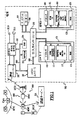
- G06—COMPUTING OR CALCULATING; COUNTING
- G06Q—INFORMATION AND COMMUNICATION TECHNOLOGY [ICT] SPECIALLY ADAPTED FOR ADMINISTRATIVE, COMMERCIAL, FINANCIAL, MANAGERIAL OR SUPERVISORY PURPOSES; SYSTEMS OR METHODS SPECIALLY ADAPTED FOR ADMINISTRATIVE, COMMERCIAL, FINANCIAL, MANAGERIAL OR SUPERVISORY PURPOSES, NOT OTHERWISE PROVIDED FOR
- G06Q20/00—Payment architectures, schemes or protocols
- G06Q20/30—Payment architectures, schemes or protocols characterised by the use of specific devices or networks
- G06Q20/34—Payment architectures, schemes or protocols characterised by the use of specific devices or networks using cards, e.g. integrated circuit [IC] cards or magnetic cards
- G06Q20/341—Active cards, i.e. cards including their own processing means, e.g. including an IC or chip
-
- G—PHYSICS
- G06—COMPUTING OR CALCULATING; COUNTING
- G06Q—INFORMATION AND COMMUNICATION TECHNOLOGY [ICT] SPECIALLY ADAPTED FOR ADMINISTRATIVE, COMMERCIAL, FINANCIAL, MANAGERIAL OR SUPERVISORY PURPOSES; SYSTEMS OR METHODS SPECIALLY ADAPTED FOR ADMINISTRATIVE, COMMERCIAL, FINANCIAL, MANAGERIAL OR SUPERVISORY PURPOSES, NOT OTHERWISE PROVIDED FOR
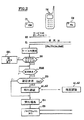
- G06Q20/00—Payment architectures, schemes or protocols
- G06Q20/38—Payment protocols; Details thereof
- G06Q20/40—Authorisation, e.g. identification of payer or payee, verification of customer or shop credentials; Review and approval of payers, e.g. check credit lines or negative lists
- G06Q20/409—Device specific authentication in transaction processing
- G06Q20/4097—Device specific authentication in transaction processing using mutual authentication between devices and transaction partners
- G06Q20/40975—Device specific authentication in transaction processing using mutual authentication between devices and transaction partners using encryption therefor
-
- G—PHYSICS
- G07—CHECKING-DEVICES
- G07F—COIN-FREED OR LIKE APPARATUS
- G07F7/00—Mechanisms actuated by objects other than coins to free or to actuate vending, hiring, coin or paper currency dispensing or refunding apparatus
- G07F7/08—Mechanisms actuated by objects other than coins to free or to actuate vending, hiring, coin or paper currency dispensing or refunding apparatus by coded identity card or credit card or other personal identification means
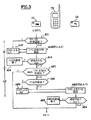
- G07F7/10—Mechanisms actuated by objects other than coins to free or to actuate vending, hiring, coin or paper currency dispensing or refunding apparatus by coded identity card or credit card or other personal identification means together with a coded signal, e.g. in the form of personal identification information, like personal identification number [PIN] or biometric data
- G07F7/1008—Active credit-cards provided with means to personalise their use, e.g. with PIN-introduction/comparison system
-
- H—ELECTRICITY
- H04—ELECTRIC COMMUNICATION TECHNIQUE
- H04L—TRANSMISSION OF DIGITAL INFORMATION, e.g. TELEGRAPHIC COMMUNICATION
- H04L63/00—Network architectures or network communication protocols for network security
- H04L63/08—Network architectures or network communication protocols for network security for authentication of entities
- H04L63/0853—Network architectures or network communication protocols for network security for authentication of entities using an additional device, e.g. smartcard, SIM or a different communication terminal
-
- H—ELECTRICITY
- H04—ELECTRIC COMMUNICATION TECHNIQUE
- H04L—TRANSMISSION OF DIGITAL INFORMATION, e.g. TELEGRAPHIC COMMUNICATION
- H04L63/00—Network architectures or network communication protocols for network security
- H04L63/08—Network architectures or network communication protocols for network security for authentication of entities
- H04L63/0869—Network architectures or network communication protocols for network security for authentication of entities for achieving mutual authentication
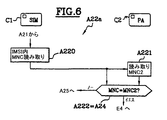
-
- H—ELECTRICITY
- H04—ELECTRIC COMMUNICATION TECHNIQUE
- H04W—WIRELESS COMMUNICATION NETWORKS
- H04W12/00—Security arrangements; Authentication; Protecting privacy or anonymity
- H04W12/30—Security of mobile devices; Security of mobile applications
- H04W12/35—Protecting application or service provisioning, e.g. securing SIM application provisioning
-
- H—ELECTRICITY
- H04—ELECTRIC COMMUNICATION TECHNIQUE
- H04W—WIRELESS COMMUNICATION NETWORKS
- H04W12/00—Security arrangements; Authentication; Protecting privacy or anonymity
- H04W12/60—Context-dependent security
- H04W12/69—Identity-dependent
- H04W12/72—Subscriber identity
-
- H—ELECTRICITY
- H04—ELECTRIC COMMUNICATION TECHNIQUE
- H04W—WIRELESS COMMUNICATION NETWORKS
- H04W88/00—Devices specially adapted for wireless communication networks, e.g. terminals, base stations or access point devices
- H04W88/02—Terminal devices
Landscapes
- Engineering & Computer Science (AREA)
- Computer Security & Cryptography (AREA)
- Business, Economics & Management (AREA)
- Computer Networks & Wireless Communication (AREA)
- Signal Processing (AREA)
- General Physics & Mathematics (AREA)
- Physics & Mathematics (AREA)
- Accounting & Taxation (AREA)
- Strategic Management (AREA)
- Theoretical Computer Science (AREA)
- General Engineering & Computer Science (AREA)
- Computing Systems (AREA)
- General Business, Economics & Management (AREA)
- Computer Hardware Design (AREA)
- Finance (AREA)
- Microelectronics & Electronic Packaging (AREA)
- Telephone Function (AREA)
- Mobile Radio Communication Systems (AREA)
- Telephonic Communication Services (AREA)
- Credit Cards Or The Like (AREA)
- Stored Programmes (AREA)
- Storage Device Security (AREA)
Abstract
Description
【0001】
本発明は、遠隔通信端末内に挿入可能な追加のチップカードによって供給されるアプリケーション・プログラムの安全化に関するものである。特に、端末は移動無線電話端末であり、該端末には、加入者の識別と遠隔通信網との通信の為の第一カードのみならず、追加のチップカードの読取り装置が含まれている。
【0002】
GSMタイプのセルラー無線電話網では、SIMのチップカード内のアプリケーション・プログラムを実行することに基づくアプリケーション・サービスを、加入者に提供することが準備されている。これらのサービスを活用する技術は規格化されたものであり、一般にSIMアプリケーション・ツールキットと呼ばれている。特に前もったアクティブ化と呼ばれる機能により、SIMカードは、一つのプログラムのラン中にも、外界、つまり端末、加入者、及びネットワークに要求を出すことが可能になる。
【0003】
例えば、そのようなアプリケーション・プログラムには、銀行サーバーに問い合わせ、端末から銀行取引を遠隔操作する為のメニューが含まれている。付加価値サービスのアプリケーション開発をSIMカード内で実行する為には、使用契約の進行中に、これらのアプリケーションを配付し保守する手段が必要となる。それは、SIMカードを、加入者に交付する前に、適切なプログラムで個人化したり、または無線手段によって遠隔ロードしたり、あるいは、販売時点で、SIMカードにこれらのプログラムを直接ロードすることで可能になる。
【0004】
先行技術は追加のチップカードも備えており、該カードは、SIMカードとは別のものであって、端末に挿入可能であるか、あるいは外部の読取り装置によってSIMカードの端末に接続することができるものである。第二カードは、SIMカード内で実行されるプログラムによって制御される。端末が演じる役割は透化的なものであり、SIMカードによって生成されたコマンドを第二カードに向けて伝送するだけのものである。コマンドのこの交換は、あらゆるタイプのチップカードを活用するサービスを開発することを目指すものである。例えば、第二カードは、銀行カードであり、移動端末上で遠隔支払のサービスを提供する。
【0005】
第二カードは、アプリケーションの配布手段となるものであり、実際にSIMカードの中に見いだせるような、付加価値のあるサービスを実現するプログラムを運ぶものである。
【0006】
第二カードを端末に挿入する際の欠点は、アプリケーションを提供しているのが、もはや必ずしも、ネットワーク・オペレータではないので、その真正性についての一切の検査から免れるということである。第二カードには、端末、第一カード、またはネットワークによって、その内容を証明するための手段が一切含まれていない。
【0007】
本発明の目的は、一枚の追加カードに保存され、特に端末の第一カードあるいはその端末自体によって実行可能となるアプリケーションの、使用前及び使用中での安全性を強化することである。
【0008】
その目的の為に、端末の接続先の遠隔通信網に関連するデータを保存する第一のチップカードに加えて、端末内に挿入される第二のチップカードに保存されたプログラムの実行を事前検査する手段は、プログラムの実行前、並びに実行中に、第一及び第二カードの一方を他方で認証することを含むことを特徴とする。
【0009】
従って、認証により、第二カード内の一つまたは複数のアプリケーション・プログラムの不正使用、ハッキング、そして複製から防止される。
【0010】
本発明においては、第二のチップカードは、様々なアプリケーション・プログラムを保存する複数の追加カードの中のいずれかの任意の一枚のカードであって、第二カードによる一つまたは複数のプログラムに基づいて、第二カードと、第一カードと、端末との間の通信ソフト手段に依存しないものである。
【0011】
第二カードが複数あることにより、オペレータは、自分の加入者に対して、新しいサービスを提案することができ、該サービスは、提案されたサービスの検査を管理しながら、端末に挿入する第二カードの形で、従来の流通経路を通じて行われるものである。
【0012】
第一の実施様態によると、第一カードにより第二カードを認証することが認証に含まれる場合は、以下の過程を含むことができる:
−第二カードによって伝送されるプログラムの識別子を第一カードに割り当て、第一カードに保存されたアルゴリズムに一つの鍵を割り当てることにより、一つの結果を生成し、そして、
−結果と、第二カードが第一カードに伝送した証明書とを比較して、両者が一致した場合にのみ、プログラムを実行する。
【0013】
その場合、認証には、プログラムの識別子に応じて、第一カードに保存され鍵テーブルの中から鍵を選択することを含んでもよい。
【0014】
第二の実施様態によると、第一カードにより第二カードを認証することが認証に含まれる場合は、以下の過程を含むことができる:
−第一カードから第二カードに乱数を伝送し、
−伝送された乱数と一つの鍵を、第二カードに保存されたアルゴリズムに適用し、第一カードに伝送される署名を生成し、
−乱数と一つの鍵を、第一カードに保存されたアルゴリズムに適用し、一つの結果を生成し、そして、
−結果と、第一カードに伝送された署名とを比較して、両者が一致した場合にのみ、プログラムを実行する。
【0015】
その場合、認証には、第二カードから第一カードに伝送されたプログラムの識別子に応じて、第一カードに保存された鍵テーブルの中から鍵を選択することを含んでもよい。
【0016】
第二カードにより第一カードを認証することが認証に含まれる場合は、第一の実施様態によると、以下の過程を含むことができる:
−一つの番号の所定のフィールドを第一カードから第二カードに向かって伝送し、
−所定のフィールドと第二カード内の一つの番号とを比較して、両者が一致した場合にのみ、プログラムを実行するか、または、その内容を読み込む。
【0017】
その場合、所定のフィールドには、少なくとも第一カードの識別番号に含まれた遠隔通信網の識別符号を含むことができる。
【0018】
第二カードにより第一カードを認証することが認証に含まれる場合は、第二の実施様態によると、以下の過程を含むことができる:
−第一カードから第二カードに一つの乱数を読み込み、
−乱数と一つの鍵を、第一カードに保存されている一つのアルゴリズムに適用し、第二カードに伝送される一つの署名を生成し、
−乱数と一つの鍵とを、第二カードに保存されている一つのアルゴリズムに適用し、一つの結果を生成し、そして、
−結果と、第二カードに伝送された署名とを比較することにより、両者が一致した場合にのみ、プログラムを実行するか、または、その内容を読み込む。
【0019】
その場合、認証には、第二カードから第一カードに伝送されたプログラムの識別子に応じて、第一カードに保存された鍵テーブルの中から鍵を選択することを含んでもよい。
【0020】
本方法が更に効果を発揮するのは、第一カードと第二カードとの間で相互に認証を行う場合である。
【0021】
その方法は、第一カードによる第二カードの第一認証と、第二カードによる第一カードの第二認証とが含まれ、該第二認証は、第二カードが第一カードにより認証されるとき、第一認証の後に行われ、そして、第一カードが第二カードにより認証されるとき、該第二認証の後にプログラムが実行されるものである。
【0022】
あるいは、その方法は、第二カードによる第一カードの第一認証と、第一カードによる第二カードの第二認証とが含まれ、該第二認証は、第一カードが第二カードにより認証されるとき、第一認証の後に行われ、そして、第二カードが第一カードにより認証されるとき、該第二認証の後にプログラムが実行されるものである。
【0023】
第一カードの必ずしも全てが第二カードにより認証されるべきものではなく、また、第二カードの必ずしも全てが、逆に第一カードにより認証されるべきものではない。特に、認証の少なくとも一部は、第二カードから第一カードに伝送される認証要求への応答としてのみ行われることにしてもよい。
【0024】
第一カードは、認証に関与する為のハードまたはソフトの手段を含まないことにしてもよい。その場合には、本方法には、第一カードからの要求への応答として遠隔通信網のサーバーで行われる認証の過程を含んでもよい。プログラムの実行は、少なくともその一部を、第一カードか端末か第二カードで行うのなら、これら三つの構成要素の適合性を前もって検証する必要がある。この点については、本方法には、端末に接続された読み取り手段に第二カードを挿入するのに応じて、第二カードでプログラムを実行する為の特性を第一カード端末から読み取り、第一カード及び/又は端末のハードとソフトの容量と比較してその特性を分析し、前記特性が第一カード及び/又は端末と適合性しない場合には第二カードを拒絶することを含んでもよい。
【0025】
好ましい実施様態においては、遠隔通信網は無線電話網であり、端末は移動無線電話端末であり、第一のチップカードは加入者識別カードである。しかしながら、他の変形としては、遠隔通信網は、単に交換機付きの電話網であったり、サービスの統合されたデジタル・ネットワークであったり、あるいは、特別なまたは専用のデータ伝送の電話網であってもよい。
【0026】
本発明の他の特徴と利点は、添付図面を参照しつつ、本発明の望ましい幾つもの実施様態の以下の記述を読むことにより、更に明らかになっていく。
−図1は、セルラー無線電話網のブロック線図に詳細な移動端末を添えたものである。
−図2は、本発明によるプログラム実行の事前検査方法の主要な過程のアルゴリズムである。
−図3は、端末に接続された第一カードと第二カードとの相互認証アルゴリズムである。
−図4は、第一の実施様態に従う第一カードによる第二カードの第一認証アルゴリズムである。
−図5は、第二の実施様態に従う第一カードによる第二カードの第一認証アルゴリズムである。
−図6は、第一の実施様態に従う第二カードによる第一カードの第二認証アルゴリズムである。
−図7は、第二の実施様態に従う第二カードによる第一カードの第二認証アルゴリズムである。
【0027】
図1に示されたようなGSMタイプのデジタルセルラー電話網RRのようなタイプの遠隔通信網の情況を、例として述べる。無線電話網の移動無線電話端末TEの中には、端末から取り外し可能なマイクロプロセッサ付きモジュールを構成する第一のチップカードC1と、追加のアプリケーション・カードと呼ばれる第二のチップカードC2があり、該第二カードは、端末とは別のカード読取り装置を介して端末TEに接続されるか、あるいは、端末の中に取り外し可能な状態で収納されている。
【0028】
図1においては、ネットワークRRを概略的に示す為に、移動端末TEがある時点で存在する位置登録区域についての移動サービス交換局MSCと、基地局BTSが示され、該基地局は基地局制御装置BSCによって交換局MSCに接続されるのは、無線手段によって端末TEに接続されている。構成単位MSC、BSC、そしてBTSは、主に固定網を構成しており、該固定網を通して伝送されるのは、特に、セマフォチャネルでの信号や、制御信号、データ信号、そして音声信号のメッセージである。端末TE内の第一カードとインタラクティブに作用することのできるネットワークRRの主な構成単位は、移動サービス交換局MSCであり、それは、ビジターロケーションレジスタVLRに連結されており、かつ交換機付き電話網RTCの少なくとも一つの自動回線接続電話交換機CAAに接続されている。交換局MSCは、ビジター移動端末の為の通信を管理するものであるが、それには端末TEも含まれ、交換局MSCに通じる位置登録区域内に、ある時点で存在するビジター移動端末である。基地局制御装置BSCが管理するのは、特に、ビジター移動端末へのチャネルの割り当てであり、基地局BTSは、端末MSがある時点で存在する無線電気セルをカバーしている。
【0029】
無線電話網RRには、レジスタVLRに接続され、データ・ベースに類似した名簿用のホームロケーションレジスタHLRも含まれている。レジスタHLRには、各無線電話端末ごとに、特にSIM(加入者識別モジュール)カードと呼ばれる、第一のチップカードC1のIMSI(インターナショナル・モバイル・サブスクライバー・アイデンティティ)の国際識別があり、それは端末TEの中にあり、それはつまり、SIMカードを所有する加入者の識別であり、加入者の使用契約のプロフィールであり、移動端末が一時的につながっているレジスタVLRの番号である。
【0030】
図1に細部の示された端末TEには、無線電話網RRとの無線インターフェース30があり、それを構成している主なものは、送信路と受信路の送受信装置と、周波数変調回路と、アナログ・デジタル及びデジタル・アナログ変換器と、モデムと、チャネル符号化及び復号化回路である。端末TEには更に、マイクロホン310とスピーカ311に接続された音声符号化・復号化回路31、プログラムの不揮発性メモリEEPROM33とデータ・メモリRAM34につながったマイクロコントローラ32、それにチップカードC1とC2、キーボード36とグラフィック・ディスプレイ37に通じる入出力インターフェース35がある。マイクロコントローラー32は、バスBUによって、インターフェース30と、回路31と、メモリ33及び34とに接続されており、もう一つのバスBSによって、入出力インターフェース35に接続されている。マイクロコントローラ32は、特にISOモデルのプロトコル層1、2及び3に関して、端末が受信し、周波数変調した上で送信するベースバンドでのデータ処理の全てを管理し、無線インターフェース30を通してのネットワークRRと、入出力インターフェース35を通しての第一のチップカードC1との間のデータの交換を監視する。
【0031】
SIMチップカードC1は、端末内に少なくとも一つあるカード読取り装置と、移動端末の周辺機器取り付け口を含んだ、入出力インターフェース35に接続される。チップカードC1に内蔵されているもので主なものは、マイクロプロセッサ10、カードのオペレーティングシステムおよび通信と、アプリケーションと本発明に特有の認証とのアルゴリズムを含むROMタイプのメモリ11、加入者に関連する全ての特性、特に、IMSI加入者の国際識別を保存するEEPROMタイプの不揮発性メモリ12、端末と第二カードC2の中にあるマイクロプロセッサ32から受信し、それらを通して伝送するデータの処理を主な目的とするRAMタイプのメモリ13である。
【0032】
図1で示されているように、認証サーバーSAは、オプションとして、無線電話網PRの内部の構成単位として備えられ、ネットワークRRの標識ネットワークを通して、移動サービス交換局MSCとビジターロケーションレジスタVLRの一つまたは複数の対に接続され、サーバーSVのアドレスは、カードC1のメモリ12に予め記憶されている。
【0033】
本発明によれば、幾つものソフトウェアが原則的にROMメモリ11とEEPROMメモリ12に遠隔ロードされ、追加カードC2内のアプリケーションを管理する。特に、図2に示される本発明の事前検査方法のアルゴリズムは、メモリ11と12にインプリメンテーションされる。
【0034】
SIMカードC1と同様に、第二カードC2の中にも、マイクロプロセッサ20、カードC2のオペレーティングシステムと、アプリケーション・プログラムPAの少なくとも一部と、本発明に特有の認証アルゴリズムとを含むROMメモリ21、本発明によれば、アプリケーション・プログラムの識別子IPAと、プログラムの実行に必要な特性CPAと、一つか二つの認証要求DA1とDA2を保存するEEPROMタイプの不揮発性メモリ12、マイクロコントローラ32とプロセッサ10とから受信するデータを処理するRAMメモリ13がある。カードC2は、例えば銀行カードであったり、電子財布カードであったり、ゲーム・カード、または名刺であったりする。この最後の場合、名刺は、SIMカードの電話帳の中に、カードを差し出した人の名前と電話番号を挿入する為、および/または、その人を自動的に呼び出す為のものである。
【0035】
カードC1とC2の中のROMメモリとEEPROMメモリ11、12、21及び22の中には通信ソフトウェアがあって、一方では、端末TEのマイクロコントローラ32と対話し、他方では、端末TEを通して、つまり、マイクロコントローラ32と入出力インターフェース36とを通して、プロセッサ10と20との間で対話を行う。
【0036】
それらの間で対話を行うために、SIMカードC1と追加カードC2は、予めアクティブなタイプのものになっており、ISO規格7816─3のプロトコル”T=0”に従ってプレフォーマットされ、かつGSM11.14(SIMツールキット)推奨によりカプセル化されたコマンドを使って、移動端末MSの中の作動を起動する。この推奨により、チップカードC1,C2のメモリ11、21の中に保存されているオペレーティングシステムのコマンド・セットを拡張して、チップカードC1,C2によって伝送されたデータをもう一つのカードC2,C1で使えるようになっている。後述するように、端末TEは、カードC1とC2との間の幾つかのデータ交換に対して透化的であるか、または一枚のカードとは通信しないで他のもう一枚と通信することができる。
【0037】
図2に示されているように、二枚目のカードC2に保存されたアプリケーション・プログラムPAの実行の事前検査方法は、主な四つの過程E1からE4によって行われる。まず、事前検査方法は、ステップE0から開始され、手動で行うなら、端末TEのキーボード上の所定の有効化キーを押すか、または、カードC2を読取り装置に挿入した後に端末のスクリーンに表示される「追加カード挿入を有効にする」という指示を有効にして、あるいは、端末TEにより自動的に行うなら、端末TEとは別の、または、カードC1のものと同様に、入出力インターフェース35と一体化した読取り装置によって伝送されるカードが存在するというメッセージに応えて開始される。その時、端末TEは、第一カードC1、SIMカードを第二カードC2に問い合わせるよう促す。
【0038】
図2に示された実施様態によると、以下の過程E1からE4を通して全てが行われるが、それはあたかも、端末TE、実際にはマイクロコントローラ32と入出力インターフェース35が、二枚のカードの間のデータ交換に対して透化的であるように行われる。
【0039】
以下の過程E1で、カードC1は、端末TEを通して、カードC2のEEPROMメモリ22中のサービスの情報ISを読み取り、EEPROMメモリ12に記憶する。サービスの情報の内容として含まれるのは、まず、アプリケーション・プログラムPAの識別子IPAと、そのプログラムの実行の為に必要とされる特性CPAと、多くの場合、認証要求DAである。特性CPAは、特に、一種のソフトウェア環境であり、メモリの容量やプログラムPAの実行に必要な端末TEのハードウェアパラメータであり、更に、第二カードCAの外でのプログラムPAの実行の禁止または許可である。従って、第二カードC2に読み込まれた情報ISにより、第一カードC1は、第二カードに保存されているアプリケーション・プログラムに対応するアプリケーションの性質を認識する。
【0040】
次の過程E2において、第一カードC1がSIMカードC1も含めた端末TEがアプリケーション・プログラムの特性CPAと適合しないと認めた場合には、カードC1は過程E21で事前検査方法を続行することを拒絶し、「追加カード不適合」というメッセージを表示するように端末TEに対して拒絶を知らせる。
【0041】
逆の場合には、カードC1は中間の過程E22において、事前検査方法を続行するか続行しないかの決定を行う。例えば、端末からの呼び出しなどの為に、カードC1が直ちに事前検査方法を続行しない場合には、カードC1は事前検査を延期して、後でプログラムPAを元に戻すか、カードC2においてそれを行うようにする。
【0042】
過程E22の後に、第一カードC1が事前検査方法を続行する場合には、第一カードは、カードC2に読み込まれたアプリケーション・プログラムの特性CPAに照らし、少なくともどちらか一枚のカードの認証が過程E3で第二カードC2により要求されていることを検証する。
【0043】
認証要求がなければ、事前検査方法は、過程E3から過程E4に移るが、そこではアプリケーション・プログラムPAを実行すべき場所を決定することになる。プログラムの実行場所は、三つの構成単位の中から選ばれるが、該三つの構成単位とは、SIMカードと呼ばれる第一カードC1、追加カードと呼ばれる第二カードC2、および端末TEであって、SIMカードのアプリケーション・ツールキットの予めアクティブなコマンドを用いて、端末で行う。
【0044】
第一の変形によると、アプリケーション・プログラムPAは、アプリケーション・ツールキットの多重カード読取り装置(マルチプル・カードリーダー)のソフトウェア手段を介して、第二カードC2から第一カードC1に遠隔ロードされ、プログラムPAを次の過程E5でカードC1内で実行するようにする。
【0045】
第二の変形によると、プログラムPAの実行は、過程E5で、第二カードC2内で行われる。第一のオプションとしては、プログラムPAをSIMカードC1の制御の下で起動させ、該カードC1は、次に、そのプログラム実行の為のコマンドと応答の交換の主導権を端末TEに委ね、該端末が第二カードと直接通信するというものである。第二のオプションとしては、プログラムPAをSIMカードC1の制御の下で起動させ、コマンドと応答の全ての交換は、カードC1を介して、第二カードC2と端末TEの間で行われ、該カードC1は、端末に対して、あたかもカードC1が自分でプログラムPAを保存しかつ実行しているような錯覚を与える。
【0046】
第三の変形によると、プログラムPAは第二カードC2から端末TEに遠隔ロードされ、この為に、最初に端末内にインプリメンテーションされたソフトウェアの実行環境において、過程E5で実行される。
【0047】
過程E4の後、カードC2に読み込まれたプログラムPAは過程E5で実行される。このプログラムは例えばディスプレイ37上のテキスト・メニューの表示により、そしてSIMカードC1により加入者のデータを取得することにより、さらにネットワークRRまたはRTCに向けて要求を送ることにより、その要求への応答を解釈することにより、加入者にサービスを提供する。
【0048】
他のもう一つの実施様態によると、過程E1からE4においてSIMカードC1の中で実行されるオペレーションは、後で詳述する相互認証は別として、図2の左側に示されているが、該オペーレーションは、端末TEにおいて実行され、それはすなわち、マイクロコントローラ32の制御の下で実行される。従って、端末は、サービス情報IS(IPA,CPA,DA)を過程E1で読み込み、端末それ自体の決定により、過程E2,E3,及びE4でプログラムの実行の事前検査を継続する。
【0049】
図2の過程E3に戻ると、認証要求DA1がカードC2に読み込まれたサービス情報ISの中に含まれ、かつカードC1に記憶されている場合には、第一カードC1が、カードの相互認証を開始させる。相互認証は、図3に示された実施様態によると、第一カードC1による第二カードC2の第一認証A1を含み、次に、第二カードの真正性への応答として、第二カードC2による第一カードC1の第二認証A2を含む。しかしながら、本発明のもう一つの他の実施様態によると、その認証の順序は逆になる。まず、カードC2によるカードC1の認証A2が行われ、次に、第一カードの真正性への応答として、カードC1によるカードC2の認証A1が行われる。
【0050】
第一認証A1によって確実になることは、カードC2のような追加カードに保存されたアプリケーション・プログラムは、このプログラムが正当に証明された場合に限り実行できるということである。認証A1は過程A11からA15から成る。
【0051】
過程E3に続く過程A11では、第一カードC1、つまりSIMカードが、該カード内に、ROMメモリ11とEEPROMメモリ12で中書き込まれ管理される第一認証アルゴリズムAA1を有することを検証する。それが肯定されれば、カードC1は過程A12でのカードC2の認証に進む。過程A11でカードC1によりカードC2の認証されない場合は、SIMカードC1は端末TEを介して第一認証要求のメッセージを、認証サーバーSAに伝送するが、該サーバーは、固定網BTS−BSC−MSCを通して端末TEが一時的に結合されたビジターロケーションレジスタVLRに接続されている。サーバーSAは、カードC1に代わって直接カードC2の認証を行うが、それは、例として後述する第一の二つの認証のうちの一つに従うようなものである。カードC1かサーバーSAによる第一認証A1の最後の過程A14では、カードC2が認証されれば、第二認証A2によって相互認証が続行される。認証されなければ、相互認証は停止され、検査方法は過程A15で終了し、SIMカードは端末TEに「追加カード認証されず」というメッセージを送り、それをディスプレイ37上で一時的に表示する。
【0052】
図4に示された第一の実施様態によると、カードC1(またはサーバーSA)内のカードC2の第一認証A12aは、過程E1でカードC2によりカードC1へサービス情報ISに予め伝送された第二カードの証明書CERTを有効にすることから成り、基本的には過程A120からA124への四つの過程を含む。
【0053】
第一の過程A120では、アプリケーション・プログラムPAの識別子IPAは、カードC1のEEPROMメモリ12で読み出だされる。識別子IPAは、メモリ12に保存された秘密鍵テーブルTKa内の読み取りアドレスの役割を果たし、そこから、プログラムPAまたはプログラムPAを含むプログラム・ファミリーに対応する秘密鍵Kaを読み取る。識別子IPAと鍵Kaを認証アルゴリズムAA1aに適用し、該アルゴリズムが過程A121で結果R1を生成する。アルゴリズムAA1aは、例えば、DES(Data Encryption Standard)タイプのものであり、それは後述にて引用される他の認証アルゴリズムと同様である。証明書CERTは過程A122でカードC1に読み込まれ、過程A14に相当する過程A123で結果R1と比較される。R1=CERTであれば、証明書CERTは証明され、カードC2はカードC1によって認証されて、カードC1の認証は過程A2で実行される。そうでなければ、認証と事前検査の方法は、過程A15で停止される。
【0054】
カードC1内でのカードC2の他の第一認証A12bが図5に示されている。その認証は、過程A124からA129を含み、第一カードC1によって伝送された乱数NAに応じて、第二カードC2の中で行われる計算結果SGを、カードC1によって有効化する。
【0055】
過程A11に続いて、カードC1は、疑似乱数生成器によって供給される疑似乱数NA1を選定し、該疑似乱数は、プロセッサ10が過程A124で、端末TEを介してカードC2に伝送される認証要求メッセージの中に導入するために保存しているものである。認証要求への応答として、第二カードC2は、伝送された乱数NA1を一時的にメモリ23に記憶し、過程A125で、EEPROMメモリ22の中の秘密鍵Kbを読み込む。過程A126で、乱数NA1と鍵Kbを認証アルゴリズムAA1bに適用し、該アルゴリズムが署名SG2を生成する。
【0056】
第一カードC1の中で、過程A125とA126とほとんど同時に、類似の過程A127とA128が行われる。過程A127では、認証要求のメッセージを作成した後、乱数NA1はカードC1のRAMメモリ13に書き込まれ、識別子IPAはカードC1のEEPROMメモリ12で読み込まれて、EEPROMメモリ12内の秘密鍵Kbテーブルで読み取りのアドレスを指定する。次に過程A128で、メモリ13に読み込まれた乱数NA1とテーブルTKbに読み込まれた鍵Kbを、カードC1のROMメモリ11とEEPROMメモリ12にインプリメンテーションされたアルゴリズムAA1bに同様に適用する。カードC1の中のアルゴリズムAA1bにより結果R2が生成される。
【0057】
最後に過程A129で、第二カードC2が署名SG2を端末TEを介して第一カードC1に伝送し、それを結果R2と比較する。過程A14に相当する過程A129では、もしR2=SG2ならばカードC1において中でカードC2は過程A20を実行するために認証され、あるいはR2がSG2とは異なるならば、カードC2を拒絶して、過程E15で認証と事前検査の方法が停止される。
【0058】
過程A120、A124に先立って、第一認証のそれぞれにおいて、秘密鍵Ka,Kbは、カードを所持するユーザーが使用契約を結ぶ時にカードC1を最初に個人化する際に、SIMカードC1のEEPROMメモリ12にロードされるか、または、カードC1を使用中に、例えば、変更するか補完する為に、遠隔ロードされる。
【0059】
第一認証を行う第三の実施様態では、過程E1で、第二カードから第一カードに向けて、アプリケーション・プログラムの識別子IPA、第二カードの識別子、つまり典型的には英語でCard Serial Numberと言うシリアル番号CSN、そして、IPAとCSNに応じた番号RNDを伝送する。第一カードの中に既にIPA、CSN、RDNの三要素についての許可があるなら、認証は成功する。その代わり、第一カードにまだこの三要素についての許可がないのなら、安全化されたチャネルを介して許可センタに接触し、この許可センタにIPA、CSN、RNDの三要素、並びにそのCSNまたはIMSIのような第一カードに関連した唯一の番号を伝送する。
【0060】
許可センタはデータ・ベースの中で、IPA、CSN、RNDの三要素が許可されたカードに対応していることを検証する。もしそうでなければ、許可センタは第一カードに、第二カードは許可されていないことを示すメッセージを伝送する。もし三要素が許可された第二カードに対応しているならば、許可センタはデータ・ベースの中で、第二カードがまだもう一つの「第一の」カードと結びついていないことを検証する。もしその通りなら、許可センタは第一カードに、認証の失敗を意味するメッセージを送る。第二カードがまだ第一カードに結びついていない場合は、許可センタは、第二カードが第一カードに結びつくようにデータ・ベースを変更し、次に、許可センタは第一カードに認証の成功を意味するメッセージを送る。その時、第一カードは許可を記憶し、後に認証を行う段階で、許可センタに再度接触することを避けるようにする。
【0061】
第一認証の第三の実施様態においては、オプションとして、第二カードを、もはや第一カード一枚だけにではなく、一群の複数の第一カードに結びつけ、少人数のユーザーが同一の第二カードを使えるようにすることもできることになる。
【0062】
図3に戻ると、第二認証A2は、過程A14で認証A12aにより等式R1=CERTが、あるいは認証A12bにより等式RES1=SGが満たされれば、開始される。認証A2によって確実になるのは、第一カードC1、つまりSIMカードが第二カードC2によって正当に適格であると認められ、カードC2においてアプリケーション・プログラムPAが起動され読みだされるということである。
【0063】
第二認証A2は、まずその必然性を過程A20において予め確認することから始まり、メモリ12の中のサービス情報ISの中で第二認証要求DA2の存在を検索する。要求DA2がなく認証A2が実行されない場合は、事前検査方法は、直接アプリケーション・プログラム実行場所の特定E4に移行する。逆の場合には、第二認証の過程A21からA25が、第一認証A1の過程A11からA15におけるのと同様に、それぞれ実行される。
【0064】
過程A20に続く過程A21において、カードC1は、所謂第二認証に関与することができることを検証する。不可能である場合には、カードC1は、端末TEを介して、第二認証の要求メッセージを認証サーバーSAに送信し、該認証サーバーは、過程A23において、後に詳述する過程A22におけるのと同様に、カードC1に代わって、第二認証に関与する。カードC1の関与またはカードC2によるサーバーSAの関与を伴うカードC1の認証の過程A22またはA23の後のA24で、カードC1は、認証されて事前検査方法が実行場所特定過程E4に移行するか、あるいは認証されずに事前検査方法が過程A25で終了し、端末TEのディスプレイ37上に「SIMカード不許可」というメッセージを提示することになる。
【0065】
図6に示された第一の実施様態によれば、第二認証A22aは、過程A220からA222を含み、SIMカードC1を所持する加入者の国際識別番号IMSI(International Mobile Subscriber Identity)の所定のフィールドを、第二カードC2に伝送すること、そして、伝送されたフィールドを予めカードC2の中に記憶された番号と比較する。
【0066】
過程A220では、カードC1のメモリ12に保存された識別番号IMSI中の所定のフィールドが読み出される。所定のフィールドは、例えば加入者がつながっている無線電話網RRの2ビットの識別符号MNC(モバイル・ネットワーク・コード Mobile Network Code)であるか、あるいは、識別符号MNCとネットワークRRが属する国の識別符号MCC(モバイル・カントリー・コード Mobile Country Code)の集合であって、一般的にネットワークRRのオペレータから発行されたカードC2が、SIMカードが確かにオペレータに属することを検証する。もう一つの他の変形によれば、所定のフィールドは、加入者の一つのグループに共通の加入者番号の接頭辞MSIN(Mobile Subscriber Identification Number)である。
【0067】
第二カードC2内の、例えば識別符号MNCの所定のフィールドに応えて、同等の番号MNC2は、過程A221においてメモリ22の中に読み込まれる。過程A24に相当する次の過程A222では、番号MNCとMNC2を比較し、それらが等しい場合には、事前検査方法を過程E4に向かって進める。等しくなければ、カードC1の真正性は、カードC2によって認知されず、該カードC2は端末TEを、直接もしくはSIMカードS1を介して、過程A25のメッセージを表示するように促し、事前検査方法は停止される。
【0068】
図7に示された第二の実施様態によれば、第二認証A22bは過程A223からA229を含み、カードC1がカードC2に要求した乱数NA2に応じて、第一カードC1の中で行われた計算結果SG3をカードC2によって有効化することにある。
【0069】
過程A21に続いて、カードC1は、過程A223で、端末TEを介して、乱数を要求するメッセージをカードC2に送る。カードC1は、プロセッサー20の供給する乱数NA2をEEPROMメモリ22に読み込み、それを端末TEを介してカードC1に伝送し、該カードC1は過程A224でそれを一時的に記憶する。カードC1の中では、乱数を要求する過程の後に、EEPROMメモリ12の中でアプリケーション・プログラムの識別子IPAを読む過程A225が続く。識別子は秘密鍵テーブルTCの読み取りアドレス指定する役割を果たし、プログラムPAまたはプログラムPA含むプログラム・ファミリーに対応する鍵Cを読み取る。受信された乱数NA2と読み取られた鍵Cを、カードC1の中で第二認証アルゴリズムAA2に適用し、過程A226で署名SG3を算出し、その署名は端末TEを介してカードC2に伝送される。
【0070】
乱数を選定する過程A224の後、カードC2において、メモリ22の鍵Cは、過程A227で乱数NA2と共に読まれ、カードC2のメモリ21と22に同様にインプリメンテーションされたアルゴリズムAA2に適用される。過程A228で、アルゴリズムAA2は結果R3を生成する。カードC2が受け取った署名SG3を、過程A24に相当する過程A229で、結果R3と比較する。SG3=R3である場合は、カードC1はカードC2によって認証され、事前検査方法は過程E4に移行する。そうでない場合、つまりSG3≠R3である場合は、カードC2はカードC1を過程A25で拒絶し、SIMカードは端末TEに「SIMカード不許可」というメッセージを表示するように求め、事前検査方法は終了する。
【0071】
一般的に、カードC2によるカードC1の認証が失敗の場合には、カードC2に保存されるプログラムの全部または一部が読み込み不可能で実行不可能なままになる。
【0072】
本発明のもう一つの他の実施様態によれば、第二カードのプログラムの実行に先立って予め二枚のカードの相互認証が行われ、その後に、プログラム実行の全セッションを通じての認証が行われる。始めのうちは、各カードが乱数を生成して、それをもう一枚のカードに伝送する。二つの乱数に基づき、各カードがセッション鍵と呼ばれる鍵を計算する。各カードは、セッション鍵を用いる暗号化アルゴリズムを、二つの乱数のように、既知のメッセージに適用して、暗号化されたメッセージを得る。各カードはその暗号化されたメッセージをもう一枚のカードに伝送し、もう一枚のカードから受け取った暗号化メッセージの真正性を検証する。
【0073】
プログラムの実行は、二枚のカードが相互に認証される場合に、続行可能となる。プログラムを実行する全セッションを通じて、一枚のカードからもう一枚のカードに向け伝送された全てのメッセージが次のように認証される。伝送すべきメッセージにアルゴリズムを適用し、前記メッセージの電子指紋を得る。セッション鍵を用いる署名アルゴリズムをその電子指紋に適用して、署名を得て、該署名が、それに対応するメッセージと共に伝送されることになる。一枚のカードがもう一枚のカードから署名付きのメッセージを受け取る場合には、カードがその電子指紋と受け取ったメッセージに対応する署名とを再計算し、この署名がメッセージと共に受け取った署名と同一であることを検証する。
【図面の簡単な説明】
【図1】 図1は、セルラー無線電話網のブロック線図に詳細な移動端末を添えたものである。
【図2】 図2は、本発明によるプログラム実行の事前検査方法の主要な過程のアルゴリズムである。
【図3】 図3は、端末に接続された第一カードと第二カードとの相互認証アルゴリズムである。
【図4】 図4は、第一の実施様態に従う第一カードによる第二カードの第一認証アルゴリズムである。
【図5】 図5は、第二の実施様態に従う第一カードによる第二カードの第一認証アルゴリズムである。
【図6】 図6は、第一の実施様態に従う第二カードによる第一カードの第二認証アルゴリズムである。
【図7】 図7は、第二の実施様態に従う第二カードによる第一カードの第二認証アルゴリズムである。[0001]
The present invention relates to securing application programs supplied by an additional chip card that can be inserted into a telecommunication terminal. In particular, the terminal is a mobile radiotelephone terminal, which includes not only a first card for subscriber identification and communication with a telecommunications network, but also an additional chip card reader.
[0002]
In the GSM type cellular radiotelephone network, it is prepared to provide subscribers with application services based on executing application programs in the SIM chip card. The technology that utilizes these services is standardized and is generally called a SIM application toolkit. In particular, a function called activation in advance allows the SIM card to make requests to the outside world, ie terminals, subscribers and networks, even during the run of one program.
[0003]
For example, such an application program includes a menu for querying a bank server and remotely controlling bank transactions from a terminal. In order to execute application development of a value-added service in the SIM card, means for distributing and maintaining these applications during the use contract is required. It can be done by personalizing the SIM card with an appropriate program before delivering it to the subscriber, or remotely loading by wireless means, or by loading these programs directly onto the SIM card at the point of sale become.
[0004]
The prior art also includes an additional chip card, which is separate from the SIM card and can be inserted into the terminal or connected to the SIM card terminal by an external reader. It can be done. The second card is controlled by a program executed in the SIM card. The role played by the terminal is transparent and only transmits commands generated by the SIM card to the second card. This exchange of commands aims to develop services that take advantage of all types of chip cards. For example, the second card is a bank card and provides a remote payment service on the mobile terminal.
[0005]
The second card serves as a means for distributing applications, and carries a program for realizing a value-added service that can be actually found in a SIM card.
[0006]
The disadvantage of inserting the second card into the terminal is that it is no longer necessarily the network operator that is providing the application, so it is free from any checks for its authenticity. The second card does not include any means for proving its contents by the terminal, the first card, or the network.
[0007]
The object of the present invention is to enhance the safety before and during use of an application which is stored on one additional card and can be executed in particular by the first card of the terminal or the terminal itself.
[0008]
For that purpose, in addition to the first chip card that stores data related to the remote communication network to which the terminal is connected, the program stored in the second chip card inserted in the terminal is executed in advance. The means for checking includes authenticating one of the first and second cards with the other before and during execution of the program.
[0009]
Authentication thus prevents unauthorized use, hacking, and copying of one or more application programs in the second card.
[0010]
In the present invention, the second chip card is any one of a plurality of additional cards for storing various application programs, and one or a plurality of programs by the second card. Based on the communication software means between the second card, the first card and the terminal.
[0011]
The presence of multiple second cards allows an operator to propose a new service to his subscribers, which is inserted into the terminal while managing the inspection of the proposed service. It is done in the form of a card through a conventional distribution channel.
[0012]
According to the first embodiment, if the authentication includes authenticating the second card with the first card, the following steps can be included:
-Assigning the identifier of the program transmitted by the second card to the first card, assigning a key to the algorithm stored on the first card, producing a result; and
Compare the result with the certificate transmitted by the second card to the first card and execute the program only if they match.
[0013]
In that case, the authentication may include selecting a key from the key table stored in the first card in accordance with the program identifier.
[0014]
According to the second embodiment, if the authentication includes authenticating the second card with the first card, the following steps can be included:
-Transmit random numbers from the first card to the second card,
-Applying the transmitted random number and one key to the algorithm stored on the second card to generate a signature to be transmitted to the first card;
Applying a random number and a key to the algorithm stored on the first card, producing a result, and
Compare the result with the signature transmitted to the first card and execute the program only if they match.
[0015]
In that case, the authentication may include selecting a key from a key table stored in the first card in accordance with the identifier of the program transmitted from the second card to the first card.
[0016]
If the authentication includes authenticating the first card with the second card, according to the first embodiment, the following steps can be included:
-Transmit a given field of one number from the first card to the second card,
Compare the given field with one number in the second card and execute the program or read its contents only if they match.
[0017]
In that case, the predetermined field can include at least the identification code of the telecommunications network included in the identification number of the first card.
[0018]
If the authentication includes authenticating the first card with the second card, according to the second embodiment, the following steps can be included:
-Read one random number from the first card to the second card,
-Apply a random number and one key to one algorithm stored on the first card to generate one signature to be transmitted to the second card,
Applying a random number and a key to an algorithm stored on the second card, generating a result, and
By comparing the result with the signature transmitted to the second card, the program is executed or its contents are read only if they match.
[0019]
In that case, the authentication may include selecting a key from a key table stored in the first card in accordance with the identifier of the program transmitted from the second card to the first card.
[0020]
This method is more effective when the first card and the second card authenticate each other.
[0021]
The method includes a first authentication of the second card by the first card and a second authentication of the first card by the second card, wherein the second authentication is performed by the first card. When the first authentication is performed and the first card is authenticated by the second card, the program is executed after the second authentication.
[0022]
Alternatively, the method includes first authentication of the first card by the second card and second authentication of the second card by the first card, and the second authentication is performed by the first card being authenticated by the second card. The second authentication is performed, and when the second card is authenticated by the first card, the program is executed after the second authentication.
[0023]
Not all of the first cards should be authenticated by the second card, and not all of the second cards should be authenticated by the first card. In particular, at least a part of the authentication may be performed only as a response to the authentication request transmitted from the second card to the first card.
[0024]
The first card may not include hardware or software means for participating in authentication. In that case, the method may include an authentication process performed at the server of the remote communication network in response to the request from the first card. If at least part of the program is executed on the first card, terminal, or second card, it is necessary to verify the suitability of these three components in advance. In this regard, the method reads from the first card terminal the characteristics for executing the program on the second card in response to inserting the second card into the reading means connected to the terminal. Analyzing the characteristics of the card and / or terminal compared to the hardware and software capacities and may reject the second card if the characteristics are not compatible with the first card and / or terminal.
[0025]
In a preferred embodiment, the telecommunications network is a radiotelephone network, the terminal is a mobile radiotelephone terminal, and the first chip card is a subscriber identity card. However, in other variants, the telecommunications network is simply a telephone network with switches, a digital network with integrated services, or a special or dedicated data transmission telephone network. Also good.
[0026]
Other features and advantages of the present invention will become more apparent upon reading the following description of several preferred embodiments of the present invention with reference to the accompanying drawings.
FIG. 1 is a block diagram of a cellular radiotelephone network with detailed mobile terminals.
FIG. 2 is an algorithm of the main process of the pre-inspection method for program execution according to the present invention.
FIG. 3 is a mutual authentication algorithm between the first card and the second card connected to the terminal.
FIG. 4 is a first authentication algorithm of the second card by the first card according to the first embodiment.
FIG. 5 is a first authentication algorithm of the second card by the first card according to the second embodiment.
FIG. 6 is a second authentication algorithm of the first card by the second card according to the first embodiment.
FIG. 7 is a second authentication algorithm of the first card by the second card according to the second embodiment.
[0027]
The situation of a telecommunication network of the type such as the GSM type digital cellular telephone network RR as shown in FIG. 1 will be described as an example. Among mobile radiotelephone terminals TE of the radiotelephone network, there are a first chip card C1 constituting a module with a microprocessor that can be detached from the terminal, and a second chip card C2 called an additional application card, The second card is connected to the terminal TE via a card reader different from the terminal, or is stored in the terminal in a removable state.
[0028]
In FIG. 1, in order to schematically show the network RR, a mobile service switching center MSC and a base station BTS for a location registration area existing at a certain point in time are shown, and the base station controls the base station. The device BSC is connected to the switching center MSC by radio means to the terminal TE. The structural units MSC, BSC, and BTS mainly constitute a fixed network, and are transmitted through the fixed network, in particular, messages of semaphore channels, control signals, data signals, and voice signals. It is. The main building block of the network RR that can interact interactively with the first card in the terminal TE is the mobile service switching center MSC, which is connected to the visitor location register VLR and is connected to the switched telephone network RTC. Connected to at least one automatic line connection telephone exchange CAA. The switching center MSC manages communication for the visitor mobile terminal, and includes the terminal TE, and is a visitor mobile terminal existing at a certain point in the location registration area leading to the switching center MSC. What is managed by the base station controller BSC is, in particular, the allocation of channels to the visitor mobile terminals, and the base station BTS covers the radio electric cells existing at a certain point in time.
[0029]
The radio telephone network RR also includes a home location register HLR for a directory similar to the data base, connected to the register VLR. In the register HLR there is an international identification of the IMSI (International Mobile Subscriber Identity) of the first chip card C1, for each radiotelephone terminal, in particular called the SIM (Subscriber Identity Module) card, which is the terminal Within the TE, that is, the identity of the subscriber who owns the SIM card, the subscriber's usage contract profile, and the number of the register VLR to which the mobile terminal is temporarily connected.
[0030]
The terminal TE shown in detail in FIG. 1 has a
[0031]
The SIM chip card C1 is connected to an input / output interface 35 including at least one card reader in the terminal and a peripheral device attachment port of the mobile terminal. The main ones contained in the chip card C1 are the
[0032]
As shown in FIG. 1, the authentication server SA is optionally provided as a unit within the radiotelephone network PR, and through the beacon network of the network RR, one of the mobile service switching center MSC and the visitor location register VLR. The address of the server SV, which is connected to one or a plurality of pairs, is stored in advance in the
[0033]
According to the present invention, several pieces of software are in principle remotely loaded into the
[0034]
Similar to the SIM card C1, the second card C2 also includes a
[0035]
There is communication software in the ROM and
[0036]
In order to interact between them, the SIM card C1 and the additional card C2 are of the active type in advance, preformatted according to the ISO standard 7816-3 protocol “T = 0” and GSM11. 14 (SIM toolkit) Activate the operation in the mobile terminal MS using the command encapsulated by the recommendation. This recommendation extends the operating system command set stored in the
[0037]
As shown in FIG. 2, the pre-inspection method for executing the application program PA stored in the second card C2 is performed by four main processes E1 to E4. First, the pre-inspection method starts from step E0 and, if done manually, is displayed on the terminal screen after pressing a predetermined activation key on the keyboard of the terminal TE or inserting the card C2 into the reader. If the instruction “enable additional card insertion” is enabled or is automatically performed by the terminal TE, the input / output interface 35 is different from the terminal TE or similar to the card C1. Triggered in response to a message that there is a card transmitted by the integrated reader. At that time, the terminal TE prompts the second card C2 to inquire about the first card C1 and the SIM card.
[0038]
According to the embodiment shown in FIG. 2, everything is done through the following steps E1 to E4, as if it were a terminal TE, in fact a microcontroller 32 and an input / output interface 35, between the two cards. This is done to be transparent to data exchange.
[0039]
In the following process E1, the card C1 reads the service information IS in the EEPROM memory 22 of the card C2 through the terminal TE and stores it in the
[0040]
In the next step E2, if the first card C1 finds that the terminal TE including the SIM card C1 is not compatible with the application program characteristic CPA, the card C1 will continue the pre-inspection method in step E21. The terminal TE is informed of the rejection so as to reject and display the message “additional card incompatibility”.
[0041]
In the opposite case, the card C1 decides in the intermediate process E22 whether to continue the pre-inspection method or not. For example, if the card C1 does not immediately continue the pre-inspection method due to a call from the terminal, etc., the card C1 postpones the pre-inspection and later restores the program PA or replaces it in the card C2. To do.
[0042]
If, after step E22, the first card C1 continues the pre-inspection method, the first card is verified against the characteristic CPA of the application program loaded on the card C2 to verify at least one of the cards. In step E3, it is verified that the request is made by the second card C2.
[0043]
If there is no authentication request, the pre-inspection method moves from step E3 to step E4, where it determines where the application program PA should be executed. The execution location of the program is selected from among three structural units, which are the first card C1 called a SIM card, the second card C2 called an additional card, and the terminal TE, This is done at the terminal using a pre-active command of the SIM card application toolkit.
[0044]
According to a first variant, the application program PA is remotely loaded from the second card C2 to the first card C1 via the software means of the multiple tool reader (multiple card reader) of the application toolkit, and the program PA is executed in the card C1 in the next step E5.
[0045]
According to the second variant, the execution of the program PA takes place in the second card C2 in step E5. As a first option, the program PA is activated under the control of the SIM card C1, and the card C1 then entrusts the terminal TE with the initiative to exchange commands and responses for executing the program, The terminal communicates directly with the second card. As a second option, the program PA is started under the control of the SIM card C1, and all exchanges of commands and responses are performed between the second card C2 and the terminal TE via the card C1, The card C1 gives the terminal the illusion that the card C1 is storing and executing the program PA by itself.
[0046]
According to a third variant, the program PA is remotely loaded from the second card C2 to the terminal TE and is therefore executed in step E5 in the software execution environment initially implemented in the terminal.
[0047]
After the process E4, the program PA read into the card C2 is executed in the process E5. The program responds to the request by, for example, displaying a text menu on the display 37 and obtaining the subscriber's data by the SIM card C1 and further sending the request to the network RR or RTC. Interpret the service to the subscriber.
[0048]
According to another embodiment, the operations performed in the SIM card C1 in steps E1 to E4 are shown on the left side of FIG. The operation is performed at the terminal TE, that is to say it is performed under the control of the microcontroller 32. Therefore, the terminal reads the service information IS (IPA, CPA, DA) in the process E1, and continues the pre-inspection of the program execution in the processes E2, E3, and E4 according to the determination of the terminal itself.
[0049]
Returning to the process E3 of FIG. 2, if the authentication request DA1 is included in the service information IS read into the card C2 and stored in the card C1, the first card C1 recognizes the mutual authentication of the card. To start. The mutual authentication includes the first authentication A1 of the second card C2 by the first card C1, and then in response to the authenticity of the second card, according to the embodiment shown in FIG. Including the second authentication A2 of the first card C1. However, according to another embodiment of the present invention, the order of authentication is reversed. First, the authentication A2 of the card C1 by the card C2 is performed, and then the authentication A1 of the card C2 by the card C1 is performed as a response to the authenticity of the first card.
[0050]
What is ensured by the first authentication A1 is that an application program stored on an additional card, such as card C2, can only be executed if this program is legitimately certified. Authentication A1 consists of steps A11 to A15.
[0051]
In the process A11 following the process E3, it is verified that the first card C1, that is, the SIM card has the first authentication algorithm AA1 written and managed in the
[0052]
According to the first embodiment shown in FIG. 4, the first authentication A12a of the card C2 in the card C1 (or server SA) is sent to the card C1 by the card C2 in step E1 in advance to the service information IS. It consists of validating the two-card certificate CERT, and basically includes four steps from step A120 to step A124.
[0053]
In the first process A120, the identifier IPA of the application program PA is read out from the
[0054]
Another first authentication A12b of the card C2 within the card C1 is shown in FIG. The authentication includes steps A124 to A129, and the calculation result SG performed in the second card C2 is validated by the card C1 according to the random number NA transmitted by the first card C1.
[0055]
Subsequent to step A11, the card C1 selects the pseudorandom number NA1 supplied by the pseudorandom number generator, and the pseudorandom number is sent from the
[0056]
In the first card C1, similar processes A127 and A128 are performed almost simultaneously with processes A125 and A126. In step A127, after creating an authentication request message, the random number NA1 is written in the
[0057]
Finally, in process A129, the second card C2 transmits the signature SG2 to the first card C1 via the terminal TE and compares it with the result R2. In process A129 corresponding to process A14, if R2 = SG2, card C2 is authenticated in card C1 to perform process A20, or if R2 is different from SG2, reject card C2; In step E15, the authentication and pre-inspection methods are stopped.
[0058]
Prior to the processes A120 and A124, in each of the first authentications, the secret keys Ka and Kb are stored in the EEPROM memory of the SIM card C1 when the card owner first personalizes the card C1 when signing a use contract. Or remotely loaded while using card C1, for example, to change or supplement.
[0059]
In the third embodiment in which the first authentication is performed, in step E1, from the second card to the first card, the application program identifier IPA, the second card identifier, that is, typically the Card Serial Number in English. The serial number CSN and the number RND corresponding to the IPA and CSN are transmitted. If the first card already has permission for the three elements IPA, CSN, and RDN, authentication succeeds. Instead, if the first card does not yet have authorization for these three elements, it will contact the authorization center through a secured channel and contact this authorization center with the three elements IPA, CSN, RND, and the CSN or Transmit a unique number associated with the first card, such as IMSI.
[0060]
The authorization center verifies in the data base that the three elements IPA, CSN, and RND correspond to authorized cards. If not, the authorization center transmits a message to the first card indicating that the second card is not authorized. If the three elements correspond to authorized second cards, the authorization center verifies in the database that the second card is not yet associated with another “first” card. . If so, the authorization center sends a message to the first card indicating authentication failure. If the second card is not yet tied to the first card, the authorization center changes the database so that the second card is tied to the first card, and then the authorization center successfully authenticates to the first card. Send a message that means At that time, the first card stores the permission, and avoids coming into contact with the permission center again at the stage of authentication.
[0061]
In the third embodiment of the first authentication, as an option, the second card is no longer tied to just one first card, but to a group of multiple first cards, so that a small number of users can share the same second card. You can also make the card usable.
[0062]
Returning to FIG. 3, the second authentication A2 is started if the equation R1 = CERT is satisfied by the authentication A12a or the equation RES1 = SG is satisfied by the authentication A12b in the process A14. What is ensured by the authentication A2 is that the first card C1, ie the SIM card, is recognized as legitimately qualified by the second card C2, and the application program PA is activated and read in the card C2. .
[0063]
The second authentication A2 starts by first confirming the necessity in the process A20, and searches the service information IS in the
[0064]
In a process A21 following the process A20, the card C1 verifies that it can participate in so-called second authentication. If this is not possible, the card C1 sends a request message for the second authentication to the authentication server SA via the terminal TE, which in step A23, in step A22 described in detail later. Similarly, it is involved in the second authentication in place of the card C1. At A24 after the process A22 or A23 of the authentication of the card C1 with the participation of the card C1 or the participation of the server SA by the card C2, the card C1 is authenticated and the pre-inspection method moves to the execution location specifying process E4 Alternatively, the pre-inspection method ends in step A25 without being authenticated, and a message “SIM card not allowed” is presented on the display 37 of the terminal TE.
[0065]
According to the first embodiment shown in FIG. 6, the second authentication A22a includes steps A220 to A222, and a predetermined ID of the international identification number IMSI (International Mobile Subscriber Identity) of the subscriber who owns the SIM card C1. The field is transmitted to the second card C2, and the transmitted field is compared with the number previously stored in the card C2.
[0066]
In step A220, a predetermined field in the identification number IMSI stored in the
[0067]
In response to, for example, a predetermined field of the identification code MNC in the second card C2, the equivalent number MNC2 is read into the memory 22 in step A221. In the next process A222 corresponding to the process A24, the numbers MNC and MNC2 are compared, and if they are equal, the pre-inspection method proceeds to process E4. If not, the authenticity of the card C1 is not perceived by the card C2, and the card C2 prompts the terminal TE to display the message of step A25, either directly or via the SIM card S1, and the pre-inspection method is Stopped.
[0068]
According to the second embodiment shown in FIG. 7, the second authentication A22b includes steps A223 to A229 and is performed in the first card C1 according to the random number NA2 requested by the card C1 to the card C2. The calculation result SG3 is to be validated by the card C2.
[0069]
Subsequent to step A21, the card C1 sends a message requesting a random number to the card C2 via the terminal TE in step A223. The card C1 reads the random number NA2 supplied by the
[0070]
After the process A224 of selecting a random number, in the card C2, the key C of the memory 22 is read together with the random number NA2 in the process A227 and applied to the algorithm AA2 similarly implemented in the
[0071]
Generally, when the authentication of the card C1 by the card C2 fails, all or a part of the program stored in the card C2 cannot be read and cannot be executed.
[0072]
According to another embodiment of the present invention, the two cards are pre-authenticated in advance prior to the execution of the program on the second card, followed by authentication throughout the entire program execution session. . Initially, each card generates a random number and transmits it to the other card. Based on the two random numbers, each card calculates a key called a session key. Each card applies an encryption algorithm using a session key to a known message, such as two random numbers, to obtain an encrypted message. Each card transmits its encrypted message to the other card and verifies the authenticity of the encrypted message received from the other card.
[0073]
Execution of the program can continue when the two cards are mutually authenticated. Throughout all sessions running the program, all messages transmitted from one card to the other are authenticated as follows: An algorithm is applied to the message to be transmitted to obtain an electronic fingerprint of the message. A signature algorithm using a session key is applied to the electronic fingerprint to obtain a signature, which is transmitted with the corresponding message. If one card receives a signed message from another card, the card recalculates its digital fingerprint and the signature corresponding to the received message, and this signature is the same as the signature received with the message It verifies that it is.
[Brief description of the drawings]
FIG. 1 is a block diagram of a cellular radiotelephone network with detailed mobile terminals.
FIG. 2 is an algorithm of a main process of a program execution pre-inspection method according to the present invention.
FIG. 3 is a mutual authentication algorithm between the first card and the second card connected to the terminal.
FIG. 4 is a first authentication algorithm of a second card by a first card according to the first embodiment.
FIG. 5 is a first authentication algorithm of a second card by the first card according to the second embodiment.
FIG. 6 is a second authentication algorithm of the first card by the second card according to the first embodiment.
FIG. 7 is a second authentication algorithm of the first card by the second card according to the second embodiment.
Claims (16)
第一のチップカードは端末内に含まれ、
端末、第一のチップカード、および第二のチップカードは、少なくとも一つのマイクロプロセッサと、少なくとも一つのメモリを備えており、
端末は第一のチップカード及び第二のチップカードとの入出力インターフェースを備えており、
該方法が以下の過程を含むことを特徴とする方法。
−第二のチップカードが第一のチップカードを認証し、および/または、
−第一のチップカードが第二のチップカードを認証し、
第二のチップカード及び第一のチップカードによる、第一のチップカードと第二のチップカード(C1,C2)のうち少なくとも一つの認証の成功が、それぞれ、プログラムの実行の条件となる。 In addition to the first chip card (C1) for storing data related to the remote communication network (RR) to which the terminal (TE) is connected, the second chip card (C2) inserted into the terminal (TE) A method for checking in advance the execution of a program stored in
The first chip card is included in the device,
The terminal, the first chip card, and the second chip card include at least one microprocessor and at least one memory,
The terminal has an input / output interface with the first chip card and the second chip card,
A method characterized in that the method includes the following steps.
The second chip card authenticates the first chip card and / or
The first chip card authenticates the second chip card,
Successful authentication of at least one of the first chip card and the second chip card (C1, C2) by the second chip card and the first chip card is a condition for executing the program.
―第二のチップカードが第一のチップカードに伝送するプログラムの識別子(IPA)と鍵(Ka)とを、第一のチップカードに保存されたアルゴリズム(AA1a)に適用して(A121)、結果(R1)を生成し、
―結果(R1)と、第二のチップカードが第一のチップカードに伝送する証明書(CERT)とを比較(A123)して、結果が証明書と一致した場合にのみ、プログラムの実行を第一のチップカード、第二のチップカード、または端末が行う。Authentication, and have a first authentication of one chip card (C1) a second chip card according to (C2) (A1), characterized in that it comprises the following process, the method according to claim 1.
Applying the program identifier (IPA) and key (Ka) transmitted from the second chip card to the first chip card to the algorithm (AA1a) stored in the first chip card (A121); Produces the result (R1),
-Compare the result (R1) with the certificate (CERT) transmitted from the second chip card to the first chip card (A123), and execute the program only when the result matches the certificate. Performed by the first chip card, the second chip card, or the terminal .
前記プログラムの識別子と選定された鍵とが認証アルゴリズムに適用されて、
第一のチップカード内に保存された証明書と比較されるためのものである結果(R1)を生成することを特徴とする、請求項1に記載の方法。Authentication is performed from a key table (TKa) stored in the first chip card (C1) according to an identifier (IPA) of a program transmitted from the second chip card to the first chip card. ) only contains a selection (A120) to the,
The identifier of the program and the selected key are applied to an authentication algorithm;
Method according to claim 1, characterized in that it generates a result (R1) for comparison with a certificate stored in the first chip card .
―第一のチップカード(C1)から第二のチップカード(C2)に乱数(NA1)を伝送し(A124)、
―第二のチップカードに保存されたアルゴリズム(AA1b)に、伝送された乱数と鍵(Kb)とを適用して(A125,A126)、第一のチップカード(C1)に伝送する署名(SG2)を生成し、
―第一のチップカード内に保存されたアルゴリズム(AA1b)に、乱数と鍵(Kb)とを適用して(A128)、結果(R2)を生成し、
―その結果を、第一のチップカードに伝送された署名と比較(A129)して、結果が署名と一致した場合にのみ、プログラムの実行を第一のチップカード、第二のチップカード、または端末が行う。Authentication, and have a first authentication of one chip card (C1) a second chip card according to (C2) (A1), characterized in that it comprises the following process, the method according to claim 1.
-A random number (NA1) is transmitted from the first chip card (C1) to the second chip card (C2) (A124),
-The signature (SG2) transmitted to the first chip card (C1) by applying the transmitted random number and the key (Kb) to the algorithm (AA1b) stored in the second chip card (A125, A126) )
-Apply the random number and key (Kb) to the algorithm (AA1b) stored in the first chip card (A128) to generate the result (R2),
-Compare the result with the signature transmitted to the first chip card (A129), and if the result matches the signature , execute the program only on the first chip card, the second chip card, or Terminal does.
―第一のチップカード(C1)から第二のチップカードに番号(IMSI)の所定のフィールド(MNC)を伝送し(A220)、
―第二のチップカード内に保存された番号(MNC2)と前記所定のフィールド(MNC)を比較し(A222)、前記所定のフィールドが該番号と一致した場合にのみ、プログラムを実行する。 2. Method according to claim 1, characterized in that if the authentication comprises an authentication (A2) of the first chip card (C1) with a second chip card (C2), the method comprises the following steps.
-Transmitting a predetermined field (MNC) of the number (IMSI) from the first chip card (C1) to the second chip card (A220);
- only when the a stored number in the second chip card (MNC2) predetermined field (MNC) and compares (A222), the predetermined field matches the No.該番, to run a program .
―第一のチップカード(C1)から第二のチップカード(C2)に乱数(NA2)を読み込み(A223,A224)、
―第一のチップカードに保存されたアルゴリズム(AA2)に、乱数と鍵(C)とを適用し(A226)、第二のチップカード(C2)に伝送される署名(SG3)を生成し、
―第二のチップカードに保存されたアルゴリズム(AA2)に、乱数(NA2)と鍵(C)とを適用して(A228)、結果(R3)を生成し、
―その結果を、第二のチップカードに伝送される署名と比較し(A229)、結果が署名と一致した場合にのみ、プログラムを第一のチップカード、第二のチップカード、または端末が実行する。 2. Method according to claim 1, characterized in that if the authentication comprises an authentication (A2) of the first chip card (C1) with a second chip card (C2), the method comprises the following steps.
-A random number (NA2) is read from the first chip card (C1) to the second chip card (C2) (A223, A224),
Applying a random number and key (C) to the algorithm (AA2) stored on the first chip card (A226) to generate a signature (SG3) to be transmitted to the second chip card (C2);
-Apply the random number (NA2) and key (C) to the algorithm (AA2) stored on the second chip card (A228) to generate the result (R3),
-The result is compared with the signature transmitted to the second chip card (A229), and the program is executed by the first chip card, the second chip card or the terminal only if the result matches the signature you.
第二のチップカード(C2)による第一のチップカード(C1)の第一認証(A2)と第一のチップカードによる第二のチップカードの第二認証(A1)とを含み、該第二認証は、第一のチップカードが第二のチップカードによって認証されたら、第一認証に続いて行われ、該第二認証の後で、第二のチップカードが第一のチップカードによって認証されたら、プログラムが実行され、
該プログラムの実行は、第一のチップカード、第二のチップカード、または端末が行うことを特徴とする、請求項1から9のいずれか一つに記載の方法。First comprises one first authentication chip cards second chip card according to (C1) (C2) (A1 ) and the second authentication of the first chip card according to a second chip card and (A2), said second When the second chip card is authenticated by the first chip card, the authentication is performed following the first authentication. After the second authentication, the first chip card is authenticated by the second chip card. Once the program is executed, or
Wherein the second first authentication chip first chip card by the card (C2) (C1) (A2 ) and the second authentication of the second chip card according to the first chip card and (A1), said second When the first chip card is authenticated by the second chip card, the authentication is performed following the first authentication. After the second authentication, the second chip card is authenticated by the first chip card. Once the program is running ,
The method according to claim 1, wherein the program is executed by a first chip card, a second chip card, or a terminal .
第一のチップカードが遠隔ロード及びプログラムの実行を制御することを特徴とする、請求項1から11のいずれか一つに記載の方法。 Between at least one authentication (A1, A2) of the first chip card and the second chip card and execution of the program (E5), the second chip card (C2) to the first chip card (C1) ) program (PA) remotely loaded into (E5), viewed including the executing programs (E5) by a first chip card (C1),
Wherein the first chip card controls the execution of remote loading and programs, the method according to any of claims 1 1 1.
該交換が第二のチップカード(C2)と端末(TE)との間で直接行なわれる場合には、第一のチップカード(C1)は、該交換の主導権を端末(TE)に委ねることを特徴とする、請求項1から11のいずれか一つに記載の方法。The program starts under the command of the first chip card (C1) is (E5), is performed by the second chip card (C2), the command and the exchange of reply, a second chip card (C2) between the terminal (TE), it has lines directly or via the first chip card (C1),
When the exchange is performed directly between the second chip card (C2) and the terminal (TE), the first chip card (C1) entrusts the initiative of the exchange to the terminal (TE). wherein the method according to any one of claims 1 1 1.
端末が遠隔ロード及びプログラムの実行を制御することを特徴とする、請求項1から11のいずれか一つに記載の方法。 Between the chip card authentication (A1, A2) and the program execution (E5), the program (PA) is remotely loaded from the second chip card (C2) to the terminal (TE), and the program is executed by the terminal . (E5) only contains that,
Terminal and controlling the execution of remote loading and programs, the method according to any of claims 1 1 1.
第一のチップカードは端末内に含まれ、The first chip card is included in the device,
端末、第一のチップカード、および第二のチップカードは、少なくとも一つのマイクロプロセッサと、少なくとも一つのメモリを備えており、The terminal, the first chip card, and the second chip card include at least one microprocessor and at least one memory,
端末は第一のチップカード及び第二のチップカードとの入出力インターフェースを備えており、The terminal has an input / output interface with the first chip card and the second chip card,
−第一のチップカードを認証する為の手段を第二のチップカードが備え、および/または、第二のチップカードを認証する為の手段を第一のチップカードが備え、The second chip card comprises means for authenticating the first chip card and / or the first chip card comprises means for authenticating the second chip card;
第二のチップカード及び第一のチップカードによる、第一のチップカードと第二のチップカード(C1、C2)のうち少なくとも一つの認証の成功が、それぞれ、プログラムの実行の条件となることを特徴とするシステム。Successful authentication of at least one of the first chip card and the second chip card (C1, C2) by the second chip card and the first chip card is a condition for executing the program, respectively. Feature system.
Applications Claiming Priority (3)
| Application Number | Priority Date | Filing Date | Title |
|---|---|---|---|
| FR9907059A FR2794595B1 (en) | 1999-06-03 | 1999-06-03 | PRE-CHECKING A PROGRAM IN AN ADDITIONAL CHIP CARD OF A TERMINAL |
| FR99/07059 | 1999-06-03 | ||
| PCT/FR2000/001285 WO2000075883A1 (en) | 1999-06-03 | 2000-05-12 | Method for pre-controlling a programme contained in a terminal additional chip card |
Publications (2)
| Publication Number | Publication Date |
|---|---|
| JP2003501759A JP2003501759A (en) | 2003-01-14 |
| JP4635244B2 true JP4635244B2 (en) | 2011-02-23 |
Family
ID=9546374
Family Applications (1)
| Application Number | Title | Priority Date | Filing Date |
|---|---|---|---|
| JP2001502080A Expired - Fee Related JP4635244B2 (en) | 1999-06-03 | 2000-05-12 | Pre-inspection method for programs stored in the additional chip card of the terminal |
Country Status (10)
| Country | Link |
|---|---|
| US (2) | US6925560B1 (en) |
| EP (1) | EP1190399B1 (en) |
| JP (1) | JP4635244B2 (en) |
| CN (1) | CN100403343C (en) |
| AT (1) | ATE260501T1 (en) |
| AU (1) | AU4575900A (en) |
| DE (1) | DE60008531T2 (en) |
| ES (1) | ES2216886T3 (en) |
| FR (1) | FR2794595B1 (en) |
| WO (1) | WO2000075883A1 (en) |
Families Citing this family (44)
| Publication number | Priority date | Publication date | Assignee | Title |
|---|---|---|---|---|
| US7076445B1 (en) | 2000-06-20 | 2006-07-11 | Cartwright Shawn D | System and methods for obtaining advantages and transacting the same in a computer gaming environment |
| JP2002185579A (en) * | 2000-12-08 | 2002-06-28 | Nec Corp | Application backup method for mobile phone terminals |
| FI20002899A0 (en) * | 2000-12-29 | 2000-12-29 | Nokia Corp | An arrangement for communicating information |
| AU2002304864A1 (en) * | 2001-03-22 | 2002-10-08 | Telefonaktiebolaget L M Ericsson (Publ) | Mobile communications device |
| JP2004040717A (en) * | 2002-07-08 | 2004-02-05 | Matsushita Electric Ind Co Ltd | Device authentication system |
| US7366913B1 (en) * | 2002-09-04 | 2008-04-29 | Haley Jeffrey T | Knowledge-type authorization device and methods |
| JP2004295271A (en) * | 2003-03-26 | 2004-10-21 | Renesas Technology Corp | Card and pass code generator |
| US7181196B2 (en) * | 2003-05-15 | 2007-02-20 | Lucent Technologies Inc. | Performing authentication in a communications system |
| US7269727B1 (en) * | 2003-08-11 | 2007-09-11 | Cisco Technology, Inc. | System and method for optimizing authentication in a network environment |
| DE60310556T2 (en) | 2003-09-03 | 2007-09-27 | France Telecom | Apparatus and method for distributing content access data |
| ES2268296T3 (en) | 2003-09-03 | 2007-03-16 | France Telecom | SYSTEM AND METHOD FOR PROVIDING SECURE COMMUNICATIONS BASED ON SMART CARDS. |
| JP2007513402A (en) * | 2003-11-06 | 2007-05-24 | インテュウェーブ リミテッド | Secure multi-entity access to resources on mobile phones |
| EP1536606A1 (en) * | 2003-11-27 | 2005-06-01 | Nagracard S.A. | Method for authenticating applications |
| FR2863425B1 (en) * | 2003-12-04 | 2006-02-10 | Gemplus Card Int | METHOD AND SYSTEM FOR AUTOMATIC DEVICE CONFIGURATION IN A COMMUNICATION NETWORK |
| US7751568B2 (en) * | 2003-12-31 | 2010-07-06 | International Business Machines Corporation | Method for securely creating an endorsement certificate utilizing signing key pairs |
| US8495361B2 (en) * | 2003-12-31 | 2013-07-23 | International Business Machines Corporation | Securely creating an endorsement certificate in an insecure environment |
| EP1601154A1 (en) * | 2004-05-28 | 2005-11-30 | Sap Ag | Client authentication using a challenge provider |
| CN100583987C (en) * | 2004-07-14 | 2010-01-20 | 松下电器产业株式会社 | Methods for authenticating and executing applications |
| EP1810535A1 (en) * | 2004-10-29 | 2007-07-25 | Telecom Italia S.p.A. | Method for establishing a secure logical connection between an integrated circuit card and a memory card through a terminal equipment |
| JP4709556B2 (en) * | 2005-01-13 | 2011-06-22 | 株式会社東芝 | Electronic device and communication system mounted on terminal device |
| JP3944216B2 (en) * | 2005-03-11 | 2007-07-11 | 株式会社エヌ・ティ・ティ・ドコモ | Authentication device, portable terminal, and authentication method |
| JP3845106B2 (en) | 2005-03-14 | 2006-11-15 | 株式会社エヌ・ティ・ティ・ドコモ | Mobile terminal and authentication method |
| JP2006295234A (en) | 2005-04-05 | 2006-10-26 | Toshiba Corp | Authentication system, authentication method, and entrance / exit management system |
| US8265695B2 (en) * | 2005-04-29 | 2012-09-11 | Telecom Italia S.P.A. | Method for the management of a peripheral unit by a sim card in wireless communication terminals, and peripheral unit for implementing the method |
| US8320880B2 (en) * | 2005-07-20 | 2012-11-27 | Qualcomm Incorporated | Apparatus and methods for secure architectures in wireless networks |
| DE102005041871A1 (en) * | 2005-09-02 | 2007-03-08 | Allmobility Deutschland Gmbh | Method for registering mobile data and data carrier arrangement for carrying out such a method |
| GB2438452B (en) * | 2006-05-24 | 2010-12-15 | Nokia Corp | Portable telecommunications apparatus |
| TWM307149U (en) * | 2006-06-23 | 2007-03-01 | Int Currency Tech | Multi-card reading module apparatus |
| JP4430055B2 (en) * | 2006-10-03 | 2010-03-10 | 株式会社エヌ・ティ・ティ・ドコモ | Mobile communication terminal and terminal control method |
| US20080083827A1 (en) * | 2006-10-06 | 2008-04-10 | Taisys Technologies Co., Ltd. | Security method of dual-card assembly |
| JP2008171041A (en) * | 2007-01-05 | 2008-07-24 | Ricoh Co Ltd | Image forming apparatus, image forming apparatus activation method, control apparatus, and expansion unit activation method |
| US8037524B1 (en) * | 2007-06-19 | 2011-10-11 | Netapp, Inc. | System and method for differentiated cross-licensing for services across heterogeneous systems using transient keys |
| US8738907B2 (en) * | 2007-08-02 | 2014-05-27 | Motorola Solutiions, Inc. | Wireless device authentication and security key management |
| US8341083B1 (en) | 2007-09-12 | 2012-12-25 | Devicefidelity, Inc. | Wirelessly executing financial transactions |
| US9311766B2 (en) | 2007-09-12 | 2016-04-12 | Devicefidelity, Inc. | Wireless communicating radio frequency signals |
| EP2338255B1 (en) * | 2008-09-22 | 2017-04-05 | Bundesdruckerei GmbH | Method, computer program product and system for authenticating a user of a telecommunications network |
| US9189256B2 (en) * | 2008-11-20 | 2015-11-17 | Nokia Technologies Oy | Method and apparatus for utilizing user identity |
| JP5331592B2 (en) * | 2009-06-25 | 2013-10-30 | 株式会社日立製作所 | Terminal device authentication method, terminal device authentication system, terminal device, and service provider device |
| TR200906982A2 (en) * | 2009-09-10 | 2011-03-21 | Turkcell İleti̇şi̇m Hi̇zmetleri̇ A.Ş. | A centrally managed end-to-end (M2M) service development and control system |
| EP2474931A1 (en) * | 2010-12-31 | 2012-07-11 | Gemalto SA | System providing an improved skimming resistance for an electronic identity document. |
| EP2503809A1 (en) | 2011-03-21 | 2012-09-26 | Gemalto SA | Method and device for authenticating at least two tokens |
| US8887258B2 (en) * | 2011-08-09 | 2014-11-11 | Qualcomm Incorporated | Apparatus and method of binding a removable module to an access terminal |
| KR101777389B1 (en) * | 2016-04-05 | 2017-09-26 | 한국전자통신연구원 | Apparatus and method for authentication based cognitive information |
| CN121309189A (en) * | 2025-11-25 | 2026-01-09 | 苏州西默医疗科技有限公司 | An encryption and authorization method and system for a microscope prototype |
Family Cites Families (49)
| Publication number | Priority date | Publication date | Assignee | Title |
|---|---|---|---|---|
| US5870474A (en) * | 1995-12-04 | 1999-02-09 | Scientific-Atlanta, Inc. | Method and apparatus for providing conditional access in connection-oriented, interactive networks with a multiplicity of service providers |
| JPS61278989A (en) * | 1985-06-04 | 1986-12-09 | Toppan Moore Co Ltd | Reader/writer of ic card |
| JPS6228868A (en) * | 1985-07-31 | 1987-02-06 | Casio Comput Co Ltd | IC card system |
| US4752677A (en) * | 1985-09-25 | 1988-06-21 | Casio Computer Co., Ltd. | Customer service system for use in IC card system |
| EP0281058B1 (en) * | 1987-03-04 | 1993-02-03 | Siemens Nixdorf Informationssysteme Aktiengesellschaft | Data exchange system |
| GB2204973A (en) * | 1987-05-19 | 1988-11-23 | Gen Electric Co Plc | Data processing system |
| JPH0483447A (en) * | 1990-07-26 | 1992-03-17 | Tamura Electric Works Ltd | Mobile radio telephone system |
| SE9101105L (en) * | 1991-04-12 | 1992-08-03 | Comvik Gsm Ab | PHONE SYSTEM PROCEDURES |
| US5365516A (en) * | 1991-08-16 | 1994-11-15 | Pinpoint Communications, Inc. | Communication system and method for determining the location of a transponder unit |
| FI942177A0 (en) * | 1991-11-12 | 1994-05-11 | Security Domain Pty Ltd | A method and system for identifying scattered smart cards |
| GB2269512B (en) * | 1992-08-03 | 1996-08-14 | Nokia Mobile Phones Uk | Radio arrangement |
| FR2696067B1 (en) * | 1992-09-21 | 1994-11-25 | France Telecom | Telecommunication installation with secure download of prepayment means and corresponding download method. |
| FR2702066B1 (en) * | 1993-02-25 | 1995-10-27 | Campana Mireille | METHOD FOR MANAGING SECRET KEYS BETWEEN TWO MEMORY CARDS. |
| DE4307122A1 (en) * | 1993-03-06 | 1994-09-08 | Sel Alcatel Ag | Smart card |
| FR2704081B1 (en) * | 1993-04-16 | 1995-05-19 | France Telecom | Method for updating a memory card and memory card for implementing this method. |
| DE4317143C2 (en) * | 1993-05-24 | 1999-02-18 | Deutsche Telekom Mobil | Method and device for operating a mobile radio network |
| US5418837A (en) * | 1993-07-30 | 1995-05-23 | Ericsson-Ge Mobile Communications Inc. | Method and apparatus for upgrading cellular mobile telephones |
| US5854581A (en) * | 1994-03-08 | 1998-12-29 | Oki Electric Industry Co., Ltd. | Transaction processing system and transaction processing method |
| US6298441B1 (en) * | 1994-03-10 | 2001-10-02 | News Datacom Ltd. | Secure document access system |
| IL111151A (en) * | 1994-10-03 | 1998-09-24 | News Datacom Ltd | Secure access systems |
| FR2718312B1 (en) * | 1994-03-29 | 1996-06-07 | Rola Nevoux | Method for the combined authentication of a telecommunications terminal and a user module. |
| US5979773A (en) * | 1994-12-02 | 1999-11-09 | American Card Technology, Inc. | Dual smart card access control electronic data storage and retrieval system and methods |
| FI99071C (en) * | 1995-02-15 | 1997-09-25 | Nokia Mobile Phones Ltd | Procedure for use of applications in a mobile telephone as well as a mobile telephone |
| JP3652409B2 (en) * | 1995-06-09 | 2005-05-25 | 大日本印刷株式会社 | Portable information recording medium |
| JPH09128507A (en) * | 1995-11-02 | 1997-05-16 | Oki Electric Ind Co Ltd | Mutual authentication method |
| US5809415A (en) * | 1995-12-11 | 1998-09-15 | Unwired Planet, Inc. | Method and architecture for an interactive two-way data communication network |
| US5864757A (en) * | 1995-12-12 | 1999-01-26 | Bellsouth Corporation | Methods and apparatus for locking communications devices |
| FR2742959B1 (en) * | 1995-12-21 | 1998-01-16 | Alcatel Mobile Comm France | METHOD FOR SECURING THE USE OF A TERMINAL OF A CELLULAR RADIOCOMMUNICATION SYSTEM, CORRESPONDING TERMINAL AND USER CARD |
| US6038551A (en) * | 1996-03-11 | 2000-03-14 | Microsoft Corporation | System and method for configuring and managing resources on a multi-purpose integrated circuit card using a personal computer |
| JPH09265516A (en) * | 1996-03-29 | 1997-10-07 | Toshiba Corp | Prepaid IC card processing device |
| DE19617943C2 (en) * | 1996-04-29 | 1998-12-17 | Mannesmann Ag | Process for making microprocessor cards accessible |
| FR2748834B1 (en) * | 1996-05-17 | 1999-02-12 | Gemplus Card Int | COMMUNICATION SYSTEM ALLOWING SECURE AND INDEPENDENT MANAGEMENT OF A PLURALITY OF APPLICATIONS BY EACH USER CARD, USER CARD AND CORRESPONDING MANAGEMENT METHOD |
| TW333630B (en) * | 1996-05-22 | 1998-06-11 | Matsushita Electric Industrial Co Ltd | An encryption apparatus for ensuring security in communication between devices |
| US5763862A (en) * | 1996-06-24 | 1998-06-09 | Motorola, Inc. | Dual card smart card reader |
| US5884168A (en) * | 1996-08-30 | 1999-03-16 | Ericsson, Inc. | Multiple cellular systems with limited sim card information |
| JPH1079000A (en) * | 1996-09-03 | 1998-03-24 | Hitachi Ltd | Program-writable IC card |
| JPH10222618A (en) * | 1997-01-31 | 1998-08-21 | Toshiba Corp | IC card and IC card processing system |
| JPH1125233A (en) * | 1997-02-07 | 1999-01-29 | Oki America Inc | Method and apparatus for IC card |
| US6075860A (en) * | 1997-02-19 | 2000-06-13 | 3Com Corporation | Apparatus and method for authentication and encryption of a remote terminal over a wireless link |
| JPH10302030A (en) * | 1997-02-28 | 1998-11-13 | Toshiba Corp | Connection device and information processing device |
| US6178335B1 (en) * | 1997-03-27 | 2001-01-23 | Siemens Information And Communication Networks, Inc. | Wireless communication system |
| US6003014A (en) * | 1997-08-22 | 1999-12-14 | Visa International Service Association | Method and apparatus for acquiring access using a smart card |
| US6002929A (en) * | 1997-09-29 | 1999-12-14 | Mototrola, Inc. | Exchange which extends SIM based authentication and method therefor |
| US6052604A (en) * | 1997-10-03 | 2000-04-18 | Motorola, Inc. | Exchange which controls M SIMs and N transceivers and method therefor |
| JP3793629B2 (en) * | 1997-10-30 | 2006-07-05 | 沖電気工業株式会社 | Memory card and memory card device |
| EP0936812A1 (en) * | 1998-02-13 | 1999-08-18 | CANAL+ Société Anonyme | Method and apparatus for recording of encrypted digital data |
| GB2336507B (en) * | 1998-04-16 | 2003-02-12 | Motorola Ltd | Data carrier system |
| US6606491B1 (en) * | 1998-06-26 | 2003-08-12 | Telefonaktiebolaget Lm Ericsson (Publ) | Subscriber validation method in cellular communication system |
| FR2790162B1 (en) * | 1999-02-19 | 2001-04-13 | France Telecom | TELEPAYMENT PROCEDURE AND SYSTEM FOR IMPLEMENTING THIS PROCESS |
-
1999
- 1999-06-03 FR FR9907059A patent/FR2794595B1/en not_active Expired - Fee Related
-
2000
- 2000-05-12 AT AT00927334T patent/ATE260501T1/en not_active IP Right Cessation
- 2000-05-12 JP JP2001502080A patent/JP4635244B2/en not_active Expired - Fee Related
- 2000-05-12 ES ES00927334T patent/ES2216886T3/en not_active Expired - Lifetime
- 2000-05-12 DE DE60008531T patent/DE60008531T2/en not_active Expired - Lifetime
- 2000-05-12 AU AU45759/00A patent/AU4575900A/en not_active Abandoned
- 2000-05-12 CN CNB008112843A patent/CN100403343C/en not_active Expired - Fee Related
- 2000-05-12 WO PCT/FR2000/001285 patent/WO2000075883A1/en not_active Ceased
- 2000-05-12 EP EP00927334A patent/EP1190399B1/en not_active Expired - Lifetime
- 2000-06-05 US US09/586,977 patent/US6925560B1/en not_active Expired - Fee Related
-
2004
- 2004-12-14 US US11/010,331 patent/US8015407B2/en not_active Expired - Fee Related
Also Published As
| Publication number | Publication date |
|---|---|
| EP1190399B1 (en) | 2004-02-25 |
| EP1190399A1 (en) | 2002-03-27 |
| ES2216886T3 (en) | 2004-11-01 |
| US6925560B1 (en) | 2005-08-02 |
| ATE260501T1 (en) | 2004-03-15 |
| US8015407B2 (en) | 2011-09-06 |
| DE60008531D1 (en) | 2004-04-01 |
| FR2794595B1 (en) | 2002-03-15 |
| CN1369084A (en) | 2002-09-11 |
| CN100403343C (en) | 2008-07-16 |
| US20050105731A1 (en) | 2005-05-19 |
| JP2003501759A (en) | 2003-01-14 |
| AU4575900A (en) | 2000-12-28 |
| WO2000075883A1 (en) | 2000-12-14 |
| DE60008531T2 (en) | 2004-12-23 |
| FR2794595A1 (en) | 2000-12-08 |
Similar Documents
| Publication | Publication Date | Title |
|---|---|---|
| CN100403343C (en) | Method for pre-checking a program stored in a terminal add-on chip card | |
| KR100506432B1 (en) | Method for enabling pki functions in a smart card | |
| KR100451557B1 (en) | Secure session set up based on the Wireless Application Protocol | |
| CN100459786C (en) | Method and system for controlling resources via mobile terminal, related network and computer program product thereof | |
| US20030119482A1 (en) | Making secure data exchanges between controllers | |
| JP2006500842A (en) | How to identify the terminal that accesses the server | |
| AU2002230306A1 (en) | Method for enabling PKI functions in a smart card | |
| US20070202848A1 (en) | Authentication vector generating device, subscriber authentication module, mobile communication system, and authentication vector generation method | |
| JP4603221B2 (en) | Preparation and execution of the program in the additional chip card of the terminal | |
| KR101727318B1 (en) | Method for Requesting Caller Authentication of Voice Network by using Data Network | |
| CN100514999C (en) | Method, terminal device and communication system for realizing virtual terminal communication | |
| US20260040075A1 (en) | Method for configuring a user device, configuration program, computer-readable data carrier, user device and configuration arrangement therefor | |
| KR101662235B1 (en) | Method for Operating OTP by Multiple Authentication Mode | |
| KR101662243B1 (en) | Method for Providing OTP by Multiple Authentication Mode | |
| KR20100136356A (en) | Mobile phone payment method and system through seed combination type network type OTP authentication interworking with biometrics and recording medium therefor | |
| KR20170058346A (en) | Method for Authenticating Payment by Code Combination | |
| KR20180120655A (en) | Method for Providing Network type OTP based on Program | |
| KR20160113524A (en) | Method for Authenticating Payment by Code Combination | |
| KR20170088796A (en) | Method for Providing Network type OTP of Multiple Code Creation Mode by using Biometrics | |
| KR20170081150A (en) | Method for Providing Network type OTP | |
| KR20100136044A (en) | OTP creation method and system and mobile phone and recording medium for it | |
| KR20100136056A (en) | Multiple code generation method OTP output method and system and mobile phone and recording medium for it | |
| KR20150141178A (en) | Method for Authenticating Payment by Code Combination | |
| KR20150088986A (en) | Method for Realizing Service by using Installed Program at Handheld Phone | |
| KR20100136322A (en) | Mobile phone payment method and system through seed combination type OTP authentication generated through index exchange and recording medium for it |
Legal Events
| Date | Code | Title | Description |
|---|---|---|---|
| A621 | Written request for application examination |
Free format text: JAPANESE INTERMEDIATE CODE: A621 Effective date: 20070421 |
|
| A977 | Report on retrieval |
Free format text: JAPANESE INTERMEDIATE CODE: A971007 Effective date: 20091216 |
|
| A131 | Notification of reasons for refusal |
Free format text: JAPANESE INTERMEDIATE CODE: A131 Effective date: 20100105 |
|
| A601 | Written request for extension of time |
Free format text: JAPANESE INTERMEDIATE CODE: A601 Effective date: 20100402 |
|
| A602 | Written permission of extension of time |
Free format text: JAPANESE INTERMEDIATE CODE: A602 Effective date: 20100409 |
|
| A601 | Written request for extension of time |
Free format text: JAPANESE INTERMEDIATE CODE: A601 Effective date: 20100428 |
|
| A602 | Written permission of extension of time |
Free format text: JAPANESE INTERMEDIATE CODE: A602 Effective date: 20100511 |
|
| A521 | Request for written amendment filed |
Free format text: JAPANESE INTERMEDIATE CODE: A523 Effective date: 20100604 |
|
| TRDD | Decision of grant or rejection written | ||
| A01 | Written decision to grant a patent or to grant a registration (utility model) |
Free format text: JAPANESE INTERMEDIATE CODE: A01 Effective date: 20101005 |
|
| A01 | Written decision to grant a patent or to grant a registration (utility model) |
Free format text: JAPANESE INTERMEDIATE CODE: A01 |
|
| A711 | Notification of change in applicant |
Free format text: JAPANESE INTERMEDIATE CODE: A712 Effective date: 20101101 |
|
| A61 | First payment of annual fees (during grant procedure) |
Free format text: JAPANESE INTERMEDIATE CODE: A61 Effective date: 20101104 |
|
| A521 | Request for written amendment filed |
Free format text: JAPANESE INTERMEDIATE CODE: A821 Effective date: 20101101 |
|
| FPAY | Renewal fee payment (event date is renewal date of database) |
Free format text: PAYMENT UNTIL: 20131203 Year of fee payment: 3 |
|
| R150 | Certificate of patent or registration of utility model |
Free format text: JAPANESE INTERMEDIATE CODE: R150 |
|
| LAPS | Cancellation because of no payment of annual fees |