JP4635196B2 - Gene-introduced cell and telomerase-inducing substance detection method using the same - Google Patents
Gene-introduced cell and telomerase-inducing substance detection method using the same Download PDFInfo
- Publication number
- JP4635196B2 JP4635196B2 JP2005060418A JP2005060418A JP4635196B2 JP 4635196 B2 JP4635196 B2 JP 4635196B2 JP 2005060418 A JP2005060418 A JP 2005060418A JP 2005060418 A JP2005060418 A JP 2005060418A JP 4635196 B2 JP4635196 B2 JP 4635196B2
- Authority
- JP
- Japan
- Prior art keywords
- gene
- promoter
- cells
- tert
- telomerase
- Prior art date
- Legal status (The legal status is an assumption and is not a legal conclusion. Google has not performed a legal analysis and makes no representation as to the accuracy of the status listed.)
- Expired - Lifetime
Links
Images
Landscapes
- Micro-Organisms Or Cultivation Processes Thereof (AREA)
- Investigating Or Analysing Materials By The Use Of Chemical Reactions (AREA)
- Measuring Or Testing Involving Enzymes Or Micro-Organisms (AREA)
Description
本発明は、遺伝子導入細胞、及びそれを用いたテロメラーゼ誘導物質の検出方法に関し、詳細には、テロメラーゼ触媒サブユニット(TERT)遺伝子と、該遺伝子の上流に連結された構成的プロモーターとを有するTERT発現ベクターを導入することによって不死化した正常体細胞に、TERTのプロモーターと該TERTのプロモーターの下流に連結された外来遺伝子とを有するベクターを導入してなる遺伝子導入細胞に関する。 The present invention relates to a gene-transfected cell and a method for detecting a telomerase inducer using the same, and in particular, a TERT having a telomerase catalytic subunit (TERT) gene and a constitutive promoter linked upstream of the gene. The present invention relates to a gene-transferred cell obtained by introducing a vector having a TERT promoter and a foreign gene linked downstream of the TERT promoter into normal somatic cells immortalized by introducing an expression vector.
真核細胞の染色体の両末端には、それぞれテロメアと呼ばれる特殊な構造がある。ヒトの場合、テロメアは、テロメアに結合するタンパク質と5’-TTAGGG-3’の繰り返し配列からなるテロメアDNAからなる。テロメアDNAは、2〜10kbp程度の二本鎖テロメア配列からなっているが、3’末端部分は、約500塩基ほど突出した一本鎖テロメアDNA配列からなる。テロメアDNAは、細胞分裂においてDNAが複製される際、新生鎖の5'末端を複製機構の持つ性質のために完全には合成できないことと、鋳型鎖の5'末端が複製後に一部分解されることから、短縮する。したがって、細胞分裂を繰り返す度にテロメアDNAが次第に短縮することになる。一般に、正常体細胞では、ある一定の回数細胞が分裂し、テロメアDNAがある一定の長さまで短縮すると、増殖が停止し、いわゆる細胞老化が起きると考えられている。 There are special structures called telomeres at both ends of the chromosomes of eukaryotic cells. In humans, telomeres consist of telomeric DNA consisting of a protein that binds to telomeres and a 5'-TTAGGG-3 'repeat sequence. The telomeric DNA consists of a double-stranded telomeric sequence of about 2 to 10 kbp, but the 3 'end portion consists of a single-stranded telomeric DNA sequence protruding by about 500 bases. When telomeric DNA is replicated during cell division, the 5 'end of the nascent strand cannot be completely synthesized due to the nature of the replication mechanism, and the 5' end of the template strand is partially degraded after replication. Therefore, shorten it. Therefore, the telomeric DNA is gradually shortened every time cell division is repeated. In general, in normal somatic cells, it is considered that when a cell divides a certain number of times and shortens to a certain length of telomeric DNA, proliferation stops and so-called cell senescence occurs.
一方で、生殖細胞、幹細胞、活性化リンパ球などの細胞や、90%以上の癌細胞では、テロメアDNAを延長する酵素であるテロメラーゼが発現しているため、分裂を繰り返してもテロメアDNAは短縮せず、分裂寿命がない。すなわち、これらの細胞は不死化している。テロメラーゼは、テロメアDNAの3’末端を逆転写して延長合成するTERTと呼ばれる触媒サブユニットと、それに結合する幾つかのテロメラーゼ結合タンパク質、およびテロメア配列合成に必要な鋳型RNAであるTR(Telomerase RNA)からなる。ヒトにおいては、TERT以外の遺伝子は、生体内のほとんどの細胞で発現が確認されているが、TERT遺伝子は、正常体細胞において通常は発現しておらず、テロメラーゼの活性制御はTERTの発現制御によってなされていることが知られている。 On the other hand, cells such as germ cells, stem cells, activated lymphocytes, and more than 90% of cancer cells express telomerase, an enzyme that extends telomeric DNA, so that telomeric DNA is shortened even after repeated divisions. No split life. That is, these cells are immortalized. Telomerase is a catalytic subunit called TERT that reversely transcribes and synthesizes the 3 'end of telomeric DNA, several telomerase-binding proteins that bind to it, and TR (Telomerase RNA), a template RNA necessary for telomere sequence synthesis. Consists of. In humans, genes other than TERT have been confirmed to be expressed in most cells in vivo, but the TERT gene is not normally expressed in normal somatic cells, and telomerase activity control is the control of TERT expression. It is known that
TERT遺伝子のプロモーターの解析は主に癌細胞などテロメラーゼ活性のある細胞などを用いて解析され、様々な転写因子が結合して転写を亢進していることが知られている(非特許文献1)。しかし、正常体細胞でTERT遺伝子の転写が抑制され、がん細胞でその抑制が解除されているかについては全くわかっていない。また、正常体細胞で弱いながらもテロメラーゼを誘導できる遺伝子としてはc-mycなどの報告(非特許文献2)があるが、テロメラーゼを誘導できる薬剤などは全く知られていない。 Analysis of the TERT gene promoter is mainly performed using cells having telomerase activity such as cancer cells, and it is known that various transcription factors bind to enhance transcription (Non-patent Document 1). . However, it is not known at all whether the transcription of the TERT gene is suppressed in normal somatic cells and the suppression is released in cancer cells. In addition, as a gene that can induce telomerase, although weak in normal somatic cells, there is a report such as c-myc (Non-patent Document 2), but no drug that can induce telomerase is known at all.
これらの結果を、総合的に解釈すると、テロメラーゼを誘導する物質をスクリーニングする試験方法ができれば、細胞の老化の回避等が可能になる物質を見出すことが考えられる。細胞の老化は、がん、糖尿病、動脈硬化などの成人病を引き起こす要因であることから、テロメラーゼを誘導する物質がこれら老化に伴う疾患の一助となるものとも考えられる。 Comprehensively interpreting these results, if a test method for screening for a substance that induces telomerase is possible, it may be possible to find a substance that can avoid aging of cells. Since aging of cells is a factor causing adult diseases such as cancer, diabetes, and arteriosclerosis, a substance that induces telomerase is considered to contribute to these aging-related diseases.
そこで、本発明は、テロメラーゼ触媒サブユニット(TERT)遺伝子の転写活性調節の研究を可能にし、テロメラーゼを誘導する物質をスクリーニングすることを可能にする手段を提供することを目的とする。 Accordingly, an object of the present invention is to provide a means that enables the study of regulation of transcriptional activity of the telomerase catalytic subunit (TERT) gene and enables screening of substances that induce telomerase.
本発明者らは、上記課題を解決すべく鋭意検討を行った結果、TERTを強制発現させるベクターを導入することによって不死化した正常体細胞に、TERTのプロモーターの下流に外来遺伝子を連結したベクターを導入により得られた遺伝子導入細胞を開発することによって、細胞の寿命を気にせず、テロメラーゼの転写活性を外来遺伝子の発現により持続的に見ることができることを見出し、本発明を完成させた。 As a result of intensive studies to solve the above-mentioned problems, the present inventors have obtained a vector obtained by linking a foreign gene downstream of the TERT promoter to normal somatic cells that have been immortalized by introducing a vector that forcedly expresses TERT. By developing a gene-transfected cell obtained by introducing the gene, it was found that the transcriptional activity of telomerase can be continuously observed by expression of a foreign gene without worrying about the life of the cell, and the present invention was completed.
すなわち、本発明の遺伝子導入細胞は、テロメラーゼ触媒サブユニット(TERT)遺伝子と、該TERT遺伝子の上流に連結された構成的プロモーターとを有するTERT発現ベクターを導入することによって不死化した正常体細胞に、TERTのプロモーターと該TERTのプロモーターの下流に連結された外来遺伝子とを有するベクターを導入してなる。 That is, the gene-transferred cell of the present invention is transformed into a normal somatic cell immortalized by introducing a TERT expression vector having a telomerase catalytic subunit (TERT) gene and a constitutive promoter linked upstream of the TERT gene. And a vector having a TERT promoter and a foreign gene linked downstream of the TERT promoter.
本発明の遺伝子導入細胞の他の好適例において、前記構成的プロモーターは、サイトメガロウイルス(CMV)プロモーターサイトメガロウイルス(CMV)プロモーター、シミアンウイルス40(SV40)プロモーター、及びマウスホスホグリセリン酸キナーゼ(PGK)プロモーターからなる群から選択される少なくとも1種のプロモーターであることを特徴とする。 In another preferred embodiment of the transgenic cell of the present invention, the constitutive promoter includes cytomegalovirus (CMV) promoter cytomegalovirus (CMV) promoter, simian virus 40 (SV40) promoter, and mouse phosphoglycerate kinase (PGK). ) At least one promoter selected from the group consisting of promoters.
本発明の遺伝子導入細胞の好適例において、前記正常体細胞は、正常繊維芽細胞であることを特徴とする。 In a preferred example of the transgenic cell of the present invention, the normal somatic cell is a normal fibroblast.
本発明の遺伝子導入細胞の他の好適例において、前記外来遺伝子は、ルシフェラーゼ、クロラムフェニコールアセチルトランスフェラーゼ(CAT)、β−ガラクトシダーゼ、蛍光タンパク質からなる群から選択される少なくとも1種由来の遺伝子であることを特徴とする。 In another preferred embodiment of the transgenic cell of the present invention, the foreign gene is a gene derived from at least one selected from the group consisting of luciferase, chloramphenicol acetyltransferase (CAT), β-galactosidase, and fluorescent protein. It is characterized by being.
また、本発明のテロメラーゼ誘導物質の検出方法は、上記遺伝子導入細胞を被検物質と接触させて、外来遺伝子の発現の有無及び発現の程度を測定することによって、該被検物質がテロメラーゼを誘導するか否かを検出することを特徴とする。 Further, the method for detecting a telomerase-inducing substance of the present invention comprises contacting the above-described gene-transfected cell with a test substance, and measuring the presence or absence and expression level of the foreign gene, so that the test substance induces telomerase. It is characterized by detecting whether to do.
本発明のテロメラーゼ誘導物質の検出方法の好適例において、外来遺伝子の発現の有無及び発現の程度を、ルシフェラーゼの発光強度によって測定することを特徴とする。 In a preferred example of the method for detecting a telomerase-inducing substance of the present invention, the presence or absence and the level of expression of a foreign gene are measured by the luminescence intensity of luciferase.
本発明の遺伝子導入細胞によれば、正常体細胞でのテロメラーゼ活性抑制のメカニズムを知る上で、細胞の寿命を気にせず、テロメラーゼ触媒サブユニット(TERT)遺伝子の転写活性調節の研究を行うことが可能であるという有利な効果を奏する。 According to the gene-transferred cell of the present invention, in order to know the mechanism of telomerase activity suppression in normal somatic cells, it is necessary to study the transcriptional activity regulation of the telomerase catalytic subunit (TERT) gene without worrying about the lifetime of the cell. There is an advantageous effect that is possible.
また、本発明の遺伝子導入細胞によれば、テロメラーゼ誘導物質の迅速かつ鋭敏なスクリーニングが可能となるという有利な効果を奏する。 Moreover, according to the gene-transferred cell of the present invention, there is an advantageous effect that rapid and sensitive screening of a telomerase inducer becomes possible.
また、テロメラーゼ誘導物質の検出方法によれば、既知のもの、未知のものを問わず、テロメラーゼを誘導する作用があるか否かを検出することができるという有利な効果を奏する。 Moreover, according to the detection method of a telomerase inducer, there is an advantageous effect that it is possible to detect whether there is an action of inducing telomerase, regardless of whether it is known or unknown.
本発明の遺伝子導入細胞は、テロメラーゼ触媒サブユニット(TERT)遺伝子と、該遺伝子の上流に連結された構成的プロモーターとを有するTERT発現ベクターを導入することによって不死化した正常体細胞に、TERTのプロモーターと該TERTのプロモーターの下流に連結された外来遺伝子とを有するベクターを導入してなる。ここで、「正常体細胞」とは、造腫瘍性を有さない体細胞を意味し、「不死化した正常体細胞」とは、正常体細胞の性質を維持したまま、遺伝子導入などによって無限増殖が可能となった、すなわち不死化した体細胞であって、かつ造腫瘍性を有さないものを意味する。 The gene-transfected cell of the present invention is prepared by introducing a TERT expression vector into a normal somatic cell immortalized by introducing a TERT expression vector having a telomerase catalytic subunit (TERT) gene and a constitutive promoter linked upstream of the gene. A vector having a promoter and a foreign gene linked downstream of the TERT promoter is introduced. Here, “normal somatic cell” means a somatic cell that does not have tumorigenicity, and “immortalized normal somatic cell” is infinite by gene transfer or the like while maintaining the properties of normal somatic cells. It means a somatic cell that has been allowed to proliferate, that is, immortalized and has no tumorigenicity.
本発明の遺伝子導入細胞は、内在性のTERT遺伝子が発現していない正常体細胞内で、外因性にTERT遺伝子を強制発現させることによって、正常体細胞の性質を維持したまま不死化している。このため、本発明の遺伝子導入細胞は、正常体細胞でありながら、寿命を気にせずに使用することができる。 The transgenic cell of the present invention is immortalized while maintaining the properties of normal somatic cells by forcibly expressing the TERT gene exogenously in normal somatic cells in which no endogenous TERT gene is expressed. For this reason, the gene-introduced cell of the present invention is a normal somatic cell, and can be used without worrying about the life span.
さらに、本発明の遺伝子導入細胞には、TERTのプロモーターと該TERTのプロモーターの下流に連結された外来遺伝子が導入されている。このTERTのプロモーターは、正常体細胞において、TERTの転写を制御するものであり、通常はリプレッサー等何らかの抑制機構が働くことによって不活性化されている。よって、TERTプロモーターの下流に連結されている外来遺伝子は通常は発現していない。しかしながら、例えばTERTプロモーターを活性化する物質等によってTERTプロモーターが活性化すると、前記外来遺伝子は発現する。 Further, a TERT promoter and a foreign gene linked downstream of the TERT promoter are introduced into the gene-transferred cell of the present invention. This TERT promoter controls TERT transcription in normal somatic cells, and is usually inactivated by the action of some repressor mechanism such as a repressor. Therefore, the foreign gene linked downstream of the TERT promoter is not normally expressed. However, when the TERT promoter is activated, for example, by a substance that activates the TERT promoter, the foreign gene is expressed.
したがって、本発明の遺伝子導入細胞は、上記のように不死化していることに加えて、TERTプロモーターの活性化により発現する外来遺伝子が導入されているため、このような本発明の遺伝子導入細胞によれば、TERTプロモーターの活性、すなわちTERTの転写活性を持続的にモニターすることができる。 Therefore, since the gene-transferred cell of the present invention is immortalized as described above and a foreign gene that is expressed by the activation of the TERT promoter has been introduced, such a gene-transferred cell of the present invention is introduced. Therefore, the activity of the TERT promoter, that is, the transcription activity of TERT can be continuously monitored.
以下、本発明の遺伝子導入細胞の作製方法について説明する。まず、テロメラーゼ触媒サブユニット(TERT)遺伝子と、該TERT遺伝子の上流に連結された構成的プロモーターとを有するTERT発現ベクターを正常体細胞に導入することによって、TERT遺伝子の強制発現により不死化した正常体細胞を得る。次に、不死化した正常体細胞に、TERTのプロモーターと該TERTのプロモーターの下流に連結された外来遺伝子とを有するベクターを導入し、本発明の遺伝子導入細胞を得る。 Hereinafter, a method for producing the gene-introduced cell of the present invention will be described. First, a normal that has been immortalized by forced expression of the TERT gene by introducing a TERT expression vector having a telomerase catalytic subunit (TERT) gene and a constitutive promoter linked upstream of the TERT gene into normal somatic cells. Obtain somatic cells. Next, a vector having a TERT promoter and a foreign gene linked downstream of the TERT promoter is introduced into immortalized normal somatic cells to obtain the gene-transferred cell of the present invention.
まず、テロメラーゼ触媒サブユニット(TERT)発現ベクターの構築について説明する。本発明の遺伝子導入細胞に導入するTERT発現ベクターは、TERT遺伝子と、該TERT遺伝子を強制発現させるために、該TERT遺伝子の上流に連結された構成的プロモーターを有する。 First, the construction of a telomerase catalytic subunit (TERT) expression vector will be described. The TERT expression vector to be introduced into the gene-introduced cell of the present invention has a TERT gene and a constitutive promoter linked upstream of the TERT gene for forced expression of the TERT gene.
上記TERT遺伝子としては、哺乳類動物由来のものを使用することができる。例えば、ヒト、マウス、ラット、ウシ等由来のTERT遺伝子を使用することができる。ヒトを含めた多くの哺乳類動物のTERT遺伝子はクローニングされており、その配列情報は、NCBI、GenBank等のデータベースから入手可能である。遺伝子導入に用いるTERT遺伝子のDNAは、例えば、上記のようにして入手した配列情報に基づいてプライマーを設計し、該プライマーを用いて、cDNA又はmRNAライブラリーからクローニングして得ることができる。 As the TERT gene, a mammal-derived one can be used. For example, a TERT gene derived from human, mouse, rat, cow or the like can be used. Many mammalian TERT genes including humans have been cloned, and their sequence information can be obtained from databases such as NCBI and GenBank. The DNA of the TERT gene used for gene introduction can be obtained, for example, by designing a primer based on the sequence information obtained as described above, and cloning it from a cDNA or mRNA library using the primer.
本発明の遺伝子導入細胞に導入するTERT発現ベクターの構築は、例えば、市販の強制発現が可能な構成的プロモーターを有するベクターに、予めプロモーター部分を除去したTERT遺伝子DNAを該構成的プロモーターの下流に市販の制限酵素、試薬等を用いて組み込むことによって行うことができる。 Construction of a TERT expression vector to be introduced into the gene-transferred cell of the present invention is, for example, a commercially available vector having a constitutive promoter capable of forced expression, and a TERT gene DNA from which the promoter portion has been removed in advance downstream of the constitutive promoter. It can be carried out by incorporating using commercially available restriction enzymes, reagents and the like.
上記構成的プロモーターとしては、例えば、サイトメガロウイルス(CMV)プロモーター、シミアンウイルス40(SV40)プロモーター、及びマウスホスホグリセリン酸キナーゼ(マウスPGK)プロモーターなどを挙げることができる。これらの中でも、正常細胞への感染効率が良いという観点から、マウスPGKプロモーターが好ましい。上記構成的プロモーターを有するベクターとしては、例えば、pMSCVpuro、pMSCVneo、pMSCVhyg(いずれもBDバイオサイエンス・クロンテック社から入手可能)を挙げることができるが、それらに限定されるものではなく、本技術分野で汎用されている種々のベクターを使用することができる。 Examples of the constitutive promoter include cytomegalovirus (CMV) promoter, simian virus 40 (SV40) promoter, mouse phosphoglycerate kinase (mouse PGK) promoter, and the like. Among these, the mouse PGK promoter is preferable from the viewpoint of good infection efficiency to normal cells. Examples of the vector having the constitutive promoter include pMSCVpuro, pMSCVneo, and pMSCVhyg (all available from BD Biosciences Clontech), but are not limited thereto, and are not limited to this technical field. Various vectors that are widely used can be used.
上記のようにして構築したTERT遺伝子発現ベクターの導入は、常法により行うことができる。遺伝子導入法としては、例えば、レトロウイルスによる形質導入、ファージによる形質導入、プラスミドによる形質導入、マイクロインジェクション法、エレクトロポーション法、リン酸カルシウム法、リポフェクション法などを挙げることができる。これらの中でも、レトロウイルスによる形質導入が、遺伝子導入の効率が高いことから好ましい。 The TERT gene expression vector constructed as described above can be introduced by a conventional method. Examples of gene transfer methods include retrovirus transduction, phage transduction, plasmid transduction, microinjection method, electroporation method, calcium phosphate method, lipofection method, and the like. Among these, retroviral transduction is preferable because of high gene transfer efficiency.
本発明の遺伝子導入細胞において、遺伝子導入を行う正常体細胞としては、特に限定されないが、例えば、繊維芽細胞、上皮細胞等を挙げることができる。これらの中でも、細胞培養が一般的に安易であることから、繊維芽細胞が好ましい。 In the gene-transferred cell of the present invention, normal somatic cells into which gene transfer is performed are not particularly limited, and examples thereof include fibroblasts and epithelial cells. Among these, fibroblasts are preferable because cell culture is generally easy.
TERT遺伝子発現ベクターを導入した正常体細胞では、形態はあまり変化せず、一般的に増殖が多少良くなる。前記TERT遺伝子発現ベクターを導入した正常体細胞が不死化したか否かの確認は、遺伝子導入を行った正常体細胞の種類にもよるが、遺伝子導入後に細胞を培養して、細胞が分裂寿命の2倍以上増殖するか否か確認することで行う。但し、分裂寿命が数代から10代程である正常体細胞は、遺伝子導入後、50PDL以上培養して不死化したか否か確認することが望ましい。 In normal somatic cells into which a TERT gene expression vector has been introduced, the morphology does not change much, and generally the growth is somewhat better. Whether or not normal somatic cells into which the TERT gene expression vector has been introduced has become immortal depends on the type of normal somatic cells into which the gene has been introduced. It is done by confirming whether it grows twice or more. However, it is desirable to confirm whether normal somatic cells having a mitotic life of several generations to 10 generations have been immortalized by culturing 50 PDL or more after gene introduction.
次に、上記のようにして得られた不死化した正常体細胞に、TERT遺伝子のプロモーターと該TERT遺伝子のプロモーターの下流に連結された外来遺伝子とを有するベクターを導入して、本発明の遺伝子導入細胞を得る。 Next, to the immortalized normal somatic cells obtained as described above, a vector having a TERT gene promoter and a foreign gene linked downstream of the TERT gene promoter is introduced, and the gene of the present invention is introduced. Obtain the transfected cells.
以下、TERT遺伝子のプロモーターと該TERT遺伝子のプロモーターの下流に連結された外来遺伝子とを有するベクター(TERT遺伝子プロモーター−外来遺伝子発現ベクター)の構築について説明する。まず、TERTのプロモーターのDNAは、NCBI、GenBank等のデータベースで入手した配列情報に基づいてプライマーを設計し、該プライマーを用いて、ゲノムライブラリーからクローニングして得ることができる。 Hereinafter, the construction of a vector (TERT gene promoter-foreign gene expression vector) having a TERT gene promoter and a foreign gene linked downstream of the TERT gene promoter will be described. First, DNA for the TERT promoter can be obtained by designing a primer based on sequence information obtained from databases such as NCBI and GenBank, and then cloning from a genomic library using the primer.
外来遺伝子は、特に限定されるものではないが、いわゆるレポーター遺伝子のようなmRNAの確認をし易いもの、発現したタンパク質の確認をしやすいものが好ましい。特に高感度で、かつ迅速に確認し得るという観点から、外来遺伝子としては、ルシフェラーゼ、クロラムフェニコールアセチルトランスフェラーゼ(CAT)、β−ガラクシダーゼ、蛍光タンパク質(例えば、GFP、dsRed、dsRed1-E5)などを挙げることができる。これらの中でも、ルシフェラーゼが高感度かつ定量的に検出することができることから好ましい。 The foreign gene is not particularly limited, but a gene that facilitates confirmation of mRNA, such as a so-called reporter gene, and a gene that facilitates confirmation of the expressed protein are preferred. From the viewpoint of being particularly sensitive and capable of being confirmed quickly, examples of foreign genes include luciferase, chloramphenicol acetyltransferase (CAT), β-galactosidase, fluorescent proteins (eg, GFP, dsRed, dsRed1-E5), etc. Can be mentioned. Among these, luciferase is preferable because it can be detected with high sensitivity and quantitatively.
次に、本発明のテロメラーゼ誘導物質の検出方法について説明する。
本発明のテロメラーゼ誘導物質の検出方法は、上記本発明の遺伝子導入細胞を被検物質と接触させて、TERTプロモーターの活性化による外来遺伝子の発現の有無を測定することによって、該被検物質がテロメラーゼを誘導するか否かを検出する。
Next, the method for detecting a telomerase-inducing substance of the present invention will be described.
The method for detecting a telomerase-inducing substance of the present invention comprises contacting the gene-introduced cell of the present invention with a test substance, and measuring the presence or absence of expression of a foreign gene due to activation of the TERT promoter. It detects whether telomerase is induced or not.
まず、本発明のテロメラーゼ誘導物質の検出方法の原理について説明すると、上述のような遺伝子導入細胞を利用することにある。遺伝子導入細胞に接触したテロメラーゼ誘導物質は、何らかの形で、TERT遺伝子のプロモーター活性を不活性化している因子に作用するか、又は自ら該プロモーターに作用して遺伝子のコンホメーションの変化を引き起こし、該プロモーターに結合させた外来遺伝子の発現及び発現に必要な因子に作用するものと考えられる。それによって、前記プロモーターの下流の外来遺伝子を発現するようになる。 First, the principle of the method for detecting a telomerase-inducing substance of the present invention will be described in that a gene-transferred cell as described above is used. The telomerase inducer that has contacted the transgenic cell acts on a factor that inactivates the promoter activity of the TERT gene in some form, or acts on the promoter itself to cause a change in the conformation of the gene, It is considered that it acts on a factor necessary for the expression and expression of a foreign gene bound to the promoter. Thereby, a foreign gene downstream of the promoter is expressed.
したがって、外来遺伝子の発現の有無をチェックすることにより、被検物質がテロメラーゼを誘導するか否かを判定することができる。 Therefore, it can be determined whether or not the test substance induces telomerase by checking the presence or absence of the expression of the foreign gene.
遺伝子導入細胞に関しては、上述の説明を参照されたい。外来遺伝子については、上述したように特に限定されるものではない。 See the above description for transgenic cells. The foreign gene is not particularly limited as described above.
特に、高感度で迅速にテロメラーゼ誘導物質を検出し得るという観点から、外来遺伝子としては、ルシフェラーゼ、クロラムフェニコールアセチルトランスフェラーゼ(CAT)、β−ガラクシダーゼ、蛍光タンパク質由来の遺伝子を挙げることができる。これらの中でも、薬剤スクリーニングに適用するに当たって、特に感度が良く、テロメラーゼ誘導物質の定量が可能であり、ハイスループットスクリーニングが可能であるという観点から、ルシフェラーゼ由来の遺伝子が特に好ましい。 In particular, from the viewpoint that a telomerase-inducing substance can be rapidly detected with high sensitivity, examples of the foreign gene include genes derived from luciferase, chloramphenicol acetyltransferase (CAT), β-galactosidase, and fluorescent protein. Among these, a luciferase-derived gene is particularly preferable from the viewpoints of high sensitivity, quantification of a telomerase-inducing substance, and high-throughput screening when applied to drug screening.
外来遺伝子として、ルシフェラーゼ由来の遺伝子を用いた場合、外来遺伝子の発現の有無と程度を、ルシフェラーゼ蛋白がルシフェリンなどの基質と反応することによって生じる発光の強度によって感度良く測定することができる。 When a luciferase-derived gene is used as a foreign gene, the presence or absence and the level of expression of the foreign gene can be measured with high sensitivity by the intensity of luminescence generated by the reaction of the luciferase protein with a substrate such as luciferin.
外来遺伝子として、クロラムフェニコールアセチルトランスフェラーゼ(CAT)由来の遺伝子を用いた場合、外来遺伝子の発現の有無を、酵素免疫測定法やアセチル基導入された放射ラベルクロラムフェニコールの放射線量等によって測定することができる。 When a gene derived from chloramphenicol acetyltransferase (CAT) is used as a foreign gene, the presence or absence of the expression of the foreign gene is determined by enzyme immunoassay or the radiation dose of radiolabeled chloramphenicol into which an acetyl group has been introduced. Can be measured.
外来遺伝子として、β−ガラクシダーゼ由来の遺伝子を用いた場合、外来遺伝子の発現の有無を酵素免疫測定法や発色基質を用いた呈色反応の強度等によって測定することができる。 When a gene derived from β-galactidase is used as the foreign gene, the presence or absence of the expression of the foreign gene can be measured by an enzyme immunoassay method, the intensity of a color reaction using a chromogenic substrate, or the like.
外来遺伝子として、蛍光タンパク質由来の遺伝子を用いた場合、外来遺伝子の発現の有無を、特定の波長のレーザーで蛍光を励起させて、フローサイトメーター、蛍光プレートリーダー、蛍光顕微鏡等によって蛍光を検出することによって測定することができる。 When a gene derived from a fluorescent protein is used as a foreign gene, the presence or absence of foreign gene expression is excited by a specific wavelength laser, and the fluorescence is detected by a flow cytometer, a fluorescence plate reader, a fluorescence microscope, etc. Can be measured.
上記の検出方法を用いて、テロメラーゼ誘導物質をスクリーニングすることができる。スクリーニングの対象としては、特に限定されないが、例えば、種々の化学物質、微生物、植物等の抽出物等を挙げることができる。 Telomerase inducers can be screened using the detection methods described above. The screening target is not particularly limited, and examples thereof include various chemical substances, microorganisms, plant extracts and the like.
テロメラーゼ誘導物質のスクリーニングは、例えば、以下のようにして行うことができる。まず、96ウェルのプレートに、1000細胞/wellになるように本発明の遺伝子導入細胞を蒔く。なお、ポジティブコントロールとして、例えばRKO細胞のような内在性のテロメラーゼ活性を有する細胞にTERTプロモーター−外来遺伝子発現ベクターを導入したものを、ネガテュブコントロールとして、遺伝子導入されていない正常体細胞(本発明の遺伝子導入細胞と同種の正常体細胞)をそれぞれ2つずつ蒔く。次に、各細胞を蒔いたウェルにスクリーニング対象物を加えて2日後に、外来遺伝子の発現の確認を行う。 Screening for a telomerase inducer can be performed, for example, as follows. First, the transgenic cell of the present invention is seeded on a 96-well plate at 1000 cells / well. As a positive control, for example, a normal somatic cell into which a gene has not been introduced (as a negative control) obtained by introducing a TERT promoter-foreign gene expression vector into a cell having an endogenous telomerase activity such as an RKO cell. Two normal somatic cells of the same kind as the transgenic cell of the invention are seeded. Next, the expression of the foreign gene is confirmed 2 days after the screening object is added to the well in which each cell is plated.
この一時スクリーニングで得られた候補化合物は同様の方法で二次スクリーニングを行い、テロメラーゼ誘導活性があるかどうかを確認する。
二次スクリーニングを通過したものは、テロメラーゼ活性がない正常体細胞において、そのテロメラーゼ誘導活性に濃度依存性があるか、テロメラーゼの活性を誘導しているかを調べる。さらに、テロメラーゼ活性がない正常体細胞において、長期培養により誘導されたテロメラーゼ活性によってテロメアの延長がおこっているか否かを確認する。同時に、テロメラーゼ活性がない正常体細胞において、細胞の寿命の延長あるいは不死化がおこるかどうか、細胞の機能的若返りがあるかどうかを調べる。
The candidate compound obtained by this temporary screening is subjected to secondary screening by the same method to confirm whether it has telomerase-inducing activity.
Those that have passed the secondary screening examine whether the telomerase-inducing activity is concentration-dependent or induces telomerase activity in normal somatic cells that do not have telomerase activity. Furthermore, in normal somatic cells having no telomerase activity, it is confirmed whether or not telomeres are prolonged by telomerase activity induced by long-term culture. At the same time, in normal somatic cells having no telomerase activity, it is examined whether the cell lifespan is extended or immortalized, and whether the cells are functionally rejuvenated.
本発明を下記実施例にて詳細に説明するが、これら実施例は本発明の範囲を何ら制限するものではない。 The present invention will be described in detail in the following examples, but these examples do not limit the scope of the present invention.
実施例1
(hTERT強制発現ベクターの構築)
まず、Nakamura, T. M.ら Science, 277: 955-959, 1997に記載された方法に従って、酵母のテロメラーゼ触媒遺伝子の相同性を利用してヒトのデーターベース(Genbank AA281296)と比較し、候補となる遺伝子断片を見つけ、最終的にはテロメラーゼ活性が強い293細胞のcDNAライブラリーをスクリーニングすることによって、配列番号1に示すようなhTERT遺伝子の完全長cDNAを得た。次に、得られたhTERT遺伝子の完全長cDNAを、pMSCVpuro(BDサイエンス・クロンテック社製)、pLXIN(BDサイエンス・クロンテック社製)のEcoRIサイトにhTERT遺伝子の完全長cDNAを含むものをクローニングして、pMSCVpuro-hTERT、pLXIN-hTERTを作製した。
Example 1
(Construction of hTERT forced expression vector)
First, according to the method described in Nakamura, TM et al. Science, 277: 955-959, 1997, the homology of the yeast telomerase catalytic gene was used to compare with the human database (Genbank AA281296), and the candidate gene The full-length cDNA of hTERT gene as shown in SEQ ID NO: 1 was obtained by finding a fragment and finally screening a cDNA library of 293 cells having strong telomerase activity. Next, the resulting full length cDNA of hTERT gene was cloned into the EcoRI site of pMSCVpuro (BD Science Clontech) and pLXIN (BD Science Clontech) containing the full length cDNA of hTERT gene. PMSCVpuro-hTERT and pLXIN-hTERT were prepared.
(hTERT強制発現ベクターを含むレトロウイルスの作製)
パッケージング細胞(PT67およびGPE86)を10%FBS DMEM high glucose培地にて培養し、トランスフェクションの前日に、10%FBS DMEM high glucose培地を入れたT-25フラスコに5x10⁵ 細胞/フラスコになるように蒔いた。翌日、Effecten transfection Reagent(キアゲン社製)を用いて、製造元のプロトコールに準じて、pMSCVpuro-hTERT又はpLXIN-hTERTをパッケージング細胞にトランスフェクションした。トランスフェクションから24時間後、2mlの新しい培地に替えてさらに24時間培養を行った。
(Preparation of retrovirus containing hTERT forced expression vector)
The packaging cells (PT67 and GPE86) are cultured in 10% FBS DMEM high glucose medium, and the day before transfection, the T-25 flask containing 10% FBS DMEM high glucose medium is 5x10 5 cells / flask. I asked. On the next day, packaging cells were transfected with pMSCVpuro-hTERT or pLXIN-hTERT using Effecten transfection Reagent (Qiagen) according to the manufacturer's protocol. 24 hours after the transfection, the culture was performed for another 24 hours instead of 2 ml of fresh medium.
培養上清を15mlチューブに回収し、ウイルスの保存を行った。パッケージング細胞の方は、2mlのPBS(-)で洗浄後、トリプシン-EDTA液1mlを入れて細胞をはがし、3mlの血清入り培地をいれて良くサスペンドし、15mlのピューロマイシン(2μg/ml)(pMSCVpuro-hTERTを用いた場合)又はG418(1000μg/ml)(pLXIN-hTERTをを用いた場合)を含んだ培地を入れたT75フラスコに0.5mlずつ蒔き、37℃の炭酸ガスインキュベーターで5日培養し、薬剤選択を行った。薬剤選択による死細胞が出てきたときは、ピューロマイシン(2μg/ml)又はG418(1000μg/ml)を含んだ10%FBS DMEM high glucose培地で培地替えを行った。逆に、死細胞がほとんど出ずコンフルエントになったときは、選択薬剤を含んだ培地で10倍希釈して、継代を行った。 The culture supernatant was collected in a 15 ml tube to preserve the virus. For packaging cells, wash with 2 ml of PBS (-), remove 1 ml of trypsin-EDTA solution, add 3 ml of serum-containing medium, suspend well, and 15 ml of puromycin (2 μg / ml) (When using pMSCVpuro-hTERT) or 0.5 ml each in a T75 flask containing medium containing G418 (1000 μg / ml) (when using pLXIN-hTERT), 5 days in a 37 ° C carbon dioxide incubator Culture was performed and drug selection was performed. When dead cells due to drug selection appeared, the medium was changed with 10% FBS DMEM high glucose medium containing puromycin (2 μg / ml) or G418 (1000 μg / ml). On the contrary, when almost dead cells did not appear and became confluent, the cells were subcultured by diluting 10 times with a medium containing a selective drug.
薬剤選択終了後、サブコンフルエントの細胞の状態になったところで、T25フラスコの場合は2ml、T75フラスコの場合は8mlの選択薬剤を含まない10%FBS DMEM high glucose培地に交換して約24時間後にウイルスを含んだ培養上清を15mlチューブに回収した。 After completion of drug selection, when cells are in sub-confluent state, change to 10% FBS DMEM high glucose medium containing 2 ml of the selected drug for T25 flasks and 8 ml for T75 flasks, and about 24 hours later. The culture supernatant containing the virus was collected in a 15 ml tube.
回収した培養上清を、0.45μmのフィルターで濾過して、1mlずつサンプルチューブに分注して-80℃で保存した。 The collected culture supernatant was filtered through a 0.45 μm filter, dispensed 1 ml at a time into a sample tube, and stored at −80 ° C.
(ヒト正常繊維芽細胞NHF細胞及びMRC-5細胞へのトランスフェクション)
トランスフェクションの前日に、翌日に30%〜40%程度の細胞密度になるように希釈したヒト正常繊維芽細胞のNHF細胞およびMRC-5細胞を10%FBS DMEM high glucose培地4mlを入れたT25フラスコ蒔いた。
(Transfection into human normal fibroblast NHF cells and MRC-5 cells)
The T25 flask containing 4 ml of 10% FBS DMEM high glucose medium containing human normal fibroblast NHF cells and MRC-5 cells diluted to a cell density of about 30% to 40% the next day. I asked.
上記hTERT強制発現ベクターを含むウイルス培養上清にポリブレンを最終濃度で8μg/mlになるように加えた。NHF細胞およびMRC-5細胞の培養上清を取り除き、PBS(-)2ml加えてアスピレーターを用いて十分にPBS(-)を取り除いた。次に、hTERT強制発現ベクターを含むウイルス上清(ポリブレン+)を1ml加えて2分間程おだやかに細胞表面を流すように振盪した。 Polybrene was added to the virus culture supernatant containing the hTERT forced expression vector so that the final concentration was 8 μg / ml. The culture supernatant of NHF cells and MRC-5 cells was removed, 2 ml of PBS (−) was added, and PBS (−) was sufficiently removed using an aspirator. Next, 1 ml of the virus supernatant (polybrene +) containing the hTERT forced expression vector was added and shaken to gently flow the cell surface for about 2 minutes.
ディスポーザブルの1.0mlのピペットを用いてウイルスを取り除き、新たにhTERT強制発現ベクターを含むウイルス(ポリブレン+)を1ml加え、細胞の表面を十分に覆うように混合し、34℃または37℃のCO2インキュベーターで1〜4時間培養した。さらに、新鮮な培地を2ml加え、穏やかに混合し、培養を行った。細胞がサブコンフルエントになるまで(通常3日程度)培養を行い、経代培養の時の要領で細胞を剥がしてG418(500μg/ml)又はピューロマイシン(0.5μg/ml)の入った10%FBS DMEM high glucose培地12mlを入れたT-75フラスコ2枚に蒔き、2週間、薬剤選択を行った。 Remove the virus using a disposable 1.0 ml pipette, add 1 ml of new virus (polybrene +) containing the hTERT forced expression vector, mix well to cover the cell surface, and maintain the CO 2 at 34 ° C or 37 ° C. The cells were cultured for 1 to 4 hours in an incubator. Further, 2 ml of fresh medium was added, mixed gently, and cultured. Cultivate until the cells are subconfluent (usually about 3 days), peel off the cells as in the subculture, and add 10% FBS containing G418 (500 μg / ml) or puromycin (0.5 μg / ml) Two T-75 flasks containing 12 ml of DMEM high glucose medium were seeded and drug selection was performed for 2 weeks.
上記のようにしてhTERT強制発現ベクター導入したNHF細胞(以下、NHFT細胞と呼ぶ)及びMRC-5細胞(以下、MRCT細胞と呼ぶ)は、200代以上培養することが可能であり、よってこれらの細胞は不死化したと判断した。 NHF cells (hereinafter referred to as NHFT cells) and MRC-5 cells (hereinafter referred to as MRCT cells) introduced with the hTERT forced expression vector as described above can be cultured for more than 200 generations. The cells were considered immortalized.
実施例2
(hTERTプロモーター−ルシフェラーゼ遺伝子発現ベクターの構築)
まず、hTERTプロモーターを含む正常細胞TIG-3-20(繊維芽細胞)(ヒューマンサイエンス研究資源バンクから入手可能、登録番号:JCRB0506)のゲノムDNAを、2種のプライマー(TRP3p28U:5'-TGCTCACATGTTCTTTCCTGCGTTAT-3'(配列番号2)、及びTRP3PE2473L:5'-GCGGACTGGGTGCTCAGGTAGTGGTT-3'(配列番号3))を用いてPCRを行うことによって増幅し、インビトロジェン社のTA-Cloning Kitを用いて、添付のプロトコールに準拠して、pCR2.1ベクター(kitに含まれる)にクローニングした。
Example 2
(Construction of hTERT promoter-luciferase gene expression vector)
First, two primers (TRP3p28U: 5'-TGCTCACATGTTCTTTCCTGCGTTAT-) were used for genomic DNA of normal cells TIG-3-20 (fibroblasts) containing the hTERT promoter (available from Human Science Research Resource Bank, registration number: JCRB0506). 3 ′ (SEQ ID NO: 2) and TRP3PE2473L: 5′-GCGGACTGGGTGCTCAGGTAGTGGTT-3 ′ (SEQ ID NO: 3)) are amplified by PCR, and the attached protocol is used with TA-Cloning Kit of Invitrogen. In accordance with this, it was cloned into the pCR2.1 vector (included in the kit).
得られたhTERTプロモーターを含むゲノムDNAから制限酵素SacIおよびBamHIで切り出したもの(hTERTプロモーター、配列番号4)をpGL3Basic vector (プロメガ社)のSacI/BglIIサイトにクローニングしてpGL3-TRP-Luc DNAを作製した。さらに、pGL3-TRP-Luc DNAを、2種のプライマー(TRPLUC44U-XHOI:5'-AATCTCgAggACACACTAACTgCACCCATA-3'(配列番号5)、及びTRPLUC3861L-NOTI:5'-ATTCgCggCCgCCTgTCCTACgAgTTgCAT-3'(配列番号6))を用いてPCRを行い増幅させた。PCRは、KOD Plus DNA polymerase (東洋紡社製)を用いて製造元のプロトコールに準じて、94℃で2分間加熱後、94℃で15秒、68℃で3分を1サイクルとして25サイクル反応を行い、続いて68℃で3分間加熱を行った後、氷上に置いた。これを、制限酵素XhoIおよびBamHIで切断して、pSIR retoro virus vector(BDサイエンス・クロンテック社製)のXhoI/BamHIサイトに挿入して、hTERTプロモーター−ルシフェラーゼ遺伝子発現ベクターpSIR-TRP-Lucを完成させた。 The genomic DNA containing the hTERT promoter, which was excised with restriction enzymes SacI and BamHI (hTERT promoter, SEQ ID NO: 4) was cloned into the SacI / BglII site of pGL3Basic vector (Promega) and pGL3-TRP-Luc DNA was cloned. Produced. Furthermore, two primers (TRPLUC44U-XHOI: 5'-AATCTCgAggACACACTAACTgCACCCATA-3 '(SEQ ID NO: 5) and TRPLUC3861L-NOTI: 5'-ATTCgCggCCgCCTgTCCTACgAgTTgCAT-3' (SEQ ID NO: 6)) were used for pGL3-TRP-Luc DNA. Was amplified by PCR. PCR is performed using KOD Plus DNA polymerase (Toyobo Co., Ltd.) according to the manufacturer's protocol, followed by heating for 25 minutes at 94 ° C for 2 minutes, followed by 25 cycles of 94 ° C for 15 seconds and 68 ° C for 3 minutes. Subsequently, the mixture was heated at 68 ° C. for 3 minutes and then placed on ice. This is cut with restriction enzymes XhoI and BamHI and inserted into the XhoI / BamHI site of pSIR retoro virus vector (BD Science Clontech) to complete the hTERT promoter-luciferase gene expression vector pSIR-TRP-Luc. It was.
(NHFT細胞及びMRCT細胞へのトランスフェクション)
上記のように作製したhTERTプロモーター−ルシフェラーゼ遺伝子発現ベクターpSIR-TRP-Lucを用いて、前述のhTERT強制発現ベクターを含むレトロウイルスの作成と同様の手順でウイルスを作成し、標的細胞である繊維芽細胞(NHFT及びMRCT)に感染させ、細胞を樹立した。
(Transfection to NHFT cells and MRCT cells)
Using the hTERT promoter-luciferase gene expression vector pSIR-TRP-Luc prepared as described above, a virus was prepared in the same manner as the retrovirus containing the hTERT forced expression vector described above, and fibroblasts as target cells Cells were established by infecting cells (NHFT and MRCT).
得られた細胞(以下、NHF-TRPLuc細胞およびMRCT-TRPLuc細胞と呼ぶ)において、導入したhTERT-Luc遺伝子が染色体上に組み込まれていることを、本技術分野における通常の方法に従って、PCRおよびサザン解析によって確認した。 In the obtained cells (hereinafter referred to as NHF-TRPLuc cells and MRCT-TRPLuc cells), the introduction of hTERT-Luc gene into the chromosome is confirmed by PCR and Southern methods according to the usual method in this technical field. Confirmed by analysis.
(ルシフェラーゼアッセイ)
NHF-TRPLuc細胞およびMRCT-TRPLuc細胞に、それぞれ、hTERTプロモーターのリプレッサーとして知られているMenin遺伝子(MEN1)の発現を抑制するMenin遺伝子(MEN1)のsiRNAを以下の方法に従って導入した細胞と、正常細胞でhTERTの転写活性を上げる遺伝子として知られているc-myc遺伝子を以下の方法に従って導入した細胞のルシフェラーゼアッセイを行い、ルシフェラーゼ遺伝子が発現するかどうか調べた。陰性コントロールとして、遺伝子導入されていないNHF細胞及びMRC-5細胞、hTERT強制発現ベクターを導入したNHFT細胞及びMRCT細胞を用い、陽性コントロールとして、内在性のテロメラーゼ活性を有するRKO細胞に、上記hTERTプロモーター−ルシフェラーゼ遺伝子発現ベクターを上記と同様の方法により導入した細胞(RKO−TRPLuc)を使用した。
(Luciferase assay)
A cell in which siRNA of Menin gene (MEN1), which suppresses the expression of Menin gene (MEN1), which is known as a repressor of hTERT promoter, is introduced into NHF-TRPLuc cell and MRCT-TRPLuc cell according to the following method, A luciferase assay was performed on cells in which the c-myc gene, which is known as a gene that increases hTERT transcriptional activity in normal cells, was introduced according to the following method to examine whether the luciferase gene was expressed. As a negative control, NHF cells and MRC-5 cells into which no gene has been introduced, NHFT cells and MRCT cells into which an hTERT forced expression vector has been introduced were used, and as a positive control, the above-mentioned hTERT promoter was added to RKO cells having endogenous telomerase activity. -Cells (RKO-TRPLuc) into which a luciferase gene expression vector was introduced in the same manner as described above were used.
なお、ルシフェラーゼアッセイは、プロメガ社のBright-Glo Luciferase assay system又はSteady-Glo Luciferase assay systemを用い、製造元のプロトコールに準じて行った。 The luciferase assay was performed using Promega's Bright-Glo Luciferase assay system or Steady-Glo Luciferase assay system according to the manufacturer's protocol.
(1) Menin遺伝子(MEN1)のsiRNAの導入
Menin遺伝子(MEN1)のsiRNA :5’-CAGCCUCAGCCGCUCCUACdTdT-3’(dTdTを除いたRNA部分を配列番号7に示す)、5’-GUAGGAGCGGCUGAGGCUGdTdT-3’(dTdTを除いたRNA部分を配列番号8に示す)を、それぞれ、Fugene6(ロシュ・ダイアグノスティックス社製)を用いて、製造元のプロトコールに準拠して、NHFT-TRPLuc細胞及びMRCT-TRPLuc細胞にトランスフェクションした。
(1) Introduction of siRNA of Menin gene (MEN1)
SiRNA of Menin gene (MEN1): 5′-CAGCCUCAGCCGCUCCUACdTdT-3 ′ (RNA portion excluding dTdT is shown in SEQ ID NO: 7), 5′-GUAGGAGCGGCUGAGGCUGdTdT-3 ′ (RNA portion excluding dTdT is shown in SEQ ID NO: 8) ) Were each transfected into NHFT-TRPLuc cells and MRCT-TRPLuc cells using Fugene6 (Roche Diagnostics) according to the manufacturer's protocol.
(2) c-mycの導入
pMyc6514(ヒューマンサイエンス研究資源バンクから入手可能、登録番号 CO025)からc-mycのエキソン2〜3に相当する部分をSacI/EcoRIで切り出し、pSV2neoベクター(American Type Culture Collection(ATCC)から入手可能、ATCC No. 37149)にクローニングすることによって、c-myc発現ベクターpSV2neo c-mycを作製した。得られたpSV2neo c-mycを、Fugene6試薬(ロシュ・ダイアグノスティックス社製)を用いて、製造元のプロトコールに準拠して、NHFT-TRPLuc細胞及びMRCT-TRPLuc細胞にトランスフェクションした。
(2) Introduction of c-myc
The portion corresponding to exons 2 to 3 of c-myc was cut out from pMyc6514 (available from the Human Science Research Resource Bank, registration number CO025) with SacI / EcoRI, and pSV2neo vector (available from the American Type Culture Collection (ATCC), ATCC The c-myc expression vector pSV2neo c-myc was constructed by cloning into No. 37149). The obtained pSV2neo c-myc was transfected into NHFT-TRPLuc cells and MRCT-TRPLuc cells using Fugene6 reagent (Roche Diagnostics) according to the manufacturer's protocol.
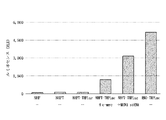
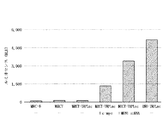
NHFT-TRPLuc細胞についての結果を図1に、MRCT-TRPLuc細胞についての結果を図2に示す。 The results for NHFT-TRPLuc cells are shown in FIG. 1, and the results for MRCT-TRPLuc cells are shown in FIG.
陰性コントロールであるNHF細胞及びNHFT細胞では、ルシフェラーゼ活性は検出されなかった。ルシフェラーゼ遺伝子が導入されているNHFT-TRPLuc細胞でも、NHF細胞及びNHFT細胞と同様にルシフェラーゼ活性は検出されなかった。MRC-5細胞についてもNHF細胞と同様の実験結果が得られ、このことから、内因性のhTERT活性がNHFT細胞及びMRCT細胞にはないことが明らかになった。 Luciferase activity was not detected in the negative controls, NHF cells and NHFT cells. Similarly to NHF cells and NHFT cells, luciferase activity was not detected in NHFT-TRPLuc cells into which the luciferase gene was introduced. The same experimental results as those of NHF cells were obtained for MRC-5 cells, which revealed that endogenous hTERT activity was absent in NHFT cells and MRCT cells.
一方で、hTERTプロモーターのリプレッサーとして知られているMenin遺伝子(MEN1)のRNAi法による発現抑制、及びhTERTの転写活性を上げる遺伝子として知られているc-myc遺伝子の導入によって、NHFT-TRPLuc細胞のルシフェラーゼ活性が顕著に増加した。したがって、NHFT-TRPLuc細胞が、正常体細胞でのhTERT転写制御の研究およびhTERTの転写活性を誘導する物質のスクリーニングに有用であることが明らかになった。また、MRC-5細胞についてもNHFT-TRPLuc細胞と同様の実験結果から、該MRCT-TRPLuc細胞が、正常体細胞でのhTERT転写制御の研究およびhTERTの転写活性を誘導する物質のスクリーニングに有用であることが明らかになった。 On the other hand, NHFT-TRPLuc cells are produced by suppressing the expression of the Menin gene (MEN1), which is known as a repressor of the hTERT promoter, by the RNAi method and by introducing the c-myc gene, which is known as a gene that increases the transcriptional activity of hTERT. The luciferase activity was significantly increased. Therefore, it became clear that NHFT-TRPLuc cells are useful for studies of hTERT transcriptional regulation in normal somatic cells and screening for substances that induce hTERT transcriptional activity. As for MRC-5 cells, the same experimental results as NHFT-TRPLuc cells show that MRCT-TRPLuc cells are useful for studying hTERT transcriptional regulation in normal somatic cells and screening for substances that induce hTERT transcriptional activity. It became clear that there was.
Claims (6)
Priority Applications (1)
| Application Number | Priority Date | Filing Date | Title |
|---|---|---|---|
| JP2005060418A JP4635196B2 (en) | 2005-03-04 | 2005-03-04 | Gene-introduced cell and telomerase-inducing substance detection method using the same |
Applications Claiming Priority (1)
| Application Number | Priority Date | Filing Date | Title |
|---|---|---|---|
| JP2005060418A JP4635196B2 (en) | 2005-03-04 | 2005-03-04 | Gene-introduced cell and telomerase-inducing substance detection method using the same |
Publications (2)
| Publication Number | Publication Date |
|---|---|
| JP2006238817A JP2006238817A (en) | 2006-09-14 |
| JP4635196B2 true JP4635196B2 (en) | 2011-02-16 |
Family
ID=37045835
Family Applications (1)
| Application Number | Title | Priority Date | Filing Date |
|---|---|---|---|
| JP2005060418A Expired - Lifetime JP4635196B2 (en) | 2005-03-04 | 2005-03-04 | Gene-introduced cell and telomerase-inducing substance detection method using the same |
Country Status (1)
| Country | Link |
|---|---|
| JP (1) | JP4635196B2 (en) |
Cited By (2)
| Publication number | Priority date | Publication date | Assignee | Title |
|---|---|---|---|---|
| US12668774B2 (en) | 2023-10-12 | 2026-06-30 | Btl Healthcare Technologies A.S. | Product, system and method of cell cultivation |
| US12686847B2 (en) | 2023-04-19 | 2026-07-21 | Btl Healthcare Technologies A.S. | Culture media based on protein hydrolysate and a process for preparing thereof |
Families Citing this family (2)
| Publication number | Priority date | Publication date | Assignee | Title |
|---|---|---|---|---|
| JP2014117875A (en) | 2012-12-17 | 2014-06-30 | Canon Inc | Image formation apparatus, inspection device, image formation apparatus control method, inspection device control method, and program |
| CN118064503B (en) * | 2024-03-08 | 2024-08-02 | 上海联衡生物科技有限公司 | Double-gene expression vector based on telomerase gene, and preparation and application thereof |
Family Cites Families (5)
| Publication number | Priority date | Publication date | Assignee | Title |
|---|---|---|---|---|
| US5489508A (en) * | 1992-05-13 | 1996-02-06 | University Of Texas System Board Of Regents | Therapy and diagnosis of conditions related to telomere length and/or telomerase activity |
| JPH10505488A (en) * | 1994-07-07 | 1998-06-02 | ジェロン コーポレイション | Mammalian telomerase |
| EA199900355A1 (en) * | 1996-10-01 | 2000-08-28 | Джерон Корпорейшн | TELOMERASE REVERSE TRINCRYPTASE |
| WO2000046355A2 (en) * | 1999-02-04 | 2000-08-10 | Geron Corporation | Telomerase reverse transcriptase transcriptional regulatory sequences |
| JP2002000121A (en) * | 2000-06-23 | 2002-01-08 | Rikogaku Shinkokai | Transgenic mouse into which telomerase gene promoter has been introduced and use thereof |
-
2005
- 2005-03-04 JP JP2005060418A patent/JP4635196B2/en not_active Expired - Lifetime
Cited By (2)
| Publication number | Priority date | Publication date | Assignee | Title |
|---|---|---|---|---|
| US12686847B2 (en) | 2023-04-19 | 2026-07-21 | Btl Healthcare Technologies A.S. | Culture media based on protein hydrolysate and a process for preparing thereof |
| US12668774B2 (en) | 2023-10-12 | 2026-06-30 | Btl Healthcare Technologies A.S. | Product, system and method of cell cultivation |
Also Published As
| Publication number | Publication date |
|---|---|
| JP2006238817A (en) | 2006-09-14 |
Similar Documents
| Publication | Publication Date | Title |
|---|---|---|
| Nagano et al. | TDP-43 transports ribosomal protein mRNA to regulate axonal local translation in neuronal axons | |
| Burns et al. | CPEB regulation of human cellular senescence, energy metabolism, and p53 mRNA translation | |
| Zuber et al. | Toolkit for evaluating genes required for proliferation and survival using tetracycline-regulated RNAi | |
| ES2354997T3 (en) | TEST FOR THE DISCOVERY OF DRUGS BASED ON DIFFERENTIATED IN VITRO CELLS. | |
| US9657357B2 (en) | Methods and compositions for identifying and validating modulators of cell fate | |
| Medico et al. | A gene trap vector system for identifying transcriptionally responsive genes | |
| Lorvellec et al. | B-Myb is critical for proper DNA duplication during an unperturbed S phase in mouse embryonic stem cells | |
| Tajonar et al. | Brief report: VGLL4 is a novel regulator of survival in human embryonic stem cells | |
| Galicia-Vázquez et al. | Regulation of eukaryotic initiation factor 4AII by MyoD during murine myogenic cell differentiation | |
| Böcker et al. | Quantitative polymerase chain reaction as a reliable method to determine functional lentiviral titer after ex vivo gene transfer in human mesenchymal stem cells | |
| JP2006238817A (en) | Gene-introduced cell and telomerase-inducing substance detection method using the same | |
| Rink et al. | Concatemeric Broccoli reduces mRNA stability and induces aggregates | |
| WO1998042854A1 (en) | Functional genomic screen for rna regulatory sequences and interacting molecules | |
| Minty et al. | Telomere dysfunction in human keratinocytes elicits senescence and a novel transcription profile | |
| WO2013054846A1 (en) | Mutagenicity test method using mammalian cells | |
| Matsuura et al. | Ectopic splicing disturbs the function of Xist RNA to establish the stable heterochromatin state | |
| Pfisterer et al. | A novel approach towards a histone replacement system in Tetrapods | |
| Lechuga et al. | Genetic validation of cell proliferation via Ras-independent activation of the Raf/Mek/Erk pathway | |
| Mizeret et al. | Endogenous variability in transcription factor concentrations shapes their genome-wide occupancy | |
| Bell et al. | Novel cytokinetic ring components limit RhoA activity and contractility | |
| WO2026062044A1 (en) | Gene perturbation in human monocyte-derived dendritic cells | |
| Rink et al. | Concatemeric Broccoli reduces mRNA stability, aggregates and induces p-body formation | |
| Kirby et al. | Eliminating elevated p53 signaling in Lmna-mutant mice fails to rescue skeletal muscle defects or extend survival | |
| Maruna et al. | Disrupting Splicing Regulation to Rescue β-Catenin: A Novel Approach for Treating CTNNB1-Haploinsufficiency Disorder | |
| Amendt et al. | Single-nuclei multiomics analysis of cardiogenic transcription factors in a new murine model of cardiac development |
Legal Events
| Date | Code | Title | Description |
|---|---|---|---|
| RD04 | Notification of resignation of power of attorney |
Free format text: JAPANESE INTERMEDIATE CODE: A7424 Effective date: 20060609 |
|
| A621 | Written request for application examination |
Free format text: JAPANESE INTERMEDIATE CODE: A621 Effective date: 20080213 |
|
| TRDD | Decision of grant or rejection written | ||
| A01 | Written decision to grant a patent or to grant a registration (utility model) |
Free format text: JAPANESE INTERMEDIATE CODE: A01 Effective date: 20101026 |
|
| A01 | Written decision to grant a patent or to grant a registration (utility model) |
Free format text: JAPANESE INTERMEDIATE CODE: A01 |
|
| R150 | Certificate of patent or registration of utility model |
Ref document number: 4635196 Country of ref document: JP Free format text: JAPANESE INTERMEDIATE CODE: R150 Free format text: JAPANESE INTERMEDIATE CODE: R150 |
|
| EXPY | Cancellation because of completion of term |