JP4454841B2 - Face image photographing apparatus and face image photographing method - Google Patents
Face image photographing apparatus and face image photographing method Download PDFInfo
- Publication number
- JP4454841B2 JP4454841B2 JP2000397289A JP2000397289A JP4454841B2 JP 4454841 B2 JP4454841 B2 JP 4454841B2 JP 2000397289 A JP2000397289 A JP 2000397289A JP 2000397289 A JP2000397289 A JP 2000397289A JP 4454841 B2 JP4454841 B2 JP 4454841B2
- Authority
- JP
- Japan
- Prior art keywords
- person
- face image
- face
- information
- photographing
- Prior art date
- Legal status (The legal status is an assumption and is not a legal conclusion. Google has not performed a legal analysis and makes no representation as to the accuracy of the status listed.)
- Expired - Lifetime
Links
Images







Landscapes
- Cameras Adapted For Combination With Other Photographic Or Optical Apparatuses (AREA)
- Image Input (AREA)
- Image Processing (AREA)
- Closed-Circuit Television Systems (AREA)
- Image Analysis (AREA)
Description
【0001】
【発明の属する技術分野】
本発明は、たとえば、自動車の運転免許証(以後、単に免許証と称す)や各種証明書(カードタイプや冊子タイプを含む)など、人物の顔画像と個人情報とを一緒にカード媒体に印刷することによりIDカードを発行する、IDカード発行装置において、被撮影者である人物の顔画像を撮影する顔画像撮影装置および顔画像撮影方法に関する。
【0002】
【従来の技術】
従来、この種の顔画像撮影装置にあっては、IDカード発行申請者、すなわち、被撮影者を撮影した際、瞬きをしていないかなど、出力画像として適しているかどうかを人間系にて判定し、目つぶりなどの出力写真として適さない画像であった場合は、撮り直しなどの処置を行なっていた。
【0003】
【発明が解決しようとする課題】
ところが、たとえば、撮影サイクルが数秒程度と早い揚合、操作者(オペレータ)は、撮影装置の操作を行ないながら、被撮影者の様子を観察する必要があるため、オペレータの負荷が大きく、さらに、操作を誤まる確立も高くなる。
【0004】
特に、判定を誤まって撮影して、印刷出力した後、誤まった判定を行なった場合、既にその場にはいない被撮影者を呼び戻し、再度撮影しなければならない。また、印刷出力するに伴なう出力媒体(用紙など)の費用が無駄に浪費されるという問題がある。
【0005】
そこで、本発明は、人間系の判定などを伴うことなく、自動的に被撮影者の撮影可能状態を高精度に認識し、自動的に撮影を行なうことができ、オペレータの負荷を軽減することができる顔画像撮影装置および顔画像撮影方法を提供することを目的とする。
【0006】
【課題を解決するための手段】
本発明の顔画像撮影装置は、人物の顔画像および当該人物の個人情報をそれぞれカード媒体に印刷することによりIDカードを発行するもので、前記人物の少なくとも年齢に関する情報を含む個人情報を当該人物固有の識別情報と対応させて記憶している個人情報記憶手段を備えたIDカード発行装置における顔画像撮影装置であって、人物の少なくとも年齢別に基準の顔の特徴情報として人物の顔の中の少なくとも左右の瞳および口の各標本を記憶している特徴情報記憶手段と、前記人物固有の識別情報を入力する識別情報入力手段と、この識別情報入力手段により入力された識別情報に基づき前記個人情報記憶手段から対応する個人情報を読出す個人情報読出手段と、この個人情報読出手段により読出された個人情報の年齢に関する情報に基づき前記特徴情報記憶手段から対応する人物の左右の瞳および口の各標本を読出し、それを当該人物に対する基準の顔の特徴情報として設定する特徴情報設定手段と、人物の少なくとも顔画像を撮影する撮影手段と、この撮影手段により撮影された顔画像から人物の顔の中の少なくとも左右の瞳および口の各部位をそれぞれ抽出し、この抽出した左右の瞳および口の各部位と前記特徴情報設定手段により基準の顔の特徴情報として設定された左右の瞳および口の各標本とを照合することにより、前記人物が撮影可能状態であるか否かを判定する撮影可能状態判定手段と、この撮影可能状態判定手段により前記人物が撮影可能状態であると判定されると、前記撮影手段により撮影された顔画像を前記カード媒体に印刷する人物の顔画像として出力する出力手段とを具備している。
【0007】
また、本発明の顔画像撮影方法は、人物の顔画像および当該人物の個人情報をそれぞれカード媒体に印刷することによりIDカードを発行するもので、前記人物の少なくとも年齢に関する情報を含む個人情報を当該人物固有の識別情報と対応させて記憶している個人情報記憶手段を備えたIDカード発行装置における顔画像撮影方法であって、前記人物固有の識別情報を入力する第1のステップと、この第1のステップにより入力された識別情報に基づき前記個人情報記憶手段から対応する個人情報を読出す第2のステップと、この第2のステップにより読出された個人情報の年齢に関する情報に基づき、人物の少なくとも年齢別に基準の顔の特徴情報として人物の顔の中の少なくとも左右の瞳および口の各標本を記憶している特徴情報記憶手段から対応する人物の左右の瞳および口の各標本を読出し、それを当該人物に対する基準の顔の特徴情報として設定する第3のステップと、人物の少なくとも顔画像を撮影する第4のステップと、この第4のステップにより撮影された顔画像から人物の顔の中の少なくとも左右の瞳および口の各部位をそれぞれ抽出し、この抽出した左右の瞳および口の各部位と前記第3のステップにより基準の顔の特徴情報として設定された左右の瞳および口の各標本とを照合することにより、前記人物が撮影可能状態であるか否かを判定する第5のステップと、この第5のステップにより前記人物が撮影可能状態であると判定されると、前記第4のステップにより撮影された顔画像を前記カード媒体に印刷する人物の顔画像として出力する第6のステップとを具備している。
【0008】
【発明の実施の形態】
以下、本発明の実施の形態について図面を参照して説明する。
【0009】
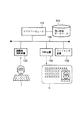
図1は、本実施の形態に係るIDカード発行装置の構成を概略的に示すものである。図1において、このIDカード発行装置は、全体的な制御を司る汎用コンピュータで構成されるホストコンピュータ101、このホストコンピュータ101に接続され、少なくともカード発行申請者(以後、被撮影者あるいは人物とも言う)1のIDカードに記載する各種情報を含む個人情報を、カード発行申請者1が持つ固有の識別情報としての個人番号(ID番号)と対応させて記憶している記憶手段としてのデータベース102、カード発行申請者1の顔画像を撮影する顔画像撮影装置103、顔画像撮影装置103からの指令により、カード発行申請者1の顔画像と個人番号、氏名、年齢、住所などの個人情報をカード媒体に印刷することによりIDカードCを作成する印刷装置104、それと同時に顔画像、個人番号、氏名、年齢、住所などの個人情報をファイリングするファイリング装置106、これらホストコンピュータ101、顔画像撮影装置103、印刷装置104、および、ファイリング装置106を相互接続するネットワーク105から構成されている。
【0010】
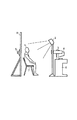
図2は、顔画像撮影装置103の外観構成を概略的に示すものである。この顔画像撮影装置103は、カード発行申請者である被撮影者(人物)1を照明する照明器2、被撮影者1の少なくとも顔画像を撮影する撮影手段としてのCCD形のビデオカメラ3、被撮影者1に対し撮影状態やガイダンスなどを案内表示する案内手段としての表示器(モニタディスプレイ)4、同様に被撮影者1に対しガイダンスなどを音声で案内する案内手段としてのスピーカ5、オペレータ(操作者)による操作指示により、カメラ3からの入カ画像を加工したり、表示器4や内蔵する記憶部などに対して出力を行なう制御台(制御部)6、被撮影者1が撮影の際に着座する椅子7、および、撮影の際に被撮影者1の背景となる背景板8から構成されている。
【0011】
なお、スピーカ5は、背景板8の裏側の被撮影者1と対応する部位に取着されていて、背景板8に設けられた音放出孔から音声が放出されるようになっている。また、背景板8の色は、証明用写真の背景として好適な色(たとえば、青色)に設定されている。
【0012】
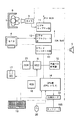
図3は、図2に示した顔画像撮影装置103の全体的な構成を示すブロック図である。すなわち、カメラ3からのアナログ信号(入力画像)をリアルタイムにデジタル信号に変換し、ビデオメモリやメインメモリなどに転送するビデオキャプチャ部11、ビデオキャプチャ部11の画像データ、および、その他の描画処理を行ない、表示器4への表示制御を行なうビデオアクセラレート部12、スピーカ5へのガイダンス用の音声を制御するサウンドコントロール部13、画像データおよびその他への各種の演算処理や各種制御などを行なうCPU(セントラル・プロセッシング・ユニット)、画像データや演算結果などを一時保存するメインメモリ、各種周辺機器とのインターフェイスを備えたCPU部14、各種周辺機器を接続する外部バス(たとえば、SCSIなど)を制御する外部バス制御部15、各種OSやアプリケーション、制御用データ、画像データ、基準の顔の特徴情報(左右瞳標本、口標本)などを保存する記憶手段としてのハードディスク装置などの大容量記憶装置16、制御台6の出力データなどを保存する可搬性のある記憶媒体(たとえば、光磁気ディスクなど)17に対してデータの読み書きを行なうリーダライタ部18、オペレータが操作する入力手段としてのキーボード19やマウス20、カード発行申請者固有の識別情報である個人番号をカード発行申請書から光学的に読取って入力する識別情報入力手段としての光学式読取装置(OCR)21、および、ネットワーク105上の他の各種機器(ホストコンピュータ101、印刷装置104、ファイリング装置106など)との間で相互通信を行なうためのネットワークアダプタ(LANカードなど)22などによって構成されている。
【0013】
このような構成において、顔画像撮影装置103のメイン処理について図4に示すフローチャートを参照して説明する。まず、ステップS101にて、IDカードを作成するカード発行申請者(被撮影者)1の持参したカード発行申請書を光学式読取装置21にセットすることにより、カード発行申請者固有の識別情報である個人番号をカード発行申請書から読取って入力する。カード発行申請書から読取った個人番号はCPU部14へ送られる。
【0014】
次に、ステップS102にて、CPU部14は、カード発行申請書から読取った個人番号をキーとして、データベース102から当該カード発行申請者1の個人情報を検索して読出す。ここに、このステップS102の処理が本発明における個人情報読出手段に対応している。
【0015】
次に、ステップS103にて、CPU部14は、データベース102から読出した個人情報内の肌色に関する情報と年齢に関する情報とから、当該被撮影者1に対する基準の顔の特徴情報、この例では肌色と年齢に対応した左右瞳および口標本を設定する。ここに、このステップS103の処理が本発明における特徴情報設定手段に対応している。
【0016】
次に、ステップS104にて、カメラ3により撮影された顔画像とステップS103で設定された左右瞳および口標本とにより被撮影者1が撮影可能状態であるか否かを判定し、後で詳細を説明する被撮影者1の顔画像の撮影処理を行なう。
【0017】
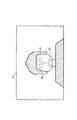
図5、図6は、カメラ3からの入力画像(顔画像)と、撮影処理中の各処理時に使用する領域や座標を示したものである。
【0018】
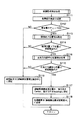
以下、図7に示すフローチャートおよび図5、図6を参照して図4におけるステップS104の撮影処理について説明する。なお、以下に説明する処理は、主にCPU部14内のCPUの制御によって実行される。
【0019】
まず、ステップS1にて、図示しないカウンタによって計数されるリトライ回数やその他のデータの初期化を行ない、ステップS2に進む。ステップS2では、ビデオキャプチャ部11を介してカメラ3からの入力画像31(図5参照)を取込み、CPU部14内のメインメモリに一時格納し、ステップS3に進む。
【0020】
ステップS3,S4では、メインメモリ内の入力画像31により、カメラ3の前に被撮影者1が存在するか否かの検出処理を行なう。すなわち、たとえば、入力画像31内に背景色と異なる画素を持った領域(すなわち、被撮影者の領域)を探索することにより、被撮影者1が存在し、かつ、被撮影者1の髪形まで含めた顔の輪郭領域32の位置が出力するために適正な範囲に入っているかを判定する。なお、この被撮影者検出処理については後で詳細を説明する。
【0021】
カメラ3の前に被撮影者1が存在しない場合、あるいは、顔輪郭領域32の位置が不適正の場合、ステップS2に戻り、上記同様な動作を繰り返す。カメラ3の前に被撮影者1が存在し、かつ、顔輪郭領域32の位置が適正な場合、ステップS5に進む。ステップS5では、カメラ3の前の被撮影者1に対し撮影準備を促すため、表示器4およびスピーカ5により、ガイダンスメッセージを出力し、ステップS6に進む。
【0022】
ステップS6では、画像31を入力した後、後述する撮影可能状態判定処理にて被撮影者1が静止した(撮影準備ができた)と判定するための規定時間の間待機し、ステップS7に進む。ステップS7では、再び、先の入力画像31に連続的に続く入力画像33(図6参照)をカメラ3から取込み、CPU部14内のメインメモリに一時格納し、ステップS8に進む。
【0023】
ステップS8,S9では、メインメモリ内の入力画像31および入力画像33により撮影可能状態判定処理を行なうことにより、被撮影者1の撮影準備ができているか否か、すなわち、被撮影者1が撮影可能状態になっているか否かを判定する。ここに、このステップS8,S9の処理が本発明における撮影可能状態判定手段に対応している。なお、この撮影可能状態判定処理については後で詳細を説明する。
【0024】
ステップS8,S9における判定の結果、被撮影者1の撮影準備ができている場合、ステップS10に進み、CPU部14内のメインメモリに格納された入力画像31あるいは33のうち、顔画像の出力に適している画像を選定して出力用に変換し、ネットワークアダプタ22からネットワーク105に接続された印刷装置104において、カード媒体に印刷出力したり、同ネットワーク105に接続されたファイリング装置106に対して保存出力したり、さらには、CPU部14内のメインメモリあるいは大容量記憶装置16や可搬性のある記憶媒体17を画像保存手段として用いることにより、それに対して記憶(保存出力)する。これで、被撮影者1人に対する全ての撮影処理が終了する。ここに、このステップS10の処理が本発明における出力手段に対応している。
【0025】
なお、撮影した顔画像を印刷出力するか保存出力するかは目的に応じて選択すればよく、顔画像の出力方法は任意である。
【0026】
ステップS8,S9における判定の結果、被撮影者1の撮影準備ができていない場合、ステップS11に進み、リトライ処理を行なう。すなわち、まず、ステップS11では、前記リトライ回数をインクリメントし、ステップS12に進む。ステップS12では、リトライ回数があらかじめ設定される規定値以内か否かをチェックし、規定値以内であればステップS2に戻り、リトライ処理として再度、ステップS2からの処理を行なう。
【0027】
図8は、後述する被撮影者検出処理時に使用する領域や座標値、数値名を示したものである。図8において、
XSTILLSIZE:カメラ3から入力した画像の横方向の画素数
YSTILLSIZE:カメラ3から入力した画像の縦方向の画素数
XFMGSIZE:印刷装置104やファイリング装置106に出力する際の画像横長さの画素数
YFMGSIZE:印刷装置104やファイリング装置106に出力する際の画像縦長さの画素数
FACESIZE:撮影距離固定で撮影したときの被撮影者の平均的な顔縦長さ画素数
OVERHEAD:FACESIZEの顔をXFMGSIZE×YFMGSIZEの出力画像サイズに収めたときに顔位置のバランスをよくするために必要となる背景板8が写る縦方向の画素数
である。
【0028】
また、図8において、探索領域(測定領域)FEは、左上頂点を(XSTART,YTOP)、右下頂点を(XST0P,YTOP+測定高さ)とする領域である。XSTARTおよびXST0Pの値は、椅子7に被撮影者1が着座した際に、入力画像中に必ず入るであろう、あらかじめ設定される範囲の左端x座標と右端x座標である。また、上記測定高さは、被撮影者1の肩や長髪者などの顔下部分で大きく左右に広がった領域の影響を受けないであろう範囲として、あらかじめ設定される値である。
【0029】
以下、図9に示すフローチャートおよび図8を参照して図7におけるステップS3の被撮影者検出処理について説明する。なお、以下に説明する処理は、主にCPU部14内のCPUの制御によって実行される。
【0030】
まず、ステップS111にて、CPU部14内のメインメモリに格納されている入力画像31の右上領域REおよび左上領域LEにて背景板8の色成分を測定し、ステップS112に進む。ステップS112では、ステップS111で測定した結果が、背景板8らしい色成分(青成分)か否か判定し、ステップS113に進む。この際、非青背景(青成分でないもの)を被撮影者1の顔画像の部分と判定する。
【0031】
ステップS113では、後述する頭頂高さ位置検出処理を行なうことにより、縦方向頭頂縦方向ライン番号headtopを求め、ステップS114に進む。ステップS114では、頭頂位置が規定範囲内か否かを確認し、ステップS115に進む。ステップS115では、後述する左右顔中心位置検出処理を行なうことにより、顔中心位置横方向ライン番号centerを求め、ステップS116に進む。
【0032】
ステップS116では、顔中心位置が規定範囲内か否かを確認し、ステップS117に進む。ステップS117では、横方向ライン番号centerと縦方向ライン番号headtopとの交差した位置を顔輪郭基準位置に設定し、ステップS118に進む。ステップS118では、処理結果を「顔輪郭位置規定範囲内」に設定し、リターンする。もし、ステップS112、ステップS114、ステップS116にてNGだった場合は、処理結果を「顔輪郭位置規定範囲外」に設定し、リターンする。
【0033】
次に、図9におけるステップS113の頭頂高さ位置検出処理について、図10に示すフローチャートおよび図8を参照して説明する。
【0034】
まず、ステップS131にて、少なくとも披撮影者1の頭頂部が存在していい規定範囲(OVERHEAD+1ライン〜YRANGEライン)に、被撮影者1の頭頂部があることを確認する。ここに、YRANGE=(YSTILLSIZE−YFMGSIZE+OVERHEAD)である。
【0035】
また、入力画像中の縦方向ライン番号OVERHEADの横ラインを構成する画素のうち、背景板8の色成分と異なる画素(すなわち、被撮影者1の顔部分)を数え、その数が規定値以上あるか否かを確認する。
【0036】
さらに、同様に、YRANGEの横ラインを構成する画素のうち、背景板8の色成分と異なる画素が規定値以上あるか否かを確認し、OVERHEADライン上に背景板8の色成分と異なる画素が規定値未満で、YRANGEライン上に背景板8の色成分と異なる画素が規定値以上であることを確認する。この規定値とは、被撮影者1の髪が横に毛羽立っていたり、背景板8にその色とは違う異物が付いていたりした場合に、その部分を無視させるための数値である。
【0037】
次に、ステップS132にて、入力画像の縦方向ライン番号OVERHEADをiに、同じくYRANGEをjに設定し、ステップS133に進む。ステップS133では、iラインからjラインの間に0ラインよりも多くラインが存在することを確認した際、ステップS134に進む。ステップS134では、iラインとjラインとの中央のライン((i+j)/2)をkに設定し、ステップS135に進む。
【0038】
ステップS135では、kの横ラインを構成している画素のうち、背景板8の色成分と違う画素を数え、その数が規定値以上あるか判定する。この規定値とは、被撮影者1の髪が横に毛羽立っていたり、背景板8にその色とは違う微小な異物が付いていたりした場合に、その部分を無視させるための数値である。
【0039】
ステップS135の判定結果が規定値以上ありの場合、ステップS136にてkをjに設定して、ステップS133に戻り、また、ステップS135の判定結果が規定値以上なしの場合、ステップS137にてkをiに設定して、ステップS133に戻り、上記同様な動作を繰り返す。
【0040】
このようにして、入力画像のOVERHEADからYRANGEまでの探索領域から、1処理ループごとに探索領域を半分にしていき、j−iが1未満(ライン数の差がなくなったとき、0ライン)となった際に、つまり、ステップS133の判定結果が0ラインよりも少なくなった場合、ステップS138に進む。
【0041】
ステップS138では、頭頂部Yラインのiを頭頂位置headtopに設定し、ステップS139に進む。ステップS139では、処理結果を「頭頂位置規定範囲内」に設定し、リターンする。
【0042】
ステップS131における判定の結果、YRENGEに顔画像のデータがなく、OVERHEADに顔画像のデータがある場合、顔画像が規定範囲内にないと判断した場合、ステップS140に進む。ステップS140では、処理結果を「頭頂位置規定範囲外」に設定し、リターンする。
【0043】
次に、図9におけるステップS115の左右方向顔中心位置検出処理について、図11に示すフローチャートおよび図8を参照して説明する。
【0044】
まず、ステップS151にて、入力画像41の左端縦ライン番号0をiに設定し、入力画像41の中心縦ライン番号(XSTILLSIZE/2)をjに設定し、ステップS152に進む。ステップS152では、iラインからjラインの間に0ラインよりも多くラインが存在するか否かを確認し、多い場合、ステップS153に進む。
【0045】
ステップS153では、iラインとjラインとの中央の縦ライン((i+j)/2)をkに設定し、ステップS154に進む。ステップS154では、kの縦ラインを構成している画素のうち、ステップS111で測定した背景板8の色成分と違う色の画素を数え、その数が規定値以上あるか判定する。この規定値とは、被撮影者1の髪が横に毛羽立っていたり、背景板8にその色とは違う微小な異物が付いていたりした場合に、その部分を無視させるための数値である。
【0046】
ステップS154の判定結果が規定値以上ありの場合、ステップS155にてkをjに設定し、ステップS152に戻り、また、ステップS154の判定結果が規定値以上なしの場合、ステップS156にてkをiに設定して、ステップS152に戻り、上記同様な動作を繰り返す。
【0047】
このようにして、入力画像41の左半分の探索領域から、1処理ループごとに探索領域を半分にしていき、j−iが1未満となった際に、つまり、ステップS152の判定結果が0ラインよりも少なくなった場合、ステップS157に進む。
【0048】
ステップS157では、ステップS152にてj−iが1未満となったところで、iを顔左端縦ラインheadleftに設定し、ステップS158に進む。ステップS158では、入力画像41の中心縦ライン番号(XSTART+XSTOP/2)をiに設定し、入力画像41の右端縦ライン番号(XSTOP)をjに設定し、ステップS159に進む。ステップS159では、iラインからjラインの間に0ラインよりも多くラインが存在するか否かを確認し、多い場合、ステップS160に進む。
【0049】
ステップS160では、iラインとjラインとの中央の縦ライン((i+j)/2)をkに設定し、ステップS161に進む。ステップS161では、kの縦ラインを構成している画素のうち、ステップS111で測定した背景板8の色成分と違う色の画素を数え、その数が規定値以上あるか判定する。この規定値とは、被撮影者1の髪が横に毛羽立っていたり、背景板8にその色とは違う微小な異物が付いていたりした場合に、その部分を無視させるための数値である。
【0050】
ステップS161の判定結果が規定値以上ありの場合、ステップS162にてkをjに設定し、ステップS159に戻り、また、ステップS161の判定結果が規定値以上なしの場合、ステップS163にてkをiに設定して、ステップS159に戻り、上記同様な動作を繰り返す。
【0051】
このようにして、入力画像41の右半分の探索領域から、1処理ループごとに探索領域を半分にしていき、j−iが1未満となった際に、つまり、ステップS159の判定結果が0ラインよりも少なくなった場合、ステップS164に進む。
【0052】
ステップS164では、ステップS159にてj−iが1未満となったところで、iを顔右端縦ラインheadrightに設定し、ステップS165に進む。ステップS165では、ステップS157により設定された顔左端縦ラインheadleftとステップS164により設定された顔右端縦ラインheadrightとに基づいて中央位置を計算し、この計算した値をcenterの値として、リターンする。
【0053】
以上説明した図9〜11の処理により、ステップS4での判定は、顔基準位置(center、headtop)の値を判定することによって行なわれ、この基準位置から印刷装置104やファイリング装置106に出力する際の写真サイズ(トリミングサイズ)が取得できるかどうかを、以下の式により判定し、式が成立すればステップS4の判定は被撮影者1が存在、成立しなければ被撮影者1が不在となる。
【0054】
XFMGSIZE/2 < center < (XSTILLSIZE−XFMGSIZE/2)
OVERHEAD < headtop < YRANGE
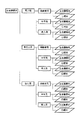
図12は、後述する撮影可能状態判定処理において、被撮影者1の顔部位を検出するための、基本の顔の特徴情報である左右の瞳標本および口の標本であり、この例では人物の肌色および年齢別により特徴わけ(グループ化)されており、これらは例えば大容量記憶装置16に格納されている。
【0055】
以下、図13に示すフローチャートおよび図8、図12を参照して図7におけるステップS8の撮影可能状態判定処理について説明する。なお、以下に説明する処理は、主にCPU部14内のCPUの制御によって実行される。
【0056】
まず、ステップS31にて、顔輪郭領域32からの相対位置領域として、両瞳が必ず存在するであろう領域34を算出し、この算出した領域34の中から瞳と同形状の部位、たとえば、黒くて丸い形状の部位を抽出する。
【0057】
次に、ステップS32にて、ステップS31で抽出された黒くて丸い形状の部位それぞれに対し、ステップS103にて設定された左右瞳標本と照合し、それぞれの類似度合いが規定値を超えている部位の中で最も類似度合いが高い部位を抽出する。瞳は2箇所あるため、瞳標本は左右の瞳分用意されており、上記判定を左右瞳両標本との照合により行ない、左右両瞳部位の座標35,36を抽出する。
【0058】
ここで、もし、図12における特徴ごとに仕分けした標本と、ステップS103による適正な標本を設定することをせずに、単一の標本による類似度合いの測定を行なった場合、瞳周囲の肌色や年齢からくる目尻のしわなどの影響により、適正な判定ができなくなる場合がある。
【0059】
次に、ステップS33にて、ステップS32で抽出された左右両瞳部位の座標35,36の中心位置からの相対位置領域として、口が必ず存在するであろう領域37を算出し、この算出した領域37の中から唇と同様の赤色系の画素を持つ部位を抽出する。
【0060】
次に、ステップS34にて、ステップS33で抽出されたそれぞれの部位と、ステップS103にて設定された口標本と照合し、類似度合が規定値を超えている部位の中で最も高い部位を口部位の座標38として抽出する。
【0061】
ここで、もし、図12における特徴ごとに仕分けした標本と、ステップS103による適正な標本を設定することをせずに、単一の標本による類似度合いの測定を行なった場合、口周囲の肌色や年齢からくる目尻のしわなどの影響により、適正な判定ができなくなる場合がある。
【0062】
次に、ステップS35にて、図5の入力画像31における左側の瞳座標35の規定周辺領域39と、図6の入力画像33における同座標の同じ大きさの領域40での、各画素間の輝度差絶対値を求め、その領域全体での合計値SumDef1を求める。
【0063】
次に、ステップS36にて、図5の入力画像31における右側の瞳座標36の規定周辺領域41と、図6の入力画像33における同座標の同じ大きさの領域42での、各画素間の輝度差絶対値を求め、その領域全体での合計値SumDef2を求める。
【0064】
次に、ステップS37にて、図5の入力画像31における口部位の座標38の規定周辺領域43と、図6の入力画像33における同座標の同じ大きさの領域44での、各画素間の輝度差絶対値を求め、その領域全体での合計値SumDef3を求める。
【0065】
次に、ステップS38にて、ステップS35〜37で求めた輝度差絶対値の合計値SumDef1、SumDef2、SumDef3を、それらに対してそれぞれ設定された規定値とそれぞれ比較し、全て規定値以下か否かの判定を行なう。この判定の結果、3つの数値が全て規定値以下であれば、撮影可能状態であると判定し、3つの数値のうち1つでも規定値を超えている場合は、撮影可能状態でないと判定する。
【0066】
被撮影者1の撮影準備が完了していれば、顔および顔の中の動く部位である目および口は静止しているため、上記3つの数値はそれぞれ規定値に対し低い値になる。逆に、顔が動いていれば、上記3つの数値はそれぞれ規定値に対し高い値になる。また、瞳の瞬きがあった場合は、SumDef2とSumDef3がそれぞれ規定値に対し高い値になる。会話や口が動いている場合には、SumDef3が規定値に対し高い値になる。
【0067】
なお、前述したステップS6での規定時間とは、被撮影者1が撮影準備ができていないために挙動があった場合、上記3つの数値を充分に数値化できるようにするための動き監視時間である。
【0068】
以上説明したように、上記実施の形態によれば、免許証などに代表される、人物の顔画像と個人情報とを一緒にカード媒体に印刷することによりIDカードを発行するIDカード発行装置の顔画像撮影装置において、カード発行申請者(被撮影者)を撮影する直前に、カード発行申請者から個人番号を取得し、その個人番号により対応する個人情報を取得することにより、カード発行申請者の大まかな特徴を左右瞳標本、口標本として設定し、複数の連続画像にて瞳、口を監視することにより、人間系の判定を伴うことなく、自動的にカード発行申請者の撮影可能状態を高精度に認識し、自動的に撮影を行なうことができる。したがって、オペレータの負荷を軽減して、常に安定した顔画像の撮影が可能となる。
【0069】
なお、前記実施の形態では、取込まれた複数の画像にて被撮影者の顔の中の瞳および口の状態を監視することにより被撮影者が撮影可能状態であるかを判定する場合について説明したが、本発明はこれに限定されるものでなく、顔の中の瞳、口および鼻の状態を監視することにより被撮影者が撮影可能状態であるかを判定するようにしてもよい。
【0071】
【発明の効果】
以上詳述したように本発明によれば、人間系の判定などを伴うことなく、自動的に被撮影者の撮影可能状態を高精度に認識し、自動的に撮影を行なうことができ、オペレータの負荷を軽減することができる顔画像撮影装置および顔画像撮影方法を提供できる。
【図面の簡単な説明】
【図1】本発明の実施の形態に係るIDカード発行装置の構成を概略的に示すブロック図。
【図2】本発明の実施の形態に係る顔画像撮影装置の外観構成を概略的に示す構成図。
【図3】図2に示した顔画像撮影装置の全体的な構成を概略的に示すブロック図。
【図4】顔画像撮影装置のメイン処理を説明するためのフローチャート。
【図5】カメラからの入力画像と、撮影処理中の各処理時に使用する領域や座標を説明するための図。
【図6】カメラからの入力画像と、撮影処理中の各処理時に使用する領域や座標を説明するための図。
【図7】顔画像撮影装置の撮影処理を説明するためのフローチャート。
【図8】被撮影者検出処理時に使用する領域や座標値、数値名を説明するための図。
【図9】被撮影者検出処理を説明するためのフローチャート。
【図10】頭頂高さ位置検出処理を説明するためのフローチャート。
【図11】左右方向顔中心位置検出処理を説明するためのフローチャート。
【図12】撮影可能状態判定処理において被撮影者の顔部位を検出するための左右瞳標本および口標本のグループ分け状態の一例を示す図。
【図13】撮影可能状態判定処理を説明するためのフローチャート。
【符号の説明】
C…IDカード、1…被撮影者(人物、カード発行申請者)、101…ホストコンピュータ、102…データベース(記憶手段)、103…顔画像撮影装置、104…印刷装置、105…ネットワーク、106…ファイリング装置、3…ビデオカメラ(撮影手段)、6…制御台(制御部)、8…背景板、11…ビデオキャプチャ部、12…ビデオアクセラレート部、13…サウンドコントロール部、14…CPU部、16…大容量記憶装置(記憶手段)、21…光学式読取装置(識別情報入力手段)。[0001]
BACKGROUND OF THE INVENTION
The present invention, for example, prints a face image of a person and personal information on a card medium such as a driver's license (hereinafter simply referred to as a license) and various certificates (including card type and booklet type). The present invention relates to a face image photographing device and a face image photographing method for photographing a face image of a person who is a subject in an ID card issuing device that issues an ID card.
[0002]
[Prior art]
Conventionally, in this kind of face image photographing device, whether or not it is suitable as an output image, such as whether or not blinking when photographing an ID card issuance applicant, that is, a person to be photographed, is a human system. If the image is not suitable as an output photograph, such as blinking, measures such as re-taking have been taken.
[0003]
[Problems to be solved by the invention]
However, for example, when the shooting cycle is as fast as several seconds, the operator (operator) needs to observe the state of the person to be photographed while operating the imaging device, and the load on the operator is large. The probability of misoperation is high.
[0004]
In particular, if an erroneous determination is made after taking an image of an erroneous determination and printing it out, it is necessary to recall the imaged person who is not already there and take the image again. In addition, there is a problem that the cost of an output medium (such as paper) accompanying printing output is wasted.
[0005]
Therefore, the present invention can automatically recognize a photographable state of a person to be photographed with high accuracy without automatically determining a human system, and can automatically perform photographing, thereby reducing the burden on the operator. An object of the present invention is to provide a face image photographing device and a face image photographing method capable of performing the above.
[0006]
[Means for Solving the Problems]
The face image photographing device of the present invention is An ID card is issued by printing a person's face image and personal information of the person on a card medium, and storing personal information including information on at least the age of the person in correspondence with identification information unique to the person A face image photographing device in an ID card issuing device provided with personal information storage means, wherein each specimen of at least left and right eyes and mouth in a person's face as reference face characteristic information according to at least the age of the person And feature information storage means for storing Said person Identification information input means for inputting unique identification information, and the identification information input by the identification information input means personal information Personal information reading means for reading the corresponding personal information from the storage means, and personal information read by the personal information reading means The left and right pupils and mouth samples of the corresponding person are read from the feature information storage means based on the information about the age of the person, and set as reference face feature information for the person Feature information setting means; person Photographing means for photographing at least a face image of the image, and a face image photographed by the photographing means At least the left and right pupils and mouth parts of the human face are extracted from the left and right parts of the human face and the left and right parts set as reference face feature information by the feature information setting means. By matching each eye and mouth sample, Said person The image-capable state determining means for determining whether or not the image is ready for image-capturing, and the image-capable state determining means person Is determined to be in a photographable state, the face image photographed by the photographing means is Human face image to be printed on the card medium As output means.
[0007]
Further, the face image photographing method of the present invention includes: An ID card is issued by printing a face image of a person and personal information of the person on a card medium, and storing personal information including information on at least the age of the person in association with identification information unique to the person A face image photographing method in an ID card issuing device provided with personal information storage means, Said person Based on the first step of inputting unique identification information and the identification information input by this first step Personal information A second step of reading the corresponding personal information from the storage means, and the personal information read by the second step Based on the information about the age of the person, from the feature information storage means storing at least the left and right pupils and mouth samples of the person's face as reference face feature information according to at least the age of the person, Read each sample of pupil and mouth and set it as reference facial feature information for that person A third step; person A fourth step of photographing at least a face image of and a face image photographed by the fourth step At least left and right pupils and mouth parts in the face of the person are extracted from the left and right parts of the extracted left and right pupils and mouths and the left and right parts set as reference face feature information by the third step. By matching each eye and mouth sample, Said person A fifth step of determining whether or not the camera is in a photographing enabled state, and the fifth step person Is determined to be in a shootable state, the face image captured in the fourth step is Human face image to be printed on the card medium As a sixth step.
[0008]
DETAILED DESCRIPTION OF THE INVENTION
Hereinafter, embodiments of the present invention will be described with reference to the drawings.
[0009]
FIG. 1 schematically shows a configuration of an ID card issuing apparatus according to the present embodiment. In FIG. 1, this ID card issuing apparatus is connected to a
[0010]
FIG. 2 schematically shows an external configuration of the face
[0011]
The
[0012]
FIG. 3 is a block diagram showing an overall configuration of the face
[0013]
In such a configuration, main processing of the face
[0014]
Next, in step S102, the
[0015]
Next, in step S103, the
[0016]
Next, in step S104, it is determined whether or not the person to be photographed 1 is ready for photographing based on the face image photographed by the camera 3 and the left and right pupils and mouth samples set in step S103. The photographing process of the face image of the
[0017]
5 and 6 show the input image (face image) from the camera 3, and the areas and coordinates used during each processing during the photographing process.
[0018]
Hereinafter, the photographing process in step S104 in FIG. 4 will be described with reference to the flowchart shown in FIG. 7 and FIGS. Note that the processing described below is mainly executed under the control of the CPU in the
[0019]
First, in step S1, the number of retries counted by a counter (not shown) and other data are initialized, and the process proceeds to step S2. In step S2, the input image 31 (see FIG. 5) from the camera 3 is captured via the
[0020]
In steps S3 and S4, a process for detecting whether or not the subject 1 is present in front of the camera 3 is performed based on the
[0021]
If the person to be photographed 1 does not exist in front of the camera 3 or if the position of the
[0022]
In step S6, after inputting the
[0023]
In steps S8 and S9, whether or not the subject 1 is ready to shoot by performing the shootable state determination process using the
[0024]
If the result of determination in steps S8 and S9 is that the
[0025]
It should be noted that whether the photographed face image is printed out or stored is selected depending on the purpose, and the method of outputting the face image is arbitrary.
[0026]
If the result of determination in steps S8 and S9 is that the
[0027]
FIG. 8 shows areas, coordinate values, and numerical names used in the subject detection process described later. In FIG.
XSTILLSIZE: Number of pixels in the horizontal direction of the image input from the camera 3
YSTILLSIZE: Number of pixels in the vertical direction of the image input from the camera 3
XFMGSIZE: the number of pixels of the image horizontal length when output to the
YFMGSIZE: number of pixels in the image vertical length when output to the
FACESIZE: average number of pixels of the subject's face length when shooting at a fixed shooting distance
OVERHEAD: The number of pixels in the vertical direction on which the background plate 8 is captured to improve the balance of the face position when the FACESIZE face is stored in the XFMGSIZE × YFMGSIZE output image size.
It is.
[0028]
In FIG. 8, a search area (measurement area) FE is an area in which the upper left vertex is (XSTART, YTOP) and the lower right vertex is (XST0P, YTOP + measurement height). The values of XSTART and XST0P are the left end x-coordinate and the right end x-coordinate of a preset range that will surely enter the input image when the
[0029]
Hereinafter, the subject detection process in step S3 in FIG. 7 will be described with reference to the flowchart shown in FIG. 9 and FIG. Note that the processing described below is mainly executed under the control of the CPU in the
[0030]
First, in step S111, the color components of the background board 8 are measured in the upper right area RE and upper left area LE of the
[0031]
In step S113, the parietal height position detection process described later is performed to obtain the vertical parietal vertical line number headtop, and the process proceeds to step S114. In step S114, it is confirmed whether or not the top position is within the specified range, and the process proceeds to step S115. In step S115, the left and right face center position detection processing described later is performed to obtain the face center position lateral line number center, and the process proceeds to step S116.
[0032]
In step S116, it is confirmed whether the face center position is within the specified range, and the process proceeds to step S117. In step S117, the position where the horizontal line number center and the vertical line number headtop intersect is set as the face contour reference position, and the process proceeds to step S118. In step S118, the processing result is set to “within the face contour position regulation range”, and the process returns. If the result is NG in step S112, step S114, or step S116, the processing result is set to “out of face contour position definition range”, and the process returns.
[0033]
Next, the top height position detection processing in step S113 in FIG. 9 will be described with reference to the flowchart shown in FIG. 10 and FIG.
[0034]
First, in step S131, it is confirmed that there is a top of the subject 1 within a specified range (OVERHEAD + 1 line to YRANGE line) in which at least the top of the
[0035]
Further, among the pixels constituting the horizontal line of the vertical line number OVERHEAD in the input image, the number of pixels different from the color component of the background plate 8 (that is, the face portion of the subject 1) is counted, and the number is equal to or greater than a predetermined value. Check if it exists.
[0036]
Further, similarly, it is confirmed whether or not a pixel different from the color component of the background plate 8 among the pixels constituting the YRANGE horizontal line exceeds a specified value, and the pixel different from the color component of the background plate 8 on the OVERHEAD line. Is less than the specified value, and it is confirmed that pixels different from the color components of the background plate 8 on the YRANGE line are equal to or more than the specified value. This specified value is a numerical value for ignoring the portion of the subject 1 when the hair of the subject 1 is fluffing sideways or a foreign object different from the color is attached to the background plate 8.
[0037]
In step S132, the vertical line number OVERHEAD of the input image is set to i and YRANGE is set to j, and the process proceeds to step S133. In step S133, when it is confirmed that there are more lines than 0 lines between the i line and the j line, the process proceeds to step S134. In step S134, the center line ((i + j) / 2) of the i line and the j line is set to k, and the process proceeds to step S135.
[0038]
In step S135, pixels that are different from the color components of the background plate 8 among the pixels constituting the horizontal line of k are counted, and it is determined whether the number is equal to or greater than a specified value. This prescribed value is a numerical value for ignoring the portion of the subject 1 when the hair of the subject 1 is fluffing sideways or when a minute foreign substance different from the color is attached to the background plate 8.
[0039]
If the determination result in step S135 is greater than or equal to the specified value, k is set to j in step S136, and the process returns to step S133. If the determination result in step S135 is not greater than the specified value, k is determined in step S137. Is set to i, the process returns to step S133, and the same operation as described above is repeated.
[0040]
In this way, from the search area from OVERHEAD to YRANGE of the input image, the search area is halved for each processing loop, and j-i is less than 1 (0 lines when there is no difference in the number of lines). In other words, if the determination result in step S133 is less than 0 line, the process proceeds to step S138.
[0041]
In step S138, i of the parietal portion Y line is set to the parietal position headtop, and the process proceeds to step S139. In step S139, the processing result is set to “within the top position prescribed range”, and the process returns.
[0042]
If the result of determination in step S131 is that there is no face image data in YRENGE and there is face image data in OVERHEAD, if it is determined that the face image is not within the specified range, processing proceeds to step S140. In step S140, the processing result is set to “out of the top position prescribed range”, and the process returns.
[0043]
Next, the left-right direction face center position detection processing in step S115 in FIG. 9 will be described with reference to the flowchart shown in FIG. 11 and FIG.
[0044]
First, in step S151, the leftmost
[0045]
In step S153, the central vertical line ((i + j) / 2) between the i line and the j line is set to k, and the process proceeds to step S154. In step S154, out of the pixels constituting the vertical line of k, the pixels having a color different from the color component of the background plate 8 measured in step S111 are counted, and it is determined whether the number is equal to or greater than a predetermined value. This prescribed value is a numerical value for ignoring the portion of the subject 1 when the hair of the subject 1 is fluffing sideways or when a minute foreign substance different from the color is attached to the background plate 8.
[0046]
If the determination result in step S154 is greater than or equal to the specified value, k is set to j in step S155, and the process returns to step S152. If the determination result in step S154 is not greater than the specified value, k is set in step S156. i is set, the process returns to step S152, and the same operation is repeated.
[0047]
In this way, the search area is halved for each processing loop from the search area on the left half of the
[0048]
In step S157, when j-i becomes less than 1 in step S152, i is set to the face left end vertical line headleft, and the process proceeds to step S158. In step S158, the center vertical line number (XSTART + XSTOP / 2) of the
[0049]
In step S160, the central vertical line ((i + j) / 2) between the i line and the j line is set to k, and the process proceeds to step S161. In step S161, out of the pixels constituting the vertical line of k, pixels having a color different from the color component of the background plate 8 measured in step S111 are counted, and it is determined whether the number is equal to or greater than a predetermined value. This prescribed value is a numerical value for ignoring the portion of the subject 1 when the hair of the subject 1 is fluffing sideways or when a minute foreign substance different from the color is attached to the background plate 8.
[0050]
If the determination result in step S161 is greater than or equal to the specified value, k is set to j in step S162, and the process returns to step S159. If the determination result in step S161 is not greater than the specified value, k is set in step S163. i is set, and the process returns to step S159 to repeat the same operation as described above.
[0051]
In this way, the search area is halved for each processing loop from the search area in the right half of the
[0052]
In step S164, when j-i becomes less than 1 in step S159, i is set to the face right edge vertical line headright, and the process proceeds to step S165. In step S165, the center position is calculated based on the face left end vertical line headleft set in step S157 and the face right end vertical line headright set in step S164, and the calculated value is returned as the value of the center.
[0053]
9 to 11 described above, the determination in step S4 is performed by determining the value of the face reference position (center, headtop), and output from this reference position to the
[0054]
XFMMGSIZE / 2 <center <(XSTILLSIZE-XFMGSIZE / 2)
OVERHEAD <headtop <YRANGE
FIG. 12 shows left and right pupil samples and mouth samples, which are basic facial feature information, for detecting a face part of the person to be imaged 1 in a photographing state determination process described later. The features are classified (grouped) according to skin color and age, and these are stored in the
[0055]
Hereinafter, referring to the flowchart shown in FIG. 13 and FIGS. 8 and 12, the photographing enabled state determination process in step S8 in FIG. 7 will be described. Note that the processing described below is mainly executed under the control of the CPU in the
[0056]
First, in step S31, a region 34 where both pupils will surely exist is calculated as a relative position region from the
[0057]
Next, in step S32, each black and round part extracted in step S31 is collated with the left and right pupil samples set in step S103, and each part has a degree of similarity exceeding a specified value. The part with the highest degree of similarity is extracted. Since there are two pupils, pupil samples are prepared for the left and right pupils, and the above determination is performed by collating with both the left and right pupil samples to extract the
[0058]
Here, if the degree of similarity is measured using a single sample without setting the sample sorted for each feature in FIG. 12 and the appropriate sample in step S103, Due to the influence of wrinkles on the corners of the eyes that come from the age, it may be impossible to make an appropriate determination.
[0059]
Next, in step S33, a
[0060]
Next, in step S34, each part extracted in step S33 is compared with the mouth sample set in step S103, and the highest part among the parts whose similarity exceeds the prescribed value is determined. Extracted as the
[0061]
Here, if the degree of similarity is measured using a single sample without setting the sample sorted for each feature in FIG. 12 and the appropriate sample in step S103, Due to the influence of wrinkles on the corners of the eyes that come from the age, it may be impossible to make an appropriate determination.
[0062]
Next, in step S35, between the pixels in the prescribed
[0063]
Next, in step S36, between the pixels in the prescribed
[0064]
Next, in step S37, between the pixels in the prescribed
[0065]
Next, in step S38, the sum values SumDef1, SumDef2, and SumDef3 of the luminance difference absolute values obtained in steps S35 to 37 are respectively compared with specified values set for them, and are all equal to or less than the specified values. Judgment is made. As a result of this determination, if all of the three numerical values are equal to or less than the predetermined value, it is determined that the photographing is possible, and if one of the three numerical values exceeds the predetermined value, it is determined that the photographing is not possible. .
[0066]
If the
[0067]
The prescribed time in step S6 described above is the motion monitoring time for allowing the above three values to be fully quantified when the
[0068]
As described above, according to the above embodiment, an ID card issuing device that issues an ID card by printing a person's face image and personal information together on a card medium, represented by a license or the like. Immediately before photographing a card issuance applicant (photographed person) in a face image photographing device, a card issuance applicant is obtained by obtaining a personal number from the card issuance applicant and obtaining corresponding personal information by the personal number. By setting the rough features of the left and right pupil specimens and mouth specimens, and monitoring the pupil and mouth with multiple consecutive images, the card issuer can automatically shoot without human judgment. Can be recognized with high accuracy and shooting can be performed automatically. Therefore, it is possible to reduce the burden on the operator and always take a stable face image.
[0069]
In the above-described embodiment, a case where it is determined whether or not the subject is ready to shoot by monitoring the state of the pupil and mouth in the face of the subject with a plurality of captured images. Although described above, the present invention is not limited to this, and it may be determined whether the subject is ready to shoot by monitoring the state of the pupil, mouth and nose in the face. .
[0071]
【The invention's effect】
As described above in detail, according to the present invention, it is possible to automatically recognize the photographable state of the person to be photographed with high accuracy and automatically perform photographing without involving the determination of the human system. A face image photographing device and a face image photographing method capable of reducing the load on the face can be provided.
[Brief description of the drawings]
FIG. 1 is a block diagram schematically showing a configuration of an ID card issuing device according to an embodiment of the present invention.
FIG. 2 is a configuration diagram schematically showing an external configuration of a face image photographing apparatus according to an embodiment of the present invention.
FIG. 3 is a block diagram schematically showing an overall configuration of the face image photographing device shown in FIG. 2;
FIG. 4 is a flowchart for explaining main processing of the face image photographing apparatus.
FIG. 5 is a diagram for explaining an input image from a camera and regions and coordinates used at the time of each processing during photographing processing;
FIG. 6 is a diagram for explaining an input image from a camera and regions and coordinates used at the time of each processing during a photographing process;
FIG. 7 is a flowchart for explaining photographing processing of the face image photographing device.
FIG. 8 is a diagram for explaining areas, coordinate values, and numerical names used in a subject detection process;
FIG. 9 is a flowchart for explaining a subject detection process;
FIG. 10 is a flowchart for explaining parietal height position detection processing;
FIG. 11 is a flowchart for explaining left-right direction face center position detection processing;
FIG. 12 is a diagram illustrating an example of a grouping state of left and right pupil samples and a mouth sample for detecting a face portion of a person to be imaged in a photographing enabled state determination process.
FIG. 13 is a flowchart for explaining a shootable state determination process;
[Explanation of symbols]
C ... ID card, 1 ... photographed person (person, card issuance applicant), 101 ... host computer, 102 ... database (storage means), 103 ... face image photographing device, 104 ... printing device, 105 ... network, 106 ... Filing device, 3 ... Video camera (photographing means), 6 ... Control stand (control unit), 8 ... Background plate, 11 ... Video capture unit, 12 ... Video acceleration unit, 13 ... Sound control unit, 14 ... CPU unit, 16 ... Mass storage device (storage means), 21 ... Optical reader (identification information input means).
Claims (2)
人物の少なくとも年齢別に基準の顔の特徴情報として人物の顔の中の少なくとも左右の瞳および口の各標本を記憶している特徴情報記憶手段と、
前記人物固有の識別情報を入力する識別情報入力手段と、
この識別情報入力手段により入力された識別情報に基づき前記個人情報記憶手段から対応する個人情報を読出す個人情報読出手段と、
この個人情報読出手段により読出された個人情報の年齢に関する情報に基づき前記特徴情報記憶手段から対応する人物の左右の瞳および口の各標本を読出し、それを当該人物に対する基準の顔の特徴情報として設定する特徴情報設定手段と、
人物の少なくとも顔画像を撮影する撮影手段と、
この撮影手段により撮影された顔画像から人物の顔の中の少なくとも左右の瞳および口の各部位をそれぞれ抽出し、この抽出した左右の瞳および口の各部位と前記特徴情報設定手段により基準の顔の特徴情報として設定された左右の瞳および口の各標本とを照合することにより、前記人物が撮影可能状態であるか否かを判定する撮影可能状態判定手段と、
この撮影可能状態判定手段により前記人物が撮影可能状態であると判定されると、前記撮影手段により撮影された顔画像を前記カード媒体に印刷する人物の顔画像として出力する出力手段と、
を具備したことを特徴とする顔画像撮影装置。 An ID card is issued by printing a person's face image and personal information of the person on a card medium, and storing personal information including information on at least the age of the person in correspondence with identification information unique to the person A face image photographing device in an ID card issuing device comprising personal information storage means,
Feature information storage means for storing at least left and right pupils and mouth samples of the person's face as reference face feature information according to at least the age of the person;
Identification information input means for inputting identification information unique to the person ;
Personal information reading means for reading corresponding personal information from the personal information storage means based on the identification information input by the identification information input means;
Based on the information about the age of the personal information read by the personal information reading means, the left and right pupils and mouth samples of the corresponding person are read from the characteristic information storage means and used as reference face characteristic information for the person. a characteristic information setting means for setting,
Photographing means for photographing at least a face image of a person ;
At least the left and right pupils and mouth parts of the person's face are extracted from the face image photographed by the photographing means , respectively, and the extracted left and right pupils and mouth parts and the reference information are set by the feature information setting means. Photographable state determination means for determining whether or not the person is in a photographable state by comparing the left and right pupils and mouth samples set as facial feature information ;
An output means for outputting the face image photographed by the photographing means as the face image of the person to be printed on the card medium when the photographable state judging means determines that the person is in a photographable state;
A face image photographing apparatus comprising:
前記人物固有の識別情報を入力する第1のステップと、
この第1のステップにより入力された識別情報に基づき前記個人情報記憶手段から対応する個人情報を読出す第2のステップと、
この第2のステップにより読出された個人情報の年齢に関する情報に基づき、人物の少なくとも年齢別に基準の顔の特徴情報として人物の顔の中の少なくとも左右の瞳および口の各標本を記憶している特徴情報記憶手段から対応する人物の左右の瞳および口の各標本を読出し、それを当該人物に対する基準の顔の特徴情報として設定する第3のステップと、
人物の少なくとも顔画像を撮影する第4のステップと、
この第4のステップにより撮影された顔画像から人物の顔の中の少なくとも左右の瞳および口の各部位をそれぞれ抽出し、この抽出した左右の瞳および口の各部位と前記第3のステップにより基準の顔の特徴情報として設定された左右の瞳および口の各標本とを照合することにより、前記人物が撮影可能状態であるか否かを判定する第5のステップと、
この第5のステップにより前記人物が撮影可能状態であると判定されると、前記第4のステップにより撮影された顔画像を前記カード媒体に印刷する人物の顔画像として出力する第6のステップと、
を具備したことを特徴とする顔画像撮影方法。 An ID card is issued by printing a face image of a person and personal information of the person on a card medium, and storing personal information including information on at least the age of the person in association with identification information unique to the person A face image photographing method in an ID card issuing device provided with personal information storage means,
A first step of inputting identification information unique to the person ;
A second step of reading the corresponding personal information from the personal information storage means based on the identification information input in the first step;
Based on the information about the age of the individual information read by the second step, and storing at least the specimen of the right and left pupils and mouth in the human face by at least age as the feature information of the reference face of a person A third step of reading each sample of the left and right pupils and mouths of the corresponding person from the feature information storage means and setting it as reference face feature information for the person ;
A fourth step of photographing at least a face image of a person ;
At least left and right pupils and mouth parts in the face of the person are extracted from the face image photographed in the fourth step , respectively, and the extracted left and right pupils and mouth parts and the third step are extracted. A fifth step of determining whether or not the person is in a shootable state by comparing left and right pupils and mouth samples set as reference face feature information ;
A sixth step of outputting the face image photographed in the fourth step as a face image of the person to be printed on the card medium when it is determined in the fifth step that the person is in a photographable state; ,
A face image photographing method characterized by comprising:
Priority Applications (1)
| Application Number | Priority Date | Filing Date | Title |
|---|---|---|---|
| JP2000397289A JP4454841B2 (en) | 2000-12-27 | 2000-12-27 | Face image photographing apparatus and face image photographing method |
Applications Claiming Priority (1)
| Application Number | Priority Date | Filing Date | Title |
|---|---|---|---|
| JP2000397289A JP4454841B2 (en) | 2000-12-27 | 2000-12-27 | Face image photographing apparatus and face image photographing method |
Publications (3)
| Publication Number | Publication Date |
|---|---|
| JP2002196410A JP2002196410A (en) | 2002-07-12 |
| JP2002196410A5 JP2002196410A5 (en) | 2008-02-07 |
| JP4454841B2 true JP4454841B2 (en) | 2010-04-21 |
Family
ID=18862431
Family Applications (1)
| Application Number | Title | Priority Date | Filing Date |
|---|---|---|---|
| JP2000397289A Expired - Lifetime JP4454841B2 (en) | 2000-12-27 | 2000-12-27 | Face image photographing apparatus and face image photographing method |
Country Status (1)
| Country | Link |
|---|---|
| JP (1) | JP4454841B2 (en) |
Family Cites Families (5)
| Publication number | Priority date | Publication date | Assignee | Title |
|---|---|---|---|---|
| JPH0568262A (en) * | 1991-03-13 | 1993-03-19 | Olympus Optical Co Ltd | Video id photo printer and face color converter |
| JPH06111083A (en) * | 1992-09-29 | 1994-04-22 | Olympus Optical Co Ltd | Video id photosystem |
| JP4091184B2 (en) * | 1998-11-19 | 2008-05-28 | 株式会社東芝 | Camera and image generation method |
| JP4316063B2 (en) * | 1999-01-14 | 2009-08-19 | 株式会社東芝 | Face image photographing method and face image photographing apparatus |
| JP4377472B2 (en) * | 1999-03-08 | 2009-12-02 | 株式会社東芝 | Face image processing device |
-
2000
- 2000-12-27 JP JP2000397289A patent/JP4454841B2/en not_active Expired - Lifetime
Also Published As
| Publication number | Publication date |
|---|---|
| JP2002196410A (en) | 2002-07-12 |
Similar Documents
| Publication | Publication Date | Title |
|---|---|---|
| US6483993B1 (en) | Face image photographing apparatus and face image photographing method | |
| US7715596B2 (en) | Method for controlling photographs of people | |
| CN101401126A (en) | Face-image registration device, face-image registration method, face-image registration program, and recording medium | |
| WO2002009024A1 (en) | Identity systems | |
| JP4762324B2 (en) | Face image photographing apparatus and face image photographing method | |
| US20030012435A1 (en) | Apparatus and method for machine vision | |
| JP4454841B2 (en) | Face image photographing apparatus and face image photographing method | |
| JP4316063B2 (en) | Face image photographing method and face image photographing apparatus | |
| CN112801038A (en) | Multi-view face living body detection method and system | |
| JP4091184B2 (en) | Camera and image generation method | |
| JP4357951B2 (en) | Image photographing system and certification medium issuing system | |
| CN111432131B (en) | Photographing frame selection method and device, electronic equipment and storage medium | |
| JP2000292852A (en) | Face image capturing device | |
| JP4893775B2 (en) | Image classification program, recording medium, and electronic camera control program | |
| JP2003141512A (en) | Face image capturing system and image processing method | |
| JP2001215605A (en) | Face image capturing apparatus and face image capturing method | |
| JPH11281661A (en) | Method and apparatus for detection of direction of face | |
| JP2003317036A (en) | Certification medium issuing device and certification medium issuing method | |
| JP4709812B2 (en) | Image generation method and image processing apparatus | |
| JP4327317B2 (en) | Person image photographing method and person image photographing apparatus | |
| JP2019185349A (en) | Search device, search method, and program | |
| JP2002218360A (en) | Certification medium issuing device and certification medium issuing method | |
| JPH09198509A (en) | Image feature point detection method and device therefor | |
| JP2000206591A (en) | Face image capturing method and face image capturing apparatus | |
| JP2006178649A (en) | Imaging device |
Legal Events
| Date | Code | Title | Description |
|---|---|---|---|
| A521 | Request for written amendment filed |
Free format text: JAPANESE INTERMEDIATE CODE: A523 Effective date: 20071217 |
|
| A621 | Written request for application examination |
Free format text: JAPANESE INTERMEDIATE CODE: A621 Effective date: 20071217 |
|
| A977 | Report on retrieval |
Free format text: JAPANESE INTERMEDIATE CODE: A971007 Effective date: 20090826 |
|
| A131 | Notification of reasons for refusal |
Free format text: JAPANESE INTERMEDIATE CODE: A131 Effective date: 20090929 |
|
| A521 | Request for written amendment filed |
Free format text: JAPANESE INTERMEDIATE CODE: A523 Effective date: 20091130 |
|
| TRDD | Decision of grant or rejection written | ||
| A01 | Written decision to grant a patent or to grant a registration (utility model) |
Free format text: JAPANESE INTERMEDIATE CODE: A01 Effective date: 20100105 |
|
| A01 | Written decision to grant a patent or to grant a registration (utility model) |
Free format text: JAPANESE INTERMEDIATE CODE: A01 |
|
| A61 | First payment of annual fees (during grant procedure) |
Free format text: JAPANESE INTERMEDIATE CODE: A61 Effective date: 20100203 |
|
| FPAY | Renewal fee payment (event date is renewal date of database) |
Free format text: PAYMENT UNTIL: 20130212 Year of fee payment: 3 |
|
| R151 | Written notification of patent or utility model registration |
Ref document number: 4454841 Country of ref document: JP Free format text: JAPANESE INTERMEDIATE CODE: R151 |
|
| FPAY | Renewal fee payment (event date is renewal date of database) |
Free format text: PAYMENT UNTIL: 20130212 Year of fee payment: 3 |
|
| FPAY | Renewal fee payment (event date is renewal date of database) |
Free format text: PAYMENT UNTIL: 20140212 Year of fee payment: 4 |
|
| S111 | Request for change of ownership or part of ownership |
Free format text: JAPANESE INTERMEDIATE CODE: R313114 Free format text: JAPANESE INTERMEDIATE CODE: R313111 |
|
| R350 | Written notification of registration of transfer |
Free format text: JAPANESE INTERMEDIATE CODE: R350 |
|
| EXPY | Cancellation because of completion of term |