JP4452002B2 - Test information management device - Google Patents
Test information management device Download PDFInfo
- Publication number
- JP4452002B2 JP4452002B2 JP2001217124A JP2001217124A JP4452002B2 JP 4452002 B2 JP4452002 B2 JP 4452002B2 JP 2001217124 A JP2001217124 A JP 2001217124A JP 2001217124 A JP2001217124 A JP 2001217124A JP 4452002 B2 JP4452002 B2 JP 4452002B2
- Authority
- JP
- Japan
- Prior art keywords
- test
- product
- jig
- types
- schedule
- Prior art date
- Legal status (The legal status is an assumption and is not a legal conclusion. Google has not performed a legal analysis and makes no representation as to the accuracy of the status listed.)
- Expired - Fee Related
Links
- 238000012360 testing method Methods 0.000 title claims description 568
- 239000004065 semiconductor Substances 0.000 claims description 64
- 238000011156 evaluation Methods 0.000 claims description 53
- 238000005259 measurement Methods 0.000 claims description 32
- 239000000284 extract Substances 0.000 claims description 6
- 230000009467 reduction Effects 0.000 claims description 4
- 238000007726 management method Methods 0.000 description 64
- 230000006872 improvement Effects 0.000 description 24
- 238000000034 method Methods 0.000 description 22
- 230000008569 process Effects 0.000 description 21
- 238000012545 processing Methods 0.000 description 20
- 230000006870 function Effects 0.000 description 17
- 238000012946 outsourcing Methods 0.000 description 17
- 239000000523 sample Substances 0.000 description 15
- 238000004364 calculation method Methods 0.000 description 11
- 238000004519 manufacturing process Methods 0.000 description 11
- 238000012384 transportation and delivery Methods 0.000 description 10
- 238000005457 optimization Methods 0.000 description 9
- 238000002360 preparation method Methods 0.000 description 9
- 230000000694 effects Effects 0.000 description 8
- 238000013100 final test Methods 0.000 description 8
- 238000004891 communication Methods 0.000 description 6
- 235000012431 wafers Nutrition 0.000 description 6
- 230000008859 change Effects 0.000 description 4
- 238000010586 diagram Methods 0.000 description 4
- 238000012552 review Methods 0.000 description 3
- 230000007423 decrease Effects 0.000 description 2
- 230000007774 longterm Effects 0.000 description 2
- 238000012356 Product development Methods 0.000 description 1
- 238000012512 characterization method Methods 0.000 description 1
- 238000000605 extraction Methods 0.000 description 1
- 238000011078 in-house production Methods 0.000 description 1
- 238000007689 inspection Methods 0.000 description 1
- 239000000463 material Substances 0.000 description 1
- 230000007246 mechanism Effects 0.000 description 1
- 238000013439 planning Methods 0.000 description 1
Images



Classifications
-
- Y—GENERAL TAGGING OF NEW TECHNOLOGICAL DEVELOPMENTS; GENERAL TAGGING OF CROSS-SECTIONAL TECHNOLOGIES SPANNING OVER SEVERAL SECTIONS OF THE IPC; TECHNICAL SUBJECTS COVERED BY FORMER USPC CROSS-REFERENCE ART COLLECTIONS [XRACs] AND DIGESTS
- Y02—TECHNOLOGIES OR APPLICATIONS FOR MITIGATION OR ADAPTATION AGAINST CLIMATE CHANGE
- Y02P—CLIMATE CHANGE MITIGATION TECHNOLOGIES IN THE PRODUCTION OR PROCESSING OF GOODS
- Y02P90/00—Enabling technologies with a potential contribution to greenhouse gas [GHG] emissions mitigation
- Y02P90/30—Computing systems specially adapted for manufacturing
Landscapes
- Management, Administration, Business Operations System, And Electronic Commerce (AREA)
- Testing Electric Properties And Detecting Electric Faults (AREA)
- Tests Of Electronic Circuits (AREA)
Description
【0001】
【発明の属する技術分野】
本発明は、複数種の半導体製品の特性試験に関する情報を管理する試験情報管理装置に関する。
【0002】
【従来の技術】
一般的に、半導体製品の製造工場においては、ウェーハ状態で行われるプローブ試験と、ウェーハをダイシングして組み立てた後に行われる最終試験とが行われている。これら両試験ではともに、テスタを用い、テスタのテストプログラムの内容に応じた試験が実施される。プローブ試験に合格したウェーハは組立工場に出荷されたり、自工場の中で次工程である組み立て工程に送られる。最終試験に合格した半導体製品は、出荷検査を経て完成品として出荷される。
【0003】
これら、プローブ試験や最終試験は、いずれも、半導体製品の特性試験と言われる。半導体製品は1品種毎にこの特性試験の内容や、そのために使用する治具が異なる。このため、多品種の試験を行う場合には、それぞれのテストプログラムの作成や治具の手配といった多大な準備が必要となる。
【0004】
ところで、顧客が指定した納期までに指定された個数の製品を出荷することは、生産者にとって最優先の重要な課題であり、そのために製造者は、自らが保有する試験設備の能力をもとに試験の実施計画を立て、試験能力が不足していないかを予め確認する。試験設備の能力が不足しているときには、例えば、複数個の製品を同時に試験することができないか等の試験の効率化の検討を行ったり、試験能力の増強として、テスタを新たに購入したり、あるいは外部のテストハウスに試験を外注したりすることを検討する。これらの試験の効率化や試験能力の増強の検討には、各製品の情報や、実施を予定している試験に関する情報や、過去の検討結果等、様々な情報が必要になる。
【0005】
【発明が解決しようとする課題】
しかしながら、従来では、これらの情報は、これらの検討の際に利用しやすいように管理されていなかった。
【0006】
本発明は、上記事情に鑑み、試験の効率化や試験能力の増強の検討の際に必要な情報を、検討を行う者が利用しやすいように管理することで、その者が行う検討を支援することができる試験情報管理装置を提供することを目的とする。
【0007】
【課題を解決するための手段】
上記目的を達成する本発明の第1の試験情報管理装置は、複数種の半導体製品の特性試験に関する情報を管理する試験情報管理装置であって、
上記特性試験の効率化のための複数の効率化対策が記録される効率化対策記録部と、
上記複数種の半導体製品のそれぞれに対して既に検討された効率化対策が記録される製品情報記録部とを有するとともに、
上記既に検討された効率化対策の記録を参照して、上記複数種の半導体製品から選ばれた少なくとも一つの第1製品に対して、上記複数の効率化対策の中から検討対象とすべき効率化対策を選択する効率化対策選択部を有することを特徴とする。
【0008】
本発明の第1の試験情報管理装置は、上記のような製品情報記録部に既に検討された効率化対策の記録という検討履歴の情報が管理されており、効率化対策選択部が、その検討履歴の情報を参照して検討対象とすべき効率化対策を選択するものであることから、検討を行う者を支援することができる。
【0009】
特に、上記効率化対策記録部は、上記複数の効率化対策のそれぞれの適用基準がさらに記録されるものであり、
上記製品情報記録部は、上記複数種の半導体製品それぞれの仕様が記録されるものであり、
上記効率化対策選択部は、上記適用基準と上記仕様とを参照して、上記第1製品に適用可能な効率化対策を選択する態様であることが好ましい。
【0010】
また、本発明の第1の試験情報管理装置において、上記複数種の半導体製品の特性試験に使用する複数種の治具の在庫数が記録される治具在庫記録部と、
上記効率化対策選択部が選択した、上記第1製品に対しての効率化対策が、複数の製品の同時測定化を含むときに、上記治具在庫記録部の記録を参照して、その第1製品の特性試験に使用する治具の在庫を評価する治具在庫評価部をさらに有することも好ましい態様の一つである。
【0011】
このような態様では、治具の在庫数という情報がさらに管理されており、治具在庫評価部が、治具の在庫を評価するため、検討を行う者のより詳細な検討を支援することができる。
【0012】
また、本発明の第1の試験情報管理装置において、上記複数種の半導体製品のそれぞれと、複数種の治具との対応が記録された治具対応記録部と、
上記複数種の半導体製品の特性試験の予定を取得する試験予定取得部をさらに有し、
上記治具在庫評価部がさらに、上記治具対応記録部の情報を参照して、上記複数種の半導体製品から、上記第1製品の特性試験に使用する治具を共通に使用する少なくとも一つの共用製品を抽出し、上記試験予定取得部が取得した特性試験の予定の中から、その共用製品の特性試験の予定を参照して、共通に使用する治具の使用予定を作成する態様であることがより好ましい。
【0013】
このような態様では、特性試験の予定という情報がさらに利用されており、治具在庫評価部が、治具を共通に使用する製品を抽出して、共通に使用する治具の使用予定を作成するため、検討を行う者をさらに支援することができる。
【0014】
またさらに、本発明の第1の試験情報管理装置において、上記製品情報記録部は、上記複数種の半導体製品それぞれの単位個数あたりの試験時間がさらに記録されるものであり、
上記特性試験の予定が少なくとも前記共用製品の所定期間内の試験予定個数を含むものであり、
上記治具在庫評価部がさらに、上記単位個数あたりの試験時間と、上記所定期間内の試験予定個数から算出した、上記共用製品の総試験時間から、上記第1製品の特性試験に使用する治具の上記所定期間内の総使用時間を算出する態様もより好ましい態様である。
【0015】
この態様では、単位個数あたりの試験時間という情報が管理されるとともに、それぞれの製品の所定期間内の試験予定個数という情報が利用されており、治具在庫評価部が、それらから上記総試験時間を算出して、治具の総使用時間を算出するため、検討を行う者をさらに支援することができる。
【0016】
また、本発明の第1の試験情報管理装置において、上記製品情報記録部は、上記複数種の半導体製品それぞれの単位個数あたりの試験時間がさらに記録されるものであり、
上記複数種の半導体製品それぞれの特性試験の、所定期間の試験予定個数を含む予定を取得する試験予定取得部と、
上記単位個数あたりの試験時間と、上記所定期間内の試験予定個数から、算出した総試験時間を参照して、上記複数種の半導体製品の少なくとも一つを、上記第1製品として選択する対象製品選択部をさらに有する態様も好ましい。
【0017】
このような態様では、単位個数あたりの試験時間という情報が管理されるとともに、それぞれの製品の所定期間内の試験予定個数という情報が利用されており、効率化対策を行うべき製品が適切に選択され、検討を行う者をさらに支援することができる。
【0018】
上記目的を達成する本発明の第2の試験情報管理装置は、複数種の半導体製品の特性試験に関する情報を管理する試験情報管理装置であって、
上記複数種の半導体製品のそれぞれと、その複数種の半導体製品の特性試験に使用する複数種の治具との対応が記録される治具対応記録部と、
上記治具のそれぞれの在庫数が記録される治具在庫記録部と、
上記複数種の半導体製品の特性試験の予定を取得する試験予定取得部と、
上記治具対応記録部の記録を参照して、上記複数種の半導体製品の中から選ばれた第1製品と、上記治具を共用する少なくとも一つの共用製品を抽出するとともに、上記試験予定取得部が取得した特性試験の予定の中から、上記共用製品の特性試験の予定を参照して、前記共用する治具の使用予定を作成する治具在庫評価部を有することを特徴とする。
【0019】
本発明の第2の試験情報管理装置では、複数種の半導体製品と複数種の治具との対応関係という情報と、治具の在庫数という情報とが管理されるとともに、特性試験の予定という情報が利用されており、上記のような治具在庫評価部を備えるため、共通に使用する治具の使用予定が作成されて、検討を行う者を支援することができる。
【0020】
上記目的を達成する本発明の第3の試験情報管理装置は、第1および第2のテストハウスを含む複数のテストハウスで特性試験を行う複数種の半導体製品に関する情報を管理する試験情報管理装置であって、
上記複数種の半導体製品それぞれの特性試験を行うテストハウスがその半導体製品に対応付けられて記録される製品情報記録部と、
上記複数種の半導体製品それぞれの特性試験に使用する少なくとも一つの治具の各テストハウスごとの在庫数がそのテストハウスに対応付けられて記録される治具在庫記録部と、
上記複数種の半導体製品のそれぞれと、その複数種の半導体製品の特性試験に使用する複数種の治具との対応が記録された治具対応記録部と、
上記製品情報記録部の記録を参照して、上記複数種の半導体製品から上記第2のテストハウスで特性試験が行われる製品を除いた製品の中から少なくとも一つの第1製品を指定し、上記治具在庫記録部の記録と治具対応記録部の記録とを参照して、その第1製品の特性試験に使用する治具と同じ治具の、その第2のテストハウスでの在庫数を求める治具在庫評価部を有することを特徴とする。
【0021】
本発明の第3の試験情報管理装置では、特性試験に使用するテストハウスを識別する情報が半導体製品に対応付けられて管理されているとともに、治具の、テストハウスごとの在庫数もテストハウスに対応付けられて管理されている。また、上記複数種の半導体製品と上記治具との対応関係という情報も管理されており、治具在庫評価部が、これらの情報を参照することで、対象製品の特性試験に使用する治具と同じ治具の、上記第2のテストハウスでの在庫数を求めるため、検討を行う者を支援することができる。
【0022】
特に、上記第1のテストハウスが、上記試験情報管理装置を保有する会社内のテストハウスであり、上記第2のテストハウスが社外のテストハウスであってもよい。
【0023】
また、本発明の第3の試験情報管理装置において、上記複数種の半導体製品の特性試験の予定を取得する試験予定取得部をさらに有し、
上記治具在庫評価部がさらに、上記治具対応記録部の記録を参照して、上記第1製品の特性試験に使用する治具と同じ治具を使用して前記第2のテストハウスで特性試験を行う少なくとも一つの共用製品を抽出するとともに、その抽出された共用製品の所定期間内の前記特性試験の予定を参照して、その同じ治具の上記第2のテストハウスでの使用予定を作成する態様であることが好ましい。
【0024】
この態様では、特性試験の予定という情報がさらに利用されており、治具在庫評価部が、同じ治具の第2のテストハウスでの使用予定を作成するため、検討を行う者をさらに支援することができる。
【0025】
また、本発明の第3の試験情報管理装置において、上記製品情報記録部はさらに、上記複数種の半導体製品それぞれの単位個数あたりの試験時間が記録されるものであり、
上記特性試験の予定が少なくとも前記共用製品の前記所定期間内の試験予定個数を含むものであり、
上記治具在庫評価部がさらに、上記単位個数あたりの試験時間と、上記所定期間内の試験予定個数から算出した前記共用製品の総試験時間から、その同じ治具の、上記第2のテストハウスでの上記所定期間内の総使用時間を算出する態様であることも好ましい。
【0026】
このような態様では、単位個数あたりの試験時間という情報が管理されるとともに、それぞれの製品の試験予定個数という情報が利用されており、治具在庫評価部が、総試験時間を算出して、同じ治具の第2のテストハウスでの所定期間内の総使用時間を算出するため、検討を行う者をさらに支援することができる。
【0027】
また、本発明の第3の試験情報管理装置において、上記複数のテストハウスそれぞれは、テスタを所有するものであって、その複数のテストハウスには、上記第1および第2のテストハウスを含めて3つ以上のテストハウスが含まれており、
上記製品情報記録部はさらに、上記複数種の半導体製品それぞれの仕様が記録されるものであり、
上記複数のテストハウスそれぞれが所有するテスタの仕様が記録されるテストハウス情報記録部と、
上記製品情報記録部に記録された上記第1製品の仕様と、上記テストハウス情報記録部に記録された上記テスタの仕様とを比較して、上記複数のテストハウスのなかで上記第1のテストハウスを除いた他の複数のテストハウスの中から、上記第1製品の特性試験を行えるテストハウスを選択するテストハウス選択部とを有する態様であることも好ましい。
【0028】
この態様では、半導体製品の仕様とテスタの仕様という2つの情報がさらに管理されており、このようなテストハウス選択部によって、対象製品の特性試験を行える第1のテストハウス以外のテストハウスが選択されるため、検討を行う者をさらに支援することができる。
【0029】
【発明の実施の形態】
以下、本発明の試験情報管理装置に関する一実施形態について説明する。
【0030】
まず、本実施形態の試験情報管理装置は、大きく分けて2つの機能を有する。その一つの機能は、効率化検討支援機能である。
【0031】
多品種の半導体集積回路製品の生産において、その多品種の製品それぞれのために、プローブ試験および最終試験のための特性試験用プログラムを、サンプル品出荷までに用意することが必要である。特性試験用プログラムは、単に、必要な特性を満たすかどうかの試験が行えるだけではなく、短時間に試験が行えるものであることが好ましい。そのためには、様々な効率化対策を行う必要がある。しかし、製品の開発は厳しい期限制限の中で行われるのが普通であり、サンプル品出荷段階において既に、このような効率化対策を全て行ったプログラムを用意することは困難である。従って、サンプル品出荷時に準備される特性試験プログラムは、十分な効率化対策が行われていない段階のものである場合が多い。量産を開始する段階においても十分な効率化対策を行うことは困難である場合が多い。このようなプログラムに対しては、様々な効率化対策を経常的に実施し、試験時間を短縮することが、試験コストを抑制するために必要である。
【0032】
しかし、多品種の製品の全てに対してこのような効率化対策を実施することは不可能に近く、必要性が高い品種を選択して優先的に効率化対策を実施することが現実的である。従来、効率化対策を実施すべき対象製品を自動的に選択する手段が無く、また、担当者による適切な選択を支援するための、総合的な情報を作成し、通知する仕組みもなかった。このため、それぞれの担当者が、製品の生産予定数量等の断片的な情報を参照しながら選択を行っていた。
【0033】
また、効率化対策として様々なものが考えられるが、対象製品の仕様によって適用可能なものは異なる。従って、対象製品の仕様に応じて適切なものを選択して実施する必要がある。このため、実際の対策を検討する以前に、個々の製品の仕様を担当者が確認し、適切な効率化対策を選択することが必要になる。また、ある製品に対して過去にどのような効率化対策を行ったかの記録が見やすい形でドキュメント化されていない場合もあり、ある対策が既に実施済みであることを認識せずに、同じ効率化対策を再び行おうとする場合もあった。特に、実際に実施した対策についてはドキュメント化されているとしても、検討はしたが、実施しないと決定したような対策についてはドキュメント化されていない場合が多く、それを知らずに再び検討することになる可能性もあった。
【0034】
そこで、本実施形態の試験情報管理装置は、担当者に、効率化対策実施のために必要な総合的な情報を提供し、経常的な試験効率化対策の実施を支援する、効率化検討支援機能を有する。
【0035】
また、本実施形態の試験情報管理装置が有するもう一つの機能は、外注化検討支援機能である。
【0036】
多品種の半導体集積回路製品の生産において、試験設備の負担を抑制するために、社内の試験設備の能力を上回る部分の製品の試験を外部のテストハウスに外注することが好ましい。同時に、外注試験費の増大を抑制するために、外注化を行う以前に、もしくは少なくとも外注化を行う時に、十分な効率化対策を行うことが好ましい。しかし、次々と開発される多品種の製品の全てについて効率化対策の進捗状況を把握し、外注化を行うべき製品を適切に決定(選択)することは困難であった。
【0037】
また、複数の外部テストハウスを利用している場合、多品種の製品それぞれの試験を、複数の外部テストハウスのうちのどのテストハウスに外注するかを決定することも容易ではなかった。
【0038】
さらに、外注化を行うためには、外注先のテストハウスが特性試験に使用する治具を在庫していることが前提である。在庫していなければ、購入する(依頼元で購入して貸与する、もしくは、テストハウスに購入を依頼し、購入費用を負担する)ことが必要である。治具の購入のためには、費用も時間も必要であり、購入費用に見合うメリットが得られない場合に、外注化を実施することは好ましくない。従って、外注化を実施するか否かの判断のためには治具の在庫を正確に評価することが必須である。しかも、治具の在庫があったとしても、そのテストハウスでの治具の使用時間によっては、在庫個数が不足しており、さらに追加して購入することが必要になる場合もある。従って、単に治具の在庫の有無もしくは個数のみではなく、その治具の使用状況を含めた、治具在庫の評価を行うことが必要である。仮に、このような評価が可能な情報を含んだドキュメントが作成されているとしても、担当者が、それらをもとに、総合的な評価を行うことは容易ではなかった。
【0039】
そこで、本実施形態の試験情報管理装置は、外注化検討における上述の種々の問題を解決する、外注化検討支援機能を有する。
【0040】
まず、本実施形態の試験情報管理装置の特徴的な機能について、図1から図3を用いて説明する。
【0041】
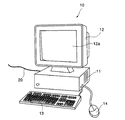
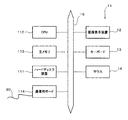
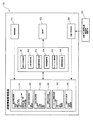
図1は、本発明の試験情報管理装置に関する一実施形態であるパーソナルコンピュータの外観斜視図であり、図2は、そのパーソナルコンピュータのハードウェア構成図であり、図3は、そのパーソナルコンピュータの機能ブロック図である。
【0042】
図1に示す、試験情報管理装置に関する一実施形態であるパーソナルコンピュータ10は、外観構成上、本体装置11、その本体装置11からの指示に応じて表示画面12a上に画像を表示する画像表示装置12、本体装置11に、キー操作に応じた各種の情報を入力するキーボード13、および、表示画面12a上の任意の位置を指定することにより、その位置に表示された、例えばアイコン等に応じた指示を入力するマウス14を備えており、この図1では不図示の試験予定管理装置としてのパーソナルコンピュータに通信回線20を介して接続されている。
【0043】
本体装置11の内部には、図2に示すように、各種プログラムやデータ等が保存されたハードディスク装置111、各種プログラムを実行するCPU112、ハードディスク装置111に格納されたプログラムが読み出されCPU112での実行のために展開される主メモリ113、および外部から送信されてくるデータを受け取り、あるいは外部にデータを送り出すための通信用ボード114が内蔵されており、これらの各種要素と、さらに図1にも示す画像表示装置12、キーボード13、マウス14は、バス15を介して相互に接続されている。本実施形態においては、ハードディスク装置111に、効率化検討対象製品選択プログラムと、外注化検討対象製品選択プログラムとが保存されている。
【0044】
また、このパーソナルコンピュータ10は、図3に示すように、製品情報記録部31、効率化対策記録部32、治具在庫記録部33、治具対応記録部34、テストハウス情報記録部35、試験予定記録部36、効率化対策選択部41、治具在庫評価部42、総試験時間算出部43、対象製品選択部44、テストハウス選択部45、試験時間推定部48、試験予定取得部50、通知部60、および情報登録部70を有する。
【0045】
製品情報記録部31には、各製品ごとに、担当者名、顧客の名称および所在地(特定顧客向け製品の場合)および生産者(社内の生産工場、もしくは委託生産地)の名称および所在地、製品の仕様(特に、電源数、ピン数、ゲート数、動作周波数、電源電圧、製造プロセス、ウエハ寸法、パッケージ形状、寸法等)、使用可能テストハウス(社内、もしくは社外)およびテスタ等の情報が、各製品固有の製品番号に対応付けられてデータベースとして記録されている。
【0046】
「使用可能」なテストハウスおよびテスタの中には、実際に当該製品の試験が行われる実使用テストハウスおよびテスタ(単数もしくは複数)と、実績は無いが、製品の仕様とテスタの仕様との比較によって使用可能であると判断できる未使用テストハウスおよびテスタとの情報が、区別して記録されている。前者の情報としては、テスタ毎に実測された単位個数(プローブ試験の場合はウエハ1枚、最終試験の場合は製品1個)あたりの試験時間、テストに使用するプログラムの番号等の情報が含まれる。これらの情報は、実績ができる毎に更新される。一方、後者の情報は、新たな製品登録、もしくは新たなテスタ登録や、新たなテストハウス登録の毎に更新される。すなわち、テストハウス選択部45が、製品情報記録部に記録された製品の仕様と、後述のテストハウス情報記録部35に記録されたテスタの仕様とを比較し、使用可能なテストハウスおよびテスタを認識し、製品情報記録部に記録する。
【0047】
ところで、このパーソナルコンピュータ10は、本願出願人が特願2000−163306号の明細書において提案しているような電源数、ピン数等を基に試験時間の推定を行う試験時間推定部48を備えている。このような試験時間推定部48が推定した、単位個数あたりの試験時間は、新たな製品の登録時に製品情報の一つとして自動的に記録される。さらに、試作品のテスト(社外テストハウスのテスタの場合には、相関データ取得のためのテスト)を行った時点で実測の試験時間(実績値)を得ることができる。後述する対象製品選択処理ルーチンにおいて、実測の試験時間とこの推定の試験時間とを比較する場合には、推定の試験時間は実績値が得られても保存しておく。比較が不要の場合には、実績値が得られた段階で推定の試験時間を実績値に置き換てもよく、さらに、置き換えた実績値を、量産品での実績取得、テストプログラム修正後の実績取得等のつど修正してもよい。
【0048】
またさらに、この製品情報記録部31には、効率化対策の履歴(既に検討もしくは実施した効率化対策)が効率化履歴として記録されている。
【0049】
効率化対策記録部32には、試験効率化のための複数の対策が、その適用基準(どのような仕様の製品に対して適用可能であるか等の基準)とともにデータベースとして記録されている。ここにいう対策とは、例えば、複数個の製品の同時測定化、複数試験ピンの同時測定化等の試験プログラムの最適化等、様々な効率化対策のことをいう。ここで、複数個の製品の同時測定化ができるためには、テスタの試験可能ピン数、電源数等の制限を満足する必要がある。そのため、製品情報記録部31の、使用可能テストハウスおよびテスタの情報に、同時測定を行わない場合、および行う場合の両方について、使用可能なテストハウスおよびテスタが記録されている。
【0050】
治具在庫記録部33には、プローブカード、DUTボード、チェンジキット等の治具の仕様、在庫数および所在地(自社内あるいは外部テストハウスの別)、等の情報が、各治具固有の治具番号に対応づけられてデータベースとして記録されている。治具の仕様としては、ピン数、ピン配置、配線(プローブカード、DUTボード)、対象パッケージ寸法(チェンジキット)等の具体的な仕様値が直接記録されている。なお、別のデータベースに記録された具体的な仕様値に対応させた治具番号が記録されるようにしてもよい。また、複数のテストハウスで特性試験を行う場合を考慮して、この治具在庫記録部33には、テストハウス毎に在庫数が記録されている。さらに、この治具在庫記録部33には、治具製作のための価格および納期、等の情報がさらに記録されている。
【0051】
治具対応記録部34には、各製品固有の製品番号と、各治具固有の治具番号との対応関係がデータベースとして記録されている。
【0052】
テストハウス情報記録部35には、対象となる自社内および外部のテストハウスそれぞれの、保有テスタ機種、そのテスタ機種の仕様および台数、接続可能なハンドラの台数、所在地や、対象となる総てのテストハウスの中での優先順位や、テストハウスにおける試験単価等の情報が、各テストハウス固有のテストハウス番号に対応づけられてデータベースとして記録されている。
【0053】
試験予定記録部36には、後述するように試験予定取得部50が取得した試験予定や、やはり後述するように総試験時間算出部43が算出した総試験時間が、製品番号に対応づけられたデータベースとして記録されている。
【0054】
これらの製品情報記録部31、効率化対策記録部32、治具在庫記録部33、治具対応記録部34、テストハウス情報記録部35、および試験予定記録部36のそれぞれは、ハードウエア上では図2に示すハードディスク装置111が相当する。
【0055】
効率化対策選択部41、治具在庫評価部42、総試験時間算出部43、対象製品選択部44、およびテストハウス選択部45についての機能は、後述することにするが、これら各部41〜45と、試験時間推定部48は、ハードウエア上では図2に示すCPU112に相当する。
【0056】
試験予定取得部50は、この試験情報管理装置とは別の図3に示す試験予定管理装置90から、少なくとも、各製品ごとの、製品番号、納期、および納品個数等の情報を取得するものである。試験予定管理装置90は、対象となる製品の前工程、組み立てのスケジュールや、出荷予定日、等から、特性試験の予定を作成するものである。また、試験予定管理装置90は、この出荷予定日を満たすために必要な試験予定を、試験能力の制限等を考慮せずに単純に算出して、将来の単一もしくは複数の期間毎の、各製品毎の試験予定個数を算出するものでもある。なお、この試験予定管理装置90は、試験能力を考慮して、実際の試験装置の運転予定を作成する装置の一部であってもよい。
【0057】
さらに、長期の受注計画等を参照して、長期の試験予定を算出するものであることが、特に、外注化の検討を行うためには好ましい。外注化検討の支援のためにはまた、試験予定管理装置は、社内のみではなく社外のテストハウスで行う特性試験の予定も管理するものであることが好ましい。社内のテストハウスでの試験予定の作成および管理を行う装置と、社外のテストハウスでの試験予定の作成および管理を行う装置とを、別個に設けることも可能である。
【0058】
また、通知部60は、効率化対策選択部41、治具在庫評価部42、総試験時間算出部43、および対象製品選択部44、およびテストハウス選択部45それぞれが選択等した結果を、適切な対象者に適切な方法で通知するものである。例えば、この試験情報管理装置であるパーソナルコンピュータ10に通信回線20を介して接続されている、ディスプレイを有する機器のそのディスプレイに、結果を表示することで、操作者に通知することも可能である。また、通知のための電子メールを自動発信することも可能である。なお、このパーソナルコンピュータ10では、図1に示す本体装置11に接続する画像表示装置12の表示画面12aに結果を表示することも可能であり、さらには、このパーソナルコンピュータ10に接続する不図示のプリンタに、通知対象者に配布するための文書をプリントアウトさせることも可能である。
【0059】
これらの試験予定取得部50および通知部60それぞれは、ハードウエア上では図2に示す通信用ボード114に相当する。
【0060】
情報登録部70は、各記録部31〜35に記憶させる各種情報を入力するものであり、ハードウエア上では図2に示すキーボード13やマウス14に相当する。
【0061】
なお、以上で説明した本発明の試験情報管理装置10の構成はあくまでも一例であり、必要な情報および機能が得られれば、具体的な構成は図3に示したものには限られない。例えば、図3に示した例では、製品の仕様、使用可能テストハウスおよびテスタ、試験時間、試験時間効率化検討履歴、等のさまざまな情報を製品番号に対応づけて記録した、単一のデータベースで製品情報記録部を構成した例を示した。しかし、これらの情報を複数のデータベースに分けて記録し、それ全体で製品情報記録部を構成することも可能である。また、それぞれが、試験情報管理装置10として必要な情報もしくは機能の一部を構成する複数のパーソナルコンピュータをネットワークを通じて結合し、全体で試験情報管理装置を構成することも可能である。
【0062】
続いて、図4を用いて、この試験情報管理装置であるパーソナルコンピュータ10を用いた効率化検討対象製品の選択について説明する。
【0063】
図4は、本実施形態のパーソナルコンピュータを用いた効率化検討対象製品の選択の処理ルーチンを示すフローチャートである。
【0064】
前提として、製品情報記録部31には、上述したような各種の情報が記録されている。
【0065】
担当者は、準備段階の処理として以下に説明するステップS1_1からステップS1_7までの処理を行う。まず、担当者は、図2に示すキーボード13やマウス14を用いて、既に実施した効率化対策を製品情報記録部31に記録する(ステップS1_1)。単に、ある対策の検討を行なったことを、その対応を実施した場合と、その対策が、対象の製品に対しては不適切、もしくは不要であり、実施しないと判断した場合とを区別せずに記録することも可能であるし、区別して記録することも可能である。担当者の作業スケジュール等の事情により、検討を行わなかった場合、もしくは実施、不実施の判断が完了しなかった場合には、その旨の記録を行うことも可能であるし、全く記録を行わないことも可能である。
【0066】
そして、担当者は、対策が実施されたか否かを判定し(ステップS1_2)、実施された場合には、製品情報記録部31に記録されている試験時間を、実施後の新たな試験時間に改訂し(ステップ1_3)、その後ステップS1_4に進む。一方、対策が実施されていない場合にはそのままステップS1_4に進む。
【0067】
ステップS1_4では、担当者は、新たなテスタを導入したり、新たなテストハウスを採用したか否かを判定し、導入したり、採用した場合には、ステップS1_5において、テストハウス情報記録部の情報を改訂するとともに、テストハウス選択部45を利用して、製品情報記録部31の使用可能テストハウス/テスタの情報を改訂してからステップS1_6に進む。不採用等の場合にはそのままステップS1_6に進む。
【0068】
次に、担当者がこのパーソナルコンピュータ10を操作することで、図3に示す試験予定取得部50は、試験予定管理装置90から試験予定個数等の試験予定を図3に示す試験予定記録部36に読み込む(ステップS1_6)。読み込む予定は、それぞれの製品毎の、将来の一定期間の総試験予定個数のみの情報を含むものでもよいし、将来の複数の期間(例えば各週)のそれぞれの試験予定個数の情報を含む予定でもよい。予め定められた周期(例えば各週)で、もしくは、試験予定管理装置からの受信要求を受けて、特性試験予定取得部が自動的に起動して、試験予定を読み込むようにしてもよい。
【0069】
そして、図3に示す総試験時間算出部43が、それぞれの製品毎の総試験時間を算出する(ステップS1_7)。単純には、製品情報記録部31に記録された、単位個数(プローブ試験の場合はウエハ1枚、最終試験の場合は1個)あたりの試験時間に、読み込んだ試験予定個数を乗じて算出する。さらに、試験対象製品の交換時間等を製品情報記録部31に予め記憶させておき、これらの試験対象製品の交換時間等を考慮に入れてさらに正確に算出させてもよい。
【0070】
以上の準備段階としての処理が完了すると、ステップS1_8に進む。
【0071】
ステップS1_8では、図3に示す対象製品選択部44が、ステップS1_7で算出した総試験時間を考慮して、効率化を検討する対象製品を選択する(ステップS1_8)。効率化の検討を行う担当者の能力は限られており、全ての製品に対して効率化を検討することは困難である。従って、何らかの基準で優先的に検討を行う製品を選択させることが好ましい。例えば、総試験時間、すなわち、試験設備に対する負担を基準に選択を行うことができる。また、ステップS1_3において改定した実測の試験時間が、製品の電源数、ピン数、およびピンの種類等から図3に示す試験時間推定部48によって算出される推定の試験時間に比較して、所定割合以上長いものを選択させることも可能であるし、いくつかの観点を組み合わせて選択を行わせることも可能である。
【0072】
ここで、図5および図6を用いて、対象製品選択部44による製品選択の一例を説明する。
【0073】
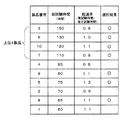
図5は、図4に示すステップS1_8における対象製品選択部の動作を示すフローチャートであり、図6は、図5に示す製品選択処理ルーチンが実行された結果を示す表である。
【0074】
この例では、対象製品選択部44は、製品情報記録部31に記録されている各製品ごとの、製品番号と、その製品番号の実測および推定の試験時間と、効率化履歴、および試験予定取得部50が取得した、試験予定等の情報をもとに、図5に示す製品選択処理ルーチンを実行することで、効率化を検討する対象製品を選択する。
【0075】
まず、ステップS1_7において算出した、所定の期間の総試験時間(テスト負荷)をもとにステップS81において、テスト負荷が高い順にソートして、上位所定数の製品を選択する。次に、実測の試験時間を推定の試験時間で除すことで超過率を求め、その超過率が高い上位所定数の製品を選択する(ステップS82)。但し、ステップS81で既に選択した製品は除かれ、超過率が同位のものはテスト負荷が高い方が選択される。
【0076】
図6の表では、最も左の欄に製品番号が示されており、その隣の欄には、総試験時間が示されている(単位は時間)。この表には、図5のステップS81における処理によって、テスト負荷が高い順、すなわち総試験時間が長い順にソートされた結果が示されている。また、総試験時間の欄の隣の欄には、図5のステップS82において求められた超過率が示されており、最も右の欄には選択結果が丸印で示されている。この図6の例では、まずステップS81において総試験時間の上位4製品(製品番号3,6,10,7の各製品)が選択され、さらに、ステップS82において超過率の上位3製品(製品番号9,5,8の各製品)が選択されている。これらの選択された製品が本発明でいう第1製品である。図6に示された例のように、ステップS81では、製品3および7のように、超過率が1よりも小さい製品も選択される。推定時間は、例えば、さまざまな製品の平均的な試験時間を示す式を用いて算出したものであり、超過率が1より小さい、すなわち、推定試験時間よりも実試験時間が短い場合であって、製品によっては、さらに試験時間を短縮する対策が可能である。もちろん、超過率が1を越える製品に比較すると、大きな改善率が達成できる可能性は低いが、総試験時間(テスト負荷)が大きな製品であれば、検討対象とする価値がある。一方ステップS82で選択される超過率の大きな製品は、大きな改善率が得られる可能性が高いので、総試験時間が短い製品であっても検討対象とする。ただし、超過率がいずれも1.1である製品8と1とでは、総試験時間の長い製品8の方が選択されている。
【0077】
このようにして選択された第1製品のそれぞれに対して、図3に示す効率化対策選択部41が、検討の対象とする効率化対策の選択を行う(図4のステップS1_9)。それぞれの製品の仕様によって、ある効率化対策が適用不可能な場合もあるし、また、適用可能であるとしても、その対策では大きな効果が期待できない場合もある。効率化対策選択部41は、製品情報記録部31に記録された対象製品の仕様と、効率化対策記録部32に記録された適用基準とを参照して、適切な対策をそれぞれの製品毎に候補として選択する。また通常は、既に検討を行った対策を再び検討する必要は無いので、製品情報記録部31に記録された効率化履歴を参照し、まだ検討を行っていない対策から、適切な対策を候補として選択する。
【0078】
ここで、効率化対策の選択の一例を説明する。この例では、効率化対策選択部41は、先のステップS1_8で選択された製品に関する情報として、製品情報記録部31から、担当者、製品の仕様、プログラム番号、効率化履歴、使用可能テストハウスおよびテスタの情報を入手し、図3に示す試験予定取得部50が取得した、その製品の試験予定の情報を入手する。また、効率化対策選択部41は、入手した使用可能テストハウスの情報をもとに、テストハウス情報記録部35から、使用可能テストハウスが保有するテスタの仕様、台数、およびそのテストハウスの試験単価を得る。さらに、効率化対策選択部41は、効率化対策記録部32に記録されている効率化対策と適用基準を入手する。図3に示す治具在庫評価部42は、治具対応記録部34から、先のステップS1_8で選択された製品(第1製品)の特性試験に使用する治具の治具番号を入手し、入手した治具番号をもとに、治具在庫記録部33から、その治具番号の治具の、在庫数、所在地、納期、および価格を得る。効率化対策としては、ファンクションテストの最適化としての冗長したピン定義をまとめる対策や、DCテストの最適化として多ピン同時測定を行う対策や、複数の製品を同時に測定する(プローブ試験においては2つもしくはそれ以上のチップを同時にプロービングして測定する、最終試験においては2個もしくはそれ以上の製品を同時に測定する)同時測定化の対策や、テスト品質最適化の対策等がある。
【0079】
図7は、図4に示すステップS1_9における効率化対策の選択処理ルーチンの一例を示すフローチャートである。
【0080】
まず、図7に示すステップS91において、効率化対策選択部41は、効率化履歴より、冗長したピン定義をまとめる対策と多ピン同時測定を行う対策との双方が実施済みか否かを判定する。これらの対策は、具体的な改善内容はそれぞれ異なるものの総ての製品に対して実施することができる対策である。そのため、いずれか一方でも未実施の場合は、ステップS92において、未実施のものを検討対象とすべき効率化対策として選択する。一方、これらの対策を双方とも実施済みの場合には、ステップS93に進む。
【0081】
ステップS93では、効率化対策選択部41は、効率化履歴より、複数製品の同時測定化の対策が実施済みか否かを判定し、未実施の場合には、ステップS94において、同時測定化が適用可能か否かの判定を行う。同時測定化は、確実に総試験時間の短縮が期待できる効率化対策である。ただし、合計のピン数や電源数がテスタの制限を越えないことが適用基準となる。この適用基準は、効率化対策記録部32に記録されている。この同時測定化で考えられる態様には、1DUT−2STN(2つのテスタステーションを使用して、それぞれで1個、合計2個の製品を同時に測定),2DUT−1STN(1つのテスタステーションで同時に2個の製品を測定),2DUT−2STN(2つのテスタステーションを使用し、そのそれぞれで2個、合計4個の製品を同時に測定)の3つがある。ここでの判定では、効率化対策選択部41は、テストハウス選択部45を利用することにより、先の適用基準を用いて、製品のピン数、電源数といった製品の仕様と、使用可能テスタのステーション(ヘッド)数、ピン数、電源数とを比較し、上述の3つの態様(1DUT−2STN,2DUT−1STN,2DUT−2STN)のうちどの態様が適用可能であるか(もしくはいずれも不可能であるか)の判定を行う。ここでの可能性判定は、対象となるテストハウス内の使用可能なテスタの全てを対象にして行うことも可能である。使用実績のあるテスタ、もしくは現在使用しているテスタのみを対象にして行うことも可能である。あらかじめ、テストハウス選択部45を利用して、それぞれの態様の適用基準を考慮しながら各製品毎に、その仕様とテスタの仕様とを比較して、同時測定化が可能なテスタを態様毎に選択し、その結果を使用可能テスタの一つの情報として製品情報記録部31に記録しておくことも可能である。現在使用しているテスタでは同時測定化が不可能である場合に、同一のテストハウス内の他のテスタから同時測定化が可能なもの抽出し、抽出できた場合には、そのテスタを使用することを前提に同時測定化を効率化対策として選択し、後から述べる通知の際に、抽出したテスタをあわせて通知することも可能である。
【0082】
ステップS94における判定で、いずれの態様も適用不可能であるという判定がなされるとステップS97に進み、反対に、少なくとも1つの態様が適用可能であると判定されるとステップS95に進む。同時測定化を行うためにはそのための治具を用意する必要がある。治具が不足している場合には購入を行う必要がある。このために費用と時間が必要であり、ステップS94において、同時測定化が適用可能であるとの判定がなされても、無条件に同時測定化を実施することはできない。そこで、ステップS95では、治具在庫評価部42が、その態様を実施するにあたって必要になる治具の在庫評価を行う。ここでの治具の在庫評価では、効率化対策記録部32に記録されている適用基準を用いる。治具には、プローブ試験用として、プローブカードとパフォーマンスボードがあり、最終試験用として、DUTボードとチェンジキットがある。効率化対策記録部32には、この適用基準として、これらの治具の種類毎の治具必要数が記録されている。治具在庫評価部42は、治具対応記録部34の記録を参照して、対象とする第1製品の特性試験に使用する治具(プローブカード、DUTボード、チェンジキット等のそれぞれ)を認識するとともに、治具在庫記録部33に記録された記録を用いて治具の在庫数を抽出する。さらに、治具の必要数と在庫数の比較を行い、在庫数が必要数に対して足りている場合には、ステップS92において、効率化対策選択部41は、適用可能であると判定された態様の同時測定化を効率化対策として選択し、不足している場合にはステップS96に進む。
【0083】
図7には、ステップS95において、治具在庫評価部42が、対象製品の測定に必要な治具の在庫数を抽出し、必要数との比較を行い、足りているか不足しているかを判断する例を示した。しかし、抽出した在庫数をそのまま通知し、担当者に不足の有無の判断を求めることも可能である。また、通常、治具は複数種の製品で共通に使用されるものである。このため、対象としている第1製品の同時測定化がまだ行われていないとしても、他の製品の同時測定化のために、同時測定に十分な個数の治具が既に在庫されている場合もある。反対に、対象の第1製品のみの同時測定には十分な治具在庫数があったとしても、その治具を共通に使用する製品(共用製品)の試験量が多く、治具の使用時間が長いと、さらに治具を追加して購入しなければ同時測定化を行うことができない場合もある。これらの場合を考慮すると、他の製品の特性試験のための使用を含めた治具の在庫を評価するために、治具自体の在庫数を評価するとともに、治具の使用予定を評価することが必要である。
【0084】
そこで、治具在庫評価部42は、治具対応記録部34の記録をさらに参照して、対象とする第1製品に使用する治具と同じ治具を共通に使用する共用製品を抽出する。そして、治具在庫評価部42は、図3に示す試験予定取得部50を介して試験予定管理装置90から取得した、これら共用製品の試験予定を参照して、それらの治具の使用予定を求める。単純には、治具在庫評価部42は、将来の単一もしくは複数の所定期間内の共用製品の試験予定数を、所定期間内の治具の使用予定として求める。さらに、先のステップS1_7において総試験時間算出部43が算出したそれぞれの共用製品毎の総試験時間から、治具を共通に使用するこれらの共用製品の所定期間内の総試験時間を、所定期間内の治具の総使用予定として求めることもできる。そして、治具在庫評価部42が、治具の在庫数と、効率化検討対象製品(第1製品)の同時測定化のための治具必要数と、対象製品の試験予定もしくは総試験時間、ならびに、治具使用予定もしくは総使用時間を比較して、対象製品の同時測定のために治具が足りているか不足しているかを判断する。在庫数、必要数、および使用予定もしくは総使用時間を通知して、担当者に不足の有無の判断を求めることも可能である。
【0085】
なお、以上の例で求めた治具の使用予定もしくは総使用時間は、共用製品の試験を行うための使用予定もしくは総使用時間であり、効率化検討の対象とする第1製品の試験のための予定もしくは使用時間を含まない。もちろん、対象製品を含めた試験のための使用予定もしくは総使用時間を求めて、治具の不足の有無を判断することも可能である。
【0086】
さらに、図3に示す試験予定管理装置90が、実際の試験装置稼働予定を作成するものであれば、この試験予定管理装置90に対象製品の同時測定化を行ったことを前提にした予定を再作成させ、治具在庫評価部42は、試験予定取得部50を介して試験予定管理装置90からこの再作成の予定を試験予定として取得して、治具を共用する製品の試験を含めた治具の使用予定を作成し、治具の不足の有無を検出することも可能である。
【0087】
ステップS96では、効率化対策選択部41が、適用可能であると判定された態様の効果検討を行う。ここでの効果検討では、効率化対策記録部32に記録されている適用基準を用いる。効率化対策記録部32には、この適用基準として、上述した3つの態様ごとに試験時間短縮係数が記録されている。この試験時間短縮係数は単純には、1DUT−2STNおよび2DUT−1STNでは1/2,2DUT−2STNでは1/4である。効率化対策選択部41は、以下の式(1)を用いて、治具を購入して同時測定を行った場合の効果の値を求め、その値が治具購入のための費用の値を上回るか否かの判定を行う。
効果の値=試験時間×試験時間短縮係数×試験単価×治具納期以降の試験予定個数 (1)
ただし、治具納期以降の試験予定個数は、効率化対策選択部41が、対象製品の試験予定と治具の納期から算出する。
【0088】
このような判定において、効果の値が治具購入費用の値を上回る場合にはステップS92に進み、適用可能であると判定された態様の同時測定を効率化対策として選択する。一方、効果の値が治具購入費用の値以下の場合にはステップS97に進み、その態様の同時測定を効率化対策として選択することを見送る。
【0089】
なお、ステップS94において、複数の態様が適用可能であるという判定がなされた場合には、あらかじめ定めた優先順位に従って一つの態様に決定してもよい。それらの各態様ごとに、ステップS95やステップS96の判定を行って、最も効率が高いものをステップS92において選択してもよい。
【0090】
ステップS97では、効率化対策選択部41は、効率化履歴より、テスト品質最適化の対策が実施済みか否かを判定し、未実施の場合には、ステップS92において、このテスト品質最適化の対策を検討対象とすべき効率化対策として選択する。なお、このテスト品質最適化の対策の内容には様々なものがあり、ここでは、テスト品質最適化の対策に関する総てをステップS92において効率化対策として選択し、担当者の判断に委ねることとした。製品の仕様を参照しながら、効率化対策選択部41がどれが適用可能であるかを判定して、適用可能であるもののみをステップS92において効率化対策として選択してもよい。一方、この対策がすでに実施済みの場合は、終了となる。
【0091】
以上、効率化対策の選択の一例を説明した。この説明における図7に示す処理ルーチンでは、多ピン同時測定対策と同時測定化対策といった2つの対策や、あるいは、ピン定義対策と同時測定化対策とテスト品質最適化対策といった3つの対策等を同時に選択することはできないが、図4に示すステップS1_9における効率化対策選択処理はこれに限られることなく、このような同時選択を可能としてもよい。
【0092】
また、ここでは、製品情報記録部31および治具在庫記録部33とは別に治具対応記録部34を設け、複数種の製品と、そのそれぞれの特性試験に使用する治具との対応関係を記録した例を示した。しかし、試験情報管理装置のどの部分にどのような情報を記録するかには、様々なやり方があり得る。試験情報管理装置全体として、製品と治具との対応の把握が可能な情報が記録されていれば、どの部分にそのための情報が記録されているかは重要ではない。製品情報記録部31および治具在庫記録部33のいずれか一方もしくは両方に、製品と治具との対応関係を記録する、すなわち、製品情報記録部31および治具在庫記録部33のいずれか一方もしくは両方の一部として、治具対応記録部34を設けることも可能である。例えば、治具在庫記録部33に、それぞれの治具を使用する製品名を記録することにより、製品と治具との対応関係を把握可能とするのであってもよいし、製品情報記録部31に、それぞれの製品の特性試験に使用する治具を記録してもよい。あるいは、製品情報記録部31に治具の仕様を記録し、治具在庫記録部33に記録された治具仕様と比較して、製品と治具との対応付けを把握可能なようにしてもよい。
【0093】
また、上記の例では、対象製品選択部44が総試験時間を考慮して対象製品を選択するためにも、治具在庫評価部42が治具の総使用時間を求めるためにも、総試験時間算出部49が試験予定記録部35に記録された試験予定および製品情報記録部31に記録された試験時間を利用して算出した、各製品の総試験時間を利用した。しかし、必要な情報が得られるのであれば、試験情報管理装置10のどの部分にどのような機能を持たせるかは重要ではない。例えば、対象製品選択部44および試験在庫評価部42のそれぞれが総試験時間を算出する機能を有する、すなわち、対象製品選択部44および試験在庫評価部42のそれぞれの一部として、総試験時間算出部を設けることも可能である。
【0094】
上記の例では、試験情報管理装置10とは別個に試験予定管理装置90を設け、試験予定取得部50が試験予定管理装置90から試験予定を取得し、試験予定記録部36に記録するようにした。しかし、試験情報管理装置10の一部として試験予定管理装置90としての機能を設けることも可能である。この場合、試験情報管理装置10内の試験予定作成部が試験予定を作成し、作成した試験予定を試験予定記録部36に記録する。そして、試験予定取得部50は、図4に示されたようにステップS1_6でまとめて試験予定を読み込むのではなく、ステップS1_7,S1_9等で必要になる毎に、試験予定の必要な部分を、試験予定記録部36から読みとって、総試験時間算出部43,治具在庫評価部42等に渡す。
【0095】
また、試験情報管理装置10内には試験予定記録部36を設けずに、総試験時間算出部43,治具在庫評価部42等が必要とする毎に、試験予定取得部50を介して、試験予定管理装置90から、試験予定の必要な部分を読みとるようにすることも可能である。
【0096】
そして、図3に示す通知部60が、担当者に図4のステップS1_8で選択された製品(第1製品)および図4のステップS1_9で選択された検討対象とすべき効率化対策を通知する(図4のステップS1_10)。例えば、選択した製品および効率化対策を、それぞれの製品の、複数の期間内の総試験時間とともに表示した文書を作成し、担当者および管理者に、ネットワークを通じて送信する。なお、推定試験時間や、十分に効率化対策が行われた製品の実績に基づいて定めた計算式を用いて算出された目標試験時間、等、その他の情報をあわせて通知することも可能である。また、治具在庫記録部33に治具の種類毎の標準の納期を記録しておき、合わせて通知することも可能である。
【0097】
通知を受けた担当者は、選択された製品のそれぞれ、もしくは一部について、選択された効率化対策のそれぞれ、もしくは一部の検討を行う(ステップS1_11)。なお、先のステップS1_10において、複数の期間毎の試験予定数(総テスト時間)をあわせて通知することにより、この試験情報管理装置が選択した製品の中で、さらに、実際に検討対象とする製品を決定する際に利用することができる。
【0098】
こうして、検討を行い、その後再び、ステップS1_1の効率化対策実施記録の入力に戻り、効率化対策が経常的に繰り返し実施される。
【0099】
なお、検討の結果、選択された効率化対策のいくつかを行わないと判断した場合でも、それ以降、その製品に対して同一の効率化対策を考慮する必要がない場合と、将来は再び考慮する価値がある場合との両方がある。そこで、ある対策を実施しないと判断した場合には、その理由(少なくとも、将来も解消する可能性のない理由であるか、将来解消する可能性がある理由であるか、の区別)を含めて製品情報記録部31に効率化履歴として記録しておくことが好ましい。こうすることにより、他の製品に関するそのような記録を参照することで、一部の理由については、その理由が解消したか、もしくは解消する可能性が発生したことを自動的に検出し、それ以降は、再び効率化対策として通知することが可能となる。また、将来解消する可能性がある理由で検討を行わないことを決定した場合には、その後も効率化対策として選択を繰り返し、その都度、検討しないと決定した理由を通知して、担当者の判断を支援することも可能である。
【0100】
また、例えば図7のステップS94,S95,S96のように、ある対策の適用可能性を自動的に検討し、効率化対策として選択しないと判断した場合には、その経緯を通知し、担当者が効率化対策実績として記録することが好ましい。もしくは、効率化対策選択部31に、自動的に効率化履歴を製品情報記録部31に記録する機能を設けることも可能である。この際にも、選択しないと判断した理由を含めて記録することが好ましい。例えばステップS95において治具が不足していると判断してある態様の選択を見送った場合でも、将来、治具を共用する他の製品の試験数が減少し、治具不足が解消する可能性がある。
【0101】
以上、説明したような情報の作成(検討対象製品の選択、効率化対策の選択、治具在庫の評価)および通知は、特性試験を社内および社外を含めた複数のテストハウスで行う場合は、そのそれぞれのテストハウスに関して行うことが好ましい。複数のテストハウスのそれぞれについて情報作成および通知を行うことにより、そのそれぞれのテストハウスにおいて独立に、かつ共通の基準で効率化を行うために役立てることができる。さらに、複数のテストハウスの間での比較を行い、その間で試験を行う製品のやりとりを検討するための材料とすることもできる。なお、以上の説明では、一連の情報の作成を行った後で、まとめて通知を行う例を示した。しかし、例えば、作成した情報の一部のみ(例えば、概要のみ)を通知し、通知を受けた担当者の要求によって、さらに詳細な通知を行うようにすることも可能である。例えば、検討対象製品の選択を行った段階でその結果を通知し、選択された製品のいくつかについて担当者の要求を受けてから、効率化対策の選択や治具在庫の評価を行い、再び通知を行うようにすることも可能である。
【0102】
次に、この試験情報管理装置であるパーソナルコンピュータ10を用いた外注化検討対象製品選択について説明する。ここでは、特性試験を行うテストハウスとして社内の1つのテストハウスと、社外の複数のテストハウスとを確保している例で説明する。なお、この試験情報管理装置であるパーソナルコンピュータ10は、社内のテストハウスに設置されている。
【0103】
図8は、本実施形態のパーソナルコンピュータを用いた外注化検討対象製品選択の処理ルーチンを示すフローチャートである。
【0104】
この外注化検討対象製品選択の処理ルーチンも、図4に示す効率化検討対象製品選択の処理ルーチンの準備段階の処理(ステップS1_1からステップS1_7)と同様な準備段階の処理を行う(ステップS2_1)。ただし、この外注化検討対象製品選択の処理ルーチンが、単に、現在は社内で試験を行っている製品の中から、外注化すべきものを選択するためだけのルーチンであれば、このステップS2_1における試験予定読み込みの処理では、社内での試験の予定のみを試験予定記録部36に読み込めばよいが、後から述べるように、外注先での治具使用状況を合わせて評価しようとする場合には、外注化検討の対象となる外部のテストハウスでの試験予定も合わせて読み込む。
【0105】
そして、準備段階としての処理(ステップS2_1)が完了すると、ステップS2_2に進む。ステップS2_2では、図3に示す対象製品選択部44が、ステップS2_1で算出した総試験時間を考慮して、外注化の検討の対象とする製品を選択する。この時の選択基準は、効率化対策検討の対象とする製品の選択と同様である。すなわち、図5および図6を用いて説明したように、テスト負荷(総試験時間)が長いものから順に所定数選択する。ただし、ここでは、外注化の準備のために必要な期間(例えば2週間)以降の試験予定個数のみを考慮してテスト負荷を算出する。なお、確実性は低いにしても、将来の受注計画等も参照して、より長期にわたる総試験時間を算出して対象とする製品の選択を行うことがさらに好ましい。ここで、既に外注化を行った製品は、通常は選択の対象にならない。従って、このステップS2_2における選択では、社内のテストハウス(本発明にいう第1のテストハウスに相当)で特性試験を行っている製品のみについて行う。すなわち、社外のテストハウス(本発明にいう第2のテストハウスに相当)で特性試験が行われている製品を除いた製品の中から選択する。なお、外注先の変更を検討するため、ある外部テストハウスに既に外注している製品を対象に評価を行う場合もある。
【0106】
続いて、図3に示すテストハウス選択部45は、この選択された複数の製品(本発明にいう第1製品に相当)に対して、外注化可能なテストハウス、すなわち、選択された製品を試験することが可能なテスタを保有する一つもしくは複数の社外のテストハウス(本発明にいう第2のテストハウスに相当)を選択する(ステップS2_3)。例えば、テストハウス選択部45は、製品情報記録部31に記録された使用可能なテストハウスおよびテスタの記録を参照して、この選択された製品のテストハウスおよびテスタそれぞれを認識する。ここで、あらかじめ使用可能なテストハウスおよびテスタを製品情報記録部31に記録しておく代わりに、このステップS2_3の実行の際に、テストハウス選択部45が、図3に示すテストハウス情報記録部35に記録された各テストハウスの保有テスタの仕様と、製品情報記録部31に記録された製品仕様とを比較して、外注化可能なテストハウスを選択することも可能である。
【0107】
また,試験予定管理装置90がテスタ毎の試験予定を管理するものである場合は、その予定を取得し、検討対象となる期間において余裕のあるテスタを有するテストハウスを、優先して選択することが好ましい。逆に、仕様としては使用可能なテスタを有するテストハウスであっても、対象期間においてそのテスタに余裕がない場合には、選択対象としないことも可能である。
【0108】
次に、図3に示す対象製品選択部44は、先のステップS2_3におけるテストハウスの選択において、外注化可能なテストハウスが選択されたか否かを判定し(ステップS2_4)、選択されている製品を再選択する。すなわち、外注化可能なテストハウスが存在しないためにいずれのテストハウスも選択されていない製品を外注化検討の対象からはずす。以降の処理では、外注化可能なテストハウスが存在する対象製品について、さらに評価や選択が行われる。
【0109】
ステップS2_5では、治具在庫評価部42は、図3に示す治具対応記録部34の記録を参照して、選択された製品の特性試験に使用する治具を把握した上で、同じく図3に示す治具在庫記録部33の記録を参照して、選択された外注化可能なテストハウスのそれぞれについて、治具の在庫を評価する。この在庫評価では、単純に、在庫数を求めるのみでもよいし、必要数と在庫数とを比較して、不足の有無まで評価してもよい。ここで、治具不足がない製品を、治具の追加購入を行うことなしに外注化が行える、すなわち、他の選択された製品と比較してさらに外注化検討対策として適する製品として、再選択することも可能である。
【0110】
もしくは、治具在庫評価部42は、治具対応記録部34の記録を参照して、選択された製品の特性試験に使用する治具と同じ治具を使用して、選択したテストハウスで特性試験を行う製品(共用製品)を抽出した上で、図3に示す試験予定取得部50を介して試験予定管理装置90から入手した試験予定を参照して、選択したテストハウスでの、治具を共有する製品の試験予定、すなわち、共用される治具の使用予定をさらに求めるようにしてもよい。さらに、治具在庫評価部42は、先の準備段階の処理(ステップS2_1)において総試験時間算出部43が算出した総試験時間を参照して、共用される治具の、選択したテストハウスでの将来の単一もしくは複数の所定期間内の総使用時間を合わせて求めるようにしてもよい。そして、この共用される治具の使用予定もしくは総使用時間を考慮した上で、治具不足がない製品を再選択することも可能である。または、選択したテストハウスにおける共有される治具の在庫数および使用予定もしくは総使用時間を併せて通知し、担当者に判断を求めることも可能である。
【0111】
続いて、図3に示す効率化対策選択部41が、製品情報記録部31の効率化履歴と、効率化対策記録部32に記録された効率化対策およびその適用基準を参照し、適用可能な効率化対策の中で検討がなされていないものを選択する(ステップS2_6)。このステップS2_6では、図7を用いて説明した効率化対策の選択処理ルーチンと同様の処理ルーチンが実行される。なお、過去に行った検討によって、実施しないと判断された検討済みの対策であっても、判断理由が効率化履歴に記録されている場合には、再び選択し、過去の判断理由を併せて通知することが好ましい。もしくは、外注化を前提に再び検討が行われるように、検討済みのものも含めて、適用可能でかつ未実施の効率化対策を選択してもよい。
【0112】
次に、図3に示す通知部60が、このようにして求めた、対象製品、外注化可能テストハウス、治具在庫評価の結果、未検討もしくは未実施の効率化対策を、担当者に、適切な方法で通知する(スッテプS2_7)。なお、対象製品については、将来の単一もしくは複数の所定期間内の総試験時間を合わせて通知することも可能である。
【0113】
通知を受けた担当者は、選択された製品のそれぞれ、もしくは一部について、外注化の検討を行う(ステップS2_8)。選択された製品のそれぞれに対して、外注化可能テストハウスと、未検討もしくは未実施の効率化対策と、治具在庫についての情報が通知されることにより、担当者は、外注化のために必要な作業量と期間および費用を見積もることができる。従って、担当者が実際に外注化を実施する製品を適切に選択する作業を支援することができる。もしくは、担当者による、特定製品の外注化のための計画立案作業を支援することができる。
【0114】
こうして、検討を行い、その後再び、準備段階の処理(ステップS2_1)に戻り、外注化検討が経常的に繰り返し実施される。
【0115】
ところで、それぞれの社外テストハウスにおける試験量(単位期間内の総試験時間、もしくは利用する試験装置の台数)は、概略一定であることが好ましい。しかし、それぞれの製品の生産量は必ずしも一定ではない。従って、ある社外テストハウスに外注している製品の生産量が減少し、試験量が減少することが予想される場合には、逆に、生産量の増大が予想される製品を同一の社外テストハウスに外注し、合計のテスト量の変動を抑えることが好ましい。この目的のために外注化すべき製品の選択を支援するためにも、本発明の情報管理システムが好適に利用できる。このような目的のためには、図8に示すステップS2_3においてテストハウス選択部45が外注化が可能なテストハウスの選択を行う代わりに、1つ前のステップS2_2において、検討の対象となるテストハウスに外注することが可能な製品を選択し、選択された製品について、治具の在庫評価や効率化対策の選択を行い、その結果を通知することが可能である。これにより、担当者による、外注化のために必要な期間や費用の見積もりや、作業計画の立案を支援することができる。
【0116】
また、例えば特定の地域の顧客に対する納期を短縮するために、その顧客向けの製品の特性試験を、近接する地域に所在するテストハウスに外注することが必要になる場合もある。この場合、外注化すべき製品および外注先のテストハウスは既に決まっているので、外注化が可能なテストハウスの選択(ステップS2_2)は省略し、治具の在庫評価(ステップS2_4)、および効率化対策の選択(ステップS2_5)のみを行い、通知を行う。これにより、担当者による、対象製品の外注化に必要な期間および費用を見積もりや、外注化計画の作成を支援することができる。
【0117】
【発明の効果】
以上、説明したように、本発明の試験情報管理装置によれば、試験の効率化や試験能力の増強の検討の際に必要な情報を、検討を行う者が利用しやすいように管理することで、その者が行う検討を支援することができる。
【図面の簡単な説明】
【図1】本発明の試験情報管理装置に関する一実施形態であるパーソナルコンピュータの外観斜視図である。
【図2】そのパーソナルコンピュータのハードウェア構成図である。
【図3】そのパーソナルコンピュータの機能ブロック図である。
【図4】本実施形態のパーソナルコンピュータを用いた効率化検討対象製品選択の処理ルーチンを示すフローチャートである。
【図5】図4に示すステップS1_8における対象製品選択部の動作を示すフローチャートである。
【図6】図5に示す製品選択処理ルーチンが実行された結果を示す表である。
【図7】図4に示すステップS1_9における効率化対策の選択処理ルーチンを示すフローチャートである。
【図8】本実施形態のパーソナルコンピュータを用いた外注化検討対象製品選択の処理ルーチンを示すフローチャートである。
【符号の説明】
10 パーソナルコンピュータ
11 本体装置
111 ハードディスク装置
112 CPU
113 主メモリ
114 通信用ボード
12 画像表示装置
12a 表示画面
13 キーボード
14 マウス
15 バス
20 通信回線
31 製品情報記録部
32 効率化対策記録部
33 治具在庫記録部
34 治具対応記録部
35 テストハウス情報記録部
36 試験予定記録部
41 効率化対策選択部
42 治具在庫評価部
43 総試験時間算出部
44 対象製品選択部
45 テストハウス選択部
48 試験時間推定部
50 試験予定取得部
60 通知部
70 情報登録部
90 試験予定管理装置[0001]
BACKGROUND OF THE INVENTION
The present invention relates to a test information management apparatus that manages information related to characteristic tests of a plurality of types of semiconductor products.
[0002]
[Prior art]
Generally, in a semiconductor product manufacturing factory, a probe test performed in a wafer state and a final test performed after dicing and assembling the wafer are performed. In both of these tests, a tester is used, and tests according to the content of the test program of the tester are performed. Wafers that pass the probe test are shipped to an assembly plant or sent to the next assembly step in the plant. A semiconductor product that has passed the final test is shipped as a finished product through a shipping inspection.
[0003]
These probe test and final test are both referred to as semiconductor product characteristic tests. The content of this characteristic test and the jig used for it differ for each semiconductor product. For this reason, when a variety of tests are performed, a great deal of preparation such as preparation of each test program and arrangement of jigs is required.
[0004]
By the way, shipping the specified number of products by the delivery date specified by the customer is the most important issue for the producer, and for this purpose, the manufacturer is based on the capability of the test equipment that he owns. Make a test plan and check in advance whether the test capability is insufficient. When the test facility is inadequate, for example, consider testing efficiency such as whether multiple products can be tested at the same time, or purchase a new tester to increase test capability. Consider outsourcing the test to an external test house. In order to examine the efficiency of these tests and the enhancement of test capability, various information such as information on each product, information on tests scheduled to be conducted, and past examination results are required.
[0005]
[Problems to be solved by the invention]
However, conventionally, such information has not been managed so that it can be easily used in these studies.
[0006]
In view of the above circumstances, the present invention supports the study performed by managing the information necessary for study efficiency and test capacity enhancement so that the studyer can easily use the information. It is an object of the present invention to provide a test information management apparatus that can perform a test.
[0007]
[Means for Solving the Problems]
A first test information management apparatus of the present invention that achieves the above object is a test information management apparatus that manages information related to characteristic tests of a plurality of types of semiconductor products,
An efficiency measure recording unit in which a plurality of efficiency measures for improving the efficiency of the characteristic test are recorded;
And having a product information recording unit that records efficiency measures that have already been studied for each of the above-mentioned multiple types of semiconductor products,
With reference to the record of the efficiency measures already examined, the efficiency to be examined from the plurality of efficiency measures for at least one first product selected from the plurality of types of semiconductor products. It has the efficiency countermeasure selection part which selects an optimization countermeasure.
[0008]
In the first test information management apparatus of the present invention, the information on the examination history, which is the record of the efficiency measures already examined, is managed in the product information recording section as described above, and the efficiency countermeasure selection section examines the examination. Since the efficiency measure to be examined is selected with reference to the history information, it is possible to support the person who performs the examination.
[0009]
In particular, the efficiency measure recording unit further records the application standards of the plurality of efficiency measures.
The product information recording unit records specifications of each of the plurality of types of semiconductor products.
It is preferable that the efficiency countermeasure selection unit is configured to select an efficiency countermeasure applicable to the first product with reference to the application standard and the specification.
[0010]
Further, in the first test information management device of the present invention, a jig inventory recording unit for recording the number of stocks of a plurality of types of jigs used for the characteristic test of the plurality of types of semiconductor products,
When the efficiency improvement measure for the first product selected by the efficiency improvement measure selection unit includes simultaneous measurement of a plurality of products, refer to the record of the jig inventory recording unit, It is also a preferable aspect to further include a jig stock evaluation unit that evaluates the stock of jigs used for the characteristic test of one product.
[0011]
In such an aspect, the information on the number of jigs in stock is further managed, and the jig stock evaluation unit can assist the person conducting the examination in more detail to evaluate the stock of jigs. it can.
[0012]
Further, in the first test information management device of the present invention, a jig corresponding recording unit in which correspondence between each of the plurality of types of semiconductor products and a plurality of types of jigs is recorded,
It further has a test schedule acquisition unit for acquiring a schedule of the characteristic test of the plurality of types of semiconductor products,
The jig inventory evaluation unit further refers to the information of the jig corresponding recording unit, and uses at least one jig commonly used for the characteristic test of the first product from the plurality of types of semiconductor products. This is a mode in which a common product is extracted, and from the characteristic test schedule acquired by the test schedule acquisition unit, a schedule for using the jig to be used in common is created by referring to the schedule for the characteristic test of the shared product. It is more preferable.
[0013]
In such an aspect, the information about the schedule of the characteristic test is further used, and the jig inventory evaluation unit extracts products that use the jig in common, and creates the use schedule of the jig that is used in common. Therefore, it is possible to further assist those who are considering.
[0014]
Furthermore, in the first test information management device of the present invention, the product information recording unit further records a test time per unit number of each of the plurality of types of semiconductor products,
The schedule of the characteristic test includes at least the planned number of tests within a predetermined period of the shared product,
The jig inventory evaluation unit further uses the test time per unit number and the total test time of the shared product calculated from the planned number of tests within the predetermined period, and is used for the characteristic test of the first product. The aspect which calculates the total use time within the said predetermined period of a tool is also a more preferable aspect.
[0015]
In this aspect, information on the test time per unit number is managed, and information on the planned number of tests for each product within a predetermined period is used, and the jig stock evaluation unit determines the total test time from them. Is calculated, and the total usage time of the jig is calculated.
[0016]
Moreover, in the first test information management device of the present invention, the product information recording unit further records a test time per unit number of each of the plurality of types of semiconductor products,
A test schedule acquisition unit for acquiring a schedule including the number of tests scheduled for a predetermined period of the characteristic test of each of the plurality of types of semiconductor products;
A target product for selecting at least one of the plurality of types of semiconductor products as the first product by referring to the total test time calculated from the test time per unit number and the planned number of tests within the predetermined period. An embodiment further having a selection unit is also preferable.
[0017]
In such an aspect, the information on the test time per unit number is managed, and the information on the planned number of tests for each product within a predetermined period is used, so that the product for which efficiency measures should be taken is appropriately selected. And can further assist those who do the study.
[0018]
A second test information management apparatus of the present invention that achieves the above object is a test information management apparatus that manages information related to characteristic tests of a plurality of types of semiconductor products,
A jig-corresponding recording unit in which correspondence between each of the plurality of types of semiconductor products and a plurality of types of jigs used for the characteristic test of the plurality of types of semiconductor products is recorded;
A jig inventory recording unit in which the number of stocks of each jig is recorded;
A test schedule acquisition unit for acquiring a schedule of a characteristic test of the plurality of types of semiconductor products;
With reference to the record of the jig corresponding recording section, the first product selected from the plurality of types of semiconductor products and at least one common product that shares the jig are extracted, and the test schedule is acquired. A jig inventory evaluation unit that creates a schedule for using the shared jig by referring to the schedule for the characteristic test of the shared product from the schedule of the characteristic test acquired by the unit.
[0019]
In the second test information management apparatus of the present invention, information on correspondence between a plurality of types of semiconductor products and a plurality of types of jigs and information on the number of jigs in stock are managed and a characteristic test is scheduled. Since the information is used and the jig stock evaluation unit as described above is provided, a use schedule of a jig to be used in common can be created to assist a person who performs a review.
[0020]
A third test information management apparatus of the present invention that achieves the above object is a test information management apparatus that manages information relating to a plurality of types of semiconductor products that perform a characteristic test in a plurality of test houses including the first and second test houses. Because
A product information recording unit in which a test house for performing a characteristic test of each of the plurality of types of semiconductor products is recorded in association with the semiconductor product;
A jig inventory recording unit in which the number of stocks for each test house of at least one jig used for the characteristic test of each of the plurality of types of semiconductor products is recorded in association with the test house;
A jig-corresponding recording section in which correspondence between each of the plurality of types of semiconductor products and a plurality of types of jigs used for the characteristic test of the plurality of types of semiconductor products is recorded;
With reference to the record of the product information recording unit, at least one first product is designated from among the plurality of types of semiconductor products excluding products subjected to characteristic tests in the second test house, Referring to the record in the jig inventory recording section and the record in the jig corresponding recording section, the number of inventory in the second test house of the same jig used for the characteristic test of the first product is calculated. It has the jig inventory evaluation part to obtain.
[0021]
In the third test information management apparatus of the present invention, information for identifying the test house used for the characteristic test is managed in association with the semiconductor product, and the number of jigs in each test house is also measured. Are managed in association with. In addition, information on the correspondence relationship between the plurality of types of semiconductor products and the jig is also managed, and the jig inventory evaluation unit refers to such information to use the jig used for the characteristic test of the target product. In order to obtain the number of stocks of the same jig in the second test house, it is possible to assist the person who performs the examination.
[0022]
In particular, the first test house may be a test house in a company that owns the test information management device, and the second test house may be an external test house.
[0023]
Further, in the third test information management device of the present invention, it further has a test schedule acquisition unit for acquiring a schedule of the characteristic test of the plurality of types of semiconductor products,
The jig inventory evaluation unit further refers to the record of the jig corresponding recording unit, and uses the same jig as the jig used for the characteristic test of the first product to perform the characteristics in the second test house. Extract at least one common product to be tested and refer to the schedule of the characteristic test within the predetermined period of the extracted common product to determine the use schedule of the same jig in the second test house. It is preferable that it is an aspect to produce.
[0024]
In this aspect, the information about the schedule of the characteristic test is further utilized, and the jig inventory evaluation unit further assists the examiner in order to create the schedule of use of the same jig at the second test house. be able to.
[0025]
Moreover, in the third test information management apparatus of the present invention, the product information recording unit further records a test time per unit number of the plurality of types of semiconductor products,
The characteristic test schedule includes at least the scheduled test number of the shared product within the predetermined period,
The jig inventory evaluation unit further calculates the second test house of the same jig from the test time per unit number and the total test time of the shared product calculated from the planned number of tests within the predetermined period. It is also preferable that the total usage time within the predetermined period is calculated.
[0026]
In such an aspect, information on the test time per unit number is managed, and information on the planned test number of each product is used, and the jig inventory evaluation unit calculates the total test time, Since the total use time within a predetermined period in the second test house of the same jig is calculated, it is possible to further assist the person who performs the examination.
[0027]
In the third test information management apparatus of the present invention, each of the plurality of test houses owns a tester, and the plurality of test houses include the first and second test houses. 3 or more test houses are included,
The product information recording unit further records specifications of each of the plurality of types of semiconductor products.
A test house information recording unit in which specifications of testers owned by each of the plurality of test houses are recorded;
The specification of the first product recorded in the product information recording unit and the specification of the tester recorded in the test house information recording unit are compared, and the first test is performed in the plurality of test houses. It is also preferable that the test house selection unit select a test house that can perform the characteristic test of the first product from a plurality of other test houses excluding the house.
[0028]
In this aspect, two pieces of information, that is, the specifications of the semiconductor product and the specifications of the tester are further managed, and such a test house selection unit selects a test house other than the first test house that can perform the characteristic test of the target product. Therefore, it is possible to further assist those who are considering.
[0029]
DETAILED DESCRIPTION OF THE INVENTION
Hereinafter, an embodiment relating to the test information management apparatus of the present invention will be described.
[0030]
First, the test information management apparatus of this embodiment has two functions when roughly divided. One of the functions is an efficiency study support function.
[0031]
In the production of various types of semiconductor integrated circuit products, it is necessary to prepare a characteristic test program for the probe test and final test for each of the various types of products before shipment of the sample products. It is preferable that the characteristic test program is not only capable of testing whether or not necessary characteristics are satisfied, but also capable of testing in a short time. For that purpose, it is necessary to take various efficiency measures. However, product development is usually carried out within strict time limits, and it is difficult to prepare a program that has already taken all such efficiency measures at the sample product shipment stage. Therefore, the characteristic test program prepared at the time of sample product shipment is often at a stage where sufficient efficiency measures are not taken. It is often difficult to take sufficient efficiency measures even at the stage of starting mass production. For such a program, it is necessary to regularly implement various efficiency measures and reduce the test time in order to reduce the test cost.
[0032]
However, it is almost impossible to implement such efficiency measures for all types of products, and it is realistic to select products with high necessity and implement efficiency measures preferentially. is there. Conventionally, there is no means for automatically selecting a target product for which efficiency measures are to be implemented, and there is no mechanism for creating and notifying comprehensive information for supporting appropriate selection by a person in charge. For this reason, each person in charge made a selection while referring to fragmentary information such as the planned production quantity of the product.
[0033]
Various measures can be considered as efficiency measures, but applicable ones differ depending on the specifications of the target product. Therefore, it is necessary to select an appropriate product according to the specifications of the target product. For this reason, it is necessary for the person in charge to confirm the specifications of each product and select an appropriate efficiency improvement measure before considering the actual measures. In addition, there is a case where a record of what efficiency measures have been taken for a product in the past is not documented in an easy-to-read form, and the same efficiency is realized without recognizing that a certain measure has already been implemented. In some cases, measures were taken again. In particular, even though the measures actually implemented were documented, they were considered, but the measures that were decided not to be implemented were often not documented, and it would be necessary to examine them again without knowing them. There was also a possibility.
[0034]
Therefore, the test information management apparatus according to the present embodiment provides the person in charge with comprehensive information necessary for implementing efficiency measures, and supports the implementation of current test efficiency measures. It has a function.
[0035]
Another function of the test information management apparatus according to the present embodiment is a subcontracting examination support function.
[0036]
In the production of various types of semiconductor integrated circuit products, it is preferable to outsource testing of a part of the product exceeding the capacity of the in-house test facility to an external test house in order to suppress the burden on the test facility. At the same time, in order to suppress an increase in the outsourcing test cost, it is preferable to take sufficient measures for efficiency before outsourcing or at least when outsourcing. However, it has been difficult to grasp the progress of efficiency improvement measures for all of the various types of products developed one after another and to appropriately determine (select) the products to be outsourced.
[0037]
In addition, when a plurality of external test houses are used, it is not easy to determine which test house out of a plurality of external test houses is to test each of a variety of products.
[0038]
Furthermore, in order to outsource, it is assumed that the test house of the subcontractor stocks jigs used for characteristic tests. If it is not in stock, it is necessary to purchase (buy and lend at the request source, or ask the test house to purchase and bear the purchase cost). In order to purchase a jig, both cost and time are required, and it is not preferable to outsource when a merit corresponding to the purchase cost cannot be obtained. Therefore, it is essential to accurately evaluate the inventory of jigs in order to determine whether or not to implement outsourcing. Moreover, even if the jigs are in stock, depending on the usage time of the jigs in the test house, the number of the stocks may be insufficient, and it may be necessary to purchase additional jigs. Accordingly, it is necessary to evaluate the jig stock including not only the presence / absence or number of jigs but also the usage status of the jigs. Even if a document including information that can be evaluated is created, it is not easy for the person in charge to perform a comprehensive evaluation based on the document.
[0039]
Therefore, the test information management apparatus of the present embodiment has a subcontracting study support function that solves the various problems described above in subcontracting study.
[0040]
First, characteristic functions of the test information management apparatus according to the present embodiment will be described with reference to FIGS.
[0041]
FIG. 1 is an external perspective view of a personal computer as an embodiment of the test information management apparatus of the present invention, FIG. 2 is a hardware configuration diagram of the personal computer, and FIG. 3 is a function of the personal computer. It is a block diagram.
[0042]
A
[0043]
As shown in FIG. 2, a
[0044]
Further, as shown in FIG. 3, the
[0045]
The product
[0046]
Among the “usable” test houses and testers, the actual use test house and tester (s) in which the product is actually tested and the product specifications and tester specifications, although there are no actual results. Information on unused test houses and testers that can be determined to be usable by comparison is recorded separately. The former information includes information such as the test time per unit number (one wafer for the probe test, one product for the final test) measured for each tester, and the program number used for the test. It is. These pieces of information are updated every time a record is made. On the other hand, the latter information is updated each time a new product is registered, a new tester is registered, or a new test house is registered. That is, the test
[0047]
By the way, the
[0048]
Further, in the product
[0049]
In the efficiency improvement
[0050]
In the jig
[0051]
In the jig
[0052]
In the test house
[0053]
In the test
[0054]
Each of the product
[0055]
The functions of the efficiency
[0056]
The test
[0057]
Furthermore, it is particularly preferable to consider outsourcing by calculating a long-term test schedule by referring to a long-term order plan. In order to support the outsourcing examination, it is preferable that the test schedule management apparatus also manages the schedule of the characteristic test performed not only in the company but also in an external test house. A device that creates and manages a test schedule in an in-house test house and a device that creates and manages a test schedule in an external test house can be provided separately.
[0058]
In addition, the
[0059]
Each of the test
[0060]
The
[0061]
The configuration of the test
[0062]
Next, with reference to FIG. 4, the selection of the product to be studied for efficiency using the
[0063]
FIG. 4 is a flowchart showing a processing routine for selecting a product to be considered for efficiency using the personal computer of this embodiment.
[0064]
As a premise, the product
[0065]
The person in charge performs processing from step S1_1 to step S1_7 described below as processing in the preparation stage. First, the person in charge records the efficiency measures already implemented in the product
[0066]
Then, the person in charge determines whether or not countermeasures have been implemented (step S1_2). If so, the test time recorded in the product
[0067]
In step S1_4, the person in charge determines whether or not a new tester has been introduced or a new test house has been adopted, and if it has been introduced or adopted, in step S1_5, the test house information recording unit The information is revised, and the test
[0068]
Next, when the person in charge operates the
[0069]
And the total test
[0070]
When the above preparation process is completed, the process proceeds to step S1_8.
[0071]
In step S1_8, the target
[0072]
Here, an example of product selection by the target
[0073]
FIG. 5 is a flowchart showing the operation of the target product selection unit in step S1_8 shown in FIG. 4, and FIG. 6 is a table showing the results of executing the product selection processing routine shown in FIG.
[0074]
In this example, the target
[0075]
First, based on the total test time (test load) calculated in step S1_7 in step S1_7, in step S81, sorting is performed in descending order of the test load, and the upper predetermined number of products is selected. Next, the excess rate is obtained by dividing the actually measured test time by the estimated test time, and the upper predetermined number of products having a high excess rate are selected (step S82). However, the products already selected in step S81 are excluded, and those with the same excess rate are selected with higher test load.
[0076]
In the table of FIG. 6, the product number is shown in the leftmost column, and the total test time is shown in the adjacent column (unit is time). This table shows the result of sorting in the order of increasing test load, that is, in the order of long total test time, by the processing in step S81 of FIG. The column next to the total test time column shows the excess rate obtained in step S82 in FIG. 5, and the rightmost column shows the selection result in a circle. In the example of FIG. 6, first, the top four products with the total test time (
[0077]
For each of the first products selected in this way, the efficiency improvement
[0078]
Here, an example of the selection of efficiency measures will be described. In this example, the efficiency
[0079]
FIG. 7 is a flowchart showing an example of the efficiency measure selection processing routine in step S1_9 shown in FIG.
[0080]
First, in step S91 shown in FIG. 7, the efficiency
[0081]
In step S93, the efficiency
[0082]
If it is determined in step S94 that none of the aspects is applicable, the process proceeds to step S97. On the other hand, if it is determined that at least one aspect is applicable, the process proceeds to step S95. In order to perform simultaneous measurement, it is necessary to prepare a jig for this purpose. If there is a shortage of jigs, purchase is required. For this reason, expense and time are required, and even if it is determined in step S94 that simultaneous measurement is applicable, simultaneous measurement cannot be performed unconditionally. Therefore, in step S95, the jig
[0083]
In FIG. 7, in step S <b> 95, the jig
[0084]
Therefore, the jig
[0085]
Note that the planned use or total usage time of the jig obtained in the above example is the planned use or total use time for testing the shared product, and is for testing the first product to be considered for efficiency. Does not include the schedule or usage time. Of course, it is also possible to determine whether there is a shortage of jigs by obtaining the planned use or total use time for the test including the target product.
[0086]
Further, if the test
[0087]
In step S96, the efficiency
Effect value = test time x test time reduction factor x test unit price x planned test quantity after jig delivery (1)
However, the planned number of tests after the jig delivery date is calculated by the efficiency
[0088]
In such a determination, if the value of the effect exceeds the value of the jig purchase cost, the process proceeds to step S92, and the simultaneous measurement of the mode determined to be applicable is selected as an efficiency measure. On the other hand, when the value of the effect is equal to or less than the value of the jig purchase cost, the process proceeds to step S97, and the simultaneous measurement of the aspect is not selected as an efficiency measure.
[0089]
If it is determined in step S94 that a plurality of modes can be applied, one mode may be determined according to a predetermined priority order. For each of these modes, the determination in step S95 or step S96 may be made, and the most efficient one may be selected in step S92.
[0090]
In step S97, the efficiency improvement
[0091]
Heretofore, an example of selecting an efficiency measure has been described. In the processing routine shown in FIG. 7 in this description, two countermeasures such as a multi-pin simultaneous measurement countermeasure and a simultaneous measurement countermeasure, or three countermeasures such as a pin definition countermeasure, a simultaneous measurement countermeasure, and a test quality optimization countermeasure are simultaneously performed. Although selection is not possible, the efficiency measure selection processing in step S1_9 shown in FIG. 4 is not limited to this, and such simultaneous selection may be possible.
[0092]
In addition, here, a jig
[0093]
In the above example, the target
[0094]
In the above example, the test
[0095]
Further, the test
[0096]
Then, the
[0097]
The person in charge who received the notification examines each or a part of the selected efficiency improvement measures for each or a part of the selected product (step S1_11). In addition, in the previous step S1_10, by notifying the planned number of tests (total test time) for each of a plurality of periods, among the products selected by this test information management apparatus, it is further considered as an object of examination. It can be used to determine the product.
[0098]
In this way, the examination is performed, and then the process returns to the input of the efficiency measure implementation record in step S1_1 again, and the efficiency measure is regularly repeated.
[0099]
Even if it is determined that some of the selected efficiency measures will not be taken as a result of the examination, it will not be necessary to consider the same efficiency measures for the product thereafter, and in the future, it will be considered again. There are both if it is worth doing. Therefore, if you decide not to implement a measure, include the reason (at least, whether it is a reason that is not likely to be resolved in the future or a reason that is likely to be resolved in the future). It is preferable to record in the product
[0100]
Further, for example, as in steps S94, S95, and S96 in FIG. 7, when the applicability of a certain measure is automatically examined and it is determined that the measure is not selected as an efficiency measure, the process is notified and the person in charge is notified. However, it is preferable to record it as an efficiency improvement result. Alternatively, the efficiency
[0101]
As described above, the creation of information (selection of products to be considered, selection of efficiency measures, evaluation of jig inventory) and notification are performed when characterization tests are performed at multiple test houses, both inside and outside the company. This is preferably done for each test house. By creating and notifying information for each of a plurality of test houses, it is possible to make use of them in order to improve efficiency independently and on a common standard in each test house. Furthermore, a comparison between a plurality of test houses can be made, and a material for examining the exchange of products to be tested between them can be used. In the above description, an example in which notification is collectively performed after a series of information is created is shown. However, for example, it is also possible to notify only a part of the created information (for example, only the summary) and to perform more detailed notification at the request of the person in charge who received the notification. For example, when the product to be examined is selected, the result is notified, and after receiving a request from the person in charge for some of the selected products, the selection of efficiency measures and the evaluation of jig inventory are performed again. It is also possible to make a notification.
[0102]
Next, the selection of a product to be subcontracted using the
[0103]
FIG. 8 is a flowchart showing a processing routine for selecting an outsourcing consideration target product using the personal computer of the present embodiment.
[0104]
The processing routine for selecting the subcontracting examination target product also performs a preparation stage process similar to the preparation stage process (step S1_1 to step S1_7) of the efficiency improvement examination target product selection process routine shown in FIG. 4 (step S2_1). . However, if the processing routine for selecting the product to be subcontracted is simply a routine for selecting a product to be outsourced from among products currently being tested in-house, the test in step S2_1 is performed. In the schedule reading process, it is only necessary to read the test schedule in the company into the test
[0105]
And if the process (step S2_1) as a preparation stage is completed, it will progress to step S2_2. In step S2_2, the target
[0106]
Subsequently, the test
[0107]
Further, when the test
[0108]
Next, the target product selection shown in FIG.
[0109]
In step S2_5, the jig
[0110]
Alternatively, the jig
[0111]
Subsequently, the efficiency
[0112]
Next, the
[0113]
The person in charge who received the notification considers outsourcing for each or a part of the selected product (step S2_8). For each of the selected products, the person in charge will be informed of outsourcing by notifying them of information about test houses that can be subcontracted, efficiency measures that have not been considered or not yet implemented, and jig inventory. Estimate the amount and duration of work and costs. Therefore, it is possible to assist the person in charge in appropriately selecting a product to be actually outsourced. Or, the person in charge can support the planning work for subcontracting a specific product.
[0114]
Thus, the examination is performed, and then the process returns to the preparatory stage processing (step S2_1), and the outsourcing examination is repeatedly performed regularly.
[0115]
By the way, it is preferable that the test amount (total test time within a unit period or the number of test apparatuses to be used) in each external test house is substantially constant. However, the production volume of each product is not always constant. Therefore, if the production volume of a product outsourced to a certain external test house decreases and the test volume is expected to decrease, conversely, products that are expected to increase production volume are It is preferable to outsource to the house to suppress fluctuations in the total test amount. The information management system of the present invention can be suitably used to support selection of products to be outsourced for this purpose. For this purpose, instead of selecting a test house that can be outsourced by the test
[0116]
In addition, for example, in order to shorten the delivery time for a customer in a specific region, it may be necessary to outsource the product characteristic test for the customer to a test house located in a nearby region. In this case, since the products to be subcontracted and the test house of the subcontractor have already been determined, selection of test houses that can be subcontracted (step S2_2) is omitted, inventory evaluation of jigs (step S2_4), and efficiency improvement Only a measure is selected (step S2_5) and a notification is made. Thereby, it is possible to assist the person in charge in estimating the period and cost required for subcontracting the target product and creating a subcontracting plan.
[0117]
【The invention's effect】
As described above, according to the test information management apparatus of the present invention, information necessary for examination efficiency enhancement and examination capacity enhancement examination is managed so that it can be easily used by the examiner. Thus, it is possible to support the study performed by the person.
[Brief description of the drawings]
FIG. 1 is an external perspective view of a personal computer as an embodiment relating to a test information management apparatus of the present invention.
FIG. 2 is a hardware configuration diagram of the personal computer.
FIG. 3 is a functional block diagram of the personal computer.
FIG. 4 is a flowchart showing a processing routine for selecting a product to be considered for efficiency using the personal computer of the present embodiment.
FIG. 5 is a flowchart showing an operation of a target product selection unit in step S1_8 shown in FIG.
6 is a table showing a result of executing the product selection processing routine shown in FIG.
FIG. 7 is a flowchart showing a selection process routine for improving efficiency in step S1_9 shown in FIG. 4;
FIG. 8 is a flowchart showing a processing routine for selecting an outsourcing consideration target product using the personal computer of the present embodiment.
[Explanation of symbols]
10 Personal computer
11 Main unit
111 Hard disk device
112 CPU
113 Main memory
114 Communication board
12 Image display device
12a Display screen
13 Keyboard
14 mouse
15 bus
20 Communication line
31 Product Information Recording Department
32 Efficiency Countermeasure Recording Department
33 Jig inventory recording section
34 Jig-compatible recording section
35 Testhouse Information Recording Department
36 Test schedule recording section
41 Efficiency improvement selection part
42 Jig inventory evaluation department
43 Total test time calculator
44 Target product selection section
45 Testhouse selection part
48 Test time estimation part
50 Exam Schedule Acquisition Department
60 Notification section
70 Information Registration Department
90 Test schedule management device
Claims (9)
前記特性試験の効率化のための複数の効率化対策が記録される効率化対策記録部と、
前記複数種の半導体製品のそれぞれに対して既に検討された効率化対策が記録される製品情報記録部と、
前記複数種の半導体製品の特性試験に使用する複数種の治具の在庫数が記録される治具在庫記録部とを有するとともに、
前記既に検討された効率化対策の記録を参照して、前記複数種の半導体製品から選ばれた少なくとも一つの第1製品に対して、前記複数の効率化対策の中から検討対象とすべき効率化対策を選択する効率化対策選択部と、
前記効率化対策選択部が選択した、前記第1製品に対しての効率化対策が、複数の製品の同時測定化を含むときに、前記治具在庫記録部の記録を参照して、該第1製品の特性試験に使用する治具の在庫を評価する治具在庫評価部とをさらに有することを特徴とする試験情報管理装置。A test information management device that manages information related to characteristic tests of multiple types of semiconductor products,
An efficiency measure recording unit in which a plurality of efficiency measures for efficiency of the characteristic test are recorded;
A product information recording unit that records efficiency measures already considered for each of the plurality of types of semiconductor products ;
A jig inventory recording unit for recording the number of inventory of a plurality of types of jigs used for the characteristic test of the plurality of types of semiconductor products ,
With reference to the record of the efficiency measures already examined, the efficiency to be considered from the plurality of efficiency measures for at least one first product selected from the plurality of types of semiconductor products. and efficiency measures selection unit for selecting a reduction measures,
When the efficiency measure for the first product selected by the efficiency measure selecting unit includes simultaneous measurement of a plurality of products, refer to the record of the jig inventory recording unit, and A test information management apparatus further comprising a jig stock evaluation unit for evaluating a stock of jigs used for a characteristic test of one product .
前記複数種の半導体製品の特性試験の予定を取得する試験予定取得部をさらに有し、
前記治具在庫評価部がさらに、前記治具対応記録部の情報を参照して、前記複数種の半導体製品から、前記第1製品の特性試験に使用する治具を共通に使用する少なくとも一つの共用製品を抽出し、前記試験予定取得部が取得した特性試験の予定の中から、該共用製品の特性試験の予定を参照して、前記共通に使用する治具の使用予定を作成することを特徴とする請求項1記載の試験情報管理装置。 A jig corresponding recording section in which correspondence between each of the plurality of types of semiconductor products and the plurality of types of jigs is recorded;
A test schedule acquisition unit for acquiring a schedule of a characteristic test of the plurality of types of semiconductor products;
The jig inventory evaluation unit further refers to the information of the jig corresponding recording unit, and uses at least one jig commonly used for the characteristic test of the first product from the plurality of types of semiconductor products. Extracting a common product, referring to the characteristic test schedule of the shared product from the characteristic test schedule acquired by the test schedule acquisition unit, and creating a use schedule of the commonly used jig The test information management apparatus according to claim 1, wherein:
前記特性試験の予定が少なくとも前記共用製品の所定期間内の試験予定個数を含むものであり、
前記治具在庫評価部がさらに、前記単位個数あたりの試験時間と、前記所定期間内の試験予定個数から算出した、前記共用製品の総試験時間から、前記第1製品の特性試験に使用する治具の前記所定期間内の総使用時間を算出することを特徴とする請求項2記載の試験情報管理装置。 The product information recording unit is further recorded test time per unit number of each of the plurality of types of semiconductor products,
The characteristic test schedule includes at least a scheduled test number of the shared product within a predetermined period,
The jig inventory evaluation unit further uses the test time per unit number and the total test time of the shared product calculated from the planned number of tests within the predetermined period to use for the characteristic test of the first product. The test information management apparatus according to claim 2, wherein the total use time of the tool within the predetermined period is calculated .
前記複数種の半導体製品それぞれの特性試験の、所定期間の試験予定個数を含む予定を取得する試験予定取得部と、
前記単位個数あたりの試験時間と、前記所定期間内の試験予定個数から、算出した総試験時間を参照して、前記複数種の半導体製品の少なくとも一つを、前記第1製品として選択する対象製品選択部をさらに有することを特徴とする請求項1から3のうちいずれか1項記載の試験情報管理装置。 The product information recording unit is further recorded test time per unit number of each of the plurality of types of semiconductor products,
A test schedule acquisition unit for acquiring a schedule including a planned number of tests for a predetermined period of the characteristic test of each of the plurality of types of semiconductor products;
A target product for selecting at least one of the plurality of types of semiconductor products as the first product with reference to the total test time calculated from the test time per unit number and the planned number of tests within the predetermined period The test information management apparatus according to claim 1, further comprising a selection unit .
前記複数種の半導体製品のそれぞれと、該複数種の半導体製品の特性試験に使用する複数種の治具との対応が記録される治具対応記録部と、
前記複数種の半導体製品の特性試験の予定を取得する試験予定取得部と、
前記治具対応記録部の記録を参照して、前記複数種の半導体製品の中から選ばれた第1製品と前記治具を共用する少なくとも一つの共用製品を抽出するとともに、前記試験予定取得部が取得した特性試験の予定の中から、前記共用製品の特性試験の予定を参照して、前記共用する治具の使用予定を作成する治具在庫評価部を有することを特徴とする試験情報管理装置。 A test information management device that manages information related to characteristic tests of multiple types of semiconductor products,
A jig-corresponding recording unit in which correspondence between each of the plurality of types of semiconductor products and a plurality of types of jigs used for the characteristic test of the plurality of types of semiconductor products is recorded;
A test schedule acquisition unit for acquiring a schedule of a characteristic test of the plurality of types of semiconductor products;
With reference to the record of the jig corresponding recording unit, the first product selected from the plurality of types of semiconductor products and at least one shared product sharing the jig are extracted, and the test schedule acquisition unit Test information management , comprising a jig inventory evaluation unit that creates a schedule for using the shared jig by referring to the schedule for the characteristic test of the shared product from the schedule of the characteristic test acquired by apparatus.
前記複数種の半導体製品それぞれの特性試験を行うテストハウスが該半導体製品に対応付けられて記録される製品情報記録部と、
前記複数種の半導体製品それぞれの特性試験に使用する少なくとも一つの治具の各テストハウスごとの在庫数が該テストハウスに対応付けられて記録される治具在庫記録部と、
前記複数種の半導体製品のそれぞれと、該複数種の半導体製品の特性試験に使用する複数種の治具との対応が記録された治具対応記録部と、
前記製品情報記録部の記録を参照して、前記複数種の半導体製品から前記第2のテストハウスで特性試験が行われる製品を除いた製品の中から少なくとも一つの第1製品を指定し、前記治具在庫記録部の記録と治具対応記録部の記録とを参照して、該第1製品の特性試験に使用する治具と同じ治具の、該第2のテストハウスでの在庫数を求める治具在庫評価部を有することを特徴とする試験情報管理装置。 A test information management device that manages information on a plurality of types of semiconductor products that perform characteristic tests in a plurality of test houses including a first and a second test house,
A product information recording unit in which a test house for performing a characteristic test of each of the plurality of types of semiconductor products is recorded in association with the semiconductor products;
A jig inventory recording unit that records the number of stocks for each test house of at least one jig used for the characteristic test of each of the plurality of types of semiconductor products;
A jig-corresponding recording unit in which correspondence between each of the plurality of types of semiconductor products and a plurality of types of jigs used for the characteristic test of the plurality of types of semiconductor products is recorded;
With reference to the record of the product information recording unit, at least one first product is designated from products obtained by excluding products from which the characteristic test is performed in the second test house from the plurality of types of semiconductor products, Referring to the record of the jig inventory recording section and the record of the jig corresponding recording section, the number of inventory in the second test house of the same jig used for the characteristic test of the first product is calculated. A test information management apparatus comprising a jig inventory evaluation unit to be obtained .
前記治具在庫評価部がさらに、前記治具対応記録部の記録を参照して、前記第1製品の特性試験に使用する治具と同じ治具を使用して前記第2のテストハウスで特性試験を行う少なくとも一つの共用製品を抽出するとともに、該抽出された共用製品の所定期間内の前記特性試験の予定を参照して、該同じ治具の前記第2のテストハウスでの使用予定を作成することを特徴とする請求項6記載の試験情報管理装置。 A characteristic test schedule acquisition unit for acquiring a schedule of characteristic tests of the plurality of types of semiconductor products;
The jig inventory evaluation unit further refers to the record of the jig corresponding recording unit, and uses the same jig as the jig used for the characteristic test of the first product in the second test house. Extract at least one common product to be tested, and refer to the schedule of the characteristic test within the predetermined period of the extracted common product to determine the use schedule of the same jig in the second test house. The test information management apparatus according to claim 6, wherein the test information management apparatus is created .
前記特性試験の予定が少なくとも前記共用製品の前記所定期間内の試験予定個数を含むものであり、
前記治具在庫評価部がさらに、前記単位個数あたりの試験時間と、前記所定期間内の試験予定個数から算出した、前記共用製品の総試験時間から、該同じ治具の、前記第2のテストハウスでの前記所定期間内の総使用時間を算出することを特徴とする請求項7記載の試験情報管理装置。 The product information recording unit further records a test time per unit number of the plurality of types of semiconductor products,
The characteristic test schedule includes at least the scheduled test number of the shared product within the predetermined period,
The jig inventory evaluation unit further calculates the second test of the same jig from the total test time of the shared product calculated from the test time per unit number and the planned number of tests within the predetermined period. The test information management apparatus according to claim 7, wherein the total use time in the predetermined period in the house is calculated .
前記製品情報記録部はさらに、前記複数種の半導体製品それぞれの仕様が記録されるものであり、
前記複数のテストハウスそれぞれが所有するテスタの仕様が記録されるテストハウス情報記録部と、
前記製品情報記録部に記録された前記第1製品の仕様と、前記テストハウス情報記録部に記録された前記テスタの仕様とを比較して、前記複数のテストハウスのなかで前記第1のテストハウスを除いた他の複数のテストハウスの中から、前記第1製品の特性試験を行えるテストハウスを選択するテストハウス選択部とをさらに有することを特徴とする請求項6から8のうちいずれか1項記載の試験情報管理装置。 Each of the plurality of test houses owns a tester, and the plurality of test houses includes three or more test houses including the first and second test houses,
The product information recording unit further records specifications of each of the plurality of types of semiconductor products,
A test house information recording unit in which specifications of testers owned by each of the plurality of test houses are recorded;
The specification of the first product recorded in the product information recording unit and the specification of the tester recorded in the test house information recording unit are compared, and the first test is performed in the plurality of test houses. The test house selection unit for selecting a test house capable of performing a characteristic test of the first product from a plurality of other test houses excluding the house. The test information management apparatus according to item 1 .
Priority Applications (1)
| Application Number | Priority Date | Filing Date | Title |
|---|---|---|---|
| JP2001217124A JP4452002B2 (en) | 2001-07-17 | 2001-07-17 | Test information management device |
Applications Claiming Priority (1)
| Application Number | Priority Date | Filing Date | Title |
|---|---|---|---|
| JP2001217124A JP4452002B2 (en) | 2001-07-17 | 2001-07-17 | Test information management device |
Publications (2)
| Publication Number | Publication Date |
|---|---|
| JP2003028932A JP2003028932A (en) | 2003-01-29 |
| JP4452002B2 true JP4452002B2 (en) | 2010-04-21 |
Family
ID=19051505
Family Applications (1)
| Application Number | Title | Priority Date | Filing Date |
|---|---|---|---|
| JP2001217124A Expired - Fee Related JP4452002B2 (en) | 2001-07-17 | 2001-07-17 | Test information management device |
Country Status (1)
| Country | Link |
|---|---|
| JP (1) | JP4452002B2 (en) |
Families Citing this family (4)
| Publication number | Priority date | Publication date | Assignee | Title |
|---|---|---|---|---|
| JP5044323B2 (en) * | 2007-08-08 | 2012-10-10 | 太陽誘電株式会社 | Semiconductor integrated circuit development support system |
| CN105510644A (en) * | 2015-11-25 | 2016-04-20 | 东莞华贝电子科技有限公司 | Double station test device |
| TWI748300B (en) * | 2019-12-09 | 2021-12-01 | 新唐科技股份有限公司 | Testing system and method |
| CN116957424B (en) * | 2023-09-21 | 2024-01-19 | 立臻科技(昆山)有限公司 | Product testing method, device, electronic equipment and readable storage medium |
-
2001
- 2001-07-17 JP JP2001217124A patent/JP4452002B2/en not_active Expired - Fee Related
Also Published As
| Publication number | Publication date |
|---|---|
| JP2003028932A (en) | 2003-01-29 |
Similar Documents
| Publication | Publication Date | Title |
|---|---|---|
| JP4239932B2 (en) | production management system | |
| Mathews et al. | Judgemental revision of sales forecasts: Effectiveness of forecast selection | |
| CN102024198A (en) | Product test management system and test management method | |
| JP6436474B2 (en) | Organization improvement activity support system, apparatus, method and program used therefor | |
| JP4452002B2 (en) | Test information management device | |
| Ungar et al. | Economics of built-in self-test | |
| US20040010441A1 (en) | Metrics analyzer tool and method | |
| Volkerink et al. | Tackling test trade-offs from design, manufacturing to market using economic modeling | |
| CN110867246B (en) | Testing equipment life cycle management method and testing equipment kit | |
| Kikolski | Sample measurement of the ISO 22400 standard key performance indicators with the use of simulation models | |
| US20060123388A1 (en) | System and method for supporting embedded software development methodology with quantitative process management | |
| US20070074151A1 (en) | Business process to predict quality of software using objective and subjective criteria | |
| Kaman et al. | Production and lead time quotation under imperfect shop floor information | |
| Susetyo et al. | Relationship quality performance, rework and worker productivity with customer satisfaction on housing development project | |
| Desineni et al. | The Grand Pareto: A methodology for identifying and quantifying yield detractors in volume semiconductor manufacturing | |
| Tufail et al. | A case study analyzing the impact of software process adoption on software quality | |
| Tinh et al. | Application of Industrial Engineering technique for better productivity in garment Industry | |
| JP4801512B2 (en) | Rework measurement system and measurement method thereof | |
| JP2009110454A (en) | Terminal management device and method, program for the terminal management device, terminal management system | |
| JP3706935B2 (en) | Statistical solution work management system for quality problems and work management method using it | |
| US7246283B1 (en) | Method and apparatus for managing testing in a production flow | |
| Raffo | Capturing software process and product characteristics in process models using task element decomposition | |
| Tarhan et al. | Assessment of software process and metrics to support quantitative understanding: Experience from an undefined task management process | |
| Shah et al. | Development and Validation of Performance Measures for Lean practices in Small-and-Medium-Sized Enterprises | |
| Rosenthal et al. | An update on a maturity benchmarking process for electronic design processes |
Legal Events
| Date | Code | Title | Description |
|---|---|---|---|
| A621 | Written request for application examination |
Free format text: JAPANESE INTERMEDIATE CODE: A621 Effective date: 20080702 |
|
| A977 | Report on retrieval |
Free format text: JAPANESE INTERMEDIATE CODE: A971007 Effective date: 20091016 |
|
| A131 | Notification of reasons for refusal |
Free format text: JAPANESE INTERMEDIATE CODE: A131 Effective date: 20091027 |
|
| A521 | Request for written amendment filed |
Free format text: JAPANESE INTERMEDIATE CODE: A523 Effective date: 20091222 Free format text: JAPANESE INTERMEDIATE CODE: A821 Effective date: 20091222 |
|
| TRDD | Decision of grant or rejection written | ||
| A01 | Written decision to grant a patent or to grant a registration (utility model) |
Free format text: JAPANESE INTERMEDIATE CODE: A01 Effective date: 20100126 |
|
| A01 | Written decision to grant a patent or to grant a registration (utility model) |
Free format text: JAPANESE INTERMEDIATE CODE: A01 |
|
| A61 | First payment of annual fees (during grant procedure) |
Free format text: JAPANESE INTERMEDIATE CODE: A61 Effective date: 20100129 |
|
| R150 | Certificate of patent or registration of utility model |
Ref document number: 4452002 Country of ref document: JP Free format text: JAPANESE INTERMEDIATE CODE: R150 Free format text: JAPANESE INTERMEDIATE CODE: R150 |
|
| FPAY | Renewal fee payment (event date is renewal date of database) |
Free format text: PAYMENT UNTIL: 20130205 Year of fee payment: 3 |
|
| FPAY | Renewal fee payment (event date is renewal date of database) |
Free format text: PAYMENT UNTIL: 20130205 Year of fee payment: 3 |
|
| FPAY | Renewal fee payment (event date is renewal date of database) |
Free format text: PAYMENT UNTIL: 20140205 Year of fee payment: 4 |
|
| S111 | Request for change of ownership or part of ownership |
Free format text: JAPANESE INTERMEDIATE CODE: R313111 |
|
| R350 | Written notification of registration of transfer |
Free format text: JAPANESE INTERMEDIATE CODE: R350 |
|
| R250 | Receipt of annual fees |
Free format text: JAPANESE INTERMEDIATE CODE: R250 |
|
| R250 | Receipt of annual fees |
Free format text: JAPANESE INTERMEDIATE CODE: R250 |
|
| R250 | Receipt of annual fees |
Free format text: JAPANESE INTERMEDIATE CODE: R250 |
|
| R250 | Receipt of annual fees |
Free format text: JAPANESE INTERMEDIATE CODE: R250 |
|
| R250 | Receipt of annual fees |
Free format text: JAPANESE INTERMEDIATE CODE: R250 |
|
| LAPS | Cancellation because of no payment of annual fees |