JP4222639B2 - Coexistence data retrieval system - Google Patents
Coexistence data retrieval system Download PDFInfo
- Publication number
- JP4222639B2 JP4222639B2 JP11122395A JP11122395A JP4222639B2 JP 4222639 B2 JP4222639 B2 JP 4222639B2 JP 11122395 A JP11122395 A JP 11122395A JP 11122395 A JP11122395 A JP 11122395A JP 4222639 B2 JP4222639 B2 JP 4222639B2
- Authority
- JP
- Japan
- Prior art keywords
- data
- coexistence
- server
- virtual location
- virtual
- Prior art date
- Legal status (The legal status is an assumption and is not a legal conclusion. Google has not performed a legal analysis and makes no representation as to the accuracy of the status listed.)
- Expired - Fee Related
Links
Images


Classifications
-
- G—PHYSICS
- G06—COMPUTING OR CALCULATING; COUNTING
- G06F—ELECTRIC DIGITAL DATA PROCESSING
- G06F16/00—Information retrieval; Database structures therefor; File system structures therefor
- G06F16/10—File systems; File servers
Landscapes
- Engineering & Computer Science (AREA)
- Theoretical Computer Science (AREA)
- Data Mining & Analysis (AREA)
- Databases & Information Systems (AREA)
- Physics & Mathematics (AREA)
- General Engineering & Computer Science (AREA)
- General Physics & Mathematics (AREA)
- Information Transfer Between Computers (AREA)
- Information Retrieval, Db Structures And Fs Structures Therefor (AREA)
- Computer And Data Communications (AREA)
Description
【0001】
【産業上の利用分野】
本発明は、一般的にデータ検索システムに関する。特に、共存機能を有するデータ検索システム(共存データ検索システム)に関する。
【0002】
【従来の技術】
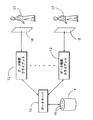
データ検索システムは本分野では周知となっている。典型的なデータ検索システムを図1に示す。図1を参照すると、データ検索システムは、通常データサーバ10と、複数のデータ検索クライアント12とから構成されていることがわかる。データ検索クライアント12は通常個々のコンピュータである。データ検索クライアント12のコマンドによって、データサーバ10は、データオブジェクト16を貯蔵しているデータ貯蔵部(またはデータベース)14にアクセスする。データオブジェクト16は、通常情報ファイルである。データ検索クライアントとユーザ17との情報交換(コミュニケーション)は、通常ディスプレー18を通じて行われる。
【0003】
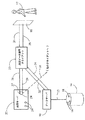
図2を参照して通常のデータ検索の動作について説明する。ユーザ17から、あるデータオブジェクト16の検索命令(矢印1)を受け取ると、データ検索クライアント12は、データサーバ10に向けて要求を送る(矢印2)。データサーバ10は、データ貯蔵部14から、要求されたデータオブジェクト16を検索し(矢印3)、データオブジェクト16をデータ検索クライアント12へと送る(矢印4)。
【0004】
データ検索システムに組み込まれる追加的な機能として、データ管理機能がある。この機能によって、データ検索クライアント12は、新しいデータオブジェクト16を生成したり、検索されたデータオブジェクト16の修正を行ったり、生成または修正されたデータオブジェクト16をデータサーバ10へと送り返して、データ貯蔵部14に貯蔵したりすることができる。追加的な機能には許可機能もあり、それによってデータサーバ10はクライアントの要求を受け付けたり拒絶したりする。
【0005】
データ検索システムの例としては(この内いくつかは上述の追加的な機能にあたる)、ファイル伝送プロトコル(FTP)、ハイパー伝送プロトコル(HTTP)、ゴファー(Gopher)及びネットワークファイルシステム(NFS)標準規格、ネットワークニュースサービス(NNTP)、米国Digital Electric CorporationのDECノート、米国Lotus Inc.のLotusノート、米国Novell Inc.のNovell NetWare、及び米国Oracle社、Sybase社、Infomix社などによって作られているリレーショナルデータベース管理システムなどがある。
【0006】
【発明が解決しようとする課題】
本発明の目的は、共存機能を備えたデータ検索システムを提供することにある。それによって、同時に同じデータオブジェクトにアクセスした2人以上のユーザは、互いの存在に気付き、リアルタイムに互いに情報交換することができる。このデータ検索システムによると、あるドキュメントにアクセスしたユーザは、同じドキュメントに同じ時にアクセスしている他のユーザと、リアルタイムに、そのドキュメントについて討議することができる。
【0007】
“共存(co−presence)”とは、2人以上のユーザが、一ヶ所の“仮想場所”(“virtual place”)に“存在”することができるようにする機能のことである。例えば、イリノイ大学の“the National Center for Supercomputing Applications”によって開発された“COLLAGE”は、クライアント−サーバパッケージであり、共有されたホワイトボードへの共存を支援する。ユーザは、データオブジェクトをデータサーバから既にある“COLLAGEセッション”へコピーし、このCOLLAGEセッションでデータオブジェクトを操作する。他のユーザも、このCOLLAGEセッションに参加すれば、同じデータオブジェクトを操作することができる。しかし、セッションに参加するには、COLLAGEセッションの開かれている場所をあらかじめ知っておく必要がある。
【0008】
“The Internet Relay Chat”は、リアルタイムの、インターネット全体に渡る、マルチパーティの、テキストベースの相互交信ツーることができ、特定の話題に対して開かれた仮想的な“チャネル”に入ったり出たりすることができる。
【0009】
複数人が参加することのできる“MUDs”(Multiple−User Dungeons)というゲームは、複数プレーヤ参加型ゲームの一つであり、そこでは相互に連結された場所という概念が提供され、各場所にはオブジェクトと他の場所に通じる通路とがある。プレーヤはある場所から他の場所へと移動することができ、“共存する”プレーヤと互いに連絡を取って、その場所にあるオブジェクトに対して対処する。
【0010】
これらの共存システムは、仮想場所を提供し、そこで人々は情報交換することができる。しかし、このような共存システムによって提供される共存は、データと関連していない。すなわちデータオブジェクトの変更に伴って形成されたりするものではない。本発明は、これを提供するものである。
【0011】
【課題を達成するための手段】
本発明の好適実施例に従うと、データ貯蔵部からデータオブジェクトを検索するデータサーバと、検索されたデータオブジェクトと仮想場所とを相互に関連付けるための関連付け手段とを含むデータ検索システムが提供される。この仮想場所によって、検索されるデータオブジェクトにアクセスするユーザは互いに共存することができる。
【0012】
さらに、本発明の好適実施例の一つに従うと、前記関連付け手段は、共存サーバと、データサーバ及び共存サーバと情報交換することのできる少なくとも2つの共存データ検索クライアントとを含む。共存サーバは、データオブジェクトの一つと関連付けられた少なくとも一つの仮想場所を含む。共存データ検索クライアントはオブジェクト関連手段と、共存手段とを含む。オブジェクト関連手段はデータサーバから受け取ったデータオブジェクトを共存サーバ内の仮想場所の一つに関連付ける働きをする。共存手段は、この関連付けられた仮想場所に関連する他のユーザとの情報交換を可能にするものである。
【0013】
別の方法として、本発明の第2の好適実施例では、関連付け手段は、やはり共存サーバと、少なくとも2つの共存データ検索クライアントとを含むが、この実施例では、共存サーバがデータサーバと情報交換する能力を有し、共存データ検索クライアントは共存サーバとのみ情報交換する。共存データ検索クライアントはオブジェクト関連手段と共存手段とを有し、オブジェクト関連手段は共存サーバから受け取ったデータオブジェクトを共存サーバ内の仮想場所の一つに関連付ける働きをし、共存手段は関連付けられた仮想場所に関連する他のユーザとの情報交換を可能にする。
【0014】
本発明の前記好適実施例のいずれに於いても、共存サーバは、各仮想場所に対して一つ存在するように可変の複数の場所プロセス(a changing plurality of place processes)と、共存データ検索クライアントから場所プロセスへのコミュニケーションを提供するための管理プロセスとを含んでもよい。
【0015】
さらに、本発明の前記好適実施例のいずれに於いても、オブジェクト関連付け手段は、新しい仮想場所に移動するための手段を備えていてもよい。
【0016】
最後に、本発明の第3の好適実施例に従うと、データ貯蔵部からデータオブジェクトを検索することのできるデータサーバと、複数のデータ検索クライアントとを含むデータ検索システムをアップグレードして共存データ検索システムにするための方法が提供される。この方法は、a)データオブジェクトの一つに関連する少なくとも一つの仮想場所を含む共存サーバを付け加える過程と、b)少なくとも2つのデータ検索クライアントを以下の機能を加えることによりアップグレードする過程とを含む:
【0017】
共存サーバに関連する個々のコミュニケーションチャネルを開く機能;
検索されたデータオブジェクトを仮想場所にマッピングする機能;
共存情報を表示する機能;
ユーザ間の情報交換を可能にする機能;
データ検索クライアントが終了したとき、共存サーバに知らせる機能。
【0018】
【作用】
上述の共存データ検索システムによって、検索されるデータオブジェクトに同じ時にアクセスしているユーザは、互いに共存し、リアルタイムに情報交換することができる。
【0019】
本発明は、以下の実施例と添付の図面とによって、より詳細に理解されるだろう。
【0020】
【実施例】
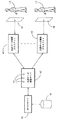
まず、図3及び図4を参照されたい。図3及び図4には、本発明によるデータ検索システムが説明されている。本発明によるシステムは、従来技術と同様に、通常データサーバ10とデータ貯蔵部14とを備えている。さらにこのシステムは、本発明の好適実施例に従って、共存サーバ20と、複数の共存データ検索クライアント22とを含む。各共存データ検索クライアント22は、データサーバ10、共存サーバ20、及び(ディスプレー18を通して)ユーザ17と情報交換することができる。
【0021】
従来技術と同様に、各データ検索クライアント22は、データサーバ10を介してデータオブジェクト16を要求し、データサーバ10はデータ貯蔵部14から要求されたデータオブジェクト16を検索する。それと同時に、本発明の好適実施例に従って、共存データ検索クライアント22は、特定のデータオブジェクト16(例えばデータオブジェクト16a)の検索を行ったという情報を共存サーバ20へも通知する。それに応じて、共存サーバ20は、データ検索クライアント22を、検索されたデータオブジェクト16aに関連付けられた仮想場所24に加える。クライアント22は、検索されたデータオブジェクト16a〜16cを仮想場所24a〜24cに関連させる。
【0022】
議論を明確にするため、共存サーバ20が、データサーバ10に保存されたデータオブジェクト16の各々に対する仮想場所24を管理することとしよう。理解されるように、共存サーバ20は、第1ユーザがデータオブジェクト16に現れたときに、要求によって仮想場所24を生成し、また、誰もいなくなったときに仮想場所24を消すことができる。
【0023】
データ検索クライアント22を通してデータオブジェクト16にアクセスする全てのユーザは、アクセスするデータオブジェクト16に関連付けられた仮想場所24に加えられる。さらに、共存サーバ20は各仮想場所24に対してユーザ間コミュニケーション機能を提供し、それによってデータオブジェクト16にアクセスしたユーザは、そう望むのであれば、その時点で同じデータオブジェクト16を使用している他のユーザと情報交換することができる。共存サーバ20によって、データオブジェクト16に存在しているユーザ17は、他の共存しているユーザの存在に気付きくことができ、さらに他のユーザとリアルタイムに情報交換するための手段を与えられる。ユーザ17間の情報交換は、共存サーバ20を介する情報交換が遅い場合には、クライアント−クライアントの情報交換とすることもできる。
【0024】
共存サーバ20で重要なことは、各データオブジェクトを仮想場所へと変えることであり、この仮想場所でユーザ17は一緒になってデータオブジェクトを見たり、修正したり、あるいはそれについて議論したりすることができる。例えば、データサーバ10に、ある製品に関する複数のマニュアルが含まれているとする。その時、その製品のベンダ(vendor)は、ひとつの(または複数の)仮想場所に、マニュアルに関するアドバイザを置くことができたら便利であろう。そうすることによってこのアドバイザは、マニュアルを参照するユーザが、さらにつっこんだ内容を知りたいときや、ドキュメントを読んでもどのようにすればよいのかわからないときに、ユーザを支援することができる。
【0025】
共存サーバ20及び共存データ検索クライアント22は、共存プロトコルに従うが、この共存プロトコルは、図4内の矢印31〜38によって例示されている。
【0026】
ユーザ17は、従来技術にて説明したプロトコル(矢印31〜35、図2の矢印1〜5と同様)に従って、データサーバ10からデータオブジェクト16dを検索する。同時に、共存データ検索クライアント22は、共存サーバ20内のデータオブジェクト16dと関連付けられている仮想場所24dに対して、ユーザ17がデータオブジェクト16dにアクセスしたというメッセージを送る(矢印36)。(通常、データオブジェクト16はデータサーバ10に於いて、うまく決められた名前を持っている。クライアント22は、同じまたは対応する名前を用いて対応する仮想場所24を同定する。)仮想場所24dは、ユーザを共存ユーザのリストに加え(37過程)、そのメッセージを仮想場所24dに入ったユーザを含む全ての共存ユーザに送信する。
【0027】
データオブジェクト16にいるユーザ17が、共存ユーザ17の一人に選択的にメッセージを送信したい場合、第1のユーザ17は、共存データ検索クライアント22と共存サーバ20とを介して、関連する仮想場所24へとメッセージを送る。仮想場所24にて、メッセージはデータオブジェクト16にいる選択されたユーザ17へと中継される。
【0028】
ユーザ17がデータオブジェクト16からいなくなるときは(同じまたは他のデータサーバ10から他のデータオブジェクト16の検索を行ったり、共存データ検索クライアント22が閉じたりすることによる)、共存データ検索クライアント22は、それを知らせるメッセージを仮想場所24へ送る(矢印36)。仮想場所24は、それを受けて、ユーザ17を共存ユーザのリストから消去すると共に、残っている共存ユーザ17の全員にメッセージを送ってそのことを知らせる。
【0029】
共存プロトコルは、共存データ検索クライアント22によって実行される機能と、共存サーバ20と仮想場所24によって実行される機能に関して記述される。以下にそれぞれの機能の疑似コード(pseudocode)を示す。
【0030】
まず、ユーザUは既にドキュメントD1をサーバS1から受け取っているとして、ユーザUのクライアント22に於ける疑似コードを以下に示す。
【0031】
ユーザUがサーバS2からドキュメントD2を要求したとき:
1.サーバS2からドキュメントD2の検索を試みる。
2.検索が成功の場合、“UはサーバS2の仮想場所P(D2)へと去った。”というメッセージを、ドキュメントD1に対応する共存サーバC(S1)内の仮想場所P(D1)に送る。
【0032】
ユーザUが、テキストTを述べることを要求したとき:
“UはTと言った。”というメッセージを共存サーバC(S2)へ送る。
【0033】
“ユーザVがサーバSk内の仮想場所P(Dj)から入った(または、仮想場所P(Dj)へと去った)。”というメッセージを受け取ったとき:
その時その仮想場所内にいるユーザのリストをユーザUに対して表示する。
【0034】
“VがTと言った”というメッセージを受け取ったとき:
“VがTと言った”というメッセージをユーザUに対して表示する。
【0035】
次に、共存ユーザの集合をCPとし、共存サーバC(Si)上の仮想場所P(Di)に於ける疑似コードを以下に示す。
【0036】
“UはサーバSk内の仮想場所P(Dj)へと去った”というメッセージを受け取ったとき:
1.共存ユーザの集合CPから、ユーザUを消去する。
2.CP内の残りのユーザV全員に、“UはサーバSk内の仮想場所P(Dj)へと去った”というメッセージを送る。
【0037】
“UがサーバSk内の仮想場所P(Dj)から入ってきた”というメッセージを受け取ったとき:
1.ユーザUを共存ユーザの集合CPに加える。
2.共存ユーザの集合CP内のユーザV全員に“UがサーバSk内の仮想場所P(Dj)から入ってきた”というメッセージを送る。
【0038】
“UがTと言った”というメッセージを受け取ったとき:
“UがTと言った”と言うメッセージを共存ユーザの集合CP内の全てのユーザに送る。
【0039】
共存サーバ20は、共存を実現するどのような方法でシステムに組み込まれれもよい。一実施例では、共存サーバ20は、フラット並行Prolog(flat concurrent Prolog:FCP)と呼ばれる並行プログラミング言語を実行するUnixプロセスとして組み込まれる。Houriらに付与された米国特許第5,222,221号明細書(ここで言及したことにより、本出願の一部とされたい)に述べられているように、FCP内部軽負荷プロセス機構(internal light−weight process mechanism)を用いることにより、各仮想場所24を、各々FCPプロセスの集まりとして形成される場所プロセス(place process)として組み込むことができる。各FCPプロセスは、上述の共存プロトコルに従う。
【0040】
共存サーバ20は、予め登録され、周知され、そのアイデンティティが共存データ検索クライアントに登録されているポートにてメッセージを受けとる。共存サーバ20は、通常共存データ検索クライアント22からメッセージを受け取り、それらのメッセージを適切な仮想場所24に伝える。さらに、要求があれば、Unix管理プロセス(共存サーバ20)は、データオブジェクト16に最初のユーザがアクセスしたときにはいつでも羽のように軽い(featherweight)プロセス(仮想場所24)を生成することができる。また、関連する仮想場所24に共存することをユーザが止めたときにはいつでもプロセスを消すこともできる。
【0041】
理解されるように、共存サーバ20との情報交換機能はデータ検索機能から独立しているため、本発明によるデータ検索システムは、共存機能を持たない標準的なデータ検索クライアント12と共に動作することが可能である。
【0042】
さらに理解されるように、本発明によるデータ検索システムは、既存の従来のデータ検索システムから容易に構築することができる。この既存システムからのアップグレード方法は、上述したような共存サーバ20を加える過程と、データ検索クライアント12をアップグレードして、共存データ検索クライアント22にする過程とを含む。データ検索クライアント12のアップグレードは、以下の機能を付加することによりなされる。
【0043】
a)共存サーバ20との付加的なコミュニケーションチャネルを開く機能、
b)仮想場所24に対してデータオブジェクト16をマッピングする機能、
c)共存情報を表示する機能、
d)ユーザ17間のリアルタイムコミュニケーションを可能にするための機能、
e)クライアント22が終了または閉鎖したときに共存サーバ20に通知する機能。
【0044】
理解されるように、アップグレードされていないデータ検索クライアントも、図3及び図4に示されている共存データ検索システム内で機能することが可能である。
【0045】
次に、図5を参照されたい。図5は本発明の別の実施例を説明するための図である。この実施例では、データ検索システムは、前の実施例と同じ構成要素を含んでいるが、それらの要素は異なった組み合わされ方をしている。詳述すると、このデータ検索システムは、共存データ検索クライアント40と、共存データ検索サーバ42と備えており、また、従来技術と同様にデータサーバ10及びデータ貯蔵部14も備えている。
【0046】
この別の実施例では、共存データ検索クライアント40は共存データ検索サーバ42とのみ情報交換する。即ち、共存データ検索サーバに対して、データ検索を要求したり、共存に必要なメッセージを送ったりする。要求を受け取った共存データ検索サーバ42は、それらをデータサーバ10へと伝える。共存データ検索サーバ42は、仮想場所44を含む。複数のサーバ42が存在し、それらが各々関連するデータサーバ10へのデータ検索要求を取り扱ってもよい。
【0047】
以下にクライアント40とサーバ42との間のプロトコルを表す疑似コードを示す。
【0048】
まず、ユーザUはドキュメントD1をサーバS1内に持っているとして、ユーザUのクライアント40に於ける疑似コードを以下に示す。
【0049】
ユーザUがサーバS2からドキュメントD2を要求したとき:
1.“UはサーバS1内の場所P(D1)からの参入を要求する”というメッセージを共存サーバC(S2)内の場所P(D2)へと送る。
2.検索が成功の場合、“UはサーバS2の仮想場所D2へと去った。”というメッセージを、共存サーバC(S1)内の仮想場所P(D1)に送る。
【0050】
ユーザUが、テキストTを述べることを要求したとき:
“UはTと言った。”というメッセージを共存サーバC(S2)へ送る。
【0051】
“VがサーバSi内の仮想場所P(Dj)から入った(または、仮想場所P(Dj)へと去った)。”というメッセージを受け取ったとき:
その時仮想場所P(Dj)内にいる共存ユーザのリストをユーザUに対して表示する。
【0052】
“VがTと言った”というメッセージを受け取ったとき:
ユーザVからのメッセージをユーザUに対して表示する。
【0053】
次に、共存ユーザの集合をCPとし、共存サーバC(Si)上の仮想場所P(Di)に於ける疑似コードを以下に示す。
【0054】
“UはサーバSk内の仮想場所P(Dj)へと去った”というメッセージを受け取ったとき:
1.共存ユーザの集合CPから、ユーザUを消去する。
2.CP内の残りのユーザV全員に、“UはサーバSk内の仮想場所P(Dj)へと去った”というメッセージを送る。
【0055】
“UがサーバSk内の仮想場所P(Dj)からの参入を要求する”というメッセージを受け取ったとき:
1.データサーバ10からデータ検索を試みる。
2.データ検索が成功した場合:
a.ユーザUのクライアント42にデータを送る。
b.共存ユーザの集合CPにユーザUを加える。
c.共存ユーザの集合CP内のユーザV全員に“UがサーバSk内の仮想場所P(Dj)から入ってきた”というメッセージを送る。
【0056】
“UがTと言った”というメッセージを受け取ったとき:
“UがTと言った”と言うメッセージを共存ユーザの集合CP内の全てのユーザに送る。
【0057】
当業者には理解されるように、本発明は、上記に例示され、述べられたことだけに限定されない。本発明の範囲は特許請求の範囲によって画定される。
【図面の簡単な説明】
【図1】図1は、従来のデータ検索システムの概念図である。
【図2】図2は、従来のデータ検索動作の一つを説明するための概念図である。
【図3】図3は、本発明の第1の好適実施例に従って構成され動作する共存サーバを備えたデータ検索システムの概念図である。
【図4】図4は、共存データ検索動作を説明する概念図である。
【図5】図5は、共存データ検索システムの別の実施例とその動作を説明する概念図である。
【符号の説明】
1 データ検索動作を説明するための矢印
2 データ検索動作を説明するための矢印
3 データ検索動作を説明するための矢印
4 データ検索動作を説明するための矢印
5 データ検索動作を説明するための矢印
10 データサーバ
12 データ検索クライアント
16 データオブジェクト
16a データオブジェクトの一つ
16b データオブジェクトの一つ
16c データオブジェクトの一つ
16d データオブジェクトの一つ
17 ユーザ
18 ディスプレー
20 共存サーバ
22 共存データ検索クライアント
24 仮想場所
24a 仮想場所の一つ
24b 仮想場所の一つ
24c 仮想場所の一つ
24d 仮想場所の一つ
31 共存プロトコルを説明するための矢印
32 共存プロトコルを説明するための矢印
33 共存プロトコルを説明するための矢印
34 共存プロトコルを説明するための矢印
35 共存プロトコルを説明するための矢印
36 共存プロトコルを説明するための矢印
37 共存プロトコルを説明するための矢印
38 共存プロトコルを説明するための矢印
40 共存データ検索クライアント
42 共存データ検索サーバ
44 仮想場所[0001]
[Industrial application fields]
The present invention generally relates to data retrieval systems. In particular, the present invention relates to a data search system having a coexistence function (coexistence data search system).
[0002]
[Prior art]
Data retrieval systems are well known in the art. A typical data retrieval system is shown in FIG. Referring to FIG. 1, it can be seen that the data search system includes a
[0003]
The normal data search operation will be described with reference to FIG. When receiving a search command (arrow 1) for a
[0004]
There is a data management function as an additional function incorporated in the data search system. With this function, the
[0005]
Examples of data retrieval systems (some of which correspond to the additional functions described above) include File Transmission Protocol (FTP), Hyper Transmission Protocol (HTTP), Gopher and Network File System (NFS) standards, Network News Service (NNTP), DEC Notebook of Digital Electric Corporation, USA, Lotus Inc. Lotus Notes, Novell Inc., USA. Novell NetWare, and a relational database management system made by Oracle Corporation, Sybase Corporation, Infomix Corporation, and the like.
[0006]
[Problems to be solved by the invention]
An object of the present invention is to provide a data search system having a coexistence function. Thereby, two or more users accessing the same data object at the same time can notice each other's existence and exchange information with each other in real time. According to this data retrieval system, a user who accesses a document can discuss the document in real time with other users who are accessing the same document at the same time.
[0007]
“Co-presence” refers to a function that allows two or more users to “exist” in one “virtual place”. For example, “COLLAGE” developed by “the National Center for Supercomputing Applications” at the University of Illinois is a client-server package that supports coexistence on a shared whiteboard. The user copies the data object from the data server to an existing “COLLAGE session” and manipulates the data object in this COLLAGE session. Other users can also operate the same data object by participating in this COLLAGE session. However, in order to participate in a session, it is necessary to know in advance where the COLLAGE session is open.
[0008]
“The Internet Relay Chat” is a real-time, Internet-wide, multi-party, text-based interaction tool that allows you to enter and exit virtual “channels” open to specific topics. Can be.
[0009]
A game called “Multi-User Dungeons” (multiple-user dungeons), in which multiple people can participate, is one of the multiplayer-participatory games, where the concept of interconnected locations is provided. There are passages to objects and other places. Players can move from one place to another and contact each other with “coexisting” players to deal with objects at that place.
[0010]
These coexistence systems provide a virtual place where people can exchange information. However, the coexistence provided by such coexistence systems is not related to data. That is, it is not formed with the change of the data object. The present invention provides this.
[0011]
[Means for achieving the object]
In accordance with a preferred embodiment of the present invention, a data retrieval system is provided that includes a data server that retrieves data objects from a data repository, and association means for correlating the retrieved data objects and virtual locations. This virtual location allows users accessing the retrieved data objects to coexist with each other.
[0012]
Furthermore, according to one of the preferred embodiments of the present invention, the association means includes a coexistence server and at least two coexistence data retrieval clients capable of exchanging information with the data server and the coexistence server. The coexistence server includes at least one virtual location associated with one of the data objects. The coexistence data search client includes object-related means and coexistence means. The object association means serves to associate the data object received from the data server with one of the virtual locations in the coexistence server. The coexistence means enables information exchange with other users related to the associated virtual location.
[0013]
Alternatively, in the second preferred embodiment of the present invention, the associating means also includes a coexistence server and at least two coexistence data retrieval clients, but in this embodiment, the coexistence server exchanges information with the data server. The coexistence data retrieval client exchanges information only with the coexistence server. The coexistence data retrieval client has object-related means and coexistence means, and the object-related means serves to associate the data object received from the coexistence server with one of the virtual locations in the coexistence server, and the coexistence means is associated with the virtual Allows information exchange with other users related to the location.
[0014]
In any of the above-described preferred embodiments of the present invention, the coexistence server has a plurality of variable process of place processes and a coexistence data search client such that there exists one for each virtual location. And a management process for providing communication from site to location process.
[0015]
Further, in any of the preferred embodiments of the present invention, the object association means may comprise means for moving to a new virtual location.
[0016]
Finally, according to the third preferred embodiment of the present invention, the coexistence data retrieval system is upgraded by upgrading the data retrieval system including a data server capable of retrieving data objects from the data storage unit and a plurality of data retrieval clients. A method is provided for: The method includes a) adding a coexistence server that includes at least one virtual location associated with one of the data objects, and b) upgrading at least two data retrieval clients by adding the following functions: :
[0017]
Ability to open individual communication channels related to coexisting servers;
The ability to map retrieved data objects to virtual locations;
Function to display coexistence information;
Function that enables information exchange between users;
A function to notify the coexistence server when the data retrieval client is terminated.
[0018]
[Action]
With the above-described coexistence data search system, users accessing data objects to be searched at the same time can coexist with each other and exchange information in real time.
[0019]
The invention will be more fully understood from the following examples and the accompanying drawings.
[0020]
【Example】
First, please refer to FIG. 3 and FIG. 3 and 4 illustrate a data search system according to the present invention. The system according to the present invention includes a
[0021]
As in the prior art, each
[0022]
For clarity of discussion, let the
[0023]
All users accessing the data object 16 through the
[0024]
What is important in the
[0025]
The
[0026]
The
[0027]
When the
[0028]
When the
[0029]
The coexistence protocol is described in terms of functions executed by the coexistence
[0030]
First, assuming that the user U has already received the document D1 from the server S1, pseudo code in the user U's
[0031]
When user U requests document D2 from server S2:
1. Attempt to retrieve document D2 from server S2.
2. If the search is successful, a message “U has left to the virtual location P (D2) of the server S2” is sent to the virtual location P (D1) in the coexistence server C (S1) corresponding to the document D1.
[0032]
When user U requests to state text T:
The message “U said T” is sent to the coexistence server C (S2).
[0033]
When the message “User V entered from the virtual location P (Dj) in the server Sk (or left to the virtual location P (Dj))” is received:
At that time, a list of users in the virtual location is displayed to the user U.
[0034]
When you receive the message “V said T”:
A message “V said T” is displayed to the user U.
[0035]
Next, a set of coexistence users is defined as CP, and pseudo code in a virtual location P (Di) on the coexistence server C (Si) is shown below.
[0036]
When the message “U has left for the virtual location P (Dj) in the server Sk” is received:
1. The user U is deleted from the set CP of coexisting users.
2. A message “U has left for the virtual location P (Dj) in the server Sk” is sent to all the remaining users V in the CP.
[0037]
When the message “U has entered from the virtual location P (Dj) in the server Sk” is received:
1. User U is added to the coexistence user set CP.
2. A message “U has entered from the virtual location P (Dj) in the server Sk” is sent to all users V in the coexistence user set CP.
[0038]
When you receive the message “U said T”:
The message “U said T” is sent to all users in the coexisting user set CP.
[0039]
The
[0040]
The
[0041]
As will be understood, since the information exchange function with the
[0042]
As will be further appreciated, the data retrieval system according to the present invention can be easily constructed from existing conventional data retrieval systems. This upgrade method from the existing system includes the process of adding the
[0043]
a) A function for opening an additional communication channel with the
b) the function of mapping the data object 16 to the
c) a function for displaying coexistence information;
d) a function for enabling real-time communication between the
e) A function for notifying the
[0044]
As will be appreciated, a non-upgraded data retrieval client can also function within the coexistence data retrieval system shown in FIGS.
[0045]
Reference is now made to FIG. FIG. 5 is a diagram for explaining another embodiment of the present invention. In this embodiment, the data retrieval system includes the same components as in the previous embodiment, but the elements are combined differently. More specifically, this data search system includes a coexistence
[0046]
In this alternative embodiment, the coexistence
[0047]
The pseudo code representing the protocol between the
[0048]
First, assuming that the user U has the document D1 in the server S1, pseudo code in the
[0049]
When user U requests document D2 from server S2:
1. A message “U requests entry from location P (D1) in server S1” is sent to location P (D2) in coexistence server C (S2).
2. If the search is successful, a message “U has left to the virtual location D2 of the server S2” is sent to the virtual location P (D1) in the coexistence server C (S1).
[0050]
When user U requests to state text T:
The message “U said T” is sent to the coexistence server C (S2).
[0051]
When the message “V entered from virtual location P (Dj) in server Si (or left to virtual location P (Dj))” is received:
At that time, a list of coexisting users in the virtual place P (Dj) is displayed to the user U.
[0052]
When you receive the message “V said T”:
A message from the user V is displayed to the user U.
[0053]
Next, a set of coexistence users is defined as CP, and pseudo code in a virtual location P (Di) on the coexistence server C (Si) is shown below.
[0054]
When the message “U has left for the virtual location P (Dj) in the server Sk” is received:
1. The user U is deleted from the set CP of coexisting users.
2. A message “U has left for the virtual location P (Dj) in the server Sk” is sent to all the remaining users V in the CP.
[0055]
When the message “U requests entry from virtual location P (Dj) in server Sk” is received:
1. Attempts to retrieve data from the
2. If the data search is successful:
a. Data is sent to the
b. The user U is added to the coexistence user set CP.
c. A message “U has entered from the virtual location P (Dj) in the server Sk” is sent to all the users V in the coexistence user set CP.
[0056]
When you receive the message “U said T”:
The message “U said T” is sent to all users in the coexisting user set CP.
[0057]
As will be appreciated by those skilled in the art, the present invention is not limited to what has been illustrated and described above. The scope of the invention is defined by the claims.
[Brief description of the drawings]
FIG. 1 is a conceptual diagram of a conventional data search system.
FIG. 2 is a conceptual diagram for explaining one of conventional data search operations.
FIG. 3 is a conceptual diagram of a data retrieval system with a coexistence server configured and operating in accordance with the first preferred embodiment of the present invention.
FIG. 4 is a conceptual diagram for explaining a coexistence data search operation;
FIG. 5 is a conceptual diagram illustrating another embodiment of the coexistence data search system and its operation.
[Explanation of symbols]
1 arrow for explaining data search operation 2 arrow for explaining data search
Claims (5)
データ貯蔵部からデータオブジェクトを検索するためのデータサーバと、
共存サーバ及び少なくとも前記データサーバ及び前記共存サーバと情報交換することのできる前記少なくとも2つのデータ検索クライアントとを有し、かつ検索されたデータオブジェクトごとに一つの仮想場所を生成し、検索されたデータオブジェクトと仮想場所とを関連付けるための関連付け手段と、
各仮想場所に関連付けられた前記検索されたデータオブジェクトにアクセスする少なくとも2つのデータ検索クライアントが前記データオブジェクトにアクセスするために共存でき、かつ第1のデータ検索クライアントがデータオブジェクトにアクセスするときに生成され、前記データオブジェクトにアクセスするデータ検索クライアントがいなくなったときに消去される各仮想場所を前記共存サーバに提供する手段と、
前記共存できる仮想場所の提供に応答して、前記仮想場所に関連付けられた前記検索されたデータオブジェクトにアクセスする前記少なくとも2つのデータ検索クライアントを前記共存できる仮想場所のリストに加え、ユーザ間の情報交換を可能にする手段と、を含み、前記データ検索クライアントの各々は、オブジェクト関連付け手段を含み、前記オブジェクト関連付け手段は、前記検索されたデータオブジェクトを前記共存サーバの仮想場所の少なくとも1つに関連づけることにより、前記仮想場所において前記データオブジェクトの閲覧、修正、議論を管理させる、共存データ検索システム。A data retrieval system,
A data server for retrieving data objects from the data repository;
Data having a coexistence server and at least the data server and the at least two data search clients capable of exchanging information with the coexistence server, and generating one virtual place for each searched data object An association means for associating the object with the virtual location;
Generated when at least two data retrieval clients accessing the retrieved data object associated with each virtual location can coexist to access the data object and the first data retrieval client accesses the data object Means for providing each coexistence server with each virtual location to be erased when there are no more data retrieval clients accessing the data object ;
In addition to the list of coexisting virtual locations and information between users, the at least two data retrieval clients accessing the retrieved data objects associated with the virtual location in response to providing the coexisting virtual location Each of the data retrieval clients includes an object association means, the object association means associating the retrieved data object with at least one of the virtual locations of the coexistence server. Thus, a coexistence data retrieval system that manages browsing, correction, and discussion of the data object in the virtual location.
前記共存サーバは、前記データサーバと情報交換することができる、請求項1に記載の共存データ検索システム。The association means comprises:
The coexistence data search system according to claim 1, wherein the coexistence server can exchange information with the data server.
各仮想場所に対して一つ存在するように可変の複数の場所プロセスと、
前記データ検索クライアントから前記場所プロセスへのコミュニケーションを提供するための管理プロセスとを含むことを特徴とする請求項1または2に記載の共存データ検索システム。The coexistence server is
Multiple location processes, variable so that there is one for each virtual location;
The coexistence data search system according to claim 1, further comprising a management process for providing communication from the data search client to the location process.
前記データ貯蔵部から前記データオブジェクトを検索することのできるデータサーバと、
複数のデータ検索クライアントと、
少なくとも2つのデータ検索クライアントが前記データオブジェクトにアクセスするために前記データオブジェクトに関連付けられた少なくとも一つの仮想場所であって、前記データ検索クライアントが共存でき、前記データオブジェクトにアクセスするために共存でき、かつ第1のデータ検索クライアントがデータオブジェクトにアクセスするときに生成され、前記データオブジェクトにアクセスするデータ検索クライアントがいなくなったときに消去される各仮想場所を提供する共存サーバとを含み、
少なくとも2つの前記データ検索クライアントが、
前記共存サーバに対して個別のコミュニケーションチャネルを開く手段と、
前記仮想場所において検索されたデータオブジェクト閲覧、修正、議論を管理するように、前記検索されたデータオブジェクトをマッピングする手段と、
共存情報を表示する手段と、
前記仮想場所にマッピングされた前記検索されたデータオブジェクトにアクセスする前記少なくとも2つのデータ検索クライアントを該仮想場所のリストに加え、ユーザ間の情報交換を可能にする手段と、
前記データ検索クライアントの各々が、オブジェクト関連付け手段を含み、前記オブジェクト関連付け手段は、前記検索されたデータオブジェクトを前記共存サーバの仮想場所 の少なくとも1つに関連づけることにより、前記仮想場所において前記データオブジェクトの閲覧、修正、議論を管理させており、該データ検索クライアントが終了されるとき、前記共存サーバにそれを通知する手段とを含むことを特徴とする共存データ検索システム。A data store for storing data objects;
A data server capable of retrieving the data object from the data storage;
Multiple data search clients,
At least one virtual location associated with the data object for at least two data retrieval clients to access the data object, the data retrieval client can coexist, and can coexist to access the data object; And a coexistence server that provides each virtual location that is generated when the first data retrieval client accesses the data object and is deleted when there are no more data retrieval clients accessing the data object ,
At least two of the data retrieval clients are
Means for opening an individual communication channel to the coexistence server;
Means for mapping the retrieved data objects to manage browsing, modification, discussion of the retrieved data objects in the virtual location;
A means of displaying coexistence information;
Means for adding the at least two data retrieval clients accessing the retrieved data objects mapped to the virtual location to the list of virtual locations to allow information exchange between users;
Each of the data search clients includes object association means, the object association means associating the retrieved data object with at least one of the virtual locations of the coexistence server, so that the data object at the virtual location . A coexistence data search system characterized by managing browsing, correction and discussion, and means for notifying the coexistence server when the data search client is terminated.
Applications Claiming Priority (2)
| Application Number | Priority Date | Filing Date | Title |
|---|---|---|---|
| US23629394A | 1994-05-02 | 1994-05-02 | |
| US08/236,293 | 1994-05-02 |
Publications (2)
| Publication Number | Publication Date |
|---|---|
| JPH07306875A JPH07306875A (en) | 1995-11-21 |
| JP4222639B2 true JP4222639B2 (en) | 2009-02-12 |
Family
ID=22888926
Family Applications (1)
| Application Number | Title | Priority Date | Filing Date |
|---|---|---|---|
| JP11122395A Expired - Fee Related JP4222639B2 (en) | 1994-05-02 | 1995-04-12 | Coexistence data retrieval system |
Country Status (4)
| Country | Link |
|---|---|
| US (1) | US5819084A (en) |
| JP (1) | JP4222639B2 (en) |
| DE (1) | DE19511770B4 (en) |
| GB (1) | GB2289149B (en) |
Families Citing this family (86)
| Publication number | Priority date | Publication date | Assignee | Title |
|---|---|---|---|---|
| US6651050B2 (en) | 1994-05-02 | 2003-11-18 | International Business Machines Corporation | Co-presence data retrieval system which indicates observers of data |
| US5864874A (en) * | 1994-05-02 | 1999-01-26 | Ubique Ltd. | Community co-presence system |
| US6243714B1 (en) * | 1997-04-11 | 2001-06-05 | Ubique Ltd. | Co-presence data retrieval system |
| US5854898A (en) | 1995-02-24 | 1998-12-29 | Apple Computer, Inc. | System for automatically adding additional data stream to existing media connection between two end points upon exchange of notifying and confirmation messages therebetween |
| US5960173A (en) * | 1995-12-22 | 1999-09-28 | Sun Microsystems, Inc. | System and method enabling awareness of others working on similar tasks in a computer work environment |
| US6209048B1 (en) * | 1996-02-09 | 2001-03-27 | Ricoh Company, Ltd. | Peripheral with integrated HTTP server for remote access using URL's |
| US5899997A (en) * | 1996-04-03 | 1999-05-04 | Transparency Systems, Inc. | Object-oriented query mechanism |
| US7167897B2 (en) * | 1996-05-08 | 2007-01-23 | Apple Computer, Inc. | Accessories providing a telephone conference application one or more capabilities independent of the teleconference application |
| US6448978B1 (en) * | 1996-09-26 | 2002-09-10 | Intel Corporation | Mechanism for increasing awareness and sense of proximity among multiple users in a network system |
| US6286029B1 (en) | 1997-04-28 | 2001-09-04 | Sabre Inc. | Kiosk controller that retrieves content from servers and then pushes the retrieved content to a kiosk in the order specified in a run list |
| US6356934B1 (en) * | 1997-04-28 | 2002-03-12 | Sabre Inc. | Intermediate server having control program for storing content accessed during browsing sessions and playback program for asynchronously replaying browsing sessions |
| KR100311000B1 (en) * | 1997-08-06 | 2001-11-15 | 윤종용 | User participational webserver and communication method between multi-users |
| IL139291A0 (en) * | 1998-05-07 | 2001-11-25 | Ubique Ltd | A co-presence data retrieval system which indicates observers of data |
| US6192383B1 (en) | 1998-09-10 | 2001-02-20 | International Business Machines Corporation | Method and system in a computer network for automatically adding synchronization points to network documents |
| JP2000278290A (en) * | 1999-03-29 | 2000-10-06 | Matsushita Electric Ind Co Ltd | Network management system |
| US7143356B1 (en) | 1999-06-02 | 2006-11-28 | International Business Machines Corporation | Communication link system based on user indicator |
| US7100116B1 (en) | 1999-06-02 | 2006-08-29 | International Business Machines Corporation | Visual indicator of network user status based on user indicator |
| US7103846B1 (en) | 1999-06-02 | 2006-09-05 | International Business Machines Corporation | Collaborative application with indicator of concurrent users |
| WO2001022241A1 (en) * | 1999-09-22 | 2001-03-29 | Digit Co., Ltd. | Display control method for home page on subscription site connected via communication network |
| AU1660701A (en) * | 1999-11-17 | 2001-05-30 | Zadu, Inc. | System and method for in context communications among overlapping communities ofcomputer network users |
| KR100366384B1 (en) * | 2000-02-26 | 2002-12-31 | (주) 고미드 | Information search system based on communication of users |
| US9246975B2 (en) | 2000-03-17 | 2016-01-26 | Facebook, Inc. | State change alerts mechanism |
| US7624172B1 (en) | 2000-03-17 | 2009-11-24 | Aol Llc | State change alerts mechanism |
| US7020686B2 (en) | 2000-12-29 | 2006-03-28 | International Business Machines Corporation | Method and system for providing synchronous communication and person awareness in a place |
| US7246371B2 (en) * | 2001-02-05 | 2007-07-17 | Openwave Systems Inc. | System and method for filtering unavailable devices in a presence and availability management system |
| US7062533B2 (en) * | 2001-09-20 | 2006-06-13 | International Business Machines Corporation | Specifying monitored user participation in messaging sessions |
| JP2005518114A (en) * | 2002-02-14 | 2005-06-16 | アバイア テクノロジー コーポレーション | Presence tracking and namespace interconnect technology |
| US7206388B2 (en) * | 2002-03-18 | 2007-04-17 | Openwave Systems Inc. | System and method for providing voice-activated presence information |
| JP4321203B2 (en) | 2002-10-29 | 2009-08-26 | 富士ゼロックス株式会社 | Remote conference system, remote conference support method, and computer program |
| US8005919B2 (en) | 2002-11-18 | 2011-08-23 | Aol Inc. | Host-based intelligent results related to a character stream |
| US8122137B2 (en) | 2002-11-18 | 2012-02-21 | Aol Inc. | Dynamic location of a subordinate user |
| US7428580B2 (en) | 2003-11-26 | 2008-09-23 | Aol Llc | Electronic message forwarding |
| US7590696B1 (en) | 2002-11-18 | 2009-09-15 | Aol Llc | Enhanced buddy list using mobile device identifiers |
| US7899862B2 (en) | 2002-11-18 | 2011-03-01 | Aol Inc. | Dynamic identification of other users to an online user |
| US8965964B1 (en) | 2002-11-18 | 2015-02-24 | Facebook, Inc. | Managing forwarded electronic messages |
| CA2506585A1 (en) | 2002-11-18 | 2004-06-03 | Valerie Kucharewski | People lists |
| US7640306B2 (en) | 2002-11-18 | 2009-12-29 | Aol Llc | Reconfiguring an electronic message to effect an enhanced notification |
| US8701014B1 (en) | 2002-11-18 | 2014-04-15 | Facebook, Inc. | Account linking |
| US7023980B2 (en) | 2002-12-04 | 2006-04-04 | Avaya Technology Corp. | Outbound dialing decision criteria based |
| US8195714B2 (en) | 2002-12-11 | 2012-06-05 | Leaper Technologies, Inc. | Context instantiated application protocol |
| US7925246B2 (en) | 2002-12-11 | 2011-04-12 | Leader Technologies, Inc. | Radio/telephony interoperability system |
| US7474741B2 (en) * | 2003-01-20 | 2009-01-06 | Avaya Inc. | Messaging advise in presence-aware networks |
| US7603417B2 (en) | 2003-03-26 | 2009-10-13 | Aol Llc | Identifying and using identities deemed to be known to a user |
| US7653693B2 (en) | 2003-09-05 | 2010-01-26 | Aol Llc | Method and system for capturing instant messages |
| US8094804B2 (en) | 2003-09-26 | 2012-01-10 | Avaya Inc. | Method and apparatus for assessing the status of work waiting for service |
| US9398152B2 (en) | 2004-02-25 | 2016-07-19 | Avaya Inc. | Using business rules for determining presence |
| US7734032B1 (en) | 2004-03-31 | 2010-06-08 | Avaya Inc. | Contact center and method for tracking and acting on one and done customer contacts |
| US7953859B1 (en) | 2004-03-31 | 2011-05-31 | Avaya Inc. | Data model of participation in multi-channel and multi-party contacts |
| US8000989B1 (en) | 2004-03-31 | 2011-08-16 | Avaya Inc. | Using true value in routing work items to resources |
| US20050276407A1 (en) * | 2004-06-09 | 2005-12-15 | Avaya Technology Corp. | Telephony device ring determination by scheduler |
| US7769154B1 (en) | 2004-06-09 | 2010-08-03 | Avaya Inc. | Aggregated perceived presence |
| US7983148B1 (en) | 2004-07-12 | 2011-07-19 | Avaya Inc. | Disaster recovery via alternative terminals and partitioned networks |
| US8738412B2 (en) | 2004-07-13 | 2014-05-27 | Avaya Inc. | Method and apparatus for supporting individualized selection rules for resource allocation |
| US8234141B1 (en) | 2004-09-27 | 2012-07-31 | Avaya Inc. | Dynamic work assignment strategies based on multiple aspects of agent proficiency |
| US7949121B1 (en) | 2004-09-27 | 2011-05-24 | Avaya Inc. | Method and apparatus for the simultaneous delivery of multiple contacts to an agent |
| US7669213B1 (en) | 2004-10-28 | 2010-02-23 | Aol Llc | Dynamic identification of other viewers of a television program to an online viewer |
| US7567653B1 (en) | 2005-03-22 | 2009-07-28 | Avaya Inc. | Method by which call centers can vector inbound TTY calls automatically to TTY-enabled resources |
| US7809127B2 (en) | 2005-05-26 | 2010-10-05 | Avaya Inc. | Method for discovering problem agent behaviors |
| US7779042B1 (en) | 2005-08-08 | 2010-08-17 | Avaya Inc. | Deferred control of surrogate key generation in a distributed processing architecture |
| US7822587B1 (en) | 2005-10-03 | 2010-10-26 | Avaya Inc. | Hybrid database architecture for both maintaining and relaxing type 2 data entity behavior |
| US7787609B1 (en) | 2005-10-06 | 2010-08-31 | Avaya Inc. | Prioritized service delivery based on presence and availability of interruptible enterprise resources with skills |
| US7752230B2 (en) | 2005-10-06 | 2010-07-06 | Avaya Inc. | Data extensibility using external database tables |
| US7765230B2 (en) * | 2005-12-01 | 2010-07-27 | The Boeing Company | Method and system for managing data |
| US8737173B2 (en) | 2006-02-24 | 2014-05-27 | Avaya Inc. | Date and time dimensions for contact center reporting in arbitrary international time zones |
| US8842818B2 (en) * | 2006-06-30 | 2014-09-23 | Avaya Inc. | IP telephony architecture including information storage and retrieval system to track fluency |
| US7936867B1 (en) | 2006-08-15 | 2011-05-03 | Avaya Inc. | Multi-service request within a contact center |
| US8391463B1 (en) | 2006-09-01 | 2013-03-05 | Avaya Inc. | Method and apparatus for identifying related contacts |
| US8811597B1 (en) | 2006-09-07 | 2014-08-19 | Avaya Inc. | Contact center performance prediction |
| US8938063B1 (en) | 2006-09-07 | 2015-01-20 | Avaya Inc. | Contact center service monitoring and correcting |
| US7573996B1 (en) | 2006-10-03 | 2009-08-11 | Avaya Inc. | Presence based callback |
| US8504926B2 (en) * | 2007-01-17 | 2013-08-06 | Lupus Labs Ug | Model based avatars for virtual presence |
| US8150003B1 (en) | 2007-01-23 | 2012-04-03 | Avaya Inc. | Caller initiated undivert from voicemail |
| US10671600B1 (en) | 2007-07-24 | 2020-06-02 | Avaya Inc. | Communications-enabled dynamic social network routing utilizing presence |
| US8504534B1 (en) | 2007-09-26 | 2013-08-06 | Avaya Inc. | Database structures and administration techniques for generalized localization of database items |
| US8856182B2 (en) | 2008-01-25 | 2014-10-07 | Avaya Inc. | Report database dependency tracing through business intelligence metadata |
| US8806354B1 (en) * | 2008-12-26 | 2014-08-12 | Avaya Inc. | Method and apparatus for implementing an electronic white board |
| US8301581B2 (en) | 2009-09-24 | 2012-10-30 | Avaya Inc. | Group compositing algorithms for presence |
| US8565386B2 (en) | 2009-09-29 | 2013-10-22 | Avaya Inc. | Automatic configuration of soft phones that are usable in conjunction with special-purpose endpoints |
| US9516069B2 (en) | 2009-11-17 | 2016-12-06 | Avaya Inc. | Packet headers as a trigger for automatic activation of special-purpose softphone applications |
| WO2011099192A1 (en) * | 2010-02-15 | 2011-08-18 | 石井 美恵子 | Access control system, access control method and server |
| WO2011149558A2 (en) | 2010-05-28 | 2011-12-01 | Abelow Daniel H | Reality alternate |
| US9691055B2 (en) | 2010-12-17 | 2017-06-27 | Google Inc. | Digital wallet |
| US20120158654A1 (en) * | 2010-12-17 | 2012-06-21 | Google Inc. | Receipt storage in a digital wallet |
| US10471348B2 (en) | 2015-07-24 | 2019-11-12 | Activision Publishing, Inc. | System and method for creating and sharing customized video game weapon configurations in multiplayer video games via one or more social networks |
| US10099140B2 (en) | 2015-10-08 | 2018-10-16 | Activision Publishing, Inc. | System and method for generating personalized messaging campaigns for video game players |
| US11185784B2 (en) | 2015-10-08 | 2021-11-30 | Activision Publishing, Inc. | System and method for generating personalized messaging campaigns for video game players |
Family Cites Families (11)
| Publication number | Priority date | Publication date | Assignee | Title |
|---|---|---|---|---|
| US5222221A (en) * | 1986-06-17 | 1993-06-22 | Yeda Research And Development Co., Ltd. | Method and apparatus for implementing a concurrent logic program |
| US5226161A (en) * | 1987-08-21 | 1993-07-06 | Wang Laboratories, Inc. | Integration of data between typed data structures by mutual direct invocation between data managers corresponding to data types |
| US5008853A (en) * | 1987-12-02 | 1991-04-16 | Xerox Corporation | Representation of collaborative multi-user activities relative to shared structured data objects in a networked workstation environment |
| US5220657A (en) * | 1987-12-02 | 1993-06-15 | Xerox Corporation | Updating local copy of shared data in a collaborative system |
| US4953080A (en) * | 1988-04-25 | 1990-08-28 | Hewlett-Packard Company | Object management facility for maintaining data in a computer system |
| US5159669A (en) * | 1988-12-15 | 1992-10-27 | Xerox Corporation | Automatically creating a second workspace operation record including history data and a unit ID based on a first workspace operation |
| US5388196A (en) * | 1990-09-07 | 1995-02-07 | Xerox Corporation | Hierarchical shared books with database |
| EP0497022B1 (en) * | 1991-01-31 | 1999-04-07 | Hewlett-Packard Company | Conference system |
| US5511196A (en) * | 1992-11-17 | 1996-04-23 | International Business Machines Corporation | Method and system in a data processing system for the enhancement of relationships between reference objects in an object oriented environment and a data object outside an object oriented environment |
| US5452299A (en) * | 1993-10-14 | 1995-09-19 | Intel Corporation | Optimized transfer of large object data blocks in a teleconferencing system |
| US5408470A (en) * | 1993-10-14 | 1995-04-18 | Intel Corporation | Deferred synchronization of distributed objects |
-
1995
- 1995-03-09 GB GB9504780A patent/GB2289149B/en not_active Expired - Lifetime
- 1995-03-30 DE DE19511770A patent/DE19511770B4/en not_active Expired - Lifetime
- 1995-04-12 JP JP11122395A patent/JP4222639B2/en not_active Expired - Fee Related
-
1997
- 1997-04-11 US US08/827,845 patent/US5819084A/en not_active Expired - Lifetime
Also Published As
| Publication number | Publication date |
|---|---|
| DE19511770B4 (en) | 2006-10-12 |
| GB2289149B (en) | 1998-11-18 |
| GB2289149A (en) | 1995-11-08 |
| JPH07306875A (en) | 1995-11-21 |
| GB9504780D0 (en) | 1995-04-26 |
| DE19511770A1 (en) | 1995-11-09 |
| US5819084A (en) | 1998-10-06 |
Similar Documents
| Publication | Publication Date | Title |
|---|---|---|
| JP4222639B2 (en) | Coexistence data retrieval system | |
| EP0841622B1 (en) | A system for managing co-presence within communities | |
| CA2330664C (en) | A co-presence data retrieval system | |
| US6651050B2 (en) | Co-presence data retrieval system which indicates observers of data | |
| US6081829A (en) | General purpose web annotations without modifying browser | |
| US6401097B1 (en) | System and method for integrated document management and related transmission and access | |
| US8127222B2 (en) | Latches-links as virtual attachments in documents | |
| RU2367010C2 (en) | System and method of generating aggregated data presentations in computer network | |
| US20050204020A1 (en) | Shared internet storage resource, user interface system, and method | |
| US7127522B1 (en) | Message multicast method and computer | |
| CA2339217A1 (en) | Information access | |
| CA2332057C (en) | A co-presence data retrieval system which indicates observers of data | |
| JP2005038006A (en) | Information sharing apparatus and information sharing processing program | |
| Turpeinen et al. | Architecture for Agent-Mediated Personalised News Services. | |
| IL139291A (en) | A co-presence data retrieval system which indicates observers of data | |
| JPH11175451A (en) | Information distribution device | |
| Adams et al. | Distributed digital library architecture: the key to success for distance learning | |
| JPH07262118A (en) | Information utilization system | |
| IL139146A (en) | A co-presence data retrieval system | |
| Place et al. | Z39. 50 or WWW: which way to go? | |
| JP2001337976A (en) | Inquiry response support system, inquiry resupose support method, and information storage medium recorded with program therefor | |
| JPH01187632A (en) | Query processing methods for distributed database management systems | |
| JPH1153309A (en) | Information reading method and system therefor | |
| JPH07121416A (en) | File management device |
Legal Events
| Date | Code | Title | Description |
|---|---|---|---|
| A131 | Notification of reasons for refusal |
Free format text: JAPANESE INTERMEDIATE CODE: A131 Effective date: 20040330 |
|
| RD12 | Notification of acceptance of power of sub attorney |
Free format text: JAPANESE INTERMEDIATE CODE: A7432 Effective date: 20040413 |
|
| A521 | Written amendment |
Free format text: JAPANESE INTERMEDIATE CODE: A821 Effective date: 20040414 |
|
| A601 | Written request for extension of time |
Free format text: JAPANESE INTERMEDIATE CODE: A601 Effective date: 20040628 |
|
| A602 | Written permission of extension of time |
Free format text: JAPANESE INTERMEDIATE CODE: A602 Effective date: 20040702 |
|
| A521 | Written amendment |
Free format text: JAPANESE INTERMEDIATE CODE: A523 Effective date: 20040929 |
|
| A02 | Decision of refusal |
Free format text: JAPANESE INTERMEDIATE CODE: A02 Effective date: 20041130 |
|
| A521 | Written amendment |
Free format text: JAPANESE INTERMEDIATE CODE: A523 Effective date: 20050224 |
|
| A911 | Transfer to examiner for re-examination before appeal (zenchi) |
Free format text: JAPANESE INTERMEDIATE CODE: A911 Effective date: 20050420 |
|
| A912 | Re-examination (zenchi) completed and case transferred to appeal board |
Free format text: JAPANESE INTERMEDIATE CODE: A912 Effective date: 20050527 |
|
| A521 | Written amendment |
Free format text: JAPANESE INTERMEDIATE CODE: A523 Effective date: 20081015 |
|
| RD14 | Notification of resignation of power of sub attorney |
Free format text: JAPANESE INTERMEDIATE CODE: A7434 Effective date: 20081111 |
|
| A01 | Written decision to grant a patent or to grant a registration (utility model) |
Free format text: JAPANESE INTERMEDIATE CODE: A01 |
|
| A61 | First payment of annual fees (during grant procedure) |
Free format text: JAPANESE INTERMEDIATE CODE: A61 Effective date: 20081118 |
|
| R150 | Certificate of patent or registration of utility model |
Free format text: JAPANESE INTERMEDIATE CODE: R150 |
|
| FPAY | Renewal fee payment (event date is renewal date of database) |
Free format text: PAYMENT UNTIL: 20111128 Year of fee payment: 3 |
|
| FPAY | Renewal fee payment (event date is renewal date of database) |
Free format text: PAYMENT UNTIL: 20111128 Year of fee payment: 3 |
|
| FPAY | Renewal fee payment (event date is renewal date of database) |
Free format text: PAYMENT UNTIL: 20121128 Year of fee payment: 4 |
|
| FPAY | Renewal fee payment (event date is renewal date of database) |
Free format text: PAYMENT UNTIL: 20121128 Year of fee payment: 4 |
|
| FPAY | Renewal fee payment (event date is renewal date of database) |
Free format text: PAYMENT UNTIL: 20131128 Year of fee payment: 5 |
|
| LAPS | Cancellation because of no payment of annual fees |