JP3939397B2 - System and method for automatic registration notification for radio activation - Google Patents
System and method for automatic registration notification for radio activation Download PDFInfo
- Publication number
- JP3939397B2 JP3939397B2 JP18884297A JP18884297A JP3939397B2 JP 3939397 B2 JP3939397 B2 JP 3939397B2 JP 18884297 A JP18884297 A JP 18884297A JP 18884297 A JP18884297 A JP 18884297A JP 3939397 B2 JP3939397 B2 JP 3939397B2
- Authority
- JP
- Japan
- Prior art keywords
- activation
- mobile station
- processor
- mobile
- radio
- Prior art date
- Legal status (The legal status is an assumption and is not a legal conclusion. Google has not performed a legal analysis and makes no representation as to the accuracy of the status listed.)
- Expired - Fee Related
Links
- 230000004913 activation Effects 0.000 title claims description 96
- 238000000034 method Methods 0.000 title claims description 23
- 238000001994 activation Methods 0.000 claims description 106
- 238000012546 transfer Methods 0.000 claims description 27
- 238000004891 communication Methods 0.000 claims description 20
- 230000004044 response Effects 0.000 claims description 20
- 238000013475 authorization Methods 0.000 claims description 12
- 230000003213 activating effect Effects 0.000 claims description 7
- 230000005540 biological transmission Effects 0.000 claims description 4
- 230000006870 function Effects 0.000 description 17
- 230000001413 cellular effect Effects 0.000 description 14
- 238000006243 chemical reaction Methods 0.000 description 14
- 238000013519 translation Methods 0.000 description 12
- 238000004519 manufacturing process Methods 0.000 description 10
- 238000010586 diagram Methods 0.000 description 4
- 230000008569 process Effects 0.000 description 4
- 230000011664 signaling Effects 0.000 description 4
- 238000012545 processing Methods 0.000 description 2
- 230000009471 action Effects 0.000 description 1
- 238000007726 management method Methods 0.000 description 1
- 230000007246 mechanism Effects 0.000 description 1
- 230000004048 modification Effects 0.000 description 1
- 238000012986 modification Methods 0.000 description 1
- 230000003287 optical effect Effects 0.000 description 1
- 230000005855 radiation Effects 0.000 description 1
Images




Classifications
-
- H—ELECTRICITY
- H04—ELECTRIC COMMUNICATION TECHNIQUE
- H04W—WIRELESS COMMUNICATION NETWORKS
- H04W60/00—Affiliation to network, e.g. registration; Terminating affiliation with the network, e.g. de-registration
-
- H—ELECTRICITY
- H04—ELECTRIC COMMUNICATION TECHNIQUE
- H04W—WIRELESS COMMUNICATION NETWORKS
- H04W8/00—Network data management
- H04W8/26—Network addressing or numbering for mobility support
- H04W8/265—Network addressing or numbering for mobility support for initial activation of new user
-
- H—ELECTRICITY
- H04—ELECTRIC COMMUNICATION TECHNIQUE
- H04W—WIRELESS COMMUNICATION NETWORKS
- H04W12/00—Security arrangements; Authentication; Protecting privacy or anonymity
- H04W12/06—Authentication
-
- H—ELECTRICITY
- H04—ELECTRIC COMMUNICATION TECHNIQUE
- H04W—WIRELESS COMMUNICATION NETWORKS
- H04W12/00—Security arrangements; Authentication; Protecting privacy or anonymity
- H04W12/08—Access security
-
- H—ELECTRICITY
- H04—ELECTRIC COMMUNICATION TECHNIQUE
- H04W—WIRELESS COMMUNICATION NETWORKS
- H04W12/00—Security arrangements; Authentication; Protecting privacy or anonymity
- H04W12/30—Security of mobile devices; Security of mobile applications
- H04W12/35—Protecting application or service provisioning, e.g. securing SIM application provisioning
-
- H—ELECTRICITY
- H04—ELECTRIC COMMUNICATION TECHNIQUE
- H04W—WIRELESS COMMUNICATION NETWORKS
- H04W12/00—Security arrangements; Authentication; Protecting privacy or anonymity
- H04W12/60—Context-dependent security
- H04W12/69—Identity-dependent
- H04W12/72—Subscriber identity
-
- H—ELECTRICITY
- H04—ELECTRIC COMMUNICATION TECHNIQUE
- H04W—WIRELESS COMMUNICATION NETWORKS
- H04W88/00—Devices specially adapted for wireless communication networks, e.g. terminals, base stations or access point devices
- H04W88/18—Service support devices; Network management devices
-
- H—ELECTRICITY
- H04—ELECTRIC COMMUNICATION TECHNIQUE
- H04W—WIRELESS COMMUNICATION NETWORKS
- H04W92/00—Interfaces specially adapted for wireless communication networks
- H04W92/16—Interfaces between hierarchically similar devices
- H04W92/24—Interfaces between hierarchically similar devices between backbone network devices
Landscapes
- Engineering & Computer Science (AREA)
- Computer Security & Cryptography (AREA)
- Computer Networks & Wireless Communication (AREA)
- Signal Processing (AREA)
- Databases & Information Systems (AREA)
- Mobile Radio Communication Systems (AREA)
Description
【0001】
【発明の属する技術分野】
本発明は、概して、移動無線電話機の電波による活性化(activation)に関し、特に、移動交換センターから固定のサポート・ネットワークの中の電波による活性化プロセッサに対して登録通知を送信するための、ルーチング情報を提供するための方法および装置に関する。
【0002】
【従来の技術、及び、発明が解決しようとする課題】
ここで使われる用語「移動局」は電磁波の手段によってネットワーク内の基地局と情報を通信する共通の性質を共有する移動遠隔通信ユニットの包括的な集合を含む。移動局は基地局と音声情報を交換するように主として設計されている移動無線電話機セットおよびセルラー電話機セットなどの移動電話装置を含む。また、この用語は主としてデータを交換するために設計されているページャ、移動ファクシミリ装置、および世界的測位システム(GPS)ビークル・ロケータ装置などの移動データ通信装置を含む。また、「移動局」という用語は電話およびファクシミリ通信機能の両方を備えているパーソナル・コミュニケーションズ・サービス(PCS)ユニットなどのハイブリッド・デバイスも含む。移動局による通信はセルラー電話の中で使われているように、無線電波によって行なうことができる。しかし、移動局は地球の軌道衛星を含む電磁的リンク上でも、あるいは光学的または赤外線放射を含む代わりの電磁的リンク上でも通信することができる。
【0003】
基地局が固定のサポート・ネットワークの中で他の通信ノードに対して接続されている場合、そのネットワークは他の通信ノードが移動局へ情報を送信できるようにするために、その移動局に対するルーチング情報を必要とする。登録は移動局が自分の現在位置をアナウンスし、入接続呼を固定のサポート・ネットワークが適切な基地局へ転送するようにするために、移動局によって使われるプロセスである。移動局が新しい基地局の動作範囲内に入って来た時、その移動局は自分の現在位置をアナウンスしなければならない。これを行うためには、その移動局は自分の移動識別番号(mobile identity number)(MIN)付きのメッセージをその新しい基地局に対して送信しなければならない。MINはサービスに対して顧客に料金請求をすることができるように、そしてそのネットワークが入接続呼を回送することができるように、固定のサポート・ネットワークによってその移動局に対して割り当てられる番号である。MINはその基地局が顧客によって初めて使われる前に、その移動局の中にプログラムされなければならない。このプロセスが「活性化」と呼ばれる。
【0004】
例えば、普通、移動無線電話機はそれがサービス・プロバイダーによって登録され、サービスを許可されるまで、無線電話呼出しを開始または完了することはできない。移動無線電話サービスのプロバイダーは、新しい顧客はいずれもその移動無線電話機をプログラミングのためにオーソライズされたサービス・センターへ持参し、その電話機にネットワーク内でのサービスが許可されるようになることを要求する。その移動局の加入者に対して固有の、そしてそのセットに対して必要なサービスに固有の情報がその移動無線電話機に入力されて格納されなければならない。例えば、セルラー移動電話通信サービスにおいては、そのような情報は番号割り当てモジュール(number assignment module)(NAM)指定パラメータと呼ばれる。セルラー電話のサービス・プロバイダーが現在手動でセルラー電話機セットの中に入力するNAMパラメータの例としては、システム識別、電話番号、アクセス・オーバヘッド・クラス、グループ識別情報、初期ページング・チャネル、セキュリティ・ロック・コード、ローカル使用フラグ、A/Bシステム選択、およびMINマーク・フラグなどがある。セルラー電話の顧客は新しいセルラー電話機セットをサービス・プロバイダーまたは担当者に対して提示し、番号がMANモジュール(約30バイトの情報から構成されている)によってそのセルラー電話機セットの中に手動で入力されるようにしなければならない。セルラー移動局電話通信サービスに対して毎年数多くの新しい顧客がある。サービス・プロバイダーの多数の従業員または営業担当者は広い範囲の地理的領域にわたっていて、新しい顧客に対するプログラムされていないセルラー電話機セットの中にNAMモジュールを手動で入力することを担当する。このためには、その活性化プロセスを統合する際にサービス・プロバイダーを支援するための集中型データベースを使う必要がある。サービス・プロバイダーの従業員は通常はワークステーション・コンピュータを使って顧客のアプリケーション・データを入力する。そのワークステーションは中央のデータベースにリモートに接続されていて、その新しい顧客の申請データを処理のためにデータ・ベースに対して送信する。集中型データベースは、その新しい顧客についての信用チェックを実行することができ、利用できるサービス、電話番号、ネットワーク・アクセス・データおよび他の情報を追跡管理することができ、そしてMINを新しい顧客のセルラー電話機セットに割り当てることができる。そのMINおよび他のNAMパラメータは集中型データベースによってそのサービス・プロバイダーのワークステーションへ返送され、その従業員によってセルラー電話機セットの中に手動で入力される。これはサービス・プロバイダーおよび顧客の両方にとって煩わしく費用の掛かる手順である。
【0005】
従って、ネットワークの中で電波による活性化プロセッサに対して、固定のサポート・ネットワークを通じて、移動局電話機セットから電波によって活性化情報を自動的に回送するための方法およびシステムに対するニーズが存在する。その場合、そのMANモジュールに対する活性化パラメータを準備し、ネットワーク上で自動的にダウンロードし、電波によってその移動無線セルラー電話機セットに対して送信されるようにすることができる。
【0006】
【課題を解決するための手段】
上記のニーズは本発明によって満足される。本発明は電波による活性化メッセージがプログラムされていない移動局から、固定のサポート・ネットワークの中の電波による活性化プロセスに対して自動的に送信されるようにすることができる。その活性化メッセージは通常の登録メッセージのフォーマットを備えているが、それは電波による活性化プロセッサのネットワーク・アドレスに変換することができる特殊な情報を含んでいることによって、移動交換センターにおいて区別される。その移動局の電子シリアル番号がその移動交換センターに関連付けられているビジター・ロケーション・レジスタの中に記録され、そして活性化メッセージが固定のサポート・ネットワーク内の信号転送ポイントに対して移動交換センターによって回送される。その信号転送ポイントは活性化メッセージの特殊情報をプロセッサのネットワーク・アドレスに変換する。これと対照的に、通常の登録メッセージは移動交換センターによってその移動局に対するホーム・ロケーション・レジスタに向けられることになる。信号転送ポイントから、活性化メッセージはその移動交換センターのアイデンティティと一緒に、電波による活性化プロセッサに対して回送される。そこでその受信された活性化メッセージに応答して、活性化プロセスが開始される。次に、電波による活性化プロセッサはその活性化パラメータを移動交換センターへ返送し、移動交換センターは関連付けられているビジター・ロケーション・レジスタの中に格納されている電子シリアル番号を使って、その移動局に対して活性化パラメータを転送する。
【0007】
本発明の有利な一実施形態においては、活性化メッセージの中の特殊情報はすべての移動局に対して同じである電波による活性化機能のID番号である。その電波による活性化機能ID番号はその製造時点においてその移動局の中にプログラムされる。信号転送ポイントによる変換時に、単独の値の電波による活性化機能ID番号は電波による活性化プロセッサのネットワーク・アドレスに変換される。本発明の代わりの一実施形態においては、活性化メッセージの中の特殊情報はその電波による活性化プロセッサのルーチング・アドレスそのものである。
【0008】
本発明の他の代わりの実施形態においては、活性化メッセージの中の特殊情報は「ダミーMIN」と略称されている、移動識別番号に対する順番の通し番号であるダミーの値である。ダミーのMINは移動局ごとに異なっている。ダミーのMINは製造の時点で移動局の中にプログラムされている。信号転送ポイントによる変換の間に、各特殊ダミーMINは電波による活性化プロセッサのネットワーク・アドレスに変換される。ダミーのMINが信号転送ポイントによって有効なMINと混同される可能性が少しあるので、この実施形態は活性化メッセージの中の特殊情報が電波による活性化機能ID番号である場合の実施形態より不利である。
【0009】
【発明の実施の形態】
本発明は無線通信ネットワークにおいて移動局を活性化するための方法およびシステムである。そのシステムは活性化を要求している移動局にサービスしている移動交換センターからの登録メッセージの受信に応答して、活性化プロセスを開始するネットワーク内の電波による活性化プロセスを含む。この活性化プロセスはここでは「OTAF」と呼ばれる。それは「over the air activation function」(電波による活性化機能)に対する略称である。
【0010】
各移動局は電波による活性化を要求することができるようにその製造の時点で格納されている情報のユニットを備えている。その情報のユニットはOTAFプロセッサのネットワーク・ルーチング・アドレスであるか、あるいは代わりに、それはそのアドレスに変換することができる1つの値である。OTAFプロセッサのルーチング・アドレスに変換することができる値を表現するための2つの代替案がある。第1の案は各移動局の中に格納されているOTAFのID番号である。同じ値のOTAFのID番号がすべての移動局の中に格納される。第2の案はその移動局識別番号として順次通し番号化されたダミー値、すなわち、ダミーMINを格納することである。そのダミーMINは移動局ごとに異なっている。
【0011】
移動局がネットワークの中で最初にターン・オンされた時、それはネットワーク内でまだ活性化されていないので、他の加入者と正規の通信セッションを行うことができない。本発明によると、その移動局はローカルの移動交換センターに対して登録指令を送信することによって電波による活性化を要求する。その登録指令は上記の3つの代替案、すなわち、OTAFプロセッサのルーチング・アドレス、またはOTAFのID番号、またはダミーMINのうちの1つを含むことになる。
【0012】
ローカルの移動交換センターは新しい移動局からのほかに、以前に活性化された移動局からも登録指令を受信する。以前に活性化された移動局が1つのローカル移動交換センターのカバーするエリア内に移される場合、その移動局はそれが正規の通信セッションを実行できる前に、その新しいエリアの中で登録されたものになっていなければならない。以前に活性化された移動局は、それがローカルの移動交換センターに対して送信する登録指令の中に、送信する有効なMINを持っている。その有効なMINはダミーのMINと移動交換センターによって区別されない。両方の場合において、移動交換センターはそのMINを含んでいる登録通知メッセージを作成し、それをネットワーク内の信号転送ポイント(STP)に対して転送する。
【0013】
本発明によると、信号転送ポイント(STP)の中に、すべてのダミーMINをOTAFプロセッサのネットワーク・ルーチング・アドレスに対してマップするために変換テーブルが構築されている。そこでは、その登録通知メッセージを受信しているOTAFプロセッサに応答して、その要求している移動局に対して活性化プロセスが開始される。その移動交換センターにおいてビジター・ロケーション・レジスタ(VLR)の中に1つのレコードが生成され、活性化プロセスからの結果の活性化パラメータが、ダミーのMIN値を使って、その移動局へ送り返されるようにすることができる。
【0014】
代わりに、信号転送ポイント(STP)によって受信された登録通知メッセージの中のMINが有効なMINであった場合、その変換テーブルはその登録通知メッセージをホーム・ロケーション・レジスタ(HLR)のネットワーク・ルーチング・アドレスに対してマップする。HLRはその割り当てられた移動局からの登録要求の処理を担当する。この要求は新しいローカル・サービス・エリア内の以前にプログラムされた電話機の登録に対するものだけであり、新しい電話機の活性化のためのものではない。
【0015】
さらに本発明によると、移動交換センターは活性化を要求するためにOTAFのID番号を使って移動局からの登録指令を認識し、区別することができる。この場合、移動交換センターは信号転送ポイント(STP)に対して送信するために作成する登録通知メッセージの中に、そのOTAFのID番号を挿入する。OTAFのID番号はすべての移動局に対して同じであるので、すべての登録指令と一緒に送信される移動局の電子シリアル番号(ESN)も、その信号転送ポイントに対して送られる登録通知メッセージの中に含まれる。移動交換センターにおいてビジター・ロケーション・レジスタ(VLR)の中に1つのレコードが生成され、活性化プロセスからの結果の活性化パラメータがそのESNを使って移動局に対して送り返されるようにすることができる。
【0016】
本発明によると、信号転送ポイント(STP)の中にOTAFのID番号をそのOTAFプロセッサのルーチング・アドレスに対してマップするために変換テーブルが構築されている。登録通知メッセージを受信しているOTAFプロセッサに応答して、要求している移動局に対して活性化プロセスが開始される。
【0017】
本発明の代わりの一実施形態においては、電波による要求ができるように製造の時点においてその移動局の中に格納されている情報のユニットは、OTAFプロセッサのネットワーク・ルーチング・アドレスそのものである。この実施形態においては、信号転送ポイント(STP)によってアドレス変換が行われる必要はない。この実施形態においては、移動交換局はその登録通知メッセージを直接にOTAFプロセッサへ転送する。その移動交換センターのアイデンティティおよびその移動局のESNが登録通知メッセージの中に含まれている。移動交換センターにおいてビジター・ロケーション・レジスタ(VLR)の中に1つのレコードが生成され、活性化プロセスからの結果の活性化パラメータがESNを使ってその移動局に対して送り返されるようにすることができる。
【0018】
さらに本発明によると、移動局の加入者は移動局を使ってそのネットワークの中の活性化センターに対して同時に音声の電話を掛けることができる。その加入者はその活性化センターに対してクレジット情報を提供することができ、加入者はその移動局に対して欲しいサービス機能のタイプを指定することができる。次に、活性化センターは音声チャネル上で加入者から受信した情報に応答して、OTAFプロセッサに対してオーソライゼーション・データを送信する。次に、OTAFプロセッサはそのオーソライゼーションに応答して、活性化プロセスを完了することができる。
【0019】
ここで図を参照すると、図1は移動局に対して電波による活性化メッセージの配送を制御する、電波による活性化機能に対するネットワークの基準モデルを示している。移動局100は移動局(MS)およびショート・メッセージ・エンティティ(SME)を含む。移動局100は電波によってベース移動局インターワーキング機能(BMI)と通信する。BMIは基地局BS102、移動交換センターMSC104、およびビジター・ロケーション・レジスタVLR106を含む。基地局BSはリンクAの手段によって移動交換センター、MSCに接続されている。また、MSCはリンクBの手段によってビジター・ロケーション・レジスタ、VLRに接続されている。また、図1にはホーム・ロケーション・レジスタ、HLR108も示されている。HLR108は特定の移動電話機100に対するロケーションおよびビジネス・レコードの管理を扱うために割り当てられている。ホーム・ロケーション・レジスタ108は、移動局100との電波による通信を現在サービスしているBMIから地理的に離れた場所にあるのが普通である。HLRはリンクDの手段によってVLR106に接続されている。また、図1には電波による活性化機能OTAF110’も示されており、それはリンクQ2の手段によって移動交換センター104に接続されており、またリンクD2の手段によってホーム・ロケーション・レジスタ108にも接続されている。OTAF機能110’は以前に活性化されていなかった移動局100からの登録指令に応答して活性化処理を実行し、NAMパラメータの形式での活性化パラメータを移動局100へダウンロードする。図1に示されているリンクA、B、D、D2、Q2、およびUMは1996年1月3日発行の標準規格TIA IS‐41、改訂版C ANSI投票バージョンの中で定義されているネットワーク・エンティティ間のインターフェースである。
【0020】
図2は電波による活性化の物理的アーキテクチャを示している。移動局100はIS‐136標準を使って、ローカルの基地局102と電波によって通信する。この標準規格は1996年3月21日発行のTIA IS−136改訂版Aの中に記述されている。基地局102、移動交換センター102、およびビジター・ロケーション・レジスタ106は、通常はローカル基地局複合体の中に共存している。MSC104は固定のサポート・ネットワーク上で信号転送ポイント、STP114に対して通信する。STP114はMSC104からのメッセージをホーム・ロケーション・レジスタ、HLR108、または電波による活性化機能プロセッサ、OTAFプロセッサ110のいずれかに対して転送する。基地局複合体におけるVLR106は固定のサポート・ネットワークの中の特定のHLR108にも直接にアクセスすることができる。また、図2にはOTAFプロセッサ110に対して、およびHLR108に対して固定のサポート・ネットワークに接続されている、ビジネス・システムおよび課金システムを含む活性化センター112も示されている。
【0021】
電波による活性化機能においては、MSC104からOTAFプロセッサ110へ通知が送られる必要がある。この登録通知はシグナリング・システム7(SS7)ネットワーク上でIS‐41メッセージを経由している。固定のサポート・ネットワークはルーチング情報がMSC104から適切なネットワーク・ノードへ登録通知を送ることができる必要がある。そのネットワーク・ノードはこの場合、OTAFプロセッサ110である。本発明によると、移動局100は電波による活性化を要求することができるように、その製造の時点で情報があらかじめプログラムされている。プログラムされている情報のユニットはOTAFプロセッサ110のネットワーク・ルーチング・アドレスであるか、あるいはその代わりにそのアドレスに変換できる値のいずれかである。活性化されていない移動局100がネットワークでパワーアップされた時、その移動局はOTAFプロセッサ110のルーチング・アドレスまたはOTAFのID番号、またはダミーのMIN値の3つのうちの1つをあらかじめプログラムされた情報として含む登録指令を、ローカルの移動交換センター104に対して送信することによって、電波による活性化を要求する。次に、MSC104はこの情報を電波による活性化機能プロセッサ110に対してネットワークを通じて転送する。
【0022】
以前に活性化された移動局100において、すなわち、それは有効な移動識別番号MINでプログラムされている移動局100であるが、電波によって送信される登録指令はその移動局のMIN、IS‐136移動局ID(MSID)で符号化されたその移動局のMINを含んでいる(1996年3月21日発行の標準規格TIA ID136バージョンA参照)。IS‐136標準規格はMINをMSIDに符号化するための規則を規定している。MSIDはIS‐41標準規格の中で記述されている登録指令のレイヤー2の中で送られる。通常この動作は、以前に活性化された移動局100がローカルの移動交換センター104のカバーするエリア内に移動していて、正規の通信セッションを行うことができる前にその新しいエリア内で登録されたものとならなければならない。登録通知はIS‐41標準規格の中で規定されているように、SS7トランスポートの移動通信応用部(mobile application part)(MAP)のレイヤーの中で搬送される。
【0023】
セルラー電話のネットワークは固定のサポート・ネットワークの中の信号転送ポイント114においてMIN上のグローバル・タイトル変換(GTT)を使って、正規の通信セッションの中でIS‐41メッセージをホーム・ロケーション・レジスタ、HLR108へ回送する。グローバル・タイトル変換(GTT)については標準規格ANSI T1.112‐1992、SS7、「信号接続制御部分(Signaling Connection Control Part(SCCP)の中で記述されている。STP114の中で「MINからHLR」への変換を規定するために3の変換タイプ値を持つグローバル・タイトル指示子タイプ2が使われる。グローバル・タイトル・アドレス情報のフィールドは10桁(BCD符号)のMINを含んでいる。例えば、MSC104およびVLR106は登録通知を信号転送ポイント114へ送り、信号転送ポイント114はMIN上でGTT変換を実行して、固定のサポート・ネットワークの中のポイント・コードおよびサブシステム番号の形式でHLRに対するルーチングの情報を得る。従って、正規の通信セッションにおいては、登録通知はMSC104およびVLR106から、要求している移動局100からの指定されたMINに応答するHLR108に対して回送される。
【0024】
移動局100が以前に活性化されていなかった場合、NAMパラメータはその移動局に対してはロードされておらず、そしてその移動局に対する固定のサポート・ネットワーク内のどのHLR108の中にも対応しているHLRレコードはない。活性化されていない移動局100は有効なMINを記憶していない。その活性化されていない移動局100が登録を試みる場合、その移動局に関連付けられている対応するHLR108はない。その移動局100の中に有効なMINがないので、グローバル・タイトル変換は固定のサポート・ネットワークの中の信号転送ポイント114の中で実行することはできない。これは普通は電波による活性化を防止する。というのは、固定のサポート・ネットワークの中のOTAFプロセッサ110に対してその移動局100からの電波による活性化の要求を通信することは、従来の技術においては不可能だからである。従って、OTAFプロセッサ110からその移動局100へNAMの活性化パラメータをダウンロードすることはできない。電波による活性化プロセスの間に、OTAFプロセッサ110はNAMパラメータを移動局100に対して配送しなければならない。これを行うためには、電波による活性化機能プロセッサ110はサービスしているMSC104のアドレスを知っていなければならず、それに加えて移動局はサービスしているMSC104のVLR106の中に登録情報を持っていなければならない。本発明によると、移動局100にはそれらが電波による活性化を要求できるようにする情報が、製造の時点であらかじめプログラムされる。その情報のユニットはOTAFプロセッサ110のネットワーク・ルーチング・アドレス、またはその代わりにそのアドレスに変換できる値のいずれかである。OTAFプロセッサ110に対するルーチング・アドレスに変換することができる値を表現するための2つの代替案がある。その1つは各移動局100の中に格納されているOTAFのID番号である。同じ値のOTAFのID番号がすべての移動局100の中に格納される。第2の代替案は、移動局識別番号に対する順番に通し番号化されたダミー値を格納することである。このダミーのMINは各移動局100ごとに異なっている。
【0025】
本発明の有利な実施形態において、OTAFのID番号が各移動局100の中に格納される。OTAFのID番号はBCD符号化を使っている10桁のE.164電話番号である。そのフォーマットは標準規格のIS‐41桁符号化(IS‐41の送信者識別番号の中で使われているような)に従う。この標準のフォーマットについては、CCITTのブルー・ブック、第II巻‐ファシクル(Fascicle)II.2電話ネットワークおよびISDN‐動作のナンバーリング、ルーチングおよび移動サービス、勧告E.164;「ISDN時代のためのナンバーリング・プラン」に詳細に記述されている。OTAFのID番号はOTAFプロセッサ110に対するディレクトリ番号として現われるアドレスであるが、ルーチングのためだけに使われ、音声回路をサポートしていないダイヤルできない番号である。IS‐136標準規格の中の登録指令は電波のインターフェース・メッセージの中にOTAFのID番号を含めるために修正される。さらに、移動局100はそのメッセージを送信している移動局をユニークに識別するためにそのメッセージの中にMSIDの値を供給しなければならない。このMSIDの値はIS‐136標準規格の中に規定されている、移動局100の電子シリアル番号(ESN)を使って作られている。この標準規格は移動局が有効なMINを備えていない場合にどのようにしてMSIDが作られるべきかを規定している。
【0026】
電波のインターフェース登録指令の受信時に、MSC104およびVLR106はその移動局100からの電波のインターフェース登録指令の中に供給されている情報を使って、IS‐41の登録通知メッセージを作る。MSC104は移動局100がOTAFのID番号を供給したことを認識し、従って、MINフィールドは登録通知メッセージの中には記入されない。OTAFのID番号はIS‐41メッセージの移動通信応用部(mobile application part)(MAP)信号接続制御ポイント(Signalling Connection Control Point)(SCCP)レイヤーの中に含まれている。そのSCCPレイヤーは刊行されている標準規格ANSI T1.112 シグナリング・システム第7号(SS7)‐信号接続制御ポイント(SCCP)の中で記述されている。次に、MSC104およびVLR106はその登録通知メッセージを固定のサポート・ネットワークの中の信号転送ポイント114に対して送信する。VLR106はESNおよびその移動局100に対するMSIDを使って移動局100のレコードを生成する。
【0027】
STP114は登録通知メッセージを受信し、そしてOTAF110の固定されているサポート・ネットワークのアドレスを得るために、OTAFのID番号についてグローバル・タイトル変換(GTT)を実行するべきであることを認識する。新しい変換タイプが「OTAFのID番号からOTAFのプロセッサへの」変換のために使われなければならない。STP114はOTAFのID番号を固定のサポート・ネットワークの中のOTAFプロセッサ110に対するルーチング・アドレス情報(PC/SSN)に変換し、登録通知メッセージがOTAFプロセッサ110へ転送される。
【0028】
本発明によるこのルーチングのメカニズムによって、移動識別番号MINを移動局100の中に備えている必要なしに登録通知メッセージをルーチングすることができる。
【0029】
図3の情報の流れ図はOTAFのID番号についてのグローバル・タイトル変換を使っている、活性化登録のための電波による活性化登録の流れを示している。この図は時間を表している垂直軸および移動局100(MSというラベルが付いている)、移動交換センター104(MSCのラベルが付いている)、信号転送ポイント114(STPのラベルが付いている)、およびOTAFプロセッサ110(OTAFのラベルが付いている)の間を通過しているメッセージを表している水平軸によって構成されている。加入者が移動局MSの電源を投入すると、その移動局は図3の中でシステム・オーバヘッドとして示されている、基地局からのチャネル割り当てを得るための収集フェーズに入る。次に、移動局MSはOTAFのID番号(図3の中で「OTAFのID」として示されている)を含んでいるMSC104に対してIS‐136登録指令(メッセージA)を送信する。
【0030】
次に、MSC104はエアー・インターフェースから登録指令(メッセージA)を受信し、図3の中の「REGNOT」として識別されているIS‐41登録通知(メッセージB)をフォーマットする。MSC104はそのREGNOTをルーチングのためにSTP114に対して送信する。
【0031】
次に、STP114はOTAFのID番号(OTAF ID)についてグローバル・タイトル変換を実行し、REGNOT(メッセージC)をOTAFプロセッサ110へ回送する。
OTAFプロセッサ110はREGNOTを処理し、REGNOTの戻された結果(メッセージD)をMSC104へ返す。
【0032】
図3は移動局MSが音声コネクションを固定のサポート・ネットワークに対して発信しようとするMS発信の試みも示している。同時の音声発信試行および登録指令が図3の中で示されているメッセージE、F、G、およびHの4ステップ・シーケンスで発生する。それぞれは図3に対して以前に説明されたメッセージA、B、C、およびDの4ステップ・シーケンスと同じである。
【0033】
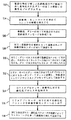
図4AはOTAFのID番号を使って電波による活性化を実行するための動作ステップのシーケンスのフローチャートを示している。ステップ402は製造の時点で新しい移動局100に電波による機能ID番号をプログラムすることによって開始される。
【0034】
図4Aの中のステップ404はネットワークの中で初めて電源が投入された移動局100を示している。次に、ステップ406において、移動局100はOTAFのID番号およびESNを含めるために登録指令メッセージを作成する。次にステップ408によって、移動局100は基地局および移動交換センターに対して電波による登録指令を送信する。
【0035】
図4Aのステップ410において、移動交換センター104はそのOTAFのID番号を検出し、それをESNと一緒に登録通知メッセージの中に挿入し、それをSS7ネットワークの中のSTP114に対して送信する。また、MSC104はそのESNをVLR106の中のVLRレコードの中にも入れる。
【0036】
次に図4Aのステップ412はOTAFのID番号をそのOTAFプロセッサ110のルーチング・アドレスに変換するSTP114を示している。STPはその登録通知メッセージをネットワーク内のOTAFプロセッサ110に対して送信する。
【0037】
図4Aのステップ414において、OTAFプロセッサ110は移動局100に対する活性化プロセスを起動する。ステップ416において、OTAFプロセッサ110はその移動局に対するNAMパラメータの形式での活性化パラメータを移動交換センター104へ送り返す。
【0038】
次に図4Aのステップ418において、移動交換センター104および基地局102はVLR106の中のVLRレコードを使って移動局100に対する電波による活性化パラメータを送信し、どの移動局100がその活性化パラメータを受信することを意図しているかを識別する。
【0039】
図4Bは図4Aの中に示されている方法のバリエーションのフローチャートであり、その中でステップ414’ではOTAFプロセッサ110が移動局100に対する活性化プロセスを起動し、次に図2に示されているビジネス・オフィス活性化センター112からのオーソライゼーションを待つ。
【0040】
図4Bのステップ415では、移動局の加入者により、電波によって音声径路が確立される。移動局の加入者は「1‐800‐ACTIVATE」などの特殊なダイヤル番号を使って、キャリヤのビジネス・オフィス活性化センター112に対して電波による呼出しを同時に行う。加入者はビジネス・オフィス活性化センター112に対してクレジット情報を提供することができ、そしてその移動局に対して要求されているサービス機能のタイプを指定することができる。次に、ビジネス・オフィス活性化センター112はオーソライゼーション・データをOTAFプロセッサ110に対して送信する。
【0041】
図4Bのステップ416’では、OTAFプロセッサ110が活性化プロセスを完了し、その移動局に対する活性化パラメータを移動交換センター104へ送り返す。次に、図4Bのステップ418では移動交換センター104および基地局102が電波による活性化パラメータを移動局100に対して送信する。
【0042】
図5は本発明の代わりの一実施形態に対する動作ステップのシーケンスのフローチャートを示している。その中で新しい各移動局100は製造の時点で順番に通し番号化されたダミーのMIN移動局ID番号でプログラムされている。これは図5のステップ502の中に示されている。ステップ504では移動局100がネットワークの中で初めてそのユニットの電源を投入する。ステップ506では、移動局100がダミーのMINを含めるために登録指令メッセージを作成する。ステップ508では、移動局100が電波による登録指令を基地局および移動交換センター104に対して送信している。
【0043】
図5のステップ510では、MSC104がダミーのMIN付きの登録通知メッセージを作成している。この動作はその移動局100が以前に活性化された移動局に対する正規の登録を要求しているのと同様に、移動交換センター104はダミーのMINと有効なMINとの間の違いを区別することができないでいる。次に、移動交換センター104は登録通知メッセージをSS7ネットワークの中のSTP114に対して送信する。MSC104はダミーのMINをVLR106の中のVLRレコードに入れる。ステップ512において、STP114はすべてのダミーのMINをOTAFプロセッサ110のルーチング・アドレスに変換する。順番に通し番号化された複数のダミーのMINの値のすべてがSTP114によって単独のOTAFプロセッサの固定のサポート・ネットワーク内のアドレスに変換される。次に、STP114は登録通知メッセージをOTAFプロセッサ110に対して送信する。
【0044】
次に図5のステップ514では、OTAFプロセッサ110が移動局100に対する活性化プロセスを起動する。ステップ514において、OTAFプロセッサ110はその移動局に対する活性化パラメータをMSC104へ送り返す。
【0045】
次にステップ518において、MSC104および基地局102はVLR106の中のVLRレコードを使って、移動局100に対して電波による活性化パラメータを送信し、そのダミーのMINによってその活性化パラメータに対する受信者となることが意図されている移動局100を識別する。
【0046】
図6は新しいサービス・エリア内での登録を求めている、有効なMINを持っている以前に活性化された移動局100に対する動作ステップのシーケンスのフローチャートである。
【0047】
ステップ602において、以前に活性化された移動局100が新しいサービス・エリアの中で登録を求める。ステップ604においてその移動局100はネットワーク内でそのユニットの電源を投入する。ステップ606において、移動局100は有効な移動識別番号(MIN)を含めるために登録指令メッセージを作成する。ステップ608において、移動局100はその登録指令を電波によって基地局102およびMSC104に対して送信する。ステップ610において、MSC104は有効なMINを持つ登録通知メッセージを作成し、それをSS7ネットワークのSTP114に対して送信する。また、MSCはVLR106の中のVLRレコードの中に有効なMINを入れる。ステップ612において、STP114はその有効なMINを移動局100に対して割り当てられているHLR108のルーチング・アドレスに変換する。STP114はその登録通知メッセージをHLR108に対して送信する。ステップ614において、HLR108はその新しいサービス・エリアに対して移動局に対する登録プロセスを起動する。ステップ616において、HLR108はMS100に対する新しい登録情報をMCS104へ送り返す。ステップ618において、VLR106はその新しい登録情報を更新し、そしてそのVLRレコードを使ってその移動局100に対してローカルのサービスを開始する。
【0048】
図7はSTP114とその変換テーブル700を示しており、順番に通し番号化された異なる値の複数のダミーMINが、変換702において単独のOTAFアドレスにどのようにして変換されるかを示している。図7はダイヤルされる番号の形式での入力式のいくつかを、シグナリング・システム7(SS7)のネットワーク・アドレスに変換する例を示している。例えば、変換テーブル700へ入力されるダイヤルされた番号「911」の入力は緊急サービスのSS7ネットワーク・アドレスに変換される。もう1つの例として、変換テーブル700に対するダイヤルされた番号「1‐800‐ACTIVATE」入力は図2に示されているビジネス・オフィス活性化センター112のSS7ネットワーク・アドレスに変換される。別の例として、変換テーブル700への有効なMIN「VALID MIN‐5」入力に対するダイヤルされた番号の形式は、そのMINに対するHLR‐5のホーム・ロケーション・レジスタのSS7ネットワーク・アドレスに変換される。もう1つの別の例として、変換テーブル700への有効なMIN「VALID MIN‐6」入力に対するダイヤルされた番号のフォーマットは、その異なる有効なMINに対する異なるHLR‐6のホーム・ロケーション・レジスタのSS7ネットワーク・アドレスに変換される。本発明によると、すべてのダミーMINは変換テーブル700の中で変換702によってOTAFプロセッサ110のネットワーク・アドレスに変換される。さらに本発明によると、OTAFのID番号は変換テーブル700によって、OTAFプロセッサ110のSS7ネットワーク・アドレスに変換される。
【0049】
図8AはあらかじめプログラムされたOTAFのID番号810を持っているか、あるいはあらかじめプログラムされたダミーのMIN 832を持っている移動局100の回路図を示している。移動局100は高周波の送信回路および受信回路、ディジタル回路、および音声回路を含む。移動局100はまたOTAFプロセッサ110から電波によってダウンロードされた後のNAMレジスタ内のNAMパラメータを格納するRAMメモリ806をも含む。また、移動局100は製造の時点でESNおよびOTAFのID番号810によってプログラムされている、プログラマブルな読出し専用メモリ(ROM)808も含む。本発明の代わりの実施形態においては、移動局100は代わりに製造の時点でESNによって、および順番に通し番号化されたダミーのMIN832によってプログラムされている、プログラム可能なROM830(図8Aの中で点線で示されている)を代わりに含む。
【0050】
図8Bは複数の移動局100、100’および100”のすべてが、同じOTAFのID番号810によってどのようにあらかじめプログラムされるかを示している。
【0051】
図8Cは代わりの実施形態における複数の移動局100、100’、および100”が互いに異なるダミーのMIN値832、832’、および832”によってどのようにあらかじめプログラムされるかを示している。
【図面の簡単な説明】
【図1】本発明によるネットワーク参照モデルを示す図である。
【図2】電波による活性化ネットワークの物理的アーキテクチャを示す図である。
【図3】本発明による電波による活性化登録のための情報の流れを示す図である。
【図4A】OTAFのID番号を使っている電波による活性化のための本発明の1つの有利な実施形態のための方法の流れを示す図である。
【図4B】図4Aのフローチャートの変形であり、キャリヤの事業オフィスに対して電波によって同時に音声径路を提供するためのステップを追加していることを示す図である。
【図5】本発明の代わりの一実施形態に対する方法のフローチャートであり、順番に通し番号化されているダミーのMINが、電波による活性化プロセスにおいて使われていることを示す図である。
【図6】新しいサービス・エリアにおいて登録を求める、以前に活性化された移動局に対する、本発明の方法の流れを示している図である。
【図7】本発明によるネットワーク信号転送ポイントをブロックで示す図である。
【図8A】移動局の機能的ブロックを示す図である。
【図8B】それぞれが同じOTAFのID番号をその中に格納している、複数の移動局を示す図である。
【図8C】それぞれが異なるダミーMINを格納している、複数の移動局を示す図である。
【符号の説明】
100 移動局
102 基地局
104 移動変換センター
106 ビジター・ロケーション・レジスタ
108 ホーム・ロケーション・レジスタ
110 OTAFプロセッサ[0001]
BACKGROUND OF THE INVENTION
The present invention relates generally to radio wave activation of mobile radiotelephones, and more particularly to routing for sending registration notifications from mobile switching centers to radio wave activation processors in fixed support networks. The present invention relates to a method and apparatus for providing information.
[0002]
[Background Art and Problems to be Solved by the Invention]
The term “mobile station” as used herein includes a comprehensive set of mobile telecommunications units that share a common property of communicating information with base stations in a network by means of electromagnetic waves. Mobile stations include mobile telephone devices such as mobile radio telephone sets and cellular telephone sets that are primarily designed to exchange voice information with base stations. The term also includes mobile data communication devices such as pagers, mobile facsimile devices, and global positioning system (GPS) vehicle locator devices that are primarily designed for exchanging data. The term “mobile station” also includes hybrid devices such as Personal Communications Service (PCS) units that have both telephone and facsimile communication capabilities. Communication by a mobile station can be performed by radio waves, as used in cellular telephones. However, a mobile station can communicate over an electromagnetic link that includes an orbiting satellite of the earth, or over an alternative electromagnetic link that includes optical or infrared radiation.
[0003]
When a base station is connected to another communication node in a fixed support network, the network routes the mobile station so that the other communication node can send information to the mobile station. Need information. Registration is the process used by a mobile station to announce its current location and cause incoming calls to be forwarded to the appropriate base station by a fixed support network. When a mobile station comes within the operating range of a new base station, the mobile station must announce its current location. In order to do this, the mobile station must send a message with its mobile identity number (MIN) to the new base station. The MIN is a number assigned to the mobile station by a fixed support network so that the customer can be charged for the service and so that the network can route incoming calls. is there. The MIN must be programmed into the mobile station before the base station is used by the customer for the first time. This process is called “activation”.
[0004]
For example, normally a mobile radiotelephone cannot initiate or complete a radiotelephone call until it is registered by the service provider and authorized for service. A mobile radiotelephone service provider requests that any new customer bring their mobile radiotelephone to an authorized service center for programming, and that the phone be allowed to service in the network To do. Information specific to the mobile station subscriber and to the service required for the set must be entered and stored in the mobile radiotelephone. For example, in cellular mobile telephony services, such information is referred to as number assignment module (NAM) designation parameters. Examples of NAM parameters currently entered manually into the cellular telephone set by cellular telephone service providers include system identification, telephone number, access overhead class, group identification information, initial paging channel, security lock Code, local use flag, A / B system selection, and MIN mark flag. The cellular phone customer presents a new cellular phone set to the service provider or representative, and the number is manually entered into the cellular phone set by the MAN module (consisting of about 30 bytes of information). I have to do so. There are many new customers every year for cellular mobile telephone service. Many employees or sales representatives of service providers span a wide geographic area and are responsible for manually entering the NAM module into an unprogrammed cellular telephone set for new customers. This requires the use of a centralized database to assist service providers in integrating their activation process. Service provider employees typically use a workstation computer to enter customer application data. The workstation is remotely connected to a central database and sends the new customer's application data to the database for processing. The centralized database can perform credit checks on the new customer, track available services, phone numbers, network access data and other information, and keep the MIN on the new customer's cellular Can be assigned to a phone set. The MIN and other NAM parameters are sent back to the service provider's workstation by a centralized database and manually entered into the cellular telephone set by the employee. This is a cumbersome and expensive procedure for both service providers and customers.
[0005]
Accordingly, there is a need for a method and system for automatically routing activation information by radio waves from a mobile station telephone set over a fixed support network to radio-based activation processors. In that case, activation parameters for the MAN module can be prepared, automatically downloaded over the network, and transmitted by radio waves to the mobile wireless cellular telephone set.
[0006]
[Means for Solving the Problems]
The above needs are satisfied by the present invention. The present invention allows a radio activation message to be automatically transmitted from an unprogrammed mobile station to a radio activation process in a fixed support network. The activation message has the normal registration message format, which is distinguished at the mobile switching center by containing special information that can be translated into the network address of the activation processor via radio waves. . The mobile station's electronic serial number is recorded in the visitor location register associated with the mobile switching center, and an activation message is sent by the mobile switching center to the signal transfer point in the fixed support network. Forwarded. The signal transfer point translates the special information of the activation message into the network address of the processor. In contrast, a normal registration message will be directed by the mobile switching center to the home location register for that mobile station. From the signal transfer point, the activation message is routed to the radio activation processor along with its mobile switching center identity. Thereupon, an activation process is initiated in response to the received activation message. The radio activation processor then sends the activation parameters back to the mobile switching center, which uses the electronic serial number stored in the associated visitor location register to move the mobile. Transfer activation parameters to the station.
[0007]
In an advantageous embodiment of the invention, the special information in the activation message is the ID number of the radio activation function which is the same for all mobile stations. The radio activated function ID number is programmed into the mobile station at the time of manufacture. At the time of conversion by the signal transfer point, the activation function ID number by a single value radio wave is converted to the network address of the activation processor by radio wave. In an alternative embodiment of the invention, the special information in the activation message is the activation processor's routing address itself by the radio wave.
[0008]
In another alternative embodiment of the present invention, the special information in the activation message is a dummy value, which is abbreviated as “dummy MIN”, which is a sequential number for the mobile identification number. The dummy MIN is different for each mobile station. The dummy MIN is programmed into the mobile station at the time of manufacture. During the conversion by the signal transfer point, each special dummy MIN is converted to the network address of the activation processor by radio waves. Since there is a slight possibility that the dummy MIN is confused with a valid MIN by the signal transfer point, this embodiment is disadvantageous than the embodiment in which the special information in the activation message is the activation function ID number by radio waves. It is.
[0009]
DETAILED DESCRIPTION OF THE INVENTION
The present invention is a method and system for activating a mobile station in a wireless communication network. The system includes an activation process by radio waves in the network that initiates an activation process in response to receiving a registration message from a mobile switching center serving a mobile station requesting activation. This activation process is referred to herein as “OTAF”. It is an abbreviation for “over the air activation function” (radio wave activation function).
[0010]
Each mobile station is equipped with a unit of information stored at the time of manufacture so that activation by radio waves can be requested. The unit of information is the network routing address of the OTAF processor, or alternatively it is one value that can be translated to that address. There are two alternatives for representing values that can be translated into OTAF processor routing addresses. The first proposal is an OTAF ID number stored in each mobile station. The same OTAF ID number is stored in all mobile stations. The second proposal is to store a dummy value sequentially serialized as the mobile station identification number, that is, a dummy MIN. The dummy MIN is different for each mobile station.
[0011]
When a mobile station is first turned on in the network, it is not yet activated in the network and therefore cannot have a regular communication session with other subscribers. According to the present invention, the mobile station requests activation by radio waves by sending a registration command to the local mobile switching center. The registration command will include one of the three alternatives described above: the routing address of the OTAF processor, the ID number of the OTAF, or a dummy MIN.
[0012]
In addition to the new mobile station, the local mobile switching center receives registration commands from previously activated mobile stations. If a previously activated mobile station is moved into the area covered by one local mobile switching center, the mobile station was registered in the new area before it could perform a regular communication session It must be a thing. A previously activated mobile station has a valid MIN to send in the registration command it sends to the local mobile switching center. The valid MIN is not distinguished from the dummy MIN by the mobile switching center. In both cases, the mobile switching center creates a registration notification message containing that MIN and forwards it to a signal transfer point (STP) in the network.
[0013]
According to the present invention, a translation table is constructed in the signal transfer point (STP) to map all dummy MINs to the OTAF processor's network routing address. There, an activation process is started for the requesting mobile station in response to the OTAF processor receiving the registration notification message. A record is generated in the visitor location register (VLR) at the mobile switching center so that the resulting activation parameter from the activation process is sent back to the mobile station using a dummy MIN value. Can be.
[0014]
Instead, if the MIN in the registration notification message received by the signal transfer point (STP) is a valid MIN, the translation table will send the registration notification message to the network routing of the home location register (HLR). Map to address. The HLR is responsible for processing registration requests from the assigned mobile station. This request is only for registration of previously programmed phones in the new local service area, not for activation of new phones.
[0015]
Furthermore, according to the present invention, the mobile switching center can recognize and distinguish the registration command from the mobile station using the OTAF ID number to request activation. In this case, the mobile switching center inserts the ID number of the OTAF into the registration notification message created for transmission to the signal transfer point (STP). Since the OTAF ID number is the same for all mobile stations, the mobile station's electronic serial number (ESN) transmitted with all registration instructions is also sent to the signal transfer point. Included in One record is created in the visitor location register (VLR) at the mobile switching center so that the resulting activation parameter from the activation process is sent back to the mobile station using its ESN. it can.
[0016]
In accordance with the present invention, a translation table is constructed to map an OTAF ID number in a signal transfer point (STP) to the routing address of the OTAF processor. In response to the OTAF processor receiving the registration notification message, an activation process is initiated for the requesting mobile station.
[0017]
In an alternative embodiment of the present invention, the unit of information stored in the mobile station at the time of manufacture so that it can be requested by radio waves is the network routing address itself of the OTAF processor. In this embodiment, address translation need not be performed by a signal transfer point (STP). In this embodiment, the mobile switching center forwards the registration notification message directly to the OTAF processor. The identity of the mobile switching center and the ESN of the mobile station are included in the registration notification message. One record is created in the visitor location register (VLR) at the mobile switching center so that the resulting activation parameter from the activation process is sent back to the mobile station using the ESN. it can.
[0018]
Further in accordance with the present invention, a mobile station subscriber can use the mobile station to simultaneously make a voice call to an activation center in the network. The subscriber can provide credit information to the activation center, and the subscriber can specify the type of service function desired for the mobile station. The activation center then sends authorization data to the OTAF processor in response to the information received from the subscriber over the voice channel. The OTAF processor can then complete the activation process in response to the authorization.
[0019]
Referring now to the figure, FIG. 1 shows a network reference model for a radio activation function that controls the delivery of radio activation messages to mobile stations. The
[0020]
FIG. 2 shows the physical architecture of activation by radio waves. The
[0021]
In the activation function using radio waves, a notification needs to be sent from the
[0022]
In a previously activated
[0023]
The cellular telephone network uses the global title translation (GTT) on the MIN at the
[0024]
If the
[0025]
In an advantageous embodiment of the invention, an OTAF ID number is stored in each
[0026]
When receiving the radio wave interface registration command, the
[0027]
The
[0028]
This routing mechanism according to the present invention allows the registration notification message to be routed without the need to have the mobile identification number MIN in the
[0029]
The information flow chart of FIG. 3 shows the flow of activation registration by radio waves for activation registration using global title conversion for the OTAF ID number. This figure shows a vertical axis representing time and mobile station 100 (labeled MS), mobile switching center 104 (labeled MSC), signal transfer point 114 (labeled STP). ), And a horizontal axis representing messages passing between OTAF processors 110 (labeled OTAF). When the subscriber powers on the mobile station MS, the mobile station enters a collection phase for obtaining channel assignments from the base station, shown in FIG. 3 as system overhead. Next, the mobile station MS sends an IS-136 registration command (message A) to the
[0030]
Next, the
[0031]
Next, the
The
[0032]
FIG. 3 also shows an attempt to originate an MS where the mobile station MS attempts to originate a voice connection to a fixed support network. Simultaneous voice transmission attempts and registration commands occur in a four-step sequence of messages E, F, G, and H shown in FIG. Each is the same as the four-step sequence of messages A, B, C, and D previously described for FIG.
[0033]
FIG. 4A shows a flowchart of a sequence of operation steps for performing activation by radio waves using an OTAF ID number. Step 402 begins by programming a new
[0034]
Step 404 in FIG. 4A shows the
[0035]
In
[0036]
Next, step 412 of FIG. 4A shows the
[0037]
In
[0038]
Next, in
[0039]
FIG. 4B is a flow chart of a variation of the method shown in FIG. 4A, in which, in
[0040]
In step 415 of FIG. 4B, a voice path is established by radio waves by the subscriber of the mobile station. The mobile station subscriber simultaneously makes a radio call to the carrier's business
[0041]
In
[0042]
FIG. 5 shows a flowchart of the sequence of operational steps for an alternative embodiment of the present invention. Among them, each new
[0043]
In
[0044]
Next, in
[0045]
Next, in
[0046]
FIG. 6 is a flow chart of the sequence of operational steps for a previously activated
[0047]
In
[0048]
FIG. 7 shows the
[0049]
FIG. 8A shows a circuit diagram of a
[0050]
FIG. 8B shows how all of the plurality of
[0051]
FIG. 8C shows how a plurality of
[Brief description of the drawings]
FIG. 1 shows a network reference model according to the present invention.
FIG. 2 is a diagram showing a physical architecture of a radio activated network.
FIG. 3 is a diagram showing a flow of information for activation registration by radio waves according to the present invention.
FIG. 4A illustrates a method flow for one advantageous embodiment of the present invention for radio activation using an OTAF ID number.
FIG. 4B is a modification of the flowchart of FIG. 4A, showing that a step for simultaneously providing a voice path by radio waves to a carrier business office is added.
FIG. 5 is a flow chart of a method for an alternative embodiment of the present invention, showing that dummy MINs, which are sequentially numbered, are used in the radio wave activation process.
FIG. 6 shows the method flow of the present invention for a previously activated mobile station seeking registration in a new service area.
FIG. 7 is a block diagram of a network signal transfer point according to the present invention.
FIG. 8A shows functional blocks of a mobile station.
FIG. 8B shows a plurality of mobile stations, each storing therein the same OTAF ID number.
FIG. 8C shows a plurality of mobile stations, each storing a different dummy MIN.
[Explanation of symbols]
100 mobile stations
102 base station
104 Mobile Conversion Center
106 Visitor Location Register
108 Home Location Register
110 OTAF processor
Claims (20)
電波による活性化プロセッサのためのネットワーク・ルーティング・アドレスに変換可能な情報を含んでいる登録メッセージを該無線通信ネットワーク内の1つのノードにある移動交換センタにおいて受信するステップと、
該移動交換センタに接続されている信号転送ポイントで該情報を該アドレスに変換するステップと、
該信号転送ポイントから該電波による活性化プロセッサに該登録メッセージを回送するステップと、
該受信された登録メッセージに応答して、該電波による活性化プロセッサにおいて活性化プロセスを起動するステップと、
該活性化プロセスに応答して、該移動交換センタから該移動局に活性化パラメータを送信するステップとを含む方法。A method for activating a mobile station in a wireless communication network, comprising:
Receiving Oite the registration message containing convertible information to the network routing address for activation processor by radio waves to a mobile switching center in the one node in the wireless communication network,
Converting the information into the address at a signal transfer point connected to the mobile switching center ;
Routing the registration message from the signal transfer point to the radio activated processor;
Activating an activation process in the radio activated processor in response to the received registration message;
Transmitting an activation parameter from the mobile switching center to the mobile station in response to the activation process.
該音声チャネルから受信された情報に応答して、該電波による活性化プロセッサに対して該活性化センターからオーソライゼーション・データを送信するステップと、
該オーソライゼーション・データに応答して、該活性化プロセッサが該活性化プロセスを完了するステップとをさらに含んでいる、請求項1に記載の方法。Establishing a voice channel between the mobile station and the activation center;
In response to information received from the voice channel, transmitting authorization data from the activation center to the radio activated processor;
The method of claim 1, further comprising: in response to the authorization data, the activation processor completing the activation process.
電波による活性化プロセッサのためのネットワーク・ルーティング・アドレスを含んでいる登録メッセージを該無線通信ネットワーク内の1つのノードにある移動交換センタにおいて受信するステップと、
該移動交換センタが、該無線通信ネットワーク内で該登録メッセージを該電波による活性化プロセッサへ回送するステップと、
該受信された登録メッセージに応答して、該電波による活性化プロセッサにおいて活性化プロセスを起動するステップと、
該活性化プロセスに応答して、該移動交換センタから該移動局に活性化パラメータを送信するステップとを含む方法。A method for activating a mobile station in a wireless communication network comprising:
Receiving a registration message including a network routing address for a radio activated processor at a mobile switching center at one node in the wireless communication network ;
The mobile switching center forwards the registration message to the radio activated processor in the wireless communication network ;
Activating an activation process in the radio activated processor in response to the received registration message;
Transmitting an activation parameter from the mobile switching center to the mobile station in response to the activation process.
該音声チャネルから受信された情報に応答して、該電波による活性化プロセッサに対して該活性化センターからオーソライゼーション・データを送信するステップと、
該オーソライゼーション・データに応答して、該電波による活性化プロセッサが該活性化プロセスを完了するステップとをさらに含んでいる、請求項7に記載の方法。Establishing a voice channel between the mobile station and the activation center;
In response to information received from the voice channel, transmitting authorization data from the activation center to the radio activated processor;
8. The method of claim 7, further comprising: responsive to the authorization data, the radio activation processor completing the activation process.
ネットワーク内の電波による活性化プロセッサと、
該電波による活性化プロセッサのためのネットワーク・ルーティング・アドレスに変換可能な情報を含んでいる登録メッセージを受信する、該ネットワーク内の1つのノードにある移動交換センタと、
該情報を該アドレスに変換する該ネットワーク内の該移動交換センタに結合されている信号転送ポイントとを含み、
該信号転送ポイントは該登録メッセージを該ネットワーク内の該電波による活性化プロセッサに対して該登録メッセージを回送し、
該電波による活性化プロセッサは該受信された登録メッセージに応答して活性化プロセスを起動し、そして該移動局に対するパラメータの送信を起こさせることを特徴とするシステム。A system for activating a mobile station in a wireless communication network,
An activation processor by radio waves in the network,
A mobile switching center at one node in the network that receives a registration message containing information translatable to a network routing address for the radio activated processor;
A signal transfer point coupled to the mobile switching center in the network that translates the information into the address;
The signal transfer point forwards the registration message to an activation processor by the radio wave in the network;
The radio activation processor initiates an activation process in response to the received registration message and causes transmission of parameters to the mobile station.
該活性化センターは該音声チャネルから受信された情報に応答して、該電波による活性化プロセッサに対してオーソライゼーション・データを送信し、
該オーソライゼーション・データに応答して、該電波による活性化プロセッサが該活性化プロセスを完了することを特徴とする、請求項11に記載のシステム。Further comprising an activation center in the network having a voice channel established by the mobile station;
The activation center transmits authorization data to the radio activated processor in response to information received from the voice channel;
12. The system of claim 11, wherein in response to the authorization data, the radio activation processor completes the activation process.
ネットワーク内の電波による活性化プロセッサと、
該電波による活性化プロセッサのためのネットワーク・ルーティング・アドレスを含んでいる登録メッセージを受信する、該ネットワーク内のノードにある移動交換センタとを含み、
該移動交換センタは該電波による活性化プロセッサに対して該ネットワーク内で該登録メッセージの回送を発生させ、
該電波による活性化プロセッサは該受信された登録メッセージに応答して活性化プロセッサを起動し、そして該移動局に対してパラメータの送信を起こさせることを特徴とするシステム。A system for activating a mobile station in a wireless communication network,
An activation processor by radio waves in the network,
A mobile switching center at a node in the network that receives a registration message that includes a network routing address for the radio activated processor;
The mobile switching center causes the activation processor by the radio wave to generate a forwarding of the registration message within the network;
The radio activation processor activates the activation processor in response to the received registration message and causes the mobile station to transmit parameters.
該活性化センターは該音声チャネルから受信された情報に応答して、該電波による活性化プロセッサに対してオーソライゼーション・データを送信し、
該電波による活性化プロセッサは該オーソライゼーション・データに応答して、該活性化プロセスを完了することを特徴とする、請求項17に記載のシステム。Further comprising an activation center in the network having a voice channel established by the mobile station;
The activation center transmits authorization data to the radio activated processor in response to information received from the voice channel;
The system of claim 17, wherein the radio activation processor completes the activation process in response to the authorization data.
Applications Claiming Priority (2)
| Application Number | Priority Date | Filing Date | Title |
|---|---|---|---|
| US08/679890 | 1996-07-15 | ||
| US08/679,890 US6188899B1 (en) | 1996-07-15 | 1996-07-15 | System and method for automatic registration notification for over-the-air activation |
Publications (2)
| Publication Number | Publication Date |
|---|---|
| JPH10117385A JPH10117385A (en) | 1998-05-06 |
| JP3939397B2 true JP3939397B2 (en) | 2007-07-04 |
Family
ID=24728804
Family Applications (1)
| Application Number | Title | Priority Date | Filing Date |
|---|---|---|---|
| JP18884297A Expired - Fee Related JP3939397B2 (en) | 1996-07-15 | 1997-07-15 | System and method for automatic registration notification for radio activation |
Country Status (8)
| Country | Link |
|---|---|
| US (7) | US6188899B1 (en) |
| EP (2) | EP1519611B1 (en) |
| JP (1) | JP3939397B2 (en) |
| BR (1) | BR9703967B1 (en) |
| CA (1) | CA2208601C (en) |
| DE (2) | DE69737487T2 (en) |
| NO (1) | NO322049B1 (en) |
| TW (1) | TW338221B (en) |
Families Citing this family (97)
| Publication number | Priority date | Publication date | Assignee | Title |
|---|---|---|---|---|
| TW249877B (en) * | 1993-11-23 | 1995-06-21 | Bellsouth Int Inc | |
| CA2190045C (en) | 1995-12-06 | 2006-12-12 | David William James Holmes | Customer activation system for cellular network |
| US6188899B1 (en) | 1996-07-15 | 2001-02-13 | At&T Wireless Svcs, Inc. | System and method for automatic registration notification for over-the-air activation |
| US6324592B1 (en) * | 1997-02-25 | 2001-11-27 | Keystone Aerospace | Apparatus and method for a mobile computer architecture and input/output management system |
| JP3038650B2 (en) * | 1997-04-28 | 2000-05-08 | 日本電気株式会社 | Internet communication method and apparatus for mobile packet communication system |
| DE19733662C2 (en) * | 1997-08-04 | 2001-05-23 | Deutsche Telekom Mobil | Method and device for personalization of GSM chips by the customer |
| US6636489B1 (en) * | 1997-11-03 | 2003-10-21 | Bell South Wireless Data. L.P. | Wireless management system and a method for an automated over-the-air managing process for wireless communication device |
| KR100292705B1 (en) * | 1998-07-10 | 2001-06-15 | 서평원 | Temporary Reference Number Structure for Wireless Registration of Mobile Phones |
| FI106910B (en) * | 1998-09-15 | 2001-04-30 | Nokia Networks Oy | Realization of simultaneous calls in a telecommunications network |
| US6195547B1 (en) | 1998-09-24 | 2001-02-27 | Telefonaktiebolaget Lm Ericsson (Publ) | System and method for a previously activated mobile station to challenge network mobile station knowledge during over the air activation |
| US6446127B1 (en) * | 1998-10-30 | 2002-09-03 | 3Com Corporation | System and method for providing user mobility services on a telephony network |
| US6603974B1 (en) | 1999-03-03 | 2003-08-05 | Lucent Technologies Inc. | Method for transferring data |
| US6810261B1 (en) | 1999-03-03 | 2004-10-26 | Lucent Technologies Inc. | Method for transferring data using expanded permanent identifier |
| US6748227B1 (en) | 1999-03-03 | 2004-06-08 | Lucent Technologies Inc. | Method for transferring data using permanent identifier including routing information |
| US6615045B1 (en) * | 1999-03-03 | 2003-09-02 | Lucent Technologies Inc. | Method for transferring data upon request using permanent identifier |
| EP1039697A1 (en) * | 1999-03-22 | 2000-09-27 | TELEFONAKTIEBOLAGET LM ERICSSON (publ) | Method and apparatus for setting up parallel calls |
| CA2319909A1 (en) * | 1999-09-30 | 2001-03-30 | Lucent Technologies Inc. | Method and apparatus for supporting multiple mobile address schemes using object-oriented programming techniques |
| US6738618B1 (en) * | 1999-10-28 | 2004-05-18 | Nortel Networks Limited | Method and system for regulating autonomous messaging by subscriber units in a wireless communication network |
| US8117291B1 (en) * | 1999-11-02 | 2012-02-14 | Wireless Technology Solutions Llc | Use of internet web technology to register wireless access customers |
| US6865169B1 (en) | 1999-11-02 | 2005-03-08 | Ipwireless, Inc. | Cellular wireless internet access system using spread spectrum and internet protocol |
| US8463231B1 (en) | 1999-11-02 | 2013-06-11 | Nvidia Corporation | Use of radius in UMTS to perform accounting functions |
| US6873609B1 (en) | 1999-11-02 | 2005-03-29 | Ipwireless, Inc. | Use of internet WEB technology for wireless internet access |
| EP1113641B1 (en) * | 1999-12-30 | 2004-08-11 | Samsung Electronics Co., Ltd. | System and method for filtering mobile Internet access at BTS/BSC |
| US7024557B1 (en) * | 1999-12-30 | 2006-04-04 | Samsung Electronics Co., Ltd. | System and method for secure provisioning of a mobile station from a provisioning server using encryption |
| CA2331112A1 (en) | 2000-01-21 | 2001-07-21 | Globalstar L.P. | Pseudo-global title translation for international roaming of ansi-41 subscribers |
| US6744383B1 (en) * | 2000-02-01 | 2004-06-01 | At&T Wireless Services, Inc. | Intelligent roadway system |
| US6363431B1 (en) * | 2000-02-25 | 2002-03-26 | Gte Telecommunication Services Incorporated | International signaling gateway |
| US6728536B1 (en) * | 2000-05-02 | 2004-04-27 | Telefonaktiebolaget Lm Ericsson | Method and system for combined transmission of access specific access independent and application specific information over public IP networks between visiting and home networks |
| US7116971B2 (en) * | 2000-09-18 | 2006-10-03 | International Business Machines Corporation | Configuring and maintaining network node device |
| US7016667B1 (en) | 2000-09-18 | 2006-03-21 | International Business Machines Corporation | Wireless communications device and method for use with telephone network edge node providing bridging and privacy |
| US6816908B1 (en) | 2000-10-16 | 2004-11-09 | Qualcomm Incorporated | Method and apparatus for controlling registration activity |
| US6879825B1 (en) * | 2000-11-01 | 2005-04-12 | At&T Wireless Services, Inc. | Method for programming a mobile station using a permanent mobile station identifier |
| US6591098B1 (en) * | 2000-11-07 | 2003-07-08 | At&T Wireless Services, Inc. | System and method for using a temporary electronic serial number for over-the-air activation of a mobile device |
| US6993499B2 (en) | 2000-11-29 | 2006-01-31 | The Directv Group, Inc. | Pay-TV billing, system activation, and E-commerce using a pay-TV receiver |
| US6961567B1 (en) | 2000-12-07 | 2005-11-01 | Palm, Inc. | Generic activation and registration framework for wireless devices |
| US7555571B1 (en) | 2001-01-05 | 2009-06-30 | Palm, Inc. | Activation of mobile computing device on a cellular network |
| US6731934B1 (en) * | 2001-02-09 | 2004-05-04 | Alcatel | Wireless communications network, home location register and method having an improved signal strength arbitration scheme |
| KR100362576B1 (en) * | 2001-02-16 | 2002-11-29 | 삼성전자 주식회사 | Method for providing otasp service in radio telecommunication system |
| CA2346158A1 (en) | 2001-05-02 | 2002-11-02 | Soma Networks, Inc. | Method, system and apparatus for provisioning services to subscribers in a telecommunications network |
| US8812398B2 (en) | 2001-05-08 | 2014-08-19 | Qualcomm Incorporated | Key for a wireless-enabled device |
| EP1396166B1 (en) * | 2001-05-16 | 2013-04-17 | Nokia Corporation | A method for enabling a subscriber entity to actively communicate in a communication network |
| EP1400095A4 (en) * | 2001-06-04 | 2007-05-09 | Cingular Wireless Ii Llc | Hotline routing of pre-activated gsm subscribers using pseudo-msisdns |
| US8107937B2 (en) * | 2001-07-31 | 2012-01-31 | Nokia Corporation | System and method for automatic provisioning detection and notification |
| JP2003061155A (en) * | 2001-08-20 | 2003-02-28 | Toshiba Corp | Communication terminal |
| US7039403B2 (en) | 2001-10-26 | 2006-05-02 | Wong Gregory A | Method and apparatus to manage a resource |
| US7478056B1 (en) * | 2001-12-31 | 2009-01-13 | Aol Llc, A Delaware Limited Liability Company | Activating a communications system |
| US6950660B1 (en) * | 2002-05-10 | 2005-09-27 | Qualcomm, Incorporated | Provisioning a mobile device in a wireless communication system |
| US7548746B2 (en) * | 2002-11-01 | 2009-06-16 | At&T Mobility Ii Llc | General purpose automated activation and provisioning technologies |
| US8737981B2 (en) | 2002-12-19 | 2014-05-27 | Qualcomm Incorporated | Downloadable configuring application for a wireless device |
| US7356629B2 (en) * | 2003-02-06 | 2008-04-08 | Electronic Data Systems Corporation | Conveying data between computing devices |
| US6922566B2 (en) * | 2003-02-28 | 2005-07-26 | At Road, Inc. | Opt-In pinging and tracking for GPS mobile telephones |
| US20070004333A1 (en) * | 2003-02-28 | 2007-01-04 | Mika Kavanti | Broadcast messaging in a telecommunication network |
| US20040266417A1 (en) * | 2003-06-26 | 2004-12-30 | David Janas | Wirelessly programming memory devices |
| US7305090B1 (en) * | 2003-09-12 | 2007-12-04 | Sprint Spectrum L.P. | Method and system for use of common provisioning data to activate cellular wireless devices |
| US7620008B1 (en) * | 2003-09-12 | 2009-11-17 | Sprint Spectrum L.P. | Method and system for use of shared data to gain wireless packet data connectivity |
| US20060035631A1 (en) * | 2004-08-13 | 2006-02-16 | Christopher White | Wireless device service activation from the wireless device |
| DE102004052331A1 (en) * | 2004-10-27 | 2006-05-04 | Nec Europe Ltd. | Method for controlling communication with mobile stations in a network |
| KR100689426B1 (en) * | 2004-12-16 | 2007-03-08 | 삼성전자주식회사 | Apparatus and method for controlling telephone number registration of mobile communication terminal |
| US8700729B2 (en) | 2005-01-21 | 2014-04-15 | Robin Dua | Method and apparatus for managing credentials through a wireless network |
| US8315615B2 (en) * | 2005-05-23 | 2012-11-20 | Kyocera Corporation | Wireless communication device management system and method |
| KR100755435B1 (en) * | 2005-10-04 | 2007-09-04 | 삼성전자주식회사 | Digital broadcasting limited reception terminal and method |
| JP4588646B2 (en) * | 2006-02-14 | 2010-12-01 | 富士通株式会社 | Portable communication device, portable communication device control program, and portable communication device control method |
| US7694874B2 (en) * | 2006-03-29 | 2010-04-13 | Amazon Technologies, Inc. | Over-the-air device provisioning and activation |
| KR101054821B1 (en) * | 2006-07-14 | 2011-08-05 | 엘지전자 주식회사 | Initializing method and mobile communication terminal supporting backup of OTA data |
| US8606222B2 (en) * | 2006-12-28 | 2013-12-10 | Tekelec Global, Inc. | Methods, systems, and computer program products for performing prepaid account balance screening |
| US8966383B2 (en) * | 2007-01-07 | 2015-02-24 | Patrice Gautier | Graphical user interface and method for mobile device activation |
| US8849278B2 (en) | 2007-01-07 | 2014-09-30 | Jeffrey Bush | Mobile device activation |
| US8050242B2 (en) * | 2007-03-01 | 2011-11-01 | Clear Wireless Llc | Method and system for tailoring device provisioning based on device capability information communicated to network |
| US10366426B2 (en) | 2007-03-09 | 2019-07-30 | Amazon Technologies, Inc. | Personalizing handheld electronic book readers |
| US8064597B2 (en) * | 2007-04-20 | 2011-11-22 | Telefonaktiebolaget Lm Ericsson (Publ) | Method and system for mobile device credentialing |
| KR101398908B1 (en) * | 2007-05-22 | 2014-05-26 | 삼성전자주식회사 | Method and system for managing mobility in mobile telecommunication system using mobile ip |
| KR100959761B1 (en) | 2008-02-05 | 2010-05-25 | 에스케이 텔레콤주식회사 | Mobile communication terminal automatic opening system and method |
| US20090217038A1 (en) * | 2008-02-22 | 2009-08-27 | Vesa Petteri Lehtovirta | Methods and Apparatus for Locating a Device Registration Server in a Wireless Network |
| EP2114063A1 (en) * | 2008-05-02 | 2009-11-04 | Nokia Siemens Networks Oy | Advanced pre-provisioning |
| US9219677B2 (en) | 2009-01-16 | 2015-12-22 | Tekelec Global, Inc. | Methods, systems, and computer readable media for centralized routing and call instance code management for bearer independent call control (BICC) signaling messages |
| EP2259611A1 (en) * | 2009-06-05 | 2010-12-08 | Hewlett-Packard Development Company, L.P. | Method and apparatus for associating a subscriber directory identifier to a subscriber identifier |
| US8798623B2 (en) * | 2009-08-14 | 2014-08-05 | General Motors Llc | Network selection and base station acquisition with OTA programming for a vehicle telematics unit |
| ES2674582T3 (en) * | 2009-08-26 | 2018-07-02 | Continental Automotive Gmbh | Systems and procedures for emergency registration of a network access device |
| US8626165B1 (en) | 2010-02-18 | 2014-01-07 | Amazon Technologies, Inc. | Dynamic carrier switching |
| US9020479B1 (en) | 2010-02-18 | 2015-04-28 | Amazon Technologies, Inc. | Single version of a user device modem for use with different wireless carriers |
| US8965366B1 (en) | 2010-02-18 | 2015-02-24 | Amazon Technologies, Inc. | World SIM |
| US9319318B2 (en) | 2010-03-15 | 2016-04-19 | Tekelec, Inc. | Methods, systems, and computer readable media for performing PCRF-based user information pass through |
| US8190141B2 (en) * | 2010-04-07 | 2012-05-29 | General Motors Llc | Method for reactivating a then-currently deactivated mobile unit |
| US8391833B2 (en) | 2010-08-08 | 2013-03-05 | Tekelec, Inc. | Systems, methods, and computer readable media for diameter routing with number portability correction |
| US8620263B2 (en) | 2010-10-20 | 2013-12-31 | Tekelec, Inc. | Methods, systems, and computer readable media for diameter routing agent (DRA) based credit status triggered policy control |
| CN104066168A (en) * | 2010-10-28 | 2014-09-24 | 宏达国际电子股份有限公司 | Ways to handle timer reuse |
| WO2012119147A1 (en) | 2011-03-03 | 2012-09-07 | Tekelec, Inc. | Methods, systems, and computer readable media for enriching a diameter signaling message |
| US20120276872A1 (en) * | 2011-04-28 | 2012-11-01 | Nokia Corporation | Method and apparatus for over-the-air provisioning |
| US9736688B2 (en) | 2013-10-04 | 2017-08-15 | Sol Mingso Li | Systems and methods for programming, controlling and monitoring wireless networks |
| US9734694B2 (en) | 2013-10-04 | 2017-08-15 | Sol Mingso Li | Systems and methods for programming, controlling and monitoring wireless networks |
| US10652735B2 (en) | 2013-10-04 | 2020-05-12 | Sol Mingso Li | Systems and methods for programming, controlling and monitoring wireless networks |
| US11812258B2 (en) | 2013-10-04 | 2023-11-07 | Sol Mingso Li | Systems and methods for programming, controlling and monitoring wireless networks |
| KR20160057958A (en) * | 2014-11-14 | 2016-05-24 | 삼성전자주식회사 | Method and apparatus for providing user adaptive service |
| CN107409278B (en) * | 2015-04-29 | 2021-03-02 | 索尔·明索·李 | System and method for programming, controlling and monitoring a wireless network |
| US9794786B2 (en) * | 2015-09-24 | 2017-10-17 | Verizon Patent And Licensing Inc. | Mobile wireless communication device activation systems and methods |
| CN106535168B (en) * | 2016-12-06 | 2019-03-22 | 北京梆梆安全科技有限公司 | Aerial method for down loading and device and equipment with risk control function |
| CN111247576A (en) * | 2017-08-11 | 2020-06-05 | 联想(北京)有限公司 | Subscription information configuration |
Family Cites Families (54)
| Publication number | Priority date | Publication date | Assignee | Title |
|---|---|---|---|---|
| US4698839A (en) * | 1986-06-03 | 1987-10-06 | Devaney David B | Mobile telephone switching office |
| US4677653A (en) * | 1986-06-16 | 1987-06-30 | B/W Investments | Cellular mobile phone with a plurality of accessing telephone numbers for allowing access to the mobile phone by any one of the telephone numbers |
| IL94467A (en) | 1989-07-12 | 1995-12-31 | Motorola Inc | Method for authentication and protection of subscribers in telecommunication |
| WO1991007859A1 (en) | 1989-11-08 | 1991-05-30 | Actron Manufacturing Company | Voice transmission system |
| GB8925552D0 (en) * | 1989-11-11 | 1990-01-04 | Plessey Telecomm | A method of an air registration of a cordless telephone with a base station |
| US5222120A (en) * | 1990-04-23 | 1993-06-22 | Mci Communications Corporation | Long distance telephone switching system with enhanced subscriber services |
| US5046082A (en) | 1990-05-02 | 1991-09-03 | Gte Mobile Communications Service Corporation | Remote accessing system for cellular telephones |
| US5109403A (en) | 1990-05-11 | 1992-04-28 | Goldstar Products Co., Limited | System for programming of features of a mobile cellular telephone unit |
| US5301223A (en) | 1990-05-22 | 1994-04-05 | Cellular Technical Services Company, Inc. | Cellular telephone system with remote programming, voice responsive registration and real time billing |
| JP3104880B2 (en) | 1990-05-31 | 2000-10-30 | 株式会社東芝 | Method for preventing unauthorized use in wireless communication device |
| US5077790A (en) | 1990-08-03 | 1991-12-31 | Motorola, Inc. | Secure over-the-air registration of cordless telephones |
| US5297191A (en) | 1990-09-28 | 1994-03-22 | At&T Bell Laboratories | Method and apparatus for remotely programming a wireless telephone set |
| US5297192A (en) | 1990-09-28 | 1994-03-22 | At&T Bell Laboratories | Method and apparatus for remotely programming a mobile data telephone set |
| US5247564A (en) | 1990-10-24 | 1993-09-21 | Gte Mobile Communications Service Corp. | Adaptive vehicle alarm detection and reporting system |
| US5159625A (en) | 1990-10-24 | 1992-10-27 | Gte Mobile Communications Service Corp. | Method of selecting the cellular system with which a cellular mobile radiotelephone communicates |
| US5144649A (en) | 1990-10-24 | 1992-09-01 | Gte Mobile Communications Service Corporation | Cellular radiotelephone credit card paystation method |
| CA2087841C (en) | 1990-12-31 | 1997-09-23 | Thomas V. D'amico | Secure over-the-air registration of cordless telephones |
| GB2254225A (en) * | 1991-03-05 | 1992-09-30 | Nat Semiconductor Corp | Cordless telephone security coding |
| US5247160A (en) | 1991-03-21 | 1993-09-21 | Gte Mobile Communications Service Corporation | Method for transmitting creditcard information for a group of bus passengers |
| US5216703A (en) * | 1991-06-17 | 1993-06-01 | Pactel Corporation | Piggy-back number and routing isolation for cellular telephone switches |
| US5774640A (en) * | 1991-10-21 | 1998-06-30 | Tandem Computers Incorporated | Method and apparatus for providing a fault tolerant network interface controller |
| US5329573A (en) | 1991-11-27 | 1994-07-12 | At&T Bell Laboratories | Arrangement for obtaining authentication key parameters in a cellular mobile telecommunications switching network |
| US5229988A (en) * | 1992-01-21 | 1993-07-20 | Hewlett-Packard Company | System and method for distinguishing proxy replies of interconnecting devices from duplicate source address replies of non-interconnecting devices on a network |
| JPH0697931A (en) | 1992-09-14 | 1994-04-08 | Fujitsu Ltd | Personal communication terminal registration control system |
| JP2910965B2 (en) | 1993-03-05 | 1999-06-23 | エヌ・ティ・ティ移動通信網株式会社 | Communication registration cancellation method |
| US5414750A (en) * | 1993-06-09 | 1995-05-09 | Mobile Telecommunication Technologies | Automated seamless cellular telephone network |
| US5499295A (en) | 1993-08-31 | 1996-03-12 | Ericsson Inc. | Method and apparatus for feature authorization and software copy protection in RF communications devices |
| US5812955A (en) * | 1993-11-04 | 1998-09-22 | Ericsson Inc. | Base station which relays cellular verification signals via a telephone wire network to verify a cellular radio telephone |
| TW249877B (en) | 1993-11-23 | 1995-06-21 | Bellsouth Int Inc | |
| US5555376A (en) * | 1993-12-03 | 1996-09-10 | Xerox Corporation | Method for granting a user request having locational and contextual attributes consistent with user policies for devices having locational attributes consistent with the user request |
| US5386455A (en) * | 1994-01-04 | 1995-01-31 | Alliance Research Corporation | System and method for automatic activation of cellular telephones |
| US5703934A (en) | 1994-02-24 | 1997-12-30 | Gte Mobile Communication Service | Cordless telephone with integral caller ID display |
| US5774805A (en) | 1994-02-24 | 1998-06-30 | Gte Mobile Communications Service Corporation | Multi-mode communication network with handset-selected channel assignments |
| US5594782A (en) | 1994-02-24 | 1997-01-14 | Gte Mobile Communications Service Corporation | Multiple mode personal wireless communications system |
| CA2182598C (en) | 1994-02-24 | 2003-08-26 | Robert G. Zicker | Cellular radiotelephone system with remotely programmed mobile stations |
| CA2182586C (en) * | 1994-02-24 | 2005-04-12 | Robert G. Zicker | Multiple mode personal wireless communications system |
| US5521979A (en) * | 1994-04-22 | 1996-05-28 | Thomson Consumer Electronics, Inc. | Packet video signal inverse transport system |
| JPH0879823A (en) | 1994-09-08 | 1996-03-22 | Fujitsu Ltd | Mobile radio system |
| FR2726414B1 (en) | 1994-10-26 | 1996-12-27 | Matra Communication | MULTIPLEXER OF DIGITAL INFORMATION PACKETS, ESPECIALLY FOR DIGITAL TELEVISION |
| US5825864A (en) * | 1994-12-08 | 1998-10-20 | Scientific And Commercial Systems Corporation | Personal automatic registration system with call forwarding |
| US5664010A (en) * | 1995-01-04 | 1997-09-02 | Electronic Data Systems Corporation | System and method for providing an improved telecommunications service node |
| US5603084C1 (en) | 1995-03-02 | 2001-06-05 | Ericsson Inc | Method and apparatus for remotely programming a cellular radiotelephone |
| KR100459753B1 (en) * | 1995-10-10 | 2005-05-16 | 퀄컴 인코포레이티드 | Method and system for over-the-air (ota) service programming |
| CA2234558C (en) | 1995-10-10 | 2005-12-06 | Qualcomm Incorporated | Method and system for over-the-air (ota) service programming of mobile stations |
| CA2190045C (en) | 1995-12-06 | 2006-12-12 | David William James Holmes | Customer activation system for cellular network |
| US5864757A (en) | 1995-12-12 | 1999-01-26 | Bellsouth Corporation | Methods and apparatus for locking communications devices |
| US5960340A (en) * | 1996-02-28 | 1999-09-28 | At&T Corporation | Automatic cellular telephone registration for universal telephone number service |
| US6014561A (en) * | 1996-05-06 | 2000-01-11 | Ericsson Inc. | Method and apparatus for over the air activation of a multiple mode/band radio telephone handset |
| US5845198A (en) * | 1996-06-28 | 1998-12-01 | At&T Wireless Services Inc. | Method for optimal selection among multiple providers in a wireless communications service environment |
| US5826191A (en) * | 1996-07-03 | 1998-10-20 | Nokia Mobile Phones Limited | Dual mode network call forwarding activation and deactivation |
| US6188899B1 (en) | 1996-07-15 | 2001-02-13 | At&T Wireless Svcs, Inc. | System and method for automatic registration notification for over-the-air activation |
| US5878399A (en) * | 1996-08-12 | 1999-03-02 | Peralto; Ryan G. | Computerized voting system |
| US6038437A (en) | 1997-02-13 | 2000-03-14 | Gte Mobilnet Service Corp. | Call-back method in response to emergency call originating from cellular radiotelephone |
| US5995833A (en) | 1997-04-21 | 1999-11-30 | Gte Mobilnet Service Corp. | Control of telecommunication services for subscriber-provided radio communication devices residing in a miniature cellular environment |
-
1996
- 1996-07-15 US US08/679,890 patent/US6188899B1/en not_active Expired - Lifetime
-
1997
- 1997-06-24 CA CA002208601A patent/CA2208601C/en not_active Expired - Fee Related
- 1997-07-08 NO NO19973157A patent/NO322049B1/en not_active IP Right Cessation
- 1997-07-09 TW TW086109676A patent/TW338221B/en not_active IP Right Cessation
- 1997-07-14 BR BRPI9703967-5A patent/BR9703967B1/en not_active IP Right Cessation
- 1997-07-15 DE DE69737487T patent/DE69737487T2/en not_active Expired - Lifetime
- 1997-07-15 EP EP04030984A patent/EP1519611B1/en not_active Expired - Lifetime
- 1997-07-15 EP EP97112096A patent/EP0820206B1/en not_active Expired - Lifetime
- 1997-07-15 DE DE69732591T patent/DE69732591T2/en not_active Expired - Lifetime
- 1997-07-15 JP JP18884297A patent/JP3939397B2/en not_active Expired - Fee Related
-
2000
- 2000-10-30 US US09/702,163 patent/US6282421B1/en not_active Expired - Lifetime
-
2001
- 2001-06-29 US US09/896,481 patent/US6915132B2/en not_active Expired - Fee Related
-
2004
- 2004-03-16 US US10/802,492 patent/US7613456B2/en not_active Expired - Fee Related
-
2009
- 2009-01-30 US US12/363,533 patent/US8301140B2/en not_active Expired - Fee Related
-
2012
- 2012-09-14 US US13/620,693 patent/US8515423B2/en not_active Expired - Fee Related
-
2013
- 2013-08-19 US US13/969,909 patent/US8874109B2/en not_active Expired - Fee Related
Also Published As
| Publication number | Publication date |
|---|---|
| JPH10117385A (en) | 1998-05-06 |
| BR9703967A (en) | 1998-08-04 |
| DE69732591T2 (en) | 2005-08-04 |
| US8301140B2 (en) | 2012-10-30 |
| BR9703967B1 (en) | 2010-07-13 |
| US6188899B1 (en) | 2001-02-13 |
| NO973157L (en) | 1998-01-16 |
| US6282421B1 (en) | 2001-08-28 |
| US20090191872A1 (en) | 2009-07-30 |
| US8515423B2 (en) | 2013-08-20 |
| TW338221B (en) | 1998-08-11 |
| NO322049B1 (en) | 2006-08-07 |
| CA2208601C (en) | 2001-03-20 |
| US7613456B2 (en) | 2009-11-03 |
| DE69737487T2 (en) | 2007-11-29 |
| EP0820206A3 (en) | 1999-03-17 |
| US20130331102A1 (en) | 2013-12-12 |
| MX9705088A (en) | 1998-06-30 |
| EP1519611A2 (en) | 2005-03-30 |
| EP0820206B1 (en) | 2005-03-02 |
| NO973157D0 (en) | 1997-07-08 |
| US6915132B2 (en) | 2005-07-05 |
| CA2208601A1 (en) | 1998-01-15 |
| US20130012207A1 (en) | 2013-01-10 |
| DE69732591D1 (en) | 2005-04-07 |
| US20040176086A1 (en) | 2004-09-09 |
| EP0820206A2 (en) | 1998-01-21 |
| US8874109B2 (en) | 2014-10-28 |
| EP1519611B1 (en) | 2007-03-14 |
| US20020037724A1 (en) | 2002-03-28 |
| EP1519611A3 (en) | 2005-04-13 |
| DE69737487D1 (en) | 2007-04-26 |
Similar Documents
| Publication | Publication Date | Title |
|---|---|---|
| JP3939397B2 (en) | System and method for automatic registration notification for radio activation | |
| US6097950A (en) | Method and system for global roaming in a cellular telecommunications system | |
| CA2179216C (en) | System for providing features for a land-line supported private base station operable in a cellular system | |
| EP0908065B1 (en) | Telephone system having land-line supported private base station switchable into cellular network | |
| JP3305334B2 (en) | Method and communication network for management of subscriber data | |
| US5745852A (en) | Land-line supported private base station operable in a cellular system | |
| US7133670B1 (en) | Roaming agreement application and database for carrying out roaming between private and public wireless networks | |
| JP2000516420A (en) | Broadcasting messages to mobile stations in a geographic area | |
| AU2344597A (en) | Routing a data signal to a mobile station within a telecommunications network | |
| CA2179218C (en) | Location register for a land-line supported private base station operable in a cellular system | |
| EP0947113A2 (en) | Method for providing a location independent dialing procedure within a mobile telecommunications network | |
| WO2000056112A1 (en) | Method and apparatus for automatic subscriber profile generation | |
| MXPA97005088A (en) | System and method for notification of the automatic registry for activation on the | |
| WO2000045611A2 (en) | Handling of a digital wireless office system user profile | |
| EP1439729A2 (en) | Routing a data signal to a ported mobile station within a telecommunications network | |
| MXPA99005996A (en) | Method and system for global roaming in a cellular telecommunications system | |
| MXPA99000238A (en) | Telephone system that has a private base station supported by commercial terrestrial line in a celu network |
Legal Events
| Date | Code | Title | Description |
|---|---|---|---|
| A977 | Report on retrieval |
Free format text: JAPANESE INTERMEDIATE CODE: A971007 Effective date: 20050517 |
|
| A131 | Notification of reasons for refusal |
Free format text: JAPANESE INTERMEDIATE CODE: A131 Effective date: 20050525 |
|
| A601 | Written request for extension of time |
Free format text: JAPANESE INTERMEDIATE CODE: A601 Effective date: 20050825 |
|
| A602 | Written permission of extension of time |
Free format text: JAPANESE INTERMEDIATE CODE: A602 Effective date: 20050830 |
|
| A521 | Request for written amendment filed |
Free format text: JAPANESE INTERMEDIATE CODE: A523 Effective date: 20051125 |
|
| A131 | Notification of reasons for refusal |
Free format text: JAPANESE INTERMEDIATE CODE: A131 Effective date: 20060612 |
|
| A601 | Written request for extension of time |
Free format text: JAPANESE INTERMEDIATE CODE: A601 Effective date: 20060912 |
|
| A602 | Written permission of extension of time |
Free format text: JAPANESE INTERMEDIATE CODE: A602 Effective date: 20060920 |
|
| A521 | Request for written amendment filed |
Free format text: JAPANESE INTERMEDIATE CODE: A523 Effective date: 20061211 |
|
| TRDD | Decision of grant or rejection written | ||
| A01 | Written decision to grant a patent or to grant a registration (utility model) |
Free format text: JAPANESE INTERMEDIATE CODE: A01 Effective date: 20070305 |
|
| A61 | First payment of annual fees (during grant procedure) |
Free format text: JAPANESE INTERMEDIATE CODE: A61 Effective date: 20070328 |
|
| R150 | Certificate of patent or registration of utility model |
Free format text: JAPANESE INTERMEDIATE CODE: R150 |
|
| FPAY | Renewal fee payment (event date is renewal date of database) |
Free format text: PAYMENT UNTIL: 20100406 Year of fee payment: 3 |
|
| S533 | Written request for registration of change of name |
Free format text: JAPANESE INTERMEDIATE CODE: R313533 |
|
| FPAY | Renewal fee payment (event date is renewal date of database) |
Free format text: PAYMENT UNTIL: 20100406 Year of fee payment: 3 |
|
| R360 | Written notification for declining of transfer of rights |
Free format text: JAPANESE INTERMEDIATE CODE: R360 |
|
| FPAY | Renewal fee payment (event date is renewal date of database) |
Free format text: PAYMENT UNTIL: 20100406 Year of fee payment: 3 |
|
| FPAY | Renewal fee payment (event date is renewal date of database) |
Free format text: PAYMENT UNTIL: 20100406 Year of fee payment: 3 |
|
| R370 | Written measure of declining of transfer procedure |
Free format text: JAPANESE INTERMEDIATE CODE: R370 |
|
| FPAY | Renewal fee payment (event date is renewal date of database) |
Free format text: PAYMENT UNTIL: 20100406 Year of fee payment: 3 |
|
| S533 | Written request for registration of change of name |
Free format text: JAPANESE INTERMEDIATE CODE: R313533 |
|
| FPAY | Renewal fee payment (event date is renewal date of database) |
Free format text: PAYMENT UNTIL: 20100406 Year of fee payment: 3 |
|
| R350 | Written notification of registration of transfer |
Free format text: JAPANESE INTERMEDIATE CODE: R350 |
|
| FPAY | Renewal fee payment (event date is renewal date of database) |
Free format text: PAYMENT UNTIL: 20110406 Year of fee payment: 4 |
|
| FPAY | Renewal fee payment (event date is renewal date of database) |
Free format text: PAYMENT UNTIL: 20130406 Year of fee payment: 6 |
|
| FPAY | Renewal fee payment (event date is renewal date of database) |
Free format text: PAYMENT UNTIL: 20140406 Year of fee payment: 7 |
|
| R250 | Receipt of annual fees |
Free format text: JAPANESE INTERMEDIATE CODE: R250 |
|
| R250 | Receipt of annual fees |
Free format text: JAPANESE INTERMEDIATE CODE: R250 |
|
| R250 | Receipt of annual fees |
Free format text: JAPANESE INTERMEDIATE CODE: R250 |
|
| LAPS | Cancellation because of no payment of annual fees |