JP3890959B2 - Public key certificate generation system and verification system - Google Patents
Public key certificate generation system and verification system Download PDFInfo
- Publication number
- JP3890959B2 JP3890959B2 JP2001356851A JP2001356851A JP3890959B2 JP 3890959 B2 JP3890959 B2 JP 3890959B2 JP 2001356851 A JP2001356851 A JP 2001356851A JP 2001356851 A JP2001356851 A JP 2001356851A JP 3890959 B2 JP3890959 B2 JP 3890959B2
- Authority
- JP
- Japan
- Prior art keywords
- public key
- key certificate
- information
- signature
- certificate
- Prior art date
- Legal status (The legal status is an assumption and is not a legal conclusion. Google has not performed a legal analysis and makes no representation as to the accuracy of the status listed.)
- Expired - Fee Related
Links
Images









Classifications
-
- H—ELECTRICITY
- H04—ELECTRIC COMMUNICATION TECHNIQUE
- H04L—TRANSMISSION OF DIGITAL INFORMATION, e.g. TELEGRAPHIC COMMUNICATION
- H04L9/00—Cryptographic mechanisms or cryptographic arrangements for secret or secure communications; Network security protocols
- H04L9/30—Public key, i.e. encryption algorithm being computationally infeasible to invert or user's encryption keys not requiring secrecy
-
- G—PHYSICS
- G06—COMPUTING OR CALCULATING; COUNTING
- G06Q—INFORMATION AND COMMUNICATION TECHNOLOGY [ICT] SPECIALLY ADAPTED FOR ADMINISTRATIVE, COMMERCIAL, FINANCIAL, MANAGERIAL OR SUPERVISORY PURPOSES; SYSTEMS OR METHODS SPECIALLY ADAPTED FOR ADMINISTRATIVE, COMMERCIAL, FINANCIAL, MANAGERIAL OR SUPERVISORY PURPOSES, NOT OTHERWISE PROVIDED FOR
- G06Q20/00—Payment architectures, schemes or protocols
- G06Q20/38—Payment protocols; Details thereof
- G06Q20/40—Authorisation, e.g. identification of payer or payee, verification of customer or shop credentials; Review and approval of payers, e.g. check credit lines or negative lists
-
- G—PHYSICS
- G06—COMPUTING OR CALCULATING; COUNTING
- G06Q—INFORMATION AND COMMUNICATION TECHNOLOGY [ICT] SPECIALLY ADAPTED FOR ADMINISTRATIVE, COMMERCIAL, FINANCIAL, MANAGERIAL OR SUPERVISORY PURPOSES; SYSTEMS OR METHODS SPECIALLY ADAPTED FOR ADMINISTRATIVE, COMMERCIAL, FINANCIAL, MANAGERIAL OR SUPERVISORY PURPOSES, NOT OTHERWISE PROVIDED FOR
- G06Q20/00—Payment architectures, schemes or protocols
- G06Q20/38—Payment protocols; Details thereof
- G06Q20/382—Payment protocols; Details thereof insuring higher security of transaction
- G06Q20/3821—Electronic credentials
-
- H—ELECTRICITY
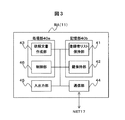
- H04—ELECTRIC COMMUNICATION TECHNIQUE
- H04L—TRANSMISSION OF DIGITAL INFORMATION, e.g. TELEGRAPHIC COMMUNICATION
- H04L9/00—Cryptographic mechanisms or cryptographic arrangements for secret or secure communications; Network security protocols
- H04L9/32—Cryptographic mechanisms or cryptographic arrangements for secret or secure communications; Network security protocols including means for verifying the identity or authority of a user of the system or for message authentication, e.g. authorization, entity authentication, data integrity or data verification, non-repudiation, key authentication or verification of credentials
- H04L9/3263—Cryptographic mechanisms or cryptographic arrangements for secret or secure communications; Network security protocols including means for verifying the identity or authority of a user of the system or for message authentication, e.g. authorization, entity authentication, data integrity or data verification, non-repudiation, key authentication or verification of credentials involving certificates, e.g. public key certificate [PKC] or attribute certificate [AC]; Public key infrastructure [PKI] arrangements
- H04L9/3268—Cryptographic mechanisms or cryptographic arrangements for secret or secure communications; Network security protocols including means for verifying the identity or authority of a user of the system or for message authentication, e.g. authorization, entity authentication, data integrity or data verification, non-repudiation, key authentication or verification of credentials involving certificates, e.g. public key certificate [PKC] or attribute certificate [AC]; Public key infrastructure [PKI] arrangements using certificate validation, registration, distribution or revocation, e.g. certificate revocation list [CRL]
-
- H—ELECTRICITY
- H04—ELECTRIC COMMUNICATION TECHNIQUE
- H04L—TRANSMISSION OF DIGITAL INFORMATION, e.g. TELEGRAPHIC COMMUNICATION
- H04L2209/00—Additional information or applications relating to cryptographic mechanisms or cryptographic arrangements for secret or secure communication H04L9/00
- H04L2209/60—Digital content management, e.g. content distribution
Landscapes
- Engineering & Computer Science (AREA)
- Business, Economics & Management (AREA)
- Computer Security & Cryptography (AREA)
- Accounting & Taxation (AREA)
- Theoretical Computer Science (AREA)
- General Business, Economics & Management (AREA)
- Finance (AREA)
- Strategic Management (AREA)
- Physics & Mathematics (AREA)
- General Physics & Mathematics (AREA)
- Signal Processing (AREA)
- Computer Networks & Wireless Communication (AREA)
- Computing Systems (AREA)
- Management, Administration, Business Operations System, And Electronic Commerce (AREA)
- Storage Device Security (AREA)
Description
【0001】
【発明の属する技術分野】
本発明は、公開鍵基盤(PKI(Public Key Infrastructure))に於ける、公開鍵証明書を発行する技術と、その公開鍵証明書の有効性を確認する技術とに関する。
【0002】
【従来の技術】
電子文書などディジタルデータを送付する際に、対象となるデータに対して、署名と送信者の公開鍵証明書を添付することが行われる。受信者では、受信データに添付されたディジタル署名(以下署名という)と公開鍵証明書の検証を行い、送付されたデータが改ざんされていないことと、確かに本人から送られた電子データであることを確認する。
【0003】
公開鍵証明書の発行と有効性の確認は、公開鍵基盤において行われ、その標準仕様はRFC2459(Internet X.509 Public Key Infrastructure Certificate and CRL Profile)や、RFC2510(Internet X.509 Public Key Infrastructure Certificate Management Protocols)等にて規定されている。
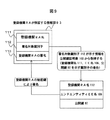
【0004】
RFC2459(3章)や、RFC2510(1.3)の構成モデルに示されるように、認証局の業務は主に、登録業務と発行業務から構成される。登録業務とは、利用者の登録ならびにその審査を行う業務であり、登録機関(Registration Authority、以下RAという)において行われる。
【0005】
発行業務とは主に、登録された利用者に対する公開鍵証明書の発行を行う業務であり、発行機関(Issuing Authority、以下IAという)によって行われる。
【0006】
なお、RFC2459およびRFC2510では、発行業務を行う機関を認証局(Certificate Authority、以下CAという)と定義しているが、本明細書においていは、発行業務を行う機関を発行機関IAと定義し、CAはRAとIAとからなると定義する。
【0007】
発行業務は、セキュアな設備や機器を必要とするため、高い維持費用と構築費用を要する。そのため、認証局を構築する組織は、発行業務処理を外部へ委託(以下、アウトソーシング(outsourcing)という)する場合がある。
【0008】
従来、発行業務をアウトソーシングする次の2つの方法がある。
【0009】
方法1では、認証局を構築する組織は、エンドエンティティ(End Entity、以下EEという。利用者やエンドユーザともいう)の本人確認や審査を、自機関のRAで行い、IAの業務全般(機器、設備、IAの運用等)を他機関へアウトソーシングする。アウトソーシング先機関は、複数のRAの公開鍵証明書発行業務を代行する。このとき、アウトソーシング先機関の秘密鍵が公開鍵証明書の発行に用いられ、アウトソーシング先機関名が公開鍵証明書発行者名(Issuer)として記載される。
【0010】
方法2では、認証局を構築する組織は、RAの業務を自機関で行い、IAの機器管理等の業務を他機関へアウトソーシングする。そこでは、認証局を構築する組織毎に専用のIAの機器や秘密鍵が用いられる。例えば、異なるRA毎のIAとIA秘密鍵とが、アウトソーシング先機関へ設けられる。この場合、認証局を構築する組織名(RA運営者名)が公開鍵証明書発行者名(Issuer)として記載される。
【0011】
以上の二つの方法が採用されている例として、日本認証サービス株式会社(JCSI)のSecureSignという証明書発行サービスがある。JCSIの「SecureSignパブリックサービス標準規定(V1.0)」(JCSI,SecureSignは、日本認証サービス株式会社の登録商標である)5ページには、以下のことが記述されている。
【0012】
SecureSignには、「パブリックサービス」「プライベートサービス」という二種類のサービスがある。プライベートサービスの場合、証明書ポリシーならびにCPSは顧客により決定され、顧客が必要とするネットワーク上のドメイン内に開示される。一方、パブリックサービスでは、JCSIがパブリックサービスの証明書発行者であり、証明書に署名する当事者であるということを意味する。
【0013】
【発明が解決しようとする課題】
発行業務と登録業務とを異なる組織で運営すると、利用者に対するIAとRAの責任範囲が明確にならないという問題点がある。IAとRAの責任範囲は、認証局運用規程(Certificate Practice Statement、以下CPSという)等で明確にすることとなっている。しかし発行された公開鍵証明書の内容において生じた問題(例えば、記載事項に間違いがあった場合など)の責任の所在を判断するには、IAやRAの内部データ(ログ等)を調べる必要があり、判断が難しい、時間がかかる、などの問題がある。
【0014】
【課題を解決するための手段】
本発明は、複数の当事者機関が作成に係わる公開鍵証明書について、公開鍵証明書の内容に対する各当事者の責任範囲を明確にする技術を提供する。
【0015】
また、本発明は複数の当事者機関が作成に係わる公開鍵証明書の検証技術を提供する。
【0016】
また、本発明は複数の当事者機関が作成に係わる公開鍵証明書について、その内容を利用者に分かりやすく示す技術を提供する。
【0017】
また、本発明は、上記技術に基づいた、公開鍵証明書の発行、登録、検証に係わる装置、またはそれらの装置を用いたシステム、または、各装置やシステムで用いられる処理方法を提供する。
【0018】
具体的には、本発明では、発行業務全般を他機関へアウトソーシングする場合において、以下のような公開鍵証明書発行の処理および検証処理を行う。
【0019】
本発明における公開鍵証明書の発行処理において、次の処理を行う。
【0020】
RA装置は、RAにおいて行われるEEの本人確認、審査等の後、EEがもつ情報のうち、公開鍵証明書に記載する情報、例えばEE名(subject)、公開鍵(subjectPublicKeyInfo)、に対してその内容を保証するRAの署名を生成する。RAは、生成したRA署名を添付した公開鍵証明書発行要求をIAへ送付する。
【0021】
IAがRAから受け取った公開鍵証明書発行要求に応じて、IA装置は公開鍵証明書を作成する。公開鍵証明書にはRAの名前とRAの署名とその署名対象情報が格納され、公開鍵証明書全体に対するIAの署名が生成され付与される。
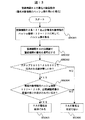
【0022】
上記手順で発行されたEEの公開鍵証明書の効力を停止するには、その登録に係わったRAの公開鍵証明書を失効させればよい。具体的には、RA装置は自身の公開鍵証明書の発行機関へ証明書失効要求を送付する。それを受け取ったRAの公開鍵証明書の発行機関は、RAの証明書を失効させる(失効リストに載せる)。この方法は、例えば、RAの運営終了時等に、RAが登録を行った全てのEEの公開鍵証明書を、一括して失効させる場合などに有効である。
【0023】
本発明による公開鍵証明書を、取引の過程などで受け取ったEEは、その公開鍵証明書を検証するために、次の検証処理を行う。
【0024】
まず、EE装置は、検証を行うEEが信頼する認証局の自己署名証明書から、当該公開鍵証明書までのパス構築およびパス検証を行う。次に、公開鍵証明書に記載されたRAの署名を、RAの公開鍵で検証する。そして、検証を行うEEの信頼する認証局の自己署名証明書から、RAの公開鍵証明書までのパス構築および検証を行う。この際、RAの公開鍵証明書が失効していた場合、検証対象の公開鍵証明書は有効でないものとなる。
【0025】
本発明による公開鍵証明書には、RAの名前と、署名と、検証者が署名による保証対象を知ることができる情報とが記載されているので、公開鍵証明書を受け取ったEEは、RAが何を保証しているのかを知ることができる。RAの保証範囲以外の記載事項は、IAが保証していることになり、この結果、IAとRAの責任範囲を明確化することができる。
【0026】
【発明の実施の形態】
図1は、本発明の実施形態が適用されたPKIシステムの概略構成を示す図である。
【0027】
本実施例のPKIシステムは、電子的に手続を行うEE1装置(15)、EE2装置(16)(EE装置と総称する)と、公開鍵証明書発行業務を行うCA1装置(13)、CA2装置(14)(CA装置と総称する)と、それぞれを接続するインターネット等のネットワーク(以下、NETという)17からなる。CA装置1(13)は、登録業務を行うRA装置(11)と、公開鍵証明書の発行業務と管理を行うIA装置(12)とから構成され、それぞれがNET(17)に接続されている。
【0028】
NET(17)を介して互いに接続しているIA装置(12)とRA装置(11)は、論理的にはCA1(13)を構築するものであれば、物理的に同じ場所にある必要はない。
【0029】
さらに、CA1装置(13)を運営する組織は、IA装置(12)を用いたIA業務を別機関にアウトソーシングしているため、IA装置(12)とRA装置(11)を運営する組織は異なるものとする。
【0030】
また、点線で示すように、CA1(13)は、CA2(14)と相互認証し、CA1(13)は、EE1(15)に対してその公開鍵証明書を発行し、CA2(14)は、EE2(16)に対してその公開鍵証明書を発行するものとする。EE1(15)、EE2(16)は、自身の公開鍵証明書を発行したCA1(13)、CA2(14)を信頼するものとする。
【0031】
次に、図1のPKIシステムを構成する各装置について説明する。
【0032】
図2を用いて、EE装置を説明する。
【0033】
EE装置は、処理部30aと記憶部30bと、NET17を介して他装置と通信を行うための通信部36と、ユーザが作成した電子文書や他のEEから受け取った電子文書の入出力や利用者からの指示の受付を行う入出力部37と、を有する。
【0034】
処理部30aは、電子文書に対する署名を生成する署名生成部34と、署名の検証を行う署名検証部35と、EE装置の各部を統括的に制御する制御部38と、を有する。
【0035】
記憶部30bは、利用者が作成した電子文書を保持する電子文書保持部31と、秘密鍵(署名鍵)と、これと対になる公開鍵の公開鍵証明書と、当該EE装置を運用するEEが信頼するCAの自己署名証明書を保持する鍵保持部32と、他のEEから受け取った署名付きの電子文書と公開鍵証明書を保持する検証対象保持部33と、を有する。
【0036】
このような構成において、制御部38は、入出力部37を介して利用者から、電子文書保持部31に保持してある電子文書を他のEEに送信すべき旨の指示を受け付けると、当該電子文書を電子文書保持部31から読み出し、これを署名生成部34に渡す。署名生成部34は、鍵保持部32に保持されている秘密鍵を用いて渡された当該電子文書に対する署名を生成する。
【0037】
制御部38は、電子文書保持部31から読み出した電子文書に署名生成部34で生成された署名を付して、署名付き電子文書を作成する。
【0038】
作成した署名付き電子文書と鍵保持部32に保持されている公開鍵証明書とを、通信部36を介して、利用者から指示された送信先のEEへ送信する。
【0039】
制御部38は、通信部36を介して、他のEE装置から署名付き電子文書と公開鍵証明書を受け取ると、これらを関連づけて検証対象保持部33に保持させると共に、これらの検証要求を署名検証部35に通知する。
【0040】
これを受けて、署名検証部35は、検証対象保持部33に保持されている署名付き電子文書の署名を、対応する公開鍵証明書を用いて検証する。
【0041】
それから、署名検証部35は、鍵保持部32に保持されている信頼するCAであるCA1(13)の自己署名証明書から当該公開鍵証明書までのパスに含まれる証明書を、通信部36を介して各CAから取得して、パスを構築し、そのパスを検証する。そして、これらの検証により正当性が確認できた場合にのみ、署名付き電子文書を正当な物として扱い、必要に応じて入出力部37から出力する。
【0042】
次に、図3を用いてRA装置を説明する。
【0043】
RA装置は、処理部40aと記憶部40bと、NET17を介して他装置と通信を行うための通信部44と、公開鍵証明書等の入出力やRA装置操作者からの指示の受付を行う入出力部45と、を有する。
【0044】
処理部40aは、IA装置への公開鍵証明書の発行依頼や失効依頼を行うための電子文書を作成する依頼文書作成部43と、RA装置の各部を統括的に制御する制御部46と、を有する。
【0045】
記憶部40bは、RAに登録されたEEの情報を保持する登録者リスト保持部41と、RAの秘密鍵とこれに対になる公開鍵証明書とを保持する鍵保持部42と、を有する。
【0046】
制御部46は、入出力部45を介してRA装置の操作者から、EE1の公開鍵証明書の発行要求依頼文書を、IA(12)へ送信すべき旨の指示を受け付けると、RA装置の操作者から入力された登録情報を登録者リスト保持部41へ保持させると共に、その旨を依頼文書作成部43に通知する。これを受けて、依頼文書作成部43は、EE1装置(15)による署名生成に用いる秘密鍵と、それに対する、検証に用いる公開鍵とをを作成し、登録情報とEE1の公開鍵に対する署名を、鍵保持部42に保持されているRA(11)の秘密鍵を用いて署名を生成し、当該署名と、EE1の公開鍵と登録情報とを記述した公開鍵証明書発行依頼文書を作成する。
【0047】
そして、作成した公開鍵証明書発行依頼文書を、通信部44を介して、IA装置(12)へ送信する。
【0048】
また、制御部46は、通信部44を介してIA装置(12)から、公開鍵証明書発行要求に対して発行された証明書を受け付けると、入出力部45あるいは通信部44を介してEE1(15)に送信するか、あるいは郵送できるように入出力部45から出力する。
【0049】
また、制御部46は、入出力部45を介してRA装置操作者から、EE1(15)の公開鍵証明書の失効要求依頼文書を、IA(12)へ送信すべき旨の指示を受け付けると、その旨を依頼文書作成部43に伝える。これを受けて、依頼文書作成部43は、失効依頼文書を作成し、通信部44を介してIA装置(12)へ送信する。
【0050】
また、制御部46は、通信部44を介してIA装置(12)から、公開鍵証明書の失効依頼に対する応答である確認の文書を受け付けると、登録者リスト保持部41に保持されている登録者リストから、失効した証明書に対する登録者情報を削除する。
【0051】
次に、図4を用いてIA装置を説明する。
【0052】
図示するように、IA装置は、処理部50aと記憶部50bと、NET17を介して他装置と通信を行うための通信部55と、公開鍵証明書等の入出力やIA装置の操作者から指示を受け付ける入出力部56と、を有する。
【0053】
処理部50aは、公開鍵証明書を発行する発行部53と、発行部53が発行した公開鍵証明書の管理を行う管理部54と、IA装置の各部を統括的に制御する制御部57と、を有する。
【0054】
記憶部50bは、発行部53が発行した公開鍵証明書を保持する公開鍵証明書データベース51と、失効証明書リスト保持部52と、を有する。
【0055】
このような構成において、制御部57は、通信部55を介してRA装置(11)から公開鍵証明書の発行依頼を受け付けると、その旨を発行部53に伝える。これを受けて、発行部53は、これに対する公開鍵証明書を作成する。この際、RA(11)の名称や、RA(11)の署名や、必要に応じて他の項目を記述し、自IA(12)の秘密鍵で公開鍵証明書に署名をする。そして、作成した公開鍵証明書を通信部55を介して、RA装置(11)へ送信する。また、この公開鍵証明書を公開鍵証明書データベース51に登録する。
【0056】
また、制御部57は、通信部55を介して、RA装置(11)から公開鍵証明書の失効依頼を受け付けると、その旨を管理部54に伝える。これを受けて、管理部54は、失効対象の公開鍵証明書を公開鍵証明書データベース51から削除する。そして、管理部54は、失効依頼により、公開鍵証明書データベース51から削除した公開鍵証明書に関する情報が記述された失効証明書リスト(一般に、CRL(Certification Revocation List)、ARL(Authority Revocation List)と呼ばれている)を、定期的に作成し、これを失効証明書リスト保持部52に保持させる。なお、管理部54は、作成した失効リストに、次回の失効証明書リストの作成予定日時を記述するものとする。
【0057】
また、管理部54は、公開鍵証明書データベース51に格納されている各公開鍵証明書の有効期限を調査し、有効期限を過ぎている公開鍵証明書を公開鍵証明書データベース51から削除する処理も行う。
【0058】
図2〜図4に示すEE装置、RA装置とIA装置の各々は、例えば、図5に示すような、CPU61と、メモリ62と、ハードディスク等の外部記憶装置63と、CD−ROM等の可搬性を有する記憶媒体69から情報を読み取れる読み取り装置64と、NET17を介して他装置と通信を行うための通新装置65と、キーボードやマウス等の入力装置66と、モニタやプリンタ等の出力装置67と、これらの各装置間のデータ送受を行うインタフェース68とを備えた、一般的な電子計算機上に構築できる。
【0059】
そして、CPU61がメモリ62上にロードされた所定のプログラムを実行することにより、各処理部を実現できる。すなわち、通信部36、44、55は、CPU61が通信装置66を利用することにより、入出力部37、45、56は、CPU61が入力装置66や出力装置67や読み取り装置64を利用することにより、そして、記憶部30b、40b、50bは、CPU61がメモリ62や外部記憶装置63を利用することにより実現される。また、処理部30a、40a、50aは、CPU61のプロセスとして実現される。
【0060】
上記所定のプログラムは、読み取り装置64を介して記憶媒体69から読み出され、あるいは、通信装置66を介してネットワークに接続された他の装置からダウンロードされて、外部記憶装置63に導入されるものであってもよい。
【0061】
次に、上記構成のEE1(15)、RA(11)およびIA(12)が、図1に示すようなCA1(13)とEE1(15)の関係にある場合を例にとり、EE1(15)、RA(11)およびIA(12)の動作について説明する。
【0062】
本実施形態のEE1(15)、RA(11)およびIA(12)の動作は、公開鍵証明書の発行動作と、失効動作とに分かれる。
【0063】
上記構成のEE1(15)、RA(11)およびIA(12)が行う公開鍵証明書の発行動作を説明する。
【0064】
図6は、本実施形態のEE1(15)、RA(11)およびIA(12)で行われる公開鍵証明書の発行動作を説明するためのフロー図である。
【0065】
EE1装置(15)の利用者は、公開鍵証明書の発行申請に必要な情報を記載した申請書を作成し(ステップS1001(S1001と表す。以下同様。))、その申請書に記載された情報が確かなものである事を示す証明書等とともに、郵送や対面等によってRA装置(11)の操作者へ渡す(S1002)。
【0066】
RA装置(11)の操作者は、公開鍵証明書発行の申請書および証明書等を受け付け(S1003)、その申請書の内容が、確かにEE1(15)の利用者に対する情報であり、公開鍵証明書を発行できる者である事を目視や対面等によって確認する(S1004)。
【0067】
次に、RA装置(11)の操作者は、申請書に記載されたEE装置1(15)の利用者の登録情報を、入出力部45を介して入力し、そして当該EE1(15)に対する公開鍵証明書発行依頼をIA装置(12)へ送信すべき旨の指示を行う。依頼文書作成部43は公開鍵証明書発行依頼文書を作成する(S1005)。
【0068】
依頼文書作成部43の具体的な動作は、すでに説明したとおりである。図7に示すように、作成した公開鍵証明書発行依頼文書90は、登録情報91と、EE1装置(15)が電子文書の署名に使用する秘密鍵に対応する公開鍵92と、RAの名前と署名と署名対象情報が記載されたRA(11)が保証する情報93と、これらの情報(91、92、93)に対するRA(11)の署名94から構成される。
【0069】
依頼文書作成部43は、作成した公開鍵証明書発行依頼文書を、通信部44とNET17を介してIA装置(12)へ送信する(S1006)。
【0070】
IA(12)は、公開鍵証明書発行依頼文書90を、RA(11)が発行したことを周知の技術で認証し、受け付ける。(S1007)。
【0071】
発行部53は、公開鍵証明書発行依頼に応答して、図8に示す公開鍵証明書100を作成する(S1008)。
【0072】
公開鍵証明書に記載する情報には、公開鍵の発行者名であるIA(12)の名称105や、IA(12)に割り当てられた証明書のシリアル番号104などIAが設定すべき情報と、発行部53が公開鍵証明書依頼文書90に含まれる情報から抽出した、公開鍵証明書の主体者であるEE1名106や、公開鍵92や、RA(11)が保証する情報93などがある。
【0073】
図8に示すように、公開鍵証明書100は、基本領域101と、拡張領域102と、IA署名103と、からなり、基本領域101には、シリアル番号104と、IA名105と、EE名106と、EE1(15)の公開鍵92などが記載され、RAが保証する情報93などの、拡張領域が記載される。
【0074】
次に、発行部53は、基本領域101と拡張領域102の情報に対して、IAの秘密鍵で署名103を生成し、公開鍵証明書100を作成する。
【0075】
IA装置(12)は、作成された公開鍵証明書100を、公開鍵証明書データベース51に登録し、NET17を介してRA装置(11)に送信する(S1009)。
【0076】
RA装置(11)は、NET17を介して公開鍵証明書100を受け付けたら(S1010)、通信部36または入出力部37を介して、通信または郵送による安全な方法により、EE1(15)に公開鍵証明書100とそれに対する秘密鍵を渡す(S1011)。
【0077】
EE1装置(15)は、RA装置(11)から公開鍵証明書100と、それに対する秘密鍵を受け付け(S1012)、鍵保持部32へ保持する。
【0078】
次に、公開鍵証明書発行依頼文書90や、公開鍵証明書100の拡張領域102に記載される、RAが保証する情報93を、説明する。
【0079】
まず、図9を参照し、署名対象識別子を用いて、RAが保証する情報93を示す方法を説明する。
【0080】
図示するように、署名対象識別子を用いる場合、RAが保証する情報93は、RA名111と、RAが保証する情報を示す署名対象識別子112と、RAの秘密鍵で生成したRA署名113と、から構成される。
【0081】
署名対象識別子112を具体的に説明する。署名対象識別子は、RAがS1004で確認および審査した情報のうち、公開鍵証明書に記載される情報を示すものである。RAが保証する情報は、例えば、EE名(SubjectName)や、公開鍵(PublicKey)や、EEの属性情報などがあり、対象情報の選び方がいろいろ考えられる。そのため、対象情報の一つ以上の組み合わせを指定する識別子を一つ以上あらかじめ、システムで定めてRA、EE、IAがアクセス可能な状態で登録しておく。RAは、この識別子が示す情報に対して署名を生成する(RAの署名113)。
【0082】
上記実施形態のように、署名対象識別子を用いてRAが保証する情報部93を記載する場合、RAがどのような情報を保証するかによって署名対象識別子を登録する。そのため、様々な組み合わせを署名対象情報に指定できることから、CAの運営者のニーズに柔軟に対応することができる。
【0083】
また、次に示す、署名対象情報のハッシュ値を用いる方法も可能である。
【0084】
図10に示すように、署名対象情報のハッシュ値を用いる場合、RAが保証する情報93は、登録機関名121と、登録機関が保証する情報のハッシュ値部122〜123と、これらの情報に対してRA(11)の秘密鍵で生成した登録機関名124と、から構成される。
【0085】
登録機関が保証する情報のハッシュ値部122〜123は、RA(11)がS1004で確認および審査した情報のうち、公開鍵証明書に記載される情報のそれぞれのハッシュ値が記載される。RAが保証する情報は、例えば、EEの名称(subjectName)や、公開鍵(publicKey)や、その他のEEの属性情報がある。
【0086】
RA(11)は、RA名121と、登録機関が保証する情報のハッシュ値部122〜123に対して、署名を生成する(登録機関の署名124)。
【0087】
署名対象情報のハッシュ値を用いて、RAが保証する情報部93を記載する場合、各署名対象情報のハッシュ値に対して、証明書に記載された情報と対応しているかを確認する必要があるものの、署名対象識別子を登録すること無しに署名による保証対象情報を示すことができる。
【0088】
次に、RA(11)およびRAの公開鍵証明書発行機関における、RA(11)の公開鍵証明書の失効動作について説明する。
【0089】
RA(11)の運営者(責任者)は、RA(11)の公開鍵証明書を失効させる場合、公開鍵証明書失効依頼文書を確実な方法(通信による署名付文書の送付や、手渡し等)でRAの公開鍵証明書発行機関へ送付する。
【0090】
RA(11)の公開鍵証明書発行機関は、公開鍵証明書失効依頼文書を、RA(11)が発行したことを周知の技術で認証し、受け付ける。
【0091】
RA(11)の公開鍵証明書発行機関は、周知の技術でRA(11)の公開鍵証明書を失効させる。すなわち、RA(11)の公開鍵証明書発行機関のデータベースからRA(11)の公開鍵証明書を削除し、証明書発行機関の署名が付与された証明書失効リストを定期的に発行する。
【0092】
このように、本実施形態による公開鍵証明書は、RAの公開鍵証明書を失効させることにより、RA毎に一括で有効でないものとできる。この方法により、全てのEEの公開鍵証明書を失効させる場合に比べて、証明書失効リストの容量が削減できる。
【0093】
次に、図1に示す構成において、EE2装置(16)がEE1装置(15)の公開鍵証明書を検証する場合の動作を説明する。
【0094】
EE2装置(16)は、EE1装置(15)から、署名付き電子文書と公開鍵証明書を受け付けると、上述の通り、その電子文書の署名検証と、公開鍵証明書の検証を行う。
【0095】
図11は、EE2装置(16)の署名検証部35が行う公開鍵証明書の検証動作を説明するためのフロー図である。
【0096】
署名検証部35は、EE2から公開鍵証明書の検証の指示を受け付けると、EE2装置(16)の信頼する認証局CA2(14)の自己署名証明書から、EE1(15)の公開鍵証明書までのパスを構築する(S3001)。
【0097】
具体的には、EE2装置(16)の署名検証部35は、EE1(15)の公開鍵証明書から、当該証明書の発行機関名の情報(IA名)を得る。
【0098】
そして、IA装置(12)の公開鍵証明書データベース181へアクセスし、CA2(14)からIA(12)へ発行された公開鍵証明書を得て、鍵保持部32に保持する。
【0099】
CA2(14)は、EE2(16)の信頼する認証局であるため、EE1装置(15)から送付されたEE1(15)の公開鍵証明書と、IA装置(12)から入手したIA(12)の公開鍵証明書と、鍵保持部32に保持されているCA2(14)の自己署名証明書を集めることにより、認証パスが構築できたことになる。
【0100】
署名検証部35は、各証明書の検証を行うことにより、S3001で構築されたパスについて、以下の通り検証を行う。(S3002)
署名検証部35は、CA2(14)の自己署名証明書に含まれるCA2(14)の公開鍵を用いて、IA(12)の公開鍵証明書に付与された署名の検証を行うと共に、これらの公開鍵証明書の内容が整合しているかを確認する。次に、IA(12)の公開鍵証明書に含まれるIA(12)の公開鍵を用いて、EE1の公開鍵証明書に付与された署名の検証を行うと共に、これらの公開鍵証明書の内容が整合しているかを確認する。
【0101】
以上のように、認証パスを構成する全ての証明書に関して、署名検証と整合性を確認することにより、パスの検証を行う。
【0102】
次に、署名検証部35は、検証対象の公開鍵証明書に記載されたRAを特定する情報(例えばRA名)に基づいて、RA(11)の公開鍵証明書をその発行機関のデータベースから入手し、そのRAの公開鍵証明書に含まれるRA(11)の公開鍵を用いて、EE1(15)の公開鍵証明書の拡張領域に記載されたRAの署名を検証する。(S3003)
また、RAの公開鍵証明書は、検証対象の公開鍵証明書の拡張領域に記載しておくことにより、検証者が入手する方法も可能である。
【0103】
署名検証部35は、S3003で用いたRA(11)の公開鍵証明書へのパスを構築する(S3004)。
【0104】
すなわち、EE2(16)の信頼するCA2(14)から、RA(11)までのパスを構築する。このRA(11)までのパスは、RA(11)の公開鍵証明書がどこから発行されているかによって異なる。
【0105】
まず、図14に示すように、RA(11)の公開鍵証明書が、IA(12)から発行されている場合において、RA(11)の公開鍵証明書までのパスを構築する例について説明する。
【0106】
署名検証部35は、RA(11)の公開鍵証明書から、当該証明書を発行したIAの情報を得る。
【0107】
そして、その発行したIA装置(12)の公開鍵証明書データベース181にアクセスし、IA(12)がCA2(14)から発行された公開鍵証明書を得る。
【0108】
CA2(14)は、EE2(16)が信頼する認証局であるため、認証パスを構成する証明書は、S3003で用いたRA(11)の公開鍵証明書と、IA装置(12)の公開鍵証明書データベース181から入手したIA(12)の公開鍵証明書と、鍵保持部32に保持されているCA2(14)の自己署名証明書となる。
【0109】
ここで、IA(12)の公開鍵証明書と、CA2(14)の自己署名証明書は、S3001で既に使用されているため、本ステップで再度利用することができるものとする。
【0110】
EE2装置(16)の制御部38は、S3002と同様の方法にて、S3004において構築されたRA(11)までのパスの検証を行う(S3005)。
【0111】
以上のS3002、S3003、S3005における全ての検証に成功した場合、EE1(15)の公開鍵証明書の有効性が確認できたことになる。確認結果は、EE2装置(16)の入出力部37を介して、利用者に示される(S3006)。
【0112】
また、上記実施形態とは異なり、図15に示すように、RA(11)の公開鍵証明書が、CA2(14)と相互認証を行っているCA3(192)から発行されていてもよい。その場合は、以下のように、RA(11)の公開鍵証明書までのパスを構築する。
【0113】
署名検証部35は、S3003で用いたRA(11)の公開鍵証明書から、RA(11)の公開鍵証明書の発行機関CA3(192)の情報を入手する。そして、そのCA3(192)の公開鍵証明書データベース(193)へアクセスし、CA3(192)がCA2(14)から発行された証明書を入手する。
【0114】
CA2(14)は、EE2(16)の信頼する認証局であるため、認証パスを構成する公開鍵証明書は、S3003で用いたRA(11)の公開鍵証明書と、CA3(192)の公開鍵証明書データベース193から入手したCA3(192)の公開鍵証明書と、鍵保持部32に保持されているCA2(14)の自己署名証明書となる。
【0115】
また、RAの署名の検証方法は、RA(11)が保証する情報部93を示す方法によって異なる。
【0116】
まず、署名対象識別子を用いて、RAが保証する情報部93を示す場合において、RAの署名113を検証する方法を示す。
【0117】
図12は、署名対象識別子を用いた場合において、EE2(16)が、RAの署名113の検証を行う動作を説明するためのフロー図である。
【0118】
EE2(16)の署名検証部35は、EE1(15)の公開鍵証明書に記載される署名対象識別子112が示す項目(図9の例では登録機関名、EE名、公開鍵を示す)を、当該公開鍵証明書から集め(S4001)、そのハッシュ値を取る(S4002)。それと共に、RA(11)の公開鍵証明書に記載された公開鍵を用いて、EE1(15)の公開鍵証明書に記載されたRAの署名113を復号化する(S4003)。そして、S4002とS4003からそれぞれ出力される値を比べ、等しいかどうかを確認する(S4004)。
【0119】
この結果が等しければ、RAの署名113が有効であることを検証できたことを意味する(S4005)。逆に、等しくない場合、RAの署名113が有効でないことを意味する(S4006)。
【0120】
次に、署名対象情報のハッシュ値を用いて、RAが保証する情報部93を示す場合における、登録機関の署名124の検証方法を示す。
【0121】
図13は、署名対象情報のハッシュ値を用いた場合において、EE2(16)が、RAの署名113の検証を行う動作を説明するためのフロー図である。
【0122】
EE2(16)の署名検証部35は、RA名121と、署名対象情報のハッシュ値部122〜123に対して、ハッシュ値を取る(S5001)。それと共に、RA(11)の公開鍵証明書に記載された公開鍵を用いて、EE1(15)の公開鍵証明書に記載されたRAの署名124を復号化する(S5002)。そして、S5001とS5002からそれぞれ出力される値を比べ、等しいかどうかを確認する(S5003)。これらの値が等しくない場合、RAの署名124は有効でないことになる(S5006)。等しい場合はS5004へ進む。
【0123】
S5004では、登録情報のハッシュ値部122〜123の各値が、公開鍵証明書の各情報と対応しているかを確認する。すなわち、公開鍵証明書のEE名106のハッシュを取った値と、EE名のハッシュ値122が同じであることを確認し、同様に公開鍵92のハッシュ値を取った値と、公開鍵のハッシュ値123が同じであることを確認する。
【0124】
この結果が等しければ、RAの署名124が有効であることを検証できたことを意味する(S5005)。逆に、等しくない場合、RAの署名124は有効でないことを意味する(S5006)。
【0125】
以上、本発明の実施形態について説明した。
【0126】
上記の各実施形態では、EE1(15)の公開鍵証明書の拡張領域に、RA(11)の署名113(または124)を含んだRAの保証する情報部93を記載している。そして、その公開鍵証明書を受け取った他のEEは、当該公開鍵証明書のRAの署名を検証することで、そのRAが保証する情報部93が示す記載事項がRA(11)により保証されていることを確かめることができる。すなわち、公開鍵証明書に記載されたEE1(15)は、RA(11)により本人確認および審査されたことを、その公開鍵証明書を受け取ったEEが確認することができる。RAが保証する情報部93が示す記載事項以外の事項は、当該公開鍵証明書のIAの署名を検証することで、IAにより保証されていることになる。
【0127】
なお、本発明は、上記の実施形態に限定されるものではなく、その要旨の範囲内で数々の変形が可能である。
【0128】
例えば、上記の実施形態では、一箇所のRAで本人確認および審査を行う形態であるが、本発明はこれに限定されない。EE1(15)の本人確認および審査を、複数のRAで行い、公開鍵証明書の拡張領域に、各RAで確認された情報が何かを示すために、RAが保証する情報部93を、複数記載してもよい。
【0129】
また、上記実施形態においては、公開鍵証明書に、検証者が署名対象範囲を知ることができる情報が含まれていた。これらに対し、公開鍵証明書に記載する情報のうち、RAが保証する署名対象情報をシステム内であらかじめ決めておく方法を用いても良い。その場合、RA(11)は、あらかじめ指定された情報に対してRA(11)の署名を生成する。RAが保証する情報部93には、RAの名前と署名を記載するだけで良い。
【0130】
この方法における、登録機関の署名の検証方法を示す。
【0131】
まず、あらかじめ署名対象情報として指定されている項目を、公開鍵証明書から集め、それに対してハッシュ値をとる。そして、登録機関の署名をRAの公開鍵で復号化し、上記の値と同じであるかを調べる。この結果が等しければ、RAの署名が有効であることを確認できたことを意味する。逆に、等しくない場合、RAの署名は有効でないことを意味する。
【0132】
RAが、あらかじめ指定されている場合、署名対象情報のハッシュ値が公開鍵証明書のどの項目に対応しているかを確認する必要がないため、署名対象情報のハッシュ値を取る場合に比べて検証処理が軽減される。
【0133】
【発明の効果】
本発明によれば、公開鍵証明書に記載される情報のうち、登録機関が保証する情報の範囲および内容を、それを受け取ったEEが確認することができる。すなわち、その公開鍵証明書の内容(誰が何を保証しているか)を、EEが確認することができる。
【図面の簡単な説明】
【図1】本発明の一実施形態が適用されたPKIシステムの構成図である。
【図2】図1に示すEEの概略構成を示す図である。
【図3】図1に示すRAの概略構成を示す図である。
【図4】図1に示すIAの概略構成を示す図である。
【図5】図2〜図4に示すEE、RAおよびIAの各々のハードウェア構成例を示す図である。
【図6】図1に示すEE1、RAおよびIAで行われる公開鍵証明書の発行動作を示すためのフロー図である。
【図7】図6のステップS1005で作成される公開鍵証明書発行依頼文書の概略構成を示す図である。
【図8】図6のステップS1009で作成される公開鍵証明書の概略構成を示す図である。
【図9】図8に示す情報93を署名対象識別子を用いて示す場合の概略構成を示す図である。
【図10】図8に示す情報93を登録情報のハッシュ値を用いて示す場合の概略構成を示す図である。
【図11】図1に示すEE2が、EE1の公開鍵証明書を検証する動作を示すためのフロー図である。
【図12】署名対象識別子を用いてRAが保証する情報93を示した場合において、RAの署名113の検証動作を示すためのフロー図である。
【図13】登録情報のハッシュ値を用いてRAが保証する情報93を示した場合において、RAの署名124の検証動作を示すためのフロー図である。
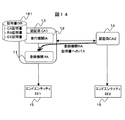
【図14】RAの証明書がIAから発行されている場合の概略構成を示した図である。
【図15】RAの証明書が、他の認証局であるCA3から発行されている場合の概略構成を示した図である。
【符号の説明】
11・・・RA、12,205・・・IA、13・・・CA1、14・・・CA2、15・・・EE1、16・・・EE2、17・・・NET、30a,40a,50a・・・処理部、30b,40b,50b・・・記憶部、31・・・電子文書保持部、32,42・・・鍵保持部、33・・・検証対象保持部、34・・・署名生成部、35・・・署名検証部、36,44,55・・・通信部、37,45,56・・・入出力部、38,46,57・・・制御部、41・・・登録者リスト保持部、43・・・依頼文書作成部、51・・・公開鍵証明書データベース、52・・・失効証明書リスト保持部、53・・・発行部、54・・・管理部、61・・・CPU、62・・・メモリ、63・・・外部記憶装置、64・・・読取装置、65・・・通信装置、66・・・入力装置、67・・・出力装置、68・・・インタフェース、69・・・記憶媒体
91・・・登録情報、92・・・公開鍵、93・・・RAが保証する情報、94・・・RAの署名、101・・・基本領域、102・・・拡張領域、103・・・IAの署名、104・・・シリアル番号、105・・・IA名、106・・・EE名、111,121・・・RA名、112・・・署名対象識別子、113,124・・・RAの署名、122・・・EE名のハッシュ値、123・・・公開鍵のハッシュ値、181、193・・・証明書データベース、192・・・CA3、201,211・・・RA1、202,212・・・RA2、203,217・・・アウトソーシング先機関、204・・・IAの秘密鍵、213・・・IA1、214・・・IA2、215・・・IA1の秘密鍵、216・・・IA2の秘密鍵。[0001]
BACKGROUND OF THE INVENTION
The present invention relates to a technique for issuing a public key certificate in a public key infrastructure (PKI) and a technique for confirming the validity of the public key certificate.
[0002]
[Prior art]
When sending digital data such as an electronic document, a signature and a sender's public key certificate are attached to the target data. The receiver verifies the digital signature attached to the received data (hereinafter referred to as the signature) and the public key certificate, and confirms that the sent data has not been tampered with, and is certainly electronic data sent from the person himself / herself. Make sure.
[0003]
Issuance of public key certificates and verification of validity are performed in the public key infrastructure, and the standard specifications thereof are RFC 2459 (Internet X.509 Public Key Infrastructure Certificate and CRL Profile) and RFC 2510 (Internet X.509 Public Key Infrastructure Certificate). Management Protocols).
[0004]
As shown in the configuration model of RFC2459 (Chapter 3) and RFC2510 (1.3), the operations of the certificate authority are mainly composed of registration operations and issuing operations. The registration work is a work for registering and examining users, and is performed in a registration authority (hereinafter referred to as RA).
[0005]
Issuing operations are operations that issue public key certificates to registered users, and are performed by an issuing authority (hereinafter referred to as IA).
[0006]
In RFC 2459 and RFC 2510, an organization that performs issuing operations is defined as a Certificate Authority (hereinafter referred to as CA). However, in this specification, an organization that performs issuing operations is defined as an issuing organization IA. CA is defined as consisting of RA and IA.
[0007]
Issuing work requires secure facilities and equipment, so it requires high maintenance and construction costs. Therefore, an organization that builds a certificate authority may outsource issuance processing (hereinafter referred to as outsourcing) in some cases.
[0008]
Conventionally, there are the following two methods for outsourcing issuance work.
[0009]
In
[0010]
In
[0011]
As an example in which the above two methods are adopted, there is a certificate issuing service called SecureSign of Japan Authentication Service Co., Ltd. (JCSI). On page 5 of JCSI's “SecureSign Public Service Standard Specification (V1.0)” (JCSI, SecureSign is a registered trademark of Japan Authentication Service Co., Ltd.), the following is described.
[0012]
There are two types of services in SecureSign: “public service” and “private service”. In the case of a private service, the certificate policy as well as the CPS is determined by the customer and disclosed in the domain on the network that the customer needs. On the other hand, in the public service, it means that JCSI is the certificate issuer of the public service and the party who signs the certificate.
[0013]
[Problems to be solved by the invention]
If the issuing business and the registration business are operated by different organizations, there is a problem that the responsibilities of IA and RA for the user are not clarified. The scope of responsibility of IA and RA will be clarified in the Certificate Practice Statement (CPS). However, it is necessary to examine internal data (logs, etc.) of IA and RA in order to determine the responsibility of the problem that occurred in the contents of the issued public key certificate (for example, when there is an error in the description) There are problems such as difficult to judge and time consuming.
[0014]
[Means for Solving the Problems]
The present invention provides a technique for clarifying the scope of responsibility of each party with respect to the contents of a public key certificate for a public key certificate related to creation by a plurality of party organizations.
[0015]
The present invention also provides a public key certificate verification technique related to creation by a plurality of parties.
[0016]
In addition, the present invention provides a technique for showing the contents of a public key certificate related to creation by a plurality of parties in an easy-to-understand manner to the user.
[0017]
Further, the present invention provides a device related to issuance, registration, and verification of a public key certificate based on the above technique, a system using these devices, or a processing method used in each device or system.
[0018]
Specifically, in the present invention, the following public key certificate issuance processing and verification processing are performed when outsourcing the entire issuance work to another organization.
[0019]
In the public key certificate issuance processing in the present invention, the following processing is performed.
[0020]
After the EE identity verification, examination, etc. performed in the RA, the RA device responds to the information described in the public key certificate, for example, the EE name (subject) and the public key (subjectPublicKeyInfo). An RA signature that guarantees the contents is generated. The RA sends a public key certificate issuance request attached with the generated RA signature to the IA.
[0021]
In response to the public key certificate issuance request received by the IA from the RA, the IA device creates a public key certificate. The public key certificate stores the RA name, RA signature, and signature target information, and generates and assigns the IA signature for the entire public key certificate.
[0022]
In order to stop the validity of the EE public key certificate issued in the above procedure, the RA public key certificate involved in the registration may be revoked. Specifically, the RA device sends a certificate revocation request to its public key certificate issuing organization. Upon receiving the certificate, the RA public key certificate issuing authority revokes the RA certificate (puts it on the revocation list). This method is effective, for example, when the public key certificates of all EEs registered by the RA are revoked in a lump at the end of the operation of the RA.
[0023]
The EE that has received the public key certificate according to the present invention in the course of a transaction or the like performs the following verification process in order to verify the public key certificate.
[0024]
First, the EE device performs path construction and path verification from the self-signed certificate of the certificate authority trusted by the EE to be verified to the public key certificate. Next, the RA signature described in the public key certificate is verified with the RA public key. Then, path construction and verification from the self-signed certificate of the certificate authority trusted by the EE to be verified to the RA public key certificate are performed. At this time, if the RA public key certificate has expired, the public key certificate to be verified is not valid.
[0025]
Since the public key certificate according to the present invention describes the RA name, signature, and information that enables the verifier to know the guarantee target by the signature, the EE that has received the public key certificate receives the RA. Can know what is guaranteed. IA guarantees the matters other than the guarantee scope of RA. As a result, the responsibility scope of IA and RA can be clarified.
[0026]
DETAILED DESCRIPTION OF THE INVENTION
FIG. 1 is a diagram showing a schematic configuration of a PKI system to which an embodiment of the present invention is applied.
[0027]
The PKI system of this embodiment includes an EE1 device (15), an EE2 device (16) (collectively referred to as EE device) that performs electronic procedures, a CA1 device (13), and a CA2 device that perform public key certificate issuance work. (14) (collectively referred to as a CA device) and a network 17 (hereinafter referred to as NET) 17 such as the Internet for connecting them. The CA device 1 (13) includes an RA device (11) that performs registration work, and an IA device (12) that performs public key certificate issuance work and management, and each is connected to the NET (17). Yes.
[0028]
The IA device (12) and the RA device (11) connected to each other via the NET (17) need to be physically located at the same location as long as the CA device (13) is logically constructed. Absent.
[0029]
Furthermore, since the organization that operates the CA1 device (13) outsources IA work using the IA device (12) to another organization, the organizations that operate the IA device (12) and the RA device (11) are different. Shall.
[0030]
Further, as indicated by the dotted line, CA1 (13) mutually authenticates with CA2 (14), CA1 (13) issues its public key certificate to EE1 (15), and CA2 (14) , The public key certificate is issued to EE2 (16). EE1 (15) and EE2 (16) trust CA1 (13) and CA2 (14) that issued their public key certificates.
[0031]
Next, each device constituting the PKI system of FIG. 1 will be described.
[0032]
The EE apparatus will be described with reference to FIG.
[0033]
The EE device includes a processing unit 30a, a storage unit 30b, a
[0034]
The processing unit 30a includes a
[0035]
The storage unit 30b operates an electronic document holding unit 31 that holds an electronic document created by a user, a private key (signature key), a public key certificate of a public key that is paired with the electronic key, and the EE device. It has a key holding unit 32 that holds a CA's self-signed certificate trusted by the EE, and a verification
[0036]
In such a configuration, when the
[0037]
The
[0038]
The created electronic document with signature and the public key certificate held in the key holding unit 32 are transmitted via the
[0039]
When the
[0040]
In response to this, the
[0041]
Then, the
[0042]
Next, the RA apparatus will be described with reference to FIG.
[0043]
The RA device receives the processing unit 40a, the storage unit 40b, the communication unit 44 for communicating with other devices via the NET 17, the input / output of the public key certificate, etc., and the instruction from the RA device operator. And an input / output unit 45.
[0044]
The processing unit 40a includes a request document creation unit 43 that creates an electronic document for issuing a public key certificate issuance request or revocation request to the IA device, a
[0045]
The storage unit 40b includes a registrant list holding unit 41 that holds EE information registered in the RA, and a key holding unit 42 that holds an RA private key and a public key certificate that is paired with the RA private key. .
[0046]
When the
[0047]
Then, the created public key certificate issuance request document is transmitted to the IA device (12) via the communication unit 44.
[0048]
When the
[0049]
Further, when the
[0050]
When the
[0051]
Next, the IA apparatus will be described with reference to FIG.
[0052]
As shown in the figure, the IA device includes a processing unit 50a, a storage unit 50b, a
[0053]
The processing unit 50a includes an issuing unit 53 that issues a public key certificate, a
[0054]
The storage unit 50 b includes a public
[0055]
In such a configuration, when the
[0056]
In addition, when the
[0057]
In addition, the
[0058]
Each of the EE device, RA device, and IA device shown in FIGS. 2 to 4 includes, for example, a
[0059]
Each processing unit can be realized by the
[0060]
The predetermined program is read from the
[0061]
Next, taking the case where EE1 (15), RA (11) and IA (12) of the above configuration are in the relationship between CA1 (13) and EE1 (15) as shown in FIG. 1, EE1 (15) The operation of RA (11) and IA (12) will be described.
[0062]
The operations of EE1 (15), RA (11), and IA (12) of this embodiment are divided into a public key certificate issuance operation and a revocation operation.
[0063]
The public key certificate issuance operation performed by the EE1 (15), RA (11), and IA (12) configured as described above will be described.
[0064]
FIG. 6 is a flowchart for explaining a public key certificate issuance operation performed in EE1 (15), RA (11), and IA (12) of the present embodiment.
[0065]
The user of the EE1 device (15) creates an application form in which information necessary for the public key certificate issuance application is written (step S1001 (denoted as S1001, the same applies hereinafter)), and is described in the application form. Along with a certificate or the like indicating that the information is reliable, the information is handed over to the operator of the RA apparatus (11) by mail or face-to-face (S1002).
[0066]
The operator of the RA device (11) accepts an application for issuing a public key certificate and a certificate (S1003), and the contents of the application are certainly information for the user of EE1 (15), and are publicly available. It is confirmed visually or face-to-face that the person can issue the key certificate (S1004).
[0067]
Next, the operator of the RA device (11) inputs the registration information of the user of the EE device 1 (15) described in the application form via the input / output unit 45, and for the EE1 (15). The public key certificate issuance request is instructed to be transmitted to the IA device (12). The request document creation unit 43 creates a public key certificate issuance request document (S1005).
[0068]
The specific operation of the request document creation unit 43 is as described above. As shown in FIG. 7, the created public key certificate issuance request document 90 includes registration information 91, a
[0069]
The request document creation unit 43 transmits the created public key certificate issuance request document to the IA device (12) via the communication unit 44 and the NET 17 (S1006).
[0070]
The IA (12) authenticates and accepts the public key certificate issuance request document 90 issued by the RA (11) using a known technique. (S1007).
[0071]
In response to the public key certificate issuance request, the issuing unit 53 creates the public key certificate 100 shown in FIG. 8 (S1008).
[0072]
The information described in the public key certificate includes information to be set by the IA such as the
[0073]
As shown in FIG. 8, the public key certificate 100 includes a
[0074]
Next, the issuing unit 53 generates a
[0075]
The IA device (12) registers the created public key certificate 100 in the public
[0076]
When the RA device (11) receives the public key certificate 100 via the NET 17 (S1010), the RA device (11) releases it to the EE1 (15) via the
[0077]
The EE1 device (15) receives the public key certificate 100 and the private key corresponding to the public key certificate 100 from the RA device (11) (S1012), and holds them in the key holding unit 32.
[0078]
Next,
[0079]
First, a method for indicating
[0080]
As shown in the figure, when the signature target identifier is used, the
[0081]
The
[0082]
When the
[0083]
Further, the following method using a hash value of signature target information is also possible.
[0084]
As shown in FIG. 10, when using the hash value of the signature target information, the
[0085]
In the
[0086]
The RA (11) generates a signature for the
[0087]
When the
[0088]
Next, the RA (11) public key certificate revocation operation at the RA (11) and the RA public key certificate issuing authority will be described.
[0089]
When the RA (11) operator (responsible person) revokes the RA (11) public key certificate, the public key certificate revocation request document can be relied on by a reliable method (sending a signed document by communication, handing over, etc.) ) To the RA public key certificate issuing organization.
[0090]
The public key certificate issuing organization of RA (11) authenticates and accepts the public key certificate revocation request document issued by RA (11) using a known technique.
[0091]
The public key certificate issuing organization of RA (11) revokes the public key certificate of RA (11) using a known technique. That is, the RA (11) public key certificate is deleted from the RA (11) public key certificate issuing authority database, and a certificate revocation list with the signature of the certificate issuing authority is periodically issued.
[0092]
As described above, the public key certificate according to the present embodiment can be invalidated for each RA by revoking the RA public key certificate. By this method, the capacity of the certificate revocation list can be reduced as compared with the case where all EE public key certificates are revoked.
[0093]
Next, the operation when the EE2 device (16) verifies the public key certificate of the EE1 device (15) in the configuration shown in FIG. 1 will be described.
[0094]
When receiving the signed electronic document and the public key certificate from the EE1 device (15), the EE2 device (16) verifies the signature of the electronic document and the public key certificate as described above.
[0095]
FIG. 11 is a flowchart for explaining the public key certificate verification operation performed by the
[0096]
When the
[0097]
Specifically, the
[0098]
Then, it accesses the public
[0099]
Since CA2 (14) is a certificate authority trusted by EE2 (16), public key certificate of EE1 (15) sent from EE1 device (15) and IA (12) obtained from IA device (12) ) And the CA2 (14) self-signed certificate held in the key holding unit 32, the certification path can be constructed.
[0100]
The
The
[0101]
As described above, the verification of the path is performed by confirming the signature verification and consistency for all the certificates constituting the certification path.
[0102]
Next, the
The RA public key certificate can be obtained by a verifier by describing it in the extension area of the public key certificate to be verified.
[0103]
The
[0104]
That is, a path from CA2 (14) trusted by EE2 (16) to RA (11) is constructed. The path to RA (11) differs depending on where the RA (11) public key certificate is issued.
[0105]
First, as shown in FIG. 14, when the RA (11) public key certificate is issued from the IA (12), an example of constructing a path to the RA (11) public key certificate will be described. To do.
[0106]
The
[0107]
Then, the public
[0108]
Since CA2 (14) is a certificate authority trusted by EE2 (16), the certificates constituting the certification path are the RA (11) public key certificate used in S3003 and the IA device (12) disclosure. The public key certificate of IA (12) obtained from the
[0109]
Here, since the public key certificate of IA (12) and the self-signed certificate of CA2 (14) are already used in S3001, they can be used again in this step.
[0110]
The
[0111]
If all the verifications in S3002, S3003, and S3005 are successful, the validity of the public key certificate of EE1 (15) has been confirmed. The confirmation result is shown to the user via the input / output unit 37 of the EE2 device (16) (S3006).
[0112]
Unlike the above embodiment, as shown in FIG. 15, the public key certificate of RA (11) may be issued from CA3 (192) that performs mutual authentication with CA2 (14). In that case, the path to the RA (11) public key certificate is constructed as follows.
[0113]
The
[0114]
Since CA2 (14) is a certificate authority trusted by EE2 (16), the public key certificate constituting the certification path is the public key certificate of RA (11) used in S3003 and the CA3 (192). The CA3 (192) public key certificate obtained from the public
[0115]
In addition, the RA signature verification method differs depending on the method of indicating the
[0116]
First, a method of verifying the
[0117]
FIG. 12 is a flowchart for explaining an operation in which the EE2 (16) verifies the
[0118]
The
[0119]
If the results are equal, it means that the
[0120]
Next, a method of verifying the
[0121]
FIG. 13 is a flowchart for explaining the operation in which the EE2 (16) verifies the
[0122]
The
[0123]
In S5004, it is confirmed whether each value of the
[0124]
If the results are equal, it means that the
[0125]
The embodiment of the present invention has been described above.
[0126]
In each of the above-described embodiments, the
[0127]
In addition, this invention is not limited to said embodiment, Many deformation | transformation are possible within the range of the summary.
[0128]
For example, in the above-described embodiment, the identity verification and examination are performed by one RA, but the present invention is not limited to this. The
[0129]
In the above embodiment, the public key certificate includes information that enables the verifier to know the signature target range. On the other hand, among the information described in the public key certificate, a method may be used in which signature target information guaranteed by RA is determined in advance in the system. In that case, the RA (11) generates a signature of the RA (11) for the information designated in advance. The name and signature of the RA need only be written in the
[0130]
A method for verifying the signature of a registration authority in this method will be described.
[0131]
First, items specified as signature target information in advance are collected from the public key certificate, and a hash value is obtained for the collected items. Then, the signature of the registration authority is decrypted with the RA public key, and it is checked whether it is the same as the above value. If the results are equal, it means that the RA signature is valid. Conversely, if they are not equal, it means that the RA signature is not valid.
[0132]
When RA is specified in advance, it is not necessary to confirm which item of the public key certificate the hash value of the signature target information corresponds to, so verification is performed compared to the case of taking the hash value of the signature target information. Processing is reduced.
[0133]
【The invention's effect】
According to the present invention, the EE that has received the information can confirm the range and content of the information guaranteed by the registration authority among the information described in the public key certificate. In other words, the EE can confirm the contents of the public key certificate (who guarantees what).
[Brief description of the drawings]
FIG. 1 is a configuration diagram of a PKI system to which an embodiment of the present invention is applied.
FIG. 2 is a diagram showing a schematic configuration of the EE shown in FIG. 1;
FIG. 3 is a diagram showing a schematic configuration of the RA shown in FIG. 1;
4 is a diagram showing a schematic configuration of the IA shown in FIG. 1. FIG.
FIG. 5 is a diagram illustrating a hardware configuration example of each of EE, RA, and IA illustrated in FIGS. 2 to 4;
6 is a flowchart for showing a public key certificate issuance operation performed in EE1, RA, and IA shown in FIG. 1. FIG.
7 is a diagram showing a schematic configuration of a public key certificate issuance request document created in step S1005 of FIG.
8 is a diagram showing a schematic configuration of a public key certificate created in step S1009 of FIG.
9 is a diagram showing a schematic configuration in a case where
10 is a diagram showing a schematic configuration in a case where
FIG. 11 is a flowchart for showing an operation in which EE2 shown in FIG. 1 verifies the public key certificate of EE1.
FIG. 12 is a flowchart for showing the verification operation of the
FIG. 13 is a flowchart for showing the verification operation of the
FIG. 14 is a diagram showing a schematic configuration when an RA certificate is issued from an IA;
FIG. 15 is a diagram showing a schematic configuration in the case where an RA certificate is issued from CA3, which is another certificate authority.
[Explanation of symbols]
11 ... RA, 12, 205 ... IA, 13 ... CA1, 14 ... CA2, 15 ... EE1, 16 ... EE2, 17 ... NET, 30a, 40a, 50a ..Processing unit, 30b, 40b, 50b ... storage unit, 31 ... electronic document holding unit, 32, 42 ... key holding unit, 33 ... verification target holding unit, 34 ...
91 ... Registration information, 92 ... Public key, 93 ... Information guaranteed by RA, 94 ... Signature of RA, 101 ... Basic area, 102 ... Extended area, 103 ... IA signature, 104 ... serial number, 105 ... IA name, 106 ... EE name, 111, 121 ... RA name, 112 ... signature target identifier, 113, 124 ... RA Signature, 122 ... hash value of EE name, 123 ... hash value of public key, 181, 193 ... certificate database, 192 ... CA3, 201, 211 ... RA1, 202, 212 ..RA2, 203, 217 ... Outsourcing destination organization, 204 ... IA private key, 213 ... IA1, 214 ... IA2, 215 ... IA1 private key, 216 ... IA2 Private key.
Claims (10)
前記登録機関装置は、
公開鍵証明書への登録情報である第1の情報に対して署名を生成する第1の署名生成手段と、
前記第1の情報と、前記第1の署名生成手段によって生成された第1の署名とから構成される証明書発行依頼を作成する証明書発行依頼作成手段と、
を備え、
前記発行機関装置は、
前記第1の情報と、前記第1の署名と、前記発行機関装置が発行する情報である第2の情報に対して署名を生成する第2の署名生成手段と、
前記第1の情報と、前記第1の署名と、前記第2の情報と前記第2の署名生成手段によって生成された第2の署名とから構成される公開鍵証明書を生成する生成手段と
を備えることを特徴とする公開鍵証明書の生成システム。In a public key infrastructure, a public key certificate generation system comprising a registration authority device and an issuing authority device,
The registration authority device is:
First signature generation means for generating a signature for the first information that is registration information in the public key certificate;
A certificate issuance request creation means for creating a certificate issuance request composed of the first information and the first signature generated by the first signature generation means;
With
The issuing agency device is:
Second signature generating means for generating a signature for the first information, the first signature, and the second information that is information issued by the issuing authority device;
Generating means for generating a public key certificate composed of the first information, the first signature, the second information, and the second signature generated by the second signature generating means; A public key certificate generating system comprising:
前記第1の情報は、
前記第1の情報を指定する識別子を有することを特徴とする公開鍵証明書の生成システム。In the public key certificate generation system according to claim 1,
The first information is:
A public key certificate generation system comprising an identifier for designating the first information.
前記第1の情報は、
前記第1の情報にハッシュ関数を作用させて求められるハッシュ値と、
前記登録機関装置が前記ハッシュ値に対して生成する第3の署名と
を有することを特徴とする公開鍵証明書の生成システム。In the public key certificate generation system according to claim 1,
The first information is:
A hash value obtained by applying a hash function to the first information;
A public key certificate generation system, characterized in that the registration authority apparatus has a third signature generated for the hash value.
前記公開鍵証明書は、
該公開鍵証明書への登録情報である第 1 の情報と、前記登録機関が前記登録情報に対して生成した第 1 の署名と、前記発行機関装置が発行する情報である第 2 の情報と、前記発行機関装置が前記第 1 の情報、前記第 2 の情報及び第 1 の情報に対して生成する第 2 の署名とから構成され、
前記エンドエンティティ装置は、
公開鍵証明書を受け付ける受付手段と、
前記第1の署名と前記第2の署名を検証する検証手段と、
前記第1の署名及び前記第2の署名の対象となった情報を利用者に表示する表示手段と
を備えることを特徴とする公開鍵証明書の検証システム。In a public key infrastructure, a public key certificate verification system comprising a registration authority device, an issuing authority device, and an end entity device,
The public key certificate is
A first information of a registration to the public key certificate, a first signature which the registration authority has been generated for the registration information, and second information said issuer equipment is information for issuing The issuing institution apparatus comprises the first information, the second information, and a second signature generated for the first information ,
The end entity device is:
Means for accepting a public key certificate;
Verification means for verifying the first signature and the second signature;
Verification system of the public key certificate, wherein the obtaining Bei and display means for displaying information as a target of the first signature and the second signature to the user.
前記エンドエンティティ装置は、
公開鍵証明書を受け付ける受付手段と、
検証手段とを備え、
前記公開鍵証明書は、
該公開鍵証明書への登録情報である第 1 の情報と、前記登録機関が前記登録情報に対して生成した第1の署名と、前記発行機関装置が発行する情報である第2の情報と、前記発行機関装置が前記第1の情報、前記第2の情報及び前記第1の署名に対して生成する第2の署名とから構成され、
前記第1の情報は該第1の情報を指定する識別子を有し、
前記検証手段は、
前記第1の情報を前記公開鍵証明書から取得し、該取得した第1の情報のハッシュ値を求め、前記第1の署名を前記登録機関装置の公開鍵で復号化し、前記ハッシュ値と前記復号化した値が等しいかどうかを調べることを特徴とする公開鍵証明書の検証システム。In a public key infrastructure, a public key certificate verification system comprising a registration authority device, an issuing authority device, and an end entity device,
The end entity device is:
Means for accepting a public key certificate;
A verification means,
The public key certificate is
A first information of a registration to the public key certificate, a first signature which the registration authority has been generated for the registration information, and second information said issuer equipment is information for issuing The issuing institution apparatus comprises the first information, the second information, and a second signature generated for the first signature,
The first information has an identifier designating the first information;
The verification means includes
Obtaining the first information from the public key certificate, obtaining a hash value of the obtained first information, decrypting the first signature with the public key of the registration authority device, and the hash value and the A public key certificate verification system characterized by checking whether or not decrypted values are equal.
前記エンドエンティティ装置は、
公開鍵証明書を受け付ける受付手段と、
検証手段とを備え、
前記公開鍵証明書は、
該公開鍵証明書への登録情報である第1の情報と、前記登録機関が前記登録情報に対して生成した第1の署名と、前記発行機関装置が発行する情報である第2の情報と、前記発行機関装置が前記第1の情報、前記第2の情報及び前記第1の署名に対して生成する第2の署名とから構成され、
前記第1の情報は該第1の情報にハッシュ関数を作用させて求められる第1のハッシュ値と、前記登録機関装置が前記ハッシュ値に対して生成する第3の署名を有し、
前記検証手段は、
前記公開鍵証明書に記載された情報のハッシュ値である第2のハッシュ値と前記第1のハッシュ値とを比較することを特徴とする公開鍵証明書の検証システム。In a public key infrastructure, a public key certificate verification system comprising a registration authority device, an issuing authority device, and an end entity device,
The end entity device is:
Means for accepting a public key certificate;
A verification means,
The public key certificate is
First information which is registration information for the public key certificate, a first signature generated by the registration authority for the registration information, and second information which is information issued by the issuing authority device; The issuing institution apparatus comprises the first information, the second information, and a second signature generated for the first signature,
The first information includes a first hash value obtained by applying a hash function to the first information, and a third signature that the registration authority device generates for the hash value,
The verification means includes
A public key certificate verification system, wherein a second hash value, which is a hash value of information described in the public key certificate, is compared with the first hash value.
前記エンドエンティティ装置は、
前記利用者が信頼する認証局から、前記公開鍵証明書までのパス構築と該パスを検証し、前記第1の署名を前記登録機関装置の公開鍵で検証することを特徴とする公開鍵証明書の検証システム。In the public key certificate verification system according to claim 4,
The end entity device is:
A public key certificate characterized in that a path from the certificate authority trusted by the user to the public key certificate is verified and the path is verified, and the first signature is verified with the public key of the registration authority device. Certificate verification system.
前記エンドエンティティ装置は、
前記公開鍵証明書に記載された前記登録機関装置の名前に基づいて、該公開鍵証明書を発行した前記発行機関装置の情報を取得し、該発行機関装置の公開鍵証明書データベースから、前記登録機関装置の公開鍵証明書を取得することを特徴とする公開鍵証明書の検証システム。In the public key certificate verification system according to claim 7,
The end entity device is:
Based on the name of the registration authority device described in the public key certificate, obtain information of the issuing authority device that issued the public key certificate, and from the public key certificate database of the issuing authority device, A public key certificate verification system characterized by obtaining a public key certificate of a registration authority device.
前記エンドエンティティ装置は、
前記パス構築の際、前記公開鍵証明書に記載された前記登録機関装置の公開鍵証明書を取得することを特徴とする公開鍵証明書の検証システム。In the public key certificate verification system according to claim 7,
The end entity device is:
A public key certificate verification system, wherein the public key certificate of the registration authority device described in the public key certificate is acquired when the path is constructed.
前記登録機関装置は、該登録機関装置の公開鍵証明書の発行機関装置へ証明書失効要求を送付し、
前記発行機関装置は、前記証明書失効要求を受け取り、該証明書失効要求に基づいて、前記登録機関装置の前記発行機関装置用のデータベースから公開鍵証明書を削除し、前記登録機関装置の署名を付与した証明書失効リストを定期的に発行することを特徴とする公開鍵証明書の生成システム。In the public key certificate generation system according to claim 1,
The registration authority device sends a certificate revocation request to the issuing authority device of the public key certificate of the registration authority device,
The issuing authority device receives the certificate revocation request, deletes a public key certificate from the database for the issuing authority device of the registration authority device based on the certificate revocation request, and signs the registration authority device A system for generating a public key certificate, characterized by periodically issuing a certificate revocation list with a certificate.
Priority Applications (6)
| Application Number | Priority Date | Filing Date | Title |
|---|---|---|---|
| JP2001356851A JP3890959B2 (en) | 2001-11-22 | 2001-11-22 | Public key certificate generation system and verification system |
| CA002372264A CA2372264C (en) | 2001-11-22 | 2002-02-15 | Public key certificate generation method, validation method and apparatus thereof |
| US10/076,624 US7409553B2 (en) | 2001-11-22 | 2002-02-19 | Public key certificate generation method, validation method and apparatus thereof |
| KR10-2002-0008660A KR100451082B1 (en) | 2001-11-22 | 2002-02-19 | Methods of generating and verifying public key certification, and apparatus thereof |
| SG200200940A SG112823A1 (en) | 2001-11-22 | 2002-02-19 | Public key certificate generation method, validation method and apparatus thereof |
| AU16797/02A AU760317B1 (en) | 2001-11-22 | 2002-02-20 | Public key certificate generation method, validation method and apparatus thereof |
Applications Claiming Priority (1)
| Application Number | Priority Date | Filing Date | Title |
|---|---|---|---|
| JP2001356851A JP3890959B2 (en) | 2001-11-22 | 2001-11-22 | Public key certificate generation system and verification system |
Publications (3)
| Publication Number | Publication Date |
|---|---|
| JP2003158517A JP2003158517A (en) | 2003-05-30 |
| JP2003158517A5 JP2003158517A5 (en) | 2004-09-30 |
| JP3890959B2 true JP3890959B2 (en) | 2007-03-07 |
Family
ID=19168295
Family Applications (1)
| Application Number | Title | Priority Date | Filing Date |
|---|---|---|---|
| JP2001356851A Expired - Fee Related JP3890959B2 (en) | 2001-11-22 | 2001-11-22 | Public key certificate generation system and verification system |
Country Status (6)
| Country | Link |
|---|---|
| US (1) | US7409553B2 (en) |
| JP (1) | JP3890959B2 (en) |
| KR (1) | KR100451082B1 (en) |
| AU (1) | AU760317B1 (en) |
| CA (1) | CA2372264C (en) |
| SG (1) | SG112823A1 (en) |
Families Citing this family (26)
| Publication number | Priority date | Publication date | Assignee | Title |
|---|---|---|---|---|
| CN1656555A (en) * | 2002-05-09 | 2005-08-17 | 松下电器产业株式会社 | Authentication communication system, authentication communication apparatus, and authentication communicating method |
| KR20040009766A (en) * | 2002-07-25 | 2004-01-31 | 학교법인 성균관대학 | Apparatus and method for transmitting and receiving in encryption system |
| US20050039016A1 (en) * | 2003-08-12 | 2005-02-17 | Selim Aissi | Method for using trusted, hardware-based identity credentials in runtime package signature to secure mobile communications and high-value transaction execution |
| JP4636584B2 (en) * | 2003-09-25 | 2011-02-23 | 大日本印刷株式会社 | Information leakage prevention system |
| JP3894181B2 (en) * | 2003-10-10 | 2007-03-14 | 株式会社日立製作所 | Method and apparatus for speeding up public key certificate verification |
| JP4758095B2 (en) * | 2004-01-09 | 2011-08-24 | 株式会社リコー | Certificate invalidation device, communication device, certificate invalidation system, program, and recording medium |
| KR100484094B1 (en) * | 2004-02-21 | 2005-04-19 | 이철수 | Method for servicing an electronic cirtificate for a big-name brand |
| US7121924B2 (en) * | 2004-04-20 | 2006-10-17 | 3M Innovative Properties Company | Abrasive articles, and methods of making and using the same |
| JP4671783B2 (en) * | 2004-07-20 | 2011-04-20 | 株式会社リコー | Communications system |
| KR20060081337A (en) * | 2005-01-07 | 2006-07-12 | 엘지전자 주식회사 | Encryption and Decryption Method Using Secret Key |
| JP4768338B2 (en) * | 2005-07-14 | 2011-09-07 | 三菱電機株式会社 | Certificate issuing request device, certificate issuing program, and certificate issuing method |
| ATE374478T1 (en) * | 2005-08-05 | 2007-10-15 | Sap Ag | SYSTEM AND METHOD FOR RENEWING KEYS USED IN PUBLIC-KEY CRYPTOGRAPHY |
| US7600123B2 (en) * | 2005-12-22 | 2009-10-06 | Microsoft Corporation | Certificate registration after issuance for secure communication |
| FR2896646A1 (en) * | 2006-01-24 | 2007-07-27 | France Telecom | Cryptographic key certificating method for e.g. chip card, involves generating certificate by physical device by utilizing certification key stored in inviolable memory of device, where certificate relates entity identity and public key |
| FR2897488B1 (en) * | 2006-02-16 | 2008-04-11 | Digimedia Interactivite Soc Pa | METHOD OF PUBLIC KEY CERTIFICATION BY A NON-ACCREDITED PROVIDER |
| DE102006009725A1 (en) * | 2006-03-02 | 2007-06-14 | Siemens Ag | Public code authenticating method, involves producing signature from combination of public code and generated authentication characteristic, and publishing public code, authentication characteristic and produced signature |
| US20080016336A1 (en) * | 2006-07-17 | 2008-01-17 | Nokia Corporation | Generic public key infrastructure architecture |
| KR101007521B1 (en) * | 2008-07-23 | 2011-01-18 | (주)에스알파트너즈 | Document authentication system and method using expert's digital signature |
| US9055059B1 (en) | 2009-12-16 | 2015-06-09 | Symantec Corporation | Combining multiple digital certificates |
| US8364954B2 (en) * | 2009-12-16 | 2013-01-29 | Symantec Corporation | Method and system for provisioning multiple digital certificates |
| US8375204B2 (en) | 2009-12-16 | 2013-02-12 | Symantec Corporation | Method and system to combine multiple digital certificates using the subject alternative name extension |
| KR101780635B1 (en) | 2016-04-28 | 2017-09-21 | 주식회사 코인플러그 | Method for creating, registering, revoking certificate information and server using the same |
| JP6768947B2 (en) * | 2018-11-07 | 2020-10-14 | アリババ・グループ・ホールディング・リミテッドAlibaba Group Holding Limited | Managing communication between consensus nodes and client nodes |
| DE102020105668A1 (en) * | 2019-12-30 | 2020-12-17 | Matthias Olschowy | Method and system for electronic remote signature |
| US20230214778A1 (en) * | 2020-05-26 | 2023-07-06 | Indeed, Inc. | Dynamic Automated Real-Time Management of Virtual Interviews between Job Providers and Qualified Job Seekers |
| CN116880884B (en) * | 2023-09-08 | 2023-11-24 | 鼎铉商用密码测评技术(深圳)有限公司 | Updating method of electronic device, updating device and readable storage medium |
Family Cites Families (14)
| Publication number | Priority date | Publication date | Assignee | Title |
|---|---|---|---|---|
| US6035402A (en) * | 1996-12-20 | 2000-03-07 | Gte Cybertrust Solutions Incorporated | Virtual certificate authority |
| EP0869637A3 (en) | 1997-04-02 | 2000-12-06 | Arcanvs | Digital certification system |
| JPH118619A (en) * | 1997-06-18 | 1999-01-12 | Hitachi Ltd | Electronic certificate issuing method and system |
| JP2000115160A (en) * | 1998-10-05 | 2000-04-21 | Ntt Data Corp | Public key certificate issuing system, method and recording medium |
| KR100293492B1 (en) * | 1998-12-24 | 2001-07-12 | 이계철 | Digital signature verification method using denial protocol |
| JP2000276187A (en) * | 1999-03-25 | 2000-10-06 | Fuji Heavy Ind Ltd | Voice recognition method and voice recognition device |
| US7020778B1 (en) * | 2000-01-21 | 2006-03-28 | Sonera Smarttrust Oy | Method for issuing an electronic identity |
| JP2001320356A (en) * | 2000-02-29 | 2001-11-16 | Sony Corp | Data communication system using public key cryptosystem and data communication system construction method |
| US6978364B1 (en) * | 2000-04-12 | 2005-12-20 | Microsoft Corporation | VPN enrollment protocol gateway |
| JP2001306733A (en) * | 2000-04-25 | 2001-11-02 | Hitachi Ltd | Electronic certificate issuing method and system |
| US7275155B1 (en) * | 2000-09-01 | 2007-09-25 | Northrop Grumman Corporation | Chain of trust processing |
| JP2002099211A (en) * | 2000-09-21 | 2002-04-05 | Sony Corp | Public key certificate issuance request processing system and public key certificate issuance request processing method |
| KR20010008042A (en) * | 2000-11-04 | 2001-02-05 | 이계철 | Certification auditing agency service and system |
| US20020099668A1 (en) * | 2001-01-22 | 2002-07-25 | Sun Microsystems, Inc. | Efficient revocation of registration authorities |
-
2001
- 2001-11-22 JP JP2001356851A patent/JP3890959B2/en not_active Expired - Fee Related
-
2002
- 2002-02-15 CA CA002372264A patent/CA2372264C/en not_active Expired - Fee Related
- 2002-02-19 US US10/076,624 patent/US7409553B2/en not_active Expired - Fee Related
- 2002-02-19 SG SG200200940A patent/SG112823A1/en unknown
- 2002-02-19 KR KR10-2002-0008660A patent/KR100451082B1/en not_active Expired - Fee Related
- 2002-02-20 AU AU16797/02A patent/AU760317B1/en not_active Ceased
Also Published As
| Publication number | Publication date |
|---|---|
| US7409553B2 (en) | 2008-08-05 |
| CA2372264C (en) | 2006-10-03 |
| JP2003158517A (en) | 2003-05-30 |
| US20030097566A1 (en) | 2003-05-22 |
| KR20030043562A (en) | 2003-06-02 |
| AU760317B1 (en) | 2003-05-15 |
| CA2372264A1 (en) | 2003-05-22 |
| KR100451082B1 (en) | 2004-10-02 |
| SG112823A1 (en) | 2005-07-28 |
Similar Documents
| Publication | Publication Date | Title |
|---|---|---|
| JP3890959B2 (en) | Public key certificate generation system and verification system | |
| US6438690B1 (en) | Vault controller based registration application serving web based registration authorities and end users for conducting electronic commerce in secure end-to-end distributed information system | |
| JP3588042B2 (en) | Certificate validity checking method and device | |
| US6892300B2 (en) | Secure communication system and method of operation for conducting electronic commerce using remote vault agents interacting with a vault controller | |
| CN110851857B (en) | Method and device for realizing identity endorsement on block chain | |
| EP2271049A2 (en) | Certificate validation method and certificate validation server and storage medium | |
| WO2003009200A1 (en) | Digital notary system and method | |
| EP2388950A2 (en) | Certificate validation method and validation server | |
| JP4715509B2 (en) | Personal information certification method and personal information certification system | |
| JP4690779B2 (en) | Attribute certificate verification method and apparatus | |
| JP2003150735A (en) | Electronic certificate system | |
| US20110208962A1 (en) | Streamlined process for enrollment of multiple digital certificates | |
| JP3793377B2 (en) | Data storage system and storage medium storing data storage program | |
| JP5036500B2 (en) | Attribute certificate management method and apparatus | |
| CN110992034A (en) | Supply chain transaction privacy protection system and method based on block chain and related equipment | |
| JP2002251492A (en) | Electronic trading apparatus, method and electronic trading system | |
| WO2022130507A1 (en) | User information management system, user information management method, user agent, and program | |
| JP2022151190A (en) | Business audit support system and business audit support method | |
| JP3449894B2 (en) | Network transaction system, recording medium recording the program, terminal device, and identification method | |
| JP7000207B2 (en) | Signature system | |
| JP2005284327A (en) | Receipt issuing system | |
| EP1205888A2 (en) | Certificate issuing method, system and computer readable storage medium | |
| CN116703310A (en) | Resource transfer method, device, computer equipment and storage medium | |
| JP2004297639A (en) | Method and apparatus for providing public key certificate revocation information | |
| TWI533654B (en) | Network device, register gateway and method for finishing applying certificate automatically |
Legal Events
| Date | Code | Title | Description |
|---|---|---|---|
| RD01 | Notification of change of attorney |
Free format text: JAPANESE INTERMEDIATE CODE: A7421 Effective date: 20060419 |
|
| A131 | Notification of reasons for refusal |
Free format text: JAPANESE INTERMEDIATE CODE: A131 Effective date: 20060606 |
|
| A521 | Request for written amendment filed |
Free format text: JAPANESE INTERMEDIATE CODE: A523 Effective date: 20060807 |
|
| A131 | Notification of reasons for refusal |
Free format text: JAPANESE INTERMEDIATE CODE: A131 Effective date: 20060919 |
|
| A521 | Request for written amendment filed |
Free format text: JAPANESE INTERMEDIATE CODE: A523 Effective date: 20061019 |
|
| TRDD | Decision of grant or rejection written | ||
| A01 | Written decision to grant a patent or to grant a registration (utility model) |
Free format text: JAPANESE INTERMEDIATE CODE: A01 Effective date: 20061114 |
|
| A61 | First payment of annual fees (during grant procedure) |
Free format text: JAPANESE INTERMEDIATE CODE: A61 Effective date: 20061127 |
|
| FPAY | Renewal fee payment (event date is renewal date of database) |
Free format text: PAYMENT UNTIL: 20101215 Year of fee payment: 4 |
|
| FPAY | Renewal fee payment (event date is renewal date of database) |
Free format text: PAYMENT UNTIL: 20101215 Year of fee payment: 4 |
|
| FPAY | Renewal fee payment (event date is renewal date of database) |
Free format text: PAYMENT UNTIL: 20111215 Year of fee payment: 5 |
|
| FPAY | Renewal fee payment (event date is renewal date of database) |
Free format text: PAYMENT UNTIL: 20111215 Year of fee payment: 5 |
|
| FPAY | Renewal fee payment (event date is renewal date of database) |
Free format text: PAYMENT UNTIL: 20121215 Year of fee payment: 6 |
|
| FPAY | Renewal fee payment (event date is renewal date of database) |
Free format text: PAYMENT UNTIL: 20131215 Year of fee payment: 7 |
|
| LAPS | Cancellation because of no payment of annual fees |