JP3676969B2 - Emotion detection method, emotion detection apparatus, and recording medium - Google Patents
Emotion detection method, emotion detection apparatus, and recording medium Download PDFInfo
- Publication number
- JP3676969B2 JP3676969B2 JP2000278397A JP2000278397A JP3676969B2 JP 3676969 B2 JP3676969 B2 JP 3676969B2 JP 2000278397 A JP2000278397 A JP 2000278397A JP 2000278397 A JP2000278397 A JP 2000278397A JP 3676969 B2 JP3676969 B2 JP 3676969B2
- Authority
- JP
- Japan
- Prior art keywords
- emotion
- information
- detecting
- change
- change amount
- Prior art date
- Legal status (The legal status is an assumption and is not a legal conclusion. Google has not performed a legal analysis and makes no representation as to the accuracy of the status listed.)
- Expired - Lifetime
Links
- 230000008451 emotion Effects 0.000 title claims description 197
- 238000001514 detection method Methods 0.000 title claims description 167
- 230000008859 change Effects 0.000 claims description 118
- 230000002996 emotional effect Effects 0.000 claims description 61
- 238000000034 method Methods 0.000 claims description 32
- 230000005236 sound signal Effects 0.000 claims description 19
- 230000008569 process Effects 0.000 claims description 18
- 238000003384 imaging method Methods 0.000 claims description 6
- 238000001228 spectrum Methods 0.000 claims description 6
- 238000004458 analytical method Methods 0.000 claims description 5
- 238000000926 separation method Methods 0.000 claims description 5
- 238000012217 deletion Methods 0.000 claims description 4
- 230000037430 deletion Effects 0.000 claims description 4
- 239000000463 material Substances 0.000 claims description 2
- 230000035945 sensitivity Effects 0.000 description 14
- 230000008921 facial expression Effects 0.000 description 12
- 238000010586 diagram Methods 0.000 description 6
- 230000008909 emotion recognition Effects 0.000 description 6
- 238000012935 Averaging Methods 0.000 description 5
- 239000000284 extract Substances 0.000 description 5
- 210000001508 eye Anatomy 0.000 description 5
- 210000004709 eyebrow Anatomy 0.000 description 5
- 210000000214 mouth Anatomy 0.000 description 5
- 210000000216 zygoma Anatomy 0.000 description 5
- 238000009825 accumulation Methods 0.000 description 3
- 230000006870 function Effects 0.000 description 3
- 238000004364 calculation method Methods 0.000 description 2
- 238000006243 chemical reaction Methods 0.000 description 2
- 230000009471 action Effects 0.000 description 1
- 230000016571 aggressive behavior Effects 0.000 description 1
- 238000013473 artificial intelligence Methods 0.000 description 1
- 230000006399 behavior Effects 0.000 description 1
- 230000000694 effects Effects 0.000 description 1
- 210000003128 head Anatomy 0.000 description 1
- 230000010365 information processing Effects 0.000 description 1
- 230000003287 optical effect Effects 0.000 description 1
- 230000001360 synchronised effect Effects 0.000 description 1
- 230000007704 transition Effects 0.000 description 1
Images




Description
【0001】
【発明の属する技術分野】
本発明は、人間の感情を検出するために用いる感情検出方法及び感情検出装置ならびに記録媒体に関する。本発明は、医療分野における感情検出にも利用できるし、人工知能や人工感性の一部分として様々なシステムに利用することもできる。
【0002】
【従来の技術】
本発明に関連のある従来技術は、例えば特開平5−12023号公報,特開平9−22296号公報及び特開平11−119791号公報に開示されている。特開平5−12023号公報においては、音声の特徴量として、音声の継続時間,音声のフォルマント周波数及び音声の周波数毎の強度をそれぞれ検出している。また、各々の特徴量について基準信号とのずれを検出し、検出したずれ量からファジー推論により感情の検出を行うことを開示している。
【0003】
特開平9−22296号公報においては、音声の特徴量として、音声の発生速度(単位時間あたりのモーラ数),音声ピッチ周波数,音量及び音声スペクトルを検出している。また、検出した音声の特徴量と、HMM(隠れマルコフモデル:Hidden Markov Model)の統計処理を行った結果とを用いて感情を検出することを開示している。
【0004】
特開平11−119791号公報においては、HMMを用いて音素スペクトルの遷移状態の確率に基づいて感情を検出することを開示している。
【0005】
【発明が解決しようとする課題】
しかしながら、従来の感情検出方法では感情の検出精度が低く、特定の限定された言葉について感情を検出できたとしても、実際の人間の感情を正確に検出できるものではない。従って、例えば比較的単純なゲーム装置の限定的な用途においてのみ感情検出方法が実用化されているのが実情である。
【0006】
本発明は、被験者である人間の感情をより正確に検出可能な感情検出方法及び感情検出装置ならびに記録媒体を提供することを目的とする。
【0007】
【課題を解決するための手段】
請求項1は、被験者の感情を検出するための感情検出方法であって、音声信号を入力し、入力した音声信号から音声の強度及び音声の出現速度を表すテンポをそれぞれ検出するとともに、音声の各単語内の強度変化パターンに出現する同一周波数成分の領域の時間間隔を抑揚として検出し、検出された音声の強度の時間軸方向の変化を表す第1の変化量,音声のテンポの時間軸方向の変化を表す第2の変化量及び音声の抑揚の時間軸方向の変化を表す第3の変化量をそれぞれ求め、第1の変化量,第2の変化量及び第3の変化量のパターンと、感情状態とを関連付ける情報を予め保持し、関連付ける情報を参照することで、第1の変化量,第2の変化量及び第3の変化量から、感情状態を表す信号を生成することを特徴とする。
【0008】
請求項1においては、被験者から入力される音声の強度,テンポ及び抑揚の各々の変化量を、感情状態に対応付けて感情を検出している。このような方法を用いることにより、従来よりも正確に感情を検出することが可能である。
請求項2は、被験者の感情を検出するための感情検出装置であって、音声信号を入力する音声入力手段と、前記音声入力手段が入力した音声信号から音声の強度を検出する強度検出手段と、前記音声入力手段が入力した音声信号から音声の出現速度をテンポとして検出するテンポ検出手段と、前記音声入力手段が入力した音声信号から、音声の単語内の強度変化パターンに出現する同一周波数成分の領域の時間間隔を抑揚として検出する抑揚検出手段と、前記強度検出手段が検出した音声の強度の時間軸方向の変化を表す第1の変化量,前記テンポ検出手段が検出した音声のテンポの時間軸方向の変化を表す第2の変化量及び前記抑揚検出手段が検出した音声の抑揚の時間軸方向の変化を表す第3の変化量をそれぞれ求める変化量検出手段と、第1の変化量,第2の変化量及び第3の変化量のパターンと、感情状態とを関連付ける情報を予め保持する感情パターンデータベースと、感情パターンデータベースの前記関連付ける情報を参照することで、第1の変化量,第2の変化量及び第3の変化量から、感情状態を表す信号を生成する感情検出手段とを設けたことを特徴とする。
【0009】
請求項2の感情検出装置においては、音声入力手段,強度検出手段,テンポ検出手段,抑揚検出手段,変化量検出手段及び感情検出手段を設けることにより、請求項1の感情検出方法を実施することができる。
請求項3は、請求項2の感情検出装置において、前記抑揚検出手段に、単語毎に分離されて入力される音声信号から特定の周波数成分を抽出するバンドパスフィルタ手段と、前記バンドパスフィルタ手段により抽出された信号のパワースペクトルをその強度に基づいて複数の領域に分離する領域分離手段と、前記領域分離手段により分離された複数の領域の各々の中心位置の時間間隔に基づいて抑揚の値を算出する抑揚計算手段とを設けたことを特徴とする。
【0010】
バンドパスフィルタ手段は、単語毎に分離されて入力される音声信号から特定の周波数成分を抽出する。領域分離手段は、検出されたパワースペクトルをその強度に基づいて複数の領域に分離する。抑揚計算手段は、前記領域分離手段により分離された複数の領域の各々の中心位置の時間間隔に基づいて抑揚の値を算出する。
【0011】
請求項3においては、音声の特定の周波数成分に関する単語内のエネルギー分布パターンを複数の領域の間隔を表す時間の値として検出し、その時間の長さを抑揚として利用している。
請求項4は、請求項2の感情検出装置において、被験者の少なくとも顔の画像情報を入力する撮像手段と、前記撮像手段が入力した画像情報から顔面各部に関する位置情報を検出する画像認識手段と、顔面各部の特徴量の基準情報を保持する画像基準情報保持手段と、前記画像認識手段の検出した位置情報と前記画像基準情報保持手段の保持する基準情報とに基づいて画像特徴量を検出する画像特徴量検出手段とを更に設けるとともに、前記感情検出手段が、前記画像特徴量検出手段の検出した画像特徴量の変化を判断材料に加えて感情状態を総合的に判断することを特徴とする。
【0012】
請求項4においては、音声だけでなく、被験者の顔の表情に基づいて感情状態を推定している。一般に、人間の感情状態はその人の顔の表情に反映されるので、顔の表情を検出することにより感情状態を把握することができる。そこで、請求項4では、前記感情検出手段は画像特徴量検出手段の検出した画像特徴量の変化に基づいて感情状態を推定している。
【0013】
請求項5は、請求項2の感情検出装置において、前記感情検出手段の検出した感情状態の情報を逐次入力して蓄積する感情情報蓄積手段と、前記感情情報蓄積手段に蓄積された過去の感情状態の情報のうち、記憶時点から所定の時間が経過した情報を削除するとともに、削除対象の情報のうち、予め定めた変化パターンに適合する情報については削除対象から除外する忘却処理手段とを更に設けたことを特徴とする。
【0014】
請求項5においては、検出された過去の感情状態の情報を感情情報蓄積手段に蓄積しておくことができる。また、検出してから長い時間の経過した古い情報については感情情報蓄積手段から自動的に削除されるので、感情情報蓄積手段に必要とされる記憶容量を減らすことができる。
【0015】
但し、感情変化が所定以上に大きい情報や、予め定めた変化パターンに適合する情報のように特徴的な情報については削除対象から自動的に除外される。このため、特徴的な情報は古くなってもそのまま感情情報蓄積手段に保持される。従って、人間の記憶と同じように、後で役に立つ印象的な情報については古くなっても感情情報蓄積手段から読み出して再生することができる。
【0016】
請求項6は、請求項5の感情検出装置において、被験者の発した音声もしくは被験者の入力した文字の情報を処理して文法解析を行い文章の意味を表す発言情報を生成する文章認識手段と、前記文章認識手段の生成した発言情報を、前記感情状態の情報と同期した状態で感情情報蓄積手段に蓄積する蓄積制御手段とを更に設けたことを特徴とする。
【0017】
文章認識手段は、被験者の発した音声もしくは被験者がキーボードなどを用いて入力した文字の情報を処理して文法解析を行い文章の意味を表す発言情報を生成する。
文法解析により、例えば「5W3H」、すなわち「誰が」,「何を」,「いつ」,「どこで」,「なぜ」,「どうやって」,「どのくらい」,「いくら」を表す発言情報を得ることができる。
【0018】
蓄積制御手段は、前記文章認識手段の生成した発言情報を、前記感情状態の情報と同期した状態で感情情報蓄積手段に蓄積する。
請求項6においては、感情情報蓄積手段を参照することにより、過去の任意の時点における感情情報だけでなく、そのときの状況を表す発言情報を取り出すことができる。
【0019】
感情情報蓄積手段に保持された情報については、様々な用途で利用することができる。例えば、感情検出装置自体の感情推定機能が不正確であった場合には、感情情報蓄積手段に保持された過去の検出結果に基づいて感情推定に利用されるデータベースを修正することができる。
【0020】
請求項7は、請求項2の感情検出装置において、検出された感情状態に基づいて基準無音時間を決定する無音時間決定手段と、前記無音時間決定手段の決定した基準無音時間を利用して、音声の文章の区切りを検出する文章区切り検出手段とを更に設けたことを特徴とする。
音声の認識や感情の検出などを行う場合には、文章毎の区切りを検出してそれぞれの文章を抽出する必要がある。一般的には、文章と文章との区切りには無音区間が存在するので、無音区間が現れたタイミングで複数の文章を分離すればよい。
【0021】
しかしながら、無音区間の長さは一定ではない。特に、話者の感情の状態に対応して無音区間の長さは変化する。このため、無音区間の判定のために一定の閾値を割り当てた場合には、文章の区切りの検出に失敗する可能性が高くなる。
請求項7においては、例えば直前に検出された感情状態を利用して基準無音時間を決定し、この基準無音時間を用いて音声の文章の区切りを検出するので、話者の感情が変化した場合であっても正しく文章の区切りを検出できる。
【0022】
請求項8は、被験者の感情を検出するための計算機で実行可能な感情検出プログラムを記録した記録媒体であって、前記感情検出プログラムには、音声信号を入力する手順と、入力した音声信号から音声の強度及び音声の出現速度を表すテンポをそれぞれ検出するとともに、音声の各単語内の強度変化パターンに出現する同一周波数成分の領域の時間間隔を抑揚として検出する手順と、検出された音声の強度の時間軸方向の変化を表す第1の変化量,音声のテンポの時間軸方向の変化を表す第2の変化量及び音声の抑揚の時間軸方向の変化を表す第3の変化量をそれぞれ求める手順と、第1の変化量,第2の変化量及び第3の変化量のパターンと、感情状態とを関連付ける情報を予め保持しておく手順と、関連付ける情報を推定規則として参照することで、第1の変化量,第2の変化量及び第3の変化量から、感情状態を表す信号を生成する手順とを設けたことを特徴とする。
【0023】
請求項8の記録媒体に記録された感情検出プログラムを計算機を用いて実行することにより、請求項1の感情検出方法を実施することができる。
請求項9の感情検出方法は、請求項1に記載の感情検出方法において、怒り、悲しみ、および喜びのいずれか1つの感情状態を表す信号を生成することを特徴とする。
請求項10の感情検出装置は、請求項2ないし請求項7のいずれか1項に記載の感情検出装置において、感情検出手段は、怒り、悲しみ、および喜びのいずれか1つの感情状態を表す信号を生成することを特徴とする。
請求項11の記録媒体は、請求項8に記載の記録媒体において、怒り、悲しみ、および喜びのいずれか1つの感情状態を表す信号を生成することを特徴としたプログラムを記録する。
請求項12の抑揚の検出方法は、被験者の感情の検出に使用する抑揚を、音声信号から検出する検出方法であって、音声信号を入力し、入力した前記音声信号の単語内の強度変化パターンから同一周波数成分の領域を検出し、前記同一周波数成分の領域が出現する時間間隔を検出して抑揚とすることを特徴とする。
請求項13の抑揚の検出装置は、被験者の感情の検出に使用する抑揚を、音声信号から検出する検出装置であって、音声信号を入力する音声入力手段と、前記音声信号の単語内の強度変化パターンから同一周波数成分の領域を検出する手段と、前記同一周波数成分の領域が出現する時間間隔を検出して抑揚とする手段とを備えたことを特徴とする。
請求項14の記録媒体は、被験者の感情の検出に使用する抑揚を、音声信号から検出するためのプログラムを記録した記録媒体であって、コンピュータに、音声信号を入力する手順と、前記音声信号の単語内の強度変化パターンから同一周波数成分の領域を検出する手順と、前記同一周波数成分の領域が出現する時間間隔を検出して抑揚とする手順とをコンピュータに実行させるためのプログラムが記録されていることを特徴とする。
【0024】
【発明の実施の形態】
本発明の感情検出方法及び感情検出装置の1つの実施の形態について、図1〜図6を参照して説明する。この形態は全ての請求項に対応する。
【0025】
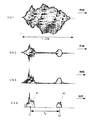
図1は、この形態の感情検出装置の構成を示すブロック図である。図2は抑揚検出部の構成を示すブロック図である。図3は感情の状態の変化と音声の強度,テンポ及び抑揚との関係を示すグラフである。図4は抑揚検出部における音声信号処理の過程を示すタイムチャートである。図5は忘却処理部の動作を示すフローチャートである。図6は感情感性記憶DBに記憶された情報の構成例を示す模式図である。
【0026】
この形態では、請求項2の音声入力手段,強度検出手段,テンポ検出手段,抑揚検出手段,変化量検出手段及び感情検出手段は、それぞれマイク11,強度検出部17,テンポ検出部18,抑揚検出部19,感情変化検出部22及び音声感情検出部23に対応する。
また、請求項3のバンドパスフィルタ手段,領域分離手段及び抑揚計算手段は、それぞれバンドパスフィルタ51,比較部53及び領域間隔検出部55に対応する。請求項4の撮像手段,画像認識手段,画像基準情報保持手段,画像特徴量検出手段及び感情検出手段は、それぞれテレビカメラ31,画像認識部32,顔パターンDB33,顔感情検出部34及び顔感情検出部34に対応する。
【0027】
更に、請求項5の感情情報蓄積手段及び忘却処理手段はそれぞれ感情感性記憶DB41及び忘却処理部42に対応する。請求項6の文章認識手段及び蓄積制御手段は、それぞれ文章認識部26及び同期処理部43に対応する。請求項7の無音時間決定手段及び文章区切り検出手段は文章検出部16に対応する。
図1を参照すると、この感情検出装置にはマイク11,A/D変換器12,信号処理部13,音声認識部20,強度検出部17,テンポ検出部18,抑揚検出部19,一時記憶部21,感情変化検出部22,音声感情検出部23,感情パターンDB(データベースの略:以下同様)24,キーボード25,文章認識部26,テレビカメラ31,画像認識部32,顔パターンDB33,顔感情検出部34,文字認識部39,感情感性記憶DB41,忘却処理部42,同期処理部43,人間性情報DB44,個人情報DB45,専門情報DB46及び感情認識部60が備わっている。
【0028】
また、音声認識部20には信号処理部13,音素検出部14,単語検出部15及び文章検出部16が設けてある。音声認識部20には、市販の音声認識(事前言語)デバイスの機能も含まれている。
図1において、音声認識部20,強度検出部17,テンポ検出部18,抑揚検出部19,一時記憶部21,感情変化検出部22及び音声感情検出部23は、音声から感情を検出するための回路である。
【0029】
この感情検出装置は、感情の検出対象となる相手の人間の情報を読み取るための入力手段として、マイク11,キーボード25及びテレビカメラ31を備えている。すなわち、マイク11から入力される音声,キーボード25から入力される文字情報及びテレビカメラ31から入力される顔の表情などの情報を利用して相手の人間の感情を検出する。
【0030】
なお、実際にはマイク11から入力される音声だけに基づいて感情を検出することも可能であり、キーボード25から入力される文字情報だけに基づいて感情を検出することも可能であり、テレビカメラ31から入力される顔の表情だけに基づいて相手の人間の感情を検出することも可能である。しかし、複数の情報源から得られる情報を総合的に判断した方が感情の検出精度を高めるうえで効果的である。
【0031】
まず、音声に関する処理について説明する。マイク11から入力された音声信号は、A/D変換器12でサンプリングされ、ディジタル信号に変換される。A/D変換器12の出力に得られる音声のディジタル信号は、音声認識部20に入力される。
【0032】
信号処理部13は、音声の強度検出に必要な周波数成分を抽出する。強度検出部17は、信号処理部13の抽出した信号からその強度を検出する。例えば、音声信号の振幅の大きさを平均化した結果を強度として利用することができる。
音声の強度を検出するための平均化の周期については、例えば10秒程度に定める。但し、10秒以内であっても文章毎の区切りを検出した場合には、文章の最初から区切りを検出した時点までの平均化を行う。すなわち、音声の文章毎にそれぞれの強度を検出する。
【0033】
音声認識部20に備わった音素検出部14は、入力される音声の音素毎の区切りを検出する。例えば、「今日はいい天気ですね」の文章が音声で入力された場合には、「きょ/う/は/い/い/て/ん/き/で/す/ね」のように音素毎の区切りを検出する。
また、音声認識部20に備わった単語検出部15は、入力される音声の単語毎の区切りを検出する。例えば、「今日はいい天気ですね」の文章が音声で入力された場合には、「きょう/は/いい/てんき/ですね」のように単語毎の区切りを検出する。
【0034】
また、音声認識部20に備わった文章検出部16は、入力される音声の文章毎の区切りを検出する。特定の長さ以上の無音状態を検出した場合に、文章毎の区切りが現れたものとみなす。無音状態の長さの閾値には、(0.1〜2)秒程度の値が割り当てられる。また、この閾値は一定ではなく、直前に検出された感情の状態を反映するように自動的に変更される。
【0035】
テンポ検出部18は、音素検出部14から出力される音素毎の区切りの信号を入力して、単位時間に現れた音素の数をテンポとして検出する。テンポの検出周期については、例えば10秒程度の時間が割り当てられる。しかし、文章の区切りを検出した場合には、10秒以内であってもその時点までで音素数のカウントを中止してテンポの値を計算する。つまり、文章毎にテンポが検出される。
【0036】
抑揚検出部19には、単語検出部15が区切りを検出した単語毎に区分されて、音声信号が入力される。抑揚検出部19は、入力される音声信号から各単語内及び文章検出部16における文章毎の区切り内の音声の強度変化パターンを表す抑揚を検出する。これにより、抑揚検出部19は区切りの中での特徴的な強度パターンを検出する。
【0037】
抑揚検出部19の内部には、図2に示すように、バンドパスフィルタ51,絶対値変換部52,比較部53,領域中心検出部54及び領域間隔検出部55が備わっている。また、抑揚検出部19における各部の信号SG1,SG2,SG3,SG4の波形の例が図4に示されている。なお、図4における各信号の縦軸は振幅又は強度を表している。また、図4の例では音声から取り出された1つの単語の長さが約1.2秒になっている。
【0038】
バンドパスフィルタ51は、入力された信号SG1の中から抑揚の検出に必要な周波数成分だけを抽出する。この例では、800Hz〜1200Hzの範囲内の周波数成分だけがバンドパスフィルタ51の出力に信号SG2として現れる。図4を参照すると、単語内の抑揚による強度変化のパターンが信号SG2に現れていることが分かる。
【0039】
信号の計算処理を容易にするために、抑揚検出部19には絶対値変換部52を設けてある。絶対値変換部52は、入力される信号の振幅をその絶対値に変換する。従って、絶対値変換部52の出力には図4に示す信号SG3が現れる。
比較部53は、信号SG3の大きさを閾値と比較して閾値よりも大きい成分だけを信号SG4として出力する。すなわち、比較部53は信号SG3のパワースペクトルの中で値の大きな成分だけを出力する。なお、比較部53に印加する閾値については、判別分析法と呼ばれる方法を用いて適応的に決定している。
【0040】
図4を参照すると、信号SG4には音声の単語における抑揚パターンに相当する2つの領域A1,A2が明確に現れている。領域中心検出部54は、2つの領域A1,A2のそれぞれの中心に相当する位置が現れた時間t1,t2を検出する。
領域間隔検出部55は、領域中心検出部54の検出した2つの時間t1,t2に関する時間差を領域間隔Tyとして検出する。この領域間隔Tyの値は、音声の単語における抑揚パターンに相当する。実際には、領域間隔Tyの値を平均化した結果を抑揚の値として利用している。
【0041】
なお、1つの単語の中で信号SG4に3つ以上の領域が現れる場合もある。3つ以上の領域が現れた場合には、互いに隣接する2つの領域について領域間隔Tyをそれぞれ計算し、求められた複数の領域間隔Tyを平均化した結果を抑揚の値として利用する。
人間の感情の状態は、例えば図3に示すように変化する。また、怒り,悲しみ,喜びなどの感情を正しく把握するためには、強度,テンポ,抑揚のような特徴量の変化を検出することが重要である。
【0042】
図1に示す感情検出装置においては、過去の特徴量の参照を可能にするため、強度検出部17が出力する強度,テンポ検出部18が出力するテンポ及び抑揚検出部19が出力する抑揚の値を一時的に一時記憶部21に記憶しておく。
また、感情変化検出部22は、強度検出部17が出力する現在の強度,テンポ検出部18が出力する現在のテンポ及び抑揚検出部19が出力する現在の抑揚の値と、一時記憶部21に保持された過去の(現在よりも少し前の時刻の)強度,テンポ及び抑揚の値とを入力して、感情状態の変化を検出する。つまり、音声の強度の変化,テンポの変化及び抑揚の変化をそれぞれ検出する。
【0043】
音声感情検出部23は、感情変化検出部22が出力する音声の強度の変化,テンポの変化及び抑揚の変化を入力し、現在の感情の状態を推定する。感情の状態として、この例では怒り,悲しみ及び喜びの3種類の状態をそれぞれ推定している。
【0044】
感情パターンDB24には、音声の強度の変化,テンポの変化及び抑揚の変化のパターンと怒りの状態とを関連付ける情報と、音声の強度の変化,テンポの変化及び抑揚の変化のパターンと悲しみの状態とを関連付ける情報と、音声の強度の変化,テンポの変化及び抑揚の変化のパターンと喜びの状態とを関連付ける情報とが予め保持されている。
【0045】
音声感情検出部23は、感情パターンDB24に保持された情報を推定規則として参照しながら、感情変化検出部22が出力する強度の変化,テンポの変化及び抑揚の変化のパターンに基づいて現在の感情の状態を推定する。
音声感情検出部23によって推定された怒り,悲しみ及び喜びの3種類の各々の状態を表す情報は、感情認識部60及び感情感性記憶DB41に入力される。感情感性記憶DB41は、音声感情検出部23から入力される現在の感情の状態を逐次記憶され、蓄積される。
【0046】
従って、感情感性記憶DB41に記憶された情報を読み出すことにより、過去の感情の状態を再生することができる。
一方、音声としてマイク11から入力された文章の内容(相手の発言内容)は、文章認識部26で認識される。文章認識部26の入力には、音声認識部20で認識された各音素に対応する文字情報や、単語の区切り及び文章の区切りを表す情報が入力される。また、キーボード25から入力された文字情報も文章認識部26に入力される。
【0047】
文章認識部26は、入力される文字列の単語毎の認識及び構文解析を行い、文章の内容を自然言語として把握する。実際には、「5W3H」、すなわち「誰が」,「何を」,「いつ」,「どこで」,「なぜ」,「どうやって」,「どのくらい」,「いくら」を表す発言情報を認識する。文章認識部26が認識した発言情報は感情認識部60に入力される。
【0048】
次に、相手の顔の表情から感情を検出するための処理について説明する。テレビカメラ31は、図1の感情検出装置の被験者となる人間の少なくとも顔の部分を撮影する。テレビカメラ31の撮影した画像、すなわち人間の顔の表情が含まれる画像が画像認識部32に入力される。
なお、テレビカメラ31の撮影した画像の情報は文字認識部39に入力される。すなわち、文章の映像をテレビカメラ31で撮影した場合には、文字認識部39は撮影された映像から文章の各文字を認識する。文字認識部39の認識した文字情報は文章認識部26に入力される。
【0049】
画像認識部32は、入力される画像の中から特徴的な要素を認識する。具体的には、被験者の顔における目,口,眉毛,頬骨の部分をそれぞれ認識し、顔の中における目,口,眉毛,頬骨のそれぞれの相対的な位置を検出する。また、画像認識部32は顔の表情の変化に伴う目,口,眉毛,頬骨のそれぞれの位置の変化及び首を振るなどの表現を検出するために位置の追跡を常に行う。
【0050】
顔パターンDB33には、顔の中における目,口,眉毛,頬骨のそれぞれの位置に関する基準位置の情報(被験者の平常時の顔の表情に相当する情報)が予め保持されている。なお、顔パターンDB33の内容を任意に変更することも可能である。また、顔パターンDB33には顔の表情の変化と6種類の感情(喜び,怒り,悲しみ,恐れ,楽しみ,驚き)のそれぞれとの対応関係を表す規則情報が予め保持されている。
【0051】
顔感情検出部34は、画像認識部32が認識した目,口,眉毛,頬骨のそれぞれの位置と顔パターンDB33に保持された基準位置の情報とを用いて特徴量、すなわち平常時の位置に対する表情の違いを検出する。
また、顔感情検出部34は検出した特徴量の変化量及び変化の速さと、顔パターンDB33に保持された規則情報とに基づいて、6種類の感情(喜び,怒り,悲しみ,恐れ,楽しみ,驚き)のそれぞれの状態を推定する。推定された6種類の感情の状態を表す情報は、顔感情検出部34から出力されて感情認識部60及び感情感性記憶DB41に入力される。
【0052】
感情認識部60は、音声感情検出部23から入力される感情(怒り,悲しみ,喜び)の状態を表す情報と、文章認識部26から入力される発言情報と、顔感情検出部34から入力される感情(喜び,怒り,悲しみ,恐れ,楽しみ,驚き)の状態を表す情報とを総合的に判断して最終的な感情の状態を推定する。発言情報については、その文章の内容(5W3H)を予め定めた規則に従って判断することにより、発言情報に含まれている感情(喜び,怒り,悲しみ,恐れ,楽しみ,驚き)の状態を推定することができる。
【0053】
音声感情検出部23が音声から推定した感情の状態を表す情報と、文章認識部26が音声又はキーボード25から入力された文字から認識した発言内容の情報と、顔感情検出部34が顔の表情から推定した感情の状態を表す情報とが、それぞれ感情感性記憶DB41に入力されて逐次記憶される。感情感性記憶DB41に記憶されたそれぞれの情報には、それが検出された時刻あるいは時間ならびに年月日が付加される。
【0054】
感情感性記憶DB41に入力される情報のうち、音声感情検出部23から入力される感情の情報と、文章認識部26から入力される発言内容の情報と、顔感情検出部34から入力される感情の情報とは互いに関連付けて把握しなければならない。
そこで、同期処理部43は感情感性記憶DB41に蓄積された複数種類の情報を、それらの検出された時間(入力された時間)及び年月日によって互いに関連付ける。例えば、図6に示されるように、音声感情検出部23の推定した怒り,悲しみ及び喜びの感情の状態を表す情報と発言の内容(5W3H)の情報とを、それらの時間によって互いに関連付ける。
【0055】
ところで、感情感性記憶DB41には比較的大量の情報を蓄積できる十分な記憶容量が備わっている。しかしながら、記憶容量には限りがあるのでこの装置を長期間に渡って使い続けるためには蓄積する情報の量を抑制する必要がある。
【0056】
そこで、忘却処理部42が設けてある。忘却処理部42は、古くなった情報を感情感性記憶DB41上から自動的に削除する。但し、特定の条件に適合する情報については古くなった場合でも削除せずに保存される。
忘却処理部42の動作について、図5を参照しながら説明する。
図5のステップS11においては、感情感性記憶DB41に蓄積されている多数のデータのそれぞれについて、記憶された時刻(あるいは検出された時刻)及び年月日の情報を参照する。
【0057】
ステップS12では、現在の時刻とステップS11で参照したデータの時刻とに基づいて、該当するデータが記憶されてから予め定めた一定の期間が経過したか否かを識別する。記憶してから一定の期間が経過した古いデータを処理する場合には、ステップS13以降の処理に進む。一定の期間が経過していない比較的新しいデータについては、そのまま保存される。
【0058】
ステップS13では、データが感情の状態を表す情報である場合に、その感情の変化量を感情状態を表す情報の前後の違いから検出する。感情の変化量が予め定めた閾値を超える場合にはステップS13からS17に進むので、そのデータが古い場合であってもそのままデータは保存される。感情の変化量が閾値以下の場合には、ステップS13からS14に進む。
【0059】
ステップS14では、そのデータに関する感情のパターンを検出し、そのパターンが予め定めた特定のパターンと一致するか否かを識別する。すなわち、複数の感情の状態及び発言内容の組み合わせが、「印象が強い」状態を表す特定のパターンと一致するか否かを調べる。検出したパターンが特定のパターンと一致した場合には、ステップS14からS17に進むので、そのデータが古い場合であってもそのままデータは保存される。パターンが一致しない場合にはステップS14からS15に進む。
【0060】
ステップS15では、データが発言内容である場合に、その内容と予め定めた発言内容(印象に残りやすい発言)とが一致するか否かを識別する。なお、完全に一致しなくても、類似性が高い場合には「一致」とみなすこともできる。データの発言内容が予め定めた発言内容と一致した場合には、ステップS15からS17に進むので、そのデータが古い場合であっても、そのままデータは保存される。
【0061】
ステップS15で一致しない場合には、ステップSS16において当該データは削除される。
上記の処理は感情感性記憶DB41上の全てのデータについて実行される。また、図5に示す忘却処理は定期的に繰り返し実行される。この忘却処理を実行留周期については、個人の個性として任意に変更することができる。なお、ステップS14,S15では予め容易されたパターンDB(図示せず)を参照して処理を行う。このパターンDBについては、入力情報を学習することにより自動的に内容が更新される。
【0062】
なお、図5では処理を簡略化して表してある。実際には、感情の変化量,感情のパターン及び発言の内容の全てを総合的に判断する。すなわち、感情の変化量が大きい情報と、感情のパターンが一致した情報と、発言内容が同一もしくは近似する情報とが存在する場合には、総合的に優先順位を判断する。具体的には、発言内容が同一もしくは近似する情報の優先順位が最も大きく、感情のパターンが一致した情報の優先順位が2番目に高く、感情の変化量が大きい情報の優先順位は低い。従って、発言内容が同一もしくは近似する情報は忘却処理で削除されにくく、古くなっても記憶として残る。
【0063】
上記のような忘却処理部42の処理によって、感情感性記憶DB41上の古くなったデータについては、感情の変化が大きいもの、「印象が強い」とみなされるパターンであるもの、幾度も入力を繰り返されたもの、及び発言の内容が印象に残りやすいもののみがその強度と内容に合わせて順位をつけてそのまま保存される。その結果、感情感性記憶DB41上の古いデータについては、一部分のみが残った不完全なデータとなる。このようなデータは、人間の記憶における過去の曖昧な記憶と同じような内容になる。
【0064】
感情感性記憶DB41に蓄積された過去の感情の状態及び発言内容を読み出してデータを分析することにより、例えばこの感情検出装置が正しく動作しているか否かを判断したり、感情の推定に利用される各部のデータベースの内容を改良するように更新することも可能になる。
感情感性記憶DB41に蓄積されたデータについては、その内容に応じて更に振り分けられ、人間性情報DB44,個人情報DB45又は専門情報DB46に記憶される。
【0065】
人間性情報DB44には、性別,年齢,攻撃性,協調性,現在の感情などのように被験者の性格を決定付ける情報や行動の決定パターンの情報が保持される。また、個人情報DB45には、個人の住所,現在の状況,環境,発言内容(5W3H)などの情報が保持される。専門情報DB46には、職業,経歴,職業適性格,職業的行動決定パターンなどの情報が保持される。
【0066】
人間性情報DB44,個人情報DB45及び専門情報DB46から出力されるのは、個人のモラルパターン情報である。このモラルパターン情報と過去の相手の感情とに基づいて相手の感性を察知することができる。
なお、図1に示す感情検出装置の機能をコンピュータのソフトウェアにより実現する場合には、コンピュータが実行するプログラム及び必要なデータを、例えばCD−ROMなどの記録媒体に記録しておけばよい。
【0067】
なお、図1に示すマイク11を電話機の受話器に置き換えてもよいし、文字などの情報を入力する手段としてマウスを設けてもよい。
また、図1に示すテレビカメラ31については、光学式カメラ,ディジタルカメラ,CCDカメラのような様々な撮像手段のいずれでも置き換えることができる。
【0068】
【発明の効果】
本発明の感情検出方法及び感情検出装置ならびに記録媒体によれば、より正確に被験者の感情を検出することができる。
【図面の簡単な説明】
【図1】実施の形態の感情検出装置の構成を示すブロック図である。
【図2】抑揚検出部の構成を示すブロック図である。
【図3】感情の状態の変化と音声の強度,テンポ及び抑揚との関係を示すグラフである。
【図4】抑揚検出部における音声信号処理の過程を示すタイムチャートである。
【図5】忘却処理部の動作を示すフローチャートである。
【図6】感情感性記憶DBに記憶された情報の構成例を示す模式図である。
【符号の説明】
11 マイク
12 A/D変換器
13 信号処理部
14 音素検出部
15 単語検出部
16 文章検出部
17 強度検出部
18 テンポ検出部
19 抑揚検出部
20 音声認識部
21 一時記憶部
22 感情変化検出部
23 音声感情検出部
24 感情パターンDB
25 キーボード
26 文章認識部
31 テレビカメラ
32 画像認識部
33 顔パターンDB
34 顔感情検出部
39 文字認識部
41 感情感性記憶DB
42 忘却処理部
43 同期処理部
44 人間性情報DB
45 個人情報DB
46 専門情報DB
51 バンドパスフィルタ
52 絶対値変換部
53 比較部
54 領域中心検出部
55 領域間隔検出部
60 感情認識部[0001]
BACKGROUND OF THE INVENTION
The present invention relates to an emotion detection method, an emotion detection device, and a recording medium used for detecting human emotions. The present invention can be used for emotion detection in the medical field, and can also be used in various systems as part of artificial intelligence and artificial sensitivity.
[0002]
[Prior art]
Prior art related to the present invention is disclosed in, for example, Japanese Patent Application Laid-Open Nos. 5-12023, 9-22296, and 11-1119791. In Japanese Patent Laid-Open No. 5-12023, the duration of speech, the formant frequency of speech, and the intensity for each frequency of speech are detected as speech feature amounts. Further, it is disclosed that a deviation from the reference signal is detected for each feature amount, and emotion is detected by fuzzy inference from the detected deviation amount.
[0003]
In Japanese Patent Application Laid-Open No. 9-22296, as an audio feature amount, an audio generation speed (number of mora per unit time), an audio pitch frequency, a volume, and an audio spectrum are detected. Further, it discloses that emotion is detected using the detected feature amount of speech and the result of HMM (Hidden Markov Model) statistical processing.
[0004]
Japanese Patent Application Laid-Open No. 11-119791 discloses detecting an emotion based on the probability of a transition state of a phoneme spectrum using an HMM.
[0005]
[Problems to be solved by the invention]
However, in the conventional emotion detection method, the detection accuracy of emotion is low, and even if an emotion can be detected for a specific limited word, an actual human emotion cannot be detected accurately. Therefore, for example, the actual situation is that the emotion detection method is put into practical use only in a limited application of a relatively simple game device.
[0006]
An object of the present invention is to provide an emotion detection method, an emotion detection device, and a recording medium that can more accurately detect an emotion of a human subject.
[0007]
[Means for Solving the Problems]
Claim 1 is an emotion detection method for detecting a subject's emotions, wherein an audio signal is input, a tempo representing the intensity of the audio and the appearance speed of the audio is detected from the input audio signal, and the audio A time interval between regions of the same frequency component appearing in the intensity change pattern in each word is detected as an inflection, and a first change amount representing a change in the detected voice intensity in the time axis direction, a time axis of the voice tempo A second change amount representing a change in direction and a third change amount representing a change in the time axis direction of speech inflection, respectively. Information that associates the patterns of the first variation, the second variation, and the third variation with the emotional state is stored in advance, and the first variation and the second variation are referred to by referring to the associated information. A signal representing an emotional state is generated from the amount and the third change amount It is characterized by that.
[0008]
According to the first aspect of the present invention, the emotion is detected by associating each change amount of the intensity, tempo, and intonation of the voice input from the subject with the emotion state. By using such a method, it is possible to detect emotions more accurately than in the past.
Claim 2 is an emotion detection device for detecting the emotion of a subject, a voice input means for inputting a voice signal, and a strength detection means for detecting the voice strength from the voice signal input by the voice input means; Tempo detection means for detecting the appearance speed of the voice from the voice signal input by the voice input means as a tempo, and the same frequency component appearing in the intensity change pattern in the word of the voice from the voice signal input by the voice input means An inflection detection means for detecting the time interval of the region as inflection, a first change amount representing a change in the time axis direction of the sound intensity detected by the intensity detection means, and a tempo of the sound detected by the tempo detection means. Change amount detection means for respectively obtaining a second change amount representing a change in the time axis direction and a third change amount representing a change in the time axis direction of the speech inflection detected by the intonation detection means; By referring to the emotion pattern database that holds in advance information that associates the patterns of the first variation, the second variation, and the third variation with the emotional state, and the association information of the emotion pattern database, A signal representing an emotional state is generated from the change amount of 1, the second change amount, and the third change amount. Emotion detection means is provided.
[0009]
In the emotion detection device according to claim 2, the emotion detection method according to claim 1 is implemented by providing voice input means, intensity detection means, tempo detection means, inflection detection means, change amount detection means, and emotion detection means. Can do.
According to a third aspect of the present invention, in the emotion detection device of the second aspect, the inflection detection unit extracts a specific frequency component from a voice signal that is separated and inputted for each word, and the bandpass filter unit Region separation means for separating the power spectrum of the signal extracted by the step into a plurality of regions based on the intensity thereof, and the value of the inflection based on the time interval of the center position of each of the plurality of regions separated by the region separation means An intonation calculating means for calculating is provided.
[0010]
The band-pass filter means extracts a specific frequency component from the voice signal that is input after being separated for each word. The region separating unit separates the detected power spectrum into a plurality of regions based on the intensity. The intonation calculating means calculates an inflection value based on the time interval of the center position of each of the plurality of regions separated by the region separating means.
[0011]
According to a third aspect of the present invention, an energy distribution pattern in a word relating to a specific frequency component of speech is detected as a time value representing an interval between a plurality of regions, and the length of the time is used as an inflection.
According to a fourth aspect of the present invention, in the emotion detection apparatus of the second aspect, an imaging unit that inputs image information of at least a face of a subject, an image recognition unit that detects position information regarding each part of the face from the image information input by the imaging unit, An image reference information holding unit that holds reference information of feature amounts of each part of the face, and an image that detects image feature amounts based on position information detected by the image recognition unit and reference information held by the image reference information holding unit A feature amount detecting unit; and a change in the image feature amount detected by the image feature amount detecting unit by the emotion detecting unit. In addition to judging materials Emotional state Comprehensive judgment It is characterized by doing.
[0012]
According to the fourth aspect of the present invention, the emotional state is estimated based on not only the voice but also the facial expression of the subject. In general, the emotional state of a person is reflected in the facial expression of the person, so that the emotional state can be grasped by detecting the facial expression. Accordingly, in
[0013]
According to a fifth aspect of the present invention, in the emotion detection device of the second aspect, emotion information storage means for sequentially inputting and storing information on emotion states detected by the emotion detection means, and past emotions stored in the emotion information storage means Of the information on the state, the information that has passed a predetermined time from the storage time is deleted, and the information to be deleted , The information processing apparatus further includes forgetting processing means for excluding information that matches the predetermined change pattern from the deletion target.
[0014]
According to the fifth aspect, the information of the detected past emotional state can be accumulated in the emotion information accumulating means. Also, old information that has passed for a long time after detection is automatically deleted from the emotion information storage means, so that the storage capacity required for the emotion information storage means can be reduced.
[0015]
However, characteristic information such as information whose emotion change is larger than a predetermined value or information that matches a predetermined change pattern is automatically excluded from the deletion target. For this reason, even if characteristic information becomes old, it is hold | maintained as it is in an emotion information storage means. Therefore, like human memory, impressive information useful later can be read out from the emotion information storage means and reproduced even when it is old.
[0016]
[0017]
The sentence recognizing means processes speech information uttered by the subject or character information input by the subject using a keyboard or the like, and performs grammar analysis to generate utterance information representing the meaning of the sentence.
By grammatical analysis, for example, “5W3H”, that is, “who”, “what”, “when”, “where”, “why”, “how”, “how much”, “how much”, and “how much” can be obtained. it can.
[0018]
The accumulation control unit accumulates the utterance information generated by the sentence recognition unit in the emotion information accumulation unit in synchronization with the emotion state information.
According to the sixth aspect, by referring to the emotion information accumulating means, it is possible to extract not only emotion information at an arbitrary past time but also speech information representing the situation at that time.
[0019]
The information held in the emotion information storage means can be used for various purposes. For example, if the emotion estimation function of the emotion detection device itself is inaccurate, the database used for emotion estimation can be corrected based on the past detection results held in the emotion information storage means.
[0020]
According to claim 7, in the emotion detection device of claim 2, a silence period determining means for determining a reference silence time based on the detected emotion state, and a reference silence time determined by the silence time determining means, A sentence break detecting means for detecting a break of the voice sentence is further provided.
When performing speech recognition, emotion detection, or the like, it is necessary to detect a break for each sentence and extract each sentence. In general, since there is a silent section in the separation between sentences, it is only necessary to separate a plurality of sentences at the timing when the silent section appears.
[0021]
However, the length of the silent section is not constant. In particular, the length of the silent section changes corresponding to the emotional state of the speaker. For this reason, when a certain threshold value is assigned for the determination of the silent section, there is a high possibility that the detection of the sentence break will fail.
In claim 7, for example, when the reference silence time is determined using the emotional state detected immediately before and the speech sentence break is detected using the reference silence time, the speaker's emotion changes. Even so, sentence breaks can be detected correctly.
[0022]
Claim 8 is a recording medium in which an emotion detection program executable by a computer for detecting a subject's emotion is recorded. The emotion detection program includes a procedure for inputting an audio signal and an input audio signal. Detecting the tempo representing the strength of the speech and the speed of appearance of the speech, and detecting the time interval of the same frequency component region appearing in the strength change pattern in each speech word as an inflection, and the detected speech A first change amount representing a change in intensity in the time axis direction, a second change amount representing a change in the time axis direction of the voice tempo, and a third change amount representing a change in the time axis direction of the voice inflection, respectively. Asking for By referring to the association information as an estimation rule, the procedure for preliminarily storing information that associates the patterns of the first variation, the second variation, and the third variation with the emotional state, A procedure for generating a signal representing an emotional state from the variation, the second variation, and the third variation; Is provided.
[0023]
The emotion detection method of claim 1 can be implemented by executing the emotion detection program recorded on the recording medium of claim 8 using a computer.
The emotion detection method according to claim 9 is characterized in that in the emotion detection method according to claim 1, a signal representing any one emotional state of anger, sadness and joy is generated.
The emotion detection device according to claim 10 is the emotion detection device according to any one of claims 2 to 7, wherein the emotion detection means is a signal representing any one emotional state of anger, sadness, and joy. Is generated.
A recording medium according to an eleventh aspect is the recording medium according to the eighth aspect, in which a program that generates a signal representing any one emotional state of anger, sadness, and joy is recorded.
The inflection detection method according to
The inflection detection device according to claim 13 is a detection for detecting an inflection used for detecting a subject's emotion from an audio signal. apparatus A voice input means for inputting a voice signal; a means for detecting a region of the same frequency component from an intensity change pattern in a word of the voice signal; and a time interval at which the region of the same frequency component appears. And means for inflection.
A recording medium according to
[0024]
DETAILED DESCRIPTION OF THE INVENTION
One embodiment of the emotion detection method and emotion detection apparatus of the present invention will be described with reference to FIGS. This form corresponds to all the claims.
[0025]
FIG. 1 is a block diagram showing the configuration of this form of emotion detection apparatus. FIG. 2 is a block diagram showing the configuration of the intonation detection unit. FIG. 3 is a graph showing the relationship between changes in emotional state and voice intensity, tempo, and intonation. FIG. 4 is a time chart showing the process of audio signal processing in the intonation detection unit. FIG. 5 is a flowchart showing the operation of the forgetting processing unit. FIG. 6 is a schematic diagram showing a configuration example of information stored in the emotional sensibility memory DB.
[0026]
In this embodiment, the voice input means, intensity detection means, tempo detection means, inflection detection means, change detection means and emotion detection means of claim 2 are the microphone 11, the intensity detection section 17, the
The band-pass filter unit, the region separation unit, and the intonation calculation unit of claim 3 correspond to the band-
[0027]
Further, the emotion information storage means and the forgetting processing means of
Referring to FIG. 1, this emotion detection apparatus includes a microphone 11, an A /
[0028]
The speech recognition unit 20 includes a signal processing unit 13, a
In FIG. 1, a voice recognition unit 20, an intensity detection unit 17, a
[0029]
This emotion detection apparatus includes a microphone 11, a
[0030]
Actually, it is possible to detect an emotion based only on the voice input from the microphone 11, and it is also possible to detect an emotion based only on the character information input from the
[0031]
First, processing related to voice will be described. The audio signal input from the microphone 11 is sampled by the A /
[0032]
The signal processing unit 13 extracts frequency components necessary for detecting the sound intensity. The intensity detector 17 detects the intensity from the signal extracted by the signal processor 13. For example, a result obtained by averaging the amplitudes of the audio signals can be used as the intensity.
The averaging period for detecting the sound intensity is set to about 10 seconds, for example. However, if a break for each sentence is detected even within 10 seconds, averaging is performed from the beginning of the sentence to the time when the break is detected. That is, the intensity of each voice sentence is detected.
[0033]
The
The
[0034]
In addition, the
[0035]
The
[0036]
The
[0037]
As shown in FIG. 2, the
[0038]
The
[0039]
In order to facilitate the signal calculation process, the
The
[0040]
Referring to FIG. 4, the signal SG4 clearly shows two regions A1 and A2 corresponding to the inflection pattern in the speech word. The area
The region
[0041]
In some cases, three or more regions appear in the signal SG4 in one word. When three or more regions appear, the region interval Ty is calculated for each of the two regions adjacent to each other, and the result of averaging the obtained plurality of region intervals Ty is used as an inflection value.
The state of human emotion changes as shown in FIG. 3, for example. In addition, in order to correctly grasp emotions such as anger, sadness, and joy, it is important to detect changes in feature quantities such as strength, tempo, and intonation.
[0042]
In the emotion detection apparatus shown in FIG. 1, the intensity output by the intensity detector 17, the tempo output by the
In addition, the emotion
[0043]
The voice
[0044]
The
[0045]
The voice
Information representing each of the three types of anger, sadness, and joy estimated by the voice
[0046]
Therefore, the past emotional state can be reproduced by reading the information stored in the emotional
On the other hand, the content of the text (the content of the other party's speech) input from the microphone 11 as speech is recognized by the
[0047]
The
[0048]
Next, a process for detecting an emotion from the facial expression of the other party will be described. The
Note that information of an image captured by the
[0049]
The
[0050]
In the
[0051]
The face
Further, the face
[0052]
The
[0053]
Information representing the emotional state estimated from the voice by the voice
[0054]
Of the information input to the emotional
Therefore, the
[0055]
By the way, the emotion-
[0056]
Therefore, a forgetting
The operation of the forgetting
In step S11 of FIG. 5, the stored time (or detected time) and date information are referred to for each of a large number of data accumulated in the emotional
[0057]
In step S12, based on the current time and the time of the data referenced in step S11, it is identified whether or not a predetermined period has elapsed since the corresponding data was stored. When processing old data for which a certain period of time has elapsed since storage, the process proceeds to step S13 and subsequent steps. Relatively new data for which a certain period has not elapsed is stored as it is.
[0058]
In step S13, when the data is information representing an emotional state, the amount of change in the emotion is calculated. Of information representing emotional state Difference before and after Detect from . If the amount of change in emotion exceeds a predetermined threshold, the process proceeds from step S13 to S17, so that the data is stored as it is even if the data is old. If the amount of change in emotion is less than or equal to the threshold value, the process proceeds from step S13 to S14.
[0059]
In step S14, an emotion pattern related to the data is detected, and it is identified whether or not the pattern matches a predetermined specific pattern. That is, it is checked whether or not a combination of a plurality of emotional states and statement contents matches a specific pattern representing a “strong impression” state. If the detected pattern matches the specific pattern, the process proceeds from step S14 to S17, so that the data is stored as it is even if the data is old. If the patterns do not match, the process proceeds from step S14 to S15.
[0060]
In step S15, when the data is a statement content, it is identified whether or not the content matches a predetermined statement content (a statement that tends to remain in the impression). Even if they do not completely match, they can be regarded as “match” if the similarity is high. If the utterance content of the data matches the predetermined utterance content, the process proceeds from step S15 to S17. Therefore, even if the data is old, the data is stored as it is.
[0061]
If they do not match in step S15, the data is deleted in step SS16.
The above processing is executed for all data on the emotional
[0062]
In FIG. 5, the process is simplified. Actually, all of the emotional change amount, the emotional pattern, and the content of the statement are comprehensively determined. That is, when there is information with a large amount of change in emotion, information with matching emotion patterns, and information with the same or similar utterance content, priority is determined comprehensively. Specifically, the priority of information having the same or similar utterance content is the highest, the priority of information matching emotion patterns is the second highest, and the priority of information having a large amount of emotional change is low. Therefore, information having the same or similar contents of speech is not easily deleted by the forgetting process, and remains as a memory even when it becomes old.
[0063]
By the processing of the forgetting
[0064]
For example, it is used to determine whether or not this emotion detection device is operating correctly, or to estimate emotions by reading past emotional states and utterance contents stored in the emotional
The data accumulated in the emotional
[0065]
The humanity information DB 44 holds information for determining the personality of the subject and information on the action determination pattern such as gender, age, aggression, cooperation, and current emotion. The personal information DB 45 holds information such as an individual's address, current situation, environment, and message content (5W3H). The specialized information DB 46 holds information such as occupation, career, occupational aptitude, and occupational behavior decision pattern.
[0066]
What is output from the humanity information DB 44, the personal information DB 45, and the specialized information DB 46 is personal moral pattern information. Based on this moral pattern information and past emotions of the opponent, it is possible to detect the sensitivity of the opponent.
When the function of the emotion detection apparatus shown in FIG. 1 is realized by computer software, a program executed by the computer and necessary data may be recorded on a recording medium such as a CD-ROM.
[0067]
The microphone 11 shown in FIG. 1 may be replaced with a telephone handset, or a mouse may be provided as means for inputting information such as characters.
Further, the
[0068]
【The invention's effect】
According to the emotion detection method, the emotion detection device, and the recording medium of the present invention, it is possible to detect the subject's emotion more accurately.
[Brief description of the drawings]
FIG. 1 is a block diagram illustrating a configuration of an emotion detection apparatus according to an embodiment.
FIG. 2 is a block diagram illustrating a configuration of an intonation detection unit.
FIG. 3 is a graph showing the relationship between changes in emotional state and voice intensity, tempo, and intonation.
FIG. 4 is a time chart showing a process of audio signal processing in an intonation detection unit.
FIG. 5 is a flowchart showing an operation of a forgetting processing unit.
FIG. 6 is a schematic diagram illustrating a configuration example of information stored in an emotional sensitivity storage DB.
[Explanation of symbols]
11 Microphone
12 A / D converter
13 Signal processor
14 Phoneme detector
15 Word detector
16 Text detector
17 Strength detector
18 Tempo detector
19 Intonation detection unit
20 Voice recognition unit
21 Temporary storage
22 Emotion change detector
23 Voice Emotion Detection Unit
24 Emotion Pattern DB
25 keyboard
26 sentence recognition part
31 TV camera
32 Image recognition unit
33 face pattern DB
34 Face Emotion Detection Unit
39 Character recognition
41 Emotional Sensitivity Memory DB
42 Forgetting part
43 Synchronization processor
44 Humanity information DB
45 Personal information DB
46 specialized information DB
51 Band pass filter
52 Absolute value converter
53 Comparison part
54 Area center detector
55 Area interval detector
60 Emotion recognition part
Claims (14)
音声信号を入力し、
入力した音声信号から音声の強度及び音声の出現速度を表すテンポをそれぞれ検出するとともに、音声の各単語内の強度変化パターンに出現する同一周波数成分の領域の時間間隔を抑揚として検出し、
検出された音声の強度の時間軸方向の変化を表す第1の変化量,音声のテンポの時間軸方向の変化を表す第2の変化量及び音声の抑揚の時間軸方向の変化を表す第3の変化量をそれぞれ求め、
前記第1の変化量,第2の変化量及び第3の変化量のパターンと、感情状態とを関連付ける情報を予め保持し、
前記関連付ける情報を参照することで、前記第1の変化量,第2の変化量及び第3の変化量から、感情状態を表す信号を生成する
ことを特徴とする感情検出方法。An emotion detection method for detecting a subject's emotion,
Input audio signal,
While detecting the tempo representing the intensity of the voice and the speed of appearance of the voice from the input voice signal, and detecting the time interval of the region of the same frequency component appearing in the intensity change pattern in each word of the voice as an inflection,
A first change amount representing a change in the detected sound intensity in the time axis direction, a second change amount representing a change in the sound tempo in the time axis direction, and a third change amount representing a change in the time axis direction of the speech inflection. For each change in
Holding in advance information associating the patterns of the first change amount, the second change amount and the third change amount with the emotional state;
An emotion detection method comprising: generating a signal representing an emotion state from the first change amount, the second change amount, and the third change amount by referring to the associated information .
音声信号を入力する音声入力手段と、
前記音声入力手段が入力した音声信号から音声の強度を検出する強度検出手段と、
前記音声入力手段が入力した音声信号から音声の出現速度をテンポとして検出するテンポ検出手段と、
前記音声入力手段が入力した音声信号から、音声の単語内の強度変化パターンに出現する同一周波数成分の領域の時間間隔を抑揚として検出する抑揚検出手段と、
前記強度検出手段が検出した音声の強度の時間軸方向の変化を表す第1の変化量,前記テンポ検出手段が検出した音声のテンポの時間軸方向の変化を表す第2の変化量及び前記抑揚検出手段が検出した音声の抑揚の時間軸方向の変化を表す第3の変化量をそれぞれ求める変化量検出手段と、
前記第1の変化量,第2の変化量及び第3の変化量のパターンと、感情状態とを関連付ける情報を予め保持する感情パターンデータベースと、
前記感情パターンデータベースの前記関連付ける情報を参照することで、前記第1の変化量,第2の変化量及び第3の変化量から、感情状態を表す信号を生成する感情検出手段と
を設けたことを特徴とする感情検出装置。An emotion detection device for detecting a subject's emotion,
A voice input means for inputting a voice signal;
Intensity detecting means for detecting the intensity of the voice from the voice signal input by the voice input means;
Tempo detection means for detecting the appearance speed of the voice as a tempo from the voice signal input by the voice input means;
Intonation detection means for detecting, from the speech signal input by the speech input means, the time interval of the region of the same frequency component appearing in the intensity change pattern in the speech word as inflection,
A first change amount representing a change in the time axis direction of the sound intensity detected by the intensity detection means, a second change amount representing a change in the time axis direction of the sound tempo detected by the tempo detection means, and the inflection. A change amount detecting means for obtaining a third change amount representing a change in the time axis direction of the inflection of the sound detected by the detecting means;
An emotion pattern database that holds in advance information associating the patterns of the first change amount, the second change amount, and the third change amount with emotion states;
Emotion detection means for generating a signal representing an emotion state from the first change amount, the second change amount, and the third change amount by referring to the associating information in the emotion pattern database. Emotion detection device characterized by
単語毎に分離されて入力される音声信号から特定の周波数成分を抽出するバンドパスフィルタ手段と、
前記バンドパスフィルタ手段により抽出された信号のパワースペクトルをその強度に基づいて複数の領域に分離する領域分離手段と、
前記領域分離手段により分離された複数の領域の各々の中心位置の時間間隔に基づいて抑揚の値を算出する抑揚計算手段と
を設けたことを特徴とする感情検出装置。The emotion detection apparatus according to claim 2, wherein the intonation detection means includes:
Bandpass filter means for extracting a specific frequency component from a voice signal that is separated and input for each word;
Region separation means for separating the power spectrum of the signal extracted by the bandpass filter means into a plurality of regions based on its intensity;
An emotion detecting device comprising: an inflection calculating unit that calculates an inflection value based on a time interval at the center position of each of the plurality of regions separated by the region separating unit.
被験者の少なくとも顔の画像情報を入力する撮像手段と、
前記撮像手段が入力した画像情報から顔面各部に関する位置情報を検出する画像認識手段と、
顔面各部の特徴量の基準情報を保持する画像基準情報保持手段と、
前記画像認識手段の検出した位置情報と前記画像基準情報保持手段の保持する基準情報とに基づいて画像特徴量を検出する画像特徴量検出手段と、
を更に設けるとともに、前記感情検出手段が、前記画像特徴量検出手段の検出した画像特徴量の変化を判断材料に加えて感情状態を総合的に判断することを特徴とする感情検出装置。The emotion detection apparatus according to claim 2,
Imaging means for inputting image information of at least the face of the subject;
Image recognition means for detecting position information regarding each part of the face from the image information input by the imaging means;
Image reference information holding means for holding reference information of feature amounts of each part of the face;
Image feature quantity detection means for detecting an image feature quantity based on position information detected by the image recognition means and reference information held by the image reference information holding means;
And the emotion detection unit comprehensively determines the emotional state by adding the change of the image feature amount detected by the image feature amount detection unit to the determination material .
前記感情検出手段の検出した感情状態の情報を逐次入力して蓄積する感情情報蓄積手段と、
前記感情情報蓄積手段に蓄積された過去の感情状態の情報のうち、記憶時点から所定の時間が経過した情報を削除するとともに、削除対象の情報のうち、予め定めた変化パターンに適合する情報については削除対象から除外する忘却処理手段と
を更に設けたことを特徴とする感情検出装置。The emotion detection apparatus according to claim 2,
Emotion information accumulating means for sequentially inputting and accumulating information on the emotional state detected by the emotion detecting means;
Wherein among the emotion information storing unit past emotional state stored in the information, along with a predetermined time from the storage point to delete the information passed among the deletion target information, information matching the change pattern determined Me pre And a forgetting process means for excluding it from the deletion target.
被験者の発した音声もしくは被験者の入力した文字の情報を処理して文法解析を行い文章の意味を表す発言情報を生成する文章認識手段と、
前記文章認識手段の生成した発言情報を、前記感情状態の情報と同期した状態で感情情報蓄積手段に蓄積する蓄積制御手段とを更に設けて、
感情状態の情報だけでなく、そのときの状況を表す発言情報を取り出すことを可能にした
ことを特徴とする感情検出装置。The emotion detection apparatus according to claim 5, wherein
Sentence recognition means for generating speech information representing the meaning of a sentence by processing grammatical analysis by processing information of speech or text input by the subject,
Further comprising storage control means for storing the remark information generated by the sentence recognition means in the emotion information storage means in synchronization with the emotion state information,
An emotion detection apparatus characterized in that it is possible to extract not only emotional state information but also speech information representing the current situation.
検出された感情状態に基づいて基準無音時間を決定する無音時間決定手段と、
前記無音時間決定手段の決定した基準無音時間を利用して、音声の文章の区切りを検出する文章区切り検出手段と
を更に設けたことを特徴とする感情検出装置。The emotion detection apparatus according to claim 2,
A silent time determining means for determining a reference silent time based on the detected emotional state;
An emotion detection apparatus, further comprising: sentence break detection means for detecting a sentence break of speech using the reference silence time determined by the silence time determination means.
前記感情検出プログラムには、
音声信号を入力する手順と、
入力した音声信号から音声の強度及び音声の出現速度を表すテンポをそれぞれ検出するとともに、音声の各単語内の強度変化パターンに出現する同一周波数成分の領域の時間間隔を抑揚として検出する手順と、
検出された音声の強度の時間軸方向の変化を表す第1の変化量,音声のテンポの時間軸方向の変化を表す第2の変化量及び音声の抑揚の時間軸方向の変化を表す第3の変化量をそれぞれ求める手順と、
前記第1の変化量,第2の変化量及び第3の変化量のパターンと、感情状態とを関連付ける情報を予め保持しておく手順と、
前記関連付ける情報を推定規則として参照することで、前記第1の変化量,第2の変化量及び第3の変化量から、感情状態を表す信号を生成する手順と
を設けたことを特徴とする記録媒体。A recording medium recording an emotion detection program that can be executed by a computer for detecting a subject's emotion,
The emotion detection program includes
Input audio signal,
A procedure for detecting the time interval of the region of the same frequency component appearing in the intensity change pattern in each word of the speech as an inflection while detecting the tempo representing the strength of the speech and the appearance speed of the speech from the input speech signal,
A first change amount representing a change in the detected sound intensity in the time axis direction, a second change amount representing a change in the sound tempo in the time axis direction, and a third change amount representing a change in the time axis direction of the speech inflection. The procedure for determining the amount of each change,
A procedure for preliminarily storing information associating a pattern of the first change amount, the second change amount, and the third change amount with an emotional state;
And a procedure for generating a signal representing an emotional state from the first change amount, the second change amount, and the third change amount by referring to the association information as an estimation rule. recoding media.
怒り、悲しみ、および喜びのいずれか1つの感情状態を表す信号を生成する
ことを特徴とする感情検出方法。The emotion detection method according to claim 1,
An emotion detection method comprising generating a signal representing any one emotional state of anger, sadness, and joy.
前記感情検出手段は、
怒り、悲しみ、および喜びのいずれか1つの感情状態を表す信号を生成する
ことを特徴とする感情検出装置。The emotion detection apparatus according to any one of claims 2 to 7,
The emotion detection means includes
An emotion detection apparatus characterized by generating a signal representing any one emotional state of anger, sadness, and joy.
怒り、悲しみ、および喜びのいずれか1つの感情状態を表す信号を生成する
ことを特徴としたプログラムを記録した記録媒体。The recording medium according to claim 8,
A recording medium recording a program characterized by generating a signal representing any one emotional state of anger, sadness, and joy.
音声信号を入力し、
入力した前記音声信号の単語内の強度変化パターンから同一周波数成分の領域を検出し、
前記同一周波数成分の領域が出現する時間間隔を検出して抑揚とする
ことを特徴とする抑揚の検出方法。A detection method for detecting intonation used to detect a subject's emotion from a speech signal,
Input audio signal,
Detect the region of the same frequency component from the intensity change pattern in the word of the input speech signal,
An inflection detection method characterized by detecting a time interval at which the region of the same frequency component appears as an inflection.
音声信号を入力する音声入力手段と、
入力した前記音声信号の単語内の強度変化パターンから同一周波数成分の領域を検出する手段と、
前記同一周波数成分の領域が出現する時間間隔を検出して抑揚とする手段と、
を備えたことを特徴とする抑揚の検出装置。A detection device that detects an inflection used to detect a subject's emotion from an audio signal,
A voice input means for inputting a voice signal;
Means for detecting a region of the same frequency component from an intensity change pattern in a word of the input speech signal;
Means for detecting the time interval in which the region of the same frequency component appears and making an inflection;
An inflection detection device comprising:
コンピュータに、
音声信号を入力する手順と、
入力した前記音声信号の単語内の強度変化パターンから同一周波数成分の領域を検出する手順と、
前記同一周波数成分の領域が出現する時間間隔を検出して抑揚とする手順と
を実行させるためのプログラムを記録した記録媒体。A recording medium recording a program for detecting intonation used for detecting a subject's emotion from an audio signal,
On the computer,
Input audio signal,
A procedure for detecting a region of the same frequency component from an intensity change pattern in a word of the input speech signal;
A recording medium on which a program for executing a procedure for detecting a time interval at which the region of the same frequency component appears and making an inflection is recorded.
Priority Applications (13)
| Application Number | Priority Date | Filing Date | Title |
|---|---|---|---|
| JP2000278397A JP3676969B2 (en) | 2000-09-13 | 2000-09-13 | Emotion detection method, emotion detection apparatus, and recording medium |
| TW090121316A TWI221574B (en) | 2000-09-13 | 2001-08-29 | Sentiment sensing method, perception generation method and device thereof and software |
| EP01961347A EP1318505A4 (en) | 2000-09-13 | 2001-09-04 | Emotion recognizing method, sensibility creating method, device, and software |
| RU2003110435/09A RU2287856C2 (en) | 2000-09-13 | 2001-09-04 | Method of detecting emotions, method and system for generating sensitivity, machine-readable carrier for realizing them |
| KR1020037003615A KR100714535B1 (en) | 2000-09-13 | 2001-09-04 | Emotion recognizing method, sensibility creating method, device, and software |
| PCT/JP2001/007646 WO2002023524A1 (en) | 2000-09-13 | 2001-09-04 | Emotion recognizing method, sensibility creating method, device, and software |
| US10/380,279 US7340393B2 (en) | 2000-09-13 | 2001-09-04 | Emotion recognizing method, sensibility creating method, device, and software |
| HK04103324.7A HK1060429B (en) | 2000-09-13 | 2001-09-04 | A sensibility generator and the method thereof |
| CN2005100590616A CN1838237B (en) | 2000-09-13 | 2001-09-04 | Emotion recognizing method and system |
| CNB018154557A CN100370414C (en) | 2000-09-13 | 2001-09-04 | Competence generator and method thereof |
| CA2421746A CA2421746C (en) | 2000-09-13 | 2001-09-04 | Emotion detecting method and system |
| CA002676228A CA2676228A1 (en) | 2000-09-13 | 2001-09-04 | Emotion detecting method, sensibility generating method, and system of the same and software for executing the same |
| HK07101134.8A HK1096483B (en) | 2000-09-13 | 2007-02-01 | Emotion detecting method and system of the same |
Applications Claiming Priority (1)
| Application Number | Priority Date | Filing Date | Title |
|---|---|---|---|
| JP2000278397A JP3676969B2 (en) | 2000-09-13 | 2000-09-13 | Emotion detection method, emotion detection apparatus, and recording medium |
Publications (2)
| Publication Number | Publication Date |
|---|---|
| JP2002091482A JP2002091482A (en) | 2002-03-27 |
| JP3676969B2 true JP3676969B2 (en) | 2005-07-27 |
Family
ID=18763572
Family Applications (1)
| Application Number | Title | Priority Date | Filing Date |
|---|---|---|---|
| JP2000278397A Expired - Lifetime JP3676969B2 (en) | 2000-09-13 | 2000-09-13 | Emotion detection method, emotion detection apparatus, and recording medium |
Country Status (2)
| Country | Link |
|---|---|
| JP (1) | JP3676969B2 (en) |
| CN (1) | CN1838237B (en) |
Cited By (1)
| Publication number | Priority date | Publication date | Assignee | Title |
|---|---|---|---|---|
| US8751042B2 (en) | 2011-12-14 | 2014-06-10 | Toyota Motor Engineering & Manufacturing North America, Inc. | Methods of robot behavior generation and robots utilizing the same |
Families Citing this family (59)
| Publication number | Priority date | Publication date | Assignee | Title |
|---|---|---|---|---|
| KR20040038419A (en) * | 2002-11-01 | 2004-05-08 | 에스엘투(주) | A method and apparatus for recognizing emotion from a speech |
| JP4546767B2 (en) * | 2004-06-09 | 2010-09-15 | 日本放送協会 | Emotion estimation apparatus and emotion estimation program |
| JP4871552B2 (en) * | 2004-09-10 | 2012-02-08 | パナソニック株式会社 | Information processing terminal |
| JP2006178063A (en) * | 2004-12-21 | 2006-07-06 | Toyota Central Res & Dev Lab Inc | Dialogue processing device |
| JP4670431B2 (en) * | 2005-03-30 | 2011-04-13 | 日本電気株式会社 | Mobile terminal with mail creation function by voice emotion recognition, portable terminal system, and mail creation method by voice emotion recognition |
| JP4728868B2 (en) * | 2006-04-18 | 2011-07-20 | 日本電信電話株式会社 | Response evaluation apparatus, method, program, and recording medium |
| KR100790494B1 (en) | 2006-06-22 | 2008-01-02 | 중앙대학교 산학협력단 | Emotion Recognition System and Feature Set Selection Method in the System |
| WO2008032787A1 (en) * | 2006-09-13 | 2008-03-20 | Nippon Telegraph And Telephone Corporation | Feeling detection method, feeling detection device, feeling detection program containing the method, and recording medium containing the program |
| JP2008076905A (en) * | 2006-09-22 | 2008-04-03 | Univ Of Tokyo | Emotion discrimination method |
| JP4941966B2 (en) * | 2006-09-22 | 2012-05-30 | 国立大学法人 東京大学 | Emotion discrimination method, emotion discrimination device, atmosphere information communication terminal |
| KR101009604B1 (en) * | 2007-06-16 | 2011-01-20 | 김길호 | Emotion Recognition Method Using Musical Components |
| CN101645961A (en) * | 2008-08-06 | 2010-02-10 | 深圳富泰宏精密工业有限公司 | Mobilephone and method for achieving caller emotion identification |
| JP5244627B2 (en) * | 2009-01-21 | 2013-07-24 | Kddi株式会社 | Emotion estimation method and apparatus |
| JP4992925B2 (en) * | 2009-03-23 | 2012-08-08 | トヨタ自動車株式会社 | Spoken dialogue apparatus and program |
| JP5146434B2 (en) * | 2009-10-05 | 2013-02-20 | 株式会社ナカヨ通信機 | Recording / playback device |
| JP2011154665A (en) * | 2010-01-25 | 2011-08-11 | Opn Corp | Expression change analysis system |
| JP5834449B2 (en) | 2010-04-22 | 2015-12-24 | 富士通株式会社 | Utterance state detection device, utterance state detection program, and utterance state detection method |
| JP5477153B2 (en) * | 2010-05-11 | 2014-04-23 | セイコーエプソン株式会社 | Service data recording apparatus, service data recording method and program |
| JP5602653B2 (en) * | 2011-01-31 | 2014-10-08 | インターナショナル・ビジネス・マシーンズ・コーポレーション | Information processing apparatus, information processing method, information processing system, and program |
| JP5708155B2 (en) | 2011-03-31 | 2015-04-30 | 富士通株式会社 | Speaker state detecting device, speaker state detecting method, and computer program for detecting speaker state |
| JP5685488B2 (en) * | 2011-05-19 | 2015-03-18 | 佐藤 英典 | Telephone device and control method thereof |
| JP5772448B2 (en) * | 2011-09-27 | 2015-09-02 | 富士ゼロックス株式会社 | Speech analysis system and speech analysis apparatus |
| CN103543979A (en) * | 2012-07-17 | 2014-01-29 | 联想(北京)有限公司 | Voice outputting method, voice interaction method and electronic device |
| JP6105337B2 (en) * | 2013-03-14 | 2017-03-29 | 日本写真印刷株式会社 | Evaluation system and evaluation method |
| CN103425247A (en) * | 2013-06-04 | 2013-12-04 | 深圳市中兴移动通信有限公司 | User reaction based control terminal and information processing method thereof |
| WO2015020638A1 (en) * | 2013-08-06 | 2015-02-12 | Intel Corporation | Emotion-related query processing |
| CN105723360A (en) * | 2013-09-25 | 2016-06-29 | 英特尔公司 | Improving Natural Language Interactions Using Emotion Regulation |
| KR101867198B1 (en) | 2013-12-05 | 2018-06-12 | 피에스티 가부시키가이샤 | Estimation device, program, estimation method, and estimation system |
| CN103745575B (en) * | 2014-01-10 | 2016-04-20 | 宁波多尔贝家居制品实业有限公司 | A kind of family climate regulating device and operation control method thereof |
| CN103720210B (en) * | 2014-01-10 | 2016-04-27 | 宁波多尔贝家居制品实业有限公司 | A kind of family climate regulates wardrobe and operation control method thereof |
| CN103829958B (en) * | 2014-02-19 | 2016-11-09 | 广东小天才科技有限公司 | Method and device for monitoring human emotion |
| CN104939810B (en) * | 2014-03-25 | 2017-09-01 | 上海斐讯数据通信技术有限公司 | A kind of method and device controlled the emotion |
| JP6122816B2 (en) | 2014-08-07 | 2017-04-26 | シャープ株式会社 | Audio output device, network system, audio output method, and audio output program |
| JP6392578B2 (en) * | 2014-08-11 | 2018-09-19 | オリンパス株式会社 | Audio processing apparatus, audio processing method, and audio processing program |
| US9607609B2 (en) * | 2014-09-25 | 2017-03-28 | Intel Corporation | Method and apparatus to synthesize voice based on facial structures |
| CN106331586A (en) * | 2015-06-16 | 2017-01-11 | 杭州萤石网络有限公司 | Smart household video monitoring method and system |
| CN106874265B (en) * | 2015-12-10 | 2021-11-26 | 深圳新创客电子科技有限公司 | Content output method matched with user emotion, electronic equipment and server |
| CN105596016A (en) * | 2015-12-23 | 2016-05-25 | 王嘉宇 | Human body psychological and physical health monitoring and managing device and method |
| JP6601214B2 (en) * | 2015-12-25 | 2019-11-06 | ブラザー工業株式会社 | Music selection device, karaoke system, and music selection program |
| CN107293292A (en) * | 2016-03-31 | 2017-10-24 | 深圳光启合众科技有限公司 | Equipment and its operating method based on high in the clouds |
| CN106537294A (en) * | 2016-06-29 | 2017-03-22 | 深圳狗尾草智能科技有限公司 | Method, system and robot for generating interactive content of robot |
| JP6759927B2 (en) | 2016-09-23 | 2020-09-23 | 富士通株式会社 | Utterance evaluation device, utterance evaluation method, and utterance evaluation program |
| CN106851478A (en) * | 2017-02-10 | 2017-06-13 | 深圳市笨笨机器人有限公司 | Multi-channel information processing method and system |
| KR102651253B1 (en) * | 2017-03-31 | 2024-03-27 | 삼성전자주식회사 | An electronic device for determining user's emotions and a control method thereof |
| WO2018188097A1 (en) * | 2017-04-14 | 2018-10-18 | 格兰比圣(深圳)科技有限公司 | Method and device for regulating family atmosphere |
| CN108093526A (en) * | 2017-12-28 | 2018-05-29 | 美的智慧家居科技有限公司 | Control method, device and the readable storage medium storing program for executing of LED light |
| CN108682419A (en) * | 2018-03-30 | 2018-10-19 | 京东方科技集团股份有限公司 | Sound control method and equipment, computer readable storage medium and equipment |
| CN110555346A (en) * | 2018-06-01 | 2019-12-10 | 杭州海康威视数字技术股份有限公司 | Driver emotion detection method, device, electronic equipment and storage medium |
| CN109009170A (en) * | 2018-07-20 | 2018-12-18 | 深圳市沃特沃德股份有限公司 | Detect the method and apparatus of mood |
| CN108694169A (en) * | 2018-07-27 | 2018-10-23 | 海南大学 | Individualized emotion visualization system based on content and environment |
| CN110970017B (en) * | 2018-09-27 | 2023-06-23 | 北京京东尚科信息技术有限公司 | Human-computer interaction method and system, computer system |
| JP6641045B1 (en) * | 2019-02-27 | 2020-02-05 | みんとる合同会社 | Content generation system and content generation method |
| CN110246519A (en) * | 2019-07-25 | 2019-09-17 | 深圳智慧林网络科技有限公司 | Emotion identification method, equipment and computer readable storage medium |
| CN112656401B (en) * | 2019-10-15 | 2023-08-22 | 梅州市青塘实业有限公司 | Intelligent monitoring method, device and equipment |
| CN111341417A (en) * | 2020-02-11 | 2020-06-26 | 山西泉新科技有限公司 | Computer social cognitive assessment and correction system |
| CN112765875B (en) * | 2021-01-04 | 2022-07-22 | 山东师范大学 | A crowd evacuation simulation method and system considering the influence of knowledge dissemination on negative emotions |
| JP7669195B2 (en) * | 2021-06-01 | 2025-04-28 | 東芝テック株式会社 | Sales data processing system and program |
| CN117813623A (en) * | 2021-06-11 | 2024-04-02 | 生命探索株式会社 | Emotion estimation device, emotion estimation method, and program |
| JP2024122273A (en) * | 2023-02-28 | 2024-09-09 | 株式会社東芝 | Emotion estimation device, emotion estimation method, and emotion estimation program |
Family Cites Families (7)
| Publication number | Priority date | Publication date | Assignee | Title |
|---|---|---|---|---|
| JPH0512023A (en) * | 1991-07-04 | 1993-01-22 | Omron Corp | Emotion recognition device |
| JPH06139044A (en) * | 1992-10-28 | 1994-05-20 | Sony Corp | Interface method and device |
| JPH08339446A (en) * | 1995-06-09 | 1996-12-24 | Sharp Corp | Dialogue device |
| JPH10143351A (en) * | 1996-11-13 | 1998-05-29 | Sharp Corp | Interface device |
| US6185534B1 (en) * | 1998-03-23 | 2001-02-06 | Microsoft Corporation | Modeling emotion and personality in a computer user interface |
| JP2000099490A (en) * | 1998-08-06 | 2000-04-07 | Yamaha Motor Co Ltd | Device that operates based on pseudo mental information |
| JP2000187435A (en) * | 1998-12-24 | 2000-07-04 | Sony Corp | Information processing device, portable device, electronic pet device, recording medium recording information processing procedure, and information processing method |
-
2000
- 2000-09-13 JP JP2000278397A patent/JP3676969B2/en not_active Expired - Lifetime
-
2001
- 2001-09-04 CN CN2005100590616A patent/CN1838237B/en not_active Expired - Lifetime
Cited By (1)
| Publication number | Priority date | Publication date | Assignee | Title |
|---|---|---|---|---|
| US8751042B2 (en) | 2011-12-14 | 2014-06-10 | Toyota Motor Engineering & Manufacturing North America, Inc. | Methods of robot behavior generation and robots utilizing the same |
Also Published As
| Publication number | Publication date |
|---|---|
| CN1838237B (en) | 2010-04-28 |
| CN1838237A (en) | 2006-09-27 |
| JP2002091482A (en) | 2002-03-27 |
Similar Documents
| Publication | Publication Date | Title |
|---|---|---|
| JP3676969B2 (en) | Emotion detection method, emotion detection apparatus, and recording medium | |
| KR100883652B1 (en) | Speech section detection method and apparatus, and speech recognition system using same | |
| KR101183344B1 (en) | Automatic speech recognition learning using user corrections | |
| CN100370414C (en) | Competence generator and method thereof | |
| KR101558553B1 (en) | Avatar facial expression control device | |
| JP6654611B2 (en) | Growth type dialogue device | |
| CN110148427A (en) | Audio-frequency processing method, device, system, storage medium, terminal and server | |
| KR19990087935A (en) | Apparatus and method for automatically generating punctuation marks in continuous speech recognition | |
| CN112102850A (en) | Processing method, device and medium for emotion recognition and electronic equipment | |
| US12070688B2 (en) | Apparatus and method for audio data analysis | |
| WO2004075168A1 (en) | Speech recognition device and speech recognition method | |
| JPWO2005069171A1 (en) | Document association apparatus and document association method | |
| CN112820281B (en) | Voice recognition method, device and equipment | |
| EP1701338A1 (en) | Speech recognition method | |
| JP6915637B2 (en) | Information processing equipment, information processing methods, and programs | |
| JP3676981B2 (en) | KANSEI GENERATION METHOD, KANSEI GENERATION DEVICE, AND SOFTWARE | |
| JP2023094428A (en) | Judgment method, information processing device and judgment program | |
| JP3633254B2 (en) | Voice recognition system and recording medium recording the program | |
| JP5961530B2 (en) | Acoustic model generation apparatus, method and program thereof | |
| JP4595098B2 (en) | Subtitle transmission timing detection device | |
| KR20200144216A (en) | Emotion recognizing method, sensibility creating method, device, and software | |
| JP2000075894A (en) | Speech recognition method and apparatus, speech dialogue system, recording medium | |
| JP2000099099A (en) | Data playback device | |
| Miyazaki et al. | Connectionist temporal classification-based sound event encoder for converting sound events into onomatopoeic representations | |
| JP4336282B2 (en) | Speech recognition performance estimation method, recognition failure word extraction method, speech recognition performance estimation device, recognition failure word extraction device, speech recognition performance estimation program, recognition failure word extraction program, and recording medium |
Legal Events
| Date | Code | Title | Description |
|---|---|---|---|
| A131 | Notification of reasons for refusal |
Free format text: JAPANESE INTERMEDIATE CODE: A131 Effective date: 20040608 |
|
| A521 | Written amendment |
Free format text: JAPANESE INTERMEDIATE CODE: A523 Effective date: 20040809 |
|
| A131 | Notification of reasons for refusal |
Free format text: JAPANESE INTERMEDIATE CODE: A131 Effective date: 20050215 |
|
| A521 | Written amendment |
Free format text: JAPANESE INTERMEDIATE CODE: A523 Effective date: 20050406 |
|
| TRDD | Decision of grant or rejection written | ||
| A01 | Written decision to grant a patent or to grant a registration (utility model) |
Free format text: JAPANESE INTERMEDIATE CODE: A01 Effective date: 20050426 |
|
| A61 | First payment of annual fees (during grant procedure) |
Free format text: JAPANESE INTERMEDIATE CODE: A61 Effective date: 20050502 |
|
| R150 | Certificate of patent or registration of utility model |
Ref document number: 3676969 Country of ref document: JP Free format text: JAPANESE INTERMEDIATE CODE: R150 Free format text: JAPANESE INTERMEDIATE CODE: R150 |
|
| FPAY | Renewal fee payment (event date is renewal date of database) |
Free format text: PAYMENT UNTIL: 20080513 Year of fee payment: 3 |
|
| FPAY | Renewal fee payment (event date is renewal date of database) |
Free format text: PAYMENT UNTIL: 20090513 Year of fee payment: 4 |
|
| R250 | Receipt of annual fees |
Free format text: JAPANESE INTERMEDIATE CODE: R250 |
|
| FPAY | Renewal fee payment (event date is renewal date of database) |
Free format text: PAYMENT UNTIL: 20090513 Year of fee payment: 4 |
|
| FPAY | Renewal fee payment (event date is renewal date of database) |
Free format text: PAYMENT UNTIL: 20100513 Year of fee payment: 5 |
|
| R250 | Receipt of annual fees |
Free format text: JAPANESE INTERMEDIATE CODE: R250 |
|
| FPAY | Renewal fee payment (event date is renewal date of database) |
Free format text: PAYMENT UNTIL: 20110513 Year of fee payment: 6 |
|
| R250 | Receipt of annual fees |
Free format text: JAPANESE INTERMEDIATE CODE: R250 |
|
| FPAY | Renewal fee payment (event date is renewal date of database) |
Free format text: PAYMENT UNTIL: 20110513 Year of fee payment: 6 |
|
| FPAY | Renewal fee payment (event date is renewal date of database) |
Free format text: PAYMENT UNTIL: 20120513 Year of fee payment: 7 |
|
| R250 | Receipt of annual fees |
Free format text: JAPANESE INTERMEDIATE CODE: R250 |
|
| FPAY | Renewal fee payment (event date is renewal date of database) |
Free format text: PAYMENT UNTIL: 20130513 Year of fee payment: 8 |
|
| R250 | Receipt of annual fees |
Free format text: JAPANESE INTERMEDIATE CODE: R250 |
|
| S111 | Request for change of ownership or part of ownership |
Free format text: JAPANESE INTERMEDIATE CODE: R313113 |
|
| S531 | Written request for registration of change of domicile |
Free format text: JAPANESE INTERMEDIATE CODE: R313531 |
|
| FPAY | Renewal fee payment (event date is renewal date of database) |
Free format text: PAYMENT UNTIL: 20130513 Year of fee payment: 8 |
|
| R350 | Written notification of registration of transfer |
Free format text: JAPANESE INTERMEDIATE CODE: R350 |
|
| FPAY | Renewal fee payment (event date is renewal date of database) |
Free format text: PAYMENT UNTIL: 20130513 Year of fee payment: 8 |
|
| R360 | Written notification for declining of transfer of rights |
Free format text: JAPANESE INTERMEDIATE CODE: R360 |
|
| FPAY | Renewal fee payment (event date is renewal date of database) |
Free format text: PAYMENT UNTIL: 20130513 Year of fee payment: 8 |
|
| R360 | Written notification for declining of transfer of rights |
Free format text: JAPANESE INTERMEDIATE CODE: R360 |
|
| R371 | Transfer withdrawn |
Free format text: JAPANESE INTERMEDIATE CODE: R371 |
|
| S111 | Request for change of ownership or part of ownership |
Free format text: JAPANESE INTERMEDIATE CODE: R313113 |
|
| FPAY | Renewal fee payment (event date is renewal date of database) |
Free format text: PAYMENT UNTIL: 20130513 Year of fee payment: 8 |
|
| R350 | Written notification of registration of transfer |
Free format text: JAPANESE INTERMEDIATE CODE: R350 |
|
| S201 | Request for registration of exclusive licence |
Free format text: JAPANESE INTERMEDIATE CODE: R314201 |
|
| FPAY | Renewal fee payment (event date is renewal date of database) |
Free format text: PAYMENT UNTIL: 20130513 Year of fee payment: 8 |
|
| R350 | Written notification of registration of transfer |
Free format text: JAPANESE INTERMEDIATE CODE: R350 |
|
| FPAY | Renewal fee payment (event date is renewal date of database) |
Free format text: PAYMENT UNTIL: 20130513 Year of fee payment: 8 |
|
| FPAY | Renewal fee payment (event date is renewal date of database) |
Free format text: PAYMENT UNTIL: 20140513 Year of fee payment: 9 |
|
| R250 | Receipt of annual fees |
Free format text: JAPANESE INTERMEDIATE CODE: R250 |
|
| R250 | Receipt of annual fees |
Free format text: JAPANESE INTERMEDIATE CODE: R250 |
|
| R250 | Receipt of annual fees |
Free format text: JAPANESE INTERMEDIATE CODE: R250 |
|
| R250 | Receipt of annual fees |
Free format text: JAPANESE INTERMEDIATE CODE: R250 |
|
| S531 | Written request for registration of change of domicile |
Free format text: JAPANESE INTERMEDIATE CODE: R314531 |
|
| R250 | Receipt of annual fees |
Free format text: JAPANESE INTERMEDIATE CODE: R250 |
|
| R350 | Written notification of registration of transfer |
Free format text: JAPANESE INTERMEDIATE CODE: R350 |
|
| R250 | Receipt of annual fees |
Free format text: JAPANESE INTERMEDIATE CODE: R250 |
|
| R250 | Receipt of annual fees |
Free format text: JAPANESE INTERMEDIATE CODE: R250 |
|
| R250 | Receipt of annual fees |
Free format text: JAPANESE INTERMEDIATE CODE: R250 |
|
| EXPY | Cancellation because of completion of term |