JP3607047B2 - A system that provides services via a communication network - Google Patents
A system that provides services via a communication network Download PDFInfo
- Publication number
- JP3607047B2 JP3607047B2 JP18125197A JP18125197A JP3607047B2 JP 3607047 B2 JP3607047 B2 JP 3607047B2 JP 18125197 A JP18125197 A JP 18125197A JP 18125197 A JP18125197 A JP 18125197A JP 3607047 B2 JP3607047 B2 JP 3607047B2
- Authority
- JP
- Japan
- Prior art keywords
- server
- database
- data analysis
- user
- client
- Prior art date
- Legal status (The legal status is an assumption and is not a legal conclusion. Google has not performed a legal analysis and makes no representation as to the accuracy of the status listed.)
- Expired - Lifetime
Links
Images

Classifications
-
- G—PHYSICS
- G06—COMPUTING OR CALCULATING; COUNTING
- G06F—ELECTRIC DIGITAL DATA PROCESSING
- G06F16/00—Information retrieval; Database structures therefor; File system structures therefor
- G06F16/90—Details of database functions independent of the retrieved data types
- G06F16/95—Retrieval from the web
- G06F16/957—Browsing optimisation, e.g. caching or content distillation
-
- G—PHYSICS
- G06—COMPUTING OR CALCULATING; COUNTING
- G06F—ELECTRIC DIGITAL DATA PROCESSING
- G06F16/00—Information retrieval; Database structures therefor; File system structures therefor
- G06F16/20—Information retrieval; Database structures therefor; File system structures therefor of structured data, e.g. relational data
- G06F16/25—Integrating or interfacing systems involving database management systems
-
- Y—GENERAL TAGGING OF NEW TECHNOLOGICAL DEVELOPMENTS; GENERAL TAGGING OF CROSS-SECTIONAL TECHNOLOGIES SPANNING OVER SEVERAL SECTIONS OF THE IPC; TECHNICAL SUBJECTS COVERED BY FORMER USPC CROSS-REFERENCE ART COLLECTIONS [XRACs] AND DIGESTS
- Y10—TECHNICAL SUBJECTS COVERED BY FORMER USPC
- Y10S—TECHNICAL SUBJECTS COVERED BY FORMER USPC CROSS-REFERENCE ART COLLECTIONS [XRACs] AND DIGESTS
- Y10S707/00—Data processing: database and file management or data structures
- Y10S707/99931—Database or file accessing
-
- Y—GENERAL TAGGING OF NEW TECHNOLOGICAL DEVELOPMENTS; GENERAL TAGGING OF CROSS-SECTIONAL TECHNOLOGIES SPANNING OVER SEVERAL SECTIONS OF THE IPC; TECHNICAL SUBJECTS COVERED BY FORMER USPC CROSS-REFERENCE ART COLLECTIONS [XRACs] AND DIGESTS
- Y10—TECHNICAL SUBJECTS COVERED BY FORMER USPC
- Y10S—TECHNICAL SUBJECTS COVERED BY FORMER USPC CROSS-REFERENCE ART COLLECTIONS [XRACs] AND DIGESTS
- Y10S707/00—Data processing: database and file management or data structures
- Y10S707/99931—Database or file accessing
- Y10S707/99933—Query processing, i.e. searching
-
- Y—GENERAL TAGGING OF NEW TECHNOLOGICAL DEVELOPMENTS; GENERAL TAGGING OF CROSS-SECTIONAL TECHNOLOGIES SPANNING OVER SEVERAL SECTIONS OF THE IPC; TECHNICAL SUBJECTS COVERED BY FORMER USPC CROSS-REFERENCE ART COLLECTIONS [XRACs] AND DIGESTS
- Y10—TECHNICAL SUBJECTS COVERED BY FORMER USPC
- Y10S—TECHNICAL SUBJECTS COVERED BY FORMER USPC CROSS-REFERENCE ART COLLECTIONS [XRACs] AND DIGESTS
- Y10S707/00—Data processing: database and file management or data structures
- Y10S707/99941—Database schema or data structure
- Y10S707/99943—Generating database or data structure, e.g. via user interface
Landscapes
- Engineering & Computer Science (AREA)
- Databases & Information Systems (AREA)
- Theoretical Computer Science (AREA)
- Data Mining & Analysis (AREA)
- Physics & Mathematics (AREA)
- General Engineering & Computer Science (AREA)
- General Physics & Mathematics (AREA)
- Management, Administration, Business Operations System, And Electronic Commerce (AREA)
- Information Transfer Between Computers (AREA)
- Computer And Data Communications (AREA)
- Stored Programmes (AREA)
Description
【0001】
【発明の属する技術分野】
本発明は、通信ネットワークを介してサービスを提供する方法およびシステムに関し、より詳細には、ワールド・ワイド・ウェブおよびインターネットを利用するための方法およびシステムに関する。インターネット上でデータ分析アルゴリズムとデータベースとを結合する機構を提供する。
【0002】
【従来の技術】
まず、本明細書で使用する用語について簡単に説明しておく。
【0003】
インターネット。TCP/IPプロトコルを利用するネットワークおよびゲートウェイのネットワーク。
【0004】
クライアント。クライアントはサーバにコマンドを発行するコンピュータであり、サーバがそのコマンドと関連付けられたタスクを実行する。
【0005】
サーバ。別のコンピュータのコマンドによってタスクを実行するコンピュータがサーバである。ウェブ・サーバは、通常、1つまたは複数のクライアントをサポートする。
【0006】
ワールド・ワイド・ウェブ(WWWまたはウェブ)。興味のある強調表示された語または文(ハイパーリンク)をクリックすることにより、インターネット上で情報を探す人をサーバからサーバ、データベースからデータベースに切り換えるインターネットのアプリケーション。インターネットのWWWサーバはクライアントをサポートし、情報を提供する。ウェブは、すべての資源がURLとしてアドレス指定されたインターネットと見なすことができ、HTMLを利用してURLに対応する情報を表示し、他のURLへのポイント・アンド・クリック・インタフェースを提供する。
【0007】
ユニバーサル・リソース・ロケータ(URL)。インターネット上の情報を一意に識別またはアドレス指定する手段。電子メール・アドレスのウェブ文書版と考えることができる。ハイパーリンクによってアクセスすることができる。URLの例は、「http://www.arun.com:80/table.html」である。URLは、4つの部分からなる。左側から説明すると、最初の部分は、利用するプロトコルを指定し、「:」で残りのロケータと分離される。次は、ターゲット・ホストのホスト名またはIPアドレスであり、これは、左側が「//」で、右側が「/」または任意選択で「:」で区切られる。ポート番号は任意であり、左側が「:」でホスト名から区切られ、右側が「/」で区切られる。4番目の要素は、実際のファイル名またはプログラム名である。この例では、「.html」拡張子は、これがHTMLファイルであることを意味する。
【0008】
ハイパーテキスト・マークアップ言語(HTML)。HTMLは、ウェブ・クライアントが閲覧する文書を作成し接続するためにウェブ・サーバが使用する言語である。HTMLはハイパーテキスト文書を使用する。ハイパーテキスト文書の他の利用法は、1993年4月20日にバーンスタイン(Bernstein)他に付与された米国特許第5204947号、1994年3月22日にバーンスタイン他に付与された米国特許第5297249号、1994年10月11日にルイス(Lewis)に付与された米国特許第5355472号に記載されている。
【0009】
ハイパーテキスト転送プロトコル(HTTP)。HTTPは、クライアントからサーバへのすべての要求が独立に処理されることを意味するステートレス・プロトコルの例である。サーバは、以前の接続の記録をもたない。URLの始めの「http:」は、そのファイルがハイパーリンクを含むことを示す。
【0010】
インターネット・ブラウザまたはウェブ・ブラウザ。httpなどのインターネット・プロトコルを実行し、顧客の画面上に結果を表示するグラフィカル・インタフェース・ツール。ブラウザは、インターネットのツアー・ガイドとして働き、ユーザがインターネットを「サーフィン」するときに使用する絵画的デスクトップ、ディレクトリおよび探索ツールがそろっている。本願において、ウェブ・ブラウザは、ワールド・ワイド・ウェブと通信するクライアント・サービスである。
【0011】
HTTPデーモン(HTTPD)。ハイパーテキスト・マークアップ言語とコモン・ゲートウェイ・インタフェースの機能を有するサーバ。HTTPDは、通常、TCP/IP接続など、イントラネット上のマシンへのハードウェア接続を提供しインターネットへのアクセスを提供する、アクセス・エージェントによってサポートされる。
【0012】
アプレット。ダウンロード可能なコード・フラグメント。
【0013】
アプレット・システム。コードを安全にダウンロードし実行できるシステム。
【0014】
Java。Sun Microsystemsによって開発された、インターネット上でプログラムするためのコンピュータ・プログラミング言語。
【0015】
セキュア・エレクトロニック・トランザクション(SET)プロトコル。クレジット・カードを利用して商品またはサービスを購入するため、インターネット上で安全な電子的トランザクションを行うためのプロトコル。
【0016】
データ分析アルゴリズム。データを分析してデータの特性を推論するコンピュータ・プロセス。
【0017】
データベース。データまたは情報の貯蔵場所。
【0018】
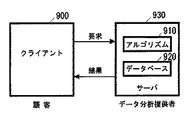
商用のデータ分析サービスは、従来から、データ分析アルゴリズムとデータベースが単一のシステム提供物の一部である、モノリシック・システムとして提供されてきた。図1に、そのような従来技術によるシステムの例を示す。図示したように、顧客900は、データ分析提供者930と対話し、結果を獲得し、その結果の代金を課金される。データ分析提供者は、データ分析アルゴリズム910と、分析すべきデータベース920とを有する。システムは、顧客とデータ分析提供者が、あるネットワーク(多分インターネットまたはイントラネット)を介して対話する、クライアント−サーバ・システムとして実施することができる。また、データ分析アルゴリズムとデータベースが異なる組織によって開発されていることもある。しかし、顧客が対話するデータ分析提供者は、モノリシック・システムである。例として、Reed−Elsevier,Incの一部門によって提供されるLexis−Nexisサービスがある。
【0019】
最近において、インターネット上で、データ分析サービスのもう1つのモデルが一般的になりつつある。インターネット上では、データ分析アルゴリズムは、Yahoo!(Yahoo! Corporationによる)やAlta Vista(Digital Equipment Corporation)などの検索エンジンによって提供される。データベースは、インターネット上のすべてのウェブ・ページであり、その一部は関係データを含むが、通常は、テキスト、数字、図、イメージ/ビデオ、音声を有する非構造的データを含む。インデックス・データベースが定期的に手動でまたは自動で構成される。顧客は、インデックス・データベースの検索をトリガする情報を要求し、関連するインターネット・ソースを指示される。インデックスと検索機構とでデータ分析アルゴリズムを構成する。これらの検索エンジンのデータ分析アルゴリズムは、検索エンジンと一緒にパッケージされており、顧客の要求によって動的に置き換えられない。さらに、検索エンジンとデータベースは無料である。収益があるとすれば、検索エンジンによって作成された様々なウェブ・ページに関連した広告によるものである。
【0020】
【発明が解決しようとする課題】
したがって、ユーザがたとえばデータ分析アルゴリズムのサービス提供者を、たとえばデータベースの独立したコンテンツ提供者と動的に結合できる、インターネット上で利用可能なシステムが必要である。また、独自のアルゴリズムおよびデータベース、ならびにアルゴリズムおよびデータベースへのアクセスに関して顧客に課金する価格付け機構に関して適切なセキュリティを維持するシステムが必要とされる。本発明は、そのような必要に対処するものである。
【0021】
電子取引モデル、セキュア・エレクトロニック・トランザクション(SET)は、IBM、Microsoft、VISA、Mastercardを含む大手クレジット会社とコンピュータ・ベンダによって提案された。このモデルは、インターネット上での取引に携わる多くの団体によってサポートされることになるであろう。たとえば、IBMの商業サーバ「Net.Commerce」とサイバー・ショッピング・モール「World Avenue」は、SETを利用する計画を公表した。SETの詳細については、URL http://www.visa.comを参照されたい。
【0022】
【課題を解決するための手段】
本発明は、インターネット上でデータ分析アルゴリズムとデータベースを安全に結合するオープン・アーキテクチャを対象とし、このデータ分析アルゴリズムとデータベースは、異なるベンダーまたはサプライヤによるものでもよい。
【0023】
本発明の一態様によれば、通信ネットワークを介してサービスを提供するコンピュータ化した方法は、ネットワーク上のサービス提供者に、ユーザが選択した独立のコンテンツ提供者の識別子と、サービス提供者に関連付けられた特定のサービスの識別子とを含むメッセージを送る段階と、そのメッセージに応答して、サービス提供者からコンテンツ提供者に、コンテンツ提供者によって実行されたときコンテンツ提供者が制御するコンテンツに対して特定のサービスを実行させるコンピュータ実行可能コードを送る段階と、コンテンツ提供者がコンピュータ実行可能コードを実行する段階と、前記実行段階の少なくとも部分的な結果を通信ネットワークによってユーザに戻す段階とを含む。
【0024】
本発明の第2の態様によれば、コンピュータ実行可能コードが、特定のサービスをするために必要な、メモリ、ディスクおよびCPU時間のうちの1つを含む1つまたは複数の計算資源を指定する。
【0025】
本発明の第3の態様によれば、コンテンツ提供者が、特定のサービスをするために使用できる、メモリまたはディスクを含む1つまたは複数の計算資源を指定する。
【0026】
本発明の第4の態様によれば、実行する段階がさらに、コンピュータ実行可能コードによる、実行されるコンテンツと関連付けられたアプリケーションへの通信を制限する段階を含む。
【0027】
本発明の第5の態様によれば、ネットワークがインターネットであり、サービス提供者とコンテンツ提供者とユーザが、Javaで使用可能となるマシンと通信し、コンピュータ実行可能コードが、Javaアプレット(ダウンロード可能なコード・フラグメント)である。
【0028】
本発明の第6の態様は、前記戻す段階に応答して、特定のサービス、コンテンツ、および少なくとも部分的な結果のうちの1つまたは複数に基づいてユーザに課金する段階を含む。
【0029】
本発明の第7の態様は、部分的結果に関してユーザに対話式に課金する段階を含む。
【0030】
本発明の第8の態様によれば、部分的結果に関してユーザに対話式に課金する段階が、電子商取引モデルを用いて実施される。
【0031】
本発明の第9の態様によれば、コンテンツの利用に関してコンテンツ提供者に貸方記入し、サービスの利用に関してサービス提供者に貸方記入する段階を含む。
【0032】
本発明の第10の態様によれば、サービス提供者がデータ分析サービス提供者であり、コンテンツ提供者が独立のデータベース提供者であり、サービスが、サービス提供者と関連付けられた特定のデータ分析アルゴリズムであり、コンテンツがデータベース提供者によって管理されるデータベースである。
【0033】
【発明の実施の形態】
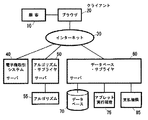
図2は、データ分析アルゴリズム・サプライヤ50によって提供されるデータ分析アルゴリズム55などのコンピュータ・サービスを、データベース・サプライヤ60によって提供されるデータベース70と任意に結合する、本発明の機能を有するシステムを示す。この図では、顧客(ユーザとも呼ぶ)10は、クライアントが実行するブラウザ20を利用して、インターネット30およびTCP/IPネットワーク・プロトコルを介してサーバ50、60にアクセスする。ネットワーク・プロトコルは、マシンが互いに通信するための標準的な方法を提供する。プロトコルは、ネットワークを介した送受信のためにデータをどのようにフォーマットすべきかを示す。標準プロトコルにより、ネットワーク上で異機種のマシンがシームレスに通信することができる。標準のインターネット・プロトコルの例には、HTTP、SMTPおよびFTPがある。HTTPに関しては、T.バーナース リー(T.Berners−Lee)、R.フィールディング(Fielding)およびH.フリスタイク(Frystyk)の論文「Hypertext Transfer Protocol−HTTP/1.0」、http://www.ics.uci.edu/pub/ietf/http/draftietf−http−v10−spec−03.html、1995年9月4日を参照されたい。SMTPに関しては、J.B ポステル(Postel)の論文「Simple Mail Transfer Protocol」、RFC821、Information Science Institute、USC、1982年8月、http://ds.internic.net/std/std10.txt.を参照されたい。FTPに関しては、J.ポステル(Postel)とJ.K.レノルズ(Reynolds)の論文「File Transfer Protocol(FTP)」、RFC959、Information Sciences Institute、USC、1985年10月、http://ds.internic.net/std/std9.txtを参照されたい。クライアント−サーバ・モデルは、ネットワーク・プログラミングにおいて主流のパラダイムの1つであり、これに関しては、たとえば、W.R.スチーブンス(Stevens)の論文「Unix Network Programming」、Prentice Hall PTR、Englewood Cliffs、NJ、1990と、D.E.カマー(Comer)の論文「Internetworking with TCP/IP」vol.1、Prentice Hall、Englewood Cliffs、NJ、1991を参照されたい。サーバ・プログラム40、50、60は、ネットワークを介して多数のユーザがアクセスできるサービスを提供する。プログラムは、メッセージをサーバに送って、サーバ40、50、60から応答を待つときにクライアント20になる。クライアント・プロセスは、通常、ユーザの対話に最適化されており、要求されたサービスまたはサーバの詳しい働きを知らなくてもサービスを利用することができる。ワールド・ワイド・ウェブ上では、「ブラウザ」は、クライアント・プログラムとなり、ブラウザに情報を戻すプログラムが、サーバ・プログラムとなる。従来通り、ウェブ・サーバは、通常、TCP/IP結合など、イントラネット上のマシンへのハードウェア接続を提供し、インターネットへのアクセスを提供するアクセス・エージェントによってサポートされたHTTPデーモン(HTTPD)を有する。HTTPDの例は、IBM OS/2ウェブ・サーバ、あるいはハイパーテキスト・マークアップ言語およびコモン・ゲートウェイ・インタフェースの機能を有する他の任意のサーバである。
【0034】
本発明によれば、顧客10は、アルゴリズム・サプライヤ50(メソッド・サーバとも呼ばれる)からのアルゴリズム55を突きとめ、データベース・サプライヤ60(コンテンツ・サーバとも呼ばれる)からのデータベース70を突きとめる。次に、データ分析アルゴリズム55は、データベース・サプライヤ60に安全にリロケートされ、アプレット実行環境75(図5を参照して後で説明する)を利用して適切なデータベース70上で実行される。検索の結果が、ブラウザ20上に表示される。このようなブラウザの例は、IBMから商標WebExplorer、またNetscapeから商標Netscape Navigatorのもとで販売されているものである。
【0035】
本発明のもう1つの態様によれば、アルゴリズム55が実行されるとき、部分的結果が顧客10に送り戻される。顧客10は、次に、データベース(DB)70上でアルゴリズムを実行し続けるかどうかを決定する。また、顧客10は、増分的に課金され、アルゴリズム55を続けて実行することを要求するごとに課金される。インターネット上でサービスとコンテンツの組合せに対するアクセスに関して課金するために、SETなどの電子商取引システム40を利用することができる。本発明のさらに別の態様によれば、料金は、データベース・サプライヤの支払い機構85(図6を参照して後で説明する)によって決定される。
【0036】
本発明のもう1つの態様によれば、アルゴリズム・サプライヤ50とデータベース・サプライヤ60は共にアルゴリズムの実行について貸方記入される。貸方記入される金額は、データベース・サプライヤ60が決定することができる。
【0037】
当業者は、本発明の範囲内で、ブローカが顧客とアルゴリズム・サプライヤおよびデータベース・サプライヤとの間の仲介者として働くことができることを理解されよう。そのようなブローカは、サプライヤを突きとめ、部分的結果の集成を取り次ぐことができる。1996年5月30日付けの米国特許出願第655138号に、信用される第3者を利用し、情報製品の内容全体を開示することなく情報製品の記述を見込み客に提供する特定の例が出ている。
【0038】
図3は、図2に示したコンピュータ・システム内での対話の論理流れ図を示す。ブラウザ20を使って、ウェブをサーフィンし、顧客10の情報を表示する。図に示したように、ステップ500で、顧客10は、適切なデータベース70を突きとめる。ステップ510で、顧客10は、特定のデータ分析アルゴリズムを選択する。これにはウェブ検索を必要とすることもあり、顧客10がアルゴリズム・サプライヤ50またはデータベース・サプライヤ60あるいはその両方のURLを知っていることもある。アルゴリズム・サプライヤ50は、選択されたアルゴリズムのデータベース・サイズの関数として、最低の資源要件(メモリ、ディスク、時間)を提供することができる。アルゴリズム・サプライヤは、任意選択で、最低要件よりも多い資源(メモリ、ディスク)の時間見積りを示す関数を提供することもできる。同様に、データベース・サプライヤ60は、インターネット・データ分析に利用できる資源(メモリ、ディスク)または関連データベースのサイズあるいはその両方を指定することができる。ステップ520で、顧客10は、アルゴリズム名とアルゴリズム・サプライヤ50のURLを、データベース・サプライヤ60に渡す。顧客10は、任意選択で、最低要件ではなく追加の資源(メモリ、ディスク)を利用すると指定することができる。DBサプライヤ60は、アルゴリズム・サプライヤ50の場所を突きとめ、適切なデータ分析アルゴリズムをダウンロードする。(図4と図5を参照して説明する)好ましい実施形態では、データ分析アルゴリズムは、Javaアプレットなどのダウンロード可能なコード・フラグメントである。それぞれのダウンロード可能なコード・フラグメントは、基礎となる実行環境75に適合するか確認することが好ましい。別法として、アルゴリズム・サプライヤ50がDBサプライヤ60から信用されている場合は、二進数のアルゴリズムをDBサプライヤ60にダウンロードすることができる。次に、ステップ530で、ダウンロード可能なコード・フラグメント80が、データベース・サプライヤ60の実行環境で実行される。ステップ530で、実行環境75は、マルチスレッド・プロセスを使用可能にする。マルチスレッド・プロセスは、選択されたデータベース・アプリケーションとだけ通信するように制限することができる。データベース実行環境75のスレッドは、それぞれの顧客10のトランザクションをサポートするために使用することができる。ステップ540で、データベース・サプライヤ60は、少なくとも部分的な結果を顧客10に戻す。顧客10には、各ラウンドごとに部分的結果について課金することができる(図6を参照して後で説明する)。好ましい実施形態では、SETなどの電子商取引モデル40を、顧客10に課金し、データベース・サプライヤ50とデータ分析アルゴリズム・サプライヤ60に貸方記入するために採用する。ステップ570で、顧客が続行を望む場合は、プロセスはステップ530から繰り返す。そうでない場合は、プロセスはステップ560で終了する。
【0039】
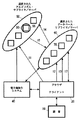
図4に、本発明によるコンピュータ・システムと論理流れを組み合わせた例を示す。この実施形態では、実行環境75は、Java仮想マシン(図5を参照して詳細に説明する)を含み、ダウンロード可能なコード・フラグメントはJavaアプレットである。Javaは、Sun Microsystemsによってインターネット用に開発された周知のコンピュータ・プログラミング言語である。たとえば、パトリック・ノートン(Patrick Naughton)著「The Java Handbook」Osborne McGraw−Hill(1996)を参照されたい。また、URL http://www.javasoft.com/java.sun.com/source.htmlも参照されたい。図示したように、対話する構成要素の対が、データまたは制御の流れを示す方向線I1ないしI7(一方向または双方向)によって接続される。以下に列挙するように、様々な参加者の間で行われる対話は7種ある。
【0040】
1.顧客10が、特定のデータ分析アルゴリズムを選択する。これにはウェブ検索が必要なこともあり、顧客10がすでにアルゴリズム・サプライヤ50のURLを知っていることもある。アルゴリズム・サプライヤ50は、選択されたアルゴリズムのデータベース・サイズの関数として最低の資源要件(メモリ、ディスク、時間)を提供する。サプライヤは、任意選択で、最低要件よりも多い資源(メモリ、ディスク)の時間見積りを示す関数を提供することもできる。ブラウザ20が、顧客10の情報を表示するために使用される。
2.顧客10が、適切なデータベースを突きとめる。顧客がウェブ検索を実行することもでき、すでにデータベース・サプライヤ60のURLを知っていることもある。また、データベース・サプライヤ60は、インターネットのデータ分析に利用できる資源(メモリ、ディスク)と関連データベースのサイズを指定することができる。
3.顧客10は、アルゴリズム・サプライヤ50のアルゴリズム名とURLをデータベース・サプライヤ60に渡す。顧客10は、任意選択で、最低要件ではなく追加の資源(メモリ、ディスク)の使用を指定することができる。
4.DBサプライヤ60が、アルゴリズム・サプライヤ50の場所を突きとめる。
5.DBサプライヤ60が、適切なアプレット80をダウンロードする。
6.各アプレット80は、最初に、Javaコード検査機構によって、そのアプレットが基礎となるアプレット・システムに適合するかどうか検査することが好ましい。次に、修正Javaコード検査機構を利用して、コード・セキュリティ証明と資源制約を検査する。アナンド(Anand)他の「A Uniform Mechanism for Using Signed Contents」と題する1996年6月11日付けの米国特許出願第661687号は、アプレットが制御された方式でシステム資源にアクセスする機構を記載している。この機構により、Javaアプレットは、CLASSPATH変数を使って静的に指定された以外のファイル・システムの部分にアクセスすることができ、アプレットがそこからダウンロードされたサーバ以外のサーバと通信することができる。本発明では、各アプレットに、アプレットがどこから来てどの資源を使用するかを指定するセキュリティおよび資源の証明をスタンプすることができる。アプレットの出所が信用できる場合は、資源制約も信用できる。Javaは、ダウンロードされたアプレットがマシン固有のコードで実行するようにコンパイルできるかあるいはインタープリットできることを条件とする。アルゴリズム・サプライヤ50がDBサプライヤ60によって信用される場合、二進数のアルゴリズムをDBサプライヤ60に送ることができる。次に、アプレット80が、データベース・サプライヤ60上で実行される。
Javaは、また、マルチスレッド・プログラミング・パラダイムを提供する。たとえば、ノートンの著書181〜199ページを参照されたい。アプレットは、データベース以外のアプリケーションと通信できないように実行が制約されることが好ましい。各顧客10のトランザクションをサポートするために、データベース・アプレット・システム内のシステム・スレッド100を使用することができる。
7.DBサプライヤ60は、結果(部分的な結果のこともある)を顧客10に戻す。価格付け機構(後で考察する)を用い、各ラウンドごとに部分的結果に対して顧客10に課金することができる。
【0041】
顧客10に課金し、データ分析アルゴリズム・サプライヤ50およびデータベース・サプライヤ60に貸方記入するために、SETなどの電子商取引モデル40を採用することが好ましい。
【0042】
当業者は、DBサプライヤ60を選択することだけを除き、顧客10がアルゴリズム・サプライヤ50と対話するように対話を容易に変更できることを理解されよう。この場合、上記の対話3は、顧客10がデータベース名とデータベース・サプライヤ60のURLをアルゴリズム・サプライヤ50に渡すように変更される。対話4は、アルゴリズム・サプライヤ50がデータベース・サプライヤ60を突きとめるように変更される。また、対話5は、アルゴリズム・サプライヤ50がアプレット80をデータベース・サプライヤ60にアップロードするように変更することができる。
【0043】
上記の対話で唯一の本質的依存条件は次の通りである。すなわち、対話1と対話2は、任意の順序で行われるが、対話3よりも前に行われなければならない。対話3、4、5、6、7は、この順序で行われる。対話7は、部分的結果が顧客10に返されるときに複数回行われ、顧客10は、アルゴリズムの使用量、データベース・アクセスおよび返された部分的結果について課金される。
【0044】
前述の1人または複数の論理的参加者が単一の物理的参加者に写像できることに留意されたい。
【0045】
また、当業者は、このアーキテクチャが、以下の点で反復的であることを理解されよう。データベース・サプライヤ60は、実際にインターネットを介してデータ分析サービスを購入する顧客10になることによりそのデータを得ることができる。逆に、図4の顧客10は、別の参加者グループとの別のデータ分析トランザクションに関してデータベース・サプライヤ60になることができる。すなわち、あるトランザクションで顧客10である参加者が、別のトランザクションでサプライヤになることができる。
【0046】
また、顧客10と他の当事者との間の仲介者として働くブローカを追加することもできる。顧客10は、何でも入手できる便利なサプライヤとして、仲介者とのみ対話する。仲介者は、前述のように、アルゴリズム・サプライヤ50およびデータベース・サプライヤ60と(図4で仲介者が顧客10であるかのように)対話する。
【0047】
図4において対話を実施するために、次のプロトコルを使用することができる。対話I1、I2、I3、I7は、HTTPプロトコルを使って実施することができる。対話I4およびI5は、Javaダウンロード・プロトコルを使って実施することができる。電子商取引システムとのすべての対話は、SET(http://www.visa.com/cgi−bin/vee/sf/set/intro.html?2+0を参照)プロトコルを使って実施することができる。
【0048】
本発明の好ましい実施形態においては、顧客(ユーザ)10はNetscapeブラウザにアクセスすることができる。顧客の要求により、ブラウザは、Yahoo!などの一般的な検索エンジンによって、ウェブから、データベースとデータ分析アルゴリズムとそのサプライヤのリストを得る。従来通り、顧客は、HTMLを使ってブラウザに表示された適切なイメージをクリックすることにより、データベース70とデータ分析アルゴリズム55を選択する。
【0049】
顧客は、最初に、費すつもりのある最高金額を入力することができる。次に、顧客は、GOボタン(従来のハイパーリンクを表す)をクリックしてトランザクションを開始する。要求は、http要求の形でデータベース・サプライヤ60に送られる。データベース・サプライヤは、従来通り、Javaによって使用可能なhttpデーモン(httpd)を実行する(たとえば、Naughton、244〜249ページを参照)。
【0050】
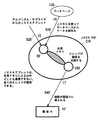
図5に、データベース・サプライヤにおいてデータ分析アルゴリズムを安全に実行するための、本発明による実行環境75のより詳細な例を示す。図示したように、データベース・サプライヤのhttpデーモンは、Java言語でデータ分析サプライヤと通信し、アプレットをダウンロードするためのJava内部プロトコルを使ってアプレットをダウンロードする(520’)。その結果は、httpを用いて顧客に返され(540’)、htmlを用いて表示される。本発明の好ましい実施形態では、データベース・サプライヤがJava実行環境210を有し、データベース・サプライヤ上のJavaがJDBCによって使用可能になる(530’)と想定する。JDBCは、周知であり、SQLデータベースに対する進化したJavaアプリケーション・プログラミング・インタフェース(API)である。これは、Sun MicrosystemsのJavaSoft部門によって開発中である。JDBCの詳しい説明は、URLhttp://splash.javasoft.com/jdbc/を参照されたい。JDBCライブラリは、SQLを用いてデータベース130を呼び出す。例示的なデータベースとデータベース管理システムは、IBMから「DB2」の商標で販売されている。
【0051】
アルゴリズム・サプライヤ50は、Javaアプレットとして書かれたデータ分析アルゴリズムを提供する。アプレットは、データ分析アルゴリズムのサーバ50に常駐する。選択されたアプレットは、データベース・サプライヤにダウンロードされ、実行される。
【0052】
アプレットは、実行中のサーバ以外と通信しないように制限されたスレッド内で実行することが好ましい。また、Javaは、定期的に実行するシステム・スレッド100のプールを提供する(http://www.javasoft.com/java.sun.com/source.htmlを参照)。本発明の一態様によれば、システム・スレッド100を使って、顧客10’との反復動作を調整することができる。データ分析アルゴリズムを含むJavaアプレットをダウンロードするとき、Javaアプレットは、システム・スレッド・プール内のスレッドの1つにそれ自体を登録する。ダウンロードしたアプレットはシステム・スレッド100と通信し、システム・スレッド100は顧客と通信する(540’)。これらのスレッドは、JAVAウィンドウ・システム、Active Window Toolkit(AWT)の構成と似た代理(proxies)として機能する。
【0053】
システム・スレッド100は、部分的結果を顧客に送り、部分的結果を顧客に提供した後でアルゴリズムを引き続き実行するかどうかを決定する。これにより、任意の時間にデータ分析アルゴリズムの実行を終了することができる。データ分析アルゴリズムは、従来通り、ローカル・ファイル記憶装置またはデータベースに書き込むことはできない。
【0054】
部分的結果は、ブラウザ20に表示される。実際の表示は、コンテンツと照会のタイプに依存する。たとえば、画像データベースに対するデータ分析照会は、1ページに1つ、リンクされたイメージのリストを作成する。
【0055】
顧客の初期支払い額から適切な金額が引かれる。顧客が継続ボタンを押した場合、計算が続行される。顧客は、SETプロトコルを用いて、Yドルの支払いと引き換えにデータ分析サービスを要求する。最初の部分的結果の後で、顧客は、結果を引き続き受信するかあるいはトランザクションを終了する。SET電子商取引プロトコルを使用することにより、販売者は、顧客に製品について課金し販売者に同額を貸方記入する支払いトランザクションを終了した後で、顧客に一部を払い戻しすることができる。トランザクションを終了した場合は、SETプロトコルを用いて、使われなかった金額を顧客に貸方記入する。データベース・サプライヤとアルゴリズム・サプライヤには、適切な金額が貸方記入される。
【0056】
電子商取引プロトコルに、顧客がトランザクションの支払いをした後で調整を行う貸方記入機構がない場合は、顧客の損失を少なくするために、金額Yを適当に低く抑えることができる。
【0057】
本発明の一態様によれば、顧客10は、部分的結果の支払いを対話式に行う。顧客は、始めに金額Xを支払い、その後、受け取った部分的結果に応じて続行する。顧客10がトランザクションを任意の時間に終了したくなった場合、使ってない金額が顧客10に戻される。SET商取引モデル40を使うと、そのようなプロトコルを実施することが可能である。
【0058】
部分的結果の代価を決定するために、DBは、アルゴリズムのコストと、DBからアクセスされたデータのコストと、使用された資源(メモリ、ディスク、CPUサイクル)のコストと、顧客10に送られたデータのコストを加算することができる。
【0059】
顧客10へのコストは、次式で表される。
Customer_Price=(price_of_algorithm/unit−time)*time_used
+price_of_data_accessed_from_database
+price_of_resources_used
+price_of_data_sent_to_customer
【0060】
データベース内の様々なデータおよび様々なデータベースが、異なる価格と関連付けられていることがある。顧客10に送られるデータの価格は、1ビットあたりの適切な額の均一料金でもよい。顧客10がデータ分析アルゴリズムを供給し、データベース全体を顧客10自身に返送しようと試みる場合、1ビットあたりのコストという手法は、顧客10が本当にデータベース全体を望んでいるのでなければ、そのようなアクティビティを抑制するものとなる。適切な価格で課金することにより、DBサプライヤ60は、顧客10が、DBサプライヤ60のコンピュータ上でデータ分析を行い、データベース全体を複写するのではなく何らかの価値のある要約結果を収集しようとするのに十分な動機付けを与えることができる。
【0061】
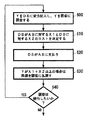
図6に、図2の支払い機構の論理流れ図を示す。支払いトランザクションには、SETプロトコルまたは他の何らかの電子商取引プロトコルを使用することができる。データベース・サプライヤのところでデータ分析アルゴリズムが実行される前に、ステップ600で、顧客の口座に初期金額Yが請求され、同じ金額がデータベース・サプライヤ(DS)に貸方記入される。データベース・サプライヤとアルゴリズム・サプライヤに貸方記入される合計金額がY以下になるようにデータ分析アルゴリズムが実行された(部分的完了)後で、部分的結果が顧客に返され、データベース・サプライヤは、ステップ610で、アルゴリズム・サプライヤ(AS)とデータベース・サプライヤにそれぞれ貸方記入される正確な金額X1およびX2を計算する。ステップ620で、データベース・サプライヤは、アルゴリズム・サプライヤに金額X1を支払う。ステップ630で、データベース・サプライヤは、Y−(X1+X2)の余りの金額を顧客に返す。ステップ640で、データベース・サプライヤは、顧客がさらにデータ分析アルゴリズムの実行をし続けるかどうかを確認する。続ける場合は、前のステップが繰り返される。そうでない場合は、支払いトランザクションが実行される。
【0062】
ASとDSの役割は、支払いトランザクションにおいて逆になる。役割が逆になった場合、DSはステップ610でコストの関数をさらに計算しなければならないが、ASは結果を顧客10に戻す。最適化により、それぞれの反復の終わりではなく1つのアクションで顧客10に払い戻し金を返すことができる。
【0063】
アルゴリズム・サプライヤ50は、通常、顧客10を信用するのと同じようにDBサプライヤ60を信用する。DBサプライヤ60は、一般にだれも信用しない。しかし、特別な手配のもとでは、DBサプライヤ60は、アルゴリズム・サプライヤ50を信用することがある。信用するとは、次のようなことである。ASは、DSが正しい金額を計算してASに貸方記入することを信用する。顧客10は、DSが公正にすなわち発表された料金表通りに課金することを信用する。
【0064】
各アルゴリズムを、自己破壊するまでのある期間(たとえば、時間、日、月ごとなど)リースすることができる。DBは、ASとの別のトランザクションによってアルゴリズムを使用し続けることができる。この場合は、アルゴリズムの新しいインスタンスがロードされる。アルゴリズムは、部分的結果の生成後に検査し回復できることが好ましい。DBサプライヤ60は、アルゴリズム・サプライヤ50に、アルゴリズムを使用した時間を報告する。
【0065】
すべての図でJavaVMは、ActiveX(Microsoft Corpの登録商標)およびWindows95(Microsoft Corpの登録商標)で代用することができる。
【0066】
前述の米国特許出願第661687号の技術を使用することにより、ダウンロードしたアプレットが、システム・スレッド100を使用せずに顧客と通信できるようになる。この技術では、アプレットが資源要件およびセキュリティ証明と一緒に来る。資源要件には、ファイル・アクセスと信用されたドメイン名サーバ(DNS)が含まれる。セキュリティ証明には、デジタル署名が含まれる。DNSは、文字列名を、アプレットが由来するサーバ以外のエンティティと通信するために使用できるIPアドレスに変換するために使用される。アプレットはまた、アクセスしたいファイルのリストと一緒に来る。修正Java検査機構が、信用されたDNSの有効性と、アプレットをロードする際にアクセスされるファイルのリストを検査する。実施モジュールは、アプレットの挙動が資源要件に適合し、セキュリティ証明が実行時間に破られないことを保証する。図4にI1〜I5およびI7で示された対話は、安全ソケット層プロトコル(secure sockets layer protocol:ssl)(http://www.netscape.com)を用いて暗号化できることが好ましい。
【0067】
本発明を、代替例を含む好ましい実施形態によって説明したが、当業者には様々な改良を思いつくであろう。したがって、好ましい実施形態は例として示したものであり制限として示したものではないことを理解されたい。本発明の範囲は、併記の特許請求の範囲によって正確に定義される。
【図面の簡単な説明】
【図1】顧客が商業データ分析提供者と対話することができる従来技術のシステムを示す図である。
【図2】本発明の機能を有するコンピュータ・システムを示す図である。
【図3】本発明によるコンピュータ化したプロセスの論理流れ図である。
【図4】本発明によるコンピュータ・システムと論理流れを組み合わせて示す図である。
【図5】本発明による、データベース・サプライヤにおいてデータ分析アルゴリズムを安全に実行するための図2の実行環境のより詳細な例を示す図である。
【図6】図2の支払い機構の論理流れ図である。
【符号の説明】
10 顧客
20 ブラウザ
30 インターネット
40 サーバ・プログラム
50 データ分析アルゴリズム・サプライヤ
55 データ分析アルゴリズム
60 データベース・サプライヤ
70 データベース
75 アプレット実行環境[0001]
BACKGROUND OF THE INVENTION
The present invention relates to a method and system for providing services over a communications network, and more particularly to a method and system for utilizing the World Wide Web and the Internet. Provides a mechanism for combining data analysis algorithms and databases on the Internet.
[0002]
[Prior art]
First, terms used in this specification will be briefly described.
[0003]
the Internet. A network using the TCP / IP protocol and a gateway network.
[0004]
client. A client is a computer that issues commands to a server, and the server performs tasks associated with the commands.
[0005]
server. A computer that executes a task by a command of another computer is a server. A web server typically supports one or more clients.
[0006]
World Wide Web (WWW or web). An Internet application that switches people looking for information on the Internet from server to server and from database to database by clicking on highlighted words or sentences (hyperlinks) of interest. Internet WWW servers support clients and provide information. The web can be thought of as the Internet where all resources are addressed as URLs, using HTML to display information corresponding to URLs and providing a point-and-click interface to other URLs.
[0007]
Universal resource locator (URL). A means of uniquely identifying or addressing information on the Internet. Think of it as a web document version of an email address. Can be accessed by hyperlink. An example of the URL is “http://www.arun.com:80/table.html”. The URL consists of four parts. To explain from the left side, the first part specifies the protocol to be used and is separated from the rest of the locators by “:”. Next is the host name or IP address of the target host, which is delimited on the left by “//” and on the right by “/” or optionally by “:”. The port number is arbitrary, the left side is separated from the host name by “:”, and the right side is separated by “/”. The fourth element is the actual file name or program name. In this example, the “.html” extension means that this is an HTML file.
[0008]
Hypertext markup language (HTML). HTML is a language used by web servers to create and connect documents for viewing by web clients. HTML uses hypertext documents. Other uses for hypertext documents include US Pat. No. 5,204,947 granted to Bernstein et al. On Apr. 20, 1993 and U.S. Pat. No. 5,297,249, U.S. Pat. No. 5,355,472 issued Oct. 11, 1994 to Lewis.
[0009]
Hypertext transfer protocol (HTTP). HTTP is an example of a stateless protocol that means that all requests from the client to the server are handled independently. The server has no record of previous connections. “Http:” at the beginning of the URL indicates that the file includes a hyperlink.
[0010]
Internet browser or web browser. A graphical interface tool that runs Internet protocols such as http and displays the results on the customer's screen. The browser serves as a tour guide for the Internet, and includes a pictorial desktop, directory, and search tool that users use to “surf” the Internet. In this application, a web browser is a client service that communicates with the World Wide Web.
[0011]
HTTP daemon (HTTPD). Server with hypertext markup language and common gateway interface functions. HTTPD is typically supported by an access agent that provides a hardware connection to a machine on an intranet, such as a TCP / IP connection, and provides access to the Internet.
[0012]
Applet. Downloadable code fragment.
[0013]
Applet system. A system that can safely download and execute code.
[0014]
Java. A computer programming language developed by Sun Microsystems for programming over the Internet.
[0015]
Secure Electronic Transaction (SET) protocol. A protocol for conducting secure electronic transactions over the Internet to purchase goods or services using a credit card.
[0016]
Data analysis algorithm. A computer process that analyzes data and infers the characteristics of the data.
[0017]
Database. A storage location for data or information.
[0018]
Commercial data analysis services have traditionally been offered as monolithic systems where the data analysis algorithm and database are part of a single system offering. FIG. 1 shows an example of such a prior art system. As shown,
[0019]
Recently, another model of data analysis service is becoming popular on the Internet. On the Internet, the data analysis algorithm is Yahoo! (By Yahoo! Corporation) and Alta Vista (Digital Equipment Corporation). A database is any web page on the Internet, some of which contains relevant data, but typically contains unstructured data with text, numbers, diagrams, images / video, and audio. The index database is periodically manually or automatically configured. The customer requests information that triggers a search of the index database and is directed to the relevant Internet source. A data analysis algorithm is constituted by the index and the search mechanism. These search engine data analysis algorithms are packaged with the search engine and are not dynamically replaced by customer requirements. In addition, search engines and databases are free. If there is revenue, it is due to advertisements associated with various web pages created by search engines.
[0020]
[Problems to be solved by the invention]
Therefore, there is a need for a system available on the Internet that allows a user to dynamically combine, for example, a data analysis algorithm service provider with an independent content provider of a database, for example. There is also a need for a system that maintains adequate security with respect to proprietary algorithms and databases and pricing mechanisms that charge customers for access to the algorithms and databases. The present invention addresses such a need.
[0021]
The electronic trading model, Secure Electronic Transaction (SET), has been proposed by major credit companies and computer vendors, including IBM, Microsoft, VISA, Mastercard. This model will be supported by many organizations involved in transactions on the Internet. For example, IBM's commercial server “Net.Commerce” and cyber shopping mall “World Avenue” have announced plans to use SET. For details of SET, see URL http: // www. visa. com.
[0022]
[Means for Solving the Problems]
The present invention is directed to an open architecture that securely combines data analysis algorithms and databases over the Internet, which data analysis algorithms and databases may be from different vendors or suppliers.
[0023]
In accordance with one aspect of the present invention, a computerized method of providing a service over a communication network includes associating a service provider on the network with an identifier of an independent content provider selected by the user and the service provider. Sending a message including the identifier of the specified specific service, and responding to the message from the service provider to the content provider for content controlled by the content provider when executed by the content provider Sending a computer executable code to execute a particular service, a content provider executing the computer executable code, and returning at least a partial result of the execution step to the user via a communication network.
[0024]
According to a second aspect of the invention, the computer executable code specifies one or more computational resources including one of memory, disk and CPU time required to perform a particular service. .
[0025]
According to a third aspect of the invention, the content provider specifies one or more computing resources, including memory or disk, that can be used to perform a particular service.
[0026]
According to a fourth aspect of the present invention, the step of executing further includes restricting communication by the computer executable code to the application associated with the content to be executed.
[0027]
According to the fifth aspect of the present invention, the network is the Internet, the service provider, the content provider, and the user communicate with a machine that can be used in Java, and the computer executable code is a Java applet (downloadable). Code fragment).
[0028]
A sixth aspect of the invention includes charging a user based on one or more of a particular service, content, and at least a partial result in response to the returning step.
[0029]
A seventh aspect of the invention includes interactively charging the user for partial results.
[0030]
According to an eighth aspect of the invention, the step of interactively charging the user for the partial result is performed using an electronic commerce model.
[0031]
According to a ninth aspect of the present invention, the method includes the steps of crediting the content provider regarding the use of the content and crediting the service provider regarding the use of the service.
[0032]
According to a tenth aspect of the invention, the service provider is a data analysis service provider, the content provider is an independent database provider, and the service is associated with a specific data analysis algorithm associated with the service provider. The content is managed by a database provider.
[0033]
DETAILED DESCRIPTION OF THE INVENTION
FIG. 2 illustrates a system having the capabilities of the present invention that optionally combines a computer service such as
[0034]
According to the present invention,
[0035]
According to another aspect of the invention, partial results are sent back to
[0036]
According to another aspect of the present invention, both
[0037]
One skilled in the art will appreciate that within the scope of the present invention, a broker can act as an intermediary between a customer and an algorithm supplier and database supplier. Such brokers can locate suppliers and mediate partial results. US Patent Application No. 655138, dated May 30, 1996, provides a specific example of using a trusted third party to provide a description of an information product to a prospective customer without disclosing the entire contents of the information product. Out.
[0038]
FIG. 3 shows a logic flow diagram of the interaction within the computer system shown in FIG. The
[0039]
FIG. 4 shows an example of a combination of a computer system and logic flow according to the present invention. In this embodiment, the
[0040]
1.
2.
3. The
4). The
5. The
6). Each
Java also provides a multi-threaded programming paradigm. See, for example, Norton's book, pages 181-199. The applet is preferably restricted in execution so that it cannot communicate with applications other than the database.
7). The
[0041]
Preferably, an
[0042]
One skilled in the art will appreciate that the dialog can be easily modified so that the
[0043]
The only essential dependencies in the above dialog are: That is, the
[0044]
Note that one or more logical participants as described above can be mapped to a single physical participant.
[0045]
Those skilled in the art will also appreciate that this architecture is iterative in the following respects. The
[0046]
It is also possible to add a broker that acts as an intermediary between the
[0047]
The following protocol can be used to perform the interaction in FIG. The dialogs I1, I2, I3, I7 can be implemented using the HTTP protocol. Dialogues I4 and I5 can be implemented using the Java download protocol. All interaction with the e-commerce system can be performed using the SET (see http://www.visa.com/cgi-bin/vee/sf/set/intro.html?2+0) protocol.
[0048]
In the preferred embodiment of the present invention, the customer (user) 10 can access the Netscape browser. At the request of the customer, the browser is Yahoo! Obtain a list of databases and data analysis algorithms and their suppliers from the web by popular search engines. As before, the customer selects the
[0049]
The customer can first enter the maximum amount he will spend. Next, the customer clicks the GO button (representing a conventional hyperlink) to start the transaction. The request is sent to the
[0050]
FIG. 5 shows a more detailed example of an
[0051]
The
[0052]
The applet is preferably executed in a thread that is restricted so that it does not communicate with anything other than the running server. Java also provides a pool of
[0053]
The
[0054]
The partial result is displayed on the
[0055]
The appropriate amount is subtracted from the customer's initial payment. If the customer presses the continue button, the calculation continues. The customer uses the SET protocol to request a data analysis service in exchange for Y dollar payments. After the first partial result, the customer continues to receive the result or ends the transaction. By using the SET electronic commerce protocol, the merchant can refund a portion to the customer after completing the payment transaction that charges the customer for the product and credits the merchant the same amount. When the transaction ends, the customer is credited the unused amount using the SET protocol. Appropriate amounts are credited to database suppliers and algorithm suppliers.
[0056]
If the e-commerce protocol does not have a crediting mechanism that adjusts after the customer pays for the transaction, the amount Y can be kept reasonably low in order to reduce customer losses.
[0057]
In accordance with one aspect of the present invention,
[0058]
To determine the price of the partial result, the DB is sent to the
[0059]
The cost to the
Customer_Price = (price_of_algorithm / unit-time) * time_used
+ Price_of_data_accessed_from_database
+ Price_of_resources_used
+ Price_of_data_sent_to_customer
[0060]
Different data in the database and different databases may be associated with different prices. The price of the data sent to the
[0061]
FIG. 6 shows a logic flow diagram of the payment mechanism of FIG. The payment transaction can use the SET protocol or some other electronic commerce protocol. Before the data analysis algorithm is executed at the database supplier, at
[0062]
The AS and DS roles are reversed in the payment transaction. If the roles are reversed, the DS must further calculate the cost function at
[0063]
The
[0064]
Each algorithm can be leased for a period of time (e.g., hourly, daily, monthly, etc.) before it self-destructs. The DB can continue to use the algorithm by another transaction with the AS. In this case, a new instance of the algorithm is loaded. The algorithm is preferably able to be examined and recovered after partial results are generated. The
[0065]
JavaVM can be substituted with ActiveX (registered trademark of Microsoft Corp) and Windows95 (registered trademark of Microsoft Corp) in all figures.
[0066]
Using the technology of the aforementioned US Patent Application No. 6,661,687 allows downloaded applets to communicate with customers without using
[0067]
While the present invention has been described in terms of preferred embodiments including alternatives, various modifications will occur to those skilled in the art. Accordingly, it should be understood that the preferred embodiment is provided by way of example and not as a limitation. The scope of the invention is precisely defined by the appended claims.
[Brief description of the drawings]
FIG. 1 illustrates a prior art system that allows a customer to interact with a commercial data analysis provider.
FIG. 2 is a diagram showing a computer system having the functions of the present invention.
FIG. 3 is a logic flow diagram of a computerized process according to the present invention.
FIG. 4 illustrates a combination of a computer system and logic flow according to the present invention.
5 illustrates a more detailed example of the execution environment of FIG. 2 for securely executing a data analysis algorithm at a database supplier according to the present invention.
6 is a logic flow diagram of the payment mechanism of FIG.
[Explanation of symbols]
10 customers
20 browser
30 Internet
40 server programs
50 Data analysis algorithm supplier
55 Data Analysis Algorithm
60 Database supplier
70 database
75 Applet execution environment
Claims (10)
ネットワークに結合され、ユーザからの要求を前記ネットワークに送り出すとともに、前記要求に対する応答を前記ネットワークから受け取るクライアントを備え、
更に、前記クライアントは、ユーザにより選択されたネットワーク上の第1のサーバに、ユーザにより選択された第2のサーバの識別子と、該第2のサーバが提供する特定のサービスの識別子とを含むメッセージを送るか、またはユーザにより選択されたネットワーク上の第2のサーバに、ユーザにより選択された第1のサーバの識別子と、該第1のサーバが提供するコンテンツの識別子とを含むメッセージを送るための通信機構を有し、
前記第1のサーバまたは前記第2のサーバは、前記第1のサーバが提供するコンテンツに対して特定のサービスを実行させるコンピュータ実行可能コードを、前記メッセージに応答して、前記第2のサーバから前記第1のサーバに送るための機構を含み、
更に、前記第1のサーバにおいて前記コンピュータ実行可能コードを実行するための実行機構と、
前記第1のサーバに設けられ、前記実行機構の少なくとも部分的な結果を前記通信ネットワークによって前記クライアントに戻す手段と
を備えるコンピュータ・システム。A computer system for providing a service via a communication network including a plurality of servers that can be selected by a user,
A client coupled to the network for sending a request from a user to the network and receiving a response to the request from the network;
Further, the client sends a message including an identifier of the second server selected by the user and an identifier of a specific service provided by the second server to the first server on the network selected by the user. Or a message including a first server identifier selected by the user and a content identifier provided by the first server to a second server on the network selected by the user. Communication mechanism,
In response to the message, the first server or the second server sends a computer executable code for executing a specific service to the content provided by the first server, from the second server. Including a mechanism for sending to the first server;
An execution mechanism for executing the computer executable code on the first server;
A computer system provided on the first server and having means for returning at least a partial result of the execution mechanism to the client via the communication network.
前記クライアントは、前記クライアントのユーザにより選択されたネットワーク上のデータ分析サーバに、前記ユーザにより選択された独立のデータベース・サーバの識別子と、該データベース・サーバが提供するデータベースの識別子とを含むメッセージを送るか、または前記ユーザにより選択されたネットワーク上のデータベース・サーバに、前記ユーザにより選択された独立のデータ分析サーバの識別子と、該データ分析サーバが提供する特定のデータ分析アルゴリズムの識別子とを含むメッセージを送るための通信機構を有し、
前記データ分析サーバまたは前記データベース・サーバは、前記データベース・サーバが提供するデータベースに対して照会を実行させるダウンロード可能なコード・フラグメントを、前記データ分析サーバから前記データベース・サーバに送るための機構を含み、
さらに、前記データベース・サーバにおいて前記ダウンロード可能なコード・フラグメントを実行し、同時にデータベースと関連付けられたアプリケーションへの通信を制限するための実行機構と、
前記データベース・サーバに設けられ、前記実行機構の少なくとも部分的な結果を前記通信ネットワークによって前記クライアントに返す手段と
を含むことを特徴とするコンピュータ・システム。It is coupled to the communication network via a communication network including the World Wide Web (WWW) connected to a plurality of servers that can be selected by the user, and sends a request from the user to the communication network. A computer system providing a service to a client receiving a response to a request from the communication network,
The client sends a message including an identifier of an independent database server selected by the user and an identifier of a database provided by the database server to a data analysis server on the network selected by the user of the client. An identifier of an independent data analysis server selected by the user and an identifier of a particular data analysis algorithm provided by the data analysis server to a database server on the network selected by the user to send A communication mechanism for sending messages;
The data analysis server or the database server includes a mechanism for sending downloadable code fragments from the data analysis server to the database server for executing a query against a database provided by the database server. ,
An execution mechanism for executing the downloadable code fragment at the database server and simultaneously restricting communication to an application associated with the database;
A computer system provided in the database server and including means for returning at least a partial result of the execution mechanism to the client via the communication network.
前記データベース・サーバにおける実行環境が、さらに、
マルチスレッド機構と、
スレッド内でアプレットが実行される共用メモリとを含み、
前記スレッドが前記共用メモリだけを介して通信するように制限されていることを特徴とする請求項5に記載のシステム。The code fragment is an applet;
The execution environment in the database server further includes:
A multi-threading mechanism;
Including shared memory in which the applet runs in the thread,
The system of claim 5, wherein the thread is restricted to communicate only through the shared memory.
Applications Claiming Priority (2)
| Application Number | Priority Date | Filing Date | Title |
|---|---|---|---|
| US08/678,924 US6115712A (en) | 1996-07-12 | 1996-07-12 | Mechanism for combining data analysis algorithms with databases on the internet |
| US08/678924 | 1996-07-12 |
Publications (2)
| Publication Number | Publication Date |
|---|---|
| JPH10116190A JPH10116190A (en) | 1998-05-06 |
| JP3607047B2 true JP3607047B2 (en) | 2005-01-05 |
Family
ID=24724886
Family Applications (1)
| Application Number | Title | Priority Date | Filing Date |
|---|---|---|---|
| JP18125197A Expired - Lifetime JP3607047B2 (en) | 1996-07-12 | 1997-07-07 | A system that provides services via a communication network |
Country Status (4)
| Country | Link |
|---|---|
| US (1) | US6115712A (en) |
| JP (1) | JP3607047B2 (en) |
| KR (1) | KR100281498B1 (en) |
| GB (1) | GB2315891B (en) |
Families Citing this family (70)
| Publication number | Priority date | Publication date | Assignee | Title |
|---|---|---|---|---|
| US6069627A (en) * | 1995-11-01 | 2000-05-30 | International Business Machines Corporation | Extender user interface |
| US20030198930A1 (en) * | 1997-09-24 | 2003-10-23 | Sylvan Learning Systems, Inc. | System and method for conducting a learning session based on a teacher privilege |
| US8342854B2 (en) * | 1996-09-25 | 2013-01-01 | Educate Online Technology, Llc | Language-based computer generated instructional material |
| US6733296B2 (en) | 1996-09-25 | 2004-05-11 | Sylvan Learning Systems, Inc. | Learning system and method for holding incentive-based learning |
| US6733295B2 (en) | 1996-09-25 | 2004-05-11 | Sylvan Learning Systems, Inc. | Learning system for enabling separate teacher-student interaction over selected interactive channels |
| US6804489B2 (en) | 1996-09-25 | 2004-10-12 | Laureate Education, Inc. | Learning system and method for teacher load balancing |
| US6729885B2 (en) | 1996-09-25 | 2004-05-04 | Sylvan Learning Systems, Inc. | Learning system and method for engaging in concurrent interactive and non-interactive learning sessions |
| EP0934581B1 (en) * | 1996-09-25 | 2002-12-04 | Sylvan Learning Systems, Inc. | Automated testing and electronic instructional delivery and student management system |
| JPH11306022A (en) * | 1998-04-16 | 1999-11-05 | Matsushita Electric Ind Co Ltd | Agent knowledge utilization method and device |
| US7117433B1 (en) | 1998-09-29 | 2006-10-03 | International Business Machines Corporation | HTML mapping substitution graphical user interface for display of elements mapped to HTML files |
| US6871220B1 (en) * | 1998-10-28 | 2005-03-22 | Yodlee, Inc. | System and method for distributed storage and retrieval of personal information |
| US6317718B1 (en) | 1999-02-26 | 2001-11-13 | Accenture Properties (2) B.V. | System, method and article of manufacture for location-based filtering for shopping agent in the physical world |
| US6480861B1 (en) * | 1999-02-26 | 2002-11-12 | Merrill Lynch, Co., Inc | Distributed adaptive computing |
| US7962367B1 (en) | 1999-03-09 | 2011-06-14 | Privateer Ltd. | Method and apparatus for permitting stage-door access to on-line vendor information |
| GB2351367A (en) | 1999-06-22 | 2000-12-27 | Int Computers Ltd | Generating code for processing a database |
| US7068680B1 (en) | 1999-10-01 | 2006-06-27 | Accenture Llp | Communication service architectures for netcentric computing systems |
| US6988249B1 (en) | 1999-10-01 | 2006-01-17 | Accenture Llp | Presentation service architectures for netcentric computing systems |
| US7020697B1 (en) | 1999-10-01 | 2006-03-28 | Accenture Llp | Architectures for netcentric computing systems |
| US6874010B1 (en) | 1999-10-01 | 2005-03-29 | Accenture Llp | Base service architectures for netcentric computing systems |
| AU7743600A (en) * | 1999-10-01 | 2001-05-10 | Andersen Consulting Llp | Presentation service architectures for netcentric computing systems |
| AU1462901A (en) * | 1999-11-03 | 2001-05-14 | Accenture Llp | Data warehouse computing system |
| US7003560B1 (en) | 1999-11-03 | 2006-02-21 | Accenture Llp | Data warehouse computing system |
| AU1361701A (en) * | 1999-11-03 | 2001-05-14 | Accenture Llp | Architectures for netcentric computing systems |
| US7124413B1 (en) | 1999-11-03 | 2006-10-17 | Accenture Llp | Framework for integrating existing and new information technology applications and systems |
| US20020107824A1 (en) * | 2000-01-06 | 2002-08-08 | Sajid Ahmed | System and method of decision making |
| US7089588B2 (en) | 2000-01-19 | 2006-08-08 | Reynolds And Reynolds Holdings, Inc. | Performance path method and apparatus for exchanging data among systems using different data formats |
| US6934761B1 (en) | 2000-02-25 | 2005-08-23 | Sun Microsystems, Inc. | User level web server cache control of in-kernel http cache |
| US6668279B1 (en) * | 2000-02-25 | 2003-12-23 | Sun Microsystems, Inc. | User level web server in-kernel network I/O accelerator |
| US6794849B2 (en) * | 2000-03-01 | 2004-09-21 | Matsushita Electric Industrial Co., Ltd. | Battery, based power supply device and associated maintenance system |
| US7266681B1 (en) * | 2000-04-07 | 2007-09-04 | Intertrust Technologies Corp. | Network communications security agent |
| JP3814496B2 (en) * | 2000-06-27 | 2006-08-30 | キヤノン株式会社 | Data transmission system and data transmission method |
| US7028091B1 (en) | 2000-08-31 | 2006-04-11 | Sun Microsystems, Inc. | Web server in-kernel interface to data transport system and cache manager |
| US7536686B2 (en) | 2000-09-08 | 2009-05-19 | Oracle International Corporation | Techniques for automatically installing and configuring database applications |
| EP1215573A1 (en) * | 2000-12-13 | 2002-06-19 | Sun Microsystems, Inc. | Local and remote processing |
| EP1227449A1 (en) * | 2001-01-30 | 2002-07-31 | Siemens Aktiengesellschaft | Method of billing for multi-media networks |
| US20020111876A1 (en) * | 2001-02-09 | 2002-08-15 | Rudraraju Panduranga R. | Transaction aggregation system and method |
| US20020133463A1 (en) * | 2001-03-16 | 2002-09-19 | International Business Machines Corporation | Method for reporting characteristics of a service provider such as an application service provider |
| US6847974B2 (en) * | 2001-03-26 | 2005-01-25 | Us Search.Com Inc | Method and apparatus for intelligent data assimilation |
| US7428752B2 (en) * | 2001-06-01 | 2008-09-23 | Applications In Internet Time, Llc | Secure data accessing system and method |
| KR20020063149A (en) * | 2002-06-25 | 2002-08-01 | 이용규 | Process for automation of machine using computer algorithm |
| US8229855B2 (en) | 2002-08-27 | 2012-07-24 | Jean Huang | Method and system for facilitating payment transactions using access devices |
| US7280981B2 (en) * | 2002-08-27 | 2007-10-09 | Visa U.S.A. Inc. | Method and system for facilitating payment transactions using access devices |
| US20050240456A1 (en) * | 2004-04-27 | 2005-10-27 | Ward Christian J | Independent research analysis, aggregation and delivery system and method |
| US8347078B2 (en) | 2004-10-18 | 2013-01-01 | Microsoft Corporation | Device certificate individualization |
| US8336085B2 (en) | 2004-11-15 | 2012-12-18 | Microsoft Corporation | Tuning product policy using observed evidence of customer behavior |
| US7593930B2 (en) * | 2004-12-14 | 2009-09-22 | Sap Ag | Fast channel architecture |
| US7580915B2 (en) | 2004-12-14 | 2009-08-25 | Sap Ag | Socket-like communication API for C |
| US7600217B2 (en) | 2004-12-14 | 2009-10-06 | Sap Ag | Socket-like communication API for Java |
| US7539821B2 (en) | 2004-12-28 | 2009-05-26 | Sap Ag | First in first out eviction implementation |
| US20060143256A1 (en) | 2004-12-28 | 2006-06-29 | Galin Galchev | Cache region concept |
| US7971001B2 (en) | 2004-12-28 | 2011-06-28 | Sap Ag | Least recently used eviction implementation |
| US7694065B2 (en) | 2004-12-28 | 2010-04-06 | Sap Ag | Distributed cache architecture |
| US7523196B2 (en) * | 2004-12-28 | 2009-04-21 | Sap Ag | Session monitoring using shared memory |
| US8204931B2 (en) | 2004-12-28 | 2012-06-19 | Sap Ag | Session management within a multi-tiered enterprise network |
| US7672949B2 (en) * | 2004-12-28 | 2010-03-02 | Sap Ag | Connection manager having a common dispatcher for heterogeneous software suites |
| US7500133B2 (en) * | 2004-12-28 | 2009-03-03 | Sap Ag | Connection manager for handling message oriented protocol-based requests |
| US7552153B2 (en) * | 2004-12-28 | 2009-06-23 | Sap Ag | Virtual machine monitoring using shared memory |
| US7591006B2 (en) * | 2004-12-29 | 2009-09-15 | Sap Ag | Security for external system management |
| US8589562B2 (en) | 2005-04-29 | 2013-11-19 | Sap Ag | Flexible failover configuration |
| US7689660B2 (en) * | 2005-06-09 | 2010-03-30 | Sap Ag | Application server architecture |
| US7966412B2 (en) | 2005-07-19 | 2011-06-21 | Sap Ag | System and method for a pluggable protocol handler |
| US20070067403A1 (en) * | 2005-07-20 | 2007-03-22 | Grant Holmes | Data Delivery System |
| US8874745B2 (en) * | 2010-03-26 | 2014-10-28 | Fujitsu Limited | Method and system for providing services |
| US8782434B1 (en) | 2010-07-15 | 2014-07-15 | The Research Foundation For The State University Of New York | System and method for validating program execution at run-time |
| US9122873B2 (en) | 2012-09-14 | 2015-09-01 | The Research Foundation For The State University Of New York | Continuous run-time validation of program execution: a practical approach |
| US9892187B2 (en) | 2012-09-14 | 2018-02-13 | Hitachi, Ltd. | Data analysis method, data analysis device, and storage medium storing processing program for same |
| US9069782B2 (en) | 2012-10-01 | 2015-06-30 | The Research Foundation For The State University Of New York | System and method for security and privacy aware virtual machine checkpointing |
| WO2014079491A1 (en) * | 2012-11-21 | 2014-05-30 | Qatar Foundation | Methods, remote access systems, client computing devices, and server devices for use in remote access systems |
| US10635724B2 (en) | 2015-01-30 | 2020-04-28 | International Business Machines Corporation | Analysis of data utilization |
| CN106294381A (en) * | 2015-05-18 | 2017-01-04 | 中兴通讯股份有限公司 | The method and system that big data calculate |
Family Cites Families (13)
| Publication number | Priority date | Publication date | Assignee | Title |
|---|---|---|---|---|
| US4584639A (en) * | 1983-12-23 | 1986-04-22 | Key Logic, Inc. | Computer security system |
| US5058042A (en) * | 1989-04-03 | 1991-10-15 | Hewlett-Packard Company | Method for employing a hierarchical display list in global rendering |
| US5251205A (en) * | 1990-09-04 | 1993-10-05 | Digital Equipment Corporation | Multiple protocol routing |
| US5446896A (en) * | 1990-12-17 | 1995-08-29 | Next, Inc. | Method and apparatus for inter-program communication |
| US5694549A (en) * | 1994-03-03 | 1997-12-02 | Telescan, Inc. | Multi-provider on-line communications system |
| US5758257A (en) * | 1994-11-29 | 1998-05-26 | Herz; Frederick | System and method for scheduling broadcast of and access to video programs and other data using customer profiles |
| JPH0926970A (en) * | 1994-12-20 | 1997-01-28 | Sun Microsyst Inc | Computer-implemented method and apparatus for retrieving information |
| US5838316A (en) * | 1996-01-26 | 1998-11-17 | International Business Machines Corporation | Method and system for presenting a plurality of animated display objects to a user for selection on a graphical user interface in a data processing system |
| US5862325A (en) * | 1996-02-29 | 1999-01-19 | Intermind Corporation | Computer-based communication system and method using metadata defining a control structure |
| US5867799A (en) * | 1996-04-04 | 1999-02-02 | Lang; Andrew K. | Information system and method for filtering a massive flow of information entities to meet user information classification needs |
| US5809492A (en) * | 1996-04-09 | 1998-09-15 | At&T Corp. | Apparatus and method for defining rules for personal agents |
| US5727950A (en) * | 1996-05-22 | 1998-03-17 | Netsage Corporation | Agent based instruction system and method |
| US5832208A (en) * | 1996-09-05 | 1998-11-03 | Cheyenne Software International Sales Corp. | Anti-virus agent for use with databases and mail servers |
-
1996
- 1996-07-12 US US08/678,924 patent/US6115712A/en not_active Expired - Lifetime
-
1997
- 1997-05-27 KR KR1019970020818A patent/KR100281498B1/en not_active Expired - Fee Related
- 1997-06-24 GB GB9713190A patent/GB2315891B/en not_active Expired - Lifetime
- 1997-07-07 JP JP18125197A patent/JP3607047B2/en not_active Expired - Lifetime
Also Published As
| Publication number | Publication date |
|---|---|
| KR100281498B1 (en) | 2001-02-15 |
| GB2315891A (en) | 1998-02-11 |
| KR980010843A (en) | 1998-04-30 |
| GB9713190D0 (en) | 1997-08-27 |
| US6115712A (en) | 2000-09-05 |
| GB2315891B (en) | 2000-06-14 |
| JPH10116190A (en) | 1998-05-06 |
Similar Documents
| Publication | Publication Date | Title |
|---|---|---|
| US6115712A (en) | Mechanism for combining data analysis algorithms with databases on the internet | |
| EP1388084B1 (en) | Counting and billing mechanism for web-services based on a soap-communication protocol | |
| US6038562A (en) | Interface to support state-dependent web applications accessing a relational database | |
| US6990532B2 (en) | Context-sensitive help for thin client-based business operations platform | |
| US7305469B2 (en) | Prioritization of third party access to an online commerce site | |
| US7418412B2 (en) | Multi-picture online commerce feature | |
| US20020167539A1 (en) | Portal server enabling joint exploration of the internet with an expert | |
| US20060080298A1 (en) | Method and apparatus for dynamic information connection engine | |
| US20080263090A1 (en) | Enabling Interactive Integration of Network-Accessible Applications in a Content Aggregation Framework | |
| US7177900B2 (en) | Non-invasive technique for enabling distributed computing applications to exploit distributed fragment caching and assembly | |
| JP2002092366A (en) | CPU time trading method and management server in CPU time trading system | |
| EP1183632A2 (en) | Business rule engine | |
| US8799643B2 (en) | System and method for monitoring secure data on a network | |
| GB2382431A (en) | Data publishing subscription system | |
| US20020111876A1 (en) | Transaction aggregation system and method | |
| US20030088483A1 (en) | System, method and computer program product for an enhanced E-commerce graphical user interface | |
| US6549888B1 (en) | Systems and methods for bonding information and services to assure the accuracy of the information and/or performance of services provided by a network server | |
| EP1118950A1 (en) | Process for personalized access to the internet network | |
| KR20030079939A (en) | Web-based solution for managing information traditionally managed within private electronic environments | |
| JPWO2004021234A1 (en) | Network system, provider, management site, requester and program | |
| US20050050204A1 (en) | Session handling | |
| US7484087B2 (en) | Systems, methods, and software for preventing redundant processing of transmissions sent to a remote host computer | |
| US7099834B2 (en) | Method, system, and program for transferring data between servers through a client computer over a network | |
| US7359869B1 (en) | Method and system for facilitating secure electronic transactions with multiple merchants | |
| US20030023752A1 (en) | Pluggable URL providers in a J2EE server |
Legal Events
| Date | Code | Title | Description |
|---|---|---|---|
| A521 | Request for written amendment filed |
Free format text: JAPANESE INTERMEDIATE CODE: A523 Effective date: 20040910 |
|
| A61 | First payment of annual fees (during grant procedure) |
Free format text: JAPANESE INTERMEDIATE CODE: A61 Effective date: 20041006 |
|
| R150 | Certificate of patent or registration of utility model |
Free format text: JAPANESE INTERMEDIATE CODE: R150 |
|
| FPAY | Renewal fee payment (event date is renewal date of database) |
Free format text: PAYMENT UNTIL: 20071015 Year of fee payment: 3 |
|
| FPAY | Renewal fee payment (event date is renewal date of database) |
Free format text: PAYMENT UNTIL: 20081015 Year of fee payment: 4 |
|
| FPAY | Renewal fee payment (event date is renewal date of database) |
Free format text: PAYMENT UNTIL: 20081015 Year of fee payment: 4 |
|
| FPAY | Renewal fee payment (event date is renewal date of database) |
Free format text: PAYMENT UNTIL: 20091015 Year of fee payment: 5 |
|
| FPAY | Renewal fee payment (event date is renewal date of database) |
Free format text: PAYMENT UNTIL: 20091015 Year of fee payment: 5 |
|
| FPAY | Renewal fee payment (event date is renewal date of database) |
Free format text: PAYMENT UNTIL: 20101015 Year of fee payment: 6 |
|
| FPAY | Renewal fee payment (event date is renewal date of database) |
Free format text: PAYMENT UNTIL: 20101015 Year of fee payment: 6 |
|
| FPAY | Renewal fee payment (event date is renewal date of database) |
Free format text: PAYMENT UNTIL: 20111015 Year of fee payment: 7 |
|
| FPAY | Renewal fee payment (event date is renewal date of database) |
Free format text: PAYMENT UNTIL: 20121015 Year of fee payment: 8 |
|
| FPAY | Renewal fee payment (event date is renewal date of database) |
Free format text: PAYMENT UNTIL: 20121015 Year of fee payment: 8 |
|
| FPAY | Renewal fee payment (event date is renewal date of database) |
Free format text: PAYMENT UNTIL: 20131015 Year of fee payment: 9 |
|
| EXPY | Cancellation because of completion of term |