JP2022008564A - Method for manufacturing tampon - Google Patents
Method for manufacturing tampon Download PDFInfo
- Publication number
- JP2022008564A JP2022008564A JP2021156667A JP2021156667A JP2022008564A JP 2022008564 A JP2022008564 A JP 2022008564A JP 2021156667 A JP2021156667 A JP 2021156667A JP 2021156667 A JP2021156667 A JP 2021156667A JP 2022008564 A JP2022008564 A JP 2022008564A
- Authority
- JP
- Japan
- Prior art keywords
- strip
- tampon
- distal end
- absorbent material
- woven fabric
- Prior art date
- Legal status (The legal status is an assumption and is not a legal conclusion. Google has not performed a legal analysis and makes no representation as to the accuracy of the status listed.)
- Pending
Links
Images





Classifications
-
- A—HUMAN NECESSITIES
- A61—MEDICAL OR VETERINARY SCIENCE; HYGIENE
- A61F—FILTERS IMPLANTABLE INTO BLOOD VESSELS; PROSTHESES; DEVICES PROVIDING PATENCY TO, OR PREVENTING COLLAPSING OF, TUBULAR STRUCTURES OF THE BODY, e.g. STENTS; ORTHOPAEDIC, NURSING OR CONTRACEPTIVE DEVICES; FOMENTATION; TREATMENT OR PROTECTION OF EYES OR EARS; BANDAGES, DRESSINGS OR ABSORBENT PADS; FIRST-AID KITS
- A61F13/00—Bandages or dressings; Absorbent pads
- A61F13/15—Absorbent pads, e.g. sanitary towels, swabs or tampons for external or internal application to the body; Supporting or fastening means therefor; Tampon applicators
- A61F13/20—Tampons, e.g. catamenial tampons; Accessories therefor
- A61F13/2051—Tampons, e.g. catamenial tampons; Accessories therefor characterised by the material or the structure of the inner absorbing core
- A61F13/206—Tampons made of rolled-up material
-
- A—HUMAN NECESSITIES
- A61—MEDICAL OR VETERINARY SCIENCE; HYGIENE
- A61F—FILTERS IMPLANTABLE INTO BLOOD VESSELS; PROSTHESES; DEVICES PROVIDING PATENCY TO, OR PREVENTING COLLAPSING OF, TUBULAR STRUCTURES OF THE BODY, e.g. STENTS; ORTHOPAEDIC, NURSING OR CONTRACEPTIVE DEVICES; FOMENTATION; TREATMENT OR PROTECTION OF EYES OR EARS; BANDAGES, DRESSINGS OR ABSORBENT PADS; FIRST-AID KITS
- A61F13/00—Bandages or dressings; Absorbent pads
- A61F13/15—Absorbent pads, e.g. sanitary towels, swabs or tampons for external or internal application to the body; Supporting or fastening means therefor; Tampon applicators
-
- A—HUMAN NECESSITIES
- A61—MEDICAL OR VETERINARY SCIENCE; HYGIENE
- A61F—FILTERS IMPLANTABLE INTO BLOOD VESSELS; PROSTHESES; DEVICES PROVIDING PATENCY TO, OR PREVENTING COLLAPSING OF, TUBULAR STRUCTURES OF THE BODY, e.g. STENTS; ORTHOPAEDIC, NURSING OR CONTRACEPTIVE DEVICES; FOMENTATION; TREATMENT OR PROTECTION OF EYES OR EARS; BANDAGES, DRESSINGS OR ABSORBENT PADS; FIRST-AID KITS
- A61F13/00—Bandages or dressings; Absorbent pads
- A61F13/15—Absorbent pads, e.g. sanitary towels, swabs or tampons for external or internal application to the body; Supporting or fastening means therefor; Tampon applicators
- A61F13/20—Tampons, e.g. catamenial tampons; Accessories therefor
-
- A—HUMAN NECESSITIES
- A61—MEDICAL OR VETERINARY SCIENCE; HYGIENE
- A61F—FILTERS IMPLANTABLE INTO BLOOD VESSELS; PROSTHESES; DEVICES PROVIDING PATENCY TO, OR PREVENTING COLLAPSING OF, TUBULAR STRUCTURES OF THE BODY, e.g. STENTS; ORTHOPAEDIC, NURSING OR CONTRACEPTIVE DEVICES; FOMENTATION; TREATMENT OR PROTECTION OF EYES OR EARS; BANDAGES, DRESSINGS OR ABSORBENT PADS; FIRST-AID KITS
- A61F13/00—Bandages or dressings; Absorbent pads
- A61F13/15—Absorbent pads, e.g. sanitary towels, swabs or tampons for external or internal application to the body; Supporting or fastening means therefor; Tampon applicators
- A61F13/20—Tampons, e.g. catamenial tampons; Accessories therefor
- A61F13/2071—Tampons, e.g. catamenial tampons; Accessories therefor characterised by the material or the structure of the outer layer
-
- A—HUMAN NECESSITIES
- A61—MEDICAL OR VETERINARY SCIENCE; HYGIENE
- A61F—FILTERS IMPLANTABLE INTO BLOOD VESSELS; PROSTHESES; DEVICES PROVIDING PATENCY TO, OR PREVENTING COLLAPSING OF, TUBULAR STRUCTURES OF THE BODY, e.g. STENTS; ORTHOPAEDIC, NURSING OR CONTRACEPTIVE DEVICES; FOMENTATION; TREATMENT OR PROTECTION OF EYES OR EARS; BANDAGES, DRESSINGS OR ABSORBENT PADS; FIRST-AID KITS
- A61F13/00—Bandages or dressings; Absorbent pads
- A61F13/15—Absorbent pads, e.g. sanitary towels, swabs or tampons for external or internal application to the body; Supporting or fastening means therefor; Tampon applicators
- A61F13/20—Tampons, e.g. catamenial tampons; Accessories therefor
- A61F13/2074—Tampons, e.g. catamenial tampons; Accessories therefor impregnated with hydrophobic, hydrophilic, skin enhancers, medicinal etc. substances
-
- A—HUMAN NECESSITIES
- A61—MEDICAL OR VETERINARY SCIENCE; HYGIENE
- A61F—FILTERS IMPLANTABLE INTO BLOOD VESSELS; PROSTHESES; DEVICES PROVIDING PATENCY TO, OR PREVENTING COLLAPSING OF, TUBULAR STRUCTURES OF THE BODY, e.g. STENTS; ORTHOPAEDIC, NURSING OR CONTRACEPTIVE DEVICES; FOMENTATION; TREATMENT OR PROTECTION OF EYES OR EARS; BANDAGES, DRESSINGS OR ABSORBENT PADS; FIRST-AID KITS
- A61F13/00—Bandages or dressings; Absorbent pads
- A61F13/15—Absorbent pads, e.g. sanitary towels, swabs or tampons for external or internal application to the body; Supporting or fastening means therefor; Tampon applicators
- A61F13/20—Tampons, e.g. catamenial tampons; Accessories therefor
- A61F13/2082—Apparatus or processes of manufacturing
- A61F13/2085—Catamenial tampons
- A61F13/2094—Catamenial tampons rolling a web material to form a tampon
-
- A—HUMAN NECESSITIES
- A61—MEDICAL OR VETERINARY SCIENCE; HYGIENE
- A61F—FILTERS IMPLANTABLE INTO BLOOD VESSELS; PROSTHESES; DEVICES PROVIDING PATENCY TO, OR PREVENTING COLLAPSING OF, TUBULAR STRUCTURES OF THE BODY, e.g. STENTS; ORTHOPAEDIC, NURSING OR CONTRACEPTIVE DEVICES; FOMENTATION; TREATMENT OR PROTECTION OF EYES OR EARS; BANDAGES, DRESSINGS OR ABSORBENT PADS; FIRST-AID KITS
- A61F13/00—Bandages or dressings; Absorbent pads
- A61F13/15—Absorbent pads, e.g. sanitary towels, swabs or tampons for external or internal application to the body; Supporting or fastening means therefor; Tampon applicators
- A61F13/20—Tampons, e.g. catamenial tampons; Accessories therefor
- A61F13/34—Means for withdrawing tampons, e.g. withdrawal strings
Landscapes
- Health & Medical Sciences (AREA)
- Engineering & Computer Science (AREA)
- Life Sciences & Earth Sciences (AREA)
- Biomedical Technology (AREA)
- Heart & Thoracic Surgery (AREA)
- Vascular Medicine (AREA)
- Epidemiology (AREA)
- Animal Behavior & Ethology (AREA)
- General Health & Medical Sciences (AREA)
- Public Health (AREA)
- Veterinary Medicine (AREA)
- Manufacturing & Machinery (AREA)
- Dermatology (AREA)
- Absorbent Articles And Supports Therefor (AREA)
Abstract
【課題】タンポン(1)を製造するための新規な方法等を提供する。【解決手段】本発明は、タンポン(1)を製造するための方法、および吸収性材料(6)から成る少なくとも1つの吸収体を備えたタンポン(1)に関する。タンポン(1)は、近位端部(2)と、遠位端部(3)と、遠位端部と近位端部との間に延在する中間部と、遠位端部(3)に配置されて吸収体に結合された引出手段(5)とを有しており、タンポンは、引出手段(5)用の貫通開口(13)を除いて少なくとも遠位端部(3)を完全に覆う、不織布(4)から成る少なくとも1つのカバーを有しており、カバーによって遠位端部(3)における繊維離脱が防止されており、カバーによって、付加的に液体流出防護手段が形成されている。【選択図】図1PROBLEM TO BE SOLVED: To provide a novel method for manufacturing a tampon (1). The present invention relates to a method for producing a tampon (1) and a tampon (1) comprising at least one absorber made of an absorbent material (6). The tampon (1) has a proximal end (2), a distal end (3), an intermediate portion extending between the distal end and the proximal end, and a distal end (3). The tampon has at least a distal end (3) except for a through opening (13) for the withdrawal means (5). It has at least one cover made of non-woven fabric (4) that completely covers, the cover prevents fiber detachment at the distal end (3), and the cover additionally forms a liquid outflow protective measure. Has been done. [Selection diagram] Fig. 1
Description
本発明は、タンポンを製造するための方法であって、以下の各ステップ、すなわち、
i)不織布から成るストリップを、吸収性材料から成るストリップ上で位置決めし、不織布から成るストリップの一部が、吸収性材料から成るストリップの短辺を越えて張り出すようにするステップと、
ii)不織布から成るストリップを、吸収性材料から成るストリップに結合するステップと、
iii)吸収性材料から成るストリップに引出手段を配置するステップと、
iv)吸収性材料から成るストリップと、不織布から成るストリップとを巻いて巻成体を形成し、巻成体において不織布から成るストリップが、巻成体の外周面の一部を覆うようにするステップと、
v)不織布から成るストリップの張り出した部分を、不織布から成るストリップの、吸収性材料から成るストリップと結合された部分に結合するステップと、
を含む方法に関する。
The present invention is a method for manufacturing a tampon, wherein each of the following steps, that is,
i) A step of positioning the strip of non-woven fabric on the strip of absorbent material so that a portion of the strip of non-woven fabric overhangs the short side of the strip of absorbent material.
ii) A step of joining a strip of non-woven fabric to a strip of absorbent material,
iii) With the step of placing the drawer means on a strip of absorbent material,
iv) A step of winding a strip made of an absorbent material and a strip made of a non-woven fabric to form a roll so that the strip made of the non-woven fabric covers a part of the outer peripheral surface of the roll in the roll.
v) A step of joining the overhanging portion of the strip of non-woven fabric to the portion of the strip of non-woven fabric combined with the strip of absorbent material.
Regarding methods including.
さらに本発明は、吸収性材料から成る少なくとも1つの吸収体を備えたタンポンであって、近位端部と、遠位端部と、遠位端部と近位端部との間に延在する中間部と、遠位端部に配置されて吸収体に結合された引出手段と、を有しているタンポンに関する。 Further, the present invention is a tampon with at least one absorber made of an absorbent material, extending between the proximal end, the distal end, and the distal end and the proximal end. With respect to a tampon having an intermediate portion and a withdrawal means located at the distal end and bound to an absorber.
吸収性材料から成る巻成ストリップから製造された周知のタンポンの場合には、材料の圧縮にもかかわらず、使用中、引出端部において吸収性材料の繊維の望ましくない解離が生じることがあり、これはとりわけ、指を用いて遠位端部から引出手段をはがす場合に当てはまる。このタンポンは製造中に巻成されるため、従来のタンポンにおいては、タンポンがその使用後に、または身体からの除去(糸を引っ張る)に際して、図1に具体的に示したように「テレスコープ式に」引き伸ばされる危険もあり、これにより場合によっては吸収性材料、例えば綿から成るストリップの部分が体内に残留する恐れがある。 In the case of well-known tampons made from wound strips made of absorbent material, undesired dissociation of the fibers of the absorbent material may occur at the drawer end during use, despite the compression of the material. This is especially true when using a finger to remove the withdrawal means from the distal end. Since this tampon is wound during manufacturing, in conventional tampons, the tampon is "telescope type" as specifically shown in FIG. 1 after its use or when it is removed from the body (pulling the thread). There is also the danger of being stretched, which in some cases may leave a portion of the absorbent material, such as a strip of cotton, in the body.
欧州特許第1677722号明細書から公知のタンポンでは、タンポンの大部分に、撥水性または防水性の材料から成るスリーブが設けられている。しかしながら、これは、液体吸収量の減少という欠点を有している。別のタンポンの場合は、液体流過時間、すなわちタンポンに液体を浸透させたときに遠位端部において液滴が流出するまでの時間が短いという欠点がさらに生じている。この流過時間は、例えばEDANA規格試験WSP350.1.R3(12)に従った測定によって求めることができる。 In tampons known from European Patent No. 1677722, most of the tampons are provided with a sleeve made of a water repellent or waterproof material. However, this has the disadvantage of reducing the amount of liquid absorbed. In the case of another tampon, there is an additional drawback that the liquid flow time, that is, the time required for the droplet to flow out at the distal end when the liquid is infiltrated into the tampon, is short. This flow time is, for example, the EDANA standard test WSP350.1. It can be determined by measurement according to R3 (12).
よって、本発明の課題は、従来技術の上記欠点を克服すると共に、タンポンを通る液体の流過時間を増やすことにある。 Therefore, an object of the present invention is to overcome the above-mentioned drawbacks of the prior art and to increase the flow time of the liquid through the tampon.
この課題は、冒頭で述べた形式の方法を用いて、本発明に基づき、ステップi)において不織布から成るストリップを、吸収性材料から成るストリップの長辺をも越えて張り出すように位置決めし、その際に、不織布から成るストリップの、吸収性材料から成るストリップの長辺を越えて張り出した部分の大きさを、この張り出した部分によって巻成体の端面を完全に覆うことができるように選択し、ステップiv)の次のステップにおいて、引出手段が突出している巻成体の遠位端部を、引出手段用の貫通開口を除き、不織布の張り出した部分によって完全に覆い、かつ不織布の張り出した部分を結合して、貫通開口を除き遠位端部を完全に覆っている閉じられたスリーブを形成し、不織布は、少なくとも6g/m2、特に12~30g/m2の単位面積当たりの重量を有しているか、または不織布に代えてプラスチックから成る液体透過性シートを用いることによって解決される。 The task is to use the method of the form described at the beginning to position, in step i), the strip of non-woven fabric to extend beyond the long sides of the strip of absorbent material. In doing so, the size of the overhanging portion of the strip of non-woven fabric over the long sides of the strip of absorbent material is selected so that the overhanging portion can completely cover the end face of the wound. , Step iv) In the next step, the distal end of the wound body with the protruding means is completely covered with the overhanging portion of the non-woven fabric, except for the through opening for the withdrawing means, and the overhanging portion of the non-woven fabric. To form a closed sleeve that completely covers the distal end except for the through opening, the non-woven fabric weighs at least 6 g / m 2 , especially 12-30 g / m 2 per unit area. It is solved by having or using a liquid permeable sheet made of plastic instead of the non-woven fabric.
ここで述べておくと、巻成体およびスリーブの形成後には、例えばプレス機を用いた圧縮およびプレス等の別の自体公知のステップが、完成したタンポンを製造するために続いていてよい。 As mentioned here, after the formation of the wound and sleeves, another self-known step, such as compression and pressing using a press, may be followed to produce the finished tampon.
本発明による構成手段は、引出手段が配置された端部の、不織布による完全な被覆を可能にする。これにより、巻成されたタンポンのテレスコープ式の伸長または引伸ばしおよびタンポンの繊維損失が、極めて有効に阻止されることになる。さらに、遠位端部において、液体に対する流出防護手段が実現されることになる。流出防護手段により、液体は流出防護手段無しの場合に比べ、タンポン内により長く留められる。つまり、例えば、タンポンに液体が浸透した場合、液体が遠位端部において流出するまでの時間を、カバー無しの同様のタンポンに比べ、少なくとも3%だけ増やすことができるようになっている。この場合、測定法としては、好適にはEDANA規格試験WSP350.1.R3(12)が用いられる。 The constitutional means according to the invention allow complete coverage with a non-woven fabric at the end where the drawer means are located. This will very effectively prevent telescopic stretching or stretching of the wound tampon and fiber loss of the tampon. In addition, a spill protection measure against liquids will be implemented at the distal end. The spill protection means that the liquid stays longer in the tampon than without the spill protection. That is, for example, when a liquid permeates a tampon, the time it takes for the liquid to flow out at the distal end can be increased by at least 3% compared to a similar tampon without a cover. In this case, the measurement method is preferably EDANA standard test WSP350.1. R3 (12) is used.
不織布(ノンウーヴンとも云う)とは、本発明に関連して、繊維混合物、または合成繊維および/または天然繊維から成る不織布繊維に少なくとも接着剤を被着してから乾燥させて製造される、面状の繊維構造体を意味する。不織布の特徴は、不織布内の接着剤により、繊維が結合されている点にある。不織布は、タンポンの吸収体を形成する材料の繊維に関しては不透過性であり、その上さらに湿分透過性または防水性に形成されていてもよい。不織布は、例えばネットまたは孔あきシートの形態を有していてもよい。またここで述べておくと、不織布という用語は、ノンウーヴンという用語の同義語として用いられる。 A non-woven fabric (also referred to as non-woven fabric) is a planar material produced by applying at least an adhesive to a non-woven fabric made of a fiber mixture or a synthetic fiber and / or a natural fiber and then drying the non-woven fabric in relation to the present invention. Means the fibrous structure of. The characteristic of the non-woven fabric is that the fibers are bonded by the adhesive in the non-woven fabric. The non-woven fabric is impermeable to the fibers of the material forming the tampon's absorber and may be further moisture permeable or waterproof. The non-woven fabric may have, for example, the form of a net or a perforated sheet. Also, as mentioned here, the term non-woven fabric is used as a synonym for the term non-woven.
吸収性(繊維状)材料が、レーヨン、木綿、セルロース、セルロース綿、ティシュー積層材、ピートダスト、竹、または化学的に強化、変更または架橋されたセルロース繊維等の、1つまたは複数の材料から形成されていると、有利である。これらの繊維状材料は高い吸湿性を有しており、繊維の外面に対する多量の液体の付着を可能にすると共に、生物学的に中性である。しかしまた、以下の、ポリエステル繊維、ポリオレフィン繊維、吸収性発泡材、吸収性スポンジ、吸収性ポリマ、毛管通路繊維、合成繊維、主に連続気泡型のポリウレタン柔軟発泡体、またはレーヨンまたはセルロースIIの結晶変化の1つの構造型から成る繊維または糸等の合成材料のうちの1つまたは複数によって形成されている吸収性(繊維状)材料を使用することも可能である。 Absorbable (fibrous) materials from one or more materials such as rayon, cotton, cellulose, cellulose cotton, tissue shoe laminates, peat dust, bamboo, or chemically fortified, modified or crosslinked cellulose fibers. It is advantageous if it is formed. These fibrous materials have high hygroscopicity, allow a large amount of liquid to adhere to the outer surface of the fiber, and are biologically neutral. However, there are also the following polyester fibers, polyolefin fibers, absorbent foams, absorbent sponges, absorbent polymers, capillary passage fibers, synthetic fibers, predominantly open cell polyurethane flexible foams, or crystals of rayon or cellulose II. It is also possible to use absorbent (fibrous) materials formed by one or more of synthetic materials such as fibers or threads consisting of one structural type of variation.
タンポンの長さは、例えば40mm~70mmであってよく、直径は、11mmを上回っていてよい。しかしまた、タンポンは、特に月経期間中の昼間用に、0.5g~4g、好適には3.5gの液体量を吸収するための吸収性材料の体積を備えて形成されていてよく、吸収体は40mm未満の長さ、好適には40~10mmまたは38~30mmの長さを有していてもよい。 The length of the tampon may be, for example, 40 mm to 70 mm, and the diameter may be greater than 11 mm. However, the tampon may also be formed with a volume of absorbent material to absorb a liquid amount of 0.5 g-4 g, preferably 3.5 g, especially for the daytime during menstruation, and absorb. The body may have a length of less than 40 mm, preferably 40-10 mm or 38-30 mm.
少なくとも、吸収体の中間部または吸収体を包囲する包囲体が円筒形に形成されている場合も有利であり、これにより、膣の粘膜に対する均一な接触を得ることができるようになっている。 At the very least, it is also advantageous if the middle part of the absorber or the enclosure surrounding the absorber is formed in a cylindrical shape, which allows uniform contact with the vaginal mucosa to be obtained.
しかしまた、少なくとも、吸収体の中間部または吸収体を包囲する包囲体が円錐形または載頭円錐形に形成されている場合も有利であると証明することができる。それというのも、これにより、普通の日用タンポンまたはタンポンの挿入を簡単にすることができるからである。 However, it can also prove advantageous, at least, if the middle part of the absorber or the enclosure surrounding the absorber is formed in a conical or head-mounted cone. This is because it simplifies the insertion of ordinary daily tampons or tampons.
別の改良では、円錐または載頭円錐は、近位端部から遠位端部まで連続して延びていることが想定されており、これにより、普通の日用タンポンまたはタンポンの取出しを簡単にすることができる。 In another improvement, it is assumed that the cone or heading cone extends continuously from the proximal end to the distal end, which facilitates the removal of ordinary daily tampons or tampons. can do.
しかしまたさらに、少なくとも吸収体の中間部の内部に、同一体積において吸収体の材料よりも少量の液体を吸収するように形成された、繊維状材料から成るコア領域を配置することも可能である。これにより、それぞれ異なる解剖学的な構成において望ましいタンポンの所要直径が比較的大きいにもかかわらず、とりわけ吸収体内での吸収作用または液体吸収の程度を、所要の程度に、より簡単に適合させることができる。 But further, it is also possible to place a core region of fibrous material formed to absorb less liquid than the material of the absorber in the same volume, at least inside the middle of the absorber. .. This makes it easier to adapt the degree of absorption or liquid absorption, especially within the absorber, to the required degree, despite the relatively large required diameter of the desired tampon in each different anatomical configuration. Can be done.
しかしまたさらに、少なくとも吸収体の中間部の内部に、同一体積において、吸収体の材料よりも少量の液体を吸収するように形成されているか、または防液性の材料から成るコア領域が配置されていてもよい。これにより、吸収されるべき液体量を、専ら吸収体の形状および体積のみによって確定することができる。 But still more, at least inside the middle of the absorber, a core region formed to absorb a smaller amount of liquid than the material of the absorber or made of a liquid-proof material is arranged in the same volume. May be. Thereby, the amount of liquid to be absorbed can be determined solely by the shape and volume of the absorber.
タンポンは、その表面に、様々な色で製造することができるマーキングを有していてよい。同じくタンポンは、例えば貧血、糖尿病、A型、B型またはC型肝炎およびHIV等の特定の疾患の場合に変色する化学的なインジケータを備えて製造することもできる。 Tampons may have markings on their surface that can be manufactured in a variety of colors. Similarly, tampons can also be manufactured with chemical indicators that discolor in the case of certain diseases such as anemia, diabetes, hepatitis A, B or C and HIV.
付加的な改良は、タンポンおよび/または吸収体が40mm未満の長さ、好適には40~10mmまたは38~30mmの長さを有していることにより達成される。これにより、子宮に対するタンポンの膨張および圧力が低減され、ひいては相当な不快感を生じさせることがある子宮の出口開口の封止およびせき止めが防止されることになる。 Additional improvements are achieved by having the tampon and / or absorber having a length of less than 40 mm, preferably 40-10 mm or 38-30 mm. This reduces the swelling and pressure of the tampon on the uterus and thus prevents the sealing and damming of the exit opening of the uterus, which can lead to considerable discomfort.
さらに、吸収体がその全体積にわたり、吸収性材料から形成されている構成も可能であり、これにより、1つのタンポンにおいて、直径の寸法と吸収可能な液体の量とを最適化することができる。 In addition, it is possible that the absorber is formed from an absorbent material over its entire volume, which allows the diameter dimension and the amount of absorbable liquid to be optimized in one tampon. ..
1つの別の有利な改良では、吸収性材料が繊維状材料から形成されていることが想定されている。これにより、液滴が個々の繊維に付着することができるようになっており、ひいては普通の日用タンポンまたはタンポンの吸収体の高い吸収性が達成されることになる。 In one other advantageous improvement, it is envisioned that the absorbent material is formed from a fibrous material. This allows the droplets to adhere to the individual fibers, thus achieving high absorbency of a normal daily tampon or tampon absorber.
しかしまた、吸収性材料が、圧縮された繊維状材料から形成されている場合も有利である。それというのも、これによりタンポンの取扱い、特にタンポンの挿入および取出しが容易になるからである。 However, it is also advantageous if the absorbent material is formed from a compressed fibrous material. This facilitates the handling of tampons, especially the insertion and removal of tampons.
1つの別の有利な改良では、吸収体は、その長手方向に延在する凹部または溝を備えており、かつ/または、凹部または溝は、吸収体の長手方向中心軸線の方向において波形に、好適には一定の振幅高さを備えて延在していることが想定されている。これにより、タンポンの表面積が拡大される。例えば、これにより、体液の吸収量の増加が可能である。それというのも、連続する複数の月経段階の間に身体はそれぞれ異なる量の体液を排出することがあるからである。同様に、上記の溝は、普通の日用タンポンまたはタンポン用の挿入補助手段を使用する場合にも有利である。 In one other advantageous improvement, the absorber has recesses or grooves extending longitudinally thereof, and / or the recesses or grooves are corrugated in the direction of the longitudinal center axis of the absorber. It is assumed that it is preferably extended with a certain amplitude height. This increases the surface area of the tampon. For example, this can increase the amount of body fluid absorbed. This is because the body may drain different amounts of fluid during multiple consecutive menstrual stages. Similarly, the grooves described above are also advantageous when using ordinary daily tampons or insertion aids for tampons.
湿分吸収用の、より大きな表面積は、溝または凹部が、らせん状または渦巻き線状に延在していることによって達成することができる。 A larger surface area for moisture absorption can be achieved by the grooves or recesses extending in a spiral or spiral.
1つの別の利点は、複数の溝または凹部が、周方向において吸収体にわたり分散されて配置されることによって達成される。これにより、やはりタンポンの表面積の拡大が行われ、このことは、体液吸収量の増加につながる。それというのも、身体は各月経段階中に異なる量の体液を排出することがあるからである。流出量の多い女性にとっては、スリップ片インサートの場合よりも大幅に衛生的である。同様に、上記の溝は、普通の日用タンポンまたはタンポンの挿入補助手段を使用する場合にも有利である。溝は、タンポン用プレス機において巻成体をプレスすることにより形成することができる。 One other advantage is achieved by the plurality of grooves or recesses being distributed and arranged across the absorber in the circumferential direction. This also increases the surface area of the tampon, which leads to an increase in fluid absorption. This is because the body may drain different amounts of fluid during each menstrual stage. It is significantly more hygienic for women with high spills than with slip piece inserts. Similarly, the grooves described above are also advantageous when using ordinary daily tampons or tampon insertion assisting means. The groove can be formed by pressing the wound body in a tampon press machine.
本発明の1つの有利な実施形態では、引出手段が突出している巻成体の遠位端部は、引出手段が伸ばされた状態で、不織布の張り出した部分によって覆われることが想定されていてよい。この実施形態により、引出手段は不織布から成るスリーブの外側に位置することになり、張り出した部分で遠位端部を覆う間にスリーブの形成を妨げることはないことが保証される。 In one advantageous embodiment of the invention, it may be assumed that the distal end of the roll overhanging the drawing means is covered by the overhanging portion of the non-woven fabric with the pulling means extended. .. This embodiment ensures that the drawer means is located on the outside of the sleeve made of non-woven fabric and does not interfere with the formation of the sleeve while covering the distal end with the overhanging portion.
本発明の1つの有利な改良は、不織布から成るストリップの張り出した部分の周方向に延在する縁部領域が、閉じられたスリーブを形成するために引出手段に向かって曲げられて、張り出した部分の互いに接触し合う各部分が互いに結合されるという点にある。 One advantageous improvement of the present invention is that the circumferentially extending edge region of the overhanging portion of the strip of non-woven fabric is bent and overhangs towards the pulling means to form a closed sleeve. The point is that the parts of the parts that are in contact with each other are joined to each other.
本発明の1つの別の変化態様では、不織布から成るストリップの張り出した部分が、閉じられたスリーブを形成するために、不織布から成るストリップの、外周面を覆っている部分と結合されることが想定されていてもよい。 In one other variation of the invention, the overhanging portion of the strip of non-woven fabric may be coupled to the portion of the strip of non-woven fabric covering the outer peripheral surface to form a closed sleeve. It may be assumed.
1つの好適な実施形態では、不織布から成るストリップの張り出した部分が、溶着によりスリーブに結合される。溶着に対して代替的に、例えば接着、縫合等といった別の結合方法も使用可能である。 In one preferred embodiment, the overhanging portion of the strip of non-woven fabric is welded to the sleeve. As an alternative to welding, other bonding methods such as bonding, suturing, etc. can be used.
有利には、吸収性材料から成るストリップは、下限が150mmでありかつ上限が400mmの数値範囲に基づく値の長さを有していてよい。この場合、不織布から成るストリップは、下限が50mmでありかつ上限が250mmの数値範囲に基づく値の長さを有しており、不織布から成るストリップは、ステップi)において、吸収性材料から成るストリップの長辺を、ステップiv)で形成される巻成体の半径または直径に実質的に相当する長さだけ越えて張り出すように、位置決めされる。 Advantageously, strips made of absorbent material may have a value length based on a numerical range with a lower limit of 150 mm and an upper limit of 400 mm. In this case, the strip made of non-woven fabric has a lower limit of 50 mm and a length of a value based on a numerical range of upper limit of 250 mm, and the strip made of non-woven fabric is a strip made of absorbent material in step i). Is positioned so as to overhang the long side of the roll over a length substantially corresponding to the radius or diameter of the roll formed in step iv).
その上さらに、不織布から成るストリップの幅は、吸収性材料から成るストリップの幅よりも大きいことが想定されていてよい。この場合、不織布から成るストリップは、ステップi)において、不織布から成るストリップが、吸収性材料から成るストリップの幅の少なくとも3/4を覆うように、吸収性材料から成るストリップ上で位置決めされる。本発明のこの実施形態では、不織布は、巻成体の外周面の大部分を覆って延在している。このようにして、膣の粘膜とタンポンの外側表面との間の摩擦が減少し、かつ少なくともタンポンの中間部での繊維損失も有効に防止することができることが保証される。もちろん、不織布から成るストリップは、吸収性材料から成るストリップの全幅にわたって延在していてもよく、これにより、タンポン全体が不織布によって包囲されていることになる。 Moreover, it may be assumed that the width of the strip made of non-woven fabric is larger than the width of the strip made of absorbent material. In this case, the strip made of non-woven fabric is positioned on the strip made of absorbent material so that the strip made of non-woven fabric covers at least 3/4 of the width of the strip made of absorbent material in step i). In this embodiment of the invention, the nonwoven fabric extends over most of the outer peripheral surface of the wound body. In this way, it is ensured that the friction between the vaginal mucosa and the outer surface of the tampon is reduced and that fiber loss at least in the middle of the tampon can be effectively prevented. Of course, the strip made of non-woven fabric may extend over the entire width of the strip made of absorbent material, which means that the entire tampon is surrounded by the non-woven fabric.
本発明の1つの有利な変化態様では、タンポンの遠位端部に、防水性または撥水性のコーティングが施されることが想定されていてよい。 In one advantageous variation of the invention, it may be envisioned that the distal end of the tampon is coated with a waterproof or water repellent coating.
本発明の1つの別の有利な実施形態では、タンポンの遠位端部に、防水性または撥水性の材料から成るカバーが備えられる。 In another advantageous embodiment of the invention, the distal end of the tampon is provided with a cover made of a waterproof or water repellent material.
上述した課題は、冒頭で述べた形式のタンポンを用いて、本発明に基づき、タンポンが、引出手段用の貫通開口を除いて少なくとも遠位端部を完全に覆い、遠位端部における繊維離脱を防ぐ、少なくとも6g/m2、特に12~30g/m2の単位面積当たりの重量を有する不織布、または液体透過性シートから成るカバーを有しており、このカバーにより、液体流出防護手段がさらに形成されることによっても解決することができる。 The task described above is based on the present invention, using a tampon of the form described at the beginning, the tampon completely covers at least the distal end except for the through opening for the withdrawal means, and the fiber detachment at the distal end. It has a cover made of a non-woven fabric having a weight per unit area of at least 6 g / m 2 , particularly 12-30 g / m 2 , or a liquid permeable sheet, which further provides a liquid outflow protection measure. It can also be solved by being formed.
タンポンの遠位端部は、このタンポンの遠位端部が防水性または撥水性のコーティングを有していることにより、液体の望ましくない侵入に対して防護することができる。 The distal end of the tampon can be protected against unwanted ingress of liquid by the distal end of the tampon having a waterproof or water repellent coating.
その上さらに、タンポンの遠位端部は、防水性または撥水性の材料から成るカバーを有していてよい。 Moreover, the distal end of the tampon may have a cover made of a waterproof or water repellent material.
本発明をより良く理解するために、本発明を以下の図面に基づきより詳しく説明する。 In order to better understand the invention, the invention will be described in more detail with reference to the following drawings.
図面は、それぞれ大幅に簡略化された概略図で示されている。 The drawings are each shown in a significantly simplified schematic.
初めに確認しておくと、それぞれ異なる説明の各実施形態において、同じ部分には同じ符号または同じ構成部材名称を付してあり、明細書全体に含まれる各開示は、同じ符号または同じ構成部材名称を有する同じ部分に有意に転用されてよい。また、明細書中で選択された、例えば上、下、側方等といった各位置記載も、直接説明して示す図面に関連しており、これらの位置記載は、位置変化においても新たな位置に有意に転用することができる。 It should be confirmed first that, in each embodiment of the different description, the same parts have the same reference numerals or the same constituent names, and the disclosures contained in the entire specification have the same reference numerals or the same constituent members. It may be significantly diverted to the same part with the name. In addition, each position description selected in the specification, such as up, down, side, etc., is also related to the drawings shown by directly explaining, and these position descriptions are also in a new position even when the position is changed. It can be significantly diverted.
各実施例は、本発明によるタンポンの可能な変化態様を示すものであり、ここで述べておくと、本発明は、特に図示した本発明の各変化態様に限定されるものではなく、むしろ個々の変化態様相互の様々な組合せが可能であり、このような本発明による技術的行為に関する教示に基づいた変化の可能性は、本技術分野に従事している当業者の技術能力の範囲内である。 Each embodiment shows a possible variation of the tampon according to the present invention, and as described here, the present invention is not particularly limited to each variation of the present invention illustrated, but rather individually. Various combinations of variations of the above are possible, and the possibility of such changes based on the teachings relating to the technical acts of the present invention is within the technical capabilities of those skilled in the art. be.
さらに、図示して説明する異なる実施例の個別の特徴または特徴の組合せ自体も、独自の進歩性を有する構成、または本発明による構成を成すことができる。 Further, the individual features or combinations of features of the different embodiments illustrated and described can also be configurations with their own inventive step or configurations according to the present invention.
独自の進歩性を有する構成の根底を成す課題は、本明細書から得ることができる。 The challenges underlying the unique inventive step configuration can be obtained from this specification.
本明細書中の数値範囲に関する全ての記載には、これらの数値範囲の任意の全ての部分範囲が一緒に含まれていると理解される。つまり、例えば1~10という記載には、下限の1~上限の10までの全ての部分領域が一緒に含まれていると理解され、すなわち、全ての部分領域は、例えば1~1.7、または3.2~8.1、または5.5~10のように、下限の1以上から始まり、上限の10以下で終わる。
It is understood that all statements relating to numerical ranges herein include any subrange of any of these numerical ranges together. That is, it is understood that, for example, the
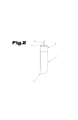
図2では、本発明によるタンポン1は、吸収性材料、例えば綿から成る吸収体6を有している。タンポン1は、近位端部2と、遠位端部3と、近位端部2と遠位端部3との間に延在する中間部とを有している。タンポン1が、近位端部2において丸く、または丸み付けられて形成されていると、有利である。
In FIG. 2, the
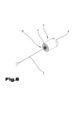
遠位端部3には、吸収体と結合された引出手段5が配置されている。遠位端部3には、図6において符号13を付した、引出手段5用の貫通開口を除いて遠位端部3を完全に覆っている、不織布のストリップ4から成るカバーが配置されている。好適には、貫通開口13は、実質的に引出手段5の直径に相当する直径を有している。カバーにより、タンポンのテレスコープ式の伸長と、遠位端部3における繊維の離脱とが防止されている。例えば図1には、従来のタンポンが、引出手段5により引っ張り力を加えられることで(テレスコープ式に)引き伸ばされる恐れのある様子が例示されている。この場合、引出手段5と結合されている、吸収性材料から成る巻成ストリップ6の巻成体が長手方向に引き伸ばされ、これにより、従来のタンポンの場合には、タンポンが解けてしまう恐れがある。
At the
タンポン1の中間部は、円筒形に形成されていてよい。しかしまた、少なくとも中間部が、載頭円錐形に形成されていることも可能である。しかしまた、円筒、円錐または載頭円錐は、近位端部から遠位端部に到るまで連続して延在していてもよい。タンポン1の全ての立体形状において、例えば波形の延在部または少なくとも周面の一部にわたり周方向および/または長手方向に延在する複数の凹部等の、タンポン1の所定の長さにわたる任意の横断面変化が可能である。
The intermediate portion of the
別の有利な構成は、タンポン1の少なくとも中間部に、タンポン1の長手方向に延在する複数の凹部または溝が設けられており、かつ/または、これらの凹部または溝は、タンポン1の長手方向中心軸線の方向において波状に、好適には一定の振幅の高さを備えて延在していることを想定しており、これにより、タンポン1の表面積が拡大されることから、体液受容量の増加が可能である。湿分を吸収するためのより一層大きな表面積は、溝または凹部が、らせん状または渦巻き線状に延在していることによって達成することができる。
Another advantageous configuration is that at least the middle portion of the
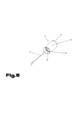
図2に示したタンポン1を製造するための本発明による方法において、図3および図4では、不織布から成るストリップ4が、吸収性材料から成るストリップ6上で位置決めされ、ストリップ4の一部8が、吸収性材料から成るストリップ6の短辺7を越えて張り出している。さらに、ストリップ4は、ストリップ6上で、ストリップ6の長辺10をも越えて張り出すように位置決めされる。この場合、ストリップ4の、ストリップ6の長辺10を越えて張り出す部分11の大きさは、図5および図6に示すように、各ストリップ4および6を巻いて巻成体9を形成した後で、この巻成体9の端面12を張り出した部分11によって完全に覆うことができるように選択される。この場合に使用される不織布は、少なくとも6g/m2、特に12~30g/m2の単位面積当たりの重量を有している。しかしまた、不織布の代わりにプラスチックから成る液体透過性シートを使用してもよい。シートは、例えば穿孔によって液体透過性にすることができる。
In the method according to the invention for producing the
ストリップ6の吸収性構造体は、多数の大きさと形状から、かつ多数の液体吸収性材料から製造することができる。
The absorbent structure of the
当然、最小含有量の異物溶解材料を含む吸収性材料を用いることが望ましい。それというのも、当該製品は、所定の期間、体内に残留するからである。留められた可溶性の異物材料は、これらが毒性、刺激性、または過敏性である場合には、安全上のリスクを成す恐れがある。 Naturally, it is desirable to use an absorbent material containing the minimum content of the foreign matter dissolving material. This is because the product remains in the body for a predetermined period of time. Retained soluble foreign material can pose a safety risk if they are toxic, irritating, or hypersensitive.
使用可能な材料のリストには、例えばレーヨン、木綿、セルロース、セルロース綿、ティシュー積層材、ピートダスト、竹、および化学的に強化、変更または架橋されたセルロース繊維等の、セルロース含有材料;例えばポリエステル繊維、ポリオレフィン繊維、吸収性発泡材、例えばばね弾性的なポリウレタン発泡材、吸収性スポンジ、とりわけ吸収性ポリマ、ゲルを形成する吸収性材料、例えば毛管通路繊維および複数の節を有する繊維等の加工繊維等の、合成材料;合成繊維または同等の材料、または複数の材料の組合せまたはこれらの混合物が含まれる。 The list of available materials includes cellulose-containing materials such as rayon, cotton, cellulose, cellulose cotton, tissue shoe laminates, peat dust, bamboo, and chemically fortified, modified or crosslinked cellulose fibers; eg, polyester. Processing of fibers, polyolefin fibers, absorbent foams such as spring elastic polyurethane foams, absorbent sponges, especially absorbent polymers, absorbent materials forming gels such as capillary passage fibers and fibers with multiple nodes. Synthetic materials such as fibers; synthetic fibers or equivalent materials, or combinations of multiple materials or mixtures thereof.
このようなプラスチック発泡体を使用すると、例えば吸収体の製造時の温度調整により、外皮を部分的に閉じること、すなわち、部分的な温度制御に基づき、外側領域に閉じられた外皮を得ることも可能である。これにより、発泡構造体内に吸収された液体の流出を付加的に困難にし、または防止することもできる。このような構成は、とりわけタンポン1の近位端部領域2において有利になり得る。
The use of such plastic foams also allows the outer skin to be partially closed, ie, based on partial temperature control, to obtain an outer skin closed in the outer region, for example by temperature control during the manufacture of the absorber. It is possible. This can additionally make or prevent the outflow of the absorbed liquid into the foam structure. Such a configuration can be advantageous, especially in the proximal end region 2 of the
タンポン1の製造は、本発明の枠内で、膣または子宮領域内の条件下で、すなわち体温において、約4のpH値を比較的長時間にわたりその状態で維持し、毒素または粘膜に有害な溶液等は一切放出しない、複数の異なる材料から行われてよい。ストリップ6の材料としては、例えば極めて低い単位体積当たりの重量と、主に連続気泡型構造とを有するポリウレタン柔軟発泡体を有利に使用することができる。吸収性材料の使用により、液体の流出の危険も大幅に低減されることになる。このような発泡状構造体の利点は、配送状態において、または膣への挿入前に、連続気泡を薬剤または潤滑剤で満たすことができ、薬剤または潤滑剤は、使用状態において膣または子宮の粘膜に供給されるという点にもある。
The production of
さらに有利なのは、不織布に使用される材料が生分解可能であり、例えばPLAまたはその他の生分解可能なプラスチックもしくはプラスチック混合物または糸もしくは繊維から成っているか、またはR-PP、R-PET等といった再生プラスチックから場合により様々に混合されて、またはこれらの材料から成る多層部分として形成されている場合である。 Even more advantageous is that the material used for the non-woven fabric is biodegradable and consists of, for example, PLA or other biodegradable plastic or plastic mixture or thread or fiber, or recycled such as R-PP, R-PET, etc. If it is made of plastic, optionally mixed in various ways, or formed as a multi-layered portion of these materials.
好適には、ストリップ6は、下限が150mmでありかつ上限が400mmの数値範囲に基づく値の長さlを有している。ストリップ4は、下限が50mmでありかつ上限が250mmの数値範囲に基づく値の長さcを有していてよい。ストリップ4は、好適にはストリップ6の長辺10を越えて少なくとも、実質的に巻成体9の半径に相当する幅bだけ張り出すように位置決めされる。
Preferably, the
1つの好適な実施例では、ストリップ6は255mmの長さlを有しており、部分8は30mmの長さaを有しており、ストリップ4は127mmの全長cを有している。この場合、部分11は30mmの幅bを有している。
In one preferred embodiment, the
さらに、ストリップ4の全幅は、ストリップ6の全幅よりも大きくなっていてよい。ストリップ4は、特に好適には、図3および図4に示したように、ストリップ4がストリップ6の幅の少なくとも3/4にわたって延在しているように、ストリップ6上で位置決めされる。
Further, the full width of the
ストリップ4をストリップ6上で位置決めしてから、ストリップ4はストリップ6と結合される。ストリップ4および6の結合は、例えば溶着、接着、縫合、または他の適当なあらゆる結合形式で行われてよい。
The
別のステップにおいて、引出手段5、例えば糸または紐が、吸収性材料から成るストリップ6に取り付けられる。好適には、図2および図3に示したように、ストリップ6には引出手段5が巻き掛けられる。次いで、ストリップ4および6を巻いて、巻成体9を形成する。この場合、巻成方向は、例えば図5に示すように、ストリップ4が巻成体9の外周面の一部を覆うように選択される。
In another step, a drawer means 5, such as a thread or string, is attached to a
ストリップ4の張り出した部分8は、ストリップ4の、ストリップ6と結合された部分15に、例えば溶着および/または接着および/または縫合により結合されて、閉じられたリングを形成する。
The overhanging portion 8 of the
引出手段5が突出している巻成体9の遠位端部は、ストリップ4の張り出した部分11により、引出手段5用の貫通開口13を除いて完全に覆われる。次いで、ストリップ4の張り出した部分11が結合されて、貫通開口13を除いて遠位端部を完全に覆う、閉じられたスリーブを形成する。
The distal end of the
ストリップ4の張り出した部分11による巻成体9の遠位端部の被覆は、特に好適には引出手段5が伸ばされた状態で行われる。巻成体9の遠位端部の被覆は、張り出した部分11の周方向に延在する縁部領域14を、(伸ばされた)引出手段5に向かって曲げるまたは折り畳むことによって行うことができ、このときに貫通開口13が空けておかれ、または巻成体の端面に向かって折り畳む前に、張り出した部分11を貫通して引出手段が案内される。これは例えば、引出手段が取り付けられた針を用いて行うことができる。次いで、張り出した部分11の互いに接触し合っている部分を、例えば溶着、縫合または接着により互いに結合することができ、これにより、閉じられたカバーが形成される。この実施形態では、上記部分11が少なくとも、巻成体9の半径にほぼ相当していると、有利である。
Covering the distal end of the
前段落で述べた変化対応に対して代替的または付加的に、ストリップ4の部分11は、閉鎖されたスリーブを形成するために、巻成体の外周面に配置された、不織布から成る部分15にも結合することができる。部分11の幅bが、巻成体9の直径よりもやや大きい場合には、部分11の領域を、巻成体9の遠位端面12全体を覆うように折り曲げて、部分15に結合することができる。この場合、巻成体9の端面を覆うように折り曲げられた部分11の一部が、引出手段5を貫通案内するための、例えばスリットの形態の開口を有していると有利であることが分かった。
Alternatively or additionally to the change response described in the previous paragraph, the
図6に示す、ノンウーヴンまたは不織布4から成る閉じられたスリーブの形態の、遠位端部のカバーを備えた巻成体9は、予備成形体を成すものであり、予備成形体は、続いて例えばプレスおよびプレスにおける圧縮等の公知の製造ステップにおいて引き続き処理されて、図2に示したタンポン1を形成することになる。不織布による遠位端部のカバーに対して代替的または付加的に、遠位端部は、プラスチックから成る液体透過性シートによりカバーされてもよい。遠位端部のカバーにより、流出防護手段が実現される。
The
つまり、本発明によるタンポンは、従来のタンポンよりも大幅に長い液体流過時間を有している。表1では、EDANA規格試験WSP350.1.R3(12)に従って求められた、遠位端部のカバーを有するタンポンと、有さないタンポンとに関する結果が、相互に対比されている。比較可能な情報を得るために、試験条件は全てのタンポンに対して等しく選択された。これらの試験では、試験液(いわゆるシンギナ液)の最初の液滴が床に滴下するまでの時間が測定された。 That is, the tampon according to the present invention has a significantly longer liquid flow time than the conventional tampon. In Table 1, the EDANA standard test WSP350.1. The results for tampons with and without distal end covers, as determined according to R3 (12), are contrasted with each other. Test conditions were selected equally for all tampons to obtain comparable information. In these tests, the time it took for the first droplet of test solution (so-called Singina solution) to drop onto the floor was measured.
表1:
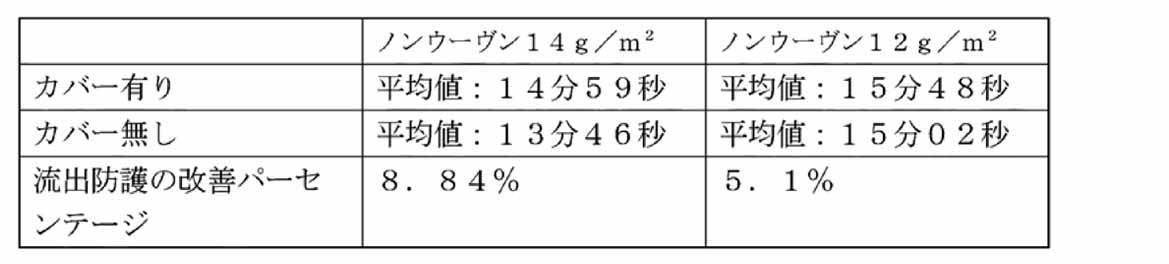
図7では、タンポン1は、その遠位端部に防水性または撥水性のコーティング16を備えることができる。コーティング16は、例えば塗料、ワックス、樹脂等の浸透液でタンポン1の遠位端部を濡らすかまたはこれに浸透させることによって行うことができる。
In FIG. 7, the
コーティング16は、図7に示すように遠位端部を完全に覆っていてもよいし、または図8に示すように遠位端部を部分的に覆っていてもよい。図8では、コーティングに符号17が付されている。防水性または撥水性のコーティング16,17によるタンポン1のコーティングは、タンポン1の他の製造ステップから独立して行われてもよく、それだけが取り上げられて1つの発明の対象となり得る。
The
図9では、遠位端部は、水不透過性または撥水性の材料から成るカバー18を備えて製造されていてもよい。図9に示すように、カバー18は、タンポン1の側面をも包囲するが、タンポンの側面の大部分は覆わないスリーブとして製造されていてよい。
In FIG. 9, the distal end may be manufactured with a
図10では、水不透過性または撥水性の材料から成るカバー19が、タンポン1の側面を包囲することなく、遠位端部のみを覆っていてもよい。この場合、カバー19は円盤として形成されている。
In FIG. 10, a
カバー18,19に用いられる材料が生分解可能であり、例えばPLAまたはその他の生分解可能なプラスチックもしくはプラスチック混合物または糸もしくは繊維から成っているか、またはR-PP、R-PET等といった再生プラスチックから場合により様々に混合されて、またはこれらの材料から成る多層部分として形成されていると有利である。
The materials used for
タンポン1に防水性または撥水性のカバー18および19を設けることもやはり、タンポン1の他の製造ステップから独立して行われてよく、それだけが取り上げられて1つの発明の対象となり得る。
Providing the
カバー18,19は、(例えば溶着、接着または縫合により)ストリップ4に直接被着されていてよい。ストリップ4は、ステップi)の前または後に被着することができる。
The
最後に形式的に述べておくと、当該タンポンの構成をより良く理解するために、タンポンまたはその構成部材は、部分的に縮尺通りには図示せず、かつ/または拡大してかつ/または縮小して図示した。 Finally, formally, in order to better understand the composition of the tampon, the tampon or its components may not be partially shown to scale and / or enlarged and / or reduced. And illustrated.
1 タンポン
2 近位端部
3 遠位端部
4 不織布から成るストリップ
5 引出手段
6 吸収性材料から成るストリップ
7 短辺
8 不織布から成るストリップの部分
9 巻成体
10 長辺
11 張り出した部分
12 巻成体の端面
13 貫通開口
14 縁部領域
15 不織布から成るストリップの部分
16 コーティング
17 コーティング
18 カバー
19 カバー
a 長さ
b 幅
c 全長
l 長さ
1 Tampon 2
Claims (12)
i)不織布から成るストリップ(4)を、吸収性材料から成るストリップ(6)上で位置決めし、前記不織布から成るストリップ(4)の一部(8)が、前記吸収性材料から成るストリップ(6)の短辺(7)を越えて張り出すようにするステップと、
ii)前記不織布から成るストリップ(4)を、前記吸収性材料から成るストリップ(6)に結合するステップと、
iii)前記吸収性材料から成るストリップ(6)に引出手段(5)を配置するステップと、
iv)前記吸収性材料から成るストリップ(6)と、前記不織布から成るストリップ(4)とを巻いて巻成体(9)を形成し、前記不織布が、前記巻成体(9)の外周面の少なくとも一部を覆うようにするステップと、
v)前記不織布から成るストリップ(4)の前記張り出した部分(8)を、前記不織布から成るストリップ(4)の、前記吸収性材料から成るストリップ(6)と結合された部分(15)に結合するステップと、を含む方法において、
ステップi)において、前記不織布から成るストリップ(4)を、前記吸収性材料から成るストリップ(6)の長辺(10)をも越えて張り出すように位置決めし、その際に、前記不織布から成るストリップ(4)の、前記吸収性材料から成るストリップ(6)の前記長辺(10)を越えて張り出した部分(11)の大きさを、この張り出した部分(11)によって前記巻成体(9)の端面(12)を完全に覆うことができるように選択し、ステップiv)の次のステップにおいて、前記引出手段(5)が突出している前記巻成体(9)の遠位端部を、前記引出手段(5)用の貫通開口(13)を除き、前記不織布から成るストリップ(4)の前記張り出した部分(11)によって完全に覆い、かつ前記不織布から成るストリップ(4)の前記張り出した部分(11)を結合して、前記貫通開口(13)を除き前記遠位端部を完全に覆っている閉じられたスリーブを形成し、前記不織布は、少なくとも6g/m2、特に12~30g/m2の単位面積当たりの重量を有している、または、前記不織布に代えて、プラスチックから成る液体透過性シートを用いることを特徴とする、タンポン(1)を製造するための方法。 A method for manufacturing a tampon (1), wherein each of the following steps, that is,
i) The strip (4) made of a non-woven fabric is positioned on the strip (6) made of an absorbent material, and a part (8) of the strip (4) made of the nonwoven fabric is a strip (6) made of the absorbent material. ) And the step to extend beyond the short side (7),
ii) A step of joining the strip (4) made of the non-woven fabric to the strip (6) made of the absorbent material.
iii) A step of arranging the drawing means (5) on the strip (6) made of the absorbent material, and
iv) The strip (6) made of the absorbent material and the strip (4) made of the non-woven fabric are wound to form a wound body (9), and the non-woven fabric is at least the outer peripheral surface of the wound body (9). Steps to cover a part and
v) The overhanging portion (8) of the strip (4) made of the nonwoven fabric is bonded to the portion (15) of the strip (4) made of the nonwoven fabric combined with the strip (6) made of the absorbent material. And in the way it includes
In step i), the strip (4) made of the non-woven fabric is positioned so as to extend beyond the long side (10) of the strip (6) made of the absorbent material, and at that time, the strip (4) made of the non-woven fabric is made of the non-woven fabric. The size of the portion (11) of the strip (4) overhanging the long side (10) of the strip (6) made of the absorbent material is adjusted by the overhanging portion (11) to the wound fabric (9). ) Is selected so as to be able to completely cover the end face (12), and in the next step of step iv), the distal end portion of the roll (9) on which the drawing means (5) is projected is formed. Except for the through opening (13) for the pull-out means (5), the strip (4) made of the nonwoven fabric is completely covered by the overhanging portion (11), and the strip (4) made of the nonwoven fabric is overhanging. The portions (11) are joined to form a closed sleeve that completely covers the distal end except for the through opening (13), and the non-woven fabric is at least 6 g / m 2 , especially 12-30 g. A method for producing a tampon (1), which has a weight per unit area of / m 2 or is characterized by using a liquid permeable sheet made of plastic instead of the nonwoven fabric.
当該タンポンは、前記引出手段(5)用の貫通開口(13)を除いて少なくとも前記遠位端部(3)を完全に覆い、前記遠位端部(3)における繊維離脱を防ぐ、少なくとも6g/m2、特に12~30g/m2の単位面積当たりの重量を有する不織布のストリップ(4)または液体透過性シートから成るカバーを有しており、該カバーによって、付加的に液体流出防護手段が形成されていることを特徴とする、タンポン。 A tampon (1) comprising at least one absorber (6) made of an absorbent material, wherein the tampon (1) has a proximal end (2), a distal end (3) and the like. It has an intermediate portion extending between the distal end and the proximal end, and a pulling means (5) located at the distal end (3) and coupled to the absorber. In what is
The tampon completely covers at least the distal end (3) except for the through opening (13) for the withdrawal means (5) and prevents fiber detachment at the distal end (3), at least 6 g. It has a cover made of a non-woven strip (4) or a liquid permeable sheet having a weight per unit area of / m 2 , in particular 12-30 g / m 2 , by the cover additionally liquid spill protection means. A tampon, characterized by the formation of a tampon.
The tampon according to claim 10 or 11, wherein the distal end of the tampon (1) has a cover made of a waterproof or water repellent material.
Applications Claiming Priority (4)
| Application Number | Priority Date | Filing Date | Title |
|---|---|---|---|
| ATA50554/2015 | 2015-06-25 | ||
| ATA50554/2015A AT517380A1 (en) | 2015-06-25 | 2015-06-25 | Method for producing a tampon |
| JP2017566679A JP2018518309A (en) | 2015-06-25 | 2016-06-22 | Method for manufacturing a tampon |
| PCT/EP2016/064462 WO2016207242A1 (en) | 2015-06-25 | 2016-06-22 | Method for producing a tampon |
Related Parent Applications (1)
| Application Number | Title | Priority Date | Filing Date |
|---|---|---|---|
| JP2017566679A Division JP2018518309A (en) | 2015-06-25 | 2016-06-22 | Method for manufacturing a tampon |
Publications (1)
| Publication Number | Publication Date |
|---|---|
| JP2022008564A true JP2022008564A (en) | 2022-01-13 |
Family
ID=56194491
Family Applications (2)
| Application Number | Title | Priority Date | Filing Date |
|---|---|---|---|
| JP2017566679A Pending JP2018518309A (en) | 2015-06-25 | 2016-06-22 | Method for manufacturing a tampon |
| JP2021156667A Pending JP2022008564A (en) | 2015-06-25 | 2021-09-27 | Method for manufacturing tampon |
Family Applications Before (1)
| Application Number | Title | Priority Date | Filing Date |
|---|---|---|---|
| JP2017566679A Pending JP2018518309A (en) | 2015-06-25 | 2016-06-22 | Method for manufacturing a tampon |
Country Status (20)
| Country | Link |
|---|---|
| US (2) | US10940052B2 (en) |
| EP (1) | EP3313342B1 (en) |
| JP (2) | JP2018518309A (en) |
| KR (1) | KR102619567B1 (en) |
| CN (1) | CN107809988B (en) |
| AT (1) | AT517380A1 (en) |
| AU (1) | AU2016282839B2 (en) |
| BR (1) | BR112017027732B1 (en) |
| CA (1) | CA2988238C (en) |
| CO (1) | CO2017012860A2 (en) |
| ES (1) | ES2790534T3 (en) |
| HU (1) | HUE048960T2 (en) |
| IL (1) | IL256154B (en) |
| MX (1) | MX366812B (en) |
| PL (1) | PL3313342T3 (en) |
| PT (1) | PT3313342T (en) |
| RU (1) | RU2701400C2 (en) |
| SI (1) | SI3313342T1 (en) |
| WO (1) | WO2016207242A1 (en) |
| ZA (1) | ZA201800245B (en) |
Families Citing this family (10)
| Publication number | Priority date | Publication date | Assignee | Title |
|---|---|---|---|---|
| WO2020131348A1 (en) | 2018-12-17 | 2020-06-25 | The Procter & Gamble Company | Method and apparatus for making tampons |
| EP3897495B1 (en) | 2018-12-17 | 2023-09-13 | The Procter & Gamble Company | Tampon with wicking member and improved manufacturability |
| WO2020131773A1 (en) * | 2018-12-17 | 2020-06-25 | The Procter & Gamble Company | Tampons and methods for making tampons |
| CN112402107A (en) * | 2019-08-21 | 2021-02-26 | 吴静茹 | Conduit type tampon, telescopic conduit group thereof and tampon finger sleeve |
| CH717195A1 (en) * | 2020-03-05 | 2021-09-15 | Ruggli Projects Ag | Device and method for knotting a thread end. |
| DE202020102736U1 (en) | 2020-05-14 | 2020-06-16 | Ruggli Projects Ag | Device for knotting a thread end |
| CN111772930B (en) * | 2020-08-20 | 2022-02-15 | 福建恒安集团有限公司 | Preparation method of natural antibacterial cotton sliver |
| US12414880B2 (en) * | 2021-03-04 | 2025-09-16 | The Procter & Gamble Company | Tampon with wicking member adapted for improved manufacturability and wicking performance |
| CN113648134A (en) * | 2021-09-02 | 2021-11-16 | 常州英莱克斯生物工程有限公司 | Finger-entering type cotton sliver suitable for underwater use |
| CN119112507A (en) * | 2024-10-10 | 2024-12-13 | 优立美(湖北)科技有限公司 | A kind of leakage-proof tampon and preparation method thereof |
Citations (3)
| Publication number | Priority date | Publication date | Assignee | Title |
|---|---|---|---|---|
| JPS4742708Y1 (en) * | 1968-12-04 | 1972-12-23 | ||
| JP2005537860A (en) * | 2002-09-05 | 2005-12-15 | ザ プロクター アンド ギャンブル カンパニー | Tampon with a clean appearance after use |
| JP2014128485A (en) * | 2012-12-28 | 2014-07-10 | Uni Charm Corp | Catamenial tampon |
Family Cites Families (19)
| Publication number | Priority date | Publication date | Assignee | Title |
|---|---|---|---|---|
| US2926667A (en) * | 1956-04-09 | 1960-03-01 | Kimberly Clark Co | Cellulosic product |
| US4104127A (en) * | 1974-06-12 | 1978-08-01 | Louis Bucalo | Article for growing cultures in a body cavity in the presence of gas, and package for the article |
| SE413979B (en) * | 1977-12-21 | 1980-07-07 | Moelnlycke Ab | catamenial tampon |
| US4374522A (en) * | 1981-03-16 | 1983-02-22 | Kimberly-Clark Corporation | Tampon with central reservoir |
| DE3519514A1 (en) * | 1985-05-31 | 1986-12-04 | Vereinigte Papierwerke Schickedanz & Co, 8500 Nürnberg | Process for producing a roll tampon wrapped in fleece material and roll tampon produced thereby |
| DE3634704A1 (en) * | 1986-10-11 | 1988-04-14 | Ver Papierwerke Ag | Compressed rod-shaped tampon for female hygiene |
| US5185010A (en) | 1992-01-31 | 1993-02-09 | Tambrands Inc. | Spirally wound tampon with overwrap |
| CA2085923A1 (en) * | 1992-09-23 | 1994-03-24 | Donald Albert Sheldon | Tampon having a liquid-permeable cover |
| DE9217228U1 (en) * | 1992-12-17 | 1993-03-18 | Corovin GmbH, 3150 Peine | tampon |
| DE19753665C2 (en) | 1997-12-03 | 2000-05-18 | Johnson & Johnson Gmbh | Tampon for feminine hygiene or medical purposes and process for the production thereof |
| US6860874B2 (en) * | 2001-02-15 | 2005-03-01 | Johnson & Johnson Gmbh | Tampon, particularly for feminine hygiene |
| DE10163114B4 (en) * | 2001-12-24 | 2005-03-31 | Johnson & Johnson Gmbh | Tampon, in particular for feminine hygiene |
| US20040225272A1 (en) * | 2003-05-07 | 2004-11-11 | The Procter & Gamble Company | Tampon with joined skirt portion |
| US20050096620A1 (en) | 2003-10-31 | 2005-05-05 | Bernhard Awolin | Tampon having liquid-resistant base |
| CN101193615B (en) * | 2005-06-28 | 2011-04-27 | Sca卫生产品股份公司 | Sanitary tampon |
| JP5566617B2 (en) * | 2009-02-27 | 2014-08-06 | ユニ・チャーム株式会社 | Sanitary tampons |
| US9610201B2 (en) * | 2011-05-05 | 2017-04-04 | Kimberly-Clark Worldwide, Inc. | Tampon having multiple absorbent regions |
| DE202012011679U1 (en) * | 2012-12-05 | 2013-02-06 | Rauscher Consumer Products Gmbh | Tampon and device for making a tampon |
| AT515255B1 (en) * | 2014-01-07 | 2015-10-15 | Ruggli Projects Ag | Method for producing a tampon |
-
2015
- 2015-06-25 AT ATA50554/2015A patent/AT517380A1/en not_active Application Discontinuation
-
2016
- 2016-06-22 US US15/739,201 patent/US10940052B2/en active Active
- 2016-06-22 CN CN201680037262.2A patent/CN107809988B/en active Active
- 2016-06-22 BR BR112017027732-8A patent/BR112017027732B1/en active IP Right Grant
- 2016-06-22 KR KR1020187002508A patent/KR102619567B1/en active Active
- 2016-06-22 ES ES16731594T patent/ES2790534T3/en active Active
- 2016-06-22 CA CA2988238A patent/CA2988238C/en active Active
- 2016-06-22 SI SI201630737T patent/SI3313342T1/en unknown
- 2016-06-22 EP EP16731594.4A patent/EP3313342B1/en active Active
- 2016-06-22 AU AU2016282839A patent/AU2016282839B2/en active Active
- 2016-06-22 HU HUE16731594A patent/HUE048960T2/en unknown
- 2016-06-22 WO PCT/EP2016/064462 patent/WO2016207242A1/en not_active Ceased
- 2016-06-22 JP JP2017566679A patent/JP2018518309A/en active Pending
- 2016-06-22 PL PL16731594T patent/PL3313342T3/en unknown
- 2016-06-22 MX MX2017016377A patent/MX366812B/en active IP Right Grant
- 2016-06-22 PT PT167315944T patent/PT3313342T/en unknown
- 2016-06-22 RU RU2018102632A patent/RU2701400C2/en active
-
2017
- 2017-12-06 IL IL256154A patent/IL256154B/en unknown
- 2017-12-14 CO CONC2017/0012860A patent/CO2017012860A2/en unknown
-
2018
- 2018-01-12 ZA ZA201800245A patent/ZA201800245B/en unknown
-
2021
- 2021-02-02 US US17/165,138 patent/US20210154054A1/en not_active Abandoned
- 2021-09-27 JP JP2021156667A patent/JP2022008564A/en active Pending
Patent Citations (3)
| Publication number | Priority date | Publication date | Assignee | Title |
|---|---|---|---|---|
| JPS4742708Y1 (en) * | 1968-12-04 | 1972-12-23 | ||
| JP2005537860A (en) * | 2002-09-05 | 2005-12-15 | ザ プロクター アンド ギャンブル カンパニー | Tampon with a clean appearance after use |
| JP2014128485A (en) * | 2012-12-28 | 2014-07-10 | Uni Charm Corp | Catamenial tampon |
Also Published As
| Publication number | Publication date |
|---|---|
| HUE048960T2 (en) | 2020-09-28 |
| IL256154B (en) | 2021-12-01 |
| CA2988238C (en) | 2023-11-14 |
| MX2017016377A (en) | 2018-03-02 |
| AU2016282839B2 (en) | 2019-01-17 |
| BR112017027732B1 (en) | 2022-09-20 |
| MX366812B (en) | 2019-07-23 |
| AT517380A1 (en) | 2017-01-15 |
| JP2018518309A (en) | 2018-07-12 |
| RU2701400C2 (en) | 2019-09-26 |
| US10940052B2 (en) | 2021-03-09 |
| ES2790534T3 (en) | 2020-10-28 |
| CA2988238A1 (en) | 2016-12-29 |
| RU2018102632A3 (en) | 2019-07-25 |
| EP3313342A1 (en) | 2018-05-02 |
| SI3313342T1 (en) | 2020-07-31 |
| CO2017012860A2 (en) | 2018-03-20 |
| IL256154A (en) | 2018-02-28 |
| CN107809988B (en) | 2020-12-29 |
| US20180185202A1 (en) | 2018-07-05 |
| AU2016282839A1 (en) | 2018-01-04 |
| EP3313342B1 (en) | 2020-02-12 |
| PT3313342T (en) | 2020-05-18 |
| CN107809988A (en) | 2018-03-16 |
| HK1251143A1 (en) | 2019-01-25 |
| PL3313342T3 (en) | 2020-08-24 |
| KR20180021855A (en) | 2018-03-05 |
| BR112017027732A2 (en) | 2018-09-11 |
| ZA201800245B (en) | 2019-10-30 |
| US20210154054A1 (en) | 2021-05-27 |
| WO2016207242A1 (en) | 2016-12-29 |
| RU2018102632A (en) | 2019-07-25 |
| KR102619567B1 (en) | 2023-12-29 |
Similar Documents
| Publication | Publication Date | Title |
|---|---|---|
| JP2018518309A5 (en) | ||
| JP2018518309A (en) | Method for manufacturing a tampon | |
| RU2605506C2 (en) | Tampon absorbent element | |
| RU2239402C2 (en) | Absorbing interlabial product | |
| RU2655241C2 (en) | Hydroentangled fibrous structures | |
| US8840597B2 (en) | Absorbent article for medical treatment or menstruation | |
| JP6128845B2 (en) | Sanitary tampons | |
| JP5934111B2 (en) | Flexible and highly absorbent material | |
| JP2005537860A (en) | Tampon with a clean appearance after use | |
| JP2008543520A (en) | tampon | |
| JP6270792B2 (en) | Absorbent articles | |
| JP2001046433A (en) | Unified nonwoven cover transition layer for absorbent article and absorbent article using the same | |
| US20110046587A1 (en) | Absorbent pads and method of making such pads | |
| MX2015000058A (en) | Tampon for interim menstruation stage. | |
| JP3725388B2 (en) | Sanitary tampon with fiber mass | |
| US20150157511A1 (en) | Feminine hygiene device with withdrawal member | |
| JP2008149015A (en) | Absorptive sheet and disposable diaper using the same | |
| HK1251143B (en) | Method for producing a tampon | |
| KR20130134155A (en) | Inserting type sanitary napkins | |
| MXPA06004885A (en) | A hygienic tampon and an absorbent body used in the formation of a tampon | |
| MXPA97007255A (en) | Plug having a sheath for protective finger and a method for its formac |
Legal Events
| Date | Code | Title | Description |
|---|---|---|---|
| A521 | Request for written amendment filed |
Free format text: JAPANESE INTERMEDIATE CODE: A523 Effective date: 20211026 |
|
| A621 | Written request for application examination |
Free format text: JAPANESE INTERMEDIATE CODE: A621 Effective date: 20211026 |
|
| A131 | Notification of reasons for refusal |
Free format text: JAPANESE INTERMEDIATE CODE: A131 Effective date: 20230104 |
|
| A601 | Written request for extension of time |
Free format text: JAPANESE INTERMEDIATE CODE: A601 Effective date: 20230330 |
|
| A601 | Written request for extension of time |
Free format text: JAPANESE INTERMEDIATE CODE: A601 Effective date: 20230602 |
|
| A521 | Request for written amendment filed |
Free format text: JAPANESE INTERMEDIATE CODE: A523 Effective date: 20230704 |
|
| A131 | Notification of reasons for refusal |
Free format text: JAPANESE INTERMEDIATE CODE: A131 Effective date: 20230808 |
|
| A601 | Written request for extension of time |
Free format text: JAPANESE INTERMEDIATE CODE: A601 Effective date: 20230824 |
|
| A521 | Request for written amendment filed |
Free format text: JAPANESE INTERMEDIATE CODE: A523 Effective date: 20240208 |
|
| A02 | Decision of refusal |
Free format text: JAPANESE INTERMEDIATE CODE: A02 Effective date: 20240227 |
|
| A711 | Notification of change in applicant |
Free format text: JAPANESE INTERMEDIATE CODE: A712 Effective date: 20240531 |
|
| A521 | Request for written amendment filed |
Free format text: JAPANESE INTERMEDIATE CODE: A523 Effective date: 20240627 |
|
| A911 | Transfer to examiner for re-examination before appeal (zenchi) |
Free format text: JAPANESE INTERMEDIATE CODE: A911 Effective date: 20240704 |
|
| A912 | Re-examination (zenchi) completed and case transferred to appeal board |
Free format text: JAPANESE INTERMEDIATE CODE: A912 Effective date: 20240726 |
|
| A601 | Written request for extension of time |
Free format text: JAPANESE INTERMEDIATE CODE: A601 Effective date: 20260213 |
|
| A521 | Request for written amendment filed |
Free format text: JAPANESE INTERMEDIATE CODE: A523 Effective date: 20260522 |