JP2017525035A - System and method for resource isolation and consumption in a multi-tenant application server environment - Google Patents
System and method for resource isolation and consumption in a multi-tenant application server environment Download PDFInfo
- Publication number
- JP2017525035A JP2017525035A JP2017500981A JP2017500981A JP2017525035A JP 2017525035 A JP2017525035 A JP 2017525035A JP 2017500981 A JP2017500981 A JP 2017500981A JP 2017500981 A JP2017500981 A JP 2017500981A JP 2017525035 A JP2017525035 A JP 2017525035A
- Authority
- JP
- Japan
- Prior art keywords
- resource
- partition
- resources
- partitions
- application server
- Prior art date
- Legal status (The legal status is an assumption and is not a legal conclusion. Google has not performed a legal analysis and makes no representation as to the accuracy of the status listed.)
- Granted
Links
Images
Classifications
-
- G—PHYSICS
- G06—COMPUTING OR CALCULATING; COUNTING
- G06F—ELECTRIC DIGITAL DATA PROCESSING
- G06F9/00—Arrangements for program control, e.g. control units
- G06F9/06—Arrangements for program control, e.g. control units using stored programs, i.e. using an internal store of processing equipment to receive or retain programs
- G06F9/46—Multiprogramming arrangements
- G06F9/50—Allocation of resources, e.g. of the central processing unit [CPU]
- G06F9/5061—Partitioning or combining of resources
- G06F9/5077—Logical partitioning of resources; Management or configuration of virtualized resources
-
- H—ELECTRICITY
- H04—ELECTRIC COMMUNICATION TECHNIQUE
- H04L—TRANSMISSION OF DIGITAL INFORMATION, e.g. TELEGRAPHIC COMMUNICATION
- H04L47/00—Traffic control in data switching networks
- H04L47/70—Admission control; Resource allocation
-
- H—ELECTRICITY
- H04—ELECTRIC COMMUNICATION TECHNIQUE
- H04L—TRANSMISSION OF DIGITAL INFORMATION, e.g. TELEGRAPHIC COMMUNICATION
- H04L47/00—Traffic control in data switching networks
- H04L47/70—Admission control; Resource allocation
- H04L47/83—Admission control; Resource allocation based on usage prediction
-
- G—PHYSICS
- G06—COMPUTING OR CALCULATING; COUNTING
- G06F—ELECTRIC DIGITAL DATA PROCESSING
- G06F2209/00—Indexing scheme relating to G06F9/00
- G06F2209/50—Indexing scheme relating to G06F9/50
- G06F2209/5014—Reservation
-
- G—PHYSICS
- G06—COMPUTING OR CALCULATING; COUNTING
- G06F—ELECTRIC DIGITAL DATA PROCESSING
- G06F2209/00—Indexing scheme relating to G06F9/00
- G06F2209/50—Indexing scheme relating to G06F9/50
- G06F2209/508—Monitor
Landscapes
- Engineering & Computer Science (AREA)
- Software Systems (AREA)
- Theoretical Computer Science (AREA)
- Computer Networks & Wireless Communication (AREA)
- Signal Processing (AREA)
- Physics & Mathematics (AREA)
- General Engineering & Computer Science (AREA)
- General Physics & Mathematics (AREA)
- Debugging And Monitoring (AREA)
- Stored Programmes (AREA)
- Storage Device Security (AREA)
Abstract
一実施形態に従うと、アプリケーションサーバ環境におけるリソースの分離および消費のためのシステムおよび方法がこの明細書中に記載される。システムは、アプリケーションサーバ環境を含み当該アプリケーションサーバ環境が実行されている1つ以上のコンピュータにおいて、アプリケーションサーバ環境内で用いることができる複数のリソースと、1つ以上のパーティションとを提供することができる。各々のパーティションは、ドメインの管理および実行時間下位区分を備える。システムはまた、複数のリソースについての各パーティションの使用を監視するようにリソース消費管理モジュールを構成することができる。リソース消費管理モジュールは、リソース予約、リソース制約およびリソース通知からなる群のうち少なくとも1つのメンバを含み得る。According to one embodiment, a system and method for resource isolation and consumption in an application server environment is described herein. The system can provide a plurality of resources and one or more partitions that can be used in the application server environment in one or more computers that include and are running the application server environment. . Each partition has domain management and execution time subdivisions. The system can also configure the resource consumption management module to monitor the usage of each partition for multiple resources. The resource consumption management module may include at least one member of the group consisting of resource reservation, resource constraint, and resource notification.
Description
著作権表示
この特許文献の開示の一部は、著作権保護の対象となる題材を含んでいる。著作権の所有者は、特許商標庁の包袋または記録に掲載されるように特許文献または特許情報開示を誰でも複製できることに対して異議はないが、その他の点ではすべての如何なる著作権をも保有する。
Copyright Notice Part of the disclosure of this patent document contains material that is subject to copyright protection. The copyright owner has no objection to anyone copying the patent document or patent information disclosure as published in the Patent and Trademark Office sachets or records, but in any other respect all copyrights Also possess.
発明の分野:
本発明の実施形態は、概して、アプリケーションサーバおよびクラウド環境に関し、特に、マルチテナントアプリケーションサーバ環境におけるリソースの分離および消費のためのシステムおよび方法に関する。
Field of Invention:
Embodiments of the present invention generally relate to application servers and cloud environments, and more particularly to systems and methods for resource isolation and consumption in a multi-tenant application server environment.
背景:
ソフトウェアアプリケーションサーバは、その例として、Oracle WebLogic Server(WLS)およびGlassfishを含んでおり、概して、エンタープライズソフトウェアアプリケーションを実行するための管理された環境を提供する。近年、クラウド環境において使用するための技術が開発されており、ユーザまたはテナントが、クラウド環境内でそれらのアプリケーションを開発して実行することが可能になり、かつ、環境によって提供される分散型リソースを活用することが可能になっている。
background:
Software application servers include, by way of example, Oracle WebLogic Server (WLS) and Glassfish, and generally provide a managed environment for running enterprise software applications. In recent years, technologies for use in cloud environments have been developed, enabling users or tenants to develop and execute those applications in the cloud environment, and distributed resources provided by the environment Can be utilized.
概要:
一実施形態に従うと、アプリケーションサーバ環境におけるリソースの分離および消費のためのシステムおよび方法がこの明細書中に記載される。システムは、アプリケーションサーバ環境を含み当該アプリケーションサーバ環境が実行されている1つ以上のコンピュータにおいて、アプリケーションサーバ環境内で用いることができる複数のリソースと、1つ以上のパーティションとを提供することができる。各々のパーティションは、ドメインの管理および実行時間下位区分を備える。システムはまた、複数のリソースについての各パーティションの使用を監視するようにリソース消費管理モジュールを構成することができる。リソース消費管理モジュールは、リソース予約、リソース制約およびリソース通知からなる群のうち少なくとも1つのメンバを含み得る。
Overview:
According to one embodiment, a system and method for resource isolation and consumption in an application server environment is described herein. The system can provide a plurality of resources and one or more partitions that can be used in the application server environment in one or more computers including and running the application server environment. . Each partition has domain management and execution time subdivisions. The system can also configure the resource consumption management module to monitor the usage of each partition for multiple resources. The resource consumption management module may include at least one member of the group consisting of resource reservation, resource constraint, and resource notification.
詳細な説明:
一実施形態に従うと、アプリケーションサーバ環境におけるリソースの分離および消費のためのシステムおよび方法がこの明細書中に記載される。システムは、アプリケーションサーバ環境を含み当該アプリケーションサーバ環境が実行されている1つ以上のコンピュータにおいて、アプリケーションサーバ環境内で用いることができる複数のリソースと、1つ以上のパーティションとを提供することができる。各々のパーティションは、ドメインの管理および実行時間下位区分を備える。システムはまた、複数のリソースについての各パーティションの使用を監視するようにリソース消費管理モジュールを構成することができる。リソース消費管理モジュールは、リソース予約、リソース制約およびリソース通知からなる群のうち少なくとも1つのメンバを含み得る。
Detailed description:
According to one embodiment, a system and method for resource isolation and consumption in an application server environment is described herein. The system can provide a plurality of resources and one or more partitions that can be used in the application server environment in one or more computers including and running the application server environment. . Each partition has domain management and execution time subdivisions. The system can also configure the resource consumption management module to monitor the usage of each partition for multiple resources. The resource consumption management module may include at least one member of the group consisting of resource reservation, resource constraint, and resource notification.
アプリケーションサーバ(たとえば、マルチテナント(Multi-Tenant:MT))環境
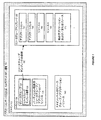
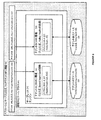
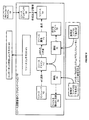
図1は、一実施形態に従った、アプリケーションサーバ、クラウドまたは他の環境においてマルチテナンシをサポートするためのシステムを示す。
Application Server (eg, Multi-Tenant: MT) Environment FIG. 1 illustrates a system for supporting multi-tenancy in an application server, cloud, or other environment, according to one embodiment.
図1に示されるように、一実施形態に従うと、アプリケーションサーバ(たとえばマルチテナント(MT))環境100または他のコンピューティング環境は、ソフトウェアアプリケーションのデプロイメントおよび実行を可能にするものであって、アプリケーションサーバドメインを定義するために実行時に用いられるドメイン102の構成を含み、当該ドメイン102の構成に従って動作するように構成することができる。
As shown in FIG. 1, according to one embodiment, an application server (eg, multi-tenant (MT))
一実施形態に従うと、アプリケーションサーバは、実行時に使用されるよう定義される1つ以上のパーティション104を含み得る。各々のパーティションは、グローバルユニークパーティション識別子(identifier:ID)およびパーティション構成に関連付けることができ、さらに、リソースグループテンプレートの参照126および/またはパーティション特有のアプリケーションもしくはリソース128とともに、1つ以上のリソースグループ124を含み得る。ドメインレベルのリソースグループ、アプリケーションおよび/またはリソース140も、任意にはリソースグループテンプレートの参照とともに、ドメインレベルで定義することができる。
According to one embodiment, the application server may include one or more partitions 104 that are defined to be used at runtime. Each partition can be associated with a global unique partition identifier (ID) and partition configuration, and further includes one or more resource groups 124 along with resource group template references 126 and / or partition specific applications or resources 128. Can be included. Domain level resource groups, applications and / or
各々のリソースグループテンプレート160は、1つ以上のアプリケーションA162、B164、リソースA166、B168および/または他のデプロイ可能なアプリケーションもしくはリソース170を定義することができ、リソースグループによって参照することができる。たとえば、図1に例示されるように、パーティション104におけるリソースグループ124は、リソースグループテンプレート160を参照する(190)ことができる。 Each resource group template 160 can define one or more applications A162, B164, resources A166, B168, and / or other deployable applications or resources 170, and can be referenced by resource groups. For example, as illustrated in FIG. 1, the resource group 124 in the partition 104 can reference 190 a resource group template 160.
概して、システムアドミニストレータは、パーティション、ドメインレベルのリソースグループおよびリソースグループテンプレート、ならびにセキュリティ領域を定義することができるとともに、パーティションアドミニストレータは、たとえば、パーティションレベルのリソースグループを作成するか、アプリケーションをパーティションにデプロイするかまたはパーティションについての特定の領域を参照することによって、それら自体のパーティションのアスペクトを定義することができる。 In general, system administrators can define partitions, domain-level resource groups and resource group templates, and security realms, and partition administrators can create partition-level resource groups or deploy applications to partitions, for example. You can define aspects of their own partitions by referring to specific areas for partitions.
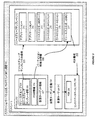
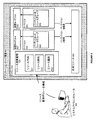
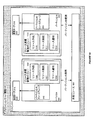
図2は、一実施形態に従った、アプリケーションサーバ、クラウドまたは他の環境においてマルチテナンシをサポートするためのシステムをさらに示す。 FIG. 2 further illustrates a system for supporting multi-tenancy in an application server, cloud, or other environment, according to one embodiment.
図2に示されるように、一実施形態に従うと、パーティション202は、たとえば、リソースグループテンプレート210の参照206を含むリソースグループ205と、仮想ターゲット(たとえば仮想ホスト)情報207と、プラグ接続可能なデータベース(pluggable database:PDB)情報208とを含み得る。リソースグループテンプレート(たとえば210)は、たとえば、Java(登録商標)メッセージサーバ(Java Message Server:JMS)サーバ213、ストア・アンド・フォワード(store-and-forward:SAF)エージェント215、メールセッションコンポーネント216またはJavaデータベースコネクティビティ(Java Database Connectivity:JDBC)リソース217などのリソースとともに、複数のアプリケーションA211およびB212を定義することができる。
As shown in FIG. 2, according to one embodiment, the partition 202 includes, for example, a resource group 205 that includes a reference 206 of a resource group template 210, virtual target (eg, virtual host)
図2に例示されるリソースグループテンプレートが一例として提供される。他の実施形態に従うと、さまざまなタイプのリソースグループテンプレートおよび要素を提供することができる。 The resource group template illustrated in FIG. 2 is provided as an example. According to other embodiments, various types of resource group templates and elements can be provided.
一実施形態に従うと、パーティション(たとえば202)内のリソースグループが、特定のリソースグループテンプレート(たとえば210)を参照する(220)と、パーティション特有の情報230(たとえば、パーティション特有のPDB情報)を示すために、特定のパーティションに関連付けられた情報を、参照されたリソースグループテンプレートと組合わせて用いることができる。次いで、パーティション特有の情報は、パーティションによって使用されるリソース(たとえば、PDBリソース)を構成するようにアプリケーションサーバによって使用可能である。たとえば、パーティション202に関連付けられたパーティション特有のPDB情報は、そのパーティションによって使用されるべき適切なPDB238を備えたコンテナデータベース(container database:CDB)236を構成する(232)ようにアプリケーションサーバによって使用可能である。
According to one embodiment, when a resource group in a partition (eg, 202) references (220) a particular resource group template (eg, 210), it shows partition-specific information 230 (eg, partition-specific PDB information). Therefore, information associated with a specific partition can be used in combination with the referenced resource group template. The partition specific information can then be used by the application server to configure resources (eg, PDB resources) used by the partition. For example, partition-specific PDB information associated with partition 202 can be used by an application server to configure 232 a container database (CDB) 236 with the
同様に、一実施形態に従うと、特定のパーティションに関連付けられた仮想ターゲット情報を用いて、そのパーティションによって使用されるべきパーティション特有の仮想ターゲット240(たとえば、ユニフォーム・リソース・ロケータ(uniform resource locator:URL)(たとえば、http://baylandurgentcare.com)によってアクセス可能にすることができるbaylandurgentcare.com)を定義する(239)ことができる。 Similarly, according to one embodiment, the virtual target information associated with a particular partition is used to specify a partition specific virtual target 240 (eg, uniform resource locator: URL) to be used by that partition. ) (Eg, baylandurgentcare.com, which can be made accessible by http://baylandurgentcare.com).
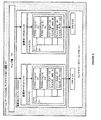
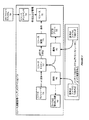
図3は、一実施形態に従った、アプリケーションサーバ、クラウドまたは他の環境においてマルチテナンシをサポートするためのシステムをさらに示す。 FIG. 3 further illustrates a system for supporting multi-tenancy in an application server, cloud, or other environment, according to one embodiment.
一実施形態に従うと、config.xml構成ファイルなどのシステム構成を用いて、パーティションを定義する。当該パーティションは、そのパーティションに関連付けられたリソースグループについての構成エレメントおよび/または他のパーティションプロパティを含む。値は、プロパティ名/値の対を用いてパーティションごとに指定することができる。 According to one embodiment, partitions are defined using a system configuration such as a config.xml configuration file. The partition includes configuration elements and / or other partition properties for the resource group associated with the partition. Values can be specified for each partition using property name / value pairs.
一実施形態に従うと、複数のパーティションは、管理されたサーバ/クラスタ242内で、または、CDB243にアクセス可能でありかつウェブ層244を介してアクセス可能である同様の環境内で、実行することができる。これにより、たとえば、ドメインまたはパーティションを(CDBの)PDBのうち1つ以上のPDBに関連付けることが可能となる。 According to one embodiment, multiple partitions may run in a managed server / cluster 242 or in a similar environment that is accessible to the CDB 243 and accessible via the web tier 244. it can. This allows, for example, a domain or partition to be associated with one or more PDBs (of a CDB).
一実施形態に従うと、複数のパーティションの各々、この例においてはパーティションA250およびパーティションB260は、そのパーティションに関連付けられた複数のリソースを含むように構成することができる。たとえば、パーティションAは、アプリケーションA1 252と、アプリケーションA2 254と、JMS A 256と、さらには、PDB A 259に関連付けられたデータソースA257とをともに含むリソースグループ251を含むように構成することができる。この場合、パーティションは仮想ターゲットA258を介してアクセス可能である。同様に、パーティションB260は、アプリケーションB1 262と、アプリケーションB2 264と、JMS B 266と、さらには、PDB B 269に関連付けられたデータソースB267とをともに含むリソースグループ261を含むように構成することができる。この場合、パーティションは仮想ターゲットB268を介してアクセス可能である。
According to one embodiment, each of the plurality of partitions, in this example, partition A 250 and partition B 260, may be configured to include a plurality of resources associated with that partition. For example, partition A can be configured to include a
上述の例のうちいくつかはCDBおよびPDBの使用を例示しているが、他の実施形態に従うと、他のタイプのマルチテナントのデータベースまたは非マルチテナントのデータベースをサポートすることができる。この場合、特定の構成は、たとえば、スキーマを使用するかまたはさまざまなデータベースを使用することによって、各々のパーティションのために提供することができる。 Although some of the above examples illustrate the use of CDBs and PDBs, other types of multi-tenant databases or non-multi-tenant databases can be supported according to other embodiments. In this case, a specific configuration can be provided for each partition, for example, using a schema or using various databases.
リソース
一実施形態に従うと、リソースは、環境のドメインにデプロイすることができるシステムリソース、アプリケーションまたは他のリソースもしくはオブジェクトである。たとえば、一実施形態に従うと、リソースは、アプリケーション、JMS、JDBC、JavaMail、WLDFもしくはデータソースであり得るか、または、サーバ、クラスタもしくは他のアプリケーションサーバターゲットにデプロイすることができる他のシステムリソースもしくは他のタイプのオブジェクトであり得る。
Resources According to one embodiment, a resource is a system resource, application or other resource or object that can be deployed in a domain of the environment. For example, according to one embodiment, the resource can be an application, JMS, JDBC, JavaMail, WLDF, or data source, or any other system resource that can be deployed to a server, cluster, or other application server target or It can be other types of objects.
パーティション
一実施形態に従うと、パーティションは、パーティション識別子(partition identifier:ID)および構成に関連付けられ得るドメインのうち実行時間および管理の下位区分またはスライスであるとともに、アプリケーションを含み得て、ならびに/または、リソースグループおよびリソースグループテンプレートを使用することによってドメイン全体に渡るリソースを参照し得る。
Partitions According to one embodiment, a partition can be an execution time and management sub-partition or slice of a domain that can be associated with a partition identifier (ID) and configuration, and can include applications, and / or You can reference resources across the domain by using resource groups and resource group templates.
概して、パーティションは、それ自体のアプリケーションを含み、リソースグループテンプレートを介してドメイン全体に渡るアプリケーションを参照し、それ自体の構成を有し得る。パーティション可能なエンティティは、リソース、たとえば、JMS、JDBC、JavaMail、およびWLDFリソースや、他のコンポーネント、たとえばJNDIネームスペース、ネットワークトラフィック、ワークマネージャ、セキュリティポリシーおよび領域などを含み得る。マルチテナント環境のコンテキストにおいては、システムは、テナントに関連付けられたパーティションの管理および実行時間のアスペクトへのアクセスをテナントに提供するように構成することができる。 In general, a partition may contain its own application, refer to applications across the domain through resource group templates, and have its own configuration. Partitionable entities may include resources such as JMS, JDBC, JavaMail, and WLDF resources and other components such as JNDI namespaces, network traffic, work managers, security policies and regions. In the context of a multi-tenant environment, the system can be configured to provide the tenant with access to the management of partitions associated with the tenant and the execution time aspect.
一実施形態に従うと、パーティション内の各々のリソースグループは、任意には、リソースグループテンプレートを参照することができる。パーティションは、複数のリソースグループを有し得るとともに、それらの各々はリソースグループテンプレートを参照し得る。各々のパーティションは、パーティションのリソースグループが参照するリソースグループテンプレートにおいて指定されていない構成データについてのプロパティを定義することができる。これにより、パーティションが、リソースグループテンプレートで定義されたデプロイ可能なリソースをそのパーティションで使用されるべき特定の値にバインドするものとして機能することが可能となる。場合によっては、パーティションは、リソースグループテンプレートによって指定される構成情報を無効にすることができる。 According to one embodiment, each resource group in the partition can optionally reference a resource group template. A partition may have multiple resource groups, each of which may reference a resource group template. Each partition can define properties for configuration data not specified in the resource group template referenced by the resource group of the partition. This allows a partition to function as a bindable resource defined in a resource group template to a specific value to be used in that partition. In some cases, a partition can invalidate configuration information specified by a resource group template.
一実施形態に従うと、パーティション構成は、たとえば、config.xml構成ファイルによって定義されるように、複数の構成エレメントを含み得る。複数の構成エレメントは、たとえば、「パーティション(partition)」(そのパーティションを定義する属性および子エレメントを含む);「リソース・グループ(resource-group)」(パーティションにデプロイされるアプリケーションおよびリソースを含む);「リソース・グループ・テンプレート(resource-group-template)」;(そのテンプレートによって定義されるアプリケーションおよびリソースを含む);「jdbc・システム・リソース・無効化(jdbc-system-resource-override)」(データベース特有のサービス名、ユーザ名およびパスワードを含む);ならびに、「パーティション・プロパティ(partition-properties)」(リソースグループテンプレートにおいてマクロ置換のために使用可能なプロパティキー値を含む)を含む。 According to one embodiment, the partition configuration may include multiple configuration elements, for example, as defined by a config.xml configuration file. Multiple configuration elements are, for example, “partition” (including attributes and child elements that define the partition); “resource-group” (including applications and resources deployed to the partition) "Resource-group-template"; (including applications and resources defined by that template); "jdbc-system-resource-override" ( Including database-specific service names, usernames and passwords); and "partition-properties" (including property key values that can be used for macro replacement in resource group templates).
始動後、システムは、構成ファイルによって提供される情報を用いて、リソースグループテンプレートから各々のリソースについてのパーティション特有の構成エレメントを生成することができる。 After startup, the system can use the information provided by the configuration file to generate partition-specific configuration elements for each resource from the resource group template.
リソースグループ
一実施形態に従うと、リソースグループは、名前付けされ完全に修飾されたデプロイ可能なリソースの集合であって、ドメインまたはパーティションのレベルで定義することができ、かつ、リソースグループテンプレートを参照することができる。リソースグループにおけるリソースは、完全に修飾されているものと見なされる。というのも、アドミニストレータが、それらのリソースを開始させるのに必要とされるかまたはそれらのリソースに接続するのに必要とされるすべての情報、たとえば、データソースに接続するためのクレデンシャル、またはアプリケーションについての目標情報、を提供しているからである。
Resource Group According to one embodiment, a resource group is a named, fully qualified collection of deployable resources that can be defined at the domain or partition level and refers to a resource group template be able to. Resources in a resource group are considered fully qualified. This is because all the information an administrator needs to start or connect to those resources, such as credentials to connect to the data source, or application This is because it provides the target information about.
システムアドミニストレータは、ドメインレベルで、またはパーティションレベルでリソースグループを公開することができる。ドメインレベルでは、リソースグループは、関連するリソースをグループ化するのに好都合な方法を提供する。システムは、グループ化されていないリソースと同じドメインレベルのリソースグループにおいて公開されたリソースを管理することができる。このため、リソースは、システム起動中に開始させたり、システムのシャットダウン中に停止させたりすることができる。アドミニストレータはまた、グループ内のリソースを個々に停止させるか、開始させるかまたは削除することができ、グループ上で動作させることによって暗黙的にグループ内のすべてのリソースに対して機能することができる。たとえば、あるリソースグループを停止させることにより、まだ停止されていないグループにおけるすべてのリソースを停止させ;リソースグループを始動させることにより、まだ始動させていないグループにおけるいずれのリソースも始動させ、リソースグループを削除することにより、グループに含まれるすべてのリソースを削除する。 System administrators can publish resource groups at the domain level or at the partition level. At the domain level, resource groups provide a convenient way to group related resources. The system can manage resources exposed in the same domain level resource group as ungrouped resources. For this reason, resources can be started during system startup or stopped during system shutdown. Administrators can also individually stop, start, or delete resources in a group and can work implicitly on all resources in the group by operating on the group. For example, stopping a resource group stops all resources in a group that has not been stopped; starting a resource group starts any resource in a group that has not yet been started, By deleting, all resources included in the group are deleted.
パーティションレベルでは、システムまたはパーティションアドミニストレータは、任意のセキュリティ制限下で、或るパーティションにおいて0個以上のリソースグループを構成することができる。たとえば、SaaS使用事例においては、さまざまなパーティションレベルのリソースグループは、ドメインレベルのリソースグループテンプレートを参照することができる。PaaS使用事例においては、リソースグループテンプレートを参照しないが代わりにそのパーティション内でのみ利用可能にされるべきアプリケーションおよびそれらの関連するリソースを表わすパーティションレベルのリソースグループを作成することができる。 At the partition level, a system or partition administrator can configure zero or more resource groups in a partition under any security restrictions. For example, in the SaaS use case, various partition level resource groups can reference domain level resource group templates. In a PaaS use case, a partition level resource group can be created that does not reference a resource group template but instead represents applications and their associated resources that should be made available only within that partition.
一実施形態に従うと、リソースグループ化を用いることで、アプリケーションと、それらアプリケーションがドメイン内で別個の管理ユニットとして使用するリソースとをともにグループ化することができる。たとえば、以下に記載される医療記録(MedRec)アプリケーションにおいては、リソースグループ化によりMedRecアプリケーションおよびそのリソースが定義される。複数のパーティションは、各々がパーティション特有の構成情報を用いて、同じMedRecリソースグループを実行することができ、このため、各々のMedRecインスタンスの一部であるアプリケーションが各々のパーティションにとって特有のものにされる。 According to one embodiment, resource grouping can be used to group together applications and resources that they use as separate management units within the domain. For example, in the medical record (MedRec) application described below, the MedRec application and its resources are defined by resource grouping. Multiple partitions can run the same MedRec resource group, each with partition specific configuration information, so that applications that are part of each MedRec instance are specific to each partition. The
リソースグループテンプレート
一実施形態に従うと、リソースグループテンプレートは、リソースグループから参照することができドメインレベルで定義されるデプロイ可能なリソースの集合であり、そのリソースを起動するのに必要な情報のうちいくらかは、パーティションレベル構成の仕様をサポートするように、テンプレート自体の一部として記憶されない可能性がある。ドメインは、リソースグループテンプレートをいくつ含んでもよく、それらの各々は、たとえば、1つ以上の関連するJavaアプリケーションと、それらのアプリケーションが依存するリソースとを含み得る。このようなリソースについての情報のうちのいくらかは、すべてのパーティションにわたって同じであってもよく、他の情報はパーティションごとに異なっていてもよい。すべての構成がドメインレベルで指定される必要はなく、代わりに、パーティションレベル構成が、マクロまたはプロパティ名/値の対を使用することによってリソースグループテンプレートで指定することができる。
Resource Group Template According to one embodiment, a resource group template is a set of deployable resources that can be referenced from a resource group and defined at the domain level, and some of the information required to start that resource. May not be stored as part of the template itself to support the partition level configuration specification. A domain may include any number of resource group templates, each of which may include, for example, one or more associated Java applications and the resources on which those applications depend. Some of the information about such resources may be the same across all partitions, and other information may vary from partition to partition. Not all configurations need to be specified at the domain level; instead, partition level configurations can be specified in the resource group template by using macros or property name / value pairs.
一実施形態に従うと、特定のリソースグループテンプレートは、1つ以上のリソースグループによって参照可能である。概して、任意の所与のパーティション内では、リソースグループテンプレートは一度に1つのリソースグループによってのみ参照することができる。すなわち、同じパーティション内で同時に複数のリソースグループによって参照することはできない。しかしながら、異なるパーティションにおける別のリソースグループによって同時に参照することができる。リソースグループを含むオブジェクト、たとえばドメインまたはパーティションは、プロパティ名/値の割当てを用いて、任意のトークンの値をリソースグループテンプレートで設定することができる。システムは、参照するリソースグループを用いてリソースグループテンプレートを起動させると、それらのトークンを、リソースグループが含むオブジェクトにおいて設定された値と置換えることができる。場合によっては、システムはまた、静的に構成されたリソースグループテンプレートおよびパーティションを用いて、パーティション/テンプレートの組合せごとに実行時間構成を生成することができる。 According to one embodiment, a particular resource group template can be referenced by one or more resource groups. In general, within any given partition, a resource group template can only be referenced by one resource group at a time. That is, it cannot be referred to by a plurality of resource groups simultaneously in the same partition. However, it can be referenced simultaneously by different resource groups in different partitions. An object that contains a resource group, such as a domain or partition, can set the value of any token in the resource group template using property name / value assignment. When the system activates a resource group template using a resource group to be referenced, these tokens can be replaced with values set in objects included in the resource group. In some cases, the system may also generate runtime configuration for each partition / template combination using statically configured resource group templates and partitions.
たとえば、SaaS使用事例においては、システムは、同じアプリケーションおよびリソースを複数回を起動することができるが、そのうちの1回は、それらを用いるであろう各パーティションごとに起動され得る。アドミニストレータがリソースグループテンプレートを定義すると、これらは、どこか他のところで提供されるであろう情報を表わすためにトークンを用いることができる。たとえば、CRM関連のデータリソースに接続する際に使用されるユーザ名は、リソースグループテンプレートにおいて\${CRMDataUsername}として示すことができる。 For example, in the SaaS use case, the system can launch the same application and resource multiple times, one of which can be launched for each partition that will use them. Once the administrator defines resource group templates, they can use tokens to represent information that might be provided elsewhere. For example, the username used to connect to a CRM-related data resource can be shown as \ $ {CRMDataUsername} in the resource group template.
テナント
一実施形態に従うと、マルチテナント(MT)アプリケーションサーバ環境などのマルチテナント環境においては、テナントは、1つ以上のパーティションおよび/もしくは1つ以上のテナント認識型アプリケーションによって表現可能であるエンティティ、または1つ以上のパーティションおよび/もしくは1つ以上のテナント認識型アプリケーションに関連付けることができるエンティティである。
Tenant According to one embodiment, in a multi-tenant environment, such as a multi-tenant (MT) application server environment, a tenant is an entity that can be represented by one or more partitions and / or one or more tenant-aware applications, or An entity that can be associated with one or more partitions and / or one or more tenant-aware applications.
たとえば、テナントは、別個のユーザ組織、たとえばさまざまな外部会社、特定の企業内のさまざまな部門(たとえばHRおよび財務部)などを表わすことができ、それら各々は、異なるパーティションに関連付けることができる。テナントのグローバルユニークアイデンティティ(テナントID)は、特定の時点において特定のユーザを特定のテナントに関連付けるものである。システムは、たとえば、ユーザアイデンティティの記録を参照することによって、ユーザアイデンティティから、特定のユーザがどのテナントに属しているかを導き出すことができる。ユーザアイデンティティにより、ユーザが実行することを認可されているアクションをシステムが実施することが可能となる。ユーザアイデンティティは、ユーザがどのテナントに属し得るかを含むが、これに限定されない。 For example, a tenant can represent separate user organizations, such as various external companies, various departments within a particular company (eg, HR and finance departments), etc., each of which can be associated with a different partition. A tenant's global unique identity (tenant ID) associates a specific user with a specific tenant at a specific point in time. The system can derive which tenant a particular user belongs to from the user identity, for example by referring to a record of the user identity. User identity enables the system to perform actions that the user is authorized to perform. User identity includes, but is not limited to, which tenant a user can belong to.
一実施形態に従うと、システムは、互いに異なるテナントの管理および実行時間を分離することを可能にする。たとえば、テナントは、それらのアプリケーションのいくつかの挙動、およびそれらがアクセスできるリソースを構成することができる。システムは、特定のテナントが別のテナントに属するアーティファクトを確実に管理することができないようにし、かつ、実行時に、特定のテナントの代わりに機能するアプリケーションがそのテナントに関連付けられたリソースのみを参照するが他のテナントに関連付けられたリソースは参照しないことを確実にすることができる。 According to one embodiment, the system allows to separate the management and execution time of different tenants. For example, tenants can configure some behavior of their applications and the resources they can access. The system ensures that a particular tenant cannot manage artifacts belonging to another tenant, and at runtime, applications that function on behalf of a particular tenant only see resources associated with that tenant Can ensure that it does not reference resources associated with other tenants.
一実施形態に従うと、テナント非認識型アプリケーションは、アプリケーションが応答している要求をどんなユーザが提示したかにかかわらず、アプリケーションが用いる如何なるリソースにもアクセス可能となるように明示的にテナントに対処する論理を含まないものである。対照的に、テナント認識型アプリケーションは、テナントに明示的に対処する論理を含む。たとえば、ユーザのアイデンティティに基づいて、アプリケーションは、ユーザが属するテナントを導き出すことができ、テナント特有のリソースにアクセスするためにその情報を用いることができる。 According to one embodiment, a tenant-unrecognized application explicitly addresses the tenant to be able to access any resource used by the application, regardless of what user presented the request that the application is responding to. It does not include logic to do. In contrast, tenant aware applications include logic that explicitly addresses tenants. For example, based on the user's identity, the application can derive the tenant to which the user belongs and can use that information to access tenant specific resources.
一実施形態に従うと、システムは、テナント認識型となるように明示的に書き込まれたアプリケーションをユーザがデプロイすることを可能にし、これにより、アプリケーション開発者は、現在のテナントのテナントIDを取得することができる。次いで、テナント認識型アプリケーションは、このテナントIDを用いて、アプリケーションの単一のインスタンスを用いている複数のテナントを処理することができる。 According to one embodiment, the system allows a user to deploy an application that has been explicitly written to be tenant aware so that the application developer gets the tenant ID of the current tenant. be able to. The tenant-aware application can then process multiple tenants using a single instance of the application using this tenant ID.
たとえば、単一の診療室または病院をサポートするMedRecアプリケーションは、2つの異なるパーティションまたはテナント(たとえばBayland Urgent CareテナントおよびValley Healthテナント)に対して公開することができ、その各々は、基礎をなすアプリケーションコードを変更することなく、別個のPDBなどの別個のテナント特有のリソースにアクセスすることができる。 For example, a MedRec application that supports a single clinic or hospital can be published to two different partitions or tenants (eg, Bayland Urgent Care tenant and Valley Health tenant), each of which is the underlying application Separate tenant-specific resources such as separate PDBs can be accessed without changing the code.
例示的なドメイン構成およびマルチテナント環境
一実施形態に従うと、アプリケーションは、ドメインレベルでリソースグループテンプレートにデプロイすることができるか、または、パーティションに範囲指定されているかもしくはドメインに範囲指定されているリソースグループにデプロイすることができる。アプリケーション構成は、アプリケーション毎またはパーティション毎に指定されたデプロイメントプランを用いて無効化することができる。デプロイメントプランはまた、リソースグループの一部として指定することができる。
Exemplary Domain Configuration and Multi-tenant Environment According to one embodiment, an application can be deployed to a resource group template at the domain level, or a resource that is scoped to a partition or scoped to a domain Can be deployed to groups. The application configuration can be invalidated using a deployment plan specified for each application or each partition. A deployment plan can also be specified as part of a resource group.
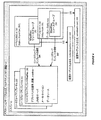
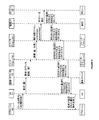
図4は、一実施形態に従った、例示的なマルチテナント環境で使用されるドメイン構成を示す。 FIG. 4 illustrates a domain configuration used in an exemplary multi-tenant environment, according to one embodiment.
一実施形態に従うと、システムがパーティションを始動させると、当該システムは、提供された構成に従って、それぞれのデータベースインスタンスに対して、各パーティションごとに1つずつ、仮想ターゲット(たとえば仮想ホスト)および接続プールを作成する。 According to one embodiment, when the system starts a partition, the system is responsible for virtual targets (eg, virtual hosts) and connection pools, one for each partition, for each database instance, according to the configuration provided. Create
典型的には、各々のリソースグループテンプレートは、1つ以上の関連するアプリケーションと、それらアプリケーションが依存するリソースとを含み得る。各々のパーティションは、それが参照するリソースグループテンプレートにおいて指定されていない構成データを提供することができるが、これは、場合によっては、リソースグループテンプレートによって指定されるいくつかの構成情報を無効にすることを含めて、パーティションに関連付けられた特定値に対するリソースグループテンプレートにおけるデプロイ可能なリソースのバインディングを行うことによって、実行可能である。これにより、システムは、各々のパーティションが定義したプロパティ値を用いて、パーティション毎にリソースグループテンプレートによってさまざまに表わされるアプリケーションを始動させることができる。 Typically, each resource group template may include one or more related applications and the resources on which those applications depend. Each partition can provide configuration data that is not specified in the resource group template that it references, which in some cases overrides some configuration information specified by the resource group template This can be done by binding deployable resources in the resource group template to specific values associated with the partition. This allows the system to start applications that are variously represented by the resource group template for each partition using the property values defined by each partition.
いくつかのインスタンスにおいては、パーティションが含み得るリソースグループは、リソースグループテンプレートを参照しないか、または、それら自体のパーティション範囲指定されたデプロイ可能なリソースを直接定義する。パーティション内で定義されるアプリケーションおよびデータソースは、概して、そのパーティションにとってのみ利用可能である。リソースは、パーティション:<partitionName>/<resource JNDI name>、またはドメイン:<resource JNDI name>を用いて、パーティションの中からアクセスすることができるようにデプロイ可能である。 In some instances, the resource groups that a partition may contain do not reference a resource group template or directly define their own partition-scoped deployable resources. Applications and data sources defined within a partition are generally available only to that partition. A resource can be deployed so that it can be accessed from within the partition using the partition: <partitionName> / <resource JNDI name> or the domain: <resource JNDI name>.
たとえば、MedRecアプリケーションは、複数のJavaアプリケーション、データソース、JMSサーバおよびメールセッションを含み得る。複数のテナントのためにMedRecアプリケーションを実行させるために、システムアドミニストレータは、テンプレートにおけるそれらのデプロイ可能なリソースを公開している単一のMedRecリソースグループテンプレート286を定義することができる。 For example, a MedRec application may include multiple Java applications, data sources, JMS servers, and mail sessions. To run the MedRec application for multiple tenants, the system administrator can define a single MedRec resource group template 286 that exposes those deployable resources in the template.
ドメインレベルのデプロイ可能なリソースとは対照的に、リソースグループテンプレートにおいて公開されたデプロイ可能なリソースは、テンプレートにおいて完全には構成されない可能性があるか、または、いくつかの構成情報が不足しているので、そのままでは起動させることができない。 In contrast to domain level deployable resources, deployable resources published in a resource group template may not be fully configured in the template or lack some configuration information. Therefore, it cannot be started as it is.
たとえば、MedRecリソースグループテンプレートは、アプリケーションによって用いられるデータソースを公開し得るが、データベースに接続するためのURLを指定しない可能性がある。さまざまなテナントに関連付けられたパーティション、たとえば、パーティションBUC−A290(Bayland Urgent Care:BUC)およびパーティションVH−A292(Valley Health:VH)は、各々がMedRecリソースグループテンプレートを参照する(296,297)MedRecリソースグループ293,294を含むことによって、1つ以上のリソースグループテンプレートを参照することができる。次いで、当該参照を用いて、Bayland Urgent Careテナントによって使用されるBUC−Aパーティションに関連付けられた仮想ホストbaylandurgentcare.com304と、Valley Healthテナントによって使用されるVH−Aパーティションに関連付けられた仮想ホストvalleyhealth.com308とを含む各々のテナントのための仮想ターゲット/仮想ホストを作成する(302,306)ことができる。
For example, a MedRec resource group template may expose a data source used by an application, but may not specify a URL for connecting to a database. Partitions associated with various tenants, such as partition BUC-A290 (Bayland Urgent Care: BUC) and partition VH-A292 (Valley Health: VH), each reference a MedRec resource group template (296, 297) MedRec. By including
図5は、一実施形態に従った例示的なマルチテナント環境をさらに示す。図5に示されるように、2つのパーティションがMedRecリソースグループテンプレートを参照している上述の例から引続いて、一実施形態に従うと、サーブレットエンジン310は、この例においてはBayland Urgent Careの医師テナント環境320およびValley Healthの医師テナント環境330といった複数のテナント環境をサポートするために用いることができる。 FIG. 5 further illustrates an exemplary multi-tenant environment according to one embodiment. Continuing from the above example where two partitions refer to the MedRec resource group template, as shown in FIG. 5, according to one embodiment, the servlet engine 310 in this example is a physician tenant of Bayland Urgent Care. It can be used to support multiple tenant environments, such as environment 320 and Valley Health's physician tenant environment 330.
一実施形態に従うと、各々のパーティション321および331は、そのテナント環境についての入来トラフィックを受入れるための異なる仮想ターゲットと、異なるURL322,332とを定義することができる。異なるURL322,332は、パーティションと、この例ではBayland Urgent Careデータベースまたはvalley healthデータベースを含むそれぞれのリソース324、334とに接続するためのものである。同じアプリケーションコードが両方のデータベースに対して実行され得るので、データベースインスタンスは互換性のあるスキーマを用いることができる。システムがパーティションを始動させると、当該システムは、それぞれのデータベースインスタンスに対する接続プールおよび仮想ターゲットを作成することができる。 According to one embodiment, each partition 321 and 331 can define different virtual targets and different URLs 322 and 332 to accept incoming traffic for its tenant environment. The different URLs 322, 332 are for connecting to the partition and respective resources 324, 334, which in this example include the Bayland Urgent Care database or the valley health database. Since the same application code can be executed for both databases, the database instance can use a compatible schema. When the system starts the partition, it can create a connection pool and virtual target for each database instance.
リソースの分離および消費
一実施形態に従うと、複数のテナントが単一のドメインを共有することを可能にすることによって顧客のコンピューティングインフラストラクチャの密度を改善させ、その利用を向上させる。しかしながら、複数のテナントまたはパーティションが同じドメイン内に常駐する場合、リソースの割当てにおける公平性を促進し、共有リソースに対するアクセスの競合および/または干渉を防止し、かつ、複数のパーティションおよび/または関連するテナントのために一貫した性能を提供するために、ドメイン実行時間においてさまざまなパーティションがそれらのリソースにアクセスして当該リソースを使用することを判断し、管理し、分離しかつ監視することが必要になり得る。
Resource Separation and Consumption According to one embodiment, the density of a customer's computing infrastructure is improved and its utilization is increased by allowing multiple tenants to share a single domain. However, when multiple tenants or partitions reside in the same domain, it promotes fairness in resource allocation, prevents contention and / or interference of access to shared resources, and is associated with multiple partitions and / or associated To provide consistent performance for tenants, it is necessary to determine, manage, isolate, and monitor different partitions accessing and using those resources at domain runtime Can be.
一実施形態に従うと、このシステムは、システムアドミニストレータがJDK管理型リソースについてのリソース消費管理ポリシーを指定する(たとえば、制約、返還要求(recourse action)および通知を指定する)ことを可能にするために、ジャバ開発キット(たとえばJDK(Java Development Kit)8u40)によって提供されるリソース管理サポートを利用する。これらのリソースは、たとえばCPU、ヒープ、ファイルおよびネットワークを含み得る。この明細書中に記載される方法およびシステムはまた、共有リソースの消費を管理するためにアプリケーションサーバ環境内のコンテナおよびコンポーネントによって使用可能である軽量で規格ベースの包括的かつ拡張可能なリソース消費管理(resource consumption management:RCM)フレームワークを提供することができる。 According to one embodiment, the system may allow a system administrator to specify resource consumption management policies (eg, specify constraints, recourse actions and notifications) for JDK managed resources. The resource management support provided by a Java development kit (for example, JDK (Java Development Kit) 8u40) is used. These resources can include, for example, a CPU, a heap, a file, and a network. The methods and systems described herein also provide a lightweight, standards-based and extensible resource consumption management that can be used by containers and components in an application server environment to manage the consumption of shared resources. A (resource consumption management: RCM) framework can be provided.
一実施形態に従うと、アプリケーションがアプリケーションサーバ環境内のさまざまなパーティションおよび/またはさまざまなテナントによってデプロイされる場合、アプリケーションが共有リソース(たとえば、CPU、ネットワーク、ストレージなどの低レベルのリソース、またはデータソース、JMS接続、ロギングなど高レベルのリソース)を使用しようとする際に生じる可能性のある概して2つの問題がある。これら2つの問題は、割当て中における競合/不公平性と、性能不定性および潜在的なサービスレベルアグリーメント(service level agreement:SLA)違反とを含む。共有リソースに対して複数の要求があり、これにより結果として競合および干渉がもたらされる場合、結果として割当て中に競合および不公平性がもたらされる可能性がある。害のない理由(たとえば高トラフィックおよびDDoS攻撃)、動作が不良であるかまたはバグの多いアプリケーション、悪質なコードなどのせいで異常なリソース消費要求が発生する可能性もある。このような異常な要求により、結果として、共有リソースの容量に過負荷がかかってしまい、このため、リソースに別のアプリケーションがアクセスするのが妨げられてしまう可能性がある。性能が変動することにより、潜在的なSLA違反につながるおそれがある。競合および不公平性により、結果として、さまざまなアプリケーション/コンシューマのための性能に違いが生じる可能性があり、結果として、SLA違反につながるおそれがある。 According to one embodiment, if an application is deployed by various partitions and / or various tenants in an application server environment, the application may be a shared resource (eg, a low-level resource such as a CPU, network, storage, or data source) There are generally two problems that can arise when trying to use high-level resources such as JMS connections and logging. These two issues include contention / unfairness during allocation, performance indeterminacy and potential service level agreement (SLA) violations. If there are multiple requests for shared resources, which results in contention and interference, this can result in contention and unfairness during allocation. Abnormal resource consumption requests may occur due to harmless reasons (eg, high traffic and DDoS attacks), bad or buggy applications, malicious code, etc. Such abnormal requests can result in overloading the capacity of the shared resource, which can prevent other applications from accessing the resource. Variations in performance can lead to potential SLA violations. Competition and unfairness can result in differences in performance for various applications / consumers and can result in SLA violations.
この明細書中に記載されたさまざまなシステムおよび方法は、リソースの分離および消費のサポートに関連付けられる問題について論じる際にマルチパーティション/マルチテナントのアプリケーションサーバ環境を用いているが、当該システムおよび方法は、或るドメインにおける複数の共同常駐アプリケーションが(或るドメイン内における複数のパーティション内の複数のアプリケーションとは対照的に)互いと競合し、それらが共有リソースにアクセスすることによって、結果として競合が生じ、性能が予測不能なものとなってしまうような従来のデプロイメントに適用可能である。 While the various systems and methods described herein use a multi-partition / multi-tenant application server environment in discussing issues associated with resource isolation and consumption support, the systems and methods are Multiple co-resident applications in a domain compete with each other (as opposed to multiple applications in multiple partitions in a domain) and access to shared resources results in contention It can be applied to conventional deployments that result in unpredictable performance.
一実施形態に従うと、システムアドミニストレータなどのアドミニストレータは、共有リソース(たとえば、CPU、ヒープ、ファイルおよびネットワークなどのJDKリソース)へのアクセスを監視し、コンシューマによるこれらのリソースの消費についてのポリシーを実施するためのメカニズムを備えている。たとえば、マルチパーティションシステムにおいては、システムアドミニストレータは、コンシューマが共有リソースを過剰消費せず、これにより、その共有リソースにアクセスする別のコンシューマにとってその共有リソースが不足することのないように、構成することができる。 According to one embodiment, an administrator, such as a system administrator, monitors access to shared resources (eg, JDK resources such as CPUs, heaps, files and networks) and enforces policies on consumption of these resources by consumers. It has a mechanism for. For example, in a multi-partition system, the system administrator must configure the consumer so that it does not over-consume the shared resource so that another consumer accessing the shared resource does not run out of the shared resource. Can do.
一実施形態に従うと、システムアドミニストレータなどのアドミニストレータは、さまざまなコンシューマ/顧客に対する層状/差異化型サービスレベルを提供することができる。加えて、アドミニストレータは、任意には、(たとえば、パーティションにおいて実行されるであろう特定のワークロードまたは予測されたワークロードに対応するために、時刻に基づいて特定のパーティションのための別のポリシーを適用している)ビジネス特有のポリシーを構成することができ、かつ、共有リソースが消費される時点で上記ポリシーを実施させることができる。 According to one embodiment, an administrator, such as a system administrator, can provide tiered / differentiated service levels for various consumers / customers. In addition, the administrator may optionally choose another policy for a particular partition based on time of day (e.g., to accommodate a particular or predicted workload that will be executed on the partition). Business specific policies) can be configured, and the policies can be enforced when shared resources are consumed.
一実施形態に従うと、アドミニストレータは、フレキシブルで拡張可能であり汎用のリソース消費フレームワークを備える。このリソース消費フレームワークは、さまざまなコンシューマによってアクセスおよび/または利用されるアプリケーションサーバ環境管理共有リソースのコンテナおよびコンポーネントを支援するために用いることができる。フレームワークは、加えて、RCMフレームワークのさまざまなユーザのためにさまざまなレベルで細分化されたポリシーを指定および実施することを可能にする。 According to one embodiment, the administrator comprises a flexible, extensible and generic resource consumption framework. This resource consumption framework can be used to support containers and components of application server environment management shared resources that are accessed and / or utilized by various consumers. The framework additionally allows specifying and enforcing policies that are refined at various levels for different users of the RCM framework.
一実施形態に従うと、以下の定義は、リソースの分離および消費のための方法およびシステムを記載または説明する際に用いることができる。 According to one embodiment, the following definitions can be used in describing or describing methods and systems for resource isolation and consumption.
一実施形態に従うと、リソース消費管理のコンテキストにおいては、リソースという語は、アプリケーションサーバ環境などのシステム内のエンティティを意味するものであって、コンシューマ、パーティションおよび/またはテナント間で共有されるものを表わしており、量が制限されており、その不足分のせいで、結果として、リソースコンシューマのための性能が変化する可能性がある。 According to one embodiment, in the context of resource consumption management, the term resource means an entity in the system, such as an application server environment, that is shared between consumers, partitions and / or tenants. The amount is limited and the shortage can result in a change in performance for resource consumers.
一実施形態に従うと、リソースコンシューマという語は、実行可能なエンティティであってもよく、そのリソース使用がリソース消費管理(Resource Consumption Management:RCM)APIによって制御されている。たとえば、マルチテナントアプリケーションサーバ環境内のリソースコンシューマはパーティションを含んでもよい。 According to one embodiment, the term resource consumer may be an executable entity whose resource usage is controlled by a Resource Consumption Management (RCM) API. For example, resource consumers in a multi-tenant application server environment may include partitions.
一実施形態に従うと、リソースドメインは、リソースコンシューマのグループをリソースにバインドすることができ、このリソースのためにリソースコンシューマグループに対して共通のリソース管理ポリシーを課する。 According to one embodiment, a resource domain can bind a group of resource consumers to a resource and imposes a common resource management policy on the resource consumer group for this resource.
リソース管理ポリシーは、一実施形態に従うと、予約、制約および通知を定義するものであって、リソースコンシューマによって消費されるリソースの数を制限するかまたは消費の割合を調節することができる。 A resource management policy, according to one embodiment, defines reservations, constraints, and notifications that can limit the number of resources consumed by resource consumers or adjust the consumption rate.
一実施形態に従うと、制約は、リソースに対してリソース消費要求がなされたときに呼出されるコールバックであり得る。コールバックは、要求によって消費され得るリソースユニットの数を決定するそのリソースについてのポリシーを実現することができる。 According to one embodiment, the constraint may be a callback that is invoked when a resource consumption request is made for the resource. The callback can implement a policy for that resource that determines the number of resource units that can be consumed by the request.
通知は、一実施形態に従うと、リソース消費要求が処理された直後に呼出されるコールバックであり得る。通知は、後続のリソース消費(たとえばアカウンティング、ロギングなど)を実行するためのアクションを指定するリソース管理ポリシーを実現するために用いることができる。 The notification, according to one embodiment, can be a callback that is invoked immediately after the resource consumption request is processed. Notifications can be used to implement resource management policies that specify actions for performing subsequent resource consumption (eg, accounting, logging, etc.).
一実施形態に従うと、リソース属性は、リソースのプロパティまたは属性を記述している。加えて、リソースディスペンサは、リソースを作成するコード/コンテナ/論理を意味する。さらに、RM可能化とは、RCMフレームワークがそのリソースの消費を管理することができるようにリソースディスペンサを変更する動作を意味し得る。 According to one embodiment, the resource attribute describes a property or attribute of the resource. In addition, a resource dispenser means code / container / logic that creates a resource. Further, RM enablement may refer to an operation that changes a resource dispenser so that the RCM framework can manage the consumption of that resource.
返還要求は、一実施形態に従うと、リソースコンシューマによるリソース消費が或る状態に達したときに実行されるアクションであり得る。返還要求は、通知であってもよく、または、リソースの使い過ぎを防ぐかもしくは使い過ぎに対処しようと試みるために予防措置を取ることであり得る。返還要求は、リソース消費要求がなされたスレッドとは異なるスレッドにおいて実行することができる。 A return request, according to one embodiment, can be an action that is performed when resource consumption by a resource consumer reaches a certain state. The return request may be a notification or may be to take precautions to prevent overuse or attempt to deal with overuse of resources. The return request can be executed in a thread different from the thread in which the resource consumption request is made.
図6は、一実施形態に従った、アプリケーションサーバ環境におけるリソースの分離および消費を示す。図6は、ドメイン610を含むアプリケーションサーバ環境600を示す。システムアドミニストレータ620は、ドメイン内のリソース管理ポリシー630を構成し得る。リソース管理ポリシー630は、少なくともリソース予約631、リソース制約632およびリソース通知633を含むように構成することができる。ドメインは、加えて、パーティションA640およびパーティションB650を含む。パーティションAおよびBは、それぞれ、リソースグループ642および652を含み、リソースグループ642および652は、それぞれ、仮想ターゲットA645および仮想ターゲットB655に関連付けられている。図6に示されるように、パーティションAまたはパーティションBはまた、たとえば、これらパーティションが共有リソースの使用を必要とするアプリケーションを実行する際に、共有リソース660にアクセスすることもできる。共有リソース660は、CPU、ヒープ、ネットワークおよびファイルなどのJDKリソースを含み得るが、これらに限定されない。
FIG. 6 illustrates resource isolation and consumption in an application server environment, according to one embodiment. FIG. 6 shows an application server environment 600 that includes a domain 610.
一実施形態に従うと、リソース管理ポリシーは、リソース管理ポリシーによって構成される条件が共有リソースに関してパーティションAまたはパーティションBによって満たされる場合に、動作またはタスクを実行するように、システムアドミニストレータによって、または別の適切な許可を行なうものによって、構成することができる。これらの動作またはタスクは、制約または通知を含み得るが、これらに限定されない。制約の例は、パーティションによる共有リソースの使用の減速または停止を含む。通知の例は、アドミニストレータに対する通知の記録または提供を含むが、これらに限定されない。 According to one embodiment, the resource management policy is determined by the system administrator to perform an action or task when a condition configured by the resource management policy is satisfied by partition A or partition B with respect to the shared resource, or another It can be configured with something that grants the appropriate permissions. These actions or tasks may include, but are not limited to, constraints or notifications. Examples of constraints include slowing down or stopping the use of shared resources by the partition. Examples of notifications include, but are not limited to, recording or providing notifications to an administrator.
一実施形態に従うと、図6に示されるアプリケーションサーバ環境はOracle WebLogic serverであり得る。WebLogicサーバは、ClassLoaderベースの分離(アプリケーションの共有ライブラリに属さないクラスが互いから分離される)と、WebLogicワークマネージャ特徴とを含み得る。WebLogicワークマネージャ特徴は、1セットのスケジューリングガイドラインを構成することによって、アプリケーションが如何にその作業の実行に優先順位を付けるかをアドミニストレータが構成することを可能にし得る。しかしながら、これらの2つの特徴は、アプリケーションに提供された分離の点ではかなり制限されてしまい、WLS−MTデプロイメントにおいては、すべてのJDKリソースなどのすべてのリソースが分割されて、それらの消費がパーティションに対する性能分離を保証するように管理されることが望ましい。 According to one embodiment, the application server environment shown in FIG. 6 may be an Oracle WebLogic server. A WebLogic server may include ClassLoader-based isolation (classes that do not belong to the application's shared library are isolated from each other) and WebLogic Work Manager features. The WebLogic Work Manager feature can allow an administrator to configure how an application prioritizes the execution of its work by configuring a set of scheduling guidelines. However, these two features are quite limited in terms of the isolation provided to the application, and in a WLS-MT deployment, all resources such as all JDK resources are split and their consumption is partitioned. It should be managed to ensure performance separation for
ソフト分離およびハード分離
一実施形態に従うと、分離された実行環境と共有された実行環境との相違はバイナリではなく、共有インフラストラクチャおよび完全分離型(shared-infrastructure-and-completely-isolated)の実行環境と、非分離型(non-isolated)の実行環境との間に一連の選択肢が存在し得る。
Soft and hard isolation According to one embodiment, the difference between an isolated execution environment and a shared execution environment is not binary, but shared-infrastructure-and-completely-isolated execution There may be a range of options between the environment and a non-isolated execution environment.
一実施形態に従うと、同じアプリケーションサーバ環境におけるさまざまなパーティションにおいてシステムアドミニストレータが非信頼型テナントからのコードをプロビジョニングするために、システムは、分離された実行環境(たとえば、MVM/分離保護、分離されたVM実行時間−[GC、ヒープ、スレッド、システムクラス]、デバッグおよび診断など)のためのサポートを提供することができる。このため、当該システムは、パーティションにおいて起こる動作を互いからサンドボックスする(sandbox)ことができる。これは実行分離とも称することができる。これはハード分離の一形式と見なされてもよい。 In accordance with one embodiment, the system can be run in an isolated execution environment (eg, MVM / isolated protection, isolated) for system administrators to provision code from untrusted tenants in various partitions in the same application server environment. Support for VM execution time— [GC, heap, thread, system class], debugging and diagnostics, etc.). Thus, the system can sandbox operations that occur in the partition from each other. This can also be called execution separation. This may be considered a form of hard separation.
JDK 8u40によって公開されたRM APIからのサポートにより、システムはまた、よりソフトな形式の分離を提供することができる。この場合、いくつかの共有されたJDKリソースへのアクセスが分離され、これらの分離は返還要求によって維持される。これは性能分離と称され得る。 With support from the RM API published by JDK 8u40, the system can also provide a softer form of separation. In this case, access to some shared JDK resources is separated, and these separations are maintained by return requests. This can be referred to as performance separation.
ワークマネージャ(Work Manager:WM)との関係
一実施形態に従うと、アプリケーションサーバ(たとえばWebLogicサーバ)ワークマネージャー(WM)は、1セットのスケジューリングガイドライン(最大/最少および容量制約、応答時間要求クラス)を構成することによって、アプリケーションがその作業の実行に如何に優先順位を付けるかを、アドミニストレータが構成することを可能にし得る。これにより、WMが、アプリケーションに割当てられたスレッドを管理し、それらのスレッドに沿ってスケジューリングワークインスタンスを管理し、アグリーメントの維持を支援することが可能になり得る。
Relationship to Work Manager (WM) According to one embodiment, an application server (eg, a WebLogic server) Work Manager (WM) uses a set of scheduling guidelines (maximum / minimum and capacity constraints, response time requirement class). Configuring may allow an administrator to configure how an application prioritizes the execution of its work. This may allow the WM to manage the threads assigned to the application, manage scheduling work instances along those threads, and help maintain the agreement.
一実施形態に従うと、WMは、そのスケジューリングポリシーに関するワークインスタンスの実行のために割当てられた時間を用いる。ワークインスタンスのための経過時間は、CPU時間と非CPU時間との組合せ(I/O上での待機、システムコール特有のコールなど)であってもよく、いくつかの使用事例(たとえば、I/O向けのワークロード)に対するポリシーを指定するためのより適切な基準である。 According to one embodiment, the WM uses the time allotted for execution of work instances for its scheduling policy. The elapsed time for a work instance may be a combination of CPU time and non-CPU time (wait on I / O, system call specific call, etc.) and some use cases (eg, I / O This is a more appropriate criterion for specifying a policy for a workload for O).
リソース消費管理(RCM)による拡張
一実施形態に従うと、WMパーティションの公平共有では、公平共有分を演算する際にパーティションのワークインスタンスを実行するための経過時間を用いることができる。WebLogicサーバなどのアプリケーションサーバ環境においてパーティションが並べて配置された状態では、CPUレベルにおいても同様に確実に性能分離することが重要である。
Extended by Resource Consumption Management (RCM) According to one embodiment, fair sharing of a WM partition can use the elapsed time to execute the work instance of the partition when computing the fair share. In a state where partitions are arranged side by side in an application server environment such as a WebLogic server, it is important to ensure performance separation at the CPU level as well.
たとえば、パーティションP1がI/Oモーストリ・ワークロード(I/O-mostly workload)を有し、P2がCPUインテンシブ・ワークロード(CPU-intensive workload)を有する場合、P1およびP2はともに同じWMの公平共有分を有する。ワークインスタンスがP1によって提示され、同時に完了されるべきであると想定すると、P1およびP2は、WMによって同様の態様でスケジューリングされるだろう(たとえば、P1およびP2のために同数のワークインスタンスがスケジューリングされて実行されるだろう)。しかしながら、P2のワークロードがCPUインテンシブであるので、P2の方がP1よりも多く共有CPUを使用する。これは望ましくないかもしれない。 For example, if partition P1 has an I / O-mostly workload and P2 has a CPU-intensive workload, both P1 and P2 are fair in the same WM Have a share. Assuming that work instances are presented by P1 and should be completed at the same time, P1 and P2 will be scheduled in a similar manner by the WM (eg, the same number of work instances are scheduled for P1 and P2) Will be executed). However, since the workload of P2 is CPU intensive, P2 uses more shared CPUs than P1. This may not be desirable.
一実施形態に従うと、JDK RM APIなどのAPIによって提供されるCPU時間使用通知は、リソースコンテキストに蓄積されたスレッドごとのCPU時間を構成している。これにより、システムアドミニストレータが、ポリシーを特定して、CPUレベルで並置パーティション間の性能分離を達成するための別の直交的方法が提供される。CPU時間リソースのために利用可能な公平共有ポリシーとWMパーティションの公平共有ポリシーとはともに、さまざまな結果を達成するためにシステムアドミニストレータによって有意義に採用され得る。I/O関連の性能分離のために、ファイルおよびネットワークリソースレベルでの公平共有ポリシーも、RCM特徴によって利用可能である。 According to one embodiment, the CPU time usage notification provided by an API such as the JDK RM API constitutes the CPU time for each thread accumulated in the resource context. This provides another orthogonal method for system administrators to identify policies and achieve performance separation between juxtaposed partitions at the CPU level. Both the fair share policy available for CPU time resources and the fair share policy of the WM partition can be meaningfully adopted by the system administrator to achieve various results. A fair sharing policy at the file and network resource level is also available through the RCM feature for I / O related performance separation.
一実施形態に従うと、WMは、それが管理するスレッドに対してのみ、そのポリシーを実施することができる。リソースコンテキストの一部でありWMによって管理されないスレッド(たとえば、パーティションに常駐するスレッド大量生成型アプリケーション)が存在する可能性もあり、RCMポリシーはそれらを管理するために用いることができる。スタックスレッド状況に加えてJDK RM APIサポートによって、システムは、暴走してデッドロックとなったスレッドを判定してマーク付けし、システムアドミニストレータがそれらスレッドに対する措置を講じることを可能にし得る。 According to one embodiment, the WM can enforce its policy only for the threads it manages. There may also be threads that are part of the resource context and are not managed by the WM (eg, thread mass-generated applications residing in the partition), and the RCM policy can be used to manage them. In addition to stuck thread status, JDK RM API support may allow the system to determine and mark threads that have runaway and deadlocked and allow the system administrator to take action on those threads.
ルールベースの融通性と監視/通知との関係
一実施形態に従うと、WebLogic診断フレームワーク(WebLogic Diagnostics Framework:WLDF)などの診断フレームワークの観察および通知コンポーネントは、システムアドミニストレータが、サーバおよびアプリケーション状態を監視し、基準に基づいて通知を送信することを可能にする。これらの観察は、リソースが消費された後にシステムの状態についてのメトリクスを監視する際に機能する。RCMポリシーは消費要求中にポリシーを実施することを可能にする。RCMポリシーは、アドミニストレータがリソースコンシューマによってそれらの共有リソースの使用を正確に具体化するのを助ける。
Relationship between Rule-Based Flexibility and Monitoring / Notification According to one embodiment, a diagnostic framework observation and notification component, such as the WebLogic Diagnostics Framework (WLDF), allows system administrators to monitor server and application status. Allows monitoring and sending notifications based on criteria. These observations work in monitoring metrics about the state of the system after resources are consumed. The RCM policy allows the policy to be enforced during consumption requests. RCM policies help an administrator to instantiate the use of those shared resources by resource consumers.
一実施形態に従うと、ルールベースの融通性特徴は、WLDF観察/通知特徴を基礎にして、システムアドミニストレータが、スケーリング管理アクションを行うためにクラスタにわたってリソース使用を監視する複雑なルールを構築することを可能にする。ルールベースの融通性は、共有されたコンポーネントに対する個々のコンシューマによる個々のリソース消費要求に焦点を合わせて、ミクロレベルで複数の作業に影響を及ぼすアクションを監視および実行するために「マクロ」レベルで(たとえば、WLSクラスタ全体にわたる、またはサービスにわたる)履歴傾向の使用に焦点を合わせることができ、かつ、典型的には、結果として、そのリソースの特定的なさらに他の使用(たとえば現在のVMだけに影響するアクション)に変化をもたらすポリシー(返還要求)に焦点を合わせることができる。 According to one embodiment, the rule-based flexibility feature is based on the WLDF observation / notification feature that allows system administrators to build complex rules that monitor resource usage across the cluster to perform scaling management actions. to enable. Rule-based flexibility focuses on individual resource consumption demands by individual consumers on shared components, at the “macro” level to monitor and execute actions that affect multiple tasks at the micro level It can focus on the use of historical trends (eg across WLS clusters or across services), and typically results in specific further use of that resource (eg only the current VM) Focus on policies (return requests) that change the actions that affect them.
一実施形態に従うと、JDK RM APIは、リソースコンテキスト(たとえばパーティション)ごとに、JDKによって管理されたリソースのためにいくつかのリソース消費メトリクスに関する情報を提供することができる。これらは、対応するPartitionRuntimeMBeanについての属性として表面化させることができるように、パーティション範囲指定された監視特徴に渡すことができる。 According to one embodiment, the JDK RM API may provide information regarding several resource consumption metrics for resources managed by JDK for each resource context (eg, partition). These can be passed to partition-scoped monitoring features so that they can be surfaced as attributes for the corresponding PartitionRuntimeMBean.
パーティションのライフサイクルイベントと開始/停止のサポートとの関係
一実施形態に従うと、RCMフレームワークは、スレッドにおける正確なリソースコンテキストを確立することができる。このため、そのスレッドのコンテキストにおいて消費されるすべてのリソースが、インプリメンテーションによって、そのリソースコンテキストに対して適切な割合を占めることになる。RCMフレームワークは、WebLogicサーバイベント特徴などのアプリケーションサーバ特徴によって提供されるパーティション開始/停止イベントを用いる(可能であれば、可能化/不可能化する)ことにより、新しいパーティションをいつ開始または停止させるかを認識し、新しいリソースコンテキストを作成または削除することができる。
Relationship Between Partition Lifecycle Events and Start / Stop Support According to one embodiment, the RCM framework can establish an accurate resource context in a thread. Thus, all resources consumed in the context of the thread will occupy an appropriate percentage of the resource context depending on the implementation. The RCM framework uses a partition start / stop event provided by an application server feature, such as a WebLogic server event feature, to enable or disable new partitions when possible. And can create or delete new resource contexts.
一実施形態に従うと、パーティションファイルシステムが仮想ファイルシステムを実現しない可能性があるので、java.[n]ioを介してパーティションのファイルシステムにアクセスすることができ、アプリケーションサーバは、それに対するファイルI/O操作を阻止することができない可能性がある。しかしながら、RCMフレームワークはJDKファイル記述子およびファイル関連リソースを、直接、システムアドミニストレータに対して公開することができる。 According to one embodiment, the partition file system may not implement a virtual file system, so the partition file system can be accessed via java. [N] io, and the application server can access the file I for it. The / O operation may not be blocked. However, the RCM framework can expose JDK file descriptors and file-related resources directly to the system administrator.
協同メモリ管理(Co-operative Memory Management:CMM)との関係
一実施形態に従うと、協同メモリ管理(CMM)特徴は、システムのさまざまな部品をメモリ圧縮に反応させることによって、メモリ不足状況に対処するために用いることができる。メモリ圧縮は外部から判断することができる。次いで、システムに常駐するアプリケーション、ミドルウェアおよびJVMはメモリ圧縮レベルに反応し得る。たとえば、高メモリ圧縮状況においては、使用頻度の最も低いアプリケーションはアイドリングにされる可能性/休止状態にされる可能性があり、JDBC/JMSおよびコヒーレンスサブシステムはそれらのキャッシュサイズを小さくする可能性があり、JVMはそのヒープサイズなどを小さくする可能性がある。
Relationship with Co-operative Memory Management (CMM) According to one embodiment, the Cooperative Memory Management (CMM) feature addresses out-of-memory situations by reacting various components of the system to memory compression. Can be used for Memory compression can be determined externally. The applications, middleware, and JVMs that are resident in the system can then react to the memory compression level. For example, in high memory compression situations, the least frequently used applications may be idled / hibernated, and the JDBC / JMS and coherence subsystems may reduce their cache size. There is a possibility that the JVM will reduce the heap size and the like.
一実施形態に従うと、CMM特徴は、マクロ(マシン)レベルでメモリ圧縮シナリオに対処するために用いることができ、高メモリ状況の発生後に反応し得る。マシンにおける高メモリ圧縮は、マシンにおける外部の不規則なJVMまたはプロセスの結果である可能性もあり、メモリ圧縮の「ソース」を制御したり、(割当てられて保持されたメモリ容量)の点で異常なメモリ使用を制御したりするための措置を取る必要はない。ポリシーは、「ミクロの」(WLSサーバJVM)レベルで動作可能であり、ヒープの不規則な「リソースコンシューマ」の使用を積極的に制御することができる。したがって、CMM特徴およびシステムアドミニストレータによるRCMポリシーの適用は、本来補足的なものである。 According to one embodiment, CMM features can be used to address memory compression scenarios at the macro (machine) level and can react after the occurrence of a high memory situation. High memory compression on a machine can be the result of an irregular JVM or process external to the machine, controlling the “source” of memory compression or (in terms of allocated and retained memory capacity) There is no need to take action to control abnormal memory usage. The policy can operate at the “micro” (WLS server JVM) level and can actively control the use of irregular “resource consumers” in the heap. Therefore, the application of the RCM policy by the CMM feature and system administrator is complementary in nature.
リソース管理サポート
一実施形態に従うと、JDK8u40などの開発キットにおいて提供されるリソースマネージャAPIは、リソース計測およびリソース消費の通知からリソースポリシーの実施を分離することができる。RM APIは、リソース消費マネージャなどの外部マネージャが、アプリケーションドメインにおけるリソースコンシューマスレッドをリソースコンテキスト(resourcecontext)に関連付けることを可能にし得る。このリソースコンテキスト(resourcecontext)は、リソース消費要求を明らかにするために、開発キットのためのコンテキストを提供することができる。RM APIはまた、リソース消費マネージャなどの外部マネージャが、リソースメータ(resourcemeters)を介してリソースコンテキスト(resourcecontext)によって(リソースID(resourceIds)によって識別される)特定のリソースの消費についての情報を取得するための関心事項を登録することを可能にし得る。
Resource Management Support According to one embodiment, a resource manager API provided in a development kit such as JDK8u40 can separate resource policy enforcement from resource metering and resource consumption notifications. The RM API may allow an external manager, such as a resource consumption manager, to associate a resource consumer thread in the application domain with a resource context. This resource context can provide a context for the development kit to reveal resource consumption requirements. The RM API also allows an external manager, such as a resource consumption manager, to obtain information about the consumption of a particular resource (identified by a resource ID (resourceIds)) by resource context (resourcecontext) via resourcemeters. It may be possible to register interests for.
一実施形態に従うと、JDKなどの開発キットによって提供される標準的なリソースメータ(resourcemeter)インプリメンテーションは:simplemeter(リソースコンテキストについての正常なリソース割当ての単純なカウント);boundedmeter(上限が設けられた状態でのカウント);notifyingmeter(リソース割当てよりも前に、リソースの構成済み粒状区域についての、リソースマネージャからの承認をカウントして要求する);throttlemeter(消費を毎秒ごとに特定の割合に制限する)である。 According to one embodiment, the standard resource meter implementation provided by a development kit such as JDK is: simplemeter (a simple count of normal resource allocations for resource contexts); ; Notifyingmeter (counts and requests approval from resource manager for configured granular area of resource before resource allocation); throttlemeter (limits consumption to a specific rate every second) ).
一実施形態に従うと、単純な境界付けされたメータなどのいくつかのメータがプルの態様で情報を取得する。リソース消費要求を受領するか減速させるかまたは拒否するためのポリシーをリソースマネージャに実施させるために、notifyingmeterなどの他のメータは、リソースマネージャに事前消費通知コールバックを送信することができる。 According to one embodiment, some meters, such as simple bounded meters, obtain information in a pull manner. Other meters, such as a notifying meter, can send a pre-consumption notification callback to the resource manager to cause the resource manager to enforce a policy to accept, slow down, or reject the resource consumption request.
RM対応のJDKリソース
一実施形態に従うと、JDKによって管理されたリソースの例は、RM対応可能にすることにより、システムアドミニストレータがそれらリソースに関するリソース管理ポリシーを指定することを可能にし得るものであって、オープンファイル記述、ヒープ、スレッド、CPU時間などを含む。加えて、以下のリソースは、リソース消費メトリクス:ファイル記述子、ファイル(たとえばオープンファイルカウント、送信されたバイト、受信されたバイト、合計)、ソケットおよびデータグラム、ヒープ、スレッド、アクティブなスレッドカウント、CPU時間、として利用可能にすることができる。
RM-enabled JDK resources According to one embodiment, an example of a resource managed by JDK may allow a system administrator to specify resource management policies for those resources by enabling RM. Open file description, heap, thread, CPU time, etc. In addition, the following resources include resource consumption metrics: file descriptors, files (eg open file counts, bytes sent, bytes received, total), sockets and datagrams, heaps, threads, active thread counts, CPU time can be made available.
一実施形態に従うと、CPU時間測定値は、各々のResourceContextにおいてアクティブなスレッドをサンプリングしてメータに更新を送信することができるスレッドを監視するJDKなどの開発キットによって定期的に実行することができる。 According to one embodiment, CPU time measurements can be performed periodically by a development kit such as JDK that monitors threads that can sample active threads in each ResourceContext and send updates to the meter. .
一実施形態に従うと、G1ガーベッジコレクタは領域ベースのアロケータであってもよい。ガーベッジコレクションが実行され、オブジェクトがコピーされると、ガーベッジコレクタは、オブジェクトが同じリソースコンテキストを有する領域にコピーされることを確実にすることができる。 According to one embodiment, the G1 garbage collector may be a region-based allocator. When garbage collection is performed and the object is copied, the garbage collector can ensure that the object is copied to an area with the same resource context.
リソース消費管理−リソース、トリガー
一実施形態に従うと、システムアドミニストレータは、リソース・コンシューマごとにRM対応のリソース周囲のRCMポリシーを指定することができる。リソースに対して、システムアドミニストレータは、1つ以上のトリガー(たとえば、リソースの最大使用が400単位に限定される)と、トリガーがその値に到達したときに実行されなければならないアクションとを指定することができる。これらのアクションは、結果として、リソース消費要求が(同期して)なされていた同じスレッドにおいてアクティビティを発生させる可能性があるか、または、リソース消費要求が(非同期的に)なされたのとは異なるスレッドにおいて実行される可能性がある。トリガー/アクションの組合せは、システムアドミニストレータがリソースコンシューマによってリソースの使用を具体化し、制御し、制限することを可能にし得る。
Resource Consumption Management-Resources, Triggers According to one embodiment, the system administrator can specify an RCM policy around an RM-enabled resource for each resource consumer. For a resource, the system administrator specifies one or more triggers (eg, the maximum use of the resource is limited to 400 units) and the action that must be performed when the trigger reaches that value. be able to. These actions can result in activity occurring in the same thread where resource consumption requests were made (synchronously), or differ from resource consumption requests made (asynchronously). May be executed in a thread. Trigger / action combinations may allow system administrators to materialize, control, and limit resource usage by resource consumers.
一実施形態に従うと、システムアドミニストレータが指定することができるいくつかのアクションが存在する。これらアクションは、通知、減速、失敗およびシャットダウンを含むが、これらに限定されない。通知アクションは、通知を情報の更新としてシステムアドミニストレータに提供する。減速アクションは、リソースが消費される割合を調節する(たとえば減速させる)ことができる。失敗アクションは1つ以上のリソース消費要求に対する失敗であり得る。失敗アクションは、リソースの使用が所望の限度を下回ると終了し、これによりリソース消費を再び可能にすることもできる。シャットダウンアクションは、SIGTERMに相当するもの(たとえば終了を要求するためにプロセスに送信される信号)であってもよく、コンシューマがクリーンアップできるようにした状態でリソース消費を停止させようとする試みであってもよい。 According to one embodiment, there are several actions that a system administrator can specify. These actions include, but are not limited to, notification, deceleration, failure and shutdown. The notification action provides the notification to the system administrator as an information update. The deceleration action can adjust (eg, decelerate) the rate at which resources are consumed. A failure action may be a failure for one or more resource consumption requests. The failure action is terminated when the use of the resource falls below a desired limit, thereby enabling the resource consumption again. The shutdown action may be equivalent to SIGTERM (eg, a signal sent to the process to request termination), in an attempt to stop resource consumption while allowing the consumer to clean up. There may be.
一実施形態に従うと、RCMは、JSR−284APIに基づいたWebLogicサーバRCMフレームワークであり、WebLogicコンテナ、コンポーネントおよびツールによって使用されるべき軽量のRCM SPI(Service Provider Interface:サービスプロバイダインターフェイス)およびAPIを提供する。 According to one embodiment, the RCM is a WebLogic Server RCM framework based on the JSR-284 API that provides a lightweight RCM SPI (Service Provider Interface) and API to be used by WebLogic containers, components and tools. provide.
ここで、一実施形態に従ったリソース消費管理インプリメンテーションを示す図7を参照する。図示されるように、リソース消費管理インプリメンテーション700は、リソースコンシューマ705、リソースドメイン710、リソース属性715、リソース720、リソースディスペンサ725、制約740、通知750、トリガー760、およびJDKファイルI/Oサブシステム730を含み得る。図7に示されるように、トリガー760は、たとえば図6に示されるようなリソース消費管理ポリシー630内においてシステムアドミニストレータによって設定され得る。
Reference is now made to FIG. 7, which illustrates a resource consumption management implementation according to one embodiment. As shown, resource consumption management implementation 700 includes resource consumer 705,
リソースコンシューマ705、たとえばパーティション、がリソースを消費し始めると、それらのリソースの使用が監視される。たとえば、消費されたリソースがCPU、ヒープ、ファイルおよびネットワークを含み得ると想定すると、リソース消費管理インプリメンテーションにより、消費されたリソースが監視され、システムアドミニストレータによって設定/構成/指定されるトリガー760に対して比較される。 As resource consumers 705, such as partitions, begin to consume resources, their use is monitored. For example, assuming that the consumed resources can include CPU, heap, files, and network, the resource consumption management implementation monitors the consumed resources and triggers 760 that are set / configured / specified by the system administrator. To be compared.
たとえば、図7に示されるように、システムアドミニストレータによって設定されるトリガーは、リソースの使用が70以上(たとえば、CPU時間の70%)になったときに、通知をシステムアドミニストレータに記録する/表示させるためのものである。CPU時間がリソースコンシューマに関して70%を越えると、リソース消費管理ポリシーはログ755をファイルへとプッシュすることができる。ログファイルは、リソースコンシューマがトリガー内でシステムアドミニストレータによって設定されるようなしきい値を越えたことを示している。
For example, as shown in FIG. 7, a trigger set by the system administrator causes the system administrator to record / display a notification when resource usage reaches 70 or more (eg, 70% of CPU time). Is for. If the CPU time exceeds 70% for the resource consumer, the resource consumption management policy can push the
一実施形態に従うと、システムアドミニストレータが「通知する」ことをトリガーにおける返還要求タイプとして指定すると、WLS RCMフレームワークは、トリガーにおいて指定されている使用に到達したことについての標準的メッセージを記録することができ、さらに、所要の補足属性を備えたメッセージ(たとえば、現在の使用、前回の使用、パーティションに関して到達した割当て分の通知)をメッセージの一部としてログ記録する。システムアドミニストレータは、標準的ログメッセージに従うように観察ルールを構成するためにWLDFシステムモジュールをデプロイして、通知を送信するためにフレームワークにおける通知機能を用いてもよい。 According to one embodiment, when the system administrator specifies “notify” as the return request type in the trigger, the WLS RCM framework records a standard message about reaching the use specified in the trigger. In addition, a message with the required supplemental attributes (eg, current use, previous use, notification of quota reached for partition) is logged as part of the message. A system administrator may deploy WLDF system modules to configure observation rules to follow standard log messages and use the notification function in the framework to send notifications.
加えて、図7に示されるように、リソースコンシューマのリソースの使用が100以上である(たとえば、オープンファイル記述子である)場合、制約がなされる。たとえば、リソースコンシューマ(たとえばパーティション)が100の限度を上回ると想定する。次いで、システムアドミニストレータによって設定されるトリガーに基づいて、制約が呼出されることとなり、たとえば、要求されたファイル745を開くことに失敗するという例外を投入することができる。
In addition, as shown in FIG. 7, a constraint is imposed if the resource consumer's resource usage is 100 or more (eg, an open file descriptor). For example, assume that resource consumers (eg, partitions) exceed the 100 limit. Then, based on a trigger set by the system administrator, the constraint will be invoked and an exception may be thrown, for example, failing to open the requested
一実施形態に従うと、制約の別の例として減速が挙げられる。減速は、パーティションワークマネージャの公平共有分の減少を伴う可能性があり、これにより、ワークマネージャがスケジューリングするパーティションのためのワークインスタンスの数が少なくなるだろう。加えて、ワークマネージャはまた、パーティションの同時実行されるアクティブなワークインスタンスの最大数を減じるようにパーティションの最大スレッド制約を低減させることができる。減速はまた、アプリケーションによって作成されたスレッドの優先度を下げるすることができる。減速アクション/制約は、パーティションをさらに減速させるために複数回と呼出されてもよい。これにより、結果として、パーティションワークマネージャの公平共有、最大スレッド制約およびアプリケーションスレッドの優先度についての値をさらに小さくすることができる。これは、たとえば、公平共有ポリシーサポートの場合に行うことができる。同様に、減速条件は取消されてもよく、これにより結果として、パーティションワークマネージャの公平共有および最大スレッド制約を、もともと構成されていた値に戻すこととなり、さらに、アプリケーションスレッドについての通常の優先度を回復させることにもなるだろう。 According to one embodiment, another example of a constraint is deceleration. The slowdown may be accompanied by a decrease in the fair share of the partition work manager, which will reduce the number of work instances for the partition that the work manager schedules. In addition, the work manager can also reduce the partition's maximum thread constraint to reduce the maximum number of concurrently active work instances of the partition. Deceleration can also lower the priority of threads created by the application. The deceleration action / constraint may be invoked multiple times to further slow down the partition. As a result, it is possible to further reduce the values for the fair share of the partition work manager, the maximum thread constraint, and the priority of the application thread. This can be done, for example, in the case of fair share policy support. Similarly, the deceleration condition may be canceled, which will result in the partition work manager's fair sharing and maximum thread constraints being restored to their originally configured values, and in addition to the normal priority for application threads. Will also be restored.
一実施形態に従うと、シャットダウンパーティションアクションは、トリガーが対処された後の返還要求として指定することができる。システムアドミニストレータが返還要求のうちの1つとしてシャットダウンを指定すると、指定された割当て分に違反するリソース消費を伴うパーティションがシャットダウンさせられることとなる。 According to one embodiment, the shutdown partition action can be specified as a return request after the trigger is addressed. If the system administrator specifies shutdown as one of the return requests, the partition with resource consumption that violates the specified quota will be shut down.
一実施形態に従うと、パーティションがシャットダウンすると、適切なクリーンアップが行なわれることとなり、対応するJDK ResourceContextsを閉じることができる。パーティションおよびそのアプリケーションは、パーティションがシャットダウンさせられると、アクセス可能ではなくなるだろう。 According to one embodiment, when a partition shuts down, proper cleanup will occur and the corresponding JDK ResourceContexts can be closed. The partition and its application will not be accessible once the partition is shut down.
リソースプラグ接続可能性
一実施形態に従うと、リソースインプリメンタは、SPIを用いて、それらのリソース属性をリソース消費管理フレームワークに登録することができる。アドミニストレータは、これらのリソース属性に関するリソース管理ポリシーを定義することができる。リソース属性により、リソースインプリメンタは、リソースのさまざまな特徴(使い捨て可能であること、制限されていること、予約可能であること、粒度、測定値の単位など)を記述し得る。リソースインプリメンタはまた、粒度、およびデフォルトの最大測定遅延、およびリソースのレート管理期間を決定することができる。リソースインプリメンタは、測定の性能影響を制御するようにこれらの値を選択することができる。
Resource Plug Connectivity According to one embodiment, resource implementers can register their resource attributes with the resource consumption management framework using SPI. Administrators can define resource management policies for these resource attributes. Resource attributes allow the resource implementer to describe various characteristics of the resource (disposable, restricted, reservable, granularity, unit of measure, etc.). The resource implementer can also determine the granularity, and the default maximum measurement delay, and the rate management period of the resource. The resource implementer can select these values to control the performance impact of the measurement.
一実施形態に従うと、リソースインプリメンタは、ある量のリソースが消費され得るかどうかをチェックするために、RCMフレームワークにconsume()コールを挿入し得る。これにより、RCMフレームワークが、リソースへのアクセスを要求しているリソースコンシューマのためにリソースに関するリソース管理ポリシーをチェックして実施することが可能となる。使い捨て可能なリソースの場合、リソースインプリメンタは、再利用のために使用可能となるように、リソースがリソースコンテナによってこれ以上使用されないことを示すために、RCMフレームワークにrelinquish()コールを挿入し得る。 According to one embodiment, the resource implementer may insert a consume () call into the RCM framework to check whether a certain amount of resources can be consumed. This allows the RCM framework to check and enforce resource management policies for resources for resource consumers that are requesting access to the resources. For disposable resources, the resource implementer inserts a relinquish () call into the RCM framework to indicate that the resource is no longer used by the resource container so that it can be used for reuse. obtain.
一実施形態に従うと、RCMフレームワークは、指定された量がリソースコンシューマに提供され得るかどうかをチェックするために、適切なリソースドメインおよびその関連するポリシーを調べることができる。 According to one embodiment, the RCM framework can consult the appropriate resource domain and its associated policy to check whether the specified amount can be provided to the resource consumer.
リソースコンシューマプラグ接続可能性
一実施形態に従うと、RCMフレームワークは、新しいリソースコンシューマタイプがSPIを介して差し込まれることを可能にし得る。リソースコンシューマはたとえばパーティションであり得る。リソースディスペンサは、リソースコンシューマごとにリソースの使用を決定し、分離し、区別することができる。たとえば、リソースコンシューマタイプがパーティションである場合、かつ、共有のデータソース上のオープン接続の数だけリソースがアクセスされている場合、データソースコンテナは、或るパーティションからの接続要求(およびその後、その要求が達成されたこと)を別のパーティションによる接続要求から区別することができる。リソースの使用が固有のリソースコンシューマに明確に割当てることができない場合、分離および公平性が保証されない可能性がある。
Resource Consumer Pluggability According to one embodiment, the RCM framework may allow new resource consumer types to be plugged in via the SPI. The resource consumer can be a partition, for example. The resource dispenser can determine, isolate, and distinguish resource usage for each resource consumer. For example, if the resource consumer type is a partition, and the resource is being accessed by the number of open connections on the shared data source, the data source container will request a connection from a partition (and then the request) Can be distinguished from connection requests by other partitions. If resource usage cannot be explicitly assigned to a unique resource consumer, isolation and fairness may not be guaranteed.
Java開発キットのリソースマネージャAPI
一実施形態に従うと、上述されたRM対応のJDKリソースは、JSR-284 ResourceAttributeによって表わすことができる。リソースを表わすプロキシResourceDispenserが実現可能であり、JDK RM APIとインターフェースをとることができる。
Java Development Kit Resource Manager API
According to one embodiment, the RM-enabled JDK resource described above can be represented by a JSR-284 ResourceAttribute. A proxy ResourceDispenser representing a resource can be implemented and can interface with the JDK RM API.
一実施形態に従うと、WLS RCMインプリメンテーションは、パーティション始動イベントを受信することができ、始動したパーティションのためのResourceContextを作成することができる。JDK ResourceMetersは、そのパーティションについて指定されたRCMポリシー構成に基づいて監視される必要のあるJDKリソースごとに作成することができる。次いで、これらのJDK ResourceMetersは、パーティションについてのJDK ResourceContextに関連付けることができる。 According to one embodiment, the WLS RCM implementation can receive a partition startup event and can create a ResourceContext for the started partition. JDK ResourceMeters can be created for each JDK resource that needs to be monitored based on the RCM policy configuration specified for that partition. These JDK ResourceMeters can then be associated with a JDK ResourceContext for the partition.
一実施形態に従うと、WLS RCMインプリメンテーションは、各々のJDK ResourceMeter(たとえば、NotifyingMeter)にJDK ResourceApprover(リスナー)を登録することができる。このリスナーはすべての事前消費割当て要求に基づきJDKによって呼び戻すことができ、さらに、リスナーは、これを、RCMフレームワークにおける適切なJSR-284 ResourceDomainに委任することができる。RCMフレームワークは、セクション4.2.8に記載されたそのリソースコンテキストについてのリソース消費管理ポリシーを実現する。 According to one embodiment, the WLS RCM implementation may register a JDK ResourceApprover (listener) with each JDK ResourceMeter (eg, NotifyingMeter). This listener can be recalled by JDK based on all pre-consumption allocation requests, and the listener can delegate this to the appropriate JSR-284 ResourceDomain in the RCM framework. The RCM framework implements the resource consumption management policy for that resource context described in section 4.2.8.
ここで、一実施形態に従った、リソース消費管理統合における対話を示すシーケンス図を例示する図8を参照する。図8に示されるシーケンスは、リソースを消費するであろう動作を実行するアプリケーション805から開始される。次いで、JDK810が量を要求する。通知カウンタ(NotifyingCounter)815は、資源要求を実行し、次いで、リソースアプルーバ(ResourceApprover)820は消費動作を実行する。リソースドメイン(ResourceDomain)825は、パーティションの現在の提案された使用に関するインジケータを含み得る事前消費(preConsume)を実行する。次いで、システムアドミニストレータによって構成される制約830は、ポリシーを実行することができる。ポリシー835は、その設定に従って、アプリケーションによって要求されるリソースの量を戻すか、または、0のリソースを戻すことによってリソースのための要求を拒否するだろう。この決定は、システムアドミニストレータによって構成され得るポリシーに基づいている。
Reference is now made to FIG. 8, which illustrates a sequence diagram illustrating interactions in resource consumption management integration, according to one embodiment. The sequence shown in FIG. 8 begins with an
スレッドにおける正確なコンテキストの確立
一実施形態に従うと、JDK RMインプリメンテーションが、スレッドに関連付けられたResourceContext(リソースコンテキスト)へのスレッドにおいて生じるリソース消費の原因となるので、システムは、リソースのミスアカウントを防ぐためにスレッド上で正確なResourceContextを確立する必要があるかもしれない。WLS RCMであり得るRCMは、ResourceContextのために用いられるべきパーティションを決定するために現在のスレッドのコンポーネント呼出しコンテキスト(Component Invocation Context:CIC)を用いることができる。WLS RCMインプリメンテーションは、CICがスレッドにおいて変化する場合、通知を受信するためのComponentInvocationContextChangeListenerを登録することができる。このCIC変更通知が受信され、CIC変更がパーティションスイッチ(たとえばグローバルな遷移への/からのクロスパーティションまたはパーティション)によるものである場合、WLS RCMインプリメンテーションは、現在のResourceContextをスレッドからアンバインドし、新しいパーティションに関するResourceContextをバインドすることができる。
Establishing the correct context in a thread According to one embodiment, the JDK RM implementation accounts for resource consumption that occurs in a thread to the ResourceContext associated with the thread, so the system It may be necessary to establish an exact ResourceContext on the thread to prevent this. The RCM, which can be a WLS RCM, can use the current thread's Component Invocation Context (CIC) to determine the partition to be used for the ResourceContext. The WLS RCM implementation can register a ComponentInvocationContextChangeListener to receive notifications when the CIC changes in a thread. If this CIC change notification is received and the CIC change is due to a partition switch (eg, cross partition or partition to / from global transition), the WLS RCM implementation unbinds the current ResourceContext from the thread. You can bind a ResourceContext for the new partition.
ここで、一実施形態に従ったリソース消費管理インプリメンテーションを示す図9を参照する。図示されるように、リソース消費管理インプリメンテーション700は、リソースコンシューマ705、リソースドメイン710、リソース属性715、リソース720、リソースディスペンサ725、制約740、通知750、トリガー760、およびJDKファイルI/Oサブシステム730を含み得る。図示されるように、トリガー760は、たとえば、図6に示されるようにリソース消費管理ポリシー630内でシステムアドミニストレータによって設定され得る。加えて、リソース消費管理インプリメンテーションは、現在のスレッドのコンポーネント呼出しコンテキスト920を参照することによって設定することができるリソースコンテキスト(resourcecontext)910に関連付けられる。これにより、制約または通知が、トリガーされた時に、アクティブなリソース消費に関連付けられることを確実にすることができる。
Reference is now made to FIG. 9, which shows a resource consumption management implementation according to one embodiment. As shown, resource consumption management implementation 700 includes resource consumer 705,
一実施形態に従うと、スレッドが新しいスレッドを大量に生成すると、JDK RM APIは親スレッドにおいて確立されたResourceContextを自動的に引き継ぐことができる。 According to one embodiment, when a thread creates a large number of new threads, the JDK RM API can automatically take over the ResourceContext established in the parent thread.
JDKリソースメトリクス
一実施形態に従うと、さまざまなコンポーネントは、パーティション特有のリソース使用メトリクスを得ることができる。RCMインプリメンテーションは、APIを介してパーティション特有のリソース消費メトリクスを取得するために、監視用のAPIを公開することができる。
JDK Resource Metrics According to one embodiment, various components can obtain partition-specific resource usage metrics. The RCM implementation can expose a monitoring API to obtain partition specific resource consumption metrics via the API.
CPUの利用
一実施形態に従うと、JDKリソース管理APIは、リソースコンテキストのリソースコンシューマによって消費されたCPU時間の測定をサポートする。マルチパーティション環境においては、各々のパーティションがリソースコンテキストにマップ可能であり、スレッドはパーティションの代わりに機能するようにリソースコンテキストにバインドされるだろう。CPU時間メトリクスを用いれば、RCMフレームワークは、パーティションによって利用されるCPU時間を測定することができる。しかしながら、絶対数(たとえば1時間30分)でCPU使用をリソースとして表わしても、システムアドミニストレータにとって有用ではないだろう。なぜなら、CPUが非制限(無限)のリソースであるからであり、かつ、システムアドミニストレータが絶対的なCPU使用時間に換算してパーティションについての限度/割当て分を指定するには、実際には限定的な値(または非直観的)となるからである。このために、CPU使用から導き出すことができるCPU利用リソースタイプはパーセント値(1〜100)によって表わすことができる。CPU利用百分率は、システムプロセスに対して利用可能なCPUに関して、パーティションによって利用されるCPUの百分率を示している。この値は、パーティションおよびCPUの負荷係数によりCPU消費百分率を用いて計算される。
CPU Utilization According to one embodiment, the JDK resource management API supports the measurement of CPU time consumed by resource consumers in a resource context. In a multi-partition environment, each partition can be mapped to a resource context, and threads will be bound to the resource context to function on behalf of the partition. Using CPU time metrics, the RCM framework can measure the CPU time utilized by a partition. However, representing CPU usage as a resource in absolute numbers (
一実施形態に従うと、CPU消費百分率は、WLSプロセスによって、CPUの総消費に対するパーティションのCPU消費に基づいて計算することができる。しかしながら、WLSプロセスの総CPU消費に対するパーティションのCPU利用の共有分を考慮しても、ポリシーを設定する際にシステムアドミニストレータが参照するおよび/または基準にする有用な基準が常に得られるとは限らないだろう。 According to one embodiment, the CPU consumption percentage can be calculated by the WLS process based on the partition CPU consumption relative to the total CPU consumption. However, even taking into account the share of partition CPU usage relative to the total CPU consumption of the WLS process, it is not always possible to obtain useful criteria that system administrators refer to and / or reference when setting policies. right.
たとえば、1つのパーティションだけがWLSプロセスにアクティブに関与している場合、かつ、WLSプロセスが実行されているマシンに対する負荷が軽い場合、そのパーティションについてのCPU利用として、総WLSプロセスのCPU使用に対するパーティションのCPU使用の単比例を処理することにより、結果として、過剰表示となり(そのパーティションについてのCPU利用値が非常に高くなり)、そのパーティションが不必要に不公平に処理されることとなるだろう。 For example, if only one partition is actively involved in the WLS process, and if the load on the machine where the WLS process is running is light, then the CPU usage for that partition is the partition for CPU usage of the total WLS process. Processing a simple proportion of CPU usage would result in over-representation (the CPU utilization value for that partition would be very high) and the partition would be processed unnecessarily and unfairly. .
追加の例として、2つのパーティションが1つのドメインにあると想定する。パーティション−1に対するCPU消費百分率は95であり、パーティション−2に対するCPU消費百分率は4である。また、WLSプロセスが実行されているマシンに対する負荷は軽い。この場合であっても、総WLSプロセスのCPUに対するパーティションのCPU使用の単比例を処理することにより、結果として、パーティション−1が不必要に不公平に処理されることとなるだろう。
As an additional example, assume that two partitions are in one domain. The CPU consumption percentage for partition-1 is 95, and the CPU consumption percentage for partition-2 is 4. Also, the load on the machine on which the WLS process is executed is light. Even in this case, processing a simple proportion of the partition's CPU usage relative to the CPU of the total WLS process will result in
一実施形態に従うと、システムに過度に負荷が加えられていない上述のシナリオを、アプリケーションサーバがCPUを過度に使用しているかまたは外部プロセスがCPUを過度に使用しているせいでシステムに重い負荷が加えられる可能性のある他のシナリオから区別するために、追加の負荷係数をCPU消費百分率に適用することができる。この追加の係数はCPU負荷であり、1つ以上のAPIを用いて計算することができる。 According to one embodiment, the above-mentioned scenario where the system is not overloaded is a heavy load on the system because the application server is using the CPU excessively or the external process is using the CPU excessively. An additional load factor can be applied to the percentage of CPU consumption to distinguish it from other scenarios where can be added. This additional factor is the CPU load and can be calculated using one or more APIs.
一実施形態に従うと、サーバにおいてアクティブなパーティションが1つしかない状況では、負荷係数はProcessCPULoadおよびCONTENTION_THRESHOLDに基づき得る。CONTENTION_THRESHOLD値は、たとえば0.8(またはCPUの80%)であり得る。 According to one embodiment, in situations where there is only one active partition in the server, the load factor may be based on ProcessCPULoad and CONTENTION_THRESHOLD. The CONTENTION_THRESHOLD value can be, for example, 0.8 (or 80% of the CPU).
一実施形態に従うと、サーバにおいてアクティブなパーティションが2つ以上ある状況においては、RCMは、ProcessCPULoad値が80を超える(CONTENTION_THRESHOLD)場合に、ProcessCPULoad値を用いて負荷係数を計算することができる。これは、システム(たとえばWLS)プロセスがその期間にわたって80%を超えるCPUを利用していることを示している。 According to one embodiment, in a situation where there are two or more active partitions in the server, the RCM can calculate the load factor using the ProcessCPULoad value when the ProcessCPULoad value exceeds 80 (CONTENTION_THRESHOLD). This indicates that system (eg, WLS) processes have utilized over 80% of the CPU over that period.
一実施形態に従うと、サーバにおいてアクティブなパーティションが2つ以上ある状況においては、かつ、ProcessCPULoad値が0.8未満(またはCPUの80%)である場合には、これは、システム(たとえばWLS)プロセスがCPUインテンシブではないことを示し得る。このような場合、RCMは、SystemCPULoadが0.8(またはCPUの80%)よりも大きいかどうかをチェックすることができる。0.8(CPUの80%)よりも大きい場合、SystemCPULoadを用いて負荷係数を計算することができる。これはまた、CPUインテンシブであるシステムにおいて他のプロセスが存在し、JVMプロセスには制限されたCPUが提供されることを示している。 According to one embodiment, in situations where there are two or more active partitions in the server, and if the ProcessCPULoad value is less than 0.8 (or 80% of the CPU), this is the system (eg WLS) It may indicate that the process is not CPU intensive. In such cases, the RCM can check whether SystemCPULoad is greater than 0.8 (or 80% of the CPU). If it is greater than 0.8 (80% of the CPU), the load factor can be calculated using SystemCPULoad. This also indicates that there are other processes in the system that are CPU intensive and that JVM processes are provided with a limited CPU.
一実施形態に従うと、サーバにおいてアクティブなパーティションが2つ以上ある上述のいずれかの状況においては、CPU使用がCONTENTION_THRESHOLDを上回る場合、これは、システムに十分に負荷が加えられており、パーティションがJVMプロセスのために利用可能なCPUに対して(たとえば、リソース競合が存在している)他のパーティションを犠牲にしてCPUを消費している可能性があることを示している。 According to one embodiment, in any of the above situations where there are two or more active partitions in the server, if the CPU usage exceeds CONTENTION_THRESHOLD, this means that the system is fully loaded and the partition is JVM It shows that the CPU may be consumed at the expense of other partitions (eg, resource contention exists) for the CPU available for the process.
一実施形態に従うと、サーバにおいてアクティブなパーティションが2つ以上ある状況においては、RCMは、ProcessCPULoadまたはSystemCPULoadがそれらのCONTENTION_THRESHOLDを上回ったかどうかに基づいて、ProcessCPULoadまたはSystemCPULoadを負荷係数と見なすことができる。 According to one embodiment, in situations where there are two or more active partitions in the server, the RCM can consider ProcessCPULoad or SystemCPULoad as a load factor based on whether ProcessCPULoad or SystemCPULoad has exceeded their CONTENTION_THRESHOLD.
一実施形態に従うと、サーバにおいてアクティブなパーティションが2つ以上ある状況においては、ProcessCPULoadおよびSystemCPULoadがともにそれらのCONTENTION_THRESHOLD未満である場合、負荷係数はProcessCPULoadおよびCONTENTION_THRESHOLDに基づくだろう。 According to one embodiment, in a situation where there are two or more active partitions in the server, if ProcessCPULoad and SystemCPULoad are both less than their CONTENTION_THRESHOLD, the load factor will be based on ProcessCPULoad and CONTENTION_THRESHOLD.
一実施形態に従うと、CPU負荷係数は、CPUに対する競合の判断を支援することができ、これにより、JDKリソース管理APIに基づいて導き出されたCPU消費メトリクス値をさらに定量化することができる。 According to one embodiment, the CPU load factor can assist in determining contention for the CPU, thereby further quantifying the CPU consumption metric value derived based on the JDK resource management API.
一実施形態に従うと、CPU利用値を用いて、通知、減速、シャットダウンおよび公平共有のようなさまざまなポリシーおよびリコースを構成することができる。CPU時間消費についてのJDKからの通知が消費後のコールであるので、要求ごとの失敗返還要求をCPU利用リソースタイプのためにサポートすることができない。 According to one embodiment, CPU utilization values can be used to configure various policies and recourses such as notifications, decelerations, shutdowns, and fair sharing. Since the notification from the JDK about CPU time consumption is a post-consumption call, a failure return request for each request cannot be supported for the CPU utilization resource type.
一実施形態に従うと、CPU利用値の減衰平均が或る期間にわたって一貫してしきい値を上回っている場合、通知、減速、シャットダウンなどの返還要求が取られる。スパイク(突発的な消費の急上昇/急降下)を回避/無視するのに役立つ一般的なポーリングメカニズムベースのアルゴリズムは、保持されたヒープおよびCPU利用リソースタイプの両方によって使用され得る。 According to one embodiment, a return request such as a notification, deceleration, shutdown, etc. is taken if the average decay of CPU utilization value consistently exceeds a threshold over a period of time. A generic polling mechanism based algorithm that helps avoid / ignore spikes (sudden spikes / drops) can be used by both the retained heap and CPU utilization resource types.
一実施形態に従うと、公平共有ポリシーは、サーバにおけるすべてのパーティションの公平共有値に基づいて機能するCPU利用リソースタイプのためにサポートされる。 According to one embodiment, a fair share policy is supported for CPU utilization resource types that function based on the fair share value of all partitions in the server.
保持されたヒープ
一実施形態に従うと、API(たとえば、JDKリソース管理API)は、特定のリソースコンテキストにおいて保持されたヒープおよびヒープ割当ての測定をサポートすることができる。これらのリソースタイプの両方のためのコールバックは消費後に行なわれる。このために、ヒープ消費を制御するために事前に先回りしてアクションを実行することができない。
Held Heap According to one embodiment, an API (eg, JDK resource management API) can support measurement of heap and heap allocations held in a particular resource context. Callbacks for both of these resource types are made after consumption. For this reason, no action can be performed in advance to control heap consumption.
一実施形態に従うと、ヒープ割当ての場合、JDK RMは、特定のリソースコンテキストのためにヒープ割当ての現在累計高のためにコールバックを提供する。JDKからのヒープ割当て通知は、単調に増大し得るものであって、一般には、そのリソースコンテキストによる使用時には実際のヒープを反映していない。WLDFルールは、ヒープ割当て済みのパーティションによって範囲指定されたメトリクスを使用することによってヒープ割当てを監視するように構成することができる。 According to one embodiment, for heap allocation, JDK RM provides a callback for the current cumulative heap allocation for a particular resource context. The heap allocation notification from JDK can increase monotonously, and generally does not reflect the actual heap when used by its resource context. WLDF rules can be configured to monitor heap allocations by using metrics that are scoped by heap allocated partitions.
一実施形態に従うと、保持されたヒープの場合、コールバックはガーベッジコレクタアクティビティの結果としてJDKから発信可能である。ヒープ保持通知は、関連する精度レベル(たとえば信頼度係数)を有し得る。ヒープ使用はガーベッジコレクションが十分になされた後に高い信頼度で測定することができ、これにより、結果として、高精度の通知を得ることができる。その後、ヒープ使用の測定の信頼度が低下する。イベント完了を同時にマーク付けするG1ガーベッジコレクションは高い信頼度の値をもたらす可能性があり、これにより、高精度の通知がもたらされるだろう。ガーベッジコレクションがより少なければ、測定値に対する信頼度が低くなり、これにより、通知の精度がより低くなるだろう。次のガーベッジコレクションサイクルまで、ヒープ使用についてJDKによって報告される値は、非直線的に低下する信頼度係数を有するだろう。保持されたヒープ使用情報の精度は、(リソースコンテキストのためのガーベッジコレクション後に残されたすべてのオブジェクトにタグ付けし、サイズを合計している点で)正確であり、かつ、高価であり得るか、または、(リソースコンシューマに割当てられたG1領域をカウントする点で)より粗くかつより安価である。ガーベッジコレクションサイクル間の信頼度係数は、過去の割当て履歴に基づき得るものであって、定常的な割当てを想定し得る。 According to one embodiment, for a retained heap, the callback can originate from JDK as a result of garbage collector activity. The heap retention notification may have an associated accuracy level (eg, a confidence factor). Heap usage can be measured with a high degree of confidence after sufficient garbage collection, which can result in highly accurate notifications. Thereafter, the reliability of the measurement of heap usage decreases. G1 garbage collection that marks event completion at the same time can result in a high confidence value, which will result in high-precision notifications. Less garbage collection will result in lower confidence in the measurements, which will result in lower notification accuracy. Until the next garbage collection cycle, the value reported by JDK for heap usage will have a non-linearly decreasing confidence factor. Can the accuracy of the retained heap usage information be accurate (in terms of tagging all objects left after garbage collection for the resource context and summing the sizes) and can be expensive? Or coarser and cheaper (in terms of counting G1 regions allocated to resource consumers). The reliability factor between garbage collection cycles can be based on past allocation history, and can assume a constant allocation.
一実施形態に従うと、マルチパーティション環境においては、各々のパーティションは、リソースコンテキストにマップすることができ、スレッドは、パーティションの代わりに作業を実行する際に適切なリソースコンテキストにバインドされるだろう。これは、リソースが保持されたヒープを読取ることを可能にし、そのリソースコンテキストに対する消費の割合が正確になる。保持されたヒープがJDKからコールバックされると、RCMフレームワークは、パーティションによって保持されているヒープの量を測定することができる。上述のとおり、高精度の通知を用いて、ヒープ保持型リソースタイプのためのRCMポリシーを実施することができる。通知、減速、シャットダウンのような返還要求は、JDKからの単一の通知に基づいて呼出される必要はない。しかしながら、それらのアクションは、JDKについてのヒープ保持型通知の減衰平均が、一定期間にわたって一貫して、構成されたしきい値を上回っているときに、呼出すことができる。デフォルト期間を設定することができる。たとえば、このメカニズムに基づいてアクションをトリガーするために用いられるデフォルト期間は100秒である。スパイク(突発的な消費の急上昇/急降下)を回避/無視するのに役立つ一般的なポーリングメカニズムベースのアルゴリズムは、保持されたヒープおよびCPU利用リソースタイプの両方によって使用され得る。 According to one embodiment, in a multi-partition environment, each partition can be mapped to a resource context, and threads will be bound to the appropriate resource context when performing work on behalf of the partition. This makes it possible to read the heap where the resource is held, and the percentage of consumption for that resource context is accurate. When the retained heap is called back from JDK, the RCM framework can measure the amount of heap retained by the partition. As described above, RCM policies for heap-held resource types can be implemented using high-precision notifications. Return requests such as notification, slowdown, shutdown do not need to be invoked based on a single notification from JDK. However, those actions can be invoked when the decay average of heap-held notifications for JDK is consistently above a configured threshold over a period of time. A default period can be set. For example, the default period used to trigger an action based on this mechanism is 100 seconds. A generic polling mechanism based algorithm that helps avoid / ignore spikes (sudden spikes / drops) can be used by both the retained heap and CPU utilization resource types.
一実施形態に従うと、サーバにおけるすべてのパーティションの公平共有値に基づいて作用するヒープ保持型リソースタイプのために、公平共有ポリシーがサポートされる。 According to one embodiment, a fair share policy is supported for heap-held resource types that operate based on the fair share value of all partitions in the server.
ポリシー評価、返還要求/通知
一実施形態に従うと、パーティション(たとえばマルチパーティション環境内のパーティション)はリソースマネージャに関連付けることができる。いずれのリソースマネージャもパーティションに関連付けられていなければ、パーティションは如何なるリソース消費管理ポリシーにも準拠せず、リソースのその使用は制約されない。
Policy Evaluation, Return Request / Notification According to one embodiment, a partition (eg, a partition in a multi-partition environment) can be associated with a resource manager. If no resource manager is associated with a partition, the partition does not comply with any resource consumption management policy and its use of resources is not constrained.
一実施形態に従うと、パーティションのために定義されたリソースマネージャごとに、RCMフレームワークは、ResourceIdを表わす適切なResourceAttributeのためにJSR-284 ResourceDomainをインスタンス化することができる。JSR284の制約および通知は、ユーザ/システムアドミニストレータによって指定されたトリガーに基づいて、このResourceDomainと対照して登録される。 According to one embodiment, for each resource manager defined for a partition, the RCM framework can instantiate a JSR-284 ResourceDomain for the appropriate ResourceAttribute representing the ResourceId. JSR284 constraints and notifications are registered against this ResourceDomain based on triggers specified by the user / system administrator.
一実施形態に従うと、システムアドミニストレータは、リソースの使用を管理するために1つ以上のトリガーを指定することができる。各々のトリガーは名前、値の対およびアクションを含み得る。リソース消費レベルがシステムアドミニストレータによって設定された値に到達すると、一連のアクションを達成するために、システムアドミニストレータによってトリガーが指定され得る。WLS RCMフレームワークは、使用が任意の値に達すると、関連するアクションを実行する。 According to one embodiment, the system administrator can specify one or more triggers to manage resource usage. Each trigger can include a name, a value pair, and an action. When the resource consumption level reaches a value set by the system administrator, a trigger can be specified by the system administrator to accomplish a series of actions. The WLS RCM framework performs the associated action when usage reaches any value.
一実施形態に従うと、アクション要素によって指定された返還要求タイプは、通知、減速、失敗、シャットダウンといった4つのタイプのうちの1つであり得る。 According to one embodiment, the return request type specified by the action element can be one of four types: notification, slowdown, failure, shutdown.
一実施形態に従うと、システムアドミニストレータによって指定される返還要求タイプを実現するためにWLS RCMフレームワークによって実行される特定のセットのアクティビティは、ユーザによって定義され得るかまたは既存のマトリックスから選択され得る。 According to one embodiment, the specific set of activities performed by the WLS RCM framework to implement the return request type specified by the system administrator can be defined by the user or selected from an existing matrix.
たとえば、一実施形態に従うと、システムアドミニストレータは、単に2000個のファイル記述子を用いるためにだけパーティションP1を必要とし得る。使用が特定値に達すると、システムアドミニストレータは、そのパーティションがそれ以上のファイル記述子を使用することを防ぐことを所望するだろう。このようなトリガーは以下のように表現される可能性もある: For example, according to one embodiment, the system administrator may only need partition P1 to use 2000 file descriptors. When usage reaches a specific value, the system administrator will want to prevent that partition from using any more file descriptors. Such a trigger could be expressed as:
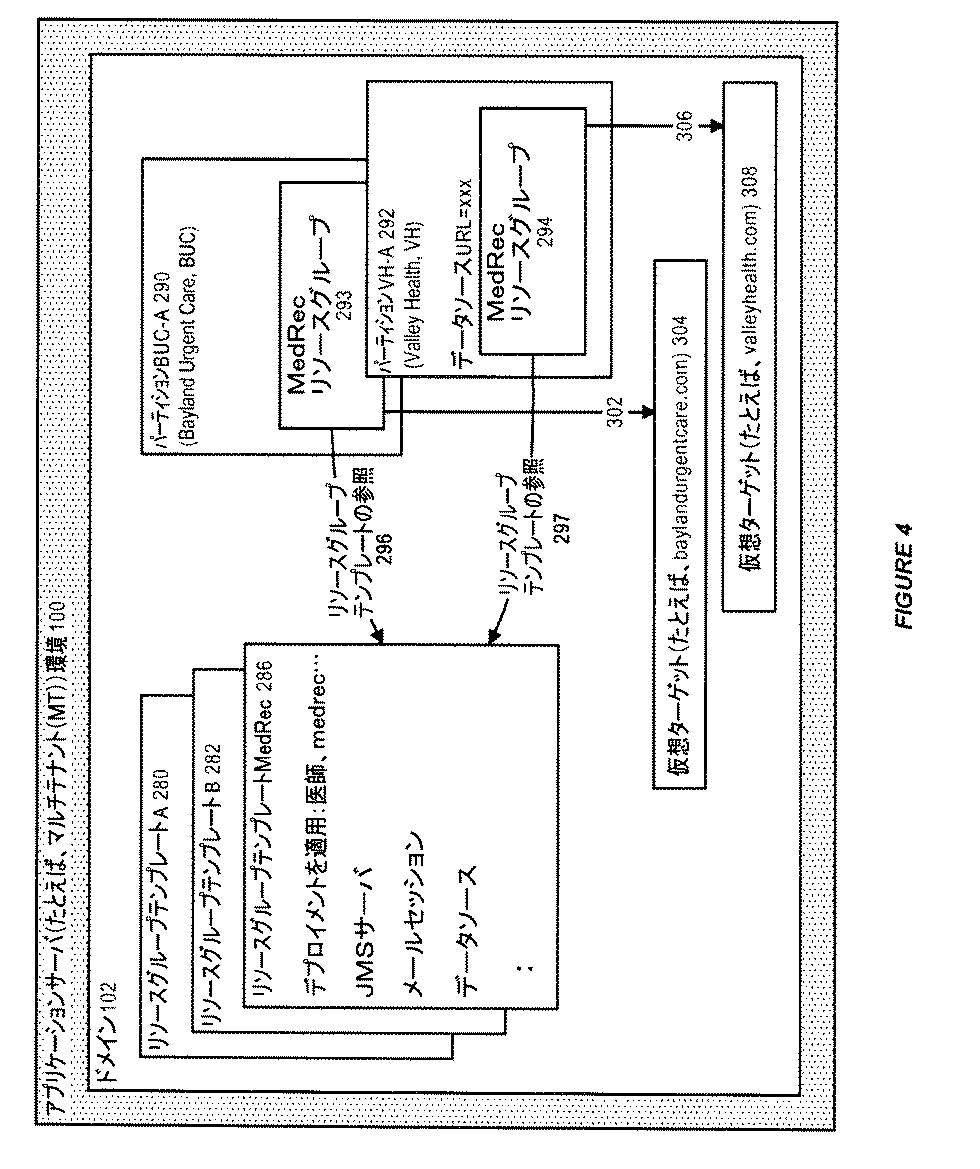
指定された失敗アクションは、ファイルオープン要求に対するIOExceptionの投入にマップすることができる。WLS RCMフレームワークは、パーティションP1についてのFILE_OPEN ResourceTypeを表わしているResourceAttributeについてのResourceDomainに制約を登録することによって、ファイルオープン要求を阻止することができる。 The specified failure action can be mapped to an IOException thrown for a file open request. The WLS RCM framework can block file open requests by registering constraints in the ResourceDomain for ResourceAttribute representing the FILE_OPEN ResourceType for partition P1.
一実施形態に従うと、システムによって実行される返還要求のうちのいくつかが消費の動作中に行なわれてもよい(たとえば、オープンファイル記述子リソースのために設定されたFAILトリガーにより、結果として、新しいファイルの生成中にIOExceptionが投入されることになる)。加えて、いくつかのアクションは、現在の消費要求の後に実行することができる(たとえば、CPUおよびヒープ使用についての通知が非同期的であり、すなわち、それらのリソースに基づいたトリガーに対する(結果として、関連するパーティションをシャットダウンすることとなる)「シャットダウン」返還要求が非同期的に実行される)。 According to one embodiment, some of the return requests performed by the system may be performed during consumption operations (eg, as a result of a FAIL trigger set for an open file descriptor resource, IOException will be thrown while creating a new file). In addition, some actions can be performed after the current consumption request (eg, notifications about CPU and heap usage are asynchronous, ie for triggers based on their resources (as a result (The associated partition will be shut down) A “shutdown” return request will be executed asynchronously).
一実施形態に従うと、同期的なアクションはJSR−284制約により実現することができ、非同期的なアクションはJSR−284通知により実現することができる。 According to one embodiment, synchronous actions can be implemented with JSR-284 constraints and asynchronous actions can be implemented with JSR-284 notifications.
公平共有ポリシーのインプリメンテーション
一実施形態に従うと、マルチテナントアプリケーションサーバ環境(たとえば、マルチパーティション環境におけるさまざまなパーティション)において、システムアドミニストレータがさまざまなリソースコンシューマに対してRM対応の共有リソースを「公平に」割当てることを定性的に保証し、かつ定量的に確実にすることが望ましい。
Fair Share Policy Implementation According to one embodiment, in a multi-tenant application server environment (eg, different partitions in a multi-partition environment), a system administrator can “fairly share” RM-enabled shared resources with different resource consumers. It is desirable to qualitatively ensure and quantitatively ensure allocation.
一実施形態に従うと、同じ公平共有値を有する2つのリソースドメインに対するリソースの割当ては、そのリソース割当てが不均等/不均一である場合、言い換えれば、一方のドメインのコンシューマのうちのいくつかに対するリソース割当てが他方のドメインと比べて偏っている場合、不公平であると見なされる。2つのリソースドメインは、さまざまなリソース要求パターンを有する可能性があり、いつでも即時に公平な共有を保証することが困難になる可能性がある。しかしながら、特に、パーティション間のリソース使用をそのリソースにとってのシステムの上限にまで推し進めているリソースにとって、両方のリソースドメインが競合/競争している場合には、リソース割当てをそれらの構成された公平共有の比率で維持することが依然として所望される。 According to one embodiment, the allocation of resources for two resource domains with the same fair share value is that if the resource allocation is unequal / non-uniform, in other words, resources for some of the consumers of one domain If the assignment is biased compared to the other domain, it is considered unfair. The two resource domains can have different resource request patterns and it can be difficult to guarantee fair sharing at any time. However, especially for resources that are pushing resource usage between partitions to the upper limit of the system for that resource, if both resource domains are competing / competing, their resource allocation is shared in their configured fair share It is still desirable to maintain this ratio.
一実施形態に従うと、リソース割当てにおける公平性は、個々のリソースドメインからのリソース消費要求の変化を明らかにするために一定期間にわたって計算することができる。時間をかけて公平性を計算して実施することができるので、公平性は、必ずしも、特定の時間窓における分布の(公平な共有分が等しい場合の)均一性を示唆するものではない。公平共有のポリシーインプリメンテーションは、特定のリソースコンシューマがウィンドウにおけるリソースのうちそれらの共有分を使用しなかった場合には、そのコンシューマのために指定された公平共有分よりも大きなリソースの共有分を一時的に割当てることを可能にする。しかしながら、時間とともに、ユーザによって指定された公平共有分と一致するように割当てを調整することができる。 According to one embodiment, fairness in resource allocation can be calculated over a period of time to account for changes in resource consumption requirements from individual resource domains. Since fairness can be calculated and implemented over time, fairness does not necessarily imply uniformity of distribution over a particular time window (if the fair share is equal). The fair share policy implementation is that if a particular resource consumer does not use those shares of the resources in the window, the share of resources that is larger than the fair share specified for that consumer. Can be temporarily allocated. However, over time, the allocation can be adjusted to match the fair share specified by the user.
公平共有のポリシーが一時的に過剰に割当てできる程度は、リソースのタイプにも基づき得る。たとえば、CPU利用などの「非制限の」リソースの場合、公平共有のインプリメンテーションは、それらの共有分だけ遅れをとっているコンシューマにリソースを提供するために、その直近時点まで非常にアクティブであったリソースコンシューマに十分に不足を生じさせることができる。しかしながら、ヒープ割当て/保持されたヒープなどの「制限された」、「使い捨て可能な」および「取り消し不可能な」リソースの場合、公平共有のポリシーインプリメンテーションは、(許可されたいずれの割当ても後には無効にすることができないので)それらの共有分だけ遅れをとっていたリソースコンシューマからのすべてのヒープ割当て要求を許可しない可能性がある。 The degree to which a fair share policy can be temporarily over-allocated can also be based on the type of resource. For example, in the case of “unrestricted” resources, such as CPU utilization, fair share implementations are very active up to that point in time to provide resources to consumers lagging behind those shares. It is possible to cause a sufficient shortage of existing resource consumers. However, for “restricted”, “disposable” and “non-cancelable” resources such as heap allocation / reserved heap, a fair share policy implementation (any allowed allocation) It may not allow all heap allocation requests from resource consumers that have been delayed by their share (because they cannot be disabled later).
一実施形態に従うと、公平共有のポリシーはシステムアドミニストレータに以下の保証を提供することができる。リソースに関する「競合」がある場合、および、「一定期間にわたって」2つのリソースドメインによる「均一な負荷」がある場合、2つのドメインに割当てられたリソースは、それらの2つのドメインのためにシステムアドミニストレータによって構成された公平共有分ごとに「大まか(roughly)」に共有される。 According to one embodiment, a fair share policy may provide the following guarantees to the system administrator: If there is a “contention” for resources, and there is a “uniform load” by two resource domains “over a period of time”, the resources assigned to the two domains are assigned to the system administrator for those two domains. Is shared "roughly" for each fair share made up by
一実施形態に従うと、公平共有のポリシーは、CPU利用およびヒープ保持型リソースタイプのためにサポートされる。これらの両方のリソースタイプに関して、JDKからの通知が消費後に提供され得る。これが行なわれると、公平共有のポリシーは、リソース消費のための要求時に正確に適用することができなくなる。保持されたヒープの場合、JDKからの通知はガーベッジコレクション(garbage collection:GC)サイクルにリンクすることができ、ヒープ消費要求がなされる時点より後に行なわれる可能性がある。CPU利用の場合、この利用は、固定された時間窓の後に決定することができる。 According to one embodiment, fair sharing policies are supported for CPU utilization and heap retention resource types. For both of these resource types, notifications from JDK can be provided after consumption. When this is done, the fair share policy cannot be applied accurately when requested for resource consumption. In the case of a retained heap, notifications from JDK can be linked to a garbage collection (GC) cycle and may occur after the point at which a heap consumption request is made. In the case of CPU usage, this usage can be determined after a fixed time window.
一実施形態に従うと、リソース消費のための要求は、パーティションのワークマネージャによってパーティションのために行なわれている作業に間接的にリンクさせることができる。したがって、パーティションのために実行されているワークインスタンスをパーティションのリソース消費に基づいて制御することができれば、そのリソースのための公平共有が依然として保証され得る。 According to one embodiment, the request for resource consumption can be indirectly linked to the work being done for the partition by the partition's work manager. Thus, if the work instances running for a partition can be controlled based on the resource consumption of the partition, fair sharing for that resource can still be guaranteed.
一実施形態に従うと、保持されたヒープの場合、事前に割当てられた如何なるヒープもシステムによって強制的に無効にすることができないので、公平共有のポリシーは、パーティションのワークマネージャの公平共有を制御することによって、ヒープの割当てを制御する。 According to one embodiment, in the case of a retained heap, the fair share policy controls the fair share of the partition's work managers because any pre-allocated heap cannot be forcibly disabled by the system. Control the allocation of the heap.
RCM構成
一実施形態に従うと、リソース消費マネージャ(resource consumption manager:RCM)ポリシーおよび返還要求は、システムアドミニストレータなどのアドミニストレータによって構成することができる。システムアドミニストレータはまた、再使用可能な定義を生成し、パーティションのためにカスタマイズされたポリシーを生成することができる。
RCM Configuration According to one embodiment, resource consumption manager (RCM) policies and return requests can be configured by an administrator, such as a system administrator. The system administrator can also create reusable definitions and create customized policies for partitions.
一実施形態に従うと、システムアドミニストレータは、複数のパーティションにわたって次に再使用することができるリソースマネージャ定義を生成することができる。たとえば、SaaS使用事例においては、ドメインを管理するシステムアドミニストレータは、特定の「クラス」の顧客のために生成するすべての新しいパーティション(たとえばブロンズ、シルバー、ゴールドのクラス)に適用することが所望され得る1セットのRCMポリシーを有してもよい。たとえば、ブロンズの顧客のパーティションは、ヒープおよびCPU使用に関するいくつかの管理されたリソースポリシーを有してもよい(たとえば、ヒープは2GBに制限される)。新しいブロンズの顧客が登録され、代わりにパーティションP2が生成されると、システムアドミニストレータが、ドメインレベルでブロンズのリソース管理ポリシーを生成することが可能となり、ブロンズのパーティションの生成中にそれを指し示すことが可能となる。次いで、ブロンズのリソースマネージャに含まれているすべてのポリシー構成が、P2のリソース管理ポリシーに適用される。リソースマネージャが追加される各々のパーティションは、その構成において定義されている管理されたリソースポリシーの「コピー」を得る。このため、たとえば、ブロンズのリソースマネージャがP2パーティションおよびP3パーティションに適用された。P2およびP3の各々には2GBのヒープ使用が許可される。 According to one embodiment, the system administrator can generate a resource manager definition that can then be reused across multiple partitions. For example, in a SaaS use case, a system administrator managing a domain may want to apply to all new partitions (eg, bronze, silver, gold classes) that are created for a particular “class” customer. You may have a set of RCM policies. For example, a bronze customer partition may have several managed resource policies regarding heap and CPU usage (eg, the heap is limited to 2 GB). When a new bronze customer is registered and partition P2 is created instead, the system administrator can generate a bronze resource management policy at the domain level, pointing to it during bronze partition generation. It becomes possible. All policy configurations contained in the bronze resource manager are then applied to the P2 resource management policy. Each partition to which a resource manager is added gets a “copy” of the managed resource policy defined in its configuration. Thus, for example, a bronze resource manager has been applied to the P2 and P3 partitions. Each of P2 and P3 is allowed 2GB heap usage.
一実施形態に従うと、システムアドミニストレータは、パーティションのためにカスタマイズされるポリシーを生成することができる。たとえば、統合の使用事例においては、システムアドミニストレータは、特定の部門のために生成されたパーティションについての固有のリソース消費管理ポリシーを指定することができる。そのパーティションについての新しいパーティション範囲指定されたリソース管理ポリシーを生成することが可能である。たとえば、システムアドミニストレータは会社のCEOのためのパーティションCEOを作成する。次いで、システムアドミニストレータはまた、システムにおいて定義された他のパーティションとは異なるそのパーティションにのみ適用可能である(たとえば、比較的高い公平共有分をパーティションに与える)特定の管理されたリソースポリシーを定義することもできる。 According to one embodiment, a system administrator can generate a customized policy for a partition. For example, in an integration use case, the system administrator can specify a unique resource consumption management policy for partitions created for a particular department. It is possible to create a new partition range specified resource management policy for that partition. For example, the system administrator creates a partition CEO for the company CEO. The system administrator then also defines a specific managed resource policy that is applicable only to that partition that is different from other partitions defined in the system (eg, giving the partition a relatively high fair share) You can also.
図10は、一実施形態に従った、アプリケーションサーバ環境におけるリソースの分離および消費を示す。図10は、ドメイン610を含むアプリケーションサーバ環境600を示す。ドメインは、パーティションA640およびパーティションB650を含み得る。パーティションAおよびBは、それぞれ、仮想ターゲットA645および仮想ターゲットB655に関連付けられたリソースグループ642および652を含む。図6に示されるように、パーティションAまたはパーティションBはまた、たとえば、パーティションが共有リソースの使用を必要とするアプリケーションを実行する際に、共有リソース660にアクセスすることができる。共有リソース660は、CPU、ヒープ、ネットワークおよびファイルなどのJDKリソースを含み得るが、これらに限定されない。
FIG. 10 illustrates resource isolation and consumption in an application server environment, according to one embodiment. FIG. 10 shows an application server environment 600 that includes a domain 610. The domain may include partition A640 and partition B650. Partitions A and B include
上述のとおり、システムアドミニストレータは、パーティション特有のリソース消費管理ポリシー1005および1015をそれぞれ定義することができる。これらのパーティション特有のリソース消費管理ポリシーは、パーティション特有のリソース予約1006および1016をそれぞれ含み、パーティション特有のリソース予約1007および1017をそれぞれ含み、かつ、パーティション特有のリソース通知1008および1018をそれぞれ含むように、構成することができる。
As described above, the system administrator can define partition specific resource consumption management policies 1005 and 1015, respectively. These partition-specific resource consumption management policies include partition-
一実施形態に従うと、パーティション特有のリソース消費管理ポリシーは、リソース管理ポリシーによって設定された構成済み条件が共有リソースに関してパーティションAまたはパーティションBのいずれかによって満たされたときに、動作またはタスクを実行するために、システムアドミニストレータによって、または適切な許可を有する別のものによって、構成することができる。これらの動作またはタスクは、制約または通知を含み得るがこれらに限定されない。制約の例は、パーティションによる共有リソースの使用の減速または停止を含む。通知の例は、アドミニストレータへの通知の記録または提供を含むがこれらに限定されない。 According to one embodiment, the partition-specific resource consumption management policy performs an operation or task when the configured condition set by the resource management policy is met by either partition A or partition B with respect to the shared resource. Can be configured by a system administrator or by another with appropriate permissions. These actions or tasks may include, but are not limited to, constraints or notifications. Examples of constraints include slowing down or stopping the use of shared resources by the partition. Examples of notifications include, but are not limited to, recording or providing notifications to an administrator.
以下は、指定されたパーティションについてのリソース管理ポリシーのための定義の具体的な一例である: The following is a specific example of a definition for a resource management policy for a specified partition:
一実施形態に従うと、すべてのRCM要素の動的な再構成をサポートすることができる。いくつかの状況においては、リソース消費管理ポリシーの再構成のためにパーティションおよびサーバを再始動させる必要はない。 According to one embodiment, dynamic reconfiguration of all RCM elements can be supported. In some situations, it is not necessary to restart the partition and server for reconfiguration of resource consumption management policies.
リソースの分離および消費
ここで、一実施形態に従った、アプリケーションサーバ環境におけるリソースの分離および消費のための方法についてのフローチャートを示す図11を参照する。例示的な方法は、アプリケーションサーバ環境を含み当該アプリケーションサーバ環境が実行されている1つ以上のコンピュータにおいて、アプリケーションサーバ環境内で用いることができる複数のリソースと、各々がドメインの管理および実行時間下位区分を備える1つ以上のパーティションとを提供するステップ1110から開始可能である。当該方法は、複数のリソースについての各パーティションの使用を監視するためにリソース消費管理モジュールを構成するステップ1120に続き得る。リソース消費管理モジュールは、リソース予約、リソース制約およびリソース通知からなる群のうち少なくとも1つのメンバを含む。
Resource Separation and Consumption Reference is now made to FIG. 11, which shows a flowchart for a method for resource separation and consumption in an application server environment, according to one embodiment. An exemplary method includes a plurality of resources that can be used in an application server environment, including one in which the application server environment is running, and the application server environment is running, each of which is a domain management and execution time subordinate One can start at
この発明は、この開示の教示に従ってプログラミングされた1つ以上のプロセッサ、メモリおよび/またはコンピュータ読取可能記憶媒体を含む、1つ以上の従来の汎用または特化型デジタルコンピュータ、コンピューティング装置、マシン、またはマイクロプロセッサを使用して都合よく実現されてもよい。ソフトウェア技術の当業者には明らかであるように、この開示の教示に基づいて、適切なソフトウェアコーディングが、熟練したプログラマによって容易に準備され得る。 The present invention includes one or more conventional general purpose or specialized digital computers, computing devices, machines, including one or more processors, memory and / or computer readable storage media programmed in accordance with the teachings of this disclosure. Or it may be conveniently implemented using a microprocessor. Appropriate software coding can readily be prepared by skilled programmers based on the teachings of this disclosure, as will be apparent to those skilled in the software art.
実施形態によっては、本発明は、本発明のプロセスのうちいずれかを実行するためにコンピュータをプログラムするのに使用できる命令が格納された非一時的な記録媒体または(1つまたは複数の)コンピュータ読取可能な媒体であるコンピュータプログラムプロダクトを含む。この記録媒体は、フロッピー(登録商標)ディスク、光ディスク、DVD、CD−ROM、マイクロドライブ、および光磁気ディスクを含む、任意の種類のディスク、ROM、RAM、EPROM、EEPROM、DRAM、VRAM、フラッシュメモリデバイス、磁気もしくは光カード、ナノシステム(分子メモリICを含む)、または、命令および/もしくはデータを格納するのに適した任意の種類の媒体もしくはデバイスを含み得るものの、これらに限定されない。 In some embodiments, the present invention provides a non-transitory recording medium or computer (s) that stores instructions that can be used to program a computer to perform any of the processes of the present invention. Includes computer program products that are readable media. This recording medium can be any type of disk, including floppy (registered trademark) disk, optical disk, DVD, CD-ROM, microdrive, and magneto-optical disk, ROM, RAM, EPROM, EEPROM, DRAM, VRAM, flash memory It may include, but is not limited to, devices, magnetic or optical cards, nanosystems (including molecular memory ICs), or any type of media or device suitable for storing instructions and / or data.
本発明のこれまでの記載は例示および説明を目的として提供されている。すべてを網羅するまたは本発明を開示された形態そのものに限定することは意図されていない。当業者には数多くの変更および変形が明らかであろう。実施の形態は、本発明の原理およびその実際の応用を最もうまく説明することによって他の当業者がさまざまな実施の形態および意図している特定の用途に適したさまざまな変形を理解できるようにするために、選択され説明されている。本発明の範囲は添付の特許請求の範囲およびそれらの同等例によって規定されるものと意図されている。 The foregoing description of the present invention has been presented for purposes of illustration and description. It is not intended to be exhaustive or to limit the invention to the precise form disclosed. Many modifications and variations will be apparent to the practitioner skilled in the art. The embodiments are described so that others skilled in the art can appreciate the various embodiments and various modifications suitable for the particular application intended by best describing the principles of the invention and its practical application. To be selected and explained. It is intended that the scope of the invention be defined by the appended claims and their equivalents.
Claims (22)
1つ以上のコンピュータを含み、前記1つ以上のコンピュータは、前記1つ以上のコンピュータ上で実行されるアプリケーションサーバ環境を含むとともに、
前記アプリケーションサーバ環境内で用いることができる複数のリソースと、
各々がドメインの管理および実行時間下位区分を備える1つ以上のパーティションとを含み、前記システムはさらに、
構成可能なリソース消費管理モジュールを含み、前記構成可能なリソース消費管理モジュールは、複数のリソース予約、複数のリソース制約および複数のリソース通知からなる群のうち少なくとも1つのメンバを含み、
前記リソース消費管理モジュールは、前記複数のリソースについての各パーティションの使用を監視するように構成される、システム。 A system for resource isolation and consumption in an application server environment,
Including one or more computers, the one or more computers including an application server environment running on the one or more computers;
A plurality of resources that can be used within the application server environment; and
One or more partitions each comprising domain management and runtime subdivisions, the system further comprising:
A configurable resource consumption management module, the configurable resource consumption management module including at least one member of a group consisting of a plurality of resource reservations, a plurality of resource constraints and a plurality of resource notifications;
The resource consumption management module is configured to monitor usage of each partition for the plurality of resources.
アプリケーションサーバ環境を含み、前記アプリケーションサーバ環境が実行されている1つ以上のコンピュータにおいて、
前記アプリケーションサーバ環境内で用いることができる複数のリソースと、
各々がドメインの管理および実行時間下位区分を備える1つ以上のパーティションとを提供するステップと、
前記複数のリソースについての各パーティションの使用を監視するようにリソース消費管理モジュールを構成するステップとを含み、前記リソース消費管理モジュールは、複数のリソース予約、複数のリソース制約および複数のリソース通知からなる群のうち少なくとも1つのメンバを含む、方法。 A method for resource isolation and consumption in an application server environment, comprising:
In one or more computers including an application server environment, wherein the application server environment is running,
A plurality of resources that can be used within the application server environment; and
Providing one or more partitions, each comprising domain management and runtime subdivisions;
Configuring a resource consumption management module to monitor use of each partition for the plurality of resources, the resource consumption management module comprising a plurality of resource reservations, a plurality of resource constraints, and a plurality of resource notifications. A method comprising at least one member of a group.
アプリケーションサーバ環境を含み、前記アプリケーションサーバ環境が実行されている1つ以上のコンピュータにおいて、
前記アプリケーションサーバ環境内で用いることができる複数のリソースと、
各々がドメインの管理および実行時間下位区分を備える1つ以上のパーティションとを提供するステップと、
前記複数のリソースについての各パーティションの使用を監視するようにリソース消費管理モジュールを構成するステップとを含む複数のステップを実行させ、
前記リソース消費管理モジュールは、複数のリソース予約、複数のリソース制約および複数のリソース通知からなる群のうち少なくとも1つのメンバを含む、非一時的なコンピュータ読取り可能記憶媒体。 A non-transitory computer-readable storage medium that stores instructions for resource isolation and consumption in an application server environment, the instructions being read and executed by one or more computers The one or more computers,
In one or more computers including an application server environment, wherein the application server environment is running,
A plurality of resources that can be used within the application server environment; and
Providing one or more partitions, each comprising domain management and runtime subdivisions;
Configuring a resource consumption management module to monitor the use of each partition for the plurality of resources,
The non-transitory computer readable storage medium, wherein the resource consumption management module includes at least one member of a group consisting of a plurality of resource reservations, a plurality of resource constraints, and a plurality of resource notifications.
前記1つ以上のパーティションのうちのパーティションが、予め定義された量を上回る前記複数の共有リソースを用いる場合、制約アクションを実行するように前記複数のリソース制約を構成するステップを含む、請求項18に記載の非一時的なコンピュータ読取り可能記憶媒体。 The plurality of steps include:
19. Configuring the plurality of resource constraints to perform a constraint action if a partition of the one or more partitions uses the plurality of shared resources above a predefined amount. A non-transitory computer readable storage medium according to claim 1.
前記1つ以上のパーティションのうちのパーティションが予め定義された量を上回る前記複数の共有リソースを用いる場合、通知アクションを提供するように前記複数のリソース通知を構成するステップを含む、請求項18から20のいずれかに記載の非一時的なコンピュータ読取り可能記憶媒体。 The plurality of steps further includes:
19. Configuring the plurality of resource notifications to provide a notification action when a partition of the one or more partitions uses a plurality of shared resources that exceeds a predefined amount. 21. A non-transitory computer readable storage medium according to any one of 20.
Applications Claiming Priority (7)
| Application Number | Priority Date | Filing Date | Title |
|---|---|---|---|
| US201462023076P | 2014-07-10 | 2014-07-10 | |
| US62/023,076 | 2014-07-10 | ||
| US201462054901P | 2014-09-24 | 2014-09-24 | |
| US62/054,901 | 2014-09-24 | ||
| US14/795,427 | 2015-07-09 | ||
| US14/795,427 US10284486B2 (en) | 2014-07-10 | 2015-07-09 | System and method for resource isolation and consumption in a multitenant application server environment |
| PCT/US2015/040048 WO2016007922A1 (en) | 2014-07-10 | 2015-07-10 | System and method for resource isolation and consumption in a multitenant application server environment |
Publications (3)
| Publication Number | Publication Date |
|---|---|
| JP2017525035A true JP2017525035A (en) | 2017-08-31 |
| JP2017525035A5 JP2017525035A5 (en) | 2018-03-15 |
| JP6564013B2 JP6564013B2 (en) | 2019-08-21 |
Family
ID=53758536
Family Applications (1)
| Application Number | Title | Priority Date | Filing Date |
|---|---|---|---|
| JP2017500981A Active JP6564013B2 (en) | 2014-07-10 | 2015-07-10 | System and method for resource isolation and consumption in a multi-tenant application server environment |
Country Status (6)
| Country | Link |
|---|---|
| US (3) | US10284486B2 (en) |
| EP (1) | EP3167369A1 (en) |
| JP (1) | JP6564013B2 (en) |
| KR (1) | KR102421672B1 (en) |
| CN (1) | CN106663035B (en) |
| WO (1) | WO2016007922A1 (en) |
Families Citing this family (46)
| Publication number | Priority date | Publication date | Assignee | Title |
|---|---|---|---|---|
| US10860605B2 (en) | 2012-09-28 | 2020-12-08 | Oracle International Corporation | Near-zero downtime relocation of a pluggable database across container databases |
| US10635674B2 (en) | 2012-09-28 | 2020-04-28 | Oracle International Corporation | Migrating a pluggable database between database server instances with minimal impact to performance |
| US10103946B2 (en) | 2014-01-21 | 2018-10-16 | Oracle International Corporation | System and method for JMS integration in a multitenant application server environment |
| JP6461167B2 (en) | 2014-01-21 | 2019-01-30 | オラクル・インターナショナル・コーポレイション | System and method for supporting multi-tenancy in an application server, cloud or other environment |
| US10187454B2 (en) | 2014-01-21 | 2019-01-22 | Oracle International Corporation | System and method for dynamic clustered JMS in an application server environment |
| US10474998B2 (en) | 2014-01-21 | 2019-11-12 | Oracle International Corporation | System and method for messaging in a multitenant application server environment |
| US10476938B2 (en) | 2014-01-21 | 2019-11-12 | Oracle International Corporation | System and method for multitenancy store in a multitenant application server environment |
| US10873627B2 (en) | 2014-06-23 | 2020-12-22 | Oracle International Corporation | System and method for supporting use of an in-memory data grid with a multitenant application server environment |
| US10027550B2 (en) | 2014-06-23 | 2018-07-17 | Oracle International Corporation | System and method for multitenant-aware console for use in a multitenant application server environment |
| US11477278B2 (en) | 2014-06-24 | 2022-10-18 | Oracle International Corporation | System and method for supporting partitions in a multitenant application server environment |
| US10469401B2 (en) | 2014-09-25 | 2019-11-05 | Oracle International Corporation | System and method for supporting lifecycle plugins in a multitenant application server environment |
| US9747137B2 (en) * | 2014-09-25 | 2017-08-29 | Oracle International Corporation | System and method for providing a partition file system in a multitenant application server environment |
| US10382537B2 (en) | 2014-09-25 | 2019-08-13 | Oracle International Corporation | System and method for use of a global runtime in a multitenant application server environment |
| US10348565B2 (en) | 2014-09-25 | 2019-07-09 | Oracle International Corporation | System and method for rule-based elasticity in a multitenant application server environment |
| US10050903B2 (en) | 2014-09-26 | 2018-08-14 | Oracle International Corporation | System and method for multi-tenancy enablement of enterprise JAVA (TM) applications using resource proxies and application tenancy context |
| CN107077382B (en) * | 2014-09-26 | 2021-07-16 | 甲骨文国际公司 | System and method for transaction recovery in a multi-tenant application server environment |
| US11057272B2 (en) | 2014-09-26 | 2021-07-06 | Oracle International Corporation | System and method for transactions in a multitenant application server environment |
| US10091135B2 (en) | 2014-09-26 | 2018-10-02 | Oracle International Corporation | System and method for multi-tenancy enablement of enterprise java applications using resource proxies and application tenancy context |
| US9906420B2 (en) | 2014-12-22 | 2018-02-27 | International Business Machines Corporation | Dynamic boundary based monitoring and metering |
| US10250512B2 (en) | 2015-01-21 | 2019-04-02 | Oracle International Corporation | System and method for traffic director support in a multitenant application server environment |
| US20160381027A1 (en) * | 2015-06-29 | 2016-12-29 | Location Sentry Corp | System and method for detecting and reporting surreptitious usage |
| CN105956138B (en) * | 2016-05-11 | 2019-07-12 | 北京百度网讯科技有限公司 | The control method and device of database connection |
| US10282595B2 (en) | 2016-06-24 | 2019-05-07 | International Business Machines Corporation | Facial recognition encode analysis |
| US11546761B2 (en) * | 2017-05-09 | 2023-01-03 | Intel Corporation | Access control in an observe-notify network using callback |
| US11075799B2 (en) | 2017-08-24 | 2021-07-27 | Oracle International Corporation | System and method for provisioning in a multi-tenant application server environment |
| US11729072B2 (en) | 2017-09-05 | 2023-08-15 | Nokia Solutions And Networks Oy | Method and apparatus for SLA management in distributed cloud environments |
| US11416235B2 (en) | 2017-09-28 | 2022-08-16 | Oracle International Corporation | System and method for managed server independence for deployment of software applications and libraries |
| US11386058B2 (en) * | 2017-09-29 | 2022-07-12 | Oracle International Corporation | Rule-based autonomous database cloud service framework |
| US11327932B2 (en) | 2017-09-30 | 2022-05-10 | Oracle International Corporation | Autonomous multitenant database cloud service framework |
| JP7595320B2 (en) | 2017-10-16 | 2024-12-06 | マサチューセッツ インスティテュート オブ テクノロジー | Systems, devices and methods for non-invasive hematological measurements |
| US10990519B2 (en) | 2018-11-01 | 2021-04-27 | International Business Machines Corporation | Multi-tenant cloud elastic garbage collector |
| US11979334B2 (en) * | 2019-07-22 | 2024-05-07 | International Business Machines Corporation | Internet activity compartmentalization |
| EP4529839A3 (en) | 2019-07-24 | 2025-04-16 | Massachusetts Institute of Technology | Finger inserts for a nailfold imaging device |
| US11271958B2 (en) | 2019-09-20 | 2022-03-08 | International Business Machines Corporation | Efficient unsupervised anomaly detection on homomorphically encrypted data |
| US11157338B2 (en) | 2019-10-30 | 2021-10-26 | International Business Machines Corporation | Throttling using message partitioning and buffering |
| KR102496115B1 (en) | 2019-11-28 | 2023-02-06 | 한국전자통신연구원 | Apparatus and Method of Altruistic Scheduling based on Reinforcement Learning |
| US10715463B1 (en) * | 2020-02-20 | 2020-07-14 | Robert Gelfond | System and method for controlling access to resources in a multicomputer network |
| KR102951905B1 (en) | 2020-05-20 | 2026-04-10 | 삼성전자주식회사 | Storage device supporting multi tenancy and operating method thereof |
| US11354161B2 (en) * | 2020-08-10 | 2022-06-07 | Bank Of America Corporation | Controlling memory utilization by a topic in a publish-subscribe environment |
| LU102091B1 (en) * | 2020-09-29 | 2022-03-29 | Microsoft Technology Licensing Llc | Zone hints for zoned namespace storage devices |
| US20220159010A1 (en) * | 2020-11-16 | 2022-05-19 | Diamanti, Inc. | Creating user roles and granting access to objects for user management to support multi-tenancy in a multi-clustered environment |
| US11983151B2 (en) | 2021-05-28 | 2024-05-14 | Oracle International Corporation | Resilience based database placement in clustered environment |
| US11662922B2 (en) | 2021-10-18 | 2023-05-30 | Hewlett Packard Enterprise Development Lp | Shared storage allocation among data services |
| US11994963B2 (en) | 2022-01-18 | 2024-05-28 | Oracle International Corporation | Dynamic hierarchical placement of consolidated and pluggable databases in autonomous environments |
| CN114756170B (en) * | 2022-04-02 | 2023-03-24 | 苏州空天信息研究院 | Storage isolation system and method for container application |
| CN117687803B (en) * | 2024-02-04 | 2024-04-30 | 中国人民解放军军事科学院系统工程研究院 | Tenant resource allocation method, device, equipment and storage medium |
Citations (3)
| Publication number | Priority date | Publication date | Assignee | Title |
|---|---|---|---|---|
| JP2001134452A (en) * | 1999-09-10 | 2001-05-18 | Sun Microsyst Inc | Apparatus and method for managing resource use |
| JP2003223335A (en) * | 2002-01-30 | 2003-08-08 | Nec Corp | Out-sourcing system, out-sourcing method, and program for out-sourcing |
| JP2009176097A (en) * | 2008-01-25 | 2009-08-06 | Mitsubishi Electric Corp | Service management apparatus and program |
Family Cites Families (20)
| Publication number | Priority date | Publication date | Assignee | Title |
|---|---|---|---|---|
| US8429630B2 (en) * | 2005-09-15 | 2013-04-23 | Ca, Inc. | Globally distributed utility computing cloud |
| JP5256744B2 (en) | 2008-01-16 | 2013-08-07 | 日本電気株式会社 | Resource allocation system, resource allocation method and program |
| CN101639835A (en) | 2008-07-30 | 2010-02-03 | 国际商业机器公司 | Method and device for partitioning application database in multi-tenant scene |
| US8898267B2 (en) * | 2009-01-19 | 2014-11-25 | Netapp, Inc. | Modifying information lifecycle management rules in a distributed system |
| CN102170457A (en) | 2010-02-26 | 2011-08-31 | 国际商业机器公司 | Method and device for providing service for tenants of application |
| US8775626B2 (en) | 2010-09-17 | 2014-07-08 | Microsoft Corporation | Using templates to configure cloud resources |
| KR20120045586A (en) | 2010-10-29 | 2012-05-09 | 한국전자통신연구원 | Apparatus and method for setting saas(software as a service) applications for multi-tenant |
| CN102681899B (en) * | 2011-03-14 | 2015-06-10 | 金剑 | Virtual computing resource dynamic management system of cloud computing service platform |
| CN102333115A (en) | 2011-09-01 | 2012-01-25 | 杭州湾云计算技术有限公司 | Method and device for transforming existing Web application into SaaS multi-tenant application |
| US8589481B2 (en) | 2011-09-14 | 2013-11-19 | Microsoft Corporation | Multi tenant access to applications |
| US8635152B2 (en) | 2011-09-14 | 2014-01-21 | Microsoft Corporation | Multi tenancy for single tenancy applications |
| US8621178B1 (en) * | 2011-09-22 | 2013-12-31 | Emc Corporation | Techniques for data storage array virtualization |
| US20130081109A1 (en) | 2011-09-23 | 2013-03-28 | Corent Technology, Inc. | Multi-Tenant Agile Database Connector |
| CN102571916B (en) | 2011-12-02 | 2015-11-04 | 曙光信息产业(北京)有限公司 | A kind of framework of renting software of cloud memory space and method of operation |
| CN102609271B (en) | 2012-02-20 | 2014-09-10 | 山东大学 | Metadata-driven visual SaaS (Software as a Service) application customizing method and metadata-driven visual SaaS application customizing system |
| CN102571821A (en) | 2012-02-22 | 2012-07-11 | 浪潮电子信息产业股份有限公司 | Cloud security access control model |
| US8892945B2 (en) * | 2012-04-02 | 2014-11-18 | International Business Machines Corporation | Efficient application management in a cloud with failures |
| US8918448B2 (en) * | 2012-05-11 | 2014-12-23 | International Business Machines Corporation | Application component decomposition and deployment |
| CN103455512A (en) | 2012-05-31 | 2013-12-18 | 上海博腾信息科技有限公司 | Multi-tenant data management model for SAAS (software as a service) platform |
| US9384056B2 (en) * | 2012-09-11 | 2016-07-05 | Red Hat Israel, Ltd. | Virtual resource allocation and resource and consumption management |
-
2015
- 2015-07-09 US US14/795,427 patent/US10284486B2/en active Active
- 2015-07-10 WO PCT/US2015/040048 patent/WO2016007922A1/en not_active Ceased
- 2015-07-10 CN CN201580035413.6A patent/CN106663035B/en active Active
- 2015-07-10 JP JP2017500981A patent/JP6564013B2/en active Active
- 2015-07-10 EP EP15742463.1A patent/EP3167369A1/en not_active Ceased
- 2015-07-10 KR KR1020177003705A patent/KR102421672B1/en active Active
-
2019
- 2019-03-19 US US16/358,342 patent/US10673776B2/en active Active
-
2020
- 2020-04-29 US US16/862,097 patent/US11394657B2/en active Active
Patent Citations (3)
| Publication number | Priority date | Publication date | Assignee | Title |
|---|---|---|---|---|
| JP2001134452A (en) * | 1999-09-10 | 2001-05-18 | Sun Microsyst Inc | Apparatus and method for managing resource use |
| JP2003223335A (en) * | 2002-01-30 | 2003-08-08 | Nec Corp | Out-sourcing system, out-sourcing method, and program for out-sourcing |
| JP2009176097A (en) * | 2008-01-25 | 2009-08-06 | Mitsubishi Electric Corp | Service management apparatus and program |
Also Published As
| Publication number | Publication date |
|---|---|
| US10673776B2 (en) | 2020-06-02 |
| US20190215279A1 (en) | 2019-07-11 |
| US20200259761A1 (en) | 2020-08-13 |
| US10284486B2 (en) | 2019-05-07 |
| CN106663035A (en) | 2017-05-10 |
| US20160014038A1 (en) | 2016-01-14 |
| WO2016007922A1 (en) | 2016-01-14 |
| KR20170032360A (en) | 2017-03-22 |
| CN106663035B (en) | 2020-11-03 |
| US11394657B2 (en) | 2022-07-19 |
| KR102421672B1 (en) | 2022-07-15 |
| JP6564013B2 (en) | 2019-08-21 |
| EP3167369A1 (en) | 2017-05-17 |
Similar Documents
| Publication | Publication Date | Title |
|---|---|---|
| JP6564013B2 (en) | System and method for resource isolation and consumption in a multi-tenant application server environment | |
| US12124878B2 (en) | System and method for scheduling resources within a compute environment using a scheduler process with reservation mask function | |
| US11681562B2 (en) | Resource manager for managing the sharing of resources among multiple workloads in a distributed computing environment | |
| US8627328B2 (en) | Operation control for deploying and managing software service in a virtual environment | |
| CN102511034B (en) | Based on the system and method that the application of service condition is permitted in virtual machine monitor virtual execution environment | |
| JP6542810B2 (en) | System and method for providing a work manager in a multi-tenant application server environment | |
| US11467874B2 (en) | System and method for resource management | |
| US7890712B2 (en) | Method, apparatus and program product for managing memory in a virtual computing system | |
| US11748168B2 (en) | Flexible batch job scheduling in virtualization environments | |
| US10860385B2 (en) | Method and system for allocating and migrating workloads across an information technology environment based on persistent memory availability | |
| US20170371724A1 (en) | Event-driven computing | |
| CN114175602B (en) | Systems and methods for cloud-based resources | |
| JP2020502641A (en) | Compute resource allocation | |
| CN107493176B (en) | A billing method and system | |
| CN113396392A (en) | Increasing processing power of virtual machines for exception events | |
| JP7753541B2 (en) | Communication method and device | |
| US8973008B2 (en) | Combining different resource types | |
| Kuster | Exhaustive Assembly of Framework Requirements Necessary to Practically Deploy the Greediness Alignment Algorithm (GAA) | |
| Nouri | Decentralised Utility-driven Elasticity Management For Cloud Applications |
Legal Events
| Date | Code | Title | Description |
|---|---|---|---|
| A521 | Request for written amendment filed |
Free format text: JAPANESE INTERMEDIATE CODE: A523 Effective date: 20180205 |
|
| A621 | Written request for application examination |
Free format text: JAPANESE INTERMEDIATE CODE: A621 Effective date: 20180205 |
|
| A977 | Report on retrieval |
Free format text: JAPANESE INTERMEDIATE CODE: A971007 Effective date: 20181114 |
|
| A131 | Notification of reasons for refusal |
Free format text: JAPANESE INTERMEDIATE CODE: A131 Effective date: 20190108 |
|
| A601 | Written request for extension of time |
Free format text: JAPANESE INTERMEDIATE CODE: A601 Effective date: 20190408 |
|
| A521 | Request for written amendment filed |
Free format text: JAPANESE INTERMEDIATE CODE: A523 Effective date: 20190530 |
|
| TRDD | Decision of grant or rejection written | ||
| A01 | Written decision to grant a patent or to grant a registration (utility model) |
Free format text: JAPANESE INTERMEDIATE CODE: A01 Effective date: 20190702 |
|
| A61 | First payment of annual fees (during grant procedure) |
Free format text: JAPANESE INTERMEDIATE CODE: A61 Effective date: 20190725 |
|
| R150 | Certificate of patent or registration of utility model |
Ref document number: 6564013 Country of ref document: JP Free format text: JAPANESE INTERMEDIATE CODE: R150 |
|
| R250 | Receipt of annual fees |
Free format text: JAPANESE INTERMEDIATE CODE: R250 |
|
| R250 | Receipt of annual fees |
Free format text: JAPANESE INTERMEDIATE CODE: R250 |
|
| R250 | Receipt of annual fees |
Free format text: JAPANESE INTERMEDIATE CODE: R250 |
|
| R250 | Receipt of annual fees |
Free format text: JAPANESE INTERMEDIATE CODE: R250 |