JP2016115288A - System, method and program of collecting data - Google Patents
System, method and program of collecting data Download PDFInfo
- Publication number
- JP2016115288A JP2016115288A JP2014255623A JP2014255623A JP2016115288A JP 2016115288 A JP2016115288 A JP 2016115288A JP 2014255623 A JP2014255623 A JP 2014255623A JP 2014255623 A JP2014255623 A JP 2014255623A JP 2016115288 A JP2016115288 A JP 2016115288A
- Authority
- JP
- Japan
- Prior art keywords
- target data
- list
- index
- attribute
- word
- Prior art date
- Legal status (The legal status is an assumption and is not a legal conclusion. Google has not performed a legal analysis and makes no representation as to the accuracy of the status listed.)
- Granted
Links
Images

Classifications
-
- G—PHYSICS
- G06—COMPUTING OR CALCULATING; COUNTING
- G06F—ELECTRIC DIGITAL DATA PROCESSING
- G06F16/00—Information retrieval; Database structures therefor; File system structures therefor
- G06F16/30—Information retrieval; Database structures therefor; File system structures therefor of unstructured textual data
- G06F16/31—Indexing; Data structures therefor; Storage structures
- G06F16/316—Indexing structures
- G06F16/319—Inverted lists
Landscapes
- Engineering & Computer Science (AREA)
- Theoretical Computer Science (AREA)
- Software Systems (AREA)
- Data Mining & Analysis (AREA)
- Databases & Information Systems (AREA)
- Physics & Mathematics (AREA)
- General Engineering & Computer Science (AREA)
- General Physics & Mathematics (AREA)
- Information Retrieval, Db Structures And Fs Structures Therefor (AREA)
Abstract
Description
本発明は、データを集計するシステム、方法およびプログラムに関し、特に所定の属性を有する対象データの集合中から所定の属性を集計する技術に関する。 The present invention relates to a system, a method, and a program for counting data, and more particularly to a technique for counting predetermined attributes from a set of target data having predetermined attributes.
複数種類の属性を持つ大量のデータに対する集計操作の一つに、処理対象として指定されたデータ(以下、対象データ)の集合中に出現する属性を、ある規則に基づいて各属性に付与された値である点数(重み、スコア)の高いものから順にk種類求める集計操作がある。この集計操作は、Top−k等とも呼ばれる。例えば、対象データが文書(テキスト)で、属性がその文書に含まれる単語である場合を考える。また、属性である各単語に付与される点数を全文書中の出現数とする。このとき、特定の条件を満たす複数の文書だけに出現する単語のうち、出現頻度上位k個の単語を求める操作は、Top−kの集計操作の一例である。 An attribute that appears in a set of data specified as a processing target (hereinafter referred to as target data) is assigned to each attribute based on a certain rule as one of the aggregation operations for a large amount of data with multiple types of attributes. There is a totaling operation for obtaining k types in descending order of values (weights, scores) as values. This aggregation operation is also called Top-k or the like. For example, consider a case where the target data is a document (text) and the attribute is a word included in the document. Further, the score given to each word as an attribute is the number of appearances in all documents. At this time, the operation for obtaining the k words having the highest appearance frequency among the words appearing only in the plurality of documents satisfying the specific condition is an example of the Top-k counting operation.
この種の従来技術として、テキストの識別情報から当該テキストに含まれるキーワードのリストを指定する第1インデックス(DOC_TO_KEYインデックス)と、キーワードの識別情報から当該キーワードを含むテキストのリストを指定する第2インデックス(KEY_TO_DOCインデックス)とを用いて、テキストを検索する技術がある(特許文献1参照)。ここで、テキストは上記の「対象データ」の一例であり、キーワードは上記の「属性」の一例である。この従来技術では、検索条件の入力を受け付けると、まず、第1インデックスによる検索時間および第2インデックスによる検索時間を見積もる。そして、より高速であると判断されたインデックスを用いて検索する。 As this type of prior art, a first index (DOC_TO_KEY index) that specifies a list of keywords included in the text from the identification information of the text, and a second index that specifies a list of texts including the keyword from the identification information of the keyword There is a technique for searching for a text using (KEY_TO_DOC index) (see Patent Document 1). Here, the text is an example of the “target data” and the keyword is an example of the “attribute”. In this prior art, when an input of a search condition is accepted, first, the search time based on the first index and the search time based on the second index are estimated. Then, the search is performed using the index determined to be faster.
KEY_TO_DOCインデックス(以下、KtoDインデックスと略記する)を用いた処理は、例えば、次のような手順による処理となる。すなわち、まず、出現頻度の高い順に属性を順次選択する。そして、選択された属性を含む対象データのリストが、検索条件を満たすか否かを判断する。そして、検索条件を満たす対象データの数が多い順にk個の属性を選択する。これにより、選択された属性が集計結果となる。しかし、この処理は、集計される対象となる属性の種類が多い場合、多大な処理時間を要する。 Processing using the KEY_TO_DOC index (hereinafter abbreviated as KtoD index) is, for example, processing according to the following procedure. That is, first, attributes are sequentially selected in descending order of appearance frequency. Then, it is determined whether the target data list including the selected attribute satisfies the search condition. Then, k attributes are selected in descending order of the number of target data satisfying the search condition. Thereby, the selected attribute becomes the total result. However, this processing requires a lot of processing time when there are many types of attributes to be aggregated.
DOC_TO_KEYインデックス(以下、DtoKインデックスと略記する)を用いた処理は、例えば、次のような手順による処理となる。すなわち、まず、検索条件を満たす対象データを選択する。そして、選択された対象データの識別情報に対応する属性のリストを取得する。そして、リストに示された属性を含む対象データの数を属性毎に集計する。しかし、この処理は、対象データの数が多い場合、多大な処理時間を要する。 Processing using the DOC_TO_KEY index (hereinafter abbreviated as DtoK index) is, for example, processing according to the following procedure. That is, first, target data that satisfies the search condition is selected. Then, a list of attributes corresponding to the identification information of the selected target data is acquired. Then, the number of target data including the attributes shown in the list is totaled for each attribute. However, this processing requires a great amount of processing time when the number of target data is large.
特許文献1の従来技術は、上記2種類のインデックスを有し、各インデックスを用いた処理に要する時間を見積もり、より短時間で実行可能と判断した処理を実行するものである。しかし、この従来技術は、KtoDインデックスとDtoKインデックスの両方を有するため、インデックスを保持するために必要なメモリ領域(記憶容量)が大きい。
The prior art of
また、KtoDインデックスに関しては、対象データが追加された場合、追加された対象データおよびその属性に対応させるためにはインデックスを作成しなおさなければならず、更新処理が煩雑であった。 Further, regarding the KtoD index, when target data is added, the index must be recreated in order to correspond to the added target data and its attributes, and the update process is complicated.
そこで本発明は、上記の集計処理を行う技術において、KtoDインデックスとDtoKインデックスの両方を用意する場合と比較して、必要なメモリ領域(記憶容量)を削減し、かつ、対象データや属性の更新処理に要する手間を削減することを目的とする。 Therefore, the present invention reduces the necessary memory area (storage capacity) and updates the target data and attributes in the technique for performing the aggregation processing as compared with the case where both the KtoD index and the DtoK index are prepared. The purpose is to reduce the labor required for processing.
上記の目的を達成するため、本発明は、次のようなシステムとして実現される。このシステムは、データを集計するシステムであって、集計処理の対象である対象データの識別情報から対象データが有する属性のリストである第1リストを指定するインデックスであって、対象データごとの第1リストは所定の順序で並び、第1リストの各要素が属性の情報を含む、インデックスと、複数の対象データが有する属性のリストである第2リストと、を記憶するインデックス記憶部と、属性ごとにこの属性を有する対象データを調べ、対象データとの関係が所定の基準を満たす属性を集計する集計処理を行う集計処理部と、を備える。そして、第2リストの各属性に関して、対象データごとの第1リストの要素を順に辿るリンクが設定されており、集計処理部は、属性ごとに設定されたリンクに基づき、属性を有する対象データを調べる。 In order to achieve the above object, the present invention is realized as the following system. This system aggregates data, and is an index that designates a first list that is a list of attributes of target data from identification information of target data that is a target of aggregation processing. One list is arranged in a predetermined order, an index storage unit that stores an index in which each element of the first list includes attribute information, and a second list that is a list of attributes of a plurality of target data, and an attribute An aggregation processing unit that examines the target data having this attribute for each and performs an aggregation process for aggregating attributes whose relationship with the target data satisfies a predetermined criterion. Then, for each attribute of the second list, a link that sequentially traces the elements of the first list for each target data is set, and the aggregation processing unit extracts the target data having the attribute based on the link set for each attribute. Investigate.
より好ましくは、第1リストにおけるリンクは、対象データごとの第1リストの各要素が、この要素に含まれるのと同一の属性の情報を含む最も近い後続の第1リストの要素を特定する情報を含むことにより、設定される。 More preferably, the link in the first list is information that identifies the element of the closest subsequent first list in which each element of the first list for each target data includes information of the same attribute that is included in this element It is set by including.
さらに好ましくは、第2リストの各属性は、複数の対象データにおける個々の対象データが属性を有する頻度の降順にソートされている。 More preferably, each attribute of the second list is sorted in descending order of frequency with which each target data in the plurality of target data has attributes.
さらに好ましくは、対象データごとの第1リストの各要素は、この要素が含む情報により特定される属性に対して付与された値をさらに含む。そして、第1リストの各要素は、この値に基づく順序でソートされている。 More preferably, each element of the first list for each target data further includes a value assigned to an attribute specified by information included in the element. The elements of the first list are sorted in the order based on this value.
より詳細には、属性に対して付与された値は、この属性とこの属性を有する対象データとの関係に基づく重み値であり、第1リストの各要素は、この値の降順にソートされている。 More specifically, the value assigned to the attribute is a weight value based on the relationship between this attribute and the target data having this attribute, and each element of the first list is sorted in descending order of this value. Yes.
さらに好ましくは、対象データごとの第1リストは、最も古い第1リストを最後尾として作成された順に並び、新規に作成された第1リストを追加する場合は、第1リストの並びの先頭に配置され、かつ、新規に作成された第1リストの各要素に含まれる属性に関するリンクが更新される。 More preferably, the first list for each target data is arranged in the order of creation with the oldest first list as the tail, and when adding a newly created first list, the first list is placed at the top of the first list. The link relating to the attribute included in each element of the first list that is arranged and newly created is updated.
さらに好ましくは、対象データごとの第1リストは、最も古い第1リストを最後尾として作成された順に並び、最も古い第1リストを削除する場合は、最後尾の第1リストが削除され、かつ、削除された第1リストの各要素に含まれる属性に関するリンクが更新される。 More preferably, the first list for each target data is arranged in the order created with the oldest first list as the last, and when deleting the oldest first list, the last first list is deleted, and The link relating to the attribute included in each element of the deleted first list is updated.
また、本発明は、次のようなシステムとしても実現される。このシステムは、データを集計するシステムであって、集計処理の対象である対象データごとに対象データが有する属性を登録したリストを含むインデックスを記憶するインデックス記憶部と、属性ごとにこの属性を有する対象データを調べ、対象データとの関係が所定の基準を満たす属性を集計する第1手法、および、対象データごとに対象データが有する属性を調べ、対象データとの関係が所定の基準を満たす属性を集計する第2手法のどちらで集計処理を行うかを判定する判定部と、判定部による判定に応じて第1手法および第2手法の一方により集計処理を行う集計処理部と、を備える。そして、インデックスは、相異なる対象データが有する同一の属性どうしを関連付けており、集計処理部は、第1手法により集計処理を行う場合に、インデックスにおける同一の属性どうしの関連に基づき、この属性を有する対象データを調べる。 The present invention is also realized as the following system. This system aggregates data, and has an index storage unit that stores an index including a list in which attributes of target data are registered for each target data that is a target of aggregation processing, and has this attribute for each attribute. A first method for examining the target data and summing attributes that satisfy the predetermined criteria for the relationship with the target data, and an attribute that the target data has for each target data, and the attributes that satisfy the predetermined criteria for the target data A determination unit that determines which one of the second methods for totaling is performed, and a totalization processing unit that performs the aggregation processing by one of the first method and the second method according to the determination by the determination unit. The index associates the same attributes of different target data, and when the aggregation processing unit performs the aggregation process by the first method, the attribute is determined based on the relationship between the same attributes in the index. Examine the target data you have.
また、本発明は、次のような方法としても実現される。この方法は、データを集計する方法であって、集計処理の対象である対象データの識別情報から対象データが有する属性のリストである第1リストを指定するインデックスであって、対象データごとの第1リストは所定の順序で並び、第1リストの各要素がこの属性の情報を含む、インデックスと、複数の対象データが有する属性のリストである第2リストと、第2リストの各属性に関して、対象データごとの第1リストの要素を順に辿るリンク構造と、を記憶するインデックス記憶部と、属性の集計処理を行う集計処理部と、を備えるシステムにおいて、集計処理部が、属性ごとに設定されたリンクに基づき、この属性を有する対象データの数を調べるステップと、属性を、調べた対象データの数が多い上位の所定数の属性を集計し、集計結果を出力するステップと、を含む。 The present invention is also realized as the following method. This method is a method of totaling data, and is an index that specifies a first list that is a list of attributes of target data from identification information of target data that is a target of tabulation processing. One list is arranged in a predetermined order, and each element of the first list includes information about this attribute, an index, a second list that is a list of attributes of a plurality of target data, and each attribute of the second list. In a system including an index storage unit that stores a link structure that sequentially traces elements of the first list for each target data, and a totalization processing unit that performs a totaling process of attributes, a totalization processing unit is set for each attribute. The number of target data having this attribute is checked based on the link, and the attribute is aggregated with a predetermined number of attributes having the highest number of target data checked. Comprising a step of outputting the result, the.
また、本発明は、次のような方法としても実現される。この方法は、データを集計する方法であって、集計処理の対象である対象データごとにこの対象データが有する属性を登録したリストを含むインデックスを記憶するインデックス記憶部と、属性の集計処理を行う集計処理部と、この集計処理部により行われる集計処理の手法を判定する判定部と、を備えるシステムにおいて、判定部が、属性ごとにこの属性を有する対象データを調べ、対象データとの関係が所定の基準を満たす属性を集計する第1手法、および、対象データごとにこの対象データが有する属性を調べ、対象データとの関係が所定の基準を満たす属性を集計する第2手法のどちらで集計処理を行うかを判定するステップと、判定部が第1手法により集計処理を行うと判定した場合に、集計処理部が、相異なる対象データが有する同一の属性どうしを関連付けてなるインデックスにおける同一の属性どうしの関連に基づき、この属性を有する対象データを調べ、対象データとの関係が所定の基準を満たす属性を集計するステップと、判定部が第2手法により集計処理を行うと判定した場合に、集計処理部が、インデックスに基づき、各対象データが有する属性を調べ、対象データとの関係が所定の基準を満たす属性を集計するステップと、を含む。 The present invention is also realized as the following method. This method is a method of totaling data, and for each target data that is the target of the totaling process, an index storage unit that stores an index including a list in which the attributes of the target data are registered, and an attribute totaling process are performed. In a system including a totalization processing unit and a determination unit that determines a method of the totalization processing performed by the totalization processing unit, the determination unit examines target data having this attribute for each attribute, and the relationship with the target data is Either the first method that aggregates the attributes that satisfy the predetermined criteria, or the second method that examines the attributes of the target data for each target data and aggregates the attributes that satisfy the predetermined criteria for the target data When determining whether to perform processing and when the determination unit determines to perform aggregation processing by the first method, the aggregation processing unit has different target data A step of examining target data having this attribute based on the relationship between the same attributes in an index that associates the same attributes with each other, aggregating attributes satisfying a predetermined standard with respect to the target data, When it is determined that the aggregation process is performed by the two methods, the aggregation processing unit checks the attribute of each target data based on the index, and aggregates the attribute whose relationship with the target data satisfies a predetermined criterion. Including.
さらにまた、本発明は、コンピュータを制御して上述した装置の各機能を実現するプログラム、あるいは、コンピュータに上記の各ステップに対応する処理を実行させるプログラムとしても実現される。このプログラムは、磁気ディスクや光ディスク、半導体メモリ、その他の記録媒体に格納して配布したり、ネットワークを介して配信したりすることにより、提供することができる。 Furthermore, the present invention is also realized as a program that controls a computer to realize each function of the above-described device, or a program that causes a computer to execute processing corresponding to each step described above. This program can be provided by being stored and distributed in a magnetic disk, an optical disk, a semiconductor memory, or other recording media, or distributed via a network.
本発明によれば、KtoDインデックスを別途作成することなく、集計対象の属性ごとに、その属性を有する対象データの数を調べ、対象データ数の多い上位の所定数の属性を集計する。これにより、KtoDインデックスとDtoKインデックスの両方を用意する場合と比較して、必要なメモリ領域(記憶容量)を削減し、かつ、対象データや属性の更新処理に要する手間を削減することが可能となる。 According to the present invention, without separately creating a KtoD index, for each attribute to be aggregated, the number of target data having the attribute is examined, and a predetermined number of attributes having a higher number of target data are aggregated. As a result, it is possible to reduce the required memory area (storage capacity) and reduce the time and effort required to update the target data and attributes as compared to the case where both the KtoD index and the DtoK index are prepared. Become.
以下、添付図面を参照して、本発明の実施形態について詳細に説明する。本実施形態による集計システムは、複数種類の属性を持つ対象データの集合中に出現する属性を、何らかの規則に基づいて所定の基準個数だけ求める集計処理を行う。以下では、対象データの一例として、検索等の何らかの手段で処理対象として絞り込まれた文書、属性の一例として、各文書に含まれる単語を用いた場合を例として説明する。また、この例において、集計の規則は、絞り込まれた文書全体における出現数の多いものから順に基準個数(k個)の単語を選択するものとする。 Hereinafter, embodiments of the present invention will be described in detail with reference to the accompanying drawings. The tabulation system according to the present embodiment performs tabulation processing for obtaining a predetermined reference number of attributes appearing in a set of target data having a plurality of types of attributes based on some rule. Hereinafter, as an example of target data, a description will be given of a case where a document narrowed down as a processing target by some means such as a search and a case where words included in each document are used as an example of an attribute. In this example, the rule of aggregation is that the reference number (k) words are selected in descending order of the number of appearances in the entire narrowed down document.
<システム構成>
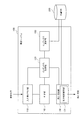
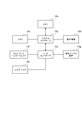
図1は、本実施形態による集計システムの構成を示す図である。図1に示すように、本実施形態の集計システム100は、文書DB(データベース)200に接続されている。文書DB200は、処理対象となり得る文書を格納している。集計処理の対象となる文書は、例えば、文書DB200に格納されている文書のうちで、何らかの検索条件に基づく検索等により指定された(絞り込まれた)文書とすることができる。
<System configuration>
FIG. 1 is a diagram showing a configuration of a counting system according to the present embodiment. As shown in FIG. 1, the
本実施形態では、集計システム100は、文書DB200に格納されている文書に関して、何らかの検索条件に基づく検索により集計処理の対象となる文書を指定する(絞り込む)。例えば、特定の単語を含む文書を検索し、得られた文書を集計処理の対象とする。そして、得られた文書に含まれる単語のうち、出現頻度の高いものから順に、予め定められた個数(k個)の単語を求める。図1に示すように、本実施形態の集計システム100は、入力受け付け部110と、インデックス記憶部120と、集計処理部130と、判定部140と、インデックス更新部150とを備える。
In the present embodiment, the
入力受け付け部110は、集計処理を行うための入力を受け付ける。具体的には、入力受け付け部110は、集計処理の対象となる文書を指定するための絞り込み条件(検索条件等)の入力を受け付ける。また、入力受け付け部110は、集計しようとする属性を指定する情報の入力を受け付ける。
The
インデックス記憶部120は、集計処理に用いられるインデックスを記憶している。本実施形態では、文書の識別情報からその文書に含まれる単語のリストを指定するDtoKインデックスが用いられる。DtoKインデックスは、文書DB200に格納されている文書ごとに作成されている。また、本実施形態では、DtoKインデックスにおける文書ごとの単語のリストにおいて、各文書に出現する同一の単語間にリンクを設定している。言い換えれば、相異なる文書のDtoKインデックスに含まれる同一の単語どうしを関連付けている。これにより、例えば、ある単語をキーワードとして、この単語間のリンクを辿ることにより、キーワードを含む文書を特定することができる。このDtoKインデックスのデータ構造の詳細については後述する。
The
集計処理部130は、文書DB200に格納されている文書のうち、集計処理の対象として指定された文書(以下、指定文書と呼ぶ)を対象として、指定文書全体における出現頻度の高い単語を特定し、集計する。具体的には、集計処理部130は、出現頻度が予め定められた上位k個に含まれる単語を集計する。本実施形態の集計処理部130は、次の何れかの手法を用いて集計処理を行う。
The
すなわち、一つは、集計対象(集計される属性)の単語ごとに、その単語を含む文書の数を調べ、最も多くの文書に含まれる単語から降順にk個の単語を選択する処理である。以下、この手法を第1手法と呼ぶ。より一般的に言い換えれば、第1手法は、属性ごとに、その属性を有する対象データを調べ、対象データとの関係が所定の基準を満たす属性を集計する手法である。 That is, one is a process of checking the number of documents including the word for each word to be counted (attribute to be counted) and selecting k words in descending order from the words included in the most documents. . Hereinafter, this method is referred to as a first method. More generally, the first method is a method of examining, for each attribute, target data having the attribute, and totaling the attributes whose relationship with the target data satisfies a predetermined standard.
他の一つは、指定文書ごとに、その指定文書に含まれる単語を調べ、最も多くの指定文書に含まれる単語から降順にk個の単語を選択する処理である。以下、この手法を第2手法と呼ぶ。より一般的に言い換えれば、第2手法は、対象データごとに、その対象データが有する属性を調べ、対象データとの関係が所定の基準を満たす属性を集計する手法である。 The other is a process of checking words included in the designated document for each designated document and selecting k words in descending order from the words contained in the largest number of designated documents. Hereinafter, this method is referred to as a second method. In other words, the second method is a method of examining the attributes of the target data for each target data and totaling the attributes whose relationship with the target data satisfies a predetermined standard.
本実施形態において、第1手法の処理は、DtoKインデックスの単語間に設けられたリンクを辿ることによって行われる。集計処理部130の動作の詳細については後述する。
In the present embodiment, the processing of the first method is performed by following links provided between words of the DtoK index. Details of the operation of the
また、集計処理部130は、出力候補保持部131を有している。出力候補保持部131には、集計処理部130による集計処理の過程で取得される、集計結果として出力する単語の候補が保持される。すなわち、集計処理部130は、第1手法または第2手法による処理において、集計対象となる個々の単語に対して、集計結果として出力する単語に該当するか否かを順次判断する。そして、集計結果として出力する単語に該当すると判断した単語を、出力候補保持部131に保持させる。言い換えれば、出力候補保持部131に保持される単語は、集計処理部130による集計処理の実行途中における、既に処理の済んだ単語である。集計処理が完了した後、集計処理部130は、出力候補保持部131に保持されている単語を、集計結果として出力する。
The
判定部140は、集計処理部130による集計処理を第1手法と第2手法のどちらで行うかを判定する。上記の第1手法による処理は、集計対象である単語の種類が多い場合、多大な処理時間を要する。一方、第2手法による処理は、集計処理の対象である文書の数が多い場合、多大な処理時間を要する。そこで、判定部140は、集計処理部130による集計処理が効率良く実行されるように、第1手法と第2手法のどちらで集計処理を行うかを決定する。なお、具体的な決定方法は、特に限定しない。例えば、集計処理の対象である文書の数が予め設定された閾値よりも多い場合に第1手法により集計処理を実行すると決定し、文書の数が閾値以下である場合に第2手法により集計処理を実行すると決定しても良い。また、第1手法で集計処理を行う場合に要する処理時間と、第2手法で集計処理を行う場合に要する処理時間とを予想し、予想される処理時間の短い方の手法により集計処理を行うと決定しても良い。
The
インデックス更新部150は、インデックス記憶部120に記憶されているインデックスを更新する。具体的には、インデックス更新部150は、文書DB200の更新(文書の追加または削除)に応じて、追加された文書に対応するDtoKインデックスを追加したり、削除したりする。また、インデックス更新部150は、DtoKインデックスの更新に伴い、DtoKインデックスを管理するためのDtoKリスト(後述)も更新する。また、インデックス更新部150は、新たにDtoKインデックスを追加する更新処理を繰り返すことにより、インデックス記憶部120に記憶されるDtoKインデックス群を作成する。インデックス更新部150による更新処理の詳細については後述する。
The
<インデックスの構成>
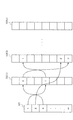
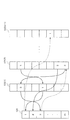
図2は、本実施形態のインデックス記憶部120に記憶されるインデックスの構成例を示す図である。図2に示すように、本実施形態では、単語リスト121と、文書DB200に格納されている文書ごとのDtoKインデックス122とが用意される。言い換えれば、このDtoKインデックス122は、文書(対象データ)ごとに作成された、文書に含まれる単語(対象データが有する属性)のリスト(第1リスト)である。なお、図2に示す例では、n個の文書に対するDtoKインデックス122が存在し、最後に文書DB200に格納された文書(最も新しい文書)から順に、(1)〜(n)の枝番を付している。すなわち、符号122(n)は、n個の文書の中で最初に文書DB200に格納された文書(最も古い文書)に対するDtoKインデックス122であり、符号122(1)は、最後に文書DB200に格納された文書に対するDtoKインデックス122である。すなわち、DtoKインデックス122は、最初に作成されたDtoKインデックス122を最後尾として、作成された順に並ぶ。
<Index structure>
FIG. 2 is a diagram illustrating a configuration example of an index stored in the
また、特に図示しないが、インデックス記憶部120は、DtoKインデックス122を図2に示す枝番の順番で管理するためのDtoKリストを記憶している。このDtoKリストは、DtoKインデックス122の識別情報di(i:1≦i≦n)を添え字「i」の昇順に並べて登録している。したがって、DtoKリストにおいて、先頭のDtoKインデックス122の識別情報はd1であり、最後のDtoKインデックス122の識別情報はdnである。また、識別情報diの添え字「i」は、図2に示したDtoKインデックス122の枝番(1)〜(n)に対応している。集計処理部130は、DtoKリストから各DtoKインデックス122(1)〜122(n)へランダム・アクセスが可能である。また、DtoKリストは、リストの先頭と終端に対して、エントリ(要素)の追加および削除が可能なリスト構造である。このようなリストは、例えば、Java(登録商標)のjava.util.LinkedListにより実現される。
Although not particularly illustrated, the
単語リスト121は、文書DB200に格納されている文書に含まれる全ての単語の識別情報のリスト(第2リスト)である。この単語リスト121には、各単語に関して、その単語の識別情報、その単語を含む文書の数(以下、出現文書数と呼ぶ)、その単語に関するリンク先の情報が登録される。リンク先の情報については後述する。また、単語リスト121は、各単語の識別情報に関してランダム・アクセスが可能であり、かつ、出現文書数に関してソート順を保持するマップ構造である。このようなリスト(マップ)は、例えば、Javaのjava.util.TreeMapにより実現される。
The
図2に示す例では、単語リスト121には、m個(識別情報「1」〜「m」)の単語が収録されている。単語リスト121に収録された単語は、最も多くの文書に含まれる単語から降順に並べられている。言い換えれば、単語リスト121において、対象データの属性である各単語は、対象データである文書全体における個々の文書に出現する頻度の降順にソートされている。なお、文書DB200が更新されて文書が追加された場合、追加された文書にのみ含まれる単語が存在するならば、その単語に関するエントリが、単語リストの末尾に追加される。すなわち、図2に示す単語リスト121においては、識別情報「m」のエントリの後に、識別情報「m+1」、「m+2」、……、というようにエントリが追加されていく。
In the example illustrated in FIG. 2, m words (identification information “1” to “m”) are recorded in the
DtoKインデックス122は、文書DB200に格納されている文書ごとに作成された、個々の文書に含まれる単語の情報を参照するインデックスである。DtoKインデックス122には、対応する文書に含まれる各単語に関して、その単語の識別情報と、その単語に付与された点数と、その単語に関するリンク先の情報が登録される。リンク先の情報については後述する。単語に付与される点数は、任意に定義し、設定して良い。例えば、TF−IDF(Term Frequency − Inverse Document Frequency)による重みの値などを点数として用いることができる。本実施形態では、各文書における、その単語の出現数を点数とする。また、DtoKインデックス122に収録される単語は、この点数の値が最も大きい単語から降順に並べられている。
The
本実施形態において、単語リスト121および各DtoKインデックス122(1)〜122(n)に登録されている各単語は、同一の単語どうしの間にリンクが張られている。本実施形態では、単語リスト121に登録されている識別情報を始点として、DtoKインデックス122の枝番の順(すなわち、新しい文書から古い文書へ向かう順)にしたがってリンクが張られる。言い換えれば、属性である単語の間のリンクは、対象データである文書ごとのDtoKインデックス122(1)〜122(n)の順序に基づく特定の順序で張られる。また、枝番で次のDtoKインデックス122に同一の単語が無い場合は、枝番がより後のDtoKインデックス122であって同一の単語を含むもののうち、直近のDtoKインデックス122に含まれる単語に対してリンクが張られる。
In this embodiment, each word registered in the
具体的に、識別情報「1」の単語(以下、単語「1」と記す)について、図2を参照して設定されるリンクを説明する。単語「1」のリンクは、まず、単語リスト121の単語「1」から、DtoKインデックス122(1)の単語「1」へ張られている。そして、DtoKインデックス122(1)の単語「1」から、DtoKインデックス122(2)の単語「1」へ張られている。以下、図示は省略するが、DtoKインデックス122の枝番の順にしたがって、単語「1」間のリンクが張られている。
Specifically, a link set for the word of the identification information “1” (hereinafter referred to as the word “1”) will be described with reference to FIG. The link of the word “1” is first extended from the word “1” of the
ただし、ある文書が単語「1」を含まない場合、その文書のDtoKインデックス122を飛ばして、より後方のDtoKインデックス122に対してリンクが設定される。例えば、図示しないDtoKインデックス122(3)に対応する文書に単語「1」が含まれていない場合を考える。この場合、DtoKインデックス122(2)の単語「1」からのリンクは、DtoKインデックス122(3)を飛ばして、DtoKインデックス122(4)の単語「1」へ張られる。同様に、DtoKインデックス122(4)に対応する文書にも単語「1」が含まれていない場合、DtoKインデックス122(2)の単語「1」からのリンクは、DtoKインデックス122(5)の単語「1」へ張られる。
However, if a document does not contain the word “1”, the
図2に示す例では、識別情報「2」の単語は、DtoKインデックス122(1)に対応する文書に含まれていない。したがって、識別情報「2」の単語(以下、単語「2」と記す)のリンクは、DtoKインデックス122(1)を飛ばして、単語リスト121の単語「2」からDtoKインデックス122(2)の単語「2」へ張られている。
In the example shown in FIG. 2, the word with the identification information “2” is not included in the document corresponding to the DtoK index 122 (1). Therefore, the link of the word of the identification information “2” (hereinafter referred to as the word “2”) skips the DtoK index 122 (1), and the word of the
したがって、本実施形態によるインデックスの単語間のリンクにおいて、DtoKインデックス122(n)に含まれる各単語は、その単語に関するリンクの終端となる。そして、DtoKインデックス122(n)に含まれていない各単語に関しては、DtoKインデックス122(n)よりも前方のDtoKインデックス122(1)〜122(n−1)の何れかにリンクの終端が存在する。 Therefore, in the link between the words of the index according to the present embodiment, each word included in the DtoK index 122 (n) is the end of the link related to that word. For each word not included in the DtoK index 122 (n), the end of the link exists in any of the DtoK indexes 122 (1) to 122 (n-1) ahead of the DtoK index 122 (n). To do.
本実施形態によるインデックスの単語間のリンクは、既存の種々の手段により設定して良い。一例としては、単語リスト121および各DtoKインデックス122(1)〜122(n)における各単語のエントリに、リンク先のDtoKインデックス122およびエントリを指定する情報を記述することによって実現される。他の一例としては、単語リスト121および各DtoKインデックス122(1)〜122(n)における各単語のエントリに、他の文書のDtoKインデックス122に含まれている同一の単語のエントリへのポインタを記述することによって実現される。
Links between words in the index according to the present embodiment may be set by various existing means. As an example, it is realized by describing information specifying the link
<集計処理部の動作>
集計処理部130は、集計処理の対象として指定された指定文書全体における出現頻度の高い単語を特定し集計する処理を、第1手法または第2手法の一方により行う。第1手法は、集計対象(集計される属性)の単語ごとに、その単語を含む指定文書の数を調べ、最も多くの指定文書に含まれる単語から降順にk個の単語を選択する処理である。また、第2手法は、指定文書ごとに、その文書に含まれる単語を調べ、最も多くの文書に含まれる単語から降順にk個の単語を選択する処理である。
<Operation of total processing section>
The
ここで、第2手法は、従来のDtoKインデックスを用いた既存の集計処理と同様である。本実施形態においても、図2を参照して説明したDtoKインデックス122を用いて従来と同様の処理を行うことができる。すなわち、集計処理部130は、まず、指定文書のDtoKインデックス122に基づいて、各指定文書に含まれる単語のリストを作成する。そして、集計処理部130は、作成したリストに基づき、最も多くの文書に含まれる単語から降順にk個の単語を選択する。
Here, the second method is the same as the existing aggregation processing using the conventional DtoK index. Also in this embodiment, it is possible to perform the same processing as the conventional one using the
一方、第1手法は、従来技術におけるKtoDインデックスを用いた既存の集計処理と同様の考え方による処理である。ただし、本実施形態では、KtoDインデックスを用いず、図2を参照して説明したDtoKインデックス122における単語間のリンクを利用して処理を行う。
On the other hand, the first method is processing based on the same concept as the existing aggregation processing using the KtoD index in the prior art. However, in this embodiment, the KtoD index is not used, and processing is performed using the link between words in the
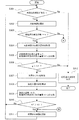
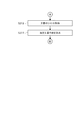
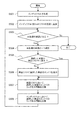
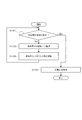
図3および図4は、第1の手法により集計処理を行う場合の集計処理部130の動作を示すフローチャートである。集計処理部130は、単語リスト121に収録された単語に対する処理を、例えば、識別情報「1」の単語から順に処理対象として着目して行う。すなわち、集計処理部130は、まず、未処理の単語が残っているか否かを判断する(S301)。そして、未処理の単語がある場合は(S301でYes)、集計処理部130は、未処理の単語から処理対象の単語(以下、対象単語と呼ぶ)を選択する(S302)。ここで、対象単語として選択される単語は、例えば、未処理の単語のうちで識別情報の値が最も小さい単語である。単語リスト121に収録された単語は、最も多くの文書に含まれる単語から降順に並べられている。したがって、識別情報の値が最も小さい単語は、未処理の単語のうちで最も多くの文書に含まれる単語である。
3 and 4 are flowcharts showing the operation of the
次に、集計処理部130は、出力候補保持部131に保持されている処理済みの単語(以下、処理済み単語と呼ぶ)の数が集計数のk個か否かを判断する(S303)。そして、処理済み単語の数がk個であれば(S303でYes)、集計処理部130は、対象単語の出現文書数「g」を取得する(S304)。この出現文書数「g」は、文書DB200に格納されている文書全体のうち、対象単語を含む文書の数である。
Next, the
次に、集計処理部130は、対象単語の出現文書数「g」と、出力候補保持部131に保持されている各処理済み単語の出現文書数「h1」とを比較する(S305)。ここで、処理済み単語の出現文書数「h1」は、その処理済み単語を含む指定文書の数である。すなわち、処理済み単語の出現文書数「h1」は、文書DB200に格納されている文書全体のうち、その処理済み単語を含み、かつ、集計処理の対象として指定された文書の数である。後述するように、処理済み単語の出現文書数は、出力候補保持部131に保持されている。対象単語の出現文書数「g」が何れかの処理済み単語の出現文書数「h1」よりも大きい場合(S306でYes)、集計処理部130は、この対象単語に関して、DtoKインデックス122のリンクを辿って、この対象単語を含む文書のリストを取得する(S307)。
Next, the
次に、集計処理部130は、取得したリストに含まれる文書のうち、絞り込み条件を満足する文書(指定文書)の数を算出する(S308)。そして、集計処理部130は、算出された指定文書の数「h2」と、各処理済み単語の出現文書数「h1」とを比較する(S309)。指定文書数「h2」が何れかの処理済み単語の出現文書数「h1」よりも大きい場合(S310でYes)、集計処理部130は、対象単語および処理済み単語のうち、出現文書数の多い方からk個を選択する。そして、集計処理部130は、選択した各単語と、その単語の出現文書数とを対応付けて、出力候補保持部131に記憶させる。これにより、集計結果として出力する単語の候補である処理済み単語が更新される(S311)。なお、処理済み単語の数の上限はk個なので、今回の処理の対象単語が処理済み単語に追加されたことに伴い、更新前の処理済み単語のうち、最も出現文書数の少ない単語の情報が出力候補保持部131から消去される。この後、集計処理部130の処理は、S301に戻る。そして、未処理の単語が残っていれば(S301でYes)、S302以降の処理が行われる。
Next, the
全ての処理済み単語の出現文書数「h1」が指定文書数「h2」以上であった場合(S310でNo)、今回の処理の対象単語は、処理済み単語に追加されない。したがって、出力候補保持部131に記憶された処理済み単語は更新されることなく、集計処理部130の処理は、S301に戻る。そして、未処理の単語が残っていれば(S301でYes)、S302以降の処理が行われる。
When the number of appearance documents “h1” of all processed words is equal to or greater than the specified number of documents “h2” (No in S310), the target word for the current process is not added to the processed word. Therefore, the processed word stored in the output
ここで、S303において、処理済み単語の数が集計数k個に達していない場合を考える(S303でNo)。この場合、今回の処理の対象単語は、必ず、集計結果として出力する単語の候補となる。したがって、集計処理部130は、この対象単語に関して、DtoKインデックス122のリンクを辿って、この対象単語を含む文書のリストを取得する(S313)。そして、集計処理部130は、取得したリストに含まれる文書のうち、絞り込み条件を満足する文書(指定文書)の数を算出する(S314)。この後、集計処理部130は、対象単語と算出した指定文書の数とを対応付けて、出力候補保持部131に記憶させる。これにより、集計結果として出力する単語の候補である処理済み単語が更新される(S311)。なお、この場合は、更新後の処理済み単語の数はk個以下なので、何れの処理済み単語も、出力候補保持部131から消去されない。この後、集計処理部130の処理は、S301に戻る。そして、未処理の単語が残っていれば(S301でYes)、S302以降の処理が行われる。
Here, a case is considered where the number of processed words has not reached the total number k in S303 (No in S303). In this case, the target word for the current process is always a candidate word to be output as the total result. Therefore, the
一方、S301において、未処理の単語が残っていなければ(S301でNo)、全ての単語に対して上記の処理が済んだので、集計処理部130は、出力候補保持部131に記憶されているk個の処理済み単語を、集計結果として出力し(S312)、処理を終了する。
On the other hand, if no unprocessed word remains in S301 (No in S301), the above processing has been completed for all the words, and the
また、S306において、全ての処理済み単語の出現文書数「h1」が対象単語の出現文書数「g」以上であった場合を考える(S306でNo)。この場合、単語リスト121に収録された単語は、最も多くの文書に含まれる単語から降順に並べられているため、今回よりも後の処理において対象単語となる単語の出現文書数が何れかの処理済み単語の出現文書数「h1」よりも大きくなることはない。すなわち、今回よりも後の処理において処理済み単語が更新されることはない。したがって、集計処理部130は、出力候補保持部131に記憶されているk個の処理済み単語を、集計結果として出力し(S312)、処理を終了する。
In S306, consider the case where the number of appearance documents “h1” of all processed words is equal to or greater than the number of appearance documents “g” of the target word (No in S306). In this case, since the words recorded in the
このように、S305、S306に示す処理によれば、単語リスト121に収録された全ての単語に対して処理を行っていない段階でも、処理済み単語が更新される可能性が無くなった場合に、集計処理を終了する。これにより、S301〜S311の処理の繰り返し回数を、単語リスト121に収録された単語の数よりも少なく抑えることができる。
As described above, according to the processes shown in S305 and S306, even when all the words recorded in the
以上のように、本実施形態は、収録した単語間にリンクを設定したDtoKインデックス122を用いて、第1手法による処理および第2手法による処理のどちらも実行できる。したがって、第1手法による処理を行うためにKtoDインデックスを用意する場合と比較して、インデックスを保持するために必要なメモリ領域(記憶容量)を小さく抑えることができる。
As described above, in the present embodiment, both the process using the first method and the process using the second method can be executed using the
なお、単にインデックスを保持するために必要なメモリ領域(記憶容量)を削減するのであれば、適当な圧縮方式によりインデックスをデータ圧縮してデータサイズを小さくすることが可能である。しかし、文書DB200の更新(文書の追加または削除)に応じてデータ圧縮されたインデックスを更新することは困難である。そのため、文書DB200が更新された場合は、インデックス自体を作成し直し、改めてデータ圧縮することが必要となる。これに対し、本実施形態では、限定的ではあるが、後述のように、文書DB200の更新に応じてDtoKインデックス122を更新可能としながら、上記のようにインデックスを保持するために必要なメモリ領域(記憶容量)の削減を実現している。
If the memory area (storage capacity) necessary for simply holding the index is reduced, it is possible to reduce the data size by compressing the index with an appropriate compression method. However, it is difficult to update the index compressed with data in accordance with the update of the document DB 200 (addition or deletion of a document). Therefore, when the
<DtoKインデックスの作成および更新>
本実施形態において、文書DB200が更新されると、これに伴って、インデックス記憶部120に記憶された単語リスト121およびDtoKインデックス122も更新される。単語リスト121に関しては、文書の追加または削除により、収録している各単語を含む文書の数が変わる。そこで、本実施形態の集計システム100のインデックス更新部150は、例えば、文書DB200が更新される度に、単語リスト121に収録している単語をソートし直す。また、本実施形態のインデックス更新部150は、追加された文書にのみ含まれる単語が存在するならば、その単語の識別情報を、単語リストの末尾に追加することにより、単語リスト121を更新する。
<DtoK index creation and update>
In the present embodiment, when the
次に、DtoKインデックス122の作成および更新について説明する。DtoKインデックス122の作成は、一つの文書に対応する新たなDtoKインデックス122を追加する更新処理を、文書DB200に格納されたn個の文書に対して実行することにより行われる。
Next, creation and update of the
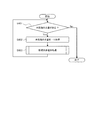
図5は、DtoKインデックス122の作成処理の手順を示すフローチャートである。図5に示すように、インデックス更新部150は、まず、文書DB200に格納されている文書のうち、未処理の(DtoKインデックス122の作成が行われていない)文書があるか否かを調べる(S401)。未処理の文書があれば(S401でYes)、インデックス更新部150は、未処理の文書の一つを取得する(S402)。そして、インデックス更新部150は、取得した文書を処理対象として、新規文書追加処理を行う(S403)。以上の処理を文書DB200に格納されている各文書に対して行い、未処理の文書が無くなったならば(S401でNo)、インデックス更新部150は、処理を終了する。
FIG. 5 is a flowchart showing a procedure for creating the
図6は、新規文書追加処理の手順を示すフローチャートである。図6に示すように、インデックス更新部150は、まず、処理対象として取得した一つの文書に対応するDtoKインデックス122を作成する(S501)。以下、作成されたDtoKインデックス122を、DtoKリストに登録される各DtoKインデックス122の識別情報diを用いてインデックスdiと記載する(図6のS501でもインデックスdiと記載)。また、インデックスdiに対応する文書を文書diと記載する。インデックス更新部150は、作成したインデックスdiをDtoKリストの先頭に追加する(S502)。
FIG. 6 is a flowchart showing the procedure of new document addition processing. As shown in FIG. 6, the
次に、インデックス更新部150は、インデックスdiに登録されている単語(文書diに含まれる単語)のうち、未処理の(リンクの設定が更新されていない)単語が有るか否かを調べる(S503)。未処理の単語が有る場合(S503でYes)、インデックス更新部150は、未処理の単語の一つを選択し(S504)、選択した単語が単語リスト121に登録されているか否かを調べる(S505)。そして、選択した単語が登録されているならば(S505でYes)、インデックス更新部150は、単語リスト121におけるその単語のエントリに登録されているリンク先の情報を、処理中のインデックスdiにおけるその単語のエントリを指すように更新する(S507)。
Next, the
一方、選択した単語が単語リスト121に登録されていない場合(S505でNo)、インデックス更新部150は、選択した単語のエントリを単語リスト121に追加する(S506)。そして、インデックス更新部150は、単語リスト121において作成したエントリのリンク先の情報を、処理中のインデックスdiにおけるその単語のエントリを指すように更新する(S507)。
On the other hand, when the selected word is not registered in the word list 121 (No in S505), the
次に、インデックス更新部150は、インデックスdiにおけるその単語のエントリに登録されているリンク先の情報を、DtoKリストにおいて後方かつ直近の他のDtoKインデックス122におけるその単語のエントリを指すように更新する(S508)。
Next, the
インデックス更新部150は、以上のS503〜S508の処理を、インデックスdiに含まれる各単語に対して行い、未処理の単語が無くなったならば(S503でNo)、インデックス更新部150は、処理を終了する。
The
以上、DtoKインデックス122を追加する処理について説明した。次に、インデックス記憶部120に記憶されているDtoKインデックス122を削除する処理について説明する。図2を参照して説明した本実施形態のDtoKインデックス122は、単語間にリンクが設定されている。そのため、DtoKインデックス122を削除する場合は、削除対象のDtoKインデックス122における単語のリンクを設定し直す必要がある。したがって、任意のDtoKインデックス122を削除することは容易ではない。しかし、DtoKリストの終端に対応する(すなわち、最も古い)DtoKインデックス122(識別情報dn)については、削除することが容易である。これは、DtoKインデックス122の全ての単語が、その単語に関するリンクの終端だからである。この場合、インデックス記憶部120から識別情報dnのDtoKインデックス122(図2に示す例では、DtoKインデックス122(n))を削除し、DtoKリストから終端のエントリを削除すれば良い。
The process for adding the
<インデックスの実装例>
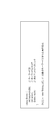
図7および図8は、Javaプログラミング言語を用いた、本実施形態によるDtoKインデックス122の実装例を示す図である。図7は、コードの例を示す図であり、図7(a)はDtoKインデックス122のエントリを設定するコード、図7(b)はDtoKリストを生成するコード、図7(c)は新しいDtoKインデックス122を追加するコード、図7(d)はDtoKインデックス122を削除するコードである。図8は、図7に示すコードにより設定されたリンクの様子を示す図である。
<Example of index implementation>
FIG. 7 and FIG. 8 are diagrams showing an implementation example of the
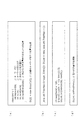
図7に示すように実装した場合、DtoKインデックス122の単語(エントリ)間のリンクは、リンク先のDtoKインデックス122およびエントリの位置を数値で指定することにより実現される。図7(a)に示す例では、リンク先のDtoKインデックス122は、「nextDocId」の値で指定される。ここで、DocIdとは、後述の文書IDである。また、リンク先のエントリの位置は、「nextEntryIndex」の値で指定される。また、「keywordId」は、各単語の識別情報である。そして、「score」は、各単語に付与された点数である。また、図7(b)に示すように、Javaの標準ライブラリに存在するクラスである「java.util.TreeMap」により、DtoKリスト「DLList」が生成される。このDtoKリスト「DLList」は、DtoKインデックス122(図7ではDL[i]と記載)の全体を識別情報diの昇順(DL[1]〜DL[n])に格納する。
When implemented as shown in FIG. 7, a link between words (entries) of the
また、図7(c)に示す例では、DtoKインデックス122が追加される場合に、追加されるDtoKインデックス122に対応する文書の識別情報(文書ID)が設定される。この文書IDは、DtoKリスト「DLList」に登録されるDtoKインデックス122の識別情報diとは別に設定される。例えば、それまでに使用した文書IDの最大値を記憶しておき、その最大値よりも1大きい値を新たに設定する文書IDの値とする。このようにすれば、図7(d)に示すように、文書IDが最小値であるDtoKインデックス122を削除することにより、DtoKリスト「DLList」の終端のエントリに対応するDtoKインデックス122が削除される。
In the example shown in FIG. 7C, when the
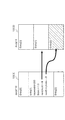
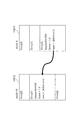
図8に示す例では、識別情報「200」の単語に関して、DtoKインデックス122(3)からDtoKインデックス122(5)へ設定されたリンクが示されている。図示の例において、DtoKインデックス122(3)の文書IDは「10」であり、DtoKインデックス122(5)の文書IDは「6」である。また、DtoKインデックス122(3)において、識別情報「200」の単語は、2番目のエントリ「Entry[1]」に登録されている。DtoKインデックス122(3)のエントリ「Entry[1]」を参照すると、識別情報「200」の単語の点数は「1.5」である。また、リンク先は、文書ID「6」のDtoKインデックス122のエントリ「Entry[2]」となっている。したがって、リンク先である、DtoKインデックス122(5)の3番目のエントリ「Entry[2]」には、識別情報「200」の単語が登録されている。
In the example shown in FIG. 8, the link set from the DtoK index 122 (3) to the DtoK index 122 (5) is shown for the word of the identification information “200”. In the illustrated example, the document ID of the DtoK index 122 (3) is “10”, and the document ID of the DtoK index 122 (5) is “6”. In the DtoK index 122 (3), the word of the identification information “200” is registered in the second entry “Entry [1]”. Referring to the entry “Entry [1]” of the DtoK index 122 (3), the word score of the identification information “200” is “1.5”. The link destination is the entry “Entry [2]” of the
図8に示す例において、文書ID「6」の文書が削除された場合を考える。DtoKリスト「DLList」およびDtoKインデックス122が更新されると、文書ID「6」のDtoKインデックス122(5)が削除される。これにより、DtoKリスト「DLList」に文書ID「6」のDtoKインデックス122(5)が存在しなくなる。そのため、DtoKインデックス122(3)のエントリ「Entry[1]」からDtoKインデックス122(5)のエントリ「Entry[2]」へのリンクを辿れなくなる。そして、識別情報「200」の単語に関するリンクは、DtoKインデックス122(3)のエントリ「Entry[1]」が終端となる。
In the example shown in FIG. 8, a case where the document with the document ID “6” is deleted is considered. When the DtoK list “DLList” and the
<インデックスの他の構成および実装例>
以上の実施形態において、単語リスト121および各DtoKインデックス122(1)〜122(n)に登録されている単語間のリンクは、単語リスト121に登録されている識別情報を始点として、識別情報diの順にしたがって設定した。これに対し、DtoKインデックス122の実装によっては、識別情報diの降順(すなわち、古い文書から新しい文書へ向かう順)にリンクを設定することが望ましい場合がある。
<Other index configurations and implementation examples>
In the above embodiment, the links between the words registered in the
図9および図10は、Javaプログラミング言語を用いた、本実施形態によるDtoKインデックス122の他の実装例を示す図である。図9は、DtoKインデックス122のエントリを設定するコードの例を示す図である。図10は、図9に示すコードにより設定されたリンクの様子を示す図である。なお、DtoKリストを生成するコード、新しいDtoKインデックス122を追加するコード、DtoKインデックス122を削除するコードは、図7(b)〜(d)に示したコードと同様とする。
FIG. 9 and FIG. 10 are diagrams showing another implementation example of the
図9に示すように実装した場合、DtoKインデックス122の単語(エントリ)間のリンクは、リンク先のエントリをポインタにより直接指し示すことにより実現される。図9に示す例では、リンク先のDtoKインデックス122のエントリが、JavaやC/C++等のプログラミング言語でサポートされているポインタ(または同等の機能)で指定される。図示の例では、「Entry next」にポインタが記録される。このように、ポインタを用いてリンクが設定される場合、図7および図8に示した実装例とは反対の向きにリンクを設定する。すなわち、ある単語に関するリンクは、その単語が出現する最も古い(識別情報diの値が最も大きい)DtoKインデックス122のエントリを始点とし、単語リスト121におけるその単語のエントリを終端とする。
When implemented as shown in FIG. 9, a link between words (entries) of the
また、この実装例では、単語リスト121のエントリから、各単語が出現する最も古いDtoKインデックス122のエントリへ向かうリンク(以下、逆向きリンクと呼ぶ)も設定される。この逆向きリンクは、集計処理部130が第1手法による集計処理を行う場合に、単語のリンクを辿るために用いられる。すなわち、集計処理部130は、逆向きリンクにより、通常のリンクの始点を見つける。
In this implementation example, a link (hereinafter referred to as a reverse link) from the entry of the
図10に示す例では、識別情報「200」の単語に関して、DtoKインデックス122(5)からDtoKインデックス122(3)へ、図8に示した例とは反対の向きに設定されたリンクが示されている。図示の例において、DtoKインデックス122(3)の文書IDは「10」であり、DtoKインデックス122(5)の文書IDは「6」である。また、DtoKインデックス122(5)において、識別情報「200」の単語は、3番目のエントリ「Entry[2]」に登録されている。DtoKインデックス122(5)のエントリ「Entry[2]」を参照すると、識別情報「200」の単語の点数は「1.5」である。そして、リンク先(DtoKインデックス122(3)のエントリ「Entry[1]」)へのポインタが設定されている。したがって、リンク先である、DtoKインデックス122(3)のエントリ「Entry[1]」には、識別情報「200」の単語が登録されている。 In the example illustrated in FIG. 10, for the word of the identification information “200”, a link is set from the DtoK index 122 (5) to the DtoK index 122 (3) that is set in the opposite direction to the example illustrated in FIG. ing. In the illustrated example, the document ID of the DtoK index 122 (3) is “10”, and the document ID of the DtoK index 122 (5) is “6”. Further, in the DtoK index 122 (5), the word of the identification information “200” is registered in the third entry “Entry [2]”. Referring to the entry “Entry [2]” of the DtoK index 122 (5), the word score of the identification information “200” is “1.5”. A pointer to the link destination (the entry “Entry [1]” of the DtoK index 122 (3)) is set. Therefore, the word of the identification information “200” is registered in the entry “Entry [1]” of the DtoK index 122 (3) that is the link destination.
図11は、図9および図10に示す実装例によるインデックスの構成を示す図である。図11に示す構成例は、図2に示した構成例と同様に、単語リスト121と、文書DB200に格納されている文書ごとのDtoKインデックス122とを含む。そして、n個の文書に対するDtoKインデックス122が存在し、最後に文書DB200に格納された文書(最も新しい文書)から順に、(1)〜(n)の枝番を付している。
FIG. 11 is a diagram illustrating a configuration of an index according to the implementation example illustrated in FIGS. 9 and 10. The configuration example shown in FIG. 11 includes a
図11に示すインデックス構成では、単語ごとに、その単語が出現する最も古いDtoKインデックス122のエントリから単語リスト121におけるその単語のエントリへ至る通常のリンクと、逆向きリンクとが張られている。図11においては、通常のリンクを実線で示し、逆向きリンクを破線で示している。
In the index configuration shown in FIG. 11, for each word, a normal link from the entry of the
具体的に、識別情報「1」の単語(単語「1」)について、図11に示すリンクを説明する。単語「1」の通常のリンクは、まず、単語「1」が出現する最も古いDtoKインデックス122(n)のエントリから、DtoKインデックス122(n−1)のエントリへ張られている。以下、図示は省略するが、単語「1」間のリンクは、DtoKインデックス122の枝番の降順にしたがって張られ、DtoKインデックス122(2)のエントリに至っている。そして、単語「1」のリンクは、DtoKインデックス122(2)のエントリから、DtoKインデックス122(1)のエントリを経て、単語リスト121における単語「1」のエントリを終端としている。
Specifically, the link shown in FIG. 11 will be described for the word of identification information “1” (word “1”). The normal link of the word “1” is first extended from the entry of the oldest DtoK index 122 (n) in which the word “1” appears to the entry of the DtoK index 122 (n−1). Hereinafter, although illustration is omitted, the link between the words “1” is extended in descending order of the branch number of the
なお、単語「1」を含まない文書のDtoKインデックス122を飛ばしてリンクが張られることは、図2に示した構成例と同様である。例えば、図11において、単語「2」のリンクは、DtoKインデックス122(1)を飛ばして、DtoKインデックス122(2)のエントリから単語リスト121における単語「2」のエントリへ張られている。すなわち、単語「2」は、DtoKインデックス122(1)の文書には出現しない。また、単語「3」のリンクは、DtoKインデックス122(n)のエントリからDtoKインデックス122(2)のエントリへ張られている。すなわち、単語「3」は、図示しないDtoKインデックス122(3)からDtoKインデックス122(n−2)の文書には出現しない。
It is to be noted that a link is established by skipping the
また、図11に示すインデックス構成において、ある単語に関する通常のリンクの始点は、その単語が出現する最も古いDtoKインデックス122であり、必ずしも全体で最も古いDtoKインデックス112(n)ではない。例えば、図11の例において、単語「2」に関するリンクを考える。単語「2」のリンクの始点は、DtoKインデックス122(n)およびDtoKインデックス122(n−1)のどちらにも存在しない。したがって、単語「2」のリンクの始点は、DtoKインデックス122(n−1)よりも新しい何れかのDtoKインデックス122である。
In the index configuration shown in FIG. 11, the normal link start point for a word is the
また、単語「1」の逆向きリンクは、単語リスト121における単語「1」のエントリから、単語「1」が出現する最も古いDtoKインデックス122(n)のエントリへ張られている。単語「3」の逆向きリンクも同様である。これに対し、単語「2」の逆向きリンクは、単語「2」が出現する最も古いDtoKインデックス122が図示されていないため、記載を省略している。すなわち、単語「2」が出現する最も古いDtoKインデックス122は、DtoKインデックス122(3)〜DtoKインデックス122(n−2)の何れかである。
Further, the reverse link of the word “1” is extended from the entry of the word “1” in the
図9〜図11を参照して説明した実装例において、新たなDtoKインデックス122を追加する更新については、リンクの方向が反対方向になることを除き、図6に示した手順と同様の手順で実行することができる。リンクの設定に関しては、図6のS505で、選択した単語が単語リスト121に登録されているならば、(S505でYes)、インデックス更新部150は、追加されたDtoKインデックス122におけるその単語のエントリのポインタを、単語リスト121におけるその単語のエントリを指すように更新する。また、インデックス更新部150は、単語リスト121におけるその単語のエントリから逆向きリンクおよび通常のリンクを辿り、現在、単語リスト121におけるその単語のエントリを指すポインタを有するDtoKインデックス122のエントリを検出する。そして、インデックス更新部150は、検出したDtoKインデックス122のエントリのポインタを、追加したDtoKインデックス122におけるその単語のエントリを指すように更新する。
In the implementation example described with reference to FIGS. 9 to 11, the update to add a
一方、図6のS505で、選択した単語が単語リスト121に登録されていない場合は(S505でNo)、インデックス更新部150は、選択した単語のエントリを単語リスト121に追加する。そして、インデックス更新部150は、追加したDtoKインデックス122におけるその単語のエントリのポインタを、単語リスト121におけるその単語のエントリを指すように更新してリンクを設定する。また、インデックス更新部150は、単語リスト121におけるその単語のエントリのポインタを、追加したDtoKインデックス122におけるその単語のエントリを指すように更新して逆向きリンクを設定する。
On the other hand, when the selected word is not registered in the
これに対し、DtoKインデックス122を削除する更新の場合、単にDtoKインデックス122を削除するだけでなく、削除対象のDtoKインデックス122に収録されている各単語に関して設定されたリンクを更新する。削除対象である最も古いDtoKインデックス122に収録されている各単語は、その単語に関する通常のリンクの始点であり、かつ、その単語に関する逆向きリンクのリンク先である。そのため、DtoKインデックス122を削除した後に、これらのリンクおよび逆向きリンクを正しく辿れるように、リンクを更新することが必要である。
On the other hand, in the case of updating to delete the
図12は、図9〜図11の実装例において、DtoKインデックス122を削除する処理の手順を示すフローチャートである。図12に示すように、インデックス更新部150は、まず、削除対象のDtoKインデックス122(n)に登録されている単語のうち、未処理の(リンクの設定が更新されていない)単語があるか否かを調べる(S1101)。未処理の単語がある場合(S1101でYes)、インデックス更新部150は、未処理の単語の一つを選択し(S1102)、選択した単語に対して張られている逆向きリンクのリンク先を更新する(S1103)。
FIG. 12 is a flowchart showing a procedure of processing for deleting the
具体的には、インデックス更新部150は、削除対象のDtoKインデックス122(n)における選択した単語のエントリに登録されている通常のリンクのリンク先へのポインタの情報を取得する。このポインタにより示されるリンク先のDtoKインデックス122は、削除対象のDtoKインデックス122(n)が削除された後に、選択した単語が出現する最も古いDtoKインデックス122となる。そして、インデックス更新部150は、単語リスト121における選択した単語に関する逆向きリンクのリンク先へのポインタを、取得したポインタの情報に基づいて更新する。
Specifically, the
インデックス更新部150は、以上のS1101〜S1103の処理を、削除対象のDtoKインデックス122(n)に登録されている各単語に対して行う。これにより、DtoKインデックス122(n)の各単語に対して設定されていた逆向きリンクが、DtoKインデックス122(n)の削除後に各単語が出現する最も古いDtoKインデックス122へ、それぞれ設定し直される。そして、未処理の単語が無くなったならば(S1101でNo)、インデックス更新部150は、削除対象のDtoKインデックス122(n)を削除して(S1104)、処理を終了する。
The
図13は、図11に示したインデックス構成において、DtoKインデックス122(n)を削除した様子を示す図である。図13を参照すると、DtoKインデックス122(n)を削除したことにより、単語「1」に関する通常のリンクの始点(逆向きリンクのリンク先)は、DtoKインデックス122(n−1)における単語「1」のエントリとなっている。また、単語「2」に関する通常のリンクの始点(逆向きリンクのリンク先)は、DtoKインデックス122(2)における単語「2」のエントリとなっている。 FIG. 13 is a diagram illustrating a state in which the DtoK index 122 (n) is deleted from the index configuration illustrated in FIG. Referring to FIG. 13, by deleting the DtoK index 122 (n), the normal link start point (reverse link destination) for the word “1” is the word “1” in the DtoK index 122 (n−1). Entry. In addition, the start point of the normal link related to the word “2” (link destination of the reverse link) is an entry of the word “2” in the DtoK index 122 (2).
<ハードウェア構成例>
図14は、本実施形態の集計システム100を構成するのに好適なハードウェア構成例を示す図である。ここでは、コンピュータにより構成する場合について説明する。図14に示すコンピュータは、演算手段であるCPU(Central Processing Unit)10aと、主記憶手段であるメモリ10cを備える。また、外部デバイスとして、磁気ディスク装置(HDD:Hard Disk Drive)10g、ネットワーク・インターフェイス10f、ディスプレイ装置を含む表示機構10d、キーボードやマウス等の入力デバイス10i等を備える。
<Hardware configuration example>
FIG. 14 is a diagram illustrating a hardware configuration example suitable for configuring the
図14に示す構成例では、メモリ10cおよび表示機構10dは、システム・コントローラ10bを介してCPU10aに接続されている。また、ネットワーク・インターフェイス10f、磁気ディスク装置10gおよび入力デバイス10iは、I/Oコントローラ10eを介してシステム・コントローラ10bと接続されている。各構成要素は、システム・バスや入出力バス等の各種のバスによって接続される。
In the configuration example shown in FIG. 14, the
図14において、磁気ディスク装置10gにはOSのプログラムやアプリケーション・プログラムが格納されている。そして、これらのプログラムがメモリ10cに読み込まれてCPU10aに実行されることにより、集計システム100における集計処理部130、判定部140およびインデックス更新部150の各機能が実現される。また、メモリ10cや磁気ディスク装置10gにより、インデックス記憶部120が実現される。また、入力デバイス10iおよびプログラム制御されたCPU10aにより、入力受け付け部110が実現される。さらにまた、本実施形態では、文書DB200を磁気ディスク装置10gにより実現しても良い。なお、図14は、本実施形態の集計システム100を実現するのに好適なコンピュータのハードウェア構成を例示するに過ぎず、集計システム100の具体的構成は、図14に示す構成に限定されない。
In FIG. 14, the OS program and application programs are stored in the
以上、本実施形態について説明したが、本実施形態は、上記の具体的構成に限定されるものではない。本実施形態は、複数種類の属性を持つ対象データの集合中に出現する属性を、何らかの規則に基づいて各属性に付与された点数の高いものから順に所定個数求める集計処理に対して、広く適用できるものである。すなわち、本実施形態が適用される集計処理における対象データは、上記の処理対象として絞り込まれた文書には限定されない。また、本実施形態が適用される集計処理における属性は、各文書に含まれる単語に限定されない。その他、上記の実施形態に、種々の変更または改良を加えたものも、本発明の技術的範囲に含まれる。 Although the present embodiment has been described above, the present embodiment is not limited to the specific configuration described above. This embodiment is widely applied to aggregation processing for obtaining a predetermined number of attributes appearing in a set of target data having a plurality of types of attributes in descending order of the points assigned to each attribute based on some rule. It can be done. That is, the target data in the aggregation process to which the present embodiment is applied is not limited to the document narrowed down as the above processing target. Further, the attribute in the aggregation process to which the present embodiment is applied is not limited to the word included in each document. In addition, what added various change or improvement to said embodiment is also contained in the technical scope of this invention.
100…集計システム、110…入力受け付け部、120…インデックス記憶部、121…単語リスト、122…DtoKインデックス、130…集計処理部、140…判定部、150…インデックス更新部
DESCRIPTION OF
Claims (12)
集計処理の対象である対象データの識別情報から当該対象データが有する属性のリストである第1リストを指定するインデックスであって、当該対象データごとの当該第1リストは所定の順序で並び、当該第1リストの各要素が当該属性の情報を含む、当該インデックスと、複数の当該対象データが有する属性のリストである第2リストと、を記憶するインデックス記憶部と、
前記属性ごとに当該属性を有する前記対象データを調べ、当該対象データとの関係が所定の基準を満たす属性を集計する集計処理を行う集計処理部と、を備え、
前記第2リストの各属性に関して、前記対象データごとの前記第1リストの要素を順に辿るリンクが設定されており、
前記集計処理部は、前記属性ごとに設定された前記リンクに基づき、当該属性を有する前記対象データを調べる、システム。 A system for collecting data,
An index that specifies a first list that is a list of attributes of the target data from the identification information of the target data that is a target of aggregation processing, and the first list for each target data is arranged in a predetermined order, An index storage unit that stores the index, in which each element of the first list includes information on the attribute, and a second list that is a list of attributes of the plurality of target data;
An aggregation processing unit that examines the target data having the attribute for each attribute and performs an aggregation process that aggregates attributes satisfying a predetermined standard with the target data;
With respect to each attribute of the second list, a link that sequentially traces the elements of the first list for each target data is set,
The totalization processing unit examines the target data having the attribute based on the link set for each attribute.
前記第1リストの各要素は、前記値に基づく順序でソートされている、請求項1に記載のシステム。 Each element of the first list for each target data further includes a value given to the attribute specified by information included in the element,
The system of claim 1, wherein each element of the first list is sorted in an order based on the value.
前記第1リストの各要素は、前記値の降順にソートされている、請求項4に記載のシステム。 The value given to the attribute is a weight value based on the relationship between the attribute and the target data having the attribute,
The system of claim 4, wherein each element of the first list is sorted in descending order of the values.
集計処理の対象である対象データごとに当該対象データが有する属性を登録したリストを含むインデックスを記憶するインデックス記憶部と、
前記属性ごとに当該属性を有する前記対象データを調べ、当該対象データとの関係が所定の基準を満たす属性を集計する第1手法、および、前記対象データごとに当該対象データが有する前記属性を調べ、当該対象データとの関係が所定の基準を満たす属性を集計する第2手法のどちらで集計処理を行うかを判定する判定部と、
前記判定部による判定に応じて前記第1手法および前記第2手法の一方により集計処理を行う集計処理部と、を備え、
前記インデックスは、相異なる前記対象データが有する同一の前記属性どうしを関連付けており、
前記集計処理部は、前記第1手法により集計処理を行う場合に、前記インデックスにおける同一の前記属性どうしの関連に基づき、当該属性を有する前記対象データを調べる、システム。 A system for collecting data,
An index storage unit that stores an index including a list in which attributes included in the target data are registered for each target data that is a target of aggregation processing;
A first method for examining the target data having the attribute for each attribute, aggregating the attributes whose relationship with the target data satisfies a predetermined criterion, and the attribute of the target data for each target data A determination unit for determining which of the second methods of counting the attributes whose relationship with the target data satisfies a predetermined criterion,
A tally processing unit that performs tally processing according to one of the first method and the second method according to the determination by the determination unit,
The index associates the same attributes of the different target data,
The aggregation processing unit examines the target data having the attribute based on the relationship between the same attributes in the index when the aggregation processing is performed by the first method.
集計処理の対象である対象データの識別情報から当該対象データが有する属性のリストである第1リストを指定するインデックスであって、当該対象データごとの当該第1リストは所定の順序で並び、当該第1リストの各要素が当該属性の情報を含む、当該インデックスと、複数の当該対象データが有する属性のリストである第2リストと、前記第2リストの各属性に関して、前記対象データごとの前記第1リストの要素を順に辿るリンク構造と、を記憶するインデックス記憶部と、
前記属性の集計処理を行う集計処理部と、を備えるシステムにおいて、
前記集計処理部が、
前記属性ごとに設定された前記リンクに基づき、当該属性を有する前記対象データの数を調べるステップと、
前記属性を、調べた対象データの数が多い上位の所定数の属性を集計し、集計結果を出力するステップと、
を含む、方法。 A method for aggregating data,
An index that specifies a first list that is a list of attributes of the target data from the identification information of the target data that is a target of aggregation processing, and the first list for each target data is arranged in a predetermined order, Each element of the first list includes information on the attribute, the index, a second list that is a list of attributes of the plurality of target data, and each attribute of the second list, for each target data An index storage unit for storing a link structure that sequentially traces elements of the first list;
In a system comprising a tally processing unit that performs tally processing of the attribute,
The aggregation processing unit
Based on the link set for each attribute, examining the number of the target data having the attribute;
Aggregating the attribute with a predetermined number of high-order attributes with a large number of examined data, and outputting the aggregation results;
Including a method.
集計処理の対象である対象データごとに当該対象データが有する属性を登録したリストを含むインデックスを記憶するインデックス記憶部と、
前記属性の集計処理を行う集計処理部と、
前記集計処理部により行われる集計処理の手法を判定する判定部と、を備えるシステムにおいて、
前記判定部が、前記属性ごとに当該属性を有する前記対象データを調べ、当該対象データとの関係が所定の基準を満たす属性を集計する第1手法、および、前記対象データごとに当該対象データが有する前記属性を調べ、当該対象データとの関係が所定の基準を満たす属性を集計する第2手法のどちらで集計処理を行うかを判定するステップと、
前記判定部が前記第1手法により集計処理を行うと判定した場合に、前記集計処理部が、相異なる前記対象データが有する同一の前記属性どうしを関連付けてなる前記インデックスにおける同一の前記属性どうしの関連に基づき、当該属性を有する前記対象データを調べ、当該対象データとの関係が所定の基準を満たす属性を集計するステップと、
前記判定部が前記第2手法により集計処理を行うと判定した場合に、前記集計処理部が、前記インデックスに基づき、各対象データが有する前記属性を調べ、当該対象データとの関係が所定の基準を満たす属性を集計するステップと、
を含む、方法。 A method for aggregating data,
An index storage unit that stores an index including a list in which attributes included in the target data are registered for each target data that is a target of aggregation processing;
A tally processing unit for tallying the attribute;
In a system comprising: a determination unit that determines a method of aggregation processing performed by the aggregation processing unit;
The determination unit examines the target data having the attribute for each attribute, and aggregates the attributes whose relationship with the target data satisfies a predetermined criterion, and the target data is determined for each target data. A step of examining the attribute having, and determining which of the second methods of calculating the attribute whose relationship with the target data satisfies a predetermined criterion,
When the determination unit determines that the aggregation processing is performed by the first method, the aggregation processing unit associates the same attributes of the different target data with the same attribute in the index. Based on the association, examining the target data having the attribute, and counting the attributes satisfying a predetermined standard relationship with the target data;
When the determination unit determines to perform aggregation processing by the second method, the aggregation processing unit examines the attribute of each target data based on the index, and the relationship with the target data is a predetermined reference A step of aggregating attributes that satisfy
Including a method.
集計処理の対象である対象データの識別情報から当該対象データが有する属性のリストである第1リストを指定するインデックスであって、当該対象データごとの当該第1リストは所定の順序で並び、当該第1リストの各要素が当該属性の情報を含む、当該インデックスと、複数の当該対象データが有する属性のリストである第2リストと、を記憶するインデックス記憶手段と、
前記属性ごとに当該属性を有する前記対象データを調べ、当該対象データとの関係が所定の基準を満たす属性を集計する集計処理を行う集計処理手段として機能させ、
前記第2リストの各属性に関して、前記対象データごとの前記第1リストの要素を順に辿るリンクが設定されており、
前記集計処理手段の機能として、前記属性ごとに設定された前記リンクに基づき、当該属性を有する前記対象データを調べる、プログラム。 Computer
An index that specifies a first list that is a list of attributes of the target data from the identification information of the target data that is a target of aggregation processing, and the first list for each target data is arranged in a predetermined order, Index storage means for storing the index in which each element of the first list includes information on the attribute and a second list that is a list of attributes of the plurality of target data;
Examine the target data having the attribute for each attribute, and function as a totaling processing means for performing a totaling process for totaling attributes whose relationship with the target data satisfies a predetermined criterion,
With respect to each attribute of the second list, a link that sequentially traces the elements of the first list for each target data is set,
A program for examining the target data having the attribute based on the link set for each attribute as a function of the aggregation processing means.
集計処理の対象である対象データごとに当該対象データが有する属性を登録したリストを含み、相異なる前記対象データが有する同一の前記属性どうしを関連付けてなるインデックスを記憶するインデックス記憶手段と、
前記属性ごとに当該属性を有する前記対象データを調べ、当該対象データとの関係が所定の基準を満たす属性を集計する第1手法、および、前記対象データごとに当該対象データが有する前記属性を調べ、当該対象データとの関係が所定の基準を満たす属性を集計する第2手法のどちらで集計処理を行うかを判定する判定手段と、
前記判定手段による判定に応じて前記第1手法および前記第2手法の一方により集計処理を行う集計処理手段として機能させ、
前記集計処理手段の機能として、前記第1手法により集計処理を行う場合に、前記インデックスにおける同一の前記属性どうしの関連に基づき、当該属性を有する前記対象データを調べる、プログラム。 Computer
An index storage unit that includes a list in which attributes of the target data are registered for each target data that is a target of aggregation processing, and stores an index that associates the same attributes of the different target data with each other;
A first method for examining the target data having the attribute for each attribute, aggregating the attributes whose relationship with the target data satisfies a predetermined criterion, and the attribute of the target data for each target data Determining means for determining which of the second methods of counting the attributes whose relationship with the target data satisfies a predetermined criterion;
In accordance with the determination by the determination means, function as an aggregation processing means for performing aggregation processing by one of the first technique and the second technique,
A program for examining the target data having the attribute based on the relationship between the same attributes in the index when performing the aggregation process by the first method as a function of the aggregation processing means.
Priority Applications (2)
| Application Number | Priority Date | Filing Date | Title |
|---|---|---|---|
| JP2014255623A JP6376534B2 (en) | 2014-12-17 | 2014-12-17 | System, method and program for aggregating data |
| US14/970,741 US10733218B2 (en) | 2014-12-17 | 2015-12-16 | System, method, and program for aggregating data |
Applications Claiming Priority (1)
| Application Number | Priority Date | Filing Date | Title |
|---|---|---|---|
| JP2014255623A JP6376534B2 (en) | 2014-12-17 | 2014-12-17 | System, method and program for aggregating data |
Publications (2)
| Publication Number | Publication Date |
|---|---|
| JP2016115288A true JP2016115288A (en) | 2016-06-23 |
| JP6376534B2 JP6376534B2 (en) | 2018-08-22 |
Family
ID=56129711
Family Applications (1)
| Application Number | Title | Priority Date | Filing Date |
|---|---|---|---|
| JP2014255623A Expired - Fee Related JP6376534B2 (en) | 2014-12-17 | 2014-12-17 | System, method and program for aggregating data |
Country Status (2)
| Country | Link |
|---|---|
| US (1) | US10733218B2 (en) |
| JP (1) | JP6376534B2 (en) |
Cited By (1)
| Publication number | Priority date | Publication date | Assignee | Title |
|---|---|---|---|---|
| JP2023522690A (en) * | 2020-04-21 | 2023-05-31 | インターナショナル・ビジネス・マシーンズ・コーポレーション | cached updatable top k indices |
Families Citing this family (3)
| Publication number | Priority date | Publication date | Assignee | Title |
|---|---|---|---|---|
| US10885009B1 (en) * | 2016-06-14 | 2021-01-05 | Amazon Technologies, Inc. | Generating aggregate views for data indices |
| US11294961B2 (en) * | 2017-05-19 | 2022-04-05 | Kanagawa University | Information search apparatus, search program, database update method, database update apparatus and database update program, for searching a specified search target item associated with specified relation item |
| US11632380B2 (en) * | 2020-03-17 | 2023-04-18 | International Business Machines Corporation | Identifying large database transactions |
Citations (4)
| Publication number | Priority date | Publication date | Assignee | Title |
|---|---|---|---|---|
| JPH06103307A (en) * | 1992-09-18 | 1994-04-15 | Hitachi Software Eng Co Ltd | Retrieval speeding-up method for structured data base |
| JP2001022787A (en) * | 1999-07-13 | 2001-01-26 | Nippon Telegr & Teleph Corp <Ntt> | Multilingual interactive information retrieval system and recording medium recording multilingual interactive information retrieval program |
| JP2001222555A (en) * | 2000-02-10 | 2001-08-17 | Nippon Telegr & Teleph Corp <Ntt> | Document retrieval system and recording medium for storing data structure for document retrieval |
| US20070136274A1 (en) * | 2005-12-02 | 2007-06-14 | Daisuke Takuma | System of effectively searching text for keyword, and method thereof |
Family Cites Families (8)
| Publication number | Priority date | Publication date | Assignee | Title |
|---|---|---|---|---|
| JPS5431410A (en) | 1977-08-13 | 1979-03-08 | Sumitomo Electric Industries | Highhhardness sintered body and method of making same |
| US8838648B2 (en) * | 2006-08-17 | 2014-09-16 | International Business Machines Corporation | Efficient discovery of keys in a database |
| US7965207B2 (en) * | 2008-10-03 | 2011-06-21 | Seomoz, Inc. | Variable length integer encoding system and method |
| JP5483166B2 (en) | 2009-07-02 | 2014-05-07 | 日本電気株式会社 | Document search apparatus, document search method, and program |
| US8554801B2 (en) * | 2009-07-10 | 2013-10-08 | Robert Mack | Method and apparatus for converting heterogeneous databases into standardized homogeneous databases |
| US20140372412A1 (en) * | 2013-06-14 | 2014-12-18 | Microsoft Corporation | Dynamic filtering search results using augmented indexes |
| JP6103307B2 (en) | 2013-09-30 | 2017-03-29 | 株式会社Gsユアサ | Alkaline storage battery and method for manufacturing alkaline storage battery |
| US9087090B1 (en) * | 2014-07-31 | 2015-07-21 | Splunk Inc. | Facilitating execution of conceptual queries containing qualitative search terms |
-
2014
- 2014-12-17 JP JP2014255623A patent/JP6376534B2/en not_active Expired - Fee Related
-
2015
- 2015-12-16 US US14/970,741 patent/US10733218B2/en not_active Expired - Fee Related
Patent Citations (5)
| Publication number | Priority date | Publication date | Assignee | Title |
|---|---|---|---|---|
| JPH06103307A (en) * | 1992-09-18 | 1994-04-15 | Hitachi Software Eng Co Ltd | Retrieval speeding-up method for structured data base |
| JP2001022787A (en) * | 1999-07-13 | 2001-01-26 | Nippon Telegr & Teleph Corp <Ntt> | Multilingual interactive information retrieval system and recording medium recording multilingual interactive information retrieval program |
| JP2001222555A (en) * | 2000-02-10 | 2001-08-17 | Nippon Telegr & Teleph Corp <Ntt> | Document retrieval system and recording medium for storing data structure for document retrieval |
| US20070136274A1 (en) * | 2005-12-02 | 2007-06-14 | Daisuke Takuma | System of effectively searching text for keyword, and method thereof |
| JP2007156739A (en) * | 2005-12-02 | 2007-06-21 | Internatl Business Mach Corp <Ibm> | Efficient system for retrieving keyword from text and its method |
Cited By (1)
| Publication number | Priority date | Publication date | Assignee | Title |
|---|---|---|---|---|
| JP2023522690A (en) * | 2020-04-21 | 2023-05-31 | インターナショナル・ビジネス・マシーンズ・コーポレーション | cached updatable top k indices |
Also Published As
| Publication number | Publication date |
|---|---|
| US20160179981A1 (en) | 2016-06-23 |
| JP6376534B2 (en) | 2018-08-22 |
| US10733218B2 (en) | 2020-08-04 |
Similar Documents
| Publication | Publication Date | Title |
|---|---|---|
| US11243993B2 (en) | Document relationship analysis system | |
| US10387801B2 (en) | Method of and system for generating a prediction model and determining an accuracy of a prediction model | |
| JP6365195B2 (en) | Instruction history analysis program, instruction history analysis apparatus, and instruction history analysis method | |
| CN111259660B (en) | Keyword extraction method, device, equipment and storage medium based on text pairs | |
| JP6376534B2 (en) | System, method and program for aggregating data | |
| CN106897350A (en) | Guide progressive search system and method | |
| CN102025559A (en) | Method for detecting and processing dead links on basis of classification, and network equipment | |
| JPWO2019167282A1 (en) | Response processing program, response processing method, response processing device, and response processing system | |
| US12399954B2 (en) | Data lineage metric based data processing | |
| JP2019105942A (en) | Device, method and program for controlling presentation order of content | |
| JPWO2012081165A1 (en) | Database management apparatus and database management method | |
| CN109885551B (en) | Electronic device, metadata processing method, and computer-readable storage medium | |
| US20220360458A1 (en) | Control method, information processing apparatus, and non-transitory computer-readable storage medium for storing control program | |
| JP6549173B2 (en) | Computer system and text data search method | |
| US11036710B2 (en) | Scalable selection management | |
| CN116108134A (en) | Content recommendation method, storage medium and device based on knowledge management | |
| JP2016057954A (en) | Search program, search method, and information processing apparatus | |
| JP6884172B2 (en) | Computer system and document evaluation method | |
| JP2018181121A (en) | Analyzer, analysis program and analysis method | |
| US10942969B2 (en) | Non-transitory computer-readable storage medium, search control method, and search control apparatus | |
| JP6852002B2 (en) | Data search method, data search device and program | |
| US20120192011A1 (en) | Data processing apparatus that performs test validation and computer-readable storage medium | |
| JP7512596B2 (en) | Information processing device and program | |
| JP2019164504A (en) | Computer system and sentence data management method | |
| US12632417B2 (en) | Hadoop distributed file system (HDFS) express bulk file deletion |
Legal Events
| Date | Code | Title | Description |
|---|---|---|---|
| A621 | Written request for application examination |
Free format text: JAPANESE INTERMEDIATE CODE: A621 Effective date: 20170822 |
|
| A977 | Report on retrieval |
Free format text: JAPANESE INTERMEDIATE CODE: A971007 Effective date: 20180615 |
|
| TRDD | Decision of grant or rejection written | ||
| A01 | Written decision to grant a patent or to grant a registration (utility model) |
Free format text: JAPANESE INTERMEDIATE CODE: A01 Effective date: 20180626 |
|
| RD14 | Notification of resignation of power of sub attorney |
Free format text: JAPANESE INTERMEDIATE CODE: A7434 Effective date: 20180626 |
|
| A61 | First payment of annual fees (during grant procedure) |
Free format text: JAPANESE INTERMEDIATE CODE: A61 Effective date: 20180717 |
|
| R150 | Certificate of patent or registration of utility model |
Ref document number: 6376534 Country of ref document: JP Free format text: JAPANESE INTERMEDIATE CODE: R150 |
|
| LAPS | Cancellation because of no payment of annual fees |