JP2013250737A - Portable terminal and electronic mail management method - Google Patents
Portable terminal and electronic mail management method Download PDFInfo
- Publication number
- JP2013250737A JP2013250737A JP2012124548A JP2012124548A JP2013250737A JP 2013250737 A JP2013250737 A JP 2013250737A JP 2012124548 A JP2012124548 A JP 2012124548A JP 2012124548 A JP2012124548 A JP 2012124548A JP 2013250737 A JP2013250737 A JP 2013250737A
- Authority
- JP
- Japan
- Prior art keywords
- condition
- storage unit
- data
- erasure
- Prior art date
- Legal status (The legal status is an assumption and is not a legal conclusion. Google has not performed a legal analysis and makes no representation as to the accuracy of the status listed.)
- Granted
Links
Images
Landscapes
- Telephone Function (AREA)
- Information Transfer Between Computers (AREA)
Abstract
【課題】キャッシュされた電子メールのメールデータを、適切なタイミングで消去することができる携帯端末および電子メール管理方法を提供する。
【解決手段】受信部11は、ヘッダとメールデータとからなる電子メールを受信する。不揮発記憶部12、キャッシュ記憶部14および時限付きキャッシュ記憶部18は、受信部11により受信された電子メールを記憶する。そして、消去部17は、記憶された電子メールのうち第1の消去条件を満たす電子メールのメールデータのみを消去する。このとき、消去部17は、第2の消去条件に応じて、メールデータを消去するタイミングを変更する。
【選択図】図2Provided are a mobile terminal and an e-mail management method capable of erasing cached e-mail mail data at an appropriate timing.
A receiving unit 11 receives an electronic mail composed of a header and mail data. The nonvolatile storage unit 12, the cache storage unit 14, and the timed cache storage unit 18 store the e-mail received by the receiving unit 11. Then, the erasure unit 17 erases only the mail data of the electronic mail that satisfies the first erasure condition among the stored electronic mails. At this time, the erasure unit 17 changes the timing of erasing the mail data according to the second erasure condition.
[Selection] Figure 2
Description
本発明は、電子メールを受信する携帯端末およびこの携帯端末における電子メール管理方法に関する。 The present invention relates to a mobile terminal that receives an electronic mail and an electronic mail management method in the mobile terminal.
従来、携帯電話機などの携帯端末で電子メールを受信した場合、受信された電子メールのデータは、全て携帯端末の側で保持されていた。これに対し、近年では、一人のユーザが、例えば携帯電話機とタブレット型端末などの複数の携帯端末を使用する場合が増えていることから、受信した全ての電子メールを携帯端末側ではなくサーバ側で保持するように通信システムを構成することが考えられる。このような構成の通信システムにおいて、個々の携帯端末では、サーバと携帯端末との間で電子メールのデータの同期を行い、携帯端末では一部又は全部の電子メールのデータだけを取得することができる。 Conventionally, when an e-mail is received by a mobile terminal such as a mobile phone, all data of the received e-mail is held on the mobile terminal side. On the other hand, in recent years, since one user uses a plurality of mobile terminals such as mobile phones and tablet terminals, for example, all received e-mails are sent to the server side instead of the mobile terminal side. It is conceivable to configure the communication system so as to hold it. In the communication system having such a configuration, each mobile terminal can synchronize e-mail data between the server and the mobile terminal, and the mobile terminal can acquire only a part or all of the e-mail data. it can.
ここで、一般に、携帯端末に搭載されるメモリの記憶容量は小さい。このため、受信した電子メールを本文、添付ファイル等を含むメールデータも含めて全て携帯端末に保持するのは、必要な記憶容量が非常に大きくなることから、非現実的である。一方で、携帯端末から電子メールの全体を削除してしまうと、携帯端末の側では、削除された電子メールに対して操作を行う場合には、再度サーバから電子メールを取得する必要があり、不便である。特に、携帯端末が通信圏外にある場合には、サーバから電子メールを取得することができず、電子メールに対する操作が不可能となってしまうため、一層不便となる。 Here, generally, the storage capacity of the memory mounted on the portable terminal is small. For this reason, it is unrealistic to hold all received e-mails including the mail data including the text and attached files in the portable terminal because the necessary storage capacity becomes very large. On the other hand, if the entire e-mail is deleted from the mobile terminal, the mobile terminal side needs to acquire the e-mail from the server again when performing an operation on the deleted e-mail. Inconvenient. In particular, when the mobile terminal is out of the communication range, it is impossible to obtain an e-mail from the server, and an operation on the e-mail becomes impossible.
このような背景のもと、例えば以下の引用文献1に記載の技術では、無線情報装置においてローカルにキャッシュされた電子メールに対し、Eメールマネージャプログラムにより、電子メールのヘッダ情報を残し、少なくともメールデータまたはアタッチメントのいずれかを削除することにより、無線情報装置のメモリ消費量を削減しながら、サーバに接続されていない状態においても電子メールのフォルダ間での移動や電子メールの返信の作成、電子メールのソート、電子メールの削除などの操作を実行可能としている。 Under such a background, for example, in the technique described in the following cited document 1, for the email cached locally in the wireless information device, the email manager program leaves the email header information, and at least the email By deleting either data or attachments, while reducing the memory consumption of the wireless information device, moving between email folders and creating email replies, even when not connected to the server, Operations such as sorting mail and deleting emails can be executed.
上述のようなサーバ側で電子メールを保持する通信システムにおいて、携帯端末側でローカルにキャッシュされた電子メールのメールデータを削除するタイミングを早くすれば、早いタイミングでメモリの使用量を減少させることができる。一方、キャッシュされた電子メールのメールデータを削除するタイミングが早すぎると、再び携帯端末側で電子メールのメールデータを参照する際に、再度サーバから電子メールのメールデータを取得しなければならなくなる。そこで、キャッシュされた電子メールのメールデータを削除するタイミングの設定は、電子メールのメールデータの再取得が発生する頻度を許容限度以下に抑えることのできる範囲内で早くすることが好ましい。しかしながら、電子メールのメールデータを削除するタイミングを固定とすると、場合によっては、不必要な電子メールのメールデータを記憶し続けることによりメモリの使用量が大きくなることがある。また、必要な電子メールのメールデータが記憶されていないことにより電子メールのメールデータの再取得が頻発したり、電子メールのメールデータの再取得ができず電子メールのメールデータを参照できなくなったりするおそれもある。 In the communication system that holds e-mails on the server side as described above, if the timing of deleting the e-mail data cached locally on the mobile terminal side is advanced, the memory usage can be reduced at an early timing. Can do. On the other hand, if the timing of deleting the cached email data is too early, the email data from the server must be obtained again when referring to the email data on the mobile terminal again. . Therefore, it is preferable to set the timing for deleting the cached e-mail mail data within a range in which the frequency of re-acquisition of the e-mail mail data can be suppressed to an allowable limit or less. However, if the timing for deleting e-mail mail data is fixed, in some cases, the memory usage may be increased by continuing to store unnecessary e-mail mail data. In addition, because the required email data is not stored, the email data is frequently re-acquired, or the email data cannot be re-acquired and the email data cannot be referenced. There is also a risk.
そこで、本発明は、上記問題点を解決するために、キャッシュされた電子メールのメールデータを、適切なタイミングで消去することができる携帯端末および電子メール管理方法を提供することを目的とする。 Accordingly, an object of the present invention is to provide a portable terminal and an e-mail management method capable of erasing cached e-mail data at an appropriate timing in order to solve the above problems.
上述の課題を解決するために、本発明の携帯端末は、ヘッダとメールデータとからなる電子メールを受信する受信手段と、受信手段により受信された電子メールを記憶する記憶手段と、記憶手段に記憶された電子メールのうち第1の消去条件を満たす電子メールに対して、当該電子メールのメールデータのみを消去する消去手段と、を備え、消去手段は、第2の消去条件に応じて電子メールのメールデータを消去するタイミングを変更する。 In order to solve the above-described problems, a portable terminal according to the present invention includes a receiving unit that receives an email including a header and mail data, a storage unit that stores an email received by the receiving unit, and a storage unit. Erasing means for erasing only the mail data of the e-mail for the e-mail satisfying the first erasing condition among the stored e-mails, and the erasing means is an electronic device according to the second erasing condition. Change the timing for erasing mail data.
また、本発明の電子メール管理方法は、携帯端末における電子メール管理方法であって、ヘッダとメールデータとからなる電子メールを受信する受信ステップと、受信ステップにおいて受信された電子メールを記憶する記憶ステップと、記憶ステップにおいて記憶された電子メールのうち第1の消去条件を満たす電子メールに対して、当該電子メールのメールデータのみを消去する消去ステップと、を備え、消去ステップでは、第2の消去条件に応じて電子メールのメールデータを消去するタイミングを変更する。 The e-mail management method of the present invention is an e-mail management method in a portable terminal, and includes a receiving step for receiving an e-mail composed of a header and mail data, and a memory for storing the e-mail received in the receiving step. And an erasure step of erasing only the mail data of the e-mail for the e-mail satisfying the first erasure condition among the e-mails stored in the storage step. The timing for erasing e-mail data is changed according to the erasure condition.
これらの発明によれば、電子メールを受信し、受信された電子メールを記憶した後、記憶された電子メールのメールデータを消去するタイミングを、第2の消去条件に応じて変更する。このため、記憶された電子メールが再び参照される可能性に応じて、電子メールのメールデータを消去するタイミングを変更することができるため、電子メールのメールデータを適切なタイミングで削除することが可能となる。 According to these inventions, after receiving an e-mail and storing the received e-mail, the timing for erasing the mail data of the stored e-mail is changed according to the second erasure condition. For this reason, it is possible to change the timing for deleting the email data of the email according to the possibility that the stored email is referenced again, so that the email data for the email can be deleted at an appropriate timing. It becomes possible.
また、本発明の携帯端末において、記憶手段は、受信手段により受信された電子メールのうち、第1の振分条件を満たす電子メールを時限付きキャッシュ状態で記憶し、消去手段は、記憶手段に時限付きキャッシュ状態で記憶された電子メールについて、第1の消去条件が満たされてから所定の時間が経過した後に当該電子メールのメールデータを消去してもよい。 In the portable terminal of the present invention, the storage unit stores, in the timed cache state, an email satisfying the first distribution condition among the emails received by the receiving unit, and the erasing unit stores the email in the storage unit. For e-mails stored in a timed cache state, the e-mail data of the e-mails may be deleted after a predetermined time has elapsed since the first deletion condition is satisfied.
この場合、記憶手段が、第1の振分条件を満たす電子メールを時限付きキャッシュ状態で記憶し、消去手段が、時限付きキャッシュ状態で記憶された電子メールについて、第1の消去条件が満たされてから所定の時間が経過した後に当該電子メールのメールデータを消去する。このため、時限付きキャッシュ状態の電子メールについては、第1の消去条件が満たされてからも所定の時間が経過するまではメールデータが消去されないため、第1の消去条件が満たされてから所定の時間が経過するまでの間に時限付きキャッシュ状態の電子メールを再び参照する場合に、参照したい電子メールのメールデータを再取得することなく参照することが可能となる。 In this case, the storage means stores the e-mail satisfying the first distribution condition in the timed cache state, and the erasing means satisfies the first erasure condition for the e-mail stored in the timed cache state. The e-mail data of the e-mail is deleted after a predetermined time has elapsed. For this reason, for e-mails in a timed cache state, the e-mail data is not erased until a predetermined time elapses after the first erase condition is satisfied. When the e-mail in the cache state with the time limit is referred again until the elapse of the time elapses, e-mail data of the e-mail to be referred to can be referred without reacquisition.
また、本発明の携帯端末において、記憶手段は、受信手段により受信された電子メールのうち、第2の振分条件を満たす電子メールをキャッシュ状態で記憶し、消去手段は、記憶手段にキャッシュ状態で記憶される電子メールについて、第1の消去条件が満たされた後すぐに当該電子メールのメールデータを消去してもよい。 In the portable terminal of the present invention, the storage unit stores, in the cache state, an email satisfying the second distribution condition among the emails received by the reception unit, and the erasing unit stores the cache state in the storage unit. The email data of the email may be erased immediately after the first erase condition is satisfied.
この場合、記憶手段が、第2の振分条件を満たす電子メールをキャッシュ状態で記憶し、消去手段が、キャッシュ状態の電子メールについて、第1の消去条件が満たされた後すぐに当該電子メールのメールデータを消去する。したがって、不要な電子メールについては、早いタイミングで電子メールのメールデータが消去されるため、早いタイミングで携帯端末のメモリの使用量を減少させることができる。 In this case, the storage means stores the electronic mail satisfying the second distribution condition in a cache state, and the erasure means for the electronic mail in the cache state immediately after the first erasure condition is satisfied. Delete the mail data. Therefore, for unnecessary e-mails, the mail data of the e-mails is deleted at an early timing, so that the memory usage of the portable terminal can be reduced at an early timing.
また、本発明の携帯端末において、記憶手段は、受信手段により受信された電子メールのうち、第2の振分条件を満たす電子メールをキャッシュ状態で記憶し、消去手段は、記憶手段にキャッシュ状態で記憶される電子メールについて、第2の消去条件が満たされている場合には、第1の消去条件が満たされてから所定の時間が経過するまで当該電子メールのメールデータを消去するタイミングを遅らせてもよい。 In the portable terminal of the present invention, the storage unit stores, in the cache state, an email satisfying the second distribution condition among the emails received by the reception unit, and the erasing unit stores the cache state in the storage unit. If the second erasure condition is satisfied for the e-mail stored in step 1, the e-mail data of the e-mail is deleted until a predetermined time elapses after the first erasure condition is satisfied. You may delay.
この場合、記憶手段が、第2の振分条件を満たす電子メールをキャッシュ状態で記憶し、消去手段は、キャッシュ状態の電子メールについて、第2の消去条件が満たされている場合には、第1の消去条件が満たされてから所定の時間が経過するまで電子メールのメールデータを消去するタイミングを遅らせる。したがって、第2の消去条件が満たされているか否かに応じて、電子メールのメールデータを消去するタイミングを変更することができるため、電子メールのメールデータを適切なタイミングで削除することが可能となる。 In this case, the storage unit stores an email satisfying the second distribution condition in a cache state, and the deletion unit determines whether the second deletion condition is satisfied for the cached email when the second deletion condition is satisfied. The timing for erasing e-mail data is delayed until a predetermined time elapses after the erasure condition 1 is satisfied. Therefore, since the timing for erasing the e-mail data can be changed depending on whether the second erasure condition is satisfied, the e-mail data can be deleted at an appropriate timing. It becomes.
また、本発明の携帯端末において、第1の振分条件は、当該電子メールに対して携帯端末のユーザが行った操作履歴に応じた条件としてもよい。 In the mobile terminal of the present invention, the first distribution condition may be a condition according to an operation history performed by the user of the mobile terminal for the electronic mail.
この場合、電子メールに対して携帯端末のユーザが行った操作履歴に応じた条件が満たされた場合に、記憶手段が、当該電子メールを時限付きキャッシュ状態で記憶する。このため、ユーザの操作履歴に応じて、再び参照される可能性が高い電子メールについては、時限付きキャッシュ状態で記憶しておくことにより、所定の消去条件が満たされてから所定の時間が経過するまでの間に電子メールを再び参照する場合に、参照したい電子メールのメールデータを再取得することなく参照することが可能となる。 In this case, when a condition corresponding to an operation history performed by the user of the mobile terminal for the e-mail is satisfied, the storage unit stores the e-mail in a timed cache state. For this reason, e-mails that are likely to be referenced again according to the user's operation history are stored in a timed cache state, so that a predetermined time elapses after a predetermined erasure condition is satisfied. In the case where the electronic mail is referred to again until then, it is possible to refer to the electronic mail data to be referred to without re-acquiring.
また、本発明の携帯端末において、携帯端末が所定の種類のネットワークを利用可能であるか否かを判定するネットワーク判定手段を備え、第2の消去条件は、ネットワーク判定手段による判定結果に応じた条件であることとしてもよい。 The mobile terminal of the present invention further includes network determination means for determining whether the mobile terminal can use a predetermined type of network, and the second erasure condition is in accordance with a determination result by the network determination means. It may be a condition.
この場合、携帯端末が所定の種類のネットワークを利用可能であるか否かがネットワーク判定手段により判定され、この判定結果に応じて、消去手段は、記憶手段に記憶される電子メールのメールデータを消去するタイミングを変更する。したがって、所定の種類のネットワークを利用できないことにより電子メールのメールデータの再取得が難しいか否か、または不可能であるか否かに応じて、電子メールのメールデータを消去するタイミングを変更できるため、メールデータの再取得が容易な場合のメモリ使用量を削減するとともに、メールデータの再取得が難しい、または不可能な場合においてメールデータの再取得の発生を防止することができ、適切なタイミングで電子メールのメールデータを消去することが可能となる。 In this case, whether or not the portable terminal can use a predetermined type of network is determined by the network determination means, and the erasure means stores the email data stored in the storage means according to the determination result. Change the erase timing. Therefore, it is possible to change the timing of erasing e-mail mail data depending on whether or not re-acquisition of e-mail mail data is difficult or impossible due to the inability to use a predetermined type of network. Therefore, it is possible to reduce the amount of memory used when re-acquisition of mail data is easy, and to prevent re-acquisition of mail data when it is difficult or impossible to re-acquire mail data. E-mail data can be deleted at the timing.
また、本発明の携帯端末において、メールデータは、本文または添付ファイルの少なくとも一方であることとしてもよい。 In the mobile terminal of the present invention, the mail data may be at least one of a text or an attached file.
この場合、電子メールにおいて容量の大きい部分である本文又は添付ファイルの少なくとも一方であるメールデータが、適切なタイミングで消去されるため、本発明の効果がより好適に発揮される。 In this case, the mail data that is at least one of the body and the attached file, which is a large-capacity portion in the electronic mail, is deleted at an appropriate timing, so that the effect of the present invention is more suitably exhibited.
本発明によれば、キャッシュされたメールのメールデータを、適切なタイミングで消去することができる。 According to the present invention, it is possible to erase cached mail data at an appropriate timing.
添付図面を参照しながら本発明の実施形態を説明する。可能な場合には、同一の部分には同一の符号を付して、重複する説明を省略する。 Embodiments of the present invention will be described with reference to the accompanying drawings. Where possible, the same parts are denoted by the same reference numerals, and redundant description is omitted.
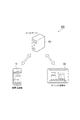
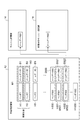
図1は、本実施形態の通信システムのシステム構成を示す図である。この通信システムは、携帯電話機10(携帯端末)、タブレット型端末30およびメールサーバ50を含んで構成されている。携帯電話機10およびタブレット型端末30は、それぞれ、例えば携帯電話ネットワーク等の通信ネットワークを介してメールサーバ50と通信接続される。携帯電話機10およびタブレット型端末30は、同一のユーザによって使用される。メールサーバ50は、携帯電話機10およびタブレット型端末30のユーザが受信した電子メールのデータを全て記憶している。そして、携帯電話機10およびタブレット型端末30は、ユーザの操作に応じて、電子メールのデータをメールサーバ50から通信ネットワークを介して受信し、受信した電子メールのデータを後述のように記憶する。
FIG. 1 is a diagram illustrating a system configuration of a communication system according to the present embodiment. This communication system includes a mobile phone 10 (mobile terminal), a
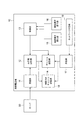
図2は、携帯電話機10の機能構成を示す図である。携帯電話機10は、受信部11(受信手段)、不揮発記憶部12(記憶手段)、制御部13、キャッシュ記憶部14(記憶手段)、保護操作受付部15(保護操作受付手段)、削除操作受付部16(削除操作受付手段)、消去部17(消去手段)、時限付きキャッシュ記憶部18(記憶手段)およびネットワーク判定部19(ネットワーク判定手段)を含んで構成されている。これらの各機能は、図3に示されるCPU、RAMおよびROM等のハードウェアにより構成されて実現される。
FIG. 2 is a diagram illustrating a functional configuration of the
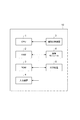
図3は、携帯電話機10のハードウェア構成図である。図2に示される携帯電話機10は、物理的には、図2に示すように、CPU1、主記憶装置であるRAM2およびROM3、入力デバイスである操作キー等の入力装置4、ディスプレイ等の出力装置5、ネットワークカード等のデータ送受信デバイスである通信モジュール6、半導体メモリ等の補助記憶装置7などを含むコンピュータシステムとして構成されている。図1において説明した各機能は、図2に示すCPU1、RAM2等のハードウェア上に所定のコンピュータソフトウェアを読み込ませることにより、CPU1の制御のもとで入力装置4、出力装置5、通信モジュール6を動作させるとともに、RAM2や補助記憶装置7におけるデータの読み出しおよび書き込みを行うことで実現される。なお、タブレット型端末30も同様のハードウェア構成をとるものである。以下、図2に示す機能ブロックに基づいて、携帯端末10の各機能ブロックを説明する。
FIG. 3 is a hardware configuration diagram of the
受信部11は、ヘッダとメールデータとからなる電子メールを受信する。ヘッダは、例えば、発信元情報と宛先、件名、送信日時等を含む部分である。メールデータは、電子メールにおけるヘッダ以外の部分であり、例えば本文、添付ファイル等を含む。本文は、テキストメッセージを含む部分である。なお、電子メールのメールデータは、本文または添付ファイルの少なくとも一方を含んでいればよい。
The receiving
不揮発記憶部12、キャッシュ記憶部14および時限付きキャッシュ記憶部18は、受信部11により受信された電子メールを記憶する記憶手段として機能する。不揮発記憶部12は、受信した全ての電子メールのヘッダと、一部の電子メールのメールデータとを記憶する。不揮発記憶部12は、次に述べるキャッシュ記憶部14および時限付きキャッシュ記憶部18とは異なり、キャッシュ記憶部14が電子メールのメールデータを消去する所定のタイミングにかかわらず電子メールのメールデータを消去しない不揮発性状態で電子メールを記憶する。すなわち、不揮発記憶部12は、携帯電話機10において電子メールの閲覧、送受信、削除、フォルダ移動等に用いられる電子メール用アプリケーション・プログラムの終了時にも、電子メールのヘッダおよびメールデータを記憶したままとなる。また、不揮発記憶部12は、携帯電話機10の電池残量の不足により携帯電話機10の電源が遮断された場合にも、電子メールのヘッダおよびメールデータを記憶したままとなる。このような不揮発記憶部12の機能は、ハードウェアとしては、例えばフラッシュメモリ等の、電源供給が断たれた場合に情報が消失しない不揮発性のメモリを使用して実現することができる。不揮発記憶部12が記憶することのできる電子メールの最大の記憶数(閾値)は、携帯電話機10のユーザにより、あらかじめ設定されている。
The
キャッシュ記憶部14は、受信部11により受信された電子メールのうち、第2の振分条件を満たす電子メールのメールデータを記憶する。キャッシュ記憶部14は、第1の消去条件が満たされた後の所定のタイミングで電子メールのメールデータを消去するキャッシュ状態で電子メールを記憶する。この第1の消去条件とは、例えば、携帯電話機10において、電子メール用アプリケーション・プログラムが終了したことである。また、携帯電話機10を駆動する電池の残量が不足して電源が遮断されたことを第1の消去条件として、電源が遮断された場合にキャッシュ記憶部14が電子メールのメールデータを削除するようにしてもよい。第1の消去条件が満たされた後、どのタイミングでメールデータを消去するかは、ネットワーク判定部19の判定結果によって異なる。
The
時限付きキャッシュ記憶部18は、受信部11により受信された電子メールのうち、第1の振分条件を満たす電子メールのメールデータを記憶する。時限付きキャッシュ記憶部18は、時限付きキャッシュ状態で電子メールを記憶する。この時限付きキャッシュ状態とは、キャッシュ記憶部14に記憶された電子メールのメールデータが消去される所定のタイミングが到来した後、さらに所定の時間が経過するまでメールデータを消去しない状態である。したがって、時限付きキャッシュ記憶部18に記憶される電子メールのメールデータは、例えば、電子メール用アプリケーション・プログラムが終了してから、さらに一定時間保持され続け、一定時間が経過すると、消去部17により消去される。
The timed
制御部13は、不揮発記憶部12に記憶される電子メールのメールデータのうち、最も参照される可能性の高いものを不揮発記憶部12から消去されないように制御するとともに、第1の振分条件を満たすものを時限付きキャッシュ記憶部18に移動させ、第2の振分条件を満たすものをキャッシュ記憶部14に移動させる。第1の振分条件は、携帯電話機10のユーザによって参照される可能性が比較的高い電子メールを選択するための条件である。第2の振分条件は、携帯電話機10のユーザによって参照される可能性が低い電子メールを選択するための条件である。第1および第2の振分条件についての詳細は、後述する。
The
保護操作受付部15は、ユーザが保護対象としたい電子メールを指定するための指定操作を、入力装置4を介して受け付ける。保護操作受付部15が指定操作を受け付けると、制御部13は、保護対象として指定された電子メールのメールデータを不揮発記憶部12から移動させないように制御を開始する。このとき、保護対象とされた電子メールのメールデータがキャッシュ記憶部14または時限付きキャッシュ記憶部18に記憶されている場合には、当該電子メールのメールデータを不揮発記憶部12に移動させる。また、保護対象とされた電子メールのメールデータが不揮発記憶部12、キャッシュ記憶部14および時限付きキャッシュ記憶部18のいずれにも記憶されていない場合には、受信部11に当該電子メールのメールデータを取得させ、取得されたメールデータを不揮発記憶部12に記憶させる。
The protection
削除操作受付部16は、ユーザが削除対象としたい電子メールを指定するための指定操作を、入力装置4を介して受け付ける。削除操作受付部16が指定操作を受け付けると、制御部13は、削除対象として指定された電子メールのメールデータを不揮発記憶部12からキャッシュ記憶部14に移動させる。
The delete
消去部17は、キャッシュ記憶部14および時限付きキャッシュ記憶部18に記憶された電子メールのメールデータを、所定のタイミングで消去する。この所定のタイミングとは、例えば、電子メール用アプリケーション・プログラムの終了時、携帯電話機10の電源遮断時等である。また、消去部17は、ネットワーク判定部19の判定結果を使用して、キャッシュ記憶部14に記憶されたメールデータの消去のタイミングを決定する。
The
つぎに、本実施形態の携帯電話機10における電子メール管理方法について説明する。
Next, an e-mail management method in the
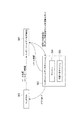
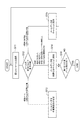
図4は、携帯電話機10における電子メールの管理状態の遷移を示す状態遷移図である。不揮発記憶部12、キャッシュ記憶部14および時限付きキャッシュ記憶部18は、携帯電話機10が受信したそれぞれの電子メールを、大きく分けて、次の3通りのいずれかの記憶状態として記憶する。第1の状態St1は、電子メールのメールデータとヘッダとが、両方とも不揮発記憶部12に記憶される不揮発性状態である。第2の状態St2は、電子メールのヘッダが不揮発記憶部12に記憶され、当該電子メールのメールデータがキャッシュ記憶部14または時限付きキャッシュ記憶部18に記憶される状態である。第3の状態St3は、電子メールのヘッダが不揮発記憶部12に記憶されるのみであり、メールデータが不揮発記憶部12、キャッシュ記憶部14および時限付きキャッシュ記憶部18のいずれにも記憶されていない消去状態である。なお、第1〜3の状態St1〜3のいずれにおいても、電子メールのヘッダは不揮発記憶部12に記憶され、不揮発記憶部12から消去されたり、不揮発記憶部12からキャッシュ記憶部14または時限付きキャッシュ記憶部18に移動されたりすることはない。
FIG. 4 is a state transition diagram showing transition of the management state of e-mail in the
第2の状態St2は、より詳細には、第4の状態St4と第5の状態St5との2つの状態に分類される。第4の状態St4は、キャッシュ状態であり、電子メールのメールデータがキャッシュ記憶部14に記憶される状態である。第5の状態St5は、時限付きキャッシュ状態であり、電子メールのメールデータが時限付きキャッシュ記憶部18に記憶される状態である。
More specifically, the second state St2 is classified into two states, a fourth state St4 and a fifth state St5. The fourth state St4 is a cache state, in which the mail data of the e-mail is stored in the
上記の第1〜第5の状態St1〜St5の間での電子メールの記憶状態の遷移の態様について説明する。まず、受信部11がメールサーバ50から電子メールを受信すると、当該電子メールは、不揮発記憶部12にヘッダとメールデータがともに記憶される。すなわち、電子メールが受信されると、当該電子メールの記憶状態は、受信直後には状態St1となる。
An aspect of transition of the storage state of the electronic mail between the first to fifth states St1 to St5 will be described. First, when the receiving
次に、状態St1にある電子メールに対して、ユーザが削除対象としたい電子メールを指定する操作を行う。この操作は、例えば、電子メール用アプリケーション・プログラムにおいて、ユーザが当該電子メールをゴミ箱フォルダに移動することである。このとき、削除操作受付部16がユーザの操作を受け付ける。削除操作受付部16がユーザの操作を受け付けると、制御部13が当該電子メールのメールデータを不揮発記憶部12からキャッシュ記憶部14に移動させる。すなわち、当該電子メールの記憶状態は状態St1から状態St2に遷移する。
Next, the user performs an operation for designating an e-mail that the user wants to delete for the e-mail in the state St1. This operation is, for example, that the user moves the e-mail to the trash folder in the e-mail application program. At this time, the deletion
また、後述のように、当該電子メールについて押し出し処理が行われた場合にも、当該電子メールの記憶状態は、同様に状態St1から状態St2に遷移する。この押し出し処理が行われる条件は、不揮発記憶部12にメールデータが記憶された電子メールの件数が予め定められた最大記憶数を超えており、押し出し処理の対象となる電子メールが未保護状態であり、かつ送信日時が古いことである。押し出し処理が行われた場合において、電子メールの記憶状態は、所定の振分条件に応じて、状態St4のキャッシュ状態、または状態St5の時限付きキャッシュ状態のいずれかに振り分けられる。この振り分け処理については後述する。
In addition, as described later, when the pushing process is performed on the e-mail, the storage state of the e-mail similarly changes from the state St1 to the state St2. The condition for performing the push-out process is that the number of e-mails in which the mail data is stored in the
ここで、図5を参照して、不揮発記憶部12、キャッシュ記憶部14および時限付きキャッシュ記憶部18における電子メールの記憶の仕方について説明する。携帯電話機10において、電子メールM3〜M1000が既に受信されている場合を考える。以下の説明においては、電子メールに付された番号が小さいものほど、当該電子メールの送信日時が新しいものとする。電子メールMn(Mnは3〜1000の整数のいずれか)は、ヘッダHnおよびメールデータBnからなる。また、不揮発性状態として記憶可能な電子メールの最大値は、予め500に設定されている。この設定値に等しい500通の電子メールM3〜M502については、メールデータB3〜B502が不揮発記憶部12に記憶されている。電子メールM502より送信日時が古く、かつ保護状態にない電子メールM503〜M1000については、ヘッダH503〜H1000のみが不揮発記憶部12に記憶されており、メールデータB503〜B1000は、既に不揮発記憶部12、キャッシュ記憶部14および時限付きキャッシュ記憶部18から消去されている。
Here, with reference to FIG. 5, the method of storing the electronic mail in the
いま、ヘッダH1およびメールデータB1からなる電子メールM1と、ヘッダH2およびメールデータB2からなる電子メールM2とを新規に受信した場合を考える。このとき、新規に受信した電子メールM1、M2は、いったん不揮発性状態として不揮発記憶部12に記憶される。このため、不揮発性状態として記憶される電子メールの数が502となり、設定値である500を超えてしまう。そこで、制御部13は、送信日時の古い電子メールのメールデータを不揮発記憶部12からキャッシュ記憶部14または時限付きキャッシュ記憶部18に移動する移動処理を行い、不揮発記憶部12に記憶されるメールデータの数を500以下に保つ制御をする。ここでは、電子メールM501のメールデータB501がキャッシュ記憶部14に移動され、電子メールM502のメールデータB502が時限付きキャッシュ記憶部18に移動されている。
Consider a case where an e-mail M1 composed of a header H1 and mail data B1 and an e-mail M2 composed of a header H2 and mail data B2 are newly received. At this time, the newly received electronic mails M1 and M2 are temporarily stored in the
なお、電子メールM501のメールデータB501がキャッシュ記憶部に記憶された状態において、携帯電話機10のユーザが電子メールM501を保護対象として指定する指定操作を行い、保護操作受付部15がこの指定操作を受け付けた場合、制御部13は、電子メールM501のメールデータB501をキャッシュ記憶部14から不揮発記憶部12に移動する。このとき、不揮発記憶部12に記憶されていたヘッダH501と、キャッシュ記憶部14に記憶されていたメールデータB501には、それぞれ、どのヘッダとどのメールデータとが対応するかを示す識別子が添付されており、メールデータB501が不揮発記憶部12に移動されると、不揮発記憶部12は、ヘッダH501とメールデータB501のそれぞれに添付された識別子をもとに、ヘッダH501とメールデータB501の対応付けを行う。
Note that in a state where the mail data B501 of the email M501 is stored in the cache storage unit, the user of the
図4に戻って、電子メールの記憶状態の遷移の仕方について説明を続ける。状態St2にある電子メール、すなわちメールデータがキャッシュ記憶部14または時限付きキャッシュ記憶部18に記憶されている電子メールについて、保護操作受付部15が保護操作を受け付けると、制御部13は当該電子メールのメールデータをキャッシュ記憶部14または時限付きキャッシュ記憶部18から不揮発記憶部12へ移動させる。すなわち、当該電子メールの記憶状態が状態St2から状態St1へ遷移する。
Returning to FIG. 4, the description of the transition of the storage state of the e-mail will be continued. When the protection
また、状態St2にある電子メールについて、携帯電話機10における電子メール用アプリケーション・プログラムの実行が終了すると、消去部17は、所定時間が経過した後に、キャッシュ記憶部14または時限付きキャッシュ記憶部18に記憶されている当該電子メールのメールデータを消去する。このとき、不揮発記憶部12は、当該電子メールのヘッダを消去せず、また、キャッシュ記憶部14または時限付きキャッシュ記憶部18へ移動させることもしない。すなわち、当該電子メールについては、ヘッダのみが不揮発記憶部12に記憶された状態となる。この状態が状態St3である。
When the execution of the e-mail application program in the
状態St3にある電子メール、すなわちヘッダのみが不揮発記憶部12に記憶されており、メールデータが不揮発記憶部12、キャッシュ記憶部14および時限付きキャッシュ記憶部18のいずれにも記憶されていない電子メールについて、ユーザが当該電子メールを保護する操作を行った場合には、受信部11が当該電子メールのメールデータをメールサーバ50から再取得し、再取得したメールデータを不揮発記憶部12に記憶させる。したがって、当該電子メールの記憶状態はSt3からSt1に遷移する。また、状態St3にある電子メールについて、ユーザが当該電子メールのメールデータを閲覧する場合にも、同様に受信部11が当該電子メールのメールデータを再取得し、当該電子メールの記憶状態はSt3からSt1に遷移する。
An e-mail in the state St3, that is, an e-mail in which only the header is stored in the
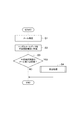
次に、状態St1から状態St2への遷移処理のうち、電子メールの押し出しが発生した場合のメールデータの移動処理について、図6、図7を参照して詳細に説明する。図6は、携帯電話機10における電子メールの取得処理を示すフローチャートである。図7は、図6に示す取得処理において発生する移動処理を示すフローチャートである。
Next, of the transition process from the state St1 to the state St2, the mail data moving process when an email is pushed out will be described in detail with reference to FIGS. FIG. 6 is a flowchart showing an e-mail acquisition process in the
まず、メールサーバ50が、携帯電話機10宛ての電子メールを受信すると、メールサーバ50は、携帯電話機10に、電子メールを受信したことを通知するSMS−Pushという通知情報を送信する。なお、SMS−Pushは、受信された電子メールの重要度を示す重要度情報を含んでいる。携帯電話機10がSMS−Pushを受信すると、受信部11は、メールサーバ50に対して電子メールデータの取得要求を行う。そして、受信部11がメールサーバ50から1又は複数の電子メールを受信する(ステップS1:受信ステップ)。そして、受信部11が、受信した電子メールのヘッダとメールデータとを不揮発記憶部12に記憶させる(ステップS2:記憶ステップ)。そして、制御部13が、不揮発記憶部12にメールデータが記憶された電子メールの件数が予め設定された設定値よりも大きいか否かを判定する(ステップS3)。電子メールの件数が設定値以下である場合には、そのまま処理を終了する。電子メールの件数が設定値よりも大きい場合には、移動処理を行う(ステップS4)。
First, when the
この移動処理について、図7を参照して説明する。まず、制御部13が、不揮発性状態の電子メールのうち、最も送信日時の古い電子メールを選択する(ステップS11)。次に、制御部13が、選択された電子メールの状態に応じて、条件分岐制御を行う(ステップS12)。当該電子メールが保護状態にあると判定された場合、またはSMS−Pushに含まれる重要度情報が「高」である場合には、制御部13は当該電子メールのメールデータを移動せず、不揮発記憶部12に保存したままとする(ステップS13)。
This movement process will be described with reference to FIG. First, the
また、ステップS12において、当該電子メールが第1の振分条件を満たしている場合には、当該電子メールのメールデータを時限付きキャッシュ記憶部18に保存し、当該電子メールの記憶状態を不揮発性状態から時限付きキャッシュ状態に遷移させる(ステップS14)。この第1の振分条件とは、携帯電話機10のユーザによって参照される可能性が比較的高い電子メールを選択するための条件である。第1の振分条件は、携帯電話機10のユーザが行った操作履歴に応じた条件であり、具体的には、ユーザが当該電子メールを読んでいない未読状態である場合、ユーザが当該電子メールについて過去に返信を行った場合、ユーザが当該電子メールを過去に転送した場合、ユーザが過去に検索した結果から当該電子メールを選択した場合が該当する。また、SMS−Push内の重要度情報が「中」である場合にも、制御部13は、当該電子メールのメールデータを時限付きキャッシュ記憶部18に保存する。
In step S12, if the email satisfies the first distribution condition, the email data of the email is stored in the time-limited
また、ステップS12において、当該電子メールが第2の振分条件を満たしている場合には、当該電子メールのメールデータをキャッシュ記憶部14に保存し、当該電子メールの記憶状態を不揮発性状態からキャッシュ状態に遷移させる(ステップS15)。この第2の振分条件とは、携帯電話機10のユーザによって参照される可能性が低い電子メールを選択するための条件である。第2の振分条件は、具体的には、当該電子メールがユーザによって既に読まれている既読状態であり、かつ保護されていない未保護状態であること、または、SMS−Push内の重要度情報が「低」であることである。
In step S12, if the e-mail satisfies the second distribution condition, the e-mail data of the e-mail is stored in the
ステップS13、ステップS14またはステップS15の後、制御部13が、振分対象となる電子メールの数が0件であるか否かを判定する(ステップS16)。振分対象となる電子メールの数の判定は、不揮発性状態として記憶される電子メールの数から、不揮発性状態として記憶可能な電子メールの最大値を減算することにより行う。振分対象となる電子メールの数が0件である場合は、そのまま処理を終了する。振分対象となる電子メールの数が0件でない場合は、再びステップS11に戻る。
After step S13, step S14 or step S15, the
なお、ステップS15においてキャッシュ状態に遷移した電子メールに関して、消去部17は、電子メール用アプリケーション・プログラムの終了や携帯電話機10の電源遮断時などの所定のタイミングで、当該電子メールのメールデータを消去する(消去ステップ)。また、ステップS14において時限付きキャッシュ状態に遷移した電子メールに関して、消去部17は、上記の所定のタイミングに達した後、所定の時間が経過するまで待ち、その後、当該電子メールのメールデータを消去する(消去ステップ)。
Note that the
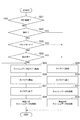
このメールデータの消去処理について、図8を参照して説明する。この処理は、第1の消去条件が満たされたこと、例えば電子メール用アプリケーション・プログラムの実行が終了したことを契機として開始される。 This mail data erasing process will be described with reference to FIG. This process is started when the first erasure condition is satisfied, for example, when the execution of the e-mail application program is completed.
まず、ネットワーク判定部19が、携帯電話機10がWiFi接続されているか否かを判定する(ステップS21)。携帯電話機10がWiFi接続されていると判定された場合は、後述のステップS25に進む。携帯電話機10がWiFi接続されていないと判定された場合は、ネットワーク判定部19が、携帯電話機10が通信圏外にあるか否かを判定する(ステップS22)。携帯電話機10が通信圏外にないと判定された場合は、後述のステップS29に進む。携帯電話機10が通信圏外にあると判定された場合は、ネットワーク判定部19が、携帯電話機10がフライトモードにあるか否かを判定する(ステップS23)。なお、フライトモードとは、携帯電話機10が電波の送受信を行わないモードであり、電波の送受信が禁止された航空機内で携帯電話機10を使用する場合に適したモードである。
First, the
ステップS23において、携帯電話機10がフライトモードにあると判定された場合は、後述のステップS29に進む。携帯電話機10がフライトモードにないと判定された場合は、ネットワーク判定部19が、携帯電話機10の利用できる通信ネットワークが海外のネットワークである海外網であるか否かを判定する(ステップS24)。携帯電話機10の利用できる通信ネットワークが海外網であると判定された場合は、後述のステップS29に進む。
If it is determined in step S23 that the
ステップS24において携帯電話機10の利用できる通信ネットワークが海外網でないと判定された場合、またはステップS21において携帯電話機10がWiFi接続されていると判定された場合は、消去部17が、キャッシュ記憶部14に記憶されたメールデータをすぐに削除する(ステップS25)。その後、消去部17がタイマを開始させ、所定時間T1の計時を始める(ステップS26)。所定時間T1が経過してタイマが満了すると(ステップS27)、消去部17が、時限付きキャッシュ記憶部18に記憶されたメールデータを削除し(ステップS28)、メールデータの消去処理が終了する。
If it is determined in step S24 that the communication network that can be used by the
ステップS22において携帯電話機10が通信圏外にあると判定された場合、ステップS23において携帯電話機10がフライトモードにあると判定された場合、またはステップS24において携帯電話機10の利用できるネットワークが海外網であると判定された場合は、消去部17がタイマを開始させ、所定時間T1の計時を始める(ステップS29)。所定時間T1が経過してタイマが満了すると(ステップS30)、消去部17が、キャッシュ記憶部14に記憶されたメールデータを削除し(ステップS31)、続けて、消去部17が、時限付きキャッシュ記憶部18に記憶されたメールデータを削除し(ステップS32)、メールデータの消去処理が終了する。
When it is determined in step S22 that the
なお、以上の消去処理において、ステップS21〜S24の処理は、携帯電話機10が高速でかつ通信料金が低額なネットワークであるWiFi、第3世代携帯電話、LTE等のネットワークを利用可能であるか否かを判定するために行われる。
In the above erasure process, the processes in steps S21 to S24 are performed in the network such as WiFi, third generation mobile phone, LTE, etc., which is a network in which the
つぎに、本実施形態の携帯電話機10および携帯電話機10における電子メール管理方法の作用効果について説明する。
Next, the operation and effect of the
携帯電話機10および携帯電話機10における電子メール管理方法によれば、受信部11が電子メールを受信し、不揮発記憶部12が受信された電子メールを記憶した後、記憶された電子メールのメールデータを消去部17が消去するタイミングを、第2の消去条件に応じて変更する。このため、記憶された電子メールが再び参照される可能性に応じて、電子メールのメールデータを消去するタイミングを変更することができるため、電子メールのメールデータを適切なタイミングで削除することが可能となる。
According to the
また、キャッシュ記憶部14が、第1の振分条件を満たす電子メールを時限付きキャッシュ状態で記憶し、時限付きキャッシュ記憶部18が、時限付きキャッシュ状態で記憶された電子メールについて、第1の消去条件が満たされてから所定の時間が経過した後に当該電子メールのメールデータを消去する。このため、時限付きキャッシュ状態の電子メールについては、第1の消去条件が満たされてからも所定の時間が経過するまではメールデータが消去されないため、第1の消去条件が満たされてから所定の時間が経過するまでの間に時限付きキャッシュ状態の電子メールを再び参照する場合に、参照したい電子メールのメールデータを再取得することなく参照することが可能となる。
In addition, the
また、キャッシュ記憶部14が、第2の振分条件を満たす電子メールをキャッシュ状態で記憶し、消去部17は、キャッシュ状態の電子メールについて、第2の消去条件が満たされている場合には、第1の消去条件が満たされてから所定の時間が経過するまで電子メールのメールデータを消去するタイミングを遅らせる。したがって、第2の消去条件が満たされているか否かに応じて、電子メールのメールデータを消去するタイミングを変更することができるため、電子メールのメールデータを適切なタイミングで削除することが可能となる。
In addition, the
また、携帯電話機10が所定の種類のネットワークを利用可能であるか否かがネットワーク判定部19により判定され、この判定結果に応じて、消去部17は、記憶手段に記憶される電子メールのメールデータを消去するタイミングを変更する。したがって、所定の種類のネットワークを利用できないことにより電子メールのメールデータの再取得が難しいか否か、または不可能であるか否かに応じて、電子メールのメールデータを消去するタイミングを変更できるため、メールデータの再取得が容易な場合のメモリ使用量を削減するとともに、メールデータの再取得が難しい、または不可能な場合においてメールデータの再取得の発生を防止することができ、適切なタイミングで電子メールのメールデータを消去することが可能となる。
Further, whether or not the
また、電子メールに対して携帯電話機10のユーザが行った操作履歴に応じた条件が満たされた場合に、時限付きキャッシュ記憶部18が、当該電子メールを時限付きキャッシュ状態で記憶する。このため、ユーザの操作履歴に応じて、再び参照される可能性が高い電子メールについては、時限付きキャッシュ状態で記憶しておくことにより、所定の消去条件が満たされてから所定の時間が経過するまでの間に電子メールを再び参照する場合に、参照したい電子メールのメールデータを再取得することなく参照することが可能となる。
Further, when a condition corresponding to an operation history performed by the user of the
また、電子メールにおいて容量の大きい部分である本文又は添付ファイルの少なくとも一方であるメールデータが、適切なタイミングで消去されるため、本実施形態の効果がより好適に発揮される。 In addition, since the mail data that is at least one of the body and the attached file, which is a large-capacity part in the electronic mail, is deleted at an appropriate timing, the effect of the present embodiment is more suitably exhibited.
なお、これまで、キャッシュ記憶部14に記憶された電子メールのメールデータについては、第1の消去条件が満たされた後、ネットワーク判定部19による判定結果に応じて電子メールのメールデータを消去するタイミングがされるものとして説明した。しかし、キャッシュ記憶部14に記憶されたメールデータについて、すぐに消去部17によって消去されるものとしてもよい。
Until now, the e-mail mail data stored in the
この場合、キャッシュ記憶部14が、第2の振分条件を満たす電子メールをキャッシュ状態で記憶し、消去部17が、キャッシュ状態の電子メールについて、第1の消去条件が満たされた後すぐに当該電子メールのメールデータを消去する。したがって、不要な電子メールについては、早いタイミングで電子メールのメールデータが消去されるため、早いタイミングで携帯電話機10のメモリの使用量を減少させることができる。
In this case, the
また、本実施形態においては、電子メールのメールデータが不揮発記憶部12、キャッシュ記憶部14または時限付きキャッシュ記憶部18の3つの記憶部のいずれかに記憶されるものとして説明した。しかし、全てのメールデータに記憶状態が不揮発性状態、キャッシュ記憶状態または時限付きキャッシュ状態のいずれの状態にあるかを示すフラグを付与して、全てのメールデータを1つの記憶部に記憶するようにしてもよい。この場合、電子メールの状態が上記の3つの状態の間で遷移するときに、フラグの値を書き換え、また、電子メール用アプリケーション・プログラムの終了などの第1の消去条件が満たされた後、所定の時間を待って、フラグがキャッシュ記憶状態又は時限付きキャッシュ状態であることを示す値となっているメールデータのみを消去するようにする。このような場合にも、前述した実施形態と同様の作用・効果を奏する。
Further, in the present embodiment, the e-mail mail data has been described as being stored in any one of the three storage units of the
10…携帯電話機、11…受信部、12…不揮発記憶部、13…制御部、14…キャッシュ記憶部、15…保護操作受付部、16…削除操作受付部、17…消去部、18…時限付きキャッシュ記憶部、19…ネットワーク判定部。
DESCRIPTION OF
上述の課題を解決するために、本発明の携帯端末は、携帯端末であって、ヘッダとメールデータとからなる電子メールを受信する受信手段と、受信手段により受信された電子メールを記憶する記憶手段と、記憶手段に記憶された電子メールのうち携帯端末の状況に基づく条件であり、電子メール用アプリケーション・プログラムが終了したこと、及び電源が遮断されたことの少なくとも一方を含む条件である第1の消去条件が満たされた場合に消去処理の対象となる電子メールに対して、当該電子メールのメールデータのみを消去する消去手段と、携帯端末が所定の種類のネットワークを利用可能であるか否かを判定するネットワーク判定手段と、を備え、消去手段は、ネットワーク判定手段による判定結果に応じた条件である第2の消去条件に応じて電子メールのメールデータを消去するタイミングを変更する。 In order to solve the above-described problem, a mobile terminal according to the present invention is a mobile terminal, and includes a receiving unit that receives an e-mail including a header and mail data, and a memory that stores the e-mail received by the receiving unit. And a condition based on the status of the portable terminal among the e-mails stored in the storage means , and includes a condition including at least one of termination of the e-mail application program and power-off . If an e-mail subject to erasure processing when one erasure condition is satisfied, is erasure means for erasing only the e-mail data of the e-mail and whether the portable terminal can use a predetermined type of network? comprising a network determining means for determining whether the erase means, the second erasing conditions are conditions according to the determination result by the network determining means To change the timing to erase the mail data of the e-mail in response to.
また、本発明の電子メール管理方法は、携帯端末における電子メール管理方法であって、ヘッダとメールデータとからなる電子メールを受信する受信ステップと、受信ステップにおいて受信された電子メールを記憶する記憶ステップと、記憶ステップにおいて記憶された電子メールのうち前記携帯端末の状況に基づく条件であり、電子メール用アプリケーション・プログラムが終了したこと、及び電源が遮断されたことの少なくとも一方を含む条件である第1の消去条件が満たされた場合に消去処理の対象となる電子メールに対して、当該電子メールのメールデータのみを消去する消去ステップと、携帯端末が所定の種類のネットワークを利用可能であるか否かを判定するネットワーク判定ステップと、を備え、消去ステップでは、ネットワーク判定ステップによる判定結果に応じた条件である第2の消去条件に応じて電子メールのメールデータを消去するタイミングを変更する。 The e-mail management method of the present invention is an e-mail management method in a portable terminal, and includes a receiving step for receiving an e-mail composed of a header and mail data, and a memory for storing the e-mail received in the receiving step. A condition based on the status of the portable terminal among the e-mails stored in the step and the storing step, the condition including at least one of termination of the e-mail application program and power-off An erasure step for erasing only the mail data of the e-mail for the e-mail to be erased when the first erasure condition is satisfied, and the portable terminal can use a predetermined type of network. provided of whether the network determining step of determining whether, and in the erase step, networks Changing the timing of erasing mail data of the electronic mail in accordance with the second erase condition is a condition corresponding to the determination result by the click determination step.
また、本発明の携帯端末において、記憶手段は、受信手段により受信された電子メールのうち、携帯端末のユーザが行った操作履歴に応じた条件であり、携帯端末のユーザによって参照される可能性が高い電子メールを選択するための条件である第1の振分条件を満たす電子メールを消去処理の対象として時限付きキャッシュ状態で記憶し、消去手段は、記憶手段に時限付きキャッシュ状態で記憶された電子メールについて、第1の消去条件が満たされてから所定の時間が経過した後に当該電子メールのメールデータを消去してもよい。 Further, in the portable terminal of the present invention, the storage means is a condition corresponding to an operation history performed by the user of the portable terminal in the email received by the receiving means , and may be referred to by the user of the portable terminal. An e-mail that satisfies the first sorting condition, which is a condition for selecting an e-mail with a high value, is stored as a target of erasure processing in a timed cache state, and the erasure unit is stored in the memory unit in a timed cache state For the e-mail, the e-mail data of the e-mail may be deleted after a predetermined time elapses after the first erasure condition is satisfied.
また、本発明の携帯端末において、記憶手段は、受信手段により受信された電子メールのうち、携帯端末のユーザが行った操作履歴に応じた条件であり、携帯端末のユーザによって参照される可能性が低い電子メールを選択するための条件である第2の振分条件を満たす電子メールを消去処理の対象としてキャッシュ状態で記憶し、消去手段は、記憶手段にキャッシュ状態で記憶される電子メールについて、第1の消去条件が満たされた後すぐに当該電子メールのメールデータを消去してもよい。 Further, in the portable terminal of the present invention, the storage means is a condition corresponding to an operation history performed by the user of the portable terminal in the email received by the receiving means , and may be referred to by the user of the portable terminal. An e-mail satisfying the second sorting condition, which is a condition for selecting an e-mail with a low value, is stored in the cache state as an object of the erasure process, and the erasure unit stores the e-mail stored in the cache unit in the cache state The mail data of the e-mail may be deleted immediately after the first deletion condition is satisfied.
また、本発明の携帯端末において、記憶手段は、受信手段により受信された電子メールのうち、携帯端末のユーザが行った操作履歴に応じた条件であり、携帯端末のユーザによって参照される可能性が低い電子メールを選択するための条件である第2の振分条件を満たす電子メールを消去処理の対象としてキャッシュ状態で記憶し、消去手段は、記憶手段にキャッシュ状態で記憶される電子メールについて、第2の消去条件が満たされている場合には、第1の消去条件が満たされてから所定の時間が経過するまで当該電子メールのメールデータを消去するタイミングを遅らせてもよい。 Further, in the portable terminal of the present invention, the storage means is a condition corresponding to an operation history performed by the user of the portable terminal in the email received by the receiving means , and may be referred to by the user of the portable terminal. An e-mail satisfying the second sorting condition, which is a condition for selecting an e-mail with a low value, is stored in the cache state as an object of the erasure process, and the erasure unit stores the e-mail stored in the cache unit in the cache state When the second erasure condition is satisfied, the timing of erasing the mail data of the e-mail may be delayed until a predetermined time elapses after the first erasure condition is satisfied.
Claims (8)
前記受信手段により受信された電子メールを記憶する記憶手段と、
前記記憶手段に記憶された電子メールのうち第1の消去条件を満たす電子メールに対して、当該電子メールのメールデータのみを消去する消去手段と、
を備え、
前記消去手段は、第2の消去条件に応じて前記電子メールのメールデータを消去するタイミングを変更することを特徴とする携帯端末。 A receiving means for receiving an email consisting of a header and mail data;
Storage means for storing the e-mail received by the receiving means;
An erasure unit for erasing only the mail data of the e-mail with respect to an e-mail satisfying a first erasure condition among the e-mails stored in the storage unit;
With
The portable terminal according to claim 1, wherein the erasure unit changes a timing of erasing the mail data of the e-mail according to a second erasure condition.
前記消去手段は、前記記憶手段に時限付きキャッシュ状態で記憶された電子メールについて、第1の消去条件が満たされてから所定の時間が経過した後に当該電子メールのメールデータを消去することを特徴とする請求項1に記載の携帯端末。 The storage means stores, in a timed cache state, an e-mail satisfying a first sorting condition among e-mails received by the receiving means,
The erasing means erases the mail data of the electronic mail stored in the storage means in a timed cache state after a predetermined time elapses after the first erasure condition is satisfied. The mobile terminal according to claim 1.
前記消去手段は、前記記憶手段にキャッシュ状態で記憶される電子メールについて、第1の消去条件が満たされた後すぐに当該電子メールのメールデータを消去することを特徴とする請求項2に記載の携帯端末。 The storage means stores, in a cache state, an e-mail satisfying a second distribution condition among e-mails received by the receiving means,
3. The e-mail data of the e-mail is erased immediately after the first erasure condition is satisfied for the e-mail stored in the storage unit in a cached state. Mobile devices.
前記消去手段は、前記記憶手段にキャッシュ状態で記憶される電子メールについて、第2の消去条件が満たされている場合には、第1の消去条件が満たされてから所定の時間が経過するまで当該電子メールのメールデータを消去するタイミングを遅らせることを特徴とする請求項2に記載の携帯端末。 The storage means stores, in a cache state, an e-mail satisfying a second distribution condition among e-mails received by the receiving means,
When the second erasure condition is satisfied for the e-mail stored in the cache state in the storage means, the erasure means until a predetermined time elapses after the first erasure condition is satisfied. The mobile terminal according to claim 2, wherein the timing for deleting the mail data of the electronic mail is delayed.
前記第2の消去条件は、前記ネットワーク判定手段による判定結果に応じた条件であることを特徴とする請求項1〜5のいずれか1項に記載の携帯端末。 Network determination means for determining whether or not the mobile terminal can use a predetermined type of network;
The mobile terminal according to claim 1, wherein the second erasing condition is a condition according to a determination result by the network determination unit.
ヘッダとメールデータとからなる電子メールを受信する受信ステップと、
前記受信ステップにおいて受信された電子メールを記憶する記憶ステップと、
前記記憶ステップにおいて記憶された電子メールのうち第1の消去条件を満たす電子メールに対して、当該電子メールのメールデータのみを消去する消去ステップと、
を備え、
前記消去ステップでは、第2の消去条件に応じて前記電子メールのメールデータを消去するタイミングを変更することを特徴とする電子メール管理方法。 An e-mail management method in a mobile terminal,
A receiving step for receiving an e-mail comprising a header and mail data;
A storing step for storing the e-mail received in the receiving step;
An erasure step of erasing only the mail data of the e-mail for the e-mail satisfying the first erasure condition among the e-mails stored in the storage step;
With
The e-mail management method characterized in that, in the erasing step, a timing for erasing the e-mail data of the e-mail is changed according to a second erasing condition.
Priority Applications (1)
| Application Number | Priority Date | Filing Date | Title |
|---|---|---|---|
| JP2012124548A JP5410571B2 (en) | 2012-05-31 | 2012-05-31 | Mobile terminal and e-mail management method |
Applications Claiming Priority (1)
| Application Number | Priority Date | Filing Date | Title |
|---|---|---|---|
| JP2012124548A JP5410571B2 (en) | 2012-05-31 | 2012-05-31 | Mobile terminal and e-mail management method |
Publications (2)
| Publication Number | Publication Date |
|---|---|
| JP2013250737A true JP2013250737A (en) | 2013-12-12 |
| JP5410571B2 JP5410571B2 (en) | 2014-02-05 |
Family
ID=49849372
Family Applications (1)
| Application Number | Title | Priority Date | Filing Date |
|---|---|---|---|
| JP2012124548A Active JP5410571B2 (en) | 2012-05-31 | 2012-05-31 | Mobile terminal and e-mail management method |
Country Status (1)
| Country | Link |
|---|---|
| JP (1) | JP5410571B2 (en) |
Cited By (1)
| Publication number | Priority date | Publication date | Assignee | Title |
|---|---|---|---|---|
| JP2022048146A (en) * | 2019-04-02 | 2022-03-25 | カシオ計算機株式会社 | Electronic device, control method, and program |
Citations (13)
| Publication number | Priority date | Publication date | Assignee | Title |
|---|---|---|---|---|
| JPH1125012A (en) * | 1997-06-30 | 1999-01-29 | Nec Corp | Electronic mail system with automatic discarding function |
| JPH1198173A (en) * | 1997-09-18 | 1999-04-09 | Toshiba Corp | Information processing apparatus, information storage method, and recording medium |
| JP2000137655A (en) * | 1998-10-30 | 2000-05-16 | Sharp Corp | Communication terminal device |
| JP2002278896A (en) * | 2001-03-19 | 2002-09-27 | Sanyo Electric Co Ltd | E-mail storing method and terminal device using the e- mail storing method |
| JP2002354042A (en) * | 2001-05-10 | 2002-12-06 | Internatl Business Mach Corp <Ibm> | Electronic mail system erase method of electronic mail and program |
| JP2003167830A (en) * | 2001-11-30 | 2003-06-13 | Toshiba Corp | Terminal device and message information management program |
| JP2003333101A (en) * | 2002-05-10 | 2003-11-21 | Oki Electric Ind Co Ltd | Storage device management system |
| JP2004094700A (en) * | 2002-09-02 | 2004-03-25 | Toshiba Corp | Portable communication device and received mail management method |
| JP2005275490A (en) * | 2004-03-23 | 2005-10-06 | Sanyo Electric Co Ltd | Method for managing electronic mail and terminal equipment using the same |
| JP2006227898A (en) * | 2005-02-17 | 2006-08-31 | Nec Saitama Ltd | Portable communication terminal |
| JP2008085444A (en) * | 2006-09-26 | 2008-04-10 | Softbank Mobile Corp | Mobile communication terminal |
| JP2010092098A (en) * | 2008-10-03 | 2010-04-22 | Sanyo Electric Co Ltd | Display device |
| JP2011055371A (en) * | 2009-09-03 | 2011-03-17 | Fujitsu Ltd | Portable terminal equipment, portable terminal control method, and portable terminal control program |
-
2012
- 2012-05-31 JP JP2012124548A patent/JP5410571B2/en active Active
Patent Citations (13)
| Publication number | Priority date | Publication date | Assignee | Title |
|---|---|---|---|---|
| JPH1125012A (en) * | 1997-06-30 | 1999-01-29 | Nec Corp | Electronic mail system with automatic discarding function |
| JPH1198173A (en) * | 1997-09-18 | 1999-04-09 | Toshiba Corp | Information processing apparatus, information storage method, and recording medium |
| JP2000137655A (en) * | 1998-10-30 | 2000-05-16 | Sharp Corp | Communication terminal device |
| JP2002278896A (en) * | 2001-03-19 | 2002-09-27 | Sanyo Electric Co Ltd | E-mail storing method and terminal device using the e- mail storing method |
| JP2002354042A (en) * | 2001-05-10 | 2002-12-06 | Internatl Business Mach Corp <Ibm> | Electronic mail system erase method of electronic mail and program |
| JP2003167830A (en) * | 2001-11-30 | 2003-06-13 | Toshiba Corp | Terminal device and message information management program |
| JP2003333101A (en) * | 2002-05-10 | 2003-11-21 | Oki Electric Ind Co Ltd | Storage device management system |
| JP2004094700A (en) * | 2002-09-02 | 2004-03-25 | Toshiba Corp | Portable communication device and received mail management method |
| JP2005275490A (en) * | 2004-03-23 | 2005-10-06 | Sanyo Electric Co Ltd | Method for managing electronic mail and terminal equipment using the same |
| JP2006227898A (en) * | 2005-02-17 | 2006-08-31 | Nec Saitama Ltd | Portable communication terminal |
| JP2008085444A (en) * | 2006-09-26 | 2008-04-10 | Softbank Mobile Corp | Mobile communication terminal |
| JP2010092098A (en) * | 2008-10-03 | 2010-04-22 | Sanyo Electric Co Ltd | Display device |
| JP2011055371A (en) * | 2009-09-03 | 2011-03-17 | Fujitsu Ltd | Portable terminal equipment, portable terminal control method, and portable terminal control program |
Cited By (2)
| Publication number | Priority date | Publication date | Assignee | Title |
|---|---|---|---|---|
| JP2022048146A (en) * | 2019-04-02 | 2022-03-25 | カシオ計算機株式会社 | Electronic device, control method, and program |
| US11815980B2 (en) | 2019-04-02 | 2023-11-14 | Casio Computer Co., Ltd. | Electronic device, control method, and recording medium for controlling switching first controller and second controller to communicator |
Also Published As
| Publication number | Publication date |
|---|---|
| JP5410571B2 (en) | 2014-02-05 |
Similar Documents
| Publication | Publication Date | Title |
|---|---|---|
| JP5798543B2 (en) | Temporarily limited mobile device contact information | |
| US7882181B2 (en) | Minimizing data transfer from POP3 servers | |
| CA2522122C (en) | System and method for automatically saving memory contents of a data processing device on power failure | |
| EP2151694A2 (en) | Systems and methods for monitoring deterioration of a rechargeable battery | |
| WO2008013229A1 (en) | Nonvolatile storage device, nonvolatile storage system and host unit | |
| US11096177B2 (en) | Operation mode switching method and user equipment | |
| CN110018902B (en) | Memory processing method and device, electronic device, computer-readable storage medium | |
| KR101505005B1 (en) | Memory device and management method of memory device | |
| CN103221927A (en) | Dynamically configurable embedded flash memory for electronic devices | |
| US10437519B2 (en) | Method and mobile terminal for processing write request | |
| CN103124276B (en) | A kind of method of expanding communication terminal storage space and communication terminal | |
| US7941403B2 (en) | Embedded file system recovery techniques | |
| CN108287760B (en) | Terminal device control method and device, terminal device and computer readable storage medium | |
| EP2738712A1 (en) | Embedded multimedia card partitioned storage space adjustment method and terminal | |
| CN101304454B (en) | A method to view SMS history | |
| JP2006085534A (en) | Information processing apparatus, software update method for information processing apparatus, and program | |
| JP5410571B2 (en) | Mobile terminal and e-mail management method | |
| CN105988715A (en) | Data storage method and device | |
| JP5330549B2 (en) | Communication device with storage function | |
| US8874795B2 (en) | Data synchronization system | |
| JP5480935B2 (en) | Mobile terminal and e-mail management method | |
| CN101453513A (en) | System and method for short message function fast using after mobile phone starting | |
| US20130212198A1 (en) | Methods and systems of dynamic mail synchronization for mobile devices | |
| US7610041B2 (en) | Apparatus and method for managing messages of a wireless communications terminal | |
| JP5431408B2 (en) | Mail system |
Legal Events
| Date | Code | Title | Description |
|---|---|---|---|
| A521 | Request for written amendment filed |
Free format text: JAPANESE INTERMEDIATE CODE: A523 Effective date: 20131007 |
|
| TRDD | Decision of grant or rejection written | ||
| A01 | Written decision to grant a patent or to grant a registration (utility model) |
Free format text: JAPANESE INTERMEDIATE CODE: A01 Effective date: 20131029 |
|
| A61 | First payment of annual fees (during grant procedure) |
Free format text: JAPANESE INTERMEDIATE CODE: A61 Effective date: 20131106 |
|
| R150 | Certificate of patent or registration of utility model |
Ref document number: 5410571 Country of ref document: JP Free format text: JAPANESE INTERMEDIATE CODE: R150 |
|
| R250 | Receipt of annual fees |
Free format text: JAPANESE INTERMEDIATE CODE: R250 |
|
| R250 | Receipt of annual fees |
Free format text: JAPANESE INTERMEDIATE CODE: R250 |
|
| R250 | Receipt of annual fees |
Free format text: JAPANESE INTERMEDIATE CODE: R250 |
|
| R250 | Receipt of annual fees |
Free format text: JAPANESE INTERMEDIATE CODE: R250 |
|
| R250 | Receipt of annual fees |
Free format text: JAPANESE INTERMEDIATE CODE: R250 |
|
| R250 | Receipt of annual fees |
Free format text: JAPANESE INTERMEDIATE CODE: R250 |
|
| R250 | Receipt of annual fees |
Free format text: JAPANESE INTERMEDIATE CODE: R250 |
|
| R250 | Receipt of annual fees |
Free format text: JAPANESE INTERMEDIATE CODE: R250 |
|
| R250 | Receipt of annual fees |
Free format text: JAPANESE INTERMEDIATE CODE: R250 |
|
| R250 | Receipt of annual fees |
Free format text: JAPANESE INTERMEDIATE CODE: R250 |