JP2011106979A - Building guide system - Google Patents
Building guide system Download PDFInfo
- Publication number
- JP2011106979A JP2011106979A JP2009262526A JP2009262526A JP2011106979A JP 2011106979 A JP2011106979 A JP 2011106979A JP 2009262526 A JP2009262526 A JP 2009262526A JP 2009262526 A JP2009262526 A JP 2009262526A JP 2011106979 A JP2011106979 A JP 2011106979A
- Authority
- JP
- Japan
- Prior art keywords
- building
- route
- movement
- candidate
- person
- Prior art date
- Legal status (The legal status is an assumption and is not a legal conclusion. Google has not performed a legal analysis and makes no representation as to the accuracy of the status listed.)
- Pending
Links
- 238000000034 method Methods 0.000 claims description 23
- 230000008569 process Effects 0.000 claims description 19
- 230000007613 environmental effect Effects 0.000 claims description 13
- 230000008859 change Effects 0.000 abstract description 16
- 239000000284 extract Substances 0.000 abstract description 2
- 230000035939 shock Effects 0.000 description 28
- 230000036541 health Effects 0.000 description 21
- 238000009826 distribution Methods 0.000 description 11
- 238000010586 diagram Methods 0.000 description 10
- 238000004904 shortening Methods 0.000 description 6
- 238000003860 storage Methods 0.000 description 6
- 238000001514 detection method Methods 0.000 description 4
- 230000004044 response Effects 0.000 description 3
- 230000006870 function Effects 0.000 description 2
- 208000017667 Chronic Disease Diseases 0.000 description 1
- 206010017577 Gait disturbance Diseases 0.000 description 1
- 125000002066 L-histidyl group Chemical group [H]N1C([H])=NC(C([H])([H])[C@](C(=O)[*])([H])N([H])[H])=C1[H] 0.000 description 1
- 238000004378 air conditioning Methods 0.000 description 1
- 238000013459 approach Methods 0.000 description 1
- 230000036760 body temperature Effects 0.000 description 1
- 230000008602 contraction Effects 0.000 description 1
- 230000000694 effects Effects 0.000 description 1
- 230000036449 good health Effects 0.000 description 1
- 230000003862 health status Effects 0.000 description 1
- 230000006872 improvement Effects 0.000 description 1
- 238000004519 manufacturing process Methods 0.000 description 1
- 230000015654 memory Effects 0.000 description 1
Images
Landscapes
- Navigation (AREA)
- Alarm Systems (AREA)
- Traffic Control Systems (AREA)
Abstract
Description
本発明は、建物内案内システムに関するものである。 The present invention relates to an in-building guidance system.
人の健康状態を好適に管理するために、生体センサ等により人の生体情報を取得するとともにその生体情報に基づいて健康状態の管理処理を行う技術がある。管理処理を行う構成としては、例えば、生体情報に基づいて献立の作成や運動メニューの作成などを行うことにより健康状態を管理する構成(例えば特許文献1)や、生体情報に基づいて温度や湿度などを調整することにより建物内の環境を整えて健康状態を管理する構成などが挙げられる。 In order to suitably manage a person's health state, there is a technique for acquiring a person's biological information using a biological sensor or the like and performing a health state management process based on the biological information. As a configuration for performing the management process, for example, a configuration for managing a health state by creating a menu or creating an exercise menu based on biological information (for example, Patent Document 1), or a temperature or humidity based on biological information. The structure etc. which prepare the environment in a building by adjusting etc. and manage a health state are mentioned.
ここで、複数の部屋や廊下が設けられている建物において、人が環境の異なる部屋等の間を移動した場合に、環境の変化により健康状態等に影響が及ぶことが懸念される。したがって、建物内を移動する人の健康状態等を好適に管理する構成に関して改善の余地がある。 Here, in a building where a plurality of rooms and corridors are provided, when a person moves between rooms with different environments, there is a concern that changes in the environment may affect the health condition and the like. Therefore, there is room for improvement with regard to a configuration for suitably managing the health condition and the like of a person moving in the building.
本発明は、建物内を移動する人の健康状態等を好適に保つことができる建物内案内システムを提供することを主たる目的とする。 The main object of the present invention is to provide an in-building guidance system that can favorably maintain the health condition and the like of a person moving in a building.
上記課題を解決するために、第1の発明は、各々区分けされた複数の建物内空間を有する建物に適用され、該建物内における人の移動を案内する建物内案内システムであり、前記複数の建物内空間について該建物内空間ごとの環境情報を建物内環境情報として取得する建物内情報取得手段と、前記建物内における人の移動時に移動元及び移動先を判定する判定手段と、前記建物内情報取得手段により取得された建物内環境情報に基づいて、前記判定手段により判定した移動元と移動先との間における前記人の移動ルートを設定する移動ルート設定手段と、前記移動ルート設定手段により設定された移動ルートに基づいて所定の案内処理を実施する案内手段とを備えていることを特徴とする。 In order to solve the above-mentioned problem, a first invention is an in-building guide system that is applied to a building having a plurality of in-building spaces, and guides the movement of a person in the building. In-building information acquisition means for acquiring environmental information for each space in the building as in-building environment information, determination means for determining a movement source and a movement destination when a person moves in the building, Based on the in-building environment information acquired by the information acquisition means, the movement route setting means for setting the movement route of the person between the movement source and the movement destination determined by the determination means, and the movement route setting means Guiding means for performing a predetermined guidance process based on the set travel route is provided.
第1の発明によれば、移動ルートが建物内空間ごとの環境情報に基づいて設定されるため、建物内空間ごとに環境が相違する場合にもその環境を考慮して移動ルートの設定、及び移動ルートに基づく人の案内(誘導)を行うことができる。この場合、移動元から移動先までの複数の建物内空間を健康状態にとって都合の良い順で人に通過させることが可能となる。つまり、人は互いの環境が大きく異なる建物内空間を直接行き来することなく移動元から移動先まで移動することが可能となるため、その移動に際して環境の変化による健康状態等への影響を抑制できる。つまり、建物内を移動する人の健康状態を好適に保つことができる。 According to the first invention, since the travel route is set based on the environmental information for each space in the building, even when the environment is different for each space in the building, the travel route is set in consideration of the environment, and Guidance (guidance) of people based on the travel route can be performed. In this case, it becomes possible for a person to pass through a plurality of in-building spaces from the movement source to the movement destination in an order convenient for the health condition. In other words, since people can move from the source to the destination without going back and forth directly in the building space where the environment is greatly different, the influence on the health condition etc. due to the change of environment can be suppressed during the movement . That is, it is possible to favorably maintain the health condition of a person who moves in the building.
第2の発明では、前記建物内情報取得手段は、前記建物内空間ごとの温度情報を前記建物内環境情報として取得し、前記移動ルート設定手段は、前記建物内情報取得手段により取得された前記温度情報に基づいて前記移動ルートを設定する。 In the second invention, the in-building information obtaining unit obtains temperature information for each space in the building as the in-building environment information, and the moving route setting unit is obtained by the in-building information obtaining unit. The movement route is set based on the temperature information.
第2の発明によれば、移動ルートが建物内空間ごとの温度情報に基づいて設定されるため、建物内空間ごとに温度が相違する場合にもそれを考慮して移動ルートを設定することができる。したがって、人が移動元から移動先までの複数の建物内空間を移動する際に、ヒートショック発生の抑制が可能な移動ルートを設定することができる。 According to the second invention, since the travel route is set based on the temperature information for each space in the building, the travel route can be set in consideration even when the temperature differs for each space in the building. it can. Therefore, when a person moves through a plurality of building spaces from a movement source to a movement destination, a movement route capable of suppressing the occurrence of heat shock can be set.
第3の発明では、前記移動ルート設定手段は、前記移動元から前記移動先までにおいて隣り合い且つ行き来可能な前記建物内空間の温度差に基づいて前記移動ルートを設定する。 In the third invention, the movement route setting means sets the movement route on the basis of a temperature difference between the space in the building that is adjacent and can be moved from the movement source to the movement destination.
第3の発明によれば、隣り合い且つ行き来可能な建物内空間の温度差に基づいて移動ルートが設定されるため、例えば移動元に隣り合う建物内空間が複数ある場合に、ヒートショック発生の抑制が可能な温度差になっている建物内空間を移動ルートに含めることができる。したがって、ヒートショック発生の抑制が可能な移動ルートを設定できる。 According to the third invention, since the movement route is set based on the temperature difference between the adjacent and accessible building spaces, for example, when there are a plurality of adjacent building spaces adjacent to the movement source, heat shock occurs. The space in the building where the temperature difference that can be suppressed is included can be included in the movement route. Therefore, it is possible to set a movement route that can suppress the occurrence of heat shock.
第4の発明では、前記移動ルート設定手段は、前記判定手段により判定された移動元と移動先との間に想定可能な複数の候補ルートを設定する候補ルート設定手段と、前記建物内情報取得手段により取得された建物内環境情報に基づいて、前記候補ルート設定手段により設定された複数の候補ルートから前記人の移動ルートを選択する選択手段とを有している。 In the fourth invention, the moving route setting means includes candidate route setting means for setting a plurality of possible candidate routes between the moving source and the moving destination determined by the determining means, and the in-building information acquisition Selection means for selecting the travel route of the person from a plurality of candidate routes set by the candidate route setting means based on the in-building environment information acquired by the means.
第4の発明によれば、複数の候補ルートから移動ルートが選択されるため、移動元から移動先までの複数の建物内空間が人の健康状態等にとって都合の良い順で並んだルートを移動ルートとして設定することができる。この場合、分岐点となる建物内空間にて次に進む建物内空間をその都度選択する構成とは異なり、環境の変化に伴う負担が心身に加えられることが懸念される移動パターンを移動ルートから排除することができる。したがって、建物内を移動する人の健康状態等を好適に保つ構成としては、複数の候補ルートから移動ルートを選択する構成が好適である。 According to the fourth invention, since a travel route is selected from a plurality of candidate routes, a plurality of building spaces from the travel source to the travel destination move along routes that are arranged in order that is convenient for human health and the like. Can be set as root. In this case, unlike the configuration in which the next building space that is the next in the building space that becomes the branching point is selected each time, the movement pattern that is concerned that the burden due to the change of the environment may be added to the mind and body is determined from the movement route. Can be eliminated. Therefore, as a configuration for appropriately maintaining the health state of a person moving in a building, a configuration for selecting a travel route from a plurality of candidate routes is preferable.
第5の発明では、前記建物内環境情報として取得した前記建物内空間ごとの温度情報に基づいて、前記複数の候補ルートのそれぞれについて、当該候補ルート上に存在して隣り合う建物内空間の温度差を算出する温度差算出手段を備え、前記選択手段は、前記温度差算出手段により算出された各候補ルートに含まれるそれぞれの前記温度差の最大値が最も小さい候補ルートを前記移動ルートとして選択する。 In 5th invention, based on the temperature information for every said building space acquired as said environmental information in a building, about each of these several candidate routes, the temperature of the building internal space which exists on the said candidate route and adjoins A temperature difference calculating means for calculating a difference, wherein the selecting means selects a candidate route having the smallest maximum temperature difference included in each candidate route calculated by the temperature difference calculating means as the moving route; To do.
第5の発明によれば、複数の候補ルートについて、隣り合う建物内空間の温度差の最大値が他の候補ルートに比べて小さい候補ルートが移動ルートとして選択される。つまり、移動元から移動先までの温度変化が最も緩やかなルートを移動ルートとして設定できる。 According to the fifth aspect, a candidate route having a maximum temperature difference between adjacent building spaces smaller than other candidate routes is selected as a moving route for a plurality of candidate routes. That is, a route with the slowest temperature change from the movement source to the movement destination can be set as the movement route.
第6の発明では、前記複数の候補ルートのそれぞれについて前記移動元から前記移動先までの長さを算出するルート長さ算出手段を備え、前記移動ルート設定手段は、前記ルート長さ算出手段の算出結果に基づいて前記移動ルートを設定する。 In a sixth aspect of the invention, there is provided route length calculation means for calculating a length from the movement source to the movement destination for each of the plurality of candidate routes, and the movement route setting means includes the route length calculation means. The travel route is set based on the calculation result.
第6の発明によれば、複数の候補ルートについて、建物内空間ごとの環境情報に加えてルートの長さに基づいて移動ルートが設定される。この場合、例えば歩行が困難な人に対しては、移動距離が極力小さくなり且つ環境の変化に伴う負担の発生を抑制できるルートを移動ルートとして設定することが可能となる。 According to the sixth invention, a movement route is set for a plurality of candidate routes based on the length of the route in addition to the environmental information for each space in the building. In this case, for example, for a person who is difficult to walk, it is possible to set a route that makes the moving distance as small as possible and can suppress the occurrence of a burden due to environmental changes as the moving route.
第7の発明では、人の生体情報を取得する生体情報取得手段を備え、前記移動ルート設定手段は、前記生体情報取得手段により取得された生体情報に基づいて前記移動ルートを設定する。 In a seventh aspect of the invention, there is provided biological information acquisition means for acquiring human biological information, and the movement route setting means sets the movement route based on the biological information acquired by the biological information acquisition means.
第7の発明によれば、人の健康状態に合わせて移動ルートを設定することができる。つまり、環境の変化に伴う負担が大きくなりやすい人に対しては移動ルートを設定し、負担が大きくなりにくい人に対しては移動ルートを設定しないことが可能となる。 According to the seventh aspect, it is possible to set a movement route in accordance with a person's health condition. In other words, it is possible to set a travel route for a person who is likely to increase the burden due to environmental changes, and not to set a travel route for a person who is difficult to increase the burden.
第8の発明では、屋外の環境情報を取得する屋外情報取得手段を備え、前記移動ルート設定手段は、屋外に通じる建物出入口が前記移動先に含まれている場合に、前記屋外情報取得手段により取得された屋外の環境情報に基づいて前記移動ルートを設定する。 In an eighth aspect of the invention, there is provided outdoor information acquisition means for acquiring outdoor environmental information, and the movement route setting means is provided by the outdoor information acquisition means when a building doorway leading to the outdoors is included in the destination. The travel route is set based on the acquired outdoor environmental information.
第8の発明によれば、建物内空間ごとの環境情報だけでなく屋外の環境情報に基づいて移動ルートを設定することが可能となる。したがって、人が建物内から屋外へ出る場合に、環境の変化が極力小さくなるルートで人を移動元から屋外まで案内することができる。つまり、人が建物内を移動する場合だけでなく外出する場合にも健康状態等を好適に保つことができる。 According to the eighth invention, it is possible to set a travel route based on not only the environmental information for each space in the building but also the outdoor environmental information. Therefore, when a person goes out of the building to the outdoors, the person can be guided from the movement source to the outdoors by a route in which the change in environment is minimized. That is, it is possible to suitably maintain a health condition or the like not only when a person moves in a building but also when going out.
第9の発明では、前記複数の建物内空間のうち隣り合う建物内空間を連通する屋内出入口に設けられたドアを対象として開放を規制する開放規制手段を備え、前記案内手段は、前記案内処理として、前記移動ルートに含まれる屋内出入口の開放を規制せず、且つ前記移動ルートに含まれない屋内出入口の開放を規制するようにして前記開放規制手段の動作制御を実施する。 In a ninth aspect of the present invention, the apparatus includes an opening restriction unit that restricts opening of a door provided at an indoor entrance that communicates with an adjacent building space among the plurality of building spaces, and the guide unit includes the guidance process. As described above, the operation of the opening restriction unit is controlled so as not to restrict the opening of the indoor entrance / exit included in the travel route and to restrict the opening of the indoor entrance / exit not included in the travel route.
第9の発明によれば、建物内の人の移動に際して移動ルートが設定された場合に、人にとって移動ルートに含まれる屋内出入口を開放して通ることは、移動ルートに含まれない屋内出入口を開放して通ることに比べて容易なものとなる。この場合、開放しようとしている屋内出入口が移動ルートに含まれているか否かを人に知らせることになり、その人を移動ルートに沿って移動させることができる。 According to the ninth aspect of the present invention, when a movement route is set when a person moves in a building, opening an indoor doorway included in the movement route for a person passes an indoor doorway not included in the movement route. It becomes easier than opening and passing. In this case, the person is notified whether or not the indoor entrance to be opened is included in the travel route, and the person can be moved along the travel route.
なお、ドアの開放を規制する構成としては、ドアを閉鎖する方向に付勢し且つその付勢力を調整する付勢部を有している構成が挙げられる。この場合、移動ルートに含まれている屋内出入口についてはドアを開放させる際の手ごたえが軽くなるように付勢力を調整し、移動ルートに含まれていない屋内出入口については手ごたえが重くなるように付勢力を調整することが可能となる。したがって、人はドアを介しての手ごたえの重さで移動ルートを知ることができる一方で、移動ルートに含まれていない屋内出入口でも適宜開放して通ることが可能となる。 In addition, as a structure which controls opening of a door, the structure which has the urging | biasing part which urges | biases in the direction which closes a door, and adjusts the urging | biasing force is mentioned. In this case, adjust the urging force so that the response when opening the door is lightened for the indoor doorway included in the movement route, and add a heavy response for the indoor doorway that is not included in the movement route. It becomes possible to adjust the power. Therefore, while the person can know the movement route by the weight of the response through the door, it is possible to pass through the indoor doorway that is not included in the movement route as appropriate.
第10の発明では、前記ドア又はその周辺に設けられた表示装置を備え、前記案内手段は、前記案内処理として、前記開放規制手段による開放規制の有無を前記表示装置に表示させる。 In a tenth aspect of the invention, a display device provided at or around the door is provided, and the guide means causes the display device to display the presence / absence of opening restriction by the opening restriction means as the guidance processing.
第10の発明によれば、屋内出入口のドアに対する開放規制の有無が表示装置により表示されるため、人は実際にドアを開放させるよりも前に案内ルートを知ることができる。したがって、建物内空間に複数の屋内出入口が設けられている場合に、各屋内出入口のドアを開放させてみないと移動ルートが分からないという不都合を回避できる。 According to the tenth invention, the presence or absence of the opening restriction on the door of the indoor doorway is displayed on the display device, so that a person can know the guide route before actually opening the door. Therefore, when a plurality of indoor doorways are provided in the building space, it is possible to avoid the inconvenience that the travel route cannot be known unless the doors of the indoor doorways are opened.
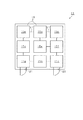
以下、本発明を具体化した一実施形態を図面に基づいて説明する。本実施形態では、本発明を住宅等の建物の一階部分について具体化している。図1は建物10を模式的に示した平面図である。
DESCRIPTION OF EXEMPLARY EMBODIMENTS Hereinafter, an embodiment of the invention will be described with reference to the drawings. In the present embodiment, the present invention is embodied for the first floor portion of a building such as a house. FIG. 1 is a plan view schematically showing a
図1に示すように、建物10には複数の建物内空間として居住空間15a〜15iが設けられている。それら居住空間15a〜15iは壁体16により互いに区分けされており、例えばリビングや寝室、廊下、玄関などをそれぞれ構成している。壁体16には屋内出入口17が形成されており、屋内出入口17は居住空間15a〜15iにおいて隣り合う空間を連通している。この場合、人は屋内出入口17を通じて居住空間15a〜15iの間を移動することが可能となっている。屋内出入口17には開閉体としての開き戸19(図2参照)が設けられている。また、建物10においては、居住空間15dと居住空間15eとの間、及び居住空間15eと居住空間15hとの間には屋内出入口17が形成されておらず、人が行き来できないようになっている。
As shown in FIG. 1, the
建物10には出入口ホールとしての玄関や勝手口ホールが設けられている。玄関は居住空間15iにより形成されており、勝手口ホールは居住空間15gにより形成されている。居住空間15iには屋外に通じる玄関出入口20が形成されており、居住空間15gには屋外に通じる勝手口21が形成されている。
The
本実施形態では、居住空間15a〜15iの各温度を温度情報として取得するとともに、人が居住空間15a〜15iの間を移動する場合の移動ルートを前記各温度に基づいて設定し、さらに移動ルートに沿って人を案内する建物内案内システムが構築されている。これにより、人が建物10内を移動する際のヒートショック発生が抑制されるようになっている。
In this embodiment, while acquiring each temperature of living
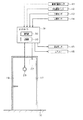
建物内案内システムにおいては、開き戸19の開きやすさを調整することにより人が通るべき屋内出入口17を案内するようになっている。ここでは、開き戸19の構成について図2を参照しつつ説明する。図2は屋内出入口17周辺の構成を示す図である。なお、図2には建物内案内システムに関する電気的な構成を示すブロック図を図示している。
In the in-building guidance system, the ease of opening of the hinged door 19 is adjusted to guide the
図2に示すように、開き戸19には、その開き戸19の開きやすさを調整する開き戸調整装置22が開放規制手段として設けられている。開き戸調整装置22は、開き戸19の閉鎖速度を調整するドアクローザとは異なり、開き戸19を開放するために必要な加重の大きさを調整する構成となっている。具体的には、開き戸19の開放に伴って伸びるアーム部と、アーム部を縮む方向へ付勢する付勢部とを有している。この場合、付勢部は開き戸19を閉鎖する方向に付勢する機能を有していることになる。付勢部は付勢力の大きさを調整する機能を有しており、付勢力を低レベルとすることで開き戸19の開放に必要な加重を小さくし、付勢力を高レベルとすることで開き戸19の開放に必要な加重を大きくする。付勢力が低レベルにある場合、人は開き戸19を軽く感じて容易に開放させることができ、付勢力が高レベルにある場合、人は開き戸19を重く感じて容易には開放させることができない。
As shown in FIG. 2, the hinged door 19 is provided with a hinged
開き戸19には、開き戸19の開きやすさを表示する表示ランプ23が設けられている。表示ランプ23は、開き戸19の表裏両面にそれぞれ取り付けられており、例えば青色及び赤色のいずれかにて点灯するランプ部を有している。なお、表示ランプ23は屋内出入口17周辺の壁面に取り付けられていてもよい。
The hinged door 19 is provided with a
次に、建物内案内システムに関する電気的な構成について説明する。 Next, an electrical configuration related to the in-building guidance system will be described.
建物内案内システムは制御手段としてのコントローラ31を含んで構成されている。コントローラ31は、CPUや各種メモリ等からなるマイクロコンピュータを含んで構成されており、例えば居住空間15aの壁面に取り付けられている。コントローラ31は、人によって入力操作される操作部32と、建物内案内システムに関する情報を記憶する記憶部33とを有しており、住人のスケジュール情報や健康状態情報などが操作部32から入力されることによりそれら情報が記憶部33に記憶される。健康状態情報には年齢や体調、体質、持病などに関する情報が含まれており、記憶部33において初期値が記憶された後は情報内容が都度更新される。
The in-building guidance system is configured to include a
コントローラ31には、建物10内の空間温度を検出する建物内温度センサ41と、外気温度を検出する外気温度センサ42と、生体情報を検出する生体センサ43と、建物10内にいる人を検知する人感センサ44とが接続されており、これらセンサ41〜44は検出信号をコントローラ31に対して出力する。
The
建物内温度センサ41は居住空間15a〜15iのそれぞれに設けられており、居住空間15a〜15iごとに温度を検出する。この場合、建物内温度センサ41は、居住空間15a〜15iの各温度を建物内の環境情報として取得する建物内情報取得手段に相当する。外気温度センサ42は例えば外壁の屋外面に取り付けられており、外気温度を屋外の環境情報として取得する屋外情報取得手段に相当する。
The in-
生体センサ43は例えば寝室のベッドや枕、腕時計等に内蔵されており、人の体温や心拍数などを生体情報として検出する。この場合、生体センサ43は生体情報取得手段に相当し、コントローラ31は検出された生体情報により記憶部33の健康状態を都度更新する。人感センサ44は居住空間15a〜15iのそれぞれに設けられており、コントローラ31は居住空間15a〜15iのうち人がいる空間を人感センサ44の検出信号に基づいて特定する。
The
コントローラ31には、開き戸調整装置22、表示ランプ23、移動ルートを表示する表示モニタ46、建物10内の空調を行うエアコン47が接続されており、コントローラ31は指令信号を出力することによりこれら開き戸調整装置22、表示ランプ23、表示モニタ46、エアコン47の動作制御を行う。表示モニタ46及びエアコン47は居住空間15a〜15iのそれぞれに設けられている。エアコン47は居住空間15a〜15iの温度を個別に調整することが可能となっている。
The
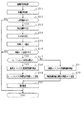
続いて、コントローラ31により実行される建物内案内処理について、図3のフローチャートを参照しつつ説明する。なお、建物内案内処理は所定周期で繰り返し実行される。
Next, the building guidance process executed by the
図3において、ステップS11では、建物内温度センサ41、外気温度センサ42、生体センサ43及び人感センサ44の各検出信号を取得する。また、記憶部33から健康状態情報を生体情報として取得するとともに、スケジュール情報を取得する。ステップS12では、建物10内において人が移動するか否かを判定する。ここでは、スケジュール情報に基づいて現在時刻が人の起床時刻であるか否かを判定し、起床時刻であれば人が洗面所やトイレに移動するとする。また、スケジュール情報に基づいて人が外出するか否かを判定し、外出するのであれば人が玄関に移動するとする。なお、操作部32に対する入力操作に基づいて、人がトイレや玄関に移動するか否かを判定してもよい。
In FIG. 3, in step S <b> 11, detection signals from the
人が移動する場合、ステップS13に進み、移動ルート設定の対象となる対象者の現在位置を人感センサ44の検出信号に基づいて取得する。この場合、対象者の移動元を判定することになる。ステップS14では、生体情報やスケジュール情報に基づいて対象者の移動先を判定する。ここでは、人がトイレに行くのであれば移動先をトイレとして判定し、人が外出するのであれば移動先を玄関や建物出入口として判定する。
When the person moves, the process proceeds to step S13, and the current position of the target person who is the target of the movement route setting is acquired based on the detection signal of the
ステップS15では、移動元から移動先へ移動することができるルートを候補ルートとして抽出する。なお、移動元からの移動に際して同じ居住空間を複数回通るルートや、一度屋外に出て再び建物内に戻るルート、屋内出入口17にて連通されていない居住空間同士を移動するルートなどは候補ルートとして抽出しない。
In step S15, a route that can move from the source to the destination is extracted as a candidate route. Routes that go through the same living space multiple times when moving from the source, routes that go out outdoors and return to the building again, routes that move between living spaces that are not connected at the
ステップS16では、移動ルートの設定を行うか否かを判定する。ここでは、抽出した候補ルートが複数あるか否かを判定し、候補ルートが複数ある場合に移動ルートの設定を行うとしてステップS17に進む。 In step S16, it is determined whether to set a movement route. Here, it is determined whether or not there are a plurality of extracted candidate routes, and if there are a plurality of candidate routes, a moving route is set and the process proceeds to step S17.
一方、候補ルートが1つである場合は、そのまま本処理を終了する。なお、候補ルートが複数あっても、ヒートショック発生の懸念がない場合や、例えば歩行に不自由がなく移動距離に健康上の制約がない場合は、移動ルートを設定する必要がないとしてそのまま本処理を終了する。ヒートショック発生の懸念がない場合としては、人の健康状態が良好である場合や、移動元においてエアコン47の空調運転が行われていない場合、移動元と移動先との温度差が所定値(例えば5℃)より小さい場合などが挙げられる。 On the other hand, if there is only one candidate route, this processing is terminated as it is. Even if there are multiple candidate routes, if there is no concern about the occurrence of heat shock or if there is no inconvenience in walking and there are no health restrictions on the moving distance, it is assumed that there is no need to set a moving route. The process ends. When there is no concern about the occurrence of heat shock, when the human health is good, or when the air-conditioning operation of the air conditioner 47 is not performed at the movement source, the temperature difference between the movement source and the movement destination is a predetermined value ( For example, it may be smaller than 5 ° C.).
ところで、候補ルートに含まれる居住空間の温度が候補ルートごとに異なり、それら候補ルートのそれぞれについてヒートショック発生の可能性が異なることが想定される。また、候補ルートごとに移動元から移動先までの移動距離が異なることも想定される。そこで、ステップS17では、ヒートショック対策と移動距離の短縮化とを比較してヒートショック対策を優先するか否かを判定する。ここでは、複数の候補ルートの長さがほぼ同じであるか否かを判定する処理や、人の健康状態が良好であるか否かを判定する処理、冬季や夏季など居住空間15a〜15iごとの温度差が大きくなりやすい季節であるか否かを判定する処理などを行う。各候補ルートの長さがほぼ同じである場合や、人の健康状態が良好でない場合、居住空間15a〜15iの間の温度差が大きくなりやすい季節である場合はヒートショック対策を優先するとして、ステップS18に進む。
By the way, it is assumed that the temperature of the living space included in the candidate route is different for each candidate route, and the possibility of occurrence of heat shock is different for each candidate route. It is also assumed that the movement distance from the movement source to the movement destination differs for each candidate route. Therefore, in step S17, it is determined whether the heat shock countermeasure is prioritized by comparing the heat shock countermeasure with the shortening of the moving distance. Here, the process for determining whether or not the lengths of the plurality of candidate routes are substantially the same, the process for determining whether the human health is good, and the
ステップS18では、複数の候補ルートのそれぞれについて温度差情報を算出する。ここでは、居住空間15a〜15iのうち候補ルートを形成する空間の温度をそれぞれ取得し、それぞれの候補ルートについて、移動元から移動先までの順で空間の温度を並べた温度分布を作成するとともに、隣り合う空間の温度差を隣り合う空間の組み合わせごとにそれぞれ算出する。なお、移動先が玄関などの出入口ホールである場合、移動元から移動先までの空間の温度に加えて外気温度を含めて温度分布を作成し、出入口ホールと屋外とについてもそれらの温度差を算出する。
In step S18, temperature difference information is calculated for each of the plurality of candidate routes. Here, the temperature of the space that forms the candidate route among the
ステップS19では、ヒートショック対策優先の移動ルートとして設定する。ここでは、1つの候補ルートについて算出された温度差情報に基づいて各候補ルートにおける複数の温度差のうち最大値を算出し、最大値が最も小さい候補ルートを移動ルートとして設定する。この場合、複数の候補ルートのうち移動元から移動先までの温度変化が最も緩やかなルートを移動ルートとして設定することになる。 In step S19, the travel route is set as a heat shock countermeasure priority route. Here, based on the temperature difference information calculated for one candidate route, the maximum value is calculated among a plurality of temperature differences in each candidate route, and the candidate route having the smallest maximum value is set as the travel route. In this case, a route having the slowest temperature change from the movement source to the movement destination among the plurality of candidate routes is set as the movement route.
ステップS20では、ヒートショック対策優先の移動ルートに沿って人を移動させるべく案内処理を行う。案内処理では、移動ルートが通る屋内出入口17の開き戸19については開き戸調整装置22により開き戸19を開きやすい状態とし、移動ルートが通らない屋内出入口17の開き戸19については開き戸調整装置22により開き戸19を開きにくい状態とする。また、開きやすい状態にある開き戸19の表示ランプ23はその旨を示すように点灯(例えば赤色で点灯)させ、開きにくい状態にある開き戸19の表示ランプ23をその旨を示すように点灯(例えば青色で点灯)させる。さらに、移動ルートを表示モニタ46に表示させる。
In step S20, a guidance process is performed to move a person along a movement route that prioritizes heat shock countermeasures. In the guidance process, the hinged door 19 of the
ヒートショック対策を優先しない場合、すなわち移動距離の短縮化を優先する場合、ステップS21に進み、複数の候補ルートのそれぞれについて長さを算出する。ここでは、建物内案内システムに関する情報として記憶部33に記憶されている居住空間15a〜15iの大きさに基づいて候補ルートの長さを算出する。ステップS22では、各候補ルートうち最も長さの短いルートを移動距離の短縮化を優先する移動ルートとして設定する。ステップS20では、ヒートショック対策優先の移動ルートを設定した場合と同様に、ヒートショック対策を優先しない移動ルートに沿って人を移動させるべく案内処理を行う。
When heat shock countermeasures are not prioritized, that is, when priority is given to shortening the travel distance, the process proceeds to step S21, and the length is calculated for each of a plurality of candidate routes. Here, the length of the candidate route is calculated based on the size of the
ここで、建物内案内システムにおいて移動ルートが設定される手順について説明する。 Here, a procedure for setting a movement route in the in-building guidance system will be described.
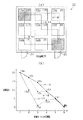
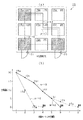
まず、人が玄関出入口20を通って屋外に出る場合の移動ルート設定手順について図4、図5を参照しつつ説明する。図4は候補ルートについて説明するための図、図5は間取りの具体例を示す図である。図4において、(a)は候補ルートを模式的に示す図、(b)は候補ルートごとの温度変化を示す図である。また、図4(a)においては屋内出入口17の図示を省略する。
First, a moving route setting procedure when a person goes outside through the entrance /
図4(a)において、居住空間15aにいる人が玄関出入口20を通って屋外に出る場合、移動元は居住空間15aとされ、移動先は居住空間15iとされる。この場合、移動元から移動先まで移動可能な候補ルートとして候補ルートA〜Cという3つのルートが抽出される。なお、建物10内の温度については、居住空間15aが20℃、居住空間15bが17℃、居住空間15cが9℃、居住空間15dが10℃、居住空間15eが14℃、居住空間15fが9℃、居住空間15gが1℃、居住空間15hが3℃、居住空間15iが5℃にそれぞれなっているとする。
In FIG. 4A, when a person in the
人の移動に際してヒートショック対策が優先される場合、候補ルートA〜Cにおいて屋外まで含めた各温度分布は図4(b)に示すような態様にて算出される。具体的には、候補ルートAにおける温度分布は、20℃→17℃→14℃→9℃→5℃→0℃となっており、候補ルートBにおける温度分布は、20℃→17℃→9℃→9℃→5℃→0℃となっており、候補ルートCにおける温度分布は、20℃→10℃→1℃→3℃→5℃→0℃となっている。なお、各温度分布には屋外温度0℃が含まれている。 When heat shock countermeasures are prioritized when a person moves, each temperature distribution including the outdoors in candidate routes A to C is calculated in a manner as shown in FIG. Specifically, the temperature distribution in the candidate route A is 20 ° C. → 17 ° C. → 14 ° C. → 9 ° C. → 5 ° C. → 0 ° C. The temperature distribution in the candidate route B is 20 ° C. → 17 ° C. → 9 The temperature distribution in candidate route C is 20 ° C. → 10 ° C. → 1 ° C. → 3 ° C. → 5 ° C. → 0 ° C. Each temperature distribution includes an outdoor temperature of 0 ° C.
この場合、候補ルートA〜Cのそれぞれについて、ルート上で隣り合い且つ行き来可能な空間の温度差が算出されるとともに温度差の最大値が判定され、最大値の最も小さいルートが温度変化の最も緩やかなルートとして移動ルートに設定される。具体的には、候補ルートAの温度差の最大値は居住空間15e,15fの温度差である5℃、候補ルートBの温度差の最大値は居住空間15b,15cの温度差である8℃、候補ルートCの温度差の最大値は居住空間15a,15dの温度差である10℃として算出され、それらの中で最も小さい5℃が最大値となる候補ルートAが移動ルートに設定される。
In this case, for each of the candidate routes A to C, the temperature difference between the adjacent and traversable spaces on the route is calculated, the maximum value of the temperature difference is determined, and the route with the smallest maximum value has the highest temperature change. The travel route is set as a gentle route. Specifically, the maximum value of the temperature difference of the candidate route A is 5 ° C. which is the temperature difference between the living
人の移動に際して移動距離の短さを優先する場合、候補ルートA〜Cのそれぞれの長さが算出され、長さの最も短いルートが移動ルートとして設定される。 When priority is given to the short travel distance when a person moves, the length of each of the candidate routes A to C is calculated, and the shortest route is set as the travel route.
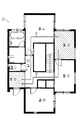
人が玄関を通って外出することになる間取りについて具体例を挙げて説明する。図5に示すように、寝室51〜53、書斎54、廊下55、出入口ホールとしての玄関56を有する建物50において、書斎54と玄関56とを移動可能とする候補ルートR1,R2が抽出された場合、ヒートショック対策が優先されるのであれば、温度差の最大値が小さい方のルートが移動ルートとして設定され、移動距離の短縮化が優先されるのであれば、移動距離の短い方のルートが移動ルートとして設定される。ちなみに、候補ルートR1は寝室51を通るルートとなっており、候補ルートR2は寝室53を通るルートとなっている。
A specific example will be given to explain the layout of a person going out through the entrance. As shown in FIG. 5, candidate routes R <b> 1 and R <b> 2 that can move the
ここで、居住空間15aにいる人が外出する場合、上記のように、玄関出入口20を通るのであれば移動先を居住空間15iとする3つのルートが候補ルートA〜Cとして抽出されるが、勝手口21を通ってもよいのであれば移動先を居住空間15gとするルートが候補ルートに追加されることになる。
Here, when a person in the
次は、居住空間15aにいる人が玄関出入口20又は勝手口21を通って屋外に出る場合の移動ルート設定手順について図6、図7を参照しつつ説明する。図6は候補ルートについて説明するための図、図7は間取りの具体例を示す図である。図6において、(a)は候補ルートを模式的に示す図、(b)は候補ルートごとの温度変化を示す図である。なお、図6(a)においては屋内出入口17の図示を省略する。
Next, a moving route setting procedure when a person in the
居住空間15aにいる人が勝手口21を通って屋外に出る場合、候補ルートD,Eという2つのルートが抽出される。この場合、玄関出入口20を通って屋外に出る際の候補ルートA〜Cと合わせて5つのルートが候補ルートとして抽出されることになるが、候補ルートA〜Cはそれぞれの長さが同じであり、候補ルートAがヒートショック対策及び移動距離の短縮化の両方の条件を満たしているとして、候補ルートD,Eに候補ルートAだけを加えた3つのルートの中から移動ルートを設定することにする。なお、居住空間15a〜15iの各温度は図4(a)とそれぞれ同じになっている。
When a person in the
人の移動に際してヒートショック対策が優先される場合、候補ルートA,D,Eにおいて屋該まで含めた各温度部分布は図6(b)に示すような態様にて取得される。候補ルートAを除いて具体的に説明すると、候補ルートDにおける温度分布は、20℃→17℃→9℃→9℃→5℃→3℃→1℃→0℃となっており、候補ルートEにおける温度分布は、20℃→10℃→1℃→0℃となっている。なお、各温度分布には屋外温度0℃が含まれている。 When heat shock countermeasures are prioritized during the movement of a person, each temperature part distribution including the temperature in candidate routes A, D, and E is acquired in a manner as shown in FIG. Specifically, except for candidate route A, the temperature distribution in candidate route D is 20 ° C. → 17 ° C. → 9 ° C. → 9 ° C. → 5 ° C. → 3 ° C. → 1 ° C. → 0 ° C. The temperature distribution in E is 20 ° C. → 10 ° C. → 1 ° C. → 0 ° C. Each temperature distribution includes an outdoor temperature of 0 ° C.
この場合、上記のように候補ルートAの温度差の最大値は5℃、候補ルートDの温度差の最大値は居住空間15e,15fの温度差である5℃、候補ルートEの温度差の最大値は居住空間15a,15dの温度差である10℃として算出され、それらの中で最も小さい5℃が最大値となる候補ルートA,Dの両方が移動ルートとして設定される。なお、この場合、候補ルートDより候補ルートAの方がルート長さが短いのであれば、候補ルートAだけが移動ルートとして設定されてもよく、この場合に人は玄関出入口20を通って屋外に出ることになる。
In this case, as described above, the maximum value of the temperature difference of the candidate route A is 5 ° C., the maximum value of the temperature difference of the candidate route D is 5 ° C. which is the temperature difference between the living
人の移動に際して移動距離の短さを優先する場合、候補ルートA,D,Eのうち最もルート長さの短いものが移動ルートとして設定される。例えば、候補ルートEの長さが最も短いのであればその候補ルートEが移動ルートとして設定される。この場合、人は勝手口21を通って屋外に出ることになる。
When priority is given to the short travel distance when a person moves, the shortest route length among the candidate routes A, D, and E is set as the travel route. For example, if the length of the candidate route E is the shortest, the candidate route E is set as the moving route. In this case, the person goes outside through the self-
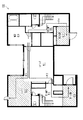
出入口ホールが複数設けられている間取りについて具体例を挙げて説明する。図7に示すように、リビング61、勝手口を有する出入口ホールとしてのキッチン62、寝室63、第1廊下64、出入口ホールとしての第1玄関65、第2廊下66、出入口ホールとしての第2玄関67を有する建物60において、寝室63から屋外に通じる候補ルートR3,R4,R5が抽出された場合、ヒートショック対策が優先されるのであれば、移動距離の短いルートが移動ルートとして設定され、移動距離の短縮化が優先されるのであれば、移動距離の短いルートが移動ルートとして設定される。ちなみに、候補ルートR3は第1玄関65を通るルートとなっており、候補ルートR4は第2玄関67を通るルートとなっており、候補ルートR5はキッチン62を通るルートとなっている。
A floor plan in which a plurality of entrance / exit halls are provided will be described with a specific example. As shown in FIG. 7, a
以上詳述した本実施形態によれば、以下の優れた効果が得られる。 According to the embodiment described in detail above, the following excellent effects can be obtained.
人が建物10内を移動する場合、居住空間15a〜15iの各温度に基づいて複数の候補ルートが抽出されるとともに、それら候補ルートのうち移動元から移動先までの温度変化が最も緩やかなルートが移動ルートとして設定される。この場合、移動元と移動先との間の温度差がヒートショック発生を懸念するほど大きくても、移動ルートにおいては通過する空間の温度が移動元から段階的に移動先の温度に近づくことになる。したがって、移動ルートに沿って移動するように人を案内することにより、建物10内の移動に伴うヒートショック発生を抑制することができる。
When a person moves in the
複数の候補ルートの中から移動ルートが選択されるため、候補ルートのうち全体として温度変化が最も緩やかなルートを移動ルートとして設定することができる。例えば、建物10内における分岐点となる空間で進む方向が選択される構成では、都度の分岐ごとに温度差の小さい空間側が移動方向として選択されることになるが、人を案内するルートが全体として温度変化が最も緩やかなルートになるとは限らない。したがって、全体として温度変化が最も緩やかなルートを移動ルートとして設定する構成としては、複数の候補ルートの中から移動ルートを選択する構成がヒートショック発生を抑制する上で効果的である。
Since a travel route is selected from among a plurality of candidate routes, a route with the slowest temperature change as a whole can be set as the travel route. For example, in the configuration in which the direction of travel in the space that becomes a branch point in the
複数の候補ルートの中から移動ルートが選択されるため、候補ルートのうち移動距離の最も小さいルートを移動ルートとして設定することができる。したがって、健康状態が良好であってヒートショック発生の懸念が少ない人が建物10内を移動する場合や、移動元と移動先との間での温度差がヒートショック発生の懸念がないほど小さい場合、歩行に難があるなど移動に困難を伴う人が建物10内を移動する場合などに、移動距離を極力短くすることができる。これにより、人は最も温度変化が穏やかなルートを通って移動する場合と、そうでない場合とを使い分けることができるため、ヒートショック発生の抑制を可能としつつ、移動元から移動先まで遠回りして移動しなければならないという煩わしさを人に感じさせることを回避できる。
Since a travel route is selected from among a plurality of candidate routes, a route having the shortest travel distance among candidate routes can be set as the travel route. Therefore, when a person who is in good health and has little concern about the occurrence of heat shock moves within the
移動先が玄関等の出入口ホールである場合、複数の候補ルートのそれぞれについて外気温度を含んだ温度差情報が算出され、その温度差情報に基づいて移動ルートが選択されるため、人が建物10内を移動する際だけでなく建物10内から屋外に出る際においてもヒートショック発生を抑制することができる。
When the destination is an entrance hall such as a front door, temperature difference information including the outside air temperature is calculated for each of a plurality of candidate routes, and the movement route is selected based on the temperature difference information. The occurrence of heat shock can be suppressed not only when moving inside, but also when going outside from the
移動ルートが設定された場合、移動ルートに含まれている屋内出入口17の開き戸19は開きやすい状態とされ、移動ルートに含まれていない屋内出入口17の開き戸19は開きにくい状態とされる。この場合、人は開き戸19を開ける際にこの屋内出入口17が移動ルートに含まれているか否かを知ることができるため、移動ルートに沿って建物10内を案内されることになる。また、開き戸19に設けられた表示ランプ23の点灯態様は開き戸19の開きやすさに応じて異なるため、人は実際に開き戸19を開放させるより前にその屋内出入口17が移動ルートに含まれているか否かを知ることができる。したがって、複数の屋内出入口17が設けられている空間において、複数の開き戸19を開放させてみないと移動ルートが分からないという不都合を回避できる。
When the travel route is set, the hinged door 19 of the
(他の実施形態)
本発明は上記実施形態の記載内容に限定されず、例えば次のように実施してもよい。
(Other embodiments)
The present invention is not limited to the description of the above embodiment, and may be implemented as follows, for example.
(1)居住空間15a〜15iごとの湿度に関する情報を建物内環境情報として移動ルートの設定が行われてもよい。例えば、居住空間15a〜15iの湿度を検出する建物内湿度センサが設けられており、複数の候補ルートのうち移動元から移動先までの湿度変化が緩やかなルートが移動ルートとして設定される構成とする。この構成によれば、人が建物10内を移動する際に、湿度差に起因した負担が心身に加えられることを抑制できる。
(1) The setting of the movement route may be performed using the information regarding the humidity for each of the
また、居住空間15a〜15iごとの建物設備に関する情報を建物内環境情報として移動ルートの設定が行われてもよい。例えば、居住空間15a〜15iのうち建物設備としてのテーブルが設けられているキッチンや、階段が設けられている階段室など通過しにくい空間を除いて移動ルートが設定される構成とする。この構成によれば、人が建物10内を移動する際の安全性を好適に保つことができる。
Moreover, the setting of a movement route may be performed by using information on building facilities for each of the
(2)上記実施形態では、複数の候補ルートの中から移動ルートが選択される構成としたが、移動元から移動先までの間において分岐点となる空間で進行方向が選択されて結果として移動ルートが設定される構成としてもよい。例えば、移動元に隣り合っており且つ移動元から移動可能な空間が複数存在している場合、それらの空間のうち移動元との温度差が最も小さい空間が進行先であると判定され、進行先とされた空間にて同様の判定が行われるという処理が繰り返し行われることで移動ルートが設定される構成とする。 (2) In the above embodiment, the travel route is selected from among a plurality of candidate routes. However, the travel direction is selected in a space that becomes a branch point between the travel source and the travel destination, and the travel is performed as a result. The route may be set. For example, when there are a plurality of spaces that are adjacent to the movement source and are movable from the movement source, it is determined that the space having the smallest temperature difference from the movement source among the spaces is the progress destination, and proceeds A configuration is adopted in which a moving route is set by repeatedly performing the same determination process in the previous space.
また、移動元から移動先まで移動可能な候補ルートが複数ではなく1つだけ抽出された場合でも、その候補ルートが移動ルートとして設定される構成としてもよい。 Even when only one candidate route that can move from the movement source to the movement destination is extracted instead of a plurality of candidate routes, the candidate route may be set as the movement route.
(3)上記実施形態では、候補ルートにおいて移動元から移動先までの温度変化の態様に基づいて移動ルートが設定されたが、移動元と移動先との温度差に基づいて移動ルートが設定されてもよい。例えば、移動先が複数設定されている場合、それら移動先の中で移動元との温度差が最も小さい移動先を含む候補ルートが移動ルートとして設定される構成とする。 (3) In the above embodiment, the movement route is set based on the temperature change mode from the movement source to the movement destination in the candidate route, but the movement route is set based on the temperature difference between the movement source and the movement destination. May be. For example, when a plurality of destinations are set, a candidate route including a destination that has the smallest temperature difference from the source is set as the destination route.
(4)上記実施形態では、各候補ルートにおける温度差の最大値に基づいて移動ルートを設定したが、各候補ルートの温度差のばらつき具合に基づいて移動ルートを設定してもよい。例えば、各候補ルートにおいて算出された複数の温度差のばらつき(差異)を比較し、ばらつきが最も小さいルートを移動ルートとして設定する構成とする。この構成によれば、候補ルートにおいて隣り合う居住空間の組み合わせごとに算出された複数の温度差の大きさが同じであれば、温度差の最大値が他の候補ルートに比べて大きくても移動ルートとして設定されることになる。 (4) In the above embodiment, the movement route is set based on the maximum value of the temperature difference in each candidate route. However, the movement route may be set based on the variation degree of the temperature difference of each candidate route. For example, a plurality of temperature difference variations (differences) calculated in each candidate route are compared, and a route with the smallest variation is set as a travel route. According to this configuration, if a plurality of temperature differences calculated for each combination of adjacent living spaces in the candidate route have the same magnitude, movement is possible even if the maximum value of the temperature difference is larger than other candidate routes. It will be set as the root.
(5)複数の候補ルートのうちいずれも移動ルートとして設定されない構成としてもよい。例えば、各候補ルートにおいて温度差の最大値が所定値(例えば5℃)より大きいか否かを判定し、大きい場合に移動ルートを設定しない構成とする。この構成では、温度差の最大値が最も小さい候補ルートに含まれる居住空間を対象としてエアコン47による温度調整を行い、温度差の最大値が所定値より小さくなった場合にその候補ルートを移動ルートとして設定することが好ましい。 (5) A configuration may be adopted in which none of the plurality of candidate routes is set as a travel route. For example, it is determined whether or not the maximum value of the temperature difference is larger than a predetermined value (for example, 5 ° C.) in each candidate route. In this configuration, the temperature adjustment is performed by the air conditioner 47 for the living space included in the candidate route with the smallest maximum temperature difference, and when the maximum temperature difference becomes smaller than a predetermined value, the candidate route is moved to the route. It is preferable to set as
また、この構成では、例えば衣服を重ね着するなど身支度を整える旨を表示モニタ46等の報知装置から人に対してアドバイスすることが好ましい。これにより、温度差の最大値が所定値より大きい候補ルートに沿って人が移動してもヒートショック発生を抑制することができる。なお、アドバイスには、重ね着する衣服の種類や、着衣するタイミング、着衣する場所などに関する情報が含まれていることが好ましい。 Further, in this configuration, it is preferable to advise a person from a notification device such as the display monitor 46 to prepare his / her dress, for example, by wearing clothes. Thereby, even if a person moves along a candidate route in which the maximum value of the temperature difference is larger than a predetermined value, the occurrence of heat shock can be suppressed. The advice preferably includes information on the type of clothes to be layered, the timing of wearing, the place to wear, and the like.
(6)建物10内に複数の人がいる場合、それぞれの人について移動ルートを設定する構成としてもよい。
(6) When there are a plurality of people in the
(7)開き戸19には、開放規制手段として施錠装置が設けられていてもよい。例えば、移動ルートに含まれる屋内出入口17の開き戸19を解錠状態とし、移動ルートに含まれない屋内出入口17の開き戸19は施錠状態とする構成とする。この構成によれば、人が移動ルートから外れて移動することをより確実に規制できるため、子供や高齢者を案内する場合に特に有効である。これは、建物10内において行動に注意が必要な場所(例えばキッチンや階段)に子供や高齢者が意図せずに入ってしまうことを回避できるためである。
(7) The hinged door 19 may be provided with a locking device as an opening restricting means. For example, the hinged door 19 of the
(8)移動ルートに合わせて居住空間15a〜15iの照明器具の点灯制御が行われる構成としてもよい。例えば、居住空間15a〜15iのうち移動ルートに含まれる空間の照明器具を点灯状態とし、移動ルートに含まれない空間の照明器具を消灯状態とする構成とする。この場合、人は移動ルートには含まれない空間に入った場合にその旨を察知することができる。
(8) It is good also as a structure by which lighting control of the lighting fixture of living
10…建物、15a〜15i…建物内空間としての居住空間、17…出入口としての屋内出入口、19…ドアとしての開き戸、20…建物出入口としての玄関出入口、21…建物出入口としての勝手口、22…案内手段及び開放規制手段としての開き戸調整装置、23…案内手段及び表示装置としての表示ランプ、31…判定手段、移動ルート設定手段、候補ルート設定手段、選択手段、温度差算出手段、ルート長さ算出手段及び制御手段としてのコントローラ、41…建物内情報取得手段としての建物内温度センサ、42…屋外情報取得手段としての外気温度センサ、43…生体情報取得手段としての生体センサ、46…案内手段としての表示モニタ。
DESCRIPTION OF
Claims (10)
前記複数の建物内空間について該建物内空間ごとの環境情報を建物内環境情報として取得する建物内情報取得手段と、
前記建物内における人の移動時に移動元及び移動先を判定する判定手段と、
前記建物内情報取得手段により取得された建物内環境情報に基づいて、前記判定手段により判定した移動元と移動先との間における前記人の移動ルートを設定する移動ルート設定手段と、
前記移動ルート設定手段により設定された移動ルートに基づいて所定の案内処理を実施する案内手段と
を備えていることを特徴とする建物内案内システム。 An in-building guidance system that is applied to a building having a plurality of in-building spaces each divided to guide movement of people in the building,
In-building information acquisition means for acquiring environmental information for each of the building spaces for the plurality of building spaces as building environment information;
A determination means for determining a movement source and a movement destination when a person moves in the building;
Based on the in-building environment information acquired by the in-building information acquisition means, a movement route setting means for setting a movement route of the person between the movement source and the movement destination determined by the determination means;
An in-building guidance system comprising: guidance means for performing predetermined guidance processing based on the movement route set by the movement route setting means.
前記移動ルート設定手段は、前記建物内情報取得手段により取得された前記温度情報に基づいて前記移動ルートを設定することを特徴とする請求項1に記載の建物内案内システム。 The in-building information acquisition means acquires temperature information for each space in the building as the in-building environment information,
The in-building guidance system according to claim 1, wherein the movement route setting unit sets the movement route based on the temperature information acquired by the in-building information acquisition unit.
前記判定手段により判定された移動元と移動先との間に想定可能な複数の候補ルートを設定する候補ルート設定手段と、
前記建物内情報取得手段により取得された建物内環境情報に基づいて、前記候補ルート設定手段により設定された複数の候補ルートから前記人の移動ルートを選択する選択手段と
を有していることを特徴とする請求項1乃至3のいずれか1項に記載の建物内案内システム。 The travel route setting means includes:
Candidate route setting means for setting a plurality of possible candidate routes between the movement source and the movement destination determined by the determination means;
Selection means for selecting the travel route of the person from a plurality of candidate routes set by the candidate route setting means based on the in-building environment information acquired by the in-building information acquisition means. The in-building guidance system according to any one of claims 1 to 3.
前記選択手段は、前記温度差算出手段により算出された各候補ルートに含まれるそれぞれの前記温度差の最大値が最も小さい候補ルートを前記移動ルートとして選択することを特徴とする請求項4に記載の建物内案内システム。 Based on the temperature information for each space in the building acquired as the environment information in the building, for each of the plurality of candidate routes, a temperature difference that calculates a temperature difference between adjacent building spaces existing on the candidate route A calculation means,
5. The selection unit according to claim 4, wherein the selection unit selects, as the travel route, a candidate route having a smallest maximum value of the temperature differences included in each candidate route calculated by the temperature difference calculation unit. Building guidance system.
前記移動ルート設定手段は、前記ルート長さ算出手段の算出結果に基づいて前記移動ルートを設定することを特徴とする請求項4乃至5のいずれか1項に記載の建物内案内システム。 A route length calculating means for calculating a length from the movement source to the movement destination for each of the plurality of candidate routes;
The in-building guidance system according to any one of claims 4 to 5, wherein the travel route setting unit sets the travel route based on a calculation result of the route length calculation unit.
前記移動ルート設定手段は、前記生体情報取得手段により取得された生体情報に基づいて前記移動ルートを設定することを特徴とする請求項1乃至6のいずれか1項に記載の建物内案内システム。 Comprising biometric information acquisition means for acquiring human biometric information,
The in-building guidance system according to any one of claims 1 to 6, wherein the movement route setting means sets the movement route based on the biological information acquired by the biological information acquisition means.
前記移動ルート設定手段は、屋外に通じる建物出入口が前記移動先に含まれている場合に、前記屋外情報取得手段により取得された屋外の環境情報に基づいて前記移動ルートを設定することを特徴とする請求項1乃至7のいずれか1項に記載の建物内案内システム。 It has outdoor information acquisition means to acquire outdoor environmental information,
The travel route setting means sets the travel route based on outdoor environment information acquired by the outdoor information acquisition means when a building entrance that leads to the outdoors is included in the destination. The building guidance system according to any one of claims 1 to 7.
前記案内手段は、前記案内処理として、前記移動ルートに含まれる屋内出入口の開放を規制せず、且つ前記移動ルートに含まれない屋内出入口の開放を規制するようにして前記開放規制手段の動作制御を実施することを特徴とする請求項1乃至8のいずれか1項に記載の建物内案内システム。 An opening restricting means for restricting opening of a door provided at an indoor entrance that communicates with the adjacent building space among the plurality of building spaces;
The guidance means controls the operation of the opening restriction means as the guidance processing so as not to restrict the opening of indoor doorways included in the movement route and to restrict the opening of indoor doorways not included in the movement route. The in-building guidance system according to any one of claims 1 to 8, wherein the system is implemented.
前記案内手段は、前記案内処理として、前記開放規制手段による開放規制の有無を前記表示装置に表示させることを特徴とする請求項9に記載の建物内案内システム。 Comprising a display device provided at or around the door;
The in-building guidance system according to claim 9, wherein the guidance unit displays, as the guidance process, presence or absence of opening restriction by the opening restriction unit on the display device.
Priority Applications (1)
| Application Number | Priority Date | Filing Date | Title |
|---|---|---|---|
| JP2009262526A JP2011106979A (en) | 2009-11-18 | 2009-11-18 | Building guide system |
Applications Claiming Priority (1)
| Application Number | Priority Date | Filing Date | Title |
|---|---|---|---|
| JP2009262526A JP2011106979A (en) | 2009-11-18 | 2009-11-18 | Building guide system |
Publications (1)
| Publication Number | Publication Date |
|---|---|
| JP2011106979A true JP2011106979A (en) | 2011-06-02 |
Family
ID=44230623
Family Applications (1)
| Application Number | Title | Priority Date | Filing Date |
|---|---|---|---|
| JP2009262526A Pending JP2011106979A (en) | 2009-11-18 | 2009-11-18 | Building guide system |
Country Status (1)
| Country | Link |
|---|---|
| JP (1) | JP2011106979A (en) |
Cited By (3)
| Publication number | Priority date | Publication date | Assignee | Title |
|---|---|---|---|---|
| JP2013053879A (en) * | 2011-09-01 | 2013-03-21 | Seiko Epson Corp | Navigation system, program, recording medium, and navigation method |
| JP2020021333A (en) * | 2018-08-02 | 2020-02-06 | ミサワホーム株式会社 | Index calculation system |
| JP2020126524A (en) * | 2019-02-06 | 2020-08-20 | 本田技研工業株式会社 | Movement guiding system, movement guiding method, and program |
-
2009
- 2009-11-18 JP JP2009262526A patent/JP2011106979A/en active Pending
Cited By (4)
| Publication number | Priority date | Publication date | Assignee | Title |
|---|---|---|---|---|
| JP2013053879A (en) * | 2011-09-01 | 2013-03-21 | Seiko Epson Corp | Navigation system, program, recording medium, and navigation method |
| JP2020021333A (en) * | 2018-08-02 | 2020-02-06 | ミサワホーム株式会社 | Index calculation system |
| JP2020126524A (en) * | 2019-02-06 | 2020-08-20 | 本田技研工業株式会社 | Movement guiding system, movement guiding method, and program |
| JP7269749B2 (en) | 2019-02-06 | 2023-05-09 | 本田技研工業株式会社 | MOVEMENT GUIDANCE DEVICE, MOVEMENT GUIDANCE METHOD, AND PROGRAM |
Similar Documents
| Publication | Publication Date | Title |
|---|---|---|
| US11726516B2 (en) | Load control system responsive to the location of an occupant and/or mobile device | |
| US20210240149A1 (en) | Load control system responsive to location of an occupant and mobile devices | |
| AU2019283989B2 (en) | Environmental condition control based on sensed conditions and related methods | |
| CN104981667B (en) | Instruction device and air handling system | |
| KR20190103890A (en) | Compound control apparatus and method thereof in air conditioning system | |
| JP6076024B2 (en) | Indoor environment monitoring system | |
| CN104429162B (en) | Particularly for the illuminator of the delirium reduction in Intensive Care Therapy room | |
| JP5496587B2 (en) | Building temperature control system | |
| WO2016067719A1 (en) | Air conditioning control method and system | |
| Liu et al. | Review of literature on terminal box control, occupancy sensing technology and multi-zone demand control ventilation (DCV) | |
| JP2011106979A (en) | Building guide system | |
| JP7403761B2 (en) | Care recipient monitoring support system | |
| JP6532824B2 (en) | Lighting control analyzer | |
| Bujdei et al. | Ensuring comfort in office buildings: Designing a KNX monitoring and control system | |
| JP2011186779A (en) | Room environmental control system | |
| KR20170101592A (en) | Counting apparatus of number of person in the room, and air conditioning system using the same | |
| JP2020053359A (en) | Information processing system | |
| JP5138349B2 (en) | Lighting dimming control device | |
| JP2024090667A (en) | Handrail installation location proposal system | |
| JP3090512B2 (en) | Life scene estimation device and air conditioner | |
| KR101894038B1 (en) | Lighting system | |
| KR20200106606A (en) | Homecare system capable knowing of using pattern, location awareness and safety | |
| JP2021055901A (en) | Outside air intake system | |
| JP2011092307A (en) | Life management system | |
| WO2025105393A1 (en) | Building, control system, and control program |