JP2005294941A - Video content playback system, playback control method thereof, client terminal, synchronization server, and program thereof - Google Patents
Video content playback system, playback control method thereof, client terminal, synchronization server, and program thereof Download PDFInfo
- Publication number
- JP2005294941A JP2005294941A JP2004103319A JP2004103319A JP2005294941A JP 2005294941 A JP2005294941 A JP 2005294941A JP 2004103319 A JP2004103319 A JP 2004103319A JP 2004103319 A JP2004103319 A JP 2004103319A JP 2005294941 A JP2005294941 A JP 2005294941A
- Authority
- JP
- Japan
- Prior art keywords
- video content
- buffering
- client
- video
- content
- Prior art date
- Legal status (The legal status is an assumption and is not a legal conclusion. Google has not performed a legal analysis and makes no representation as to the accuracy of the status listed.)
- Pending
Links
Images



Landscapes
- Two-Way Televisions, Distribution Of Moving Picture Or The Like (AREA)
Abstract
Description
本発明は、複数のクライアント端末がバッファリングした同じ映像コンテンツを互いに同期して再生する映像コンテンツ再生システム、その再生制御方法、このシステムを構成するクライアント端末、同期サーバ及びこれらで用いられるプログラムに関するものである。 The present invention relates to a video content playback system that plays back the same video content buffered by a plurality of client terminals in synchronism with each other, a playback control method thereof, a client terminal that constitutes the system, a synchronization server, and a program used therefor It is.
従来、同じ映像コンテンツを特定のグループ内の複数のユーザが視聴するには、すべてのユーザが同じ場所に集まって一緒に視聴する方法がとられてきた。近年、ADSL(Asymmetric Digital Subscriber Line)、FTTH(Fiber To The Home)をはじめとした高帯域ネットワークが普及してきており、一般ユーザでもADSL等の高帯域ネットワークを介して映像メディアの視聴が可能になってきている。また、IPネットワークを利用した配信方法として、ユニキャスト、ブロードキャスト、マルチキャストがある。 Conventionally, in order for a plurality of users in a specific group to view the same video content, a method has been adopted in which all users gather at the same place and watch together. In recent years, high bandwidth networks such as ADSL (Asymmetric Digital Subscriber Line) and FTTH (Fiber To The Home) have become widespread, and even general users can view video media via a high bandwidth network such as ADSL. It is coming. Further, there are unicast, broadcast, and multicast as delivery methods using the IP network.
(1)IPネットワークを用いたユニキャスト配信方式は、ウェブコンテンツの配信でよく利用されている。この技術を用いた映像配信は一般的に普及しており、ユニキャストを用いて、映像メディア・音声メディア等を特定グループに対して視聴させるサービス等が近年通信事業者等によって提供されている。
(2)また、IPネットワークを用いた放送型ストリーミング映像配信方法としてプロードバンド配信が知られている。この技術を用いれば、映像メディアにアクセスしたユーザが他のユーザと同時刻に視聴することが可能である。この技術を用いた配信は一般的に普及しており、コンサートのライブ配信や定点カメラなどに利用されている。
(3)また、マルチキャスト配信方式を用いれば、ブロードバンド配信と同様に映像メディアにアクセスしたユーザが他のユーザと同時刻に視聴することが可能であり、ブロードバンド配信と比較して特定のグループに対して配信できるメリットがある。
(4)また、映像メディアを特定のグループで同時に視聴させる手段として、非特許文献1に示すシェアキャスト技術がある。この技術を用いると特定の端末が映像配信サーバとなり、1対2のツリー構造のネットワークを構成し、そのネットワーク内で同じ映像メディアを同時に視聴できる。
(1) The unicast distribution method using an IP network is often used for distributing web contents. Video distribution using this technology is generally widespread, and in recent years, a service for allowing a specific group to view video media, audio media, and the like using unicast has been provided by communication carriers and the like.
(2) In addition, broadcast distribution is known as a broadcast streaming video distribution method using an IP network. If this technology is used, a user who has accessed the video media can view it at the same time as other users. Distribution using this technology is generally widespread and used for live concert distribution and fixed point cameras.
(3) In addition, if a multicast distribution method is used, a user who has accessed video media can view the same time as other users in the same way as broadband distribution. There is merit that can be delivered.
(4) As a means for simultaneously viewing video media in a specific group, there is a share cast technique shown in Non-Patent
(5)また、特許文献1に示すマルチキャストネットワークを用いてクライアントで視聴するコンテンツの同期を行うことができるパケットネットワークにおけるリアルタイムメディアコンテンツを伝送し同期化するシステム及び方法がある。
しかしながら、上記の従来技術には以下のような問題がある。
(1)の方法は、各人が単独に視聴する場合は問題ないが、ネットワークを介して同じ映像コンテンツの同じ再生場所を見ることは難しい。
(2)の方法は、グループを特定できない。またクライアント(ユーザが使用するクライアント端末)のスペック、ネットワークの状態によりクライアント間の再生時刻にズレが生じる。
(3)の方法は、グループを特定できるが、クライアントのスペック、ネットワークの状態によりクライアント間の再生時刻にズレが生じる。
(4)の方法は、(2)(3)と同様にクライアント間の再生時刻にズレが生じる。この方法は特定のクライアントがコンテンツの選択権があり、グループ間で視聴する映像を変更できるが、グループ間で1台しか存在しない。
However, the above prior art has the following problems.
The method (1) is not problematic when each person views it alone, but it is difficult to see the same playback location of the same video content via the network.
The method (2) cannot identify a group. In addition, the reproduction time between clients varies depending on the specifications of the client (client terminal used by the user) and the network status.
In the method (3), a group can be specified, but the reproduction time between clients varies depending on the client specifications and network conditions.
In the method (4), as in (2) and (3), the reproduction time between the clients is shifted. In this method, a specific client has the right to select content and can change a video to be viewed between groups, but there is only one unit between groups.
(5)の方法は、(3)のズレを考慮した方法だが、以下の3つの問題を持つ。1つ目は、すべてのルータが特殊な機能を持つ必要があるという問題である。2つ目は、特定のクライアントが予想を超えるネットワーク遅延には対応できないという問題である。3つ目は、ストリーム映像の場合、実際に再生開始時刻はクライアントのスペックに依存するところが大きいことが考慮されていないという問題である。 The method (5) is a method that takes the deviation of (3) into consideration, but has the following three problems. The first problem is that all routers need to have special functions. The second problem is that a specific client cannot cope with an unexpected network delay. The third problem is that in the case of a stream video, it is not considered that the playback start time actually depends largely on the client specifications.
本発明は上記の問題を解決し、複数のクライアント端末がバッファリングした映像コンテンツを同期して再生できるようにすることを課題とする。 SUMMARY OF THE INVENTION An object of the present invention is to solve the above-described problems and to allow a plurality of client terminals to play back buffered video content in synchronization.
本発明は、映像配信サーバから複数のクライアント端末が同じ映像コンテンツを受信し、同期サーバの制御に基づいて各クライアント端末が前記同じ映像コンテンツを互いに同期して再生する映像コンテンツ再生システムであって、前記同じ映像コンテンツを再生する前記複数のクライアント端末からなるグループを管理するクライアント管理手段と、前記グループ内のすべてのクライアント端末から前記バッファリング完了通知があったとき各クライアント端末に前記映像コンテンツの再生開始を指示する再生制御手段とを備えた前記同期サーバと、前記映像配信サーバから前記同じ映像コンテンツを受信してバッファリングし、所定のデータ量のバッファリング完了を検出して前記同期サーバに通知するバッファリング監視手段と、前記同期サーバからの再生開始の指示に応じて前記バッファリングした映像コンテンツを再生する映像再生手段とをそれぞれ備えた前記複数のクライアント端末とから構成される映像コンテンツ再生システムである。 The present invention is a video content playback system in which a plurality of client terminals receive the same video content from a video distribution server, and each client terminal plays back the same video content in synchronization with each other based on control of a synchronization server, Client management means for managing a group of the plurality of client terminals that play the same video content, and playback of the video content to each client terminal when the buffering completion notification is received from all the client terminals in the group The synchronization server having a playback control means for instructing the start, and receiving and buffering the same video content from the video distribution server, detecting completion of buffering of a predetermined amount of data and notifying the synchronization server Buffering monitoring means for And image reproducing means for reproducing a video content the buffered in accordance with the reproduction start instruction from synchronization server is a video content reproduction system composed of a plurality of client terminals having respectively.
本発明は、上記の発明において、前記同期サーバとクライアント端末に互いの時刻を同期させる時刻調整手段をそれぞれ備えると共に、前記同期サーバにクライアント端末との通信遅延時間を測定する通信遅延管理手段を備え、前記再生制御手段は、前記映像コンテンツの再生開始を指示する際、前記通信遅延管理手段により測定された通信遅延時間で補正した前記再生開始時刻を通知することを特徴とする。 According to the present invention, in the above invention, the synchronization server and the client terminal are each provided with a time adjustment unit that synchronizes each other's time, and the synchronization server is provided with a communication delay management unit that measures a communication delay time with the client terminal. The reproduction control means notifies the reproduction start time corrected by the communication delay time measured by the communication delay management means when instructing the reproduction start of the video content.
本発明は、上記の発明において、前記バッファリング監視手段は、前記映像コンテンツの再生中にもバッファリング状態を監視し続け、新たにバッファリングを開始するときその旨を前記同期サーバへ通知し、この通知に応じて前記同期サーバは各クライアント端末に映像コンテンツ再生の一時停止を指示し、前記バッファリング開始を通知したクライアント端末からバッファリング完了通知があったとき、前記同期サーバは各クライアントの一時停止状態の解除を通知することを特徴とする。 The present invention is the above invention, wherein the buffering monitoring means continues to monitor the buffering state even during playback of the video content, and notifies the synchronization server to that effect when newly starting buffering, In response to this notification, the synchronization server instructs each client terminal to pause video content reproduction, and when there is a buffering completion notification from the client terminal that has notified the start of buffering, the synchronization server It is characterized in that the cancellation of the stop state is notified.
本発明は、上記の発明において、前記同期サーバは、前記クライアント管理手段で管理されるグループに関連付けた映像コンテンツリストを備え、グループ内のクライアント端末に前記映像コンテンツリストを送信することを特徴とする。 According to the present invention, in the above invention, the synchronization server includes a video content list associated with a group managed by the client management unit, and transmits the video content list to a client terminal in the group. .
本発明は、上記の発明において、前記同期サーバは、前記映像コンテンツの構造を解析したコンテンツ構造データを備え、このコンテンツ構造データを前記クライアント端末に送信することを特徴とする。 According to the present invention, in the above invention, the synchronization server includes content structure data obtained by analyzing the structure of the video content, and transmits the content structure data to the client terminal.
本発明は、上記の発明において、前記同期サーバは、前記コンテンツ構造データにおける映像コンテンツの少なくとも代表映像を送信することを特徴とする。 In the present invention according to the present invention, the synchronization server transmits at least a representative video of video content in the content structure data.
本発明は、上記の発明において、前記代表映像はサムネイル画像であることを特徴とする。 In the present invention, the present invention is characterized in that the representative video is a thumbnail image.
本発明は、上記の発明において、前記クライアント管理手段は、前記グループ内のクライアント端末リストを記載したグループ情報を備え、前記グループ内のクライアント端末に前記グループ情報を送信することを特徴とする。 The present invention is characterized in that, in the above invention, the client management means includes group information describing a list of client terminals in the group, and transmits the group information to the client terminals in the group.
本発明は、複数のクライアント端末が同じ映像コンテンツを同期して再生する映像コンテンツ再生システムで用いられる前記クライアント端末であって、映像配信サーバから前記映像コンテンツを受信してバッファリングし、所定のデータ量のバッファリング完了を検出して同期サーバに通知するバッファリング監視手段と、前記同期サーバからの再生開始の指示に応じて前記バッファリングした映像コンテンツを再生する映像再生手段とを備えたことを特徴とするクライアント端末である。 The present invention is a client terminal used in a video content playback system in which a plurality of client terminals synchronously play back the same video content, receiving the video content from a video distribution server, buffering, and receiving predetermined data Buffering monitoring means for detecting the completion of the amount of buffering and notifying the synchronization server, and video playback means for playing back the buffered video content in response to a playback start instruction from the synchronization server. It is a featured client terminal.
本発明は、複数のクライアント端末が同じ映像コンテンツを同期して再生する映像コンテンツ再生システムで用いられる同期サーバであって、前記同じ映像コンテンツを再生する複数のクライアント端末からなるグループを管理するクライアント管理手段と、特定のグループ内のすべてのクライアント端末から前記映像コンテンツの所定のデータ量のバッファリング完了通知があったとき各クライアント端末に前記映像コンテンツの再生開始を指示する再生制御手段とを備えたことを特徴とする同期サーバである。 The present invention is a synchronization server used in a video content playback system in which a plurality of client terminals play back the same video content synchronously, and manages a group of a plurality of client terminals that play back the same video content And a reproduction control means for instructing each client terminal to start reproduction of the video content when a notification of completion of buffering of the predetermined amount of data of the video content is received from all the client terminals in a specific group. This is a synchronization server.
本発明は、複数のクライアント端末が同じ映像コンテンツを同期して再生する映像コンテンツ再生システムの再生制御方法であって、前記各クライアント端末は、前記同じ映像コンテンツを受信してバッファリングし、所定のデータ量のバッファリング完了を検出して同期サーバに通知し、前記同期サーバは、前記同じ映像コンテンツを再生する前記複数のクライアント端末からなるグループを管理すると共に、前記グループ内のすべてのクライアント端末から前記バッファリング完了通知があったとき、各クライアント端末に前記映像コンテンツの再生開始を指示し、前記各クライアント端末は、前記再生開始の指示に応じて前記バッファリングした映像コンテンツを再生することを特徴とする映像コンテンツ再生システムの再生制御方法である。 The present invention is a playback control method of a video content playback system in which a plurality of client terminals synchronously play back the same video content, wherein each of the client terminals receives and buffers the same video content, The completion of buffering of the data amount is detected and notified to the synchronization server, and the synchronization server manages the group of the plurality of client terminals that reproduce the same video content, and from all the client terminals in the group When the buffering completion notification is received, each client terminal is instructed to start playback of the video content, and each client terminal plays back the buffered video content in response to the playback start instruction. Playback control method for video content playback system A.
本発明は、映像コンテンツを受信してバッファリングするバッファリング処理と、
所定のデータ量のバッファリング完了を検出して同期サーバに通知するバッファリング監視処理と、前記同期サーバからの再生開始の指示に応じて前記バッファリングした映像コンテンツを再生する映像再生処理とをコンピュータに実行させるプログラムである。
The present invention includes a buffering process for receiving and buffering video content;
A buffering monitoring process for detecting completion of buffering of a predetermined amount of data and notifying the synchronization server, and a video reproduction process for reproducing the buffered video content in response to a reproduction start instruction from the synchronization server This is a program to be executed.
本発明は、同じ映像コンテンツを再生する複数のクライアント端末からなるグループを管理するクライアント管理処理と、前記グループ内のすべてのクライアント端末から前記映像コンテンツのバッファリング完了通知があったとき各クライアント端末に前記映像コンテンツの再生開始を指示する再生制御処理とをコンピュータに実行させるプログラムである。 The present invention provides a client management process for managing a group consisting of a plurality of client terminals that play back the same video content, and each client terminal receives a notification of completion of buffering of the video content from all the client terminals in the group. A program for causing a computer to execute a reproduction control process for instructing the reproduction start of the video content.
本発明によれば、特定グループ内のすべてのクライアント端末からバッファリング完了通知があったとき映像再生を開始するので、複数のクライアント端末による同じ映像コンテンツの同期視聴を実現することができる。 According to the present invention, video playback is started when a buffering completion notification is received from all client terminals in a specific group, so that synchronous viewing of the same video content by a plurality of client terminals can be realized.
本発明によれば、同期サーバとクライアント端末が互いに時刻合わせ行うと共に、同期サーバとクライアント端末との間で測定された通信遅延時間で補正した時刻で再生を開始するので、クライアント端末のスペックやネットワークの状態等による時間的なズレを軽減し、さらに精度の良い同期視聴を実現することができる。 According to the present invention, since the synchronization server and the client terminal synchronize with each other and start reproduction at the time corrected by the communication delay time measured between the synchronization server and the client terminal, the specifications of the client terminal and the network This makes it possible to reduce the time shift due to the state of the user and to realize synchronized viewing with higher accuracy.
本発明によれば、映像コンテンツの再生中にバッファリング状態を監視し、新たなバッファリング開始のとき同期サーバへ通知し、同期サーバは各クライアント端末に映像コンテンツ再生の一時停止を指示し、バッファリング開始を通知したクライアント端末がバッファリングを完了したとき、各クライアント端末の一時停止を解除するので、クライアント端末のスペックやネットワークの状態等により、同期が乱れた場合にも再度同期をとって映像再生を再開することができる。 According to the present invention, the buffering state is monitored during playback of video content, and notification is made to the synchronization server when a new buffering starts. The synchronization server instructs each client terminal to pause video content playback, and the buffer When the client terminal that has notified the ring start completes buffering, the suspension of each client terminal is released. Therefore, even if the synchronization is disturbed due to the specifications of the client terminal or the network status, the video is synchronized again. Playback can be resumed.
本発明によれば、同期サーバがグループ内のクライアント端末にグループに関連付けた映像コンテンツリストを送信するので、クライアント端末側で所望の映像コンテンツを選択することができる。 According to the present invention, since the synchronization server transmits the video content list associated with the group to the client terminals in the group, the desired video content can be selected on the client terminal side.
本発明によれば、同期サーバがクライアント端末に対して映像コンテンツの構造データにおけるサムネイル画像等の代表映像を少なくとも送信するので、クライアント端末側で所望の映像シーンを含む映像コンテンツを容易に選択することができる。 According to the present invention, since the synchronization server transmits at least a representative video such as a thumbnail image in the structure data of the video content to the client terminal, the video content including a desired video scene can be easily selected on the client terminal side. Can do.
本発明によれば、同期サーバがクライアント端末に対してグループ内の複数のクライアント端末のリストからなるグループ情報を送信するので、クライアント端末側で自分が属しているグループ内の他のメンバーを知ることができる。 According to the present invention, since the synchronization server transmits group information including a list of a plurality of client terminals in the group to the client terminal, the client terminal knows other members in the group to which the client terminal belongs. Can do.
以下、本発明の実施形態を図面に基づいて詳細に説明する。
(全体構成図について)
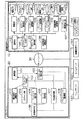
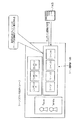
図1は本発明の実施の形態による映像コンテンツ再生システムのブロック図である。
図1に示すように本システムは、映像同期サーバ10(以下、サーバ10という)と、ユーザが用いるクライアント端末20(以下、クライアント20という)と、映像配信サーバ141、タイムサーバ142、ウェブサーバ143と、これらを接続するネットワーク30により構成されている。この映像コンテンツ再生システムの同期制御に関わる装置は図1中の太線の枠内で示すクライアント20と映像同期サーバ10である。
クライアント20は、通信部101、プロトコル生成部102、プロトコル解析部103、ログイン部104、コンテンツ選択部105、シーン選択部106、再生監視部107、バッファリング監視部108、映像再生部109、現在時刻調整部110から構成される。
Hereinafter, embodiments of the present invention will be described in detail with reference to the drawings.
(About overall configuration diagram)
FIG. 1 is a block diagram of a video content reproduction system according to an embodiment of the present invention.
As shown in FIG. 1, this system includes a video synchronization server 10 (hereinafter referred to as server 10), a
The
サーバ10は、通信部121、プロトコル生成部122、プロトコル解析部123、認証部124、認証DB125、ログイン管理部126、ログインDB(データベース)127、コンテンツ管理部128、コンテンツDB129、コンテンツシーン管理部130、コンテンツ構造データDB131、クライアントバッファリング管理部132、バッファリング管理テーブル133、通信時間管理部134、通信時間管理テーブル135、現在時刻調整部136、コンテンツ構造投入部137から構成される。コンテンツ構造投入部137は、シーンカット点検出アプリケーション144を有する。
The
(本実施の形態の概要)
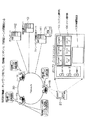
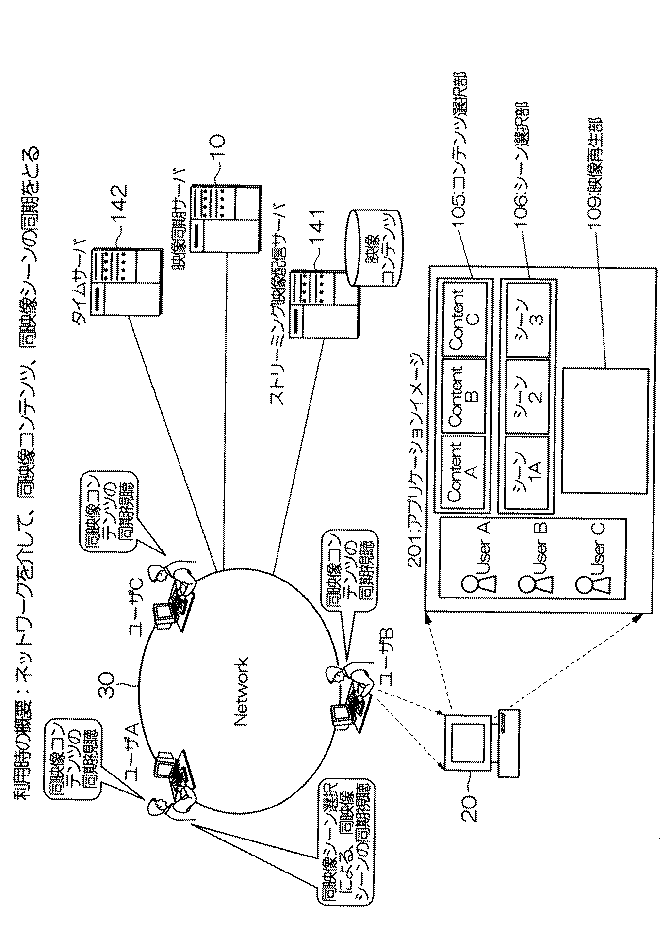
次に、本システムの利用時の概要を図2を用いて説明する。
ネットワーク30に接続されたクライアント20を操作するユーザA、ユーザB、ユーザCが本システムを利用しているとする。ユーザA、ユーザB、ユーザCは同じ映像コンテンツを一緒に同期視聴する1つのグループとして登録されている。ユーザA、ユーザB、ユーザのいずれかがコンテンツ選択部105において映像コンテンツを選択すると、ネットワークを介して接続されているユーザA、ユーザB、ユーザCの各クライアント20で再生される映像コンテンツが変更される。また、シーン選択部106において映像コンテンツのシーンを選択すると、各クライアント20で再生されている映像コンテンツのシーンが変更される。この時、視聴コンテンツの変更、視聴シーンの変更とも同様に、各クライアント20の映像再生部109で映像コンテンツを再生するために発生するバッファリング時間を計算された同期が各クライアント20でとられる。
また映像同期サーバ10から各クライアント20への通信時間を計算した同期も各クライアント20でとることができる。このように特定のグループ内でバッファリング時間、サーバ・クライアント間の通信時間を計算した映像コンテンツ同期を行うことができる。また、視聴中の映像のシーンを選択することにより、同じ映像シーンの同期を行うことができる。
(Outline of this embodiment)
Next, an outline when the present system is used will be described with reference to FIG.
Assume that users A, B, and C who operate the
Further, each
次に、本実施の形態の具体的な構成及び動作について説明する。
(現在時刻の調整)
まず、システム起動後、クライアント20の現在時刻調整部110及びサーバ10の現在時刻調整部136が共にタイムサーバ142にアクセスし、サーバ10とクライアント20の時刻に差異があれば現在時刻に修正する。これによりクライアント20とサーバ10の時刻同期をはかることができる。タイムサーバ142にアクセスするときには、一般的に使用されているNTP(Net Time Protocol)などのプロトコルを用いる。
Next, a specific configuration and operation of the present embodiment will be described.
(Adjusting the current time)
First, after the system is started, the current
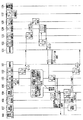
次に、図15を参照してログインからコンテンツリストの表示まで処理の流れを説明する。同図において図1の各部に対応する部分には同一の符号を付け、その説明を省略する。
(クライアントからログイン要求)
まず、クライアント20が映像同期サーバ10にログインを行う。ログインを行うにはクライアント20のログイン部104において、あらかじめサーバの認証DB125に登録されているユーザIDとパスワードを入力する。ログイン部104からプロトコル生成部102に送信される。プロトコル生成部102においてメッセージに変換され、そのメッセージが通信部101から映像同期サーバ10へ送信される。プロトコル生成部102で生成されるメッセージはユーザIDとパスワードが含まれ、このメッセージにログインの要求であることが記述されていれば、特にフォーマットは規定しない。例えばXML(eXtensible Markup Language)形式を用いると、
<mes><command>login</command><userID><userName></userID><passwd>UserPassword</passwd></mes>
ようにメッセージが生成される。この例ではcommandタグにこのメッセージがログイン要求であること、userlDタグにユーザIDが記述され、passwdタグにパスワードが記述されている。
Next, the flow of processing from login to content list display will be described with reference to FIG. In the figure, portions corresponding to the respective portions in FIG.
(Login request from client)
First, the
<mes><command> login </ command><userID><userName></userID><passwd> UserPassword </ passwd></mes>
A message is generated as follows. In this example, this message is a login request in the command tag, the user ID is described in the userlD tag, and the password is described in the passwd tag.
(ログイン要求受信)
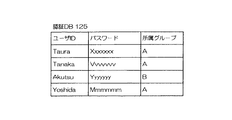
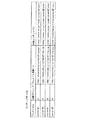
サーバ側の通信部121が受信したクライアント20からのログインのメッセージはプロトコル解析部123に送信され、どのモジュールに送信するかが決定される。この場合は、認証部124へメッセージが送信される。認証部124において受信したユーザIDをパスワード認証DB125に登録されているユーザIDから検出し、検出したユーザIDのレコードに記述されているパスワードと受信したパスワードが一致すれば認証完了となる。ユーザを認証した後に、認証部124はログイン管理部126にユーザがログインしたことを知らせるためにユーザIDを送信する。図3に認証DB125の例を示す。図3に示されるようにご認証DB125には3つのカラムがあり、それぞれユーザID、パスワード、所属グループである。パスワードは映像同期サーバ10にアクセスするためのパスワードであり、所属グループは各ユーザが所属するグループである。
(Login request received)
The login message from the
(ユーザリストの送信)
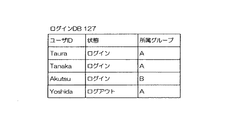
ログイン管理部126は、受信したユーザIDをログインID127から検索し、検索されたユーザIDのレコード(行)の状態をログインに変更する。図4にログインDB127の例を示す。図4に示されるログインDB127には3つのカラムがあり、それぞれユーザID、状態、所属グループである。受信したユーザIDにより状態カラムを「ログイン」に変更する。状態の変更後、ログイン管理部126は受信したユーザIDと同じグループに所属するユーザIDを検索し、そのユーザIDのリストを作成してプロトコル生成部122に送信する。プロトコル生成部122においてユーザリストのメッセージが作成される。ここで生成されるメッセージの例を示す。
<mes><command>userlist</command><name><taura></name><name>tanaka</name/mes>
ここではcommandタグにこのメッセージがユーザリストを表す記述がされる。Nameタグに受信したユーザIDと同じグループに所属し、かつ現在ログイン中のユーザIDが記述される。この場合のユーザIDはtauraとtanakaである。生成されたメッセージは通信部121に送信され、通信部121は受信したユーザIDのクライアント20に対してメッセージを送信する。
(Send user list)
The
<mes><command> userlist </ command><name><taura></name><name> tanaka </ name / mes>
Here, the command tag describes the message representing the user list. In the Name tag, the user ID belonging to the same group as the received user ID and currently logged in is described. The user IDs in this case are taura and tanaka. The generated message is transmitted to the
(ユーザリストの受信・表示)
クライアント20の通信部101で受信したメッセージはプロトコル解析部103へ送信される。この受信したメッセージはユーザリストなので、受信したユーザIDが表示される。表示された例を図5に示す。
(Receiving and displaying user list)
A message received by the
(サーバがコンテンツリスト送信)
サーバ10において、ユーザリストのメッセージをクライアント20に送信した後、このユーザIDが所属するグループが視聴できる映像コンテンツのリストを作成する。どのグループに対してどの映像コンテンツを視聴許可するかは、コンテンツDB129に記述されている。図6にコンテンツDB129の例を示す。図6には4つのカラムが存在する。順にコンテンツ名、視聴許可グループ、サムネイル画像パス、映像コンテンツパスが設定されている。映像コンテンツパスに記述されている同期視聴するための映像コンテンツの実体はあらかじめ映像配信サーバ141にアップロードされている。この映像配信サーバは141特別なものではなく、一般的に普及している映像配信サーバであってよい。
(Server sends content list)
In the
また、このコンテンツ登録時と同時にシーンカット点検出アプリケーション144を用いた映像コンテンツの構造解析と、その解析されたデータに基づいて新しいデータを付加し、コンテンツ構造データDB131へデータの投入が行われる。図14にこの処理の概要を示す。まず、映像コンテンツをシーンカット点検出アプリケーション144を用いて処理を行う。このシーンカット検出アプリケーション144は一般的にシーンカットの代表画像(サムネイル画像)と、そのシーンの開始時刻を検出できるアプリケーションである。映像解析が終了後、コンテンツ構造投入部137へサムネイル画像とシーン開始時刻が渡される。コンテンツ構造投入部137では、受信した情報(サムネイル画像とシーン開始時刻)に対してコンテンツIDを付加する。コンテンツIDはコンテンツ構造データDB131に登録されていないIDを付加する。その後、シーン開始時刻を利用して昇順ソートし、シーン開始時刻が小さい(時刻が早い)ものから順番に1,2・・とシーンIDを付加する。その後、サムネイル画像をウェブサーバ143にアップし、URLを記憶しておく。このコンテンツID、シーンID、サムネイル画像のURL、シーン開始時刻をコンテンツ構造データDB131へ投入する。
Simultaneously with the content registration, the structure analysis of the video content using the scene cut
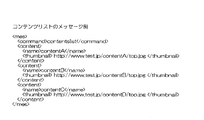
コンテンツDB129に記述されているコンテンツの中でログインしたユーザが所属するグループに許可されている映像コンテンツの「コンテンツ名」「サムネイル画像パス」のリストを作成し、プロトコル生成部122に送信する。プロトコル生成部122においてコンテンツリストのメッセージが作成される。ここで生成されるメッセージの例を図7に示す。図7に示す例ではcommandタグにこのメッセージがコンテンツリストを表す記述がなされる。contentタグに視聴可能なコンテンツの情報が記述される。contentタグの1階層下のnameタグにコンテンツ名が記述され、thumbnailタグにサムネイル画像のパスが記述される。生成されたメッセージは通信部121に送信され、通信部121は受信したユーザIDのクライアント20に対してメッセージを送信する。
A list of “content names” and “thumbnail image paths” of video contents permitted to the group to which the logged-in user belongs among the contents described in the
(クライアントがコンテンツリストを受信、コンテンツ選択)
クライアント20の通信部101がサーバ10からコンテンツリストのメッセージを受信すると、プロトコル解析部103へ送信する。プロトコル解析部103は受信したメッセージを解析し、コンテンツ選択部105へ送信する。コンテンツ選択部105では、それぞれのコンテンツのサムネイル画像をウェブサーバ143などから取得し、それをリストとして表示する。表示された例を図8に示す。
(Client receives content list, selects content)
When the
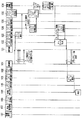
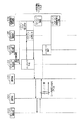
次に、図16、図17を参照してユーザのコンテンツ選択から再生までの処理の流れを説明する。同図においても、図1の各部に対応する部分には同一の符号を付け、その説明を省略する。
コンテンツ選択部105において視聴可能な映像の視聴可能のサムネイルリストが表示された後、コンテンツ選択部105に表示されているコンテンツのサムネイル画像をユーザによって選択された場合(例えばコンテンツAを選択したとする)、コンテンツ選択部105において選択されたコンテンツ名をプロトコル生成部102に送信する。プロトコル生成部102にてメッセージを生成し,通信部101に送信する。通信部101にてメッセージをサーバ10へ送信する。下記に生成されたメッセージの例を示す。
<mes><command>ContentChange</command><userID>taura</userID><ContentName>contentA</ContentName></mes>
ここではcommandタグにこのメッセージがコンテンツの変更を表す記述がされる。userIDタグに選択したユーザtauraのユーザIDが記述され、ContentNameにはコンテンツ選択部105にて選択されたコンテンツ名が記述される。
Next, a flow of processing from user content selection to playback will be described with reference to FIGS. Also in this figure, the same reference numerals are given to portions corresponding to the respective portions in FIG. 1, and the description thereof is omitted.
When the user selects a thumbnail image of the content displayed in the
<mes><command> ContentChange </ command><userID> taura </ userID><ContentName> contentA </ ContentName></mes>
Here, a description indicating the change of the content of the message is written in the command tag. The user ID of the selected user taura is described in the userID tag, and the content name selected by the
(サーバ側、コンテンツ変更要求受信)
サーバ10の通信部121で受信されたメッセージは、プロトコル解析部123に送信され、どのモジュールに送信するか決定される。この場合はコンテンツ管理部128へコンテンツIDが送信される。コンテンツ管理部128がコンテンツIDを受け取ると、コンテンツDB129からコンテンツIDをキーとして検索し、一致したコンテンツIDのレコードの映像ファイルパスを取得する。その映像ファイルパスをプロトコル生成部122へ選信する。プロトコル生成部122では、受信した映像ファイルパスをもとにクライアント映像コンテンツ変更命令のメッセージを生成する。下記に生成されたメッセージの例を示す。
<mes><command>PreparePlay</command><contentPath>mms://www.test-jp/conten
tA.wmv</contentPath></mes>
ここではcommandタグにこのメッセージがコンテンツ再生準備を表す記述がなされる。
contentPathに再生すべき映像コンテンツへのパス(URI:Uniform Resource Identifiers)が記述される。
(Server side, content change request received)
A message received by the
<mes><command> PreparePlay </ command><contentPath> mms: //www.test-jp/conten
tA.wmv </ contentPath></mes>
Here, a description indicating that this message indicates content playback preparation is made in the command tag.
A path (URI: Uniform Resource Identifiers) to video content to be reproduced is described in contentPath.
次に、ユーザID(taura)と同じグループに所属するクライアントのリストをログイン管理部126に問い合わせる。ログイン管理部126は受信したユーザIDをもとにログインDB127を参照し、受信したユーザIDと同じグループに所属するクライアントのリストを取得する。そのクライアントリスト情報をプロトコル生成部122に送信する。プロトコル生成部122において作成された映像変更メッセージを通信部121に対して、クライアントリストの数に応じて生成されたメッセージを送信する。通信部121はプロトコル生成部122から受信したメッセージを各々のクライアントに対して送信する。また、コンテンツシーン管理部130へコンテンツシーンをクライアント20へ送信するように指令を出す。
Next, the
(サーバ側、コンテンツシーン画像表示要求)
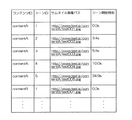
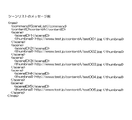
コンテンツ管理部128からコンテンツシーンのクライアントへの送信命令を受信すると、 コンテンツ構造データDB131から映像コンテンツの構造情報を取得する。映像コンテンツの構造情報は4つの情報、コンテンツID、シーンID、サムネイル画像パス、開始時刻から構成される。この構造データを格納する手段はRDB(Relational Data Base)形式でもよいし、XML形式でも特にかまわない。この例を図9に示す。コンテンツ管理部128から受信したコンテンツIDをもとにコンテンツ構造データDB131から検索する。特定のコンテンツIDが検索されると、検索されたレコード(もしくはタグ)をシーンIDをキーに昇順にソートする。このレコードリストをプロトコル生成部122へ送信する。プロトコル生成部122においてクライアントへ送信するメッセージが生成される。生成されるメッセージの例を図10に示す。図10に示す例ではcommandタグにこのメッセージがシーンリストを表す記述がなされる。sceneタグに視聴するコンテンツのシーン情報が記述される。sceneタグの1階層下のsceneIDタグにシーンIDが記述され、thumbnailタグにシーンのサムネイル画像のパスが記述される。コンテンツ変更メッセージを送信したユーザ分だけメッセージが生成され、通信部121に送信される。通信部121はクライアント20に対してメッセージを送信する。
(Server side, content scene image display request)
When receiving a transmission command from the
(クライアント側、コンテンツ変更命令受信)
クライアント20の通信部101にて受信されたコンテンツ変更メッセージは、プロトコル解析部103へ送信され、どのモジュールヘ命令を出すか決定される。この場合は映像再生部109、再生監視部107、バッファリング監視部108に命令が出される。
(クライアント側、シーンリスト表示命令受信)
クライアント20の通信部101で受信されたシーンリストメッセージは、プロトコル解析部103へ送信され、どのモジュールヘ命令を出すか決定される。この場合はシーン選択部106に送信される。シーン選択部106では、受信したシーンサムネイル画像URLに基づいてウェブサーバから画像を取得し、シーン選択部106にシーン画像をリスト表示する。シーン画像がリスト表示された例を図11に示す。
(Client side, content change command received)
The content change message received by the
(Client side receives scene list display command)
The scene list message received by the
(映像再生部)
映像再生部109には受信した文字列に記述されているストリーミング映像コンテンツのURLにアクセスするように命令される。映像再生部109はそのURLに基づいて映像配信サーバ141にアクセスし、映像の再生準備を始める。映像配信サーバ141へのコネクションが確立すると、映像再生部109はストリーミング映像のバッファリング状態に入る。なお、ここで述べるバッファリングとは、ストリーミング再生をする際には、開始した時点ですぐにデータが再生されずに、あらかじめ一定量のデータを視聴者のPC(クライアント20)に蓄積してから再生を始める方式のことである。
(バッファリング監視部)
バッファリング監視部108は、プロトコル解析部103からバッファリング監視命令を受信する。バッファリング監視部108は映像再生部109のバッファリング状態を監視し、映像再生部109のバッファリングが完了したらバッファリング監視を停止し、プロトコル生成部102にバッファリング完了を通知する。
(Video playback part)
The
(Buffering monitor)
The
(再生監視部)
再生監視部107にはプロトコル解析部103から再生監視命令を受信する。再生監視部107は映像再生部109の再生状態を監視し、映像の再生が始まったら映像再生部109に映像再生の一時停止命令を出す。映像一時停止命令を受信した映像再生部109は映像を一時停止する。
(Reproduction monitoring unit)
The
(サーバへバッファリング完了通知)
バッファリング監視部108からバッファリング完了を受信したプロトコル生成部102はバッファリング完了を示すメッセージを生成し、通信部101に送信する。通信部101はサーバ10へバッファリング完了のメッセージを送信する。下記に生成されたメッセージの例を示す。
<mes><command>BufOK</command><contentID>contentA</contentID>/<mes>
ここではcommandタグにこのメッセージがコンテンツのバッファリング完了を表す記述がされる。contentIDにはバッファリングが完了した映像コンテンツIDが記述される。
(Notification of buffering completion to the server)
The
<mes><command> BufOK </ command><contentID> contentA </ contentID> / <mes>
In this case, the command tag describes that this message indicates the completion of content buffering. The content ID describes the video content ID for which buffering has been completed.
(サーバ側バッファリング完了通知受信)
サーバ10の通信部121で受信された文字列は、プロトコル解析部123に送信され、どのモジュールに送信するかが決定される。この場合はクライアントバッファリング管理部132へ送信される。
(Receiving server-side buffering completion notification)
The character string received by the
(クライアントバッファリング管理部)
クライアントバッファリング管理部132では、受信したユーザIDを元にバッファリング管理テーブル133からユーザIDを検索し、検索されたユーザIDのバッファリング状態をバッファリング完了状態にする。テーブル変更後、受信したユーザIDのグループ全員がバッファリングが完了したかどうかをチェックする動作に入る。まず、ログイン管理部126へバッファリングが完了したユーザIDを送信する。バッファリング管理テーブル133の例を図12に示す。
(Client Buffering Management Department)
The client
(ログイン管理部)
ログイン管理部126では受信したユーザIDをキーにしてログインDB127からユーザIDを検索し、検索されたユーザIDが所属するグループを取得し、その取得されたグループに属するユーザIDのリストを生成する。その生成されたリストをクライアントバッファリング管理部132へ送信する。
(クライアントバッファリング管理部)
ログイン管理部126から受信したユーザIDのリストの全員がバッファリング管理テーブル133においてバッファリング完了になっているかどうかをチェックする。もし全てのユーザのバッファリングが完了されていなければ、待機状態に入り、プロトコル解析部123からの次のユーザからのバッファリング完了通知の受信を待機する。もし全てのユーザのバッファリングが完了されていたらバッファリング管理テーブル133から通信時間管理部134へバッファリング完了の通知とそのグループIDを通知する。
(Login Manager)
The
(Client Buffering Management Department)
It is checked whether or not all the user ID lists received from the
また、クライアント20のバッファリング監視部108は、映像コンテンツの再生中にもバッファリング状態を監視し続ける。そして、クライアント20が新たにバッファリングを開始するときその旨をサーバ10へ通知する。サーバ10は、この通知に応じて各クライアント20に映像コンテンツ再生の一時停止を指示する。そして、上記バッファリング開始を通知したクライアント20からバッファリング完了通知があったとき、サーバ10は各クライアントの一時停止状態の解除を通知する。このため、クライアント20のスペックやネットワークの状態などによりバッファリングが遅れたりするなどの不具合が発生した場合、そのクライアント20が次のバッファリングを開始すると、他のクライアント20は映像コンテンツの再生を一旦停止し、所定量のデータのバッファリングが完了すると再生停止が解除され、再生が再開される。
Further, the
次に、図18を参照して、通信時間測定のための処理について説明する。同図において図1の各部に対応する部分には同一の符号を付け、その説明を省略する。
(通信時間管理部)
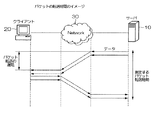
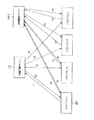
通信時間管理部134は、一定時間ごとにセッションが張られているクライアント20に対してパケット通信時間を測定している。このパケット測定時間とは、サーバ10からクライアント20にメッセージを送信し、それを受信したクライアント20がサーバ10へメッセージを送信し、サーバ10がそのメッセッージを受信するまでの時間のことである。この概念図を図13に示す。図13に示すように、一般的にパケット通信は通過するネットワークによりパケットの遅延時間が発生する。この図13においてサーバ10からメッセージを発信し、再び受信するまでの時間をパケット通信時間と定義する。一定時間αごとにログイン管理部126へ現時点でのログインユーザを問い合わせる。間い合わせた後、通信時間管理テーブル135に現在の状況を記入する。またそれと同時に一定時間αごとに、パケット通信時間を測定するためにクライアント20に対してメッセージを送信する。クライアント20からの応答メッセージを受信すると通信時間管理テーブル135に記述する。
Next, processing for measuring communication time will be described with reference to FIG. In the figure, portions corresponding to the respective portions in FIG.
(Communication time management department)
The communication
全てのクライアント20のバッファリング完了通知をクライアントバッファリング管理部132から受信すると、実際に映像の再生を開始する時刻を決定する。まず通信時間管理テーブル135からストリーミング映像の再生を開始するグループのユーザIDのレコードを取得する。取得されたレコードからパケット通信時間を計算する手法を以下に説明する。
まず、ユーザID(a)の最近n回分のパケット通信時間を計算する。下記にユーザID(a)のパケット通信時間の表を示す。
When the buffering completion notifications of all the
First, the packet communication time for the last n times of the user ID (a) is calculated. The table of packet communication time for user ID (a) is shown below.
上の表に示されるように,1回前のサーバとユーザID(a)のクライアントのパケット通信・時間をTa(1)とする。n回前のパケット通信時間はTa(n)となる。この時、n回分のパケット通信時間の平均Ta(ave)は、 As shown in the table above, let Ta (1) be the packet communication / time between the previous server and the user ID (a) client. The packet communication time n times before is Ta (n). At this time, the average Ta (ave) of packet communication time for n times is
となる。
ユーザID(a)と同じグループに所属するグループのリストをGroup(A)として、Group(A)に属するユーザを(a,b,c・・・,n)とすれば、Group(A)に属するクライアントのパケット通信時間の平均値はTgroup(A)(ave)は、
It becomes.
If the list of groups belonging to the same group as the user ID (a) is Group (A) and the users belonging to Group (A) are (a, b, c ..., n), then Group (A) The average value of the packet communication time of the client to which Tgroup (A) (ave)
となる。
このTgroup(A)(ave)を2で割ったものをサーバ10からクライアント20へパケット送信するときに要する通信時間の平均値と定義し、T(delay)とするとT(delay)は、
It becomes.
This Tgroup (A) (ave) divided by 2 is defined as the average value of communication time required for packet transmission from the
となる。
現在時刻T(now)にT(delay)を足して、任意の時間T(offset)を足した値をストリーミング映像再生時刻T(play)とするとT(play)は、
It becomes.
If T (delay) is added to the current time T (now), and the value obtained by adding arbitrary time T (offset) is the streaming video playback time T (play), T (play)
となる。
クライアントバッファリング管理部132からバッファリング完了のメッセージを受信した後、上記各式によって導かれたT(play)の値をプロトコル生成部122に送信する。 この例では、各ユーザのn回分の通信の平均値をさらにグループで平均したものをgroup(A)(ave)としてT(play)を求めるのに用いたが、平均値だけでなく、最大値、最小値、最頻値などを適宜利用してもかまわない。
It becomes.
After receiving a buffering completion message from the client
(プロトコル生成部)
通信時間管理部134から受信したT(play)の値に基づいてクライアント20に送信するメッセージを生成する。下記に生成されたメッセージの例を示す。
<mes><command>Play</command><contentID>coutentA</contentID><playtime>20
03/10/08/18:10:23:50<Playtime></mes>
ここではcommandタグにこのメッセージがコンテンツの再生命令を表す記述がなされる。contentIDには再生する映像コンテンツIDが記述される。Playtimeには映像コンテンツの再生時刻が記述される。この場合は、2003年10月8日18時10分23秒50である。
(Protocol generator)
A message to be transmitted to the
<mes><command> Play </ command><contentID> coutentA </ contentID><playtime> 20
03/10/08/18: 10: 23: 50 <Playtime></mes>
Here, a description indicating that this message represents a content reproduction command is made in the command tag. The content ID describes the video content ID to be played back. Playtime describes the playback time of the video content. In this case, it is 18: 10: 23: 50 on October 8, 2003.
(クライアント側、コンテンツ再生命令)
クライアント側の通信部101にて受信されたメッセージは、プロトコル解析部103へ送信され、どのモジュールへ命令を出すか決定される。この場合は映像再生部109に映像再生命令が出される。
(映像再生部)
映像再生部109ではプロトコル解析部103より再生命令を受信する。受信した再生開始時刻になるまで待機状態に入り、再生時刻になったときに映像の再生を開始する。またメッセージを受信したときにすでに再生時刻が過ぎているならば再生を開始する。
(Client side, content playback instruction)
The message received by the
(Video playback part)
The
(再生中のシーン変更)
シーン選択部106において、映像コンテンツを同期視聴中にユーザグループの誰かによってシーンのサムネイル画像を選択した場合、視聴中の映像コンテンツのシーン変更が行われる。ユーザが選択したコンテンツIDとシーンIDがプロトコル生成部102に送信される。プロトコル生成部102にてメッセージを生成し、通信部101に送信する。通信部101にてメッセージをサーバ10へ送信する。下記に生成されたメッセージの例を示す。
<mes><command>SceneChange</command>userID>taura</userID><contentID>contentA</contentID><SceneID>2</SceneID></mes>
ここではcommandタグにこのメッセージがシーンの変更を表す記述がされる。 contentIDタグに選択したシーン画像のコンテンツIDが記述され,sceneIDにはシーンIDが記述される。
(Change scene during playback)
When the
<mes><command> SceneChange </ command>userID> taura </ userID><contentID> contentA </ contentID><SceneID> 2 </ SceneID></mes>
Here, this message is described in the command tag to indicate a scene change. The content ID of the selected scene image is described in the content ID tag, and the scene ID is described in the scene ID.
サーバ側の通信部121で受信されたメッセージは、プロトコル解析部123に送信され、どのモジュールに送信するかが決定される。この場合はコンテンツシーン管理部130へコンテンツID、シーンIDが送信される。コンテンツシーン管理部130がコンテンツID、シーンIDを受け取ると、コンテンツ構造データDB131)からコンテンツID、シーンIDをキーとして検索し、一致したレコードのシーン開始時刻映像を取得する。そのシーン開始時刻をプロトコル生成部122へ送信する。プロトコル生成部122では、受信したシーン開始時刻に基づいてクライアント映像コンテンツのシーン変更命令のメッセージを生成する。下記に生成されたメッセージの例を示す。
<mes><command>SceneChange</command><content>contentA</content>sceneTime>3.9</sceneTime></mes>
ここではcommandタグにこのメッセージがシーン変更を表す記述がなされる。contentにコンテンツID,sceneTimeに再生すべきシーンの開始時刻が記述される。
A message received by the
<mes><command> SceneChange </ command><content> contentA </ content>sceneTime> 3.9 </ sceneTime></mes>
Here, a description indicating that this message represents a scene change is made in the command tag. Content ID describes the content ID, and sceneTime describes the start time of the scene to be reproduced.
次に、ユーザID (taura)と同じグループに所属するクライアント20のリストをログイン管理部126に問い合わせる。ログイン管理部126は、受信したユーザIDに基づいてログインDB127を参照し、受信したユーザIDと同じグループに所属するクライアント20のリストを取得する。そのクライアントリスト情報をプロトコル生成部122に送信する。プロトコル生成部122において作成された映像変更メッセージを通信部121に対してクライアントリストの数に対して生成されたメッセージを送信する。通信部121はプロトコル生成部122から受信したメッセージを各クライアント20に対して送信する。
Next, the
クライアント20の通信部101にて受信されたシーン変更メッセージは、プロトコル解析部103へ送信され、どのモジュールヘ命令を出すか決定される。この場合は映像再生部109、再生監視部107、バッファリング監視部108に命令が出される。映像再生部109は受信した文字列に記述されている再生時刻にアクセスするように命令される。映像再生部109はその再生時刻を元に映像配信サーバ141にアクセスし、映像の再生準備を始める。ここから先の処理は、バッファリング監視部108、再生監視部107共にコンテンツ変更時の処理と同じである。
The scene change message received by the
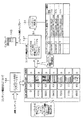
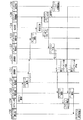
図19は前述したグループに対して映像制御を行う場合の手順を要約したフローを示し、図20はバッファリング発生後の手順を要約したフローを示す。
図19で送受信する映像制御メッセージは、コンテンツ変更、再生時刻変更(シーン変更)、停止、再生、早送り、巻き戻しなどである。バッファリングが発生するコンテンツ変更、再生時刻変更の処理は図20に示す。
図19における処理(1)〜(4)について説明する。
(1) 映像制御を行いたいクライアント20が制御メッセージをサーバ10に送信する。
(2) 特定のグループに対して映像制御メッセージを送信(マルチキャスト)する。
(3) 各クライアント20の映像再生部107が映像配信サーバ141へ映像制御メッセージを送信(ユニキャスト)する。
(4) 映像制御メッセージに合わせた処理(映像配信など)を実行する。
FIG. 19 shows a flow that summarizes the procedure when video control is performed on the aforementioned group, and FIG. 20 shows a flow that summarizes the procedure after the occurrence of buffering.
The video control message transmitted and received in FIG. 19 includes content change, playback time change (scene change), stop, playback, fast forward, rewind, and the like. FIG. 20 shows the content change and playback time change processing that causes buffering.
The processes (1) to (4) in FIG. 19 will be described.
(1) The
(2) A video control message is transmitted (multicast) to a specific group.
(3) The
(4) Execute processing (video distribution etc.) according to the video control message.
図20における処理(5)〜(8)について説明する。
(5) ストリーミング映像のバッファリング状態を監視する。
(6) バッファリングが完了したら、映像停止状態にしてサーバ10へバッファリング完了を通知する。このとき各クライアント20のコネクションは張ったままである。
(7) クライアントグループのバッファリングが完了したら、再生メッセージを各クライアント20に送信する。
(8) 各クライアント20の映像再生部107が再生開始する(映像配信サーバ141に要求を出す)。
Processing (5) to (8) in FIG. 20 will be described.
(5) Monitor the streaming video buffering status.
(6) When the buffering is completed, the video is stopped and the
(7) When buffering of the client group is completed, a reproduction message is transmitted to each
(8) The
以上説明した本実施の形態によれば、次の効果を得ることができる。
上記の構成によって特定ユーザグループで映像コンテンツの同期視聴を制御することができる。また、コンテンツの変更の同期、シーン変更の同期を行うことができ、さらに、同期する際に、クライアント側でのバッファリング時間を考慮したストリーミング映像コンテンツの同期を行うことができる。また、サーバとクライアント間のパケット通信時間を考慮したストリーミング映像コンテンツの同期を行うことができる。また、特定グループに対して映像制御メッセージを送受信するシステムを持ち、映像コンテンツ変更・再生時刻変更・シーン変更などの制御を行うことでグループ間の映像同期視聴を可能にする。また、クライアントのバッファリング状態を管理して,全てのクライアントのバッファリングが完了したら再生を開始することで、各クライアント間で異なるバッファリング時間を考慮した映像同期を可能にする。また、サーバ・クライアント聞の通信時間を計算し、その値によって映像再生時刻を決定することで、通信時間を考慮した映像同期を可能にする。
According to the present embodiment described above, the following effects can be obtained.
With the above configuration, the synchronized viewing of video content can be controlled by a specific user group. Further, it is possible to synchronize content changes and scene changes, and to synchronize streaming video content in consideration of the buffering time on the client side when synchronizing. In addition, it is possible to synchronize streaming video content considering the packet communication time between the server and the client. In addition, a system for transmitting and receiving video control messages to a specific group is provided, and video synchronized viewing between groups is enabled by controlling video content change, playback time change, scene change, and the like. Further, by managing the buffering state of the clients and starting the reproduction when the buffering of all the clients is completed, it is possible to synchronize the video considering the different buffering times among the clients. Further, by calculating the communication time of the server / client and determining the video playback time based on the calculated communication time, it is possible to perform video synchronization in consideration of the communication time.
例えば、特定のユーザグループに属するあるユーザが視聴したいコンテンツを選択した時に、特定のユーザグループ全てのユーザに対してコンテンツを変更することが可能である。また、特定のユーザグループに属するあるユーザが視聴したいコンテンツのシーンを選択した時に、特定のユーザグループ全てのユーザに対してコンテンツのシーンを変更することが可能である。また正確にストリーミング映像を同期視聴させるために、クライアント側で発生するバッファリング時間を管理して、各クライアントに生じるバッファリング時間の差異を補正することにより、映像コンテンツの同期視聴の精度を高めることができる。また、サーバからクライアントへデータを送信するときに生じるパケットの通信時間を計算し、ストリーミング映像コンテンツの再生時刻を補正することにより、映像コンテンツの同期視聴の精度を高めることができる。 For example, when a user belonging to a specific user group selects content that the user wants to view, the content can be changed for all users of the specific user group. Further, when a user belonging to a specific user group selects a content scene to be viewed, the content scene can be changed for all users of the specific user group. In addition, in order to accurately view streaming video synchronously, the buffering time generated on the client side is managed, and the difference in buffering time generated at each client is corrected, thereby improving the accuracy of video content synchronous viewing. Can do. Further, by calculating the communication time of a packet generated when data is transmitted from the server to the client and correcting the playback time of the streaming video content, it is possible to improve the accuracy of synchronous viewing of the video content.
次に、本発明の実施の形態によるプロラムについて説明する。
クライアント20及びサーバ10における各コンピュータシステムのCPUが、前述した動作に基づく処理を実行するためのプロラムは、本発明によるプロラムを構成する。また、このプロラムを記録するための記録媒体は、本発明によるコンピュータ読み取り可能な記録媒体を構成する。この記録媒体としては、光磁気ディスク、光ディスク、半導体メモリ、磁気記録媒体等を用いることができ、これらをROM、RAM、CD−ROM、フレキシブル・ディスク、メモリカード等に構成して用いてよい。
Next, a program according to the embodiment of the present invention will be described.
A program for the CPU of each computer system in the
またこの記録媒体は、インターネット等のネットワークや電話回線等の通信回線を介してプロラムが送信された場合のサーバやクライアントとなるコンピュータシステム内部のRAM等の揮発性メモリのように、一定時間プロラムを保持するものも含まれる。
また上記プロラムは、このプロラムを記憶装置等に格納したコンピュータシステムから伝送媒体を介して、あるいは伝送媒体中の伝送波により他のコンピュータシステムに伝送されるものであってよい。上記伝送媒体とは、インターネット等のネットワーク(通信網)や電話回線等の通信回線(通信線)のように、情報を伝送する機能を有する媒体をいうものとする。
また上記プロラムは、前述した機能の一部を実現するためであってもよい。さらに、前述した機能をコンピュータシステムに既に記録されているプロラムとの組み合わせで実現できるもの、いわゆる差分ファイル(差分プロラム)であってもよい。
In addition, this recording medium has a program for a certain period of time such as a volatile memory such as a RAM in a computer system as a server or a client when a program is transmitted via a network such as the Internet or a communication line such as a telephone line. The thing to hold is also included.
The program may be transmitted from a computer system storing the program in a storage device or the like to another computer system via a transmission medium or by a transmission wave in the transmission medium. The transmission medium is a medium having a function of transmitting information, such as a network (communication network) such as the Internet or a communication line (communication line) such as a telephone line.
The program may be for realizing a part of the functions described above. Furthermore, what can implement | achieve the function mentioned above in combination with the program already recorded on the computer system, and what is called a difference file (difference program) may be sufficient.
従って、このプロラム及び記録媒体を図1のシステムとは異なるシステムにおいて用い、そのシステムのコンピュータがこのプロラムを実行することによっても、前記実施の形態で説明した機能及び効果と同等の機能及び効果を得ることができ、本発明の課題を解決することができる。 Therefore, even when this program and recording medium are used in a system different from the system of FIG. 1 and the computer of the system executes the program, the functions and effects equivalent to the functions and effects described in the above embodiment are obtained. And the problems of the present invention can be solved.
10 映像同期サーバ
20 クライアント端末
30 ネットワーク
101 通信部
105 コンテンツ選択部
106 シーン選択部
107 再生監視部
108 バッファリング監視部
109 映像再生部
110 現在時刻調整部
121 通信部
128 コンテンツ管理部
129 コンテンツDB
130 コンテンツシーン管理部
131 コンテンツ構造データDB
132 クライアントバッファリング管理部
133 バッファリング管理テーブル
134 通信時間管理部
135 通信時間管理テーブル
136 現在時刻調整部
137 コンテンツ構造投入部
141 映像配信サーバ
142 タイムサーバ
143 ウェブサーバ
144 シーンカット点検出アプリケーション
DESCRIPTION OF
130 Content
132 Client
Claims (13)
前記同じ映像コンテンツを再生する前記複数のクライアント端末からなるグループを管理するクライアント管理手段と、前記グループ内のすべてのクライアント端末からバッファリング完了通知があったとき各クライアント端末に前記映像コンテンツの再生開始を指示する再生制御手段とを備えた前記同期サーバと、
前記映像配信サーバから前記同じ映像コンテンツを受信してバッファリングし、所定のデータ量のバッファリング完了を検出して前記同期サーバに通知するバッファリング監視手段と、前記同期サーバからの再生開始の指示に応じて前記バッファリングした映像コンテンツを再生する映像再生手段とをそれぞれ備えた前記複数のクライアント端末とから構成される映像コンテンツ再生システム。 A video content playback system in which a plurality of client terminals receive the same video content from a video distribution server, and each client terminal plays back the same video content in synchronization with each other based on control of a synchronization server,
Client management means for managing a group of the plurality of client terminals that play the same video content, and start of playback of the video content to each client terminal when there is a buffering completion notification from all the client terminals in the group The synchronization server comprising a reproduction control means for instructing
Buffering monitoring means for receiving and buffering the same video content from the video distribution server, detecting completion of buffering of a predetermined amount of data and notifying the synchronization server, and a playback start instruction from the synchronization server And a plurality of client terminals each provided with a video playback means for playing back the buffered video content.
映像配信サーバから前記映像コンテンツを受信してバッファリングし、所定のデータ量のバッファリング完了を検出して同期サーバに通知するバッファリング監視手段と、
前記同期サーバからの再生開始の指示に応じて前記バッファリングした映像コンテンツを再生する映像再生手段とを備えたことを特徴とするクライアント端末。 The client terminal used in a video content reproduction system in which a plurality of client terminals synchronously reproduce the same video content,
Buffering monitoring means for receiving and buffering the video content from the video distribution server, detecting completion of buffering of a predetermined amount of data and notifying the synchronization server;
A client terminal comprising: a video playback means for playing back the buffered video content in response to a playback start instruction from the synchronization server.
前記同じ映像コンテンツを再生する複数のクライアント端末からなるグループを管理するクライアント管理手段と、
特定のグループ内のすべてのクライアント端末から前記映像コンテンツの所定のデータ量のバッファリング完了通知があったとき各クライアント端末に前記映像コンテンツの再生開始を指示する再生制御手段とを備えたことを特徴とする同期サーバ。 A synchronization server used in a video content reproduction system in which a plurality of client terminals synchronously reproduce the same video content,
Client management means for managing a group of a plurality of client terminals that reproduce the same video content;
And a playback control means for instructing each client terminal to start playback of the video content when a notification of completion of buffering of a predetermined data amount of the video content is received from all client terminals in a specific group. A synchronization server.
前記各クライアント端末は、前記同じ映像コンテンツを受信してバッファリングし、所定のデータ量のバッファリング完了を検出して同期サーバに通知し、
前記同期サーバは、前記同じ映像コンテンツを再生する前記複数のクライアント端末からなるグループを管理すると共に、前記グループ内のすべてのクライアント端末から前記バッファリング完了通知があったとき、各クライアント端末に前記映像コンテンツの再生開始を指示し、
前記各クライアント端末は、前記再生開始の指示に応じて前記バッファリングした映像コンテンツを再生することを特徴とする映像コンテンツ再生システムの再生制御方法。 A playback control method for a video content playback system in which a plurality of client terminals synchronously play back the same video content,
Each of the client terminals receives and buffers the same video content, detects completion of buffering of a predetermined amount of data, and notifies the synchronization server,
The synchronization server manages a group of the plurality of client terminals that play back the same video content, and when each of the client terminals in the group receives the buffering completion notification, Instructing the content to start playing,
Each of the client terminals plays back the buffered video content in response to the playback start instruction.
所定のデータ量のバッファリング完了を検出して同期サーバに通知するバッファリング監視処理と、
前記同期サーバからの再生開始の指示に応じて前記バッファリングした映像コンテンツを再生する映像再生処理とをコンピュータに実行させるプログラム。 A buffering process for receiving and buffering video content;
A buffering monitoring process for detecting completion of buffering of a predetermined amount of data and notifying the synchronization server;
A program that causes a computer to execute video playback processing for playing back the buffered video content in response to a playback start instruction from the synchronization server.
前記グループ内のすべてのクライアント端末から前記映像コンテンツのバッファリング完了通知があったとき各クライアント端末に前記映像コンテンツの再生開始を指示する再生制御処理とをコンピュータに実行させるプログラム。
A client management process for managing a group of a plurality of client terminals that play the same video content;
A program for causing a computer to execute a reproduction control process for instructing each client terminal to start reproduction of the video content when notification of completion of buffering of the video content is received from all client terminals in the group.
Priority Applications (1)
| Application Number | Priority Date | Filing Date | Title |
|---|---|---|---|
| JP2004103319A JP2005294941A (en) | 2004-03-31 | 2004-03-31 | Video content playback system, playback control method thereof, client terminal, synchronization server, and program thereof |
Applications Claiming Priority (1)
| Application Number | Priority Date | Filing Date | Title |
|---|---|---|---|
| JP2004103319A JP2005294941A (en) | 2004-03-31 | 2004-03-31 | Video content playback system, playback control method thereof, client terminal, synchronization server, and program thereof |
Publications (1)
| Publication Number | Publication Date |
|---|---|
| JP2005294941A true JP2005294941A (en) | 2005-10-20 |
Family
ID=35327435
Family Applications (1)
| Application Number | Title | Priority Date | Filing Date |
|---|---|---|---|
| JP2004103319A Pending JP2005294941A (en) | 2004-03-31 | 2004-03-31 | Video content playback system, playback control method thereof, client terminal, synchronization server, and program thereof |
Country Status (1)
| Country | Link |
|---|---|
| JP (1) | JP2005294941A (en) |
Cited By (19)
| Publication number | Priority date | Publication date | Assignee | Title |
|---|---|---|---|---|
| JP2008160581A (en) * | 2006-12-25 | 2008-07-10 | Sony Corp | Content reproduction system, reproduction apparatus, reproduction control method, and program |
| JP2008187368A (en) * | 2007-01-29 | 2008-08-14 | Mitsubishi Electric Corp | Content sending device |
| WO2009011087A1 (en) * | 2007-07-13 | 2009-01-22 | Panasonic Corporation | Video/audio delivering server, video displaying apparatus, audio outputting apparatus, video/audio providing system, and video/audio synchronizing method |
| JP2009049456A (en) * | 2007-08-13 | 2009-03-05 | Nippon Hoso Kyokai <Nhk> | Content management server, content presentation device, content management program, and content presentation program |
| JP2009071546A (en) * | 2007-09-12 | 2009-04-02 | Fuji Xerox Co Ltd | Information processor, and program |
| JP2009284055A (en) * | 2008-05-20 | 2009-12-03 | Tokyo Univ Of Agriculture & Technology | Program, information storage medium, and motion picture distributing system |
| WO2009155840A1 (en) * | 2008-06-24 | 2009-12-30 | 华为技术有限公司 | Method, system and device for realizing the sharing of group service |
| JP2010103995A (en) * | 2008-10-27 | 2010-05-06 | Thomson Licensing | Transmission method digital content stream and corresponding reception method |
| JP2011023992A (en) * | 2009-07-16 | 2011-02-03 | Hitachi Consumer Electronics Co Ltd | Content distribution system, reproducing device, and distribution server |
| JP2011035503A (en) * | 2009-07-30 | 2011-02-17 | Nippon Telegr & Teleph Corp <Ntt> | Synchronous reproduction method, other-reproduction-terminal selection region video reproduction method, synchronous reproduction stopping method, synchronous reproduction system, and program |
| JP2013542633A (en) * | 2010-09-03 | 2013-11-21 | フル・エルエルシー | Improving bandwidth allocation using a modified seek function |
| US8788589B2 (en) | 2007-10-12 | 2014-07-22 | Watchitoo, Inc. | System and method for coordinating simultaneous edits of shared digital data |
| JP2015039050A (en) * | 2009-12-15 | 2015-02-26 | 株式会社東芝 | Data transmitting apparatus, data transmitting method and data receiving apparatus |
| EP2999260A4 (en) * | 2013-07-08 | 2016-06-01 | Huawei Tech Co Ltd | METHOD, DEVICE AND CONTROL SYSTEM FOR VIDEO PLAYBACK |
| JP2016192743A (en) * | 2015-03-31 | 2016-11-10 | 株式会社バンダイナムコライツマーケティング | Streaming video distribution system |
| WO2019209271A1 (en) * | 2018-04-24 | 2019-10-31 | Google Llc | Methods, systems, and media for adjusting quality level during synchronized media content playback on multiple devices |
| WO2019209269A1 (en) * | 2018-04-24 | 2019-10-31 | Google Llc | Methods, systems, and media for synchronized media content playback on multiple devices |
| KR102169808B1 (en) * | 2019-12-17 | 2020-10-26 | 한국과학기술원 | Method and System for Video Frame Synchronization between Devices |
| CN116884393A (en) * | 2023-08-03 | 2023-10-13 | 北京中科深智科技有限公司 | A pressure-elastic multi-level buffering generative AI communication method |
-
2004
- 2004-03-31 JP JP2004103319A patent/JP2005294941A/en active Pending
Cited By (37)
| Publication number | Priority date | Publication date | Assignee | Title |
|---|---|---|---|---|
| US8316154B2 (en) | 2006-12-25 | 2012-11-20 | Sony Corporation | Content playback system, playback device, playback control method and program |
| JP2008160581A (en) * | 2006-12-25 | 2008-07-10 | Sony Corp | Content reproduction system, reproduction apparatus, reproduction control method, and program |
| JP2008187368A (en) * | 2007-01-29 | 2008-08-14 | Mitsubishi Electric Corp | Content sending device |
| WO2009011087A1 (en) * | 2007-07-13 | 2009-01-22 | Panasonic Corporation | Video/audio delivering server, video displaying apparatus, audio outputting apparatus, video/audio providing system, and video/audio synchronizing method |
| JP2009049456A (en) * | 2007-08-13 | 2009-03-05 | Nippon Hoso Kyokai <Nhk> | Content management server, content presentation device, content management program, and content presentation program |
| JP2009071546A (en) * | 2007-09-12 | 2009-04-02 | Fuji Xerox Co Ltd | Information processor, and program |
| US9270715B2 (en) | 2007-10-12 | 2016-02-23 | Newrow, Inc. | System and method for coordinating display of shared video data |
| US8788589B2 (en) | 2007-10-12 | 2014-07-22 | Watchitoo, Inc. | System and method for coordinating simultaneous edits of shared digital data |
| JP2009284055A (en) * | 2008-05-20 | 2009-12-03 | Tokyo Univ Of Agriculture & Technology | Program, information storage medium, and motion picture distributing system |
| WO2009155840A1 (en) * | 2008-06-24 | 2009-12-30 | 华为技术有限公司 | Method, system and device for realizing the sharing of group service |
| CN101729855A (en) * | 2008-10-27 | 2010-06-09 | 汤姆森特许公司 | Method of transmission of a digital content stream and corresponding method of reception |
| KR20100047135A (en) * | 2008-10-27 | 2010-05-07 | 톰슨 라이센싱 | Method of transmission of a digital content stream and corresponding method of reception |
| JP2010103995A (en) * | 2008-10-27 | 2010-05-06 | Thomson Licensing | Transmission method digital content stream and corresponding reception method |
| US9300709B2 (en) | 2008-10-27 | 2016-03-29 | Thomson Licensing | Method of transmission of a digital content stream and corresponding method of reception |
| KR101642380B1 (en) | 2008-10-27 | 2016-07-25 | 톰슨 라이센싱 | Method of transmission of a digital content stream and corresponding method of reception |
| JP2011023992A (en) * | 2009-07-16 | 2011-02-03 | Hitachi Consumer Electronics Co Ltd | Content distribution system, reproducing device, and distribution server |
| JP2011035503A (en) * | 2009-07-30 | 2011-02-17 | Nippon Telegr & Teleph Corp <Ntt> | Synchronous reproduction method, other-reproduction-terminal selection region video reproduction method, synchronous reproduction stopping method, synchronous reproduction system, and program |
| JP2015039050A (en) * | 2009-12-15 | 2015-02-26 | 株式会社東芝 | Data transmitting apparatus, data transmitting method and data receiving apparatus |
| JP2013542633A (en) * | 2010-09-03 | 2013-11-21 | フル・エルエルシー | Improving bandwidth allocation using a modified seek function |
| EP2999260A4 (en) * | 2013-07-08 | 2016-06-01 | Huawei Tech Co Ltd | METHOD, DEVICE AND CONTROL SYSTEM FOR VIDEO PLAYBACK |
| KR101782453B1 (en) | 2013-07-08 | 2017-09-28 | 후아웨이 테크놀러지 컴퍼니 리미티드 | Method, device and system for controlling video play |
| JP2016192743A (en) * | 2015-03-31 | 2016-11-10 | 株式会社バンダイナムコライツマーケティング | Streaming video distribution system |
| CN111819858B (en) * | 2018-04-24 | 2023-02-28 | 谷歌有限责任公司 | Methods, systems, and media for synchronized media content playback on multiple devices |
| CN116112721A (en) * | 2018-04-24 | 2023-05-12 | 谷歌有限责任公司 | Method, system, and medium for synchronized media content playback on multiple devices |
| CN111819858A (en) * | 2018-04-24 | 2020-10-23 | 谷歌有限责任公司 | Method, system and medium for synchronized media content playback on multiple devices |
| EP4708882A1 (en) * | 2018-04-24 | 2026-03-11 | Google Llc | Methods, systems, and media for adjusting quality level during synchronized media content playback on multiple devices |
| CN111837399A (en) * | 2018-04-24 | 2020-10-27 | 谷歌有限责任公司 | Methods, systems and media for adjusting quality levels during playback of synchronized media content on multiple devices |
| US11303947B2 (en) | 2018-04-24 | 2022-04-12 | Google Llc | Methods, systems, and media for adjusting quality level during synchronized media content playback on multiple devices |
| WO2019209271A1 (en) * | 2018-04-24 | 2019-10-31 | Google Llc | Methods, systems, and media for adjusting quality level during synchronized media content playback on multiple devices |
| WO2019209269A1 (en) * | 2018-04-24 | 2019-10-31 | Google Llc | Methods, systems, and media for synchronized media content playback on multiple devices |
| US11695974B2 (en) | 2018-04-24 | 2023-07-04 | Google Llc | Methods, systems, and media for adjusting quality level during synchronized media content playback on multiple devices |
| US12294752B2 (en) | 2018-04-24 | 2025-05-06 | Google Llc | Methods, systems, and media for adjusting quality level during synchronized media content playback on multiple devices |
| US12238363B2 (en) | 2018-04-24 | 2025-02-25 | Google Llc | Methods, systems, and media for synchronized media content playback on multiple devices |
| CN116112721B (en) * | 2018-04-24 | 2025-03-28 | 谷歌有限责任公司 | Method, system and medium for synchronized media content playback on multiple devices |
| EP4510596A3 (en) * | 2018-04-24 | 2025-04-23 | Google Llc | Methods, systems, and media for synchronized media content playback on multiple devices |
| KR102169808B1 (en) * | 2019-12-17 | 2020-10-26 | 한국과학기술원 | Method and System for Video Frame Synchronization between Devices |
| CN116884393A (en) * | 2023-08-03 | 2023-10-13 | 北京中科深智科技有限公司 | A pressure-elastic multi-level buffering generative AI communication method |
Similar Documents
| Publication | Publication Date | Title |
|---|---|---|
| EP3706424B1 (en) | Video live broadcast method and apparatus | |
| US8578042B2 (en) | Method, system and device for playing streaming media | |
| US9843767B2 (en) | Audio video streaming system and method | |
| US8190683B2 (en) | Synchronizing multiple user remote content playback | |
| KR101573333B1 (en) | Method and apparatus to provide contents sharing service | |
| US8464298B1 (en) | Method and system to daisy-chain access to video resources | |
| KR101056617B1 (en) | Information processing apparatus, and content information processing method | |
| US20140019587A1 (en) | Dynamic Adaptive Streaming over Hypertext Transfer Protocol as Hybrid Multirate Media Description, Delivery, and Storage Format | |
| US20210289255A1 (en) | Synchronization of media content across multiple participant devices | |
| US20140189146A1 (en) | Method and apparatus for playing live content | |
| US20090249222A1 (en) | System and method for simultaneous media presentation | |
| CN105657579A (en) | Live broadcast audio switching method, stream media server and client | |
| JPWO2010023828A1 (en) | Information processing system and information processing apparatus | |
| JP2003235027A (en) | Simultaneous reproduction method of distribution video, video distribution system and terminal device | |
| JP2009284055A (en) | Program, information storage medium, and motion picture distributing system | |
| US20200366967A1 (en) | Method and system for monitoring quality of streaming media | |
| US20200288183A1 (en) | Live video replay method, replay server and system | |
| JP2005244605A (en) | Streaming content distribution control system, program, and recording medium storing the program | |
| US7882261B2 (en) | Method and apparatus for realizing positioning play of content stream in peer-to-peer network | |
| US8850053B2 (en) | System and method for providing information to users of a communication network | |
| JP5183591B2 (en) | Synchronous playback method, other playback terminal selection area video playback method, synchronized playback stop method, synchronized playback system and program | |
| CN106998478B (en) | A kind of offset correction method and device for smart TV current playlist | |
| CN101459976A (en) | Method, equipment and system for stream media playing control | |
| JP2020174378A (en) | Synchronization of media rendering in heterogeneous networking environment | |
| JP2003189276A (en) | Streaming information distribution system that can be played midway |