JP2005293560A - System and method for propagating competition settlement for executing item convergence (namely, data convergence) - Google Patents
System and method for propagating competition settlement for executing item convergence (namely, data convergence) Download PDFInfo
- Publication number
- JP2005293560A JP2005293560A JP2005056021A JP2005056021A JP2005293560A JP 2005293560 A JP2005293560 A JP 2005293560A JP 2005056021 A JP2005056021 A JP 2005056021A JP 2005056021 A JP2005056021 A JP 2005056021A JP 2005293560 A JP2005293560 A JP 2005293560A
- Authority
- JP
- Japan
- Prior art keywords
- change unit
- synchronization
- data
- metadata
- computer
- Prior art date
- Legal status (The legal status is an assumption and is not a legal conclusion. Google has not performed a legal analysis and makes no representation as to the accuracy of the status listed.)
- Granted
Links
Images


Classifications
-
- A—HUMAN NECESSITIES
- A01—AGRICULTURE; FORESTRY; ANIMAL HUSBANDRY; HUNTING; TRAPPING; FISHING
- A01G—HORTICULTURE; CULTIVATION OF VEGETABLES, FLOWERS, RICE, FRUIT, VINES, HOPS OR SEAWEED; FORESTRY; WATERING
- A01G31/00—Soilless cultivation, e.g. hydroponics
- A01G31/02—Special apparatus therefor
-
- G—PHYSICS
- G06—COMPUTING OR CALCULATING; COUNTING
- G06F—ELECTRIC DIGITAL DATA PROCESSING
- G06F16/00—Information retrieval; Database structures therefor; File system structures therefor
- G06F16/20—Information retrieval; Database structures therefor; File system structures therefor of structured data, e.g. relational data
- G06F16/27—Replication, distribution or synchronisation of data between databases or within a distributed database system; Distributed database system architectures therefor
- G06F16/273—Asynchronous replication or reconciliation
-
- A—HUMAN NECESSITIES
- A01—AGRICULTURE; FORESTRY; ANIMAL HUSBANDRY; HUNTING; TRAPPING; FISHING
- A01G—HORTICULTURE; CULTIVATION OF VEGETABLES, FLOWERS, RICE, FRUIT, VINES, HOPS OR SEAWEED; FORESTRY; WATERING
- A01G31/00—Soilless cultivation, e.g. hydroponics
-
- Y—GENERAL TAGGING OF NEW TECHNOLOGICAL DEVELOPMENTS; GENERAL TAGGING OF CROSS-SECTIONAL TECHNOLOGIES SPANNING OVER SEVERAL SECTIONS OF THE IPC; TECHNICAL SUBJECTS COVERED BY FORMER USPC CROSS-REFERENCE ART COLLECTIONS [XRACs] AND DIGESTS
- Y02—TECHNOLOGIES OR APPLICATIONS FOR MITIGATION OR ADAPTATION AGAINST CLIMATE CHANGE
- Y02P—CLIMATE CHANGE MITIGATION TECHNOLOGIES IN THE PRODUCTION OR PROCESSING OF GOODS
- Y02P60/00—Technologies relating to agriculture, livestock or agroalimentary industries
- Y02P60/20—Reduction of greenhouse gas [GHG] emissions in agriculture, e.g. CO2
- Y02P60/21—Dinitrogen oxide [N2O], e.g. using aquaponics, hydroponics or efficiency measures
-
- Y—GENERAL TAGGING OF NEW TECHNOLOGICAL DEVELOPMENTS; GENERAL TAGGING OF CROSS-SECTIONAL TECHNOLOGIES SPANNING OVER SEVERAL SECTIONS OF THE IPC; TECHNICAL SUBJECTS COVERED BY FORMER USPC CROSS-REFERENCE ART COLLECTIONS [XRACs] AND DIGESTS
- Y10—TECHNICAL SUBJECTS COVERED BY FORMER USPC
- Y10S—TECHNICAL SUBJECTS COVERED BY FORMER USPC CROSS-REFERENCE ART COLLECTIONS [XRACs] AND DIGESTS
- Y10S707/00—Data processing: database and file management or data structures
- Y10S707/99931—Database or file accessing
- Y10S707/99938—Concurrency, e.g. lock management in shared database
-
- Y—GENERAL TAGGING OF NEW TECHNOLOGICAL DEVELOPMENTS; GENERAL TAGGING OF CROSS-SECTIONAL TECHNOLOGIES SPANNING OVER SEVERAL SECTIONS OF THE IPC; TECHNICAL SUBJECTS COVERED BY FORMER USPC CROSS-REFERENCE ART COLLECTIONS [XRACs] AND DIGESTS
- Y10—TECHNICAL SUBJECTS COVERED BY FORMER USPC
- Y10S—TECHNICAL SUBJECTS COVERED BY FORMER USPC CROSS-REFERENCE ART COLLECTIONS [XRACs] AND DIGESTS
- Y10S707/00—Data processing: database and file management or data structures
- Y10S707/99951—File or database maintenance
- Y10S707/99952—Coherency, e.g. same view to multiple users
-
- Y—GENERAL TAGGING OF NEW TECHNOLOGICAL DEVELOPMENTS; GENERAL TAGGING OF CROSS-SECTIONAL TECHNOLOGIES SPANNING OVER SEVERAL SECTIONS OF THE IPC; TECHNICAL SUBJECTS COVERED BY FORMER USPC CROSS-REFERENCE ART COLLECTIONS [XRACs] AND DIGESTS
- Y10—TECHNICAL SUBJECTS COVERED BY FORMER USPC
- Y10S—TECHNICAL SUBJECTS COVERED BY FORMER USPC CROSS-REFERENCE ART COLLECTIONS [XRACs] AND DIGESTS
- Y10S707/00—Data processing: database and file management or data structures
- Y10S707/99951—File or database maintenance
- Y10S707/99952—Coherency, e.g. same view to multiple users
- Y10S707/99953—Recoverability
-
- Y—GENERAL TAGGING OF NEW TECHNOLOGICAL DEVELOPMENTS; GENERAL TAGGING OF CROSS-SECTIONAL TECHNOLOGIES SPANNING OVER SEVERAL SECTIONS OF THE IPC; TECHNICAL SUBJECTS COVERED BY FORMER USPC CROSS-REFERENCE ART COLLECTIONS [XRACs] AND DIGESTS
- Y10—TECHNICAL SUBJECTS COVERED BY FORMER USPC
- Y10S—TECHNICAL SUBJECTS COVERED BY FORMER USPC CROSS-REFERENCE ART COLLECTIONS [XRACs] AND DIGESTS
- Y10S707/00—Data processing: database and file management or data structures
- Y10S707/99951—File or database maintenance
- Y10S707/99952—Coherency, e.g. same view to multiple users
- Y10S707/99954—Version management
Landscapes
- Engineering & Computer Science (AREA)
- Databases & Information Systems (AREA)
- Theoretical Computer Science (AREA)
- Life Sciences & Earth Sciences (AREA)
- Environmental Sciences (AREA)
- Computing Systems (AREA)
- Data Mining & Analysis (AREA)
- Physics & Mathematics (AREA)
- General Engineering & Computer Science (AREA)
- General Physics & Mathematics (AREA)
- Information Retrieval, Db Structures And Fs Structures Therefor (AREA)
- Information Transfer Between Computers (AREA)
Abstract
Description
本発明は概して、コンピュータシステムに渡るデータ同期に関し、より詳細には、ピアツーピア同期システムにおける競合の解決、および項目収束(item convergence)(すなわち、データ収束(data convergence))(つまり、同期用に用いられる変更単位に基づくデータ収束)を確実にするやり方での競合解決の伝播(propagating)に関する。 The present invention relates generally to data synchronization across computer systems, and more particularly to conflict resolution in peer-to-peer synchronization systems and item convergence (ie, data convergence) (ie, used for synchronization). It relates to the propagation of conflict resolution in a manner that ensures data convergence based on the change units being made.
同期中に起こる競合は、ピアツーピア同期環境内の異なる同期パートナーによって異なるやり方で解決され得る。このようなピアツーピア同期環境の1つおよびその基底にあるハードウェア/ソフトウェアインターフェイスシステムは、(オペレーティングシステムなどだがそれに限定されない)ハードウェア/ソフトウェアインターフェイスシステムであり、このシステムでは、他のものの中でも、格納可能な情報(項目)からなる自立単位が、同期のための基本データ変更要素を構成するいくつかのコンポーネント変更単位(CU)を含む。各CUは、ピアコンピュータシステム上でどのような変更がアップデートされる必要があるか、ならびに他のピアコンピュータシステムから受け取ったどのような変更が適用されるべきかを同期システムが追跡することを可能にするメタデータを関連づけている。 Conflicts that occur during synchronization can be resolved differently by different synchronization partners within a peer-to-peer synchronization environment. One such peer-to-peer synchronization environment and the underlying hardware / software interface system is a hardware / software interface system (including but not limited to an operating system), which, among other things, stores A self-supporting unit of possible information (items) includes a number of component change units (CUs) that constitute basic data change elements for synchronization. Each CU allows the synchronization system to track what changes need to be updated on the peer computer system and what changes received from other peer computer systems should be applied The metadata to be related.
同期のための変更単位およびメタデータ(または類似の構造)を用いるシステム用の基本的な同期の例示的な一形式は概して、2つのピアコンピュータシステム上に存在する項目用の単一の変更単位に関して説明されることができる。この単一変更単位に関して、第1のピア、すなわちパートナーA(またはより簡単に「A」)が、第2のピア、すなわちパートナーB(またはより簡単に「B」)に対して、変更単位の複製(CUa)に関する、Aの現在のメタデータ(Ma)をBに送信することによって、変更を要求する。パートナーBは、(CUaに対応する)Maを受信すると、このメタデータを、同じ変更単位の複製(CUb)に関するB自体のメタデータ(Mb)と比較する。次いで、Mbが、Maで反映されていない、CUbに対するいずれかの変更を反映している場合、Bは、AにCUbおよびMb両方を送信する。それ以外の場合、Bは、AにMbのみを送信する(あるいは、「アップデートなし」というインジケータをAに送信する)。というのは、CUaは、CUbに対して行われたすべてのアップデートを既に反映しており、したがって、BからAにCUbをコピーする必要はないからである。 An exemplary form of basic synchronization for systems using change units and metadata (or similar structure) for synchronization is generally a single change unit for items residing on two peer computer systems. Can be described in terms of With respect to this single change unit, the first peer, i.e. partner A (or more simply "A"), changes to the second peer, i.e. partner B (or more simply "B"), in the change unit. Request change by sending A's current metadata (Ma) to B about the duplicate (CUa). When partner B receives Ma (corresponding to CUa), partner B compares this metadata with B's own metadata (Mb) for the same change unit replica (CUb). Then, if Mb reflects any change to CUb that is not reflected in Ma, B sends both A and CUb and Mb. Otherwise, B sends only Mb to A (or sends an “no update” indicator to A). This is because CUa already reflects all updates made to CUb, so it is not necessary to copy CUb from B to A.
同期要求に対するBの応答に基づいて、Aが、CUbではなくMbのみ(あるいは、「アップデートなし」インジケータ)をBから受信した場合、Aは、CUaが、CUbと同じであるか、それともCUbよりもアップデートされているかを知る。しかし、Aが、MbおよびCUb両方をBから受信した場合、Aは、MaをMbと比較することによって、CUbが、CUaよりもアップデートされているかどうか、またはCUaおよびCUbが、競合する変更を有しているかどうか、判定しなければならない。CUbがCUaよりもアップデートされている場合、Aは、CUbでCUaをアップデートし、また、MbでMaをアップデートする。反対に、CUaおよびCUbが、競合する変更を有している場合、Aは、そのローカルな競合解決手順によってその競合を解決する。たとえば、この場合のAの競合解決手順が、リモートなソリューションよりもローカルなソリューションを選ぶものである場合、Aは、(CUbの変更を拒否して)CUaをもち続け、MaおよびMbに既に反映されているすべてのアップデート(MaおよびMbの合併)を含むようにMaをアップデートする。その後、Bが同じ手順を用いてAと同期する(かつ、追加の変更が介入しないと仮定する)と、Bは、CUaがそのCUbよりもアップデートされていると結論づけ、CUbをCUaでアップデートする。 Based on B's response to the sync request, if A receives only Mb (or “no update” indicator) from B instead of CUb, then A is either CUa equal to CUb or from CUb Also know if it has been updated. However, if A receives both Mb and CUb from B, A compares Ma to Mb to determine whether CUb is updated more than CUa or whether CUa and CUb are competing. You must determine if you have one. When CUb is updated more than CUa, A updates CUa with CUb, and updates Ma with Mb. Conversely, if CUa and CUb have conflicting changes, A resolves the conflict through its local conflict resolution procedure. For example, if A's conflict resolution procedure in this case is to choose a local solution over a remote solution, A will continue to have CUa (rejecting CUb changes) and will already be reflected in Ma and Mb. Update Ma to include all the updates that have been made (the merger of Ma and Mb). Later, when B synchronizes with A using the same procedure (and assumes that no additional changes intervene), B concludes that CUa is updated more than its CUb and updates CUb with CUa. .
同期に対する、この基本的な変更単位およびメタデータ(CUAM)手法は、2つのピアからなる同期コミュニティにとって容易であり有効である。しかし、3つ以上のピアの場合、この容易な手法は、2つのシステムが異なる競合解決ソリューションに到達するが同一のメタデータをもち得るようなデータの拡散(divergence)を生じる可能性があるので、この論理的な矛盾が、ピアコミュニティ内で認識されることも、適切に改められることもできない。(本明細書において、この現象の詳細な例が後で提示される。) This basic change unit and metadata (CUAM) approach to synchronization is easy and effective for a synchronization community of two peers. However, in the case of more than two peers, this easy approach can result in data divergence so that the two systems can reach different conflict resolution solutions but have the same metadata. This logical contradiction cannot be recognized within the peer community and cannot be properly amended. (A detailed example of this phenomenon is presented later in this specification.)
すべてのピア上のデータを収束させるために、当該分野において必要とされるのは、すべての関連ピアに及ぶ1つの競合解決法に一致して収束させるために、同期コミュニティ内のピアの間で特定の競合解決を正しく識別し伝播させ、同じ競合に対する異なる解決法を調停する、様々なタイプの同期システムのための同期方法である。 In order to converge the data on all peers, what is needed in the field is between peers in the synchronization community to converge in accordance with one conflict solution that spans all relevant peers. A synchronization method for various types of synchronization systems that correctly identifies and propagates a particular conflict solution and arbitrates different solutions for the same conflict.
本発明の様々な実施形態は、手作業での、および自動的な競合解決動作中に競合を検出し、競合解決を適用するシステムおよび方法を対象とする。いくつかの実施形態は、(a)最終的に、パートナーが、拡散したままの定常状態になり得る(すなわち、未解決の競合がない状態で、異なるデータを有する)場合の競合解決の非収束、および(b)パートナーの間で、競合解決のピンポン(ping−pong)が終わらない状態(各競合解決のためのメタデータを絶え間なく無限にアップデートする、非効率な特定のソリューションの場合に起こり得る)両方を防ぐことを対象とする。本発明の具体的な特定の実施形態は、異なるパートナーが異なる競合解決を適用する場合でも、データの収束を保証する知識を維持する方法を対象とする。 Various embodiments of the present invention are directed to systems and methods for detecting conflicts and applying conflict resolution during manual and automatic conflict resolution operations. Some embodiments: (a) Eventually non-convergence of conflict resolution when the partner may be in a steady state that remains diffuse (ie, has different data with no outstanding conflicts) , And (b) a situation where the conflict resolution ping-pong does not end between partners (this happens in the case of certain inefficient solutions that constantly and infinitely update the metadata for each conflict resolution) Target) to prevent both. Particular embodiments of the present invention are directed to a method of maintaining knowledge that ensures data convergence even when different partners apply different conflict resolutions.
上述の要約、ならびに以下の好ましい実施形態の詳細な説明は、添付の図面と併せ読むとよりよく理解されよう。本発明を説明するために、本発明の例示的な構成が図面に示される。ただし、本発明は、開示される特定の方法および手段に限定されない。 The foregoing summary, as well as the following detailed description of the preferred embodiments, will be better understood when read in conjunction with the appended drawings. For the purpose of illustrating the invention, there are shown in the drawings exemplary constructions of the invention. However, the invention is not limited to the specific methods and instrumentalities disclosed.
本主題が、法的要件を満たすために明確に説明される。ただし、説明自体は、本特許の範囲を限定することを意図していない。そうではなく、本発明者は、特許請求の対象が、本文書において説明されるものと類似した、異なるステップまたはステップの組合せを含むように、現在または将来の他の技術とともに、他の方法でも実施されることを企図している。さらに、「ステップ」という用語は、本明細書において、利用される方法の異なる要素を意味するのに用いられ得るが、この用語は、個々のステップの順序が明確に記述されない限り、本明細書において開示される様々なステップの間のいかなる具体的な順序も含意すると解釈されるべきでない。 The subject matter is clearly explained to meet legal requirements. However, the description itself is not intended to limit the scope of this patent. Rather, the inventor believes that the claimed subject matter in other ways, along with other current or future technologies, may include different steps or combinations of steps similar to those described in this document. Is intended to be implemented. Further, the term “step” may be used herein to mean a different element of the utilized method, but this term is intended to be used herein unless the order of the individual steps is explicitly stated. Should not be construed as implying any specific order between the various steps disclosed in.
(コンピュータ環境)
本発明の数多くの実施形態が、コンピュータ上で実行されることができる。図1および以下の説明は、本発明が実装され得る適切な計算機環境の簡潔かつ全体的な説明を提供することを意図している。そうすることが必要なわけではないが、クライアントワークステーションやサーバなどのコンピュータによって実行されるプログラムモジュールなどのコンピュータ実行可能命令という一般的なコンテキストにおいて本発明が説明される。概して、プログラムモジュールは、特定のタスクを実施し、または特定の抽象データ型を実装するルーチン、プログラム、オブジェクト、コンポーネント、データ構造などを含む。さらに、本発明は、ハンドヘルドデバイス、マルチプロセッサシステム、マイクロプロセッサベースの家電製品またはプログラム可能な家電製品、ネットワークPC、ミニコンピュータ、メインフレームコンピュータなど他のコンピュータシステム構成とともに実施され得ることを当業者は理解するであろう。本発明は、通信ネットワークを介してリンクされるリモート処理デバイスによってタスクが実施される分散型計算機環境でも実施されることができる。分散型計算機環境では、プログラムモジュールは、ローカルおよびリモートメモリ記憶装置両方に置かれ得る。
(Computer environment)
Numerous embodiments of the present invention can be executed on a computer. FIG. 1 and the following description are intended to provide a concise and general description of a suitable computing environment in which the present invention may be implemented. Although not required to do so, the invention is described in the general context of computer-executable instructions, such as program modules, being executed by computers such as client workstations and servers. Generally, program modules include routines, programs, objects, components, data structures, etc. that perform particular tasks or implement particular abstract data types. Further, those skilled in the art will appreciate that the present invention may be implemented with other computer system configurations such as handheld devices, multiprocessor systems, microprocessor-based or programmable consumer electronics, network PCs, minicomputers, mainframe computers, etc. You will understand. The invention may also be practiced in distributed computing environments where tasks are performed by remote processing devices that are linked through a communications network. In a distributed computing environment, program modules can be located in both local and remote memory storage devices.
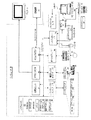
図1に示すように、例示的な汎用計算機システムは、従来のパーソナルコンピュータ20などを含み、このコンピュータは、処理ユニット21、システムメモリ22、およびシステムメモリなど様々なシステムコンポーネントを処理ユニット21に結合するシステムバス23を含む。システムバス23は、様々なバスアーキテクチャのいずれかを使用するメモリバスまたはメモリコントローラ、周辺バス、およびローカルバスなどいくつかのタイプのバス構造のいずれでもよい。システムメモリは、ROM(読出し専用メモリ)24およびRAM(ランダムアクセスメモリ)25を含む。BIOS26(基本入出力システム)は、たとえば起動中にパーソナルコンピュータ20内部の要素間の情報の転送を助ける基本ルーチンを含み、ROM24に格納される。パーソナルコンピュータ20は、図示していないハードディスクからの読出しおよびそこへの書込みを行うハードディスクドライブ27、着脱式磁気ディスク29からの読出しまたはそこへの書込みを行う磁気ディスクドライブ28、および、たとえばCD ROMや他の光学媒体などの着脱式光ディスク31からの読出しまたはそこへの書込みを行う光ディスクドライブ30をさらに含むことができる。ハードディスクドライブ27、磁気ディスクドライブ28、および光ディスクドライブ30は、それぞれハードディスクドライブインターフェイス32、磁気ディスクドライブインターフェイス33、および光ドライブインターフェイス34によって、システムバス23に接続される。こうしたドライブおよびそれに関連するコンピュータ可読媒体は、コンピュータ可読命令、データ構造、プログラムモジュール、および他のデータの不揮発性記憶をパーソナルコンピュータ20にもたらす。本明細書で説明される例示的な環境は、ハードディスク、着脱式磁気ディスク29、および着脱式光ディスク31を使用するが、コンピュータによってアクセス可能なデータを格納することができる、コンピュータ可読な他のタイプの媒体も、例示的な動作環境において使われ得ることが、当業者には理解されるべきである。このような他のタイプの媒体として、磁気カセット、フラッシュメモリカード、デジタルビデオディスク、ベルヌーイカートリッジ、RAM(ランダムアクセスメモリ)、ROM(読出し専用メモリ)などがある。
As shown in FIG. 1, an exemplary general purpose computer system includes a conventional personal computer 20 or the like that couples various system components such as a
オペレーティングシステム35、1つまたは複数のアプリケーションプログラム36、他のプログラムモジュール37、およびプログラムデータ38などいくつかのプログラムモジュールが、ハードディスク、磁気ディスク29、光ディスク31、ROM24、またはRAM25に格納されることができる。ユーザは、キーボード40などの入力デバイス、およびポインティングデバイス42を介して、コマンドおよび情報をパーソナルコンピュータ20に入力することができる。他の入力デバイス(図示せず)は、マイクロホン、ジョイスティック、ゲーム用パッド、衛星パラボラアンテナ、スキャナなどを含み得る。こうしたおよび他の入力デバイスはしばしば、システムバスに結合されるシリアルポートインターフェイス46を介して処理ユニット21に接続されるが、他のインターフェイス、たとえば並列ポート、ゲームポート、USB(ユニバーサルシリアルバス)によって接続されることもできる。モニタ47または他のタイプの表示デバイスも、ビデオアダプタ48などのインターフェイスを介してシステムバス23に接続される。モニタ47に加え、パーソナルコンピュータは通常、他の周辺出力デバイス(図示せず)、たとえばスピーカおよびプリンタを含む。図1の例示的なシステムは、ホストアダプタ55、SCSI(小型計算機システムインターフェイス)バス56、およびSCSIバス56に接続された外部記憶装置62も含む。
Several program modules such as
パーソナルコンピュータ20は、リモートコンピュータ49など1つまたは複数のリモートコンピュータへの論理接続を使用してネットワーク接続された環境において動作することができる。リモートコンピュータ49は、別のパーソナルコンピュータ、サーバ、ルータ、ネットワークPC、ピアデバイスまたは他の共通ネットワークノードでよく、通常、パーソナルコンピュータ20に関連して上述した要素の多くまたはすべてを含むが、図1にはメモリ記憶装置50のみが示されている。図1に示した論理接続は、LAN(ローカルエリアネットワーク)51およびWAN(ワイドエリアネットワーク)52を含む。このようなネットワーク環境は、会社、企業規模のコンピュータネットワーク、イントラネットおよびインターネットにおいてよく見られる。
Personal computer 20 can operate in a networked environment using logical connections to one or more remote computers, such as
LANネットワーク環境において使われる場合、パーソナルコンピュータ20は、ネットワークインターフェイスまたはアダプタ53を介してLAN51に接続される。WANネットワーク環境において使われる場合、パーソナルコンピュータ20は通常、モデム54、または、たとえばインターネットなどのワイドエリアネットワーク52を介した通信を確立する他の手段を含む。モデム54は、内部にあっても外部にあってもよく、シリアルポートインターフェイス46を介してシステムバス23に接続される。ネットワーク接続された環境では、パーソナルコンピュータ20に関連して図示したプログラムモジュールまたはその一部は、リモートメモリ記憶装置に格納されることができる。図示したネットワーク接続は例示的なものであり、コンピュータ間の通信リンクを確立する他の手段も使われ得ることが理解されよう。
When used in a LAN network environment, the personal computer 20 is connected to the
本発明の数多くの実施形態は、コンピュータによるシステムに特に適合すると想像されるが、本文書のどの部分も、本発明をこのような実施形態に限定することを意図していない。反対に、本明細書で使用する「コンピュータシステム」という用語は、デバイスが本質的に電子、機械、論理、または仮想であるかに関わらず、情報を格納し処理することができ、かつ/またはこのようなデバイス自体の動作または実行を制御するのに、格納された情報を使うことができるあらゆるデバイスを包含することを意図する。 Although many embodiments of the present invention are envisioned to be particularly compatible with computer-based systems, no part of this document is intended to limit the present invention to such embodiments. Conversely, the term “computer system” as used herein can store and process information regardless of whether the device is electronic, mechanical, logical, or virtual in nature, and / or It is intended to encompass any device that can use stored information to control the operation or execution of such a device itself.
(基本同期スキーマおよび項目拡散)
本発明の特定の実施形態、たとえば項目ベースのシステムにとって、「変更単位」とは、本質的に、常に一単位として同期される1組のプロパティである。たとえば、連絡先項目の名前および名字というプロパティは合わせて、1個の変更単位を構成することができる。さらに、「バージョン」が、各変更単位に関連づけられて、アップデートが行われたときに対応するタイムスタンプとともに、その変更単位へのある特定の変更を最後に行ったパートナーを表す。したがって、表記を簡単にするため、本明細書で使用するパートナーは文字で表され、タイムスタンプは、整数を増やすことによって表され、その結果、パートナー(たとえば「A」)およびタイムスタンプ(たとえば「1」)を単に対にすることによって、各変更単位はそれ自体を、各パートナーによって特定の時間に行われた最新の変更を反映する一意の識別番号、たとえば「A1」に関連づけている。
(Basic synchronization schema and item diffusion)
For certain embodiments of the invention, eg, item-based systems, a “change unit” is essentially a set of properties that are always synchronized as a unit. For example, the properties of the contact item's name and surname can together make up a single change unit. Further, a “version” is associated with each change unit and represents the partner who last made a particular change to that change unit, with a corresponding time stamp when the update was made. Thus, for ease of notation, partners used herein are represented by letters, and timestamps are represented by incrementing an integer, resulting in a partner (eg, “A”) and a timestamp (eg, “ By simply pairing 1 "), each change unit associates itself with a unique identification number, eg," A1 ", that reflects the most recent change made by each partner at a particular time.
本明細書において上で説明されたような(データの非収束を生じ得る)基本同期スキーマの場合、各変更単位に関するメタデータは、2つのコンポーネントを含む。すなわち、変更単位の現在の「アップデート」状況を示す現在のバージョン(cv)、ならびにピアコミュニティ内の各パートナー(あるいは少なくとも、何らかの変更を行ったパートナー)に関する、前記変更単位に起こったアップデートに対応する認識ベクトル(av)(別名、「バージョン配列」)である。変更単位のメタデータ用の一般的な形式は、<変更バージョン,認識ベクトル>、またはより簡単には、<cv,[av]>である。この情報はともに、たとえば、<A13,[A13,B11]>というメタデータ(Ma)をもつ、パートナーAにおける変更単位(CUa)が、<B11,[A12,B11]>というメタデータ(Mb)をもつ、パートナーBにおける変更単位(CUb)よりもアップデートされていることを容易に判定するのに用いられ得る。というのは、各バージョン番号のタイムスタンプ部分が、時間とともに徐々に増加することを考えると、Maは、Mbに反映されていない変更(すなわちA13)を含むからである。 In the case of a basic synchronization schema (which may result in data non-convergence) as described herein above, the metadata for each change unit includes two components. That is, it corresponds to the current version (cv) indicating the current “update” status of the change unit, as well as the updates that have occurred in the change unit for each partner in the peer community (or at least the partner that made some change). Recognition vector (av) (also known as “version array”). The general format for change unit metadata is <change version, recognition vector>, or more simply <cv, [av]>. Both of this information include, for example, metadata (Mb) in which the change unit (CUa) in partner A has <B13, [A12, B11]> having metadata (Ma) of <A13, [A13, B11]>. Can be used to more easily determine that it has been updated than the change unit (CUb) in partner B. This is because Ma includes a change that is not reflected in Mb (ie, A13), considering that the time stamp portion of each version number gradually increases with time.
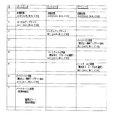
図2は、最終的に競合解決の非収束(パートナーが拡散定常状態になり得る)を生じる、(3つのパートナーによる同期コミュニティのための)3つのピアによる同期動作を示す、テーブルに基づくタイムフロー図である。テーブル「T」の第1列は、イベントの相対的な時系列に対応し、第2、第3、および第4の列は、同期コミュニティ内の3つのパートナーシステムA、B、およびCそれぞれにおけるアクティビティに対応する。便宜上、図に示されるように、各パートナーA、B、およびCにおける変更単位の複製に対する時間0での初期状態は、完全に同期した状態で始まり、この状態において、各パートナーA、B、およびCに関する変更単位の複製は、対応する各列のデータによって個別に表されている。 FIG. 2 shows a table-based time flow showing synchronization operations by three peers (for a synchronization community by three partners) that ultimately results in non-convergence of contention resolution (partners can be in a spreading steady state). FIG. The first column of table “T” corresponds to the relative time series of events, and the second, third, and fourth columns are in each of the three partner systems A, B, and C in the synchronization community. Respond to activities. For convenience, as shown in the figure, the initial state at time 0 for replication of change units in each partner A, B, and C begins in a fully synchronized state, in which each partner A, B, and The change unit duplications for C are individually represented by the corresponding column data.
時間1で、Aは、変更単位の複製(これ以降、CUa)中のデータをアップデートし、そのアップデートを、新しい値(A11)でcvを増分しアップデートされた状態を反映するようにavをアップデートすることによって反映させる。時間2で、Bも、変更単位の複製(これ以降、CUb)中のデータを独自にアップデートし、cvおよびavを適切にアップデートする。
At
時間3で、CがBと同期して、第1の同期動作が起こる。動作の際、本明細書において上で説明した論理を用いて、Cは、そのメタデータ(Mc)をBに送り、Bは、応答として、その変更単位のコピー(CUb)およびそれに関連するメタデータ(Mb)両方を、さらに処理させるためにCに送る。Cは、CUbおよびMbを受け取ると、AVcのすべてがAVbに反映されているのにBの認識ベクトル(AVb)中のバージョン「B11」がCの認識ベクトル(AVc)に反映されていないので、CUbおよびMbがCUcおよびMcより現在のものに近いことを突き止め、したがってこのことは、CUbが、CUcに関して「最終アップデート済み」である(より最新のものである)ことを意味する。その結果、Cは、CUbのデータでCUcをアップデートし、Mbのメタデータで、関連するメタデータMcをさらにアップデートする。
At
時間4で、Bは次いで、パートナーAと同期し、Aの変更単位(CUa)およびメタデータ(Ma)を(ここでは便宜上説明が省略されるが、後で論理的に説明されるやり方によって)受け取った後、Bは、BおよびA両方がそれぞれの変更単位の複製CUbおよびCUaに対して個別に変更を行っているので、競合が存在することを突き止める。Bは次いで、その競合解決プロセス(この例では、「リモートを選択」、つまり、そのローカルバージョンよりもリモートバージョンを選ぶことである)を利用して、CUbよりもCUaを選び(CUaのデータをCUbにコピーし)、その現在のバージョン(CVb)をA11に変更しBおよびA両方の認識ベクトル(AVbおよびAVa)をマージさせることによってこの解決法をメタデータに反映させる。
At
時間5で、Cは次いで、パートナーAと同期し、Aの変更単位(CUa)およびメタデータ(Ma)を受け取った後、Cもやはり、CおよびA両方がそれぞれの変更単位の複製CUcおよびCUaに対して個別に変更を行っているので、競合が存在することを突き止める(しかし実際には、CUcの変更は、時間3でCがBと同期した結果によるが、この違いは重要でない)。競合により、Cは次いで、その競合解決プロセス(この例では、「ローカルを選択」、つまり、リモートバージョンよりもCのローカルバージョンを選ぶことである)を利用して、CUaよりもCUcを選び(変更単位データをさらにコピーする必要はない)、その現在のバージョン(CVc)をB11としてもち続けCおよびA両方の認識ベクトル(AVcおよびAVa)をマージさせることによってこの解決法をメタデータに反映させる。
At
時間6で、Aは次いで、Bと同期し、交換したメタデータ(AがBにMaを送り、次いでBが、CUaとともにMbをAに戻す)に基づいて、Aは、(MbはMaのすべてを反映し、バージョンB11も反映しているが、Maは反映していないので)CUbおよびMbがCUaおよびMaよりもアップデートされていると認識し、したがってAは、そのCUaおよびMaにCUbおよびMbを適用する(ただし、この場合、CUbおよびCUaは実際には同じもの、つまりA11であり、したがって代替実施形態では、Bは、この事実を認識し、CUbを送らなくてもよく、Aも、CUaにCUbにコピーしなくてもよいことが留意されるべきである)。
At
最後に、時間7で、Aは次いで、Cと同期するが、MaがMcと同一なので、Cは、AにCUcを送らず、したがって、AおよびCそれぞれにおけるCUaおよびCUcのデータは拡散しており、現在の同期システムによって認識されることができず調停されにくい状態にある。
Finally, at
(競合解決の伝播)
本発明のいくつかの実施形態は、手作業での、および自動的な競合解決動作中に競合を検出し、競合解決を適用するシステムおよび方法を対象とする。というのは、たとえば、バージョンA1とB2の間に、A1のためにはパートナーXによって、かつB2のためにはパートナーYによって解決される競合が存在する場合などに、異なるピア(「パートナー」)は、同じ競合を異なるやり方で解決し得るからである。
(Propagation of conflict resolution)
Some embodiments of the present invention are directed to systems and methods for detecting conflicts and applying conflict resolution during manual and automatic conflict resolution operations. For example, if there is a conflict between versions A1 and B2 that is resolved by partner X for A1 and partner Y for B2 ("partner") Because the same conflict can be resolved in different ways.
本発明の様々な実施形態は、(未解決の競合がない場合に異なるデータをもつことなどによって、パートナーが拡散した定常状態になり得る)競合解決の非収束、およびパートナーの間の競合解決の無限ピンポンを防止する1つまたは複数の方法を利用する。 Various embodiments of the present invention provide for non-convergence of conflict resolution (partners can be in a steady state that has spread, such as having different data if there are no outstanding conflicts), and conflict resolution between partners. Utilize one or more methods to prevent infinite ping-pong.
いくつかの本発明の実施形態の場合、同期用メタデータは、変更バージョン(cv)および認識ベクトル(av)を含むだけでなく、拡散状態につながり得る競合解決を特に追跡する競合解決バージョン(crv)をさらに含む。変更単位のメタデータへのcrvの追加に基づいて、同期プロセスは、本明細書において説明されるように、メタデータ中のこの新しい要素を使うように修正される。便宜上、cv、crv、およびavを含む前記同期メタデータは、変更単位の各複製(たとえば、<A10,B12,[A11,B12,C10]>に対して、<cv,crv,[av]>の形で表されることができる。 For some embodiments of the present invention, the synchronization metadata not only includes the modified version (cv) and the recognition vector (av), but also a conflict resolution version (crv) that specifically tracks conflict resolution that can lead to a spread state. ). Based on the addition of crv to the change unit metadata, the synchronization process is modified to use this new element in the metadata, as described herein. For convenience, the synchronization metadata including cv, crv, and av is <cv, crv, [av]> for each copy of the change unit (eg, <A10, B12, [A11, B12, C10]>). Can be represented in the form of
図3は、本発明のいくつかの実施形態で用いられる、メタデータへのcrvの追加に基づく改良された同期プロセス、および本明細書において説明されるようにメタデータを修正する他のプロセスを示すプロセスフロー図である。図3において、プロセスは、ステップ312で始まり、第1のパートナーP1(別のピアとの同期を捜し求めているパートナー)が、そのローカルな変更単位の複製(CU1)の認識ベクトル(AV1)をP2に送ることによって、第2のパートナーP2との同期動作を開始する。P2は、P1からAV1を受け取った後、ステップ316で、AV1が、それ自体の、ローカルであるが対応する変更単位の複製(CU2)の現在のバージョン(CV2)を含むかどうか最初に判定し、含む場合、ステップ318で、P2は、AV1がCU2(存在する場合)の競合解決バージョン(CRV2)も含むかどうかも判定する。AV1が、こうした条件両方を満たす場合、次いで、ステップ320で、P2は、CU2自体を送らずに、CV2、CRV2、およびAV2を含む、P2がもつCU2のメタデータ(M2)を直ちにP1に送る。AV1がCRV2を含まない場合、ステップ322で、P2は、P1にCU2を送り、かつ、ステップ320で、M2を送る。
FIG. 3 illustrates an improved synchronization process based on adding crv to metadata and other processes for modifying metadata as described herein, as used in some embodiments of the present invention. FIG. In FIG. 3, the process begins at
P1に戻ると、ステップ324で、P1は最初に、P2からCU2を受け取ったかどうか判定する。受け取っていない場合、次いで、P1は、その変更単位の複製(CU1)がP1とP2の間に関して最も新しいアップデートを反映していると結論づけることができ、したがってステップ326で、P1は、(必要な場合)AV2でAV1を単にアップデートし、そうすることによって、AV1は、(まだ反映していない場合)AV2中のすべてのアップデートバージョンを反映し、同期プロセスは終わる。
Returning to P1, at
逆に、ステップ324で、P1がP2からCU2を実際に受け取っていた場合、ステップ328で、P1は、CV2によって反映されるバージョンをAV1が含むかどうか最初に判定しなければならず、含む場合、ステップ330で、CRV2によって反映されるバージョンをAV1が含むかどうかも判定しなければならない。含む場合、次いで、P1は、やはりステップ326に進んで、(必要な場合)AV1をアップデートし、同期プロセスは終わる。反対に、AV1が、ステップ328で、CV2によって反映されるバージョンを含むが、ステップ330で、CRV2によって反映されるバージョンを含まないとP1が判定した場合、ステップ332で、P1は、CV1によって反映されるバージョンの少なくとも一部をAV2が含むかどうか判定する。「一部」という言葉は、特定の代替実施形態の場合、CV1が1組の複数のcv値であり得ることを期待しているが、この例のように1個のcv値の場合は、問題となっているcv値を含むことと同じであり(したがって、1個のcvの組に対してステップ334がある程度重複する)、したがって、1個のcvの組においてステップ334に自動的に進むことになるが、これは全体を通して用いられるケースであり、AV2がCV1の一部を含まない場合、ステップ326で、P1は、(必要な場合)AV2でAV1をやはりアップデートし、同期プロセスは終わる。
Conversely, if P1 actually received CU2 from P2 at
対照的に、ステップ328で、AV1がCV2を含まない場合、またはステップ332で、AV2がCV1の一部を実際に含む場合、ステップ334で、P1は次に、AV2がCV1を含むかどうか判定する。含む場合、ステップ336で、P1は、CV2によって反映されるバージョンの少なくとも一部をAV1が含むかどうか突き止め、含まない場合、ステップ338で、P1は、CU1にCU2を適用し(またはCU2からCU1にデータをコピーし)、(CV1、CRV1、AV1を含む)対応するメタデータM1を、<CV2,CRV2,AV1+AV2>という値(AV1+AV2は、各認識ベクトルの最新バージョンの合併であり、たとえば、AV1=[A11,B10,C10]、かつAV2=[A10,B11,C12]の場合、AV1+AV2=[A11,B11,C12]となる)に設定し、同期プロセスは終わる。しかし、ステップ336で、AV1がCV2の一部を実際に含むとP1が判定した場合、ステップ340で、P1は、AV2がCRV1を含むかどうかも判定し、含む場合、P1は、やはりステップ338に進んで、上で説明したようにCU2を適用し、同期プロセスは終わる。
In contrast, if AV1 does not contain CV2 at
別法では、ステップ334で、AV2がCV1を含まないとP1が判定した場合、またはステップ340で、AV2がCRV1を含まないとP1が判定した場合、いずれの場合も、P1は、ステップ342で、AV1がCV2を含むかどうか突き止め、含む場合、ステップ344で、P1は、「特殊な処理」を利用して、ソリューション(競合が存在しないので)を選び、その後、同期プロセスを終える。AV1がCV2を含まない場合、ステップ346で、P1は、「競合プロセス」(または競合解決プロセス)を開始して、競合を解決し、2組のデータの間の勝者を選び、同期プロセスを終える。
Alternatively, if P1 determines that AV2 does not contain CV1 at
(高度な同期スキーマおよび項目収束(すなわち、データ収束))
図3で説明し図示した上記の方法を用いることによって、(基本同期スキーマでの場合のように)異なる変更単位値をもつが同じメタデータをもつ2つの変更単位の複製が認識されず、拡散状態のまま放置されるという状況が回避され、図4は、図2に示されるのと同様のシナリオを使用するが図3に示される本発明の方法を適用することによって、この点を説明する。
(Advanced synchronization schema and item convergence (ie data convergence))
By using the above method described and illustrated in FIG. 3, two change unit replicas with different change unit values but the same metadata are not recognized (as in the basic synchronization schema) and spread. The situation of being left in a state is avoided, and FIG. 4 illustrates this point by using a scenario similar to that shown in FIG. 2, but applying the method of the present invention shown in FIG. .
より具体的には、図4は、最終的に競合解決の収束を生じる、3つのピアによる同期動作を示す、テーブルを基にしたタイムフロー図である。さらに、図5は、図3に示すプロセスの結果生じる特定の最終状態に対する具体的な処理および競合プロセスに関する、結果として生じるメタデータ、ならびに(新規ローカル変更は同期動作の直接の一部ではないので、比較のためだが、時間1および2において後で説明されるように、ローカルなアップデートに対してメタデータがどのように変わるかの理解のために)新規ローカル変更に関するメタデータを示すテーブルである。
More specifically, FIG. 4 is a table-based time flow diagram illustrating a synchronization operation by three peers that ultimately results in a conflict resolution convergence. In addition, FIG. 5 shows the resulting metadata regarding the specific processing and contention process for the specific final state resulting from the process shown in FIG. 3, and (since the new local change is not a direct part of the synchronization operation. A table showing metadata for new local changes (for purposes of comparison but for understanding of how metadata changes for local updates, as will be explained later at
再度図4を参照すると、テーブル「T」の第1列は今回も、イベントの相対的な時系列に対応し、第2、第3、および第4の列は、同期コミュニティ内の3つのパートナーシステムA、B、およびCそれぞれにおけるアクティビティに対応する。便宜上、図に示されるように、各パートナーA、B、およびCにおける変更単位の複製に対する時間0での初期状態は、完全に同期した状態で始まり、この状態において、各パートナーA、B、およびCに対する変更単位の複製は、対応する各列のデータによって個別に表されている。 Referring again to FIG. 4, the first column of table “T” again corresponds to the relative time series of events, and the second, third, and fourth columns are the three partners in the synchronization community. Corresponds to activities in each of systems A, B, and C. For convenience, as shown in the figure, the initial state at time 0 for replication of change units in each partner A, B, and C begins in a fully synchronized state, in which each partner A, B, and The change unit duplication for C is individually represented by the corresponding column data.
時間1で、Aは、変更単位の複製(これ以降、CUa)中のデータをアップデートし、そのアップデートを、新しい値(A11)でその現在のバージョン(cv)を増分しアップデートされた状態を反映するように認識ベクトル(av)をアップデートすることによって反映させ、競合解決バージョン(crv)には、(競合が解決されなかったので)アップデートが行われない。時間2で、Bも、変更単位の複製(これ以降、CUb)中のデータを独自にアップデートし、対応するそのメタデータ(Mb)コンポーネントを図に示すように適切にアップデートする。(これ以降、便宜上、各パートナーcv、crv、およびavは、パートナーごとに、たとえば、ピアAのメタデータコンポーネントに対してはCVa、CRVa、およびAVaと示され、パートナーBおよびCにおける対応するメタデータの場合も同様の名称となる。同じことが集合メタデータにも適用され、たとえば、システムA用はMa、変更単位に関しては、たとえばシステムA用はCUa、などとなる。)
時間3で、CがBと同期して、第1の同期動作が起こる。図3のフローチャートで示される方法を用いて、Cは、BにAVcを送り、Bは、CにCUbおよびMb両方を返す。MbおよびMcを分析することにより、Cは、CUbがCUcよりもアップデートされていると判定することができ、最終的に、CUbを適用し(すなわち、CUcにCUbをコピーし)、そのメタデータMcコンポーネントCVc、CRVc、およびAVcを、<CVb,CRVb,AVc+AVb>に等しい値にアップデートする(ここで、AVc+AVbは、本明細書において上で説明したように、AVcとAVbの合併である)。より具体的には、図3で示されるプロセスに関して、論理プロセスは、ステップ312、316、322、320、324、328、334、336、340、および338をこの順序でトラバースする。(結果は、本明細書において上で説明した基本同期システムから予期されるであろう結果と同様であることに留意されたい。)
再度図4を参照すると、時間4で、Bは次いで、パートナーAと同期し、Aの変更単位(CUa)およびメタデータ(Ma)を(やはり図3のフローチャートで示される方法に従って)受け取った後、Bは、BおよびA両方がそれぞれの変更単位の複製CUbおよびCUaに対して個別に変更を行っているので、競合が存在することを突き止め、その競合解決プロセスを利用する。より具体的には、図3で示されるプロセスに関して、論理プロセスは、ステップ312、316、322、320、324、328、334、342、および346をこの順序でトラバースする。競合を解決するために、Bは、その競合解決手順に従って、ローカルなアップデートよりもリモートなアップデートを選び、その結果得られるMbのメタデータの値は、図5に示されるように、<CVa,CRVnew,AVa+AVb+CRVnew>であり、ここで、CRVnewの「new」は、パートナーB用の次の増分アップデートバージョンであり(たとえば、この例では、時間2での変更に対する最終アップデートバージョンはB11であったので、この競合解決用の次の増分アップデートバージョンはB12である)、CRVbおよびAVb両方(ただしCVbは除く)が、時間4でのMbの最終状態に対して、図4に示すようにこの新しい値を反映する。
At
At
Referring again to FIG. 4, at
時間5で、Cは次いで、パートナーAと同期し、Aの変更単位(CUa)およびメタデータ(Ma)を受け取った後、Cもやはり、(312、316、322、320、324、328、334、342、および346をこの順序でトラバースする図3のプロセスによって)CおよびA両方がそれぞれの変更単位の複製CUcおよびCUaに対して個別に変更を行っているので、競合が存在することを突き止める(しかし実際には、CUcの変更は、時間3でCがBと前に同期していた結果によるが、この違いは重要でない)。競合により、Cは次いで、その競合解決プロセス(この例では、リモートなアップデートよりもローカルなアップデートを選択することである)を利用して、CUaよりもCUcを選び、この選択は、図5に示されるように、<CVc,CRVnew,AVa+AVc+CRVnew>としてメタデータに反映され、ここで、やはりCRVnewは、パートナーC用の次の増分アップデートバージョン(たとえば、この例ではC11)であり、時間5でのMcの最終状態に関して図4に示すように、得られたCRVcおよび得られたAVc両方(ただしCVcを除く)によって反映されている。
At
時間6で、Aは次いで、Bと同期し、交換したメタデータ(AがBにMaを送り、次いでBが、CUaとともにMbをAに戻す)に基づいて、Aは、(MbはMaのすべてを反映し、バージョンB11も反映しているが、Maは反映していないので)CUbおよびMbがCUaおよびMaよりもアップデートされていると認識し、したがってAは、図に示されるようにそのCUaおよびMaにCUbおよびMbの値を適用する(ただし、この場合、CUbおよびCUaは実際には同じもの、つまりA11であり、したがって代替実施形態では、Bは、この事実を認識し、CUbを送らなくてもよく、Aも、CUaにCUbにコピーしなくてもよいことが留意されるべきである)。図3に関して、この同期のための具体的なトラバースは、312、316、318、322、320、324、328、334、336、340、および338の順序である。
At
再度図4に戻ると、時間7で、Aは次いで、Cと同期するが、競合が起きたときに、本明細書において上で説明した、競合解決バージョン(crv)と認識バージョン(av)へのcrvの論理的な組込みとを使用したことにより、Maは、もはやMcと同一ではない(標準同期スキーマを用いる場合に起こる)ので、Cは、CUcおよびMcを、(図3で説明されたプロセスに従って)さらに処理させるためにAに実際に送り、Aは最終的に、(図3のプロセスを、ステップ312、316、318、322、320、324、328、330、332、334、336、340、342、および344の順序でトラバースすることによって)特殊な処理をとる。この特殊な処理は、具体的には項目収束(すなわち、データ収束)の施行を意図しており、次いで、同期コミュニティ内で、他のアップデートよりもある1つのアップデート(たとえば、この例では、アップデート番号が最も小さいアップデートであり、このアップデートはやはり、一意のコンピュータシステムi.d.および前記アップデートに対するタイムスタンプの組合せである)が全域において選択されるようにする決定論的なソリューションに到達する方法を利用する。このソリューションは次いで、図5に示す、アップデートされたメタデータ<CVdet,CRVdet,AV1+AV2>と結合され、あるいは、「A11」の対応する値が「B11」の対応する値より小さく、したがってA11が決定されたソリューションである場合、メタデータMaは、図4に時間7で示す値をもつ<CVa,CRVa,AVa+AVc>となる。
Returning again to FIG. 4, at
図4の時間8および時間9で、次いで、時間7でのこの特殊な処理によるソリューションがどのようにして同期コミュニティに伝播し、最終的に項目収束(すなわち、データ収束)(各システムにおける変更単位はやはり同一である)をもたらすかが容易に明らかになる。時間8で、方法の(図3に示されるプロセスのステップ312、316、318、320、324、および326による)論理プロセスのトラバースは、MbのAVbのアップデートを生じる。時間9で、方法の(図3に示されるプロセスのステップ312、316、318、322、320、324、328、330、332、334、336、340、および338による)論理プロセスのトラバースは、CUcおよびMcへのCUbおよびMbの適用を生じ、ここで、得られるメタデータMcは、<CUb,CRVb,AVb+AVc>に等しい値を含む。
How this special processing solution at time 8 and time 9 in FIG. 4 then propagates to the synchronization community and finally item convergence (ie, data convergence) (the change unit in each system) Is still the same). At time 8, the traversal of the logical process (by the process steps 312, 316, 318, 320, 324, and 326 of the process shown in FIG. 3) results in an update of Mb AVb. At time 9, the traversal of the logical process (according to
(項目収束(すなわち、データ収束)のための代替方法)
本発明の代替実施形態では、項目収束(すなわち、データ収束)は、競合時にすべての競合解決に対して特殊処理の決定論的手法を利用することによっても確実に行われる。ただし、この方法は、項目収束(すなわち、データ収束)を確実にする基本同期スキーマも可能にするが、必ずしも拡散し得るわけではない競合に対する恣意的な解決ももたらすので、本明細書において上で説明した高度な同期方法ほど堅牢ではない。
(Alternative method for item convergence (ie data convergence))
In an alternative embodiment of the present invention, item convergence (ie, data convergence) is also ensured by utilizing a special processing deterministic approach for all conflict resolution during conflicts. However, although this method also allows for a basic synchronization schema that ensures item convergence (ie, data convergence), it also provides an arbitrary solution to conflicts that may not necessarily be diffused, Not as robust as the advanced synchronization method described.
(結論)
本明細書で説明した様々なシステム、方法、および技術は、ハードウェアまたはソフトウェア、あるいはそうすることが適切な場合には、両方の組合せを用いて実装されることができる。したがって、本発明の方法および装置、あるいは本発明の特定の態様または部分は、実体のある媒体、たとえばフロッピー(登録商標)ディスケット、CD−ROM、ハードドライブ、または他のどのマシン可読記憶媒体においても実施されるプログラムコード(すなわち、命令)の形をとることができ、プログラムコードがコンピュータなどのマシンにロードされるとともにそれによって実行されると、マシンは本発明を実施する装置となる。プログラム可能なコンピュータ上でのプログラムコードの実行の場合、コンピュータは概して、プロセッサ、プロセッサによって読取り可能な記憶媒体(揮発性、不揮発性メモリおよび/または記憶要素など)、少なくとも1つの入力デバイス、ならびに少なくとも1つの出力デバイスを含む。1つまたは複数のプログラムは好ましくは、高度な手続き型プログラミング言語またはオブジェクト指向プログラミング言語で実装されて、コンピュータシステムと通信する。ただし、プログラム(群)は、そうすることが望まれる場合、アセンブリでも機械言語でも実装されることができる。いずれの場合でも、言語は、コンパイル型言語でもインタープリト型言語でもよく、ハードウェアの実装と組み合わされることができる。
(Conclusion)
The various systems, methods, and techniques described herein may be implemented using hardware or software, or a combination of both where appropriate. Thus, the method and apparatus of the present invention, or certain aspects or portions of the present invention, may be on a tangible medium, such as a floppy diskette, CD-ROM, hard drive, or any other machine-readable storage medium. The form may be in the form of program code (ie, instructions) that is implemented, and when the program code is loaded into and executed by a machine such as a computer, the machine becomes an apparatus for implementing the invention. For execution of program code on a programmable computer, the computer generally includes a processor, a processor-readable storage medium (such as volatile, non-volatile memory and / or storage elements), at least one input device, and at least Includes one output device. One or more programs are preferably implemented in a sophisticated procedural or object oriented programming language to communicate with a computer system. However, the program (s) can be implemented in either assembly or machine language if it is desired to do so. In either case, the language can be a compiled or interpreted language and can be combined with a hardware implementation.
本発明の方法および装置は、たとえば、電気的接続またはケーブル布線、光ファイバ、あるいは他のどの伝送の形でもよい何らかの伝送媒体を介して伝送されるプログラムコードの形で実現されることもでき、プログラムコードが受信され、たとえばEPROM、ゲートアレイ、PLD(プログラム可能な論理回路)、クライアントコンピュータ、ビデオレコーダなどのマシンにロードされるとともにそれによって実行されると、マシンは、本発明を実施する装置となる。汎用プロセッサ上で実装されると、プログラムコードは、プロセッサと結合して、本発明の索引づけ機能を実施するように動作する独自の装置を提供する。 The method and apparatus of the present invention can also be implemented in the form of program code transmitted over, for example, electrical connection or cabling, optical fiber, or any other transmission medium that can be in the form of any transmission. When the program code is received and loaded into and executed by a machine such as an EPROM, gate array, PLD (programmable logic circuit), client computer, video recorder, etc., the machine implements the present invention It becomes a device. When implemented on a general-purpose processor, the program code combines with the processor to provide a unique apparatus that operates to implement the indexing functionality of the present invention.
本発明は、様々な図面の好ましい実施形態に関連して説明されたが、本発明から逸脱することなく本発明の同じ機能を実施するために、他の類似の実施形態が使用されることもでき、説明した実施形態に修正および追加が行われ得ることが理解されるべきである。たとえば、例示的な本発明の実施形態は、パーソナルコンピュータの機能をエミュレートするデジタルデバイスという状況で説明されているが、本発明は、このようなデジタルデバイスに限定されず、本出願において述べたように、有線または無線に関わらず、任意の数の既存または新興の計算装置または環境、たとえばゲーム用コンソール、ハンドヘルドコンピュータ、可搬型コンピュータなどにも当てはまり、通信ネットワークを介して接続され、ネットワーク経由で相互作用するこのような任意の数の計算装置に適用され得ることを当業者は理解するであろう。さらに、ハンドヘルドデバイスのオペレーティングシステムおよび他のアプリケーション特有のハードウェア/ソフトウェアインターフェイスシステムを含む様々なコンピュータプラットフォームが本明細書において企図され、特に、無線ネットワーク接続された装置の数は増加し続けることが強調されるべきである。したがって、本発明は、どの1つの実施形態にも限定されるべきではなく、添付の特許請求の範囲による広がりおよび範囲内で解釈されるべきである。 Although the present invention has been described with reference to preferred embodiments in the various drawings, other similar embodiments may be used to perform the same functions of the present invention without departing from the invention. It should be understood that modifications and additions may be made to the described embodiments. For example, although exemplary embodiments of the present invention have been described in the context of digital devices that emulate the functionality of a personal computer, the present invention is not limited to such digital devices and is described in this application. As such, it applies to any number of existing or emerging computing devices or environments, whether wired or wireless, such as gaming consoles, handheld computers, portable computers, etc., connected via a communications network and via a network One skilled in the art will appreciate that it can be applied to any number of such interacting computing devices. In addition, various computer platforms including handheld device operating systems and other application specific hardware / software interface systems are contemplated herein, particularly stressing that the number of wireless networked devices continues to increase. It should be. Accordingly, the invention should not be limited to any one embodiment, but should be construed within the breadth and scope of the appended claims.
20 コンピュータ
21 処理ユニット
22 システムメモリ
23 システムバス
27 ハードドライブ
28 フロッピー(登録商標)ドライブ
29 着脱式記憶装置
30 光ドライブ
32 ハードディスクドライブI/F
33 磁気ディスクドライブI/F
34 光ドライブI/F
36 アプリケーションプログラム
36’ アプリケーション
37 他のプログラム
38 プログラムデータ
40 キーボード
42 マウス
46 シリアルポートI/F
47 モニタ
48 ビデオアダプタ
49 リモートコンピュータ(群)
50 フロッピー(登録商標)ドライブ
53 ネットワークI/F
54 モデム
55 ホストアダプタ
56 SCSIバス
62 記憶装置
20
33 Magnetic disk drive I / F
34 Optical drive I / F
36 Application program 36 'Application 37
47 monitor 48
50 Floppy (registered trademark) drive 53 Network I / F
54
Claims (28)
前記少なくとも2つのピアコンピュータシステムの間で前記変更単位データを同期させるステップと、
競合解決バージョンコンポーネントを含む、前記変更単位データに対応するメタデータコンポーネントを用いることによって、前記同期コミュニティ内での前記変更単位データの収束を確実にするステップとを含むことを特徴とする方法。 A method of synchronizing change unit data between at least two peer computer systems in a synchronization community, comprising:
Synchronizing the change unit data between the at least two peer computer systems;
Ensuring convergence of the change unit data within the synchronization community by using a metadata component corresponding to the change unit data, including a conflict resolution version component.
第1の同期動作中に起こる競合解決を追跡するステップと、
後続同期動作中に、前記第1の変更単位と前記第2の変更単位の間の変更単位データの拡散状態を識別するステップと、
前記同期コミュニティにおける変更単位データを収束させるために、変更単位ソリューションを決定論的に選択するステップとを含むことを特徴とする方法。 A peer-to-peer synchronization system for a synchronization community and a method for resolving change unit data spreading in a partner computer system that is a member thereof, wherein the data comprises a first change unit in a first computer system, and a first Embodied as a second change unit in two computer systems,
Tracking conflict resolution that occurs during the first synchronization operation;
Identifying a spreading state of change unit data between the first change unit and the second change unit during a subsequent synchronization operation;
Selecting a change unit solution deterministically to converge change unit data in the synchronization community.
P1からP2にAV1を送るステップと、
AV1が、CV2およびCRV2を含むかどうか判定し、含む場合、P2からP1にCU2を送るステップと、
P2からP1にM2を送るステップと、
M2をM1と比較し、必要とされるどの同期アップデートも完了させ、起こったどの競合も特殊な処理状況も解決するステップと、
CU1およびM1をアップデートし、競合が起きた場合、競合解決を反映するようにCRV1およびAV1をさらにアップデートし、そうすることによって、拡散状態が起こるのを防ぐステップとを含むことを特徴とする方法。 A method of synchronizing change unit data between a first computer system (P1) and a second computer system (P2), wherein the first computer system includes a first copy (CU1) of the change unit. , And first metadata (M1) corresponding to the first replica, wherein the metadata includes a first modified version (CV1), a first conflict resolution version (CRV1), and a first recognition The second computer system further includes a vector (AV1), the second computer system includes a second copy (CU2) of the change unit, and second metadata (M2) corresponding to the second copy, The data further includes a second modified version (CV2), a second conflict resolution version (CRV2), and a second recognition vector (AV2);
Sending AV1 from P1 to P2,
Determining whether AV1 includes CV2 and CRV2, and if so, sending CU2 from P2 to P1;
Sending M2 from P2 to P1,
Comparing M2 with M1, completing any required synchronization updates, and resolving any conflicts or special processing situations that have occurred;
Updating CU1 and M1 and further updating CRV1 and AV1 to reflect the conflict resolution if a conflict occurs, thereby preventing a spreading condition from occurring .
前記少なくとも2つのピアコンピュータシステムの間で前記変更単位データを同期させ、
競合解決バージョンコンポーネントを含む、前記変更単位データに対応するメタデータコンポーネントを用いることによって、前記同期コミュニティ内での前記変更単位データの収束を確実にする少なくとも1つのサブシステムを備えることを特徴とするシステム。 A system for synchronizing change unit data between at least two peer computer systems in a synchronization community, comprising:
Synchronizing the change unit data between the at least two peer computer systems;
Comprising at least one subsystem that ensures convergence of the change unit data within the synchronization community by using a metadata component corresponding to the change unit data, including a conflict resolution version component. system.
第1の同期動作中に起こる競合解決を追跡し、
後続同期動作中に、前記第1の変更単位と前記第2の変更単位の間の変更単位データの拡散状態を識別し、
前記同期コミュニティにおける変更単位データを収束させるために、変更単位ソリューションを決定論的に選択する少なくとも1つのサブシステムを備えることを特徴とするシステム。 A peer-to-peer synchronization system for a synchronization community and a system for resolving change unit data diffusion in a partner computer system that is a member thereof, the data comprising: a first change unit in a first computer system; Embodied as a second change unit in two computer systems,
Track conflict resolution that occurs during the first synchronization operation,
Identifying a diffusion state of change unit data between the first change unit and the second change unit during a subsequent synchronization operation;
A system comprising: at least one subsystem for deterministically selecting a change unit solution to converge change unit data in the synchronization community.
P1からP2にAV1を送り、
AV1が、CV2およびCRV2を含むかどうか判定し、含む場合、P2からP1にCU2を送り、
P2からP1にM2を送り、
M2をM1と比較し、必要とされるどの同期アップデートも完了させ、起こったどの競合も特殊な処理状況も解決し、
CU1およびM1をアップデートし、競合が起きた場合、競合解決を反映するようにCRV1およびAV1をさらにアップデートし、そうすることによって、拡散状態が起こるのを防ぐ少なくとも1つのサブシステムを備えることを特徴とするシステム。 A system for synchronizing change unit data between a first computer system (P1) and a second computer system (P2), wherein the first computer system includes a first copy (CU1) of the change unit. , And first metadata (M1) corresponding to the first replica, wherein the metadata includes a first modified version (CV1), a first conflict resolution version (CRV1), and a first recognition The second computer system further includes a vector (AV1), the second computer system includes a second copy (CU2) of the change unit, and second metadata (M2) corresponding to the second copy, The data further includes a second modified version (CV2), a second conflict resolution version (CRV2), and a second recognition vector (AV2);
AV1 is sent from P1 to P2,
Determine whether AV1 contains CV2 and CRV2, and if so, send CU2 from P2 to P1,
Send M2 from P2 to P1,
Compare M2 with M1, complete any required synchronization updates, resolve any conflicts that occur and special processing situations,
CU1 and M1 are updated, and if a conflict occurs, CRV1 and AV1 are further updated to reflect the conflict resolution, thereby providing at least one subsystem that prevents a spreading condition from occurring System.
前記少なくとも2つのピアコンピュータシステムの間で前記変更単位データを同期させ、
競合解決バージョンコンポーネントを含む、前記変更単位データに対応するメタデータコンポーネントを用いることによって、前記同期コミュニティ内での前記変更単位データの収束を確実にする命令を含むことを特徴とするコンピュータ可読媒体。 A computer readable medium comprising computer readable instructions for synchronizing change unit data between at least two peer computer systems in a synchronization community comprising:
Synchronizing the change unit data between the at least two peer computer systems;
A computer readable medium comprising instructions for ensuring convergence of the change unit data within the synchronization community by using a metadata component corresponding to the change unit data, including a conflict resolution version component.
第1の同期動作中に起こる競合解決を追跡し、
後続同期動作中に、前記第1の変更単位と前記第2の変更単位の間の変更単位データの拡散状態を識別し、
前記同期コミュニティにおける変更単位データを収束させるために、変更単位ソリューションを決定論的に選択する命令を含むことを特徴とするコンピュータ可読媒体。 A computer-readable medium comprising computer-readable instructions for resolving a diffusion state of change unit data in a peer-to-peer synchronization system for a synchronization community and a partner computer system that is a member thereof, wherein the data is stored in a first computer system. Embodied as one change unit and a second change unit in a second computer system,
Track conflict resolution that occurs during the first synchronization operation,
Identifying a diffusion state of change unit data between the first change unit and the second change unit during a subsequent synchronization operation;
A computer readable medium comprising instructions for deterministically selecting a change unit solution to converge change unit data in the synchronization community.
P1からP2にAV1を送り、
AV1が、CV2およびCRV2を含むかどうか判定し、含む場合、P2からP1にCU2を送り、
P2からP1にM2を送り、
M2をM1と比較し、必要とされるどの同期アップデートも完了させ、起こったどの競合も特殊な処理状況も解決し、
CU1およびM1をアップデートし、競合が起きた場合、競合解決を反映するようにCRV1およびAV1をさらにアップデートし、そうすることによって、拡散状態が起こるのを防ぐ命令を含むことを特徴とするコンピュータ可読媒体。 A computer readable medium comprising computer readable instructions for synchronizing change unit data between a first computer system (P1) and a second computer system (P2), the first computer system comprising: A first replica (CU1) and first metadata (M1) corresponding to the first replica, the metadata including a first modified version (CV1), a first conflict resolution version (CRV1) ), And a first recognition vector (AV1), wherein the second computer system includes a second copy (CU2) of the change unit and second metadata corresponding to the second copy ( M2), and the metadata includes a second modified version (CV2), a second conflict resolution version (CRV2), and a second recognition vector. Further comprising a Le (AV2),
AV1 is sent from P1 to P2,
Determine whether AV1 contains CV2 and CRV2, and if so, send CU2 from P2 to P1,
Send M2 from P2 to P1,
Compare M2 with M1, complete any required synchronization updates, resolve any conflicts that occur and special processing situations,
Computer readable, comprising instructions to update CU1 and M1 and further update CRV1 and AV1 to reflect conflict resolution if a conflict occurs, thereby preventing a spreading condition from occurring Medium.
前記少なくとも2つのピアコンピュータシステムの間で前記変更単位データを同期させる手段と、
競合解決バージョンコンポーネントを含む、前記変更単位データに対応するメタデータコンポーネントを用いることによって、前記同期コミュニティ内での前記変更単位データの収束を確実にする手段とを備えることを特徴とするハードウェア制御装置。 A hardware controller for synchronizing change unit data between at least two peer computer systems in a synchronization community, comprising:
Means for synchronizing the change unit data between the at least two peer computer systems;
Hardware control comprising: means for ensuring convergence of the change unit data within the synchronization community by using a metadata component corresponding to the change unit data, including a conflict resolution version component apparatus.
第1の同期動作中に起こる競合解決を追跡する手段と、
後続同期動作中に、前記第1の変更単位と前記第2の変更単位の間の変更単位データの拡散状態を識別する手段と、
前記同期コミュニティにおける変更単位データを収束させるために、変更単位ソリューションを決定論的に選択する手段とを備えることを特徴とするハードウェア制御装置。 A peer-to-peer synchronization system for a synchronization community, and a hardware controller for resolving the diffusion state of change unit data in a partner computer system that is a member thereof, wherein the data is a first change unit in a first computer system , And embodied as a second change unit in the second computer system,
Means for tracking conflict resolution that occurs during the first synchronization operation;
Means for identifying a diffusion state of change unit data between the first change unit and the second change unit during a subsequent synchronization operation;
Means for deterministically selecting a change unit solution in order to converge change unit data in the synchronization community.
P1からP2にAV1を送る手段と、
AV1が、CV2およびCRV2を含むかどうか判定し、含む場合、P2からP1にCU2を送る手段と、
P2からP1にM2を送る手段と、
M2をM1と比較し、必要とされるどの同期アップデートも完了させ、起こったどの競合も特殊な処理状況も解決する手段と、
CU1およびM1をアップデートし、競合が起きた場合、競合解決を反映するようにCRV1およびAV1をさらにアップデートし、そうすることによって、拡散状態が起こるのを防ぐ手段とを備えることを特徴とするハードウェア制御装置。
A hardware control device for synchronizing change unit data between a first computer system (P1) and a second computer system (P2), wherein the first computer system is a first copy of the change unit. (CU1) and first metadata (M1) corresponding to the first replica, wherein the metadata includes a first modified version (CV1), a first conflict resolution version (CRV1), and a first metadata 1 recognition vector (AV1), and the second computer system includes a second copy (CU2) of the change unit and second metadata (M2) corresponding to the second copy. The metadata further includes a second modified version (CV2), a second conflict resolution version (CRV2), and a second recognition vector (AV2).
Means for sending AV1 from P1 to P2,
Means for determining whether AV1 includes CV2 and CRV2, and if so, sends CU2 from P2 to P1;
Means for sending M2 from P2 to P1,
Means to compare M2 with M1, complete any required synchronization updates, and resolve any conflicts or special processing situations that have occurred;
A hardware comprising: updating CU1 and M1 and further updating CRV1 and AV1 to reflect conflict resolution in the event of a conflict, thereby preventing a spreading condition from occurring Wear control device.
Applications Claiming Priority (4)
| Application Number | Priority Date | Filing Date | Title |
|---|---|---|---|
| US55838804P | 2004-04-01 | 2004-04-01 | |
| US60/558,388 | 2004-04-01 | ||
| US10/932,474 US7533134B2 (en) | 2004-04-01 | 2004-09-01 | Systems and methods for the propagation of conflict resolution to enforce item convergence (i.e., data convergence) |
| US10/932,474 | 2004-09-01 |
Publications (2)
| Publication Number | Publication Date |
|---|---|
| JP2005293560A true JP2005293560A (en) | 2005-10-20 |
| JP4690076B2 JP4690076B2 (en) | 2011-06-01 |
Family
ID=34890593
Family Applications (1)
| Application Number | Title | Priority Date | Filing Date |
|---|---|---|---|
| JP2005056021A Expired - Fee Related JP4690076B2 (en) | 2004-04-01 | 2005-03-01 | System and method for propagating contention resolution to enforce item convergence (ie, data convergence) |
Country Status (5)
| Country | Link |
|---|---|
| US (1) | US7533134B2 (en) |
| EP (1) | EP1582983A1 (en) |
| JP (1) | JP4690076B2 (en) |
| KR (1) | KR101109219B1 (en) |
| CN (1) | CN100485669C (en) |
Cited By (5)
| Publication number | Priority date | Publication date | Assignee | Title |
|---|---|---|---|---|
| JP2007164523A (en) * | 2005-12-14 | 2007-06-28 | Nec Corp | Information processor, distributed synchronous information system, information synchronization method and program |
| JP2007535037A (en) * | 2004-04-27 | 2007-11-29 | インテル・コーポレーション | Efficient two-hop cache coherency protocol |
| JP2009544070A (en) * | 2006-07-12 | 2009-12-10 | イーストマン コダック カンパニー | Global asset management |
| JP2011519441A (en) * | 2008-03-11 | 2011-07-07 | マイクロソフト コーポレーション | Disconnected data / offline data processing / input synchronization |
| US20240095258A1 (en) * | 2015-04-22 | 2024-03-21 | The Bank Of New York Mellon | Multi-modal-based generation of data synchronization instructions |
Families Citing this family (35)
| Publication number | Priority date | Publication date | Assignee | Title |
|---|---|---|---|---|
| US7917646B2 (en) | 2002-12-19 | 2011-03-29 | Intel Corporation | Speculative distributed conflict resolution for a cache coherency protocol |
| US7580867B2 (en) | 2004-05-04 | 2009-08-25 | Paul Nykamp | Methods for interactively displaying product information and for collaborative product design |
| US7574456B2 (en) * | 2004-12-16 | 2009-08-11 | Sap Ag | Bidirectional update of client-server objects |
| US7523146B2 (en) | 2005-06-21 | 2009-04-21 | Apple Inc. | Apparatus and method for peer-to-peer N-way synchronization in a decentralized environment |
| US8495015B2 (en) * | 2005-06-21 | 2013-07-23 | Apple Inc. | Peer-to-peer syncing in a decentralized environment |
| DE102006005840B4 (en) * | 2006-02-08 | 2007-10-31 | Combots Product Gmbh & Co. Kg | A method of processing a data set together, and a network system and a communication system for performing the method |
| US9710508B2 (en) * | 2006-03-09 | 2017-07-18 | Quickbase, Inc. | Method and system for managing data in a workflow process |
| US8359297B2 (en) * | 2006-06-29 | 2013-01-22 | International Business Machines Corporation | Multiple source data management using a conflict rule |
| CN101145152B (en) * | 2006-09-14 | 2010-08-11 | 国际商业机器公司 | System and method for automatically refining reality in specific context |
| US7778282B2 (en) * | 2006-12-18 | 2010-08-17 | Microsoft Corporation | Propagation of conflict knowledge |
| US8527660B2 (en) * | 2006-12-22 | 2013-09-03 | Palm, Inc. | Data synchronization by communication of modifications |
| US7657769B2 (en) * | 2007-01-08 | 2010-02-02 | Marcy M Scott | N-way synchronization of data |
| US20080294701A1 (en) * | 2007-05-21 | 2008-11-27 | Microsoft Corporation | Item-set knowledge for partial replica synchronization |
| US8505065B2 (en) * | 2007-06-20 | 2013-08-06 | Microsoft Corporation | Access control policy in a weakly-coherent distributed collection |
| US20090006489A1 (en) * | 2007-06-29 | 2009-01-01 | Microsoft Corporation | Hierarchical synchronization of replicas |
| US9401957B2 (en) * | 2007-09-14 | 2016-07-26 | International Business Machines Corporation | System and method for synchronization between servers |
| US7836053B2 (en) * | 2007-12-28 | 2010-11-16 | Group Logic, Inc. | Apparatus and methods of identifying potentially similar content for data reduction |
| US8473543B2 (en) | 2009-07-06 | 2013-06-25 | Microsoft Corporation | Automatic conflict resolution when synchronizing data objects between two or more devices |
| US8572022B2 (en) | 2010-03-02 | 2013-10-29 | Microsoft Corporation | Automatic synchronization conflict resolution |
| US9053165B2 (en) * | 2013-07-08 | 2015-06-09 | Dropbox, Inc. | Structured content item synchronization |
| US9665359B2 (en) * | 2013-09-13 | 2017-05-30 | Microsoft Technology Licensing, Llc | Automatically resolving conflicts after installation of selected updates in a computer system |
| US9626176B2 (en) | 2013-09-13 | 2017-04-18 | Microsoft Technology Licensing, Llc | Update installer with technical impact analysis |
| US10026064B2 (en) | 2013-09-13 | 2018-07-17 | Microsoft Technology Licensing, Llc | Automatically recommending updates based on stored lifecycle information |
| US9830142B2 (en) | 2013-09-13 | 2017-11-28 | Microsoft Technology Licensing, Llc | Automatic installation of selected updates in multiple environments |
| US9998555B2 (en) | 2014-04-08 | 2018-06-12 | Dropbox, Inc. | Displaying presence in an application accessing shared and synchronized content |
| US10171579B2 (en) | 2014-04-08 | 2019-01-01 | Dropbox, Inc. | Managing presence among devices accessing shared and synchronized content |
| US10270871B2 (en) | 2014-04-08 | 2019-04-23 | Dropbox, Inc. | Browser display of native application presence and interaction data |
| US10091287B2 (en) | 2014-04-08 | 2018-10-02 | Dropbox, Inc. | Determining presence in an application accessing shared and synchronized content |
| JP2016126690A (en) * | 2015-01-08 | 2016-07-11 | キヤノン株式会社 | Management apparatus, management apparatus control method, and program |
| US9846528B2 (en) | 2015-03-02 | 2017-12-19 | Dropbox, Inc. | Native application collaboration |
| CN106470230B (en) * | 2015-08-19 | 2019-08-20 | 互联网域名系统北京市工程研究中心有限公司 | Distributed DNS node data consistency synchronization method and apparatus |
| US10248933B2 (en) | 2015-12-29 | 2019-04-02 | Dropbox, Inc. | Content item activity feed for presenting events associated with content items |
| US10620811B2 (en) | 2015-12-30 | 2020-04-14 | Dropbox, Inc. | Native application collaboration |
| US10382502B2 (en) | 2016-04-04 | 2019-08-13 | Dropbox, Inc. | Change comments for synchronized content items |
| US11934378B2 (en) * | 2021-03-11 | 2024-03-19 | International Business Machines Corporation | Recording changes to records whilst preserving record immutability |
Citations (3)
| Publication number | Priority date | Publication date | Assignee | Title |
|---|---|---|---|---|
| JP2002149464A (en) * | 2000-08-17 | 2002-05-24 | Fusionone Inc | Base rolling engine for data transfer and synchronization systems |
| WO2003044698A1 (en) * | 2001-11-15 | 2003-05-30 | Visto Corporation | System and methods for asychronous synchronization |
| JP2004021995A (en) * | 2002-06-18 | 2004-01-22 | Microsoft Corp | Visual group interface for group connectivity |
Family Cites Families (31)
| Publication number | Priority date | Publication date | Assignee | Title |
|---|---|---|---|---|
| US5900870A (en) | 1989-06-30 | 1999-05-04 | Massachusetts Institute Of Technology | Object-oriented computer user interface |
| US5710922A (en) * | 1993-06-02 | 1998-01-20 | Apple Computer, Inc. | Method for synchronizing and archiving information between computer systems |
| US6078925A (en) | 1995-05-01 | 2000-06-20 | International Business Machines Corporation | Computer program product for database relational extenders |
| US5774717A (en) * | 1995-12-15 | 1998-06-30 | International Business Machines Corporation | Method and article of manufacture for resynchronizing client/server file systems and resolving file system conflicts |
| US5806074A (en) * | 1996-03-19 | 1998-09-08 | Oracle Corporation | Configurable conflict resolution in a computer implemented distributed database |
| US6112024A (en) * | 1996-10-02 | 2000-08-29 | Sybase, Inc. | Development system providing methods for managing different versions of objects with a meta model |
| US6708221B1 (en) * | 1996-12-13 | 2004-03-16 | Visto Corporation | System and method for globally and securely accessing unified information in a computer network |
| US6240414B1 (en) * | 1997-09-28 | 2001-05-29 | Eisolutions, Inc. | Method of resolving data conflicts in a shared data environment |
| US6108004A (en) | 1997-10-21 | 2000-08-22 | International Business Machines Corporation | GUI guide for data mining |
| US6052735A (en) * | 1997-10-24 | 2000-04-18 | Microsoft Corporation | Electronic mail object synchronization between a desktop computer and mobile device |
| US6263342B1 (en) | 1998-04-01 | 2001-07-17 | International Business Machines Corp. | Federated searching of heterogeneous datastores using a federated datastore object |
| FR2780178B1 (en) | 1998-06-18 | 2001-08-10 | Inst Nat Rech Inf Automat | METHOD FOR TRANSFORMING AND TRANSPORTING DATA BETWEEN AGENT SERVERS PRESENT ON MACHINES AND A CENTRAL AGENT SERVER PRESENT ON ANOTHER MACHINE |
| US6317754B1 (en) * | 1998-07-03 | 2001-11-13 | Mitsubishi Electric Research Laboratories, Inc | System for user control of version /Synchronization in mobile computing |
| US6519597B1 (en) | 1998-10-08 | 2003-02-11 | International Business Machines Corporation | Method and apparatus for indexing structured documents with rich data types |
| US6338056B1 (en) | 1998-12-14 | 2002-01-08 | International Business Machines Corporation | Relational database extender that supports user-defined index types and user-defined search |
| US6757896B1 (en) * | 1999-01-29 | 2004-06-29 | International Business Machines Corporation | Method and apparatus for enabling partial replication of object stores |
| KR100382851B1 (en) * | 1999-03-31 | 2003-05-09 | 인터내셔널 비지네스 머신즈 코포레이션 | A method and apparatus for managing client computers in a distributed data processing system |
| US6199195B1 (en) | 1999-07-08 | 2001-03-06 | Science Application International Corporation | Automatically generated objects within extensible object frameworks and links to enterprise resources |
| US6370541B1 (en) | 1999-09-21 | 2002-04-09 | International Business Machines Corporation | Design and implementation of a client/server framework for federated multi-search and update across heterogeneous datastores |
| US6556983B1 (en) | 2000-01-12 | 2003-04-29 | Microsoft Corporation | Methods and apparatus for finding semantic information, such as usage logs, similar to a query using a pattern lattice data space |
| US6694336B1 (en) | 2000-01-25 | 2004-02-17 | Fusionone, Inc. | Data transfer and synchronization system |
| US6671757B1 (en) | 2000-01-26 | 2003-12-30 | Fusionone, Inc. | Data transfer and synchronization system |
| US6820088B1 (en) * | 2000-04-10 | 2004-11-16 | Research In Motion Limited | System and method for synchronizing data records between multiple databases |
| WO2001098936A2 (en) * | 2000-06-22 | 2001-12-27 | Microsoft Corporation | Distributed computing services platform |
| US6999956B2 (en) | 2000-11-16 | 2006-02-14 | Ward Mullins | Dynamic object-driven database manipulation and mapping system |
| US7178100B2 (en) | 2000-12-15 | 2007-02-13 | Call Charles G | Methods and apparatus for storing and manipulating variable length and fixed length data elements as a sequence of fixed length integers |
| US6877111B2 (en) | 2001-03-26 | 2005-04-05 | Sun Microsystems, Inc. | Method and apparatus for managing replicated and migration capable session state for a Java platform |
| US6961723B2 (en) | 2001-05-04 | 2005-11-01 | Sun Microsystems, Inc. | System and method for determining relevancy of query responses in a distributed network search mechanism |
| US6697818B2 (en) | 2001-06-14 | 2004-02-24 | International Business Machines Corporation | Methods and apparatus for constructing and implementing a universal extension module for processing objects in a database |
| US6772178B2 (en) | 2001-07-27 | 2004-08-03 | Sun Microsystems, Inc. | Method and apparatus for managing remote data replication in a distributed computer system |
| US7177865B2 (en) * | 2003-06-30 | 2007-02-13 | Sap Ag | Data synchronization method and system |
-
2004
- 2004-09-01 US US10/932,474 patent/US7533134B2/en not_active Expired - Fee Related
-
2005
- 2005-02-14 KR KR1020050011819A patent/KR101109219B1/en not_active Expired - Fee Related
- 2005-03-01 JP JP2005056021A patent/JP4690076B2/en not_active Expired - Fee Related
- 2005-03-01 CN CNB2005100529694A patent/CN100485669C/en not_active Expired - Fee Related
- 2005-03-24 EP EP05102381A patent/EP1582983A1/en not_active Withdrawn
Patent Citations (4)
| Publication number | Priority date | Publication date | Assignee | Title |
|---|---|---|---|---|
| JP2002149464A (en) * | 2000-08-17 | 2002-05-24 | Fusionone Inc | Base rolling engine for data transfer and synchronization systems |
| WO2003044698A1 (en) * | 2001-11-15 | 2003-05-30 | Visto Corporation | System and methods for asychronous synchronization |
| JP2005509979A (en) * | 2001-11-15 | 2005-04-14 | ヴィスト・コーポレーション | Asynchronous synchronization system and method |
| JP2004021995A (en) * | 2002-06-18 | 2004-01-22 | Microsoft Corp | Visual group interface for group connectivity |
Cited By (7)
| Publication number | Priority date | Publication date | Assignee | Title |
|---|---|---|---|---|
| JP2007535037A (en) * | 2004-04-27 | 2007-11-29 | インテル・コーポレーション | Efficient two-hop cache coherency protocol |
| JP4789926B2 (en) * | 2004-04-27 | 2011-10-12 | インテル・コーポレーション | Efficient two-hop cache coherency protocol |
| JP2007164523A (en) * | 2005-12-14 | 2007-06-28 | Nec Corp | Information processor, distributed synchronous information system, information synchronization method and program |
| JP2009544070A (en) * | 2006-07-12 | 2009-12-10 | イーストマン コダック カンパニー | Global asset management |
| JP2011519441A (en) * | 2008-03-11 | 2011-07-07 | マイクロソフト コーポレーション | Disconnected data / offline data processing / input synchronization |
| US20240095258A1 (en) * | 2015-04-22 | 2024-03-21 | The Bank Of New York Mellon | Multi-modal-based generation of data synchronization instructions |
| US12259908B2 (en) * | 2015-04-22 | 2025-03-25 | The Bank Of New York Mellon | Multi-modal-based generation of data synchronization instructions |
Also Published As
| Publication number | Publication date |
|---|---|
| EP1582983A1 (en) | 2005-10-05 |
| US20050223117A1 (en) | 2005-10-06 |
| CN1677392A (en) | 2005-10-05 |
| CN100485669C (en) | 2009-05-06 |
| KR101109219B1 (en) | 2012-01-30 |
| US7533134B2 (en) | 2009-05-12 |
| JP4690076B2 (en) | 2011-06-01 |
| KR20060041906A (en) | 2006-05-12 |
Similar Documents
| Publication | Publication Date | Title |
|---|---|---|
| JP4690076B2 (en) | System and method for propagating contention resolution to enforce item convergence (ie, data convergence) | |
| JP5289063B2 (en) | Synchronous peer participation model | |
| JP4753693B2 (en) | System and method for synchronizing items without snapshots | |
| US7149759B2 (en) | Method and system for detecting conflicts in replicated data in a database network | |
| US7620659B2 (en) | Efficient knowledge representation in data synchronization systems | |
| RU2372649C2 (en) | Granular control of authority of duplicated information by means of restriction and derestriction | |
| CA2458249C (en) | A method for managing multiple file states for replicated files | |
| US8090685B2 (en) | Knowledge based synchronization of subsets of data with no move condition | |
| US20100325476A1 (en) | System and method for a distributed object store | |
| US20110161335A1 (en) | Locating the latest version of replicated data files | |
| US20120005479A1 (en) | Group based complete and incremental computer file backup system, process and apparatus | |
| WO2007130178A1 (en) | Filtered replication of data stores | |
| EP1994479A2 (en) | Indempotent journal mechanism for file system | |
| US20090132534A1 (en) | Remote replication synchronizing/accessing system and method thereof | |
| US20080104206A1 (en) | Efficient knowledge representation in data synchronization systems | |
| US20090234872A1 (en) | Synchronization of disconnected/offline data processing/entry | |
| US8635280B2 (en) | Method for utilizing heterogeneous storage systems by cooperating with server side storage software | |
| US20100106744A1 (en) | Conflict prevention for peer-to-peer replication | |
| US20060129616A1 (en) | System and method for synchronizing computer files between a local computer and a remote server | |
| JP2011522337A (en) | Method of synchronizing software modules of computer system distributed to server cluster, application to synchronization system and data storage | |
| GB2565932B (en) | Storing data in dispersed storage network with consistency | |
| KR20210121865A (en) | Blockchain-based patch management device for patent specification management in patent brokering process |
Legal Events
| Date | Code | Title | Description |
|---|---|---|---|
| A621 | Written request for application examination |
Free format text: JAPANESE INTERMEDIATE CODE: A621 Effective date: 20080303 |
|
| A131 | Notification of reasons for refusal |
Free format text: JAPANESE INTERMEDIATE CODE: A131 Effective date: 20101026 |
|
| A521 | Request for written amendment filed |
Free format text: JAPANESE INTERMEDIATE CODE: A523 Effective date: 20110126 |
|
| TRDD | Decision of grant or rejection written | ||
| A01 | Written decision to grant a patent or to grant a registration (utility model) |
Free format text: JAPANESE INTERMEDIATE CODE: A01 Effective date: 20110215 |
|
| A01 | Written decision to grant a patent or to grant a registration (utility model) |
Free format text: JAPANESE INTERMEDIATE CODE: A01 |
|
| A61 | First payment of annual fees (during grant procedure) |
Free format text: JAPANESE INTERMEDIATE CODE: A61 Effective date: 20110217 |
|
| R150 | Certificate of patent or registration of utility model |
Free format text: JAPANESE INTERMEDIATE CODE: R150 |
|
| FPAY | Renewal fee payment (event date is renewal date of database) |
Free format text: PAYMENT UNTIL: 20140225 Year of fee payment: 3 |
|
| R250 | Receipt of annual fees |
Free format text: JAPANESE INTERMEDIATE CODE: R250 |
|
| LAPS | Cancellation because of no payment of annual fees | ||
| S111 | Request for change of ownership or part of ownership |
Free format text: JAPANESE INTERMEDIATE CODE: R313113 |
|
| R350 | Written notification of registration of transfer |
Free format text: JAPANESE INTERMEDIATE CODE: R350 |