JP2005292036A - Noise source identification system and method - Google Patents
Noise source identification system and method Download PDFInfo
- Publication number
- JP2005292036A JP2005292036A JP2004110109A JP2004110109A JP2005292036A JP 2005292036 A JP2005292036 A JP 2005292036A JP 2004110109 A JP2004110109 A JP 2004110109A JP 2004110109 A JP2004110109 A JP 2004110109A JP 2005292036 A JP2005292036 A JP 2005292036A
- Authority
- JP
- Japan
- Prior art keywords
- noise
- mobile phone
- phone terminal
- frequency
- source identification
- Prior art date
- Legal status (The legal status is an assumption and is not a legal conclusion. Google has not performed a legal analysis and makes no representation as to the accuracy of the status listed.)
- Pending
Links
Images


Landscapes
- Testing Electric Properties And Detecting Electric Faults (AREA)
Abstract
【課題】機器などから発生するノイズ音のノイズ源を識別するための解析を遠隔地で行え且つその解析結果を通知できるノイズ源識別システムを提供する。
【解決手段】第1携帯電話端末1と第2携帯電話端末2とが通話状態にされ、第1携帯電話端末1は内蔵されたマイクロフォンで電話機Dから採取したノイズ音を携帯電話網(図示せず)を介して第2携帯電話端末2へ送信する。第2携帯電話端末2は内蔵されたスピーカから当該送信されたノイズ音を再生する。解析装置3は、再生されたノイズ音をマイクロフォンMで採取して処理し、当該ノイズ音に潜在する周波数を線形予測法に基づいて抽出するとともに当該抽出された周波数及び/または該周波数により特定されたノイズ源の種類及び/またはその特徴を、第2携帯電話端末2と携帯電話網とを介して第1携帯電話端末1に通知する。
【選択図】図1There is provided a noise source identification system capable of performing analysis for identifying a noise source of noise sound generated from a device or the like at a remote place and notifying the analysis result.
A first mobile phone terminal 1 and a second mobile phone terminal 2 are put into a call state, and the first mobile phone terminal 1 uses a built-in microphone to collect noise sounds collected from a telephone D by a mobile phone network (not shown). 2) to the second mobile phone terminal 2. The second mobile phone terminal 2 reproduces the transmitted noise sound from the built-in speaker. The analysis device 3 collects and processes the reproduced noise sound with the microphone M, extracts the frequency latent in the noise sound based on the linear prediction method, and specifies the extracted frequency and / or the frequency. The type and / or characteristic of the noise source is notified to the first mobile phone terminal 1 via the second mobile phone terminal 2 and the mobile phone network.
[Selection] Figure 1
Description
本発明は、ノイズ音からノイズ源を識別するために用いるノイズ源識別システムとその方法に関するものである。 The present invention relates to a noise source identification system and method for identifying a noise source from a noise sound.
従来より、機器から発生するノイズ音からそのノイズ源を識別する方法として、線形予測法を用いた時間解析方法がある。この方法では、先ず、ノイズ音の波形をサンプリングすることで、ノイズ音の時系列データを生成する。そして、その時系列データを時間周波数解析することで、その時系列データの有する周波数成分を抽出してノイズ源を識別する。 Conventionally, there is a time analysis method using a linear prediction method as a method for identifying a noise source from a noise sound generated from a device. In this method, first, the noise sound time-series data is generated by sampling the waveform of the noise sound. Then, the time series data is subjected to time frequency analysis, thereby extracting the frequency component of the time series data and identifying the noise source.
時系列データの有する周波数を抽出する方法として、フーリエ変換法があり、近年では線形予測法やウェーブレット変換法が提案されている。 As a method for extracting the frequency of time series data, there is a Fourier transform method, and recently, a linear prediction method and a wavelet transform method have been proposed.
フーリエ変換法は、時系列データと所定の周波数を有する正弦波との相関係数を調べるものである。これに対し、線形予測法は、測定信号である時系列データの予測係数を求め、その結果、予測係数を用いて特徴的な周波数を抽出するものである。また、ウェーブレット変換法は、あるパルス幅とある時間遅れを有するパルスと時系列データの相関を調べるものである。 The Fourier transform method examines a correlation coefficient between time series data and a sine wave having a predetermined frequency. On the other hand, the linear prediction method obtains a prediction coefficient of time series data that is a measurement signal and, as a result, extracts a characteristic frequency using the prediction coefficient. The wavelet transform method examines the correlation between a pulse having a certain pulse width and a certain time delay and time-series data.
これらの手法では、時系列データに混入しているホワイトノイズと信号とのS/Nの問題があり、ノイズが多くなるとホルマント周波数の抽出精度が著しく劣化する問題がある。 In these methods, there is a problem of S / N between white noise and signals mixed in time-series data, and there is a problem that the formant frequency extraction accuracy is remarkably deteriorated when the noise increases.
また、実環境で測定される測定信号には商用電源からの電磁誘導の影響を受けることが多く、その影響により解析結果が変動するなどの問題がある。 In addition, measurement signals measured in an actual environment are often affected by electromagnetic induction from a commercial power supply, and there is a problem that the analysis result fluctuates due to the influence.
さらに、これらの手法では、時系列データから得られる周波数とそのレベルまたは相関値を2次元的に表示することでノイズを特徴づける。 Furthermore, in these methods, noise is characterized by two-dimensionally displaying a frequency obtained from time series data and its level or correlation value.
以下に、線形予測方法による周波数解析手法の一例を示す。 Below, an example of the frequency analysis method by the linear prediction method is shown.
線形予測方法による周波数解析手法の1つであるホルマント解析は、音声の時系列データ(音声に限る必要は特にない)に存在する特徴的な、あるいは周期的な周波数成分を得る解析手法として知られている。周波数解析の手法には、幾つかの手法があるが、ここでは、線形予測分析方法について述べる。具体的には、時系列データ
{x(n):n=0,1,2,・・・N,T:サンプル間隔}の特徴を示す周波数情報を抽出するため、以下の時系列データに対する予測値を考える。

なお、ai(i=1,2,・・・、p)は予測係数とも称するものである。式(1)で用いる考え方は、多変量解析などで行われる回帰分析手法と同様なものであり、過去の時系列データから、ある時刻の時系列データを予測するものである。なお、pは予測係数の項数である。予測次数は時系列データの有する周波数成分の数に依存するが、通常は、予測次数pは8〜20程度が選択されることが多い。 Note that a i (i = 1, 2,..., P) is also called a prediction coefficient. The concept used in equation (1) is similar to the regression analysis method performed in multivariate analysis or the like, and predicts time-series data at a certain time from past time-series data. Note that p is the number of terms in the prediction coefficient. The prediction order depends on the number of frequency components included in the time-series data, but usually the prediction order p is often selected to be about 8-20.
このとき、未知の予測係数を求めるため、時系列データとその予測値の差であるノルムIを以下のように定義する。
ここで、Nは時系列データの総数である。 Here, N is the total number of time series data.
なお、式(2)を予測係数で偏微分変分を行うことにより、予測係数に関する連立一次方程式が得られる。この連立一次方程式を解くことで、予測係数を求めることができる。なお、得られた予測係数から以下の予測係数に関する高次代数方程式の解を求めることによって、時系列データの有する周波数を得ることができる。
ただし、
なお、ωは角周波数であり、また、式(3)の解はp個の周波数(正弦波周波数と減衰周波数)が得られる。
上記のような線形予測法を用いた時間解析方法では、解析装置を機器がある場所に持ち込んで機器から発生するノイズ音をその場で測定解析するようになっている。したがって、測定システムが大がかりnなったり、ノイズ音の識別が迅速に行えないという問題があった。 In the time analysis method using the linear prediction method as described above, an analysis apparatus is brought into a place where the equipment is located, and noise sound generated from the equipment is measured and analyzed on the spot. Therefore, there has been a problem that the measurement system becomes large and noise noise cannot be identified quickly.
本発明は、機器などから発生するノイズ音のノイズ源を識別するための解析を遠隔地で行え且つその解析結果を通知できるノイズ源識別システムとその方法を提供することを課題とする。 It is an object of the present invention to provide a noise source identification system and method capable of performing analysis for identifying a noise source of noise sound generated from a device or the like at a remote place and notifying the analysis result.
上記課題を解決するために、請求項1の本発明は、ノイズ音を採取し送信する第1携帯電話端末と該第1携帯電話端末から当該ノイズ音を受信する第2携帯電話端末と該受信されたノイズ音を解析する解析装置とを用いたノイズ源識別システムであって、前記第1携帯電話端末は、採取したノイズ音を携帯電話網を介して前記第2携帯電話端末へ送信し、前記第2携帯電話端末は、受信したノイズ音を再生し、前記解析装置は、前記再生されたノイズ音をマイクロフォンで採取して当該ノイズ音に潜在する周波数を線形予測法に基づいて抽出するとともに、当該抽出された周波数及び/または該周波数により特定されたノイズ源の種類及び/またはその特徴を、前記第2携帯電話端末と携帯電話網とを介して前記第1携帯電話端末に通知することを特徴とするノイズ源識別システムをもって解決手段とする。 In order to solve the above problems, the present invention of claim 1 is directed to a first mobile phone terminal that collects and transmits a noise sound, a second mobile phone terminal that receives the noise sound from the first mobile phone terminal, and the reception A noise source identification system using an analysis device for analyzing the generated noise sound, wherein the first mobile phone terminal transmits the collected noise sound to the second mobile phone terminal via a mobile phone network, The second mobile phone terminal reproduces the received noise sound, and the analysis device collects the reproduced noise sound with a microphone and extracts a frequency latent in the noise sound based on a linear prediction method. The extracted frequency and / or the type of noise source specified by the frequency and / or its characteristics are notified to the first mobile phone terminal via the second mobile phone terminal and the mobile phone network. The solutions have a noise source identification system, characterized and.
請求項2の本発明は、前記解析装置は、前記第1携帯電話端末に通知を行う代わりに、インターネットを介して所定のコンピュータに通知を行うことを特徴とする請求項1記載のノイズ源識別システムをもって解決手段とする。
The present invention of
請求項3の本発明は、前記第1及び第2携帯電話端末に代えて、直接的に無線通信することが可能な第1無線通話機及び第2無線通話機を用いたことを特徴とする請求項1または2記載のノイズ源識別システムをもって解決手段とする。
The present invention of
請求項4の本発明は、ノイズ音を採取し送信する携帯電話端末と当該ノイズ音を受信し解析する解析装置とを用いたノイズ源識別システムであって、前記携帯電話端末は、採取したノイズ音をインターネットを介して前記解析装置へ送信し、前記解析装置は、受信したノイズ音に潜在する周波数を線形予測法に基づいて抽出するとともに、当該抽出された周波数及び/または該周波数により特定されたノイズ源の種類及び/またはその特徴を、インターネットを介して前記携帯電話端末に通知することを特徴とするノイズ源識別システムをもって解決手段とする。
The present invention of
請求項5の本発明は、前記解析装置は、前記携帯電話端末に通知を行う代わりに、インターネットを介して所定のコンピュータに通知を行うことを特徴とする請求項4記載のノイズ源識別システムをもって解決手段とする。 According to a fifth aspect of the present invention, in the noise source identification system according to the fourth aspect, the analysis device notifies a predetermined computer via the Internet instead of notifying the mobile phone terminal. Let it be a solution.
請求項6の本発明は、ノイズ音を採取し送信するコンピュータと当該ノイズ音を受信し解析する解析装置とを用いたノイズ源識別システムであって、前記コンピュータは、ノイズ音をマイクロフォンで採取するとともに該採取したノイズ音をインターネットを介して前記解析装置へ送信し、前記解析装置は、受信したノイズ音に潜在する周波数を線形予測法に基づいて抽出するとともに、当該抽出された周波数及び/または該周波数により特定されたノイズ源の種類及び/またはその特徴を、インターネットを介して前記コンピュータに通知することを特徴とするノイズ源識別システムをもって解決手段とする。 The present invention of claim 6 is a noise source identification system using a computer that collects and transmits a noise sound and an analysis device that receives and analyzes the noise sound, and the computer collects the noise sound with a microphone. And the collected noise sound is transmitted to the analysis device via the Internet, and the analysis device extracts a frequency latent in the received noise sound based on a linear prediction method, and the extracted frequency and / or The noise source identification system that notifies the computer of the type and / or characteristics of the noise source specified by the frequency via the Internet is used as the solving means.
請求項7の本発明は、前記コンピュータとインターネットとの間の通信回線が無線LAN機器により構成されたことを特徴とする請求項6記載のノイズ源識別システムをもって解決手段とする。 According to a seventh aspect of the present invention, there is provided the noise source identification system according to the sixth aspect, wherein the communication line between the computer and the Internet is constituted by a wireless LAN device.
請求項8の本発明は、既知のノイズ源の種類及び/またはその特徴と該ノイズ源からのノイズ音により抽出された周波数とを予め対応づけたデータベースを備え、前記解析装置は、ノイズ音が有する周波数を線形予測法に基づいて抽出するとともに当該抽出された周波数を前記データベースの周波数と比較してノイズ源の種類及び/またはその特徴を特定することを特徴とする請求項1ないし7のいずれかに記載のノイズ源識別システムをもって解決手段とする。 The present invention according to claim 8 includes a database in which types of known noise sources and / or characteristics thereof and frequencies extracted by noise sounds from the noise sources are associated in advance. 8. The method according to any one of claims 1 to 7, further comprising: extracting a predetermined frequency based on a linear prediction method and comparing the extracted frequency with a frequency in the database to specify a type and / or characteristic of a noise source. The noise source identification system described above is used as a solution.
請求項9の本発明は、ノイズ音を採取し送信する第1携帯電話端末と該第1携帯電話端末から当該ノイズ音を受信する第2携帯電話端末と該受信されたノイズ音を解析する解析装置とを用いたノイズ源識別システムが行うノイズ源識別方法であって、前記第1携帯電話端末は、採取したノイズ音を携帯電話網を介して前記第2携帯電話端末へ送信し、前記第2携帯電話端末は、受信したノイズ音を再生し、前記解析装置は、前記再生されたノイズ音をマイクロフォンで採取して当該ノイズ音に潜在する周波数を線形予測法に基づいて抽出するとともに、当該抽出された周波数及び/または該周波数により特定されたノイズ源の種類及び/またはその特徴を、前記第2携帯電話端末と携帯電話網とを介して前記第1携帯電話端末に通知することを特徴とするノイズ源識別方法をもって解決手段とする。 The present invention of claim 9 is a first mobile phone terminal that collects and transmits a noise sound, a second mobile phone terminal that receives the noise sound from the first mobile phone terminal, and an analysis that analyzes the received noise sound. A noise source identification method performed by a noise source identification system using a device, wherein the first mobile phone terminal transmits a collected noise sound to the second mobile phone terminal via a mobile phone network, and 2 The mobile phone terminal reproduces the received noise sound, and the analysis device collects the reproduced noise sound with a microphone and extracts a frequency latent in the noise sound based on a linear prediction method. Notifying the first mobile phone terminal of the extracted frequency and / or the type and / or characteristics of the noise source specified by the frequency via the second mobile phone terminal and the mobile phone network. The solutions have a noise source identification method characterized.
請求項10の本発明は、前記解析装置は、前記第1携帯電話端末に通知を行う代わりに、インターネットを介して所定のコンピュータに通知を行うことを特徴とする請求項9記載のノイズ源識別方法をもって解決手段とする。 According to a tenth aspect of the present invention, in the noise source identification according to the ninth aspect, the analysis device notifies a predetermined computer via the Internet instead of notifying the first mobile phone terminal. Let the method be the solution.
請求項11の本発明は、前記第1及び第2携帯電話端末に代えて、直接的に無線通信することが可能な第1無線通話機及び第2無線通話機を用いたことを特徴とする請求項9または10記載のノイズ源識別方法をもって解決手段とする。
The present invention of claim 11 is characterized in that, instead of the first and second mobile phone terminals, a first wireless communication device and a second wireless communication device capable of directly performing wireless communication are used. The noise source identifying method according to
請求項12の本発明は、ノイズ音を採取し送信する携帯電話端末と当該ノイズ音を受信し解析する解析装置とを用いたノイズ源識別システムが行うノイズ源識別方法であって、前記携帯電話端末は、採取したノイズ音をインターネットを介して前記解析装置へ送信し、前記解析装置は、受信したノイズ音に潜在する周波数を線形予測法に基づいて抽出するとともに、当該抽出された周波数及び/または該周波数により特定されたノイズ源の種類及び/またはその特徴を、インターネットを介して前記携帯電話端末に通知することを特徴とするノイズ源識別方法をもって解決手段とする。 The present invention of claim 12 is a noise source identification method performed by a noise source identification system using a mobile phone terminal that collects and transmits a noise sound and an analysis device that receives and analyzes the noise sound. The terminal transmits the collected noise sound to the analysis device via the Internet, and the analysis device extracts a frequency latent in the received noise sound based on a linear prediction method, and the extracted frequency and / or Alternatively, the noise source identification method is characterized in that the type and / or characteristic of the noise source specified by the frequency is notified to the mobile phone terminal via the Internet.
請求項13の本発明は、前記解析装置は、前記携帯電話端末に通知を行う代わりに、インターネットを介して所定のコンピュータに通知を行うことを特徴とする請求項12記載のノイズ源識別方法をもって解決手段とする。 According to a thirteenth aspect of the present invention, in the noise source identification method according to the thirteenth aspect, the analysis device notifies a predetermined computer via the Internet instead of notifying the mobile phone terminal. Let it be a solution.
請求項14の本発明は、ノイズ音を採取し送信するコンピュータと当該ノイズ音を受信し解析する解析装置とを用いたノイズ源識別システムが行うノイズ源識別方法であって、前記コンピュータは、ノイズ音をマイクロフォンで採取するとともに該採取したノイズ音をインターネットを介して前記解析装置へ送信し、前記解析装置は、受信したノイズ音に潜在する周波数を線形予測法に基づいて抽出するとともに、当該抽出された周波数及び/または該周波数により特定されたノイズ源の種類及び/またはその特徴を、インターネットを介して前記コンピュータに通知することを特徴とするノイズ源識別方法をもって解決手段とする。 The present invention of claim 14 is a noise source identification method performed by a noise source identification system using a computer that collects and transmits a noise sound and an analysis device that receives and analyzes the noise sound. The sound is collected by a microphone and the collected noise sound is transmitted to the analysis device via the Internet. The analysis device extracts a frequency latent in the received noise sound based on a linear prediction method, and the extraction The noise source identification method is characterized by notifying the computer of the frequency and / or the type and / or characteristics of the noise source specified by the frequency via the Internet.
請求項15の本発明は、前記コンピュータとインターネットとの間の通信回線が無線LAN機器により構成されたことを特徴とする請求項14記載のノイズ源識別方法をもって解決手段とする。 According to a fifteenth aspect of the present invention, there is provided the noise source identification method according to the fourteenth aspect, wherein the communication line between the computer and the Internet is constituted by a wireless LAN device.
請求項16の本発明は、既知のノイズ源の種類及び/またはその特徴と該ノイズ源からのノイズ音により抽出された周波数とを予め対応づけたデータベースが設けられているときに、前記解析装置は、ノイズ音が有する周波数を線形予測法に基づいて抽出するとともに当該抽出された周波数を前記データベースの周波数と比較してノイズ源の種類及び/またはその特徴を特定することを特徴とする請求項9ないし15のいずれかに記載のノイズ源識別方法をもって解決手段とする。 According to the present invention of claim 16, the analysis device is provided when a database in which types of known noise sources and / or characteristics thereof and frequencies extracted by noise sounds from the noise sources are associated in advance is provided. The frequency of noise noise is extracted based on a linear prediction method, and the extracted frequency is compared with the frequency of the database to identify the type of noise source and / or its characteristics. The noise source identification method according to any one of 9 to 15 is used as a solving means.
請求項17の本発明は、請求項9ないし16のいずれかに記載のノイズ源識別方法をノイズ源識別システムに実行させるコンピュータプログラムをもって解決手段とする。 The present invention of claim 17 is a solving means comprising a computer program for causing a noise source identification system to execute the noise source identification method according to any of claims 9 to 16.
請求項18の本発明は、請求項9ないし16のいずれかに記載のノイズ源識別方法をノイズ源識別システムに実行させるコンピュータプログラムを格納した記録媒体をもって解決手段とする。 The eighteenth aspect of the present invention provides a recording medium storing a computer program for causing a noise source identification system to execute the noise source identification method according to any of the ninth to sixteenth aspects.
本発明によれば、機器などから発生するノイズ音のノイズ源を識別するための解析を遠隔地で行え且つその解析結果を通知できるノイズ源識別システムを提供することができる。その結果、遠隔地からノイズ源を識別することができるようになる。よって、測定システムを大がかりにすることなく、ノイズ源の識別が迅速に行えるようになる。また、ノイズ故障の原因の切り分けを遠隔地から支援することができる。 ADVANTAGE OF THE INVENTION According to this invention, the noise source identification system which can perform the analysis for identifying the noise source of the noise sound which generate | occur | produces from an apparatus etc. in a remote place, and can notify the analysis result can be provided. As a result, a noise source can be identified from a remote location. Therefore, the noise source can be quickly identified without making the measurement system large. In addition, it is possible to support the cause of the noise failure from a remote location.
以下、本発明の実施の形態を図面を参照して説明する。 Hereinafter, embodiments of the present invention will be described with reference to the drawings.
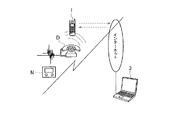
図1は、本発明の第1の実施の形態に係るノイズ源識別システムの構成を示す図である。 FIG. 1 is a diagram showing a configuration of a noise source identification system according to the first embodiment of the present invention.
本システムは、ノイズ源Nにより電話機Dから発生するノイズ音を採取し送信する第1携帯電話端末1と該第1携帯電話端末1から当該ノイズ音を受信する第2携帯電話端末2と該受信されたノイズ音を解析する解析装置3と用いた構成になっている。解析装置3には、第2携帯電話端末2が再生したノイズ音を採取するマイクロフォンMが接続されている。ノイズ源Nは例えば、電子機器であり、電話機Dに接続された電話回線にノイズを重畳させることにより、電話機Dからノイズ音が発生する。
The system includes a first mobile phone terminal 1 that collects and transmits a noise sound generated from a telephone D by a noise source N, a second
本システムにあっては、先ず、第1携帯電話端末1と第2携帯電話端末2とが通話状態にされ、第1携帯電話端末1は内蔵されたマイクロフォンで電話機Dから採取したノイズ音を携帯電話網(図示せず)を介して第2携帯電話端末2へ送信する。第2携帯電話端末2は内蔵されたスピーカから当該送信されたノイズ音を再生する。解析装置3は、再生されたノイズ音をマイクロフォンMで採取して処理し、当該ノイズ音に潜在する周波数(2以上の周波数または多数の周波数(周波数群)でもよい。以下同様である。)を線形予測法に基づいて抽出するとともに当該抽出された周波数及び/または該周波数により特定されたノイズ源の種類及び/またはその特徴を、第2携帯電話端末2と携帯電話網とを介して第1携帯電話端末1に通知する。このとき、解析装置3は、線形予測法に基づいた周波数の抽出を、背景技術で説明した方法で行うことができる。これは、他の実施の形態でも同様である。
In this system, first, the first mobile phone terminal 1 and the second
なお、図2に示すように、解析装置3は、第1携帯電話端末1に通知を行う代わりに、インターネットを介してコンピュータ4に、例えば電子メールで通知を行うようにしてもよい。また、このようにコンピュータ4に通知することを他の実施の形態で行っても勿論よい。
As shown in FIG. 2, the
また、第1及び第2携帯電話端末に代えて、直接的に無線通信することが可能な第1無線通話機及び第2無線通話機を用いるようにしてもよい。 Further, instead of the first and second mobile phone terminals, a first radio communication device and a second radio communication device capable of directly performing wireless communication may be used.
図3は、本発明の第2の実施の形態に係るノイズ源識別システムの構成を示す図である。ここでは、第1の実施の形態で用いられる要素に対し同一の符号を付与する。また、こららの要素に関する重複説明を省略する。 FIG. 3 is a diagram showing a configuration of a noise source identification system according to the second exemplary embodiment of the present invention. Here, the same code | symbol is provided with respect to the element used by 1st Embodiment. In addition, redundant description regarding these elements is omitted.
本システムは、ノイズ音を採取し送信する携帯電話端末1と当該ノイズ音を受信し解析する解析装置3とを用いた構成となっている。
This system is configured using a mobile phone terminal 1 that collects and transmits a noise sound and an
本システムにあっては、携帯電話端末1は内蔵されたマイクロフォンで電話機Dから採取したノイズ音をインターネットを介して解析装置3へ送信する。解析装置3は、ノイズ音を受信して処理し、潜在する周波数を線形予測法に基づいて抽出するとともに、当該抽出された周波数及び/または該周波数により特定されたノイズ源の種類及び/またはその特徴を、インターネットを介して携帯電話端末1に通知する。
In this system, the mobile phone terminal 1 transmits the noise sound collected from the telephone D with the built-in microphone to the
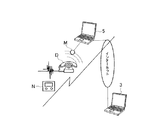
図4は、本発明の第3の実施の形態に係るノイズ源識別システムの構成を示す図である。ここでは、第1または第2の実施の形態で用いられる要素に対し同一の符号を付与する。また、こららの要素に関する重複説明を省略する。 FIG. 4 is a diagram showing a configuration of a noise source identification system according to the third exemplary embodiment of the present invention. Here, the same code | symbol is provided with respect to the element used by 1st or 2nd embodiment. In addition, redundant description regarding these elements is omitted.
本システムは、ノイズ音を採取し送信するコンピュータ5と当該ノイズ音を受信し解析する解析装置3とを用いた構成となっている。コンピュータ5には、電話機Dからのノイズ音を採取するマイクロフォンMが接続されている。
This system is configured using a
本システムにあっては、コンピュータ5は、電話機Dからのノイズ音をマイクロフォンMで採取するとともに該採取したノイズ音をインターネットを介して解析装置3へ送信する。解析装置3は、ノイズ音を受信して処理し、潜在する周波数を線形予測法に基づいて抽出するとともに、当該抽出された周波数及び/または該周波数により特定されたノイズ源の種類及び/またはその特徴を、インターネットを介してコンピュータ5に通知する。
In this system, the
なお、コンピュータ5とインターネットとの間の通信回線を無線LAN機器により構成してもよい。
Note that a communication line between the
また、第1ないし第3の実施の形態においては、以下の構成を採用することができる。つまり、解析装置3側の固定磁気記憶装置(ハードディスク)などに、既知のノイズ源の種類及び/またはその特徴と該ノイズ源からのノイズ音により抽出された周波数とを予め対応づけたデータベースを設け、解析装置3が、送信されたノイズ音に潜在する周波数を線形予測法に基づいて抽出するとともに当該抽出された周波数をデータベースの周波数と比較してノイズ源の種類及び/またはその特徴を特定するようにできる。
In the first to third embodiments, the following configuration can be adopted. In other words, a database in which the type and / or characteristics of a known noise source and the frequency extracted from the noise sound from the noise source are associated in advance is provided in the fixed magnetic storage device (hard disk) on the
なお、上記説明した処理を各実施の形態のノイズ源識別システムに実行させるコンピュータプログラムは、半導体メモリ、磁気ディスク、光ディスク、光磁気ディスク、磁気テープなどのコンピュータ読み取り可能な記録媒体に格納したり、インターネットなどの通信網を介して伝送させて、広く流通させることができる。 The computer program that causes the noise source identification system of each embodiment to execute the above-described processing is stored in a computer-readable recording medium such as a semiconductor memory, a magnetic disk, an optical disk, a magneto-optical disk, or a magnetic tape, It can be widely distributed by being transmitted via a communication network such as the Internet.
1 第1携帯電話端末
2 第2携帯電話端末
3 解析装置
4,5 コンピュータ
D 電話機
M マイクロフォン
N ノイズ源
DESCRIPTION OF SYMBOLS 1 1st
Claims (18)
前記第1携帯電話端末は、採取したノイズ音を携帯電話網を介して前記第2携帯電話端末へ送信し、
前記第2携帯電話端末は、受信したノイズ音を再生し、
前記解析装置は、前記再生されたノイズ音をマイクロフォンで採取して当該ノイズ音に潜在する周波数を線形予測法に基づいて抽出するとともに、当該抽出された周波数及び/または該周波数により特定されたノイズ源の種類及び/またはその特徴を、前記第2携帯電話端末と携帯電話網とを介して前記第1携帯電話端末に通知することを特徴とするノイズ源識別システム。 Noise source identification using a first mobile phone terminal that collects and transmits a noise sound, a second mobile phone terminal that receives the noise sound from the first mobile phone terminal, and an analysis device that analyzes the received noise sound A system,
The first mobile phone terminal transmits the collected noise sound to the second mobile phone terminal via a mobile phone network;
The second mobile phone terminal reproduces the received noise sound,
The analysis device collects the reproduced noise sound with a microphone, extracts a frequency latent in the noise sound based on a linear prediction method, and extracts the extracted frequency and / or noise specified by the frequency. A noise source identification system for notifying the first mobile phone terminal of the type and / or characteristics of the source via the second mobile phone terminal and a mobile phone network.
前記携帯電話端末は、採取したノイズ音をインターネットを介して前記解析装置へ送信し、
前記解析装置は、受信したノイズ音に潜在する周波数を線形予測法に基づいて抽出するとともに、当該抽出された周波数及び/または該周波数により特定されたノイズ源の種類及び/またはその特徴を、インターネットを介して前記携帯電話端末に通知することを特徴とするノイズ源識別システム。 A noise source identification system using a mobile phone terminal that collects and transmits noise sound and an analysis device that receives and analyzes the noise sound,
The mobile phone terminal transmits the collected noise sound to the analysis device via the Internet,
The analysis device extracts a frequency latent in the received noise sound based on a linear prediction method, and extracts the extracted frequency and / or the type of noise source specified by the frequency and / or its characteristics on the Internet. A noise source identification system characterized by notifying the mobile phone terminal via
前記コンピュータは、ノイズ音をマイクロフォンで採取するとともに該採取したノイズ音をインターネットを介して前記解析装置へ送信し、
前記解析装置は、受信したノイズ音に潜在する周波数を線形予測法に基づいて抽出するとともに、当該抽出された周波数及び/または該周波数により特定されたノイズ源の種類及び/またはその特徴を、インターネットを介して前記コンピュータに通知することを特徴とするノイズ源識別システム。 A noise source identification system using a computer that collects and transmits noise sound and an analysis device that receives and analyzes the noise sound,
The computer collects noise sound with a microphone and transmits the collected noise sound to the analysis device via the Internet.
The analysis device extracts a frequency latent in the received noise sound based on a linear prediction method, and extracts the extracted frequency and / or the type of noise source specified by the frequency and / or its characteristics on the Internet. A noise source identification system for notifying the computer via
前記解析装置は、ノイズ音が有する周波数を線形予測法に基づいて抽出するとともに当該抽出された周波数を前記データベースの周波数と比較してノイズ源の種類及び/またはその特徴を特定することを特徴とする請求項1ないし7のいずれかに記載のノイズ源識別システム。 A database in which types of known noise sources and / or characteristics thereof and frequencies extracted by noise sounds from the noise sources are associated in advance;
The analysis apparatus extracts a frequency of a noise sound based on a linear prediction method and compares the extracted frequency with a frequency of the database to identify a type of noise source and / or a feature thereof. The noise source identification system according to any one of claims 1 to 7.
前記第1携帯電話端末は、採取したノイズ音を携帯電話網を介して前記第2携帯電話端末へ送信し、
前記第2携帯電話端末は、受信したノイズ音を再生し、
前記解析装置は、前記再生されたノイズ音をマイクロフォンで採取して当該ノイズ音に潜在する周波数を線形予測法に基づいて抽出するとともに、当該抽出された周波数及び/または該周波数により特定されたノイズ源の種類及び/またはその特徴を、前記第2携帯電話端末と携帯電話網とを介して前記第1携帯電話端末に通知することを特徴とするノイズ源識別方法。 Noise source identification using a first mobile phone terminal that collects and transmits a noise sound, a second mobile phone terminal that receives the noise sound from the first mobile phone terminal, and an analysis device that analyzes the received noise sound A noise source identification method performed by the system,
The first mobile phone terminal transmits the collected noise sound to the second mobile phone terminal via a mobile phone network;
The second mobile phone terminal reproduces the received noise sound,
The analysis device collects the reproduced noise sound with a microphone, extracts a frequency latent in the noise sound based on a linear prediction method, and extracts the extracted frequency and / or noise specified by the frequency. A noise source identification method comprising: notifying the first mobile phone terminal of a source type and / or characteristics thereof via the second mobile phone terminal and a mobile phone network.
前記携帯電話端末は、採取したノイズ音をインターネットを介して前記解析装置へ送信し、
前記解析装置は、受信したノイズ音に潜在する周波数を線形予測法に基づいて抽出するとともに、当該抽出された周波数及び/または該周波数により特定されたノイズ源の種類及び/またはその特徴を、インターネットを介して前記携帯電話端末に通知することを特徴とするノイズ源識別方法。 A noise source identification method performed by a noise source identification system using a mobile phone terminal that collects and transmits noise sound and an analysis device that receives and analyzes the noise sound,
The mobile phone terminal transmits the collected noise sound to the analysis device via the Internet,
The analysis device extracts a frequency latent in the received noise sound based on a linear prediction method, and extracts the extracted frequency and / or the type of noise source specified by the frequency and / or its characteristics on the Internet. A noise source identification method comprising: notifying the mobile phone terminal via a mobile phone terminal.
前記コンピュータは、ノイズ音をマイクロフォンで採取するとともに該採取したノイズ音をインターネットを介して前記解析装置へ送信し、
前記解析装置は、受信したノイズ音に潜在する周波数を線形予測法に基づいて抽出するとともに、当該抽出された周波数及び/または該周波数により特定されたノイズ源の種類及び/またはその特徴を、インターネットを介して前記コンピュータに通知することを特徴とするノイズ源識別方法。 A noise source identification method performed by a noise source identification system using a computer that collects and transmits noise sound and an analysis device that receives and analyzes the noise sound,
The computer collects noise sound with a microphone and transmits the collected noise sound to the analysis device via the Internet.
The analysis device extracts a frequency latent in the received noise sound based on a linear prediction method, and extracts the extracted frequency and / or the type of noise source specified by the frequency and / or its characteristics on the Internet. A noise source identifying method comprising: notifying the computer via a computer.
前記解析装置は、ノイズ音が有する周波数を線形予測法に基づいて抽出するとともに当該抽出された周波数を前記データベースの周波数と比較してノイズ源の種類及び/またはその特徴を特定することを特徴とする請求項9ないし15のいずれかに記載のノイズ源識別方法。 When a database in which the types of known noise sources and / or their characteristics are associated with the frequencies extracted from the noise sound from the noise sources in advance is provided,
The analysis apparatus extracts a frequency of a noise sound based on a linear prediction method and compares the extracted frequency with a frequency of the database to identify a type of noise source and / or a feature thereof. The noise source identification method according to claim 9.
A recording medium storing a computer program for causing a noise source identification system to execute the noise source identification method according to claim 9.
Priority Applications (1)
| Application Number | Priority Date | Filing Date | Title |
|---|---|---|---|
| JP2004110109A JP2005292036A (en) | 2004-04-02 | 2004-04-02 | Noise source identification system and method |
Applications Claiming Priority (1)
| Application Number | Priority Date | Filing Date | Title |
|---|---|---|---|
| JP2004110109A JP2005292036A (en) | 2004-04-02 | 2004-04-02 | Noise source identification system and method |
Publications (1)
| Publication Number | Publication Date |
|---|---|
| JP2005292036A true JP2005292036A (en) | 2005-10-20 |
Family
ID=35325116
Family Applications (1)
| Application Number | Title | Priority Date | Filing Date |
|---|---|---|---|
| JP2004110109A Pending JP2005292036A (en) | 2004-04-02 | 2004-04-02 | Noise source identification system and method |
Country Status (1)
| Country | Link |
|---|---|
| JP (1) | JP2005292036A (en) |
-
2004
- 2004-04-02 JP JP2004110109A patent/JP2005292036A/en active Pending
Similar Documents
| Publication | Publication Date | Title |
|---|---|---|
| Scanlon et al. | Residual life prediction of rotating machines using acoustic noise signals | |
| JP2010197124A (en) | Apparatus, method and program for detecting abnormal noise | |
| EP2202730A1 (en) | Noise detection apparatus, noise removal apparatus, and noise detection method | |
| Kumar et al. | Oscillatory behavior-based wavelet decomposition for the monitoring of bearing condition in centrifugal pumps | |
| AU2009295251B2 (en) | Method of analysing an audio signal | |
| CN116564332B (en) | Frequency response analysis methods, apparatus, equipment and storage media | |
| US8532986B2 (en) | Speech signal evaluation apparatus, storage medium storing speech signal evaluation program, and speech signal evaluation method | |
| JP5395399B2 (en) | Mobile terminal, beat position estimating method and beat position estimating program | |
| US7059191B2 (en) | Determining defective devices which generate sound during operation | |
| CN116072147A (en) | Music detection model training method and device, electronic equipment and storage medium | |
| CN114814488A (en) | Ultrahigh frequency partial discharge defect positioning method and device | |
| Deowan et al. | A warning and detection system for elephant intrusions utilizing signal processing and IoT | |
| CN120343482A (en) | A method, device and medium for detecting distortion of a loudspeaker | |
| JP2005292036A (en) | Noise source identification system and method | |
| JP6891736B2 (en) | Speech processing program, speech processing method and speech processor | |
| CN117037840A (en) | Abnormal sound source identification method, device, equipment and readable storage medium | |
| US12119017B2 (en) | Information processing device, information processing system and information processing method | |
| JP2020153935A (en) | Acoustic characteristic measuring device and acoustic characteristic measuring method | |
| US11004463B2 (en) | Speech processing method, apparatus, and non-transitory computer-readable storage medium for storing a computer program for pitch frequency detection based upon a learned value | |
| CN117454767B (en) | Urban travel intensity evaluation method and system based on earthquake monitoring station network | |
| Ellis et al. | Updating the spectral correlation index: Integrating audibility and band importance using speech intelligibility index weights | |
| JP2000097759A (en) | Sound field measuring device and method, and computer readable recording medium on which sound field analysis program is recorded | |
| Jang et al. | Line spectral frequency-based noise suppression for speech-centric interface of smart devices | |
| CN115938382A (en) | Noise reduction control method, device, equipment and storage medium | |
| Secic et al. | On a method for testing ICA based Blind Source Separation algorithm performance applicable in audio-based On-Load Tap Changer diagnostics |