JP2004304530A - Adaptive array antenna system and weight coefficient calculation control method - Google Patents
Adaptive array antenna system and weight coefficient calculation control method Download PDFInfo
- Publication number
- JP2004304530A JP2004304530A JP2003095364A JP2003095364A JP2004304530A JP 2004304530 A JP2004304530 A JP 2004304530A JP 2003095364 A JP2003095364 A JP 2003095364A JP 2003095364 A JP2003095364 A JP 2003095364A JP 2004304530 A JP2004304530 A JP 2004304530A
- Authority
- JP
- Japan
- Prior art keywords
- adaptive
- weight coefficient
- control
- adaptive control
- array antenna
- Prior art date
- Legal status (The legal status is an assumption and is not a legal conclusion. Google has not performed a legal analysis and makes no representation as to the accuracy of the status listed.)
- Granted
Links
Images



Classifications
-
- H—ELECTRICITY
- H04—ELECTRIC COMMUNICATION TECHNIQUE
- H04B—TRANSMISSION
- H04B7/00—Radio transmission systems, i.e. using radiation field
- H04B7/02—Diversity systems; Multi-antenna system, i.e. transmission or reception using multiple antennas
- H04B7/04—Diversity systems; Multi-antenna system, i.e. transmission or reception using multiple antennas using two or more spaced independent antennas
- H04B7/08—Diversity systems; Multi-antenna system, i.e. transmission or reception using multiple antennas using two or more spaced independent antennas at the receiving station
- H04B7/0837—Diversity systems; Multi-antenna system, i.e. transmission or reception using multiple antennas using two or more spaced independent antennas at the receiving station using pre-detection combining
- H04B7/0842—Weighted combining
- H04B7/0848—Joint weighting
- H04B7/0854—Joint weighting using error minimizing algorithms, e.g. minimum mean squared error [MMSE], "cross-correlation" or matrix inversion
-
- H—ELECTRICITY
- H04—ELECTRIC COMMUNICATION TECHNIQUE
- H04B—TRANSMISSION
- H04B1/00—Details of transmission systems, not covered by a single one of groups H04B3/00 - H04B13/00; Details of transmission systems not characterised by the medium used for transmission
- H04B1/69—Spread spectrum techniques
- H04B1/707—Spread spectrum techniques using direct sequence modulation
- H04B1/7097—Interference-related aspects
- H04B1/711—Interference-related aspects the interference being multi-path interference
- H04B1/7115—Constructive combining of multi-path signals, i.e. RAKE receivers
- H04B1/712—Weighting of fingers for combining, e.g. amplitude control or phase rotation using an inner loop
-
- Y—GENERAL TAGGING OF NEW TECHNOLOGICAL DEVELOPMENTS; GENERAL TAGGING OF CROSS-SECTIONAL TECHNOLOGIES SPANNING OVER SEVERAL SECTIONS OF THE IPC; TECHNICAL SUBJECTS COVERED BY FORMER USPC CROSS-REFERENCE ART COLLECTIONS [XRACs] AND DIGESTS
- Y02—TECHNOLOGIES OR APPLICATIONS FOR MITIGATION OR ADAPTATION AGAINST CLIMATE CHANGE
- Y02D—CLIMATE CHANGE MITIGATION TECHNOLOGIES IN INFORMATION AND COMMUNICATION TECHNOLOGIES [ICT], I.E. INFORMATION AND COMMUNICATION TECHNOLOGIES AIMING AT THE REDUCTION OF THEIR OWN ENERGY USE
- Y02D30/00—Reducing energy consumption in communication networks
- Y02D30/70—Reducing energy consumption in communication networks in wireless communication networks
Landscapes
- Physics & Mathematics (AREA)
- Mathematical Physics (AREA)
- Engineering & Computer Science (AREA)
- Computer Networks & Wireless Communication (AREA)
- Signal Processing (AREA)
- Radio Transmission System (AREA)
- Mobile Radio Communication Systems (AREA)
Abstract
【課題】適切な重み係数を得るのに要する計算量を減らすことにより、低消費電力化を図る。
【解決手段】受信信号の重み係数を適応制御により算出するウエイト計算部10と、該適応制御の収束状況を評価する収束状況評価部14と、該収束状況の評価結果に応じてウエイト計算部10による適応制御の動作を制御するウエイト計算制御部16とを備える。
【選択図】 図1To reduce power consumption by reducing the amount of calculation required to obtain an appropriate weight coefficient.
A weight calculator for calculating a weight coefficient of a received signal by adaptive control, a convergence evaluation unit for evaluating a convergence state of the adaptive control, and a weight calculation unit according to the evaluation result of the convergence state. And a weight calculation control unit 16 for controlling the operation of the adaptive control based on.
[Selection diagram] Fig. 1
Description
【0001】
【発明の属する技術分野】
本発明は、アダプティブアレーアンテナシステムおよび重み係数算出制御方法に関する。
【0002】
【従来の技術】
従来、アダプティブアレーアンテナシステムでは、複数のアンテナ素子からなるアレーアンテナを備え、各アンテナ素子の受信信号をアレーアンテナの指向性を制御するための重み係数を用いて重み付けした後に合成し出力している。また、その重み係数の算出方法としては、最小2乗誤差法(MMSE;Minimum Mean Square Error)に基づく適応アルゴリズムにより、各アンテナ素子の受信信号と参照信号との二乗誤差が最小になるように適応制御して重み係数を算出するものが知られている(例えば、非特許文献1参照)。上記したMMSEベースの適応アルゴリズムとしては、LMS(Least Mean Square)やRLS(Recursive Least−Squares)などが使用される。
【0003】
また、上記した重み係数の更新のための計算量を削減して演算処理装置(例えばデジタルシグナルプロセッサ(DSP))の消費電力を低減させるシステムが検討されている。このようなシステムとして、受信信号の伝搬路特性を評価し、この評価結果に応じて上記した重み係数の更新回数を制御することにより、重み係数の更新のための計算量を削減するものが知られている(例えば、特許文献1参照)。伝搬路特性を表すものとしては、例えば、移動端末装置のフェージング速度が利用され、フェージング速度が所定値よりも遅ければ、重み係数自体にそれほど変動はないものと判断し、先行するフレームで算出された重み係数をそのまま用いることにより重み係数の更新回数を減らしている。例えば更新回数を所定のフレーム数ごとに1フレームの割合としている。
また、受信信号にCRC(Cyclic Redundancy Check)エラー等の受信エラーが発生するほど重み係数の誤差が広がるまで重み係数の更新処理を行わないものもある。
【0004】
【非特許文献1】
菊間信良著,「アレーアンテナによる適応信号処理」,株式会社科学技術出版,1998年11月,p.13−66
【特許文献1】
特開2002−77012号公報
【0005】
【発明が解決しようとする課題】
しかし、上述した従来の技術では、以下に示す問題がある。
移動端末装置のフェージング速度に基づいて重み係数の更新回数を減らすシステムでは、重み係数の更新回数の低減可否の判断は経験的に得られた条件に頼ることになるので、必ずしも重み係数の変動に対応して更新回数が減らされるとは限らず、受信品質が劣化する虞がある。
また、受信エラーが発生してから重み係数の更新を行うシステムでは、受信品質に重大な悪影響を及ぼす虞があり、好ましくない。
受信信号の伝搬路特性の変動に重み係数を的確に追従させるためには、重み係数の更新回数を減らすことは望ましくない一方、計算量が多いことは移動端末の消費電流を大きくし、電池の大型化や電池寿命の短命化といった悪影響を及ぼす。
【0006】
このような理由から、適切な重み係数を得るとともに、その計算量を減らすことが要望されている。
【0007】
本発明は、このような事情を考慮してなされたもので、その目的は、適切な重み係数を得るのに要する計算量を減らすことにより、低消費電力化を図ることができるアダプティブアレーアンテナシステムおよび重み係数算出制御方法を提供することにある。
【0008】
【課題を解決するための手段】
上記の課題を解決するために、請求項1に記載のアダプティブアレーアンテナシステムは、複数のアンテナ素子からなるアレーアンテナを備え、前記各アンテナ素子で受信された受信信号を重み係数により重み付けして合成し出力するアダプティブアレーアンテナシステムにおいて、前記受信信号の重み係数を適応制御により算出する重み係数計算手段と、前記重み係数計算手段による適応制御の収束状況を評価する評価手段と、前記評価手段による収束状況の評価結果に応じて、前記重み係数計算手段による適応制御の動作を制御する制御手段とを備えたことを特徴としている。
【0009】
請求項2に記載のアダプティブアレーアンテナシステムにおいては、前記重み係数計算手段は、最小2乗誤差法に基づく適応アルゴリズムにより、参照信号と出力信号の移動平均二乗誤差が最小となるように適応制御して重み係数を算出し、前記評価手段は、前記移動平均二乗誤差が所定値を連続して所定回数下回った場合に、前記重み係数計算手段による適応制御が収束したと判断することを特徴とする。
【0010】
請求項3に記載のアダプティブアレーアンテナシステムにおいては、前記重み係数計算手段は、最小2乗誤差法に基づく適応アルゴリズムにより、参照信号と出力信号の移動平均二乗誤差が最小となるように適応制御して重み係数を算出し、前記評価手段は、前記移動平均二乗誤差の変化率が所定値を下回った場合に、前記重み係数計算手段による適応制御が収束したと判断することを特徴とする。
【0011】
請求項4に記載のアダプティブアレーアンテナシステムにおいては、前記制御手段は、前記評価手段により前記重み係数計算手段による適応制御が収束したと判断されると、前記重み係数計算手段による適応制御の動作を停止させることを特徴とする。
【0012】
請求項5に記載のアダプティブアレーアンテナシステムにおいては、前記制御手段は、前記評価手段により前記重み係数計算手段による適応制御が収束したと判断されると、前記重み係数計算手段による適応制御を間欠的に動作させることを特徴とする。
【0013】
請求項6に記載のアダプティブアレーアンテナシステムにおいては、前記制御手段は、前記重み係数計算手段による適応制御を特定の間隔で間欠動作させることを特徴とする。
【0014】
請求項7に記載のアダプティブアレーアンテナシステムにおいては、前記制御手段は、前記重み係数計算手段による適応制御を間欠動作させている場合に、前記評価手段による適応制御の収束判断条件が満たされなくなると、前記重み係数計算手段による適応制御を定常動作に戻すことを特徴とする。
【0015】
請求項8に記載のアダプティブアレーアンテナシステムにおいては、前記制御手段は、前記重み係数計算手段による適応制御を間欠的に動作させる間隔を適応的に制御することを特徴とする。
【0016】
請求項9に記載の重み係数算出制御方法は、複数のアンテナ素子からなるアレーアンテナを備え、前記各アンテナ素子で受信された受信信号を重み係数により重み付けして合成し出力するアダプティブアレーアンテナシステムにおける重み係数算出制御方法であって、前記受信信号の重み係数を適応制御により算出する重み係数計算過程と、前記重み係数計算過程による適応制御の収束状況を評価する評価過程と、前記評価過程による収束状況の評価結果に応じて、前記重み係数計算過程による適応制御の動作を制御する制御過程とを含むことを特徴としている。
【0017】
【発明の実施の形態】
以下、図面を参照し、本発明の実施形態を説明する。なお、本実施形態では、無線通信方式として、「cdma2000 lxEV−DO」と呼ばれる符号分割多元接続(CDMA)方式を例に挙げて説明する。
図1は、本発明の実施形態によるアダプティブアレーアンテナシステムの構成を示すブロック図である。図1に示すアダプティブアレーアンテナシステムは、「cdma2000 lxEV−DO」方式の無線通信システムにおいて、例えば移動局(例えば携帯電話機)に具備されるものであり、無線基地局から送信された無線信号を複数(図1の例では4個)のアンテナ素子ANT1〜ANT4からなるアレーアンテナを用いて受信し、この受信信号を重み係数で重み付けして合成するものである。
【0018】
図2は、「cdma2000 lxEV−DO」方式の無線通信システムにおいて、無線基地局から移動局へ無線信号を伝送する際に使用されるフレームの構成の一部を示す図である。上記図1のシステムが無線信号を受信する際には図2のフレームが使用される。図2には、フレーム内に時分割で複数多重されているタイムスロットの構成を示している。この図2において、パイロット(Pilot)信号は既知の信号であり、CDMA方式における拡散信号(PN符号)の96個のエレメント(96チップ)で構成されている。パイロット信号は適応制御による重み係数の算出に使用される。例えば、パイロット信号101は、後続のMAC信号から次のパイロット信号102までの区間の受信信号用の重み係数Wkの算出に使用される。
【0019】
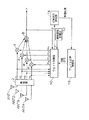
図1において、アダプティブアレーアンテナシステムは、4個のアンテナ素子ANT1〜ANT4からなるアレーアンテナと無線部2と乗算器4と加算器8とウエイト計算部10と参照信号記憶部12と収束状況評価部14とウエイト計算制御部16とを備える。
無線部2は、アンテナ素子ANT1〜4からの4個の無線信号を増幅してベースバンド信号へ変換後、A/D変換器(Analog to Digital Converter)によりデジタル信号に変換して受信信号x1〜x4を出力する。これら受信信号x1〜x4はアンテナ素子ANT1〜4にそれぞれ対応している。
【0020】
乗算器4は、アンテナ素子ANT1〜4の各々に対応して設けられている。各乗算器4には、該当するアンテナ素子に対応する受信信号が無線部2から入力される。また、各乗算器4には、当該アンテナ素子に対応する重み係数がウエイト計算部10から入力される。
【0021】
乗算器4は、入力された受信信号に対して、ウエイト計算部10からの重み係数を乗ずることにより、重み付けを行う。この重み付け後の受信信号は、加算器8に入力される。加算器8は、各乗算器4から入力された重み付け後の受信信号を加算することにより合成して出力信号Yを生成し出力する。また、この出力信号Yはウエイト計算部10に入力される。
【0022】
ウエイト計算部10(重み係数計算手段)は、MMSEベースの適応アルゴリズムにより、アンテナ素子ANT1〜4からなるアレーアンテナの指向性を制御するための重み係数w1〜w4を算出する。この適応アルゴリズムとしては、LMS(Least Mean Square)やRLS(Recursive Least−Squares)などが利用可能である。
【0023】
ウエイト計算部10には、参照信号記憶部12からの参照信号rと無線部2からの受信信号x1〜x4と出力信号Yとウエイト計算制御部16からの制御命令とが入力される。参照信号記憶部12は上記図2に示した既知のパイロット信号に対応する参照信号rを予め記憶している。
【0024】
ウエイト計算部10は、入力された参照信号rと受信信号x1〜x4と出力信号Yを使用して、参照信号rと出力信号Yの移動平均二乗誤差Eが最小となるように適応制御して重み係数w1〜w4を算出する。この重み係数の算出処理は、96チップからなるパイロット信号に対して実行される。すなわち、パイロット信号が受信される度に、算出結果の重み係数w1〜w4が、それぞれ対応する乗算器4に入力され、重み係数が更新される。
【0025】
ウエイト計算部10は、重み係数の一回の更新処理において、パイロット信号中の1番目のチップから順にチップ単位で、適応制御の演算を実行する。そして、ウエイト計算制御部16から制御命令を受けた場合には、この制御命令に従って適応制御の演算を実行する。
【0026】
また、ウエイト計算部10は、パイロット信号のチップ単位での適応制御の演算毎に、上記移動平均二乗誤差Eを収束状況評価部14へ出力する。移動平均二乗誤差Eは、(1),(2)式で定義される。
【0027】
【数1】

但し、tは1番目のチップから96番目のチップまでのチップ単位の時刻、
r(t)は時刻tの参照信号、
Wk(t)は時刻tにおける重み係数ベクトル[w(t)1〜w(t)4]、
X(t)は時刻tにおける受信信号ベクトル[x(t)1〜x(t)4]、
e(t)は時刻tにおける瞬時の2乗誤差、
E(m)は移動平均区間mにおける移動平均二乗誤差、
Lは移動平均長、
tnはn番目のチップに対応する時刻(n=1,2,3,…,96)、
Hは複素共役転置の表記、
*は複素共役の表記、
である。
【0029】
収束状況評価部14(評価手段)は、ウエイト計算部10からの移動平均二乗誤差Eに基づいて、該ウエイト計算部10による適応制御の収束状況を評価する。この評価方法については後述する。収束状況評価部14は、その評価結果をウエイト計算制御部16へ出力する。
【0030】
ウエイト計算制御部16(制御手段)は、収束状況評価部14からの評価結果に応じて、ウエイト計算部10による適応制御の動作を制御する。この適応制御の動作制御方法については後述する。
【0031】
次に、上記した適応制御の収束状況の評価方法について説明する。
本実施形態では、移動平均二乗誤差Eに基づいてウエイト計算部10による適応制御の収束状況を評価する。この評価方法としては各種の方法が考えられるが、その例を挙げて以下に説明する。
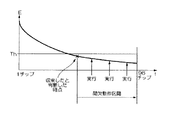
初めに、第1の評価方法を説明する。図3は、第1の評価方法を説明するための図である。この第1の評価方法では、図3に示すように、移動平均二乗誤差Eが、所定の閾値Thを連続して所定回数下回れば、ウエイト計算部10による適応制御が収束したと判断する。あるいは、移動平均二乗誤差Eが、所定の閾値Thを1回でも下回れば適応制御が収束したと判断するようにしてもよい。上記閾値Thの値には、例えばCIRのダイナミックレンジに基づいてCIRの下限界値に対応する値を選択すればよい。
【0032】
次に、第2の評価方法を説明する。この第2の評価方法では、移動平均二乗誤差Eの変化率に基づいて、ウエイト計算部10による適応制御が収束したか否かを判断する。移動平均二乗誤差Eの変化率βは(3)式により定義される。
【0033】
【数3】
そして、変化率βが所定の閾値β0よりも小さければ収束したと判断する。
【0035】
収束状況評価部14は、ウエイト計算部10による適応制御が収束したと判断した時点で、その旨をウエイト計算制御部16へ通知する。
【0036】
上記したように本実施形態では、移動平均二乗誤差Eに基づいてウエイト計算部10による適応制御が収束したと判断する。移動平均二乗誤差は、CIR(Carrier to Interference Ratio)の改善度と相関があることが知られている。CIRは受信特性を表すものである。従って、良好なCIRに対応する閾値Thあるいはβ0を使用することにより、収束したと判断された時点での重み係数は、受信品質を良好に保つことができるものとなる。
【0037】
次に、上記した適応制御の動作制御方法について説明する。本実施形態では、ウエイト計算部10による1パイロット毎の重み係数の更新処理において、上記した評価方法によりウエイト計算部10による適応制御が収束したと判断された時点から以降の当該重み係数更新処理における計算量を削減するように、ウエイト計算部10による適応制御の動作を制御する。この適応制御の動作制御方法としては各種の方法が考えられるが、その例を挙げて以下に説明する。
【0038】
初めに、第1の動作制御方法を説明する。この第1の動作制御方法では、ウエイト計算部10による適応制御が収束したと判断された時点から以降は、適応制御の動作を停止させる。これにより、ウエイト計算部10は、該動作停止命令を受けた時点から以降のチップに対する適応制御の演算を行わない。そしてウエイト計算部10は、重み係数の更新には、該動作停止時点で得られている重み係数を使用する。この結果、ウエイト計算部10における重み係数の更新のための計算量が削減される。
【0039】
次に、第2の動作制御方法を説明する。図4は、第2の動作制御方法を説明するための図である。この第2の動作制御方法では、図4に示すように、ウエイト計算部10による適応制御が収束したと判断された時点から以降は、適応制御を1チップ毎ではなく間欠的に動作させる。これにより、ウエイト計算部10は、該動作開始命令を受けた時点から次の1チップに対してのみ、適応制御の演算を行う。そして、ウエイト計算部10は、重み係数の更新には、最後の適応制御の演算で得られた重み係数を使用する。この結果、ウエイト計算部10における重み係数の更新のための計算量が削減されるとともに、重み係数が適用される受信信号にできる限り近い時間まで適応制御が行われるので、重み係数の精度が向上する。
【0040】
なお、上記した間欠動作の方法としては、特定の間隔で動作させてもよい。
また、ウエイト計算部10による適応制御を間欠動作させている場合に、上記した閾値Thあるいは閾値β0による収束判断条件が満たされなくなったら、該適応制御を定常動作に戻すようにしてもよい。
また、動作間隔を適応的に制御するようにしてもよい。この動作間隔を適応的に制御する方法では、収束状況評価部14により、一旦、収束したと判断された時点から以降の移動平均二乗誤差Eを監視させる。そして、移動平均二乗誤差Eが減少している期間では動作間隔を広げるようにし、一方、移動平均二乗誤差Eが増加している期間では動作間隔を狭めるようにする。例えば、(4)式により適応制御する対象のチップ(時刻)を制御する。
【0041】
tn+1=tn+Δtn+1 ・・・(4)
但し、Δtn+1は、
β(n)<β0の場合に、Δtn+1+1であり、
β(n)≧β0の場合に、1である。
【0042】
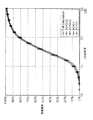
図5、図6に、上記(4)により適応制御させる動作間隔を適応的に制御した場合のシミュレーション結果を示す。図5は、適応制御演算回数の累積確立分布を示す図である。図6は、CIR改善度の累積確立分布を示す図である。
図5に示すように、閾値β0の値に応じて適応制御演算回数は減少している。これに対してCIR改善度は、図6に示すように、閾値β0の値が変化しても略同じである。このように、本実施形態によれば、受信品質が維持されるとともに、適切な重み係数を得るまでに要する計算量を減らすことができる。これにより、DSP等の消費電力が低減される。
【0043】
なお、本発明のアダプティブアレーアンテナシステムは、無線基地局にも同様に適用することができる。また、受信信号の重み係数を適応制御により算出するシステムであれば、上記した「cdma2000 lxEV−DO」方式など、各種の無線通信方式に適用可能である。
【0044】
以上、本発明の実施形態を図面を参照して詳述してきたが、具体的な構成はこの実施形態に限られるものではなく、本発明の要旨を逸脱しない範囲の設計変更等も含まれる。
【0045】
【発明の効果】
以上説明したように、本発明によれば、重み係数の計算における適応制御の収束状況が評価され、この評価結果に応じて該適応制御の動作が制御されるので、適切な重み係数を得るのに要する計算量を減らすことができる。この結果としてDSP等の消費電力が低減されるので、低消費電力化を図ることができる。
【図面の簡単な説明】
【図1】本発明の実施形態によるアダプティブアレーアンテナシステムの構成を示すブロック図である。
【図2】図1のシステムが無線信号を受信する際に使用されるフレームの構成の一部を示す図である。
【図3】本実施形態における適応制御の収束状況の一評価方法について説明するための図である。
【図4】本実施形態における適応制御の一動作制御方法を説明するための図である。
【図5】本実施形態における適応制御の一動作制御方法によりシミュレーションした結果を示す第1の図である。
【図6】本実施形態における適応制御の一動作制御方法によりシミュレーションした結果を示す第2の図である。
【符号の説明】
2…無線部、4…乗算器、8…加算器、10…ウエイト計算部、12…参照信号記憶部、14…収束状況評価部、16…ウエイト計算制御部、ANT1〜ANT4…アンテナ素子[0001]
TECHNICAL FIELD OF THE INVENTION
The present invention relates to an adaptive array antenna system and a weight coefficient calculation control method.
[0002]
[Prior art]
Conventionally, an adaptive array antenna system includes an array antenna composed of a plurality of antenna elements, and combines and outputs a received signal of each antenna element after weighting using a weight coefficient for controlling the directivity of the array antenna. . In addition, as a method of calculating the weight coefficient, an adaptive algorithm based on a minimum mean square error (MMSE) is used so that the square error between the received signal of each antenna element and the reference signal is minimized. There is known a method of controlling and calculating a weight coefficient (for example, see Non-Patent Document 1). As the above-described MMSE-based adaptive algorithm, LMS (Least Mean Square), RLS (Recursive Least-Squares), or the like is used.
[0003]
Further, a system is being studied which reduces the amount of calculation for updating the above-mentioned weighting coefficient to reduce the power consumption of an arithmetic processing unit (for example, a digital signal processor (DSP)). As such a system, there is known a system in which the propagation path characteristics of a received signal are evaluated, and the number of updates of the weight coefficient is controlled in accordance with the evaluation result, thereby reducing the amount of calculation for updating the weight coefficient. (For example, see Patent Document 1). As a representation of the propagation path characteristics, for example, the fading speed of the mobile terminal device is used, and if the fading speed is lower than a predetermined value, it is determined that the weight coefficient itself does not change so much, and the weight coefficient is calculated in the preceding frame. By using the weighted coefficient as it is, the number of times the weighted coefficient is updated is reduced. For example, the number of updates is set to one frame for every predetermined number of frames.
In some cases, the updating process of the weight coefficient is not performed until the error of the weight coefficient increases so that a reception error such as a CRC (Cyclic Redundancy Check) error occurs in the received signal.
[0004]
[Non-patent document 1]
Nobuyoshi Kikuma, "Adaptive signal processing by array antenna", Science and Technology Publishing Co., Ltd., November 1998, p. 13-66
[Patent Document 1]
JP-A-2002-77012
[Problems to be solved by the invention]
However, the conventional technique described above has the following problems.
In a system that reduces the number of updates of the weight coefficient based on the fading speed of the mobile terminal device, the determination of whether to reduce the number of updates of the weight coefficient depends on an empirically obtained condition. Correspondingly, the number of updates is not necessarily reduced, and the reception quality may be degraded.
Further, in a system in which the weight coefficient is updated after a reception error occurs, the reception quality may be seriously affected, which is not preferable.
In order for the weight coefficient to accurately follow the variation of the propagation path characteristics of the received signal, it is not desirable to reduce the number of updates of the weight coefficient, but the large amount of calculation increases the current consumption of the mobile terminal and increases the battery power. This has the adverse effect of increasing the size and shortening the life of the battery.
[0006]
For these reasons, it is desired to obtain an appropriate weighting factor and reduce the amount of calculation.
[0007]
The present invention has been made in view of such circumstances, and an object of the present invention is to reduce an amount of calculation required to obtain an appropriate weighting coefficient, thereby achieving an adaptive array antenna system capable of reducing power consumption. And a weight coefficient calculation control method.
[0008]
[Means for Solving the Problems]
In order to solve the above problem, an adaptive array antenna system according to
[0009]
In the adaptive array antenna system according to
[0010]
4. The adaptive array antenna system according to claim 3, wherein the weighting factor calculating means performs adaptive control so that a moving average square error between the reference signal and the output signal is minimized by an adaptive algorithm based on a least square error method. A weighting coefficient calculated by the weighting coefficient calculation means, and the evaluation means determines that the adaptive control by the weighting coefficient calculation means has converged when the rate of change of the moving average square error falls below a predetermined value.
[0011]
In the adaptive array antenna system according to
[0012]
6. The adaptive array antenna system according to claim 5, wherein the control means intermittently controls the adaptive control by the weight coefficient calculating means when the evaluation means determines that the adaptive control by the weight coefficient calculating means has converged. It is characterized by being operated.
[0013]
In the adaptive array antenna system according to a sixth aspect, the control means causes the adaptive control by the weight coefficient calculating means to intermittently operate at a specific interval.
[0014]
In the adaptive array antenna system according to claim 7, when the adaptive control by the weighting coefficient calculating means is intermittently operated, the control means does not satisfy a convergence determination condition of the adaptive control by the evaluating means. The adaptive control by the weight coefficient calculating means is returned to a steady operation.
[0015]
In the adaptive array antenna system according to the eighth aspect, the control means adaptively controls an interval at which the adaptive control by the weight coefficient calculation means is intermittently operated.
[0016]
A weight coefficient calculation control method according to claim 9, further comprising an array antenna including a plurality of antenna elements, wherein an adaptive array antenna system that weights reception signals received by each of the antenna elements with a weight coefficient, combines and outputs the resultant signals. A weight coefficient calculation control method, comprising: a weight coefficient calculation step of calculating a weight coefficient of the received signal by adaptive control; an evaluation step of evaluating a convergence state of the adaptive control by the weight coefficient calculation step; and a convergence by the evaluation step. And a control step of controlling an operation of adaptive control by the weight coefficient calculation step in accordance with the evaluation result of the situation.
[0017]
BEST MODE FOR CARRYING OUT THE INVENTION
Hereinafter, embodiments of the present invention will be described with reference to the drawings. In the present embodiment, a description will be given of a code division multiple access (CDMA) system called “cdma2000 lxEV-DO” as an example of a wireless communication system.
FIG. 1 is a block diagram illustrating a configuration of an adaptive array antenna system according to an embodiment of the present invention. The adaptive array antenna system shown in FIG. 1 is provided in, for example, a mobile station (for example, a mobile phone) in a “cdma2000 lxEV-DO” wireless communication system, and a plurality of wireless signals transmitted from a wireless base station. The signal is received using an array antenna composed of (four in the example of FIG. 1) antenna elements ANT1 to ANT4, and the received signals are weighted by weighting coefficients and combined.
[0018]
FIG. 2 is a diagram illustrating a part of the configuration of a frame used when a wireless signal is transmitted from a wireless base station to a mobile station in a wireless communication system of the “cdma2000 lxEV-DO” scheme. When the system of FIG. 1 receives a radio signal, the frame of FIG. 2 is used. FIG. 2 shows a configuration of a plurality of time slots multiplexed in a frame by time division. In FIG. 2, a pilot (Pilot) signal is a known signal, and is composed of 96 elements (96 chips) of a spread signal (PN code) in the CDMA system. The pilot signal is used for calculating a weight coefficient by adaptive control. For example, the
[0019]
1, an adaptive array antenna system includes an array antenna including four antenna elements ANT1 to ANT4, a
[0020]
The
[0021]
The
[0022]
The weight calculator 10 (weight coefficient calculator) calculates weight coefficients w 1 to w 4 for controlling the directivity of the array antenna including the antenna elements ANT 1 to ANT 4 by an MMSE-based adaptive algorithm. As the adaptive algorithm, LMS (Least Mean Square), RLS (Recursive Least-Squares), or the like can be used.
[0023]
The
[0024]
[0025]
The
[0026]
In addition, the
[0027]
(Equation 1)
Where t is the time in chip units from the first chip to the 96th chip,
r (t) is the reference signal at time t,
W k (t) is a weight coefficient vector [w (t) 1 to w (t) 4 ] at time t,
X (t) is a received signal vector [x (t) 1 to x (t) 4 ] at time t,
e (t) is the instantaneous square error at time t,
E (m) is the moving average square error in the moving average section m,
L is the moving average length,
t n is the time corresponding to the n-th chip (n = 1, 2, 3,..., 96);
H is the notation of complex conjugate transpose,
* Is the notation of complex conjugate,
It is.
[0029]
The convergence status evaluation unit 14 (evaluation means) evaluates the convergence status of the adaptive control by the
[0030]
The weight calculation control unit 16 (control means) controls the operation of the adaptive control by the
[0031]
Next, a method of evaluating the convergence state of the above-described adaptive control will be described.
In the present embodiment, the convergence of adaptive control by the
First, a first evaluation method will be described. FIG. 3 is a diagram for explaining the first evaluation method. In the first evaluation method, as shown in FIG. 3, when the moving average square error E continuously falls below a predetermined threshold value Th by a predetermined number of times, it is determined that the adaptive control by the
[0032]
Next, a second evaluation method will be described. In the second evaluation method, it is determined whether or not the adaptive control by the
[0033]
[Equation 3]
If the rate of change β is smaller than a predetermined threshold value β0, it is determined that convergence has occurred.
[0035]
When the convergence
[0036]
As described above, in the present embodiment, it is determined that the adaptive control by the
[0037]
Next, an operation control method of the above-described adaptive control will be described. In the present embodiment, in the updating process of the weight coefficient for each pilot by the
[0038]
First, a first operation control method will be described. In the first operation control method, the operation of the adaptive control is stopped after the time when it is determined that the adaptive control by the
[0039]
Next, a second operation control method will be described. FIG. 4 is a diagram for explaining the second operation control method. In the second operation control method, as shown in FIG. 4, after the adaptive control by the
[0040]
The above-mentioned intermittent operation may be performed at a specific interval.
When the adaptive control by the
Further, the operation interval may be adaptively controlled. In the method of adaptively controlling the operation interval, the convergence
[0041]
t n + 1 = t n + Δt n + 1 (4)
Where Δt n + 1 is
When β (n) <β0, Δt n + 1 +1;
It is 1 when β (n) ≧ β0.
[0042]
FIGS. 5 and 6 show simulation results when the operation interval to be adaptively controlled according to the above (4) is adaptively controlled. FIG. 5 is a diagram showing a cumulative probability distribution of the number of adaptive control calculations. FIG. 6 is a diagram showing a cumulative probability distribution of the degree of CIR improvement.
As shown in FIG. 5, the number of adaptive control calculations decreases in accordance with the value of the threshold β0. On the other hand, as shown in FIG. 6, the CIR improvement is substantially the same even when the value of the threshold β0 changes. As described above, according to the present embodiment, it is possible to maintain reception quality and reduce the amount of calculation required to obtain an appropriate weight coefficient. Thereby, the power consumption of the DSP or the like is reduced.
[0043]
Note that the adaptive array antenna system of the present invention can be similarly applied to a radio base station. In addition, if the system calculates the weight coefficient of the received signal by adaptive control, the system can be applied to various wireless communication systems such as the above-mentioned “cdma2000 lxEV-DO” system.
[0044]
As described above, the embodiment of the present invention has been described in detail with reference to the drawings. However, the specific configuration is not limited to this embodiment, and includes a design change or the like without departing from the gist of the present invention.
[0045]
【The invention's effect】
As described above, according to the present invention, the convergence state of the adaptive control in the calculation of the weight coefficient is evaluated, and the operation of the adaptive control is controlled according to the evaluation result. Can be reduced. As a result, the power consumption of the DSP or the like is reduced, so that the power consumption can be reduced.
[Brief description of the drawings]
FIG. 1 is a block diagram illustrating a configuration of an adaptive array antenna system according to an embodiment of the present invention.
FIG. 2 is a diagram showing a part of a configuration of a frame used when the system of FIG. 1 receives a radio signal.
FIG. 3 is a diagram illustrating a method for evaluating a convergence state of adaptive control according to the embodiment;
FIG. 4 is a diagram for explaining one operation control method of adaptive control in the present embodiment.
FIG. 5 is a first diagram illustrating a result of a simulation performed by one operation control method of adaptive control according to the embodiment;
FIG. 6 is a second diagram illustrating a result of a simulation performed by one operation control method of the adaptive control according to the embodiment;
[Explanation of symbols]
Claims (9)
前記受信信号の重み係数を適応制御により算出する重み係数計算手段と、
前記重み係数計算手段による適応制御の収束状況を評価する評価手段と、
前記評価手段による収束状況の評価結果に応じて、前記重み係数計算手段による適応制御の動作を制御する制御手段と、
を備えたことを特徴とするアダプティブアレーアンテナシステム。An adaptive array antenna system comprising an array antenna composed of a plurality of antenna elements and combining and outputting received signals received by each of the antenna elements by weighting with a weight coefficient.
Weight coefficient calculating means for calculating the weight coefficient of the received signal by adaptive control,
Evaluation means for evaluating the convergence state of the adaptive control by the weight coefficient calculation means,
Control means for controlling the operation of adaptive control by the weighting coefficient calculation means in accordance with the evaluation result of the convergence state by the evaluation means;
An adaptive array antenna system comprising:
前記評価手段は、前記移動平均二乗誤差が所定値を連続して所定回数下回った場合に、前記重み係数計算手段による適応制御が収束したと判断する
ことを特徴とする請求項1に記載のアダプティブアレーアンテナシステム。The weighting factor calculating means calculates a weighting factor by an adaptive algorithm based on a least squares error method by performing adaptive control so that a moving average squared error between the reference signal and the output signal is minimized.
2. The adaptive method according to claim 1, wherein the evaluation means determines that the adaptive control by the weighting coefficient calculation means has converged when the moving average square error continuously falls below a predetermined value by a predetermined number of times. Array antenna system.
前記評価手段は、前記移動平均二乗誤差の変化率が所定値を下回った場合に、前記重み係数計算手段による適応制御が収束したと判断する
ことを特徴とする請求項1に記載のアダプティブアレーアンテナシステム。The weighting factor calculating means calculates a weighting factor by an adaptive algorithm based on a least squares error method by performing adaptive control so that a moving average squared error between the reference signal and the output signal is minimized.
2. The adaptive array antenna according to claim 1, wherein the evaluation unit determines that the adaptive control by the weight coefficient calculation unit has converged when the rate of change of the moving average square error is less than a predetermined value. 3. system.
前記受信信号の重み係数を適応制御により算出する重み係数計算過程と、
前記重み係数計算過程による適応制御の収束状況を評価する評価過程と、
前記評価過程による収束状況の評価結果に応じて、前記重み係数計算過程による適応制御の動作を制御する制御過程と、
を含むことを特徴とする重み係数算出制御方法。A weight coefficient calculation control method in an adaptive array antenna system including an array antenna including a plurality of antenna elements, and combining and outputting the reception signals received by each of the antenna elements by weighting with a weight coefficient.
A weight coefficient calculating step of calculating the weight coefficient of the received signal by adaptive control,
An evaluation step of evaluating the convergence state of the adaptive control by the weight coefficient calculation step,
A control step of controlling an operation of adaptive control by the weighting coefficient calculation step, in accordance with an evaluation result of the convergence state by the evaluation step;
And a weighting factor calculation control method.
Priority Applications (3)
| Application Number | Priority Date | Filing Date | Title |
|---|---|---|---|
| JP2003095364A JP4216107B2 (en) | 2003-03-31 | 2003-03-31 | Adaptive array antenna system and weight coefficient calculation control method |
| CNB2004100309261A CN1322685C (en) | 2003-03-31 | 2004-03-26 | Adaptive antenma array system and weight coefficient valculating controlling method |
| US10/810,289 US6867735B2 (en) | 2003-03-31 | 2004-03-26 | Adaptive antenna array system and weighting coefficient computation control method |
Applications Claiming Priority (1)
| Application Number | Priority Date | Filing Date | Title |
|---|---|---|---|
| JP2003095364A JP4216107B2 (en) | 2003-03-31 | 2003-03-31 | Adaptive array antenna system and weight coefficient calculation control method |
Related Child Applications (1)
| Application Number | Title | Priority Date | Filing Date |
|---|---|---|---|
| JP2008250747A Division JP2009011001A (en) | 2008-09-29 | 2008-09-29 | Adaptive array antenna system and weight coefficient calculation control method |
Publications (2)
| Publication Number | Publication Date |
|---|---|
| JP2004304530A true JP2004304530A (en) | 2004-10-28 |
| JP4216107B2 JP4216107B2 (en) | 2009-01-28 |
Family
ID=32985456
Family Applications (1)
| Application Number | Title | Priority Date | Filing Date |
|---|---|---|---|
| JP2003095364A Expired - Fee Related JP4216107B2 (en) | 2003-03-31 | 2003-03-31 | Adaptive array antenna system and weight coefficient calculation control method |
Country Status (3)
| Country | Link |
|---|---|
| US (1) | US6867735B2 (en) |
| JP (1) | JP4216107B2 (en) |
| CN (1) | CN1322685C (en) |
Families Citing this family (8)
| Publication number | Priority date | Publication date | Assignee | Title |
|---|---|---|---|---|
| CN100499400C (en) * | 2002-02-28 | 2009-06-10 | 三洋电机株式会社 | Wireless device, calibration system for wireless device, calibration method, and calibration program |
| US7830982B2 (en) * | 2006-05-12 | 2010-11-09 | Northrop Grumman Systems Corporation | Common antenna array using baseband adaptive beamforming and digital IF conversion |
| JP4138825B2 (en) * | 2006-07-26 | 2008-08-27 | 株式会社東芝 | Weight calculation method, weight calculation device, adaptive array antenna, and radar device |
| US20110065391A1 (en) * | 2008-05-27 | 2011-03-17 | Akihiko Shiotsuki | Wireless communication apparatus for changing directional pattern of variable directivity antenna according to variations in radio wave propagation enviroment |
| JP5903758B2 (en) * | 2010-09-08 | 2016-04-13 | ソニー株式会社 | Signal processing apparatus and method, program, and data recording medium |
| US9121943B2 (en) * | 2011-05-23 | 2015-09-01 | Sony Corporation | Beam forming device and method |
| US10705176B2 (en) * | 2015-10-13 | 2020-07-07 | Northrop Grumman Systems Corporation | Signal direction processing for an antenna array |
| CN107707312B (en) * | 2017-08-25 | 2021-10-08 | 深圳市盛路物联通讯技术有限公司 | Method and system for testing adaptive anti-interference antenna channel integrated system |
Family Cites Families (8)
| Publication number | Priority date | Publication date | Assignee | Title |
|---|---|---|---|---|
| US5028931A (en) * | 1990-05-24 | 1991-07-02 | Stc Plc | Adaptive array processor |
| US5471647A (en) * | 1993-04-14 | 1995-11-28 | The Leland Stanford Junior University | Method for minimizing cross-talk in adaptive transmission antennas |
| JP3185709B2 (en) * | 1997-05-19 | 2001-07-11 | 日本電気株式会社 | Adaptive filter and adaptation method thereof |
| EP1043801B1 (en) * | 1999-04-05 | 2005-09-14 | Nippon Telegraph and Telephone Corporation | Adaptive array antenna system |
| JP3591581B2 (en) * | 2000-08-30 | 2004-11-24 | 日本電気株式会社 | Adaptive antenna receiver |
| JP3685697B2 (en) | 2000-09-01 | 2005-08-24 | 三洋電機株式会社 | Wireless reception system and weight update method |
| JP3802488B2 (en) * | 2000-12-27 | 2006-07-26 | 三洋電機株式会社 | Wireless device, swap detection method, and swap detection program |
| JP2003143045A (en) * | 2001-11-02 | 2003-05-16 | Fujitsu Ltd | Apparatus for processing signals using mean square error minimization algorithm |
-
2003
- 2003-03-31 JP JP2003095364A patent/JP4216107B2/en not_active Expired - Fee Related
-
2004
- 2004-03-26 CN CNB2004100309261A patent/CN1322685C/en not_active Expired - Fee Related
- 2004-03-26 US US10/810,289 patent/US6867735B2/en not_active Expired - Lifetime
Also Published As
| Publication number | Publication date |
|---|---|
| US6867735B2 (en) | 2005-03-15 |
| CN1534896A (en) | 2004-10-06 |
| CN1322685C (en) | 2007-06-20 |
| JP4216107B2 (en) | 2009-01-28 |
| US20040189520A1 (en) | 2004-09-30 |
Similar Documents
| Publication | Publication Date | Title |
|---|---|---|
| KR100511292B1 (en) | Update method for beamforming weight vector of rake receiver and receiving apparatus using beamforming weight vector | |
| KR100450694B1 (en) | Adaptive antenna reception apparatus | |
| JP3465739B2 (en) | CDMA adaptive antenna receiving apparatus and communication system | |
| EP1093241A1 (en) | Adaptive transmitter/receiver | |
| US7047044B2 (en) | Radio receiving device and radio receiving method | |
| US7006849B2 (en) | Spatial domain matched filtering method and array receiver in wireless communication system | |
| JP2002368520A (en) | Adaptive antenna receiver | |
| US20020160814A1 (en) | Radio Base Station Apparatus and Radio Communication Method | |
| JP2002077011A (en) | Adaptive antenna receiver | |
| US7221698B2 (en) | Adaptive array antenna receiving apparatus | |
| JP4216107B2 (en) | Adaptive array antenna system and weight coefficient calculation control method | |
| US6317611B1 (en) | Communication device with adaptive antenna | |
| CN100502268C (en) | Intelligent antenna up wave beam forming method and its device | |
| JP3869738B2 (en) | Radio base apparatus, transmission power control method, and transmission power control program | |
| WO2007049706A1 (en) | Adaptive array antenna apparatus and adaptive control method thereof | |
| JP2003143045A (en) | Apparatus for processing signals using mean square error minimization algorithm | |
| JP4905874B2 (en) | Radio communication apparatus and control method in radio communication apparatus | |
| JP4015054B2 (en) | Adaptive array antenna system, radio apparatus, and array output signal generation method | |
| JP2003347978A (en) | Transmitter-receiver with adaptive antenna | |
| JP4253173B2 (en) | Wireless device, transmission control switching method, and transmission control switching program | |
| JP2009011001A (en) | Adaptive array antenna system and weight coefficient calculation control method | |
| JP2002185374A (en) | Radio receiving system and method for controlling weight updating algorithm | |
| JP4429744B2 (en) | Adaptive signal processing apparatus and adaptive signal processing method | |
| JP4592662B2 (en) | Radio base apparatus, transmission power control method, and transmission power control program | |
| JP4684068B2 (en) | Radio receiving apparatus and radio receiving method |
Legal Events
| Date | Code | Title | Description |
|---|---|---|---|
| A621 | Written request for application examination |
Free format text: JAPANESE INTERMEDIATE CODE: A621 Effective date: 20060214 |
|
| A521 | Request for written amendment filed |
Free format text: JAPANESE INTERMEDIATE CODE: A821 Effective date: 20060215 |
|
| RD04 | Notification of resignation of power of attorney |
Free format text: JAPANESE INTERMEDIATE CODE: A7424 Effective date: 20070904 |
|
| A977 | Report on retrieval |
Free format text: JAPANESE INTERMEDIATE CODE: A971007 Effective date: 20080416 |
|
| A131 | Notification of reasons for refusal |
Free format text: JAPANESE INTERMEDIATE CODE: A131 Effective date: 20080507 |
|
| A521 | Request for written amendment filed |
Free format text: JAPANESE INTERMEDIATE CODE: A523 Effective date: 20080704 |
|
| A02 | Decision of refusal |
Free format text: JAPANESE INTERMEDIATE CODE: A02 Effective date: 20080729 |
|
| A521 | Request for written amendment filed |
Free format text: JAPANESE INTERMEDIATE CODE: A523 Effective date: 20080929 |
|
| A911 | Transfer to examiner for re-examination before appeal (zenchi) |
Free format text: JAPANESE INTERMEDIATE CODE: A911 Effective date: 20081008 |
|
| TRDD | Decision of grant or rejection written | ||
| A01 | Written decision to grant a patent or to grant a registration (utility model) |
Free format text: JAPANESE INTERMEDIATE CODE: A01 Effective date: 20081028 |
|
| A01 | Written decision to grant a patent or to grant a registration (utility model) |
Free format text: JAPANESE INTERMEDIATE CODE: A01 |
|
| A61 | First payment of annual fees (during grant procedure) |
Free format text: JAPANESE INTERMEDIATE CODE: A61 Effective date: 20081105 |
|
| R150 | Certificate of patent or registration of utility model |
Free format text: JAPANESE INTERMEDIATE CODE: R150 |
|
| FPAY | Renewal fee payment (event date is renewal date of database) |
Free format text: PAYMENT UNTIL: 20111114 Year of fee payment: 3 |
|
| FPAY | Renewal fee payment (event date is renewal date of database) |
Free format text: PAYMENT UNTIL: 20111114 Year of fee payment: 3 |
|
| FPAY | Renewal fee payment (event date is renewal date of database) |
Free format text: PAYMENT UNTIL: 20121114 Year of fee payment: 4 |
|
| FPAY | Renewal fee payment (event date is renewal date of database) |
Free format text: PAYMENT UNTIL: 20131114 Year of fee payment: 5 |
|
| FPAY | Renewal fee payment (event date is renewal date of database) |
Free format text: PAYMENT UNTIL: 20131114 Year of fee payment: 5 |
|
| S111 | Request for change of ownership or part of ownership |
Free format text: JAPANESE INTERMEDIATE CODE: R313117 |
|
| FPAY | Renewal fee payment (event date is renewal date of database) |
Free format text: PAYMENT UNTIL: 20131114 Year of fee payment: 5 |
|
| R350 | Written notification of registration of transfer |
Free format text: JAPANESE INTERMEDIATE CODE: R350 |
|
| R250 | Receipt of annual fees |
Free format text: JAPANESE INTERMEDIATE CODE: R250 |
|
| LAPS | Cancellation because of no payment of annual fees |