EP4583022A2 - Method and computer program for controlling storage and retrieval of personal storage containers in an automated storage and retrieval system - Google Patents
Method and computer program for controlling storage and retrieval of personal storage containers in an automated storage and retrieval system Download PDFInfo
- Publication number
- EP4583022A2 EP4583022A2 EP25179004.4A EP25179004A EP4583022A2 EP 4583022 A2 EP4583022 A2 EP 4583022A2 EP 25179004 A EP25179004 A EP 25179004A EP 4583022 A2 EP4583022 A2 EP 4583022A2
- Authority
- EP
- European Patent Office
- Prior art keywords
- storage
- user
- storage container
- retrieval system
- items
- Prior art date
- Legal status (The legal status is an assumption and is not a legal conclusion. Google has not performed a legal analysis and makes no representation as to the accuracy of the status listed.)
- Withdrawn
Links
Images




Classifications
-
- B—PERFORMING OPERATIONS; TRANSPORTING
- B65—CONVEYING; PACKING; STORING; HANDLING THIN OR FILAMENTARY MATERIAL
- B65G—TRANSPORT OR STORAGE DEVICES, e.g. CONVEYORS FOR LOADING OR TIPPING, SHOP CONVEYOR SYSTEMS OR PNEUMATIC TUBE CONVEYORS
- B65G1/00—Storing articles, individually or in orderly arrangement, in warehouses or magazines
- B65G1/02—Storage devices
- B65G1/04—Storage devices mechanical
- B65G1/137—Storage devices mechanical with arrangements or automatic control means for selecting which articles are to be removed
- B65G1/1371—Storage devices mechanical with arrangements or automatic control means for selecting which articles are to be removed with data records
-
- G—PHYSICS
- G06—COMPUTING OR CALCULATING; COUNTING
- G06Q—INFORMATION AND COMMUNICATION TECHNOLOGY [ICT] SPECIALLY ADAPTED FOR ADMINISTRATIVE, COMMERCIAL, FINANCIAL, MANAGERIAL OR SUPERVISORY PURPOSES; SYSTEMS OR METHODS SPECIALLY ADAPTED FOR ADMINISTRATIVE, COMMERCIAL, FINANCIAL, MANAGERIAL OR SUPERVISORY PURPOSES, NOT OTHERWISE PROVIDED FOR
- G06Q10/00—Administration; Management
- G06Q10/08—Logistics, e.g. warehousing, loading or distribution; Inventory or stock management
- G06Q10/083—Shipping
- G06Q10/0837—Return transactions
-
- B—PERFORMING OPERATIONS; TRANSPORTING
- B65—CONVEYING; PACKING; STORING; HANDLING THIN OR FILAMENTARY MATERIAL
- B65G—TRANSPORT OR STORAGE DEVICES, e.g. CONVEYORS FOR LOADING OR TIPPING, SHOP CONVEYOR SYSTEMS OR PNEUMATIC TUBE CONVEYORS
- B65G1/00—Storing articles, individually or in orderly arrangement, in warehouses or magazines
- B65G1/02—Storage devices
- B65G1/04—Storage devices mechanical
-
- G—PHYSICS
- G05—CONTROLLING; REGULATING
- G05B—CONTROL OR REGULATING SYSTEMS IN GENERAL; FUNCTIONAL ELEMENTS OF SUCH SYSTEMS; MONITORING OR TESTING ARRANGEMENTS FOR SUCH SYSTEMS OR ELEMENTS
- G05B19/00—Program-control systems
- G05B19/02—Program-control systems electric
- G05B19/18—Numerical control [NC], i.e. automatically operating machines, in particular machine tools, e.g. in a manufacturing environment, so as to execute positioning, movement or co-ordinated operations by means of program data in numerical form
- G05B19/41—Numerical control [NC], i.e. automatically operating machines, in particular machine tools, e.g. in a manufacturing environment, so as to execute positioning, movement or co-ordinated operations by means of program data in numerical form characterised by interpolation, e.g. the computation of intermediate points between programmed end points to define the path to be followed and the rate of travel along that path
-
- G—PHYSICS
- G06—COMPUTING OR CALCULATING; COUNTING
- G06F—ELECTRIC DIGITAL DATA PROCESSING
- G06F16/00—Information retrieval; Database structures therefor; File system structures therefor
- G06F16/20—Information retrieval; Database structures therefor; File system structures therefor of structured data, e.g. relational data
- G06F16/24—Querying
- G06F16/245—Query processing
- G06F16/2457—Query processing with adaptation to user needs
-
- G—PHYSICS
- G06—COMPUTING OR CALCULATING; COUNTING
- G06F—ELECTRIC DIGITAL DATA PROCESSING
- G06F16/00—Information retrieval; Database structures therefor; File system structures therefor
- G06F16/20—Information retrieval; Database structures therefor; File system structures therefor of structured data, e.g. relational data
- G06F16/24—Querying
- G06F16/248—Presentation of query results
-
- G—PHYSICS
- G06—COMPUTING OR CALCULATING; COUNTING
- G06K—GRAPHICAL DATA READING; PRESENTATION OF DATA; RECORD CARRIERS; HANDLING RECORD CARRIERS
- G06K19/00—Record carriers for use with machines and with at least a part designed to carry digital markings
- G06K19/06—Record carriers for use with machines and with at least a part designed to carry digital markings characterised by the kind of the digital marking, e.g. shape, nature, code
- G06K19/067—Record carriers with conductive marks, printed circuits or semiconductor circuit elements, e.g. credit or identity cards also with resonating or responding marks without active components
- G06K19/07—Record carriers with conductive marks, printed circuits or semiconductor circuit elements, e.g. credit or identity cards also with resonating or responding marks without active components with integrated circuit chips
- G06K19/0723—Record carriers with conductive marks, printed circuits or semiconductor circuit elements, e.g. credit or identity cards also with resonating or responding marks without active components with integrated circuit chips the record carrier comprising an arrangement for non-contact communication, e.g. wireless communication circuits on transponder cards, non-contact smart cards or RFIDs
-
- G—PHYSICS
- G06—COMPUTING OR CALCULATING; COUNTING
- G06K—GRAPHICAL DATA READING; PRESENTATION OF DATA; RECORD CARRIERS; HANDLING RECORD CARRIERS
- G06K7/00—Methods or arrangements for sensing record carriers, e.g. for reading patterns
- G06K7/10—Methods or arrangements for sensing record carriers, e.g. for reading patterns by electromagnetic radiation, e.g. optical sensing; by corpuscular radiation
- G06K7/10009—Methods or arrangements for sensing record carriers, e.g. for reading patterns by electromagnetic radiation, e.g. optical sensing; by corpuscular radiation sensing by radiation using wavelengths larger than 0.1 mm, e.g. radio-waves or microwaves
- G06K7/10297—Methods or arrangements for sensing record carriers, e.g. for reading patterns by electromagnetic radiation, e.g. optical sensing; by corpuscular radiation sensing by radiation using wavelengths larger than 0.1 mm, e.g. radio-waves or microwaves arrangements for handling protocols designed for non-contact record carriers such as RFIDs NFCs, e.g. ISO/IEC 14443 and 18092
-
- G—PHYSICS
- G06—COMPUTING OR CALCULATING; COUNTING
- G06Q—INFORMATION AND COMMUNICATION TECHNOLOGY [ICT] SPECIALLY ADAPTED FOR ADMINISTRATIVE, COMMERCIAL, FINANCIAL, MANAGERIAL OR SUPERVISORY PURPOSES; SYSTEMS OR METHODS SPECIALLY ADAPTED FOR ADMINISTRATIVE, COMMERCIAL, FINANCIAL, MANAGERIAL OR SUPERVISORY PURPOSES, NOT OTHERWISE PROVIDED FOR
- G06Q10/00—Administration; Management
- G06Q10/06—Resources, workflows, human or project management; Enterprise or organisation planning; Enterprise or organisation modelling
- G06Q10/063—Operations research, analysis or management
- G06Q10/0631—Resource planning, allocation, distributing or scheduling for enterprises or organisations
- G06Q10/06312—Adjustment or analysis of established resource schedule, e.g. resource or task levelling, or dynamic rescheduling
-
- G—PHYSICS
- G06—COMPUTING OR CALCULATING; COUNTING
- G06Q—INFORMATION AND COMMUNICATION TECHNOLOGY [ICT] SPECIALLY ADAPTED FOR ADMINISTRATIVE, COMMERCIAL, FINANCIAL, MANAGERIAL OR SUPERVISORY PURPOSES; SYSTEMS OR METHODS SPECIALLY ADAPTED FOR ADMINISTRATIVE, COMMERCIAL, FINANCIAL, MANAGERIAL OR SUPERVISORY PURPOSES, NOT OTHERWISE PROVIDED FOR
- G06Q10/00—Administration; Management
- G06Q10/06—Resources, workflows, human or project management; Enterprise or organisation planning; Enterprise or organisation modelling
- G06Q10/063—Operations research, analysis or management
- G06Q10/0631—Resource planning, allocation, distributing or scheduling for enterprises or organisations
- G06Q10/06314—Calendaring for a resource
-
- G—PHYSICS
- G06—COMPUTING OR CALCULATING; COUNTING
- G06Q—INFORMATION AND COMMUNICATION TECHNOLOGY [ICT] SPECIALLY ADAPTED FOR ADMINISTRATIVE, COMMERCIAL, FINANCIAL, MANAGERIAL OR SUPERVISORY PURPOSES; SYSTEMS OR METHODS SPECIALLY ADAPTED FOR ADMINISTRATIVE, COMMERCIAL, FINANCIAL, MANAGERIAL OR SUPERVISORY PURPOSES, NOT OTHERWISE PROVIDED FOR
- G06Q10/00—Administration; Management
- G06Q10/08—Logistics, e.g. warehousing, loading or distribution; Inventory or stock management
- G06Q10/083—Shipping
- G06Q10/0838—Historical data
-
- G—PHYSICS
- G06—COMPUTING OR CALCULATING; COUNTING
- G06Q—INFORMATION AND COMMUNICATION TECHNOLOGY [ICT] SPECIALLY ADAPTED FOR ADMINISTRATIVE, COMMERCIAL, FINANCIAL, MANAGERIAL OR SUPERVISORY PURPOSES; SYSTEMS OR METHODS SPECIALLY ADAPTED FOR ADMINISTRATIVE, COMMERCIAL, FINANCIAL, MANAGERIAL OR SUPERVISORY PURPOSES, NOT OTHERWISE PROVIDED FOR
- G06Q10/00—Administration; Management
- G06Q10/08—Logistics, e.g. warehousing, loading or distribution; Inventory or stock management
- G06Q10/087—Inventory or stock management, e.g. order filling, procurement or balancing against orders
- G06Q10/0877—Inventory or stock management, e.g. order filling, procurement or balancing against orders by inventory control or reporting using inventory tracking or counting
-
- G—PHYSICS
- G07—CHECKING-DEVICES
- G07C—TIME OR ATTENDANCE REGISTERS; REGISTERING OR INDICATING THE WORKING OF MACHINES; GENERATING RANDOM NUMBERS; VOTING OR LOTTERY APPARATUS; ARRANGEMENTS, SYSTEMS OR APPARATUS FOR CHECKING NOT PROVIDED FOR ELSEWHERE
- G07C9/00—Individual registration on entry or exit
- G07C9/30—Individual registration on entry or exit not involving the use of a pass
- G07C9/32—Individual registration on entry or exit not involving the use of a pass in combination with an identity check
-
- B—PERFORMING OPERATIONS; TRANSPORTING
- B65—CONVEYING; PACKING; STORING; HANDLING THIN OR FILAMENTARY MATERIAL
- B65G—TRANSPORT OR STORAGE DEVICES, e.g. CONVEYORS FOR LOADING OR TIPPING, SHOP CONVEYOR SYSTEMS OR PNEUMATIC TUBE CONVEYORS
- B65G2203/00—Indexing code relating to control or detection of the articles or the load carriers during conveying
- B65G2203/02—Control or detection
- B65G2203/0208—Control or detection relating to the transported articles
- B65G2203/0216—Codes or marks on the article
-
- B—PERFORMING OPERATIONS; TRANSPORTING
- B65—CONVEYING; PACKING; STORING; HANDLING THIN OR FILAMENTARY MATERIAL
- B65G—TRANSPORT OR STORAGE DEVICES, e.g. CONVEYORS FOR LOADING OR TIPPING, SHOP CONVEYOR SYSTEMS OR PNEUMATIC TUBE CONVEYORS
- B65G2203/00—Indexing code relating to control or detection of the articles or the load carriers during conveying
- B65G2203/04—Detection means
- B65G2203/042—Sensors
- B65G2203/046—RFID
Definitions
- the present invention relates to a method and computer program for controlling storage and retrieval of personal items in an automated storage and retrieval system serving different interaction areas handled by different persons.
- Figure 1 shows an example of a storage and retrieval system having a framework structure defining a storage grid 3.
- the structure forms storage columns for storing storage containers, also known as bins.
- storage containers are handled by moving a lifting device in x- and y-directions above the storage columns and bringing storage containers to and from an access station. Vehicles or robots can be used instead of said lifting frame for handling containers.
- This configuration is described in WO2014/090684A1 , the contents of which are incorporated herein by reference.
- the expression robot is used as a collective term describing a device handling a storage container e.g. moving it between a storage grid and a container transport assembly used for transferring storage containers to and from interaction areas with access stations.
- a storage and retrieval system controller 100 When picking up or storing a specified storage container in a storage and retrieval system, a storage and retrieval system controller 100 sends control commands to a robot.
- the system comprises an updatable database storing data defining where each storage container is located and its contained items, e.g. storage container with item #122 is in column [3,4] at level 4 below a topmost storage container at level 1.
- a robot will then drive to column [3,4], remove the upper three storage containers and then retrieve the next storage container storing item #122.
- Storage containers blocking the storage container with items #122 can also be removed by other co-operating robots. Items placed in a storage container are typically registered by a barcode scanned when being placed in the storage container.
- the access station may be a picking or a stocking station where items are removed from or positioned into the storage containers.
- Known automatic storage systems only have one or a few picking and stocking stations where all stored storage containers can be accessed by different persons.
- an automated storage and retrieval system comprises a plurality of different interaction areas with access stations, where storage containers can be accessed from the outside of the system, and where only specific identifiable storage containers are to be accessed by an identified person at each access station, there is a need for a secure way of providing this functionality.
- a human interface is used for controlling transport of a storage container from a storage position in a storage column of the automated storage system to a dedicated interaction area. For doing this a user will operate a user operable control system running a software application (App) comprising different modules enabling searching for and presenting items stored in containers, and for communicating with a storage and retrieval system controller that will control a robot to pick up a specified storage container from a given storage position in the automated storage and retrieval system.
- App software application
- Items may be registered by visual data that are registered in the registration module 30. Items may also be registered by describing them verbally, or with a written description. In yet another embodiment, items can be automatically identified by its visual features, e.g. by means of object recognition.
- the execution instructions comprise at least information of a specific interaction area 6 to be used and information of the storage container 4 to be stored. Execution instructions are transmitted to a storage and retrieval system controller 100 controlling secure transfer of the storage container to and from the user at the specific interaction area 6. Additional information related to where the storage container is to be stored may also be input. This may for instance be based on whether a storage container is to be stored for a short or long term or stored in a cooled zone of the storage and retrieval system 2.
- the item is selected and a request for the storage container 4 storing the item is sent to the storage and retrieval system controller 100 which then will instruct a robot 5 to retrieve the storage container and deliver it to the container support assembly 8 which then will bring the storage container to the interaction area where the user is.
- Searching for an item in the inventory database 10 may be performed by speech, i.e. inputting verbal data in the search module 40 for identifying an item.
- Stored items to be retrieved may also be identified by inputting text data in the search module 40.
- execution instructions comprise at least information of a specific interaction area 6 to be used and which storage container 4 to be retrieved.
- the execution instructions are transmitted as a request to the storage and retrieval system controller 100 controlling which then will control secure transfer of a specified storage container 4 to the user at the specific interaction area 6.
- the program according to the invention controls the different steps comprised in the method for controlling secure storage and retrieval of storage containers 4 containing personal items. These steps are performed in different modules of the program.
- the modules comprised in the computer program are: a user identification module 20, a registration module 30 and a search module 40.
- the registration module 30 and the search module 40 are able to communicate with an inventory database 10.
- the App further comprises a presentation module 50 and an execution module 60. All modules and their purpose and operation will now be explained in detail.
- the user identification module 20 identifies a person/user prior to giving access to an interaction area 6 of the centralized storage and retrieval system 2. Persons having access to the storage and retrieval system 2 via an interaction area 6 are registered in a set-up module of the computer program (not shown).
- Identification can be performed each time an interaction area 6 of a storage and retrieval system 2 is used, or only once when setting up the system. This will depend on the number of persons having access to an interaction area 6 in an apartment. If only one person is living in an apartment with an interaction area 6, there is no need to identify the user/person each time the storage system is used.
- the user identification module 20 can be set up to check the identity of a person each time the storage system is used.
- the computer program can be configured to give each person in the apartment access to the same interaction area 6, but only to storage containers 4 with personal items that were registered by the person when storing his/her items.
- Identification of a person can be implemented in many ways. Examples of known identification methods are passwords or pin codes, biometric methods such as finger print, iris or face recognition etc. Identification could also be implemented through mechanical interaction, for example, with a key, key fob, security card, etc. The key may comprise an electronic chip for an additional level of security. Access to the system via an interaction area 6 is given if identification is successful.
- the registration module 30 is adapted for linking and registering items to a storage container 4 storing the items, and for updating the inventory database 10 with this information. Both the items to be stored and the storage container 4 they are stored in are registered.
- registration of items to be stored in a storage container 4 is performed by registering visual features represented by visual data.
- the visual data can be provided by a camera capturing images of items placed in a storage container 4.
- the camera can be installed at the interaction area 6 and have a field of view such that items placed in a storage container 4 are captured.
- the camera used for providing visual data for registering items may be integrated in a portable device running the computer program, e.g. smart phone or tablet.
- a picture of the content of a storage container 4 can then be captured with the portable device and registered in the inventory database 10. Pictured can further be sorted and catalogued.
- Object recognition of items may further be applied for identifying items from the visual data, thereby linking identified items to the storage containers 4 they are stored in.
- identification of items to be stored in a storage container 4 is performed by verbal data.
- Verbal data can be provided by using a microphone connected to the device running the computer program. A user can then by voice describe items placed in a specific storage container 4.
- items stored in a storage container 4 can be identified by a written description.
- Text may also be used as supplemental information to visual data, e.g. the visual data describes a pair of shoes, while a written description describes details such as the size.
- items to be stored may also be RFID marked and registered in the inventory database 10.
- storage containers 4 may also be identified by visual data.
- the visual data may for instance be a barcode captured by a camera.
- a storage container 4 may also be identified by an RFID tag.
- an RFID reader is provided for registering and inputting storage container identification data to the computer program.
- the information exchanged from the communication module 70 in the computer program to the storage and retrieval system controller 100 is the unique identification of the storage container 4, whether it is to be stored or retrieved and which interaction area 6 that is to be used. Additional information related to where in the storage and retrieval system 2 the storage container 4 is to be stored may also be input.
- the computer program according to the invention generates instructions via the execution module 60.
- the instructions are transmitted to the storage and retrieval system controller 100 by means of the communication module 70, i.e. to store or retrieve an identified storage container 4.
- a final check to ensure that the storage container 4 retrieved to an interaction area 6 is the correct one is to check the identification of the storage container 4 prior to outputting the storage container via an access station at the interaction area 6.
- Additional information may be exchanged from the execution module 60 to the storage and retrieval system controller 100. This additional information may for instance be where in the storage and retrieval system 2 a storage container 4 should be stored. This can be useful for long term or short term storing, depending on whether a storage container is expected to be retrieved frequently from the storage system or not.
- a storage container 4 may be stored in a cooled zone of the storage and retrieval system 2, e.g. when items stored are food and beverage. Where in the storage and retrieval system 2 a storage container 4 is stored will influence how fast it can be retrieved at an interaction area 6.
- the method and computer program according to the invention provides high security. A thief who has gained access to the storage grid will not be able to access individual storage containers easily because of the nature of the stacks of storage containers. This makes the system well adapted to storing personal items, particularly those which might be valuable. The compactness of a centralised automated storage and retrieval system of this form is also a benefit in an apartment building scenario where space is always an issue.
Landscapes
- Engineering & Computer Science (AREA)
- Business, Economics & Management (AREA)
- Economics (AREA)
- Human Resources & Organizations (AREA)
- Physics & Mathematics (AREA)
- Theoretical Computer Science (AREA)
- General Physics & Mathematics (AREA)
- Strategic Management (AREA)
- Entrepreneurship & Innovation (AREA)
- Operations Research (AREA)
- Marketing (AREA)
- Quality & Reliability (AREA)
- Tourism & Hospitality (AREA)
- Development Economics (AREA)
- General Business, Economics & Management (AREA)
- Accounting & Taxation (AREA)
- Finance (AREA)
- Mechanical Engineering (AREA)
- Toxicology (AREA)
- Health & Medical Sciences (AREA)
- Game Theory and Decision Science (AREA)
- Educational Administration (AREA)
- Computer Networks & Wireless Communication (AREA)
- Computational Linguistics (AREA)
- General Engineering & Computer Science (AREA)
- Databases & Information Systems (AREA)
- Data Mining & Analysis (AREA)
- Automation & Control Theory (AREA)
- Manufacturing & Machinery (AREA)
- Human Computer Interaction (AREA)
- Computing Systems (AREA)
- Artificial Intelligence (AREA)
- General Health & Medical Sciences (AREA)
- Computer Vision & Pattern Recognition (AREA)
- Electromagnetism (AREA)
- Computer Security & Cryptography (AREA)
- Computer Hardware Design (AREA)
- Microelectronics & Electronic Packaging (AREA)
- Warehouses Or Storage Devices (AREA)
- Management, Administration, Business Operations System, And Electronic Commerce (AREA)
Abstract
Description
- The present invention relates to a method and computer program for controlling storage and retrieval of personal items in an automated storage and retrieval system serving different interaction areas handled by different persons.
- There are different examples of automated storage and retrieval systems for transferring and retrieving items stored in storage containers.
Figure 1 shows an example of a storage and retrieval system having a framework structure defining astorage grid 3. The structure forms storage columns for storing storage containers, also known as bins. In the example shown, storage containers are handled by moving a lifting device in x- and y-directions above the storage columns and bringing storage containers to and from an access station. Vehicles or robots can be used instead of said lifting frame for handling containers. This configuration is described inWO2014/090684A1 , the contents of which are incorporated herein by reference. - In the following, the expression robot is used as a collective term describing a device handling a storage container e.g. moving it between a storage grid and a container transport assembly used for transferring storage containers to and from interaction areas with access stations.
- When picking up or storing a specified storage container in a storage and retrieval system, a storage and
retrieval system controller 100 sends control commands to a robot. The system comprises an updatable database storing data defining where each storage container is located and its contained items, e.g. storage container with item #122 is in column [3,4] atlevel 4 below a topmost storage container atlevel 1. A robot will then drive to column [3,4], remove the upper three storage containers and then retrieve the next storage container storing item #122. Storage containers blocking the storage container with items #122 can also be removed by other co-operating robots. Items placed in a storage container are typically registered by a barcode scanned when being placed in the storage container. - The access station may be a picking or a stocking station where items are removed from or positioned into the storage containers. Known automatic storage systems only have one or a few picking and stocking stations where all stored storage containers can be accessed by different persons.
- When an automated storage and retrieval system comprises a plurality of different interaction areas with access stations, where storage containers can be accessed from the outside of the system, and where only specific identifiable storage containers are to be accessed by an identified person at each access station, there is a need for a secure way of providing this functionality.
- This scenario is applicable if an automated storage system as described above is installed in for instance an apartment block for serving different apartments, and where an access station is available in each apartment. Storage containers with personal items from different apartments will be stored in the same storage and retrieval system. It is then vital that only items registered and stored in a storage container by a specific person are accessible for that person only.
- The present invention comprises a method and computer program for secure controlling of storing and retrieving of personal items in an automated storage and retrieval system connected to a plurality of interaction areas placed at different locations such as e.g. within an apartment building, a terraced house, or other buildings that are shared by multiple people, for example, nursing homes, student accommodation, army barracks or similar. The invention will provide an easy secure way of moving storage containers between the storage and retrieval system and an access station at a specific interaction area.
- The method and computer program according to the invention can be used for controlling different configurations of an automated storage and retrieval system. For instance, one installed in a basement, an attic, or in between interaction areas in a building. The container transport assembly, connecting a storage grid to interactions areas, will be adapted to the floor plan and type of building where it is installed. It may accordingly comprise a vertical or inclined storage container transport assembly or a horizontal conveyor.
- A benefit of using the method and computer program according to the invention, for controlling access to storage containers in a centralised and compact automated storage and retrieval system, is the security it provides.
- If a storage and retrieval system is used in a single house, the system typically has one or a few users having access to all interaction areas where containers for storing and retrieving items are available, e.g. multiple interaction areas with one interaction area on each floor. A user can then decide on which floor he or she wants the storage container to be delivered to.
- If installed in an apartment building or other buildings with multiple users, where the users have access to specific containers via access stations at interaction areas, the system may be provided with a verification system, both for verifying that a user requesting a specific storage container shall have access to it, and that the user has access to the dedicated access station interaction area. In the following description the expression interaction area is used to describe the area where a user is interacting with the storage and retrieval system via an access station. Interacting typically means storing or retrieving a storage container for storing personal items.
- A human interface is used for controlling transport of a storage container from a storage position in a storage column of the automated storage system to a dedicated interaction area. For doing this a user will operate a user operable control system running a software application (App) comprising different modules enabling searching for and presenting items stored in containers, and for communicating with a storage and retrieval system controller that will control a robot to pick up a specified storage container from a given storage position in the automated storage and retrieval system.
- The present invention is defined by a method for controlling secure storing and retrieving of a storage container for storing items by transferring the storage container via an interaction area among a plurality of interaction areas of an automated storage and retrieval system, where the storage container is linked to a user and items stored, and where the method is performed by a computer program product comprising specific modules performing different steps of the method. The method comprises the following steps:
- receiving user identification data in a user identification module and processing the user identification data to identify the user and if the user is identified granting access to an access station at the interaction area so that the user can store or retrieve a storage container linked to the user and add or remove an item from it;
- for storing an item of a user granted access to the access station: registering the item in a registration module and linking the item to an identified storage container linked to the user, and updating an inventory database with information about the item and the storage container;
- for retrieving an item of a user granted access to the access station: searching for the item in the inventory database by means of a search module and presenting search results and items stored by means of a presentation module, and selecting the item to be retrieved from the presentation module;
- generating execution instructions in an execution module, the instructions comprise information of the specific interaction area to be used and information of the storage container to be transferred and transmitting the execution instructions, by means of a communication module to a storage and retrieval system controller controlling secure transferral of the storage container, or an item associated with the storage container, to and from the user at the specific interaction area.
- Additional features of the method are defined in the claims.
- The invention is further defined by a computer program product comprising different modules that when executed in a processor controls secure storing and retrieving of a storage container for storing items by transferring it via one specific interaction area among several interaction areas of an automated storage and retrieval system, where the storage container is linked to a user and items stored. The computer program product comprises:
- a user identification module for identifying a user and controlling access for the user to a specific interaction area;
- a registration module for registering and linking items to an identified storage container storing them and for updating the inventory database with information about the items and the storage container;
- a search module for searching for items in the inventory database;
- a presentation module for presenting search results of stored items;
- an execution module for generating execution instructions comprising information about the specific interaction area to be used and information of the storage container to be transferred, and
- a communication module for transmitting the execution instructions to a storage and retrieval system controller controlling secure transferring of the storage container to and from the user at the specific interaction area.
- Additional features of the computer program are defined in the claims.
- The present invention will now be described in detail by way of examples only and with reference to the figures where:
-
Figure 1 shows an example of an automated storage and retrieval system according to the prior art; -
Figure 2 shows an example of a centralised automatic storage and retrieval system serving different apartments; -
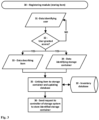
Figure 3 is a flow chart showing the steps involved in the process of storing items in a centralised automatic storage and retrieval system; -
Figure 4 is a flow chart showing the steps involved in the process of retrieving items from a centralised automatic storage and retrieval system; -
Figure 5 shows an example of a search result presented visually on a tablet, and -
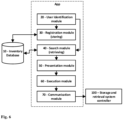
Figure 6 shows the different modules comprised in the computer program according to the invention. - The present invention relates to a method and computer program interacting with an inventory database and for controlling a centralized automated storage and retrieval system for transferring storage container with personal items at an interaction area where a person is granted access to storage containers storing his or her items.
-
Figure 1 shows an example of a prior art automated storage and retrieval system where arobot 5 is handlingstorage containers 4 to and from columns 4.1 of thestorage grid 3. The figure shows onerobot 5 connected to and operated by means of a suspension system moving the robot in X- and Y-directions above the storage andretrieval system 2, thereby enabling access to all columns 4.1 for storingstorage containers 4. Other types of robots may be used, for instance robots running on a rail system on top of the columns, as well as more than one robot. Use of several robots is relevant for larger storage andretrieval systems 2. - A central system controller 100 (ref.
fig. 6 ) is provided with information about the physical parameters of the storage and retrieval system. These are input parameters when setting up a system, e.g. number of columns, howmany storage containers 4 each column 4.1 may store, the number of interaction areas wherestorage containers 4 are input or output etc. A database storing these data is comprised in the storage andretrieval system 2 as well as updated data of where eachstorage container 4 is located. - Prior art systems do not differentiate between different interaction areas and persons having access to them. That is,
storage containers 4 can be delivered and picked up at any interacting area by any person. When installed in an apartment building it is vital to differentiate between interaction areas and the persons having access to them. -
Figure 2 shows an example of a centralised automatic storage and retrieval system servingdifferent apartments 1 to 5. The figure shows a side view of a five storeys apartment building with a basement wherein the centralised automated storage andretrieval system 2 is arranged. This is purely illustrative and intended to be exemplary; the building could of course comprise any number of apartments and any number of levels. In the figure, five apartments are located above the basement. A verticalcontainer transport assembly 8 connects the automated storage andretrieval system 2 withinteraction areas 6 at each floor for transferring astorage container 4 from the automated storage andretrieval system 2 to interaction area(s) 6 and vice versa. Eachinteraction area 6 has an access station with controlled access to the automatic storage andretrieval system 2. - The automated storage and
retrieval system 2 has a framework structure defining astorage grid 3 for storingstorage containers 4 arranged in stacks in storage columns 4.1 and at least onecontainer handling vehicle 5 configured to raisestorage containers 4 from andlower storage containers 4 into the storage columns 4.1 and to transportstorage containers 4 to and from acontainer transport assembly 8 connecting the automated storage andretrieval system 2 to a plurality ofinteraction areas 6 for accessing and transferringstorage containers 4 to and from the automated storage andretrieval system 2. - The automated storage and
retrieval system 2 further comprises a storage and retrieval system controller 100 (ref.fig 6 ) keeping track ofstorage containers 4 and their location in the automated storage andretrieval system 2 and for controlling container handling robot(s) 5 for storing and retrievingstorage containers 4. - The vertical
container transport assembly 8 shown infig. 2 is in this example a lift comprising a storage container support wherein astorage container 4 is placed allowing thestorage container 4 to be transported in the vertical direction from the automated storage andretrieval system 2 to theinteraction areas 6 and vice versa. It is a common lift shared by a plurality of apartments that extends between the apartments and the basement (or other designated level) comprising thestorage grid 3 for storing the storage containers. - This solution requires a new way of controlling storing and retrieving of items between different apartments and the centralised storage and
retrieval system 2. - A new solution is provided by a method and computer program for controlling and securing that
storage containers 4 linked to a specific person are available for that person only. The method is performed by a computer program registering in a data set which items that are stored in aspecific storage container 4, where thespecific storage container 4 is stored in thestorage grid 3, which users shall have access to it and which interaction area(s) 6 access to the storage container is available. - The present invention is defined by a method for controlling transfer of
storage containers 4 between an automated storage andretrieval system 2 and aninteraction area 6, by interacting with an inventory database containing information about items stored instorage containers 4. -
Figure 3 and4 are flow charts showing the steps involved in the process of interacting with the inventory database 10 for storing and retrieving items in a centralised automatic storage andretrieval system 2. - When a person is to access the storage and
retrieval system 2, afirst step 31 is to identify the person/user in a user identification module 20 (ref.fig. 6 ). - Examples of identification techniques that may be used are fingerprint, face or voice recognition. A combination of these techniques will provide better security.
- If successfully identified in step 32, giving a person/user access to the system via an access station at an
interaction area 6. Different users can have access to thesame interaction area 6. In this way, different family member will have access to his or herpersonal storage container 4 from thesame interaction area 6. - The next step is storing or retrieving items in the automated storage and
retrieval system 2. These will require different method steps. - If an item is to be stored and identification of the user is successful, the next step is to register the item, with data describing it 33, in a registration module 30 (ref.
fig. 6 ) and link 35 the item to astorage container 4 storing the items. Data describing in item can for example be visual data or verbal data. - The inventory database 10 is then updated with this information. How registering items and linking them to a
storage container 4 is performed is described in detail below when describing the different modules of the computer program performing the method. If a user only has a few storage containers, the step of registering items and linking them to the storage containers may be skipped. In this case only the user is linked to the storage containers. - Items may be registered by visual data that are registered in the
registration module 30. Items may also be registered by describing them verbally, or with a written description. In yet another embodiment, items can be automatically identified by its visual features, e.g. by means of object recognition. - The next step is generating execution instructions and instructing a controller of the storage and
retrieval system 2 to store astorage container 4, ref.step 36 infig. 3 . - The execution instructions comprise at least information of a
specific interaction area 6 to be used and information of thestorage container 4 to be stored. Execution instructions are transmitted to a storage andretrieval system controller 100 controlling secure transfer of the storage container to and from the user at thespecific interaction area 6. Additional information related to where the storage container is to be stored may also be input. This may for instance be based on whether a storage container is to be stored for a short or long term or stored in a cooled zone of the storage andretrieval system 2. - A
storage container 4 may be identified in different ways, e.g. by visual data and/or an RFID tag that is registered in theregistration module 30. - If an item is to be retrieved and identification of the user is successful, the user is granted access 32 to a
search module 40 and the access station at theinteraction area 6. The next step is searching foritems 45 in the inventory database 10 by means of asearch module 40 receivinginput 44 describing the item and presenting search results 48. If found 46, the stored item is displayed by means of apresentation module 50. If an item is not found, a notice will be displayed 47. Stored items can be presented visually and/or verbally. If the user wants to retrieve anitem 49, the item is selected and a request for thestorage container 4 storing the item is sent to the storage andretrieval system controller 100 which then will instruct arobot 5 to retrieve the storage container and deliver it to thecontainer support assembly 8 which then will bring the storage container to the interaction area where the user is. - Searching for an item in the inventory database 10 may be performed by speech, i.e. inputting verbal data in the
search module 40 for identifying an item. Stored items to be retrieved may also be identified by inputting text data in thesearch module 40. -
Figure 5 shows an example of a search result presented visually on a tablet or smart phone. By presenting search results as images of different stored items it is easy to choose and select thestorage container 4 containing the item(s) to be retrieved. - This way of presenting stored items is useful when a person only has a few, e.g. up to 20 storage containers, and when items placed in the storage containers are not covered by other items.
- A visual presentation of items stored in storage containers is especially useful when combined with search phrases. A user may for instance search for books by verbally saying "books" or inputting "books" as a text input. The
search module 40 will then identify all storage containers storing books and the presentation module will display the storage containers and their contents. - Images showing content of each storage container will be updated each time items are added or removed from a
storage container 4 at theinteraction area 6. This is enabled by letting a camera take a picture of the content of astorage container 4. The camera can be installed at theinteraction area 6 or it may be a camera in the device running the computer program performing the method described, e.g. tablet or smart phone. - When an item to be retrieved from the storage and
retrieval system 2 has been selected, it can be retrieved 49 by generating execution instructions. The instructions comprise at least information of aspecific interaction area 6 to be used and whichstorage container 4 to be retrieved. The execution instructions are transmitted as a request to the storage andretrieval system controller 100 controlling which then will control secure transfer of a specifiedstorage container 4 to the user at thespecific interaction area 6. - The computer program for controlling storage and retrieval of personal items can be installed and executed on different devices such as smartphones, tablets and PCs. These devices comprise all means necessary for registering and retrieving items stored in
storage containers 4, i.e. processor, input means, display and camera. The program comprises modules that when executed in a processor performs different tasks such as identifying a user, interacting with an inventory database containing information about a user's personal items, and in whichstorage containers 4 they are stored, and controlling transfer of thestorage containers 4 between the storage andretrieval system 2 and a specific interaction area 6 a user is given access to, e.g. a user in 'Apartment 1' has access to interaction area A, while a user in 'Apartment 2' has access to interaction area B. - An automated storage and retrieval system in a building, as the one described as an example above, can be accessed from a program (App) that is installed on a smart phone or tablet. A new user in for instance an apartment, having an access station and an
interaction area 6 connected to the automated storage and retrieval system, will be able to access and use the system as soon as the App is installed. -
Figure 6 shows the different modules comprised in the computer program (App) that when executed in a processor controls secure storing and retrieving of a specific storage container linked to a person. Personal items stored in the storage container are registered in an inventory database 10 that may be installed locally, e.g. on the device running the program, or at a remote location, e.g. cloud-based database. - The program according to the invention controls the different steps comprised in the method for controlling secure storage and retrieval of
storage containers 4 containing personal items. These steps are performed in different modules of the program. - The modules comprised in the computer program are: a user identification module 20, a
registration module 30 and asearch module 40. Theregistration module 30 and thesearch module 40 are able to communicate with an inventory database 10. The App further comprises apresentation module 50 and anexecution module 60. All modules and their purpose and operation will now be explained in detail. - The user identification module 20 identifies a person/user prior to giving access to an
interaction area 6 of the centralized storage andretrieval system 2. Persons having access to the storage andretrieval system 2 via aninteraction area 6 are registered in a set-up module of the computer program (not shown). - Identification can be performed each time an
interaction area 6 of a storage andretrieval system 2 is used, or only once when setting up the system. This will depend on the number of persons having access to aninteraction area 6 in an apartment. If only one person is living in an apartment with aninteraction area 6, there is no need to identify the user/person each time the storage system is used. - On the other hand, if several persons are living in same apartment sharing an
interaction area 6 for a storage andretrieval system 2, the user identification module 20 can be set up to check the identity of a person each time the storage system is used. In this way, the computer program can be configured to give each person in the apartment access to thesame interaction area 6, but only tostorage containers 4 with personal items that were registered by the person when storing his/her items. - Identification of a person can be implemented in many ways. Examples of known identification methods are passwords or pin codes, biometric methods such as finger print, iris or face recognition etc. Identification could also be implemented through mechanical interaction, for example, with a key, key fob, security card, etc. The key may comprise an electronic chip for an additional level of security. Access to the system via an
interaction area 6 is given if identification is successful. - The
registration module 30 is adapted for linking and registering items to astorage container 4 storing the items, and for updating the inventory database 10 with this information. Both the items to be stored and thestorage container 4 they are stored in are registered. - In a simplified solution, for instance where a user only has a
few storage containers 4, only information identifying thestorage containers 4 may be registered in theregistration module 30. - In a first embodiment, registration of items to be stored in a
storage container 4 is performed by registering visual features represented by visual data. The visual data can be provided by a camera capturing images of items placed in astorage container 4. The camera can be installed at theinteraction area 6 and have a field of view such that items placed in astorage container 4 are captured. - The camera used for providing visual data for registering items may be integrated in a portable device running the computer program, e.g. smart phone or tablet. A picture of the content of a
storage container 4 can then be captured with the portable device and registered in the inventory database 10. Pictured can further be sorted and catalogued. - Object recognition of items may further be applied for identifying items from the visual data, thereby linking identified items to the
storage containers 4 they are stored in. - In a second embodiment, identification of items to be stored in a
storage container 4 is performed by verbal data. Verbal data can be provided by using a microphone connected to the device running the computer program. A user can then by voice describe items placed in aspecific storage container 4. - In a third embodiment, items stored in a
storage container 4 can be identified by a written description. Text may also be used as supplemental information to visual data, e.g. the visual data describes a pair of shoes, while a written description describes details such as the size. - In yet another embodiment, items to be stored may also be RFID marked and registered in the inventory database 10.
- As understood from the above description, combinations of one or more of the described registration and identification methods are feasible.
- In addition to the items to be stored,
storage containers 4 may also be identified by visual data. In this case, the visual data may for instance be a barcode captured by a camera. - A
storage container 4 may also be identified by an RFID tag. In this embodiment, an RFID reader is provided for registering and inputting storage container identification data to the computer program. - In one embodiment of the invention,
only storage containers 4 adapted and accepted for use with the centralised storage andretrieval system 2 will be recognised when being registered and identified by the computer program. If astorage container 4 is not accepted it will not be possible to store thestorage container 4 in the storage andretrieval system 2, i.e. theexecution module 60 in the computer program will not generate instructions for the storage andretrieval system controller 100 if thestorage container 4 is not accepted. - The main task of the
registration module 30 of the computer program is to register and link information about items and thestorage container 4 they are stored in, as well as updating the inventory database 10 with this information. - The
search module 40 is adapted for searching for items stored in the inventory database 10, i.e. items that are already registered in the inventory database 10 as well as thestorage container 4 they are stored in. - Searches can be performed via a user interface of a device running the program. If items stored are registered by visual data, the
presentation module 50 of the program will send the resulting visual data of a search to a display driver of the device such that all registered items resulting from a search is displayed. A user can then select an item by for instance clicking a displayed item on a touch screen. - Instructions will then be transmitted to a
controller 100 of the storage andretrieval system 2 and the item will be retrieved from the centralized storage andretrieval system 2. - If additional written information about items stored is available, search phrases can be input, and items resulting from a search will be presented.
- Search phrases may also be input by means of verbal data as mentioned above when describing items to be registered in the
registration module 30. In this case a storage andretrieval system 2, controlled by the computer program according to the invention, can be operated by voice only. - The
presentation module 50 of the computer program is adapted for presenting items that are stored in the storage andretrieval system 2 as well as search results. Presentation of stored items and search results can in one embodiment be performed by displaying them on a display. This is typically the display of the device running the computer program. In another embodiment, thepresentation module 50 may present items stored as verbal data, i.e. spoken words through a speaker. - The
execution module 60 is adapted for generating execution instructions to the storage andretrieval system controller 100 storing or retrieving an identifiedstorage container 4. Theexecution module 60 is linked to acommunication module 70 communicating with acontroller 100 of the storage and retrieval system. - The
communication module 70 is adapted for exchanging execution information between the computer program controlling storing and retrieving of personal items and thecontroller 100 of the storage andretrieval system 2. - All information related to items stored, and in which
storage containers 4 they are stored is controlled by the computer program according to the invention. - If a user has just a
few storage containers 4, the user may store and register only information related to thestorage containers 4, i.e. content of astorage containers 4, if any, does not necessarily have to be registered. When requesting astorage container 4, the user only needs to input whichstorage container 4 that is requested, e.g. get my second storage container. - When handling a
storage container 4, the information exchanged from thecommunication module 70 in the computer program to the storage andretrieval system controller 100 is the unique identification of thestorage container 4, whether it is to be stored or retrieved and whichinteraction area 6 that is to be used. Additional information related to where in the storage andretrieval system 2 thestorage container 4 is to be stored may also be input. - When storing a specified
storage container 4, theexecution module 60 generates instructions to the storage andretrieval system controller 100 to store thestorage container 4 identified with its unique identification. The instructions are transmitted via thecommunication module 70 to the storage andretrieval system controller 100 which will then link the identifiedstorage container 4 to its own registration system which is keeping track of where each identifiedstorage container 4 is to be stored, i.e. in which column, and at what level in the column it is to be stored. - When retrieving a specified
storage container 4, theexecution module 60 generates instructions to the storage andretrieval system controller 100 to retrieve thestorage container 4 identified with its unique identification. The instructions are transmitted via thecommunication module 70 to the storage andretrieval system controller 100 which will then look up the identifiedstorage container 4 in its own registration system keeping track of where each identifiedstorage container 4 is stored, i.e. in which column, and at what level in the column it is stored. - The
registration module 30 keeps track of items stored or to be stored, as well as in whichstorage container 4 they are stored. Theexecution module 60 instructs the storage andretrieval system controller 100 whichstorage container 4 to store or retrieve. -
Only storage containers 4 belonging to specific persons may be accessible from a definedinteraction area 6. This may be theinteraction area 6 that was used when for storing storage containers. This may be the default for getting access to astorage container 4. - A user may access a
storage container 4 from aninteraction area 6 other than the one used for storing astorage container 4. This functionality can be implemented as an option in the computer program, and where access from theother interaction area 6 is given by inputting a code or other identification before a user is given access. - As mentioned, the computer program according to the invention generates instructions via the
execution module 60. The instructions are transmitted to the storage andretrieval system controller 100 by means of thecommunication module 70, i.e. to store or retrieve an identifiedstorage container 4. As an option, a final check to ensure that thestorage container 4 retrieved to aninteraction area 6 is the correct one is to check the identification of thestorage container 4 prior to outputting the storage container via an access station at theinteraction area 6. - Additional information may be exchanged from the
execution module 60 to the storage andretrieval system controller 100. This additional information may for instance be where in the storage and retrieval system 2 astorage container 4 should be stored. This can be useful for long term or short term storing, depending on whether a storage container is expected to be retrieved frequently from the storage system or not. - There may be special allocated areas in the centralized storage and
retrieval system 2 reserved for storing items at specific temperatures. The additional information may then be whether astorage container 4 is to be stored in a cooled zone of the storage andretrieval system 2, e.g. when items stored are food and beverage. Where in the storage and retrieval system 2 astorage container 4 is stored will influence how fast it can be retrieved at aninteraction area 6. - In addition to the different modules described above, the computer program may further comprise a set-up module for setting up different parameters defining the automatic storage and retrieval system that is installed and accessed by the computer program. This set-up module is sharing information with the
controller 100 of the storage andretrieval system 2. Parameters exchanged may include the capacity of the storage system; number ofstorage containers 4 that a user can use for storage of personal items; number ofinteraction areas 6 that is available for a person. - The method and computer program according to the invention provides high security. A thief who has gained access to the storage grid will not be able to access individual storage containers easily because of the nature of the stacks of storage containers. This makes the system well adapted to storing personal items, particularly those which might be valuable. The compactness of a centralised automated storage and retrieval system of this form is also a benefit in an apartment building scenario where space is always an issue.
- The following is a list of aspects of the disclosure
- 1. A method for controlling secure storing and retrieving of a storage container (4) for storing items by transferring the storage container (4) via an interaction area (6) among a plurality of interaction areas (6) of an automated storage and retrieval system (2), where the storage container (4) is linked to a user and items stored, and where the method is performed by a computer program product comprising specific modules performing different steps of the method, characterized in comprising:
- receiving user identification data in a user identification module (20) and processing the user identification data to identify the user and if the user is identified granting access to an access station at the interaction area (6) so that the user can store or retrieve a storage container linked to the user and add or remove an item from it;
- for storing an item of a user granted access to the access station: registering the item in a registration module (30) and linking the item to an identified storage container (4) linked to the user, and updating an inventory database (10) with information about the item and the storage container (4);
- for retrieving an item of a user granted access to the access station: searching for the item in the inventory database (10) by means of a search module (40) and presenting search results and items stored by means of a presentation module (50), and selecting the item to be retrieved from the presentation module (50);
- generating execution instructions in an execution module (60), the instructions comprise information of the specific interaction area (6) to be used and information of the storage container (4) to be transferred and transmitting the execution instructions, by means of a communication module (70) to a storage and retrieval system controller (100) controlling secure transferral of the storage container, or an item associated with the storage container, to and from the user at the specific interaction area (6).
- 2. The method according to
clause 1, wherein registering an item is performed by visual data that is registered in the registration module (30). - 3. The method according to
claim 1, wherein registering an item is performed by verbal data that is registered in the registration module (30). - 4. The method according to
clause 1, wherein registering an item is performed by visual, verbal and text data that is registered in the registration module (30). - 5. The method according to
clause 1, wherein identifying a storage container (4) is performed by visual data that is registered in the registration module (30). - 6. The method according to any preceding clause wherein identifying a storage container (4) is performed by reading an RFID tag that is registered in the registration module (30).
- 7. The method according to clause, wherein searching for an item in the inventory database (10) is performed by means of verbal data input in the search module (40).
- 8. The method according to any preceding clause, wherein searching for an item in the inventory database (10) is performed by means text data input in the search module (40).
- 9. The method according to any preceding clause, wherein stored items and search results are presented visually.
- 10. The method according to any preceding clause, wherein stored items and search results are presented verbally.
- 11. The method according to any of the previous clauses, wherein the method is used for controlling an automated storage and retrieval system (2) in a building for providing secure storing and retrieving of storage containers (4) via an interaction area (6) among a plurality of interaction areas (6) in the building.
- 12. A computer program product comprising different modules that when executed in a processor controls secure storing and retrieving of a storage container (4) for storing items by transferring it via one specific interaction area (6) among several interaction areas (6) of an automated storage and retrieval system (2), where the storage container (4) is linked to a user and items stored, characterized in comprising:
- a user identification module (20) for identifying a user and controlling access for the user to a specific interaction area (6);
- a registration module (30) for registering and linking items to an identified storage container (4) storing them and for updating the inventory database (10) with information about the items and the storage container (4);
- a search module (40) for searching for items in the inventory database (10);
- a presentation module (50) for presenting search results of stored items;
- an execution module (60) for generating execution instructions comprising information about the specific interaction area (6) to be used and information of the storage container (4) to be transferred, and
- a communication module (70) for transmitting the execution instructions to a storage and retrieval system controller (100) controlling secure transferring of the storage container to and from the user at the specific interaction area (6).
- 13. The computer program according to clause 12, wherein the registration module (30) registers items by visual data.
- 14. The computer program according to clause 13, wherein object recognition of the visual data is used for identifying items.
- 15. The computer program according to clause 12, wherein the registration module (30) registers items by verbal data.
- 16. The computer program according to clause 12, wherein the registration module (30) registers items by combination of visual, verbal and text data.
- 17. The computer program according to any of clauses 12 to 16, wherein the registration module (30) registers a storage container (4) by visual data.
- 18. The computer program according to any of clauses 12 to 17, wherein the registration module (30) registers a storage container (4) by an RFID tag.
- 19. The computer program according to any of clauses 12 to 18, wherein the search module (40) is adapted for receiving and identifying verbal input.
- 20. The computer program according to any of clauses 12 to 19, wherein the search module (40) is adapted for receiving and identifying text input.
- 21. The computer program according to claim any of clauses 12 to 20, wherein the presentation module (50) output visual data.
- 22. The computer program according to any of clauses 12 to 21, wherein the presentation module (50) outputs verbal data.
- 23. The computer program according to any of clauses 12 to 22, used for controlling an automated storage and retrieval system (2) in a building for providing secure storing and retrieving of storage containers (4) via an interaction area (6) among a plurality of interaction areas (6) in the building.
Claims (12)
- A secure storage and retrieval system comprisinga storage grid;a plurality of storage containers configured to be arranged in columns of the storage grid;a container handling vehicle movable in X and Y directions above the storage grid and configured to handle storage containers to and from columns of the storage grid;at least one interaction area comprising an access station; anda verification system configured to verify that a user of the access station requesting a specific storage container is authorised to use the access station and that the user of the access station is authorised to access the specific storage container.
- The secure storage and retrieval system of claim 1, further comprising a central controller configured to control the container handling vehicle to pick up the specific storage container from a position in the storage grid and transport the storage container for depositing at the at least one interaction area.
- The secure storage and retrieval system of claim 2, wherein the access station comprises a human interface configured to communicate with the verification system to verify the user and to communicate with the central controller to control the container handling vehicle to pick up the specific storage container.
- The secure storage and retrieval system of any preceding claim wherein the verification system is configured to receive user identification data to identify the user.
- The secure storage and retrieval system of claim 4, wherein the verification system verifies whether the user identification data identifies a user who has authorisation to use the access station.
- The secure storage and retrieval system of claim 5, wherein when the user does not have authorisation to use the access station, the verification system prevents the user from using the access station.
- The secure storage and retrieval system of claim 4 or claim 5, wherein the verification system verifies whether the user identification data identifies a user who has authorisation to access the specific storage container.
- The secure storage and retrieval system of claim 7, wherein when the user does not have authorisation to access the specific storage container, the verification system prevents the user from accessing the specific storage container.
- The secure storage and retrieval system of any preceding claim, wherein the at least one interaction area is secured in an individual apartment of an apartment block.
- The secure storage and retrieval system of any of claims 1 to 8, wherein the at least one interaction area is secured in a communal area of an apartment block.
- A method of accessing a secure storage and retrieval system, wherein the secure storage and retrieval system comprises a storage grid; a plurality of storage containers configured to be arranged in columns of the storage grid; a container handling vehicle movable in X and Y directions above the storage grid and configured to handle storage containers to and from columns of the storage grid; and at least one interaction area comprising an access station; the method comprising:verifying that a user of the access station requesting a specific storage container is authorised to use the access station; andverifying that the user of the access station is authorised to access the specific storage container.
- The method of claim 11, further comprising:
in response to verifying that the user of the access station is authorised to use the access station and that the user of the access station is authorised to access the specific storage container, controlling the container handling vehicle to pick up the specific storage container from the storage grid, and causing the specific storage container to be deposited at the interaction area.
Applications Claiming Priority (3)
| Application Number | Priority Date | Filing Date | Title |
|---|---|---|---|
| NO20190433A NO345278B1 (en) | 2019-03-29 | 2019-03-29 | Method and computer program for controlling storage and retrieval of personal storage containers in an automated storage and retrieval system |
| EP20712293.8A EP3948709B1 (en) | 2019-03-29 | 2020-03-16 | Method and computer program for controlling storage and retrieval of personal storage containers in an automated storage and retrieval system |
| PCT/EP2020/057133 WO2020200741A1 (en) | 2019-03-29 | 2020-03-16 | Method and computer program for controlling storage and retrieval of personal storage containers in an automated storage and retrieval system |
Related Parent Applications (1)
| Application Number | Title | Priority Date | Filing Date |
|---|---|---|---|
| EP20712293.8A Division EP3948709B1 (en) | 2019-03-29 | 2020-03-16 | Method and computer program for controlling storage and retrieval of personal storage containers in an automated storage and retrieval system |
Publications (2)
| Publication Number | Publication Date |
|---|---|
| EP4583022A2 true EP4583022A2 (en) | 2025-07-09 |
| EP4583022A3 EP4583022A3 (en) | 2025-10-01 |
Family
ID=69846102
Family Applications (2)
| Application Number | Title | Priority Date | Filing Date |
|---|---|---|---|
| EP25179004.4A Withdrawn EP4583022A3 (en) | 2019-03-29 | 2020-03-16 | Method and computer program for controlling storage and retrieval of personal storage containers in an automated storage and retrieval system |
| EP20712293.8A Active EP3948709B1 (en) | 2019-03-29 | 2020-03-16 | Method and computer program for controlling storage and retrieval of personal storage containers in an automated storage and retrieval system |
Family Applications After (1)
| Application Number | Title | Priority Date | Filing Date |
|---|---|---|---|
| EP20712293.8A Active EP3948709B1 (en) | 2019-03-29 | 2020-03-16 | Method and computer program for controlling storage and retrieval of personal storage containers in an automated storage and retrieval system |
Country Status (10)
| Country | Link |
|---|---|
| US (1) | US12466651B2 (en) |
| EP (2) | EP4583022A3 (en) |
| JP (2) | JP7593936B2 (en) |
| KR (2) | KR102838724B1 (en) |
| CN (1) | CN113950690A (en) |
| CA (1) | CA3135047A1 (en) |
| ES (1) | ES3033032T3 (en) |
| NO (1) | NO345278B1 (en) |
| PL (1) | PL3948709T3 (en) |
| WO (1) | WO2020200741A1 (en) |
Families Citing this family (5)
| Publication number | Priority date | Publication date | Assignee | Title |
|---|---|---|---|---|
| LT6546B (en) * | 2016-12-09 | 2018-07-25 | AUGA group, AB | THE THINGS LOGISTICS SYSTEM AND THE MOBILE BOX CONTAINER USED IN THE SYSTEM |
| NO345278B1 (en) | 2019-03-29 | 2020-11-30 | Autostore Tech As | Method and computer program for controlling storage and retrieval of personal storage containers in an automated storage and retrieval system |
| GB202117123D0 (en) * | 2021-11-26 | 2022-01-12 | Ocado Innovation Ltd | Detecting a transport device in a workspace |
| GB202117132D0 (en) * | 2021-11-26 | 2022-01-12 | Ocado Innovation Ltd | Detecting an identification marker on a transport device in a workspace |
| GB2618385A (en) * | 2022-05-06 | 2023-11-08 | Ocado Innovation Ltd | Storage containers for a grid framework structure |
Citations (1)
| Publication number | Priority date | Publication date | Assignee | Title |
|---|---|---|---|---|
| WO2014090684A1 (en) | 2012-12-10 | 2014-06-19 | Jakob Hatteland Logistics As | Robot for transporting storage bins |
Family Cites Families (26)
| Publication number | Priority date | Publication date | Assignee | Title |
|---|---|---|---|---|
| US4609780A (en) * | 1983-09-29 | 1986-09-02 | Azcorp Technology | Electronic secure entry system, apparatus and method |
| JPS6231603A (en) * | 1985-08-05 | 1987-02-10 | Toshiba Corp | Depository for article to be delivered |
| US6697781B1 (en) * | 2000-04-17 | 2004-02-24 | Adobe Systems Incorporated | Method and apparatus for generating speech from an electronic form |
| JP2003267523A (en) | 2002-03-13 | 2003-09-25 | Kimimoto Yoshino | Warehouse management system |
| JP4105885B2 (en) | 2002-04-10 | 2008-06-25 | 株式会社イトーキ | Automatic safe deposit system |
| US20040002869A1 (en) * | 2002-06-28 | 2004-01-01 | Ekstein Erik T. | Method and system for storing items using a portable closet |
| JP2004100233A (en) | 2002-09-09 | 2004-04-02 | Sugiyama Kensetsu Kogyo Kk | Apartment house system with automatic warehouse |
| JP2005145711A (en) | 2003-11-18 | 2005-06-09 | Satoshi Takemura | Stored article managing system |
| US20070226088A1 (en) * | 2004-10-15 | 2007-09-27 | Earth Class Mail Corporation | Item management systems and associated methods |
| JP2006290590A (en) | 2005-04-13 | 2006-10-26 | Seiko Epson Corp | Control method of article search system, article search system, and label with IC tag |
| WO2009082779A1 (en) * | 2008-01-02 | 2009-07-09 | Onyx Systems Pty Ltd | System and method for automated tracking, storage and retrieval of items using rfid technology |
| JP2010105756A (en) * | 2008-10-28 | 2010-05-13 | Multi Solution:Kk | Article management system |
| US8839132B2 (en) * | 2010-12-02 | 2014-09-16 | Tecsys, Inc. | Method and system for providing visual instructions to warehouse operators |
| US9400933B2 (en) * | 2013-12-12 | 2016-07-26 | Aesynt Incorporated | Method, apparatus, and computer program product for the identification and packaging of medication |
| US9120624B1 (en) * | 2014-04-22 | 2015-09-01 | Anytime Depot, LLC | Package drop-off and pick-up system |
| CN107251063A (en) | 2014-12-24 | 2017-10-13 | 斯威夫特有限公司 | System and method for facilitating delivery of goods |
| US9794322B2 (en) * | 2015-04-15 | 2017-10-17 | Radial, Inc. | Web barcode scanner |
| US10198706B2 (en) * | 2015-07-31 | 2019-02-05 | Locus Robotics Corp. | Operator identification and performance tracking |
| NO344898B1 (en) | 2016-06-10 | 2020-06-22 | Autostore Tech As | Storage system with drawer port |
| US20180170673A1 (en) * | 2016-12-16 | 2018-06-21 | David Seeley | Systems and methods for multi-unit dwelling storage |
| US10273085B2 (en) * | 2017-01-17 | 2019-04-30 | Amazon Technologies, Inc. | Item transfer using stackable storage modules |
| WO2018155060A1 (en) * | 2017-02-22 | 2018-08-30 | パナソニックIpマネジメント株式会社 | Storage management system, storage management method and program |
| ES2971627T3 (en) | 2017-05-16 | 2024-06-06 | Autostore Tech As | Automated storage and retrieval system |
| NO345278B1 (en) | 2019-03-29 | 2020-11-30 | Autostore Tech As | Method and computer program for controlling storage and retrieval of personal storage containers in an automated storage and retrieval system |
| NO348659B1 (en) * | 2019-03-29 | 2025-04-22 | Autostore Tech As | A system for providing secure storing and retrieving of personal storage containers via an interaction area |
| US12065311B2 (en) * | 2021-02-09 | 2024-08-20 | Toyota Research Institute, Inc. | Systems and methods for underfloor storage and retrieval |
-
2019
- 2019-03-29 NO NO20190433A patent/NO345278B1/en unknown
-
2020
- 2020-03-16 EP EP25179004.4A patent/EP4583022A3/en not_active Withdrawn
- 2020-03-16 US US17/599,968 patent/US12466651B2/en active Active
- 2020-03-16 CN CN202080039740.XA patent/CN113950690A/en active Pending
- 2020-03-16 CA CA3135047A patent/CA3135047A1/en active Pending
- 2020-03-16 KR KR1020217035184A patent/KR102838724B1/en active Active
- 2020-03-16 PL PL20712293.8T patent/PL3948709T3/en unknown
- 2020-03-16 KR KR1020257024574A patent/KR20250114564A/en active Pending
- 2020-03-16 WO PCT/EP2020/057133 patent/WO2020200741A1/en not_active Ceased
- 2020-03-16 JP JP2021557749A patent/JP7593936B2/en active Active
- 2020-03-16 EP EP20712293.8A patent/EP3948709B1/en active Active
- 2020-03-16 ES ES20712293T patent/ES3033032T3/en active Active
-
2024
- 2024-07-01 JP JP2024106263A patent/JP2024114969A/en active Pending
Patent Citations (1)
| Publication number | Priority date | Publication date | Assignee | Title |
|---|---|---|---|---|
| WO2014090684A1 (en) | 2012-12-10 | 2014-06-19 | Jakob Hatteland Logistics As | Robot for transporting storage bins |
Also Published As
| Publication number | Publication date |
|---|---|
| PL3948709T3 (en) | 2025-09-15 |
| US20220144544A1 (en) | 2022-05-12 |
| WO2020200741A1 (en) | 2020-10-08 |
| NO20190433A1 (en) | 2020-09-30 |
| KR20210145235A (en) | 2021-12-01 |
| CN113950690A (en) | 2022-01-18 |
| ES3033032T3 (en) | 2025-07-30 |
| CA3135047A1 (en) | 2020-10-08 |
| US12466651B2 (en) | 2025-11-11 |
| JP7593936B2 (en) | 2024-12-03 |
| KR20250114564A (en) | 2025-07-29 |
| JP2024114969A (en) | 2024-08-23 |
| KR102838724B1 (en) | 2025-07-28 |
| EP4583022A3 (en) | 2025-10-01 |
| NO345278B1 (en) | 2020-11-30 |
| EP3948709B1 (en) | 2025-05-28 |
| EP3948709C0 (en) | 2025-05-28 |
| EP3948709A1 (en) | 2022-02-09 |
| JP2022528849A (en) | 2022-06-16 |
Similar Documents
| Publication | Publication Date | Title |
|---|---|---|
| EP3948709B1 (en) | Method and computer program for controlling storage and retrieval of personal storage containers in an automated storage and retrieval system | |
| CA2877277C (en) | System and methods for providing user services at remote locations | |
| CN108910381B (en) | Article conveying equipment and article conveying method | |
| EP2798618B1 (en) | System for remotely providing services through video communication | |
| JP7277523B2 (en) | Delivery method and system using robots | |
| CN111919233A (en) | Shop management apparatus and shop management method | |
| US20210057061A1 (en) | Biometric identity system integration of medical service provider systems | |
| WO2021171616A1 (en) | Locker system, locker management system, locker management method, and storage medium | |
| JP7340308B1 (en) | A method of placing and arranging baggage, and systems and management devices for this method | |
| JP7089360B2 (en) | Equipment operation system | |
| JP2015069373A (en) | Operation method of mechanical parking lot system | |
| HK40062194A (en) | Method and computer program for controlling storage and retrieval of personal storage containers in an automated storage and retrieval system | |
| KR20140060893A (en) | Method for managing enter and allocation of seats | |
| KR20210018563A (en) | Book drive-in system | |
| JP7540819B2 (en) | Work management device, work management method, and program | |
| JP2003132469A (en) | Certification management system and certification management program | |
| CN113033735A (en) | Book management system and method | |
| KR101057051B1 (en) | Data management devices and data management methods | |
| WO2023243046A1 (en) | Server device, system, server device control method, and storage medium | |
| US10566083B2 (en) | Used narcotic or controlled substance container return and tracking for automated medicated dispensing machines | |
| Harilatha et al. | Artificial intelligence oriented security system using alexa | |
| KR100820005B1 (en) | Method and apparatus for reception of service application | |
| WO2017087697A1 (en) | Modular storage devices, systems, and related methods | |
| KR20240152553A (en) | Method for book reserve/return and book reserve/return system havimg device thereof | |
| JP2026533152A (en) | Product Storage |
Legal Events
| Date | Code | Title | Description |
|---|---|---|---|
| PUAI | Public reference made under article 153(3) epc to a published international application that has entered the european phase |
Free format text: ORIGINAL CODE: 0009012 |
|
| STAA | Information on the status of an ep patent application or granted ep patent |
Free format text: STATUS: THE APPLICATION HAS BEEN PUBLISHED |
|
| AC | Divisional application: reference to earlier application |
Ref document number: 3948709 Country of ref document: EP Kind code of ref document: P |
|
| AK | Designated contracting states |
Kind code of ref document: A2 Designated state(s): AL AT BE BG CH CY CZ DE DK EE ES FI FR GB GR HR HU IE IS IT LI LT LU LV MC MK MT NL NO PL PT RO RS SE SI SK SM TR |
|
| PUAL | Search report despatched |
Free format text: ORIGINAL CODE: 0009013 |
|
| AK | Designated contracting states |
Kind code of ref document: A3 Designated state(s): AL AT BE BG CH CY CZ DE DK EE ES FI FR GB GR HR HU IE IS IT LI LT LU LV MC MK MT NL NO PL PT RO RS SE SI SK SM TR |
|
| RIC1 | Information provided on ipc code assigned before grant |
Ipc: G06Q 10/00 20230101AFI20250826BHEP |
|
| RAP3 | Party data changed (applicant data changed or rights of an application transferred) |
Owner name: AUTOSTORE TECHNOLOGY AS |
|
| STAA | Information on the status of an ep patent application or granted ep patent |
Free format text: STATUS: THE APPLICATION IS DEEMED TO BE WITHDRAWN |
|
| 18D | Application deemed to be withdrawn |
Effective date: 20260402 |