EP4570569A1 - Netzunabhängiges ladevorrichtungssystem für mobile vorrichtungen und verfahren zur verwaltung der ladung mobiler vorrichtungen - Google Patents
Netzunabhängiges ladevorrichtungssystem für mobile vorrichtungen und verfahren zur verwaltung der ladung mobiler vorrichtungen Download PDFInfo
- Publication number
- EP4570569A1 EP4570569A1 EP24216704.7A EP24216704A EP4570569A1 EP 4570569 A1 EP4570569 A1 EP 4570569A1 EP 24216704 A EP24216704 A EP 24216704A EP 4570569 A1 EP4570569 A1 EP 4570569A1
- Authority
- EP
- European Patent Office
- Prior art keywords
- charging
- module
- mobile device
- battery
- threshold
- Prior art date
- Legal status (The legal status is an assumption and is not a legal conclusion. Google has not performed a legal analysis and makes no representation as to the accuracy of the status listed.)
- Pending
Links
Images


Classifications
-
- B—PERFORMING OPERATIONS; TRANSPORTING
- B60—VEHICLES IN GENERAL
- B60L—PROPULSION OF ELECTRICALLY-PROPELLED VEHICLES; SUPPLYING ELECTRIC POWER FOR AUXILIARY EQUIPMENT OF ELECTRICALLY-PROPELLED VEHICLES; ELECTRODYNAMIC BRAKE SYSTEMS FOR VEHICLES IN GENERAL; MAGNETIC SUSPENSION OR LEVITATION FOR VEHICLES; MONITORING OPERATING VARIABLES OF ELECTRICALLY-PROPELLED VEHICLES; ELECTRIC SAFETY DEVICES FOR ELECTRICALLY-PROPELLED VEHICLES
- B60L58/00—Methods or circuit arrangements for monitoring or controlling batteries or fuel cells, specially adapted for electric vehicles
- B60L58/10—Methods or circuit arrangements for monitoring or controlling batteries or fuel cells, specially adapted for electric vehicles for monitoring or controlling batteries
- B60L58/12—Methods or circuit arrangements for monitoring or controlling batteries or fuel cells, specially adapted for electric vehicles for monitoring or controlling batteries responding to state of charge [SoC]
-
- B—PERFORMING OPERATIONS; TRANSPORTING
- B60—VEHICLES IN GENERAL
- B60L—PROPULSION OF ELECTRICALLY-PROPELLED VEHICLES; SUPPLYING ELECTRIC POWER FOR AUXILIARY EQUIPMENT OF ELECTRICALLY-PROPELLED VEHICLES; ELECTRODYNAMIC BRAKE SYSTEMS FOR VEHICLES IN GENERAL; MAGNETIC SUSPENSION OR LEVITATION FOR VEHICLES; MONITORING OPERATING VARIABLES OF ELECTRICALLY-PROPELLED VEHICLES; ELECTRIC SAFETY DEVICES FOR ELECTRICALLY-PROPELLED VEHICLES
- B60L3/00—Electric devices on electrically-propelled vehicles for safety purposes; Monitoring operating variables, e.g. speed, deceleration or energy consumption
- B60L3/12—Recording operating variables ; Monitoring of operating variables
-
- B—PERFORMING OPERATIONS; TRANSPORTING
- B60—VEHICLES IN GENERAL
- B60L—PROPULSION OF ELECTRICALLY-PROPELLED VEHICLES; SUPPLYING ELECTRIC POWER FOR AUXILIARY EQUIPMENT OF ELECTRICALLY-PROPELLED VEHICLES; ELECTRODYNAMIC BRAKE SYSTEMS FOR VEHICLES IN GENERAL; MAGNETIC SUSPENSION OR LEVITATION FOR VEHICLES; MONITORING OPERATING VARIABLES OF ELECTRICALLY-PROPELLED VEHICLES; ELECTRIC SAFETY DEVICES FOR ELECTRICALLY-PROPELLED VEHICLES
- B60L50/00—Electric propulsion with power supplied within the vehicle
- B60L50/20—Electric propulsion with power supplied within the vehicle using propulsion power generated by humans or animals
-
- B—PERFORMING OPERATIONS; TRANSPORTING
- B60—VEHICLES IN GENERAL
- B60L—PROPULSION OF ELECTRICALLY-PROPELLED VEHICLES; SUPPLYING ELECTRIC POWER FOR AUXILIARY EQUIPMENT OF ELECTRICALLY-PROPELLED VEHICLES; ELECTRODYNAMIC BRAKE SYSTEMS FOR VEHICLES IN GENERAL; MAGNETIC SUSPENSION OR LEVITATION FOR VEHICLES; MONITORING OPERATING VARIABLES OF ELECTRICALLY-PROPELLED VEHICLES; ELECTRIC SAFETY DEVICES FOR ELECTRICALLY-PROPELLED VEHICLES
- B60L53/00—Methods of charging batteries, specially adapted for electric vehicles; Charging stations or on-board charging equipment therefor; Exchange of energy storage elements in electric vehicles
- B60L53/10—Methods of charging batteries, specially adapted for electric vehicles; Charging stations or on-board charging equipment therefor; Exchange of energy storage elements in electric vehicles characterised by the energy transfer between the charging station and the vehicle
- B60L53/12—Inductive energy transfer
-
- B—PERFORMING OPERATIONS; TRANSPORTING
- B60—VEHICLES IN GENERAL
- B60L—PROPULSION OF ELECTRICALLY-PROPELLED VEHICLES; SUPPLYING ELECTRIC POWER FOR AUXILIARY EQUIPMENT OF ELECTRICALLY-PROPELLED VEHICLES; ELECTRODYNAMIC BRAKE SYSTEMS FOR VEHICLES IN GENERAL; MAGNETIC SUSPENSION OR LEVITATION FOR VEHICLES; MONITORING OPERATING VARIABLES OF ELECTRICALLY-PROPELLED VEHICLES; ELECTRIC SAFETY DEVICES FOR ELECTRICALLY-PROPELLED VEHICLES
- B60L53/00—Methods of charging batteries, specially adapted for electric vehicles; Charging stations or on-board charging equipment therefor; Exchange of energy storage elements in electric vehicles
- B60L53/10—Methods of charging batteries, specially adapted for electric vehicles; Charging stations or on-board charging equipment therefor; Exchange of energy storage elements in electric vehicles characterised by the energy transfer between the charging station and the vehicle
- B60L53/14—Conductive energy transfer
-
- B—PERFORMING OPERATIONS; TRANSPORTING
- B60—VEHICLES IN GENERAL
- B60L—PROPULSION OF ELECTRICALLY-PROPELLED VEHICLES; SUPPLYING ELECTRIC POWER FOR AUXILIARY EQUIPMENT OF ELECTRICALLY-PROPELLED VEHICLES; ELECTRODYNAMIC BRAKE SYSTEMS FOR VEHICLES IN GENERAL; MAGNETIC SUSPENSION OR LEVITATION FOR VEHICLES; MONITORING OPERATING VARIABLES OF ELECTRICALLY-PROPELLED VEHICLES; ELECTRIC SAFETY DEVICES FOR ELECTRICALLY-PROPELLED VEHICLES
- B60L53/00—Methods of charging batteries, specially adapted for electric vehicles; Charging stations or on-board charging equipment therefor; Exchange of energy storage elements in electric vehicles
- B60L53/30—Constructional details of charging stations
- B60L53/305—Communication interfaces
-
- B—PERFORMING OPERATIONS; TRANSPORTING
- B60—VEHICLES IN GENERAL
- B60L—PROPULSION OF ELECTRICALLY-PROPELLED VEHICLES; SUPPLYING ELECTRIC POWER FOR AUXILIARY EQUIPMENT OF ELECTRICALLY-PROPELLED VEHICLES; ELECTRODYNAMIC BRAKE SYSTEMS FOR VEHICLES IN GENERAL; MAGNETIC SUSPENSION OR LEVITATION FOR VEHICLES; MONITORING OPERATING VARIABLES OF ELECTRICALLY-PROPELLED VEHICLES; ELECTRIC SAFETY DEVICES FOR ELECTRICALLY-PROPELLED VEHICLES
- B60L53/00—Methods of charging batteries, specially adapted for electric vehicles; Charging stations or on-board charging equipment therefor; Exchange of energy storage elements in electric vehicles
- B60L53/30—Constructional details of charging stations
- B60L53/31—Charging columns specially adapted for electric vehicles
-
- B—PERFORMING OPERATIONS; TRANSPORTING
- B60—VEHICLES IN GENERAL
- B60L—PROPULSION OF ELECTRICALLY-PROPELLED VEHICLES; SUPPLYING ELECTRIC POWER FOR AUXILIARY EQUIPMENT OF ELECTRICALLY-PROPELLED VEHICLES; ELECTRODYNAMIC BRAKE SYSTEMS FOR VEHICLES IN GENERAL; MAGNETIC SUSPENSION OR LEVITATION FOR VEHICLES; MONITORING OPERATING VARIABLES OF ELECTRICALLY-PROPELLED VEHICLES; ELECTRIC SAFETY DEVICES FOR ELECTRICALLY-PROPELLED VEHICLES
- B60L53/00—Methods of charging batteries, specially adapted for electric vehicles; Charging stations or on-board charging equipment therefor; Exchange of energy storage elements in electric vehicles
- B60L53/50—Charging stations characterised by energy-storage or power-generation means
- B60L53/51—Photovoltaic means
-
- B—PERFORMING OPERATIONS; TRANSPORTING
- B60—VEHICLES IN GENERAL
- B60L—PROPULSION OF ELECTRICALLY-PROPELLED VEHICLES; SUPPLYING ELECTRIC POWER FOR AUXILIARY EQUIPMENT OF ELECTRICALLY-PROPELLED VEHICLES; ELECTRODYNAMIC BRAKE SYSTEMS FOR VEHICLES IN GENERAL; MAGNETIC SUSPENSION OR LEVITATION FOR VEHICLES; MONITORING OPERATING VARIABLES OF ELECTRICALLY-PROPELLED VEHICLES; ELECTRIC SAFETY DEVICES FOR ELECTRICALLY-PROPELLED VEHICLES
- B60L53/00—Methods of charging batteries, specially adapted for electric vehicles; Charging stations or on-board charging equipment therefor; Exchange of energy storage elements in electric vehicles
- B60L53/50—Charging stations characterised by energy-storage or power-generation means
- B60L53/53—Batteries
-
- B—PERFORMING OPERATIONS; TRANSPORTING
- B60—VEHICLES IN GENERAL
- B60L—PROPULSION OF ELECTRICALLY-PROPELLED VEHICLES; SUPPLYING ELECTRIC POWER FOR AUXILIARY EQUIPMENT OF ELECTRICALLY-PROPELLED VEHICLES; ELECTRODYNAMIC BRAKE SYSTEMS FOR VEHICLES IN GENERAL; MAGNETIC SUSPENSION OR LEVITATION FOR VEHICLES; MONITORING OPERATING VARIABLES OF ELECTRICALLY-PROPELLED VEHICLES; ELECTRIC SAFETY DEVICES FOR ELECTRICALLY-PROPELLED VEHICLES
- B60L53/00—Methods of charging batteries, specially adapted for electric vehicles; Charging stations or on-board charging equipment therefor; Exchange of energy storage elements in electric vehicles
- B60L53/50—Charging stations characterised by energy-storage or power-generation means
- B60L53/57—Charging stations without connection to power networks
-
- B—PERFORMING OPERATIONS; TRANSPORTING
- B60—VEHICLES IN GENERAL
- B60L—PROPULSION OF ELECTRICALLY-PROPELLED VEHICLES; SUPPLYING ELECTRIC POWER FOR AUXILIARY EQUIPMENT OF ELECTRICALLY-PROPELLED VEHICLES; ELECTRODYNAMIC BRAKE SYSTEMS FOR VEHICLES IN GENERAL; MAGNETIC SUSPENSION OR LEVITATION FOR VEHICLES; MONITORING OPERATING VARIABLES OF ELECTRICALLY-PROPELLED VEHICLES; ELECTRIC SAFETY DEVICES FOR ELECTRICALLY-PROPELLED VEHICLES
- B60L53/00—Methods of charging batteries, specially adapted for electric vehicles; Charging stations or on-board charging equipment therefor; Exchange of energy storage elements in electric vehicles
- B60L53/60—Monitoring or controlling charging stations
- B60L53/62—Monitoring or controlling charging stations in response to charging parameters, e.g. current, voltage or electrical charge
-
- B—PERFORMING OPERATIONS; TRANSPORTING
- B60—VEHICLES IN GENERAL
- B60L—PROPULSION OF ELECTRICALLY-PROPELLED VEHICLES; SUPPLYING ELECTRIC POWER FOR AUXILIARY EQUIPMENT OF ELECTRICALLY-PROPELLED VEHICLES; ELECTRODYNAMIC BRAKE SYSTEMS FOR VEHICLES IN GENERAL; MAGNETIC SUSPENSION OR LEVITATION FOR VEHICLES; MONITORING OPERATING VARIABLES OF ELECTRICALLY-PROPELLED VEHICLES; ELECTRIC SAFETY DEVICES FOR ELECTRICALLY-PROPELLED VEHICLES
- B60L53/00—Methods of charging batteries, specially adapted for electric vehicles; Charging stations or on-board charging equipment therefor; Exchange of energy storage elements in electric vehicles
- B60L53/60—Monitoring or controlling charging stations
- B60L53/65—Monitoring or controlling charging stations involving identification of vehicles or their battery types
-
- B—PERFORMING OPERATIONS; TRANSPORTING
- B60—VEHICLES IN GENERAL
- B60L—PROPULSION OF ELECTRICALLY-PROPELLED VEHICLES; SUPPLYING ELECTRIC POWER FOR AUXILIARY EQUIPMENT OF ELECTRICALLY-PROPELLED VEHICLES; ELECTRODYNAMIC BRAKE SYSTEMS FOR VEHICLES IN GENERAL; MAGNETIC SUSPENSION OR LEVITATION FOR VEHICLES; MONITORING OPERATING VARIABLES OF ELECTRICALLY-PROPELLED VEHICLES; ELECTRIC SAFETY DEVICES FOR ELECTRICALLY-PROPELLED VEHICLES
- B60L53/00—Methods of charging batteries, specially adapted for electric vehicles; Charging stations or on-board charging equipment therefor; Exchange of energy storage elements in electric vehicles
- B60L53/60—Monitoring or controlling charging stations
- B60L53/66—Data transfer between charging stations and vehicles
-
- B—PERFORMING OPERATIONS; TRANSPORTING
- B60—VEHICLES IN GENERAL
- B60L—PROPULSION OF ELECTRICALLY-PROPELLED VEHICLES; SUPPLYING ELECTRIC POWER FOR AUXILIARY EQUIPMENT OF ELECTRICALLY-PROPELLED VEHICLES; ELECTRODYNAMIC BRAKE SYSTEMS FOR VEHICLES IN GENERAL; MAGNETIC SUSPENSION OR LEVITATION FOR VEHICLES; MONITORING OPERATING VARIABLES OF ELECTRICALLY-PROPELLED VEHICLES; ELECTRIC SAFETY DEVICES FOR ELECTRICALLY-PROPELLED VEHICLES
- B60L53/00—Methods of charging batteries, specially adapted for electric vehicles; Charging stations or on-board charging equipment therefor; Exchange of energy storage elements in electric vehicles
- B60L53/60—Monitoring or controlling charging stations
- B60L53/68—Off-site monitoring or control, e.g. remote control
-
- H—ELECTRICITY
- H01—ELECTRIC ELEMENTS
- H01M—PROCESSES OR MEANS, e.g. BATTERIES, FOR THE DIRECT CONVERSION OF CHEMICAL ENERGY INTO ELECTRICAL ENERGY
- H01M10/00—Secondary cells; Manufacture thereof
- H01M10/42—Methods or arrangements for servicing or maintenance of secondary cells or secondary half-cells
- H01M10/44—Methods for charging or discharging
-
- H—ELECTRICITY
- H01—ELECTRIC ELEMENTS
- H01M—PROCESSES OR MEANS, e.g. BATTERIES, FOR THE DIRECT CONVERSION OF CHEMICAL ENERGY INTO ELECTRICAL ENERGY
- H01M10/00—Secondary cells; Manufacture thereof
- H01M10/42—Methods or arrangements for servicing or maintenance of secondary cells or secondary half-cells
- H01M10/48—Accumulators combined with arrangements for measuring, testing or indicating the condition of cells, e.g. the level or density of the electrolyte
-
- H—ELECTRICITY
- H02—GENERATION; CONVERSION OR DISTRIBUTION OF ELECTRIC POWER
- H02J—ELECTRIC POWER NETWORKS; CIRCUIT ARRANGEMENTS OR SYSTEMS FOR SUPPLYING OR DISTRIBUTING ELECTRIC POWER; SYSTEMS FOR STORING ELECTRIC ENERGY
- H02J7/00—Circuit arrangements for charging or discharging batteries or for supplying loads from batteries
- H02J7/40—Circuit arrangements for charging or discharging batteries or for supplying loads from batteries characterised by the exchange of charge or discharge related data
-
- H—ELECTRICITY
- H02—GENERATION; CONVERSION OR DISTRIBUTION OF ELECTRIC POWER
- H02J—ELECTRIC POWER NETWORKS; CIRCUIT ARRANGEMENTS OR SYSTEMS FOR SUPPLYING OR DISTRIBUTING ELECTRIC POWER; SYSTEMS FOR STORING ELECTRIC ENERGY
- H02J7/00—Circuit arrangements for charging or discharging batteries or for supplying loads from batteries
- H02J7/40—Circuit arrangements for charging or discharging batteries or for supplying loads from batteries characterised by the exchange of charge or discharge related data
- H02J7/47—Arrangements for checking compatibility or authentication between one component, e.g. a battery or a battery charger, and another component, e.g. a power source
-
- H—ELECTRICITY
- H02—GENERATION; CONVERSION OR DISTRIBUTION OF ELECTRIC POWER
- H02J—ELECTRIC POWER NETWORKS; CIRCUIT ARRANGEMENTS OR SYSTEMS FOR SUPPLYING OR DISTRIBUTING ELECTRIC POWER; SYSTEMS FOR STORING ELECTRIC ENERGY
- H02J7/00—Circuit arrangements for charging or discharging batteries or for supplying loads from batteries
- H02J7/50—Circuit arrangements for charging or discharging batteries or for supplying loads from batteries acting upon multiple batteries simultaneously or sequentially
-
- B—PERFORMING OPERATIONS; TRANSPORTING
- B60—VEHICLES IN GENERAL
- B60L—PROPULSION OF ELECTRICALLY-PROPELLED VEHICLES; SUPPLYING ELECTRIC POWER FOR AUXILIARY EQUIPMENT OF ELECTRICALLY-PROPELLED VEHICLES; ELECTRODYNAMIC BRAKE SYSTEMS FOR VEHICLES IN GENERAL; MAGNETIC SUSPENSION OR LEVITATION FOR VEHICLES; MONITORING OPERATING VARIABLES OF ELECTRICALLY-PROPELLED VEHICLES; ELECTRIC SAFETY DEVICES FOR ELECTRICALLY-PROPELLED VEHICLES
- B60L2200/00—Type of vehicles
- B60L2200/12—Bikes
-
- B—PERFORMING OPERATIONS; TRANSPORTING
- B60—VEHICLES IN GENERAL
- B60L—PROPULSION OF ELECTRICALLY-PROPELLED VEHICLES; SUPPLYING ELECTRIC POWER FOR AUXILIARY EQUIPMENT OF ELECTRICALLY-PROPELLED VEHICLES; ELECTRODYNAMIC BRAKE SYSTEMS FOR VEHICLES IN GENERAL; MAGNETIC SUSPENSION OR LEVITATION FOR VEHICLES; MONITORING OPERATING VARIABLES OF ELECTRICALLY-PROPELLED VEHICLES; ELECTRIC SAFETY DEVICES FOR ELECTRICALLY-PROPELLED VEHICLES
- B60L2200/00—Type of vehicles
- B60L2200/14—Vehicles with one wheel only
-
- B—PERFORMING OPERATIONS; TRANSPORTING
- B60—VEHICLES IN GENERAL
- B60L—PROPULSION OF ELECTRICALLY-PROPELLED VEHICLES; SUPPLYING ELECTRIC POWER FOR AUXILIARY EQUIPMENT OF ELECTRICALLY-PROPELLED VEHICLES; ELECTRODYNAMIC BRAKE SYSTEMS FOR VEHICLES IN GENERAL; MAGNETIC SUSPENSION OR LEVITATION FOR VEHICLES; MONITORING OPERATING VARIABLES OF ELECTRICALLY-PROPELLED VEHICLES; ELECTRIC SAFETY DEVICES FOR ELECTRICALLY-PROPELLED VEHICLES
- B60L2200/00—Type of vehicles
- B60L2200/22—Microcars, e.g. golf cars
-
- B—PERFORMING OPERATIONS; TRANSPORTING
- B60—VEHICLES IN GENERAL
- B60L—PROPULSION OF ELECTRICALLY-PROPELLED VEHICLES; SUPPLYING ELECTRIC POWER FOR AUXILIARY EQUIPMENT OF ELECTRICALLY-PROPELLED VEHICLES; ELECTRODYNAMIC BRAKE SYSTEMS FOR VEHICLES IN GENERAL; MAGNETIC SUSPENSION OR LEVITATION FOR VEHICLES; MONITORING OPERATING VARIABLES OF ELECTRICALLY-PROPELLED VEHICLES; ELECTRIC SAFETY DEVICES FOR ELECTRICALLY-PROPELLED VEHICLES
- B60L2200/00—Type of vehicles
- B60L2200/34—Wheel chairs
-
- B—PERFORMING OPERATIONS; TRANSPORTING
- B60—VEHICLES IN GENERAL
- B60L—PROPULSION OF ELECTRICALLY-PROPELLED VEHICLES; SUPPLYING ELECTRIC POWER FOR AUXILIARY EQUIPMENT OF ELECTRICALLY-PROPELLED VEHICLES; ELECTRODYNAMIC BRAKE SYSTEMS FOR VEHICLES IN GENERAL; MAGNETIC SUSPENSION OR LEVITATION FOR VEHICLES; MONITORING OPERATING VARIABLES OF ELECTRICALLY-PROPELLED VEHICLES; ELECTRIC SAFETY DEVICES FOR ELECTRICALLY-PROPELLED VEHICLES
- B60L2240/00—Control parameters of input or output; Target parameters
- B60L2240/40—Drive Train control parameters
- B60L2240/54—Drive Train control parameters related to batteries
- B60L2240/547—Voltage
-
- B—PERFORMING OPERATIONS; TRANSPORTING
- B60—VEHICLES IN GENERAL
- B60L—PROPULSION OF ELECTRICALLY-PROPELLED VEHICLES; SUPPLYING ELECTRIC POWER FOR AUXILIARY EQUIPMENT OF ELECTRICALLY-PROPELLED VEHICLES; ELECTRODYNAMIC BRAKE SYSTEMS FOR VEHICLES IN GENERAL; MAGNETIC SUSPENSION OR LEVITATION FOR VEHICLES; MONITORING OPERATING VARIABLES OF ELECTRICALLY-PROPELLED VEHICLES; ELECTRIC SAFETY DEVICES FOR ELECTRICALLY-PROPELLED VEHICLES
- B60L2240/00—Control parameters of input or output; Target parameters
- B60L2240/40—Drive Train control parameters
- B60L2240/54—Drive Train control parameters related to batteries
- B60L2240/549—Current
-
- B—PERFORMING OPERATIONS; TRANSPORTING
- B60—VEHICLES IN GENERAL
- B60L—PROPULSION OF ELECTRICALLY-PROPELLED VEHICLES; SUPPLYING ELECTRIC POWER FOR AUXILIARY EQUIPMENT OF ELECTRICALLY-PROPELLED VEHICLES; ELECTRODYNAMIC BRAKE SYSTEMS FOR VEHICLES IN GENERAL; MAGNETIC SUSPENSION OR LEVITATION FOR VEHICLES; MONITORING OPERATING VARIABLES OF ELECTRICALLY-PROPELLED VEHICLES; ELECTRIC SAFETY DEVICES FOR ELECTRICALLY-PROPELLED VEHICLES
- B60L2240/00—Control parameters of input or output; Target parameters
- B60L2240/60—Navigation input
- B60L2240/62—Vehicle position
- B60L2240/625—Vehicle position by GSM
-
- B—PERFORMING OPERATIONS; TRANSPORTING
- B60—VEHICLES IN GENERAL
- B60L—PROPULSION OF ELECTRICALLY-PROPELLED VEHICLES; SUPPLYING ELECTRIC POWER FOR AUXILIARY EQUIPMENT OF ELECTRICALLY-PROPELLED VEHICLES; ELECTRODYNAMIC BRAKE SYSTEMS FOR VEHICLES IN GENERAL; MAGNETIC SUSPENSION OR LEVITATION FOR VEHICLES; MONITORING OPERATING VARIABLES OF ELECTRICALLY-PROPELLED VEHICLES; ELECTRIC SAFETY DEVICES FOR ELECTRICALLY-PROPELLED VEHICLES
- B60L2240/00—Control parameters of input or output; Target parameters
- B60L2240/60—Navigation input
- B60L2240/66—Ambient conditions
-
- B—PERFORMING OPERATIONS; TRANSPORTING
- B60—VEHICLES IN GENERAL
- B60L—PROPULSION OF ELECTRICALLY-PROPELLED VEHICLES; SUPPLYING ELECTRIC POWER FOR AUXILIARY EQUIPMENT OF ELECTRICALLY-PROPELLED VEHICLES; ELECTRODYNAMIC BRAKE SYSTEMS FOR VEHICLES IN GENERAL; MAGNETIC SUSPENSION OR LEVITATION FOR VEHICLES; MONITORING OPERATING VARIABLES OF ELECTRICALLY-PROPELLED VEHICLES; ELECTRIC SAFETY DEVICES FOR ELECTRICALLY-PROPELLED VEHICLES
- B60L2240/00—Control parameters of input or output; Target parameters
- B60L2240/60—Navigation input
- B60L2240/66—Ambient conditions
- B60L2240/662—Temperature
-
- B—PERFORMING OPERATIONS; TRANSPORTING
- B60—VEHICLES IN GENERAL
- B60L—PROPULSION OF ELECTRICALLY-PROPELLED VEHICLES; SUPPLYING ELECTRIC POWER FOR AUXILIARY EQUIPMENT OF ELECTRICALLY-PROPELLED VEHICLES; ELECTRODYNAMIC BRAKE SYSTEMS FOR VEHICLES IN GENERAL; MAGNETIC SUSPENSION OR LEVITATION FOR VEHICLES; MONITORING OPERATING VARIABLES OF ELECTRICALLY-PROPELLED VEHICLES; ELECTRIC SAFETY DEVICES FOR ELECTRICALLY-PROPELLED VEHICLES
- B60L2240/00—Control parameters of input or output; Target parameters
- B60L2240/70—Interactions with external data bases, e.g. traffic centres
-
- B—PERFORMING OPERATIONS; TRANSPORTING
- B60—VEHICLES IN GENERAL
- B60L—PROPULSION OF ELECTRICALLY-PROPELLED VEHICLES; SUPPLYING ELECTRIC POWER FOR AUXILIARY EQUIPMENT OF ELECTRICALLY-PROPELLED VEHICLES; ELECTRODYNAMIC BRAKE SYSTEMS FOR VEHICLES IN GENERAL; MAGNETIC SUSPENSION OR LEVITATION FOR VEHICLES; MONITORING OPERATING VARIABLES OF ELECTRICALLY-PROPELLED VEHICLES; ELECTRIC SAFETY DEVICES FOR ELECTRICALLY-PROPELLED VEHICLES
- B60L2240/00—Control parameters of input or output; Target parameters
- B60L2240/70—Interactions with external data bases, e.g. traffic centres
- B60L2240/72—Charging station selection relying on external data
-
- B—PERFORMING OPERATIONS; TRANSPORTING
- B60—VEHICLES IN GENERAL
- B60L—PROPULSION OF ELECTRICALLY-PROPELLED VEHICLES; SUPPLYING ELECTRIC POWER FOR AUXILIARY EQUIPMENT OF ELECTRICALLY-PROPELLED VEHICLES; ELECTRODYNAMIC BRAKE SYSTEMS FOR VEHICLES IN GENERAL; MAGNETIC SUSPENSION OR LEVITATION FOR VEHICLES; MONITORING OPERATING VARIABLES OF ELECTRICALLY-PROPELLED VEHICLES; ELECTRIC SAFETY DEVICES FOR ELECTRICALLY-PROPELLED VEHICLES
- B60L2250/00—Driver interactions
- B60L2250/10—Driver interactions by alarm
-
- B—PERFORMING OPERATIONS; TRANSPORTING
- B60—VEHICLES IN GENERAL
- B60L—PROPULSION OF ELECTRICALLY-PROPELLED VEHICLES; SUPPLYING ELECTRIC POWER FOR AUXILIARY EQUIPMENT OF ELECTRICALLY-PROPELLED VEHICLES; ELECTRODYNAMIC BRAKE SYSTEMS FOR VEHICLES IN GENERAL; MAGNETIC SUSPENSION OR LEVITATION FOR VEHICLES; MONITORING OPERATING VARIABLES OF ELECTRICALLY-PROPELLED VEHICLES; ELECTRIC SAFETY DEVICES FOR ELECTRICALLY-PROPELLED VEHICLES
- B60L2270/00—Problem solutions or means not otherwise provided for
- B60L2270/30—Preventing theft during charging
- B60L2270/36—Preventing theft during charging of vehicles
-
- H—ELECTRICITY
- H02—GENERATION; CONVERSION OR DISTRIBUTION OF ELECTRIC POWER
- H02J—ELECTRIC POWER NETWORKS; CIRCUIT ARRANGEMENTS OR SYSTEMS FOR SUPPLYING OR DISTRIBUTING ELECTRIC POWER; SYSTEMS FOR STORING ELECTRIC ENERGY
- H02J13/00—Circuit arrangements for providing remote monitoring or remote control of equipment in a power distribution network
- H02J13/12—Monitoring network conditions, e.g. electrical magnitudes or operational status
-
- H—ELECTRICITY
- H02—GENERATION; CONVERSION OR DISTRIBUTION OF ELECTRIC POWER
- H02J—ELECTRIC POWER NETWORKS; CIRCUIT ARRANGEMENTS OR SYSTEMS FOR SUPPLYING OR DISTRIBUTING ELECTRIC POWER; SYSTEMS FOR STORING ELECTRIC ENERGY
- H02J3/00—Circuit arrangements for AC mains or AC distribution networks
- H02J3/28—Arrangements for balancing of the load in networks by storage of energy
- H02J3/32—Arrangements for balancing of the load in networks by storage of energy using batteries or super capacitors with converting means
Definitions
- the present invention relates to a method and system for managing the charging process of mobile devices, specifically electric bicycles and electric scooters, in an off-grid installation operating independently of external electrical networks, utilising real-time data analysis.
- the invention is particularly suitable for devices designed for charging and parking small electromobility devices such as scooters, bicycles, electric cargo bicycles, monocycles, electric carts, and similar vehicles, but is not limited to these applications.
- the object of the invention is a grid-independent mobile device charging system, comprising: a cloud module designed to analyze system data and determine the operational parameters of individual system modules based on this analysis; a distribution module wirelessly connected to the cloud module, designed to receive the operational parameters of individual system modules from the cloud module and transmit them to subsequent modules; a converter module connected to the distribution module, designed to receive an authorization code from the user and facilitate information transfer between modules; a battery charging module connected to the converter module, designed to charge batteries, wherein the battery charging module includes a means for generating energy from renewable sources and batteries for storing the electricity produced by said means for generating energy; and a personal transporter charging module connected to the distribution module, the converter module, and the battery charging module, designed to receive and charge the mobile device, wherein the personal transporter charging module comprises at least one charging output designed to charge the mobile device, at least one electrolock designed to receive and secure the mobile device, and an LED display for determining the status of the charging output.
- the personal transporter charging module monitors the battery charge level, the amount of energy produced by the means for generating energy from renewable sources, and the charging status of the mobile device, and determines the charging voltage at each of the charging outputs based on predefined instructions stored in memory containing specific thresholds for the battery charge and the current generated by the means for generating energy from renewable sources and the charging currents assigned to these thresholds, wherein the instructions that determine the charging voltage can be remotely modified by changing the instructions in the cloud module and sending them to the personal transporter charging module via the distribution module.
- the distribution module includes a GSM antenna that enables remote connection of the distribution module with the cloud module.
- the distribution module includes a temperature sensor.
- the converter module includes a QR code reader.
- the converter module includes an RFID reader.
- the means for generating energy from renewable sources is selected from the group consisting of photovoltaic panels and wind turbines.
- the electrolock further includes a sensor that indicates whether the mobile device is placed in the electrolock.
- the instructions containing specific thresholds for charging the battery and the current generated by the means for generating energy from renewable sources, and charging currents assigned to these thresholds allow the determination of two charging thresholds for each of the charging outputs, wherein: below the first threshold, the charging voltage is turned off, but the supply voltage allows the electrolocks to continue operation; above the first threshold, the charging voltage is adjusted to the number of connected devices and set dynamically, depending on the current state of the battery; above the second threshold, the charging voltage is set to the maximum, providing the fastest charging mode for the connected device.
- the charging voltage at the charging outputs is respectively: below 11.2 V when the measured values do not exceed the first threshold; between 11.2-12 V when the measured values exceed the first threshold; above 12 V when the measured values exceed the second threshold.
- the battery charging module is designed to dynamically measure in real time the state of charge of the battery and the current generated by the means for generating energy from renewable sources.
- the object of the invention is also a method for managing the charging of mobile devices, the method comprising the steps of: measuring a state of charge of a battery and a current generated by an means for generating energy utilizing renewable sources; determining a charging current to be delivered to a selected charging output, based on the measured state of charge of the battery, the measured current generated by the means for generating energy, and predefined instructions stored in memory, said instructions comprising specific thresholds for the battery charge and the current generated by the means for generating energy, and charging currents assigned to these thresholds; delivering the determined charging current to the selected charging output; repeating the measuring of the state of means for generating energy production means; monitoring for changes in the state of charge of the battery and the current generated by the means for generating energy that exceed a predetermined threshold in the instructions; and modifying the charging current supplied to the charging output in accordance with the instructions if the threshold is exceeded.
- the charging currents are deactivated while maintaining supply voltage to operate electrolocks; if the first threshold is exceeded, the charging currents are adjusted based on the number of connected mobile devices and the current state of the battery; and if the second threshold is exceeded, the output current is maximized to ensure the fastest charging mode for the connected mobile device.
- the charging voltage is below 11.2 V if the first threshold is not exceeded, between 11.2-12 V if the first threshold is exceeded, and above 12V if the second threshold is exceeded.
- the charging currents and voltages at the charging outputs are continuously adjusted based on the measured data to maximize the operating time or functionality of the mobile devices.
- the instructions including specific thresholds for the battery charge and the current generated by the means for generating energy, and the charging currents assigned to these thresholds, can be remotely modified by updating the instructions in a cloud module, which are then redirected to the executive modules of the mobile device charging system.
- Figures 1 and 2 illustrate exemplary diagrams of a system designed for charging mobile devices, independent of mains power.
- the system encompasses a cloud module 110, a distribution module 120, a converter module 130, a battery charging module 140, and a personal transporter charging module 150.
- the system facilitates efficient charging of mobile devices utilizing energy derived from renewable sources (for instance, solar and wind power), without necessitating a connection to the power grid. This feature renders the system, as per the invention, free from the constraints of grid connectivity.
- the cloud module 110 enables remote administration of the system. It is wirelessly linked to the distribution module 120 via telecommunication methods such as 2G or LTE communications.
- the cloud module 110 facilitates the implementation of instructions that govern the system's operation, particularly instructions that establish charging protocols for mobile devices. At a minimum, these instructions include specific thresholds for battery charge 142 and current generated by means for generating energy 141 from renewable sources. The charging currents corresponding to these thresholds determine the charging voltage at each charging output 151. Furthermore, these instructions may also encompass rules for charging currents based on the state of charge of the mobile device, its battery capacity, and the overall occupancy of the charging outputs 151. These instructions can be modified in the cloud module 110 and transmitted to subsequent system modules to align system operation with the system manager's expectations.
- the processes involved in determining system operation instructions can be executed by a human operator or automatically, for instance, using artificial intelligence systems.
- the cloud module 110 also enables remote monitoring of the system status and alerts the manager about potential faults and system load, which may provide crucial input for determining further instructions for system operation.
- the cloud module 110 can also be utilized to upload software updates for individual system modules and store a user database, which can be used for user verification and authorization.
- the cloud module 110 can be implemented as a private cloud specifically tailored for the aforementioned functions or as a separate public cloud instance adapted for this purpose.
- the distribution module 120 is designed to communicate with the cloud module 110 and to regulate the operation of subsequent modules by supplying them with instructions and configuration files received from the cloud module 110.
- the communication between the distribution module 120 and the cloud module is implemented wirelessly, for instance, using the GSM antenna 122.
- the primary role of this module is to facilitate the flow of information between the modules.
- the distribution module 120 can be used to gather supplementary information that may be pertinent to system management. Such data may include system location data obtained using the GPS antenna 122 or data on temperature and environmental conditions acquired using appropriate sensors 123.
- the distribution module 120 is connected to the converter module 130 and the personal transporter charging module 150 via two-way communication.
- the converter module (130) is configured to receive an authorization code from the user, facilitating data transfer between modules.
- This authorization code can be presented in various forms and can be received via a QR code reader (132), an RFID reader (131), or a button integrated within the converter module (130).
- the converter module (130) is connected through bidirectional communication/RS to the distribution module (120), battery charging module (140), and personal transporter charging module (150).
- the battery charging module (140) is designed to harness energy from renewable sources and charge batteries (142) accordingly.
- the battery charging module (140) includes a means for generating energy (141) from renewable sources and batteries (142) for storing the electricity produced by this means (141). The electricity obtained from this module is subsequently used to charge mobile devices.
- the means for generating energy (141) may be composed of photovoltaic panels or wind turbines.
- the personal transporter charging module (150) is designed to accept and charge a mobile device.
- This module (150) comprises at least one charging output (151) designed for charging a mobile device, at least one electrolock (152A) designed for accepting and securing a mobile device, and an LED display (153) for determining the status of the charging output (151).
- the charging outputs (151) may be equipped with cables for connecting the mobile device, or may be designed as an outlet where the charging cable can be plugged in. Alternatively, the charging outputs (151) may facilitate inductive charging of mobile devices.
- the electrolock (152A) preferably includes a Sensor (152B) that indicates whether the mobile device is placed in the electrolock (152A).
- the LED display (153) may consist of LEDs, the number or color of which indicates the status of the charging output (151).
- the personal transporter charging module (150) monitors the charge level of the battery (142), the amount of energy harnessed by the means for generating energy (141) from renewable sources, and the charging status of the mobile devices. It determines the charging voltage at each charging output (151) based on predefined instructions received from the cloud module (110). These instructions include predetermined thresholds for the charge of the battery (142) and the current generated by the means for generating energy (141) from renewable sources, and the charging currents at each charging output (151) assigned to these thresholds. The instructions determining the charging voltage can be remotely modified by altering the instructions in the cloud module (110) and transmitting them to the personal transporter charging module (150) via the distribution module (120).
- the instructions include specific thresholds for the battery charge (142) and current generated by the means for generating energy (141) from renewable sources, and charging currents assigned to these thresholds.
- the thresholds consider both the state of charge of the battery and the current state of renewable energy generation.
- the charging voltage at the charging outputs (151) is as follows: below 11.2 V when the measured values do not exceed the first threshold; between 11.2- 12 V when the measured values exceed the first threshold; above 12 V when the measured values exceed the second threshold.
- the battery charging module (140) is designed to dynamically measure in real time the state of charge of the battery (142) and the current generated by the means for generating energy (141) from renewable sources.
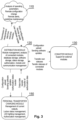
- Fig. 3 shows the function of each module and the data that is transmitted between them.
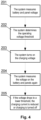
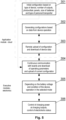
- the invention in another aspect, relates to a method for managing the charging of mobile devices. Schematically, the steps of the method are shown in Fig. 4 .
- the method includes the following steps:
- the measurement (201) of the state of charge of the battery (142) and the current generated by the means for generating energy (141) from renewable sources can be performed using measuring means included in the battery charging module (140) of the invention.
- the determination (202) of the charging current to be supplied to the charging output (151) is executed by the personal transporter charging module (150), which stores the aforementioned instructions.
- the delivery (203) of energy to the charging outputs (151) is achieved using appropriate wiring, as is well-known in the art.
- the instructions preferably include at least two thresholds. If the values do not exceed the first threshold, the charging currents are turned off, but the supply voltage is maintained to operate the electrolocks (152A). When the first threshold is exceeded, the charging currents are adjusted according to the number of connected mobile devices and are set dynamically, depending on the current state of the battery. When the second threshold is exceeded, the output current is set to the maximum, providing the fastest charging mode for the connected mobile device.
- the charging voltage is preferably below 11.2 V if the first threshold is not exceeded, between 11.2-12 V after the first threshold is exceeded, and above 12V after the second threshold is exceeded.
- the charging currents and voltages at the charging outputs (151) are preferably adjusted continuously based on the measurement data to maximize the operating time or the functionality of the mobile devices.
- the instructions which include specific thresholds for the battery charge (142) and the current generated by the means for generating energy (141) from renewable sources, and the charging currents assigned to these thresholds, can be remotely modified by changing the instructions in the cloud module, which are then routed to the actuators of the systems for charging mobile devices.
Landscapes
- Engineering & Computer Science (AREA)
- Power Engineering (AREA)
- Mechanical Engineering (AREA)
- Transportation (AREA)
- General Chemical & Material Sciences (AREA)
- Electrochemistry (AREA)
- Chemical Kinetics & Catalysis (AREA)
- Chemical & Material Sciences (AREA)
- Manufacturing & Machinery (AREA)
- Life Sciences & Earth Sciences (AREA)
- Sustainable Development (AREA)
- Sustainable Energy (AREA)
- Charge And Discharge Circuits For Batteries Or The Like (AREA)
Applications Claiming Priority (1)
| Application Number | Priority Date | Filing Date | Title |
|---|---|---|---|
| EP23461684 | 2023-11-30 |
Publications (1)
| Publication Number | Publication Date |
|---|---|
| EP4570569A1 true EP4570569A1 (de) | 2025-06-18 |
Family
ID=93743873
Family Applications (1)
| Application Number | Title | Priority Date | Filing Date |
|---|---|---|---|
| EP24216704.7A Pending EP4570569A1 (de) | 2023-11-30 | 2024-11-30 | Netzunabhängiges ladevorrichtungssystem für mobile vorrichtungen und verfahren zur verwaltung der ladung mobiler vorrichtungen |
Country Status (1)
| Country | Link |
|---|---|
| EP (1) | EP4570569A1 (de) |
Citations (4)
| Publication number | Priority date | Publication date | Assignee | Title |
|---|---|---|---|---|
| US20110148346A1 (en) * | 2009-12-22 | 2011-06-23 | Jcdecaux Sa | Automatic Cycle Storage System, Cycle For Such a System and Docking Structure For Such a Cycle |
| WO2017217929A1 (en) * | 2016-06-16 | 2017-12-21 | Neuron Mobility Pte Ltd. | Docking station for motorised vehicles |
| US20200361328A1 (en) * | 2018-07-26 | 2020-11-19 | Swiftmile, Inc. | Light electric vehicle parking and charging stations and smart charging systems for the vehicle batteries |
| US20210138921A1 (en) * | 2019-11-08 | 2021-05-13 | Get Charged, Inc. dba Charge | Modular charging station for urban micro-mobility vehicles |
-
2024
- 2024-11-30 EP EP24216704.7A patent/EP4570569A1/de active Pending
Patent Citations (4)
| Publication number | Priority date | Publication date | Assignee | Title |
|---|---|---|---|---|
| US20110148346A1 (en) * | 2009-12-22 | 2011-06-23 | Jcdecaux Sa | Automatic Cycle Storage System, Cycle For Such a System and Docking Structure For Such a Cycle |
| WO2017217929A1 (en) * | 2016-06-16 | 2017-12-21 | Neuron Mobility Pte Ltd. | Docking station for motorised vehicles |
| US20200361328A1 (en) * | 2018-07-26 | 2020-11-19 | Swiftmile, Inc. | Light electric vehicle parking and charging stations and smart charging systems for the vehicle batteries |
| US20210138921A1 (en) * | 2019-11-08 | 2021-05-13 | Get Charged, Inc. dba Charge | Modular charging station for urban micro-mobility vehicles |
Similar Documents
| Publication | Publication Date | Title |
|---|---|---|
| US20230192063A1 (en) | Integrated power system and method for energy management for electric vehicle | |
| US20230170732A1 (en) | Modular power pack energy storage unit | |
| US20230211667A1 (en) | Supercapacitor system with a on board computing and charging capability | |
| US8054048B2 (en) | Power grid load management for plug-in vehicles | |
| US12533968B2 (en) | Supercapacitor to electrochemical hybrid system with failsafe safety capability | |
| CN107534293B (zh) | 使用了利用可再生能源的发电设备的电力供给系统 | |
| US12296721B2 (en) | Method and systems to trickle charge electric vehicle's supercapacitors using solar energy | |
| US12224611B2 (en) | Supercapacitor to electrochemical hybrid system | |
| US20230174041A1 (en) | Evaluating and managing supercapacitors of electric vehicles | |
| US20230211691A1 (en) | Supercapacitor to electrochemical hybrid system with a regenerative charging capability | |
| US12227108B2 (en) | System and method for energy management of a power pack for an electric vehicle including photovoltaic charging | |
| US20230187960A1 (en) | Charge compatible supercapacitor system | |
| US12441212B2 (en) | Supercapacitor to electrochemical hybrid system with a supercapacitor battery management capability | |
| US20230173949A1 (en) | Modular multi-type power pack charging apparatus | |
| US20230136195A1 (en) | Modular power pack energy storage unit | |
| US20230173936A1 (en) | Charging electric vehicle supercapacitors using solar energy | |
| US20230241984A1 (en) | Supercapacitor and electrochemical hybrid battery with dynamic impedance matching capability | |
| US20230182616A1 (en) | System and method for determining range and capacity of supercapacitor battery storage for electric vehicle | |
| US9096140B2 (en) | Management of the recharging of a set of batteries | |
| EP2744065B1 (de) | Aufladesystem für ein elektrofahrzeug und aufladegerät für ein elektrofahrzeug | |
| EP4570569A1 (de) | Netzunabhängiges ladevorrichtungssystem für mobile vorrichtungen und verfahren zur verwaltung der ladung mobiler vorrichtungen | |
| CN115600853B (zh) | 台区交直流混合微电网智慧控制设备 | |
| CN118991503A (zh) | 一种电动汽车充电站供电系统及方法 | |
| CN119834368A (zh) | 一种基于智能微电网的多能互补优化调度系统及方法 |
Legal Events
| Date | Code | Title | Description |
|---|---|---|---|
| PUAI | Public reference made under article 153(3) epc to a published international application that has entered the european phase |
Free format text: ORIGINAL CODE: 0009012 |
|
| STAA | Information on the status of an ep patent application or granted ep patent |
Free format text: STATUS: THE APPLICATION HAS BEEN PUBLISHED |
|
| AK | Designated contracting states |
Kind code of ref document: A1 Designated state(s): AL AT BE BG CH CY CZ DE DK EE ES FI FR GB GR HR HU IE IS IT LI LT LU LV MC ME MK MT NL NO PL PT RO RS SE SI SK SM TR |
|
| STAA | Information on the status of an ep patent application or granted ep patent |
Free format text: STATUS: THE APPLICATION IS DEEMED TO BE WITHDRAWN |