EP4564390A1 - Circuit breaker pole part - Google Patents
Circuit breaker pole part Download PDFInfo
- Publication number
- EP4564390A1 EP4564390A1 EP23212964.3A EP23212964A EP4564390A1 EP 4564390 A1 EP4564390 A1 EP 4564390A1 EP 23212964 A EP23212964 A EP 23212964A EP 4564390 A1 EP4564390 A1 EP 4564390A1
- Authority
- EP
- European Patent Office
- Prior art keywords
- channel
- terminal
- bushing
- conduit
- open end
- Prior art date
- Legal status (The legal status is an assumption and is not a legal conclusion. Google has not performed a legal analysis and makes no representation as to the accuracy of the status listed.)
- Pending
Links
Images



Classifications
-
- H—ELECTRICITY
- H01—ELECTRIC ELEMENTS
- H01H—ELECTRIC SWITCHES; RELAYS; SELECTORS; EMERGENCY PROTECTIVE DEVICES
- H01H33/00—High-tension or heavy-current switches with arc-extinguishing or arc-preventing means
- H01H33/60—Switches wherein the means for extinguishing or preventing the arc do not include separate means for obtaining or increasing flow of arc-extinguishing fluid
- H01H33/66—Vacuum switches
- H01H33/6606—Terminal arrangements
-
- H—ELECTRICITY
- H01—ELECTRIC ELEMENTS
- H01H—ELECTRIC SWITCHES; RELAYS; SELECTORS; EMERGENCY PROTECTIVE DEVICES
- H01H71/00—Details of the protective switches or relays covered by groups H01H73/00 - H01H83/00
- H01H71/08—Terminals; Connections
-
- H—ELECTRICITY
- H01—ELECTRIC ELEMENTS
- H01H—ELECTRIC SWITCHES; RELAYS; SELECTORS; EMERGENCY PROTECTIVE DEVICES
- H01H9/00—Details of switching devices, not covered by groups H01H1/00 - H01H7/00
- H01H9/52—Cooling of switch parts
-
- H—ELECTRICITY
- H01—ELECTRIC ELEMENTS
- H01H—ELECTRIC SWITCHES; RELAYS; SELECTORS; EMERGENCY PROTECTIVE DEVICES
- H01H33/00—High-tension or heavy-current switches with arc-extinguishing or arc-preventing means
- H01H33/60—Switches wherein the means for extinguishing or preventing the arc do not include separate means for obtaining or increasing flow of arc-extinguishing fluid
- H01H33/66—Vacuum switches
- H01H33/6606—Terminal arrangements
- H01H2033/6613—Cooling arrangements directly associated with the terminal arrangements
Definitions
- the present invention relates to a circuit breaker pole part, a bushing for a circuit breaker pole part, and a circuit breaker system.
- bushings are used to connect to terminals of a circuit breaker pole part, and due to the currents that pass through these connections temperature rises are caused due to Joule heating and at the junction where a bushing is connected to a terminal, an increased temperature can be generated due to an increased resistance associated with the connection.
- the circuit breaker pole part comprises a fixed contact and a moveable contact.
- the first terminal is electrically connected to the fixed contact or the moveable contact.
- the second terminal is electrically connected to the fixed contact or the moveable contact being the contact to which the first terminal is not electrically connected;
- air can flow through or across a surface of the first terminal to cool it.
- the at least one conduit or the at least one channel is inclined from the horizontal to any degree, air within the conduit(s)/channel(s) is heated and rises and exits the conduit(s)/channel(s) at an upper end and in doing so cold air is drawn into a lower end of the conduit(s)/channel(s) leading to a continuous flow of cold air into the conduit(s)/channel(s) that is heated and exits the conduit(s)/channel(s) and in doing so extracts heat from the first terminal to cool it.
- This is achieved via natural convection and no means such as fans are required to move the air.
- cooling of the first terminal of the circuit breaker pole part is achieved in a simple manner with no moving parts required.
- a normal circuit breaker pole part with a first terminal electrically connected to a fixed contact of the circuit breaker, for example of a vacuum interrupter, and a second terminal electrically connected to a moveable con tact of the circuit breaker has been adapted to permit the terminals to be cooled via natural convection.
- the at least one conduit or the at least one channel is at least one conduit, and the at least one conduit between the first open end and the second open end has side wall surfaces formed only by the first terminal.
- the conduit is a bounded hole through the first terminal, that could be drilled through the first terminal.
- an existing circuit breaker pole can be adapted by drilling holes through the terminal(s) to provide for air convection cooling.
- the at least one conduit or at least one channel is at least one channel in an end surface (40) of the first terminal.
- the at least one channel is an open sided channel in the end surface of the first terminal.
- the at least one boundary become at least one conduit, bounded on one side by the first terminal and bounded on the other side by the bushing, but having open ends that permits cooling air to flow through the formed conduit(s) and cool the first terminal and also cool the bushing.
- the channel in the surface of the terminal can be machined via a router for example, and an existing circuit breaker pole can be adapted for cooling.
- a width of the one or more of the at least one channel varies.
- a direction of the one or more of the at least one channel varies.
- the air flowing through the channel is made to interact with the channel side walls to an increased degree providing for increased heat extraction.
- This is achieved by the channel having a varying width and/or having bends in the channel that leads to a certain amount of turbulence of the air and the air interacts with the channel to a greater degree and exits the channel with an increased temperature difference with respect to the air entering the channel in comparison to a channel that is straight with straight and parallel side walls.
- the varying width of the channel can be made via a router for example.
- the varying direction of the channel can be made via a router for example.
- a bushing (80) is configured to connect to the first terminal, where an end surface (90) of the bushing touches the end surface of the first terminal.
- the air can enter the at least one channel via the first open end flow through the at least one channel and exit the at least one channel via the second open end.
- the open sided channel becomes a conduit with openings at each end that enables air to flow through it and cool the terminal and also cool the bushing.
- the second terminal comprises at least one conduit or at least one channel (70).
- the at least one conduit or the at least one channel of the second terminal comprises a first open end and a second open end such that air can enter the at least one conduit or the at least one channel via the first open end of the at least one conduit or the at least one channel of the second terminal, flow through the at least one conduit or the at least one channel, and exit the at least one conduit or the at least one channel via the second open end of the at least one conduit or the at least one channel of the second terminal.
- the at least one conduit or at least one channel of the second terminal is at least one conduit of the second terminal, and wherein the at least one conduit of the second terminal between the first open end and the second open end has side wall surfaces formed only by the second terminal.
- the at least one conduit or at least one channel of the second terminal is at least one channel of the second terminal in an end surface (50) of the second terminal.
- a width of the one or more of the at least one channel of the second terminal varies.
- a direction of the one or more of the at least one channel of the second terminal varies.
- a bushing (80) is configured to connect to the second terminal such that an end surface (90) of the bushing touches the end surface of the second terminal except for where the at least one channel of the second terminal is located.
- the circuit breaker pole part in use is configured to be positioned in a substantially vertical orientation.
- the at least one conduit or at least one channel in the first terminal is configured to be in a substantially vertical orientation.
- the at least one conduit or at least one channel in the second terminal is configured to be in a substantially vertical orientation.
- the circuit breaker pole part comprises a first terminal (20), and a second terminal (30).
- the circuit breaker pole part also comprises:
- the first terminal is electrically connected to the fixed contact or the moveable contact
- the second terminal is electrically connected to the fixed contact or the moveable contact being the contact to which the first terminal is not electrically connected.
- the first terminal comprises an end surface (40), and the second terminal comprises an end surface (50).
- the bushing comprises:
- the at least one conduit or the at least one channel of the bushing comprises a first open end at one end of the at least one conduit or the at least one channel and a second open end at an opposite end of the least one conduit or the at least one channel such that air can enter the at least one conduit or the at least one channel of the bushing via the first open end flow through the at least one conduit or the at least one channel of the bushing and exit the at least one conduit or the at least one channel of the bushing via the second open end.
- the end surface (90) of the bushing is configured to connect to the end surface of the first terminal of the circuit breaker pole part and/or the end surface of the second terminal of the circuit breaker pole part.
- air can flow through or across a surface of the bushing to cool it.
- the at least one conduit or the at least one channel is inclined from the horizontal to any degree
- air within the conduit(s)/channel(s) is heated and rises and exits the conduit(s)/channel(s) at an upper end and in doing so cold air is drawn into a lower end of the conduit(s) / channel(s) leading to a continuous flow of cold air into the conduit(s) / channel(s) that is heated and exits the conduit(s) / channel(s) and in doing so extracts heat from the bushing to cool it and that will also cool the first terminal.
- This is achieved via natural convection and no means such as fans are required to move the air.
- cooling of the first terminal of the circuit breaker pole part is achieved in a simple manner with no moving parts required.
- the at least one conduit or at least one channel of the bushing is at least one conduit, and the at least one conduit of the bushing between the first open end and the second open end has side wall surfaces formed only by the bushing.
- the conduit is a bounded hole through the bushing, that could be drilled through the drilled.
- an existing bushing can be adapted by drilling holes through the bushing to provide for air convection cooling.
- the at least one conduit or the at least one channel of the bushing is at least one channel in the end surface (90) of the bushing.
- the at least one channel is an open sided channel in the end surface of the bushing.
- the at least one boundary become at least one conduit, bounded on one side by the terminal and bounded on the other side by the bushing, but having open ends that permits cooling air to flow through the formed conduit(s) and cool the bushing and also cool the terminal.
- the channel in the surface of the bushing can be machined via a router for example, and a bushing can be adapted for cooling.
- a width of the one or more of the at least one channel of the bushing varies.
- a direction of the one or more of the at least one channel of the bushing varies.
- the air flowing through the channel is made to interact with the channel side walls to an increased degree providing for increased heat extraction.
- This is achieved by the channel having a varying width and/or having bends in the channel that leads to a certain amount of turbulence of the air and the air interacts with the channel to a greater degree and exits the channel with an increased temperature difference with respect to the air entering the channel in comparison to a channel that is straight with straight and parallel side walls.
- the varying width of the channel can be made via a router for example.
- the varying direction of the channel can be made via a router for example.
- the end surface of the bushing is configured to connect to the end surface of the first terminal, where the end surface (90) of the bushing touches the end surface of the first terminal, and the air can enter the at least one channel of the bushing via the first open end flow through the at least one channel of the bushing and exit the at least one channel of the bushing via the second open end.
- the end surface of the bushing is configured to connect to the end surface of the second terminal, where the end surface (90) of the bushing touches the end surface of the second terminal, and the air can enter the at least one channel of the bushing via the first open end flow through the at least one channel of the bushing and exit the at least one channel of the bushing via the second open end.
- the open sided channel becomes a conduit, due to the surface of the first terminal closing the open side of the channel, with openings at each end that enables air to flow through it and cool the terminal(s) of the circuit breaker pole part and also cool the bushing.
- the at least one channel of the bushing is configured to be in a substantially vertical orientation.
- a circuit breaker system comprising:
- the bushing is configured to connect to the circuit breaker pole part.
- the circuit breaker pole part comprises a first terminal (20); and a second terminal (30).
- the circuit breaker pole part comprises: a fixed contact; and a moveable contact.
- the first terminal is electrically connected to the fixed contact or the moveable contact, and the second terminal is electrically connected to the fixed contact or the moveable contact being the contact to which the first terminal is not electrically connected.
- the first terminal comprises: an end surface (40).
- the first terminal comprises: at least one channel (60) in the end surface of the first terminal.
- the at least one channel of the first terminal comprises a first open end at one end of the at least one channel and a second open end at an opposite the at least one channel such that air can enter the at least one channel of the first terminal via the first open end flow through the at least one channel of the first terminal and exit the at least one channel of the first terminal via the second open end.
- the bushing comprises an end surface (90).
- the bushing also comprises at least one channel (100) in the end surface of the bushing.
- the at least one channel of the bushing comprises a first open end at one end of the at least one channel and a second open end at an opposite end of the at least one channel such that air can enter the at least one channel of the bushing via the first open end flow through the at least one channel of the bushing and exit the at least one channel of the bushing via the second open end.
- the end surface of the bushing is configured to connect to the end surface of the first terminal. When the end surface of the bushing is connected to the end surface of the first terminal the air can flow through the at least one channel of the bushing, and the air can flow through the at least one channel of the first terminal.
- the first terminal and the bushing can be designed such that the channel(s) align - thus forming a number of conduits equal in number to half of the total number of channel(s) in the first terminal and bushing. This provides for a design where the conduits formed can large and where good electrical conduction between the bushing and the terminal is maintained because the amount of mating surfaces is maximised, whilst convective air cooling is provided.
- the channels need not align, where for example conduits are formed from a channel on one side and a flat surface of the mating surface on the other side,
- a number of conduits formed can be equal to the total number of channels of the bushing and the terminal. This provides for a design where cooling can be provided over a maximised surface area of the end of the bushing and over a maximised surface area of the end of the terminal, provided for an overall increased cooling effect via natural air convection.
- a width of the one or more of the at least one channel of the first terminal varies.
- a direction of the one or more of the at least one channel of the first terminal varies.
- a width of the one or more of the at least one channel of the bushing varies.
- a direction of the one or more of the at least one channel of the bushing varies.
- the at least one channel of the bushing is configured to align with the at least one channel of the first terminal.
- the system comprises a second bushing.
- the second bushing comprises an end surface (90).
- the second bushing also comprises at least one channel (100) in the end surface of the second bushing.
- the at least one channel of the second bushing comprises a first open end at one end of the at least one channel and a second open end at an opposite end of the at least one channel such that air can enter the at least one channel of the second bushing via the first open end flow through the at least one channel of the second bushing and exit the at least one channel of the second bushing via the second open end.
- the second terminal comprises an end surface (50).
- the second terminal also comprises at least one channel (70) in the end surface of the second terminal.
- the at least one channel of the second terminal comprises a first open end at one end of the at least one channel and a second open end at an opposite the at least one channel such that air can enter the at least one channel of the second terminal via the first open end flow through the at least one channel of the second terminal and exit the at least one channel of the first terminal via the second open end.
- the end surface of the second bushing is configured to connect to the end surface of the second terminal. When the end surface of the second bushing is connected to the end surface of the second terminal the air can flow through the at least one channel of the second bushing, and the air can flow through the at least one channel of the second terminal.
- the second bushing can be identical to the first bushing (the "first bushing” referred to as “bushing” above).
- the at least one channel of the second bushing is configured to align with the at least one channel of the second terminal.
- the circuit breaker pole part in use is configured to be positioned in a substantially vertical orientation.
- the at least one channel of the first terminal is configured to be in a substantially vertical orientation.
- the at least one channel of the bushing is configured to be in a substantially vertical orientation.
- the at least one channel of the second bushing is configured to be in a substantially vertical orientation.
- Fig. 3 shows an isometric representation of a circuit breaker system that has a circuit breaker pole part as shown in Figs. 1-2 to which two bushings as shown in Figs. 3-4 are connected to the two terminals.
- Figs. 1-5 relates to a new circuit breaker pole part, a new bushing for a circuit breaker pole part, and a new circuit breaker system.
- end surfaces 40, 50 of terminals 20, 30 of the circuit breaker pole part are shown with channels 60, 70 in those surfaces.
- conduits, in other would bounded holes, could be provided behind those surfaces, for example having been drilled.
- An exemplar new circuit breaker pole part 10 comprises:
- the circuit breaker pole part comprises a fixed contact and a moveable contact.
- the first terminal is electrically connected to the fixed contact or the moveable contact.
- the second terminal is electrically connected to the fixed contact or the moveable contact being the contact to which the first terminal is not electrically connected.
- the first terminal comprises at least one conduit or at least one channel 60.
- the at least one conduit or the at least one channel comprises a first open end at one end of the at least one conduit or the at least one channel and a second open end at an opposite end of the least one conduit or the at least one channel such that air can enter the at least one conduit or the at least one channel via the first open end flow through the at least one conduit or the at least one channel and exit the at least one conduit or the at least one channel via the second open end.
- air can flow through or across a surface of the first terminal to cool it.
- the at least one conduit or the at least one channel is inclined from the horizontal to any degree, air within the conduit(s)/channel(s) is heated and rises and exits the conduit(s)/channel(s) at an upper end and in doing so cold air is drawn into a lower end of the conduit(s)/channel(s) leading to a continuous flow of cold air into the conduit(s)/channel(s) that is heated and exits the conduit(s)/channel(s) and in doing so extracts heat from the first terminal to cool it.
- This is achieved via natural convection and no means such as fans are required to move the air.
- cooling of the first terminal of the circuit breaker pole part is achieved in a simple manner with no moving parts required.
- a normal circuit breaker pole part with a first terminal electrically connected to a fixed contact of the circuit breaker, for example of a vacuum interrupter, and a second terminal electrically connected to a moveable con tact of the circuit breaker has been adapted to permit the terminals to be cooled via natural convection.
- the at least one conduit or the at least one channel is at least one conduit, and the at least one conduit between the first open end and the second open end has side wall surfaces formed only by the first terminal.
- the conduit is a bounded hole through the first terminal, that could be drilled through the first terminal.
- an existing circuit breaker pole can be adapted by drilling holes through the terminal(s) to provide for air convection cooling.
- the at least one conduit or at least one channel is at least one channel in an end surface 40 of the first terminal.
- the at least one channel is an open sided channel in the end surface of the first terminal.
- the at least one boundary become at least one conduit, bounded on one side by the first terminal and bounded on the other side by the bushing, but having open ends that permits cooling air to flow through the formed conduit(s) and cool the first terminal and also cool the bushing.
- the channel in the surface of the terminal can be machined via a router for example, and an existing circuit breaker pole can be adapted for cooling.
- a width of the one or more of the at least one channel varies.
- a direction of the one or more of the at least one channel varies.
- the air flowing through the channel is made to interact with the channel side walls to an increased degree providing for increased heat extraction.
- This is achieved by the channel having a varying width and/or having bends in the channel that leads to a certain amount of turbulence of the air and the air interacts with the channel to a greater degree and exits the channel with an increased temperature difference with respect to the air entering the channel in comparison to a channel that is straight with straight and parallel side walls.
- the varying width of the channel can be made via a router for example.
- the varying direction of the channel can be made via a router for example.
- a bushing 80 is configured to connect to the first terminal, where an end surface 90 of the bushing touches the end surface of the first terminal.
- the air can enter the at least one channel via the first open end flow through the at least one channel and exit the at least one channel via the second open end.
- the open sided channel becomes a conduit with openings at each end that enables air to flow through it and cool the terminal and also cool the bushing.
- the second terminal comprises at least one conduit or at least one channel 70.
- the at least one conduit or the at least one channel of the second terminal comprises a first open end and a second open end such that air can enter the at least one conduit or the at least one channel via the first open end of the at least one conduit or the at least one channel of the second terminal, flow through the at least one conduit or the at least one channel, and exit the at least one conduit or the at least one channel via the second open end of the at least one conduit or the at least one channel of the second terminal.
- the at least one conduit or at least one channel of the second terminal is at least one conduit of the second terminal, and wherein the at least one conduit of the second terminal between the first open end and the second open end has side wall surfaces formed only by the second terminal.
- the at least one conduit or at least one channel of the second terminal is at least one channel of the second terminal in an end surface 50 of the second terminal.
- a width of the one or more of the at least one channel of the second terminal varies.
- a direction of the one or more of the at least one channel of the second terminal varies.
- a bushing 80 is configured to connect to the second terminal such that an end surface 90 of the bushing touches the end surface of the second terminal except for where the at least one channel of the second terminal is located.
- the circuit breaker pole part in use is configured to be positioned in a substantially vertical orientation.
- the at least one conduit or at least one channel in the first terminal is configured to be in a substantially vertical orientation.
- the at least one conduit or at least one channel in the second terminal is configured to be in a substantially vertical orientation.
- the circuit breaker pole part comprises a first terminal (20), and a second terminal (30).
- the circuit breaker pole part also comprises: a fixed contact; and a moveable contact.
- the first terminal is electrically connected to the fixed contact or the moveable contact
- the second terminal is electrically connected to the fixed contact or the moveable contact being the contact to which the first terminal is not electrically connected.
- the first terminal comprises an end surface 40
- the second terminal comprises an end surface 50.
- the bushing comprises: at least one conduit or at least one channel 100; and an end surface 90.
- the at least one conduit or the at least one channel of the bushing comprises a first open end at one end of the at least one conduit or the at least one channel and a second open end at an opposite end of the least one conduit or the at least one channel such that air can enter the at least one conduit or the at least one channel of the bushing via the first open end flow through the at least one conduit or the at least one channel of the bushing and exit the at least one conduit or the at least one channel of the bushing via the second open end.
- the end surface (90) of the bushing is configured to connect to the end surface of the first terminal of the circuit breaker pole part and/or the end surface of the second terminal of the circuit breaker pole part.
- air can flow through or across a surface of the bushing to cool it.
- the at least one conduit or the at least one channel is inclined from the horizontal to any degree
- air within the conduit(s)/channel(s) is heated and rises and exits the conduit(s)/channel(s) at an upper end and in doing so cold air is drawn into a lower end of the conduit(s) / channel(s) leading to a continuous flow of cold air into the conduit(s) / channel(s) that is heated and exits the conduit(s) / channel(s) and in doing so extracts heat from the bushing to cool it and that will also cool the first terminal.
- This is achieved via natural convection and no means such as fans are required to move the air.
- cooling of the first terminal of the circuit breaker pole part is achieved in a simple manner with no moving parts required.
- the at least one conduit or at least one channel of the bushing is at least one conduit, and the at least one conduit of the bushing between the first open end and the second open end has side wall surfaces formed only by the bushing.
- the conduit is a bounded hole through the bushing, that could be drilled through the drilled.
- an existing bushing can be adapted by drilling holes through the bushing to provide for air convection cooling.
- the at least one conduit or the at least one channel of the bushing is at least one channel in the end surface 90 of the bushing.
- the at least one channel is an open sided channel in the end surface of the bushing.
- the at least one boundary become at least one conduit, bounded on one side by the terminal and bounded on the other side by the bushing, but having open ends that permits cooling air to flow through the formed conduit(s) and cool the bushing and also cool the terminal.
- the channel in the surface of the bushing can be machined via a router for example, and a bushing can be adapted for cooling.
- a width of the one or more of the at least one channel of the bushing varies.
- a direction of the one or more of the at least one channel of the bushing varies.
- the air flowing through the channel is made to interact with the channel side walls to an increased degree providing for increased heat extraction.
- This is achieved by the channel having a varying width and/or having bends in the channel that leads to a certain amount of turbulence of the air and the air interacts with the channel to a greater degree and exits the channel with an increased temperature difference with respect to the air entering the channel in comparison to a channel that is straight with straight and parallel side walls.
- the varying width of the channel can be made via a router for example.
- the varying direction of the channel can be made via a router for example.
- the end surface of the bushing is configured to connect to the end surface of the first terminal, where the end surface 90 of the bushing touches the end surface of the first terminal, and the air can enter the at least one channel of the bushing via the first open end flow through the at least one channel of the bushing and exit the at least one channel of the bushing via the second open end.
- the end surface of the bushing is configured to connect to the end surface of the second terminal, where the end surface 90 of the bushing touches the end surface of the second terminal, and the air can enter the at least one channel of the bushing via the first open end flow through the at least one channel of the bushing and exit the at least one channel of the bushing via the second open end.
- the open sided channel becomes a conduit, due to the surface of the first terminal closing the open side of the channel, with openings at each end that enables air to flow through it and cool the terminal(s) of the circuit breaker pole part and also cool the bushing.
- the at least one channel of the bushing is configured to be in a substantially vertical orientation.
- An exemplar new circuit breaker system comprises:
- the bushing is configured to connect to the circuit breaker pole part.
- the circuit breaker pole part comprises a first terminal 20; and a second terminal (30).
- the circuit breaker pole part comprises: a fixed contact; and a moveable contact.
- the first terminal is electrically connected to the fixed contact or the moveable contact, and the second terminal is electrically connected to the fixed contact or the moveable contact being the contact to which the first terminal is not electrically connected.
- the first terminal comprises: an end surface 40.
- the first terminal comprises: at least one channel 60 in the end surface of the first terminal.
- the at least one channel of the first terminal comprises a first open end at one end of the at least one channel and a second open end at an opposite the at least one channel such that air can enter the at least one channel of the first terminal via the first open end flow through the at least one channel of the first terminal and exit the at least one channel of the first terminal via the second open end.
- the bushing comprises an end surface 90.
- the bushing also comprises at least one channel 100 in the end surface of the bushing.
- the at least one channel of the bushing comprises a first open end at one end of the at least one channel and a second open end at an opposite end of the at least one channel such that air can enter the at least one channel of the bushing via the first open end flow through the at least one channel of the bushing and exit the at least one channel of the bushing via the second open end.
- the end surface of the bushing is configured to connect to the end surface of the first terminal. When the end surface of the bushing is connected to the end surface of the first terminal the air can flow through the at least one channel of the bushing, and the air can flow through the at least one channel of the first terminal.
- the first terminal and the bushing can be designed such that the channel(s) align - thus forming a number of conduits equal in number to half of the total number of channel(s) in the first terminal and bushing. This provides for a design where the conduits formed can large and where good electrical conduction between the bushing and the terminal is maintained because the amount of mating surfaces is maximised, whilst convective air cooling is provided.
- the channels need not align, where for example conduits are formed from a channel on one side and a flat surface of the mating surface on the other side,
- a number of conduits formed can be equal to the total number of channels of the bushing and the terminal. This provides for a design where cooling can be provided over a maximised surface area of the end of the bushing and over a maximised surface area of the end of the terminal, provided for an overall increased cooling effect via natural air convection.
- a width of the one or more of the at least one channel of the first terminal varies.
- a direction of the one or more of the at least one channel of the first terminal varies.
- a width of the one or more of the at least one channel of the bushing varies.
- a direction of the one or more of the at least one channel of the bushing varies.
- the at least one channel of the bushing is configured to align with the at least one channel of the first terminal.
- the system comprises a second bushing.
- the second bushing comprises an end surface 90.
- the second bushing also comprises at least one channel 100 in the end surface of the second bushing.
- the at least one channel of the second bushing comprises a first open end at one end of the at least one channel and a second open end at an opposite end of the at least one channel such that air can enter the at least one channel of the second bushing via the first open end flow through the at least one channel of the second bushing and exit the at least one channel of the second bushing via the second open end.
- the second terminal comprises an end surface 50.
- the second terminal also comprises at least one channel 70 in the end surface of the second terminal.
- the at least one channel of the second terminal comprises a first open end at one end of the at least one channel and a second open end at an opposite the at least one channel such that air can enter the at least one channel of the second terminal via the first open end flow through the at least one channel of the second terminal and exit the at least one channel of the first terminal via the second open end.
- the end surface of the second bushing is configured to connect to the end surface of the second terminal. When the end surface of the second bushing is connected to the end surface of the second terminal the air can flow through the at least one channel of the second bushing, and the air can flow through the at least one channel of the second terminal.
- the second bushing can be identical to the first bushing (the "first bushing” referred to as “bushing” above).
- the at least one channel of the second bushing is configured to align with the at least one channel of the second terminal.
- the circuit breaker pole part in use is configured to be positioned in a substantially vertical orientation.
- the at least one channel of the first terminal is configured to be in a substantially vertical orientation.
- the at least one channel of the second terminal is configured to be in a substantially vertical orientation.
- the at least one channel of the bushing is configured to be in a substantially vertical orientation.
- the at least one channel of the second bushing is configured to be in a substantially vertical orientation.
- the inventors realized that in effect existing circuit breaker pole parts and existing bushings that connect to terminals of the circuit breaker pole parts could be modified to provide cooling at or near the connection points between the bushing and the terminals to which they connect. This is achieved by providing open sided channels in the end surfaces of the terminals of the pole part and/or of the bushings to enable air to convect through the holes to provide cooling at the interface. Alternatively or additionally holes can be drilled through the terminals and/or the bushing, near to where the connection is to be made, again enabling air to flow through the holes via convection to provide cooling.
- the new design of the terminal/bushing provides a volume of fresh air flowing through the connection region naturally by convection, considerably helping the removal of heat generated by the passage of high currents.
- the new terminal /bushing design allows to increase the heat dissipation surfaces all around the system, maintaining and guaranteeing the contact between the two surfaces through which the current passes.
- the special channels (grooves) geometry and the vertical orientation (introduced on both surfaces) facilitates the effectiveness of natural ventilation, this allows more heat to be removed in the same unit of time, increasing the heat removal efficiency.
- the switching element and its terminals are a part of the main circuit which must be cooled due to ohmic losses at nominal current.
- the cooling makes it necessary to conduct the heat losses to the ambient air.
- circuit breaker overall dimensions will remain unchanged, from dielectric point of view, it has no impact, and cooling is provided enabling the required standards to be met and increase current loads to be utilized, because improved cooling is provided.
Landscapes
- Driving Mechanisms And Operating Circuits Of Arc-Extinguishing High-Tension Switches (AREA)
- Breakers (AREA)
Abstract
16. The present invention relates to a circuit breaker pole part (10), comprising:- a first terminal (20);- a second terminal (30);wherein the circuit breaker pole part comprises a fixed contact and a moveable contact, wherein the first terminal is electrically connected to the fixed contact or the moveable contact, and wherein the second terminal is electrically connected to the fixed contact or the moveable contact being the contact to which the first terminal is not electrically connected;wherein the first terminal comprises at least one conduit or at least one channel (60); andwherein the at least one conduit or the at least one channel comprises a first open end at one end of the at least one conduit or the at least one channel and a second open end at an opposite end of the least one conduit or the at least one channel such that air can enter the at least one conduit or the at least one channel via the first open end flow through the at least one conduit or the at least one channel and exit the at least one conduit or the at least one channel via the second open end.
Description
- The present invention relates to a circuit breaker pole part, a bushing for a circuit breaker pole part, and a circuit breaker system.
- In the low, medium and high voltage applications, bushings are used to connect to terminals of a circuit breaker pole part, and due to the currents that pass through these connections temperature rises are caused due to Joule heating and at the junction where a bushing is connected to a terminal, an increased temperature can be generated due to an increased resistance associated with the connection.
- This can lead ultimately to failure at the connection.
- Also, the requirements of IEC 62271-100 standard must be met with respect to the permitted temperature rise, where no forced cooling is present.
- It is difficult to achieve this.
- Therefore, it would be advantageous to have an improved ability to extract thermal energy from switchgear circuit breaker pole parts, especially at the junction between a terminal of the circuit breaker pole part and a bushing that connects to the terminal.
- The object of the present invention is solved with the subject matter of the independent claims, wherein further embodiments are incorporated in the dependent claims.
- In a first aspect, there is provided a circuit breaker pole part (10), comprising:
- a first terminal (20);
- a second terminal (30).
- The circuit breaker pole part comprises a fixed contact and a moveable contact. The first terminal is electrically connected to the fixed contact or the moveable contact. The second terminal is electrically connected to the fixed contact or the moveable contact being the contact to which the first terminal is not electrically connected;
- wherein the first terminal comprises at least one conduit or at least one channel (60); and
- wherein the at least one conduit or the at least one channel comprises a first open end at one end of the at least one conduit or the at least one channel and a second open end at an opposite end of the least one conduit or the at least one channel such that air can enter the at least one conduit or the at least one channel via the first open end flow through the at least one conduit or the at least one channel and exit the at least one conduit or the at least one channel via the second open end.
- Thus, air can flow through or across a surface of the first terminal to cool it. When the at least one conduit or the at least one channel is inclined from the horizontal to any degree, air within the conduit(s)/channel(s) is heated and rises and exits the conduit(s)/channel(s) at an upper end and in doing so cold air is drawn into a lower end of the conduit(s)/channel(s) leading to a continuous flow of cold air into the conduit(s)/channel(s) that is heated and exits the conduit(s)/channel(s) and in doing so extracts heat from the first terminal to cool it. This is achieved via natural convection and no means such as fans are required to move the air. Thus, cooling of the first terminal of the circuit breaker pole part is achieved in a simple manner with no moving parts required.
- Thus, a normal circuit breaker pole part with a first terminal electrically connected to a fixed contact of the circuit breaker, for example of a vacuum interrupter, and a second terminal electrically connected to a moveable con tact of the circuit breaker has been adapted to permit the terminals to be cooled via natural convection.
- In an example, the at least one conduit or the at least one channel is at least one conduit, and the at least one conduit between the first open end and the second open end has side wall surfaces formed only by the first terminal.
- In other words, the conduit is a bounded hole through the first terminal, that could be drilled through the first terminal.
- Thus, an existing circuit breaker pole can be adapted by drilling holes through the terminal(s) to provide for air convection cooling.
- In an example, the at least one conduit or at least one channel is at least one channel in an end surface (40) of the first terminal.
- In other words the at least one channel is an open sided channel in the end surface of the first terminal. When a bushing is connected to the first terminal, to provide electrical connection to the first terminal, the at least one boundary become at least one conduit, bounded on one side by the first terminal and bounded on the other side by the bushing, but having open ends that permits cooling air to flow through the formed conduit(s) and cool the first terminal and also cool the bushing.
- The channel in the surface of the terminal can be machined via a router for example, and an existing circuit breaker pole can be adapted for cooling.
- In an example, between the first open end and the second open end of one or more of the at least one channel, a width of the one or more of the at least one channel varies. In an example, between the first open end and the second open end of one or more of the at least one channel, a direction of the one or more of the at least one channel varies.
- In this manner, the air flowing through the channel is made to interact with the channel side walls to an increased degree providing for increased heat extraction. This is achieved by the channel having a varying width and/or having bends in the channel that leads to a certain amount of turbulence of the air and the air interacts with the channel to a greater degree and exits the channel with an increased temperature difference with respect to the air entering the channel in comparison to a channel that is straight with straight and parallel side walls.
- The varying width of the channel can be made via a router for example. The varying direction of the channel can be made via a router for example.
- In an example, a bushing (80) is configured to connect to the first terminal, where an end surface (90) of the bushing touches the end surface of the first terminal. When the bushing is connected to the first terminal the air can enter the at least one channel via the first open end flow through the at least one channel and exit the at least one channel via the second open end.
- Thus, the open sided channel becomes a conduit with openings at each end that enables air to flow through it and cool the terminal and also cool the bushing.
- In an example, the second terminal comprises at least one conduit or at least one channel (70). The at least one conduit or the at least one channel of the second terminal comprises a first open end and a second open end such that air can enter the at least one conduit or the at least one channel via the first open end of the at least one conduit or the at least one channel of the second terminal, flow through the at least one conduit or the at least one channel, and exit the at least one conduit or the at least one channel via the second open end of the at least one conduit or the at least one channel of the second terminal.
- In an example, the at least one conduit or at least one channel of the second terminal is at least one conduit of the second terminal, and wherein the at least one conduit of the second terminal between the first open end and the second open end has side wall surfaces formed only by the second terminal.
- In an example, the at least one conduit or at least one channel of the second terminal is at least one channel of the second terminal in an end surface (50) of the second terminal.
- In an example, between the first open end and the second open end of one or more of the at least one channel of the second terminal, a width of the one or more of the at least one channel of the second terminal varies.
- In an example, between the first open end and the second open end of one or more of the at least one channel of the second terminal, a direction of the one or more of the at least one channel of the second terminal varies.
- In an example, a bushing (80) is configured to connect to the second terminal such that an end surface (90) of the bushing touches the end surface of the second terminal except for where the at least one channel of the second terminal is located.
- In an example, in use the circuit breaker pole part is configured to be positioned in a substantially vertical orientation.
- In an example, in use the at least one conduit or at least one channel in the first terminal is configured to be in a substantially vertical orientation.
- In an example, in use the at least one conduit or at least one channel in the second terminal is configured to be in a substantially vertical orientation.
- In a second aspect, there is provided a bushing (80) for a circuit breaker pole part (10). The circuit breaker pole part comprises a first terminal (20), and a second terminal (30). The circuit breaker pole part also comprises:
- a fixed contact; and
- a moveable contact.
- The first terminal is electrically connected to the fixed contact or the moveable contact, and the second terminal is electrically connected to the fixed contact or the moveable contact being the contact to which the first terminal is not electrically connected. The first terminal comprises an end surface (40), and the second terminal comprises an end surface (50). The bushing comprises:
- at least one conduit or at least one channel (100); and
- an end surface (90).
- The at least one conduit or the at least one channel of the bushing comprises a first open end at one end of the at least one conduit or the at least one channel and a second open end at an opposite end of the least one conduit or the at least one channel such that air can enter the at least one conduit or the at least one channel of the bushing via the first open end flow through the at least one conduit or the at least one channel of the bushing and exit the at least one conduit or the at least one channel of the bushing via the second open end. The end surface (90) of the bushing is configured to connect to the end surface of the first terminal of the circuit breaker pole part and/or the end surface of the second terminal of the circuit breaker pole part.
- Thus, air can flow through or across a surface of the bushing to cool it. When the at least one conduit or the at least one channel is inclined from the horizontal to any degree, when the bushing is connected to a terminal of a circuit breaker pole part, air within the conduit(s)/channel(s) is heated and rises and exits the conduit(s)/channel(s) at an upper end and in doing so cold air is drawn into a lower end of the conduit(s) / channel(s) leading to a continuous flow of cold air into the conduit(s) / channel(s) that is heated and exits the conduit(s) / channel(s) and in doing so extracts heat from the bushing to cool it and that will also cool the first terminal. This is achieved via natural convection and no means such as fans are required to move the air. Thus, cooling of the first terminal of the circuit breaker pole part is achieved in a simple manner with no moving parts required.
- In an example, the at least one conduit or at least one channel of the bushing is at least one conduit, and the at least one conduit of the bushing between the first open end and the second open end has side wall surfaces formed only by the bushing.
- In other words, the conduit is a bounded hole through the bushing, that could be drilled through the drilled.
- Thus, an existing bushing can be adapted by drilling holes through the bushing to provide for air convection cooling.
- In an example, the at least one conduit or the at least one channel of the bushing is at least one channel in the end surface (90) of the bushing.
- In other words the at least one channel is an open sided channel in the end surface of the bushing. When a bushing is connected to terminal of a circuit breaker pole, to provide electrical connection to the terminal, the at least one boundary become at least one conduit, bounded on one side by the terminal and bounded on the other side by the bushing, but having open ends that permits cooling air to flow through the formed conduit(s) and cool the bushing and also cool the terminal.
- The channel in the surface of the bushing can be machined via a router for example, and a bushing can be adapted for cooling.
- In an example, between the first open end and the second open end of one or more of the at least one channel of the bushing, a width of the one or more of the at least one channel of the bushing varies.
- In an example, between the first open end and the second open end of one or more of the at least one channel of the bushing, a direction of the one or more of the at least one channel of the bushing varies.
- In this manner, the air flowing through the channel is made to interact with the channel side walls to an increased degree providing for increased heat extraction. This is achieved by the channel having a varying width and/or having bends in the channel that leads to a certain amount of turbulence of the air and the air interacts with the channel to a greater degree and exits the channel with an increased temperature difference with respect to the air entering the channel in comparison to a channel that is straight with straight and parallel side walls.
- The varying width of the channel can be made via a router for example. The varying direction of the channel can be made via a router for example.
- In an example, the end surface of the bushing is configured to connect to the end surface of the first terminal, where the end surface (90) of the bushing touches the end surface of the first terminal, and the air can enter the at least one channel of the bushing via the first open end flow through the at least one channel of the bushing and exit the at least one channel of the bushing via the second open end.
- In an example, the end surface of the bushing is configured to connect to the end surface of the second terminal, where the end surface (90) of the bushing touches the end surface of the second terminal, and the air can enter the at least one channel of the bushing via the first open end flow through the at least one channel of the bushing and exit the at least one channel of the bushing via the second open end.
- Thus, the open sided channel becomes a conduit, due to the surface of the first terminal closing the open side of the channel, with openings at each end that enables air to flow through it and cool the terminal(s) of the circuit breaker pole part and also cool the bushing.
- In an example, in use the at least one channel of the bushing is configured to be in a substantially vertical orientation.
- In a third aspect, there is provided a circuit breaker system, comprising:
- a circuit breaker pole part (10); and
- a bushing (80).
- The bushing is configured to connect to the circuit breaker pole part. The circuit breaker pole part comprises a first terminal (20); and a second terminal (30). The circuit breaker pole part comprises: a fixed contact; and a moveable contact. The first terminal is electrically connected to the fixed contact or the moveable contact, and the second terminal is electrically connected to the fixed contact or the moveable contact being the contact to which the first terminal is not electrically connected. The first terminal comprises: an end surface (40). The first terminal comprises: at least one channel (60) in the end surface of the first terminal. The at least one channel of the first terminal comprises a first open end at one end of the at least one channel and a second open end at an opposite the at least one channel such that air can enter the at least one channel of the first terminal via the first open end flow through the at least one channel of the first terminal and exit the at least one channel of the first terminal via the second open end.
- The bushing comprises an end surface (90). The bushing also comprises at least one channel (100) in the end surface of the bushing. The at least one channel of the bushing comprises a first open end at one end of the at least one channel and a second open end at an opposite end of the at least one channel such that air can enter the at least one channel of the bushing via the first open end flow through the at least one channel of the bushing and exit the at least one channel of the bushing via the second open end. The end surface of the bushing is configured to connect to the end surface of the first terminal. When the end surface of the bushing is connected to the end surface of the first terminal the air can flow through the at least one channel of the bushing, and the air can flow through the at least one channel of the first terminal.
- Thus, air can flow through or across a surface of the bushing to cool the bushing and air can flow through or across a surface of the first terminal to cool it. When the at least one conduit or the at least one channel, of the first terminal and of the bushing, are inclined from the horizontal to any degree, when the bushing is connected to the terminal of the circuit breaker pole part, air within the conduit(s)/channel(s) is heated and rises and exits the conduit(s) / channel(s) at an upper end and in doing so cold air is drawn into a lower end of the conduit(s) / channel(s) leading to a continuous flow of cold air into the conduit(s)/channel(s) that is heated and exits the conduit(s) / channel(s) and in doing so extracts heat from the first terminal and from the bushing to cool them. This is achieved via natural convection and no means such as fans are required to move the air. Thus, cooling of the first terminal of the circuit breaker pole part and cooling of the bushing connected to it is achieved in a simple manner with no moving parts required.
- When the surface of the first terminal has channel(s) and the surface of the bushing has channel(s), where these surfaces mate together when the bushing is connected to the first terminal, the first terminal and the bushing can be designed such that the channel(s) align - thus forming a number of conduits equal in number to half of the total number of channel(s) in the first terminal and bushing. This provides for a design where the conduits formed can large and where good electrical conduction between the bushing and the terminal is maintained because the amount of mating surfaces is maximised, whilst convective air cooling is provided. However, the channels need not align, where for example conduits are formed from a channel on one side and a flat surface of the mating surface on the other side, Thus, a number of conduits formed can be equal to the total number of channels of the bushing and the terminal. This provides for a design where cooling can be provided over a maximised surface area of the end of the bushing and over a maximised surface area of the end of the terminal, provided for an overall increased cooling effect via natural air convection.
- In an example, between the first open end and the second open end of one or more of the at least one channel of the first terminal, a width of the one or more of the at least one channel of the first terminal varies.
- In an example, between the first open end and the second open end of one or more of the at least one channel of the first terminal, a direction of the one or more of the at least one channel of the first terminal varies.
- In an example, between the first open end and the second open end of one or more of the at least one channel of the bushing, a width of the one or more of the at least one channel of the bushing varies.
- In an example, between the first open end and the second open end of one or more of the at least one channel of the bushing, a direction of the one or more of the at least one channel of the bushing varies.
- In an example, when the bushing in connected to the circuit breaker pole part, the at least one channel of the bushing is configured to align with the at least one channel of the first terminal.
- In an example, the system comprises a second bushing. The second bushing comprises an end surface (90). The second bushing also comprises at least one channel (100) in the end surface of the second bushing. The at least one channel of the second bushing comprises a first open end at one end of the at least one channel and a second open end at an opposite end of the at least one channel such that air can enter the at least one channel of the second bushing via the first open end flow through the at least one channel of the second bushing and exit the at least one channel of the second bushing via the second open end. The second terminal comprises an end surface (50). The second terminal also comprises at least one channel (70) in the end surface of the second terminal. The at least one channel of the second terminal comprises a first open end at one end of the at least one channel and a second open end at an opposite the at least one channel such that air can enter the at least one channel of the second terminal via the first open end flow through the at least one channel of the second terminal and exit the at least one channel of the first terminal via the second open end. The end surface of the second bushing is configured to connect to the end surface of the second terminal. When the end surface of the second bushing is connected to the end surface of the second terminal the air can flow through the at least one channel of the second bushing, and the air can flow through the at least one channel of the second terminal.
- The second bushing can be identical to the first bushing (the "first bushing" referred to as "bushing" above).
- In an example, when the second bushing is connected to the circuit breaker pole part, the at least one channel of the second bushing is configured to align with the at least one channel of the second terminal.
- In an example, in use the circuit breaker pole part is configured to be positioned in a substantially vertical orientation.
- In an example, in use the at least one channel of the first terminal is configured to be in a substantially vertical orientation.
- In an example, in use the at least one channel of the second terminal is configured to be in a substantially vertical orientation.
- In an example, in use the at least one channel of the bushing is configured to be in a substantially vertical orientation.
- In an example, in use the at least one channel of the second bushing is configured to be in a substantially vertical orientation.
- The above aspects and examples will become apparent from and be elucidated with reference to the embodiments described hereinafter.
- Exemplary embodiments will be described in the following with reference to the following drawings:
-
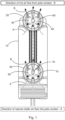
Fig. 1 shows a representation of an example of a circuit breaker pole part; -
Fig. 2 shows an isometric representation of the circuit breaker pole part ofFig. 1 ; -
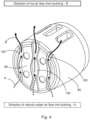
Fig. 3 shows a representation of an example of a bushing that can connect to a terminal of a circuit breaker pole; -
Fig. 4 shows an isometric representation of the bushing ofFig. 3 ; and -
Fig. 3 shows an isometric representation of a circuit breaker system that has a circuit breaker pole part as shown inFigs. 1-2 to which two bushings as shown inFigs. 3-4 are connected to the two terminals. -
Figs. 1-5 relates to a new circuit breaker pole part, a new bushing for a circuit breaker pole part, and a new circuit breaker system. - It is to be noted that in
Figs. 1-2 , end surfaces 40, 50 ofterminals channels - It is to be noted that in
Figs. 3-4 , an end surfaces 90 of thebushing 80 is shown withchannels 100 in at surfaces. However, alternatively or additionally, conduits, in other would bounded holes, could be provided behind those surfaces, for example having been drilled. - An exemplar new circuit
breaker pole part 10 comprises: - a
first terminal 20; and - a
second terminal 30. - The circuit breaker pole part comprises a fixed contact and a moveable contact. The first terminal is electrically connected to the fixed contact or the moveable contact. The second terminal is electrically connected to the fixed contact or the moveable contact being the contact to which the first terminal is not electrically connected. The first terminal comprises at least one conduit or at least one
channel 60. The at least one conduit or the at least one channel comprises a first open end at one end of the at least one conduit or the at least one channel and a second open end at an opposite end of the least one conduit or the at least one channel such that air can enter the at least one conduit or the at least one channel via the first open end flow through the at least one conduit or the at least one channel and exit the at least one conduit or the at least one channel via the second open end. - Thus, air can flow through or across a surface of the first terminal to cool it. When the at least one conduit or the at least one channel is inclined from the horizontal to any degree, air within the conduit(s)/channel(s) is heated and rises and exits the conduit(s)/channel(s) at an upper end and in doing so cold air is drawn into a lower end of the conduit(s)/channel(s) leading to a continuous flow of cold air into the conduit(s)/channel(s) that is heated and exits the conduit(s)/channel(s) and in doing so extracts heat from the first terminal to cool it. This is achieved via natural convection and no means such as fans are required to move the air. Thus, cooling of the first terminal of the circuit breaker pole part is achieved in a simple manner with no moving parts required.
- Thus, a normal circuit breaker pole part with a first terminal electrically connected to a fixed contact of the circuit breaker, for example of a vacuum interrupter, and a second terminal electrically connected to a moveable con tact of the circuit breaker has been adapted to permit the terminals to be cooled via natural convection.
- In an example, the at least one conduit or the at least one channel is at least one conduit, and the at least one conduit between the first open end and the second open end has side wall surfaces formed only by the first terminal.
- In other words, the conduit is a bounded hole through the first terminal, that could be drilled through the first terminal.
- Thus, an existing circuit breaker pole can be adapted by drilling holes through the terminal(s) to provide for air convection cooling.
- In an example, the at least one conduit or at least one channel is at least one channel in an
end surface 40 of the first terminal. - In other words the at least one channel is an open sided channel in the end surface of the first terminal. When a bushing is connected to the first terminal, to provide electrical connection to the first terminal, the at least one boundary become at least one conduit, bounded on one side by the first terminal and bounded on the other side by the bushing, but having open ends that permits cooling air to flow through the formed conduit(s) and cool the first terminal and also cool the bushing.
- The channel in the surface of the terminal can be machined via a router for example, and an existing circuit breaker pole can be adapted for cooling.
- In an example, between the first open end and the second open end of one or more of the at least one channel, a width of the one or more of the at least one channel varies.
- In an example, between the first open end and the second open end of one or more of the at least one channel, a direction of the one or more of the at least one channel varies.
- In this manner, the air flowing through the channel is made to interact with the channel side walls to an increased degree providing for increased heat extraction. This is achieved by the channel having a varying width and/or having bends in the channel that leads to a certain amount of turbulence of the air and the air interacts with the channel to a greater degree and exits the channel with an increased temperature difference with respect to the air entering the channel in comparison to a channel that is straight with straight and parallel side walls.
- The varying width of the channel can be made via a router for example. The varying direction of the channel can be made via a router for example.
- In an example, a
bushing 80 is configured to connect to the first terminal, where anend surface 90 of the bushing touches the end surface of the first terminal. When the bushing is connected to the first terminal the air can enter the at least one channel via the first open end flow through the at least one channel and exit the at least one channel via the second open end. - Thus, the open sided channel becomes a conduit with openings at each end that enables air to flow through it and cool the terminal and also cool the bushing.
- In an example, the second terminal comprises at least one conduit or at least one
channel 70. The at least one conduit or the at least one channel of the second terminal comprises a first open end and a second open end such that air can enter the at least one conduit or the at least one channel via the first open end of the at least one conduit or the at least one channel of the second terminal, flow through the at least one conduit or the at least one channel, and exit the at least one conduit or the at least one channel via the second open end of the at least one conduit or the at least one channel of the second terminal. - In an example, the at least one conduit or at least one channel of the second terminal is at least one conduit of the second terminal, and wherein the at least one conduit of the second terminal between the first open end and the second open end has side wall surfaces formed only by the second terminal.
- In an example, the at least one conduit or at least one channel of the second terminal is at least one channel of the second terminal in an
end surface 50 of the second terminal. - In an example, between the first open end and the second open end of one or more of the at least one channel of the second terminal, a width of the one or more of the at least one channel of the second terminal varies.
- In an example, between the first open end and the second open end of one or more of the at least one channel of the second terminal, a direction of the one or more of the at least one channel of the second terminal varies.
- In an example, a
bushing 80 is configured to connect to the second terminal such that anend surface 90 of the bushing touches the end surface of the second terminal except for where the at least one channel of the second terminal is located. - In an example, in use the circuit breaker pole part is configured to be positioned in a substantially vertical orientation.
- In an example, in use the at least one conduit or at least one channel in the first terminal is configured to be in a substantially vertical orientation.
- In an example, in use the at least one conduit or at least one channel in the second terminal is configured to be in a substantially vertical orientation.
- An exemplar
new bushing 80 for a circuitbreaker pole part 10 is now described. The circuit breaker pole part comprises a first terminal (20), and a second terminal (30). The circuit breaker pole part also comprises: a fixed contact; and a moveable contact. The first terminal is electrically connected to the fixed contact or the moveable contact, and the second terminal is electrically connected to the fixed contact or the moveable contact being the contact to which the first terminal is not electrically connected. The first terminal comprises anend surface 40, and the second terminal comprises anend surface 50. The bushing comprises: at least one conduit or at least onechannel 100; and anend surface 90. The at least one conduit or the at least one channel of the bushing comprises a first open end at one end of the at least one conduit or the at least one channel and a second open end at an opposite end of the least one conduit or the at least one channel such that air can enter the at least one conduit or the at least one channel of the bushing via the first open end flow through the at least one conduit or the at least one channel of the bushing and exit the at least one conduit or the at least one channel of the bushing via the second open end. The end surface (90) of the bushing is configured to connect to the end surface of the first terminal of the circuit breaker pole part and/or the end surface of the second terminal of the circuit breaker pole part. - Thus, air can flow through or across a surface of the bushing to cool it. When the at least one conduit or the at least one channel is inclined from the horizontal to any degree, when the bushing is connected to a terminal of a circuit breaker pole part, air within the conduit(s)/channel(s) is heated and rises and exits the conduit(s)/channel(s) at an upper end and in doing so cold air is drawn into a lower end of the conduit(s) / channel(s) leading to a continuous flow of cold air into the conduit(s) / channel(s) that is heated and exits the conduit(s) / channel(s) and in doing so extracts heat from the bushing to cool it and that will also cool the first terminal. This is achieved via natural convection and no means such as fans are required to move the air. Thus, cooling of the first terminal of the circuit breaker pole part is achieved in a simple manner with no moving parts required.
- In an example, the at least one conduit or at least one channel of the bushing is at least one conduit, and the at least one conduit of the bushing between the first open end and the second open end has side wall surfaces formed only by the bushing.
- In other words, the conduit is a bounded hole through the bushing, that could be drilled through the drilled.
- Thus, an existing bushing can be adapted by drilling holes through the bushing to provide for air convection cooling.
- In an example, the at least one conduit or the at least one channel of the bushing is at least one channel in the
end surface 90 of the bushing. - In other words the at least one channel is an open sided channel in the end surface of the bushing. When a bushing is connected to terminal of a circuit breaker pole, to provide electrical connection to the terminal, the at least one boundary become at least one conduit, bounded on one side by the terminal and bounded on the other side by the bushing, but having open ends that permits cooling air to flow through the formed conduit(s) and cool the bushing and also cool the terminal.
- The channel in the surface of the bushing can be machined via a router for example, and a bushing can be adapted for cooling.
- In an example, between the first open end and the second open end of one or more of the at least one channel of the bushing, a width of the one or more of the at least one channel of the bushing varies.
- In an example, between the first open end and the second open end of one or more of the at least one channel of the bushing, a direction of the one or more of the at least one channel of the bushing varies.
- In this manner, the air flowing through the channel is made to interact with the channel side walls to an increased degree providing for increased heat extraction. This is achieved by the channel having a varying width and/or having bends in the channel that leads to a certain amount of turbulence of the air and the air interacts with the channel to a greater degree and exits the channel with an increased temperature difference with respect to the air entering the channel in comparison to a channel that is straight with straight and parallel side walls.
- The varying width of the channel can be made via a router for example. The varying direction of the channel can be made via a router for example.
- In an example, the end surface of the bushing is configured to connect to the end surface of the first terminal, where the
end surface 90 of the bushing touches the end surface of the first terminal, and the air can enter the at least one channel of the bushing via the first open end flow through the at least one channel of the bushing and exit the at least one channel of the bushing via the second open end. - In an example, the end surface of the bushing is configured to connect to the end surface of the second terminal, where the
end surface 90 of the bushing touches the end surface of the second terminal, and the air can enter the at least one channel of the bushing via the first open end flow through the at least one channel of the bushing and exit the at least one channel of the bushing via the second open end. - Thus, the open sided channel becomes a conduit, due to the surface of the first terminal closing the open side of the channel, with openings at each end that enables air to flow through it and cool the terminal(s) of the circuit breaker pole part and also cool the bushing.
- In an example, in use the at least one channel of the bushing is configured to be in a substantially vertical orientation.
- An exemplar new circuit breaker system comprises:
- a circuit
breaker pole part 10; and - a
bushing 80. - The bushing is configured to connect to the circuit breaker pole part. The circuit breaker pole part comprises a
first terminal 20; and a second terminal (30). The circuit breaker pole part comprises: a fixed contact; and a moveable contact. The first terminal is electrically connected to the fixed contact or the moveable contact, and the second terminal is electrically connected to the fixed contact or the moveable contact being the contact to which the first terminal is not electrically connected. The first terminal comprises: anend surface 40. The first terminal comprises: at least onechannel 60 in the end surface of the first terminal. The at least one channel of the first terminal comprises a first open end at one end of the at least one channel and a second open end at an opposite the at least one channel such that air can enter the at least one channel of the first terminal via the first open end flow through the at least one channel of the first terminal and exit the at least one channel of the first terminal via the second open end. - The bushing comprises an
end surface 90. The bushing also comprises at least onechannel 100 in the end surface of the bushing. The at least one channel of the bushing comprises a first open end at one end of the at least one channel and a second open end at an opposite end of the at least one channel such that air can enter the at least one channel of the bushing via the first open end flow through the at least one channel of the bushing and exit the at least one channel of the bushing via the second open end. The end surface of the bushing is configured to connect to the end surface of the first terminal. When the end surface of the bushing is connected to the end surface of the first terminal the air can flow through the at least one channel of the bushing, and the air can flow through the at least one channel of the first terminal. - Thus, air can flow through or across a surface of the bushing to cool the bushing and air can flow through or across a surface of the first terminal to cool it. When the at least one conduit or the at least one channel, of the first terminal and of the bushing, are inclined from the horizontal to any degree, when the bushing is connected to the terminal of the circuit breaker pole part, air within the conduit(s)/channel(s) is heated and rises and exits the conduit(s) / channel(s) at an upper end and in doing so cold air is drawn into a lower end of the conduit(s) / channel(s) leading to a continuous flow of cold air into the conduit(s)/channel(s) that is heated and exits the conduit(s) / channel(s) and in doing so extracts heat from the first terminal and from the bushing to cool them. This is achieved via natural convection and no means such as fans are required to move the air. Thus, cooling of the first terminal of the circuit breaker pole part and cooling of the bushing connected to it is achieved in a simple manner with no moving parts required.
- When the surface of the first terminal has channel(s) and the surface of the bushing has channel(s), where these surfaces mate together when the bushing is connected to the first terminal, the first terminal and the bushing can be designed such that the channel(s) align - thus forming a number of conduits equal in number to half of the total number of channel(s) in the first terminal and bushing. This provides for a design where the conduits formed can large and where good electrical conduction between the bushing and the terminal is maintained because the amount of mating surfaces is maximised, whilst convective air cooling is provided. However, the channels need not align, where for example conduits are formed from a channel on one side and a flat surface of the mating surface on the other side, Thus, a number of conduits formed can be equal to the total number of channels of the bushing and the terminal. This provides for a design where cooling can be provided over a maximised surface area of the end of the bushing and over a maximised surface area of the end of the terminal, provided for an overall increased cooling effect via natural air convection.
- In an example, between the first open end and the second open end of one or more of the at least one channel of the first terminal, a width of the one or more of the at least one channel of the first terminal varies.
- In an example, between the first open end and the second open end of one or more of the at least one channel of the first terminal, a direction of the one or more of the at least one channel of the first terminal varies.
- In an example, between the first open end and the second open end of one or more of the at least one channel of the bushing, a width of the one or more of the at least one channel of the bushing varies.
- In an example, between the first open end and the second open end of one or more of the at least one channel of the bushing, a direction of the one or more of the at least one channel of the bushing varies.
- In an example, when the bushing in connected to the circuit breaker pole part, the at least one channel of the bushing is configured to align with the at least one channel of the first terminal.
- In an example, the system comprises a second bushing. The second bushing comprises an
end surface 90. The second bushing also comprises at least onechannel 100 in the end surface of the second bushing. The at least one channel of the second bushing comprises a first open end at one end of the at least one channel and a second open end at an opposite end of the at least one channel such that air can enter the at least one channel of the second bushing via the first open end flow through the at least one channel of the second bushing and exit the at least one channel of the second bushing via the second open end. The second terminal comprises anend surface 50. The second terminal also comprises at least onechannel 70 in the end surface of the second terminal. The at least one channel of the second terminal comprises a first open end at one end of the at least one channel and a second open end at an opposite the at least one channel such that air can enter the at least one channel of the second terminal via the first open end flow through the at least one channel of the second terminal and exit the at least one channel of the first terminal via the second open end. The end surface of the second bushing is configured to connect to the end surface of the second terminal. When the end surface of the second bushing is connected to the end surface of the second terminal the air can flow through the at least one channel of the second bushing, and the air can flow through the at least one channel of the second terminal. - The second bushing can be identical to the first bushing (the "first bushing" referred to as "bushing" above).
- In an example, when the second bushing is connected to the circuit breaker pole part, the at least one channel of the second bushing is configured to align with the at least one channel of the second terminal.
- In an example, in use the circuit breaker pole part is configured to be positioned in a substantially vertical orientation.
- In an example, in use the at least one channel of the first terminal is configured to be in a substantially vertical orientation.
- In an example, in use the at least one channel of the second terminal is configured to be in a substantially vertical orientation.
- In an example, in use the at least one channel of the bushing is configured to be in a substantially vertical orientation.
- In an example, in use the at least one channel of the second bushing is configured to be in a substantially vertical orientation.
- Thus, the inventors realized that in effect existing circuit breaker pole parts and existing bushings that connect to terminals of the circuit breaker pole parts could be modified to provide cooling at or near the connection points between the bushing and the terminals to which they connect. This is achieved by providing open sided channels in the end surfaces of the terminals of the pole part and/or of the bushings to enable air to convect through the holes to provide cooling at the interface. Alternatively or additionally holes can be drilled through the terminals and/or the bushing, near to where the connection is to be made, again enabling air to flow through the holes via convection to provide cooling.
- The new design of the terminal/bushing provides a volume of fresh air flowing through the connection region naturally by convection, considerably helping the removal of heat generated by the passage of high currents.
- The new terminal /bushing design allows to increase the heat dissipation surfaces all around the system, maintaining and guaranteeing the contact between the two surfaces through which the current passes.
- The special channels (grooves) geometry and the vertical orientation (introduced on both surfaces) facilitates the effectiveness of natural ventilation, this allows more heat to be removed in the same unit of time, increasing the heat removal efficiency.
- Thus, for a low voltage, medium voltage or high voltage circuit breaker, the switching element and its terminals are a part of the main circuit which must be cooled due to ohmic losses at nominal current. The cooling makes it necessary to conduct the heat losses to the ambient air. The new design of the terminals of the circuit breaker pole part and of the bushings that connect to those terminals, enabling cold air to flow through the connection regions and extract heat from the terminals.
- Advantages of this new design is that the circuit breaker overall dimensions will remain unchanged, from dielectric point of view, it has no impact, and cooling is provided enabling the required standards to be met and increase current loads to be utilized, because improved cooling is provided.
- Altogether this device improves the thermal behavior of the pole part and bushing and allows higher ratings in a natural way.
-
- 10
- Circuit breaker pole part
- 20
- First terminal of the circuit breaker pole part
- 30
- Second terminal of the circuit breaker pole part
- 40
- End surface of the first terminal of the circuit breaker pole part
- 50
- End surface of the second terminal of the circuit breaker pole part
- 60
- Channels or conduits in the first terminal of the circuit breaker pole part
- 70
- Channels or conduits in the second terminal of the circuit breaker pole part
- 80
- Bushing
- 90
- End surface of the bushing
- 100
- Channels or conduits in the bushing
- While the invention has been illustrated and described in detail in the drawings and foregoing description, such illustration and description are to be considered illustrative or exemplary and not restrictive. The invention is not limited to the disclosed embodiments. Other variations to the disclosed embodiments can be understood and effected by those skilled in the art in practicing a claimed invention, from a study of the drawings, the disclosure, and the dependent claims.
Claims (15)
- A circuit breaker pole part (10), comprising:- a first terminal (20);- a second terminal (30);wherein the circuit breaker pole part comprises a fixed contact and a moveable contact, wherein the first terminal is electrically connected to the fixed contact or the moveable contact, and wherein the second terminal is electrically connected to the fixed contact or the moveable contact being the contact to which the first terminal is not electrically connected;wherein the first terminal comprises at least one conduit or at least one channel (60); andwherein the at least one conduit or the at least one channel comprises a first open end at one end of the at least one conduit or the at least one channel and a second open end at an opposite end of the least one conduit or the at least one channel such that air can enter the at least one conduit or the at least one channel via the first open end flow through the at least one conduit or the at least one channel and exit the at least one conduit or the at least one channel via the second open end.
- Circuit breaker pole part according to claim 1, wherein the at least one conduit or the at least one channel is at least one conduit, and wherein the at least one conduit between the first open end and the second open end has side wall surfaces formed only by the first terminal.
- Circuit breaker pole part according to claim 1, wherein the at least one conduit or at least one channel is at least one channel in an end surface (40) of the first terminal.
- Circuit breaker pole part according to claim 3, wherein between the first open end and the second open end of one or more of the at least one channel, a width of the one or more of the at least one channel varies, and/or wherein between the first open end and the second open end of one or more of the at least one channel, a direction of the one or more of the at least one channel varies.
- Circuit breaker pole part according to any of claims 3-4, wherein a bushing (80) is configured to connect to the first terminal, wherein an end surface (90) of the bushing touches the end surface of the first terminal, and wherein when connected the air can enter the at least one channel via the first open end flow through the at least one channel and exit the at least one channel via the second open end.
- Circuit breaker pole part according to any of claims 1-5, wherein the second terminal comprises at least one conduit or at least one channel (70); and wherein the at least one conduit or the at least one channel of the second terminal comprises a first open end and a second open end such that air can enter the at least one conduit or the at least one channel via the first open end of the at least one conduit or the at least one channel of the second terminal flow through the at least one conduit or the at least one channel and exit the at least one conduit or the at least one channel via the second open end of the at least one conduit or the at least one channel of the second terminal.
- A bushing (80) for a circuit breaker pole part (10), the circuit breaker pole part comprising a first terminal (20), and a second terminal (30), wherein the circuit breaker pole part comprises a fixed contact and a moveable contact, wherein the first terminal is electrically connected to the fixed contact or the moveable contact, wherein the second terminal is electrically connected to the fixed contact or the moveable contact being the contact to which the first terminal is not electrically connected; wherein the first terminal comprises an end surface (40), and wherein the second terminal comprises an end surface (50); andwherein the bushing comprises:- at least one conduit or at least one channel (100); and- an end surface (90);wherein the at least one conduit or the at least one channel comprises a first open end at one end of the at least one conduit or the at least one channel and a second open end at an opposite end of the least one conduit or the at least one channel such that air can enter the at least one conduit or the at least one channel via the first open end flow through the at least one conduit or the at least one channel and exit the at least one conduit or the at least one channel via the second open end; andwherein the end surface (90) of the bushing is configured to connect to the end surface of the first terminal of the circuit breaker pole part and/or the end surface of the second terminal of the circuit breaker pole part.
- Bushing according to claim 7, wherein the at least one conduit or at least one channel is at least one conduit, and wherein the at least one conduit between the first open end and the second open end has side wall surfaces formed only by the bushing.
- Bushing according to claim 7, wherein the at least one conduit or the at least one channel is at least one channel in the end surface (90) of the bushing.
- Bushing according to claim 9, wherein between the first open end and the second open end of one or more of the at least one channel of the bushing, a width of the one or more of the at least one channel varies; and/or wherein between the first open end and the second open end of one or more of the at least one channel of the bushing, a direction of the one or more of the at least one channel varies.
- Bushing according to any of claims 9-10, wherein the end surface of the bushing is configured to connect to the end surface of the first terminal, wherein the end surface (90) of the bushing touches the end surface of the first terminal, and wherein the air can enter the at least one channel via the first open end flow through the at least one channel and exit the at least one channel via the second open end and/or wherein the end surface of the bushing is configured to connect to the end surface of the second terminal, wherein the end surface (90) of the bushing touches the end surface of the second terminal, and wherein the air can enter the at least one channel via the first open end flow through the at least one channel and exit the at least one channel via the second open end.
- A circuit breaker system, comprising:- a circuit breaker pole part (10); and- a bushing (80);wherein the bushing is configured to connect to the circuit breaker pole part;wherein the circuit breaker pole part comprises a first terminal (20), and a second terminal (30);wherein the circuit breaker pole part comprises a fixed contact and a moveable contact, wherein the first terminal is electrically connected to the fixed contact or the moveable contact, and wherein the second terminal is electrically connected to the fixed contact or the moveable contact being the contact to which the first terminal is not electrically connected;wherein the first terminal comprises an end surface (40);wherein the first terminal comprises at least one channel (60) in the end surface of the first terminal; andwherein the at least one channel of the first terminal comprises a first open end at one end of the at least one channel and a second open end at an opposite the at least one channel such that air can enter the at least one channel of the first terminal via the first open end flow through the at least one channel of the first terminal and exit the at least one channel of the first terminal via the second open end;wherein the bushing comprises an end surface (90);wherein the bushing comprises at least one channel (100) in the end surface of the bushing;wherein the at least one channel of the bushing comprises a first open end at one end of the at least one channel and a second open end at an opposite end of the at least one channel such that air can enter the at least one channel of the bushing via the first open end flow through the at least one channel of the bushing and exit the at least one channel of the bushing via the second open end; andwherein the end surface of the bushing is configured to connect to the end surface of the first terminal, wherein when connected the air can flow through the at least one channel of the bushing, and wherein the air can flow through the at least one channel of the first terminal.
- Circuit breaker system according to claim 12, wherein when the bushing in connected to the circuit breaker pole part, the at least one channel of the bushing is configured to align with the at least one channel of the first terminal.
- Circuit breaker system according to any of claims 12-13, wherein the system comprises a second bushing,wherein the second bushing comprises an end surface (90);wherein the second bushing comprises at least one channel (100) in the end surface of the second bushing;wherein the at least one channel of the second bushing comprises a first open end at one end of the at least one channel and a second open end at an opposite end of the at least one channel such that air can enter the at least one channel of the second bushing via the first open end flow through the at least one channel of the second bushing and exit the at least one channel of the second bushing via the second open end;wherein the second terminal comprises an end surface (50);wherein the second terminal comprises at least one channel (70) in the end surface of the second terminal; andwherein the at least one channel of the second terminal comprises a first open end at one end of the at least one channel and a second open end at an opposite the at least one channel such that air can enter the at least one channel of the second terminal via the first open end flow through the at least one channel of the second terminal and exit the at least one channel of the first terminal via the second open end; andwherein the end surface of the second bushing is configured to connect to the end surface of the second terminal, wherein when connected the air can flow through the at least one channel of the second bushing, and wherein the air can flow through the at least one channel of the second terminal.
- Circuit breaker system according to claim 14, wherein when the second bushing is connected to the circuit breaker pole part, the at least one channel of the second bushing is configured to align with the at least one channel of the second terminal.
Priority Applications (2)
| Application Number | Priority Date | Filing Date | Title |
|---|---|---|---|
| EP23212964.3A EP4564390A1 (en) | 2023-11-29 | 2023-11-29 | Circuit breaker pole part |
| CN202411737615.2A CN120072583A (en) | 2023-11-29 | 2024-11-29 | Circuit breaker pole part |
Applications Claiming Priority (1)
| Application Number | Priority Date | Filing Date | Title |
|---|---|---|---|
| EP23212964.3A EP4564390A1 (en) | 2023-11-29 | 2023-11-29 | Circuit breaker pole part |
Publications (1)
| Publication Number | Publication Date |
|---|---|
| EP4564390A1 true EP4564390A1 (en) | 2025-06-04 |
Family
ID=89030076
Family Applications (1)
| Application Number | Title | Priority Date | Filing Date |
|---|---|---|---|
| EP23212964.3A Pending EP4564390A1 (en) | 2023-11-29 | 2023-11-29 | Circuit breaker pole part |
Country Status (2)
| Country | Link |
|---|---|
| EP (1) | EP4564390A1 (en) |
| CN (1) | CN120072583A (en) |
Citations (4)
| Publication number | Priority date | Publication date | Assignee | Title |
|---|---|---|---|---|
| US20100282713A1 (en) * | 2007-12-07 | 2010-11-11 | Abb Technology Ltd. | Heat dissipating means for circuit-breaker and circuit-breaker with such a heat dissipating means |
| US20160233042A1 (en) * | 2015-02-06 | 2016-08-11 | Abb Technology Ag | Circuit breaker contact arm |
| EP3171381A1 (en) * | 2015-11-20 | 2017-05-24 | Siemens Aktiengesellschaft | Contact structure of a circuit breaker |
| WO2018122630A1 (en) * | 2016-12-29 | 2018-07-05 | Abb Schweiz Ag | Contact assembly for a switchgear |
-
2023
- 2023-11-29 EP EP23212964.3A patent/EP4564390A1/en active Pending
-
2024
- 2024-11-29 CN CN202411737615.2A patent/CN120072583A/en active Pending
Patent Citations (4)
| Publication number | Priority date | Publication date | Assignee | Title |
|---|---|---|---|---|
| US20100282713A1 (en) * | 2007-12-07 | 2010-11-11 | Abb Technology Ltd. | Heat dissipating means for circuit-breaker and circuit-breaker with such a heat dissipating means |
| US20160233042A1 (en) * | 2015-02-06 | 2016-08-11 | Abb Technology Ag | Circuit breaker contact arm |
| EP3171381A1 (en) * | 2015-11-20 | 2017-05-24 | Siemens Aktiengesellschaft | Contact structure of a circuit breaker |
| WO2018122630A1 (en) * | 2016-12-29 | 2018-07-05 | Abb Schweiz Ag | Contact assembly for a switchgear |
Also Published As
| Publication number | Publication date |
|---|---|
| CN120072583A (en) | 2025-05-30 |
Similar Documents
| Publication | Publication Date | Title |
|---|---|---|
| US7641506B2 (en) | Electrical connection device and connector | |
| US8278582B2 (en) | Heat dissipating means for circuit-breaker and circuit-breaker with such a heat dissipating means | |
| US5753875A (en) | Heat sink for contact stems of a vacuum interrupter and a vacuum interrupter therewith | |
| EP2828873B1 (en) | Cooling apparatus for switchgear with enhanced busbar joint cooling | |
| CN113412523A (en) | Cooling of power semiconductors | |
| KR101608685B1 (en) | Circuit breaker comprising ventilation channels for efficient heat dissipation | |
| US12355201B2 (en) | Cooled inlet cold plate design for robust electrical isolation | |
| CN102971925B (en) | For the connecting element of switchgear and associated component and this switchgear | |
| EP1758136B1 (en) | Electrical switching apparatus and heat sink therefor | |
| CN114446721B (en) | Universal circuit breaker with low temperature rise | |
| EP2306482B1 (en) | Main circuit terminal assembly for vacuum circuit breaker | |
| CN120072583A (en) | Circuit breaker pole part | |
| CN102017039A (en) | Heat dissipating means for circuit-breaker and circuit-breaker with such heat dissipating means | |
| CN110767482B (en) | Gas-insulated metal-enclosed switch | |
| CN216818194U (en) | Circuit breaker structure | |
| CN113725017B (en) | A solid-sealed pole isolation contact seat assembly and switch cabinet | |
| CN105845466B (en) | Fixed contact for joining a busbar and a sliding contact of an electrical switching device | |
| EP4715857A1 (en) | Circuit breaker | |
| EP4715858A1 (en) | Circuit breaker | |
| EP4560674A1 (en) | Switchgear | |
| CN113193506B (en) | Compartment for medium voltage air or gas insulated switchgear | |
| CN220874108U (en) | Distribution box structure and high voltage distribution box | |
| CN114203479B (en) | Circuit breaker structure | |
| CN116110749A (en) | A heat dissipation structure of a circuit breaker | |
| CN102386580A (en) | Busbar, method for cooling thereof and electrical apparatus |
Legal Events
| Date | Code | Title | Description |
|---|---|---|---|
| PUAI | Public reference made under article 153(3) epc to a published international application that has entered the european phase |
Free format text: ORIGINAL CODE: 0009012 |
|
| STAA | Information on the status of an ep patent application or granted ep patent |
Free format text: STATUS: THE APPLICATION HAS BEEN PUBLISHED |
|
| AK | Designated contracting states |
Kind code of ref document: A1 Designated state(s): AL AT BE BG CH CY CZ DE DK EE ES FI FR GB GR HR HU IE IS IT LI LT LU LV MC ME MK MT NL NO PL PT RO RS SE SI SK SM TR |
|
| STAA | Information on the status of an ep patent application or granted ep patent |
Free format text: STATUS: REQUEST FOR EXAMINATION WAS MADE |
|
| 17P | Request for examination filed |
Effective date: 20251113 |