EP4563150A2 - New crystalline forms of n-(3-(2-(2-hydroxyethoxy)-6-morpholinopyridin-4-yl)-4-methvlphenyl)-2(trifluoromethyl) isonicotinamide as raf inhibitors for the treatment of cancer - Google Patents
New crystalline forms of n-(3-(2-(2-hydroxyethoxy)-6-morpholinopyridin-4-yl)-4-methvlphenyl)-2(trifluoromethyl) isonicotinamide as raf inhibitors for the treatment of cancer Download PDFInfo
- Publication number
- EP4563150A2 EP4563150A2 EP25156963.8A EP25156963A EP4563150A2 EP 4563150 A2 EP4563150 A2 EP 4563150A2 EP 25156963 A EP25156963 A EP 25156963A EP 4563150 A2 EP4563150 A2 EP 4563150A2
- Authority
- EP
- European Patent Office
- Prior art keywords
- cancer
- monohydrate
- crystalline
- crystalline form
- water
- Prior art date
- Legal status (The legal status is an assumption and is not a legal conclusion. Google has not performed a legal analysis and makes no representation as to the accuracy of the status listed.)
- Pending
Links
Images




Classifications
-
- C—CHEMISTRY; METALLURGY
- C07—ORGANIC CHEMISTRY
- C07D—HETEROCYCLIC COMPOUNDS
- C07D413/00—Heterocyclic compounds containing two or more hetero rings, at least one ring having nitrogen and oxygen atoms as the only ring hetero atoms
- C07D413/14—Heterocyclic compounds containing two or more hetero rings, at least one ring having nitrogen and oxygen atoms as the only ring hetero atoms containing three or more hetero rings
-
- C—CHEMISTRY; METALLURGY
- C07—ORGANIC CHEMISTRY
- C07D—HETEROCYCLIC COMPOUNDS
- C07D401/00—Heterocyclic compounds containing two or more hetero rings, having nitrogen atoms as the only ring hetero atoms, at least one ring being a six-membered ring with only one nitrogen atom
- C07D401/02—Heterocyclic compounds containing two or more hetero rings, having nitrogen atoms as the only ring hetero atoms, at least one ring being a six-membered ring with only one nitrogen atom containing two hetero rings
- C07D401/12—Heterocyclic compounds containing two or more hetero rings, having nitrogen atoms as the only ring hetero atoms, at least one ring being a six-membered ring with only one nitrogen atom containing two hetero rings linked by a chain containing hetero atoms as chain links
-
- A—HUMAN NECESSITIES
- A61—MEDICAL OR VETERINARY SCIENCE; HYGIENE
- A61K—PREPARATIONS FOR MEDICAL, DENTAL OR TOILETRY PURPOSES
- A61K31/00—Medicinal preparations containing organic active ingredients
- A61K31/33—Heterocyclic compounds
- A61K31/395—Heterocyclic compounds having nitrogen as a ring hetero atom, e.g. guanethidine or rifamycins
- A61K31/535—Heterocyclic compounds having nitrogen as a ring hetero atom, e.g. guanethidine or rifamycins having six-membered rings with at least one nitrogen and one oxygen as the ring hetero atoms, e.g. 1,2-oxazines
- A61K31/5375—1,4-Oxazines, e.g. morpholine
- A61K31/5377—1,4-Oxazines, e.g. morpholine not condensed and containing further heterocyclic rings, e.g. timolol
-
- A—HUMAN NECESSITIES
- A61—MEDICAL OR VETERINARY SCIENCE; HYGIENE
- A61P—SPECIFIC THERAPEUTIC ACTIVITY OF CHEMICAL COMPOUNDS OR MEDICINAL PREPARATIONS
- A61P35/00—Antineoplastic agents
-
- C—CHEMISTRY; METALLURGY
- C07—ORGANIC CHEMISTRY
- C07B—GENERAL METHODS OF ORGANIC CHEMISTRY; APPARATUS THEREFOR
- C07B2200/00—Indexing scheme relating to specific properties of organic compounds
- C07B2200/13—Crystalline forms, e.g. polymorphs
Definitions
- the present invention relates to crystalline forms of N -(3-(2-(2-hydroxyethoxy)-6-morpholinopyridin-4-yl)-4-methylphenyl)-2-(trifluoromethyl)isonicotinamide.
- the present invention also relates to a pharmaceutical composition comprising the crystalline forms, as well of methods of making and methods of using the crystalline forms in the treatment of a proliferative disease, particularly a cancer.
- the compound of Formula (I) is thus useful in the treatment of various cancers, in particular in the treatment of cancers harboring MAPK pathway alterations.
- the RAS/RAF/MEK/ERK or MAPK pathway is a key signaling cascade that drives cell proliferation, differentiation, and survival. Dysregulation of this pathway underlies many instances of tumorigenesis. Aberrant signaling or inappropriate activation of the MAPK pathway has been shown in multiple tumor types, including melanoma, lung and pancreatic cancer, and can occur through several distinct mechanisms, including activating mutations in RAS and BRAF.
- RAS is a superfamily of GTPases, and includes KRAS (v-Ki-ras2 Kirsten rat sarcoma viral oncogene homolog), which is a regulated signaling protein that can be turned on (activated) by various single-point mutations, which are known as gain of function mutations.
- KRAS v-Ki-ras2 Kirsten rat sarcoma viral oncogene homolog
- the MAPK pathway is frequently mutated in human cancer with KRAS and BRAF mutations being among the most frequent (approximately 30%).
- the compound of Formula (I) may therefore be useful in the treatment of cancers such as KRAS-mutant NSCLC (non-small cell lung cancer), KRAS-mutant pancreatic cancer (e.g. KRAS-mutant pancreatic ductal adenocarcinoma (PDAC)), KRAS-mutant CRC (colorectal cancer), and NRAS-mutant melanoma.
- KRAS-mutant NSCLC non-small cell lung cancer
- KRAS-mutant pancreatic cancer e.g. KRAS-mutant pancreatic ductal adenocarcinoma (PDAC)
- KRAS-mutant CRC colonrectal cancer
- NRAS-mutant melanoma NRAS-mutant melanoma
- Solid state forms of an active pharmaceutical ingredient thus play an important role in determining the ease of preparation, hygroscopicity, stability, solubility, storage stability, ease of formulation, rate of dissolution in gastrointestinal fluids and in vivo bioavailability of the therapeutic drug.
- Processing or handling of the active pharmaceutical ingredient during the manufacture and/or during the formulation process may also be improved when a particular solid form of the API is used.
- Desirable processing properties mean that certain solid forms can be easier to handle, better suited for storage, and/or allow for better purification, compared to previously known solid forms or mixtures of solid forms of the API provided in the prior art.
- solid forms of the compound of Formula (I) with properties, which will render them suitable for use in drug substance and drug product development.
- solid forms of the compound of Formula (I) that provide handling properties suitable for manufacture on industrial scale, along with methods of producing these polymorphs.
- the Monohydrate Form H A allows improved handling and processing of the crystals during manufacturing.
- the present invention provides crystalline forms of N -(3-(2-(2-hydroxyethoxy)-6-morpholinopyridin-4-yl)-4-methylphenyl)-2-(trifluoromethyl)isonicotinamide in free form.
- a fourth aspect provided herein is a crystalline form of N -(3-(2-(2-hydroxyethoxy)-6-morpholinopyridin-4-yl)-4-methylphenyl)-2-(trifluoromethyl)isonicotinamide in Form B.
- a pharmaceutical composition comprising a crystalline compound of Formula (I) (e.g. Monohydrate Form H A , or the crystalline Form A, or the crystalline Form B) and at least one pharmaceutically acceptable carrier or diluent.
- a crystalline compound of Formula (I) e.g. Monohydrate Form H A , or the crystalline Form A, or the crystalline Form B
- at least one pharmaceutically acceptable carrier or diluent e.g. Monohydrate Form H A , or the crystalline Form A, or the crystalline Form B
- crystalline Monohydrate Form H A or the crystalline Form A, or the crystalline Form B, for use as a medicament.
- crystalline Monohydrate Form H A or the crystalline Form A, or the crystalline Form B, for use in the treatment of cancer.
- a crystalline compound of formula I e.g., polymorph Form A or Form B or Monohydrate H A ) in the manufacture of a medicament for the treatment of cancer.
- a method of treatment of cancer comprising administering to a subject in need thereof a therapeutically effective amount of a crystalline compound of Formula (I) (e.g. polymorph Form A or Form B or Monohydrate H A ).
- a crystalline compound of Formula (I) e.g. polymorph Form A or Form B or Monohydrate H A .
- the present invention provides crystalline forms of N -(3-(2-(2-hydroxyethoxy)-6-morpholinopyridin-4-yl)-4-methylphenyl)-2-(trifluoromethyl)isonicotinamide in free form (the compound of formula I), which are described and characterised herein.
- the active compound is in a form that can be conveniently handled and processed in order to obtain a commercially viable, reliable, and reproducible manufacturing process.
- the compound of formula (I) and can be produced in various solid forms, depending on the conditions used to produce, purify or crystallize the material.
- Crystalline Forms A, B and Monohydrate H A of N -(3-(2-(2-hydroxyethoxy)-6-morpholinopyridin-4-yl)-4-methylphenyl)-2-(trifluoromethyl)isonicotinamide of the present invention possess favorable physicochemical properties for a drug substance intended for use in an oral solid dosage form.
- Monohydrate H A surprisingly provides improved handling and processing properties in comparison to Form A or Form B, which in turn enables an improved manufacturing process.
- Crystalline Forms A, B and Monohydrate H A of N -(3-(2-(2-hydroxyethoxy)-6-morpholinopyridin-4-yl)-4-methylphenyl)-2-(trifluoromethyl)isonicotinamide of the present invention may be characterized by analytical methods well known in the field of the pharmaceutical industry for characterizing solids. Such methods comprise but are not limited to PXRD, DSC and TGA. It may be characterized by one of the aforementioned analytical methods or by combining two or more of them.
- Forms A, B and Monohydrate H A of the compound of Formula (I) of the present invention may be characterized by any one of the following embodiments or by combining two or more of the following embodiments.
- the present invention provides a monohydrate of N -(3-(2-(2-hydroxyethoxy)-6-morpholinopyridin-4-yl)-4-methylphenyl)-2-(trifluoromethyl)isonicotinamide in free form, which is described and characterised herein.
- Monohydrate Form H A can be defined by reference to one or more characteristic signals that result from analytical measurements including, but not necessarily limited to: the X-ray powder diffraction pattern of Figure 5 , or the differential scanning calorimetry of Figure 6 .
- Monohydrate Form H A can also be defined by reference to one or more of the following characteristic signals:
- the Monohydrate Form H A exhibits an X-ray powder diffraction pattern having at least one, two or three characteristic peaks expressed in degrees 2-Theta (°2 ⁇ ) at angles of 7.3° +/- 0.2°, 10.7° +/- 0.2° and 23.0° +/- 0.2° when measured using CuK ⁇ radiation.
- the Monohydrate Form H A exhibits at least one, two or three characteristic peaks at angles of 7.3° +/- 0.2°, 10.7° +/- 0.2°, 16.3° +/- 0.2°, 16.7° +/- 0.2° and 23.0° +/- 0.2° when measured using CuK ⁇ radiation.
- the Monohydrate Form H A exhibits at least one, two, three, four or five characteristic peaks at angles of 7.3° +/-0.2°, 10.7° +/- 0.2°, 16.3° +/- 0.2°, 16.7° +/- 0.2°, 17.4° +/- 0.2°, 23.0° +/- 0.2°, 24.3° +/- 0.2°, 25.3° +/- 0.2°, 28.3° +/- 0.2° and 32.0° +/- 0.2° when measured using CuK ⁇ radiation.
- the Monohydrate Form H A exhibits an X-ray powder diffraction pattern substantially in accordance with Figure 5 and Table 5 when measured using CuK ⁇ radiation.
- the Monohydrate Form H A is present in substantially pure form.
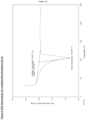
- the Monohydrate Form H A exhibits a differential scanning calorimetry thermogram having a characteristic (endothermic) peak expressed in units of °C with an onset temperature of about 94 oC. In another embodiment, the Monohydrate Form H A exhibits a differential scanning calorimetry thermogram substantially in accordance with Figure 6 .
- the Monohydrate Form H A is characterized by TGA having a curve which shows a mass loss of about 3.7 %, based on the weight of the crystalline form, when heated from about 43 to 135 °C at a rate of 10 K/min, in accordance with Figure 7 .
- the Monohydrate Form H A exhibits a TGA thermogram substantially in accordance with Figure 7 .
- the invention relates to a crystalline form of N -(3-(2-(2-hydroxyethoxy)-6-morpholinopyridin-4-yl)-4-methylphenyl)-2-(trifluoromethyl)isonicotinamide in Monohydrate Form H A characterized by exhibiting cube-like shaped crystals.
- the Monohydrate Form H A has a cubic crystal shape, e.g., as determined by scanning electron microscopy.
- the present invention provides a crystalline form of N -(3-(2-(2-hydroxyethoxy)-6-morpholinopyridin-4-yl)-4-methylphenyl)-2-(trifluoromethyl)isonicotinamide in Form A.
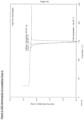
- Polymorph Form A can be defined by reference to one or more characteristic signals that result from analytical measurements including, but not necessarily limited to: the X-ray powder diffraction pattern of Figure 1 , or the differential scanning calorimetry of Figure 2 .
- Polymorph form A can also be defined by reference to one or more of the following characteristic signals:
- the polymorph Form A exhibits an X-ray powder diffraction pattern having at least one, two or three characteristic peaks expressed in degrees 2-Theta (°2 ⁇ ) at angles of 5.8° +/- 0.2°, 11.7° +/- 0.2° and 14.8° +/- 0.2° when measured using CuK ⁇ radiation.
- the polymorph Form A exhibits at least one, two or three characteristic peaks at angles of 5.8° +/- 0.2°, 11.7° +/- 0.2°, 14.8° +/- 0.2°, 15.2° +/- 0.2° and 18.7° +/- 0.2° when measured using CuK ⁇ radiation.
- the polymorph Form A exhibits at least one, two, three, four or five characteristic peaks at angles of 5.8° +/- 0.2°, 10.0° +/- 0.2°, 11.7° +/- 0.2°, 12.6° +/- 0.2°, 13.1° +/- 0.2°, 14.8° +/- 0.2°, 15.2° +/- 0.2°, 18.7° +/- 0.2°, 20.2° +/- 0.2° and 25.1° +/- 0.2° when measured using CuK ⁇ radiation.
- the polymorph Form A exhibits an X-ray powder diffraction pattern substantially in accordance with Figure 1 and Table 3 when measured using CuK ⁇ radiation.
- the polymorph Form A is present in substantially pure form.
- the polymorph Form A exhibits a differential scanning calorimetry thermogram having a characteristic (endothermic) peak expressed in units of °C with an onset temperature of about 142 °C. In another embodiment, the polymorph Form A exhibits a differential scanning calorimetry thermogram substantially in accordance with Figure 2 .
- the present invention provides a crystalline form of N -(3-(2-(2-hydroxyethoxy)-6-morpholinopyridin-4-yl)-4-methylphenyl)-2-(trifluoromethyl)isonicotinamide in Form B.
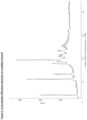
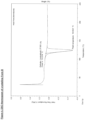
- Polymorph Form B can be defined by reference to one or more characteristic signals that result from analytical measurements including, but not necessarily limited to: the X-ray powder diffraction pattern of Figure 3 , or the differential scanning calorimetry of Figure 4 .
- Polymorph form B can also be defined by reference to one or more of the following characteristic signals:
- the polymorph Form B exhibits an X-ray powder diffraction pattern having at least one, two or three characteristic peaks expressed in degrees 2-Theta (°2 ⁇ ) at angles of 5.8° +/- 0.2°, 11.7° +/- 0.2° and 14.8° +/- 0.2° when measured using CuK ⁇ radiation.
- the polymorph Form B exhibits at least one, two or three characteristic peaks at angles of 5.8° +/- 0.2°, 11.7° +/- 0.2°, 14.8° +/- 0.2°, 15.2° +/- 0.2° and 18.7° +/- 0.2° when measured using CuK ⁇ radiation.
- the polymorph Form B exhibits at least one, two, three, four or five characteristic peaks at angles of 5.8° +/- 0.2°, 10.0° +/- 0.2°, 11.7° +/- 0.2°, 12.6° +/- 0.2°, 13.1° +/- 0.2°, 14.8° +/- 0.2°, 15.2° +/- 0.2°, 18.7° +/- 0.2°, 20.2° +/- 0.2° and 25.1° +/- 0.2° when measured using CuK ⁇ radiation.
- the polymorph Form B exhibits an X-ray powder diffraction pattern substantially in accordance with Figure 3 and Table 4 when measured using CuK ⁇ radiation.
- the polymorph Form B is present in substantially pure form.
- the polymorph Form B exhibits a differential scanning calorimetry thermogram having a characteristic (endothermic) peak expressed in units of °C with an onset temperature of about 116 °C. In another embodiment, the polymorph Form B exhibits a differential scanning calorimetry thermogram substantially in accordance with Figure 4 .
- free form refers to the compound N -(3-(2-(2-hydroxyethoxy)-6-morpholinopyridin-4-yl)-4-methylphenyl)-2-(trifluoromethyl)isonicotinamide as the free base.
- room temperature refers to a temperature in the range of from 20 to 30 °C.
- the term "measured at a temperature in the range of from 20 to 30 °C" refers to a measurement under standard conditions.
- standard conditions mean a temperature in the range of from 20 to 30 °C, i.e. at room temperature.
- Standard conditions can mean a temperature of about 22 °C.
- substantially the same with reference to X-ray diffraction peak positions means that typical peak position and intensity variability are taken into account.
- peak positions (2 ⁇ ) will show some inter-apparatus variability, typically as much as 0.2°.
- relative peak intensities will show inter-apparatus variability as well as variability due to degree of crystallinity, preferred orientation, prepared sample surface, and other factors known to those skilled in the art, and should be taken as qualitative measures only.
- An expression referring to a crystalline Form A having "an X-ray powder diffraction pattern substantially the same as the X-ray powder diffraction pattern shown in Figure X" may be interchanged with an expression referring to a crystalline Form A having "an X-ray powder diffraction pattern characterised by the representative X-ray powder diffraction pattern shown in Figure X".
- an X-ray diffraction pattern may be obtained with a measurement error that is dependent upon the measurement conditions employed.
- intensities in an X-ray diffraction pattern may fluctuate depending upon measurement conditions employed.
- relative intensities may also vary depending upon experimental conditions and, accordingly, the exact order of intensity should not be taken into account.
- a measurement error of diffraction angle for a conventional X-ray diffraction pattern is typically about 5% or less, and such degree of measurement error should be taken into account as pertaining to the aforementioned diffraction angles.
- the crystal form of the instant invention is not limited to the crystal form that provides an X-ray diffraction pattern completely identical to the X-ray diffraction pattern depicted in the accompanying Figure 1 disclosed herein. Any crystal forms that provide X-ray diffraction patterns substantially identical to that disclosed in the accompanying Figure 1 fall within the scope of the present invention. The ability to ascertain substantial identities of X-ray diffraction patterns is within the purview of one of ordinary skill in the art.
- Crystalline Monohydrate Form H A or Form A or Form B of N -(3-(2-(2-hydroxyethoxy)-6-morpholinopyridin-4-yl)-4-methylphenyl)-2-(trifluoromethyl)isonicotinamide of the present invention may be referred to herein as being characterized by graphical data "as shown in" a figure.
- Such data include, for example, powder X-ray diffraction, DSC and TGA analysis.
- factors such as variations in instrument type, response and variations in sample directionality, sample concentration and sample purity may lead to small variations for such data when presented in graphical form, for example variations relating to the exact peak positions and intensities.
- a comparison of the graphical data in the figures herein with the graphical data generated for another or an unknown solid form and the confirmation that two sets of graphical data relate to the same crystal form is well within the knowledge of a person skilled in the art.
- polymorph refers to crystalline forms having the same chemical composition but different spatial arrangements of the molecules, atoms, and/or ions forming the crystal.
- dehydrating or “dehydration” as used herein, describe the at least partial removal of water from the crystal structure of the host molecule.
- anhydrous form or “anhydrate” as used herein refer to a crystalline solid were no water is cooperated in or accommodated by the crystal structure.
- Anhydrous forms may still contain residual water, which is not part of the crystal structure but may be adsorbed on the surface or absorbed in disordered regions of the crystal.
- an anhydrous form does not contain more than 2.0 w-%, preferably not more than 1.0 w-% of water, based on the weight of the crystalline form.
- hydrate refers to a crystalline solid where either water is cooperated in or accommodated by the crystal structure e.g. is part of the crystal structure or entrapped into the crystal (water inclusions). Thereby, water can be present in a stoichiometric or non-stoichiometric amount.
- a hydrate may be referred to as a hemihydrate or as a monohydrate depending on the water/compound stoichiometry.
- the water content can be measured, for example, by Karl-Fischer-Coulometry.
- amorphous refers to a solid form of a compound that is not crystalline. An amorphous compound possesses no long-range order and does not display a definitive X-ray diffraction pattern with reflections.
- mother liquor refers to the solution remaining after crystallization of a solid from said solution.
- antisolvent refers to liquids which reduce the solubility of N -(3-(2-(2-hydroxyethoxy)-6-morpholinopyridin-4-yl)-4-methylphenyl)-2-(trifluoromethyl)isonicotinamide in a solvent.
- substantially pure or “essentially pure form” when used in reference to a form means the compound having a purity greater than 90 w-%, including greater than 90, 91, 92, 93, 94, 95, 96, 97, 98, and 99 w-%, and also including equal to about 100 w-% of N -(3-(2-(2-hydroxyethoxy)-6-morpholinopyridin-4-yl)-4-methylphenyl)-2-(trifluoromethyl)isonicotinamide, based on the weight of the compound.
- the remaining material comprises other form(s) of the compound, and/or reaction impurities and/or processing impurities arising from its preparation.
- a crystalline form of N -(3-(2-(2-hydroxyethoxy)-6-morpholinopyridin-4-yl)-4-methylphenyl)-2-(trifluoromethyl)isonicotinamide may be deemed substantially pure in that it has a purity greater than 90 w-%, as measured by means that are at this time known and generally accepted in the art, where the remaining less than 10 w-% of material comprises other form(s) of N -(3-(2-(2-hydroxyethoxy)-6-morpholinopyridin-4-yl)-4-methylphenyl)-2-(trifluoromethyl)isonicotinamide and/or reaction impurities and/or processing impurities.
- an amorphous form of the compound of formula (I) Form A, Form B or Monohydrate H A having a purity greater than 90 w-%, including greater than 90, 91, 92, 93, 94, 95, 96, 97, 98, and 99 w-%.
- pharmaceutically acceptable excipient refers to substances, which do not show a significant pharmacological activity at the given dose and that are added to a pharmaceutical composition in addition to the active pharmaceutical ingredient. Excipients may take the function of vehicle, diluent, release agent, disintegrating agent, dissolution modifying agent, absorption enhancer, stabilizer or a manufacturing aid among others. Excipients may include fillers (diluents), binders, disintegrants, lubricants and glidants.
- filler or "diluent” as used herein refer to substances that are used to dilute the active pharmaceutical ingredient prior to delivery. Diluents and fillers can also serve as stabilizers.
- binder refers to substances, which bind the active pharmaceutical ingredient and pharmaceutically acceptable excipient together to maintain cohesive and discrete portions.
- disintegrant or "disintegrating agent” as used herein refers to substances, which, upon addition to a solid pharmaceutical composition, facilitate its break-up or disintegration after administration and permits the release of the active pharmaceutical ingredient as efficiently as possible to allow for its rapid dissolution.
- lubricant refers to substances, which are added to a powder blend to prevent the compacted powder mass from sticking to the equipment during tableting or encapsulation process. They aid the ejection of the tablet from the dies and can improve powder flow.
- glidant refers to substances, which are used for tablet and capsule formulations in order to improve flow properties during tablet compression and to produce an anti-caking effect.
- the mixture of step (ii) is heated to about 40-70 °C.
- the Compound of Formula (I) starting material can be prepared according to the procedure disclosed in Example 1156 of WO 2014/151616 A1 .
- the solid starting material provided in step (i) is dissolved in a water miscible solvent:water mixture
- the water miscible solvent is acetone, ethanol, methanol, propanol, butanol, isopropyl alcohol, tetrahydrofuran (THF), acetonitrile and the like.
- the water miscible solvent is acetonitrile, acetone, methanol, ethanol, propanol or isopropyl alcohol.
- the water miscible solvent is acetonitrile, acetone or ethanol.
- the ratio of solvent:water is preferably 1:2 based on the weight of the solvent:water.
- water can be added to reduce the solubility of the Compound of Formula (I) in the solvent-water mixture.
- the cooling step can be performed over a period of at least 4 hours, e.g. at least 6 hours, e.g. 4-24 hours. Preferably, the cooling step is performed over a period of about 4 hours.
- the obtained crystals are then dried. Drying may be performed at a temperature of about 20-80 °C, preferably, about 30 to 70 °C. Typically, drying can performed at about room temperature. Depending on the temperature employed, drying may be performed for a period in the range of from about 2 to 72 hours.
- drying is performed at a temperature of about 40 °C from about 4 to 24 hours, preferably about 7 to 15 hours, more preferably about 8 hours at 40 °C. Drying may be performed at ambient pressure and/or under reduced pressure. Preferably, drying is performed under reduced pressure, for example 0-100 mbar. More preferably, drying is performed under reduced pressure, at a temperature of about 40 °C for about 8 hours.
- the present invention relates to a process for the preparation of crystalline Form A of the Compound of Formula (I) of the present invention as defined in any one of the aspects and their corresponding embodiments described above comprising:
- the process for the preparation of crystalline Form A of the Compound of Formula (I) of the present invention comprises the steps of:
- the solid starting material provided in step (i) is dissolved in an organic solvent, for example, ethyl acetate, isopropyl acetate, THF, isopropyl alcohol. However, most preferably ethyl acetate is used.
- organic solvent for example, ethyl acetate, isopropyl acetate, THF, isopropyl alcohol.
- ethyl acetate is used.
- an antisolvent is preferably a hydrocarbon solvent.
- the hydrocarbon solvent can be n-hexane, n-heptane, cycloalkane, e.g. cyclohexane.
- the antisolvent is n-heptane.
- Form A is obtained (e.g. in essentially pure form- this can be determined as described below, e.g., by withdrawing samples from the slurry and analyzing the sample by powder X-ray diffraction), at least a part of the crystals is separated from the mother liquor.
- the crystals are separated from their mother liquor by any conventional method such as filtration, centrifugation, solvent evaporation or decantation, more preferably by filtration or centrifugation and most preferably by filtration.
- the isolated crystals are washed with a suitable solvent, for example an organic solvent.
- a suitable solvent for example an organic solvent.
- Suitable organic solvents comprise but are not limited to acetone, acetonitrile, methanol, ethanol, isopropyl alcohol, acetonitrile, n-heptane, ethyl acetate or mixtures thereof.
- the crystals are washed with a mixture of n-heptane and ethyl acetate.
- the fraction of n-heptane may be from 90 to 50 percent by weight, preferably from 80 to 60 percent by weight.
- Drying may be performed at a temperature of about 20 to 100 °C, preferably 40 to 80 °C, more preferably at about 60 °C. Typically, drying is performed at about room temperature. Most preferably, drying is performed at 60 °C. Depending on the temperature employed, drying may be performed for a period in the range of from about 6 to 72 hours, preferably from about 12 to 20 hours, more preferably for about 15 hours. Drying may be performed at ambient pressure or under reduced pressure. Preferably, drying is performed under reduced pressure, e.g. 0-100 mbar.
- the present invention relates to a process for the preparation of crystalline Form B of the Compound of Formula (I) of the present invention as defined in any one of the aspects and their corresponding embodiments described above comprising:
- the solid starting material provided in step (i) is slurried in a solvent, for example, acetonitrile. Most preferably acetonitrile is the only solvent present in the slurry.
- a solvent for example, acetonitrile. Most preferably acetonitrile is the only solvent present in the slurry.
- Acidification is performed at 5 to 10 °C using a suitable acid, such as, for example, HCl.
- Slurrying is conducted for at least 5 hours, such as 5 hours, 7 hours, 10 hours at a temperature of 30 to 15 °C.
- slurrying is conducted over a period of 5-10 hours.
- Neutralisation is achieved using a suitable base, such as, for example, sodium bicarbonate.
- Form B is obtained (e.g. in essentially pure form; this can be done as described below, e.g., by withdrawing from the slurry and analyzing the sample by powder X-ray diffraction).
- the crystals can be recovered.
- the crystals are separated from their mother liquor by any conventional method such as filtration, centrifugation, solvent evaporation or decantation, more preferably by filtration or centrifugation and most preferably by filtration.
- the isolated crystals are washed with a suitable solvent, for example an organic solvent.
- a suitable solvent for example an organic solvent.
- Suitable organic solvents comprise but are not limited to acetonitrile, n-heptane, ethyl acetate.
- Slurrying encompasses any kind of movement of the solid material suspended in the solvent caused by, but not limited to e.g. agitation, stirring, mixing, shaking, vibration, sonication, wet milling and the like. Slurrying is conducted in total for about 1 day, or longer.
- the skilled person may monitor the conversion of the applied solid form of N - ⁇ 3-[2-(Hydroxyethoxy)-6-(morpholin-4-yl)pyridin-4-yl]-4-methylphenyl ⁇ -2-(trifluoromethyl)pyridine-4-carboxamide to the required polymorphic form, e.g. Form B, by withdrawing samples from the slurry and analyzing the sample by powder X-ray diffraction.
- Drying may be performed at a temperature of about 20 to 100 °C, preferably 40 to 80 °C, more preferably at about 60 °C. Typically, drying is performed at about room temperature. Most preferably, drying is performed at 60 °C. Depending on the temperature employed, drying may be performed for a period in the range of from about 6 to 72 hours, preferably from about 12 to 20 hours, more preferably for about 15 hours. Drying may be performed at ambient pressure or under reduced pressure. Preferably, drying is performed under reduced pressure, e.g. 0-100 mbar.
- the predetermined and/or effective amount of the crystalline Form A, or Form B or Monohydrate H A of N -(3-(2-(2-hydroxyethoxy)-6-morpholinopyridin-4-yl)-4-methylphenyl)-2-(trifluoromethyl)isonicotinamide as defined in any one of the aspects and their corresponding embodiments described above can be in unit dosage of about 50-1200 mg ( e.g ., per day).
- the unit dosage may be administered once daily, or twice daily, or three times daily, or four times daily, with the actual dosage and timing of administration determined by criteria such as the patient's age, weight, and gender; the extent and severity of the cancer to be treated; and the judgment of a treating physician.
- the unit dosage of crystalline Form A, or Form B or Monohydrate H A of N -(3-(2-(2-hydroxyethoxy)-6-morpholinopyridin-4-yl)-4-methylphenyl)-2-(trifluoromethyl)isonicotinamide is administered once daily.
- the actual dosage can vary by up to 5-7% from the stated amount: this usage of 'about' recognizes that the precise amount in a given dosage form may differ slightly from an intended amount for various reasons without materially affecting the in vivo effect of the administered compound.
- the unit dosage of the c-Raf inhibitor may be administered once daily, or twice daily, or three times daily, or four times daily, with the actual dosage and timing of administration determined by criteria such as the patient's age, weight, and gender; the extent and severity of the cancer to be treated; and the judgment of a treating physician.
- the present invention relates to the crystalline Form A, or Form B or Monohydrate H A of N -(3-(2-(2-hydroxyethoxy)-6-morpholinopyridin-4-yl)-4-methylphenyl)-2-(trifluoromethyl)isonicotinamide or the pharmaceutical composition comprising the same as defined in any one of the above described aspects and their corresponding embodiments for use in the treatment of a proliferative disease, particularly a cancer.
- the invention concerns a method of treating and/or preventing a proliferative disease, particularly a cancer, said method comprising administering an effective amount of the Form A, or Form B, or the Monohydrate H A of N -(3-(2-(2-hydroxyethoxy)-6-morpholinopyridin-4-yl)-4-methylphenyl)-2-(trifluoromethyl)isonicotinamide as defined in the above described aspects and their corresponding embodiments to a patient in need of such a treatment.
- the cancer is non-small cell lung cancer (NSCLC), melanoma, pancreatic ductal adenocarcinoma (PDAC), cervical cancer, ovarian cancer or colorectal cancer (CRC).
- NSCLC non-small cell lung cancer
- PDAC pancreatic ductal adenocarcinoma
- CRC colorectal cancer
- proliferative disease is selected from a solid tumor that harbors one or more Mitogen-activated protein kinase (MAPK) alteration(s), KRAS-mutant NSCLC (non-small cell lung cancer), NRAS-mutant melanoma, KRAS- and/or BRAF-mutant NSCLC, KRAS- and/or BRAF-mutant ovarian cancer, KRAS-mutant pancreatic cancer (e.g. KRAS-mutant pancreatic ductal adenocarcinoma (PDAC)).
- MAPK Mitogen-activated protein kinase
- a method for the treatment of disorders mediated by Raf comprising administering to a patient in need of such treatment an effective amount of a crystalline compound of Formula (I) (e.g. polymorph Form A or Form B or Monohydrate H A ).
- a crystalline compound of Formula (I) e.g. polymorph Form A or Form B or Monohydrate H A .
- the invention relates to the use of a crystalline compound of formula I (e.g., polymorph Form A or Form B or Monohydrate H A ) for the preparation of a medicament for the treatment of disorders mediated by Raf, in particular B-Raf or C-Raf, and/or MAPK pathway alterations.
- a crystalline compound of formula I e.g., polymorph Form A or Form B or Monohydrate H A
- Example 1 outlines how Compound 1 may be prepared.
- Example 2 shows how it may be crystallised to produce Form A.
- Examples 3 and 4 describe the XRPD and DSC analysis of Form A.
- Example 5 describes the process of preparation of Form B and the corresponding XRPD data are shown in Example 6.
- Example 7 shows the DSC data of Form B.
- Examples 8, 9, 10 and 11 describe the process of making Monohydrate Form H A , and the XRPD, DSC and TGA analysis of Monohydrate Form H A .
- Examples 12 and 13 describe the stability testing of Monohydrate H A and Form B.
- Examples 14 and 15 show the water activity experiments of Monohydrate Form H A and Form A.
- Example 16 shows the solubility data of Monohydrate H A , Form A and Form B. The release data of Monohydrate H A and Form A are shown in Example 17.
- Example 18 shows competitive slurry experiments of Form A and Form B.
- Example 19 describes the behaviour of Form A and B under compression.
- X-ray powder diffraction (XRPD) analysis of all polymorph forms was performed using a Bruker D8 Discover x-ray diffractometer with XYZ stage. Measurements were taken at about 40 kV and 1 mA under the following conditions: Table 1 XRPD Detector VANTEC-500 including controller 19" Step size, resolution 0.02 degrees Measuring slice 0.3 mm and 0.2 mm Scan time 2 min X-ray optics l ⁇ s MONTEL optic for Cu Source slit Fixed, 1 mm Detector distance ⁇ 30 cm
- the X-ray diffraction pattern was recorded at room temperature between 2° and 45° (2-theta) with CuK ⁇ radiation for identification of the whole pattern.
- DSC Differential scanning calorimetry
- the reaction mixture was stirred for 30 min at 15 to 20 °C, diluted with ethyl acetate (36.5 L, 10 vol), stirred for about 5 min and the layers were separated.
- the aqueous layer was extracted with ethyl acetate (1x 5 vol), the combined organic layer was washed with water (1x10 vol), brine (1x10 vol), dried over sodium sulphate, and filtered to give crystals of Form B as the residue.
- Crystalline Form B was found to have an onset of melting at about 116 oC (see Figure 4 ) according to the DSC method outlined above and Table 2.
- DSC analysis of Crystalline Monohydrate Form H A shows an endothermic event from about 35 oC to 135 oC and shows an onset of dehydration at about 94 oC (see Figure 6 ) according to the DSC method outlined above and Table 2.
- Crystalline Monohydrate Form H A was analysed by thermogravimetric analysis (TGA) using a Discovery Thermogravimetric Analysis Calorimeter from TA instruments under the following conditions (see Table 6).
- the TGA analysis for Crystalline Monohydrate Form H A shows about 3.7 % loss of mass between about 43 oC and 135 oC, see Figure 7 .
- Karl Fischer titration analysis shows a water content of 3.5 %, corresponding to one equivalent, thus the monohydrate.
- Monohydrate Form H A is highly stable in bulk, e.g. up to 80 °C over an extended period of time. No notable change in chemical purity, nor change in XRPD, nor change in TGA, was observed. Monohydrate Form H A is also stable upon light exposure, e.g. 1200 kLuxh for 12 h, and is also stable upon compression, grinding and wet granulation with water.
- DPs are analyzed by UPLC. They are calculated as area-% products.
- Monohydrate Form H A is highly stable, i.e. no significant change in degradation products and no change in physical form, even at high temperature was observed. Therefore, it can be expected to provide suitable storage properties for processing into a pharmaceutical drug product.
- DPs are analyzed by UPLC. They are calculated as area-% products.
- Form B is relatively stable, i.e. no major change in degradation products and no change in physical form, upon exposure to elevated temperature or humidity. Therefore, it can be expected to provide suitable storage properties for processing into a pharmaceutical drug product.
- Monohydrate H A is more stable than Form A.
- acetonitrile or acetone with water (1:1) the Monohydrate H A is more stable than Form A.
- both crystal forms are still observed after 5 days equilibration, i.e. Form A remains unchanged and Modification H A remains unchanged.
- Modification H A shows advantages with respect to solid form stability upon contact with water over a wide range of conditions.
- Form A is only obtained and stable at very low water activity, however, it can maintain its crystal form in pure water for a given period of time. This may enable Form A to be formulated as oral solid dosage form by e.g. granulation with water (see Example 15 below).
- Form A About 100 mg of Form A is equilibrated with 0.5 mL solvent by stirring at RT or 50 °C. The slurries are filtered. The wet cake is investigated by XRPD. Table 9 . Water activity experiments of Form A at RT Volume fraction water (%) Volume fraction IPA (%) Water activity (a w ) Form A (mg) After 1 d equilibration After 5 d equilibration 0 100 0.000 100 Form A Form A Form A 1 99 0.120 100 Form A Form A Form A 3.2 96.8 0.316 100 Form A + H A H A 6 94 0.496 100 H A H A 11 89 0.699 100 H A H A 22.8 77.2 0.900 100 H A H A 34.1 65.9 0.949 100 H A H A 100 0 1.000 100 Form A Form A Table 10 .
- Form A converts to Monohydrate H A . In pure water, Form A remains unchanged.
- Modification H A is more stable than Modification A in the aqueous-organic solvent system with water activity more than 0.3 and 0.5 at ambient temperature and 50 °C, respectively.
- the conversion of Modification A to H A takes a longer equilibration time.
- Form A stays unchanged for a sufficiently long period upon contact with water it can be considered suitable for formulation as an oral solid dosage form, e.g. by granulation with water.
- the amorphous form remains stable and does not convert to H A either at ambient humidity or at 92% RH.
- a sample was weighed in a glass vial and solvent added to make a slurry followed by stirring or shaking at 25 °C for 24 hours.
- the amount of sample and solvents depends on the target concentration, e.g. if the target concentration is 10mg/mL, the weight of the sample should be 10mg and the amount of solvent volume should be 1mL.
- the solid and liquid are separated by centrifugation at 13000 rpm for 2 minuteswith 0.2 ⁇ m membrane. The filtrate is then used for the solubility test after appropriate dilution.
- the diluent is from the UPLC method.
- the solids obtained after equilibration were analyzed by XRPD after being dried at 40 °C under vacuum for 2 hours. DSC/TGA analysis was conducted for selected samples.
- the physical Form B provides higher solubility in several aqueous media, particularly at low pH, e.g. pH 1 or 2.
- Form B can be expected to behave advantageously in terms of better dissolution properties as oral solid dosage form, e.g. in the stomach.
- Both anhydrous crystal Forms A and B are more soluble in aqueous media compared to Modification H A , and may thus beadvantageous for use as oral solid dosage form medication.
- Example 17 Powder properties of Modification H A and Form A
- test dispersion A few drops of the dispersing aid were added to an appropriate amount of test substance.
- the mixture was mixed intensively, e.g. on a vortex mixer, in order to wet the substance thoroughly and to form a smooth and homogeneous paste.
- the resultant paste was diluted with the dispersion liquid to a final volume of 3 - 6 ml and the dispersion mixed again.
- the cumulative volume distribution was determined using a laser light diffraction instrument as stated above. The parameters could be adjusted accordingly so that the test dispersion is representative, homogeneous and well dispersed.
- This difference in bulk density allows easier powder handling of Monohydrate H A crystals. This also applies to improved handling of the Monohydrate H A crystals during manufacturing, i.e. better stirring of the crystal suspension, faster filtration and washing, easier sieving, as well as downstream processing of the Monohydrate H A crystal powder, i.e. preparation of blend of API with excipients.
- Dissolve 12 g Compound 1 per 60 g acetone Add 120 g water over 7 h at 50 °C.
- Dissolve 12 g Compound 1 per 60 g isopropyl alcohol Add 120 g water over 7 h at 30 °C.
- Dissolve 12 g Compound 1 per 60 g isopropyl alcohol Add 120 g water over 7 h at 50 °C.
- Form A is more stable than Form B in most of the selected organic solvents, i.e. the initial mixtures convert to Form A. Only in acetonitrile a solvate is formed. However, upon equilibration in an aqueous/organic mixture of solvents, Modification H A was observed and is the most stable form, except in the ethanol/water 90:10 mixture.
- Form A remains unchanged upon granulation with water or compression. A slight decrease in crystallinity is observed when compressed at pressures of 3 to 6 MPa. Form B did not change XRPD pattern upon grinding, compression and granulation with water.
- Modification H A exhibits compact particle morphology and high bulk density.
- its physical properties e.g., in terms of shape of crystals obtained can be fine-tuned through crystallization conditions as described herein. Therefore, Modification H A crystalline form provides several advantages over other forms, such as anhydrous Forms A or B, particularly with respect to challenges encountered during industrial processing, e.g. stirring, separation, drying, powder transportation and mixing of bulk quantities.
- Modification H A may also be beneficial over other solid forms such as anhydrous Form A in other manufacturing processes, e.g, hot melt extrusion conditions. Hence, Modification H A is specially advantageously suitable for development, especially for drug product manufacturing.
Landscapes
- Chemical & Material Sciences (AREA)
- Organic Chemistry (AREA)
- Health & Medical Sciences (AREA)
- Veterinary Medicine (AREA)
- Medicinal Chemistry (AREA)
- Pharmacology & Pharmacy (AREA)
- Life Sciences & Earth Sciences (AREA)
- Animal Behavior & Ethology (AREA)
- General Health & Medical Sciences (AREA)
- Public Health (AREA)
- General Chemical & Material Sciences (AREA)
- Nuclear Medicine, Radiotherapy & Molecular Imaging (AREA)
- Chemical Kinetics & Catalysis (AREA)
- Epidemiology (AREA)
- Pharmaceuticals Containing Other Organic And Inorganic Compounds (AREA)
- Pyridine Compounds (AREA)
Abstract
Description
- The present invention relates to crystalline forms of N-(3-(2-(2-hydroxyethoxy)-6-morpholinopyridin-4-yl)-4-methylphenyl)-2-(trifluoromethyl)isonicotinamide. The present invention also relates to a pharmaceutical composition comprising the crystalline forms, as well of methods of making and methods of using the crystalline forms in the treatment of a proliferative disease, particularly a cancer.
- N-(3-(2-(2-hydroxyethoxy)-6-morpholinopyridin-4-yl)-4-methylphenyl)-2-(trifluoromethyl)isonicotinamide was originally described in
WO 2014/151616 as the compound of Example 1156. It is a Raf inhibitor, particularly a CRAF- and BRAF-inhibitor, having the structure of Formula (I):
- The compound of Formula (I) is thus useful in the treatment of various cancers, in particular in the treatment of cancers harboring MAPK pathway alterations.
- The RAS/RAF/MEK/ERK or MAPK pathway is a key signaling cascade that drives cell proliferation, differentiation, and survival. Dysregulation of this pathway underlies many instances of tumorigenesis. Aberrant signaling or inappropriate activation of the MAPK pathway has been shown in multiple tumor types, including melanoma, lung and pancreatic cancer, and can occur through several distinct mechanisms, including activating mutations in RAS and BRAF. RAS is a superfamily of GTPases, and includes KRAS (v-Ki-ras2 Kirsten rat sarcoma viral oncogene homolog), which is a regulated signaling protein that can be turned on (activated) by various single-point mutations, which are known as gain of function mutations. The MAPK pathway is frequently mutated in human cancer with KRAS and BRAF mutations being among the most frequent (approximately 30%).
- The compound of Formula (I) may therefore be useful in the treatment of cancers such as KRAS-mutant NSCLC (non-small cell lung cancer), KRAS-mutant pancreatic cancer (e.g. KRAS-mutant pancreatic ductal adenocarcinoma (PDAC)), KRAS-mutant CRC (colorectal cancer), and NRAS-mutant melanoma.
- It is not yet possible to predict whether a particular compound or salt of a compound will form polymorphs in the first place or whether any such polymorphs will be suitable for commercial use in a pharmaceutical composition which is suitable for administering to patients in need thereof, or which polymorphs will display desirable properties.
- This is because different solid state forms of a particular compound often possess different properties. Solid state forms of an active pharmaceutical ingredient (API) thus play an important role in determining the ease of preparation, hygroscopicity, stability, solubility, storage stability, ease of formulation, rate of dissolution in gastrointestinal fluids and in vivo bioavailability of the therapeutic drug.
- Processing or handling of the active pharmaceutical ingredient during the manufacture and/or during the formulation process may also be improved when a particular solid form of the API is used. Desirable processing properties mean that certain solid forms can be easier to handle, better suited for storage, and/or allow for better purification, compared to previously known solid forms or mixtures of solid forms of the API provided in the prior art.
- There is thus a need for solid forms of the compound of Formula (I) with properties, which will render them suitable for use in drug substance and drug product development. In accordance with the present invention, there are provided solid forms of the compound of Formula (I) that provide handling properties suitable for manufacture on industrial scale, along with methods of producing these polymorphs. Provided herein are solid forms with well-defined morphologies, and good powder properties like high bulk density, good flowability and/or good compactibility etc. In particular, it has been found that the Monohydrate Form HA allows improved handling and processing of the crystals during manufacturing.
- The present invention provides crystalline forms of N-(3-(2-(2-hydroxyethoxy)-6-morpholinopyridin-4-yl)-4-methylphenyl)-2-(trifluoromethyl)isonicotinamide in free form.
- Thus, in a first aspect provided herein is a crystalline form of N-(3-(2-(2-hydroxyethoxy)-6-morpholinopyridin-4-yl)-4-methylphenyl)-2-(trifluoromethyl)isonicotinamide in monohydrate Form HA.
- In a second aspect, provided herein is a process for the preparation of the polymorph form Monohydrate HA, which Formula (I) comprising the steps:
- (i) suspending the Compound of Formula (I) in a water miscible solvent:water mixture;
- (ii) heating the mixture up to about 100 °C;
- (iii) separating at least a part of the crystals obtained from the mother liquor;
- (iv) optionally washing the isolated crystals; and
- (v) recovering the Monohydrate Form HA.
- In a third aspect provided herein is a crystalline form of N-(3-(2-(2-hydroxyethoxy)-6-morpholinopyridin-4-yl)-4-methylphenyl)-2-(trifluoromethyl)isonicotinamide in Form A.
- In a fourth aspect provided herein is a crystalline form of N-(3-(2-(2-hydroxyethoxy)-6-morpholinopyridin-4-yl)-4-methylphenyl)-2-(trifluoromethyl)isonicotinamide in Form B.
- In a fifth aspect provided herein is a pharmaceutical composition comprising a crystalline compound of Formula (I) (e.g. Monohydrate Form HA, or the crystalline Form A, or the crystalline Form B) and at least one pharmaceutically acceptable carrier or diluent.
- In a sixth aspect, provided herein is the crystalline Monohydrate Form HA, or the crystalline Form A, or the crystalline Form B, for use as a medicament.
- In a seventh aspect, provided herein is the crystalline Monohydrate Form HA, or the crystalline Form A, or the crystalline Form B, for use in the treatment of cancer.
- In an eight aspect, provided herein is the use of a crystalline compound of formula I (e.g., polymorph Form A or Form B or Monohydrate HA) in the manufacture of a medicament for the treatment of cancer.
- In a ninth aspect, provided herein is a method of treatment of cancer, comprising administering to a subject in need thereof a therapeutically effective amount of a crystalline compound of Formula (I) (e.g. polymorph Form A or Form B or Monohydrate HA).
- In a tenth aspect, provided herein is an amorphous form of a crystalline compound of Formula (I), preferably in substantially pure form, a pharmaceutical composition comprising this amorphous form, and its use in the treatment of a cancer as described herein.
-
-
Figure 1 shows the X-ray powder diffraction spectrum of crystalline Form A. -
Figure 2 shows the DSC thermogram of crystalline Form A. -
Figure 3 shows the X-ray powder diffraction spectrum of crystalline Form B. -
Figure 4 shows the DSC thermogram of crystalline Form B. -
Figure 5 shows X-ray powder diffraction spectrum of crystalline Monohydrate Form HA. -
Figure 6 shows the DSC thermogram of crystalline Monohydrate Form HA. -
Figure 7 shows the TGA thermogram of crystalline Monohydrate Form HA. -
Figure 8 shows the SEM image of crystalline Monohydrate Form HA. -
Figure 9 shows the SEM image of crystalline Form A. - The present invention provides crystalline forms of N-(3-(2-(2-hydroxyethoxy)-6-morpholinopyridin-4-yl)-4-methylphenyl)-2-(trifluoromethyl)isonicotinamide in free form (the compound of formula I), which are described and characterised herein.
- The compound N-(3-(2-(2-hydroxyethoxy)-6-morpholinopyridin-4-yl)-4-methylphenyl)-2-(trifluoromethyl)isonicotinamide can be represented by the following chemical structure according to Formula (I)

- For manufacturing pharmaceutical compounds and their formulations, it is important that the active compound is in a form that can be conveniently handled and processed in order to obtain a commercially viable, reliable, and reproducible manufacturing process. The compound of formula (I) and can be produced in various solid forms, depending on the conditions used to produce, purify or crystallize the material.
- Crystalline Forms A, B and Monohydrate HA of N-(3-(2-(2-hydroxyethoxy)-6-morpholinopyridin-4-yl)-4-methylphenyl)-2-(trifluoromethyl)isonicotinamide of the present invention possess favorable physicochemical properties for a drug substance intended for use in an oral solid dosage form. In particular, Monohydrate HA surprisingly provides improved handling and processing properties in comparison to Form A or Form B, which in turn enables an improved manufacturing process.
- It has now been found that surprisingly the process developed enables the manufacture of solid Form Monohydrate HA in cube-like shaped crystals (sometimes aggregated crystals) with very favourable and advantageous processing properties, as described herein. In terms of improved powder handling properties, coarser and cube-like shaped crystals of Modification HA are advantageous.
- Further, as described herein, fine-tuning of powder properties like bulk density, crystal size and shape of Monohydrate HA is possible by controlling key process parameters, e.g. choice of organic solvent and water, addition temperature.
- Crystalline Forms A, B and Monohydrate HA of N-(3-(2-(2-hydroxyethoxy)-6-morpholinopyridin-4-yl)-4-methylphenyl)-2-(trifluoromethyl)isonicotinamide of the present invention may be characterized by analytical methods well known in the field of the pharmaceutical industry for characterizing solids. Such methods comprise but are not limited to PXRD, DSC and TGA. It may be characterized by one of the aforementioned analytical methods or by combining two or more of them. In particular, Forms A, B and Monohydrate HA of the compound of Formula (I) of the present invention may be characterized by any one of the following embodiments or by combining two or more of the following embodiments.
- The present invention provides a monohydrate of N-(3-(2-(2-hydroxyethoxy)-6-morpholinopyridin-4-yl)-4-methylphenyl)-2-(trifluoromethyl)isonicotinamide in free form, which is described and characterised herein. Monohydrate Form HA can be defined by reference to one or more characteristic signals that result from analytical measurements including, but not necessarily limited to: the X-ray powder diffraction pattern of
Figure 5 , or the differential scanning calorimetry ofFigure 6 . Monohydrate Form HA can also be defined by reference to one or more of the following characteristic signals:
In one embodiment, the Monohydrate Form HA exhibits an X-ray powder diffraction pattern having at least one, two or three characteristic peaks expressed in degrees 2-Theta (°2θ) at angles of 7.3° +/- 0.2°, 10.7° +/- 0.2° and 23.0° +/- 0.2° when measured using CuKα radiation. - In another embodiment, the Monohydrate Form HA exhibits at least one, two or three characteristic peaks at angles of 7.3° +/- 0.2°, 10.7° +/- 0.2°, 16.3° +/- 0.2°, 16.7° +/- 0.2° and 23.0° +/- 0.2° when measured using CuKα radiation. In another embodiment, the Monohydrate Form HA exhibits at least one, two, three, four or five characteristic peaks at angles of 7.3° +/-0.2°, 10.7° +/- 0.2°, 16.3° +/- 0.2°, 16.7° +/- 0.2°, 17.4° +/- 0.2°, 23.0° +/- 0.2°, 24.3° +/- 0.2°, 25.3° +/- 0.2°, 28.3° +/- 0.2° and 32.0° +/- 0.2° when measured using CuKα radiation. In yet a further embodiment, the Monohydrate Form HA exhibits an X-ray powder diffraction pattern substantially in accordance with
Figure 5 and Table 5 when measured using CuKα radiation. - In one embodiment, the Monohydrate Form HA is present in substantially pure form.
- In one embodiment, the Monohydrate Form HA exhibits a differential scanning calorimetry thermogram having a characteristic (endothermic) peak expressed in units of °C with an onset temperature of about 94 ºC. In another embodiment, the Monohydrate Form HA exhibits a differential scanning calorimetry thermogram substantially in accordance with
Figure 6 . - In one embodiment, the Monohydrate Form HA is characterized by TGA having a curve which shows a mass loss of about 3.7 %, based on the weight of the crystalline form, when heated from about 43 to 135 °C at a rate of 10 K/min, in accordance with
Figure 7 . In another embodiment, the Monohydrate Form HA exhibits a TGA thermogram substantially in accordance withFigure 7 . - Preferably, the invention relates to a crystalline form of N-(3-(2-(2-hydroxyethoxy)-6-morpholinopyridin-4-yl)-4-methylphenyl)-2-(trifluoromethyl)isonicotinamide in Monohydrate Form HA characterized by exhibiting cube-like shaped crystals.
- In a further embodiment, the Monohydrate Form HA has a cubic crystal shape, e.g., as determined by scanning electron microscopy.
- In another embodiment, the present invention provides a crystalline form of N-(3-(2-(2-hydroxyethoxy)-6-morpholinopyridin-4-yl)-4-methylphenyl)-2-(trifluoromethyl)isonicotinamide in Form A. Polymorph Form A can be defined by reference to one or more characteristic signals that result from analytical measurements including, but not necessarily limited to: the X-ray powder diffraction pattern of
Figure 1 , or the differential scanning calorimetry ofFigure 2 . Polymorph form A can also be defined by reference to one or more of the following characteristic signals:
In one embodiment, the polymorph Form A exhibits an X-ray powder diffraction pattern having at least one, two or three characteristic peaks expressed in degrees 2-Theta (°2θ) at angles of 5.8° +/- 0.2°, 11.7° +/- 0.2° and 14.8° +/- 0.2° when measured using CuKα radiation. In another embodiment, the polymorph Form A exhibits at least one, two or three characteristic peaks at angles of 5.8° +/- 0.2°, 11.7° +/- 0.2°, 14.8° +/- 0.2°, 15.2° +/- 0.2° and 18.7° +/- 0.2° when measured using CuKα radiation. In another embodiment, the polymorph Form A exhibits at least one, two, three, four or five characteristic peaks at angles of 5.8° +/- 0.2°, 10.0° +/- 0.2°, 11.7° +/- 0.2°, 12.6° +/- 0.2°, 13.1° +/- 0.2°, 14.8° +/- 0.2°, 15.2° +/- 0.2°, 18.7° +/- 0.2°, 20.2° +/- 0.2° and 25.1° +/- 0.2° when measured using CuKα radiation. In yet a further embodiment, the polymorph Form A exhibits an X-ray powder diffraction pattern substantially in accordance withFigure 1 and Table 3 when measured using CuKα radiation. - In one embodiment, the polymorph Form A is present in substantially pure form.
- In one embodiment, the polymorph Form A exhibits a differential scanning calorimetry thermogram having a characteristic (endothermic) peak expressed in units of °C with an onset temperature of about 142 °C. In another embodiment, the polymorph Form A exhibits a differential scanning calorimetry thermogram substantially in accordance with
Figure 2 . - In another embodiment, the present invention provides a crystalline form of N-(3-(2-(2-hydroxyethoxy)-6-morpholinopyridin-4-yl)-4-methylphenyl)-2-(trifluoromethyl)isonicotinamide in Form B. Polymorph Form B can be defined by reference to one or more characteristic signals that result from analytical measurements including, but not necessarily limited to: the X-ray powder diffraction pattern of
Figure 3 , or the differential scanning calorimetry ofFigure 4 . Polymorph form B can also be defined by reference to one or more of the following characteristic signals:
In one embodiment, the polymorph Form B exhibits an X-ray powder diffraction pattern having at least one, two or three characteristic peaks expressed in degrees 2-Theta (°2θ) at angles of 5.8° +/- 0.2°, 11.7° +/- 0.2° and 14.8° +/- 0.2° when measured using CuKα radiation. In another embodiment, the polymorph Form B exhibits at least one, two or three characteristic peaks at angles of 5.8° +/- 0.2°, 11.7° +/- 0.2°, 14.8° +/- 0.2°, 15.2° +/- 0.2° and 18.7° +/- 0.2° when measured using CuKα radiation. In another embodiment, the polymorph Form B exhibits at least one, two, three, four or five characteristic peaks at angles of 5.8° +/- 0.2°, 10.0° +/- 0.2°, 11.7° +/- 0.2°, 12.6° +/- 0.2°, 13.1° +/- 0.2°, 14.8° +/- 0.2°, 15.2° +/- 0.2°, 18.7° +/- 0.2°, 20.2° +/- 0.2° and 25.1° +/- 0.2° when measured using CuKα radiation. In yet a further embodiment, the polymorph Form B exhibits an X-ray powder diffraction pattern substantially in accordance withFigure 3 and Table 4 when measured using CuKα radiation. - In one embodiment, the polymorph Form B is present in substantially pure form.
- In one embodiment, the polymorph Form B exhibits a differential scanning calorimetry thermogram having a characteristic (endothermic) peak expressed in units of °C with an onset temperature of about 116 °C. In another embodiment, the polymorph Form B exhibits a differential scanning calorimetry thermogram substantially in accordance with
Figure 4 . - In the context of the present invention the following definitions have the indicated meaning, unless explicitly stated otherwise:
The term "free form" refers to the compound N-(3-(2-(2-hydroxyethoxy)-6-morpholinopyridin-4-yl)-4-methylphenyl)-2-(trifluoromethyl)isonicotinamide as the free base. - As used herein the term "room temperature" refers to a temperature in the range of from 20 to 30 °C.
- Measurements are taken under standard conditions common in the art, unless specified otherwise.
- As used herein, the term "measured at a temperature in the range of from 20 to 30 °C" refers to a measurement under standard conditions. Typically, standard conditions mean a temperature in the range of from 20 to 30 °C, i.e. at room temperature. Standard conditions can mean a temperature of about 22 °C.
- The term "substantially the same" with reference to X-ray diffraction peak positions means that typical peak position and intensity variability are taken into account. For example, one skilled in the art will appreciate that the peak positions (2θ) will show some inter-apparatus variability, typically as much as 0.2°. Further, one skilled in the art will appreciate that relative peak intensities will show inter-apparatus variability as well as variability due to degree of crystallinity, preferred orientation, prepared sample surface, and other factors known to those skilled in the art, and should be taken as qualitative measures only. An expression referring to a crystalline Form A having "an X-ray powder diffraction pattern substantially the same as the X-ray powder diffraction pattern shown in Figure X" may be interchanged with an expression referring to a crystalline Form A having "an X-ray powder diffraction pattern characterised by the representative X-ray powder diffraction pattern shown in Figure X".
- One of ordinary skill in the art will also appreciate that an X-ray diffraction pattern may be obtained with a measurement error that is dependent upon the measurement conditions employed. In particular, it is generally known that intensities in an X-ray diffraction pattern may fluctuate depending upon measurement conditions employed. It should be further understood that relative intensities may also vary depending upon experimental conditions and, accordingly, the exact order of intensity should not be taken into account. Additionally, a measurement error of diffraction angle for a conventional X-ray diffraction pattern is typically about 5% or less, and such degree of measurement error should be taken into account as pertaining to the aforementioned diffraction angles. Consequently, it is to be understood that the crystal form of the instant invention is not limited to the crystal form that provides an X-ray diffraction pattern completely identical to the X-ray diffraction pattern depicted in the accompanying
Figure 1 disclosed herein. Any crystal forms that provide X-ray diffraction patterns substantially identical to that disclosed in the accompanyingFigure 1 fall within the scope of the present invention. The ability to ascertain substantial identities of X-ray diffraction patterns is within the purview of one of ordinary skill in the art. - Crystalline Monohydrate Form HA or Form A or Form B of N-(3-(2-(2-hydroxyethoxy)-6-morpholinopyridin-4-yl)-4-methylphenyl)-2-(trifluoromethyl)isonicotinamide of the present invention may be referred to herein as being characterized by graphical data "as shown in" a figure. Such data include, for example, powder X-ray diffraction, DSC and TGA analysis. The person skilled in the art understands that factors such as variations in instrument type, response and variations in sample directionality, sample concentration and sample purity may lead to small variations for such data when presented in graphical form, for example variations relating to the exact peak positions and intensities. However, a comparison of the graphical data in the figures herein with the graphical data generated for another or an unknown solid form and the confirmation that two sets of graphical data relate to the same crystal form is well within the knowledge of a person skilled in the art.
- As used herein the term "polymorph" refers to crystalline forms having the same chemical composition but different spatial arrangements of the molecules, atoms, and/or ions forming the crystal.
- The terms "dehydrating" or "dehydration" as used herein, describe the at least partial removal of water from the crystal structure of the host molecule.
- The terms "anhydrous form" or "anhydrate" as used herein refer to a crystalline solid were no water is cooperated in or accommodated by the crystal structure. Anhydrous forms may still contain residual water, which is not part of the crystal structure but may be adsorbed on the surface or absorbed in disordered regions of the crystal. Typically, an anhydrous form does not contain more than 2.0 w-%, preferably not more than 1.0 w-% of water, based on the weight of the crystalline form.
- The term "hydrate" as used herein, refers to a crystalline solid where either water is cooperated in or accommodated by the crystal structure e.g. is part of the crystal structure or entrapped into the crystal (water inclusions). Thereby, water can be present in a stoichiometric or non-stoichiometric amount. For example, a hydrate may be referred to as a hemihydrate or as a monohydrate depending on the water/compound stoichiometry. The water content can be measured, for example, by Karl-Fischer-Coulometry.
- As used herein, the term "amorphous" refers to a solid form of a compound that is not crystalline. An amorphous compound possesses no long-range order and does not display a definitive X-ray diffraction pattern with reflections.
- As used herein, the term "mother liquor" refers to the solution remaining after crystallization of a solid from said solution.
- The term "antisolvent" as used herein refers to liquids which reduce the solubility of N-(3-(2-(2-hydroxyethoxy)-6-morpholinopyridin-4-yl)-4-methylphenyl)-2-(trifluoromethyl)isonicotinamide in a solvent.
- As used herein, "substantially pure" or "essentially pure form" when used in reference to a form, e.g. amorphous form, Form A, Form B or Monohydrate HA, means the compound having a purity greater than 90 w-%, including greater than 90, 91, 92, 93, 94, 95, 96, 97, 98, and 99 w-%, and also including equal to about 100 w-% of N-(3-(2-(2-hydroxyethoxy)-6-morpholinopyridin-4-yl)-4-methylphenyl)-2-(trifluoromethyl)isonicotinamide, based on the weight of the compound. The remaining material comprises other form(s) of the compound, and/or reaction impurities and/or processing impurities arising from its preparation. For example, a crystalline form of N-(3-(2-(2-hydroxyethoxy)-6-morpholinopyridin-4-yl)-4-methylphenyl)-2-(trifluoromethyl)isonicotinamide may be deemed substantially pure in that it has a purity greater than 90 w-%, as measured by means that are at this time known and generally accepted in the art, where the remaining less than 10 w-% of material comprises other form(s) of N-(3-(2-(2-hydroxyethoxy)-6-morpholinopyridin-4-yl)-4-methylphenyl)-2-(trifluoromethyl)isonicotinamide and/or reaction impurities and/or processing impurities. Thus in an embodiment, provided is an amorphous form of the compound of formula (I) Form A, Form B or Monohydrate HA, having a purity greater than 90 w-%, including greater than 90, 91, 92, 93, 94, 95, 96, 97, 98, and 99 w-%.
- The term "pharmaceutically acceptable excipient" as used herein refers to substances, which do not show a significant pharmacological activity at the given dose and that are added to a pharmaceutical composition in addition to the active pharmaceutical ingredient. Excipients may take the function of vehicle, diluent, release agent, disintegrating agent, dissolution modifying agent, absorption enhancer, stabilizer or a manufacturing aid among others. Excipients may include fillers (diluents), binders, disintegrants, lubricants and glidants.
- The terms "filler" or "diluent" as used herein refer to substances that are used to dilute the active pharmaceutical ingredient prior to delivery. Diluents and fillers can also serve as stabilizers.
- As used herein the term "binder" refers to substances, which bind the active pharmaceutical ingredient and pharmaceutically acceptable excipient together to maintain cohesive and discrete portions.
- The terms "disintegrant" or "disintegrating agent" as used herein refers to substances, which, upon addition to a solid pharmaceutical composition, facilitate its break-up or disintegration after administration and permits the release of the active pharmaceutical ingredient as efficiently as possible to allow for its rapid dissolution.
- The term "lubricant" as used herein refers to substances, which are added to a powder blend to prevent the compacted powder mass from sticking to the equipment during tableting or encapsulation process. They aid the ejection of the tablet from the dies and can improve powder flow.
- The term "glidant" as used herein refers to substances, which are used for tablet and capsule formulations in order to improve flow properties during tablet compression and to produce an anti-caking effect.
- The term "effective amount" or "therapeutically effective amount" as used herein with regard to N-(3-(2-(2-hydroxyethoxy)-6-morpholinopyridin-4-yl)-4-methylphenyl)-2-(trifluoromethyl)isonicotinamide encompasses an amount of N-(3-(2-(2-hydroxyethoxy)-6-morpholinopyridin-4-yl)-4-methylphenyl)-2-(trifluoromethyl)isonicotinamide, which causes the desired therapeutic and/or prophylactic effect.
- The term "non-hygroscopic" as used herein refers to a compound showing a water uptake of at most 2 w-% in the sorption cycle when measured with GMS (or DVS) at a relative humidity in the range of from 0 to 95% RH and a temperature of (25.0 ± 0.1) °C, based on the weight of the compound. Non-hygroscopic is preferably up to 0.2 %.
- The terms "solid form" or "solid state form" as used herein interchangeably refer to any crystalline and/or amorphous phase of a compound.
- In another aspect, the present invention relates to a process for the preparation of crystalline form Monohydrate HA of the Compound of Formula (I) of the present invention as defined in any one of the aspects and their corresponding embodiments described above comprising:
- (i) suspending the Compound of Formula (I) in a water miscible solvent:water mixture;
- (ii) heating the mixture up to about 100 °C;
- (iii) separating at least a part of the crystals obtained from the mother liquor;
- (iv) optionally washing the isolated crystals; and
- (v) recovering the Monohydrate Form HA.
- In an embodiment, the process for the preparation of crystalline form Monohydrate HA of the Compound of Formula (I) of the present invention comprises the steps:
- (i) suspending the Compound of Formula (I) in a water miscible solvent:water mixture;
- (ii) heating the mixture up to about 100 °C;
- (iii) cooling the mixture to room temperature, optionally followed by addition of more water;
- (iv) separating at least a part of the crystals obtained from the mother liquor;
- (v) optionally washing the isolated crystals; and
- (vi) recovering the Monohydrate Form HA crystals.
- Preferably, the mixture of step (ii) is heated to about 40-70 °C.
- The Compound of Formula (I) starting material can be prepared according to the procedure disclosed in Example 1156 of
WO 2014/151616 A1 . - The solid starting material provided in step (i) is dissolved in a water miscible solvent:water mixture, for example, the water miscible solvent is acetone, ethanol, methanol, propanol, butanol, isopropyl alcohol, tetrahydrofuran (THF), acetonitrile and the like. Preferably, the water miscible solvent is acetonitrile, acetone, methanol, ethanol, propanol or isopropyl alcohol. Most preferably, the water miscible solvent is acetonitrile, acetone or ethanol. The ratio of solvent:water is preferably 1:2 based on the weight of the solvent:water.
- The reaction mixture may be heated to a temperature of about 100 °C and cooled down to about -20 °C. Preferably, the mixture of step is heated to about 40-70 °C. More preferably, the mixture is heated to 50 °C.
- Optionally, to the solution or suspension, water can be added to reduce the solubility of the Compound of Formula (I) in the solvent-water mixture.
- Heating the mixture in step (ii) can be conducted over a period of about 4 hours. Preferably, the mixture is heated for a period of 2 hours. Preferably, the mixture is heated to 50 °C over a period of 4 hours. preferably over a period of 2 hours.
- The cooling step can be performed over a period of at least 4 hours, e.g. at least 6 hours, e.g. 4-24 hours. Preferably, the cooling step is performed over a period of about 4 hours.
- Once Monohydrate Form HA is obtained in essentially pure form (e.g. in essentially pure form, this can be determined as described below, by withdrawing samples from the mixture and analyzing the sample by powder X-ray diffraction), at least a part of the crystals are separated from the mother liquor. Preferably, the crystals are separated from their mother liquor by any conventional method such as filtration, centrifugation, solvent evaporation or decantation, more preferably by filtration or centrifugation and most preferably by filtration.
- Optionally, in a further step the isolated crystals are washed with a suitable solvent, for example an organic solvent and/or water or a mixture thereof. Suitable organic solvents include, but are not limited to water, acetone, acetonitrile, methanol, ethanol, propanol, butanol, isopropyl alcohol, tetrahydrofuran and the like.
- The obtained crystals are then dried. Drying may be performed at a temperature of about 20-80 °C, preferably, about 30 to 70 °C. Typically, drying can performed at about room temperature. Depending on the temperature employed, drying may be performed for a period in the range of from about 2 to 72 hours.
- Preferably, drying is performed at a temperature of about 40 °C from about 4 to 24 hours, preferably about 7 to 15 hours, more preferably about 8 hours at 40 °C. Drying may be performed at ambient pressure and/or under reduced pressure. Preferably, drying is performed under reduced pressure, for example 0-100 mbar. More preferably, drying is performed under reduced pressure, at a temperature of about 40 °C for about 8 hours.
- In another aspect, the present invention relates to a process for the preparation of crystalline Form A of the Compound of Formula (I) of the present invention as defined in any one of the aspects and their corresponding embodiments described above comprising:
- (i) suspending the Compound of Formula (I) in an organic solvent;
- (ii) addition of an antisolvent;
- (iii) isolating the crystals obtained;
- (iv) optionally washing the isolated crystals; and
- (v) recovering the Form A crystals.
- In one embodiment, the process for the preparation of crystalline Form A of the Compound of Formula (I) of the present invention comprises the steps of:
- (i) suspending the Compound of Formula (I) in an organic solvent;
- (ii) filtering the mixture by hot filtration;
- (iii) addition of an antisolvent;
- (iv) slurrying at a temperature range of from 10 °C-80 °C;
- (v) isolating the crystals obtained;
- (vi) optionally washing the isolated crystals; and
- (vii) recovering the Form A crystals.
- The solid starting material provided in step (i) is dissolved in an organic solvent, for example, ethyl acetate, isopropyl acetate, THF, isopropyl alcohol. However, most preferably ethyl acetate is used.
- Addition of an antisolvent is preferably a hydrocarbon solvent. For example, the hydrocarbon solvent can be n-hexane, n-heptane, cycloalkane, e.g. cyclohexane. Preferably, the antisolvent is n-heptane.
- Once, Form A is obtained (e.g. in essentially pure form- this can be determined as described below, e.g., by withdrawing samples from the slurry and analyzing the sample by powder X-ray diffraction), at least a part of the crystals is separated from the mother liquor. Preferably, the crystals are separated from their mother liquor by any conventional method such as filtration, centrifugation, solvent evaporation or decantation, more preferably by filtration or centrifugation and most preferably by filtration.
- Optionally, in a further step the isolated crystals are washed with a suitable solvent, for example an organic solvent. Suitable organic solvents comprise but are not limited to acetone, acetonitrile, methanol, ethanol, isopropyl alcohol, acetonitrile, n-heptane, ethyl acetate or mixtures thereof. Preferably, the crystals are washed with a mixture of n-heptane and ethyl acetate. The fraction of n-heptane may be from 90 to 50 percent by weight, preferably from 80 to 60 percent by weight.
- Drying may be performed at a temperature of about 20 to 100 °C, preferably 40 to 80 °C, more preferably at about 60 °C. Typically, drying is performed at about room temperature. Most preferably, drying is performed at 60 °C. Depending on the temperature employed, drying may be performed for a period in the range of from about 6 to 72 hours, preferably from about 12 to 20 hours, more preferably for about 15 hours. Drying may be performed at ambient pressure or under reduced pressure. Preferably, drying is performed under reduced pressure, e.g. 0-100 mbar.
- In another aspect, the present invention relates to a process for the preparation of crystalline Form B of the Compound of Formula (I) of the present invention as defined in any one of the aspects and their corresponding embodiments described above comprising:
- (i) suspending the Compound of Formula (I) in a suitable solvent;
- (ii) acidifying the resultant mixture;
- (iii) slurrying the mixture;
- (iv) neutralising the mixture using a suitable base;
- (v) optionally washing the mixture obtained in step (iv); and
- (vi) recovering the Form B.
- The solid starting material provided in step (i) is slurried in a solvent, for example, acetonitrile. Most preferably acetonitrile is the only solvent present in the slurry.
- Acidification is performed at 5 to 10 °C using a suitable acid, such as, for example, HCl. Slurrying is conducted for at least 5 hours, such as 5 hours, 7 hours, 10 hours at a temperature of 30 to 15 °C. Preferably, slurrying is conducted over a period of 5-10 hours. Neutralisation is achieved using a suitable base, such as, for example, sodium bicarbonate. Once Form B is obtained (e.g. in essentially pure form; this can be done as described below, e.g., by withdrawing from the slurry and analyzing the sample by powder X-ray diffraction). the crystals can be recovered. Preferably, the crystals are separated from their mother liquor by any conventional method such as filtration, centrifugation, solvent evaporation or decantation, more preferably by filtration or centrifugation and most preferably by filtration.
- Optionally, in a further step the isolated crystals are washed with a suitable solvent, for example an organic solvent. Suitable organic solvents comprise but are not limited to acetonitrile, n-heptane, ethyl acetate.
- Slurrying encompasses any kind of movement of the solid material suspended in the solvent caused by, but not limited to e.g. agitation, stirring, mixing, shaking, vibration, sonication, wet milling and the like. Slurrying is conducted in total for about 1 day, or longer. The skilled person may monitor the conversion of the applied solid form of N-{3-[2-(Hydroxyethoxy)-6-(morpholin-4-yl)pyridin-4-yl]-4-methylphenyl}-2-(trifluoromethyl)pyridine-4-carboxamide to the required polymorphic form, e.g. Form B, by withdrawing samples from the slurry and analyzing the sample by powder X-ray diffraction.
- Drying may be performed at a temperature of about 20 to 100 °C, preferably 40 to 80 °C, more preferably at about 60 °C. Typically, drying is performed at about room temperature. Most preferably, drying is performed at 60 °C. Depending on the temperature employed, drying may be performed for a period in the range of from about 6 to 72 hours, preferably from about 12 to 20 hours, more preferably for about 15 hours. Drying may be performed at ambient pressure or under reduced pressure. Preferably, drying is performed under reduced pressure, e.g. 0-100 mbar.
- Alternatively, Form A may be provided and suspended in dichloromethane for 1 to 5 days at a temperature of 40 to 60 °C, to produce Form B.
- In a further aspect the present invention relates to the use of the crystalline Form A, or Form B or Monohydrate HA of N-(3-(2-(2-hydroxyethoxy)-6-morpholinopyridin-4-yl)-4-methylphenyl)-2-(trifluoromethyl)isonicotinamide of the present invention as defined in any one of the aspects and their corresponding embodiments described above for the preparation of a pharmaceutical composition.
- In yet another aspect, the present invention relates to a pharmaceutical composition comprising the crystalline Form A, or Form B or Monohydrate HA of N-(3-(2-(2-hydroxyethoxy)-6-morpholinopyridin-4-yl)-4-methylphenyl)-2-(trifluoromethyl)isonicotinamide as defined in any one of the aspects and their corresponding embodiments described above, preferably in a predetermined and/or effective amount, and at least one pharmaceutically acceptable excipient.
- Preferably, the predetermined and/or effective amount of the crystalline Form A, or Form B or Monohydrate HA of N-(3-(2-(2-hydroxyethoxy)-6-morpholinopyridin-4-yl)-4-methylphenyl)-2-(trifluoromethyl)isonicotinamide as defined in any one of the aspects and their corresponding embodiments described above can be in unit dosage of about 50-1200 mg (e.g., per day). Hence, crystalline Form A, or Form B or Monohydrate HA of N-(3-(2-(2-hydroxyethoxy)-6-morpholinopyridin-4-yl)-4-methylphenyl)-2-(trifluoromethyl)isonicotinamide as defined in any one of the aspects and their corresponding embodiments described above can be administered at a unit dosage of about 50 mg, about 100 mg, about 150 mg, about 200 mg, about 250 mg, about 300 mg, about 350 mg, about 400 mg, about 450 mg, about 500 mg about 550 mg, about 600 mg, about 650 mg, about 700 mg, about 750 mg, about 800 mg, about 850 mg, about 900 mg, about 950 mg, about 1000 mg, about 1050 mg, about 1100 mg, about 1150 mg or about 1200 mg. The unit dosage may be administered once daily, or twice daily, or three times daily, or four times daily, with the actual dosage and timing of administration determined by criteria such as the patient's age, weight, and gender; the extent and severity of the cancer to be treated; and the judgment of a treating physician. Preferably, the unit dosage of crystalline Form A, or Form B or Monohydrate HA of N-(3-(2-(2-hydroxyethoxy)-6-morpholinopyridin-4-yl)-4-methylphenyl)-2-(trifluoromethyl)isonicotinamide is administered once daily. In another preferred embodiment, the unit dosage of crystalline Form A, or Form B or Monohydrate HA of N-(3-(2-(2-hydroxyethoxy)-6-morpholinopyridin-4-yl)-4-methylphenyl)-2-(trifluoromethyl)isonicotinamide is administered twice daily.
- Crystalline Form A, or Form B or Monohydrate HA of N-(3-(2-(2-hydroxyethoxy)-6-morpholinopyridin-4-yl)-4-methylphenyl)-2-(trifluoromethyl)isonicotinamide may in particular be administered at a dose of 100 mg once daily (QD), 200 mg once daily, 300 mg once daily, 400 mg once daily, 800 mg once daily or 1200 mg once daily (QD). Crystalline Form A, or Form B or Monohydrate HA of N-(3-(2-(2-hydroxyethoxy)-6-morpholinopyridin-4-yl)-4-methylphenyl)-2-(trifluoromethyl)isonicotinamide may also be administered at a dose of 100 mg, 200 mg twice daily, 400 mg twice daily or 600 mg twice daily (BD). The dosages quoted herein may apply to the administration of crystalline Form A, or Form B or Monohydrate HA of N-(3-(2-(2-hydroxyethoxy)-6-morpholinopyridin-4-yl)-4-methylphenyl)-2-(trifluoromethyl)isonicotinamide as monotherapy (single agent) or as part of a combination therapy.
- When describing a dosage herein as 'about' a specified amount, the actual dosage can vary by up to 5-7% from the stated amount: this usage of 'about' recognizes that the precise amount in a given dosage form may differ slightly from an intended amount for various reasons without materially affecting the in vivo effect of the administered compound. The unit dosage of the c-Raf inhibitor may be administered once daily, or twice daily, or three times daily, or four times daily, with the actual dosage and timing of administration determined by criteria such as the patient's age, weight, and gender; the extent and severity of the cancer to be treated; and the judgment of a treating physician.
- The at least one pharmaceutically acceptable excipient, which is comprised in the pharmaceutical composition of the present invention, is preferably selected from the group consisting of fillers, diluents, binders, disintegrants, lubricants, glidants and combinations thereof.
- In a preferred embodiment, the pharmaceutical composition comprising the crystalline Form A, or Form B or Monohydrate HA of N-(3-(2-(2-hydroxyethoxy)-6-morpholinopyridin-4-yl)-4-methylphenyl)-2-(trifluoromethyl)isonicotinamide as defined in any one of the aspects and their corresponding embodiments described above is an oral solid dosage form. Preferably, the oral solid dosage form is selected from the group consisting of tablets, capsules, etc. In a particular preferred embodiment, the oral dosage form is a tablet or a capsule, most preferably a tablet.
- In a further aspect, the present invention relates to the crystalline Form A, or Form B or Monohydrate HA of N-(3-(2-(2-hydroxyethoxy)-6-morpholinopyridin-4-yl)-4-methylphenyl)-2-(trifluoromethyl)isonicotinamide or the pharmaceutical composition comprising the same as defined in any one of the above described aspects and their corresponding embodiments for use as a medicament.
- In yet another aspect, the present invention relates to the crystalline Form A, or Form B or Monohydrate HA of N-(3-(2-(2-hydroxyethoxy)-6-morpholinopyridin-4-yl)-4-methylphenyl)-2-(trifluoromethyl)isonicotinamide or the pharmaceutical composition comprising the same as defined in any one of the above described aspects and their corresponding embodiments for use in the treatment of a proliferative disease, particularly a cancer.
- In one embodiment, the cancer is non-small cell lung cancer (NSCLC), melanoma, pancreatic ductal adenocarcinoma (PDAC), cervical cancer, ovarian cancer or colorectal cancer (CRC).
- In one embodiment, proliferative disease is selected from a solid tumor that harbors one or more Mitogen-activated protein kinase (MAPK) alteration(s), KRAS-mutant NSCLC (non-small cell lung cancer), NRAS-mutant melanoma, KRAS- and/or BRAF-mutant NSCLC, KRAS- and/or BRAF-mutant ovarian cancer, KRAS-mutant pancreatic cancer (e.g. KRAS-mutant pancreatic ductal adenocarcinoma (PDAC)).
- In another aspect, the invention concerns a method of treating and/or preventing a proliferative disease, particularly a cancer, said method comprising administering an effective amount of the Form A, or Form B, or the Monohydrate HA of N-(3-(2-(2-hydroxyethoxy)-6-morpholinopyridin-4-yl)-4-methylphenyl)-2-(trifluoromethyl)isonicotinamide as defined in the above described aspects and their corresponding embodiments to a patient in need of such a treatment.
- In one embodiment, the cancer is non-small cell lung cancer (NSCLC), melanoma, pancreatic ductal adenocarcinoma (PDAC), cervical cancer, ovarian cancer or colorectal cancer (CRC).
- In one embodiment, proliferative disease is selected from a solid tumor that harbors one or more Mitogen-activated protein kinase (MAPK) alteration(s), KRAS-mutant NSCLC (non-small cell lung cancer), NRAS-mutant melanoma, KRAS- and/or BRAF-mutant NSCLC, KRAS- and/or BRAF-mutant ovarian cancer, KRAS-mutant pancreatic cancer (e.g. KRAS-mutant pancreatic ductal adenocarcinoma (PDAC)).
- In another preferred aspect, provided herein is a method for the treatment of disorders mediated by Raf, in particular B-Raf or C-Raf, and/or MAPK pathway alterations, comprising administering to a patient in need of such treatment an effective amount of a crystalline compound of Formula (I) (e.g. polymorph Form A or Form B or Monohydrate HA).
- In a further aspect, the invention relates to the use of a crystalline compound of formula I (e.g., polymorph Form A or Form B or Monohydrate HA) for the preparation of a medicament for the treatment of disorders mediated by Raf, in particular B-Raf or C-Raf, and/or MAPK pathway alterations.
- The following Examples illustrate various aspects of the invention. Example 1 outlines how
Compound 1 may be prepared. Example 2 shows how it may be crystallised to produce Form A. Examples 3 and 4 describe the XRPD and DSC analysis of Form A. Example 5 describes the process of preparation of Form B and the corresponding XRPD data are shown in Example 6. Example 7 shows the DSC data of Form B. Examples 8, 9, 10 and 11 describe the process of making Monohydrate Form HA, and the XRPD, DSC and TGA analysis of Monohydrate Form HA. Examples 12 and 13 describe the stability testing of Monohydrate HA and Form B. Examples 14 and 15 show the water activity experiments of Monohydrate Form HA and Form A. Example 16 shows the solubility data of Monohydrate HA, Form A and Form B. The release data of Monohydrate HA and Form A are shown in Example 17. Example 18 shows competitive slurry experiments of Form A and Form B. Example 19 describes the behaviour of Form A and B under compression. -
- API
- active pharmaceutical ingredient
- d
- day(s)
- DCM
- dichloromethane
- DMSO
- dimethylsulfoxide
- dp
- dimensions and particle size
- DMF
- N,N-dimethylformamide
- DSC
- differential scanning calorimetry
- DVS
- dynamic vapor sorption
- Equiv
- equivalent
- GMS
- gravimetric moisture sorption
- h
- hour
- HPLC
- high performance liquid chromatography
- IPA
- isopropyl alcohol
- KF
- Karl-Fischer
- LOQ
- limit of quantitation
- min. or min
- minute
- MC
- methylcellulose
- MS
- mass spectrometry
- NMR
- nuclear magnetic resonance
- PSD
- particle size dimension
- RH or rh
- relative humidity
- Rt
- retention time (min)
- RT
- room temperature
- THF
- tetrahydrofuran
- TFA
- trifluoroacetic acid
- TGA
- thermogravimetric analysis
- UPLC
- ultra performance liquid chromatography
- v/v
- by volume
- vol-%
- volume percent
- w/w
- by weight
- w-%
- weight percent
- WL
- copper Kα radiation wavelength (λCu = 1.5406 Å)
- XRPD
- powder X-ray diffraction
-
Instrument Water Acquity UPLC Column Chemistry ACQUITY UPLC BEH C18 Column Manufacture Waters Particle Size (um) 1.7 Dimensions (mm) 2.1×100 Column Temperature (°C) 30 Flow Rate (mL/minute) 0.50 Injection Volume (uL) 1 Sample Solvent Acetonitrile/Water (75:25) Sample Concentration (ug/mL) 500 Wavelength (nm) 250 Mobile Phase A 0.05% TFA in 95% Water/ 5% Acetonitrile Mobile Phase B 0.05% TFA in 95% Acetonitrile /5% Water Run Time (minutes) 12.5 Gradient Minutes %B Initial 0 9.02 100 9.80 100 10.13 0 12.41 0 - X-ray powder diffraction (XRPD) analysis of all polymorph forms was performed using a Bruker D8 Discover x-ray diffractometer with XYZ stage. Measurements were taken at about 40 kV and 1 mA under the following conditions:
Table 1 XRPD Detector VANTEC-500 including controller 19" Step size, resolution 0.02 degrees Measuring slice 0.3 mm and 0.2 mm Scan time 2 min X-ray optics lµs MONTEL optic for Cu Source slit Fixed, 1 mm Detector distance ~30 cm - The X-ray diffraction pattern was recorded at room temperature between 2° and 45° (2-theta) with CuKα radiation for identification of the whole pattern.
- Differential scanning calorimetry (DSC) analysis of all polymorph forms was performed using a Discovery Differential Scanning Calorimeter from TA instruments under the following conditions:
Table 2 DSC Instrument TA Discovery DSC Temperature range 30 °C-250 °C Scan rate 10 K/ min Nitrogen flow 20 mL/min - The preparation of
Compound 1 is described inWO 2014/151616 A1 (Example 1156). - To a reactor was charged crude N-(3-(2-(2-hydroxyethoxy)-6-morpholinopyridin-4-yl)-4-methylphenyl)-2-(trifluoromethyl)isonicotinamide (4.62 kg), ethyl acetate (16.5 kg). The reaction mixture was stirred for about 15 min. until a clear solution was obtained, then the solution was filtered and transferred to another reactor. To the mixture was charged n-heptane (37.2 kg) with internal temperature maintained 63 ±3°C, over at least 2 h. The mixture was then cooled to 27 ±3°C, over at least 5h. The mixture was aged for no less than 6h with internal temperature maintained at 27 ±3°C. The mixture was filtered and washed with n-heptane/ethyl acetate (7.8kg/2.6kg). The wet cake was dried under vacuum setting (1-109 mbar) at 60 °C for 15 h to afford crystals of Form A.
- Crystalline Form A was analysed by XRPD and the ten most characteristic peaks are shown in Table 3 (see also
Figure 1 ).Table 3 2-theta in degrees relative intensity in % 5.8 25.8 10.0 46.9 11.7 19.0 12.6 12.4 13.1 12.3 14.8 100.0 15.2 43.2 18.7 37.2 20.2 40.1 25.1 14.7 - Crystalline Form A was found to have an onset of melting at about 142 ºC (see
Figure 2 ) according to the DSC method outlined above and Table 2. - Form A is thermodynamically more stable and has a higher melting point and melting enthalpy than Form B.
- To an ice cooled (5 to 10 °C) solution of N-(4-methyl-3-(2-morpholino-6-(2-((tetrahydro-2H-pyran-2-yl)oxy)ethoxy)pyridin-4-yl)phenyl)-2-(trifluoromethyl)isonicotinamide (prepared according to
WO 2014/151616 A1 (Example 1156)) (3.65 kg, 6.22 mol) in acetonitrile (18.25 L) was added 2M HCl (18.25 L, 5 vol) drop wise between 5 to 10 °C. After complete addition the reaction mixture was slowly allowed to warm to 25 to 30 °C and stirred for 6 h. The progress of the reaction was monitored by HPLC. The reaction mixture was cooled to 15 to 20 °C and basified to pH = 7 -7.5 using saturated sodium bicarbonate solution between 15 to 20 °C. The reaction mixture was stirred for 30 min at 15 to 20 °C, diluted with ethyl acetate (36.5 L, 10 vol), stirred for about 5 min and the layers were separated. The aqueous layer was extracted with ethyl acetate (1x 5 vol), the combined organic layer was washed with water (1x10 vol), brine (1x10 vol), dried over sodium sulphate, and filtered to give crystals of Form B as the residue. - Crystalline Form B was analysed by XRPD and the ten most characteristic peaks are shown in Table 4 (see also
Figure 3 ).Table 4 2-theta in degrees relative intensity in % 4.4 74.1 11.3 93.8 13.4 39.3 18.0 34.6 18.9 23.1 19.5 100.0 21.0 17.0 21.8 13.7 23.6 16.8 25.4 11.5 - Crystalline Form B was found to have an onset of melting at about 116 ºC (see
Figure 4 ) according to the DSC method outlined above and Table 2. - To 3 g of Form A in a 50 mL flask was added 20 mL of acetone:water (1:1 (v/v) mixture). The resulting mixture was heated to 60 °C. Stirring was continued at 60 °C for 2 hours (clear solution was observed), and slowly cooled to RT over 4 hours (suspension was observed). The mixture was stirred at RT for a further 16-20 hours. The solid was separated via suction filtration, washed with 5 mL acetone:water (1:1 (v/v) mixture), and the filter cake was dried at 40 °C under vacuum for 8 hours. Crystalline monohydrate form HA was obtained as an off-white solid.
- Scale up: The reactor was charged with 3.6 kg of crude N-(3-(2-(2-hydroxyethoxy)-6-morpholinopyridin-4-yl)-4-methylphenyl)-2-(trifluoromethyl)isonicotinamide and 18 kg of ethanol-water 94:6 (w/w) mixture. The content was stirred and heated to 62 °C until a clear solution was obtained. After cooling to 50 °C, 36 kg of water was added over at least 10 hours. After further cooling to 10 °C over at least 7 hours and maintaining for at least 8 hours the solids were filtered off, washed and dried at 30 °C under vacuum for at least 21 hours, to provide crystalline monohydrate form HA as a free flowing powder.
- Crystalline Monohydrate Form HA was analysed by XRPD and the ten most characteristic peaks are shown in Table 5 (see also
Figure 5 ).Table 5 2-theta in degrees relative intensity in % 7.3 28.5 10.7 16.6 16.3 43.6 16.7 92.7 17.4 70.5 23.0 100.0 24.3 22.7 25.3 72.6 28.3 21.4 32.0 11.0 - DSC analysis of Crystalline Monohydrate Form HA shows an endothermic event from about 35 ºC to 135 ºC and shows an onset of dehydration at about 94 ºC (see
Figure 6 ) according to the DSC method outlined above and Table 2. - Crystalline Monohydrate Form HA was analysed by thermogravimetric analysis (TGA) using a Discovery Thermogravimetric Analysis Calorimeter from TA instruments under the following conditions (see Table 6).
Table 6 TGA Instrument TA Discovery TGA Temperature range 42 °C - 300 °C Scan rate 10 K/ min Nitrogen flow 20 mL/min - The TGA analysis for Crystalline Monohydrate Form HA shows about 3.7 % loss of mass between about 43 ºC and 135 ºC, see
Figure 7 . Karl Fischer titration analysis shows a water content of 3.5 %, corresponding to one equivalent, thus the monohydrate. - As shown in the Table below, Monohydrate Form HA is highly stable in bulk, e.g. up to 80 °C over an extended period of time. No notable change in chemical purity, nor change in XRPD, nor change in TGA, was observed. Monohydrate Form HA is also stable upon light exposure, e.g. 1200 kLuxh for 12 h, and is also stable upon compression, grinding and wet granulation with water.
Test Conditions Solid state Monohydrate HA UPLC XRPD TGA (%) Weight loss at 175 °C CL Initial Purity (%) 99.72 yellow Highly crystalline 3.68 1 week/80 °C, glass vials with screw caps DP (%) Sample 1 0.27 A No change 3.60 Sample 2 0.27 A No change 3.56 2 weeks/80 °C, glass vials with screw caps Sample 1 0.29 A No change 3.67 Sample 2 0.29 A No change 3.76 2 weeks/50 °C, glass vials with screw caps Sample 1 0.29 A No change 3.76 Sample 2 0.33 A No change 3.89 4 weeks/50 °C, glass vials with screw caps Sample 1 0.28 A No change 3.75 Sample 2 0.27 A No change 3.63 1 week/80 °C/75% RH, open bottles Sample 1 0.30 A No change 3.76 Sample 2 0.26 A No change 3.86 2 weeks/80 °C/75% RH, open bottles Sample 1 0.26 A No change 3.60 Sample 2 0.28 A No change 3.66 2 weeks/50 °C/75% RH, open bottles Sample 1 0.27 A No change 3.66 Sample 2 0.25 A No change 3.65 Test Conditions Solid state Monohydrate HA UPLC XRPD TGA (%) Weight loss at 175 °C CL 4 weeks/50 °C/75% RH, open bottles Sample 1 0.30 A No change 3.78 Sample 2 0.27 A No change 3.69 3 months/40 °C/75% RH, open bottles Sample 1 0.53 A No change 3.55 Sample 2 0.30 A No change 3.60 Xenon light (approx. 1200 kLuxh) Sample 1 0.36 A No change 3.76 Sample 2 0.30 A No change 3.90 - Degradation Products (DP) and Color (CL)
A No change of color - DPs are analyzed by UPLC. They are calculated as area-% products.
- Monohydrate Form HA is highly stable, i.e. no significant change in degradation products and no change in physical form, even at high temperature was observed. Therefore, it can be expected to provide suitable storage properties for processing into a pharmaceutical drug product.
-
Test Conditions Physical Form Free form CL Initial purity (%) 97.74 off-white powder DP % Solid state, 1 week 80 °C, closed con tainer Bulk (UPLC) 2.12 A Bulk (XRPD) no change Solid state, 1 week 80 °C/ 75% r.h. Bulk (UPLC) 3.32 B Bulk (XRPD) changed Solid state, 1 week 50 °C, closed containerBulk (UPLC) 2.46 A Bulk (XRPD) no change Solid state, 1 week 50 °C/ 75% r.h.Bulk (UPLC) 2.49 A Bulk (XRPD) no change Xenon light (approx. 1200 kLuxh) Bulk (HPLC) 3.66 B Bulk (XRPD) no change - Degradation Products (DP) and Color (CL)
↓ Suspension * Clear solution after stress test - Test not performed A No change of color B Slight discoloration - DPs are analyzed by UPLC. They are calculated as area-% products.
- Form B is relatively stable, i.e. no major change in degradation products and no change in physical form, upon exposure to elevated temperature or humidity. Therefore, it can be expected to provide suitable storage properties for processing into a pharmaceutical drug product.
- About 10 mg of Form A and Monohydrate HA (1:1 ratio) were weighed into a vial. A saturated solution of Form A in different organic solvents is prepared. Add a different volume of the saturated solutions and water (total volume 0.5 ml) into the vials, respectively. The mixture was stirred at room temperature (RT) or 50 °C.
- Cross-seeding compatibility experiments or single form equilibration at different water activity and different temperature to see the impact of both water activity and temperature. The water activity (aw) is the partial vapor pressure of water in a substance divided by the standard state partial vapor pressure of water.
Table 7. Competition slurry equilibration of Form A and Monohydrate HA in solvents with different water activity at RT. Volume fraction water (%) Volume fraction IPA (%) Water activity (aw) Form A (mg) Monohydrate HA (mg) After 1 d equilibration After 5 d equilibration 0 100 0.000 10 10 Form A Form A 1 99 0.120 10 10 Form A Form A 3.2 96.8 0.316 10 10 HA HA 6 94 0.496 10 10 HA HA 11 89 0.699 10 10 HA HA 22.8 77.2 0.900 10 10 HA HA 34.1 65.9 0.949 10 10 HA HA 100 0 1.000 10 10 Form A + HA Form A + HA Solvents or solvent mixture Acetonitrile:water = 1:1 10 10 HA HA Acetone:water = 1:1 10 10 HA HA Heptane 10 10 Form A + HA Form A + HA Table 8. Competition slurry equilibration of Form A and Monohydrate HA in solvents with different water activity at 50 °C. Volume fraction water (%) Volume fraction IPA (%) Water activity (aw) Form A (mg) Monohydrate HA After 1 d equilibration After 5 d equilibration 0 100 0.000 10 10 Form A Form A 1 99 0.124 10 10 Form A Form A 3.2 96.8 0.324 10 10 Form A Form A 6 94 0.503 10 10 HA HA 11 89 0.701 10 10 HA HA 22.8 77.2 0.892 10 10 HA HA 34.1 65.9 0.941 10 10 HA HA 100 0 1.000 10 10 Form A + HA Form A + HA Solvents or solvent mixture Acetonitrile:water = 1:1 10 10 HA HA Acetone:water = 1:1 10 10 HA HA Heptane 10 10 Form A + HA Form A + HA - At water activity of 0.3 and 0.5 or higher at room temperature and 50 °C, Monohydrate HA is more stable than Form A. In acetonitrile or acetone with water (1:1) the Monohydrate HA is more stable than Form A. However, in pure water or heptane, due to poor solubility, both crystal forms are still observed after 5 days equilibration, i.e. Form A remains unchanged and Modification HA remains unchanged.
- Thus, Modification HA shows advantages with respect to solid form stability upon contact with water over a wide range of conditions.
- Form A is only obtained and stable at very low water activity, however, it can maintain its crystal form in pure water for a given period of time. This may enable Form A to be formulated as oral solid dosage form by e.g. granulation with water (see Example 15 below).
- About 100 mg of Form A is equilibrated with 0.5 mL solvent by stirring at RT or 50 °C. The slurries are filtered. The wet cake is investigated by XRPD.
Table 9. Water activity experiments of Form A at RT Volume fraction water (%) Volume fraction IPA (%) Water activity (aw) Form A (mg) After 1 d equilibration After 5 d equilibration 0 100 0.000 100 Form A Form A 1 99 0.120 100 Form A Form A 3.2 96.8 0.316 100 Form A + HA HA 6 94 0.496 100 HA HA 11 89 0.699 100 HA HA 22.8 77.2 0.900 100 HA HA 34.1 65.9 0.949 100 HA HA 100 0 1.000 100 Form A Form A Table 10. Water activity experiments of Form A at 50 °C Volume fraction water (%) Volume fraction IPA (%) Water activity (aw) Form A (mg) After 1 d equilibration After 5 d equilibration 0 100 0.000 100 Form A Form A 1 99 0.124 100 Form A Form A 3.2 96.8 0.324 100 Form A Form A 6 94 0.503 100 HA HA 11 89 0.701 100 HA HA 22.8 77.2 0.892 100 HA HA 34.1 65.9 0.941 100 HA HA 100 0 1.000 100 Form A Form A - At water activity of 0.3 the conversion of Form A to Monohydrate HA is slow at room temperature and takes 5 days for complete conversion. In the solvent at water activity 0.3 and 0.5 or higher at room temperature and at 50 °C respectively, Form A converts to Monohydrate HA. In pure water, Form A remains unchanged.
- Modification HA is more stable than Modification A in the aqueous-organic solvent system with water activity more than 0.3 and 0.5 at ambient temperature and 50 °C, respectively. However, due to the poor solubility in pure water, the conversion of Modification A to HA takes a longer equilibration time. Thus, as Form A stays unchanged for a sufficiently long period upon contact with water it can be considered suitable for formulation as an oral solid dosage form, e.g. by granulation with water. The amorphous form remains stable and does not convert to HA either at ambient humidity or at 92% RH.
- A sample was weighed in a glass vial and solvent added to make a slurry followed by stirring or shaking at 25 °C for 24 hours. The amount of sample and solvents depends on the target concentration, e.g. if the target concentration is 10mg/mL, the weight of the sample should be 10mg and the amount of solvent volume should be 1mL. The solid and liquid are separated by centrifugation at 13000 rpm for 2 minuteswith 0.2 µm membrane. The filtrate is then used for the solubility test after appropriate dilution. The diluent is from the UPLC method. The solids obtained after equilibration were analyzed by XRPD after being dried at 40 °C under vacuum for 2 hours. DSC/TGA analysis was conducted for selected samples.
- The relative solubilities of the monohydrate HA and Form A and B of N-(4-methyl-3-(2-morpholino-6-(2-((tetrahydro-2H-pyran-2-yl)oxy)ethoxy)pyridin-4-yl)phenyl)-2-(trifluoromethyl)isonicotinamide were analysed and the results are shown in the tables below.
Table 11: Solubility of Monohydrate HA in aqueous media at 25 ºC. Solubility (approx. at 25°C, mg/ml, target concentration 10 mg/mL, LOQ = 0.002517 mg/mL)Parameter Solubility (Final pH) XRPD pH1 (0.1N HCl) <LOQ (1.06) No change pH2 (0.01N HCl) <LOQ (2.12) No change pH4.7 acetate buffer <LOQ (4.73) No change pH6.8 phosphate buffer <LOQ (6.74) No change pH9.0 borate buffer <LOQ (8.88) No change SGF (pH2) 0.0022 (2.07) No change FeSSIF (pH5.8) 0.0032 (5.69) No change FaSSIF (pH6.5) <LOQ (6.44) No change Methanol >10 - Acetonitrile >10 - Octanol >10 - Ethanol abs. >10 - Dichloromethane >10 - Ethyl acetate >10 - Water <LOQ (7.22) No change Table 12: Solubility of Form A and Form B in aqueous and organic solvent media at 25 ºC. Solubility at 25 °C, mg/mL (Final pH) Form A Form B 0.1N HCl, pH 1.0 0.2929 (1.07) 1.0264 (1.02) 0.01N HCl, pH 2.0 0.0014 (2.16) 0.1412 (2.04) Acetate buffer, pH 4.7 <0.0003 (4.82) <0.0002 (4.78) Phosphate buffer, pH 6.8 <0.0003 (6.74) <0.0002 (6.75) Borate buffer, pH 9.0 <0.0003 (9.01) <0.0002 (8.97) Water <0.0003 (8.93) <0.0002 (8.11) SGF, pH 2.0 0.0220 (2.05) 0.0021 (2.02) FaSSIF, pH 6.5 0.0008 (6.45) 0.0014 (6.91) FeSSIF, pH 5.8 0.0413 (5.82) 0.1370 (6.08) Ethanol >10 >10 Heptane - <0.0002 Dichloromethane >10 >10 Acetonitrile >10 >10 Ethyl acetate >10 >10 N,N- Dimethylformamide >10 >10 - Among the compared anhydrate crystals, the physical Form B provides higher solubility in several aqueous media, particularly at low pH,
e.g. pH - Pilot manufacture batches producing Modification HA and Form A on kilogram scale were compared for their respective bulk powder properties. The particle size distribution (PSD) was determined according to the corresponding method for release. Other measurements were performed using technical methods known in the art or as described herein.
-
Principle Fraunhofer light diffraction Reagents Dispersing aid Tween 20, Fluka No. 93773, approx. 10% in dispersion liquid Dispersion liquid Deionized water Equipment Measuring device Sympatec HELOS, Sympatec GmbH, Germany Dispersion device Suspension cell, e.g. SUCELL, Sympatec GmbH, Germany Conditions Measuring device Focal length 200 mm (R4) or 500 mm (R5) or 1000 mm (R6) Optical concentration ≥ 5% Duration of measurement 20 s Dispersion device Stirrer speed 50 - 70% Pump speed 70 - 90% Ultrasonication time 0 s, 10 s, 20 s, 30 s ...etc. until an appropriate deagglomeration is achieved - A few drops of the dispersing aid were added to an appropriate amount of test substance. The mixture was mixed intensively, e.g. on a vortex mixer, in order to wet the substance thoroughly and to form a smooth and homogeneous paste. The resultant paste was diluted with the dispersion liquid to a final volume of 3 - 6 ml and the dispersion mixed again. The cumulative volume distribution was determined using a laser light diffraction instrument as stated above. The parameters could be adjusted accordingly so that the test dispersion is representative, homogeneous and well dispersed.
- Particle sizes were determined at the undersize values of 10%, 50% and 90% (x10, x50, x90), and additional values in question, from the cumulative volume distribution.
Table 13 Drug substance form Modification A Monohydrate HA XRPD measured during release Corresponds to Form A Corresponds to Modification HA Diameter X of PSD measured during release X10: 2 µm X10: 131 µm X50: 8 µm X50: 277 µm X90: 44 µm X90: 414 µm Technical measurement of bulk density with ring shear tester (under no consolidation stress) 71 kg/m3 696 kg/m3 Technical measurement of bulk flowability with ring shear tester (under 1250 Pa normal stress) 1.45 "very cohesive" 13.7 "free flowing" Technical scanning electron micrographs (SEM) images to indicate crystal shape Needle like ( Figure 9 )Rhombic / cube like ( Figure 8 ) - Monohydrate HA crystals (prepared according to the scale up process of Example 8) are significantly coarser (SEM image in
Figure 8 ) compared to Modification A crystals (SEM image inFigure 9 ), which is quantitatively supported, e.g. by diameter X10: 131 µm vs. 2 µm (> factor 10), obtained through particle size measurement by laser light diffraction. - This leads to significantly larger bulk density of Monohydrate HA crystals versus Modification A crystals, e.g. 696 kg/m3 versus 71 kg/m3 (approx. factor 10).
- This difference in bulk density allows easier powder handling of Monohydrate HA crystals. This also applies to improved handling of the Monohydrate HA crystals during manufacturing, i.e. better stirring of the crystal suspension, faster filtration and washing, easier sieving, as well as downstream processing of the Monohydrate HA crystal powder, i.e. preparation of blend of API with excipients.
- The tailoring of powder properties like bulk density, crystal size and shape, etc. of Monohydrate HA is possible via controlling key process parameters, e.g. choice of organic solvent and water, addition temperature. It is surprising to find that, by careful monitoring of the water addition temperature as described herein, it is also possible to obtain anhydrate Form A (see Table 14). In terms of improved powder handling properties, the coarser cube-like crystals of Modification HA are advantageous. Hence, Modification HA shows beneficial properties in that it is possible to tailor the shape of crystals of Modification HA obtained as described herein.
Table 14 Process Key Parameters Dissolve 12 g Compound 1 per 60 g acetone. Add 120 g water over 7 h at 30 °C.Dissolve 12 g Compound 1 per 60 g acetone. Add 120 g water over 7 h at 50 °C.Dissolve 12 g Compound 1 per 60 g isopropyl alcohol. Add 120 g water over 7 h at 30 °C.Dissolve 12 g Compound 1 per 60 g isopropyl alcohol. Add 120 g water over 7 h at 50 °C.Drug substance form by XRPD Corresponds to Form A Corresponds to Modification HA Corresponds to Modification HA Corresponds to Modification HA Diameter X of PSD (method as above) X10: 1 µm X10: 204 µm X10: 101 µm X10: 156 µm X50: 6 µm X50: 469 µm X50: 238 µm X50: 304 µm X90: 40 µm X90: 778 µm X90: 390 µm X90: 508 µm Typical conditioned bulk density (technical measurement by FT4 Powder Rheometer) 100 kg/m3 650 kg/m3 420 kg/m3 510 kg/m3 Crystal shape by scanning electron micrographs (SEM) Needle like Aggregated cubes Plate like Plate like - About 50~100 mg of Form A and Form B are weighed by 1:1 ratio into a vial, respectively. Limited solvent is added to the vial to form a suspension. Stirring is maintained at RT for 3 days.
Table 15 Solvents Form A (mg) Form B (mg) XRPD Acetone 100 100 Form A Acetonitrile 100 100 Solvate Ethyl acetate 100 100 Form A Ethanol 50 50 Form A Methanol 100 100 Form A Heptane 50 50 Form A + Form B Isopropanol 50 50 Form A MTBE 50 50 Form A Toluene 50 50 Form A Water 50 50 Form A + HA Acetone/water 90:10 100 100 Mod. HA Acetone/water 50:50 50 50 Mod. HA ACN/water 90:10 100 100 Mod. HA ACN/water 50:50 50 50 Mod. HA Ethanol/water 90:10 100 100 Form A Ethanol/water 50:50 50 50 Mod. HA - In the competitive slurry experiments of Form A and B, Form A is more stable than Form B in most of the selected organic solvents, i.e. the initial mixtures convert to Form A. Only in acetonitrile a solvate is formed. However, upon equilibration in an aqueous/organic mixture of solvents, Modification HA was observed and is the most stable form, except in the ethanol/water 90:10 mixture.
- The physical form of Form A remains unchanged upon granulation with water or compression. A slight decrease in crystallinity is observed when compressed at pressures of 3 to 6 MPa. Form B did not change XRPD pattern upon grinding, compression and granulation with water.
- Modification HA exhibits compact particle morphology and high bulk density. In addition, its physical properties, e.g., in terms of shape of crystals obtained can be fine-tuned through crystallization conditions as described herein. Therefore, Modification HA crystalline form provides several advantages over other forms, such as anhydrous Forms A or B, particularly with respect to challenges encountered during industrial processing, e.g. stirring, separation, drying, powder transportation and mixing of bulk quantities.
- Modification HA may also be beneficial over other solid forms such as anhydrous Form A in other manufacturing processes, e.g, hot melt extrusion conditions. Hence, Modification HA is specially advantageously suitable for development, especially for drug product manufacturing.
- All three forms (A, B and Monohydrate HA) are non-hygroscopic, stable when stored in bulk quantities and are expected to be suitable for long-term storage. All three forms show adequate solubility. Form B is more soluble than Form A which is in turn more soluble than Form HA.
- Aspects and features of the present disclosure are set out in the following numbered clauses which contain the subject matter of the claims of the parent application as filed.
- 1. A crystalline Monohydrate Form HA of the compound

- 2. The crystalline Monohydrate Form HA of the compound according to
clause 1 in substantially pure form. - 3. The crystalline Monohydrate Form HA of the compound according to
clause 1 orclause 2 which has an X-ray powder diffraction pattern with at least one, two or three peaks having an angle ofrefraction 2 theta (θ) values selected from 7.3, 10.7, 23.0 when measured using CuKα radiation, wherein said values are plus or minus 0.2° 2θ. - 4. The crystalline Monohydrate Form HA of the compound according to
clause 1 orclause 2 which has an X-ray powder diffraction pattern with at least one, two or three peaks having an angle ofrefraction 2 theta (θ) values selected from 7.3, 10.7, 16.3, 16.7, 23.0 when measured using CuKα radiation, wherein said values are plus or minus 0.2° 2θ. - 5. The crystalline Monohydrate Form HA of the compound according to
clause 1 orclause 2 which has an X-ray powder diffraction pattern with at least one, two, three, four or five peaks having an angle ofrefraction 2 theta (θ) values selected from 7.3, 10.7, 16.3, 16.7, 17.4, 23.0, 24.3, 25.3, 28.3, 32.0 when measured using CuKα radiation, wherein said values are plus or minus 0.2° 2θ. - 6. The crystalline Monohydrate Form HA of the compound according to
clause 1 orclause 2, which has an X-ray powder diffraction pattern substantially the same as the X-ray powder diffraction pattern shown inFigure 5 when measured using CuKα radiation. - 7. The crystalline Monohydrate Form HA of the compound according to
clause 1 orclause 2, having a differential scanning calorimetry (DSC) thermogram substantially the same as that shown inFigure 6 . - 8. A process for the preparation of crystalline form Monohydrate HA of the Compound of Formula (I) comprising the steps:
- (i) suspending the Compound of Formula (I) in a water miscible solvent:water mixture;
- (ii) heating the mixture up to about 100 °C;
- (iii) separating at least a part of the crystals obtained from the mother liquor;
- (iv) optionally washing the isolated crystals; and
- (v) recovering the Monohydrate Form HA.
- 9. A crystalline Form A of the compound

- 10. The crystalline Form A of the compound according to clause 9 in substantially pure form.
- 11. The crystalline Form A of the compound according to clause 9 or
clause 10 which has an X-ray powder diffraction pattern with at least one, two or three peaks having an angle ofrefraction 2 theta (θ) values selected from 5.8, 11.7, 14.8 when measured using CuKα radiation, wherein said values are plus or minus 0.2° 2θ. - 12. The crystalline Form A of the compound according to clause 9 or
clause 10 which has an X-ray powder diffraction pattern with at least one, two or three peaks having an angle ofrefraction 2 theta (θ) values selected from 5.8, 11.7, 14.8, 15.2, 18.7 when measured using CuKα radiation, wherein said values are plus or minus 0.2° 2θ. - 13. The crystalline Form A of the compound according to clause 9 or
clause 10 which has an X-ray powder diffraction pattern with at least one, two, three, four or five peaks having an angle ofrefraction 2 theta (θ) values selected from 5.8, 10.0, 11.7, 12.6, 13.1, 14.8, 15.2, 18.7, 20.2, 25.1 when measured using CuKα radiation, wherein said values are plus or minus 0.2° 2θ. - 14. The crystalline Form A of the compound according to clause 9 or
clause 10 which has an X-ray powder diffraction pattern substantially the same as the X-ray powder diffraction pattern shown inFigure 1 when measured using CuKα radiation. - 15. The crystalline Form A of the compound according to clause 9 or
clause 10 having a differential scanning calorimetry (DSC) thermogram substantially the same as that shown inFigure 2 . - 16. A crystalline Form B of the compound

- 17. The crystalline Form B of the compound according to clause 16 in substantially pure form.
- 18. The crystalline Form B of the compound according to clause 16 or clause 17 which has an X-ray powder diffraction pattern with at least one, two or three peaks having an angle of
refraction 2 theta (θ) values selected from 4.4, 13.4, 19.5 when measured using CuKα radiation, wherein said values are plus or minus 0.2° 2θ. - 19. The crystalline Form B of the compound according to clause 16 or clause 17 which has an X-ray powder diffraction pattern with at least one, two or three peaks having an angle of
refraction 2 theta (θ) values selected from 4.4, 13.4, 18.0, 19.5, 23.6 when measured using CuKα radiation, wherein said values are plus or minus 0.2° 2θ. - 20. The crystalline Form B of the compound according to clause 16 or clause 17 which has an X-ray powder diffraction pattern with at least one, two, three, four or five peaks having an angle of
refraction 2 theta (θ) values selected from 4.4, 11.3, 13.4, 18.0, 18.9, 19.5, 21.0, 21.8, 23.6, 25.4 when measured using CuKα radiation, wherein said values are plus or minus 0.2° 2θ. - 21. The crystalline Form B of the compound according to clause 16 or clause 17 which has an X-ray powder diffraction pattern substantially the same as the X-ray powder diffraction pattern shown in
Figure 3 when measured using CuKα radiation. - 22. The crystalline Form B of the compound according to clause 16 or clause 17 having a differential scanning calorimetry (DSC) thermogram substantially the same as that shown in
Figure 4 . - 23. A pharmaceutical composition comprising a crystalline form according to any of
clauses 1 to 7, 9 to 22 and at least one pharmaceutically acceptable carrier or diluent. - 24. The crystalline Monohydrate Form HA according to any one of
clauses 1 to 7, or the crystalline Form A according to any one of clauses 9 to 15, or the crystalline Form B according to any one of clauses 16 to 22, for use as a medicament. - 25. The crystalline Monohydrate Form HA according to any one of
clauses 1 to 7, or the crystalline Form A according to any one of clauses 9 to 15, or the crystalline Form B according to any one of clauses 16 to 22, for use in the treatment of cancer. - 26. The crystalline form for use according to clause 25, wherein the cancer is selected from melanoma, non-small cell lung cancer (NSCLC), colorectal cancer (CRC), ovarian cancer, cervical cancer or pancreatic ductal adenocarcinoma (PADC).
- 27. Use of a compound according to any one of
clauses 1 to 7, 9 to 22 in the manufacture of a medicament for the treatment of cancer. - 28. Use according to clause 27, wherein the cancer is selected from melanoma, non-small cell lung cancer (NSCLC), colorectal cancer (CRC), ovarian cancer, cervical cancer or pancreatic ductal adenocarcinoma (PADC).
- 29. A method of treatment of cancer, comprising administering to a subject in need thereof a therapeutically effective amount of a compound according to any one of
clauses 1 to 7, 9 to 22 or a pharmaceutical composition according to clause 23. - 30. The method of clause 29, wherein the cancer is selected from melanoma, non-small cell lung cancer (NSCLC), colorectal cancer (CRC), ovarian cancer, cervical cancer or pancreatic ductal adenocarcinoma (PADC).
- 31. The crystalline form for use according to clause 25 or clause 26, or the use according to clause 27 or clause 28, or the method according to clause 29 or
clause 30, wherein the cancer expresses a MAPK mutation. - 32. The crystalline form for use according to clause 25 or clause 26, or the use according to clause 27 or clause 28, or the method according to clause 29 or
clause 30, wherein the cancer is characterized by at least one mutation selected from the group comprising B-Raf and KRAS proteins. - 33. The crystalline form for use according to clause 25 or clause 26, or the use according to clause 27 or clause 28, or the method according to clause 29 or
clause 30, wherein the cancer is selected from the group consisting of KRAS- and/or BRaf-mutant NSCLC (non-small cell lung cancer), N-RAS-mutant melanoma, KRAS-mutant ovarian cancer and KRAS-mutant pancreatic cancer (e.g. KRAS-mutant pancreatic ductal adenocarcinoma (PDAC)).
Claims (7)
- A crystalline Form A of the compound
 (i) at least one, two or three peaks having an angle of refraction 2 theta (θ) values selected from 5.8, 11.7 and 14.8; or(ii) at least one, two or three peaks having an angle of refraction 2 theta (θ) values selected from 5.8, 11.7, 14.8, 15.2 and 18.7; or(iii) at least one, two, three, four or five peaks having an angle of refraction 2 theta (θ) values selected from 5.8, 10.0, 11.7, 12.6, 13.1, 14.8, 15.2, 18.7, 20.2 and 25.1;wherein the 2 theta (θ) values are measured using CuKα radiation and are plus or minus 0.2° 2θ.
 - The crystalline Form A of the compound according to claim 1 which:(a) has an X-ray powder diffraction pattern substantially the same as the X-ray powder diffraction pattern shown in Figure 1 when measured using CuKα radiation; or(b) has a differential scanning calorimetry (DSC) thermogram substantially the same as that shown in Figure 2.
- A pharmaceutical composition comprising a crystalline form according to claim 1 or 2, and at least one pharmaceutically acceptable carrier or diluent.
- The crystalline form according to any one of claims 1 or 2, for use as a medicament.
- The crystalline form according to any one of claims 1 or 2, for use in the treatment of cancer.
- The crystalline form for use according to claim 5, wherein the cancer is selected from melanoma, non-small cell lung cancer (NSCLC), colorectal cancer (CRC), ovarian cancer, cervical cancer or pancreatic ductal adenocarcinoma (PADC).
- The crystalline form for use according to claim 5, wherein the cancer which is selected from the group consisting of KRAS- and/or BRaf-mutant NSCLC (non-small cell lung cancer), N-RAS-mutant melanoma, KRAS-mutant ovarian cancer and KRAS-mutant pancreatic cancer (e.g. KRAS-mutant pancreatic ductal adenocarcinoma (PDAC)).
Applications Claiming Priority (3)
| Application Number | Priority Date | Filing Date | Title |
|---|---|---|---|
| CN2019086595 | 2019-05-13 | ||
| PCT/IB2020/054491 WO2020230028A1 (en) | 2019-05-13 | 2020-05-12 | New crystalline forms of n-(3-(2-(2-hydroxyethoxy)-6-morpholinopyridin-4-yl)-4-methvlphenyl)-2 (trifluoromethyl)isonicotinamide as raf inhibitors for the treatment of cancer |
| EP20726561.2A EP3969449B1 (en) | 2019-05-13 | 2020-05-12 | New crystalline forms of n-(3-(2-(2-hydroxyethoxy)-6-morpholinopyridin-4-yl)-4-methvlphenyl)-2(trifluoromethyl)isonicotinamide as raf inhibitors for the treatment of cancer |
Related Parent Applications (1)
| Application Number | Title | Priority Date | Filing Date |
|---|---|---|---|
| EP20726561.2A Division EP3969449B1 (en) | 2019-05-13 | 2020-05-12 | New crystalline forms of n-(3-(2-(2-hydroxyethoxy)-6-morpholinopyridin-4-yl)-4-methvlphenyl)-2(trifluoromethyl)isonicotinamide as raf inhibitors for the treatment of cancer |
Publications (2)
| Publication Number | Publication Date |
|---|---|
| EP4563150A2 true EP4563150A2 (en) | 2025-06-04 |
| EP4563150A3 EP4563150A3 (en) | 2025-07-23 |
Family
ID=70740724
Family Applications (2)
| Application Number | Title | Priority Date | Filing Date |
|---|---|---|---|
| EP25156963.8A Pending EP4563150A3 (en) | 2019-05-13 | 2020-05-12 | New crystalline forms of n-(3-(2-(2-hydroxyethoxy)-6-morpholinopyridin-4-yl)-4-methvlphenyl)-2(trifluoromethyl) isonicotinamide as raf inhibitors for the treatment of cancer |
| EP20726561.2A Active EP3969449B1 (en) | 2019-05-13 | 2020-05-12 | New crystalline forms of n-(3-(2-(2-hydroxyethoxy)-6-morpholinopyridin-4-yl)-4-methvlphenyl)-2(trifluoromethyl)isonicotinamide as raf inhibitors for the treatment of cancer |
Family Applications After (1)
| Application Number | Title | Priority Date | Filing Date |
|---|---|---|---|
| EP20726561.2A Active EP3969449B1 (en) | 2019-05-13 | 2020-05-12 | New crystalline forms of n-(3-(2-(2-hydroxyethoxy)-6-morpholinopyridin-4-yl)-4-methvlphenyl)-2(trifluoromethyl)isonicotinamide as raf inhibitors for the treatment of cancer |
Country Status (13)
| Country | Link |
|---|---|
| US (2) | US12187703B2 (en) |
| EP (2) | EP4563150A3 (en) |
| JP (1) | JP2022531969A (en) |
| KR (1) | KR102881316B1 (en) |
| CN (1) | CN113795490A (en) |
| AU (1) | AU2020276695B2 (en) |
| CA (1) | CA3138123A1 (en) |
| CL (1) | CL2021002963A1 (en) |
| ES (1) | ES3025633T3 (en) |
| IL (1) | IL287030A (en) |
| MX (1) | MX2021013817A (en) |
| TW (1) | TWI849124B (en) |
| WO (1) | WO2020230028A1 (en) |
Families Citing this family (20)
| Publication number | Priority date | Publication date | Assignee | Title |
|---|---|---|---|---|
| EP3515446B1 (en) | 2016-09-19 | 2023-12-20 | Novartis AG | Therapeutic combinations comprising a raf inhibitor and a erk inhibitor |
| US11266653B2 (en) | 2017-05-02 | 2022-03-08 | Novartis Ag | Combination therapy |
| WO2019217307A1 (en) | 2018-05-07 | 2019-11-14 | Mirati Therapeutics, Inc. | Kras g12c inhibitors |
| ES3004338T3 (en) | 2018-09-10 | 2025-03-12 | Mirati Therapeutics Inc | Combination therapies |
| KR102871791B1 (en) | 2018-09-10 | 2025-10-15 | 미라티 테라퓨틱스, 인크. | combination therapy |
| JP2022500385A (en) | 2018-09-10 | 2022-01-04 | ミラティ セラピューティクス, インコーポレイテッド | Combination therapy |
| WO2020055761A1 (en) | 2018-09-10 | 2020-03-19 | Mirati Therapeutics, Inc. | Combination therapies |
| CA3112129A1 (en) | 2018-12-05 | 2020-06-11 | Mirati Therapeutics, Inc. | Combination therapies |
| JP7592601B2 (en) | 2019-01-10 | 2024-12-02 | ミラティ セラピューティクス, インコーポレイテッド | KRAS G12C inhibitors |
| ES3025633T3 (en) | 2019-05-13 | 2025-06-09 | Novartis Ag | New crystalline forms of n-(3-(2-(2-hydroxyethoxy)-6-morpholinopyridin-4-yl)-4-methvlphenyl)-2(trifluoromethyl)isonicotinamide as raf inhibitors for the treatment of cancer |
| CA3148745A1 (en) | 2019-08-29 | 2021-03-04 | Xiaolun Wang | Kras g12d inhibitors |
| CN114761012B (en) | 2019-09-24 | 2025-03-21 | 米拉蒂治疗股份有限公司 | Combination therapy |
| KR20220130126A (en) | 2019-12-20 | 2022-09-26 | 미라티 테라퓨틱스, 인크. | SOS1 inhibitor |
| US12286431B2 (en) | 2020-09-11 | 2025-04-29 | Mirati Therapeutics, Inc. | Crystalline forms of a KRas G12C inhibitor |
| US12398154B2 (en) | 2020-12-15 | 2025-08-26 | Mirati Therapeutics, Inc. | Azaquinazoline pan-KRas inhibitors |
| EP4262803A4 (en) | 2020-12-16 | 2025-03-12 | Mirati Therapeutics, Inc. | PAN-KRAS TETRAHYDROPYRIDOPYRIMIDINE INHIBITORS |
| CN117425650A (en) * | 2021-06-04 | 2024-01-19 | 齐鲁制药有限公司 | A crystal form of RAF kinase inhibitor and its preparation method |
| US12319655B2 (en) | 2021-12-09 | 2025-06-03 | Deciphera Pharmaceuticals, Llc | RAF kinase inhibitors and methods of use thereof |
| AU2023227427A1 (en) | 2022-03-02 | 2024-09-19 | Novartis Ag | Precision therapy for the treatment of cancer |
| US20260048064A1 (en) | 2022-08-10 | 2026-02-19 | Novartis Ag | Amorphous solid dispersions comprising naporafenib |
Citations (1)
| Publication number | Priority date | Publication date | Assignee | Title |
|---|---|---|---|---|
| WO2014151616A1 (en) | 2013-03-14 | 2014-09-25 | Novartis Ag | Biaryl amide compounds as kinase inhibitors |
Family Cites Families (136)
| Publication number | Priority date | Publication date | Assignee | Title |
|---|---|---|---|---|
| US3707475A (en) | 1970-11-16 | 1972-12-26 | Pfizer | Antiinflammatory imidazoles |
| DE3029376A1 (en) | 1980-07-31 | 1982-03-18 | Nepera Chemical Co. Inc., Harriman, N.Y. | 2,4,5-Tris-pyridyl-imidazole derivs. prodn. - by catalytic hydrogenation of 2,4,6-tris-pyridyl-sym-triazine derivs. |
| DE3486009T2 (en) | 1983-09-09 | 1993-04-15 | Takeda Chemical Industries Ltd | 5-PYRIDYL-1,3-THIAZOL DERIVATIVES, THEIR PRODUCTION AND USE. |
| JP2722586B2 (en) | 1989-01-13 | 1998-03-04 | 大正製薬株式会社 | Indolyl imidazole derivatives |
| JP2808460B2 (en) | 1989-11-16 | 1998-10-08 | 大正製薬株式会社 | Imidazole derivative |
| US6358932B1 (en) | 1994-05-31 | 2002-03-19 | Isis Pharmaceticals, Inc. | Antisense oligonucleotide inhibition of raf gene expression |
| US5717100A (en) | 1995-10-06 | 1998-02-10 | Merck & Co., Inc. | Substituted imidazoles having anti-cancer and cytokine inhibitory activity |
| GB2306108A (en) | 1995-10-13 | 1997-04-30 | Merck & Co Inc | Treatment of Raf-mediated cancers with imidazole derivatives |
| US6268308B1 (en) | 1996-08-27 | 2001-07-31 | Syngenta Crop Protection, Inc. | Herbicidal S-substituted 1,2,4,6-thiatriazines |
| NZ510991A (en) | 1997-03-05 | 2002-11-26 | Sugen Inc | Use of formulations for hydrophobic pharmaceutical agents in treatment or prevention of cell proliferative disorders |
| AR012634A1 (en) | 1997-05-02 | 2000-11-08 | Sugen Inc | QUINAZOLINE BASED COMPOUND, FAMACEUTICAL COMPOSITION THAT UNDERSTANDS IT, METHOD TO SYNTHESIZE IT, ITS USE, METHODS OF MODULATION OF THE DESERINE / TREONIN PROTEIN-KINASE FUNCTION AND IN VITRO METHOD TO IDENTIFY COMPOUNDS THAT MODULATE |
| GB9711650D0 (en) | 1997-06-05 | 1997-07-30 | Pfizer Ltd | Compounds useful in therapy |
| GB9716557D0 (en) | 1997-08-06 | 1997-10-08 | Glaxo Group Ltd | Benzylidene-1,3-dihydro-indol-2-one derivatives having anti-cancer activity |
| US6022884A (en) | 1997-11-07 | 2000-02-08 | Amgen Inc. | Substituted pyridine compounds and methods of use |
| US6211177B1 (en) | 1998-11-24 | 2001-04-03 | Cell Pathways, Inc. | Method for treating neoplasia by exposure to substituted 2-aryl-benzimidazole derivatives |
| EP1140840B1 (en) | 1999-01-13 | 2006-03-22 | Bayer Pharmaceuticals Corp. | -g(v)-carboxyaryl substituted diphenyl ureas as raf kinase inhibitors |
| US6548529B1 (en) | 1999-04-05 | 2003-04-15 | Bristol-Myers Squibb Company | Heterocyclic containing biphenyl aP2 inhibitors and method |
| JP2002541253A (en) | 1999-04-09 | 2002-12-03 | スミスクライン・ビーチャム・コーポレイション | Triarylimidazole |
| NZ513639A (en) | 1999-04-15 | 2004-02-27 | Bristol Myers Squibb Co | Cyclic protein tyrosine kinase inhibitors |
| JP2000302680A (en) | 1999-04-23 | 2000-10-31 | Takeda Chem Ind Ltd | Brain protective agent |
| EP1218358B1 (en) | 1999-09-23 | 2006-09-13 | AstraZeneca AB | Therapeutic quinazoline compounds |
| US7189745B1 (en) | 1999-11-22 | 2007-03-13 | Smithkline Beecham Corporation | Compounds |
| AU782883B2 (en) | 2000-01-18 | 2005-09-08 | Vertex Pharmaceuticals Incorpoated | Gyrase inhibitors and uses thereof |
| EP1251849A1 (en) | 2000-01-18 | 2002-10-30 | Vertex Pharmaceuticals Incorporated | Gyrase inhibitors and uses thereof |
| CO5271680A1 (en) | 2000-02-21 | 2003-04-30 | Smithkline Beecham Corp | COMPOUNDS |
| GB0005357D0 (en) | 2000-03-06 | 2000-04-26 | Smithkline Beecham Plc | Compounds |
| DE60103136T2 (en) | 2000-03-06 | 2004-10-28 | Smithkline Beecham Plc, Brentford | Imidazole derivatives as Raf kinase inhibitors |
| GB0007405D0 (en) | 2000-03-27 | 2000-05-17 | Smithkline Beecham Corp | Compounds |
| EP1268474A2 (en) | 2000-03-30 | 2003-01-02 | Takeda Chemical Industries, Ltd. | Substituted 1,3-thiazole compounds, their production and use |
| US6608053B2 (en) | 2000-04-27 | 2003-08-19 | Yamanouchi Pharmaceutical Co., Ltd. | Fused heteroaryl derivatives |
| PT1300396E (en) | 2000-06-12 | 2009-04-20 | Eisai R&D Man Co Ltd | 1,2-dihydropyridine compounds, process for preparation of the same and use thereof |
| WO2002006213A2 (en) | 2000-07-19 | 2002-01-24 | Warner-Lambert Company | Oxygenated esters of 4-iodo phenylamino benzhydroxamic acids |
| CA2428191A1 (en) | 2000-11-07 | 2002-05-30 | Bristol-Myers Squibb Company | Acid derivatives useful as serine protease inhibitors |
| WO2002039954A2 (en) | 2000-11-20 | 2002-05-23 | Smithkline Beecham Corporation | Novel compounds |
| AU2002232439A1 (en) | 2000-11-29 | 2002-06-11 | Glaxo Group Limited | Benzimidazole derivatives useful as tie-2 and/or vegfr-2 inhibitors |
| DE60215139T2 (en) | 2001-01-26 | 2007-08-16 | Chugai Seiyaku K.K. | MALONYL COA-DECARBOXYLASE INHIBITORS AS METABOLIC MODULATORS |
| EP1364949A4 (en) | 2001-02-02 | 2005-11-23 | Takeda Pharmaceutical | INHIBITOR OF JNK |
| US20030009034A1 (en) | 2001-03-22 | 2003-01-09 | Neil Wishart | Transition metal mediated process |
| JP2002338537A (en) | 2001-05-16 | 2002-11-27 | Mitsubishi Pharma Corp | Amide compounds and their pharmaceutical uses |
| GB0112348D0 (en) | 2001-05-19 | 2001-07-11 | Smithkline Beecham Plc | Compounds |
| GB0129260D0 (en) | 2001-12-06 | 2002-01-23 | Eisai London Res Lab Ltd | Pharmaceutical compositions and their uses |
| ATE447404T1 (en) | 2002-03-29 | 2009-11-15 | Novartis Vaccines & Diagnostic | SUBSTITUTED BENZAZOLES AND THEIR USE AS RAF-KINASE INHIBITORS |
| US8299108B2 (en) | 2002-03-29 | 2012-10-30 | Novartis Ag | Substituted benzazoles and methods of their use as inhibitors of raf kinase |
| AR039241A1 (en) | 2002-04-04 | 2005-02-16 | Biogen Inc | HETEROARILOS TRISUSTITUIDOS AND METHODS FOR ITS PRODUCTION AND USE OF THE SAME |
| CA2495386C (en) | 2002-08-14 | 2011-06-21 | Vertex Pharmaceuticals Incorporated | Protein kinase inhibitors and uses thereof |
| MXPA05002332A (en) | 2002-09-18 | 2005-06-08 | Pfizer Prod Inc | Novel oxazole and thiazole compounds as transforming growth factor (tgf) inhibitors. |
| KR20050057392A (en) | 2002-09-18 | 2005-06-16 | 화이자 프로덕츠 인크. | Novel imidazole compounds as transforming growth factor(tgf) inhibitors |
| US7531553B2 (en) | 2003-03-21 | 2009-05-12 | Amgen Inc. | Heterocyclic compounds and methods of use |
| AR045944A1 (en) | 2003-09-24 | 2005-11-16 | Novartis Ag | ISOQUINOLINE DERIVATIVES 1.4-DISPOSED |
| JP4758349B2 (en) | 2003-10-08 | 2011-08-24 | アイアールエム・リミテッド・ライアビリティ・カンパニー | Compounds and compositions as protein kinase inhibitors |
| JP4755991B2 (en) | 2003-10-16 | 2011-08-24 | ノバルティス バクシンズ アンド ダイアグノスティックス,インコーポレーテッド | Substituted benzazoles and their use as Raf kinase inhibitors |
| DK1692113T3 (en) | 2003-11-14 | 2018-01-08 | Lorus Therapeutics Inc | ARYLIMIDAZOLES AND USE THEREOF AS ANTICANCES |
| US7678810B2 (en) | 2004-03-05 | 2010-03-16 | Taisho Pharmaceutical Co., Ltd | Thiazole derivative |
| KR100749566B1 (en) | 2004-04-21 | 2007-08-16 | 이화여자대학교 산학협력단 | 2-pyridyldisubstituted imidazole derivatives effective as ALX5 and / or ALX4 inhibitors |
| WO2005105814A1 (en) | 2004-04-28 | 2005-11-10 | Incyte Corporation | Tetracyclic inhibitors of janus kinases |
| PE20060315A1 (en) | 2004-05-24 | 2006-05-15 | Irm Llc | THIAZOLE COMPOUNDS AS PPAR MODULATORS |
| PT2298768E (en) | 2004-06-11 | 2012-12-05 | Japan Tobacco Inc | 5-amino-2,4,7-trioxo-3,4,7,8-tetrahydro-2h-pyrido[2,3-d]pyrimidine derivatives and related compounds for the treatment of cancer |
| US7453002B2 (en) | 2004-06-15 | 2008-11-18 | Bristol-Myers Squibb Company | Five-membered heterocycles useful as serine protease inhibitors |
| GB0415365D0 (en) | 2004-07-09 | 2004-08-11 | Astrazeneca Ab | Pyrimidine derivatives |
| GB0415367D0 (en) | 2004-07-09 | 2004-08-11 | Astrazeneca Ab | Pyrimidine derivatives |
| GB0415364D0 (en) | 2004-07-09 | 2004-08-11 | Astrazeneca Ab | Pyrimidine derivatives |
| EP1786802A1 (en) | 2004-08-31 | 2007-05-23 | Biogen Idec MA, Inc. | Pyrimidinylimidazoles as tgf-beta inhibitors |
| WO2006038734A1 (en) | 2004-10-08 | 2006-04-13 | Astellas Pharma Inc. | Pyridazinone derivatives cytokines inhibitors |
| AU2005295734A1 (en) | 2004-10-15 | 2006-04-27 | Biogen Idec Ma Inc. | Methods of treating vascular injuries |
| JP2007246520A (en) | 2006-02-15 | 2007-09-27 | Takeda Yuichiro | Rage inhibitor |
| EP2007393B1 (en) | 2006-04-07 | 2013-08-21 | Board Of Supervisors Of Louisiana State University And Agricultural And Mechanical College | Thiazole and thiophene analogues, and their use in treating autoimmune diseases and cancers |
| US8022205B2 (en) | 2006-08-08 | 2011-09-20 | Chugai Seiyaku Kabushiki Kaisha | Pyrimidine derivatives as PI3K inhibitor and use thereof |
| WO2008071605A2 (en) | 2006-12-15 | 2008-06-19 | F. Hoffmann-La Roche Ag | Methods of treating inflammatory diseases |
| RU2479580C2 (en) | 2007-06-27 | 2013-04-20 | Астразенека Аб | Pyrazinone derivatives and use thereof in treatment of lung diseases |
| NZ582349A (en) | 2007-06-29 | 2012-06-29 | Sunesis Pharmaceuticals Inc | Heterocyclic compounds useful as raf kinase inhibitors |
| CL2008001933A1 (en) | 2007-06-29 | 2009-09-25 | Millennium Pharm Inc | Pyrimidine derived compounds, raph kinase inhibitors; intermediate compounds; preparation procedure; pharmaceutical composition; and its use to treat proliferative, cardiac, neurodegenerative, inflammatory, bone, immunological, viral disease, among others. |
| WO2009003998A2 (en) | 2007-07-02 | 2009-01-08 | Boehringer Ingelheim International Gmbh | Antiproliferative compounds based on 5-membered heterocycles |
| EP2178866A2 (en) | 2007-07-09 | 2010-04-28 | AstraZeneca AB | Trisubstituted pyrimidine derivatives for the treatment of proliferative diseases |
| US20100190777A1 (en) | 2007-07-17 | 2010-07-29 | Plexxikon Inc. | Compounds and methods for kinase modulation, and indications therefor |
| WO2009014637A2 (en) | 2007-07-19 | 2009-01-29 | Schering Corporation | Heterocyclic amide compounds as protein kinase inhibitors |
| US20110190280A1 (en) | 2007-08-29 | 2011-08-04 | George Adjabeng | Thiazole And Oxazole Kinase Inhibitors |
| UY31322A1 (en) | 2007-09-05 | 2009-04-30 | HETEROCYCLIC AMIDAS AND ITS METHODS OF USE-975 | |
| WO2009047163A1 (en) | 2007-10-10 | 2009-04-16 | F. Hoffmann-La Roche Ag | Methods of treating inflammatory diseases |
| TW200940537A (en) | 2008-02-26 | 2009-10-01 | Astrazeneca Ab | Heterocyclic urea derivatives and methods of use thereof |
| US8865732B2 (en) | 2008-03-21 | 2014-10-21 | Novartis Ag | Heterocyclic compounds and uses thereof |
| BRPI0908906A2 (en) | 2008-03-21 | 2019-09-24 | Novartis Ag | heterocyclic compounds and their uses |
| UA103319C2 (en) | 2008-05-06 | 2013-10-10 | Глаксосмитклайн Ллк | Thiazole- and oxazole-benzene sulfonamide compounds |
| EP2297097A2 (en) | 2008-06-11 | 2011-03-23 | Irm Llc | Compounds and compositions useful for the treatment of malaria |
| PL2324008T3 (en) | 2008-07-24 | 2012-09-28 | Nerviano Medical Sciences Srl | 3,4-diarylpyrazoles as protein kinase inhibitors |
| EA019094B1 (en) | 2008-08-22 | 2014-01-30 | Новартис Аг | Pyrrolopyrimidine compounds and use thereof |
| WO2010048149A2 (en) | 2008-10-20 | 2010-04-29 | Kalypsys, Inc. | Heterocyclic modulators of gpr119 for treatment of disease |
| BRPI0924084B1 (en) | 2008-12-19 | 2021-12-21 | Vertex Pharmaceuticals Incorporated | PYRAZINE DERIVATIVES AND PHARMACEUTICAL COMPOSITION INCLUDING THEM |
| US8242260B2 (en) | 2009-08-28 | 2012-08-14 | Novartis Ag | Compounds and compositions as protein kinase inhibitors |
| WO2011026911A1 (en) | 2009-09-04 | 2011-03-10 | Novartis Ag | Bipyridines useful for the treatment of proliferative diseases |
| WO2011059610A1 (en) | 2009-11-10 | 2011-05-19 | Glaxosmithkline Llc | Benzene sulfonamide thiazole and oxazole compounds |
| US9315491B2 (en) | 2009-12-28 | 2016-04-19 | Development Center For Biotechnology | Pyrimidine compounds as mTOR and PI3K inhibitors |
| WO2011081205A1 (en) | 2009-12-28 | 2011-07-07 | 一般社団法人ファルマIp | 1,3,4-oxadiazole-2-carboxamide compound |
| KR20110123657A (en) | 2010-05-07 | 2011-11-15 | 에스케이케미칼주식회사 | Picolinamide and pyrimidine-4-carboxamide compounds, methods for their preparation and pharmaceutical compositions containing the same |
| KR20130048293A (en) | 2010-06-25 | 2013-05-09 | 노파르티스 아게 | Heteroaryl compounds and compositions as protein kinase inhibitors |
| EP2608790A4 (en) | 2010-08-26 | 2014-04-02 | Glaxosmithkline Llc | Pharmaceutical combination of a vegfr inhibitor and a mek inhibitor useful for treating cancer |
| CN101993415B (en) | 2010-09-15 | 2013-08-14 | 北京韩美药品有限公司 | Compound as Hedgehog path inhibitor, medicine composition containing same and application thereof |
| US20120115878A1 (en) | 2010-11-10 | 2012-05-10 | John Vincent Calienni | Salt(s) of 7-cyclopentyl-2-(5-piperazin-1-yl-pyridin-2-ylamino)-7h-pyrrolo[2,3-d]pyrimidine-6-carboxylic acid dimethylamide and processes of making thereof |
| TWI505828B (en) | 2010-12-20 | 2015-11-01 | 葛蘭素史克智慧財產(第二)有限公司 | Novel pharmaceutical composition |
| MA34948B1 (en) | 2011-02-07 | 2014-03-01 | Plexxikon Inc | COMPOUNDS AND METHODS FOR MODULATING KINASE, AND INDICATIONS THEREOF |
| US20140221374A1 (en) | 2011-03-17 | 2014-08-07 | Ruga Corporation | Raf kinase inhibitors |
| WO2013022766A1 (en) | 2011-08-05 | 2013-02-14 | Flynn Gary A | Preparation and methods of use for ortho-aryl 5- membered heteroaryl-carboxamide containing multi-targeted kinase inhibitors |
| WO2013033167A1 (en) | 2011-09-01 | 2013-03-07 | Irm Llc | Compounds and compositions as c-kit kinase inhibitors |
| CA2849189A1 (en) | 2011-09-21 | 2013-03-28 | Cellzome Limited | Morpholino substituted urea or carbamate derivatives as mtor inhibitors |
| US9399638B2 (en) | 2012-05-02 | 2016-07-26 | Lupin Limited | Substituted pyridine compounds as CRAC modulators |
| US9278981B2 (en) | 2012-05-15 | 2016-03-08 | Novartis Ag | Compounds and compositions for inhibiting the activity of ABL1, ABL2 and BCR-ABL1 |
| WO2014008214A1 (en) | 2012-07-02 | 2014-01-09 | Biogen Idec Ma Inc. | Biaryl-containing compounds as inverse agonists of ror-gamma receptors |
| AR091876A1 (en) | 2012-07-26 | 2015-03-04 | Novartis Ag | PHARMACEUTICAL COMBINATIONS FOR THE TREATMENT OF PROLIFERATIVE DISEASES |
| JP6342396B2 (en) | 2012-08-07 | 2018-06-13 | ノバルティス アーゲー | Combination medicine comprising B-Raf inhibitor, EGFR inhibitor and optionally PI3K-α inhibitor |
| HRP20211817T1 (en) | 2012-09-04 | 2022-03-04 | Novartis Ag | Method of adjuvant cancer treatment |
| EA030253B1 (en) | 2012-09-28 | 2018-07-31 | Кэнсэр Ресерч Текнолоджи Лимитед | Azaquinazoline inhibitors of atypical protein kinase c |
| US9586948B2 (en) | 2012-10-08 | 2017-03-07 | Merck Sharp & Dohme Corp. | Inhibitors of IRAK4 activity |
| WO2014097125A1 (en) | 2012-12-20 | 2014-06-26 | Novartis Ag | Pharmaceutical combination comprising binimetinib |
| DK2976106T3 (en) | 2013-03-21 | 2021-06-14 | Array Biopharma Inc | COMBINATION THERAPY INCLUDING A B-RAF INHIBITOR AND ANOTHER INHIBITOR |
| LT3063143T (en) | 2013-11-01 | 2018-08-10 | Novartis Ag | Aminoheteroaryl benzamides as kinase inhibitors |
| AU2014368906B2 (en) | 2013-12-20 | 2020-04-30 | Biomed Valley Discoveries, Inc. | Cancer treatment using combinations of ERK and RAF inhibitors |
| UY36294A (en) | 2014-09-12 | 2016-04-29 | Novartis Ag | COMPOUNDS AND COMPOSITIONS AS QUINASA INHIBITORS |
| WO2016038582A1 (en) | 2014-09-12 | 2016-03-17 | Novartis Ag | Compounds and compositions as raf kinase inhibitors |
| WO2016038583A1 (en) | 2014-09-12 | 2016-03-17 | Novartis Ag | Compounds and compositions as kinase inhibitors |
| WO2016115376A1 (en) | 2015-01-14 | 2016-07-21 | The Regents Of The University Of California | Detection and treatment of double drug resistant melanomas |
| US10351559B2 (en) | 2015-04-15 | 2019-07-16 | Beigene, Ltd. | Maleate salts of a B-RAF kinase inhibitor, crystalline forms, methods of preparation, and uses therefore |
| CA2991805A1 (en) | 2015-07-10 | 2017-01-19 | Genmab A/S | Axl-specific antibody-drug conjugates for cancer treatment |
| EP3340987A1 (en) | 2015-08-28 | 2018-07-04 | Novartis AG | Combination of ribociclib and dabrafenib for treating or preventing cancer |
| US10328066B2 (en) | 2015-08-28 | 2019-06-25 | Novartis Ag | Pharmaceutical combination comprising the PI3K inhibitor alpelisib and the CDK4/6 inhibitor ribociclib, and the use thereof in the treatment/prevention of cancer |
| BR112018074941A2 (en) | 2016-06-03 | 2019-03-12 | Caponigro Giordano | pharmaceutical combinations |
| CA3026876A1 (en) | 2016-06-10 | 2017-12-14 | Novartis Ag | Therapeutic uses of a c-raf inhibitor |
| EP3515446B1 (en) | 2016-09-19 | 2023-12-20 | Novartis AG | Therapeutic combinations comprising a raf inhibitor and a erk inhibitor |
| US11590133B2 (en) | 2016-12-11 | 2023-02-28 | Memorial Sloan Kettering Cancer Center | Methods and compositions for treatment of BRAF mutant cancers |
| US11266653B2 (en) | 2017-05-02 | 2022-03-08 | Novartis Ag | Combination therapy |
| JP7405408B2 (en) | 2017-05-16 | 2023-12-26 | バイオメッド バレー ディスカバリーズ,インコーポレイティド | Compositions and methods for treating cancers with atypical BRAF mutations |
| AU2018329925B2 (en) | 2017-09-08 | 2025-05-29 | F. Hoffmann-La Roche Ag | Diagnostic and therapeutic methods for cancer |
| WO2020046966A1 (en) | 2018-08-27 | 2020-03-05 | Kura Oncology, Inc. | Treatment of adenocarcinomas with mapk pathway inhibitors |
| CN113453671A (en) | 2018-12-20 | 2021-09-28 | 诺华股份有限公司 | Combination therapy of a Raf inhibitor and a CDK4/6 inhibitor for the treatment of cancer |
| ES3025633T3 (en) | 2019-05-13 | 2025-06-09 | Novartis Ag | New crystalline forms of n-(3-(2-(2-hydroxyethoxy)-6-morpholinopyridin-4-yl)-4-methvlphenyl)-2(trifluoromethyl)isonicotinamide as raf inhibitors for the treatment of cancer |
| US20230226030A1 (en) | 2020-02-18 | 2023-07-20 | Novartis Ag | Therapeutic combinations comprising a raf inhibitor for use in treating braf mutant nsclc |
| WO2021229439A1 (en) | 2020-05-12 | 2021-11-18 | Novartis Ag | Therapeutic combinations comprising a craf inhibitor |
| EP4203963B1 (en) | 2020-08-31 | 2026-01-21 | Novartis AG | Combination therapy of naporafenib and trametinib for use in the treatment of sarcoma |
-
2020
- 2020-05-12 ES ES20726561T patent/ES3025633T3/en active Active
- 2020-05-12 MX MX2021013817A patent/MX2021013817A/en unknown
- 2020-05-12 EP EP25156963.8A patent/EP4563150A3/en active Pending
- 2020-05-12 US US17/610,321 patent/US12187703B2/en active Active
- 2020-05-12 JP JP2021567779A patent/JP2022531969A/en active Pending
- 2020-05-12 EP EP20726561.2A patent/EP3969449B1/en active Active
- 2020-05-12 CN CN202080033836.5A patent/CN113795490A/en active Pending
- 2020-05-12 WO PCT/IB2020/054491 patent/WO2020230028A1/en not_active Ceased
- 2020-05-12 CA CA3138123A patent/CA3138123A1/en active Pending
- 2020-05-12 AU AU2020276695A patent/AU2020276695B2/en active Active
- 2020-05-12 KR KR1020217037040A patent/KR102881316B1/en active Active
- 2020-05-13 TW TW109115917A patent/TWI849124B/en active
-
2021
- 2021-10-06 IL IL287030A patent/IL287030A/en unknown
- 2021-11-09 CL CL2021002963A patent/CL2021002963A1/en unknown
-
2024
- 2024-11-25 US US18/958,311 patent/US20250188054A1/en active Pending
Patent Citations (1)
| Publication number | Priority date | Publication date | Assignee | Title |
|---|---|---|---|---|
| WO2014151616A1 (en) | 2013-03-14 | 2014-09-25 | Novartis Ag | Biaryl amide compounds as kinase inhibitors |
Also Published As
| Publication number | Publication date |
|---|---|
| EP3969449A1 (en) | 2022-03-23 |
| CA3138123A1 (en) | 2020-11-19 |
| US20250188054A1 (en) | 2025-06-12 |
| US12187703B2 (en) | 2025-01-07 |
| TWI849124B (en) | 2024-07-21 |
| US20220267299A1 (en) | 2022-08-25 |
| CL2021002963A1 (en) | 2022-09-09 |
| CN113795490A (en) | 2021-12-14 |
| KR20220008273A (en) | 2022-01-20 |
| BR112021022335A2 (en) | 2021-12-28 |
| WO2020230028A1 (en) | 2020-11-19 |
| AU2020276695A1 (en) | 2021-12-23 |
| IL287030A (en) | 2021-12-01 |
| AU2020276695B2 (en) | 2025-12-18 |
| ES3025633T3 (en) | 2025-06-09 |
| JP2022531969A (en) | 2022-07-12 |
| KR102881316B1 (en) | 2025-11-05 |
| TW202108579A (en) | 2021-03-01 |
| MX2021013817A (en) | 2021-12-14 |
| EP4563150A3 (en) | 2025-07-23 |
| EP3969449B1 (en) | 2025-02-12 |
Similar Documents
| Publication | Publication Date | Title |
|---|---|---|
| EP3969449B1 (en) | New crystalline forms of n-(3-(2-(2-hydroxyethoxy)-6-morpholinopyridin-4-yl)-4-methvlphenyl)-2(trifluoromethyl)isonicotinamide as raf inhibitors for the treatment of cancer | |
| TWI858258B (en) | Crystalline form of lnp023 | |
| KR102945602B1 (en) | Crystalline form of N-[4-(chlorodifluoromethoxy)phenyl]-6-[(3R)-3-hydroxypyrrolidin-1-yl]-5-(1H-pyrazole-5-yl)pyridine-3-carboxamide | |
| JP7166292B2 (en) | Crystalline solid form of salt of N-{4-[(6,7-dimethoxyquinolin-4-yl)oxy]phenyl}-N'-(4-fluorophenyl)cyclopropane-1,1-dicarboxamide, preparation Process and usage | |
| EP3551617B1 (en) | Compositions and methods related to pyridinoylpiperidine 5-ht1f agonists | |
| EP3808742A1 (en) | Polymorph of selinexor | |
| HUE026726T2 (en) | Crystalline naloxol-peg conjugate | |
| KR20140047483A (en) | Fimasartan potassium monohydrate crystal, preparation thereof and pharmaceutical composition comprising them | |
| AU2025283559A1 (en) | Pharmaceutical compound, salts thereof, formulations thereof, and methods of making and using same | |
| CN120112519A (en) | Polymorph as protein kinase Mek inhibitor, preparation method and use thereof | |
| WO2012114325A1 (en) | Polymorphs of asenapine maleate | |
| US9708301B2 (en) | Crystalline forms of afatinib monomaleate, preparation methods and pharmaceutical compositions thereof | |
| CN103889971B (en) | (1,1-dioxo-4-thiomorpholinyl)-[6-[[3(4-fluorophenyl)-5-methyl-4-isoxazolyl]methoxy]-3 -Pyridine]-methanone in solid form | |
| JP2018168153A (en) | Anhydrous crystalline free base form of 6-{2-[1-(6-methyl-3-pyridazinyl)-4-piperidinyl]ethoxy}-3-ethoxy-1,2-benzisoxazole | |
| HK40127061A (en) | New crystalline forms of n-(3-(2-(2-hydroxyethoxy)-6-morpholinopyridin-4-yl)-4-methvlphenyl)-2(trifluoromethyl) isonicotinamide as raf inhibitors for the treatment of cancer | |
| HK40065390A (en) | New crystalline forms of n-(3-(2-(2-hydroxyethoxy)-6-morpholinopyridin-4-yl)-4-methvlphenyl)-2(trifluoromethyl)isonicotinamide as raf inhibitors for the treatment of cancer | |
| HK40065390B (en) | New crystalline forms of n-(3-(2-(2-hydroxyethoxy)-6-morpholinopyridin-4-yl)-4-methvlphenyl)-2(trifluoromethyl)isonicotinamide as raf inhibitors for the treatment of cancer | |
| BR112021022335B1 (en) | Crystalline forms of N-(3-(2-(2-hydroxyethoxy)-6-morpholinopyridin4-yl)-4-methylphenyl)-2-(trifluoromethyl)isonicotinamide as RAF inhibitors, their uses, and pharmaceutical composition. | |
| EP3408264A1 (en) | Nilotinib dinitrate (v) and crystalline forms thereof | |
| HK40128637A (en) | Crystal form of compound, preparation method therefor and use thereof | |
| WO2025147497A1 (en) | Solid forms comprising (5r,6s)-10,11-difluoro-12-((2-fluoro-4-iodophenyl)amino)-5,6-dihydroxy-4,5,6,7-tetrahydro-1h-spiro[benzo[b][1,5,4]oxathiazecine-3,1'-cyclopropane] 2,2-dioxide, and compositions comprising and methods of using the same | |
| TW202440585A (en) | Crystalline form of an mdm2-p53 inhibitor and pharmaceutical compositions | |
| EA046959B1 (en) | PHARMACEUTICAL COMPOSITION FOR ORAL ADMINISTRATION CONTAINING AN AMINOpyRIMIDINE DERIVATIVE OR ITS SALT | |
| HK40020497A (en) | Crystalline solid forms of salts, processes for making, and methods of use |
Legal Events
| Date | Code | Title | Description |
|---|---|---|---|
| PUAI | Public reference made under article 153(3) epc to a published international application that has entered the european phase |
Free format text: ORIGINAL CODE: 0009012 |
|
| STAA | Information on the status of an ep patent application or granted ep patent |
Free format text: STATUS: THE APPLICATION HAS BEEN PUBLISHED |
|
| AC | Divisional application: reference to earlier application |
Ref document number: 3969449 Country of ref document: EP Kind code of ref document: P |
|
| AK | Designated contracting states |
Kind code of ref document: A2 Designated state(s): AL AT BE BG CH CY CZ DE DK EE ES FI FR GB GR HR HU IE IS IT LI LT LU LV MC MK MT NL NO PL PT RO RS SE SI SK SM TR |
|
| REG | Reference to a national code |
Ref country code: DE Ref legal event code: R079 Free format text: PREVIOUS MAIN CLASS: A61K0031537500 Ipc: C07D0413140000 |
|
| PUAL | Search report despatched |
Free format text: ORIGINAL CODE: 0009013 |
|
| AK | Designated contracting states |
Kind code of ref document: A3 Designated state(s): AL AT BE BG CH CY CZ DE DK EE ES FI FR GB GR HR HU IE IS IT LI LT LU LV MC MK MT NL NO PL PT RO RS SE SI SK SM TR |
|
| RIC1 | Information provided on ipc code assigned before grant |
Ipc: C07D 413/14 20060101AFI20250616BHEP Ipc: A61P 35/00 20060101ALI20250616BHEP Ipc: A61K 31/5375 20060101ALI20250616BHEP |
|
| P01 | Opt-out of the competence of the unified patent court (upc) registered |
Free format text: CASE NUMBER: UPC_APP_0716_4563150/2025 Effective date: 20250722 |
|
| STAA | Information on the status of an ep patent application or granted ep patent |
Free format text: STATUS: REQUEST FOR EXAMINATION WAS MADE |
|
| REG | Reference to a national code |
Ref country code: HK Ref legal event code: DE Ref document number: 40127061 Country of ref document: HK |
|
| 17P | Request for examination filed |
Effective date: 20251216 |
|
| STAA | Information on the status of an ep patent application or granted ep patent |
Free format text: STATUS: THE APPLICATION HAS BEEN WITHDRAWN |