EP4559577A1 - Vorrichtung, verfahren und gebrauch der vorrichtung zum drucken von doppelemulsionströpfchen auf ein substrat unter einer wässrigen phase - Google Patents
Vorrichtung, verfahren und gebrauch der vorrichtung zum drucken von doppelemulsionströpfchen auf ein substrat unter einer wässrigen phase Download PDFInfo
- Publication number
- EP4559577A1 EP4559577A1 EP23461682.9A EP23461682A EP4559577A1 EP 4559577 A1 EP4559577 A1 EP 4559577A1 EP 23461682 A EP23461682 A EP 23461682A EP 4559577 A1 EP4559577 A1 EP 4559577A1
- Authority
- EP
- European Patent Office
- Prior art keywords
- droplets
- phase
- substrate
- double
- droplet
- Prior art date
- Legal status (The legal status is an assumption and is not a legal conclusion. Google has not performed a legal analysis and makes no representation as to the accuracy of the status listed.)
- Pending
Links
Images







Classifications
-
- B—PERFORMING OPERATIONS; TRANSPORTING
- B01—PHYSICAL OR CHEMICAL PROCESSES OR APPARATUS IN GENERAL
- B01L—CHEMICAL OR PHYSICAL LABORATORY APPARATUS FOR GENERAL USE
- B01L3/00—Containers or dishes for laboratory use, e.g. laboratory glassware; Droppers
- B01L3/02—Burettes; Pipettes
- B01L3/0241—Drop counters; Drop formers
- B01L3/0244—Drop counters; Drop formers using pins
- B01L3/0251—Pin and ring type or pin in tube type dispenser
-
- B—PERFORMING OPERATIONS; TRANSPORTING
- B01—PHYSICAL OR CHEMICAL PROCESSES OR APPARATUS IN GENERAL
- B01L—CHEMICAL OR PHYSICAL LABORATORY APPARATUS FOR GENERAL USE
- B01L3/00—Containers or dishes for laboratory use, e.g. laboratory glassware; Droppers
- B01L3/50—Containers for the purpose of retaining a material to be analysed, e.g. test tubes
- B01L3/502—Containers for the purpose of retaining a material to be analysed, e.g. test tubes with fluid transport, e.g. in multi-compartment structures
- B01L3/5027—Containers for the purpose of retaining a material to be analysed, e.g. test tubes with fluid transport, e.g. in multi-compartment structures by integrated microfluidic structures, i.e. dimensions of channels and chambers are such that surface tension forces are important, e.g. lab-on-a-chip
- B01L3/502769—Containers for the purpose of retaining a material to be analysed, e.g. test tubes with fluid transport, e.g. in multi-compartment structures by integrated microfluidic structures, i.e. dimensions of channels and chambers are such that surface tension forces are important, e.g. lab-on-a-chip characterised by multiphase flow arrangements
- B01L3/502784—Containers for the purpose of retaining a material to be analysed, e.g. test tubes with fluid transport, e.g. in multi-compartment structures by integrated microfluidic structures, i.e. dimensions of channels and chambers are such that surface tension forces are important, e.g. lab-on-a-chip characterised by multiphase flow arrangements specially adapted for droplet or plug flow, e.g. digital microfluidics
-
- B—PERFORMING OPERATIONS; TRANSPORTING
- B01—PHYSICAL OR CHEMICAL PROCESSES OR APPARATUS IN GENERAL
- B01L—CHEMICAL OR PHYSICAL LABORATORY APPARATUS FOR GENERAL USE
- B01L3/00—Containers or dishes for laboratory use, e.g. laboratory glassware; Droppers
- B01L3/50—Containers for the purpose of retaining a material to be analysed, e.g. test tubes
- B01L3/508—Containers for the purpose of retaining a material to be analysed, e.g. test tubes rigid containers not provided for above
- B01L3/5088—Containers for the purpose of retaining a material to be analysed, e.g. test tubes rigid containers not provided for above confining liquids at a location by surface tension, e.g. virtual wells on plates, wires
-
- B—PERFORMING OPERATIONS; TRANSPORTING
- B01—PHYSICAL OR CHEMICAL PROCESSES OR APPARATUS IN GENERAL
- B01L—CHEMICAL OR PHYSICAL LABORATORY APPARATUS FOR GENERAL USE
- B01L2200/00—Solutions for specific problems relating to chemical or physical laboratory apparatus
- B01L2200/02—Adapting objects or devices to another
- B01L2200/026—Fluid interfacing between devices or objects, e.g. connectors, inlet details
- B01L2200/027—Fluid interfacing between devices or objects, e.g. connectors, inlet details for microfluidic devices
-
- B—PERFORMING OPERATIONS; TRANSPORTING
- B01—PHYSICAL OR CHEMICAL PROCESSES OR APPARATUS IN GENERAL
- B01L—CHEMICAL OR PHYSICAL LABORATORY APPARATUS FOR GENERAL USE
- B01L2200/00—Solutions for specific problems relating to chemical or physical laboratory apparatus
- B01L2200/06—Fluid handling related problems
- B01L2200/0673—Handling of plugs of fluid surrounded by immiscible fluid
-
- B—PERFORMING OPERATIONS; TRANSPORTING
- B01—PHYSICAL OR CHEMICAL PROCESSES OR APPARATUS IN GENERAL
- B01L—CHEMICAL OR PHYSICAL LABORATORY APPARATUS FOR GENERAL USE
- B01L2300/00—Additional constructional details
- B01L2300/08—Geometry, shape and general structure
- B01L2300/0809—Geometry, shape and general structure rectangular shaped
- B01L2300/0816—Cards, e.g. flat sample carriers usually with flow in two horizontal directions
-
- B—PERFORMING OPERATIONS; TRANSPORTING
- B01—PHYSICAL OR CHEMICAL PROCESSES OR APPARATUS IN GENERAL
- B01L—CHEMICAL OR PHYSICAL LABORATORY APPARATUS FOR GENERAL USE
- B01L2300/00—Additional constructional details
- B01L2300/08—Geometry, shape and general structure
- B01L2300/0832—Geometry, shape and general structure cylindrical, tube shaped
- B01L2300/0838—Capillaries
-
- B—PERFORMING OPERATIONS; TRANSPORTING
- B01—PHYSICAL OR CHEMICAL PROCESSES OR APPARATUS IN GENERAL
- B01L—CHEMICAL OR PHYSICAL LABORATORY APPARATUS FOR GENERAL USE
- B01L2300/00—Additional constructional details
- B01L2300/08—Geometry, shape and general structure
- B01L2300/0861—Configuration of multiple channels and/or chambers in a single devices
- B01L2300/0867—Multiple inlets and one sample wells, e.g. mixing, dilution
-
- B—PERFORMING OPERATIONS; TRANSPORTING
- B01—PHYSICAL OR CHEMICAL PROCESSES OR APPARATUS IN GENERAL
- B01L—CHEMICAL OR PHYSICAL LABORATORY APPARATUS FOR GENERAL USE
- B01L2300/00—Additional constructional details
- B01L2300/16—Surface properties and coatings
- B01L2300/161—Control and use of surface tension forces, e.g. hydrophobic, hydrophilic
-
- B—PERFORMING OPERATIONS; TRANSPORTING
- B01—PHYSICAL OR CHEMICAL PROCESSES OR APPARATUS IN GENERAL
- B01L—CHEMICAL OR PHYSICAL LABORATORY APPARATUS FOR GENERAL USE
- B01L2400/00—Moving or stopping fluids
- B01L2400/04—Moving fluids with specific forces or mechanical means
- B01L2400/0475—Moving fluids with specific forces or mechanical means specific mechanical means and fluid pressure
- B01L2400/0478—Moving fluids with specific forces or mechanical means specific mechanical means and fluid pressure pistons
-
- B—PERFORMING OPERATIONS; TRANSPORTING
- B01—PHYSICAL OR CHEMICAL PROCESSES OR APPARATUS IN GENERAL
- B01L—CHEMICAL OR PHYSICAL LABORATORY APPARATUS FOR GENERAL USE
- B01L2400/00—Moving or stopping fluids
- B01L2400/04—Moving fluids with specific forces or mechanical means
- B01L2400/0475—Moving fluids with specific forces or mechanical means specific mechanical means and fluid pressure
- B01L2400/0487—Moving fluids with specific forces or mechanical means specific mechanical means and fluid pressure fluid pressure, pneumatics
Definitions
- the invention relates to a device for direct writing (printing) of monodisperse double emulsion droplets, e.g., W/O/W (water-in-oil-in-water), such that the inner droplets are extruded one-by-one onto a substrate in a form of a chain, a double chain, or an intermediate linear structure, while being immersed within an external aqueous environment, as well as to the method of the long-term stabilization of the printed droplet structures through the use of a substrate with modified topography and surface chemistry and to the method of such substrate modification.
- W/O/W water-in-oil-in-water
- the invention finds applications in cell encapsulation for high-throughput screening of drugs, biomaterials, or other active substances that require culturing of cells inside the droplets under an external aqueous environment.
- the method allows for the identification of the droplets via their sequential deposition and efficient immobilization at the substrate in the form of a chain or a perturbed chain.
- Droplet microfluidics a set of techniques aimed at the generation and manipulation of microscopic (submillimeter) droplets in microchannels, has been attracting increasing attention in biotechnology, biomedicine, and materials science as a route towards miniaturization of biological and/or biochemical assays [1-3] and the development of new soft materials [4, 5].
- Droplet microfluidics relies on the generation of droplets of one liquid phase inside the other external immiscible liquid phase, i.e., the formation of an emulsion, such as oil-in-water (O/W) or water-in-oil (W/O) emulsions. More complex so-called double emulsions, in which each droplet engulfs smaller droplets of another liquid phase, can also be formed.
- W/O/W water-in-oil-in-water
- W/O/W water-in-in-water
- microfluidic platforms are very effective in terms of massive production of highly monodisperse double-emulsion droplets comprising of single or multiple cores [7], [13].
- the microfluidic double-emulsion droplet generators typically exploit two (or more) nested junctions, including concentric capillaries, cross-flow, co-flow, flow-focusing, or T-junctions [14]-[16]. It has been demonstrated that, via adjusting the rates of flow of the three liquid phases (external-, shell- and core phase), it is possible to control the sizes of the core and the shell as well as the number of cores in each shell [17], [18].
- monodisperse double-emulsions can be processed in reproducible manner using e.g., flow cytometry [19].
- monodispersity of the droplets warrants that no more than a single cell is encapsulated in each droplet.
- Such approach opens way to the high-throughput single-cell analyses, e.g., using FACS [20].
- Double-emulsions have also been employed as encapsulants for multiple cells (tens to hundreds) for the purpose of controlled cell aggregation and formation of the so-called cell spheroids or microtissues.
- microfluidics offers excellent control and allows fabrication of microtissues of monodisperse sizes and/or well-defined cellular composition [21], [22].
- the cells aggregate within several hours after droplet generation, and they can be extracted from the droplets without compromising the integrity of thus formed spheroids [21].
- the close-packed 3D spatial arrangement of cells within the spheroid mimics the arrangement of cells in an actual tissue.
- the spheroids have been widely used as microscopic 'tissue probes' for high-throughput testing of drugs including toxicity or efficacy (e.g., liver spheroids [23] or tumor spheroids [8]) or as granular building blocks for fabrication of larger tissue-like constructs [21].
- toxicity or efficacy e.g., liver spheroids [23] or tumor spheroids [8]
- generation of spheroids using microfluidic double-emulsions provides, besides superior monodispersity, also high throughput and practically unlimited capacity.
- microfluidic devices can generate the droplets in a continuous manner such that the total number of the generated spheroids is limited only by the time of operation of the device or the volume of the to-be-dispersed cell suspension.
- the double-emulsion approach facilitates recovery of the cells or cell spheroids from the inner aqueous droplets and their rapid transfer to the external aqueous phase (the culture medium) via braking of the oil shells [11], [22].
- the cells can be cultured at high viability for at least 48 h [11]. Viability of cells at longer times (>2 days) has not been much investigated, however, it is known that some types of surfactants (in the oil phase) promote transport of large biomolecules or even nanoparticles through the oil shells [24] which suggests possibility of the delivery of nutrients to the inner aqueous cores from the external medium at long culture times.
- droplet labelling also referred to as 'barcoding'
- 'barcoding which allows to identify each of the thousands of monodisperse droplets poses a significant challenge and often remains a bottleneck in the screening applications [25].
- the currently available methods of droplet labelling include: (i) injection of a dye (or dye combinations) at different concentrations inside the droplets [26], [27], (ii) direct enumeration and 1D-ordering of the droplets inside a narrow tubing [28], [29], (iii) 1D-ordering in a tubing and barcoding via generation of additional 'passive' droplets [30], (iv) 2D-trapping of the droplets on-chip using an array of prefabricated geometric traps [27], and (v) precision-dispensing of droplets one-by-one into prefabricated traps at a substrate via using dielectrophoresis [31], preferential wetting [32], [33], or via steric forces [34].
- the open-top configuration of the platform allowed injection or aspiration from individual droplets on-demand using a microcapillary mounted on an automated XYZ-stage.
- the functionality of the system was demonstrated only at relatively short-term culture times (several hours).
- Other types of microfabricated traps have also been reported [32], [36]. In all these cases, the preparation of precisely structured substrates elevates the complexity and/or cost of the droplet labelling method.
- Hydrogel droplet chains consisting of elongated droplets (plugs) labelled by different dyes, were fabricated by Ma [39] using direct extrusion from a PTFE (polytetrafluoroethylene) tubing under an external oil phase. No application of the method in high-throughput droplet barcoding has been demonstrated but one can expect that the barcoding capacity in this case would be limited by the number of different dyes.
- PTFE polytetrafluoroethylene
- Zhou et al. [40] demonstrated printing of cell-laden aqueous droplets under external lipid-oil phase.
- the authors used piezo-actuators to generate cross linkable Matrigel droplets which subsequently sedimented freely onto a substrate.
- the stability of the assembled droplet-constructs relied on the droplet-droplet adhesion mediated by the formation of the droplet-interface lipid bilayers (DIBs). After gelation, the construct could be transferred into cell medium for culture [40].
- DIBs droplet-interface lipid bilayers
- polish patent application P.433162 [42] allows for printing of aqueous droplets under an external fluorinated fluid phase where a non-fluorinated oil (e.g., hexadecane, or silicone oil, or mixtures thereof) is used to generate the droplets.
- a non-fluorinated oil e.g., hexadecane, or silicone oil, or mixtures thereof
- the method is not directly applicable to the case with aqueous inner and external phases, whereas such a choice is necessary to sustain a long-term culture of cells inside the droplets.
- the use of inner and external aqueous phases of same composition e.g., culture medium
- the chain shortly after printing, spontaneously collapses into a more compact structure under the interfacial tension.
- First object of the invention is device for printing ordered arrays of double-emulsion droplets at a substrate under an external aqueous phase
- a movable printing system comprising a movable stage in Y direction and an application system
- the application system comprises an actuator movable in X-Z directions to which a print head is attached wherein the print head is fluidly connected to the source of a dispersed phase and at least one source of dispersing phase, where the printhead comprises a dispersed phase inlet, at least one dispersant phase inlet, and the inlets are fluidly connected to an outlet channel connected to a chamber for attaching an application needle, characterised in that the chamber for attaching the application needle is parallel and coaxial or perpendicular to the outlet channel, wherein inner surface of the needle is rendered hydrophobic, preferably fluorophilic, wherein outer surface of the needle is susceptible to wetting by the external phase, and the movable stage comprises a substrate with a modified surface for dispensing a train of monodisperse double-e
- the surface of the substrate is modified by laser ablation, sandblasting or made by coping laser-ablated substrate in polydimethylsiloxane.
- the substrate is made of glass. polydimethylsiloxane, polytetrafluoroethylene or tetrafluoroethylene-hexafluoropropylene-vinylidenefluoride copolymer.
- the surface of substrate is modified to increase its roughness coefficient when compared to non-modified substrate.
- the substrate is covered with fluoropolymer-based coating.
- the dispersed phase inlet channel, at least one dispersant phase inlet channel are connected at right angle.
- height of the inlet channels and of the outlet channel equals their width.
- the device comprises one, two or three inlets of the dispersed phase, wherein one inlet is fluidly connected with channel with channel thus forming T-junction, wherein two or three inlets are fluidly connected with channels forming Y-junction from which encompasses channel fluidly connected with channel thus forming T-junction.
- Another object of the invention is a method of printing ordered arrays of double-emulsion droplets on a substrate under an external phase, where suspension of the droplets is generated and applied on a substrate under the external aqueous phase, comprising provision of the device, adjusting and putting into linear motion print head against the substrate, generation of the double-emulsion droplets from at least one dispersed phase and dispersing phase, optionally in the generated droplets cells are incapsulated, and extrusion of the droplets on the substrate, characterised in that, the droplets are extruded through a needle with inner diameter D in , and diameter of the single droplet D obeys D>w and D > D in , where w is height of the inlet channels, where flow rate of the dispersed phase and the dispersing phase is from 3 to 7 ⁇ L/min and 10 to 30 ⁇ L/min, respectively, preferably the flow rate is constant to generate the droplets of constant diameter, wherein the print head moves with speed of 20 mm/s to 25mm/s versus the
- the double-emulsion comprises inner aqueous phase/middle phase/external phase, where the inner aqueous phase comprises water or DMEM, minimal essential medium, phosphate-buffered saline or their aqueous solution, the middle phase comprises a fluorinated hydrocarbon, preferably selected from group comprising a solution of Novec 7500 with 2-3% w/w of PFPE-PEG-PFPE fluorosurfactant, the external phase comprises water, DMEM, minimal essential medium, phosphate-buffered saline or their aqueous solution.
- the inner aqueous phase comprises water or DMEM, minimal essential medium, phosphate-buffered saline or their aqueous solution
- the middle phase comprises a fluorinated hydrocarbon, preferably selected from group comprising a solution of Novec 7500 with 2-3% w/w of PFPE-PEG-PFPE fluorosurfactant
- the external phase comprises water, DMEM, minimal essential
- the surfactant is selected from group comprising: sodium dodecyl sulphate, Pluronic 127, or PFPE-PEG-PFPE fluorosurfactant, preferably sodium dodecyl sulphate or Pluronic 127, wherein the preferable surfactant concentration is 0.1% w/w.
- flow rate ratio of fluorinated phase:inner aqueous phase is from 1:3 to 1:7, preferably 1:7, preferably ordered arrays of the double-emulsion droplets are printed in linear order.
- the droplets are printed with variable flow rate ratio of the dispersed phases comprising variable concentration of an encapsulated substance, preferably varying in a gradual manner, wherein the total flow rate of the dispersed phases is constant.
- Further object of the invention is use of the device printing ordered arrays of double-emulsion droplets on a substrate under an external aqueous phase, wherein the droplets may comprise constant or varying concentration of an encapsulated substance.
- the invention describes a method which allows extrusion-printing of aqueous droplets generated at a high volume fraction in an immiscible carrier phase using microfluidics - Polish patent application P.433162 [42]- at a substrate submerged in an external aqueous bath.
- the essence of the invention consists in the proper modification of the substrate which allows for rapid spreading of the carrier phase at the substrate immediately upon extrusion of the droplets. This is achieved via optimal roughening of the substrate resulting in surface of well defined microporosity and via chemical modification of the substrate rendering its affinity towards the carrier phase, preferably a fluorinated fluid.
- the method allows for printing of highly stable close-packed chains of aqueous droplets at a substrate submerged under an external aqueous bath, that is printing of a double-emulsion W/F/W droplet-chain, where 'F' denotes the fluorinated fluid ( Figure 1 a,b).
- Stability of the chain relies on spontaneous self-ordering of the droplets into a linear structure under capillary forces imposed by the encapsulating fluorinated phase, supplied at a very low volume fraction [43], without the use of any prefabricated wells or traps.
- the use of the optimally roughened substrate warrants capillary arrest and long-term stability of the printed droplet structure.
- the subsequent aqueous droplets are extruded and transferred to the substrate without breaking the continuity of the encapsulating fluorinated fluid phase resulting in the formation of a chain of droplets connected by capillary bridges of the fluorinated fluid ( Figure 1 b-e ).
- the use of a substrate with an optimal high roughness coefficient results in rapid spreading of the fluorinated fluid at the substrate.
- the substrate microporosity results in partial absorption of the fluorinated phase which enhances capillary arrest of the droplets, stabilizing the printed structure long after printing.
- the substrates of optimal roughness and microporosity are obtained via laser ablation of the standard glass substrates under well-defined conditions of the ablation process.
- a 30 W sealed CO 2 laser (Laser Pro C180II, GCC, Taiwan) is used to ablate the standard 1 mm thick borosilicate glass slide under the conditions of power 3.0 W per laser pulse, engraving speed 1.0 IPS (inch per second) and pulse rate 500 PPI (pulse per inch).
- the fabricated rough substrate allows extrusion-printing of long-term stable W/F/W droplet chains ( Figure 1 f-h ).
- the incubation of the ordered array of the W/F/W emulsion droplets printed at a substrate has several advantages as compared to other methods of droplet storage, incubation and ordering on-chip or off-chip. Those advantages include (i) simplicity and low cost (no need for specially prefabricated traps), (ii) high-throughput of droplet deposition (at least 10 droplets/s, possibly 100 droplets/s or more), (iii) efficient clos-packing of the droplets at the substrate (due to their close-packing in the chain), (iv) possibility of droplet identification without injection of dyes or other 'barcodes', based solely on the sequential deposition of the droplets at the substrate and on the self-assembled local patterns, and (v) the possibility of printing 'in-situ' under cell culture media, i.e., without the need for the external phase replacement after printing.
- the preferred selection of fluids comprising the double-emulsion system for applications in cell culture, high throughput screening or tissue engineering typically consists of an inner aqueous phase, a middle oil phase, and an external aqueous phase, i.e., a W/O/W core-shell system with an aqueous core engulfed by an oil shell and suspended in external aqueous environment (water, basal medium, etc.) [6].
- the middle oil phase should be a biocompatible oil-surfactant mixture.
- fluorinated fluids such as FC-40 (3M, USA) and Novec 7500 (3M, USA, CAS No. 297730-93-9 ) as the external or middle oil phase forming W/F or W/F/W systems, respectively, capable of encapsulating and culturing living cells.
- fluorinated fluids have been found to be gas-permeable [9], [10], [46] allowing supply of oxygen to the cells encapsulated in the aqueous or hydrogel cores.
- the surfactant provides the stability of the emulsion via forming a dense monolayer at the droplet interfaces.
- the surfactant prevents the escape of the inner aqueous droplet outside of the fluorinated 'shell'.
- the perfluoropolyether-polyethylene glycol perfluoropolyether (PFPE-PEG-PFPE) block copolymer surfactant (Chemipan, Poland) synthesized according to the method described in references [47] and [48] was used at 3% w/w concentration.
- the interfacial energies between the fluorinated fluid and the external phase ⁇ ext and between the fluorinated fluid and the inner phase ⁇ in must obey ⁇ ext ⁇ ⁇ in . Therefore, a simple way of warranting the stability of chains in a W/F/W system is the addition of a hydrophilic surfactant to the external aqueous phase such that it lowers ⁇ ext without affecting ⁇ in .
- the surfactant can be sodium dodecyl sulfate (SDS, Merck, USA, CAS No.
- the optimal printing conditions can be associated with the use of a rough substrate obtained via laser ablation of borosilicate glass at optimized conditions, with an average roughness of approximately 10 ⁇ m and at the SDS concentration just below CMC, preferably 0.1% w/w (Figure 2d).
- the structures are efficiently transferred to the substrate and there are no post-printing rearrangements.
- the droplets appear much less deformed as compared to the case without surfactant or at significantly lower SDS concentrations 0.01% or 0.001% w/w.
- the stabilization of the printed structures is less efficient and typically one observes some rearrangements at least within minutes after printing (see Example 1 ).
- the droplet printing setup is assembled according the invention described in the Polish patent application P.433162 [42] and compriese an automate XYZ stage, a microfluidic printhead connected to a syringe pump (or other flow supply) and terminating with a printing needle, and a substrate at which the droplets are printed, submerged in an aqueous bath ( Figure 1a ).
- a simple T-junction Figure 1f ,g
- another chip comprising a Y-junction ( Figure 1h ) or a psi-junction ( Figure 1i ) upstream the T-junction are described.
- High-order junctions with multiple inlet channels and a single outlet channel are also possible.
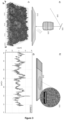
- a focused laser beam can generate highly localized thermal gradients by sending multiple focused pulses in short periods of time ( Figure 3a,b ).
- a commercial laser engraving machine (Laser Pro C180II, GCC, Taiwan) equipped with a 30 W sealed CO 2 laser was used, emitting infrared laser pulses of wavelength 10.6 ⁇ m.
- the device is equipped with an adjustable power control supplying a dynamic range of power from 0 to 30 W for each laser pulse fired.
- the laser-engraving process leads to generation of intricate patterns consisting of numerous small-scale imperfections or cracks, which vary in their specific structure based on the frequency of the laser pulses. Apart from the power, the final characteristics of the patterns depend on the applied power as well as on the surface density of the ablated spots which can be controlled by adjusting (i) the pulse frequency in the range of 30 to 1500 PPI (pulses per inch) and the speed of the projected laser beam or the 'engraving speed' in the range of 0.04 to 40 IPS (inches per second) [55].
- the surface topography and roughness of the substrates were measured using optical profilometry with vertical and lateral resolutions of 1 nm and 200-500 nm, respectively [56] ( Figure 3c,d ).
- the root mean square roughness R was used as the measure of roughness, defined as the standard deviation of the profile Z(x,y) over the probed area.
- the measurements were performed using randomly selected 1 ⁇ 1 mm areas of the substrates using a commercial optical profilometer (ContourGT, Bruker, USA).
- PDMS poly dimethylsiloxane
- THV tetrafluoroethylene-hexafluoropropylene-vinylidenefluoride copolymer
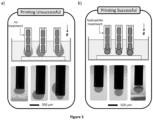
- the fluorinated fluid may form a pocket at the outer surface of the needle (close to the tip) accommodating multiple aqueous droplets and so preventing their transfer to the substrate.
- the outer surface of the needle should be preferentially wetted by the external phase ( Figure 5b ). In the case of W/F/W systems, this means that it should be rendered hydrophilic.
- the fluorinated phase since the fluorinated phase is carrying the droplets inside the needle, the inner surface of the needle should remain hydrophobic and preferentially fluorophilic.
- a stainless-steel needle which preferentially can be a blunt 25G needle (0.52 mm outer diameter), and modify the inner surface of the needle fluorophilic via applying a fluoropolymer-based coating (Novec 1720, 3M, USA).
- the needle is connected to an inlet and outlet tubing, which supplies the coating agent and prevents modification of the outer surface.
- the needle is left for drying and curing at 120 °C for 20 mins.
- the hydrophilicity is retained via cleaning with isopropanol, whereas the needle tips are blocked to avoid contact of the inner walls with isopropanol. In such a way, a needle with fluorophilic inner surface and hydrophilic outer surface is achieved.
- the important tunable parameter during the printing process is the distance d ( Figure 1b ) between the needle tip and the substrate. As described in the Polish patent application P.433162 [42], this distance should be finely adjusted to match the diameter D of the extruded droplets ( Figure 1c ) [63] in order to avoid droplet splitting ( d ⁇ D ) or droplet sliding and/or accumulation at the needle ( d > D ).
- Example 1 printing of the double-emulsion W/F/W droplets at laser-ablated glass substrates
- the T-junction chip with perpendicular outlet needle ( Figure 1g ) was mounted at a 3D printer arm (8) (3Novatica, Tru), allowing movement in X, Y, and Z axes ( Figure 1a ). In this experiment, and following ones, the printing speeds ranging from 20 to 25 mm/s were used.
- the high-precision syringe pumps (1) (neMESYS 290N, Cetoni GmbH, Germany) were used to inject liquids onto the microfluidic chip (5) at flow rates ranging from 3 to 7 ⁇ L/min for the fluorinated fluid and from 10 to 30 ⁇ L/min for the aqueous phase.
- the droplet volume was such that the droplets formed plugs confined by the inner walls of the channel and of the inner wall of the needle. This requirement was equivalent to the condition that the diameter D of a free (spherical) droplet obeyed D > w and D > D 1 .
- the inner needle diameter was larger than channel width, D 1 > w , so the condition on droplet size D > D 1 was sufficient.
- the droplets formed a 'train' (13) of evenly spaced plugs inside the needle and they could be extruded at a regular frequency one-by-one, while avoiding chaotic collisions with the other droplets.
- the volume fraction ⁇ must have fulfilled the following two requirements.
- the possible flow rates are, for example 3 ⁇ L/min:21 ⁇ L/min, or 4 ⁇ L/min:28 ⁇ L/min.
- glass substrates were used, that is, in particular, 1mm-thick borosilicate smooth glass slide (S 0 ), moderately rough diffuse glass substrates (S dif1 ), highly rough diffuse glass substrate (S dif2 ) as well as laser-ablated glass substrates (S 1 , S 2 , S 3 , S 4 , S 5 , and S opt ). All glass substrates were treated with a fluoropolymer-based commercial coating 3M Novec 1720 which rendered the surfaces fluorophilic. The coating was applied via immersion of a glass slide in the liquid agent followed by drying and curing at 135°C [66]. The treatment was performed prior to droplet printing experiments.
- the glass samples were immersed in a transparent container (12) filled with distilled and degassed water with 0.1 % w/w surfactant (SDS).
- SDS distilled and degassed water with 0.1 % w/w surfactant
- As the inner aqueous phase (3) distilled water with 0.1 % w/w Erioglaucine disodium salt (blue dye) were used.
- As the middle phase (2) Novec 7500 fluorinated fluid with 3% w/w of PFPE-PEG-PFPE surfactant were used, synthesized according to the protocol provided in Ref. [47], [48].
- the onset of delamination corresponded to the power range 3.0 - 4.5 W ('transition zone', see Figure 8 ) at PPI values between 500 and 1500.
- higher laser linear speed approximately 4.0 IPS
- the spot width was kept relatively large with the laser speed set to 4.0 IPS (inches per second) or lower.
- Example 2 printing of the double-emulsion W/F/W droplets at sandblasted THV and PTFE substrates
- Sandblasting exploits a jet of sand driven by compressed air or steam [67]. Similarly, to laser ablation, sandblasting renders rough substrates ( Figure 9 , 10 ).
- THV and PTFE substrates were employed, both of which are natively fluorophilic [59]. The substrates were prepared by cutting samples of each material to dimensions of 5 x 5 x 0.3 cm and then cleaning them thoroughly.
- a Basic Master sandblaster (Renfert, Germany), which was equipped with a delivery scope of 70-250 ⁇ m/25-70 ⁇ m, was used along with two nozzles measuring 1.2 mm.
- a special fused alumina abrasive with a particle size of 90-125 ⁇ m (200-115 mesh) was used (Renfert, 99.5% Al 2 O 3 ).
- PTFE and THV were inserted in the blasting chamber, and the abrasive was shot perpendicularly through the nozzles at a distance of 1-2 cm.
- linear sections were covered one by one assuring a uniform distribution of the blasted abrasive on the sample.
- Example 3 printing of the double-emulsion W/F/W droplets at PDMS copies of rough glass substrates
- Polydimethyl siloxane (PDMS) surfaces were prepared using the commercial diffuser glass slide S dif2 as a master.
- a PDMS negative master mold was prepared.
- the PDMS prepolymer (SYLGARD TM 184 Silicone Elastomer Kit, Dow Corning Corporation, Michigan, United States) was mixed in a 9:1 ratio with the supplied curing agent and degassed using a vacuum pump. The mixture was then poured onto the S dif2 glass slide and cured at 80°C for 12 hours.
- the obtained PDMS negative master was silanized with trichloro(1H,1H,2H,2H-perfluorooctyl)silane (PFOCTS; Sigma-Aldrich, Saint Louis, Missouri, United States) to facilitate the detachment of the casted PDMS copies.
- PFOCTS trichloro(1H,1H,2H,2H-perfluorooctyl)silane
- the PDMS prepolymer with the curing agent was poured onto the negative master, degassed and cured at 80°C for the next 4-6 hours.
- the positive PDMS copies were treated with NOVEC 1720 and cured at 120°C for 2 hours to render the surface fluorophilic. This procedure was repeated for each copy prepared.
- the tests showed around 40% increase in the surface roughness of the PDMS copy compared to the original sample (S dif2 ) which can be attributed to the process of salinisation as also reported in previous studies [64].
- Example 4 printing of double emulsion M/F/M droplets using aqueous basal medium (M) at rough glass substrates
- the inner aqueous phase of the system outlined in Example 1 was replaced with a basal medium (DMEM, Gibco, ThermoFisher Scientific, USA).
- the inner aqueous phase can also comprise minimal essential medium (MEM) or phosphate-buffered saline (PBS). It also posible to use aqueous solution of these media.
- M minimal essential medium
- PBS phosphate-buffered saline
- the basal medium (M), or its aqueous solution, used as the droplet phase was colored via adding phenol red dye in the concentration of 150 mg/L.
- the Novec 7500 fluorinated fluid mixture with 3% w/w of PFPE-PEG-PFPE surfactant was utilized.
- a solution of colorless (no added phenol red) basal medium with 0.1% w/w of Pluronic-127 was used as the external aqueous phase.
- the substrates S dif2 and S opt were treated with a fluoropolymer-based commercial coating 3M Novec 1720 to render them fluorophilic.
- the slides were subsequently placed in the container under the external medium (M) and the double-emulsion M/F/M droplets were printed.
- the printing speed, the volume fraction ( ⁇ ) and the range of applied rates of flow were kept the same as in the Example 1.
- Example 5 printing of the double-emulsion W/F/W droplets of varying concentrations of two dyes using laser-ablated glass substrates.
- Droplets with controlled varying concentration can be produced with a simple modification of the typical T-junction.
- a Y-junction variant can be used, a connection of two inlet ports into one inlet channel ( Figure 1h ) or a Psi-junction variant, a connection of three inlet ports into one inlet channel ( Figure 1i ).
- the chip had one inlet port for the fluorinated fluid phase (16) and two or three different inlet ports for the droplet phase (17a,17b,17c).
- the inlet ports can provide drug A (17a) and drug B (17b), whereas the ratio of the two drugs in each of the droplets generated at the T-junction, located downstream the Y-junction, can be regulated via adjusting the time-dependent rates of flow Q A ( t ), Q B ( t ) supplied externally via 2 independent flow supply devices, e.g., syringe pumps or pressure controllers.
- ⁇ t delay is the delay time due to the relaxation of the flow supply system (syringes, tubing) while ⁇ t transport is the time of travel of the droplets from the T-junction to the substrate
- ⁇ t transport ( w 2 L channel + ⁇ D 1 2 L needle /4)/( Q w + Q o )
- L channel is the length of the outlet channel (7) and L needle is the length of the needle (9).
- ⁇ t delay is below 1s, while in the case of the flow supplied by pressure controllers it can be even below 100 ms.
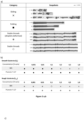
- Figure 12 illustrates a model experiment in which the two inlet ports of the Y-junction are supplied with the aqueous solutions of a red dye (phenol red at the concentration 150 mg/L) and a blue dye (Erioglaucine sodium salt at the concentration 0.1% w/w).
- the corresponding flow rates Q A ( t ) and Q B ( t ) are gradually increasing and decreasing at the same rate such that the net rate of flow of the droplet phase Q A ( t ) + Q B ( t ) remains constant.
- the fluorinated fluid phase is also supplied at the constant rate of flow and the generated monodisperse droplets are directly printed onto a modified substrate S opt under an aqueous solution of Pluronic-F127 at 0.1% w/w.
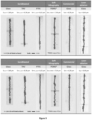
- Figure 13 provides a series of temporal snapshots spanning 24 hours, depicting a chain of droplets with gradually evolving concentrations of blue and red dyes. These droplets were printed onto the optimally textured glass substrate S opt . The overall structure remained stable even after 24 hours.
- the inlet ports can provide drug A (17a), drug B (17b), and cell suspension C (17c).
- the present invention comprises of (i) a microfluidic droplet generator mounted at a motorized XYZ-stage, generating water-in-fluorinated fluid emulsion droplets and depositing them one-by-one at a substrate in the form of a stable linear chain, whereas the substrate is submerged under an external aqueous phase, and (ii) a method of substrate modification resulting in an optimally roughened surface with surface microporosity and chemical affinity towards the fluorinated fluid phase (i.e., such that the fluorinated phase preferentially wets the substrate).
- the use of such substrates (i) facilitates transfer of droplets to the substrate and (ii) warrants long-term stability of the printed droplet-structures at the scale of hours or days.
- Such long-term stability together with the possibility of direct-printing of the droplets under an external aqueous environment opens way to applications in cell encapsulation and long-term culture, e.g., for the purpose of high-throughput drug screening.
- the stable arrangement of the droplets in the form of a linear chain allows for identification of the droplets at any time during the culture based on their sequential deposition.
- the invention also provides a way to stabilize more complex droplet arrangements including lines with local perturbations or 'folds' which can serve as 'barcodes' for labelling of the droplets in the chain, as reported in a previous patent application [63].
- the printed droplet libraries comprising hundreds or thousands of droplets can be used to test the effect of active molecules added to the droplets or supplied from the external phase via observing the behavior of the cells encapsulated inside the droplets.
- the invention allows to check the impact of culture conditions on the encapsulated cells, e.g., the presence of various biomolecules including the components of the extracellular matrix (fibrin, collagen, Matrigel, etc.) or the co-encapsulated other cell types, on the efficacy or toxicity of a co-encapsulated drug.
- the method could be used, e.g., in screening of drugs in cancer microenvironments or in personalized cancer medicine as means of developing optimized patient-specific treatments.
Landscapes
- Chemical & Material Sciences (AREA)
- Health & Medical Sciences (AREA)
- Clinical Laboratory Science (AREA)
- Chemical Kinetics & Catalysis (AREA)
- Analytical Chemistry (AREA)
- General Health & Medical Sciences (AREA)
- Hematology (AREA)
- Dispersion Chemistry (AREA)
- Apparatus Associated With Microorganisms And Enzymes (AREA)
Priority Applications (2)
| Application Number | Priority Date | Filing Date | Title |
|---|---|---|---|
| EP23461682.9A EP4559577A1 (de) | 2023-11-24 | 2023-11-24 | Vorrichtung, verfahren und gebrauch der vorrichtung zum drucken von doppelemulsionströpfchen auf ein substrat unter einer wässrigen phase |
| PCT/PL2024/050094 WO2025110888A1 (en) | 2023-11-24 | 2024-11-22 | A device, method and a use of the device for printing ordered arrays of double-emulsion droplets at a substrate under an external aqueous phase |
Applications Claiming Priority (1)
| Application Number | Priority Date | Filing Date | Title |
|---|---|---|---|
| EP23461682.9A EP4559577A1 (de) | 2023-11-24 | 2023-11-24 | Vorrichtung, verfahren und gebrauch der vorrichtung zum drucken von doppelemulsionströpfchen auf ein substrat unter einer wässrigen phase |
Publications (1)
| Publication Number | Publication Date |
|---|---|
| EP4559577A1 true EP4559577A1 (de) | 2025-05-28 |
Family
ID=88975440
Family Applications (1)
| Application Number | Title | Priority Date | Filing Date |
|---|---|---|---|
| EP23461682.9A Pending EP4559577A1 (de) | 2023-11-24 | 2023-11-24 | Vorrichtung, verfahren und gebrauch der vorrichtung zum drucken von doppelemulsionströpfchen auf ein substrat unter einer wässrigen phase |
Country Status (2)
| Country | Link |
|---|---|
| EP (1) | EP4559577A1 (de) |
| WO (1) | WO2025110888A1 (de) |
Citations (3)
| Publication number | Priority date | Publication date | Assignee | Title |
|---|---|---|---|---|
| US20100022414A1 (en) | 2008-07-18 | 2010-01-28 | Raindance Technologies, Inc. | Droplet Libraries |
| US20180056288A1 (en) * | 2014-10-22 | 2018-03-01 | The Regents Of The University Of California | High Definition Microdroplet Printer |
| PL433162A1 (pl) | 2020-03-06 | 2021-09-13 | Instytut Chemii Fizycznej Polskiej Akademii Nauk | Sposób znakowania monodyspersyjnych cząstek nośnika oraz urządzenie mikroprzepływowe do generacji monodyspersyjnych cząstek nośnika |
Family Cites Families (1)
| Publication number | Priority date | Publication date | Assignee | Title |
|---|---|---|---|---|
| US10688494B2 (en) * | 2016-08-23 | 2020-06-23 | 10X Genomics, Inc. | Microfluidic surface-mediated emulsion stability control |
-
2023
- 2023-11-24 EP EP23461682.9A patent/EP4559577A1/de active Pending
-
2024
- 2024-11-22 WO PCT/PL2024/050094 patent/WO2025110888A1/en active Pending
Patent Citations (3)
| Publication number | Priority date | Publication date | Assignee | Title |
|---|---|---|---|---|
| US20100022414A1 (en) | 2008-07-18 | 2010-01-28 | Raindance Technologies, Inc. | Droplet Libraries |
| US20180056288A1 (en) * | 2014-10-22 | 2018-03-01 | The Regents Of The University Of California | High Definition Microdroplet Printer |
| PL433162A1 (pl) | 2020-03-06 | 2021-09-13 | Instytut Chemii Fizycznej Polskiej Akademii Nauk | Sposób znakowania monodyspersyjnych cząstek nośnika oraz urządzenie mikroprzepływowe do generacji monodyspersyjnych cząstek nośnika |
Non-Patent Citations (70)
| Title |
|---|
| "Product News", J. FAIL. ANAL. PREV., vol. 20, no. 5, September 2020 (2020-09-01), pages 1485 - 1490 |
| 3M, 3M NOVEC 1700 ELECTRONIC GRADE COATING, 2000, Retrieved from the Internet <URL:https://muItimedia.3m.com/mws/media/2342970/3m-novec-1720-electronic-grade-coating.pdf> |
| A. ALCINESIO ET AL.: "Controlled packing and single-droplet resolution of 3D-printed functional synthetic tissues", NAT. COMMUN., vol. 11, no. 1, 2020, pages 2105 |
| A. D. ALADESEH. H. JEONG: "Recent Developments in 3D Printing of Droplet-Based Microfluidics", BIOCHIP J., vol. 15, no. 4, December 2021 (2021-12-01), pages 313 - 333, XP037645878, DOI: 10.1007/s13206-021-00032-1 |
| A. KUMARR. KAURV. KUMARS. KUMARR. GEHLOTP. AGGARWAL: "New insights into water-in-oil-in-water (W/O/W) double emulsions: Properties, fabrication, instability mechanism, and food applications", TRENDS FOOD SCI. TECHNOL, vol. 128, October 2022 (2022-10-01), pages 22 - 37 |
| A. PRASTOWOA. FEUERBORNP. R. COOKE. J. WALSH: "Biocompatibility of fluids for multiphase drops-in-drops microfluidics", BIOMED. MICRODEVICES, vol. 18, no. 6, 2016, pages 1 - 9 |
| A. PRASTOWOP. R. COOKE. J. WALSH: "Biocompatibility of Sessile Drops as Chambers for Cell Culture", PROC. - 2019 2ND INT. CONF. BIOINFORMATICS, BIOTECHNOL. BIOMED. ENG. - BIOINFORMA. BIOMED. ENG. |
| A. Z. NELSONB. KUNDUKADW. K. WONGS. A. KHANP. S. DOYLE: "Embedded droplet printing in yield-stress fluids", PROC. NATL. ACAD. SCI. U. S. A., vol. 117, no. 11, March 2020 (2020-03-01), pages 5671 - 5679, XP055814178, DOI: 10.1073/pnas.1919363117 |
| ASME: "ASME B46.1-2019", 2019, ASME, article "Surface Texture (Surface Roughness, Waviness, and Lay", pages: 144 |
| B. HAMMOUDA: "Temperature Effect on the Nanostructure of SDS Micelles in Water", J. RES. NATL. INST. STAND. TECHNOL., vol. 118, 2013, pages 151 - 167 |
| B. STEINHAUSP. T. SPICERA. Q. SHEN: "Droplet Size Effects on Film Drainage between Droplet and Substrate", LANGMUIR, 2006, pages 5308 - 5313 |
| B. ZHAOC. W. MACMINNR. JUANES: "Wettability control on multiphase flow in patterned microfluidics", PROC. NATL. ACAD. SCI. U. S. A., vol. 113, no. 37, September 2016 (2016-09-01), pages 10251 - 10256 |
| C. HOLTZE ET AL.: "Biocompatible surfactants for water-in-fluorocarbon emulsions", LAB, vol. 8, no. 10, 2008, pages 1632, XP003028166, DOI: 10.1039/B806706F |
| C. LI ET AL.: "Under-Oil Autonomously Regulated Oxygen Microenvironments: A Goldilocks Principle-Based Approach for Microscale Cell Culture", ADV. SCI., vol. 9, no. 10, April 2022 (2022-04-01) |
| C. YANP. JIANGX. JIAX. WANG, 3D PRINTING OF BIOINSPIRED TEXTURED SURFACES WITH SUPERAMPHIPHOBICITY, vol. 12, 2020, pages 2924 |
| CAS , no. 25190-89-0 |
| CAS , no. 297730-93-9 |
| CAS, no. 9016-00-6 |
| D. HAIDASM. NAPIORKOWSKAS. SCHMITTP. S. DITTRICH: "Parallel Sampling of Nanoliter Droplet Arrays for Noninvasive Protein Analysis in Discrete Yeast Cultivations by MALDI-MS", ANAL. CHEM., vol. 92, no. 5, March 2020 (2020-03-01), pages 3810 - 3818, XP093060357, DOI: 10.1021/acs.analchem.9b05235 |
| E. BROUZES ET AL., DROPLET MICROFLUIDIC TECHNOLOGY FOR SINGLE-CELL HIGH-THROUGHPUT SCREENING, 2009 |
| F. EDUATI ET AL.: "A microfluidics platform for combinatorial drug screening on cancer biopsies", NAT. COMMUN., vol. 9, no. 1, June 2018 (2018-06-01), pages 1 - 13 |
| F. M. GALOGAHI, Y. ZHU, H. AN, N. T. NGUYEN: "Core-shell microparticles: Generation approaches and applications", J. SCI. ADV. MATER. DEVICES, vol. 5, no. 4, December 2020 (2020-12-01), pages 417 - 435, XP055817619, DOI: 10.1016/j.jsamd.2020.09.001 |
| F. M. GALOGAHIY. ZHUH. ANN.-T. NGUYEN, FORMATION OF CORE-SHELL DROPLETS FOR THE ENCAPSULATION OF LIQUID CONTENTS, vol. 25, 2021, pages 82 |
| F. QU ET AL.: "Double emulsion-pretreated microwell culture for the in vitro production of multicellular spheroids and their in situ analysis", MICROSYSTEMS NANOENG, vol. 7, no. 1, May 2021 (2021-05-01), pages 1 - 12 |
| G. AUBRYM. ZHANH. LU: "Hydrogel-droplet microfluidic platform for high-resolution imaging and sorting of early larval Caenorhabditis elegans", LAB CHIP, vol. 15, no. 6, March 2015 (2015-03-01), pages 1424 |
| G. ETIENNEA. VIANM. BIOCANINB. DEPLANCKEE. AMSTAD: "Cross-talk between emulsion drops: how are hydrophilic reagents transported across oil phases?", LAB CHIP, vol. 18, 2018, pages 3903, XP055693816, DOI: 10.1039/C8LC01000E |
| G. M. WHITESIDES: "The origins and the future of microfluidics", NATURE, vol. 442, no. 7101, July 2006 (2006-07-01), pages 368 - 373, XP055123139, DOI: 10.1038/nature05058 |
| GCC LASERPRO, C18011 USER MANUAL |
| H. F. CHANY. ZHANGY. P. HOY. L. CHIUY. JUNGK. W. LEONG: "Rapid formation of multicellular spheroids in double-emulsion droplets with controllable microenvironment", SCI. REPORTS, vol. 3, no. 1, December 2013 (2013-12-01), pages 1 - 8, XP055389194, DOI: 10.1038/srep03462 |
| H. GUDAPATIM. DEYI. OZBOLAT: "A comprehensive review on droplet-based bioprinting: Past, present and future", BIOMATERIALS, vol. 102, 2016, pages 20 - 42, XP029630710, DOI: 10.1016/j.biomaterials.2016.06.012 |
| H. Y. LOY. LIUL. XU: "Mechanism of contact between a droplet and an atomically smooth substrate", PHYS. REV. X, vol. 7, no. 2, 2017, pages 1 - 14 |
| J. GUZOWSKIP. KORCZYKS. JAKIELAP. GARSTECKI, DEVICE AND METHOD FOR HIGH-THROUGHPUT, ON-DEMAND GENERATION AND MERGING OF DROPLETS, 25 July 2012 (2012-07-25) |
| J. GUZOWSKIS. JAKIELAP. M. KORCZYK BCP. GARSTECKI: "Custom tailoring multiple droplets one-by-one + Lab on a Chip", POL. AKAD. NAUK INST. CHEM. FIZ., vol. 13, 2013, pages 4308 - 4311 |
| J. K. NUNESS. S. H. TSAIJ. WANH. A. STONE: "Dripping and jetting in microfluidic multiphase flows applied to particle and fibre synthesis", J. PHYS. D. APPL. PHYS., vol. 46, no. 11, March 2013 (2013-03-01) |
| J. Q. BOEDICKERL. LIT. R. KLINER. F. ISMAGILOV: "Detecting bacteria and determining their susceptibility to antibiotics by stochastic confinement in nanoliter droplets using plug-based microfluidics", LAB CHIP, vol. 8, no. 8, July 2008 (2008-07-01), pages 1265 - 1272 |
| J. TULLISC. L. PARKP. ABBYAD: "Selective fusion of anchored droplets via changes in surfactant concentration", LAB CHIP, vol. 14, no. 17, July 2014 (2014-07-01), pages 3285 - 3289, XP055678846, DOI: 10.1039/C4LC00558A |
| J.-C. BARET: "Surfactants in droplet-based microfluidics t", LAB CHIP, vol. 12, no. 3, February 2012 (2012-02-01), pages 403 - 664, XP055386440, DOI: 10.1039/C1LC20582J |
| K. CHURSKI ET AL.: "Rapid screening of antibiotic toxicity in an automated microdroplet system", LAB CHIP, vol. 12, no. 9, April 2012 (2012-04-01), pages 1629 - 1637, XP055096826, DOI: 10.1039/c2lc21284f |
| K. K. BROWER ET AL.: "Double emulsion flow cytometry with high-throughput single droplet isolation and nucleic acid recovery", LAB CHIP, vol. 20, no. 12, June 2020 (2020-06-01), pages 2062 - 2074 |
| K. K. BROWER ET AL.: "Double Emulsion Picoreactors for High-Throughput Single-Cell Encapsulation and Phenotyping via FACS", ANAL. CHEM., vol. 92, no. 19, October 2020 (2020-10-01), pages 13262 - 13270 |
| L. AMIRIFAR: "Droplet-based microfluidics in biomedical applications", BIOFABRICATION, vol. 14, no. 2, January 2022 (2022-01-01), pages 022001 |
| L. ZHOU ET AL.: "Lipid-Bilayer-Supported 3D Printing of Human Cerebral Cortex Cells Reveals Developmental Interactions", ADV. MATER., vol. 32, no. 31, August 2020 (2020-08-01), pages 2002183 |
| M. LI: "A versatile platform for surface modification of microfluidic droplets", LAB CHIP, vol. 17, no. 4, February 2017 (2017-02-01), pages 635 |
| M. MIRKHALAFA. K. DASTJERDIF. BARTHELAT: "Overcoming the brittleness of glass through bio-inspiration and micro-architecture", NAT. COMMUN., vol. 5, no. 1, January 2014 (2014-01-01), pages 1 - 9, XP055241361, DOI: 10.1038/ncomms4166 |
| M. T. GUOA. ROTEMJ. A. HEYMAND. A. WEITZ: "Droplet microfluidics for high-throughput biological assays", LAB CHIP, vol. 12, no. 12, May 2012 (2012-05-01), pages 2146 - 2155 |
| N. SU ET AL.: "The effect of various sandblasting conditions on surface changes of dental zirconia and shear bond strength between zirconia core and indirect composite resin", J. ADV. PROSTHODONT., vol. 7, no. 3, June 2015 (2015-06-01), pages 214 - 223 |
| P. GARSTECKIM. J. FUERSTMANA. STONEG. M. WHITESIDES, FORMATION OF DROPLETS AND BUBBLES IN A MICROFLUIDIC T-JUNCTION - SCALING AND MECHANISM OF BREAK-UP, 2006, pages 437 - 446 |
| P. GARSTECKIM. J. FUERSTMANH. A. STONEG. M. WHITESIDES: "Formation of droplets and bubbles in a microfluidic T-junction-scaling and mechanism of break-up", LAB CHIP, vol. 6, no. 3, February 2006 (2006-02-01), pages 437 - 446, XP055096360, DOI: 10.1039/b510841a |
| P. ZHUL. WANG: "Microfluidics-Enabled Soft Manufacture of Materials with Tailorable Wettability", CHEM. REV., vol. 122, no. 7, April 2022 (2022-04-01), pages 7010 - 7060 |
| Q. GAOQ. LIANGF. YUJ. XUQ. ZHAOB. SUN: "Synthesis and characterization of novel amphiphilic copolymer stearic acid-coupled F127 nanoparticles for nano-technology based drug delivery system", COLLOIDS SURFACES B BIOINTERFACES, vol. 88, 2011, pages 741 - 748, XP028296216, DOI: 10.1016/j.colsurfb.2011.08.010 |
| R. CHENZ. SUND. CHEN: "Droplet-based microfluidics for cell encapsulation and delivery", MICROFLUID. PHARM. APPL. FROM NANO/MICRO SYST. FABR. TO CONTROL. DRUG DELIV., January 2019 (2019-01-01), pages 307 - 335 |
| R. F. X. TOMASIS. SARTT. CHAMPETIERC. N. BAROUD: "Individual Control and Quantification of 3D Spheroids in a High-Density Microfluidic Droplet Array", CELL, vol. 31, no. 8, May 2020 (2020-05-01), pages 107670, XP055895110, DOI: 10.1016/j.celrep.2020.107670 |
| R. H. COLE ET AL.: "Printed droplet microfluidics for on demand dispensing of picoliter droplets and cells", PROC. NATL. ACAD. SCI. U. S. A., vol. 114, no. 33, 2017, pages 8728 - 8733, XP055611136, DOI: 10.1073/pnas.1704020114 |
| ROMANOWSKY MARK B. ET AL: "High throughput production of single core double emulsions in a parallelized microfluidic device", LAB ON A CHIP, vol. 12, no. 4, 6 January 2012 (2012-01-06), UK, pages 802 - 807, XP093050419, ISSN: 1473-0197, DOI: 10.1039/c2lc21033a * |
| RUSSELL H. COLE ET AL: "Printed droplet microfluidics for on demand dispensing of picoliter droplets and cells", PROCEEDINGS OF THE NATIONAL ACADEMY OF SCIENCES, vol. 114, no. 33, 31 July 2017 (2017-07-31), pages 8728 - 8733, XP055611136, ISSN: 0027-8424, DOI: 10.1073/pnas.1704020114 * |
| S. C. RAMAIAHGARI ET AL.: "A 3D in vitro model of differentiated HepG2 cell spheroids with improved liver-like properties for repeated dose high-throughput toxicity studies", ARCH. TOXICOL., vol. 88, no. 5, March 2014 (2014-03-01), pages 1083 - 1095 |
| S. K. KUSTER ET AL.: "Interfacing droplet microfluidics with matrix-assisted laser desorption/ionization mass spectrometry: Label-free content analysis of single droplets", ANAL. CHEM., vol. 85, no. 3, February 2013 (2013-02-01), pages 1285 - 1289 |
| S. LOPERAR. D. MANSANO: "Plasma-Based Surface Modification of Polydimethylsiloxane for PDMS-PDMS Molding", INT. SCH. RES. NETW. ISRN POLYM. SCI., vol. 2012, 2012 |
| S. M. GIANNITELLI ET AL.: "Droplet-based microfluidic synthesis of nanogels for controlled drug delivery: tailoring nanomaterial properties via pneumatically actuated flow-focusing junction", NANOSCALE, vol. 14, no. 31, August 2022 (2022-08-01), pages 11415 - 11428 |
| S. MA: "Microfluidics tubing as a synthesizer for ordered microgel networks Microfluidics tubing as a synthesizer for ordered microgel networks", SOFT MATTER, vol. 15, no. 19, 2019, pages 3848 |
| S. SAKAKIHARAS. ARAKIR. LINOH. NOJI: "A single-molecule enzymatic assay in a directly accessible femtoliter droplet array", LAB CHIP, vol. 10, no. 24, December 2010 (2010-12-01), pages 3355 - 3362, XP055085580, DOI: 10.1039/c0lc00062k |
| S. SARTR. TOMASIG. AMSELEMC. N. BAROUD: "Multiscale cytometry and regulation of 3D cell cultures on a chip", NAT. COMMUN.,, vol. 8, no. 1, 2017, pages 469 |
| T. A. DUNCOMBEP. S. DITTRICH: "Droplet barcoding: tracking mobile micro-reactors for high-throughput biology", CURR. OPIN. BIOTECHNOL., vol. 60, December 2019 (2019-12-01), pages 205 - 212, XP085930991, DOI: 10.1016/j.copbio.2019.05.004 |
| W. J. SEETOY. TIANS. PRADHAND. MINONDE. A. LIPKE, DROPLET MICROFLUIDICS-BASED FABRICATION OF MONODISPERSE POLYETHYLENE GLYCOL)-FIBRINOGEN BREAST CANCER MICROSPHERES FOR AUTOMATED DRUG SCREENING APPLICATIONS, 2022 |
| W. JIANGM. LIZ. CHENK. W. LEONG: "Cell-laden microfluidic microgels for tissue regeneration", LAB CHIP, vol. 16, no. 23, November 2016 (2016-11-01), pages 4482 - 4506 |
| X. LIJ. M. ZHANGX. YIZ. HUANGP. LVH. DUAN: "Multimaterial Microfluidic 3D Printing of Textured Composites with Liquid Inclusions", ADV. SCI., vol. 6, no. 3, 2019, pages 1 - 7 |
| Y. BAIE. WEIBULLH. N. JOENSSONH. ANDERSSON-SVAHN: "Interfacing picoliter droplet microfluidics with addressable microliter compartments using fluorescence activated cell sorting", SENSORS ACTUATORS B CHEM., vol. 194, April 2014 (2014-04-01), pages 249 - 254, XP028609212, DOI: 10.1016/j.snb.2013.12.089 |
| Y. DINGP. D. HOWESJ. ANDREW, RECENT ADVANCES IN DROPLET MICRO FL UIDICS, 2020 |
| Y. K. LAIA. S. OPALSKIP. GARSTECKIL. DERZSIJ. GUZOWSKI: "A double-step emulsification device for direct generation of double emulsions", SOFT MATTER, vol. 18, no. 33, August 2022 (2022-08-01), pages 6157 - 6166 |
| Y. XINGLOVE LIXIAOYU YUE. G. FOXY. WANGJ. OBERHOLZER: "Microfuidic Technology for Evaluating and Preserving Islet Function for Islet Transplant in Type 1 Diabetes", CURR. TRANSPLANT. REPORTS, vol. 1, 10 August 2022 (2022-08-10) |
Also Published As
| Publication number | Publication date |
|---|---|
| WO2025110888A1 (en) | 2025-05-30 |
Similar Documents
| Publication | Publication Date | Title |
|---|---|---|
| Oh et al. | Hydrodynamic micro-encapsulation of aqueous fluids and cells via ‘on the fly’photopolymerization | |
| Zhao-Miao et al. | Advances in droplet-based microfluidic technology and its applications | |
| Visser et al. | In-air microfluidics enables rapid fabrication of emulsions, suspensions, and 3D modular (bio) materials | |
| Shah et al. | Designer emulsions using microfluidics | |
| US11850851B2 (en) | Process and device for in-air production of single droplets, compound droplets, and shape-controlled (compound) particles or fibers | |
| US9764505B2 (en) | Devices and methods for producing planar polymeric materials using microfluidics | |
| Elani et al. | Novel technologies for the formation of 2-D and 3-D droplet interface bilayer networks | |
| JP7438280B2 (ja) | マイクロドロップを処理するためのマイクロ流体方法 | |
| CN106573242A (zh) | 在微米流体设备或毫米流体设备中使反应剂液滴和试剂液滴融合或接触的方法 | |
| Long et al. | Recent progress of droplet microfluidic emulsification based synthesis of functional microparticles | |
| US20230053160A1 (en) | Selective and High-Resolution Printing of Single Cells | |
| Toprakcioglu et al. | Multi-scale microporous silica microcapsules from gas-in water-in oil emulsions | |
| Kim et al. | Mechanical characterization of soft microparticles prepared by droplet microfluidics | |
| Wu et al. | High-throughput microfluidic production of droplets and hydrogel microspheres through monolithically integrated microchannel plates | |
| EP4559577A1 (de) | Vorrichtung, verfahren und gebrauch der vorrichtung zum drucken von doppelemulsionströpfchen auf ein substrat unter einer wässrigen phase | |
| Reineke et al. | On-chip fabrication and in-flow 3d-printing of microgel constructs: from chip to scaffold materials in one integral process | |
| Su et al. | Facile and scalable rotation-based microfluidics for controllable production of emulsions, microparticles, and microfibers | |
| Monette-Catafard | High-Throughput Cell Encapsulation in Monodisperse Agarose MIcrocapsules Using a Microfluidic Device | |
| Soucy | Hollow Hydrogel Cocoons for the Encapsulation of Therapeutic Cells Using a Microfluidic Platform | |
| Kamperman et al. | In-air Microfluidics Enables Rapid Fabrication of Emulsions, Suspensions, and 3D Modular (Bio) materials | |
| Shinwary | Design & Analysis of Microfluidic Systems for Droplet Generation via Flow Focusing & Electrogeneration | |
| Arola | GELLAN GUM HYDROGEL DROPLET FORMATION IN MICROFLUIDIC CHIP | |
| Nguyen | Strategic design of flow structures for single (bio) particle analysis using droplet microfluidic platform | |
| Guo et al. | Scalable fabrication of multiple emulsions via plasma-treated PDMS microfluidic devices | |
| Carneiro et al. | Visualization of PDMS microparticles formation for biomimetic fluids |
Legal Events
| Date | Code | Title | Description |
|---|---|---|---|
| PUAI | Public reference made under article 153(3) epc to a published international application that has entered the european phase |
Free format text: ORIGINAL CODE: 0009012 |
|
| STAA | Information on the status of an ep patent application or granted ep patent |
Free format text: STATUS: THE APPLICATION HAS BEEN PUBLISHED |
|
| AK | Designated contracting states |
Kind code of ref document: A1 Designated state(s): AL AT BE BG CH CY CZ DE DK EE ES FI FR GB GR HR HU IE IS IT LI LT LU LV MC ME MK MT NL NO PL PT RO RS SE SI SK SM TR |