EP4556031A2 - Zusammensetzungen zur chelatbildung von metallen bei niedrigen temperaturen - Google Patents
Zusammensetzungen zur chelatbildung von metallen bei niedrigen temperaturen Download PDFInfo
- Publication number
- EP4556031A2 EP4556031A2 EP25168599.6A EP25168599A EP4556031A2 EP 4556031 A2 EP4556031 A2 EP 4556031A2 EP 25168599 A EP25168599 A EP 25168599A EP 4556031 A2 EP4556031 A2 EP 4556031A2
- Authority
- EP
- European Patent Office
- Prior art keywords
- group
- compound
- certain embodiments
- independently selected
- chain
- Prior art date
- Legal status (The legal status is an assumption and is not a legal conclusion. Google has not performed a legal analysis and makes no representation as to the accuracy of the status listed.)
- Pending
Links
Images





Classifications
-
- A—HUMAN NECESSITIES
- A61—MEDICAL OR VETERINARY SCIENCE; HYGIENE
- A61K—PREPARATIONS FOR MEDICAL, DENTAL OR TOILETRY PURPOSES
- A61K51/00—Preparations containing radioactive substances for use in therapy or testing in vivo
- A61K51/02—Preparations containing radioactive substances for use in therapy or testing in vivo characterised by the carrier, i.e. characterised by the agent or material covalently linked or complexing the radioactive nucleus
- A61K51/04—Organic compounds
- A61K51/08—Peptides, e.g. proteins, carriers being peptides, polyamino acids, proteins
- A61K51/088—Peptides, e.g. proteins, carriers being peptides, polyamino acids, proteins conjugates with carriers being peptides, polyamino acids or proteins
-
- A—HUMAN NECESSITIES
- A61—MEDICAL OR VETERINARY SCIENCE; HYGIENE
- A61K—PREPARATIONS FOR MEDICAL, DENTAL OR TOILETRY PURPOSES
- A61K51/00—Preparations containing radioactive substances for use in therapy or testing in vivo
- A61K51/02—Preparations containing radioactive substances for use in therapy or testing in vivo characterised by the carrier, i.e. characterised by the agent or material covalently linked or complexing the radioactive nucleus
- A61K51/04—Organic compounds
- A61K51/0474—Organic compounds complexes or complex-forming compounds, i.e. wherein a radioactive metal (e.g. 111In3+) is complexed or chelated by, e.g. a N2S2, N3S, NS3, N4 chelating group
- A61K51/0482—Organic compounds complexes or complex-forming compounds, i.e. wherein a radioactive metal (e.g. 111In3+) is complexed or chelated by, e.g. a N2S2, N3S, NS3, N4 chelating group chelates from cyclic ligands, e.g. DOTA
-
- A—HUMAN NECESSITIES
- A61—MEDICAL OR VETERINARY SCIENCE; HYGIENE
- A61K—PREPARATIONS FOR MEDICAL, DENTAL OR TOILETRY PURPOSES
- A61K31/00—Medicinal preparations containing organic active ingredients
- A61K31/33—Heterocyclic compounds
- A61K31/395—Heterocyclic compounds having nitrogen as a ring hetero atom, e.g. guanethidine or rifamycins
-
- A—HUMAN NECESSITIES
- A61—MEDICAL OR VETERINARY SCIENCE; HYGIENE
- A61K—PREPARATIONS FOR MEDICAL, DENTAL OR TOILETRY PURPOSES
- A61K45/00—Medicinal preparations containing active ingredients not provided for in groups A61K31/00 - A61K41/00
- A61K45/06—Mixtures of active ingredients without chemical characterisation, e.g. antiphlogistics and cardiaca
-
- A—HUMAN NECESSITIES
- A61—MEDICAL OR VETERINARY SCIENCE; HYGIENE
- A61K—PREPARATIONS FOR MEDICAL, DENTAL OR TOILETRY PURPOSES
- A61K51/00—Preparations containing radioactive substances for use in therapy or testing in vivo
- A61K51/02—Preparations containing radioactive substances for use in therapy or testing in vivo characterised by the carrier, i.e. characterised by the agent or material covalently linked or complexing the radioactive nucleus
- A61K51/04—Organic compounds
- A61K51/0497—Organic compounds conjugates with a carrier being an organic compounds
-
- A—HUMAN NECESSITIES
- A61—MEDICAL OR VETERINARY SCIENCE; HYGIENE
- A61K—PREPARATIONS FOR MEDICAL, DENTAL OR TOILETRY PURPOSES
- A61K51/00—Preparations containing radioactive substances for use in therapy or testing in vivo
- A61K51/02—Preparations containing radioactive substances for use in therapy or testing in vivo characterised by the carrier, i.e. characterised by the agent or material covalently linked or complexing the radioactive nucleus
- A61K51/04—Organic compounds
- A61K51/08—Peptides, e.g. proteins, carriers being peptides, polyamino acids, proteins
- A61K51/083—Peptides, e.g. proteins, carriers being peptides, polyamino acids, proteins the peptide being octreotide or a somatostatin-receptor-binding peptide
-
- A—HUMAN NECESSITIES
- A61—MEDICAL OR VETERINARY SCIENCE; HYGIENE
- A61P—SPECIFIC THERAPEUTIC ACTIVITY OF CHEMICAL COMPOUNDS OR MEDICINAL PREPARATIONS
- A61P39/00—General protective or antinoxious agents
- A61P39/04—Chelating agents
-
- C—CHEMISTRY; METALLURGY
- C07—ORGANIC CHEMISTRY
- C07B—GENERAL METHODS OF ORGANIC CHEMISTRY; APPARATUS THEREFOR
- C07B59/00—Introduction of isotopes of elements into organic compounds ; Labelled organic compounds per se
- C07B59/008—Peptides; Proteins
-
- C—CHEMISTRY; METALLURGY
- C07—ORGANIC CHEMISTRY
- C07F—ACYCLIC, CARBOCYCLIC OR HETEROCYCLIC COMPOUNDS CONTAINING ELEMENTS OTHER THAN CARBON, HYDROGEN, HALOGEN, OXYGEN, NITROGEN, SULFUR, SELENIUM OR TELLURIUM
- C07F1/00—Compounds containing elements of Groups 1 or 11 of the Periodic Table
- C07F1/08—Copper compounds
-
- C—CHEMISTRY; METALLURGY
- C07—ORGANIC CHEMISTRY
- C07F—ACYCLIC, CARBOCYCLIC OR HETEROCYCLIC COMPOUNDS CONTAINING ELEMENTS OTHER THAN CARBON, HYDROGEN, HALOGEN, OXYGEN, NITROGEN, SULFUR, SELENIUM OR TELLURIUM
- C07F7/00—Compounds containing elements of Groups 4 or 14 of the Periodic Table
- C07F7/24—Lead compounds
-
- C—CHEMISTRY; METALLURGY
- C07—ORGANIC CHEMISTRY
- C07B—GENERAL METHODS OF ORGANIC CHEMISTRY; APPARATUS THEREFOR
- C07B2200/00—Indexing scheme relating to specific properties of organic compounds
- C07B2200/05—Isotopically modified compounds, e.g. labelled
Definitions
- Radioactive metals are used often for diagnostic imaging and radionuclide therapy for disease.
- radiometals are most often attached to molecules that are often referred to as "ligands.”
- ligands can be antibodies, aptamers, peptides, antibody fragments, or small molecules that are designed to bind specifically and with high affinity to proteins that are present in the disease, but often are not present (or at very low concentration) on normal cells.
- the ligand acts as a vehicle to deliver radiation (as a radioactive metal) to the site of malignancy in the body.
- ligands deliver radioactive metals that emit photons and positrons for SPECT and PET imaging.
- ligands deliver radioactive metals that emit particles such as beta and alpha particles or auger electrons.
- the attachment of the radiometal to the ligand requires a modification of the ligand to include a molecular structure that is referred to as a chelator.
- the present invention provides a method of performing a chelating reaction comprising contacting a divalent metal with a compound of Formula (I): or a salt thereof wherein:
- the present invention provides a method of diagnosing a disease in a patient in need thereof, comprising:
- the present invention provides a method of treating a disease in a patient in need thereof, comprising administering a chelated composition to the patient within two hours of the chelated composition being chelated, wherein the chelated composition comprises a compound of Formula I chelated with a divalent metal, wherein the compound of Formula I comprises: or a salt thereof wherein:
- Chelators have special properties that allow the ready attachment of radiometals to the ligand.
- One metallic element that is emerging as having properties that are valuable for radiometric diagnostic imaging and radionuclide therapy is lead (Pb).
- Pb isotopes of Pb that represent a pair that can be applied for imaging
- Pb-212 isotopes of Pb that represent a pair that can be applied for imaging
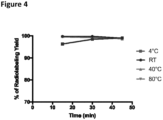
- a chelator for Pb isotopes was developed that has surprising properties for the radiometallation reaction. While radiometallation reactions for Pb isotopes is generally carried out at temperatures greater than 80°C (for 45 min to 2 h), a composition of matter has been newly discovered that enables Pb-203 and Pb-212 labeling at low temperatures ( ⁇ 37°C). As used herein, these chelators are called "low temperature macrocyclic metal chelators" (LTMMC). Data collected to date show that the radiometallation reaction proceeds to nearly 100% completion at temperatures as low as 4°C in 15 minutes or less. The reaction proceeds more rapidly than other chelators used for Pb reactions and the radiometal-chelator coupling is stable in serum.
- LTMMC low temperature macrocyclic metal chelators
- the data also show that the labeling reaction happens faster than the current state of the art.
- the speed of the reaction at low temperatures has value particularly for radio-pharmacies, where radiopharmaceutical diagnostics and therapies are prepared for patient imaging and therapy.
- the speed of the reaction at room temperature makes it so that the chelator modified ligand and radiometal solutions can simply be mixed and in a few minutes, the radiometallation reaction is complete, and the radioactive drug is ready for immediate patient administration.
- the present invention provides a molecular structure that enables radiolabeling with divalent radionuclides at low temperature.
- the invention is connected via a linker molecule to a ligand that is designed to bind to cancer cells to enable delivery of radiation for imaging and therapy to tumors.
- the linker is a molecule a molecular chain that connects the chelator to the ligand.
- the linker is polyethylene glycol, an aliphatic chain, or a polypeptide chain.
- the ligand is an agent of interest, such as a peptide, antibody, antibody fragment or a small molecule.
- the method of the present invention chelates a compound of Formula (I):
- the compound of formula (I) is a compound of formula (Ia):
- the compound of formula (I) is a compound of formula (Ib):
- the divalent metal is lead (Pb) or copper (Cu).
- the divalent metal is a radionuclide.
- the radionuclide is Pb-203 or Pb-212.
- the LTMMC chelator has the structure:
- the LTMMC is radiolabeled at low temperatures with divalent metals for radionuclide imaging and therapy for cancer.
- the LTMMC is radiolabeled with Pb-212, Pb-203, Cu-64 or Cu-67.
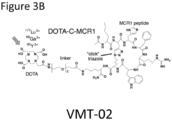
- the LTMMC has the structure of VMT-01 or MVT-02 ( Figures 3A , 3B ).
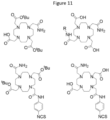
- exemplary bifunctional structures are provided in Figures 11- 15.
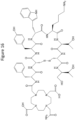
- the LTMMC was conjugated to a peptide, in this instance an analog of a peptide known as octreotide that is used for diagnostic imaging and therapy of cancerous tumors that express the somatostatic subtype II receptor.
- a peptide in this instance an analog of a peptide known as octreotide that is used for diagnostic imaging and therapy of cancerous tumors that express the somatostatic subtype II receptor.
- Figure 16 an analog of a peptide known as octreotide that is used for diagnostic imaging and therapy of cancerous tumors that express the somatostatic subtype II receptor.
- Figure 17 provides the structure for (3S,10S,14S)-1-((1R,4S)-4-(((R)-6-(2-(7-(2-amino-2-oxoethyl)-4,10-bis(carboxymethyl)-1,4,7,10-tetraazacyclododecan-1-yl)acetamido)-2-(4-(4-iodophenyl)butanamido)hexanamido)methyl)cyclohexyl)-3-(naphthalen-2-ylmethyl)-1,4,12-trioxo-2,5,11,13-tetraazahexadecane-10,14,16-tricarboxylic acid.
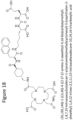
- Figure 18 provides the structure for (3S,108,14S)-1-((1r,4S)-4-((2-(7-(2-amino-2-oxoethyl)-4,10-bis(carboxymethyl)-1,4,7,10-tetraazacyclododecan-1-yl)acetamido)methyl)cyclohexyl)-3-(naphthalen-2-ylmethyl)-1,4,12-trioxo-2,5,11,13-tetraazahexadecane-10,14,16-tricarboxylic acid.
- Figure 19 provides the structure for (15S,19S)-1-(7-(2-amino-2-oxoethyl)-4,10-bis(carboxymethyl)-1,4,7,10-tetraazacyclododecan-1-yl)-2,9,17-trioxo-3,10,16,18-tetraazahenicosane-15,19,21-tricarboxylic acid.
- halo or halogen is fluoro, chloro, bromo, or iodo.
- Alkyl, alkoxy, alkenyl, alkynyl, etc. denote both straight and branched groups; but reference to an individual radical such as propyl embraces only the straight chain radical, a branched chain isomer such as isopropyl being specifically referred to.
- alkyl by itself or as part of another substituent, means, unless otherwise stated, a straight or branched chain hydrocarbon radical, having the number of carbon atoms designated (i.e., C 1-8 means one to eight carbons). Examples include (C 1 -C 8 )alkyl, (C 2 -C 8 )alkyl, C 1 -C 6 )alkyl, (C 2 -C 6 )alkyl and (C 3 -C 6 )alkyl.
- alkyl groups include methyl, ethyl, n-propyl, iso-propyl, n-butyl, t-butyl, iso-butyl, sec-butyl, n-pentyl, n-hexyl, n-heptyl, n-octyl, and and higher homologs and isomers.
- alkenyl refers to an unsaturated alkyl radical having one or more double bonds.
- unsaturated alkyl groups include vinyl, 2-propenyl, crotyl, 2-isopentenyl, 2-(butadienyl), 2,4-pentadienyl, 3-(1,4-pentadienyl) and the higher homologs and isomers.
- alkynyl refers to an unsaturated alkyl radical having one or more triple bonds. Examples of such unsaturated alkyl groups ethynyl, 1- and 3-propynyl, 3-butynyl, and higher homologs and isomers.
- alkoxy refers to an alkyl groups attached to the remainder of the molecule via an oxygen atom (“oxy").
- alkylthio refers to an alkyl groups attached to the remainder of the molecule via a thio group.
- cycloalkyl refers to a saturated or partially unsaturated (non-aromatic) all carbon ring having 3 to 8 carbon atoms (i.e., (C 3 -C 8 )carbocycle).
- the term also includes multiple condensed, saturated all carbon ring systems (e.g., ring systems comprising 2, 3 or 4 carbocyclic rings).
- carbocycle includes multicyclic carbocyles such as a bicyclic carbocycles (e.g., bicyclic carbocycles having about 3 to 15 carbon atoms , about 6 to 15 carbon atoms, or 6 to 12 carbon atoms such as bicyclo[3.1.0]hexane and bicyclo[2.1.1]hexane), and polycyclic carbocycles (e.g tricyclic and tetracyclic carbocycles with up to about 20 carbon atoms).
- the rings of the multiple condensed ring system can be connected to each other via fused, spiro and bridged bonds when allowed by valency requirements.
- multicyclic carbocyles can be connected to each other via a single carbon atom to form a spiro connection (e.g., spiropentane, spiro[4,5]decane, etc), via two adjacent carbon atoms to form a fused connection (e.g., carbocycles such as decahydronaphthalene, norsabinane, norcarane) or via two non-adjacent carbon atoms to form a bridged connection (e.g., norbornane, bicyclo[2.2.2]octane, etc).
- a spiro connection e.g., spiropentane, spiro[4,5]decane, etc
- a fused connection e.g., carbocycles such as decahydronaphthalene, norsabinane, norcarane
- a bridged connection e.g., norbornane, bicyclo[2.2.2]octane,
- Non-limiting examples of cycloalkyls include cyclopropyl, cyclobutyl, cyclopentyl, cyclohexyl, bicyclo[2.2.1]heptane, pinane, and adamantane.
- aryl refers to a single all carbon aromatic ring or a multiple condensed all carbon ring system wherein at least one of the rings is aromatic.
- an aryl group has 6 to 20 carbon atoms, 6 to 14 carbon atoms, 6 to 12 carbon atoms, or 6 to 10 carbon atoms.
- Aryl includes a phenyl radical.
- Aryl also includes multiple condensed carbon ring systems (e.g., ring systems comprising 2, 3 or 4 rings) having about 9 to 20 carbon atoms in which at least one ring is aromatic and wherein the other rings may be aromatic or not aromatic (i.e., cycloalkyl.
- the rings of the multiple condensed ring system can be connected to each other via fused, spiro and bridged bonds when allowed by valency requirements. It is to be understood that the point of attachment of a multiple condensed ring system, as defined above, can be at any position of the ring system including an aromatic or a carbocycle portion of the ring.
- aryl groups include, but are not limited to, phenyl, indenyl, indanyl, naphthyl, 1, 2, 3, 4-tetrahydronaphthyl, anthracenyl, and the like.
- heterocycle refers to a single saturated or partially unsaturated ring that has at least one atom other than carbon in the ring, wherein the atom is selected from the group consisting of oxygen, nitrogen and sulfur; the term also includes multiple condensed ring systems that have at least one such saturated or partially unsaturated ring, which multiple condensed ring systems are further described below.
- the term includes single saturated or partially unsaturated rings (e.g., 3, 4, 5, 6 or 7-membered rings) from about 1 to 6 carbon atoms and from about 1 to 3 heteroatoms selected from the group consisting of oxygen, nitrogen and sulfur in the ring.
- the sulfur and nitrogen atoms may also be present in their oxidized forms.
- heterocycles include but are not limited to azetidinyl, tetrahydrofuranyl and piperidinyl.
- heterocycle also includes multiple condensed ring systems (e.g., ring systems comprising 2, 3 or 4 rings) wherein a single heterocycle ring (as defined above) can be condensed with one or more groups selected from cycloalkyl, aryl, and heterocycle to form the multiple condensed ring system.
- the rings of the multiple condensed ring system can be connected to each other via fused, spiro and bridged bonds when allowed by valency requirements. It is to be understood that the individual rings of the multiple condensed ring system may be connected in any order relative to one another.
- the point of attachment of a multiple condensed ring system can be at any position of the multiple condensed ring system including a heterocycle, aryl and carbocycle portion of the ring.
- heterocycle includes a 3-15 membered heterocycle.
- heterocycle includes a 3-10 membered heterocycle.
- heterocycle includes a 3-8 membered heterocycle.
- heterocycle includes a 3-7 membered heterocycle.
- heterocycle includes a 3-6 membered heterocycle.
- the term heterocycle includes a 4-6 membered heterocycle.
- heterocycle includes a 3-10 membered monocyclic or bicyclic heterocycle comprising 1 to 4 heteroatoms. In one embodiment the term heterocycle includes a 3-8 membered monocyclic or bicyclic heterocycle heterocycle comprising 1 to 3 heteroatoms. In one embodiment the term heterocycle includes a 3-6 membered monocyclic heterocycle comprising 1 to 2 heteroatoms. In one embodiment the term heterocycle includes a 4-6 membered monocyclic heterocycle comprising 1 to 2 heteroatoms.
- heterocycles include, but are not limited to aziridinyl, azetidinyl, pyrrolidinyl, piperidinyl, homopiperidinyl, morpholinyl, thiomorpholinyl, piperazinyl, tetrahydrofuranyl, dihydrooxazolyl, tetrahydropyranyl, tetrahydrothiopyranyl, 1,2,3,4-tetrahydroquinolyl, benzoxazinyl, dihydrooxazolyl, chromanyl, 1,2-dihydropyridinyl, 2,3-dihydrobenzofuranyl, 1,3-benzodioxolyl, 1,4-benzodioxanyl, spiro[cyclopropane-1,1'-isoindolinyl]-3'-one, isoindolinyl-1-one, 2-oxa-6-azaspiro[3.3]heptanyl, imid
- heteroaryl refers to a single aromatic ring that has at least one atom other than carbon in the ring, wherein the atom is selected from the group consisting of oxygen, nitrogen and sulfur; "heteroaryl” also includes multiple condensed ring systems that have at least one such aromatic ring, which multiple condensed ring systems are further described below.
- heteroaryl includes single aromatic rings of from about 1 to 6 carbon atoms and about 1-4 heteroatoms selected from the group consisting of oxygen, nitrogen and sulfur. The sulfur and nitrogen atoms may also be present in an oxidized form provided the ring is aromatic.
- heteroaryl ring systems include but are not limited to pyridyl, pyrimidinyl, oxazolyl or furyl.
- Heteroaryl also includes multiple condensed ring systems (e.g., ring systems comprising 2, 3 or 4 rings) wherein a heteroaryl group, as defined above, is condensed with one or more rings selected from cycloalkyl, aryl, heterocycle, and heteroaryl. It is to be understood that the point of attachment for a heteroaryl or heteroaryl multiple condensed ring system can be at any suitable atom of the heteroaryl or heteroaryl multiple condensed ring system including a carbon atom and a heteroatom (e.g., a nitrogen).
- heteroaryls include but are not limited to pyridyl, pyrrolyl, pyrazinyl, pyrimidinyl, pyridazinyl, pyrazolyl, thienyl, indolyl, imidazolyl, triazolyl, tetrazolyl, oxazolyl, isoxazolyl, thiazolyl, furyl, oxadiazolyl, thiadiazolyl, quinolyl, isoquinolyl, benzothiazolyl, benzoxazolyl, indazolyl, quinoxalyl, and quinazolyl.
- heteroatom is meant to include oxygen (O), nitrogen (N), sulfur (S) and silicon (Si).
- a wavy line " " that intersects a bond in a chemical structure indicates the point of attachment of the bond that the wavy bond intersects in the chemical structure to the remainder of a molecule.
- treat to the extent it relates to a disease or condition includes inhibiting the disease or condition, eliminating the disease or condition, and/or relieving one or more symptoms of the disease or condition.
- treat also refer to both therapeutic treatment and/or prophylactic treatment or preventative measures, wherein the object is to prevent or slow down (lessen) an undesired physiological change or disorder, such as, for example, the development or spread of cancer.
- beneficial or desired clinical results include, but are not limited to, alleviation of symptoms, diminishment of extent of disease or disorder, stabilized (i.e., not worsening) state of disease or disorder, delay or slowing of disease progression, amelioration or palliation of the disease state or disorder, and remission (whether partial or total), whether detectable or undetectable.
- Treatment can also mean prolonging survival as compared to expected survival if not receiving treatment.
- Those in need of treatment include those already with the disease or disorder as well as those prone to have the disease or disorder or those in which the disease or disorder is to be prevented.
- “treat”, “treatment”, or “treating” does not include preventing or prevention
- terapéuticaally effective amount includes but is not limited to an amount of a compound of the that (i) treats or prevents the particular disease, condition, or disorder, (ii) attenuates, ameliorates, or eliminates one or more symptoms of the particular disease, condition, or disorder, or (iii) prevents or delays the onset of one or more symptoms of the particular disease, condition, or disorder described herein.
- mammal refers to humans, higher non-human primates, rodents, domestic, cows, horses, pigs, sheep, dogs and cats. In one embodiment, the mammal is a human.
- patient refers to any animal including mammals. In one embodiment, the patient is a mammalian patientIn one embodiment, the patient is a human patient.
- this invention also includes any compound claimed that may be enriched at any or all atoms above naturally occurring isotopic ratios with one or more isotopes such as, but not limited to, deuterium ( 2 H or D).
- a -CH 3 group may be substituted with -CD 3 .
- compositions of the invention can comprise one or more excipients.
- excipients refers generally to an additional ingredient that is combined with the compound of formula (I) or the pharmaceutically acceptable salt thereof to provide a corresponding composition.
- excipients includes, but is not limited to: carriers, binders, disintegrating agents, lubricants, sweetening agents, flavoring agents, coatings, preservatives, and dyes.
- the compounds of the invention can contain asymmetric or chiral centers, and therefore exist in different stereoisomeric forms. It is intended that all stereoisomeric forms of the compounds of the invention, including but not limited to, diastereomers, enantiomers and atropisomers, as well as mixtures thereof such as racemic mixtures, form part of the present invention.
- optically active compounds i.e., they have the ability to rotate the plane of plane-polarized light.
- the prefixes D and L, or R and S are used to denote the absolute configuration of the molecule about its chiral center(s).
- the prefixes d and 1 or (+) and (-) are employed to designate the sign of rotation of plane-polarized light by the compound, with (-) or 1 meaning that the compound is levorotatory.
- a compound prefixed with (+) or d is dextrorotatory. For a given chemical structure, these stereoisomers are identical except that they are mirror images of one another.
- a specific stereoisomer can also be referred to as an enantiomer, and a mixture of such isomers is often called an enantiomeric mixture.
- a 50:50 mixture of enantiomers is referred to as a racemic mixture or a racemate, which can occur where there has been no stereoselection or stereospecificity in a chemical reaction or process.
- the terms "racemic mixture” and “racemate” refer to an equimolar mixture of two enantiomeric species, devoid of optical activity.
- the atom to which the bond is attached includes all stereochemical possibilities.
- a bond in a compound formula herein is drawn in a defined stereochemical manner (e.g. bold, bold-wedge, dashed or dashed-wedge)
- a bond in a compound formula herein is drawn in a defined stereochemical manner (e.g. bold, bold-wedge, dashed or dashed-wedge)
- the atom to which the stereochemical bond is attached is enriched in the absolute stereoisomer depicted unless otherwise noted.
- the compound may be at least 51% the absolute stereoisomer depicted.
- the compound may be at least 60% the absolute stereoisomer depicted.
- the compound may be at least 80% the absolute stereoisomer depicted.
- the compound may be at least 90% the absolute stereoisomer depicted. In another embodiment, the compound may be at least 95 the absolute stereoisomer depicted. In another embodiment, the compound may be at least 99% the absolute stereoisomer depicted.
- the term "residue” as it applies to the residue of a compound refers to a compound that has been modified in any manner which results in the creation of an open valence wherein the site of the open valence.
- the open valence can also be created by the chemical conversion of a first function group of the compound to a second functional group of the compound (e.g., reduction of a carbonyl group, replacement of a carbonyl group with an amine, ) followed by the removal of 1 or more atoms from the second functional group to create the open valence.
- radicals, substituents, and ranges are for illustration only; they do not exclude other defined values or other values within defined ranges for the radicals and substituents. It is to be understood that two or more values may be combined. It is also to be understood that the values listed herein below (or subsets thereof) can be excluded.
- L is a linking group that joins the remainder of the compound of formula I to a biological agent.
- the nature of the linking group L is not critical provided the resulting conjugate retains the useful biological propertied described herein.
- the linking group has a molecular weight of from about 20 daltons to about 20,000 daltons.
- the linking group has a molecular weight of from about 20 daltons to about 5,000 daltons.
- the linking group has a molecular weight of from about 20 daltons to about 1,000 daltons.
- the linking group has a molecular weight of from about 20 daltons to about 200 daltons.
- the linking group has a length of about 5 angstroms to about 60 angstroms.
- the linking group separates the antigen from the remainder of the compound of formula I by about 5 angstroms to about 40 angstroms, inclusive, in length.
- the linking group is a divalent, branched or unbranched, saturated or unsaturated, hydrocarbon chain, having from 2 to 25 carbon atoms, wherein one or more (e.g. 1, 2, 3, or 4) of the carbon atoms is optionally replaced by (-O-), and wherein the chain is optionally substituted on carbon with one or more (e.g.
- the linking group is a divalent, branched or unbranched, saturated or unsaturated, hydrocarbon chain, having from 2 to 10 carbon atoms, wherein one or more (e.g. 1, 2, 3, or 4) of the carbon atoms is optionally replaced by (-O-), and wherein the chain is optionally substituted on carbon with one or more (e.g.
- substituents selected from (C 1 -C 6 )alkoxy, (C 3 -C 6 )cycloalkyl, (C 1 -C 6 )alkanoyl
- substituents selected from (C 1 -C 6 )alkoxy, (C 3 -C 6 )cycloalkyl, (C 1 -C 6 )alkanoyl
- the linking group is a divalent, branched or unbranched, saturated or unsaturated, hydrocarbon chain, having from 2 to 10 carbon atoms.
- the linking group is a divalent, branched or unbranched, saturated hydrocarbon chain, having from 2 to 10 carbon atoms.
- the linking group is a divalent, unbranched, saturated hydrocarbon chain, having from 2 to 10 carbon atoms.
- the linking group is a divalent, unbranched, saturated hydrocarbon chain, having from 2 to 6 carbon atoms.
- the linking group is a divalent, unbranched, saturated hydrocarbon chain, having from 2 to 4 carbon atoms.
- the linking group comprises a polyethyleneoxy chain.
- the polyethyleneoxy chain comprises 2, 3, 4, 5, 6, 7, 8, 9, or 10 repeating ethyleneoxy units.
- the linking group is a divalent radical formed from a protein.
- the linking group is a divalent radical formed from a peptide.
- the linking group is a divalent radical formed from an amino acid.
- L is polyethylene glycol, an aliphatic chain, or a polypeptide chain.
- linkders are known in the art. See, e.g., Bandari RP, Jiang Z, Reynolds TS, Bemskoetter NE, Szczodroski AF, Bassuner KJ, Kirkpatrick DL, Rold TL, Sieckman GL, Hoffman TJ, Connors JP, Smith CJ. Synthesis and biological evaluation of copper-64 radiolabeled [DUPA-6-Ahx-(NODAGA)-5-Ava-BBN(7-14)NH2], a novel bivalent targeting vector having affinity for two distinct biomarkers (GRPr/PSMA) of prostate cancer. Nucl Med Biol. 2014;41(4):355-363. doi: 10.1016/j.nucmedbio.2014.01.001.
- N-terminal modifications improve the receptor affinity and pharmacokinetics of radiolabeled peptidic gastrin-releasing peptide receptor antagonists: examples of 68Ga- and 64Cu-labeled peptides for PET imaging.
- PEG spacers of different length influence the biological profile of bombesin-based radiolabeled antagonists. Nucl Med Biol. 2014;41(6):464-470.
- antibody includes, but is not limited to, antibodies obtained from both polyclonal and monoclonal preparations, as well as the following: (i) chimeric antibody molecules (see, for example, Winter et al. (1991) Nature 349:293-299 ; and U.S. Pat. No. 4,816,567 ); (ii) F(ab')2 and F(ab) fragments; (iii) Fv molecules (noncovalent heterodimers, see, for example, Inbar et al. (1972) Proc. Natl. Acad. Sci. USA 69:2659-2662 ; and Ehrlich et al.
- Mini-antibodies or minibodies i.e., sFv polypeptide chains that include oligomerization domains at their C-termini, separated from the sFv by a hinge region; see, e.g., Pack et al. (1992) Biochem 31:1579-1584 ; Cumber et al. (1992) J. Immunology 149B:120-126 ); and, (vii) any functional fragments obtained from such molecules, wherein such fragments retain specific-binding properties of the parent antibody molecule.
- Antibodies (Abs) and “immunoglobulins” (Igs) refer to glycoproteins having similar structural characteristics. While antibodies exhibit binding specificity to a specific antigen, immunoglobulins include both antibodies and other antibody-like molecules that generally lack antigen specificity. Polypeptides of the latter kind are, for example, produced at low levels by the lymph system and at increased levels by myelomas.
- antibody and “immunoglobulin” are used interchangeably in the broadest sense and include monoclonal antibodies (e.g., full length or intact monoclonal antibodies), polyclonal antibodies, monovalent antibodies, multivalent antibodies, multispecific antibodies (e.g., bispecific antibodies so long as they exhibit the desired biological activity) and may also include certain antibody fragments.
- An antibody can be chimeric, human, humanized and/or affinity matured.
- the term "antibody” includes scFv, humanized, fully human or chimeric antibodies, single-chain antibodies, diabodies, and antigen-binding fragments of antibodies (e.g., Fab fragments).
- the antibody fragment does not contain the constant domain region of an antibody.
- the antibody fragment is less than 500 amino acids in length, such as between 200-450 amino acids in length, or less than 400 amino acids in length.
- a molecule or ligand that specifically binds to a protein has an association constant of at least 10 3 M -1 or 10 4 M -1 , sometimes 10 5 M -1 or 10 6 M -1 , in other instances 10 6 M -1 or 10 7 M -1 , preferably 10 8 M -1 to 10 9 M -1 , and more preferably, about 10 10 M -1 to 10 11 M -1 or higher.
- a variety of immunoassay formats can be used to select antibodies specifically immunoreactive with a particular protein. For example, solid-phase ELISA immunoassays are routinely used to select monoclonal antibodies specifically immunoreactive with a protein. See, e.g., Harlow and Lane (1988) Antibodies, A Laboratory Manual, Cold Spring Harbor Publications, New York , for a description of immunoassay formats and conditions that can be used to determine specific immunoreactivity.
- Aptamers are single stranded oligonucleotides that can naturally fold into different 3-dimensional structures, which have the capability of binding specifically to biosurfaces, a target compound or a moiety.
- formational change refers to the process by which a nucleic acid, such as an aptamer, adopts a different secondary or tertiary structure.
- fold may be substituted for conformational change.
- Aptamers have advantages over more traditional affinity molecules such as antibodies in that they are very stable, can be easily synthesized, and can be chemically manipulated with relative ease. Aptamer synthesis is potentially far cheaper and reproducible than antibody-based diagnostic tests. Aptamers are produced by solid phase chemical synthesis, an accurate and reproducible process with consistency among production batches. An aptamer can be produced in large quantities by polymerase chain reaction (PCR) and once the sequence is known, can be assembled from individual naturally occurring nucleotides and/or synthetic nucleotides. Aptamers are stable to long-term storage at room temperature, and, if denatured, aptamers can easily be renatured, a feature not shared by antibodies. Furthermore, aptamers have the potential to measure concentrations of ligand in orders of magnitude lower (parts per trillion or even quadrillion) than those antibody-based diagnostic tests. These characteristics of aptamers make them attractive for diagnostic applications.
- Aptamers are typically oligonucleotides that may be single stranded oligodeoxynucleotides, oligoribonucleotides, or modified oligodeoxynucleotide or oligoribonucleotides.
- modified encompasses nucleotides with a covalently modified base and/or sugar.
- modified nucleotides include nucleotides having sugars that are covalently attached to low molecular weight organic groups other than a hydroxyl group at the 3' position and other than a phosphate group at the 5' position.
- modified nucleotides may also include 2' substituted sugars such as 2'-O-methyl-; 2-O-alkyl; 2-O-allyl; 2'-S-alkyl; 2'-S-allyl; 2'-fluoro-; 2'-halo or 2-azido-ribose, carbocyclic sugar analogues a-anomeric sugars; epimeric sugars such as arabinose, xyloses or lyxoses, pyranose sugars, furanose sugars, and sedoheptulose.
- 2' substituted sugars such as 2'-O-methyl-; 2-O-alkyl; 2-O-allyl; 2'-S-alkyl; 2'-S-allyl; 2'-fluoro-; 2'-halo or 2-azido-ribose
- carbocyclic sugar analogues a-anomeric sugars
- epimeric sugars such as arabinose, xyloses or lyx
- Modified nucleotides include, by example and not by way of limitation, alkylated purines and/or pyrimidines; acylated purines and/or pyrimidines; or other heterocycles. These classes of pyrimidines and purines are known in the art and include, pseudoisocytosine; N4, N4-ethanocytosine; 8-hydroxy-N6-methyladenine; 4-acetylcytosine, 5-(carboxyhydroxylmethyl) uracil; 5-fluorouracil; 5-bromouracil; 5-carboxymethylaminomethyl-2-thiouracil; 5-carboxymethylaminomethyl uracil; dihydrouracil; inosine; N6-isopentyl-adenine; 1-methyladenine; 1-methylpseudouracil; 1-methylguanine; 2,2-dimethylguanine; 2-methyladenine; 2-methylguanine; 3-methylcytosine; 5-methylcytos
- the aptamers of the invention are synthesized using conventional phosphodiester linked nucleotides and synthesized using standard solid or solution phase synthesis techniques that are known in the art.
- Linkages between nucleotides may use alternative linking molecules.
- the aptamer portion binds to Human Epidermal growth factor Receptor 2 (HER2).
- modifications are made to the aptamer portion. Additional modifications to the aptamer portion include 2'O-methyl modification of the pyrimidines. In other embodiments, all of the nucleotides in the aptamer are 2'O-methyl modified. Alternatively, the pyrimidines, or all the nucleotides, may be modified with 2'fluoros (both pyrimidines and purines).
- nucleotides in the aptamer include large molecular weight conjugates like pegylation, lipid-based modifications (e.g., cholesterol) or nanoparticles (e.g., PEI or chitosan) to improve the pharmacokinetic/dynamic profile of the chimera.
- large molecular weight conjugates like pegylation, lipid-based modifications (e.g., cholesterol) or nanoparticles (e.g., PEI or chitosan) to improve the pharmacokinetic/dynamic profile of the chimera.
- modifications are introduced into the stem sequence in the aptamer.
- Different nucleotides can be used as long as the structure of the stem is retained.
- the compound of Formula I of the present invention can be operably linked to one or more small molecule entities.
- the entity is a fluorescent tag, affinity tag, a protein, a solid substrate, a cell surface, or a cellular component.
- the cellular component is a cell wall or cell membrane.
- the solid substrate is a component of silica, cellulose, cellulose acetate, nitrocellulose, nylon, polyester, polyethersulfone, polyolefin, or polyvinylidene fluoride, or combinations thereof.
- the solid substrate is a filter, magnetic bead, metal oxide, latex particle, microtiter plates, polystyrene bead, or CD-ROM.
- amino acid comprises the residues of the natural amino acids (e.g. Ala, Arg, Asn, Asp, Cys, Glu, Gln, Gly, His, Hyl, Hyp, Ile, Leu, Lys, Met, Phe, Pro, Ser, Thr, Trp, Tyr, and Val) in D or L form, as well as unnatural amino acids (e.g.
- the term also comprises natural and unnatural amino acids bearing a conventional amino protecting group (e.g.
- acetyl or benzyloxycarbonyl as well as natural and unnatural amino acids protected at the carboxy terminus (e.g. as a (C 1 -C 6 )alkyl, phenyl or benzyl ester or amide; or as an ⁇ -methylbenzyl amide).
- suitable amino and carboxy protecting groups are known to those skilled in the art (See for example, T.W. Greene, Protecting Groups In Organic Synthesis; Wiley: New York, 1981 , and references cited therein).
- An amino acid can be linked to the remainder of a compound of formula I through the carboxy terminus, the amino terminus, or through any other convenient point of attachment, such as, for example, through the sulfur of cysteine.
- polypeptide refers to polymers of amino acids of any length.
- Peptides and polypeptides can be either entirely composed of synthetic, non-natural analogues of amino acids, or, is a chimeric molecule of partly natural peptide amino acids and partly non-natural analogs of amino acids.
- a polypeptide is used in a composition, cell system or process of the invention (e.g., a host cell having a plasmid expressing at least one enzyme of the invention).
- polypeptide can refer to compounds comprised of polymers of amino acids covalently attached to another functional group (e.g., solubilizing group, a targeting group, PEG, non-amino acid group, or other therapeutic agent).
- Amino acids may be abbreviated using the following designation in parentheses: Proline (Pro), Valine (Val), Lysine (Lys), Ornithine (Om), Norleucine (Nle), Glycine (Gly), Tryptophan (Trp), Alanine (Ala), Phenylalanine (Phe), Arginine (Arg), Histidine (His), Glutamic acid (Glu), Aspartic acid (Asp), Serine (Ser), Methionine (Met), Isoleucine (Ile), Tyrosine (Tyr), Cyclohexylalanine (Cha), 4-fluoro-D-phenylglycine (4-fluoro-D-Phg), 2-thienyl-D-alanine (D-Thi).
- Polypeptide compositions of the invention can contain any combination of non-natural structural components. Individual peptide residues can be joined by peptide bonds, other chemical bonds or coupling means, such as, e.g., glutaraldehyde, N-hydroxysuccinimide esters, bifunctional maleimides, N,N'-dicyclohexylcarbodiimide (DCC) or N,N'-diisopropylcarbodiimide (DIC).
- DCC N,N'-dicyclohexylcarbodiimide
- DIC N,N'-diisopropylcarbodiimide
- Polypeptides used to practice the method of the invention can be modified by either natural processes, such as post-translational processing (e.g., phosphorylation, acylation, etc), or by chemical modification techniques, and the resulting modified polypeptides. Modifications can occur anywhere in the polypeptide, including the peptide backbone, the amino acid side-chains and the amino or carboxyl terminus. It will be appreciated that the same type of modification may be present in the same or varying degrees at several sites in a given polypeptide. Also a given polypeptide may have many types of modifications.
- Modifications include acetylation, acylation, ADP-ribosylation, amidation, covalent attachment of flavin, covalent attachment of a heme moiety, covalent attachment of a nucleotide or nucleotide derivative, covalent attachment of a lipid or lipid derivative, covalent attachment of a phosphatidylinositol, cross-linking cyclization, disulfide bond formation, demethylation, formation of covalent cross-links, formation of cysteine, formation of pyroglutamate, formylation, gamma-carboxylation, glycosylation, GPI anchor formation, hydroxylation, iodination, methylation, myristoylation, oxidation, PEGylation, proteolytic processing, phosphorylation, prenylation, selenoylation, sulfation, and transfer-RNA mediated addition of amino acids to protein such as arginylation.
- Bioly active moieties include a molecule or compound that elicits or modulates a physiological response.
- a biologically active compound stimulates melanocortin receptors, preferably MC1-receptors.
- modulate and “modulation” is meant that the activity of one or more proteins or protein subunits is up regulated or down regulated, such that expression, level, or activity is greater than or less than that observed in the absence of the modulator.
- modulate can mean “inhibit” or “stimulate”.
- C-terminal sequence includes reference to the end of the amino acid chain terminated typically, but not necessarily, by a carboxyl group.
- the convention for writing peptide sequences is to put the C-terminal end on the right and write the sequence from N- to C-terminus.
- the C-terminal sequence may comprise 1 to 100 amino acids, preferably 2 to 15 amino acids, and even more preferably 3 to 10 amino acids.
- the C-terminal sequence may terminate with a carboxyl group or the terminus may be modified by well-known methods in the art to comprise a functional member (e.g. targeting group, retention signal, lipid, and anchor).
- peptide describes a sequence of 2 to 25 amino acids (e.g. as defined hereinabove) or peptidyl residues.
- the sequence may be linear or cyclic.
- a cyclic peptide can be prepared or may result from the formation of disulfide bridges between two cysteine residues in a sequence.
- a peptide can be linked to the remainder of a compound of formula I through the carboxy terminus, the amino terminus, or through any other convenient point of attachment, such as, for example, through the sulfur of a cysteine.
- a peptide comprises 3 to 25, or 5 to 21 amino acids.
- Peptide derivatives can be prepared as disclosed in U.S.
- Patent Numbers 4,612,302 ; 4,853,371 ; and 4,684,620 or as described in the Examples hereinbelow.
- Peptide sequences specifically recited herein are written with the amino terminus on the left and the carboxy terminus on the right.
- cell proliferative disorder and “proliferative disorder” refer to disorders that are associated with a measurable degree of abnormal cell proliferation.
- the cell proliferative disorder is cancer.
- Tumor refers to all neoplastic cell growth and proliferation, whether malignant or benign, and all pre-cancerous and cancerous cells and tissues.
- cancer refers to all neoplastic cell growth and proliferation, whether malignant or benign, and all pre-cancerous and cancerous cells and tissues.
- cancer refers to all neoplastic cell growth and proliferation, whether malignant or benign, and all pre-cancerous and cancerous cells and tissues.
- cancer cancer
- cancer cancer
- cancer cancer
- cancer cancer
- cancer cancer
- cancer cancer
- cancer and “cancerous” refer to or describe the physiological condition in mammals that is typically characterized by unregulated cell growth and proliferation.
- examples of cancer include, but are not limited to, carcinoma, lymphoma (e.g., Hodgkin's and non-Hodgkin's lymphoma), blastoma, sarcoma, and leukemia.
- cancers include squamous cell cancer, small-cell lung cancer, non-small cell lung cancer, adenocarcinoma of the lung, squamous carcinoma of the lung, cancer of the peritoneum, hepatocellular cancer, renal cell carcinoma, gastrointestinal cancer, gastric cancer, esophageal cancer, pancreatic cancer, glioma, cervical cancer, ovarian cancer, liver cancer, bladder cancer, hepatoma, breast cancer (e.g., endocrine resistant breast cancer), colon cancer, rectal cancer, lung cancer, endometrial or uterine carcinoma, salivary gland carcinoma, kidney cancer, liver cancer, prostate cancer, vulval cancer, thyroid cancer, hepatic carcinoma, melanoma, leukemia and other lymphoproliferative disorders, and various types of head and neck cancer.
- squamous cell cancer small-cell lung cancer, non-small cell lung cancer, adenocarcinoma of the lung, squamous carcinoma of the lung, cancer of the peritone
- lung tumor refers to any tumor of the lung, including but not limited to small-cell lung carcinoma and non-small cell lung carcinoma, the latter including but not limited to adenocarcinoma, squamous carcinoma, and large cell carcinoma.
- neoplasm or "neoplastic cell” refers to an abnormal tissue or cell that proliferates more rapidly than corresponding normal tissues or cells and continues to grow after removal of the stimulus that initiated the growth.
- a "lung tumor cell” refers to a lung tumor cell, either in vivo or in vitro, and encompasses cells derived from primary lung tumors or metastatic lung tumors, as well as cell lines derived from such cells.
- treatment refers to clinical intervention in an attempt to alter the natural course of the individual or cell being treated, and can be performed either for prophylaxis or during the course of clinical pathology. Desirable effects of treatment include preventing occurrence or recurrence of disease, alleviation of symptoms, diminishment of any direct or indirect pathological consequences of the disease, preventing metastasis, decreasing the rate of disease progression, amelioration or palliation of the disease state, and remission or improved prognosis.
- anti-cancer agent includes therapeutic agents that kill cancer cells; slow tumor growth and cancer cell proliferation; and ameliorate or prevent one or more of the symptoms of cancer.
- An anti-cancer agent includes pharmaceutically acceptable salts.
- pharmaceutically acceptable salts refers to salts that retain the desired biological activity of the above-identified compounds, and include pharmaceutically acceptable acid addition salts and base addition salts. Suitable pharmaceutically acceptable acid addition salts may be prepared from an inorganic acid or from an organic acid. Examples of such inorganic acids are hydrochloric, sulfuric, and phosphoric acid.
- Appropriate organic acids may be selected from aliphatic, cycloaliphatic, aromatic, heterocyclic carboxylic and sulfonic classes of organic acids, examples of which are formic, acetic, propionic, succinic, glycolic, gluconic, lactic, malic, tartaric, citric, fumaric, maleic, alkyl sulfonic, arylsulfonic. Additional information on pharmaceutically acceptable salts can be found in Remington's Pharmaceutical Sciences, 19th Edition, Mack Publishing Co., Easton, Pa. 1995 . In the case of agents that are solids, it is understood by those skilled in the art that the inventive compounds, agents and salts may exist in different crystalline or polymorphic forms, all of which are intended to be within the scope of the present invention and specified formulae.
- the anti-cancer agent is a MAPK pathway inhibitor, including but not limited to cobimetinib, dabrafenib, and/or trametinib.
- terapéuticaally effective amount or “effective amount” is an amount sufficient to effect beneficial or desired clinical results.
- An effective amount can be administered in one or more administrations.
- An effective amount is typically sufficient to palliate, ameliorate, stabilize, reverse, slow or delay the progression of the disease state.
- the present invention provides a "substantially pure compound”.
- the term “substantially pure compound” is used herein to describe a molecule, such as a polypeptide (e.g., a polypeptide that binds a target, or a fragment thereof) that is substantially free of other proteins, lipids, carbohydrates, nucleic acids, and other biological materials with which it is naturally associated.
- a substantially pure molecule, such as a polypeptide can be at least 60%, by dry weight, the molecule of interest.
- the purity of the polypeptides can be determined using standard methods including, e.g., polyacrylamide gel electrophoresis (e.g., SDS-PAGE), column chromatography (e.g., high performance liquid chromatography (HPLC)), and amino-terminal amino acid sequence analysis.
- polyacrylamide gel electrophoresis e.g., SDS-PAGE
- column chromatography e.g., high performance liquid chromatography (HPLC)
- amino-terminal amino acid sequence analysis e.g., amino-terminal amino acid sequence analysis.
- Treatment refers to administering, to a mammal, agents that are capable of eliciting a prophylactic, curative or other beneficial effect in the individual. Treatment may additionally result in attenuating or ameliorating a disease or symptoms of a disease in a subject.
- the conjugate is administered along with an additional conventional cancer therapy modality.
- the additional cancer therapy is chemotherapy and/or radiation.
- the mammal is a human.
- the tumor is reduced in volume by at least 10%. In certain embodiments, the tumor is reduced by any amount between 1-100%. In certain embodiments, the tumor uptake of molecular imaging agents, such as fluorine-18 deoxyglucose, fluorine-18 thymidine or other suitable molecular imaging agent, is reduced by any amount between 1-100%. In certain embodiments, the imaging agent is fluorine-18 deoxyglucose, fluorine-18 thymidine or other suitable molecular imaging agent. In certain embodiments, the mammal's symptoms (such as flushing, nausea, fever, or other maladies associated with cancerous disease) are alleviated.
- the mammal's symptoms such as flushing, nausea, fever, or other maladies associated with cancerous disease
- a compound as a pharmaceutically acceptable acid or base salt may be appropriate.
- pharmaceutically acceptable salts are organic acid addition salts formed with acids that form a physiological acceptable anion, for example, tosylate, methanesulfonate, acetate, citrate, malonate, tartrate, succinate, benzoate, ascorbate, ⁇ -ketoglutarate, and ⁇ -glycerophosphate.
- Suitable inorganic salts may also be formed, including hydrochloride, sulfate, nitrate, bicarbonate, and carbonate salts.
- salts may be obtained using standard procedures well known in the art, for example by reacting a sufficiently basic compound such as an amine with a suitable acid affording a physiologically acceptable anion.
- a sufficiently basic compound such as an amine
- a suitable acid affording a physiologically acceptable anion.
- Alkali metal (for example, sodium, potassium or lithium) or alkaline earth metal (for example calcium) salts of carboxylic acids can also be made.
- the present compounds may be systemically administered, e.g., orally, in combination with a pharmaceutically acceptable vehicle such as an inert diluent or an assimilable edible carrier. They may be enclosed in hard or soft shell gelatin capsules, may be compressed into tablets, or may be incorporated directly with the food of the patient's diet.
- a pharmaceutically acceptable vehicle such as an inert diluent or an assimilable edible carrier.
- the active compound may be combined with one or more excipients and used in the form of ingestible tablets, buccal tablets, troches, capsules, elixirs, suspensions, syrups, wafers, and the like.
- Such compositions and preparations should contain at least 0.1% of active compound.
- the percentage of the compositions and preparations may, of course, be varied and may conveniently be between about 2 to about 60% of the weight of a given unit dosage form.
- the amount of active compound in such therapeutically useful compositions is such that an effective dosage level will be obtained.
- the tablets, troches, pills, capsules, and the like may also contain the following: binders such as gum tragacanth, acacia, corn starch or gelatin; excipients such as dicalcium phosphate; a disintegrating agent such as corn starch, potato starch, alginic acid and the like; a lubricant such as magnesium stearate; and a sweetening agent such as sucrose, fructose, lactose or aspartame or a flavoring agent such as peppermint, oil of wintergreen, or cherry flavoring may be added.
- a liquid carrier such as a vegetable oil or a polyethylene glycol.
- any material used in preparing any unit dosage form should be pharmaceutically acceptable and substantially non-toxic in the amounts employed.
- the active compound may be incorporated into sustained-release preparations and devices.
- the active compound may also be administered intravenously or intraperitoneally by infusion or injection.
- Solutions of the active compound or its salts can be prepared in water, optionally mixed with a nontoxic surfactant.
- Dispersions can also be prepared in glycerol, liquid polyethylene glycols, triacetin, and mixtures thereof and in oils. Under ordinary conditions of storage and use, these preparations contain a preservative to prevent the growth of microorganisms.
- the pharmaceutical dosage forms suitable for injection or infusion can include sterile aqueous solutions or dispersions or sterile powders comprising the active ingredient that are adapted for the extemporaneous preparation of sterile injectable or infusible solutions or dispersions, optionally encapsulated in liposomes.
- the ultimate dosage form should be sterile, fluid and stable under the conditions of manufacture and storage.
- the liquid carrier or vehicle can be a solvent or liquid dispersion medium comprising, for example, water, ethanol, a polyol (for example, glycerol, propylene glycol, liquid polyethylene glycols, and the like), vegetable oils, nontoxic glyceryl esters, and suitable mixtures thereof.
- the proper fluidity can be maintained, for example, by the formation of liposomes, by the maintenance of the required particle size in the case of dispersions or by the use of surfactants.
- the prevention of the action of microorganisms can be brought about by various antibacterial and antifungal agents, for example, parabens, chlorobutanol, phenol, sorbic acid, thimerosal, and the like. In many cases, it will be preferable to include isotonic agents, for example, sugars, buffers or sodium chloride. Prolonged absorption of the injectable compositions can be brought about by the use in the compositions of agents delaying absorption, for example, aluminum monostearate and gelatin.
- Sterile injectable solutions are prepared by incorporating the active compound in the required amount in the appropriate solvent with various other ingredients enumerated above, as required, followed by filter sterilization.
- the preferred methods of preparation are vacuum drying and the freeze drying techniques, which yield a powder of the active ingredient plus any additional desired ingredient present in the previously sterile-filtered solutions.
- the present compounds may be applied in pure form, i.e., when they are liquids. However, it may be desirable to administer them to the skin as compositions or formulations, in combination with a dermatologically acceptable carrier, which may be a solid or a liquid.
- Useful solid carriers include finely divided solids such as talc, clay, microcrystalline cellulose, silica, alumina and the like.
- Useful liquid carriers include water, alcohols or glycols or water-alcohol/glycol blends, in which the present compounds can be dissolved or dispersed at effective levels, optionally with the aid of non-toxic surfactants.
- Adjuvants such as fragrances and additional antimicrobial agents can be added to optimize the properties for a given use.
- the resultant liquid compositions can be applied from absorbent pads, used to impregnate bandages and other dressings, or sprayed onto the affected area using pump-type or aerosol sprayers.
- Thickeners such as synthetic polymers, fatty acids, fatty acid salts and esters, fatty alcohols, modified celluloses or modified mineral materials can also be employed with liquid carriers to form spreadable pastes, gels, ointments, soaps, and the like, for application directly to the skin of the user.
- Examples of useful dermatological compositions which can be used to deliver the compounds of the present invention to the skin are known to the art; for example, see Jacquet et al. (U.S. Pat. No. 4,608,392 ), Geria (U.S. Pat. No. 4,992,478 ), Smith et al. (U.S. Pat. No. 4,559,157 ) and Wortzman (U.S. Pat. No. 4,820,508 ).
- the dosage of the agent varies depending on age, weight, and condition of the subject. Treatment may be initiated with small dosages containing less than optimal doses, and increased until a desired, or even an optimal effect under the circumstances, is reached. In general, the dosage is about 450 - 600 mg/kg/day in patients weighing less than 20 kg, or 9.9 - 13.0 g/m 2 /day in larger patients. Higher or lower doses, however, are also contemplated and are, therefore, within the confines of this invention. A medical practitioner may prescribe a small dose and observe the effect on the subject's symptoms. Thereafter, he/she may increase the dose if suitable. In general, agent is administered at a concentration that affords effective results without causing any unduly harmful or deleterious side effects, and may be administered either as a single unit dose, or if desired in convenient subunits administered at suitable times.
- a pharmaceutical composition of the invention is formulated to be compatible with its intended route of administration.
- the therapeutic agent may be introduced directly into the cancer of interest via direct injection.
- routes of administration include oral, parenteral, e.g., intravenous, slow infusion, intradermal, subcutaneous, oral ( e.g., ingestion or inhalation), transdermal (topical), transmucosal, and rectal administration.
- Such compositions typically comprise the agent and a pharmaceutically acceptable carrier.
- pharmaceutically acceptable carrier is intended to include any and all solvents, dispersion media, coatings, antibacterial and anti-fungal agents, isotonic and absorption delaying agents, and the like, compatible with pharmaceutical administration, and a dietary food-based form. The use of such media and agents for pharmaceutically active substances is well known in the art and food as a vehicle for administration is well known in the art.
- Solutions or suspensions can include the following components: a sterile diluent such as water for injection, saline solution (e.g., phosphate buffered saline (PBS)), fixed oils, a polyol (for example, glycerol, propylene glycol, and liquid polyetheylene glycol, and the like), glycerine, or other synthetic solvents; antibacterial and antifungal agents such as parabens, chlorobutanol, phenol, ascorbic acid, thimerosal, and the like; antioxidants such as ascorbic acid or sodium bisulfite; chelating agents such as ethylenediaminetetraacetic acid; buffers such as acetates, citrates or phosphates and agents for the adjustment of tonicity such as sodium chloride or dextrose.
- a sterile diluent such as water for injection, saline solution (e.g., phosphate buffered saline (PBS)),
- the proper fluidity can be maintained, for example, by the use of a coating such as lecithin, by the maintenance of the required particle size in the case of dispersion and by the use of surfactants.
- a coating such as lecithin
- surfactants for example, sugars, polyalcohols such as mannitol or sorbitol, and sodium chloride in the composition.
- Prolonged administration of the injectable compositions can be brought about by including an agent that delays absorption.
- agents include, for example, aluminum monostearate and gelatin.
- the parenteral preparation can be enclosed in ampules, disposable syringes, or multiple dose vials made of glass or plastic.
- Dosage unit form refers to physically discrete units suited as unitary dosages for an individual to be treated; each unit containing a predetermined quantity of active compound calculated to produce the desired therapeutic effect in association with the required pharmaceutical carrier.
- the dosage unit forms of the invention are dependent upon the amount of a compound necessary to produce the desired effect(s).
- the amount of a compound necessary can be formulated in a single dose, or can be formulated in multiple dosage units. Treatment may require a one-time dose, or may require repeated doses.
- Systemic delivery refers to delivery of an agent or composition that leads to a broad biodistribution of an active agent within an organism. Some techniques of administration can lead to the systemic delivery of certain agents, but not others. Systemic delivery means that a useful, preferably therapeutic, amount of an agent is exposed to most parts of the body. To obtain broad biodistribution generally requires a blood lifetime such that the agent is not rapidly degraded or cleared (such as by first pass organs (liver, lung, etc .) or by rapid, nonspecific cell binding) before reaching a disease site distal to the site of administration.
- Systemic delivery of lipid particles can be by any means known in the art including, for example, intravenous, subcutaneous, and intraperitoneal. In a preferred embodiment, systemic delivery of lipid particles is by intravenous delivery.
- “Local delivery,” as used herein, refers to delivery of an active agent directly to a target site within an organism.
- an agent can be locally delivered by direct injection into a disease site, other target site, or a target organ such as the skin.
- mammal refers to any mammalian species such as a human, mouse, rat, dog, cat, hamster, guinea pig, rabbit, livestock, and the like.
- beneficial or desired clinical results include, but are not limited to, alleviation of symptoms, diminishment of extent of disease, stabilized ( i.e., not worsening) state of disease, delay or slowing of disease progression, amelioration or palliation of the disease state, and remission (whether partial or total), whether detectable or undetectable.
- Treatment can also mean prolonging survival as compared to expected survival if not receiving treatment.
- Those in need of treatment include those already with the condition or disorder as well as those prone to have the condition or disorder or those in which the condition or disorder is to be prevented.
- the present invention provides a method of performing a chelating reaction comprising contacting a divalent metal with a compound of Formula (I): or a salt thereof wherein:
- the compound of formula (I) is a compound of formula (Ia):
- the compound of formula (I) is a compound of formula (Ib):
- the divalent metal is lead (Pb) or copper (Cu).
- the divalent metal is a radionuclide.
- the radionuclide is Pb-203 or Pb-212.
- L is polyethylene glycol, an aliphatic chain, or a polypeptide chain.
- L is a hydrophobic linking group that includes heteroatom substitutions in the aliphatic chain.
- L is a hydrophilic linking group that includes heteroatom substitutions in the aliphatic chain.
- L is a mixture of hydrophilic and hydrophobic entities.
- L is a mixture of hydrophilic and hydrophobic entities including piperidine insertions.
- L is PEG n , wherein n is 1-10.
- n is 2-4.
- n 4.
- L is an aliphatic (ALP) linking group of 2 or 4 carbons.
- L is a piperidine (PIP) based linking group with mixed characteristics.
- the biological agent is a ligand.
- the ligand is a peptide, an antibody or antibody fragment, or a small molecule agent.
- the temperature is between 0°C and 40 °C.
- the temperature is between about 0-37°C.
- the temperature is between about 0-10°C.
- the temperature is about 4°C.
- the chelating reaction proceeds to greater than 95% labeling in less than two hours.
- the chelating reaction proceeds to greater than 95% labeling in less than 30 minutes.
- the present invention provides a method of diagnosing a disease in a patient in need thereof, comprising:
- the present invention provides a method of treating a disease in a patient in need thereof, comprising administering achelated composition to the patient within two hours of the chelated composition being chelated, wherein the chelated composition comprises a compound of Formula I chelated with a divalent metal, wherein the compound of Formula I comprises: or a salt thereof wherein:
- the disease is a hyperproliferative disease.
- the disease is cancer.
- the compound of formula (I) is a compound of formula (Ia):
- the compound of formula (I) is a compound of formula (Ib):
- the divalent metal is lead (Pb) or copper (Cu).
- the divalent metal is a radionuclide.
- the radionuclide is Pb-203 or Pb-212.
- L is polyethylene glycol, an aliphatic chain, or a polypeptide chain.
- L is a hydrophobic linking group that includes heteroatom substitutions in the aliphatic chain.
- L is a hydrophilic linking group that includes heteroatom substitutions in the aliphatic chain.
- L is a mixture of hydrophilic and hydrophobic entities.
- L is a mixture of hydrophilic and hydrophobic entities including piperidine insertions.
- L is PEG n , wherein n is 1-10.
- n is 2-4.
- n 4.
- L is an aliphatic (ALP) linking group of 2 or 4 carbons.
- L is a piperidine (PIP) based linking group with mixed characteristics.
- the biological agent is a ligand.
- the ligand is a peptide, an antibody or antibody fragment, or a small molecule agent.
- the compound of Formula I is administered orally or parenterally.
- the method further comprises administering an anti-cancer composition.
- the compound of Formula I is administered in a single dose.
- the compound of Formula I is administered in multiple doses.
- the compound of Formula I is administered sequentially daily for several days.
- the compound of Formula I is administered once per week for 1 month.
- the compound of Formula I is administered once per week for up to 6 months.
- the compound of Formula I is administered in a dose of up to 1 mCi for medical imaging.
- the compound of Formula I is administered in a dose of up to 10 mCi for medical imaging.
- the compound of Formula I is administered in a dose of up to 50 mCi for medical imaging.
- the compound of Formula I is administered in a dose of up to 0.1 mCi for medical treatment of the cancerous tumors.
- the compound of Formula I is administered in a dose of up to 1 mCi for medical treatment of the cancerous tumors.
- the compound of Formula I is administered in a dose of up to 10 mCi for medical treatment of the cancerous tumors.
- the compound of Formula I is administered in a dose of up to 100 mCi for medical treatment of the cancerous tumors.
- the compound of Formula I is administered for more than a month.
- the compound of Formula I is administered for more than a year.
- the compound of Formula I is administered at a dosage of at least 1500 mg/day.
- LTMMC low temperature macrocyclic metal chelator
- LTMMC low temperature macrocyclic metal chelator
- VMT01 low temperature macrocyclic metal chelator
- Pb lead
- Cu copper
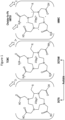
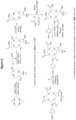
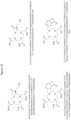
- An example synthesis of a first-generation chelator with NCS functional group is provided in Figure 2 .
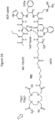
- Exemplary LTMMC structures are provided in Figures 3A , 3B (VMT_01 and VMT-02).
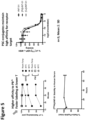
- Radiolabeling efficiency with Pb-203 and Pb-212 was compared for these two species. It was observed that the LTMMC conjugated VMT01 labels even at 4 °C (96% in 15 minutes), which was very surprising because usually, high temperatures are required for this type of labeling using for example the DOTA-conjugated VMT02. Figure 4 .
- the reaction vial was stored at 4°C.
- Instant thin layer chromatography (iTLC) imaging was applied to confirm radiolabeling efficiency.
- 2 ⁇ L of 203 Pb labeled VMT-01 peptide and free 203 Pb 2+ positive control was spotted on the iTLC strip (10cmx2cm) that was dried at 90°C for at least 2h before using.
- the sample strips were developed in the mobile phase 0.2M NaOAc with 20 mM EDTA.
- the strips were analyzed with a Typhoon FLA7000 phosphor-imager (GE Healthcare).
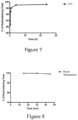
- the results from the study at 4°C are provided in Figure 7 .
- the reaction vial was left on the benchtop and stored away from light.
- Instant thin layer chromatography (iTLC) imaging was applied to confirm radiolabeling efficiency.
- 2 ⁇ L of 203 Pb labeled VMT-01 peptide and free 203 Pb 2+ positive control was spotted on the iTLC strip (10cmx2cm) that was dried at 90°C for at least 2h before using.
- the sample strips were developed in the mobile phase 0.2M NaOAc with 20 mM EDTA.
- the strips were analyzed with a Typhoon FLA7000 phosphor-imager (GE Healthcare).
- the results from the room temperature study are provided in Figure 8 .
- the reaction vial was heated to 40°C using a ThermoMixer.
- Instant thin layer chromatography (iTLC) imaging was applied to confirm radiolabeling efficiency.
- 2 ⁇ L of 203 Pb labeled VMT-01 peptide and free 203 Pb 2+ positive control was spotted on the iTLC strip (10cmx2cm) that was dried at 90°C for at least 2h before using.
- the sample strips were developed in the mobile phase 0.2M NaOAc with 20 mM EDTA.
- the strips were analyzed with a Typhoon FLA7000 phosphor-imager (GE Healthcare).
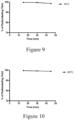
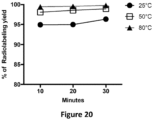
- the results from the room temperature study are provided in Figure 9 .
- the reaction vial was heated to 80°C using a ThermoMixer.
- Instant thin layer chromatography (iTLC) imaging was applied to confirm radiolabeling efficiency.
- 2 ⁇ L of 203 Pb labeled VMT-01 peptide and free 203 Pb 2+ positive control was spotted on the iTLC strip (10cmx2cm) that was dried at 90°C for at least 2h before using.
- the sample strips were developed in the mobile phase 0.2M NaOAc with 20 mM EDTA.
- the strips were analyzed with a Typhoon FLA7000 phosphor-imager (GE Healthcare).
- the results from the room temperature study are provided in Figure 10 .
- Exemplary bifunctional structures are provided in Figures 11-15 .
Landscapes
- Health & Medical Sciences (AREA)
- Chemical & Material Sciences (AREA)
- Life Sciences & Earth Sciences (AREA)
- Organic Chemistry (AREA)
- Public Health (AREA)
- Medicinal Chemistry (AREA)
- Veterinary Medicine (AREA)
- Pharmacology & Pharmacy (AREA)
- Animal Behavior & Ethology (AREA)
- General Health & Medical Sciences (AREA)
- Epidemiology (AREA)
- Proteomics, Peptides & Aminoacids (AREA)
- Physics & Mathematics (AREA)
- Optics & Photonics (AREA)
- Nuclear Medicine, Radiotherapy & Molecular Imaging (AREA)
- General Chemical & Material Sciences (AREA)
- Chemical Kinetics & Catalysis (AREA)
- Toxicology (AREA)
- Medicines Containing Antibodies Or Antigens For Use As Internal Diagnostic Agents (AREA)
- Medicines That Contain Protein Lipid Enzymes And Other Medicines (AREA)
- Organic Low-Molecular-Weight Compounds And Preparation Thereof (AREA)
Applications Claiming Priority (3)
| Application Number | Priority Date | Filing Date | Title |
|---|---|---|---|
| US201862663671P | 2018-04-27 | 2018-04-27 | |
| PCT/US2019/029102 WO2019240884A2 (en) | 2018-04-27 | 2019-04-25 | Compositions for chelating metals at low temperatures |
| EP19818590.2A EP3784294B1 (de) | 2018-04-27 | 2019-04-25 | Zusammensetzungen zum chelatieren von metallen bei niedrigen temperaturen |
Related Parent Applications (2)
| Application Number | Title | Priority Date | Filing Date |
|---|---|---|---|
| EP19818590.2A Division-Into EP3784294B1 (de) | 2018-04-27 | 2019-04-25 | Zusammensetzungen zum chelatieren von metallen bei niedrigen temperaturen |
| EP19818590.2A Division EP3784294B1 (de) | 2018-04-27 | 2019-04-25 | Zusammensetzungen zum chelatieren von metallen bei niedrigen temperaturen |
Publications (2)
| Publication Number | Publication Date |
|---|---|
| EP4556031A2 true EP4556031A2 (de) | 2025-05-21 |
| EP4556031A3 EP4556031A3 (de) | 2025-06-25 |
Family
ID=68842661
Family Applications (2)
| Application Number | Title | Priority Date | Filing Date |
|---|---|---|---|
| EP25168599.6A Pending EP4556031A3 (de) | 2018-04-27 | 2019-04-25 | Zusammensetzungen zur chelatbildung von metallen bei niedrigen temperaturen |
| EP19818590.2A Active EP3784294B1 (de) | 2018-04-27 | 2019-04-25 | Zusammensetzungen zum chelatieren von metallen bei niedrigen temperaturen |
Family Applications After (1)
| Application Number | Title | Priority Date | Filing Date |
|---|---|---|---|
| EP19818590.2A Active EP3784294B1 (de) | 2018-04-27 | 2019-04-25 | Zusammensetzungen zum chelatieren von metallen bei niedrigen temperaturen |
Country Status (6)
| Country | Link |
|---|---|
| US (2) | US12128115B2 (de) |
| EP (2) | EP4556031A3 (de) |
| AU (2) | AU2019287595B2 (de) |
| CA (1) | CA3098492A1 (de) |
| ES (1) | ES3034597T3 (de) |
| WO (1) | WO2019240884A2 (de) |
Families Citing this family (3)
| Publication number | Priority date | Publication date | Assignee | Title |
|---|---|---|---|---|
| EP4096723A1 (de) * | 2020-01-29 | 2022-12-07 | University of Iowa Research Foundation | Strukturoptimierungsverfahren zur verbesserung der theranostischen leistungsfähigkeit von auf peptid-rezeptor gerichteter radionuklid-therapie für krebs |
| CN114984255B (zh) * | 2022-05-31 | 2023-09-26 | 苏州大学 | 一种放射性核素标记的PSMA-αvβ3双靶点偶联体及其应用 |
| EP4568985A1 (de) * | 2022-08-11 | 2025-06-18 | Advancell Isotopes Pty Limited | Radiopharmazeutika |
Citations (9)
| Publication number | Priority date | Publication date | Assignee | Title |
|---|---|---|---|---|
| US4559157A (en) | 1983-04-21 | 1985-12-17 | Creative Products Resource Associates, Ltd. | Cosmetic applicator useful for skin moisturizing |
| US4608392A (en) | 1983-08-30 | 1986-08-26 | Societe Anonyme Dite: L'oreal | Method for producing a non greasy protective and emollient film on the skin |
| US4612302A (en) | 1983-11-14 | 1986-09-16 | Brigham And Women's Hospital | Clinical use of somatostatin analogues |
| US4684620A (en) | 1984-09-04 | 1987-08-04 | Gibson-Stephens Neuropharmaceuticals, Inc. | Cyclic polypeptides having mu-receptor specificity |
| US4816567A (en) | 1983-04-08 | 1989-03-28 | Genentech, Inc. | Recombinant immunoglobin preparations |
| US4820508A (en) | 1987-06-23 | 1989-04-11 | Neutrogena Corporation | Skin protective composition |
| US4853371A (en) | 1986-06-17 | 1989-08-01 | The Administrators Of The Tulane Educational Fund | Therapeutic somatostatin analogs |
| US4992478A (en) | 1988-04-04 | 1991-02-12 | Warner-Lambert Company | Antiinflammatory skin moisturizing composition and method of preparing same |
| GB2276169A (en) | 1990-07-05 | 1994-09-21 | Celltech Ltd | Antibodies specific for carcinoembryonic antigen |
Family Cites Families (11)
| Publication number | Priority date | Publication date | Assignee | Title |
|---|---|---|---|---|
| EP0420942A1 (de) | 1988-06-24 | 1991-04-10 | The Dow Chemical Company | Macrocyclische bifunktionelle chelatbildner, komplexe davon und ihre konjugierten antikörper |
| US5310535A (en) | 1992-04-24 | 1994-05-10 | The Dow Chemical Company | Carboxamide modified polyamine chelators and radioactive complexes thereof for conjugation to antibodies |
| EP1881852B1 (de) * | 2005-04-26 | 2009-08-19 | Koninklijke Philips Electronics N.V. | Kontrastmittel für die magnetresonanzbildgebung mit cest-aktivem paramagnetischem komplex |
| WO2012151539A2 (en) * | 2011-05-05 | 2012-11-08 | New York University | Lanthanoid complex capsule and particle contrast agents, methods of making and using thereof |
| PL3536346T3 (pl) | 2011-08-31 | 2021-07-19 | Somscan Aps | Znacznik pozytonowej tomografii emisyjnej (PET) do obrazowania guzów neuroendokrynnych |
| GB201421161D0 (en) * | 2014-11-28 | 2015-01-14 | Ge Healthcare As | Metal complex formulations |
| KR20230147751A (ko) * | 2016-03-22 | 2023-10-23 | 더 존스 홉킨스 유니버시티 | 전립선 암의 내부방사선요법을 위한 전립선-특이적 막 항원 표적화된 고-친화성 제제 |
| AU2017281940C1 (en) * | 2016-06-24 | 2024-11-07 | University Of Iowa Research Foundation | Compositions and methods of treating melanoma |
| PT3568205T (pt) * | 2017-01-12 | 2023-10-26 | Radiomedix Inc | Tratamento de células de cancro que sobrexpressam recetores de somatostatina com a utilização de derivados de ocreótido quelado a radioisótopos |
| MA48861A (fr) * | 2017-05-05 | 2020-04-01 | Fusion Pharmaceuticals Inc | Améliorations pharmacocinétiques de chélates bifonctionnels et leurs utilisations |
| PT3498308T (pt) * | 2017-12-13 | 2025-01-27 | Sciencons AS | Complexo compreendendo um composto direcionado para psma ligado a um radionuclídeo de chumbo ou tório |
-
2019
- 2019-04-25 EP EP25168599.6A patent/EP4556031A3/de active Pending
- 2019-04-25 AU AU2019287595A patent/AU2019287595B2/en active Active
- 2019-04-25 ES ES19818590T patent/ES3034597T3/es active Active
- 2019-04-25 US US17/051,037 patent/US12128115B2/en active Active
- 2019-04-25 EP EP19818590.2A patent/EP3784294B1/de active Active
- 2019-04-25 CA CA3098492A patent/CA3098492A1/en active Pending
- 2019-04-25 WO PCT/US2019/029102 patent/WO2019240884A2/en not_active Ceased
-
2024
- 2024-09-25 US US18/896,069 patent/US20250009912A1/en active Pending
-
2025
- 2025-01-22 AU AU2025200417A patent/AU2025200417A1/en active Pending
Patent Citations (9)
| Publication number | Priority date | Publication date | Assignee | Title |
|---|---|---|---|---|
| US4816567A (en) | 1983-04-08 | 1989-03-28 | Genentech, Inc. | Recombinant immunoglobin preparations |
| US4559157A (en) | 1983-04-21 | 1985-12-17 | Creative Products Resource Associates, Ltd. | Cosmetic applicator useful for skin moisturizing |
| US4608392A (en) | 1983-08-30 | 1986-08-26 | Societe Anonyme Dite: L'oreal | Method for producing a non greasy protective and emollient film on the skin |
| US4612302A (en) | 1983-11-14 | 1986-09-16 | Brigham And Women's Hospital | Clinical use of somatostatin analogues |
| US4684620A (en) | 1984-09-04 | 1987-08-04 | Gibson-Stephens Neuropharmaceuticals, Inc. | Cyclic polypeptides having mu-receptor specificity |
| US4853371A (en) | 1986-06-17 | 1989-08-01 | The Administrators Of The Tulane Educational Fund | Therapeutic somatostatin analogs |
| US4820508A (en) | 1987-06-23 | 1989-04-11 | Neutrogena Corporation | Skin protective composition |
| US4992478A (en) | 1988-04-04 | 1991-02-12 | Warner-Lambert Company | Antiinflammatory skin moisturizing composition and method of preparing same |
| GB2276169A (en) | 1990-07-05 | 1994-09-21 | Celltech Ltd | Antibodies specific for carcinoembryonic antigen |
Non-Patent Citations (23)
| Title |
|---|
| "Dictionary of Chemical Terms", 1984, MCGRAW-HILL BOOK COMPANY |
| "Posttranslational Covalent Modification of Proteins", 1983, ACADEMIC PRESS, pages: 1 - 12 |
| "Remington's Pharmaceutical Sciences", 1995, MACK PUBLISHING CO. |
| BANDARI RPJIANG ZREYNOLDS TSBEMSKOETTER NESZCZODROSKI AFBASSUNER KJKIRKPATRICK DLROLD TLSIECKMAN GLHOFFMAN TJ: "Synthesis and biological evaluation of copper-64 radiolabeled [DUPA-6-Ahx-(NODAGA)-5-Ava-BBN(7-14)NH2], a novel bivalent targeting vector having affinity for two distinct biomarkers (GRPr/PSMA) of prostate cancer", NUCL MED BIOL, vol. 41, no. 4, 2014, pages 355 - 363 |
| CREIGHTON, T. E.: "Proteins-Structure and Molecular Properties", 1993, W. H. FREEMAN AND COMPANY |
| CUMBER ET AL., J. IMMUNOLOGY, vol. 149, 1992, pages 120 - 126 |
| DUMONT RATAMMA MBRAUN FBORKOWSKI SREUBI JCMAECKE HWEBER WAMANSI R: "Targeted radiotherapy of prostate cancer with a gastrin-releasing peptide receptor antagonist is effective as monotherapy and in combination with rapamycin", J NUCL MED, vol. 54, no. 5, 2013, pages 762 - 769, XP055699781, DOI: 10.2967/jnumed.112.112169 |
| EHRLICH, BIOCHEM, vol. 19, 1980, pages 4091 - 4096 |
| ELIEL, E.WILEN, S.: "Stereochemistry of Organic Compounds", 1994, JOHN WILEY & SONS, INC. |
| GOUMI EMANSI RJAMOUS MWASER BSMERLING CBURIAN ABUCHEGGER FREUBI JCMAECKE HR: "N-terminal modifications improve the receptor affinity and pharmacokinetics of radiolabeled peptidic gastrin-releasing peptide receptor antagonists: examples of 68Ga- and 64Cu-labeled peptides for PET imaging", J NUCL MED., vol. 55, no. 10, 2014, pages 1719 - 1725 |
| HARLOWLANE: "Antibodies, A Laboratory Manual", 1988, COLD SPRING HARBOR PUBLICATIONS |
| HUSTON ET AL., PROC. NATL. ACAD. SCI., vol. 85, 1988, pages 5879 - 5883 |
| INBAR ET AL., PROC. NATL. ACAD. SCI., vol. 69, 1972, pages 2659 - 2662 |
| JAMOUS M, TAMMA ML, GOUMI E, WASER B, REUBI JC, MAECKE HR, MANSI R.: "PEG spacers of different length influence the biological profile of bombesin-based radiolabeled antagonists", NUCL MED BIOL, vol. 41, no. 6, 2014, pages 464 - 470 |
| MANSI RABIRAJ KWANG XTAMMA MLGOUMI ECESCATO RBERNDT SREUBI JCMAECKE HR: "Evaluation of three different families of bombesin receptor radioantagonists for targeted imaging and therapy of gastrin releasing peptide receptor (GRP-R) positive tumors", J MED CHEM, vol. 58, no. 2, 2015, pages 682 - 691, XP093022730, DOI: 10.1021/jm5012066 |
| PACK ET AL., BIOCHEM, vol. 31, 1992, pages 1579 - 1584 |
| PAN DXU YPYANG RHWANG LCHEN FLUO SYANG MYAN Y: "A new (68)Ga-labeled BBN peptide with a hydrophilic linker for GRPR-targeted tumor imaging", AMINO ACIDS., vol. 46, no. 6, 2014, pages 1481 - 1489, XP093095362, DOI: 10.1007/s00726-014-1718-y |
| RIECHMANN, NATURE, vol. 332, 1988, pages 323 - 327 |
| SPATOLA: "Chemistry and Biochemistry of Amino Acids", PEPTIDES AND PROTEINS, vol. 7, 1983, pages 267 - 357 |
| STOTT REYNOLDS TJ, SCHEHR R, LIU D, XU J, MIAO Y, HOFFMAN TJ, ROLD TL, LEWIS MR, SMITH CJ.: "Characterization and evaluation of DOTA-conjugated Bombesin/RGD-antagonists for prostate cancer tumor imaging and therapy", NUCL MED BIOL, vol. 42, no. 2, 2015, pages 99 - 108 |
| T.W. GREENE: "Protecting Groups In Organic Synthesis", 1981, WILEY |
| VERHOEYAN ET AL., SCIENCE, vol. 239, 1988, pages 1534 - 1536 |
| WINTER ET AL., NATURE, vol. 349, 1991, pages 293 - 299 |
Also Published As
| Publication number | Publication date |
|---|---|
| AU2019287595B2 (en) | 2024-10-31 |
| EP3784294C0 (de) | 2025-06-04 |
| EP3784294B1 (de) | 2025-06-04 |
| EP4556031A3 (de) | 2025-06-25 |
| US20250009912A1 (en) | 2025-01-09 |
| AU2019287595A1 (en) | 2020-12-03 |
| EP3784294A4 (de) | 2022-01-05 |
| WO2019240884A3 (en) | 2020-07-23 |
| ES3034597T3 (en) | 2025-08-20 |
| US20210228749A1 (en) | 2021-07-29 |
| EP3784294A2 (de) | 2021-03-03 |
| US12128115B2 (en) | 2024-10-29 |
| WO2019240884A2 (en) | 2019-12-19 |
| CA3098492A1 (en) | 2019-12-19 |
| AU2025200417A1 (en) | 2025-02-13 |
| WO2019240884A9 (en) | 2020-02-06 |
Similar Documents
| Publication | Publication Date | Title |
|---|---|---|
| US20250009912A1 (en) | Compositions for chelating metals at low temperatures | |
| AU2025204097A1 (en) | Compositions and methods of treating melanoma | |
| CN108699108B (zh) | 放射性标记药物 | |
| JP7729441B2 (ja) | 腫瘍抗原標的化剤、医薬組成物、癌診断薬又は癌治療薬、in vitro法、及びその化合物 | |
| EP3689892B1 (de) | Radioaktives arzneimittel | |
| JP6164556B2 (ja) | 非特異的腎集積が低減された放射性標識ポリペプチド作製用薬剤 | |
| US20140271467A1 (en) | Probes and methods of imaging non-hodgkins lymphoma | |
| JP6914655B2 (ja) | オリゴペプチド及びその接合体を製造する方法 | |
| CA2859572C (en) | Method for determining if an individual previously diagnosed with cancer is susceptible to treatment with anti-met therapy | |
| US20080160009A1 (en) | Inhibiting Cav3 Isoforms and the 25B Splice Varients for the Diagnosis and Treatment of Cancer | |
| CN120981248A (zh) | 靶向成纤维细胞活化蛋白的化合物及其用途 | |
| KR20250016195A (ko) | 전립선-특이적 막 항원(psma) 리간드 | |
| CA3160636A1 (en) | Methods and compositions for treating cancer | |
| WO2009058363A1 (en) | Antibody to rage and uses for in vivo imaging or for targeting therapy | |
| WO2025174884A2 (en) | Conjugates | |
| KR20250011145A (ko) | 개선된 신장 청소율을 갖는 전립선-특이적 막 항원(psma) 리간드 | |
| WO2025044924A1 (zh) | 靶向碳酸酐酶放射性药物 | |
| HK40054611A (en) | Novel tumor antigen binding agents and uses thereof | |
| WO2020144586A1 (en) | Radiodrug for diagnostic/therapeutic use in nuclear medicine and radio-guided medicine | |
| HK1257541B (en) | Radiolabeled drug |
Legal Events
| Date | Code | Title | Description |
|---|---|---|---|
| PUAI | Public reference made under article 153(3) epc to a published international application that has entered the european phase |
Free format text: ORIGINAL CODE: 0009012 |
|
| STAA | Information on the status of an ep patent application or granted ep patent |
Free format text: STATUS: THE APPLICATION HAS BEEN PUBLISHED |
|
| REG | Reference to a national code |
Ref country code: DE Ref legal event code: R079 Free format text: PREVIOUS MAIN CLASS: A61K0051080000 Ipc: A61K0049100000 |
|
| AC | Divisional application: reference to earlier application |
Ref document number: 3784294 Country of ref document: EP Kind code of ref document: P |
|
| AK | Designated contracting states |
Kind code of ref document: A2 Designated state(s): AL AT BE BG CH CY CZ DE DK EE ES FI FR GB GR HR HU IE IS IT LI LT LU LV MC MK MT NL NO PL PT RO RS SE SI SK SM TR |
|
| PUAL | Search report despatched |
Free format text: ORIGINAL CODE: 0009013 |
|
| AK | Designated contracting states |
Kind code of ref document: A3 Designated state(s): AL AT BE BG CH CY CZ DE DK EE ES FI FR GB GR HR HU IE IS IT LI LT LU LV MC MK MT NL NO PL PT RO RS SE SI SK SM TR |
|
| RIC1 | Information provided on ipc code assigned before grant |
Ipc: C07B 59/00 20060101ALI20250519BHEP Ipc: C07F 1/08 20060101ALI20250519BHEP Ipc: A61K 51/08 20060101ALI20250519BHEP Ipc: A61P 39/04 20060101ALI20250519BHEP Ipc: A61K 31/395 20060101ALI20250519BHEP Ipc: C07F 7/24 20060101ALI20250519BHEP Ipc: C07D 257/02 20060101ALI20250519BHEP Ipc: A61K 49/10 20060101AFI20250519BHEP |
|
| STAA | Information on the status of an ep patent application or granted ep patent |
Free format text: STATUS: REQUEST FOR EXAMINATION WAS MADE |