EP4550336A2 - Verfahren zur hochauflösenden mikrobiomanalyse - Google Patents
Verfahren zur hochauflösenden mikrobiomanalyse Download PDFInfo
- Publication number
- EP4550336A2 EP4550336A2 EP25151718.1A EP25151718A EP4550336A2 EP 4550336 A2 EP4550336 A2 EP 4550336A2 EP 25151718 A EP25151718 A EP 25151718A EP 4550336 A2 EP4550336 A2 EP 4550336A2
- Authority
- EP
- European Patent Office
- Prior art keywords
- methylation
- reads
- nucleic acids
- contigs
- sequencing
- Prior art date
- Legal status (The legal status is an assumption and is not a legal conclusion. Google has not performed a legal analysis and makes no representation as to the accuracy of the status listed.)
- Pending
Links
Images













Classifications
-
- C—CHEMISTRY; METALLURGY
- C12—BIOCHEMISTRY; BEER; SPIRITS; WINE; VINEGAR; MICROBIOLOGY; ENZYMOLOGY; MUTATION OR GENETIC ENGINEERING
- C12Q—MEASURING OR TESTING PROCESSES INVOLVING ENZYMES, NUCLEIC ACIDS OR MICROORGANISMS; COMPOSITIONS OR TEST PAPERS THEREFOR; PROCESSES OF PREPARING SUCH COMPOSITIONS; CONDITION-RESPONSIVE CONTROL IN MICROBIOLOGICAL OR ENZYMOLOGICAL PROCESSES
- C12Q1/00—Measuring or testing processes involving enzymes, nucleic acids or microorganisms; Compositions therefor; Processes of preparing such compositions
- C12Q1/68—Measuring or testing processes involving enzymes, nucleic acids or microorganisms; Compositions therefor; Processes of preparing such compositions involving nucleic acids
- C12Q1/6876—Nucleic acid products used in the analysis of nucleic acids, e.g. primers or probes
- C12Q1/6888—Nucleic acid products used in the analysis of nucleic acids, e.g. primers or probes for detection or identification of organisms
- C12Q1/689—Nucleic acid products used in the analysis of nucleic acids, e.g. primers or probes for detection or identification of organisms for bacteria
-
- C—CHEMISTRY; METALLURGY
- C12—BIOCHEMISTRY; BEER; SPIRITS; WINE; VINEGAR; MICROBIOLOGY; ENZYMOLOGY; MUTATION OR GENETIC ENGINEERING
- C12N—MICROORGANISMS OR ENZYMES; COMPOSITIONS THEREOF; PROPAGATING, PRESERVING, OR MAINTAINING MICROORGANISMS; MUTATION OR GENETIC ENGINEERING; CULTURE MEDIA
- C12N15/00—Mutation or genetic engineering; DNA or RNA concerning genetic engineering, vectors, e.g. plasmids, or their isolation, preparation or purification; Use of hosts therefor
- C12N15/09—Recombinant DNA-technology
- C12N15/10—Processes for the isolation, preparation or purification of DNA or RNA
- C12N15/1034—Isolating an individual clone by screening libraries
- C12N15/1093—General methods of preparing gene libraries, not provided for in other subgroups
-
- C—CHEMISTRY; METALLURGY
- C12—BIOCHEMISTRY; BEER; SPIRITS; WINE; VINEGAR; MICROBIOLOGY; ENZYMOLOGY; MUTATION OR GENETIC ENGINEERING
- C12Q—MEASURING OR TESTING PROCESSES INVOLVING ENZYMES, NUCLEIC ACIDS OR MICROORGANISMS; COMPOSITIONS OR TEST PAPERS THEREFOR; PROCESSES OF PREPARING SUCH COMPOSITIONS; CONDITION-RESPONSIVE CONTROL IN MICROBIOLOGICAL OR ENZYMOLOGICAL PROCESSES
- C12Q1/00—Measuring or testing processes involving enzymes, nucleic acids or microorganisms; Compositions therefor; Processes of preparing such compositions
- C12Q1/68—Measuring or testing processes involving enzymes, nucleic acids or microorganisms; Compositions therefor; Processes of preparing such compositions involving nucleic acids
- C12Q1/6869—Methods for sequencing
-
- G—PHYSICS
- G16—INFORMATION AND COMMUNICATION TECHNOLOGY [ICT] SPECIALLY ADAPTED FOR SPECIFIC APPLICATION FIELDS
- G16B—BIOINFORMATICS, i.e. INFORMATION AND COMMUNICATION TECHNOLOGY [ICT] SPECIALLY ADAPTED FOR GENETIC OR PROTEIN-RELATED DATA PROCESSING IN COMPUTATIONAL MOLECULAR BIOLOGY
- G16B30/00—ICT specially adapted for sequence analysis involving nucleotides or amino acids
- G16B30/10—Sequence alignment; Homology search
-
- G—PHYSICS
- G16—INFORMATION AND COMMUNICATION TECHNOLOGY [ICT] SPECIALLY ADAPTED FOR SPECIFIC APPLICATION FIELDS
- G16B—BIOINFORMATICS, i.e. INFORMATION AND COMMUNICATION TECHNOLOGY [ICT] SPECIALLY ADAPTED FOR GENETIC OR PROTEIN-RELATED DATA PROCESSING IN COMPUTATIONAL MOLECULAR BIOLOGY
- G16B30/00—ICT specially adapted for sequence analysis involving nucleotides or amino acids
- G16B30/20—Sequence assembly
-
- G—PHYSICS
- G16—INFORMATION AND COMMUNICATION TECHNOLOGY [ICT] SPECIALLY ADAPTED FOR SPECIFIC APPLICATION FIELDS
- G16B—BIOINFORMATICS, i.e. INFORMATION AND COMMUNICATION TECHNOLOGY [ICT] SPECIALLY ADAPTED FOR GENETIC OR PROTEIN-RELATED DATA PROCESSING IN COMPUTATIONAL MOLECULAR BIOLOGY
- G16B40/00—ICT specially adapted for biostatistics; ICT specially adapted for bioinformatics-related machine learning or data mining, e.g. knowledge discovery or pattern finding
-
- C—CHEMISTRY; METALLURGY
- C12—BIOCHEMISTRY; BEER; SPIRITS; WINE; VINEGAR; MICROBIOLOGY; ENZYMOLOGY; MUTATION OR GENETIC ENGINEERING
- C12Q—MEASURING OR TESTING PROCESSES INVOLVING ENZYMES, NUCLEIC ACIDS OR MICROORGANISMS; COMPOSITIONS OR TEST PAPERS THEREFOR; PROCESSES OF PREPARING SUCH COMPOSITIONS; CONDITION-RESPONSIVE CONTROL IN MICROBIOLOGICAL OR ENZYMOLOGICAL PROCESSES
- C12Q2600/00—Oligonucleotides characterized by their use
- C12Q2600/154—Methylation markers
-
- G—PHYSICS
- G16—INFORMATION AND COMMUNICATION TECHNOLOGY [ICT] SPECIALLY ADAPTED FOR SPECIFIC APPLICATION FIELDS
- G16B—BIOINFORMATICS, i.e. INFORMATION AND COMMUNICATION TECHNOLOGY [ICT] SPECIALLY ADAPTED FOR GENETIC OR PROTEIN-RELATED DATA PROCESSING IN COMPUTATIONAL MOLECULAR BIOLOGY
- G16B10/00—ICT specially adapted for evolutionary bioinformatics, e.g. phylogenetic tree construction or analysis
-
- G—PHYSICS
- G16—INFORMATION AND COMMUNICATION TECHNOLOGY [ICT] SPECIALLY ADAPTED FOR SPECIFIC APPLICATION FIELDS
- G16B—BIOINFORMATICS, i.e. INFORMATION AND COMMUNICATION TECHNOLOGY [ICT] SPECIALLY ADAPTED FOR GENETIC OR PROTEIN-RELATED DATA PROCESSING IN COMPUTATIONAL MOLECULAR BIOLOGY
- G16B20/00—ICT specially adapted for functional genomics or proteomics, e.g. genotype-phenotype associations
- G16B20/20—Allele or variant detection, e.g. single nucleotide polymorphism [SNP] detection
Definitions
- the present subject matter relates, in general, to the field of genomics and metagenomics and, in particular, to metagenomic binning using DNA methylation and single-molecule long reads.
- NGS data typically consists of millions of reads that are ⁇ 200 bp in length, providing considerable depth of sequencing but limited ability to resolve both complex repeats and similar sequences that exist in multiple genomes. This presents significant challenges for de novo metagenomic assembly and interpretation of the resulting thousands of small assembled sequences (called contigs), which relies heavily on either reference-based annotation methods or segregation into putative taxa through a process known as metagenomic binning. Unsupervised (reference-free) methods have the potential to identify novel species, unlike supervised binning methods that require existing references to train classification algorithms.
- MGE mobile genetic elements
- An alternative approach involves using Hi-C chromosomal interaction maps to link assembled contigs, including MGEs, but these methods are also limited by difficulties in distinguishing between closely related organisms due to high sequence similarity and uneven Hi-C link densities.
- DNA methylation is catalyzed by DNA methyltransferases (MTases) that apply methyl groups to DNA bases in a highly sequence-specific manner, causing certain sequence motifs to be nearly 100% methylated while the other motifs remain non-methylated.
- MTases DNA methyltransferases
- Single-molecule, real-time (SMRT) sequencing of native (amplification-free) DNA makes it possible to detect methylated bases and motifs in prokaryotic genomes.
- a novel approach is presented for binning metagenomic sequences that leverages long reads from a single-molecule long-read sequencing technology and, for the first time, utilizes the DNA methylation signatures inferred from these reads to resolve individual reads and assembled contigs into species- and even strain-level clusters.
- This novel methylation-based binning approach also enables the mapping of mobile genetic elements (e.g., plasmids, transposons, including retrotransposons, DNA transposons, and insertion sequences, bacteriophages, group I introns, and group II introns) to their host species directly in a microbiome sample.
- an approach for organizing assembled contigs into taxon-specific clusters using DNA methylation profiles is described, and its complementarity with existing binning approaches that rely on sequence composition and coverage-covariance features is demonstrated.
- this approach is extended to discover the mappings between MGEs (e.g. plasmids) and their host organisms in a microbiome sample.
- MGEs e.g. plasmids
- a method of deconvoluting genomes of prokaryotic organisms in a microbiome sample comprising the steps of:
- two or more of the prokaryotic organisms in the microbiome sample have high sequence similarity. In some embodiments, two or more of the prokaryotic organisms in the microbiome sample have an average nucleotide identity of greater than about 75%, than about 80%, than about 85%, than about 90%, than about 95%, than about 97%, than about 98%, or than about 99%.
- a method of mapping a mobile genetic element to a prokaryotic host organism in a microbiome sample comprising a plurality of prokaryotic organisms comprising the steps of:
- the nucleic acid methylation profile is a DNA methylation profile.
- the mobile genetic element is a plasmid, or a transposon, or a bacteriophage, or an intron.
- the mobile genetic element is greater than about 1 kbp in length, or greater than about 2 kbp, or greater than about 5 kbp, or greater than about 10 kbp, or greater than about 20 kbp, or greater than about 30 kbp. In one non-limiting embodiment, the mobile genetic element is greater than 10 kbp in length.
- the mobile genetic element confers certain properties to the host organism.
- the mobile genetic element confers antibiotic resistance to the prokaryotic host organism.
- the mobile genetic element encodes a virulence factor in the prokaryotic host organism.
- the mobile genetic element provides a metabolic function to the prokaryotic host organism.
- Microbiome samples of any size or complexity are within the scope to be analyzed by the methods of the present invention.
- the microbiome sample analyzed by the methods of the present invention comprises greater than 3, or greater than 5, or greater than 10, or greater than 20, or greater than 50, or greater than 75, or greater than 100, or greater than 200, or greater than 300, or greater than 400, or greater than 500, or greater than 700, or greater than 1000, or greater than 2000, or greater than 5000, or greater than 10,000 prokaryotic host organisms.
- the methylated nucleotides are selected from N 6 -methyladenine, N 4 -methylcytosine, and 5-methylcytosine and combinations thereof.
- the prokaryotic organisms are bacterial organisms, archaeal organisms, and combinations thereof. In some non-limiting embodiments, the prokaryotic organisms are bacterial organisms, bacterial species, or strains of bacterial species. In other non-limiting embodiments, the prokaryotic organisms are archaeal organisms, archaeal species, or strains of archaeal species.
- the bacterial organisms comprise organisms of bacterial orders Bacteroidales, Bacillales, Bifidobacteriales, Burkholderiales, Clostridiales, Cytophagales, Eggerthallales, Enterobacterales, Erysipelotrichales, Flavobacteriales, Lactobacillales, Rhizobiales, or Verrucomicrobiales, and combinations thereof.
- the bacterial organisms are strains of Bacteroides dorei, Bacteroides fragilis, Bacteroides thetaiotaomicron, Bifidobacterium breve, Bifidobacterium longum, Alistipes finegoldii, or Alistipes shahii.
- Microbiome samples analyzed by the methods of the invention can be obtained from any source known to those skilled in the art.
- the microbiome sample is obtained from soil, air, water (including, without limitation, marine water, fresh water, and rain water), sediment, oil, and combinations thereof.
- the microbiome sample is obtained from a subject selected from a protozoa, an animal (e.g., a mammal, e.g., human), or a plant.
- the subject e.g., a mammal, e.g., a human
- the subject can be of any age (e.g., infant, child, adolescent, adult, or elderly.
- the subject is at a genetic risk for development a disease, e.g. diabetes mellitus, e.g., type I diabetes mellitus.
- the subject may be at a risk of having, or have a bacterial infection, e.g., pneumonia infection.
- sequencing nucleic acids of the prokaryotic organisms is accomplished using a single-molecule real time (SMRT) technology or nanopore (e.g., Oxford Nanopore) sequencing technology.
- SMRT single-molecule real time
- nanopore e.g., Oxford Nanopore
- the nucleic acid methylation profile is a DNA methylation profile.
- the method described above comprises further steps.
- the method described above further comprises the step of combining the methylation profiles of step (e) with other sequence features of the nucleic acids of the prokaryotic organisms in the microbiome sample prior to separating the assembled contigs and/or the single molecule reads into bins.
- the method described above comprises other sequence features, such as k-mer frequency profiles and coverage profiles across multiple samples.
- the method described above further comprises the step of combining contig binning assignments from other tools, such as cross-coverage and composition-based binning tools, with methylation scores in each bin, resulting in detection of methylated motifs in each bin and assignment of bin-level methylation scores in the microbiome sample.
- tools such as cross-coverage and composition-based binning tools
- the method described above further comprises the step of aligning the single molecule reads to the contigs assembled from single molecule reads of the nucleic acids of step b) prior to the step of assigning a methylation score.
- the benefit to a subject to be treated is either statistically significant or at least perceptible to the patient or to the physician.
- a methodology is provided that enables DNA methylation signatures in unamplified prokaryotic genomes to be profiled by SMRT sequencing and serve as endogenous epigenetic barcodes that present a rich, yet unexplored, dimension of discriminative features capable of providing high resolution metagenomic analyses.
- methylation profiles are exploited as a general discriminative feature to segregate assembled contigs, and this methodology is superior to existing methods based on sequence composition profiles and coverage covariance.
- methylation profiles are used to map MGEs (e.g., plasmids) to their bacterial host species in a microbiome sample, an advance that makes it possible to identify extra-chromosomal genes that can dramatically affect the pathogenicity and antibiotic susceptibility of their host bacterium directly via metagenomic sequencing.
- MGEs e.g., plasmids
- the proposed single molecule read-level binning of long SMRT reads can be used to address multiple challenges in metagenomic de novo assembly, such as assisting in the identification of low-abundance organisms and simplifying de novo metagenome assembly of multiple co-existing strains with high sequence similarity.
- methylation profiling can be a tool to track the transmission of plasmids and bacteriophages across geographical locations, time points or conditions, such as antibiotic treatment. Because the methylation signature of a plasmid or phage reflects the most recent bacterial host in which it replicated, transmission events can be detected by comparing the methylation profile of a specific plasmid or phage (and the bacterial community) between two conditions. Second, aside from serving as endogenous epigenetic barcodes for metagenomic binning, bacterial DNA methylation events also plays an important role in the regulation of gene expression and pathogenicity.
- the binning framework of the invention applies generally to other third-generation technology, for example Oxford Nanopore.
- complementary approaches like Hi-C intrachromosomal maps, contig coverage covariance or single cell techniques, practitioners in the microbiome and metagenomics arts will gain a much more complete understanding of both the genomic and epigenomic landscape of complex microbial communities.
- a method of deconvoluting genomes of prokaryotic organisms in a microbiome sample comprising the steps of:
- the nucleic acid methylation profile is a DNA methylation profile.
- the prokaryotic organisms in the microbiome sample do not have high sequence similiarity. In some embodiments, two or more of the prokaryotic organisms in the microbiome sample have high sequence similarity. In some embodiments, two or more of the prokaryotic organisms in the microbiome sample have an average nucleotide identity of greater than about 75%, than about 80%, than about 85%, than about 90%, than about 95%, than about 97%, than about 98%, or than about 99%.
- a method of mapping a mobile genetic element to a prokaryotic host organism in a microbiome sample comprising a plurality of prokaryotic organisms comprising the steps of:
- the nucleic acid methylation profile is a DNA methylation profile.
- the mobile genetic element is a plasmid, or a transposon, or a bacteriophage, or an intron.
- the mobile genetic element is greater than about 1 kbp in length, or greater than about 2 kbp, or greater than about 5 kbp, or greater than about 10 kbp, or greater than about 20 kbp, or greater than about 30 kbp. In one non-limiting embodiment, the mobile genetic element is greater than 10 kbp in length.
- the mobile genetic element confers certain properties to the host organism.
- the mobile genetic element confers antibiotic resistance to the prokaryotic host organism.
- the mobile genetic element encodes a virulence factor in the prokaryotic host organism.
- the mobile genetic element provides a metabolic function to the prokaryotic host organism, e.g. an ability to survive under conditions that would otherwise be hostile, such as in an extreme environment.
- Microbiome samples of any size or complexity are within the scope to be analyzed by the methods of the present invention.
- the microbiome sample analyzed by the methods of the present invention comprises greater than 3, or greater than 5, or greater than 10, or greater than 20, or greater than 50, or greater than 75, or greater than 100, or greater than 200, or greater than 300, or greater than 400, or greater than 500, or greater than 700, or greater than 1000, or greater than 2000, or greater than 5000, or greater than 10,000 prokaryotic host organisms.
- methylated nucleotides are within the scope of the methods of the present invention.
- the methylated nucleotides are selected from, without limitation, N 6 -methyladenine, N 4 -methylcytosine, and 5-methylcytosine and combinations thereof.
- sequencing nucleic acids of the prokaryotic organisms is accomplished using a single-molecule real time (SMRT) technology or nanopore (e.g., Oxford Nanopore) sequencing technology.
- SMRT single-molecule real time
- nanopore e.g., Oxford Nanopore
- the nucleic acid methylation profile is a DNA methylation profile.
- the method described above comprises further steps.
- the method described above further comprises the step of combining the methylation profiles of step (e) with other sequence features of the nucleic acids of the prokaryotic organisms in the microbiome sample prior to separating the assembled contigs and/or the single molecule reads into bins.
- the method described above comprises other sequence features, such as k-mer frequency profiles and coverage profiles across multiple samples.
- the method described above further comprises the step of combining contig binning assignments from other tools, such as cross-coverage and composition-based binning tools, with methylation scores in each bin, resulting in detection of methylated motifs in each bin and assignment of bin-level methylation scores in the microbiome sample.
- tools such as cross-coverage and composition-based binning tools
- the method described above further comprises the step of aligning the single molecule reads to the contigs assembled from single molecule reads of the nucleic acids of step b) prior to the step of assigning a methylation score.
- Microbiome samples for use with the methods provided herein can be of any type that includes a microbial community comprising prokaryotic organisms.
- Prokaryotic organisms include, without limitation, bacterial organisms and archaeal organisms.
- the sample can include microorganisms from one or more domains.
- the sample comprises a heterogeneous population of bacteria and/or archaea.
- the prokaryotic organisms are bacterial organisms, archaeal organisms, and combinations thereof. In some non-limiting embodiments, the prokaryotic organisms are bacterial organisms, bacterial species, or strains of bacterial species. In other non-limiting embodiments, the prokaryotic organisms are archaeal organisms, archaeal species, or strains of archaeal species.
- the bacterial organisms comprise organisms of bacterial orders Bacteroidales, Bacillales, Bifidobacteriales, Burkholderiales, Clostridiales, Cytophagales, Eggerthallales, Enterobacterales, Erysipelotrichales, Flavobacteriales, Lactobacillales, Rhizobiales, or Verrucomicrobiales, and combinations thereof.
- the bacterial organisms are strains of Bacteroides dorei, Bacteroides fragilis, Bacteroides thetaiotaomicron, Bifidobacterium breve, Bifidobacterium longum, Alistipes finegoldii, or Alistipes shahii.
- microbiome samples for use with the methods provided herein encompass, without limitation, samples obtained from the environment, including soil (e.g., rhizosphere), air, water (e.g., marine water, fresh water, rain water, wastewater sludge), sediment, oil, an extreme environmental sample (e.g., acid mine drainage, hydrothermal systems) and combinations thereof.
- the sample can be from the surface of the body of water, or any depth of the body of water, e.g., a deep sea sample.
- the water sample is an ocean, a sea, a river, or a lake sample.
- the sample is a soil sample (e.g., bulk soil or rhizosphere sample). It has been estimated that 1 gram of soil contains tens of thousands of bacterial taxa, and up to 1 billion bacteria cells as well as about 200 million fungal hyphae ( Wagg et al. (2010). Proc Natl. Acad. Sci. USA 111, pp. 5266-5270 ). Bacteria, archaea, actinomycetes, fungi, algae, protozoa and viruses are all found in soil. Soil microorganism community diversity has been implicated in the structure and fertility of the soil microenvironment, nutrient acquisition by plants, plant diversity and growth, as well as the cycling of resources between above- and below-ground communities. Accordingly, assessing the microbial contents of a soil sample over time provides insight into microorganisms associated with an environmental metadata parameter such as nutrient acquisition and/or plant diversity.
- an environmental metadata parameter such as nutrient acquisition and/or plant diversity.
- the soil sample in one embodiment is a rhizosphere sample, i.e., the narrow region of soil that is directly influenced by root secretions and associated soil microorganisms. As plants secrete many compounds into the rhizosphere, analysis of the organism types in the rhizosphere may be useful in determining features of the plants which grow therein.
- the sample is a marine or fresh water sample.
- Ocean water contains up to one million microorganisms per milliliter and several thousand microbial types. These numbers may be an order of magnitude higher in coastal waters with their higher productivity and higher load of organic matter and nutrients.
- Marine microorganisms are crucial for the functioning of marine ecosystems; maintaining the balance between produced and fixed carbon dioxide; production of more than 50% of the oxygen on Earth through marine phototrophic microorganisms such as Cyanobacteria, diatoms and pico- and nanophytoplankton; providing novel bioactive compounds and metabolic pathways; ensuring a sustainable supply of seafood products by occupying the critical bottom trophic level in marine foodwebs.
- Organisms found in the marine environment include viruses, bacteria, archaea and some eukarya. Marine bacteria are important as a food source for other small microorganisms as well as being producers of organic matter. Archaea found throughout the water column in the ocean are pelagic Archaea and their abundance rivals that of marine bacteria.
- the sample comprises a sample from an extreme environment, i.e., an environment that harbors conditions that are detrimental to most life on Earth. Organisms that thrive in extreme environments are called extremophiles. Though the domain Archaea contains well-known examples of extremophiles, the domain bacteria can also have representatives of these microorganisms.
- Extremophiles include: acidophiles which grow at pH levels of 3 or below; alkaliphiles which grow at pH levels of 9 or above; anaerobes such as Spinoloricus Cinzia which does not require oxygen for growth; cryptoendoliths which live in microscopic spaces within rocks, fissures, aquifers and faults filled with groundwater in the deep subsurface; halophiles which grow in about at least 0.2M concentration of salt; hyperthermophiles which thrive at high temperatures (about 80-122°C.) such as found in hydrothermal systems; hypoliths which live underneath rocks in cold deserts; lithoautotrophs such as Nitrosomonas europaea which derive energy from reduced mineral compounds like pyrites and are active in geochemical cycling; metallotolerant organisms which tolerate high levels of dissolved heavy metals such as copper, cadmium, arsenic and zinc; oligotrophs which grow in nutritionally limited environments; osmophiles which grow in environments with a high sugar concentration
- thermophiles which thrive at temperatures between 45-122°C.
- xerophiles which can grow in extremely dry conditions.
- Polyextremophiles are organisms that qualify as extremophiles under more than one category and include thermoacidophiles (prefer temperatures of 70-80°C. and pH between 2 and 3).
- the Crenarchaeota group of Archaea includes the thermoacidophiles.
- microbiome samples for use with the methods provided herein encompass, without limitation, samples obtained from a subject, e.g., an animal subject, a protozoa subject, or a plant subject.
- the subject can be, for example, a human, mammal, primate, bovine, porcine, canine, feline, rodent (e.g., mouse or rat), or bird.
- the animal subject is a mammal, e.g. a human.
- the human subject is an adult, a child, an adolescent, an adult, or an elderly person.
- the subject is at a genetic risk for development a disease, e.g. diabetes mellitus, e.g., type I diabetes mellitus.
- the subject may be at a risk of having, or have a bacterial infection, e.g., pneumonia infection.
- the sample obtained from an animal subject is a body fluid.
- the sample obtained from an animal subject is a tissue sample.
- Non-limiting samples obtained from an animal subject include tooth, perspiration, fingernail, skin, hair, feces, urine, semen, mucus, saliva, and gastrointestinal tract samples.
- the human microbiome comprises the collection of microorganisms found on the surface and deep layers of skin, in mammary glands, saliva, oral mucosa, conjunctiva and gastrointestinal tract.
- the microorganisms found in the microbiome include bacteria, fungi, protozoa, viruses and archaea. Different parts of the body exhibit varying diversity of microorganisms.
- the quantity and type of microorganisms may signal a healthy or diseased state for an individual.
- the number of bacteria taxa are in the thousands, and viruses may be as abundant.
- the bacterial composition for a given site on a body varies from person to person, not only in type, but also in abundance or quantity.
- the one or more prokaryotic organisms can be of any type.
- the one or more prokaryotic organisms can be from the domain Bacteria, Archaea, a combination thereof.
- Bacteria and Archaea are prokaryotic, having a very simple cell structure with no internal organelles. Bacteria can be classified into gram positive/no outer membrane, gram negative/outer membrane present and ungrouped phyla.
- Archaea constitute a domain or kingdom of single-celled microorganisms. Although visually similar to bacteria, archaea possess genes and several metabolic pathways that are more closely related to those of eukaryotes, notably the enzymes involved in transcription and translation.
- Archaea are divided into four recognized phyla: Thaumarchaeota, Aigarchaeota, Crenarchaeota and Korarchaeota.
- DNA methylation profiles inferred from SMRT sequencing provide an informative orthogonal epigenomic feature that can improve contig clustering.
- the DNA methylation profile is analogous to the sequence composition profile and the differential coverage profile, where normalized k-mer frequencies across k-mers and normalized coverage values across samples provide features for discriminative binning, respectively.
- each contig has a feature set consisting of contig-level DNA methylation scores across sequence motifs (see Examples).
- the methylation score for a given motif on a contig reflects the extent to which all instances of that motif on the contig are methylated. It is calculated using inter-pulse duration (IPD) values, which records the time it takes a DNA polymerase to translocate from one nucleotide to the next during real-time DNA synthesis, often referred to as the polymerase kinetics.
- IPD inter-pulse duration
- the methylation score for a motif on a contig becomes more reliable for predicting DNA methylation with an increase in two values: (1) the number of motif sites on the contig, which is generally larger for shorter motifs, and (2) the number of reads aligning to the contig, as each read contributes independent IPD measurements of methylation likelihood at the motif site.
- a critical first step in using methylation profiles for binning is to identify the methylated motifs in the metagenomic assembly, as only those motifs that are methylated on one or more contig will contribute to the discriminative power of the binning. Therefore, a motif filtering method was designed to identify the relatively small number of motifs with scores suggesting likely methylation, excluding from the downstream analysis the vast majority of motifs that lack evidence of methylation on any contigs in the assembly (see Examples). In the Examples presented below, motif filtering simplifies the motif feature space from over 204,000 to between 7-38 motifs in metagenomic assemblies. The precise number of motifs that remain after filtering is often not critically important as long as the set of remaining motifs jointly captures the most significant differences between contig methylation profiles.
- the reads were combined and de novo assembly was done using the hierarchical genome-assembly process (HGAP3).
- the motif filtering procedure of the invention de novo identified 16 motifs from the metagenomic contigs, 14 (87.5%) of which are exact matches to the true methylated motifs (as determined by separate methylation analysis for each species independent from the creation or analyses of the synthetic mixture; (Table 2, below). The remaining two motifs are closely related to and provide similar methylation signals to the true motifs.
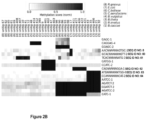
- Hierarchical clustering of the largest contigs from each species and their motif methylations scores shows that among the 16 motifs selected by motif filtering, each species in the mixture has a unique methylation profile ( Fig. 2B ).
- Table 2 Motifs from mixture of eight bacterial species that were identified using the motif filtering procedure based on contig-wide methylation profiles. Fourteen of the sixteen motifs identified are confirmed by SMRT Portal methylome analysis and the two remaining motifs are partial versions of two confirmed motifs. Motif ID'd by SCp filtering Confirmed by SMRT Portal Species G A TC Yes B. ovatus, E. coli AG A TCC Yes B. thetaiotaomicron GG A TCT Yes B. thetaiotaomicron AG A TCT Yes B. thetaiotaomicron A A TCC Yes B.
- thetaiotaomicron CC A NNNNNNCAT ( SEQ ID NO: 2 ) Yes B. thetaiotaomicron A TGNNNNNNTGG ( SEQ ID NO: 3 ) Yes B. thetaiotaomicron C A GNNNNNGGA ( SEQ ID NO: 4 ) Yes B. caccae. B. ovatus CC A TC Yes B. caccae G A TGG Yes B. caccae TC A CNNNNNATG ( SEQ ID NO: 5 ) No (but related to C A CNNNNNATG ( SEQ ID NO: 6 )) B. vulgatus GC A CNNNNNNGTT ( SEQ ID NO: 7 ) Yes E.
- dimensionality reduction was used to reduce the feature space to two dimensions that are amenable to plotting.
- the dimensionality reduction algorithm primarily used in this study is the Barnes-Hut approximation of t-distributed stochastic neighbor embedding (t-SNE) (see Examples), which has already been demonstrated to be effective at segregating metagenomic contigs based on k-mer frequency.
- t-SNE is a non-linear dimensionality reduction algorithm that is designed to preserve local pairwise distances, it differs from linear methods, such as principal components analysis (PCA) that captures global variance, making t-SNE well suited for complex microbiome communities with subpopulation structures that are not effectively captured by PCA.
- PCA principal components analysis
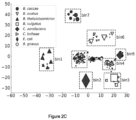
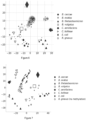
- the 2D map generated by applying t-SNE to the matrix of methylation profiles (16 motifs for each contig) reveals contigs that are generally well separated based on their known species ( FIG. 2C ).
- the four species from the Bacteroides genus show remarkably clear separation from each other, despite the fact that the genomes share significant sequence similarity (Table 3, below).
- This separation of the four Bacteroides species is clearer than is possible using composition methods alone ( Fig. 6 ) and cleaner than when the contig coverage values are included with composition ( Fig. 7 ).
- the methylation-based map results in a cluster silhouette coefficient, which ranges between -1 (significant mixing) and 1 (complete separation), of 0.53, while the composition-based clustering results in a 0.14 silhouette coefficient.
- Methylation binning complements existing methods in complex microbiome
- the remaining six bins have high-quality matches with genome assemblies of species that have been identified in the mouse gut in other studies but lack finished reference sequences.
- the seven Bacteroidales bins all share high ANI with each other (81-91% ANI), but at values suggesting inter- rather than intraspecies relationships (Table 7).
- CONCOCT assigned multiple Bacteroidales genomes to a single bin containing 28 Mbp of sequence.
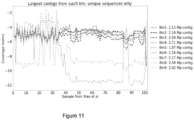
- a further analysis showed that the co-binning of several Bacteroidales genomes by CONCOCT is due to the high similarity in their abundance profiles across microbiome samples, even after excluding genomic regions where sequence similarity might cause reads to map to multiple Bacteroidales genomes ( Fig. 11 and Examples). Therefore, although differential coverage binning proved very effective for binning many organisms in the sample, it did not effectively handle organisms with similar coverage covariance profiles.
- MGEs may include, without limitation, plasmids, transposons (including class I or retrotransposons, class II or DNA transposons, and insertion sequences), bacteriophages (including bacteriophage elements such as Mu), and introns (including group I introns and group II introns).
- Transposons transposable elements, or TEs
- TEs transposable elements
- TEs DNA sequences that can change their position within a genome, sometimes creating or reversing mutations and altering the cell's genetic identity and genome size. It has been shown that transposons are important in genome function and evolution. Transposons are also useful to researchers as a means to alter DNA inside a living organism.
- TEs There are at least two classes of TEs: Class I TEs or retrotransposons generally function via reverse transcription, while Class II TEs or DNA transposons encode the protein transposase, which they require for insertion and excision, and some of these TEs also encode other proteins.
- Bacteriophages are viruses that infect and replicate within a bacterium. Bacteriophages are composed of proteins that encapsulate a DNA or RNA genome, and may have relatively simple or elaborate structures. Their genomes may encode as few as four genes, and as many as hundreds of genes. Phages replicate within the bacterium following the injection of their genome into its cytoplasm. Bacteriophages are ubiquitous viruses, found wherever bacteria exist. It's estimated there are more than 10 31 bacteriophages on the planet.
- Plasmids are small (typically 1-200 kbp), circular, and highly mobile DNA elements can be transferred among host bacteria during conjugation events or through natural transformation of extracellular plasmids into competent cells, making them an important mediator of HGT in bacteria.
- the genes encoded by plasmids can confer antibiotic resistance, encode virulence factors or provide specific metabolic functions that allow the host cell to survive under conditions that would otherwise be hostile. If a plasmid has a broad range of acceptable host species, the genes encoded by that plasmid, for instance those conferring antibiotic resistance, can be added to the genetic repertoire of a large number of species. It is therefore critically important to determine the host species of plasmids in microbiomes, as this information not only reflect the full genetic catalog of the host, but can also be used to track the transmission of antibiotic resistance elements across different members of a bacterial community.
- MGE replication can be independent of chromosomal replication, meaning that the sequenced coverage of, e.g., a plasmid will likely differ significantly from the sequenced coverage of the chromosomal contigs of its host.
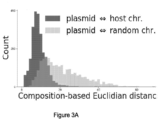
- empirical evidence supports the hypothesis that sequence composition alone is often not capable of mapping a plasmid to its host in a metagenomic setting.
- SMRT sequencing is capable of generating high-quality, closed plasmid assemblies from clinical isolates
- little work has been done to generate whole plasmid sequences from a metagenomic sample and associate the plasmids to their host bacterial species in the community.
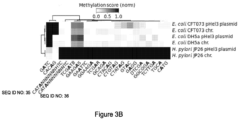
- the present invention takes advantage of the fact that plasmid DNA and the chromosomal DNA of the bacterial host are both methylated by the same set of MTases. The result is that the methylation profiles of the plasmids match the methylation profile of its host bacterium.
- Plasmid size is another consideration for methylation-based host mapping, as shorter plasmids are less likely to possess instances of the full suite of methylated motifs that can help conclusively demonstrate a matching methylation profile with that of a host genome. Sequences of different lengths were simulated from the REBASE genomes and assessed how frequently these sequences contained the full set of the methylated motifs from the source genome ( Fig. 3E ). It was found that, on average, 90% of 35 kbp sequences will contain instances of at least three quarters of the 6mA motifs, while 90% of 60 kbp sequences will capture instances of all the 6mA motifs.
- methylation profiles required for mapping to a host genome are more likely to occur with larger, rather than smaller, plasmids.
- a partially complete methylation profile i.e. lacking one or more methylated motifs
- methylation-based plasmid-host mapping procedure was first applied using the mock community of eight bacterial species, where the true mappings are known. Six closed circular sequences are identified from the SMRT contigs assembled from the mock community by HGAP3 (see Examples). A confident mapping of a plasmid to a host is defined if contigs accounting for >75% of the host genome contain (1) the same methylated motifs (i.e. motifs with methylation score ⁇ 1.6 calculated from ⁇ 10 IPD values) that are found on the plasmid, and (2) no additional methylated motifs.
- the methylation-based plasmid-host mapping procedure was applied to the adult mouse gut microbiome sample.
- 19 contigs between 7-132 kbp were identified, of which eleven are fully circularized and nine are conjugative transposon elements (encoding at least five genes annotated as conjugative transposon-related).
- MGE mobile genetic elements
- MGE-host e.g., plasmid-host
- Table 10 SMRT sequencing details of the Human Microbiome Project Mock Community B sample, which was selectively downsampled so that the species relative abundances follow a log-curve (see Figure 9 and Examples). Species NCBI reference sequence # SMRT cells # sequenced bases # reads Avg.
- the 5-mer frequency profiles are resilient to the random error in the long reads; the clusters of unassembled reads are highly species-specific.
- the additional sequence information in longer reads provides more stable 5-mer frequency profiles and tighter clusters compared to clustering of shorter reads ( Figs. 15 and 16 ).
- a 2D histogram provides an overview of global community complexity even absent any sequence annotation ( Fig.
- single molecule long reads from third generation sequencing were also binned using their read-level methylation profiles. This can help avoid or resolve chimeric contigs, which occur when multiple strains in a mixture are assembled into contigs built from reads originating from different strains.
- the significant challenges associated with chimeric contigs affect coverage- and k-mer-based binning methods, hinder strain-specific variant calling and, in the case of single-molecule long-read sequencing, confound the identification of strain-specific methylation on each contig.
- Table 13 Average nucleotide identity (ANI) for the two strains of H. pylori (str. J99 and 26695).
- Table 14 Average nucleotide identity (ANI) for the three strains of E. coli.
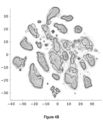
- the first mixture contained reads from the H. pylori strains J99 and 26695 that assembled together into one small contig from strain 26695 and another large, highly chimeric contig ( Fig. 4C ).
- a pre-assembly binning strategy was adopted analogous to that described by Cleary et al., but instead of using k-mer co-abundance for binning reads, single-molecule long reads were separated into bins based on their methylation profiles and subsequently assembled each bin.
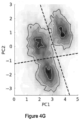
- a small set of four high-density motifs are sufficient to differentiate these two H .
- Table 15 Methylation motifs in the two strains of H. pylori. While some motifs are shared between the two strains, many are unique to one or the other strain (highlighted in bold). Motif H. pylori 26695 H.
- PCA Principal component analysis
- the read-level methylation binning procedure was next applied to another data set consisting of SMRT reads from three strains of E. coli from distinct serotypes: O26:H11, O103:H11, and O111 (see Examples).
- An assembly of these mixed reads results in many highly chimeric contigs and very few contigs that are specific to a strain ( Fig. 4F ).
- the motifs that differentiate these strains, AGC A CY, CRARC A G, GGTN A CC, and CTGC A G, are longer (Table 16), which are more likely to be disrupted by the random nature of the sequencing errors in unaligned single molecule long reads, causing incorrect IPD values for each long motif.
- Table 16 Methylation motifs in the three strains of E. coli that were used to construct read-level methylation profiles. Motif E. coli BAA-2196 O26:H11 E. coli BAA-2215 O103:H11 E. coli BAA-2440 O111 AGCACY No Yes No CRARCAG No No Yes GGTNACC No No Yes CTGCAG Yes No No GATC Yes Yes Yes Yes TACNNNNNNNRTRTC ( SEQ ID NO: 33 ) Yes Yes Yes No GAYAYNNNNNNNGTA ( SEQ ID NO: 34 ) Yes Yes Yes No
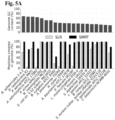
- SMRT reads covered a higher percentage of genome positions in 17 of the 20 species and matched the percentage of genome positions covered by synthetic long reads in the remaining three species ( Fig. 5A ; Table 17).
- Table 17 Summary of the reference alignments used to compare synthetic long read (SLR) and SMRT sequencing of the Human Microbiome Project Mock Community B. For comparison purposes, downsampling of alignments was done to make the total number of aligned bases approximately equal for both SLR and SMRT reads (see Examples).
- SMRT sequencing is an amplification-free protocol and is not subject to GC bias, resulting in more uniform coverage profiles across genomes ( Fig. 18 ). Further illustrating this phenomenon are three small regions from the genomes of S. agalactiae, S. aureus, and P. aeruginosa ( Fig. 5B-5D ), which are representative of many of the genomes in the mock community ( Fig. 19 ).
- the synthetic long reads coverage profiles consist of peaks and valleys, representing over- and under-amplified DNA fragments, respectively. Some of the valleys result in complete coverage dropouts, across which genome assembly becomes impossible.
- the SMRT sequencing protocol results in much more uniform coverage profiles and fewer coverage dropouts, making it more amenable to metagenomic assembly and more likely to result in chromosome-scale contigs.
- Methylation binning of contigs alone may, in some instances, to be challenging for organisms that are present at low-abundance in high-complexity samples, as it is difficult to detect methylated motifs from the small contigs that are typically assembled from low-abundance organisms.
- this can be complemented by binning assignments from cross-coverage and composition-based binning tools, such as CONCOCT, because contigs can be phased together according to third-party binning assignments to aid the discovery of methylated motifs, as was demonstrated with the mouse gut microbiome analysis.
- De novo methylation motif detection is well powered at the levels of contigs or bins, but is challenging at the level of single reads due to the requirement for long read length, especially for large, sparsely distributed motifs.
- read-level binning by methylation profiles can build on a priori knowledge of the methylation motifs in a species of interest for the de-convolution of multiple co-existing strains, as illustrated in this study.
- Continued increases in read length of third-generation sequencing also raise the prospect of more reliable de novo detection of methylated motifs at the single read-level in the near future.
- SMRT sequencing libraries of long insert size can improve contiguity in a metagenomic assembly, but the size selection procedure may filter out short MGEs like plasmids and phages.
- the choice of library size would depend on goals specific to the particular research study. When resource allows, combinations of long and short libraries can be integrated to achieve both good assembly contiguity and the good coverage of short MGEs, although challenges currently exist in assembling complex MGEs from shorter reads. Integrating additional sequence data from a rolling circle amplification library might help to highlight plasmids that are excluded from the standard SMRT library or do not fully circularize in the SMRT assembly.
- DNA methylation is a novel and rich feature that provides significant discriminative power capable of complementing existing methods for high-resolution metagenomic binning.
- Epigenetic information was used to segregate contigs assembled from highly similar strains that would be otherwise indistinguishable using k-mer frequency-based methods. Two sets of infant gut microbiota obtained from stool samples of children who were selected for sequencing based on a high genetic risk for development of T1D were examined.
- Table 18 Average nucleotide identity (ANI) for the two strains of Bacteroides dorei found in the infant gut microbiome samples A (str. 105) and B (str. 439).
- Organism NCBI reference sequence Bacteroides dorei str. 105 Bacteroides dorei str. 439 Bacteroides dorei str. 105 CP007619 1 Bacteroides dorei str. 439 CP008741 99.43% 1
- SMRT sequencing data were collected for the two microbiome samples from a previous study (Table 19) and performed a metagenomic de novo assembly using a combination of both gut samples to generate a mixture of contigs from both B. dorei strains in the output set of metagenomic contigs. Lacking any labeling for these contigs, the sequence annotation tool Kraken was applied for labeling of all non- B . dorei contigs and an alignment-based labeling approach for distinguishing the two B. dorei strains (See Examples). Table 19: SMRT sequencing details of two infant gut microbiome samples. Sample # SMRT cells # sequenced bases # reads Avg. read length (bp) A 10 2600873639 434396 5987 B 13 2984063756 472788 6312 A+B 23 5584937395 907184 6156
- composition-based binning was first conducted using 5-mer frequency profiles , followed by t-SNE dimensionality reduction ( Fig. 20 ).
- the map has five distinct clusters of contigs, four of which consist primarily of a combination of contigs from multiple species or strains. This suggests that composition-based binning is insufficient to segregate the two strains of B. dorei due to their high sequence similarity.
- composition-based binning also fails to segregate Bacteroides fragilis from Bacteroides thetaiotaomicron, Bifidobacterium breve from Bifidobacterium longum, and Alistipes finegoldii from Alistipes shahii.
- Motif filtering identified seven motifs with significant methylation scores on at least one contig in the assembly: GGATCA, GATCA, TTCGA A, GATC, CTCAT, GAATC, and GGATC.
- the resulting t-SNE map constructed using methylation profiles alone resolves the contigs into four clusters.
- the two strains of B. dorei are very well segregated in the methylation-based binning analysis.
- methylation-based binning alone did not fully segregate all other species due to an insufficient diversity of methylated motifs among them.
- EXAMPLE 2 Methylome analysis of virulent Klebsiella pneumoniae strain
- the 878 bacterial strains in the REBASE database for which methylated motifs have been identified through SMRT sequencing were analyzed.
- a virulent and antibiotic-resistant strain of Klebsiella pneumoniae (strain 234-12) isolated from a patient during a 2011 outbreak in Germany.
- a single 362kb plasmid (pKpn23412-362) hosted by this strain contained thirteen antibiotic-resistance genes, including the blaCTX-M-15 (Kpn23412_5431) gene responsible for conferring the extended spectrum ⁇ -lactamase (ESBL) phenotype of the bacteria.
- the plasmid also contained multiple replicons, which helps to expand the range of organisms in which the plasmid can successfully replicate.
- composition profiles are relatively similar to the plasmid, the methylation profiles are diverse, making it possible to match plasmid pKpn23412-362 to its K. pneumoniae host ( Fig. 23 ).
- all 25 strains of K. pneumoniae contained in the Rebase database were examined, and it was found that the sequence of plasmid pKpn23412-362 was roughly the same Euclidian distance from the chromosomes of each strain ( Fig. 24 ).
- these 25 strains include 17 distinct methylation profiles (i.e. different combinations of methylation motifs), one of which is found only in strain 234-12. This means that if multiple K.
- DNA methylation profiles may be able to help map plasmid pKpn23412-362 to its true host strain directly from metagenomic data.
- This epigenetic plasmid-host mapping approach highlights the broad range of applications in which epigenetic profiles can be exploited to address difficult challenges in a variety of clinically relevant situations.
- EXAMPLE 3 Culture conditions for bacteria from eight-species mixture and purification
- Bacteroides caccae ATCC 43185, Bacteroides ovatus ATCC 8483, Bacteroides thetaiotaomicron VPI-5482, Bacteroides vulgatus ATCC 8492, Collinsella aerofaciens ATCC 25986, Clostridium bolteae ATCC BAA-613, and Ruminococcus gnavus ATCC 29149 were grown individually in 10 ml of supplemented Brain-heart infusion broth in an anaerobic chamber from Coy Laboratory Products. Escherichia coli MG1655 was grown aerobically in 5 ml of LB broth. Construction of the 10kb DNA libraries for SMRT sequencing was performed according to the manufacturer's instructions.
- a male 6-week-old NOD/shiltj mouse (no. 001976, Jackson Labs) was housed in a Specific Pathogen Free (SPF) room at New York University Langone Medical Center (NYUMC).
- SPF Specific Pathogen Free
- NYUMC New York University Langone Medical Center
- Fecal DNA was extracted using PowerSoil DNA isolation kit (MoBio Labs, Carsbad, CA). 10kb library preparation for SMRT sequencing was performed according to the manufacturer's instructions.
- the bacterial 16S rRNA gene V4 regions were amplified and libraries constructed as previously described by Livanos et al.
- EXAMPLE 5 pHel3 plasmid transformation into three species
- E. coli-H. pylori shuttle plasmid pHel3 was electroporated from E. coli strain DH5 ⁇ to strain CFT073 using MicroPulser following procedures recommended by the manufacturer (Bio-Rad Lab., Hercules, CA). The same plasmid was also introduced from E. coli strain DH5 ⁇ into H. pylori strain JP26 by natural transformation as previously described. E. coli DH5 ⁇ carrying pHel3 and CFT073 carrying pHel3 were grown in Luria-Bertani (LB) medium with kanamycin (Km; 50 ⁇ g/ml) at 37°C for 24 hours. H.
- LB Luria-Bertani
- pylori JP26 carrying pHel3 were grown in Brucella broth (BB) medium supplemented with 10% newborn calf serum (NBCS) and Km (10 ⁇ g/ml) at 37°C in microaerophilic condition for 48 hours.
- Bacterial cell pellets of E. coli or H. pylori cultures were collected by centrifugation, genomic DNA of each culture was purified using Wizard Genomic DNA Purification Kit (Promega, Madison, WI), and plasmid DNA of each culture was purified using QIAprep Spin Miniprep Kit (QIAgen, Valencia, CA). 2kb library preparation for SMRT sequencing genomic and plasmid DNA for each culture was performed according to the manufacturer's instructions.
- EXAMPLE 6 Three E. coli strains for synthetic mixture
- Primer was annealed to the size-selected SMRTbell with the full-length libraries (80°C for 2 minute 30 seconds followed by decreasing the temperature by 0.1°C to 25°C).
- the polymerase-template complex was then bound to the P6 enzyme using a ratio of 10:1 polymerase to SMRTbell at 0.5 nM for 4 hours at 30°C and then held at 4°C until ready for magnetic bead loading, prior to sequencing.
- the magnetic bead-loading step was conducted at 4°C for 60-minutes per manufacturer's guidelines.
- the magnetic bead-loaded, polymerase-bound, SMRTbell libraries were placed onto the RSII machine at a sequencing concentration of 125 - 175 pM and configured for a 240-minute continuous sequencing run.
- the contig- and read-level polymerase kinetics scores are calculated using the inter-pulse duration (IPD) values provided in the SMRT sequencing reads.
- IPD inter-pulse duration
- Subread normalization done by log-transforming the ratio of each subread IPD value to the mean of all IPD values in the subread, corrects for any potential slowing of polymerase kinetics over the course of an entire read (which can consists of multiple subreads).
- non-methylated control values are used only during the motif filtering procedure but not in the final contig-level methylation scores.
- the reliability of the motif score on a contig increases with the number of motif sites on the contig.
- short motifs are present at higher density in the genome than longer, more complex motifs, although exceptions to this rule exist. Therefore, while even the shortest contigs in an assembly are able to return reliable methylation scores for short motifs, longer contigs are usually required to accurately assess the methylation status of more complex motifs.
- a default methylation score of zero is assigned if no instances of the motif occur on the read or contig.
- the optional parameter --cross_cov_bins in the mBin program accepts a file containing contig assignments to bins (in the format contig name,bin id) identified from coverage- and composition-based binning tools. If this parameter is specified, the IPD values used to calculate each contig-level methylation score are aggregated based on binning assignment and bin-level methylation scores are calculated.
- An initial motif-filtering step is necessary to reduce the space of motifs down to only those that have a significant methylation score in the metagenomic mixture.
- the maximum motif length and allowable base configuration of motifs was defined in the initial query space. All possible 4mers, 5mers, and 6mers were considered, for a total of 7,680 contiguous motifs.
- a chosen threshold 1.7
- a further step searches for multiple specifications representing a single degenerate motif that, if identified, replaces the individual specifications in the final set of motifs.
- the remaining motifs need not exactly match the most parsimonious versions of the methylated motifs, but they nonetheless will carry some methylation signature that is useful for binning the sequences through subsequent dimensionality reduction analysis. Put another way, the precise number of motifs that remain after filtering is not usually critically important as long as the set of remaining motifs captures the most significant differences between methylation profiles. This property contrasts with existing methods for methylation motif discovery that attempt to identify the single most parsimonious version of a motif.
- EXAMPLE 12 Combined use of k-mer frequency and methylation score matrices
- ANI average nucleotide identity
- a database of 591 reference genomes isolated from the mouse gut was compiled from four recent studies. Blastn was first run to identify which of the reference sequences had significant matches with the contigs in the nine bins identified using methylation profiles. Significant hits were considered to be alignments >100bp in length with >97% identity. For each bin, the reference genomes were ranked based on the percentage of the total binned contig sequences that were covered by a significant hit with the reference. The mummer package was then used to align the highest ranked matching references to the contigs in each bin and visualized the alignments ( Fig. 9 ) with the mummer package.
- each contig was divided into 10kb subsequences and excluded any subsequences that displayed any alignments using nucmer. Mean coverage values were calculated for the unique remaining subsequences and these were used to construct the coverage profiles across all 100 samples ( Fig. 11 ).
- the long reads used in this study often result in a bacterial genome being represented by a small number of very large contigs.
- the t-SNE dimensionality reduction algorithm places data points in low-dimensional space based on the local similarities in the original high-dimensional space. Species with few large contigs that are represented by only a few points in the high-dimensional space do not contribute significantly to the objective function of the t-SNE algorithm.
- a length-weighted representation of all large contigs over 50 kbp in length was use so that each large contig is represented in the matrix of features not by one row, but by N rows, where N is the contig length divided by 50 kbp.
- the features (column values) for each 50 kbp sub-contig, either k-mer frequency or methylation scores, are the same values that were computed for the original large contig.
- nIPD normalized IPD
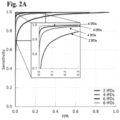
- nIPD values were used to construct methylation scores for GATC on both the case and control contigs, for each of the four specified nIPD sampling numbers (2, 4, 6, and 8). This process was repeated 10,000 times to create a receiver operating characteristic (ROC) curve ( Fig. 2A ) showing the effect of the number of nIPD values on creating methylation scores that can distinguish a methylated contig/motif from a non-methylated contig/motif.
- ROC receiver operating characteristic
- EXAMPLE 18 REBASE plasmids and chromosomes distances
- the largest chromosome was selected when a bacterium contained more than one chromosome.
- the empirical distribution of Euclidian distances between the plasmids and randomly selected bacteria was constructed by iterating over all plasmids in REBASE, randomly selecting a bacterium for each plasmid, and computing the distance between the plasmid 5-mer frequency vector and that of the largest chromosome of the selected bacterium.
- EXAMPLE 19 REBASE survey of methylome uniqueness in simulated communities
- the methylation motifs for each constituent organism were analyzed and number of organisms with a unique methylome in the community was returned, reported as the fraction of total organisms in the community.
- Multiple curves in Fig. 3C represent the different results obtained by varying the multi-strain content of the mock communities. The same procedure was again used to analyze only those 155 organisms in REBASE that are known to host at least one plasmid sequence.
- Multiple curves in Fig. 3D represent the different results obtained by varying the multi-strain content of the mock communities.
- EXAMPLE 20 REBASE survey of methylation motif content in simulated sequences
- each methylation bin the reads aligning to each binned contig were reassembled with the HGAP3 assembler using a genomeSize parameter modified to reflect the total number of contig bases in each bin.
- SMRT reads were obtained separately from eight individual bacterial species (Table 1) and the reads were mixed, without any labeling, by combining one SMRT cell of sequencing from each species to create a synthetic metagenomic mixture at similar relative abundances. Read labels were applied for evaluation purposes only after all binning procedures were completed.
- reads from each species were then selected to impose the desired relative abundances.
- the alignment and labeling procedures were used strictly for data downsampling and were not part of the read-level binning procedure.
- Multi-strain mixture of Helicobacter pylori Two strains of H. pylori, str. 26695 and str. J99, were sequenced separately using a Pacific Biosciences RSII instrument as part of a previous study. In order to create a multi-strain mixture, reads from one SMRT cell per strain were combined. These strain-specific sets of reads were downsampled using their SMRT cell labels then combined to a mixture containing both strains at 150x coverage (Table 11). Binning procedures did not use any information from the labels.
- Multi-strain mixture of Escherichia coli Three strains of E. coli, BAA-2196 O26:H11, BAA-2215 O103:H11, and BAA-2440 O111, were sequenced separately using a Pacific Biosciences RSII instrument (see See Examples section entitled Three E. coli strains for synthetic mixture).
- the synthetic, multi-strain mixture was created by combining a single SMRT cell from each of these separate sequencing runs (Table 12). Binning procedures did not use any information from the labels.
- the microbial DNA HM-277D was obtained from BEI Resources and was sequenced in a previous study by Kuleshov et al. using the Illumina TruSeq protocol. These sequencing results were downloaded for the current study using the SRA accession code SRR2822454.
- Both synthetic long reads and SMRT reads were aligned to the 20 reference sequences of the genomes contained in the HMP Mock Community B.
- the synthetic long reads were aligned using the SMRT read aligner blasr with default parameters and "-bestn 1 -sam" options.
- the synthetic long reads were aligned using bwa-mem with default parameters.
- EXAMPLE 27 SMRT and synthetic long read alignments downsampling
- the *.bam files containing the aligned synthetic long reads and SMRT reads for the 20 species in the HMP Mock Community B were analyzed to count the total number of aligned bases in each. For each reference, the smaller number of aligned bases was chosen as the target number of aligned bases and the file with the larger number of aligned bases was selected for downsampling. The target fraction is calculated by dividing the target number of aligned bases by the original number of bases.
- the following samtools command was used to generate the downsampled file: samtools view -s 1.[target_frac] -h -b original.bam > downsampled.bam
- EXAMPLE 29 t-SNE embedding for dimensionality reduction
- the high-dimensional matrix of features (e.g. k-mer frequencies, methylation scores, or a combination) for all sequences was subjected to the Barnes-Hut implementation of t-distributed stochastic neighbor embedding (t-SNE).
- the Barnes-Hut approximation of t-SNE reduces the computational complexity from ( N 2 ) to ( N log N ), making it feasible to generate 2D maps of hundreds of thousands of metagenomic sequences containing hundreds of features. All runs used the default parameters for perplexity (30) and theta (0.5).
- HGAP3 hierarchical genome-assembly process
- the expected genome size parameter is used to determine the optimum number of long seed reads and was adjusted based on the expected complexity of the metagenome. Specifically, the genome size was set to 40Mb for the synthetic mixture of eight bacterial species assembly, 66Mb for the 20-member HMP assembly, 20Mb for the combined infant gut microbiome samples A and B assembly, 1.6Mb for the combined and separate H. pylori strain assemblies, and 20Mb for the infant gut microbiome sample A assembly.
- Kraken version 0.10.5-beta was configured to use two databases.
- the database used to annotate sequences from the Human Microbiome Project (HMP) Mock Community B consisted of reference sequences for the twenty known species included in the mock community (Table 10). All other Kraken annotations used a database consisting of the RefSeq complete set of bacterial/archaeal genomes (using "--download-library bacteria") and draft assemblies of five Bacteroides dorei strains. Database construction from these libraries and all Kraken annotations used default parameters.
- the contig was labeled as belonging to strain 105. However, if the majority aligned to the strain 439 reference, the contig was labeled as belonging to strain 439.
Landscapes
- Life Sciences & Earth Sciences (AREA)
- Chemical & Material Sciences (AREA)
- Health & Medical Sciences (AREA)
- Engineering & Computer Science (AREA)
- Physics & Mathematics (AREA)
- Proteomics, Peptides & Aminoacids (AREA)
- Bioinformatics & Cheminformatics (AREA)
- Organic Chemistry (AREA)
- Biotechnology (AREA)
- Biophysics (AREA)
- Analytical Chemistry (AREA)
- General Health & Medical Sciences (AREA)
- Genetics & Genomics (AREA)
- Zoology (AREA)
- Wood Science & Technology (AREA)
- Medical Informatics (AREA)
- Bioinformatics & Computational Biology (AREA)
- Theoretical Computer Science (AREA)
- Spectroscopy & Molecular Physics (AREA)
- Evolutionary Biology (AREA)
- Molecular Biology (AREA)
- General Engineering & Computer Science (AREA)
- Microbiology (AREA)
- Biochemistry (AREA)
- Immunology (AREA)
- Biomedical Technology (AREA)
- Evolutionary Computation (AREA)
- Computer Vision & Pattern Recognition (AREA)
- Data Mining & Analysis (AREA)
- Databases & Information Systems (AREA)
- Epidemiology (AREA)
- Artificial Intelligence (AREA)
- Public Health (AREA)
- Software Systems (AREA)
- Crystallography & Structural Chemistry (AREA)
- Bioethics (AREA)
- Plant Pathology (AREA)
- Measuring Or Testing Involving Enzymes Or Micro-Organisms (AREA)
Applications Claiming Priority (3)
| Application Number | Priority Date | Filing Date | Title |
|---|---|---|---|
| US201762525908P | 2017-06-28 | 2017-06-28 | |
| PCT/US2018/039678 WO2019005913A1 (en) | 2017-06-28 | 2018-06-27 | METHODS OF HIGH RESOLUTION MICROBIOME ANALYSIS |
| EP18824159.0A EP3646326B1 (de) | 2017-06-28 | 2018-06-27 | Verfahren zur hochauflösenden mikrobiomanalyse |
Related Parent Applications (1)
| Application Number | Title | Priority Date | Filing Date |
|---|---|---|---|
| EP18824159.0A Division EP3646326B1 (de) | 2017-06-28 | 2018-06-27 | Verfahren zur hochauflösenden mikrobiomanalyse |
Publications (2)
| Publication Number | Publication Date |
|---|---|
| EP4550336A2 true EP4550336A2 (de) | 2025-05-07 |
| EP4550336A3 EP4550336A3 (de) | 2025-07-02 |
Family
ID=64743072
Family Applications (2)
| Application Number | Title | Priority Date | Filing Date |
|---|---|---|---|
| EP18824159.0A Active EP3646326B1 (de) | 2017-06-28 | 2018-06-27 | Verfahren zur hochauflösenden mikrobiomanalyse |
| EP25151718.1A Pending EP4550336A3 (de) | 2017-06-28 | 2018-06-27 | Verfahren zur hochauflösenden mikrobiomanalyse |
Family Applications Before (1)
| Application Number | Title | Priority Date | Filing Date |
|---|---|---|---|
| EP18824159.0A Active EP3646326B1 (de) | 2017-06-28 | 2018-06-27 | Verfahren zur hochauflösenden mikrobiomanalyse |
Country Status (5)
| Country | Link |
|---|---|
| US (1) | US20200160936A1 (de) |
| EP (2) | EP3646326B1 (de) |
| CN (1) | CN111052250A (de) |
| DK (1) | DK3646326T3 (de) |
| WO (1) | WO2019005913A1 (de) |
Families Citing this family (22)
| Publication number | Priority date | Publication date | Assignee | Title |
|---|---|---|---|---|
| US20220254446A1 (en) * | 2019-05-22 | 2022-08-11 | Icahn School Of Medicine At Mount Sinai | Method for de novo detection, identification and fine mapping of multiple forms of nucleic acid modifications |
| WO2020252320A1 (en) * | 2019-06-13 | 2020-12-17 | Icahn School Of Medicine At Mount Sinai | Dna methylation based high resolution characterization of microbiome using nanopore sequencing |
| JP2023513314A (ja) | 2020-02-13 | 2023-03-30 | ザイマージェン インコーポレイテッド | メタゲノムライブラリーおよび天然物発見プラットフォーム |
| CN111549109A (zh) * | 2020-04-29 | 2020-08-18 | 苏州苏因智启生物科技有限公司 | 一种高通量的病原体微生物基因检测筛查方法 |
| CN111816249B (zh) * | 2020-06-01 | 2023-12-08 | 上海派森诺生物科技股份有限公司 | 一种基因组的环化分析方法 |
| US12592321B2 (en) * | 2020-06-19 | 2026-03-31 | University Health Network | Cancer detection and classification using methylome analysis |
| CN111755072B (zh) * | 2020-08-04 | 2021-02-02 | 深圳吉因加医学检验实验室 | 一种同时检测甲基化水平、基因组变异和插入片段的方法及装置 |
| CN112349350B (zh) * | 2020-11-09 | 2022-07-19 | 山西大学 | 基于一种杜氏藻核心基因组序列进行品系鉴定的方法 |
| CN112599198A (zh) * | 2020-12-29 | 2021-04-02 | 上海派森诺生物科技股份有限公司 | 一种用于宏基因组测序数据的微生物物种与功能组成分析方法 |
| WO2022222936A1 (en) * | 2021-04-20 | 2022-10-27 | Hangzhou Matridx Biotechnology Co., Ltd. | Methods, computer-readble media, and systems for filtering noises for dna sequencing data |
| CN113205856B (zh) * | 2021-06-22 | 2022-07-12 | 南开大学 | 一种微生物宏基因组分箱方法及系统 |
| CN113658633B (zh) * | 2021-07-20 | 2023-10-20 | 北京大学 | 噬菌体宿主属预测方法、装置、设备及存储介质 |
| CN114360640A (zh) * | 2022-02-23 | 2022-04-15 | 首都医科大学附属北京地坛医院 | 用于计算微生物基因组甲基化单碱基分辨率动力学的系统 |
| CN114613435B (zh) * | 2022-03-15 | 2025-02-11 | 中国人民解放军陆军军医大学第一附属医院 | 一种测量少量细胞翻译组的方法及其应用 |
| CN114882950B (zh) * | 2022-05-18 | 2024-11-01 | 东北林业大学 | 基于软件识别宏基因组序列中微生物种类与序列的方法 |
| CN115273983B (zh) * | 2022-07-11 | 2026-02-17 | 南方科技大学医院 | 一种预测微生物dna甲基化调控基因表达的方法以及系统 |
| CN115497560A (zh) * | 2022-08-29 | 2022-12-20 | 浙江理工大学 | 一种单分子水平的SMRT-seq质量控制方法 |
| EP4595000A2 (de) * | 2022-09-30 | 2025-08-06 | Liquid Biopsy Holdco, LLC | Multimodale verfahren und systeme zur krankheitsdiagnose |
| WO2024168114A1 (en) * | 2023-02-08 | 2024-08-15 | Battelle Memorial Institute | Technologies for individualized metagenomic profiling |
| CN118692562B (zh) * | 2024-06-06 | 2025-04-11 | 杭州洛兮医学检验实验室有限公司 | 一种基于二代测序的病原微生物宏基因组检测的生物信息方法 |
| CN119007824B (zh) * | 2024-10-21 | 2025-04-22 | 粤北人民医院 | 一种甲基化组学和宏基因组学分析方法 |
| CN120954505A (zh) * | 2025-10-15 | 2025-11-14 | 福建农科沃土生物科技有限公司 | 基于生物信息学的紫云英育种遗传数据挖掘系统 |
Family Cites Families (7)
| Publication number | Priority date | Publication date | Assignee | Title |
|---|---|---|---|---|
| CN103088433B (zh) * | 2011-11-02 | 2014-09-24 | 深圳华大基因科技服务有限公司 | 全基因组甲基化高通量测序文库的构建方法及其应用 |
| US9238836B2 (en) * | 2012-03-30 | 2016-01-19 | Pacific Biosciences Of California, Inc. | Methods and compositions for sequencing modified nucleic acids |
| CN104039982B (zh) * | 2012-08-01 | 2015-09-09 | 深圳华大基因研究院 | 一种分析微生物群落组成的方法和装置 |
| US10036072B2 (en) * | 2012-12-19 | 2018-07-31 | Ut-Battelle, Llc | Mercury methylation genes in bacteria and archaea |
| WO2015048595A1 (en) * | 2013-09-27 | 2015-04-02 | Jay Shendure | Methods and systems for large scale scaffolding of genome assemblies |
| WO2018071841A1 (en) * | 2016-10-14 | 2018-04-19 | The Forsyth Institute | Compositions and methods for evading bacterial defense mechanisms |
| US20210371918A1 (en) * | 2017-04-18 | 2021-12-02 | Dovetail Genomics, Llc | Nucleic acid characteristics as guides for sequence assembly |
-
2018
- 2018-06-27 US US16/626,671 patent/US20200160936A1/en active Pending
- 2018-06-27 CN CN201880055371.6A patent/CN111052250A/zh active Pending
- 2018-06-27 EP EP18824159.0A patent/EP3646326B1/de active Active
- 2018-06-27 EP EP25151718.1A patent/EP4550336A3/de active Pending
- 2018-06-27 WO PCT/US2018/039678 patent/WO2019005913A1/en not_active Ceased
- 2018-06-27 DK DK18824159.0T patent/DK3646326T3/da active
Non-Patent Citations (103)
| Title |
|---|
| ALBERTSEN, M. ET AL.: "Genome sequences of rare, uncultured bacteria obtained by differential coverage binning of multiple metagenomes.", NAT. BIOTECHNOL., vol. 31, 2013, pages 533 - 8 |
| ALNEBERG, J. ET AL.: "Binning metagenomic contigs by coverage and composition.", NAT. METHODS, vol. 11, 2014 |
| AZIZ, R. K. ET AL.: "The RAST Server: Rapid Annotations using Subsystems Technology. BMC", GENOMICS, vol. 9, 2008, pages 75, XP055721273, DOI: 10.1186/1471-2164-9-75 |
| BAZINET, A. L.CUMMINGS, M. P.: "A comparative evaluation of sequence classification programs", BMC BIOINFORMATICS, vol. 13, 2012, pages 92, XP055282471, DOI: 10.1186/1471-2105-13-92 |
| BEAULAURIER, J. ET AL.: "Single molecule-level detection and long read-based phasing of epigenetic variations in bacterial methylomes", NAT. COMMUN., vol. 6, 2015, pages 7438 |
| BECKER, L. ET AL.: "Complete genome sequence of a CTX-M-15-producing Klebsiella pneumoniae outbreak strain from multilocus sequence type 514", GENOME ANNOUNC., vol. 3, 2015, pages 00742 - 15, XP093107138, DOI: 10.1128/genomeA.00742-15 |
| BEITEL, C. W. ET AL.: "Strain- and plasmid-level deconvolution of a synthetic metagenome by sequencing proximity ligation products", PEERJ, vol. 2, 2014, pages 415 |
| BLOW, M. J. ET AL.: "The Epigenomic Landscape of Prokaryotes", PLOS GENET., vol. 12, 2016, pages 1005854 |
| BOROZAN, I.FERRETTI, V.: "CSSSCL : a python package that uses Combined Sequence Similarity Scores for accurate taxonomic CLassification of long and short sequence reads", BIOINFORMATICS, 2015, pages 1 - 3 |
| BRADY, A.SALZBERG, S. L.: "Phymm and PhymmBL: metagenomic phylogenetic classification with interpolated Markov models", NAT. METHODS, vol. 6, 2009, pages 673 - 6, XP055033321, DOI: 10.1038/nmeth.1358 |
| BURTON, J. N.LIACHKO, I.DUNHAM, M. J.SHENDURE, J.: "Species-Level Deconvolution of Metagenome Assemblies with Hi-C-Based Contact Probability Maps", G3 (BETHESDA)., vol. 4, 2014, pages 1339 - 1346 |
| CAPORASO, J. G. ET AL.: "QIIME allows analysis of high-throughput community sequencing data.", NAT. PUBL. GR., vol. 7, 2010, pages 335 - 336, XP055154026, DOI: 10.1038/nmeth.f.303 |
| CARR, R.SHEN-ORR, S. S.BORENSTEIN, E.: "Reconstructing the Genomic Content of Microbiome Taxa through Shotgun Metagenomic Deconvolution", PLOS COMPUT. BIOL., vol. 9, 2013 |
| CASADESTS, J.LOW, D.: "Epigenetic gene regulation in the bacterial world", MICROBIOL. MOL. BIOL. REV., vol. 70, 2006, pages 830 - 56, XP002594279, DOI: 10.1128/MMBR.00016-06 |
| CHAISSON, M. J. P. ET AL.: "Resolving the complexity of the human genome using single-molecule sequencing.", NATURE, vol. 517, 2015, pages 608 - 611, XP037439948, DOI: 10.1038/nature13907 |
| CHAISSON, M.TESLER, G.: "Mapping single molecule sequencing reads using basic local alignment with successive refinement (BLASR): application and theory", BMC BIOINFORMATICS, 2012 |
| CHATTERJI, S.YAMAZAKI, I.BAI, Z.EISEN, J.: "CompostBin: A DNA composition-based algorithm for binning environmental shotgun reads. Lect. Notes Comput. Sci.", SUBSER. LECT. NOTES ARTIF. INTELL. LECT. NOTES BIOINFORMATICS, vol. 4955, 2008, pages 17 - 28 |
| CHIN, C.-S. ET AL.: "Nonhybrid, finished microbial genome assemblies from long-read SMRT sequencing data.", NAT. METHODS, vol. 10, 2013, pages 563 - 9, XP055175268, DOI: 10.1038/nmeth.2474 |
| CHO, I.BLASER, M. J.: "The human microbiome: at the interface of health and disease.", NAT. REV. GENET., vol. 13, 2012, pages 260 - 270 |
| CLARKE, J. ET AL.: "Continuous base identification for single-molecule nanopore DNA sequencing.", NAT. NANOTECHNOL., vol. 4, 2009, pages 265 - 270, XP055486302, DOI: 10.1038/nnano.2009.12 |
| CLEARY, B. ET AL.: "Detection of low-abundance bacterial strains in metagenomic datasets by eigengenome partitioning.", NAT. BIOTECHNOL., vol. 33, 2015, pages 1053 - 1060, XP055443769, DOI: 10.1038/nbt.3329 |
| CONLAN, S. ET AL.: "Single-molecule sequencing to track plasmid diversity of hospital-associated carbapenemase-producing Enterobacteriaceae.", SCI. TRANSL. MED., vol. 6, 2014, pages 254 - 126 |
| CONSORTIUM, T. H. M. P.: "Structure, function and diversity of the healthy human microbiome.", NATURE, vol. 486, 2012, pages 207 - 214, XP055517207, DOI: 10.1038/nature11234 |
| COYNE, M. J. ET AL.: "Evidence of Extensive DNA Transfer between Bacteroidales Species within the Human Gut", MBIO, vol. 5, 2014, pages 01305 - 14 |
| DAVIS-RICHARDSON, A. G. ET AL.: "Bacteroides dorei dominates gut microbiome prior to autoimmunity in Finnish children at high risk for type 1 diabetes", FRONT. MICROBIOL., vol. 5, 2014, pages 1 - 11, XP055629405, DOI: 10.3389/fmicb.2014.00678 |
| DROGE, J.MCHARDY, A. C.: "Taxonomic binning of metagenome samples generated by next-generation sequencing technologies.", BRIEF. BIOINFORM., vol. 13, 2012, pages 646 - 655, XP055538881, DOI: 10.1093/bib/bbs031 |
| DUTILH, B. E. ET AL.: "A highly abundant bacteriophage discovered in the unknown sequences of human faecal metagenomes.", NAT. COMMUN., vol. 5, 2014, pages 1 - 11 |
| EID, J. ET AL.: "Real-time DNA sequencing from single polymerase molecules.", SCIENCE, vol. 323, no. 80, 2009, pages 133 - 138, XP055333285, DOI: 10.1126/science.1162986 |
| FAITH, J. J.COLOMBEL, J.-F.GORDON, J. I.: "Identifying strains that contribute to complex diseases through the study of microbial inheritance.", PROC. NATL. ACAD. SCI. U. S. A., vol. 112, 2015, pages 633 - 40 |
| FANG, G. ET AL.: "Genome-wide mapping of methylated adenine residues in pathogenic Escherichia coli using single-molecule real-time sequencing.", NAT. BIOTECHNOL., vol. 30, 2012, pages 1232 - 9 |
| FENG, Z. ET AL.: "Detecting DNA modifications from SMRT sequencing data by modeling sequence context dependence of polymerase kinetic", PLOS COMPUT. BIOL., vol. 9, 2013, pages 1002935 |
| FLOT, J. F.MARIE-NELLY, H.KOSZUL, R.: "Contact genomics: scaffolding and phasing (meta)genomes using chromosome 3D physical signatures", FEBS LETT., vol. 589, 2015, pages 2966 - 2974, XP029287231, DOI: 10.1016/j.febslet.2015.04.034 |
| FLUSBERG, B. ET AL.: "Direct detection of DNA methylation during single-molecule, real-time sequencing.", NAT. METHODS, vol. 7, 2010, pages 461 - 5, XP093165435, DOI: 10.1038/nmeth.1459 |
| FURUTA, Y. ET AL.: "Methylome diversification through changes in DNA methyltransferase sequence specificity", PLOS GENET., vol. 10, 2014, pages 1004272 |
| GISBRECHT, A.HAMMER, B.MOKBEL, B.SCZYRBA, A.: "Nonlinear dimensionality reduction for cluster identification in metagenomic samples", PROC. INT. CONF. INF. VIS., 2013, pages 174 - 179, XP032525900, DOI: 10.1109/IV.2013.22 |
| GREENBLUM, S.CARR, R.BORENSTEIN, E.: "Extensive strain-level copy-number variation across human gut microbiome species.", CELL, vol. 160, 2015, pages 583 - 594, XP029139830, DOI: 10.1016/j.cell.2014.12.038 |
| HEUERMANN, D.HAAS, R.: "A stable shuttle vector system for efficient genetic complementation of Helicobacter pylori strains by transformation and conjugation", MOL. GEN. GENET., vol. 257, 1998, pages 519 - 528 |
| HUNT, M. ET AL.: "Circlator: automated circularization of genome assemblies using long sequencing reads", GENOME BIOL., vol. 16, 2015, pages 294 |
| IMELFORT, M. ET AL.: "GroopM: An automated tool for the recovery of population genomes from related metagenomes", PEERJ, vol. 2, 2014, pages 409v1 |
| IVERSON, V. ET AL.: "Untangling genomes from metagenomes: revealing an uncultured class of marine Euryarchaeota.", SCIENCE, vol. 335, 2012, pages 587 - 90 |
| KANG, D. D.FROULA, J.EGAN, R.WANG, Z.: "MetaBAT, an efficient tool for accurately reconstructing single genomes from complex microbial communities", PEERJ, vol. 3, 2015, pages 165 |
| KIM, M.OH, H.PARK, S.CHUN, J.: "Towards a taxonomic coherence between average nucleotide identity and 16S rRNA gene sequence similarity for species demarcation of prokaryotes", INT J SYST EVOL MICROBIOL, vol. 64, 2014, pages 346 - 351, XP055877627, DOI: 10.1099/ijs.0.059774-0 |
| KISLYUK, A.BHATNAGAR, S.DUSHOFF, J.WEITZ, J. S.: "Unsupervised statistical clustering of environmental shotgun sequences", BMC BIOINFORMATICS, vol. 10, 2009, pages 316, XP021061844, DOI: 10.1186/1471-2105-10-316 |
| KOBAYASHI, I.NOBUSATO, AKOBAYASHI-TAKAHASHI, N.UCHIYAMA, I.: "Shaping the genome--restriction-modification systems as mobile genetic elements", CURR. OPIN. GENET. DEV., vol. 9, 1999, pages 649 - 656 |
| KREBES, J. ET AL.: "The complex methylome of the human gastric pathogen Helicobacter pylori.", NUCLEIC ACIDS RES., 2013, pages 1 - 18 |
| KRUMSIEK, J.ARNOLD, R.RATTEI, T.: "Gepard: A rapid and sensitive tool for creating dotplots on genome scale", BIOINFORMATICS, vol. 23, 2007, pages 1026 - 1028 |
| KUKKO, M. ET AL.: "Dynamics of diabetes-associated autoantibodies in young children with human leukocyte antigen-conferred risk of type 1 diabetes recruited from the general population.", J. CLIN. ENDOCRINOL. METAB., vol. 90, 2005, pages 2712 - 2717 |
| KULESHOV, V. ET AL.: "Synthetic long-read sequencing reveals intraspecies diversity in the human microbiome.", NAT. BIOTECHNOL., vol. 34, 2015, pages 64 - 69, XP037104120, DOI: 10.1038/nbt.3416 |
| KULESHOV, V. ET AL.: "Whole-genome haplotyping using long reads and statistical methods.", NAT. BIOTECHNOL., vol. 32, 2014, XP093146451, DOI: 10.1038/nbt.2833 |
| KURTZ, S. ET AL.: "Versatile and open software for comparing large genomes", GENOME BIOL., vol. 5, 2004, pages 12 |
| LACZNY, C. C. ET AL.: "VizBin - an application for reference-independent visualization and human-augmented binning of metagenomic data", MICROBIOME, 2015, pages 1 - 7 |
| LACZNY, C.PINEL, N.VLASSIS, N.WILMES, P.: "Alignment-free Visualization of Metagenomic Data by Nonlinear Dimension Reduction", SCI. REP., 2014, pages 1 - 12 |
| LANGILLE, M. G. ET AL.: "Predictive functional profiling of microbial communities using 16S rRNA marker gene sequences.", NAT. BIOTECHNOL., vol. 31, 2013, pages 814 - 821, XP055328402, DOI: 10.1038/nbt.2676 |
| LASKEN, R. S.MCLEAN, J. S.: "Recent advances in genomic DNA sequencing of microbial species from single cells.", NAT. REV. GENET., vol. 15, 2014, pages 577 - 84 |
| LASZLO, A. H. ET AL.: "Detection and mapping of 5-methylcytosine and 5-hydroxymethylcytosine with nanopore MspA.", PROC. NATL. ACAD. SCI. U. S. A., vol. 110, 2013, pages 18904 - 9, XP055329194, DOI: 10.1073/pnas.1310240110 |
| LEONARD, M. T. ET AL.: "The methylome of the gut microbiome: disparate Dam methylation patterns in intestinal Bacteroides dorei", FRONT. MICROBIOL., vol. 5, 2014, pages 361 |
| LI, H. ET AL.: "The Sequence Alignment/Map format and SAMtools", BIOINFORMATICS, vol. 25, 2009, pages 2078 - 9, XP055229864, DOI: 10.1093/bioinformatics/btp352 |
| LI, H.DURBIN, R.: "Fast and accurate long-read alignment with Burrows-Wheeler transform", BIOINFORMATICS, vol. 26, 2010, pages 589 - 95, XP055700149, DOI: 10.1093/bioinformatics/btp698 |
| LI, J. ET AL.: "An integrated catalog of reference genes in the human gut microbiome.", NAT BIOTECH, vol. 32, 2014, pages 834 - 41, XP093174999, DOI: 10.1038/nbt.2942 |
| LIVANOS, A. E. ET AL.: "Antibiotic-mediated gut microbiome perturbation accelerates development of type 1 diabetes in mice.", NAT. MICROBIOL., vol. 1, 2016, pages 16140 |
| LUEF, B. ET AL.: "Diverse uncultivated ultra-small bacterial cells in groundwater.", NAT. COMMUN., vol. 6, 2015, pages 6372 |
| LUO, C. ET AL.: "ConStrains identifies microbial strains in metagenomic datasets.", NAT. BIOTECHNOL., vol. 33, 2015, pages 1045 - 1052, XP055503134, DOI: 10.1038/nbt.3319 |
| MANRAO, E. ET AL.: "Reading DNA at single-nucleotide resolution with a mutant MspA nanopore and phi29 DNA polymerase.", NAT. BIOTECHNOL., vol. 30, 2012, pages 349 - 53, XP055028414, DOI: 10.1038/nbt.2171 |
| MARBOUTY, M. ET AL.: "Metagenomic chromosome conformation capture (meta3C) unveils the diversity of chromosome organization in microorganisms", ELIFE, vol. 3, 2014, pages 03318 |
| MCCOY, R. C. ET AL.: "Illumina TruSeq synthetic long-reads empower de novo assembly and resolve complex, highly-repetitive transposable elements", PLOS ONE, vol. 9, 2014, XP055619510, DOI: 10.1371/journal.pone.0106689 |
| MEYER, F.PAARMANN, D.D'SOUZA, M. ET AL.: "The metagenomics RAST server-a public resource for the automatic phylo- genetic and functional analysis of metagenomes", BMC BIOINFORMATICS, vol. 9, 2008, pages 386 |
| MODI, S. R.LEE, H. H.SPINA, C. S.COLLINS, J. J.: "Antibiotic treatment expands the resistance reservoir and ecological network of the phage metagenome.", NATURE, vol. 499, 2013, pages 219 - 22 |
| NAGARAJAN, N.POP, M.: "Sequence assembly demystified.", NAT. REV. GENET., vol. 14, 2013, pages 157 - 67, XP055542509, DOI: 10.1038/nrg3367 |
| NIELSEN, H. B. ET AL.: "Identification and assembly of genomes and genetic elements in complex metagenomic samples without using reference genomes.", NAT. BIOTECHNOL., vol. 32, 2014 |
| NORBERG, P.BERGSTROM, M.JETHAVA, V.DUBHASHI, D.HERMANSSON, M.: "The IncP-1 plasmid backbone adapts to different host bacterial species and evolves through homologous recombination.", NAT. COMMUN., vol. 2, 2011, pages 268 |
| ORMEROD, K. L. ET AL.: "Genomic characterization of the uncultured Bacteroidales family S24-7 inhabiting the guts of homeothermic animals", MICROBIOME, vol. 4, 2016, pages 36 |
| PARKS, D. H., IMELFORT, M., SKENNERTON, C. T., HUGENHOLTZ, P., TYSON, G. W.: "CheckM: assessing the quality of microbial genomes recovered from isolates, single cells, and metagenomes.", GENOME RES., vol. 25, 2015, pages 1043 - 55 |
| QIN, J. ET AL.: "A human gut microbial gene catalogue established by metagenomic sequencing.", NATURE, vol. 464, 2010, pages 59 - 65, XP008132800, DOI: 10.1038/nature08821 |
| ROBERTS, R. J.VINCZE, T.POSFAI, J.MACELIS, D.: "REBASE-a database for DNA restriction and modification: Enzymes, genes and genomes.", NUCLEIC ACIDS RES., vol. 43, 2015, pages D298 - D299 |
| RODRIGUEZ-R, L. M.KONSTANTINIDIS, K. T.: "The enveomics collection : a toolbox for specialized analyses of microbial genomes and metagenomes microbial genomes and metagenomes", PEERJ PREPR., 2016 |
| ROUSSEEUW, P. J.: "Silhouettes: A graphical aid to the interpretation and validation of cluster analysis.", J. COMPUT. APPL. MATH., vol. 20, 1987, pages 53 - 65, XP055004128, DOI: 10.1016/0377-0427(87)90125-7 |
| SAEED, I.TANG, S. L.HALGAMUGE, S. K.: "Unsupervised discovery of microbial population structure within metagenomes using nucleotide base composition", NUCLEIC ACIDS RES., vol. 40, 2012 |
| SCHADT, E. E. ET AL.: "Modeling kinetic rate variation in third generation DNA sequencing data to detect putative modifications to DNA bases", GENOME RES., vol. 23, 2013, pages 129 - 41 |
| SCHOLZ, M. ET AL.: "Strain-level microbial epidemiology and population genomics from shotgun metagenomics.", NAT. METHODS, vol. 13, 2016 |
| SEGATA, N. ET AL.: "Metagenomic microbial community profiling using unique clade-specific marker genes.", NAT. METHODS, vol. 9, 2012, pages 811 - 4, XP055547360, DOI: 10.1038/nmeth.2066 |
| SHARON, I. ET AL.: "Time series community genomics analysis reveals rapid shifts in bacterial species, strains, and phage during infant gut colonization", GENOME RES., vol. 23, 2013, pages 111 - 20 |
| SHIN, S. C. ET AL.: "Advantages of Single-Molecule Real-Time Sequencing in High-GC Content Genomes", PLOS ONE, vol. 8, 2013 |
| SLATER, F. R.BAILEY, M. J.TETT, A. J.TURNER, S. L.: "Progress towards understanding the fate of plasmids in bacterial communities", FEMS MICROBIOL. ECOL., vol. 66, 2008, pages 3 - 13, XP055135336, DOI: 10.1111/j.1574-6941.2008.00505.x |
| SOKOL, H. ET AL.: "Faecalibacterium prausnitzii is an anti-inflammatory commensal bacterium identified by gut microbiota analysis of Crohn disease patients.", PROC. NATL. ACAD. SCI. U. S. A., vol. 105, 2008, pages 16731 - 6 |
| SUNAGAWA, S. ET AL.: "Metagenomic species profiling using universal phylogenetic marker genes.", NAT. METHODS, vol. 10, 2013, pages 1196 - 1199, XP055388040, DOI: 10.1038/nmeth.2693 |
| THOMAS, C. M.NIELSEN, K. M.: "Mechanisms of, and barriers to, horizontal gene transfer between bacteria", NAT.REV.MICROBIOL., vol. 3, 2005, pages 711 - 721, XP009174360, DOI: 10.1038/nrmicro1234 |
| TRUONG, D. T. ET AL.: "MetaPhlAn2 for enhanced metagenomic taxonomic profiling.", NAT. METHODS, vol. 12, 2015, pages 902 - 903, XP093134354, DOI: 10.1038/nmeth.3589 |
| TSAI, Y.-C. ET AL.: "Resolving the Complexity of Human Skin Metagenomes Using Single-Molecule Sequencing", MBIO, vol. 7, 2016, pages 1 - 13 |
| TUMBAUGH, P. J. ET AL.: "The Human Microbiome Project.", NATURE, vol. 449, 2007, pages 804 - 810 |
| TYSON, G. W. ET AL.: "Community structure and metabolism through reconstruction of microbial genomes from the environment.", NATURE, vol. 428, 2004, pages 37 - 43 |
| UCHIMURA, Y. ET AL.: "Complete Genome Sequences of 12 Species of Stable Defined Moderately Diverse Mouse Microbiota 2", GENOME ANNOUNC., vol. 4, 2016, pages 4 - 5 |
| VAN DER MAATEN, L.: "Accelerating t-sne using tree-based algorithms.", J. MACH. LEARN. RES., vol. 15, 2014, pages 3221 - 3245 |
| VAN DER MAATEN, L.HINTON, G.: "Visualizing Data using t-SNE.", J. MACH. LEARN. RES., vol. 9, 2008, pages 2579 - 2605, XP055909869 |
| VANGAY, P.WARD, T.GERBER, J. S.KNIGHTS, D.: "Antibiotics, pediatric dysbiosis, and disease.", CELL HOST MICROBE, vol. 17, 2015, pages 553 - 564, XP029169451, DOI: 10.1016/j.chom.2015.04.006 |
| VENTER, J. C. ET AL.: "Environmental genome shotgun sequencing of the Sargasso Sea.", SCIENCE, vol. 304, 2004, pages 66 - 74, XP002506021, DOI: 10.1126/science.1093857 |
| VILLA, L.GARCIA-FERNANDEZ, A.FORTINI, D.CARATTOLI, A.: "Replicon sequence typing of IncF plasmids carrying virulence and resistance determinants", J. ANTIMICROB. CHEMOTHER., vol. 65, 2010, pages 2518 - 2529 |
| WAGG ET AL., PROC NATL. ACAD. SCI. USA, vol. 111, 2010, pages 5266 - 5270 |
| WANNEMUEHLER, M. J.OVERSTREET, A.WARD, D. VPHILLIPS, J.: "Draft Genome Sequences of the Altered Schaedler Flora , a Defined Bacterial Community from Gnotobiotic Mice", GENOME ANNOUNC., vol. 2, 2014, pages 1 - 2 |
| WOOD, D. E.SALZBERG, S. L.: "Kraken: ultrafast metagenomic sequence classification using exact alignments", GENOME BIOL., vol. 15, 2014, pages 46 |
| WU, D. ET AL.: "A phylogeny-driven genomic encyclopaedia of Bacteria and Archaea.", NATURE, vol. 462, 2009, pages 1056 - 1060 |
| XIAO ET AL., NATURE BIOTECHNOLOGY, 2015 |
| XIAO, L. ET AL.: "A catalog of the mouse gut metagenome.", NAT. BIOTECHNOL., vol. 33, 2015, pages 1103 - 8 |
| ZHANG, X. S.BLASER, M. J.: "Natural transformation of an engineered helicobacter pylori strain deficient in type II restriction endonucleases.", J. BACTERIOL., vol. 194, 2012, pages 3407 - 3416 |
Also Published As
| Publication number | Publication date |
|---|---|
| EP4550336A3 (de) | 2025-07-02 |
| WO2019005913A1 (en) | 2019-01-03 |
| US20200160936A1 (en) | 2020-05-21 |
| EP3646326A1 (de) | 2020-05-06 |
| EP3646326A4 (de) | 2021-06-16 |
| DK3646326T3 (da) | 2025-02-10 |
| CN111052250A (zh) | 2020-04-21 |
| EP3646326B1 (de) | 2025-01-15 |
Similar Documents
| Publication | Publication Date | Title |
|---|---|---|
| EP3646326B1 (de) | Verfahren zur hochauflösenden mikrobiomanalyse | |
| Beaulaurier et al. | Metagenomic binning and association of plasmids with bacterial host genomes using DNA methylation | |
| Wick et al. | Assembling the perfect bacterial genome using Oxford Nanopore and Illumina sequencing | |
| Orlando et al. | Ancient DNA analysis | |
| Allali et al. | A comparison of sequencing platforms and bioinformatics pipelines for compositional analysis of the gut microbiome | |
| Sentausa et al. | Advantages and limitations of genomics in prokaryotic taxonomy | |
| Hamady et al. | Microbial community profiling for human microbiome projects: Tools, techniques, and challenges. | |
| Jia et al. | Sequencing introduced false positive rare taxa lead to biased microbial community diversity, assembly, and interaction interpretation in amplicon studies | |
| Bertelli et al. | Rapid bacterial genome sequencing: methods and applications in clinical microbiology | |
| Miller et al. | Comparative genomics of the Campylobacter lari group | |
| Fitzsimons et al. | Nearly finished genomes produced using gel microdroplet culturing reveal substantial intraspecies genomic diversity within the human microbiome | |
| Acuña-Amador et al. | Genomic repeats, misassembly and reannotation: a case study with long-read resequencing of Porphyromonas gingivalis reference strains | |
| Bletz et al. | Ensuring backwards compatibility: traditional genotyping efforts in the era of whole genome sequencing | |
| Sanderson et al. | Exploring the mobilome and resistome of Enterococcus faecium in a One Health context across two continents | |
| Do et al. | Generation of diversity in Streptococcus mutans genes demonstrated by MLST | |
| Pankoke et al. | Evaluation of commercially available DNA extraction kits for the analysis of the broiler chicken cecal microbiota | |
| Tian et al. | Genome characterization and taxonomy of Actinomyces acetigenes sp. nov., and Actinomyces stomatis sp. nov., previously isolated from the human oral cavity | |
| E. Liu | Recent applications of DNA sequencing technologies in food, nutrition and agriculture | |
| Ohkusu | Enterococcus faecium 129 BIO 3B is classified as Enterococcus lactis 129 BIO 3B | |
| WO2024030342A1 (en) | Methods and compositions for nucleic acid analysis | |
| Huang et al. | Development of a high-resolution single-nucleotide polymorphism strain-typing assay using whole genome-based analyses for the Lactobacillus acidophilus probiotic strain | |
| Baum | New approaches and concepts to study complex microbial communities | |
| Kim et al. | Whole genome sequence of Bifidobacterium longum subsp. infantis JNU311 isolated from infant feces | |
| Chen et al. | 7 Strain Typing | |
| Li et al. | Evaluation of full-length 16S rRNA amplicon sequencing using Oxford Nanopore Technologies for diversity surveys of understudied microbiomes |
Legal Events
| Date | Code | Title | Description |
|---|---|---|---|
| PUAI | Public reference made under article 153(3) epc to a published international application that has entered the european phase |
Free format text: ORIGINAL CODE: 0009012 |
|
| STAA | Information on the status of an ep patent application or granted ep patent |
Free format text: STATUS: REQUEST FOR EXAMINATION WAS MADE |
|
| 17P | Request for examination filed |
Effective date: 20250114 |
|
| AC | Divisional application: reference to earlier application |
Ref document number: 3646326 Country of ref document: EP Kind code of ref document: P |
|
| AK | Designated contracting states |
Kind code of ref document: A2 Designated state(s): AL AT BE BG CH CY CZ DE DK EE ES FI FR GB GR HR HU IE IS IT LI LT LU LV MC MK MT NL NO PL PT RO RS SE SI SK SM TR |
|
| REG | Reference to a national code |
Ref country code: DE Ref legal event code: R079 Free format text: PREVIOUS MAIN CLASS: G16B0040000000 Ipc: G16B0005000000 |
|
| PUAL | Search report despatched |
Free format text: ORIGINAL CODE: 0009013 |
|
| AK | Designated contracting states |
Kind code of ref document: A3 Designated state(s): AL AT BE BG CH CY CZ DE DK EE ES FI FR GB GR HR HU IE IS IT LI LT LU LV MC MK MT NL NO PL PT RO RS SE SI SK SM TR |
|
| RIC1 | Information provided on ipc code assigned before grant |
Ipc: C12Q 1/689 20180101ALI20250527BHEP Ipc: C12Q 1/6869 20180101ALI20250527BHEP Ipc: G16B 5/00 20190101AFI20250527BHEP |