EP4549831A2 - Verfahren zur steuerung einer klimaanlage, klimaanlage und elektronische vorrichtung - Google Patents
Verfahren zur steuerung einer klimaanlage, klimaanlage und elektronische vorrichtung Download PDFInfo
- Publication number
- EP4549831A2 EP4549831A2 EP24210202.8A EP24210202A EP4549831A2 EP 4549831 A2 EP4549831 A2 EP 4549831A2 EP 24210202 A EP24210202 A EP 24210202A EP 4549831 A2 EP4549831 A2 EP 4549831A2
- Authority
- EP
- European Patent Office
- Prior art keywords
- air conditioner
- mode
- control
- parameter value
- parameter
- Prior art date
- Legal status (The legal status is an assumption and is not a legal conclusion. Google has not performed a legal analysis and makes no representation as to the accuracy of the status listed.)
- Pending
Links
Images




Classifications
-
- F—MECHANICAL ENGINEERING; LIGHTING; HEATING; WEAPONS; BLASTING
- F24—HEATING; RANGES; VENTILATING
- F24F—AIR-CONDITIONING; AIR-HUMIDIFICATION; VENTILATION; USE OF AIR CURRENTS FOR SCREENING
- F24F11/00—Control or safety arrangements
- F24F11/62—Control or safety arrangements characterised by the type of control or by internal processing, e.g. using fuzzy logic, adaptive control or estimation of values
- F24F11/63—Electronic processing
-
- F—MECHANICAL ENGINEERING; LIGHTING; HEATING; WEAPONS; BLASTING
- F24—HEATING; RANGES; VENTILATING
- F24F—AIR-CONDITIONING; AIR-HUMIDIFICATION; VENTILATION; USE OF AIR CURRENTS FOR SCREENING
- F24F11/00—Control or safety arrangements
- F24F11/62—Control or safety arrangements characterised by the type of control or by internal processing, e.g. using fuzzy logic, adaptive control or estimation of values
- F24F11/63—Electronic processing
- F24F11/65—Electronic processing for selecting an operating mode
-
- F—MECHANICAL ENGINEERING; LIGHTING; HEATING; WEAPONS; BLASTING
- F24—HEATING; RANGES; VENTILATING
- F24F—AIR-CONDITIONING; AIR-HUMIDIFICATION; VENTILATION; USE OF AIR CURRENTS FOR SCREENING
- F24F11/00—Control or safety arrangements
-
- F—MECHANICAL ENGINEERING; LIGHTING; HEATING; WEAPONS; BLASTING
- F24—HEATING; RANGES; VENTILATING
- F24F—AIR-CONDITIONING; AIR-HUMIDIFICATION; VENTILATION; USE OF AIR CURRENTS FOR SCREENING
- F24F11/00—Control or safety arrangements
- F24F11/50—Control or safety arrangements characterised by user interfaces or communication
- F24F11/52—Indication arrangements, e.g. displays
-
- F—MECHANICAL ENGINEERING; LIGHTING; HEATING; WEAPONS; BLASTING
- F24—HEATING; RANGES; VENTILATING
- F24F—AIR-CONDITIONING; AIR-HUMIDIFICATION; VENTILATION; USE OF AIR CURRENTS FOR SCREENING
- F24F11/00—Control or safety arrangements
- F24F11/50—Control or safety arrangements characterised by user interfaces or communication
- F24F11/56—Remote control
-
- F—MECHANICAL ENGINEERING; LIGHTING; HEATING; WEAPONS; BLASTING
- F24—HEATING; RANGES; VENTILATING
- F24F—AIR-CONDITIONING; AIR-HUMIDIFICATION; VENTILATION; USE OF AIR CURRENTS FOR SCREENING
- F24F11/00—Control or safety arrangements
- F24F11/62—Control or safety arrangements characterised by the type of control or by internal processing, e.g. using fuzzy logic, adaptive control or estimation of values
- F24F11/63—Electronic processing
- F24F11/64—Electronic processing using pre-stored data
-
- F—MECHANICAL ENGINEERING; LIGHTING; HEATING; WEAPONS; BLASTING
- F24—HEATING; RANGES; VENTILATING
- F24F—AIR-CONDITIONING; AIR-HUMIDIFICATION; VENTILATION; USE OF AIR CURRENTS FOR SCREENING
- F24F11/00—Control or safety arrangements
- F24F11/89—Arrangement or mounting of control or safety devices
-
- G—PHYSICS
- G06—COMPUTING OR CALCULATING; COUNTING
- G06Q—INFORMATION AND COMMUNICATION TECHNOLOGY [ICT] SPECIALLY ADAPTED FOR ADMINISTRATIVE, COMMERCIAL, FINANCIAL, MANAGERIAL OR SUPERVISORY PURPOSES; SYSTEMS OR METHODS SPECIALLY ADAPTED FOR ADMINISTRATIVE, COMMERCIAL, FINANCIAL, MANAGERIAL OR SUPERVISORY PURPOSES, NOT OTHERWISE PROVIDED FOR
- G06Q50/00—Information and communication technology [ICT] specially adapted for implementation of business processes of specific business sectors, e.g. utilities or tourism
- G06Q50/10—Services
-
- F—MECHANICAL ENGINEERING; LIGHTING; HEATING; WEAPONS; BLASTING
- F24—HEATING; RANGES; VENTILATING
- F24F—AIR-CONDITIONING; AIR-HUMIDIFICATION; VENTILATION; USE OF AIR CURRENTS FOR SCREENING
- F24F2110/00—Control inputs relating to air properties
- F24F2110/10—Temperature
-
- F—MECHANICAL ENGINEERING; LIGHTING; HEATING; WEAPONS; BLASTING
- F24—HEATING; RANGES; VENTILATING
- F24F—AIR-CONDITIONING; AIR-HUMIDIFICATION; VENTILATION; USE OF AIR CURRENTS FOR SCREENING
- F24F2120/00—Control inputs relating to users or occupants
- F24F2120/20—Feedback from users
-
- F—MECHANICAL ENGINEERING; LIGHTING; HEATING; WEAPONS; BLASTING
- F24—HEATING; RANGES; VENTILATING
- F24F—AIR-CONDITIONING; AIR-HUMIDIFICATION; VENTILATION; USE OF AIR CURRENTS FOR SCREENING
- F24F2221/00—Details or features not otherwise provided for
- F24F2221/38—Personalised air distribution
Definitions
- This disclosure relates to the field of air conditioning technology, and in particular to a method and device for controlling an air conditioner, an air conditioner, an electronic device, and a storage medium.
- air conditioners With the improvement of people's living standards, air conditioners have been brought into thousands of households, becoming increasingly common. Users' requirements for comfort when using the air conditioners are also increasing.
- This disclosure is intended to address, at least in part, one of the technical problems in the related art.
- this disclosure proposes a method and device for controlling an air conditioner, an air conditioner, an electronic device, a non-transitory computer-readable storage medium storing a computer instruction, and a computer program product, which can effectively reduce the operation steps required to control the air conditioner and improve the convenience of controlling the air conditioner.
- a method for controlling an air conditioner includes: determining that an operation mode of the air conditioner is a first mode, where the first mode is a mode for controlling an operation of the air conditioner based on a preference, and the first mode is provided with an associated first control, the first control being configured to enable a target sub mode of the first mode; determining that the target sub mode is not enabled, and controlling the operation of the air conditioner according to a customized parameter value corresponding to a first control parameter; determining that the target sub mode is enabled, and controlling the operation of the air conditioner according to a recommended parameter value that corresponds to the first control parameter and is sent by a server.
- the method further includes: determining that the target sub mode is not enabled, and providing the first control parameter and a second control corresponding to the first control parameter, wherein the second control is configured to customize a parameter value of the first control parameter; and setting the customized parameter value corresponding to the first control parameter via the second control.
- setting the customized parameter value corresponding to the first control parameter via the second control includes: in response to the second control being triggered, displaying a plurality of candidate parameter values corresponding to the first control parameter; and determining a selected candidate parameter value from the plurality of candidate parameter values, and determining the selected candidate parameter value as the customized parameter value corresponding to the first control parameter.
- setting the customized parameter value corresponding to the first control parameter via the second control includes: receiving a customized parameter value and determining the received customized parameter value as the customized parameter value corresponding to the first control parameter.
- the method further includes: determining that the target sub mode is not enabled and that the preset condition is not met, and determining a target parameter value obtained by adjusting the first control parameter; and controlling the operation of the air conditioner according to the target parameter value corresponding to the first control parameter.
- controlling the operation of the air conditioner according to the customized parameter value corresponding to the first control parameter includes: determining an initial parameter value corresponding to a second control parameter, wherein the second control parameter is different from the second control parameter; and controlling the operation of the air conditioner according to the initial parameter value corresponding to the second control parameter and the customized parameter value corresponding to the first control parameter.
- the method further includes: determining that an initial parameter value corresponding to a second control parameter has been adjusted, wherein the second control parameter is different from the second control parameter; and controlling the air conditioner to exit the first mode.
- the method further includes: determining that the operation mode of the air conditioner has been adjusted; and controlling the air conditioner to exit the first mode.
- the method further includes: acquiring the recommended parameter value that corresponds to the first control parameter and is sent by the server by one of: receiving the recommended parameter value corresponding to the first control parameter sent by the server; or acquiring the recommended parameter value corresponding to the first control parameter from a local cache, wherein the recommended parameter value is pre-pushed to the local by the server.
- the method further includes: upon detecting a trigger to set the air conditioner to an off state, recording a current operation mode of the air conditioner; and upon detecting a trigger to set the air conditioner from the off state to an on state, setting the operation mode of the air conditioner according to the recorded operation mode.
- the method further includes: determining that the air conditioner is in an off state and a trigger is detected to set the operation mode of the air conditioner to the first mode; controlling the air conditioner to switch from the off state to an on state; and setting the operation mode of the air conditioner to the first mode.
- the customized parameter value or the recommended parameter value includes: a temperature parameter value corresponding to each preset time; and controlling the operation of the air conditioner based on the customized parameter value or the recommended parameter value includes: controlling the operation of the air conditioner according to a plurality of temperature parameter values; and controlling a buzzer state of the air conditioner to an off state, and/or, controlling a display screen state of the air conditioner to a screen-off state.
- the method further includes at least one of: determining that the buzzer state has been set to a first target state, and controlling the buzzer state of the air conditioner to the first target state; or determining that the display screen state has been set to a second target state, and controlling the display screen state of the air conditioner to the second target state.
- a method for controlling an air conditioner includes: determining that an operation mode is in a first mode, where the first mode is a mode for controlling an operation of the air conditioner based on a preference, and the first mode is provided with an associated first control, the first control being configured to enable a target sub mode of the first mode; determining that the target sub mode is not enabled, and operating according to a customized parameter value corresponding to a first control parameter; determining that the target sub mode is enabled, and operating according to a recommended parameter value that corresponds to the first control parameter and is sent by a server.
- operating according to the customized parameter value corresponding to the first control parameter includes: determining an initial parameter value corresponding to a second control parameter, wherein the second control parameter is different from the first control parameter; and operating according to the initial parameter value corresponding to the second control parameter and the customized parameter value corresponding to the first control parameter.
- the method further includes: determining that an initial parameter value corresponding to a second control parameter has been adjusted, wherein the second control parameter is different from the first control parameter; and exiting the first mode.
- the method further includes: determining that the operation mode has been adjusted; and exiting the first mode.
- a device for controlling an air conditioner includes: a first determination module configured to determine that an operation mode of the air conditioner is a first mode, where the first mode is a mode for controlling an operation of the air conditioner based on a preference, and the first mode is provided with an associated first control, the first control being configured to enable a target sub mode of the first mode; a first control module configured to determine that the target sub mode is not enabled, and to control the operation of the air conditioner according to a customized parameter value corresponding to a first control parameter; and a second control module configured to determine that the target sub mode is enabled, and to control the operation of the air conditioner according to a recommended parameter value that corresponds to the first control parameter and is sent by a server.
- a device for controlling an air conditioner includes: a second determination module configured to determine that an operation mode is in a first mode, where the first mode is a mode for controlling an operation of the air conditioner based on a preference, and the first mode is provided with an associated first control, the first control being configured to enable a target sub mode of the first mode; a first operation module configured to determine that the target sub mode is not enabled, and to operate according to a customized parameter value corresponding to a first control parameter; and a second operation module configured to determine that the target sub mode is enabled, and to operate according to a recommended parameter value that corresponds to the first control parameter and is sent by a server.
- An air conditioner proposed in the embodiments according to a fifth aspect of the present disclosure, includes the device for controlling the air conditioner proposed in the fourth aspect of the embodiments of the present disclosure.
- An electronic device proposed in the embodiments according to a sixth aspect of the present disclosure, includes a memory, a processor, and a computer program stored on the memory and executable on the processor.
- the processor executes the program, it implements the method for controlling the air conditioner proposed in the embodiments according to the first aspect of the present disclosure, or implements the method for controlling the air conditioner proposed in the embodiments according to the second aspect of the present disclosure.
- a non-transitory computer-readable storage medium is proposed in the embodiments according to a seventh aspect of the present disclosure, on which a computer program is stored.
- the program When the program is executed by a processor, it implements the method for controlling the air conditioner proposed in the embodiments according to the first aspect of the present disclosure, or implements the method for controlling the air conditioner proposed in the embodiments according to the second aspect of the present disclosure.
- a computer program product is proposed in the embodiments according to an eighth aspect of the present disclosure, which, when an instruction in the computer program product is executed by a processor, causes the processor to perform the method for controlling the air conditioner proposed in the embodiments according to the first aspect of the present disclosure, or to perform the method for controlling the air conditioner proposed in the embodiments according to the second aspect of the present disclosure.
- the operation mode of the air conditioner is the first mode, where the first mode is a mode for controlling the operation of the air conditioner based on the preference, and the first mode is provided with the associated first control, the first control being configured to determine whether to enable the target sub mode of the first mode, and when it is determined that the target sub mode is not enabled, the operation of the air conditioner is controlled according to the customized parameter value corresponding to the first control parameter, while when it is determined that the target sub mode is enabled, the operation of the air conditioner is controlled according to the recommended parameter value that corresponds to the first control parameter and is sent by the server.
- This can effectively reduce the operation steps required to control the air conditioner, and effectively improve the convenience of controlling the air conditioner.
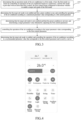
- FIG. 1 is a flowchart of a method for controlling an air conditioner proposed in an embodiment of the present disclosure.
- This embodiment is illustrated by taking an example of the method for controlling the air conditioner being configured in a device for controlling the air conditioner.
- the method for controlling the air conditioner in this embodiment may be configured in a device for controlling the air conditioner, and the device may be disposed in a server, or may be disposed in an electronic device, or may be disposed in an air conditioner, and there is no limitation thereon.
- the method for controlling the air conditioner is illustrated as being configured in an electronic device.
- the electronic device is, for example, a hardware device having various operating systems such as a smartphone, a tablet computer, a personal digital assistant, an e-book, and the like.
- the executing entity of the embodiment of this disclosure may be, for example, a central processing unit (CPU) in a server, electronic device, or air conditioner in hardware, or may be, for example, a related backend service in a server, electronic device, or air conditioner in software, without limitation.
- CPU central processing unit
- the executing entity of the embodiment of this disclosure may be, for example, a central processing unit (CPU) in a server, electronic device, or air conditioner in hardware, or may be, for example, a related backend service in a server, electronic device, or air conditioner in software, without limitation.
- the method for controlling the air conditioner includes the following steps.
- an operation mode of the air conditioner is a first mode, where the first mode is a mode for controlling an operation of the air conditioner based on a preference, and the first mode is provided with an associated first control, the first control being configured to determine whether to enable a target sub mode of the first mode.
- the first mode refers to a mode for controlling an operation of the air conditioner based on a preference.
- the air conditioner when it is in the first mode, it can support that the operation of the air conditioner is controlled based on user preferences.
- the first mode is, for example, a preference mode.
- An interface can be configured in the electronic device, on which an enabling control of the first mode is set. If the user's command for enabling the first mode is detected based on the control, the air conditioner can be controlled to enter the first mode.
- the air conditioner when the air conditioner is controlled to enter the first mode, it can also support personalized control of the target sub mode of the first mode.
- the target sub mode can support the selection of customized preference mode or recommended preference mode. If the target sub mode is enabled, it means that the recommended preference mode is selected. In the recommended preference mode, the air conditioner can be controlled based on the data issued by the server. If the target sub mode is not enabled, it means that the customized preference mode is selected. In the customized preference mode, the air conditioner can be controlled based on the data from user-customized settings.
- the control associated with the first mode can be configured, which can be called the "first control".
- the first control can support the determination of whether or not to enable the target sub mode of the first mode. For example, when the first mode is enabled, an interface where the first control is configured can be entered.
- the first control may be a switch control. If the first control is turned on, it means that the target sub mode is enabled and the recommended preference mode is selected. If the first control is not turned on, it means that the target sub mode is not enabled and the customized preference mode is selected.
- the target sub mode can also be referred to as the recommended preference mode.
- the operation of the air conditioner can be controlled according to the customized parameter value corresponding to the first control parameter.
- the customized parameter value can be pre-customized according to the user's personalized needs.
- the first control parameter can be, for example, a mode, wind speed, sweeping wind, fixed setting, wind sensation, fresh air, fresh air speed, temperature curve, etc.
- the customized parameter value refers to a parameter value obtained by customizing the first control parameter.
- the customized parameter value that corresponds to the first control parameter and customized by the user can be acquired, and the operation of the air conditioner can be controlled according to the customized parameter value corresponding to the first control parameter.
- the air conditioner can be controlled based on the data issued by the server. For example, the recommended parameter value that corresponds to the first control parameter and is sent by the server can be received first, and then the operation of the air conditioner can be controlled based on the recommended parameter value.
- the recommended parameter value corresponding to the first control parameter may be pre received and cached locally, or may be dynamically issued by the server, such as being issued in real-time by the server or dynamically issued by the server according to the issuance cycle, without limitation.
- the server in performing the step of acquiring the recommended parameter value that corresponds to the first control parameter and is sent by the server, it may be to receive the recommended parameter value corresponding to the first control parameter sent by the server, or to acquire the recommended parameter value corresponding to the first control parameter from a local cache, where the recommended parameter value is pre-pushed to the local by the server.
- the flexibility of obtaining the recommended parameter values is effectively improved, and the flexibility and control effect of the control of the air conditioner is effectively enhanced.
- the recommended parameter value may be automatically set by the server for each time period based on the user's historical usage, without limitation.
- the operation mode of the air conditioner is the first mode, in which the first mode is the mode for controlling the operation of the air conditioner based on the preference.
- the first mode is provided the associated first control.
- the first control is configured to determine whether to enable the target sub mode of the first mode. When it is determined that the target sub mode is not enabled, the operation of the air conditioner is controlled according to the customized parameter value corresponding to the first control parameter. When it is determined that the target sub mode is enabled, the operation of the air conditioner is controlled according to the recommended parameter value that corresponds to the first control parameter and is sent by the server. This can effectively reduce the operation steps required to control the air conditioner, and effectively improve the convenience of controlling the air conditioner.
- the first control parameter and a second control corresponding to the first control parameter may be provided.
- the second control is configured to customize a parameter value of the first control parameter.
- the customized parameter value corresponding to the first control parameter is set via the second control. This effectively supports personalized control of the parameter value of the first control parameter, so that the operational control of the air conditioner can effectively meet personalized needs.
- FIG. 2A is a schematic diagram of the air conditioner's control interface in an embodiment of the present disclosure.
- FIG. 2A shows a situation of entering the first mode and a first control 21 associated with the first mode.
- the first control 21 When the first control 21 is not enabled, it means that the target sub mode is not enabled, and the customized preference mode is selected.
- Each first control parameter may correspond to a second control 22 to set a customized parameter value for the corresponding first control parameter.
- the first control 21 is enabled, it means that the target sub mode is enabled and the recommended preference mode is selected.
- the first control parameter and the second control in FIG. 2A can be grayed out, i.e., not editable.
- FIG. 2B is a schematic diagram of a control interface of the recommended preference mode in the embodiment of this disclosure. After triggering the first control 21 in FIG. 2A to enable the target sub mode, the interface shown in FIG. 2A can jump or relocate to the interface shown in FIG. 2B to display the recommended parameter values to the user.
- the embodiments of this disclosure provide two methods for setting the customized parameter value of the first control parameter based on the second control, in order to improve the convenience and flexibility of customizing the first control parameter, and facilitate users to quickly customize and control the first control parameter.
- a plurality of candidate parameter values corresponding to the first control parameter may be displayed in response to the second control being triggered, the selected candidate parameter value may be determined from the plurality of candidate parameter values, and the selected candidate parameter value serves as the customized parameter value corresponding to the first control parameter.
- a pull-down list can be displayed.
- the pull-down list displays a plurality of candidate parameter values. If a candidate parameter value is selected, it can be used as the selected candidate parameter value. Alternatively, the plurality of candidate parameter values can be displayed in the form of a pop-up window. Alternatively, the interface shown in FIG. 2A can be used to enter the next-level interface, where multiple selectable candidate parameter values can be customized by the user.
- the customized parameter value can be directly received and used as the customized parameter value corresponding to the first control parameter.
- the second control can also be configured as a parameter value receiving box. By receiving the customized parameter value input by the user based on the parameter value receiving box, the received customized parameter value can be used as the customized parameter value corresponding to the first control parameter.
- FIG. 3 is a flowchart of a method for controlling an air conditioner proposed in another embodiment of the present disclosure.
- the method for controlling the air conditioner includes the following steps.
- an operation mode of the air conditioner is a first mode, where the first mode is a mode for controlling an operation of the air conditioner based on a preference, and the first mode is provided with an associated first control, the first control being configured to determine whether to enable a target sub mode of the first mode.
- the preset condition may include: determining that the first control parameter has not been adjusted; or determining that the first control parameter has been adjusted, where an adjustment time is earlier than a customization time of the customized parameter value.
- FIG. 4 is a schematic diagram of an air conditioner's control interface in another embodiment of the present disclosure.
- the control interface shown in FIG. 4 can be, for example, the upper-level interface or the parent interface of the control interface shown in FIG. 2A .
- the "Preferences" control in FIG. 4 can be used to control the air conditioner to be in the first mode. In this interface, the controls "Wind Feel", “Wind Speed”, etc. can also be configured.
- This interface contains elements that overlap with the first control parameter in the interface shown in FIG. 2A .
- the operation of the air conditioner can be controlled by combining the target parameter value adjusted in this interface with the customized parameter value shown in FIG. 2A .
- the operation of the air conditioner is controlled based on the customized parameter value corresponding to the first control parameter. If the user readjusts the first control parameter in the control interface shown in FIG. 4 , and the adjustment time is earlier than the customized parameter value's customization time, it can be determined that the preset condition is met. If it is also determined that the target sub mode is not enabled, the operation of the air conditioner is controlled based on the customized parameter value corresponding to the first control parameter.
- the target parameter value obtained by adjusting the first control parameter can be determined.
- the operation mode of the air conditioner is the first mode, where the first mode is the mode for controlling the operation of the air conditioner based on the preference, and the first mode is provided with the associated first control, the first control being configured to determine whether to enable the target sub mode of the first mode.
- the operation of the air conditioner is controlled according to the customized parameter value corresponding to the first control parameter.
- the target parameter value obtained by adjusting the first control parameter is determined, and the operation of the air conditioner is controlled according to the target parameter value corresponding to the first control parameter.
- the operation of the air conditioner is controlled according to the recommended parameter value corresponding to the first control parameter sent by the server.
- This can effectively reduce the operation steps required to control the air conditioner, and effectively improve the convenience of controlling the air conditioner.
- To improve the intelligence level of the control of the air conditioner it is also possible to deeply recognize the user's control intention, and to detect and determine whether the user has a need for other adjustments to the first control parameter when it is determined that the target sub mode is not enabled. If there is a need for other adjustments, the strategy for the control of the air conditioner can be further analyzed intelligently.
- an initial parameter value corresponding to a second control parameter may also be determined, where the second control parameter is different from the first control parameter, and the operation of the air conditioner may be controlled according to the initial parameter value corresponding to the second control parameter and the customized parameter value corresponding to the first control parameter. This can further enhance the convenience and intelligence of the control of the air conditioner.
- the second control parameter may be, for example, the control parameter in the upper-level control interface, such as the control parameter in the control interface shown in FIG. 4 . Specifically, it may be, for example, a temperature parameter.
- the second control parameter may be a parameter that is different from the first control parameter, such as being of a different type, or being of the same type but controlled in a different way, without limitation.
- the operation of the air conditioner can be controlled by combining the temperature parameter with the customized parameter value of the first control parameter in the control interface shown in FIG. 2A .
- the parameter value of the first control parameter of the main interface in FIG. 4 can be synchronized with the parameter value of the first control parameter of the preference interface. If the parameter value of the first control parameter of the main interface is adjusted (except for the operation mode and the second control parameter (such as temperature)), the parameter value of the first control parameter of the preference interface will no longer change according to the parameters issued by the server, and the operation of the air conditioner will be controlled according to the adjusted parameter value of the first control parameter of the main interface and other control parameters of the preference interface.
- an exit method for the first mode is also provided to enhance the speed and flexibility of the start and stop of the first mode.
- the air conditioner may be controlled to exit the first mode if it is determined that the initial parameter value corresponding to the second control parameter has been adjusted, where the second control parameter is different from the first control parameter.
- the temperature parameter in the control interface shown in FIG. 4 may be related to the temperature curve of the control interface shown in FIG. 2A .
- the fluctuation range of the temperature curve may be related to the initial setting value of the temperature parameter. If the user adjusts the temperature parameter in the control interface shown in FIG. 4 , it can be determined that the user's preferences may have changed. In this case, the air conditioner can be controlled to exit the first mode.
- the air conditioner is controlled to exit the first mode.
- the air conditioner can be controlled to exit the first mode if the user adjusts the operation mode of the air conditioner to other modes, such as sleep mode and energy saving mode.
- FIG. 5 is a flowchart of a method for controlling an air conditioner proposed yet in another embodiment of the present disclosure.
- the method for controlling the air conditioner includes the following steps.
- an operation mode of the air conditioner is a first mode, where the first mode is a mode for controlling an operation of the air conditioner based on a preference, and the first mode is provided with an associated first control, the first control being configured to determine whether to enable a target sub mode of the first mode.
- the trigger sets the air conditioner to the off state. Consequently, the current operation mode of the air conditioner can be recorded, e.g., whether the first mode is enabled this time and whether the target sub mode of the first mode is enabled can be recorded.
- the operation mode of the air conditioner is set according to the recorded operating mode. For example, when a restart is detected, the operation mode after this startup can be set directly based on the operation mode from the previous startup.
- the operation mode of the air conditioner is the first mode, where the first mode is the mode for controlling the operation of the air conditioner based on the preference, and the first mode is provided with the associated first control, the first control being configured to determine whether to enable the target sub mode of the first mode.
- the operation of the air conditioner is controlled according to a customized parameter value corresponding to a first control parameter.
- the operation of the air conditioner is controlled according to a recommended parameter value that corresponds to the first control parameter and is sent by a server. This can effectively reduce the operation steps required to control the air conditioner, and effectively improve the convenience of controlling the air conditioner.
- the operation mode of the air conditioner Upon detecting the trigger to set the air conditioner to the off state, the operation mode of the air conditioner this time is recorded, and upon detecting the trigger to set the air conditioner from the off state to the on state again, the operation mode of the air conditioner is set according to the operation mode recorded this time. This can enhance the convenience and flexibility of setting the air conditioner's operation mode to a greater extent.
- the air conditioner in order to realize the linkage control of the startup and operation mode to quickly and conveniently control the operation mode of the air conditioner, it is also possible to determine that the air conditioner is in the off state and that a trigger is detected to set the operation mode of the air conditioner to the first mode, to control the air conditioner to switch from the off state to the on state, and to set the operation mode of the air conditioner to the first mode.
- the air conditioner in a case where the air conditioner is in the off state, if a trigger is detected in the control interface as shown in FIG. 4 to set the operation mode of the air conditioner to the first mode, the air conditioner can be controlled to start up simultaneously, and the operation mode of the air conditioner can be set to the first mode at the same time.
- the customized parameter value or recommended parameter value include: a temperature parameter value corresponding to each preset time. Based on multiple temperature parameter values, the operation of the air conditioner can be controlled. In addition, a buzzer state of the air conditioner can be controlled to an off state, and/or a display screen state of the air conditioner can be controlled to a screen-off state. Thus, any impact on the user can be avoided and the user experience can be improved.
- customized parameter values can include multiple temperature parameter values, with different temperature parameter values corresponding to different control times. It is possible to detect whether the current time reaches a control time. If the current time reaches the control time, the operation of the air conditioner can controlled based on the temperature parameter value corresponding to that control time.
- recommended parameter values can include multiple temperature parameter values, with different temperature parameter values corresponding to different control times. It is possible to detect whether the current time reaches a control time. If the current time reaches the control time, the operation of the air conditioner can be controlled based on the temperature parameter value corresponding to that control time.
- the air conditioner is timed to be controlled based on multiple temperature parameter values, it is also possible to avoid triggering the buzzer or display screen state at each control time, which may affect the user.
- the buzzer state of the air conditioner can be controlled to the off state, and/or the display screen state of the air conditioner can be controlled to the screen-off state.
- the buzzer state of the air conditioner is controlled to be in the first target state.
- the user's personalized settings are detected, so that the control of the state of the buzzer can effectively meet the user's personalized use requirements.
- the user may personalize the state of the buzzer in the interface as shown in FIG. 4 .
- the state of the buzzer set by the user may be referred to as a first target state. If it is detected that the user has set the buzzer state as the first target state, the buzzer state of the air conditioner may be controlled to be in the first target state.
- the first target state is, for example, a buzzer or a mute.
- the display screen state of the air conditioner is controlled to be in the second target state.
- the user's personalized settings are detected, so that the control of the state of the display screen can effectively meet the user's personalized use requirements.
- users can personalize the state of the display screen in the interface shown in FIG. 4 .
- the state of the display screen set by the user can be referred to as the second target state. If it is detected that the user has set the display screen state as the second target state, the display screen state of the air conditioner can be controlled to be in the second target state.
- the second target state is, for example, a screen-off state or the screen-on state.
- the user can control the switch of the preference mode (an optional example of the first mode) to enter the preference mode, and carry out custom settings (wind speed, fresh air, temperature, etc., indicated by an arrow beside the settings). If the recommended preference mode (an optional example of the target sub mode) is turned on, the custom setting field will become unsettable, and the data issued by the server will be obtained to display the current control parameters of the air conditioner. The control parameters will automatically change according to the server's preference mode parameters and be displayed to the user.
- the preference mode an optional example of the first mode
- custom settings wind speed, fresh air, temperature, etc., indicated by an arrow beside the settings.
- the parameter value adjusted for the first control parameter in the main interface in the customized preference mode (an optional example of not enabling the target sub mode), can be different from the parameter value of the first control parameter adjusted in the interface of the preference mode, and the air conditioner is controlled with the latest adjustment.
- the operation of the air conditioner in the recommended preference mode, can be controlled based on the data issued by the server.
- the user can control the switch of the preference mode to enter the preference mode, and choose to run the air conditioner with customized preferences or recommended preferences.
- the customized preferences can be realized by customized settings (wind speed, fresh air, temperature, etc., indicated by arrows beside the settings).
- the custom setting fields become unsettable, data is obtained from the server, the current control parameters of the air conditioner are displayed, and the control parameters automatically change according to the server's preference mode parameters and are displayed to the user.
- the preference mode exits automatically; and when other parameters such as wind speed, fresh air, and air guide control are controlled in the main interface, the preference mode does not exit, and in this case, the wind speed on the main interface can be different from the wind speed set internally in the preference mode.
- the air conditioner when the air conditioner is turned off and the preference mode is enabled on the main interface, the air conditioner can be controlled to turn on and operate in the preference mode.
- the air conditioner's buzzer will be turned off.
- the buzzer will function according to the user's settings.
- the wired controller's screen will not brighten.
- the wired controller will function according to the user's settings. After the preference mode is turned off, the wired controller will continue to operate based on the user's settings.
- sleep mode, energy-saving mode, and preference mode are mutually exclusive, and the customized sleep and preference modes are mutually exclusive.
- the air conditioner When the user initiates self-cleaning, the air conditioner will immediately shut down and perform the self-cleaning process, and operations via remote control or wired controller will automatically exits the preference mode.
- FIG. 6 is a flowchart of a method for controlling an air conditioner proposed in still another embodiment of the present disclosure.
- the executing entity of this embodiment can be an air conditioner, which can interact with electronic devices and respond to control instructions from the electronic devices, as well as perform corresponding operations.
- the method for controlling the air conditioner includes the following steps.
- S601 determining that an operation mode is in a first mode, where the first mode is a mode for controlling an operation of the air conditioner based on a preference, and the first mode is provided with an associated first control, the first control being configured to determine whether to enable a target sub mode of the first mode.
- operating according to the customized parameter value corresponding to the first control parameter includes:
- the method further includes: determining that an initial parameter value corresponding to a second control parameter has been adjusted, where the second control parameter is different from the first control parameter; and exiting the first mode.
- the method further includes: determining that the operation mode has been adjusted; and exiting the first mode.
- the operation mode is in the first mode, where the first mode is the mode for controlling the operation of the air conditioner based on the preference, and the first mode is provided with an associated first control, the first control being configured to determine whether to enable a target sub mode of the first mode.
- the air conditioner operates based on the customized parameter value corresponding to the first control parameter.
- the air conditioner operates according to the recommended parameter value that corresponds to the first control parameter and is sent by the server. This can effectively reduce the operation steps required to control the air conditioner, and effectively improve the convenience of controlling the air conditioner.
- FIG. 7 is a schematic diagram of a structure of a device for controlling an air conditioner proposed in an embodiment of the present disclosure.
- the operation mode of the air conditioner is the first mode, in which the first mode is the mode for controlling the operation of the air conditioner based on the preference.
- the first mode is provided the associated first control.
- the first control is configured to determine whether to enable the target sub mode of the first mode. When it is determined that the target sub mode is not enabled, the operation of the air conditioner is controlled according to the customized parameter value corresponding to the first control parameter. When it is determined that the target sub mode is enabled, the operation of the air conditioner is controlled according to the recommended parameter value that corresponds to the first control parameter and is sent by the server. This can effectively reduce the operation steps required to control the air conditioner, and effectively improve the convenience of controlling the air conditioner.
- FIG. 8 is a schematic diagram of a structure of a device for controlling an air conditioner proposed in another embodiment of the present disclosure.
- the device 80 for controlling the air conditioner includes:
- the operation mode is in the first mode, where the first mode is the mode for controlling the operation of the air conditioner based on the preference, and the first mode is provided with an associated first control, the first control being configured to determine whether to enable a target sub mode of the first mode.
- the air conditioner operates based on the customized parameter value corresponding to the first control parameter.
- the air conditioner operates according to the recommended parameter value that corresponds to the first control parameter and is sent by the server. This can effectively reduce the operation steps required to control the air conditioner, and effectively improve the convenience of controlling the air conditioner.
- FIG. 9 is a schematic diagram of a structure of an air conditioner proposed in an embodiment of the present disclosure.
- the air conditioner 90 includes: the device 80 for controlling the air conditioner in the above embodiment.
- the operation mode is in the first mode, where the first mode is the mode for controlling the operation of the air conditioner based on the preference, and the first mode is provided with an associated first control, the first control being configured to determine whether to enable a target sub mode of the first mode.
- the air conditioner operates based on the customized parameter value corresponding to the first control parameter.
- the air conditioner operates according to the recommended parameter value that corresponds to the first control parameter and is sent by the server. This can effectively reduce the operation steps required to control the air conditioner, and effectively improve the convenience of controlling the air conditioner.
- FIG. 10 is a block diagram of an exemplary air conditioner suitable for implementing the embodiments of the present disclosure.
- the air conditioner 12 shown in FIG. 10 is only an example and should not impose any limitations on the functionality and scope of use of the disclosed embodiments.
- the air conditioner 12 is represented in the form of a general-purpose computing device.
- the components of air conditioner 12 may include but are not limited to: one or more processors or processing units 16, a memory 28, and a bus 18 connecting different system components (including the memory 28 and the processing unit 16).
- the bus 18 represents one or more of several types of bus structures, including memory bus or memory controller, peripheral bus, graphics acceleration port, processor, or local bus using any of multiple bus structures.
- these architectures include but are not limited to Industry Standard Architecture (ISA) bus, Micro Channel Architecture (MAC) bus, enhanced ISA bus, Video Electronics Standards Association (VESA) local bus, and Peripheral Component Interconnection (PCI) bus.
- ISA Industry Standard Architecture
- MAC Micro Channel Architecture
- VESA Video Electronics Standards Association
- PCI Peripheral Component Interconnection
- the air conditioner 12 typically includes multiple computer system-readable media. These media can be any available media accessible to air conditioning unit 12, including volatile and non-volatile media, removable and non-removable media.
- the memory 28 may include computer system-readable media in the form of volatile memory, such as Random Access Memory (RAM) 30 and/or cache 32.
- the air conditioner 12 may further include other removable/non-removable, volatile/non-volatile computer system storage media.
- a storage system 34 can be used to read and write non-removable, non-volatile magnetic media (not shown in FIG. 10 , commonly referred to as a "hard disk drive").
- a disk drive for reading and writing to a removable non-volatile magnetic disk (such as a "floppy disk") and an optical disk drive for reading and writing to a removable non-volatile optical disk (such as a Compact Disc Read Only Memory (CD-ROM), Digital Video Disc Read Only Memory (DVD-ROM), or other optical media) may be provided.
- each drive can be connected to the bus 18 through one or more data media interfaces.
- the memory 28 may include at least one program product having a set (e.g., at least one) of program modules configured to perform the functions of the various embodiments disclosed here.
- a program/utility 40 with a set (at least one) of program modules 42 may be stored, for example, in the memory 28.
- Such program modules 42 include, but are not limited to, an operating system, one or more application programs, other program modules, and program data. Each of these examples or some combination thereof may include implementations of a networking environment.
- the program modules 42 generally perform the functions and/or methods described in the embodiments of this disclosure.
- the air conditioner 12 may also communicate with one or more external devices 14 (such as a keyboard, pointing device, display 24, etc.) and may also communicate with one or more devices that enable human interaction with the air conditioner 12 and/or with any device (such as a network card, modem, etc.) that enables the air conditioner 12 to communicate with one or more other computing devices. Such communication may be conducted through an input/output (I/O) interface 22.
- the air conditioner 12 may communicate with one or more networks (such as a Local Area Network (LAN), Wide Area Network (WAN), and/or public networks like the Internet) through a network adapter 20. As shown in FIG. 10 , the network adapter 20 communicates with other modules of the air conditioner 12 through the bus 18.
- the processing unit 16 performs various functional applications and data processing by running programs stored in the memory 28, such as implementing the methods for controlling the air conditioner mentioned in the aforementioned embodiments.
- this disclosure also proposes a non-transitory computer-readable storage medium having stored thereon a computer program which, when executed by a processor, implements the methods for controlling the air conditioner proposed in the aforementioned embodiments of this disclosure.
- this disclosure also proposes a computer program product which, when the instructions in the computer program product are executed by a processor, performs the methods for controlling the air conditioner proposed in the aforementioned embodiments of this disclosure.
- the functional units can be integrated into one processing module, or each unit can physically exist separately, or two or more units can be integrated into one module.
- the aforementioned integrated modules can be implemented in the form of hardware or in the form of software functional modules. If the integrated modules are implemented in the form of software functional modules and sold or used as independent products, they can also be stored in a computer-readable storage medium.
- the aforementioned storage medium can be read-only memory, magnetic disks, optical disks, etc.
Landscapes
- Engineering & Computer Science (AREA)
- Signal Processing (AREA)
- General Engineering & Computer Science (AREA)
- Mechanical Engineering (AREA)
- Combustion & Propulsion (AREA)
- Chemical & Material Sciences (AREA)
- Physics & Mathematics (AREA)
- Mathematical Physics (AREA)
- Fuzzy Systems (AREA)
- Business, Economics & Management (AREA)
- Tourism & Hospitality (AREA)
- Human Computer Interaction (AREA)
- Human Resources & Organizations (AREA)
- Theoretical Computer Science (AREA)
- General Physics & Mathematics (AREA)
- General Business, Economics & Management (AREA)
- Strategic Management (AREA)
- Primary Health Care (AREA)
- Marketing (AREA)
- General Health & Medical Sciences (AREA)
- Economics (AREA)
- Health & Medical Sciences (AREA)
- Air Conditioning Control Device (AREA)
Applications Claiming Priority (1)
| Application Number | Priority Date | Filing Date | Title |
|---|---|---|---|
| CN202311456588.7A CN117419444A (zh) | 2023-11-02 | 2023-11-02 | 空调控制方法、装置、空调、电子设备及存储介质 |
Publications (2)
| Publication Number | Publication Date |
|---|---|
| EP4549831A2 true EP4549831A2 (de) | 2025-05-07 |
| EP4549831A3 EP4549831A3 (de) | 2025-07-23 |
Family
ID=89524594
Family Applications (1)
| Application Number | Title | Priority Date | Filing Date |
|---|---|---|---|
| EP24210202.8A Pending EP4549831A3 (de) | 2023-11-02 | 2024-10-31 | Verfahren zur steuerung einer klimaanlage, klimaanlage und elektronische vorrichtung |
Country Status (5)
| Country | Link |
|---|---|
| US (1) | US20250146693A1 (de) |
| EP (1) | EP4549831A3 (de) |
| JP (1) | JP7825021B2 (de) |
| KR (1) | KR20250064648A (de) |
| CN (1) | CN117419444A (de) |
Family Cites Families (10)
| Publication number | Priority date | Publication date | Assignee | Title |
|---|---|---|---|---|
| JP4422879B2 (ja) | 2000-09-12 | 2010-02-24 | 東芝キヤリア株式会社 | 空気調和機 |
| JP2008076007A (ja) | 2006-09-25 | 2008-04-03 | Hitachi Appliances Inc | 目覚まし機能を備える空気調和機と遠隔操作用コントローラ |
| JP5195814B2 (ja) | 2010-04-30 | 2013-05-15 | ダイキン工業株式会社 | 空気調和装置およびその制御方法 |
| CN104807134B (zh) * | 2014-01-26 | 2017-06-30 | 广东美的制冷设备有限公司 | 空调运行模式自定义控制方法及系统 |
| JP6359043B2 (ja) | 2016-02-25 | 2018-07-18 | 三菱電機株式会社 | 空気調和機及び空気調和システム |
| WO2018182357A1 (en) * | 2017-03-30 | 2018-10-04 | Samsung Electronics Co., Ltd. | Data learning server and method for generating and using learning model thereof |
| CN110173851A (zh) * | 2019-05-28 | 2019-08-27 | 宁波奥克斯电气股份有限公司 | 空调器控制方法、装置、服务器及存储介质 |
| CN111207498B (zh) * | 2019-12-27 | 2021-11-09 | 广东美的白色家电技术创新中心有限公司 | 空调设备及其控制方法、服务器、计算机可读存储介质 |
| CN112432344B (zh) | 2020-11-27 | 2021-12-03 | 广东美的制冷设备有限公司 | 空调器及其控制方法、计算机存储介质 |
| JP2022118964A (ja) | 2021-02-03 | 2022-08-16 | 株式会社富士通ゼネラル | 空気調和機 |
-
2023
- 2023-11-02 CN CN202311456588.7A patent/CN117419444A/zh active Pending
-
2024
- 2024-10-31 EP EP24210202.8A patent/EP4549831A3/de active Pending
- 2024-11-01 KR KR1020240153516A patent/KR20250064648A/ko active Pending
- 2024-11-01 US US18/934,670 patent/US20250146693A1/en active Pending
- 2024-11-05 JP JP2024193796A patent/JP7825021B2/ja active Active
Also Published As
| Publication number | Publication date |
|---|---|
| US20250146693A1 (en) | 2025-05-08 |
| EP4549831A3 (de) | 2025-07-23 |
| KR20250064648A (ko) | 2025-05-09 |
| JP2025077038A (ja) | 2025-05-16 |
| CN117419444A (zh) | 2024-01-19 |
| JP7825021B2 (ja) | 2026-03-05 |
Similar Documents
| Publication | Publication Date | Title |
|---|---|---|
| US9058170B2 (en) | Method and apparatus for adjusting a performance state of a processor resource | |
| CN109154894B (zh) | 基于用户状态定制用户界面呈现的方法和系统 | |
| US12613626B2 (en) | Proximity-based controls on a second device | |
| US8621253B1 (en) | Processor boost based on user interface demand | |
| CN108759002B (zh) | 空调器的控制方法、空调器和计算机可读存储介质 | |
| CN110389797A (zh) | 车载应用信息显示方法、装置、车载设备及汽车 | |
| CN108762715A (zh) | 电子设备声音控制方法、装置及设备 | |
| EP4549831A2 (de) | Verfahren zur steuerung einer klimaanlage, klimaanlage und elektronische vorrichtung | |
| US20250146692A1 (en) | Method for controlling air conditioner, and air conditioner and storage medium | |
| CN107040638B (zh) | 一种噪音的处理方法及移动终端 | |
| US20060285701A1 (en) | System and method for OS control of application access to audio hardware | |
| US20050066206A1 (en) | Storage device configuration | |
| US20040017350A1 (en) | Computer system and method of controlling the same | |
| US20020067368A1 (en) | System and method for providing acoustic management in a computer | |
| CN107978364A (zh) | 呼吸机的控制系统 | |
| JP2002215123A (ja) | 映像表示装置 | |
| KR102715587B1 (ko) | 전자 장치 및 그 제어 방법 | |
| EP4451695A1 (de) | Verfahren und vorrichtung zur anzeige einer fotografieschnittstelle und speichermedium | |
| CN118836543A (zh) | 空调器控制方法、装置、电子设备及存储介质 | |
| CN118836544A (zh) | 空调器控制方法、装置、电子设备及存储介质 | |
| CN115076964A (zh) | 空调器及其控制方法、装置和存储介质 | |
| CN121597323A (zh) | 模式切换方法、装置、电子设备及计算机可读存储介质 | |
| CN116025995A (zh) | 空气调节方法、装置、空气调节设备和存储介质 | |
| JP2023038113A (ja) | 端末装置、方法、及びプログラム | |
| CN120881195A (zh) | 一种智能手机控制显示器系统 |
Legal Events
| Date | Code | Title | Description |
|---|---|---|---|
| PUAI | Public reference made under article 153(3) epc to a published international application that has entered the european phase |
Free format text: ORIGINAL CODE: 0009012 |
|
| STAA | Information on the status of an ep patent application or granted ep patent |
Free format text: STATUS: REQUEST FOR EXAMINATION WAS MADE |
|
| 17P | Request for examination filed |
Effective date: 20241031 |
|
| AK | Designated contracting states |
Kind code of ref document: A2 Designated state(s): AL AT BE BG CH CY CZ DE DK EE ES FI FR GB GR HR HU IE IS IT LI LT LU LV MC ME MK MT NL NO PL PT RO RS SE SI SK SM TR |
|
| PUAL | Search report despatched |
Free format text: ORIGINAL CODE: 0009013 |
|
| RIC1 | Information provided on ipc code assigned before grant |
Ipc: F24F 120/20 20180101ALN20250602BHEP Ipc: F24F 11/65 20180101ALI20250602BHEP Ipc: F24F 11/64 20180101AFI20250602BHEP |
|
| AK | Designated contracting states |
Kind code of ref document: A3 Designated state(s): AL AT BE BG CH CY CZ DE DK EE ES FI FR GB GR HR HU IE IS IT LI LT LU LV MC ME MK MT NL NO PL PT RO RS SE SI SK SM TR |
|
| RIC1 | Information provided on ipc code assigned before grant |
Ipc: F24F 11/64 20180101AFI20250616BHEP Ipc: F24F 11/65 20180101ALI20250616BHEP Ipc: F24F 120/20 20180101ALN20250616BHEP |