EP4545079A1 - Therapeutic agent or prophylactic agent for amyotrophic lateral sclerosis - Google Patents
Therapeutic agent or prophylactic agent for amyotrophic lateral sclerosis Download PDFInfo
- Publication number
- EP4545079A1 EP4545079A1 EP23827288.4A EP23827288A EP4545079A1 EP 4545079 A1 EP4545079 A1 EP 4545079A1 EP 23827288 A EP23827288 A EP 23827288A EP 4545079 A1 EP4545079 A1 EP 4545079A1
- Authority
- EP
- European Patent Office
- Prior art keywords
- hydrogen
- mmol
- reaction
- tetrahydroquinolin
- phenyl
- Prior art date
- Legal status (The legal status is an assumption and is not a legal conclusion. Google has not performed a legal analysis and makes no representation as to the accuracy of the status listed.)
- Pending
Links
Images
Classifications
-
- A—HUMAN NECESSITIES
- A61—MEDICAL OR VETERINARY SCIENCE; HYGIENE
- A61K—PREPARATIONS FOR MEDICAL, DENTAL OR TOILETRY PURPOSES
- A61K31/00—Medicinal preparations containing organic active ingredients
- A61K31/33—Heterocyclic compounds
- A61K31/395—Heterocyclic compounds having nitrogen as a ring hetero atom, e.g. guanethidine or rifamycins
- A61K31/435—Heterocyclic compounds having nitrogen as a ring hetero atom, e.g. guanethidine or rifamycins having six-membered rings with one nitrogen as the only ring hetero atom
- A61K31/47—Quinolines; Isoquinolines
-
- A—HUMAN NECESSITIES
- A61—MEDICAL OR VETERINARY SCIENCE; HYGIENE
- A61K—PREPARATIONS FOR MEDICAL, DENTAL OR TOILETRY PURPOSES
- A61K31/00—Medicinal preparations containing organic active ingredients
- A61K31/33—Heterocyclic compounds
- A61K31/395—Heterocyclic compounds having nitrogen as a ring hetero atom, e.g. guanethidine or rifamycins
- A61K31/435—Heterocyclic compounds having nitrogen as a ring hetero atom, e.g. guanethidine or rifamycins having six-membered rings with one nitrogen as the only ring hetero atom
- A61K31/47—Quinolines; Isoquinolines
- A61K31/4709—Non-condensed quinolines and containing further heterocyclic rings
-
- A—HUMAN NECESSITIES
- A61—MEDICAL OR VETERINARY SCIENCE; HYGIENE
- A61K—PREPARATIONS FOR MEDICAL, DENTAL OR TOILETRY PURPOSES
- A61K31/00—Medicinal preparations containing organic active ingredients
- A61K31/33—Heterocyclic compounds
- A61K31/395—Heterocyclic compounds having nitrogen as a ring hetero atom, e.g. guanethidine or rifamycins
- A61K31/495—Heterocyclic compounds having nitrogen as a ring hetero atom, e.g. guanethidine or rifamycins having six-membered rings with two or more nitrogen atoms as the only ring heteroatoms, e.g. piperazine or tetrazines
- A61K31/496—Non-condensed piperazines containing further heterocyclic rings, e.g. rifampin, thiothixene or sparfloxacin
-
- A—HUMAN NECESSITIES
- A61—MEDICAL OR VETERINARY SCIENCE; HYGIENE
- A61K—PREPARATIONS FOR MEDICAL, DENTAL OR TOILETRY PURPOSES
- A61K31/00—Medicinal preparations containing organic active ingredients
- A61K31/33—Heterocyclic compounds
- A61K31/395—Heterocyclic compounds having nitrogen as a ring hetero atom, e.g. guanethidine or rifamycins
- A61K31/535—Heterocyclic compounds having nitrogen as a ring hetero atom, e.g. guanethidine or rifamycins having six-membered rings with at least one nitrogen and one oxygen as the ring hetero atoms, e.g. 1,2-oxazines
- A61K31/5375—1,4-Oxazines, e.g. morpholine
- A61K31/5377—1,4-Oxazines, e.g. morpholine not condensed and containing further heterocyclic rings, e.g. timolol
-
- A—HUMAN NECESSITIES
- A61—MEDICAL OR VETERINARY SCIENCE; HYGIENE
- A61P—SPECIFIC THERAPEUTIC ACTIVITY OF CHEMICAL COMPOUNDS OR MEDICINAL PREPARATIONS
- A61P21/00—Drugs for disorders of the muscular or neuromuscular system
- A61P21/02—Muscle relaxants, e.g. for tetanus or cramps
-
- A—HUMAN NECESSITIES
- A61—MEDICAL OR VETERINARY SCIENCE; HYGIENE
- A61P—SPECIFIC THERAPEUTIC ACTIVITY OF CHEMICAL COMPOUNDS OR MEDICINAL PREPARATIONS
- A61P25/00—Drugs for disorders of the nervous system
- A61P25/02—Drugs for disorders of the nervous system for peripheral neuropathies
-
- A—HUMAN NECESSITIES
- A61—MEDICAL OR VETERINARY SCIENCE; HYGIENE
- A61P—SPECIFIC THERAPEUTIC ACTIVITY OF CHEMICAL COMPOUNDS OR MEDICINAL PREPARATIONS
- A61P25/00—Drugs for disorders of the nervous system
- A61P25/28—Drugs for disorders of the nervous system for treating neurodegenerative disorders of the central nervous system, e.g. nootropic agents, cognition enhancers, drugs for treating Alzheimer's disease or other forms of dementia
Definitions
- the present invention relates to a therapeutic or preventive agent for amyotrophic lateral sclerosis.
- ALS Amyotrophic lateral sclerosis
- SOD1 superoxide dismutase 1
- TDP-43 43kDa TAR DNA binding protein
- FUS Fused in Sarcoma
- ALS amyotrophic lateral sclerosis
- riluzole which suppresses excitotoxicity
- edaravone which has antioxidant properties
- Ferroptosis is a reaction in which antioxidative function is decreased by various stimuli, such as reduction of intracellular glutathione amount or reduction of glutathione peroxidase 4 (GPX4), and a ferrous iron-dependent reaction progresses to increase intracellular lipid peroxides to a lethal level, thereby causing the cell death.
- various stimuli such as reduction of intracellular glutathione amount or reduction of glutathione peroxidase 4 (GPX4)
- GPX4 glutathione peroxidase 4
- Non-Patent Document 2 The spinal cords of patients with amyotrophic lateral sclerosis are reported to exhibit accumulation of iron and lipid peroxidation (Non-Patent Document 2).
- SOD1 superoxide dismutase 1
- Non-Patent Documents 1 and 4 Aniline derivatives such as ferrostatin-1 are known as compounds that show inhibitory action against ferroptosis. Also, tetrahydroquinoxaline derivatives and 3,4-dihydro-2H-benzo-[1,4]oxazine derivatives are disclosed to have inhibitory action against ferroptosis (Patent Documents 2 and 3).
- Non-Patent Document 5 It is reported that radical scavenging action is important to exert inhibitory action against ferroptosis. Additionally, tetrahydroquinoxaline derivatives described in Patent Document 2 are disclosed to have strong radical scavenging action and consequently to exert inhibitory action against ferroptosis (Non-Patent Documents 6 and 7).
- Patent Documents 2 to 8 and Non-Patent Documents 1 to 7 do not disclose the inhibitory action against ferroptosis or treatment or prevention of amyotrophic lateral sclerosis by the tetrahydroquinoline derivatives, and do not suggest the possibility thereof.
- Various therapeutic agents for amyotrophic lateral sclerosis have been studied, but currently marketed therapeutic agents for amyotrophic lateral sclerosis are those having mechanisms of action against cell death due to excitotoxicity and against cell death due to oxidative stress, and not for treating amyotrophic lateral sclerosis by protecting cells through ferroptosis inhibition. All currently marketed therapeutic agents can only delay the progression of the pathology such as motor dysfunction by a few months, and their therapeutic effects are not considered sufficient.
- an object of the present invention is to provide a therapeutic or preventive agent for amyotrophic lateral sclerosis, the agent having an inhibitory activity against ferroptosis.
- the present inventors intensively studied to solve the above problem and consequently found that compounds having a novel tetrahydroquinoline skeleton and having an inhibitory activity against ferroptosis are effective for treatment or prevention of amyotrophic lateral sclerosis, thereby completing the present invention.
- the present invention provides a therapeutic or preventive agent for amyotrophic lateral sclerosis, the agent containing a tetrahydroquinoline derivative represented by the general formula (I) below or a pharmaceutically acceptable salt thereof as an active ingredient.
- the present invention includes the followings.
- the present invention includes a ferroptosis inhibitor containing the tetrahydroquinoline derivative represented by the general formula (I) below or a pharmaceutically acceptable salt thereof as an active ingredient, [wherein
- the present invention includes use of the tetrahydroquinoline derivative (I) as described above or a pharmaceutically acceptable salt thereof in the manufacture of a ferroptosis inhibitor.
- the present invention includes use of the tetrahydroquinoline derivative (I) as described above or a pharmaceutically acceptable salt thereof in the manufacture of a therapeutic or preventive agent for amyotrophic lateral sclerosis.
- the present invention includes the tetrahydroquinoline derivative (I) as described above or a pharmaceutically acceptable salt thereof for use in treatment or prevention of amyotrophic lateral sclerosis.
- the present invention includes a method of treating or preventing amyotrophic lateral sclerosis, the method comprising administering an effective amount of the tetrahydroquinoline derivative (I) as described above or a pharmaceutically acceptable salt thereof to a subject in need thereof.
- the tetrahydroquinoline derivative or a pharmaceutically acceptable salt thereof of the present invention has an effect of treating or preventing amyotrophic lateral sclerosis by exerting inhibitory action against ferroptosis and a pharmacological action based on the inhibitory action.
- a tetrahydroquinoline derivative or a pharmaceutically acceptable salt thereof according to one embodiment of the present invention is characterized that it is represented by the general formula (I) below: [wherein
- halogen means fluorine, chlorine, bromine, or iodine.
- C 1 -C 3 alkyl means methyl, ethyl, propyl, or isopropyl.
- C 1 -C 5 alkyl means a linear or branched hydrocarbon group containing one to five carbon atoms, for example, methyl, ethyl, propyl, isopropyl, butyl, isobutyl, sec -butyl, tert -butyl, pentyl, isopentyl, sec -pentyl, tert-pentyl, or neopentyl.
- C 1 -C 3 alkyl in which any one to three hydrogen atoms are each independently optionally replaced by a hydroxy group(s) or a fluorine atom(s) means “C 1 -C 3 alkyl” as described above in which any one to three hydrogen atoms are each independently optionally replaced by a hydroxy group(s) or a fluorine atom(s), for example, methyl, hydroxymethyl, ethyl, 1-hydroxyethyl, 2-hydroxyethyl, 1,2-dihydroxyethyl, propyl, 1-hydroxypropyl, 2-hydroxypropyl, 3-hydroxypropyl, 1,2-dihydroxypropyl, 1,3-dihydroxypropyl, 2,3-dihydroxypropyl, isopropyl, 2-hydroxypropan-2-yl, 1-hydroxypropan-2-yl, 1,2-dihydroxy-1-methylethyl, fluoromethyl, difluoromethyl, trifluoromethyl, 1,1-difluoroeth
- C 1 -C 3 alkyl in which any one to three hydrogen atoms are optionally replaced by a fluorine atom(s) means “C 1 -C 3 alkyl" as described above in which any one to three hydrogen atoms are optionally replaced by a fluorine atom(s), for example, methyl, fluoromethyl, difluoromethyl, trifluoromethyl, ethyl, 1,1-difluoroethyl, 2,2,2-trifluoroethyl, propyl, 1,1-difluoropropyl, 2,2-difluoropropyl, 3,3,3-trifluoropropyl, isopropyl, 2-fluoropropan-2-yl, or 1,1,1-trifluoropropan-2-yl.
- C 1 -C 3 alkyl in which any one to three hydrogen atoms are replaced by a fluorine atom(s) means “C 1 -C 3 alkyl” as described above in which any one to three hydrogen atoms are replaced by a fluorine atom(s), for example, fluoromethyl, difluoromethyl, trifluoromethyl, 1,1-difluoroethyl, 2,2,2-trifluoroethyl, 1,1-difluoropropyl, 2,2-difluoropropyl, 3,3,3-trifluoropropyl, 2-fluoropropan-2-yl, or 1,1,1-trifluoropropan-2-yl.
- C 1 -C 3 alkyl in which any one hydrogen atom is optionally replaced by a hydroxy group means “C 1 -C 3 alkyl" as described above in which any one hydrogen atom is optionally replaced by a hydroxy group, for example, methyl, hydroxymethyl, ethyl, 1-hydroxyethyl, 2-hydroxyethyl, propyl, 1-hydroxypropyl, 2-hydroxypropyl, 3-hydroxypropyl, isopropyl, 2-hydroxypropan-2-yl, or 1-hydroxypropan-2-yl.
- C 1 -C 3 alkyl in which any one hydrogen atom is replaced by a hydroxy group means “C 1 -C 3 alkyl” as described above in which any one hydrogen atom is replaced by a hydroxy group, for example, hydroxymethyl, 1-hydroxyethyl, 2-hydroxyethyl, 1-hydroxypropyl, 2-hydroxypropyl, 3-hydroxypropyl, 2-hydroxypropan-2-yl, or 1-hydroxypropan-2-yl.
- C 1 -C 3 alkyl in which any one to three hydrogen atoms are optionally replaced by a fluorine atom(s) or any one hydrogen atom is optionally replaced by a hydroxy group means "C 1 -C 3 alkyl in which any one to three hydrogen atoms are optionally replaced by a fluorine atom(s)" as described above or "C 1 -C 3 alkyl in which any one hydrogen atom is optionally replaced by a hydroxy group" as described above.
- methyl in which one hydrogen atom is optionally replaced by a hydroxy group means methyl or hydroxymethyl.
- C 1 -C 3 alkoxy means methoxy, ethoxy, propoxy, or isopropoxy.
- C 1 -C 5 alkoxy means a monovalent substituent in which a C 1 -C 5 linear or branched hydrocarbon group is bound to an oxygen atom, for example, methoxy, ethoxy, propoxy, isopropoxy, butoxy, isobutoxy, sec -butoxy, tert -butoxy, pentyloxy, isopentyloxy, sec -pentyloxy, tert -pentyloxy, or neopentyloxy.
- C 1 -C 3 alkoxy in which any one to three hydrogen atoms are optionally replaced by a fluorine atom(s) means “C 1 -C 3 alkoxy” as described above in which any one to three hydrogen atoms are optionally replaced by a fluorine atom(s), for example, methoxy, fluoromethoxy, difluoromethoxy, trifluoromethoxy, ethoxy, 1,1-difluoroethoxy, 2,2,2-trifluoroethoxy, propoxy, 1,1-difluoropropoxy, 2,2-difluoropropoxy, 3,3,3-trifluoropropoxy, isopropoxy, (2-fluoropropan-2-yl)oxy, or (1,1,1-trifluoropropan-2-yl)oxy.
- C 1 -C 3 alkylsulfonyl means methylsulfonyl, ethylsulfonyl, propylsulfonyl, or isopropylsulfonyl.
- aryl means a monocyclic or bicyclic aromatic hydrocarbon group, for example, phenyl, or naphthyl (1-naphthyl, or 2-naphthyl).
- 5- or 6-membered heteroaryl having one or two heteroatoms selected from nitrogen, oxygen, and sulfur atoms means a 5- or 6-membered monocyclic aromatic heterocyclic group containing one or two heteroatoms selected from nitrogen, oxygen, and sulfur, other than carbon atoms, as the atom constituting the ring, for example, furyl (for example, 2-furyl, or 3-furyl), thienyl (for example, 2-thienyl, or 3-thienyl), pyrrolyl (for example, 1-pyrrolyl, 2-pyrrolyl, or 3-pyrrolyl), imidazolyl (for example, 1-imidazolyl, 2-imidazolyl, 4-imidazolyl, or 5-imidazolyl), pyrazolyl (for example, 1-pyrazolyl, 3-pyrazolyl, or 4-pyrazolyl), thiazolyl (for example, 2-thiazolyl, 4-thiazolyl, or 5-thiazolyl), isothiazolyl (for example, 2-thi
- 5- or 6-membered lactam rings means a pyrrolidin-2-one ring and a piperidin-2-one ring.
- the phrase "5- or 6-membered saturated heterocycles each containing one or two oxygen atoms as the atom constituting the ring” means 5- or 6-membered monocyclic saturated heterocycles each containing one or two oxygen atoms, other than carbon atoms, as the atom constituting the ring and includes, for example, a tetrahydrofuran ring, a 1,3-dioxolane ring, a tetrahydro-2H-pyran ring, a 1,2-dioxane ring, a 1,3-dioxane ring, and a 1,4-dioxane ring.
- a fused ring group formed by fusing of a phenyl group and one ring selected from the group consisting of 5- or 6-membered lactam rings and 5- or 6-membered saturated heterocycles each containing one or two oxygen atoms as the atom constituting the ring means a bicyclic fused ring group formed by fusing of a phenyl group and one ring selected from the group consisting of "5- or 6-membered lactam rings" as described above and "5- or 6-membered saturated heterocycles each containing one or two oxygen atoms as the atom constituting the ring" as described above.
- bicyclic fused ring group examples include 3-oxoisoindolin-4-yl, 3-oxoisoindolin-5-yl, 1-oxoisoindolin-5-yl, 1-oxoisoindolin-4-yl, 2-oxoindolin-4-yl, 2-oxoindolin-5-yl, 2-oxoindolin-6-yl, 2-oxoindolin-7-yl, 2,3-dihydrobenzofuran-4-yl, 2,3-dihydrobenzofuran-5-yl, 2,3-dihydrobenzofuran-6-yl, 2,3-dihydrobenzofuran-7-yl, benzo[d][1,3]dioxol-4-yl, benzo[d][1,3]dioxol-5-yl, 1-oxo-1,2,3,4-tetrahydroisoquinolin-5-yl, 1-oxo-1,2,3,4-t
- R 2 , R 4 , and R 5 are halogen, methoxy, or methyl in which one hydrogen atom is optionally replaced by a hydroxy group, and the other two are hydrogen
- R 2 is halogen, methoxy, or methyl in which one hydrogen atom is optionally replaced by a hydroxy group
- both R 4 and R 5 represent hydrogen
- R 4 is halogen, methoxy, or methyl in which one hydrogen atom is optionally replaced by a hydroxy group
- both R 2 and R 5 represent hydrogen
- R 5 is halogen, methoxy, or methyl in which one hydrogen atom is optionally replaced by a hydroxy group
- both R 2 and R 4 represent hydrogen.
- R 2 and R 4 are fluorine, chlorine, methoxy, or methyl in which one hydrogen atom is optionally replaced by a hydroxy group, and both the other and R 5 represent hydrogen
- R 2 is fluorine, chlorine, methoxy, or methyl in which one hydrogen atom is optionally replaced by a hydroxy group
- both R 4 and R 5 represent hydrogen
- R 4 is fluorine, chlorine, methoxy, or methyl in which one hydrogen atom is optionally replaced by a hydroxy group
- both R 2 and R 5 represent hydrogen.
- R 11 and R 12 together represent -(CH 2 ) m -; m is an integer of 3 to 5, wherein any one of the methylene groups is optionally replaced by an oxygen atom
- R 13 and R 14 together with the nitrogen atom which is bound to R 13 and R 14 , forms an azetidine ring in which any one hydrogen atom is optionally replaced by a hydroxy group refers to, for example, an azetidine ring or a 3-hydroxyazetidine ring.
- an azetidine ring in which any two hydrogen atoms are optionally replaced by a methyl group(s) and/or a fluorine atom(s) or in which any one hydrogen atom is optionally replaced by a hydroxy or methoxy group refers to an azetidine ring, a 2,2-dimethylazetidine ring, a 2,3-dimethylazetidine ring, a 2,4-dimethylazetidine ring, a 3,3-dimethylazetidine ring, a 3,3-difluoroazetidine ring, a 3-hydroxyazetidin ring, or a 3-methoxyazetidine ring.
- C 3 or C 4 cycloalkyl in which any one carbon atom is optionally replaced by an oxygen atom refers to, for example, cyclopropyl, cyclobutyl, oxiran-2-yl, or oxetan-3-yl.
- methyl which is substituted with a C 3 or C 4 cycloalkyl group in which any one carbon atom is optionally replaced by a nitrogen or oxygen atom refers to, for example, cyclopropylmethyl, cyclobutylmethyl, oxiran-2-ylmethyl, oxetan-2-ylmethyl, oxetan-3-ylmethyl, aziridin-2-ylmethyl, azetidin-2-ylmethyl, or azetidin-3-ylmethyl.
- methyl in which any one hydrogen atom is optionally replaced by a hydroxy or methoxycarbonyl group refers to, for example, methyl, hydroxymethyl, or methoxycarbonylmethyl.
- R 1x is phenyl (any one hydrogen atom in the phenyl group is optionally replaced by a fluorine or chlorine atom or C 1 -C 3 alkyl in which any one to three hydrogen atoms are optionally replaced by a fluorine atom(s) or any one hydrogen atom is optionally replaced by a hydroxy group, C 1 -C 3 alkoxy in which any one to three hydrogen atoms are optionally replaced by a fluorine atom(s), cyano, methoxycarbonyl, -CONR 6 R 7 , -NHCOR 8 , aminosulfonyl, C 1 -C 3 alkylsulfonylamino, aminosulfonylamino, or C 1 -C 3 alkylsulfonyl group), pyrazolyl, 1-oxoisoindolin-5-yl, 2-oxo-1,2,3,4-tetrahydroquinolin-6-yl, or benzo[d
- R 1 ⁇ is a substituted phenyl group
- substitution of the hydrogen atom at the para -position is preferred.
- R 1x is preferably phenyl (any one hydrogen atom in the phenyl group is optionally replaced by one substituent selected from the group consisting of halogen, C 1 -C 3 alkyl in which any one to three hydrogen atoms are optionally replaced by a fluorine atom(s), C 1 -C 3 alkoxy in which any one to three hydrogen atoms are optionally replaced by a fluorine atom(s), cyano, methoxycarbonyl, and -NHCOR 8 , provided that m-cyanophenyl and p-(trifluoromethoxy)phenyl are excluded) or 5- or 6-membered heteroaryl (any one hydrogen atom in the 5- or 6-membered heteroaryl is optionally replaced by a C 1 -C 3 alkyl or C 1 -C 3 alkoxy group, provided that 1-methyl-1H-pyra
- R 1x is preferably hydrogen, phenyl (any one hydrogen atom in the phenyl group is replaced by a C 1 -C 3 alkyl in which any one hydrogen atom is replaced by a hydroxy group, -CONR 6 R 7 , aminosulfonyl, methylsulfonylamino, aminosulfonylamino, or C 1 -C 3 alkylsulfonyl group; otherwise, the hydrogen atom at the meta-position of the phenyl group is replaced by a cyano group; otherwise, the hydrogen atom at the para -position of the phenyl group is replaced by a trifluoromethoxy group), 1-methyl-1H-pyrazol-4-yl, or 6-methoxypyridin-3-yl or a fused ring group formed by fusing of a phenyl group and one
- R 1y is hydrogen, phenyl, 4-hydroxymethylphenyl, 4-aminocarbonylphenyl, 4-acetamidophenyl, 4-aminosulfonylphenyl, or 4-methylsulfonylphenyl, more preferably 4-hydroxymethylphenyl, 4-aminocarbonylphenyl, 4-acetamidophenyl, 4-aminosulfonylphenyl, or 4-methylsulfonylphenyl, still more preferably 4-aminocarbonylphenyl, 4-aminosulfonylphenyl, or 4-methylsulfonylphenyl.
- R 1x is hydrogen and R 1y is a substituent other than hydrogen, or that R 1x is a substituent other than hydrogen and R 1y is hydrogen; more preferably, R 1x is a substituent other than hydrogen and R 1y is hydrogen.
- R 2 is hydrogen, fluorine, chlorine, hydroxymethyl, or methyl, more preferably hydrogen.
- R 3 is hydrogen, fluorine, chlorine, C 1 -C 3 alkyl in which any one hydrogen atom is optionally replaced by a hydroxy group, trifluoromethoxy, - CH 2 NR 11 R 12 , or -CH 2 CONR 13 R 14 , more preferably hydrogen, fluorine, chlorine, methyl, hydroxymethyl, trifluoromethoxy, or -CH 2 CONR 13 R 14 , still more preferably hydrogen, fluorine, chlorine, or methyl.
- R 4 is hydrogen, fluorine, chlorine, or methyl, more preferably hydrogen.
- R 5 is hydrogen
- R 6 and R 7 each independently represent hydrogen or C 1 -C 3 alkyl, or R 6 and R 7 , together with the nitrogen atom which is bound to R 6 and R 7 , form a piperidine ring, a morpholine ring, a piperazine ring, or an N-methylpiperazine ring; more preferably, both R 6 and R 7 represent hydrogen.
- R 8 is hydrogen or C 1 -C 3 alkyl, more preferably methyl.
- R 9 is hydrogen
- R 10 is hydrogen, -COR 15 , or C 1 -C 3 alkylsulfonyl, or R 9 and R 10 together represent -(CH 2 ) n -, and n is 4 or 5; more preferably, R 9 is hydrogen, and R 10 is -COR 15 .
- R 11 and R 12 together represent -(CH 2 ) m -, and m is 4 or 5 (wherein any one of the methylene groups is optionally replaced by an oxygen atom).
- R 13 is hydrogen or methyl
- R 14 is hydrogen, methyl, ethyl, isopropyl, tert-butyl, 2-hydroxyethyl, cyclopropyl, cyclobutyl, oxetan-3-yl, cyclopropylmethyl, cyclobutylmethyl, or oxetan-3-ylmethyl, or that R 13 and R 14 , together with the nitrogen atom which is bound to R 13 and R 14 , form a pyrrolidine ring, a piperidine ring, a piperazine ring, a morpholine ring, an azetidine ring, a 3,3-dimethylazetidine ring, a 3,3-difluoroazetidine ring, a 3-hydroxyazetidin ring, or a 3-methoxyazetidine ring.
- R 15 is C 1 -C 5 alkyl, C 1 -C 5 alkoxy, or -NHR 16 .
- R 16 is hydrogen or C 1 -C 5 alkyl.
- R v is hydrogen
- R w is hydrogen
- tetrahydroquinoline derivative (I) as described above or a pharmaceutically acceptable salt thereof include not only single stereoisomers but also all of the mixtures of stereoisomers, such as racemates or a diastereomeric mixtures, (for example, mixtures of enantiomers).
- stereoisomer refers to compounds which have identical chemical structure but different three-dimensional configurations, and the term includes, for example, conformer, rotamer, tautomer, enantiomer, and diastereomer.
- the tetrahydroquinoline derivative (I) may be represented by the following general formulae (I-1) to (I-8). [In the formulae, R 1x , R 1y , R 2 , R 3 , R 4 , R 5 , R v , and R w have the same definitions as described above.]
- any aspect of preferable R 1x , R 1y , R 2 to R 16 , R v , and R w described above and preferable h, k, m, and n described above can be selected and combined together.
- the following combinations are shown as examples, but the present invention is not limited to those examples.
- R 1x is phenyl (any hydrogen atom in the phenyl group is optionally replaced by a fluorine or chlorine atom, C 1 -C 3 alkyl in which any one to three hydrogen atoms are optionally replaced by a fluorine atom(s) or any one hydrogen atom is optionally replaced by a hydroxy group, C 1 -C 3 alkoxy in which any one to three hydrogen atoms are optionally replaced by a fluorine atom(s), cyano, methoxycarbonyl, - CONR 6 R 7 , -NHCOR 8 , aminosulfonyl, C 1 -C 3 alkylsulfonylamino, aminosulfonylamino, or C 1 -C 3 alkylsulfonyl group), pyrazolyl, 1-oxoisoindolin-5-yl, 2-oxo-1,2,3,4-te
- the tetrahydroquinoline derivative (I) are, for example, a tetrahydroquinoline derivative represented by the general formula (II-a) below or a pharmaceutically acceptable salt thereof, [wherein A is hydrogen or -CONH 2 , and R 9 and R 10 each independently represent hydrogen, -COR 15 , or C 1 -C 3 alkylsulfonyl, or R 9 and R 10 together represent -(CH 2 ) n -, and n is an integer of 3 to 6, and R 15 is C 1 -C 5 alkyl, C 1 -C 5 alkoxy, or -NHR 16 , and R 16 is hydrogen or C 1 -C 5 alkyl].
- A is hydrogen or -CONH 2
- R 9 and R 10 each independently represent hydrogen, -COR 15 , or C 1 -C 3 alkylsulfonyl, or R 9 and R 10 together represent -(CH 2 ) n -, and n is an integer of 3 to 6,
- R 9 is hydrogen, and R 10 is -COR 15 , and R 15 is C 1 -C 5 alkoxy; more preferably, A is hydrogen, and R 9 is hydrogen, and R 10 is -COR 15 , and R 15 is C 1 -C 5 alkoxy; still more preferably, A is hydrogen, and R 9 is hydrogen, and R 10 is -COR 15 , and R 15 is tert- butoxy.
- each of the tetrahydroquinoline derivative (II-a) or a pharmaceutically acceptable salt thereof can be used as a therapeutic or preventive agent for amyotrophic lateral sclerosis that contains the tetrahydroquinoline derivative (II-a) or the pharmaceutically acceptable salt thereof as an active ingredient.
- each of the tetrahydroquinoline derivative (II-a) or a pharmaceutically acceptable salt thereof can be used as a ferroptosis inhibitor that contains the tetrahydroquinoline derivative (II-a) or the pharmaceutically acceptable salt thereof as an active ingredient.
- the ferroptosis inhibitor will be described below.
- the tetrahydroquinoline derivative (I) are, for example, a tetrahydroquinoline derivative represented by the general formula (II-b) below or a pharmaceutically acceptable salt thereof, [wherein R 1y is phenyl, 4-hydroxymethylphenyl, 4-aminocarbonylphenyl, 4-acetamidophenyl, 4-aminosulfonylphenyl, 4-methylsulfonylphenyl, or 3-pyridyl, and R 3 is hydrogen or halogen, and R 4 is hydrogen or halogen (provided that 3-phenyl-1,2,3,4-tetrahydroquinoline is excluded)].
- R 1y is phenyl, 4-hydroxymethylphenyl, 4-aminocarbonylphenyl, 4-acetamidophenyl, 4-aminosulfonylphenyl, 4-methylsulfonylphenyl, or 3-pyridyl
- R 3 is hydrogen or halogen
- R 4 is hydrogen or
- R 1y is 4-hydroxymethylphenyl, 4-aminocarbonylphenyl, 4-acetamidophenyl, 4-aminosulfonylphenyl, or 4-methylsulfonylphenyl
- R 3 is hydrogen, fluorine, or chlorine
- R 4 is hydrogen, fluorine, or chlorine
- R 1y is 4-aminocarbonylphenyl, 4-aminosulfonylphenyl, or 4-methylsulfonylphenyl
- R 3 is hydrogen, and R 4 is hydrogen.
- each of the tetrahydroquinoline derivative (II-b) or a pharmaceutically acceptable salt thereof can be used as a therapeutic or preventive agent for amyotrophic lateral sclerosis that contains the tetrahydroquinoline derivative (II-b) or the pharmaceutically acceptable salt thereof as an active ingredient.
- each of the tetrahydroquinoline derivative (II-b) or a pharmaceutically acceptable salt thereof can be used as a ferroptosis inhibitor that contains the tetrahydroquinoline derivative (II-b) or the pharmaceutically acceptable salt thereof as an active ingredient.
- the ferroptosis inhibitor will be described below.
- the tetrahydroquinoline derivative (I) are, for example, a tetrahydroquinoline derivative represented by the general formula (II-c) below or a pharmaceutically acceptable salt thereof, [wherein, R 1 ⁇ is hydrogen, phenyl, 4-carbamoylphenyl, 4-aminosulfonylphenyl, or pyrazolyl, R 1y is hydrogen or 4-aminosulfonylphenyl, and R 3 is hydrogen, methyl, fluorine, or chlorine; and in cases where R 1x is hydrogen, R 1y is 4-aminosulfonylphenyl, and R 3 is hydrogen; or in cases where R 1x is phenyl, 4-carbamoylphenyl, 4-aminosulfonylphenyl, or pyrazolyl, R 1y is hydrogen, R 3 is hydrogen, methyl, fluorine, or chlorine.]
- R 1 ⁇ is hydrogen, phenyl, 4-carbamoylphenyl, 4-aminosul
- R 1x is hydrogen, phenyl, 4-carbamoylphenyl, 4-aminosulfonylphenyl, or pyrazolyl
- R 1y is hydrogen or 4-aminosulfonylphenyl
- R 3 is hydrogen, methyl, fluorine, or chlorine
- R 1x is hydrogen
- R 1y is 4-aminosulfonylphenyl
- R 3 is hydrogen
- R 1x is hydrogen
- R 1y is 4-carbamoylphenyl, 4-aminosulfonylphenyl, or pyrazolyl
- R 1y is hydrogen, and R 3 is hydrogen, methyl, fluorine, or chlorine
- R 1x is hydrogen, phenyl, 4-carbamoylphenyl, or 4-aminosulfon
- each of the tetrahydroquinoline derivative (II-c) or a pharmaceutically acceptable salt thereof can be used as a ferroptosis inhibitor that contains the tetrahydroquinoline derivative (II-c) or the pharmaceutically acceptable salt thereof as an active ingredient.
- the ferroptosis inhibitor will be described below.
- the compounds shown in Tables 1-1 to 1-7 include stereoisomers, solvates, and pharmaceutically acceptable salts of those compounds, and mixtures thereof.
- the present invention includes prodrugs of the tetrahydroquinoline derivative (I).
- a prodrug of the tetrahydroquinoline derivative (I) as described above is a compound that is enzymatically or chemically converted to the tetrahydroquinoline derivative (I) within the body.
- the active substance of the tetrahydroquinoline derivative (I) prodrug is the tetrahydroquinoline derivative (I), but the tetrahydroquinoline derivative (I) prodrug itself may have activity.
- Groups used to produce a prodrug of the tetrahydroquinoline derivative (I) as described above include those described in published literatures (for example, " Development of Pharmaceutical Products,” Hirokawa Shoten Co., 1990, vol. 7, p. 163-198 and Progress in Medicine, vol. 5, 1985, p. 2157-2161 ).
- Examples of the "pharmaceutically acceptable salt" of the tetrahydroquinoline derivative (I) include inorganic acid salts, such as hydrochloride, sulfate, nitrate, hydrobromide, hydroiodide, and phosphate; and organic acid salts, such as oxalate, malonate, citrate, fumarate, lactate, malate, succinate, tartrate, acetate, trifluoroacetate, maleate, gluconate, benzoate, ascorbate, glutarate, mandelate, phthalate, methanesulfonate, ethanesulfonate, benzenesulfonate, p-toluenesulfonate, camphorsulfonate, aspartate, glutamate, and cinnamate.
- inorganic acid salts such as hydrochloride, sulfate, nitrate, hydrobromide, hydroiodide, and phosphate
- the tetrahydroquinoline derivative (I) may be crystals, and these crystals are included in the tetrahydroquinoline derivative (I), whether those crystals are a single crystal form or a mixture of crystal forms.
- the tetrahydroquinoline derivative (I) may be pharmaceutically acceptable co-crystals or co-crystalline salts thereof.
- co-crystal or "co-crystalline salt” as used herein means a crystalline material composed of two or more unique solids at room temperature and each have distinct physical properties (for example, structure, melting point, heat of fusion, hygroscopicity, solubility, and stability).
- the co-crystals or co-crystalline salts can be produced according to known co-crystallization methods.
- the tetrahydroquinoline derivative (I) or a pharmaceutically acceptable salt thereof may be anhydrates or may form solvates, such as hydrates.
- the tetrahydroquinoline derivative (I) or a pharmaceutically acceptable salt thereof can be converted to solvates, such as hydrates, by known methods.
- the tetrahydroquinoline derivative (I) as described above or a pharmaceutically acceptable salt thereof is treated with water or other solvent (for example, an alcoholic solvent, such as methanol, ethanol, or n-propanol, N,N-dimethylformamide (hereinafter referred to as DMF), dimethyl sulfoxide (hereinafter referred to as DMSO)), or any combination thereof.
- an alcoholic solvent such as methanol, ethanol, or n-propanol, N,N-dimethylformamide (hereinafter referred to as DMF), dimethyl sulfoxide (hereinafter referred to as DMSO)
- the tetrahydroquinoline derivative (I) may be labeled with one or more isotopes, and examples of the isotopes for labeling include 2 H, 3 H, 13 C, 14 C, 15 N, 15 O, 17 O, 18 O, and/or 125 I.
- the tetrahydroquinoline derivative (I) can be produced by an appropriate method based on the features derived from basic skeleton thereof and the types of the substituents.
- the starting materials and reagents used for the production of these compounds are commercially available or can be produced by known methods.
- the tetrahydroquinoline derivative (I), as well as the intermediates and starting materials for use in the manufacture of the derivative, can be isolated and purified by known procedures. Examples of the known isolation and purification procedures include solvent extraction, recrystallization, and chromatography.
- each isomer can be obtained as a single compound by known methods or methods similar thereto. Examples of the known methods include crystallization, enzymatic resolution, and chiral chromatography.
- a tetrahydroquinoline derivative (I-a) can be produced by a method shown in, for example, Scheme 1, in which all of R 1y , R v , and R w are hydrogen, and R 3 is hydrogen, halogen, C 1 -C 3 alkyl in which any one to three hydrogen atoms are each independently optionally replaced by a hydroxy group(s) or a fluorine atom(s), hydroxy, C 1 -C 3 alkoxy in which any one to three hydrogen atoms are optionally replaced by a fluorine atom(s), or methoxycarbonyl.
- X is halogen
- R 3a is hydrogen, halogen, C 1 -C 3 alkyl in which any one to three hydrogen atoms are each independently optionally replaced by a hydroxy group(s) or a fluorine atom(s), hydroxy, C 1 -C 3 alkoxy in which any one to three hydrogen atoms are optionally replaced by a fluorine atom(s), or methoxycarbonyl, and the symbols in the scheme have the same definitions as above].
- a Quinoline derivative (IX) can be produced by coupling reaction of a 2-haloquinoline derivative (III) and a boronic acid derivative (IV) in the presence of a metal catalyst and a base.
- the boronic acid derivative (IV) used for the coupling reaction are preferably in an amount of 0.5 to 10 equivalents, more preferably in an amount of 0.8 to 4 equivalents, relative to the 2-haloquinoline derivative (III).
- metal catalyst used in the coupling reaction examples include [1,1'-bis(diphenylphosphino)ferrocene]dichloro-palladium(II) dichloromethane adduct, palladium(II) chloride, palladium(II) acetate, bis(dibenzylideneacetone)palladium(0), tetrakis(triphenylphosphine)palladium(0), and
- the metal catalyst used for the coupling reaction is preferably in an amount of 0.01 to 5 equivalents, more preferably in an amount of 0.025 to 1 equivalent, relative to the 2-haloquinoline derivative (III).
- a ligand may further be used for the coupling reaction.
- the ligand used include triphenylphosphine, tert -butylphosphine, and 2,2'-bis(diphenylphosphino)-1,1'-binaphthyl.
- Examples of the base used in the coupling reaction include organic bases, such as triethylamine and N,N-diisopropylethylamine; inorganic bases, such as sodium carbonate, potassium carbonate, and cesium carbonate, lithium amides, such as lithium hexamethyldisilazide and lithium diisopropylamide; metal alkoxides, such as sodium tert-butoxide and potassium tert-butoxide, and mixtures thereof; and an inorganic base, such as sodium carbonate, potassium carbonate, or cesium carbonate, is preferable.
- organic bases such as triethylamine and N,N-diisopropylethylamine
- inorganic bases such as sodium carbonate, potassium carbonate, and cesium carbonate
- lithium amides such as lithium hexamethyldisilazide and lithium diisopropylamide
- metal alkoxides such as sodium tert-butoxide and potassium tert-butoxide,
- the base used for the coupling reaction is preferably in an amount of 0.5 to 10 equivalents, more preferably in an amount of 1 to 4 equivalents, relative to the 2-haloquinoline derivative (III).
- the reaction solvent used in the coupling reaction is appropriately selected depending on the types of the reagents used and the like, and the reaction solvent is not limited to a specific solvent as long as the reaction is not inhibited by the solvent.
- the reaction solvent include ether solvents, such as tetrahydrofuran (hereinafter referred to as THF), 1,4-dioxane, and 1,2-dimethoxyethane (hereinafter referred to as DME); nitrile solvents, such as acetonitrile and propionitrile; aromatic hydrocarbon solvents, such as benzene and toluene; polar aprotic solvent, such as DMF, N,N-dimethylacetamide (hereinafter referred to as DMA), and DMSO; water, and mixtures thereof; and an ether solvent, such as THF, 1,4-dioxane, or DME; a polar aprotic solvent, such as DMF, DMA, or DMSO, or a mixture
- the reaction temperature in the coupling reaction is preferably from 0°C to 200°C, more preferably from 50°C to 150°C.
- reaction time for the coupling reaction is appropriately selected depending on conditions such as reaction temperature, and a preferred reaction time is from 1 hour to 30 hours.
- the 2-haloquinoline derivative (III) and the boronic acid derivative (IV) used in the coupling reaction can be purchased or produced according to known methods or methods similar thereto.
- the quinoline derivative (IX) can be produced by cycloaddition reaction of a 2-aminobenzyl alcohol derivative (V) and a ketone derivative (VI) in the presence of a base, for example, according to a method described in Tetrahedron Letters, 2008, 6893-6895 or methods similar thereto.
- the ketone derivative (VI) used for the cycloaddition reaction are preferably in an amount of 0.5 to 10 equivalents, more preferably in an amount of 0.8 to 5 equivalents, relative to the 2-aminobenzyl alcohol derivative (V).
- Examples of the base used in the cycloaddition reaction include inorganic bases, such as sodium hydroxide, potassium hydroxide and cesium hydroxide; metal alkoxides, such as sodium ethoxide, sodium tert-butoxide, and potassium tert- butoxide; metal hydride compounds, such as sodium hydride, potassium hydride, and calcium hydride, and mixtures thereof; and a metal alkoxide, such as sodium ethoxide, sodium tert-butoxide, or potassium tert-butoxide, is preferable.
- inorganic bases such as sodium hydroxide, potassium hydroxide and cesium hydroxide
- metal alkoxides such as sodium ethoxide, sodium tert-butoxide, and potassium tert- butoxide
- metal hydride compounds such as sodium hydride, potassium hydride, and calcium hydride, and mixtures thereof
- a metal alkoxide such as sodium ethoxide, sodium tert-but
- the base used for the cycloaddition reaction is preferably in an amount of 0.5 to 10 equivalents, more preferably in an amount of 1 to 3 equivalents, relative to the 2-aminobenzyl alcohol derivative (V).
- the reaction solvent used in the cycloaddition reaction is appropriately selected depending on the types of the reagents used and the like, and the reaction solvent is not limited as long as the reaction is not inhibited by the solvent.
- the reaction solvent include ether solvents, such as THF, 1,4-dioxane, and DME; aromatic hydrocarbon solvents, such as benzene and toluene; polar aprotic solvents, such as DMF, DMA, and DMSO; and mixtures thereof; and an ether solvent, such as THF, 1,4-dioxane, or DME, is preferable.
- the reaction temperature in the cycloaddition reaction is preferably from 0°C to 200°C, more preferably from 50°C to 150°C.
- reaction time for the cycloaddition reaction is appropriately selected depending on conditions such as reaction temperature, and a preferred reaction time is from 1 hour to 24 hours.
- the 2-aminobenzyl alcohol derivative (V) and the ketone derivative (VI) used in the cycloaddition reaction can be purchased or produced according to known methods or methods similar thereto.
- the quinoline derivative (IX) can be produced by oxidative cyclization reaction of an aniline derivative (VII) and an allyl alcohol derivative (VIII-a) or an ⁇ , ⁇ -unsaturated aldehyde derivative (VIII-b) in the presence of a metal catalyst under oxygen atmosphere, for example, according to a method described in RSC Advances, 2017, 36242-36245 or methods similar thereto.
- the allyl alcohol derivative (VIII-a) or the ⁇ , ⁇ -unsaturated aldehyde derivative (VIII-b) used for the oxidative cyclization reaction are preferably in an amount of 0.5 to 10 equivalents, more preferably in an amount of 0.8 to 2 equivalents, relative to the aniline derivative (VII).
- Examples of the metal catalyst used in the oxidative cyclization reaction include palladium(II) acetate, trifluoropalladium(II) acetate, palladium(II) chloride, and dichlorobis(acetonitrile)palladium(II); and palladium(II) acetate is preferable.
- the metal catalyst used for the oxidative cyclization reaction is preferably in an amount of 0.01 to 5 equivalents, more preferably in an amount of 0.025 to 1 equivalent, relative to the aniline derivative (VII).
- the oxygen atmosphere used in the oxidative cyclization reaction preferably has a pressure of about 1 to about 20 atmospheres, more preferably a pressure of about 1 to about 5 atmospheres.
- the reaction solvent used in the oxidative cyclization reaction is appropriately selected depending on the types of the reagents used and the like, and the reaction solvent is not limited as long as the reaction is not inhibited by the solvent.
- the reaction solvent include ether solvents, such as THF, 1,4-dioxane, and DME; aromatic hydrocarbon solvents, such as benzene and toluene; polar aprotic solvents, such as DMF, DMA, and DMSO; and mixtures thereof; and a polar aprotic solvent, such as DMF, DMA, or DMSO, is preferable.
- the reaction temperature in the oxidative cyclization reaction is preferably from 0 to 300°C, more preferably from 70 to 200°C.
- reaction time for the oxidative cyclization reaction is appropriately selected depending on conditions such as reaction temperature, and a preferred reaction time is from 1 to 24 hours.
- the aniline derivative (VII), the allyl alcohol derivative (VIII-a), and the ⁇ , ⁇ -unsaturated aldehyde derivative (VIII-b) used in the oxidative cyclization reaction can be purchased or produced according to known methods or methods similar thereto.
- the tetrahydroquinoline derivative (I-a) can be produced by hydrogenation reaction of the quinoline derivative (IX) in the presence of a metal catalyst under hydrogen atmosphere or by transfer hydrogenation reaction between a 1,4-dihydro-2,6-dimethyl-3,5-pyridine dicarboxylate derivative and the quinoline derivative (IX).
- metal catalyst used in the hydrogenation reaction examples include palladium compounds, such as palladium on carbon, palladium(II) hydroxide on carbon, and palladium(II) oxide; nickel compounds, such as sponge nickel catalyst; platinum compounds, such as platinum(IV) oxide and platinum on carbon; rhodium compounds, such as rhodium on carbon, and the like; and platinum(IV) oxide is preferable.
- the metal catalyst used for the hydrogenation reaction is preferably in an amount of 0.001 to 1 equivalent, more preferably in an amount of 0.01 to 0.5 equivalent, relative to the quinoline derivative (IX).
- the hydrogen atmosphere used in the hydrogenation reaction preferably has a pressure of about 1 to about 30 atmospheres, more preferably a pressure of about 1 to about 10 atmospheres.
- the reaction solvent used in the hydrogenation reaction is appropriately selected depending on the types of the reagents used and the like, and the reaction solvent is not limited as long as the reaction is not inhibited by the solvent.
- the reaction solvent include alcohol solvents, such as methanol, ethanol, isopropyl alcohol, and tert-butyl alcohol; aromatic hydrocarbon solvents, such as toluene and xylene; chlorinated solvents, such as dichloromethane, chloroform, and 1,2-dichloroethane; ether solvents, such as diethyl ether, THF, DME, and 1,4-dioxane; ester solvents, such as ethyl acetate and propyl acetate; polar aprotic solvents, such as DMF, DMA, and DMSO; carboxylic acid solvents, such as formic acid and acetic acid; water, and mixtures thereof; and a mixture of an alcohol solvent, such as methanol, ethanol, isoprop
- the reaction temperature in the hydrogenation reaction is preferably from 0 to 200°C, more preferably from 10 to 100°C.
- reaction time for the hydrogenation reaction is appropriately selected depending on conditions such as reaction temperature, and a preferred reaction time is from 0.5 to 40 hours.
- Examples of the 1,4-dihydro-2,6-dimethyl-3,5-pyridine dicarboxylic acid ester derivative used in the transfer hydrogenation reaction include dimethyl 2,6-dimethyl-1,4-dihydropyridin-3,5-dicarboxylate, diethyl 2,6-dimethyl-1,4-dihydropyridin-3,5-dicarboxylate, di-tert-butyl 1,4-dihydro-2,6-dimethyl-3,5-pyridinedicarboxylate, didodecyl 1,4-dihydro-2,6-dimethyl-3,5-pyridinedicarboxylate and the like; and diethyl 2,6-dimethyl-1,4-dihydropyridin-3,5-dicarboxylate is preferable.
- the 1,4-dihydro-2,6-dimethyl-3,5-pyridine dicarboxylic acid ester derivative used for the transfer hydrogenation reaction is preferably in an amount of 1 to 10 equivalents, more preferably in an amount of 1.7 to 3 equivalents, relative to the quinoline derivative (IX).
- the reaction solvent used in the transfer hydrogenation reaction is appropriately selected depending on the types of the reagents used and the like, and the reaction solvent is not limited as long as the reaction is not inhibited by the solvent.
- the reaction solvent include alcohol solvents, such as methanol, ethanol, isopropyl alcohol, and tert -butyl alcohol; aromatic hydrocarbon solvents, such as toluene and xylene; chlorinated solvents, such as dichloromethane, chloroform, and 1,2-dichloroethane; ether solvents, such as diethyl ether, THF, DME, and 1,4-dioxane; ester solvents, such as ethyl acetate and propyl acetate; polar aprotic solvents, such as DMF, DMA, and DMSO; and mixtures thereof; and a chlorinated solvent, such as dichloromethane, chloroform, or 1,2-dichloroethane, or an ether solvent, such as
- the reaction temperature in the transfer hydrogenation reaction is preferably from 0 to 100°C, more preferably from 10 to 50°C.
- reaction time for the transfer hydrogenation reaction is appropriately selected depending on conditions such as reaction temperature, and a preferred reaction time is from 1 to 24 hours.
- a tetrahydroquinoline derivative (I-b) can be produced by a method shown in, for example, Scheme 2, in which all of R 1y , R v , and R w are hydrogen, and R 3 is -NR 9 R 10 , and R 9 and R 10 together represent -(CH 2 ) n -. [In the scheme, each symbol has the same definition as above.]
- An aminoquinoline derivative (XI) can be produced by coupling reaction of a 6-haloquinoline derivative (IX-a) and a secondary amine derivative (X) in the presence of a metal catalyst and a base.
- the secondary amine derivative (X) used for the coupling reaction are preferably in an amount of 0.5 to 20 equivalents, more preferably in an amount of 0.8 to 10 equivalents, relative to the 6-haloquinoline derivative (IX-a).
- metal catalyst used in the coupling reaction examples include [1,1'-bis(diphenylphosphino)ferrocene]dichloro-palladium(II) dichloromethane adduct, palladium(II) chloride, palladium(II) acetate, bis(dibenzylideneacetone)palladium(0), tris(dibenzylideneacetone)dipalladium(0), tetrakis(triphenylphosphine)palladium(0), and dichlorobis(triphenylphosphine)palladium(0); and palladium(II) acetate is preferable.
- the metal catalyst used for the coupling reaction is preferably in an amount of 0.001 to 5 equivalents, more preferably in an amount of 0.02 to 0.5 equivalent, relative to the 6-haloquinoline derivative (IX-a).
- a ligand may further be used for the coupling reaction.
- the ligand used include triphenylphosphine, tert-butylphosphine, 2,2'-bis(diphenylphosphino)-1,1'-binaphthyl, 2-(dicyclohexylphosphino)-2',4',6'-triisopropyl-1,1'-biphenyl, and 4,5-bis(diphenylphosphino)-9,9-dimethylxanthene.
- the amount of the ligand is preferably from 0.001 to 5 equivalents, more preferably from 0.02 to 1 equivalent, relative to the 6-haloquinoline derivative (IX-a).
- Examples of the base used in the coupling reaction include organic bases, such as triethylamine and N,N-diisopropylethylamine; inorganic bases, such as sodium carbonate, potassium carbonate, and cesium carbonate; lithium amides, such as lithium hexamethyldisilazide and lithium diisopropylamide; metal alkoxides, such as sodium tert -butoxide and potassium tert -butoxide; and mixtures thereof; and an inorganic base, such as sodium carbonate, potassium carbonate, or cesium carbonate is preferable.
- organic bases such as triethylamine and N,N-diisopropylethylamine
- inorganic bases such as sodium carbonate, potassium carbonate, and cesium carbonate
- lithium amides such as lithium hexamethyldisilazide and lithium diisopropylamide
- metal alkoxides such as sodium tert -butoxide and potassium tert -but
- the base used for the coupling reaction is preferably in an amount of 0.8 to 10 equivalents, more preferably in an amount of 1 to 5 equivalents, relative to the 6-haloquinoline derivative (IX-a).
- the reaction solvent used in the coupling reaction is appropriately selected depending on the types of the reagents used and the like, and the reaction solvent is not limited as long as the reaction is not inhibited by the solvent.
- the reaction solvent include alcohol solvents, such as methanol, ethanol, isopropyl alcohol, and tert-butyl alcohol; ether solvents, such as THF, 1,4-dioxane, and DME; aromatic hydrocarbon solvents, such as benzene and toluene, nitrile solvents, such as acetonitrile and propionitrile; polar aprotic solvents, such as DMF, DMA, and DMSO; chlorinated solvents, such as dichloromethane, chloroform, and 1,2-dichloroethane; and mixtures thereof; and an ether solvent, such as THF, 1,4-dioxane, or DME is preferable.
- the reaction temperature in the coupling reaction is preferably from 0 to 200°C, more preferably from 50 to 150°C.
- reaction time for the coupling reaction is appropriately selected depending on conditions such as reaction temperature, and a preferred reaction time is from 1 to 30 hours.
- the 6-haloquinoline derivative (IX-a) used in the coupling reaction can be purchased or produced by the methods described in Steps 1-1 to 1-3, known methods, or methods similar thereto.
- the secondary amine derivative (X) used in the coupling reaction can be purchased or produced according to known methods or methods similar thereto.
- the tetrahydroquinoline derivative (I-b) can be produced by hydrogenation reaction or transfer hydrogenation reaction of the aminoquinoline derivative (XI).
- the conditions selected for this step, including reagents, catalyst, hydrogen pressure, reaction solvent, and reaction temperature, are similar to those in the Step 1-4.
- a tetrahydroquinoline derivative (I-c) can be produced by a method shown in, for example, Scheme 3, in which all of R 1y , R v , and R w are hydrogen, and R 3 is NR 9 R 10 , and R 9 is hydrogen, and R 10 is -COR 15 , and R 15 is C 1 -C 5 alkoxy.
- Scheme 3 in which all of R 1y , R v , and R w are hydrogen, and R 3 is NR 9 R 10 , and R 9 is hydrogen, and R 10 is -COR 15 , and R 15 is C 1 -C 5 alkoxy.
- Y is C 1 -C 5 alkyl, and the other symbols have the same definitions as above.
- a quinoline-6-carboxylic acid derivative (XII) can be produced by hydrolysis reaction of a quinoline-6-carboxylic acid ester derivative (IX-b) in the presence of a base.
- Examples of the base used in the hydrolysis reaction include lithium hydroxide, potassium hydroxide, sodium hydroxide, and sodium tert-butoxide, and potassium hydroxide or sodium hydroxide is preferable.
- the base used for the hydrolysis reaction is preferably in an amount of 0.5 to 100 equivalents, more preferably in an amount of 0.8 to 30 equivalents, relative to the quinoline-6-carboxylic acid ester derivative (IX-b).
- the reaction solvent used in the hydrolysis reaction is appropriately selected depending on the types of the reagents used, and the reaction solvent is not limited as long as the reaction is not inhibited by the solvent.
- the reaction solvent include ether solvents, such as THF, 1,4-dioxane, and DME; chlorinated solvents, such as dichloromethane, chloroform, and 1,2-dichloroethane; aromatic hydrocarbon solvents, such as benzene and toluene; polar aprotic solvents, such as DMF, DMA, and DMSO; ketone solvents, such as acetone and methyl ethyl ketone; alcohol solvents, such as methanol, ethanol, and 2-propanol; water, and mixtures thereof; and a mixture of an alcohol solvent, such as methanol, ethanol, or 2-propanol, and water is preferable.
- ether solvents such as THF, 1,4-dioxane, and DME
- the reaction temperature in the hydrolysis reaction is preferably from -50°C to 150°C, more preferably from -20°C to 100°C.
- reaction time for the hydrolysis reaction is appropriately selected depending on conditions such as reaction temperature, and a preferred reaction time is from 1 to 30 hours.
- the quinoline-6-carboxylic acid ester derivative (IX-b) used in the hydrolysis reaction can be purchased or produced by the methods described in Steps 1-1 to 1-3, known methods, or equivalent methods.
- a quinoline-6-carbamic acid ester derivative (XIV) can be produced by reacting the quinoline-6-carboxylic acid derivative (XII) with diphenylphosphoryl azide to generate acyl azides, and then subjecting isocyanate derivative, which is generated by rearrangement reaction of the acyl azides, to alcoholysis reaction.
- Diphenylphosphoryl azide used for the rearrangement reaction is preferably in an amount of 1 to 10 equivalents, more preferably in an amount of 1 to 3 equivalents, relative to the quinoline-6-carboxylic acid derivative (XII).
- Examples of the base used in the rearrangement reaction include inorganic bases, such as sodium carbonate, potassium carbonate, cesium carbonate, sodium hydroxide, potassium hydroxide, magnesium hydroxide, and calcium hydroxide; and organic bases, such as triethylamine and N,N-diisopropylethylamine; and an organic base, such as triethylamine or N,N-diisopropylethylamine is preferable.
- the base used for the rearrangement reaction is preferably in an amount of 1 to 10 equivalents, more preferably in an amount of 1 to 3 equivalents, relative to the quinoline-6-carboxylic acid derivative (XII).
- the reaction solvent used in the rearrangement reaction is appropriately selected depending on the types of the reagents used and the like, and the reaction solvent is not limited as long as the reaction is not inhibited by the solvent.
- the reaction solvent include ether solvents, such as THF, 1,4-dioxane, and DME; ester solvents, such as ethyl acetate and propyl acetate; chlorinated solvents, such as dichloromethane, chloroform, and 1,2-dichloroethane; aromatic hydrocarbon solvents, such as benzene and toluene; nitrile solvents, such as acetonitrile and propionitrile; polar aprotic solvents, such as DMF, DMA, and DMSO; and mixtures thereof.
- ether solvents such as THF, 1,4-dioxane, and DME
- ester solvents such as ethyl acetate and propyl acetate
- chlorinated solvents such as
- alcohols (XIII) used for the alcoholysis reaction include methanol, ethanol, isopropyl alcohol, and tert-butyl alcohol.
- the alcohols (XIII) used for the alcoholysis reaction may be in an amount of 1 to 20 equivalents relative to the quinoline-6-carboxylic acid derivative (XII) and may be used as the reaction solvent in place of the reaction solvent used in the rearrangement reaction.
- the reaction temperature in the rearrangement reaction and alcoholysis reaction is preferably from 30 to 200°C, more preferably from 50 to 150°C.
- reaction time for the rearrangement reaction and alcoholysis reaction is appropriately selected depending on conditions such as reaction temperature, and a preferred reaction time is from 1 to 30 hours.
- the quinoline-6-carbamic acid ester derivative (XIV) can also be produced similarly by using acyl azides which are generated by converting the carboxyl group in the quinoline-6-carboxylic acid derivative (XII) to a reactive functional group and allowing the resulting derivative to react with a metal azide (for example, sodium azide).
- acyl azides which are generated by converting the carboxyl group in the quinoline-6-carboxylic acid derivative (XII) to a reactive functional group and allowing the resulting derivative to react with a metal azide (for example, sodium azide).
- Examples of the compounds with the reactive functional group include acid chlorides, mixed acid anhydrides with chlorocarbonate esters (for example, methyl chlorocarbonate, ethyl chlorocarbonate, or isobutyl chlorocarbonate), symmetrical acid anhydrides, and activated amides with imidazole.
- chlorocarbonate esters for example, methyl chlorocarbonate, ethyl chlorocarbonate, or isobutyl chlorocarbonate
- symmetrical acid anhydrides for example, methyl chlorocarbonate, ethyl chlorocarbonate, or isobutyl chlorocarbonate
- activated amides with imidazole for example, methyl chlorocarbonate, ethyl chlorocarbonate, or isobutyl chlorocarbonate
- the tetrahydroquinoline derivative (I-c) can be produced by hydrogenation reaction or a transfer hydrogenation reaction of the quinoline-6-carbamic acid ester derivative (XIV).
- the conditions selected for this step including reagents, catalyst, hydrogen pressure, reaction solvent, and reaction temperature, are similar to those in the step 1-4.
- tetrahydroquinoline derivatives (I-d) to (I-f) can be produced by a method shown in, for example, Scheme 4, in which all of R 1y , R v , and R w are hydrogen, and R 3 is -NR 9 R 10 , and R 9 is hydrogen, and R 10 is -COR 15 or C 1 -C 3 alkylsulfonyl, and R 15 is C 1 -C 5 alkyl or -NHR 16 , and R 16 is hydrogen or C 1 -C 5 alkyl.
- each L independently represents a leaving group
- Z is C 1 -C 3 alkyl, and the other symbols have the same definitions as above.
- Examples of the leaving group represented by L include halogen, such as fluorine, chlorine, bromine, or iodine; C 1- C 12 alkylthio, such as methylthio, ethylthio, or dodecylthio; aryloxy, such as phenoxy; methanesulfonyloxy, ethanesulfonyloxy, or alkylsulfonyloxy in which a hydrogen atom(s) is(are) optionally replaced by a halogen atom(s), such as trifluoromethanesulfonyloxy; alkylsulfonylamino, such as trifluoromethanesulfonylamino; and azolyl, such as imidazole-1-yl or pyrazol-1-yl.
- halogen such as fluorine, chlorine, bromine, or iodine
- C 1- C 12 alkylthio such as methylthio, ethyl
- a diphenylmethanimine derivative (XV) can be produced by a coupling reaction of 6-haloquinoline derivative (IX-a) and diphenylmethanimine in the presence of a metal catalyst and a base.
- the conditions selected for this step including reagents, catalyst, hydrogen pressure, reaction solvent, and reaction temperature, are similar to those in the step 2-1.
- the 6-haloquinoline derivative (IX-a) used in the coupling reaction can be purchased or produced by the methods described in Steps 1-1 to 1-3, known methods, or methods similar thereto.
- An aminoquinoline derivative (XVI) can be produced by deprotection reaction of the diphenylmethanimine derivative (XV).
- Examples of an acid used in the deprotection reaction include hydrochloric acid, 10% by weight hydrogen chloride-methanol solution, 4 mol/L hydrogen chloride-ethyl acetate solution, trifluoroacetic acid, and hydrofluoric acid; and hydrochloric acid is preferable.
- the acid used for the deprotection reaction is preferably in an amount of 0.5 to 100 equivalents, more preferably in an amount of 1 to 10 equivalents relative to the diphenylmethanimine derivative (XV).
- the reaction solvent used in the deprotection reaction is appropriately selected depending on the types of the reagents used and the like, and the reaction solvent is not limited as long as the reaction is not inhibited by the solvent.
- the reaction solvent include ether solvents, such as diethyl ether, THF, DME, and 1,4-dioxane; ester solvents, such as ethyl acetate and propyl acetate; chlorinated solvents, such as dichloromethane, chloroform, and 1,2-dichloroethane; alcohol solvents, such as methanol and ethanol; and mixtures thereof; and an ester solvent, such as ethyl acetate or propyl acetate, or a chlorinated solvent, such as dichloromethane, chloroform, or 1,2-dichloroethane, is preferable.
- the reaction temperature in the deprotection reaction is preferably from 0 to 200°C, more preferably from 0 to 100°C.
- reaction time of the deprotection reaction varies depending on the reaction conditions, and a preferred reaction time is from 1 to 48 hours.
- An amidoquinoline derivative (XVIII) can be produced by acylation reaction of the aminoquinoline derivative (XVI) with an acylating agent (XVII).
- the acylating agent (XVII) used for the acylation reaction is preferably in an amount of 0.5 to 10 equivalents, more preferably in an amount of 1 to 3 equivalents, relative to the aminoquinoline derivative (XVI).
- a base may optionally be used for the acylation reaction.
- the base used include organic bases, such as triethylamine, N,N-diisopropylethylamine, and pyridine; alkaline metal hydroxides, such as sodium hydroxide, potassium hydroxide, and lithium hydroxide; alkaline metal hydrogencarbonates, such as sodium hydrogencarbonate and potassium hydrogencarbonate; alkaline metal carbonates, such as sodium carbonate and potassium carbonate; and mixtures thereof; and an alkaline metal hydroxide, such as sodium hydroxide, potassium hydroxide, or lithium hydroxide, is preferable.
- the reaction solvent used in the acylation reaction is appropriately selected depending on the types of the reagents used, and the reaction solvent is not limited as long as the reaction is not inhibited by the solvent.
- the reaction solvent include nitrile solvents, such as acetonitrile and propionitrile; polar aprotic solvents, such as DMF, DMA, and DMSO; ether solvents, such as diethyl ether, THF, DME, and 1,4-dioxane; ester solvents, such as ethyl acetate and propyl acetate; ketone solvents, such as acetone and methyl ethyl ketone; water, and mixtures thereof; and a mixture of an ether solvent, such as diethyl ether, THF, DME, or 1,4-dioxane, and water is preferable.
- the reaction temperature in the acylation reaction is preferably from -78°C to 100°C, more preferably from -20°C to 50°C.
- reaction time of the acylation reaction varies depending on the reaction conditions, and a preferred reaction time is from 1 to 30 hours.
- the acylating agent (XVII) used in the acylation reaction can be purchased or produced according to a known method or methods similar thereto.
- the tetrahydroquinoline derivative (I-d) can be produced by hydrogenation reaction or a transfer hydrogenation reaction of the amidoquinoline derivative (XVIII).
- the conditions selected for this step including reagents, catalyst, hydrogen pressure, reaction solvent, and reaction temperature, are similar to those in the step 1-4.
- a urea-quinoline derivative (XX) can be produced by urea-forming reaction between the aminoquinoline derivative (XVI) and a urea-forming agent (XIX).
- the urea-forming agent (XIX) used for the urea-forming reaction is preferably in an amount of 0.5 to 10 equivalents, more preferably in an amount of 1 to 3 equivalents, relative to the aminoquinoline derivative (XVI).
- a base may optionally be used for the urea-forming reaction.
- the base used include, organic bases, such as triethylamine, N,N-diisopropylethylamine, and pyridine; alkaline metal hydroxides, such as sodium hydroxide, potassium hydroxide, and lithium hydroxide; alkaline metal hydrogencarbonates, such as sodium hydrogencarbonate and potassium hydrogencarbonate; alkaline metal carbonates, such as sodium carbonate and potassium carbonate; and mixtures thereof; and an organic base, such as triethylamine, N,N-diisopropylethylamine, or pyridine, is preferable.
- the reaction solvent used in the urea-forming reaction is appropriately selected depending on the types of the reagents used, and the reaction solvent is not limited as long as the reaction is not inhibited by the solvent.
- the reaction solvent include nitrile solvents, such as acetonitrile and propionitrile, polar aprotic solvents, such as DMF, DMA, and DMSO; ether solvents, such as diethyl ether, THF, DME, and 1,4-dioxane; ester solvents, such as ethyl acetate and propyl acetate; ketone solvents, such as acetone and methyl ethyl ketone; water, and mixtures thereof; and an ether solvent, such as diethyl ether, THF, DME, or 1,4-dioxane is preferable.
- the reaction temperature in the urea-forming reaction is preferably from - 78°C to 100°C, more preferably from -20°C to 50°C.
- reaction time of the urea-forming reaction varies depending on the reaction conditions, and a preferred reaction time is from 1 to 30 hours.
- the urea-forming agent (XIX) used in the urea-forming reaction can be purchased or produced according to a known method or methods similar thereto.
- the tetrahydroquinoline derivative (I-e) can be produced by hydrogenation reaction or transfer hydrogenation reaction of the urea-quinoline derivative (XX).
- the conditions selected for this step including reagents, catalyst, hydrogen pressure, reaction solvent, and reaction temperature, are similar to those in the step 1-4.
- a sulfonylamidoquinoline derivative (XXII) can be produced by sulfonylation of the aminoquinoline derivative (XVI) with a sulfonylating agent (XXI).
- the sulfonylating agent (XXI) used for the sulfonylation reaction is preferably in an amount of 0.5 to 10 equivalents, more preferably in an amount of 1 to 3 equivalents, relative to the aminoquinoline derivative (XVI).
- a base may optionally be used for the sulfonylation reaction.
- the base used include organic bases, such as triethylamine, N,N-diisopropylethylamine, and pyridine; alkaline metal hydroxides, such as sodium hydroxide, potassium hydroxide, and lithium hydroxide; alkaline metal hydrogencarbonate, such as sodium hydrogencarbonate and potassium hydrogencarbonate; alkaline metal carbonates, such as sodium carbonate and potassium carbonate; and mixtures thereof; and an organic base, such as triethylamine, N,N-diisopropylethylamine, or pyridine, is preferable.
- the reaction solvent used in the sulfonylation reaction is appropriately selected depending on the types of the reagents used, and the reaction solvent is not limited as long as the reaction is not inhibited by the solvent.
- the reaction solvent include nitrile solvents, such as acetonitrile and propionitrile; polar aprotic solvents, such as DMF, DMA, and DMSO; ether solvents, such as diethyl ether, THF, DME, and 1,4-dioxane; ester solvents, such as ethyl acetate and propyl acetate; ketone solvents, such as acetone and methyl ethyl ketone; water, and mixtures thereof; and an ether solvent, such as diethyl ether, THF, DME, or 1,4-dioxane, is preferable.
- the reaction temperature in the sulfonylation reaction is preferably from - 78°C to 100°C, more preferably from -20°C to 50°C.
- reaction time in the sulfonylation reaction varies depending on the reaction conditions, and a preferred reaction time is from 1 to 30 hours.
- the sulfonylating agent (XXI) used in the sulfonylation reaction can be purchased or produced according to a known method or methods similar thereto.
- the tetrahydroquinoline derivative (I-f) can be produced by hydrogenation reaction or transfer hydrogenation reaction of the sulfonylamidoquinoline derivative (XXII).
- the conditions selected for this step, including reagents, catalyst, hydrogen pressure, reaction solvent, and reaction temperature, are similar to those in the step 1-4.
- a tetrahydroquinoline derivative (I-g) can be produced by a method shown in, for example, Scheme 5, in which all of R 1y , R v , and R w are hydrogen, and R 3 is -CH 2 NR 11 R 12 . [In the scheme, the symbols have the same definitions as above.]
- a (methoxycarbonyl)tetrahydroquinoline derivative (XXIII) can be produced by hydrogenation reaction or transfer hydrogenation reaction of quinoline-6-carboxylic acid ester derivative (IX-b).
- the conditions selected for this step, including reagents, catalyst, hydrogen pressure, reaction solvent, and reaction temperature, are similar to those in the step 1-4.
- the quinoline-6-carboxylic acid ester derivative (IX-b) used in the hydrogenation reaction or transfer hydrogenation reaction can be purchased or produced by the methods described in Steps 1-1 to 1-3, known methods, or methods similar thereto.
- a (hydroxymethyl)tetrahydroquinoline derivative (XXIV) can be produced by reduction reaction of the (methoxycarbonyl)tetrahydroquinoline derivative (XXIII).
- Examples of a reducing agent used in the reduction reaction include aluminum-based reducing agents, such as lithium aluminum hydride and diisobutylaluminum hydride; and boron-based reducing agents, such as sodium borohydride and lithium borohydride; and an aluminum-based reducing agent, such as lithium aluminum hydride or diisobutylaluminum hydride, is preferable.
- aluminum-based reducing agents such as lithium aluminum hydride and diisobutylaluminum hydride
- boron-based reducing agents such as sodium borohydride and lithium borohydride
- an aluminum-based reducing agent such as lithium aluminum hydride or diisobutylaluminum hydride, is preferable.
- the reducing agent used in the reduction reaction is preferably in an amount of 0.3 to 100 equivalents, more preferably in an amount of 0.5 to 20 equivalents, relative to the (methoxycarbonyl)tetrahydroquinoline derivative (XXIII).
- the reaction solvent used in the reduction reaction is appropriately selected depending on the types of the reagents used, and the reaction solvent is not limited as long as the reaction is not inhibited by the solvent.
- the reaction solvent include alcohol solvents, such as methanol, ethanol, isopropyl alcohol, and tert-butyl alcohol; polar aprotic solvents, such as DMF, DMA, and DMSO; ether solvents, such as diethyl ether, THF, DME, and 1,4-dioxane; chlorinated solvents, such as dichloromethane, chloroform, and 1,2-dichloroethane; aromatic hydrocarbon solvents, such as toluene and xylene; and mixtures thereof; and an ether solvent, such as diethyl ether, THF, DME, or 1,4-dioxane, or an aromatic hydrocarbon solvent, such as toluene or xylene, is preferable.
- the reaction temperature in the reduction reaction is preferably from -100°C to 200°C, more preferably from -50°C to 50°C.
- reaction time of the reduction reaction varies depending on the reaction conditions, and a preferred reaction time is from 1 to 30 hours.
- the tetrahydroquinoline derivative (I-g) can be produced by substitution reaction between the (hydroxymethyl)tetrahydroquinoline derivative (XXIV) and a secondary amine derivative (XXV) in the presence of a phosphine derivative and iodine.
- the secondary amine derivative (XXV) used for the substitution reaction are preferably in an amount of 0.5 to 100 equivalents, more preferably in an amount of 1 to 20 equivalents, relative to the (hydroxymethyl)tetrahydroquinoline derivative (XXIV).
- Examples of the phosphine derivative used in the substitution reaction include triphenylphosphine, trimethylphosphine, and tri-n-butylphosphine; and triphenylphosphine is preferable.
- the phosphine derivative used for the substitution reaction is preferably in an amount of 0.5 to 20 equivalents, more preferably in an amount of 1 to 5 equivalents, relative to the (hydroxymethyl)tetrahydroquinoline derivative (XXIV).
- Iodine used for the substitution reaction is preferably in an amount of 0.5 to 20 equivalents, more preferably in an amount of 1 to 5 equivalents, relative to the (hydroxymethyl)tetrahydroquinoline derivative (XXIV).
- the reaction solvent used in the substitution reaction is not specifically limited as long as the reaction is not inhibited by the reaction solvent.
- the reaction solvent include polar aprotic solvents, such as DMF, DMA, and DMSO; ketone solvents, such as acetone and methyl ethyl ketone; ester solvents, such as ethyl acetate and propyl acetate; ether solvents, such as diethyl ether, THF, DME, and 1,4-dioxane; chlorinated solvents, such as dichloromethane, chloroform, and 1,2-dichloroethane; aromatic hydrocarbon solvents, such as toluene and xylene; and mixtures thereof; and a chlorinated solvent, such as dichloromethane, chloroform, or 1,2-dichloroethane, is preferable.
- polar aprotic solvents such as DMF, DMA, and DMSO
- ketone solvents such as acetone
- the reaction temperature in the substitution reaction is preferably from 0 to 150°C, more preferably from 10 to 70°C.
- reaction time of the substitution reaction varies depending on the reaction conditions, and a preferred reaction time is from 1 to 24 hours.
- tetrahydroquinoline derivatives (I-h) and (I-i) can be produced by a method shown in, for example, Scheme 6, in which all of R 1y , R v , and R w are hydrogen, and R 3 is -CH 2 CONR 13 R 14 . [In the scheme, the symbols have the same definitions as above.]
- a nitrile derivative (XXVI) can be produced by a Mitsunobu reaction between the (hydroxymethyl)tetrahydroquinoline derivative (XXIV) and acetone cyanohydrin using an azodicarboxylic acid ester derivative in the presence of a phosphine derivative.
- Examples of the azodicarboxylic acid ester derivative used in the Mitsunobu reaction include diethyl azodicarboxylate, diisopropyl azodicarboxylate, 1,1'-(azodicarbonyl)dipiperidine; and 1,1'-(azodicarbonyl)dipiperidine is preferable.
- the azodicarboxylic acid ester derivative used for the Mitsunobu reaction is preferably in an amount of 0.5 to 30 equivalents, more preferably in an amount of 1 to 10 equivalents, relative to the (hydroxymethyl)tetrahydroquinoline derivative (XXIV).
- Examples of the phosphine derivative used in the Mitsunobu reaction include triphenylphosphine, trimethylphosphine, and tri-n-butylphosphine; and tri- n- butylphosphine is preferable.
- the phosphine derivative used for the Mitsunobu reaction is preferably in an amount of 0.5 to 30 equivalents, more preferably in an amount of 1 to 10 equivalents, relative to the (hydroxymethyl)tetrahydroquinoline derivative (XXIV).
- the acetone cyanohydrin is preferably used for the Mitsunobu reaction in an amount of 0.5 to 50 equivalents, more preferably in an amount of 1 to 20 equivalents, relative to the (hydroxymethyl)tetrahydroquinoline derivative (XXIV).
- the reaction solvent used in the Mitsunobu reaction is not specifically limited as long as the reaction is not inhibited by the reaction solvent.
- the reaction solvent include polar aprotic solvents, such as DMF, DMA, and DMSO; ketone solvents, such as acetone and methyl ethyl ketone; ester solvents, such as ethyl acetate and propyl acetate; ether solvents, such as diethyl ether, THF, DME, and 1,4-dioxane; chlorinated solvents, such as dichloromethane, chloroform, and 1,2-dichloroethane; aromatic hydrocarbon solvents, such as toluene and xylene; and mixtures thereof; and an ether solvent, such as diethyl ether, THF, DME, or 1,4-dioxane, is preferable.
- the reaction temperature in the Mitsunobu reaction is preferably from -20°C to 200°C, more preferably from -10°C to 100°C.
- the reaction time of the Mitsunobu reaction varies depending on the reaction conditions, and a preferred reaction time is from 1 to 12 hours.
- the tetrahydroquinoline derivative (I-h) can be produced by hydrolysis reaction of the nitrile derivative (XXVI) in the presence of an aqueous solution of hydrogen peroxide and a base.
- Examples of the base used in the hydrolysis reaction include lithium hydroxide, potassium hydroxide, sodium hydroxide, and sodium tert -butoxide; and potassium hydroxide or sodium hydroxide is preferable.
- the base used for the hydrolysis reaction is preferably in an amount of 0.5 to 100 equivalents, more preferably in an amount of 0.8 to 20 equivalents, relative to the nitrile derivative (XXVI).
- the reaction solvent used in the hydrolysis reaction is appropriately selected depending on the types of the reagents used, and the reaction solvent is not limited as long as the reaction is not inhibited by the solvent.
- the reaction solvent include ether solvents, such as THF, 1,4-dioxane, and DME; chlorinated solvents, such as dichloromethane, chloroform, and 1,2-dichloroethane; aromatic hydrocarbon solvents, such as benzene and toluene; polar aprotic solvents, such as DMF, DMA, and DMSO, ketone solvents, such as acetone and methyl ethyl ketone, alcohol solvents, such as methanol, ethanol, and 2-propanol, and mixtures thereof, and a mixture of a polar aprotic solvent, such as DMF, DMA, or DMSO; and an ether solvent, such as THF, 1,4-dioxane, or DME, is preferable.
- the reaction temperature in the hydrolysis reaction is preferably from -50°C to 150°C, more preferably from -20°C to 100°C.
- reaction time for the hydrolysis reaction is appropriately selected depending on conditions such as reaction temperature, and a preferred reaction time is from 1 to 30 hours.
- a carboxylic acid derivative (XXVII) can be produced by hydrolysis reaction of the tetrahydroquinoline derivative (I-h) in the presence of a base.
- Examples of the base used in the hydrolysis reaction include lithium hydroxide, potassium hydroxide, sodium hydroxide, and sodium tert-butoxide; and potassium hydroxide or sodium hydroxide is preferable.
- the base used for the hydrolysis reaction is preferably in an amount of 0.5 to 100 equivalents, more preferably in an amount of 0.8 to 30 equivalents, relative to the tetrahydroquinoline derivative (I-h).
- the reaction solvent used in the hydrolysis reaction is appropriately selected depending on the types of the reagents used, and the reaction solvent is not limited as long as the reaction is not inhibited by the solvent.
- the reaction solvent include ether solvents, such as THF, 1,4-dioxane, and DME; chlorinated solvents, such as dichloromethane, chloroform, and 1,2-dichloroethane; aromatic hydrocarbon solvents, such as benzene and toluene; polar aprotic solvents, such as DMF, DMA, and DMSO; ketone solvents, such as acetone and methyl ethyl ketone; alcohol solvents, such as methanol, ethanol, and 2-propanol; water, and mixtures thereof; and a mixture of an alcohol solvent, such as methanol, ethanol, or 2-propanol, and water is preferable.
- ether solvents such as THF, 1,4-dioxane, and DME
- the reaction temperature in the hydrolysis reaction is preferably from 0 to 200°C, more preferably from 20°C to 100°C.
- reaction time for the hydrolysis reaction is selected appropriately depending on conditions such as reaction temperature, and a preferred reaction time is from 1 to 30 hours.
- the tetrahydroquinoline derivative (I-i) can be produced by condensation reaction between the carboxylic acid derivative (XXVII) and an amine derivative (XXVIII) in the presence of a condensing agent.
- the amine derivative (XXVIII) used for the condensation reaction are preferably in an amount of 0.1 to 10 equivalents, more preferably in an amount of 0.5 to 5 equivalents, relative to the carboxylic acid derivative (XXVII).
- Examples of the condensing agent used in the condensation reaction include N,N'-dicyclohexylcarbodiimide, N-ethyl-N'-3-dimethylaminopropylcarbodiimide hydrochloride, N,N'-carbodiimidazole, ⁇ [(1-cyano-2-ethoxy-2-oxoethylidene)amino]oxy ⁇ -4-morpholinomethylene ⁇ dimethylammonium hexafluorophosphate, O-(7-azabenzotriazol-1-yl)-1,1,3,3-tetramethyluronium hexafluorophosphate and O-(benzotriazol-1-yl)-N,N,N',N'-tetramethyluronium hexafluorophosphate; and O-(7-azabenzotriazol-1-yl)-1,1,3,3-tetramethyluronium hexafluorophosphate is preferable.
- the condensing agent used for the condensation reaction is preferably in an amount of 0.5 to 10 equivalents, more preferably in an amount of 1 to 3 equivalents, relative to the carboxylic acid derivative (XXVII).
- Examples of the base used in the condensation reaction include organic bases, such as triethylamine and diisopropylethylamine; inorganic bases, such as sodium hydrogencarbonate and potassium carbonate; metal hydride compounds, such as sodium hydride, potassium hydride, and calcium hydride; alkyl lithium compounds, such as methyl lithium and butyl lithium; lithium amides, such as lithium hexamethyldisilazide and lithium diisopropylamide; and mixtures thereof; and an organic base, such as triethylamine or diisopropylethylamine, is preferable.
- organic bases such as triethylamine and diisopropylethylamine
- inorganic bases such as sodium hydrogencarbonate and potassium carbonate
- metal hydride compounds such as sodium hydride, potassium hydride, and calcium hydride
- alkyl lithium compounds such as methyl lithium and butyl lithium
- lithium amides such as lithium hexamethyldisilazide and
- the base used for the condensation reaction is preferably in an amount of 0.5 to 10 equivalents, more preferably in an amount of 1 to 5 equivalents, relative to the carboxylic acid derivative (XXVII).
- the amine derivative (XXVIII) may each be used as a base for use in the condensation reaction.
- the amine derivative (XXVIII) used is preferably in an amount of 0.6 to 20 equivalents, more preferably in an amount of 1 to 10 equivalents, relative to the carboxylic acid derivative (XXVII).
- the reaction solvent used in the condensation reaction is appropriately selected depending on the types of the reagents used and the like, and the reaction solvent is not limited as long as the reaction is not inhibited by the solvent.
- the reaction solvent include ether solvents, such as THF, 1,4-dioxane, and DME; chlorinated solvents, such as dichloromethane, chloroform, and 1,2-dichloroethane; polar aprotic solvents, such as DMF and DMSO; and nitrile solvents, such as acetonitrile and propionitrile; and a chlorinated solvent, such as dichloromethane, chloroform, or 1,2-dichloroethane; or a polar aprotic solvent, such as DMF or DMSO, is preferable.
- the reaction temperature in the condensation reaction is preferably from 0 to 200°C, more preferably from 20 to 100°C.
- reaction time for the condensation reaction is appropriately selected depending on conditions such as reaction temperature, and a preferred reaction time is from 1 to 30 hours.
- the amine derivative (XXVIII) used in the condensation reaction may be in free form or in the salt form, such as hydrochloride.
- the amine derivative (XXVIII) used in the condensation reaction can be purchased or produced according to known methods or methods similar thereto.
- optical isomers of tetrahydroquinoline derivatives (I-j') and (I-j") can be produced by a method shown in, for example, Scheme 7, in which all of R 1y , R v , and R w are hydrogen. [In the scheme, the symbols have the same definitions as above.]
- optical isomers (I-j') and (I-j") of the tetrahydroquinoline derivative (I) can be produced by asymmetric transfer hydrogenation reaction of a quinoline derivative (XXIX) with a 1,4-dihydro-2,6-dimethyl-3,5-pyridine dicarboxylic acid ester derivative in the presence of a chiral phosphate catalyst, for example, according to a method described in Tetrahedron: Asymmetry, 2015, p. 1174-1179 or methods similar thereto.
- the quinoline derivative (XXIX) used in the asymmetric transfer hydrogenation reaction can be purchased or produced by the methods described in Steps 1-1 to 1-3, 2-1, 3-1, 3-2, 4-1 to 4-3, 4-5, and 4-7, known methods, or methods similar thereto.
- Examples of the chiral phosphate catalyst used in the asymmetric transfer hydrogenation reaction include (S)-1,1'-binaphthalene-2,2'-diyl hydrogen phosphate, (R)-1,1'-binaphthalene-2,2'-diyl hydrogen phosphate, (S)-3,3'-bis(3,5-bis(trifluoromethyl)phenyl)-1,1'-binaphthyl-2,2'-diyl hydrogen phosphate, (R)-3,3'-bis(3,5-bis(trifluoromethyl)phenyl)-1,1'-binaphthyl-2,2'-diyl hydrogen phosphate, ( S )-3,3'-bis(triphenylsilyl)-1,1'-binaphthyl-2,2'-diyl hydrogen phosphate, ( R )-3,3'-bis(triphenylsilyl)-1,1'-binaphthyl-2
- a tetrahydroquinoline derivative (I-k) can be produced by a method shown in, for example, Scheme 8, in which all of R 1x , R v , and R w are hydrogen. [In the scheme, X is halogen, and the other symbols have the same definitions as above.]
- a quinoline derivative (XXXII) can be produced by coupling reaction of a 3-haloquinoline derivative (XXX) and a boronic acid derivative (XXXI) in the presence of a metal catalyst and a base.
- the conditions selected for this step, including reagents, catalyst, hydrogen pressure, reaction solvent, and reaction temperature, are similar to those in the Step 1-1.
- the 3-haloquinoline derivative (XXX) and the boronic acid derivative (XXXI) used in the coupling reaction can be purchased or produced according to known methods or methods similar thereto.
- the tetrahydroquinoline derivative (I-k) can be produced by hydrogenation reaction or transfer hydrogenation reaction of the quinoline derivative (XXXII).
- the conditions selected for this step, including reagents, catalyst, hydrogen pressure, reaction solvent, and reaction temperature, are similar to those in the Step 1-4.
- optical isomers (I-k') and (I-k") of the tetrahydroquinoline derivative (I-k) can be produced by a method shown in, for example, Scheme 9, in which all of R 1x , R v , and R w are hydrogen. [In the scheme, the symbols have the same definitions as above.]
- optical isomers (I-k') and (I-k") of the tetrahydroquinoline derivative (I-k) can be obtained by preparative HPLC using a chiral column.
- An embodiment of the present invention has inhibitory action against ferroptosis and can be used for treating or preventing amyotrophic lateral sclerosis.
- ferroptosis inhibition means inhibiting ferroptosis (ferrous irondependent controlled cell death).
- ferroptosis inhibitors of the present invention inhibit ferroptosis so that prevention, delay, or amelioration of clinical conditions, or remission of symptoms can be expected.
- amyotrophic lateral sclerosis is a progressive and lethal neurodegenerative disease characterized by selective degeneration and loss of motor nerve cells, which causes systemic amyotrophy leading to motor dysfunction, and paralysis of respiratory muscle in the terminal stage.
- the age of onset and disease progression vary.
- Amyotrophic lateral sclerosis to be treated or prevented in the present invention includes both familial and sporadic cases, and includes both cases with or without causative genetic mutations.
- mutated genes include, but not particularly limited to, superoxide dismutase 1 (SOD1), TDP-43, C9orf72, alsin, SETX, FUS/TLS, VAPB, ANG, FIG4, OPTN, ATXN2, DAO, UBQLN2, PFN1, DCTN1, CHPM2B, and VCP.
- Each of the tetrahydroquinoline derivative (I) or a pharmaceutically acceptable salt thereof according to the present invention can be used as a therapeutic or preventive agent for amyotrophic lateral sclerosis, which is a ferroptosis inhibitor that contains the tetrahydroquinoline derivative (I) or a pharmaceutically acceptable salt thereof as an active ingredient.
- the tetrahydroquinoline derivative (I) or a pharmaceutically acceptable salt thereof, or 2-phenyl-1,2,3,4-tetrahydroquinoline or a pharmaceutically acceptable salt thereof can be used as a ferroptosis inhibitor.
- ferroptosis inhibitor means a compound that has action to inhibit ferroptosis, thereby increasing cell survival and enhancing and preserving cellular functions, or composition that contains the compound as an active ingredient.
- Non-Patent Document 5 It is reported that the presence of radical scavenging action is important to exert inhibitory action against ferroptosis, as described in Non-Patent Document 5. Additionally, Patent Document 2 and Non-Patent Document 6 disclose that tetrahydroquinoxaline derivatives have strong radical scavenging action. In contrast, Non-Patent Document 11 reports that tetrahydroquinoline derivatives have very low radical scavenging action. However, the tetrahydroquinoline derivative (I) of the present invention or a pharmaceutically acceptable salt thereof exerts inhibitory action against ferroptosis, and therefore can be used as a novel drug for treating or preventing amyotrophic lateral sclerosis.
- the inhibitory action against ferroptosis of the tetrahydroquinoline derivative (I) or a pharmaceutically acceptable salt thereof can be evaluated using an in vitro test.
- the inhibitory action can be evaluated using, as an index, the inhibitory action against the cell death induced by treatment of established cells such as human fibrosarcoma cells (HT-1080 cells), primary cultured cells, iPS cells, or the like with a ferroptosis inducer, such as Erastin, RSL3, FIN56, or buthionine sulfoximine.
- the radical scavenging action of a test compound can be evaluated using an in vitro test and, for example, by a method ( Antioxidants, 2019, vol. 258 ) using a stable radical, 1,1-diphenyl-2-picrylhydrazil (DPPH).
- DPPH 1,1-diphenyl-2-picrylhydrazil
- the effectiveness of the tetrahydroquinoline derivative (I) or a pharmaceutically acceptable salt thereof on the treatment or prevention of amyotrophic lateral sclerosis can be evaluated using a pathological model.
- the pathological model include mice with mutation of the superoxide dismutase 1 (SOD1) gene ( Science, 1994, 264, p.1772-1775 ), mice with mutation of the TDP-43 gene, and motor nerve cells derived from iPS cells obtained from patients with amyotrophic lateral sclerosis.
- SOD1 superoxide dismutase 1
- the SOD1 gene mutant mouse is a mouse that overexpresses a human mutant SOD1 gene that is the most common gene responsible for familial amyotrophic lateral sclerosis, and is an animal model where the motor nerve cells undergo degeneration and necrosis with aging.
- the animal model is used to evaluate the efficacy of therapeutic or preventive agents for amyotrophic lateral sclerosis because the conditions and pathological findings in the animal model are similar to those in human patients with amyotrophic lateral sclerosis.
- the effectiveness on the treatment or prevention of amyotrophic lateral sclerosis can be evaluated using the SOD1 gene mutant mouse described above and, for example, can be evaluated using, as indices, motor dysfunction, e.g., impairment of extension of the hindlimb, which is a characteristic symptom of amyotrophic lateral sclerosis.
- Each of the tetrahydroquinoline derivative (I) or a pharmaceutically acceptable salt thereof has inhibitory action against ferroptosis and therefore can be used usefully for treating or preventing amyotrophic lateral sclerosis) for mammals (for example, mouse, rat, hamster, rabbit, cat, dog, cow, sheep, monkey, and human).
- the tetrahydroquinoline derivative (I) or a pharmaceutically acceptable salt thereof can be orally, parenterally, or topically administered directly or in combination with a pharmaceutically acceptable carrier(s).
- additives such as an excipient, a binder, a lubricant, a disintegrating agent, a sweetening agent, a stabilizing agent, a taste masking agent, a flavoring agent, a coloring agent, a fluidizing agent, a preservative agent, a buffering agent, a solubilizing agent, an emulsifying agent, a surfactant, a suspending agent, a diluent, and a tonicity agent, may be appropriately mixed, if necessary.
- the pharmaceutically acceptable carrier(s) include these additives.
- the above-described therapeutic or preventive agent for amyotrophic lateral sclerosis can be produced by a conventional method using those pharmaceutically acceptable carriers as appropriate.
- the dosage forms of the therapeutic or preventive agent for amyotrophic lateral sclerosis include, for example, oral forms, such as tablets, pills, capsules, granules, powders, syrups, emulsions, and suspensions; parenteral forms, such as inhalants, injections, suppositories, and liquids; and forms for topical administration, such as ointments, creams, and patches.
- an appropriate base for example, polybutyric acid, polyglycolic acid, poly(butyric acid-co-glycolic acid), a mixture of polybutyric acid and polyglycolic acid, or a polyglycerol fatty acid ester
- an appropriate base for example, polybutyric acid, polyglycolic acid, poly(butyric acid-co-glycolic acid), a mixture of polybutyric acid and polyglycolic acid, or a polyglycerol fatty acid ester
- the preparation containing the tetrahydroquinoline derivative (I) as described above or a pharmaceutically acceptable salt thereof can be prepared according to a production method commonly used and known in the field of pharmaceutical preparation.
- Tablets can be prepared in admixture with, for example, an excipient, a binder, a disintegrating agent, a lubricant, and the like;
- pills and granules can be prepared in admixture with, for example, an excipient, a binder, a disintegrating agent, and the like;
- capsules and powders can be prepared in admixture with, for example, an excipient and the like;
- syrups can be prepared in admixture with, for example, a sweetening agent and the like; and
- emulsions and suspensions can be prepared in admixture with, for example, a surfactant, a suspending agent, an emulsifying agent, and the like.
- excipient examples include lactose, dextrose, starch, sucrose, microcrystalline cellulose, powdered glycyrrhiza, mannitol, sodium hydrogencarbonate, calcium phosphate, and calcium sulfate.
- binder examples include starch paste solution, gum arabic solution, gelatin solution, gum tragacanth solution, carboxymethylcellulose solution, sodium alginate solution, and glycerol.
- disintegrating agent examples include starch and calcium carbonate.
- lubricant examples include magnesium stearate, calcium stearate, polyethylene glycol, purified talc, and silica.
- sweetening agent examples include dextrose, fructose, invert sugar, sorbitol, xylitol, glycerol, and simple syrup.
- surfactant examples include sodium lauryl sulfate, polysorbate 80, sorbitan monofatty acid esters, and polyoxyl stearate 40.
- suspending agent examples include gum arabic, sodium alginate, sodium carboxymethylcellulose, methylcellulose, and bentonite.
- emulsifying agent examples include gum arabic, gum tragacanth, gelatin, and polysorbate 80.
- agents commonly used in the field of pharmaceutical preparation such as a coloring agent, a preservative agent, a flavoring agent, a taste masking agent, a stabilizing agent, and a thickening agent, can be appropriately added thereto.
- the therapeutic or preventive agent for amyotrophic lateral sclerosis preferably contains from 0.00001 to 90% by weight, more preferably from 0.01 to 70% by weight, of the tetrahydroquinoline derivative (I) or a pharmaceutically acceptable salt thereof.
- a daily dosage is appropriately selected depending on the condition, body weight, and age of a patient, route of administration, and the like.
- the amount of the active ingredient administered, for example, to adults (with a body weight of about 60 kg) is preferably from 1 mg to 1000 mg for oral agents and from 0.01 mg to 100 mg for injections, and can be administered as a single dose or divided doses.
- the therapeutic or preventive agent for amyotrophic lateral sclerosis may be mixed or used together with an appropriate amount of another drug to complement or enhance the therapeutic or preventive effects or to reduce the dosage.
- the agent and another drug may be administered simultaneously or sequentially in any order.
- the agent can be used in combination with other agents such as, but not limited to, other agents for treating amyotrophic lateral sclerosis described below and agents for treating symptoms of patients with amyotrophic lateral sclerosis, such as motor dysfunction and paralysis, or in combination with a therapy such as stem cell transplantation.
- Examples of the other agents for treating amyotrophic lateral sclerosis include riluzole and edaravone.
- room temperature used in Examples and Reference Examples below generally refers to a temperature from about 10°C to about 35°C.
- the names of solvents indicated in the NMR data represent the solvents used for measurement.
- 400 MHz NMR spectrum was measured using the JNM-ECS400 nuclear magnetic resonance spectrometer or the JNM-ECZ400S nuclear magnetic resonance spectrometer (JEOL Ltd.).
- ESI-MS spectrum was measured using the Agilent Technologies 1200 Series, G6130A (Agilent Technologies, Inc.).
- the silica gel 60 (Merck Co.) was used as a silica gel, and an amino-silica gel from Fuji Silysia Chemical Ltd. was used as an amino-silica gel, and the YFLCW-prep2XY (Yamazen Co.) was used for flash chromatography.
- the silica gel 60 (Merck Co.) was used for preparative thin-layer chromatography (hereinafter referred to as preparative TLC).
- the obtained crude product was purified by column chromatography (silica gel, hexane/ethyl acetate) to obtain the title compound (hereinafter referred to as the compound of Example 2) as a colorless clear oily substance (95.0 mg, 0.457 mmol, yield: 95%, enantiomeric excess: 98.5% ee).
- the obtained crude product was purified by column chromatography (silica gel, hexane/ethyl acetate) to obtain the title compound (hereinafter referred to as the compound of Example 4) as a white solid (26.9 mg, 0.113 mmol, yield: 66%).
- the carbon atom marked with an asterisk (*) is an asymmetric center.
- the reaction mixture was concentrated under reduced pressure.
- the obtained crude product was purified by column chromatography (silica gel, hexane/ethyl acetate), and the resulting solid was subjected to recrystallization with hexane/ethyl acetate to obtain the title compound (hereinafter referred to as the compound of Example 12) as a white solid (9.0 mg, 0.045 mmol, yield: 18%, enantiomeric excess: 98.1% ee).
- the carbon atom marked with an asterisk (*) is an asymmetric center.
- the 2-(1H-pyrazol-4-yl)-1,2,3,4-tetrahydroquinoline synthesized in Example 11 (25.0 mg, 0.125 mmol) was dissolved in DMF (1.2 mL), and potassium carbonate (34.7 mg, 0.251 mmol) and methyl iodide (7.8 ⁇ L, 0.125 mmol) were added to the resulting solution, and the resulting mixture was stirred at 50°C for 2 hours. After the reaction mixture was cooled down to room temperature, water was added to the reaction mixture, and the resulting mixture was extracted with ethyl acetate. The organic layer was washed with saturated brine, dried over anhydrous sodium sulfate, and then concentrated under reduced pressure.
- the obtained crude product was purified by column chromatography (silica gel, chloroform/methanol) and column chromatography (amino-silica gel, hexane/ethyl acetate) to obtain the title compound above (hereinafter referred to as the compound of Example 14) as a colorless clear oily substance (4.1 mg, 0.019 mmol, yield: 15%).
- the obtained crude product was purified by column chromatography (silica gel, hexane/ethyl acetate) to obtain the title compound (hereinafter referred to as the compound of Example 18) as a colorless clear oily substance (13.1 mg, 0.0490 mmol, yield: 26%).
- the 2-(4-fluorophenyl)quinoline synthesized in Reference Example 18 (62.0 mg, 0.278 mmol) was dissolved in dichloromethane (2.8 mL), and diethyl 1,4-dihydro-2,6-dimethyl-3,5-pyridinedicarboxylate (148 mg, 0.583 mmol) and iodine (7.0 mg, 0.028 mmol) were then added to the resulting solution, and the resulting mixture was stirred at room temperature for 3 hours. After the reaction was completed, the reaction mixture was concentrated under reduced pressure.
- the obtained crude product was purified by column chromatography (silica gel, hexane/ethyl acetate) to obtain the title compound (hereinafter referred to as the compound of Example 26) as a colorless clear oily substance (60.2 mg, 0.264 mmol, yield: 95%).
- the 2-(3-fluorophenyl)quinoline synthesized in Reference Example 19 (65.0 mg, 0.291 mmol) was used in the same manner as in Example 26 to obtain the title compound (hereinafter referred to as the compound of Example 27) as a colorless clear oily substance (66.3 mg, 0.291 mmol, yield: 99%).
- the 2-(3-fluorophenyl)quinoline synthesized in Reference Example 20 (65.0 mg, 0.291 mmol) was used in the same manner as in Example 26 to obtain the title compound (hereinafter referred to as the compound of Example 28) as a colorless clear oily substance (65.2 mg, 0.287 mmol, yield: 99%).
- the carbon atom marked with an asterisk (*) is an asymmetric center.
- the carbon atom marked with an asterisk (*) is an asymmetric center.
- Example 35 The 4-(1,2,3,4-tetrahydroquinolin-2-yl)benzonitrile synthesized in Example 35 (32.0 mg, 0.137 mmol) was dissolved in DMSO/THF (1/4, v/v, 1.4 mL), and a 1 mol/L aqueous solution of sodium hydroxide (300 ⁇ L, 0.300 mmol) and a 30% aqueous solution of hydrogen peroxide (23 ⁇ L, 0.300 mmol) was then added to the resulting solution, and the resulting mixture was stirred at room temperature for 2 hours. A 10% aqueous solution of sodium thiosulfate was added to the reaction mixture, and the resulting mixture was extracted with ethyl acetate.
- the carbon atom marked with an asterisk (*) is an asymmetric center.
- the carbon atom marked with an asterisk (*) is an asymmetric center.
- the organic layer was dried over anhydrous sodium sulfate and then concentrated under reduced pressure.
- the obtained crude product was purified by column chromatography (silica gel, hexane/ethyl acetate) to obtain the title compound (hereinafter referred to as the compound of Example 46) as a white solid (115 mg, 0.454 mmol, yield: 76%).
- Methyl 2-phenylquinoline-5-carboxylate (60.0 mg, 0.228 mmol) was dissolved in toluene (1 mL) under argon atmosphere, and a 1.0 mol/L hexane solution of diisobutylaluminum hydride (0.912 mL, 0.912 mmol) was added at -78°C to the resulting solution, and the resulting mixture was stirred at -78°C for 1.5 hours.
- reaction mixture was allowed to warm to 0°C, and a saturated aqueous solution of potassium sodium tartrate was added to the reaction mixture, and the resulting mixture was stirred at room temperature for 16 hours, and the aqueous layer was extracted with ethyl acetate. The organic layers were combined, washed with saturated brine, and dried over anhydrous sodium sulfate, and the filtrate was then concentrated under reduced pressure.
- the obtained crude product was purified by column chromatography (silica gel, hexane/ethyl acetate) to obtain the title compound as a white solid (51.7 mg, 0.220 mmol, yield: 96%).
- Methyl 2-chloroquinoline-6-carboxylate (100 mg, 0.451 mmol) was dissolved in THF (2 mL), and a 1 mol/L THF solution of methyl magnesium bromide (1.35 mL, 1.35 mmol) was added at -78°C to the resulting solution under argon atmosphere, and the resulting mixture was stirred at room temperature for 3 hours. After the reaction was completed, a saturated aqueous solution of ammonium chloride was added to the reaction mixture until the reaction mixture reached a pH of 6 to 7, and the aqueous layer was extracted with ethyl acetate.
- Methyl 2-chlorophenylquinoline-6-carboxylate (100 mg, 0.451 mmol) was used in the same manner as in Reference Example 28 to obtain the title compound as a white solid (91.0 mg, 0.346 mmol, yield: 77%).
- the methyl 2-phenyl-1,2,3,4-tetrahydroquinoline-6-carboxylate synthesized in Example 56 (25.0 mg, 93.5 ⁇ mol) was dissolved in THF (1 mL), and a 1 mol/L THF solution of methyl magnesium bromide (0.374 mL, 0.374 mmol) was added at 0°C to the resulting solution under argon atmosphere, and the resulting mixture was stirred at room temperature for 16 hours. After the reaction was completed, water was added to the reaction mixture, and the resulting mixture was extracted with ethyl acetate. The organic layers were combined, washed with saturated brine, and dried over anhydrous sodium sulfate, and the filtrate was then concentrated under reduced pressure.
- the obtained crude product was purified by preparative thin-layer chromatography (hexane/ethyl acetate) to obtain the title compound (hereinafter referred to as the compound of Example 57) as a pale yellow amorphous (3.70 mg, 13.8 ⁇ mol, yield: 15%).
- the aqueous layer was extracted with ethyl acetate.
- the organic layers were combined, washed with saturated brine, and dried over anhydrous sodium sulfate, and the filtrate was then concentrated under reduced pressure.
- the obtained crude product was purified by column chromatography (silica gel, hexane/ethyl acetate) to obtain the title compound (hereinafter referred to as the compound of Example 58) as a colorless clear oily substance (25.6 mg, 0.107 mmol, yield: 75%).
- the reaction mixture was concentrated under reduced pressure, and the obtained crude product was purified by amino-column chromatography (silica gel, hexane/ethyl acetate) to obtain the title compound (hereinafter referred to as the compound of Example 59) as a colorless clear oily substance (21.0 mg, 0.0675 mmol, yield: 54%).
- the 2-(2-phenyl-1,2,3,4-tetrahydroquinolin-6-yl)acetamide synthesized in Example 60 (57.0 mg, 0.214 mmol) was suspended in ethanol (1.05 mL)/water (1.05 mL), and potassium hydroxide (240 mg, 4.28 mmol) was then added to the resulting suspension, and the resulting mixture was heated to reflux for 4 hours. After the reaction mixture was cooled down to room temperature, the reaction mixture was concentrated under reduced pressure. After the pH was adjusted to 5 by adding 6 mol/L hydrochloric acid to the obtained crude product, the crude product was extracted with ethyl acetate. The organic layer was dried over anhydrous sodium sulfate, and then concentrated under reduced pressure to obtain the title compound as a pale yellow oily substance (40.9 mg, 0.152 mmol, yield: 71%).
- the methyl 2-phenylquinoline-6-carboxylate synthesized in Reference Example 38 (0.279 g, 1.06 mmol) was dissolved in a THF/methanol solution (10 mL), and a 1 mol/L aqueous solution of sodium hydroxide (2.12 mL, 2.12 mmol) was added to the resulting solution, and the resulting mixture was stirred at room temperature for 17 hours. After the reaction was completed, the reaction mixture was concentrated under reduced pressure. To the obtained crude product, 1 mol/L hydrochloric acid (4 mL) was added, and the resulting precipitated solid was filtered. The solid was washed with water and dried under vacuum to obtain the title compound as a white solid (0.246 g, 0.988 mmol, yield: 93%).
- the 2-phenylquinoline-6-carboxylic acid synthesized in Reference Example 41 (0.224 g, 0.898 mmol) was dissolved in tert -butanol (4.0 mL), and triethylamine (0.189 mL, 1.35 mmol) and diphenylphosphoryl azide (0.254 mL, 1.17 mmol) were added to the resulting solution, and the resulting mixture was stirred at 80°C for 5 hours. After the reaction was completed, the reaction mixture was concentrated under reduced pressure. The obtained crude product was purified by column chromatography (silica gel, hexane/ethyl acetate) to obtain the title compound as a white solid (0.269 g, 0.840 mmol, yield: 94%).
- the tert -butyl (2-phenyl-1,2,3,4-tetrahydroquinolin-6-yl)carbamate synthesized in Example 63 (25.0 mg, 0.0771 mmol) was dissolved in ethyl acetate (1.0 mL), and a 4 mol/L hydrogen chloride-ethyl acetate solution (0.50 mL, 1.54 mmol) was added to the resulting solution, and the resulting mixture was stirred at room temperature for 16 hours under argon atmosphere.
- the resulting precipitated solid was filtered and washed with ethyl acetate to obtain the title compound (hereinafter referred to as the compound of Example 64) as a white solid (20.4 mg, 0.0784 mmol, yield: 99%).
- the obtained crude product was purified by column chromatography (silica gel, hexane/ethyl acetate) to obtain the title compound (hereinafter referred to as the compound of Example 71) as a colorless clear oily substance (49.2 mg, 0.174 mmol, yield: 69%).
- the obtained crude product was purified by column chromatography (silica gel, hexane/ethyl acetate) to obtain the title compound (hereinafter referred to as the compound of Example 72) as a brown solid (6.00 mg, 20.5 ⁇ mol, yield: 22%).
- Triethylamine (25.3 ⁇ L, 0.182 mmol) and methanesulfonyl chloride (16.9 ⁇ L, 0.218 mmol) were then added to the mixture, and the resulting mixture was stirred at room temperature for 18 hours under argon atmosphere.
- An 8 mol/L aqueous solution of sodium hydroxide (230 ⁇ L, 1.81 mmol) was further added to the mixture, and the resulting mixture was stirred at room temperature for 7 hours.
- An 8 mol/L aqueous solution of sodium hydroxide (230 ⁇ L, 1.81 mmol) was finally added to the mixture, and the resulting mixture was stirred at room temperature for 2 hours.
- the 1-(tert-butyl)-3-(2-(4-cyanophenyl)quinolin-6-yl)urea synthesized in Reference Example 70 (37.0 mg, 0.107 mmol) was dissolved in THF (1.1 mL), and a 1 mol/L aqueous solution of sodium hydroxide (60 ⁇ L, 0.453 mmol) and a 30% aqueous solution of hydrogen peroxide (37 ⁇ L, 0.453 mmol) were then added to the resulting solution, and the resulting mixture was stirred at room temperature for 3 hours. A 10% aqueous solution of sodium thiosulfate was added to the reaction mixture, and the resulting mixture was extracted with ethyl acetate.
- the filtrate was concentrated under reduced pressure, and the obtained crude product was purified by column chromatography (silica gel, chloroform/methanol) to obtain the title compound (hereinafter referred to as the compound of Example 87) as a white solid (26.1 mg, 0.0564 mmol, yield: 66%).
- Methyl 2-phenylquinoline-4-carboxylate (300 mg, 1.14 mmol) was dissolved in THF/ethanol (1/1, v/v, 5.7 mL), and acetic acid (0.197 mL, 3.42 mmol) and platinum(IV) oxide (30 mg, 0.043 mmol) were then added to the resulting solution, and the resulting mixture was stirred at room temperature and normal pressure for 23 hours under hydrogen atmosphere. After the reaction was completed, the hydrogen was replaced with nitrogen, and the reaction mixture was filtered using celite.
- the filtrate was concentrated under reduced pressure, and the obtained crude product was purified by column chromatography (silica gel, hexane/ethyl acetate) to obtain the title compound (hereinafter referred to as the compound of Example 88) as a pale yellow oily substance (274 mg, 1.03 mmol, yield: 90%).
- 2-Phenyl-1,2,3,4-tetrahydroquinoline (30.0 mg, 0.143 mmol) was dissolved in tetrahydrofuran (1 mL), and a 1.64 mol/L hexane solution of n -butyl lithium (0.140 mL, 0.229 mmol) was added at -78°C to the resulting solution under argon atmosphere, and the resulting mixture was stirred for 0.5 hour. Subsequently, a tetrahydrofuran solution (1 mL) of di- tert -butyl dicarbonate (93.9 mg, 0.430 mmol) was added to the mixture, and the resulting mixture was stirred at room temperature for 16 hours.
- the obtained crude product was purified by column chromatography (amino-silica gel, hexane/ethyl acetate) to obtain the title compound (hereinafter referred to as the compound of Example 91) as a colorless amorphous (8.10 mg, 36.3 ⁇ mol, yield: 71%).
- reaction mixture was allowed to warm to 0°C, and a saturated aqueous solution of potassium sodium tartrate was added to the reaction mixture, and the resulting mixture was stirred at room temperature for 16 hours.
- the organic layer was separated off from the obtained mixture, and the aqueous layer was extracted with ethyl acetate.
- the organic layers were combined, washed with saturated brine, and dried over anhydrous sodium sulfate, and the filtrate was then concentrated under reduced pressure.
- the obtained crude product was purified by column chromatography (silica gel, hexane/ethyl acetate) to obtain the title compound as a colorless clear oily substance (95.9 mg, 0.283 mmol, yield: 74%).
- the obtained crude product was subjected to column chromatography (silica gel, chloroform/methanol) and suspended and washed with chloroform (6.0 mL) to obtain the title compound (hereinafter referred to as the compound of Example 95) as a pale red solid (157 mg, 0.526 mmol, yield: 64%).
- 2,6-Dichloroquinoline (200.0 mg, 1.010 mmol), (1H-pyrazol-4-yl)boronic acid (212.0 mg, 1.616 mmol), tetrakis(triphenylphosphine)palladium(0) (70.0 mg, 0.060 mmol), and potassium carbonate (348.9 mg, 2.525 mmol) were dissolved in DMF/water (5/1, v/v, 10 mL), and the resulting solution was then stirred with heating at 100°C for 18 hours. After the reaction was completed, water was added to the reaction mixture, and the resulting mixture was extracted with ethyl acetate.
- the obtained crude product was purified by column chromatography (silica gel, chloroform/methanol) to obtain the title compound (hereinafter referred to as the compound of Example 96) as a pale yellow amorphous (37.4 mg, 0.160 mmol, yield: 74%).
- the obtained crude product was purified by column chromatography (silica gel, chloroform/methanol) to obtain the title compound (hereinafter referred to as the compound of Example 97) as a pale yellow solid (37.2 mg, 0.174 mmol, yield: 73%).
- 2-Chloro-6-fluoroquinoline (200.0 mg, 1.101 mmol), (1H-pyrazol-4-yl)boronic acid (272.0 mg, 2.431 mmol), tetrakis(triphenylphosphine)palladium(0) (70.0 mg, 0.060 mmol), and potassium carbonate (348.9 mg, 2.525 mmol) were dissolved in DMF/water (5/1, v/v, 10 mL), and the resulting solution was then stirred with heating at 100°C for 18 hours. After the reaction was completed, water was added to the reaction mixture, and the resulting mixture was extracted with ethyl acetate.
- the obtained crude product was purified by column chromatography (silica gel, chloroform/methanol) to obtain the title compound (hereinafter referred to as the compound of Example 98) as a pale yellow amorphous (49.9 mg, 0.230 mmol, yield: 70%).
- the obtained crude product was purified by column chromatography (silica gel, chloroform/methanol) to obtain the title compound (hereinafter referred to as the compound of Example 99) as a white solid (188 mg, 0.706 mmol, yield: 66%).
- the obtained crude product was purified by column chromatography (silica gel, hexane/ethyl acetate) to obtain the title compound (hereinafter referred to as the compound of Example 100) as a white solid (186 mg, 0.615 mmol, yield: 59%).
- the obtained crude product was purified by column chromatography (silica gel, hexane/ethyl acetate) to obtain the title compound (hereinafter referred to as the compound of Example 101) as a white solid (200 mg, 0.684 mmol, yield: 82%).
Landscapes
- Health & Medical Sciences (AREA)
- Animal Behavior & Ethology (AREA)
- Medicinal Chemistry (AREA)
- Pharmacology & Pharmacy (AREA)
- Life Sciences & Earth Sciences (AREA)
- General Health & Medical Sciences (AREA)
- Public Health (AREA)
- Veterinary Medicine (AREA)
- Chemical & Material Sciences (AREA)
- Epidemiology (AREA)
- Neurology (AREA)
- Engineering & Computer Science (AREA)
- Bioinformatics & Cheminformatics (AREA)
- Biomedical Technology (AREA)
- Neurosurgery (AREA)
- Chemical Kinetics & Catalysis (AREA)
- General Chemical & Material Sciences (AREA)
- Nuclear Medicine, Radiotherapy & Molecular Imaging (AREA)
- Organic Chemistry (AREA)
- Hospice & Palliative Care (AREA)
- Psychiatry (AREA)
- Pain & Pain Management (AREA)
- Orthopedic Medicine & Surgery (AREA)
- Physical Education & Sports Medicine (AREA)
- Pharmaceuticals Containing Other Organic And Inorganic Compounds (AREA)
Abstract

Description
- The present invention relates to a therapeutic or preventive agent for amyotrophic lateral sclerosis.
- Amyotrophic lateral sclerosis (hereinafter also referred to as ALS) is a progressive and lethal neurodegenerative disease characterized by selective degeneration and loss of motor nerve cells, which causes systemic neurogenic amyotrophy leading to motor dysfunction, and paralysis of respiratory muscle in the terminal stage.
- Approximately 10% of amyotrophic lateral sclerosis cases are familial, and mutations in genes such as the superoxide dismutase 1 (SOD1) gene, the 43kDa TAR DNA binding protein (TDP-43) gene, and the Fused in Sarcoma (FUS) gene are known as responsible genes. The remaining approximately 90% of cases are sporadic without family history, some of which are known to carry genetic mutations.
- The pathological mechanisms of amyotrophic lateral sclerosis are known to include excitotoxicity, oxidative stress, and accumulation of abnormal proteins. However, the only therapeutic agents currently marketed as ALS drugs are riluzole which suppresses excitotoxicity, and edaravone which has antioxidant properties (Patent Document 1).
- Recently, various forms of regulated cell death have been discovered, and ferroptosis is reported as one of new cell death having the form of regulated cell death which is dependent on ferrous iron (Non-Patent Document 1). Ferroptosis is a reaction in which antioxidative function is decreased by various stimuli, such as reduction of intracellular glutathione amount or reduction of glutathione peroxidase 4 (GPX4), and a ferrous iron-dependent reaction progresses to increase intracellular lipid peroxides to a lethal level, thereby causing the cell death.
- The spinal cords of patients with amyotrophic lateral sclerosis are reported to exhibit accumulation of iron and lipid peroxidation (Non-Patent Document 2). In addition, it is reported that the spinal cords of mice with mutation of the superoxide dismutase 1 (SOD1) gene, which serve as pathological model animals for amyotrophic lateral sclerosis, exhibit accumulation of iron, and that their lifespan is extended by using iron chelating agents (Non-Patent Document 3).
- Aniline derivatives such as ferrostatin-1 are known as compounds that show inhibitory action against ferroptosis (
Non-Patent Documents 1 and 4). Also, tetrahydroquinoxaline derivatives and 3,4-dihydro-2H-benzo-[1,4]oxazine derivatives are disclosed to have inhibitory action against ferroptosis (Patent Documents 2 and 3). - It is reported that radical scavenging action is important to exert inhibitory action against ferroptosis (Non-Patent Document 5). Additionally, tetrahydroquinoxaline derivatives described in
Patent Document 2 are disclosed to have strong radical scavenging action and consequently to exert inhibitory action against ferroptosis (Non-Patent Documents 6 and 7). - Moreover, tetrahydroquinoline derivatives with antiviral, antitumor, pain relief, or immunomodulatory actions are disclosed in Patent Documents 4 to 8.
-
- Patent Document 1:
WO 2013/035712 - Patent Document 2:
CN 110372614 A - Patent Document 3:
CN110464727 A - Patent Document 4:
JP S56-051456 A - Patent Document 5:
WO 2007/054138 - Patent Document 6:
JP H5-125052 A - Patent Document 7:
WO 2005/063735 - Patent Document 8:
DE 10236910 A -
- Non-Patent
Document 1 Dixon et al., Cell, 2012, vol. 149, p. 1060-1072 - Non-Patent
Document 2 Liddell et al., bioRxiv, 2022, preprint - Non-Patent Document 3 Jeong et al., Journal of Neuroscience, 2009, vol. 29, no. 3, p. 610-619
- Non-Patent Document 4: Lars et al., Journal of Medicinal Chemistry, 2018, vol. 61, p. 10126-10140
- Non-Patent Document 5: Jennifer Yinus Cao et al., Cellular and Molecular Life Science, 2016, vol. 73, p. 2195-2209
- Non-Patent Document 6: Yu-Zhen Li et al., Frontiers in Chemistry, 2019, vol. 7, 850
- Non-Patent Document 7: Hong-Xu Lei et al., Journal of Molecular Structure, 2021, vol. 1228, 129485
- However,
Patent Documents 2 to 8 andNon-Patent Documents 1 to 7 do not disclose the inhibitory action against ferroptosis or treatment or prevention of amyotrophic lateral sclerosis by the tetrahydroquinoline derivatives, and do not suggest the possibility thereof. Various therapeutic agents for amyotrophic lateral sclerosis have been studied, but currently marketed therapeutic agents for amyotrophic lateral sclerosis are those having mechanisms of action against cell death due to excitotoxicity and against cell death due to oxidative stress, and not for treating amyotrophic lateral sclerosis by protecting cells through ferroptosis inhibition. All currently marketed therapeutic agents can only delay the progression of the pathology such as motor dysfunction by a few months, and their therapeutic effects are not considered sufficient. - Accordingly, an object of the present invention is to provide a therapeutic or preventive agent for amyotrophic lateral sclerosis, the agent having an inhibitory activity against ferroptosis.
- The present inventors intensively studied to solve the above problem and consequently found that compounds having a novel tetrahydroquinoline skeleton and having an inhibitory activity against ferroptosis are effective for treatment or prevention of amyotrophic lateral sclerosis, thereby completing the present invention.
- Thus, the present invention provides a therapeutic or preventive agent for amyotrophic lateral sclerosis, the agent containing a tetrahydroquinoline derivative represented by the general formula (I) below or a pharmaceutically acceptable salt thereof as an active ingredient.
- That is, the present invention includes the followings.
- [1] A therapeutic or preventive agent for amyotrophic lateral sclerosis, containing a tetrahydroquinoline derivative represented by the general formula (I) below or a pharmaceutically acceptable salt thereof as an active ingredient,

- R1x is hydrogen, aryl, or 5- or 6-membered heteroaryl having one or two heteroatoms selected from nitrogen, oxygen, and sulfur atoms (any one or two hydrogen atoms in the aryl or the 5- or 6-membered heteroaryl are each independently optionally replaced by a halogen atom(s), a C1-C3 alkyl in which any one to three hydrogen atoms are each independently optionally replaced by a hydroxy group(s) or a fluorine atom(s), C1-C3 alkoxy in which any one to three hydrogen atoms are optionally replaced by a fluorine atom(s), cyano, methoxycarbonyl, -CONR6R7, -NHCOR8, aminosulfonyl, C1-C3 alkylsulfonylamino, aminosulfonylamino, or C1-C3 alkylsulfonyl group(s)), or
- in cases where the aryl group is phenyl, R1x is optionally a fused ring group formed by fusing of the phenyl group and one ring selected from the group consisting of 5- or 6-membered lactam rings and 5- or 6-membered saturated heterocycles each containing one or two oxygen atoms as the atom constituting the ring (any one hydrogen atom in the fused ring group is optionally replaced by a methyl group);
- R1y is hydrogen, phenyl, 4-hydroxymethylphenyl, 4-aminocarbonylphenyl, 4-acetamidophenyl, 4-aminosulfonylphenyl, 4-methylsulfonylphenyl, or 3-pyridyl (except that both R1x and R1y represent hydrogen);
- for the combination of R2, R4, and R5, all of R2 R4, and R5 represent hydrogen, or
- one of R2, R4, and R5 is halogen, methoxy, or methyl in which one hydrogen atom is optionally replaced by a hydroxy group, and the other two are hydrogen;
- R3 is hydrogen, halogen, C1-C3 alkyl in which any one to three hydrogen atoms are each independently optionally replaced by a hydroxy group(s) or a fluorine atom(s), 3-hydroxyoxetan-3-yl, hydroxy, C1-C3 alkoxy in which any one to three hydrogen atoms are optionally replaced by a fluorine atom(s), methoxycarbonyl, - NR9R10, -CH2NR11R12, or -CH2CONR13R14;
- R6 and R7 each independently represent hydrogen or C1-C3 alkyl, or
- R6 and R7 together represent -(CH2)h-;
- h is an integer of 3 to 5, wherein any one of the methylene groups is optionally replaced by an oxygen atom, -NH-, or -N(CH3)-;
- R8 is hydrogen or C1-C3 alkyl;
- R9 and R10 each independently represent hydrogen, -COR15, or C1-C3 alkylsulfonyl, or
- R9 and R10 together represent -(CH2)n-;
- n is an integer of 3 to 6;
- R11 and R12 together represent -(CH2)m-;
- m is an integer of 3 to 5, wherein any one of the methylene groups is optionally replaced by an oxygen atom;
- R13 and R14 each independently represent hydrogen, C1-C5 alkyl group, 2-hydroxyethyl, C3 or C4 cycloalkyl in which any one carbon atom is optionally replaced by an oxygen atom, or methyl which is substituted with a C3 or C4 cycloalkyl group in which any one carbon atom is optionally replaced by a nitrogen or oxygen atom, or
- R13 and R14 together represent -(CH2)k- in which any one or two hydrogen atoms are optionally replaced by a fluorine atom(s), a methyl group(s), a hydroxy group(s), or a methoxy group(s) or in which any one CH2 group is optionally replaced by an oxygen atom, a nitrogen atom, or -CONH-;
- k is an integer of 3 to 5;
- R15 is C1-C5 alkyl, C1-C5 alkoxy, or -NHR16;
- R16 is hydrogen or C1-C5 alkyl; or
- Rv is hydrogen, methyl in which any one hydrogen atom is optionally replaced by a hydroxy or methoxycarbonyl group, or methoxycarbonyl; and
- Rw is hydrogen, methyl, hydroxymethyl, or methoxycarbonyl].
- [2] The therapeutic or preventive agent for amyotrophic lateral sclerosis, according to [1], containing a tetrahydroquinoline derivative or a pharmaceutically acceptable salt thereof as an active ingredient, wherein
- R1× is hydrogen, phenyl (the hydrogen atom at the para-position of the phenyl group is optionally replaced by a fluorine atom, a trifluoromethyl, trifluoromethoxy, cyano, aminocarbonyl, acetamide, aminosulfonyl, methylsulfonylamino, or methylsulfonyl group);
- R1y is hydrogen or 4-aminosulfonylphenyl (wherein, in cases where R1x is hydrogen, R1y is 4-aminosulfonylphenyl, or in cases where R1x is phenyl (the hydrogen atom at the para-position of the phenyl group is optionally replaced by a fluorine atom, a trifluoromethyl, trifluoromethoxy, cyano, aminocarbonyl, acetamide, aminosulfonyl, methylsulfonylamino, or methylsulfonyl group), R1y is hydrogen);
- for the combination of R2, R4, and R5, all of R2, R4, and R5 represent hydrogen; otherwise, one of R2 and R4 is fluorine, chlorine, or methyl, and both the other and R5 represent hydrogen;
- R3 is hydrogen, fluorine, chlorine, methyl, hydroxymethyl, trifluoromethoxy, or -CH2CONR13R14;
- R13 is hydrogen or methyl;
- R14 is tert-butyl, 2-hydroxyethyl, cyclopropyl, cyclobutyl, or oxetan-3-yl, or
- R13 and R14, together with the nitrogen atom which is bound to R13 and R14, optionally form a piperazine ring, a piperazin-2-one ring, an azetidine ring, a 3,3-difluoroazetidine ring, a 3,3-dimethylazetidine ring, a 3-hydroxyazetidine ring, or a 3-methoxyazetidine ring;
- Rv is hydrogen; and
- Rw is hydrogen.
- [3] The therapeutic or preventive agent for amyotrophic lateral sclerosis, according to [1] or [2], wherein the tetrahydroquinoline derivative or the pharmaceutically acceptable salt thereof is selected from the group consisting of: 2-phenyl-1,2,3,4-tetrahydroquinoline,
- 4-(1,2,3,4-tetrahydroquinolin-2-yl)benzenesulfonamide,
- 4-(1,2,3,4-tetrahydroquinolin-2-yl)benzamide,
- 1-(3-hydroxyazetidin-1-yl)-2-(2-phenyl-1,2,3,4-tetrahydroquinolin-6-yl)ethan-1-one,
- 4-(6-methyl-1,2,3,4-tetrahydroquinolin-2-yl)benzamide,
- 4-(6-methyl-1,2,3,4-tetrahydroquinolin-2-yl)benzenesulfonamide,
- 4-(7-methyl-1,2,3,4-tetrahydroquinolin-2-yl)benzenesulfonamide,
- 4-(7-methyl-1,2,3,4-tetrahydroquinolin-2-yl)benzamide,
- 4-(6-fluoro-1,2,3,4-tetrahydroquinolin-2-yl)benzenesulfonamide,
- 4-(5-methyl-1,2,3,4-tetrahydroquinolin-2-yl)benzenesulfonamide,
- 4-(6-chloro-1,2,3,4-tetrahydroquinolin-2-yl)benzenesulfonamide,
- 4-(7-fluoro-1,2,3,4-tetrahydroquinolin-2-yl)benzenesulfonamide,
- 4-(6-chloro-1,2,3,4-tetrahydroquinolin-2-yl)benzamide,
- 4-(6-fluoro-1,2,3,4-tetrahydroquinolin-2-yl)benzamide,
- 4-(5-chloro-1,2,3,4-tetrahydroquinolin-2-yl)benzenesulfonamide,
- 4-(5-fluoro-1,2,3,4-tetrahydroquinolin-2-yl)benzamide,
- 4-(5-chloro-1,2,3,4-tetrahydroquinolin-2-yl)benzamide,
- 1-(3-methoxyazetidin-1-yl)-2-(2-phenyl-1,2,3,4-tetrahydroquinolin-6-yl)ethan-1-one, N-(oxetan-3-yl)-2-(2-phenyl-1,2,3,4-tetrahydroquinolin-6-yl)acetamide,
- 1-(3,3-difluoroazetidin-1-yl)-2-(2-phenyl-1,2,3,4-tetrahydroquinolin-6-yl)ethan-1-one,
- N-(2-hydroxyethyl)-N-methyl-2-(2-phenyl-1,2,3,4-tetrahydroquinolin-6-yl)acetamide,
- 1-(azetidin-1-yl)-2-(2-phenyl-1,2,3,4-tetrahydroquinolin-6-yl)ethan-1-one,
- N-cyclopropyl-2-(2-phenyl-1,2,3,4-tetrahydroquinolin-6-yl)acetamide,
- N-cyclobutyl-2-(2-phenyl-1,2,3,4-tetrahydroquinolin-6-yl)acetamide,
- 2-(2-phenyl-1,2,3,4-tetrahydroquinolin-6-yl)-1-(piperazin-1-yl)ethan-1-one, and
- 4-(1,2,3,4-tetrahydroquinolin-3-yl)benzenesulfonamide, and pharmaceutically acceptable salts thereof.
- [4] The therapeutic or preventive agent for amyotrophic lateral sclerosis, according to any one of [1] to [3], wherein the tetrahydroquinoline derivative or a pharmaceutically acceptable salt thereof is 2-phenyl-1,2,3,4-tetrahydroquinoline.
- [5] The therapeutic or preventive agent for amyotrophic lateral sclerosis, according to any one of [1] to [4], wherein the therapeutic or preventive agent is a ferroptosis inhibitor.
- In another aspect, the present invention includes a ferroptosis inhibitor containing the tetrahydroquinoline derivative represented by the general formula (I) below or a pharmaceutically acceptable salt thereof as an active ingredient,

- R1x is hydrogen, aryl, or 5- or 6-membered heteroaryl having one or two heteroatoms selected from nitrogen, oxygen, and sulfur atoms (any one or two hydrogen atoms in the aryl or the 5- or 6-membered heteroaryl are each independently optionally replaced by a halogen atom(s), a C1-C3 alkyl in which any one to three hydrogen atoms are each independently optionally replaced by a hydroxy group(s) or a fluorine atom(s), C1-C3 alkoxy in which any one to three hydrogen atoms are optionally replaced by a fluorine atom(s), cyano, methoxycarbonyl, -CONR6R7, -NHCOR8, aminosulfonyl, C1-C3 alkylsulfonylamino, aminosulfonylamino, or C1-C3 alkylsulfonyl group(s)), or
- in cases where the aryl group is phenyl (the phenyl optionally forms a fused ring group as described below), R1× is optionally a fused ring group formed by fusing of the phenyl group and one ring selected from the group consisting of 5- or 6-membered lactam rings and 5- or 6-membered saturated heterocycles each containing one or two oxygen atoms as the atom constituting the ring (any one hydrogen atom in the fused ring group is optionally replaced by a methyl group);
- R1y is hydrogen, phenyl, 4-hydroxymethylphenyl, 4-aminocarbonylphenyl, 4-acetamidophenyl, 4-aminosulfonylphenyl, 4-methylsulfonylphenyl, or 3-pyridyl (except that both R1x and R1y represent hydrogen);
- for the combination of R2, R4, and R5, all of R2, R4, and R5 represent hydrogen, or
- one of R2, R4, and R5 is halogen, methoxy, or methyl in which one hydrogen atom is optionally replaced by a hydroxy group, and the other two are hydrogen;
- R3 is hydrogen, halogen, C1-C3 alkyl in which any one to three hydrogen atoms are each independently optionally replaced by a hydroxy group(s) or a fluorine atom(s), 3-hydroxyoxetan-3-yl, hydroxy, C1-C3 alkoxy in which any one to three hydrogen atoms are optionally replaced by a fluorine atom(s), methoxycarbonyl, - NR9R10, -CH2NR11R12, or -CH2CONR13R14;
- R6 and R7 each independently represent hydrogen or C1-C3 alkyl, or R6 and R7 together represent -(CH2)h-;
- h is an integer of 3 to 5, wherein any one of the methylene groups is optionally replaced by an oxygen atom, -NH-, or -N(CH3)-;
- R8 is hydrogen or C1-C3 alkyl;
- R9 and R10 each independently represent hydrogen, -COR15, or C1-C3 alkylsulfonyl, or
- R9 and R10 together represent -(CH2)n-;
- n is an integer of 3 to 6;
- R11 and R12 together represent -(CH2)m-;
- m is an integer of 3 to 5, wherein any one of the methylene groups is optionally replaced by an oxygen atom;
- R13 and R14 each independently represent hydrogen, C1-C5 alkyl, 2-hydroxyethyl, C3 or C4 cycloalkyl in which any one carbon atom is optionally replaced by an oxygen atom, or methyl which is substituted with a C3 or C4 cycloalkyl group in which any one carbon atom is optionally replaced by a nitrogen or oxygen atom, or
- R13 and R14 together represent -(CH2)k- in which any one or two hydrogen atoms are optionally replaced by a fluorine atom(s), a methyl group(s), a hydroxy group(s), or a methoxy group(s) or in which any one CH2 group is optionally replaced by an oxygen atom, a nitrogen atom, or -CONH-;
- k is an integer of 3 to 5;
- R15 is C1-C5 alkyl, C1-C5 alkoxy, or -NHR16;
- R16 is hydrogen or C1-C5 alkyl; or
- Rv is hydrogen, methyl in which any one hydrogen atom is optionally replaced by a hydroxy or methoxycarbonyl group, or methoxycarbonyl; and
- Rw is hydrogen, methyl, hydroxymethyl, or methoxycarbonyl].
- In another aspect, the present invention includes use of the tetrahydroquinoline derivative (I) as described above or a pharmaceutically acceptable salt thereof in the manufacture of a ferroptosis inhibitor.
- In still another aspect, the present invention includes use of the tetrahydroquinoline derivative (I) as described above or a pharmaceutically acceptable salt thereof in the manufacture of a therapeutic or preventive agent for amyotrophic lateral sclerosis.
- In still another aspect, the present invention includes the tetrahydroquinoline derivative (I) as described above or a pharmaceutically acceptable salt thereof for use in treatment or prevention of amyotrophic lateral sclerosis.
- In still another aspect, the present invention includes a method of treating or preventing amyotrophic lateral sclerosis, the method comprising administering an effective amount of the tetrahydroquinoline derivative (I) as described above or a pharmaceutically acceptable salt thereof to a subject in need thereof.
- The tetrahydroquinoline derivative or a pharmaceutically acceptable salt thereof of the present invention has an effect of treating or preventing amyotrophic lateral sclerosis by exerting inhibitory action against ferroptosis and a pharmacological action based on the inhibitory action.
-
-
FIG. 1 shows the method for evaluating the motor functions of amyotrophic lateral sclerosis model mice. -
FIG. 2 shows the action of the compound of Example 1 on the age in days of the onset of motor dysfunction in amyotrophic lateral sclerosis model mice. - A tetrahydroquinoline derivative or a pharmaceutically acceptable salt thereof according to one embodiment of the present invention is characterized that it is represented by the general formula (I) below:

- R1x is hydrogen, aryl, or 5- or 6-membered heteroaryl having one or two heteroatoms selected from nitrogen, oxygen, and sulfur atoms (any one or two hydrogen atoms in the aryl or the 5- or 6-membered heteroaryl are each independently optionally replaced by a halogen atom(s), a C1-C3 alkyl in which any one to three hydrogen atoms are each independently optionally replaced by a hydroxy group(s) or a fluorine atom(s), C1-C3 alkoxy in which any one to three hydrogen atoms are optionally replaced by a fluorine atom(s), cyano, methoxycarbonyl, -CONR6R7, -NHCOR8, aminosulfonyl, C1-C3 alkylsulfonylamino, aminosulfonylamino, or C1-C3 alkylsulfonyl group(s)), or
- in cases where the aryl group is phenyl (the phenyl optionally forms a fused ring group as described below), R1x is optionally a fused ring group formed by fusing of the phenyl group and one ring selected from the group consisting of 5- or 6-membered lactam rings and 5- or 6-membered saturated heterocycles each containing one or two oxygen atoms as the atom constituting the ring (any one hydrogen atom in the fused ring group is optionally replaced by a methyl group);
- R1y is hydrogen, phenyl, 4-hydroxymethylphenyl, 4-aminocarbonylphenyl, 4-acetamidophenyl, 4-aminosulfonylphenyl, 4-methylsulfonylphenyl, or 3-pyridyl (except that both R1x and R1y represent hydrogen);
- for the combination of R2, R4, and R5, all of R2, R4, and R5 represent hydrogen, or
- one of R2, R4, and R5 is halogen, methoxy, or methyl in which one hydrogen atom is optionally replaced by a hydroxy group, and the other two are hydrogen;
- R3 is hydrogen, halogen, C1-C3 alkyl in which any one to three hydrogen atoms are each independently optionally replaced by a hydroxy group(s) or a fluorine atom(s), 3-hydroxyoxetan-3-yl, hydroxy, C1-C3 alkoxy in which any one to three hydrogen atoms are optionally replaced by a fluorine atom(s), methoxycarbonyl, - NR9R10, -CH2NR11R12, or -CH2CONR13R14;
- R6 and R7 each independently represent hydrogen or C1-C3 alkyl, or
- R6 and R7 together represent -(CH2)h-;
- h is an integer of 3 to 5, wherein any one of the methylene groups is optionally replaced by an oxygen atom, -NH-, or -N(CH3)-;
- R8 is hydrogen or C1-C3 alkyl;
- R9 and R10 each independently represent hydrogen, -COR15, or C1-C3 alkylsulfonyl, or
- R9 and R10 together represent -(CH2)n-;
- n is an integer of 3 to 6;
- R11 and R12 together represent -(CH2)m;
- m is an integer of 3 to 5, wherein any one of the methylene groups is optionally replaced by an oxygen atom;
- R13 and R14 each independently represent hydrogen, C1-C5 alkyl, 2-hydroxyethyl, C3 or C4 cycloalkyl in which any one carbon atom is optionally replaced by an oxygen atom, or methyl which is substituted with a C3 or C4 cycloalkyl group in which any one carbon atom is optionally replaced by a nitrogen or oxygen atom, or
- R13 and R14 together represent -(CH2)k- in which any one or two hydrogen atoms are optionally replaced by a fluorine atom(s), a methyl group(s), a hydroxy group(s), or a methoxy group(s) or in which any one CH2 group is optionally replaced by an oxygen atom, a nitrogen atom, or -CONH-;
- k is an integer of 3 to 5;
- R15 is C1-C5 alkyl, C1-C5 alkoxy, or -NHR16;
- R16 is hydrogen or C1-C5 alkyl; or
- Rv is hydrogen, methyl in which any one hydrogen atom is optionally replaced by a hydroxy or methoxycarbonyl group, or methoxycarbonyl; and
- Rw is hydrogen, methyl, hydroxymethyl, or methoxycarbonyl].
- Unless otherwise specified, the following terms used in this description are defined as below.
- The term "halogen" means fluorine, chlorine, bromine, or iodine.
- The term "C1-C3 alkyl" means methyl, ethyl, propyl, or isopropyl.
- The term "C1-C5 alkyl" means a linear or branched hydrocarbon group containing one to five carbon atoms, for example, methyl, ethyl, propyl, isopropyl, butyl, isobutyl, sec-butyl, tert-butyl, pentyl, isopentyl, sec-pentyl, tert-pentyl, or neopentyl.
- The phrase "C1-C3 alkyl in which any one to three hydrogen atoms are each independently optionally replaced by a hydroxy group(s) or a fluorine atom(s)" means "C1-C3 alkyl" as described above in which any one to three hydrogen atoms are each independently optionally replaced by a hydroxy group(s) or a fluorine atom(s), for example, methyl, hydroxymethyl, ethyl, 1-hydroxyethyl, 2-hydroxyethyl, 1,2-dihydroxyethyl, propyl, 1-hydroxypropyl, 2-hydroxypropyl, 3-hydroxypropyl, 1,2-dihydroxypropyl, 1,3-dihydroxypropyl, 2,3-dihydroxypropyl, isopropyl, 2-hydroxypropan-2-yl, 1-hydroxypropan-2-yl, 1,2-dihydroxy-1-methylethyl, fluoromethyl, difluoromethyl, trifluoromethyl, 1,1-difluoroethyl, 2,2,2-trifluoroethyl, 1,1-difluoropropyl, 2,2-difluoropropyl, 3,3,3-trifluoropropyl, 2-fluoropropan-2-yl, or 1,1,1-trifluoropropan-2-yl.
- The phrase "C1-C3 alkyl in which any one to three hydrogen atoms are optionally replaced by a fluorine atom(s)" means "C1-C3 alkyl" as described above in which any one to three hydrogen atoms are optionally replaced by a fluorine atom(s), for example, methyl, fluoromethyl, difluoromethyl, trifluoromethyl, ethyl, 1,1-difluoroethyl, 2,2,2-trifluoroethyl, propyl, 1,1-difluoropropyl, 2,2-difluoropropyl, 3,3,3-trifluoropropyl, isopropyl, 2-fluoropropan-2-yl, or 1,1,1-trifluoropropan-2-yl.
- The phrase "C1-C3 alkyl in which any one to three hydrogen atoms are replaced by a fluorine atom(s)" means "C1-C3 alkyl" as described above in which any one to three hydrogen atoms are replaced by a fluorine atom(s), for example, fluoromethyl, difluoromethyl, trifluoromethyl, 1,1-difluoroethyl, 2,2,2-trifluoroethyl, 1,1-difluoropropyl, 2,2-difluoropropyl, 3,3,3-trifluoropropyl, 2-fluoropropan-2-yl, or 1,1,1-trifluoropropan-2-yl.
- The phrase "C1-C3 alkyl in which any one hydrogen atom is optionally replaced by a hydroxy group" means "C1-C3 alkyl" as described above in which any one hydrogen atom is optionally replaced by a hydroxy group, for example, methyl, hydroxymethyl, ethyl, 1-hydroxyethyl, 2-hydroxyethyl, propyl, 1-hydroxypropyl, 2-hydroxypropyl, 3-hydroxypropyl, isopropyl, 2-hydroxypropan-2-yl, or 1-hydroxypropan-2-yl.
- The phrase "C1-C3 alkyl in which any one hydrogen atom is replaced by a hydroxy group" means "C1-C3 alkyl" as described above in which any one hydrogen atom is replaced by a hydroxy group, for example, hydroxymethyl, 1-hydroxyethyl, 2-hydroxyethyl, 1-hydroxypropyl, 2-hydroxypropyl, 3-hydroxypropyl, 2-hydroxypropan-2-yl, or 1-hydroxypropan-2-yl.
- The phrase "C1-C3 alkyl in which any one to three hydrogen atoms are optionally replaced by a fluorine atom(s) or any one hydrogen atom is optionally replaced by a hydroxy group" means "C1-C3 alkyl in which any one to three hydrogen atoms are optionally replaced by a fluorine atom(s)" as described above or "C1-C3 alkyl in which any one hydrogen atom is optionally replaced by a hydroxy group" as described above.
- The phrase "methyl in which one hydrogen atom is optionally replaced by a hydroxy group" means methyl or hydroxymethyl.
- The term "C1-C3 alkoxy" means methoxy, ethoxy, propoxy, or isopropoxy.
- The term "C1-C5 alkoxy" means a monovalent substituent in which a C1-C5 linear or branched hydrocarbon group is bound to an oxygen atom, for example, methoxy, ethoxy, propoxy, isopropoxy, butoxy, isobutoxy, sec-butoxy, tert-butoxy, pentyloxy, isopentyloxy, sec-pentyloxy, tert-pentyloxy, or neopentyloxy.
- The phrase "C1-C3 alkoxy in which any one to three hydrogen atoms are optionally replaced by a fluorine atom(s)" means "C1-C3 alkoxy" as described above in which any one to three hydrogen atoms are optionally replaced by a fluorine atom(s), for example, methoxy, fluoromethoxy, difluoromethoxy, trifluoromethoxy, ethoxy, 1,1-difluoroethoxy, 2,2,2-trifluoroethoxy, propoxy, 1,1-difluoropropoxy, 2,2-difluoropropoxy, 3,3,3-trifluoropropoxy, isopropoxy, (2-fluoropropan-2-yl)oxy, or (1,1,1-trifluoropropan-2-yl)oxy.
- The phrase "methoxy in which any one to three hydrogen atoms are replaced by a fluorine atom(s)" means fluoromethoxy, difluoromethoxy, or trifluoromethoxy.
- The phrase "methoxy in which any one to three hydrogen atoms are optionally replaced by a fluorine atom(s)" means "methoxy in which any one to three hydrogen atoms are replaced by a fluorine atom(s)" as described above or methoxy.
- The term "C1-C3 alkylsulfonyl" means methylsulfonyl, ethylsulfonyl, propylsulfonyl, or isopropylsulfonyl.
- The term "aryl" means a monocyclic or bicyclic aromatic hydrocarbon group, for example, phenyl, or naphthyl (1-naphthyl, or 2-naphthyl).
- The phrase "5- or 6-membered heteroaryl having one or two heteroatoms selected from nitrogen, oxygen, and sulfur atoms" means a 5- or 6-membered monocyclic aromatic heterocyclic group containing one or two heteroatoms selected from nitrogen, oxygen, and sulfur, other than carbon atoms, as the atom constituting the ring, for example, furyl (for example, 2-furyl, or 3-furyl), thienyl (for example, 2-thienyl, or 3-thienyl), pyrrolyl (for example, 1-pyrrolyl, 2-pyrrolyl, or 3-pyrrolyl), imidazolyl (for example, 1-imidazolyl, 2-imidazolyl, 4-imidazolyl, or 5-imidazolyl), pyrazolyl (for example, 1-pyrazolyl, 3-pyrazolyl, or 4-pyrazolyl), thiazolyl (for example, 2-thiazolyl, 4-thiazolyl, or 5-thiazolyl), isothiazolyl (for example, 3-isothiazolyl, 4-isothiazolyl, or 5-isothiazolyl), oxazolyl (for example, 2-oxazolyl, 4-oxazolyl, or 5-oxazolyl) or isoxazolyl (for example, 3-isoxazolyl, 4-isoxazolyl, or 5-isoxazolyl), pyridyl (for example, 2-pyridyl, 3-pyridyl, or 4-pyridyl), pyrimidinyl (for example, 2-pyrimidinyl, 4-pyrimidinyl, 5-pyrimidinyl, or 6-pyrimidinyl), pyridazinyl (for example, 3-pyridazinyl, or 4-pyridazinyl), or pyrazinyl (for example, 2-pyrazinyl).
- The term "5- or 6-membered lactam rings" means a pyrrolidin-2-one ring and a piperidin-2-one ring.
- The phrase "5- or 6-membered saturated heterocycles each containing one or two oxygen atoms as the atom constituting the ring" means 5- or 6-membered monocyclic saturated heterocycles each containing one or two oxygen atoms, other than carbon atoms, as the atom constituting the ring and includes, for example, a tetrahydrofuran ring, a 1,3-dioxolane ring, a tetrahydro-2H-pyran ring, a 1,2-dioxane ring, a 1,3-dioxane ring, and a 1,4-dioxane ring.
- The phrase "a fused ring group formed by fusing of a phenyl group and one ring selected from the group consisting of 5- or 6-membered lactam rings and 5- or 6-membered saturated heterocycles each containing one or two oxygen atoms as the atom constituting the ring" means a bicyclic fused ring group formed by fusing of a phenyl group and one ring selected from the group consisting of "5- or 6-membered lactam rings" as described above and "5- or 6-membered saturated heterocycles each containing one or two oxygen atoms as the atom constituting the ring" as described above. Examples of the bicyclic fused ring group include 3-oxoisoindolin-4-yl, 3-oxoisoindolin-5-yl, 1-oxoisoindolin-5-yl, 1-oxoisoindolin-4-yl, 2-oxoindolin-4-yl, 2-oxoindolin-5-yl, 2-oxoindolin-6-yl, 2-oxoindolin-7-yl, 2,3-dihydrobenzofuran-4-yl, 2,3-dihydrobenzofuran-5-yl, 2,3-dihydrobenzofuran-6-yl, 2,3-dihydrobenzofuran-7-yl, benzo[d][1,3]dioxol-4-yl, benzo[d][1,3]dioxol-5-yl, 1-oxo-1,2,3,4-tetrahydroisoquinolin-5-yl, 1-oxo-1,2,3,4-tetrahydroisoquinolin-6-yl, 1-oxo-1,2,3,4-tetrahydroisoquinolin-7-yl, 1-oxo-1,2,3,4-tetrahydroisoquinolin-8-yl, 2-oxo-1,2,3,4-tetrahydroisoquinolin-5-yl, 2-oxo-1,2,3,4-tetrahydroisoquinolin-6-yl, 2-oxo-1,2,3,4-tetrahydroisoquinolin-7-yl, 2-oxo-1,2,3,4-tetrahydroisoquinolin-8-yl, 3-oxo-1,2,3,4-tetrahydroisoquinolin-5-yl, 3-oxo-1,2,3,4-tetrahydroisoquinolin-6-yl, 3-oxo-1,2,3,4-tetrahydroisoquinolin-7-yl, 3-oxo-1,2,3,4-tetrahydroisoquinolin-8-yl, chroman-5-yl, chroman-6-yl, chroman-7-yl, chroman-8-yl, isochroman-5-yl, isochroman-6-yl, 2,3-dihydrobenzo[b][1,4]dioxin-5-yl, 2,3-dihydrobenzo[b][1,4]dioxin-6-yl, 4H-benzo[d][1,3]dioxin-5-yl, 4H-benzo[d][1,3]dioxin-6-yl, 4H-benzo[d][1,3]dioxin-7-yl, 4H-benzo[d][1,3]dioxin-8-yl, 3,4-dihydrobenzo[c][1,2]dioxin-5-yl, 3,4-dihydrobenzo[c][1,2]dioxin-6-yl, 3,4-dihydrobenzo[c][1,2]dioxin-7-yl, 3,4-dihydrobenzofc][1,2]dioxin-8-yl, 1,4-dihydrobenzo[d][1,2]dioxin-5-yl, and 1,4-dihydrobenzo[d][1,2]dioxin-6-yl.
- The phrase "a fused ring group formed by fusing of a phenyl group and one ring selected from the group consisting of pyrrolidin-2-one, piperidin-2-one, and 1,3-dioxolane" refers to a bicyclic fused ring group such as 3-oxoisoindolin-4-yl, 3-oxoisoindolin-5-yl, 1-oxoisoindolin-5-yl, 1-oxoisoindolin-4-yl, 2-oxoindolin-4-yl, 2-oxoindolin-5-yl, 2-oxoindolin-6-yl, 2-oxoindolin-7-yl, benzo[d][1,3]dioxol-4-yl, benzo[d][1,3]dioxol-5-yl, 1-oxo-1,2,3,4-tetrahydroisoquinolin-5-yl, 1-oxo-1,2,3,4-tetrahydroisoquinolin-6-yl, 1-oxo-1,2,3,4-tetrahydroisoquinolin-7-yl, 1-oxo-1,2,3,4-tetrahydroisoquinolin-8-yl, 2-oxo-1,2,3,4-tetrahydroisoquinolin-5-yl, 2-oxo-1,2,3,4-tetrahydroisoquinolin-6-yl, 2-oxo-1,2,3,4-tetrahydroisoquinolin-7-yl, 2-oxo-1,2,3,4-tetrahydroisoquinolin-8-yl, 3-oxo-1,2,3,4-tetrahydroisoquinolin-5-yl, 3-oxo-1,2,3,4-tetrahydroisoquinolin-6-yl, 3-oxo-1,2,3,4-tetrahydroisoquinolin-7-yl, or 3-oxo-1,2,3,4-tetrahydroisoquinolin-8-yl.
- The phrase "one of R2, R4, and R5 is halogen, methoxy, or methyl in which one hydrogen atom is optionally replaced by a hydroxy group, and the other two are hydrogen" means that R2 is halogen, methoxy, or methyl in which one hydrogen atom is optionally replaced by a hydroxy group, and both R4 and R5 represent hydrogen, or that R4 is halogen, methoxy, or methyl in which one hydrogen atom is optionally replaced by a hydroxy group, and both R2 and R5 represent hydrogen, or that R5 is halogen, methoxy, or methyl in which one hydrogen atom is optionally replaced by a hydroxy group, and both R2 and R4 represent hydrogen.
- The phrase "one of R2 and R4 is fluorine, chlorine, methoxy, or methyl in which one hydrogen atom is optionally replaced by a hydroxy group, and both the other and R5 represent hydrogen" means that R2 is fluorine, chlorine, methoxy, or methyl in which one hydrogen atom is optionally replaced by a hydroxy group, and both R4 and R5 represent hydrogen, or that R4 is fluorine, chlorine, methoxy, or methyl in which one hydrogen atom is optionally replaced by a hydroxy group, and both R2 and R5 represent hydrogen.
- The phrase "R6 and R7 together represent -(CH2)h-; h is an integer of 3 to 5, wherein any one of the methylene groups is optionally replaced by an oxygen atom, - NH-, or -N(CH3)-" means that R6 and R7, together with the nitrogen atom which is bound to R6 and R7, form an azetidine ring (h = 3), a pyrrolidine ring (h = 4), or a piperidine ring (h = 5), in which any one of the methylene groups is optionally replaced by an oxygen atom, -NH-, or -N(CH3)-, and examples of the rings include an azetidine ring (h = 3), a pyrrolidine ring (h = 4), a piperidine ring (h = 5), a morpholine ring (h = 5), a piperazine ring (h = 5), and a 1-methylpiperazine ring (h = 5).
- The phrase "R9 and R10 together represent -(CH2)n-; n is an integer of 3 to 6" means that R9 and R10, together with the nitrogen atom which is bound to R9 and R10, form an azetidine ring (n = 3), a pyrrolidine ring (n = 4), a piperidine ring (n = 5), or an azepane ring (n = 6).
- The phrase "R11 and R12 together represent -(CH2)m-; m is an integer of 3 to 5, wherein any one of the methylene groups is optionally replaced by an oxygen atom" means that R11 and R12, together with the nitrogen atom which is bound to R11 and R12, form an azetidine ring (m = 3), a pyrrolidine ring (m = 4), or a piperidine ring (m = 5), in which any one of the methylene groups is optionally replaced by an oxygen atom, and examples of the rings include an azetidine ring (m = 3), a pyrrolidine ring (m = 4), a piperidine ring (m = 5), a morpholine ring (m = 5), a piperazine ring (m = 5), and a 1-methylpiperazine ring (m = 5).
- The phrase "R13 and R14 together represent -(CH2)k- in which any one hydrogen atom is optionally replaced by a hydroxy group; k is 3 or 4" means that R13 and R14, together with the nitrogen atom which is bound to R13 and R14, form an azetidine ring (k = 3) or a pyrrolidine ring (k = 4), in which any one hydrogen atom is optionally replaced by a hydroxy group, and examples of the rings include an azetidine ring (k = 3), a 3-hydroxyazetidin ring (k = 3), a pyrrolidine ring (k = 4), and a 3-hydroxypyrrolidine ring (k = 4).
- The phrase "R13 and R14 together represent -(CH2)k- in which any one or two hydrogen atoms are optionally replaced by a fluorine atom(s), a methyl group(s), a hydroxy group(s), or a methoxy group(s) or in which any one CH2 group is optionally replaced by an oxygen atom, a nitrogen atom, or -CONH-; k is an integer of 3 to 5" means that R13 and R14, together with the nitrogen atom which is bound to R13 and R14, form an azetidine ring (k = 3), a pyrrolidine ring (k = 4), or a piperidine ring (k = 5), in which any one or two hydrogen atoms are optionally replaced by a fluorine atom(s), a methyl group(s), a hydroxy group(s), or a methoxy group(s) or in which any one CH2 group is optionally replaced by an oxygen atom, a nitrogen atom, or -CONH-, and examples of the rings include an azetidine ring (k = 3), a 3-fluoroazetidine ring (k = 3), a 3,3-difluoroazetidine ring (k = 3), a 2-methylazetidine ring (k = 3), a 3-methylazetidine ring (k = 3), a 4-methylazetidine ring (k = 3), a 2,2-dimethylazetidine ring (k = 3), a 2,3-dimethylazetidine ring (k = 3), a 2,4-dimethylazetidine ring (k = 3), a 3,3-dimethylazetidine ring (k = 3), a 3-hydroxyazetidin ring (k = 3), a 3-methoxyazetidine ring (k = 3), a pyrrolidine ring (k = 4), a 3-fluoropyrrolidine ring (k = 4), a 3,3-difluoropyrrolidine ring (k = 4), a 3,4-difluoropyrrolidine ring (k = 4), a 2-methylpyrrolidine ring (k = 4), a 3-methylpyrrolidine ring (k = 4), a 2,2-dimethylpyrrolidine ring (k = 4), a 2,3-dimethylpyrrolidine ring (k = 4), a 2,4-dimethylpyrrolidine ring (k = 4), a 2,5-dimethylpyrrolidine ring (k = 4), a 3,3-dimethylpyrrolidine ring (k = 4), a 3,4-dimethylpyrrolidine ring (k = 4), a 3,5-dimethylpyrrolidine ring (k = 4), a 3-hydroxypyrrolidine ring (k = 4), a 3,4-dihydroxypyrrolidine ring (k = 4), a 3-methoxypyrrolidine ring (k = 4), a 3,4-dimethoxypyrrolidine ring (k = 4), a tetrahydropyrimidin-2(1H)-one ring (k = 4), a piperazin-2-one ring (k = 4), a piperidine ring (k = 5), a 3-fluoropiperidine ring (k = 5), a 4-fluoropiperidine ring (k = 5), a 3,3-difluoropiperidine ring (k = 5), a 3,4-difluoropiperidine ring (k = 5), a 3,5-difluoropiperidine ring (k = 5), a 4,4-difluoropiperidine ring (k = 5), a 4,5-difluoropiperidine ring (k = 5), a 2-methylpiperidine ring (k = 5), a 3-methylpiperidine ring (k = 5), a 4-methylpiperidine ring (k = 5), a 5-methylpiperidine ring (k = 5), a 2,2-dimethylpiperidine ring (k = 5), a 2,3-dimethylpiperidine ring (k = 5), a 2,4-dimethylpiperidine ring (k = 5), a 2,5-dimethylpiperidine ring (k = 5), a 3,3-dimethylpiperidine ring (k = 5), a 3,4-dimethylpiperidine ring (k = 5), a 3,5-dimethylpiperidine ring (k = 5), a 3-hydroxypiperidine ring (k = 5), a 4-hydroxypiperidine ring (k = 5), a 3,4-dihydroxypiperidine ring (k = 5), a 3,5-dihydroxypiperidine ring (k = 5), a morpholine ring (k = 5), a piperazine ring (k = 5), a 1,3-diazepan-2-one ring (k = 5), a 1,4-diazepan-2-one ring (k = 5), and a 1,4-diazepan-5-one ring (k = 5).
- The phrase "R13 and R14, together with the nitrogen atom which is bound to R13 and R14, forms an azetidine ring in which any one hydrogen atom is optionally replaced by a hydroxy group" refers to, for example, an azetidine ring or a 3-hydroxyazetidine ring.
- The phrase "an azetidine ring in which any two hydrogen atoms are optionally replaced by a methyl group(s) and/or a fluorine atom(s) or in which any one hydrogen atom is optionally replaced by a hydroxy or methoxy group" refers to an azetidine ring, a 2,2-dimethylazetidine ring, a 2,3-dimethylazetidine ring, a 2,4-dimethylazetidine ring, a 3,3-dimethylazetidine ring, a 3,3-difluoroazetidine ring, a 3-hydroxyazetidin ring, or a 3-methoxyazetidine ring.
- The phrase "C3 or C4 cycloalkyl in which any one carbon atom is optionally replaced by an oxygen atom" refers to, for example, cyclopropyl, cyclobutyl, oxiran-2-yl, or oxetan-3-yl.
- The phrase "methyl which is substituted with a C3 or C4 cycloalkyl group in which any one carbon atom is optionally replaced by a nitrogen or oxygen atom" refers to, for example, cyclopropylmethyl, cyclobutylmethyl, oxiran-2-ylmethyl, oxetan-2-ylmethyl, oxetan-3-ylmethyl, aziridin-2-ylmethyl, azetidin-2-ylmethyl, or azetidin-3-ylmethyl.
- The phrase "methyl in which any one hydrogen atom is optionally replaced by a hydroxy or methoxycarbonyl group" refers to, for example, methyl, hydroxymethyl, or methoxycarbonylmethyl.
- Preferably, R1x is phenyl (any one hydrogen atom in the phenyl group is optionally replaced by a fluorine or chlorine atom or C1-C3 alkyl in which any one to three hydrogen atoms are optionally replaced by a fluorine atom(s) or any one hydrogen atom is optionally replaced by a hydroxy group, C1-C3 alkoxy in which any one to three hydrogen atoms are optionally replaced by a fluorine atom(s), cyano, methoxycarbonyl, -CONR6R7, -NHCOR8, aminosulfonyl, C1-C3 alkylsulfonylamino, aminosulfonylamino, or C1-C3 alkylsulfonyl group), pyrazolyl, 1-oxoisoindolin-5-yl, 2-oxo-1,2,3,4-tetrahydroquinolin-6-yl, or benzo[d][1,3]dioxol-5-yl, more preferably phenyl (any one hydrogen atom in the phenyl group is optionally replaced by a fluorine atom or a trifluoromethyl, hydroxymethyl, 2-hydroxypropan-2-yl, methoxy, trifluoromethoxy, cyano, methoxycarbonyl, -CONR6R7, -NHCOR8, aminosulfonyl, methylsulfonylamino, aminosulfonylamino, or methylsulfonyl group), pyrazolyl, 1-oxoisoindolin-5-yl, 2-oxo-1,2,3,4-tetrahydroquinolin-6-yl, or benzo[d][1,3]dioxol-5-yl, still more preferably phenyl (any one hydrogen atom in the phenyl group is optionally replaced by a fluorine atom or a hydroxymethyl, trifluoromethoxy, cyano, aminocarbonyl, acetamide, aminosulfonyl, methylsulfonylamino, or methylsulfonyl group).
- In cases where R1× is a substituted phenyl group, the substitution of the hydrogen atom at the para-position is preferred.
- In the tetrahydroquinoline derivative or a pharmaceutically acceptable salt thereof according to [1] as described above, which are novel compounds, R1x is preferably phenyl (any one hydrogen atom in the phenyl group is optionally replaced by one substituent selected from the group consisting of halogen, C1-C3 alkyl in which any one to three hydrogen atoms are optionally replaced by a fluorine atom(s), C1-C3 alkoxy in which any one to three hydrogen atoms are optionally replaced by a fluorine atom(s), cyano, methoxycarbonyl, and -NHCOR8, provided that m-cyanophenyl and p-(trifluoromethoxy)phenyl are excluded) or 5- or 6-membered heteroaryl (any one hydrogen atom in the 5- or 6-membered heteroaryl is optionally replaced by a C1-C3 alkyl or C1-C3 alkoxy group, provided that 1-methyl-1H-pyrazol-4-yl and 6-methoxypyridin-3-yl are excluded).
- Moreover, in the tetrahydroquinoline derivative or a pharmaceutically acceptable salt thereof according to [1] as described above, which are novel compounds, R1x is preferably hydrogen, phenyl (any one hydrogen atom in the phenyl group is replaced by a C1-C3 alkyl in which any one hydrogen atom is replaced by a hydroxy group, -CONR6R7, aminosulfonyl, methylsulfonylamino, aminosulfonylamino, or C1-C3 alkylsulfonyl group; otherwise, the hydrogen atom at the meta-position of the phenyl group is replaced by a cyano group; otherwise, the hydrogen atom at the para-position of the phenyl group is replaced by a trifluoromethoxy group), 1-methyl-1H-pyrazol-4-yl, or 6-methoxypyridin-3-yl or a fused ring group formed by fusing of a phenyl group and one ring selected from the group consisting of pyrrolidin-2-one, piperidin-2-one, and 1,3-dioxolane (wherein any one hydrogen atom in the fused ring group is optionally replaced by a methyl group).
- Preferably, R1y is hydrogen, phenyl, 4-hydroxymethylphenyl, 4-aminocarbonylphenyl, 4-acetamidophenyl, 4-aminosulfonylphenyl, or 4-methylsulfonylphenyl, more preferably 4-hydroxymethylphenyl, 4-aminocarbonylphenyl, 4-acetamidophenyl, 4-aminosulfonylphenyl, or 4-methylsulfonylphenyl, still more preferably 4-aminocarbonylphenyl, 4-aminosulfonylphenyl, or 4-methylsulfonylphenyl.
- However, the case that both R1x and R1y represent hydrogen is excluded.
- For the combination of R1x and R1y, it is preferable that R1x is hydrogen and R1y is a substituent other than hydrogen, or that R1x is a substituent other than hydrogen and R1y is hydrogen; more preferably, R1x is a substituent other than hydrogen and R1y is hydrogen.
- Preferably, R2 is hydrogen, fluorine, chlorine, hydroxymethyl, or methyl, more preferably hydrogen.
- Preferably, R3 is hydrogen, fluorine, chlorine, C1-C3 alkyl in which any one hydrogen atom is optionally replaced by a hydroxy group, trifluoromethoxy, - CH2NR11R12, or -CH2CONR13R14, more preferably hydrogen, fluorine, chlorine, methyl, hydroxymethyl, trifluoromethoxy, or -CH2CONR13R14, still more preferably hydrogen, fluorine, chlorine, or methyl.
- Preferably, R4 is hydrogen, fluorine, chlorine, or methyl, more preferably hydrogen.
- Preferably, R5 is hydrogen.
- Preferably, R6 and R7 each independently represent hydrogen or C1-C3 alkyl, or R6 and R7, together with the nitrogen atom which is bound to R6 and R7, form a piperidine ring, a morpholine ring, a piperazine ring, or an N-methylpiperazine ring; more preferably, both R6 and R7 represent hydrogen.
- Preferably, R8 is hydrogen or C1-C3 alkyl, more preferably methyl.
- Preferably, R9 is hydrogen, and R10 is hydrogen, -COR15, or C1-C3 alkylsulfonyl, or R9 and R10 together represent -(CH2)n-, and n is 4 or 5; more preferably, R9 is hydrogen, and R10 is -COR15.
- Preferably, R11 and R12 together represent -(CH2)m-, and m is 4 or 5 (wherein any one of the methylene groups is optionally replaced by an oxygen atom).
- It is preferable that R13 is hydrogen or methyl, and R14 is hydrogen, methyl, ethyl, isopropyl, tert-butyl, 2-hydroxyethyl, cyclopropyl, cyclobutyl, oxetan-3-yl, cyclopropylmethyl, cyclobutylmethyl, or oxetan-3-ylmethyl, or that R13 and R14, together with the nitrogen atom which is bound to R13 and R14, form a pyrrolidine ring, a piperidine ring, a piperazine ring, a morpholine ring, an azetidine ring, a 3,3-dimethylazetidine ring, a 3,3-difluoroazetidine ring, a 3-hydroxyazetidin ring, or a 3-methoxyazetidine ring.
- Preferably, R15 is C1-C5 alkyl, C1-C5 alkoxy, or -NHR16.
- Preferably, R16 is hydrogen or C1-C5 alkyl.
- Preferably, Rv is hydrogen.
- Preferably, Rw is hydrogen.
- The tetrahydroquinoline derivative (I) as described above or a pharmaceutically acceptable salt thereof include not only single stereoisomers but also all of the mixtures of stereoisomers, such as racemates or a diastereomeric mixtures, (for example, mixtures of enantiomers).
- The term "stereoisomer" refers to compounds which have identical chemical structure but different three-dimensional configurations, and the term includes, for example, conformer, rotamer, tautomer, enantiomer, and diastereomer.
- The tetrahydroquinoline derivative (I) may be represented by the following general formulae (I-1) to (I-8).


- In the tetrahydroquinoline derivative (I), any aspect of preferable R1x, R1y, R2 to R16, Rv, and Rw described above and preferable h, k, m, and n described above can be selected and combined together. The following combinations are shown as examples, but the present invention is not limited to those examples.
- For example, in the tetrahydroquinoline derivative (I) as described above, R1x is phenyl (any hydrogen atom in the phenyl group is optionally replaced by a fluorine or chlorine atom, C1-C3 alkyl in which any one to three hydrogen atoms are optionally replaced by a fluorine atom(s) or any one hydrogen atom is optionally replaced by a hydroxy group, C1-C3 alkoxy in which any one to three hydrogen atoms are optionally replaced by a fluorine atom(s), cyano, methoxycarbonyl, - CONR6R7, -NHCOR8, aminosulfonyl, C1-C3 alkylsulfonylamino, aminosulfonylamino, or C1-C3 alkylsulfonyl group), pyrazolyl, 1-oxoisoindolin-5-yl, 2-oxo-1,2,3,4-tetrahydroquinolin-6-yl, or benzo[d][1,3]dioxol-5-yl;
- R1y is hydrogen;
- R2 is hydrogen;
- R3 is hydrogen, fluorine, chlorine, C1-C3 alkyl in which any one hydrogen atom is optionally replaced by a hydroxy group, methoxy, -NR9R10, -CH2NR11R12, or -CH2CONR13R14;
- R4 is hydrogen or methoxy;
- R5 is hydrogen;
- R6 and R7 each independently represent hydrogen or C1-C3 alkyl, or R6 and R7, together with the nitrogen atom which is bound to R6 and R7, optionally form a piperidine ring, a morpholine ring, a piperazine ring, or an N-methylpiperazine ring;
- R8 is hydrogen or C1-C3 alkyl;
- R9 is hydrogen, and R10 is hydrogen, -COR15, or C1-C3 alkylsulfonyl, or R9 and R10 together represent -(CH2)n-;
- n is 4 or 5;
- R11 and R12 together represent -(CH2)m-;
- m is 4 or 5, wherein any one of the methylene groups is optionally replaced by an oxygen atom;
- R13 is hydrogen or methyl, and R14 is hydrogen, methyl, ethyl, isopropyl, tert-butyl, 2-hydroxyethyl, cyclopropyl, cyclobutyl, oxetan-3-yl, cyclopropylmethyl, cyclobutylmethyl, or oxetan-3-ylmethyl, or R13 and R14, together with the nitrogen atom which is bound to R13 and R14, optionally form a pyrrolidine ring, a piperidine ring, a piperazine ring, a morpholine ring, an azetidine ring, a 3,3-dimethylazetidine ring, a 3,3-difluoroazetidine ring, a 3-hydroxyazetidin ring, or a 3-methoxyazetidine ring;
- R15 is C1-C5 alkyl, C1-C5 alkoxy, or -NHR16;
- R16 is hydrogen or C1-C5 alkyl;
- Rv is hydrogen; and
- Preferably, Rw is hydrogen.
- In one embodiment, the tetrahydroquinoline derivative (I) are, for example, a tetrahydroquinoline derivative represented by the general formula (II-a) below or a pharmaceutically acceptable salt thereof,

- Preferably, in the tetrahydroquinoline derivative represented by the general formula (II-a) (hereinafter also referred to as "tetrahydroquinoline derivative (II-a)"), R9 is hydrogen, and R10 is -COR15, and R15 is C1-C5 alkoxy; more preferably, A is hydrogen, and R9 is hydrogen, and R10 is -COR15, and R15 is C1-C5 alkoxy; still more preferably, A is hydrogen, and R9 is hydrogen, and R10 is -COR15, and R15 is tert-butoxy.
- For the pharmaceutically acceptable salt of the tetrahydroquinoline derivative (II-a), reference may be made to the below-described description of the pharmaceutically acceptable salt of the tetrahydroquinoline derivative (I).
- Moreover, each of the tetrahydroquinoline derivative (II-a) or a pharmaceutically acceptable salt thereof can be used as a therapeutic or preventive agent for amyotrophic lateral sclerosis that contains the tetrahydroquinoline derivative (II-a) or the pharmaceutically acceptable salt thereof as an active ingredient.
- Furthermore, each of the tetrahydroquinoline derivative (II-a) or a pharmaceutically acceptable salt thereof can be used as a ferroptosis inhibitor that contains the tetrahydroquinoline derivative (II-a) or the pharmaceutically acceptable salt thereof as an active ingredient.
- The ferroptosis inhibitor will be described below.
- In one embodiment, the tetrahydroquinoline derivative (I) are, for example, a tetrahydroquinoline derivative represented by the general formula (II-b) below or a pharmaceutically acceptable salt thereof,

- Preferably, in the tetrahydroquinoline derivative represented by the general formula (II-b) (hereinafter also referred to as "tetrahydroquinoline derivative (II-b)"), R1y is 4-hydroxymethylphenyl, 4-aminocarbonylphenyl, 4-acetamidophenyl, 4-aminosulfonylphenyl, or 4-methylsulfonylphenyl, and R3 is hydrogen, fluorine, or chlorine, and R4 is hydrogen, fluorine, or chlorine; more preferably, R1y is 4-aminocarbonylphenyl, 4-aminosulfonylphenyl, or 4-methylsulfonylphenyl, and R3 is hydrogen, and R4 is hydrogen.
- For the pharmaceutically acceptable salt of the tetrahydroquinoline derivative (II-b), reference may be made to the below-described description of the pharmaceutically acceptable salt of the tetrahydroquinoline derivative (I).
- Moreover, each of the tetrahydroquinoline derivative (II-b) or a pharmaceutically acceptable salt thereof can be used as a therapeutic or preventive agent for amyotrophic lateral sclerosis that contains the tetrahydroquinoline derivative (II-b) or the pharmaceutically acceptable salt thereof as an active ingredient.
- Furthermore, each of the tetrahydroquinoline derivative (II-b) or a pharmaceutically acceptable salt thereof can be used as a ferroptosis inhibitor that contains the tetrahydroquinoline derivative (II-b) or the pharmaceutically acceptable salt thereof as an active ingredient.
- The ferroptosis inhibitor will be described below.
- In one embodiment, the tetrahydroquinoline derivative (I) are, for example, a tetrahydroquinoline derivative represented by the general formula (II-c) below or a pharmaceutically acceptable salt thereof,

- In the tetrahydroquinoline derivative represented by the general formula (II-c) above (hereinafter also referred to as "tetrahydroquinoline derivative (II-c)"), preferably R1x is hydrogen, phenyl, 4-carbamoylphenyl, 4-aminosulfonylphenyl, or pyrazolyl, R1y is hydrogen or 4-aminosulfonylphenyl, R3 is hydrogen, methyl, fluorine, or chlorine; and in cases where R1x is hydrogen, R1y is 4-aminosulfonylphenyl, and R3 is hydrogen; or in cases where R1x is phenyl, 4-carbamoylphenyl, 4-aminosulfonylphenyl, or pyrazolyl, R1y is hydrogen, and R3 is hydrogen, methyl, fluorine, or chlorine; and more preferably R1x is hydrogen, phenyl, 4-carbamoylphenyl, or 4-aminosulfonylphenyl, R1y is hydrogen or 4-aminosulfonylphenyl, and R3 is hydrogen or methyl; and in cases where R1x is hydrogen, R1y is 4-aminosulfonylphenyl, and R3 is hydrogen; or in cases where R1x is phenyl, 4-carbamoylphenyl, or 4-aminosulfonylphenyl, R1y is hydrogen, and R3 is hydrogen or methyl.
- For the pharmaceutically acceptable salt of the tetrahydroquinoline derivative (II-c), reference may be made to the below-described description of the pharmaceutically acceptable salt of the tetrahydroquinoline derivative (I).
- Moreover, each of the tetrahydroquinoline derivative (II-c) or a pharmaceutically acceptable salt thereof can be used as a therapeutic or preventive agent for amyotrophic lateral sclerosis that contains the tetrahydroquinoline derivative (II-c) or the pharmaceutically acceptable salt thereof as an active ingredient.
- Furthermore, each of the tetrahydroquinoline derivative (II-c) or a pharmaceutically acceptable salt thereof can be used as a ferroptosis inhibitor that contains the tetrahydroquinoline derivative (II-c) or the pharmaceutically acceptable salt thereof as an active ingredient.
- The ferroptosis inhibitor will be described below.
- Specific examples of the tetrahydroquinoline derivative (I) are shown in Tables 1-1 to 1-7, but the present invention is not limited to those compounds.
[Table 1-1] Structural formula Structural formula Structural formula 
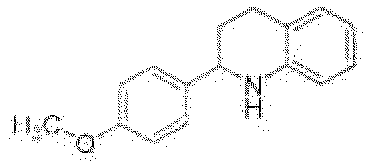


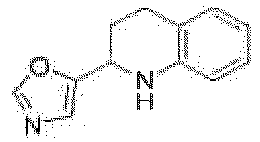
[Table 1-2] Structural formula Structural formula Structural formula 


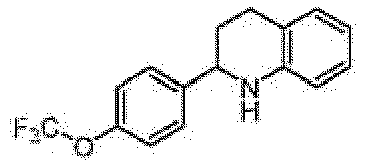


[Table 1-3] Structural formula Structural formula Structural formula 

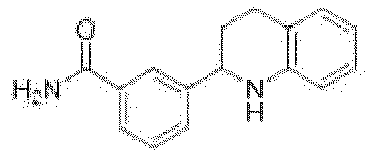


[Table 1-4] Structural formula Structural formula Structural formula 


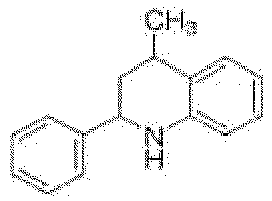


[Table 1-5] Structural formula Structural formula Structural formula 


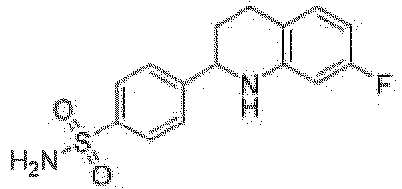


[Table 1-6] Structural formula Structural formula Structural formula 


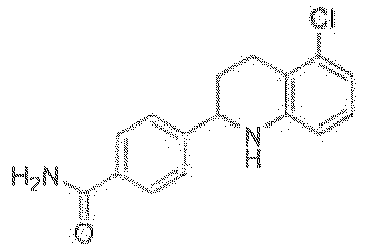

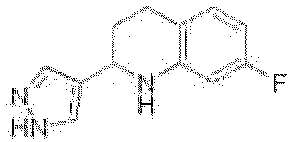
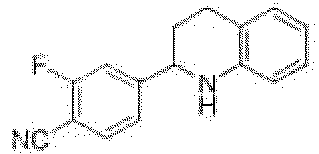


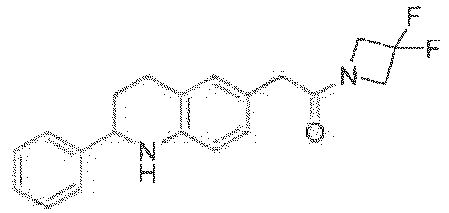

[Table 1-7] Structural formula Structural formula Structural formula 


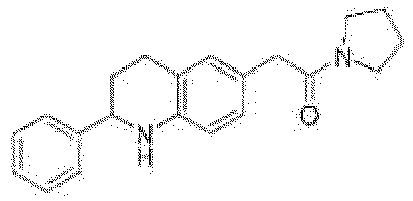


- The compounds shown in Tables 1-1 to 1-7 include stereoisomers, solvates, and pharmaceutically acceptable salts of those compounds, and mixtures thereof.
- Additionally, the present invention includes prodrugs of the tetrahydroquinoline derivative (I). A prodrug of the tetrahydroquinoline derivative (I) as described above is a compound that is enzymatically or chemically converted to the tetrahydroquinoline derivative (I) within the body. The active substance of the tetrahydroquinoline derivative (I) prodrug is the tetrahydroquinoline derivative (I), but the tetrahydroquinoline derivative (I) prodrug itself may have activity.
- Groups used to produce a prodrug of the tetrahydroquinoline derivative (I) as described above include those described in published literatures (for example, "Development of Pharmaceutical Products," Hirokawa Shoten Co., 1990, vol. 7, p. 163-198 and Progress in Medicine, vol. 5, 1985, p. 2157-2161).
- Examples of the "pharmaceutically acceptable salt" of the tetrahydroquinoline derivative (I) include inorganic acid salts, such as hydrochloride, sulfate, nitrate, hydrobromide, hydroiodide, and phosphate; and organic acid salts, such as oxalate, malonate, citrate, fumarate, lactate, malate, succinate, tartrate, acetate, trifluoroacetate, maleate, gluconate, benzoate, ascorbate, glutarate, mandelate, phthalate, methanesulfonate, ethanesulfonate, benzenesulfonate, p-toluenesulfonate, camphorsulfonate, aspartate, glutamate, and cinnamate.
- The tetrahydroquinoline derivative (I) may be crystals, and these crystals are included in the tetrahydroquinoline derivative (I), whether those crystals are a single crystal form or a mixture of crystal forms.
- The tetrahydroquinoline derivative (I) may be pharmaceutically acceptable co-crystals or co-crystalline salts thereof. The term "co-crystal" or "co-crystalline salt" as used herein means a crystalline material composed of two or more unique solids at room temperature and each have distinct physical properties (for example, structure, melting point, heat of fusion, hygroscopicity, solubility, and stability). The co-crystals or co-crystalline salts can be produced according to known co-crystallization methods.
- The tetrahydroquinoline derivative (I) or a pharmaceutically acceptable salt thereof may be anhydrates or may form solvates, such as hydrates.
- The tetrahydroquinoline derivative (I) or a pharmaceutically acceptable salt thereof can be converted to solvates, such as hydrates, by known methods. For example, in a known method, the tetrahydroquinoline derivative (I) as described above or a pharmaceutically acceptable salt thereof is treated with water or other solvent (for example, an alcoholic solvent, such as methanol, ethanol, or n-propanol, N,N-dimethylformamide (hereinafter referred to as DMF), dimethyl sulfoxide (hereinafter referred to as DMSO)), or any combination thereof.
- The tetrahydroquinoline derivative (I) may be labeled with one or more isotopes, and examples of the isotopes for labeling include 2H, 3H, 13C, 14C, 15N, 15O, 17O, 18O, and/or 125I.
- The tetrahydroquinoline derivative (I) can be produced by an appropriate method based on the features derived from basic skeleton thereof and the types of the substituents. The starting materials and reagents used for the production of these compounds are commercially available or can be produced by known methods.
- The tetrahydroquinoline derivative (I), as well as the intermediates and starting materials for use in the manufacture of the derivative, can be isolated and purified by known procedures. Examples of the known isolation and purification procedures include solvent extraction, recrystallization, and chromatography.
- In cases where the tetrahydroquinoline derivative (I) include optical isomers or stereoisomers, each isomer can be obtained as a single compound by known methods or methods similar thereto. Examples of the known methods include crystallization, enzymatic resolution, and chiral chromatography.
- Examples of general production methods of the tetrahydroquinoline derivative (I) are shown below. Some of the compounds included in the following schemes are in the form of salts, and the salts similar to, for example, the salts of the tetrahydroquinoline derivative (I) are used. The production methods used in the present invention are not limited to the following examples.
- Among the tetrahydroquinoline derivative (I), a tetrahydroquinoline derivative (I-a) can be produced by a method shown in, for example,
Scheme 1, in which all of R1y, Rv, and Rw are hydrogen, and R3 is hydrogen, halogen, C1-C3 alkyl in which any one to three hydrogen atoms are each independently optionally replaced by a hydroxy group(s) or a fluorine atom(s), hydroxy, C1-C3 alkoxy in which any one to three hydrogen atoms are optionally replaced by a fluorine atom(s), or methoxycarbonyl.
- A Quinoline derivative (IX) can be produced by coupling reaction of a 2-haloquinoline derivative (III) and a boronic acid derivative (IV) in the presence of a metal catalyst and a base.
- The boronic acid derivative (IV) used for the coupling reaction are preferably in an amount of 0.5 to 10 equivalents, more preferably in an amount of 0.8 to 4 equivalents, relative to the 2-haloquinoline derivative (III).
- Examples of the metal catalyst used in the coupling reaction include [1,1'-bis(diphenylphosphino)ferrocene]dichloro-palladium(II) dichloromethane adduct, palladium(II) chloride, palladium(II) acetate, bis(dibenzylideneacetone)palladium(0), tetrakis(triphenylphosphine)palladium(0), and
- dichlorobis(triphenylphosphine)palladium(0); and
- tetrakis(triphenylphosphine)palladium(0) is preferable.
- The metal catalyst used for the coupling reaction is preferably in an amount of 0.01 to 5 equivalents, more preferably in an amount of 0.025 to 1 equivalent, relative to the 2-haloquinoline derivative (III).
- A ligand may further be used for the coupling reaction. Examples of the ligand used include triphenylphosphine, tert-butylphosphine, and 2,2'-bis(diphenylphosphino)-1,1'-binaphthyl.
- Examples of the base used in the coupling reaction include organic bases, such as triethylamine and N,N-diisopropylethylamine; inorganic bases, such as sodium carbonate, potassium carbonate, and cesium carbonate, lithium amides, such as lithium hexamethyldisilazide and lithium diisopropylamide; metal alkoxides, such as sodium tert-butoxide and potassium tert-butoxide, and mixtures thereof; and an inorganic base, such as sodium carbonate, potassium carbonate, or cesium carbonate, is preferable.
- The base used for the coupling reaction is preferably in an amount of 0.5 to 10 equivalents, more preferably in an amount of 1 to 4 equivalents, relative to the 2-haloquinoline derivative (III).
- The reaction solvent used in the coupling reaction is appropriately selected depending on the types of the reagents used and the like, and the reaction solvent is not limited to a specific solvent as long as the reaction is not inhibited by the solvent. Examples of the reaction solvent include ether solvents, such as tetrahydrofuran (hereinafter referred to as THF), 1,4-dioxane, and 1,2-dimethoxyethane (hereinafter referred to as DME); nitrile solvents, such as acetonitrile and propionitrile; aromatic hydrocarbon solvents, such as benzene and toluene; polar aprotic solvent, such as DMF, N,N-dimethylacetamide (hereinafter referred to as DMA), and DMSO; water, and mixtures thereof; and an ether solvent, such as THF, 1,4-dioxane, or DME; a polar aprotic solvent, such as DMF, DMA, or DMSO, or a mixture of water with any of the solvents is preferable.
- The reaction temperature in the coupling reaction is preferably from 0°C to 200°C, more preferably from 50°C to 150°C.
- The reaction time for the coupling reaction is appropriately selected depending on conditions such as reaction temperature, and a preferred reaction time is from 1 hour to 30 hours.
- The 2-haloquinoline derivative (III) and the boronic acid derivative (IV) used in the coupling reaction can be purchased or produced according to known methods or methods similar thereto.
- The quinoline derivative (IX) can be produced by cycloaddition reaction of a 2-aminobenzyl alcohol derivative (V) and a ketone derivative (VI) in the presence of a base, for example, according to a method described in Tetrahedron Letters, 2008, 6893-6895 or methods similar thereto.
- The ketone derivative (VI) used for the cycloaddition reaction are preferably in an amount of 0.5 to 10 equivalents, more preferably in an amount of 0.8 to 5 equivalents, relative to the 2-aminobenzyl alcohol derivative (V).
- Examples of the base used in the cycloaddition reaction include inorganic bases, such as sodium hydroxide, potassium hydroxide and cesium hydroxide; metal alkoxides, such as sodium ethoxide, sodium tert-butoxide, and potassium tert-butoxide; metal hydride compounds, such as sodium hydride, potassium hydride, and calcium hydride, and mixtures thereof; and a metal alkoxide, such as sodium ethoxide, sodium tert-butoxide, or potassium tert-butoxide, is preferable.
- The base used for the cycloaddition reaction is preferably in an amount of 0.5 to 10 equivalents, more preferably in an amount of 1 to 3 equivalents, relative to the 2-aminobenzyl alcohol derivative (V).
- The reaction solvent used in the cycloaddition reaction is appropriately selected depending on the types of the reagents used and the like, and the reaction solvent is not limited as long as the reaction is not inhibited by the solvent. Examples of the reaction solvent include ether solvents, such as THF, 1,4-dioxane, and DME; aromatic hydrocarbon solvents, such as benzene and toluene; polar aprotic solvents, such as DMF, DMA, and DMSO; and mixtures thereof; and an ether solvent, such as THF, 1,4-dioxane, or DME, is preferable.
- The reaction temperature in the cycloaddition reaction is preferably from 0°C to 200°C, more preferably from 50°C to 150°C.
- The reaction time for the cycloaddition reaction is appropriately selected depending on conditions such as reaction temperature, and a preferred reaction time is from 1 hour to 24 hours.
- The 2-aminobenzyl alcohol derivative (V) and the ketone derivative (VI) used in the cycloaddition reaction can be purchased or produced according to known methods or methods similar thereto.
- The quinoline derivative (IX) can be produced by oxidative cyclization reaction of an aniline derivative (VII) and an allyl alcohol derivative (VIII-a) or an α,β-unsaturated aldehyde derivative (VIII-b) in the presence of a metal catalyst under oxygen atmosphere, for example, according to a method described in RSC Advances, 2017, 36242-36245 or methods similar thereto.
- The allyl alcohol derivative (VIII-a) or the α,β-unsaturated aldehyde derivative (VIII-b) used for the oxidative cyclization reaction are preferably in an amount of 0.5 to 10 equivalents, more preferably in an amount of 0.8 to 2 equivalents, relative to the aniline derivative (VII).
- Examples of the metal catalyst used in the oxidative cyclization reaction include palladium(II) acetate, trifluoropalladium(II) acetate, palladium(II) chloride, and dichlorobis(acetonitrile)palladium(II); and palladium(II) acetate is preferable.
- The metal catalyst used for the oxidative cyclization reaction is preferably in an amount of 0.01 to 5 equivalents, more preferably in an amount of 0.025 to 1 equivalent, relative to the aniline derivative (VII).
- The oxygen atmosphere used in the oxidative cyclization reaction preferably has a pressure of about 1 to about 20 atmospheres, more preferably a pressure of about 1 to about 5 atmospheres.
- The reaction solvent used in the oxidative cyclization reaction is appropriately selected depending on the types of the reagents used and the like, and the reaction solvent is not limited as long as the reaction is not inhibited by the solvent. Examples of the reaction solvent include ether solvents, such as THF, 1,4-dioxane, and DME; aromatic hydrocarbon solvents, such as benzene and toluene; polar aprotic solvents, such as DMF, DMA, and DMSO; and mixtures thereof; and a polar aprotic solvent, such as DMF, DMA, or DMSO, is preferable.
- The reaction temperature in the oxidative cyclization reaction is preferably from 0 to 300°C, more preferably from 70 to 200°C.
- The reaction time for the oxidative cyclization reaction is appropriately selected depending on conditions such as reaction temperature, and a preferred reaction time is from 1 to 24 hours.
- The aniline derivative (VII), the allyl alcohol derivative (VIII-a), and the α,β-unsaturated aldehyde derivative (VIII-b) used in the oxidative cyclization reaction can be purchased or produced according to known methods or methods similar thereto.
- The tetrahydroquinoline derivative (I-a) can be produced by hydrogenation reaction of the quinoline derivative (IX) in the presence of a metal catalyst under hydrogen atmosphere or by transfer hydrogenation reaction between a 1,4-dihydro-2,6-dimethyl-3,5-pyridine dicarboxylate derivative and the quinoline derivative (IX).
- Examples of the metal catalyst used in the hydrogenation reaction include palladium compounds, such as palladium on carbon, palladium(II) hydroxide on carbon, and palladium(II) oxide; nickel compounds, such as sponge nickel catalyst; platinum compounds, such as platinum(IV) oxide and platinum on carbon; rhodium compounds, such as rhodium on carbon, and the like; and platinum(IV) oxide is preferable.
- The metal catalyst used for the hydrogenation reaction is preferably in an amount of 0.001 to 1 equivalent, more preferably in an amount of 0.01 to 0.5 equivalent, relative to the quinoline derivative (IX).
- The hydrogen atmosphere used in the hydrogenation reaction preferably has a pressure of about 1 to about 30 atmospheres, more preferably a pressure of about 1 to about 10 atmospheres.
- The reaction solvent used in the hydrogenation reaction is appropriately selected depending on the types of the reagents used and the like, and the reaction solvent is not limited as long as the reaction is not inhibited by the solvent. Examples of the reaction solvent include alcohol solvents, such as methanol, ethanol, isopropyl alcohol, and tert-butyl alcohol; aromatic hydrocarbon solvents, such as toluene and xylene; chlorinated solvents, such as dichloromethane, chloroform, and 1,2-dichloroethane; ether solvents, such as diethyl ether, THF, DME, and 1,4-dioxane; ester solvents, such as ethyl acetate and propyl acetate; polar aprotic solvents, such as DMF, DMA, and DMSO; carboxylic acid solvents, such as formic acid and acetic acid; water, and mixtures thereof; and a mixture of an alcohol solvent, such as methanol, ethanol, isopropyl alcohol, or tert-butyl alcohol, and a carboxylic acid solvent, such as formic acid or acetic acid, is referable.
- The reaction temperature in the hydrogenation reaction is preferably from 0 to 200°C, more preferably from 10 to 100°C.
- The reaction time for the hydrogenation reaction is appropriately selected depending on conditions such as reaction temperature, and a preferred reaction time is from 0.5 to 40 hours.
- Examples of the 1,4-dihydro-2,6-dimethyl-3,5-pyridine dicarboxylic acid ester derivative used in the transfer hydrogenation reaction include
dimethyl 2,6-dimethyl-1,4-dihydropyridin-3,5-dicarboxylate,diethyl 2,6-dimethyl-1,4-dihydropyridin-3,5-dicarboxylate, di-tert-butyl 1,4-dihydro-2,6-dimethyl-3,5-pyridinedicarboxylate,didodecyl 1,4-dihydro-2,6-dimethyl-3,5-pyridinedicarboxylate and the like; anddiethyl 2,6-dimethyl-1,4-dihydropyridin-3,5-dicarboxylate is preferable. - The 1,4-dihydro-2,6-dimethyl-3,5-pyridine dicarboxylic acid ester derivative used for the transfer hydrogenation reaction is preferably in an amount of 1 to 10 equivalents, more preferably in an amount of 1.7 to 3 equivalents, relative to the quinoline derivative (IX).
- The reaction solvent used in the transfer hydrogenation reaction is appropriately selected depending on the types of the reagents used and the like, and the reaction solvent is not limited as long as the reaction is not inhibited by the solvent. Examples of the reaction solvent include alcohol solvents, such as methanol, ethanol, isopropyl alcohol, and tert-butyl alcohol; aromatic hydrocarbon solvents, such as toluene and xylene; chlorinated solvents, such as dichloromethane, chloroform, and 1,2-dichloroethane; ether solvents, such as diethyl ether, THF, DME, and 1,4-dioxane; ester solvents, such as ethyl acetate and propyl acetate; polar aprotic solvents, such as DMF, DMA, and DMSO; and mixtures thereof; and a chlorinated solvent, such as dichloromethane, chloroform, or 1,2-dichloroethane, or an ether solvent, such as diethyl ether, THF, DME, or 1,4-dioxane, is preferable.
- The reaction temperature in the transfer hydrogenation reaction is preferably from 0 to 100°C, more preferably from 10 to 50°C.
- The reaction time for the transfer hydrogenation reaction is appropriately selected depending on conditions such as reaction temperature, and a preferred reaction time is from 1 to 24 hours.
- Among the tetrahydroquinoline derivative (I), a tetrahydroquinoline derivative (I-b) can be produced by a method shown in, for example,
Scheme 2, in which all of R1y, Rv, and Rw are hydrogen, and R3 is -NR9R10, and R9 and R10 together represent -(CH2)n-.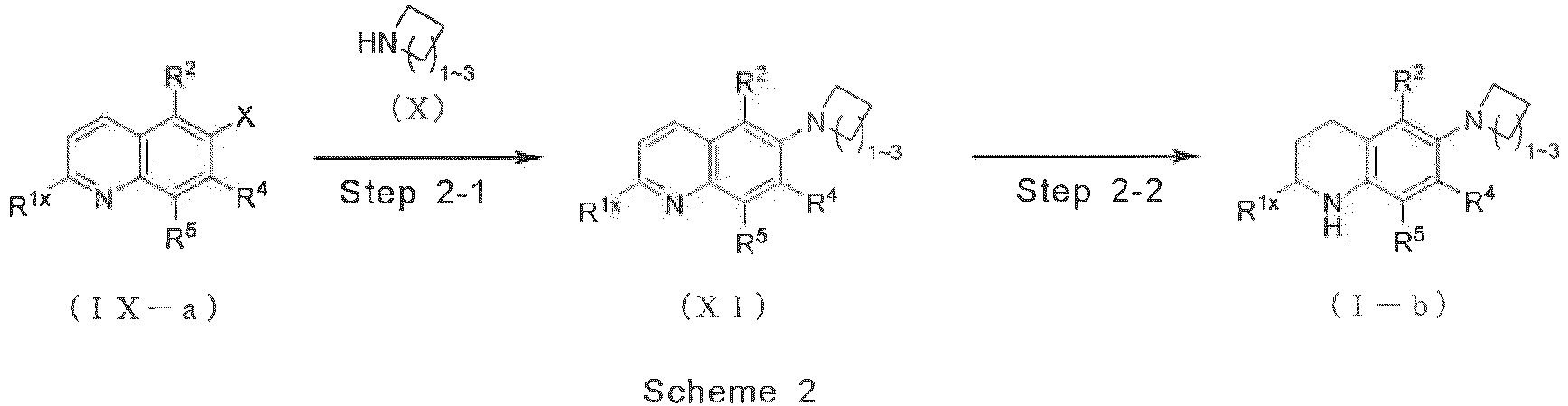
- An aminoquinoline derivative (XI) can be produced by coupling reaction of a 6-haloquinoline derivative (IX-a) and a secondary amine derivative (X) in the presence of a metal catalyst and a base.
- The secondary amine derivative (X) used for the coupling reaction are preferably in an amount of 0.5 to 20 equivalents, more preferably in an amount of 0.8 to 10 equivalents, relative to the 6-haloquinoline derivative (IX-a).
- Examples of the metal catalyst used in the coupling reaction include [1,1'-bis(diphenylphosphino)ferrocene]dichloro-palladium(II) dichloromethane adduct, palladium(II) chloride, palladium(II) acetate, bis(dibenzylideneacetone)palladium(0), tris(dibenzylideneacetone)dipalladium(0), tetrakis(triphenylphosphine)palladium(0), and dichlorobis(triphenylphosphine)palladium(0); and palladium(II) acetate is preferable.
- The metal catalyst used for the coupling reaction is preferably in an amount of 0.001 to 5 equivalents, more preferably in an amount of 0.02 to 0.5 equivalent, relative to the 6-haloquinoline derivative (IX-a).
- A ligand may further be used for the coupling reaction. Examples of the ligand used include triphenylphosphine, tert-butylphosphine, 2,2'-bis(diphenylphosphino)-1,1'-binaphthyl, 2-(dicyclohexylphosphino)-2',4',6'-triisopropyl-1,1'-biphenyl, and 4,5-bis(diphenylphosphino)-9,9-dimethylxanthene.
- In cases where a ligand is used for the coupling reaction, the amount of the ligand is preferably from 0.001 to 5 equivalents, more preferably from 0.02 to 1 equivalent, relative to the 6-haloquinoline derivative (IX-a).
- Examples of the base used in the coupling reaction include organic bases, such as triethylamine and N,N-diisopropylethylamine; inorganic bases, such as sodium carbonate, potassium carbonate, and cesium carbonate; lithium amides, such as lithium hexamethyldisilazide and lithium diisopropylamide; metal alkoxides, such as sodium tert-butoxide and potassium tert-butoxide; and mixtures thereof; and an inorganic base, such as sodium carbonate, potassium carbonate, or cesium carbonate is preferable.
- The base used for the coupling reaction is preferably in an amount of 0.8 to 10 equivalents, more preferably in an amount of 1 to 5 equivalents, relative to the 6-haloquinoline derivative (IX-a).
- The reaction solvent used in the coupling reaction is appropriately selected depending on the types of the reagents used and the like, and the reaction solvent is not limited as long as the reaction is not inhibited by the solvent. Examples of the reaction solvent include alcohol solvents, such as methanol, ethanol, isopropyl alcohol, and tert-butyl alcohol; ether solvents, such as THF, 1,4-dioxane, and DME; aromatic hydrocarbon solvents, such as benzene and toluene, nitrile solvents, such as acetonitrile and propionitrile; polar aprotic solvents, such as DMF, DMA, and DMSO; chlorinated solvents, such as dichloromethane, chloroform, and 1,2-dichloroethane; and mixtures thereof; and an ether solvent, such as THF, 1,4-dioxane, or DME is preferable.
- The reaction temperature in the coupling reaction is preferably from 0 to 200°C, more preferably from 50 to 150°C.
- The reaction time for the coupling reaction is appropriately selected depending on conditions such as reaction temperature, and a preferred reaction time is from 1 to 30 hours.
- The 6-haloquinoline derivative (IX-a) used in the coupling reaction can be purchased or produced by the methods described in Steps 1-1 to 1-3, known methods, or methods similar thereto.
- The secondary amine derivative (X) used in the coupling reaction can be purchased or produced according to known methods or methods similar thereto.
- The tetrahydroquinoline derivative (I-b) can be produced by hydrogenation reaction or transfer hydrogenation reaction of the aminoquinoline derivative (XI). The conditions selected for this step, including reagents, catalyst, hydrogen pressure, reaction solvent, and reaction temperature, are similar to those in the Step 1-4.
- Among the tetrahydroquinoline derivative (I), a tetrahydroquinoline derivative (I-c) can be produced by a method shown in, for example, Scheme 3, in which all of R1y, Rv, and Rw are hydrogen, and R3 is NR9R10, and R9 is hydrogen, and R10 is -COR15, and R15 is C1-C5 alkoxy.

- A quinoline-6-carboxylic acid derivative (XII) can be produced by hydrolysis reaction of a quinoline-6-carboxylic acid ester derivative (IX-b) in the presence of a base.
- Examples of the base used in the hydrolysis reaction include lithium hydroxide, potassium hydroxide, sodium hydroxide, and sodium tert-butoxide, and potassium hydroxide or sodium hydroxide is preferable.
- The base used for the hydrolysis reaction is preferably in an amount of 0.5 to 100 equivalents, more preferably in an amount of 0.8 to 30 equivalents, relative to the quinoline-6-carboxylic acid ester derivative (IX-b).
- The reaction solvent used in the hydrolysis reaction is appropriately selected depending on the types of the reagents used, and the reaction solvent is not limited as long as the reaction is not inhibited by the solvent. Examples of the reaction solvent include ether solvents, such as THF, 1,4-dioxane, and DME; chlorinated solvents, such as dichloromethane, chloroform, and 1,2-dichloroethane; aromatic hydrocarbon solvents, such as benzene and toluene; polar aprotic solvents, such as DMF, DMA, and DMSO; ketone solvents, such as acetone and methyl ethyl ketone; alcohol solvents, such as methanol, ethanol, and 2-propanol; water, and mixtures thereof; and a mixture of an alcohol solvent, such as methanol, ethanol, or 2-propanol, and water is preferable.
- The reaction temperature in the hydrolysis reaction is preferably from -50°C to 150°C, more preferably from -20°C to 100°C.
- The reaction time for the hydrolysis reaction is appropriately selected depending on conditions such as reaction temperature, and a preferred reaction time is from 1 to 30 hours.
- The quinoline-6-carboxylic acid ester derivative (IX-b) used in the hydrolysis reaction can be purchased or produced by the methods described in Steps 1-1 to 1-3, known methods, or equivalent methods.
- A quinoline-6-carbamic acid ester derivative (XIV) can be produced by reacting the quinoline-6-carboxylic acid derivative (XII) with diphenylphosphoryl azide to generate acyl azides, and then subjecting isocyanate derivative, which is generated by rearrangement reaction of the acyl azides, to alcoholysis reaction.
- Diphenylphosphoryl azide used for the rearrangement reaction is preferably in an amount of 1 to 10 equivalents, more preferably in an amount of 1 to 3 equivalents, relative to the quinoline-6-carboxylic acid derivative (XII).
- Examples of the base used in the rearrangement reaction include inorganic bases, such as sodium carbonate, potassium carbonate, cesium carbonate, sodium hydroxide, potassium hydroxide, magnesium hydroxide, and calcium hydroxide; and organic bases, such as triethylamine and N,N-diisopropylethylamine; and an organic base, such as triethylamine or N,N-diisopropylethylamine is preferable.
- The base used for the rearrangement reaction is preferably in an amount of 1 to 10 equivalents, more preferably in an amount of 1 to 3 equivalents, relative to the quinoline-6-carboxylic acid derivative (XII).
- The reaction solvent used in the rearrangement reaction is appropriately selected depending on the types of the reagents used and the like, and the reaction solvent is not limited as long as the reaction is not inhibited by the solvent. Examples of the reaction solvent include ether solvents, such as THF, 1,4-dioxane, and DME; ester solvents, such as ethyl acetate and propyl acetate; chlorinated solvents, such as dichloromethane, chloroform, and 1,2-dichloroethane; aromatic hydrocarbon solvents, such as benzene and toluene; nitrile solvents, such as acetonitrile and propionitrile; polar aprotic solvents, such as DMF, DMA, and DMSO; and mixtures thereof.
- Examples of alcohols (XIII) used for the alcoholysis reaction include methanol, ethanol, isopropyl alcohol, and tert-butyl alcohol.
- The alcohols (XIII) used for the alcoholysis reaction may be in an amount of 1 to 20 equivalents relative to the quinoline-6-carboxylic acid derivative (XII) and may be used as the reaction solvent in place of the reaction solvent used in the rearrangement reaction.
- The reaction temperature in the rearrangement reaction and alcoholysis reaction is preferably from 30 to 200°C, more preferably from 50 to 150°C.
- The reaction time for the rearrangement reaction and alcoholysis reaction is appropriately selected depending on conditions such as reaction temperature, and a preferred reaction time is from 1 to 30 hours.
- Moreover, the quinoline-6-carbamic acid ester derivative (XIV) can also be produced similarly by using acyl azides which are generated by converting the carboxyl group in the quinoline-6-carboxylic acid derivative (XII) to a reactive functional group and allowing the resulting derivative to react with a metal azide (for example, sodium azide).
- Examples of the compounds with the reactive functional group include acid chlorides, mixed acid anhydrides with chlorocarbonate esters (for example, methyl chlorocarbonate, ethyl chlorocarbonate, or isobutyl chlorocarbonate), symmetrical acid anhydrides, and activated amides with imidazole.
- The tetrahydroquinoline derivative (I-c) can be produced by hydrogenation reaction or a transfer hydrogenation reaction of the quinoline-6-carbamic acid ester derivative (XIV). The conditions selected for this step, including reagents, catalyst, hydrogen pressure, reaction solvent, and reaction temperature, are similar to those in the step 1-4.
- Among the tetrahydroquinoline derivative (I), tetrahydroquinoline derivatives (I-d) to (I-f) can be produced by a method shown in, for example, Scheme 4, in which all of R1y, Rv, and Rw are hydrogen, and R3 is -NR9R10, and R9 is hydrogen, and R10 is -COR15 or C1-C3 alkylsulfonyl, and R15 is C1-C5 alkyl or -NHR16, and R16 is hydrogen or C1-C5 alkyl.

- Examples of the leaving group represented by L include halogen, such as fluorine, chlorine, bromine, or iodine; C1-C12 alkylthio, such as methylthio, ethylthio, or dodecylthio; aryloxy, such as phenoxy; methanesulfonyloxy, ethanesulfonyloxy, or alkylsulfonyloxy in which a hydrogen atom(s) is(are) optionally replaced by a halogen atom(s), such as trifluoromethanesulfonyloxy; alkylsulfonylamino, such as trifluoromethanesulfonylamino; and azolyl, such as imidazole-1-yl or pyrazol-1-yl.
- A diphenylmethanimine derivative (XV) can be produced by a coupling reaction of 6-haloquinoline derivative (IX-a) and diphenylmethanimine in the presence of a metal catalyst and a base. The conditions selected for this step, including reagents, catalyst, hydrogen pressure, reaction solvent, and reaction temperature, are similar to those in the step 2-1.
- The 6-haloquinoline derivative (IX-a) used in the coupling reaction can be purchased or produced by the methods described in Steps 1-1 to 1-3, known methods, or methods similar thereto.
- An aminoquinoline derivative (XVI) can be produced by deprotection reaction of the diphenylmethanimine derivative (XV).
- Examples of an acid used in the deprotection reaction include hydrochloric acid, 10% by weight hydrogen chloride-methanol solution, 4 mol/L hydrogen chloride-ethyl acetate solution, trifluoroacetic acid, and hydrofluoric acid; and hydrochloric acid is preferable.
- The acid used for the deprotection reaction is preferably in an amount of 0.5 to 100 equivalents, more preferably in an amount of 1 to 10 equivalents relative to the diphenylmethanimine derivative (XV).
- The reaction solvent used in the deprotection reaction is appropriately selected depending on the types of the reagents used and the like, and the reaction solvent is not limited as long as the reaction is not inhibited by the solvent. Examples of the reaction solvent include ether solvents, such as diethyl ether, THF, DME, and 1,4-dioxane; ester solvents, such as ethyl acetate and propyl acetate; chlorinated solvents, such as dichloromethane, chloroform, and 1,2-dichloroethane; alcohol solvents, such as methanol and ethanol; and mixtures thereof; and an ester solvent, such as ethyl acetate or propyl acetate, or a chlorinated solvent, such as dichloromethane, chloroform, or 1,2-dichloroethane, is preferable.
- The reaction temperature in the deprotection reaction is preferably from 0 to 200°C, more preferably from 0 to 100°C.
- The reaction time of the deprotection reaction varies depending on the reaction conditions, and a preferred reaction time is from 1 to 48 hours.
- An amidoquinoline derivative (XVIII) can be produced by acylation reaction of the aminoquinoline derivative (XVI) with an acylating agent (XVII).
- The acylating agent (XVII) used for the acylation reaction is preferably in an amount of 0.5 to 10 equivalents, more preferably in an amount of 1 to 3 equivalents, relative to the aminoquinoline derivative (XVI).
- A base may optionally be used for the acylation reaction. Examples of the base used include organic bases, such as triethylamine, N,N-diisopropylethylamine, and pyridine; alkaline metal hydroxides, such as sodium hydroxide, potassium hydroxide, and lithium hydroxide; alkaline metal hydrogencarbonates, such as sodium hydrogencarbonate and potassium hydrogencarbonate; alkaline metal carbonates, such as sodium carbonate and potassium carbonate; and mixtures thereof; and an alkaline metal hydroxide, such as sodium hydroxide, potassium hydroxide, or lithium hydroxide, is preferable.
- The reaction solvent used in the acylation reaction is appropriately selected depending on the types of the reagents used, and the reaction solvent is not limited as long as the reaction is not inhibited by the solvent. Examples of the reaction solvent include nitrile solvents, such as acetonitrile and propionitrile; polar aprotic solvents, such as DMF, DMA, and DMSO; ether solvents, such as diethyl ether, THF, DME, and 1,4-dioxane; ester solvents, such as ethyl acetate and propyl acetate; ketone solvents, such as acetone and methyl ethyl ketone; water, and mixtures thereof; and a mixture of an ether solvent, such as diethyl ether, THF, DME, or 1,4-dioxane, and water is preferable.
- The reaction temperature in the acylation reaction is preferably from -78°C to 100°C, more preferably from -20°C to 50°C.
- The reaction time of the acylation reaction varies depending on the reaction conditions, and a preferred reaction time is from 1 to 30 hours.
- The acylating agent (XVII) used in the acylation reaction can be purchased or produced according to a known method or methods similar thereto.
- The tetrahydroquinoline derivative (I-d) can be produced by hydrogenation reaction or a transfer hydrogenation reaction of the amidoquinoline derivative (XVIII). The conditions selected for this step, including reagents, catalyst, hydrogen pressure, reaction solvent, and reaction temperature, are similar to those in the step 1-4.
- A urea-quinoline derivative (XX) can be produced by urea-forming reaction between the aminoquinoline derivative (XVI) and a urea-forming agent (XIX).
- The urea-forming agent (XIX) used for the urea-forming reaction is preferably in an amount of 0.5 to 10 equivalents, more preferably in an amount of 1 to 3 equivalents, relative to the aminoquinoline derivative (XVI).
- A base may optionally be used for the urea-forming reaction. Examples of the base used include, organic bases, such as triethylamine, N,N-diisopropylethylamine, and pyridine; alkaline metal hydroxides, such as sodium hydroxide, potassium hydroxide, and lithium hydroxide; alkaline metal hydrogencarbonates, such as sodium hydrogencarbonate and potassium hydrogencarbonate; alkaline metal carbonates, such as sodium carbonate and potassium carbonate; and mixtures thereof; and an organic base, such as triethylamine, N,N-diisopropylethylamine, or pyridine, is preferable.
- The reaction solvent used in the urea-forming reaction is appropriately selected depending on the types of the reagents used, and the reaction solvent is not limited as long as the reaction is not inhibited by the solvent. Examples of the reaction solvent include nitrile solvents, such as acetonitrile and propionitrile, polar aprotic solvents, such as DMF, DMA, and DMSO; ether solvents, such as diethyl ether, THF, DME, and 1,4-dioxane; ester solvents, such as ethyl acetate and propyl acetate; ketone solvents, such as acetone and methyl ethyl ketone; water, and mixtures thereof; and an ether solvent, such as diethyl ether, THF, DME, or 1,4-dioxane is preferable.
- The reaction temperature in the urea-forming reaction is preferably from - 78°C to 100°C, more preferably from -20°C to 50°C.
- The reaction time of the urea-forming reaction varies depending on the reaction conditions, and a preferred reaction time is from 1 to 30 hours.
- The urea-forming agent (XIX) used in the urea-forming reaction can be purchased or produced according to a known method or methods similar thereto.
- The tetrahydroquinoline derivative (I-e) can be produced by hydrogenation reaction or transfer hydrogenation reaction of the urea-quinoline derivative (XX). The conditions selected for this step, including reagents, catalyst, hydrogen pressure, reaction solvent, and reaction temperature, are similar to those in the step 1-4.
- A sulfonylamidoquinoline derivative (XXII) can be produced by sulfonylation of the aminoquinoline derivative (XVI) with a sulfonylating agent (XXI).
- The sulfonylating agent (XXI) used for the sulfonylation reaction is preferably in an amount of 0.5 to 10 equivalents, more preferably in an amount of 1 to 3 equivalents, relative to the aminoquinoline derivative (XVI).
- A base may optionally be used for the sulfonylation reaction. Examples of the base used include organic bases, such as triethylamine, N,N-diisopropylethylamine, and pyridine; alkaline metal hydroxides, such as sodium hydroxide, potassium hydroxide, and lithium hydroxide; alkaline metal hydrogencarbonate, such as sodium hydrogencarbonate and potassium hydrogencarbonate; alkaline metal carbonates, such as sodium carbonate and potassium carbonate; and mixtures thereof; and an organic base, such as triethylamine, N,N-diisopropylethylamine, or pyridine, is preferable.
- The reaction solvent used in the sulfonylation reaction is appropriately selected depending on the types of the reagents used, and the reaction solvent is not limited as long as the reaction is not inhibited by the solvent. Examples of the reaction solvent include nitrile solvents, such as acetonitrile and propionitrile; polar aprotic solvents, such as DMF, DMA, and DMSO; ether solvents, such as diethyl ether, THF, DME, and 1,4-dioxane; ester solvents, such as ethyl acetate and propyl acetate; ketone solvents, such as acetone and methyl ethyl ketone; water, and mixtures thereof; and an ether solvent, such as diethyl ether, THF, DME, or 1,4-dioxane, is preferable.
- The reaction temperature in the sulfonylation reaction is preferably from - 78°C to 100°C, more preferably from -20°C to 50°C.
- The reaction time in the sulfonylation reaction varies depending on the reaction conditions, and a preferred reaction time is from 1 to 30 hours.
- The sulfonylating agent (XXI) used in the sulfonylation reaction can be purchased or produced according to a known method or methods similar thereto.
- The tetrahydroquinoline derivative (I-f) can be produced by hydrogenation reaction or transfer hydrogenation reaction of the sulfonylamidoquinoline derivative (XXII). The conditions selected for this step, including reagents, catalyst, hydrogen pressure, reaction solvent, and reaction temperature, are similar to those in the step 1-4.
- Among the tetrahydroquinoline derivative (I), a tetrahydroquinoline derivative (I-g) can be produced by a method shown in, for example, Scheme 5, in which all of R1y, Rv, and Rw are hydrogen, and R3 is -CH2NR11R12.

- A (methoxycarbonyl)tetrahydroquinoline derivative (XXIII) can be produced by hydrogenation reaction or transfer hydrogenation reaction of quinoline-6-carboxylic acid ester derivative (IX-b). The conditions selected for this step, including reagents, catalyst, hydrogen pressure, reaction solvent, and reaction temperature, are similar to those in the step 1-4.
- The quinoline-6-carboxylic acid ester derivative (IX-b) used in the hydrogenation reaction or transfer hydrogenation reaction can be purchased or produced by the methods described in Steps 1-1 to 1-3, known methods, or methods similar thereto.
- A (hydroxymethyl)tetrahydroquinoline derivative (XXIV) can be produced by reduction reaction of the (methoxycarbonyl)tetrahydroquinoline derivative (XXIII).
- Examples of a reducing agent used in the reduction reaction include aluminum-based reducing agents, such as lithium aluminum hydride and diisobutylaluminum hydride; and boron-based reducing agents, such as sodium borohydride and lithium borohydride; and an aluminum-based reducing agent, such as lithium aluminum hydride or diisobutylaluminum hydride, is preferable.
- The reducing agent used in the reduction reaction is preferably in an amount of 0.3 to 100 equivalents, more preferably in an amount of 0.5 to 20 equivalents, relative to the (methoxycarbonyl)tetrahydroquinoline derivative (XXIII).
- The reaction solvent used in the reduction reaction is appropriately selected depending on the types of the reagents used, and the reaction solvent is not limited as long as the reaction is not inhibited by the solvent. Examples of the reaction solvent include alcohol solvents, such as methanol, ethanol, isopropyl alcohol, and tert-butyl alcohol; polar aprotic solvents, such as DMF, DMA, and DMSO; ether solvents, such as diethyl ether, THF, DME, and 1,4-dioxane; chlorinated solvents, such as dichloromethane, chloroform, and 1,2-dichloroethane; aromatic hydrocarbon solvents, such as toluene and xylene; and mixtures thereof; and an ether solvent, such as diethyl ether, THF, DME, or 1,4-dioxane, or an aromatic hydrocarbon solvent, such as toluene or xylene, is preferable.
- The reaction temperature in the reduction reaction is preferably from -100°C to 200°C, more preferably from -50°C to 50°C.
- The reaction time of the reduction reaction varies depending on the reaction conditions, and a preferred reaction time is from 1 to 30 hours.
- The tetrahydroquinoline derivative (I-g) can be produced by substitution reaction between the (hydroxymethyl)tetrahydroquinoline derivative (XXIV) and a secondary amine derivative (XXV) in the presence of a phosphine derivative and iodine.
- The secondary amine derivative (XXV) used for the substitution reaction are preferably in an amount of 0.5 to 100 equivalents, more preferably in an amount of 1 to 20 equivalents, relative to the (hydroxymethyl)tetrahydroquinoline derivative (XXIV).
- Examples of the phosphine derivative used in the substitution reaction include triphenylphosphine, trimethylphosphine, and tri-n-butylphosphine; and triphenylphosphine is preferable.
- The phosphine derivative used for the substitution reaction is preferably in an amount of 0.5 to 20 equivalents, more preferably in an amount of 1 to 5 equivalents, relative to the (hydroxymethyl)tetrahydroquinoline derivative (XXIV).
- Iodine used for the substitution reaction is preferably in an amount of 0.5 to 20 equivalents, more preferably in an amount of 1 to 5 equivalents, relative to the (hydroxymethyl)tetrahydroquinoline derivative (XXIV).
- The reaction solvent used in the substitution reaction is not specifically limited as long as the reaction is not inhibited by the reaction solvent. Examples of the reaction solvent include polar aprotic solvents, such as DMF, DMA, and DMSO; ketone solvents, such as acetone and methyl ethyl ketone; ester solvents, such as ethyl acetate and propyl acetate; ether solvents, such as diethyl ether, THF, DME, and 1,4-dioxane; chlorinated solvents, such as dichloromethane, chloroform, and 1,2-dichloroethane; aromatic hydrocarbon solvents, such as toluene and xylene; and mixtures thereof; and a chlorinated solvent, such as dichloromethane, chloroform, or 1,2-dichloroethane, is preferable.
- The reaction temperature in the substitution reaction is preferably from 0 to 150°C, more preferably from 10 to 70°C.
- The reaction time of the substitution reaction varies depending on the reaction conditions, and a preferred reaction time is from 1 to 24 hours.
- Among the tetrahydroquinoline derivative (I), tetrahydroquinoline derivatives (I-h) and (I-i) can be produced by a method shown in, for example, Scheme 6, in which all of R1y, Rv, and Rw are hydrogen, and R3 is -CH2CONR13R14.

- A nitrile derivative (XXVI) can be produced by a Mitsunobu reaction between the (hydroxymethyl)tetrahydroquinoline derivative (XXIV) and acetone cyanohydrin using an azodicarboxylic acid ester derivative in the presence of a phosphine derivative.
- Examples of the azodicarboxylic acid ester derivative used in the Mitsunobu reaction include diethyl azodicarboxylate, diisopropyl azodicarboxylate, 1,1'-(azodicarbonyl)dipiperidine; and 1,1'-(azodicarbonyl)dipiperidine is preferable.
- The azodicarboxylic acid ester derivative used for the Mitsunobu reaction is preferably in an amount of 0.5 to 30 equivalents, more preferably in an amount of 1 to 10 equivalents, relative to the (hydroxymethyl)tetrahydroquinoline derivative (XXIV).
- Examples of the phosphine derivative used in the Mitsunobu reaction include triphenylphosphine, trimethylphosphine, and tri-n-butylphosphine; and tri-n-butylphosphine is preferable.
- The phosphine derivative used for the Mitsunobu reaction is preferably in an amount of 0.5 to 30 equivalents, more preferably in an amount of 1 to 10 equivalents, relative to the (hydroxymethyl)tetrahydroquinoline derivative (XXIV).
- The acetone cyanohydrin is preferably used for the Mitsunobu reaction in an amount of 0.5 to 50 equivalents, more preferably in an amount of 1 to 20 equivalents, relative to the (hydroxymethyl)tetrahydroquinoline derivative (XXIV).
- The reaction solvent used in the Mitsunobu reaction is not specifically limited as long as the reaction is not inhibited by the reaction solvent. Examples of the reaction solvent include polar aprotic solvents, such as DMF, DMA, and DMSO; ketone solvents, such as acetone and methyl ethyl ketone; ester solvents, such as ethyl acetate and propyl acetate; ether solvents, such as diethyl ether, THF, DME, and 1,4-dioxane; chlorinated solvents, such as dichloromethane, chloroform, and 1,2-dichloroethane; aromatic hydrocarbon solvents, such as toluene and xylene; and mixtures thereof; and an ether solvent, such as diethyl ether, THF, DME, or 1,4-dioxane, is preferable.
- The reaction temperature in the Mitsunobu reaction is preferably from -20°C to 200°C, more preferably from -10°C to 100°C.
- The reaction time of the Mitsunobu reaction varies depending on the reaction conditions, and a preferred reaction time is from 1 to 12 hours.
- The tetrahydroquinoline derivative (I-h) can be produced by hydrolysis reaction of the nitrile derivative (XXVI) in the presence of an aqueous solution of hydrogen peroxide and a base.
- The aqueous solution of hydrogen peroxide used for the hydrolysis reaction is preferably in an amount of 0.5 to 100 equivalents, more preferably in an amount of 1 to 30 equivalents, relative to the nitrile derivative (XXVI).
- Examples of the base used in the hydrolysis reaction include lithium hydroxide, potassium hydroxide, sodium hydroxide, and sodium tert-butoxide; and potassium hydroxide or sodium hydroxide is preferable.
- The base used for the hydrolysis reaction is preferably in an amount of 0.5 to 100 equivalents, more preferably in an amount of 0.8 to 20 equivalents, relative to the nitrile derivative (XXVI).
- The reaction solvent used in the hydrolysis reaction is appropriately selected depending on the types of the reagents used, and the reaction solvent is not limited as long as the reaction is not inhibited by the solvent. Examples of the reaction solvent include ether solvents, such as THF, 1,4-dioxane, and DME; chlorinated solvents, such as dichloromethane, chloroform, and 1,2-dichloroethane; aromatic hydrocarbon solvents, such as benzene and toluene; polar aprotic solvents, such as DMF, DMA, and DMSO, ketone solvents, such as acetone and methyl ethyl ketone, alcohol solvents, such as methanol, ethanol, and 2-propanol, and mixtures thereof, and a mixture of a polar aprotic solvent, such as DMF, DMA, or DMSO; and an ether solvent, such as THF, 1,4-dioxane, or DME, is preferable.
- The reaction temperature in the hydrolysis reaction is preferably from -50°C to 150°C, more preferably from -20°C to 100°C.
- The reaction time for the hydrolysis reaction is appropriately selected depending on conditions such as reaction temperature, and a preferred reaction time is from 1 to 30 hours.
- A carboxylic acid derivative (XXVII) can be produced by hydrolysis reaction of the tetrahydroquinoline derivative (I-h) in the presence of a base.
- Examples of the base used in the hydrolysis reaction include lithium hydroxide, potassium hydroxide, sodium hydroxide, and sodium tert-butoxide; and potassium hydroxide or sodium hydroxide is preferable.
- The base used for the hydrolysis reaction is preferably in an amount of 0.5 to 100 equivalents, more preferably in an amount of 0.8 to 30 equivalents, relative to the tetrahydroquinoline derivative (I-h).
- The reaction solvent used in the hydrolysis reaction is appropriately selected depending on the types of the reagents used, and the reaction solvent is not limited as long as the reaction is not inhibited by the solvent. Examples of the reaction solvent include ether solvents, such as THF, 1,4-dioxane, and DME; chlorinated solvents, such as dichloromethane, chloroform, and 1,2-dichloroethane; aromatic hydrocarbon solvents, such as benzene and toluene; polar aprotic solvents, such as DMF, DMA, and DMSO; ketone solvents, such as acetone and methyl ethyl ketone; alcohol solvents, such as methanol, ethanol, and 2-propanol; water, and mixtures thereof; and a mixture of an alcohol solvent, such as methanol, ethanol, or 2-propanol, and water is preferable.
- The reaction temperature in the hydrolysis reaction is preferably from 0 to 200°C, more preferably from 20°C to 100°C.
- The reaction time for the hydrolysis reaction is selected appropriately depending on conditions such as reaction temperature, and a preferred reaction time is from 1 to 30 hours.
- The tetrahydroquinoline derivative (I-i) can be produced by condensation reaction between the carboxylic acid derivative (XXVII) and an amine derivative (XXVIII) in the presence of a condensing agent.
- The amine derivative (XXVIII) used for the condensation reaction are preferably in an amount of 0.1 to 10 equivalents, more preferably in an amount of 0.5 to 5 equivalents, relative to the carboxylic acid derivative (XXVII).
- Examples of the condensing agent used in the condensation reaction include N,N'-dicyclohexylcarbodiimide, N-ethyl-N'-3-dimethylaminopropylcarbodiimide hydrochloride, N,N'-carbodiimidazole, {{[(1-cyano-2-ethoxy-2-oxoethylidene)amino]oxy}-4-morpholinomethylene}dimethylammonium hexafluorophosphate, O-(7-azabenzotriazol-1-yl)-1,1,3,3-tetramethyluronium hexafluorophosphate and O-(benzotriazol-1-yl)-N,N,N',N'-tetramethyluronium hexafluorophosphate; and O-(7-azabenzotriazol-1-yl)-1,1,3,3-tetramethyluronium hexafluorophosphate is preferable.
- The condensing agent used for the condensation reaction is preferably in an amount of 0.5 to 10 equivalents, more preferably in an amount of 1 to 3 equivalents, relative to the carboxylic acid derivative (XXVII).
- Examples of the base used in the condensation reaction include organic bases, such as triethylamine and diisopropylethylamine; inorganic bases, such as sodium hydrogencarbonate and potassium carbonate; metal hydride compounds, such as sodium hydride, potassium hydride, and calcium hydride; alkyl lithium compounds, such as methyl lithium and butyl lithium; lithium amides, such as lithium hexamethyldisilazide and lithium diisopropylamide; and mixtures thereof; and an organic base, such as triethylamine or diisopropylethylamine, is preferable.
- The base used for the condensation reaction is preferably in an amount of 0.5 to 10 equivalents, more preferably in an amount of 1 to 5 equivalents, relative to the carboxylic acid derivative (XXVII).
- The amine derivative (XXVIII) may each be used as a base for use in the condensation reaction. In cases where the amine derivative (XXVIII) is used as a base for use in the condensation reaction, the amine derivative (XXVIII) used is preferably in an amount of 0.6 to 20 equivalents, more preferably in an amount of 1 to 10 equivalents, relative to the carboxylic acid derivative (XXVII).
- The reaction solvent used in the condensation reaction is appropriately selected depending on the types of the reagents used and the like, and the reaction solvent is not limited as long as the reaction is not inhibited by the solvent. Examples of the reaction solvent include ether solvents, such as THF, 1,4-dioxane, and DME; chlorinated solvents, such as dichloromethane, chloroform, and 1,2-dichloroethane; polar aprotic solvents, such as DMF and DMSO; and nitrile solvents, such as acetonitrile and propionitrile; and a chlorinated solvent, such as dichloromethane, chloroform, or 1,2-dichloroethane; or a polar aprotic solvent, such as DMF or DMSO, is preferable.
- The reaction temperature in the condensation reaction is preferably from 0 to 200°C, more preferably from 20 to 100°C.
- The reaction time for the condensation reaction is appropriately selected depending on conditions such as reaction temperature, and a preferred reaction time is from 1 to 30 hours.
- The amine derivative (XXVIII) used in the condensation reaction may be in free form or in the salt form, such as hydrochloride.
- The amine derivative (XXVIII) used in the condensation reaction can be purchased or produced according to known methods or methods similar thereto.
- Among the tetrahydroquinoline derivative (I), optical isomers of tetrahydroquinoline derivatives (I-j') and (I-j") can be produced by a method shown in, for example, Scheme 7, in which all of R1y, Rv, and Rw are hydrogen.

- The optical isomers (I-j') and (I-j") of the tetrahydroquinoline derivative (I) can be produced by asymmetric transfer hydrogenation reaction of a quinoline derivative (XXIX) with a 1,4-dihydro-2,6-dimethyl-3,5-pyridine dicarboxylic acid ester derivative in the presence of a chiral phosphate catalyst, for example, according to a method described in Tetrahedron: Asymmetry, 2015, p. 1174-1179 or methods similar thereto.
- The quinoline derivative (XXIX) used in the asymmetric transfer hydrogenation reaction can be purchased or produced by the methods described in Steps 1-1 to 1-3, 2-1, 3-1, 3-2, 4-1 to 4-3, 4-5, and 4-7, known methods, or methods similar thereto.
- Examples of the chiral phosphate catalyst used in the asymmetric transfer hydrogenation reaction include (S)-1,1'-binaphthalene-2,2'-diyl hydrogen phosphate, (R)-1,1'-binaphthalene-2,2'-diyl hydrogen phosphate, (S)-3,3'-bis(3,5-bis(trifluoromethyl)phenyl)-1,1'-binaphthyl-2,2'-diyl hydrogen phosphate, (R)-3,3'-bis(3,5-bis(trifluoromethyl)phenyl)-1,1'-binaphthyl-2,2'-diyl hydrogen phosphate, (S)-3,3'-bis(triphenylsilyl)-1,1'-binaphthyl-2,2'-diyl hydrogen phosphate, (R)-3,3'-bis(triphenylsilyl)-1,1'-binaphthyl-2,2'-diyl hydrogen phosphate, (S)-3,3'-bis(9-phenanthryl)-1,1'-binaphthalene-2,2'-diyl hydrogen phosphate, (R)-3,3'-bis(9-phenanthryl)-1,1'-binaphthalene-2,2'-diyl hydrogen phosphate, (S)-3,3'-bis(2,4,6-triisopropylphenyl)-1,1'-binaphthyl-2,2'-diyl hydrogen phosphate; and (R)-3,3'-bis(2,4,6-triisopropylphenyl)-1,1'-binaphthyl-2,2'-diyl hydrogen phosphate, and (S)-3,3'-bis(2,4,6-triisopropylphenyl)-1,1'-binaphthyl-2,2'-diyl hydrogen phosphate or (R)-3,3'-bis(2,4,6-triisopropylphenyl)-1,1'-binaphthyl-2,2'-diyl hydrogen phosphate is preferable.
- Among the tetrahydroquinoline derivative (I), a tetrahydroquinoline derivative (I-k) can be produced by a method shown in, for example, Scheme 8, in which all of R1x, Rv, and Rw are hydrogen.

- A quinoline derivative (XXXII) can be produced by coupling reaction of a 3-haloquinoline derivative (XXX) and a boronic acid derivative (XXXI) in the presence of a metal catalyst and a base. The conditions selected for this step, including reagents, catalyst, hydrogen pressure, reaction solvent, and reaction temperature, are similar to those in the Step 1-1.
- The 3-haloquinoline derivative (XXX) and the boronic acid derivative (XXXI) used in the coupling reaction can be purchased or produced according to known methods or methods similar thereto.
- The tetrahydroquinoline derivative (I-k) can be produced by hydrogenation reaction or transfer hydrogenation reaction of the quinoline derivative (XXXII). The conditions selected for this step, including reagents, catalyst, hydrogen pressure, reaction solvent, and reaction temperature, are similar to those in the Step 1-4.
- Among the tetrahydroquinoline derivative (I), optical isomers (I-k') and (I-k") of the tetrahydroquinoline derivative (I-k) can be produced by a method shown in, for example, Scheme 9, in which all of R1x, Rv, and Rw are hydrogen.

- The optical isomers (I-k') and (I-k") of the tetrahydroquinoline derivative (I-k) can be obtained by preparative HPLC using a chiral column.
- An embodiment of the present invention has inhibitory action against ferroptosis and can be used for treating or preventing amyotrophic lateral sclerosis.
- The term "ferroptosis inhibition" means inhibiting ferroptosis (ferrous irondependent controlled cell death). The ferroptosis inhibitors of the present invention inhibit ferroptosis so that prevention, delay, or amelioration of clinical conditions, or remission of symptoms can be expected.
- The term "amyotrophic lateral sclerosis" is a progressive and lethal neurodegenerative disease characterized by selective degeneration and loss of motor nerve cells, which causes systemic amyotrophy leading to motor dysfunction, and paralysis of respiratory muscle in the terminal stage. The age of onset and disease progression vary. Amyotrophic lateral sclerosis to be treated or prevented in the present invention includes both familial and sporadic cases, and includes both cases with or without causative genetic mutations. Examples of the mutated genes include, but not particularly limited to, superoxide dismutase 1 (SOD1), TDP-43, C9orf72, alsin, SETX, FUS/TLS, VAPB, ANG, FIG4, OPTN, ATXN2, DAO, UBQLN2, PFN1, DCTN1, CHPM2B, and VCP.
- Each of the tetrahydroquinoline derivative (I) or a pharmaceutically acceptable salt thereof according to the present invention can be used as a therapeutic or preventive agent for amyotrophic lateral sclerosis, which is a ferroptosis inhibitor that contains the tetrahydroquinoline derivative (I) or a pharmaceutically acceptable salt thereof as an active ingredient. In this respect, the tetrahydroquinoline derivative (I) or a pharmaceutically acceptable salt thereof, or 2-phenyl-1,2,3,4-tetrahydroquinoline or a pharmaceutically acceptable salt thereof, can be used as a ferroptosis inhibitor.
- The term "ferroptosis inhibitor" means a compound that has action to inhibit ferroptosis, thereby increasing cell survival and enhancing and preserving cellular functions, or composition that contains the compound as an active ingredient.
- It is reported that the presence of radical scavenging action is important to exert inhibitory action against ferroptosis, as described in Non-Patent Document 5. Additionally,
Patent Document 2 and Non-Patent Document 6 disclose that tetrahydroquinoxaline derivatives have strong radical scavenging action. In contrast, Non-Patent Document 11 reports that tetrahydroquinoline derivatives have very low radical scavenging action. However, the tetrahydroquinoline derivative (I) of the present invention or a pharmaceutically acceptable salt thereof exerts inhibitory action against ferroptosis, and therefore can be used as a novel drug for treating or preventing amyotrophic lateral sclerosis. - The inhibitory action against ferroptosis of the tetrahydroquinoline derivative (I) or a pharmaceutically acceptable salt thereof can be evaluated using an in vitro test. For example, the inhibitory action can be evaluated using, as an index, the inhibitory action against the cell death induced by treatment of established cells such as human fibrosarcoma cells (HT-1080 cells), primary cultured cells, iPS cells, or the like with a ferroptosis inducer, such as Erastin, RSL3, FIN56, or buthionine sulfoximine.
- The radical scavenging action of a test compound can be evaluated using an in vitro test and, for example, by a method (Antioxidants, 2019, vol. 258) using a stable radical, 1,1-diphenyl-2-picrylhydrazil (DPPH).
- The effectiveness of the tetrahydroquinoline derivative (I) or a pharmaceutically acceptable salt thereof on the treatment or prevention of amyotrophic lateral sclerosis can be evaluated using a pathological model. Examples of the pathological model include mice with mutation of the superoxide dismutase 1 (SOD1) gene (Science, 1994, 264, p.1772-1775), mice with mutation of the TDP-43 gene, and motor nerve cells derived from iPS cells obtained from patients with amyotrophic lateral sclerosis. Among these, the SOD1 gene mutant mouse is a mouse that overexpresses a human mutant SOD1 gene that is the most common gene responsible for familial amyotrophic lateral sclerosis, and is an animal model where the motor nerve cells undergo degeneration and necrosis with aging. The animal model is used to evaluate the efficacy of therapeutic or preventive agents for amyotrophic lateral sclerosis because the conditions and pathological findings in the animal model are similar to those in human patients with amyotrophic lateral sclerosis. The effectiveness on the treatment or prevention of amyotrophic lateral sclerosis can be evaluated using the SOD1 gene mutant mouse described above and, for example, can be evaluated using, as indices, motor dysfunction, e.g., impairment of extension of the hindlimb, which is a characteristic symptom of amyotrophic lateral sclerosis.
- Each of the tetrahydroquinoline derivative (I) or a pharmaceutically acceptable salt thereof has inhibitory action against ferroptosis and therefore can be used usefully for treating or preventing amyotrophic lateral sclerosis) for mammals (for example, mouse, rat, hamster, rabbit, cat, dog, cow, sheep, monkey, and human).
- In cases where the tetrahydroquinoline derivative (I) or a pharmaceutically acceptable salt thereof is used as a therapeutic or preventive agent for amyotrophic lateral sclerosis in clinical settings, the tetrahydroquinoline derivative (I) or the pharmaceutically acceptable salt thereof can be orally, parenterally, or topically administered directly or in combination with a pharmaceutically acceptable carrier(s). In the therapeutic or preventive agent for amyotrophic lateral sclerosis, additives, such as an excipient, a binder, a lubricant, a disintegrating agent, a sweetening agent, a stabilizing agent, a taste masking agent, a flavoring agent, a coloring agent, a fluidizing agent, a preservative agent, a buffering agent, a solubilizing agent, an emulsifying agent, a surfactant, a suspending agent, a diluent, and a tonicity agent, may be appropriately mixed, if necessary. Examples of the pharmaceutically acceptable carrier(s) include these additives. Moreover, the above-described therapeutic or preventive agent for amyotrophic lateral sclerosis can be produced by a conventional method using those pharmaceutically acceptable carriers as appropriate. The dosage forms of the therapeutic or preventive agent for amyotrophic lateral sclerosis include, for example, oral forms, such as tablets, pills, capsules, granules, powders, syrups, emulsions, and suspensions; parenteral forms, such as inhalants, injections, suppositories, and liquids; and forms for topical administration, such as ointments, creams, and patches. Also, an appropriate base (for example, polybutyric acid, polyglycolic acid, poly(butyric acid-co-glycolic acid), a mixture of polybutyric acid and polyglycolic acid, or a polyglycerol fatty acid ester) is effectively combined to provide a sustained-release preparation.
- The preparation containing the tetrahydroquinoline derivative (I) as described above or a pharmaceutically acceptable salt thereof can be prepared according to a production method commonly used and known in the field of pharmaceutical preparation. Tablets can be prepared in admixture with, for example, an excipient, a binder, a disintegrating agent, a lubricant, and the like; pills and granules can be prepared in admixture with, for example, an excipient, a binder, a disintegrating agent, and the like; capsules and powders can be prepared in admixture with, for example, an excipient and the like; syrups can be prepared in admixture with, for example, a sweetening agent and the like; and emulsions and suspensions can be prepared in admixture with, for example, a surfactant, a suspending agent, an emulsifying agent, and the like.
- Examples of the excipient include lactose, dextrose, starch, sucrose, microcrystalline cellulose, powdered glycyrrhiza, mannitol, sodium hydrogencarbonate, calcium phosphate, and calcium sulfate.
- Examples of the binder include starch paste solution, gum arabic solution, gelatin solution, gum tragacanth solution, carboxymethylcellulose solution, sodium alginate solution, and glycerol.
- Examples of the disintegrating agent include starch and calcium carbonate.
- Examples of the lubricant include magnesium stearate, calcium stearate, polyethylene glycol, purified talc, and silica.
- Examples of the sweetening agent include dextrose, fructose, invert sugar, sorbitol, xylitol, glycerol, and simple syrup.
- Examples of the surfactant include sodium lauryl sulfate, polysorbate 80, sorbitan monofatty acid esters, and polyoxyl stearate 40.
- Examples of the suspending agent include gum arabic, sodium alginate, sodium carboxymethylcellulose, methylcellulose, and bentonite.
- Examples of the emulsifying agent include gum arabic, gum tragacanth, gelatin, and polysorbate 80.
- Furthermore, in cases where a therapeutic or preventive agent for amyotrophic lateral sclerosis, containing the tetrahydroquinoline derivative (I) or a pharmaceutically acceptable salt thereof is formulated into any of the above-described dosage forms, agents commonly used in the field of pharmaceutical preparation, such as a coloring agent, a preservative agent, a flavoring agent, a taste masking agent, a stabilizing agent, and a thickening agent, can be appropriately added thereto.
- The therapeutic or preventive agent for amyotrophic lateral sclerosis preferably contains from 0.00001 to 90% by weight, more preferably from 0.01 to 70% by weight, of the tetrahydroquinoline derivative (I) or a pharmaceutically acceptable salt thereof. A daily dosage is appropriately selected depending on the condition, body weight, and age of a patient, route of administration, and the like. The amount of the active ingredient administered, for example, to adults (with a body weight of about 60 kg) is preferably from 1 mg to 1000 mg for oral agents and from 0.01 mg to 100 mg for injections, and can be administered as a single dose or divided doses.
- The therapeutic or preventive agent for amyotrophic lateral sclerosis may be mixed or used together with an appropriate amount of another drug to complement or enhance the therapeutic or preventive effects or to reduce the dosage. The agent and another drug may be administered simultaneously or sequentially in any order. The agent can be used in combination with other agents such as, but not limited to, other agents for treating amyotrophic lateral sclerosis described below and agents for treating symptoms of patients with amyotrophic lateral sclerosis, such as motor dysfunction and paralysis, or in combination with a therapy such as stem cell transplantation.
- Examples of the other agents for treating amyotrophic lateral sclerosis include riluzole and edaravone.
- The present invention will be described blow in detail with reference to Reference Examples and Examples, but the present invention is not limited thereto.
- For any compounds which were used for the synthesis of compounds of Reference Examples and Examples, but whose synthesis methods are not described, commercially available compounds were used. The "room temperature" used in Examples and Reference Examples below generally refers to a temperature from about 10°C to about 35°C. The names of solvents indicated in the NMR data represent the solvents used for measurement. Moreover, 400 MHz NMR spectrum was measured using the JNM-ECS400 nuclear magnetic resonance spectrometer or the JNM-ECZ400S nuclear magnetic resonance spectrometer (JEOL Ltd.). Chemical shifts were expressed in δ (unit: ppm) as a reference to tetramethylsilane, while the multiplicity of each signal was expressed as s (singlet), d (doublet), t (triplet), q (quartet), quint (quintet), sept (septet), m (multiplet), br (broad), dd (double-doublet), dt (double-triplet), ddd (double-double-doublet), dq (double-quartet), td (tripledoublet), or tt (triple-triplet). In 1H-NMR, protons, such as hydroxyl groups, amino groups, and carboxy groups, which give very broad peaks are not listed. ESI-MS spectrum was measured using the Agilent Technologies 1200 Series, G6130A (Agilent Technologies, Inc.). The silica gel 60 (Merck Co.) was used as a silica gel, and an amino-silica gel from Fuji Silysia Chemical Ltd. was used as an amino-silica gel, and the YFLCW-prep2XY (Yamazen Co.) was used for flash chromatography. The silica gel 60 (Merck Co.) was used for preparative thin-layer chromatography (hereinafter referred to as preparative TLC).
-

- 2-Phenyl-1,2,3,4-tetrahydroquinoline (7.48 g, 35.7 mmol) was dissolved in ethyl acetate (100 mL), and a 4 mol/L hydrogen chloride-ethyl acetate solution (17.8 mL, 71.5 mmol) was added to the resulting solution, and the resulting mixture was stirred at room temperature for 16 hours under argon atmosphere. After the reaction was completed, the resulting precipitated solid was filtered and washed with ethyl acetate to obtain the title compound (hereinafter referred to as the compound of Example 1) as a white solid (8.07 g, 32.9 mmol, yield: 92%).
- 1H-NMR (DMSO-d6) δ: 7.40-7.34 (4H, m), 7.28 (1H, t, J = 6.8 Hz), 6.94 (2H, t, J = 7.9 Hz), 6.67 (1H, d, J = 6.8 Hz), 6.56 (1H, s), 4.44 (1H, dd, J = 8.6, 3.2 Hz), 2.81 (1H, dt, J = 17.8, 6.1 Hz), 2.55 (1H, ddd, J = 25.0, 12.3, 8.7 Hz), 2.03-1.99 (1H, m), 1.91 (1H, s).
- MS(ESI) [M+H]+: 210.
-

- 2-Phenylquinoline (0.100 g, 0.487 mmol) and (S)-3,3'-bis(2,4,6-triisopropylphenyl)-1,1'-binaphthyl-2,2'-diyl hydrogen phosphate (7.3 mg, 0.0097 mmol) were suspended in diethyl carbonate (5 mL), and
diethyl 1,4-dihydro-2,6-dimethyl-3,5-pyridinedicarboxylate (0.296 g, 1.17 mmol) was added to the suspension, and the resulting mixture was stirred at -10°C for 24 hours under argon atmosphere. After the reaction was completed, the reaction mixture was concentrated under reduced pressure. The obtained crude product was purified by column chromatography (silica gel, hexane/ethyl acetate) to obtain the title compound (hereinafter referred to as the compound of Example 2) as a colorless clear oily substance (95.0 mg, 0.457 mmol, yield: 95%, enantiomeric excess: 98.5% ee). 1H-NMR (CDCl3) δ: 7.37 (4H, ddt, J = 16.0, 8.9, 2.8 Hz), 7.28 (1H, tt, J = 7.0, 2.2 Hz), 7.01 (2H, t, J = 7.2 Hz), 6.65 (1H, td, J = 7.4, 1.1 Hz), 6.54 (1H, dd, J = 8.4, 1.1 Hz), 4.44 (1H, dd, J = 9.3, 3.4 Hz), 4.04 (1H, s), 2.97-2.89 (1H, m), 2.74 (1H, dt, J = 16.3, 4.8 Hz), 2.16-2.09 (1H, m), 2.05-1.94 (1H, m). - MS(ESI) [M+H]+: 210.
- Retention time (hereinafter referred to as Rt): 18.40 min
- HPLC analysis conditions:
- Column: Daicel Chiralcel OD-H chiral column
- (inner diameter: 4.6 mm, length: 250 mm, particle size: 5 µm)
- Column temperature: 40°C
- Mobile phase: propan-2-ol : hexane = 5:95
- Flow rate: 0.6 mL/min
- Detection: UV (254 nm)
-
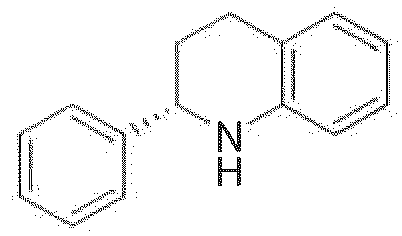
- 2-Phenylquinoline (50.0 mg, 0.243 mmol) and (R)-3,3'-bis(2,4,6-triisopropylphenyl)-1,1'-binaphthyl-2,2'-diyl hydrogen phosphate (3.7 mg, 0.0048 mmol) were used in the same manner as in Example 2 to obtain the title compound (hereinafter referred to as the compound of Example 3) as a colorless clear oily substance (49.0 mg, 0.236 mmol, yield: 97%, enantiomeric excess: 97.2% ee). 1H-NMR (CDCl3) δ: 7.41-7.32 (4H, m), 7.31-7.25 (1H, m), 7.01 (2H, t, J = 7.2 Hz), 6.65 (1H, td, J = 7.4, 1.2 Hz), 6.55 (1H, dd, J = 7.2, 1.4 Hz), 4.44 (1H, dd, J = 9.3, 3.4 Hz), 4.04 (1H, s), 2.97-2.89 (1H, m), 2.74 (1H, dt, J = 16.5, 4.9 Hz), 2.16-2.09 (1H, m), 2.04-1.94 (1H, m).
- MS(ESI) [M+H]+: 210.
- Rt: 14.28 min
- HPLC analysis conditions:
- Column: Daicel Chiralcel OD-H chiral column
- (inner diameter: 4.6 mm, length: 250 mm, particle size: 5 µm)
- Column temperature: 40°C
- Mobile phase: propan-2-ol : hexane = 5:95
- Flow rate: 0.6 mL/min
- Detection: UV (254 nm)
-

- 2-(4-Methoxyphenyl)quinoline (40.0 mg, 0.170 mmol) was dissolved in THF/methanol (1/1, v/v, 3.0 mL), and acetic acid (0.029 mL, 0.51 mmol) and platinum(IV) oxide (3.8 mg, 0.017 mmol) were added to the resulting solution, and the resulting mixture was stirred at room temperature and normal pressure for 6 hours under hydrogen atmosphere. After the reaction was completed, the hydrogen was replaced with nitrogen, and the reaction mixture was filtered using celite. The residue was washed with chloroform, and the filtrate was concentrated under reduced pressure. The obtained crude product was purified by column chromatography (silica gel, hexane/ethyl acetate) to obtain the title compound (hereinafter referred to as the compound of Example 4) as a white solid (26.9 mg, 0.113 mmol, yield: 66%).
- 1H-NMR (CDCl3) δ: 7.31 (2H, dt, J = 9.2, 2.5 Hz), 7.00 (2H, dd, J = 7.2, 6.3 Hz), 6.89 (2H, td, J = 5.8, 3.5 Hz), 6.64 (1H, td, J = 7.4, 1.2 Hz), 6.54-6.51 (1H, m), 4.38 (1H, dd, J = 9.5, 3.2 Hz), 3.99 (1H, s), 3.81 (3H, s), 2.97-2.89 (1H, m), 2.74 (1H, dt, J = 16.3, 4.5 Hz), 2.11-2.05 (1H, m), 2.01-1.91 (1H, m).
- MS(ESI) [M+H]+: 240.
-

- 2-Chloroquinoline (0.120 g, 0.734 mmol) and 3-methoxyphenylboronic acid (0.111 g, 0.734 mmol) were dissolved in DME (4.0 mL), a 1 mol/L aqueous solution of sodium carbonate (1.5 mL), and tetrakis(triphenylphosphine)palladium(0) (8.5 mg, 0.0073 mmol) were added to the resulting solution, and the resulting mixture was stirred at 100°C for 4 hours under argon atmosphere. After the reaction was completed, water was added to the reaction mixture, and the resulting mixture was extracted with hexane/ethyl acetate. The organic layers were combined, washed with saturated brine, and dried over anhydrous sodium sulfate, and the filtrate was then concentrated under reduced pressure. The obtained crude product was purified by column chromatography (silica gel, hexane/ethyl acetate) to obtain the title compound as a white solid (0.165 g, 0.702 mmol, yield: 95%).
- 1H-NMR (CDCl3) δ: 8.23 (1H, d, J = 8.6 Hz), 8.18 (1H, t, J = 4.8 Hz), 7.85 (2H, dt, J = 12.5, 5.5 Hz), 7.77-7.69 (3H, m), 7.56-7.51 (1H, m), 7.44 (1H, t, J = 7.9 Hz), 7.02 (1H, tt, J = 5.4, 2.4 Hz), 3.94 (3H, s).
- MS(ESI) [M+H]+: 236.
-

- The 2-(3-methoxyphenyl)quinoline synthesized in Reference Example 1 (60.0 mg, 0.255 mmol) was used in the same manner as in Example 4 to obtain the title compound (hereinafter referred to as the compound of Example 5) as a white solid (23.7 mg, 0.0991 mmol, yield: 39%).
- 1H-NMR (CDCl3) δ: 7.27 (1H, dd, J = 8.8, 7.0 Hz), 7.03-6.96 (4H, m), 6.83 (1H, dq, J = 8.2, 1.2 Hz), 6.65 (1H, td, J = 7.4, 1.1 Hz), 6.54 (1H, d, J = 7.7 Hz), 4.42 (1H, dd, J = 9.3, 3.4 Hz), 4.01 (1H, brs), 3.81 (3H, s), 2.97-2.88 (1H, m), 2.74 (1H, dt, J = 16.3, 4.8 Hz), 2.15-2.09 (1H, m), 2.05-1.94 (1H, m).
- MS(ESI) [M+H]+: 240.
-

- 2-Chloroquinoline (0.100 g, 0.611 mmol) and 2-methoxyphenylboronic acid (92.8 mg, 0.611 mmol) were used in the same manner as in Reference Example 1 to obtain the title compound as a white solid (0.157 g, 0.668 mmol, yield: 99%).
- 1H-NMR (CDCl3) δ: 8.16 (2H, t, J = 8.8 Hz), 7.89 (1H, d, J = 8.2 Hz), 7.84 (2H, dq, J = 7.7, 1.8 Hz), 7.73-7.69 (1H, m), 7.55-7.51 (1H, m), 7.43 (1H, td, J = 7.9, 1.5 Hz), 7.13 (1H, td, J = 7.5, 1.1 Hz), 7.04 (1H, t, J = 4.3 Hz), 3.87 (3H, s).
- MS(ESI) [M+H]+: 236
-

- The 2-(2-methoxyphenyl)quinoline synthesized in Reference Example 2 (60.0 mg, 0.255 mmol) was used in the same manner as in Example 4 to obtain the title compound (hereinafter referred to as the compound of Example 6) as a white solid (35.5 mg, 0.148 mmol, yield: 58%).
- 1H-NMR (CDCl3) δ: 7.43 (1H, dd, J = 7.7, 1.8 Hz), 7.28-7.22 (1H, m), 7.05-6.85 (4H, m), 6.63 (1H, td, J = 7.4, 1.2 Hz), 6.56 (1H, d, J = 7.7 Hz), 4.87 (1H, dd, J = 8.2, 3.6 Hz), 4.04 (1H, s), 3.85 (3H, s), 2.92-2.84 (1H, m), 2.69 (1H, td, J = 10.8, 5.4 Hz), 2.14 (1H, dtd, J = 13.4, 5.0, 2.9 Hz), 2.01-1.92 (1H, m).
- MS(ESI) [M+H]+: 240.
-

- 2-Chloro-6-methoxyquinoline (0.130 g, 0.671 mmol) and benzo[d][1,3]dioxol-5-ylphenylboronic acid (0.111 g, 0.671 mmol) were used in the same manner as in Reference Example 1 to obtain the title compound as a pale yellow solid (0.128 g, 0.459 mmol, yield: 68%).
- 1H-NMR (CDCl3) δ: 8.08 (1H, d, J = 8.6 Hz), 8.02 (1H, d, J = 8.6 Hz), 7.75 (1H, d, J = 8.6 Hz), 7.70 (1H, d, J = 1.8 Hz), 7.62 (1H, dd, J = 8.2, 1.8 Hz), 7.37 (1H, dd, J = 9.1, 2.7 Hz), 7.08 (1H, d, J = 2.7 Hz), 6.94 (1H, d, J = 4.1 Hz), 6.04 (2H, d, J = 5.0 Hz), 3.95 (3H, s).
- MS(ESI) [M+H]+: 280.
-

- The 2-(benzo[d][1,3]dioxol-5-yl)-6-methoxyquinoline synthesized in Reference Example 3 (60.0 mg, 0.215 mmol) was used in the same manner as in Example 4 to obtain the title compound (hereinafter referred to as the compound of Example 7) as a white solid (24.3 mg, 0.0859 mmol, yield: 99%).
- 1H-NMR (CDCl3) δ: 6.91 (1H, d, J = 1.8 Hz), 6.84 (1H, dd, J = 8.2, 1.8 Hz), 6.77 (1H, d, J = 7.7 Hz), 6.62 (2H, td, J = 7.4, 2.7 Hz), 6.49 (1H, d, J = 8.6 Hz), 5.95 (2H, s), 4.28 (1H, dd, J = 9.7, 2.9 Hz), 3.74 (3H, s), 2.97-2.88 (1H, m), 2.72 (1H, dt, J = 16.5, 4.5 Hz), 2.09-2.03 (1H, m), 1.98-1.88 (1H, m).
- MS(ESI) [M+H]+: 284.
-

- 2-Chloro-7-methoxyquinoline (0.130 g, 0.671 mmol) and 4-methoxyphenylboronic acid (0.102 g, 0.671 mmol) were used in the same manner as in Reference Example 1 to obtain the title compound as a white solid (0.155 g, 0.585 mmol, yield: 87%).
- 1H-NMR (CDCl3) δ: 8.13-8.09 (3H, m), 7.69 (2H, dd, J = 8.6, 5.0 Hz), 7.47 (1H, d, J = 2.7 Hz), 7.16 (1H, dd, J = 8.8, 2.5 Hz), 7.04 (2H, td, J = 6.0, 3.5 Hz), 3.98 (3H, s), 3.89 (3H, s).
- MS(ESI) [M+H]+: 266.
-

- The 7-methoxy-2-(4-methoxyphenyl)quinoline synthesized in Reference Example 4 (62.0 mg, 0.234 mmol) was used in the same manner as in Example 4 to obtain the title compound (hereinafter referred to as the compound of Example 8) as a white solid (62.3 mg, 0.234 mmol, yield: 99%).
- 1H-NMR (CDCl3) δ: 7.30 (2H, td, J = 5.8, 3.5 Hz), 6.91-6.87 (3H, m), 6.24 (1H, dd, J = 8.4, 2.5 Hz), 6.10 (1H, d, J = 2.3 Hz), 4.36 (1H, dd, J = 9.5, 3.2 Hz), 4.00 (1H, s), 3.81 (3H, s), 3.75 (3H, s), 2.89-2.81 (1H, m), 2.67 (1H, dt, J = 16.2, 4.6 Hz), 2.10-2.03 (1H, m), 1.99-1.89 (1H, m).
- MS(ESI) [M+H]+: 270.
-

- 2-Chloro-quinoline (0.150 g, 0.917 mmol) and benzo[d][1,3]dioxol-5-ylphenylboronic acid (0.167 g, 1.01 mmol) were used in the same manner as in Reference Example 1 to obtain the title compound as a yellow solid (0.218 g, 0.876 mmol, yield: 87%).
- 1H-NMR (CDCl3) δ: 8.19 (1H, d, J = 8.6 Hz), 8.13 (1H, t, J = 4.8 Hz), 7.82-7.79 (2H, m), 7.72 (2H, tt, J = 8.8, 2.9 Hz), 7.66 (1H, dd, J = 8.2, 1.8 Hz), 7.53-7.49 (1H, m), 6.96 (1H, d, J = 8.2 Hz), 6.05 (2H, s).
- MS(ESI) [M+H]+: 250.
-

- The 2-(benzo[d][1,3]dioxol-5-yl)-quinoline synthesized in Reference Example 5 (60.0 mg, 0.241 mmol) was used in the same manner as in Example 4 to obtain the title compound (hereinafter referred to as the compound of Example 9) as a colorless clear oily substance (37.7 mg, 0.149 mmol, yield: 62%).
- 1H-NMR (CDCl3) δ: 7.00 (2H, t, J = 7.2 Hz), 6.90 (1H, d, J = 1.8 Hz), 6.84 (1H, dd, J = 8.4, 1.6 Hz), 6.77 (1H, d, J = 7.7 Hz), 6.64 (1H, td, J = 7.4, 1.1 Hz), 6.53 (1H, d, J = 7.2 Hz), 5.95 (2H, t, J = 1.6 Hz), 4.35 (1H, dd, J = 9.5, 3.2 Hz), 3.98 (1H, s), 2.952.87 (1H, m), 2.73 (1H, dt, J = 16.3, 4.8 Hz), 2.08 (1H, tdd, J = 8.4, 4.4, 2.7 Hz), 1.99-1.89 (1H, m).
- MS(ESI) [M+H]+: 254.
-

- 2-Chloroquinoline (50.0 mg, 0.306 mmol), (2-(trifluoromethyl)phenyl)boronic acid (87.1 mg, 0.458 mmol), tetrakis(triphenylphosphine)palladium(0) (7.1 mg, 0.0061 mmol), and potassium carbonate (127 mg, 0.917 mmol) were dissolved in 1,4-dioxane/water (5/1, v/v, 3 mL), and the resulting solution was then stirred with heating at 100°C for 16 hours. After the reaction mixture was cooled down to room temperature, water was poured into the reaction mixture, and the resulting mixture was extracted with ethyl acetate. The organic layer was dried over anhydrous sodium sulfate and then concentrated under reduced pressure. The obtained crude product was purified by column chromatography (silica gel, hexane-ethyl acetate) to obtain the title compound as a colorless clear oily substance (81.5 mg, 0.298 mmol, yield: 98%).
- 1H-NMR (CDCl3) δ: 8.23 (1H, d, J = 8.2 Hz), 8.16 (1H, d, J = 8.7 Hz), 7.89 (1H, d, J = 7.8 Hz), 7.81 (1H, d, J = 7.8 Hz), 7.77 (1H, t, J = 8.2 Hz), 7.67 (1H, t, J = 7.5 Hz), 7.62-7.54 (4H, m).
- MS(ESI) [M+H]+: 274.
-

- The 2-(2-(trifluoromethyl)phenyl)quinoline synthesized in Reference Example 6 (62.0 mg, 0.227 mmol) was used in the same manner as in Example 4 to obtain the title compound (hereinafter referred to as the compound of Example 10) as a colorless clear oily substance (52.2 mg, 0.188 mmol, yield: 83%).
- 1H-NMR (CDCl3) δ: 7.82 (1H, d, J = 8.2 Hz), 7.65 (1H, d, J = 7.8 Hz), 7.56 (1H, t, J = 7.5 Hz), 7.38 (1H, t, J = 7.5 Hz), 7.04-7.01 (2H, m), 6.69 (1H, t, J = 7.5 Hz), 6.55 (1H, d, J = 7.8 Hz), 4.82 (1H, d, J = 9.6 Hz), 3.97 (1H, brs), 3.03-2.94 (1H, m), 2.81-2.75 (1H, m), 2.17-2.12 (1H, m), 1.97-1.91 (1H, m).
- MS(ESI) [M+H]+: 278.
-

- 2-Chloroquinoline (100 mg, 0.611 mmol) and (1H-pyrazol-4-yl)boronic acid (137 mg, 1.22 mmol) were used in the same manner as in Reference Example 6 to obtain the title compound as a white solid (63.7 mg, 0.326 mmol, yield: 53%).
- 1H-NMR (CDCl3) δ: 8.29 (2H, s), 8.16 (1H, d, J = 8.7 Hz), 8.07 (1H, d, J = 8.7 Hz), 7.79 (1H, d, J = 8.2 Hz), 7.70 (1H, t, J = 7.5 Hz), 7.66 (1H, d, J = 8.2 Hz), 7.49 (1H, t, J = 7.5Hz).
- MS(ESI) [M+H]+: 196.
-

- The 2-(1H-pyrazol-4-yl)quinoline synthesized in Reference Example 7 (30.0 mg, 0.154 mmol) was used in the same manner as in Example 4 to obtain the title compound (hereinafter referred to as the compound of Example 11) as a white solid (28.8 mg, 0.145 mmol, yield: 94%).
- 1H-NMR (CDCl3) δ: 7.58 (2H, s), 7.02-6.98 (2H, m), 6.66 (1H, t, J = 7.1 Hz), 6.52 (1H, d, J = 7.8 Hz), 4.50 (1H, dd, J = 9.1, 3.2 Hz), 2.96-2.88 (1H, m), 2.80-2.74 (1H, m), 2.17-2.11 (1H, m), 2.04-1.95 (1H, m).
- MS(ESI) [M+H]+: 200.
-

- In the formula, the carbon atom marked with an asterisk (*) is an asymmetric center.
- The 2-(1H-pyrazol-4-yl)quinoline synthesized in Reference Example 7 (50.0 mg, 0.256 mmol) and (R)-3,3' -bis(2,4,6-triisopropylphenyl)-1,1'-binaphthyl-2,2'-diyl hydrogen phosphate (3.8 mg, 0.0051 mmol) were suspended in 1,4-dioxane (2 mL), and
diethyl 1,4-dihydro-2,6-dimethyl-3,5-pyridinedicarboxylate (0.155 g, 0.614 mmol) was added to the resulting suspension, and the resulting mixture was stirred at room temperature for 24 hours under argon atmosphere. After the reaction was completed, the reaction mixture was concentrated under reduced pressure. The obtained crude product was purified by column chromatography (silica gel, hexane/ethyl acetate), and the resulting solid was subjected to recrystallization with hexane/ethyl acetate to obtain the title compound (hereinafter referred to as the compound of Example 12) as a white solid (9.0 mg, 0.045 mmol, yield: 18%, enantiomeric excess: 98.1% ee). - 1H-NMR (CDCl3) δ: 7.58 (2H, s), 6.98 (2H, d, J = 8.8 Hz), 6.65 (1H, t, J = 7.2 Hz), 6.52 (1H, d, J = 8.2 Hz), 4.50 (1H, dd, J = 9.3, 2.9 Hz), 3.96 (1H, s), 2.96-2.88 (1H, m), 2.76 (1H, dt, J = 16.3, 4.8 Hz), 2.17-2.11 (1H, m), 2.05-1.95 (1H, m).
- MS(ESI) [M+H]+: 200.
- Rt: 17.78 min
- HPLC analysis conditions:
- Column: Daicel Chiralcel OZ-3 chiral column
- (inner diameter: 4.6 mm, length: 150 mm, particle size: 3 µm)
- Column temperature: 40°C
- Mobile phase: propan-2-ol : hexane = 10:90
- Flow rate: 0.6 mL/min
- Detection: UV (254 nm)
-

- In the formula, the carbon atom marked with an asterisk (*) is an asymmetric center.
- The 2-(1H-pyrazol-4-yl)quinoline synthesized in Reference Example 7 (70.0 mg, 0.359 mmol) and (S)-3,3'-bis(2,4,6-triisopropylphenyl)-1,1'-binaphthyl-2,2'-diyl hydrogen phosphate (5.40 mg, 7.17 µmol) were used in the same manner as in Example 12 to obtain the title compound (hereinafter referred to as the compound of Example 13) as a white solid (30.0 mg, 0.151 mmol, yield: 42%, enantiomeric excess: 96.9% ee).
- 1H-NMR (CDCl3) δ: 7.58 (2H, s), 7.01-6.98 (2H, m), 6.67-6.63 (1H, m), 6.53-6.50 (1H, m), 4.49 (1H, dd, J = 9.3, 2.9 Hz), 3.97 (1H, brs), 2.96-2.88 (1H, m), 2.79-2.73 (1H, m), 2.17-2.10 (1H, m), 2.05-1.94 (1H, m).
- MS(ESI) [M+H]+: 200.
- Rt: 13.11 min
- HPLC analysis conditions:
- Column: Daicel Chiralcel OZ-3 chiral column
- (inner diameter: 4.6 mm, length: 150 mm, particle size: 3 µm)
- Column temperature: 40°C
- Mobile phase: propan-2-ol : hexane = 10:90
- Flow rate: 0.6 mL/min
- Detection: UV (254 nm)
-

- The 2-(1H-pyrazol-4-yl)-1,2,3,4-tetrahydroquinoline synthesized in Example 11 (25.0 mg, 0.125 mmol) was dissolved in DMF (1.2 mL), and potassium carbonate (34.7 mg, 0.251 mmol) and methyl iodide (7.8 µL, 0.125 mmol) were added to the resulting solution, and the resulting mixture was stirred at 50°C for 2 hours. After the reaction mixture was cooled down to room temperature, water was added to the reaction mixture, and the resulting mixture was extracted with ethyl acetate. The organic layer was washed with saturated brine, dried over anhydrous sodium sulfate, and then concentrated under reduced pressure. The obtained crude product was purified by column chromatography (silica gel, chloroform/methanol) and column chromatography (amino-silica gel, hexane/ethyl acetate) to obtain the title compound above (hereinafter referred to as the compound of Example 14) as a colorless clear oily substance (4.1 mg, 0.019 mmol, yield: 15%).
- 1H-NMR (CDCl3) δ: 7.46 (1H, s), 7.32 (1H, s), 7.01-6.97 (2H, m), 6.64 (1H, t, J = 7.1 Hz), 6.50 (1H, d, J = 8.2 Hz), 4.43 (1H, dd, J = 9.4, 3.0 Hz), 3.95 (1H, brs), 3.88 (3H, s), 2.94-2.86 (1H, m), 2.79-2.72 (1H, m), 2.14-2.08 (1H, m), 1.99-1.93 (1H, m).
- MS(ESI) [M+H]+: 214.
-

- 2-Chloroquinoline (100 mg, 0.611 mmol) and (6-methoxypyridin-3-yl)boronic acid (140 mg, 0.917 mmol) were used in the same manner as in Reference Example 6 to obtain the title compound as a white solid (134 mg, 0.568 mmol, yield: 93%).
- 1H-NMR (CDCl3) δ: 8.91 (1H, d, J = 2.3 Hz), 8.48 (1H, dd, J = 8.7, 2.3 Hz), 8.22 (1H, d, J = 8.2 Hz), 8.13 (1H, d, J = 8.7 Hz), 7.83 (2H, d, J = 8.7 Hz), 7.73 (1H, t, J = 7.1 Hz), 7.53 (1H, t, J = 7.1 Hz), 6.90 (1H, d, J = 8.7 Hz), 4.03 (3H, s).
- MS(ESI) [M+H]+: 237.
-

- The 2-(6-methoxypyridin-3-yl)quinoline synthesized in Reference Example 8 (50.0 mg, 0.212 mmol) was used in the same manner as in Example 4 to obtain the title compound (hereinafter referred to as the compound of Example 15) as a colorless clear oily substance (11.0 mg, 0.0458 mmol, yield: 22%).
- 1H-NMR (CDCl3) δ: 8.14 (1H, d, J = 2.3 Hz), 7.63 (1H, dd, J = 8.7, 2.3 Hz), 7.03-6.99 (2H, m), 6.74 (1H, d, J = 8.0 Hz), 6.66 (1H, t, J = 7.3 Hz), 6.53 (1H, d, J = 8.0 Hz), 4.40 (1H, dd, J = 9.6, 3.2 Hz), 3.94 (3H, s), 3.94 (1H, brs), 2.99-2.91 (1H, m), 2.78-2.72 (1H, m), 2.09-1.93 (2H, m).
- MS(ESI) [M+H]+: 241.
-

- 2-Chloroquinoline (200 mg, 1.22 mmol) and (4-(methylsulfonyl)phenyl)boronic acid (489 mg, 2.45 mmol) were used in the same manner as in Reference Example 6 to obtain a mixture of the title compound and impurities as a white solid (296 mg).
MS(ESI) [M+H]+: 284. -

- The 2-(4-(methylsulfonyl)phenyl)quinoline synthesized in Reference Example 9 (100 mg, 0.353 mmol) was used in the same manner as in Example 4 to obtain the title compound (hereinafter referred to as the compound of Example 16) as a white solid (65.6 mg, 0.228 mmol, yield: 65%).
- 1H-NMR (CDCl3) δ: 7.92 (2H, dt, J = 8.7, 1.8 Hz), 7.60 (2H, dt, J = 8.7, 1.8 Hz), 7.06-7.00 (2H, m), 6.69 (1H, td, J = 7.3, 0.9 Hz), 6.59 (1H, dd, J = 7.8, 0.9 Hz), 4.57 (1H, dd, J = 8.7, 3.2 Hz), 4.09 (1H, brs), 3.06 (3H, s), 2.95-2.87 (1H, m), 2.70 (1H, td, J = 10.9, 5.5 Hz), 2.19-2.12 (1H, m), 2.01-1.97 (1H, m).
- MS(ESI) [M+H]+: 288.
-

- 2-Chloroquinoline (1.50 g, 9.17 mmol) and (4-(methoxycarbonyl)phenyl)boronic acid (1.98 g, 11.0 mmol) were used in the same manner as in Reference Example 6 to obtain the title compound as a white solid (1.95 g, 7.40 mmol, yield: 81%).
- 1H-NMR (CDCl3) δ: 8.28-8.24 (3H, m), 8.21-8.18 (3H, m), 7.93 (1H, d, J = 8.7 Hz), 7.86 (1H, d, J = 8.2 Hz), 7.78-7.74 (1H, m), 7.59-7.55 (1H, m), 3.97 (3H, s).
- MS(ESI) [M+H]+: 264.
-

- The methyl 4-(quinolin-2-yl)benzoate synthesized in Reference Example 10 (600 mg, 2.28 mmol) was used in the same manner as in Example 4 to obtain the title compound (hereinafter referred to as the compound of Example 17) as a colorless clear oily substance (267 mg, 0.998 mmol, yield: 44%).
- 1H-NMR (CDCl3) δ: 8.02 (2H, dt, J = 8.2, 1.8 Hz), 7.46 (2H, dt, J = 8.2, 1.8 Hz), 7.05-6.99 (2H, m), 6.67 (1H, td, J = 7.3, 0.9 Hz), 6.57 (1H, dd, J = 7.8, 0.9 Hz), 4.52 (1H, dd, J = 9.1, 3.2 Hz), 4.07 (1H, brs), 3.92 (3H, s), 2.95-2.87 (1H, m), 2.71 (1H, td, J = 10.7, 5.5 Hz), 2.16-2.12 (1H, m), 2.03-1.94 (1H, m).
- MS(ESI) [M+H]+: 268.
-

- The methyl 4-(1,2,3,4-tetrahydroquinolin-2-yl)benzoate synthesized in Example 17 (50.0 mg, 0.187 mmol) was dissolved in THF (1.9 mL), and a THF solution of methyl lithium (0.56 mL, 0.65 mmol) was then added dropwise to the resulting solution under ice cooling, and the resulting mixture was stirred for 2 hours under ice cooling. After the reaction was completed, water was added to the reaction mixture, and the reaction mixture was extracted with ethyl acetate. The organic layer was dried over anhydrous sodium sulfate and then concentrated under reduced pressure. The obtained crude product was purified by column chromatography (silica gel, hexane/ethyl acetate) to obtain the title compound (hereinafter referred to as the compound of Example 18) as a colorless clear oily substance (13.1 mg, 0.0490 mmol, yield: 26%).
- 1H-NMR (CDCl3) δ: 7.48 (2H, d, J = 8.2 Hz), 7.37 (2H, d, J = 8.2 Hz), 7.02-7.00 (2H, m), 6.65 (1H, t, J = 7.5 Hz), 6.54 (1H, d, J = 7.7 Hz), 4.44 (1H, dd, J = 9.5, 3.2 Hz), 4.02 (1H, brs), 2.97-2.89 (1H, m), 2.74 (1H, dt, J = 16.3, 4.5 Hz), 2.14-2.10 (1H, m), 2.02-1.96 (1H, m), 1.73 (1H, s), 1.59 (6H, s).
- MS(ESI) [M+H]+: 268.
-

- 2-Chloroquinoline (100 mg, 0.611 mmol), (3-sulfamoylphenyl)boronic acid (184 mg, 0.917 mmol), tetrakis(triphenylphosphine)palladium(0) (21.2 mg, 0.0183 mmol), and potassium carbonate (169 mg, 1.22 mmol) were dissolved in DMF/water (5/1, v/v, 3 mL), and the resulting solution was then stirred with heating at 100°C for 17 hours. After the reaction mixture was cooled down to room temperature, water was poured into the reaction mixture, and the resulting mixture was extracted with ethyl acetate. The organic layer was washed with water and saturated brine, dried over anhydrous sodium sulfate, and then concentrated under reduced pressure. The obtained crude product was purified by column chromatography (silica gel, hexane/ethyl acetate) to obtain the title compound as a white solid (135 mg, 0.474 mmol, yield: 78%).
- 1H-NMR (CDCl3) δ: 8.78 (1H, t, J = 1.6 Hz), 8.41 (1H, d, J = 7.8 Hz), 8.29 (1H, d, J = 8.5 Hz), 8.18 (1H, d, J = 7.8 Hz), 8.03 (1H, d, J = 7.8 Hz), 7.92 (1H, d, J = 8.5 Hz), 7.87 (1H, d, J = 7.8 Hz), 7.77 (1H, t, J = 7.8 Hz), 7.70 (1H, t, J = 7.8 Hz), 7.58 (1H, t, J = 7.8 Hz), 4.87 (2H, brs).
- MS(ESI) [M+H]+: 285.
-

- The 3-(quinolin-2-yl)benzenesulfonamide synthesized in Reference Example 11 (131 mg, 0.461 mmol) was used in the same manner as in Example 4 to obtain the title compound (hereinafter referred to as the compound of Example 19) as a colorless clear oily substance (118 mg, 0.409 mmol, yield: 89%).
- 1H-NMR (CDCl3) δ: 7.98 (1H, s), 7.85 (1H, d, J = 7.8 Hz), 7.63 (1H, d, J = 7.8 Hz), 7.51 (1H, t, J = 7.8 Hz), 7.04-7.01 (2H, m), 6.69 (1H, t, J = 7.1 Hz), 6.58 (1H, d, J = 7.8 Hz), 4.80 (2H, brs), 4.54 (1H, dd, J = 9.1, 3.2 Hz), 2.97-2.89 (1H, m), 2.74-2.69 (1H, m), 2.16-2.12 (1H, m), 2.02-1.97 (1H, m).
- MS(ESI) [M+H]+: 289.
-

- 2-Chloroquinoline (100 mg, 0.611 mmol) and (2-sulfamoylphenyl)boronic acid (184 mg, 0.917 mmol) were used in the same manner as in Reference Example 11 to obtain the title compound as a white solid (153 mg, 0.540 mmol, yield: 88%). 1H-NMR (DMSO-d6) δ: 8.54 (1H, d, J = 8.7 Hz), 8.10-8.06 (3H, m), 7.86-7.67 (6H, m), 7.61 (2H, brs).
MS(ESI) [M+H]+: 285. -

- The 2-(quinolin-2-yl)benzenesulfonamide synthesized in Reference Example 12 (150 mg, 0.528 mmol) was used in the same manner as in Example 4 to obtain the title compound (hereinafter referred to as the compound of Example 20) as a white solid (28.8 mg, 0.0999 mmol, yield: 19%).
- 1H-NMR (CDCl3) δ: 8.06 (1H, d, J = 7.8 Hz), 7.83 (1H, d, J = 7.4 Hz), 7.60 (1H, t, J = 7.8 Hz), 7.41 (1H, t, J = 7.4 Hz), 7.05-7.01 (2H, m), 6.71 (1H, t, J = 7.4 Hz), 6.56 (1H, d, J = 7.8 Hz), 5.25 (1H, dd, J = 9.6, 2.3 Hz), 4.96 (2H, brs), 4.00 (1H, brs), 3.04-2.96 (1H, m), 2.82-2.78 (1H, m), 2.32-2.29 (1H, m), 2.05-1.95 (1H, m).
- MS(ESI) [M+H]+: 289.
-

- 2-Chloroquinoline (100 mg, 0.611 mmol), potassium carbonate (211 mg, 1.53 mmol), palladium(II) acetate (13.7 mg, 61.1 µmol), tri-tert-butylphosphonium tetrafluoroborate (17.7 mg, 61.1 µmol), and 4-acetoxyphenylboronic acid (164 mg, 0.917 mmol) were suspended in acetonitrile/water (2.3 mL/0.70 mL), and the resulting suspension was stirred at 100°C for 1 hour under microwave irradiation. After the reaction was completed, water was added to the reaction mixture, and the resulting mixture was extracted with chloroform. The organic layers were combined and dried over anhydrous sodium sulfate, and the filtrate was then concentrated under reduced pressure. The obtained crude product was purified by column chromatography (silica gel, hexane/ethyl acetate) to obtain the title compound as a white solid (48.8 mg, 0.186 mmol, yield: 30%).
- 1H-NMR (CDCl3) δ: 8.21 (1H, d, J = 8.6 Hz), 8.17-8.13 (3H, m), 7.86 (1H, d, J = 8.8 Hz), 7.82 (1H, d, J = 8.2 Hz), 7.74-7.67 (3H, m), 7.54-7.50 (1H, m), 7.39 (1H, brs), 2.22 (3H, s).
- MS(ESI) [M+H]+: 263.
-

- The N-(4-(quinolin-2-yl)phenyl)acetamide synthesized in Reference Example 13 (40.0 mg, 0.152 mmol) was used in the same manner as in Example 4 to obtain the title compound (hereinafter referred to as the compound of Example 21) as a white amorphous (6.60 mg, 24.8 µmol, yield: 16%).
- 1H-NMR (CDCl3) δ: 7.46 (2H, d, J = 8.6 Hz), 7.34 (2H, d, J = 8.6 Hz), 7.15 (1H, brs), 7.03-6.99 (2H, m), 6.65 (1H, dd, J = 6.8, 8.4 Hz), 6.54 (1H, d, J = 7.7 Hz), 4.41 (1H, dd, J = 9.5, 3.2 Hz), 4.01 (1H, brs), 2.95-2.87 (1H, m), 2.76-2.69 (1H, m), 2.19 (3H, s), 2.12-2.06 (1H, m), 2.01-1.91 (1H, m).
- MS(ESI) [M+H]+: 267.
-

- 2-Chloroquinoline (100 mg, 0.611 mmol) and 1H-pyrazole-3-boronic acid (164 mg, 0.917 mmol) were used in the same manner as in Reference Example 11 to obtain the title compound as a white solid (56.0 mg, 0.287 mmol, yield: 47%).
- 1H-NMR (CDCl3) δ: 8.21 (1H, d, J = 8.6 Hz), 8.10 (1H, d, J = 8.6 Hz), 7.86 (1H, d, J = 8.6 Hz), 7.82 (1H, d, J = 8.2 Hz), 7.75-7.71 (2H, m), 7.56-7.52 (1H, m), 6.96 (1H, s).
- MS(ESI) [M+H]+: 196.
-

- The 2-(1H-pyrazol-3-yl)quinoline synthesized in Reference Example 14 (56.0 mg, 0.287 mmol) was used in the same manner as in Example 4 to obtain the title compound (hereinafter referred to as the compound of Example 22) as a white amorphous (33.7 mg, 0.169 mmol, yield: 59%).
- 1H-NMR (CDC]3) δ: 7.52 (1H, s), 7.02-6.98 (2H, m), 6.67 (1H, ddd, J = 7.6, 7.6, 1.2 Hz), 6.56 (1H, d, J = 7.7 Hz), 6.27 (1H, s), 4.64 (1H, dd, J = 9.1, 3.6 Hz), 4.23 (1H, brs), 2.96-2.86 (1H, m), 2.80-2.72 (1H, m), 2.24-2.17 (1H, m), 2.12-2.02 (1H, m).
- MS(ESI) [M+H]+: 200.
-

- 2-Chloroquinoline (100 mg, 0.611 mmol) and 6-(4,4,5,5-tetramethyl-1,3,2-dioxaborolan-2-yl)-3,4-dihydroquinolin-2(1H)-one (250 mg, 0.917 mmol) were used in the same manner as in Reference Example 11 to obtain the title compound as a white solid (118 mg, 0.431 mmol, yield: 71%).
- 1H-NMR (DMSO-d6) δ: 10.31 (1H, s), 8.41 (1H, d, J = 8.6 Hz), 8.15 (1H, s), 8.12-8.08 (2H, m), 8.03 (1H, d, J = 8.2 Hz), 7.97 (1H, d, J = 7.2 Hz), 7.78-7.74 (1H, m), 7.59-7.55 (1H, m), 7.01 (1H, d, J = 8.2 Hz), 3.02 (2H, t, J = 7.5 Hz), 2.55-2.51 (2H, m).
- MS(ESI) [M+H]+: 275.
-

- The 3',4'-dihydro-[2,6'-biquinolin]-2'(1'H)-one synthesized in Reference Example 15 (118 mg, 0.431 mmol) was used in the same manner as in Example 4 to obtain the title compound (hereinafter referred to as the compound of Example 23) as a white solid (80.6 mg, 0.290 mmol, yield: 67%).
- 1H-NMR (CDCl3) δ: 8.30 (1H, brs), 7.21-7.18 (2H, m), 7.03-6.99 (2H, m), 6.77-6.74 (1H, m), 6.66 (1H, ddd, J = 7.6, 7.2, 1.2 Hz), 6.54 (1H, d, J = 7.2 Hz), 4.38 (1H, dd, J = 9.5, 3.2 Hz), 3.99 (1H, brs), 2.99-2.89 (3H, m), 2.77-2.71 (1H, m), 2.66-2.62 (2H, m), 2.12-2.05 (1H, m), 2.01-1.91 (1H, m).
- MS(ESI) [M+H]+: 279.
-

- 2-Chloroquinoline (100 mg, 0.611 mmol), 1-methyl-6-(4,4,5,5-tetramethyl-1,3,2-dioxaborolan-2-yl)-3,4-dihydroquinolin-2(1H)-one (263 mg, 0.917 mmol), and DMF/water (2.4 mL/0.60 mL) were used in the same manner as in Reference Example 11 to obtain the title compound as a white solid (171 mg, 0.593 mmol, yield: 97%).
- 1H-NMR (CDCl3) δ: 8.22 (1H, d, J = 8.6 Hz), 8.15 (1H, d, J = 8.6 Hz), 8.08-8.07 (1H, m), 8.03 (1H, dd, J = 8.6, 2.3 Hz), 7.88-7.82 (2H, m), 7.76-7.71 (1H, m), 7.55-7.51 (1H, m), 7.13 (1H, d, J = 8.6 Hz), 3.43 (3H, s), 3.06 (2H, t, J = 7.5 Hz), 2.74-2.71 (2H, m).
- MS(ESI) [M+H]+: 289.
-

- The 1'-methyl-3',4'-dihydro-[2,6'-biquinolin]-2'(1'H)-one synthesized in Reference Example 16 (171 mg, 0.593 mmol) was used in the same manner as in Example 4 to obtain the title compound (hereinafter referred to as the compound of Example 24) as a white solid (54.3 mg, 0.186 mmol, yield: 31%).
- 1H-NMR (CDCl3) δ: 7.28-7.25 (1H, m), 7.21 (1H, s), 7.03-7.00 (2H, m), 6.95 (1H, d, J = 8.6 Hz), 6.68-6.64 (1H, m), 6.55 (1H, d, J = 7.2 Hz), 4.40 (1H, dd, J = 9.5, 3.2 Hz), 4.00 (1H, brs), 3.36 (3H, s), 3.00-2.88 (3H, m), 2.78-2.71 (1H, m), 2.67-2.63 (2H, m), 2.13-2.06 (1H, m), 2.02-1.93 (1H, m).
- MS(ESI) [M+H]+: 293.
-

- 2-Chloroquinoline (100 mg, 0.611 mmol) and 5-(4,4,5,5-tetramethyl-1,3,2-dioxaborolan-2-yl)isoindolin-1-one (104 mg, 0.917 mmol) were used in the same manner as in Reference Example 11 to obtain the title compound as a gray solid (61.6 mg, 0.237 mmol, yield: 39%).
- 1H-NMR (DMSO-d6) δ: 8.69 (1H, brs), 8.54-8.49 (2H, m), 8.40 (1H, d, J = 8.2 Hz), 8.24 (1H, d, J = 8.6 Hz), 8.11 (1H, d, J = 8.6 Hz), 8.04 (1H, d, J = 7.2 Hz), 7.85-7.80 (2H, m), 7.66-7.62 (1H, m), 4.51 (2H, s).
- MS(ESI) [M+H]+: 261.
-

- The 5-(quinolin-2-yl)isoindolin-1-one synthesized in Reference Example 17 (61.6 mg, 0.237 mmol) was used in the same manner as in Example 4 to obtain the title compound (hereinafter referred to as the compound of Example 25) as a white solid (35.7 mg, 0.135 mmol, yield: 57%).
- 1H-NMR (CDCl3) δ: 7.85 (1H, d, J = 7.7 Hz), 7.53 (1H, s), 7.49 (1H, d, J = 7.7 Hz), 7.06-7.00 (2H, m), 6.70-6.67 (1H, m), 6.58 (1H, d, J = 7.7 Hz), 6.15 (1H, brs), 4.58 (1H, d, J = 9.1 Hz), 4.44 (2H, s), 4.10 (1H, brs), 2.95-2.88 (1H, m), 2.75-2.68 (1H, m), 2.18-2.14 (1H, m), 2.06-1.99 (1H, m).
- MS(ESI) [M+H]+: 265.
-

- 2-Chloroquinoline (50.0 mg, 0.306 mmol) and (4-fluorophenyl)boronic acid (64.1 mg, 0.458 mmol) were used in the same manner as in Reference Example 6 to obtain the title compound as a white solid (65.3 mg, 0.293 mmol, yield: 96%).
- 1H-NMR (CDCl3) δ: 8.23 (1H, d, J = 8.7 Hz), 8.19-8.14 (3H, m), 7.85-7.82 (2H, m), 7.74 (1H, t, J = 7.1 Hz), 7.54 (1H, t, J = 7.1 Hz), 7.24-7.19 (2H, m).
- MS(ESI) [M+H]+: 224.
-

- The 2-(4-fluorophenyl)quinoline synthesized in Reference Example 18 (62.0 mg, 0.278 mmol) was dissolved in dichloromethane (2.8 mL), and
diethyl 1,4-dihydro-2,6-dimethyl-3,5-pyridinedicarboxylate (148 mg, 0.583 mmol) and iodine (7.0 mg, 0.028 mmol) were then added to the resulting solution, and the resulting mixture was stirred at room temperature for 3 hours. After the reaction was completed, the reaction mixture was concentrated under reduced pressure. The obtained crude product was purified by column chromatography (silica gel, hexane/ethyl acetate) to obtain the title compound (hereinafter referred to as the compound of Example 26) as a colorless clear oily substance (60.2 mg, 0.264 mmol, yield: 95%). - 1H-NMR (CDCl3) δ: 7.37-7.33 (2H, m), 7.05-6.99 (4H, m), 6.66 (1H, t, J = 7.3 Hz), 6.54 (1H, d, J = 7.8 Hz), 4.42 (1H, dd, J = 9.4, 3.0 Hz), 4.00 (1H, brs), 2.96-2.88 (1H, m), 2.76-2.69 (1H, m), 2.12-2.06 (1H, m), 2.00-1.90 (1H, m).
- MS(ESI) [M+H]+: 228.
-

- 2-Chloroquinoline (50.0 mg, 0.306 mmol) and (3-fluorophenyl)boronic acid (64.1 mg, 0.458 mmol) were used in the same manner as in Reference Example 6 to obtain the title compound as a white solid (68.5 mg, 0.307 mmol, yield: quant.).
- 1H-NMR (CDCl3) δ: 8.25 (1H, d, J = 8.2 Hz), 8.17 (1H, d, J = 8.2 Hz), 7.94-7.92 (2H, m), 7.87-7.85 (2H, m), 7.75 (1H, td, J = 7.5, 1.4 Hz), 7.56 (1H, td, J = 7.5, 1.4 Hz), 7.52-7.47 (1H, m), 7.19-7.14 (1H, m).
- MS(ESI) [M+H]+: 224.
-

- The 2-(3-fluorophenyl)quinoline synthesized in Reference Example 19 (65.0 mg, 0.291 mmol) was used in the same manner as in Example 26 to obtain the title compound (hereinafter referred to as the compound of Example 27) as a colorless clear oily substance (66.3 mg, 0.291 mmol, yield: 99%).
- 1H-NMR (CDCl3) δ: 7.32-7.28 (1H, m), 7.16-7.09 (2H, m), 7.03-6.95 (3H, m), 6.66 (1H, t, J = 7.3 Hz), 6.55 (1H, d, J = 7.8 Hz), 4.44 (1H, dd, J = 9.1, 2.7 Hz), 4.04 (1H, brs), 2.94-2.86 (1H, m), 2.74-2.68 (1H, m), 2.15-2.08 (1H, m), 2.01-1.92 (1H, m).
- MS(ESI) [M+H]+: 228.
-

- 2-Chloroquinoline (50.0 mg, 0.306 mmol) and (2-fluorophenyl)boronic acid (64.1 mg, 0.458 mmol) were used in the same manner as in Reference Example 6 to obtain the title compound as a white solid (69.9 mg, 0.309 mmol, yield: quant.).
- 1H-NMR (CDCl3) δ: 8.23 (1H, d, J = 8.7 Hz), 8.18 (1H, d, J = 8.2 Hz), 8.10 (1H, td, J = 7.8, 1.8 Hz), 7.91-7.85 (2H, m), 7.75 (1H, td, J = 7.8, 1.8 Hz), 7.57 (1H, t, J = 7.3 Hz), 7.46-7.42 (1H, m), 7.33 (1H, t, J = 7.3 Hz), 7.21 (1H, dd, J = 10.5, 8.7Hz).
- MS(ESI) [M+H]+: 224.
-

- The 2-(3-fluorophenyl)quinoline synthesized in Reference Example 20 (65.0 mg, 0.291 mmol) was used in the same manner as in Example 26 to obtain the title compound (hereinafter referred to as the compound of Example 28) as a colorless clear oily substance (65.2 mg, 0.287 mmol, yield: 99%).
- 1H-NMR (CDCl3) δ: 7.47 (1H, t, J = 7.5 Hz), 7.27-7.22 (1H, m), 7.12 (1H, t, J = 7.5 Hz), 7.07-6.99 (3H, m), 6.66 (1H, t, J = 7.2 Hz), 6.57 (1H, d, J = 7.7 Hz), 4.85 (1H, d, J = 6.8 Hz), 4.00 (1H, brs), 2.93-2.85 (1H, m), 2.72-2.66 (1H, m), 2.20-2.13 (1H, m), 2.04-1.97 (1H, m).
- MS(ESI) [M+H]+: 228.
-

- 2-Chloroquinoline (50.0 mg, 0.306 mmol) and (4-(trifluoromethyl)phenyl)boronic acid (87.1 mg, 0.458 mmol) were used in the same manner as in Reference Example 6 to obtain the title compound as a white solid (80.7 mg, 0.295 mmol, yield: 97%).
- 1H-NMR (CDCl3) δ: 8.30-8.28 (3H, m), 8.19 (1H, d, J = 8.2 Hz), 7.90 (1H, d, J = 8.7 Hz), 7.87 (1H, d, J = 8.2 Hz), 7.79-7.76 (3H, m), 7.58 (1H, t, J = 8.2Hz).
- MS(ESI) [M+H]+: 274.
-

- The 2-(4-(trifluoromethyl)phenyl)quinoline synthesized in Reference Example 21 (80.0 mg, 0.293 mmol) was used in the same manner as in Example 26 to obtain the title compound (hereinafter referred to as the compound of Example 29) as a colorless clear oily substance (77.0 mg, 0.278 mmol, yield: 95%).
- 1H-NMR (CDCl3) δ: 7.60 (2H, d, J = 8.2 Hz), 7.50 (2H, d, J = 8.2 Hz), 7.04-7.00 (2H, m), 6.68 (1H, t, J = 7.1 Hz), 6.57 (1H, d, J = 7.8 Hz), 4.52 (1H, dd, J = 8.7, 1.8 Hz), 4.05 (1H, brs), 2.95-2.87 (1H, m), 2.74-2.67 (1H, m), 2.17-2.10 (1H, m), 2.02-1.94 (1H, m).
- MS(ESI) [M+H]+: 278.
-

- 2-Chloroquinoline (24.0 mg, 0.147 mmol) and (3-(trifluoromethyl)phenyl)boronic acid (30.6 mg, 0.161 mmol) were used in the same manner as in Reference Example 6 to obtain the title compound as a white solid (40.1 mg, 0.147 mmol, yield: quant.).
- 1H-NMR (CDCl3) δ: 8.47 (1H, brs), 8.36 (1H, d, J = 7.8 Hz), 8.27 (1H, d, J = 8.2 Hz), 8.19 (1H, d, J = 8.7 Hz), 7.90 (1H, d, J = 8.7 Hz), 7.86 (1H, d, J = 8.2 Hz), 7.78-7.74 (1H, m), 7.72 (1H, d, J = 7.8 Hz), 7.65 (1H, t, J = 7.8 Hz), 7.59-7.55 (1H, m).
- MS(ESI) [M+H]+: 274.
-

- The 2-(3-(trifluoromethyl)phenyl)quinoline synthesized in Reference Example 22 (40.0 mg, 0.146 mmol) was used in the same manner as in Example 26 to obtain the title compound (hereinafter referred to as the compound of Example 30) as a colorless clear oily substance (39.1 mg, 0.141 mmol, yield: 96%).
- 1H-NMR (CDCl3) δ: 7.66 (1H, s), 7.59 (1H, d, J = 7.8 Hz), 7.55 (1H, d, J = 7.8 Hz), 7.46 (1H, t, J = 7.5 Hz), 7.05-6.99 (2H, m), 6.68 (1H, td, J = 7.4, 1.0 Hz), 6.58 (1H, dd, J = 7.8, 1.0 Hz), 4.51 (1H, dd, J = 9.1, 2.3 Hz), 4.04 (1H, brs), 2.98-2.90 (1H, m), 2.74 (1H, dt, J = 16.5, 4.8 Hz), 2.16-2.10 (1H, m), 2.04-1.94 (1H, m).
- MS(ESI) [M+H]+: 278.
-

- (4-(Trifluoromethoxy)phenyl)boronic acid (138 mg, 0.672 mmol) was used in the same manner as in Reference Example 6 to obtain the title compound as a white solid (158 mg, 0.547 mmol, yield: 90%).
- 1H-NMR (CDCl3) δ: 8.25 (1H, d, J = 8.7 Hz), 8.22-8.20 (2H, m), 8.16 (1H, d, J = 8.7 Hz), 7.86-7.84 (2H, m), 7.75 (1H, ddd, J = 8.7, 6.9, 1.4 Hz), 7.56 (1H, ddd, J = 7.8, 6.9. 0.9 Hz), 7.40-7.38 (2H, m).
- MS(ESI) [M+H]+: 290.
-

- The 2-(4-(trifluoromethoxy)phenyl)quinoline synthesized in Reference Example 23 (158 mg, 0.547 mmol) was used in the same manner as in Example 26 to obtain the title compound (hereinafter referred to as the compound of Example 31) as a pale yellow oily substance (160 mg, 0.544 mmol, yield: 99%).
- 1H-NMR (CDCl3) δ: 7.43-7.39 (2H, m), 7.19 (2H, d, J = 8.2 Hz), 7.02-7.01 (2H, m), 6.67 (1H, ddd, J = 7.8, 7.8, 1.4 Hz), 6.55 (1H, d, J = 7.8 Hz), 4.46 (1H, dd, J = 9.1, 3.2 Hz), 4.03 (1H, brs), 2.92 (1H, ddd, J = 16.5, 10.5, 5.5 Hz), 2.72 (1H, ddd, J = 16.5, 5.0, 5.0 Hz), 2.15-2.08 (1H, m), 2.01-1.92 (1H, m).
- MS(ESI) [M+H]+: 294.
-

- 2-Chloroquinoline (50.0 mg, 0.306 mmol) and (4-sulfamoylphenyl)boronic acid (92.1 mg, 0.458 mmol) were used in the same manner as in Reference Example 11 to obtain the title compound as a pale yellow solid (66.1 mg, 0.232 mmol, yield: 76%).
- 1H-NMR (DMSO-d6) δ: 8.54 (1H, d, J = 8.2 Hz), 8.48 (2H, d, J = 8.2 Hz), 8.25 (1H, d, J = 8.2 Hz), 8.12 (1H, d, J = 8.2 Hz), 8.05 (1H, d, J = 8.2 Hz), 8.00 (2H, d, J = 8.2 Hz), 7.83 (1H, t, J = 7.2 Hz), 7.65 (1H, t, J = 7.2 Hz), 7.51 (2H, brs).
- MS(ESI) [M+H]+: 285.
-
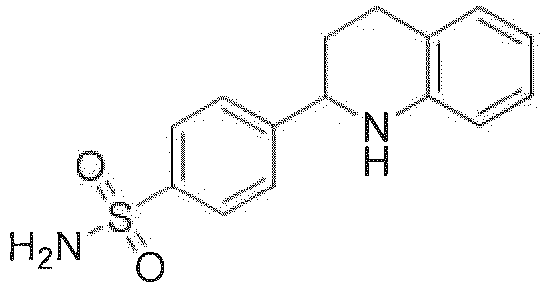
- The 4-(quinolin-2-yl)benzenesulfonamide synthesized in Reference Example 24 (70.0 mg, 0.246 mmol) was used in the same manner as in Example 26 to obtain the title compound (hereinafter referred to as the compound of Example 32) as a white solid (36.1 mg, 0.125 mmol, yield: 51%).
- 1H-NMR (CDCl3) δ: 7.91 (2H, d, J = 8.2 Hz), 7.55 (2H, d, J = 8.2 Hz), 7.06-7.00 (2H, m), 6.69 (1H, t, J = 7.1 Hz), 6.59 (1H, d, J = 8.2 Hz), 4.83 (2H, brs), 4.55 (1H, dd, J = 8.7, 3.2 Hz), 4.08 (1H, brs), 2.92-2.87 (1H, m), 2.72-2.67 (1H, m), 2.17-2.11 (1H, m), 2.01-1.95 (1H, m).
- MS(ESI) [M+H]+: 289.
-

- In the formula, the carbon atom marked with an asterisk (*) is an asymmetric center.
- The 4-(quinolin-2-yl)benzenesulfonamide synthesized in Reference Example 24 (50.0 mg, 0.176 mmol) and (R)-3,3'-bis(2,4,6-triisopropylphenyl)-1,1'-binaphthyl-2,2'-diyl hydrogen phosphate (2.6 mg, 0.0035 mmol) were suspended in 1,4-dioxane (1.75 mL), and
diethyl 1,4-dihydro-2,6-dimethyl-3,5-pyridinedicarboxylate (106 mg, 0.422 mmol) was then added to the resulting suspension, and the resulting mixture was stirred at 60°C for 6 hours.Diethyl 1,4-dihydro-2,6-dimethyl-3,5-pyridinedicarboxylate (106 mg, 0.422 mmol) was further added, and the resulting mixture was stirred at 60°C for 18 hours. The reaction mixture was concentrated under reduced pressure, and the obtained crude product was purified by column chromatography (silica gel, chloroform/methanol) to obtain the title compound (hereinafter referred to as the compound of Example 33) as a pale yellow solid (22.4 mg, 0.0774 mmol, yield: 44%, enantiomeric excess: 98.1% ee). - 1H-NMR (CDCl3) δ: 7.91 (2H, d, J = 8.2 Hz), 7.55 (2H, d, J = 8.2 Hz), 7.06-7.00 (2H, m), 6.69 (1H, t, J = 7.1 Hz), 6.59 (1H, d, J = 8.2 Hz), 4.83 (2H, brs), 4.55 (1H, dd, J = 8.7, 3.2 Hz), 4.08 (1H, brs), 2.92-2.87 (1H, m), 2.72-2.67 (1H, m), 2.17-2.11 (1H, m), 2.01-1.95 (1H, m).
- MS(ESI) [M+H]+: 289.
- Rt: 20.76 min
- HPLC analysis conditions:
- Column: Daicel Chiralcel OD-H chiral column
- (inner diameter: 4.6 mm, length: 250 mm, particle size: 5 µm)
- Column temperature: 40°C
- Mobile phase: propan-2-ol : hexane = 60:40
- Flow rate: 0.6 mL/min
- Detection: UV (254 nm)
-

- In the formula, the carbon atom marked with an asterisk (*) is an asymmetric center.
- The 4-(quinolin-2-yl)benzenesulfonamide synthesized in Reference Example 24 (50.0 mg, 0.176 mmol) and (S)-3,3'-bis(2,4,6-triisopropylphenyl)-1,1'-binaphthyl-2,2'-diyl hydrogen phosphate (2.6 mg, 0.0035 mmol) were used in the same manner as in Example 33 to obtain the title compound (hereinafter referred to as the compound of Example 34) as a white solid (37.7 mg, 0.131 mmol, yield: 74%, enantiomeric excess: 99.0% ee).
- 1H-NMR (CDCl3) δ: 7.91 (2H, d, J = 8.2 Hz), 7.55 (2H, d, J = 8.2 Hz), 7.06-7.00 (2H, m), 6.69 (1H, t, J = 7.1 Hz), 6.59 (1H, d, J = 8.2 Hz), 4.83 (2H, brs), 4.55 (1H, dd, J = 8.7, 3.2 Hz), 4.08 (1H, brs), 2.92-2.87 (1H, m), 2.72-2.67 (1H, m), 2.17-2.11 (1H, m), 2.01-1.95 (1H, m).
- MS(ESI) [M+H]+: 289.
- Rt: 17.40 min
- HPLC analysis conditions:
- Column: Daicel Chiralcel OD-H chiral column
- (inner diameter: 4.6 mm, length: 250 mm, particle size: 5 µm)
- Column temperature: 40°C
- Mobile phase: propan-2-ol : hexane = 60:40
- Flow rate: 0.6 mL/min
- Detection: UV (254 nm)
-

- 2-Chloroquinoline (150 mg, 0.917 mmol) and (4-cyanophenyl)boronic acid (269 mg, 1.83 mmol) were used in the same manner as in Reference Example 6 to obtain the title compound as a white solid (100 mg, 0.917 mmol, yield: 47%).
- 1H-NMR (CDCl3) δ: 8.32-8.29 (3H, m), 8.18 (1H, d, J = 8.2 Hz), 7.92-7.86 (2H, m), 7.84-7.82 (2H, m), 7.78 (1H, t, J = 7.1 Hz), 7.59 (1H, t, J = 7.1Hz).
- MS(ESI) [M+H]+: 231.
-

- The 4-(quinolin-2-yl)benzonitrile synthesized in Reference Example 25 (95.0 mg, 0.413 mmol) was used in the same manner as in Example 26 to obtain the title compound (hereinafter referred to as the compound of Example 35) as a white solid (94.9 mg, 0.405 mmol, yield: 98%).
- 1H-NMR (CDCl3) δ: 7.64 (2H, d, J = 8.2 Hz), 7.50 (2H, d, J = 8.2 Hz), 7.06-7.00 (2H, m), 6.69 (1H, t, J = 7.3 Hz), 6.58 (1H, d, J = 7.8 Hz), 4.53 (1H, d, J = 7.3 Hz), 4.07 (1H, brs), 2.93-2.86 (1H, m), 2.72-2.64 (1H, m), 2.17-2.10 (1H, m), 2.00-1.93 (1H, m).
- MS(ESI) [M+H]+: 235.
-

- The 4-(1,2,3,4-tetrahydroquinolin-2-yl)benzonitrile synthesized in Example 35 (32.0 mg, 0.137 mmol) was dissolved in DMSO/THF (1/4, v/v, 1.4 mL), and a 1 mol/L aqueous solution of sodium hydroxide (300 µL, 0.300 mmol) and a 30% aqueous solution of hydrogen peroxide (23 µL, 0.300 mmol) was then added to the resulting solution, and the resulting mixture was stirred at room temperature for 2 hours. A 10% aqueous solution of sodium thiosulfate was added to the reaction mixture, and the resulting mixture was extracted with ethyl acetate. The organic layer was dried over anhydrous sodium sulfate and then concentrated under reduced pressure. The obtained crude product was purified by column chromatography (silica gel, hexane/ethyl acetate) to obtain the title compound (hereinafter referred to as the compound of Example 36) as a pale yellow solid (29.9 mg, 0.119 mmol, yield: 87%).
- 1H-NMR (CDCl3) δ: 7.80 (2H, d, J = 8.2 Hz), 7.48 (2H, d, J = 7.8 Hz), 7.05-7.00 (2H, m), 6.68 (1H, t, J = 7.1 Hz), 6.58 (1H, d, J = 8.2 Hz), 6.08 (1H, brs), 5.67 (1H, brs), 4.52 (1H, dd, J = 8.9, 3.4 Hz), 4.08 (1H, brs), 2.96-2.87 (1H, m), 2.72-2.68 (1H, m), 2.17-2.10 (1H, m), 2.02-1.95 (1H, m).
- MS(ESI) [M+H]+: 253.
-

- 2-Chloroquinoline (400 mg, 2.45 mmol) and (4-carbamoylphenyl)boronic acid (605 mg, 3.67 mmol) were used in the same manner as in Reference Example 6 to obtain the title compound as a pale yellow solid (329.0 mg, 1.32 mmol, yield: 54%).
- 1H-NMR (DMSO-d6) δ: 8.51 (1H, d, J = 8.6 Hz), 8.37 (2H, d, J = 8.6 Hz), 8.24 (1H, d, J = 8.6 Hz), 8.12-8.02 (5H, m), 7.81 (1H, t, J = 7.7 Hz), 7.63 (1H, t, J = 7.0 Hz), 7.48 (1H, s).
- MS(ESI) [M+H]+: 249.
-

- In the formula, the carbon atom marked with an asterisk (*) is an asymmetric center.
- The 4-(quinolin-2-yl)benzamide synthesized in Reference Example 26 (50.0 mg, 0.201 mmol) and (R)-3,3'-bis(2,4,6-triisopropylphenyl)-1,1'-binaphthyl-2,2'-diyl hydrogen phosphate (3.0 mg, 0.0040 mmol) were suspended in 1,4-dioxane (2 mL), and
diethyl 1,4-dihydro-2,6-dimethyl-3,5-pyridinedicarboxylate (0.122 g, 0.483 mmol) was added to the resulting suspension, and the resulting mixture was stirred at room temperature for 24 hours under argon atmosphere. After the reaction was completed, the reaction mixture was concentrated under reduced pressure. The obtained crude product was purified by column chromatography (silica gel, hexane/ethyl acetate) and recrystallization (ethyl acetate/methanol) to obtain the title compound (hereinafter referred to as the compound of Example 37) as a white solid (11.0 mg, 0.0436 mmol, yield: 22%, enantiomeric excess: 98.2% ee). - 1H-NMR (CDCl3) δ: 7.80 (2H, d, J = 8.2 Hz), 7.49 (2H, t, J = 11.3 Hz), 7.02 (2H, d, J = 6.9 Hz), 6.67 (1H, t, J = 7.2 Hz), 6.58 (1H, d, J = 7.7 Hz), 6.05 (1H, s), 5.58 (1H, s), 4.52 (1H, d, J = 6.8 Hz), 4.07 (1H, s), 2.95-2.87 (1H, m), 2.71 (1H, dt, J = 16.6, 5.1 Hz), 2.16-2.11 (1H, m), 2.05-1.94 (1H, m).
- MS(ESI) [M+H]+: 253.
- Rt: 14.28 min
- HPLC analysis conditions:
- Column: Daicel Chiralcel OD-H chiral column
- (inner diameter: 4.6 mm, length: 250 mm, particle size: 5 µm)
- Column temperature: 40°C
- Mobile phase: propan-2-ol : hexane = 40:60
- Flow rate: 0.6 mL/min
- Detection: UV (254 nm)
-

- In the formula, the carbon atom marked with an asterisk (*) is an asymmetric center.
- The 4-(quinolin-2-yl)benzamide synthesized in Reference Example 26 (50.0 mg, 0.201 mmol) and (S)-3,3'-bis(2,4,6-triisopropylphenyl)-1,1'-binaphthyl-2,2'-diyl hydrogen phosphate (3.0 mg, 0.0040 mmol) were used in the same manner as in Example 37 to obtain the title compound (hereinafter referred to as the compound of Example 38) as a white solid (13.7 mg, 0.0543 mmol, yield: 46%, enantiomeric excess: 97.6% ee).
- 1H-NMR (CDCl3) δ: 7.80 (2H, d, J = 8.2 Hz), 7.49 (2H, t, J = 11.3 Hz), 7.02 (2H, d, J = 6.9 Hz), 6.67 (1H, t, J = 7.2 Hz), 6.58 (1H, d, J = 7.7 Hz), 6.05 (1H, s), 5.58 (1H, s), 4.52 (1H, d, J = 6.8 Hz), 4.07 (1H, s), 2.95-2.87 (1H, m), 2.71 (1H, dt, J = 16.6, 5.1 Hz), 2.16-2.11 (1H, m), 2.05-1.94 (1H, m).
- MS(ESI) [M+H]+: 253.
- Rt: 24.14 min
- HPLC analysis conditions:
- Column: Daicel Chiralcel OD-H chiral column
- (inner diameter: 4.6 mm, length: 250 mm, particle size: 5 µm)
- Column temperature: 40°C
- Mobile phase: propan-2-ol : hexane = 40:60
- Flow rate: 0.6 mL/min
- Detection: UV (254 nm)
-

- The methyl 4-(1,2,3,4-tetrahydroquinolin-2-yl)benzoate synthesized in Example 17 (545 mg, 2.04 mmol) was dissolved in THF/methanol (5.0 mL/5.0 mL), and an 8 mol/L aqueous solution of sodium hydroxide (0.764 mL, 6.11 mmol) was added to the resulting solution, and the resulting mixture was stirred at room temperature for 20 hours under argon atmosphere. After the reaction was completed, a saturated aqueous solution of ammonium chloride was added to the reaction mixture, and the resulting mixture was concentrated under reduced pressure, followed by extraction with ethyl acetate. The obtained crude product was purified by column chromatography (silica gel, hexane/ethyl acetate) to obtain the title compound as a cream-colored solid (497 mg, 1.96 mmol, yield: 96%).
- 1H-NMR (CD3OD) δ: 7.97 (2H, d, J = 8.4 Hz), 7.46 (2H, d, J = 8.2 Hz), 6.94-6.89 (2H, m), 6.61-6.52 (2H, m), 4.52-4.49 (1H, m), 2.88-2.80 (1H, m), 2.65-2.58 (1H, m), 2.14-2.07 (1H, m), 2.01-1.91 (1H, m).
- MS(ESI) [M+H]+: 254.
-

- The 4-(1,2,3,4-tetrahydroquinolin-2-yl)benzoic acid synthesized in Reference Example 27 (37.9 mg, 0.150 mmol), 1-[bis(dimethylamino)methylene]-1H-1,2,3-triazolo[4,5-b]pyridinium 3-oxide hexafluorophosphate (68.3 mg, 0.180 mmol), diethylamine (17.0 µL, 0.165 mmol), and N,N-diisopropylethylamine (39.1 µL, 0.224 mmol) were dissolved in DMF (1.2 mL), and the resulting mixture was stirred at room temperature for 16 hours. After the reaction was completed, water was added to the reaction mixture, and the resulting mixture was extracted with ethyl acetate. The organic layers were combined, washed with saturated brine, and dried over anhydrous sodium sulfate, and the filtrate was then concentrated under reduced pressure. The obtained crude product was purified by column chromatography (silica gel, hexane/ethyl acetate) to obtain the title compound (hereinafter referred to as the compound of Example 39) as a colorless clear oily substance (14.5 mg, 47.0 µmol, yield: 31%).
- 1H-NMR (CDCl3) δ: 7.41 (2H, d, J = 8.4 Hz), 7.35 (2H, d, J = 8.4 Hz), 7.04-6.99 (2H, m), 6.68-6.64 (1H, m), 6.56 (1H, d, J = 8.4 Hz), 4.47 (1H, dd, J = 9.1, 3.6 Hz), 4.05 (1H, brs), 3.60-3.22 (2H, m), 3.33-3.22 (2H, m), 2.95-2.87 (1H, m), 2.76-2.69 (1H, m), 2.15-2.09 (1H, m), 2.03-1.93 (1H, m), 1.28-1.08 (6H, m).
- MS(ESI) [M+H]+: 309.
-

- The 4-(1,2,3,4-tetrahydroquinolin-2-yl)benzoic acid synthesized in Reference Example 27 (30.0 mg, 0.118 mmol), 1-[bis(dimethylamino)methylene]-1H-1,2,3-triazolo[4,5-b]pyridinium 3-oxide hexafluorophosphate (54.0 mg, 0.142 mmol), a 2 mol/L methanol solution of ethylamine (65.1 µL, 0.130 mmol), and N,N-diisopropylethylamine (30.9 µL, 0.178 mmol) were dissolved in DMF (1.2 mL), and the resulting mixture was stirred at room temperature for 16 hours. After the reaction was completed, water was added to the reaction mixture, and the resulting mixture was extracted with ethyl acetate. The organic layers were combined, washed with saturated brine, and dried over anhydrous sodium sulfate, and the filtrate was then concentrated under reduced pressure. The obtained crude product was purified by column chromatography (silica gel, hexane/ethyl acetate) to obtain the title compound (hereinafter referred to as the compound of Example 40) as a white solid (24.5 mg, 47.0 µmol, yield: 74%).
- 1H-NMR (CDCl3) δ: 7.75-7.72 (2H, m), 7.44 (2H, d, J = 8.2 Hz), 7.04-6.99 (2H, m), 6.68-6.66 (1H, ddd, J = 7.6, 7.6, 0.8 Hz), 6.57 (1H, dd, J = 7.7, 0.9 Hz), 6.09 (1H, brs), 4.50 (1H, dd, J = 9.1, 3.6 Hz), 4.06 (1H, brs), 3.54-3.47 (2H, m), 2.95-2.87 (1H, m), 2.74-2.67 (1H, m), 2.16-2.09 (1H, m), 2.02-1.93 (1H, m).
- MS(ESI) [M+H]+: 281.
-

- The 4-(1,2,3,4-tetrahydroquinolin-2-yl)benzoic acid synthesized in Reference Example 27 (30.0 mg, 0.118 mmol) and 1-[bis(dimethylamino)methylene]-1H-1,2,3-triazolo[4,5-b]pyridinium 3-oxide hexafluorophosphate (54.0 mg, 0.142 mmol) were dissolved in DMF (1.2 mL), and piperidine (12.9 µL, 0.130 mmol) and N,N-diisopropylethylamine (30.9 µL, 0.178 mmol) were added to the resulting solution, and the resulting mixture was stirred at room temperature for 14 hours under argon atmosphere. After the reaction was completed, water was added to the reaction mixture, and the resulting mixture was extracted with ethyl acetate. The organic layers were combined, washed with an aqueous solution of sodium bicarbonate and saturated brine, and dried over anhydrous sodium sulfate, and the filtrate was then concentrated under reduced pressure. The obtained crude product was purified by column chromatography (silica gel, hexane/ethyl acetate) to obtain the title compound (hereinafter referred to as the compound of Example 41) as a white amorphous (28.6 mg, 89.3 µmol, yield: 75%).
- 1H-NMR (CDCl3) δ: 7.42-7.36 (4H, m), 7.04-7.00 (2H, m), 6.66 (1H, ddd, J = 7.6, 7.6, 1.2 Hz), 6.56 (1H, d, J = 7.7 Hz), 4.47 (1H, dd, J = 9.1, 3.6 Hz), 4.05 (1H, brs), 3.71 (2H, brs), 3.36 (2H, brs), 2.95-2.87 (1H, m), 2.76-2.69 (1H, m), 2.16-2.09 (1H, m), 2.03-1.93 (1H, m), 1.68 (4H, brs), 1.53 (2H, brs).
- MS(ESI) [M+H]+: 321.
-

- The 4-(1,2,3,4-tetrahydroquinolin-2-yl)benzoic acid synthesized in Reference Example 27 (30.0 mg, 0.118 mmol) and 1-[bis(dimethylamino)methylene]-1H-1,2,3-triazolo[4,5-b]pyridinium 3-oxide hexafluorophosphate (54.0 mg, 0.142 mmol) were dissolved in DMF (1.2 mL), and morpholine (11.2 µL, 0.130 mmol) and N,N-diisopropylethylamine (30.9 µL, 0.178 mmol) were added to the resulting solution, and the resulting mixture was stirred at room temperature for 16 hours under argon atmosphere. After the reaction was completed, water was added to the reaction mixture, and the resulting mixture was extracted with ethyl acetate. The organic layers were combined, washed with an aqueous solution of sodium bicarbonate and saturated brine, and dried over anhydrous sodium sulfate, and the filtrate was then concentrated under reduced pressure. The obtained crude product was purified by column chromatography (silica gel, hexane/ethyl acetate) to obtain the title compound (hereinafter referred to as the compound of Example 42) as a white solid (33.4 mg, 0.104 mmol, yield: 88%).
- 1H-NMR (CDCl3) δ: 7.45-7.38 (4H, m), 7.04-6.98 (2H, m), 6.69-6.64 (1H, m), 6.56 (1H, d, J = 7.7 Hz), 4.48 (1H, dd, J = 9.1, 3.2 Hz), 4.05 (1H, brs), 3.77-3.48 (8H, m), 2.95-2.87 (1H, m), 2.75-2.68 (1H, m), 2.21-2.09 (1H, m), 2.02-1.93 (1H, m).
- MS(ESI) [M+H]+: 323.
-

- The 4-(1,2,3,4-tetrahydroquinolin-2-yl)benzoic acid synthesized in Reference Example 27 (30.0 mg, 0.118 mmol) and 1-[bis(dimethylamino)methylene]-1H-1,2,3-triazolo[4,5-b]pyridinium 3-oxide hexafluorophosphate (54.0 mg, 0.142 mmol) were dissolved in DMF (1.2 mL), and 1-methylpiperazine (14.3 µL, 0.130 mmol) and N,N-diisopropylethylamine (30.9 µL, 0.178 mmol) were added to the resulting solution, and the resulting mixture was stirred at room temperature for 14 hours under argon atmosphere. After the reaction was completed, water was added to the reaction mixture, and the resulting mixture was extracted with ethyl acetate. The organic layers were combined, washed with an aqueous solution of sodium bicarbonate and saturated brine, and dried over anhydrous sodium sulfate, and the filtrate was then concentrated under reduced pressure. The obtained crude product was purified by column chromatography (silica gel, hexane/ethyl acetate) to obtain the title compound (hereinafter referred to as the compound of Example 43) as a white amorphous (32.8 mg, 97.8 µmol, yield: 83%).
- 1H-NMR (CDCl3) δ: 7.44-7.37 (4H, m), 7.04-7.00 (2H, m), 6.67 (1H, ddd, J = 7.5, 1.1, 0.5 Hz), 6.56 (1H, d, J = 8.4 Hz), 4.48 (1H, dd, J = 8.8, 3.4 Hz), 4.04 (1H, brs), 3.80 (2H, brs), 3.46 (2H, brs), 2.96-2.87 (1H, m), 2.75-2.69 (1H, m), 2.49-2.33 (7H, m), 2.16-2.09 (1H, m), 2.03-1.93 (1H, m).
- MS(ESI) [M+H]+: 336.
-

- 2-Chloroquinoline (100 mg, 0.611 mmol), (4-(methylcarbamoyl)phenyl)boronic acid (164 mg, 0.917 mmol), tetrakis(triphenylphosphine)palladium(0) (14.1 mg, 0.0122 mmol), and potassium carbonate (253 mg, 1.83 mmol) were suspended in 1,4-dioxane (2 mL), and the resulting suspension was stirred with heating at 100°C for 15 hours. After the reaction mixture was cooled down to room temperature, water was added to the reaction mixture, and the resulting mixture was extracted with ethyl acetate. The organic layer was dried over anhydrous sodium sulfate and then concentrated under reduced pressure. The obtained crude product was purified by column chromatography (silica gel, hexane/ethyl acetate) to obtain the title compound as a colorless clear oily substance (156 mg, 0.593 mmol, yield: 97%).
- 1H-NMR (CDCl3) δ: 8.58 (1H, s), 8.29-8.25 (2H, m), 8.17 (1H, d, J = 8.7 Hz), 7.94-7.84 (3H, m), 7.76 (1H, t, J = 7.3 Hz), 7.62-7.54 (2H, m), 6.44 (1H, brs), 3.07 (3H, d, J = 5.0Hz).
- MS(ESI) [M+H]+: 263.
-

- The N-methyl-3-(quinolin-2-yl)benzamide synthesized in Reference Example 28 (155 mg, 0.591 mmol) was used in the same manner as in Example 26 to obtain the title compound (hereinafter referred to as the compound of Example 44) as a colorless clear oily substance (132 mg, 0.496 mmol, yield: 84%).
- 1H-NMR (CDCl3) δ: 7.80 (1H, s), 7.68 (1H, d, J = 7.8 Hz), 7.53 (1H, d, J = 7.3 Hz), 7.41 (1H, t, J = 7.8 Hz), 7.04-7.00 (2H, m), 6.67 (1H, t, J = 7.1 Hz), 6.57 (1H, d, J = 7.8 Hz), 6.16 (1H, brs), 4.50 (1H, dd, J = 9.4, 3.0 Hz), 4.06 (1H, brs), 3.02 (3H, d, J = 5.0 Hz), 2.97-2.89 (1H, m), 2.75-2.71 (1H, m), 2.16-2.09 (1H, m), 2.04-1.94 (1H, m).
- MS(ESI) [M+H]+: 267.
-

- 2-Chloroquinoline (150 mg, 0.917 mmol) and (3-cyanophenyl)boronic acid (269 mg, 1.83 mmol) were used in the same manner as in Reference Example 6 to obtain the title compound as a white solid (211 mg, 0.917 mmol, yield: quant.).
- 1H-NMR (CDCl3) δ: 8.23 (1H, d, J = 8.7 Hz), 8.19-8.14 (3H, m), 7.85-7.82 (2H, m), 7.74 (1H, t, J = 7.1 Hz), 7.54 (1H, t, J = 7.1 Hz), 7.24-7.19 (2H, m).
- MS(ESI) [M+H]+: 224.
-

- The 3-(quinolin-2-yl)benzonitrile synthesized in Reference Example 29 (210 mg, 0.912 mmol) was used in the same manner as in Example 4 to obtain the title compound (hereinafter referred to as the compound of Example 45) as a colorless clear oily substance (191 mg, 0.812 mmol, yield: 89%).
- 1H-NMR (CDCl3) δ: 7.70 (1H, s), 7.63 (1H, d, J = 7.8 Hz), 7.58 (1H, d, J = 7.8 Hz), 7.46 (1H, t, J = 7.8 Hz), 7.05-7.01 (2H, m), 6.69 (1H, t, J = 7.3 Hz), 6.58 (1H, d, J = 7.8 Hz), 4.50 (1H, d, J = 6.9 Hz), 4.05 (1H, brs), 2.95-2.87 (1H, m), 2.73-2.67 (1H, m), 2.17-2.10 (1H, m), 2.01-1.94 (1H, m).
- MS(ESI) [M+H]+: 235.
-

- The 3-(1,2,3,4-tetrahydroquinolin-2-yl)benzonitrile synthesized in Example 45 (140 mg, 0.598 mmol) was dissolved in DMSO/THF (1/4, v/v, 6 mL), and an 8 mol/L aqueous solution of sodium hydroxide (164 µL, 1.31 mmol) and a 30% aqueous solution of hydrogen peroxide (103 µL, 1.31 mmol) were then added to the resulting solution, and the resulting mixture was stirred at room temperature for 2 hours. A 10% aqueous solution of sodium thiosulfate was added to the reaction mixture, and the resulting mixture was extracted with ethyl acetate. The organic layer was dried over anhydrous sodium sulfate and then concentrated under reduced pressure. The obtained crude product was purified by column chromatography (silica gel, hexane/ethyl acetate) to obtain the title compound (hereinafter referred to as the compound of Example 46) as a white solid (115 mg, 0.454 mmol, yield: 76%).
- 1H-NMR (CDCl3) δ: 7.86 (1H, s), 7.73 (1H, d, J = 7.8 Hz), 7.57 (1H, d, J = 7.8 Hz), 7.44 (1H, t, J = 7.5 Hz), 7.04-6.99 (2H, m), 6.68 (1H, t, J = 7.5 Hz), 6.57 (1H, d, J = 7.8 Hz), 6.11 (1H, brs), 5.62 (1H, brs), 4.51 (1H, dd, J = 9.4, 3.0 Hz), 4.06 (1H, brs), 2.98-2.90 (1H, m), 2.76-2.70 (1H, m), 2.16-2.10 (1H, m), 2.05-1.95 (1H, m).
- MS(ESI) [M+H]+: 253.
-

- 2-Chloroquinoline (100 mg, 0.611 mmol) and (2-(hydroxymethyl)phenyl)boronic acid (102 mg, 0.672 mmol) were used in the same manner as in Reference Example 28 to obtain the title compound as a white solid (139 mg, 0.592 mmol, yield: 97%).
- 1H-NMR (CDCl3) δ: 8.33 (1H, d, J = 8.7 Hz), 8.12 (1H, d, J = 7.8 Hz), 7.89 (1H, dd, J = 8.0, 1.1 Hz), 7.78-7.76 (2H, m), 7.72-7.69 (1H, m), 7.60 (1H, ddd, J = 8.2, 6.9, 0.9 Hz), 7.57-7.53 (1H, m), 7.49-7.46 (2H, m), 6.81 (1H, dd, J = 6.9, 6.9 Hz), 4.56 (2H, d, J = 6.9Hz).
- MS(ESI) [M+H]+: 236.
-

- The (2-(quinolin-2-yl)phenyl)methanol synthesized in Reference Example 30 (139 mg, 0.592 mmol) was used in the same manner as in Example 26 to obtain the title compound (hereinafter referred to as the compound of Example 47) as a pale yellow oily substance (56.6 mg, 0.237 mmol, yield: 40%).
- 1H-NMR (CDCl3) δ: 7.57 (1H, dd, J = 7.3, 1.4 Hz), 7.41-7.27 (4H, m), 7.04-7.00 (2H, m), 6.69 (1H, ddd, J = 7.3, 7.3, 1.4 Hz), 6.56 (1H, d, J = 8.2 Hz), 4.79 (2H, dd, J = 19.7, 12.3 Hz), 4.73 (1H, dd, J = 9.6, 3.2 Hz), 2.99 (1H, ddd, J = 16.9, 11.4, 5.5 Hz), 2.81 (1H, ddd, J = 16.5, 4.1, 4.1 Hz), 2.19-2.05 (2H, m).
- MS(ESI) [M+H]+: 240.
-

- 2-Chloroquinoline (100 mg, 0.611 mmol) and (3-(hydroxymethyl)phenyl)boronic acid (102 mg, 0.672 mmol) were used in the same manner as in Reference Example 28 to obtain the title compound as a colorless amorphous (143 mg, 0.607 mmol, yield: 99%).
- 1H-NMR (CDCl3) δ: 8.24 (1H, d, J = 8.7 Hz), 8.18-8.17 (2H, m), 8.06 (1H, ddd, J = 7.8, 1.4, 1.4 Hz), 7.89 (1H, d, J = 8.2 Hz), 7.85-7.83 (1H, m), 7.74 (1H, ddd, J = 8.2, 6.9, 1.4 Hz), 7.56-7.46 (3H, m), 4.83 (2H, d, J = 5.9 Hz), 1.95 (1H, dd, J = 5.9, 5.9Hz).
- MS(ESI) [M+H]+: 236.
-

- The (3-(quinolin-2-yl)phenyl)methanol synthesized in Reference Example 3 1 (143 mg, 0.607 mmol) was used in the same manner as in Example 26 to obtain the title compound (hereinafter referred to as the compound of Example 48) as a pale yellow oily substance (133 mg, 0.554 mmol, yield: 94%).
- 1H-NMR (CDCl3) δ: 7.37-7.33 (4H, m), 7.02-7.00 (2H, m), 6.66 (1H, dd, J = 7.3, 7.3 Hz), 6.55 (1H, d, J = 8.2 Hz), 4.71 (2H, d, J = 4.6 Hz), 4.45 (1H, dd, J = 9.1, 3.2 Hz), 4.03 (1H, brs), 2.93 (1H, ddd, J = 16.5, 11.0, 5.9 Hz), 2.74 (1H, ddd, J = 16.0, 4.6, 4.6 Hz), 2.14-2.10 (1H, m), 2.05-1.95 (1H, m), 1.67 (1H, t, J = 5.5Hz).
- MS(ESI) [M+H]+: 240.
-

- 2-Chloroquinoline (100 mg, 0.611 mmol) and (4-(hydroxymethyl)phenyl)boronic acid (102 mg, 0.672 mmol) were used in the same manner as in Reference Example 28 to obtain the title compound as a white solid (136 mg, 0.576 mmol, yield: 94%).
- 1H-NMR (CDCl3) δ: 8.23 (1H, d, J = 8.7 Hz), 8.18-8.17 (3H, m), 7.89 (1H, d, J = 8.7 Hz), 7.84 (1H, dd, J = 8.0, 1.1 Hz), 7.74 (1H, ddd, J = 8.2, 6.9, 12.8 Hz), 7.56-7.52 (3H, m), 4.80 (2H, d, J = 5.9 Hz), 1.81 (1H, t, J = 5.9Hz).
- MS(ESI) [M+H]+: 236.
-

- The (4-(quinolin-2-yl)phenyl)methanol synthesized in Reference Example 32 (136 mg, 0.576 mmol) was used in the same manner as in Example 26 to obtain the title compound (hereinafter referred to as the compound of Example 49) as a pale yellow oily substance (77.3 mg, 0.323 mmol, yield: 56%).
- 1H-NMR (CDCl3) δ: 7.40 (2H, d, J = 8.2 Hz), 7.36 (2H, d, J = 8.2 Hz), 7.02-7.00 (2H, m), 6.66 (1H, ddd, J = 7.2, 7.2, 1.4 Hz), 6.55 (1H, d, J = 7.7 Hz), 4.70 (2H, d, J = 5.9 Hz), 4.45 (1H, dd, J = 9.3, 3.4 Hz), 4.03 (1H, brs), 2.92 (1H, ddd, J = 16.3, 10.4, 5.4 Hz), 2.73 (1H, ddd, J = 16.3, 4.5, 4.5 Hz), 2.15-2.08 (1H, m), 2.03-1.93 (1H, m), 1.64 (1H, t, J = 5.9Hz).
- MS(ESI) [M+H]+: 240.
-

- 2-Chloroquinoline (100 mg, 0.611 mmol) and isothiazol-4-ylboronic acid (118 mg, 0.917 mmol) were used in the same manner as in Reference Example 6 to obtain the title compound as a yellow solid (122 mg, 0.574 mmol, yield: 94%). 1H-NMR (CDCl3) δ: 9.28 (1H, s), 9.25 (1H, s), 8.23 (1H, d, J = 8.7 Hz), 8.13 (1H, d, J = 8.2 Hz), 7.83 (1H, d, J = 8.2 Hz), 7.78-7.73 (2H, m), 7.55 (1H, t, J = 7.5Hz). MS(ESI) [M+H]+: 213.
-

- The 4-(quinolin-2-yl)isothiazole synthesized in Reference Example 33 (110 mg, 0.518 mmol) was used in the same manner as in Example 26 to obtain the title compound (hereinafter referred to as the compound of Example 50) as a yellow oily substance (77.5 mg, 0.357 mmol, yield: 69%).
- 1H-NMR (CDCl3) δ: 8.51 (1H, s), 8.50 (1H, s), 7.04-6.99 (2H, m), 6.68 (1H, t, J = 7.1 Hz), 6.55 (1H, d, J = 7.8 Hz), 4.71 (1H, dd, J = 8.7, 2.7 Hz), 4.09 (1H, brs), 2.95-2.87 (1H, m), 2.75-2.70 (1H, m), 2.22-2.15 (1H, m), 2.07-2.01 (1H, m).
- MS(ESI) [M+H]+: 217.
-

- Methyl 2-phenylquinoline-5-carboxylate (60.0 mg, 0.228 mmol) was dissolved in toluene (1 mL) under argon atmosphere, and a 1.0 mol/L hexane solution of diisobutylaluminum hydride (0.912 mL, 0.912 mmol) was added at -78°C to the resulting solution, and the resulting mixture was stirred at -78°C for 1.5 hours. After the reaction was completed, the reaction mixture was allowed to warm to 0°C, and a saturated aqueous solution of potassium sodium tartrate was added to the reaction mixture, and the resulting mixture was stirred at room temperature for 16 hours, and the aqueous layer was extracted with ethyl acetate. The organic layers were combined, washed with saturated brine, and dried over anhydrous sodium sulfate, and the filtrate was then concentrated under reduced pressure. The obtained crude product was purified by column chromatography (silica gel, hexane/ethyl acetate) to obtain the title compound as a white solid (51.7 mg, 0.220 mmol, yield: 96%).
- 1H-NMR (CDCl3) δ: 8.59 (1H, d, J = 9.1 Hz), 8.19-8.14 (3H, m), 7.94 (1H, d, J = 8.7 Hz), 7.69 (1H, dd, J = 8.5, 7.1 Hz), 7.57-7.52 (3H, m), 7.50-7.46 (1H, m), 5.17 (2H, d, J = 5.9 Hz), 5.12 (1H, brs).
- MS(ESI) [M+H]+: 236.
-

- The (2-phenylquinolin-5-yl)methanol synthesized in Reference Example 34 (51.7 mg, 0.220 mmol) was used in the same manner as in Example 26 to obtain the title compound (hereinafter referred to as the compound of Example 51) as a pale yellow solid (47.2 mg, 0.197 mmol, yield: 90%).
- 1H-NMR (CDCl3) δ: 7.39-7.36 (5H, m), 7.03 (1H, dd, J = 7.8, 7.8 Hz), 6.74 (1H, d, J = 7.3 Hz), 6.54 (1H, d, J = 7.8 Hz), 5.09 (1H, brs), 4.65 (2H, d, J = 5.9 Hz), 4.42 (1H, dd, J = 9.8, 3.0 Hz), 4.10 (1H, brs), 2.93-2.80 (2H, m), 2.17-2.15 (1H, m), 2.02-1.99 (1H, m).
- MS(ESI) [M+H]+: 240.
-

- (2-Phenylquinolin-7-yl)methanol (40.0 mg, 0.170 mol) was used in the same manner as in Example 26 to obtain the title compound (hereinafter referred to as the compound of Example 52) as a colorless amorphous (38.8 mg, 0.162 mmol, yield: 95%).
- 1H-NMR (CDCl3) δ: 7.41-7.28 (5H, m), 7.00-6.99 (1H, m), 6.64 (1H, d, J = 7.8 Hz), 6.57 (1H, s), 4.58 (2H, d, J = 5.9 Hz), 4.45 (1H, dd, J = 9.1, 3.2 Hz), 4.10 (1H, brs), 2.90 (1H, ddd, J = 16.0, 10.5, 5.5 Hz), 2.73 (1H, ddd, J = 16.5, 5.0, 5.0 Hz), 2.16-2.09 (1H, m), 2.05-1.93 (1H, m).
- MS(ESI) [M+H]+: 240.
-

- 2-(Pyridin-2-yl)quinoline (30.0 mg, 0.145 mmol) was used in the same manner as in Example 26 to obtain the title compound (hereinafter referred to as the compound of Example 53) as a pale yellow amorphous (25.3 mg, 0.120 mmol, yield: 83%).
- 1H-NMR (CDCl3) δ: 8.59-8.58 (1H, m), 7.68 (1H, ddd, J = 7.8, 7.8, 1.4 Hz), 7.43 (1H, d, J = 8.2 Hz), 7.20 (1H, dd, J = 7.5, 4.8 Hz), 7.05-6.99 (2H, m), 6.67 (1H, d, J = 7.3 Hz), 6.64 (1H, d, J = 7.8 Hz), 4.60 (1H, dd, J = 8.5, 3.4 Hz), 4.52 (1H, brs), 2.92 (1H, ddd, J = 15.6, 10.1, 5.0 Hz), 2.70 (1H, ddd, J = 16.0, 4.6, 4.6 Hz), 2.31-2.24 (1H, m), 2.05-2.02 (1H, m).
- MS(ESI) [M+H]+: 211.
-

- Methyl 2-chloroquinoline-6-carboxylate (100 mg, 0.451 mmol) was dissolved in THF (2 mL), and a 1 mol/L THF solution of methyl magnesium bromide (1.35 mL, 1.35 mmol) was added at -78°C to the resulting solution under argon atmosphere, and the resulting mixture was stirred at room temperature for 3 hours. After the reaction was completed, a saturated aqueous solution of ammonium chloride was added to the reaction mixture until the reaction mixture reached a pH of 6 to 7, and the aqueous layer was extracted with ethyl acetate. The organic layers were combined, washed with saturated brine, and dried over anhydrous sodium sulfate, and the filtrate was then concentrated under reduced pressure. The obtained crude product was purified by column chromatography (silica gel, hexane/ethyl acetate) to obtain the title compound as a white solid (75.5 mg, 0.341 mmol, yield: 75%).
- 1H-NMR (CDCl3) δ: 8.11 (1H, d, J = 8.7 Hz), 8.00 (1H, d, J = 9.1 Hz), 7.95 (1H, d, J = 2.3 Hz), 7.85 (1H, dd, J = 8.9, 2.1 Hz), 7.39 (1H, d, J = 8.2 Hz), 1.88 (1H, s), 1.68 (6H, s).
- MS(ESI) [M+H]+: 222.
-

- The 2-(2-chloroquinolin-6-yl)propan-2-ol synthesized in Reference Example 35 (75.5 mg, 0.341 mmol) and phenylboronic acid (45.7 mg, 0.375 mmol) were used in the same manner as in Reference Example 28 to obtain the title compound as a white solid (89.2 mg, 0.339 mmol, yield: 99%).
- 1H-NMR (CDCl3) δ: 8.22 (1H, d, J = 8.6 Hz), 8.16-8.14 (3H, m), 7.94 (1H, d, J = 1.8 Hz), 7.88 (1H, d, J = 8.6 Hz), 7.85 (1H, dd, J = 9.1, 2.3 Hz), 7.53-7.47 (3H, m), 1.90 (1H, s), 1.71 (6H, s).
- MS(ESI) [M+H]+: 264.
-

- The 2-(2-phenylquinolin-6-yl)propan-2-ol synthesized in Reference Example 36 (40.0 mg, 0.152 mmol) was used in the same manner as in Example 4 to obtain the title compound (hereinafter referred to as the compound of Example 54) as a colorless amorphous (21.4 mg, 85.1 µmol, yield: 56%).
- 1H-NMR (CDCl3) δ: 7.40-7.33 (4H, m), 7.30-7.26 (1H, m), 6.90-6.88 (2H, m), 6.50 (1H, d, J = 7.7 Hz), 4.40 (1H, dd, J = 9.5, 3.2 Hz), 3.93 (1H, brs), 2.94 (1H, ddd, J = 16.8, 11.3, 5.9 Hz), 2.84-2.70 (2H, m), 2.12-2.09 (1H, m), 2.01-1.97 (1H, m), 1.22 (3H, s), 1.21 (3H, s).
- MS(ESI) [M+H]+: 252.
-

- 2-Chloroquinolin-6-ol (50.0 mg, 0.278 mmol) was used in the same manner as in Reference Example 28 to obtain the title compound as a white solid (47.0 mg, 0.212 mmol, yield: 76%).
- 1H-NMR (CDCl3) δ: 8.13-8.11 (2H, m), 8.08 (2H, dd, J = 8.8, 4.3 Hz), 7.83 (1H, d, J = 8.6 Hz), 7.53-7.51 (2H, m), 7.46-7.42 (1H, m), 7.33 (1H, dd, J = 9.1, 2.7 Hz), 7.12 (1H, d, J = 2.7 Hz), 5.32 (1H, s).
- MS(ESI) [M+H]+: 222.
-

- The 2-phenylquinolin-6-ol synthesized in Reference Example 37 (20.0 mg, 90.4 µmol) was used in the same manner as in Example 4 to obtain the title compound (hereinafter referred to as the compound of Example 55) as a colorless amorphous (20.3 mg, 90.1 µmol, yield: >99%).
- 1H-NMR (CDCl3) δ: 7.41-7.24 (5H, m), 6.57-6.38 (3H, m), 4.36 (1H, dd, J = 9.5, 2.7 Hz), 4.20 (1H, brs), 2.91 (1H, ddd, J = 16.8, 10.9, 5.9 Hz), 2.70 (1H, ddd, J = 16.8, 4.5, 4.5 Hz), 2.11-2.09 (1H, m), 2.00-1.96 (1H, m), 1.79 (1H, brs).
- MS(ESI) [M+H]+: 226.
-

- Methyl 2-chlorophenylquinoline-6-carboxylate (100 mg, 0.451 mmol) was used in the same manner as in Reference Example 28 to obtain the title compound as a white solid (91.0 mg, 0.346 mmol, yield: 77%).
- 1H-NMR (CDCl3) δ: 8.61 (1H, d, J = 1.8 Hz), 8.33-8.31 (2H, m), 8.21-8.19 (3H, m), 7.96 (1H, d, J = 8.6 Hz), 7.52-7.47 (3H, m), 4.01 (3H, s).
- MS(ESI) [M+H]+: 264.
-

- The methyl 2-phenylquinoline-6-carboxylate synthesized in Reference Example 38 (120 mg, 0.456 mmol) was used in the same manner as in Example 26 to obtain the title compound (hereinafter referred to as the compound of Example 56) as a pale yellow oily substance (112 mg, 0.420 mmol, yield: 92%).
- 1H-NMR (CDCl3) δ: 7.71-7.70 (2H, m), 7.39-7.28 (5H, m), 6.50 (1H, d, J = 8.6 Hz), 4.55-4.50 (2H, m), 3.85 (3H, s), 2.89 (1H, ddd, J = 16.3, 10.9, 5.4 Hz), 2.75 (1H, ddd, J = 16.3, 5.0, 5.0 Hz), 2.16-2.13 (1H, m), 2.02-1.93 (1H, m).
- MS(ESI) [M+H]+: 268.
-

- The methyl 2-phenyl-1,2,3,4-tetrahydroquinoline-6-carboxylate synthesized in Example 56 (25.0 mg, 93.5 µmol) was dissolved in THF (1 mL), and a 1 mol/L THF solution of methyl magnesium bromide (0.374 mL, 0.374 mmol) was added at 0°C to the resulting solution under argon atmosphere, and the resulting mixture was stirred at room temperature for 16 hours. After the reaction was completed, water was added to the reaction mixture, and the resulting mixture was extracted with ethyl acetate. The organic layers were combined, washed with saturated brine, and dried over anhydrous sodium sulfate, and the filtrate was then concentrated under reduced pressure. The obtained crude product was purified by preparative thin-layer chromatography (hexane/ethyl acetate) to obtain the title compound (hereinafter referred to as the compound of Example 57) as a pale yellow amorphous (3.70 mg, 13.8 µmol, yield: 15%).
- 1H-NMR (CDCl3) δ: 7.38-7.31 (5H, m), 7.14-7.13 (2H, m), 6.53 (1H, d, J = 8.2 Hz), 4.43 (1H, dd, J = 9.5, 3.2 Hz), 4.05 (1H, brs), 2.94 (1H, ddd, J = 16.8, 10.9, 6.3 Hz), 2.75 (1H, ddd, J = 16.8, 5.0, 5.0 Hz), 2.18-2.10 (1H, m), 2.01-1.98 (1H, m), 1.63 (1H, s), 1.57 (6H, s).
- MS(ESI) [M+H]+: 268.
-

- The methyl 2-phenyl-1,2,3,4-tetrahydroquinoline-6-carboxylate synthesized in Example 56 (38.0 mg, 0.142 mmol) was dissolved in toluene (2.0 mL), and a 1.01 mol/L toluene solution of diisobutylaluminum hydride (0.426 mL, 0.426 mmol) was then slowly added dropwise at -78°C to the resulting solution under argon atmosphere. Then, the reaction mixture was allowed to warm slowly to room temperature and was stirred for 6 hours. After the reaction was completed, an aqueous solution of sodium potassium tartrate (8 mL) was added to the reaction mixture, and the resulting mixture was stirred overnight at room temperature. The aqueous layer was extracted with ethyl acetate. The organic layers were combined, washed with saturated brine, and dried over anhydrous sodium sulfate, and the filtrate was then concentrated under reduced pressure. The obtained crude product was purified by column chromatography (silica gel, hexane/ethyl acetate) to obtain the title compound (hereinafter referred to as the compound of Example 58) as a colorless clear oily substance (25.6 mg, 0.107 mmol, yield: 75%).
- 1H-NMR (CDCl3) δ: 7.40-7.33 (4H, m), 7.31-7.25 (1H, m), 7.05-7.00 (2H, m), 6.54 (1H, dd, J = 6.3, 2.3 Hz), 4.54 (2H, d, J = 4.5 Hz), 4.45 (1H, dd, J = 9.1, 3.2 Hz), 4.12 (1H, q, J = 7.1 Hz), 2.95-2.87 (1H, m), 2.73 (1H, td, J = 10.6, 5.6 Hz), 2.16-2.10 (1H, m), 2.05-1.94 (1H, m), 1.44 (1H, t, J = 5.4 Hz).
- MS(ESI) [M+H]+: 240.
-

- The (2-phenyl-1,2,3,4-tetrahydroquinolin-6-yl)methanol synthesized in Example 58 (30.0 mg, 0.125 mmol) was dissolved in dichloromethane (1.3 mL), and morpholine (55 µL, 0.63 mmol), triphenylphosphine (39.5 mg, 0.150 mmol), and iodine (38.2 mg, 0.150 mmol) were then added to the resulting solution, and the resulting mixture was stirred at room temperature for 2 hours. The reaction mixture was concentrated under reduced pressure, and the obtained crude product was purified by amino-column chromatography (silica gel, hexane/ethyl acetate) to obtain the title compound (hereinafter referred to as the compound of Example 59) as a colorless clear oily substance (21.0 mg, 0.0675 mmol, yield: 54%).
- 1H-NMR (CDCl3) δ: 7.40-7.33 (4H, m), 7.30-7.27 (1H, m), 6.95-6.93 (2H, m), 6.50 (1H, d, J = 8.7 Hz), 4.42 (1H, dd, J = 9.4, 3.0 Hz), 4.03 (1H, brs), 3.71 (4H, t, J = 4.6 Hz), 3.37 (2H, s), 2.96-2.88 (1H, m), 2.76-2.70 (1H, m), 2.44 (4H, brs), 2.15-2.08 (1H, m), 2.03-1.93 (1H, m).
- MS(ESI)[M-morpholine]+: 222.
-

- The (2-phenyl-1,2,3,4-tetrahydroquinolin-6-yl)methanol synthesized in Example 58 (100 mg, 0.418 mmol) was dissolved in THF (4.2 mL), and acetone cyanohydrin (114 µL, 1.25 mmol) and tri-n-butylphosphine (207 µL, 0.836 mmol) were added to the resulting solution. 1,1'-(Azodicarbonyl)dipiperidine (211 mg, 0.836 mmol) was added to the solution under ice cooling, and the resulting mixture was stirred at room temperature for 1 hour. Water was added to the reaction mixture, and the resulting mixture was extracted with ethyl acetate. The organic layer was dried over anhydrous sodium sulfate and then concentrated under reduced pressure. The obtained crude product was purified by column chromatography (silica gel, hexane/ethyl acetate) to obtain the title compound as a colorless clear oily substance (64.2 mg, 0.259 mmol, yield: 62%).
- 1H-NMR (CDCl3) δ: 7.37-7.27 (5H, m), 6.96-6.92 (2H, m), 6.52 (1H, d, J = 7.8 Hz), 4.45 (1H, ddd, J = 9.1, 3.2, 1.4 Hz), 4.12 (1H, brs), 3.62 (2H, s), 2.94-2.86 (1H, m), 2.72 (1H, dt, J = 16.5, 4.8 Hz), 2.15-2.10 (1H, m), 2.02-1.93 (1H, m).
- MS(ESI) [M+H]+: 249.
-

- The 2-(2-phenyl-1,2,3,4-tetrahydroquinolin-6-yl)acetonitrile synthesized in Reference Example 39 (62.0 mg, 0.250 mmol) was dissolved in DMSO/THF/ethanol (1/1/2, v/v/v, 5 mL), and an 8 mol/L aqueous solution of sodium hydroxide (69 µL, 0.55 mmol) and a 30% aqueous solution of hydrogen peroxide (43 µL, 0.55 mmol) were then added to the resulting solution, and the resulting mixture was stirred at room temperature for 1 hour. A 30% aqueous solution of hydrogen peroxide (43 µL, 0.55 mmol) was further added to the solution, and the resulting mixture was stirred at room temperature for 1 hour. A 10% aqueous solution of sodium thiosulfate was added to the reaction mixture, and the resulting mixture was extracted with ethyl acetate. The organic layer was dried over anhydrous sodium sulfate and then concentrated under reduced pressure. The obtained crude product was purified by column chromatography (silica gel, hexane/ethyl acetate) to obtain the title compound (hereinafter referred to as the compound of Example 60) as a white solid (59.0 mg, 0.223 mmol, yield: 89%).
- 1H-NMR (CDCl3) δ: 7.38-7.28 (5H, m), 6.91-6.89 (2H, m), 6.53 (1H, d, J = 8.7 Hz), 5.48 (1H, brs), 5.41 (1H, brs), 4.44 (1H, dd, J = 9.4, 3.0 Hz), 4.09 (1H, brs), 3.46 (2H, s), 2.94-2.86 (1H, m), 2.72 (1H, dt, J = 16.5, 4.8 Hz), 2.14-2.10 (1H, m), 2.02-1.95 (1H, m).
- MS(ESI) [M+H]+: 267.
-

- The 2-(2-phenyl-1,2,3,4-tetrahydroquinolin-6-yl)acetamide synthesized in Example 60 (57.0 mg, 0.214 mmol) was suspended in ethanol (1.05 mL)/water (1.05 mL), and potassium hydroxide (240 mg, 4.28 mmol) was then added to the resulting suspension, and the resulting mixture was heated to reflux for 4 hours. After the reaction mixture was cooled down to room temperature, the reaction mixture was concentrated under reduced pressure. After the pH was adjusted to 5 by adding 6 mol/L hydrochloric acid to the obtained crude product, the crude product was extracted with ethyl acetate. The organic layer was dried over anhydrous sodium sulfate, and then concentrated under reduced pressure to obtain the title compound as a pale yellow oily substance (40.9 mg, 0.152 mmol, yield: 71%).
- 1H-NMR (CDCl3) δ: 7.39-7.29 (5H, m), 6.94-6.91 (2H, m), 6.51 (1H, d, J = 8.7 Hz), 4.43 (1H, dd, J = 9.1, 3.2 Hz), 3.52 (2H, s), 2.95-2.87 (1H, m), 2.72 (1H, dt, J = 16.3, 4.7 Hz), 2.14-2.07 (1H, m), 2.02-1.93 (1H, m).
- MS(ESI) [M+H]+: 268.
-

- The 2-(2-phenyl-1,2,3,4-tetrahydroquinolin-6-yl)acetic acid synthesized in Reference Example 40 (20.0 mg, 0.0748 mmol) was dissolved in DMF (0.75 mL), and N,N-diisopropylethylamine (39 µL, 0.22 mmol), tert-butylamine (79 µL, 0.75 mmol), and 1-[bis(dimethylamino)methylene]-1H-1,2,3-triazolo[4,5-b]pyridinium 3-oxide hexafluorophosphate (42.7 mg, 0.112 mmol) were then added to the resulting solution, and the resulting mixture was stirred at room temperature for 19 hours. Water was added to the reaction mixture, and the resulting mixture was extracted with ethyl acetate. The organic layer was washed with water and saturated brine, dried over anhydrous sodium sulfate, and then concentrated under reduced pressure. The obtained crude product was purified by column chromatography (silica gel, hexane/ethyl acetate) to obtain the title compound (hereinafter referred to as the compound of Example 61) as a colorless clear oily substance (9.7 mg, 0.030 mmol, yield: 40%).
- 1H-NMR (CDCl3) δ: 7.40-7.27 (5H, m), 6.87-6.84 (2H, m), 6.51 (1H, dd, J = 6.2, 2.5 Hz), 5.29 (1H, brs), 4.44 (1H, dd, J = 9.1, 3.2 Hz), 4.05 (1H, brs), 3.35 (2H, s), 2.95-2.87 (1H, m), 2.72 (1H, dt, J = 16.5, 4.8 Hz), 2.16-2.09 (1H, m), 2.05-1.94 (1H, m), 1.29 (9H, s).
- MS(ESI) [M+H]+: 323.
-

- The 2-(2-phenyl-1,2,3,4-tetrahydroquinolin-6-yl)acetic acid synthesized in Reference Example 40 (20.0 mg, 0.0748 mmol) was dissolved in DMF (0.75 mL), and N,N-diisopropylethylamine (104 µL, 0.599 mmol), azetidin-3-ol (41.0 mg, 0.374 mmol), and 1-[bis(dimethylamino)methylene]-1H-1,2,3-triazolo[4,5-b]pyridinium 3-oxide hexafluorophosphate (42.7 mg, 0.112 mmol) were then added to the resulting solution, and the resulting mixture was stirred at room temperature for 16 hours. Water was added to the reaction mixture, and the resulting mixture was extracted with ethyl acetate. The organic layer was washed with water and saturated brine, dried over anhydrous sodium sulfate, and then concentrated under reduced pressure. The obtained crude product was purified by column chromatography (silica gel, chloroform/methanol) to obtain the title compound (hereinafter referred to as the compound of Example 62) as a colorless clear oily substance (9.4 mg, 0.029 mmol, yield: 39%).
- 1H-NMR (CDCl3) δ: 7.38-7.28 (5H, m), 6.90-6.87 (2H, m), 6.48 (1H, d, J = 8.2 Hz), 4.58 (1H, brs), 4.41 (1H, dd, J = 9.4, 3.0 Hz), 4.30 (1H, t, J = 8.2 Hz), 4.21 (1H, dd, J = 10.4, 7.1 Hz), 4.02 (1H, brs), 3.97 (1H, dd, J = 9.4, 3.9 Hz), 3.83 (1H, dd, J = 10.4, 4.1 Hz), 3.33 (2H, s), 2.92-2.86 (2H, m), 2.70 (1H, dt, J = 16.3, 4.7 Hz), 2.13-2.07 (1H, m), 2.01-1.92 (1H, m).
- MS(ESI) [M+H]+: 323.
-

- The methyl 2-phenylquinoline-6-carboxylate synthesized in Reference Example 38 (0.279 g, 1.06 mmol) was dissolved in a THF/methanol solution (10 mL), and a 1 mol/L aqueous solution of sodium hydroxide (2.12 mL, 2.12 mmol) was added to the resulting solution, and the resulting mixture was stirred at room temperature for 17 hours. After the reaction was completed, the reaction mixture was concentrated under reduced pressure. To the obtained crude product, 1 mol/L hydrochloric acid (4 mL) was added, and the resulting precipitated solid was filtered. The solid was washed with water and dried under vacuum to obtain the title compound as a white solid (0.246 g, 0.988 mmol, yield: 93%).
- 1H-NMR (DMSO-d6) δ: 8.67 (2H, dd, J = 10.4, 5.0 Hz), 8.32 (2H, td, J = 4.2, 2.1 Hz), 8.27-8.22 (2H, m), 8.13 (1H, d, J = 9.1 Hz), 7.61-7.52 (3H, m).
- MS(ESI) [M+H]+: 250.
-

- The 2-phenylquinoline-6-carboxylic acid synthesized in Reference Example 41 (0.224 g, 0.898 mmol) was dissolved in tert-butanol (4.0 mL), and triethylamine (0.189 mL, 1.35 mmol) and diphenylphosphoryl azide (0.254 mL, 1.17 mmol) were added to the resulting solution, and the resulting mixture was stirred at 80°C for 5 hours. After the reaction was completed, the reaction mixture was concentrated under reduced pressure. The obtained crude product was purified by column chromatography (silica gel, hexane/ethyl acetate) to obtain the title compound as a white solid (0.269 g, 0.840 mmol, yield: 94%).
- 1H-NMR (CDCl3) δ: 8.16-8.07 (4H, m), 7.84 (1H, d, J = 8.6 Hz), 7.54-7.35 (4H, m), 7.27-7.24 (1H, m), 6.72 (1H, s), 1.57 (9H, s).
- MS(ESI) [M+H]+: 321.
-

- The tert-butyl (2-phenylquinolin-6-yl)carbamate synthesized in Reference Example 42 (72.0 mg, 0.225 mmol) was used in the same manner as in Example 4 to obtain the title compound (hereinafter referred to as the compound of Example 63) as a white solid (29.0 mg, 0.0895 mmol, yield: 40%).
- 1H-NMR (CDCl3) δ: 7.39-7.32 (4H, m), 7.30-7.20 (1H, m), 7.10 (1H, brs), 6.90 (1H, dd, J = 8.4, 2.5 Hz), 6.48 (1H, d, J = 8.6 Hz), 4.40 (1H, dd, J = 9.1, 3.2 Hz), 3.95 (1H, s), 2.94-2.86 (1H, m), 2.71 (1H, dt, J = 16.5, 4.8 Hz), 2.12-2.07 (1H, m), 1.97 (1H, ddt, J = 16.8, 10.6, 3.6 Hz), 1.50 (9H, s).
- MS(ESI) [M+H]+: 325.
-

- The tert-butyl (2-phenyl-1,2,3,4-tetrahydroquinolin-6-yl)carbamate synthesized in Example 63 (25.0 mg, 0.0771 mmol) was dissolved in ethyl acetate (1.0 mL), and a 4 mol/L hydrogen chloride-ethyl acetate solution (0.50 mL, 1.54 mmol) was added to the resulting solution, and the resulting mixture was stirred at room temperature for 16 hours under argon atmosphere. After the reaction was completed, the resulting precipitated solid was filtered and washed with ethyl acetate to obtain the title compound (hereinafter referred to as the compound of Example 64) as a white solid (20.4 mg, 0.0784 mmol, yield: 99%).
- 1H-NMR (DMSO-d6) δ: 9.69 (2H, brs), 7.38-7.33 (4H, m), 7.28 (1H, dq, J = 11.7, 3.1 Hz), 6.89 (2H, dt, J = 15.1, 5.3 Hz), 6.66 (1H, d, J = 8.2 Hz), 4.44 (1H, dd, J = 7.9, 3.4 Hz), 2.82-2.75 (1H, m), 2.60-2.50 (1H, m), 1.99 (1H, dd, J = 9.7, 7.0 Hz), 1.85 (1H, dt, J = 14.6, 5.3Hz).
- MS(ESI) [M+H]+: 225.
-

- Quinoline-2-carbaldehyde (200 mg, 1.27 mmol) and potassium carbonate (352 mg, 2.55 mmol) were suspended in methanol (6.3 mL), and toluenesulfonylmethyl isocyanide (273 mg, 1.40 mmol) was then added to the resulting suspension, and the resulting mixture was heated to reflux for 1 hour. The reaction mixture was cooled to room temperature, and water was added to the reaction mixture. The reaction mixture was concentrated under reduced pressure, and the obtained solution was extracted with ethyl acetate. The organic layer was dried over anhydrous sodium sulfate and then concentrated under reduced pressure. The obtained crude product was purified by column chromatography (silica gel, hexane/ethyl acetate) to obtain the title compound as an orange solid (205 mg, 1.04 mmol, yield: 82%).
- 1H-NMR (CDCl3) δ: 8.23 (1H, d, J = 8.5 Hz), 8.14 (1H, dd, J = 8.4, 0.9 Hz), 8.06 (1H, s), 7.86 (1H, s), 7.82 (1H, dd, J = 8.4, 1.4 Hz), 7.79 (1H, d, J = 8.5 Hz), 7.77-7.73 (1H, m), 7.58-7.54 (1H, m).
- MS(ESI) [M+H]+: 197.
-

- The 5-(quinolin-2-yl)oxazole synthesized in Reference Example 43 (70.0 mg, 0.357 mmol) was used in the same manner as in Example 26 to obtain the title compound (hereinafter referred to as the compound of Example 65) as a colorless clear oily substance (52.1 mg, 0.261 mmol, yield: 73%).
- 1H-NMR (CDCl3) δ: 7.83 (1H, s), 7.04-6.96 (3H, m), 6.68 (1H, t, J = 7.1 Hz), 6.57 (1H, d, J = 7.8 Hz), 4.63 (1H, brs), 4.11 (1H, brs), 2.90-2.84 (1H, m), 2.77-2.73 (1H, m), 2.27-2.12 (2H, m).
- MS(ESI) [M+H]+: 201.
-

- Acetophenone (0.165 mL, 1.42 mmol) and potassium tert-butoxide (119 mg, 1.06 mmol) were added to a 1,4-dioxane solution (2 mL) of (2-amino-6-fluorophenyl)methanol (100 mg, 0.709 mmol), and the resulting mixture was stirred at 80°C for 1 hour. After the reaction was completed, the reaction mixture was filtered using celite, and the filtrate was concentrated under reduced pressure. The obtained crude product was purified by column chromatography (silica gel, hexane/ethyl acetate) to obtain the title compound as a pale yellow solid (74.4 mg, 0.333 mmol, yield: 47%).
- 1H-NMR (CDCl3) δ: 8.50 (1H, d, J = 9.1 Hz), 8.18-8.17 (2H, m), 7.98 (1H, d, J = 8.6 Hz), 7.95 (1H, d, J = 9.1 Hz), 7.66 (1H, ddd, J = 8.2, 8.2, 5.9 Hz), 7.57-7.47 (3H, m), 7.22-7.18 (1H, m).
- MS(ESI) [M+H]+: 224.
-

- The 5-fluoro-2-phenylquinoline synthesized in Reference Example 44 (74.4 mg, 0.333 mmol) was used in the same manner as in Example 26 to obtain the title compound (hereinafter referred to as the compound of Example 66) as a pale yellow oily substance (69.3 mg, 0.305 mmol, yield: 91%).
- 1H-NMR (CDCl3) δ: 7.34-7.32 (5H, m), 6.99-6.92 (1H, m), 6.38 (1H, dd, J = 8.6, 8.6 Hz), 6.32 (1H, d, J = 8.2 Hz), 4.40 (1H, dd, J = 9.5, 2.7 Hz), 4.17 (1H, brs), 2.86-2.72 (2H, m), 2.17-2.11 (1H, m), 2.00-1.90 (1H, m).
- MS(ESI) [M+H]+: 228.
-

- (2-Amino-6-chlorophenyl)methanol (100 mg, 0.635 mmol) was used in the same manner as in Reference Example 44 to obtain the title compound as a pale yellow solid (86.3 mg, 0.360 mmol, yield: 57%).
- 1H-NMR (CDCl3) δ: 8.64 (1H, d, J = 9.1 Hz), 8.19-8.17 (2H, m), 8.10 (1H, dd, J = 8.2, 0.9 Hz), 7.99 (1H, d, J = 8.6 Hz), 7.67-7.47 (5H, m).
- MS(ESI) [M+H]+: 240.
-

- The 5-chloro-2-phenylquinoline synthesized in Reference Example 45 (86.3 mg, 0.360 mmol) was used in the same manner as in Example 26 to obtain the title compound (hereinafter referred to as the compound of Example 67) as a pale yellow oily substance (71.1 mg, 0.292 mmol, yield: 81%).
- 1H-NMR (CDCl3) δ: 7.38-7.27 (5H, m), 6.93 (1H, dd, J = 8.2, 8.2 Hz), 6.72 (1H, dd, J = 7.9, 1.1 Hz), 6.45 (1H, dd, J = 7.9, 1.1 Hz), 4.39 (1H, dd, J = 9.1, 2.7 Hz), 4.15 (1H, brs), 2.93-2.78 (2H, m), 2.20-2.14 (1H, m), 2.03-1.94 (1H, m).
- MS(ESI) [M+H]+: 244.
-

- (2-Amino-4-fluorophenyl)methanol (100 mg, 0.709 mmol) was used in the same manner as in Reference Example 44 to obtain the title compound as a yellow solid (107 mg, 0.478 mmol, yield: 68%).
- 1H-NMR (CDCl3) δ: 8.22 (1H, d, J = 8.7 Hz), 8.17-8.14 (2H, m), 7.86 (1H, d, J = 8.7 Hz), 7.83-7.81 (1H, m), 7.60-7.43 (4H, m), 7.35-7.30 (1H, m).
- MS(ESI) [M+H]+: 224.
-

- The 7-fluoro-2-phenylquinoline synthesized in Reference Example 46 (107 mg, 0.478 mmol) was used in the same manner as in Example 26 to obtain the title compound (hereinafter referred to as the compound of Example 68) as a pale yellow oily substance (95.6 mg, 0.421 mmol, yield: 88%).
- 1H-NMR (CDCl3) δ: 7.38-7.27 (5H, m), 6.91 (1H, dd, J = 6.8, 6.8 Hz), 6.33 (1H, ddd, J = 8.6, 8.6, 2.7 Hz), 6.24 (1H, dd, J = 10.6, 2.5 Hz), 4.44 (1H, ddd, J = 9.1, 3.2, 1.4 Hz), 4.13 (1H, brs), 2.84 (1H, ddd, J = 15.9, 10.4, 5.0 Hz), 2.68 (1H, ddd, J = 16.3, 5.0, 5.0 Hz), 2.15-2.07 (1H, m), 2.01-1.92 (1H, m).
- MS(ESI) [M+H]+: 228.
-

- (2-Amino-4-chlorophenyl)methanol (100 mg, 0.635 mmol) was used in the same manner as in Reference Example 44 to obtain the title compound as a yellow solid (110 mg, 0.457 mmol, yield: 72%).
- 1H-NMR (CDCl3) δ: 8.21 (1H, d, J = 8.7 Hz), 8.17-8.16 (3H, m), 7.89 (1H, d, J = 8.7 Hz), 7.77 (1H, d, J = 8.7 Hz), 7.59-7.45 (5H, m).
- MS(ESI) [M+H]+: 240.
-

- The 7-chloro-2-phenylquinoline synthesized in Reference Example 47 (110 mg, 0.457 mmol) was used in the same manner as in Example 26 to obtain the title compound (hereinafter referred to as the compound of Example 69) as a pale yellow oily substance (107 mg, 0.438 mmol, yield: 96%).
- 1H-NMR (CDCl3) δ: 7.35-7.31 (5H, m), 6.89 (1H, d, J = 8.2 Hz), 6.59 (1H, dd, J = 8.2, 1.8 Hz), 6.52 (1H, d, J = 2.3 Hz), 4.44 (1H, dd, J = 9.1, 2.7 Hz), 4.11 (1H, brs), 2.84 (1H, ddd, J = 15.9, 10.4, 5.4 Hz), 2.68 (1H, ddd, J = 16.3, 5.0, 5.0 Hz), 2.15-2.08 (1H, m), 1.97-1.94 (1H, m).
- MS(ESI) [M+H]+: 244.
-

- (2-Aminophenyl)methanol (2.80 g, 22.7 mmol) was dissolved in DMF (11.3 mL), and N-bromosuccinimide (4.05 g, 22.7 mmol) was then added in three portions to the resulting solution every 5 minutes under ice cooling, and the resulting mixture was stirred for 2 hours under ice cooling. After the reaction was completed, the reaction mixture was poured into ice-cold water (56 mL). The resulting solid was filtered. The obtained brown solid was dissolved in ethyl acetate, and the resulting solution was dried over anhydrous sodium sulfate, and the filtrate was then concentrated under reduced pressure to obtain the title compound as a brown solid (3.52 g, 17.5 mmol, yield: 77%).
- 1H-NMR (CDCl3) δ: 7.22-7.20 (2H, m), 6.58 (1H, d, J = 8.2 Hz), 4.63 (2H, d, J = 4.1 Hz), 4.19 (2H, s), 1.60 (1H, brs).
- MS(ESI) [M+H]+: 202.
-

- The (2-amino-5-bromophenyl)methanol synthesized in Reference Example 48 (2.46 g, 12.2 mmol) was dissolved in 1,4-dioxane (36 mL), and acetophenone (2.91 mL, 25.0 mmol) and potassium tert-butoxide (2.05 g, 18.3 mmol) were then added to the resulting solution, and the resulting mixture was stirred at 80°C for 4 hours. Ice and a saturated aqueous solution of ammonium chloride were added to the reaction mixture, and the resulting mixture was extracted with ethyl acetate. The organic layer was dried over anhydrous sodium sulfate and then concentrated under reduced pressure. The obtained crude product was purified by column chromatography (silica gel, hexane/chloroform) and slurry washing (hexane) to obtain the title compound as a white solid (1.49 g, 5.25 mmol, yield: 43%). 1H-NMR (CDCl3) δ: 8.17-8.13 (3H, m), 8.04 (1H, d, J = 9.1 Hz), 8.00 (1H, d, J = 2.3 Hz), 7.91 (1H, d, J = 8.7 Hz), 7.79 (1H, dd, J = 9.1, 2.3 Hz), 7.56-7.46 (3H, m). MS(ESI) [M+H]+: 284.
-

- The 6-bromo-2-phenylquinoline synthesized in Reference Example 49 (50.0 mg, 0.176 mmol) was used in the same manner as in Example 26 to obtain the title compound (hereinafter referred to as the compound of Example 70) as a yellow oil (47.0 mg, 0.163 mmol, yield: 93%).
- 1H-NMR (CDCl3) δ: 7.36-7.27 (5H, m), 7.11-7.07 (2H, m), 6.42 (1H, d, J = 8.4 Hz), 4.44-4.41 (1H, m), 4.07 (1H, brs), 2.91-2.83 (1H, m), 2.73-2.66 (1H, m), 2.14-2.07 (1H, m), 2.00-1.91 (1H, m).
- MS(ESI) [M+H]+: 288.
-

- The 6-bromo-2-phenylquinoline synthesized in Reference Example 49 (100 mg, 0.352 mmol) was dissolved in THF (without addition of a stabilizing agent, 3.5 mL), and a 1.67 mol/L hexane solution of n-butyl lithium (0.25 mL, 0.42 mmol) was then added dropwise at -78°C to the resulting solution over 3 minutes. Oxetan-3-one (26 µL, 0.026 mmol) was added to the solution, and the resulting mixture was warmed from -78°C to room temperature over 15 minutes and further stirred at room temperature for 15 minutes. A saturated aqueous solution of ammonium chloride was added to the reaction mixture under ice cooling, and the resulting mixture was extracted with ethyl acetate. The organic layer was dried over anhydrous sodium sulfate and then concentrated under reduced pressure. The obtained crude product was purified by column chromatography (silica gel, hexane/ethyl acetate) to obtain the title compound as a white solid (73.7 mg, 0.268 mmol, yield: 76%).
- 1H-NMR (CDCl3) δ: 8.25-8.23 (2H, m), 8.18-8.16 (2H, m), 8.02-8.01 (2H, m), 7.92 (1H, d, J = 8.7 Hz), 7.55-7.54 (2H, m), 7.48 (1H, t, J = 7.1 Hz), 5.04 (2H, d, J = 6.9 Hz), 5.01 (2H, d, J = 6.9Hz).
- MS(ESI) [M+H]+: 278.
-

- The 3-(2-phenylquinolin-6-yl)oxetan-3-ol synthesized in Reference Example 50 (70.0 mg, 0.252 mmol) was dissolved in THF/ethanol (1/1, v/v, 2.5 mL), and acetic acid (44 µL, 0.76 mmol) and platinum(IV) oxide (7.0 mg, 0.031 mmol) were added to the resulting solution. The resulting mixture was vigorously stirred under hydrogen atmosphere, at room temperature for 16 hours. The reaction mixture was filtered using celite, and the filtrate was concentrated under reduced pressure. The obtained crude product was purified by column chromatography (silica gel, hexane/ethyl acetate) to obtain the title compound (hereinafter referred to as the compound of Example 71) as a colorless clear oily substance (49.2 mg, 0.174 mmol, yield: 69%).
- 1H-NMR (CDCl3) δ: 7.39-7.27 (5H, m), 7.18-7.16 (2H, m), 6.58 (1H, d, J = 8.9 Hz), 4.94 (2H, d, J = 7.1 Hz), 4.87 (2H, d, J = 7.1 Hz), 4.46 (1H, dd, J = 9.1, 3.2 Hz), 4.16 (1H, brs), 2.97-2.89 (1H, m), 2.75 (1H, dt, J = 16.3, 4.9 Hz), 2.43 (1H, brs), 2.18-2.11 (1H, m), 2.04-1.95 (1H, m).
- MS(ESI) [M+H]+: 282.
-
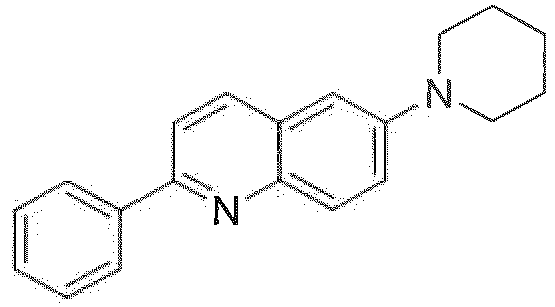
- The 6-bromo-2-phenylquinoline synthesized in Reference Example 49 (60.0 mg, 0.211 mmol), cesium carbonate (241 mg, 0.739 mmol), palladium(II) acetate (4.74 mg, 21.1 µmol), and 2,2'-bis(diphenylphosphino)-1,1'-binaphthyl (26.3 mg, 42.2 µmol) were suspended in 1,4-dioxane (2.10 mL), and piperidine (69.7 µL, 0.635 mmol) was added to the resulting suspension, and the resulting mixture was stirred at 100°C for 15 hours under argon atmosphere. After the reaction was completed, water was added to the reaction mixture, and the resulting mixture was extracted with chloroform. The organic layers were combined and dried over anhydrous sodium sulfate, and the filtrate was then concentrated under reduced pressure. The obtained crude product was purified by column chromatography (silica gel, hexane/ethyl acetate) to obtain the title compound as a yellow solid (27.3 mg, 94.7 µmol, yield: 45%).
- 1H-NMR (CDCl3) δ: 8.12-8.10 (2H, m), 8.03 (2H, dd, J = 8.8, 8.0 Hz), 7.78 (1H, d, J = 8.6 Hz), 7.54-7.48 (3H, m), 7.44-7.40 (1H, m), 7.04 (1H, d, J = 2.7 Hz), 3.31 (4H, t, J = 7.2 Hz), 1.80-1.75 (4H, m), 1.67-1.61 (2H, m).
- MS(ESI) [M+H]+: 289.
-

- The 2-phenyl-6-(piperidin-1-yl)quinoline synthesized in Reference Example 51 (27.3 mg, 94.7 µmol) was dissolved in dioxane (1.4 mL), and iodine (2.40 mg, 9.46 µmol) and
diethyl 1,4-dihydro-2,6-dimethyl-3,5-pyridinedicarboxylate (50.4 mg, 0.199 mmol) were added to the resulting solution, and the resulting mixture was stirred at room temperature for 17 hours under argon atmosphere.Diethyl 1,4-dihydro-2,6-dimethyl-3,5-pyridinedicarboxylate (50.4 mg, 0.199 mmol) was then added to the mixture, and the resulting mixture was stirred at room temperature for 3 hours under argon atmosphere. Iodine (2.40 mg, 9.46 µmol) anddiethyl 1,4-dihydro-2,6-dimethyl-3,5-pyridinedicarboxylate (50.4 mg, 0.199 mmol) were further added to the mixture, and the resulting mixture was stirred at 40°C for 19 hours. After the reaction was completed, the reaction mixture was concentrated under reduced pressure. The obtained crude product was purified by column chromatography (silica gel, hexane/ethyl acetate) to obtain the title compound (hereinafter referred to as the compound of Example 72) as a brown solid (6.00 mg, 20.5 µmol, yield: 22%). - 1H-NMR (CDCl3) δ: 7.41-7.39 (2H, m), 7.36-7.32 (2H, m), 7.30-7.26 (1H, m), 6.73-6.70 (2H, m), 6.50 (1H, d, J = 8.2 Hz), 4.37 (1H, dd, J = 9.5, 3.2 Hz), 2.99-2.89 (5H, m), 2.72 (1H, ddd, J = 12.0, 4.8, 4.4 Hz), 2.13-1.93 (2H, m), 1.75-1.69 (4H, m), 1.56-1.50 (2H, m).
- MS(ESI) [M+H]+: 293.
-

- Cesium carbonate (161 mg, 0.493 mmol), palladium(II) acetate (1.58 mg, 7.04 µmol), and 4,5-bis(diphenylphosphino)-9,9-dimethylxanthene (6.11 mg, 10.6 µmol) were suspended in dioxane (0.50 mL), and the resulting suspension was stirred at room temperature for 10 minutes under argon atmosphere. Triethylamine (1.47 µL, 10.6 µmol) was then added to the mixture, and the resulting mixture was stirred at room temperature for 10 minutes under argon atmosphere. The 6-bromo-2-phenyl-1,2,3,4-tetrahydroquinoline synthesized in Reference Example 49 (100 mg, 0.352 mmol) and a dioxane solution (0.50 mL) of diphenylmethanimine (76.5 mg, 0.422 mmol) were further added to the mixture, and the resulting mixture was stirred at 100°C for 17 hours under argon atmosphere. After the reaction was completed, water was added to the reaction mixture, and the resulting mixture was extracted with ethyl acetate. The organic layers were combined and dried over anhydrous sodium sulfate, and the filtrate was then concentrated under reduced pressure. The obtained crude product was purified by column chromatography (silica gel, hexane/ethyl acetate) to obtain the title compound as a yellow amorphous (108 mg, 0.280 mmol, yield: 80%).
- 1H-NMR (CDCl3) δ: 8.12-8.09 (2H, m), 8.01 (1H, d, J = 8.6 Hz), 7.93 (1H, d, J = 9.1 Hz), 7.82-7.77 (3H, m), 7.53-7.41 (6H, m), 7.25-7.21 (3H, m), 7.19-7.14 (3H, m), 7.11 (1H, d, J = 2.3Hz).
- MS(ESI) [M+H]+: 365.
-

- The 1,1-diphenyl-N-(2-phenylquinolin-6-yl)methanimine synthesized in Reference Example 52 (108 mg, 0.280 mmol) was dissolved in THF (1.0 mL), and 2 mol/L hydrochloric acid (0.420 mL, 0.840 mmol) was added to the resulting solution, and the resulting mixture was stirred at room temperature for 1 hour. After the reaction was completed, a saturated aqueous solution of sodium bicarbonate was added to the reaction mixture, and the resulting mixture was extracted with chloroform. The organic layers were combined and dried over anhydrous sodium sulfate, and the filtrate was then concentrated under reduced pressure. The obtained crude product was purified by column chromatography (silica gel, hexane/ethyl acetate) to obtain the title compound as a pale orange solid (47.3 mg, 0.215 mmol, yield: 77%).
- 1H-NMR (CDCl3) δ: 8.12-8.09 (2H, m), 7.98 (2H, dd, J = 8.6, 2.7 Hz), 7.77 (1H, d, J = 8.8 Hz), 7.52-7.48 (2H, m), 7.44-7.40 (1H, m), 7.18 (1H, dd, J = 8.8, 2.5 Hz), 6.93 (1H, d, J = 2.7 Hz), 3.96 (2H, brs).
- MS(ESI) [M+H]+: 221.
-

- The 2-phenylquinoline-6-amine synthesized in Reference Example 53 (13.5 mg, 61.3 µmol) was dissolved in pyridine (0.5 mL), and acetic anhydride (6.36 µL, 67.4 µmol) was added to the resulting solution, and the resulting mixture was stirred at room temperature for 30 minutes. After the reaction was completed, the reaction mixture was concentrated under reduced pressure to obtain the title compound as a pale yellow solid (15.5 mg, 59.1 µmol, yield: 96%).
- 1H-NMR (CDCl3) δ: 8.37 (1H, d, J = 1.8 Hz), 8.20 (1H, d, J = 8.6 Hz), 8.14-8.12 (3H, m), 7.87 (1H, d, J = 8.6 Hz), 7.55-7.52 (3H, m), 7.47-7.45 (1H, m), 7.36 (1H, s), 2.27 (3H, s).
- MS(ESI) [M+H]+: 263.
-

- The N-(2-phenylquinolin-6-yl)acetamide synthesized in Reference Example 54 (15.5 mg, 59.1 µmol) was used in the same manner as in Example 4 to obtain the title compound (hereinafter referred to as the compound of Example 73) as a colorless amorphous (12.1 mg, 45.4 µmol, yield: 77%).
- 1H-NMR (CDCl3) δ: 7.39-7.28 (5H, m), 7.16 (1H, d, J = 2.7 Hz), 7.02 (1H, dd, J = 8.7, 2.3 Hz), 6.93 (1H, brs), 6.50 (1H, d, J = 8.7 Hz), 4.42 (1H, dd, J = 9.1, 3.2 Hz), 4.02 (1H, brs), 2.91 (1H, ddd, J = 16.0, 10.5, 5.5 Hz), 2.72 (1H, ddd, J = 16.5, 4.6, 4.6 Hz), 2.14 (3H, s), 2.12-2.08 (1H, m), 2.02-1.92 (1H, m).
- MS(ESI) [M+H]+: 267.
-

- The 2-phenylquinoline-6-amine synthesized in Reference Example 53 (50.0 mg, 0.226 mmol) was dissolved in THF (1.0 mL), and pivaloyl chloride (30.4 µL, 0.250 mmol) and triethylamine (35.0 µL, 0.250 mmol) were added to the resulting solution, and the resulting mixture was stirred at room temperature for 2 hours under argon atmosphere. After the reaction was completed, the reaction mixture was concentrated under reduced pressure. The obtained crude product was purified by column chromatography (silica gel, hexane/ethyl acetate) to obtain the title compound as a white solid (64.8 mg, 0.213 mmol, yield: 94%).
- 1H-NMR (CDCl3) δ: 8.44 (1H, d, J = 2.3 Hz), 8.18 (1H, d, J = 8.7 Hz), 8.15-8.14 (2H, m), 8.11 (1H, d, J = 9.1 Hz), 7.87 (1H, d, J = 8.2 Hz), 7.57-7.50 (4H, m), 7.46-7.44 (1H, m), 1.38 (9H, s).
- MS(ESI) [M+H]+: 305.
-

- The N-(2-phenylquinolin-6-yl)pivalamide synthesized in Reference Example 55 (64.8 mg, 0.213 mmol) was used in the same manner as in Example 26 to obtain the title compound (hereinafter referred to as the compound of Example 74) as a white solid (62.6 mg, 0.203 mmol, yield: 95%).
- 1H-NMR (CDCl3) δ: 7.39-7.32 (4H, m), 7.30-7.27 (1H, m), 7.26-7.24 (1H, m), 7.12 (1H, brs), 7.04 (1H, dd, J = 8.5, 2.5 Hz), 6.50 (1H, d, J = 8.7 Hz), 4.41 (1H, dd, J = 9.1, 3.2 Hz), 4.00 (1H, brs), 2.90 (1H, ddd, J = 16.0, 10.1, 5.5 Hz), 2.71 (1H, ddd, J = 16.5, 5.0, 5.0 Hz), 2.14-2.08 (1H, m), 2.02-1.92 (1H, m), 1.30 (9H, s).
- MS(ESI) [M+H]+: 309.
-

- The 2-phenylquinoline-6-amine synthesized in Reference Example 53 (40.0 mg, 0.182 mmol) was dissolved in dichloromethane (1.8 mL), and the resulting solution was cooled to 0°C, and triethylamine (38.0 µL, 0.272 mmol) and methanesulfonyl chloride (14.1 µL, 0.182 mmol) were added to the solution, and the resulting mixture was stirred at 0°C for 2 hours under argon atmosphere. Triethylamine (25.3 µL, 0.182 mmol) and methanesulfonyl chloride (16.9 µL, 0.218 mmol) were then added to the mixture, and the resulting mixture was stirred at room temperature for 18 hours under argon atmosphere. An 8 mol/L aqueous solution of sodium hydroxide (230 µL, 1.81 mmol) was further added to the mixture, and the resulting mixture was stirred at room temperature for 7 hours. An 8 mol/L aqueous solution of sodium hydroxide (230 µL, 1.81 mmol) was finally added to the mixture, and the resulting mixture was stirred at room temperature for 2 hours. After the reaction was completed, a saturated aqueous solution of ammonium chloride was added to the reaction mixture, and the resulting mixture was extracted with ethyl acetate. The organic layers were combined, washed with saturated brine, and dried over anhydrous sodium sulfate, and the filtrate was then concentrated under reduced pressure. The obtained crude product was purified by column chromatography (silica gel, hexane/ethyl acetate) to obtain the title compound as a white solid (48.7 mg, 0.163 mmol, yield: 90%).
- 1H-NMR (CDCl3) δ: 8.20-8.14 (4H, m), 7.92 (1H, d, J = 8.6 Hz), 7.73 (1H, d, J = 2.3 Hz), 7.56-7.46 (4H, m), 6.59 (1H, brs), 3.10 (3H, s).
- MS(ESI) [M+H]+: 299.
-

- The N-(2-phenylquinolin-6-yl)methanesulfonamide synthesized in Reference Example 56 (48.7 mg, 0.163 mmol) was used in the same manner as in Example 4 to obtain the title compound (hereinafter referred to as the compound of Example 75) as a white solid (20.2 mg, 66.8 µmol, yield: 41%).
- 1H-NMR (CDCl3) δ: 7.38-7.27 (5H, m), 6.93-6.90 (2H, m), 6.51 (1H, d, J = 8.6 Hz), 6.07-6.07 (1H,brm),4.46-4.43 (1H, m), 4.13 (1H, brs), 2.96-2.86 (4H, m), 2.76-2.69 (1H, m), 2.16-2.09 (1H, m), 2.02-1.92 (1H, m).
- MS(ESI) [M+H]+: 303.
-

- The 2-phenylquinoline-6-amine synthesized in Reference Example 53 (40.0 mg, 0.182 mmol) and potassium carbonate (201 mg, 1.45 mmol) were suspended in acetonitrile (1.8 mL), and tert-butyl isocyanate (0.150 mL, 1.27 mmol) was added to the resulting suspension, and the resulting mixture was stirred at 85°C for 2 hours under argon atmosphere. Furthermore, tert-butyl isocyanate (0.150 mL, 1.27 mL) was added to the mixture, and the resulting mixture was stirred at 85°C for 16 hours under argon atmosphere. After the reaction was completed, water was added to the reaction mixture, and the resulting mixture was extracted with ethyl acetate. The organic layers were combined, washed with saturated brine, and dried over anhydrous sodium sulfate, and the filtrate was then concentrated under reduced pressure. The obtained crude product was purified by column chromatography (silica gel, hexane/ethyl acetate) to obtain the title compound as a white solid (58.0 mg, 0.182 mmol, yield: 100%).
- 1H-NMR (CDCl3) δ: 8.13-8.10 (4H, m), 8.04 (1H, d, J = 9.1 Hz), 7.81 (1H, d, J = 8.6 Hz), 7.51 (2H, dd, J = 8.0, 10.8 Hz), 7.46-7.39 (2H, m), 6.94 (1H, brs), 4.98 (1H, brs), 1.41 (9H, s).
- MS(ESI) [M+H]+: 320.
-

- The 1-(tert-butyl)-3-(2-phenylquinolin-6-yl)urea synthesized in Reference Example 57 (58.0 mg, 0.182 mmol) was used in the same manner as in Example 4 to obtain the title compound (hereinafter referred to as the compound of Example 76) as a purple amorphous (27.2 mg, 84.1 µmol, yield: 46%).
- 1H-NMR (CDCl3) δ: 7.40-7.27 (5H, m), 6.88 (1H, d, J = 1.8 Hz), 6.83 (1H, dd, J = 8.8, 2.0 Hz), 6.50 (1H, d, J = 8.6 Hz), 5.77 (1H, brs), 4.54 (1H, brs), 4.43 (1H, dd, J = 9.5, 3.2 Hz), 4.07 (1H, brs), 2.94-2.86 (1H, m), 2.75-2.68 (1H, m), 2.15-2.09 (1H, m), 2.02-1.93 (1H, m), 1.34 (9H, s).
- MS(ESI) [M+H]+: 324.
-

- The 2-phenylquinoline-6-amine synthesized in Reference Example 53 (40.0 mg, 0.182 mmol) was suspended in THF (2.2 mL), and trichloroacetyl isocyanate (29.6 µL, 0.250 mmol) was added to the resulting suspension, and the resulting mixture was stirred at 0°C for 1 hour under argon atmosphere. Methanol/triethylamine (2.2 mL/1.1 mL) was then added to the mixture, and the resulting mixture was stirred at room temperature for 2 hours. After the reaction was completed, the filtrate was concentrated under reduced pressure. The obtained crude product was purified by slurry washing (hexane/chloroform) to obtain the title compound as a reddish purple solid (49.3 mg, 0.187 mmol, yield: 83%).
- 1H-NMR (DMSO-d6) δ: 8.92 (1H, brs), 8.30 (1H, d, J = 8.7 Hz), 8.23 (2H, d, J = 6.9 Hz), 8.13 (1H, d, J = 2.3 Hz), 8.04 (1H, d, J = 8.7 Hz), 7.94 (1H, d, J = 9.1 Hz), 7.67 (1H, dd, J = 9.1, 2.3 Hz), 7.54 (2H, dd, J = 7.2, 7.2 Hz), 7.49-7.45 (1H, m), 6.02 (2H, brs).
- MS(ESI) [M+H]+: 264.
-

- The 1-(2-phenylquinolin-6-yl)urea synthesized in Reference Example 58 (47.9 mg, 0.182 mmol) was used in the same manner as in Example 4 to obtain the title compound (hereinafter referred to as the compound of Example 77) as a white amorphous (40.6 mg, 0.152 mmol, yield: 84%).
- 1H-NMR (CDCl3) δ: 7.37-7.28 (5H, m), 6.91-6.88 (2H, m), 6.52 (1H, d, J = 8.0 Hz), 6.14 (1H, brs), 4.64 (2H, brs), 4.45 (1H, dd, J = 9.1, 3.6 Hz), 2.93-2.85 (1H, m), 2.75-2.68 (1H, m), 2.16-2.09 (1H, m), 2.02-1.93 (1H, m).
- MS(ESI) [M+H]+: 268.
-

- The 2-phenylquinoline-6-amine synthesized in Reference Example 53 (40.0 mg, 0.182 mmol) was dissolved in dichloromethane (0.90 mL), and 3,3-dimethylbutyryl chloride (26.5 µL, 0.191 mmol) was added to the resulting solution, and the resulting mixture was stirred at room temperature for 2 hours under argon atmosphere. Furthermore, tert-butyl isocyanate (0.150 mL, 1.27 mL) was added to the mixture, and the resulting mixture was stirred at room temperature for 2 hours under argon atmosphere. After the reaction was completed, water was added to the reaction mixture, and the resulting mixture was extracted with chloroform. The organic layers were combined and dried over anhydrous sodium sulfate, and the filtrate was then concentrated under reduced pressure. The obtained crude product was purified by column chromatography (silica gel, hexane/ethyl acetate) to obtain the title compound as a white solid (53.7 mg, 0.169 mmol, yield: 93%).
- 1H-NMR (CDCl3) δ: 8.41 (1H, d, J = 2.4 Hz), 8.20-8.09 (4H, m), 7.87 (1H, d, J = 8.6 Hz), 7.55-7.51 (3H, m), 7.48-7.44 (1H, m), 2.31 (2H, s), 1.16 (9H, s).
- MS(ESI) [M+H]+: 319.
-

- The 3,3-dimethyl-N-(2-phenylquinolin-6-yl)butanamide synthesized in Reference Example 59 (53.7 mg, 0.169 mmol) was used in the same manner as in Example 4 to obtain the title compound (hereinafter referred to as the compound of Example 78) as a white amorphous (18.7 mg, 58.0 µmol, yield: 34%).
- 1H-NMR (CDCl3) δ: 7.39-7.27 (5H, m), 7.22 (1H, d, J = 2.3 Hz), 7.02 (1H, dd, J = 8.8, 2.8 Hz), 6.85 (1H, brs), 6.49 (1H, d, J = 8.2 Hz), 4.41 (1H, dd, J = 9.1, 3.2 Hz), 2.94-2.86 (1H, m), 2.75-2.68 (1H, m), 2.18 (2H, s), 2.14-2.97 (1H, m), 2.01-1.92 (1H, m), 1.10 (9H, s).
- MS(ESI) [M+H]+: 323.
-

- 2-Chloroaniline (0.325 mL, 3.91 mmol) and cinnamaldehyde (0.493 mmol, 3.91 mmol) were dissolved in DMSO (2 mL), and palladium(II) acetate (87.9 mg, 0.391 mmol) was added to the resulting solution, and the resulting mixture was stirred at 130°C for 18 hours under oxygen atmosphere. After the reaction was completed, water was added to the reaction mixture, and the resulting mixture was extracted with ethyl acetate. The organic layers were combined, washed with water and saturated brine, and dried over anhydrous sodium sulfate, and the filtrate was then concentrated under reduced pressure. The obtained crude product was purified by column chromatography (silica gel, hexane/ethyl acetate) to obtain the title compound as a pale yellow solid (109 mg, 0.456 mmol, yield: 12%).
- 1H-NMR (CDCl3) δ: 8.31-8.28 (2H, m), 8.24 (1H, d, J = 8.6 Hz), 7.99 (1H, d, J = 8.6 Hz), 7.85 (1H, dd, J = 7.5, 1.1 Hz), 7.76 (1H, dd, J = 8.2, 1.4 Hz), 7.57-7.42 (4H, m).
- MS(ESI) [M+H]+: 240.
-

- The 8-chloro-2-phenylquinoline synthesized in Reference Example 60 (109 mg, 0.456 mmol) was used in the same manner as in Example 26 to obtain the title compound (hereinafter referred to as the compound of Example 79) as a pale yellow oily substance (93.8 mg, 0.385 mmol, yield: 84%).
- 1H-NMR (CDCl3) δ: 7.41-7.29 (4H, m), 7.12 (1H, d, J = 7.3 Hz), 6.91 (1H, d, J = 7.3 Hz), 6.56 (1H, dd, J = 8.0, 7.6 Hz), 4.67 (1H, brs), 4.53 (1H, ddd, J = 9.2, 3.6,1.2),2.91 (1H, ddd, J = 16.0, 10.4, 5.2 Hz), 2.74 (1H, ddd, J = 16.8, 5.2, 4.7 Hz), 2.16-2.12 (1H, m), 2.02-1.93 (1H, m).
- MS(ESI) [M+H]+: 244.
-

- 2-Fluoroaniline (0.325 mL, 4.50 mmol) and cinnamaldehyde (0.566 mmol, 4.50 mmol) were used in the same manner as in Reference Example 60 to obtain the title compound as a pale yellow solid (68.9 mg, 0.309 mmol, yield: 7%).
- 1H-NMR (CDCl3) δ: 8.25 (1H, dd, J = 8.7, 1.8 Hz), 8.23-8.20 (2H, m), 7.96 (1H, d, J = 8.7 Hz), 7.62 (1H, dd, J = 7.1, 1.6 Hz), 7.56-7.39 (5H, m).
- MS(ESI) [M+H]+: 224.
-

- The 8-fluoro-2-phenylquinoline synthesized in Reference Example 61 (68.9 mg, 0.309 mmol) was used in the same manner as in Example 26 to obtain the title compound (hereinafter referred to as the compound of Example 80) as a pale yellow oily substance (51.2 mg, 0.225 mmol, yield: 73%).
- 1H-NMR (CDCl3) δ: 7.41-7.28 (5H, m), 6.84 (1H, dd, J = 11.4, 8.2 Hz), 6.79 (1H, d, J = 7.3 Hz), 6.55 (1H, ddd, J = 8.0, 5.2, 5.2 Hz), 4.46 (1H, ddd, J = 9.2, 3.2, 1.2 Hz), 4.26 (1H, brs), 2.93 (1H, ddd, J = 16.0, 10.8, 5.6 Hz), 2.76 (1H, ddd, J = 16.4, 5.2, 4.4 Hz), 2.16-2.13 (1H, m), 2.05-1.96 (1H, m).
- MS(ESI) [M+H]+: 228.
-

- 4-(Trifluoromethoxy)aniline (0.325 mL, 2.82 mmol) and cinnamaldehyde (0.355 mmol, 2.82 mmol) were used in the same manner as in Reference Example 60 to obtain the title compound as a pale yellow solid (70.1 mg, 0.242 mmol, yield: 9%).
- 1H-NMR (CDCl3) δ: 8.23-8.21 (2H, m), 8.18-8.15 (2H, m), 7.95 (1H, d, J = 8.6 Hz), 7.66 (1H, s), 7.60-7.47 (4H, m).
- MS(ESI) [M+H]+: 290.
-

- The 2-phenyl-6-(trifluoromethoxy)quinoline synthesized in Reference Example 62 (83.1 mg, 0.287 mmol) was used in the same manner as in Example 26 to obtain the title compound (hereinafter referred to as the compound of Example 81) as a pale yellow oily substance (83.1 mg, 0.283 mmol, yield: 99%).
- 1H-NMR (CDCl3) δ: 7.38-7.28 (5H, m), 6.89-6.86 (2H, m), 6.49-6.48 (1H, m), 4.44 (1H, dd, J = 9.4, 3.4 Hz), 4.11 (1H, brs), 2.91 (1H, ddd, J = 16.5, 10.5, 5.9 Hz), 2.73 (1H, ddd, J = 16.5, 4.6, 5.0 Hz), 2.16-2.09 (1H, m), 2.02-1.93 (1H, m).
- MS(ESI) [M+H]+: 294.
-

- 4-Fluoroaniline (0.431 mL, 4.50 mmol) and cinnamaldehyde (0.566 mmol, 4.50 mmol) were used in the same manner as in Reference Example 60 to obtain the title compound as a pale yellow solid (48.2 mg, 0.216 mmol, yield: 5%).
- 1H-NMR (CDCl3) δ: 8.20-8.13 (3H, m), 7.91-7.89 (2H, m), 7.57-7.44 (5H, m).
- MS(ESI) [M+H]+: 224.
-

- The 6-fluoro-2-phenylquinoline synthesized in Reference Example 63 (48.2 mg, 0.216 mmol) was used in the same manner as in Example 26 to obtain the title compound (hereinafter referred to as the compound of Example 82) as a pale yellow oily substance (29.7 mg, 0.131 mmol, yield: 61%).
- 1H-NMR (CDCl3) δ: 7.40-7.32 (5H, m), 6.74-6.71 (2H, m), 6.47 (1H, dd, J = 9.1, 5.0 Hz), 4.39 (1H, dd, J = 9.1, 3.2 Hz), 3.94 (1H, brs), 2.92 (1H, ddd, J = 16.5, 10.5, 5.5 Hz), 2.72 (1H, ddd, J = 16.9, 4.6, 4.6 Hz), 2.14-2.08 (1H, m), 2.02-1.93 (1H, m).
- MS(ESI) [M+H]+: 228.
-

- 4-Chloroaniline (100 mg, 0.784 mmol) and (E)-cinnamyl alcohol (105 mg, 0.784 mmol) were used in the same manner as in Reference Example 60 to obtain the title compound as an orange solid (28.0 mg, 0.117 mmol, yield: 15%).
- 1H-NMR (CDCl3) δ: 8.17-8.14 (3H, m), 8.11 (1H, d, J = 9.1 Hz), 7.91 (1H, d, J = 8.2 Hz), 7.82 (1H, d, J = 2.3 Hz), 7.67 (1H, dd, J = 8.9, 2.5 Hz), 7.56-7.46 (3H, m).
- MS(ESI) [M+H]+: 240.
-

- The 6-chloro-2-phenylquinoline synthesized in Reference Example 64 (28.0 mg, 0.117 mmol) was used in the same manner as in Example 26 to obtain the title compound (hereinafter referred to as the compound of Example 83) as a pale yellow oily substance (28.0 mg, 0.114 mmol, yield: 98%).
- 1H-NMR (CDCl3) δ: 7.35-7.31 (5H, m), 6.96-6.95 (2H, m), 6.46 (1H, d, J = 8.2 Hz), 4.43 (1H, dd, J = 9.1, 3.2 Hz), 4.06 (1H, brs), 2.88 (1H, ddd, J = 15.9, 10.4, 5.4 Hz), 2.70 (1H, ddd, J = 16.3, 5.0, 5.0 Hz), 2.14-2.08 (1H, m), 2.01-1.91 (1H, m).
- MS(ESI) [M+H]+: 244.
-

- 4-(Trifluoromethyl)aniline (76.9 µL, 0.621 mmol) and (E)-cinnamyl alcohol (83.3 mg, 0.621 mmol) were used in the same manner as in Reference Example 60 to obtain the title compound as an orange solid (42.0 mg, 0.154 mmol, yield: 25%).
- 1H-NMR (CDCl3) δ: 8.32 (1H, d, J = 8.7 Hz), 8.28 (1H, d, J = 8.7 Hz), 8.19 (2H, d, J = 7.8 Hz), 8.15 (1H, s), 7.99 (1H, d, J = 8.7 Hz), 7.90 (1H, dd, J = 8.9, 1.6 Hz), 7.56-7.51 (3H, m).
- MS(ESI) [M+H]+: 274.
-

- The 2-phenyl-6-(trifluoromethyl)quinoline synthesized in Reference Example 65 (42.0 mg, 0.154 mmol) was used in the same manner as in Example 26 to obtain the title compound (hereinafter referred to as the compound of Example 84) as a pale yellow oily substance (30.8 mg, 0.111 mmol, yield: 72%).
- 1H-NMR (CDCl3) δ: 7.37-7.29 (5H, m), 7.25-7.23 (2H, m), 6.54 (1H, d, J = 9.1 Hz), 4.51 (1H, dd, J = 8.7, 2.3 Hz), 4.38 (1H, brs), 2.90 (1H, ddd, J = 15.6, 10.1, 5.0 Hz), 2.74 (1H, ddd, J = 16.5, 5.0, 5.0 Hz), 2.18-2.12 (1H, m), 2.06-1.93 (1H, m).
- MS(ESI) [M+H]+: 278.
-

- 3,4-Difluoroaniline (150 mg, 1.16 mmol) and (E)-cinnamyl alcohol (156 mg, 1.16 mmol) were used in the same manner as in Reference Example 60 to obtain the title compound as an orange solid (57.7 mg, 0.239 mmol, yield: 21%).
- 1H-NMR (CDCl3) δ: 8.16-8.14 (3H, m), 7.92 (1H, dd, J = 11.6, 7.6 Hz), 7.89 (1H, d, J = 8.4 Hz), 7.56-7.46 (4H, m).
- MS(ESI) [M+H]+: 242.
-
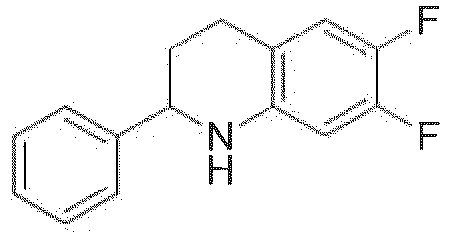
- The 6,7-difluoro-2-phenylquinoline synthesized in Reference Example 66 (57.7 mg, 0.239 mmol) was used in the same manner as in Example 26 to obtain the title compound (hereinafter referred to as the compound of Example 85) as a colorless clear oily substance (41.6 mg, 0.170 mmol, yield: 71%).
- 1H-NMR (CDCl3) δ: 7.38-7.28 (5H, m), 6.78 (1H, dd, J = 10.6, 8.8 Hz), 6.31 (1H, dd, J = 12.0, 7.0 Hz), 4.39 (1H, ddd, J = 9.1, 3.2, 0.9 Hz), 3.97 (1H, brs), 2.83 (1H, ddd, J = 16.3, 10.9, 5.4 Hz), 2.65 (1H, ddd, J = 16.3, 5.0, 5.0 Hz), 2.13-2.07 (1H, m), 2.00-1.90 (1H, m).
- MS(ESI) [M+H]+: 246.
-

- 2,4-Difluoroaniline (150 mg, 1.16 mmol) and (E)-cinnamyl alcohol (156 mg, 1.16 mmol) were used in the same manner as in Reference Example 60 to obtain the title compound as a yellow solid (13.5 mg, 56.0 µmol, yield: 5%).
- 1H-NMR (CDCl3) δ: 8.21-8.17 (3H, m), 7.98 (1H, d, J = 8.7 Hz), 7.93-7.88 (1H, m), 7.56-7.44 (4H, m).
- MS(ESI) [M+H]+: 242.
-

- The 6,8-difluoro-2-phenylquinoline synthesized in Reference Example 67 (13.5 mg, 56.0 µmol) was used in the same manner as in Example 26 to obtain the title compound (hereinafter referred to as the compound of Example 86) as an orange solid (7.70 mg, 31.4 µmol, yield: 56%).
- 1H-NMR (CDCl3) δ: 7.41-7.30 (5H, m), 6.65 (1H, ddd, J = 11.3, 8.6, 3.2 Hz), 6.57 (1H, d, J = 9.1 Hz), 4.41 (1H, dd, J = 9.5, 3.2 Hz), 4.07 (1H, brs), 2.92 (1H, ddd, J = 16.3, 10.4, 5.9 Hz), 2.74 (1H, ddd, J = 17.2, 5.0, 5.0 Hz), 2.16-2.13 (1H, m), 2.05-1.95 (1H, m).
- MS(ESI) [M+H]+: 246.
-

- 2-Chloro-6-nitroquinoline (700 mg, 3.36 mmol), 4-cyanophenylboronic acid (641 mg, 4.36 mmol), tetrakis(triphenylphosphine)palladium(0) (77.5 mg, 0.0671 mmol), and potassium carbonate (1.39 g, 10.1 mmol) were dissolved in 1,4-dioxane/water (5/1, v/v, 17 mL), and the resulting mixture was then stirred with heating at 100°C for 16 hours. After the reaction mixture was cooled down to room temperature, water was poured into the reaction mixture, and the resulting solid was filtered to obtain the title compound as a gray solid (647 mg, 2.35 mmol, yield: 70%).
- 1H-NMR (DMSO-d6) δ: 9.14 (1H, d, J = 2.7 Hz), 8.90 (1H, d, J = 8.7 Hz), 8.56-8.51 (3H, m), 8.49 (1H, d, J = 8.7 Hz), 8.31 (1H, d, J = 9.1 Hz), 8.09 (2H, dt, J = 8.2, 1.8Hz).
- MS(ESI) [M+H]+: 276.
-

- The 4-(6-nitroquinolin-2-yl)benzonitrile synthesized in Reference Example 68 (100 mg, 0.363 mmol) was dissolved in acetic acid (3.6 mL), and iron powder (81.2 mg, 1.45 mmol) was then added to the resulting solution, and the resulting mixture was stirred at 50°C for 14 hours. After the reaction mixture was cooled down to room temperature, the reaction mixture was concentrated under reduced pressure, adjusted to pH 12 by addition of a 1 mol/L aqueous solution of sodium hydroxide, and extracted with ethyl acetate. After the resulting reddish brown solid was removed by filtration, the filtrate was dried over anhydrous sodium sulfate and then concentrated under reduced pressure. The obtained crude product was purified by column chromatography (silica gel, chloroform/methanol) to obtain the title compound as a yellow solid (31.8 mg, 0.131 mmol, yield: 36%).
- 1H-NMR (CDCl3) δ: 8.24 (2H, dt, J = 8.4, 1.8 Hz), 8.01 (1H, d, J = 8.9 Hz), 7.97 (1H, d, J = 8.9 Hz), 7.80-7.76 (3H, m), 7.20 (1H, dd, J = 8.9, 2.6 Hz), 6.93 (1H, d, J = 2.6 Hz), 4.05 (2H, brs).
- MS(ESI) [M+H]+: 246.
-

- The 4-(6-aminoquinolin-2-yl)benzonitrile synthesized in Reference Example 69 (30.0 mg, 0.122 mmol) was dissolved in acetonitrile/THF (2/1, v/v, 1.8 mL), and potassium carbonate (33.8 mg, 0.245 mmol) and tert-butyl isocyanate (86.6 µL, 0.733 mmol) were then added to the resulting solution, and the resulting mixture was heated to reflux for 23 hours. After the reaction mixture was cooled down to room temperature, water was added to the reaction mixture, and the resulting mixture was extracted with ethyl acetate. The organic layer was dried over anhydrous sodium sulfate and then concentrated under reduced pressure. The obtained crude product was purified by column chromatography (amino-silica gel, chloroform/methanol) to obtain the title compound as a pale orange solid (37.2 mg, 0.107 mmol, yield: 88%).
- 1H-NMR (CDCl3) δ: 8.23 (2H, dt, J = 8.5, 1.7 Hz), 8.15-8.12 (2H, m), 8.02 (1H, d, J = 9.1 Hz), 7.80-7.77 (3H, m), 7.42 (1H, dd, J = 9.1, 2.7 Hz), 6.72 (1H, brs), 4.84 (1H, brs), 1.43 (9H, s).
- MS(ESI) [M+H]+: 345.
-

- The 1-(tert-butyl)-3-(2-(4-cyanophenyl)quinolin-6-yl)urea synthesized in Reference Example 70 (37.0 mg, 0.107 mmol) was dissolved in THF (1.1 mL), and a 1 mol/L aqueous solution of sodium hydroxide (60 µL, 0.453 mmol) and a 30% aqueous solution of hydrogen peroxide (37 µL, 0.453 mmol) were then added to the resulting solution, and the resulting mixture was stirred at room temperature for 3 hours. A 10% aqueous solution of sodium thiosulfate was added to the reaction mixture, and the resulting mixture was extracted with ethyl acetate. The organic layer was dried over anhydrous sodium sulfate and then concentrated under reduced pressure. The obtained crude product was subjected to slurry washing (hexane/ethyl acetate) to obtain the title compound as a pale yellow solid (32.4 mg, 0.0888 mmol, yield: 83%).
- 1H-NMR (DMSO-d6) δ: 8.71 (1H, brs), 8.32-8.30 (3H, m), 8.16 (1H, d, J = 2.3 Hz), 8.11 (1H, d, J = 9.1 Hz), 8.10 (1H, brs), 8.02 (2H, d, J = 8.7 Hz), 7.95 (1H, d, J = 9.1 Hz), 7.59 (1H, dd, J = 9.1, 2.3 Hz), 7.44 (1H, brs), 6.21 (1H, brs), 1.33 (9H, s).
- MS(ESI) [M+H]+: 363.
-

- The 4-(6-(3-(tert-butyl)ureido)quinolin-2-yl)benzamide synthesized in Reference Example 71 (31.0 mg, 0.0855 mmol) was suspended in THF/methanol (1/1, v/v, 0.85 mL), and acetic acid (0.015 mL, 0.26 mmol) and platinum(IV) oxide (3.0 mg, 0.13 mmol) were added to the resulting suspension, and the resulting mixture was stirred at room temperature and normal pressure for 48 hours under hydrogen atmosphere. After the reaction was completed, the hydrogen was replaced with nitrogen, and the reaction mixture was filtered using celite. The filtrate was concentrated under reduced pressure, and the obtained crude product was purified by column chromatography (silica gel, chloroform/methanol) to obtain the title compound (hereinafter referred to as the compound of Example 87) as a white solid (26.1 mg, 0.0564 mmol, yield: 66%).
- 1H-NMR (CDCl3) δ: 7.92 (2H, dt, J = 8.7, 1.8 Hz), 7.60 (2H, dt, J = 8.7, 1.8 Hz), 7.06-7.00 (2H, m), 6.69 (1H, td, J = 7.3, 0.9 Hz), 6.59 (1H, dd, J = 7.8, 0.9 Hz), 4.57 (1H, dd, J = 8.7, 3.2 Hz), 4.09 (1H, brs), 3.06 (3H, s), 2.95-2.87 (1H, m), 2.70 (1H, td, J = 10.9, 5.5 Hz), 2.19-2.12 (1H, m), 2.01-1.97 (1H, m).
- MS(ESI) [M+H]+: 288.
-

- Methyl 2-phenylquinoline-4-carboxylate (300 mg, 1.14 mmol) was dissolved in THF/ethanol (1/1, v/v, 5.7 mL), and acetic acid (0.197 mL, 3.42 mmol) and platinum(IV) oxide (30 mg, 0.043 mmol) were then added to the resulting solution, and the resulting mixture was stirred at room temperature and normal pressure for 23 hours under hydrogen atmosphere. After the reaction was completed, the hydrogen was replaced with nitrogen, and the reaction mixture was filtered using celite. The filtrate was concentrated under reduced pressure, and the obtained crude product was purified by column chromatography (silica gel, hexane/ethyl acetate) to obtain the title compound (hereinafter referred to as the compound of Example 88) as a pale yellow oily substance (274 mg, 1.03 mmol, yield: 90%).
- 1H-NMR (CDCl3) δ: 7.44-7.42 (2H, m), 7.39-7.35 (2H, m), 7.33-7.29 (1H, m), 7.08-7.02 (2H, m), 6.70 (1H, td, J = 7.5, 1.1 Hz), 6.57 (1H, dd, J = 8.2, 1.1 Hz), 4.42 (1H, dd, J = 10.5, 3.2 Hz), 4.11 (1H, dd, J = 11.2, 6.2 Hz), 4.05 (1H, brs), 3.71 (3H, s), 2.40-2.31 (2H, m).
- MS(ESI) [M+H]+: 268.
-

- The methyl (2R*,4R*)-2-phenyl-1,2,3,4-tetrahydroquinolin-4-carboxylate synthesized in Example 88 (70.0 mg, 0.262 mmol) was dissolved in THF (2.6 mL), and a 2 mol/L THF solution of lithium borohydride (0.656 mL, 1.31 mmol) was then added dropwise to the resulting solution, and the resulting mixture was stirred at room temperature for 6 hours. After the reaction was completed, saturated aqueous solution of sodium potassium tartrate was added to the reaction mixture, and the resulting mixture was stirred at room temperature for 1 hour. The obtained reaction mixture was extracted with ethyl acetate. The organic layers were combined and dried over anhydrous sodium sulfate, and the filtrate was then concentrated under reduced pressure. The obtained crude product was purified by column chromatography (silica gel, hexane/ethyl acetate) to obtain the title compound (hereinafter referred to as the compound of Example 89) as a white solid (32.3 mg, 0.135 mmol, yield: 52%).
- 1H-NMR (CDCl3) δ: 7.45-7.42 (2H, m), 7.39-7.35 (2H, m), 7.33-7.28 (1H, m), 7.23 (1H, d, J = 7.4 Hz), 7.05 (1H, t, J = 7.4 Hz), 6.73 (1H, td, J = 7.4, 1.2 Hz), 6.58 (1H, dd, J = 8.0, 1.2 Hz), 4.44 (1H, dd, J = 11.0, 2.7 Hz), 4.01-3.93 (3H, m), 3.28-3.25 (1H, m), 2.26-2.23 (1H, m), 2.04 (1H, dt, J = 12.8, 11.0 Hz), 1.41 (1H, dd, J = 7.3, 4.6Hz).
- MS(ESI) [M+H]+: 240.
-

- 2-Chloro-4-methylquinoline (300 mg, 1.69 mmol) and phenylboronic acid (227 mg, 1.86 mmol) were used in the same manner as in Reference Example 6 to obtain the title compound as a colorless oily substance (360 mg, 1.64 mmol, 97%).
- 1H-NMR (CDCl3) δ: 8.18-8.15 (3H, m), 8.01 (1H, d, J = 8.2 Hz), 7.74-7.71 (2H, m), 7.56-7.53 (3H, m), 7.47-7.45 (1H, m), 2.78 (3H, s).
- MS(ESI) [M+H]+: 220.
-

- The 4-methyl-2-phenylquinoline synthesized in Reference Example 72 (100 mg, 0.456 mmol) was used in the same manner as in Example 26 to obtain the title compound (hereinafter referred to as the compound of Example 90) as a pale yellow oily substance (46.1 mg, 0.206 mmol, 45%).
- 1H-NMR (CDCl3) δ: 7.43-7.42 (2H, m), 7.38-7.34 (2H, m), 7.30-7.28 (1H, m), 7.19 (1H, d, J = 7.7 Hz), 7.01 (1H, ddd, J = 7.2, 7.2, 0.9 Hz), 6.71 (1H, ddd, J = 7.2, 7.2, 0.9 Hz), 6.53 (1H, dd, J = 8.2, 0.9 Hz), 4.47 (1H, dd, J = 11.3, 2.7 Hz), 3.97 (1H, brs), 3.13 (1H, ddd, J = 6.3, 12.2, 6.3 Hz), 2.11 (1H, ddd, J = 12.7, 5.0, 2.7 Hz), 1.76 (1H, ddd, J = 11.8, 11.8, 11.8 Hz), 1.35 (3H, d, J = 6.8Hz).
- MS(ESI) [M+H]+: 224.
-

- 2-Phenyl-1,2,3,4-tetrahydroquinoline (30.0 mg, 0.143 mmol) was dissolved in tetrahydrofuran (1 mL), and a 1.64 mol/L hexane solution of n-butyl lithium (0.140 mL, 0.229 mmol) was added at -78°C to the resulting solution under argon atmosphere, and the resulting mixture was stirred for 0.5 hour. Subsequently, a tetrahydrofuran solution (1 mL) of di-tert-butyl dicarbonate (93.9 mg, 0.430 mmol) was added to the mixture, and the resulting mixture was stirred at room temperature for 16 hours. After the reaction was completed, a saturated aqueous solution of sodium bicarbonate was added to the reaction mixture, and the organic layer was separated off. The obtained aqueous phase was extracted with diethyl ether. The organic layers were combined, washed with saturated brine, and dried over anhydrous sodium sulfate, and the filtrate was then concentrated under reduced pressure. The obtained crude product was purified by column chromatography (amino-silica gel, hexane/ethyl acetate) to obtain the title compound as a colorless amorphous (44.3 mg, 0.143 mmol, yield: 99%).
1H-NMR (CDCl3) δ: 7.80 (1H, d, J = 8.2 Hz), 7.28-7.16 (6H, m), 7.08 (1H, d, J = 5.9 Hz), 7.01 (1H, ddd, J = 7.3, 7.3, 1.4 Hz), 5.35 (1H, dd, J = 8.5, 7.1 Hz), 2.70-2.58 (2H, m), 2.45-2.41 (1H, m), 1.84-1.81 (1H, m), 1.34 (9H, s). -

- The tert-butyl 2-phenyl-3,4-dihydroquinoline-1(2H)-carboxylate synthesized in Reference Example 73 (22.2 mg, 71.1 µmol) was dissolved in tetrahydrofuran (1.0 mL), and a 1.64 mol/L hexane solution of n-butyl lithium (73.9 µL, 0.121 mmol) was added at -78°C to the resulting solution under argon atmosphere, and the resulting mixture was stirred for 10 hour. Subsequently, iodomethane (13.4 µL, 0.215 mmol) was added to the mixture, and the resulting mixture was stirred at room temperature for 16 hours. After the reaction was completed, methanol was added to the reaction mixture, and the resulting mixture was concentrated under reduced pressure. The obtained crude product was purified by preparative thin-layer chromatography (silica gel, hexane/ethyl acetate) to obtain the title compound as a colorless amorphous (16.5 mg, 51.0 µmol, yield: 71%).
1H-NMR (CDCl3) δ: 7.67 (1H, d, J = 8.2 Hz), 7.36-7.29 (4H, m), 7.23-7.18 (2H, m), 7.07 (1H, d, J = 7.3 Hz), 6.97 (1H, dd, J = 7.8, 7.8 Hz), 2.71 (1H, ddd, J = 14.2, 9.1, 4.6 Hz), 2.48 (1H, ddd, J = 14.6, 5.9, 2.7 Hz), 2.01 (3H, s), 1.95-1.91 (2H, m), 1.17 (9H, s). -

- The tert-butyl 2-methyl-2-phenyl-3,4-dihydroquinoline-1(2H)-carboxylate synthesized in Reference Example 74 (16.5 mg, 51.0 µmol) was dissolved in dichloromethane (1 mL), and trifluoroacetic acid (37.9 µL, 0.510 mmol) was added to the resulting solution, and the resulting mixture was stirred at room temperature for 16 hours. After the reaction was completed, the reaction mixture was concentrated under reduced pressure. The obtained crude product was purified by column chromatography (amino-silica gel, hexane/ethyl acetate) to obtain the title compound (hereinafter referred to as the compound of Example 91) as a colorless amorphous (8.10 mg, 36.3 µmol, yield: 71%).
- 1H-NMR (CDCl3) δ: 7.40-7.38 (2H, m), 7.31-7.27 (2H, m), 7.21-7.19 (1H, m), 7.03-7.01 (1H, m), 6.90 (1H, d, J = 7.3 Hz), 6.61-6.59 (2H, m), 2.60 (1H, ddd, J = 16.5, 4.6, 4.6 Hz), 2.32 (1H, ddd, J = 16.5, 11.4, 5.5 Hz), 2.21 (1H, ddd, J = 12.8, 5.0, 5.0 Hz), 1.91 (1H, ddd, J = 12.8, 11.0, 5.0 Hz), 1.58 (3H, s).
- MS(ESI) [M+H]+: 224.
-

- The tert-butyl 2-phenyl-3,4-dihydroquinoline-1(2H)-carboxylate synthesized in Reference Example 73 (300 mg, 0.970 mmol) was dissolved in tetrahydrofuran (6 mL) under argon atmosphere, and a 1.64 mol/L hexane solution of n-butyl lithium, (0.887 mL, 1.45 mmol) was added dropwise at -78°C to the resulting solution, and the resulting mixture was stirred at -78°C for 10 minutes. Subsequently, methyl chloroformate (0.261 mL, 3.39 mmol) was added at -78°C to the mixture, and the resulting mixture was stirred at room temperature for 18 hours. After the reaction was completed, methanol (1 mL) was added to the reaction mixture, and the resulting mixture was concentrated under reduced pressure. The obtained crude product was purified by column chromatography (silica gel, hexane/ethyl acetate) to obtain the title compound as a colorless clear oily substance (250 mg, 0.681 mmol, yield: 70%). 1H-NMR (CDCl3) δ: 7.87 (1H, d, J = 8.2 Hz), 7.61-7.59 (2H, m), 7.32-7.28 (2H, m), 7.23-7.21 (2H, m), 7.03-6.99 (2H, m), 3.78 (3H, s), 2.81 (1H, ddd, J = 14.5, 9.9, 3.1 Hz), 2.57-2.43 (2H, m), 2.18-2.11 (1H, m), 1.29 (9H, s).
-

- The 1-(tert-butyl) 2-methyl 2-phenyl-3,4-dihydroquinoline-1,2(2H)-dicarboxylate synthesized in Reference Example 75 (141 mg, 0.383 mmol) was dissolved in dichloromethane (4.0 mL) under argon atmosphere, and a 1 mol/L hexane solution of diisobutylaluminum hydride (1.53 mL, 1.53 mmol) was added at - 78°C to the resulting solution, and the resulting mixture was stirred at -78°C for 4 hours. After the reaction was completed, the reaction mixture was allowed to warm to 0°C, and a saturated aqueous solution of potassium sodium tartrate was added to the reaction mixture, and the resulting mixture was stirred at room temperature for 16 hours. The organic layer was separated off from the obtained mixture, and the aqueous layer was extracted with ethyl acetate. The organic layers were combined, washed with saturated brine, and dried over anhydrous sodium sulfate, and the filtrate was then concentrated under reduced pressure. The obtained crude product was purified by column chromatography (silica gel, hexane/ethyl acetate) to obtain the title compound as a colorless clear oily substance (95.9 mg, 0.283 mmol, yield: 74%).
1H-NMR (CDCl3) δ: 7.36-7.33 (5H, m), 7.25-7.23 (1H, m), 7.17-7.15 (1H, m), 7.05 (1H, d, J = 6.9 Hz), 6.99 (1H, ddd, J = 7.8, 7.8, 1.4 Hz), 4.42 (1H, dd, J = 11.4, 7.3 Hz), 4.29 (1H, dd, J = 7.1, 4.3 Hz), 4.12-4.08 (2H, m), 2.82-2.74 (1H, m), 2.40 (1H, ddd, J = 15.1, 3.7, 3.7 Hz), 2.00-1.96 (1H, m), 1.33 (9H, s). -

- The tert-butyl 2-(hydroxymethyl)-2-phenyl-3,4-dihydroquinoline-1(2H)-carboxylate synthesized in Reference Example 76 (95.9 mg, 0.283 mmol) was dissolved in dichloromethane (2 mL), and trifluoroacetic acid (0.104 mL, 1.41 mmol) was added to the resulting solution, and the resulting mixture was stirred at room temperature for 2 hours. After the reaction was completed, a saturated aqueous solution of sodium bicarbonate was added to the reaction mixture, and the resulting mixture was extracted with dichloromethane. The organic layers were combined, washed with saturated brine, and dried over anhydrous sodium sulfate, and the filtrate was then concentrated under reduced pressure. The obtained crude product was purified by column chromatography (silica gel, hexane/ethyl acetate) to obtain the title compound (hereinafter referred to as the compound of Example 92) as a colorless clear oily substance (37.0 mg, 0.154 mmol, yield: 55%).
- 1H-NMR (CDCl3) δ: 7.39-7.31 (4H, m), 7.25-7.20 (1H, m), 7.07-7.01 (1H, m), 6.89 (1H, d, J = 7.3 Hz), 6.70 (1H, dd, J = 8.2, 0.9 Hz), 6.61 (1H, ddd, J = 7.3, 7.3, 1.4 Hz), 4.70 (1H, brs), 4.42 (1H, s), 3.95 (1H, dd, J = 10.7, 3.0 Hz), 3.77 (1H, t, J = 10.5 Hz), 2.58 (1H, ddd, J = 16.0, 4.6, 3.2 Hz), 2.31 (1H, ddd, J = 16.5, 12.8, 5.0 Hz), 2.15 (1H, ddd, J = 12.8, 5.0, 2.7 Hz), 2.01 (1H, ddd, J = 12.8, 12.8,5.0Hz).
- MS(ESI) [M+H]+: 240.
-

- The 1-(tert-butyl) 2-methyl 2-phenyl-3,4-dihydroquinoline-1,2(2H)-dicarboxylate synthesized in Reference Example 75 (100 mg, 0.272 mmol) was used in the same manner as in Example 92 to obtain the title compound (hereinafter referred to as the compound of Example 93) as a colorless clear oily substance (70.0 mg, 0.262 mmol, yield: 96%).
- 1H-NMR (CDCl3) δ: 7.51-7.49 (2H, m), 7.36-7.27 (3H, m), 7.06-7.04 (1H, m), 6.93 (1H, dd, J = 7.5, 1.1 Hz), 6.71 (1H, dd, J = 7.8, 0.9 Hz), 6.65 (1H, ddd, J = 7.3, 7.3, 0.9 Hz), 3.75 (3H, s), 2.72 (1H, ddd, J = 16.0, 5.9, 5.9 Hz), 2.52-2.36 (3H, m).
- MS(ESI) [M+H]+: 268.
-

- Tert-butyl 2-phenyl-3,4-dihydroquinoline-1(2H)-carboxylate (600 mg, 1.94 mmol) and methyl bromoacetate (0.625 mL, 6.79 mmol) were used in the same manner as in Reference Example 75 to obtain the title compound as a colorless clear oily substance (275 mg, 0.722 mmol, yield: 37%).
1H-NMR (CDCl3) δ: 7.55 (1H, d, J = 8.2 Hz), 7.36-7.27 (4H, m), 7.25-7.23 (1H, m), 7.16 (1H, ddd, J = 8.2, 8.2, 1.8 Hz), 7.04 (1H, d, J = 6.9 Hz), 6.95 (1H, ddd, J = 7.3, 7.3, 0.9 Hz), 3.83 (1H, d, J = 12.3 Hz), 3.54 (3H, s), 3.20 (1H, d, J = 12.3 Hz), 2.77-2.73 (1H, m), 2.58 (1H, ddd, J = 13.3, 13.3, 2.7 Hz), 2.29 (1H, ddd, J = 14.6, 2.7, 2.7 Hz), 1.97 (1H, ddd, J = 13.3, 3.2, 3.2 Hz), 1.19 (9H, s). -

- The tert-butyl 2-(2-methoxy-2-oxoethyl)-2-phenyl-3,4-dihydroquinoline-1(2H)-carboxylate synthesized in Reference Example 77 (57.4 mg, 0.150 mmol) was used in the same manner as in Example 93 to obtain the title compound (hereinafter referred to as the compound of Example 94) as a colorless oily substance (34.4 mg, 0.262 mmol, yield: 81%).
- 1H-NMR (CDCl3) δ: 7.37-7.34 (2H, m), 7.30-7.28 (2H, m), 7.20-7.19 (1H, m), 7.05-7.03 (1H, m), 6.88 (1H, d, J = 7.3 Hz), 6.70 (1H, dd, J = 8.2, 0.9 Hz), 6.60 (1H, ddd, J = 7.3, 7.3, 0.9 Hz), 5.58 (1H, brs), 3.49 (3H, s), 3.09 (1H, d, J = 15.6 Hz), 2.86 (1H, d, J = 15.6 Hz), 2.57 (1H, ddd, J = 16.0, 4.1, 4.1 Hz), 2.31 (1H, ddd, J = 16.0, 11.4, 5.0 Hz), 2.22-2.17 (1H, m), 2.02 (1H, ddd, J = 12.3, 11.4,4.6Hz).
- MS(ESI) [M+H]+: 282.
-

- 2,6-Dichloroquinoline (200.0 mg, 1.010 mmol), 5-(4,4,5,5-tetramethyl-1,3,2-dioxaborolan-2-yl)indolin-2-one (287.8 mg, 1.111 mmol), tetrakis(triphenylphosphine)palladium(0) (35.0 mg, 0.030 mmol), and potassium carbonate (348.9 mg, 2.525 mmol) were dissolved in DMF/water (4/1, v/v, 10 mL), and the resulting solution was then stirred with heating at 100°C for 4 hours. After the reaction mixture was cooled down to room temperature, water was poured into the reaction mixture, and the resulting mixture was filtered. The obtained solid was washed with water, acetone, and chloroform/hexane (9/1) to obtain the title compound as a colorless clear oily substance (243.4 mg, 0.828 mmol, yield: 82%).
- 1H-NMR (DMSO-d6) δ: 10.63 (1H, s), 8.39 (1H, d, J = 8.2 Hz), 8.19-8.14 (3H, m), 8.11 (1H, d, J = 2.3 Hz), 8.03 (1H, d, J = 9.1 Hz), 7.76 (1H, dd, J = 9.1, 2.3 Hz), 6.97 (1H, d, J = 8.2 Hz), 3.62 (2H, s).
- MS(ESI) [M+H]+: 295.
-

- The 5-(6-chloroquinolin-2-yl)indolin-2-one synthesized in Reference Example 78 (243.0 mg, 0.824 mmol) was dissolved in THF (8 mL), and
diethyl 1,4-dihydro-2,6-dimethyl-3,5-pyridinedicarboxylate (501 mg, 1.98 mmol) and iodine (20.9 mg, 0.082 mmol) were then added to the resulting solution, and the resulting mixture was stirred at 60°C for 2 hours. After the reaction was completed, the reaction mixture was concentrated under reduced pressure. The obtained crude product was subjected to column chromatography (silica gel, chloroform/methanol) and suspended and washed with chloroform (6.0 mL) to obtain the title compound (hereinafter referred to as the compound of Example 95) as a pale red solid (157 mg, 0.526 mmol, yield: 64%). - 1H-NMR (DMSO-d6) δ: 10.35 (1H, s), 7.18 (1H, s), 7.13 (1H, d, J = 7.8 Hz), 6.90-6.89 (2H, m), 6.77 (1H, d, J = 7.8 Hz), 6.57 (1H, dd, J = 6.6, 2.5 Hz), 6.18 (1H, s), 4.35-4.33 (1H, m), 3.45 (2H, s), 2.79-2.58 (1H, m), 2.58-2.52 (1H, m), 1.95-1.91 (1H, m), 1.82-1.73 (1H, m).
- MS(ESI) [M+H]+: 299.
-

- 2,6-Dichloroquinoline (200.0 mg, 1.010 mmol), (1H-pyrazol-4-yl)boronic acid (212.0 mg, 1.616 mmol), tetrakis(triphenylphosphine)palladium(0) (70.0 mg, 0.060 mmol), and potassium carbonate (348.9 mg, 2.525 mmol) were dissolved in DMF/water (5/1, v/v, 10 mL), and the resulting solution was then stirred with heating at 100°C for 18 hours. After the reaction was completed, water was added to the reaction mixture, and the resulting mixture was extracted with ethyl acetate. The organic layers were combined, washed with saturated brine, and dried over anhydrous sodium sulfate, and the filtrate was then concentrated under reduced pressure. The obtained crude product was purified by column chromatography (silica gel, chloroform/methanol) to obtain the title compound as a pale yellow solid (49.7 mg, 0.214 mmol, yield: 21%).
- 1H-NMR (CDCl3) δ: 8.27 (2H, s), 8.07 (1H, d, J = 8.7 Hz), 7.99 (1H, d, J = 9.1 Hz), 7.77 (1H, d, J = 2.7 Hz), 7.67 (1H, d, J = 8.7 Hz), 7.63 (1H, dd, J = 9.1, 2.3Hz).
- MS(ESI) [M+H]+: 230.
-

- The 6-chloro-2-(1H-pyrazol-4-yl)quinoline synthesized in Reference Example 79 (49.7 mg, 0.216 mmol) was dissolved in THF (2.16 mL), and
diethyl 1,4-dihydro-2,6-dimethyl-3,5-pyridinedicarboxylate (131.6 mg, 0.519 mmol) and iodine (5.5 mg, 0.022 mmol) were then added to the resulting solution, and the resulting mixture was stirred at 60°C for 2 hours. After the reaction was completed, the reaction mixture was concentrated under reduced pressure. The obtained crude product was purified by column chromatography (silica gel, chloroform/methanol) to obtain the title compound (hereinafter referred to as the compound of Example 96) as a pale yellow amorphous (37.4 mg, 0.160 mmol, yield: 74%). - 1H-NMR (CDCl3) δ: 7.57 (2H, s), 7.00-6.93 (2H, m), 6.44 (1H, d, J = 8.2 Hz), 4.48 (1H, dd, J = 9.4, 3.0 Hz), 3.98 (1H, brs), 2.92-2.84 (1H, m), 2.73 (1H, dt, J = 16.8, 4.9 Hz), 2.16-2.09 (1H, m), 2.01-1.92 (1H, m).
- MS(ESI) [M+H]+: 234.
-

- 2-Chloro-6-methylquinoline (200.0 mg, 1.126 mmol), (1H-pyrazol-4-yl)boronic acid (278.0 mg, 2.484 mmol), tetrakis(triphenylphosphine)palladium(0) (70.0 mg, 0.060 mmol), and potassium carbonate (348.9 mg, 2.525 mmol) were dissolved in DMF/water (5/1, v/v, 10 mL), and the resulting solution was then stirred with heating at 100°C for 18 hours. After the reaction was completed, water was added to the reaction mixture, and the resulting mixture was extracted with ethyl acetate. The organic layers were combined, washed with saturated brine, and dried over anhydrous sodium sulfate, and the filtrate was then concentrated under reduced pressure. The obtained crude product was purified by column chromatography (silica gel, chloroform/methanol) to obtain the title compound as a pale yellow solid (49.9 mg, 0.236 mmol, yield: 21%).
- 1H-NMR (CDCl3) δ: 8.26 (1H, s), 8.26 (1H, s), 8.06 (1H, d, J = 8.7 Hz), 7.95 (1H, d, J = 8.7 Hz), 7.62-7.52 (3H, m), 2.53 (3H, s).
- MS(ESI) [M+H]+: 210.
-

- The 6-methyl-2-(1H-pyrazol-4-yl)quinoline synthesized in Reference Example 80 (49.9 mg, 0.238 mmol) was dissolved in THF (2.38 mL), and
diethyl 1,4-dihydro-2,6-dimethyl-3,5-pyridinedicarboxylate (145.0 mg, 0.572 mmol) and iodine (6.1 mg, 0.024 mmol) were then added to the resulting solution, and the resulting mixture was stirred at 60°C for 2 hours. After the reaction was completed, the reaction mixture was concentrated under reduced pressure. The obtained crude product was purified by column chromatography (silica gel, chloroform/methanol) to obtain the title compound (hereinafter referred to as the compound of Example 97) as a pale yellow solid (37.2 mg, 0.174 mmol, yield: 73%). - 1H-NMR (CDCl3) δ: 7.58 (2H, s), 6.82-6.81 (2H, m), 6.45 (1H, d, J = 8.7 Hz), 4.46 (1H, dd, J = 9.4, 3.0 Hz), 2.94-2.85 (1H, m), 2.73 (1H, dt, J = 16.5, 4.8 Hz), 2.22 (3H, s), 2.16-2.09 (1H, m), 2.03-1.93 (1H, m).
- MS(ESI) [M+H]+: 214.
-

- 2-Chloro-6-fluoroquinoline (200.0 mg, 1.101 mmol), (1H-pyrazol-4-yl)boronic acid (272.0 mg, 2.431 mmol), tetrakis(triphenylphosphine)palladium(0) (70.0 mg, 0.060 mmol), and potassium carbonate (348.9 mg, 2.525 mmol) were dissolved in DMF/water (5/1, v/v, 10 mL), and the resulting solution was then stirred with heating at 100°C for 18 hours. After the reaction was completed, water was added to the reaction mixture, and the resulting mixture was extracted with ethyl acetate. The organic layers were combined, washed with saturated brine, and dried over anhydrous sodium sulfate, and the filtrate was then concentrated under reduced pressure. The obtained crude product was purified by column chromatography (silica gel, chloroform/methanol) to obtain the title compound as a pale yellow solid (69.9 mg, 0.330 mmol, yield: 30%).
- 1H-NMR (CDCl3) δ: 8.27 (2H, s), 8.10 (1H, d, J = 8.7 Hz), 8.05 (1H, dd, J = 9.1, 5.5 Hz), 7.66 (1H, d, J = 8.7 Hz), 7.47 (1H, td, J = 8.7, 3.0 Hz), 7.40 (1H, dd, J = 8.7, 3.0Hz).
- MS(ESI) [M+H]+: 214.
-

- The 6-fluoro-2-(1H-pyrazol-4-yl)quinoline synthesized in Reference Example 81 (69.9 mg, 0.328 mmol) was dissolved in THF (3.28 mL), and
diethyl 1,4-dihydro-2,6-dimethyl-3,5-pyridinedicarboxylate (199.3 mg, 0.787 mmol) and iodine (8.3 mg, 0.033 mmol) were then added to the resulting solution, and the resulting mixture was stirred at 60°C for 3.5 hours. After the reaction was completed, the reaction mixture was concentrated under reduced pressure. The obtained crude product was purified by column chromatography (silica gel, chloroform/methanol) to obtain the title compound (hereinafter referred to as the compound of Example 98) as a pale yellow amorphous (49.9 mg, 0.230 mmol, yield: 70%). - 1H-NMR (CDCl3) δ: 7.58 (2H, s), 6.74-6.69 (2H, m), 6.47-6.43 (1H, m), 4.45 (1H, dd, J = 9.4, 3.0 Hz), 2.95-2.87 (1H, m), 2.74 (1H, dt, J = 16.8, 4.8 Hz), 2.16-2.10 (1H, m), 2.02-1.93 (1H, m).
- MS(ESI) [M+H]+: 218.
-

- 2-Chloro-6-methylquinoline (250 mg, 1.41 mmol), 4-aminocarbonylphenylboronic acid (348 mg, 2.11 mmol), tetrakis(triphenylphosphine)palladium(0) (48.8 mg, 0.0422 mmol), and potassium carbonate (486 mg, 3.52 mmol) were dissolved in DMF/water (5/1, v/v, 12 mL), and the resulting solution was then stirred with heating at 100°C for 3 hours. Water was added at room temperature to the reaction mixture, and the precipitated solid was filtered. The obtained solid was washed with chloroform/hexane and filtered to obtain the title compound as a pale brown solid (283 mg, 1.08 mmol, yield: 77%).
- 1H-NMR (CDCl3) δ: 8.26 (2H, d, J = 8.2 Hz), 8.18 (1H, d, J = 8.2 Hz), 8.07 (1H, d, J = 8.2 Hz), 7.97 (2H, d, J = 8.2 Hz), 7.88 (1H, d, J = 8.2 Hz), 7.62 (1H, d, J = 2.0 Hz), 7.59 (1H, dd, J = 8.2, 2.0 Hz), 6.15 (1H, brs), 5.62 (1H, brs), 2.57 (3H, s).
- MS(ESI) [M+H]+: 262.
-

- The 4-(6-methylquinolin-2-yl)benzamide synthesized in Reference Example 82 (280 mg, 1.07 mmol) was dissolved in tetrahydrofuran (8.0 mL), and
diethyl 1,4-dihydro-2,6-dimethyl-3,5-pyridinedicarboxylate (649 mg, 2.56 mmol) and iodine (27.1 mg, 0.107 mmol) were then added to the resulting solution, and the resulting mixture was stirred at 50°C for 17 hours. After the reaction was completed, the reaction mixture was concentrated under reduced pressure. The obtained crude product was purified by column chromatography (silica gel, chloroform/methanol) to obtain the title compound (hereinafter referred to as the compound of Example 99) as a white solid (188 mg, 0.706 mmol, yield: 66%). - 1H-NMR (CDCl3) δ: 7.79 (2H, d, J = 8.2 Hz), 7.48 (2H, d, J = 8.2 Hz), 6.86-6.83 (2H, m), 6.51 (1H, d, J = 8.2 Hz), 6.06 (1H, brs), 5.56 (1H, brs), 4.48 (1H, dd, J = 8.8, 3.4 Hz), 4.02 (1H, brs), 2.93-2.85 (1H, m), 2.68 (1H, td, J = 10.8, 5.6 Hz), 2.24 (3H, s), 2.15-2.09 (1H, m), 2.02-1.93 (1H, m).
- MS(ESI) [M+H]+: 267.
-
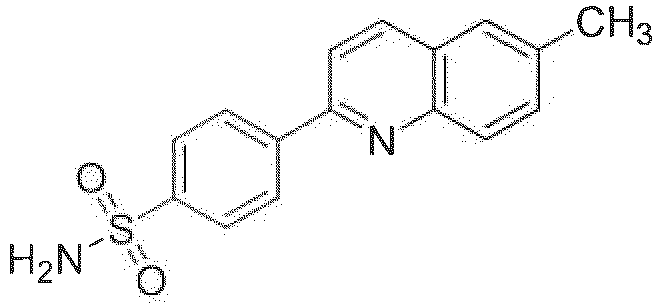
- 2-Chloro-6-methylquinoline (250 mg, 1.41 mmol), 4-aminosulfonylphenylboronic acid (424 mg, 2.11 mmol), tetrakis(triphenylphosphine)palladium(0) (48.8 mg, 0.0422 mmol), and potassium carbonate (486 mg, 3.52 mmol) were dissolved in DMF/water (5/1, v/v, 12 mL), and the resulting solution was then stirred with heating at 100°C for 3 hours. Water was added at room temperature to the reaction mixture, and the precipitated solid was filtered and washed with hexane/chloroform to obtain the title compound as a pale brown solid (320 mg, 1.07 mmol, yield: 76%).
- 1H-NMR (CDCl3) δ: 8.32 (2H, d, J = 8.6 Hz), 8.20 (1H, d, J = 8.6 Hz), 8.07 (3H, d, J = 8.6 Hz), 7.87 (1H, d, J = 8.6 Hz), 7.63-7.59 (2H, m), 4.82 (2H, brs), 2.57 (3H, s).
- MS(ESI) [M+H]+: 299.
-

- The 4-(6-methylquinolin-2-yl)benzenesulfonamide synthesized in Reference Example 83 (310 mg, 1.04 mmol) was dissolved in tetrahydrofuran (10 mL), and
diethyl 1,4-dihydro-2,6-dimethyl-3,5-pyridinedicarboxylate (631 mg, 2.49 mmol) and iodine (26.4 mg, 0.104 mmol) were then added to the resulting solution, and the resulting mixture was stirred at 50°C for 18 hours. After the reaction was completed, the reaction mixture was concentrated under reduced pressure. The obtained crude product was purified by column chromatography (silica gel, hexane/ethyl acetate) to obtain the title compound (hereinafter referred to as the compound of Example 100) as a white solid (186 mg, 0.615 mmol, yield: 59%). - 1H-NMR (CDCl3) δ: 7.90 (2H, d, J = 8.6 Hz), 7.55 (2H, d, J = 8.6 Hz), 6.87-6.84 (2H, m), 6.51 (1H, d, J = 7.7 Hz), 4.77 (2H, s), 4.51 (1H, dd, J = 8.8, 3.4 Hz), 3.96 (1H, s), 2.92-2.84 (1H, m), 2.66 (1H, td, J = 10.8, 5.6 Hz), 2.15-2.09 (1H, m), 2.01-1.92 (1H, m).
- MS(ESI) [M+H]+: 303.
-

- 2-Chloro-6-methylquinoline (250 mg, 1.41 mmol), 6-(4,4,5,5-tetramethyl-1,3,2-dioxaborolan-2-yl)-3,4-dihydroquinolin-2(1H)-one (576 mg, 2.11 mmol), tetrakis(triphenylphosphine)palladium(0) (48.8 mg, 0.0422 mmol), and potassium carbonate (486 mg, 3.52 mmol) were dissolved in DMF/water (5/1, v/v, 12 mL), and the resulting solution was then stirred with heating at 100°C for 3 hours. Water was added at room temperature to the reaction mixture, and the precipitated solid was filtered and washed with chloroform/hexane to obtain the title compound (357 mg, 1.24 mmol, yield: 88%) as a pale brown solid.
- 1H-NMR (CDCl3) δ: 8.12 (1H, d, J = 8.6 Hz), 8.06-8.02 (2H, m), 7.94 (1H, dd, J = 8.2, 1.8 Hz), 7.80 (1H, d, J = 8.6 Hz), 7.72 (1H, brs), 7.59 (1H, s), 7.56 (1H, dd, J = 8.6, 1.8 Hz), 6.87 (1H, d, J = 8.2 Hz), 3.11 (2H, t, J = 7.5 Hz), 2.71 (2H, t, J = 7.5 Hz), 2.55 (3H, s).
- MS(ESI) [M+H]+: 289.
-

- The 6-methyl-3',4'-dihydro-[2,6'-biquinolin]-2'(1'H)-one synthesized in Reference Example 84 (240 mg, 0.832 mmol) was dissolved in tetrahydrofuran (8 mL), and
diethyl 1,4-dihydro-2,6-dimethyl-3,5-pyridinedicarboxylate (506 mg, 2.00 mmol) and iodine (21.1 mg, 0.0832 mmol) were then added to the resulting solution, and the resulting mixture was stirred at 50°C for 26 hours. After the reaction was completed, the reaction mixture was concentrated under reduced pressure. The obtained crude product was purified by column chromatography (silica gel, hexane/ethyl acetate) to obtain the title compound (hereinafter referred to as the compound of Example 101) as a white solid (200 mg, 0.684 mmol, yield: 82%). - 1H-NMR (CDCl3) δ: 7.49 (1H, brs), 7.22-7.17 (2H, m), 6.84-6.83 (2H, m), 6.70 (1H, d, J = 8.2 Hz), 6.50-6.47 (1H, m), 4.34 (1H, dd, J = 9.5, 3.2 Hz), 3.88 (1H, brs), 2.98-2.87 (3H, m), 2.75-2.68 (1H, m), 2.63 (2H, dd, J = 8.4, 6.6 Hz), 2.23 (3H, s), 2.11-1.93 (2H, m).
- MS(ESI) [M+H]+: 293.
-
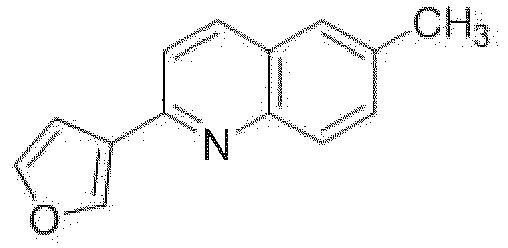
- 2-Chloro-6-methylquinoline (100 mg, 0.563 mmol), 3-furylboronic acid (94.5 mg, 0.844 mmol), tetrakis(triphenylphosphine)palladium(0) (19.5 mg, 0.0169 mmol), and potassium carbonate (195 mg, 1.41 mmol) were dissolved in DMF/water (5/1, v/v, 3.6 mL), and the resulting solution was then stirred with heating at 100°C for 4 hours. After the reaction mixture was cooled down to room temperature, water was poured into the reaction mixture, and the resulting mixture was extracted with ethyl acetate. The organic layer was dried over anhydrous sodium sulfate and then concentrated under reduced pressure. The obtained crude product was purified by column chromatography (silica gel, hexane/ethyl acetate) to obtain the title compound as a white solid (118 mg, 0.563 mmol, yield: 100%).
- 1H-NMR (CDCl3) δ: 8.12 (1H, dd, J = 1.8, 0.9 Hz), 8.03 (1H, d, J = 9.1 Hz), 7.97 (1H, d, J = 9.1 Hz), 7.56-7.51 (4H, m), 7.09 (1H, dd, J = 1.8, 0.9 Hz), 2.52 (3H, s).
- MS(ESI) [M+H]+: 210.
-

- The 2-(furan-3-yl)-6-methylquinoline synthesized in Reference Example 85 (115 mg, 0.550 mmol) was used in the same manner as in Example 72 to obtain the title compound (hereinafter referred to as the compound of Example 102) as a white solid (113 mg, 0.531 mmol, yield: 97%).
- 1H-NMR (CDCl3) δ: 7.39-7.38 (2H, m), 6.82-6.80 (2H, m), 6.45 (1H, d, J = 8.6 Hz), 6.41 (1H, dd, J = 1.6, 1.1 Hz), 4.37 (1H, dd, J = 9.1, 3.2 Hz), 2.92-2.83 (1H, m), 2.72 (1H, dt, J = 16.5, 4.8 Hz), 2.22 (3H, s), 2.13-2.06 (1H, m), 2.01-1.91 (1H, m).
- MS(ESI) [M+H]+: 214.
-

- 2-Chloro-6-methylquinoline (70.0 mg, 0.394 mmol), thiazol-4-ylboronic acid (76.2 mg, 0.591 mmol), 1,1'-bis(diphenylphosphino)ferrocenepalladium(II) dichloride (32.2 mg, 0.0394 mmol), and potassium carbonate (109 mg, 0.788 mmol) were dissolved in 1,2-dimethoxyethane /water (8/1, v/v, 2.25 mL), and the resulting solution was then stirred with heating at 90°C for 5 hours. After the reaction mixture was cooled down to room temperature, the reaction mixture was concentrated under reduced pressure. The obtained crude product was purified by column chromatography (silica gel, hexane/ethyl acetate) to obtain the title compound as a white solid (5.00 mg, 0.0221 mmol, yield: 5.6%).
- 1H-NMR (CDCl3) δ: 8.94 (1H, d, J = 1.8 Hz), 8.34 (1H, s), 8.27 (1H, d, J = 8.6 Hz), 8.17 (1H, d, J = 8.6 Hz), 8.04 (1H, d, J = 8.6 Hz), 7.60 (1H, s), 7.56 (1H, dd, J = 8.6, 1.8 Hz), 2.55 (3H, s).
- MS(ESI) [M+H]+: 227.
-

- The 4-(6-methylquinolin-2-yl)thiazole synthesized in Reference Example 86 (5.00 mg, 0.0221 mmol) was used in the same manner as in Example 72 to obtain the title compound (hereinafter referred to as the compound of Example 103) as a pale yellow oily substance (2.00 mg, 0.00869 mmol, yield: 39%).
- 1H-NMR (CDCl3) δ: 8.80 (1H, d, J = 2.0 Hz), 7.22 (1H, dd, J = 2.0, 1.1 Hz), 6.85-6.82 (2H, m), 6.54 (1H, d, J = 7.7 Hz), 4.73 (1H, dd, J = 8.2, 3.6 Hz), 2.91-2.83 (1H, m), 2.66 (1H, td, J = 11.1, 5.4 Hz), 2.34-2.26 (1H, m), 2.23 (3H, s), 2.19-2.10 (1H, m).
- MS(ESI) [M+H]+: 231.
-

- 2-Chloro-6-methylquinoline (70.0 mg, 0.394 mmol), 4-(4,4,5,5-tetramethyl-1,3,2-dioxaborolan-2-ylisoxazole (115 mg, 0.591 mmol), 1,1'-bis(diphenylphosphino)ferrocenepalladium(II) dichloride (32.2 mg, 0.0394 mmol), and potassium carbonate (109 mg, 0.788 mmol) were dissolved in DMF/water (5/1, v/v, 3.6 mL), and the resulting solution was then stirred with heating at 90°C for 5 hours. After the reaction mixture was cooled down to room temperature, the reaction mixture was concentrated under reduced pressure. The obtained crude product was purified by column chromatography (silica gel, hexane/ethyl acetate) to obtain the title compound as a white solid (17.0 mg, 0.0808 mmol, yield: 21%).
- 1H-NMR (CDCl3) δ: 9.05 (1H, brs), 8.97 (1H, s), 8.12 (1H, d, J = 8.6 Hz), 7.99 (1H, d, J = 8.6 Hz), 7.59-7.55 (3H, m), 2.55 (3H, s).
- MS(ESI) [M+H]+: 211.
-

- The 4-(6-methylquinolin-2-yl)isoxazole synthesized in Reference Example 87 (17.0 mg, 0.0808 mmol) was used in the same manner as in Example 72 to obtain the title compound (hereinafter referred to as the compound of Example 104) as a white solid (12.0 mg, 0.0560 mmol, yield: 69%).
- 1H-NMR (CDCl3) δ: 8.38 (1H, s), 8.30 (1H, s), 6.85-6.83 (2H, m), 6.47 (1H, d, J = 8.6 Hz), 4.47 (1H, dd, J = 9.1, 3.2 Hz), 2.93-2.84 (1H, m), 2.71 (1H, td, J = 10.9, 5.7 Hz), 2.23 (3H, s), 2.17-2.10 (1H, m), 2.03-1.93 (1H, m).
- MS(ESI) [M+H]+: 215.
-

- 2-Chloro-7-methylquinoline (110 mg, 0.619 mmol) and (4-sulfamoylphenyl)boronic acid (187 mg, 0.929 mmol) were used in the same manner as in Reference Example 11 to obtain the title compound as a white solid (185 mg, 0.619 mmol, yield: 100%).
- 1H-NMR (DMSO-d6) δ: 8.46 (1H, d, J = 8.7 Hz), 8.44-8.40 (2H, m), 8.15 (1H, d, J = 8.7 Hz), 7.99-7.95 (2H, m), 7.94-7.90 (2H, m), 7.48 (1H, dd, J = 8.2, 1.8 Hz), 2.56 (3H, s).
- MS(ESI) [M+H]+: 299.
-

- The 4-(7-methylquinolin-2-yl)benzenesulfonamide synthesized in Reference Example 88 (185 mg, 0.619 mmol) was used in the same manner as in Example 72 to obtain the title compound (hereinafter referred to as the compound of Example 105) as a white solid (135 mg, 0.447 mmol, yield: 72%).
- 1H-NMR (CDCl3) δ: 7.92-7.88 (2H, m), 7.56-7.52 (4H, m), 6.90 (1H, d, J = 7.8 Hz), 6.52 (1H, dd, J = 7.8, 0.9 Hz), 6.42-6.41 (1H, m), 4.81 (2H, s), 4.53 (1H, dd, J = 8.7, 3.7 Hz), 4.01 (1H, brs), 2.90-2.81 (1H, m), 2.69-2.61 (1H, m), 2.26 (3H, s), 2.16-2.08 (1H, m), 2.00-1.90 (1H, m).
- MS(ESI) [M+H]+: 303.
-

- 2-Chloro-7-methylquinoline (126 mg, 0.709 mmol) and (4-carbamoylphenyl)boronic acid (176 mg, 1.06 mmol) were used in the same manner as in Reference Example 11 to obtain the title compound as a white solid (173 mg, 0.658 mmol, yield: 93%).
- 1H-NMR (DMSO-d6) δ: 8.44 (1H, d, J = 8.5 Hz), 8.36-8.33 (2H, m), 8.15 (1H, d, J = 8.5 Hz), 8.12-8.09 (1H, m), 8.06-8.03 (2H, m), 7.93-7.90 (2H, m), 7.49-7.46 (2H, m), 2.56 (3H, s).
- MS(ESI) [M+H]+: 263.
-

- The 4-(7-methylquinolin-2-yl)benzamide synthesized in Reference Example 89 (170 mg, 0.648 mmol) was used in the same manner as in Example 72 to obtain the title compound (hereinafter referred to as the compound of Example 106) as a white solid (170 mg, 0.638 mmol, yield: 98%).
- 1H-NMR (CDCl3) δ: 7.81-7.77 (2H, m), 7.48-7.45 (2H, m), 6.90 (1H, d, J = 7.8 Hz), 6.52-6.49 (1H, m), 6.42-6.40 (1H, m), 6.07 (1H, brs), 5.64 (1H, brs), 4.50 (1H, dd, J = 8.7, 3.2 Hz), 4.01 (1H, brs), 2.91-2.82 (1H, m), 2.70-2.63 (1H, m), 2.25 (3H, s), 2.15-2.08 (1H, m), 2.01-1.91 (1H, m).
- MS(ESI) [M+H]+: 367.
-

- 2-Chloro-6-fluoroquinoline (300 mg, 1.65 mmol) and (4-sulfamoylphenyl)boronic acid (498 mg, 2.48 mmol) were used in the same manner as in Reference Example 11 to obtain the title compound as a white solid (267 mg, 0.883 mmol, yield: 54%).
- 1H-NMR (DMSO-d6) δ: 8.53 (1H, d, J = 8.9 Hz), 8.47-8.43 (2H, m), 8.29 (1H, d, J = 8.9 Hz), 8.21-8.16 (1H, m), 8.01-7.98 (2H, m), 7.88-7.85 (1H, m), 7.77-7.71 (1H, m), 7.40 (2H, brs).
- MS(ESI) [M+H]+: 267.
-

- The 4-(6-fluoroquinolin-2-yl)benzenesulfonamide synthesized in Reference Example 90 (265 mg, 0.877 mmol) was used in the same manner as in Example 72 to obtain the title compound (hereinafter referred to as the compound of Example 107) as a white solid (211 mg, 0.689 mmol, yield: 70%).
- 1H-NMR (CDCl3) δ: 7.93-7.89 (2H, m), 7.56-7.52 (2H, m), 6.78-6.72 (2H, m), 6.53-6.49 (1H, m), 4.84-4.81 (2H, m), 4.50 (1H, dd, J = 9.1, 3.2 Hz), 3.97 (1H, brs), 2.95-2.86 (1H, m), 2.72-2.65 (1H, m), 2.16-2.09 (1H, m), 2.01-1.92 (1H, m).
- MS(ESI) [M+H]+: 307.
-

- The 4-(6-fluoro-1,2,3,4-tetrahydroquinolin-2-yl)benzenesulfonamide synthesized in Example 107 (58.0 mg, 0.189 mmol) was dissolved in propan-2-ol (5.8 mL) and optically resolved using HPLC under the following conditions to obtain the title compound (hereinafter referred to as the compound of Example 108) as a white solid (24.0 mg, 0.0783 mmol, yield: 41%, enantiomeric excess: 99.8% ee).
- 1H-NMR (CDCl3) δ: 7.93-7.89 (2H, m), 7.56-7.52 (2H, m), 6.78-6.72 (2H, m), 6.53-6.49 (1H, m), 4.84-4.81 (2H, m), 4.50 (1H, dd, J = 9.1, 3.2 Hz), 3.97 (1H, brs), 2.95-2.86 (1H, m), 2.72-2.65 (1H, m), 2.16-2.09 (1H, m), 2.01-1.92 (1H, m).
- MS(ESI) [M+H]+: 307.
- Conditions for optical resolution using HPLC:
- Column: Daicel Chiralcel OZ-H chiral column
- (inner diameter: 20 mm, length: 250 mm, particle size: 5 µm)
- Column temperature: 40°C
- Mobile phase: propan-2-ol : hexane = 70:30
- Total injection volume: 6.8 mL (0.80 to 1.0 mL/injection)
- Flow rate: 10 mL/min
- Detection: UV (254 nm)
- Rt: 11.34 min
- HPLC analysis conditions:
- Column: Daicel Chiralcel OZ-3 chiral column
- (inner diameter: 4.6 mm, length: 150 mm, particle size: 3 µm)
- Column temperature: 40°C
- Mobile phase: propan-2-ol : hexane = 40:60
- Flow rate: 0.6 mL/min
- Detection: UV (254 nm)
- Rt: 9.26 min
-

- The 4-(6-fluoro-1,2,3,4-tetrahydroquinolin-2-yl)benzenesulfonamide synthesized in Example 107 (58.0 mg, 0.189 mmol) was dissolved in propan-2-ol (5.8 mL) and optically resolved using HPLC under the following conditions to obtain the title compound (hereinafter referred to as the compound of Example 109) as a white solid (23.2 mg, 0.0757 mmol, yield: 39%, enantiomeric excess: 99.9% ee).
- 1H-NMR (CDCl3) δ: 7.93-7.89 (2H, m), 7.56-7.52 (2H, m), 6.78-6.72 (2H, m), 6.53-6.49 (1H, m), 4.84-4.81 (2H, m), 4.50 (1H, dd, J = 9.1, 3.2 Hz), 3.97 (1H, brs), 2.95-2.86 (1H, m), 2.72-2.65 (1H, m), 2.16-2.09 (1H, m), 2.01-1.92 (1H, m).
- MS(ESI) [M+H]+: 307.
- Conditions for optical resolution using HPLC:
- Column: Daicel Chiralcel OZ-H chiral column
- (inner diameter: 20 mm, length: 250 mm, particle size: 5 µm)
- Column temperature: 40°C
- Mobile phase: propan-2-ol : hexane = 70:30
- Total injection volume: 6.8 mL (0.80 to 1.0 mL/injection)
- Flow rate: 10 mL/min
- Detection: UV (254 nm)
- Rt: 16.55 min
- HPLC analysis conditions:
- Column: Daicel Chiralcel OZ-3 chiral column
- (inner diameter: 4.6 mm, length: 150 mm, particle size: 3 µm)
- Column temperature: 40°C
- Mobile phase: propan-2-ol : hexane = 40:60
- Flow rate: 0.6 mL/min
- Detection: UV (254 nm)
- Rt: 15.96 min
-

- The 4-(6-methyl-1,2,3,4-tetrahydroquinolin-2-yl)benzamide synthesized in Example 99 (60.0 mg, 0.225 mmol) was dissolved in propan-2-ol (30 mL) and optically resolved using HPLC under the following conditions to obtain the title compound (hereinafter referred to as the compound of Example 110) as a white solid (21.0 mg, 0.0788 mmol, yield: 35%, enantiomeric excess: 100% ee).
- 1H-NMR (CDCl3) δ: 7.79 (2H, d, J = 8.2 Hz), 7.48 (2H, d, J = 8.2 Hz), 6.86-6.83 (2H, m), 6.51 (1H, d, J = 8.2 Hz), 6.06 (1H, brs), 5.56 (1H, brs), 4.48 (1H, dd, J = 8.8, 3.4 Hz), 4.02 (1H, brs), 2.93-2.85 (1H, m), 2.68 (1H, td, J = 10.8, 5.6 Hz), 2.24 (3H, s), 2.15-2.09 (1H, m), 2.02-1.93 (1H, m).
- MS(ESI) [M+H]+: 267.
- Conditions for optical resolution using HPLC:
- Column: Daicel Chiralcel OD-H chiral column
- (inner diameter: 20 mm, length: 250 mm, particle size: 5 µm)
- Column temperature: 40°C
- Mobile phase: propan-2-ol : hexane = 70:30
- Total injection volume: 30 mL (1.0 to 5.0 mL/injection)
- Flow rate: 10 mL/min
- Detection: UV (254 nm)
- Rt: 12.51 min
- HPLC analysis conditions:
- Column: Daicel Chiralcel OD-H chiral column
- (inner diameter: 4.6 mm, length: 250 mm, particle size: 5 µm)
- Column temperature: 40°C
- Mobile phase: propan-2-ol : hexane = 40:60
- Flow rate: 0.6 mL/min
- Detection: UV (254 nm)
- Rt: 11.30 min
-

- The 4-(6-methyl-1,2,3,4-tetrahydroquinolin-2-yl)benzamide synthesized in Example 99 (60.0 mg, 0.225 mmol) was dissolved in propan-2-ol (30 mL) and optically resolved using HPLC under the following conditions to obtain the title compound (hereinafter referred to as the compound of Example 111) as a white solid (25.5 mg, 0.0957 mmol, yield: 43%, enantiomeric excess: 99.9% ee).
- 1H-NMR (CDCl3) δ: 7.79 (2H, d, J = 8.2 Hz), 7.48 (2H, d, J = 8.2 Hz), 6.86-6.83 (2H, m), 6.51 (1H, d, J = 8.2 Hz), 6.06 (1H, brs), 5.56 (1H, brs), 4.48 (1H, dd, J = 8.8, 3.4 Hz), 4.02 (1H, brs), 2.93-2.85 (1H, m), 2.68 (1H, td, J = 10.8, 5.6 Hz), 2.24 (3H, s), 2.15-2.09 (1H, m), 2.02-1.93 (1H, m).
- MS(ESI) [M+H]+: 267.
- Conditions for optical resolution using HPLC:
- Column: Daicel Chiralcel OD-H chiral column
- (inner diameter: 20 mm, length: 250 mm, particle size: 5 µm)
- Column temperature: 40°C
- Mobile phase: propan-2-ol : hexane = 70:30
- Total injection volume: 30 mL (1.0 to 5.0 mL/injection)
- Flow rate: 10 mL/min
- Detection: UV (254 nm)
- Rt: 15.51 min
- HPLC analysis conditions:
- Column: Daicel Chiralcel OD-H chiral column
- (inner diameter: 4.6 mm, length: 150 mm, particle size: 5 µm)
- Column temperature: 40°C
- Mobile phase: propan-2-ol : hexane = 40:60
- Flow rate: 0.6 mL/min
- Detection: UV (254 nm)
- Rt: 15.51 min
-

- 2-Chloro-5-methylquinoline (30.0 mg, 0.169 mmol) and (4-sulfamoylphenyl)boronic acid (37.3 mg, 0.186 mmol) were used in the same manner as in Reference Example 11 to obtain the title compound as a white solid (46.3 mg, 0.155 mmol, yield: 92%).
- 1H-NMR (DMSO-d6) δ: 8.61 (1H, d, J = 8.7 Hz), 8.50-8.46 (2H, m), 8.25 (1H, d, J = 8.7 Hz), 8.02-7.98 (2H, m), 7.97-7.94 (1H, m), 7.72-7.68 (2H, m), 7.49-7.47 (3H, m), 2.71 (3H, s).
- MS(ESI) [M+H]+: 299.
-

- The 4-(5-methylquinolin-2-yl)benzenesulfonamide synthesized in Reference Example 91 (44.0 mg, 0.147 mmol) was used in the same manner as in Example 72 to obtain the title compound (hereinafter referred to as the compound of Example 112) as a white solid (23.3 mg, 0.0771 mmol, yield: 52%).
- 1H-NMR (CDCl3) δ: 7.92-7.89 (2H, m), 7.57-7.53 (2H, m), 6.95 (1H, dd, J = 7.6, 7.6 Hz), 6.59 (1H, d, J = 7.6 Hz), 6.47 (1H, d, J = 7.6 Hz), 4.81 (2H, s), 4.50-4.46 (1H, m), 4.04 (1H, brs), 2.79-2.71 (1H, m), 2.67-2.60 (1H, m), 2.20 (3H, s), 2.19-2.13 (1H, m), 2.04-1.94 (1H, m).
- MS(ESI) [M+H]+: 303.
-
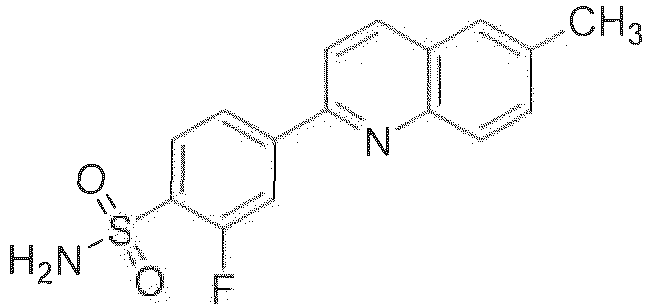
- 2-Chloro-6-methylquinoline (30.0 mg, 0.169 mmol) and (3-fluoro-4-sulfamoylphenyl)boronic acid (40.7 mg, 0.186 mmol) were used in the same manner as in Reference Example 11 to obtain the title compound as a white solid (30.4 mg, 0.0961 mmol, yield: 92%).
- 1H-NMR (DMSO-d6) δ: 8.46-8.42 (1H, m), 8.31-8.20 (2H, m), 8.05-8.00 (1H, m), 7.98-7.93 (1H, m), 7.84-7.76 (3H, m), 7.70-7.65 (1H, m), 2.54 (3H, s).
- MS(ESI) [M+H]+: 317.
-

- The 2-fluoro-4-(6-methylquinolin-2-yl)benzenesulfonamide synthesized in Reference Example 92 (38.0 mg, 0.120 mmol) was used in the same manner as in Example 72 to obtain the title compound (hereinafter referred to as the compound of Example 113) as a white solid (21.0 mg, 0.0655 mmol, yield: 55%).
- 1H-NMR (CDCl3) δ: 7.88-7.83 (1H, m), 7.31-7.27 (2H, m), 6.87-6.82 (2H, m), 6.52 (1H, d, J = 8.2 Hz), 5.07 (2H, s), 4.52-4.48 (1H, m), 3.97 (1H, brs), 2.90-2.81 (1H, m), 2.68-2.60 (1H, m), 2.23 (3H, s), 2.16-2.07 (1H, m), 1.99-1.89 (1H, m).
- MS(ESI) [M+H]+: 321.
-

- Chlorosulfonyl isocyanate (36.2 mg, 0.256 mmol) was added at 0°C to a dichloromethane solution (0.70 mL) of 2-methylpropan-2-ol (21.5 mg, 0.290 mmol), and the resulting mixture was stirred at the same temperature for 30 minutes. The reaction mixture was added to a dichloromethane solution (1.0 mL) of 4-(6-methylquinolin-2-yl)aniline (40.0 mg, 0.171 mmol) and triethylamine (0.0432 mL, 0.307 mmol), and the resulting mixture was stirred at room temperature for 1 hour. After the reaction was completed, a saturated aqueous solution of sodium bicarbonate was added to the reaction mixture, and the resulting mixture was extracted with ethyl acetate. The organic layer was dried over anhydrous sodium sulfate, and the filtrate was then concentrated under reduced pressure. The obtained crude product was dissolved in dichloromethane (1 mL), and trifluoroacetic acid (0.0916 mL) was then added to the resulting solution, and the resulting mixture was stirred at room temperature for 18 hours. After the reaction was completed, the reaction mixture was concentrated under reduced pressure. The obtained crude product was purified by column chromatography (silica gel, chloroform/methanol) to obtain the title compound as a yellow solid (37.8 mg, 0.121 mmol, yield: 71%).
- 1H-NMR (CD3OD) δ: 8.25 (1H, d, J = 8.7 Hz), 8.06-8.02 (2H, m), 7.98 (1H, d, J = 8.7 Hz), 7.88 (1H, d, J = 8.7 Hz), 7.68-7.66 (1H, m), 7.60 (1H, dd, J = 8.7, 1.8 Hz), 7.39-7.35 (2H, m), 2.55 (3H, s).
- MS(ESI) [M+H]+: 314.
-

- The N-(4-(6-methylquinolin-2-yl)phenyl)sulfamoylamine synthesized in Reference Example 93 (37.8 mg, 0.121 mmol) was used in the same manner as in Example 72 to obtain the title compound (hereinafter referred to as the compound of Example 114) as a white solid (17.3 mg, 0.0545 mmol, yield: 45%).
- 1H-NMR (DMSO-d6) δ: 9.40 (1H, s), 7.26-7.22 (2H, m), 7.13-7.10 (2H, m), 7.04 (2H, s), 6.70-6.67 (2H, m), 6.48 (1H, d, J = 8.2 Hz), 5.70 (1H, s), 4.30-4.26 (1H, m), 2.79-2.70 (1H, m), 2.54-2.47 (1H, m), 2.12 (3H, s), 1.96-1.89 (1H, m), 1.83-1.73 (1H, m).
- MS(ESI) [M+H]+: 318.
-

- 2,6-Dichloroquinoline (1.00 g, 5.05 mmol) and (4-sulfamoylphenyl)boronic acid (964 mg, 4.80 mmol) were used in the same manner as in Reference Example 11 to obtain the title compound as a pale pink solid (1.38 g, 4.34 mmol, yield: 86%).
- 1H-NMR (DMSO-d6) δ: 8.52 (1H, d, J = 8.7 Hz), 8.47 (2H, d, J = 8.7 Hz), 8.30 (1H, d, J = 8.7 Hz), 8.20 (1H, d, J = 2.3 Hz), 8.13 (1H, d, J = 9.1 Hz), 8.00 (2H, d, J = 8.2 Hz), 7.83 (1H, dd, J = 9.1, 2.3 Hz), 7.50 (2H, s).
- MS(ESI) [M+H]+: 319.
-

- The 4-(6-chloroquinolin-2-yl)benzenesulfonamide synthesized in Reference Example 94 (200 mg, 0.627 mmol) was used in the same manner as in Example 72 to obtain the title compound (hereinafter referred to as the compound of Example 115) as a pale pink solid (127 mg, 0.394 mmol, yield: 63%).
- 1H-NMR (CDCl3) δ: 7.91 (2H, d, J = 8.2 Hz), 7.52 (2H, d, J = 8.2 Hz), 6.99-6.98 (2H, m), 6.51 (1H, d, J = 9.1 Hz), 4.79 (2H, brs), 4.54 (1H, ddd, J = 8.7, 3.2, 1.8 Hz), 4.09 (1H, brs), 2.86 (1H, ddd, J = 15.6, 9.6, 5.5 Hz), 2.66 (1H, ddd, J = 16.5, 5.5, 5.5 Hz), 2.15-2.11 (1H, m), 2.00-1.91 (1H, m).
- MS(ESI) [M+H]+: 323.
-

- The 4-(6-chloroquinolin-2-yl)benzenesulfonamide synthesized in Reference Example 94 (600 mg, 1.88 mmol) and (R)-3,3'-bis(2,4,6-triisopropylphenyl)-1,1'-binaphthyl-2,2'-diyl hydrogen phosphate (28.3 mg, 0.0376 mmol) were used in the same manner as in Example 37 to obtain the title compound (hereinafter referred to as the compound of Example 116) as a pale pink solid (431 mg, 1.34 mmol, yield: 71%, enantiomeric excess: 94.8% ee).
- 1H-NMR (CDCl3) δ: 7.91 (2H, d, J = 8.7 Hz), 7.52 (2H, d, J = 8.2 Hz), 6.99-6.98 (2H, m), 6.51 (1H, dd, J = 5.9, 3.2 Hz), 4.79 (2H, s), 4.54 (1H, dd, J = 11.0, 3.7 Hz), 4.09 (1H, brs), 2.86 (1H, ddd, J = 15.6, 9.6, 5.0 Hz), 2.66 (1H, ddd, J = 16.5, 5.0, 5.9 Hz), 2.16-2.09 (1H, m), 1.97-1.94 (1H, m).
- MS(ESI) [M+H]+: 323.
- HPLC analysis conditions:
- Column: Daicel Chiralcel OD-H chiral column
- (inner diameter: 0.46 mm, length: 250 mm, particle size: 5 µm)
- Column temperature: 40°C
- Mobile phase: propan-2-ol : hexane = 50:50
- Flow rate: 0.6 mL/min
- Detection: UV (254 nm)
- Rt: 15.47 min
-

- The 4-(6-chloroquinolin-2-yl)benzenesulfonamide synthesized in Reference Example 94 (600 mg, 1.88 mmol) and (S)-3,3'-bis(2,4,6-triisopropylphenyl)-1,1'-binaphthyl-2,2'-diyl hydrogen phosphate (28.3 mg, 0.0376 mmol) were used in the same manner as in Example 37 to obtain the title compound (hereinafter referred to as the compound of Example 117) as a pale pink solid (380 mg, 1.18 mmol, yield: 63%, enantiomeric excess: 99.1% ee).
- 1H-NMR (CDCl3) δ: 7.91 (2H, d, J = 8.7 Hz), 7.52 (2H, d, J = 8.2 Hz), 7.00-6.96 (2H, m), 6.51 (1H, dd, J = 5.9, 3.2 Hz), 4.79 (2H, s), 4.56-4.52 (1H, m), 4.09 (1H, brs), 2.86 (1H, ddd, J = 15.6, 9.6, 4.6 Hz), 2.66 (1H, ddd, J = 16.5, 5.0, 5.0 Hz), 2.16-2.09 (1H, m), 2.00-1.90 (1H, m).
- MS(ESI) [M+H]+: 323.
- HPLC analysis conditions:
- Column: Daicel Chiralcel OD-H chiral column
- (inner diameter: 0.46 mm, length: 250 mm, particle size: 5 µm)
- Column temperature: 40°C
- Mobile phase: propan-2-ol : hexane = 50:50
- Flow rate: 0.6 mL/min
- Detection: UV (254 nm)
- Rt: 18.58 min
-

- 2-Chloro-7-fluoroquinoline (200 mg, 1.10 mmol) and (4-sulfamoylphenyl)boronic acid (266 mg, 1.32 mmol) were used in the same manner as in Reference Example 11 to obtain the title compound as a yellowish brown solid (297 mg, 0.982 mmol, yield: 89%).
- 1H-NMR (CDCl3) δ: 8.33 (2H, d, J = 8.6 Hz), 8.29 (1H, d, J = 8.6 Hz), 8.09 (2H, d, J = 8.6 Hz), 7.89-7.86 (2H, m), 7.81 (1H, dd, J = 10.0, 2.7 Hz), 7.38 (1H, ddd, J = 8.2, 8.2, 2.3 Hz), 4.84 (2H, brs).
- MS(ESI) [M+H]+: 303.
-

- The 4-(7-fluoroquinolin-2-yl)benzenesulfonamide synthesized in Reference Example 95 was used in the same manner as in Example 72 to obtain the title compound (hereinafter referred to as the compound of Example 118) as a white solid (182 mg, 0.595 mmol, yield: 90%).
- 1H-NMR (CDCl3) δ: 7.91 (2H, d, J = 7.8 Hz), 7.52 (2H, d, J = 8.2 Hz), 6.92 (1H, dd, J = 6.9, 7.3 Hz), 6.37 (1H, ddd, J = 8.2, 8.2, 2.3 Hz), 6.28 (1H, dd, J = 10.5, 2.3 Hz), 4.80 (2H, brs), 4.55 (1H, d, J = 8.2 Hz), 4.17 (1H, brs), 2.83 (1H, ddd, J = 15.1, 9.6, 5.0 Hz), 2.63 (1H, ddd, J = 16.0, 5.5, 5.5 Hz), 2.17-2.10 (1H, m), 1.97-1.94 (1H, m).
- MS(ESI) [M+H]+: 307.
-

- The 4-(6-methylquinolin-2-yl)benzenesulfonamide synthesized in Reference Example 83 (600 mg, 2.01 mmol) and (R)-3,3'-bis(2,4,6-triisopropylphenyl)-1,1'-binaphthyl-2,2'-diyl hydrogen phosphate ((R)-TRIP,30.3 mg, 0.0402 mmol) were suspended in 1,4-dioxane (6.7 mL), and
diethyl 1,4-dihydro-2,6-dimethyl-3,5-pyridinedicarboxylate (1.53 g, 6.03 mmol) was added to the resulting suspension, and the resulting mixture was stirred at 60°C for 24 hours under argon atmosphere. After the reaction was completed, the reaction mixture was concentrated under reduced pressure. The obtained crude product was purified by column chromatography (silica gel, hexane/ethyl acetate) to obtain the title compound (hereinafter referred to as the compound of Example 119) as a white solid (443 mg, 1.47 mmol, yield: 73%,enantiomeric excess: 99.4% ee). - 1H-NMR (CDCl3) δ: 7.90 (2H, d, J = 8.6 Hz), 7.55 (2H, d, J = 8.6 Hz), 6.87-6.84 (2H, m), 6.51 (1H, d, J = 7.7 Hz), 4.77 (2H, s), 4.51 (1H, dd, J = 8.8, 3.4 Hz), 3.96 (1H, s), 2.92-2.84 (1H, m), 2.66 (1H, td, J = 10.8, 5.6 Hz), 2.15-2.09 (1H, m), 2.01-1.92 (1H, m).
- MS(ESI) [M+H]+: 303.
- Rt: 6.92 min
- HPLC analysis conditions:
- Column: Daicel Chiralcel OZ-H chiral column
- (inner diameter: 20 mm, length: 250 mm, particle size: 5 µm)
- Column temperature: 40°C
- Mobile phase: propan-2-ol : hexane = 50:50
- Flow rate: 0.6 mL/min
- Detection: UV (254 nm)
-

- The 4-(6-methyl-1,2,3,4-tetrahydroquinolin-2-yl)benzenesulfonamide synthesized in Example 100 (40.5 mg, 0.134 mmol) was dissolved in propan-2-ol (4.2 mL) and optically resolved using HPLC under the following conditions to obtain the title compound (hereinafter referred to as the compound of Example 120) as a white solid (14.9 mg, 49.3 µmol, yield: 37%, enantiomeric excess: 99.9%).
- 1H-NMR (CDCl3) δ: 7.90 (2H, d, J = 8.6 Hz), 7.55 (2H, d, J = 8.6 Hz), 6.87-6.84 (2H, m), 6.51 (1H, d, J = 7.7 Hz), 4.77 (2H, s), 4.51 (1H, dd, J = 8.8, 3.4 Hz), 3.96 (1H, s), 2.92-2.84 (1H, m), 2.66 (1H, td, J = 10.8, 5.6 Hz), 2.15-2.09 (1H, m), 2.01-1.92 (1H, m).
- MS(ESI) [M+H]+: 303.
- MS(ESI) [M+H]+: 303.
- Conditions for optical resolution using HPLC:
- Column: Daicel Chiralcel OZ-H chiral column
- (inner diameter: 20 mm, length: 250 mm, particle size: 5 µm)
- Column temperature: 40°C
- Mobile phase: propan-2-ol : hexane = 70:30
- Total injection volume: 4.0 mL (1.0 mL × 4)
- Flow rate: 10 mL/min
- Detection: UV (254 nm)
- Rt: 17.00 to 22.00 min
- HPLC analysis conditions:
- Column: Daicel Chiralcel OZ-3 chiral column
- (inner diameter: 0.46 mm, length: 150 mm, particle size: 3 µm)
- Column temperature: 40°C
- Mobile phase: propan-2-ol : hexane = 50:50
- Flow rate: 0.6 mL/min
- Detection: UV (254 nm)
- Rt: 12.17 min
-
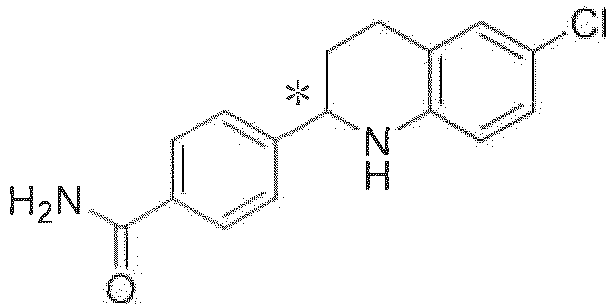
- The 4-(6-chloro-1,2,3,4-tetrahydroquinolin-2-yl)benzamide synthesized in Example 131 (40.8 mg, 0.125 mmol) was dissolved in propan-2-ol (13 mL) and optically resolved using HPLC under the following conditions to obtain the title compound (hereinafter referred to as the compound of Example 121) as a white solid (17.1 mg, 50.2 µmol, yield: 42%, enantiomeric excess: 99.9%).
- 1H-NMR (CDCl3) δ: 7.80 (2H, d, J = 8.2 Hz), 7.45 (2H, d, J = 8.2 Hz), 6.97 (2H, d, J = 5.9 Hz), 6.50 (1H, d, J = 4.5 Hz), 4.51 (1H, d, J = 6.8 Hz), 4.11 (1H, brs), 2.91-2.83 (1H, m), 2.72-2.63 (1H, m), 2.16-2.08 (1H, m), 2.11-1.90 (1H, m).
- MS(ESI) [M+H]+: 287.
- Conditions for optical resolution using HPLC:
- Column: Daicel Chiralcel OD-H chiral column
- (inner diameter: 20 mm, length: 250 mm, particle size: 5 µm)
- Column temperature: 40°C
- Mobile phase: propan-2-ol : hexane = 70:30
- Total injection volume: 12.0 mL (5.0 mL × 2, 1.0 mL × 2)
- Flow rate: 10 mL/min
- Detection: UV (254 nm)
- Rt: 9.00 to 13.50 min
- HPLC analysis conditions:
- Column: Daicel Chiralcel OD-H chiral column
- (inner diameter: 0.46 mm, length: 150 mm, particle size: 5 µm)
- Column temperature: 40°C
- Mobile phase: propan-2-ol : hexane = 50:50
- Flow rate: 0.6 mL/min
- Detection: UV (254 nm)
- Rt: 11.26 min
-

- The 4-(6-chloro-1,2,3,4-tetrahydroquinolin-2-yl)benzamide synthesized in Example 131 (40.8 mg, 0.125 mmol) was dissolved in propan-2-ol (13 mL) and optically resolved using HPLC under the following conditions to obtain the title compound (hereinafter referred to as the compound of Example 122) as a white solid (17.0 mg, 44.0 µmol, yield: 42%, enantiomeric excess: 99.9%).
- 1H-NMR (CDCl3) δ: 7.80 (2H, d, J = 8.2 Hz), 7.45 (2H, d, J = 8.2 Hz), 6.97 (2H, d, J = 5.9 Hz), 6.50 (1H, d, J = 4.5 Hz), 4.51 (1H, d, J = 6.8 Hz), 4.11 (1H, brs), 2.91-2.83 (1H, m), 2.72-2.63 (1H, m), 2.16-2.08 (1H, m), 2.11-1.90 (1H, m).
- MS(ESI) [M+H]+: 287.
- Conditions for optical resolution using HPLC:
- Column: Daicel Chiralcel OD-H chiral column
- (inner diameter: 20 mm, length: 250 mm, particle size: 5 µm)
- Column temperature: 40°C
- Mobile phase: propan-2-ol : hexane = 70:30
- Total injection volume: 12.0 mL (5.0 mL × 2, 1.0 mL × 2)
- Flow rate: 10 mL/min
- Detection: UV (254 nm)
- Rt: 14.00 to 18.00 min
- HPLC analysis conditions:
- Column: Daicel Chiralcel OD-H chiral column
- (inner diameter: 0.46 mm, length: 150 mm, particle size: 5 µm)
- Column temperature: 40°C
- Mobile phase: propan-2-ol : hexane = 50:50
- Flow rate: 0.6 mL/min
- Detection: UV (254 nm)
- Rt: 18.55 min
-

- The 5-(quinolin-2-yl)isoindolin-1-one synthesized in Reference Example 17 (100 mg, 0.384 mmol) and (R)-3,3'-bis(2,4,6-triisopropylphenyl)-1,1'-binaphthyl-2,2'-diyl hydrogen phosphate (5.79 mg, 0.00768 mmol) were suspended in 1,4-dioxane (4 mL), and
diethyl 1,4-dihydro-2,6-dimethyl-3,5-pyridinedicarboxylate (234 mg, 0.922 mmol) was added to the resulting suspension, and the resulting mixture was stirred at room temperature for 24 hours and at 60°C for 24 hours under argon atmosphere. After the reaction was completed, the reaction mixture was concentrated under reduced pressure. The obtained crude product was purified by column chromatography (silica gel, hexane/ethyl acetate) to obtain the title compound (hereinafter referred to as the compound of Example 123) as a white solid (49.3 mg, 0.187 mmol, yield: 49%, enantiomeric excess: 97.0% ee). - 1H-NMR (CDCl3) δ: 7.85 (1H, d, J = 7.7 Hz), 7.53 (1H, s), 7.49 (1H, d, J = 8.8 Hz), 7.04 (2H, dd, J = 12.9, 7.0 Hz), 6.69 (1H, dd, J = 7.2, 7.2 Hz), 6.59 (1H, d, J = 7.7 Hz), 6.49 (1H, s), 4.62-4.55 (1H, m), 4.44 (2H, s), 4.12 (1H, s), 2.96-2.88 (1H, m), 2.72 (1H, dd, J = 10.6, 5.4, 5.4 Hz), 2.21-2.11 (1H, m), 2.06-1.96 (1H, m). MS(ESI) [M+H]+: 265.
- Rt: 22.04 min
- HPLC analysis conditions:
- Column: Daicel Chiralcel OD-H chiral column
- (inner diameter: 4.6 mm, length: 250 mm, particle size: 5 µm)
- Column temperature: 40°C
- Mobile phase: propan-2-ol : hexane = 40:60
- Flow rate: 0.6 mL/min
- Detection: UV (254 nm)
-
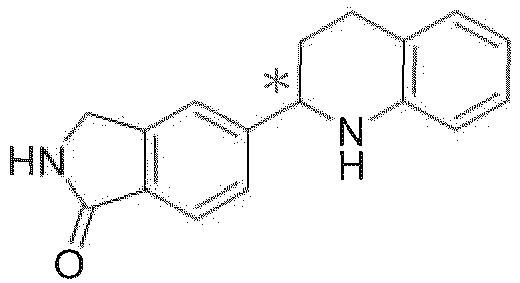
- The 5-(quinolin-2-yl)isoindolin-1-one synthesized in Reference Example 17 (50.0 mg, 0.192 mmol) and (S)-3,3'-bis(2,4,6-triisopropylphenyl)-1,1'-binaphthyl-2,2'-diyl hydrogen phosphate (2.89 mg, 0.00384 mmol) were suspended in 1,4-dioxane (2 mL), and
diethyl 1,4-dihydro-2,6-dimethyl-3,5-pyridinedicarboxylate (117 mg, 0.461 mmol) was added to the resulting suspension, and the resulting mixture was stirred at room temperature for 18 hours and at 60°C for 4 hours under argon atmosphere. After the reaction was completed, the reaction mixture was concentrated under reduced pressure. The obtained crude product was purified by column chromatography (silica gel, hexane/ethyl acetate) to obtain the title compound (hereinafter referred to as the compound of Example 124) as a white amorphous (32.9 mg, 0.187 mmol, yield: 65%, enantiomeric excess: 97.0% ee). - 1H-NMR (CDCl3) δ: 7.85 (1H, d, J = 7.7 Hz), 7.53 (1H, s), 7.49 (1H, d, J = 8.8 Hz), 7.04 (2H, dd, J = 12.9, 7.0 Hz), 6.69 (1H, dd, J = 7.2, 7.2 Hz), 6.59 (1H, d, J = 7.7 Hz), 6.49 (1H, s), 4.62-4.55 (1H, m), 4.44 (2H, s), 4.12 (1H, s), 2.96-2.88 (1H, m), 2.72 (1H, dd, J = 10.6, 5.4, 5.4 Hz), 2.21-2.11 (1H, m), 2.06-1.96 (1H, m).
- MS(ESI) [M+H]+: 265.
- Rt: 26.97 min
- HPLC analysis conditions:
- Column: Daicel Chiralcel OD-H chiral column
- (inner diameter: 4.6 mm, length: 250 mm, particle size: 5 µm)
- Column temperature: 40°C
- Mobile phase: propan-2-ol : hexane = 40:60
- Flow rate: 0.6 mL/min
- Detection: UV (254 nm)
-

- The 3',4'-dihydro-[2,6'-biquinolin]-2'(1'H)-one synthesized in Reference Example 15 (100 mg, 0.364 mmol) and (R)-3,3'-bis(2,4,6-triisopropylphenyl)-1,1'-binaphthyl-2,2'-diyl hydrogen phosphate (5.49 mg, 0.00729 mmol) were suspended in 1,4-dioxane (4 mL), and
diethyl 1,4-dihydro-2,6-dimethyl-3,5-pyridinedicarboxylate (222 mg, 0.875 mmol) was added to the resulting suspension, and the resulting mixture was stirred at room temperature for 18 hours under argon atmosphere. After the reaction was completed, the reaction mixture was concentrated under reduced pressure. The obtained crude product was purified by column chromatography (silica gel, hexane/ethyl acetate) to obtain the title compound (hereinafter referred to as the compound of Example 125) as a white solid (74.0 mg, 0.266 mmol, yield: 73%, enantiomeric excess: 99.1% ee). - 1H-NMR (CDCl3) δ: 7.63 (1H, s), 7.24-7.17 (2H, m), 7.04-7.68 (2H, m), 6.72-6.64 (2H, m), 6.54 (1H, d, J = 7.7 Hz), 4.38 (1H, dd, J = 9.3, 2.9 Hz), 3.98 (1H, s), 2.99-2.89 (3H, m), 2.79-2.70 (1H, m), 2.68-2.60 (2H, m), 2.11-2.07 (1H, m), 2.02-1.90 (1H, m).
- MS(ESI) [M+H]+: 279.
- Rt: 27.76 min
- HPLC analysis conditions:
- Column: Daicel Chiralcel OZ-3 chiral column
- (inner diameter: 4.6 mm, length: 150 mm, particle size: 5 µm)
- Column temperature: 40°C
- Mobile phase: propan-2-ol : hexane = 10:90
- Flow rate: 0.6 mL/min
- Detection: UV (254 nm)
-

- The 3',4'-dihydro-[2,6'-biquinolin]-2'(1'H)-one synthesized in Reference Example 15 (90.0 mg, 0.328 mmol) and (S)-3,3'-bis(1,4,6-triisopropylphenyl)-1,1'-binaphthyl-2,2'-diyl hydrogen phosphate (4.94 mg, 0.00656 mmol) were suspended in 1,4-dioxane (2 mL), and
diethyl 1,4-dihydro-2,6-dimethyl-3,5-pyridinedicarboxylate (199 mg, 0.787 mmol) was added to the resulting suspension, and the resulting mixture was stirred at room temperature for 18 hours under argon atmosphere. After the reaction was completed, the reaction mixture was concentrated under reduced pressure. The obtained crude product was purified by column chromatography (silica gel, hexane/ethyl acetate) to obtain the title compound (hereinafter referred to as the compound of Example 126) as a white solid (41.0 mg, 0.147 mmol, yield: 45%, enantiomeric excess: 99.0% ee). - 1H-NMR (CDCl3) δ: 7.63 (1H, s), 7.24-7.17 (2H, m), 7.04-7.68 (2H, m), 6.72-6.64 (2H, m), 6.54 (1H, d, J = 7.7 Hz), 4.38 (1H, dd, J = 9.3, 2.9 Hz), 3.98 (1H, s), 2.99-2.89 (3H, m), 2.79-2.70 (1H, m), 2.68-2.60 (2H, m), 2.11-2.07 (1H, m), 2.02-1.90 (1H, m).
- MS(ESI) [M+H]+: 279.
- Rt: 21.04 min
- HPLC analysis conditions:
- Column: Daicel Chiralcel OZ-3 chiral column
- (inner diameter: 4.6 mm, length: 150 mm, particle size: 5 µm)
- Column temperature: 40°C
- Mobile phase: propan-2-ol : hexane = 10:90
- Flow rate: 0.6 mL/min
- Detection: UV (254 nm)
-

- The 1-(tert-butyl)-3-(2-phenylquinolin-6-yl)urea synthesized in Reference Example 57 (75.0 mg, 0.235 mmol) and (R)-3,3'-bis(2,4,6-triisopropylphenyl)-1,1'-binaphthyl-2,2'-diyl hydrogen phosphate (3.54 mg, 0.00470 mmol) were suspended in 1,4-dioxane (3 mL), and
diethyl 1,4-dihydro-2,6-dimethyl-3,5-pyridinedicarboxylate (143 mg, 0.564 mmol) was added to the resulting suspension, and the resulting mixture was stirred at room temperature for 18 hours and at 60°C for 8 hours under argon atmosphere. After the reaction was completed, the reaction mixture was concentrated under reduced pressure. The obtained crude product was purified by column chromatography (amine-silica gel, hexane/ethyl acetate) to obtain the title compound (hereinafter referred to as the compound of Example 127) as a white amorphous (73.0 mg, 0.226 mmol, yield: 96%, enantiomeric excess: 97.3% ee). - 1H-NMR (CDCl3) δ: 7.40-7.25 (5H, m), 6.88-6.82 (2H, m), 6.50 (1H, d, J = 8.6 Hz), 5.69 (1H, s), 4.50 (1H, s), 4.43 (1H, dd, J = 9.5, 3.2 Hz), 4.09 (1H; s), 2.94-2.86 (1H, m), 2.72 (1H, dt, J = 16.5, 4.8 Hz), 2.15-2.10 (1H, m), 2.05-1.93 (1H, m), 1.34 (9H, s).
- MS(ESI) [M+H]+: 324.
- Rt: 8.64 min
- HPLC analysis conditions:
- Column: Daicel Chiralcel OD-H chiral column
- (inner diameter: 4.6 mm, length: 250 mm, particle size: 5 µm)
- Column temperature: 40°C
- Mobile phase: propan-2-ol : hexane = 50:50
- Flow rate: 0.6 mL/min
- Detection: UV (254 nm)
-

- The 1-(tert-butyl)-3-(2-phenylquinolin-6-yl)urea synthesized in Reference Example 57 (52.0 mg, 0.163 mmol) and (S)-3,3'-bis(2,4,6-triisopropylphenyl)-1,1'-binaphthyl-2,2'-diyl hydrogen phosphate (2.45 mg, 0.00326 mmol) were suspended in 1,4-dioxane (2 mL), and
diethyl 1,4-dihydro-2,6-dimethyl-3,5-pyridinedicarboxylate (99.0 mg, 0.391 mmol) was added to the resulting suspension, and the resulting mixture was stirred at room temperature for 18 hours and at 60°C for 8 hours under argon atmosphere. After the reaction was completed, the reaction mixture was concentrated under reduced pressure. The obtained crude product was purified by column chromatography (amine-silica gel, hexane/ethyl acetate) to obtain the title compound (hereinafter referred to as the compound of Example 128) as a white amorphous (50.0 mg, 0.155 mmol, yield: 95%, enantiomeric excess: 97.1% ee). - 1H-NMR (CDCl3) δ: 7.40-7.25 (5H, m), 6.88-6.82 (2H, m), 6.50 (1H, d, J = 8.6 Hz), 5.69 (1H, s), 4.50 (1H, s), 4.43 (1H, dd, J = 9.5, 3.2 Hz), 4.09 (1H, s), 2.94-2.86 (1H, m), 2.72 (1H, dt, J = 16.5, 4.8 Hz), 2.15-2.10 (1H, m), 2.05-1.93 (1H, m), 1.34 (9H, s).
- MS(ESI) [M+H]+: 324.
- Rt: 24.37 min
- HPLC analysis conditions:
- Column: Daicel Chiralcel OD-H chiral column
- (inner diameter: 4.6 mm, length: 250 mm, particle size: 5 µm)
- Column temperature: 40°C
- Mobile phase: propan-2-ol : hexane = 50:50
- Flow rate: 0.6 mL/min
- Detection: UV (254 nm)
-

- The 3,3-dimethyl-N-(2-phenylquinolin-6-yl)butanamide synthesized in Reference Example 59 (100 mg, 0.314 mmol) and (R)-3,3'-bis(2,4,6-triisopropylphenyl)-1,1'-binaphthyl-2,2'-diyl hydrogen phosphate (4.73 mg, 0.00628 mmol) were suspended in 1,4-dioxane (3 mL), and
diethyl 1,4-dihydro-2,6-dimethyl-3,5-pyridinedicarboxylate (191 mg, 0.736 mmol) was added to the resulting suspension, and the resulting mixture was stirred at room temperature for 18 hours under argon atmosphere. After the reaction was completed, the reaction mixture was concentrated under reduced pressure. The obtained crude product was purified by column chromatography (silica gel, hexane/ethyl acetate) to obtain the title compound (hereinafter referred to as the compound of Example 129) as a white solid (57.7 mg, 0.179 mmol, yield: 57%, enantiomeric excess: 99.3% ee). - 1H-NMR (CDCl3) δ: 7.38-7.32 (3H, m), 7.30-7.25 (2H, m), 7.23-7.20 (1H, m), 7.04-7.00 (1H, m), 6.85 (1H, s), 6.49 (1H, d, J = 8.2 Hz), 4.42 (1H, dd, J = 9.1, 3.2 Hz), 4.01 (1H, s), 2.94-2.86 (1H, m), 2.72 (1H, dt, J = 16.5, 4.8 Hz), 2.20 (2H, s), 2.14-2.07 (1H, m), 2.02-1.92 (1H, m), 1.12 (9H, s).
- MS(ESI) [M+H]+: 323.
- Rt: 10.36 min
- HPLC analysis conditions:
- Column: Daicel Chiralcel OD-H chiral column
- (inner diameter: 4.6 mm, length: 250 mm, particle size: 5 µm)
- Column temperature: 40°C
- Mobile phase: propan-2-ol : hexane = 50:50
- Flow rate: 0.6 mL/min
- Detection: UV (254 nm)
-

- The 3,3-dimethyl-N-(2-phenylquinolin-6-yl)butanamide synthesized in Reference Example 59 (100 mg, 0.314 mmol) and (S)-3,3'-bis(2,4,6-triisopropylphenyl)-1,1'-binaphthyl-2,2'-diyl hydrogen phosphate (4.73 mg, 0.00628 mmol) were suspended in 1,4-dioxane (3 mL), and
diethyl 1,4-dihydro-2,6-dimethyl-3,5-pyridinedicarboxylate (191 mg, 0.736 mmol) was added to the resulting suspension, and the resulting mixture was stirred at room temperature for 18 hours under argon atmosphere. After the reaction was completed, the reaction mixture was concentrated under reduced pressure. The obtained crude product was purified by column chromatography (silica gel, hexane/ethyl acetate) to obtain the title compound (hereinafter referred to as the compound of Example 130) as a white amorphous (41.2 mg, 0.128 mmol, yield: 40%, enantiomeric excess: 99.0% ee). - 1H-NMR (CDCl3) δ: 7.38-7.32 (3H, m), 7.30-7.25 (2H, m), 7.23-7.20 (1H, m), 7.04-7.00 (1H, m), 6.85 (1H, s), 6.49 (1H, d, J = 8.2 Hz), 4.42 (1H, dd, J = 9.1, 3.2 Hz), 4.01 (1H, s), 2.94-2.86 (1H, m), 2.72 (1H, dt, J = 16.5, 4.8 Hz), 2.20 (2H, s), 2.14-2.07 (1H, m), 2.02-1.92 (1H, m), 1.12 (9H, s).
- MS(ESI) [M+H]+: 323.
- Rt: 12.89 min
- HPLC analysis conditions:
- Column: Daicel Chiralcel OD-H chiral column
- (inner diameter: 4.6 mm, length: 250 mm, particle size: 5 µm)
- Column temperature: 40°C
- Mobile phase: propan-2-ol : hexane = 50:50
- Flow rate: 0.6 mL/min
- Detection: UV (254 nm)
-

- 2,6-Dichloroquinoline (300 mg, 1.51 mmol), (4-carbamoylphenyl)boronic acid (325 mg, 1.97 mmol), tetrakis(triphenylphosphine)palladium(0) (17.5 mg, 0.0151 mmol), and potassium carbonate (419 mg, 3.03 mmol) were dissolved in 1,4-dioxane/water (5/1, v/v, 7 mL), and the resulting solution was then stirred with heating at 100°C for 3 hours. After the reaction mixture was cooled down to room temperature, water was poured into the reaction mixture, and the precipitated solid was filtered. The obtained crude product was washed with water, acetone, and hexane/chloroform to obtain the title compound as a brown solid (338 mg, 1.20 mmol, yield: 79%).
- 1H-NMR (DMSO-d6) δ: 8.50 (1H, d, J = 8.6 Hz), 8.36 (2H, d, J = 8.2 Hz), 8.30 (1H, d, J = 9.1 Hz), 8.19 (1H, d, J = 5.2 Hz), 8.12 (2H, d, J = 9.1 Hz), 8.06 (2H, d, J = 8.6 Hz), 7.82 (1H, dd, J = 8.8, 2.5 Hz), 7.50 (1H, brs).
- MS(ESI) [M+H]+: 283.
-

- The 4-(6-chloroquinolin-2-yl)benzamide synthesized in Reference Example 96 (280 mg, 0.990 mmol) was dissolved in THF (10.0 mL), and
diethyl 1,4-dihydro-2,6-dimethyl-3,5-pyridinedicarboxylate (602 mg, 2.38 mmol) and iodine (25.1 mg, 0.0990 mmol) were then added to the resulting solution, and the resulting mixture was stirred at room temperature for 18 hours. After the reaction was completed, the reaction mixture was concentrated under reduced pressure. The obtained crude product was purified by column chromatography (silica gel, hexane/ethyl acetate) to obtain the title compound (hereinafter referred to as the compound of Example 131) as a pale pink solid (230 mg, 0.909 mmol, yield: 81%). - 1H-NMR (CDCl3) δ: 7.80 (2H, d, J = 8.2 Hz), 7.45 (2H, d, J = 8.2 Hz), 6.97 (2H, d, J = 5.9 Hz), 6.50 (1H, d, J = 4.5 Hz), 4.51 (1H, d, J = 6.8 Hz), 4.11 (1H, brs), 2.91-2.83 (1H, m), 2.72-2.63 (1H, m), 2.16-2.08 (1H, m), 2.11-1.90 (1H, m).
- MS(ESI) [M+H]+: 287.
-

- 2-Chloro-6-fluoroquinoline (250 mg, 1.38 mmol), (4-carbamoylphenyl)boronic acid (295 mg, 1.79 mmol), tetrakis(triphenylphosphine)palladium(0) (31.3 mg, 0.0275 mmol), and potassium carbonate (381 mg, 2.75 mmol) were dissolved in 1,4-dioxane/water (5/1, v/v, 7 mL), and the resulting solution was then stirred with heating at 100°C for 5 hours. After the reaction mixture was cooled down to room temperature, water was poured into the reaction mixture, and the precipitated solid was filtered. The obtained crude product was washed with water, acetone, and hexane/chloroform to obtain the title compound as a gray solid (280 mg, 1.05 mmol, yield: 77%).
- 1H-NMR (DMSO-d6) δ: 8.50 (1H, d, J = 8.6 Hz), 8.36-8.34 (2H, m), 8.28 (1H, d, J = 8.6 Hz), 8.17 (1H, dd, J = 9.1, 5.4 Hz), 8.12 (1H, brs), 8.07-8.04 (2H, m), 7.85 (1H, dd, J = 9.3, 2.9 Hz), 7.73 (1H, dd, J = 8.9, 3.0 Hz), 7.49 (1H, s).
- MS(ESI) [M+H]+: 267.
-

- The 4-(6-fluoroquinolin-2-yl)benzamide synthesized in Reference Example 97 (180 mg, 0.676 mmol) was dissolved in THF (7.0 mL), and
diethyl 1,4-dihydro-2,6-dimethyl-3,5-pyridinedicarboxylate (620 mg, 2.45 mmol) and iodine (34.2 mg, 0.135 mmol) were then added to the resulting solution, and the resulting mixture was stirred at 60°C for 24 hours. After the reaction was completed, the reaction mixture was concentrated under reduced pressure. The obtained crude product was purified by column chromatography (silica gel, hexane/ethyl acetate) to obtain the title compound (hereinafter referred to as the compound of Example 132) as a pale pink solid (141 mg, 0.522 mmol, yield: 77%). - 1H-NMR (CDCl3) δ: 7.80 (2H, dd, J = 8.2, 1.8 Hz), 7.47 (2H, d, J = 8.2 Hz), 6.75 (2H, dd, J = 13.4, 5.7 Hz), 6.54-6.46 (1H, m), 4.47 (1H, d, J = 6.8 Hz), 3.97 (1H, brs), 2.95-2.86 (1H, m), 2.74-2.65 (1H, m), 2.15-2.09 (1H, m), 2.02-1.92 (1H, m).
- MS(ESI) [M+H]+: 271.
-

- 2-Chloro-6-fluoroquinoline (200 mg, 1.10 mmol), 6-(4,4,5,5-tetramethyl-1,3,2-dioxaborolan-2-yl)-3,4-dihydroquinolin-2(1H)-one (325 mg, 1.65 mmol), tetrakis(triphenylphosphine)palladium(0) (40.5 mg, 0.0350 mmol), and potassium carbonate (304 mg, 2.21 mmol) were dissolved in 1,4-dioxane/water (5/1, v/v, 7 mL), and the resulting solution was then stirred with heating at 100°C for 18 hours. After the reaction mixture was cooled down to room temperature, water was poured into the reaction mixture, and the precipitated solid was filtered. The obtained crude product was washed with water, acetone, and hexane/chloroform to obtain the title compound as a brown solid (234 mg, 0.801 mmol, yield: 73%).
- 1H-NMR (DMSO-d6) δ: 10.31 (1H, s), 8.40 (1H, d, J = 8.6 Hz), 8.16-8.06 (4H, m), 7.78 (1H, dd, J = 9.3, 2.9 Hz), 7.67 (1H, dd, J = 8.9, 3.0 Hz), 7.00 (1H, d, J = 8.2 Hz), 3.05-2.97 (2H, m), 2.55-2.45 (2H, m).
- MS(ESI) [M+H]+: 293.
-

- The 6-fluoro-3',4'-dihydro-[2,6'-biquinolin]-2'(1'H)-one synthesized in Reference Example 98 (200 mg, 0.684 mmol) was dissolved in THF (7 mL), and
diethyl 1,4-dihydro-2,6-dimethyl-3,5-pyridinedicarboxylate (516 mg, 2.04 mmol) and iodine (17.4 mg, 0.0684 mmol) were then added to the resulting solution, and the resulting mixture was stirred at 60°C for 48 hours. After the reaction was completed, the reaction mixture was concentrated under reduced pressure. The obtained crude product was purified by column chromatography (silica gel, hexane/ethyl acetate) to obtain the title compound (hereinafter referred to as the compound of Example 133) as a pale pink solid (144 mg, 0.486 mmol, yield: 71%). - 1H-NMR (CDCl3) δ: 7.54-7.68 (1H, m), 7.22-7.15 (2H, m), 6.76-6.70 (3H, m), 6.47 (1H, dd, J = 9.5, 5.0 Hz), 4.33 (1H, dd, J = 9.7, 2.9 Hz), 3.87 (1H, brs), 3.00-2.89 (3H, m), 2.77-2.68 (1H, m), 2.66-2.62 (2H, m), 2.10-2.03 (1H, m), 2.00-1.89 (1H, m).
- MS(ESI) [M+H]+: 297.
-
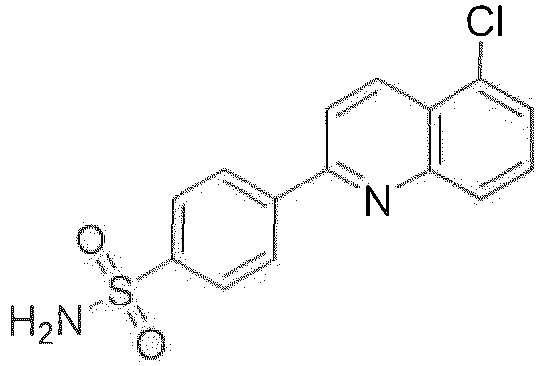
- 2,5-Dichloroquinoline (180 mg, 0.909 mmol), (4-sulfamoylphenyl)boronic acid (274 mg, 1.36 mmol), tetrakis(triphenylphosphine)palladium(0) (31.5 mg, 0.0273 mmol), and potassium carbonate (251 mg, 1.82 mmol) were dissolved in DMF/water (5/1, v/v, 7 mL), and the resulting solution was then stirred with heating at 100°C for 4 hours. After the reaction mixture was cooled down to room temperature, water was poured into the reaction mixture, and the precipitated solid was filtered. The obtained crude product was washed with water, acetone, and hexane/chloroform to obtain the title compound as a gray solid (160 mg, 0.503 mmol, yield: 55%).
- 1H-NMR (DMSO-d6) δ: 8.71 (1H, d, J = 4.5 Hz), 8.48 (3H, dd, J = 10.4, 3.6 Hz), 8.40 (1H, d, J = 9.1 Hz), 8.14-8.11 (1H, m), 8.02 (2H, d, J = 8.6 Hz), 7.85-7.80 (3H, m).
- MS(ESI) [M+H]+: 319.
-

- The 4-(5-chloroquinolin-2-yl)benzamide synthesized in Reference Example 99 (160 mg, 0.502 mmol) was dissolved in THF (5.0 mL), and
diethyl 1,4-dihydro-2,6-dimethyl-3,5-pyridinedicarboxylate (305 mg, 1.20 mmol) and iodine (12.7 mg, 0.0502 mmol) were then added to the resulting solution, and the resulting mixture was stirred at room temperature for 18 hours. After the reaction was completed, the reaction mixture was concentrated under reduced pressure. The obtained crude product was purified by column chromatography (silica gel, hexane/ethyl acetate) to obtain the title compound (hereinafter referred to as the compound of Example 134) as a pale yellow solid (105 mg, 0.326 mmol, yield: 65%). - 1H-NMR (CDCl3) δ: 7.93-7.90 (2H, m), 7.55-7.50 (2H, m), 6.97 (1H, dd, J = 14.7, 6.6 Hz), 6.76 (1H, dd, J = 7.9, 1.1 Hz), 6.49 (1H, dd, J = 3.9, 3.9 Hz), 4.77 (2H, brs), 4.50 (1H, d, J = 7.7 Hz), 4.18 (1H, brs), 2.86-2.80 (2H, m), 2.20-2.14 (1H, m), 2.05-1.94 (1H, m).
- MS(ESI) [M+H]+: 323.
-

- 2-Chloro-5-fluoroquinoline (160 mg, 0.881 mmol), (4-sulfamoylphenyl)boronic acid (266 mg, 1.32 mmol), tetrakis(triphenylphosphine)palladium(0) (30.5 mg, 0.0264 mmol), and potassium carbonate (243 mg, 1.76 mmol) were dissolved in DMF/water (5/1, v/v, 6 mL), and the resulting solution was then stirred with heating at 100°C for 4 hours. After the reaction mixture was cooled down to room temperature, water was poured into the reaction mixture, and the precipitated solid was filtered. The obtained crude product was washed with water, acetone, and hexane/chloroform to obtain the title compound as a gray solid (215 mg, 0.712 mmol, yield: 81%).
- 1H-NMR (DMSO-d6) δ: 8.65 (1H, d, J = 9.1 Hz), 8.48 (2H, dd, J = 6.8, 1.8 Hz), 8.34 (1H, dd, J = 7.5, 7.5 Hz), 8.05-7.90 (4H, m), 7.86-7.79 (1H, m), 7.55-7.45 (2H, m).
- MS(ESI) [M+H]+: 303.
-

- The 4-(5-fluoroquinolin-2-yl)benzamide synthesized in Reference Example 100 (210 mg, 0.660 mmol) was dissolved in THF (12.0 mL), and
diethyl 1,4-dihydro-2,6-dimethyl-3,5-pyridinedicarboxylate (401 mg, 1.58 mmol) and iodine (16.7 mg, 0.0660 mmol) were then added to the resulting solution, and the resulting mixture was stirred at room temperature for 18 hours. After the reaction was completed, the reaction mixture was concentrated under reduced pressure. The obtained crude product was purified by column chromatography (silica gel, hexane/ethyl acetate) to obtain the title compound (hereinafter referred to as the compound of Example 135) as a pale yellow solid (155 mg, 0.507 mmol, yield: 77%). - 1H-NMR (CDCl3) δ: 7.93-7.90 (2H, m), 7.56-7.50 (2H, m), 7.00-6.95 (1H, m), 6.44-6.36 (2H, m), 4.79 (2H, brs), 4.52 (1H, d, J = 8.6 Hz), 4.19 (1H, brs), 2.85-2.70 (2H, m), 2.20-2.10 (1H, m), 2.00-1.90 (1H, m).
- MS(ESI) [M+H]+: 307.
-

- 2-Chloroquinoline (140 mg, 0.859 mmol), (4-(methylsulfonamide)phenyl)boronic acid (256 mg, 1.19 mmol), tetrakis(triphenylphosphine)palladium(0) (27.5 mg, 0.0238 mmol), and potassium carbonate (275 mg, 1.99 mmol) were dissolved in DMF/water (5/1, v/v, 5 mL), and the resulting solution was then stirred with heating at 100°C for 4 hours. After the reaction mixture was cooled down to room temperature, water was poured into the reaction mixture, and the resulting mixture was extracted with hexane/ethyl acetate. The organic layer was washed with water and saturated brine. The organic layer was dried over anhydrous sodium sulfate and then concentrated under reduced pressure. The obtained crude product was purified by column chromatography (silica gel, hexane/ethyl acetate) to obtain the title compound as a white solid (267 mg, 0.896 mmol, yield: quantitative).
- 1H-NMR (CDCl3) δ: 8.23 (1H, d, J = 8.6 Hz), 8.20-8.14 (2H, m), 7.86-7.83 (2H, m), 7.76-7.65 (2H, m), 7.57-7.52 (1H, m), 7.50-7.47 (1H, m), 7.40-7.35 (1H, m), 6.69 (1H, s), 3.06 (3H, s).
- MS(ESI) [M+H]+: 299.
-

- The N-(4-(quinolin-2-yl)phenyl)methanesulfonamide synthesized in Reference Example 101 (180 mg, 0.573 mmol) was dissolved in THF (6.0 mL), and
diethyl 1,4-dihydro-2,6-dimethyl-3,5-pyridinedicarboxylate (348 mg, 1.38 mmol) and iodine (14.5 mg, 0.0573 mmol) were then added to the resulting solution, and the resulting mixture was stirred at room temperature for 24 hours. After the reaction was completed, the reaction mixture was concentrated under reduced pressure. The obtained crude product was purified by column chromatography (silica gel, hexane/ethyl acetate) to obtain the title compound (hereinafter referred to as the compound of Example 136) as a pale yellow solid (113 mg, 0.374 mmol, yield: 65%). - 1H-NMR (CDCl3) δ: 7.40-7.37 (2H, m), 7.21-7.18 (2H, m), 7.05-7.68 (2H, m), 6.66 (1H, dd, J = 7.5, 1.1 Hz), 6.55 (1H, d, J = 8.2 Hz), 6.39 (1H, s), 4.46-4.40 (1H, m), 4.00 (1H, s), 3.02 (3H, s), 2.96-2.88 (1H, m), 2.77-2.68 (1H, m), 2.13-2.07 (1H, m),2.01-1.91 (1H, m).
- MS(ESI) [M+H]+: 303.
-

- 2-Chloro-5-fluoroquinoline (150 mg, 0.826 mmol), (4-carbamoylphenyl)boronic acid (204 mg, 1.24 mmol), tetrakis(triphenylphosphine)palladium(0) (28.6 mg, 0.0248 mmol), and potassium carbonate (228 mg, 1.65 mmol) were dissolved in DMF/water (5/1, v/v, 6 mL), and the resulting solution was then stirred with heating at 100°C for 4 hours. After the reaction mixture was cooled down to room temperature, water was poured into the reaction mixture, and the precipitated solid was filtered. The obtained crude product was washed with water, acetone, and hexane/chloroform to obtain the title compound as a gray solid (206 mg, 0.774 mmol, yield: 94%).
- 1H-NMR (DMSO-d6) δ: 8.61 (1H, d, J = 8.6 Hz), 8.38 (2H, dd, J = 4.3, 4.3 Hz), 8.33 (1H, d, J = 8.6 Hz), 8.15-8.05 (3H, m), 7.98 (2H, dd, J = 8.4, 2.9 Hz), 7.85-7.78 (1H, m), 7.50-7.43 (1H, m).
- MS(ESI) [M+H]+: 267.
-

- The 4-(5-fluoroquinolin-2-yl)benzamide synthesized in Reference Example 102 (180 mg, 0.642 mmol) was dissolved in THF (6.0 mL), and
diethyl 1,4-dihydro-2,6-dimethyl-3,5-pyridinedicarboxylate (390 mg, 1.54 mmol) and iodine (16.3 mg, 0.0642 mmol) were then added to the resulting solution, and the resulting mixture was stirred at room temperature for 18 hours. After the reaction was completed, the reaction mixture was concentrated under reduced pressure. The obtained crude product was purified by column chromatography (silica gel, hexane/ethyl acetate) to obtain the title compound (hereinafter referred to as the compound of Example 137) as a white solid (131 mg, 0.485 mmol, yield: 76%). - 1H-NMR (CDCl3) δ: 7.80 (2H, dd, J = 8.5, 1.9 Hz), 7.48-7.45 (2H, m), 6.99-6.93 (1H, m), 6.43-6.35 (2H, m), 4.51-4.45 (1H, m), 4.20 (1H, brs), 2.80-2.75 (2H, m), 2.18-2.11 (1H, m), 2.00-1.90 (1H, m).
- MS(ESI) [M+H]+: 271.
-

- 2,5-Dichloroquinoline (150 mg, 0.757 mmol), (4-carbamoylphenyl)boronic acid (149 mg, 0.903 mmol), tetrakis(triphenylphosphine)palladium(0) (26.2 mg, 0.0227 mmol), and potassium carbonate (209 mg, 1.51 mmol) were dissolved in DMF/water (5/1, v/v, 7 mL), and the resulting solution was then stirred with heating at 100°C for 4 hours. After the reaction mixture was cooled down to room temperature, water was poured into the reaction mixture, and the precipitated solid was filtered. The obtained crude product was washed with water, acetone, and hexane/chloroform to obtain the title compound as a gray solid (209 mg, 0.741 mmol, yield: 98%).
- 1H-NMR (DMSO-d6) δ: 8.68 (1H, d, J = 4.5 Hz), 8.40-8.36 (3H, m), 8.15-8.05 (4H, m), 7.81 (2H, dd, J = 11.2, 4.1 Hz), 7.48 (1H, brs).
- MS(ESI) [M+H]+: 283.
-

- The 4-(5-chloroquinolin-2-yl)benzamide synthesized in Reference Example 103 (180 mg, 0.605 mmol) was dissolved in THF (6.0 mL), and
diethyl 1,4-dihydro-2,6-dimethyl-3,5-pyridinedicarboxylate (547 mg, 2.16 mmol) and iodine (15.3 mg, 0.0605 mmol) were then added to the resulting solution, and the resulting mixture was stirred at 60°C for 48 hours. After the reaction was completed, the reaction mixture was concentrated under reduced pressure. The obtained crude product was purified by column chromatography (silica gel, hexane/ethyl acetate) to obtain the title compound (hereinafter referred to as the compound of Example 138) as a white solid (155 mg, 0.542 mmol, yield: 89%). - 1H-NMR (CDCl3) δ: 7.82-7.79 (2H, m), 7.48-7.42 (2H, m), 6.95 (1H, dd, J = 8.0, 8.0 Hz), 6.75 (1H, dd, J = 8.0, 1.1 Hz), 6.48 (1H, dd, J = 8.2, 0.9 Hz), 4.50-4.45 (1H, m), 4.17 (1H, brs), 2.84 (2H, dd, J = 7.5, 5.3 Hz), 2.21-2.15 (1H, m), 2.05-1.93 (1H, m).
- MS(ESI) [M+H]+: 287.
-

- 2-Chloro-7-fluoroquinoline (60.0 mg, 0.330 mmol), 6-(4,4,5,5-tetramethyl-1,3,2-dioxaborolan-2-yl)-3,4-dihydroquinolin-2(1H)-one (135 mg, 0.496 mmol), tetrakis(triphenylphosphine)palladium(0) (11.4 mg, 0.00991 mmol), and potassium carbonate (91.3 mg, 0.660 mmol) were dissolved in 1,4-dioxane/water (5/1, v/v, 3 mL), and the resulting solution was then stirred with heating at 100°C for 4 hours. After the reaction mixture was cooled down to room temperature, water was poured into the reaction mixture, and the precipitated solid was filtered. The obtained crude product was washed with water, acetone, and hexane/chloroform to obtain the title compound as a gray solid (96.7 mg, 0.331 mmol, yield: 100%).
- 1H-NMR (DMSO-d6) δ: 10.32 (1H, s), 8.46 (1H, d, J = 8.6 Hz), 8.14-8.05 (4H, m), 7.75 (1H, dd, J = 10.4, 2.7 Hz), 7.50 (1H, dd, J = 8.8, 2.4 Hz), 7.01 (1H, d, J = 8.6 Hz), 3.05-2.99 (2H, m), 2.55-2.45 (2H, m).
- MS(ESI) [M+H]+: 293.
-

- The 7-fluoro-3',4'-dihydro-[2,6'-biquinolin]-2'(1'H)-one synthesized in Reference Example 104 (71.0 mg, 0.231 mmol) was dissolved in THF (3.0 mL), and
diethyl 1,4-dihydro-2,6-dimethyl-3,5-pyridinedicarboxylate (140 mg, 0.554 mmol) and iodine (5.8 mg, 0.023 mmol) were then added to the resulting solution, and the resulting mixture was stirred at 60°C for 18 hours. After the reaction was completed, the reaction mixture was concentrated under reduced pressure. The obtained crude product was purified by column chromatography (silica gel, hexane/ethyl acetate) to obtain the title compound (hereinafter referred to as the compound of Example 139) as a white solid (35.7 mg, 0.121 mmol, yield: 52%). - 1H-NMR (CDCl3) δ: 7.81 (1H, brs), 7.20-7.12 (2H, m), 6.91 (1H, dd, J = 7.2, 7.2 Hz), 6.72 (1H, d, J = 7.7 Hz), 6.34 (1H, dd, J = 8.5, 2.6 Hz), 6.24 (1H, dd, J = 10.9, 2.7 Hz), 4.40-4.35 (1H, m), 4.07 (1H, s), 3.00-2.93 (2H, m), 2.89-2.81 (1H, m), 2.73-2.62 (3H, m), 2.11-2.05 (1H, m), 1.98-1.88 (1H, m).
- MS(ESI) [M+H]+: 297.
-

- 2-Chloro-7-fluoroquinoline (70.0 mg, 0.385 mmol), 1H-pyrazol-4-yl)boronic acid (64.0 mg, 0.576 mmol), tetrakis(triphenylphosphine)palladium(0) (13.3 mg, 0.0115 mmol), and potassium carbonate (106 mg, 0.768 mmol) were dissolved in DMF/water (5/1, v/v, 2 mL), and the resulting solution was then stirred with heating at 100°C for 6 hours. After the reaction mixture was cooled down to room temperature, water was poured into the reaction mixture, and the precipitated solid was filtered. The obtained crude product was washed with water, acetone, and hexane/chloroform to obtain the title compound as a gray solid (20.0 mg, 0.0938 mmol, yield: 24%).
- 1H-NMR (CDCl3) δ: 8.28 (2H, s), 8.14 (1H, d, J = 8.6 Hz), 7.77 (1H, dd, J = 9.1, 5.9 Hz), 7.69 (1H, dd, J = 10.4, 2.3 Hz), 7.62 (1H, d, J = 8.6 Hz), 7.30-7.25 (1H, m).
- MS(ESI) [M+H]+: 214.
-

- The 7-fluoro-2-(1H-pyrazol-4-yl)quinoline synthesized in Reference Example 105 (20.0 mg, 0.0891 mmol) was dissolved in THF (2.0 mL), and
diethyl 1,4-dihydro-2,6-dimethyl-3,5-pyridinedicarboxylate (54.2 mg, 0.214 mmol) and iodine (2.26 mg, 0.00891 mmol) were then added to the resulting solution, and the resulting mixture was stirred at 60°C for 18 hours. After the reaction was completed, the reaction mixture was concentrated under reduced pressure. The obtained crude product was purified by column chromatography (silica gel, hexane/ethyl acetate) to obtain the title compound (hereinafter referred to as the compound of Example 140) as a yellow oily substance (14.1 mg, 0.0650 mmol, yield: 73%). - 1H-NMR (CDCl3) δ: 7.57 (2H, s), 6.92-6.89 (1H, m), 6.34 (1H, dd, J = 8.5, 2.4 Hz), 6.21 (1H, dd, J = 10.6, 2.5 Hz), 4.50 (1H, dd, J = 9.1, 3.2 Hz), 2.89-2.80 (1H, m), 2.75-2.67 (1H, m), 2.16-2.10 (1H, m), 2.02-1.92 (1H, m).
- MS(ESI) [M+H]+: 218.
-

- 2-Chloroquinoline (70.0 mg, 0.428 mmol), (4-cyano-3-fluorophenyl)boronic acid (106 mg, 0.642 mmol), tetrakis(triphenylphosphine)palladium(0) (14.8 mg, 0.0128 mmol), and potassium carbonate (118 mg, 0.856 mmol) were dissolved in 1,4-dioxane/water (5/1, v/v, 3 mL), and the resulting solution was then stirred with heating at 100°C for 3 hours. After the reaction mixture was cooled down to room temperature, water was poured into the reaction mixture, and the resulting mixture was extracted with chloroform. The organic layer was washed with saturated brine, dried over anhydrous sodium sulfate, and then concentrated under reduced pressure. The obtained crude product was purified by column chromatography (silica gel, hexane/ethyl acetate) to obtain the title compound as a white solid (92.0 mg, 0.371 mmol, yield: 86%).
- 1H-NMR (CDCl3) δ: 8.31 (1H, d, J = 8.6 Hz), 8.19-8.07 (3H, m), 7.88 (2H, d, J = 8.6 Hz), 7.81-7.76 (2H, m), 7.63-7.59 (1H, m).
- MS(ESI) [M+H]+: 249.
-

- The 2-fluoro-4-(quinolin-2-yl)benzonitrile synthesized in Reference Example 106 (50.0 mg, 0.201 mmol) was dissolved in THF (2.0 mL), and
diethyl 1,4-dihydro-2,6-dimethyl-3,5-pyridinedicarboxylate (122 mg, 0.483 mmol) and iodine (5.11 mg, 0.0201 mmol) were then added to the resulting solution, and the resulting mixture was stirred at room temperature for 18 hours. After the reaction was completed, the reaction mixture was concentrated under reduced pressure. The obtained crude product was purified by column chromatography (silica gel, hexane/ethyl acetate) to obtain the title compound (hereinafter referred to as the compound of Example 141) as a yellow oily substance (36.6 mg, 0.145 mmol, yield: 72%). - 1H-NMR (CDCl3) δ: 7.61-7.58 (1H, m), 7.31-7.25 (2H, dd, J = 7.7, 5.4 Hz), 7.08-7.68 (2H, m), 6.72-6.66 (1H, m), 6.61-6.57 (1H, m), 4.57-4.50 (1H, m), 4.10 (1H, brs), 2.93-2.83 (1H, m), 2.70-2.62 (1H, m), 2.18-2.10 (1H, m), 2.00-1.90 (1H, m).
- MS(ESI) [M+H]+: 253.
-

- 2-Chloro-6-(trifluoromethyl)quinoline (200 mg, 0.864 mmol), (4-sulfamoylphenyl)boronic acid (260 mg, 1.30 mmol), tetrakis(triphenylphosphine)palladium(0) (29.9 mg, 0.0259 mmol), and potassium carbonate (239 mg, 1.73 mmol) were dissolved in DMF/water (5/1, v/v, 4.3 mL), and the resulting solution was then stirred with heating at 100°C for 17 hours. After the reaction mixture was cooled down to room temperature, water was poured into the reaction mixture, and the resulting mixture was extracted with ethyl acetate. The organic layer was dried over anhydrous sodium sulfate and then concentrated under reduced pressure. The obtained crude product was purified by recrystallization (hexane/chloroform) to obtain the title compound as a pale yellow solid (220 mg, 0.624 mmol, yield: 72%).
- 1H-NMR (DMSO-d6) δ: 8.75 (1H, d, J = 8.7 Hz), 8.59 (1H, s), 8.52 (2H, dt, J = 8.7, 1.8 Hz), 8.41 (1H, d, J = 8.7 Hz), 8.31 (1H, d, J = 8.7 Hz), 8.07 (1H, dd, J = 8.9, 2.1 Hz), 8.02 (2H, d, J = 8.7 Hz), 7.52 (2H, s).
- MS(ESI) [M+H]+: 353.
-

- The 4-(6-(trifluoromethyl)quinolin-2-yl)benzenesulfonamide synthesized in Reference Example 107 (218 mg, 0.619 mmol) was dissolved in THF (6.2 mL), and
diethyl 1,4-dihydro-2,6-dimethyl-3,5-pyridinedicarboxylate (376 mg, 1.49 mmol) and iodine (15.7 mg, 0.0619 mmol) were then added to the resulting solution, and the resulting mixture was stirred at 60°C for 16 hours. After the reaction was completed, the reaction mixture was concentrated under reduced pressure. The obtained crude product was purified by column chromatography (silica gel, hexane/ethyl acetate) to obtain the title compound (hereinafter referred to as the compound of Example 142) as a white solid (166 mg, 0.466 mmol, yield: 75%). - 1H-NMR (CDCl3) δ: 7.92 (2H, ddd, J = 8.5, 8.5, 1.8 Hz), 7.51 (2H, d, J = 8.5 Hz), 7.28-7.24 (2H, m), 6.60 (1H, d, J = 8.2 Hz), 4.79 (2H, s), 4.63 (1H, d, J = 7.8 Hz), 4.41 (1H, brs), 2.93-2.85 (1H, m), 2.73-2.68 (1H, m), 2.20-2.15 (1H, m), 2.02-1.96 (1H, m).
- MS(ESI) [M+H]+: 357.
-

- Ethyl 2-(4-aminophenyl)acetate (10.0 g, 55.8 mmol) was dissolved in acetonitrile (56 mL), and benzaldehyde (6.2 mL, 61 mmol) was then added to the resulting solution, and the resulting mixture was stirred at 50°C for 19 hours with nitrogen gas flow in open air. After the complete dissolution of the raw material was confirmed, the solution was allowed to cool down to room temperature. Acetonitrile/dichloromethane (1/1, v/v, 56 mL) was added to the solution, and ethyl vinyl ether (0.75 mL, 67 mmol) and ytterbium(III) triflate hydrate (769 mg, 1.12 mmol) were added to the resulting mixture under ice cooling, and the resulting mixture was stirred for 1 hour. Subsequently, the reaction mixture was distilled under reduced pressure. The obtained crude product was purified by column chromatography (silica gel, hexane/ethyl acetate) to obtain a mixture as a white solid (14.9 g, crude yield: 79%), which contains ethyl 2-(4-ethoxy-2-phenyl-1,2,3,4-tetrahydroquinolin-6-yl)acetate as a main component.
- The obtained mixture (14.9 g) was dissolved in acetic acid/toluene (1/2, v/v, 220 mL), and the resulting solution was then stirred at 60°C for 20 hours in open air. Subsequently, the reaction mixture was distilled under reduced pressure. The obtained crude product was purified by column chromatography (silica gel, hexane/ethyl acetate) to obtain the title compound as a pale yellow solid (6.31 g,21.7 mmol, yield in 2 steps: 39%).
- 1H-NMR (CDCl3) δ: 8.19-8.13 (4H, m), 7.87 (1H, d, J = 8.7 Hz), 7.73 (1H, d, J = 1.6 Hz), 7.66 (1H, dd, J = 8.7, 1.6 Hz), 7.55-7.50 (2H, m), 7.46 (1H, tt, J = 7.3, 1.8 Hz), 4.19 (2H, q, J = 7.2 Hz), 3.81 (2H, s), 1.27 (3H, t, J = 7.2Hz).
- MS(ESI) [M+H]+: 292.
-

- The ethyl 2-(2-phenylquinolin-6-yl)acetate synthesized in Reference Example 108 (6.31 g, 21.7 mmol) was dissolved in ethanol/tetrahydrofuran (1/1, v/v, 86 mL), and a 1 mol/L aqueous solution of sodium hydroxide (45.5 mL, 45.5 mmol) was then added to the resulting solution, and the resulting mixture was stirred at room temperature for 1 hour. The reaction mixture was adjusted to pH 6 by addition of 1 mol/L hydrochloric acid (about 30 mL) and then diluted with ethyl acetate (86 mL). After the organic layer was separated off, the aqueous phase was extracted three times with ethyl acetate (170 mL). The organic layers were combined, washed with water (170 mL) and saturated brine (85 mL), dried over anhydrous sodium sulfate, and then distilled under reduced pressure to obtain the title compound as a yellow solid (6.31 g, 21.7 mmol, yield: 39%).
- 1H-NMR (CDCl3) δ: 8.19-8.12 (4H, m), 7.87 (1H, d, J = 8.5 Hz), 7.74 (1H, d, J = 1.8 Hz), 7.66 (1H, dd, J = 8.5, 1.8 Hz), 7.54-7.50 (2H, m), 7.48-7.44 (1H, m), 3.85 (2H, s).
- MS(ESI) [M+H]+: 264.
-

- The 2-(2-phenylquinolin-6-yl)acetic acid synthesized in Reference Example 109 (4.90 g, 18.6 mmol) was dissolved in DMF (93 mL), and N,N-diisopropylethylamine (11.3 mL, 65.1 mmol) and 1-[bis(dimethylamino)methylene]-1H-1,2,3-triazolo[4,5-b]pyridinium 3-oxide hexafluorophosphate (HATU, 10.6 g, 27.9 mmol) were then added to the resulting solution, and the resulting mixture was stirred at room temperature for 20 minutes. Subsequently, 3-hydroxyazetidin hydrochloride (2.65 g, 24.2 mmol) was added to the mixture, and the resulting mixture was stirred at room temperature for further 15 hours. Water (280 mL) was added to the reaction mixture, and the resulting mixture was stirred for 30 minutes, and the obtained suspension was then filtrated. The filtrate was extracted three times with ethyl acetate (180 mL) and further extracted four times with ethyl acetate (90 mL). The organic layer was washed twice with saturated brine (180 mL), dried over anhydrous sodium sulfate, and then distilled under reduced pressure. The obtained crude product was purified by column chromatography (silica gel, chloroform/methanol) and column chromatography (silica gel, ethyl acetate/methanol) to obtain the title compound as a pale yellow solid (1.43 g, 4.50 mmol, yield: 24%).
- 1H-NMR (CDCl3) δ: 8.19-8.11 (4H, m), 7.87 (1H, d, J = 8.2 Hz), 7.72 (1H, s), 7.63 (1H, dd, J = 8.5, 2.1 Hz), 7.55-7.47 (3H, m), 4.62 (1H, brs), 4.34 (1H, dd, J = 8.0, 6.6 Hz), 4.27 (1H, dd, J = 10.3, 6.6 Hz), 4.01 (1H, dd, J = 9.6, 3.8 Hz), 3.89 (1H, dd, J = 10.7, 3.8 Hz), 3.65 (2H, s), 2.60 (1H, brs).
- MS(ESI) [M+H]+: 319.
-

- The 1-(3-hydroxyazetidin-1-yl)-2-(2-phenylquinolin-6-yl)ethan-1-one synthesized in Reference Example 110 (50.0 mg, 0.157 mmol) and (S)-3,3'-bis(2,4,6-triisopropylphenyl)-1,1'-binaphthyl-2,2'-diyl hydrogen phosphate ((S)-TRIP, 2.4 mg, 0.0031 mmol) were suspended in 1,4-dioxane (0.8 mL), and diethyl 1,4-dihydro-2,6-dimethyl-3,5-pyridinedicarboxylate (87.5 mg, 0.346 mmol) was then added to the resulting suspension, and the resulting mixture was stirred at room temperature for 17 hours. The reaction mixture was distilled under reduced pressure, and the obtained crude product was purified by column chromatography (silica gel, chloroform/methanol) to obtain one of the optical isomers of 1-(3-hydroxyazetidin-1-yl)-2-(2-phenyl-1,2,3,4-tetrahydroquinolin-6-yl)ethan-1-one as a pale yellow amorphous (44.7 mg).
- The obtained optical isomer of 1-(3-hydroxyazetidin-1-yl)-2-(2-phenyl-1,2,3,4-tetrahydroquinolin-6-yl)ethan-1-one (44.7 mg), which is one of the optical isomers, was dissolved in ethyl acetate (2 mL), and a 4 mol/L hydrogen chloride-ethyl acetate solution (0.136 mL) was then added to the resulting solution with stirring. The resulting mixture was further stirred at room temperature for 30 minutes, and the resulting solid was then filtered to obtain the title compound (hereinafter referred to as the compound of Example 143) as a white solid (40.5 mg, 0.113 mmol, yield: 72%,enantiomeric excess: 95.6% ee).
- 1H-NMR (DMSO-d6) δ: 7.49-7.47 (2H, m), 7.41-7.39 (2H, m), 7.34-7.31 (1H, m), 6.93 (2H, brs), 6.83 (1H, brs), 4.51-4.49 (1H,brm),4.44-4.43 (1H, m), 4.34 (1H, dd, J = 8.5, 6.8 Hz), 4.01 (1H, dd, J = 10.3, 6.8 Hz), 3.88 (1H, dd, J = 8.5, 4.4 Hz), 3.56 (1H, dd, J = 10.3, 4.4 Hz), 3.29 (2H, s), 2.88-2.85 (1H,brm),2.71-2.67 (1H,brm),2.09-2.03 (2H, m).
- MS(ESI) [M+H]+: 323.
- Rt: 12.27 min
- HPLC analysis conditions:
- Column: Daicel Chiralcel OD-H chiral column
- (inner diameter: 4.6 mm, length: 250 mm, particle size: 5 µm)
- Column temperature: 40°C
- Mobile phase: propan-2-ol : hexane = 60:40
- Flow rate: 0.6 mL/min
- Injection volume: 10 µL
- Detection: UV (254 nm)
-

- The 1-(3-hydroxyazetidin-1-yl)-2-(2-phenylquinolin-6-yl)ethan-1-one synthesized in Reference Example 110 (1.43 g, 4.49 mmol) and (R)-3,3'-bis(2,4,6-triisopropylphenyl)-1,1'-binaphthyl-2,2'-diyl hydrogen phosphate ((R)-TRIP, 67.6 mg,0.0898 mmol) were suspended in 1,4-dioxane (22 mL), and
diethyl 1,4-dihydro-2,6-dimethyl-3,5-pyridinedicarboxylate (2.50 g, 9.88 mmol) was then added to the resulting suspension, and the resulting mixture was stirred at room temperature for 18 hours. The reaction mixture was distilled under reduced pressure, and the obtained crude product was purified by column chromatography (amino-silica gel, chloroform/methanol) and column chromatography (silica gel, ethyl acetate/methanol) to obtain the other of the optical isomers of 1-(3-hydroxyazetidin-1-yl)-2-(2-phenyl-1,2,3,4-tetrahydroquinolin-6-yl)ethan-1-one as a pale yellow amorphous (1.13 g). - The obtained optical isomer of 1-(3-hydroxyazetidin-1-yl)-2-(2-phenyl-1,2,3,4-tetrahydroquinolin-6-yl)ethan-1-one (1.13 g), which is the other of the optical isomers, was dissolved in ethyl acetate (45 mL), and a 4 mol/L hydrogen chloride-ethyl acetate solution (3.5 mL) was then added to the resulting solution with stirring. The resulting mixture was further stirred at room temperature for 30 minutes, and the resulting solid was then filtered to obtain the title compound (hereinafter referred to as the compound of Example 144) as a white solid (1.13 g, 3.15 mmol, yield: 70%,enantiomeric excess: 95.4% ee).
- 1H-NMR (DMSO-d6) δ: 7.49-7.47 (2H, m), 7.41-7.39 (2H, m), 7.34-7.31 (1H, m), 6.93 (2H, brs), 6.83 (1H, brs), 4.51-4.49 (1H,brm),4.44-4.43 (1H, m), 4.34 (1H, dd, J = 8.5, 6.8 Hz), 4.01 (1H, dd, J = 10.3, 6.8 Hz), 3.88 (1H, dd, J = 8.5, 4.4 Hz), 3.56 (1H, dd, J = 10.3, 4.4 Hz), 3.29 (2H, s), 2.88-2.85 (1H,brm),2.71-2.67 (1H,brm),2.09-2.03 (2H, m).
- MS(ESI) [M+H]+: 323.
- Rt: 9.30 min
- HPLC analysis conditions:
- Column: Daicel Chiralcel OD-H chiral column
- (inner diameter: 4.6 mm, length: 250 mm, particle size: 5 µm)
- Column temperature: 40°C
- Mobile phase: propan-2-ol : hexane = 60:40
- Flow rate: 0.6 mL/min
- Injection volume: 10 µL
- Detection: UV (254 nm)
-

- The 2-(2-phenyl-1,2,3,4-tetrahydroquinolin-6-yl)acetic acid synthesized in Reference Example 40 (92.0 mg, 0.344 mmol) was dissolved in DMF (0.75 mL), and N,N-diisopropylethylamine (89.8 µL, 0.516 mmol), morpholine (24.8 µL, 0.413 mmol), and 1-[bis(dimethylamino)methylene]-1H-1,2,3-triazolo[4,5-b]pyridinium 3-oxide hexafluorophosphate (HATU, 157 mg, 0.413 mmol) were then added to the resulting solution, and the resulting mixture was stirred at room temperature for 2 hours. Water was added to the reaction mixture, and the resulting mixture was extracted with ethyl acetate. The organic layer was washed with saturated brine, dried over anhydrous sodium sulfate, and then distilled under reduced pressure. The obtained crude product was purified by column chromatography (silica gel, chloroform/methanol) and column chromatography (amino-silica gel, hexane/ethyl acetate) to obtain the title compound (hereinafter referred to as the compound of Example 145) as a colorless clear oily substance (83.3 mg, 0.248 mmol, yield: 72%).
- 1H-NMR (CDCl3) δ: 7.39-7.33 (4H, m), 7.31-7.27 (1H, m), 6.89-6.84 (2H, m), 6.50 (1H, d, J = 8.2 Hz), 4.42 (1H, dd, J = 9.1, 3.2 Hz), 4.02 (1H, brs), 3.65 (4H, s), 3.60 (2H, s), 3.54-3.52 (2H, m), 3.48-3.46 (2H, m), 2.94-2.86 (1H, m), 2.71 (1H, dt, J = 16.5, 4.8 Hz), 2.14-2.08 (1H, m), 2.02-1.93 (1H, m).
- MS(ESI) [M+H]+: 337.
-

- The 2-(2-phenyl-1,2,3,4-tetrahydroquinolin-6-yl)acetic acid synthesized in Reference Example 40 (20.0 mg, 0.0748 mmol), N,N-diisopropylethylamine (39,0 µL, 0.224 mmol), 3,3-dimethylazetidine (10.9 mg, 0.0898 mmol), and 1-[bis(dimethylamino)methylene]-1H-1,2,3-triazolo[4,5-b]pyridinium 3-oxide hexafluorophosphate (HATU, 34.1 mg, 0.0898 mmol) were used in the same manner as in Example 145 to obtain the title compound (hereinafter referred to as the compound of Example 146) as a colorless clear oily substance (20.0 mg, 0.0598 mmol, yield: 80%).
- 1H-NMR (CDCl3) δ: 7.40-7.32 (4H, m), 7.30-7.27 (1H, m), 6.92 (1H, d, J = 2.3 Hz), 6.89 (1H, dd, J = 8.2, 2.3 Hz), 6.49 (1H, d, J = 8.2 Hz), 4.42 (1H, dd, J = 9.5, 3.2 Hz), 4.01 (1H, brs), 3.78 (2H, s), 3.69 (2H, s), 3.33 (2H, s), 2.96-2.86 (1H, m), 2.72 (1H, dt, J = 16.3, 4.8 Hz), 2.14-2.07 (1H, m), 2.02-1.93 (1H, m), 1.25 (6H, s).
- MS(ESI) [M+H]+: 335.
-

- The 2-(2-phenyl-1,2,3,4-tetrahydroquinolin-6-yl)acetic acid synthesized in Reference Example 40 (20.0 mg, 0.0748 mmol), N,N-diisopropylethylamine (19.5 µL, 0.112 mmol), 3-methoxyazetidine (7.82 mg,0.0898 mmol), and 1-[bis(dimethylamino)methylene]-1H-1,2,3-triazolo[4,5-b]pyridinium 3-oxide hexafluorophosphate (HATU, 34.1 mg, 0.0898 mmol) were used in the same manner as in Example 145 to obtain the title compound (hereinafter referred to as the compound of Example 147) as a colorless clear oily substance (8.00 mg, 0.0238 mmol, yield: 32%).
- 1H-NMR (CDCl3) δ: 7.39-7.33 (4H, m), 7.30-7.27 (1H, m), 6.91 (1H, d, J = 2.0 Hz), 6.88 (1H, dd, J = 8.2, 2.0 Hz), 6.49 (1H, d, J = 8.2 Hz), 4.42 (1H, dd, J = 8.8, 3.4 Hz), 4.26-4.22 (1H, m), 4.18-4.13 (2H, m), 3.98 (1H, dd, J = 8.8, 2.9 Hz), 3.91-3.86 (1H, m), 3.35 (2H, s), 3.28 (3H, s), 2.94-2.86 (1H, m), 2.71 (1H, dt, J = 16.6, 4.8 Hz), 2.14-2.07 (1H, m), 2.02-1.92 (1H, m).
- MS(ESI) [M+H]+: 337.
-

- The 2-(2-phenyl-1,2,3,4-tetrahydroquinolin-6-yl)acetic acid synthesized in Reference Example 40 (20.0 mg, 0.0748 mmol), N,N-diisopropylethylamine (19.5 µL, 0.112 mmol), oxetane-3-amine (6.56 mg, 0.0898 mmol), and 1-[bis(dimethylamino)methylene]-1H-1,2,3-triazolo[4,5-b]pyridinium 3-oxide hexafluorophosphate (HATU, 34.1 mg, 0.0898 mmol) were used in the same manner as in Example 145 to obtain the title compound (hereinafter referred to as the compound of Example 148) as a white solid (2.50 mg, 0.00775 mmol, yield: 10%).
- 1H-NMR (DMSO-d6) δ: 7.37-7.31 (4H, m), 7.27-7.23 (1H, m), 6.73-6.70 (2H, m), 6.52 (1H, dd, J = 8.2, 3.6 Hz), 5.95 (1H, brs), 4.98-4.87 (1H, m), 4.48-4.36 (2H, m), 3.99-3.86 (1H, m), 3.71-3.64 (1H, m), 3.49-3.34 (4H, m), 2.80-2.69 (1H, m), 2.02-1.94 (1H, m), 1.86-1.77 (1H, m).
- MS(ESI) [M+H]+: 323.
-

- The 2-(2-phenyl-1,2,3,4-tetrahydroquinolin-6-yl)acetic acid synthesized in Reference Example 40 (19.1 mg, 0.0715 mmol), N,N-diisopropylethylamine (37 µL, 0.21 mmol), 3,3-difluoroazetidine hydrochloride (18.5 mg, 0.143 mmol), and 1-[bis(dimethylamino)methylene]-1H-1,2,3-triazolo[4,5-b]pyridinium 3-oxide hexafluorophosphate (HATU, 32.6 mg, 0.0857 mmol) were used in the same manner as in Example 145 to obtain the title compound (hereinafter referred to as the compound of Example 149) as a colorless clear oily substance (15.4 mg, 0.0715 mmol, yield: 63%).
- 1H-NMR (CDCl3) δ: 7.40-7.33 (4H, m), 7.31-7.27 (1H, m), 6.89-6.86 (2H, m), 6.50 (1H, d, J = 8.2 Hz), 4.43 (1H, dd, J = 9.1, 3.2 Hz), 4.34 (4H, q, J = 11.4 Hz), 4.06 (1H, brs), 3.43 (2H, s), 2.94-2.86 (1H, m), 2.72 (1H, dt, J = 16.6, 4.7 Hz), 2.15-2.09 (1H, m), 2.01-1.96 (1H, m).
- MS(ESI) [M+H]+: 343.
-

- The 2-(2-phenyl-1,2,3,4-tetrahydroquinolin-6-yl)acetic acid synthesized in Reference Example 40 (18.0 mg, 0.0673 mmol), N,N-diisopropylethylamine (35 µL, 0.20 mmol), 2-(methylamino)ethanol (10.1 mg, 0.135 mmol), and 1-[bis(dimethylamino)methylene]-1H-1,2,3-triazolo[4,5-b]pyridinium 3-oxide hexafluorophosphate (HATU, 30.7 mg, 0.0808 mmol) were used in the same manner as in Example 145 to obtain the title compound (hereinafter referred to as the compound of Example 150) as a white solid (20.1 mg, 0.0620 mmol, yield: 92%). 1H-NMR was employed to observe a mixture of two rotamers.
- 1H-NMR (CDCl3) δ: 7.40-7.33 (4H, m), 7.30-7.28 (1H, m), 6.92-6.87 (2H, m), 6.51 (1H, d, J = 7.9 Hz), 4.42 (1H, dd, J = 9.4, 3.0 Hz), 4.02 (1H, brs), 3.79 (2H, q, J = 5.0 Hz), 3.61 (2H, s), 3.57 (2H, t, J = 5.0 Hz), 3.19 (1H, t, J = 5.0 Hz), 3.08 (3H, s), 2.95-2.87 (1H, m), 2.75-2.70 (1H, m), 2.13-2.09 (1H, m), 2.00-1.95 (1H, m).
-
- 1H-NMR (CDCl3) δ: 7.40-7.33 (4H, m), 7.30-7.28 (1H, m), 6.92-6.87 (2H, m), 6.50 (1H, d, J = 7.9 Hz), 4.42 (1H, dd, J = 9.4, 3.0 Hz), 4.02 (1H, brs), 3.72 (2H, q, J = 5.6 Hz), 3.67 (2H, s), 3.50 (2H, t, J = 5.6 Hz), 3.19 (1H, t, J = 5.0 Hz), 2.98 (3H, s), 2.95-2.87 (1H, m), 2.75-2.70 (1H, m), 2.13-2.09 (1H, m), 2.00-1.95 (1H, m).
- MS(ESI) [M+H]+: 325.
-

- The 2-(2-phenyl-1,2,3,4-tetrahydroquinolin-6-yl)acetic acid synthesized in Reference Example 40 (18.5 mg, 0.0692 mmol), N,N-diisopropylethylamine (36 µL, 0.21 mmol), azetidine hydrochloride (12.9 mg, 0.138 mmol), and 1-[bis(dimethylamino)methylene]-1H-1,2,3-triazolo[4,5-b]pyridinium 3-oxide hexafluorophosphate (HATU, 31.6 mg, 0.0830 mmol) were used in the same manner as in Example 145 to obtain the title compound (hereinafter referred to as the compound of Example 151) as a colorless clear oily substance (21.0 mg, 0.0685 mmol, yield: 99%).
- 1H-NMR (CDCl3) δ: 7.39-7.33 (4H, m), 7.30-7.27 (1H, m), 6.93 (1H, s), 6.90 (1H, dd, J = 7.9, 2.1 Hz), 6.49 (1H, d, J = 7.9 Hz), 4.42 (1H, dd, J = 9.1, 3.2 Hz), 4.14 (2H, t, J = 7.5 Hz), 4.03 (2H, t, J = 7.8 Hz), 4.02 (1H, brs), 3.32 (2H, s), 2.94-2.88 (1H, m), 2.72 (1H, dt, J = 16.3, 4.7 Hz), 2.26-2.18 (2H, m), 2.14-2.08 (1H, m), 2.02-1.92 (1H, m).
- MS(ESI) [M+H]+: 307.
-

- The 2-(2-phenyl-1,2,3,4-tetrahydroquinolin-6-yl)acetic acid synthesized in Reference Example 40 (20.7 mg, 0.0774 mmol), N,N-diisopropylethylamine (20.2 µL, 0.116 mmol), cyclopropylamine (6.5 µL, 0.093 mmol), and 1-[bis(dimethylamino)methylene]-1H-1,2,3-triazolo[4,5-b]pyridinium 3-oxide hexafluorophosphate (HATU, 35.3 mg, 0.0929 mmol) were used in the same manner as in Example 145 to obtain the title compound (hereinafter referred to as the compound of Example 152) as a white amorphous (20.2 mg, 0.0658 mmol, yield: 85%).
- 1H-NMR (CDCl3) δ: 7.40-7.30 (5H, m), 6.84-6.83 (2H, m), 6.51 (1H, d, J = 8.7 Hz), 5.55 (1H, brs), 4.44 (1H, dd, J = 9.1, 3.2 Hz), 4.08 (1H, brs), 3.42 (2H, s), 2.91-2.88 (1H, m), 2.73-2.65 (2H, m), 2.16-2.11 (1H, m), 2.04-1.97 (1H, m), 0.73 (2H, td, J = 7.0, 5.3 Hz), 0.43-0.39 (2H, m).
- MS(ESI) [M+H]+: 307.
-

- The 2-(2-phenyl-1,2,3,4-tetrahydroquinolin-6-yl)acetic acid synthesized in Reference Example 40 (20.9 mg, 0.0782 mmol), N,N-diisopropylethylamine (20.4 µL, 0.117 mmol), cyclopropylmethylamine (8.0 µL, 0.094 mmol), and 1-[bis(dimethylamino)methylene]-1H-1,2,3-triazolo[4,5-b]pyridinium 3-oxide hexafluorophosphate (HATU, 35.7 mg, 0.0938 mmol) were used in the same manner as in Example 145 to obtain the title compound (hereinafter referred to as the compound of Example 153) as a pale yellow amorphous (13.0 mg, 0.0407 mmol, yield: 52%).
- 1H-NMR (CDCl3) δ: 7.40-7.28 (5H, m), 6.89-6.88 (2H, m), 6.53 (1H, d, J = 8.7 Hz), 5.58 (1H, brs), 4.45 (1H, dd, J = 9.1, 2.7 Hz), 4.08 (1H, brs), 3.45 (2H, s), 3.09 (2H, dd, J = 6.9, 5.9 Hz), 2.96-2.88 (1H, m), 2.73 (1H, dt, J = 16.9, 5.0 Hz), 2.16-2.10 (1H, m), 2.04-1.98 (1H, m), 0.91-0.87 (1H, m), 0.47-0.43 (2H, m), 0.16-0.12 (2H, m).
- MS(ESI) [M+H]+: 321.
-

- The 2-(2-phenyl-1,2,3,4-tetrahydroquinolin-6-yl)acetic acid synthesized in Reference Example 40 (20.9 mg, 0.0782 mmol), N,N-diisopropylethylamine (20.4 µL, 0.117 mmol), 3-(aminomethyl)oxetane (8.1 µL, 0.094 mmol), and 1-[bis(dimethylamino)methylene]-1H-1,2,3-triazolo[4,5-b]pyridinium 3-oxide hexafluorophosphate (HATU, 35.7 mg, 0.0938 mmol) were used in the same manner as in Example 145 to obtain the title compound (hereinafter referred to as the compound of Example 154) as a pale yellow amorphous (19.1 mg, 0.0571 mmol, yield: 73%).
- 1H-NMR (CDCl3) δ: 7.40-7.26 (5H, m), 6.87-6.85 (2H, m), 6.53 (1H, d, J = 8.7 Hz), 5.68 (1H, brs), 4.73 (2H, dd, J = 7.8, 6.4 Hz), 4.45 (1H, dd, J = 9.1, 3.2 Hz), 4.34 (2H, dd, J = 5.9, 6.4 Hz), 4.09 (1H, brs), 3.46 (2H, s), 3.19-3.12 (1H, m), 2.96-2.86 (1H, m), 2.80 (2H, s), 2.72 (1H, dt, J = 16.5, 4.8 Hz), 2.17-2.10 (1H, m), 2.03-1.94 (1H, m).
- MS(ESI) [M+H]+: 337.
-

- The 2-(2-phenyl-1,2,3,4-tetrahydroquinolin-6-yl)acetic acid synthesized in Reference Example 40 (18.0 mg, 0.0673 mmol), N,N-diisopropylethylamine (17.5 µL, 0.101 mmol), cyclobutylamine (23.9 µL, 0.336 mmol), and 1-[bis(dimethylamino)methylene]-1H-1,2,3-triazolo[4,5-b]pyridinium 3-oxide hexafluorophosphate (HATU, 33.2 mg, 0.0875 mmol) were used in the same manner as in Example 145 to obtain the title compound (hereinafter referred to as the compound of Example 155) as a white amorphous (11.4 mg, 0.0356 mmol, yield: 53%).
- 1H-NMR (CDCl3) δ: 7.41-7.34 (4H, m), 7.30 (1H, tt, J = 6.8, 2.0 Hz), 6.86 (2H, d, J = 5.9 Hz), 6.53 (1H, dd, J = 5.7, 2.9 Hz), 5.57 (1H, d, J = 5.4 Hz), 4.41 (2H, ddd, J = 25.5, 13.0, 5.8 Hz), 4.08 (1H, brs), 3.40 (2H, s), 2.97-2.88 (1H, m), 2.74 (1H, dt, J = 16.5, 4.6 Hz), 2.29 (2H, ddt, J = 14.2, 7.7, 2.5 Hz), 2.15 (1H, td, J = 8.8, 4.2 Hz), 2.05-1.95 (1H, m), 1.80-1.61 (4H, m).
- MS(ESI) [M+H]+: 321.
-
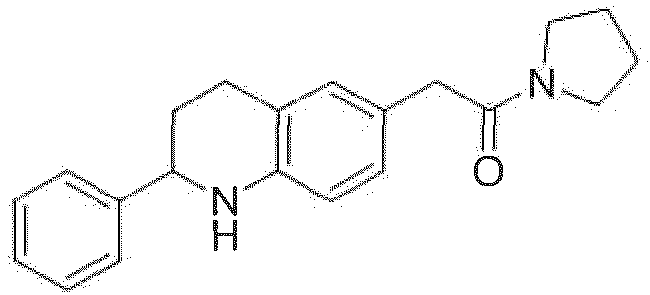
- The 2-(2-phenyl-1,2,3,4-tetrahydroquinolin-6-yl)acetic acid synthesized in Reference Example 40 (20.0 mg, 0.0748 mmol), N,N-diisopropylethylamine (65.1 µL, 0.374 mmol), pyrrolidine (12.2 µL, 0.150 mmol), and 1-[bis(dimethylamino)methylene]-1H-1,2,3-triazolo[4,5-b]pyridinium 3-oxide hexafluorophosphate (HATU, 56.9 mg, 0.150 mmol) were used in the same manner as in Example 145 to obtain the title compound (hereinafter referred to as the compound of Example 156) as a colorless clear oily substance (24.0 mg, 0.0748 mmol, yield: 100%).
- 1H-NMR (CDCl3) δ: 7.39-7.31 (4H, m), 7.30-7.27 (1H, m), 6.94-6.89 (2H, m), 6.49 (1H, d, J = 7.8 Hz), 4.43-4.39 (1H, m), 4.01 (1H, brs), 3.52-3.42 (6H, m), 2.96-2.85 (1H, m), 2.75-2.67 (1H, m), 2.13-2.06 (1H, m), 2.02-1.88 (3H, m), 1.86-1.79 (2H, m).
- MS(ESI) [M+H]+: 321.
-

- The 2-(2-phenyl-1,2,3,4-tetrahydroquinolin-6-yl)acetic acid synthesized in Reference Example 40 (20.0 mg, 0.0748 mmol), N,N-diisopropylethylamine (65.1 µL, 0.374 mmol), piperazin-2-one (15.0 mg, 0.150 mmol), and 1-[bis(dimethylamino)methylene]-1H-1,2,3-triazolo[4,5-b]pyridinium 3-oxide hexafluorophosphate (HATU, 56.9 mg, 0.150 mmol) were used in the same manner as in Example 145 to obtain the title compound (hereinafter referred to as the compound of Example 157) as a colorless clear oily substance (22.8 mg, 0.0652 mmol, yield: 87%).
- 1H-NMR (CDCl3) δ: 7.39-7.32 (4H, m), 7.31-7.27 (1H, m), 6.98 (0H, s), 6.89-6.83 (2H, m), 6.77 (1H, brs), 6.49 (1H, d, J = 8.2 Hz), 4.44-4.40 (1H, m), 4.26 (1H, s), 4.14 (1H, s), 4.06 (1H, brs), 3.83-3.80 (1H, m), 3.67-3.58 (3H, m), 3.38-3.34 (1H, m), 3.22-3.18 (1H, m), 2.93-2.84 (1H, m), 2.74-2.66 (1H, m), 2.14-2.07 (1H, m), 2.01-1.91 (1H, m).
- MS(ESI) [M+H]+: 350.
-

- The 2-(2-phenyl-1,2,3,4-tetrahydroquinolin-6-yl)acetic acid synthesized in Reference Example 40 (18.0 mg, 0.0673 mmol), N,N-diisopropylethylamine (35 µL, 0.20 mmol), piperazine (116.0 mg, 1.35 mmol), and 1-[bis(dimethylamino)methylene]-1H-1,2,3-triazolo[4,5-b]pyridinium 3-oxide hexafluorophosphate (HATU, 30.7 mg, 0.0808 mmol) were used in the same manner as in Example 145 to obtain the title compound (hereinafter referred to as the compound of Example 158) as a colorless clear oily substance (17.7 mg, 0.0528 mmol, yield: 78%).
- 1H-NMR (CDCl3) δ: 7.39-7.33 (4H, m), 7.30-7.28 (1H, m), 6.89-6.85 (2H, m), 6.49 (1H, d, J = 7.8 Hz), 4.42 (1H, dd, J = 9.6, 3.2 Hz), 4.00 (1H, brs), 3.63-3.60 (2H, m), 3.60 (2H, s), 3.44 (2H, t, J = 5.0 Hz), 2.94-2.86 (1H, m), 2.82 (2H, t, J = 5.3 Hz), 2.73-2.68 (3H, m), 2.14-2.07 (1H, m), 2.02-1.92 (1H, m).
- MS(ESI) [M+H]+: 336.
-
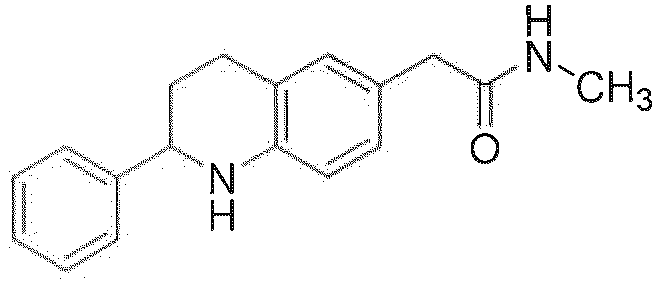
- The 2-(2-phenyl-1,2,3,4-tetrahydroquinolin-6-yl)acetic acid synthesized in Reference Example 40 (25.0 mg, 0.0935 mmol), N,N-diisopropylethylamine (97.6 µL, 0.561 mmol), methylamine hydrochloride (31.6 mg, 0.468 mmol), and 1-[bis(dimethylamino)methylene]-1H-1,2,3-triazolo[4,5-b]pyridinium 3-oxide hexafluorophosphate (HATU, 42.7 mg, 0.112 mmol) were used in the same manner as in Example 145 to obtain the title compound (hereinafter referred to as the compound of Example 159) as a colorless clear oily substance (24.9 mg, 0.0888 mmol, yield: 95%).
- 1H-NMR (CDCl3) δ: 7.39-7.35 (4H, m), 7.31-7.28 (1H, m), 6.87-6.86 (2H, m), 6.53 (1H, d, J = 8.7 Hz), 5.47 (1H, brs), 4.44 (1H, dd, J = 9.6, 3.2 Hz), 4.09 (1H, brs), 3.45 (2H, s), 2.95-2.87 (1H, m), 2.77-2.69 (2H, m), 2.76 (2H, d, J = 5.0 Hz), 2.16-2.12 (1H, m), 2.03-1.94 (1H, m).
- MS(ESI) [M+H]+: 281.
-

- The 1-(3,3-difluoroazetidin-1-yl)-2-(2-phenyl-1,2,3,4-tetrahydroquinolin-6-yl)ethan-1-one synthesized in Example 149 (91.2 mg, 0.266 mmol) was dissolved in propan-2-ol (4.8 mL) and optically resolved using HPLC under the following conditions to obtain the title compound (hereinafter referred to as the compound of Example 160) as a white solid (33.4 mg, 0.0975 mmol, yield: 37%, enantiomeric excess: 100% ee).
- 1H-NMR (CDCl3) δ: 7.40-7.33 (4H, m), 7.31-7.27 (1H, m), 6.89-6.86 (2H, m), 6.50 (1H, d, J = 8.2 Hz), 4.43 (1H, dd, J = 9.1, 3.2 Hz), 4.34 (4H, q, J = 11.4 Hz), 4.06 (1H, brs), 3.43 (2H, s), 2.94-2.86 (1H, m), 2.72 (1H, dt, J = 16.6, 4.7 Hz), 2.15-2.09 (1H, m), 2.01-1.96 (1H, m).
- MS(ESI) [M+H]+: 343.
- Conditions for optical resolution using HPLC:
- Column: Daicel Chiralcel OD-H chiral column
- (inner diameter: 20 mm, length: 250 mm, particle size: 5 µm)
- Column temperature: 40°C
- Mobile phase: propan-2-ol : hexane = 90:10
- Total injection volume: 4.8 mL (0.8 to 1.0 mL/injection)
- Flow rate: 10 mL/min
- Detection: UV (254 nm)
- Rt: 15.45 min
- HPLC analysis conditions:
- Column: Daicel Chiralcel OD-H chiral column
- (inner diameter: 4.6 mm, length: 250 mm, particle size: 5 µm)
- Column temperature: 40°C
- Mobile phase: propan-2-ol : hexane = 50:50
- Flow rate: 0.6 mL/min
- Detection: UV (254 nm)
- Rt: 14.54 min
-

- The 1-(3,3-difluoroazetidin-1-yl)-2-(2-phenyl-1,2,3,4-tetrahydroquinolin-6-yl)ethan-1-one synthesized in Example 149 (91.2 mg, 0.266 mmol) was dissolved in propan-2-ol (4.8 mL) and optically resolved using HPLC under the following conditions to obtain the title compound (hereinafter referred to as the compound of Example 161) as a white solid (31.0 mg, 0.0905 mmol, yield: 34%, enantiomeric excess: 99.6% ee).
- 1H-NMR (CDCl3) δ: 7.40-7.33 (4H, m), 7.31-7.27 (1H, m), 6.89-6.86 (2H, m), 6.50 (1H, d, J = 8.2 Hz), 4.43 (1H, dd, J = 9.1, 3.2 Hz), 4.34 (4H, q, J = 11.4 Hz), 4.06 (1H, brs), 3.43 (2H, s), 2.94-2.86 (1H, m), 2.72 (1H, dt, J = 16.6, 4.7 Hz), 2.15-2.09 (1H, m), 2.01-1.96 (1H, m).
- MS(ESI) [M+H]+: 343.
- Conditions for optical resolution using HPLC:
- Column: Daicel Chiralcel OD-H chiral column
- (inner diameter: 20 mm, length: 250 mm, particle size: 5 µm)
- Column temperature: 40°C
- Mobile phase: propan-2-ol : hexane = 90:10
- Total injection volume: 4.8 mL (0.8 to 1.0 mL/injection)
- Flow rate: 10 mL/min
- Detection: UV (254 nm)
- Rt: 21.67 min
- HPLC analysis conditions:
- Column: Daicel Chiralcel OD-H chiral column
- (inner diameter: 4.6 mm, length: 150 mm, particle size: 5 µm)
- Column temperature: 40°C
- Mobile phase: propan-2-ol : hexane = 50:50
- Flow rate: 0.6 mL/min
- Detection: UV (254 nm)
- Rt: 21.44 min
-

- For 3-phenyl-1,2,3,4-tetrahydroquinoline (hereinafter referred to as the compound of Example 162), a commercial product from, for example, Enamine Ltd. can be used, or the compound can be synthesized according to a known method or equivalent methods.
-

- 4-Chloroaniline (0.202 mL, 1.57 mmol) was dissolved in DMSO (4 mL), and 2-phenylacetaldehyde (0.264 mL, 2.35 mmol), copper(I) bromide (22.5 mg, 0.157 mmol), and trifluoromethanesulfonic acid (13.9 µL, 0.157 mmol) were added to the resulting solution, and the resulting mixture was stirred at 110°C for 1 hour. After the reaction was completed, ethyl acetate was added to the reaction mixture. The obtained reaction mixture was washed with saturated brine and dried over anhydrous sodium sulfate, and the filtrate was then concentrated under reduced pressure. The obtained crude product was purified by column chromatography (silica gel, hexane/ethyl acetate) and preparative thin-layer chromatography (silica gel, hexane/ethyl acetate) to obtain the title compound as a pale yellow solid (41.8 mg, 0.174 mmol, yield: 11%).
- 1H-NMR (CDCl3) δ: 9.17 (1H, d, J = 2.3 Hz), 8.22 (1H, d, J = 2.3 Hz), 8.08 (1H, d, J = 9.1 Hz), 7.88 (1H, d, J = 2.3 Hz), 7.72-7.69 (2H, m), 7.66 (1H, dd, J = 8.8, 2.5 Hz), 7.55-7.54 (2H, m), 7.47-7.46 (1H, m).
- MS(ESI) [M+H]+: 240.
-

- The 6-chloro-3-phenylquinoline synthesized in Reference Example 111 (20.0 mg, 83.4 µmol) was used in the same manner as in Example 26 to obtain the title compound (hereinafter referred to as the compound of Example 163) as a pale yellow solid (18.9 mg, 77.5 µmol, yield: 93%).
- 1H-NMR (CDCl3) δ: 7.36-7.33 (2H, m), 7.28-7.27 (1H, m), 7.24-7.22 (2H, m), 7.00-6.94 (2H, m), 6.47 (1H, d, J = 8.2 Hz), 4.04 (1H, brs), 3.46 (1H, ddd, J = 11.0, 3.2, 1.4 Hz), 3.32 (1H, dd, J = 11.4, 11.0 Hz), 3.15-3.07 (1H, m), 3.02-2.90 (2H, m).
- MS(ESI) [M+H]+: 244.
-
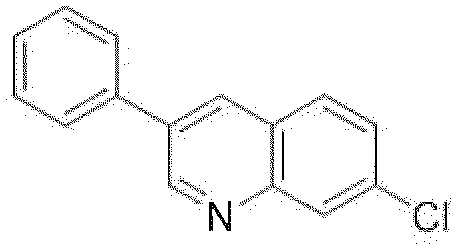
- (2-Amino-4-chlorophenyl)methanol (100 mg, 0.635 mmol) was dissolved in 1,4-dioxane (3 mL), and 2-phenylacetaldehyde (0.141 mL, 1.27 mmol) and potassium tert-butoxide (107 mg, 0.952 mmol) were added to the resulting solution, and the resulting mixture was stirred at 80°C for 4 hours. After the reaction was completed, the reaction mixture was filtered using celite, and the filtrate was concentrated under reduced pressure. The obtained residue was purified by column chromatography (silica gel, hexane/ethyl acetate) to obtain the title compound as a pale yellow solid (7.20 mg, 30.0 µmol, yield: 5%).
- 1H-NMR (CDCl3) δ: 9.19 (1H, d, J = 2.3 Hz), 8.29 (1H, d, J = 2.3 Hz), 8.14 (1H, d, J = 2.3 Hz), 7.83 (1H, d, J = 8.7 Hz), 7.72-7.69 (2H, m), 7.56-7.52 (3H, m), 7.47-7.45 (1H, m).
- MS(ESI) [M+H]+: 240.
-

- The 7-chloro-3-phenylquinoline synthesized in Reference Example 112 (7.20 mg, 30.0 µmol) was used in the same manner as in Example 26 to obtain the title compound (hereinafter referred to as the compound of Example 164) as a pale yellow solid (6.20 mg, 25.4 µmol, yield: 85%).
- 1H-NMR (CDCl3) δ: 7.37-7.33 (2H, m), 7.26-7.24 (3H, m), 6.90 (1H, d, J = 7.8 Hz), 6.59 (1H, dd, J = 8.0, 2.1 Hz), 6.52 (1H, d, J = 1.8 Hz), 4.10 (1H, brs), 3.46 (1H, dd, J = 11.0, 3.2 Hz), 3.32 (1H, dd, J = 11.0, 11.0 Hz), 3.12-3.09 (1H, m), 2.95-2.93 (2H, m).
- MS(ESI) [M+H]+: 244.
-

- 3-Chloroquinoline (200 mg, 1.22 mmol) and (4-(hydroxymethyl)phenyl)boronic acid (186 mg, 1.22 mmol) were dissolved in toluene (5 mL), and palladium(II) acetate (5.49 mg, 24.5 µmol), 2-dicyclohexylphosphino-2',6'-diisopropoxybiphenyl (RuPhos, 22.8 mg, 48.9 µmol), potassium carbonate (507 mg, 3.67 mmol), and water (0.5 mL) were added to the resulting solution, and the resulting mixture was stirred at 80°C for 17 hours under argon atmosphere. After the reaction was completed, water was added to the reaction mixture, and the resulting mixture was extracted with ethyl acetate. The organic layers were combined, washed with saturated brine, and dried over anhydrous sodium sulfate, and the filtrate was then concentrated under reduced pressure. The obtained crude product was purified by column chromatography (silica gel, hexane/ethyl acetate) to obtain the title compound as a white solid (111 mg, 0.471 mol, yield: 39%).
- 1H-NMR (CDCl3) δ: 9.15 (1H, d, J = 2.3 Hz), 8.31 (1H, d, J = 2.3 Hz), 8.14 (1H, d, J = 8.2 Hz), 7.89 (1H, dd, J = 8.2, 1.4 Hz), 7.76-7.71 (3H, m), 7.59 (1H, ddd, J = 8.2, 6.9, 0.9 Hz), 7.55-7.52 (2H, m), 4.80 (2H, d, J = 5.5 Hz), 1.91 (1H, t, J = 5.5Hz).
- MS(ESI) [M+H]+: 236.
-

- The (4-(quinolin-3-yl)phenyl)methanol synthesized in Reference Example 113 (30.0 mg, 0.128 mmol) was used in the same manner as in Example 4 to obtain the title compound (hereinafter referred to as the compound of Example 165) as a white solid (16.2 mg, 67.7 µmol, yield: 53%).
- 1H-NMR (CDCl3) δ: 7.35 (2H, d, J = 8.2 Hz), 7.25-7.23 (2H, m), 7.03-7.01 (2H, m), 6.65 (1H, ddd, J = 7.3, 7.3, 0.9 Hz), 6.56-6.55 (1H, m), 4.69 (2H, s), 4.03 (1H, brs), 3.45 (1H, ddd, J = 11.4, 3.7, 1.8 Hz), 3.33 (1H, dd, J = 11.4, 11.4 Hz), 3.20-3.12 (1H, m), 3.06-2.94 (2H, m), 1.63 (1H, brs).
- MS(ESI) [M+H]+: 240.
-

- 3-Boromoquinoline (150 mg, 0.721 mmol) and (4-carbamoylphenyl)boronic acid (178 mg, 1.08 mmol) were used in the same manner as in Reference Example 6 to obtain the title compound as a white solid (32.7 mg, 0.132 mol, yield: 18%).
- 1H-NMR (CDCl3) δ: 9.20 (1H, d, J = 2.3 Hz), 8.37 (1H, d, J = 2.3 Hz), 8.17-8.15 (1H, m), 8.00-7.98 (2H, m), 7.92 (1H, dd, J = 8.2, 1.4 Hz), 7.84-7.81 (2H, m), 7.77 (1H, ddd, J = 8.7, 6.9, 1.8 Hz), 7.62 (1H, ddd, J = 7.8, 6.9,0.9Hz).
- MS(ESI) [M+H]+: 249.
-

- The 4-(quinolin-3-yl)benzamide synthesized in Reference Example 114 (32.7 mg, 0.132 mol) was used in the same manner as in Example 4 to obtain the title compound (hereinafter referred to as the compound of Example 166) as a white solid (11.1 mg, 44.0 µmol, yield: 33%).
- 1H-NMR (CDCl3) δ: 7.81-7.77 (2H, m), 7.34-7.32 (2H, m), 7.04-7.02 (2H, m), 6.66 (1H, ddd, J = 7.3, 7.3, 0.9 Hz), 6.56 (1H, d, J = 7.8 Hz), 5.59-5.56 (2H,brm),4.74 (1H, brs), 3.49-3.47 (1H, m), 3.36 (1H, dd, J = 10.5, 11.0 Hz), 3.24-3.20 (1H, m), 3.07-2.98 (2H, m).
- MS(ESI) [M+H]+: 253.
-

- 3-Boromoquinoline (5.00 g, 24.0 mmol) and (4-sulfamoylphenyl)boronic acid (6.76 g, 33.6 mmol) were used in the same manner as in Reference Example 11 to obtain the title compound as a pale brown solid (6.10 g, 21.5 mmol, yield: 89%). 1H-NMR (DMSO-d6) δ: 9.29 (1H, d, J = 2.3 Hz), 8.74 (1H, d, J = 2.3 Hz), 8.09-8.06 (4H, m), 7.97-7.95 (2H, m), 7.80 (1H, ddd, J = 8.2, 6.9, 1.4 Hz), 7.67-7.65 (1H, m). MS(ESI) [M+H]+: 285.
-
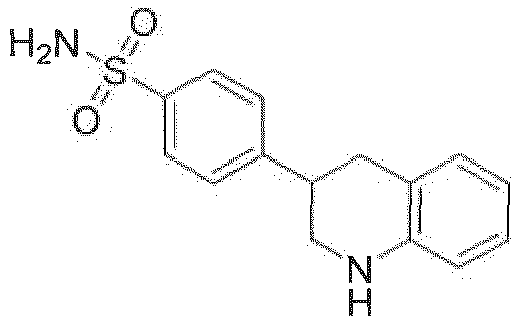
- The 4-(quinolin-3-yl)benzenesulfonamide synthesized in Reference Example 115 (500 mg, 1.75 mmol) was used in the same manner as in Example 72 to obtain the title compound (hereinafter referred to as the compound of Example 167) as a white solid (363 mg, 1.26 mmol, yield: 72%).
- 1H-NMR (CDCl3) δ: 7.89 (2H, d, J = 8.7 Hz), 7.40 (2H, d, J = 8.2 Hz), 7.05-7.00 (2H, m), 6.68-6.66 (1H, m), 6.56 (1H, d, J = 9.1 Hz), 4.75 (2H, s), 3.49 (1H, dd, J = 10.7, 3.4 Hz), 3.36 (1H, dd, J = 11.0, 12.8 Hz), 3.27-3.25 (1H, m), 3.03-3.01 (2H, m).
- MS(ESI) [M+H]+: 289.
-

- 3-Boromoquinoline (150 mg, 0.721 mmol) and (4-acetamidophenyl)boronic acid (194 mg, 1.08 mmol) were used in the same manner as in Reference Example 11 to obtain the title compound as a white solid (178 mg, 0.680 mmol, yield: 94%).
- 1H-NMR (DMSO-d6) δ: 10.13 (1H, s), 9.25 (1H, d, J = 2.3 Hz), 8.61 (1H, d, J = 2.3 Hz), 8.04 (2H, d, J = 9.1 Hz), 7.85 (2H, d, J = 8.7 Hz), 7.76 (3H, dd, J = 12.1, 4.8 Hz), 7.64 (1H. dd, J = 7.8, 7.8 Hz), 2.09 (3H, s).
- MS(ESI) [M+H]+: 263.
-

- The N-(4-(quinolin-3-yl)phenyl)acetamide synthesized in Reference Example 116 (50.0 mg, 0.191 mmol) was used in the same manner as in Example 4 to obtain the title compound (hereinafter referred to as the compound of Example 168) as a white solid (17.5 mg, 65.7 µmol, yield: 34%).
- 1H-NMR (CDCl3) δ: 7.45 (2H, d, J = 8.7 Hz), 7.20 (2H, d, J = 8.2 Hz), 7.11 (1H, brs), 7.02-7.00 (2H, m), 6.65 (1H, ddd, J = 7.3, 7.3, 1.4 Hz), 6.55 (1H, d, J = 7.8 Hz), 3.44 (1H, ddd, J = 11.0, 3.2, 1.4 Hz), 3.30 (1H, dd, J = 11.0, 10.5 Hz), 3.13-3.12 (1H, m), 2.99-2.97 (2H, m), 2.18 (3H, s).
- MS(ESI) [M+H]+: 267.
-

- 3-Boromoquinoline (90.8 mg, 0.437 mmol) and (4-(methylsulfonyl)phenyl)boronic acid (131 mg, 0.655 mmol) were used in the same manner as in Reference Example 11 to obtain the title compound as a white solid (124 mg, 0.437 mmol, yield: 99%).
- 1H-NMR (CDCl3) δ: 9.19 (1H, d, J = 2.3 Hz), 8.38 (1H, d, J = 2.3 Hz), 8.18 (1H, d, J = 8.7 Hz), 8.11 (2H, d, J = 8.7 Hz), 7.94-7.92 (3H, m), 7.80 (1H, ddd, J = 8.2, 6.9, 1.4 Hz), 7.64 (1H, ddd, J = 8.2, 6.9, 1.4 Hz), 3.13 (3H, s).
- MS(ESI) [M+H]+: 284.
-

- The 3-(4-(methylsulfonyl)phenyl)quinoline synthesized in Reference Example 117 (124 mg, 0.437 mmol) was used in the same manner as in Example 26 to obtain the title compound (hereinafter referred to as the compound of Example 169) as a white solid (94.1 mg, 0.327 mmol, yield: 75%).
- 1H-NMR (CDCl3) δ: 7.91 (2H, d, J = 8.2 Hz), 7.45 (2H, d, J = 8.2 Hz), 7.05-7.01 (2H, m), 6.67 (1H, ddd, J = 7.3, 7.3, 0.5 Hz), 6.57 (1H, dd, J = 7.8, 0.9 Hz), 4.05 (1H, brs), 3.49-3.47 (1H, m), 3.37 (1H, dd, J = 10.5, 10.5 Hz), 3.28-3.25 (1H, m), 3.06 (3H, s), 3.03 (2H, d, J = 7.8Hz).
- MS(ESI) [M+H]+: 288.
-

- 3-Boromoquinoline (200 mg, 0.961 mmol) and pyridin-3-ylboronic acid (177 mg, 1.44 mmol) were used in the same manner as in Reference Example 11 to obtain the title compound as a white solid (196 mg, 0.949 mol, yield: 99%).
- 1H-NMR (CDCl3) δ: 9.17 (1H, d, J = 2.3 Hz), 8.99 (1H, d, J = 1.8 Hz), 8.70 (1H, dd, J = 5.0, 1.4 Hz), 8.35 (1H, d, J = 1.8 Hz), 8.17 (1H, d, J = 8.2 Hz), 8.04-8.02 (1H, m), 7.92 (1H, d, J = 8.2 Hz), 7.78 (1H, ddd, J = 8.7, 6.9, 1.8 Hz), 7.63 (1H, ddd, J = 8.2, 6.9, 0.9 Hz), 7.48-7.47 (2H, m).
- MS(ESI) [M+H]+: 207.
-

- The 3-(pyridin-3-yl)quinoline synthesized in Reference Example 118 (100 mg, 0.484 mmol) was used in the same manner as in Example 4 to obtain the title compound (hereinafter referred to as the compound of Example 170) as a pale yellow solid (52.3 mg, 0.249 mol, yield: 52%).
- 1H-NMR (CDCl3) δ: 8.54 (1H, d, J = 2.3 Hz), 8.50 (1H, dd, J = 4.8, 1.6 Hz), 7.55 (1H, ddd, J = 7.8, 1.8, 1.8 Hz), 7.30-7.26 (1H, m), 7.04-7.02 (2H, m), 6.67 (1H, ddd, J = 7.3, 7.3, 0.9 Hz), 6.56 (1H, dd, J = 8.2, 0.9 Hz), 3.51-3.48 (1H, m), 3.35 (1H, dd, J = 11.2, 9.8 Hz), 3.24-3.17 (1H, m), 3.02-2.99 (2H, m), 2.10 (1H, s).
- MS(ESI) [M+H]+: 211.
-

- The 4-(1,2,3,4-tetrahydroquinolin-3-yl)benzenesulfonamide synthesized in Example 167 (1.00 g, 3.47 mmol) was dissolved in propan-2-ol (1.0 L) and optically resolved using HPLC under the following conditions to obtain the title compound (hereinafter referred to as the compound of Example 171) as a white solid (394.9 mg, 1.37 mmol, yield: 39%, enantiomeric excess: 97.9%).
- 1H-NMR (CDCl3) δ: 7.89 (2H, d, J = 8.7 Hz), 7.40 (2H, d, J = 8.2 Hz), 7.05-7.00 (2H, m), 6.68-6.66 (1H, m), 6.56 (1H, d, J = 9.1 Hz), 4.75 (2H, s), 3.49 (1H, dd, J = 10.7, 3.4 Hz), 3.36 (1H, dd, J = 11.0, 12.8 Hz), 3.27-3.25 (1H, m), 3.03-3.01 (2H, m).
- MS(ESI) [M+H]+: 289.
- Conditions for optical resolution using HPLC:
- Column: Daicel Chiralcel OZ-H chiral column
- (inner diameter: 20 mm, length: 250 mm, particle size: 5 µm)
- Column temperature: 40°C
- Mobile phase: propan-2-ol : hexane = 90:10
- Total injection volume: 975 mL (5.0 mL/injection)
- Flow rate: 5 mL/min
- Detection: UV (254 nm)
- Rt: 23.00 to 26.00 min
- HPLC analysis conditions:
- Column: Daicel Chiralcel OZ-3 chiral column
- (inner diameter: 0.46 mm, length: 150 mm, particle size: 3 µm)
- Column temperature: 40°C
- Mobile phase: propan-2-ol : hexane = 50:50
- Flow rate: 0.6 mL/min
- Detection: UV (254 nm)
- Rt: 18.83 min
-

- The 4-(1,2,3,4-tetrahydroquinolin-3-yl)benzenesulfonamide synthesized in Reference Example 167 (1.00 g, 3.47 mmol) was dissolved in propan-2-ol (1.0 L) and optically resolved using HPLC under the following conditions to obtain the title compound (hereinafter referred to as the compound of Example 172) as a white solid (378.6 mg, 1.31 mmol, yield: 38%, enantiomeric excess: 94.0%).
- 1H-NMR (CDCl3) δ: 7.89 (2H, d, J = 8.7 Hz), 7.40 (2H, d, J = 8.2 Hz), 7.05-7.00 (2H, m), 6.68-6.66 (1H, m), 6.56 (1H, d, J = 9.1 Hz), 4.75 (2H, s), 3.49 (1H, dd, J = 10.7, 3.4 Hz), 3.36 (1H, dd, J = 11.0, 12.8 Hz), 3.27-3.25 (1H, m), 3.03-3.01 (2H, m).
- MS(ESI) [M+H]+: 289.
- Conditions for optical resolution using HPLC:
- Column: Daicel Chiralcel OZ-H chiral column
- (inner diameter: 20 mm, length: 250 mm, particle size: 5 µm)
- Column temperature: 40°C
- Mobile phase: propan-2-ol : hexane = 90:10
- Total injection volume: 975 mL (5.0 mL/injection)
- Flow rate: 5 mL/min
- Detection: UV (254 nm)
- Rt: 26.50 to 31.50 min
- HPLC analysis conditions:
- Column: Daicel Chiralcel OZ-3 chiral column
- (inner diameter: 0.46 mm, length: 150 mm, particle size: 3 µm)
- Column temperature: 40°C
- Mobile phase: propan-2-ol : hexane = 50:50
- Flow rate: 0.6 mL/min
- Detection: UV (254 nm)
- Rt: 22.46 min
- In the formula, the carbon atom marked with an asterisk (*) is an asymmetric center.
- The 4-(1,2,3,4-tetrahydroquinolin-3-yl)benzenesulfonamide synthesized in Reference Example 167 (1.00 g, 3.47 mmol) was dissolved in propan-2-ol (1.0 L) and optically resolved using HPLC under the following conditions to obtain the title compound (hereinafter referred to as the compound of Example 172) as a white solid (378.6 mg, 1.31 mmol, yield: 38%, enantiomeric excess: 94.0%).
- 1H-NMR (CDCl3) δ: 7.89 (2H, d, J = 8.7 Hz), 7.40 (2H, d, J = 8.2 Hz), 7.05-7.00 (2H, m), 6.68-6.66 (1H, m), 6.56 (1H, d, J = 9.1 Hz), 4.75 (2H, s), 3.49 (1H, dd, J = 10.7, 3.4 Hz), 3.36 (1H, dd, J = 11.0, 12.8 Hz), 3.27-3.25 (1H, m), 3.03-3.01 (2H, m).
- MS(ESI) [M+H]+: 289.
- Conditions for optical resolution using HPLC:
- Column: Daicel Chiralcel OZ-H chiral column
- (inner diameter: 20 mm, length: 250 mm, particle size: 5 µm)
- Column temperature: 40°C
- Mobile phase: propan-2-ol : hexane = 90:10
- Total injection volume: 975 mL (5.0 mL/injection)
- Flow rate: 5 mL/min
- Detection: UV (254 nm)
- Rt: 26.50 to 31.50 min
- HPLC analysis conditions:
- Column: Daicel Chiralcel OZ-3 chiral column
- (inner diameter: 0.46 mm, length: 150 mm, particle size: 3 µm)
- Column temperature: 40°C
- Mobile phase: propan-2-ol : hexane = 50:50
- Flow rate: 0.6 mL/min
- Detection: UV (254 nm)
- Rt: 22.46 min
-

- For 2-phenyl-1,2,3,4-tetrahydroquinoxaline (hereinafter referred to as the compound of Comparative Example 1), a commercial product from, for example, Enamine Ltd. can be used, or the compound can be synthesized according to a known method or equivalent methods.
- The inhibitory action against ferroptosis of the tetrahydroquinoline derivative (I) or a pharmaceutically acceptable salt thereof was evaluated with Human fibrosarcoma cells (HT-1080 cells), by using, as an index, the inhibitory action against the cell death induced by treatment with a ferroptosis inducer, Erastin.
- HT-1080 cells (ATCC) were cultured in a mixture (hereinafter referred to as vehicle) composed of DMEM/F12 (Thermo Fisher Scientific, Inc.), a final concentration of 10% fetal bovine serum (Thermo Fisher Scientific, Inc.), and a final concentration of 1% penicillin-streptomycin solution (Nacalai Tesque, Inc.). Cells were seeded into 96-well plates (Corning Inc.) at 5 × 10⁴ cells/well and cultured overnight.
- A test compound was dissolved in DMSO, and the resulting solution was diluted in the vehicle to a final concentration of 1% DMSO and then used. On the day after seeding the cells, the test compound diluted in the vehicle was added to wells to a final test concentration of 25, 30, or 50 µmol/L. Thirty minutes after the addition of the test compound, Erastin (Cayman Chemical Co.) diluted in the vehicle at a final concentration of 3 µmol/L was added to wells. The wells added with the test compound and Erastin were grouped as "test compound," and the wells added with no test compound and no Erastin were grouped as "background," and the wells added with no test compound but with Erastin were grouped as "control". Twenty-four hours after the addition of Erastin, 5 µL of Cell Counting Kit-8 (Dojindo Laboratories) was added to each well and incubated for 4 hours, and the absorbance at 450 nm was then measured for each well (N = 2). The average absorbance value at 450 nm was calculated from the absorbance values of the wells, and the inhibition rate of ferroptosis by the test compound (hereinafter referred to as ferroptosis inhibition rate, %) was then calculated based on the
equation 1 below.Ferroptosis inhibition rate (%) = [1 - {(Average absorbance value at 450 nm measured when a test compound is added) - (Average absorbance value at 450 nm measured in the background)}/{(Average absorbance value at 450 nm measured in the control) - (Average absorbance value at 450 nm measured in the background)}] × 100 - Ferroptosis inhibition rates (%) for treatment with the test compounds are shown Tables 2-1 to 2-6.
[Table 2-1] Test compound Ferroptosis inhibition rate (%) Evaluation concentration Compound of Example 1 110.5 30 µmol/L Compound of Example 2 117.4 30 µmol/L Compound of Example 3 110.2 30 µmol/L Compound of Example 4 99.10 50 µmol/L Compound of Example 5 99.69 50 µmol/L Compound of Example 6 90.22 50 µmol/L Compound of Example 7 93.95 50 µmol/L Compound of Example 8 100.6 50 µmol/L Compound of Example 9 88.84 50 µmol/L Compound of Example 10 103.9 50 µmol/L Compound of Example 11 106.0 50 µmol/L Compound of Example 12 110.9 30 µmol/L Compound of Example 13 119.6 30 µmol/L Compound of Example 14 97.39 50 µmol/L Compound of Example 15 89.22 30 µmol/L Compound of Example 16 90.31 50 µmol/L Compound of Example 17 98.12 50 µmol/L Compound of Example 18 66.52 30 µmol/L Compound of Example 19 100.5 30 µmol/L Compound of Example 20 95.88 30 µmol/L Compound of Example 21 88.33 30 µmol/L Compound of Example 22 103.2 30 µmol/L Compound of Example 23 68.45 30 µmol/L Compound of Example 24 59.67 30 µmol/L Compound of Example 25 105.3 30 µmol/L Compound of Example 26 107.7 50 µmol/L Compound of Example 27 113.1 50 µmol/L Compound of Example 28 109.4 50 µmol/L Compound of Example 29 95.38 50 µmol/L Compound of Example 30 83.09 50 µmol/L Compound of Example 31 98.99 50 µmol/L Compound of Example 32 100.5 30 µmol/L Compound of Example 33 84.88 30 µmol/L Compound of Example 34 86.96 30 µmol/L Compound of Example 35 106.5 30 µmol/L Compound of Example 36 98.76 30 µmol/L Compound of Example 37 98.69 30 µmol/L Compound of Example 38 104.0 30 µmol/L Compound of Example 39 101.5 30 µmol/L Compound of Example 40 111.1 30 µmol/L [Table 2-2] Test compound Ferroptosis inhibition rate (%) Evaluation concentration Compound of Example 41 102.2 30 µmol/L Compound of Example 42 98.89 30 µmol/L Compound of Example 43 107.1 30 µmol/L Compound of Example 44 114.3 50 µmol/L Compound of Example 45 109.1 30 µmol/L Compound of Example 46 109.0 30 µmol/L Compound of Example 47 85.21 30 µmol/L Compound of Example 48 81.80 30 µmol/L Compound of Example 49 99.20 30 µmol/L Compound of Example 50 103.2 30 µmol/L Compound of Example 51 84.55 50 µmol/L Compound of Example 52 74.96 50 µmol/L Compound of Example 53 111.3 50 µmol/L Compound of Example 54 109.9 30 µmol/L Compound of Example 55 93.72 30 µmol/L Compound of Example 56 100.1 50 µmol/L Compound of Example 57 89.18 30 µmol/L Compound of Example 58 91.37 30 µmol/L Compound of Example 59 76.73 30 µmol/L Compound of Example 60 98.74 30 µmol/L Compound of Example 61 103.9 30 µmol/L Compound of Example 62 103.2 30 µmol/L Compound of Example 63 68.73 50 µmol/L Compound of Example 64 82.89 25 µmol/L Compound of Example 65 89.25 30 µmol/L Compound of Example 66 101.5 30 µmol/L Compound of Example 67 102.4 30 µmol/L Compound of Example 68 101.9 30 µmol/L Compound of Example 69 106.4 30 µmol/L Compound of Example 70 97.10 30 µmol/L Compound of Example 71 108.9 30 µmol/L Compound of Example 72 110.6 30 µmol/L Compound of Example 73 88.18 50 µmol/L Compound of Example 74 85.08 30 µmol/L Compound of Example 75 110.6 30 µmol/L Compound of Example 76 85.43 50 µmol/L Compound of Example 77 101.6 30 µmol/L Compound of Example 78 88.56 25 µmol/L Compound of Example 79 104.4 30 µmol/L Compound of Example 80 103.9 30 µmol/L [Table 2-3] Test compound Ferroptosis inhibition rate (%) Evaluation concentration Compound of Example 81 103.9 50 µmol/L Compound of Example 82 112.6 30 µmol/L Compound of Example 83 103.8 50 µmol/L Compound of Example 84 107.1 50 µmol/L Compound of Example 85 94.94 50 µmol/L Compound of Example 86 98.80 50 µmol/L Compound of Example 87 95.20 50 µmol/L [Table 2-4] Test compound Ferroptosis inhibition rate (%) Evaluation concentration Compound of Example 88 97.70 30 µmol/L Compound of Example 89 99.12 30 µmol/L Compound of Example 90 102.4 30 µmol/L Compound of Example 91 105.2 30 µmol/L Compound of Example 92 66.40 30 µmol/L Compound of Example 93 89.78 30 µmol/L Compound of Example 94 93.68 30 µmol/L Compound of Example 95 68.84 30 µmol/L Compound of Example 96 98.01 30 µmol/L Compound of Example 97 83.94 30 µmol/L Compound of Example 98 98.95 30 µmol/L Compound of Example 99 98.85 30 µmol/L Compound of Example 100 103.5 30 µmol/L Compound of Example 101 109.6 30 µmol/L Compound of Example 102 77.96 30 µmol/L Compound of Example 103 76.76 30 µmol/L Compound of Example 104 64.65 30 µmol/L Compound of Example 105 99.03 30 µmol/L Compound of Example 106 111.7 30 µmol/L Compound of Example 107 100.8 30 µmol/L Compound of Example 108 83.78 10 µmol/L Compound of Example 109 83.63 10 µmol/L Compound of Example 110 103.0 10 µmol/L Compound of Example 111 98.91 10 µmol/L Compound of Example 112 105.5 30 µmol/L Compound of Example 113 97.54 30 µmol/L Compound of Example 114 87.04 30 µmol/L Compound of Example 115 105.8 30 µmol/L Compound of Example 116 80.69 10 µmol/L Compound of Example 117 76.27 10 µmol/L Compound of Example 118 95.28 30 µmol/L Compound of Example 119 89.67 10 µmol/L Compound of Example 120 87.34 10 µmol/L [Table 2-5] Test compound Ferroptosis inhibition rate (%) Evaluation concentration Compound of Example 121 92.10 10 µmol/L Compound of Example 122 97.59 10 µmol/L Compound of Example 123 113.4 30 µmol/L Compound of Example 124 106.3 30 µmol/L Compound of Example 125 102.6 30 µmol/L Compound of Example 126 97.29 30 µmol/L Compound of Example 127 87.93 30 µmol/L Compound of Example 128 91.83 30 µmol/L Compound of Example 129 88.31 30 µmol/L Compound of Example 130 104.2 30 µmol/L Compound of Example 131 102.5 30 µmol/L Compound of Example 132 105.6 30 µmol/L Compound of Example 1 33 98.54 30 µmol/L Compound of Example 134 77.77 30 µmol/L Compound of Example 135 62.32 30 µmol/L Compound of Example 136 75.50 30 µmol/L Compound of Example 137 93.06 30 µmol/L Compound of Example 138 65.15 30 µmol/L Compound of Example 139 60.63 30 µmol/L Compound of Example 140 72.81 30 µmol/L Compound of Example 141 59.10 30 µmol/L Compound of Example 142 64.86 30 µmol/L Compound of Example 143 93.97 30 µmol/L Compound of Example 144 96.14 30 µmol/L Compound of Example 145 102.0 30 µmol/L Compound of Example 146 112.8 30 µmol/L Compound of Example 147 93.00 30 µmol/L Compound of Example 148 86.55 30 µmol/L Compound of Example 149 99.36 30 µmol/L Compound of Example 150 106.9 30 µmol/L Compound of Example 151 108.2 30 µmol/L Compound of Example 152 108.1 30 µmol/L Compound of Example 153 110.1 30 µmol/L Compound of Example 154 114.6 30 µmol/L Compound of Example 155 106.1 30 µmol/L Compound of Example 156 57.76 30 µmol/L Compound of Example 157 69.89 30 µmol/L Compound of Example 158 55.98 30 µmol/L Compound of Example 159 76.27 30 µmol/L Compound of Example 160 99.11 10 µmol/L [Table 2-6] Test compound Ferroptosis inhibition rate (%) Evaluation concentration Compound of Example 161 94.01 10 µmol/L Compound of Example 162 108.4 50 µmol/L Compound of Example 163 89.32 30 µmol/L Compound of Example 164 72.33 30 µmol/L Compound of Example 165 96.77 30 µmol/L Compound of Example 166 96.52 30 µmol/L Compound of Example 167 76.82 30 µmol/L Compound of Example 168 86.46 30 µmol/L Compound of Example 169 85.58 30 µmol/L Compound of Example 170 93.41 30 µmol/L Compound of Example 171 90.71 30 µmol/L Compound of Example 172 92.87 30 µmol/L - These results indicated that the tetrahydroquinoline derivative (I) of the present invention or a pharmaceutically acceptable salt thereof had inhibitory action against ferroptosis.
- Radical scavenging action was evaluated using the DPPH method in the compound of Comparative Example 1, which is a tetrahydroquinoxaline derivative, and in the tetrahydroquinoline derivative (I) or a pharmaceutically acceptable salt thereof. The DPPH method was performed using an antioxidant capacity measurement kit (Dojindo Laboratories).
- A test compound was dissolved in DMSO, and the resulting solution was then mixed with an assay buffer and a DPPH solution, which are included in the kit, to a total volume of 200 µL to obtain a final concentration of 10% DMSO, and the reaction was allowed to proceed. Wells added with 100 µmol/L ferrostatin-1, a radical scavenger, were grouped as "control," and wells added with not test compound were grouped as "background". The test compound was serially diluted 3-fold starting from a maximum concentration of 100 µmol/L, and the diluted test compound (1.2, 3.7, 11.1, 33.3, or 100 µmol/L) was added and allowed to react at room temperature. Thirty minutes after the reaction, the absorbance at 517 nm was measured, and the average absorbance value was calculated (N = 2). The radical scavenging action of the test compound (hereinafter referred to as radical scavenging rate, %) was calculated based on the
equation 2 below. The EC50 value of the test compound was calculated from the radical scavenging rate.Radical scavenging rate (%) = [1 - {(Average absorbance value at 517 nm measured when a test compound is added) - (Average absorbance value at 517 nm measured in the background)}/{(Average absorbance value at 517 nm measured in the control) - (Average absorbance value at 517 nm measured in the background)}] × 100 - Radical scavenging rates (%) for treatment with the test compounds are shown in Tables 3-1 and 3-2. A note "no detection of radical scavenging action (N.D.)," is given to compounds with a EC50 of >100 µmol/L.
[Table 3-1] Test compound Radical-scavenging action EC50 (µmol/L) Compound of Comparative Example 1 8.54 Compound of Example 1 N.D. Compound of Example 2 N.D. Compound of Example 3 N.D. Compound of Example 16 N.D. Compound of Example 21 N.D. Compound of Example 26 N.D. Compound of Example 29 N.D. Compound of Example 31 N.D. Compound of Example 32 N.D. Compound of Example 33 N.D. Compound of Example 34 N.D. Compound of Example 35 N.D. Compound of Example 36 N.D. Compound of Example 37 N.D. Compound of Example 38 N.D. Compound of Example 58 N.D. Compound of Example 60 N.D. Compound of Example 61 N.D. Compound of Example 62 N.D. Compound of Example 66 N.D. Compound of Example 67 N.D. Compound of Example 68 N.D. Compound of Example 69 N.D. Compound of Example 81 N.D. Compound of Example 82 N.D. Compound of Example 83 N.D. Compound of Example 85 N.D. Compound of Example 99 N.D. Compound of Example 105 N.D. Compound of Example 106 N.D. Compound of Example 107 N.D. Compound of Example 108 N.D. Compound of Example 109 N.D. Compound of Example 112 N.D. Compound of Example 115 N.D. [Table 3-2] Test compound Radical-scavenging action EC50 (µmol/L) Compound of Example 116 N.D. Compound of Example 117 N.D. Compound of Example 118 N.D. Compound of Example 119 N.D. Compound of Example 120 N.D. Compound of Example 121 N.D. Compound of Example 122 N.D. Compound of Example 131 N.D. Compound of Example 132 N.D. Compound of Example 134 N.D. Compound of Example 135 N.D. Compound of Example 136 N.D. Compound of Example 137 N.D. Compound of Example 138 N.D. Compound of Example 143 N.D. Compound of Example 144 N.D. Compound of Example 145 N.D. Compound of Example 146 N.D. Compound of Example 147 N.D. Compound of Example 148 N.D. Compound of Example 149 N.D. Compound of Example 150 N.D. Compound of Example 151 N.D. Compound of Example 152 N.D. Compound of Example 155 N.D. Compound of Example 157 N.D. Compound of Example 158 N.D. Compound of Example 160 N.D. Compound of Example 161 N.D. - These results indicated that the compound of Comparative Example 1, which is a tetrahydroquinoxaline derivative, exhibited radical scavenging action. In contrast, the tetrahydroquinoline derivative (I) of the present invention or a pharmaceutically acceptable salt thereof had no radical scavenging action.
- The effect of the tetrahydroquinoline derivative (I) or a pharmaceutically acceptable salt thereof on the onset of a motor dysfunction in superoxide dismutase 1 (SOD1) G93A transgenic mice that are amyotrophic lateral sclerosis model mice was tested.
- The tetrahydroquinoline derivative (I) or a pharmaceutically acceptable salt thereof was evaluated using the compound of Example 1.
- The amyotrophic lateral sclerosis model mice used were transgenic mice overexpressing human superoxide dismutase 1 (SOD1) with G93A mutation (Jackson Laboratories #004435). Male transgenic mice and wild-type female C57BL/6J mice from Charles River were mated. The tail tips of the born offspring mice were used for genotyping. The obtained male transgenic mice were used for the evaluation.
- The test substance (compound of Example 1) was prepared as a suspension with the required concentration (10 mg/mL) using 0.5 w/v% methylcellulose as the vehicle, and was administered repeatedly and orally, once daily, five times a week, at a dosing volume of 10 mL/kg, or 100 mg/kg, starting at 56 days of age and continuing for 10 weeks (50 doses in total) until the mice reached 126 days of age. A group administered repeatedly and orally with the compound of Example 1 was termed the "Example 1" group (n = 9). In addition, a group administered with 0.5 w/v% methylcellulose in the same volume, frequency, and method as the compound of Example 1 was termed the "vehicle" group (n = 6). Whenever possible, litters were divided into both groups.
- Starting from the beginning of administration, a hind limb extension test was conducted before each dose to evaluate the motor function. As shown in
FIG. 1 , mice were held by their tails and lifted, and the extension of the hind limbs in that position was scored on a three-point scale: 2 for extension of both hind limbs, 1 for extension of only one hind limb or no extension of both hind limbs, and 0 for contracture of both hind limbs (unable to extend). The hind limb extension test was performed five times a week. In cases where the score was changed from 2 to 1, and then did not recover to 2 even after three days, the age in days when the score was changed to 1 was considered as "onset age in days," indicating the age in days when clear motor dysfunction was observed. -
FIG. 2 shows the results for the age of onset in days. InFIG. 2 , the vertical axis indicates the percentage (%) of individuals who can fully extend both hind limbs (individuals before onset) or individuals with a score of 2 in each group, and the horizontal axis indicates the age in days of the individuals. In the figure, "Vehicle" indicates the onset-age-in-days curve of the vehicle group, and "Example 1" indicates that of the Example 1 group. All individuals exhibited onset between 113 and 131 days of age. The median value of the onset age in days was 116.0 days of age for the vehicle group, and 121.0 days of age for the Example 1 group. The log-rank (Mantel-Cox) test showed that the age of onset in days of the Example 1 group was significantly higher than that of the vehicle group (p < 0.05). - As shown above, the compound of Example 1 was found to affect to delay the onset in the amyotrophic lateral sclerosis model mice with statistical significance as compared to the vehicle group.
- From the above, it was indicated that the tetrahydroquinoline derivative (I) of the present invention or a pharmaceutically acceptable salt thereof exhibited inhibitory effect against motor dysfunction in the amyotrophic lateral sclerosis model mice.
- These results indicated that the tetrahydroquinoline derivative (I) of the present invention or a pharmaceutically acceptable salt thereof had inhibitory action against ferroptosis and had a significant suppressive effect on amyotrophic lateral sclerosis.
- The tetrahydroquinoline derivative (I) of the present invention or a pharmaceutically acceptable salt thereof has inhibitory action against ferroptosis and therefore can be used as therapeutic or preventive agents for amyotrophic lateral sclerosis.
Claims (5)
- A therapeutic or preventive agent for amyotrophic lateral sclerosis, containing a tetrahydroquinoline derivative represented by the general formula (I) below or a pharmaceutically acceptable salt thereof as an active ingredient,
 R1x is hydrogen, aryl, or 5- or 6-membered heteroaryl having one or two heteroatoms selected from nitrogen, oxygen, and sulfur atoms (any one or two hydrogen atoms in the aryl or the 5- or 6-membered heteroaryl are each independently optionally replaced by a halogen atom(s), a C1-C3 alkyl in which any one to three hydrogen atoms are each independently optionally replaced by a hydroxy group(s) or a fluorine atom(s), C1-C3 alkoxy in which any one to three hydrogen atoms are optionally replaced by a fluorine atom(s), cyano, methoxycarbonyl, -CONR6R7, -NHCOR8, aminosulfonyl, C1-C3 alkylsulfonylamino, aminosulfonylamino, or C1-C3 alkylsulfonyl group(s)), orin cases where the aryl group is phenyl, R1x is optionally a fused ring group formed by fusing of the phenyl group and one ring selected from the group consisting of 5- or 6-membered lactam rings and 5- or 6-membered saturated heterocycles each containing one or two oxygen atoms as the atom constituting the ring (any one hydrogen atom in the fused ring group is optionally replaced by a methyl group);R1y is hydrogen, phenyl, 4-hydroxymethylphenyl, 4-aminocarbonylphenyl, 4-acetamidophenyl, 4-aminosulfonylphenyl, 4-methylsulfonylphenyl, or 3-pyridyl (except that both R1x and R1y represent hydrogen);for the combination of R2, R4, and R5, all of R2, R4, and R5 represent hydrogen, orone of R2, R4, and R5 is halogen, methoxy, or methyl in which one hydrogen atom is optionally replaced by a hydroxy group, and the other two are hydrogen;R3 is hydrogen, halogen, C1-C3 alkyl in which any one to three hydrogen atoms are each independently optionally replaced by a hydroxy group(s) or a fluorine atom(s), 3-hydroxyoxetan-3-yl, hydroxy, C1-C3 alkoxy in which any one to three hydrogen atoms are optionally replaced by a fluorine atom(s), methoxycarbonyl, - NR9R10, -CH2NR11R12, or -CH2CONR13R14;R6 and R7 each independently represent hydrogen or C1-C3 alkyl, orR6 and R7 together represent -(CH2)h-;h is an integer of 3 to 5, wherein any one of the methylene groups is optionally replaced by an oxygen atom, -NH-, or -N(CH3)-;R3 is hydrogen or C1-C3 alkyl;R9 and R10 each independently represent hydrogen, -COR15, or C1-C3 alkylsulfonyl, orR9 and R10 together represent -(CH2)n-;n is an integer of 3 to 6;R11 and R10 together represent -(CH2)m-;m is an integer of 3 to 5, wherein any one of the methylene groups is optionally replaced by an oxygen atom;R13 and R14 each independently represent hydrogen, C1-C5 alkyl group, 2-hydroxyethyl, C3 or C4 cycloalkyl in which any one carbon atom is optionally replaced by an oxygen atom, or methyl which is substituted with a C3 or C4 cycloalkyl group in which any one carbon atom is optionally replaced by a nitrogen or oxygen atom, orR13 and R14 together represent -(CH2)k- in which any one or two hydrogen atoms are optionally replaced by a fluorine atom(s), a methyl group(s), a hydroxy group(s), or a methoxy group(s) or in which any one CH2 group is optionally replaced by an oxygen atom, a nitrogen atom, or -CONH-;k is an integer of 3 to 5;R15 is C1-C5 alkyl, C1-C5 alkoxy, or -NHR16;R16 is hydrogen or C1-C5 alkyl; orRv is hydrogen, methyl in which any one hydrogen atom is optionally replaced by a hydroxy or methoxycarbonyl group, or methoxycarbonyl; andRw is hydrogen, methyl, hydroxymethyl, or methoxycarbonyl].
 - The therapeutic or preventive agent for amyotrophic lateral sclerosis, according to claim 1, containing the tetrahydroquinoline derivative or a pharmaceutically acceptable salt thereof as an active ingredient, whereinR1x is hydrogen, phenyl (the hydrogen atom at the para-position of the phenyl group is optionally replaced by a fluorine atom, a trifluoromethyl, trifluoromethoxy, cyano, aminocarbonyl, acetamide, aminosulfonyl, methylsulfonylamino, or methylsulfonyl group);R1y is hydrogen or 4-aminosulfonylphenyl (wherein, in cases where R1x is hydrogen, R1y is 4-aminosulfonylphenyl, or in cases where R1x is phenyl (the hydrogen atom at the para-position of the phenyl group is optionally replaced by a fluorine atom, a trifluoromethyl, trifluoromethoxy, cyano, aminocarbonyl, acetamide, aminosulfonyl, methylsulfonylamino, or methylsulfonyl group), R1y is hydrogen);for the combination of R2, R4, and R5, all of R2, R4, and R5 represent hydrogen; otherwise, one of R2 and R4 is fluorine, chlorine, or methyl, and both the other and R5 represent hydrogen;R3 is hydrogen, fluorine, chlorine, methyl, hydroxymethyl, trifluoromethoxy, or -CH2CONR13R14;R13 is hydrogen or methyl;R14 is tert-butyl, 2-hydroxyethyl, cyclopropyl, cyclobutyl, or oxetan-3-yl, orR13 and R14, together with the nitrogen atom which is bound to R13 and R14, optionally form a piperazine ring, a piperazin-2-one ring, an azetidine ring, a 3,3-difluoroazetidine ring, a 3,3-dimethylazetidine ring, a 3-hyclroxyazetidine ring, or a 3-methoxyazetidine ring;Rv is hydrogen; andRw is hydrogen.
- The therapeutic or preventive agent for amyotrophic lateral sclerosis, according to claim 2, wherein the tetrahydroquinoline derivative or the pharmaceutically acceptable salt thereof is selected from the group consisting of:2-phenyl-1,2,3,4-tetrahydroquinoline,4-(1,2,3,4-tetrahydroquinolin-2-yl)benzenesulfonamide,4-(1,2,3,4-tetrahydroquinolin-2-yl)benzamide,1-(3-hydroxyazetidin-1-yl)-2-(2-phenyl-1,2,3,4-tetrahydroquinolin-6-yl)ethan-1-one,4-(6-methyl-1,2,3,4-tetrahydroquinolin-2-yl)benzamide,4-(6-methyl-1,2,3,4-tetrahydroquinolin-2-yl)benzenesulfonamide,4-(7-methyl-1,2,3,4-tetrahydroquinolin-2-yl)benzenesulfonamide,4-(7-methyl-1,2,3,4-tetrahydroquinolin-2-yl)benzamide,4-(6-fluoro-1,2,3,4-tetrahydroquinolin-2-yl)benzenesulfonamide,4-(5-methyl-1,2,3,4-tetrahydroquinolin-2-yl)benzenesulfonamide,4-(6-chloro-1,2,3,4-tetrahydroquinolin-2-yl)benzenesulfonamide,4-(7-fluoro-1,2,3,4-tetrahydroquinolin-2-yl)benzenesulfonamide,4-(6-chloro-1,2,3,4-tetrahydroquinolin-2-yl)benzamide,4-(6-fluoro-1,2,3,4-tetrahydroquinolin-2-yl)benzamide,4-(5-chloro-1,2,3,4-tetrahydroquinolin-2-yl)benzenesulfonamide,4-(5-fluoro-1,2,3,4-tetrahydroquinolin-2-yl)benzamide,4-(5-chloro-1,2,3,4-tetrahydroquinolin-2-yl)benzamide,1-(3-methoxyazetidin-1-yl)-2-(2-phenyl-1,2,3,4-tetrahydroquinolin-6-yl)ethan-1-one,N-(oxetan-3-yl)-2-(2-phenyl-1,2,3,4-tetrahydroquinolin-6-yl)acetamide,1-(3,3-difluoroazetidin-1-yl)-2-(2-phenyl-1,2,3,4-tetrahydroquinolin-6-yl)ethan-1-one,N-(2-hydroxyethyl)-N-methyl-2-(2-phenyl-1,2,3,4-tetrahydroquinolin-6-yl)acetamide,1-(azetidin-1-yl)-2-(2-phenyl-1,2,3,4-tetrahydroquinolin-6-yl)ethan-1-one,N-cyclopropyl-2-(2-phenyl-1,2,3,4-tetrahydroquinolin-6-yl)acetamide,N-cyclobutyl-2-(2-phenyl-1,2,3,4-tetrahydroquinolin-6-yl)acetamide,2-(2-phenyl-1,2,3,4-tetrahydroquinolin-6-yl)-1-(piperazin-1-yl)ethan-1-one, and4-(1,2,3,4-tetrahydroquinolin-3-yl)benzenesulfonamide, and pharmaceutically acceptable salts thereof.
- The therapeutic or preventive agent for amyotrophic lateral sclerosis, according to claim 3, wherein the tetrahydroquinoline derivative or the pharmaceutically acceptable salt thereof is 2-phenyl-1,2,3,4-tetrahydroquinoline.
- The therapeutic or preventive agent for amyotrophic lateral sclerosis, according to any one of claims 1 to 4, wherein the therapeutic or preventive agent is a ferroptosis inhibitor.
Applications Claiming Priority (2)
| Application Number | Priority Date | Filing Date | Title |
|---|---|---|---|
| JP2022101476 | 2022-06-24 | ||
| PCT/JP2023/023264 WO2023249106A1 (en) | 2022-06-24 | 2023-06-23 | Therapeutic agent or prophylactic agent for amyotrophic lateral sclerosis |
Publications (2)
| Publication Number | Publication Date |
|---|---|
| EP4545079A1 true EP4545079A1 (en) | 2025-04-30 |
| EP4545079A4 EP4545079A4 (en) | 2026-06-03 |
Family
ID=89380133
Family Applications (1)
| Application Number | Title | Priority Date | Filing Date |
|---|---|---|---|
| EP23827288.4A Pending EP4545079A4 (en) | 2022-06-24 | 2023-06-23 | THERAPEUTIC OR PROPHYLACTIC FOR AMYOTROPHIC LATERAL SCLEROSIS |
Country Status (8)
| Country | Link |
|---|---|
| US (1) | US20260083723A1 (en) |
| EP (1) | EP4545079A4 (en) |
| JP (1) | JPWO2023249106A1 (en) |
| KR (1) | KR20250026152A (en) |
| CN (1) | CN119403554A (en) |
| AU (1) | AU2023286251A1 (en) |
| CA (1) | CA3256001A1 (en) |
| WO (1) | WO2023249106A1 (en) |
Cited By (1)
| Publication number | Priority date | Publication date | Assignee | Title |
|---|---|---|---|---|
| EP4501911A4 (en) * | 2022-03-28 | 2026-06-24 | Bnh Res Co Ltd | Nitrogen-containing heterocyclic compounds with phenyl group and uses thereof |
Family Cites Families (13)
| Publication number | Priority date | Publication date | Assignee | Title |
|---|---|---|---|---|
| US4801593A (en) | 1979-09-13 | 1989-01-31 | Burroughs Wellcome Co. | Chemotherapeutic agents |
| JP3209568B2 (en) | 1991-04-16 | 2001-09-17 | 杏林製薬株式会社 | Novel cyclic aminophenylacetic acid derivative, method for producing the same, and immunomodulator using the same as an active ingredient |
| KR100236910B1 (en) | 1992-12-14 | 2000-04-01 | 김영환 | Method for manufacturing memory cell array of highly integrated semiconductor memory device |
| DE10236910A1 (en) | 2002-08-12 | 2004-03-11 | Grünenthal GmbH | Substituted 1,2,3,4-tetrahydroquinoline derivatives |
| DK1761515T3 (en) | 2003-12-20 | 2009-02-16 | Merck Patent Gmbh | 2- (hetero-) aryl-substituted tetrahydroquinoline derivatives |
| DE102005027170A1 (en) | 2005-06-13 | 2006-12-14 | Merck Patent Gmbh | New substituted tetrahydroquinoline compounds are mitotic motor-protein Eg5 modulators useful to treat or prevent e.g. cancer, glioblastoma, lymphatic leukemia, arteriosclerosis, eye disease, diabetic retinopathy and arthritis |
| EP2733138B1 (en) * | 2011-07-15 | 2016-09-28 | Hamari Chemicals, Ltd. | Method for producing optically active tetrahydroquinoline |
| JP6062367B2 (en) | 2011-09-05 | 2017-01-18 | 田辺三菱製薬株式会社 | Drug for treatment of amyotrophic lateral sclerosis or suppression of disease progression |
| WO2019106434A1 (en) * | 2017-12-01 | 2019-06-06 | Collaborative Medicinal Development Pty. Ltd. | Heterobicyclic aromatic derivatives for the treatment of ferroptosis-related disorders |
| CN113631535B (en) * | 2019-03-11 | 2024-04-12 | 协同医药发展有限公司 | Heteroaryl and biheterocyclic aryl derivatives for the treatment of ferroptosis-related disorders |
| CN110372614B (en) | 2019-07-03 | 2020-09-29 | 山东师范大学 | A kind of tetrahydroquinoxaline compound and preparation method and application |
| CN110464727B (en) | 2019-09-06 | 2025-09-23 | 山东师范大学 | Application of 3,4-dihydro-2H-benzo-[1,4]oxazine drugs or their salts in the preparation of drugs for inhibiting ferroptosis |
| EP4269392A4 (en) * | 2020-12-25 | 2025-01-29 | Toray Industries, Inc. | Tetrahydroquinoline derivative and medicinal use thereof |
-
2023
- 2023-06-23 EP EP23827288.4A patent/EP4545079A4/en active Pending
- 2023-06-23 CA CA3256001A patent/CA3256001A1/en active Pending
- 2023-06-23 WO PCT/JP2023/023264 patent/WO2023249106A1/en not_active Ceased
- 2023-06-23 CN CN202380048404.5A patent/CN119403554A/en active Pending
- 2023-06-23 KR KR1020247034823A patent/KR20250026152A/en active Pending
- 2023-06-23 JP JP2023539099A patent/JPWO2023249106A1/ja active Pending
- 2023-06-23 US US18/877,122 patent/US20260083723A1/en active Pending
- 2023-06-23 AU AU2023286251A patent/AU2023286251A1/en active Pending
Cited By (1)
| Publication number | Priority date | Publication date | Assignee | Title |
|---|---|---|---|---|
| EP4501911A4 (en) * | 2022-03-28 | 2026-06-24 | Bnh Res Co Ltd | Nitrogen-containing heterocyclic compounds with phenyl group and uses thereof |
Also Published As
| Publication number | Publication date |
|---|---|
| CA3256001A1 (en) | 2025-03-18 |
| KR20250026152A (en) | 2025-02-25 |
| EP4545079A4 (en) | 2026-06-03 |
| WO2023249106A1 (en) | 2023-12-28 |
| US20260083723A1 (en) | 2026-03-26 |
| JPWO2023249106A1 (en) | 2023-12-28 |
| AU2023286251A1 (en) | 2024-12-05 |
| CN119403554A (en) | 2025-02-07 |
Similar Documents
| Publication | Publication Date | Title |
|---|---|---|
| EP1836179B1 (en) | Piperidine- and piperazine-1-carboxylic acid amide derivatives and related compounds as modulators of fatty acid amide hydrolase (faah) for the treatment of anxiety, pain and other conditions | |
| US5696136A (en) | Method of treating psychosis using azaheterocyclylmethyl | |
| CA2763960C (en) | Bicyclic and tricyclic compounds as kat ii inhibitors | |
| EP4269392A1 (en) | Tetrahydroquinoline derivative and medicinal use thereof | |
| CN115210233B (en) | 1,3,4-oxadiazole derivative compounds as histone deacetylase 6 inhibitors and pharmaceutical compositions containing the same | |
| KR20090031898A (en) | Pentadienamide derivative | |
| US20180127420A1 (en) | Condensed-ring pyrimidylamino derivative, preparation method therefor, and intermediate, pharmaceutical composition and applications thereof | |
| WO2015057626A1 (en) | QUINOLINYL MODULATORS OF RORyT | |
| JP5466507B2 (en) | A prophylactic and / or therapeutic agent for anemia comprising a tetrahydroquinoline compound as an active ingredient | |
| EP3760633B1 (en) | Oxazino-quinazoline and oxazino-quinazoline type compound, preparation method therefor, and uses thereof | |
| US20260083723A1 (en) | Therapeutic agent or prophylactic agent for amyotrophic lateral sclerosis | |
| RU2850795C1 (en) | Tetrahydroquinoline derivative and its medical application | |
| WO2023249105A1 (en) | Therapeutic agent or preventive agent for drug-induced myocardial disorders | |
| WO2023249107A1 (en) | Therapeutic agent or prophylactic agent for peripheral nerve disorder | |
| HK40096343A (en) | Tetrahydroquinoline derivative and medicinal use thereof | |
| CN119707941A (en) | Quinolinone compound, preparation method and application thereof | |
| HK1107641B (en) | Piperidine- and piperazine-1-carboxylic acid amide derivatives and related compounds as modulators of fatty acid amide hydrolase (faah) for the treatment of anxiety, pain and other conditions |
Legal Events
| Date | Code | Title | Description |
|---|---|---|---|
| STAA | Information on the status of an ep patent application or granted ep patent |
Free format text: STATUS: THE INTERNATIONAL PUBLICATION HAS BEEN MADE |
|
| PUAI | Public reference made under article 153(3) epc to a published international application that has entered the european phase |
Free format text: ORIGINAL CODE: 0009012 |
|
| STAA | Information on the status of an ep patent application or granted ep patent |
Free format text: STATUS: REQUEST FOR EXAMINATION WAS MADE |
|
| 17P | Request for examination filed |
Effective date: 20250116 |
|
| AK | Designated contracting states |
Kind code of ref document: A1 Designated state(s): AL AT BE BG CH CY CZ DE DK EE ES FI FR GB GR HR HU IE IS IT LI LT LU LV MC ME MK MT NL NO PL PT RO RS SE SI SK SM TR |
|
| DAV | Request for validation of the european patent (deleted) | ||
| DAX | Request for extension of the european patent (deleted) | ||
| A4 | Supplementary search report drawn up and despatched |
Effective date: 20260506 |
|
| RIC1 | Information provided on ipc code assigned before grant |
Ipc: A61K 31/47 20060101AFI20260428BHEP Ipc: A61K 31/4709 20060101ALI20260428BHEP Ipc: A61K 31/496 20060101ALI20260428BHEP Ipc: A61K 31/5377 20060101ALI20260428BHEP Ipc: A61P 25/28 20060101ALI20260428BHEP |