EP4542561A2 - Verbessertes automatisches arzneimittelabgabesystem für personen mit typ-2-diabetes - Google Patents
Verbessertes automatisches arzneimittelabgabesystem für personen mit typ-2-diabetes Download PDFInfo
- Publication number
- EP4542561A2 EP4542561A2 EP25162969.7A EP25162969A EP4542561A2 EP 4542561 A2 EP4542561 A2 EP 4542561A2 EP 25162969 A EP25162969 A EP 25162969A EP 4542561 A2 EP4542561 A2 EP 4542561A2
- Authority
- EP
- European Patent Office
- Prior art keywords
- insulin
- exogenous substance
- drug delivery
- therapeutic exogenous
- substance
- Prior art date
- Legal status (The legal status is an assumption and is not a legal conclusion. Google has not performed a legal analysis and makes no representation as to the accuracy of the status listed.)
- Pending
Links
Images


Classifications
-
- G—PHYSICS
- G16—INFORMATION AND COMMUNICATION TECHNOLOGY [ICT] SPECIALLY ADAPTED FOR SPECIFIC APPLICATION FIELDS
- G16H—HEALTHCARE INFORMATICS, i.e. INFORMATION AND COMMUNICATION TECHNOLOGY [ICT] SPECIALLY ADAPTED FOR THE HANDLING OR PROCESSING OF MEDICAL OR HEALTHCARE DATA
- G16H20/00—ICT specially adapted for therapies or health-improving plans, e.g. for handling prescriptions, for steering therapy or for monitoring patient compliance
- G16H20/10—ICT specially adapted for therapies or health-improving plans, e.g. for handling prescriptions, for steering therapy or for monitoring patient compliance relating to drugs or medications, e.g. for ensuring correct administration to patients
-
- A—HUMAN NECESSITIES
- A61—MEDICAL OR VETERINARY SCIENCE; HYGIENE
- A61M—DEVICES FOR INTRODUCING MEDIA INTO, OR ONTO, THE BODY; DEVICES FOR TRANSDUCING BODY MEDIA OR FOR TAKING MEDIA FROM THE BODY; DEVICES FOR PRODUCING OR ENDING SLEEP OR STUPOR
- A61M5/00—Devices for bringing media into the body in a subcutaneous, intra-vascular or intramuscular way; Accessories therefor, e.g. filling or cleaning devices, arm-rests
- A61M5/14—Infusion devices, e.g. infusing by gravity; Blood infusion; Accessories therefor
- A61M5/142—Pressure infusion, e.g. using pumps
-
- A—HUMAN NECESSITIES
- A61—MEDICAL OR VETERINARY SCIENCE; HYGIENE
- A61M—DEVICES FOR INTRODUCING MEDIA INTO, OR ONTO, THE BODY; DEVICES FOR TRANSDUCING BODY MEDIA OR FOR TAKING MEDIA FROM THE BODY; DEVICES FOR PRODUCING OR ENDING SLEEP OR STUPOR
- A61M5/00—Devices for bringing media into the body in a subcutaneous, intra-vascular or intramuscular way; Accessories therefor, e.g. filling or cleaning devices, arm-rests
- A61M5/14—Infusion devices, e.g. infusing by gravity; Blood infusion; Accessories therefor
- A61M5/142—Pressure infusion, e.g. using pumps
- A61M5/14244—Pressure infusion, e.g. using pumps adapted to be carried by the patient, e.g. portable on the body
-
- A—HUMAN NECESSITIES
- A61—MEDICAL OR VETERINARY SCIENCE; HYGIENE
- A61M—DEVICES FOR INTRODUCING MEDIA INTO, OR ONTO, THE BODY; DEVICES FOR TRANSDUCING BODY MEDIA OR FOR TAKING MEDIA FROM THE BODY; DEVICES FOR PRODUCING OR ENDING SLEEP OR STUPOR
- A61M5/00—Devices for bringing media into the body in a subcutaneous, intra-vascular or intramuscular way; Accessories therefor, e.g. filling or cleaning devices, arm-rests
- A61M5/14—Infusion devices, e.g. infusing by gravity; Blood infusion; Accessories therefor
- A61M5/168—Means for controlling media flow to the body or for metering media to the body, e.g. drip meters, counters ; Monitoring media flow to the body
- A61M5/172—Means for controlling media flow to the body or for metering media to the body, e.g. drip meters, counters ; Monitoring media flow to the body electrical or electronic
- A61M5/1723—Means for controlling media flow to the body or for metering media to the body, e.g. drip meters, counters ; Monitoring media flow to the body electrical or electronic using feedback of body parameters, e.g. blood-sugar, pressure
-
- G—PHYSICS
- G16—INFORMATION AND COMMUNICATION TECHNOLOGY [ICT] SPECIALLY ADAPTED FOR SPECIFIC APPLICATION FIELDS
- G16H—HEALTHCARE INFORMATICS, i.e. INFORMATION AND COMMUNICATION TECHNOLOGY [ICT] SPECIALLY ADAPTED FOR THE HANDLING OR PROCESSING OF MEDICAL OR HEALTHCARE DATA
- G16H20/00—ICT specially adapted for therapies or health-improving plans, e.g. for handling prescriptions, for steering therapy or for monitoring patient compliance
- G16H20/10—ICT specially adapted for therapies or health-improving plans, e.g. for handling prescriptions, for steering therapy or for monitoring patient compliance relating to drugs or medications, e.g. for ensuring correct administration to patients
- G16H20/17—ICT specially adapted for therapies or health-improving plans, e.g. for handling prescriptions, for steering therapy or for monitoring patient compliance relating to drugs or medications, e.g. for ensuring correct administration to patients delivered via infusion or injection
-
- A—HUMAN NECESSITIES
- A61—MEDICAL OR VETERINARY SCIENCE; HYGIENE
- A61M—DEVICES FOR INTRODUCING MEDIA INTO, OR ONTO, THE BODY; DEVICES FOR TRANSDUCING BODY MEDIA OR FOR TAKING MEDIA FROM THE BODY; DEVICES FOR PRODUCING OR ENDING SLEEP OR STUPOR
- A61M5/00—Devices for bringing media into the body in a subcutaneous, intra-vascular or intramuscular way; Accessories therefor, e.g. filling or cleaning devices, arm-rests
- A61M5/14—Infusion devices, e.g. infusing by gravity; Blood infusion; Accessories therefor
- A61M5/142—Pressure infusion, e.g. using pumps
- A61M2005/14208—Pressure infusion, e.g. using pumps with a programmable infusion control system, characterised by the infusion program
-
- A—HUMAN NECESSITIES
- A61—MEDICAL OR VETERINARY SCIENCE; HYGIENE
- A61M—DEVICES FOR INTRODUCING MEDIA INTO, OR ONTO, THE BODY; DEVICES FOR TRANSDUCING BODY MEDIA OR FOR TAKING MEDIA FROM THE BODY; DEVICES FOR PRODUCING OR ENDING SLEEP OR STUPOR
- A61M2205/00—General characteristics of the apparatus
- A61M2205/50—General characteristics of the apparatus with microprocessors or computers
- A61M2205/52—General characteristics of the apparatus with microprocessors or computers with memories providing a history of measured variating parameters of apparatus or patient
-
- A—HUMAN NECESSITIES
- A61—MEDICAL OR VETERINARY SCIENCE; HYGIENE
- A61M—DEVICES FOR INTRODUCING MEDIA INTO, OR ONTO, THE BODY; DEVICES FOR TRANSDUCING BODY MEDIA OR FOR TAKING MEDIA FROM THE BODY; DEVICES FOR PRODUCING OR ENDING SLEEP OR STUPOR
- A61M2230/00—Measuring parameters of the user
- A61M2230/20—Blood composition characteristics
- A61M2230/201—Glucose concentration
Definitions
- Type-2 diabetes Mellitus is typically characterized by impaired insulin action (i.e., the endogenously produced insulin is inefficiently utilized by the type-2 diabetic's body), whereas Type-1 diabetes Mellitus (T1DM) is typically characterized by impaired, or essentially no, insulin production (by the type-1 diabetic's pancreas). Therefore, although people with T2DM may require external insulin delivery to maintain glucose control, they may still have endogenous insulin production capabilities which are regulated (primarily reduced) by the increases in the user's insulin concentrations.
- the insulin action for people with T1DM may be considered to scale in a relatively linear manner with increasing insulin delivery
- the insulin action of increased insulin delivery for T2DM patients typically fails to account for the reduction in endogenous insulin production and reduced delivery of the endogenous insulin.
- an automatic drug delivery device includes a processor, and a reservoir configured to contain a therapeutic exogenous medicament or substance.
- the automatic drug delivery device also includes a pump mechanism communicatively coupled to the processor and fluidically coupled to the reservoir.
- the automatic drug delivery device also includes a memory coupled to the processor and configured to store a substance delivery history and programming code that, when executed by the processor, configure the drug delivery device to estimate an amount of a therapeutic exogenous substance to deliver, determine an insulin adjustment factor utilizing an estimated therapeutic exogenous substance concentration, calculate a compensating dose of the therapeutic exogenous substance based on the estimated amount of the therapeutic exogenous substance to deliver that is adjusted by the insulin adjustment factor, and causing the calculated compensating dose of the therapeutic exogenous substance to be expelled from the reservoir by the pump mechanism.
- an automatic drug delivery device includes processor, a reservoir configured to contain a therapeutic exogenous substance.
- the automatic drug delivery device also includes a pump mechanism communicatively coupled to the processor and fluidically coupled to the reservoir.
- the automatic drug delivery device also includes a memory coupled to the processor and configured to store a substance delivery history and programming code that, when executed by the processor, configure the drug delivery device to calculate a substance correction constraint based on an analyte measurement value, a user's target analyte measurement setting, and a substance sensitivity factor, determine a maximum substance concentration based on the substance correction constraint, determine an estimated therapeutic exogenous substance concentration based on delivery of the therapeutic exogenous substance over a set number of delivery cycles, determine an insulin adjustment factor using the maximum substance concentration and the estimated therapeutic exogenous substance concentration, determine an amount of a therapeutic exogenous substance to deliver based on an analyte measurement value of a user, calculate a compensating dose of the therapeutic exogenous substance based the amount of the therapeutic exogenous substance to deliver
- a method includes obtaining, by a processor of an automatic drug delivery device, an analyte measurement value of a user, calculating a substance correction constraint based on the analyte measurement value, a user's target analyte measurement setting, and a substance sensitivity factor, determining a maximum substance concentration based on the substance correction constraint, determining an insulin adjustment factor to account for production of an endogenous insulin related to a therapeutic exogenous substance administered by the automatic drug delivery device, calculating a compensating dose of the therapeutic exogenous substance based on the estimated amount of the therapeutic exogenous substance to deliver adjusted by an insulin adjustment factor, and expelling the compensating dose of the therapeutic exogenous substance from the reservoir by the pump mechanism.
- a non-transitory computer-readable storage medium including instructions that, when executed by a processor, cause the processor to obtain, by a processor of an automatic drug delivery device, an analyte measurement value of a user, calculate a substance correction constraint based on the analyte measurement value, a user's target analyte measurement setting, and a substance sensitivity factor, determine a maximum substance concentration based on the substance correction constraint, determine a insulin adjustment factor utilizing the substance correction constraint, calculate a compensating dose of the therapeutic exogenous substance based on an estimated amount of the therapeutic exogenous substance to deliver adjusted by the insulin adjustment factor, and expel the compensating dose of the therapeutic exogenous substance from the reservoir by the pump mechanism.
- an automatic drug delivery system includes a processor, and a reservoir configured to contain a therapeutic exogenous substance.
- the automatic drug delivery system also includes a pump mechanism communicatively coupled to the processor and fluidically coupled to the reservoir.
- the automatic drug delivery system also includes a memory coupled to the processor and configured to store a substance delivery history and programming code that, when executed by the processor, configure the drug delivery device to estimate an amount of a therapeutic exogenous substance to deliver, determine an insulin adjustment factor utilizing an estimated therapeutic exogenous substance concentration, calculate a compensating dose of the therapeutic exogenous substance based on the estimated amount of the therapeutic exogenous substance to deliver that is adjusted by the insulin adjustment factor, and causing the calculated compensating dose of the therapeutic exogenous substance to be expelled from the reservoir by the pump mechanism.
- Various examples provide a method, a system, a device and a computer-readable medium for responding to inputs provided by sensors, such as an analyte sensor, and users of an automatic drug delivery system.
- Sensor such as an analyte sensor
- Analyte sensor may refer to a wearable device that includes sensing and measurement devices configured to detect different analytes in a user's body and particularly in the user's blood, as well as other analytes as described herein.
- the various devices and sensors that may be used to implement some specific examples may also be used to implement different therapeutic regimens using different drugs than those described in the specific examples.
- the disclosed methods, system, devices or computer-readable medium may perform actions related to managing a user's blood glucose by incorporating an estimated therapeutic drug (such as insulin, glucagon, glucagon-like peptide, or the like) concentration term in automatic therapeutic delivery algorithms to account for endogenous production of an endogenous counterpart or complimentary substance, such as endogenous insulin, to the therapeutic drug, such as exogenous insulin.
- an estimated therapeutic drug such as insulin, glucagon, glucagon-like peptide, or the like
- concentration term in automatic therapeutic delivery algorithms to account for endogenous production of an endogenous counterpart or complimentary substance, such as endogenous insulin, to the therapeutic drug, such as exogenous insulin.
- MDA medication delivery algorithms or applications
- the following examples mitigate the inefficient delivery of exogenous insulin thereby reducing the waste of a valuable resource.
- the described examples also potentially mitigate adverse physiological reactions and minimize continuous drastic physiological responses to underdelivering or overdelivering exogenous insulin.
- the disclosed examples provide techniques that may be used with any additional algorithms or computer applications that manage blood glucose levels and insulin therapy.
- These algorithms and computer applications may be collectively referred to as “medication delivery algorithms” or “medication delivery applications” and may be operable to deliver different categories of drugs (or medications), such as chemotherapy drugs, pain relief drugs, diabetes treatment drugs (e.g., insulin, glucagon and/or glucagon-like peptides), blood pressure medication, or the like.
- a type of medication delivery algorithm may include an "artificial pancreas" algorithm-based system, or more generally, an artificial pancreas (AP) application.
- AP artificial pancreas
- An AP application may be configured to provide automatic delivery of insulin based on an analyte sensor input, such as signals received from an analyte sensor, such as a continuous blood glucose monitor, or the like.
- the artificial pancreas (AP) application when executed by a processor may enable monitoring of a user's blood glucose measurement values, determine an appropriate level of insulin for the user based on the monitored glucose values (e.g., blood glucose concentrations or blood glucose measurement values) and other information, such as information related to, for example, a correction factor or substance sensitivity factor, and take actions to maintain a user's blood glucose value within an appropriate range.
- Insulin adjustment factor may refer to a value that is used to adjust or modify the dosage of the therapeutic exogenous substance to offset or account for an effect of endogenous production of endogenous insulin related to the therapeutic exogenous substance.
- Substance sensitivity factor may refer to a value that quantifies a user's ability to metabolize a therapeutic exogenous substance.
- Therapeutic exogenous substance may refer to a substance that is input into the body of the user subcutaneously, intraperitoneally, or intravenously. Examples include insulin, glucagon, glucagon-like peptides, chemotherapy drugs, high blood pressure medications, fertility medications, pain medications, hormones, and the like.
- Endogenous insulin may refer to insulin that is produced in a user's body (i.e., endogenously).
- a target analyte measurement setting such as a target blood glucose measurement value setting of the particular user may alternatively be a range of blood glucose measurement values that are appropriate for the particular user.
- Target analyte measurement setting may refer to a value or a range of values that are appropriate for a user's condition, such as approximately 70 mg/dL to approximately 110 mg/dL for diabetes, which the automatic drug delivery system attempts to maintain through management of deliveries of therapeutic exogenous substances, such as insulin and the like.
- a target blood glucose measurement value may be acceptable if it falls within the range of 80 mg/dL to 120 mg/dL, which is a range satisfying a clinical standard of care for treatment of diabetes.
- an AP application as described herein may determine when a user's blood glucose wanders into the hypoglycemic range (e.g., below 70 mg/dL) or the hyperglycemic range (e.g., above 180 mg/dL).
- an automatic drug delivery system may be configured to deliver compensating doses of a therapeutic exogenous substance that account for production of endogenous insulin that is related to the therapeutic exogenous substance.
- “Compensating dose” may refer to an amount of a therapeutic exogenous substance that has been calculated using a dosage of the therapeutic exogenous substance generated by a medication delivery algorithm and an insulin adjustment factor.
- insulin is referred to as the therapeutic exogenous substance of interest, but the techniques and devices described herein may be used to address a similar problem with other therapeutic substances.
- Endogenous insulin production is constantly changing, and prior to the techniques and processes described herein, endogenous delivery of insulin in T2DM patients was not typically accounted for when delivering insulin.
- the following examples provide an automatic insulin delivery algorithm or application that provides an estimated dosage of the therapeutic exogenous substance that accounts for the endogenous production of insulin.
- FIG. 1 shows in a graph the response of a type 2 diabetic person's endogenous insulin secretion when exogenous insulin was delivered to the user throughout the day.
- the graph shows that endogenous insulin delivery can be reduced by up to 60% or more compared to a user's peak endogenous insulin delivery values depending on the exogenous insulin deliveries.
- the three long vertical lines represent times when the user ate a meal.
- FIG. 1 shows that the endogenous production of insulin of a person with type 2 diabetes decreases in the presence of exogenous insulin.
- FIG. 1 was obtained from Hovorka, et al. J Clin Endocrinol Metab 2014.
- An automatic drug delivery device may include a processor, a reservoir, a pump mechanism and a memory.
- the reservoir may be configured to contain a therapeutic exogenous substance, such as insulin, glucagon-like peptide, pramlintide, or a combination two or more of them.
- the pump mechanism may be communicatively coupled to the processor and fluidically coupled to the reservoir.
- the memory may also be coupled to the processor and be configured to store a substance delivery history and programming code that, when executed by the processor, configure the drug delivery device to perform processes, techniques and functions, such as those described herein.
- Substance delivery history may refer to a data structure that includes a number of amounts of a substance delivered to the body of a user, delivery times of when respective amounts of the substance was delivered, analyte measurement values corresponding to the delivery times, and the like. Substances include insulin, therapeutic exogenous substances and the like. "Analyte measurement value” may refer to a measurement of an analyte that has been output from the analyte sensor.
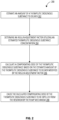
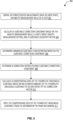
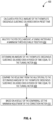
- FIG. 2 illustrates a flowchart of an example process according to aspect of the disclosed subject matter.
- a processor of an automatic drug delivery device or automatic drug delivery system when executing programming code stored in the memory is configured to implement process 200.
- the processor may be operable to estimate an amount of a therapeutic exogenous substance, such as those discussed above, to deliver to a user.
- the therapeutic exogenous substance may be insulin
- the processor may execute programming code, such as an MDA or AP application, that makes the processor operable to receive analyte measurement values, such as blood glucose measurement values or the like, from an analyte sensor and use of the analyte measurement values along with other factors, such as historical analyte measurement values, parameters or constraints, in the estimation of the amount of the therapeutic exogenous substance. It may be helpful to describe an example in which insulin is the therapeutic exogenous substance.
- the processor upon implementing process 200 may determine an insulin adjustment factor utilizing an estimated therapeutic exogenous substance concentration.
- Estimated relative therapeutic exogenous substance concentration which may also be referred to as “relative insulin concentration,” may refer to the sum of the past actual therapeutic exogenous substance (e.g., insulin) deliveries over a number of delivery cycles versus the expected insulin needs for the user based on their total daily therapeutic exogenous substance amounts or needs, accounting for the decay and/or absorption of the exogenous insulin within the body over time due to pharmacokinetics or pharmacodynamics of insulin.
- Delivery cycle may refer to a period of time during which different functions are performed by the automatic drug delivery system that may begin with receipt of an analyte measurement value and end with delivery of a dose of a therapeutic exogenous substance, such as a compensating dose of insulin (e.g., that compensates for a high blood glucose level or consumption of a meal).
- the automatic drug delivery device may also include where the processor is further configured to determine the estimated relative therapeutic exogenous substance concentration (i.e., estimated relative insulin concentration) using a total daily amount of the therapeutic exogenous substance (i.e., insulin) that maintained an analyte measurement value of the user within the range of their target analyte measurement setting.
- the word “relative” in the term “estimated relative insulin concentration ( I c )” may refer to the calculation of the insulin delivery that the user has received relative to the user's typical basal delivery.
- “Tuning factor” may refer to a number of delivery cycles that provide a representative input into a user's compliance with the target analyte measurement setting.
- the tuning factor h may be a selected number of delivery cycles, such as 2, 3, 6, 9, 12, or the like.
- Programming code in the memory executed by the processor may configure the processor to determine the estimated relative insulin concentration I c by completing Eq 1.
- the processor may calculate a per cycle delivery amount, i.e., TDI / 24 12 (where each cycle is 5 minutes and hence 12 cycles in an hour) by using a total amount of the therapeutic exogenous substance (i.e., TDI) that has been delivered to the user over the course of the preset or predetermined time period (e.g., 24 hours).
- the processor may apply the tuning factor h to the calculated per cycle delivery amount to obtain a divisor.
- the sum of an amount past actual delivery of the therapeutic exogenous substance over a predetermined number of delivery cycles is divided by the divisor.
- the resulting quotient of the dividing is stored in the memory as the estimated relative therapeutic exogenous substance concentration (i.e., I c ) of Equation 1.
- the reservoir 524 may be configured to store drugs, medications or therapeutic agents suitable for automated delivery, such as diabetes treatment drugs (e.g., insulin, glucagon, glucagon-like peptides), pain relief drugs (e.g., morphine), hormones, blood pressure medicines, chemotherapy drugs, or the like.
- diabetes treatment drugs e.g., insulin, glucagon, glucagon-like peptides
- pain relief drugs e.g., morphine
- hormones e.g., blood pressure medicines, chemotherapy drugs, or the like.
- the wearable automatic drug delivery device 510 may be attached to the body of a user, such as a patient or diabetic, at an attachment location and may deliver any therapeutic exogenous substance, including any drug, therapeutic, or medicine, such as insulin, glucagon, glucagon-like peptide, or the like, to a user at or around the attachment location.
- a surface of the wearable automatic drug delivery device 510 may include an adhesive to facilitate attachment to the skin of a user as described in earlier examples.
- the wearable automatic drug delivery device 510 may, for example, include a reservoir 524 for storing the drug (such as insulin), a needle or cannula (not shown in this example) for delivering the drug into the body of the user (which may be done subcutaneously, intraperitoneally, or intravenously), and a pump mechanism 525 for transferring the drug from the reservoir 524 through a needle or cannula and into the user.
- the pump mechanism 525 may be fluidly coupled to reservoir 524, and communicatively coupled to the processor 521.
- the wearable automatic drug delivery device 510 may further include a power source 528, such as a battery, a piezoelectric device, other forms of energy harvesting devices, or the like, for supplying electrical power to the pump mechanism 525 and/or other components (such as the processor 521, memory 523, and the communication device 526) of the wearable automatic drug delivery device 510.
- a power source 528 such as a battery, a piezoelectric device, other forms of energy harvesting devices, or the like, for supplying electrical power to the pump mechanism 525 and/or other components (such as the processor 521, memory 523, and the communication device 526) of the wearable automatic drug delivery device 510.
- the analyte sensor 512 is depicted in FIG. 5 as separate from the wearable automatic drug delivery device 510, in various examples, the analyte sensor 512 and wearable automatic drug delivery device 510 may be incorporated into the same unit. That is, in various examples, the sensor 512 may be a part of the wearable automatic drug delivery device 510 and contained within the same housing of the wearable automatic drug delivery device 510 (e.g., the sensor 512 or, only the sensing/measuring device 533 and memory storing related programming code may be positioned within or integrated into, or into one or more components, such as the memory 523, of, the wearable automatic drug delivery device 510). In such an example configuration, the processor 521 may be able to implement the process examples of FIGs. 2-4 alone without any external inputs from the controller 514, the cloud-based services 511, another sensor (not shown), the optional smart accessory device 508, or the like.
- the communication link 515 that couples the cloud-based services 511 to the respective devices 510, 512, 514 or 508 of system 500 may be a cellular link, a Wi-Fi link, a Bluetooth link, or a combination thereof.
- Services provided by cloud-based services 511 may include data storage that stores anonymized data, such as blood glucose measurement values, historical IOB or TDI, maximum and minimum boundary values, therapeutic exogenous substance concentration values, substance sensitivity values, and other forms of data.
- the cloud-based services 511 may process the anonymized data from multiple users to provide generalized information related to TDI, insulin sensitivity, insulin onboard (IOB), and the like.
- the wireless communication links 502, 504, 506, 516, 518, and 520 may be any type of wireless link operating using known wireless communication standards or proprietary standards.
- the wireless communication links 502, 504, 506, 516, 518, and 520 may provide communication links based on Bluetooth ® , Zigbee ® , Wi-Fi, a near-field communication standard, a cellular standard, or any other wireless protocol via the respective communication devices 508, 510, 512, and 514.
- Software related implementations of the techniques described herein may include, but are not limited to, firmware, application specific software, or any other type of computer readable instructions that may be executed by one or more processors.
- the computer readable instructions may be provided via non-transitory computer-readable media.
- Hardware related implementations of the techniques described herein may include, but are not limited to, integrated circuits (ICs), application specific ICs (ASICs), field programmable arrays (FPGAs), and/or programmable logic devices (PLDs).
- ICs integrated circuits
- ASICs application specific ICs
- FPGAs field programmable arrays
- PLDs programmable logic devices
- the techniques described herein, and/or any system or constituent component described herein may be implemented with a processor executing computer readable instructions stored on one or more memory components.
- the examples may have been described with reference to a closed loop algorithmic implementation, variations of the disclosed examples may be implemented to enable open loop use.
- the open loop implementations allow for use of different modalities of delivery of insulin such as smart pen, syringe or the like.
- the disclosed AP application and algorithms may be operable to perform various functions related to open loop operations, such as the generation of prompts requesting the input of information such as weight or age.
- a dosage amount of insulin may be received by the AP application or algorithm from a user via a user interface.
- Other open-loop actions may also be implemented by adjusting user settings or the like in an AP application or algorithm.
- Some examples of the disclosed device or processes may be implemented, for example, using a storage medium, a computer-readable medium, or an article of manufacture which may store an instruction or a set of instructions that, if executed by a machine (i.e., processor or controller), may cause the machine to perform a method and/or operation in accordance with examples of the disclosure.
- a machine i.e., processor or controller
- Such a machine may include, for example, any suitable processing platform, computing platform, computing device, processing device, computing system, processing system, computer, processor, or the like, and may be implemented using any suitable combination of hardware and/or software.
- the computer-readable medium or article may include, for example, any suitable type of memory unit, memory, memory article, memory medium, storage device, storage article, storage medium and/or storage unit, for example, memory (including non-transitory memory), removable or non-removable media, erasable or non-erasable media, writeable or re-writeable media, digital or analog media, hard disk, floppy disk, Compact Disk Read Only Memory (CD-ROM), Compact Disk Recordable (CD-R), Compact Disk Rewriteable (CD-RW), optical disk, magnetic media, magneto-optical media, removable memory cards or disks, various types of Digital Versatile Disk (DVD), a tape, a cassette, or the like.
- memory including non-transitory memory
- removable or non-removable media erasable or non-erasable media, writeable or re-writeable media, digital or analog media
- hard disk floppy disk
- CD-ROM Compact Disk Read Only Memory
- CD-R Compact Disk Recordable
- the instructions may include any suitable type of code, such as source code, compiled code, interpreted code, executable code, static code, dynamic code, encrypted code, programming code, and the like, implemented using any suitable high-level, low-level, object-oriented, visual, compiled and/or interpreted programming language.
- the non-transitory computer readable medium embodied programming code may cause a processor when executing the programming code to perform functions, such as those described herein.
- Storage type media include any or all of the tangible memory of the computers, processors or the like, or associated modules thereof, such as various semiconductor memories, tape drives, disk drives and the like, which may provide non-transitory storage at any time for the software programming. It is emphasized that the Abstract of the Disclosure is provided to allow a reader to quickly ascertain the nature of the technical disclosure. It is submitted with the understanding that it will not be used to interpret or limit the scope or meaning of the claims.
Landscapes
- Health & Medical Sciences (AREA)
- Engineering & Computer Science (AREA)
- Public Health (AREA)
- General Health & Medical Sciences (AREA)
- Heart & Thoracic Surgery (AREA)
- Biomedical Technology (AREA)
- Hematology (AREA)
- Life Sciences & Earth Sciences (AREA)
- Animal Behavior & Ethology (AREA)
- Anesthesiology (AREA)
- Vascular Medicine (AREA)
- Veterinary Medicine (AREA)
- Bioinformatics & Cheminformatics (AREA)
- Chemical & Material Sciences (AREA)
- Medicinal Chemistry (AREA)
- Epidemiology (AREA)
- Medical Informatics (AREA)
- Primary Health Care (AREA)
- Diabetes (AREA)
- Medicines That Contain Protein Lipid Enzymes And Other Medicines (AREA)
- Infusion, Injection, And Reservoir Apparatuses (AREA)
- Peptides Or Proteins (AREA)
Applications Claiming Priority (2)
| Application Number | Priority Date | Filing Date | Title |
|---|---|---|---|
| US202163177009P | 2021-04-20 | 2021-04-20 | |
| EP22169007.6A EP4080516B1 (de) | 2021-04-20 | 2022-04-20 | Verbessertes automatisches arzneimittelabgabesystem für personen mit typ-2-diabetes |
Related Parent Applications (1)
| Application Number | Title | Priority Date | Filing Date |
|---|---|---|---|
| EP22169007.6A Division EP4080516B1 (de) | 2021-04-20 | 2022-04-20 | Verbessertes automatisches arzneimittelabgabesystem für personen mit typ-2-diabetes |
Publications (2)
| Publication Number | Publication Date |
|---|---|
| EP4542561A2 true EP4542561A2 (de) | 2025-04-23 |
| EP4542561A3 EP4542561A3 (de) | 2025-07-16 |
Family
ID=81940421
Family Applications (2)
| Application Number | Title | Priority Date | Filing Date |
|---|---|---|---|
| EP25162969.7A Pending EP4542561A3 (de) | 2021-04-20 | 2022-04-20 | Verbessertes automatisches arzneimittelabgabesystem für personen mit typ-2-diabetes |
| EP22169007.6A Active EP4080516B1 (de) | 2021-04-20 | 2022-04-20 | Verbessertes automatisches arzneimittelabgabesystem für personen mit typ-2-diabetes |
Family Applications After (1)
| Application Number | Title | Priority Date | Filing Date |
|---|---|---|---|
| EP22169007.6A Active EP4080516B1 (de) | 2021-04-20 | 2022-04-20 | Verbessertes automatisches arzneimittelabgabesystem für personen mit typ-2-diabetes |
Country Status (2)
| Country | Link |
|---|---|
| US (1) | US20220331520A1 (de) |
| EP (2) | EP4542561A3 (de) |
Family Cites Families (4)
| Publication number | Priority date | Publication date | Assignee | Title |
|---|---|---|---|---|
| WO2014109898A1 (en) * | 2013-01-14 | 2014-07-17 | The Regents Of University Of California | Model-based personalization scheme of an artificial pancreas for type i diabetes applications |
| EP4233936A3 (de) * | 2014-06-10 | 2023-11-01 | Bigfoot Biomedical, Inc. | Insulinabgabesysteme und -verfahren |
| MX2022001442A (es) * | 2019-08-02 | 2022-02-22 | Abbott Diabetes Care Inc | Sistemas, dispositivos y metodos relacionados con guia de dosis de medicamentos. |
| US11935637B2 (en) * | 2019-09-27 | 2024-03-19 | Insulet Corporation | Onboarding and total daily insulin adaptivity |
-
2022
- 2022-04-19 US US17/723,778 patent/US20220331520A1/en active Pending
- 2022-04-20 EP EP25162969.7A patent/EP4542561A3/de active Pending
- 2022-04-20 EP EP22169007.6A patent/EP4080516B1/de active Active
Non-Patent Citations (1)
| Title |
|---|
| HOVORKA ET AL.: "Glucose Turnover After Replacement of Usual Therapy by Insulin in Insulin-naive Type 2 Diabetes Subjects", J CLIN ENDOCRINOL METAB, 2014 |
Also Published As
| Publication number | Publication date |
|---|---|
| EP4080516C0 (de) | 2025-03-12 |
| EP4542561A3 (de) | 2025-07-16 |
| EP4080516A1 (de) | 2022-10-26 |
| US20220331520A1 (en) | 2022-10-20 |
| EP4080516B1 (de) | 2025-03-12 |
Similar Documents
| Publication | Publication Date | Title |
|---|---|---|
| US20240009393A1 (en) | Blood glucose rate of change modulation of meal and correction insulin bolus quantity | |
| US12257420B2 (en) | Initial total daily insulin setting for user onboarding | |
| US20240252753A1 (en) | Techniques and devices providing adaptivity and personalization in diabetes treatment | |
| AU2021385552B2 (en) | Device and methods for a simple meal announcement for automatic drug delivery system | |
| US20210228804A1 (en) | Meal insulin determination for improved post prandial response | |
| EP3822979B1 (de) | Adaptive dauer der insulinwirkung zur verwendung bei der bestimmung des aktiven insulins | |
| US20230248909A1 (en) | Techniques for determining medication correction factors in automatic medication delivery systems | |
| EP4080516B1 (de) | Verbessertes automatisches arzneimittelabgabesystem für personen mit typ-2-diabetes | |
| US20230062884A1 (en) | Devices and methods for controlling drug dosage delivery for automatically providing a drug to a patient | |
| US20220249773A1 (en) | Techniques and devices for adaptation of maximum drug delivery limits | |
| US20230310742A1 (en) | Autonomous adaptivity and set point control for a drug delivery device | |
| US20230011699A1 (en) | Techniques for recommending rescue carbohydrate ingestion in automatic medication delivery systems |
Legal Events
| Date | Code | Title | Description |
|---|---|---|---|
| PUAI | Public reference made under article 153(3) epc to a published international application that has entered the european phase |
Free format text: ORIGINAL CODE: 0009012 |
|
| STAA | Information on the status of an ep patent application or granted ep patent |
Free format text: STATUS: REQUEST FOR EXAMINATION WAS MADE |
|
| 17P | Request for examination filed |
Effective date: 20250311 |
|
| AC | Divisional application: reference to earlier application |
Ref document number: 4080516 Country of ref document: EP Kind code of ref document: P |
|
| AK | Designated contracting states |
Kind code of ref document: A2 Designated state(s): AL AT BE BG CH CY CZ DE DK EE ES FI FR GB GR HR HU IE IS IT LI LT LU LV MC MK MT NL NO PL PT RO RS SE SI SK SM TR |
|
| REG | Reference to a national code |
Ref country code: DE Ref legal event code: R079 Free format text: PREVIOUS MAIN CLASS: G16H0020170000 Ipc: G16H0020100000 |
|
| PUAL | Search report despatched |
Free format text: ORIGINAL CODE: 0009013 |
|
| STAA | Information on the status of an ep patent application or granted ep patent |
Free format text: STATUS: EXAMINATION IS IN PROGRESS |
|
| AK | Designated contracting states |
Kind code of ref document: A3 Designated state(s): AL AT BE BG CH CY CZ DE DK EE ES FI FR GB GR HR HU IE IS IT LI LT LU LV MC MK MT NL NO PL PT RO RS SE SI SK SM TR |
|
| RIC1 | Information provided on ipc code assigned before grant |
Ipc: G16H 20/10 20180101AFI20250610BHEP Ipc: G16H 20/17 20180101ALI20250610BHEP |
|
| 17Q | First examination report despatched |
Effective date: 20250630 |