EP4541923A1 - Highly formable and easily phosphated high-manganese cold-rolled steel plate having tensile strength of 1000-1600 mpa, and manufacturing method therefor - Google Patents
Highly formable and easily phosphated high-manganese cold-rolled steel plate having tensile strength of 1000-1600 mpa, and manufacturing method therefor Download PDFInfo
- Publication number
- EP4541923A1 EP4541923A1 EP23823114.6A EP23823114A EP4541923A1 EP 4541923 A1 EP4541923 A1 EP 4541923A1 EP 23823114 A EP23823114 A EP 23823114A EP 4541923 A1 EP4541923 A1 EP 4541923A1
- Authority
- EP
- European Patent Office
- Prior art keywords
- steel plate
- cold
- rolled steel
- tensile strength
- matrix
- Prior art date
- Legal status (The legal status is an assumption and is not a legal conclusion. Google has not performed a legal analysis and makes no representation as to the accuracy of the status listed.)
- Pending
Links
Images

Classifications
-
- C—CHEMISTRY; METALLURGY
- C21—METALLURGY OF IRON
- C21D—MODIFYING THE PHYSICAL STRUCTURE OF FERROUS METALS; GENERAL DEVICES FOR HEAT TREATMENT OF FERROUS OR NON-FERROUS METALS OR ALLOYS; MAKING METAL MALLEABLE, e.g. BY DECARBURISATION OR TEMPERING
- C21D1/00—General methods or devices for heat treatment, e.g. annealing, hardening, quenching or tempering
- C21D1/26—Methods of annealing
-
- C—CHEMISTRY; METALLURGY
- C21—METALLURGY OF IRON
- C21D—MODIFYING THE PHYSICAL STRUCTURE OF FERROUS METALS; GENERAL DEVICES FOR HEAT TREATMENT OF FERROUS OR NON-FERROUS METALS OR ALLOYS; MAKING METAL MALLEABLE, e.g. BY DECARBURISATION OR TEMPERING
- C21D6/00—Heat treatment of ferrous alloys
- C21D6/005—Heat treatment of ferrous alloys containing Mn
-
- C—CHEMISTRY; METALLURGY
- C21—METALLURGY OF IRON
- C21D—MODIFYING THE PHYSICAL STRUCTURE OF FERROUS METALS; GENERAL DEVICES FOR HEAT TREATMENT OF FERROUS OR NON-FERROUS METALS OR ALLOYS; MAKING METAL MALLEABLE, e.g. BY DECARBURISATION OR TEMPERING
- C21D8/00—Modifying the physical properties of ferrous metals or ferrous alloys by deformation combined with, or followed by, heat treatment
- C21D8/02—Modifying the physical properties of ferrous metals or ferrous alloys by deformation combined with, or followed by, heat treatment during manufacturing of plates or strips
- C21D8/0221—Modifying the physical properties of ferrous metals or ferrous alloys by deformation combined with, or followed by, heat treatment during manufacturing of plates or strips characterised by the working steps
- C21D8/0226—Hot rolling
-
- C—CHEMISTRY; METALLURGY
- C21—METALLURGY OF IRON
- C21D—MODIFYING THE PHYSICAL STRUCTURE OF FERROUS METALS; GENERAL DEVICES FOR HEAT TREATMENT OF FERROUS OR NON-FERROUS METALS OR ALLOYS; MAKING METAL MALLEABLE, e.g. BY DECARBURISATION OR TEMPERING
- C21D8/00—Modifying the physical properties of ferrous metals or ferrous alloys by deformation combined with, or followed by, heat treatment
- C21D8/02—Modifying the physical properties of ferrous metals or ferrous alloys by deformation combined with, or followed by, heat treatment during manufacturing of plates or strips
- C21D8/0221—Modifying the physical properties of ferrous metals or ferrous alloys by deformation combined with, or followed by, heat treatment during manufacturing of plates or strips characterised by the working steps
- C21D8/0236—Cold rolling
-
- C—CHEMISTRY; METALLURGY
- C21—METALLURGY OF IRON
- C21D—MODIFYING THE PHYSICAL STRUCTURE OF FERROUS METALS; GENERAL DEVICES FOR HEAT TREATMENT OF FERROUS OR NON-FERROUS METALS OR ALLOYS; MAKING METAL MALLEABLE, e.g. BY DECARBURISATION OR TEMPERING
- C21D8/00—Modifying the physical properties of ferrous metals or ferrous alloys by deformation combined with, or followed by, heat treatment
- C21D8/02—Modifying the physical properties of ferrous metals or ferrous alloys by deformation combined with, or followed by, heat treatment during manufacturing of plates or strips
- C21D8/0247—Modifying the physical properties of ferrous metals or ferrous alloys by deformation combined with, or followed by, heat treatment during manufacturing of plates or strips characterised by the heat treatment
- C21D8/0263—Modifying the physical properties of ferrous metals or ferrous alloys by deformation combined with, or followed by, heat treatment during manufacturing of plates or strips characterised by the heat treatment following hot rolling
-
- C—CHEMISTRY; METALLURGY
- C21—METALLURGY OF IRON
- C21D—MODIFYING THE PHYSICAL STRUCTURE OF FERROUS METALS; GENERAL DEVICES FOR HEAT TREATMENT OF FERROUS OR NON-FERROUS METALS OR ALLOYS; MAKING METAL MALLEABLE, e.g. BY DECARBURISATION OR TEMPERING
- C21D8/00—Modifying the physical properties of ferrous metals or ferrous alloys by deformation combined with, or followed by, heat treatment
- C21D8/02—Modifying the physical properties of ferrous metals or ferrous alloys by deformation combined with, or followed by, heat treatment during manufacturing of plates or strips
- C21D8/0247—Modifying the physical properties of ferrous metals or ferrous alloys by deformation combined with, or followed by, heat treatment during manufacturing of plates or strips characterised by the heat treatment
- C21D8/0273—Final recrystallisation annealing
-
- C—CHEMISTRY; METALLURGY
- C21—METALLURGY OF IRON
- C21D—MODIFYING THE PHYSICAL STRUCTURE OF FERROUS METALS; GENERAL DEVICES FOR HEAT TREATMENT OF FERROUS OR NON-FERROUS METALS OR ALLOYS; MAKING METAL MALLEABLE, e.g. BY DECARBURISATION OR TEMPERING
- C21D8/00—Modifying the physical properties of ferrous metals or ferrous alloys by deformation combined with, or followed by, heat treatment
- C21D8/02—Modifying the physical properties of ferrous metals or ferrous alloys by deformation combined with, or followed by, heat treatment during manufacturing of plates or strips
- C21D8/04—Modifying the physical properties of ferrous metals or ferrous alloys by deformation combined with, or followed by, heat treatment during manufacturing of plates or strips to produce plates or strips for drawing, e.g. for deep-drawing
- C21D8/0421—Modifying the physical properties of ferrous metals or ferrous alloys by deformation combined with, or followed by, heat treatment during manufacturing of plates or strips to produce plates or strips for drawing, e.g. for deep-drawing characterised by the working steps
- C21D8/0426—Hot rolling
-
- C—CHEMISTRY; METALLURGY
- C21—METALLURGY OF IRON
- C21D—MODIFYING THE PHYSICAL STRUCTURE OF FERROUS METALS; GENERAL DEVICES FOR HEAT TREATMENT OF FERROUS OR NON-FERROUS METALS OR ALLOYS; MAKING METAL MALLEABLE, e.g. BY DECARBURISATION OR TEMPERING
- C21D8/00—Modifying the physical properties of ferrous metals or ferrous alloys by deformation combined with, or followed by, heat treatment
- C21D8/02—Modifying the physical properties of ferrous metals or ferrous alloys by deformation combined with, or followed by, heat treatment during manufacturing of plates or strips
- C21D8/04—Modifying the physical properties of ferrous metals or ferrous alloys by deformation combined with, or followed by, heat treatment during manufacturing of plates or strips to produce plates or strips for drawing, e.g. for deep-drawing
- C21D8/0421—Modifying the physical properties of ferrous metals or ferrous alloys by deformation combined with, or followed by, heat treatment during manufacturing of plates or strips to produce plates or strips for drawing, e.g. for deep-drawing characterised by the working steps
- C21D8/0436—Cold rolling
-
- C—CHEMISTRY; METALLURGY
- C21—METALLURGY OF IRON
- C21D—MODIFYING THE PHYSICAL STRUCTURE OF FERROUS METALS; GENERAL DEVICES FOR HEAT TREATMENT OF FERROUS OR NON-FERROUS METALS OR ALLOYS; MAKING METAL MALLEABLE, e.g. BY DECARBURISATION OR TEMPERING
- C21D9/00—Heat treatment, e.g. annealing, hardening, quenching or tempering, adapted for particular articles; Furnaces therefor
- C21D9/46—Heat treatment, e.g. annealing, hardening, quenching or tempering, adapted for particular articles; Furnaces therefor for sheet metals
-
- C—CHEMISTRY; METALLURGY
- C22—METALLURGY; FERROUS OR NON-FERROUS ALLOYS; TREATMENT OF ALLOYS OR NON-FERROUS METALS
- C22C—ALLOYS
- C22C38/00—Ferrous alloys, e.g. steel alloys
- C22C38/001—Ferrous alloys, e.g. steel alloys containing N
-
- C—CHEMISTRY; METALLURGY
- C22—METALLURGY; FERROUS OR NON-FERROUS ALLOYS; TREATMENT OF ALLOYS OR NON-FERROUS METALS
- C22C—ALLOYS
- C22C38/00—Ferrous alloys, e.g. steel alloys
- C22C38/005—Ferrous alloys, e.g. steel alloys containing rare earths, i.e. Sc, Y, Lanthanides
-
- C—CHEMISTRY; METALLURGY
- C22—METALLURGY; FERROUS OR NON-FERROUS ALLOYS; TREATMENT OF ALLOYS OR NON-FERROUS METALS
- C22C—ALLOYS
- C22C38/00—Ferrous alloys, e.g. steel alloys
- C22C38/02—Ferrous alloys, e.g. steel alloys containing silicon
-
- C—CHEMISTRY; METALLURGY
- C22—METALLURGY; FERROUS OR NON-FERROUS ALLOYS; TREATMENT OF ALLOYS OR NON-FERROUS METALS
- C22C—ALLOYS
- C22C38/00—Ferrous alloys, e.g. steel alloys
- C22C38/04—Ferrous alloys, e.g. steel alloys containing manganese
-
- C—CHEMISTRY; METALLURGY
- C22—METALLURGY; FERROUS OR NON-FERROUS ALLOYS; TREATMENT OF ALLOYS OR NON-FERROUS METALS
- C22C—ALLOYS
- C22C38/00—Ferrous alloys, e.g. steel alloys
- C22C38/06—Ferrous alloys, e.g. steel alloys containing aluminium
-
- C—CHEMISTRY; METALLURGY
- C21—METALLURGY OF IRON
- C21D—MODIFYING THE PHYSICAL STRUCTURE OF FERROUS METALS; GENERAL DEVICES FOR HEAT TREATMENT OF FERROUS OR NON-FERROUS METALS OR ALLOYS; MAKING METAL MALLEABLE, e.g. BY DECARBURISATION OR TEMPERING
- C21D2201/00—Treatment for obtaining particular effects
- C21D2201/05—Grain orientation
-
- C—CHEMISTRY; METALLURGY
- C21—METALLURGY OF IRON
- C21D—MODIFYING THE PHYSICAL STRUCTURE OF FERROUS METALS; GENERAL DEVICES FOR HEAT TREATMENT OF FERROUS OR NON-FERROUS METALS OR ALLOYS; MAKING METAL MALLEABLE, e.g. BY DECARBURISATION OR TEMPERING
- C21D2211/00—Microstructure comprising significant phases
- C21D2211/001—Austenite
-
- C—CHEMISTRY; METALLURGY
- C21—METALLURGY OF IRON
- C21D—MODIFYING THE PHYSICAL STRUCTURE OF FERROUS METALS; GENERAL DEVICES FOR HEAT TREATMENT OF FERROUS OR NON-FERROUS METALS OR ALLOYS; MAKING METAL MALLEABLE, e.g. BY DECARBURISATION OR TEMPERING
- C21D2211/00—Microstructure comprising significant phases
- C21D2211/005—Ferrite
Definitions
- the present disclosure relates to the field of high-manganese cold-rolled steel, in particular to a highly formable and easily phosphated high-manganese cold-rolled steel plate having a tensile strength of 1000-1600 MPa and a method for manufacturing the same.
- the microstructure and metallurgical mechanism of traditional steel are difficult to meet the future demand of the automotive industry for ultra-high strength steel for high-formability automobiles.
- the steel mill has to develop a variety of specialized materials with different strength, formability, and performance to meet the different performance needs of the body materials, resulting in complex types of body materials, covering the range of 340 ⁇ 1500MPa in strength, and 3 ⁇ 50% in elongation.
- These materials include ferritic steel, precipitation strengthened steel, martensitic steel, duplex steel, and complex phase steel and cover dozens of different products, which have brought problems of complex material solutions, high production management costs and frequent switching of manufacturing processes to steel enterprises and automobile enterprises, and have seriously affected the production stability, production efficiency and cost control of enterprises.
- phase change strengthening-based advanced high-strength automotive steels has become one of the main research topics of major steel companies in the world.
- the tensile strength of the fully-austenitic steel with high C and Mn content reaches 1000MPa, the elongation can reach 50% or more.
- the fully-austenitic steel there is no heat treatment phase change in the fully-austenitic steel, so it is not easy to control the microstructure, especially it is difficult to achieve higher strength. If such problems cannot be effectively solved, it will not be able to be applied in the automotive industry.
- the high-manganese fully-austenitic steel has the problem of poor coating performance caused by surface oxidation.
- the main methods for regulating the properties of high-manganese steel are the addition of alloying elements such as Nb, V, Ti, Cr, Mo, etc.
- alloying elements such as Nb, V, Ti, Cr, Mo, etc.
- V is unstable and difficult to control, and there are great problems in industrial use.
- Nb and Ti mainly improve the yield strength of the material, but have no obvious effect on the tensile strength.
- the effect of Mo is stable, but it is expensive and will significantly improve the thermal strength of the material, which brings great technical difficulties to the hot rolling process.
- the European patent EP3492618B1 has disclosed a 1500MPa grade steel with high product of strength and elongation for automobiles.
- the mass percentages of chemical elements are: C 0.1%, 0.3%, Si 0.1% ⁇ 2.0%, Mn 7.5% ⁇ 12%, A1 0.01% ⁇ 2.0%, with the balance of iron and unavoidable impurities.
- the microstructure of the steel of the invention is austenite + martensite + ferrite or austenite + martensite.
- the steel can reach a grade of 1500MPa level, and its product of strength and elongation is not less than 30GPa%.
- austenite in the microstructure of the invention is a metastable structure, and martensite transformation will occur during the deformation process, which will adversely affect the properties such as low-temperature toughness and shear edge performance.
- the steel of the invention requires very complex and time-consuming multi-step heat treatment, and its production efficiency and cost are very unfavorable.
- the Chinese patent publication CN106191404B has disclosed a manufacturing method for high-strength and high-plasticity TWIP steel, which is performed by ultra-large deformation asynchronous rolling and cold-rolling combined with annealing treatment to obtain ultra-fine grains of 1 ⁇ m or lower, and supplemented by the addition of microalloys such as Nb and Ti to achieve a tensile strength of 1400MPa and an elongation of 7% or more.
- the invention requires cold rolling after warm rolling at 400 °C and the total deformation of more than 95%, and needs asynchronous rolling. The process is complex and very difficult. It does not have the feasibility of large-scale industrial production.
- the International Patent Publication WO2014097184A4 has disclosed a high-strength and high-plasticity austenitic stainless steel, which comprises (wt.%) C: 0.01-0.50, N0.11-0.50, Mn: 6-12, Ni: 0.01-6.0, Cu: 0.01-6.0, Si: 0.001-0.5, Al: 0.001-2.0, Cr: 11-20, Nb: 0.001-0.5, Mo: 0.01-2.0, Co: 0.01-2.0, Ti: 0.001-0.5%. It can provide a tensile strength of 1200MPa and an elongation of 60%.
- the material has superior properties, but it needs to add more expensive alloying elements such as Cr, Ni, Mo, Co, etc. Thus, it can only be used in special applications, and is basically not economical and feasible in general automotive applications.
- US patent application US20120288396 (A1 ) has disclosed an austenitic steel with ultra-high ductility, which comprises Mn: 8 ⁇ 16%, Cu: ⁇ 3 %, C satisfying 33.5C+Mn ⁇ 25 and 33.5-Mn ⁇ 22, and optional other elements such as Cr, Ti, Nb, N, etc., and the balance of Fe and impurities.
- the austenite fraction in the steel of this application is 99% or more.
- the yield strength is 300 ⁇ 630MPa, and the elongation is about 30%.
- the addition of Cu is not conducive to cost control, and the elongation of about 30% does not have obvious advantages compared with traditional high-strength steel phase transformation.
- the International Patent Publication WO2009084792 (A1) has disclosed a delayed cracking resistant high-strength high Mn steel and its manufacturing method, which comprises C: 0.3 ⁇ 0.9, Mn: 15 ⁇ 25%, Si ⁇ 0.1 ⁇ 2%, Al: 0.01 ⁇ 4%, Cr ⁇ 10%, N ⁇ 0.6%, Cu ⁇ 3%.
- V, Ti, Mo, Nb, Cr, W and other elements may be added.
- the tensile strength of the steel is 920MPa or more, and the elongation is ⁇ 55%.
- the steel in this application has superior performance. But the content of Mn and Cr is high, and the cost control is relatively unfavorable.
- X has disclosed a P-strengthened TWIP steel and its manufacturing process, which comprises: C: 0.01 ⁇ 0.08, Mn: 15 ⁇ 35%, Si ⁇ 1 ⁇ 6%, Al: 1 ⁇ 6%, P: 0.062 ⁇ 0.2%, and the balance of Fe and impurities.
- the steel in this application has a tensile strength of 610 ⁇ 915MPa, a yield strength of 225 ⁇ 610MPa, and an elongation of 45 ⁇ 85.5%.
- the forming performance of the steel is superior, but the yield strength and tensile strength are low. It is difficult to meet the requirements of ultra-high-strength steel for automobiles in the future.
- P-strengthened high-strength steels are difficult to weld with other steel grades.
- the object of the present disclosure is to provide a highly formable and easily phosphated high-manganese cold-rolled steel plate having a tensile strength of 1000-1600 MPa and a method for manufacturing the same.
- the steel plate has the characteristics of a wide range of adjustable performance, can realize combinations of a variety of performances including yield strength (YS) of 700-1400MPa, tensile strength (TS) of 1000-1600MPa, elongation (EL) of 20-55%, and satisfy TS 2 ⁇ EL ⁇ 49TPa 2 %. It has excellent phosphate coating performance, excellent bending performance, and a bend radius of up to 0t, which is suitable for a variety of automotive structural parts and safety parts with different strength and formability requirements on automobiles.
- the present disclosure provides a high-manganese cold-rolled steel plate having a tensile strength of 1000-1600 MPa, which is a composite structure comprising a matrix and a surface layer; wherein the matrix is a face-centered cubic phase structure, comprising high-density twin crystals and low-density dislocations, wherein the twin crystal density is (1 ⁇ 10) ⁇ 10 5 m -1 , and the dislocation density is (1 ⁇ 10) ⁇ 10 13 m -1 ; wherein the matrix comprises the following chemical composition by weight percentage:
- the C content is 0.5 ⁇ 0.7wt%, for example 0.55wt%, 0.6wt%, 0.65wt%.
- the Mn content is 15 ⁇ 17wt%, for example 15.5wt%, 16wt%, 16.5wt%.
- the Al content is 1.2 ⁇ 1.5wt%, for example, 1.25wt%, 1.3wt%, 1.35wt%, 1.4wt%, 1.45wt%.
- the Si content is 0.2 ⁇ 0.4wt%, for example, 0.25wt%, 0.3wt%, 0.35wt%.
- the RE content is 0.02%, 0.04%, 0.06% or 0.08%.
- the P content is 0-0.020wt%, for example, 0.001wt%, 0.003wt%, 0.005wt%, 0.010wt%, 0.015wt%.
- the S content is 0-0.010wt%, for example, 0.001wt%, 0.002wt%, 0.003wt%, 0.005wt%, 0.007wt%.
- the N content is 0.02%, 0.04%, 0.06% or 0.08%.
- the twin crystal density is 2 ⁇ 10 5 m -1 , 4 ⁇ 10 5 m -1 , 6 ⁇ 10 5 m -1 or 8 ⁇ 10 5 m -1 .
- the dislocation density is 2 ⁇ 10 13 m -1 , 4 ⁇ 10 13 m -1 , 6 ⁇ 10 13 m -1 or 8 ⁇ 10 13 m -1 .
- the chemical composition of the matrix satisfies: Mn+25C-1.5Al is 28-34%, for example 29%, 30%, 31%, 32%, 33%, 33.6%.
- the chemical composition of the matrix satisfies: Si+20RE is 1.0-2.5%, for example 1.2%, 1.5%, 1.8%, 2.0%, 2.2%, 2.4%.
- the C content in the chemical composition of the surface layer, is 0-0.03wt%, for example, 0.001wt%, 0.005wt%, 0.01wt%, 0.02wt%.
- the Mn content in the chemical composition of the surface layer, is 0-0.5wt%, for example, 0.01wt%, 0.02wt%, 0.03wt%, 0.04wt%.
- the Al content is 0-0.1wt%, for example, 0.01wt%, 0.02wt%, 0.04wt%, 0.06wt%, 0.08wt%.
- the surface layer thickness of the high-manganese cold-rolled steel plate is 0.5-2 ⁇ m, for example, 0.6 ⁇ m, 0.8 ⁇ m, 1 ⁇ m, 1.2 ⁇ m, 1.4 ⁇ m, 1.6 ⁇ m, 1.8 ⁇ m.
- the high-manganese cold-rolled steel plate has a yield strength of 800MPa, 900MPa, 1000MPa, 1100MPa, 1200MPa or 1300MPa.
- the high-manganese cold-rolled steel plate has a tensile strength of 1100MPa, 1200MPa, 1300MPa, 1400MPa or 1500MPa.
- the high-manganese cold-rolled steel plate has an elongation of 25%, 30%, 35%, 40%, 45% or 50%.
- the high-manganese cold-rolled steel plate has a tensile strength and an elongation that satisfy: TS 2 ⁇ EL is 49-60TPa 2 %, for example 52TPa 2 %, 54TPa 2 %, 56TPa 2 %, 58TPa 2 %.
- composition design of the high-manganese cold-rolled steel plate according to the present disclosure is the composition design of the high-manganese cold-rolled steel plate according to the present disclosure:
- the present disclosure adopts C, Mn, Si, Al, RE in the composition design without adding expensive alloying elements and can provide high Mn cold-rolled fully austenitic steel products with low material cost, good product manufacturability and superior performance.
- the present disclosure further provides a manufacturing method for the high-manganese cold-rolled steel plate having a tensile strength of 1000-1600 MPa, comprising steps of:
- the annealing is continuous annealing.
- the annealing temperature T is 250 ⁇ 400 °C and the annealing time t is 120 ⁇ 180s.
- the annealing temperature and annealing time comply with the following relationship: 1100 ⁇ (T+273)Igt ⁇ 1400, with austenite recovery occurring and finally stabilizing to room temperature.
- the corresponding cold rolling and annealing process can be selected:
- the slab heating temperature in step 2) is 1180°C, 1190°C, 1200°C, 1210°C or 1220°C.
- the coiling temperature in step 2) is 680°C, 700°C, 750°C, 800°C or 820°C.
- the cold rolling deformation in step 3) is 15%, 20%, 25%, 30% or 35%.
- the annealing time t in step 4) is 130s, 140s, 150s, 160s or 170s.
- the annealing temperature and the annealing time in step 4) satisfy: (T+273)lgt is 1150, 1200, 1250, 1300 or 1350.
- step 1) smelting is performed by an electric furnace or a converter.
- step 1) and step 2) adopt conventional continuous casting + hot rolling, or adopt thin slab continuous casting and continuous rolling process.
- the steel of the present disclosure is a fully austenitic structure with no other type of phase transformation, and the effect of using hot rolling high-temperature heating furnace heat preservation is to reduce the rolling load, so that the composition of the casting billet is homogeneous.
- the present disclosure adopts a higher coiling temperature, in order to allow the surface of the steel plate to be oxidized externally at high temperature, resulting in the obvious enrichment of C, Si, Mn and other easily oxidized elements on the surface of the steel plate, forming a subsurface layer of poor elements.
- a layer of body-centered cubic (BCC) structural layer of poor elements can be formed on the surface of the steel plate, and the composite structure of the surface BCC phase structure ferroalloy layer and the matrix face-centered cubic (FCC) phase structure ferroalloy layer is realized.
- BCC body-centered cubic
- FCC matrix face-centered cubic
- the increase of the annealing temperature and annealing time is conducive to the diffusion of elements and promotes the recovery of austenite. Therefore, there is a certain degree of mutual compensation between the annealing temperature and the annealing time.
- the annealing temperature T and the annealing time t meet the relationship of 1100 ⁇ (T+273)Igt ⁇ 1400, it can be ensured that a suitable full-austenite recovery microstructure is obtained after annealing, so as to ensure the properties of the steel of the present disclosure.
- RE improves the stability of the twin crystals during the heat treatment, maintains the high-density twin crystals and low-density dislocations in the final material, and achieves better combined strength-elongation performance.
- the cold-rolled and annealing process can be optionally adjusted according to the strength requirements of the finished steel plate to realize a wide range of adjustable performance within a tensile strength of 1000-1600MPa.
- the forming performance is superior and can meet the performance and formability requirements of different parts in the automobile body.
- the steel plate with a tensile strength of 1000MPa grade is suitable for A, B, C pillar inner plates, floor beams, longitudinal beams and other parts; the steel plate with a tensile strength of 1200MPa grade is suitable for A, B, C pillar reinforcing plates, thresholds, door bumpers and other parts; and the steel plate with a tensile strength of 1500MPa grade is suitable for front and rear anti-collision beams, door knocker reinforcing plates and other parts.
- the details are as follows:
- the present disclosure adopts continuous annealing, because continuous annealing has obvious advantages such as superior structure and performance, high production efficiency, energy saving, etc.
- the deformed microstructure recovery process of the high manganese steel is completed.
- the steel plate of the present disclosure is a composite structure of a ferroalloy layer with surface body-centered cubic (BCC) phase structure and a ferroalloy layer with matrix face-centered cubic (FCC) phase structure.
- the steel plate has characteristics of a large range of adjustable performance, and can realize a variety of performance combinations of a yield strength (YS) of 700-1400MPa, a tensile strength (TS) of 1000-1600MPa, and an elongation (EL) of 20-55%, with excellent phosphate coating and bending properties. It is suitable for a variety of automotive structural parts and safety parts with different strength and formability requirements on automobiles.
- the present disclosure mainly takes advantage of the characteristics of high manganese steel that is easy to produce a large number of deformation twin crystals under cold deformation, and realizes the coexistence of high-density twin crystals and low-density dislocations in the final material through the fine control of composition design, cold deformation and subsequent heat treatment, which not only significantly improves the strength level of the material, but also does not damage the plastic deformation ability of the material.
- the addition of rare earth element RE can effectively inhibit the occurrence of twin crystals during deformation, control the twin crystal density in an appropriate range, and maintain the stability of the twin crystals in the subsequent heat treatment, so as to effectively reduce the dislocation density, but not affect the formed twin crystal density.
- the present disclosure can optionally adjust the cold rolling and annealing process according to the strength requirements of the finished steel plate, that is, by adjusting the twin crystal and dislocation density, the performance of high manganese steel with the same composition design can be adjusted in a wide range.
- the strength level covers the tensile strength (TS) of 1000-1600MPa, and the elongation (EL) of 20-55%, which can meet the mechanical properties and formability requirements of most parts at different parts of automobile body in white.
- the addition of rare earth elements to high manganese steel can effectively delay the formation of twin crystals, thereby reducing the work hardening ability of the material in the early stage of deformation, improving the plasticity of the material after cold working, which is conducive to the recovery annealing of the material.
- the purification, precipitation and hydrogen storage properties of rare earth elements are utilized to provide high formability, high strength and good delayed cracking resistance, and the smelting and continuous casting performance of the material is significantly improved.
- the steel of the present disclosure is subjected to electric furnace or converter smelting, conventional continuous casting or thin slab continuous casting, hot rolling, pickling, cold rolling, continuous annealing. It has high production efficiency and good product performance uniformity.
- the present disclosure makes full use of slow cooling stage after hot-rolled coiling.
- the oxidation enrichment of easily oxidized elements such as Si and Mn on the surface of the steel plate is adjusted.
- a poor C, Si, Mn ferroalloy BCC phase structure layer with a certain thickness is formed on the surface of the steel plate, and the phosphate coating performance of the steel plate after pickling and cold rolling is significantly improved.
- the present disclosure can achieve the performance covering the tensile strength in the range of 1000 ⁇ 1600MPa and elongation in the range of 20 ⁇ 55% through appropriate composition design and cold rolling-continuous annealing process control, which can meet the performance requirements of most structural parts and safety parts of automobile body in the future, and is a powerful choice to realize the uni-material solution of the automobile body.
- the steel plate of the present disclosure will have a good application prospect in the automobile safety structural parts, especially suitable for manufacturing vehicle structural parts and safety parts with very complex shapes and high requirements for forming performance, such as door anti-collision bar, bumper and B-pillar etc.
- compositions of Examples 1-16 of the present disclosure were subjected to smelting, hot rolling, cold rolling, annealing and temper rolling, which comprised the following steps of:
- step 1) Examples 2, 4, 6-9, 12-14 adopted electric furnace smelting, and Examples 1, 3, 5, 10, 11, 15, 16 adopted converter smelting.
- step 2) Examples 1-4, 6-14 adopted conventional continuous casting + hot rolling, and Examples 5, 15, 16 adopted thin slab continuous casting and continuous rolling process.
- the matrix compositions of the steel plates of Examples 1-16 are shown in Table 1.
- the matrix is a face-centered cubic phase structure and the surface layer is a body-centered cubic phase structure.
- the characteristics of the surface layer and the matrix of the steel plate are shown in Table 2.
- the production process is shown in Table 3, and the mechanical properties and phosphating performances are shown in Table 4.
- the present disclosure provided the composite structure of the surface ferroalloy layer with BCC phase structure and the matrix ferroalloy layer with FCC phase structure as shown in Fig.1-Fig.3 .
- the surface layer phase structure was detected by electron back scatter diffraction (EBSD), and the matrix phase structure was detected by EBSD and X-ray diffraction (XRD).
- Comparative Example 1 The product of Comparative Example 1 was manufactured according to the steps of the Example. The production process parameters are shown in Table 3. With respect to the steel plate of Comparative Example 1, the matrix is a face-centered cubic phase structure, and the surface layer is a body-centered cubic phase structure. The characteristics of the surface layer and the matrix are shown in Table 2.
- the performance test of the steel plate of the above Examples and Comparative examples was performed in the present disclosure, and the index included the surface BCC layer composition and thickness, mechanical properties (yield strength, tensile strength, elongation), bend radius, phosphating performances, twin crystal density, dislocation density.
- EBSD twin crystal density
- the surface layer composition was detected by energy dispersive spectroscopy (EDS).
- the surface layer thickness was measured by scanning electron microscopy (SEM).
- the bend radius was tested in accordance with the standard of GB/T232-2010 " Metal Materials-Bend Test".
- the phosphating performance was tested in accordance with the standard of GB/T6807-2001 "Specifications for phosphating treatment of iron and steel parts before painting".
- the steel of the present disclosure can achieve a wide range of performance adjustment under appropriate composition and process design, and provide an ultra-high strength cold-rolled steel plate with a yield strength (YS) of 600 ⁇ 1300MPa, a tensile strength (TS) of 1000 ⁇ 1600MPa, and an elongation (EL) of 20 ⁇ 55%.
- Yield strength 600 ⁇ 1300MPa
- TS tensile strength
- EL elongation
- the elongation of the present disclosure is significantly better than that of the comparative steel. It shows that the RE addition of the present disclosure helps to slow down the elongation decrease of the steel plate under cold rolling deformation, which is conducive to maintaining high formability after secondary cold rolling processing, and providing better microstructure characteristics for subsequent heat treatment.
- the combined performance of strength and elongation of the material is better than that of the comparative steel after cold deformation and heat treatment. It shows that in the annealing stage according to the present disclosure, RE improves the stability of twin crystals in the heat treatment process, maintains high-density twin crystals and low-density dislocations in the final material, and realizes superior combined performance of strength and elongation.
- Table 1 unit weight percentage No. C Mn Al Si RE N P S Ex. 1 0.50 17.9 1.37 0.41 0.09 0.01 0.015 0.003 Ex. 2 0.51 17.8 1.45 0.5 0.04 0.06 0.009 0.005 Ex. 3 0.52 18.0 1.22 0.40 0.06 0.01 0.016 0.010 Ex.
Landscapes
- Chemical & Material Sciences (AREA)
- Engineering & Computer Science (AREA)
- Mechanical Engineering (AREA)
- Materials Engineering (AREA)
- Metallurgy (AREA)
- Organic Chemistry (AREA)
- Physics & Mathematics (AREA)
- Thermal Sciences (AREA)
- Crystallography & Structural Chemistry (AREA)
- Heat Treatment Of Sheet Steel (AREA)
Abstract
Description
- The present disclosure relates to the field of high-manganese cold-rolled steel, in particular to a highly formable and easily phosphated high-manganese cold-rolled steel plate having a tensile strength of 1000-1600 MPa and a method for manufacturing the same.
- Under the background of increasingly stringent environmental protection and low carbon requirement, a large number of ultra-high-strength steel plates with a strength of more than 780MPa are used in automobile bodies to replace traditional automotive steel, and it is a technical consensus that the thickness of steel plates is thinned by improving the strength of steel plates to achieve "weight reduction, energy saving, safety improvement and manufacturing cost reduction". Every 10% reduction in vehicle weight can save fuel consumption by 5%~8%, and at the same time, it can reduce the emission of greenhouse gas CO2, and pollutants such as NOx, SO2 and the like.
- However, the microstructure and metallurgical mechanism of traditional steel are difficult to meet the future demand of the automotive industry for ultra-high strength steel for high-formability automobiles. Thus, the steel mill has to develop a variety of specialized materials with different strength, formability, and performance to meet the different performance needs of the body materials, resulting in complex types of body materials, covering the range of 340~1500MPa in strength, and 3~50% in elongation. These materials include ferritic steel, precipitation strengthened steel, martensitic steel, duplex steel, and complex phase steel and cover dozens of different products, which have brought problems of complex material solutions, high production management costs and frequent switching of manufacturing processes to steel enterprises and automobile enterprises, and have seriously affected the production stability, production efficiency and cost control of enterprises. In recent years, through the introduction of advanced metallurgical mechanisms and material design, new steel materials with simple composition and a wide range of adjustable microstructure and property have been developed. By adjusting the processing technology, it is possible to achieve a single ingredient design covering a wide range of performance requirements. This material design idea, known as the uni-material solution, can greatly reduce the complexity of automotive materials. It not only simplifies the material management and design of automotive enterprises, but also realizes the design and management with a single process in welding, coating, and other processes that have a decisive impact on the composition design. At the same time, for steel enterprises, the relatively simple product design can achieve a high degree of consistency in the steelmaking, continuous casting and hot rolling processes, effectively improve efficiency and reduce costs, and enhance the market competitiveness of enterprises.
- Among the various integrated material solutions, the development and application of phase change strengthening-based advanced high-strength automotive steels has become one of the main research topics of major steel companies in the world. When the tensile strength of the fully-austenitic steel with high C and Mn content reaches 1000MPa, the elongation can reach 50% or more. However, there is no heat treatment phase change in the fully-austenitic steel, so it is not easy to control the microstructure, especially it is difficult to achieve higher strength. If such problems cannot be effectively solved, it will not be able to be applied in the automotive industry. Moreover, due to the high content of the easily oxidized element Mn, the high-manganese fully-austenitic steel has the problem of poor coating performance caused by surface oxidation.
- At present, the main methods for regulating the properties of high-manganese steel are the addition of alloying elements such as Nb, V, Ti, Cr, Mo, etc. There are many patents related to the manufacture, but the addition of these elements has its own problems in metallurgy. The role of V is unstable and difficult to control, and there are great problems in industrial use. Nb and Ti mainly improve the yield strength of the material, but have no obvious effect on the tensile strength. The effect of Mo is stable, but it is expensive and will significantly improve the thermal strength of the material, which brings great technical difficulties to the hot rolling process.
- The
European patent EP3492618B1 has disclosed a 1500MPa grade steel with high product of strength and elongation for automobiles. The mass percentages of chemical elements are: C 0.1%, 0.3%, Si 0.1%~2.0%, Mn 7.5%~12%, A1 0.01%~2.0%, with the balance of iron and unavoidable impurities. The microstructure of the steel of the invention is austenite + martensite + ferrite or austenite + martensite. The steel can reach a grade of 1500MPa level, and its product of strength and elongation is not less than 30GPa%. However, austenite in the microstructure of the invention is a metastable structure, and martensite transformation will occur during the deformation process, which will adversely affect the properties such as low-temperature toughness and shear edge performance. Moreover, the steel of the invention requires very complex and time-consuming multi-step heat treatment, and its production efficiency and cost are very unfavorable. - The Chinese patent publication
CN106191404B has disclosed a manufacturing method for high-strength and high-plasticity TWIP steel, which is performed by ultra-large deformation asynchronous rolling and cold-rolling combined with annealing treatment to obtain ultra-fine grains of 1µm or lower, and supplemented by the addition of microalloys such as Nb and Ti to achieve a tensile strength of 1400MPa and an elongation of 7% or more. The invention requires cold rolling after warm rolling at 400 °C and the total deformation of more than 95%, and needs asynchronous rolling. The process is complex and very difficult. It does not have the feasibility of large-scale industrial production. - The International Patent Publication
WO2014097184A4 has disclosed a high-strength and high-plasticity austenitic stainless steel, which comprises (wt.%) C: 0.01-0.50, N0.11-0.50, Mn: 6-12, Ni: 0.01-6.0, Cu: 0.01-6.0, Si: 0.001-0.5, Al: 0.001-2.0, Cr: 11-20, Nb: 0.001-0.5, Mo: 0.01-2.0, Co: 0.01-2.0, Ti: 0.001-0.5%. It can provide a tensile strength of 1200MPa and an elongation of 60%. The material has superior properties, but it needs to add more expensive alloying elements such as Cr, Ni, Mo, Co, etc. Thus, it can only be used in special applications, and is basically not economical and feasible in general automotive applications. - US patent application
US20120288396 (A1 ) has disclosed an austenitic steel with ultra-high ductility, which comprises Mn: 8~16%, Cu: ≤3%, C satisfying 33.5C+Mn≤25 and 33.5-Mn≥22, and optional other elements such as Cr, Ti, Nb, N, etc., and the balance of Fe and impurities. The austenite fraction in the steel of this application is 99% or more. The yield strength is 300~630MPa, and the elongation is about 30%. For automotive steel, the addition of Cu is not conducive to cost control, and the elongation of about 30% does not have obvious advantages compared with traditional high-strength steel phase transformation. - The
International Patent Publication WO2009084792 (A1) has disclosed a delayed cracking resistant high-strength high Mn steel and its manufacturing method, which comprises C: 0.3~0.9, Mn: 15~25%, Si≤0.1~2%, Al: 0.01~4%, Cr≤10%, N≤0.6%, Cu≤3%. In addition, V, Ti, Mo, Nb, Cr, W and other elements may be added. In this application, the tensile strength of the steel is 920MPa or more, and the elongation is ≥55%. The steel in this application has superior performance. But the content of Mn and Cr is high, and the cost control is relatively unfavorable. -
China Patent Application 200810239893 - The object of the present disclosure is to provide a highly formable and easily phosphated high-manganese cold-rolled steel plate having a tensile strength of 1000-1600 MPa and a method for manufacturing the same. The steel plate has the characteristics of a wide range of adjustable performance, can realize combinations of a variety of performances including yield strength (YS) of 700-1400MPa, tensile strength (TS) of 1000-1600MPa, elongation (EL) of 20-55%, and satisfy TS2×EL≥49TPa2%. It has excellent phosphate coating performance, excellent bending performance, and a bend radius of up to 0t, which is suitable for a variety of automotive structural parts and safety parts with different strength and formability requirements on automobiles.
- In order to realize the above purposes, the present disclosure provides a high-manganese cold-rolled steel plate having a tensile strength of 1000-1600 MPa, which is a composite structure comprising a matrix and a surface layer;
wherein the matrix is a face-centered cubic phase structure, comprising high-density twin crystals and low-density dislocations, wherein the twin crystal density is (1~10)×105m-1, and the dislocation density is (1~10)×1013m-1; wherein the matrix comprises the following chemical composition by weight percentage: - C: 0.5~0.8%,
- Mn: 14~18%,
- Si: 0.1~0.5%,
- RE: 0.01~0.10%,
- P: ≤0.020%,
- S: ≤0.010%,
- Al: 1.2~1.8%,
- N: 0.01~0.1%,
- with a balance of Fe and unavoidable impurities, and also satisfies: Mn+25C-1.5Al≥28%, Si+20RE≥1.0%,
- wherein the surface layer is a ferroalloy layer having a body-centered cubic phase structure, which comprises C≤0.03wt%, Mn≤0.5wt%, Al≤0.1wt%,
- wherein the high-manganese cold-rolled steel plate has a yield strength of 700~1400MPa, a tensile strength of 1000~1600MPa, an elongation of 20~55%, and satisfies TS2×EL≥49TPa2%.
- Preferably, in the chemical composition of the matrix, the C content is 0.5~0.7wt%, for example 0.55wt%, 0.6wt%, 0.65wt%.
- Preferably, in the chemical composition of the matrix, the Mn content is 15~17wt%, for example 15.5wt%, 16wt%, 16.5wt%.
- Preferably, in the chemical composition of the matrix, the Al content is 1.2~1.5wt%, for example, 1.25wt%, 1.3wt%, 1.35wt%, 1.4wt%, 1.45wt%.
- Preferably, in the chemical composition of the matrix, the Si content is 0.2~0.4wt%, for example, 0.25wt%, 0.3wt%, 0.35wt%.
- In one or more embodiments, in the chemical composition of the matrix, the RE content is 0.02%, 0.04%, 0.06% or 0.08%.
- In one or more embodiments, in the chemical composition of the matrix, the P content is 0-0.020wt%, for example, 0.001wt%, 0.003wt%, 0.005wt%, 0.010wt%, 0.015wt%.
- In one or more embodiments, in the chemical composition of the matrix, the S content is 0-0.010wt%, for example, 0.001wt%, 0.002wt%, 0.003wt%, 0.005wt%, 0.007wt%.
- In one or more embodiments, in the chemical composition of the matrix, the N content is 0.02%, 0.04%, 0.06% or 0.08%.
- In one or more embodiments, in the matrix, the twin crystal density is 2×10⁵m-1, 4×10⁵m-1, 6×10⁵m-1 or 8×10⁵m-1.
- In one or more embodiments, in the matrix, the dislocation density is 2×10¹³m-1, 4×10¹³m-1, 6×10¹³m-1 or 8×10¹³m-1.
- In one or more embodiments, the chemical composition of the matrix satisfies: Mn+25C-1.5Al is 28-34%, for example 29%, 30%, 31%, 32%, 33%, 33.6%.
- In one or more embodiments, the chemical composition of the matrix satisfies: Si+20RE is 1.0-2.5%, for example 1.2%, 1.5%, 1.8%, 2.0%, 2.2%, 2.4%.
- In one or more embodiments, in the chemical composition of the surface layer, the C content is 0-0.03wt%, for example, 0.001wt%, 0.005wt%, 0.01wt%, 0.02wt%.
- In one or more embodiments, in the chemical composition of the surface layer, the Mn content is 0-0.5wt%, for example, 0.01wt%, 0.02wt%, 0.03wt%, 0.04wt%.
- In one or more embodiments, in the chemical composition of the surface layer, the Al content is 0-0.1wt%, for example, 0.01wt%, 0.02wt%, 0.04wt%, 0.06wt%, 0.08wt%.
- Preferably, the surface layer thickness of the high-manganese cold-rolled steel plate is 0.5-2µm, for example, 0.6µm, 0.8µm, 1µm, 1.2µm, 1.4µm, 1.6µm, 1.8µm.
- In one or more embodiments, the high-manganese cold-rolled steel plate has a yield strength of 800MPa, 900MPa, 1000MPa, 1100MPa, 1200MPa or 1300MPa.
- In one or more embodiments, the high-manganese cold-rolled steel plate has a tensile strength of 1100MPa, 1200MPa, 1300MPa, 1400MPa or 1500MPa.
- In one or more embodiments, the high-manganese cold-rolled steel plate has an elongation of 25%, 30%, 35%, 40%, 45% or 50%.
- In one or more embodiments, the high-manganese cold-rolled steel plate has a tensile strength and an elongation that satisfy: TS2×EL is 49-60TPa2%, for example 52TPa2%, 54TPa2%, 56TPa2%, 58TPa2%.
- In the composition design of the high-manganese cold-rolled steel plate according to the present disclosure:
- C: It is the most effective austenite stabilizing element in steel, which can effectively improve the stacking fault energy of the material and inhibit austenite phase transformation, thereby improving austenite stability. In the high-manganese steel, the addition of an appropriate amount of C can significantly reduce the Mn content at the same level of austenite stability, thereby reducing the material cost. However, too high C content not only deteriorates the welding performance of the material, but also brings technical difficulties in continuous casting process of steelmaking. In the matrix of the steel plate of the present disclosure, the C content is in the range of 0.5~0.8% by weight.
- Mn: It is an effective austenite stabilizing element. In the high-manganese steel, the role of Mn is similar to that of C, which can effectively increase the stacking fault energy of the material, reduce the martensitic transition temperature Ms, and improve the austenite stability. In addition, unlike the role of Mn in ordinary carbon steel, the increase of Mn content in high-manganese austenitic steel will lead to a decrease in the strength of the material, so it is necessary to reduce the Mn content as much as possible under the premise of ensuring the austenite stability of the material. In the matrix of the steel plate of the present disclosure, the Mn content is in the range of 14-18% by weight.
- Al: It can effectively improve the delayed cracking resistance of the material. However, the addition of Al will significantly deteriorate the smelting and continuous casting performance of steel, and it is easy to lead to water plugging during continuous casting. Moreover, in the process of smelting and continuous casting, the formation of a large amount of Al2O3 will reduce the fluidity of molten steel, resulting in slag entrapment and slab cracking. On the premise of ensuring that the delayed cracking performance of the material is qualified, the Al content needs to be reduced as much as possible. In the matrix of the steel plate of the present disclosure, the Al content is in the range of 1.2~1.8% by weight.
- Mn+25C-1.5Al≥28%: Since both C and Mn can play a role in stabilizing austenite and realizing the full austenite structure, C and Mn can promote each other to a certain extent. However, Al has the effect of significantly reducing the austenite stability, which is hedged with the effect of C/Mn. Through the analysis of a large number of test data, it is confirmed in the present disclosure that when the addition amount of Mn, C and Al in the steel plate matrix satisfies the relationship of Mn+25C-1.5Al≥28%, it can ensure that the austenite in the steel of the present disclosure has sufficient stability, so as to realize that the microstructure at room temperature is full austenite.
- RE: It is generally believed that the role of RE (rare earth elements) in steel is to improve the inclusion morphology, purify the steel, and improve the strength and formability of the material. But in the steel of the present disclosure, RE plays a more important role. On the one hand, secondary cold rolling heat treatment is an effective method to improve the strength of high manganese austenitic steel. But the work-hardening ability of high manganese austenitic steel is very high, and secondary cold rolling usually brings a significant decrease in plasticity. After cold deformation, the addition of RE can effectively delay the formation of twin crystals, thereby reducing the work-hardening ability of the material at the initial stage of deformation, and improving the plasticity of the material after cold working, which is conducive to the secondary cold working production of the material. In the annealing stage, a large number of fine dispersed particles formed by RE in the material can effectively nail the twin crystal grain boundaries, improve the stability of the twin crystal in the heat treatment, and realize the purpose of the present disclosure of retaining the cold-deformed twin crystal as much as possible, improving the strength of the material, without damaging the deformation ability of the material. On the other hand, RE is a good hydrogen absorbing material, which can react with H to form stable hydrides, thereby reducing the diffusible H content in the material and improving the delayed cracking resistance of the material. However, the addition of too much RE has the problem of difficulty in dispersing in the molten steel, resulting in a large number of rare earth inclusions, which will affect the cleanliness of the molten steel. Therefore, the RE range in the matrix of the steel plate according to the present disclosure is designed to be 0.01~0.1%.
- Si: In the high-manganese steel, Si can effectively inhibit cementite precipitation, improve the grain cleanliness of the material, thereby improving the shaping of the material. However, Si will reduce the austenite stability, and excessive addition is not conducive to maintaining a full austenite structure, so in the matrix of the steel plate according to the present disclosure, Si is an alloying element for enhancing the shaping of materials, and the content is controlled at 0.1~0.5%, and at the same time, it satisfies Si+20×RE≥1.0%.
- P: It has a certain solution strengthening effect. But the addition of P will significantly deteriorate the plasticity and reduce the welding performance of the material. In the matrix of the steel plate according to the present disclosure, as an impurity element, P is controlled at a low level as much as possible.
- S: As an impurity element, it is controlled at a low level as much as possible.
- N: The role of N is similar to that of C and N is an effective austenite stabilizing element. In the high manganese steel, the increase of the N content is beneficial to increasing austenite stability and improving material properties. However, excessive N addition can easily lead to N2 precipitation, forming N2 bubbles in the material, and seriously deteriorating the continuity and performance of the material. In the matrix of the steel plate according to the present disclosure, the N content is controlled at 0.01~0.1%.
- The present disclosure adopts C, Mn, Si, Al, RE in the composition design without adding expensive alloying elements and can provide high Mn cold-rolled fully austenitic steel products with low material cost, good product manufacturability and superior performance.
- The present disclosure further provides a manufacturing method for the high-manganese cold-rolled steel plate having a tensile strength of 1000-1600 MPa, comprising steps of:
- 1) smelting and casting
Smelting is performed according to the chemical compositions of the matrix, followed by casting to obtain a slab, - 2) hot rolling
The slab is heated at a heating temperature of 1170~1230°C. The final hot rolling temperature is 970~1030°C and the coiling temperature is 650~850°C, - 3) cold rolling
Pickling and cold rolling are performed. The cold rolling deformation is 10~40%, - 4) annealing
- The annealing is continuous annealing. The annealing temperature T is 250~400 °C and the annealing time t is 120~180s. The annealing temperature and annealing time comply with the following relationship: 1100≤(T+273)Igt≤1400, with austenite recovery occurring and finally stabilizing to room temperature.
- In a preferred embodiment, according to the tensile strength of the finished steel plate in the range of 1000~1600MPa, the corresponding cold rolling and annealing process can be selected:
- when 1000MPa ≤ the tensile strength < 1250MPa, the cold rolling deformation is 10~20%, and the annealing process satisfies 1100≤(T+273)Igt≤1200,
- when 1250MPa ≤ the tensile strength < 1350MPa, the cold rolling deformation is 20~30%, and the annealing process satisfies 1200≤(T+273)Igt≤1250,
- when 1350MPa ≤ the tensile strength < 1500MPa, the cold rolling deformation is 30~35%, and the annealing process satisfies 1250≤(T+273)Igt≤1350,
- when 1500MPa ≤ the tensile strength ≤1600MPa, the cold rolling deformation is 35~40%, and the annealing process satisfies 1350≤(T+273)Igt≤1400.
- In one or more embodiments, the slab heating temperature in step 2) is 1180°C, 1190°C, 1200°C, 1210°C or 1220°C.
- In one or more embodiments, the final hot rolling temperature in step 2) is 980°C, 990°C, 1000°C, 1010°C or 1020°C.
- In one or more embodiments, the coiling temperature in step 2) is 680°C, 700°C, 750°C, 800°C or 820°C.
- In one or more embodiments, the cold rolling deformation in step 3) is 15%, 20%, 25%, 30% or 35%.
- In one or more embodiments, the annealing temperature T in step 4) is 280°C, 300°C, 320°C, 350°C or 380°C.
- In one or more embodiments, the annealing time t in step 4) is 130s, 140s, 150s, 160s or 170s.
- In one or more embodiments, the annealing temperature and the annealing time in step 4) satisfy: (T+273)lgt is 1150, 1200, 1250, 1300 or 1350.
- Preferably, in step 1), smelting is performed by an electric furnace or a converter.
- Preferably, step 1) and step 2) adopt conventional continuous casting + hot rolling, or adopt thin slab continuous casting and continuous rolling process.
- In the manufacturing method for the high-manganese cold-rolled steel plate according to the present disclosure:
The steel of the present disclosure is a fully austenitic structure with no other type of phase transformation, and the effect of using hot rolling high-temperature heating furnace heat preservation is to reduce the rolling load, so that the composition of the casting billet is homogeneous. - The present disclosure adopts a higher coiling temperature, in order to allow the surface of the steel plate to be oxidized externally at high temperature, resulting in the obvious enrichment of C, Si, Mn and other easily oxidized elements on the surface of the steel plate, forming a subsurface layer of poor elements. With the subsequent pickling process, a layer of body-centered cubic (BCC) structural layer of poor elements can be formed on the surface of the steel plate, and the composite structure of the surface BCC phase structure ferroalloy layer and the matrix face-centered cubic (FCC) phase structure ferroalloy layer is realized. Thus, the phosphate coating performance of the material is significantly improved.
- In the recovery annealing of the steel according to the present disclosure, the increase of the annealing temperature and annealing time is conducive to the diffusion of elements and promotes the recovery of austenite. Therefore, there is a certain degree of mutual compensation between the annealing temperature and the annealing time. Through analysis of a large number of test data, it is confirmed that when the annealing temperature T and the annealing time t meet the relationship of 1100≤(T+273)Igt≤1400, it can be ensured that a suitable full-austenite recovery microstructure is obtained after annealing, so as to ensure the properties of the steel of the present disclosure. In the annealing stage, RE improves the stability of the twin crystals during the heat treatment, maintains the high-density twin crystals and low-density dislocations in the final material, and achieves better combined strength-elongation performance.
- In the present disclosure, the cold-rolled and annealing process can be optionally adjusted according to the strength requirements of the finished steel plate to realize a wide range of adjustable performance within a tensile strength of 1000-1600MPa. The forming performance is superior and can meet the performance and formability requirements of different parts in the automobile body. For example, the steel plate with a tensile strength of 1000MPa grade is suitable for A, B, C pillar inner plates, floor beams, longitudinal beams and other parts; the steel plate with a tensile strength of 1200MPa grade is suitable for A, B, C pillar reinforcing plates, thresholds, door bumpers and other parts; and the steel plate with a tensile strength of 1500MPa grade is suitable for front and rear anti-collision beams, door knocker reinforcing plates and other parts. The details are as follows:
- when 1000MPa ≤ the tensile strength < 1250MPa, the cold rolling deformation is 10~20%, and the annealing process satisfies 1100≤(T+273)Igt≤1200,
- when 1250MPa ≤ the tensile strength < 1350MPa, the cold rolling deformation is 20~30%, and the annealing process satisfies 1200≤(T+273)Igt≤1250,
- when 1350MPa ≤ the tensile strength < 1500MPa, the cold rolling deformation is 30~35%, and the annealing process satisfies 1250≤(T+273)Igt≤1350,
- when 1500MPa ≤ the tensile strength ≤ 1600MPa, the cold rolling deformation is 35~40%, and the annealing process satisfies 1350≤(T+273)Igt≤1400.
- In addition, the present disclosure adopts continuous annealing, because continuous annealing has obvious advantages such as superior structure and performance, high production efficiency, energy saving, etc. In the annealing process, the deformed microstructure recovery process of the high manganese steel is completed.
- Compared with the prior art, the present disclosure has the following beneficial effects:
The steel plate of the present disclosure is a composite structure of a ferroalloy layer with surface body-centered cubic (BCC) phase structure and a ferroalloy layer with matrix face-centered cubic (FCC) phase structure. The steel plate has characteristics of a large range of adjustable performance, and can realize a variety of performance combinations of a yield strength (YS) of 700-1400MPa, a tensile strength (TS) of 1000-1600MPa, and an elongation (EL) of 20-55%, with excellent phosphate coating and bending properties. It is suitable for a variety of automotive structural parts and safety parts with different strength and formability requirements on automobiles. - The present disclosure mainly takes advantage of the characteristics of high manganese steel that is easy to produce a large number of deformation twin crystals under cold deformation, and realizes the coexistence of high-density twin crystals and low-density dislocations in the final material through the fine control of composition design, cold deformation and subsequent heat treatment, which not only significantly improves the strength level of the material, but also does not damage the plastic deformation ability of the material. In particular, the addition of rare earth element RE can effectively inhibit the occurrence of twin crystals during deformation, control the twin crystal density in an appropriate range, and maintain the stability of the twin crystals in the subsequent heat treatment, so as to effectively reduce the dislocation density, but not affect the formed twin crystal density.
- The present disclosure can optionally adjust the cold rolling and annealing process according to the strength requirements of the finished steel plate, that is, by adjusting the twin crystal and dislocation density, the performance of high manganese steel with the same composition design can be adjusted in a wide range. The strength level covers the tensile strength (TS) of 1000-1600MPa, and the elongation (EL) of 20-55%, which can meet the mechanical properties and formability requirements of most parts at different parts of automobile body in white.
- In the present disclosure, the addition of rare earth elements to high manganese steel can effectively delay the formation of twin crystals, thereby reducing the work hardening ability of the material in the early stage of deformation, improving the plasticity of the material after cold working, which is conducive to the recovery annealing of the material. At the same time, the purification, precipitation and hydrogen storage properties of rare earth elements are utilized to provide high formability, high strength and good delayed cracking resistance, and the smelting and continuous casting performance of the material is significantly improved. The steel of the present disclosure is subjected to electric furnace or converter smelting, conventional continuous casting or thin slab continuous casting, hot rolling, pickling, cold rolling, continuous annealing. It has high production efficiency and good product performance uniformity.
- In addition, the present disclosure makes full use of slow cooling stage after hot-rolled coiling. By controlling the coiling temperature, the oxidation enrichment of easily oxidized elements such as Si and Mn on the surface of the steel plate is adjusted. A poor C, Si, Mn ferroalloy BCC phase structure layer with a certain thickness is formed on the surface of the steel plate, and the phosphate coating performance of the steel plate after pickling and cold rolling is significantly improved.
- The present disclosure can achieve the performance covering the tensile strength in the range of 1000~1600MPa and elongation in the range of 20~55% through appropriate composition design and cold rolling-continuous annealing process control, which can meet the performance requirements of most structural parts and safety parts of automobile body in the future, and is a powerful choice to realize the uni-material solution of the automobile body.
- The steel plate of the present disclosure will have a good application prospect in the automobile safety structural parts, especially suitable for manufacturing vehicle structural parts and safety parts with very complex shapes and high requirements for forming performance, such as door anti-collision bar, bumper and B-pillar etc.
-
-
Fig. 1 is a schematic diagram of the composite layer structure of the high manganese cold-rolled steel plate according to the present disclosure, -
Fig. 2 is a photograph of the matrix face-centered cubic (FCC) phase structure in the composite layer structure of the high manganese cold-rolled steel plate according to the present disclosure, -
Fig. 3 is a photograph of the matrix RE precipitation phase in the composite layer structure of the high-manganese cold-rolled steel plate according to the present invention, -
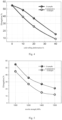
Fig. 4 is a schematic diagram that shows the elongation change of the steel of Examples according to the present disclosure and the steel of Comparative Examples under the condition of cold rolling deformation, -
Fig. 5 is a schematic diagram that shows the strength-elongation properties combination of the steel of Examples according to the present disclosure and the steel of Comparative Examples after cold deformation and heat treatment. InFig. 5 , the point at which the tensile strength is 1001MPa and the elongation is 55% corresponds to Example 14. - The present disclosure will be further explained below in combination with specific examples and the figures.
- The products were obtained after the compositions of Examples 1-16 of the present disclosure were subjected to smelting, hot rolling, cold rolling, annealing and temper rolling, which comprised the following steps of:
- 1) smelting and casting
Smelting was performed according to the chemical compositions shown in Table 1, followed by casting to obtain a slab, - 2) hot rolling
The slab was heated, hot rolled and coiled, - 3) cold rolling
Pickling and cold rolling were performed, - 4) annealing
Continuous annealing was performed with austenite recovery occurring and finally stabilizing to room temperature, - 5) temper rolling.
- In step 1), Examples 2, 4, 6-9, 12-14 adopted electric furnace smelting, and Examples 1, 3, 5, 10, 11, 15, 16 adopted converter smelting. In step 1), 2), Examples 1-4, 6-14 adopted conventional continuous casting + hot rolling, and Examples 5, 15, 16 adopted thin slab continuous casting and continuous rolling process.
- The matrix compositions of the steel plates of Examples 1-16 are shown in Table 1. The matrix is a face-centered cubic phase structure and the surface layer is a body-centered cubic phase structure. The characteristics of the surface layer and the matrix of the steel plate are shown in Table 2. The production process is shown in Table 3, and the mechanical properties and phosphating performances are shown in Table 4.
- As can be seen from Table 1 and Table 2, through appropriate composition design and process coordination, the present disclosure provided the composite structure of the surface ferroalloy layer with BCC phase structure and the matrix ferroalloy layer with FCC phase structure as shown in
Fig.1-Fig.3 . In the present disclosure, the surface layer phase structure was detected by electron back scatter diffraction (EBSD), and the matrix phase structure was detected by EBSD and X-ray diffraction (XRD). - The matrix chemical compositions of the steel plates in Comparative Examples 1-4 are shown in Table 1.
- The product of Comparative Example 1 was manufactured according to the steps of the Example. The production process parameters are shown in Table 3. With respect to the steel plate of Comparative Example 1, the matrix is a face-centered cubic phase structure, and the surface layer is a body-centered cubic phase structure. The characteristics of the surface layer and the matrix are shown in Table 2.
- The mechanical properties of the steel plate in Comparative Example 1-4 are shown in Table 4.
- The performance test of the steel plate of the above Examples and Comparative examples was performed in the present disclosure, and the index included the surface BCC layer composition and thickness, mechanical properties (yield strength, tensile strength, elongation), bend radius, phosphating performances, twin crystal density, dislocation density.
- For the testing method of mechanical properties, please refer to the United States Society for Testing and Materials standard ASTM E8/E8M-13 "Standard Test Methods For Tension Testing of Metallic Materials", and the tensile test adopted ASTM standard 50mm gauge tensile specimen, with the tensile direction perpendicular to the rolling direction.
- For twin crystal density, EBSD was used to measure the ratio of twin crystal boundary length to grain area in the field of view.
- For the testing method of dislocation density, please refer to "Y.Zhong, F.Yin, T. Sakaguchi, K. Nagai, K. Yang, Dislocation structure evolution and characterization in the compression deformed Mn-Cu alloy, Acta Materialia, Volume 55, Issue 8, 2007, Pages 2747-2756". The specific method was as follows: a 10×20mm sample was cut from the steel plate, and the XRD (X-ray diffraction) pattern was tested after surface polishing, and the full spectrum was fitted and calculated by MWAA (Modified Warren-Averbach Analysis) to obtain the dislocation density value of the sample. The test results are shown in Table 4.
- The surface layer composition was detected by energy dispersive spectroscopy (EDS).
- The surface layer thickness was measured by scanning electron microscopy (SEM).
- The bend radius was tested in accordance with the standard of
GB/T232-2010 - The phosphating performance was tested in accordance with the standard of
GB/T6807-2001 - As can be seen from Table 4, the steel of the present disclosure can achieve a wide range of performance adjustment under appropriate composition and process design, and provide an ultra-high strength cold-rolled steel plate with a yield strength (YS) of 600~1300MPa, a tensile strength (TS) of 1000~1600MPa, and an elongation (EL) of 20~55%.
- As shown in
Fig. 4 , after cold deformation, the elongation of the present disclosure is significantly better than that of the comparative steel. It shows that the RE addition of the present disclosure helps to slow down the elongation decrease of the steel plate under cold rolling deformation, which is conducive to maintaining high formability after secondary cold rolling processing, and providing better microstructure characteristics for subsequent heat treatment. - As shown in
Fig. 5 , the combined performance of strength and elongation of the material is better than that of the comparative steel after cold deformation and heat treatment. It shows that in the annealing stage according to the present disclosure, RE improves the stability of twin crystals in the heat treatment process, maintains high-density twin crystals and low-density dislocations in the final material, and realizes superior combined performance of strength and elongation.Table 1 unit: weight percentage No. C Mn Al Si RE N P S Ex. 1 0.50 17.9 1.37 0.41 0.09 0.01 0.015 0.003 Ex. 2 0.51 17.8 1.45 0.5 0.04 0.06 0.009 0.005 Ex. 3 0.52 18.0 1.22 0.40 0.06 0.01 0.016 0.010 Ex. 4 0.54 17.5 1.2 0.24 0.06 0.08 0.017 0.005 Ex. 5 0.55 16.7 1.61 0.32 0.09 0.06 0.010 0.002 Ex. 6 0.56 16.2 1.21 0.37 0.10 0.09 0.004 0.003 Ex. 7 0.56 17.0 1.24 0.37 0.05 0.08 0.009 0.002 Ex. 8 0.62 15.9 1.50 0.35 0.04 0.08 0.007 0.006 Ex. 9 0.62 15.0 1.30 0.20 0.04 0.06 0.020 0.004 Ex. 10 0.69 16.1 1.38 0.46 0.08 0.01 0.013 0.008 Ex. 11 0.70 16.7 1.32 0.06 0.10 0.04 0.014 0.010 Ex. 12 0.72 17.6 1.76 0.10 0.08 0.05 0.007 0.005 Ex. 13 0.75 16.3 1.80 0.37 0.07 0.09 0.006 0.010 Ex. 14 0.77 16.3 1.71 0.5 0.03 0.08 0.005 0.005 Ex. 15 0.79 14.0 1.34 0.46 0.08 0.05 0.004 0.003 Ex. 16 0.80 15.9 1.57 0.43 0.03 0.02 0.003 0.003 CEx. 1 0.60 16 1.2 0.30 0.09 0.060 0.010 0.002 CEx. 2 0.60 16 1.2 0.25 - 0.028 0.013 0.006 CEx. 3 - 20 3.0 3.0 - - - - CEx. 4 0.50 18 2.3 - - - - - Table 2 No. Surface layer (BCC layer) Characteristic Index Matrix (FCC layer) Characteristic index Thickness µm C wt. % Mn wt. % Al wt. % Twin crystal density 105m-1 Dislocation density 1013m-1 Ex. 1 0.8 0.027 0.05 0.09 2.3 2.3 Ex. 2 1.6 0.006 0.02 0.03 3.4 7.8 Ex. 3 1.2 0.011 0.03 0.06 1.8 5.3 Ex. 4 1.7 0.002 0.01 0.02 5.6 9.2 Ex. 5 0.5 0.03 0.05 0.09 3.0 3.3 Ex. 6 2 0.002 0.01 0.01 9.9 9.7 Ex. 7 1.5 0.007 0.02 0.04 4.8 3.5 Ex. 8 1 0.015 0.05 0.08 1.7 5.3 Ex. 9 0.6 0.028 0.05 0.09 2.2 6.1 Ex. 10 1.5 0.006 0.02 0.03 9.4 9.4 Ex. 11 1.7 0.005 0.01 0.02 8.5 5.6 Ex. 12 1.1 0.013 0.03 0.06 6.9 9.3 Ex. 13 0.9 0.016 0.05 0.09 7.3 7.9 Ex. 14 1 0.014 0.04 0.06 8.4 4.2 Ex. 15 1.9 0.001 0.01 0.01 8 8.9 Ex. 16 1.4 0.008 0.03 0.04 1.3 5.1 CEx. 1 0.3 0.05 0.2 0.2 12.6 15.1 CEx. 2 - - - - - - CEx. 3 - - - - - - CEx. 4 - - - - - - Table 3 No. Heating temperature °C Final hot rolling temperatur e °C Coiling temperatur e °C Cold rolling deformation % Cold rolling annealing temperatur e T °C Cold rolling annealin g time t s (T+273)lg t Ex. 1 1208 1018 678 15 250 127 1100 Ex. 2 1208 990 764 31 361 123 1324 Ex. 3 1198 1000 726 21 279 180 1245 Ex. 4 1199 1017 815 40 400 120 1400 Ex. 5 1174 1030 650 19 267 127 1136 Ex. 6 1186 1023 850 37 366 144 1379 Ex. 7 1210 989 742 14 261 157 1172 Ex. 8 1218 997 692 22 265 171 1201 Ex. 9 1211 970 664 32 326 139 1283 Ex. 10 1230 977 743 39 365 148 1385 Ex. 11 1204 1000 792 29 280 159 1217 Ex. 12 1194 985 719 36 359 137 1350 Ex. 13 1203 979 683 30 298 155 1250 Ex. 14 1217 1023 717 10 262 164 1184 Ex. 15 1170 1016 830 35 348 148 1348 Ex. 16 1182 1008 731 24 289 143 1211 CEx 1 - - 600 38 450 100 1446 CEx 2 - - - - 700 120 2023 CEx 3 - - - - - - - CEx 4 - - - - - - - Table 4 No. YS MPa TS MPa EL % TS2×EL TPa2% bend radius 180° Phosphating performance Ex. 1 794 1100 48 58 0t good Ex. 2 1242 1407 27 53.4 0t good Ex. 3 1095 1301 31 52.4 0t good Ex. 4 1255 1500 23 51.7 0t good Ex. 5 1003 1248 35 54.5 0t good Ex. 6 1388 1600 20 51.2 0t good Ex. 7 764 1076 50 57.8 0t good Ex. 8 1047 1266 33 52.8 0t good Ex. 9 1203 1352 28 51.1 0t good Ex. 10 1345 1558 21 50.9 0t good Ex. 11 1158 1348 29 52.6 0t good Ex. 12 1304 1529 22 51.4 0t good Ex. 13 1281 1431 24 49.1 0t good Ex. 14 719 1001 55 55.1 0t good Ex. 15 1299 1498 23 51.6 0t good Ex. 16 1010 1250 36 56.2 0t good CEx. 1 1305 1628 12 31 4t unqualified CEx. 2 521 998 55 54 - - CEx. 3 300 850 75 54 - - CEx. 4 470 1000 60 60 - -
Claims (10)
- A high-manganese cold-rolled steel plate having a tensile strength of 1000-1600 MPa, which is a composite structure comprising a matrix and a surface layer;
wherein the matrix is a face-centered cubic phase structure, comprising high-density twin crystals and low-density dislocations, wherein the twin crystal density is (1~10)×105m-1, and the dislocation density is (1~10)×1013m-1; wherein the matrix comprises the following chemical composition by weight percentage:C: 0.5~0.8%,Mn: 14~18%,Si: 0.1~0.5%,RE: 0.01~0.10%,P: ≤0.020%,S: ≤0.010%,Al: 1.2~1.8%,N: 0.01~0.1%,with a balance of Fe and unavoidable impurities, and also satisfies: Mn+25C-1.5Al≥28%, Si+20RE≥1.0%,wherein the surface layer is a ferroalloy layer having a body-centered cubic phase structure, which comprises C≤0.03wt%, Mn≤0.5wt%, Al≤0.1wt%,wherein the high-manganese cold-rolled steel plate has a yield strength of 700~1400MPa, a tensile strength of 1000~1600MPa, an elongation of 20~55%, and satisfies TS2×EL≥49TPa2%. - The high-manganese cold-rolled steel plate according to claim 1, wherein, in the chemical composition of the matrix, the C content is 0.5~0.7wt%.
- The high-manganese cold-rolled steel plate according to claim 1, wherein, in the chemical composition of the matrix, the Mn content is 15~17wt%.
- The high-manganese cold-rolled steel plate according to claim 1, wherein, in the chemical composition of the matrix, the Al content is 1.2~1.5wt%.
- The high-manganese cold-rolled steel plate according to claim 1, wherein, in the chemical composition of the matrix, the Si content is 0.2~0.4wt%.
- The high-manganese cold-rolled steel plate according to any one of claims 1-5, wherein the surface layer thickness of the high-manganese cold-rolled steel plate is 0.5-2µm.
- A manufacturing method for the high-manganese cold-rolled steel plate according to any one of claims 1-6, comprising steps of:1) smelting and casting
wherein the chemical composition of the matrix according to any one of claims 1-5 is subjected to smelting, followed by casting to obtain a slab,2) hot rolling
wherein the slab is heated at a heating temperature of 1170~1230°C, the final hot rolling temperature is 970~1030°C and the coiling temperature is 650~850°C,3) cold rolling
wherein the steel is subjected to pickling and cold rolling and the cold rolling deformation is 10~40%,4) annealingwherein the annealing adopts continuous annealing with an annealing temperature T of 250~400 °C and an annealing time t of 120~180s, wherein the annealing temperature and annealing time comply with the following relationship: 1100≤(T+273)Igt≤1400, and the steel is finally stabilized to room temperature. - The manufacturing method for the high-manganese cold-rolled steel plate according to claim 7,
wherein the corresponding cold rolling and annealing process is selected according to the tensile strength of the finished steel plate:when 1000MPa ≤ the tensile strength < 1250MPa, the cold rolling deformation is 10~20%, and the annealing process satisfies 1100≤(T+273)Igt≤1200,when 1250MPa ≤ the tensile strength < 1350MPa, the cold rolling deformation is 20~30%, and the annealing process satisfies 1200≤(T+273)Igt≤1250,when 1350MPa ≤ the tensile strength < 1500MPa, the cold rolling deformation is 30~35%, and the annealing process satisfies 1250≤(T+273)Igt≤1350,when 1500MPa ≤ the tensile strength ≤ 1600MPa, the cold rolling deformation is 35~40%, and the annealing process satisfies 1350≤(T+273)Igt≤1400. - The manufacturing method for the high-manganese cold-rolled steel plate according to claim 7,
wherein in step 1), smelting is performed by an electric furnace or a converter. - The manufacturing method for the high-manganese cold-rolled steel plate according to claim 7,
wherein step 1) and step 2) adopt conventional continuous casting + hot rolling, or adopt thin slab continuous casting and continuous rolling process.
Applications Claiming Priority (2)
| Application Number | Priority Date | Filing Date | Title |
|---|---|---|---|
| CN202210677551.6A CN117265419B (en) | 2022-06-15 | 2022-06-15 | High-formability, easy-phosphating and high-manganese cold-rolled steel sheet with strength of 1000-1600MPa and manufacturing method thereof |
| PCT/CN2023/099843 WO2023241546A1 (en) | 2022-06-15 | 2023-06-13 | Highly formable and easily phosphated high-manganese cold-rolled steel plate having tensile strength of 1000-1600 mpa, and manufacturing method therefor |
Publications (2)
| Publication Number | Publication Date |
|---|---|
| EP4541923A1 true EP4541923A1 (en) | 2025-04-23 |
| EP4541923A4 EP4541923A4 (en) | 2025-10-01 |
Family
ID=89192239
Family Applications (1)
| Application Number | Title | Priority Date | Filing Date |
|---|---|---|---|
| EP23823114.6A Pending EP4541923A4 (en) | 2022-06-15 | 2023-06-13 | Highly formable and lightly phosphated cold-rolled steel sheet with a high manganese content and a tensile strength of 1000-160 MPa, and manufacturing processes therefor |
Country Status (5)
| Country | Link |
|---|---|
| EP (1) | EP4541923A4 (en) |
| JP (1) | JP2025521283A (en) |
| KR (1) | KR20250022052A (en) |
| CN (1) | CN117265419B (en) |
| WO (1) | WO2023241546A1 (en) |
Family Cites Families (20)
| Publication number | Priority date | Publication date | Assignee | Title |
|---|---|---|---|---|
| KR100573587B1 (en) * | 2003-12-23 | 2006-04-24 | 주식회사 포스코 | Ultra high strength manufacturing method with excellent bending workability |
| KR100742833B1 (en) * | 2005-12-24 | 2007-07-25 | 주식회사 포스코 | High manganese hot-dip galvanized steel sheet with excellent corrosion resistance and manufacturing method |
| KR100851158B1 (en) * | 2006-12-27 | 2008-08-08 | 주식회사 포스코 | High manganese high strength steel plate with excellent impact characteristics and its manufacturing method |
| KR100985286B1 (en) | 2007-12-28 | 2010-10-04 | 주식회사 포스코 | High strength and high manganese steel excellent in delayed fracture resistance and manufacturing method |
| EP2520684B9 (en) | 2009-12-28 | 2017-01-04 | Posco | Austenite steel material having superior ductility |
| GB2493302A (en) * | 2010-03-29 | 2013-01-30 | Kobe Steel Ltd | Ultra high strength steel plate having excellent workability, and protection method for same |
| IT1403129B1 (en) * | 2010-12-07 | 2013-10-04 | Ct Sviluppo Materiali Spa | PROCEDURE FOR THE PRODUCTION OF HIGH MANGANESE STEEL WITH MECHANICAL RESISTANCE AND HIGH FORMABILITY, AND STEEL SO OBTAINABLE. |
| ITRM20120647A1 (en) | 2012-12-19 | 2014-06-20 | Ct Sviluppo Materiali Spa | AUSTENITIC STAINLESS STEEL WITH HIGH PLASTICITY INDUCED BY GEMINATION, PROCEDURE FOR ITS PRODUCTION, AND ITS USE IN THE MECHANICAL INDUSTRY. |
| CN103882320B (en) * | 2012-12-21 | 2016-09-07 | 鞍钢股份有限公司 | High-strength cold-rolled steel sheet having excellent stretch flangeability and spot weldability, and method for producing same |
| CN106319355A (en) * | 2015-06-17 | 2017-01-11 | 宝山钢铁股份有限公司 | Rare earth-contained high-manganese cold-rolled steel plate and manufacturing method thereof |
| CN106319356A (en) * | 2015-06-17 | 2017-01-11 | 宝山钢铁股份有限公司 | High manganese hot-dip galvanized steel sheet containing rare earth and manufacture method thereof |
| US20170349983A1 (en) * | 2016-06-06 | 2017-12-07 | Exxonmobil Research And Engineering Company | High strength cryogenic high manganese steels and methods of making the same |
| CN106119493B (en) * | 2016-07-25 | 2019-01-18 | 钢铁研究总院 | Manganese autobody sheet and preparation method in superhigh intensity with excellent plasticity |
| CN106244918B (en) | 2016-07-27 | 2018-04-27 | 宝山钢铁股份有限公司 | A kind of 1500MPa grades of high strength and ductility automobile steel and its manufacture method |
| CN106191404B (en) | 2016-08-03 | 2018-03-02 | 中国科学院力学研究所 | A kind of preparation method of high-strength high-plasticity TWIP steel |
| JP7135465B2 (en) * | 2017-06-08 | 2022-09-13 | 日本製鉄株式会社 | Wear-resistant thick steel plate |
| WO2019092481A1 (en) * | 2017-11-10 | 2019-05-16 | Arcelormittal | Cold rolled steel sheet and a method of manufacturing thereof |
| CN110117759B (en) * | 2019-06-20 | 2020-11-03 | 宝钢德盛不锈钢有限公司 | Manufacturing process of austenitic stainless steel for roll forming high-strength steel structural member |
| CN113388787B (en) * | 2021-06-27 | 2023-03-31 | 上交(徐州)新材料研究院有限公司 | High-toughness wear-resistant steel and preparation method for nano twin crystal enhanced toughening of high-toughness wear-resistant steel |
| CN114457290B (en) * | 2022-01-25 | 2022-11-01 | 哈尔滨工程大学 | 1200 MPa-level precipitation strengthening vanadium-containing high-manganese austenitic steel and preparation method thereof |
-
2022
- 2022-06-15 CN CN202210677551.6A patent/CN117265419B/en active Active
-
2023
- 2023-06-13 EP EP23823114.6A patent/EP4541923A4/en active Pending
- 2023-06-13 KR KR1020247041496A patent/KR20250022052A/en active Pending
- 2023-06-13 JP JP2024573652A patent/JP2025521283A/en active Pending
- 2023-06-13 WO PCT/CN2023/099843 patent/WO2023241546A1/en not_active Ceased
Also Published As
| Publication number | Publication date |
|---|---|
| WO2023241546A1 (en) | 2023-12-21 |
| CN117265419B (en) | 2025-10-17 |
| EP4541923A4 (en) | 2025-10-01 |
| JP2025521283A (en) | 2025-07-08 |
| CN117265419A (en) | 2023-12-22 |
| KR20250022052A (en) | 2025-02-14 |
Similar Documents
| Publication | Publication Date | Title |
|---|---|---|
| EP1675970B1 (en) | A cold-rolled steel sheet having a tensile strength of 780 mpa or more an excellent local formability and a suppressed increase in weld hardness | |
| EP3653736B1 (en) | Hot-rolled steel strip and manufacturing method | |
| EP2647730B1 (en) | A method for manufacturing a high strength formable continuously annealed steel strip | |
| EP4086362B1 (en) | Low-silicon and low-carbon equivalent gpa grade multi-phase steel plate/steel strip and manufacturing method therefor | |
| CN110306123A (en) | A kind of tensile strength >=1800MPa grades of high-toughness hot forming steel and its production method | |
| KR20190076258A (en) | High-strength steel sheet having excellent crash worthiness and formability, and method for manufacturing thereof | |
| EP3885462B1 (en) | High-yield-ratio cold-rolled dual-phase steel plate and manufacturing method therefor | |
| CN112095046A (en) | A kind of ultra-high-strength cold-rolled DH1180 steel and preparation method thereof | |
| CN110499457B (en) | High surface quality 1200MPa grade hot-dip galvanized dual-phase steel and production method thereof | |
| KR20230024905A (en) | Ultra-high strength steel with excellent plasticity and manufacturing method thereof | |
| CN110408861B (en) | A kind of cold-rolled high-strength plastic product medium manganese steel with lower Mn content and preparation method thereof | |
| EP4541921A1 (en) | 1000mpa-grade high hole expansion hot-rolled complex phase steel plate and manufacturing method thereof | |
| CN109680129A (en) | A kind of 500MPa grades of cold rolling micro-alloy high-strength steel and preparation method thereof | |
| EP2412840A1 (en) | High-strength and high-ductility steel for spring, method for producing same, and spring | |
| CN112430787B (en) | Low-yield-ratio high-strength cold-rolled hot-dip galvanized steel plate and manufacturing method thereof | |
| WO2020170667A1 (en) | Hot-pressed member, cold-rolled steel sheet for hot press use, and methods respectively manufacturing these products | |
| EP4541916A1 (en) | 800mpa-grade high-hole-expansion hot-dip galvanized steel plate and manufacturing method therefor | |
| EP4578983A1 (en) | 120-kg-grade cold-rolled low-alloy annealed dual-phase steel and manufacturing method therefor | |
| CN113718166B (en) | Hot-dip aluminum-zinc steel plate with yield strength of 320MPa and manufacturing method thereof | |
| EP4159887A9 (en) | Electro-galvanized super-strength dual-phase steel resistant to delayed cracking, and manufacturing method therefor | |
| CN118389952A (en) | Economical non-magnetic high-strength high-corrosion-resistance stainless steel and preparation process thereof | |
| EP1969148B1 (en) | Method for manufacturing high strength steel strips with superior formability and excellent coatability | |
| CN116574971A (en) | A kind of V-containing high-strength plasticity cold-rolled dual-phase steel and its production method | |
| KR102379444B1 (en) | Steel sheet having excellent formability and strain hardening rate and method for manufacturing thereof | |
| CN102534373A (en) | Super-high strength cold rolled steel belt suitable for rolling formation and manufacture method of super-high strength cold rolled steel belt |
Legal Events
| Date | Code | Title | Description |
|---|---|---|---|
| STAA | Information on the status of an ep patent application or granted ep patent |
Free format text: STATUS: THE INTERNATIONAL PUBLICATION HAS BEEN MADE |
|
| PUAI | Public reference made under article 153(3) epc to a published international application that has entered the european phase |
Free format text: ORIGINAL CODE: 0009012 |
|
| STAA | Information on the status of an ep patent application or granted ep patent |
Free format text: STATUS: REQUEST FOR EXAMINATION WAS MADE |
|
| 17P | Request for examination filed |
Effective date: 20241219 |
|
| AK | Designated contracting states |
Kind code of ref document: A1 Designated state(s): AL AT BE BG CH CY CZ DE DK EE ES FI FR GB GR HR HU IE IS IT LI LT LU LV MC ME MK MT NL NO PL PT RO RS SE SI SK SM TR |
|
| DAV | Request for validation of the european patent (deleted) | ||
| DAX | Request for extension of the european patent (deleted) | ||
| A4 | Supplementary search report drawn up and despatched |
Effective date: 20250902 |
|
| RIC1 | Information provided on ipc code assigned before grant |
Ipc: C22C 38/04 20060101AFI20250828BHEP Ipc: C22C 38/06 20060101ALI20250828BHEP Ipc: C21D 9/46 20060101ALI20250828BHEP Ipc: C21D 6/00 20060101ALI20250828BHEP Ipc: C21D 1/26 20060101ALI20250828BHEP Ipc: C22C 38/02 20060101ALI20250828BHEP Ipc: C21D 8/02 20060101ALI20250828BHEP Ipc: C22C 38/00 20060101ALI20250828BHEP |