EP4539372A2 - Method and device for transmitting mac pdu - Google Patents
Method and device for transmitting mac pdu Download PDFInfo
- Publication number
- EP4539372A2 EP4539372A2 EP25159765.4A EP25159765A EP4539372A2 EP 4539372 A2 EP4539372 A2 EP 4539372A2 EP 25159765 A EP25159765 A EP 25159765A EP 4539372 A2 EP4539372 A2 EP 4539372A2
- Authority
- EP
- European Patent Office
- Prior art keywords
- harq
- uplink grant
- entity
- harq process
- grant
- Prior art date
- Legal status (The legal status is an assumption and is not a legal conclusion. Google has not performed a legal analysis and makes no representation as to the accuracy of the status listed.)
- Pending
Links
Images

Classifications
-
- H—ELECTRICITY
- H04—ELECTRIC COMMUNICATION TECHNIQUE
- H04L—TRANSMISSION OF DIGITAL INFORMATION, e.g. TELEGRAPHIC COMMUNICATION
- H04L1/00—Arrangements for detecting or preventing errors in the information received
- H04L1/12—Arrangements for detecting or preventing errors in the information received by using return channel
- H04L1/16—Arrangements for detecting or preventing errors in the information received by using return channel in which the return channel carries supervisory signals, e.g. repetition request signals
- H04L1/18—Automatic repetition systems, e.g. Van Duuren systems
- H04L1/1812—Hybrid protocols; Hybrid automatic repeat request [HARQ]
-
- H—ELECTRICITY
- H04—ELECTRIC COMMUNICATION TECHNIQUE
- H04L—TRANSMISSION OF DIGITAL INFORMATION, e.g. TELEGRAPHIC COMMUNICATION
- H04L1/00—Arrangements for detecting or preventing errors in the information received
- H04L1/12—Arrangements for detecting or preventing errors in the information received by using return channel
- H04L1/16—Arrangements for detecting or preventing errors in the information received by using return channel in which the return channel carries supervisory signals, e.g. repetition request signals
- H04L1/18—Automatic repetition systems, e.g. Van Duuren systems
- H04L1/1822—Automatic repetition systems, e.g. Van Duuren systems involving configuration of automatic repeat request [ARQ] with parallel processes
-
- H—ELECTRICITY
- H04—ELECTRIC COMMUNICATION TECHNIQUE
- H04L—TRANSMISSION OF DIGITAL INFORMATION, e.g. TELEGRAPHIC COMMUNICATION
- H04L1/00—Arrangements for detecting or preventing errors in the information received
- H04L1/12—Arrangements for detecting or preventing errors in the information received by using return channel
- H04L1/16—Arrangements for detecting or preventing errors in the information received by using return channel in which the return channel carries supervisory signals, e.g. repetition request signals
- H04L1/18—Automatic repetition systems, e.g. Van Duuren systems
- H04L1/1829—Arrangements specially adapted for the receiver end
- H04L1/1835—Buffer management
-
- H—ELECTRICITY
- H04—ELECTRIC COMMUNICATION TECHNIQUE
- H04L—TRANSMISSION OF DIGITAL INFORMATION, e.g. TELEGRAPHIC COMMUNICATION
- H04L1/00—Arrangements for detecting or preventing errors in the information received
- H04L1/12—Arrangements for detecting or preventing errors in the information received by using return channel
- H04L1/16—Arrangements for detecting or preventing errors in the information received by using return channel in which the return channel carries supervisory signals, e.g. repetition request signals
- H04L1/18—Automatic repetition systems, e.g. Van Duuren systems
- H04L1/1829—Arrangements specially adapted for the receiver end
- H04L1/1848—Time-out mechanisms
-
- H—ELECTRICITY
- H04—ELECTRIC COMMUNICATION TECHNIQUE
- H04L—TRANSMISSION OF DIGITAL INFORMATION, e.g. TELEGRAPHIC COMMUNICATION
- H04L1/00—Arrangements for detecting or preventing errors in the information received
- H04L1/12—Arrangements for detecting or preventing errors in the information received by using return channel
- H04L1/16—Arrangements for detecting or preventing errors in the information received by using return channel in which the return channel carries supervisory signals, e.g. repetition request signals
- H04L1/18—Automatic repetition systems, e.g. Van Duuren systems
- H04L1/1829—Arrangements specially adapted for the receiver end
- H04L1/1854—Scheduling and prioritising arrangements
-
- H—ELECTRICITY
- H04—ELECTRIC COMMUNICATION TECHNIQUE
- H04L—TRANSMISSION OF DIGITAL INFORMATION, e.g. TELEGRAPHIC COMMUNICATION
- H04L1/00—Arrangements for detecting or preventing errors in the information received
- H04L1/12—Arrangements for detecting or preventing errors in the information received by using return channel
- H04L1/16—Arrangements for detecting or preventing errors in the information received by using return channel in which the return channel carries supervisory signals, e.g. repetition request signals
- H04L1/18—Automatic repetition systems, e.g. Van Duuren systems
- H04L1/1867—Arrangements specially adapted for the transmitter end
- H04L1/188—Time-out mechanisms
-
- H—ELECTRICITY
- H04—ELECTRIC COMMUNICATION TECHNIQUE
- H04L—TRANSMISSION OF DIGITAL INFORMATION, e.g. TELEGRAPHIC COMMUNICATION
- H04L1/00—Arrangements for detecting or preventing errors in the information received
- H04L1/12—Arrangements for detecting or preventing errors in the information received by using return channel
- H04L1/16—Arrangements for detecting or preventing errors in the information received by using return channel in which the return channel carries supervisory signals, e.g. repetition request signals
- H04L1/18—Automatic repetition systems, e.g. Van Duuren systems
- H04L1/1867—Arrangements specially adapted for the transmitter end
- H04L1/1887—Scheduling and prioritising arrangements
-
- H—ELECTRICITY
- H04—ELECTRIC COMMUNICATION TECHNIQUE
- H04W—WIRELESS COMMUNICATION NETWORKS
- H04W28/00—Network traffic management; Network resource management
- H04W28/02—Traffic management, e.g. flow control or congestion control
- H04W28/04—Error control
-
- H—ELECTRICITY
- H04—ELECTRIC COMMUNICATION TECHNIQUE
- H04W—WIRELESS COMMUNICATION NETWORKS
- H04W72/00—Local resource management
- H04W72/12—Wireless traffic scheduling
- H04W72/1263—Mapping of traffic onto schedule, e.g. scheduled allocation or multiplexing of flows
- H04W72/1268—Mapping of traffic onto schedule, e.g. scheduled allocation or multiplexing of flows of uplink data flows
-
- H—ELECTRICITY
- H04—ELECTRIC COMMUNICATION TECHNIQUE
- H04W—WIRELESS COMMUNICATION NETWORKS
- H04W72/00—Local resource management
- H04W72/20—Control channels or signalling for resource management
- H04W72/23—Control channels or signalling for resource management in the downlink direction of a wireless link, i.e. towards a terminal
-
- H—ELECTRICITY
- H04—ELECTRIC COMMUNICATION TECHNIQUE
- H04W—WIRELESS COMMUNICATION NETWORKS
- H04W72/00—Local resource management
- H04W72/50—Allocation or scheduling criteria for wireless resources
- H04W72/56—Allocation or scheduling criteria for wireless resources based on priority criteria
- H04W72/566—Allocation or scheduling criteria for wireless resources based on priority criteria of the information or information source or recipient
- H04W72/569—Allocation or scheduling criteria for wireless resources based on priority criteria of the information or information source or recipient of the traffic information
-
- H—ELECTRICITY
- H04—ELECTRIC COMMUNICATION TECHNIQUE
- H04L—TRANSMISSION OF DIGITAL INFORMATION, e.g. TELEGRAPHIC COMMUNICATION
- H04L1/00—Arrangements for detecting or preventing errors in the information received
- H04L1/12—Arrangements for detecting or preventing errors in the information received by using return channel
- H04L1/16—Arrangements for detecting or preventing errors in the information received by using return channel in which the return channel carries supervisory signals, e.g. repetition request signals
- H04L1/18—Automatic repetition systems, e.g. Van Duuren systems
- H04L1/1812—Hybrid protocols; Hybrid automatic repeat request [HARQ]
- H04L1/1819—Hybrid protocols; Hybrid automatic repeat request [HARQ] with retransmission of additional or different redundancy
-
- H—ELECTRICITY
- H04—ELECTRIC COMMUNICATION TECHNIQUE
- H04W—WIRELESS COMMUNICATION NETWORKS
- H04W80/00—Wireless network protocols or protocol adaptations to wireless operation
- H04W80/02—Data link layer protocols
Definitions
- a fifth generation (5G) New Radio (NR) wireless communication system has been developed.
- a Hybrid Automatic Repeat reQuest (HARQ) mechanism is generally applied in a packet data transmission system to improve reliability of data transmission.
- a HARQ process of a MAC layer of a receiving end feeds back an acknowledgement (ACK) to that of a sending end if a MAC PDU from the sending end is successfully received at the receiving end, and feeds back a negative acknowledgement (NACK) to that of the sending end if the MAC PDU is not successfully received, so that a retransmission of the MAC PDU can be performed.
- ACK acknowledgement
- NACK negative acknowledgement
- the HARQ mechanism is also applied in the NR communication system, and there is a need for further improvement in methods for transmitting MAC PDUs by utilizing the HARQ mechanism in the NR communication system.
- GSM Global System of Mobile communication
- CDMA Code Division Multiple Access
- WCDMA Wideband Code Division Multiple Access
- GPRS General Packet Radio Service
- LTE long term evolution
- FDD Frequency Division Duplex
- TDD Time Division Duplex
- UMTS Universal Mobile Telecommunication System
- WiMAX Worldwide Interoperability for Microwave Access
- NR New Radio
- 5G fifth-generation
- the control entity may be responsible for a number of functions such as DRX, resource requests, alignment of the uplink timing, power headroom reporting, and so on.
- Logical channels in upper layers may include Paging Control Channel (PCCH), Broadcast Control Channel (BCCH), Common Control Channel (CCCH), Dedicated Control Channel (DCCH) and Dedicated Traffic Channel (DTCH).
- Transport channels in a lower layer may include Paging Channel (PCH), Broadcast Channel (BCH), Downlink Shared Channel (DL-SCH), Uplink Shared Channel (UL-SCH) and Random Access Channel (RACH).
- the new timer is started when the transport block (TB) is actually transmitted on the configured grant and stopped upon reception of HARQ feedback, e.g., downlink feedback information (DFI), or dynamic grant for the HARQ process.
- DFI downlink feedback information
- starting or restarting the configured grant timer may include: starting or restarting the configured grant timer when the transmission is started, or at the start time of a corresponding PUSCH transmission, or after the start time of the corresponding PUSCH transmission, or at the first symbol of the corresponding PUSCH transmission, or after the first symbol of the corresponding PUSCH transmission, or when the MAC entity determines that the transmission is performed, or when the transmission is not dropped or not deprioritized.
- FIG. 3 shows a flowchart of a method for transmitting a MAC PDU according to an implementation of the present disclosure. As shown in FIG. 3 , the method includes acts 301-303.
- the HARQ entity instructs the HARQ process to trigger a retransmission.
- Example 1 if/assume CG timer is not running
- the HARQ entity For each uplink grant, the HARQ entity shall:
- the MAC entity When determining if NDI has been toggled compared to the value in the previous transmission the MAC entity shall ignore NDI received in all uplink grants on PDCCH for its Temporary C-RNTI.
- the HARQ entity For each uplink grant, the HARQ entity shall:
- the MAC entity When determining if NDI has been toggled compared to the value in the previous transmission the MAC entity shall ignore NDI received in all uplink grants on PDCCH for its Temporary C-RNTI.
- the HARQ entity 410 may be further configured to: after obtaining the MAC PDU to transmit, deliver the MAC PDU and the uplink grant and HARQ information of a TB to the identified HARQ process; and instruct the identified HARQ process to trigger a new transmission; wherein when the HARQ process is configured with a configured grant timer, the configured grant timer is not started or restarted when at least one of following conditions is satisfied: the MAC entity is configured with priority based prioritization and the uplink grant is a de-prioritized configured grant; or the MAC entity is configured with priority based prioritization, the uplink grant is a configured uplink grant and the uplink grant is a deprioritized uplink grant.
- the HARQ entity 410 may be further configured to: after obtaining the MAC PDU to transmit, deliver the MAC PDU and the uplink grant and HARQ information of a TB to the identified HARQ process; instruct the identified HARQ process to trigger a new transmission; and when the HARQ process is configured with a configured grant timer, start or restart the configured grant timer when the transmission is finished, or when the transmission succeeds, or at the end of a corresponding PUSCH transmission, or after the end of the corresponding PUSCH transmission, or in the first symbol after the end of the corresponding PUSCH transmission, or at the end of a corresponding PUSCH occasion, or when the MAC entity determines that the transmission is performed, or when the MAC entity determines that the transmission is not dropped or de-prioritized, or after the end of the corresponding PUSCH occasion.
- the HARQ entity 410 may be further configured to: after obtaining the MAC PDU to transmit, deliver the MAC PDU and the uplink grant and HARQ information of a TB to the identified HARQ process; instruct the identified HARQ process to trigger a new transmission; and when the HARQ process is configured with a configured grant timer, start or restart the configured grant timer.
- the HARQ entity 410 may be configured to start or restart the configured grant timer when the transmission is started, or at the start time of a corresponding PUSCH transmission, or after the start time of the corresponding PUSCH transmission, or at the first symbol of the corresponding PUSCH transmission, or after the first symbol of the corresponding PUSCH transmission, or when the MAC entity determines that the transmission is performed, or when the transmission is not dropped or not deprioritized.
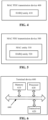
- FIG. 5 shows structure of a device 500 for transmitting a MAC PDU according to an implementation of the present disclosure.
- the device 500 includes a MAC entity 510, and the MAC entity 510 includes a HARQ entity 520.
- the MAC entity 510 is configured to deliver a configured uplink grant and associated HARQ information to the HARQ entity 520 when at least one of following conditions is satisfied: a previous uplink grant delivered to the HARQ entity 520 for a same HARQ process was a configured uplink grant which was de-prioritized; a MAC PDU obtained in a HARQ buffer of the HARQ process had not been successfully transmitted due to overlapping of a PUSCH duration of the previous uplink grant with a PUSCH duration of another uplink grant; the previous configured grant for the HARQ process was de-prioritized and the MAC PDU obtained in the HARQ buffer of the HARQ process had not been successfully transmitted due to the overlapping; the MAC entity 510 is configured with priority based prioritization and the previous uplink grant delivered to the HARQ entity 520 for the same HARQ process was a configured uplink grant which was de-prioritized; the MAC entity 510 is configured with priority based prioritization and the MAC P
- the HARQ entity 520 is configured to: deliver the uplink grant and the HARQ information of a transport block (TB) to the HARQ process; and instruct the HARQ process to trigger a retransmission.
- TB transport block
- the HARQ entity 520 may be further configured to: identify, for the uplink grant, the HARQ process associated with the uplink grant; and in response to obtaining a MAC PDU, deliver the MAC PDU and the uplink grant and HARQ information of the TB to the identified HARQ process; instruct the identified HARQ process to trigger a new transmission; and when the HARQ process is configured with a configured grant timer, start or restart the configured grant timer when at least one of following conditions is satisfied: the MAC entity 510 is configured with priority based prioritization and the uplink grant is a de-prioritized configured grant; or the MAC entity 510 is configured with priority based prioritization, the uplink grant is a configured uplink grant and the uplink grant is a deprioritized uplink grant.
- the HARQ entity 520 may be configured to start or restart the configured grant timer when the transmission is started, or at the start time of a corresponding PUSCH transmission, or after the start time of the corresponding PUSCH transmission, or at the first symbol of the corresponding PUSCH transmission, or after the first symbol of the corresponding PUSCH transmission, or when the MAC entity 510 determines that the transmission is performed, or when the transmission is not dropped or not deprioritized.
- the access terminal may be a cellular phone, a cordless phone, a session initiation protocol (SIP) phone, a wireless local loop (WLL) station, a personal digital assistant (PDA), a handheld device with a wireless communication function, a computing device or other processing devices connected to a wireless modem, an on-board device, a wearable device, a terminal device in a 5G network, or a terminal device in an evolved public land mobile network (PLMN), etc.
- SIP session initiation protocol
- WLL wireless local loop
- PDA personal digital assistant
- PLMN evolved public land mobile network
- the processor 630 may be a central processing unit (CPU) or other general-purpose processor, a digital signal processor (DSP), an application specific integrated circuit (ASIC), an off-the-shelf programmable gate array (FPGA) or other programmable logic device, a discrete gate or a transistor logic device, or a discrete hardware component, etc.
- the general-purpose processor may be a microprocessor or any conventional processor.
- the bus system 640 may include, in addition to a data bus, a power bus, a control bus, a status signal bus, etc. However, for the sake of clarity, various buses are illustrated as the bus system 640 in FIG. 6 .
- the various acts of the exemplary implementations relating to the method for transmitting a MAC PDU as shown FIG. 2 or FIG. 3 may be implemented by instructions of software or integrated logic circuits of hardware or combination of software and hardware.
- the software modules may be located in a typical storage medium in the art such as a random access memory, a flash memory, a read-only memory, a programmable read-only memory, an electrically erasable programmable memory, a register, etc.
- the storage medium may be located in the memory 610, and the processor 630 may read and execute the instructions stored in the storage medium to implement the acts of the method.
- an implementation of the present disclosure provides a computer readable storage medium.
- the computer readable storage medium may store instructions that are executable by a computer or processor to implement any of the aforementioned method for transmitting a MAC PDU and/or any exemplary implementation thereof.
Landscapes
- Engineering & Computer Science (AREA)
- Computer Networks & Wireless Communication (AREA)
- Signal Processing (AREA)
- Mobile Radio Communication Systems (AREA)
- Detection And Prevention Of Errors In Transmission (AREA)
Abstract
Description
- The present application relates to the field of communication technology, and in particular, to a method and device for transmitting a medium access control (MAC) protocol data unit (PDU).
- In order to satisfy the increasingly higher requirement for communication in various aspects, a fifth generation (5G) New Radio (NR) wireless communication system has been developed.
- A Hybrid Automatic Repeat reQuest (HARQ) mechanism is generally applied in a packet data transmission system to improve reliability of data transmission. Particularly, a HARQ process of a MAC layer of a receiving end feeds back an acknowledgement (ACK) to that of a sending end if a MAC PDU from the sending end is successfully received at the receiving end, and feeds back a negative acknowledgement (NACK) to that of the sending end if the MAC PDU is not successfully received, so that a retransmission of the MAC PDU can be performed.
- The HARQ mechanism is also applied in the NR communication system, and there is a need for further improvement in methods for transmitting MAC PDUs by utilizing the HARQ mechanism in the NR communication system.
- Implementations of the present disclosure provide a method and device for transmitting a medium access control (MAC) protocol data unit (PDU).
- Various aspects of the present application are defined in the claims.
- Embodiments of the present application further provided the following solutions.
- 1. A method for transmitting a medium access control (MAC) protocol data unit (PDU), including:
- identifying, by a hybrid automatic repeat request (HARQ) entity, for an uplink grant, a HARQ process associated with the uplink grant; and
- obtaining, by the HARQ entity, a MAC PDU to transmit from a HARQ buffer of the identified HARQ process when at least one of following conditions is satisfied:
- a MAC entity of the HARQ entity is configured with priority based prioritization, the uplink grant is a configured grant, and a previous uplink grant for the HARQ process was de-prioritized and the MAC PDU had already been obtained for the HARQ process;
- the uplink grant is a configured grant, the previous uplink grant for the HARQ process was de-prioritized and the MAC PDU had already been obtained for the HARQ process;
- a previous configured grant for the identified HARQ process was de-prioritized and the MAC PDU obtained in the HARQ buffer had not been successfully transmitted due to overlapping of a physical uplink shared channel (PUSCH) duration of the previous uplink grant with a PUSCH duration of another uplink grant; or
- the MAC entity is configured with priority based prioritization, the previous configured grant for the identified HARQ process was de-prioritized and the MAC PDU obtained in the HARQ buffer had not been successfully transmitted due to the overlapping.
- 2. The method of solution 1, further including:
obtaining, by the HARQ entity, an MAC PDU to transmit from a multiplexing and assembly entity, when the MAC entity is not configured with priority based prioritization, or when the MAC entity is configured with priority based prioritization and the uplink grant is a prioritized uplink grant. - 3. The method of solution 1 or 2, further including:
- after obtaining the MAC PDU to transmit, delivering, by the HARQ entity, the MAC PDU and the uplink grant and HARQ information of a transport block (TB) to the identified HARQ process; and
- instructing, by the HARQ entity, the identified HARQ process to trigger a new transmission;
- wherein when the HARQ process is configured with a configured grant timer, the configured grant timer is not started or restarted when at least one of following conditions is satisfied:
- the MAC entity is configured with priority based prioritization and the uplink grant is a de-prioritized configured grant; or
- the MAC entity is configured with priority based prioritization, the uplink grant is a configured uplink grant and the uplink grant is a deprioritized uplink grant.
- 4. The method of solution 1 or 2, further including:
- after obtaining the MAC PDU to transmit, delivering, by the HARQ entity, the MAC PDU and the uplink grant and HARQ information of a transport block (TB) to the identified HARQ process;
- instructing, by the HARQ entity, the identified HARQ process to trigger a new transmission; and
- when the HARQ process is configured with a configured grant timer, starting or restarting, by the HARQ entity, the configured grant timer when the transmission is finished, or when the transmission succeeds, or at the end of a corresponding PUSCH transmission, or after the end of the corresponding PUSCH transmission, or in the first symbol after the end of the corresponding PUSCH transmission, or at the end of a corresponding PUSCH occasion, or when the MAC entity determines that the transmission is performed, or when the MAC entity determines that the transmission is not dropped or de-prioritized, or after the end of the corresponding PUSCH occasion.
- 5. The method of solution 1 or 2, further including:
delivering, by the MAC entity, the configured uplink grant and associated HARQ information to the HARQ entity when at least one of following conditions is satisfied:- the previous uplink grant delivered to the HARQ entity for the same HARQ process was a configured uplink grant which was de-prioritized;
- the MAC PDU obtained in the HARQ buffer of the identified HARQ process had not been successfully transmitted due to the overlapping;
- the previous configured grant for the identified HARQ process was de-prioritized and the MAC PDU obtained in the HARQ buffer of the HARQ process had not been successfully transmitted;
- the MAC entity is configured with priority based prioritization and the previous uplink grant delivered to the HARQ entity for the same HARQ process was a configured uplink grant which was de-prioritized;
- the MAC entity is configured with priority based prioritization and the MAC PDU obtained in the HARQ buffer of the identified HARQ process had not been successfully transmitted due to the overlapping; or
- the MAC entity is configured with priority based prioritization and the previous configured grant for the identified HARQ process was de-prioritized and the MAC PDU obtained in the HARQ buffer of the HARQ process had not been successfully transmitted due to the overlapping.
- 6. The method of solution 5, further including:
- after obtaining the MAC PDU to transmit, delivering, by the HARQ entity, the MAC PDU and the uplink grant and HARQ information of a transport block (TB) to the identified HARQ process;
- instructing, by the HARQ entity, the identified HARQ process to trigger a new transmission; and
- when the HARQ process is configured with a configured grant timer, starting or restarting, by the HARQ entity, the configured grant timer.
- 7. The method of solution 6, wherein starting or restarting the configured grant timer includes:
starting or restarting the configured grant timer when the transmission is started, or at the start time of a corresponding PUSCH transmission, or after the start time of the corresponding PUSCH transmission, or at the first symbol of the corresponding PUSCH transmission, or after the first symbol of the corresponding PUSCH transmission, or when the MAC entity determines that the transmission is performed, or when the transmission is not dropped or not deprioritized. - 8. A method for transmitting a medium access control (MAC) protocol data unit (PDU), including:
- delivering, by a MAC entity, a configured uplink grant and associated HARQ information to a HARQ entity of the MAC entity when at least one of following conditions is satisfied:
- a previous uplink grant delivered to the HARQ entity for a same HARQ process was a configured uplink grant which was de-prioritized;
- a MAC PDU obtained in a HARQ buffer of the HARQ process had not been successfully transmitted due to overlapping of a physical uplink shared channel (PUSCH) duration of the previous uplink grant with a PUSCH duration of another uplink grant;
- the previous configured grant for the HARQ process was de-prioritized and the MAC PDU obtained in the HARQ buffer of the HARQ process had not been successfully transmitted due to the overlapping;
- the MAC entity is configured with priority based prioritization and the previous uplink grant delivered to the HARQ entity for the same HARQ process was a configured uplink grant which was de-prioritized;
- the MAC entity is configured with priority based prioritization and the MAC PDU obtained in the HARQ buffer of the HARQ process had not been successfully transmitted due to the overlapping; or
- the MAC entity is configured with priority based prioritization and the previous configured grant for the HARQ process was de-prioritized and the MAC PDU obtained in the HARQ buffer of the HARQ process had not been successfully transmitted due to the overlapping;
- delivering, by the HARQ entity, the uplink grant and the HARQ information of a transport block (TB) to the HARQ process; and
- instructing, by the HARQ entity, the HARQ process to trigger a retransmission.
- delivering, by a MAC entity, a configured uplink grant and associated HARQ information to a HARQ entity of the MAC entity when at least one of following conditions is satisfied:
- 9. The method of solution 8, further including:
when the HARQ process is configured with a configured grant timer, starting or restarting, by the HARQ entity, the configured grant timer when the retransmission is performed, if at least one of following conditions is satisfied:- the MAC entity is configured with priority based prioritization and the uplink grant is a configured uplink grant; or
- the MAC entity is configured with priority based prioritization and the uplink grant is a configured uplink grant, and the previous uplink grant for the HARQ process is a de-prioritized configured grant.
- 10. The method of solution 8 or 9, further including:
- identifying, by the HARQ entity, for the uplink grant, the HARQ process associated with the uplink grant; and
- in response to obtaining a MAC PDU, delivering, by the HARQ entity, the MAC PDU and the uplink grant and HARQ information of the TB to the identified HARQ process;
- instructing, by the HARQ entity, the identified HARQ process to trigger a new transmission; and
- when the HARQ process is configured with a configured grant timer, starting or restarting the configured grant timer when at least one of following conditions is satisfied:
- the MAC entity is configured with priority based prioritization and the uplink grant is a de-prioritized configured grant; or
- the MAC entity is configured with priority based prioritization, the uplink grant is a configured uplink grant and the uplink grant is a deprioritized uplink grant.
- 11. The method of solution 8 or 9, further including:
- identifying, by the HARQ entity, for the uplink grant, the HARQ process associated with the uplink grant; and
- in response to obtaining a MAC PDU, delivering, by the HARQ entity, the MAC PDU and the uplink grant and HARQ information of the TB to the identified HARQ process;
- instructing, by the HARQ entity, the identified HARQ process to trigger a new transmission; and
- when the HARQ process is configured with a configured grant timer, starting or restarting the configured grant timer.
- 12. The method of solution 11, wherein starting or restarting the configured grant timer includes:
starting or restarting the configured grant timer when the transmission is started, or at the start time of a corresponding PUSCH transmission, or after the start time of the corresponding PUSCH transmission, or at the first symbol of the corresponding PUSCH transmission, or after the first symbol of the corresponding PUSCH transmission, or when the MAC entity determines that the transmission is performed, or when the transmission is not dropped or not deprioritized. - 13. A device for transmitting a medium access control (MAC) protocol data unit (PDU), including a hybrid automatic repeat request (HARQ) entity configured to:
- identify, for an uplink grant, a HARQ process associated with the uplink grant; and
- obtain a MAC PDU to transmit from a HARQ buffer of the identified HARQ process when at least one of following conditions is satisfied:
- a MAC entity of the HARQ entity is configured with priority based prioritization, the uplink grant is a configured grant, and a previous uplink grant for the HARQ process was de-prioritized and the MAC PDU had already been obtained for the HARQ process;
- the uplink grant is a configured grant, the previous uplink grant for the HARQ process was de-prioritized and the MAC PDU had already been obtained for the HARQ process;
- a previous configured grant for the identified HARQ process was de-prioritized and the MAC PDU obtained in the HARQ buffer had not been successfully transmitted due to overlapping of a physical uplink shared channel (PUSCH) duration of the previous uplink grant with a PUSCH duration of another uplink grant; or
- the MAC entity is configured with priority based prioritization, the previous configured grant for the identified HARQ process was de-prioritized and the MAC PDU obtained in the HARQ buffer had not been successfully transmitted due to the overlapping.
- 14. The device of solution 13, wherein the HARQ entity is further configured to:
obtain an MAC PDU to transmit from a multiplexing and assembly entity, when the MAC entity is not configured with priority based prioritization, or when the MAC entity is configured with priority based prioritization and the uplink grant is a prioritized uplink grant. - 15. The device of solution 13 or 14, wherein the HARQ entity is further configured to:
- after obtaining the MAC PDU to transmit, deliver the MAC PDU and the uplink grant and HARQ information of a transport block (TB) to the identified HARQ process; and
- instruct the identified HARQ process to trigger a new transmission;
- wherein when the HARQ process is configured with a configured grant timer, the configured grant timer is not started or restarted when at least one of following conditions is satisfied:
- the MAC entity is configured with priority based prioritization and the uplink grant is a de-prioritized configured grant; or
- the MAC entity is configured with priority based prioritization, the uplink grant is a configured uplink grant and the uplink grant is a deprioritized uplink grant.
- 16. The device of solution 13 or 14, wherein the HARQ entity is further configured to:
- after obtaining the MAC PDU to transmit, deliver the MAC PDU and the uplink grant and HARQ information of a transport block (TB) to the identified HARQ process;
- instruct the identified HARQ process to trigger a new transmission; and
- when the HARQ process is configured with a configured grant timer, start or restart the configured grant timer when the transmission is finished, or when the transmission succeeds, or at the end of a corresponding PUSCH transmission, or after the end of the corresponding PUSCH transmission, or in the first symbol after the end of the corresponding PUSCH transmission, or at the end of a corresponding PUSCH occasion, or when the MAC entity determines that the transmission is performed, or when the MAC entity determines that the transmission is not dropped or de-prioritized, or after the end of the corresponding PUSCH occasion.
- 17. The device of solution 13 or 14, wherein the HARQ entity is further configured to:
deliver the configured uplink grant and associated HARQ information to the HARQ entity when at least one of following conditions is satisfied:- the previous uplink grant delivered to the HARQ entity for the same HARQ process was a configured uplink grant which was de-prioritized;
- the MAC PDU obtained in the HARQ buffer of the identified HARQ process had not been successfully transmitted due to the overlapping;
- the previous configured grant for the identified HARQ process was de-prioritized and the MAC PDU obtained in the HARQ buffer of the HARQ process had not been successfully transmitted;
- the MAC entity is configured with priority based prioritization and the previous uplink grant delivered to the HARQ entity for the same HARQ process was a configured uplink grant which was de-prioritized;
- the MAC entity is configured with priority based prioritization and the MAC PDU obtained in the HARQ buffer of the identified HARQ process had not been successfully transmitted due to the overlapping; or
- the MAC entity is configured with priority based prioritization and the previous configured grant for the identified HARQ process was de-prioritized and the MAC PDU obtained in the HARQ buffer of the HARQ process had not been successfully transmitted due to the overlapping.
- 18. The device of solution 17, wherein the HARQ entity is further configured to:
- after obtaining the MAC PDU to transmit, deliver the MAC PDU and the uplink grant and HARQ information of a transport block (TB) to the identified HARQ process;
- instruct the identified HARQ process to trigger a new transmission; and
- when the HARQ process is configured with a configured grant timer, start or restart the configured grant timer.
- 19. The device of solution 18, wherein the HARQ entity is configured to start or restart the configured grant timer when the transmission is started, or at the start time of a corresponding PUSCH transmission, or after the start time of the corresponding PUSCH transmission, or at the first symbol of the corresponding PUSCH transmission, or after the first symbol of the corresponding PUSCH transmission, or when the MAC entity determines that the transmission is performed, or when the transmission is not dropped or not deprioritized.
- 20. A device for transmitting a medium access control (MAC) protocol data unit (PDU), including a MAC entity, the MAC entity including a hybrid automatic repeat request (HARQ) entity, wherein:
- the MAC entity is configured to deliver a configured uplink grant and associated HARQ information to the HARQ entity when at least one of following conditions is satisfied:
- a previous uplink grant delivered to the HARQ entity for a same HARQ process was a configured uplink grant which was de-prioritized;
- a MAC PDU obtained in a HARQ buffer of the HARQ process had not been successfully transmitted due to overlapping of a physical uplink shared channel (PUSCH) duration of the previous uplink grant with a PUSCH duration of another uplink grant;
- the previous configured grant for the HARQ process was de-prioritized and the MAC PDU obtained in the HARQ buffer of the HARQ process had not been successfully transmitted due to the overlapping;
- the MAC entity is configured with priority based prioritization and the previous uplink grant delivered to the HARQ entity for the same HARQ process was a configured uplink grant which was de-prioritized;
- the MAC entity is configured with priority based prioritization and the MAC PDU obtained in the HARQ buffer of the HARQ process had not been successfully transmitted due to the overlapping; or
- the MAC entity is configured with priority based prioritization and the previous configured grant for the HARQ process was de-prioritized and the MAC PDU obtained in the HARQ buffer of the HARQ process had not been successfully transmitted due to the overlapping.
- the HARQ entity is configured to:
- deliver the uplink grant and the HARQ information of a transport block (TB) to the HARQ process; and
- instruct the HARQ process to trigger a retransmission.
- the MAC entity is configured to deliver a configured uplink grant and associated HARQ information to the HARQ entity when at least one of following conditions is satisfied:
- 21. The device of solution 20, wherein the HARQ entity is further configured to:
when the HARQ process is configured with a configured grant timer, start or restart the configured grant timer when the retransmission is performed, if at least one of following conditions is satisfied:- the MAC entity is configured with priority based prioritization and the uplink grant is a configured uplink grant; or
- the MAC entity is configured with priority based prioritization and the uplink grant is a configured uplink grant, and the previous uplink grant for the HARQ process is a de-prioritized configured grant.
- 22. The device of solution 20 or 21, wherein the HARQ entity is further configured to:
- identify, for the uplink grant, the HARQ process associated with the uplink grant; and
- in response to obtaining a MAC PDU, deliver the MAC PDU and the uplink grant and HARQ information of the TB to the identified HARQ process;
- instruct the identified HARQ process to trigger a new transmission; and
- when the HARQ process is configured with a configured grant timer, start or restart the configured grant timer when at least one of following conditions is satisfied:
- the MAC entity is configured with priority based prioritization and the uplink grant is a de-prioritized configured grant; or
- the MAC entity is configured with priority based prioritization, the uplink grant is a configured uplink grant and the uplink grant is a deprioritized uplink grant.
- 23. The device of solution 20 or 21, wherein the HARQ entity is further configured to:
- identify, for the uplink grant, the HARQ process associated with the uplink grant; and
- in response to obtaining a MAC PDU, deliver the MAC PDU and the uplink grant and HARQ information of the TB to the identified HARQ process;
- instruct the identified HARQ process to trigger a new transmission; and
- when the HARQ process is configured with a configured grant timer, start or restart the configured grant timer.
- 24. The device of solution 23, wherein the HARQ entity is configured to start or restart the configured grant timer when the transmission is started, or at the start time of a corresponding PUSCH transmission, or after the start time of the corresponding PUSCH transmission, or at the first symbol of the corresponding PUSCH transmission, or after the first symbol of the corresponding PUSCH transmission, or when the MAC entity determines that the transmission is performed, or when the transmission is not dropped or not deprioritized.
- A better understanding of the nature and advantages of implementations of the present disclosure may be gained with reference to the following detailed description and the accompanying drawings.
-
-
FIG. 1 shows an example of an architecture of a MAC layer. -
FIG. 2 shows a flowchart of a method for transmitting a MAC PDU according to an implementation of the present disclosure. -
FIG. 3 shows a flowchart of a method for transmitting a MAC PDU according to an implementation of the present disclosure. -
FIG. 4 shows structure of a device for transmitting a MAC PDU according to an implementation of the present disclosure. -
FIG. 5 shows structure of a device for transmitting a MAC PDU according to an implementation of the present disclosure. -
FIG. 6 shows structure of a terminal device according to an exemplary implementation of the present disclosure. - The technical solutions of exemplary implementations of the present disclosure will be described below with reference to the accompanying drawings. It should be understood that the exemplary implementations are intended for better understanding of the technical solutions of the present disclosure, rather than limiting the scope of the application, and skilled artisans would understand that the exemplary implementations and features herein may be combined according to actual needs.
- The acts shown in the flowchart of the accompanying drawings may be performed at least in part by a computer system storing a set of computer-executable instructions. In addition, although a logical sequence is shown in the flowchart, in some cases the acts shown or described may be performed in a different sequence, or some acts may not be performed at all.
- The technical solutions of the implementations of the present disclosure may be applied to various communication systems, such as a Global System of Mobile communication (GSM) system, a Code Division Multiple Access (CDMA) system, a Wideband Code Division Multiple Access (WCDMA) system, a General Packet Radio Service (GPRS) system, a long term evolution (LTE) system, a LTE Frequency Division Duplex (FDD) system, a LTE Time Division Duplex (TDD) system, a Universal Mobile Telecommunication System (UMTS) system, a Worldwide Interoperability for Microwave Access (WiMAX) communication system, a New Radio (NR) system or fifth-generation (5G) system, or a further communication system.
-
FIG. 1 shows an example of an architecture of a MAC layer. The MAC layer may include a HARQ entity, a multiplexing/de-multiplexing entity, a logical channel prioritization entity, and a control entity. The multiplexing and de-multiplexing entity may be in charge of composing and decomposing the MAC PDUs and performs (de-)multiplexing of data from several logical channels into/from one transport channel. When radio resources for a new transmission are allocated, the logical channel prioritization entity may instruct the multiplexing and de-multiplexing entity to generate MAC PDUs from MAC service data units (SDUs). The HARQ entity may perform the transmit HARQ operation and the receive HARQ operation. The control entity may be responsible for a number of functions such as DRX, resource requests, alignment of the uplink timing, power headroom reporting, and so on. Logical channels in upper layers may include Paging Control Channel (PCCH), Broadcast Control Channel (BCCH), Common Control Channel (CCCH), Dedicated Control Channel (DCCH) and Dedicated Traffic Channel (DTCH). Transport channels in a lower layer may include Paging Channel (PCH), Broadcast Channel (BCH), Downlink Shared Channel (DL-SCH), Uplink Shared Channel (UL-SCH) and Random Access Channel (RACH). - At present, there is a need for support for UE autonomous retransmission in a configured grant (CG) resource, either as a re-transmission or as a new transmission. For example, in collision case, the CG is deprioritized/pre-empted by another UL resource with a higher priority. And UE may do autonomous retransmission for the deprioritized/pre-empted CG. However, how to implement the autonomous retransmission for CG has not been specified so far.
- Autonomous retransmission may be based on a new timer (i.e. timer expiry = HARQ NACK) on configured grant. The new timer is started when the transport block (TB) is actually transmitted on the configured grant and stopped upon reception of HARQ feedback, e.g., downlink feedback information (DFI), or dynamic grant for the HARQ process. There is also a need for specifying the condition for starting or restarting the timer.
-
FIG. 2 shows a flowchart of a method for transmitting a MAC PDU according to an implementation of the present disclosure. As shown inFIG. 2 , the method includes acts 201-202. - In
act 201, a HARQ entity identifies, for an uplink grant, a HARQ process associated with the uplink grant. - In
act 202, the HARQ entity obtains a MAC PDU to transmit from a HARQ buffer of the identified HARQ process when a particular condition(s) is satisfied. Specifically, the HARQ entity obtains a MAC PDU to transmit from a HARQ buffer of the identified HARQ process when at least one of following conditions is satisfied: a MAC entity of the HARQ entity is configured with priority based prioritization, the uplink grant is a configured grant, and a previous uplink grant for the HARQ process was de-prioritized and the MAC PDU had already been obtained for the HARQ process; the uplink grant is a configured grant, the previous uplink grant for the HARQ process was de-prioritized and the MAC PDU had already been obtained for the HARQ process; a previous configured grant for the identified HARQ process was de-prioritized and the MAC PDU obtained in the HARQ buffer had not been successfully transmitted due to overlapping of a physical uplink shared channel (PUSCH) duration of the previous uplink grant with a PUSCH duration of another uplink grant; or the MAC entity is configured with priority based prioritization, the previous configured grant for the identified HARQ process was de-prioritized and the MAC PDU obtained in the HARQ buffer had not been successfully transmitted due to the overlapping. - In an exemplary implementation, the method may further include: the HARQ entity obtains an MAC PDU to transmit from a multiplexing and assembly entity, when the MAC entity is not configured with priority based prioritization, or when the MAC entity is configured with priority based prioritization and the uplink grant is a prioritized uplink grant.
- In an exemplary implementation, the method may further include: after obtaining the MAC PDU to transmit, the HARQ entity delivers the MAC PDU and the uplink grant and HARQ information of a TB to the identified HARQ process; and the HARQ entity instructs the identified HARQ process to trigger a new transmission; wherein when the HARQ process is configured with a configured grant timer, the configured grant timer is not started or restarted when at least one of following conditions is satisfied: the MAC entity is configured with priority based prioritization and the uplink grant is a de-prioritized configured grant; or the MAC entity is configured with priority based prioritization, the uplink grant is a configured uplink grant and the uplink grant is a deprioritized uplink grant.
- In an exemplary implementation, the method may further include: after obtaining the MAC PDU to transmit, the HARQ entity delivers the MAC PDU and the uplink grant and HARQ information of a TB to the identified HARQ process; the HARQ entity instructs the identified HARQ process to trigger a new transmission; and when the HARQ process is configured with a configured grant timer, the HARQ entity starts or restarts the configured grant timer when the transmission is finished, or when the transmission succeeds, or at the end of a corresponding PUSCH transmission, or after the end of the corresponding PUSCH transmission, or in the first symbol after the end of the corresponding PUSCH transmission, or at the end of a corresponding PUSCH occasion, or when the MAC entity determines that the transmission is performed, or when the MAC entity determines that the transmission is not dropped or de-prioritized, or after the end of the corresponding PUSCH occasion.
- In an exemplary implementation, the method may further include: the MAC entity delivers the configured uplink grant and associated HARQ information to the HARQ entity when at least one of following conditions is satisfied: the previous uplink grant delivered to the HARQ entity for the same HARQ process was a configured uplink grant which was de-prioritized; the MAC PDU obtained in the HARQ buffer of the identified HARQ process had not been successfully transmitted due to the overlapping; the previous configured grant for the identified HARQ process was de-prioritized and the MAC PDU obtained in the HARQ buffer of the HARQ process had not been successfully transmitted; the MAC entity is configured with priority based prioritization and the previous uplink grant delivered to the HARQ entity for the same HARQ process was a configured uplink grant which was de-prioritized; the MAC entity is configured with priority based prioritization and the MAC PDU obtained in the HARQ buffer of the identified HARQ process had not been successfully transmitted due to the overlapping; or the MAC entity is configured with priority based prioritization and the previous configured grant for the identified HARQ process was de-prioritized and the MAC PDU obtained in the HARQ buffer of the HARQ process had not been successfully transmitted due to the overlapping.
- In an exemplary implementation, the method may further include: after obtaining the MAC PDU to transmit, the HARQ entity delivers the MAC PDU and the uplink grant and HARQ information of a TB to the identified HARQ process; the HARQ entity instructs the identified HARQ process to trigger a new transmission; and when the HARQ process is configured with a configured grant timer, the HARQ entity starts or restarts the configured grant timer.
- In an exemplary implementation, starting or restarting the configured grant timer may include: starting or restarting the configured grant timer when the transmission is started, or at the start time of a corresponding PUSCH transmission, or after the start time of the corresponding PUSCH transmission, or at the first symbol of the corresponding PUSCH transmission, or after the first symbol of the corresponding PUSCH transmission, or when the MAC entity determines that the transmission is performed, or when the transmission is not dropped or not deprioritized.
-
FIG. 3 shows a flowchart of a method for transmitting a MAC PDU according to an implementation of the present disclosure. As shown inFIG. 3 , the method includes acts 301-303. - In
act 301, A MAC entity delivers a configured uplink grant and associated HARQ information to a HARQ entity of the MAC entity when at least one of following conditions is satisfied: a previous uplink grant delivered to the HARQ entity for a same HARQ process was a configured uplink grant which was de-prioritized; a MAC PDU obtained in a HARQ buffer of the HARQ process had not been successfully transmitted due to overlapping of a PUSCH duration of the previous uplink grant with a PUSCH duration of another uplink grant; the previous configured grant for the HARQ process was de-prioritized and the MAC PDU obtained in the HARQ buffer of the HARQ process had not been successfully transmitted due to the overlapping; the MAC entity is configured with priority based prioritization and the previous uplink grant delivered to the HARQ entity for the same HARQ process was a configured uplink grant which was de-prioritized; the MAC entity is configured with priority based prioritization and the MAC PDU obtained in the HARQ buffer of the HARQ process had not been successfully transmitted due to the overlapping; or the MAC entity is configured with priority based prioritization and the previous configured grant for the HARQ process was de-prioritized and the MAC PDU obtained in the HARQ buffer of the HARQ process had not been successfully transmitted due to the overlapping. - In
act 302, the HARQ entity delivers the uplink grant and the HARQ information of a TB to the HARQ process. - In
act 303, the HARQ entity instructs the HARQ process to trigger a retransmission. - In an exemplary implementation, the method may further include: when the HARQ process is configured with a configured grant timer, the HARQ entity starts or restarts the configured grant timer when the retransmission is performed, if at least one of following conditions is satisfied: the MAC entity is configured with priority based prioritization and the uplink grant is a configured uplink grant; or the MAC entity is configured with priority based prioritization and the uplink grant is a configured uplink grant, and the previous uplink grant for the HARQ process is a de-prioritized configured grant.
- In an exemplary implementation, the method may further include: the HARQ entity identifies, for the uplink grant, the HARQ process associated with the uplink grant; and in response to obtaining a MAC PDU, the HARQ entity delivers the MAC PDU and the uplink grant and HARQ information of the TB to the identified HARQ process; the HARQ entity instructs the identified HARQ process to trigger a new transmission; and when the HARQ process is configured with a configured grant timer, the configured grant timer is started or restarted when at least one of following conditions is satisfied: the MAC entity is configured with priority based prioritization and the uplink grant is a de-prioritized configured grant; or the MAC entity is configured with priority based prioritization, the uplink grant is a configured uplink grant and the uplink grant is a deprioritized uplink grant.
- In an exemplary implementation, the method may further include: the HARQ entity identifies, for the uplink grant, the HARQ process associated with the uplink grant; and in response to obtaining a MAC PDU, the HARQ entity delivers the MAC PDU and the uplink grant and HARQ information of the TB to the identified HARQ process; the HARQ entity instructs the identified HARQ process to trigger a new transmission; and when the HARQ process is configured with a configured grant timer, the configured grant timer is started or restarted.
- In an exemplary implementation, starting or restarting the configured grant timer may include: starting or restarting the configured grant timer when the transmission is started, or at the start time of a corresponding PUSCH transmission, or after the start time of the corresponding PUSCH transmission, or at the first symbol of the corresponding PUSCH transmission, or after the first symbol of the corresponding PUSCH transmission, or when the MAC entity determines that the transmission is performed, or when the transmission is not dropped or not deprioritized.
- For further understanding of the technical solutions of the present disclosure, example implementations are provided below. In particular, one of ordinary skill in the art could understand that the numerals such as "1>", "2>", etc. therein are for ease of understanding the logic of the procedures of the example implementations, but not intended to limit the content of the procedures in the example implementations.
- For each uplink grant, the HARQ entity shall:
- 1> identify the HARQ process associated with this grant, and for each identified HARQ process:
- 2> if the received grant was not addressed to a Temporary Cell-Radio Network Temporary Identifier (C-RNTI) on Physical Downlink Control Channel (PDCCH), and the New Data Indicator (NDI) provided in the associated HARQ information has been toggled compared to the value in the previous transmission of this TB of this HARQ process; or
- 2> if the uplink grant was received on PDCCH for the C-RNTI and the HARQ buffer of the identified process is empty; or
- 2> if the uplink grant was received in a Random Access Response; or
- 2> if the uplink grant was received on PDCCH for the C-RNTI in ra-ResponseWindow and this PDCCH successfully completed the Random Access procedure initiated for beam failure recovery; or
- 2> if the uplink grant is part of a bundle of the configured uplink grant, and may be used for initial transmission according to clause 6.1.2.3 of TS 38.214, and if no MAC PDU has been obtained for this bundle:
- 3> if there is a MAC PDU in the Msg3 buffer and the uplink grant was received in a Random Access Response; or:
- 3> if there is a MAC PDU in the Msg3 buffer and the uplink grant was received on PDCCH for the C-RNTI in ra-ResponseWindow and this PDCCH successfully completed the Random Access procedure initiated for beam failure recovery:
- 4> obtain the MAC PDU to transmit from the Msg3 buffer.
- 4> if the uplink grant size does not match with size of the obtained MAC PDU; and
- 4> if the Random Access procedure was successfully completed upon receiving the uplink grant:
- 5> indicate to the Multiplexing and assembly entity to include MAC subPDU(s) carrying MAC SDU from the obtained MAC PDU in the subsequent uplink transmission;
- 5> obtain the MAC PDU to transmit from the Multiplexing and assembly entity.
- 3> else if the MAC entity is configured with priorityBasedPrioritization and this uplink grant is a configured grant and the previous uplink grant for this HARQ process was de-prioritized and a MAC PDU had already been obtained for this HARQ process: (there are also three alternative schemes for this "3>else if" which are listed in the followings:
or- else if this uplink grant is a configured grant and the previous uplink grant for this HARQ process was de-prioritized and a MAC PDU had already been obtained for this HARQ process;
or - else if the previous configured grant for the identified HARQ process was de-prioritized and a MAC PDU obtained in this HARQ buffer had not been (successful) transmitted (due to overlapping);
or - else if the MAC entity is configured with priorityBasedPrioritization and the previous configured grant for the identified HARQ process was de-prioritized and a MAC PDU obtained in this HARQ buffer had not been (successful) transmitted (due to overlapping);
- 4> obtain the MAC PDU to transmit from the HARQ buffer of the identified HARQ process.
- else if this uplink grant is a configured grant and the previous uplink grant for this HARQ process was de-prioritized and a MAC PDU had already been obtained for this HARQ process;
- 3> else:
- 4> if the MAC entity is not configured with priorityBasedPrioritization; or
- 4> if the MAC entity is configured with priorityBasedPrioritization and this uplink grant is a prioritized uplink grant:
- 5> obtain the MAC PDU to transmit from the Multiplexing and assembly entity, if any;
- 3> if a MAC PDU to transmit has been obtained:
- 4> deliver the MAC PDU and the uplink grant and the HARQ information of the TB to the identified HARQ process;
- 4> instruct the identified HARQ process to trigger a new transmission;
- 4> if the MAC entity is configured with priorityBasedPrioritization and the uplink grant is a de-prioritized configured grant:
or - if the MAC entity is configured with priorityBasedPrioritization, the uplink grant is a configured uplink grant and this uplink grant is a deprioritized uplink grant:
- 5> Not start or restart the configuredGrantTimer, if configured, for the corresponding HARQ process.
- 4> if the uplink grant is addressed to Configured Scheduling RNTI (CS-RNTI); or
- 4> if the uplink grant is a configured uplink grant; or
- 4> if the uplink grant is addressed to C-RNTI, and the identified HARQ process is configured for a configured uplink grant:
- 5> start or restart the configuredGrantTimer, if configured, for the corresponding HARQ process when the transmission is performed.
- 3> else:
- 4> flush the HARQ buffer of the identified HARQ process.
- 2> else (i.e. retransmission):
- 3> if the uplink grant received on PDCCH was addressed to CS-RNTI and if the HARQ buffer of the identified process is empty; or
- 3> if the uplink grant is part of a bundle and if no MAC PDU has been obtained for this bundle; or
- 3> if the uplink grant is part of a bundle of the configured uplink grant, and the PUSCH duration of the uplink grant overlaps with a PUSCH duration of another uplink grant received on the PDCCH or in a Random Access Response for this Serving Cell; or
- 3> if the MAC entity is configured with priorityBasedPrioritization and this uplink grant is not a prioritized uplink grant:
- 4> ignore the uplink grant.
- 3> else:
- 4> deliver the uplink grant and the HARQ information (redundancy version) of the TB to the identified HARQ process;
- 4> instruct the identified HARQ process to trigger a retransmission;
- 4> if the uplink grant is addressed to CS-RNTI; or
- 4> if the uplink grant is addressed to C-RNTI, and the identified HARQ process is configured for a configured uplink grant:
- 5> start or restart the configuredGrantTimer, if configured, for the corresponding HARQ process when the transmission is performed.
- When determining if NDI has been toggled compared to the value in the previous transmission the MAC entity shall ignore NDI received in all uplink grants on PDCCH for its Temporary C-RNTI.
- For each uplink grant, the HARQ entity shall:
- 1> identify the HARQ process associated with this grant, and for each identified HARQ process:
- 2> if the received grant was not addressed to a Temporary C-RNTI on PDCCH, and the NDI provided in the associated HARQ information has been toggled compared to the value in the previous transmission of this TB of this HARQ process; or
- 2> if the uplink grant was received on PDCCH for the C-RNTI and the HARQ buffer of the identified process is empty; or
- 2> if the uplink grant was received in a Random Access Response; or
- 2> if the uplink grant was received on PDCCH for the C-RNTI in ra-ResponseWindow and this PDCCH successfully completed the Random Access procedure initiated for beam failure recovery; or
- 2> if the uplink grant is part of a bundle of the configured uplink grant, and may be used for initial transmission according to clause 6.1.2.3 of TS 38.214, and if no MAC PDU has been obtained for this bundle:
- 3> if there is a MAC PDU in the Msg3 buffer and the uplink grant was received in a Random Access Response; or:
- 3> if there is a MAC PDU in the Msg3 buffer and the uplink grant was received on PDCCH for the C-RNTI in ra-ResponseWindow and this PDCCH successfully completed the Random Access procedure initiated for beam failure recovery:
- 4> obtain the MAC PDU to transmit from the Msg3 buffer.
- 4> if the uplink grant size does not match with size of the obtained MAC PDU; and
- 4> if the Random Access procedure was successfully completed upon receiving the uplink grant:
- 5> indicate to the Multiplexing and assembly entity to include MAC subPDU(s) carrying MAC SDU from the obtained MAC PDU in the subsequent uplink transmission;
- 5> obtain the MAC PDU to transmit from the Multiplexing and assembly entity.
- 3> else if the MAC entity is configured with priorityBasedPrioritization and this uplink grant is a configured grant and the previous uplink grant for this HARQ process was de-prioritized and a MAC PDU had already been obtained for this HARQ process:(there are also three alternative schemes for this "3>else if" which are listed in the followings:
or- else if this uplink grant is a configured grant and the previous uplink grant for this HARQ process was de-prioritized and a MAC PDU had already been obtained for this HARQ process;
or - else if the previous configured grant for the identified HARQ process was de-prioritized and a MAC PDU obtained in this HARQ buffer had not been (successful) transmitted (due to overlapping);
or - else if the MAC entity is configured with priorityBasedPrioritization and the previous configured grant for the identified HARQ process was de-prioritized and a MAC PDU obtained in this HARQ buffer had not been (successful) transmitted (due to overlapping);
- 4> obtain the MAC PDU to transmit from the HARQ buffer of the identified HARQ process.
- else if this uplink grant is a configured grant and the previous uplink grant for this HARQ process was de-prioritized and a MAC PDU had already been obtained for this HARQ process;
- 3> else:
- 4> if the MAC entity is not configured with priorityBasedPrioritization; or
- 4> if the MAC entity is configured with priorityBasedPrioritization and this uplink grant is a prioritized uplink grant:
- 5> obtain the MAC PDU to transmit from the Multiplexing and assembly entity, if any;
- 3> if a MAC PDU to transmit has been obtained:
- 4> deliver the MAC PDU and the uplink grant and the HARQ information of the TB to the identified HARQ process;
- 4> instruct the identified HARQ process to trigger a new transmission;
- 4> if the uplink grant is addressed to CS-RNTI; or
- 4> if the uplink grant is a configured uplink grant; or
- 4> if the uplink grant is addressed to C-RNTI, and the identified HARQ process is configured for a configured uplink grant:
- 5> start or restart the configuredGrantTimer, if configured, for the corresponding HARQ process when the transmission is finished;
or- when the transmission succeed;
or - at the end of the corresponding PUSCH transmission;
or - after the end of the corresponding PUSCH transmission;
or - in the first symbol after the end of the corresponding PUSCH transmission;
or - at the end of the corresponding PUSCH occasion;
or - when the transmission is performed (as MAC considered);
or - when the transmission is not dropped or deprioritized(as MAC considered);
or - after the end of the corresponding PUSCH occasion.
- (the above description with bold characters can be a note or additional condition)
- when the transmission succeed;
- 5> start or restart the configuredGrantTimer, if configured, for the corresponding HARQ process when the transmission is finished;
- 3> else:
- 4> flush the HARQ buffer of the identified HARQ process.
- 2> else (i.e. retransmission):
- 3> if the uplink grant received on PDCCH was addressed to CS-RNTI and if the HARQ buffer of the identified process is empty; or
- 3> if the uplink grant is part of a bundle and if no MAC PDU has been obtained for this bundle; or
- 3> if the uplink grant is part of a bundle of the configured uplink grant, and the PUSCH duration of the uplink grant overlaps with a PUSCH duration of another uplink grant received on the PDCCH or in a Random Access Response for this Serving Cell; or
- 3> if the MAC entity is configured with priorityBasedPrioritization and this uplink grant is not a prioritized uplink grant:
- 4> ignore the uplink grant.
- 3> else:
- 4> deliver the uplink grant and the HARQ information (redundancy version) of the TB to the identified HARQ process;
- 4> instruct the identified HARQ process to trigger a retransmission;
- 4> if the uplink grant is addressed to CS-RNTI; or
- 4> if the uplink grant is addressed to C-RNTI, and the identified HARQ process is configured for a configured uplink grant:
- 5> start or restart the configuredGrantTimer, if configured, for the corresponding HARQ process when the transmission is performed.
- When determining if NDI has been toggled compared to the value in the previous transmission the MAC entity shall ignore NDI received in all uplink grants on PDCCH for its Temporary C-RNTI.
- For each Serving Cell and each configured uplink grant, if configured and activated, the MAC entity shall:
- 1> if the MAC entity is configured with priorityBasedPrioritization; or
- 1> if the PUSCH duration of the configured uplink grant does not overlap with the PUSCH duration of an uplink grant received on the PDCCH or in a Random Access Response for this Serving Cell:
- 2> set the HARQ Process ID to the HARQ Process ID associated with this PUSCH duration;
- 2> if the configuredGrantTimer for the corresponding HARQ process is not running; or
- 2> if A:
- 3> consider the NDI bit for the corresponding HARQ process to have been toggled;
- 3> deliver the configured uplink grant and the associated HARQ information to the HARQ entity.
- the previous uplink grant delivered to the HARQ entity for the same HARQ process was a configured uplink grant which was de-prioritized (i.e. retransmission on configured grant); or
- a MAC PDU obtained in the identified HARQ buffer had not been (successful) transmitted (due to overlapping);
or - the previous configured grant for the identified HARQ process was de-prioritized and a MAC PDU obtained in this HARQ buffer had not been (successful) transmitted (due to overlapping);
or - the MAC entity is configured with priorityBasedPrioritization and the previous uplink grant delivered to the HARQ entity for the same HARQ process was a configured uplink grant which was de-prioritized (i.e. retransmission on configured grant);
or - the MAC entity is configured with priorityBasedPrioritization and a MAC PDU obtained in the identified HARQ buffer had not been (successful) transmitted (due to overlapping);
or - the MAC entity is configured with priorityBasedPrioritization and the previous configured grant for the identified HARQ process was de-prioritized and a MAC PDU obtained in this HARQ buffer had not been (successful) transmitted (due to overlapping);
- (All the above options can be additional with the configuredGrantTimer for the corresponding HARQ process is running)
- For each uplink grant, the HARQ entity shall:
- 1> identify the HARQ process associated with this grant, and for each identified HARQ process:
- 2> if the received grant was not addressed to a Temporary C-RNTI on PDCCH, and the NDI provided in the associated HARQ information has been toggled compared to the value in the previous transmission of this TB of this HARQ process; or
- 2> if the uplink grant was received on PDCCH for the C-RNTI and the HARQ buffer of the identified process is empty; or
- 2> if the uplink grant was received in a Random Access Response; or
- 2> if the uplink grant was received on PDCCH for the C-RNTI in ra-ResponseWindow and this PDCCH successfully completed the Random Access procedure initiated for beam failure recovery; or
- 2> if the uplink grant is part of a bundle of the configured uplink grant, and may be used for initial transmission according to clause 6.1.2.3 of TS 38.214, and if no MAC PDU has been obtained for this bundle:
- 3> if there is a MAC PDU in the Msg3 buffer and the uplink grant was received in a Random Access Response; or:
- 3> if there is a MAC PDU in the Msg3 buffer and the uplink grant was received on PDCCH for the C-RNTI in ra-ResponseWindow and this PDCCH successfully completed the Random Access procedure initiated for beam failure recovery:
- 4> obtain the MAC PDU to transmit from the Msg3 buffer.
- 4> if the uplink grant size does not match with size of the obtained MAC PDU; and
- 4> if the Random Access procedure was successfully completed upon receiving the uplink grant:
- 5> indicate to the Multiplexing and assembly entity to include MAC subPDU(s) carrying MAC SDU from the obtained MAC PDU in the subsequent uplink transmission;
- 5> obtain the MAC PDU to transmit from the Multiplexing and assembly entity.
- 3> else if the MAC entity is configured with priorityBasedPrioritization and this uplink grant is a configured grant and the previous uplink grant for this HARQ process was de-prioritized and a MAC PDU had already been obtained for this HARQ process:(there are also three alternative schemes for this "3>else if" which are listed in the followings:
or- else if this uplink grant is a configured grant and the previous uplink grant for this HARQ process was de-prioritized and a MAC PDU had already been obtained for this HARQ process;
or - else if the previous configured grant for the identified HARQ process was de-prioritized and a MAC PDU obtained in this HARQ buffer had not been (successful) transmitted (due to overlapping);
or - else if the MAC entity is configured with priorityBasedPrioritization and the previous configured grant for the identified HARQ process was de-prioritized and a MAC PDU obtained in this HARQ buffer had not been (successful) transmitted (due to overlapping);
- 4> obtain the MAC PDU to transmit from the HARQ buffer of the identified HARQ process.
- else if this uplink grant is a configured grant and the previous uplink grant for this HARQ process was de-prioritized and a MAC PDU had already been obtained for this HARQ process;
- 3> else:
- 4> if the MAC entity is not configured with priorityBasedPrioritization; or
- 4> if the MAC entity is configured with priorityBasedPrioritization and this uplink grant is a prioritized uplink grant:
- 5> obtain the MAC PDU to transmit from the Multiplexing and assembly entity, if any;
- 3> if a MAC PDU to transmit has been obtained:
- 4> deliver the MAC PDU and the uplink grant and the HARQ information of the TB to the identified HARQ process;
- 4> instruct the identified HARQ process to trigger a new transmission;
- 4> if the uplink grant is addressed to CS-RNTI; or
- 4> if the uplink grant is a configured uplink grant; or
- 4> if the uplink grant is addressed to C-RNTI, and the identified HARQ process is configured for a configured uplink grant:
- 5> start or restart the configuredGrantTimer, if configured, for the corresponding HARQ process when the transmission is started;
or- at or after the start time of the corresponding PUSCH transmission;
or - at the first symbol of the corresponding PUSCH transmission;
or - after the first symbol of the corresponding PUSCH transmission;
or - when the transmission is performed (as MAC assumed or as MAC considered);
or - when the transmission is not dropped or not deprioritized;
or - with no condition. (the above description can be a note or additional condition)
- at or after the start time of the corresponding PUSCH transmission;
- 5> start or restart the configuredGrantTimer, if configured, for the corresponding HARQ process when the transmission is started;
- 3> else:
- 4> flush the HARQ buffer of the identified HARQ process.
- 2> else (i.e. retransmission):
- 3> if the uplink grant received on PDCCH was addressed to CS-RNTI and if the HARQ buffer of the identified process is empty; or
- 3> if the uplink grant is part of a bundle and if no MAC PDU has been obtained for this bundle; or
- 3> if the uplink grant is part of a bundle of the configured uplink grant, and the PUSCH duration of the uplink grant overlaps with a PUSCH duration of another uplink grant received on the PDCCH or in a Random Access Response for this Serving Cell; or
- 3> if the MAC entity is configured with priorityBasedPrioritization and this uplink grant is not a prioritized uplink grant:
- 4> ignore the uplink grant.
- 3> else:
- 4> deliver the uplink grant and the HARQ information (redundancy version) of the TB to the identified HARQ process;
- 4> instruct the identified HARQ process to trigger a retransmission;
- 4> if the uplink grant is addressed to CS-RNTI; or
- 4> if the uplink grant is addressed to C-RNTI, and the identified HARQ process is configured for a configured uplink grant:
- 5> start or restart the configuredGrantTimer, if configured, for the corresponding HARQ process when the transmission is performed.
- When determining if NDI has been toggled compared to the value in the previous transmission the MAC entity shall ignore NDI received in all uplink grants on PDCCH for its Temporary C-RNTI.
- For each Serving Cell and each configured uplink grant, if configured and activated, the MAC entity shall:
- 1> if the MAC entity is configured with priorityBasedPrioritization; or
- 1> if the PUSCH duration of the configured uplink grant does not overlap with the PUSCH duration of an uplink grant received on the PDCCH or in a Random Access Response for this Serving Cell:
- 2> set the HARQ Process ID to the HARQ Process ID associated with this PUSCH duration;
- 2> if the configuredGrantTimer for the corresponding HARQ process is not running:
- 3> consider the NDI bit for the corresponding HARQ process to have been toggled;
- 3> deliver the configured uplink grant and the associated HARQ information to the HARQ entity.
- 2> else if A:
- 3> deliver the configured uplink grant and the associated HARQ information to the HARQ entity.
- the previous uplink grant delivered to the HARQ entity for the same HARQ process was a configured uplink grant which was de-prioritized (i.e. retransmission on configured grant);
or - a MAC PDU obtained in the identified HARQ buffer had not been (successful) transmitted (due to overlapping);
or - the previous configured grant for the identified HARQ process was de-prioritized and a MAC PDU obtained in this HARQ buffer had not been (successful) transmitted (due to overlapping);
or - the MAC entity is configured with priorityBasedPrioritization and the previous uplink grant delivered to the HARQ entity for the same HARQ process was a configured uplink grant which was de-prioritized (i.e. retransmission on configured grant);
or - the MAC entity is configured with priorityBasedPrioritization and a MAC PDU obtained in the identified HARQ buffer had not been (successful) transmitted (due to overlapping);
or - the MAC entity is configured with priorityBasedPrioritization and the previous configured grant for the identified HARQ process was de-prioritized and a MAC PDU obtained in this HARQ buffer had not been (successful) transmitted (due to overlapping);
- (All the above options can be additional with the configuredGrantTimer for the corresponding HARQ process is running)
- For each uplink grant, the HARQ entity shall:
- 1> identify the HARQ process associated with this grant, and for each identified HARQ process:
- 2> if the received grant was not addressed to a Temporary C-RNTI on PDCCH, and the NDI provided in the associated HARQ information has been toggled compared to the value in the previous transmission of this TB of this HARQ process; or
- 2> if the uplink grant was received on PDCCH for the C-RNTI and the HARQ buffer of the identified process is empty; or
- 2> if the uplink grant was received in a Random Access Response; or
- 2> if the uplink grant was received on PDCCH for the C-RNTI in ra-ResponseWindow and this PDCCH successfully completed the Random Access procedure initiated for beam failure recovery; or
- 2> if the uplink grant is part of a bundle of the configured uplink grant, and may be used for initial transmission according to clause 6.1.2.3 of TS 38.214, and if no MAC PDU has been obtained for this bundle:
- 3> if there is a MAC PDU in the Msg3 buffer and the uplink grant was received in a Random Access Response; or:
- 3> if there is a MAC PDU in the Msg3 buffer and the uplink grant was received on PDCCH for the C-RNTI in ra-ResponseWindow and this PDCCH successfully completed the Random Access procedure initiated for beam failure recovery:
- 4> obtain the MAC PDU to transmit from the Msg3 buffer.
- 4> if the uplink grant size does not match with size of the obtained MAC PDU; and
- 4> if the Random Access procedure was successfully completed upon receiving the uplink grant:
- 5> indicate to the Multiplexing and assembly entity to include MAC subPDU(s) carrying MAC SDU from the obtained MAC PDU in the subsequent uplink transmission;
- 5> obtain the MAC PDU to transmit from the Multiplexing and assembly entity.
- 3> else:
- 4> if the MAC entity is not configured with priorityBasedPrioritization; or
- 4> if the MAC entity is configured with priorityBasedPrioritization and this uplink grant is a prioritized uplink grant:
- 5> obtain the MAC PDU to transmit from the Multiplexing and assembly entity, if any;
- 3> if a MAC PDU to transmit has been obtained:
- 4> deliver the MAC PDU and the uplink grant and the HARQ information of the TB to the identified HARQ process;
- 4> instruct the identified HARQ process to trigger a new transmission;
- 4> if the uplink grant is addressed to CS-RNTI; or
- 4> if the uplink grant is a configured uplink grant; or
- 4> if the uplink grant is addressed to C-RNTI, and the identified HARQ process is configured for a configured uplink grant:
- 5> start or restart the configuredGrantTimer, if configured, for the corresponding HARQ process when the transmission is started;
or- at or after the start time of the corresponding PUSCH transmission;
or - at the first symbol of the corresponding PUSCH transmission;
or - after the first symbol of the corresponding PUSCH transmission;
or - when the transmission is performed (as MAC assumed or as MAC considered);
or - when the transmission is not dropped or not deprioritized;
or - with no condition. (the above description can be a note or additional condition) 3> else:
- at or after the start time of the corresponding PUSCH transmission;
- 5> start or restart the configuredGrantTimer, if configured, for the corresponding HARQ process when the transmission is started;
- 4> flush the HARQ buffer of the identified HARQ process.
- 2> else (i.e. retransmission):
- 3> if the uplink grant received on PDCCH was addressed to CS-RNTI and if the HARQ buffer of the identified process is empty; or
- 3> if the uplink grant is part of a bundle and if no MAC PDU has been obtained for this bundle; or
- 3> if the uplink grant is part of a bundle of the configured uplink grant, and the PUSCH duration of the uplink grant overlaps with a PUSCH duration of another uplink grant received on the PDCCH or in a Random Access Response for this Serving Cell; or
- 3> if the MAC entity is configured with priorityBasedPrioritization and this uplink grant is not a prioritized uplink grant:
- 4> ignore the uplink grant.
- 3> else:
- 4> deliver the uplink grant and the HARQ information (redundancy version) of the TB to the identified HARQ process;
- 4> instruct the identified HARQ process to trigger a retransmission;
- 4> if the uplink grant is addressed to CS-RNTI; or
- 4> if the MAC entity is configured with priorityBasedPrioritization and the uplink grant is a configured uplink grant;
or
if the MAC entity is configured with priorityBasedPrioritization and the uplink grant is a configured uplink grant, and the previous uplink grant for the identified HARQ process is de-prioritized CG; or - 4> if the uplink grant is addressed to C-RNTI, and the identified HARQ process is configured for a configured uplink grant:
- 5> start or restart the configuredGrantTimer, if configured, for the corresponding HARQ process when the transmission is performed.
- When determining if NDI has been toggled compared to the value in the previous transmission the MAC entity shall ignore NDI received in all uplink grants on PDCCH for its Temporary C-RNTI.
- For each Serving Cell and each configured uplink grant, if configured and activated, the MAC entity shall:
- 1> if the MAC entity is configured with priorityBasedPrioritization; or
- 1> if the PUSCH duration of the configured uplink grant does not overlap with the PUSCH duration of an uplink grant received on the PDCCH or in a Random Access Response for this Serving Cell:
- 2> set the HARQ Process ID to the HARQ Process ID associated with this PUSCH duration;
- 2> if the configuredGrantTimer for the corresponding HARQ process is not running:
- 3> consider the NDI bit for the corresponding HARQ process to have been toggled;
- 3> deliver the configured uplink grant and the associated HARQ information to the HARQ entity.
- 2> else if A:
- 3> deliver the configured uplink grant and the associated HARQ information to the HARQ entity.
- the previous uplink grant delivered to the HARQ entity for the same HARQ process was a configured uplink grant which was de-prioritized (i.e. retransmission on configured grant);
or - a MAC PDU obtained in the identified HARQ buffer had not been (successful) transmitted (due to overlapping);
or - the previous configured grant for the identified HARQ process was de-prioritized and a MAC PDU obtained in this HARQ buffer had not been (successful) transmitted (due to overlapping);
or - the MAC entity is configured with priorityBasedPrioritization and the previous uplink grant delivered to the HARQ entity for the same HARQ process was a configured uplink grant which was de-prioritized (i.e. retransmission on configured grant);
or - the MAC entity is configured with priorityBasedPrioritization and a MAC PDU obtained in the identified HARQ buffer had not been (successful) transmitted (due to overlapping);
or - the MAC entity is configured with priorityBasedPrioritization and the previous configured grant for the identified HARQ process was de-prioritized and a MAC PDU obtained in this HARQ buffer had not been (successful) transmitted (due to overlapping);
- (All the above options can be additional with the configuredGrantTimer for the corresponding HARQ process is running)
- For each uplink grant, the HARQ entity shall:
- 1> identify the HARQ process associated with this grant, and for each identified HARQ process:
- 2> if the received grant was not addressed to a Temporary C-RNTI on PDCCH, and the NDI provided in the associated HARQ information has been toggled compared to the value in the previous transmission of this TB of this HARQ process; or
- 2> if the uplink grant was received on PDCCH for the C-RNTI and the HARQ buffer of the identified process is empty; or
- 2> if the uplink grant was received in a Random Access Response; or
- 2> if the uplink grant was received on PDCCH for the C-RNTI in ra-ResponseWindow and this PDCCH successfully completed the Random Access procedure initiated for beam failure recovery; or
- 2> if the uplink grant is part of a bundle of the configured uplink grant, and may be used for initial transmission according to clause 6.1.2.3 of TS 38.214, and if no MAC PDU has been obtained for this bundle:
- 3> if there is a MAC PDU in the Msg3 buffer and the uplink grant was received in a Random Access Response; or:
- 3> if there is a MAC PDU in the Msg3 buffer and the uplink grant was received on PDCCH for the C-RNTI in ra-ResponseWindow and this PDCCH successfully completed the Random Access procedure initiated for beam failure recovery:
- 4> obtain the MAC PDU to transmit from the Msg3 buffer.
- 4> if the uplink grant size does not match with size of the obtained MAC PDU; and
- 4> if the Random Access procedure was successfully completed upon receiving the uplink grant:
- 5> indicate to the Multiplexing and assembly entity to include MAC subPDU(s) carrying MAC SDU from the obtained MAC PDU in the subsequent uplink transmission;
- 5> obtain the MAC PDU to transmit from the Multiplexing and assembly entity.
- 3> else:
- 4> if the MAC entity is not configured with priorityBasedPrioritization; or
- 4> if the MAC entity is configured with priorityBasedPrioritization and this uplink grant is a prioritized uplink grant:
- 5> obtain the MAC PDU to transmit from the Multiplexing and assembly entity, if any;
- 3> if a MAC PDU to transmit has been obtained:
- 4> deliver the MAC PDU and the uplink grant and the HARQ information of the TB to the identified HARQ process;
- 4> instruct the identified HARQ process to trigger a new transmission;
- 4> if the MAC entity is configured with priorityBasedPrioritization and the uplink grant is a de-prioritized configured grant:
or
if the MAC entity is configured with priorityBasedPrioritization, the uplink grant is a configured uplink grant and this uplink grant is a deprioritized uplink grant:- 5> start or restart the configuredGrantTimer, if configured, for the corresponding HARQ process.
- 4> if the uplink grant is addressed to CS-RNTI; or
- 4> if the uplink grant is a configured uplink grant; or
- 4> if the uplink grant is addressed to C-RNTI, and the identified HARQ process is configured for a configured uplink grant:
- 5> start or restart the configuredGrantTimer, if configured, for the corresponding HARQ process when the transmission is performed.
- 3> else:
- 4> flush the HARQ buffer of the identified HARQ process.
- 2> else (i.e. retransmission):
- 3> if the uplink grant received on PDCCH was addressed to CS-RNTI and if the HARQ buffer of the identified process is empty; or
- 3> if the uplink grant is part of a bundle and if no MAC PDU has been obtained for this bundle; or
- 3> if the uplink grant is part of a bundle of the configured uplink grant, and the PUSCH duration of the uplink grant overlaps with a PUSCH duration of another uplink grant received on the PDCCH or in a Random Access Response for this Serving Cell; or
- 3> if the MAC entity is configured with priorityBasedPrioritization and this uplink grant is not a prioritized uplink grant:
- 4> ignore the uplink grant.
- 3> else:
- 4> deliver the uplink grant and the HARQ information (redundancy version) of the TB to the identified HARQ process;
- 4> instruct the identified HARQ process to trigger a retransmission;
- 4> if the uplink grant is addressed to CS-RNTI; or
- 4> if the MAC entity is configured with priorityBasedPrioritization and the uplink grant is a configured uplink grant;
or
if the MAC entity is configured with priorityBasedPrioritization and the uplink grant is a configured uplink grant, and the previous uplink grant for the identified HARQ process is de-prioritized CG; or - 4> if the uplink grant is addressed to C-RNTI, and the identified HARQ process is configured for a configured uplink grant:
- 5> start or restart the configuredGrantTimer, if configured, for the corresponding HARQ process when the transmission is performed.
- When determining if NDI has been toggled compared to the value in the previous transmission the MAC entity shall ignore NDI received in all uplink grants on PDCCH for its Temporary C-RNTI.
-
FIG. 4 shows structure of adevice 400 for transmitting a MAC PDU according to an implementation of the present disclosure. As shown inFIG. 4 , thedevice 400 includes aHARQ entity 410 configured to: identify, for an uplink grant, a HARQ process associated with the uplink grant; and obtain a MAC PDU to transmit from a HARQ buffer of the identified HARQ process when at least one of following conditions is satisfied: a MAC entity of theHARQ entity 410 is configured with priority based prioritization, the uplink grant is a configured grant, and a previous uplink grant for the HARQ process was de-prioritized and the MAC PDU had already been obtained for the HARQ process; the uplink grant is a configured grant, the previous uplink grant for the HARQ process was de-prioritized and the MAC PDU had already been obtained for the HARQ process; a previous configured grant for the identified HARQ process was de-prioritized and the MAC PDU obtained in the HARQ buffer had not been successfully transmitted due to overlapping of a PUSCH duration of the previous uplink grant with a PUSCH duration of another uplink grant; or the MAC entity is configured with priority based prioritization, the previous configured grant for the identified HARQ process was de-prioritized and the MAC PDU obtained in the HARQ buffer had not been successfully transmitted due to the overlapping. - In an exemplary implementation, the
HARQ entity 410 may be further configured to: obtain an MAC PDU to transmit from a multiplexing and assembly entity, when the MAC entity is not configured with priority based prioritization, or when the MAC entity is configured with priority based prioritization and the uplink grant is a prioritized uplink grant. - In an exemplary implementation, the
HARQ entity 410 may be further configured to: after obtaining the MAC PDU to transmit, deliver the MAC PDU and the uplink grant and HARQ information of a TB to the identified HARQ process; and instruct the identified HARQ process to trigger a new transmission; wherein when the HARQ process is configured with a configured grant timer, the configured grant timer is not started or restarted when at least one of following conditions is satisfied: the MAC entity is configured with priority based prioritization and the uplink grant is a de-prioritized configured grant; or the MAC entity is configured with priority based prioritization, the uplink grant is a configured uplink grant and the uplink grant is a deprioritized uplink grant. - In an exemplary implementation, the
HARQ entity 410 may be further configured to: after obtaining the MAC PDU to transmit, deliver the MAC PDU and the uplink grant and HARQ information of a TB to the identified HARQ process; instruct the identified HARQ process to trigger a new transmission; and when the HARQ process is configured with a configured grant timer, start or restart the configured grant timer when the transmission is finished, or when the transmission succeeds, or at the end of a corresponding PUSCH transmission, or after the end of the corresponding PUSCH transmission, or in the first symbol after the end of the corresponding PUSCH transmission, or at the end of a corresponding PUSCH occasion, or when the MAC entity determines that the transmission is performed, or when the MAC entity determines that the transmission is not dropped or de-prioritized, or after the end of the corresponding PUSCH occasion. - In an exemplary implementation, the
HARQ entity 410 may be further configured to: deliver the configured uplink grant and associated HARQ information to theHARQ entity 410 when at least one of following conditions is satisfied: the previous uplink grant delivered to the HARQ entity for the same HARQ process was a configured uplink grant which was de-prioritized; the MAC PDU obtained in the HARQ buffer of the identified HARQ process had not been successfully transmitted due to the overlapping; the previous configured grant for the identified HARQ process was de-prioritized and the MAC PDU obtained in the HARQ buffer of the HARQ process had not been successfully transmitted; the MAC entity is configured with priority based prioritization and the previous uplink grant delivered to theHARQ entity 410 for the same HARQ process was a configured uplink grant which was de-prioritized; the MAC entity is configured with priority based prioritization and the MAC PDU obtained in the HARQ buffer of the identified HARQ process had not been successfully transmitted due to the overlapping; or the MAC entity is configured with priority based prioritization and the previous configured grant for the identified HARQ process was de-prioritized and the MAC PDU obtained in the HARQ buffer of the HARQ process had not been successfully transmitted due to the overlapping. - In an exemplary implementation, the
HARQ entity 410 may be further configured to: after obtaining the MAC PDU to transmit, deliver the MAC PDU and the uplink grant and HARQ information of a TB to the identified HARQ process; instruct the identified HARQ process to trigger a new transmission; and when the HARQ process is configured with a configured grant timer, start or restart the configured grant timer. - In an exemplary implementation, the
HARQ entity 410 may be configured to start or restart the configured grant timer when the transmission is started, or at the start time of a corresponding PUSCH transmission, or after the start time of the corresponding PUSCH transmission, or at the first symbol of the corresponding PUSCH transmission, or after the first symbol of the corresponding PUSCH transmission, or when the MAC entity determines that the transmission is performed, or when the transmission is not dropped or not deprioritized. -
FIG. 5 shows structure of adevice 500 for transmitting a MAC PDU according to an implementation of the present disclosure. As shown inFIG. 5 , thedevice 500 includes aMAC entity 510, and theMAC entity 510 includes aHARQ entity 520. - The
MAC entity 510 is configured to deliver a configured uplink grant and associated HARQ information to theHARQ entity 520 when at least one of following conditions is satisfied: a previous uplink grant delivered to theHARQ entity 520 for a same HARQ process was a configured uplink grant which was de-prioritized; a MAC PDU obtained in a HARQ buffer of the HARQ process had not been successfully transmitted due to overlapping of a PUSCH duration of the previous uplink grant with a PUSCH duration of another uplink grant; the previous configured grant for the HARQ process was de-prioritized and the MAC PDU obtained in the HARQ buffer of the HARQ process had not been successfully transmitted due to the overlapping; theMAC entity 510 is configured with priority based prioritization and the previous uplink grant delivered to theHARQ entity 520 for the same HARQ process was a configured uplink grant which was de-prioritized; theMAC entity 510 is configured with priority based prioritization and the MAC PDU obtained in the HARQ buffer of the HARQ process had not been successfully transmitted due to the overlapping; or theMAC entity 510 is configured with priority based prioritization and the previous configured grant for the HARQ process was de-prioritized and the MAC PDU obtained in the HARQ buffer of the HARQ process had not been successfully transmitted due to the overlapping. - The
HARQ entity 520 is configured to: deliver the uplink grant and the HARQ information of a transport block (TB) to the HARQ process; and instruct the HARQ process to trigger a retransmission. - In an exemplary implementation, the
HARQ entity 520 may be further configured to: when the HARQ process is configured with a configured grant timer, start or restart the configured grant timer when the retransmission is performed, if at least one of following conditions is satisfied: theMAC entity 510 is configured with priority based prioritization and the uplink grant is a configured uplink grant; or theMAC entity 510 is configured with priority based prioritization and the uplink grant is a configured uplink grant, and the previous uplink grant for the HARQ process is a de-prioritized configured grant. - In an exemplary implementation, the
HARQ entity 520 may be further configured to: identify, for the uplink grant, the HARQ process associated with the uplink grant; and in response to obtaining a MAC PDU, deliver the MAC PDU and the uplink grant and HARQ information of the TB to the identified HARQ process; instruct the identified HARQ process to trigger a new transmission; and when the HARQ process is configured with a configured grant timer, start or restart the configured grant timer when at least one of following conditions is satisfied: theMAC entity 510 is configured with priority based prioritization and the uplink grant is a de-prioritized configured grant; or theMAC entity 510 is configured with priority based prioritization, the uplink grant is a configured uplink grant and the uplink grant is a deprioritized uplink grant. - In an exemplary implementation, the
HARQ entity 520 may be further configured to: identify, for the uplink grant, the HARQ process associated with the uplink grant; and in response to obtaining a MAC PDU, deliver the MAC PDU and the uplink grant and HARQ information of the TB to the identified HARQ process; instruct the identified HARQ process to trigger a new transmission; and when the HARQ process is configured with a configured grant timer, start or restart the configured grant timer. - In an exemplary implementation, the
HARQ entity 520 may be configured to start or restart the configured grant timer when the transmission is started, or at the start time of a corresponding PUSCH transmission, or after the start time of the corresponding PUSCH transmission, or at the first symbol of the corresponding PUSCH transmission, or after the first symbol of the corresponding PUSCH transmission, or when theMAC entity 510 determines that the transmission is performed, or when the transmission is not dropped or not deprioritized. - One of ordinary skill in the art should understand that the device for transmitting a MAC PDU as described above in conjunction with
FIG. 4 or FIG. 5 may be embodied in a terminal device. The terminal device herein may refer to user equipment (UE), an access terminal, a subscriber unit, a subscriber station, a mobile station, a rover station, a remote station, a remote terminal, a mobile device, a user terminal, a terminal, a wireless communication device, a user agent, or a user device. The access terminal may be a cellular phone, a cordless phone, a session initiation protocol (SIP) phone, a wireless local loop (WLL) station, a personal digital assistant (PDA), a handheld device with a wireless communication function, a computing device or other processing devices connected to a wireless modem, an on-board device, a wearable device, a terminal device in a 5G network, or a terminal device in an evolved public land mobile network (PLMN), etc. -
FIG. 6 shows structure of aterminal device 600 according to an exemplary implementation of the present disclosure. As shown inFIG. 6 , theterminal device 600 may include amemory 610, atransceiver 620, and aprocessor 630. Thememory 610 may be configured to store data and/or information. Thememory 610 may be further configured to store instructions executable by theprocessor 630, and theprocessor 630 may be configured to execute the instructions stored in thememory 610 to control thetransceiver 620 to receive and/or send signals. Theterminal device 600 may further include abus system 640, which may be configured to connect the components, such as thememory 610, thetransceiver 620, and theprocessor 630, of theterminal device 600. - Herein, it should be understood that the
memory 610 may include a read only memory and a random access memory, and may provide instructions and data to theprocessor 630. A portion of thememory 610 may further include a non-volatile random access memory. For example, thememory 610 may further store device type information and/or other information. - The
processor 630 may be a central processing unit (CPU) or other general-purpose processor, a digital signal processor (DSP), an application specific integrated circuit (ASIC), an off-the-shelf programmable gate array (FPGA) or other programmable logic device, a discrete gate or a transistor logic device, or a discrete hardware component, etc. The general-purpose processor may be a microprocessor or any conventional processor. - The
bus system 640 may include, in addition to a data bus, a power bus, a control bus, a status signal bus, etc. However, for the sake of clarity, various buses are illustrated as thebus system 640 inFIG. 6 . - The various acts of the exemplary implementations relating to the method for transmitting a MAC PDU as shown
FIG. 2 or FIG. 3 may be implemented by instructions of software or integrated logic circuits of hardware or combination of software and hardware. The software modules may be located in a typical storage medium in the art such as a random access memory, a flash memory, a read-only memory, a programmable read-only memory, an electrically erasable programmable memory, a register, etc. The storage medium may be located in thememory 610, and theprocessor 630 may read and execute the instructions stored in the storage medium to implement the acts of the method. - Further, an implementation of the present disclosure provides a computer readable storage medium. The computer readable storage medium may store instructions that are executable by a computer or processor to implement any of the aforementioned method for transmitting a MAC PDU and/or any exemplary implementation thereof.
- It should be understood that in various implementations of the present disclosure, the term "and/or" is used to describe an association relationship between associated objects, indicating that there may be three relationships, for example, a and/or b may indicate three situations: A alone, A and B, and B alone. In addition, the symbol "/" in the present disclosure generally indicates that objects of the former and the latter connected by "/" has an "or" relationship.
- What are described above are merely exemplary implementations of the present disclosure. Although the exemplary implementations have been described in considerable detail above, numerous variations and modifications will become apparent to those skilled in the art once the above disclosure is fully appreciated. It is intended that the following claims be interpreted to embrace all such variations and modifications.
Claims (15)
- A method for transmitting a medium access control, MAC, protocol data unit, PDU, comprising:identifying, by a hybrid automatic repeat request, HARQ, entity, for an uplink grant, a HARQ process associated with the uplink grant (201); andobtaining, by the HARQ entity, a MAC PDU to transmit from a HARQ buffer of the identified HARQ process when a following condition is satisfied (202):
a MAC entity of the HARQ entity is configured with priority based prioritization, the uplink grant is a configured grant, and a previous uplink grant for the HARQ process was de-prioritized and the MAC PDU had already been obtained for the HARQ process,wherein the method further comprises:
delivering, by the MAC entity, the configured uplink grant and associated HARQ information to the HARQ entity when at least one of following conditions is satisfied:the previous uplink grant delivered to the HARQ entity for the same HARQ process was a configured uplink grant which was de-prioritized;the previous configured grant for the identified HARQ process was de-prioritized and the MAC PDU obtained in the HARQ buffer of the HARQ process had not been successfully transmitted. - The method of claim 1, further comprising:after obtaining the MAC PDU to transmit, delivering, by the HARQ entity, the MAC PDU and the uplink grant and HARQ information of a transport block, TB, to the identified HARQ process; andinstructing, by the HARQ entity, the identified HARQ process to trigger a new transmission;wherein when the HARQ process is configured with a configured grant timer, the configured grant timer is not started or restarted when at least one of following conditions is satisfied:the MAC entity is configured with priority based prioritization and the uplink grant is a de-prioritized configured grant; orthe MAC entity is configured with priority based prioritization, the uplink grant is a configured uplink grant and the uplink grant is a deprioritized uplink grant.
- The method of claim 1, further comprising:after obtaining the MAC PDU to transmit, delivering, by the HARQ entity, the MAC PDU and the uplink grant and HARQ information of a transport block, TB, to the identified HARQ process;instructing, by the HARQ entity, the identified HARQ process to trigger a new transmission; andwhen the HARQ process is configured with a configured grant timer, starting or restarting, by the HARQ entity, the configured grant timer.
- The method of claim 3, wherein starting or restarting the configured grant timer comprises:
starting or restarting the configured grant timer when the MAC entity determines that the transmission is performed. - A method for transmitting a medium access control, MAC, protocol data unit, PDU, comprising:delivering, by a MAC entity, a configured uplink grant and associated HARQ information to a HARQ entity of the MAC entity when at least one of following conditions is satisfied (301):a previous uplink grant delivered to the HARQ entity for a same HARQ process was a configured uplink grant which was de-prioritized;a MAC PDU obtained in a HARQ buffer of the HARQ process had not been successfully transmitted due to overlapping of a physical uplink shared channel, PUSCH, duration of the previous uplink grant with a PUSCH duration of another uplink grant;the previous configured grant for the HARQ process was de-prioritized and the MAC PDU obtained in the HARQ buffer of the HARQ process had not been successfully transmitted due to the overlapping of the PUSCH duration of the previous uplink grant with the PUSCH duration of another uplink grant;the MAC entity is configured with priority based prioritization and the previous uplink grant delivered to the HARQ entity for the same HARQ process was a configured uplink grant which was de-prioritized;the MAC entity is configured with priority based prioritization and the MAC PDU obtained in the HARQ buffer of the HARQ process had not been successfully transmitted due to the overlapping of the PUSCH duration of the previous uplink grant with a PUSCH duration of another uplink grant; orthe MAC entity is configured with priority based prioritization and the previous configured grant for the HARQ process was de-prioritized and the MAC PDU obtained in the HARQ buffer of the HARQ process had not been successfully transmitted due to the overlapping of the PUSCH duration of the previous uplink grant with a PUSCH duration of another uplink grant;delivering, by the HARQ entity, the uplink grant and the HARQ information of a transport block, TB, to the HARQ process (302); andinstructing, by the HARQ entity, the HARQ process to trigger a retransmission (303).
- The method of claim 5, further comprising:identifying, by the HARQ entity, for the uplink grant, the HARQ process associated with the uplink grant; andin response to obtaining a MAC PDU, delivering, by the HARQ entity, the MAC PDU and the uplink grant and HARQ information of the TB to the identified HARQ process;instructing, by the HARQ entity, the identified HARQ process to trigger a new transmission; andwhen the HARQ process is configured with a configured grant timer, starting or restarting the configured grant timer when at least one of following conditions is satisfied:the MAC entity is configured with priority based prioritization and the uplink grant is a de-prioritized configured grant; orthe MAC entity is configured with priority based prioritization, the uplink grant is a configured uplink grant and the uplink grant is a deprioritized uplink grant.
- The method of claim 5, further comprising:identifying, by the HARQ entity, for the uplink grant, the HARQ process associated with the uplink grant; andin response to obtaining a MAC PDU, delivering, by the HARQ entity, the MAC PDU and the uplink grant and HARQ information of the TB to the identified HARQ process;instructing, by the HARQ entity, the identified HARQ process to trigger a new transmission; andwhen the HARQ process is configured with a configured grant timer, starting or restarting the configured grant timer.
- The method of claim 7, wherein starting or restarting the configured grant timer comprises:
starting or restarting the configured grant timer when the MAC entity determines that the transmission is performed. - A device for transmitting a medium access control, MAC, protocol data unit, PDU, comprising a hybrid automatic repeat request, HARQ, entity configured to:identify, for an uplink grant, a HARQ process associated with the uplink grant; andobtain a MAC PDU to transmit from a HARQ buffer of the identified HARQ process when a following condition is satisfied:a MAC entity of the HARQ entity is configured with priority based prioritization, the uplink grant is a configured grant, and a previous uplink grant for the HARQ process was de-prioritized and the MAC PDU had already been obtained for the HARQ process,wherein the HARQ entity is further configured to:
deliver the configured uplink grant and associated HARQ information to the HARQ entity when at least one of following conditions is satisfied:the previous uplink grant delivered to the HARQ entity for the same HARQ process was a configured uplink grant which was de-prioritized;the previous configured grant for the identified HARQ process was de-prioritized and the MAC PDU obtained in the HARQ buffer of the HARQ process had not been successfully transmitted. - The device of claim 9, wherein the HARQ entity is further configured to perform:after obtaining the MAC PDU to transmit, delivering the MAC PDU and the uplink grant and HARQ information of a transport block, TB, to the identified HARQ process; andinstructing the identified HARQ process to trigger a new transmission;wherein when the HARQ process is configured with a configured grant timer, the configured grant timer is not started or restarted when at least one of following conditions is satisfied:the MAC entity is configured with priority based prioritization and the uplink grant is a de-prioritized configured grant; orthe MAC entity is configured with priority based prioritization, the uplink grant is a configured uplink grant and the uplink grant is a deprioritized uplink grant.
- The device of claim 9, wherein the HARQ entity is further configured to perform:after obtaining the MAC PDU to transmit, delivering the MAC PDU and the uplink grant and HARQ information of a transport block, TB, to the identified HARQ process;instructing, by the HARQ entity, the identified HARQ process to trigger a new transmission; andwhen the HARQ process is configured with a configured grant timer, starting or restarting, by the HARQ entity, the configured grant timer.
- A device for transmitting a medium access control, MAC, protocol data unit, PDU, comprising a MAC entity, the MAC entity comprising a hybrid automatic repeat request, HARQ, entity, wherein:the MAC entity is configured to deliver a configured uplink grant and associated HARQ information to a HARQ entity of the MAC entity when at least one of following conditions is satisfied:a previous uplink grant delivered to the HARQ entity for a same HARQ process was a configured uplink grant which was de-prioritized;a MAC PDU obtained in a HARQ buffer of the HARQ process had not been successfully transmitted due to overlapping of a physical uplink shared channel, PUSCH, duration of the previous uplink grant with a PUSCH duration of another uplink grant;the previous configured grant for the HARQ process was de-prioritized and the MAC PDU obtained in the HARQ buffer of the HARQ process had not been successfully transmitted due to the overlapping of the PUSCH duration of the previous uplink grant with the PUSCH duration of another uplink grant;the MAC entity is configured with priority based prioritization and the previous uplink grant delivered to the HARQ entity for the same HARQ process was a configured uplink grant which was de-prioritized;the MAC entity is configured with priority based prioritization and the MAC PDU obtained in the HARQ buffer of the HARQ process had not been successfully transmitted due to the overlapping of the PUSCH duration of the previous uplink grant with a PUSCH duration of another uplink grant; orthe MAC entity is configured with priority based prioritization and the previous configured grant for the HARQ process was de-prioritized and the MAC PDU obtained in the HARQ buffer of the HARQ process had not been successfully transmitted due to the overlapping of the PUSCH duration of the previous uplink grant with a PUSCH duration of another uplink grant;the HARQ entity is configured to:deliver the uplink grant and the HARQ information of a transport block, TB, to the HARQ process; andinstruct the HARQ process to trigger a retransmission.
- The device of claim 12, wherein the HARQ entity is further configured to:identify for the uplink grant, the HARQ process associated with the uplink grant; andin response to obtaining a MAC PDU, deliver the MAC PDU and the uplink grant and HARQ information of the TB to the identified HARQ process;instruct the identified HARQ process to trigger a new transmission; andwhen the HARQ process is configured with a configured grant timer, starting or restarting the configured grant timer when at least one of following conditions is satisfied:the MAC entity is configured with priority based prioritization and the uplink grant is a de-prioritized configured grant; orthe MAC entity is configured with priority based prioritization, the uplink grant is a configured uplink grant and the uplink grant is a deprioritized uplink grant.
- A device for transmitting a medium access control, MAC, protocol data unit, PDU, configured to implement the method of any one of claims 1 to 4.
- A device for transmitting a medium access control, MAC, protocol data unit, PDU, configured to implement the method of any one of claims 5 to 8.
Applications Claiming Priority (3)
| Application Number | Priority Date | Filing Date | Title |
|---|---|---|---|
| US201962938922P | 2019-11-21 | 2019-11-21 | |
| PCT/CN2020/130826 WO2021098877A1 (en) | 2019-11-21 | 2020-11-23 | Method and device for transmitting mac pdu |
| EP20888952.7A EP4008149B1 (en) | 2019-11-21 | 2020-11-23 | Method and device for transmitting mac pdu |
Related Parent Applications (2)
| Application Number | Title | Priority Date | Filing Date |
|---|---|---|---|
| EP20888952.7A Division-Into EP4008149B1 (en) | 2019-11-21 | 2020-11-23 | Method and device for transmitting mac pdu |
| EP20888952.7A Division EP4008149B1 (en) | 2019-11-21 | 2020-11-23 | Method and device for transmitting mac pdu |
Publications (2)
| Publication Number | Publication Date |
|---|---|
| EP4539372A2 true EP4539372A2 (en) | 2025-04-16 |
| EP4539372A3 EP4539372A3 (en) | 2025-06-25 |
Family
ID=75981057
Family Applications (2)
| Application Number | Title | Priority Date | Filing Date |
|---|---|---|---|
| EP25159765.4A Pending EP4539372A3 (en) | 2019-11-21 | 2020-11-23 | Method and device for transmitting mac pdu |
| EP20888952.7A Active EP4008149B1 (en) | 2019-11-21 | 2020-11-23 | Method and device for transmitting mac pdu |
Family Applications After (1)
| Application Number | Title | Priority Date | Filing Date |
|---|---|---|---|
| EP20888952.7A Active EP4008149B1 (en) | 2019-11-21 | 2020-11-23 | Method and device for transmitting mac pdu |
Country Status (9)
| Country | Link |
|---|---|
| US (1) | US20220183051A1 (en) |
| EP (2) | EP4539372A3 (en) |
| JP (1) | JP7622047B2 (en) |
| KR (1) | KR20220099538A (en) |
| CN (2) | CN114629600B (en) |
| BR (1) | BR112022006199A2 (en) |
| ES (1) | ES3029361T3 (en) |
| MX (1) | MX2022003741A (en) |
| WO (1) | WO2021098877A1 (en) |
Families Citing this family (5)
| Publication number | Priority date | Publication date | Assignee | Title |
|---|---|---|---|---|
| US11395284B2 (en) * | 2019-03-28 | 2022-07-19 | Samsung Electronics Co., Ltd. | Method and apparatus of indicating alternative resource at collision of configured grants |
| WO2021138850A1 (en) * | 2020-01-08 | 2021-07-15 | Lenovo (Beijing) Limited | Method and apparatus for timely scheduling |
| CN115004831A (en) * | 2020-01-14 | 2022-09-02 | 三星电子株式会社 | Method and apparatus for determining priority values of radio resources in a wireless communication system |
| WO2021230644A1 (en) | 2020-05-12 | 2021-11-18 | Lg Electronics Inc. | Periodic transmissions for configured grant |
| US20240195535A1 (en) * | 2021-03-30 | 2024-06-13 | Nokia Techonologies Oy | Harq process selection |
Family Cites Families (16)
| Publication number | Priority date | Publication date | Assignee | Title |
|---|---|---|---|---|
| US8311061B2 (en) * | 2008-12-17 | 2012-11-13 | Research In Motion Limited | System and method for multi-user multiplexing |
| US10397952B2 (en) * | 2015-04-30 | 2019-08-27 | Lg Electronics Inc. | Method and apparatus for performing contention resolution for contention based PUSCH transmission in wireless communication system |
| JP7125840B2 (en) * | 2015-09-18 | 2022-08-25 | シャープ株式会社 | TERMINAL DEVICE, BASE STATION DEVICE, AND COMMUNICATION METHOD |
| TW201737679A (en) * | 2016-03-30 | 2017-10-16 | Idac控股公司 | Discrete L2 processing and control architecture in 5G flexible RAT system |
| US11051297B2 (en) * | 2016-06-30 | 2021-06-29 | Qualcomm Incorporated | Spatial reuse and transmit opportunity duration representation |
| US10602495B2 (en) * | 2016-07-04 | 2020-03-24 | Lg Electronics Inc. | Method for transmitting data in a communication system and device therefor |
| EP3603175B1 (en) * | 2017-03-24 | 2023-04-19 | Telefonaktiebolaget LM Ericsson (publ) | Apparatus and method for transmitting packet data units |
| CN110278616B (en) * | 2018-03-13 | 2021-04-06 | 华硕电脑股份有限公司 | Method and apparatus for handling transmissions during random access procedures in a wireless communication system |
| KR20210008410A (en) * | 2018-05-10 | 2021-01-21 | 광동 오포 모바일 텔레커뮤니케이션즈 코포레이션 리미티드 | Method for removing the HARQ buffer, apparatus and computer storage medium |
| CN111181693B (en) * | 2018-11-09 | 2021-08-31 | 华为技术有限公司 | Method for sending data, device for sending data, and terminal equipment |
| CN112135357B (en) * | 2019-06-25 | 2025-07-22 | 夏普株式会社 | User equipment, base station and method thereof |
| WO2021009926A1 (en) * | 2019-07-18 | 2021-01-21 | 株式会社Nttドコモ | Terminal and wireless communication method |
| EP4029179A4 (en) * | 2019-09-13 | 2023-07-26 | FG Innovation Company Limited | METHOD OF IMPLEMENTING HYBRID AUTOMATIC REPEAT REQUEST PROCEDURES FOR DEPRIORIZED UPLINK AUTHORIZATION AND ASSOCIATED DEVICE |
| WO2021059089A1 (en) * | 2019-09-23 | 2021-04-01 | Lenovo (Singapore) Pte. Ltd. | Determining data transmission preemption |
| US11632197B2 (en) * | 2019-10-03 | 2023-04-18 | FG Innovation Company Limited | Methods and apparatuses for handling retransmission on configured uplink grant resources |
| US11528742B2 (en) * | 2019-11-07 | 2022-12-13 | Qualcomm Incorporated | Systems and methods for autonomous transmission of deprioritized protocol data units |
-
2020
- 2020-11-23 MX MX2022003741A patent/MX2022003741A/en unknown
- 2020-11-23 BR BR112022006199A patent/BR112022006199A2/en unknown
- 2020-11-23 EP EP25159765.4A patent/EP4539372A3/en active Pending
- 2020-11-23 JP JP2022519107A patent/JP7622047B2/en active Active
- 2020-11-23 WO PCT/CN2020/130826 patent/WO2021098877A1/en not_active Ceased
- 2020-11-23 CN CN202210173748.6A patent/CN114629600B/en active Active
- 2020-11-23 ES ES20888952T patent/ES3029361T3/en active Active
- 2020-11-23 EP EP20888952.7A patent/EP4008149B1/en active Active
- 2020-11-23 KR KR1020227010105A patent/KR20220099538A/en active Pending
- 2020-11-23 CN CN202080041358.2A patent/CN113906808A/en active Pending
-
2022
- 2022-02-28 US US17/682,363 patent/US20220183051A1/en active Pending
Also Published As
| Publication number | Publication date |
|---|---|
| EP4008149B1 (en) | 2025-04-02 |
| EP4008149A4 (en) | 2022-10-12 |
| JP2023503215A (en) | 2023-01-27 |
| ES3029361T3 (en) | 2025-06-24 |
| KR20220099538A (en) | 2022-07-13 |
| JP7622047B2 (en) | 2025-01-27 |
| MX2022003741A (en) | 2022-05-02 |
| CN114629600A (en) | 2022-06-14 |
| EP4008149A1 (en) | 2022-06-08 |
| CN113906808A (en) | 2022-01-07 |
| WO2021098877A1 (en) | 2021-05-27 |
| BR112022006199A2 (en) | 2022-06-28 |
| US20220183051A1 (en) | 2022-06-09 |
| CN114629600B (en) | 2023-08-01 |
| EP4539372A3 (en) | 2025-06-25 |
Similar Documents
| Publication | Publication Date | Title |
|---|---|---|
| EP4008149B1 (en) | Method and device for transmitting mac pdu | |
| CN107548159B (en) | Apparatus and method for processing uplink transmission | |
| US10869328B2 (en) | Data transmission method, terminal device, and network device | |
| US12185327B2 (en) | Wireless communication method, terminal device, and network device | |
| CN111246590A (en) | Data transmission method and related products | |
| US12136999B2 (en) | Data transmission method and apparatus and communication system | |
| CN112970319A (en) | Message retransmission method, device and storage medium | |
| CN113966586A (en) | Data transmission method, terminal device and storage medium | |
| CN111480308A (en) | Data transmission method, equipment and computer storage medium | |
| EP4266769A1 (en) | Random access method, and electronic device and storage medium | |
| EP3306848B1 (en) | Data transmitting method, terminal and base station | |
| EP3920643A1 (en) | Power control method, random access method apparatuses, and terminal | |
| WO2020181431A1 (en) | Methods and apparatus for transmitting and receiving random access response, and system | |
| WO2020227907A1 (en) | Resource determination method and apparatus, and terminal | |
| WO2022027565A1 (en) | Method and apparatus for data transmission | |
| CN112806068B (en) | Resource management method, equipment and storage medium | |
| CN111988117B (en) | A time slot aggregation processing method and communication equipment | |
| CN114270748B (en) | A repetitive transmission method, electronic device and storage medium | |
| US12621852B2 (en) | Methods and systems for saving power in sidelink communications | |
| US20240349316A1 (en) | Information transmission method, communication device, and readable storage medium | |
| WO2020252633A1 (en) | Backoff method, device and system for random access preamble | |
| CN112806087B (en) | Random access method, electronic device and storage medium |
Legal Events
| Date | Code | Title | Description |
|---|---|---|---|
| PUAI | Public reference made under article 153(3) epc to a published international application that has entered the european phase |
Free format text: ORIGINAL CODE: 0009012 |
|
| STAA | Information on the status of an ep patent application or granted ep patent |
Free format text: STATUS: THE APPLICATION HAS BEEN PUBLISHED |
|
| AC | Divisional application: reference to earlier application |
Ref document number: 4008149 Country of ref document: EP Kind code of ref document: P |
|
| AK | Designated contracting states |
Kind code of ref document: A2 Designated state(s): AL AT BE BG CH CY CZ DE DK EE ES FI FR GB GR HR HU IE IS IT LI LT LU LV MC MK MT NL NO PL PT RO RS SE SI SK SM TR |
|
| PUAL | Search report despatched |
Free format text: ORIGINAL CODE: 0009013 |
|
| AK | Designated contracting states |
Kind code of ref document: A3 Designated state(s): AL AT BE BG CH CY CZ DE DK EE ES FI FR GB GR HR HU IE IS IT LI LT LU LV MC MK MT NL NO PL PT RO RS SE SI SK SM TR |
|
| RIC1 | Information provided on ipc code assigned before grant |
Ipc: H04L 1/18 20230101AFI20250522BHEP |
|
| STAA | Information on the status of an ep patent application or granted ep patent |
Free format text: STATUS: REQUEST FOR EXAMINATION WAS MADE |
|
| 17P | Request for examination filed |
Effective date: 20251223 |