EP4530352A1 - Pentameric toxin protein-based target protein fusion pentamer producing platform using viral nucleocapsid - Google Patents
Pentameric toxin protein-based target protein fusion pentamer producing platform using viral nucleocapsid Download PDFInfo
- Publication number
- EP4530352A1 EP4530352A1 EP23812104.0A EP23812104A EP4530352A1 EP 4530352 A1 EP4530352 A1 EP 4530352A1 EP 23812104 A EP23812104 A EP 23812104A EP 4530352 A1 EP4530352 A1 EP 4530352A1
- Authority
- EP
- European Patent Office
- Prior art keywords
- protein
- target protein
- pentamer
- toxin
- pentameric
- Prior art date
- Legal status (The legal status is an assumption and is not a legal conclusion. Google has not performed a legal analysis and makes no representation as to the accuracy of the status listed.)
- Pending
Links
Images


Classifications
-
- C—CHEMISTRY; METALLURGY
- C07—ORGANIC CHEMISTRY
- C07K—PEPTIDES
- C07K14/00—Peptides having more than 20 amino acids; Gastrins; Somatostatins; Melanotropins; Derivatives thereof
- C07K14/005—Peptides having more than 20 amino acids; Gastrins; Somatostatins; Melanotropins; Derivatives thereof from viruses
-
- A—HUMAN NECESSITIES
- A61—MEDICAL OR VETERINARY SCIENCE; HYGIENE
- A61K—PREPARATIONS FOR MEDICAL, DENTAL OR TOILETRY PURPOSES
- A61K39/00—Medicinal preparations containing antigens or antibodies
- A61K39/12—Viral antigens
-
- A—HUMAN NECESSITIES
- A61—MEDICAL OR VETERINARY SCIENCE; HYGIENE
- A61K—PREPARATIONS FOR MEDICAL, DENTAL OR TOILETRY PURPOSES
- A61K39/00—Medicinal preparations containing antigens or antibodies
- A61K39/39—Medicinal preparations containing antigens or antibodies characterised by the immunostimulating additives, e.g. chemical adjuvants
-
- A—HUMAN NECESSITIES
- A61—MEDICAL OR VETERINARY SCIENCE; HYGIENE
- A61P—SPECIFIC THERAPEUTIC ACTIVITY OF CHEMICAL COMPOUNDS OR MEDICINAL PREPARATIONS
- A61P31/00—Antiinfectives, i.e. antibiotics, antiseptics, chemotherapeutics
- A61P31/12—Antivirals
- A61P31/14—Antivirals for RNA viruses
- A61P31/18—Antivirals for RNA viruses for HIV
-
- C—CHEMISTRY; METALLURGY
- C07—ORGANIC CHEMISTRY
- C07K—PEPTIDES
- C07K14/00—Peptides having more than 20 amino acids; Gastrins; Somatostatins; Melanotropins; Derivatives thereof
- C07K14/195—Peptides having more than 20 amino acids; Gastrins; Somatostatins; Melanotropins; Derivatives thereof from bacteria
- C07K14/24—Peptides having more than 20 amino acids; Gastrins; Somatostatins; Melanotropins; Derivatives thereof from bacteria from Enterobacteriaceae (F), e.g. Citrobacter, Serratia, Proteus, Providencia, Morganella, Yersinia
- C07K14/245—Escherichia (G)
-
- C—CHEMISTRY; METALLURGY
- C07—ORGANIC CHEMISTRY
- C07K—PEPTIDES
- C07K14/00—Peptides having more than 20 amino acids; Gastrins; Somatostatins; Melanotropins; Derivatives thereof
- C07K14/195—Peptides having more than 20 amino acids; Gastrins; Somatostatins; Melanotropins; Derivatives thereof from bacteria
- C07K14/24—Peptides having more than 20 amino acids; Gastrins; Somatostatins; Melanotropins; Derivatives thereof from bacteria from Enterobacteriaceae (F), e.g. Citrobacter, Serratia, Proteus, Providencia, Morganella, Yersinia
- C07K14/25—Shigella (G)
-
- C—CHEMISTRY; METALLURGY
- C07—ORGANIC CHEMISTRY
- C07K—PEPTIDES
- C07K14/00—Peptides having more than 20 amino acids; Gastrins; Somatostatins; Melanotropins; Derivatives thereof
- C07K14/195—Peptides having more than 20 amino acids; Gastrins; Somatostatins; Melanotropins; Derivatives thereof from bacteria
- C07K14/28—Peptides having more than 20 amino acids; Gastrins; Somatostatins; Melanotropins; Derivatives thereof from bacteria from Vibrionaceae (F)
-
- C—CHEMISTRY; METALLURGY
- C12—BIOCHEMISTRY; BEER; SPIRITS; WINE; VINEGAR; MICROBIOLOGY; ENZYMOLOGY; MUTATION OR GENETIC ENGINEERING
- C12N—MICROORGANISMS OR ENZYMES; COMPOSITIONS THEREOF; PROPAGATING, PRESERVING, OR MAINTAINING MICROORGANISMS; MUTATION OR GENETIC ENGINEERING; CULTURE MEDIA
- C12N15/00—Mutation or genetic engineering; DNA or RNA concerning genetic engineering, vectors, e.g. plasmids, or their isolation, preparation or purification; Use of hosts therefor
- C12N15/09—Recombinant DNA-technology
- C12N15/11—DNA or RNA fragments; Modified forms thereof; Non-coding nucleic acids having a biological activity
- C12N15/62—DNA sequences coding for fusion proteins
-
- C—CHEMISTRY; METALLURGY
- C12—BIOCHEMISTRY; BEER; SPIRITS; WINE; VINEGAR; MICROBIOLOGY; ENZYMOLOGY; MUTATION OR GENETIC ENGINEERING
- C12N—MICROORGANISMS OR ENZYMES; COMPOSITIONS THEREOF; PROPAGATING, PRESERVING, OR MAINTAINING MICROORGANISMS; MUTATION OR GENETIC ENGINEERING; CULTURE MEDIA
- C12N15/00—Mutation or genetic engineering; DNA or RNA concerning genetic engineering, vectors, e.g. plasmids, or their isolation, preparation or purification; Use of hosts therefor
- C12N15/09—Recombinant DNA-technology
- C12N15/63—Introduction of foreign genetic material using vectors; Vectors; Use of hosts therefor; Regulation of expression
- C12N15/70—Vectors or expression systems specially adapted for E. coli
-
- A—HUMAN NECESSITIES
- A61—MEDICAL OR VETERINARY SCIENCE; HYGIENE
- A61K—PREPARATIONS FOR MEDICAL, DENTAL OR TOILETRY PURPOSES
- A61K39/00—Medicinal preparations containing antigens or antibodies
- A61K2039/555—Medicinal preparations containing antigens or antibodies characterised by a specific combination antigen/adjuvant
- A61K2039/55511—Organic adjuvants
- A61K2039/55516—Proteins; Peptides
-
- A—HUMAN NECESSITIES
- A61—MEDICAL OR VETERINARY SCIENCE; HYGIENE
- A61K—PREPARATIONS FOR MEDICAL, DENTAL OR TOILETRY PURPOSES
- A61K39/00—Medicinal preparations containing antigens or antibodies
- A61K2039/60—Medicinal preparations containing antigens or antibodies characteristics by the carrier linked to the antigen
- A61K2039/6031—Proteins
- A61K2039/6037—Bacterial toxins, e.g. diphteria toxoid [DT], tetanus toxoid [TT]
-
- A—HUMAN NECESSITIES
- A61—MEDICAL OR VETERINARY SCIENCE; HYGIENE
- A61K—PREPARATIONS FOR MEDICAL, DENTAL OR TOILETRY PURPOSES
- A61K39/00—Medicinal preparations containing antigens or antibodies
- A61K2039/64—Medicinal preparations containing antigens or antibodies characterised by the architecture of the carrier-antigen complex, e.g. repetition of carrier-antigen units
-
- C—CHEMISTRY; METALLURGY
- C07—ORGANIC CHEMISTRY
- C07K—PEPTIDES
- C07K2319/00—Fusion polypeptide
- C07K2319/20—Fusion polypeptide containing a tag with affinity for a non-protein ligand
- C07K2319/21—Fusion polypeptide containing a tag with affinity for a non-protein ligand containing a His-tag
-
- C—CHEMISTRY; METALLURGY
- C07—ORGANIC CHEMISTRY
- C07K—PEPTIDES
- C07K2319/00—Fusion polypeptide
- C07K2319/55—Fusion polypeptide containing a fusion with a toxin, e.g. diphteria toxin
-
- C—CHEMISTRY; METALLURGY
- C07—ORGANIC CHEMISTRY
- C07K—PEPTIDES
- C07K2319/00—Fusion polypeptide
- C07K2319/70—Fusion polypeptide containing domain for protein-protein interaction
- C07K2319/735—Fusion polypeptide containing domain for protein-protein interaction containing a domain for self-assembly, e.g. a viral coat protein (includes phage display)
-
- C—CHEMISTRY; METALLURGY
- C07—ORGANIC CHEMISTRY
- C07K—PEPTIDES
- C07K2319/00—Fusion polypeptide
- C07K2319/80—Fusion polypeptide containing a DNA binding domain, e.g. Lacl or Tet-repressor
- C07K2319/81—Fusion polypeptide containing a DNA binding domain, e.g. Lacl or Tet-repressor containing a Zn-finger domain for DNA binding
-
- C—CHEMISTRY; METALLURGY
- C12—BIOCHEMISTRY; BEER; SPIRITS; WINE; VINEGAR; MICROBIOLOGY; ENZYMOLOGY; MUTATION OR GENETIC ENGINEERING
- C12N—MICROORGANISMS OR ENZYMES; COMPOSITIONS THEREOF; PROPAGATING, PRESERVING, OR MAINTAINING MICROORGANISMS; MUTATION OR GENETIC ENGINEERING; CULTURE MEDIA
- C12N2740/00—Reverse transcribing RNA viruses
- C12N2740/00011—Details
- C12N2740/10011—Retroviridae
- C12N2740/16011—Human Immunodeficiency Virus, HIV
- C12N2740/16022—New viral proteins or individual genes, new structural or functional aspects of known viral proteins or genes
-
- C—CHEMISTRY; METALLURGY
- C12—BIOCHEMISTRY; BEER; SPIRITS; WINE; VINEGAR; MICROBIOLOGY; ENZYMOLOGY; MUTATION OR GENETIC ENGINEERING
- C12N—MICROORGANISMS OR ENZYMES; COMPOSITIONS THEREOF; PROPAGATING, PRESERVING, OR MAINTAINING MICROORGANISMS; MUTATION OR GENETIC ENGINEERING; CULTURE MEDIA
- C12N2740/00—Reverse transcribing RNA viruses
- C12N2740/00011—Details
- C12N2740/10011—Retroviridae
- C12N2740/16011—Human Immunodeficiency Virus, HIV
- C12N2740/16034—Use of virus or viral component as vaccine, e.g. live-attenuated or inactivated virus, VLP, viral protein
-
- C—CHEMISTRY; METALLURGY
- C12—BIOCHEMISTRY; BEER; SPIRITS; WINE; VINEGAR; MICROBIOLOGY; ENZYMOLOGY; MUTATION OR GENETIC ENGINEERING
- C12N—MICROORGANISMS OR ENZYMES; COMPOSITIONS THEREOF; PROPAGATING, PRESERVING, OR MAINTAINING MICROORGANISMS; MUTATION OR GENETIC ENGINEERING; CULTURE MEDIA
- C12N2740/00—Reverse transcribing RNA viruses
- C12N2740/00011—Details
- C12N2740/10011—Retroviridae
- C12N2740/16011—Human Immunodeficiency Virus, HIV
- C12N2740/16111—Human Immunodeficiency Virus, HIV concerning HIV env
- C12N2740/16122—New viral proteins or individual genes, new structural or functional aspects of known viral proteins or genes
-
- C—CHEMISTRY; METALLURGY
- C12—BIOCHEMISTRY; BEER; SPIRITS; WINE; VINEGAR; MICROBIOLOGY; ENZYMOLOGY; MUTATION OR GENETIC ENGINEERING
- C12N—MICROORGANISMS OR ENZYMES; COMPOSITIONS THEREOF; PROPAGATING, PRESERVING, OR MAINTAINING MICROORGANISMS; MUTATION OR GENETIC ENGINEERING; CULTURE MEDIA
- C12N2770/00—MICROORGANISMS OR ENZYMES; COMPOSITIONS THEREOF; PROPAGATING, PRESERVING, OR MAINTAINING MICROORGANISMS; MUTATION OR GENETIC ENGINEERING; CULTURE MEDIA ssRNA viruses positive-sense
- C12N2770/00011—Details
- C12N2770/32011—Picornaviridae
- C12N2770/32111—Aphthovirus, e.g. footandmouth disease virus
- C12N2770/32122—New viral proteins or individual genes, new structural or functional aspects of known viral proteins or genes
-
- C—CHEMISTRY; METALLURGY
- C12—BIOCHEMISTRY; BEER; SPIRITS; WINE; VINEGAR; MICROBIOLOGY; ENZYMOLOGY; MUTATION OR GENETIC ENGINEERING
- C12N—MICROORGANISMS OR ENZYMES; COMPOSITIONS THEREOF; PROPAGATING, PRESERVING, OR MAINTAINING MICROORGANISMS; MUTATION OR GENETIC ENGINEERING; CULTURE MEDIA
- C12N2770/00—MICROORGANISMS OR ENZYMES; COMPOSITIONS THEREOF; PROPAGATING, PRESERVING, OR MAINTAINING MICROORGANISMS; MUTATION OR GENETIC ENGINEERING; CULTURE MEDIA ssRNA viruses positive-sense
- C12N2770/00011—Details
- C12N2770/32011—Picornaviridae
- C12N2770/32111—Aphthovirus, e.g. footandmouth disease virus
- C12N2770/32134—Use of virus or viral component as vaccine, e.g. live-attenuated or inactivated virus, VLP, viral protein
-
- C—CHEMISTRY; METALLURGY
- C12—BIOCHEMISTRY; BEER; SPIRITS; WINE; VINEGAR; MICROBIOLOGY; ENZYMOLOGY; MUTATION OR GENETIC ENGINEERING
- C12N—MICROORGANISMS OR ENZYMES; COMPOSITIONS THEREOF; PROPAGATING, PRESERVING, OR MAINTAINING MICROORGANISMS; MUTATION OR GENETIC ENGINEERING; CULTURE MEDIA
- C12N2770/00—MICROORGANISMS OR ENZYMES; COMPOSITIONS THEREOF; PROPAGATING, PRESERVING, OR MAINTAINING MICROORGANISMS; MUTATION OR GENETIC ENGINEERING; CULTURE MEDIA ssRNA viruses positive-sense
- C12N2770/00011—Details
- C12N2770/32011—Picornaviridae
- C12N2770/32611—Poliovirus
- C12N2770/32622—New viral proteins or individual genes, new structural or functional aspects of known viral proteins or genes
-
- C—CHEMISTRY; METALLURGY
- C12—BIOCHEMISTRY; BEER; SPIRITS; WINE; VINEGAR; MICROBIOLOGY; ENZYMOLOGY; MUTATION OR GENETIC ENGINEERING
- C12N—MICROORGANISMS OR ENZYMES; COMPOSITIONS THEREOF; PROPAGATING, PRESERVING, OR MAINTAINING MICROORGANISMS; MUTATION OR GENETIC ENGINEERING; CULTURE MEDIA
- C12N2770/00—MICROORGANISMS OR ENZYMES; COMPOSITIONS THEREOF; PROPAGATING, PRESERVING, OR MAINTAINING MICROORGANISMS; MUTATION OR GENETIC ENGINEERING; CULTURE MEDIA ssRNA viruses positive-sense
- C12N2770/00011—Details
- C12N2770/32011—Picornaviridae
- C12N2770/32611—Poliovirus
- C12N2770/32634—Use of virus or viral component as vaccine, e.g. live-attenuated or inactivated virus, VLP, viral protein
Definitions
- the present invention relates to a platform for producing a target protein-fused pentamer based on a pentameric toxin protein using a viral nucleocapsid. More particularly, the present invention relates to an expression vector which can efficiently produce a target protein in the form of a pentamer in host cells using a pentameric toxin protein and a viral nucleocapsid as fusion partners, a host cell transformed with the expression vector, and a method of producing a target protein-fused pentamer using the same.
- Toxin proteins belonging to the heat-labile enterotoxin (LT) family are known to form such a pentameric structure, and among these toxin proteins, cholera toxin B subunit (CTB) is useful as a carrier function that promotes absorption of a chemically or genetically linked foreign antigen through the mucosa.
- LT heat-labile enterotoxin
- CTB cholera toxin B subunit
- the present invention is directed to providing an expression vector which can efficiently produce a target protein, particularly, a difficult-to-express protein (DtEP) expressed insoluble in host cells, especially, E. coli, in the form of a pentamer.
- a target protein particularly, a difficult-to-express protein (DtEP) expressed insoluble in host cells, especially, E. coli, in the form of a pentamer.
- DtEP difficult-to-express protein
- the present invention is also directed to providing a host cell which is transformed with the expression vector to efficiently produce the pentamer.
- the present invention is also directed to providing a method of efficiently producing the pentamer using the expression vector and/or the host cells.
- the present invention provides an expression vector for producing a target protein-fused pentamer, which includes a polynucleotide that encodes a pentameric toxin protein and a viral nucleocapsid as fusion partners of a target protein.
- the present invention also provides a host cell which is transformed with the expression vector for producing a target protein-fused pentamer.
- the present invention also provides a method of producing a target protein-fused pentamer, which includes manufacturing an expression vector for producing a target protein-fused pentamer, including a polynucleotide encoding a target protein and a pentameric toxin protein and a viral nucleocapsid as fusion partners of the target protein; producing a transformant by introducing the expression vector for producing a target protein-fused pentamer into host cells; and culturing the transformant.
- a target protein particularly, a difficult-to-express protein (DtEP) expressed insoluble in E. coli
- DtEP difficult-to-express protein
- an antigen for a vaccine with greatly improved immunogenicity can be efficiently produced by forming an elaborate pentamer.
- an expression vector for producing a target protein-fused pentamer which includes a polynucleotide that encodes a pentameric toxin protein and a viral nucleocapsid as fusion partners of a target protein, is provided.
- target protein refers to a protein to be produced in large quantities by one of ordinary skill in the art, including all proteins that can be expressed in host cells after inserting a polynucleotide encoding the protein in a recombinant vector.
- a target protein may be selected from the group consisting of an antigen, an antibody, a cell receptor, an enzyme, a structural protein, serum, and a cell protein, but the present invention is not limited thereto.
- the target protein may be a viral antigen protein that induces an immune response.
- the target protein may be an antigen protein of a virus with a spherical icosahedral capsid structure, and the icosahedron is a structure formed of 20 equilateral triangles, which are subunits, consisting of 12 vertices, and there are largely two-fold axes, three-fold axes, and five-fold axes.
- the target protein may be an antigen protein of a virus in which the subunits are combined in the form of a pentagon or hexagon depending on the number of axes.
- the target protein may be a capsid protein of an icosahedron-type virus that forms a pentamer (or hexamer) with subunits in a self-assembled process.
- a recombinant pentamer having the same level of antigenicity as a pentamer of an original virus capsid protein can be produced, particularly, in E. coli.
- any pentameric antigen of an enveloped or non-enveloped virus, formed in an icosahedron, may be applied.
- enveloped viruses having a lipid membrane may include viruses of the families Herpesviridae and Hepadnaviridae which have DNA genotypes, and viruses of the family Flaviviridae which has an RNA genotype.
- non-enveloped or naked viruses composed of a viral envelope protein without a lipid membrane may include viruses of the families Adenoviridae and Parvoviridae, having DNA genotypes, and viruses of the families Reoviridae, Picornaviridae, and Caliciviridae, having RNA genotypes.
- expression vector used herein is a vector for expression by introducing a polynucleotide encoding a polypeptide of interest into a heterologous or homologous host cell, and refers to a circular or linear polynucleotide, e.g., a DNA or RNA molecule.
- the expression vector may include a promoter and/or terminator sequence, and also include components required for use in a vector, such as a replication origin, a selection marker, a polyadenylation signal, etc.
- the expression vector of the present invention may be a plasmid, a viral vector, a phage particle, or a genome insert, and may be replicated regardless of the genome of a host cell or integrated into the genome of a host cell after being introduced into the host cell.
- the expression vector of the present invention may include a polynucleotide encoding a target protein, or may be used to include a polynucleotide encoding a target protein in the future. Particularly, in the latter case, as a component that allows easy inclusion of a target protein-coding polynucleotide, a restriction enzyme-recognition site generally called a multiple cloning site (MSC) is preferably included.
- MSC multiple cloning site
- the present invention is based on new research results:
- a pentameric toxin protein and a viral nucleocapsid are applied as fusion partners for a target protein, the target protein can be efficiently expressed (for example, a protein that is expressed insoluble when no fusion partner is used or when another existing fusion partner is used can be expressed soluble); and when pentameric toxin protein and a viral nucleocapsid are applied as fusion partners for a target protein, a pentamer in which the target protein is self-assembled can be efficiently produced.
- the viral nucleocapsid used as a fusion partner has a very small size (short peptide), so it has the advantages of minimizing structural interference with the target protein and minimizing structural interference with the self-assembly of a monomer of the target protein (in the present invention, self-assembly into a pentamer).
- a fusion protein can be easily purified without separate components for purification such as a histidine tag.
- the viral nucleocapsid may be a conventionally known viral nucleocapsid, and it may be a fragment or variant of the viral nucleocapsid, as long as the activity of the present invention is retained, in other words, the activity to form a pentamer in which the viral nucleocapsid acts as a fusion partner for a target protein along with a pentameric toxin protein to allow the target protein to be expressed soluble especially in E. coli.
- the viral nucleocapsid may be a nucleocapsid of a retrovirus, for example, human immunodeficiency virus-1 (HIV-1), SIV, or MuLV.
- HIV-1 human immunodeficiency virus-1
- SIV human immunodeficiency virus-1
- MuLV MuLV
- the viral nucleocapsid is preferably a nucleocapsid of human immunodeficiency virus (HIV).
- HIV human immunodeficiency virus
- the viral nucleocapsid may include an amino acid sequence having 50% or more, 60% or more, 70% or more, 80% or more, 90% or more, 95% or more, 96% or more, 97% or more, 98% or more, or 99% or more sequence identity with the amino acid sequence of SEQ ID NO: 1, or the amino acid sequence of SEQ ID NO: 1.
- the viral nucleocapsid includes, preferably, an amino acid sequence which retains amino acids 14, 17, 22, and 27, more preferably, amino acids 14, 17, 22, 27, 35, 38, 43, and 48, and even more preferably, amino acids 6, 9, 10, 13, 14, 17, 19, 22, 25, 27, 28, 31, 32, 33, 35, 37, 38, 40, 43, 46, 48, and 51 of SEQ ID NO: 1, and satisfies the above-mentioned sequence identity.
- the polynucleotide encoding the viral nucleocapsid includes a nucleotide sequence having, preferably, 50% or more, 60% or more, 70% or more, 80% or more, 90% or more, 95% or more, 96% or more, 97% or more, 98% or more, or 99% or more sequence identity with the nucleotide sequence of SEQ ID NO: 2 or 3, or the nucleotide sequence of SEQ ID NO: 2 or 3.
- the polynucleotide encoding the viral nucleocapsid includes a nucleotide sequence that encodes an amino acid sequence that retains, preferably, amino acids 14, 17, 22, and 27, more preferably, amino acids 14, 17, 22, 27, 35, 38, 43, and 48, and even more preferably, amino acids 6, 9, 10, 13, 14, 17, 19, 22, 25, 27, 28, 31, 32, 33, 35, 37, 38, 40, 43, 46, 48, and 51 of SEQ ID NO: 1, and satisfies the above-mentioned sequence identity.
- sequence identity means the sequence identity between an amino acid sequence and a reference amino acid sequence, or between a nucleotide sequence and a reference nucleotide sequence.
- sequence identity may be determined by comparing the positions of sequences that can be aligned for comparison. When a position in the comparative sequence is occupied by the same amino acid or base, molecules are identical at the position.
- the degree of identity between amino acid or nucleotide sequences is a function of the number of identical amino acids or nucleotides at each position shared by the same amino acid or nucleotide sequence. For example, using a variety of alignment algorithms and/or programs, including FASTA or BLAST, the identity between two sequences may be calculated.
- the pentameric toxin protein is a toxin protein which acts as a unit and has the activity to form a pentamer-shaped complex protein with five subunits.
- a conventionally known pentameric toxin protein as well as a fragment of the pentameric toxin protein may be used as long as the activity to form a pentameric complex protein is maintained.
- the pentameric toxin protein may be selected from the group consisting of cholera toxin B subunit (CTB), E. coli heat-labile enterotoxin B subunit (LTB), and Shiga-toxin B subunit.
- the pentameric toxin protein preferably includes an amino acid sequence having 50% or more, 60% or more, 70% or more, 80% or more, 90% or more, 95% or more, 96% or more, 97% or more, 98% or more, or 99% or more sequence identity with the amino acid sequence of SEQ ID NO: 4 or 6, or the amino acid sequence of SEQ ID NO: 4 or 6.
- the polynucleotide encoding the pentameric toxin protein preferably includes a nucleotide sequence having 50% or more, 60% or more, 70% or more, 80% or more, 90% or more, 95% or more, 96% or more, 97% or more, 98% or more, or 99% or more sequence identity with the nucleotide sequence of SEQ ID NO: 5 or 7, or the nucleotide sequence of SEQ ID NO: 5 or 7.
- the expression vector of the present invention may be for producing a target protein-fused pentamer in cells selected from all organisms including prokaryotes and eukaryotes, preferably, a microorganism of the genus Escherichia, and more preferably, E. coli.
- the polynucleotide encoding a pentameric toxin protein and a viral nucleocapsid may further include other components, for example, a cloning site for inserting a target protein-coding polynucleotide, such as a restriction enzyme recognition site, e.g., a multiple cloning site (MCS); a linker sequence for providing a gap between a target protein and a fusion partner and/or between fusion partners (between a pentameric toxin protein and a viral nucleocapsid); a tag sequence such as a histidine-tagging sequence; and/or a protease recognition site-encoding sequence for cleaving a portion of an expressed fusion protein.
- a cloning site for inserting a target protein-coding polynucleotide such as a restriction enzyme recognition site, e.g., a multiple cloning site (MCS); a linker sequence for providing a gap between
- the expression vector of the present invention includes a polynucleotide that encodes a pentameric toxin protein and a viral nucleocapsid as fusion partners of a target protein, and the polynucleotide encodes a pentameric toxin protein and a viral nucleocapsid linked to the N-terminus of the pentameric toxin protein, and includes a target protein-coding site or a cloning site for linking the target protein to the C-terminus of the pentameric toxin protein.
- the polynucleotide includes a construct in which a promoter, a viral nucleocapsid-coding site, a pentameric toxin protein-coding site, a target protein-coding polynucleotide or a cloning site for inserting a target protein-coding site (e.g., a restriction enzyme recognition site, e.g., MCS), and a terminator are operably linked sequentially in the 5' to 3' direction.
- a target protein-coding site e.g., a restriction enzyme recognition site, e.g., MCS
- the expression vector of the present invention includes a polynucleotide that encodes a pentameric toxin protein and a viral nucleocapsid as fusion partners of the target protein, and the polynucleotide encodes a pentameric toxin protein and a viral nucleocapsid linked to the C-terminus of the pentameric toxin protein, and includes a target protein-coding site or a cloning site for linking the target protein-coding site between the pentameric toxin protein and the viral nucleocapsid.
- the polynucleotide includes a construct in which a promoter, a virus nucleocapsid-coding site, a target protein-coding site or a cloning site for inserting a target protein-coding polynucleotide (e.g., a restriction enzyme recognition site, e.g., MCS), a viral nucleocapsid-coding site, and a terminator are operably linked sequentially in the 5' to 3' direction.
- a target protein-coding polynucleotide e.g., a restriction enzyme recognition site, e.g., MCS
- MCS restriction enzyme recognition site
- the expression vector of the present invention may include a T7 promoter and a T7 terminator to regulate the transcription of the target protein and fusion partner-encoding DNA by a bacteriophage T7 system. According to this, the expression vector of the present invention can more effectively produce the target protein in E . coli.
- a vector was manufactured to be expressed in such a form that NC of human immunodeficiency virus (HIV) was linked to the N-terminus of E. coli heat-labile enterotoxin B subunit (LTB) as the pentameric toxin protein, and six histidine tags were linked to the C-terminus of LTB (Construct 1 of FIG. 1 ).
- HBV human immunodeficiency virus
- LTB heat-labile enterotoxin B subunit
Landscapes
- Health & Medical Sciences (AREA)
- Chemical & Material Sciences (AREA)
- Life Sciences & Earth Sciences (AREA)
- Organic Chemistry (AREA)
- Genetics & Genomics (AREA)
- General Health & Medical Sciences (AREA)
- Molecular Biology (AREA)
- Biophysics (AREA)
- Biochemistry (AREA)
- Medicinal Chemistry (AREA)
- Engineering & Computer Science (AREA)
- Gastroenterology & Hepatology (AREA)
- Proteomics, Peptides & Aminoacids (AREA)
- Biomedical Technology (AREA)
- Bioinformatics & Cheminformatics (AREA)
- Wood Science & Technology (AREA)
- Biotechnology (AREA)
- General Engineering & Computer Science (AREA)
- Zoology (AREA)
- Microbiology (AREA)
- Virology (AREA)
- Physics & Mathematics (AREA)
- Plant Pathology (AREA)
- Pharmacology & Pharmacy (AREA)
- Veterinary Medicine (AREA)
- Public Health (AREA)
- Animal Behavior & Ethology (AREA)
- Immunology (AREA)
- Epidemiology (AREA)
- Mycology (AREA)
- General Chemical & Material Sciences (AREA)
- Chemical Kinetics & Catalysis (AREA)
- AIDS & HIV (AREA)
- Tropical Medicine & Parasitology (AREA)
- Communicable Diseases (AREA)
- Oncology (AREA)
- Nuclear Medicine, Radiotherapy & Molecular Imaging (AREA)
- Preparation Of Compounds By Using Micro-Organisms (AREA)
- Peptides Or Proteins (AREA)
- Micro-Organisms Or Cultivation Processes Thereof (AREA)
Abstract
Description
- The present invention relates to a platform for producing a target protein-fused pentamer based on a pentameric toxin protein using a viral nucleocapsid. More particularly, the present invention relates to an expression vector which can efficiently produce a target protein in the form of a pentamer in host cells using a pentameric toxin protein and a viral nucleocapsid as fusion partners, a host cell transformed with the expression vector, and a method of producing a target protein-fused pentamer using the same.
- While there are several systems for producing a protein, if possible, it would be preferable to use a prokaryotic cell system such as Escherichia coli for rapid, inexpensive mass production. However, in these systems, there is a problem that many proteins, especially, proteins derived from eukaryotic cells or viral proteins causing infection lose their solubility and become insoluble precipitates.
- Meanwhile, technologies are being studied to produce an antigen protein in the form of a multimer for the benefit of increasing vaccine efficacy, and one of these technologies is a method of utilizing a toxin protein that forms a pentameric structure. Toxin proteins belonging to the heat-labile enterotoxin (LT) family are known to form such a pentameric structure, and among these toxin proteins, cholera toxin B subunit (CTB) is useful as a carrier function that promotes absorption of a chemically or genetically linked foreign antigen through the mucosa.
- While there have also been attempts to produce such pentameric toxin protein-based fusion proteins in prokaryotic cell systems such as E. coli for rapid and inexpensive mass production, they are produced as insoluble precipitates due to protein folding-related problems and even if they undergo refolding, it is difficult to manufacture the desired pentamers. Therefore, it is necessary to develop technologies for resolving these problems.
- The present invention is directed to providing an expression vector which can efficiently produce a target protein, particularly, a difficult-to-express protein (DtEP) expressed insoluble in host cells, especially, E. coli, in the form of a pentamer.
- The present invention is also directed to providing a host cell which is transformed with the expression vector to efficiently produce the pentamer.
- The present invention is also directed to providing a method of efficiently producing the pentamer using the expression vector and/or the host cells.
- The present invention provides an expression vector for producing a target protein-fused pentamer, which includes a polynucleotide that encodes a pentameric toxin protein and a viral nucleocapsid as fusion partners of a target protein.
- The present invention also provides a host cell which is transformed with the expression vector for producing a target protein-fused pentamer.
- The present invention also provides a method of producing a target protein-fused pentamer, which includes manufacturing an expression vector for producing a target protein-fused pentamer, including a polynucleotide encoding a target protein and a pentameric toxin protein and a viral nucleocapsid as fusion partners of the target protein; producing a transformant by introducing the expression vector for producing a target protein-fused pentamer into host cells; and culturing the transformant.
- According to the present invention, a target protein, particularly, a difficult-to-express protein (DtEP) expressed insoluble in E. coli can be efficiently produced in the form of a pentamer in host cells, especially, E. coli. Particularly, according to the present invention, an antigen for a vaccine with greatly improved immunogenicity can be efficiently produced by forming an elaborate pentamer.
-
-
FIG. 1 shows fusion protein constructs of expression vectors used in experiments, including an expression vector according to one embodiment of the present invention. -
FIG. 2 shows the SDS-PAGE results offusion protein construct 1 ofFIG. 1 expressed in E. coli. -
FIG. 3 shows the SDS-PAGE results offusion protein construct 2 ofFIG. 1 expressed in E. coli. -
FIG. 4 shows the SDS-PAGE results offusion protein construct 3 ofFIG. 1 expressed in E. coli. -
FIG. 5 shows the SDS-PAGE results offusion protein construct 5 ofFIG. 1 expressed in E. coli. -
FIG. 6 shows the SDS-PAGE results offusion protein construct 6 ofFIG. 1 expressed in E. coli. -
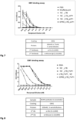
FIGS. 7 and 8 show the results of GM1 binding assay for each fusion protein construct expression product (pentamer) ofFIG. 1 . - According to one aspect of the present invention, an expression vector for producing a target protein-fused pentamer, which includes a polynucleotide that encodes a pentameric toxin protein and a viral nucleocapsid as fusion partners of a target protein, is provided.
- The term "target protein" used herein refers to a protein to be produced in large quantities by one of ordinary skill in the art, including all proteins that can be expressed in host cells after inserting a polynucleotide encoding the protein in a recombinant vector.
- In the present invention, a target protein may be selected from the group consisting of an antigen, an antibody, a cell receptor, an enzyme, a structural protein, serum, and a cell protein, but the present invention is not limited thereto.
- In the present invention, the target protein may be a viral antigen protein that induces an immune response. For example, the target protein may be an antigen protein of a virus with a spherical icosahedral capsid structure, and the icosahedron is a structure formed of 20 equilateral triangles, which are subunits, consisting of 12 vertices, and there are largely two-fold axes, three-fold axes, and five-fold axes. The target protein may be an antigen protein of a virus in which the subunits are combined in the form of a pentagon or hexagon depending on the number of axes.
- In the present invention, the target protein may be a capsid protein of an icosahedron-type virus that forms a pentamer (or hexamer) with subunits in a self-assembled process. When this protein is used as a target protein, a recombinant pentamer having the same level of antigenicity as a pentamer of an original virus capsid protein can be produced, particularly, in E. coli.
- As the target protein, generally, any pentameric antigen of an enveloped or non-enveloped virus, formed in an icosahedron, may be applied.
- Examples of enveloped viruses having a lipid membrane may include viruses of the families Herpesviridae and Hepadnaviridae which have DNA genotypes, and viruses of the family Flaviviridae which has an RNA genotype.
- Examples of non-enveloped or naked viruses composed of a viral envelope protein without a lipid membrane may include viruses of the families Adenoviridae and Parvoviridae, having DNA genotypes, and viruses of the families Reoviridae, Picornaviridae, and Caliciviridae, having RNA genotypes.
- The term "expression vector" used herein is a vector for expression by introducing a polynucleotide encoding a polypeptide of interest into a heterologous or homologous host cell, and refers to a circular or linear polynucleotide, e.g., a DNA or RNA molecule. The expression vector may include a promoter and/or terminator sequence, and also include components required for use in a vector, such as a replication origin, a selection marker, a polyadenylation signal, etc.
- The expression vector of the present invention may be a plasmid, a viral vector, a phage particle, or a genome insert, and may be replicated regardless of the genome of a host cell or integrated into the genome of a host cell after being introduced into the host cell.
- The expression vector of the present invention may include a polynucleotide encoding a target protein, or may be used to include a polynucleotide encoding a target protein in the future. Particularly, in the latter case, as a component that allows easy inclusion of a target protein-coding polynucleotide, a restriction enzyme-recognition site generally called a multiple cloning site (MSC) is preferably included.
- The present invention is based on new research results: When a pentameric toxin protein and a viral nucleocapsid are applied as fusion partners for a target protein, the target protein can be efficiently expressed (for example, a protein that is expressed insoluble when no fusion partner is used or when another existing fusion partner is used can be expressed soluble); and when pentameric toxin protein and a viral nucleocapsid are applied as fusion partners for a target protein, a pentamer in which the target protein is self-assembled can be efficiently produced.
- When using such a fusion partner, there is an advantage of producing a target protein with increased solubility, and in general, the larger the size of the fusion partner, the more helpful it is in enhancing the water solubility of the target protein. However, increased structural interference with the adjacent target protein due to the size of the fusion partner may also impede production of a physiologically active structure. Therefore, it is very important to discover a fusion partner that increases the solubility and activity of the target protein despite its small size, if possible.
- Particularly, in the present invention, the viral nucleocapsid used as a fusion partner has a very small size (short peptide), so it has the advantages of minimizing structural interference with the target protein and minimizing structural interference with the self-assembly of a monomer of the target protein (in the present invention, self-assembly into a pentamer).
- In addition, according to the present invention, there is the advantage of utilizing the zinc-binding domain of the viral nucleocapsid. For example, by utilizing the zinc-binding domain of the viral nucleocapsid, for example, a zinc affinity purification method, a fusion protein can be easily purified without separate components for purification such as a histidine tag. In the present invention, the viral nucleocapsid may be a conventionally known viral nucleocapsid, and it may be a fragment or variant of the viral nucleocapsid, as long as the activity of the present invention is retained, in other words, the activity to form a pentamer in which the viral nucleocapsid acts as a fusion partner for a target protein along with a pentameric toxin protein to allow the target protein to be expressed soluble especially in E. coli.
- In the present invention, the viral nucleocapsid may be a nucleocapsid of a retrovirus, for example, human immunodeficiency virus-1 (HIV-1), SIV, or MuLV.
- In the present invention, the viral nucleocapsid is preferably a nucleocapsid of human immunodeficiency virus (HIV).
- In the present invention, the viral nucleocapsid may include an amino acid sequence having 50% or more, 60% or more, 70% or more, 80% or more, 90% or more, 95% or more, 96% or more, 97% or more, 98% or more, or 99% or more sequence identity with the amino acid sequence of SEQ ID NO: 1, or the amino acid sequence of SEQ ID NO: 1. The viral nucleocapsid includes, preferably, an amino acid sequence which retains
amino acids 14, 17, 22, and 27, more preferably,amino acids 14, 17, 22, 27, 35, 38, 43, and 48, and even more preferably,amino acids - In the present invention, the polynucleotide encoding the viral nucleocapsid includes a nucleotide sequence having, preferably, 50% or more, 60% or more, 70% or more, 80% or more, 90% or more, 95% or more, 96% or more, 97% or more, 98% or more, or 99% or more sequence identity with the nucleotide sequence of SEQ ID NO: 2 or 3, or the nucleotide sequence of SEQ ID NO: 2 or 3. The polynucleotide encoding the viral nucleocapsid includes a nucleotide sequence that encodes an amino acid sequence that retains, preferably,
amino acids 14, 17, 22, and 27, more preferably,amino acids 14, 17, 22, 27, 35, 38, 43, and 48, and even more preferably,amino acids - The sequence identity used herein means the sequence identity between an amino acid sequence and a reference amino acid sequence, or between a nucleotide sequence and a reference nucleotide sequence. The sequence identity may be determined by comparing the positions of sequences that can be aligned for comparison. When a position in the comparative sequence is occupied by the same amino acid or base, molecules are identical at the position. The degree of identity between amino acid or nucleotide sequences is a function of the number of identical amino acids or nucleotides at each position shared by the same amino acid or nucleotide sequence. For example, using a variety of alignment algorithms and/or programs, including FASTA or BLAST, the identity between two sequences may be calculated.
- In the present invention, the pentameric toxin protein is a toxin protein which acts as a unit and has the activity to form a pentamer-shaped complex protein with five subunits. A conventionally known pentameric toxin protein as well as a fragment of the pentameric toxin protein may be used as long as the activity to form a pentameric complex protein is maintained. For example, the pentameric toxin protein may be selected from the group consisting of cholera toxin B subunit (CTB), E. coli heat-labile enterotoxin B subunit (LTB), and Shiga-toxin B subunit.
- In the present invention, the pentameric toxin protein preferably includes an amino acid sequence having 50% or more, 60% or more, 70% or more, 80% or more, 90% or more, 95% or more, 96% or more, 97% or more, 98% or more, or 99% or more sequence identity with the amino acid sequence of SEQ ID NO: 4 or 6, or the amino acid sequence of SEQ ID NO: 4 or 6.
- In the present invention, the polynucleotide encoding the pentameric toxin protein preferably includes a nucleotide sequence having 50% or more, 60% or more, 70% or more, 80% or more, 90% or more, 95% or more, 96% or more, 97% or more, 98% or more, or 99% or more sequence identity with the nucleotide sequence of SEQ ID NO: 5 or 7, or the nucleotide sequence of SEQ ID NO: 5 or 7.
- The expression vector of the present invention may be for producing a target protein-fused pentamer in cells selected from all organisms including prokaryotes and eukaryotes, preferably, a microorganism of the genus Escherichia, and more preferably, E. coli.
- In the expression vector of the present invention, the polynucleotide encoding a pentameric toxin protein and a viral nucleocapsid may further include other components, for example, a cloning site for inserting a target protein-coding polynucleotide, such as a restriction enzyme recognition site, e.g., a multiple cloning site (MCS); a linker sequence for providing a gap between a target protein and a fusion partner and/or between fusion partners (between a pentameric toxin protein and a viral nucleocapsid); a tag sequence such as a histidine-tagging sequence; and/or a protease recognition site-encoding sequence for cleaving a portion of an expressed fusion protein. Each component may be arranged in various ways, if needed, or the number of these components may vary.
- In one embodiment, the expression vector of the present invention includes a polynucleotide that encodes a pentameric toxin protein and a viral nucleocapsid as fusion partners of a target protein, and the polynucleotide encodes a pentameric toxin protein and a viral nucleocapsid linked to the N-terminus of the pentameric toxin protein, and includes a target protein-coding site or a cloning site for linking the target protein to the C-terminus of the pentameric toxin protein. As a specific example of the embodiment, the polynucleotide includes a construct in which a promoter, a viral nucleocapsid-coding site, a pentameric toxin protein-coding site, a target protein-coding polynucleotide or a cloning site for inserting a target protein-coding site (e.g., a restriction enzyme recognition site, e.g., MCS), and a terminator are operably linked sequentially in the 5' to 3' direction.
- In another embodiment, the expression vector of the present invention includes a polynucleotide that encodes a pentameric toxin protein and a viral nucleocapsid as fusion partners of the target protein, and the polynucleotide encodes a pentameric toxin protein and a viral nucleocapsid linked to the C-terminus of the pentameric toxin protein, and includes a target protein-coding site or a cloning site for linking the target protein-coding site between the pentameric toxin protein and the viral nucleocapsid. As a specific example of the embodiment, the polynucleotide includes a construct in which a promoter, a virus nucleocapsid-coding site, a target protein-coding site or a cloning site for inserting a target protein-coding polynucleotide (e.g., a restriction enzyme recognition site, e.g., MCS), a viral nucleocapsid-coding site, and a terminator are operably linked sequentially in the 5' to 3' direction.
- The expression vector of the present invention may include a T7 promoter and a T7 terminator to regulate the transcription of the target protein and fusion partner-encoding DNA by a bacteriophage T7 system. According to this, the expression vector of the present invention can more effectively produce the target protein in E. coli.
- The expression vector of the present invention may be manufactured based on, for example, a conventional expression vector using a conventional recombination method.
- According to another aspect of the present invention, a host cell transformed with an expression vector for producing a target protein-fused pentamer of the present invention is provided.
- The host cell in the present invention may be selected from cells of all organisms including prokaryotes and eukaryotes, preferably, cells of a microorganism of the genus Escherichia, and more preferably, E. coli.
- The term "transformation" or "introduction" used herein means introducing a polynucleotide into a host so that the polynucleotide becomes replicable either as an extrachromosomal element or by completion of chromosomal integration. A transformation method with the expression vector according to the present invention may include electroporation, a calcium phosphate (CaPO4) method, a calcium chloride (CaCl2) method, microinjection, a polyethylene glycol (PEG) method, a DEAE-dextran method, a cationic liposome method, or a lithium acetate-DMSO method, but the present invention is not limited thereto.
- According to still another aspect of the present invention, a method of producing a target protein-fused pentamer, which includes manufacturing an expression vector for producing a target protein-fused pentamer, which includes a polynucleotide that encodes a target protein and a pentameric toxin protein and a viral nucleocapsid as fusion partners of the target protein; producing a transformant by introducing the expression vector for producing a target protein-fused pentamer into host cells; and culturing the transformant, is provided.
- Here, for specific details, such as matters regarding the expression vector and matters regarding the introduction of the expression vector, the previously described matters may be referred to.
- For culturing a transformant, any culture method known to be suitable for a host cell may be used. For example, when the host cell is E. coli, a method of culturing in Luria-Bertani (LB) medium at 16 to 37 °C may be used. If there is a component of an antibiotic selection marker (e.g., a gene resistant to the antibiotic ampicillin) in the expression vector, at this time, the proliferation of E. coli containing the expression vector can be preferentially induced by adding the corresponding antibiotic (e.g., ampicillin) to the medium and culturing the cells. In addition, when the expression vector contains a component that regulates the transcription and/or translation of DNA encoding the target protein, for example, a lac operon-related component, in the expression vector, the expression of the target protein can be induced by adding a related material, such as IPTG.
- The following examples are presented to help understand the present invention and the following contents do not limit the scope of the present invention.
- To investigate the applicability of the combination of a pentameric toxin protein and a viral nucleocapsid (NC) as a fusion partner for producing a pentamer, a vector was manufactured to be expressed in such a form that NC of human immunodeficiency virus (HIV) was linked to the N-terminus of E. coli heat-labile enterotoxin B subunit (LTB) as the pentameric toxin protein, and six histidine tags were linked to the C-terminus of LTB (
Construct 1 ofFIG. 1 ). - Here, the vector was manufactured based on a pGEMEX-1 (Promega) vector designed to regulate the expression of a target protein by a T7 promoter, and the sequence of SEQ ID NO: 5 was used as a sequence encoding LTB, and the sequence of SEQ ID NO: 2 (or SEQ ID NO: 3) was used as a sequence encoding NC.
- The sequence of the construct region in the manufactured vector is the same as SEQ ID NO: 8, and the amino acid sequence of an expected expression fusion protein is the same as SEQ ID NO: 9.
- A vector for producing a pentamer of fusion protein was manufactured in a form in which NC was linked to the N-terminus of LTB as a pentameric toxin protein, a tobacco etch virus (TEV) protease cleavage site and six histidine tags were present therebetween, and VP1 of Poliovirus as a target protein was linked to the C-terminus of LTB (
Construct 2 ofFIG. 1 ). - The vector was manufactured based on the pGEMEX-1 (Promega) vector as described in Preparation Example 1.
- The sequence of the construct region in the manufactured vector is the same as SEQ ID NO: 10, and the amino acid sequence of an expected expression fusion protein is the same as SEQ ID NO: 11.
- A vector for producing a pentamer of fusion protein was manufactured in a form in which NC was linked to N-terminus of cholera toxin B subunit (CTB) of cholera bacteria as a pentameric toxin protein, a TEV protease cleavage site and six histidine tags were present therebetween, and VP1 of Poliovirus as a target protein was linked to the C-terminus of CTB (
Construct 3 ofFIG. 1 ). - The vector was manufactured based on the pGEMEX-1 (Promega) vector as described in Preparation Example 1.
- The sequence of the construct region in the manufactured vector is the same as SEQ ID NO: 12, and the amino acid sequence of an expected expression fusion protein is the same as SEQ ID NO: 13.
- A vector for producing a pentamer of fusion protein was manufactured in a form in which EPRS instead of NC was linked to the N-terminus of LTB as a pentameric toxin protein, a tobacco etch virus (TEV) protease cleavage site and six histidine tags were present therebetween, and VP1 of Poliovirus as a target protein was linked to the C-terminus of LTB (
Construct 4 ofFIG. 1 ). - Here, EPRS includes WHEP domains (WHEP domains located in the middle of EPRS, which includes linkers connecting TRS-1, TRS-2, and TRS-3 with the three domains) of human-derived glutamyl-prolyl-tRNA synthetase.
- The vector was manufactured based on the pGEMEX-1 (Promega) vector as described in Preparation Example 1.
- A vector for producing a pentamer of fusion protein was manufactured in a form in which NC was linked to the N-terminus of LTB as a pentameric toxin protein, six histidine tags and a TEV protease cleavage site were present therebetween, and VP1 of Foot-and-mouth disease virus (FMDV) as a target protein was linked to the C-terminus of LTB (
Construct 5 ofFIG. 1 ). - The vector was manufactured based on the pGEMEX-1 (Promega) vector as described in Preparation Example 1.
- The sequence of the construct region in the manufactured vector is the same as SEQ ID NO: 14, and the amino acid sequence of an expected expression fusion protein is the same as SEQ ID NO: 15.
- A vector for producing a pentamer of fusion protein was manufactured in a form in which VP1 of FMDV as a target protein was linked to the C-terminus of LTB as a pentameric toxin protein, NC was linked to the C-terminus of FMDV VP1, and six histidine tags were linked to the C-terminus of NC (
Construct 6 ofFIG. 1 ). - The vector was manufactured based on the pGEMEX-1 (Promega) vector as described in Preparation Example 1.
- The sequence of the construct region in the manufactured vector is the same as SEQ ID NO: 16, and the amino acid sequence of an expected expression fusion protein is the same as SEQ ID NO: 17.
- A vector for producing a pentamer of fusion protein was manufactured in a form in which EPRS instead of NC was linked to the N-terminus of LTB as a pentameric toxin protein, six histidine tags and a TEV protease cleavage site were present therebetween, and VP1 of FMDV as a target protein was linked to the C-terminus of LTB (
Construct 7 ofFIG. 1 ). - The vector was manufactured based on the pGEMEX-1 (Promega) vector as described in Preparation Example 1.
- The vectors of Preparation Example, Examples, and Comparative Examples were transformed into E. coli Shuffle/T7/pLysS and cultured. Shuffle/T7/pLysS was made by extracting a pLysS plasmid from BL21 star (DE3) pLysS One Shot™ competent E. coli ((Invitrogen) through Mini-prep, introducing the extracted pLysS into Shuffle T7 (NEB) competent E. coli, and selecting with chloramphenicol (CM), an antibiotic marker included in the pLysS. All transformed E. coli was incubated in LB medium containing 50 µg/mL of ampicillin and 34 µg/mL of CM. The culture temperature was set to 16 to 37 °C. When the OD600 value of E. coli reached 0.5 or more, to activate the T7 promoter, IPTG was added at 0 µM to 1 mM, and to sufficiently produce the protein, the E. coli cells were cultured at 30 °C for approximately 3 hours or at 16 to 20 °C for approximately 16 hours after adding IPTG. The sufficiently cultured E. coli was centrifuged to remove the supernatant, which was then stored. Subsequently, 0.3 mL of PBS was added to the E. coli harvest, corresponding to 5 mL of the LB medium, and subjected to sonication to obtain a lysate. Then, the lysate was centrifuged and divided into a soluble fraction and a pellet fraction, and the total lysate, the soluble fraction, and the pellet fraction were each analyzed by SDS-PAGE.
- First, as a result of inducing the expression of a fusion protein by introducing the vector of Preparation Example 1 into E. coli, as shown in
FIG. 2 , a high level of the fusion protein was expressed normally, that is, with the expected size and solubility. This shows that the combination of the pentameric toxin protein and NC has the potential to be utilized as a fusion partner for producing a target protein-fused pentamer. - As a result of inducing the expression of a fusion protein by introducing the vector of Example 1 into E. coli, as shown in
FIG. 3 , a high level of the fusion protein was expressed normally, that is, with the expected size and solubility. Particularly, it is known that LTB is expressed insoluble in E. coli, making it very difficult to be normally expressed. Therefore, these results show that the method of the present invention can express a protein that was previously expressed insoluble in E. coli as soluble. - As a result of inducing the expression of a fusion protein by introducing the vector of Example 2 into E. coli, as shown in
FIG. 4 , a high level of the fusion protein was expressed normally. - As a result of inducing the expression of a fusion protein by introducing the vector of Example 3 into E. coli, as shown in
FIG. 5 , a high level of the fusion protein was expressed normally. - As a result of inducing the expression of a fusion protein by introducing the vector of Example 4 into E. coli, as shown in
FIG. 6 , a high level of the fusion protein was expressed normally. In this case, since the arrangement of the pentameric toxin protein, the target protein, and NC was changed, these results show that normal expression is possible even when the arrangement of each component is changed. - In addition, the GM1 binding affinity of the product, i.e., the pentamer, was investigated by inducing the expression of each of the vectors of Preparation Examples, Examples, and Comparative Examples. Toxin proteins belonging to the enterotoxin family exhibit the ability to form a pentamer on the intestinal mucosal surface and bind to a GM1 ganglioside receptor. Therefore, the fact that the expression product can bind to the GM1 ganglioside means that a pentamer is well formed, and that a protein is properly structured, not simply expressed in a soluble form. Accordingly, this was confirmed by investigating GM1 binding affinity.
- Specifically, GM1 was diluted in bicarbonate buffer (pH 9.6), dispensed in an immunoplate (Maxisorp, Thermo Scientific), and coated at 4 °C for approximately 16 hours. Subsequently, the plate was washed with PBS-T (Tween-20 0.1%) three times, the expression product sample was diluted 2-fold (the initial dilution concentration was set to 100 nM and the sample was serially diluted), added to each well, and allowed to react for 4 hours at room temperature to sufficiently bind to GM1. Afterward, anti-6His tags as primary antibodies were diluted 1:2,000 in a serum dilution buffer (PBS-T with 0.25% BSA), added to each well of the plate, and allowed to react for 1 hour at room temperature. Afterward, anti-mouse (HRP conjugated) as a secondary antibody was diluted 1:10,000 in a serum dilution buffer, added to each well of the plate, and allowed to react for 1 hour at room temperature. After the reaction with each of the primary and secondary antibodies, the cells were washed with PBS-T, and after the reaction with the secondary antibody, TMB (BD OptEIA TMB substrate reagent set) was added to each well to induce the color development of HRP. After 30 minutes, the reaction was terminated by adding 2N sulfuric acid, and then the resulting product was analyzed using an ELISA reader.
- As a result of investigating the GM1 binding affinity of Preparation Example 1, Example 1, Example 2, and Comparative Example 1, as shown in
FIG. 7 , it was shown that Examples exhibited superior GM1 binding affinity to Preparation Example 1 and Comparative Example 1. - As a result of investigating the GM1 binding affinity of Preparation Example 1, Example 3, Example 4, and Comparative Example 2, as shown in
FIG. 8 , it was shown that Examples exhibited superior GM1 binding affinity to Preparation Example 1 and Comparative Example 2. - In the above, the present invention was described with reference to embodiments. It will be understood by those of ordinary skill in the art that the present invention can be implemented in modified forms without departing from the essential features of the present invention. Therefore, the disclosed embodiments should be considered from a descriptive perspective, rather than a restrictive perspective. The scope of the present invention is shown in the claims rather than the foregoing description, and all differences within the equivalent range thereto will be construed as being included in the present invention.
-
- SEQ ID NO: 1
- Sequence name : Amino acid sequence of HIV nucleocapsid
- Sequence type : AA
- Name of organism : human immunodeficiency virus
- Sequence :

- SEQ ID NO: 2
- Sequence name : Nucleotide sequence encoding HIV nucleocapsid
- Sequence type : DNA
- Name of organism : human immunodeficiency virus
- Sequence :

- SEQ ID NO: 3
- Sequence name : Nucleotide sequence encoding HIV nucleocapsid
- Sequence type : DNA
- Name of organism : synthetic construct
- Sequence :

- SEQ ID NO: 4
- Sequence name : Amino acid sequence of heat-labile enterotoxin B subunit from Escherichia coli
- Sequence type : AA
- Name of organism : Escherichia coli
- Sequence :

- SEQ ID NO: 5
- Sequence name : Nucleotide sequence encoding heat-labile enterotoxin B subunit from Escherichia coli
- Sequence type : DNA
- Name of organism : Escherichia coli
- Sequence :


- SEQ ID NO: 6
- Sequence name : Amino acid sequence of cholera toxin B subunit from Vibrio cholerae
- Sequence type : AA
- Name of organism : Vibrio cholerae
- Sequence :

- SEQ ID NO: 7
- Sequence name : Nucleotide sequence encoding cholera toxin B subunit from Vibrio cholerae
- Sequence type : DNA
- Name of organism : Vibrio cholerae
- Sequence :

- SEQ ID NO: 8
- Sequence name : Nucleotide sequence of fusion protein construct
- Sequence type : DNA
- Name of organism : synthetic construct
- Sequence :

- SEQ ID NO: 9
- Sequence name : Amino acid sequence of expected fusion protein
- Sequence type : AA
- Name of organism : synthetic construct
- Sequence :

- SEQ ID NO: 10
- Sequence name : Nucleotide sequence of fusion protein construct
- Sequence type : DNA
- Name of organism : synthetic construct
- Sequence :


- SEQ ID NO: 11
- Sequence name : Amino acid sequence of expected fusion protein
- Sequence type : AA
- Name of organism : synthetic construct
- Sequence :

- SEQ ID NO: 12
- Sequence name : Nucleotide sequence of fusion protein construct
- Sequence type : DNA
- Name of organism : synthetic construct
- Sequence :


- SEQ ID NO: 13
- Sequence name : Amino acid sequence of expected fusion protein
- Sequence type : AA
- Name of organism : synthetic construct
- Sequence :


- SEQ ID NO: 14
- Sequence name : Nucleotide sequence of fusion protein construct
- Sequence type : DNA
- Name of organism : synthetic construct
- Sequence :


- SEQ ID NO: 15
- Sequence name : Amino acid sequence of expected fusion protein
- Sequence type : AA
- Name of organism : synthetic construct
- Sequence :

- SEQ ID NO: 16
- Sequence name : Nucleotide sequence of fusion protein construct
- Sequence type : DNA
- Name of organism : synthetic construct
- Sequence :


- SEQ ID NO: 17
- Sequence name : Amino acid sequence of expected fusion protein
- Sequence type : AA
- Name of organism : synthetic construct
- Sequence :

Claims (13)
- An expression vector for producing a target protein-fused pentamer, comprising a polynucleotide that encodes a pentameric toxin protein and a viral nucleocapsid as fusion partners of a target protein.
- The expression vector of claim 1, wherein the pentameric toxin protein is selected from the group consisting of cholera toxin B subunit (CTB), E. coli heat-labile enterotoxin B subunit (LTB), and Shiga-toxin B subunit.
- The expression vector of claim 1, wherein the target protein is a capsid protein of an icosahedral virus, which forms a pentamer with subunits in a self-assembled process.
- The expression vector of claim 1, wherein the viral nucleocapsid is a nucleocapsid of human immunodeficiency virus.
- The expression vector of claim 1, wherein the viral nucleocapsid includes the amino acid sequence of SEQ ID NO: 1.
- The expression vector of claim 1, wherein the vector is for producing a target protein-fused pentamer in E. coli.
- A host cell which is transformed with the expression vector for producing a target protein-fused pentamer of any one of claims 1 to 6.
- A method of producing a target protein-fused pentamer, comprising:manufacturing an expression vector for producing a target protein-fused pentamer, which includes a polynucleotide that encodes a target protein and a pentameric toxin protein and a viral nucleocapsid as fusion partners of the target protein;producing a transformant by introducing the expression vector for producing a target protein-fused pentamer into host cells; andculturing the transformant.
- The method of claim 8, wherein the pentameric toxin protein is selected from the group consisting of cholera toxin B subunit (CTB), E. coli heat-labile enterotoxin B subunit (LTB), and Shiga-toxin B subunit.
- The method of claim 8, wherein the target protein is a capsid protein of an icosahedral virus, which forms a pentamer with subunits in a self-assembled process.
- The method of claim 8, wherein the viral nucleocapsid is a nucleocapsid of human immunodeficiency virus.
- The method of claim 8, wherein the viral nucleocapsid includes the amino acid sequence of SEQ ID NO: 1.
- The method of claim 8, wherein the host cell is E. coli.
Applications Claiming Priority (2)
| Application Number | Priority Date | Filing Date | Title |
|---|---|---|---|
| KR20220062791 | 2022-05-23 | ||
| PCT/KR2023/006961 WO2023229330A1 (en) | 2022-05-23 | 2023-05-23 | Pentameric toxin protein-based target protein fusion pentamer producing platform using viral nucleocapsid |
Publications (2)
| Publication Number | Publication Date |
|---|---|
| EP4530352A1 true EP4530352A1 (en) | 2025-04-02 |
| EP4530352A4 EP4530352A4 (en) | 2025-10-08 |
Family
ID=88919668
Family Applications (1)
| Application Number | Title | Priority Date | Filing Date |
|---|---|---|---|
| EP23812104.0A Pending EP4530352A4 (en) | 2022-05-23 | 2023-05-23 | PENTAMER PRODUCTION PLATFORM USING VIRAL NUCLEOCAPSID BASED ON PENTAMEREMER-TOXIN PROTEIN FUSION |
Country Status (5)
| Country | Link |
|---|---|
| EP (1) | EP4530352A4 (en) |
| JP (1) | JP2025522293A (en) |
| KR (1) | KR102617592B1 (en) |
| CN (1) | CN119604616A (en) |
| WO (1) | WO2023229330A1 (en) |
Families Citing this family (1)
| Publication number | Priority date | Publication date | Assignee | Title |
|---|---|---|---|---|
| WO2025143906A1 (en) * | 2023-12-29 | 2025-07-03 | 주식회사 이노백 | Double mutant heat labile enterotoxin gene comprising spacer |
Family Cites Families (11)
| Publication number | Priority date | Publication date | Assignee | Title |
|---|---|---|---|---|
| EP0793717B1 (en) * | 1994-10-24 | 2005-01-26 | The Texas A & M University System | Oral immunization with transgenic plants |
| WO1997044064A2 (en) * | 1996-05-20 | 1997-11-27 | The Government Of The United States Of America, Represented By The Secretary, Department Of Health And Human Services | Oligonucleotides which specifically bind retroviral nucleocapsid proteins |
| US20030138769A1 (en) * | 2000-08-16 | 2003-07-24 | Birkett Ashley J. | Immunogenic HBc chimer particles having enhanced stability |
| GB0115382D0 (en) * | 2001-06-22 | 2001-08-15 | Univ Bristol | Mutant |
| KR100690230B1 (en) * | 2005-06-16 | 2007-03-12 | 학교법인 성균관대학 | High Efficiency Expression Vector System for Soluble Expression of Proteins |
| KR101908438B1 (en) * | 2016-02-05 | 2018-10-16 | (주)피앤피바이오팜 | A MANUFACTURING METHOD FOR SOLUBLE AND ACTIVE RECOMBINANT PROTEIN USING Aminoacyl tRNA synthetase N-terminal domain AS FUSION PARTNER AND A PRODUCT THEREOF |
| CA3098103A1 (en) * | 2018-05-23 | 2019-11-28 | Adc Therapeutics Sa | Molecular adjuvant |
| KR102076917B1 (en) * | 2018-10-25 | 2020-02-13 | 연세대학교 산학협력단 | Expression vector system for preparing recombinant self-assembled nanoparticles, and method of using the same |
| KR102332725B1 (en) * | 2019-08-29 | 2021-11-30 | 연세대학교 산학협력단 | Pentamer-based recombinant protein vaccine platform and expressing system there of |
| CN115427071A (en) * | 2020-02-25 | 2022-12-02 | 米加尔加利利研究所有限公司 | Compositions comprising LTB and pathogenic antigens and uses thereof |
| CU24665B1 (en) * | 2020-11-04 | 2023-06-13 | Ct Ingenieria Genetica Biotecnologia | CHIMERIC PROTEIN COMPRISING THE RECEPTOR-BINDING DOMAIN OF THE CORONAVIRUS SPIKE PROTEIN AND COMPOSITIONS COMPRISING THEM |
-
2023
- 2023-05-23 EP EP23812104.0A patent/EP4530352A4/en active Pending
- 2023-05-23 WO PCT/KR2023/006961 patent/WO2023229330A1/en not_active Ceased
- 2023-05-23 JP JP2024569238A patent/JP2025522293A/en active Pending
- 2023-05-23 CN CN202380055823.1A patent/CN119604616A/en active Pending
- 2023-05-23 KR KR1020230066238A patent/KR102617592B1/en active Active
Also Published As
| Publication number | Publication date |
|---|---|
| JP2025522293A (en) | 2025-07-15 |
| WO2023229330A1 (en) | 2023-11-30 |
| CN119604616A (en) | 2025-03-11 |
| KR20230163941A (en) | 2023-12-01 |
| KR102617592B1 (en) | 2023-12-29 |
| KR102617592B9 (en) | 2024-07-24 |
| EP4530352A4 (en) | 2025-10-08 |
Similar Documents
| Publication | Publication Date | Title |
|---|---|---|
| CN101084237B (en) | Be used for the treatment of, diagnose and the ubiquitin of chromatography or gamma-crystalline conjugates | |
| Laplagne et al. | Engineering of a polymeric bacterial protein as a scaffold for the multiple display of peptides | |
| JP2020516314A (en) | Peptide ligase and use thereof | |
| CN112424366A (en) | Recombinant vector for producing antigen for diagnosing African swine fever and use thereof | |
| EP4530352A1 (en) | Pentameric toxin protein-based target protein fusion pentamer producing platform using viral nucleocapsid | |
| US20230068497A1 (en) | Carrier matrix comprising dodecin protein | |
| US20160000901A1 (en) | Compositions and Methods for the Production of Virus-Like Particles | |
| CN116964080A (en) | Peptides that mimic MPER and V3-loop HIV-1 Env glycoprotein epitopes | |
| KR102332725B1 (en) | Pentamer-based recombinant protein vaccine platform and expressing system there of | |
| CN102015752A (en) | Artificial protein scaffolds | |
| Karyagina et al. | Development of a platform for producing recombinant protein components of epitope vaccines for the prevention of COVID-19 | |
| Argentinian AntiCovid Consortium et al. | Production of a highly immunogenic antigen from SARS-CoV-2 by covalent coupling of the receptor binding domain of spike protein to a multimeric carrier | |
| US20230041904A1 (en) | Method for enhancing water solubility of target protein by whep domain fusion | |
| CN118475592A (en) | Target protein expression platform using viral nucleocapsids | |
| JP3936661B2 (en) | Use of viruses to detect or purify proteins | |
| US12234262B1 (en) | Vaccinia virus recombinant A33R protein and kit for diagnosing antibodies against orthopoxvirus comprising the same | |
| US20190194264A1 (en) | Lipoprotein export signals and uses thereof | |
| EP4530292A1 (en) | Crystalline-protein-based platform using viral nucleocapsid for producing target-protein-fused self-assembled nanoparticles | |
| CN114729008B (en) | Peptides that mimic the epitope of the broadly neutralizing antibody VRC01 as antigens for vaccines against HIV-1 infection | |
| CN111019925B (en) | Method for screening protease variants and protease variants obtained | |
| KR20230163121A (en) | A pentamer-based fusion protein comprising a whep domain and a system for expressing the same | |
| Kumar et al. | Heparin affinity tag and applications thereof | |
| US20140065673A1 (en) | Membrane protein expression vector comprising major envelope protein p9 of systovirus phi12 as a fusion partner and method for producing membrane protein using the same | |
| JP2024519081A (en) | Chimeric gas vesicles and their protein expression systems | |
| WO2026073158A1 (en) | Porcine astrovirus 4 spike proteins and methods of use |
Legal Events
| Date | Code | Title | Description |
|---|---|---|---|
| STAA | Information on the status of an ep patent application or granted ep patent |
Free format text: STATUS: THE INTERNATIONAL PUBLICATION HAS BEEN MADE |
|
| PUAI | Public reference made under article 153(3) epc to a published international application that has entered the european phase |
Free format text: ORIGINAL CODE: 0009012 |
|
| STAA | Information on the status of an ep patent application or granted ep patent |
Free format text: STATUS: REQUEST FOR EXAMINATION WAS MADE |
|
| 17P | Request for examination filed |
Effective date: 20241212 |
|
| AK | Designated contracting states |
Kind code of ref document: A1 Designated state(s): AL AT BE BG CH CY CZ DE DK EE ES FI FR GB GR HR HU IE IS IT LI LT LU LV MC ME MK MT NL NO PL PT RO RS SE SI SK SM TR |
|
| DAV | Request for validation of the european patent (deleted) | ||
| DAX | Request for extension of the european patent (deleted) | ||
| A4 | Supplementary search report drawn up and despatched |
Effective date: 20250909 |
|
| RIC1 | Information provided on ipc code assigned before grant |
Ipc: C12N 15/62 20060101AFI20250903BHEP Ipc: C12N 15/63 20060101ALI20250903BHEP Ipc: C07K 14/245 20060101ALI20250903BHEP Ipc: C07K 14/25 20060101ALI20250903BHEP Ipc: C07K 14/28 20060101ALI20250903BHEP Ipc: C07K 14/005 20060101ALI20250903BHEP Ipc: G01N 33/569 20060101ALI20250903BHEP Ipc: G01N 33/68 20060101ALI20250903BHEP Ipc: A61K 39/385 20060101ALI20250903BHEP Ipc: A61K 39/12 20060101ALI20250903BHEP |