EP4530343A1 - Mikroorganismus, mikrobielle brennstoffzellenzusammensetzung, mikrobielle brennstoffzelle, mikrobielle elektrolysezellenzusammensetzung und mikrobielle elektrolysezelle - Google Patents
Mikroorganismus, mikrobielle brennstoffzellenzusammensetzung, mikrobielle brennstoffzelle, mikrobielle elektrolysezellenzusammensetzung und mikrobielle elektrolysezelle Download PDFInfo
- Publication number
- EP4530343A1 EP4530343A1 EP24197181.1A EP24197181A EP4530343A1 EP 4530343 A1 EP4530343 A1 EP 4530343A1 EP 24197181 A EP24197181 A EP 24197181A EP 4530343 A1 EP4530343 A1 EP 4530343A1
- Authority
- EP
- European Patent Office
- Prior art keywords
- strain
- microbial
- anode electrode
- fuel cell
- liquid
- Prior art date
- Legal status (The legal status is an assumption and is not a legal conclusion. Google has not performed a legal analysis and makes no representation as to the accuracy of the status listed.)
- Pending
Links
Images







Classifications
-
- C—CHEMISTRY; METALLURGY
- C12—BIOCHEMISTRY; BEER; SPIRITS; WINE; VINEGAR; MICROBIOLOGY; ENZYMOLOGY; MUTATION OR GENETIC ENGINEERING
- C12N—MICROORGANISMS OR ENZYMES; COMPOSITIONS THEREOF; PROPAGATING, PRESERVING, OR MAINTAINING MICROORGANISMS; MUTATION OR GENETIC ENGINEERING; CULTURE MEDIA
- C12N1/00—Microorganisms; Compositions thereof; Processes of propagating, maintaining or preserving microorganisms or compositions thereof; Processes of preparing or isolating a composition containing a microorganism; Culture media therefor
- C12N1/20—Bacteria; Culture media therefor
- C12N1/205—Bacterial isolates
-
- C—CHEMISTRY; METALLURGY
- C02—TREATMENT OF WATER, WASTE WATER, SEWAGE, OR SLUDGE
- C02F—TREATMENT OF WATER, WASTE WATER, SEWAGE, OR SLUDGE
- C02F3/00—Biological treatment of water, waste water, or sewage
- C02F3/005—Combined electrochemical biological processes
-
- C—CHEMISTRY; METALLURGY
- C02—TREATMENT OF WATER, WASTE WATER, SEWAGE, OR SLUDGE
- C02F—TREATMENT OF WATER, WASTE WATER, SEWAGE, OR SLUDGE
- C02F3/00—Biological treatment of water, waste water, or sewage
- C02F3/34—Biological treatment of water, waste water, or sewage characterised by the microorganisms used
-
- C—CHEMISTRY; METALLURGY
- C12—BIOCHEMISTRY; BEER; SPIRITS; WINE; VINEGAR; MICROBIOLOGY; ENZYMOLOGY; MUTATION OR GENETIC ENGINEERING
- C12N—MICROORGANISMS OR ENZYMES; COMPOSITIONS THEREOF; PROPAGATING, PRESERVING, OR MAINTAINING MICROORGANISMS; MUTATION OR GENETIC ENGINEERING; CULTURE MEDIA
- C12N1/00—Microorganisms; Compositions thereof; Processes of propagating, maintaining or preserving microorganisms or compositions thereof; Processes of preparing or isolating a composition containing a microorganism; Culture media therefor
- C12N1/20—Bacteria; Culture media therefor
-
- C—CHEMISTRY; METALLURGY
- C25—ELECTROLYTIC OR ELECTROPHORETIC PROCESSES; APPARATUS THEREFOR
- C25B—ELECTROLYTIC OR ELECTROPHORETIC PROCESSES FOR THE PRODUCTION OF COMPOUNDS OR NON-METALS; APPARATUS THEREFOR
- C25B15/00—Operating or servicing cells
- C25B15/02—Process control or regulation
-
- C—CHEMISTRY; METALLURGY
- C25—ELECTROLYTIC OR ELECTROPHORETIC PROCESSES; APPARATUS THEREFOR
- C25B—ELECTROLYTIC OR ELECTROPHORETIC PROCESSES FOR THE PRODUCTION OF COMPOUNDS OR NON-METALS; APPARATUS THEREFOR
- C25B15/00—Operating or servicing cells
- C25B15/08—Supplying or removing reactants or electrolytes; Regeneration of electrolytes
-
- C—CHEMISTRY; METALLURGY
- C25—ELECTROLYTIC OR ELECTROPHORETIC PROCESSES; APPARATUS THEREFOR
- C25B—ELECTROLYTIC OR ELECTROPHORETIC PROCESSES FOR THE PRODUCTION OF COMPOUNDS OR NON-METALS; APPARATUS THEREFOR
- C25B9/00—Cells or assemblies of cells; Constructional parts of cells; Assemblies of constructional parts, e.g. electrode-diaphragm assemblies; Process-related cell features
- C25B9/17—Cells comprising dimensionally-stable non-movable electrodes; Assemblies of constructional parts thereof
- C25B9/19—Cells comprising dimensionally-stable non-movable electrodes; Assemblies of constructional parts thereof with diaphragms
-
- H—ELECTRICITY
- H01—ELECTRIC ELEMENTS
- H01M—PROCESSES OR MEANS, e.g. BATTERIES, FOR THE DIRECT CONVERSION OF CHEMICAL ENERGY INTO ELECTRICAL ENERGY
- H01M8/00—Fuel cells; Manufacture thereof
- H01M8/16—Biochemical fuel cells, i.e. cells in which microorganisms function as catalysts
-
- C—CHEMISTRY; METALLURGY
- C02—TREATMENT OF WATER, WASTE WATER, SEWAGE, OR SLUDGE
- C02F—TREATMENT OF WATER, WASTE WATER, SEWAGE, OR SLUDGE
- C02F2103/00—Nature of the water, waste water, sewage or sludge to be treated
- C02F2103/007—Contaminated open waterways, rivers, lakes or ponds
-
- C—CHEMISTRY; METALLURGY
- C12—BIOCHEMISTRY; BEER; SPIRITS; WINE; VINEGAR; MICROBIOLOGY; ENZYMOLOGY; MUTATION OR GENETIC ENGINEERING
- C12R—INDEXING SCHEME ASSOCIATED WITH SUBCLASSES C12C - C12Q, RELATING TO MICROORGANISMS
- C12R2001/00—Microorganisms ; Processes using microorganisms
- C12R2001/01—Bacteria or Actinomycetales ; using bacteria or Actinomycetales
-
- Y—GENERAL TAGGING OF NEW TECHNOLOGICAL DEVELOPMENTS; GENERAL TAGGING OF CROSS-SECTIONAL TECHNOLOGIES SPANNING OVER SEVERAL SECTIONS OF THE IPC; TECHNICAL SUBJECTS COVERED BY FORMER USPC CROSS-REFERENCE ART COLLECTIONS [XRACs] AND DIGESTS
- Y02—TECHNOLOGIES OR APPLICATIONS FOR MITIGATION OR ADAPTATION AGAINST CLIMATE CHANGE
- Y02E—REDUCTION OF GREENHOUSE GAS [GHG] EMISSIONS, RELATED TO ENERGY GENERATION, TRANSMISSION OR DISTRIBUTION
- Y02E60/00—Enabling technologies; Technologies with a potential or indirect contribution to GHG emissions mitigation
- Y02E60/30—Hydrogen technology
- Y02E60/50—Fuel cells
Definitions
- the present disclosure relates to a microorganism used in a microbial fuel cell, and a microbial fuel cell using the microorganism.
- BES bioelectrochemical system
- EAB electrochemically active bacteria
- the bioelectrochemical system examples include a microbial fuel cell (MFC), a microbial electrolysis cell (MEC), and a microbial electrosynthesis system (MES).
- MFC microbial fuel cell
- MEC microbial electrolysis cell
- MES microbial electrosynthesis system
- the microbial fuel cell is a device that converts a fuel (a substance retaining chemical energy) such as an organic substance into electric energy by utilizing a metabolism ability of a microorganism.
- the microbial fuel cell is attracting attention as a device that generates power while processing biomass waste and as energy-saving wastewater treatment ( Shohei Yamada and Kazuya Watanabe, "Basics and Applications of Microbial Fuel Cells", Fuel Cells, Fuel Cell Development Information Center (Publisher), 2020, vol. 20, pp. 33-38 .).
- the microbial electrolysis cell is a device that generates hydrogen and methane by reducing protons in water using a current generated from fuel such as an organic substance by electrochemically active bacteria ( Ichita Ochiai et al., "Hydrogen Production Using Microbial Electrolysis Tank", Power Generation and Hydrogen Production Using Microorganisms, CMC Publishing Co., Ltd. (published), 2021, pp. 201-206 .).
- the microbial electrosynthesis system is a device that synthesizes useful substances from carbon dioxide, nitrogen, and the like by supplying electrons to electrochemically active bacteria from a low-potential electrode, and is expected that the processing will support civilization in the future when fossil fuels are depleted ( Yamada et al., Frontiers in Chemistry, 2022, vol. 9, Article 805597 .). As described above, various devices are included in the bioelectrochemical system, and high performance is desired for social implementation.
- a known method is to introduce artificially cultured foreign microorganisms (for example, electrochemically active bacteria) into a microbial ecosystem within the device as a microbial preparation to improve the device performance.
- a case is reported in which rise of current generation is accelerated by introducing a microbial consortium containing electrochemically active bacteria into a microbial fuel cell for wastewater treatment ( Yanuka-Golub et al., mBio, 2021, vol. 12, e03629-20 .).
- a current value after the current rises is equivalent to that of a microbial fuel cell without bioaugmentation, and further improvement in performance is desired.
- a method to increase a power generation amount (output energy) of a microbial fuel cell there is a method using, for example, a compound that transfers electrons (electron mediator) such as HNQ (2-hydroxy-1,4-naphthoquinone), and as an improved method of the method, a method is reported that uses electrochemically active bacteria that are active even in an environment without light and uses porphyrin as the electron mediator ( JP-A-2010-218690 ).
- a method is reported in which the activity of electrochemically active bacteria is adjusted using a bacteriophage that uses the electrochemically active bacteria as a host ( JP-A-2020-14418 ).
- mediators since the mediators disappear due to decomposition or the like by the microorganisms, it is necessary to continuously add the mediators artificially, and cost may increase in practical terms.
- certification to check that the phage does not contain genes involved in pathogenicity and drug resistance may be costly.
- electrochemically active bacteria that can achieve high current density are desired.
- electrochemically active bacteria that can achieve high current density are desired.
- this is thought to be because electrochemically active bacteria with sufficiently high electrochemical activity are not introduced.
- an amount of generated current decreases as a power generation time increases. Therefore, there is a need for electrochemically active bacteria that can generate stable power for a longer period of time.
- An object of the present disclosure is to provide a novel microorganism having higher current generating ability, a microbial fuel cell composition and a microbial electrolysis cell composition containing the microorganism, and a microbial fuel cell and a microbial electrolysis cell using the microorganism.
- a novel microorganism isolated and identified from mud on the shores of Lake Suwa is a novel electrochemically active bacterium that has a high current generating ability and is suitable for use in a microbial fuel cell and a microbial electrolysis cell, leading to completion of the present disclosure.
- a microorganism, a microbial fuel cell composition, a microbial fuel cell, a microbial electrolysis cell composition, and a microbial electrolysis cell according to the present disclosure are as follows.
- microorganism having a fairly high current generating ability and a hydrogen producing ability.
- a microbial fuel cell having good power generation efficiency and a microbial electrolysis cell having good electrolysis efficiency.
- X 1 to X 2 (X 1 and X 2 are natural numbers satisfying X 1 ⁇ X 2 )" means a numerical range of "X 1 or more and X 2 or less”.
- a microorganism according to one embodiment of the present disclosure is a Geobacter sp. strain 60473 (Geobacter sp. 60473) (hereinafter, sometimes referred to as a "strain 60473").
- the strain 60473 is a novel electrochemically active bacterium isolated and identified from mud on the shores of Lake Suwa, which decomposes an organic substance and releases electrons.
- a Geobacter sulfurreducens strain PCA hereinafter, referred to as a "strain PCA”
- strain PCA is a reference strain of Geobacter sulfurreducens, which is commonly used as an electrochemically active bacterium.
- the inventors of the present disclosure deposits the strain 60473 at the Patent Microorganism Depositary Center of the National Institute of Technology and Evaluation (Room 122, 2-5-8 Kazusa Kamatari, Kisarazu City, Chiba Prefecture).
- An accession number of the Geobacter sp. strain 60473 is NITE BP-03900 (deposit date: June 8, 2023).
- the strain 60473 is a Gram-negative anaerobic bacillus with flagella, and is a type of iron-reducing bacterium that obtains energy by reducing iron (III) ions and oxidizing acetic acid to carbon dioxide.
- the strain 60473 can be cultured in the same manner as other Geobacter bacteria.
- the strain 60473 can be cultured at 10°C to 40°C in an anaerobic environment in a medium containing necessary minerals and vitamins.
- the anaerobic environment in which the strain 60473 is cultured is not particularly limited as long as an oxygen gas concentration is 0.01% (v/v) or less.
- the strain 60473 can be cultured, for example, in an environment where a nitrogen gas concentration is controlled to be 99.99% (v/v) or higher, and preferably 99.999%. Cultivation in such an anaerobic environment can be carried out by using a culture system for anaerobic bacteria such as AneroPack Pouch (manufactured by Mitsubishi Gas Chemical Co., Ltd.).
- the medium used for culturing the strain 60473 only needs to contain the necessary minerals and vitamins, and various media commonly used for culturing Geobacter bacteria including Geobacter sulfluducens, such as a DSM826 medium (manufactured by DSMZ), and modified media thereof can be used.
- Geobacter sulfluducens such as a DSM826 medium (manufactured by DSMZ), and modified media thereof can be used.
- a liquid medium or an agar medium may be used. Since the Geobacter bacteria are soil bacteria, the strain 60473 can also be cultured in soil or sludge. The strain 60473 can be cultured even in an anaerobic environment rich in an organic substance.
- the strain 60473 has fairly high power generation capacity, and its current generating ability in the electrochemical cell is higher than the strain PCA. Therefore, by using the strain 60473 as an electrochemically active bacterium, a microbial fuel cell with high power generation capacity can be produced. Further, the strain 60473, like other electrochemically active bacteria, is also useful as an electrochemically active bacterium used in bioelectrochemical systems other than the microbial fuel cell, such as a microbial electrolysis cell and a microbial electrosynthesis system.
- the strain 60473 has fairly high graphite affinity (GAI). Therefore, the strain 60473 is suitable for biofilm formation on graphite surfaces, and is particularly suitable as an electrochemically active bacterium used in a microbial fuel cell and a microbial electrolysis cell that use a conductive carbon-based anode electrode containing carbon or graphite as a main component.
- the GAI of the strain 60473 is 60% to 80%, and preferably 65% to 80%.
- the GAI of microorganisms including the strain 60473 can be measured by a method shown in Examples below.
- the strain 60473 has high cell hydrophobicity (HPI). Therefore, the strain 60473 has good adhesion to a hydrophobic electrode such as a carbon-based electrode, and it is easy to form a biofilm on a surface of the hydrophobic electrode.
- the HPI of the strain 60473 is 50% to 90%, preferably 60% to 90%, and more preferably 65% to 90%.
- the HPI of microorganisms including the strain 60473 can be measured by a method shown in Examples below.
- the strain 60473 has a high cytochrome content (CCI) per protein (mass).
- Cytochrome is a general term for proteins that have redox-capable iron-bound heme (containing iron atoms in the form of heme groups), and is broadly classified into cytochromes a, b, c, d, and the like depending on a type of heme and a binding mode. Since the cytochrome is a molecule related to extracellular electron transport ability, the high CCI is presumed to be one reason for excellent power generation capacity of the strain 60473.
- the CCI of the strain 60473 is 0.75/mg to 1.00/mg.
- the CCI of microorganisms including the strain 60473 can be measured by a method shown in Examples below.
- the strain 60473 When using the strain 60473 as an electrochemically active bacterium in a microbial fuel cell, it may be used alone, and it may be used in combination with other electrochemically active bacteria, and it is also preferable to use it in combination with other microorganisms other than the electrochemically active bacteria. For example, by using anaerobic bacteria having an acetic acid producing ability, acetic acid that decreases due to growth of the strain 60473 can be supplied, so that a culture period during which the strain 60473 can exert its power generation capacity can be extended.
- the strain 60473 is also suitable as an active ingredient of a microbial preparation added to a microbial fuel cell by a bioaugmentation method.
- the bioaugmentation microbial preparation may be a culture of the strain 60473, a fungus body obtained by centrifuging and precipitating the culture, or a composition obtained by mixing the culture with other additives (for example, an excipient) as necessary, and the composition may be further formed into structured granules.
- the bioaugmentation microbiological preparation may be a suspension-like composition obtained by suspending the fungus bodies of the strain 60473 in water, a culture medium, or the like, and further containing other components as necessary.
- the bioaugmentation microbial preparation may contain one or more types of microorganisms other than the strain 60473. Examples of the microorganisms include anaerobic acetic acid-producing bacteria.
- a microbial fuel cell composition in the embodiment contains the strain 60473 and an organic substance, and is a composition that is used as an organic substance serving as a fuel for a microbial fuel cell or is added to the fuel.
- the microbial fuel cell composition can also be used as the bioaugmentation microbial preparation.
- a form of the microbial fuel cell composition in the embodiment is not particularly limited, and may be a solid substance such as a granule or a lump, a paste, a gel, or a suspension.
- the organic substance contained in the microbial fuel cell composition in the embodiment is not particularly limited as long as organic substance serves as the fuel for the microbial fuel cell. Biomass is preferably used, a chemically synthesized organic substance, a fossil fuel, or a processed product thereof may also be used.
- organic substances derived from waste biomass such as food waste, agricultural residue, livestock manure, sewage sludge, bottom mud of rivers and lakes (organic mud at the bottom), wood waste, paper waste, and wastewater are particularly preferable.
- the organic substance contained in the microbial fuel cell composition may be a mixture of organic substances derived from a plurality of biomass.
- the microbial fuel cell composition in the embodiment may contain one or more types of microorganisms other than the strain 60473.
- the microorganisms may be electrochemically active bacteria or may be other than the electrochemically active bacteria. Any microorganism can be used as long as it can grow in an environment where the strain 60473 can grow, and is preferably an anaerobic bacterium, and may also be a microaerobic bacterium. Examples of the microorganisms other than the strain 60473 contained in the microbial fuel cell composition include electrochemically active bacteria and anaerobic acetic acid-producing bacteria.
- the microbial fuel cell in the embodiment is characterized in that the strain 60473 is used for decomposition of an organic substance as a fuel.
- the microorganism used for the decomposition of the organic substance may be only the strain 60473, or the strain 60473 may be used in combination with other microorganisms.
- the organic substance serving as the fuel can be efficiently decomposed into a state that can be easily used by the strain 60473. It is also preferable to use the electrochemically active bacteria other than the strain 60473 in combination because it can enhance power generation efficiency for the organic substance serving as the fuel.
- an amount of the strain 60473 to be used is not particularly limited, and is appropriately adjusted in consideration of a type and a concentration of the organic substance used as the fuel, a type of anode electrode, presence or absence of adhesion to the anode electrode, and the like.
- the amount of the strain 60473 per gram of the liquid can be, for example, 10,000 cells/g to 100,000,000 cells/g, and is preferably 100,000 cells/g to 10,000,000 cells/g.
- the amount of the strain 60473 per 1 cm 2 of a surface area of the anode electrode can be, for example, 10,000 cells/g to 100,000,000 cells/g, and is preferably 100,000 cells/g to 10,000,000 cells/g.
- the power generation capacity of the strain 60473 decreases as a cell usage time increases. Therefore, in the microbial fuel cell according to the embodiment, it is preferable to newly supply the strain 60473 at a timing when the power generation capacity of the strain 60473 decreases after the start of the operation of the cell. In addition to the supply of the strain 60473, anaerobic acetic acid-producing bacteria and other microorganisms can also be supplied.
- the timing to newly supply the strain 60473 can be determined, for example, by monitoring a transition of a generated voltage by the microbial fuel cell.
- the generated voltage becomes stable after a while after the start of operation.
- a preset threshold value for example, a 70% value of the stable generated voltage value
- the strain 60473 is newly supplied, so that the power generation can be stably performed for a long period of time.
- the new strain 60473 may be supplied every predetermined time from the start of the operation of the cell.
- the microbial fuel cell in the embodiment uses the strain 60473, and only needs to include an anode electrode, a cathode electrode, a resistor connected to both electrodes, through which electrons flow, and an organic substance serving as a fuel, which are essential components of the cell, and other structures are not particularly limited.
- the microbial fuel cell according to the embodiment includes a liquid containing water containing an organic substance as a main component, a container that contains the liquid, a conductive anode electrode disposed in the liquid, a conductive cathode electrode disposed with at least one surface thereof in contact with the liquid, and a resistor having one end connected to the anode electrode and the other end connected to the cathode electrode, through which electrons flow.
- Microorganisms including the strain 60473 are contained in the liquid in which the anode electrode is disposed.
- the organic substance serving as the fuel include the organic substances same as those contained in the microbial fuel cell composition.
- the organic substance serving as the fuel is decomposed by the microorganisms to generate carbon dioxide, and during the reaction, the electrochemically active bacteria such as the strain 60473 emit electrons.
- the anode electrode is not particularly limited as long as it is an electrode made of a conductive material capable of receiving electrons produced from electrochemically active bacteria and delivering the electrons to the cathode electrode through the resistor.
- a conductive carbon-based anode electrode containing carbon or graphite as a main component is preferable from the viewpoint of good adhesion of microorganisms, and an anode electrode made of a carbon cloth (a cloth made by spinning carbonized fibers obtained by firing petroleum or acrylic fibers) is more preferable from the viewpoint of a large surface area.
- the strain 60473 tends to adhere to a smooth surface, and can adhere to a metal surface.
- a metal electrode has a lower internal electric resistance than a graphite electrode, and can prevent a decrease in power generation efficiency. Therefore, in the microbial fuel cell according to the embodiment, it is also preferable that the anode electrode is made of a conductive metal material with a lower internal electrical resistance than the cathode electrode.
- a reduction reaction is caused by the electrons received from the anode electrode through the resistor, a compound serving as an oxidant (electron acceptor), and protons diffused from the anode electrode.
- an electrode in which a catalyst for a reduction reaction such as platinum is applied to a conductive material can be used.
- a carbon-based material containing carbon or graphite as a main component is preferably used from the viewpoint of corrosion resistance and the like.
- Sizes of the anode electrode and the cathode electrode are not particularly limited. The sizes of both electrodes may be equal or different.
- performance of the cathode electrode decreases. Therefore, it is preferable that an area of the cathode electrode is larger than an area of the anode electrode, and it is more preferable that the area of the cathode electrode is larger than the area of the anode electrode by 1.1 times or more.
- the microbial fuel cell in the embodiment is a sediment microbial fuel cell installed to purify bottom mud of a river or a lake
- the resistor having one end connected to the anode electrode and the other end connected to the cathode electrode is not particularly limited as long as it is a member through which electrons flow from the anode electrode to the cathode electrode due to a potential difference between a chemical reaction caused by a microorganism in which carbon dioxide is generated from an organic substance on the anode electrode side and the electrons are emitted and a reduction reaction occurring on a cathode electrode side, and can be appropriately selected from resistors generally used in cells.
- the resistor may have a resistance in its entirety from a connection portion with the anode electrode to a connection portion with the cathode electrode, and it is preferable that a conductive member such as a titanium wire having a low internal resistance is used from the connection portion with the anode electrode to the connection portion with the cathode electrode, and an external resistor having a sufficient resistance is provided in the middle.
- the external resistor is preferably a variable resistor because the external resistor can be adjusted according to a state of the fuel or a state of the microorganism. The resistor and the external resistor are held and fixed on the cathode electrode, and are disposed on the liquid (liquid surface) in an easily visible state.
- the microbial fuel cell in the embodiment may be a two-tank microbial fuel cell or a single-tank microbial fuel cell.
- structures and members of the two-tank microbial fuel cell and the single-tank microbial fuel cell structures and members used in known two-tank microbial fuel cells and single-tank microbial fuel cells can be used.
- a container which contains, as a main component, a liquid containing water containing an organic substance, is divided into a tank in which the anode electrode is disposed (anode tank) and a tank in which the cathode electrode is disposed (cathode tank) by a membrane capable of selectively transmitting protons.
- a membrane capable of selectively transmitting the protons a proton exchange membrane (PEM) capable of selectively transmitting H + can be mainly used.
- PEM proton exchange membrane
- an amount of oxygen contained in the liquid contained in the anode tank is preferably maintained at about 2% to 10% (v/v) of an amount of oxygen contained in the liquid contained in the cathode tank.
- the liquid in the cathode tank preferably also contains an oxidant that reacts with protons as a source of oxygen.
- the oxidant potassium ferricyanide, manganese oxide, and the like are used.
- the cathode electrode is disposed with one surface in contact with the liquid in the container and the other surface in contact with an atmosphere. Oxygen from the atmosphere is taken in from the surface of the cathode electrode that is in contact with the atmosphere, and a reduction reaction is performed.
- the cathode electrode can be installed so as to float on the surface of the liquid in the container.
- a splashed water layer is preferably provided on the side of the cathode electrode in contact with the atmosphere. Examples of the splashed water layer include a coating film of a fluorine-based resin such as polytetrafluoroethylene (PTFE).
- PTFE polytetrafluoroethylene
- it is preferable that a catalyst for the reduction reaction is adhered to the surface of the cathode electrode in contact with the liquid.
- the surface of the cathode electrode in contact with the liquid can be coated with platinum.
- the cathode electrode when the cathode electrode is disposed within the liquid, it is preferable to contain an oxidant that reacts with the protons as the supply source of oxygen, similarly to the liquid in the cathode tank in the two-tank microbial fuel cell.
- an oxidant that reacts with the protons as the supply source of oxygen
- a microorganism group originally contained in the organic mud is also used in the microbial fuel cell.
- the strain 60473 may be contained in the organic mud, or the strain 60473 may adhere to the anode electrode in advance.
- the microbial fuel cell in the embodiment is also preferably a sediment microbial fuel cell used for purifying a water environment.
- the sediment microbial fuel cell is a microbial fuel cell that generates power by installing the anode electrode in a sediment at the bottom of a river or a lake (bottom mud), and installing the cathode electrode in the water above the sediment.
- the sediment microbial fuel cell is installed to purify the bottom mud of the river or the lake.
- the cathode electrode is preferably floated on the liquid surface of the liquid.
- the strain 60473 may be directly injected into the bottom mud in the vicinity of the anode electrode, it is preferable to adhere the strain 60473 to the anode electrode in advance.
- the strain 60473 may directly adhere to the anode electrode, or the strain 60473 may be prevented from moving to a position away from the anode electrode.
- a voltage measurement device is preferably installed in the resistor in order to measure the generated voltage.
- the voltage measurement device can be installed to sandwich the external resistor. By measuring the generated voltage over time, it is possible to monitor a power generation state, and it is possible to determine a timing to newly supply the strain 60473 or other microorganisms.
- the microbial fuel cell in the embodiment is also preferably provided with a supply device for newly supplying the strain 60473 or other microorganisms.
- a supply device for newly supplying the strain 60473 or other microorganisms.
- the supply device can be constituted by, for example, a supply microorganism container that contains a microorganism solution in which the strain 60473 or other microorganisms are suspended in water, a culture medium, or the like, and a microorganism supply tube that supplies the microorganism solution from the container to the anode electrode.
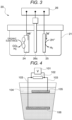
- FIG. 1 is a schematic view of one embodiment of the microbial fuel cell in which the microbial supply device is installed.
- FIG. 1 shows a microbial fuel cell 1 connected to bottom mud 2 and water 3 of a river or a lake.
- the microbial fuel cell 1 includes an anode electrode 4, a cathode electrode 5, a resistor 6, a voltage measurement device 7, and a microbial supply device 8.
- the anode electrode 4 is made of graphite felt in which the strain 60473 is planted.
- the anode electrode 4 is disposed in contact with the bottom mud 2.
- the cathode electrode 5 is made of graphite felt supporting a catalyst such as platinum.
- the cathode electrode 5 is disposed in contact with the water 3.
- a conductor of the electrode may be a porous conductor such as foamed titanium or foamed stainless steel.
- the resistor 6 is electrically connected between the anode electrode 4 and the cathode electrode 5.
- the resistor 6 includes conductive wires 6a and 6b and an external variable resistor 6c.
- the external variable resistor 6c is connected to the anode electrode 4 via the conductive wire 6a.
- the external variable resistor 6c is connected to the cathode electrode 5 via the conductive wire 6b.
- the voltage measurement device 7 that measures the generated voltage is installed across the external variable resistor 6c.
- the microbial supply device 8 includes a supply microorganism container 8a and a microorganism supply tube 8b.
- the supply microorganism container 8a is disposed outside the water 3.
- the microorganism supply tube 8b extends toward water from the supply microorganism container 8a.
- a tip of the microorganism supply tube 8b reaches the inside of the bottom mud 2.
- a portion of the microorganism supply tube 8b extending from the supply microorganism container 8a is a single tube, but a portion on a bottom mud 2 side is branched into a plurality of branch tubes 8c (five in the drawing).
- the plurality of branch tubes 8c are disposed in a dispersed manner in a planar direction of the anode electrode 4.
- Open ends of the plurality of branch tubes 8c are disposed around the anode electrode 4 and inside the anode electrode 4.
- a substrate for example, acetic acid
- the strain 60473 or the substrate can be supplied to the anode electrode 4 as needed through the microorganism supply tube 8b.
- the strain 60473 or the substrate can be supplied in a dispersed manner in the planar direction of the anode electrode 4.
- the microbial fuel cell 1 shown in FIG. 1 can supply the strain 60473 or the substrate to the anode electrode 4 as needed by providing the microbial supply device 8. Accordingly, a continuous operation for a long time is possible. Specifically, for example, the transition of the generated voltage is monitored by the voltage measurement device 7 of the microbial fuel cell 1, and when the generated voltage falls below a threshold voltage, the substrate or the strain 60473 is supplied to the anode electrode 4 through the microorganism supply tube 8b of the microbial supply device 8.
- a threshold value voltage that defines a supply timing is set to, for example, 70% value of a reference voltage that is a generated voltage two weeks after the start of operation of the microbial fuel cell 1.
- the microbial fuel cell in the embodiment is a sediment microbial fuel cell
- the microbial fuel cell can easily move in bottom mud (sediment).
- the mud quality is improved by a decrease in the amount of organic substances and an increase in the amount of dissolved oxygen, whereas the environment is disadvantageous for the growth of the strain 60473. If the sediment microbial fuel cell can be quickly moved to a place where the mud quality is not improved, the operation can be continued, which is preferable.
- a sediment microbial fuel cell 11 shown in FIG. 2 includes the anode electrode 4, the cathode electrode 5, the resistor 6, and a support device 17.
- the support device 17 includes two support bodies 17a and 17b and an installation fixing portion 17c fixed to lower ends of the support bodies 17a and 17b.
- Each of the support bodies 17a and 17b is a rod-shaped or plate-shaped body extending along a vertical direction.
- the installation fixing portion 17c is, for example, a conical structure disposed such that a tip thereof faces a lower side in a depth direction (a lower side in the drawing).
- An angle of the conical tip of the installation fixing portion 17c is preferably an acute angle.
- the installation fixing portion 17c may have a shape having a portion protruding downward in the depth direction so that the support device 17 can be easily embedded in the bottom mud 2.
- the installation fixing portion 17c may have, for example, a pyramid shape.
- the anode electrode 4 and the cathode electrode 5 are connected to the two support bodies 17a and 17b.
- the anode electrode 4 and the cathode electrode 5 are disposed between the support bodies 17a and 17b disposed at an interval in a horizontal direction.
- the support bodies 17a and 17b are connected to both ends of the anode electrode 4 in the horizontal direction and both ends of the cathode electrode 5 in the horizontal direction, respectively. That is, the anode electrode 4 and the cathode electrode 5 are fixed between the two support bodies 17a and 17b in such a manner that the anode electrode 4 is connected to the upper portion and the cathode electrode 5 is connected to the lower portion in parallel.
- the support device 17 may be implemented to include only the support body 17a, and in this case, one end of the anode electrode 4 and one end of the cathode electrode 5 are connected to the support body 17a.
- the support device 17 includes a position adjustment mechanism capable of adjusting and fixing positions and intervals of the anode electrode 4 and the cathode electrode 5 supported in parallel by the support bodies 17a and 17b. Accordingly, relative positions of the anode electrode 4, the cathode electrode 5, and the installation fixing portion 17c can be adjusted according to a water depth (depth), an installation position in the bottom mud 2, and the like.
- the sediment microbial fuel cell 11 shown in FIG. 2 has a configuration in which both the anode electrode 4 and the cathode electrode 5 are supported by a single support device 17, and thus transportation and installation can be performed efficiently.
- an amount of dissolved oxygen and the organic substance in the bottom mud 2 decrease, and it is expected that mud quality of the bottom mud 2 will be improved.
- the state of the bottom mud 2 is improved, the amount of oxygen and the organic substance of the bottom mud 2 are reduced, and therefore, the environment becomes disadvantageous for the growth of the facultatively anaerobic strain 60473.
- the sediment microbial fuel cell 11 in the embodiment, since the anode electrode 4 and the cathode electrode 5 can be integrally moved and the support device 17 having an acute tip is provided, the sediment microbial fuel cell 11 can be easily moved to an environment where the strain 60473 is easily grown.
- a microbial electrolysis cell composition in the embodiment contains the strain 60473 and an organic substance, and is a composition that is used as an organic substance serving as a fuel for a microbial electrolysis cell or is added to the fuel.
- the microbial electrolysis cell composition can also be used as the bioaugmentation microbial preparation.
- a form of the microbial electrolysis cell composition in the embodiment is not particularly limited, and may be a solid substance such as a granule or a lump, a paste, a gel, or a suspension.
- the organic substance contained in the microbial electrolysis cell composition in the embodiment is not particularly limited as long as it serves as the fuel for the microbial electrolysis cell, and the same organic substances as listed as the organic substance contained in the microbial fuel cell composition can be used.
- the microbial electrolysis cell composition in the embodiment may contain one or more types of microorganisms other than the strain 60473.
- the microorganisms may be electrochemically active bacteria or may be other than the electrochemically active bacteria. Any microorganism can be used as long as it can grow in an environment where the strain 60473 can grow, and is preferably an anaerobic bacterium, and may also be a microaerobic bacterium.
- Examples of the microorganisms other than the strain 60473 contained in the microbial electrolysis cell composition include electrochemically active bacteria and anaerobic acetic acid-producing bacteria.
- the microbial electrolysis cell in the embodiment is characterized in that the strain 60473 is used for decomposition of an organic substance as a fuel.
- the microorganism used for the decomposition of the organic substance may be only the strain 60473, or the strain 60473 may be used in combination with other microorganisms.
- the organic substance serving as the fuel can be efficiently decomposed into a state that can be easily used by the strain 60473. It is also preferable to use the electrochemically active bacteria other than the strain 60473 in combination because it can enhance hydrogen production efficiency for the organic substance serving as the fuel.
- an amount of the strain 60473 to be used is not particularly limited, and is appropriately adjusted in consideration of a type and a concentration of the organic substance used as the fuel, a type of anode electrode, presence or absence of adhesion to the anode electrode, and the like.
- the amount of the strain 60473 per gram of the liquid can be, for example, 10,000 cells/g to 100,000,000 cells/g, and is preferably 100,000 cells/g to 10,000,000 cells/g.
- the amount of the strain 60473 per 1 cm 2 of a surface area of the anode electrode can be, for example, 10,000 cells/g to 100,000,000 cells/g, and is preferably 100,000 cells/g to 10,000,000 cells/g.
- a ratio of the strain 60473 to a total amount of the electrochemically active bacteria in the microbial electrolysis cell is not particularly limited, and is preferably 1 mass% or more, more preferably 10 mass% or more, and even more preferably 30 mass% or more. Since the strain 60473 has high electrolytic capacity, even when a small amount is added to a microbial electrolysis cell using the electrochemically active bacteria in the related art, an effect of increasing a hydrogen production amount can be expected.
- the electrolytic capacity of the strain 60473 decreases as a cell usage time increases. Therefore, in the microbial electrolysis cell according to the embodiment, it is preferable to newly supply the strain 60473 at a timing when the electrolytic capacity of the strain 60473 decreases after the start of the operation of the cell. In addition to the supply of the strain 60473, anaerobic acetic acid-producing bacteria and other microorganisms can also be supplied.
- the timing to newly supply the strain 60473 can be determined, for example, by monitoring a transition of a generated voltage by the microbial electrolysis cell.
- the generated voltage becomes stable after a while after the start of operation.
- a preset threshold value for example, a 70% value of the stable generated voltage value
- the strain 60473 is newly supplied, so that the power generation and the hydrogen production can be stably performed for a long period of time.
- the new strain 60473 may be supplied every predetermined time from the start of the operation of the cell.
- the microbial electrolysis cell in the embodiment uses the strain 60473, and only needs to include an anode electrode, a cathode electrode, a potential control device connected to both electrodes, through which electrons flow, and an organic substance serving as a fuel, which are essential components of the cell, and other structures are not particularly limited.
- the microbial electrolysis cell according to the embodiment includes a liquid containing water containing an organic substance as a main component, a container that contains the liquid, a conductive anode electrode disposed in the liquid, a conductive cathode electrode disposed with at least one surface thereof in contact with the liquid, and a potential control device having one end connected to the anode electrode and the other end connected to the cathode electrode, through which electrons flow.
- Microorganisms including the strain 60473 are contained in the liquid in which the anode electrode is disposed.
- the organic substance serving as the fuel include the organic substances same as those contained in the microbial electrolysis cell composition.
- the organic substance serving as the fuel is decomposed by the microorganisms to generate carbon dioxide, and during the reaction, the electrochemically active bacteria such as the strain 60473 emit electrons.
- the anode electrode is not particularly limited as long as it is an electrode made of a conductive material capable of receiving electrons produced from electrochemically active bacteria and delivering the electrons to the cathode electrode through the potential control device.
- a conductive carbon-based anode electrode containing carbon or graphite as a main component is preferable from the viewpoint of good adhesion of microorganisms, and an anode electrode made of a carbon cloth (a cloth made by spinning carbonized fibers obtained by firing petroleum or acrylic fibers) is more preferable from the viewpoint of a large surface area.
- the anode electrode is made of a conductive metal material with a lower internal electrical resistance than the cathode electrode.
- an anode electrode made of metal such as stainless steel, iron, or magnesium, and having the strain 60473 adhered to the surface is also preferable.
- a reduction reaction is caused by the electrons received from the anode electrode through the potential control device and protons diffused from the anode electrode, and hydrogen is produced.
- an electrode in which a catalyst for a reduction reaction such as platinum is applied to a conductive material can be used.
- a conductive material constituting the cathode electrode a carbon-based material containing carbon or graphite as a main component is preferably used from the viewpoint of corrosion resistance and the like.
- Sizes of the anode electrode and the cathode electrode are not particularly limited. The sizes of both electrodes may be equal or different.
- performance of the cathode electrode decreases. Therefore, it is preferable that an area of the cathode electrode is larger than an area of the anode electrode, and it is more preferable that the area of the cathode electrode is larger than the area of the anode electrode by 1.1 times or more.
- the potential control device having one end connected to the anode electrode and the other end connected to the cathode electrode is not particularly limited as long as it is a member through which electrons flow from the anode electrode to the cathode electrode due to a potential difference between a chemical reaction caused by a microorganism in which carbon dioxide is generated from an organic substance on the anode electrode side and the electrons are emitted and a reduction reaction occurring on a cathode electrode side, and can be appropriately selected from potential control devices generally used in the microbial electrolysis cell.
- Examples of the potential control device include a potentiostat that uses a working electrode (anode electrode), a counter electrode (cathode electrode), and a reference electrode.
- the potential control device may have a resistance in its entirety from a connection portion with the anode electrode to a connection portion with the cathode electrode, and it is preferable that a conductive member such as a titanium wire having a low internal resistance is used from the connection portion with the anode electrode to the connection portion with the cathode electrode, and an external resistor having a sufficient resistance is provided in the middle.
- the external resistor is preferably a variable resistor because the external resistor can be adjusted according to a state of the fuel or a state of the microorganism.
- the potential control device and the external resistor are held and fixed on the cathode electrode, and are disposed on the liquid (liquid surface) in an easily visible state.
- the microbial electrolysis cell in the embodiment may be a two-tank microbial electrolysis cell or a single-tank microbial electrolysis cell.
- structures and members of the two-tank microbial electrolysis cell and the single-tank microbial electrolysis cell structures and members used in known two-tank microbial electrolysis cells and single-tank microbial electrolysis cells can be used.
- a container which contains, as a main component, a liquid containing water containing an organic substance, is divided into a tank in which the anode electrode is disposed (anode tank) and a tank in which the cathode electrode is disposed (cathode tank) by a membrane capable of selectively transmitting protons.
- a membrane capable of selectively transmitting the protons a proton exchange membrane (PEM) capable of selectively transmitting H + can be mainly used.
- PEM proton exchange membrane
- an amount of oxygen contained in the liquid contained in the anode tank is preferably maintained at about 2% to 10% (v/v) of an amount of oxygen contained in the liquid contained in the cathode tank.
- the liquid in the cathode tank preferably also contains an oxidant that reacts with protons as a source of oxygen.
- the oxidant potassium ferricyanide, manganese oxide, and the like are used.
- the microbial electrolysis cell in the embodiment may be a microbial electrolysis cell that uses organic mud instead of a liquid containing the organic substance.
- the organic mud and the liquid containing water as the main component are contained in the container.
- the anode electrode is disposed in the organic mud
- the cathode electrode is disposed within the liquid.
- a microorganism group originally contained in the organic mud is also used in the microbial electrolysis cell.
- the strain 60473 may be contained in the organic mud, or the strain 60473 may adhere to the anode electrode in advance.
- the microbial electrolysis cell in the embodiment is also preferably a sediment microbial electrolysis cell used for purifying a water environment.
- the sediment microbial electrolysis cell is a microbial electrolysis cell that generates power and produces hydrogen by installing the anode electrode in a sediment at the bottom of a river or lake (bottom mud), and installing the cathode electrode in the water above the sediment.
- the sediment microbial electrolysis cell can be installed in the river or the lake in the same manner as the sediment microbial fuel cell described above to purify the bottom mud.
- a voltage measurement device is preferably installed in the potential control device in order to measure the generated voltage.
- the voltage measurement device can be installed to sandwich the external resistor. By measuring the generated voltage over time, it is possible to monitor a power generation state, and it is possible to determine a timing to newly supply the strain 60473 or other microorganisms.
- the microbial electrolysis cell in the embodiment is also preferably provided with a supply device for newly supplying the strain 60473 or other microorganisms.
- a supply device for newly supplying the strain 60473 or other microorganisms.
- the supply device can be constituted by, for example, a supply microorganism container that contains a microorganism solution in which the strain 60473 or other microorganisms are suspended in water, a culture medium, or the like, and a microorganism supply tube that supplies the microorganism solution from the container to the anode electrode.
- FIG. 3 is a schematic view of one embodiment of a three-electrode single-tank microbial electrolysis cell.
- a microbial electrolysis cell 20 includes an anode electrode 24, a cathode electrode 25, and a potentiostat 26 in a container 21.
- the potentiostat 26 has a reference electrode 26c.
- an organic substance is decomposed by a microorganism such as the strain 60473, and generated electrons move to the cathode electrode 25 through the potentiostat 26.
- the cathode electrode 25 electrons react with protons to generate hydrogen.
- An electrochemically active bacterium having power generation capacity that can be used in a microbial fuel cell was isolated and identified from mud on the shores of Lake Suwa (Okaya City, Nagano Prefecture).
- a mud cell [101: voltage measurement data logger, 102: external resistor, 103: titanium wire, 104: water, 105: cathode (platinum-coated graphite felt), 106: anode (graphite felt), 107: mud] shown in FIG. 4 was prepared.
- the mud cell was operated in an incubator at 30°C while measuring a voltage across an external resistance (10 k ⁇ ) to grow power generating bacteria on the anode. After the voltage was increased to 0.5 V or more, a part of the anode was cut off, and the cut anode was placed in a liquid medium of a DSM826 medium (manufactured by DSMZ) and stirred, thereby suspending an adhesive material.
- a DSM826 medium manufactured by DSMZ
- a diluted solution of the obtained suspension was applied to an agar plate of the DSM826 medium, placed in an AneroPack Pouch (manufactured by Mitsubishi Gas Chemical Co., Ltd.), and colonies were formed at 30°C. Red colonies formed on the plate were inoculated into a DSM826 liquid medium in an anaerobic vial in which a gas phase was replaced with nitrogen gas (99.999% (v/v)) and cultured. The culture was cultured again on the agar plate of the DSM826 medium to form colonies, and the formed colonies were cultured again on the DSM826 liquid medium. The operation was repeated until only colonies with the same shape were formed on the plate.
- the anaerobic bacteria colonies formed on the plate were named the strain 60473.
- the strain 60473 was cultured in the DSM826 liquid medium to obtain the culture.
- the culture was placed in a three-electrode single-tank electrochemical cell, and the generated current was measured.
- the working electrode is graphite felt (2.00 cm 2 , manufactured by Nippon Carbon Co., Ltd.)
- the reference electrode is an Ag/AgCI electrode (RE-T8A, manufactured by EC Frontier)
- the counter electrode is a platinum wire (length of 12 cm, thickness of 0.3 mm, manufactured by Nilaco Corporation)
- an electrolyte is a fumaric acid-free DSM826 liquid medium (65 mL).
- a culture was added to the electrolyte so that turbidity at 600 nm was 0.02, the cell was connected to a potentiostat (VMP3, manufactured by Biologic), a working electrode potential was set to -0.2 V vs. Ag/AgCI electrode, and current measurement was started.
- VMP3 potentiostat
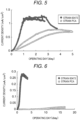
- FIG. 5 shows current measurement results in the electrochemical cell planted with the strain 60473 and the electrochemical cell planted with the strain PCA. As shown in FIG. 5 , a maximum value of the current generated by the strain 60473 was about twice as high as a maximum value of the strain PCA.
- a genome sequence was determined in order to identify the species of strain 60473 from the genome sequence and further clarify its genomic characteristics.
- the strain 60473 was cultured in the DSM826 medium, and genomic DNA was extracted from 100 mL of the culture according to a method of Fujikawa et al. ( Fujikawa et al., FEMS Microbiology Letters, 2021, vol. 368(17), fnab119 .). It is confirmed by agarose gel electrophoresis that high-molecular genomic DNA can be extracted, and the entire genome sequence is determined using a Sequel Ile system (manufactured by PacBio). Table 1 shows genome nucleotide sequence analysis results obtained by comparing the strain 60473 with the strain PCA.
- the mud cell is an experimental device that mimics a sediment microbial fuel cell (sMFC), which is a power generation device in an environment.
- the sMFC is a device that generates power using an organic substance in the sediment (mud and bottom mud) as a fuel, and can reduce the organic substance in the sediment by generating power. Therefore, in order to investigate whether the strain 60473 can be used to improve performance of the sMFC, a mud cell is created using bottom mud from Lake Suwa, and an attempt is made to introduce the strain 60473.
- the mud cell used has a structure same as that schematically shown in FIG. 4 .
- the mud cell used is made of mud (approximately 400 mL), an anode (graphite felt, area 36 cm 2 ), and a cathode (platinum-coated graphite felt, area 24 cm 2 ), and was operated with an external resistance of 10 k ⁇ connected.
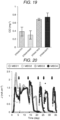
- a bacterial solution concentrated by centrifuging 250 mL of a culture solution of the strain 60473 cultured in the DSM826 liquid medium was injected around the anode, and the operation was continued. Results of polarization analysis conducted on the fifth day after the start of operation are shown in FIGS. 10 and 11 .
- FIG. 10 and 11 Results of polarization analysis conducted on the fifth day after the start of operation are shown in FIGS. 10 and 11 .
- a maximum power density (P max mW/m 2 ) is calculated based on the polarization analysis results shown in FIGS. 10 and 11 , and a comparison thereof is shown in FIG. 12 .
- an error line indicates a standard deviation.
- the power generation capacity of the strain 60473 was compared with known Geobacter bacteria.
- the strain PCA used in Example 1 a Geobacter sulfurreducens strain KN400 (KEGG GENOME: Geobacter sulfurreducens KN400), and a Geobacter sulfurreducens strain YM18 described in Ochiai et al., Bioresource Technology, 2023, vol. 386, 129508 were used.
- results of measuring the current density over time when graphite felt is used as the working electrode (anode electrode) are shown in FIG. 13 , and a maximum current density is shown in FIG. 14 , respectively.
- Results of measuring the current density over time when glassy carbon is used as the working electrode (anode electrode) are shown in FIG. 15 , and a maximum current density is shown in FIG. 16 , respectively.
- the strain 60473, the strain KN400, and the strain YM18 all show a relatively higher current density than the strain PCA, and among these, the strain YM18 has the highest current density.
- the current density increases relatively rapidly compared to the strain YM18.
- the strain 60473 when a glassy carbon electrode is used, the strain 60473 generates the highest current among these strains, and the maximum current density (J max ) of the strain 60473 is more than three times that of the strain KN400 and the strain YM18.
- the graphite felt electrode and glassy carbon electrode after the current generation experiment were subjected to the DAPI staining and observed using the confocal microscope.
- the strain KN400 and the strain YM18 formed thick biofilms on graphite fibers of the graphite felt electrode.
- the biofilm of the strain 60473 on a graphite felt fiber was thinner than that of the strain KN400 and the strain YM18, a cell density of the biofilm of the strain 60473 was the highest.
- the strain 60473 also formed a high-density biofilm on the glassy carbon electrode, and the density was much higher than the biofilms of other strains.
- the strain KN400 formed a biofilm with low cell density that was evenly distributed on the glassy carbon electrode, and the biofilm of the strain YM18 only partially covered a surface of the glassy carbon electrode. From these observations, it is concluded that the high current density of the strain 60473 is related to its ability to form a high-density biofilm on the graphite surface.
- the strain 60473 the strain KN400, the strain YM18, and the strain PCA, among the physiological traits thought to be related to biofilm formation and current generation, graphite affinity (GAI), cell hydrophobicity (HPI), and cytochrome content per protein (CCI) were examined.
- GAI graphite affinity
- HPI cell hydrophobicity
- CCI cytochrome content per protein
- the GAI (%) of each Geobacter bacteria was measured by the following method.
- a test microorganism was grown by anaerobic culture in the DSM826 medium, and then washed with a DSM826 buffer (a DSM826 medium containing no acetic acid salt, fumaric acid salt and mineral solution).
- a DSM826 buffer a DSM826 medium containing no acetic acid salt, fumaric acid salt and mineral solution.
- the test microorganism was suspended in 3.5 mL of the DSM826 buffer so that an optical density at a wavelength of 600 nm (optical density 600 nm: OD 600 ) was 0.3 to prepare a fungus body suspension.
- the OD 600 was measured with a digital colorimeter (miniphoto 518R, manufactured by Taitec Corporation).
- Graphite felt (0.5 cm 2 ⁇ 5 mm) was added to the prepared fungus body suspension, and a mixture thereof was stirred at 30°C and 200 rpm. The OD 600 was measured using the digital colorimeter 60 minutes after the start of stirring.
- the GAI (%) was calculated based on an obtained measured value and the following formula.
- a 1 is the OD 600 of the fungus body suspension after stirring
- Ao is the OD 600 (0.3) of the fungus body suspension before stirring.
- GAI % 1 ⁇ A 1 / A 0 ⁇ 100
- the HPI (%) of each Geobacter bacteria was measured by the following method.
- test microorganism was suspended in 4.8 mL of a sodium chloride aqueous solution (0.15 M) so that the optical density at the wavelength of 600 nm (optical density 600 nm: OD 600 ) was 0.3 to prepare a fungus body suspension.
- the OD 600 was measured with a digital colorimeter (miniphoto 518R, manufactured by Taitec Corporation).
- Hexadecane (0.8 mL) was added to the prepared fungus body suspension, and a mixture thereof was stirred for 60 seconds using a vortex mixer. Thereafter, the fungus body suspension was left overnight to completely separate two phases, and then an upper layer was removed by decantation, and the OD 600 in a lower layer was measured.
- the HPI (%) was calculated based on a ratio of cells that transitioned to a hexadecane phase and based on the following formula.
- a 2 is the OD 600 of the fungus body suspension in an aqueous phase after mixing the fungus body suspension with hexadecane
- Ao is the OD 600 (0.3) of the fungus body suspension before stirring.
- HPI % 1 ⁇ A 2 / A 0 ⁇ 100
- the CCI (/mg) of each Geobacter bacteria was measured by the following method.
- a test microorganism was grown by anaerobic culture in the DSM826 medium, and then centrifuged (10,000 ⁇ g, 15 minutes) to collect a microorganism pellet.
- the obtained microorganism pellet was washed with a TE buffer and then suspended in the TE buffer containing 1 mg/mL lysozyme.
- the obtained fungus body suspension was homogenized using a homogenizer, and then incubated at 37°C for 1.5 hours, further added with Triton X-100 (1% w/v), and incubated at a room temperature for 10 minutes.
- a protein content ( ⁇ g) of the fungus body suspension was measured using a commercially available BCA assay kit (Micro BCA protein assay kit, manufactured by Thermo Fisher Scientific).
- the CCI (/mg) was calculated based on an obtained measured value and the following formula.
- a 1 is the OD 600 of the fungus body suspension after stirring
- Ao is the OD 600 (0.3) of the fungus body suspension before stirring.
- a Soret is the absorbance of the Soret band peak of reduced cytochrome in the fungus body suspension
- PC is the protein content ( ⁇ g) of the fungus body suspension.
- CCI / mg A Soret / PC
- the CCI is higher for the strain YM18 and the strain 60473 than for the strain PCA and the strain KN400. That is, the strain 60473 can generate relatively a high current density with both the graphite felt electrode and the glassy carbon electrode, whereas the strain YM18 generates a high current density only with the graphite felt electrode.
- the reason why the strain YM18 can form an electrochemically active biofilm (EABF) with the graphite felt electrode is that cells were physically trapped inside graphite felt fiber, and it is considered that the strain does not easily adhere to a flat surface.
- EABF electrochemically active biofilm
- the strain 60473 forms a high-density biofilm on a flat and slippery surface of the glassy carbon electrode, and high GAI and high HPI characteristics of the strain 60473 promote the action.
- the cell was operated using starch as a main anode substrate, and a power generation amount and a hydrogen production amount were examined.
- soil was inoculated into four single-layer electrolysis cells, the cells were operated using starch as the main anode substrate (MEC1 to MEC4), the strain 60473 was ingested into two electrolysis cells (MEC3 and MEC4) one day after the start of the operation, and the operation was continued.
- the remaining two electrolysis cells (MEC1 and MEC2) were not ingested with the strain 60473 and continued to operate as controls without bioaugmentation.
- the electrolysis cell was intermittently replaced with an electrolyte to add the substrate (starch). A time from the time of electrolyte solution replacement to the next time of electrolyte solution replacement was defined as "one cycle”, and the operation was continued until a sixth cycle (after performing the electrolyte solution replacement five times).
- FIGS. 20 and 21 Results obtained by measuring the power generation amount (current density) of each cell over time are shown in FIGS. 20 and 21.
- FIG. 21 is an enlarged view of a vertical axis of measurement data in FIG. 20 .
- time points indicated by arrowheads indicate time points when the electrolyte is replaced.
- the biofilm formed on a surface of the working electrode (anode electrode) of each cell was collected, constituent bacteria were classified by genus, and a composition was examined. An amount of each bacteria was measured by a quantitative PCR method as in Ochiai et al., Bioresource Technology, 2023, vol. 386, 129508 . Results are shown in FIG. 22 .
- MEC3 and the MEC4 subjected to bioaugmentation with the strain 60473 it is confirmed that 40% or more of the biofilm on the surface of the anode electrode is Geobacter bacteria, and that the planted strain 60473 preferentially adheres to the surface of the anode electrode.
- the maximum current densities of the MEC3 and the MEC4 subjected to the bioaugmentation with the strain 60473 are unexpectedly high and comparable to those achieved in pure culture electrolysis cells with acetic acid as the substrate. These results suggest a possibility that, by the bioaugmentation with the strain 60473, performance of an electrolysis cell using a high molecular fermentation organic substance (HFO) such as starch as the substrate can be improved to a level same as performance of an electrolysis cell using acetic acid as the substrate.
- HFO high molecular fermentation organic substance
- the maximum current density starts to decrease in a fourth cycle and a fifth cycle ( Ochiai et al., Bioresource Technology, 2023, vol. 386, 129508 ).
- the maximum current densities of the MEC3 and the MEC4 do not change so much, and do not substantially decrease even during the operation of six cycles, and high current generating ability can be maintained for a long period of time. It is presumed that the generation of a constant current in the electrolysis cell subjected to the bioaugmentation with the strain 60473 is caused by high affinity to the graphite electrode of the strain 60473.
- the food waste used was vegetable scraps from actual restaurants. Water was added to these crushed food wastes, and a mixture was allowed to stand for several days and then centrifuged to collect a supernatant. The supernatant was adjusted to pH 8.0 (COD value: about 55,000 ppm) and used as the anode substrate.
- the working electrode is graphite felt (6.00 cm 2 , thickness 3 mm, manufactured by Nippon Carbon Co., Ltd.)
- the reference electrode is an Ag/AgCI electrode (RE-T8A, manufactured by EC Frontier)
- the counter electrode is platinum mesh (thickness 0.12 mm, manufactured by Nilaco Corporation)
- the electrolyte is 50 mL.
- the cell was connected to a potentiostat (VMP3, manufactured by Biologic), a working electrode potential was set to -0.2 V vs. Ag/AgCI electrode, and current measurement was started.
- VMP3 potentiostat
- the electrolysis cell was intermittently replaced with a new electrolyte containing the anode substrate in order to add the anode substrate.
- a time from the time of electrolyte solution replacement to the next time of electrolyte solution replacement was defined as "one cycle", and the operation was continued until a sixth cycle (after performing the electrolyte solution replacement five times).
- Two of the four electrolysis cells (60473_1, 60473_2) were added with the strain 60473 (bioaugmentation) such that the OD 600 of the strain 60473 in the cell was 0.04 after 4 hours when a current value of a first cycle became positive.
- the remaining two cells (NB_1, NB_2) were not ingested with the strain 60473 and continued to operate as controls without bioaugmentation.
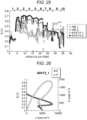
- results obtained by measuring the power generation amount (current density) of each cell over time are shown in FIG. 23 .
- numbers at the top indicate "cycles".
- the current density is significantly increased. Based on these results, it is confirmed that even in the case in which the food waste is used as the anode substrate, an effect of bioaugmentation using the strain 60473 is sufficiently obtained.
- a removal rate of chemical oxygen demand (COD) [COD R : (1 - [COD at the end of operation]/[COD at the start of operation]) ⁇ 100 (%)] and Coulombic efficiency (%) were determined.
- the Coulombic efficiency is a value expressed as a percentage of a ratio of discharge capacity during discharging to charge capacity, and the higher the Coulombic efficiency of a cell, the longer the life of the cell because the capacity gained during charging can be used for discharging without loss.
- Table 3 shows measurement results of the COD R of each electrolysis cell and the Coulombic efficiency at the sixth cycle.
- the cells to which the strain 60473 is added (60473_1, 60473_2) have a higher COD removal rate and higher Coulombic efficiency than the control cells (NB_1, NB_2). Based on these results, it is found that even when the food waste is used as the anode substrate, the COD can be more easily reduced and the life of the electrolysis cell can be further extended by the bioaugmentation using the strain 60473.
- the daily hydrogen production rate (HPR: [generated hydrogen volume (L)]/[electrolytic solution volume (L) in cell]/[Day])
- a daily methane production rate (MPR: [generated methane volume (L)]/[electrolytic solution volume (L) in cell]/[Day])
- a methane generation amount (L/L/ day) were measured by gas chromatography. Results are shown in Table 4.
- Cyclic voltammetry is performed on each electrolysis cell after the sixth cycle.
- the CV is an electrochemical measurement method in which an electrode is immersed in a stationary sample solution and a potential is repeatedly scanned to measure a flowing current, which is expressed as a current-voltage curve.
- FIG. 24 shows CV results for each cell.
- a CV peak is larger in the cell to which the strain 60473 is added (60473_1, 60473_2) than in the control cells (NB_1, NB_2). This is presumed to be because an amount of electrochemically active bacteria adhering to the electrode is larger in the cell to which the strain 60473 is added.
- the food waste prepared in the same manner as in Example 5 was used.
- the anode electrode is graphite felt (12.56 cm 2 , thickness 3 mm, manufactured by Nippon Carbon Co., Ltd.)
- the cathode electrode is an air cathode (25 cm 2 , Yoshitsu et al., Microorganisms, 2023, vol. 11, 598 .) coated with platinum catalyst (TEC10V20E, manufactured by Tanaka Kikinzoku Co., Ltd.) (0.64 mg/cm 2 )
- the electrolyte is 60 mL.
- FIG. 25 shows results obtained by measuring a voltage (V) of each reactor over time.
- V voltage
- Table 5 shows the results obtained by measuring resistance values of each reactor over time for each cycle.
- Table 5 Resistance (k ⁇ ) Number of cycles NB_1 and NB_2 60473_1 and 60473_2 1 10.0 10.0 2 10.0 10.0 3 10.0 10.0 4 5.0 5.0 5 2.0 2.0 6 2.0 1.0 7 1.0 0.24 8 1.0 0.1 9 1.0 0.1 10 0.24 0.1
- FIGS. 26 and 27 Results of polarization analysis for each reactor at the ninth cycle are shown in FIGS. 26 and 27 .
- P max mW/m 2 A maximum power density (P max mW/m 2 ) is calculated based on the polarization analysis results shown in FIGS. 26 and 27 , and a comparison thereof is shown in FIG. 28 .
- an error line indicates a standard deviation. As shown in FIG.
- the reactors to which the strain 60473 is added (60473_1, 60473_2) have a higher COD removal rate and higher Coulombic efficiency than the control reactors (NB_1, NB_2). Based on these results, it is found that even when the food waste is used as the anode substrate, the COD can be more easily reduced and the life of the MFC reactor can be further extended by the bioaugmentation using the strain 60473.
- FIG. 29 shows CV results for each reactor. As shown in FIG. 29 , a CV peak is larger in the reactor to which the strain 60473 is added (60473_1, 60473_2) than in the control reactors (NB_1, NB_2). This is presumed to be because an amount of electrochemically active bacteria adhering to the electrode is larger in the cell to which the strain 60473 is added.
Landscapes
- Chemical & Material Sciences (AREA)
- Life Sciences & Earth Sciences (AREA)
- Engineering & Computer Science (AREA)
- Organic Chemistry (AREA)
- Health & Medical Sciences (AREA)
- Microbiology (AREA)
- Electrochemistry (AREA)
- Chemical Kinetics & Catalysis (AREA)
- Biotechnology (AREA)
- Bioinformatics & Cheminformatics (AREA)
- Zoology (AREA)
- Wood Science & Technology (AREA)
- Genetics & Genomics (AREA)
- Biochemistry (AREA)
- Metallurgy (AREA)
- Materials Engineering (AREA)
- General Chemical & Material Sciences (AREA)
- Medicinal Chemistry (AREA)
- Virology (AREA)
- Tropical Medicine & Parasitology (AREA)
- Biomedical Technology (AREA)
- General Engineering & Computer Science (AREA)
- General Health & Medical Sciences (AREA)
- Sustainable Energy (AREA)
- Sustainable Development (AREA)
- Manufacturing & Machinery (AREA)
- Water Supply & Treatment (AREA)
- Biodiversity & Conservation Biology (AREA)
- Hydrology & Water Resources (AREA)
- Environmental & Geological Engineering (AREA)
- Automation & Control Theory (AREA)
- Molecular Biology (AREA)
- Micro-Organisms Or Cultivation Processes Thereof (AREA)
- Purification Treatments By Anaerobic Or Anaerobic And Aerobic Bacteria Or Animals (AREA)
- Inert Electrodes (AREA)
Applications Claiming Priority (3)
| Application Number | Priority Date | Filing Date | Title |
|---|---|---|---|
| JP2023142590 | 2023-09-01 | ||
| JP2023199255 | 2023-11-24 | ||
| JP2024006867A JP2025036006A (ja) | 2023-09-01 | 2024-01-19 | 微生物、微生物燃料電池用組成物、微生物燃料電池、微生物電気分解セル用組成物、及び微生物電気分解セル |
Publications (1)
| Publication Number | Publication Date |
|---|---|
| EP4530343A1 true EP4530343A1 (de) | 2025-04-02 |
Family
ID=92627447
Family Applications (1)
| Application Number | Title | Priority Date | Filing Date |
|---|---|---|---|
| EP24197181.1A Pending EP4530343A1 (de) | 2023-09-01 | 2024-08-29 | Mikroorganismus, mikrobielle brennstoffzellenzusammensetzung, mikrobielle brennstoffzelle, mikrobielle elektrolysezellenzusammensetzung und mikrobielle elektrolysezelle |
Country Status (3)
| Country | Link |
|---|---|
| US (1) | US20250079493A1 (de) |
| EP (1) | EP4530343A1 (de) |
| CN (1) | CN119552758A (de) |
Citations (4)
| Publication number | Priority date | Publication date | Assignee | Title |
|---|---|---|---|---|
| JP2010218690A (ja) | 2009-03-12 | 2010-09-30 | Japan Science & Technology Agency | 微生物燃料電池 |
| JP2020014418A (ja) | 2018-07-26 | 2020-01-30 | 国立研究開発法人物質・材料研究機構 | 電流発生菌の活性調整剤および微生物燃料電池システムの出力調整方法 |
| JP2023142590A (ja) | 2022-03-25 | 2023-10-05 | 株式会社三共 | 遊技機 |
| JP2024006867A (ja) | 2022-06-30 | 2024-01-17 | 株式会社レスターエレクトロニクス | オペレーションデバイスおよびその制御方法と制御プログラム |
-
2024
- 2024-08-14 CN CN202411114373.1A patent/CN119552758A/zh active Pending
- 2024-08-29 US US18/820,230 patent/US20250079493A1/en active Pending
- 2024-08-29 EP EP24197181.1A patent/EP4530343A1/de active Pending
Patent Citations (4)
| Publication number | Priority date | Publication date | Assignee | Title |
|---|---|---|---|---|
| JP2010218690A (ja) | 2009-03-12 | 2010-09-30 | Japan Science & Technology Agency | 微生物燃料電池 |
| JP2020014418A (ja) | 2018-07-26 | 2020-01-30 | 国立研究開発法人物質・材料研究機構 | 電流発生菌の活性調整剤および微生物燃料電池システムの出力調整方法 |
| JP2023142590A (ja) | 2022-03-25 | 2023-10-05 | 株式会社三共 | 遊技機 |
| JP2024006867A (ja) | 2022-06-30 | 2024-01-17 | 株式会社レスターエレクトロニクス | オペレーションデバイスおよびその制御方法と制御プログラム |
Non-Patent Citations (14)
| Title |
|---|
| DAN SUN ET AL: "Geobacter sp. SD-1 with enhanced electrochemical activity in high-salt concentration solutions", ENVIRONMENTAL MICROBIOLOGY REPORTS, WILEY-BLACKWELL PUBLISHING, GB, vol. 6, no. 6, 16 July 2014 (2014-07-16), pages 723 - 729, XP072392467, ISSN: 1758-2229, DOI: 10.1111/1758-2229.12193 * |
| FUJIKAWA ET AL., FEMS MICROBIOLOGY LETTERS, vol. 368, no. 17, 2021, pages fnab119 |
| FUJIKAWA TAKASHI ET AL: "Complete Genome Sequence of High Current-Producing Geobacter sulfurreducens Strain YM35, Isolated from River Sediment in Japan", MICROBIOLOGY RESOURCE ANNOUNCEMENTS, vol. 10, no. 33, 19 August 2021 (2021-08-19), XP093248552, ISSN: 2576-098X, Retrieved from the Internet <URL:https://journals.asm.org/doi/pdf/10.1128/MRA.00539-21> DOI: 10.1128/MRA.00539-21 * |
| FUJIKAWA TAKASHI ET AL: "Unexpected genomic features of high current density-producing Geobacter sulfurreducens strain YM18", FEMS MICROBIOLOGY LETTERS, vol. 368, no. 17, 2 September 2021 (2021-09-02), XP093248549, ISSN: 1574-6968, Retrieved from the Internet <URL:http://academic.oup.com/femsle/article-pdf/368/17/fnab119/40857471/fnab119.pdf> DOI: 10.1093/femsle/fnab119 * |
| LCHITA OCHIAI ET AL.: "Power Generation and Hydrogen Production Using Microorganisms", 2021, CMC PUBLISHING CO., LTD, article "Hydrogen Production Using Microbial Electrolysis Tank", pages: 201 - 206 |
| LUREN, BIORESOURCE TECHNOLOGY, vol. 215, 2016, pages 254 - 264 |
| OCHIAI ET AL., BIORESOURCE TECHNOLOGY, vol. 386, 2023, pages 129508 |
| OCHIAI ITTA ET AL: "Bioaugmentation of microbial electrolysis cells with Geobacter sulfurreducens YM18 for enhanced hydrogen production from starch", BIORESOURCE TECHNOLOGY, vol. 386, 17 July 2023 (2023-07-17), AMSTERDAM, NL, pages 129508, XP093248459, ISSN: 0960-8524, Retrieved from the Internet <URL:https://pdf.sciencedirectassets.com/271433/1-s2.0-S0960852423X00170/1-s2.0-S0960852423009367/main.pdf?hash=526302557e171052f48051f1998d003d772f3e96264d42ac9497980156f0e8c4&host=68042c943591013ac2b2430a89b270f6af2c76d8dfd086a07176afe7c76c2c61&pii=S0960852423009367&tid=spdf-780a8af2-343e-45f5-b9ec-361> DOI: 10.1016/j.biortech.2023.129508 * |
| SHOHEI YAMADAKAZUYA WATANABE: "Fuel Cells", vol. 20, 2020, FUEL CELL DEVELOPMENT INFORMATION CENTER, article "Basics and Applications of Microbial Fuel Cells", pages: 33 - 38 |
| WANG ZHIGAO ET AL: "Enhancing electrical outputs of the fuel cells with Geobacter sulferreducens by overexpressing nanowire proteins", MICROBIAL BIOTECHNOLOGY, vol. 16, no. 3, 3 August 2022 (2022-08-03), GB, pages 534 - 545, XP093248183, ISSN: 1751-7915, Retrieved from the Internet <URL:https://onlinelibrary.wiley.com/doi/full-xml/10.1111/1751-7915.14128> DOI: 10.1111/1751-7915.14128 * |
| YAMADA ET AL., FRONTIERS IN CHEMISTRY, vol. 9, 2022 |
| YANUKA-GOLUB ET AL., MBIO, vol. 12, 2021, pages e03629 - 20 |
| YI H ET AL: "Selection of a variant of Geobacter sulfurreducens with enhanced capacity for current production in microbial fuel cells", BIOSENSORS AND BIOELECTRONICS, ELSEVIER SCIENCE LTD, UK, AMSTERDAM , NL, vol. 24, no. 12, 15 August 2009 (2009-08-15), pages 3498 - 3503, XP026458650, ISSN: 0956-5663, [retrieved on 20090514] * |
| YOSHITSU ET AL., MICROORGANISMS, vol. 11, 2023, pages 598 |
Also Published As
| Publication number | Publication date |
|---|---|
| CN119552758A (zh) | 2025-03-04 |
| US20250079493A1 (en) | 2025-03-06 |
Similar Documents
| Publication | Publication Date | Title |
|---|---|---|
| Kim et al. | Challenges in microbial fuel cell development and operation | |
| Logan et al. | Electroactive microorganisms in bioelectrochemical systems | |
| Freguia et al. | Electron transfer pathways in microbial oxygen biocathodes | |
| Aelterman et al. | Loading rate and external resistance control the electricity generation of microbial fuel cells with different three-dimensional anodes | |
| Chae et al. | Biohydrogen production via biocatalyzed electrolysis in acetate-fed bioelectrochemical cells and microbial community analysis | |
| US7709113B2 (en) | Bio-electrochemically assisted microbial reactor that generates hydrogen gas and methods of generating hydrogen gas | |
| Rabaey et al. | Cathodic oxygen reduction catalyzed by bacteria in microbial fuel cells | |
| Kiely et al. | Anode microbial communities produced by changing from microbial fuel cell to microbial electrolysis cell operation using two different wastewaters | |
| Clauwaert et al. | Minimizing losses in bio-electrochemical systems: the road to applications | |
| Beese-Vasbender et al. | Selective microbial electrosynthesis of methane by a pure culture of a marine lithoautotrophic archaeon | |
| Kiran et al. | Microbial electroactive biofilms | |
| Zhao et al. | Electricity generation from cattle dung using microbial fuel cell technology during anaerobic acidogenesis and the development of microbial populations | |
| Cheng et al. | Pre-acclimation of a wastewater inoculum to cellulose in an aqueous–cathode MEC improves power generation in air–cathode MFCs | |
| Du et al. | Coupling interaction of cathodic reduction and microbial metabolism in aerobic biocathode of microbial fuel cell | |
| Wrana et al. | Hydrogen gas production in a microbial electrolysis cell by electrohydrogenesis | |
| Zhang et al. | Enhanced electricity production by use of reconstituted artificial consortia of estuarine bacteria grown as biofilms | |
| JP7503865B2 (ja) | 発電菌並びにそれを用いた微生物燃料電池及び発電方法 | |
| An et al. | Floating-type microbial fuel cell (FT-MFC) for treating organic-contaminated water | |
| Majumder et al. | Electricity generation with a sediment microbial fuel cell equipped with an air-cathode system using photobacterium | |
| Ichihashi et al. | High‐Performance Bioanode Development for Fermentable Substrates via Controlled Electroactive Biofilm Growth | |
| Winaikij et al. | Probing mechanisms for microbial extracellular electron transfer (EET) using electrochemical and microscopic characterisations | |
| Ajayi et al. | Effect of hydrodymamic force and prolonged oxygen exposure on the performance of anodic biofilm in microbial electrolysis cells | |
| Ochiai et al. | Bioaugmentation of microbial electrolysis cells with Geobacter sulfurreducens YM18 for enhanced hydrogen production from starch | |
| López Velarde Santos et al. | Performance of a microbial fuel cell operated with vinasses using different COD concentrations | |
| Li et al. | Deciphering the differentiated performance on electricity generation and COD degradation by Rhodopseudomonas-dominated bioanode in light or dark |
Legal Events
| Date | Code | Title | Description |
|---|---|---|---|
| PUAI | Public reference made under article 153(3) epc to a published international application that has entered the european phase |
Free format text: ORIGINAL CODE: 0009012 |
|
| STAA | Information on the status of an ep patent application or granted ep patent |
Free format text: STATUS: THE APPLICATION HAS BEEN PUBLISHED |
|
| AK | Designated contracting states |
Kind code of ref document: A1 Designated state(s): AL AT BE BG CH CY CZ DE DK EE ES FI FR GB GR HR HU IE IS IT LI LT LU LV MC ME MK MT NL NO PL PT RO RS SE SI SK SM TR |
|
| STAA | Information on the status of an ep patent application or granted ep patent |
Free format text: STATUS: REQUEST FOR EXAMINATION WAS MADE |
|
| 17P | Request for examination filed |
Effective date: 20250916 |