EP4527966A1 - High-strength hot-rolled strip steel with high weather resistance, and manufacturing method therefor - Google Patents
High-strength hot-rolled strip steel with high weather resistance, and manufacturing method therefor Download PDFInfo
- Publication number
- EP4527966A1 EP4527966A1 EP23823232.6A EP23823232A EP4527966A1 EP 4527966 A1 EP4527966 A1 EP 4527966A1 EP 23823232 A EP23823232 A EP 23823232A EP 4527966 A1 EP4527966 A1 EP 4527966A1
- Authority
- EP
- European Patent Office
- Prior art keywords
- hot
- rolled strip
- strip steel
- steel
- vol
- Prior art date
- Legal status (The legal status is an assumption and is not a legal conclusion. Google has not performed a legal analysis and makes no representation as to the accuracy of the status listed.)
- Pending
Links
Images
Classifications
-
- C—CHEMISTRY; METALLURGY
- C22—METALLURGY; FERROUS OR NON-FERROUS ALLOYS; TREATMENT OF ALLOYS OR NON-FERROUS METALS
- C22C—ALLOYS
- C22C38/00—Ferrous alloys, e.g. steel alloys
- C22C38/18—Ferrous alloys, e.g. steel alloys containing chromium
- C22C38/40—Ferrous alloys, e.g. steel alloys containing chromium with nickel
- C22C38/42—Ferrous alloys, e.g. steel alloys containing chromium with nickel with copper
-
- C—CHEMISTRY; METALLURGY
- C21—METALLURGY OF IRON
- C21D—MODIFYING THE PHYSICAL STRUCTURE OF FERROUS METALS; GENERAL DEVICES FOR HEAT TREATMENT OF FERROUS OR NON-FERROUS METALS OR ALLOYS; MAKING METAL MALLEABLE, e.g. BY DECARBURISATION OR TEMPERING
- C21D6/00—Heat treatment of ferrous alloys
- C21D6/004—Heat treatment of ferrous alloys containing Cr and Ni
-
- C—CHEMISTRY; METALLURGY
- C21—METALLURGY OF IRON
- C21D—MODIFYING THE PHYSICAL STRUCTURE OF FERROUS METALS; GENERAL DEVICES FOR HEAT TREATMENT OF FERROUS OR NON-FERROUS METALS OR ALLOYS; MAKING METAL MALLEABLE, e.g. BY DECARBURISATION OR TEMPERING
- C21D8/00—Modifying the physical properties of ferrous metals or ferrous alloys by deformation combined with, or followed by, heat treatment
- C21D8/02—Modifying the physical properties of ferrous metals or ferrous alloys by deformation combined with, or followed by, heat treatment during manufacturing of plates or strips
-
- C—CHEMISTRY; METALLURGY
- C21—METALLURGY OF IRON
- C21D—MODIFYING THE PHYSICAL STRUCTURE OF FERROUS METALS; GENERAL DEVICES FOR HEAT TREATMENT OF FERROUS OR NON-FERROUS METALS OR ALLOYS; MAKING METAL MALLEABLE, e.g. BY DECARBURISATION OR TEMPERING
- C21D8/00—Modifying the physical properties of ferrous metals or ferrous alloys by deformation combined with, or followed by, heat treatment
- C21D8/02—Modifying the physical properties of ferrous metals or ferrous alloys by deformation combined with, or followed by, heat treatment during manufacturing of plates or strips
- C21D8/021—Modifying the physical properties of ferrous metals or ferrous alloys by deformation combined with, or followed by, heat treatment during manufacturing of plates or strips involving particular fabrication steps or treatments of ingots or slabs
-
- C—CHEMISTRY; METALLURGY
- C21—METALLURGY OF IRON
- C21D—MODIFYING THE PHYSICAL STRUCTURE OF FERROUS METALS; GENERAL DEVICES FOR HEAT TREATMENT OF FERROUS OR NON-FERROUS METALS OR ALLOYS; MAKING METAL MALLEABLE, e.g. BY DECARBURISATION OR TEMPERING
- C21D8/00—Modifying the physical properties of ferrous metals or ferrous alloys by deformation combined with, or followed by, heat treatment
- C21D8/02—Modifying the physical properties of ferrous metals or ferrous alloys by deformation combined with, or followed by, heat treatment during manufacturing of plates or strips
- C21D8/0221—Modifying the physical properties of ferrous metals or ferrous alloys by deformation combined with, or followed by, heat treatment during manufacturing of plates or strips characterised by the working steps
- C21D8/0226—Hot rolling
-
- C—CHEMISTRY; METALLURGY
- C21—METALLURGY OF IRON
- C21D—MODIFYING THE PHYSICAL STRUCTURE OF FERROUS METALS; GENERAL DEVICES FOR HEAT TREATMENT OF FERROUS OR NON-FERROUS METALS OR ALLOYS; MAKING METAL MALLEABLE, e.g. BY DECARBURISATION OR TEMPERING
- C21D8/00—Modifying the physical properties of ferrous metals or ferrous alloys by deformation combined with, or followed by, heat treatment
- C21D8/02—Modifying the physical properties of ferrous metals or ferrous alloys by deformation combined with, or followed by, heat treatment during manufacturing of plates or strips
- C21D8/0247—Modifying the physical properties of ferrous metals or ferrous alloys by deformation combined with, or followed by, heat treatment during manufacturing of plates or strips characterised by the heat treatment
-
- C—CHEMISTRY; METALLURGY
- C21—METALLURGY OF IRON
- C21D—MODIFYING THE PHYSICAL STRUCTURE OF FERROUS METALS; GENERAL DEVICES FOR HEAT TREATMENT OF FERROUS OR NON-FERROUS METALS OR ALLOYS; MAKING METAL MALLEABLE, e.g. BY DECARBURISATION OR TEMPERING
- C21D8/00—Modifying the physical properties of ferrous metals or ferrous alloys by deformation combined with, or followed by, heat treatment
- C21D8/02—Modifying the physical properties of ferrous metals or ferrous alloys by deformation combined with, or followed by, heat treatment during manufacturing of plates or strips
- C21D8/0247—Modifying the physical properties of ferrous metals or ferrous alloys by deformation combined with, or followed by, heat treatment during manufacturing of plates or strips characterised by the heat treatment
- C21D8/0263—Modifying the physical properties of ferrous metals or ferrous alloys by deformation combined with, or followed by, heat treatment during manufacturing of plates or strips characterised by the heat treatment following hot rolling
-
- C—CHEMISTRY; METALLURGY
- C21—METALLURGY OF IRON
- C21D—MODIFYING THE PHYSICAL STRUCTURE OF FERROUS METALS; GENERAL DEVICES FOR HEAT TREATMENT OF FERROUS OR NON-FERROUS METALS OR ALLOYS; MAKING METAL MALLEABLE, e.g. BY DECARBURISATION OR TEMPERING
- C21D9/00—Heat treatment, e.g. annealing, hardening, quenching or tempering, adapted for particular articles; Furnaces therefor
- C21D9/46—Heat treatment, e.g. annealing, hardening, quenching or tempering, adapted for particular articles; Furnaces therefor for sheet metals
-
- C—CHEMISTRY; METALLURGY
- C22—METALLURGY; FERROUS OR NON-FERROUS ALLOYS; TREATMENT OF ALLOYS OR NON-FERROUS METALS
- C22C—ALLOYS
- C22C33/00—Making ferrous alloys
- C22C33/04—Making ferrous alloys by melting
-
- C—CHEMISTRY; METALLURGY
- C22—METALLURGY; FERROUS OR NON-FERROUS ALLOYS; TREATMENT OF ALLOYS OR NON-FERROUS METALS
- C22C—ALLOYS
- C22C38/00—Ferrous alloys, e.g. steel alloys
- C22C38/002—Ferrous alloys, e.g. steel alloys containing In, Mg, or other elements not provided for in one single group C22C38/001 - C22C38/60
-
- C—CHEMISTRY; METALLURGY
- C22—METALLURGY; FERROUS OR NON-FERROUS ALLOYS; TREATMENT OF ALLOYS OR NON-FERROUS METALS
- C22C—ALLOYS
- C22C38/00—Ferrous alloys, e.g. steel alloys
- C22C38/005—Ferrous alloys, e.g. steel alloys containing rare earths, i.e. Sc, Y, Lanthanides
-
- C—CHEMISTRY; METALLURGY
- C22—METALLURGY; FERROUS OR NON-FERROUS ALLOYS; TREATMENT OF ALLOYS OR NON-FERROUS METALS
- C22C—ALLOYS
- C22C38/00—Ferrous alloys, e.g. steel alloys
- C22C38/02—Ferrous alloys, e.g. steel alloys containing silicon
-
- C—CHEMISTRY; METALLURGY
- C22—METALLURGY; FERROUS OR NON-FERROUS ALLOYS; TREATMENT OF ALLOYS OR NON-FERROUS METALS
- C22C—ALLOYS
- C22C38/00—Ferrous alloys, e.g. steel alloys
- C22C38/04—Ferrous alloys, e.g. steel alloys containing manganese
-
- C—CHEMISTRY; METALLURGY
- C22—METALLURGY; FERROUS OR NON-FERROUS ALLOYS; TREATMENT OF ALLOYS OR NON-FERROUS METALS
- C22C—ALLOYS
- C22C38/00—Ferrous alloys, e.g. steel alloys
- C22C38/06—Ferrous alloys, e.g. steel alloys containing aluminium
-
- C—CHEMISTRY; METALLURGY
- C22—METALLURGY; FERROUS OR NON-FERROUS ALLOYS; TREATMENT OF ALLOYS OR NON-FERROUS METALS
- C22C—ALLOYS
- C22C38/00—Ferrous alloys, e.g. steel alloys
- C22C38/18—Ferrous alloys, e.g. steel alloys containing chromium
- C22C38/20—Ferrous alloys, e.g. steel alloys containing chromium with copper
-
- C—CHEMISTRY; METALLURGY
- C22—METALLURGY; FERROUS OR NON-FERROUS ALLOYS; TREATMENT OF ALLOYS OR NON-FERROUS METALS
- C22C—ALLOYS
- C22C38/00—Ferrous alloys, e.g. steel alloys
- C22C38/18—Ferrous alloys, e.g. steel alloys containing chromium
- C22C38/22—Ferrous alloys, e.g. steel alloys containing chromium with molybdenum or tungsten
-
- C—CHEMISTRY; METALLURGY
- C22—METALLURGY; FERROUS OR NON-FERROUS ALLOYS; TREATMENT OF ALLOYS OR NON-FERROUS METALS
- C22C—ALLOYS
- C22C38/00—Ferrous alloys, e.g. steel alloys
- C22C38/18—Ferrous alloys, e.g. steel alloys containing chromium
- C22C38/24—Ferrous alloys, e.g. steel alloys containing chromium with vanadium
-
- C—CHEMISTRY; METALLURGY
- C22—METALLURGY; FERROUS OR NON-FERROUS ALLOYS; TREATMENT OF ALLOYS OR NON-FERROUS METALS
- C22C—ALLOYS
- C22C38/00—Ferrous alloys, e.g. steel alloys
- C22C38/18—Ferrous alloys, e.g. steel alloys containing chromium
- C22C38/26—Ferrous alloys, e.g. steel alloys containing chromium with niobium or tantalum
-
- C—CHEMISTRY; METALLURGY
- C22—METALLURGY; FERROUS OR NON-FERROUS ALLOYS; TREATMENT OF ALLOYS OR NON-FERROUS METALS
- C22C—ALLOYS
- C22C38/00—Ferrous alloys, e.g. steel alloys
- C22C38/18—Ferrous alloys, e.g. steel alloys containing chromium
- C22C38/32—Ferrous alloys, e.g. steel alloys containing chromium with boron
-
- C—CHEMISTRY; METALLURGY
- C22—METALLURGY; FERROUS OR NON-FERROUS ALLOYS; TREATMENT OF ALLOYS OR NON-FERROUS METALS
- C22C—ALLOYS
- C22C38/00—Ferrous alloys, e.g. steel alloys
- C22C38/18—Ferrous alloys, e.g. steel alloys containing chromium
- C22C38/38—Ferrous alloys, e.g. steel alloys containing chromium with more than 1.5% by weight of manganese
-
- C—CHEMISTRY; METALLURGY
- C22—METALLURGY; FERROUS OR NON-FERROUS ALLOYS; TREATMENT OF ALLOYS OR NON-FERROUS METALS
- C22C—ALLOYS
- C22C38/00—Ferrous alloys, e.g. steel alloys
- C22C38/18—Ferrous alloys, e.g. steel alloys containing chromium
- C22C38/40—Ferrous alloys, e.g. steel alloys containing chromium with nickel
- C22C38/44—Ferrous alloys, e.g. steel alloys containing chromium with nickel with molybdenum or tungsten
-
- C—CHEMISTRY; METALLURGY
- C22—METALLURGY; FERROUS OR NON-FERROUS ALLOYS; TREATMENT OF ALLOYS OR NON-FERROUS METALS
- C22C—ALLOYS
- C22C38/00—Ferrous alloys, e.g. steel alloys
- C22C38/18—Ferrous alloys, e.g. steel alloys containing chromium
- C22C38/40—Ferrous alloys, e.g. steel alloys containing chromium with nickel
- C22C38/46—Ferrous alloys, e.g. steel alloys containing chromium with nickel with vanadium
-
- C—CHEMISTRY; METALLURGY
- C22—METALLURGY; FERROUS OR NON-FERROUS ALLOYS; TREATMENT OF ALLOYS OR NON-FERROUS METALS
- C22C—ALLOYS
- C22C38/00—Ferrous alloys, e.g. steel alloys
- C22C38/18—Ferrous alloys, e.g. steel alloys containing chromium
- C22C38/40—Ferrous alloys, e.g. steel alloys containing chromium with nickel
- C22C38/48—Ferrous alloys, e.g. steel alloys containing chromium with nickel with niobium or tantalum
-
- C—CHEMISTRY; METALLURGY
- C22—METALLURGY; FERROUS OR NON-FERROUS ALLOYS; TREATMENT OF ALLOYS OR NON-FERROUS METALS
- C22C—ALLOYS
- C22C38/00—Ferrous alloys, e.g. steel alloys
- C22C38/18—Ferrous alloys, e.g. steel alloys containing chromium
- C22C38/40—Ferrous alloys, e.g. steel alloys containing chromium with nickel
- C22C38/50—Ferrous alloys, e.g. steel alloys containing chromium with nickel with titanium or zirconium
-
- C—CHEMISTRY; METALLURGY
- C22—METALLURGY; FERROUS OR NON-FERROUS ALLOYS; TREATMENT OF ALLOYS OR NON-FERROUS METALS
- C22C—ALLOYS
- C22C38/00—Ferrous alloys, e.g. steel alloys
- C22C38/18—Ferrous alloys, e.g. steel alloys containing chromium
- C22C38/40—Ferrous alloys, e.g. steel alloys containing chromium with nickel
- C22C38/54—Ferrous alloys, e.g. steel alloys containing chromium with nickel with boron
-
- C—CHEMISTRY; METALLURGY
- C22—METALLURGY; FERROUS OR NON-FERROUS ALLOYS; TREATMENT OF ALLOYS OR NON-FERROUS METALS
- C22C—ALLOYS
- C22C38/00—Ferrous alloys, e.g. steel alloys
- C22C38/18—Ferrous alloys, e.g. steel alloys containing chromium
- C22C38/40—Ferrous alloys, e.g. steel alloys containing chromium with nickel
- C22C38/58—Ferrous alloys, e.g. steel alloys containing chromium with nickel with more than 1.5% by weight of manganese
-
- C—CHEMISTRY; METALLURGY
- C22—METALLURGY; FERROUS OR NON-FERROUS ALLOYS; TREATMENT OF ALLOYS OR NON-FERROUS METALS
- C22C—ALLOYS
- C22C38/00—Ferrous alloys, e.g. steel alloys
- C22C38/60—Ferrous alloys, e.g. steel alloys containing lead, selenium, tellurium, or antimony, or more than 0.04% by weight of sulfur
-
- C—CHEMISTRY; METALLURGY
- C21—METALLURGY OF IRON
- C21D—MODIFYING THE PHYSICAL STRUCTURE OF FERROUS METALS; GENERAL DEVICES FOR HEAT TREATMENT OF FERROUS OR NON-FERROUS METALS OR ALLOYS; MAKING METAL MALLEABLE, e.g. BY DECARBURISATION OR TEMPERING
- C21D2211/00—Microstructure comprising significant phases
- C21D2211/002—Bainite
-
- C—CHEMISTRY; METALLURGY
- C21—METALLURGY OF IRON
- C21D—MODIFYING THE PHYSICAL STRUCTURE OF FERROUS METALS; GENERAL DEVICES FOR HEAT TREATMENT OF FERROUS OR NON-FERROUS METALS OR ALLOYS; MAKING METAL MALLEABLE, e.g. BY DECARBURISATION OR TEMPERING
- C21D2211/00—Microstructure comprising significant phases
- C21D2211/004—Dispersions; Precipitations
-
- C—CHEMISTRY; METALLURGY
- C21—METALLURGY OF IRON
- C21D—MODIFYING THE PHYSICAL STRUCTURE OF FERROUS METALS; GENERAL DEVICES FOR HEAT TREATMENT OF FERROUS OR NON-FERROUS METALS OR ALLOYS; MAKING METAL MALLEABLE, e.g. BY DECARBURISATION OR TEMPERING
- C21D2211/00—Microstructure comprising significant phases
- C21D2211/005—Ferrite
-
- C—CHEMISTRY; METALLURGY
- C21—METALLURGY OF IRON
- C21D—MODIFYING THE PHYSICAL STRUCTURE OF FERROUS METALS; GENERAL DEVICES FOR HEAT TREATMENT OF FERROUS OR NON-FERROUS METALS OR ALLOYS; MAKING METAL MALLEABLE, e.g. BY DECARBURISATION OR TEMPERING
- C21D2211/00—Microstructure comprising significant phases
- C21D2211/008—Martensite
-
- C—CHEMISTRY; METALLURGY
- C21—METALLURGY OF IRON
- C21D—MODIFYING THE PHYSICAL STRUCTURE OF FERROUS METALS; GENERAL DEVICES FOR HEAT TREATMENT OF FERROUS OR NON-FERROUS METALS OR ALLOYS; MAKING METAL MALLEABLE, e.g. BY DECARBURISATION OR TEMPERING
- C21D2211/00—Microstructure comprising significant phases
- C21D2211/009—Pearlite
Definitions
- the present invention relates to the technical field of low-alloy steel, in particular to a high-strength hot-rolled strip steel with high weather resistance and a manufacturing method therefor.
- weathering steel is widely used in the production of outdoor steel structures with atmospheric corrosion resistance requirements, such as containers, railway vehicles, bridges, etc.
- atmospheric corrosion-resistant steel In recent years, with the increase in the demand for green, low-carbon and environmentally friendly production, the application scenarios of atmospheric corrosion-resistant steel have also been expanding. People utilize the weather resistance of atmospheric corrosion-resistant steel to produce structural profiles that serve in atmospheric environments, such as guardrails, mast towers, support brackets, photovoltaic brackets, and so on.
- the surface of these steel structures can be directly bare or lightly coated on the surface before use, which can achieve very high weather resistance and thus some traditional surface anti-corrosion processes for steel, such as pre-galvanizing, zinc aluminum magnesium, post-galvanizing, etc., can be replaced.
- the use of atmospheric corrosion-resistant steel can not only reduce energy consumption and pollution caused by metal coating processes, but also improve the service life of steel structures and reduce anti-corrosion maintenance costs in the later stage.
- Cikon patent CN202011384068.6 discloses a low-alloy structural steel with high strength and high weather resistance for highway guardrails, which has a yield strength of about 500 MPa.
- the main design idea is to increase the P element content to 0.07-0.12% and Cr element content to 0.30-1.25%, so as to form a P-rich and Cr-rich layer on the surface of the rust layer, thereby making the rust layer stable and dense and improving the weather resistance of the structural steel.
- the steel has a microstructure of ferrite and pearlite, wherein the volume content of pearlite ranges from 5% to 25%.
- P is an impurity element in the steel. Excessive content of P will lead to central segregation and segregation at grain boundaries, thereby affecting the formability and toughness of the steel, which is not conducive to processing performance and service safety of the steel.
- Chinese patent CN202010116991.5 discloses a high-strength weather-resistant steel, mainly used in railway vehicles. It also aims to provide a high-strength weather-resistant steel to solve the problem that steels in the prior art cannot achieve high strength and high weather resistance.
- the steel mainly comprises the following components: C: 0.06 to 0.07%, Si: 0.23 to 0.26%, Mn: 1.40 to 1.50%, Ni: 0.0 to 0.19%, Cr: 0.0 to 0.51%, Cu: 0.31 to 0.33%, Ti: 0.110 to 0.12%, Nb: 0.030 to 0.036%, Sb: 0.0 to 0.09%.
- Such steel adopts a nearly completely ferritic structure, and the content of pearlite in the steel is only 2% or less.
- the steel has a yield strength of 636 to 710 MPa and a tensile strength of 698 to 775 MPa.
- the invention achieved high strength by composite precipitation strengthening of Nb and Ti.
- a disadvantage of this solution is that the Cr content in steel is low, i.e., 0.51% or less, resulting in that weather resistance of the steel is still at the level of ordinary weather resistant steel.
- Sb is used to improve corrosion resistance, but Sb is a harmful element in steel, and can degrade properties of the steel, especially low-temperature toughness. Meanwhile, due to the low melting point of Sb, it is difficult to control the yield after smelting. Therefore, this solution is difficult to apply in practice.
- Chinese patent CN201810154871.7 discloses a high-strength weathering steel with a yield strength of 550 MPa grade, which is reinforced with 0.05 to 0.09 wt% of Ti and contains 0.30 to 0.60 wt% of Cr.
- CN202110398903.X discloses a 700 MPa-grade high-strength weather-esistant steel sheet that is resistant to atmospheric corrosion, which is also reinforced with 0.100% to 0.140% of Ti and contains 0.60% to 1.00% of Cr.
- these patent inventions aim to obtain a high-strength weather-resistant steel, and the weather resistance of the products is still based on general design.
- Chinese patent CN200910180491.1 discloses a high-strength low-alloy hot-rolled ferritic/bainitic weathering steel with a yield strength of 450 MPa grade, which mainly comprises 1.00 to 1.50% of manganese, 0.50 to 0.70% of chromium, 0.20 to 0.30% of nickel, 0.20 to 0.40% of copper, 0.01 to 0.025% of titanium and 0.03 to 0.05% of niobium.
- Such steel has a uniform structure of needle like ferrite+bainite, which enables the production of weather resistant steel with high strength, low yield-to-tensile ratio, high weather resistance and excellent low-temperature toughness at low cost.
- one-stage cooling to 550 to 590 °C after rolling is adopted in its manufacturing process, resulting in that the obtained structure is needle-like ferrite+bainite, and that the weather resistance of the steel is still at an ordinary level.
- the objectives of the present invention are to provide a high-strength hot-rolled strip steel with high weather resistance and a manufacturing method therefor.
- the hot-rolled strip steel of the present invention has a corrosion rate of 30% or less of that of Q355B ordinary structural steel, and a weather resistance of the hot-rolled strip steel of the present invention is one or more times higher than that of ordinary weather resistant steel (such as Q450NQR1 steel).
- the present invention achieves the above technical objectives by optimizing the chemical composition of hot-rolled strip steel.
- a high Cr content of 1.5% to 4.5% is adopted for the compositional design of the hot-rolled strip steel in the present invention, which promotes the formation of a uniform and dense rust layer on the surface of the hot-rolled strip steel during use.
- Cr can rapidly accumulate in a thin rust layer, with a concentration of 12% or more at the interface between the rust layer and the substrate, so as to significantly increase the corrosion potential and electrochemical impedance and interrupt the continuing occurrence of corrosion, thereby achieving ultra-high atmospheric corrosion resistance (the hot-rolled strip steel of the present invention is used in environments with corrosion levels of C1 to C3 as specified in GB/T 19292.1-2018).
- the hot-rolled strip steel has a multiphase structure of polygonal ferrite + bainite containing MA. Further, the steel of the present invention exhibits high strength and high formability by utilizing mechanism such as high plasticity of ferrite and strengthening effect of bainite structure.
- the above-mentioned hot-rolled strip steel comprises the following components in mass percentage: C: 0.04 to 0.15%, Si ⁇ 0.50%, Mn: 0.30 to 2.00%, Cr: 1.5 to 4.5%, Cu: 0.10 to 0.60%, P ⁇ 0.03%, S ⁇ 0.01%, and Al: 0.01 to 0.60%, with the balance being Fe and unavoidable impurities; and at the same time, the hot-rolled strip steel satisfies: 2.5% ⁇ 2Mn+Cr ⁇ 6.0%, with elemental symbols being substituted with mass percentages of corresponding elements in the hot-rolled strip steel for calculation. For example, when the Mn content in steel is 0.10%, the numerical value 0.10% is substituted for calculation.
- the hot-rolled strip steel of the present invention further comprises at least one selected from the following: Ti ⁇ 0.15%, Nb ⁇ 0.06%, V ⁇ 0.15%, Mo ⁇ 0.40% and B ⁇ 0.002%, which can further improve strength.
- the above composition further comprises at least one selected from the following: Sb ⁇ 0.15%, Re ⁇ 0.15%, Ca ⁇ 0.015%, and Mg ⁇ 0.015%.
- Sb ⁇ 0.15%, Re ⁇ 0.15%, Ca ⁇ 0.015%, and Mg ⁇ 0.015% are selected from the following: Sb ⁇ 0.15%, Re ⁇ 0.15%, Ca ⁇ 0.015%, and Mg ⁇ 0.015%.
- Si which is a commonly used deoxidizing element in steel, also has a solid solution strengthening effect on steel. Si can also improve the corrosion resistance of the material and has a certain effect on reducing Cu embrittlement. However, higher Si content will lead to the formation of red iron scale defects on the surface of hot-rolled strip steel, seriously affects the surface quality of the strip steel, and at the same time reduces the welding performance of the material, resulting in a deterioration of the toughness of the zone affected by welding heat. Therefore, in the present invention, the Si content is ⁇ 0.50%, preferably 0.08% ⁇ Si ⁇ 0.50%.
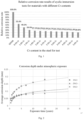
- the corrosion rate of the hot-rolled strip steel of the present invention rapidly decays over time, and the simulated corrosion depth for 25 years is estimated to be 0.1 mm or less, for example, when the Cr content in the steel is 2%.
- the simulated corrosion depth for 25 years is estimated to be about 0.12 mm, and the corrosion resistance actually decreases.
- Cr is also an element that increases the hardenability of steel.
- a higher Cr content can cause steel to form air-cooled bainite or air-cooled martensite at lower air-cooling rates, thereby significantly improving the tensile strength of the material and reducing the yield-to-tensile ratio of the material, which is beneficial for reducing forming rebound and improving the stability of forming dimensions.
- a design of high Cr content is combined in the present invention to fully utilize the effect of Cr, in combination with the strengthening effect of elements such as C and Mn, thereby further improving the strength of steel.
- P is often added as a corrosion-resistant element in traditional atmospheric corrosion resistant steel, which can promote the formation of surface protective rust layer and effectively improve the atmospheric corrosion resistance of steel.
- P is also a harmful impurity element in steel, which is prone to segregation at the thickness center during continuous casting of steel slabs.
- P is prone to segregation at grain boundaries, reducing the binding energy at grain boundaries and thus decreasing the toughness and plasticity of steel.
- the present invention does not use atmospheric corrosion-resistant steel with a high P content, but aims to minimize the P content in the steel, requiring a P content of ⁇ 0.03%.
- Ti is a strong carbonitride-forming element that can precipitate in the form of extremely fine TiC or Ti(C, N) second phase particles, thereby significantly improving the strength of the material.
- Ti is a very effective strengthening element.
- Ti is not a necessary strengthening element as phase transformation strengthening can be controlled by processes and Cr, Mn elements.
- the Ti content is ⁇ 0.15%, preferably 0.05% or more and 0.10% or less.
- Nb is also a strong nitrogen carbide-forming element, which can form NbC and Nb(CN) carbide particles as the second phase precipitation, thereby producing precipitation strengthening effect.
- the cost of Nb is much higher than that of Ti, so it is not economical to increase strength by adding Nb as compared to Ti.
- an excessive Nb content can also affect the quality of the cast billet during the cooling process of strip steel continuous casting, resulting in defects such as surface cracks and corner cracks. Therefore, the Nb content in the present invention is ⁇ 0.06%.
- V is a strong carbide-forming element that can produce strong precipitation strengthening effects.
- VC has a lower precipitation temperature and generally produces better precipitation strengthening effect between 500 and 550 °C. Therefore, when coiling strip steel at lower temperatures, the strength can be improved by adding V.
- the economic efficiency of V in improving strength is not as good as Ti, and if the content of V is too high, it will also reduce the welding toughness of the steel. Therefore, the V content in the present invention is ⁇ 0.15%.
- Mo is a commonly used alloying element in steel, which has the functions of increasing hardenability, inhibiting ferrite transformation, refining structure, improving TiC precipitation strengthening contribution, etc. Adding a small amount of Mo into steel is beneficial for improving properties of the steel materials.
- Mo is a precious metal element, and excessive content thereof is not conducive to production economy. Therefore, in the present invention, Mo ⁇ 0.40%.
- B has a strong effect on enhancing hardenability, can significantly inhibit ferrite transformation so as to obtain bainite structure to improve steel strength.
- an excessive B content will reduce the plasticity and processing performance of the material. Therefore, in the present invention, B ⁇ 0.002%.
- Ni can improve the corrosion resistance of steel and also alleviate the surface Cu embrittlement issues caused by Cu.
- the price of Ni is very expensive, and an excessive addition of Ni can significantly increase the alloy cost of the material. Therefore, in the present invention, the Ni content is designed to be ⁇ 0.40%, preferably 0.05% to 0.25%.
- Sb can be added as an element to improve corrosion resistance.
- Sb is also a harmful element in steel, which will degrade the performance of steel, especially low-temperature toughness. Therefore, the present invention limits the Sb content to be ⁇ 0.15%.
- Re rare earth element
- Re has the effect of improving corrosion resistance and enhancing the toughness of material.
- the yield of Re element in the smelting process is difficult to control, and excessive addition thereof will reduce the economic efficiency of steel. Therefore, the present invention limits the Re content to be ⁇ 0.15%.
- Ca can form spherical dispersed CaS with S, thereby improving the distribution of sulfide inclusions in steel, which is beneficial for improving the corrosion uniformity and toughness of materials.
- excessive Ca content in steel will lead to an increase in calcium oxide inclusions. Therefore, the present invention limits the Ca content to be ⁇ 0.015%.
- Mg can combine with O to form fine MgO as the nucleation core for other inclusions, thereby refining the size of inclusions and improving their dispersion and distribution. This can also improve the uniform corrosion of materials and enhancethe toughness of materials.
- excessive Mg content in steel will lead to an increase in oxide inclusions. Therefore, the present invention limits the Mg content to be ⁇ 0.015%.
- compositional design of the high-strength hot-rolled strip steel of the present invention also needs to meet the following requirements: 2.5% ⁇ 2Mn+Cr ⁇ 6.0%.
- Mn and Cr have the effect of improving the hardenability of materials, allowing them to form bainite or martensite at lower critical cooling rates, thereby achieving higher strength.
- the inhibitory effect of Mn on ferrite transformation is twice or more times that of Cr.
- the steel of the present invention not only greatly improves the corrosion resistance by utilizing a high Cr content, but also achieves a significant increase in strength by combining the effect of high Cr content on phase transformation with the process.
- an excessively high Mn and Cr content will significantly inhibit the transformation of ferrite, resulting in that a transformation time is too long, and it is difficult to precipitate sufficient ferrite during the laminar flow cooling control process of the strip steel.
- the composition of the hot-rolled strip steel of the present invention satisfies Si+2Ni ⁇ 0.10%.
- Cu is prone to form copper embrittlement defects on the surface of strip steel, while Si and Ni both have the effect of improving copper embrittlement defects, and they can complement with each other.
- Si has a better effect on improving Cu embrittlement, but the cost of Ni is also higher.
- the hot-rolled strip steel of the present invention may contain one or both of Si and Ni elements.
- Si ⁇ 0.50%, Ni ⁇ 0.40%, and Si+2Ni ⁇ 0.10% in steel the complementary relationship between the two can be utilized to adjust the balance among material design economy, material surface quality and Cu embrittlement issues, so that Cu embrittlement issues are at more economically and controllable state.
- Another aspect of the present invention provides a manufacturing method for the above-mentioned hot-rolled strip steel, comprising the following steps:
- the temperature at the rough rolling outlet is 1000 to 1040 °C.
- the final rolling temperature is 860 to 880 °C; when the finished hot-rolled strip has a thickness of 3 to 5 mm, the final rolling temperature is 840 to 860 °C; and when the finished hot-rolled strip has a thickness of 5 mm or more, the final rolling temperature is 820 to 840 °C.
- the manufacturing method for steel with high weather resistant In order to reduce the impact of Cu embrittlement, the manufacturing method according to the present invention optimizes the heating curve of steel slab in the heating furnace, and adopts high-temperature fast burning and low furnace delivery temperature processes to suppress Cu embrittlement on the surface.
- the heating time during the interval of 1050 to 1150 °C in terms of surface temperature is controlled to be within 15 minutes, rapidly passing through the sensitive temperature interval where Cu embrittlement occurs.
- the steel slab is heated for 20 to 60 minutes in the soaking section, and a lower furnace delivery temperature of 1180 to 1230 °C is used.
- Rough rolling is performed after the steel slab is removed from the heating furnace and sized. During the rough rolling stage, sufficient descaling pressure should be ensured to achieve good descaling effect. It has been confirmed through production practice that high-pressure water of 15 MPa or more has a good crushing and removal effect on the dense primary oxide scale on the surface of steel slabs with a high Cr content. The removal of oxide scale has a significant improvement effect on reducing Cu embrittlement caused by Cu enriched on the surface. Therefore, in the manufacturing process of the present invention, it is required that the pressure of the descaling high-pressure water is 15 MPa or more.
- the temperature at the outlet of rough rolling should be 1040 °C or less, preferably 1000 to 1040 °C.
- the strip steel is entered into the finish rolling process, which adopts multi stand continuous rolling process.
- the final rolling temperature is controlled to be 820 to 880 °C.
- the steel of the present invention requires a lower final rolling temperature.
- the final rolling temperature is 860 to 880 °C; when the thickness of the finished hot-rolled strip is 3 to 5 mm, the final rolling temperature is 840 to 860 °C; and when the thickness of the finished hot-rolled strip is 5 mm or more, the final rolling temperature is 820 to 840 °C.
- the aim of controlling the final rolling temperature is to increase the rolling deformation energy and promote the transformation of fine-grained ferrite after laminar flow cooling of the strip steel, which is crucial for improving the plasticity of the steel according to the present invention.
- the structure of the steel strip of the present invention needs to be precisely controlled through a two-stage cooling process.
- the advantage of the two-stage cooling process is that through rapid cooling in the first stage, the supercooling degree of material phase transformation can be significantly improved, the nucleation point of phase deformation can be increased, and it is cooled to the temperature interval of 640 to 690 °C, which is the optimal temperature interval for ferrite phase transformation of the material.
- a large amount of ferrite can nucleate, transform and grow, resulting in a higher content of uniform and fine ferrite, which can greatly improve the plasticity and formability of the material.
- microalloying elements such as Nb and Ti are added into the material, a large number of precipitates can also occur during this time, thereby significantly improving the strength of the material.
- the supersaturated C element in the ferrite phase will accumulate into the untransformed austenite, resulting in increasing the concentration of C in the remaining phases.
- the time for air cooling in the first cooling stage should be controlled to 7 to 14 seconds. If the time is too short, it will lead to insufficient transformation of ferrite and low ferrite content; If the time is too long, it will lead to the transformation of pearlite, resulting in the formation of pearlite or carbide(s) in the material and a decrease in its strength.
- the strip steel After entering into the second cooling stage, the strip steel is cooled to 480 to 560 °C at a cooling rate of ⁇ 60 °C/s, preferably 60 to 300 °C/s, which can transform the austenite in the strip steel that has not been transformed and is enriched with a high concentration of C into bainite. Moreover, due to the enrichment of C and the high content of Mn and Cr, the transformation of pearlite is suppressed, the bainite transformation point is significantly reduced, and the critical cooling rate of bainite/martensite is also significantly reduced. Therefore, a considerable amount of MA structure transformation will occur during the second stage of cooling and subsequent slow cooling after coiling, which greatly contributes to the improvement of material strength.
- a multiphase structure of polygonal ferrite + bainite (MA accounts for 30 vol% or more of the bainite structure) is obtained in the hot-rolled strip steel, wherein the ferrite structure is very fine and has a grain size of grade 9 or more.
- the content of polygonal ferrite is 40 vol% to 70 vol%
- the content of bainite is 20 vol% to 60 vol%, preferably 30 vol% to 60 vol%
- the bainite structure contains a large amount of fine granular MA (MA accounts for 30 vol% or more of the bainite structure, such as 30 vol% to 50 vol%), with a small amount of pearlite or carbide(s) (pearlite content+carbide content ⁇ 15 vol%).
- the material Due to the presence of the bainite structure with a large amount of MA distributed therein in the microstructure of steel, the material exhibits both high strength and low yield-to-tensile ratio. Specifically, it has a yield strength of ⁇ 550 MPa, a tensile strength of ⁇ 650 MPa, and a yield-to-tensile ratio of ⁇ 0.85.
- the steel of the present invention exhibits excellent low-temperature impact toughness, with an impact energy at - 40 °Cof 80 J or more.
- Example 3 (unit: in mass percentage) C Si Mn P S Al Cu Cr Ni Ti Nb Mo V B Sb Re Mg Ca 2Mn+Cr Si+2Ni Example 1 0.147 0.20 0.33 0.018 0.003 0.270 0.46 1.88 0.26 - - - - - - - - 2.54 0.72
- Example 2 0.120 0.33 0.46 0.008 0.003 0.350 0.22 2.35 0.11 0.015 - - - - - - - - 3.27 0.55
- Example 3 0.090 0.12 0.58 0.012 0.005 0.033 0.32 2.70 0.08 - 0.015 - - - - - - 3.86 0.28
- Example 4 0.071 0.08 0.72 0.009 0.004 0.096 0.26 3.62 0.16 0.010 0.010 - - - - - - 5.06 0.4
- Example 5 (unit: in mass percentage) C Si Mn P S Al Cu Cr Ni Ti Nb Mo V B S
Landscapes
- Chemical & Material Sciences (AREA)
- Engineering & Computer Science (AREA)
- Materials Engineering (AREA)
- Mechanical Engineering (AREA)
- Metallurgy (AREA)
- Organic Chemistry (AREA)
- Thermal Sciences (AREA)
- Crystallography & Structural Chemistry (AREA)
- Physics & Mathematics (AREA)
- Heat Treatment Of Sheet Steel (AREA)
- Heat Treatment Of Articles (AREA)
- Coating With Molten Metal (AREA)
- Heat Treatment Of Steel (AREA)
Abstract
Description
- The present invention relates to the technical field of low-alloy steel, in particular to a high-strength hot-rolled strip steel with high weather resistance and a manufacturing method therefor.
- At present, weathering steel is widely used in the production of outdoor steel structures with atmospheric corrosion resistance requirements, such as containers, railway vehicles, bridges, etc. In recent years, with the increase in the demand for green, low-carbon and environmentally friendly production, the application scenarios of atmospheric corrosion-resistant steel have also been expanding. People utilize the weather resistance of atmospheric corrosion-resistant steel to produce structural profiles that serve in atmospheric environments, such as guardrails, mast towers, support brackets, photovoltaic brackets, and so on. The surface of these steel structures can be directly bare or lightly coated on the surface before use, which can achieve very high weather resistance and thus some traditional surface anti-corrosion processes for steel, such as pre-galvanizing, zinc aluminum magnesium, post-galvanizing, etc., can be replaced. The use of atmospheric corrosion-resistant steel can not only reduce energy consumption and pollution caused by metal coating processes, but also improve the service life of steel structures and reduce anti-corrosion maintenance costs in the later stage.
- Solutions involving high-strength weathering steel are provided in the prior art, for example: Chinese patent
CN202011384068.6 - Chinese patent
CN202010116991.5 - Chinese patent
CN201810154871.7 CN202110398903.X - Chinese patent
CN200910180491.1 - The objectives of the present invention are to provide a high-strength hot-rolled strip steel with high weather resistance and a manufacturing method therefor. The hot-rolled strip steel of the present invention has a corrosion rate of 30% or less of that of Q355B ordinary structural steel, and a weather resistance of the hot-rolled strip steel of the present invention is one or more times higher than that of ordinary weather resistant steel (such as Q450NQR1 steel). The strip steel of the present invention has the following characteristic: corrosion rate rapidly decays over time, has a corrosion depth of ≤ 0.1 mm during a service cycle of 25 years in a general service environment, and has high strength and good formability, with a yield strength of ≥ 550 MPa, a tensile strength of ≥ 650 MPa, an elongation of ≥ 20%, and a qualified cold bending performance at 180 ° and D=1t. Therefore, the hot-rolled strip steel of the present invention can achieve the processing of profile components with complex cross-sections, can replace anti-corrosion protection by post galvanizing, and can be directly used for supporting bracket structural components such as guardrails, mast towers, photovoltaics, etc. without coating on the surface.
- The present invention achieves the above technical objectives by optimizing the chemical composition of hot-rolled strip steel. Specifically, a high Cr content of 1.5% to 4.5% is adopted for the compositional design of the hot-rolled strip steel in the present invention, which promotes the formation of a uniform and dense rust layer on the surface of the hot-rolled strip steel during use. Cr can rapidly accumulate in a thin rust layer, with a concentration of 12% or more at the interface between the rust layer and the substrate, so as to significantly increase the corrosion potential and electrochemical impedance and interrupt the continuing occurrence of corrosion, thereby achieving ultra-high atmospheric corrosion resistance (the hot-rolled strip steel of the present invention is used in environments with corrosion levels of C1 to C3 as specified in GB/T 19292.1-2018). On the other hand, by utilizing the compositional design of C, Mn and high Cr, the hot-rolled strip steel has a multiphase structure of polygonal ferrite + bainite containing MA. Further, the steel of the present invention exhibits high strength and high formability by utilizing mechanism such as high plasticity of ferrite and strengthening effect of bainite structure.
- Specifically, the above-mentioned hot-rolled strip steel comprises the following components in mass percentage: C: 0.04 to 0.15%, Si ≤ 0.50%, Mn: 0.30 to 2.00%, Cr: 1.5 to 4.5%, Cu: 0.10 to 0.60%, P ≤ 0.03%, S ≤ 0.01%, and Al: 0.01 to 0.60%, with the balance being Fe and unavoidable impurities; and at the same time, the hot-rolled strip steel satisfies: 2.5% ≤ 2Mn+Cr ≤ 6.0%, with elemental symbols being substituted with mass percentages of corresponding elements in the hot-rolled strip steel for calculation. For example, when the Mn content in steel is 0.10%, the numerical value 0.10% is substituted for calculation.
- Preferably, the hot-rolled strip steel further comprises Ni, and the composition of the hot-rolled strip steel satisfies: Ni ≤ 0.40%, and Si+2Ni ≥ 0.10%, which can reduce the influence of Cu embrittlement, with elemental symbols being substituted with mass percentages of corresponding elements in the hot-rolled strip steel for calculation.
- Preferably, the hot-rolled strip steel of the present invention further comprises at least one selected from the following: Ti ≤ 0.15%, Nb ≤ 0.06%, V ≤ 0.15%, Mo ≤ 0.40% and B ≤ 0.002%, which can further improve strength.
- Preferably, the above composition further comprises at least one selected from the following: Sb ≤ 0.15%, Re ≤ 0.15%, Ca ≤ 0.015%, and Mg ≤ 0.015%. Thereby, the corrosion resistance is further enhanced.
- Preferably, the hot-rolled strip steel of the present invention has a microstructure being a multiphase structure of polygonal ferrite + bainite containing MA. The ferrite has a grain size of grade 9 or more, preferably grade 11 or more. In the microstructure, the polygonal ferrite content is 40 vol% to 70 vol%, the bainite content is 20 vol% to 60 vol%, preferably 30 vol% to 60 vol%, and the bainite structure contains fine granular MA, which accounts for 30% or more of the bainite structure, preferably 30 vol% to 50 vol%. In addition, the content of pearlite or carbide(s) in the microstructure is ≤ 15 vol%. Unless otherwise specified, the content of steel microstructure in the present invention refers to the volume fraction.
- Preferably, the hot-rolled strip steel of the present invention has a yield strength of ≥ 550 MPa, preferably 650 MPa or more, a tensile strength of ≥ 650 MPa, preferably 800 MPa or more, a yield-to-tensile ratio of ≤ 0.85, preferably 0.80 or less, an elongation at break of ≥ 20%, preferably 23% or more, a cold bending performance that meets qualification when bent at 180 ° and D=1t (D is the bending diameter, and t is the steel sheet thickness), and an impact energy at -40 °C of 80 J or more, preferably 95J or more.
- Preferably, the hot-rolled strip steel of the present invention exhibits excellent weather resistance, with a corrosion rate of 30% or less of that of Q355B steel, that is, its weather resistance is three or more times that of Q355B, and twice or more times that of ordinary weather resistant steel (such as Q450NQR1 steel). In addition, the corrosion rate of the hot-rolled strip steel of the present invention rapidly decreases with the increase of corrosion depth, and the hot-rolled strip steel has a corrosion depth of 25 years of ≤ 0.1 mm as demonstrated by the simulated corrosion test results.
- The hot-rolled strip steel of the present invention has high strength and good formability, with a yield strength of ≥ 550 MPa, a tensile strength of ≥ 650 MPa, an elongation at break of ≥ 20%, and a cold bending performance that meets qualification when bent at 180 ° and D=1t (cold bending performance is evaluated according to the GB/T 232-2010 standard, wherein D is the bending diameter, and t is the steel sheet thickness). Due to the presence of bainitic structure with a large amount of MA distributed therein in the microstructure, it has a lower yield-to-tensile ratio of ≤ 0.85, which is extremely conducive to the dimensional stability of processing and forming. It exhibits excellent low-temperature impact toughness, with an impact energy at -40 °C of 80 J or more.
- In the design of high-strength hot-rolled strip steel according to the present invention, the roles of each element are as follows:
C, which is an effective strengthening element in steel, in addition to solid solution strengthening, can also form nanoscale second phase precipitation particles with microalloying elements such as Ti and Nb, and plays a role in precipitation strengthening and refining the structure. This is also a common method for improving strength in steel. When the steel has a high content of Mn and Cr, C can be transformed into bainite or martensite hard phase at a low critical cooling rate, which can significantly improve the tensile strength of the material. As the most economical reinforcing element, the C content in the present invention is ≥ 0.04%; however, excessive C will form more carbide or bainite hard phase structures in the steel, which not only reduces the toughness and formability of the material, but also lowers the welding performance of the steel material. Therefore, the C content in the present invention is ≤ 0.15%. Unless otherwise specified, the content of elements in the hot-rolled strip steel of the present invention refers to the mass fraction. - Si, which is a commonly used deoxidizing element in steel, also has a solid solution strengthening effect on steel. Si can also improve the corrosion resistance of the material and has a certain effect on reducing Cu embrittlement. However, higher Si content will lead to the formation of red iron scale defects on the surface of hot-rolled strip steel, seriously affects the surface quality of the strip steel, and at the same time reduces the welding performance of the material, resulting in a deterioration of the toughness of the zone affected by welding heat. Therefore, in the present invention, the Si content is ≤ 0.50%, preferably 0.08% ≤ Si ≤ 0.50%.
- Mn, which is an important strengthening and toughening element in steel, has a solid solution strengthening effect and can also reduce the undercooled austenite transformation temperature, which lowers the ferrite transformation temperature, facilitates structure refinement, and thus improves the strength and toughness of the material. However, an excessive Mn content will significantly inhibit the transformation of ferrite into bainite, leading to a decrease in the plasticity and cold forming properties of the material. Therefore, the Mn content in the present invention is 0.3% to 2.0%.
- Cr is an important element for improving the weather resistance of steel sheets. The main mechanism for improving the weather resistance of weathering steel is as follows: on one hand, by adding corrosion-resistant elements to increase the corrosion potential of the substrate, the corrosion rate can be reduced by increasing the electrochemical impedance. On the other hand, Cr physically blocks the corrosive medium by promoting the formation of a dense rust layer on the surface, thereby changing the corrosion environment at the substrate. As the corrosion depth increases, the corrosion gradually slows down. When the Cr content in steel exceeds 1.5%, a uniform and dense rust layer can be formed on the surface of the substrate under the combined action of Cr, Cu and other elements. A higher Cr content, in combination with the action of Cu and other elements, makes the α-FeOOH in the rust layer very fine, which is conducive to blocking the further penetration of electrochemical corrosion media such as water and improving the electrochemical impedance. At the same time, due to the high concentration of Cr, as the thickness of the rust layer increases, Cr accumulates at the front of the rust layer, causing a rapid increase in the concentration of Cr in the rust layer. Before the thickness of the rust layer reaches 0.1 mm, the Cr concentration at the interface between the rust layer and the substrate can reach 12% or more. When the Cr concentration is enriched to 12% or more, the hot-rolled strip steel of the present invention will produce a stainless steel-like effect, that is, the corrosion potential at the interface between the corrosion front rust layer and the substrate is very high, coupled with the barrier effect of the low corrosion medium of the dense rust layer, so that the electrochemical impedance of the strip steel surface is very high, and the corrosion reaction is basically interrupted. However, the Cr content in the substrate should not be too high. As the Cr content in the substrate increases, the corrosion potential of the substrate will increase. If the Cr content exceeds 4.5%, it will lead to enhanced selective corrosion in the early stage of rust formation, and the uniformity of the thickness of the rust layer will deteriorate. That is, the Cr concentration at the front of the rust layer and corrosion environment will cause uneven chemical impedance, which will increase the corrosion potential difference at the front of the corrosion layer, intensify the galvanic effect, and thus deteriorate the effect of inhibiting corrosion. In this case, although the relative corrosion rate may decrease under limited test conditions, the depth of corrosion does not decrease over a long period of time, and the effect of improving weather resistance during long-term use cannot be achieved. Therefore, the Cr content in the present invention is 1.5% to 4.5%, preferably 2.00% to 3.50%.
- Referring to
Figs. 1 and 2, Fig. 1 shows the effect of Cr content in steel on the relative corrosion rate of hot-rolled strip steel in the cyclic immersion tests; andFig. 2 shows the effect of Cr content in steel on the long-term corrosion depth of hot-rolled strip steel. - As shown in
Fig. 2 , the corrosion rate of the hot-rolled strip steel of the present invention rapidly decays over time, and the simulated corrosion depth for 25 years is estimated to be 0.1 mm or less, for example, when the Cr content in the steel is 2%. When the Cr content in the steel is 5% or higher, the simulated corrosion depth for 25 years is estimated to be about 0.12 mm, and the corrosion resistance actually decreases. - In addition, Cr is also an element that increases the hardenability of steel. A higher Cr content can cause steel to form air-cooled bainite or air-cooled martensite at lower air-cooling rates, thereby significantly improving the tensile strength of the material and reducing the yield-to-tensile ratio of the material, which is beneficial for reducing forming rebound and improving the stability of forming dimensions. A design of high Cr content is combined in the present invention to fully utilize the effect of Cr, in combination with the strengthening effect of elements such as C and Mn, thereby further improving the strength of steel.
- Cu is also one of the important corrosion-resistant elements, and its effect is more pronounced when added together with Cr. Cu can promote the formation of a dense rust layer on the surface of steel. The addition of 0.10% or more of Cu can significantly improve the atmospheric corrosion resistance of steel. However, Cu is a metal with a low melting point, so strip steel containing a high amount of Cu are prone to copper embrittlement and warping defects on the surface during hot rolling, which deteriorates the surface quality of the steel. At the same time, Cu is also a precious element. For the reasons mentioned above, a Cu content of 0.10 to 0.60% is designed in the present invention.
- P is often added as a corrosion-resistant element in traditional atmospheric corrosion resistant steel, which can promote the formation of surface protective rust layer and effectively improve the atmospheric corrosion resistance of steel. However, P is also a harmful impurity element in steel, which is prone to segregation at the thickness center during continuous casting of steel slabs. At the same time, P is prone to segregation at grain boundaries, reducing the binding energy at grain boundaries and thus decreasing the toughness and plasticity of steel. Based on the same principle, P is also very detrimental to the welding performance of steel. Therefore, the present invention does not use atmospheric corrosion-resistant steel with a high P content, but aims to minimize the P content in the steel, requiring a P content of ≤ 0.03%.
- S, a common harmful impurity element in steel, has adverse effects on the peoperties such as low-temperature toughness, welding performance, cold forming performance, etc. The S content in the steel of the present invention is ≤ 0.01%.
- Al is a highly effective deoxidizing element; and at the same time, Al is beneficial for refining grain size and improving the strength and toughness of steel material. At the same time, Al can also promote the production of ferrite, inhibit the transformation of pearlite, and facilitate the transformation of ferrite bainite dual phase structure. However, a higher Al content is not conducive to smooth pouring and can easily block the water outlet. Therefore, the present invention requires an Al content of 0.01 to 0.60% in the steel.
- Ti is a strong carbonitride-forming element that can precipitate in the form of extremely fine TiC or Ti(C, N) second phase particles, thereby significantly improving the strength of the material. Ti is a very effective strengthening element. However, in the present invention, Ti is not a necessary strengthening element as phase transformation strengthening can be controlled by processes and Cr, Mn elements. When Ti is added at an excessively high content, the precipitation strengthening effect of Ti will be gradually weaken and begin to affect the low-temperature toughness of the steel. Therefore, in the present invention, the Ti content is ≤ 0.15%, preferably 0.05% or more and 0.10% or less.
- Nb is also a strong nitrogen carbide-forming element, which can form NbC and Nb(CN) carbide particles as the second phase precipitation, thereby producing precipitation strengthening effect. However, the cost of Nb is much higher than that of Ti, so it is not economical to increase strength by adding Nb as compared to Ti. At the same time, an excessive Nb content can also affect the quality of the cast billet during the cooling process of strip steel continuous casting, resulting in defects such as surface cracks and corner cracks. Therefore, the Nb content in the present invention is ≤ 0.06%.
- V is a strong carbide-forming element that can produce strong precipitation strengthening effects. Compared with TiC, VC has a lower precipitation temperature and generally produces better precipitation strengthening effect between 500 and 550 °C. Therefore, when coiling strip steel at lower temperatures, the strength can be improved by adding V. However, the economic efficiency of V in improving strength is not as good as Ti, and if the content of V is too high, it will also reduce the welding toughness of the steel. Therefore, the V content in the present invention is ≤ 0.15%.
- Mo is a commonly used alloying element in steel, which has the functions of increasing hardenability, inhibiting ferrite transformation, refining structure, improving TiC precipitation strengthening contribution, etc. Adding a small amount of Mo into steel is beneficial for improving properties of the steel materials. However, Mo is a precious metal element, and excessive content thereof is not conducive to production economy. Therefore, in the present invention, Mo ≤ 0.40%.
- B has a strong effect on enhancing hardenability, can significantly inhibit ferrite transformation so as to obtain bainite structure to improve steel strength. However, an excessive B content will reduce the plasticity and processing performance of the material. Therefore, in the present invention, B ≤ 0.002%.
- Ni can improve the corrosion resistance of steel and also alleviate the surface Cu embrittlement issues caused by Cu. However, the price of Ni is very expensive, and an excessive addition of Ni can significantly increase the alloy cost of the material. Therefore, in the present invention, the Ni content is designed to be ≤ 0.40%, preferably 0.05% to 0.25%.
- Sb can be added as an element to improve corrosion resistance. However, Sb is also a harmful element in steel, which will degrade the performance of steel, especially low-temperature toughness. Therefore, the present invention limits the Sb content to be ≤ 0.15%.
- Re (rare earth element) has the effect of improving corrosion resistance and enhancing the toughness of material. However, the yield of Re element in the smelting process is difficult to control, and excessive addition thereof will reduce the economic efficiency of steel. Therefore, the present invention limits the Re content to be ≤ 0.15%.
- Ca can form spherical dispersed CaS with S, thereby improving the distribution of sulfide inclusions in steel, which is beneficial for improving the corrosion uniformity and toughness of materials. However, excessive Ca content in steel will lead to an increase in calcium oxide inclusions. Therefore, the present invention limits the Ca content to be ≤ 0.015%.
- Mg can combine with O to form fine MgO as the nucleation core for other inclusions, thereby refining the size of inclusions and improving their dispersion and distribution. This can also improve the uniform corrosion of materials and enhancethe toughness of materials. However, excessive Mg content in steel will lead to an increase in oxide inclusions. Therefore, the present invention limits the Mg content to be ≤ 0.015%.
- In addition, the compositional design of the high-strength hot-rolled strip steel of the present invention also needs to meet the following requirements:
2.5% ≤ 2Mn+Cr ≤ 6.0%. Both Mn and Cr have the effect of improving the hardenability of materials, allowing them to form bainite or martensite at lower critical cooling rates, thereby achieving higher strength. The inhibitory effect of Mn on ferrite transformation is twice or more times that of Cr. Through thermal simulation and CCT calculation, under the condition of 2Mn+Cr ≥ 2.5%, the free C in steel can transform into a bainite structure containing MA during the natural cooling process after coiling of the strip steel, rather than transforming into carbide, thereby significantly improving the strength of the material. Therefore, the steel of the present invention not only greatly improves the corrosion resistance by utilizing a high Cr content, but also achieves a significant increase in strength by combining the effect of high Cr content on phase transformation with the process. However, an excessively high Mn and Cr content will significantly inhibit the transformation of ferrite, resulting in that a transformation time is too long, and it is difficult to precipitate sufficient ferrite during the laminar flow cooling control process of the strip steel. Based on the above considerations, in the present invention, 2.5% ≤ 2Mn+Cr ≤ 6.0%. Preferably, 3.2% ≤ 2Mn+Cr ≤ 5.0%. - Preferably, the composition of the hot-rolled strip steel of the present invention satisfies Si+2Ni ≥ 0.10%. Cu is prone to form copper embrittlement defects on the surface of strip steel, while Si and Ni both have the effect of improving copper embrittlement defects, and they can complement with each other. Compared with Si, Ni has a better effect on improving Cu embrittlement, but the cost of Ni is also higher. When the Si+2Ni content is 0.10% or more, it can improve Cu embrittlement defects. Therefore, the hot-rolled strip steel of the present invention may contain one or both of Si and Ni elements. When Si ≤ 0.50%, Ni ≤ 0.40%, and Si+2Ni ≥ 0.10% in steel, the complementary relationship between the two can be utilized to adjust the balance among material design economy, material surface quality and Cu embrittlement issues, so that Cu embrittlement issues are at more economically and controllable state. Preferably, Si+2Ni ≥ 0.4%.
- Another aspect of the present invention provides a manufacturing method for the above-mentioned hot-rolled strip steel, comprising the following steps:
- 1) Smelting and casting
Smelting molten steel according to the above composition, and then casting into a slab; - 2) Heating
Transferring the slab into a heating furnace of a conventional hot rolling production line for heating or a soaking furnace of a thin slab continuous casting and rolling production line for soaking; rapidly heating up the slab such that a slab surface temperature increases from 1050 to 1150°C in 15 minutes; heating time of the slab in the soaking section is 20 to 60 minutes; and tapping temperature of the slab is 1180 to 1230 °C; - 3) Rolling
Performing rough rolling after the slab is removed from the heating furnace and sized, wherein descaling is carried out during the rough rolling stage, with the high-pressure water for descaling having a pressure of 15 MPa or more, preferably 20 MPa or more, and a temperature at the rough rolling outlet is 1040 °C or less; then performing finish rolling to the rough-rolled strip steel, wherein multi-stand continuous rolling is used for the finish rolling, and a final rolling temperature is 820 to 880 °C; - 4) Cooling
Adopting laminar flow cooling for cooling, in combination with two-stage cooling, wherein the first stage of cooling is performed to rapidly cool the strip steel to 640 to 690 °C at a cooling rate of 150 to 350 °C/s, followed by air cooling for 7 to 14 seconds; and the second stage of cooling is performed to cool the strip steel to 480 to 560 °C at a cooling rate of 60 to 300 °C/s, followed by coiling. - Preferably, in step 3), the temperature at the rough rolling outlet is 1000 to 1040 °C.
- Preferably, in step 3), in the finish rolling, when the finished hot-rolled strip has a thickness of 3 mm or less, the final rolling temperature is 860 to 880 °C; when the finished hot-rolled strip has a thickness of 3 to 5 mm, the final rolling temperature is 840 to 860 °C; and when the finished hot-rolled strip has a thickness of 5 mm or more, the final rolling temperature is 820 to 840 °C.
- In the manufacturing method for steel with high weather resistant according to the present invention:
In order to reduce the impact of Cu embrittlement, the manufacturing method according to the present invention optimizes the heating curve of steel slab in the heating furnace, and adopts high-temperature fast burning and low furnace delivery temperature processes to suppress Cu embrittlement on the surface. The heating time during the interval of 1050 to 1150 °C in terms of surface temperature is controlled to be within 15 minutes, rapidly passing through the sensitive temperature interval where Cu embrittlement occurs. The steel slab is heated for 20 to 60 minutes in the soaking section, and a lower furnace delivery temperature of 1180 to 1230 °C is used. - Rough rolling is performed after the steel slab is removed from the heating furnace and sized. During the rough rolling stage, sufficient descaling pressure should be ensured to achieve good descaling effect. It has been confirmed through production practice that high-pressure water of 15 MPa or more has a good crushing and removal effect on the dense primary oxide scale on the surface of steel slabs with a high Cr content. The removal of oxide scale has a significant improvement effect on reducing Cu embrittlement caused by Cu enriched on the surface. Therefore, in the manufacturing process of the present invention, it is required that the pressure of the descaling high-pressure water is 15 MPa or more.
- In addition, in order to reduce the occurrence of Cu embrittlement on the surface, the temperature at the outlet of rough rolling should be 1040 °C or less, preferably 1000 to 1040 °C.
- After rough rolling, the strip steel is entered into the finish rolling process, which adopts multi stand continuous rolling process. Depending on the thickness of the rolled strip steel, the final rolling temperature is controlled to be 820 to 880 °C. Compared to the general rolling process, the steel of the present invention requires a lower final rolling temperature. For example, when the thickness of the finished hot-rolled strip is 3 mm or less, the final rolling temperature is 860 to 880 °C; when the thickness of the finished hot-rolled strip is 3 to 5 mm, the final rolling temperature is 840 to 860 °C; and when the thickness of the finished hot-rolled strip is 5 mm or more, the final rolling temperature is 820 to 840 °C. The aim of controlling the final rolling temperature is to increase the rolling deformation energy and promote the transformation of fine-grained ferrite after laminar flow cooling of the strip steel, which is crucial for improving the plasticity of the steel according to the present invention.
- Due to the high content of Mn and Cr in the steel composition of the present invention, i.e. 2Mn+Cr ≥ 2.5%, it will inhibit the phase transformation of ferrite, which plays a crucial role in improving the plasticity and formability of the material. Therefore, during the laminar flow cooling stage, the structure of the steel strip of the present invention needs to be precisely controlled through a two-stage cooling process. The advantage of the two-stage cooling process is that through rapid cooling in the first stage, the supercooling degree of material phase transformation can be significantly improved, the nucleation point of phase deformation can be increased, and it is cooled to the temperature interval of 640 to 690 °C, which is the optimal temperature interval for ferrite phase transformation of the material. During the 7 to 14 seconds of air cooling at such temperature, a large amount of ferrite can nucleate, transform and grow, resulting in a higher content of uniform and fine ferrite, which can greatly improve the plasticity and formability of the material.
- If microalloying elements such as Nb and Ti are added into the material, a large number of precipitates can also occur during this time, thereby significantly improving the strength of the material. Meanwhile, during the transformation of ferrite, the supersaturated C element in the ferrite phase will accumulate into the untransformed austenite, resulting in increasing the concentration of C in the remaining phases. The time for air cooling in the first cooling stage should be controlled to 7 to 14 seconds. If the time is too short, it will lead to insufficient transformation of ferrite and low ferrite content; If the time is too long, it will lead to the transformation of pearlite, resulting in the formation of pearlite or carbide(s) in the material and a decrease in its strength.
- After entering into the second cooling stage, the strip steel is cooled to 480 to 560 °C at a cooling rate of ≥ 60 °C/s, preferably 60 to 300 °C/s, which can transform the austenite in the strip steel that has not been transformed and is enriched with a high concentration of C into bainite. Moreover, due to the enrichment of C and the high content of Mn and Cr, the transformation of pearlite is suppressed, the bainite transformation point is significantly reduced, and the critical cooling rate of bainite/martensite is also significantly reduced. Therefore, a considerable amount of MA structure transformation will occur during the second stage of cooling and subsequent slow cooling after coiling, which greatly contributes to the improvement of material strength.
- Through the control of the above cooling processes, a multiphase structure of polygonal ferrite + bainite (MA accounts for 30 vol% or more of the bainite structure) is obtained in the hot-rolled strip steel, wherein the ferrite structure is very fine and has a grain size of grade 9 or more. Preferably, in the hot-rolled strip steel of the present invention, the content of polygonal ferrite is 40 vol% to 70 vol%, the content of bainite is 20 vol% to 60 vol%, preferably 30 vol% to 60 vol%, and the bainite structure contains a large amount of fine granular MA (MA accounts for 30 vol% or more of the bainite structure, such as 30 vol% to 50 vol%), with a small amount of pearlite or carbide(s) (pearlite content+carbide content ≤ 15 vol%).
- Due to the presence of the bainite structure with a large amount of MA distributed therein in the microstructure of steel, the material exhibits both high strength and low yield-to-tensile ratio. Specifically, it has a yield strength of ≥ 550 MPa, a tensile strength of ≥ 650 MPa, and a yield-to-tensile ratio of ≤ 0.85. The steel of the present invention has a high content of polygonal ferrite, which imparts high plasticity to the material. Therefore, it has an elongation at break of ≥ 20%, and a cold bending performance that is qualified when bent at 180 ° and D=1t, exhibiting high cold forming performance.
- Since the ferrite structure is extremely small, and has a grain size of grade 9 or more, and even grade 11 or more, the steel of the present invention exhibits excellent low-temperature impact toughness, with an impact energy at - 40 °Cof 80 J or more.
- Compared with the prior art, the technical solution of the present invention has the following advantages:
Firstly, the present invention utilizes components such as C-Mn-Cu and adds a relatively high content of Cr to promote the formation of a uniform and dense rust layer on the surface of the hot-rolled strip steel when used in the atmosphere, and can rapidly enrich the Cr concentration to 12% or more at the interface between the thin rust layer of ≤ 0.1 mm and the strip steel substrate. Through the uniform and dense rust layer and the high Cr concentration brought about by the enrichment of Cr in the rust layer, the corrosion potential and electrochemical impedance of the surface of the steel strip substrate are significantly improved, which hinders the continued occurrence of surface corrosion, so that the hot-rolled steel strip of the present invention have ultra-high atmospheric corrosion resistance. The cyclic immersion tests were conducted on Q355B steel and the hot-rolled strip steel of the present invention. The results showed that the corrosion rate of the hot-rolled strip steel of the present invention was 30% or less of that of Q355B steel, that is, its weather resistance was three or more times that of ordinary structural steel Q355B and twice or more times that of ordinary weather resistant steel (Q450NQR1). Moreover, its corrosion rate in the atmosphere rapidly decays with the increase of corrosion depth on the strip steel surface. The strip steel of the present invention is simulated to corrode for 25 years, and the results show that it has a corrosion depth of ≤ 0.1 mm in the ambient air for 25 years. Therefore, the hot-rolled strip steel of the present invention can meet the requirements for bare use of structural components such as photovoltaic brackets without coating on the surface, and its service life can be as long as 25 years or more. - Secondly, the present invention controls the Cr and Mn content in steel (2.5% ≤ 2Mn+Cr ≤ 6.0%) and precisely regulates the material structure through segmented cooling process, so that the resulting hot-rolled strip steel has a polygonal ferrite content of 40 vol% to 70 vol% and a bainite content of 20 vol% to 60 vol%, preferably 30 vol% to 60 vol%. At the same time, by utilizing the abundant enrichment of C element in austenite after ferrite transformation and controlling to satisfy: 2Mn+Cr ≥ 2.5%, it is possible to significantly suppress pearlite and promote the formation of bainite/martensite. By utilizing the low-temperature transformation of bainite/martensite, a bainite structure containing a large amount of MA in a finely dispersed distribution (MA accounts for 30 vol% or more of the bainite structure) can be obtained, so that the steel of the present invention has high strength and good formability.
- In the present invention, it is preferred to satisfy Si+2Ni ≥ 0.10%, thereby achieving a balance among material design economy, material surface quality, and Cu embrittlement issues.
- At the same time, the manufacturing method of the present invention optimizes the temperature rise curve of the steel slab in the heating furnace, adopts high-temperature fast burning and low outlet temperature processes to suppress surface Cu embrittlement, and combines a high-pressure water descaling with a pressure of ≥ 15 MPa, preferably ≥ 20 MPa in a rough rolling section, to reduce the occurrence of Cu embrittlement problems.
- The steel of the present invention does not require additional addition of strengthening elements. Instead, the present invention merely utilizes C, Mn and a higher Cr content, as well as controlling 2.5% ≤ 2Mn+Cr ≤ 6.0%, in combination with segmented cooling process to regulate the phase transformation and structure of the steel, such that the hot-rolled strip has a multiphase structure of polygonal ferrite + bainite (MA accounts for 30% or more of the bainite structure), which can economically achieve high strength and high formability of the steel. The steel of the present invention has the characteristics of high strength, low yield-to-tensile ratio, high plasticity and high low-temperature toughness. Specifically, it has a yield strength of ≥ 550 MPa, a tensile strength of ≥ 650 MPa, a yield-to-tensile ratio of ≤ 0.85, a elongation at break of ≥ 20%, and a cold bending performance that meets qualification under the conditions of bending at 180 ° and D=1t (D is the bending diameter, and t is the steel sheet thickness), and a low-temperature impact toughness, i.e. an impact energy at -40 °C of 80 J or more. It has good formability and can achieve the processing of profile components having complex cross-sections. The lower yield-to-tensile ratio is beneficial for reducing the rebound of components during roll forming processing, which is very conducive to the stability of processing dimensions. In addition, the hot-rolled strip steel of the present invention exhibits excellent low-temperature impact toughness, making the product widely applicable.
-
-
Fig. 1 shows the effect of different Cr contents in hot-rolled strip steels for test on the relative corrosion rate in cyclic immersion tests; -
Fig. 2 shows the corrosion depth of hot-rolled strip steels for test with different Cr contents under long-term atmospheric exposure; -
Fig. 3 is a photograph of the microstructure of the hot-rolled strip steel in Example 13 of the present invention; -
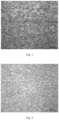
Fig. 4 is a photograph of the microstructure of the hot-rolled strip steel in Example 5 of the present invention; and -
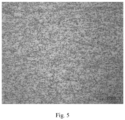
Fig. 5 is a photograph of the microstructure of the hot-rolled strip steel in Example 2 of the present invention. - The technical solution of the present invention will be further explained in conjunction with the examples and accompanying drawings.
- The main processes for manufacturing the hot-rolled strip steel in Examples 1-14 of the present invention were as follows:
- 1) According to the chemical composition shown in Table 1, converter smelting and refining were carried out, followed by continuous casting to give a steel slab.
- 2) The steel slab was heated in a heating furnace. During the heating process, the slab was heated up such that a slab surface temperature increased from 1050 to 1150°C in 15 minutes; the slab was heated in the soaking section for 20 to 60 minutes; and the slab was tapped at a temperature of 1180 to 1230 °C.
- 3) The steel slab was subjected to descaling for rough rolling, sizing, rough rolling, flying shear, finish rolling descaling, and finish rolling to give strip steel, wherein high-pressure water descaling with a pressure of 15 MPa or more, preferably 20 MPa or more, was used for the rough rolling stage, and a temperature at the rough rolling outlet was 1040 °C or less. Then finish rolling was performed to the rough-rolled strip steel, wherein multi-stand continuous rolling was used for the finish rolling, and a final rolling was performed at a temperature of 820 to 880 °C.
- 4) After finish rolling of the strip steel, laminar flow cooling and coiling were carried out to obtain the hot-rolled strip steel of the present invention. Laminar flow cooling, in combination with two-stage cooling, was adopted for cooling, wherein the first stage of cooling was performed to rapidly cool the strip steel to 640 to 690 °C at a cooling rate of ≥ 150 °C/s, preferably 150 to 350 °C/s, followed by air cooling for 7 to 14 seconds; and the second stage of cooling was performed to cool the strip steel to 480 to 560 °C at a cooling rate of ≥ 60 °C/s, preferably 60 to 300 °C/s, followed by coiling.
- The specific production process parameters used in Examples 1-14 were listed in Table 2. After obtaining the hot-rolled strip steel according to
steps 1 to 4 as above, performance testing was performed on the hot-rolled strip steel. The specific performance parameters of strip steel were listed in Table 3. The microstructures of Examples 1-14 were also listed in Table 3. The content of ferrite and bainite in the steel was provided in Table 3, with the balance of the microstructure being a small amount of pearlite and/or carbide(s). - In accordance with the standard TB/T2375 "Test Method for Cyclic Immersion Corrosion of Weather-Resistant Steel for Railway", the corrosion resistance of the hot-rolled strip steels in Examples 1-14 and steels in Comparative Examples 1-2 was tested. The "relative corrosion rate" in Table 3 represents the corrosion rate of the hot-rolled strip steel in Examples 1-14 and Q450NQR1 steel relative to Q345B steel.
- The yield strength, tensile strength, and elongation at break of the hot-rolled strip steel in Examples 1-14 were tested in accordance with the standard GB/T 228.1-2021 "Metallic materials - Tensile testing - Part 1: Method of test at room temperature", and the cold bending performance was tested in accordance with the standard GB/T 232-2010 "Metallic materials - Bend test".
- The grain size of ferrite in Example 1-14 was measured in accordance with the standard GB/T 6394-2017 "Determination of estimating the average grain size of metal".
-
Figs. 3 to 5 show metallographic photographs of the hot-rolled strip steels in Examples 13, 5 and 2 of the present invention, respectively. As can be seen fromFigs. 3-5 , the metallographic structure of the hot-rolled strip steels in Examples 13, 5 and 2 of the present invention was mainly polygonal ferrite + bainite, with the content of ferrite ranging from 70 vol% (Fig. 3 ) to 40 vol% (Fig. 5 ), and the balance being the structure mainly composed of bainite, wherein the proportion of bainite in the steel was 20 vol% to 60 vol%. The bainite in the present invention was actually a granular bainite, with a large amount of MA distributed in the bainite structure. Specifically, MA accounted for 30 vol% or more of the bainite structure, generally 30 vol% to 50 vol%. In addition, there were a small amount of pearlite or carbide(s) in hot-rolled strip steel. - In the present invention, existing Q355B steel and Q450NQR1 steel were used as comparative examples. The components of Comparative Example 1 (Q355B) and Comparative Example 2 (Q450NQR1) were also listed in Table 1.
- As can be seen from the results in Table 3, the hot-rolled strip steel of the present invention exhibited excellent corrosion resistance.
Table 1 (unit: in mass percentage) C Si Mn P S Al Cu Cr Ni Ti Nb Mo V B Sb Re Mg Ca 2Mn+Cr Si+2Ni Example 1 0.147 0.20 0.33 0.018 0.003 0.270 0.46 1.88 0.26 - - - - - - - - - 2.54 0.72 Example 2 0.120 0.33 0.46 0.008 0.003 0.350 0.22 2.35 0.11 0.015 - - - - - - - - 3.27 0.55 Example 3 0.090 0.12 0.58 0.012 0.005 0.033 0.32 2.70 0.08 - 0.015 - - - - - - - 3.86 0.28 Example 4 0.071 0.08 0.72 0.009 0.004 0.096 0.26 3.62 0.16 0.010 0.010 - - - - - - - 5.06 0.4 Example 5 0.066 0.28 0.48 0.014 0.006 0.045 0.18 4.45 - - - - - - - - - - 5.41 0.28 Example 6 0.060 0.47 1.20 0.016 0.005 0.056 0.38 2.88 0.22 - - - - - - - - - 5.28 0.91 Example 7 0.055 0.43 1.35 0.007 0.007 0.578 0.13 1.54 - - - - 0.05 - - - - - 4.24 0.43 Example 8 0.048 0.36 1.24 0.015 0.009 0.084 0.24 2.42 0.18 - - - - - - - - - 4.9 0.72 Example 9 0.040 0.46 1.88 0.025 0.003 0.230 0.57 2.14 - - 0.045 - - - - - - - 5.9 0.46 Example 10 0.063 0.21 1.23 0.011 0.003 0.025 0.35 2.05 - 0.060 - - - - 0.10 - - - 4.51 0.21 Example 11 0.077 0.16 0.68 0.008 0.006 0.040 0.25 2.43 - 0.147 - - 0.0015 - - - - 3.79 0.16 Example 12 0.046 0.03 1.32 0.013 0.005 0.035 0.28 2.38 0.05 - - 0.13 - - 0.002 - - 5.02 0.25 Example 13 0.056 0.44 1.02 0.011 0.002 0.031 0.36 1.58 - - - 0.36 - - - - 0.001 - 3.62 0.44 Example 14 0.082 0.38 0.76 0.012 0.001 0.024 0.29 2.33 - - 0.550 - - - - - - 0.002 3.85 0.38 Comparative Example 1 0.180 0.20 0.50 0.025 0.018 0.020 0.03 Comparative Example 2 0.074 0.33 1.39 0.018 0.005 0.030 0.30 0.49 0.16 0.015 0.025 Table 2 Time for heating at 1050 to 1150 °C [min] Time for soaking [s] Tapping temperature [°C] Temperature at rough rolling outlet [°C] Final rolling temperature for finish rolling [°C] Intermediate air-cooling temperature after first stage of water cooling [°C] Time for intermediate air cooling [s] Coiling temperature [°C] Example 1 9 33 1180 1001 880 656 10 510 Example 2 10 42 1182 1003 876 662 12 494 Example 3 12 45 1190 1009 855 670 10 488 Example 4 9 38 1185 1008 846 654 8 500 Example 5 11 34 1200 1010 860 667 9 520 Example 6 14 39 1205 1008 840 670 7 516 Example 7 13 42 1212 1026 847 666 11 560 Example 8 10 50 1220 1038 840 650 13 483 Example 9 12 24 1200 1020 855 643 14 496 Example 10 14 38 1230 1040 843 657 12 540 Example 11 11 55 1230 1038 853 689 12 560 Example 12 9 24 1196 1012 822 658 10 530 Example 13 7 36 1204 1032 852 674 9 489 Example 14 13 36 1205 1028 850 665 7 556 Table 3 Thickness [mm] Ferrite [vol%] Grain size grade of ferrite Bainite [vol%] Pearlite and/or carbide [vol%] Yield strength [MPa] Tensile strength [MPa] Yield-to-tensile ratio Elongation at break [%] Cold bending performance 180° D=1t Low-temperature impact energy at -40°C [J] Relative corrosion rate [%] Example 1 1.5 40 12 55 5 732 933 0.78 20.1 Qualified - 28.9 Example 2 2 41 12 56 3 658 873 0.75 20.3 Qualified - 27.3 Example 3 3 50 12 38 12 632 852 0.74 21.3 Qualified 88 26.6 Example 4 4.5 50 12 37 13 688 884 0.78 20.7 Qualified 98 22.8 Example 5 3 50 11 36 14 566 712 0.79 25.3 Qualified 116 21.3 Example 6 5 57 11 33 10 682 845 0.81 22.3 Qualified 92 25.1 Example 7 3.5 60 10 30 10 613 784 0.78 26.4 Qualified 104 29.9 Example 8 4 40 11 55 5 606 814 0.74 23.9 Qualified 112 28.4 Example 9 3.6 50 11 38 12 642 769 0.83 24.4 Qualified 109 28.0 Example 10 4.7 57 10 32 11 697 883 0.79 21.6 Qualified 88 27.5 Example 11 4 68 9 20 12 732 865 0.85 23.2 Qualified 87 27.2 Example 12 5.5 65 9 25 10 606 788 0.77 22.1 Qualified 86 26.5 Example 13 3.8 67 10 23 10 623 832 0.75 20.8 Qualified 134 29.2 Example 14 4 56 9 38 6 714 875 0.82 22.4 Qualified 100 27.5 Comparative Example 1 100.0 Comparative Example 2 55.3
Claims (9)
- A hot-rolled strip steel, comprising the following components in mass percentage:C: 0.04 to 0.15%, Si ≤ 0.50%, Mn: 0.30 to 2.00%, Cr: 1.5 to 4.5%, Cu: 0.10 to 0.60%, P ≤ 0.03%, S ≤ 0.01%, and Al: 0.01 to 0.60%, with the balance being Fe and unavoidable impurities; andfurther satisfies: 2.5% ≤ 2Mn+Cr ≤ 6.0%, with elemental symbols being substituted with mass percentages of corresponding elements in the hot-rolled strip steel for calculation.
- The hot-rolled strip steel according to claim 1, wherein the hot-rolled strip steel further comprises Ni, and the composition of the hot-rolled strip steel satisfies: Ni ≤ 0.40%, and Si+2Ni ≥ 0.10%, with elemental symbols being substituted with mass percentages of corresponding elements in the hot-rolled strip steel for calculation.
- The hot-rolled strip steel according to claim 1 or 2, wherein the hot-rolled strip steel further comprises at least one selected from the following: Ti ≤ 0.15%, Nb ≤ 0.06%, V ≤ 0.15%, Mo ≤ 0.40%, and B ≤ 0.002%.
- The hot-rolled strip steel according to any one of claims 1-3, wherein the hot-rolled strip steel further comprises at least one selected from the following: Sb ≤ 0.15%, Re ≤ 0.15%, Ca ≤ 0.015% or Mg ≤ 0.015%.
- The hot-rolled strip steel according to any one of claims 1-4, wherein the hot-rolled strip steel has a microstructure being a multiphase structure of polygonal ferrite + bainite containing MA, and the ferrite has a grain size of grade 9 or more, preferably grade 11 or more; wherein in the microstructure, the polygonal ferrite has a content of 40 vol% to 70 vol%, the bainite has a content of 20 vol% to 60 vol%, preferably 30 vol% to 60 vol%, and the fine granular MA in the bainite structure accounts for 30 vol% or more of the bainite; and wherein the microstructure has a pearlite or carbide content of ≤ 15 vol%.
- The hot-rolled strip steel according to any one of claims 1-5, wherein the hot-rolled strip steel has a corrosion rate of 30% or less of that of Q355B steel; and/or, the hot-rolled strip steel has a corrosion depth of ≤ 0.1 mm during a simulated service cycle of 25 years; and/or, the hot-rolled strip steel has a yield strength of ≥ 550 MPa, a tensile strength of ≥ 650 MPa, a yield-to-tensile ratio of ≤ 0.85, an elongation at break of ≥ 20%, a cold bending performance that meets qualification under the conditions of bending at 180 ° and D=1t, and an impact energy at -40 °C of 80 J or more.
- A manufacturing method for the hot-rolled strip steel according to any one of claims 1-6, comprising the following steps:1) Smelting and casting
Smelting molten steel according to the composition according to any one of claims 1-4, and then casting into a slab;2) Heating
Transferring the slab into a heating furnace or soaking furnace for soaking; heating up the slab such that a slab surface temperature increases from 1050 to 1150°C in 15 minutes; wherein the heating time of the slab in the soaking section is 20 to 60 minutes; and a tapping temperature of the slab is 1180 to 1230 °C;3) Rolling
Performing rough rolling after the slab is removed from the heating furnace and sized, wherein high-pressure water descaling with a pressure of 15 MPa or more, preferably 20 MPa or more, is used for the rough rolling stage, and a temperature at a rough rolling outlet is 1040 °C or less; then performing finish rolling to the rough-rolled strip steel, wherein multi-stand continuous rolling is used for the finish rolling, and a final rolling temperature is 820 to 880 °C;4) Cooling
Adopting laminar flow cooling for cooling, in combination with two-stage cooling, wherein the first stage of cooling is performed to rapidly cool the strip steel to 640 to 690 °C at a cooling rate of ≥ 150 °C/s, preferably 150 to 350 °C/s, followed by air cooling for 7 to 14 seconds; and the second stage of cooling is performed to cool the strip steel to 480 to 560 °C at a cooling rate of ≥ 60 °C/s, preferably 60 to 300 °C/s, followed by coiling. - The manufacturing method according to claim 7, wherein in step 3), the temperature at the rough rolling outlet is 1000 to 1040 °C.
- The manufacturing method according to claim 7 or 8, wherein in step 3), in the finish rolling, if the finished hot-rolled strip has a thickness of 3 mm or less, the final rolling temperature is 860 to 880 °C; if the finished hot-rolled strip has a thickness of 3 to 5 mm, the final rolling temperature is 840 to 860 °C; and if the finished hot-rolled strip has a thickness of 5 mm or more, the final rolling temperature is 820 to 840 °C.
Applications Claiming Priority (2)
| Application Number | Priority Date | Filing Date | Title |
|---|---|---|---|
| CN202210677554.XA CN115161552B (en) | 2022-06-15 | 2022-06-15 | A high-strength hot-rolled steel strip with high weather resistance and its manufacturing method |
| PCT/CN2023/100515 WO2023241666A1 (en) | 2022-06-15 | 2023-06-15 | High-strength hot-rolled strip steel with high weather resistance, and manufacturing method therefor |
Publications (2)
| Publication Number | Publication Date |
|---|---|
| EP4527966A1 true EP4527966A1 (en) | 2025-03-26 |
| EP4527966A4 EP4527966A4 (en) | 2025-09-03 |
Family
ID=83485879
Family Applications (1)
| Application Number | Title | Priority Date | Filing Date |
|---|---|---|---|
| EP23823232.6A Pending EP4527966A4 (en) | 2022-06-15 | 2023-06-15 | HIGH-STRENGTH HOT-ROLLED STRIP STEEL WITH HIGH WEATHER RESISTANCE AND MANUFACTURING PROCESS THEREFOR |
Country Status (7)
| Country | Link |
|---|---|
| US (1) | US20250361589A1 (en) |
| EP (1) | EP4527966A4 (en) |
| JP (1) | JP2025522449A (en) |
| KR (1) | KR20250021571A (en) |
| CN (1) | CN115161552B (en) |
| CA (1) | CA3259403A1 (en) |
| WO (1) | WO2023241666A1 (en) |
Families Citing this family (25)
| Publication number | Priority date | Publication date | Assignee | Title |
|---|---|---|---|---|
| CN115141974B (en) * | 2022-06-15 | 2024-05-14 | 宝山钢铁股份有限公司 | High-strength high-plasticity hot rolled strip steel with high weather resistance and manufacturing method thereof |
| CN115161552B (en) * | 2022-06-15 | 2023-07-07 | 宝山钢铁股份有限公司 | A high-strength hot-rolled steel strip with high weather resistance and its manufacturing method |
| CN115976406B (en) * | 2022-12-14 | 2024-07-02 | 湖南华菱涟源钢铁有限公司 | Weather-resistant steel, preparation method thereof and product thereof |
| CN115976412B (en) * | 2022-12-22 | 2024-05-03 | 武汉钢铁有限公司 | Hot-rolled wire rod for weather-resistant steel strand with pressure of more than 1300MPa and rolling process thereof |
| CN115948697B (en) * | 2022-12-22 | 2024-05-14 | 武汉钢铁有限公司 | 500 MPa-level weather-resistant coating-free hot rolled rod wire and rolling process thereof |
| CN116200667B (en) * | 2023-03-15 | 2025-04-15 | 马鞍山钢铁股份有限公司 | A pipeline steel with a yield strength of 290 MPa and resistance to microbial corrosion and carbon dioxide corrosion and a production method thereof |
| CN116770167B (en) * | 2023-03-27 | 2024-07-12 | 武汉钢铁有限公司 | A high-strength weather-resistant wire rod for photovoltaic support tie rods and production method |
| CN119020687B (en) * | 2023-05-26 | 2025-10-17 | 宝山钢铁股份有限公司 | 500 MPa-grade hot-rolled strip steel for building structure with sea wave splashing zone corrosion resistance and manufacturing method thereof |
| CN116676539B (en) * | 2023-06-08 | 2026-03-27 | 马鞍山钢铁有限公司 | A bainitic high-strength steel plate with different yield strength ratios and tensile strengths, its manufacturing method and application |
| CN116987975B (en) * | 2023-08-28 | 2025-11-18 | 鞍钢股份有限公司 | A 420MPa grade heavy industrial atmospheric corrosion resistant bridge steel plate and its production method |
| CN117305699B (en) * | 2023-09-15 | 2025-10-17 | 武汉钢铁有限公司 | 450 MPa-grade nickel-free marine atmospheric corrosion resistant steel plate and production method thereof |
| CN117089770A (en) * | 2023-09-26 | 2023-11-21 | 武汉钢铁有限公司 | A short-process, high-hardness, super-weather-resistant hot-rolled strip steel and its production method |
| CN117089769A (en) * | 2023-09-26 | 2023-11-21 | 武汉钢铁有限公司 | A short-process, high-strength, super atmospheric corrosion-resistant hot-rolled strip steel and its production method |
| CN117448674B (en) * | 2023-10-10 | 2024-12-03 | 鞍钢股份有限公司 | 550 MPa-level weather-resistant bridge steel for plateau environment and manufacturing method thereof |
| CN117845130A (en) * | 2023-12-29 | 2024-04-09 | 首钢集团有限公司 | Acid-resistant steel and its preparation method and application |
| CN118166276B (en) * | 2024-03-06 | 2025-09-30 | 鞍钢股份有限公司 | X60 grade steel for outer load-bearing tube of tube bundle and production method thereof |
| CN117947353B (en) * | 2024-03-11 | 2025-09-30 | 鞍钢股份有限公司 | A hot-rolled L245 grade pipeline steel coil for ground gathering and transportation and its production method |
| CN118685686B (en) * | 2024-07-08 | 2026-03-03 | 包头钢铁(集团)有限责任公司 | Production method of high-strength nickel-free rare earth weathering steel |
| CN119332171B (en) * | 2024-09-20 | 2026-01-27 | 山西太钢不锈钢股份有限公司 | High-corrosion-resistance low-alloy steel for photovoltaic bracket and manufacturing method thereof |
| CN119194278B (en) * | 2024-09-20 | 2026-01-27 | 山西太钢不锈钢股份有限公司 | Steel coils for photovoltaic brackets and their manufacturing methods |
| CN119194290B (en) * | 2024-09-20 | 2026-01-23 | 山西太钢不锈钢股份有限公司 | High-strength and high-toughness low-alloy corrosion-resistant steel for photovoltaic bracket and manufacturing method thereof |
| CN119194287B (en) * | 2024-09-20 | 2026-01-27 | 山西太钢不锈钢股份有限公司 | Steel coil for photovoltaic bracket and preparation method thereof |
| CN119571213B (en) * | 2024-11-11 | 2025-09-12 | 马鞍山钢铁股份有限公司 | A kind of extreme specification hot-rolled weathering steel and its manufacturing method and application |
| CN119685698B (en) * | 2024-11-14 | 2025-11-18 | 钢铁研究总院有限公司 | A Cr-Cu-Mo-Sb series high weathering steel and its preparation method |
| CN119876768B (en) * | 2025-03-26 | 2025-06-24 | 北京科技大学 | High-strength weather-proof bainite wire rod and preparation method thereof |
Family Cites Families (24)
| Publication number | Priority date | Publication date | Assignee | Title |
|---|---|---|---|---|
| JPS5447816A (en) * | 1977-09-26 | 1979-04-14 | Kawasaki Steel Co | Anticorrosive* wearrresistant steel plate |
| JPH09290212A (en) * | 1996-04-25 | 1997-11-11 | Sumitomo Metal Ind Ltd | Corrosion resistant coated steel |
| JPH11140586A (en) * | 1997-11-05 | 1999-05-25 | Kawasaki Steel Corp | Steel for chimneys and chimneys of boilers exclusively for LNG firing |
| JP3996727B2 (en) * | 2000-01-31 | 2007-10-24 | 新日本製鐵株式会社 | Corrosion resistant steel for double hull oil tanker storage |
| JP2006316326A (en) * | 2005-05-13 | 2006-11-24 | Gainsmart Group Ltd | Ultrahigh-strength anti-weathering steel and manufacturing method therefor |
| JP4790423B2 (en) * | 2006-01-17 | 2011-10-12 | 新日本製鐵株式会社 | Welded structural steel excellent in seawater corrosion resistance and ship ballast tank anticorrosion method using the same |
| JP5058574B2 (en) * | 2006-12-07 | 2012-10-24 | 新日本製鐵株式会社 | Anti-corrosion steel plate for ship ballast tanks to be anticorrosive and rust prevention method for ship ballast tanks |
| KR101038826B1 (en) * | 2008-09-09 | 2011-06-03 | 주식회사 포스코 | High strength hot rolled steel sheet with excellent weather resistance and impact resistance and its manufacturing method |
| CN101994064A (en) * | 2009-08-18 | 2011-03-30 | 宝山钢铁股份有限公司 | Weathering steel with yield strength of 550MPa level and manufacturing method thereof |
| JP5655358B2 (en) * | 2010-04-16 | 2015-01-21 | Jfeスチール株式会社 | Steel material with excellent seawater corrosion resistance |
| CN102409253A (en) * | 2010-09-21 | 2012-04-11 | 鞍钢股份有限公司 | A weathering steel for high-corrosion-resistant and high-strength railway vehicles and its manufacturing method |
| FI20125063L (en) * | 2012-01-19 | 2013-07-20 | Rautaruukki Oyj | METHOD FOR MANUFACTURING A WEATHER-RESISTANT HOT-ROLLED ULTRA-STRONG STRUCTURAL STEEL PRODUCT AND A WEATHER-RESISTANT HOT-ROLLED ULTRA-STRENGTH STRUCTURAL STEEL PRODUCT |
| CN102644032B (en) * | 2012-04-17 | 2014-08-13 | 马钢(集团)控股有限公司 | Cooling after rolling method for high-weather fastness hot-rolled H-steel with yield strength up to 550MPa |
| KR101819305B1 (en) * | 2015-12-23 | 2018-01-17 | 주식회사 포스코 | Steel sheet for pipe having excellent corrosion resistance in the corrosive environment, and method for manufacturing the same |
| CN106987782B (en) * | 2017-03-17 | 2018-08-07 | 中国石油天然气集团公司 | A kind of resistance to a small amount of CO2And H2The continuous pipe and its manufacturing method of S corrosion |
| CN107881429B (en) * | 2017-11-16 | 2019-08-20 | 北京首钢股份有限公司 | A kind of hot rolling high-strength weathering steel and its manufacturing method |
| CN108004477A (en) * | 2017-12-04 | 2018-05-08 | 河钢股份有限公司承德分公司 | A kind of atmospheric corrosion resistant hot-rolled steel strip and its production method |
| JP7269467B2 (en) * | 2019-01-11 | 2023-05-09 | 日本製鉄株式会社 | steel |
| JP7348463B2 (en) * | 2019-01-11 | 2023-09-21 | 日本製鉄株式会社 | steel material |
| JP7667404B2 (en) * | 2020-07-28 | 2025-04-23 | 日本製鉄株式会社 | Wear-resistant steel plate |
| CN111676427A (en) * | 2020-07-30 | 2020-09-18 | 攀钢集团研究院有限公司 | 590MPa grade high corrosion and weathering steel and preparation method thereof |
| CN111945065A (en) * | 2020-08-03 | 2020-11-17 | 攀钢集团研究院有限公司 | A 500MPa grade high chromium weathering steel and its preparation method and application |
| CN115141974B (en) * | 2022-06-15 | 2024-05-14 | 宝山钢铁股份有限公司 | High-strength high-plasticity hot rolled strip steel with high weather resistance and manufacturing method thereof |
| CN115161552B (en) * | 2022-06-15 | 2023-07-07 | 宝山钢铁股份有限公司 | A high-strength hot-rolled steel strip with high weather resistance and its manufacturing method |
-
2022
- 2022-06-15 CN CN202210677554.XA patent/CN115161552B/en active Active
-
2023
- 2023-06-15 EP EP23823232.6A patent/EP4527966A4/en active Pending
- 2023-06-15 WO PCT/CN2023/100515 patent/WO2023241666A1/en not_active Ceased
- 2023-06-15 US US18/875,075 patent/US20250361589A1/en active Pending
- 2023-06-15 CA CA3259403A patent/CA3259403A1/en active Pending
- 2023-06-15 KR KR1020257001015A patent/KR20250021571A/en active Pending
- 2023-06-15 JP JP2024573639A patent/JP2025522449A/en active Pending
Also Published As
| Publication number | Publication date |
|---|---|
| KR20250021571A (en) | 2025-02-13 |
| US20250361589A1 (en) | 2025-11-27 |
| CN115161552B (en) | 2023-07-07 |
| EP4527966A4 (en) | 2025-09-03 |
| CA3259403A1 (en) | 2025-04-01 |
| WO2023241666A1 (en) | 2023-12-21 |
| CN115161552A (en) | 2022-10-11 |
| JP2025522449A (en) | 2025-07-15 |
Similar Documents
| Publication | Publication Date | Title |
|---|---|---|
| US20250361589A1 (en) | High-strength hot-rolled strip steel with high weather resistance and manufacturing method therefor | |
| CN115161551B (en) | High-strength high-formability super-atmospheric corrosion-resistant steel and manufacturing method thereof | |
| EP4527965A1 (en) | High-strength and high-plasticity hot-rolled strip steel with high weather resistance and manufacturing method therefor | |
| JP6415453B2 (en) | High corrosion resistance high strength Al-containing weathering steel sheet and method for producing the same | |
| CN110295320A (en) | A kind of big wall thickness X52MS acid-resistant pipeline steel plate and its manufacturing method of the production of LF-RH refinery practice | |
| CN111424211B (en) | Weathering steel for wide-width 700MPa hot-rolled container and its manufacturing method | |
| CN109628840B (en) | A kind of 550MPa grade cold-rolled corrosion-resistant dual-phase steel and its manufacturing method | |
| CN117089769A (en) | A short-process, high-strength, super atmospheric corrosion-resistant hot-rolled strip steel and its production method | |
| CN110578085A (en) | Hot-rolled steel plate with yield strength of 500MPa and atmospheric corrosion resistance | |
| CN115449709A (en) | A kind of thick-gauge high-strength toughness L485M pipeline steel and its production method | |
| CN115386801A (en) | 400 MPa-grade Ni-free hot-rolled weather-resistant steel plate and production method thereof | |
| CN118241117B (en) | High corrosion resistance weather-resistant steel, preparation method and application thereof | |
| CN111534746B (en) | Weather-resistant steel for wide 450 MPa-grade hot-rolled container and manufacturing method thereof | |
| CN117488209A (en) | A hot-rolled weather-resistant steel plate with high corrosion resistance of 670MPa for photovoltaic brackets and its preparation method | |
| CN117535595A (en) | High-corrosion-resistance 800 MPa-grade hot-rolled weather-resistant steel plate for photovoltaic bracket and preparation method thereof | |
| CN117265410B (en) | Low yield strength ratio, uncoated 500MPa grade marine atmospheric corrosion resistant steel and its manufacturing method | |
| CN107815593A (en) | A kind of economical high-aluminum low-silicon TRIP steel of automobile using and preparation method thereof | |
| CN115976406B (en) | Weather-resistant steel, preparation method thereof and product thereof | |
| CN115418566B (en) | Manufacturing method of low-cost high-P weather-resistant steel | |
| EP4435133A1 (en) | Hot-rolled steel for enameling having enameling and firing strengthening property, and manufacturing method therefor | |
| CN110565024A (en) | Niobium-titanium-containing 550 MPa-grade thick weathering resistant steel and production method thereof | |
| CN117089770A (en) | A short-process, high-hardness, super-weather-resistant hot-rolled strip steel and its production method | |
| CN111534747B (en) | Weathering steel for wide-width 550MPa hot-rolled container and its manufacturing method | |
| CN118581395B (en) | High-strength, wear-resistant, and corrosion-resistant steel for photovoltaic brackets and manufacturing method thereof | |
| CN119194288B (en) | Steel coil for photovoltaic bracket and preparation method thereof |
Legal Events
| Date | Code | Title | Description |
|---|---|---|---|
| STAA | Information on the status of an ep patent application or granted ep patent |
Free format text: STATUS: THE INTERNATIONAL PUBLICATION HAS BEEN MADE |
|
| PUAI | Public reference made under article 153(3) epc to a published international application that has entered the european phase |
Free format text: ORIGINAL CODE: 0009012 |
|
| STAA | Information on the status of an ep patent application or granted ep patent |
Free format text: STATUS: REQUEST FOR EXAMINATION WAS MADE |
|
| 17P | Request for examination filed |
Effective date: 20241219 |
|
| AK | Designated contracting states |
Kind code of ref document: A1 Designated state(s): AL AT BE BG CH CY CZ DE DK EE ES FI FR GB GR HR HU IE IS IT LI LT LU LV MC ME MK MT NL NO PL PT RO RS SE SI SK SM TR |
|
| A4 | Supplementary search report drawn up and despatched |
Effective date: 20250805 |
|
| RIC1 | Information provided on ipc code assigned before grant |
Ipc: C22C 38/02 20060101AFI20250730BHEP Ipc: C22C 38/04 20060101ALI20250730BHEP Ipc: C22C 38/06 20060101ALI20250730BHEP Ipc: C22C 38/20 20060101ALI20250730BHEP Ipc: C22C 38/38 20060101ALI20250730BHEP Ipc: C22C 38/26 20060101ALI20250730BHEP Ipc: C22C 38/32 20060101ALI20250730BHEP Ipc: C22C 33/04 20060101ALI20250730BHEP Ipc: C22C 38/22 20060101ALI20250730BHEP Ipc: C22C 38/58 20060101ALI20250730BHEP Ipc: C21D 9/46 20060101ALI20250730BHEP Ipc: C22C 38/42 20060101ALI20250730BHEP Ipc: C22C 38/24 20060101ALI20250730BHEP Ipc: C21D 8/02 20060101ALI20250730BHEP Ipc: C22C 38/46 20060101ALI20250730BHEP Ipc: C22C 38/60 20060101ALI20250730BHEP Ipc: C22C 38/48 20060101ALI20250730BHEP Ipc: C22C 38/50 20060101ALI20250730BHEP |
|
| DAV | Request for validation of the european patent (deleted) | ||
| DAX | Request for extension of the european patent (deleted) |