EP4524727A1 - Unikernel catalog for storing and facilitating deployment of unikernels - Google Patents
Unikernel catalog for storing and facilitating deployment of unikernels Download PDFInfo
- Publication number
- EP4524727A1 EP4524727A1 EP24194807.4A EP24194807A EP4524727A1 EP 4524727 A1 EP4524727 A1 EP 4524727A1 EP 24194807 A EP24194807 A EP 24194807A EP 4524727 A1 EP4524727 A1 EP 4524727A1
- Authority
- EP
- European Patent Office
- Prior art keywords
- unikernel
- catalog
- unikernels
- controller
- metadata
- Prior art date
- Legal status (The legal status is an assumption and is not a legal conclusion. Google has not performed a legal analysis and makes no representation as to the accuracy of the status listed.)
- Pending
Links
Images



Classifications
-
- G—PHYSICS
- G06—COMPUTING OR CALCULATING; COUNTING
- G06F—ELECTRIC DIGITAL DATA PROCESSING
- G06F8/00—Arrangements for software engineering
- G06F8/60—Software deployment
- G06F8/61—Installation
- G06F8/63—Image based installation; Cloning; Build to order
-
- G—PHYSICS
- G06—COMPUTING OR CALCULATING; COUNTING
- G06F—ELECTRIC DIGITAL DATA PROCESSING
- G06F21/00—Security arrangements for protecting computers, components thereof, programs or data against unauthorised activity
- G06F21/60—Protecting data
- G06F21/64—Protecting data integrity, e.g. using checksums, certificates or signatures
-
- G—PHYSICS
- G06—COMPUTING OR CALCULATING; COUNTING
- G06F—ELECTRIC DIGITAL DATA PROCESSING
- G06F21/00—Security arrangements for protecting computers, components thereof, programs or data against unauthorised activity
- G06F21/30—Authentication, i.e. establishing the identity or authorisation of security principals
- G06F21/31—User authentication
-
- G—PHYSICS
- G06—COMPUTING OR CALCULATING; COUNTING
- G06F—ELECTRIC DIGITAL DATA PROCESSING
- G06F21/00—Security arrangements for protecting computers, components thereof, programs or data against unauthorised activity
- G06F21/50—Monitoring users, programs or devices to maintain the integrity of platforms, e.g. of processors, firmware or operating systems
- G06F21/55—Detecting local intrusion or implementing counter-measures
- G06F21/554—Detecting local intrusion or implementing counter-measures involving event detection and direct action
-
- G—PHYSICS
- G06—COMPUTING OR CALCULATING; COUNTING
- G06F—ELECTRIC DIGITAL DATA PROCESSING
- G06F9/00—Arrangements for program control, e.g. control units
- G06F9/06—Arrangements for program control, e.g. control units using stored programs, i.e. using an internal store of processing equipment to receive or retain programs
- G06F9/44—Arrangements for executing specific programs
- G06F9/455—Emulation; Interpretation; Software simulation, e.g. virtualisation or emulation of application or operating system execution engines
- G06F9/45533—Hypervisors; Virtual machine monitors
- G06F9/45558—Hypervisor-specific management and integration aspects
-
- G—PHYSICS
- G06—COMPUTING OR CALCULATING; COUNTING
- G06F—ELECTRIC DIGITAL DATA PROCESSING
- G06F9/00—Arrangements for program control, e.g. control units
- G06F9/06—Arrangements for program control, e.g. control units using stored programs, i.e. using an internal store of processing equipment to receive or retain programs
- G06F9/44—Arrangements for executing specific programs
- G06F9/455—Emulation; Interpretation; Software simulation, e.g. virtualisation or emulation of application or operating system execution engines
- G06F9/45533—Hypervisors; Virtual machine monitors
- G06F9/45558—Hypervisor-specific management and integration aspects
- G06F2009/4557—Distribution of virtual machine instances; Migration and load balancing
Definitions
- the present disclosure relates generally to distributed computing environments and, more particularly (although not necessarily exclusively), to generating unikernel catalogs and using the unikernel catalogs to store and deploy unikernels.
- Unikernels can be specialized, single address space machine images constructed using library operating systems and designed to run a single application or service. For example, to build a unikernel, a developer may select a minimal set of libraries corresponding to operating system (OS) constructs required to execute an application. Then, the application, configuration code for the application, and the set of libraries can be compiled in a standalone binary image (e.g., the unikernel). The unikernel can then run directly on a hypervisor or hardware associated with a computing system without interfering with an underlying OS of the computing system. Thus, the unikernel can provide a resource efficient and isolated means of deploying and executing applications. Additionally, in contrast to traditional operating systems that may provide a full suite of services and functionality, the unikernels can be highly specialized and optimized for specific tasks.
- OS operating system
- a unikernel may be developed, adapted, updated, or a combination thereof to meet specific requirements of hardware or software of a computing environment prior to deployment.
- the unikernel may also be developed, adapted, updated, or a combination thereof based on a specific application or task being implemented in the computing environment via the unikernel before deployment.
- preparing a unikernel for deployment can be computationally expensive and can cause latency for the computing environments.
- a unikernel may be used in a booting process of an edge node, and a time period required to prepare and deploy the unikernel may cause latency for the booting process of the edge node.
- the current systems may develop, prepare, and deploy each unikernel separately, which can also be computationally expensive and cause latency within the computing environment.
- storing, transmitting, or otherwise interacting with unikernels via global networks may not be plausible.
- some computing environments may receive or transmit information via a local network, a mesh network, or other suitable local communication methods rather than the global networks.
- a unikernel catalog can be generated to include one or more unikernels associated with a computing environment.
- a controller may be operating on or in connection with the computing environment to manage the computing environment.
- the controller may manage unikernel deployment at the computing environment by retrieving the unikernel catalog.
- the unikernel catalog can be stored in a location available to the controller.
- the unikernel catalog can be stored on a portable device, on a local disk, in a centralized service accessible via a local network or the internet, or in another suitable location.
- the unikernel catalog can be stored in a manner that is accessible by the controller and meets security requirements of the computing environment.
- the unikernel catalog can include catalog metadata describing the unikernels.
- the controller may further manage unikernel deployment by determining, from the catalog metadata, which unikernels are included in the unikernel catalog, a provider entity of the unikernel catalog or of the unikernels, version or update information for the unikernels, or other suitable information associated with the unikernels.
- the controller may further perform a catalog checkup of the unikernel catalog.
- the catalog checkup can involve the controller verifying that a provider entity of the unikernel catalog is a secure provider entity, verifying that provider entity signatures of the unikernels are accurate, or otherwise confirming that the unikernel catalog does not pose a security threat to the computing environment. If the unikernel catalog passes the catalog checkup, the controller can extract one or more unikernels from the unikernel catalog and can deploy the one or more unikernels in the computing environment. Thus, the controller can perform the catalog checkup to ensure secure deployment of the unikernels.
- the unikernels can be prepared and deployed in a computationally efficient manner. This can also reduce latency for the computing environment in which the unikernels are deployed.
- a vehicle can be interacting with a distributed computing environment.
- the vehicle can include a controller for managing and deploying unikernels on target devices, such as cameras, sensors, or other suitable devices, associated with the vehicle.
- the controller may receive a unikernel catalog by copying the unikernel catalog from storage location, such as a USB device.
- the unikernel catalog can include unikernels associated with the target devices and catalog metadata describing the unikernels. Additionally, each of the unikernels can include executable files related to a task or application for a target device.
- the controller may execute a catalog checkup to verify the unikernel catalog. For example, the controller may verify the unikernel catalog by determining that a signature indicating a provider entity of the unikernel catalog is an acceptable signature. The signature may be included in the catalog metadata.
- the controller may extract a unikernel from the unikernel catalog and may deploy the unikernel at a target device.
- the target device can be a temperature sensor module associated with a temperature sensor (e.g., a thermistor) of the vehicle. The unikernel can be deployed at the temperature sensor module to perform temperature data collection and analysis.
- FIG. 1 is a block diagram of an example of a system 100 for deploying unikernels 110a-b using a unikernel catalog 108 according to one embodiment of the present disclosure.
- the system 100 may include one or more nodes, such as node 102, which may communicate using a network 130. Examples of the network 130 can include a local area network (LAN) or the Internet.
- the system 100 may also include a centralized service 122, a target device 104, and a storage location 120.
- the node 102 and the target device 104 may be edge nodes that may be located physically close to or within an access range of one another.
- the node 102, the target device 104, or a combination thereof can be responsible for data processing, analysis, storage, or a combination thereof within a computing environment, such as a distributed computing environment.
- a controller 106 may be a software component operating on the node 102.
- the controller 106 may be embedded within the target device 104.
- the controller 106 can be defined as a software-based or hardware-based component of the system 100 responsible for managing the target device 104 at least in part by discovering, extracting, and deploying unikernels.
- Examples of the node 102 may include servers, routers, controllers, or other suitable types of edge nodes.
- Examples of the target device 104 may include resource-constrained devices, such as microcontrollers, smart devices, sensors, etc. Additional examples of the target device 104 may include edge devices, such as smartphones, tablets, wearable devices, vehicles, Internet of Things (IoT) devices, etc.
- IoT Internet of Things
- the controller 106 may be configured to deploy unikernels 110a-b at the target device 104 using a unikernel catalog 108.
- the unikernel catalog 108 can be a file or set of files stored in the storage location 120, in the centralized service 122, or a combination thereof.
- the unikernel catalog 108 can include a set of related unikernels 110a-b that form a coherent ensemble.
- a first unikernel 110a can be a webserver unikernel and a second unikernel 110b can implement a caching mechanism for the webserver unikernel.
- Each of the unikernels 11 0a-b can include executable files 114a-b and unikernel metadata 112a-b.
- the executable files 114a-b can be binary files containing operating system components, application code, libraries, dependencies, or other suitable components required to execute a single application or service.
- first executable files 114a can include components required for executing a webserver and second executable files 114b can include components required for executing the caching mechanism.
- the executable files 114a-b can be customized to only implement the single application or service and can therefore be light weight and efficient in comparison with traditional operating systems.
- the unikernel metadata 112a-b can describe the executable files 114a-b.
- the unikernel metadata 112a-b may further include indications (e.g., signatures) of provider entities 124a-b for the unikernels 110a-b.
- first unikernel metadata 112a can include a first signature for a first provider entity 124a of the first unikernel 110a.
- second unikernel metadata 112b can include a second signature for a second provider entity 124b of the second unikernel 110b.
- the provider entities 124a-b can be organizations, companies, services, or the like used for producing the unikernels 110a-b.
- the unikernel catalog 108 can also include catalog metadata 118, which can include a third provider entity 124c for the unikernel catalog 108.
- the first provider entity 124a can be a first organization through which the first unikernel 110a was developed
- the second provider entity 124b can be a second organization through which the second unikernel 110b was developed
- the third provider entity 124c can be a service associated with the first and second organizations that packaged the unikernels 110a-b to generate the unikernel catalog 108.
- the catalog metadata 118 may also include a list of the unikernels 110a-b, descriptions of the unikernels 110a-b, or other suitable information.
- the service may be or include a unikernel catalog tool, such as the unikernel catalog tool 501 depicted in FIG. 5 .
- the unikernel catalog tool can generate the unikernel catalog 108.
- the unikernel catalog tool may receive the unikernels 110a-b from the provider entities 124a-b.
- the unikernels 110a-b may be stored independently in the centralized service 122, the storage location 120, or a combination thereof.
- the unikernel catalog tool may receive the unikernels 110a-b by accessing the centralized service 122 or the storage location 120 and retrieving the unikernels 110a-b or copies of the unikernels 11 0a-b.
- the unikernel catalog tool may then generate the unikernel catalog 108 by zipping the unikernels 110a-b together into a single zip file or by otherwise generating a file or set of files that includes the unikernels 110a-b. Additionally, the unikernel catalog tool may store the unikernel catalog 108 in the centralized service 122 or the storage location 120. Thus, the unikernel catalog tool can provide related unikernels as an integrated set to facilitate efficient preparation and deployment.
- the controller 106 may receive or copy a unikernel catalog 108 from the storage location 120.
- the storage location 120 can be a local disk on the target device 104, a portable drive (e.g., a USB device, external hard drive, or the like), an s3 bucket, or another suitable storage location. Additionally or alternatively, the controller 106 may receive or copy the unikernel catalog 108 from the centralized service 122.
- the centralized service 122 can be an online registry of unikernel images, unikernel catalogs, or a combination thereof.
- the unikernel images can be the binary files (e.g., the executable files 114a-b) consisting of the components (e.g., operating system components, application code, etc.) required to execute the single application or service.
- the executable files 114a-b and associated unikernel metadata 112a-b can be zipped together and stored in the centralized service 122 as the unikernel catalog 108. Developers may upload, manage, distribute the unikernel images or unikernel catalogs to various environments for development, testing, or the like via the centralized service 122.
- the centralized service 122 can enable seamless integration of unikernel preparation and deployment pipelines, thereby simplifying and streamlining processes of developing, updating, sharing, and executing unikernels across various environments.
- the controller 106 may transmit a request for the unikernel catalog 108 to the centralized service 122.
- the controller 106 may transmit the request based on one or both of the unikernels 110a-b being associated with the target device 104 or based on one or both of the unikernels 110a-b being customized to execute a desired application or service for the target device 104.
- the centralized service 122 may transmit the unikernel catalog 108 or a copy of the unikernel catalog 108 to the controller.
- the controller 106 may then analyze the unikernels 110a-b of unikernel catalog 108, store the unikernel catalog 108 at the storage location 120, or a combination thereof.
- the controller 106 can execute a catalog checkup 116 to verify the unikernel catalog 108.
- Verifying the unikernel catalog 108 can involve authenticating the unikernel catalog 108, performing security checks on the unikernel catalog 108 (e.g., by analyzing the unikernels 110a-b of the unikernel catalog 108 for vulnerabilities), checking that a size of files of the unikernel catalog 108 or of the unikernels 110a-b in the unikernel catalog 108 are acceptable for the target device 104, or checking that the unikernel catalog 108 and unikernels 110a-b have sufficient resources for and are compatible with components (e.g., central processing unit (CPU), random-access memory (RAM), disk, sensors, firmware, etc.) of the target device 104.
- components e.g., central processing unit (CPU), random-access memory (RAM), disk, sensors, firmware, etc.
- the controller 106 can analyze the unikernel metadata 112a-b to determine the provider entities 124a-b for each of the unikernels 110a-b. The controller 106 may then verify that the provider entities 124a-b are secure provider entities. The provider entities 124a-b can be secure provider entities if the controller 106 recognizes, trusts, or otherwise determines the provider entities 124a-b are secure. For example, the controller 106 may verify that the signatures in the unikernel metadata 112a-b are representative of a secure provider entity. The controller 106 may further verify that the provider entities 124a-b indicated by the signatures are the correct or expected provider entities for the unikernels 110a-b.
- the controller 106 may also analyze the catalog metadata 118 to determine the third provider entity 124c for the unikernel catalog 108. The controller 106 may also verify that the third provider entity 124c for the unikernel catalog 108 is a secure provider entity, that the third provider entity 124c is the expected or correct provider entity for the unikernel catalog 108, or a combination thereof.
- the controller 106 may detect a verification failure during execution of the catalog checkup 116. For example, the controller may detect that the first signature for the first provider entity 124a is incorrect or is associated with a malicious entity. In response to detecting the verification failure, the controller 106 may transmit a notification 128 indicating that the verification failure has occurred to a device belonging to a developer of the first unikernel 110a, to the target device 104, or to another node or client device associated with the unikernels 110a-b or the system 100. The controller 106 may also determine a cause of the verification failure, such as that the first signature is associated with the malicious entity. Thus, the notification 128 indicating the verification failure may further include or indicate the cause of the verification failure.
- causes of the verification failure may include the unikernel catalog 108 missing a particular unikernel, the unikernel catalog 108 or one of the unikernels 110a-b failing to meet security requirements of the target device 104, a corruption in the executable files 114a-b, insufficient memory space on the target device 104 for the executable files 114a-b, etc.
- the unikernel catalog 108 can be used to deploy one or more of the unikernels 110a-b.
- the controller 106 may extract the first unikernel 110a from the unikernel catalog 108. To do so, the controller 106 may load the first executable files 114a, the first unikernel metadata 112a, or a combination thereof and transmit the first executable files 114a, the first unikernel metadata 112a, or the combination thereof to the target device 104.
- the target device 104 can receive the components (e.g., the first unikernel 110a) for executing the webserver.
- the target device 104 can execute the first executable files 114a and may do so based on the information included in the first unikernel metadata 112a. Accordingly, the first unikernel 110a can be deployed at the target device 104.
- the controller 106 may also extract the second unikernel 110b from the unikernel catalog 108 by loading the second executable files 114b, the second unikernel metadata 112b, or a combination thereof.
- the controller 106 can then transmit the second executable files 114b, the second unikernel metadata 112b, or the combination thereof to the target device 104.
- the target device 104 can receive the components for executing the caching mechanism for the webserver.
- the target device 104 can then execute the second executable files 114b to deploy the second unikernel 110b at the target device 104.
- the unikernel catalog 108 can be used to deploy related unikernels at the target device 104 in a computationally efficient manner. Additionally, because the unikernels 110a-b have been verified via the catalog checkup 116, the deployment of the unikernels 110a-b can be secure. Moreover, due to the unikernels 110a-b being verified at and loaded from the unikernel catalog 108 rather than separately, the unikernels 110a-b can be deployed efficiently to reduce latency at the target device 104.
- FIG. 1 depicts a certain number and arrangement of components, other examples may include more components, fewer components, different components, or a different number of the components that is shown in FIG. 1 .
- the system can include more nodes than are shown in FIG. 1 .
- one target device is shown in FIG. 1 , in other examples the system 100 may include more target devices.
- the controller 106 can copy a unikernel catalog 108 from a location.
- the controller 106 can copy the unikernel catalog 108 from a centralized service 122 in which various unikernel images and unikernel catalogs are stored.
- the controller 106 may copy of the unikernel catalog 108 from the centralized service 122 via a secure communication protocol, such as Hypertext Transfer Protocol Secure (HTTPS).
- HTTPS Hypertext Transfer Protocol Secure
- the controller 106 can determine whether the unikernel catalog 108 passed the catalog checkup 116.
- an executable file of first executable files 114a for the first unikernel 110a may be corrupted.
- the controller 106 can detect the corruption during the catalog checkup 116 and can determine that the unikernel catalog 108 fails the catalog checkup 116.
- the controller 106 may not detect any security flaws or other suitable issues with the unikernel catalog 108.
- the controller 106 can determine that the unikernel catalog 108 passes the catalog checkup 116.
- the controller 106 can transmit an error message.
- the controller 106 can transmit the error message in response to the unikernel catalog 108 failing the catalog checkup 116.
- the error message may be transmitted to a client device associated with a developer of one or both of the unikernels 110a-b or of the unikernel catalog 108. Additionally or alternatively, the error message can be transmitted to the centralized service 122, and may cause the unikernel catalog 108 to be flagged or otherwise signified as being unable to be deployed.
- the error message can include a reason (e.g., the corrupt executable file) that the unikernel catalog 108 failed the catalog checkup 116.
- the controller 106 can extract at least one unikernel from the unikernel catalog.
- the controller 106 can extract one or both of the unikernels 110a-b in response to the unikernel catalog 108 passing the catalog checkup 116.
- the controller 106 can extract, for example, the first unikernel 110a by loading the first executable files 114a, the first unikernel metadata 112a, or a combination thereof from the unikernel catalog 108.
- the controller 106 may further transmit the first executable files 114a, the first unikernel metadata 112a, or the combination thereof to the target device 104.
- the controller 106 can determine that the unikernel is ready for execution. For example, the controller 106 may determine that the first unikernel 110a is ready for execution based on the target device 104 receiving the first executable files 114a, the first unikernel metadata 112a, or a combination thereof. The target device 104 may then execute the first executable files 114a. Thus, the first unikernel 110a can be deployed at the target device 104.
- FIG. 3 is a block diagram of an example of a computing environment 300 for deploying unikernels using a unikernel catalog according to one embodiment of the present disclosure.
- the computing environment 300 depicted in FIG. 3 includes a processing device 303 communicatively coupled with a memory device 305.
- the components of the computing environment, such as the processing device 303 and the memory device 305 may be part of a same computing device, such as node 302.
- the processing device 303 and the memory device 305 can be included in separate computing devices that are communicatively coupled.
- the processing device 303 can receive, by a controller 106, a unikernel catalog 108 comprising a plurality of unikernels 110a-b.
- the unikernels 110a-b can be created and used to provide caching services.
- a first unikernel 110a can be used as a server that is specialized and tailored to respond to calls from edge devices in the CDN.
- a second unikernel 110b can then be used as a storage cache that is specialized and tailored to retrieve content from the edge devices (e.g., a local disk of an edge device).
- the processing device 303 can execute, by the controller 106, a catalog checkup 116 to verify the unikernel catalog 108.
- the unikernel catalog 108 can include catalog metadata 118.
- the catalog metadata 118 can include an indication (e.g., a signature) of a third provider entity 124c of the unikernel catalog 108.
- the processing device 303 can, via the controller 106, determine the third provider entity 124c based on the catalog metadata 118. Then, the controller 106 can verify that the third provider entity 124c is a secure provider entity.
- each of the unikernels 110a-b can include unikernel metadata 112a-b.
- the unikernel metadata 112a-b can also include indications of provider entities 124a-b for the unikernels 110a-b.
- first unikernel metadata 112a of a first unikernel 110a can include an indication of a first provider entity 124a
- second unikernel metadata 112b of a second unikernel 110b can include an indication of a second provider entity 124b.
- the processing device 303 can, by the controller 106, further determine the provider entities 124a-b based on the unikernel metadata 112a-b. Then, the controller 106 can verify that the provider entities 124a-b for each of the unikernels 110a-b are secure provider entities.
- the processing device 303 can deploy, by the controller 106, the unikernel at the target device.
- the controller 106 can transmit the executable files 114a-b to the particular edge node, which can execute the executable files 114a-b.
- the unikernels 110a-b can be deployed on the particular edge node to implement a caching service (e.g., the server and the storage cache) at the particular edge node.
- a caching service e.g., the server and the storage cache
- FIG. 5 is a block diagram of an example of a system 500 for generating a unikernel catalog 508 according to one embodiment of the present disclosure.
- the system 500 may include one or more nodes, such as node 502, which may communicate using a network 530. Examples of the network 530 can include a local area network (LAN) or the Internet.
- the system 500 may also include a centralized service 522, a target device 504, and a unikernel catalog tool 501.
- the node 502 and the target device 504 may be edge nodes that may be located physically close to or within an access range of one another.
- the node 502, the target device 504, or a combination thereof can be responsible for data processing, analysis, storage, or a combination thereof within a computing environment, such as a distributed computing environment.
- the unikernel catalog tool 501 can generate a unikernel catalog 508. To do so, the unikernel catalog tool 501 may receive a first unikernel 510a and a second unikernel 510b. In an example, the unikernel catalog tool 501 may receive the first unikernel 510a from a first provider entity (e.g., Red Hat ® ). The unikernel catalog tool 501 may also receive the second unikernel 510b from the first provider entity or the unikernel catalog tool 501 may receive the second unikernel 510b from a second provider entity.
- the provider entities can be any suitable organization, company, service, or the like.
- the unikernels 510a-b may be stored independently in the centralized service 522, a storage location 520, or a combination thereof.
- the storage location 520 can be a local disk or other suitable storage location embedded within the node 502.
- the storage location 120 can be a portable drive (e.g., a USB device, external hard drive, or the like), an s3 bucket, or another suitable storage location.
- the centralized service 122 can be an online registry of unikernel images, unikernel catalogs, or a combination thereof accessible via the network 530.
- the unikernel catalog tool 501 may receive the unikernels 510a-b by accessing the centralized service 122 or the storage location 120 and retrieving the unikernels 110a-b or copies of the unikernels 110a-b.
- the unikernel catalog tool 501 may then generate catalog metadata 518.
- the catalog metadata 518 can include a list of the unikernels 510a-b, a description of executable files of each of the unikernels 510a-b, a signature or other suitable indication of a provider entity associated with the unikernel catalog tool 510, or other suitable information.
- the unikernel catalog tool 501 can then generate the unikernel catalog 508.
- the unikernel catalog tool 501 may zip the unikernels 510a-b into a single zip file or otherwise generate a file or set of files that includes the unikernels 510a-b.
- the unikernel catalog tool 501 can further zip or otherwise include a file with the catalog metadata 518 in the unikernel catalog 508.
- Each of the unikernels 510a-b can include the executable files and unikernel metadata.
- the executable files can be binary files containing operating system components, application code, libraries, dependencies, or other suitable components required to execute a single application or service.
- the unikernel metadata can include descriptions of the executable files, signatures for the provider entities of the unikernels 510a-b, or other information related to the unikernel 510a-b.
- the unikernel catalog tool 501 may combine the unikernels 510a-b based on the unikernels 510a-b being customized for the target device 504 or otherwise related.
- the unikernel catalog tool 501 may store the unikernel catalog 508 in the centralized service 522 or the storage location 520.
- the unikernel catalog tool 501 can provide related unikernels as an integrated set and store the unikernels for subsequent use. In this way, the unikernel catalog tool 501 can facilitate efficient preparation and deployment of the unikernels.
- a controller 506 may be a software or hardware component operating on the node 502.
- the controller 506 may be a component associated with the target device 504.
- the controller 506 can be defined as a software-based or hardware-based component of the system 500 responsible for managing the target device 504 at least in part by discovering, extracting, and deploying unikernels.
- the controller 506 may be configured to copy the unikernel catalog 508 from the centralized service 522 or the storage location 520. As a result, the unikernel catalog 508 can be received at the node 502.
- the controller 506 may then perform a catalog checkup 516 to verify the unikernel catalog 508. If the unikernel catalog 508 passes the catalog checkup 516, the controller 506 can extract one or more of the unikernels 510a-b from the unikernel catalog. For example, the controller 506 may load the executable files and unikernel metadata associated with the unikernels 510a-b. The controller 506 may then transmit the unikernels 510a-b to the target device 504.
- the unikernel catalog tool 501 or the controller 506 may transfer the unikernel catalog 508 from the storage location 520 to the centralized service 522 or transfer the unikernel catalog 508 from the centralized service 522 to the storage location 520.
- transferring the unikernel catalog 508 from the storage location 520 to the centralized service 522 can make the unikernel catalog 508 available to additional nodes, target devices, etc. on the network 530.
- transferring the unikernel catalog 508 from the centralized service 522 to the storage location 520 can make the unikernel catalog 508 readily available to the node 502 or target device 504 associated with the storage location 520.
- FIG. 6 is a block diagram of an example of a unikernel catalog 608 according to one embodiment of the present disclosure.
- the unikernel catalog 608 can include a first unikernel 610a and a second unikernel 610b.
- the first unikernel 610a can include a first set of binary files 614a-b.
- the second unikernel 610b can include a second set of binary files 614c-d.
- the binary files 614a-d can contain operating system components, application code, libraries, dependencies, or other suitable components required to execute a single application of service.
- the first set of binary files 614a-b can include components required for executing a first application associated with the first unikernel 610a.
- the second set of binary files 614c-d can similarly include components required for executing a second application associated with the second unikernel 610b.
- the binary files 614a-d can be customized such that the binary files 614a-d only include the components necessary for implementing the first and second applications respectively.
- the first unikernel 610a can further include first unikernel metadata 612a
- the second unikernel 610b can include second unikernel metadata 612b.
- the first unikernel metadata 612a can describe contents of the first set of binary files 614a-b
- the second unikernel metadata 612b can describe contents of the second set of binary files 614c-d.
- the unikernel metadata 612a-b may further include indications of provider entities for the unikernels 610a-b.
- the first unikernel metadata 612a can include a first unikernel signature 630a for a first provider entity of the first unikernel 610a.
- the second unikernel metadata 612b can include a second unikernel signature 630b for a second provider entity of the second unikernel 610b.
- the unikernel catalog 608 can further include catalog metadata 618, which can include an identity of a catalog provider 628 for the unikernel catalog 608.
- the catalog metadata 618 may also include a list of the unikernels 610a-b, descriptions of contents 626 of the unikernels 610a-b, or other suitable information.
- FIG. 7 is a block diagram of an example of a computing environment 700 for generating a unikernel catalog 708 according to one example of the present disclosure.
- the computing environment 700 depicted in FIG. 7 includes a processing device 703 communicatively coupled with a memory device 705.
- the components of the computing environment, such as the processing device 703 and the memory device 705 may be part of a same computing device, such as node 702.
- the processing device 703 and the memory device 705 can be included in separate computing devices that are communicatively coupled.
- the processing device 703 can include one processing device or multiple processing devices.
- Non-limiting examples of the processing device 703 include a Field-Programmable Gate Array (FPGA), an application-specific integrated circuit (ASIC), a microprocessor, etc.
- the processing device 703 can execute instructions 707 stored in the memory device 705 to perform operations.
- the instructions 707 can include processor-specific instructions generated by a compiler or an interpreter from code written in any suitable computer-programming language, such as C, C++, C#, etc.
- the memory device 705 can include one memory or multiple memories.
- the memory device 705 can be non-volatile and may include any type of memory that retains stored information when powered off.
- Non-limiting examples of the memory device 705 include electrically erasable and programmable read-only memory (EEPROM), flash memory, or any other type of non-volatile memory.
- EEPROM electrically erasable and programmable read-only memory
- flash memory or any other type of non-volatile memory.
- At least some of the memory can include a non-transitory computer-readable medium from which the processing device 703 can read instructions 707.
- the non-transitory computer-readable medium can include electronic, optical, magnetic, or other storage devices capable of providing the processing device with computer-readable instructions or other program code. Examples of the non-transitory computer-readable medium include magnetic disk(s), memory chip(s), ROM, RAM, an ASIC, a configured processor, optical storage, or any other medium from which a computer processor can read the instructions 707.
- the processing device 703 can execute the instructions 707 to perform some or all of the functionality described herein.
- the processing device 703 can receive a plurality of unikernels 710a-b associated with a target device 704.
- the processing device 703 can also generate catalog metadata 718 describing executable files of each unikernel of the plurality of unikernels 710a-b.
- the processing device 703 can further generate a unikernel catalog 706 that comprises the plurality of unikernels 710a-b and the catalog metadata 718.
- the processing device 703 can store the unikernel catalog 708 in a storage location 720 or in a centralized service 722 associated with the target device 704.
- FIG. 8 is a flowchart of an example of a process 800 for generating a unikernel catalog according to one example of the present disclosure.
- the processing device 703 can implement some or all of the steps shown in FIG. 8 . Additionally, in some examples, the processing device 703 can be executing the unikernel catalog tool 501 of FIG. 5 to implement some or all of the steps shown in FIG. 8 . Other examples can include more steps, fewer steps, different steps, or a different order of the steps than is shown in FIG. 8 . The steps of FIG. 8 are discussed below with reference to the components discussed above in relation to FIGS. 5-7 .
- the processing device 703 can receive a plurality of unikernels 510a-b associated with a target device 504.
- the target device 504 can be a virtual machine and the unikernels 510a-b can be developed to run applications for the virtual machine. It can be desirable to run the applications using the unikernels 510a-b as the unikernels 510a-b can be light-weight, resource efficient, and secure.
- the unikernels 510a-b can also each provide application-level isolation, thereby preventing interference between applications and promoting stability for each application.
- the processing device 703 can generate catalog metadata 518 describing executable files of each unikernel of the plurality of unikernels 510a-b.
- the catalog metadata 518 can also include a list of the unikernels 510a-b, descriptions of each of the applications hosted by the unikernels 510a-b, an indicator (e.g., a signature) of a provider entity of the unikernel catalog 508, or other suitable information.
- the processing device 703 can generate a unikernel catalog 508 that comprises the plurality of unikernels 510a-b and the catalog metadata 518. For example, the processing device 703 can detect that both of the unikernels 510a-b include applications associated with the virtual machine. Thus, the processing device 703 may zip first executable files and metadata associated with the first unikernel 510a and second executable files and metadata associated with the second unikernel 510b into the unikernel catalog 508.
- the processing device 703 can store the unikernel catalog 508 in a storage location or a centralized service associated with the target device.
- the processing device 703 may store the unikernel catalog 508 in a storage location accessible to a hypervisor managing the virtual machine.
- the storage location may be a local disk of a physical host on which the virtual machine is running.
- Example 1 is a non-transitory computer-readable medium comprising instructions that are executable by a processing device for causing the processing device to: receive, by a controller, a unikernel catalog comprising a plurality of unikernels and catalog metadata, each unikernel of the plurality of unikernels comprising unikernel metadata and executable files; execute, by the controller, a catalog checkup to verify the unikernel catalog; in response to verifying the unikernel catalog: extract, by the controller, a unikernel of the plurality of unikernels associated with a target device from the unikernel catalog; and deploy, by the controller, the unikernel at the target device.
- Example 2 is the non-transitory computer-readable medium of example 1, further comprising instructions executable by the processing device for causing the processing device to execute the catalog checkup to verify the unikernel catalog by: determining a provider entity for each unikernel of the plurality of unikernels based the unikernel metadata; and verifying that the provider entity for each unikernel of the plurality of unikernels is a secure provider entity.
- Example 3 is the non-transitory computer-readable medium of example(s) 1-2, further comprising instructions executable by the processing device for causing the processing device to execute the catalog checkup to verify the unikernel catalog by: determining a provider entity for the unikernel catalog based on the catalog metadata; and verifying that the provider entity for the unikernel catalog is a secure provider entity.
- Example 4 is the non-transitory computer-readable medium of example(s) 1-3, wherein the unikernel catalog is received from a centralized service configured to store a plurality of unikernel catalogs including the unikernel catalog, and further comprising instructions executable by the processing device for causing the processing device to, prior to receiving the unikernel catalog, request the unikernel catalog from the centralized service.
- Example 5 is the non-transitory computer-readable medium of example(s) 1-4, wherein the unikernel catalog is received from a storage location accessible by the controller, wherein the storage location is a local disk or a portable drive, and further comprising instructions executable by the processing device for causing the processing device to, prior to receiving the unikernel catalog, access the storage location.
- Example 6 is the non-transitory computer-readable medium of example(s) 1-5, further comprising instructions executable by the processing device for causing the processing device to: detect a verification failure during execution of the catalog checkup; in response to detecting the verification failure: determine a cause of the verification failure; and transmit a notification indicating the verification failure and the cause of the verification failure to the target device.
- Example 7 is a method comprising: receiving, by a controller of a node in a distributed computing environment, a unikernel catalog comprising a plurality of unikernels; executing, by the controller, a catalog checkup to verify the unikernel catalog; in response to verifying the unikernel catalog: detecting, by the controller, a unikernel of the plurality of unikernels associated with a target device of the distributed computing environment; extracting, by the controller, the unikernel from the unikernel catalog; and deploying, by the controller, the unikernel at the target device.
- Example 8 is the method of example 7, wherein each unikernel of the plurality of unikernels comprises unikernel metadata, and wherein executing the catalog checkup to verify the unikernel catalog comprises: determining a provider entity for each unikernel of the plurality of unikernels based the unikernel metadata; and verifying that the provider entity for each unikernel of the plurality of unikernels is a secure provider entity.
- Example 9 is the method of example(s) 7-8, wherein the unikernel catalog further comprises catalog metadata, and wherein executing the catalog checkup to verify the unikernel catalog comprises: determining a provider entity for the unikernel catalog based on the catalog metadata; and verifying that the provider entity for the unikernel catalog is a secure provider entity.
- Example 10 is the method of example(s) 7-9, wherein the unikernel catalog is received from a centralized service configured to store a plurality of unikernel catalogs including the unikernel catalog.
- Example 11 is the method of example(s) 7-10, further comprising, prior to receiving the unikernel catalog, requesting the unikernel catalog from the centralized service.
- Example 12 is the method of example(s) 7-11, wherein the unikernel catalog is received from a storage location associated with the node, wherein the storage location is a local disk or a portable drive, and wherein the method further comprises, prior to receiving the unikernel catalog, accessing the storage location.
- Example 13 is the method of example(s) 7-12, further comprising: detecting a verification failure during the execution of the catalog checkup; in response to detecting the verification failure: determining a cause of the verification failure; and transmitting a notification indicating the verification failure and the cause of the verification failure to the target device.
- Example 14 is a system comprising: a node of a distributed computing environment comprising: a controller configured to deploy a unikernel at a target device of the distributed computing environment by: receiving a unikernel catalog comprising a plurality of unikernels and catalog metadata, each unikernel of the plurality of unikernels comprising unikernel metadata and executable files; executing a catalog checkup to verify the unikernel catalog; in response to verifying the unikernel catalog, extracting a unikernel of the plurality of unikernels from the unikernel catalog; and the target device configured to receive the unikernel from the controller and to execute the executable files of the unikernel.
Landscapes
- Engineering & Computer Science (AREA)
- Theoretical Computer Science (AREA)
- Software Systems (AREA)
- Computer Security & Cryptography (AREA)
- General Engineering & Computer Science (AREA)
- Physics & Mathematics (AREA)
- General Physics & Mathematics (AREA)
- Computer Hardware Design (AREA)
- Health & Medical Sciences (AREA)
- Bioethics (AREA)
- General Health & Medical Sciences (AREA)
- Information Retrieval, Db Structures And Fs Structures Therefor (AREA)
Abstract
Description
- The present disclosure relates generally to distributed computing environments and, more particularly (although not necessarily exclusively), to generating unikernel catalogs and using the unikernel catalogs to store and deploy unikernels.
- Unikernels can be specialized, single address space machine images constructed using library operating systems and designed to run a single application or service. For example, to build a unikernel, a developer may select a minimal set of libraries corresponding to operating system (OS) constructs required to execute an application. Then, the application, configuration code for the application, and the set of libraries can be compiled in a standalone binary image (e.g., the unikernel). The unikernel can then run directly on a hypervisor or hardware associated with a computing system without interfering with an underlying OS of the computing system. Thus, the unikernel can provide a resource efficient and isolated means of deploying and executing applications. Additionally, in contrast to traditional operating systems that may provide a full suite of services and functionality, the unikernels can be highly specialized and optimized for specific tasks.
-
-
FIG. 1 is a block diagram of an example of a system for deploying unikernels using a unikernel catalog according to one embodiment of the present disclosure. -
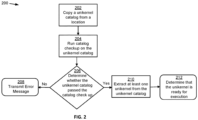
FIG. 2 is a flowchart of an example of a process for deploying unikernels using a unikernel catalog according to one embodiment of the present disclosure. -
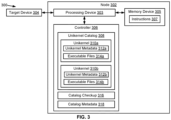
FIG. 3 is a block diagram of an example of a computing environment for deploying unikernels using a unikernel catalog according to one embodiment of the present disclosure. -
FIG. 4 is a flowchart of another example of a process for deploying unikernels using a unikernel catalog according to one embodiment of the present disclosure. -
FIG. 5 is a block diagram of an example of a system for generating a unikernel catalog according to one embodiment of the present disclosure. -
FIG. 6 is a block diagram of an example of a unikernel catalog according to one embodiment of the present disclosure. -
FIG. 7 is a block diagram of an example of a computing environment for generating a unikernel catalog according to one example of the present disclosure. -
FIG. 8 is a flowchart of an example of a process for generating a unikernel catalog according to one example of the present disclosure. - In current systems, deployment of unikernels in computing environments, such as virtualized environments, cloud platforms, or edge nodes can be inefficient. For example, a unikernel may be developed, adapted, updated, or a combination thereof to meet specific requirements of hardware or software of a computing environment prior to deployment. The unikernel may also be developed, adapted, updated, or a combination thereof based on a specific application or task being implemented in the computing environment via the unikernel before deployment. Thus, preparing a unikernel for deployment can be computationally expensive and can cause latency for the computing environments. For example, a unikernel may be used in a booting process of an edge node, and a time period required to prepare and deploy the unikernel may cause latency for the booting process of the edge node.
- Additionally, for a computing environment at which multiple unikernels may be deployed, the current systems may develop, prepare, and deploy each unikernel separately, which can also be computationally expensive and cause latency within the computing environment. Moreover, for applications, services, or computing environments with high security requirements, storing, transmitting, or otherwise interacting with unikernels via global networks (e.g., the internet) may not be plausible. Similarly, some computing environments may receive or transmit information via a local network, a mesh network, or other suitable local communication methods rather than the global networks. Thus, there can be a need for a secure method for storing pre-developed unikernels, from which the pre-developed unikernels can be efficiently updated, retrieved, and deployed at various computing environments.
- Some examples of the present disclosure overcome one or more of the abovementioned problems via unikernel catalogs. For example, a unikernel catalog can be generated to include one or more unikernels associated with a computing environment. A controller may be operating on or in connection with the computing environment to manage the computing environment. For example, the controller may manage unikernel deployment at the computing environment by retrieving the unikernel catalog. To do so, the unikernel catalog can be stored in a location available to the controller. For example, the unikernel catalog can be stored on a portable device, on a local disk, in a centralized service accessible via a local network or the internet, or in another suitable location. Thus, the unikernel catalog can be stored in a manner that is accessible by the controller and meets security requirements of the computing environment.
- In addition to the unikernels, the unikernel catalog can include catalog metadata describing the unikernels. The controller may further manage unikernel deployment by determining, from the catalog metadata, which unikernels are included in the unikernel catalog, a provider entity of the unikernel catalog or of the unikernels, version or update information for the unikernels, or other suitable information associated with the unikernels.
- The controller may further perform a catalog checkup of the unikernel catalog. The catalog checkup can involve the controller verifying that a provider entity of the unikernel catalog is a secure provider entity, verifying that provider entity signatures of the unikernels are accurate, or otherwise confirming that the unikernel catalog does not pose a security threat to the computing environment. If the unikernel catalog passes the catalog checkup, the controller can extract one or more unikernels from the unikernel catalog and can deploy the one or more unikernels in the computing environment. Thus, the controller can perform the catalog checkup to ensure secure deployment of the unikernels. Additionally, because several unikernels can be verified, extracted, and deployed from a unikernel catalog, the unikernels can be prepared and deployed in a computationally efficient manner. This can also reduce latency for the computing environment in which the unikernels are deployed.
- In one particular example, a vehicle can be interacting with a distributed computing environment. The vehicle can include a controller for managing and deploying unikernels on target devices, such as cameras, sensors, or other suitable devices, associated with the vehicle. The controller may receive a unikernel catalog by copying the unikernel catalog from storage location, such as a USB device. The unikernel catalog can include unikernels associated with the target devices and catalog metadata describing the unikernels. Additionally, each of the unikernels can include executable files related to a task or application for a target device.
- After copying the unikernel catalog, the controller may execute a catalog checkup to verify the unikernel catalog. For example, the controller may verify the unikernel catalog by determining that a signature indicating a provider entity of the unikernel catalog is an acceptable signature. The signature may be included in the catalog metadata. In response to verifying the unikernel catalog, the controller may extract a unikernel from the unikernel catalog and may deploy the unikernel at a target device. For example, the target device can be a temperature sensor module associated with a temperature sensor (e.g., a thermistor) of the vehicle. The unikernel can be deployed at the temperature sensor module to perform temperature data collection and analysis.
- Illustrative examples are given to introduce the reader to the general subject matter discussed herein and are not intended to limit the scope of the disclosed concepts. The following sections describe various additional features and examples with reference to the drawings in which like numerals indicate like elements, and directional descriptions are used to describe the illustrative aspects, but, like the illustrative aspects, should not be used to limit the present disclosure.
-
FIG. 1 is a block diagram of an example of asystem 100 for deploying unikernels 110a-b using aunikernel catalog 108 according to one embodiment of the present disclosure. Thesystem 100 may include one or more nodes, such asnode 102, which may communicate using anetwork 130. Examples of thenetwork 130 can include a local area network (LAN) or the Internet. Thesystem 100 may also include acentralized service 122, atarget device 104, and astorage location 120. Thenode 102 and thetarget device 104 may be edge nodes that may be located physically close to or within an access range of one another. Thenode 102, thetarget device 104, or a combination thereof can be responsible for data processing, analysis, storage, or a combination thereof within a computing environment, such as a distributed computing environment. - As depicted, a
controller 106 may be a software component operating on thenode 102. In other examples, thecontroller 106 may be embedded within thetarget device 104. Thus, thecontroller 106 can be defined as a software-based or hardware-based component of thesystem 100 responsible for managing thetarget device 104 at least in part by discovering, extracting, and deploying unikernels. Examples of thenode 102 may include servers, routers, controllers, or other suitable types of edge nodes. Examples of thetarget device 104 may include resource-constrained devices, such as microcontrollers, smart devices, sensors, etc. Additional examples of thetarget device 104 may include edge devices, such as smartphones, tablets, wearable devices, vehicles, Internet of Things (IoT) devices, etc. - In some examples, the
controller 106 may be configured to deploy unikernels 110a-b at thetarget device 104 using aunikernel catalog 108. Theunikernel catalog 108 can be a file or set of files stored in thestorage location 120, in thecentralized service 122, or a combination thereof. Theunikernel catalog 108 can include a set of related unikernels 110a-b that form a coherent ensemble. For example, a first unikernel 110a can be a webserver unikernel and asecond unikernel 110b can implement a caching mechanism for the webserver unikernel. - Each of the unikernels 11 0a-b can include
executable files 114a-b and unikernel metadata 112a-b. Theexecutable files 114a-b can be binary files containing operating system components, application code, libraries, dependencies, or other suitable components required to execute a single application or service. For example, firstexecutable files 114a can include components required for executing a webserver and secondexecutable files 114b can include components required for executing the caching mechanism. Theexecutable files 114a-b can be customized to only implement the single application or service and can therefore be light weight and efficient in comparison with traditional operating systems. The unikernel metadata 112a-b can describe theexecutable files 114a-b. - The unikernel metadata 112a-b may further include indications (e.g., signatures) of
provider entities 124a-b for the unikernels 110a-b. For example, first unikernel metadata 112a can include a first signature for afirst provider entity 124a of the first unikernel 110a. Additionally,second unikernel metadata 112b can include a second signature for asecond provider entity 124b of thesecond unikernel 110b. Theprovider entities 124a-b can be organizations, companies, services, or the like used for producing the unikernels 110a-b. Theunikernel catalog 108 can also includecatalog metadata 118, which can include athird provider entity 124c for theunikernel catalog 108. Thus, in an example, thefirst provider entity 124a can be a first organization through which the first unikernel 110a was developed, thesecond provider entity 124b can be a second organization through which thesecond unikernel 110b was developed, and thethird provider entity 124c can be a service associated with the first and second organizations that packaged the unikernels 110a-b to generate theunikernel catalog 108. Thecatalog metadata 118 may also include a list of the unikernels 110a-b, descriptions of the unikernels 110a-b, or other suitable information. - In some examples, the service may be or include a unikernel catalog tool, such as the
unikernel catalog tool 501 depicted inFIG. 5 . The unikernel catalog tool can generate theunikernel catalog 108. For example, the unikernel catalog tool may receive the unikernels 110a-b from theprovider entities 124a-b. Additionally or alternatively, the unikernels 110a-b may be stored independently in thecentralized service 122, thestorage location 120, or a combination thereof. Thus, the unikernel catalog tool may receive the unikernels 110a-b by accessing thecentralized service 122 or thestorage location 120 and retrieving the unikernels 110a-b or copies of the unikernels 11 0a-b. The unikernel catalog tool may then generate theunikernel catalog 108 by zipping the unikernels 110a-b together into a single zip file or by otherwise generating a file or set of files that includes the unikernels 110a-b. Additionally, the unikernel catalog tool may store theunikernel catalog 108 in thecentralized service 122 or thestorage location 120. Thus, the unikernel catalog tool can provide related unikernels as an integrated set to facilitate efficient preparation and deployment. - To deploy the unikernels 110a-b at the
target device 104, thecontroller 106 may receive or copy aunikernel catalog 108 from thestorage location 120. Thestorage location 120 can be a local disk on thetarget device 104, a portable drive (e.g., a USB device, external hard drive, or the like), an s3 bucket, or another suitable storage location. Additionally or alternatively, thecontroller 106 may receive or copy theunikernel catalog 108 from thecentralized service 122. Thecentralized service 122 can be an online registry of unikernel images, unikernel catalogs, or a combination thereof. The unikernel images can be the binary files (e.g., theexecutable files 114a-b) consisting of the components (e.g., operating system components, application code, etc.) required to execute the single application or service. In some examples, theexecutable files 114a-b and associated unikernel metadata 112a-b can be zipped together and stored in thecentralized service 122 as theunikernel catalog 108. Developers may upload, manage, distribute the unikernel images or unikernel catalogs to various environments for development, testing, or the like via thecentralized service 122. Thus, thecentralized service 122 can enable seamless integration of unikernel preparation and deployment pipelines, thereby simplifying and streamlining processes of developing, updating, sharing, and executing unikernels across various environments. - In an example, to receive the
unikernel catalog 108 stored in thecentralized service 122, thecontroller 106 may transmit a request for theunikernel catalog 108 to thecentralized service 122. Thecontroller 106 may transmit the request based on one or both of the unikernels 110a-b being associated with thetarget device 104 or based on one or both of the unikernels 110a-b being customized to execute a desired application or service for thetarget device 104. In response, thecentralized service 122 may transmit theunikernel catalog 108 or a copy of theunikernel catalog 108 to the controller. Thecontroller 106 may then analyze the unikernels 110a-b ofunikernel catalog 108, store theunikernel catalog 108 at thestorage location 120, or a combination thereof. - Additionally, after receiving the
unikernel catalog 108, thecontroller 106 can execute acatalog checkup 116 to verify theunikernel catalog 108. Verifying theunikernel catalog 108 can involve authenticating theunikernel catalog 108, performing security checks on the unikernel catalog 108 (e.g., by analyzing the unikernels 110a-b of theunikernel catalog 108 for vulnerabilities), checking that a size of files of theunikernel catalog 108 or of the unikernels 110a-b in theunikernel catalog 108 are acceptable for thetarget device 104, or checking that theunikernel catalog 108 and unikernels 110a-b have sufficient resources for and are compatible with components (e.g., central processing unit (CPU), random-access memory (RAM), disk, sensors, firmware, etc.) of thetarget device 104. For example, thecontroller 106 can analyze the unikernel metadata 112a-b to determine theprovider entities 124a-b for each of the unikernels 110a-b. Thecontroller 106 may then verify that theprovider entities 124a-b are secure provider entities. Theprovider entities 124a-b can be secure provider entities if thecontroller 106 recognizes, trusts, or otherwise determines theprovider entities 124a-b are secure. For example, thecontroller 106 may verify that the signatures in the unikernel metadata 112a-b are representative of a secure provider entity. Thecontroller 106 may further verify that theprovider entities 124a-b indicated by the signatures are the correct or expected provider entities for the unikernels 110a-b. Thecontroller 106 may also analyze thecatalog metadata 118 to determine thethird provider entity 124c for theunikernel catalog 108. Thecontroller 106 may also verify that thethird provider entity 124c for theunikernel catalog 108 is a secure provider entity, that thethird provider entity 124c is the expected or correct provider entity for theunikernel catalog 108, or a combination thereof. - In some examples, the
controller 106 may detect a verification failure during execution of thecatalog checkup 116. For example, the controller may detect that the first signature for thefirst provider entity 124a is incorrect or is associated with a malicious entity. In response to detecting the verification failure, thecontroller 106 may transmit anotification 128 indicating that the verification failure has occurred to a device belonging to a developer of the first unikernel 110a, to thetarget device 104, or to another node or client device associated with the unikernels 110a-b or thesystem 100. Thecontroller 106 may also determine a cause of the verification failure, such as that the first signature is associated with the malicious entity. Thus, thenotification 128 indicating the verification failure may further include or indicate the cause of the verification failure. Additional examples of causes of the verification failure may include theunikernel catalog 108 missing a particular unikernel, theunikernel catalog 108 or one of the unikernels 110a-b failing to meet security requirements of thetarget device 104, a corruption in theexecutable files 114a-b, insufficient memory space on thetarget device 104 for theexecutable files 114a-b, etc. - Conversely, if the
catalog checkup 116 results in thecontroller 106 verifying theunikernel catalog 108, theunikernel catalog 108 can be used to deploy one or more of the unikernels 110a-b. For example, thecontroller 106 may extract thefirst unikernel 110a from theunikernel catalog 108. To do so, thecontroller 106 may load the firstexecutable files 114a, the first unikernel metadata 112a, or a combination thereof and transmit the firstexecutable files 114a, the first unikernel metadata 112a, or the combination thereof to thetarget device 104. As a result, thetarget device 104 can receive the components (e.g., the first unikernel 110a) for executing the webserver. Thetarget device 104 can execute the firstexecutable files 114a and may do so based on the information included in the first unikernel metadata 112a. Accordingly, the first unikernel 110a can be deployed at thetarget device 104. - The
controller 106 may also extract thesecond unikernel 110b from theunikernel catalog 108 by loading the secondexecutable files 114b, thesecond unikernel metadata 112b, or a combination thereof. Thecontroller 106 can then transmit the secondexecutable files 114b, thesecond unikernel metadata 112b, or the combination thereof to thetarget device 104. As a result, thetarget device 104 can receive the components for executing the caching mechanism for the webserver. Thetarget device 104 can then execute the secondexecutable files 114b to deploy thesecond unikernel 110b at thetarget device 104. - Thus, the
unikernel catalog 108 can be used to deploy related unikernels at thetarget device 104 in a computationally efficient manner. Additionally, because the unikernels 110a-b have been verified via thecatalog checkup 116, the deployment of the unikernels 110a-b can be secure. Moreover, due to the unikernels 110a-b being verified at and loaded from theunikernel catalog 108 rather than separately, the unikernels 110a-b can be deployed efficiently to reduce latency at thetarget device 104. - Although
FIG. 1 depicts a certain number and arrangement of components, other examples may include more components, fewer components, different components, or a different number of the components that is shown inFIG. 1 . For instance, the system can include more nodes than are shown inFIG. 1 . Additionally, while one target device is shown inFIG. 1 , in other examples thesystem 100 may include more target devices. -
FIG. 2 is a flowchart of an example of aprocess 200 for deploying unikernels using a unikernel catalog according to one embodiment of the present disclosure. Theprocess 200 ofFIG. 2 can be implemented by thecontroller 106 ofFIG. 1 or theprocessing device 303 ofFIG. 3 , but other implementations are also possible. WhileFIG. 2 depicts a certain sequence of steps for illustrative purposes, other examples can involve more steps, fewer steps, different steps, or a different order of the steps depicted inFIG. 2 . The steps ofFIG. 2 are described below with reference to the components ofFIGS. 1 described above. - At
block 202, thecontroller 106 can copy aunikernel catalog 108 from a location. For example, thecontroller 106 can copy theunikernel catalog 108 from acentralized service 122 in which various unikernel images and unikernel catalogs are stored. Thecontroller 106 may copy of theunikernel catalog 108 from thecentralized service 122 via a secure communication protocol, such as Hypertext Transfer Protocol Secure (HTTPS). - At
block 204, thecontroller 106 can run acatalog checkup 116 on theunikernel catalog 108. For example, thecontroller 106 can analyze unikernel metadata 112a-b of unikernels 110a-b included in theunikernel catalog 108. In doing so, thecontroller 106 can determine and verify afirst provider entity 124a of afirst unikernel 110a and asecond provider entity 124b of asecond unikernel 110b. Additionally, thecontroller 106 can analyzecatalog metadata 118 of theunikernel catalog 108 to determine and verify athird provider entity 124c of theunikernel catalog 108. Thecontroller 106 may also verify, via thecatalog checkup 116, that the unikernels 110a-b do not include security flaws (e.g., corrupted files), that the unikernels 110a-b meet security requirements of thetarget device 104, or otherwise verify that the unikernels 110a-b are compatible with and safe for deployment at thetarget device 104. - At
block 206, thecontroller 106 can determine whether theunikernel catalog 108 passed thecatalog checkup 116. In a first example, an executable file of firstexecutable files 114a for the first unikernel 110a may be corrupted. As a result, thecontroller 106 can detect the corruption during thecatalog checkup 116 and can determine that theunikernel catalog 108 fails thecatalog checkup 116. In a second example, thecontroller 106 may not detect any security flaws or other suitable issues with theunikernel catalog 108. Thus, thecontroller 106 can determine that theunikernel catalog 108 passes thecatalog checkup 116. - At
block 208, thecontroller 106 can transmit an error message. In the first example, thecontroller 106 can transmit the error message in response to theunikernel catalog 108 failing thecatalog checkup 116. The error message may be transmitted to a client device associated with a developer of one or both of the unikernels 110a-b or of theunikernel catalog 108. Additionally or alternatively, the error message can be transmitted to thecentralized service 122, and may cause theunikernel catalog 108 to be flagged or otherwise signified as being unable to be deployed. In some examples, the error message can include a reason (e.g., the corrupt executable file) that theunikernel catalog 108 failed thecatalog checkup 116. - At
block 210, thecontroller 106 can extract at least one unikernel from the unikernel catalog. In the second example, thecontroller 106 can extract one or both of the unikernels 110a-b in response to theunikernel catalog 108 passing thecatalog checkup 116. Thecontroller 106 can extract, for example, thefirst unikernel 110a by loading the firstexecutable files 114a, the first unikernel metadata 112a, or a combination thereof from theunikernel catalog 108. Thecontroller 106 may further transmit the firstexecutable files 114a, the first unikernel metadata 112a, or the combination thereof to thetarget device 104. - At
block 212, thecontroller 106 can determine that the unikernel is ready for execution. For example, thecontroller 106 may determine that thefirst unikernel 110a is ready for execution based on thetarget device 104 receiving the firstexecutable files 114a, the first unikernel metadata 112a, or a combination thereof. Thetarget device 104 may then execute the firstexecutable files 114a. Thus, the first unikernel 110a can be deployed at thetarget device 104. -
FIG. 3 is a block diagram of an example of acomputing environment 300 for deploying unikernels using a unikernel catalog according to one embodiment of the present disclosure. Thecomputing environment 300 depicted inFIG. 3 includes aprocessing device 303 communicatively coupled with amemory device 305. In some examples, the components of the computing environment, such as theprocessing device 303 and thememory device 305, may be part of a same computing device, such asnode 302. In other examples, theprocessing device 303 and thememory device 305 can be included in separate computing devices that are communicatively coupled. - The
processing device 303 can include one processing device or multiple processing devices. Non-limiting examples of theprocessing device 303 include a Field-Programmable Gate Array (FPGA), an application-specific integrated circuit (ASIC), a microprocessor, etc. Theprocessing device 303 can executeinstructions 307 stored in thememory device 305 to perform operations. In some examples, theinstructions 307 can include processor-specific instructions generated by a compiler or an interpreter from code written in any suitable computer-programming language, such as C, C++, C#, etc. - The
memory device 305 can include one memory or multiple memories. Thememory device 305 can be non-volatile and may include any type of memory that retains stored information when powered off. Non-limiting examples of thememory device 305 include electrically erasable and programmable read-only memory (EEPROM), flash memory, or any other type of non-volatile memory. At least some of the memory can include a non-transitory computer-readable medium from which theprocessing device 303 can readinstructions 307. The non-transitory computer-readable medium can include electronic, optical, magnetic, or other storage devices capable of providing the processing device with computer-readable instructions or other program code. Examples of the non-transitory computer-readable medium include magnetic disk(s), memory chip(s), ROM, RAM, an ASIC, a configured processor, optical storage, or any other medium from which a computer processor can read theinstructions 307. - In some examples, the
processing device 303 can execute theinstructions 307 to perform some or all of the functionality described herein. For example, theprocessing device 303 can receive, by acontroller 306, aunikernel catalog 308. Theunikernel catalog 308 can include a plurality of unikernels 310a-b andcatalog metadata 318. Additionally, each unikernel of the plurality of unikernels 310a-b can include unikernel metadata 312a-b andexecutable files 314a-b. Theprocessing device 303 can also execute, by thecontroller 306, acatalog checkup 316 to verify theunikernel catalog 308. Then, in response to verifying theunikernel catalog 308, theprocessing device 303 can extract, by thecontroller 306, aunikernel 310a of the plurality of unikernels 310a-b associated with atarget device 304 from theunikernel catalog 308. Theprocessing device 303 can further deploy, by thecontroller 306, the unikernel 310a at thetarget device 304. -
FIG. 4 is a flowchart of another example of aprocess 400 for deploying unikernels using a unikernel catalog according to one embodiment of the present disclosure. In some examples, theprocessing device 303 can implement some or all of the steps shown inFIG. 4 . Additionally, in some examples, theprocessing device 303 can be executing thecontroller 106 ofFIG. 1 to implement some or all of the steps shown inFIG. 4 . Other examples can include more steps, fewer steps, different steps, or a different order of the steps than is shown inFIG. 4 . The steps ofFIG. 4 are discussed below with reference to the components discussed above in relation toFIGS. 1 and3 . - At
block 402, theprocessing device 303 can receive, by acontroller 106, aunikernel catalog 108 comprising a plurality of unikernels 110a-b. In a particular example, to reduce latency and improve performance of content delivery in a content delivery network (CDN), the unikernels 110a-b can be created and used to provide caching services. In particular, a first unikernel 110a can be used as a server that is specialized and tailored to respond to calls from edge devices in the CDN. Asecond unikernel 110b can then be used as a storage cache that is specialized and tailored to retrieve content from the edge devices (e.g., a local disk of an edge device). Thus, the unikernels 110a-b, in the particular example, can work together to provide the caching services. It may therefore be desirable to bundle the unikernels 110a-b in theunikernel catalog 108 and store theunikernel catalog 108 in, for example, acentralized service 122 accessible by the edge devices. In this way, the unikernels 110a-b can be efficiently deployed at the edge devices from theunikernel catalog 108. Additionally, thecontroller 106, in the particular example, can be managing the edge devices. Therefore, theprocessing device 303 may, via thecontroller 106, receive theunikernel catalog 108 by accessing thecentralized service 122 and requesting a copy of theunikernel catalog 108 from thecentralized service 122. - At
block 404, theprocessing device 303 can execute, by thecontroller 106, acatalog checkup 116 to verify theunikernel catalog 108. For example, theunikernel catalog 108 can includecatalog metadata 118. Thecatalog metadata 118 can include an indication (e.g., a signature) of athird provider entity 124c of theunikernel catalog 108. Thus, to verify theunikernel catalog 108 theprocessing device 303 can, via thecontroller 106, determine thethird provider entity 124c based on thecatalog metadata 118. Then, thecontroller 106 can verify that thethird provider entity 124c is a secure provider entity. Additionally, each of the unikernels 110a-b can include unikernel metadata 112a-b. The unikernel metadata 112a-b can also include indications ofprovider entities 124a-b for the unikernels 110a-b. For example, first unikernel metadata 112a of a first unikernel 110a can include an indication of afirst provider entity 124a, andsecond unikernel metadata 112b of asecond unikernel 110b can include an indication of asecond provider entity 124b. Thus, theprocessing device 303 can, by thecontroller 106, further determine theprovider entities 124a-b based on the unikernel metadata 112a-b. Then, thecontroller 106 can verify that theprovider entities 124a-b for each of the unikernels 110a-b are secure provider entities. - At
block 406, theprocessing device 303 can extract, by thecontroller 106, a unikernel of the plurality of unikernels 110a-b associated with atarget device 104 from theunikernel catalog 108. For example, thetarget device 104 can be a particular edge node in the CDN. Thecontroller 106 can detect or determine that the unikernels 110a-b should be deployed at the particular edge node based on, for example, the unikernel metadata 112a-b signifying that the unikernels 110a-b are compatible with the particular edge node. Thus, theprocessing device 303 can, via thecontroller 106, extract the unikernels 110a-b from theunikernel catalog 108. To do so, theprocessing device 303 can, by thecontroller 106, loadexecutable files 114a-b of both of the unikernels 110a-b. - At
block 408, theprocessing device 303 can deploy, by thecontroller 106, the unikernel at the target device. For example, thecontroller 106 can transmit theexecutable files 114a-b to the particular edge node, which can execute theexecutable files 114a-b. As a result, the unikernels 110a-b can be deployed on the particular edge node to implement a caching service (e.g., the server and the storage cache) at the particular edge node. -
FIG. 5 is a block diagram of an example of asystem 500 for generating aunikernel catalog 508 according to one embodiment of the present disclosure. Thesystem 500 may include one or more nodes, such asnode 502, which may communicate using anetwork 530. Examples of thenetwork 530 can include a local area network (LAN) or the Internet. Thesystem 500 may also include a centralized service 522, atarget device 504, and aunikernel catalog tool 501. Thenode 502 and thetarget device 504 may be edge nodes that may be located physically close to or within an access range of one another. Thenode 502, thetarget device 504, or a combination thereof can be responsible for data processing, analysis, storage, or a combination thereof within a computing environment, such as a distributed computing environment. - In some examples, the
unikernel catalog tool 501 can generate aunikernel catalog 508. To do so, theunikernel catalog tool 501 may receive a first unikernel 510a and asecond unikernel 510b. In an example, theunikernel catalog tool 501 may receive the first unikernel 510a from a first provider entity (e.g., Red Hat®). Theunikernel catalog tool 501 may also receive thesecond unikernel 510b from the first provider entity or theunikernel catalog tool 501 may receive thesecond unikernel 510b from a second provider entity. The provider entities can be any suitable organization, company, service, or the like. - Additionally or alternatively, the unikernels 510a-b may be stored independently in the centralized service 522, a
storage location 520, or a combination thereof. As depicted, thestorage location 520 can be a local disk or other suitable storage location embedded within thenode 502. In other examples, thestorage location 120 can be a portable drive (e.g., a USB device, external hard drive, or the like), an s3 bucket, or another suitable storage location. Thecentralized service 122 can be an online registry of unikernel images, unikernel catalogs, or a combination thereof accessible via thenetwork 530. Thus, theunikernel catalog tool 501 may receive the unikernels 510a-b by accessing thecentralized service 122 or thestorage location 120 and retrieving the unikernels 110a-b or copies of the unikernels 110a-b. - The
unikernel catalog tool 501 may then generatecatalog metadata 518. Thecatalog metadata 518 can include a list of the unikernels 510a-b, a description of executable files of each of the unikernels 510a-b, a signature or other suitable indication of a provider entity associated with the unikernel catalog tool 510, or other suitable information. - The
unikernel catalog tool 501 can then generate theunikernel catalog 508. For example, theunikernel catalog tool 501 may zip the unikernels 510a-b into a single zip file or otherwise generate a file or set of files that includes the unikernels 510a-b. Theunikernel catalog tool 501 can further zip or otherwise include a file with thecatalog metadata 518 in theunikernel catalog 508. Each of the unikernels 510a-b can include the executable files and unikernel metadata. The executable files can be binary files containing operating system components, application code, libraries, dependencies, or other suitable components required to execute a single application or service. The unikernel metadata can include descriptions of the executable files, signatures for the provider entities of the unikernels 510a-b, or other information related to the unikernel 510a-b. Theunikernel catalog tool 501 may combine the unikernels 510a-b based on the unikernels 510a-b being customized for thetarget device 504 or otherwise related. - After generating the
unikernel catalog 508, theunikernel catalog tool 501 may store theunikernel catalog 508 in the centralized service 522 or thestorage location 520. Thus, theunikernel catalog tool 501 can provide related unikernels as an integrated set and store the unikernels for subsequent use. In this way, theunikernel catalog tool 501 can facilitate efficient preparation and deployment of the unikernels. - Additionally, as depicted in
FIG. 5 , acontroller 506 may be a software or hardware component operating on thenode 502. In other examples, thecontroller 506 may be a component associated with thetarget device 504. Thecontroller 506 can be defined as a software-based or hardware-based component of thesystem 500 responsible for managing thetarget device 504 at least in part by discovering, extracting, and deploying unikernels. Thus, in some examples, thecontroller 506 may be configured to copy theunikernel catalog 508 from the centralized service 522 or thestorage location 520. As a result, theunikernel catalog 508 can be received at thenode 502. - The
controller 506 may then perform acatalog checkup 516 to verify theunikernel catalog 508. If theunikernel catalog 508 passes thecatalog checkup 516, thecontroller 506 can extract one or more of the unikernels 510a-b from the unikernel catalog. For example, thecontroller 506 may load the executable files and unikernel metadata associated with the unikernels 510a-b. Thecontroller 506 may then transmit the unikernels 510a-b to thetarget device 504. - Additionally, in some examples, the
unikernel catalog tool 501 or thecontroller 506 may transfer theunikernel catalog 508 from thestorage location 520 to the centralized service 522 or transfer theunikernel catalog 508 from the centralized service 522 to thestorage location 520. In an example, transferring theunikernel catalog 508 from thestorage location 520 to the centralized service 522 can make theunikernel catalog 508 available to additional nodes, target devices, etc. on thenetwork 530. In another example, transferring theunikernel catalog 508 from the centralized service 522 to thestorage location 520 can make theunikernel catalog 508 readily available to thenode 502 ortarget device 504 associated with thestorage location 520. -
FIG. 6 is a block diagram of an example of aunikernel catalog 608 according to one embodiment of the present disclosure. Theunikernel catalog 608 can include afirst unikernel 610a and asecond unikernel 610b. The first unikernel 610a can include a first set ofbinary files 614a-b. Additionally, thesecond unikernel 610b can include a second set ofbinary files 614c-d. Thebinary files 614a-d can contain operating system components, application code, libraries, dependencies, or other suitable components required to execute a single application of service. For example, the first set ofbinary files 614a-b can include components required for executing a first application associated with the first unikernel 610a. The second set ofbinary files 614c-d can similarly include components required for executing a second application associated with thesecond unikernel 610b. Thebinary files 614a-d can be customized such that thebinary files 614a-d only include the components necessary for implementing the first and second applications respectively. - The first unikernel 610a can further include first unikernel metadata 612a, and the
second unikernel 610b can includesecond unikernel metadata 612b. The first unikernel metadata 612a can describe contents of the first set ofbinary files 614a-b, and thesecond unikernel metadata 612b can describe contents of the second set ofbinary files 614c-d. The unikernel metadata 612a-b may further include indications of provider entities for the unikernels 610a-b. For example, the first unikernel metadata 612a can include afirst unikernel signature 630a for a first provider entity of the first unikernel 610a. Additionally, thesecond unikernel metadata 612b can include asecond unikernel signature 630b for a second provider entity of thesecond unikernel 610b. - The
unikernel catalog 608 can further includecatalog metadata 618, which can include an identity of acatalog provider 628 for theunikernel catalog 608. Thecatalog metadata 618 may also include a list of the unikernels 610a-b, descriptions ofcontents 626 of the unikernels 610a-b, or other suitable information. -
FIG. 7 is a block diagram of an example of acomputing environment 700 for generating aunikernel catalog 708 according to one example of the present disclosure. Thecomputing environment 700 depicted inFIG. 7 includes aprocessing device 703 communicatively coupled with amemory device 705. In some examples, the components of the computing environment, such as theprocessing device 703 and thememory device 705, may be part of a same computing device, such asnode 702. In other examples, theprocessing device 703 and thememory device 705 can be included in separate computing devices that are communicatively coupled. - The
processing device 703 can include one processing device or multiple processing devices. Non-limiting examples of theprocessing device 703 include a Field-Programmable Gate Array (FPGA), an application-specific integrated circuit (ASIC), a microprocessor, etc. Theprocessing device 703 can executeinstructions 707 stored in thememory device 705 to perform operations. In some examples, theinstructions 707 can include processor-specific instructions generated by a compiler or an interpreter from code written in any suitable computer-programming language, such as C, C++, C#, etc. - The
memory device 705 can include one memory or multiple memories. Thememory device 705 can be non-volatile and may include any type of memory that retains stored information when powered off. Non-limiting examples of thememory device 705 include electrically erasable and programmable read-only memory (EEPROM), flash memory, or any other type of non-volatile memory. At least some of the memory can include a non-transitory computer-readable medium from which theprocessing device 703 can readinstructions 707. The non-transitory computer-readable medium can include electronic, optical, magnetic, or other storage devices capable of providing the processing device with computer-readable instructions or other program code. Examples of the non-transitory computer-readable medium include magnetic disk(s), memory chip(s), ROM, RAM, an ASIC, a configured processor, optical storage, or any other medium from which a computer processor can read theinstructions 707. - In some examples, the
processing device 703 can execute theinstructions 707 to perform some or all of the functionality described herein. For example, theprocessing device 703 can receive a plurality of unikernels 710a-b associated with atarget device 704. Theprocessing device 703 can also generatecatalog metadata 718 describing executable files of each unikernel of the plurality of unikernels 710a-b. Theprocessing device 703 can further generate a unikernel catalog 706 that comprises the plurality of unikernels 710a-b and thecatalog metadata 718. Additionally, theprocessing device 703 can store theunikernel catalog 708 in astorage location 720 or in acentralized service 722 associated with thetarget device 704. -
FIG. 8 is a flowchart of an example of aprocess 800 for generating a unikernel catalog according to one example of the present disclosure. In some examples, theprocessing device 703 can implement some or all of the steps shown inFIG. 8 . Additionally, in some examples, theprocessing device 703 can be executing theunikernel catalog tool 501 ofFIG. 5 to implement some or all of the steps shown inFIG. 8 . Other examples can include more steps, fewer steps, different steps, or a different order of the steps than is shown inFIG. 8 . The steps ofFIG. 8 are discussed below with reference to the components discussed above in relation toFIGS. 5-7 . - At
block 802, theprocessing device 703 can receive a plurality of unikernels 510a-b associated with atarget device 504. For example, thetarget device 504 can be a virtual machine and the unikernels 510a-b can be developed to run applications for the virtual machine. It can be desirable to run the applications using the unikernels 510a-b as the unikernels 510a-b can be light-weight, resource efficient, and secure. The unikernels 510a-b can also each provide application-level isolation, thereby preventing interference between applications and promoting stability for each application. - At
block 804, theprocessing device 703 can generatecatalog metadata 518 describing executable files of each unikernel of the plurality of unikernels 510a-b. Thecatalog metadata 518 can also include a list of the unikernels 510a-b, descriptions of each of the applications hosted by the unikernels 510a-b, an indicator (e.g., a signature) of a provider entity of theunikernel catalog 508, or other suitable information. - At
block 806, theprocessing device 703 can generate aunikernel catalog 508 that comprises the plurality of unikernels 510a-b and thecatalog metadata 518. For example, theprocessing device 703 can detect that both of the unikernels 510a-b include applications associated with the virtual machine. Thus, theprocessing device 703 may zip first executable files and metadata associated with the first unikernel 510a and second executable files and metadata associated with thesecond unikernel 510b into theunikernel catalog 508. - At
block 808, theprocessing device 703 can store theunikernel catalog 508 in a storage location or a centralized service associated with the target device. For example, theprocessing device 703 may store theunikernel catalog 508 in a storage location accessible to a hypervisor managing the virtual machine. In the example, the storage location may be a local disk of a physical host on which the virtual machine is running. - Example 1 is a non-transitory computer-readable medium comprising instructions that are executable by a processing device for causing the processing device to: receive, by a controller, a unikernel catalog comprising a plurality of unikernels and catalog metadata, each unikernel of the plurality of unikernels comprising unikernel metadata and executable files; execute, by the controller, a catalog checkup to verify the unikernel catalog; in response to verifying the unikernel catalog: extract, by the controller, a unikernel of the plurality of unikernels associated with a target device from the unikernel catalog; and deploy, by the controller, the unikernel at the target device.
- Example 2 is the non-transitory computer-readable medium of example 1, further comprising instructions executable by the processing device for causing the processing device to execute the catalog checkup to verify the unikernel catalog by: determining a provider entity for each unikernel of the plurality of unikernels based the unikernel metadata; and verifying that the provider entity for each unikernel of the plurality of unikernels is a secure provider entity.
- Example 3 is the non-transitory computer-readable medium of example(s) 1-2, further comprising instructions executable by the processing device for causing the processing device to execute the catalog checkup to verify the unikernel catalog by: determining a provider entity for the unikernel catalog based on the catalog metadata; and verifying that the provider entity for the unikernel catalog is a secure provider entity.
- Example 4 is the non-transitory computer-readable medium of example(s) 1-3, wherein the unikernel catalog is received from a centralized service configured to store a plurality of unikernel catalogs including the unikernel catalog, and further comprising instructions executable by the processing device for causing the processing device to, prior to receiving the unikernel catalog, request the unikernel catalog from the centralized service.
- Example 5 is the non-transitory computer-readable medium of example(s) 1-4, wherein the unikernel catalog is received from a storage location accessible by the controller, wherein the storage location is a local disk or a portable drive, and further comprising instructions executable by the processing device for causing the processing device to, prior to receiving the unikernel catalog, access the storage location.
- Example 6 is the non-transitory computer-readable medium of example(s) 1-5, further comprising instructions executable by the processing device for causing the processing device to: detect a verification failure during execution of the catalog checkup; in response to detecting the verification failure: determine a cause of the verification failure; and transmit a notification indicating the verification failure and the cause of the verification failure to the target device.
- Example 7 is a method comprising: receiving, by a controller of a node in a distributed computing environment, a unikernel catalog comprising a plurality of unikernels; executing, by the controller, a catalog checkup to verify the unikernel catalog; in response to verifying the unikernel catalog: detecting, by the controller, a unikernel of the plurality of unikernels associated with a target device of the distributed computing environment; extracting, by the controller, the unikernel from the unikernel catalog; and deploying, by the controller, the unikernel at the target device.
- Example 8 is the method of example 7, wherein each unikernel of the plurality of unikernels comprises unikernel metadata, and wherein executing the catalog checkup to verify the unikernel catalog comprises: determining a provider entity for each unikernel of the plurality of unikernels based the unikernel metadata; and verifying that the provider entity for each unikernel of the plurality of unikernels is a secure provider entity.
- Example 9 is the method of example(s) 7-8, wherein the unikernel catalog further comprises catalog metadata, and wherein executing the catalog checkup to verify the unikernel catalog comprises: determining a provider entity for the unikernel catalog based on the catalog metadata; and verifying that the provider entity for the unikernel catalog is a secure provider entity.
- Example 10 is the method of example(s) 7-9, wherein the unikernel catalog is received from a centralized service configured to store a plurality of unikernel catalogs including the unikernel catalog.
- Example 11 is the method of example(s) 7-10, further comprising, prior to receiving the unikernel catalog, requesting the unikernel catalog from the centralized service.
- Example 12 is the method of example(s) 7-11, wherein the unikernel catalog is received from a storage location associated with the node, wherein the storage location is a local disk or a portable drive, and wherein the method further comprises, prior to receiving the unikernel catalog, accessing the storage location.
- Example 13 is the method of example(s) 7-12, further comprising: detecting a verification failure during the execution of the catalog checkup; in response to detecting the verification failure: determining a cause of the verification failure; and transmitting a notification indicating the verification failure and the cause of the verification failure to the target device.
- Example 14 is a system comprising: a node of a distributed computing environment comprising: a controller configured to deploy a unikernel at a target device of the distributed computing environment by: receiving a unikernel catalog comprising a plurality of unikernels and catalog metadata, each unikernel of the plurality of unikernels comprising unikernel metadata and executable files; executing a catalog checkup to verify the unikernel catalog; in response to verifying the unikernel catalog, extracting a unikernel of the plurality of unikernels from the unikernel catalog; and the target device configured to receive the unikernel from the controller and to execute the executable files of the unikernel.
- Example 15 is the system of example 14, wherein the controller executes the catalog checkup to verify the unikernel catalog by: determining a provider entity for each unikernel of the plurality of unikernels based the unikernel metadata; and verifying that the provider entity for each unikernel of the plurality of unikernels is a secure provider entity.
- Example 16 is the system of example(s) 14-15, wherein the controller executes the catalog checkup to verify the unikernel catalog by: determining a provider entity for the unikernel catalog based on the catalog metadata; and verifying that the provider entity for the unikernel catalog is a secure provider entity.
- Example 17 is the system of example(s) 14-16, further comprising a centralized service configured to store a plurality of unikernel catalogs including the unikernel catalog and configured to transfer the unikernel catalog to the node.
- Example 18 is the system of example(s) 14-17, wherein the controller is further configured to, prior to receiving the unikernel catalog, request the unikernel catalog from the centralized service based on at least one unikernel of the plurality of unikernels being associated with the target device.
- Example 19 is the system of example(s) 14-18, further comprising a unikernel catalog tool configured to: receive the plurality of unikernels; generate the unikernel catalog; and store the unikernel catalog in the centralized service or store the unikernel catalog in a storage location, wherein the storage location is a local disk or a portable drive.
- Example 20 is the system of example(s) 14-19, wherein the controller is further configured to detect an authentication verification failure during the execution of the catalog checkup, and wherein the controller, in response to detecting the authentication verification failure, is configured to determine a cause of the authentication verification failure; and transmit a notification indicating the authentication verification failure and the cause of the verification authentication failure to the target device.
- Example 21 is a system comprising: a processing device; and a memory device including instructions that are executable by the processing device for causing the processing device to perform operations comprising: receiving a plurality of unikernels associated with a target device; generating catalog metadata describing executable files of each unikernel of the plurality of unikernels; generating a unikernel catalog that comprises the plurality of unikernels and the catalog metadata; and storing the unikernel catalog in a storage location or a centralized service associated with the target device.
- Example 22 is the system of example 21, wherein the memory device includes instructions that are executable by the processing device for causing the processing device to: receive the unikernel catalog from the storage location or the centralized service; execute a catalog checkup to authenticate the unikernel catalog; in response to authenticating the unikernel catalog: extract a unikernel of the plurality of unikernels associated with the target device from the unikernel catalog; and deploy the unikernel at the target device.
- Example 23 is the system of example(s) 21-22, wherein each unikernel of the plurality of unikernels comprises unikernel metadata, and wherein the memory device includes instructions that are executable by the processing device for causing the processing device to execute the catalog checkup to authenticate the unikernel catalog by: determining a provider entity for each unikernel of the plurality of unikernels based the unikernel metadata; and verifying that the provider entity for each unikernel of the plurality of unikernels is a secure provider entity.
- Example 24 is the system of example(s) 21-23, wherein the memory device includes instructions that are executable by the processing device for causing the processing device to execute the catalog checkup to authenticate the unikernel catalog by: determining a provider entity for the unikernel catalog based on the catalog metadata; and verifying that the provider entity for the unikernel catalog is a secure provider entity.
- Example 25 is the system of example(s) 21-24, wherein the memory device includes instructions that are executable by the processing device for causing the processing device to: transfer the unikernel catalog from the storage location to the centralized service or transfer the unikernel catalog from the centralized service to the storage location.
- Example 26 is the system of example(s) 21-25, wherein the storage location is a portable device or a local disk, and wherein the centralized service is a registry comprising a plurality of unikernal catalogs including the unikernal catalog.
- Example 27 is a method comprising: detecting, by a processing device, a plurality of unikernels associated with a target device; generating, by the processing device, catalog metadata describing executable files of each unikernel of the plurality of unikernels; generating, by the processing device, a unikernel catalog that comprises the plurality of unikernels and the catalog metadata; and storing, by the processing device, the unikernel catalog in a storage location or in a centralized service accessible by a controller associated with the target device.
- Example 28 is the method of example 27, further comprising: receiving the unikernel catalog from the storage location or the centralized service; executing a catalog checkup to authenticate the unikernel catalog; in response to authenticating the unikernel catalog: extracting a unikernel of the plurality of unikernels associated with the target device from the unikernel catalog; and deploying the unikernel at the target device.
- Example 29 is the method of example(s) 27-28, wherein each unikernel of the plurality of unikernels comprises unikernel metadata, and wherein executing the catalog checkup to authenticate the unikernel catalog comprises: determining a provider entity for each unikernel of the plurality of unikernels based the unikernel metadata; and verifying that the provider entity for each unikernel of the plurality of unikernels is a secure provider entity.
- Example 30 is the method of example(s) 27-29, wherein executing the catalog checkup to authenticate the unikernel catalog comprises: determining a provider entity for the unikernel catalog based on the catalog metadata; and verifying that the provider entity for the unikernel catalog is a secure provider entity.
- Example 31 is the method of example(s) 27-30, further comprising transferring the unikernel catalog from the storage location to the centralized service or transferring the unikernel catalog from the centralized service to the storage location.
- Example 32 is a system comprising: means for deploying a unikernel at a target device by: receiving a unikernel catalog comprising a plurality of unikernels and catalog metadata, each unikernel of the plurality of unikernels comprising unikernel metadata and executable files; executing a catalog checkup to authenticate the unikernel catalog; in response to authenticating the unikernel catalog, extracting a unikernel of the plurality of unikernels from the unikernel catalog; and means for receiving the unikernel and executing the executable files of the unikernel.
- The foregoing description of certain examples, including illustrated examples, has been presented only for the purpose of illustration and description and is not intended to be exhaustive or to limit the disclosure to the precise forms disclosed. Numerous modifications, adaptations, and uses thereof will be apparent to those skilled in the art without departing from the scope of the disclosure.
Claims (15)
- A method comprising:receiving, by a controller of a node in a distributed computing environment, a unikernel catalog comprising a plurality of unikernels;executing, by the controller, a catalog checkup to verify the unikernel catalog;in response to verifying the unikernel catalog:detecting, by the controller, a unikernel of the plurality of unikernels associated with a target device of the distributed computing environment;extracting, by the controller, the unikernel from the unikernel catalog; anddeploying, by the controller, the unikernel at the target device.
- The method of claim 1, wherein each unikernel of the plurality of unikernels comprises unikernel metadata, and wherein executing the catalog checkup to verify the unikernel catalog comprises:determining a provider entity for each unikernel of the plurality of unikernels based the unikernel metadata; andverifying that the provider entity for each unikernel of the plurality of unikernels is a secure provider entity.
- The method of claim 1, wherein the unikernel catalog further comprises catalog metadata, and wherein executing the catalog checkup to verify the unikernel catalog comprises:determining a provider entity for the unikernel catalog based on the catalog metadata; andverifying that the provider entity for the unikernel catalog is a secure provider entity.
- The method of claim 1, wherein the unikernel catalog is received from a centralized service configured to store a plurality of unikernel catalogs including the unikernel catalog.
- The method of claim 4, further comprising, prior to receiving the unikernel catalog, requesting the unikernel catalog from the centralized service.
- The method of claim 1, wherein the unikernel catalog is received from a storage location associated with the node, wherein the storage location is a local disk or a portable drive, and wherein the method further comprises, prior to receiving the unikernel catalog, accessing the storage location.
- The method of claim 1, further comprising:detecting a verification failure during the execution of the catalog checkup;in response to detecting the verification failure:determining a cause of the verification failure; andtransmitting a notification indicating the verification failure and the cause of the verification failure to the target device.
- A system comprising:a node of a distributed computing environment comprising:
a controller configured to deploy a unikernel at a target device of the distributed computing environment by:receiving a unikernel catalog comprising a plurality of unikernels and catalog metadata, each unikernel of the plurality of unikernels comprising unikernel metadata and executable files;executing a catalog checkup to verify the unikernel catalog;in response to verifying the unikernel catalog, extracting a unikernel of the plurality of unikernels from the unikernel catalog; andthe target device configured to receive the unikernel from the controller and to execute the executable files of the unikernel. - The system of claim 8, wherein the controller executes the catalog checkup to verify the unikernel catalog by:determining a provider entity for each unikernel of the plurality of unikernels based the unikernel metadata; andverifying that the provider entity for each unikernel of the plurality of unikernels is a secure provider entity.
- The system of claim 8, wherein the controller executes the catalog checkup to verify the unikernel catalog by:determining a provider entity for the unikernel catalog based on the catalog metadata; andverifying that the provider entity for the unikernel catalog is a secure provider entity.
- The system of claim 8, further comprising a centralized service configured to store a plurality of unikernel catalogs including the unikernel catalog and configured to transfer the unikernel catalog to the node.
- The system of claim 11, wherein the controller is further configured to, prior to receiving the unikernel catalog, request the unikernel catalog from the centralized service based on at least one unikernel of the plurality of unikernels being associated with the target device.
- The system of claim 11, further comprising a unikernel catalog tool configured to:receive the plurality of unikernels;generate the unikernel catalog; andstore the unikernel catalog in the centralized service or store the unikernel catalog in a storage location, wherein the storage location is a local disk or a portable drive.
- The system of claim 8, wherein the controller is further configured to detect an authentication verification failure during the execution of the catalog checkup, and wherein the controller, in response to detecting the authentication verification failure, is configured to:determine a cause of the authentication verification failure; andtransmit a notification indicating the authentication verification failure and the cause of the verification authentication failure to the target device.
- A non-transitory computer-readable medium comprising instructions that are executable by a processing device for causing the processing device to execute the method of any one of claims 1 to 7.
Applications Claiming Priority (1)
| Application Number | Priority Date | Filing Date | Title |
|---|---|---|---|
| US18/367,530 US12579319B2 (en) | 2023-09-13 | 2023-09-13 | Unikernel catalog for storing and facilitating deployment of unikernels |
Publications (1)
| Publication Number | Publication Date |
|---|---|
| EP4524727A1 true EP4524727A1 (en) | 2025-03-19 |
Family
ID=92457105
Family Applications (1)
| Application Number | Title | Priority Date | Filing Date |
|---|---|---|---|
| EP24194807.4A Pending EP4524727A1 (en) | 2023-09-13 | 2024-08-15 | Unikernel catalog for storing and facilitating deployment of unikernels |
Country Status (2)
| Country | Link |
|---|---|
| US (1) | US12579319B2 (en) |
| EP (1) | EP4524727A1 (en) |
Families Citing this family (1)
| Publication number | Priority date | Publication date | Assignee | Title |
|---|---|---|---|---|
| US12578983B2 (en) * | 2022-07-28 | 2026-03-17 | Red Hat, Inc. | Polymorphic unikernal factory for node management |
Citations (1)
| Publication number | Priority date | Publication date | Assignee | Title |
|---|---|---|---|---|
| US11321107B1 (en) * | 2020-05-13 | 2022-05-03 | NanoVMs, Inc. | Running arbitrary binaries as unikernels on embedded processors |
Family Cites Families (7)
| Publication number | Priority date | Publication date | Assignee | Title |
|---|---|---|---|---|
| US8745614B2 (en) * | 2011-05-13 | 2014-06-03 | Lsi Corporation | Method and system for firmware upgrade of a storage subsystem hosted in a storage virtualization environment |
| US9886303B2 (en) | 2016-06-15 | 2018-02-06 | International Business Machines Corporation | Specialized micro-hypervisors for unikernels |
| EP3418933A1 (en) * | 2017-06-19 | 2018-12-26 | Siemens Aktiengesellschaft | Edge device and method for operating an edge device |
| US10409654B2 (en) | 2017-07-13 | 2019-09-10 | International Business Machines Corporation | Facilitating event-driven processing using unikernels |
| US10983847B2 (en) * | 2019-02-15 | 2021-04-20 | Red Hat, Inc. | Dynamically loadable unikernel binaries |
| US11892418B1 (en) * | 2021-06-30 | 2024-02-06 | Amazon Technologies, Inc. | Container image inspection and optimization |
| US12086237B2 (en) * | 2021-10-21 | 2024-09-10 | Microsoft Technology Licensing, Llc | Securely redirecting system service routines |
-
2023
- 2023-09-13 US US18/367,530 patent/US12579319B2/en active Active
-
2024
- 2024-08-15 EP EP24194807.4A patent/EP4524727A1/en active Pending
Patent Citations (1)
| Publication number | Priority date | Publication date | Assignee | Title |
|---|---|---|---|---|
| US11321107B1 (en) * | 2020-05-13 | 2022-05-03 | NanoVMs, Inc. | Running arbitrary binaries as unikernels on embedded processors |
Non-Patent Citations (2)
| Title |
|---|
| PIANOMAN320: "Unikernel", 24 August 2016 (2016-08-24), XP055594632, Retrieved from the Internet <URL:https://en.wikipedia.org/w/index.php?title=Unikernel&oldid=736047435> [retrieved on 20190606] * |
| TAN BO ET AL: "Towards Lightweight Serverless Computing via Unikernel as a Function", 2020 IEEE/ACM 28TH INTERNATIONAL SYMPOSIUM ON QUALITY OF SERVICE (IWQOS), IEEE, 15 June 2020 (2020-06-15), pages 1 - 10, XP033834602, DOI: 10.1109/IWQOS49365.2020.9213020 * |
Also Published As
| Publication number | Publication date |
|---|---|
| US20250086322A1 (en) | 2025-03-13 |
| US12579319B2 (en) | 2026-03-17 |
Similar Documents
| Publication | Publication Date | Title |
|---|---|---|
| EP4099154B1 (en) | Shared software libraries for computing devices | |
| CN102521081B (en) | Repair destroyed software | |
| US12067380B2 (en) | System and method of offloading and migrating management controller functionalities using containerized services and application thereof | |
| US11392391B2 (en) | Selectively updating a bios image | |
| US12517710B2 (en) | Shim layer for intercepting calls between an upper layer and a lower layer of a container image | |
| JP6380958B2 (en) | Method, system, computer program, and application deployment method for passive monitoring of virtual systems | |
| US20100162047A1 (en) | System, method and computer program product for testing a boot image | |
| JP7315028B2 (en) | Verification information correction device, verification information correction method, and verification information correction program | |
| US10469518B1 (en) | Method and system for implementing cyber security as a service | |
| US12579319B2 (en) | Unikernel catalog for storing and facilitating deployment of unikernels | |
| US20150052321A1 (en) | Minimally disruptive virtual machine snapshots | |
| US11762984B1 (en) | Inbound link handling | |
| US20240143780A1 (en) | Supporting secure workspaces in heterogenous environments | |
| US12001870B2 (en) | Injection and execution of workloads into virtual machines | |
| US12265454B2 (en) | Application dependency based malware recovery | |
| EP4455917A1 (en) | Data sharing device, communication system, and communication method | |
| US12130695B2 (en) | Collecting crash-related information for a secure workspace | |
| US8924963B2 (en) | In-process intermediary to create virtual processes | |
| JP6834838B2 (en) | Computer boot method and computer | |
| US12524395B1 (en) | Automatically fixing a corrupted file requested by a guest on a host machine | |
| Rastogi et al. | Towards least privilege containers with cimplifier | |
| US12038828B2 (en) | Distributed debugging environment for a continuous integration pipeline | |
| US20250335186A1 (en) | Configuration validation for container deployments in a computing environment | |
| US11934894B2 (en) | Client device with simulated edge node for accessing a distributed storage system | |
| US12475220B1 (en) | System and method for identifying cybersecurity risk source in container image layers |
Legal Events
| Date | Code | Title | Description |
|---|---|---|---|
| PUAI | Public reference made under article 153(3) epc to a published international application that has entered the european phase |
Free format text: ORIGINAL CODE: 0009012 |
|
| STAA | Information on the status of an ep patent application or granted ep patent |
Free format text: STATUS: THE APPLICATION HAS BEEN PUBLISHED |
|
| AK | Designated contracting states |
Kind code of ref document: A1 Designated state(s): AL AT BE BG CH CY CZ DE DK EE ES FI FR GB GR HR HU IE IS IT LI LT LU LV MC ME MK MT NL NO PL PT RO RS SE SI SK SM TR |
|
| STAA | Information on the status of an ep patent application or granted ep patent |
Free format text: STATUS: REQUEST FOR EXAMINATION WAS MADE |
|
| 17P | Request for examination filed |
Effective date: 20250828 |
|
| STAA | Information on the status of an ep patent application or granted ep patent |
Free format text: STATUS: EXAMINATION IS IN PROGRESS |
|
| 17Q | First examination report despatched |
Effective date: 20251013 |
|
| GRAP | Despatch of communication of intention to grant a patent |
Free format text: ORIGINAL CODE: EPIDOSNIGR1 |
|
| RAP3 | Party data changed (applicant data changed or rights of an application transferred) |
Owner name: RED HAT, LLC |
|
| STAA | Information on the status of an ep patent application or granted ep patent |
Free format text: STATUS: GRANT OF PATENT IS INTENDED |
|
| INTG | Intention to grant announced |
Effective date: 20260311 |